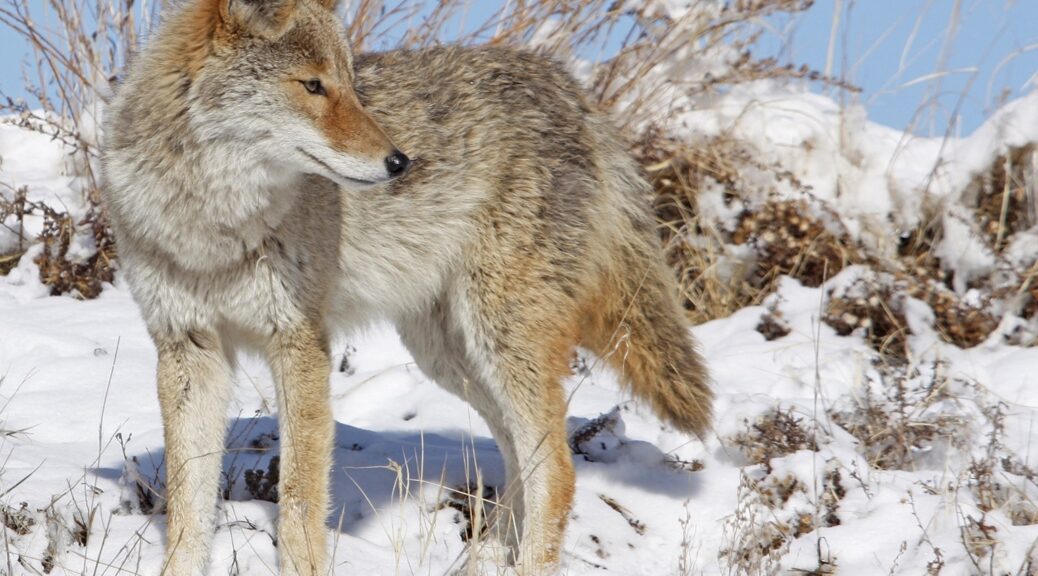
Coyotes, like other wild animals, sometimes come into conflict with humans. Since migrating to Ontario and the eastern provinces from western Canada more than 100 years ago, coyotes have adapted well to urban environments and can now be found in both rural and urban settings. Coyotes can be found across Ontario but are most abundant in southern and eastern agricultural Ontario and urban areas.
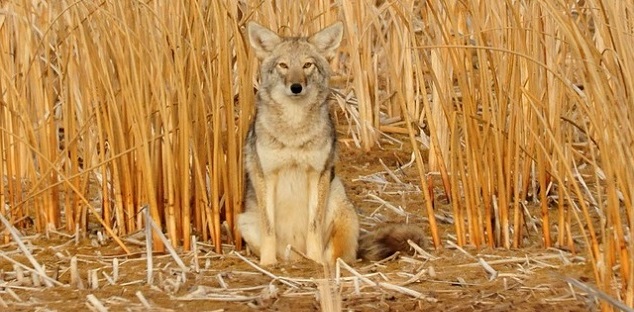
Changes in land use, agricultural practices, weather, supplemental feeding and natural food shortages may contribute to more coyote sightings in your community.
Homeowners can take steps to make sure coyotes aren’t attracted to their property and to keep their pets safe. To reduce the potential for coyote encounters, the Ministry of Natural Resources has the following tips for the public:
Do not approach or feed coyotes
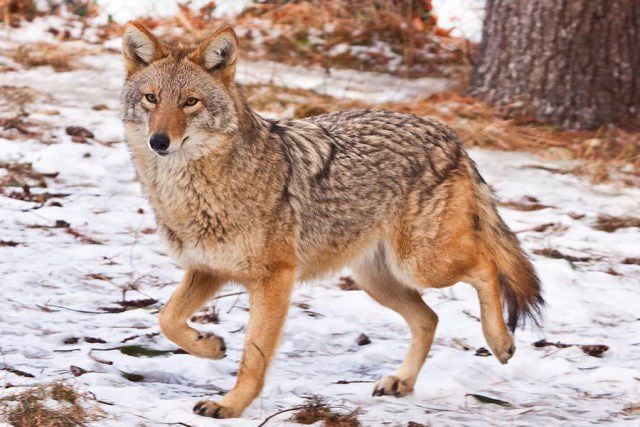 Coyotes are usually wary of humans and avoid people whenever possible. However, they are wild animals and should not be approached.
-
-
-
-
-
-
-
- People should NOT feed coyotes — either intentionally or unintentionally. It makes them less fearful of humans and makes them accustomed to food provided by humans.
- Aggressive behavior towards people is unusual for coyotes, but people should always exercise caution around wildlife. Secure garbage, compost and other attractants
- Do not provide food to coyotes and other wildlife. Properly store and maintain garbage containers to help prevent coyotes from becoming a problem.
- In the fall, pick ripe fruit from fruit trees, remove fallen fruit from the ground and keep bird feeders from overflowing as coyotes eat fruit, nuts and seeds.
- In the summer, protect vegetable gardens with heavy-duty garden fences or place vegetable plants in a greenhouse. Check with your local nursery to see what deterrent products are available.
- Place trash bins inside an enclosed structure to discourage the presence of small rodents, which are an important food source for coyotes.
- Put garbage at curb-side the morning of the scheduled pickup, rather than the night before.
- Use enclosed composting bins rather than exposed piles. Coyotes are attracted to dog and cat waste as well as products containing meat, milk and eggs.
- Consider eliminating artificial water sources such as koi ponds.
- Keep pet food indoors. Use deterrents and fences to keep coyotes away from your home and gardens
- Use motion-sensitive lighting and/or motion-activated sprinkler systems to make your property less attractive to coyotes and other nocturnal wildlife.
- Fence your property or yard. It is recommended the fence be at least six-feet tall with the bottom extending at least six inches below the ground and/or a foot outward, so coyotes cannot dig under the fence. A roller system can be attached to the top of the fence, preventing animals from gaining the foothold they need to pull themselves up and over the top of a fence.
- Electric fencing can also help deter coyotes from properties or gardens in some circumstances. Clear away bushes and dense weeds near your home where coyotes may find cover and small animals to feed upon.
-
- Install proper fencing.
- As coyotes are primarily nocturnal, pets should be kept inside at night.
- Keep all pets on leashes or confined to a yard.
- Keep cats indoors and do not allow pets to roam from home.
-
-
- Spay or neuter your dogs. Coyotes are attracted to, and can mate with, domestic dogs that have not been spayed or neutered.
-
-
-
If you encounter a coyote:
-
-
-
- Do not turn your back on or run. Back away while remaining calm.
- Use whistles and personal alarm devices to frighten an approaching or threatening animal.
- If a coyote poses an immediate threat or danger to public safety, call 911.
- Never attempt to tame a coyote. Reduce risk of predation on livestock
- Barns or sheds can provide effective protection from the threat of coyotes preying on livestock.
- Guard animals, such as donkeys, llamas and dogs, can be a cost-effective way to protect livestock from coyotes. Guard animals will develop a bond with livestock if they are slowly integrated and will aggressively repel predators.
-
-
Managing problem wildlife
- Landowners are responsible for managing problem wildlife, including coyotes, on their own property.
- The Ministry of Natural Resources helps landowners and municipalities deal with problem wildlife by providing fact sheets, appropriate agency referrals, and information on steps they can take to address problems with wildlife.

























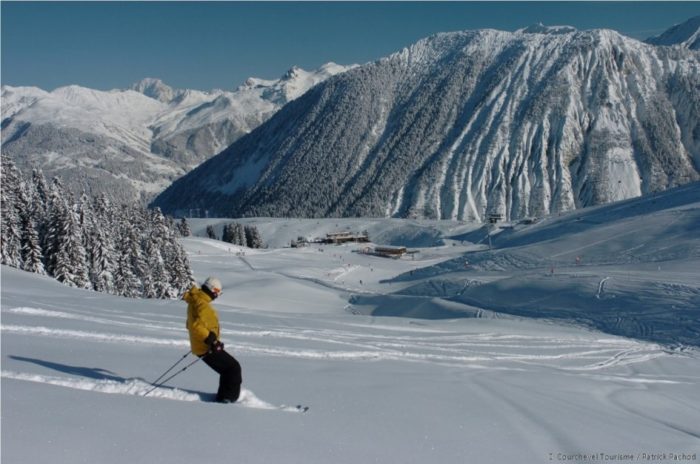
 There’s a reason why Val d’Isere, at 1,850 meters, continues to be the top choice of European skiers each winter. It offers the perfect blend of challenging ski terrain for advanced skiers and learner-friendly beginners zones for those new to the snow. The resort center is lined with high-end shops, lively après-ski bars and fantastic restaurants, all housed within beautiful, stone-clad buildings.
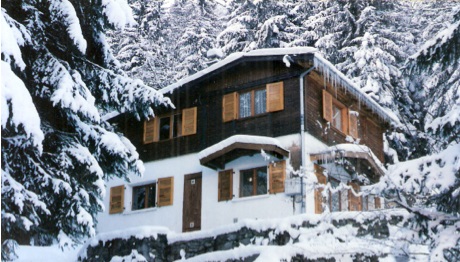 The diversity on offer in Chamonix these days makes it impossible to review the whole resort as one destination. At 950 meters, Les Houches is one of the closest resorts to Geneva Airport and offers kilometer after kilometer of tree-lined skiing, making it the perfect destination for families and beginners. The resort center has a village feel and is an outstanding spot from which to take in the incredible views.
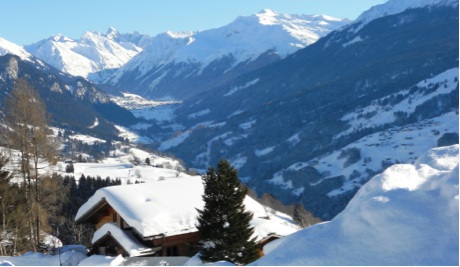 While the ski area between Klosters (at 1,179 meters) and Davos offers lots to explore, Klosters is without doubt the more attractive base for your ski holiday. The village center is charming and affluent, but with a relaxed vibe, while the trails are popular with advanced skiers enjoying an abundance of easily accessible off-piste in the area.
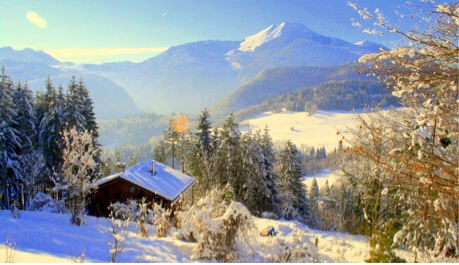 A resort that’s been quietly minding its own business for years, Les Gets, at 1,200 meters, is now developing into a chic, family-orientated resort that offers quick and easy access to the 650-kilometer Portes du Soleil ski area. Several piste-side restaurants offer views of Mont Blanc so it’s easy to find a sunny spot on which to enjoy an après tipple or two.
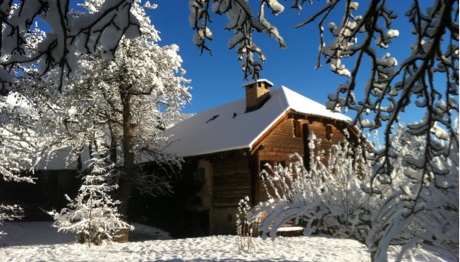 There’s one thing that makes these two interconnected resorts stand out, and it may not be for everyone. Crans, at 1,500 meters, and its neighbour Montana are not villages; although right on the edge of a great ski area, they’re most definitely towns with a very urban feel. This is a very sunny spot in which to base yourself and there’s varied terrain to suit all ability levels.
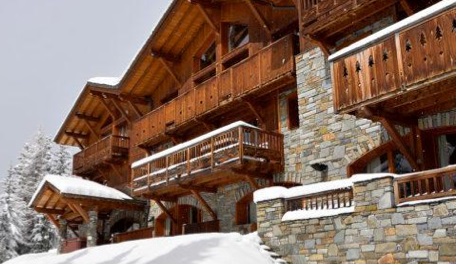 We love La Rosière, at 1,850 meters, not just because of its high elevation and snow certainty. The ski area offers two great experiences for the price of one when you cross over the Petit St Bernard pass into Italy. Wide pistes descend for kilometers into La Thuile over the border and getting back is no hassle at all. The main village is quiet but well stocked, and the views are exceptional.
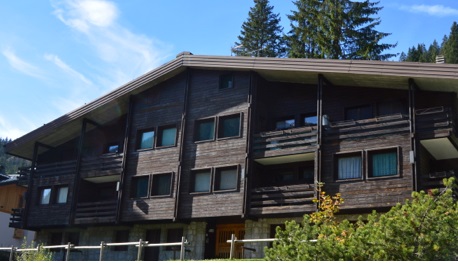 Italian ski resorts are always authentic, traditional and charming, and Campiglio, at 1,550 meters, is no different. The car-free resort huddles on the valley floor and the center is stylish with several chic shops. The ski area spreads over 150 kilometers, and there have been several lift upgrades over recent years, making it quick and easy for you to cover a considerable distance on skis each day.
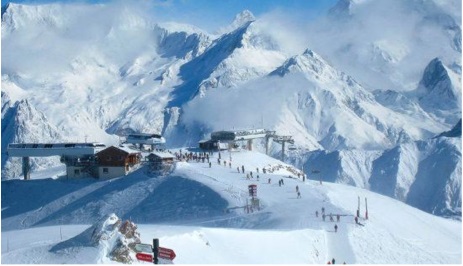 Rebranded way back in 2011 to recognize the differences between its more blingy neighbor higher up the valley, Courchevel 1650 is now an attractive, unpretentious resort with a stack of new facilities, including Aquamotion, a huge center for water sports that opened in December 2015. And let’s not forget: On your doorstep you’ll find the largest linked ski area in the world. The 600 kilometers of the 3 Valleys network never disappoint.
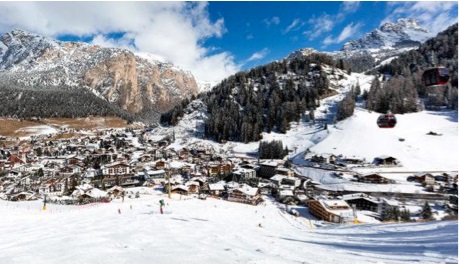 Seasoned skiers, this one’s for you. At 1,563 meters, Selva serves up challenging ski terrain on both sides of a valley, accessed by both gondolas and quick chair lifts. The village center is packed with charm and character and there’s also a collection of well-maintained beginner slopes and progressive tree-lined runs enjoyed by families.
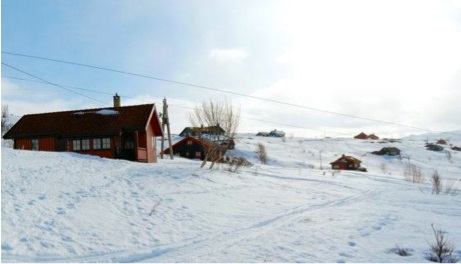 No list of top 10 ski resorts is complete without mentioning Norway and the town of Geilo, at 800 meters. It is one of the country’s most popular resorts. It’s a small, well-equipped town that’s invested heavily in new runs, new lifts and new facilities. Between January and April you can also ski until 8pm on flood-lit slopes. Photo Credit: Geilo, Norway




























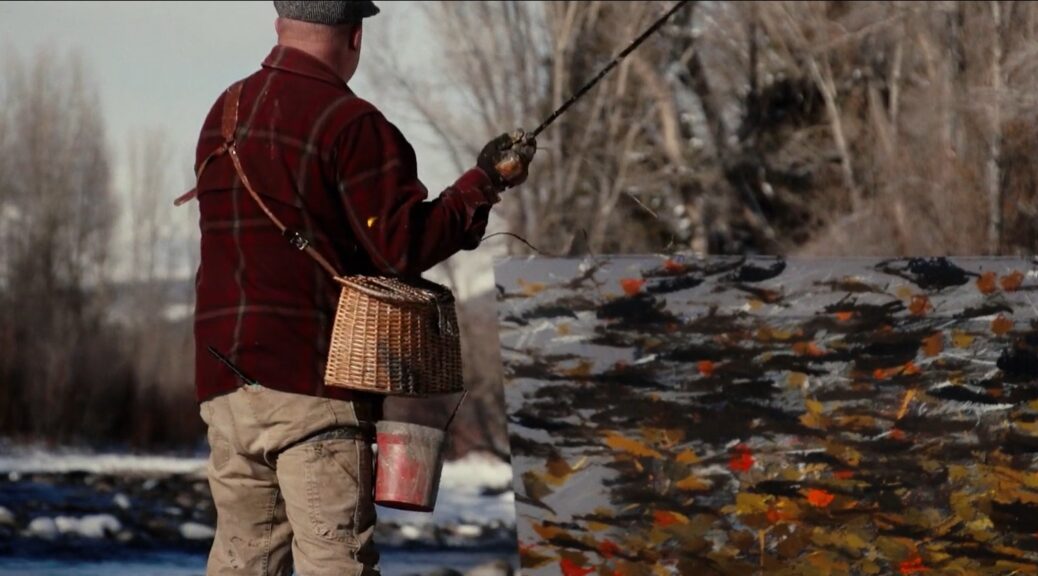

 Ben Miller/ Gary Snyder Fine ArtMiller will bring his artistic vision to life during the art fair. His team will travel to CRIT’s Ahakhav Tribal Preserve to photograph and video the portion of the river that runs through the Preserve. On March 19 as Scottsdale Art Week begins, Miller will be on site at Scottsdale Art Week to begin Fly Cast Painting on a six foot by eight foot by one inch block of plexiglass weighing 300 pounds that will be on a special easel. Those attending will see Miller create the artwork as the painting emerges on the other side of the plexiglass. On Friday March 20th the finished work will be on display. A portion of sales will go to CRIT. Recently, CRIT has taken the bold step to acknowledge personhood status for the Colorado River which protects it under Tribal Law.




















 Lockheed Martin Space Fence Tracks Over 25,000 Orbiting Objects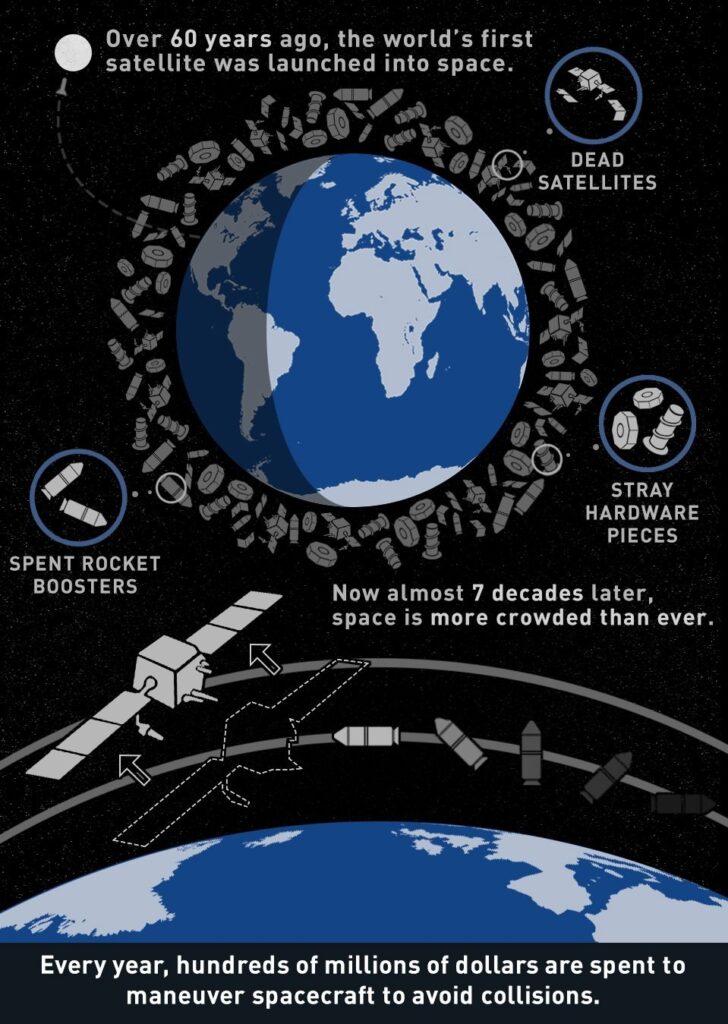
![That's a LOT to track! [CP]](https://www.thesilo.ca/wp-content/uploads/2015/06/SpaceFenceMain.jpg)