Tag Archives: displacement

Life for Relief and Development (LIFE) Launches Emergency Response for Families Displaced by Escalating Conflict in Lebanon

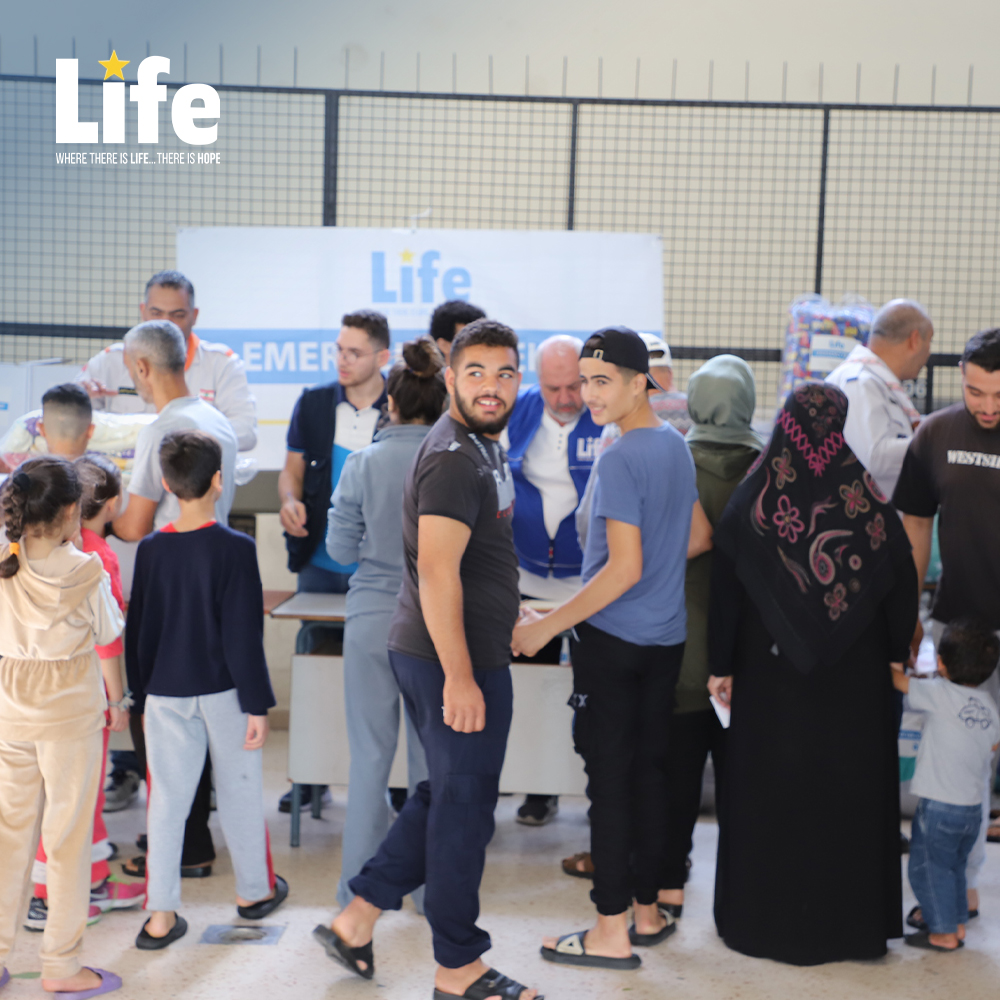
LIFE Expands Emergency Relief Efforts as Displacement Nears One Million Amid Worsening Humanitarian Crisis

According to Lebanese statistics for this month, more than 2,167 people have been killed, including 178 children and 262 women, in addition to over 7,061 injured, among them more than 600 injured children and 1,000 women, reflecting a clear and significant increase in the number of civilian casualties.

This escalation has led to the displacement of more than 1.2 million people within Lebanon, including approximately 370,000 displaced children, representing nearly 20% of the country’s population. Families have fled southern regions and the southern suburbs of, Mount Lebanon, and northern Lebanon, creating enormous pressure on cities and areas considered relatively safer, such as Beirut, Sidon, and Tripoli.

Displacement Crisis in Lebanon Leaves Over a Million Without Shelters

 Many displaced people are currently living in schools, shelters, and unprepared buildings amid a severe shortage of humanitarian assistance, while other families have taken refuge in improvised structures or even in vehicles due to the significant lack of available accommodation. Additionally, the most vulnerable groups, such as the elderly, people with disabilities, and refugees, face further difficulties in accessing shelter and assistance, in a context marked by attacks on civilian areas and residential homes, damage to infrastructure, and the shelling of ambulances and humanitarian aid facilities.

At the same time, the healthcare sector is under extreme pressure, with the risk that essential medicines and medical supplies—such as insulin, antibiotics, and surgical equipment—may soon run out due to the rising number of injured individuals and the growing demand for medical services. This is compounded by the shortage of fuel needed to operate electricity generators, a result of the chronic power crisis, which threatens hospitals’ ability to continue functioning, especially amid the severe shortage of life-saving medications.

The best meal Charity Initiative

On the living conditions front, the food crisis is worsening significantly, as hundreds of thousands of people face difficulties securing their basic needs due to rising prices, declining purchasing power, and the continued collapse of the local currency. Moreover, international aid has declined due to funding shortages, leading to increased poverty levels and food insecurity, along with water shortages and rising fuel prices, further intensifying the suffering of both residents and displaced populations.

Amid all these developments, the Lebanese economy continues to deteriorate, with rising unemployment rates and the suspension of numerous commercial and economic activities, pushing more families into poverty and increasing reliance on humanitarian aid. Meanwhile, international warnings are growing about the possibility of further deterioration in the coming months if military escalation continues and international support declines.

Life for Relief and Development has initiated an emergency response program in Lebanon, alongside its ongoing “Khair Wajbah” (Best Meal) campaign aimed at strengthening food security. The organization first began its humanitarian work in Lebanon in 2006, following the outbreak of war, when approximately a quarter of the population was displaced internally. During that period, and amid the widespread use of landmines and cluster munitions, Life concentrated its efforts on providing urgent relief and temporary shelter for affected families.

Education, Psychosocial Support, and Orphan Care

Samer Kassab, Coordinator of Life’s office in northern Lebanon, states:

“For emergency relief, Life distributed comprehensive food baskets—each containing around 20 kilograms of essential staples—to 525 families in southern Lebanon (Tyre), including displaced households in Palestinian camps, as well as another 525 families in Tripoli and Akkar. The team also organized a collective iftar for 200 families and delivered hot meals to 400 displaced households.

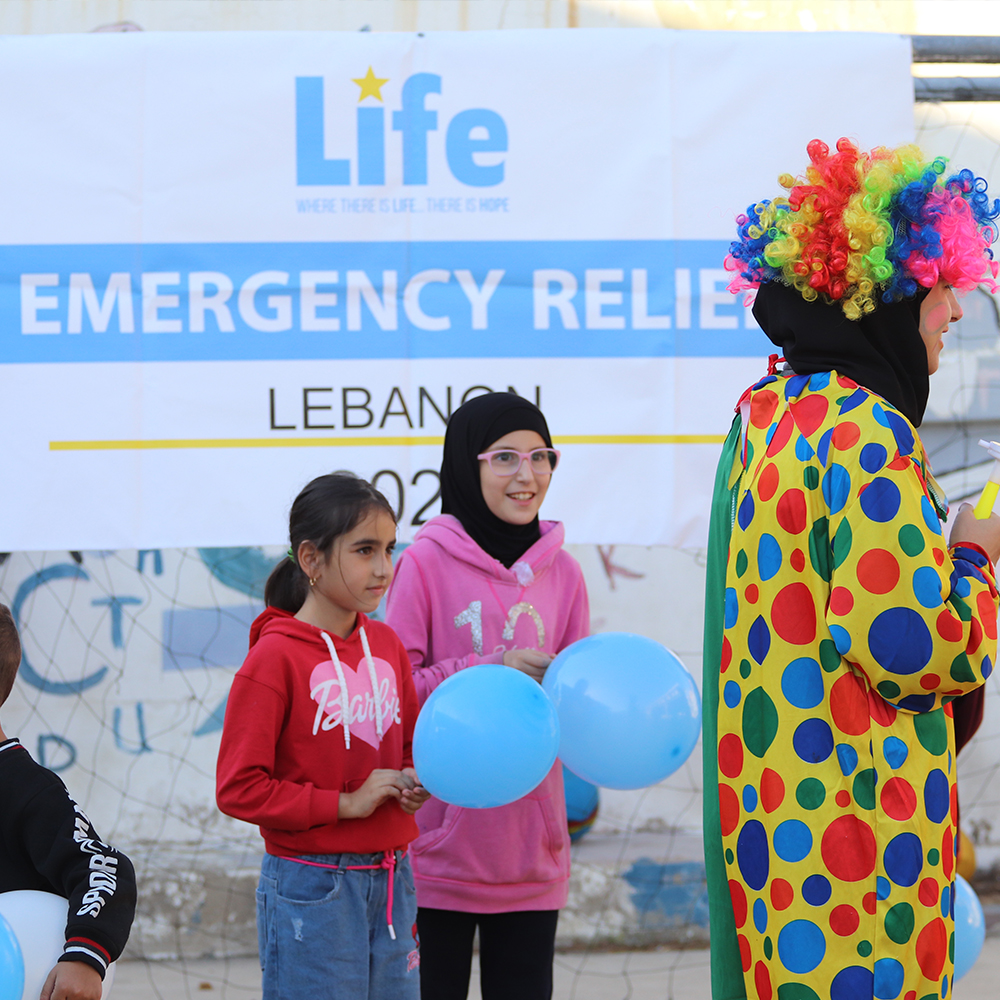
At the end of Ramadan and during Eid, the ‘Khair Wajbah’ initiative provided meals to 1,222 families across northern Lebanon. In parallel, Life organized an orphan-focused event where monthly financial support and Eid clothing were distributed, along with meals, gifts, sweets, and toys, contributing to both material relief and psychological well-being for children and their families.

Seasonal assistance programs were also implemented, including the distribution of winter clothing and essential supplies to vulnerable camp residents to ensure protection during harsh weather conditions.”

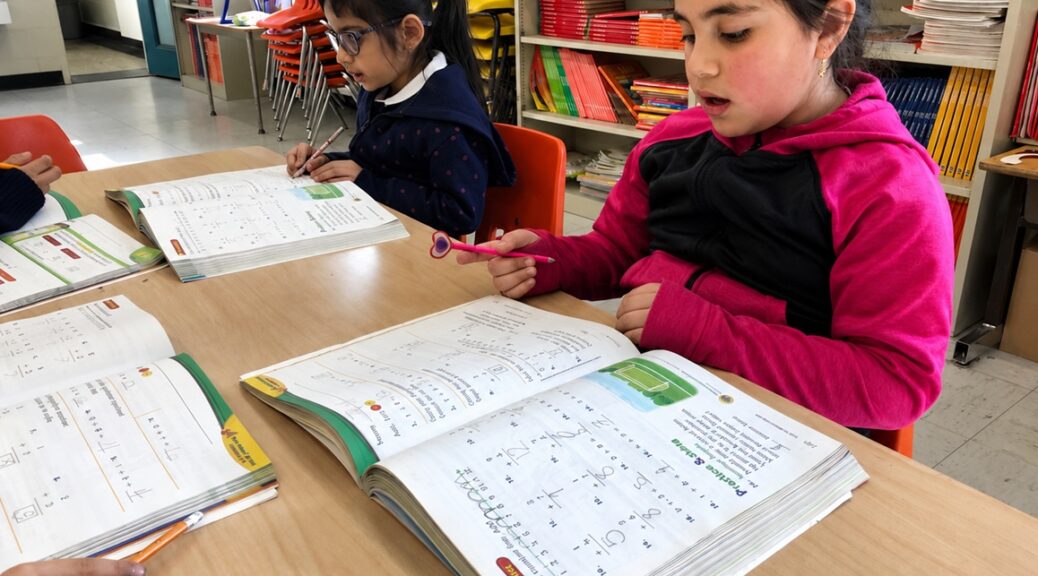
In addition, the organization has supported Lebanon’s education sector by facilitating the return of primary and middle school students to classrooms, rehabilitating damaged schools, and offering scholarships for university students—helping invest in long-term educational development for future generations.

Integrated Support for Vulnerable Populations

Engineer Mohammed Al-Sharif, Coordinator of Life’s Lebanon office, outlines recent humanitarian conditions:

“Our programs currently reach more than 103,000 displaced individuals across the country, 70% of whom are women and children. Over half of children under two years old are experiencing severe food deprivation, while nearly 80% of families require urgent humanitarian assistance.”

Approximately 1.17 million people are facing acute food insecurity, including 55,000 in emergency-level conditions. Camps and shelters continue to suffer from shortages of clean water, adequate nutrition, and sanitation services, significantly increasing the risk of disease outbreaks. The situation has further deteriorated due to expired medications, ongoing power outages, and fuel shortages.

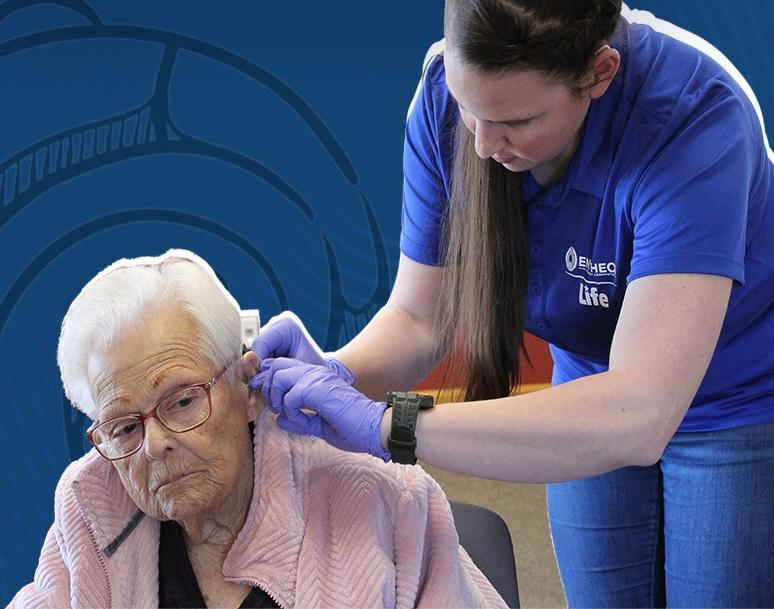
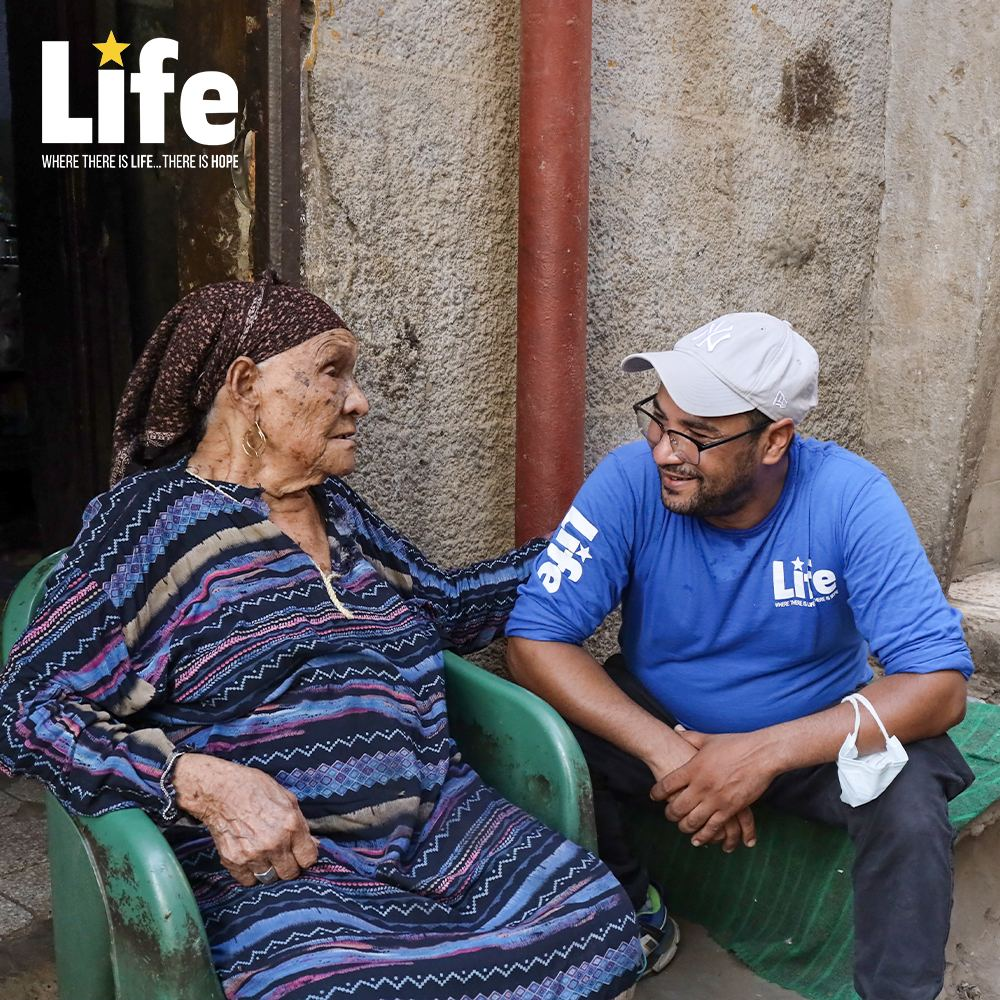
Over the past three years, Life has strengthened its healthcare response by supplying hospitals with medicines, medical equipment, ambulances, and emergency relief materials, while also implementing sustained programs for displaced communities and refugees. Special attention has also been directed toward elderly individuals and people with disabilities.

Strengthening the Health Sector: A Core Priority

He further adds:

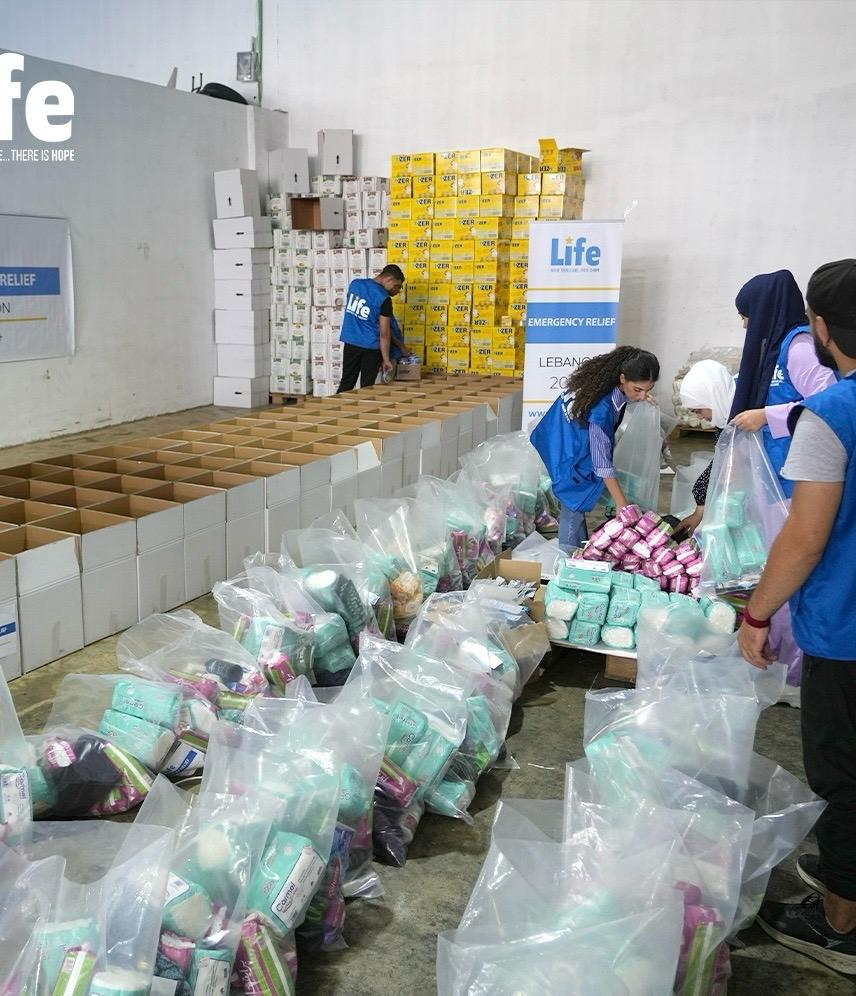
“As part of this month’s emergency response, Life has assisted 2,400 families by distributing ready-to-eat food packages, hot meals, emergency shelter kits (including mattresses and blankets), multipurpose cash assistance, hygiene kits, dignity kits for women, and essential supplies for children such as milk and diapers. Access to mobile medical services has also been ensured.”

Over the past year, Life has provided comprehensive medical support to six major hospitals across Lebanon, supplying essential medications, medical equipment, operating room tools, and emergency response materials.

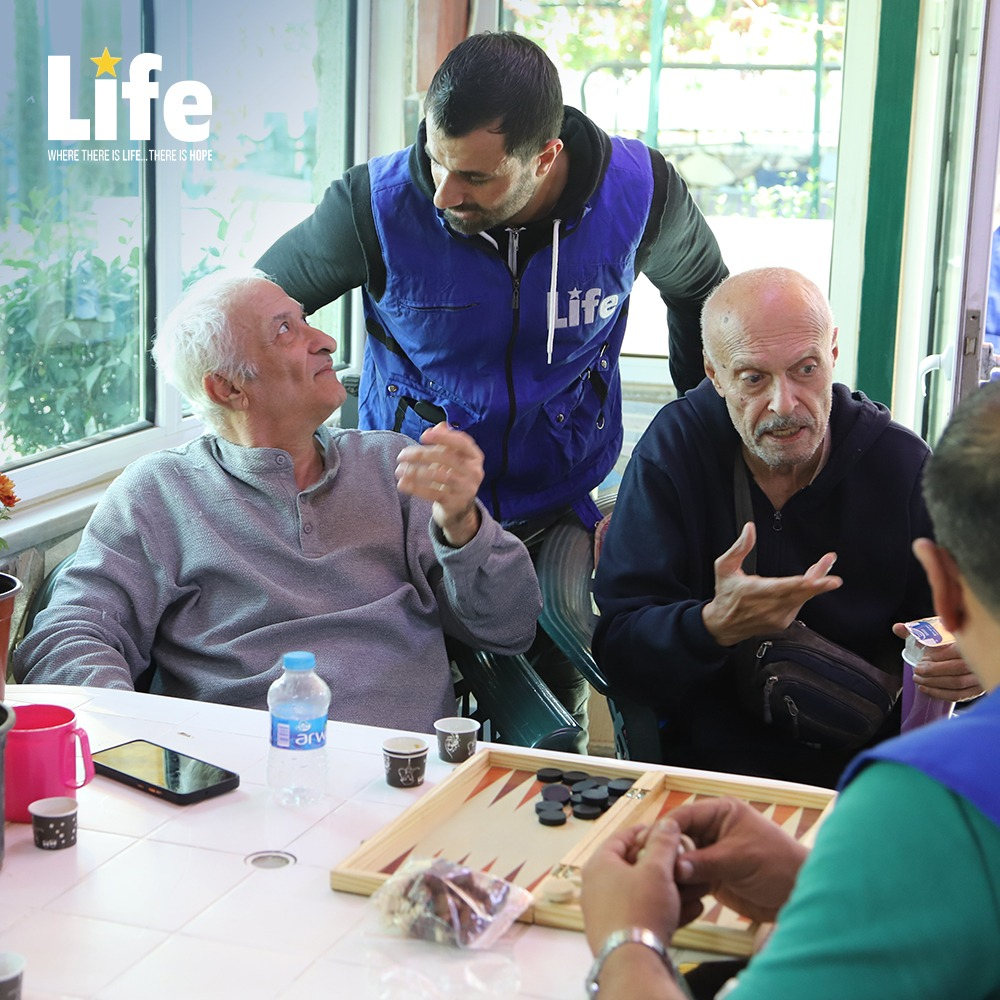
The organization has also delivered medical equipment to L’Ecoute NGO in the southern suburbs of Beirut, which serves people with disabilities, and to Arcenciel in Beirut, supporting marginalized communities. Additional equipment was supplied to medical laboratories and to the Asile Maronite des Vieillards center in Mount Lebanon.”

For the Silo, Tasneem Elridi.
For More Information:

linktr.ee/LIFEUSA
https://www.lifeusa.org/lebanon-emergency-relief

Featured image- Mohammad Yassine/L’Orient-Le Jour

Daily Survival in Gaza Persists Post-Ceasefire: LIFE Continues Humanitarian Relief Amid Ongoing Needs

Post-Ceasefire, Gaza Families Face Prolonged Hardship as LIFE Continues Delivering Life-Saving Humanitarian Aid

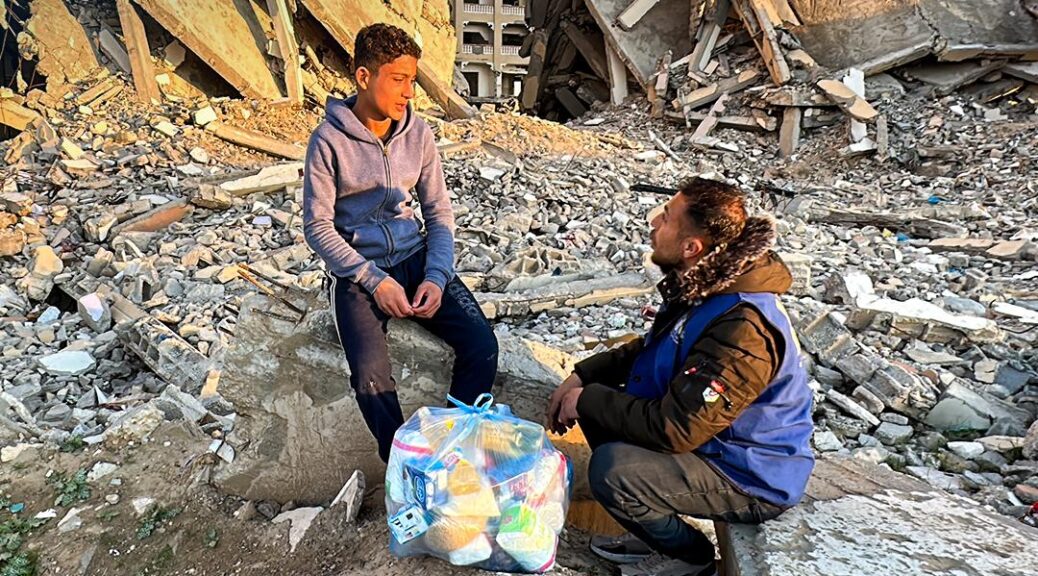
Despite the perception that ceasefires offer meaningful relief, conditions on the ground in Gaza demonstrate that humanitarian emergencies do not end when active conflict pauses. For civilians, the period following a ceasefire is often marked by continued displacement, damaged infrastructure, shortages of food and clean water, and limited access to essential services.

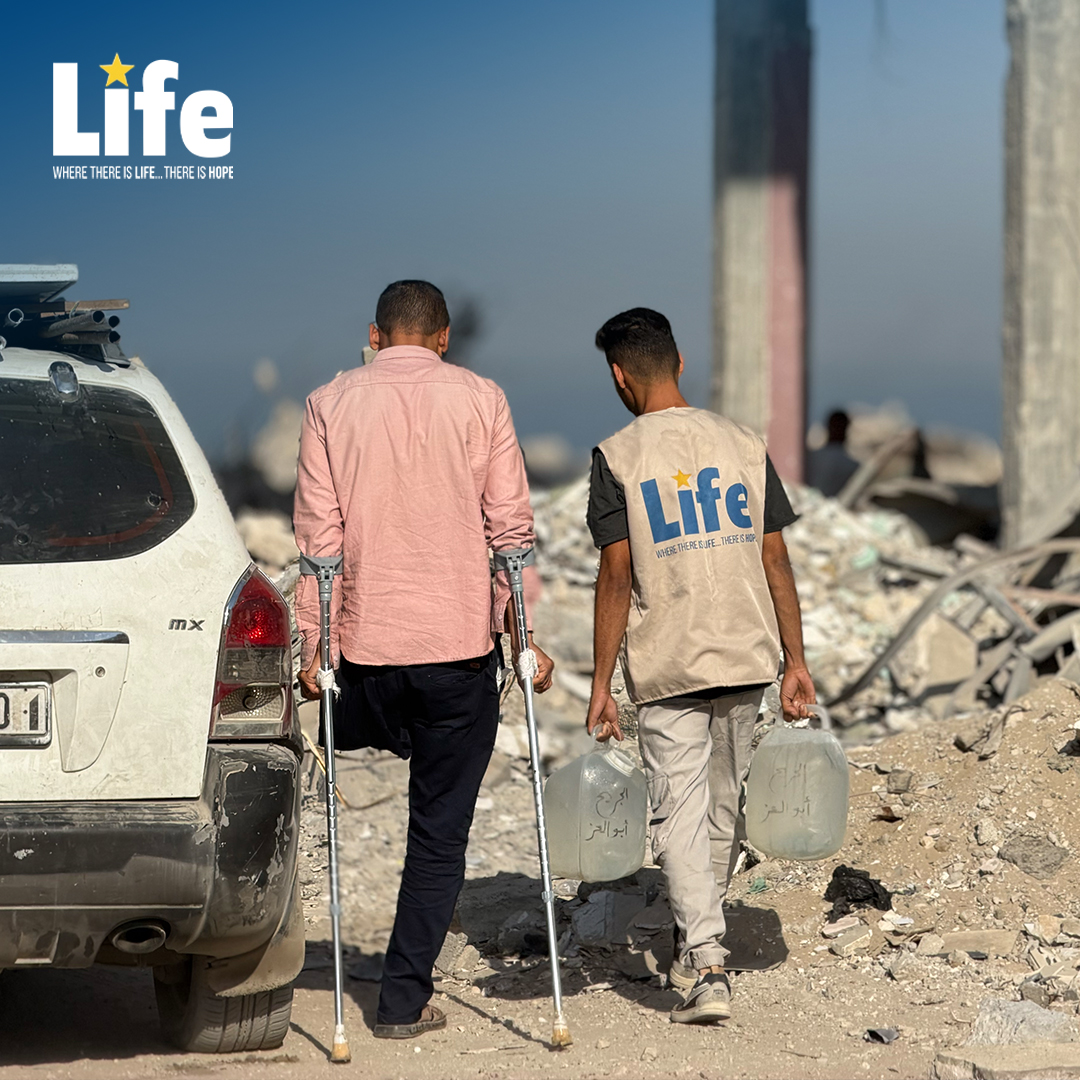
Life for Relief and Development (LIFE), a global humanitarian organization, has maintained an active presence throughout these periods, remaining one of the few international NGOs authorized to deliver aid inside Gaza. LIFE continues to respond to urgent, life-saving needs while navigating significant challenges.

Ceasefires Without Recovery

While ceasefires may reduce immediate violence, they do not restore stability. Families in Gaza frequently return to homes that are damaged or destroyed, seek refuge in overcrowded shelters, or reside in temporary tents without adequate protection. Water networks remain compromised, food availability is inconsistent, fuel shortages persist, and access restrictions continue to impede the flow of humanitarian aid.

Field reports from LIFE-supported operations indicate that displacement remains widespread, with families moving repeatedly in search of safety, food, and water. Even during ceasefires, civilians continue to face severe challenges, including:

  • Limited access to clean drinking water due to damaged infrastructure
  • Inconsistent food supplies and a lack of functional cooking facilities
  • Exposure to harsh weather conditions in makeshift shelters
  • Elevated public health risks stemming from overcrowding and poor sanitation

These conditions underscore the reality that a ceasefire does not equate to recovery or safety.

LIFE’s Ongoing Humanitarian Response in Gaza

Despite restricted access and operational risks, LIFE has sustained a multi-sector humanitarian response aimed at meeting immediate survival needs and preserving human dignity. Through coordinated interventions across North, Central, and South Gaza, LIFE-supported programs have provided:

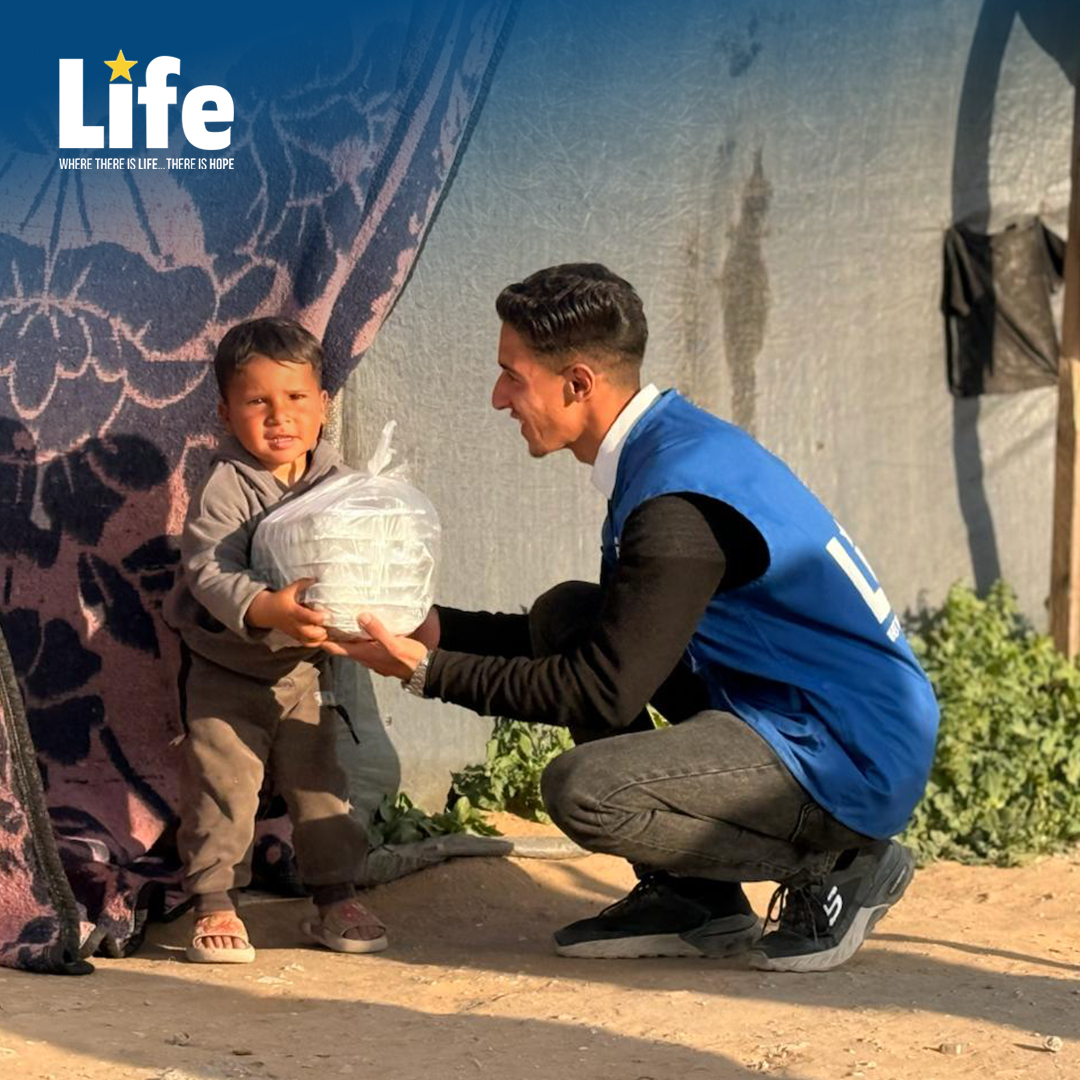
  • Emergency food assistance through hot meals, family food packs, and large-scale food convoys
  • Clean drinking water via tanker deliveries and the rehabilitation of damaged municipal water wells
  • Emergency shelter materials, including tents and weather-resistant covers for displaced families
  • Winter relief, such as warm clothing and footwear for children and vulnerable individuals
  • Infant nutrition support to address critical shortages for families with young children

These interventions have reached hundreds of thousands of individuals across multiple phases of emergency response, including periods identified as ceasefires—during which needs remained acute.

Operating Under Constant Constraint

Providing aid in Gaza requires continuous adaptation. LIFE-supported teams have had to navigate border delays, limited fuel supplies, communication disruptions, and security-related restrictions. Daily adjustments ensure that relief reaches the most vulnerable populations, including displaced families, children, older adults, and households with no access to essential services.

By maintaining operations both during and after ceasefires, LIFE helps bridge the gap between temporary pauses in hostilities and the ongoing humanitarian needs that continue long after media attention subsides.

One beneficiary, Neama, a 38-year-old mother of four who has been displaced multiple times, described the uncertainty that continued beyond the ceasefire. Her family faced overcrowded shelters, a lack of cooking facilities, and severe food scarcity. Through LIFE-supported hot meal distributions, her family received freshly prepared meals over several days.

The hot food meant more than nutrition,” she shared. “It restored dignity and gave my children a sense of normal life again, even in the middle of everything.”

Humanitarian Needs Beyond the Headlines

A ceasefire does not end the humanitarian crisis for families in Gaza. Many continue to face shortages of food, water, shelter, and basic services, with recovery dependent on sustained humanitarian support rather than temporary pauses in conflict.

“A ceasefire may pause active fighting, but it does not pause human need,” said Dr. Hany Saqr, CEO of Life for Relief and Development (LIFE). “Families in Gaza continue to experience daily challenges accessing food, water, shelter, and essential services. Our responsibility as a humanitarian organization is to remain present, impartial, and responsive, ensuring that assistance reaches civilians when they need it most, regardless of circumstances.”

For the Silo, Tasneem Elridi.
About Life for Relief and Development (LIFE)

Life for Relief and Development, headquartered in Southfield, Michigan, is a global humanitarian relief and development organization committed to assisting individuals regardless of race, gender, religion, or cultural background. LIFE is a registered 501(c)(3) nonprofit organization and holds Consultative Status with the United Nations Economic and Social Council (ECOSOC).

LIFE for Relief and Development in Its 33rd Ramadan: A Call for Unified Humanitarian Efforts to Confront Famine in The Developing World

As the blessed month of Ramadan approaches—bringing with it the values of mercy and solidarity—this year arrives amid a profoundly harsh humanitarian reality across vast regions of the Arab world.

Among the scattered tents of displacement that have become refuge for the uprooted, and in homes reduced to rubble—leaving behind only ruins, grief, and the names of the missing—some fasting individuals will observe Ramadan at meager tables, continuing their daily struggle to secure the simplest iftar meal after long hours of fasting. Others will fast without knowing how they will obtain their next meal.

Millions of Meals and Thousands of Beneficiaries

Humanitarian initiatives multiply each year, yet their impact varies. Some alleviate hardship, while others fall short of addressing the depth and complexity of ongoing crises.

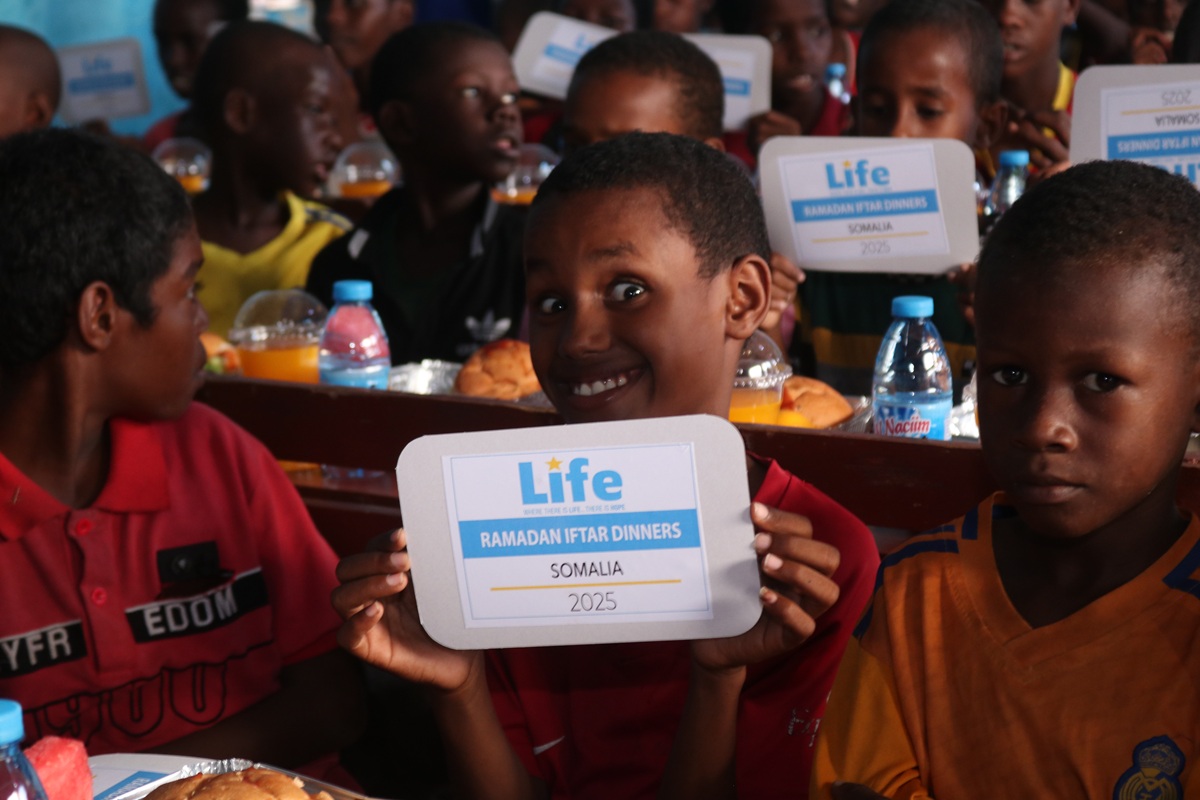
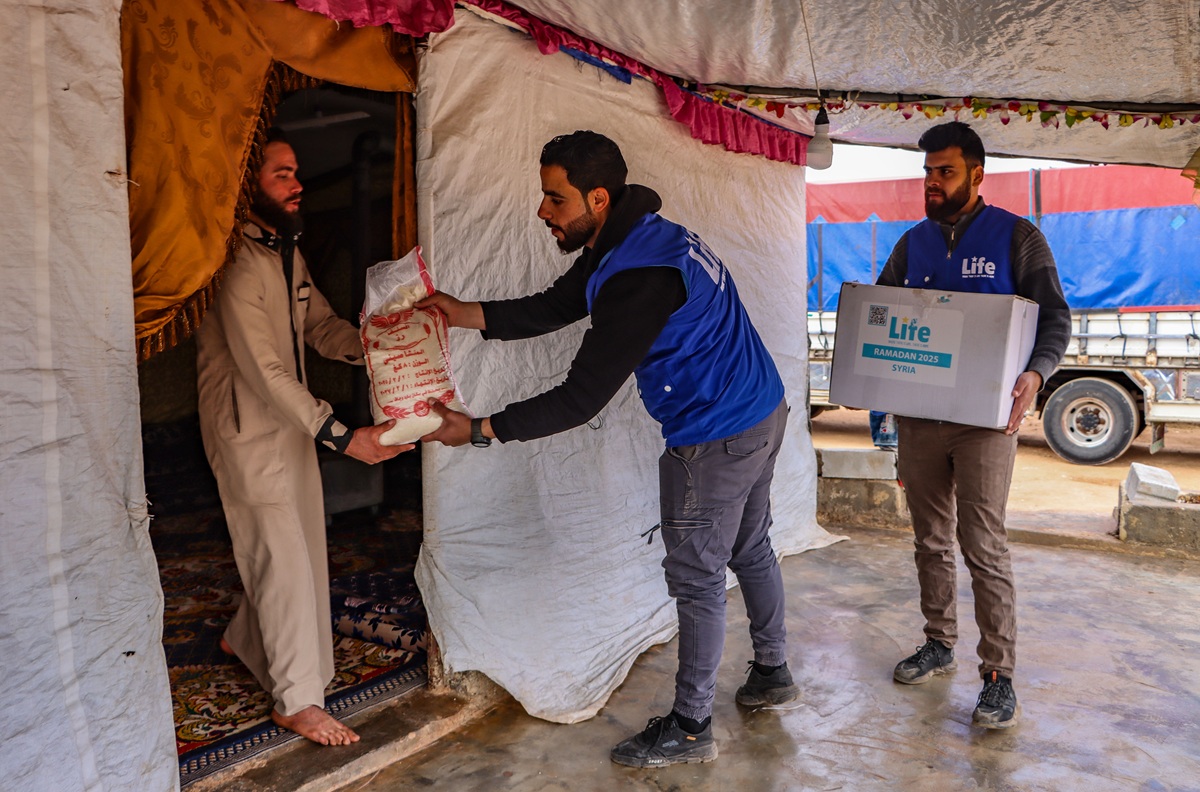
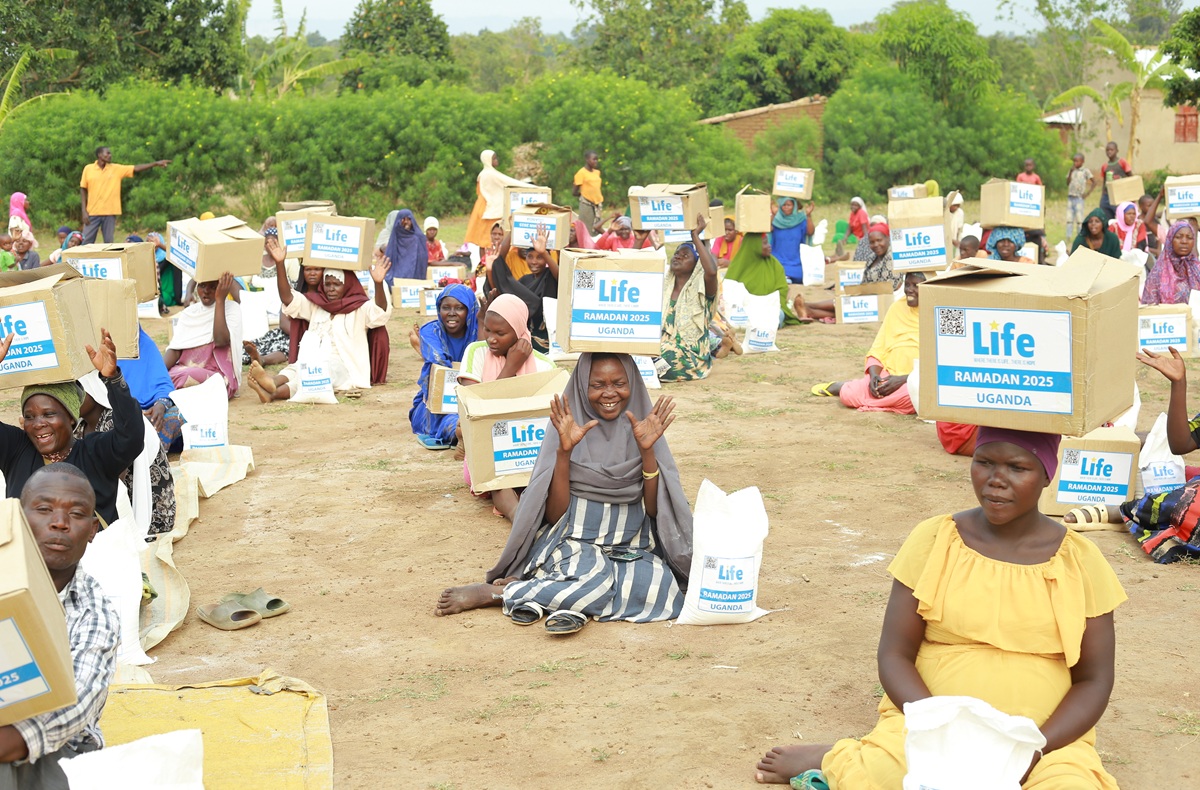
For 33 years, LIFE for Relief and Development has mobilized its efforts to fulfill its humanitarian mission during the holy month of Ramadan by implementing relief programs focused on meeting the basic needs of the poorest and most vulnerable families. Through the distribution of food parcels and the organization of communal and individual iftar meals, LIFE’s assistance reaches hundreds of thousands of families in need worldwide.

LIFE teams were present in 37 of the 60 countries where the organization operates sustainable development and relief projects. During Ramadan 2025, nearly 6 million meals were distributed through 16,000 nutritionally balanced food baskets. Additionally, 51,000 freshly prepared hot meals were provided, benefiting approximately 97,000 fasting individuals in need.

Gaza: A Communal Iftar Amid the Rubble

Gaza stood at the forefront of LIFE’s efforts. Amid the devastating landscape and the remnants of war, displaced families recall memories of past Ramadans—when loved ones gathered around one table and smiles preceded the meal. Though those scenes now seem distant, LIFE continues to revive the spirit of solidarity, instilling a glimmer of mercy and hope in hearts exhausted by crisis.

LIFE worked to provide food security for 2,883 families—sufficient to sustain them for three months—alongside organizing communal iftar gatherings open to anyone in need. Despite being held atop the rubble, these gatherings brought moments of joy to attendees.

In addition, Eid celebrations were organized for orphans, benefiting 7,660 orphaned families, including 1,200 families at a special Gaza orphan event. Iftar and suhoor meals were also distributed at Al-Aqsa Mosque.

Confronting Famine in Sudan

From Sudan, we spoke with Ms. Rima Bakir, LIFE’s Projects Coordinator in Sudan, who described the scale of suffering:

“Ramadan will arrive for many children in Sudan not with joy, but with hunger and deprivation. They will welcome the month with empty stomachs, fear, exhaustion, and severe food shortages.

Pregnant and nursing women suffer from malnutrition and increasing health risks, while widows bear a doubled burden in securing food for their children after losing the family breadwinner amid rising living costs. They are living through daily hardship and a continuous struggle for survival.

Over the past year, we tracked displaced families in Kassala, where we provided suhoor and iftar meals to 845 families affected by the war. We also distributed nutritionally integrated food baskets weighing approximately 30 kilograms to support children’s healthy growth, in addition to providing clothing for orphans.”

Targeting the Poorest and Most Remote Communities

Regarding this year’s anticipated activities, Omar Mamdouh, Director of Projects, stated:

“We will intensify our teams’ efforts in the poorest areas facing potential famine, according to United Nations reports. We plan to support vulnerable families and displaced populations in crisis zones by strengthening social solidarity and spreading joy through food assistance projects, organizing iftar gatherings, and distributing hot meals and food baskets in remote areas often beyond the reach of charitable organizations.

Before Eid, we will also implement orphan sponsorship initiatives by providing Eid clothing, gifts, and financial and food assistance. We will distribute zakat and charitable donations to the most deserving beneficiaries, in addition to facilitating fidya and kaffarah contributions.”

Ranked Third Among the Best Organizations Fighting Poverty and Hunger

Vicky Robb, Director of International Programs, added:

“We will expand our food assistance projects in developing countries, particularly in displacement camps where children are suffering—such as those along the Pakistan-Afghanistan border, in war-affected regions of Sudan and parts of Africa, and in countries facing silent poverty in Southeast Asia.

LIFE distinguishes itself by strategically targeting areas inaccessible to most relief organizations—whether due to the severity of war, as currently in Gaza, Sudan, and Lebanon. Our teams have delivered Ramadan meals and food baskets on foot. In Bangladesh, they navigated deadly floods by boat to reach the hungry. In Afghanistan, despite mud and extremely difficult terrain, food was transported on horseback. In Tanzania, our teams left their own families for days to reach remote communities where hunger persists and infants cry silently from malnutrition. They relied on multiple forms of transportation to ensure aid reached beneficiaries before the start of the holy month.”

For the Silo, Tasneem El-Ridi.

For more information:
http://bit.ly/4rUIsqa
https://linktr.ee/LIFEUSA.ar

Rice University Art Exhibition Focuses On Human Body & Land Connections

Resonant Earth: Contemporary Perspectives on Land and Body features works from Kelly Akashi, Lisa Alvarado, Eddie Rodolfo Aparicio, Andrea Chung, Sky Hopinka, and Anna Mayer On view through August 17, 2024.
Kelly Akashi, Life Forms, 2022. Collection of Barbara and Michael Gamson. Courtesy of the artist. Photo by Paul Salveson.
March, 2024 [Houston, TX]— The Moody Center for the Arts at Rice University announces the exhibition Resonant Earth: Contemporary Perspectives on Land and Body opening May 31 and on view through August 17, 2024. Bringing together new and recent work by six contemporary artists based in the United States, the exhibition explores vital connections between the human body and the land. This focused presentation emphasizes how art and artists can build awareness toward integrated ecosystems in the face of intergenerational trauma, continued exploitation of the Earth’s resources, and climate change. 

Featured artists include Kelly Akashi, Lisa Alvarado, Eddie Rodolfo Aparicio, Andrea Chung, Sky Hopinka, and Anna Mayer. Spanning a variety of media, including sculpture, painting, ceramics, collage, photography, video, and sound, the presentation also features two site-specific interventions commissioned by the Moody. Lisa Alvarado will create a monumental wall mural and Anna Mayer will mount an installation with locally sourced clay consisting of more than fifty new objects. The diverse practices presented in Resonant Earth demonstrate a critical engagement with histories of the land, primarily in the Western and Southern United States. Collectively, the exhibition addresses the local environment while considering the forced migration and displacement of people and plants across geographies.  

Executive Director Alison Weaver notes, “This project foregrounds artworks that speak to our lived experience in the United States, highlighting how personal and social histories shape our natural surroundings and our individual bodies. This summer we look forward to welcoming visitors who bring their own experiences to the galleries.” 
Sky Hopinka, Mnemonics of Shape and Reason,2022. Still. Courtesy of the artist.
About the Exhibition Resonant Earth: Contemporary Perspectives on Land and Body seeks to illuminate the intertwined social and material histories of specific ecologies, ranging from farms along the US-Mexico border, to former Japanese American internment camps in Arizona, to the extraction of land in and around Houston. With geographical references that privilege biological memory and somatically inherited knowledge over a dominant linear history, these artists highlight the intergenerational pain of displacement and the healing power of reconnection to our place on the planet.
The artworks on view echo our fraught engagement with the environment, while implying webs of interdependence in which the natural and the cultural are inseparable. The six selected artists draw on Indigenous and diasporic forms of knowledge, culture, and materials to envision modes of transformation and regeneration in relation to ongoing struggles for environmental and social justice. 
A selection of new and recent work by Kelly Akashi underscores the artist’s interest in temporality and memory as contained in the land and the body. Her sculptural work incorporates a range of material processes and is installed spatially as a constellation of objects that reference her personal and family history as well as the passage of time, the ephemerality of the human body, and the impermanence of the natural world. For example, in Conjoined Tumbleweeds, Akashi cast entangled plants growing at the site of a Japanese American incarceration camp in Poston, AZ. The bronze sculpture refers to her father’s imprisonment there during World War II.
A cast of the artist’s own body, fragmented, appears as a blue crystal hand in Inheritance. Adorned with Akashi’s grandmother’s ring, the fingers wrap around a stone from Poston, invoking the biological memory of the body as well as geological time.  Through double-sided hanging paintings, and a major site-specific wall mural accompanied by a sound installation, artist and musician 

Lisa Alvarado explores social histories of the land, including the Chicana/o Movement and her own family’s experience along the US-Mexico border. Her free-hanging abstract paintings allude to generations of migrant farmers in the region, while referencing textile traditions and muralism of the Americas.

Compositionally anchored at the corner of the gallery space and expanding outward along horizontal and vertical planes, Alvarado’s site-specific mural suggests “being in-between,” both spatially and conceptually. In the monumental painting that encompasses the viewer, Alvarado also considers meridians—both celestial, in relation to one’s position on Earth and the sky, and those used in traditional non-Western medicine to trace the pathways within one’s own body. Cast from the trunks of non-native trees in Los Angeles, large-scale sculptural works from Eddie Rodolfo Aparicio’s Caucho (Rubber) series reference intertwined histories of plants and people. The artist, whose family is from El Salvador, considers experiences of migration, solidarity, and civil war that resonate with some Central American communities in Los Angeles.
Deeply invested in the social histories of materials, Aparicio’s artistic media suggests layers of meaning and the inseparability of the natural and the cultural. For instance, his use of rubber, which is made from the bloodlike sap of trees, recalls its importance as an Indigenous Mesoamerican technology and subsequent exploitation by colonialist extraction and trade. An immersive planetarium installation together with collages by Andrea Chung reflect the interconnected histories of materials, processes, and places of the island nations in the Caribbean Sea and Indian Ocean. In her research-based practice, Chung often subverts tools of European colonialism while considering the multiplicity of the relationships that enslaved people had with the Earth. Inspired by star charts, and seeking to invert colonial maps, The Westerlies: Prevailing the Winds is a dome structure shrouded in cyanotype canvas that invites the viewer to be surrounded by the night sky and ocean as both expanse and enclosure.
In collages featuring late-nineteenth-century ethnographic photographs of African women, Chung adorns the images with intricate beadwork, gold ink, and reproductions of delicate flora atop traditional birthing cloth, exploring the relationship between the people depicted and the land. Videos by filmmaker, photographer, and poet Sky Hopinka portray landscapes traversed by the artist, interweaving personal and collective memory. A member of the Ho-Chunk Nation of Wisconsin and the Pechanga Band of Luiseño Indians, Hopinka explores Indigenous homeland and language through rhythmic and poetic accounts. In the selected videos, the artist layers visual and audio recordings, music, and text, to consider intergenerational connections to a place as well as the ongoing effects of colonialism while prompting the viewer to consider one’s own relationship to landscape and memory. 
Twenty-five pairs of newly created wall-mounted ceramic vessels and sculptures will be part of a site-specific installation by Houston-based artist Anna Mayer, who engages with the land locally. Known for her social and sculptural practice, Mayer’s process involves analog firing techniques while critically engaging pre- and post-petroculture. In her hand-built ceramics, the artist incorporates what she calls “gleaned clay” (available as a by-product of other processes such as flooding, drought, or construction), sourced from the Houston area. 
Described as “implements” by the artist, the shapes of the wall-mounted objects reference drill bits and hammers as well as body parts and geological sediment. The series will be installed over photographic wallpaper depicting damp cement, suggesting water seeping up from the ground into the gallery. Additionally, Mayer is making new large-scale ceramic vessels that will be positioned among existing furniture at the Moody, underscoring their corporeal presence and connection. 
This new body of work examines how tools function as an extension of the body, commonly used to excavate earth, while reflecting a polyvalent approach to the land. Resonant Earth is curated by Molly Everett, Assistant Curator, Moody Center for the Arts. The exhibition is made possible by the City of Houston through Houston Arts Alliance, the Brad and Leslie Bucher Artist Endowment, the Tamara de Kuffner Fund, the Kilgore Endowment Fund, and the Sewall Endowment. 
Eddie Rodolfo Aparicio, Ruta de las flores, 2022. Courtesy of the artist and Commonwealth and Council, Los Angeles
About the Artists Kelly Akashi’s (b. 1983, Los Angeles, CA) major solo exhibition, Kelly Akashi: Formations, originated at the San José Museum of Art (2022–23), and traveled to the Frye Art Museum in Seattle (2023), and the Museum of Contemporary Art San Diego (2023–24). Her work is currently the subject of a solo presentation at the Henry Art Gallery, University of Washington, Seattle, WA (2023–24) and has been included in several group exhibitions internationally. Akashi is based in Los Angeles, CA. 

Lisa Alvarado (b. 1982, San Antonio, TX) has exhibited and performed widely, with recent solo exhibitions at the Wadsworth Atheneum Museum of Art, Hartford, CT (2023) and at REDCAT, Los Angeles, CA (2023). Originally from San Antonio, TX, Alvarado now lives and works in Chicago, IL. 

Eddie Rodolfo Aparicio’s (b. 1990, Los Angeles, CA) work is the subject of a solo exhibition at The Museum of Contemporary Art, Los Angeles, CA, on view until June 16, 2024. His work is featured in the 2024 Whitney Biennial in New York, NY, and Prospect.6 in New Orleans, LA. The artist lives and works in Los Angeles. 

Andrea Chung (b. 1978, Newark, NJ) has received solo presentations at the John Michael Kohler Arts Center, Sheboygan, WI (2023), the Art Gallery of Ontario, Toronto (2022), and the Museum of Contemporary Art San Diego, CA (2017). Her work has been exhibited at the J. Paul Getty Center, Los Angeles, CA (2021), the Pérez Art Museum, Miami, FL (2019), and in Prospect.4, New Orleans, LA (2017). Chung grew up in Sugar Land, TX, and is now based in San Diego, CA. 

Sky Hopinka’s (b. 1984, Ferndale, WA) work has been the subject of several solo exhibitions, including at the Museu de Arte de São Paulo, Brazil (2023), LUMA Arles, France (2022), Speed Art Museum, Louisville, KY (2022), and the Center for Curatorial Studies, Bard College, Annandale-on-Hudson, NY (2020). He is a 2022 MacArthur Fellow. Hopinka recently joined the faculty at Harvard University as an Assistant Professor in the Department of Art, Film, and Visual Studies, and is currently based in Cambridge, MA. 

Anna Mayer’s (b. 1974, Macomb, IL) practice spans Los Angeles and Houston. Her recent solo presentation at the Houston Center for Contemporary Craft (2021) was preceded by exhibitions at Ballroom Marfa, Marfa, TX (2016–17), and the Hammer Museum, Los Angeles, CA (2012). She lives in Houston, TX, and is an Associate Professor of sculpture at the University of Houston. 
Lisa Alvarado, Spinning Echo, 2023. Courtesy the artist and Bridget Donahue, New York.
Special EventsFriday, May 31, 6–8 p.m. Opening Reception for Resonant Earth: Contemporary Perspectives on Land and Body Celebrate the start of the exhibition with the artists.Saturday, June 1, 4–6 p.m. Dimensions Variable: National Information Society Together with her band National Information Society, featured artist Lisa Alvarado will activate the gallery space with a special musical performance.Fridays, June 7, 14, 21, and 28 at 12 p.m.

The Moody Wellness Series Join us on Fridays in June for meditation and yoga in the galleries, offered through a collaboration with the Barbara and David Gibbs Recreation and Wellness Center. Saturdays, June 8, 15, 22, 29, 2–4 p.m.

Moody ArtLab Guests of all ages are invited to create a hands-on craft inspired by artwork featured in the summer exhibition at our self-guided activity station on Saturdays in June. Materials and instructions provided. Saturday, July 20, 12–5 p.m.

Summer Jam Community Day Celebrate summer at this all-day, family-friendly event featuring an indoor farmer’s market, art activities, and local food vendors. 
Featured image: Mnemonics. Sky Hopinka
About the Moody Center for the Arts Inaugurated in February 2017, the Moody Center for the Arts at Rice University is a state-of-the-art, non-collecting institution dedicated to transdisciplinary collaboration among the arts, sciences, and humanities. The 50,000-square-foot facility, designed by acclaimed Los Angeles-based architect Michael Maltzan, serves as an experimental platform for creating and presenting works in all disciplines, a flexible teaching space to encourage new modes of making, and a forum for creative partnerships with visiting national and international artists. The Moody is free and open to the public year-round.

Website: moody.rice.edu

Social Media: @theMoodyArtsPhone: +1 713.348.ARTSAddress: Moody Center for the Arts at Rice University6100 Main Street, MS-480, Houston, TX 77005(University Entrance 8, at University Boulevard and Stockton Street)

Hours & Admission Exhibition spaces are open to the public and free of charge Tuesday through Saturday from 10 a.m. to 5 p.m. and closed on Sundays, Mondays, and holidays. Events and programs are open to the public. For schedule, tickets, and prices as applicable, visit moody.rice.edu.

Directions & Parking The Moody Center for the Arts is located on the campus of Rice University and is best reached by using Campus Entrance 8 at the intersection of University Boulevard and Stockton Street. As you enter campus, the building is on the right, just past the Media Center. There is a dedicated parking lot adjacent to the building. Payment for the Moody Lot is by credit card only.
For campus maps, visit www.rice.edu/maps.

About Rice University Located on a 300-acre forested campus in Houston, Rice University is consistently ranked among the nation’s top 20 universities by U.S. News & World Report. Rice has highly respected schools of Architecture, Business, Continuing Studies, Engineering, Humanities, Music, Natural Sciences and Social Sciences and is home to the Baker Institute for Public Policy. With 3,879 undergraduates and 2,861 graduate students, Rice’s undergraduate student-to-faculty ratio is 6-to-1. Its residential college system builds close-knit communities and lifelong friendships, just one reason why Rice is ranked No. 1 for quality of life and for lots of race/class interaction and No. 2 for happiest students by the Princeton Review. Rice is also rated as the best value among private universities by Kiplinger’s Personal Finance.

Burkina Faso is the world’s most neglected crisis

For the first time, Burkina Faso tops the list of the world’s most neglected displacement crises, according to a new report from the Norwegian Refugee Council (NRC). Redirection of aid and attention towards Ukraine has increased neglect of some of the world’s most vulnerable people.  

The annual list of neglected displacement crises is based on three criteria: lack of humanitarian funding, lack of media attention, and a lack of international political and diplomatic initiatives. The crisis in the Democratic Republic of Congo ranks second, having appeared first or second on the list every year since its inception seven years ago. Colombia, Sudan, and Venezuela follow in this grim ranking. 

“Tell the world we have suffered. We have suffered a lot. Our neighbours have suffered. Our friends have suffered. Our relatives have suffered. We lost many. Most of them killed. I am thanking God because none of my family was left there, and we are all in safety. I do not want to return, but I am asking God for peace, for peace in this place,” says Halimata (35). Together with her family, she fled fighting in the east of Burkina Faso and sought safety in Kaya.

“Neglect is a choice – that millions of displaced people are cast aside year after year without the support and resources they so desperately need is not inevitable,” said Jan Egeland, NRC’s Secretary General. 

“The powerful response to the suffering inflicted by the war in Ukraine demonstrated what the world can deliver for people in need. Political action for Ukrainians has been impactful and swift, borders kept open, funding plenty, and media coverage extensive. Those in power need to show the same humanity towards people affected by crises in places such as Burkina Faso and the Democratic Republic of the Congo.” 

More than five times more articles were written about the Ukrainian displacement crisis last year than about all the world’s ten most neglected crises in total. For every dollar raised per person in need in Ukraine in 2022, just 25 cents were raised per person in need across the world’s ten most neglected crises.  

The Democratic Republic of Congo continued to make the list this year. Patient* 43, lives with his 6 children in the town of Bule, Djugu Territory, Ituri Province, DR Congo. ‘We fled in February 2021. We’ve moved around a lot, and now we are trying to build a new home. During the war, we’ve never had enough to eat, and we have no money to buy medicines if the children get sick. We used to live in a beautiful village, and had a big house. Now, all we have is this shelter. When it rains a lot, the water will come through the roof’. *Name changed for security reasons.

The repeated warnings of increased disparity due to the reallocation of resources to the Ukraine response have now become reality. The redirection of a large amount of aid money towards Ukraine and towards hosting refugees in donor countries means that many crises have seen a drop in assistance, despite growing needs. Total aid to Africa, where we find seven out of the ten most neglected crises, was 34 billion USD in 2022, representing a drop of 7.4 per cent compared to 2021.  

The Ukraine crisis also contributed to an increase in food insecurity in many of the countries featured in the report, worsening already dire crises, and increasing the number of people in need. 

“The world has failed to support the most vulnerable, but this can be reversed. The lives of millions of people suffering in silence can improve, if funding and resources are allocated based on need, not geopolitical interest, and media headlines of the day,” said Egeland. “Last year the gap between what was needed and what was delivered in humanitarian assistance was 22 billion USD. This is a huge sum of money, but no more than Europeans spend on ice cream a year. We need donors to increase support and new donor countries to step up to share responsibility.” 

Burkina Faso’s decline since the crisis broke out five years ago has been swift and devastating. More than 2 million people have been forced to flee their homes, and nearly a quarter of the population now requires humanitarian aid. Across the country, 800,000 people are living in areas under blockade by armed groups where they have no access to even basic services. The situation is increasingly dire with some people forced to eat leaves to survive. 

Maïga Abibou is an Internally Displaced Person (IDP) from Wapassi in the North region of Burkina Faso. Because of rampant insecurity in Wapassi, she made her first move with her family to Naoubé, a village in the Center North. A few months later, she fled again with her family to Louda, a village located a few kilometers from Kaya. There, she has been living with dozens of other families out in the open for over a month while hoping to get shelters soon before the rainy season begins in Burkina Faso. “We want the world to know about our difficulties, about what is worrying us now. We fled from far away to come here. This is our second escape. We could not bring anything with us. We moved with our carts; we were in the bush and there were no vehicles,” Abibou said.

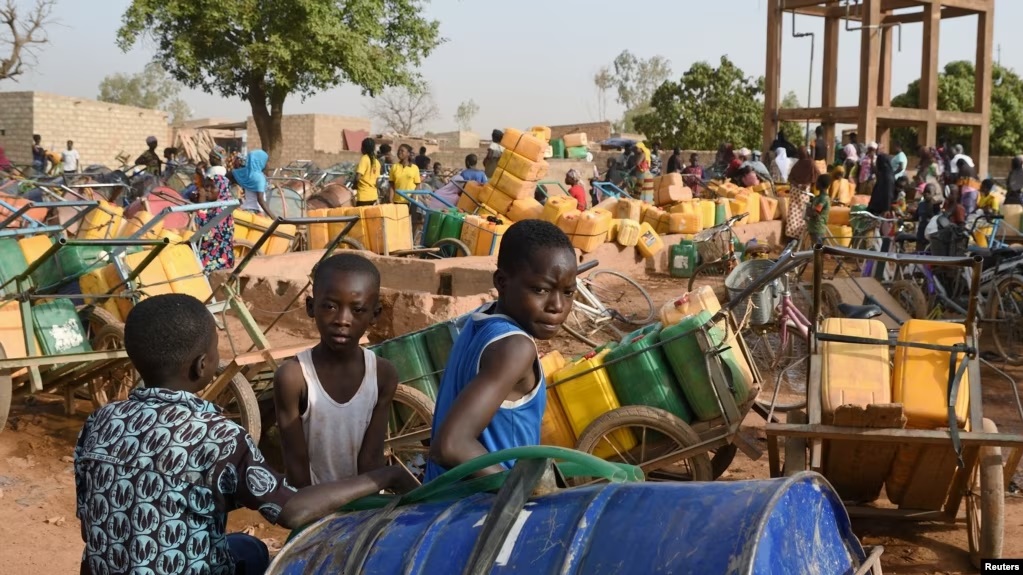
“We must do more to end the suffering in Burkina Faso before despair becomes entrenched and it is added to the growing list of protracted crises. That this crisis is already so deeply neglected shows a failure of the international system to react to newly emerging crises, as it also fails those lost in the shadows for decades. Ultimately, greater investment in diplomatic solutions is needed if we hope to pull crises off this list,” said Egeland.  For the Silo, Jessica Wanless. Featured image: FILE – Children wait for their turn to buy water from a privately-owned water tower, amid an outbreak of the coronavirus disease, in Taabtenga district of Ouagadougou, Burkina Faso, April 3, 2020.

Facts and figures:   

  • Each year, the Norwegian Refugee Council (NRC) publishes a list of the ten most neglected displacement crises in the world. The purpose is to focus on the plight of people whose suffering rarely makes international headlines, who receive no or inadequate assistance, and who never become the centre of attention for international diplomacy efforts. The report is available here
  • The neglected displacement crises list for 2022 analyses 39 displacement crises based on three criteria: lack of funding, lack of media attention, and lack of international political and diplomatic initiatives. Full details on the methodology can be found in the report. 
  • The full list in order this year is: Burkina Faso, DR Congo, Colombia, Sudan, Venezuela, Burundi, Cameroon, Mali, El Salvador, Ethiopia. 
  • Burkina Faso has appeared on this list for the previous four years. It ranked second on last year’s report, seventh in 2020, and third in 2019.  
  • DR Congo is a textbook example of a neglected crisis. It has topped the list three times (2021, 2020 and 2017). It previously ranked second on the list in 2019, 2018 and 2016. 
  • Colombia and El Salvador appear in this report for the first time this year. 
  • The total funding to the Burkina Faso humanitarian response plan was 339 million USD in 2022, of the 805 million USD requested – making the response just 42 per cent funded (OCHA). 
  • In 2022, 3.5 million people were in need of humanitarian assistance in Burkina Faso – by the end of the year this has skyrocketed to 4.9 million people. This is a 40% increase and nearly equal to 1 in 4 Burkinabè (OCHA). 
  • There are almost 2 million internally displaced people in Burkina Faso (IDMC). 
  • 800,000 people are living in 23 blockaded towns and cities in Burkina Faso, unable to access aid regularly. Half of them are in the city of Djibo (Access Working Group). 
  • The average humanitarian appeal was just over half funded in 2022, while the Ukraine appeal was almost 90% funded (OCHA).  
  • The gap between the total humanitarian appeals by the UN and partners and the money actually received amounted to 22 billion USD in 2022 (OCHA). 
  • Total aid to Africa was USD 34 billion in 2022 (overseas development assistance, including development aid and humanitarian), representing a drop of 7.4% compared to 2021 (OECD).  
  • Collectively the world’s most powerful donor countries used more of their aid on the reception of refugees at home than on overseas humanitarian assistance in 2022 (OECD).  
  • The European Ice Cream Market was estimated to be valued at $21.7 Billion in 2021 (Research and Markets). 
  • 212 USD was raised per person in need inside Ukraine, while 52 USD was raised per person in need across the world’s ten most neglected crises in 2022 (OCHA). 
  • In total, 375,000 articles were written in the English media about the world’s ten most neglected displacement crises last year, according to statistics from Meltwater. In comparison, 1.98 million articles were written in English about the displacement crises in Ukraine during the same period (Meltwater).  

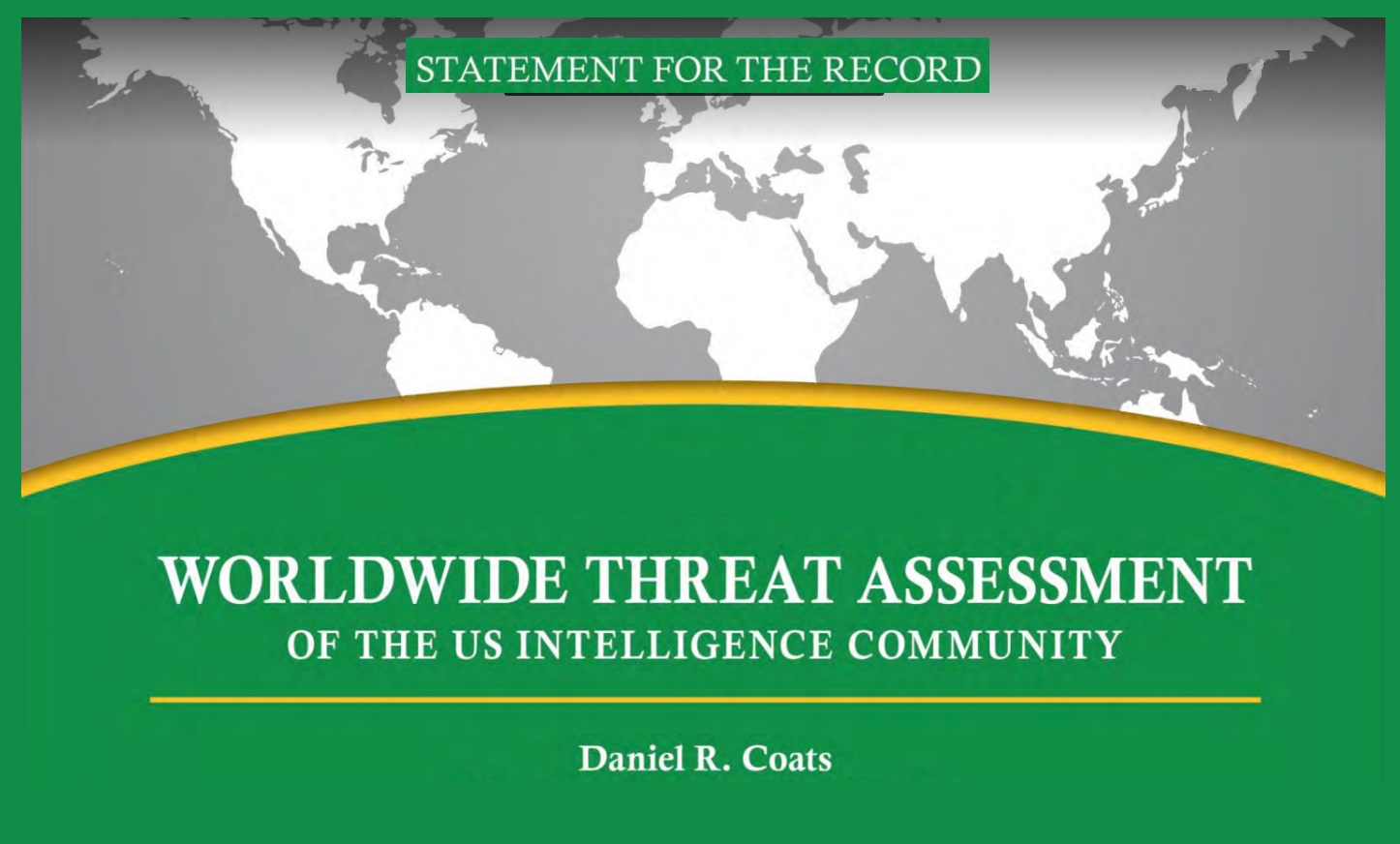
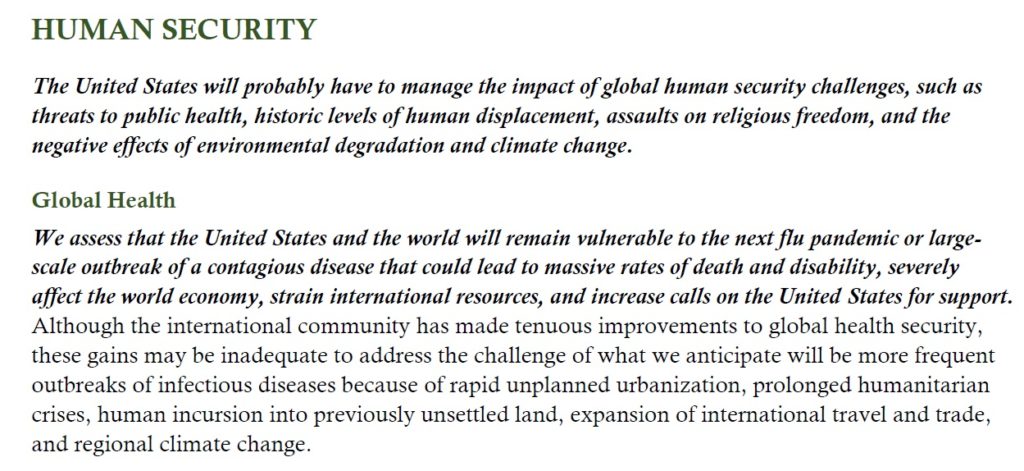
2019 Worldwide Threat Assessment Via US Intelligence: “World Vulnerable To Pandemic”

Prepared by the United States Intelligence Community and Director of National Intelligence Daniel R. Coats and presented as a 2019 assessment of threats to US National Security. Presented to Chairman Burr, Vice Chairman Warner and Members of the Senate Committee. Click on 6048 link below to read the full PDF.