Travel and tourism development conditions are at their strongest since 2019: 92% of the 110 economies in the 2026 Travel & Tourism Development Index (TTDI) improved their score since 2024, with Japan taking the top position.
Advanced economies hold nine of the top 10 spots, while the largest emerging tourism economies have improved their scores more than twice as fast as the Top 20 since 2019.
The Index will launch at Beyond Tourism Day in Geneva, bringing together senior leaders from business, government and civil society under the theme “Resilient Growth. Renewed Impact”.
Geneva, Switzerland, September 2026– Travel and tourism conditions have strengthened across most of the world, a new World Economic Forum report finds, but destinations face a growing challenge: turning record demand into lasting value amid rising costs, geopolitical and climate disruption, workforce shortages and mounting pressure on infrastructure and communities.
Developed in collaboration with Zurich Insurance Group, the 10th edition of the Travel & Tourism Development Index (TTDI) 2026, launched recentlat Beyond Tourism Day, finds that 101 of 110 ranked economies improved their scores between 2024 and 2026, with the average rising 2.1% – the fastest pace since 2019. Gains were driven by increased cultural resources, tourism infrastructure and services, and air connectivity and business travel. Japan leads the Index, followed by the United States, Spain, Australia and France.
“The latest Travel & Tourism Development Index shows that the enabling conditions for travel and tourism are at their strongest since the pandemic, with 92% of economies improving since 2024,” said Ramya Krishnaswamy, Head of Experience Economy and Cities, World Economic Forum. “The next chapter is not simply about attracting more visitors, but it is going to be about creating greater value by investing in people, infrastructure and stronger public-private collaboration so tourism delivers lasting benefits for communities, businesses and destinations.”
The Index also shows that tourism is facing growing challenges.
Between 2024 and 2026, travel became less affordable in three out of four economies, while tourism investment failed to keep pace with rising demand and labour shortages threatened further growth. Benefits for local communities also weakened during this period, highlighting that more visitors do not automatically translate into better livelihoods or higher quality jobs, particularly in destinations where tourism is highly seasonal.
Despite these pressures, emerging tourism economies are gaining ground. Since 2019, the largest emerging economies have improved their TTDI scores more than twice as fast as the Top 20, with Asia-Pacific economies accounting for seven of the 10 fastest-improving performers. Albania recorded the largest overall gain between 2024 and 2026.
“Tourism is a major part of the global economy, and the TTDI makes clear that resilience is what keeps that value intact when conditions change,” said Cara Morton, CEO Global Businesses and Operations, Zurich Insurance Group. “That kind of resilience requires business and governments to take responsibility together.”
Beyond Tourism Day: bringing the ecosystem together The Index will be launched at the World Economic Forum’s inaugural Beyond Tourism Day in Geneva, convening senior leaders from business, government and civil society under the theme “Resilient Growth. Renewed Impact”. Discussions will focus on strengthening competitiveness and resilience through workforce readiness, technology and innovation, investment and scalable solutions.
The Forum also announced today the first-ever cohort of Beyond Tourism Impact Stars, recognizing six private sector-led solutions addressing systemic challenges facing travel and tourism.
Beyond Tourism Day takes place two days ahead of World Tourism Day on 27 September, providing a platform to carry the conversation from Geneva to a broader global discussion on how travel and tourism can strengthen economic resilience, create quality jobs and opportunities, and deliver greater value to communities and destinations.
About the Travel & Tourism Development Index 2026 Drawing on nearly two decades of WEF benchmarking, the TTDI measures the factors and policies that enable the sustainable and resilient development of travel and tourism. It does not measure tourism performance directly – such as arrivals, spending, or revenue – but the underlying conditions that enable destinations to attract, support and sustain tourism in ways that benefit economies and societies. The 2026 edition covers 110 economies and is organized around 17 pillars and 102 indicators. It was produced in collaboration with Zurich Insurance Group and informed by the Beyond Tourism Insights Council.
How to avoid being hacked during this Fall’s travel season.
According to a recent study by our friends at the cybersecurity firm NordVPN, one in four travelers has been hacked when using public Wi-Fi while traveling abroad. However, unsecured Wi-Fi is not the only factor travelers should be worried about.
Last year, the FBI published a tweet (see below) warning users against smartphone charging stations in public places (airports, hotels, and shopping malls). Hackers may have modified the charging cables with the aim of installing malware on phones to perform an attack called juice jacking.
“Digital information, although it exists virtually, can also be stolen using physical devices. So it is important to take a 360-degree approach and secure your device from both online and offline threats,” says Adrianus Warmenhoven, a cybersecurity advisor.
What is juice jacking?
Juice jacking is a cyberattack where a public USB charging port is used to steal data or install malware on a device. Juice jacking attacks allow hackers to steal users’ passwords, credit card information, addresses, names, and other data. Attackers can also install malware to track keystrokes, show ads, or add devices to a botnet.
Is juice jacking detectable?
Juice jacking attacks can be difficult to detect. If your device has already been compromised, you may notice some suspicious activity – but that won’t always be the case.
For example, you may notice something you don’t recognize on your phone — like purchases you didn’t make or calls that look suspicious.
Your phone may also start working unusually slowly or feel hotter than usual. Chances are you may have picked up malware. For a full list of signs to watch out for read on and find out how to know if your phone is hacked.
How to protect yourself
Since no sign of juice jacking is 100% reliable, it is best to avoid falling victim to this attack by using the following the advice:
Get a power bank. Power banks are a safe and convenient way to charge your device on the go. Getting a portable power bank means that you’ll never have to use public charging stations where juice jacking attacks occur. Always ensure your power bank is fully charged so you can use it on the go.
Use a USB data blocker. A USB data blocker is a device that protects your phone from juice jacking when you’re using a public charging station. It plugs into the charging port on your phone and acts as a shield between the public charging station’s cord and your device.
Use a power socket instead. Juice jacking attacks only happen when you’re connected to a USB charger. If you absolutely need to charge your phone in public, avoid the risk of infected cables and USB ports and use a power outlet. This is typically a safe way to charge your mobile device and other devices in public.
The four winners reflect the many ways international residents are shaping Vilnius today.
● Dutch social entrepreneur Tim van Wijk, who created a disability inclusive restaurant, was recognised for creating real employment opportunities for people with disabilities.
● Francesco di Marco, a Sicilian-born sommelier, was recognised for helping shape Vilnius’ gastronomic scene and connect its food community with Europe.
● SPEAK Lithuania was honoured for bringing locals and international residents together through free language lessons and community events.
● While Alessandro Sposato, who has called Vilnius home for more than 15 years, received the award for sharing Lithuanian life and culture with Italian audiences and building bridges between the two countries.
From Iron Curtain to International City – Lithuanian Capital Celebrates Foreign-Born Residents at Vilnius Is My City Awards
September, 2026 – Vilnius, Lithuania. This weekend, hundreds of people gathered around one table in Vilnius to celebrate foreign residents helping shape the city. The 100-meter table was part of the first-ever Vilnius Is My City Awards, where four peer-nominated individuals and organizations were recognized out of a 12-strong shortlist.
Plenary Insights?
This acknowledgement stands out at a time when international mobility is not universally welcomed. The latest European Parliament research found that nearly three in ten EU citizens have a negative feeling about immigration from other member states.
The evening brought thousands of people to the fifth annual Vilnius Is My City Festival in Bernardinai Garden. Over the course of the celebration, foreign residents and Lithuanians shared food and stories from around the world, with Uzbek plov, German pretzels, Turkish coffee and Italian gelato among the flavors on the table.
“Vilnius has always been shaped by people who chose to make it their home – from the merchants invited here by Grand Duke Gediminas in the 14th century to the international community building their lives here now,” says Indrė Laučienė, Head of Foreign Talent Department at Go Vilnius. “Today, more than one in ten Vilnius residents is foreign-born. For a city that spent much of the 20th century behind the Iron Curtain, when people could not freely travel in or out, this is a remarkable transformation.”
The occasion was organized by International House Vilnius, a free service centre that helps internationals relocate to and settle into life in Vilnius, run by Go Vilnius. Residents and organisations were honoured across business, culture, gastronomy and Vilnius’ international outreach, celebrating the people who help to make the capital more vibrant, connected and globally visible.
“Since moving to Vilnius in 2003, I’ve never felt like an outsider. Vilnius was born as a multicultural city, and that spirit is still alive – we are all Vilnians, even if we come from somewhere else,” says Francesco di Marco, a winner of the Vilnius Flavor award. “What I love is how much life fits into this small capital: forests and rivers are close, and on any evening you can go from black metal to classical or electronic music events with ease. Everything is within reach.”
Employment For Those With Disabilities
The four awards went to people and organisations making their mark on Vilnius in very different ways. Tim van Wijk, founder of disability inclusive social restaurant Pirmas Blynas (First Pancake in English), was recognised for creating real employment opportunities for people with disabilities. SPEAK Lithuania was honoured for bringing locals and international residents together through free language lessons and community events.
Francesco di Marco, a Sicilian-born sommelier, was recognised for helping shape Vilnius’ gastronomic scene and connect its food community with Europe. Alessandro Sposato, who has called Vilnius home for more than 15 years, received the Vilnius Ambassador award for sharing Lithuanian life and culture with Italian audiences and building bridges between the two countries.
Today, 78,000 foreign-born residents from 154 countries are building their careers and families in Vilnius, with the international community growing by 4.4% over the past year. The number of registered UK residents in Vilnius has grown by 11%, while the US community has increased by 6.5% to 1,107.
Moving To Study
“People come to Vilnius for different reasons, but they are rarely just looking for a change of scenery. Our 2025 research shows that 34% move here to study, 28% for work and almost one in five for family, and many see the city as a place where they can build a career and enjoy a good quality of life. Vilnius offers that combination at a cost that remains relatively affordable compared with many Western European capitals – living costs including rent in London, for example, are currently 110% higher than in Vilnius,” said Indrė Laučienė.
If ever gold was precious, it’s now. “Gold has remained at or near record high prices , even while the value of other commodities falls,” notes art expert Terry Stanfill, author of Realms of Gold: Ritual to Romance , a book that blends factual ancient art and history with modern, fictional romance.
More than two-thirds of the world’s gold demand is for jewelry, she says, of which the United States is the third-largest consumer, behind India and China.
But Stanfill, who studies ancient gold artifacts and weaves them into her newest novel, says we are hardly the first to become enamored of the rare yellow metal.
“The first discoverers of gold were prehistoric, well before the civilizations of the Pharaohs of Egypt and the Sumerians,” she says. But gold soon attracted the admiration of the rich and royal, and since then, kings and emperors, explorers, pirates, and thieves.
“Gold figures prominently in the art and currency of the ancient European civilizations I research. It’s one of the most enduring metals, by every definition of the word,” Stanfill says. “Because of that, the gold jewelry, shoes, vessels and other artifacts unearthed by archaeologists continue to tell their stories centuries later.”
Stanfill shares some other precious golden nuggets:
• Jason and the Golden Fleece, myth or reality? Roman historian, Strabo(1st century B.C.) wrote about villages by the Kuban River in the Ukraine, where gold collectors used sheepskins to trap the fine gold particles in the rivers and streams flowing from the Caucasus Mountains. The skins could then be dried and beaten to shake out the gold dust. This practice continued well into the 20th century. It’s very possible Jason and the Argonauts sailed to Colchis, a kingdom on the Black Sea, searching for gold. They most likely heard about this wondrous process from other seafarers and traders.
• Why so popular for so long? One of the reasons gold has been valued since prehistoric times is, frankly, its beauty. The gleaming yellow metal has a color and brilliance unmatched in the mineral world. Another reason is that the world has precious little of it. In all of history, just less than 364 million pounds have been mined. Only 5.5 million pounds a year are mined now.
• The stuff of classic fashion. Evidence of ancient art in contemporary architecture, sculpture and other designs is all around us. But nowhere is it as surprising to see as in modern jewelry. Choker-style necklaces made of rigid metal, so popular today, date back to the 8th century B.C. They were a multi-cultural phenomenon, worn in some societies by men and in others by women. For the Celts, they were a symbol of strength and power, and ancient Celts were often identified by the torques they wore not only around their necks but around their waists and wrists (bracelets!)
Even as modern society hoards gold as a hedge against the volatile world economy and watches as the price per ounce rises and dips, Stanfill says the true value, for her, is in its history.
“Some of mankind’s most beautiful artwork – his very best efforts – were created from gold, and they endure today,” she says. “Without gold, we might not know the status of people found in ancient tombs, and we would not have the vast collection of centuries old artworks that we do today.
“The value of gold that never changes is in how it allows the ancients to communicate with us.”
On a regular basis The Silo informs you about companies who do their part in changing our world to a better place.
Green Pearls® Unique Places is dedicated to the Tongsai Bay in Thailand and recognizes the amazing work that created a sustainable tourism industry there nearly four decades ago.
How it all began
In 1986, Khun Akorn Hoontrakul was on a boat trip with his twelve year old son Thanakorn and they spotted the bay from the sea. Khun Akorn immediately felt passionate about it – something Thanakorn did not understand back then. “My 12 year old mind didn’t really appreciate its beauty at that time. The sand was coarse and the water was dark blue because of its depth. It was my Dad who saw the potential and later said to me: ‘It was love at first sight'”, recounts Thanakorn.
Sleeping under the stars
Within one week Khun Akorn bought the land and started building the hotel. At a time when nobody thought about sustainable tourism, he believed in the responsibility to protect nature. To ensure that no tree was felled and the impact on nature was kept as low as possible, he slept at the beach for three months.
Setting a good example
Today, the hotel is led by Thanakorn and his wife Saisiri. They share the same passion about sustainable tourism believing that everyone is responsible for the protection of the environment. Their deep belief is that every little step makes a difference. They set a good example for everybody in their private and professional life: “It’s a way of life, to not destroy the environment. It’s a constant thought to make sure habits don’t contribute to waste. If we forget our water bottle, we won’t drink, as we do not drink from plastic”.
Acting sustainable is a holistic approach
Leading the hotel in a sustainable way does not only mean to take green aspects into account. Furthermore it involves a holistic approach, taking into account environmental as well as social aspects, like fair salary, staff training and education. Just as in their private life they focus on waste prevention: kitchen waste for example is composted and reused as fertilizer in the own garden.
Open for everyone: the organic garden
The hotel’s own horticulturist and gardeners are responsible for the organic garden which provides the vegetables and herbs for the kitchen. They developed a fermenting process from oranges and limes using different kinds of micro organisms for an efficient cleaning process. The garden and its plants are open for guests, who can use for example the aloe vera to treat sun burned skin. Additionally there is natural mosquito repellent made by locals, glass cleaner made out of pineapples as well as natural toothpaste.
What has changed since the opening (or in a good way not changed)
Many trees have been planted along the walkway leading to the Cottages providing more shade and in the space of ten+ years there will be a tree tunnel with shade all day long which makes walking much easier in the heat. This is to say that Tongsai is even greener than it used to be. There are 66 kinds of birds spotted in Tongsai in the past 12 years. The star resident bird is the colorful Pink-Necked Pigeon, and even a slow Loris had been spotted near NangGong Villa by Gob and Goya back in 2002. There is still a lot of natural space left in the territory but instead of building more man-made structures the business is not being expanded and natural areas are left untouched.
Pink-Necked Pigeon
The German Green Pearls GmbH ( based in Darmstadt, Germany ) unifies international tourism companies that support environmental protection and demonstrate social commitment. Thereby, Green Pearls is the first holding company worldwide that consolidates sustainable hotels, destinations and restaurants in a global data source.
Among the criteria of admission to Green Pearls® Unique Places, are a sustainability plan on management level, sustainable architecture, comprehensive water, energy saving and waste recovery measures, the use of seasonal and regional ingredients in the kitchen, as well as a large commitment for the social balance in each of the vacation regions.
Another superb travel spotlight via our friends at ShareAmerica.
With massive, towering cliffs and deep canyons, Zion National Park consistently ranks as one of America’s most popular spots for outdoor adventure. Designated as a U.S. national park in 1919, Zion, in southwestern Utah and two hours from Las Vegas, now attracts 5 million visitors annually.
Tallest Sandstone Walls In the World
They come for red-and-white sandstone walls, among the tallest in the world, that soar to heights of 2,000 to 3,000 feet (609 to 914 meters) above the canyon floor. Zion’s immense scale and dramatic rock formations lead many to describe the park in spiritual terms. Mormon pioneers who arrived at the canyon in the 1800s gave it the biblical name Zion, meaning “sanctuary” or “refuge.”
Sandstone walls, wildlife and trails
Hikers will find numerous trails, from the near-effortless to the very challenging. Less difficult hikes like the Pa’rus, Riverside Walk and Canyon Overlook provide stunning views and the chance to spot wildlife, including bighorn sheep and mule deer. The more challenging Angels Landing offers panoramic views of Zion’s iconic cliffs, including the Court of the Patriarchs, composed of three biblically named peaks: Abraham, Isaac and Jacob.
Hiking Amazement
Hiking The Narrows trail is a signature Zion adventure. Hikers tread upriver in shallow water into a gorge with soaring cliff walls 1,000 feet (300 meters) high. Boots and hiking poles can help navigate the rocky riverbed. The Narrows is most popular in June through September, when the water is warm and river levels are low.
Another sightseeing option is the Zion Canyon Shuttle , which takes visitors from one scenic spot to the next. The shuttle operates March through November or December and is the only way to access Zion’s Emerald Pools trails, which feature waterfalls and hanging gardens.
Guided tours on horseback are available for those seeking an authentic Western experience. Zion’s Nature Center offers programs for families, including an interactive exhibit where children can explore the park’s geology, history and wildlife.
Stargazing and nature photography
Certified as an International Dark Sky Park, Zion’s high elevation and minimal light pollution make it a premier spot for stargazing and astrophotography. Expect clear nighttime views of the Milky Way, planets and distant galaxies, but bundle up because temperatures drop after sunset.
Nature photography is a Zion favorite at any time of day. The National Park Service recommends taking advantage of nature’s golden hours at sunrise and sunset to capture the changing light on the park’s vivid red cliffs.
Ansel Adams photographed the Court of the Patriarchs in Zion National Park during the early 1940s. (National Archives/Ansel Adams)
Ansel Adams documented Zion on numerous visits to the park. A series of the legendary photographer’s black-and-white images of Zion taken in 1941 and 1942 are held at the U.S. National Archives, and several can be viewed online . Adams’ photographs are still enticing visitors to experience the rugged beauty of Zion National Park.
I started out creating sound experiments while in high school, circa 1980 with circuit bent hardware and a cheap Casio keyboard.
I then entered the working world and forgot all about making music. Fast forward 30+ years, and the itch to make experimental music overtook me again, but now technology had changed drastically. I no longer needed hardware. I discovered apps on my iPhone, and music platforms like SoundCloud and Bandcamp were all that I needed. I was immediately obsessed.
Within a couple years, I had filled over seven free SoundCloud accounts, and two Bandcamp albums as well as an artist page with experimental music, and having a great time doing it. But, I started to grow tired of using the same software.
I yearned to use hardware/instruments again, but not being able to play an instrument is a definite hindrance 🙂 I searched for cheap keyboards on the net. I soon discovered the “Stylophone” and ordered one ‘sight unseen’. It was unique, inexpensive and fun, but quite limited in sound variety. I started mixing the Stylophone with app produced sounds/music, as well as other “found sounds”. (I really appreciate the functionality of software based mixing apps, which are almost essential to my creations these days). I then stumbled upon a couple of user videos of the Hyve synthesizer, and knew I had to have it. It was clearly non-musician friendly (and looked so different, cool and fun).
Then came the disappointment …
You can’t buy one! (BUT I HAD TO HAVE ONE!!!) Turns out, the engineer/designer guru behind this awesome device (Skot Wiedmann), had (Hard to believe but it’s been almost a decade since I made this trip!) work shops in the Chicago area, and you can go build your own, ( very inexpensively ). I knew what I had to do. I looked at a map, saw that Chicago was about 8 hours away from me here in Ontario, Canada and realized that I had to go build it. I started to plan the trip. I knew that a fellow SoundCloud musician and Facebook friend (Leslie Rollins) lived in Berrien Springs, Michigan, about 2 hours outside of Chicago.
This presented a twofold opportunity. I could hopefully, meet Leslie face to face, and hopefully have a place to spend the night. I contacted Les and everything was A-OK! I purchased a ticket to build my Hyve, and started to plan my road trip. The workshop was going to be from Noon to 3pm, on a Saturday in late September in a cool space called Lost Arts in Chicago.
I had the whole week off from work, because I was overseeing a contractor doing extensive yard work at my house all week, and I was hoping to leave Friday so as to arrive at Leslie’s place in the late afternoon or early evening, spend the night, and leave for the workshop Saturday morning. Alas, plans rarely work as hoped.
The contractor wasn’t finished until Friday afternoon, and Les wasn’t getting home from a business trip until late Friday night. New plan! Early to bed Friday. Early to rise Saturday (2:30 am), and depart for Leslie’s place in Michigan. It was an easy drive, and I got to Berrien Springs (a beautiful sleepy little university village) around 8:30 am. Met Leslie, and got to trade stories over a great breakfast in a local cafe. Then, I quickly admired Leslie’s impressive modular synth racks at his home studio “Convolution Atelier” and then left for “Lost Arts” in Chicago.
Lost Arts is located in a cool old industrial complex.
The workshop provided everyone with a surface mount board with the touchpad on one side, and components layout on the back. A sheet listing components and placement was also handed out, along with tiny plastic tweezers. Everyone then had their component side “pasted” with a solder paste applied through a pierced template, in a process similar to silk screening. Everyone then started to receive their very tiny components from the parts list. Following the placement locations, the components (chips, capacitors, resistors, etc) were set into their pasted areas with the tweezers (magnification and extra lighting was a must). Once all the components were placed, they were carefully “soldered” into place by simply holding a heat gun over each component until the solder on the board had adhered it. Once this was done, everyone had their 9v battery and line-out jacks hand soldered into place by Skot , and then … the moment of truth, Skot tested each one for proper operation.
It was a fascinating process and great experience.
I met a lot of cool people at the workshop, both builders and staff/helpers! I can’t say enough what a fantastic experience this was, and what an awesome, diverse and versatile device the Hyve is. I doubted my sanity when planning this trip, but it turned out to be very rewarding!
Leslie and I then went back to Michigan, stopped at a local brewery in Berrien Springs (Cultivate) and sampled a few of their excellent brews, and then proceeded to Convolution Atelier to play with Leslie’s modular system. (I’m a newbie to all things modular, and I received a great crash course from Leslie on his very cool array!) Then it was out to dinner with Leslie and his wonderful wife Lisa, and finally back to their house where I stayed for the night, and finally hit the road towards home the next morning. It truly was a great adventure! For the Silo, Mike Fuchs.
Invest Moldova Agency, Chișinău, June , 2026 – Invest Moldova Agency today launches the official digital platform of the Republic of Moldova: www.moldova.md. Designed as a modern identity card for the country, the platform provides a structured, easy-to-navigate presentation of the Republic of Moldova for international audiences and for citizens at home and abroad. The launch responds to the need for a clear digital space that presents the Republic of Moldova in a structured and relevant manner, in a global context where rapid access to information and clarity of message are essential.
Information All In One Place
The www.moldova.md platform brings together essential information about the country in one place, from its economic landscape and development priorities to its cultural identity, traditions, and local experiences. The content is organized to provide a quick and accurate understanding of the Republic of Moldova, for both those discovering it for the first time and those wishing to rediscover it from a contemporary perspective.
The website is available in English and is specifically tailored to international audiences, including visitors and individuals interested in learning more about the Republic of Moldova, opinion leaders, and those seeking authentic experiences, providing direct access to relevant and verified information. An important element of the official launch is the placement of a dedicated www.moldova.md banner at Chișinău International Airport, in the passport control area. With the message “You just landed in Moldova,” the banner welcomes international visitors upon arrival and provides direct access via a QR code to the Republic of Moldova’s official presentation platform.
Strengthening Moldava’s Presence
Through this initiative, www.moldova.md becomes a strategic communication and country-promotion tool, contributing to the strengthening of the Republic of Moldova’s presence in the international arena and facilitating a clear and informed perception of the country. “A strong country image is built through consistency and through an identity that is presented coherently across all international platforms.
Through www.moldova.md and the Media Toolkit, we aim to provide the Republic of Moldova with a modern presentation framework, developed based on the experience and standards applied by countries that have been implementing nation branding strategies for many years. At the same time, we placed a strong emphasis on usability and accessibility, ensuring that these tools can be used easily and effectively by institutions, partners, and communities that promote Moldova,” stated Irina Tolstousov, Deputy Director, Invest Moldova Agency.
With the launch of this platform, the Republic of Moldova enhances its international visibility and presents its country profile in a unified and credible manner, offering a clearer, more up-to-date image for global audiences and a reference point for those seeking to discover it. Learn more about the Republic of Moldova and explore the official platform by visitingwww.moldova.md.
Sarmale- the heart of Moldovan cuisine.
About Invest Moldova Agency
Invest Moldova Agency is the public institution established by the Government of the Republic of Moldova and operating under the authority of the Prime Minister. The Agency is mandated to attract strategic investments to the Republic of Moldova, provide post-investment support to investors, contribute to export growth, promote the country’s image, and develop the economic diplomacy dimension.
Arabian Horse Association Celebrates Canada’s National Arabian Championship Competition Celebrates the Strength, Heritage, andFuture of the Arabian Horse in Canada
Greenwood Village, CO, June, 2026—The Arabian Horse Association (AHA) The Arabian Horse Association (AHA) is proud to formally recognize and support the 2026 Canada’s National Arabian Championship , taking place August 6–15, 2026, at the Keystone Centre in Brandon, Manitoba.Now in its fifth year under the management of The National Arabian Breed Society, a Canadian not-for-profit entity, the championship is the only Arabian horse competition in Canada where all disciplines compete under one roof. For ten days, Arabian and Half-Arabian horses, exhibitors, breeders, trainers, and enthusiasts from across Canada and the United States will gather to celebrate the beauty, athleticism, and extraordinary ability of the Arabian horse.
A Milestone Anniversary
This year marks the fifth anniversary of the show’s current era, launched in 2022 in Red Deer, Alberta, and the second year in which the event carries official AHA recognition for national achievement points. The championship’s roots run even deeper: the original show was established in 1958, making it an enduring part of the culture and fabric of Canadian Arabian horse sport.For 2026, organizers have added several new classes and are expecting 350 to 400 horses, more than 300 exhibitors, and upwards of 75 trainers, with an estimated 500 spectators daily. Participants will travel from communities across both Canada and the United States.
A champion Arabian horse is celebrated with ribbons and a floral garland alongside owners, trainers, and RCMP honor guard at Canada’s National Arabian Championship — the largest Arabian horse competition in Canada.
What Makes This Event Unique
Canada’s National Arabian Championship is the only national Arabian competition in Canada where all disciplines compete together at the same show — from the Sport Horse division to an array of Working Western, and don’t forget the extraordinary Main Ring competitions. The week unfolds in a carefully designed sequence: Dressage and Sport Horse classes open the event early in the week. Working Western takes center stage mid-show, and the championship concludes with several days of the top athletes competing in various ridden and in-hand competitions.
Free to the public, offering spectators an opportunity to witness the full range of what the best Arabian horses in the world can do. “Canada’s National Arabian Championship is a testament to everything that makes the Arabian horse community extraordinary — the dedication of breeders and exhibitors, the talent of the horses, and the deep sense of tradition that connects generations of enthusiasts. As AHA continues to strengthen its partnership with The National Arabian Breed Society, events like this one are vital to the future of our breed in North America.
We are proud to recognize this championship and look forward to celebrating another remarkable week of competition in Brandon,” said Taryl O’Shea, CEO, Arabian Horse Association.That spirit of partnership and shared purpose is equally felt by those closest to the show’s day-to-day heart. For the organizing team at The National Arabian Breed Society, the championship is as much about community as it is about competition — a sentiment that shines through in every aspect of the event’s planning and execution.”Canada’s Nationals is more than a competition — it is a celebration of the people, horses, and traditions that make our community so special. This show is largely run by a dedicated group of volunteers, and when you walk through the gates, it truly feels like arriving home. We are excited to welcome exhibitors and families from across the country and beyond for what promises to be an unforgettable week,” said Dana Romijn, Chair, 2026 Canada’s National Arabian Championship. RCMP officers present the flags of the United States and Canada during the opening ceremony of Canada’s National Arabian Championship at the Keystone Centre in Brandon, Manitoba — a tradition that honors the event’s proud cross-border community of exhibitors, breeders, and enthusiasts.
Community, Charity & Celebration
The event has previously partnered with The Ames Foundation, auctioning off program cover artwork to benefit charitable causes, a tradition that reflects the community spirit at the heart of the show. Exhibitors and guests can look forward to two social events: an Exhibitor Party with live music and a full catered dinner on Thursday, August 13th, and a Championship Wrap-Up Celebration at the conclusion of the show on August 15th.
Economic Impact
Canada’s National Arabian Championship is the largest event held at the Keystone Centre all year, bringing significant tourism revenue to Manitoba and the Brandon region. Organizers estimate the event generates millions of dollars in direct economic impact through travel, accommodation, dining, and local spending by competitors and their families.
Join the Celebration
Head to the show to see some of the best competitors compete in a variety of championship classes and stay for some of the fun events. On Thursday, August 13, celebrate all things Canadian by joining the Canada Party after the evening classes! Everyone is invited to join us in the Triple Crown Lounge for a fun-filled evening of music, celebration, and community. This year’s festivities will feature special guest Julianna Moore, fresh from Canada’s Got Talent, providing live entertainment throughout the evening.Experience the excitement, cheer on the competitors, and celebrate the crowning achievements of the 2026 Canada’s National Arabian Championship as championship riders prepare to compete for the show’s final exciting evening of classes and awards. Then, help us close out an unforgettable week on Saturday night in the Triple Crown Lounge.
The Breed Behind the Competition
This is your opportunity to experience Arabian horses up close and discover what makes the breed so unique. Known for their beauty, intelligence, and versatility, Arabian horses are one of the oldest and most influential horse breeds in the world, shaping many modern equine disciplines today. Whether you are a lifelong horse enthusiast or seeing horses in action for the first time, Canadian Nationals offers a welcoming chance to learn, watch, and connect with the energy and presence of the Arabian horse in a live setting.
About Canada’s National Arabian Championship
Canada’s National Arabian Championship is a national-level horse show dedicated to showcasing the best of the Arabian horse in a Canadian setting while delivering an exceptional experience for competitors.As a Silver-level Equine Canada-sanctioned show and recognized by the AHA, this shows run by the people of Canada for the people of North America. This championship holds a unique and respected place on the national stage.And with a full roster of classes across every discipline, you’ll find no shortage of opportunities to showcase your horse. Come, show your Arabian horse, and experience our famous hospitality! For more information, visit www.arabiannationals.com
Supporting and promoting Nepal’s local tourism industry is a priority for the award-winning mountain biking specialists H+I Adventures .
Premium Mountain Biking Holiday
Throughout all of H+I Adventures’ twelve-day mountain biking holiday in Nepal, riders experience some of the world’s most breathtaking climbs, technical descents, fast and flowing singletrack, and the most spectacular views from the roof of the world.
“There’s never been a more important time to visit Nepal than now,” says Euan Wilson, owner, H+I Adventures.. We want to show mountain bikers that Nepal is safe and that the country is ready to welcome them with open arms.”
5 Mile High Peaks!
Led by a local Nepalese guide, H+I travellers will find themselves surrounded by five-mile-high peaks and stay in teahouses run by local villagers stocked with delicious food, cold beer and great conversation. Highlights include criss-crossing the Kali Gandaki Valley, the deepest valley in the world, navigating the legendary Annapurna Circuit and the lower Mustang region, and riding through Shivapuri National Park to the historic town of Bhaktapur. A hot-spring soak in the village of Tatopani provides some well deserved respite and muscular relaxation after what has been a full week of epic highs.
“We are very much back in business, and my team and I can’t wait for the new season to begin and to welcome riders back to our beautiful country,” says Mandil Pradhan, lead guide for H+I Adventures in Nepal.
Known for combining rich cultural experiences with adrenline-pumping trails and breathtaking climbs, our friends at H+I Adventures have created enriching opportunities for travelers to engage with local communities during each tour. For example, in Nepal, H+I mountain bikers visit with Himalayan thangka artists and witness how they create the most exquisite masterpieces, which can take years to complete.
Rates start at $3,196 USD per person, based on double occupancy, and includes Global Rescue, a world-class emergency service provider that offers medical and security evacuation assistances and destination reports.
Global Rescue is a worldwide provider of integrated medical, security, intelligence and crisis response services to corporations, governments and individuals. Founded in partnership with Johns Hopkins Medicine, Global Rescue’s unique operational model provides best-in-class services that identify, monitor and respond to potential threats. Global Rescue has provided medical and security support to clients during every globally significant crisis of the last decade. Memberships start at $119 and entitle members to rescue and transport services to their home hospital of choice.
About H+I Adventures
H+ I Adventures specializes in premium mountain biking holidays. Based out of Inverness, Scotland, the company offers mountain biking trips in Namibia, Mexico, Slovenia, Spain, Yukon, Nepal, Ecuador and Whistler, with four destination trips in Scotland. They are committed to providing sustainable and responsible travel within the communities they visit. H+I Adventures is bonded by the Association of Bonded Travel Organizers Trust Limited (ABTOT)
There is something very strange about the crystal blue waters in the Caribbean Sea, dotted with white sand islands and coconut trees, that seems to attract unsolved mysteries.
But unless the minds behind Wikipedia or mainstream science have a change of heart, the ever-mysterious underwater highway known as Bimini Road will likely remain case-closed.
Thereby hangs a tale common to throngs of mysterious places in the Atlantic Ocean east of the Florida Keys wherein ships, divers, and other witnesses speak of the unexplained—only to be scoffed at, derided, and scorned.
As with the Bermuda Triangle, Atlantis, and the fountain of youth, the Bimini Road joined the list of Caribbean enigmas when, in 1968, Joseph Manson Valentine, Jacques Mayol, and Robert Angove dove 18 feet underwater about a mile off of North Bimini, some 80 miles northwest of the Bahamas, and saw what they described as “pavement” on the ocean floor.
Did Nature produce flawless straight line?
A host of roughly rectangular stone slabs, they reported, rounded like loaves of bread by the sand and current over centuries, formed a flawlessly straight line. Its main feature stretched over 2,600 feet and curved like a “J” at one end. There were two smaller line features. Megalithic in size, the blocks were each 7 to 13 feet wide with right angles and seemed laid level by human hands.
A map of North Bimini showing Bimini Road. Rainer Lesniewski/Shutterstock
The anomaly posed many questions to scientists.
How did it form? Was it made by man or nature? Could advanced civilizations have existed so early as to make this—in the Ice Age? Before the region sank beneath the sea 10,000 years ago? Or could nature have created something so fine-tuned? Thus began a clash of ideas.
There were two camps.
One dove down and saw a man-made road. Scientists and amateurs alike looked, and their eyes told them enough: this could not be natural.
The other camp was more skeptical. To avoid rocking the boat (figuratively speaking), they used science to explain the road to fit the foregoing research: it was natural.
As discoveries go, this one saw funded scientists fly in to investigate. Eugene Shinn from the University of Miami’s Department of Geology was foremost among them. Mr. Shinn dove down in 1978 and took radiocarbon core samples. Ultimately, he stated, it was beachrock—a mix of sand, shells, and cement—created by nature.
Megalithic blocks form a line on the seafloor off North Bimini. FtLaud/Shutterstock
The so-called “consensus” of science that grew out of Mr. Shinn’s research, more or less, says this: Bimini Road formed under the surface of the island.
It was exposed by coastal erosion some 2,000 years ago. Its gaps at regular intervals were opened by natural jointing. This view is widely held and amplified on Wikipedia today.
The other camp is less uniform. Visiting Bimini Road, the notion was put forward: there was “overwhelming evidence that the road is made-made.” Their voices spoke from less lavish soapboxes: alternative media, websites, books, anecdotes. Much of it smacks of “New Age” and probably is sprinkled (or drenched) with misinformation to smear those brave voices speaking truth to orthodoxy. And there were voices whose minds changed.
Among the theorists, archaeologist William Donato suggested that Bimini Road isn’t a road; the line of stones forms a wall known as a breakwater, built to protect a prehistoric settlement from waves. This engendered its alter ego: Bimini Wall.
One of the strongest arguments for a man-made Bimini Road comes from Gavin Menzies’s (former British Submarine Commander and amateur historian) book, “1421: The Year China Discovered the World.” He writes: “Small stones are placed underneath larger ones, apparently to make the sea-bed level;” the structure “contains arrow-shaped ‘pointers’ that can only have been man-made;” and “some small square stones have tongue and grooved joints.”
Mr. Menzies, considered an outlier in both camps, believes ancient Chinese explorers anchored here and built the road as a slipway to repair a ship.
In 2022, British author Graham Hancock appeared on Joe Rogan’s podcast to discuss the road. He said it was artificially “propped up” and “leveled out” with smaller rocks. “When you dive on it,” he told Mr. Rogan, “it’s impossible to believe it’s entirely the work of nature.”
And there have been accounts that got their wires crossed.
Stones ranging from 7 to 13 feet in width pave the underwater road at North Bimini. FtLaud/Shutterstock
Ironically, both Wikipedia and Mr. Menzies offer polar opposite arguments but cite the same man.
Mr. Menzies noted David Zink, who explored Bimini Road in 1974, mentioning “small stones” under the larger ones being a second layer beneath the Bimini Road. Wikipedia also cited Mr. Zink but with a reversal: the conclusion about this second layer “was likely incorrect.”
Amid all the clashing, we managed to obtain exclusive insight into the debacle.
Bimini Road, also called Bimini Wall, is believed to have been built to protect a prehistoric settlement from waves. FtLaud/Shutterstock
Psychologist Greg Little, author of “Edgar Cayce’s Atlantis,” revealed to the newspaper another flip-flop. He claims to have evidence of scientists altering core samples to support that Bimini Road was naturally formed. He says they admitted being pressured to do so by “all the craziness” surrounding Bimini Road, that it was “done for fun,” and it was done “to make a good story.”
To verify Mr. Little’s claims, the scientist in question was contacted directly who replied they were “not going to nit-pick over Little’s concerns.”
If true, the claim raises questions: Why would the orthodoxy mislead? What do they stand to gain by disproving ancient man’s involvement in the creation of Bimini Road?
This was posed to Mr. Little, who drew on psychology to explain:
“All contradictions to their beliefs are probably perceived as a direct threat to them professionally and psychologically,“ he said. ”The long history of science has countless examples of widely held beliefs that were proven wrong by research. But even in the face of incontrovertible proof that these beliefs were wrong, many so-called scientists refused to accept the new evidence.”
As for Bimini Road—whether it’s case-closed, as the “consensus” says, or mysterious as ever—there’s perhaps a way to know: Visit Bimini Road. Swim the crystal blue waters. Witness its wonders yourself with your eyes. For the Silo via Michael Wing & friends at theepochtimes.com.
Fancy staying on a home exchange this wintry Spring and stretching your skiing budget?
Here are the top 10 European ski destinations chosen by our friends at HomeExchange. Stay near or in a resort, borrow ski accessories for kids and save on accommodation costs. There’s really something for everyone, from Jacuzzis to sledges and beautiful views to hundreds of mountain chalets and apartments.
Val d’Isere, France
There’s a reason why Val d’Isere, at 1,850 meters, continues to be the top choice of European skiers each winter. It offers the perfect blend of challenging ski terrain for advanced skiers and learner-friendly beginners zones for those new to the snow. The resort center is lined with high-end shops, lively après-ski bars and fantastic restaurants, all housed within beautiful, stone-clad buildings.
Chamonix Les Houches, France
The diversity on offer in Chamonix these days makes it impossible to review the whole resort as one destination. At 950 meters, Les Houches is one of the closest resorts to Geneva Airport and offers kilometer after kilometer of tree-lined skiing, making it the perfect destination for families and beginners. The resort center has a village feel and is an outstanding spot from which to take in the incredible views.
Cosy chalet near Mont Blanc, Les Houches – 10 minutes from Chamonix
Klosters, Switzerland
While the ski area between Klosters (at 1,179 meters) and Davos offers lots to explore, Klosters is without doubt the more attractive base for your ski holiday. The village center is charming and affluent, but with a relaxed vibe, while the trails are popular with advanced skiers enjoying an abundance of easily accessible off-piste in the area.
Cosy chalet just 10 minutes from the ski lifts at Klosters
Les Gets, France
A resort that’s been quietly minding its own business for years, Les Gets, at 1,200 meters, is now developing into a chic, family-orientated resort that offers quick and easy access to the 650-kilometer Portes du Soleil ski area. Several piste-side restaurants offer views of Mont Blanc so it’s easy to find a sunny spot on which to enjoy an après tipple or two.
Luxury mountain ski chalet – Exceptional view
Crans-Montana, Switzerland
There’s one thing that makes these two interconnected resorts stand out, and it may not be for everyone. Crans, at 1,500 meters, and its neighbour Montana are not villages; although right on the edge of a great ski area, they’re most definitely towns with a very urban feel. This is a very sunny spot in which to base yourself and there’s varied terrain to suit all ability levels.
Farm with beautiful views 10 minutes from Crans Montana
La Rosière, France
We love La Rosière, at 1,850 meters, not just because of its high elevation and snow certainty. The ski area offers two great experiences for the price of one when you cross over the Petit St Bernard pass into Italy. Wide pistes descend for kilometers into La Thuile over the border and getting back is no hassle at all. The main village is quiet but well stocked, and the views are exceptional.
Madonna di Campiglio, Italy
Italian ski resorts are always authentic, traditional and charming, and Campiglio, at 1,550 meters, is no different. The car-free resort huddles on the valley floor and the center is stylish with several chic shops. The ski area spreads over 150 kilometers, and there have been several lift upgrades over recent years, making it quick and easy for you to cover a considerable distance on skis each day.
Luxurious apartment 5 minutes from ski lifts with fantastic view over the Dolomites
Courchevel Moriond 1650, France
Rebranded way back in 2011 to recognize the differences between its more blingy neighbor higher up the valley, Courchevel 1650 is now an attractive, unpretentious resort with a stack of new facilities, including Aquamotion, a huge center for water sports that opened in December 2015. And let’s not forget: On your doorstep you’ll find the largest linked ski area in the world. The 600 kilometers of the 3 Valleys network never disappoint.
Selva, Val Gardena, Italy
Seasoned skiers, this one’s for you. At 1,563 meters, Selva serves up challenging ski terrain on both sides of a valley, accessed by both gondolas and quick chair lifts. The village center is packed with charm and character and there’s also a collection of well-maintained beginner slopes and progressive tree-lined runs enjoyed by families.
Geilo, Norway
No list of top 10 ski resorts is complete without mentioning Norway and the town of Geilo, at 800 meters. It is one of the country’s most popular resorts. It’s a small, well-equipped town that’s invested heavily in new runs, new lifts and new facilities. Between January and April you can also ski until 8pm on flood-lit slopes. Photo Credit: Geilo, Norway
For the Silo, Alexandra Origet du Cluzeau/ HomeExchange.
About HomeExchange
Founded by Ed Kushins, a pioneer of the “collaborative consumption” movement, HomeExchange has facilitated over one million home swaps since 1992. It was featured in 2006 in the cult movie “The Holiday” starring Cameron Diaz, Kate Winslet and Jude Law.
With its fluorescent natural wonders and diverse wildlife, Yellowstone National Park attracts 4.5 million visitors each year.
The world’s first national park was created on March 1, 1872, when President Ulysses S. Grant signed the Yellowstone National Park Protection Act. The law decreed that the headwaters of the Yellowstone River be “dedicated and set apart as a public park or pleasuring-ground for the benefit and enjoyment of the people.” The decision led to the creation of the National Park Service, which now protects more than 400 sites across the United States.
What are Geysers?
Sprinkled amid the hot springs are the rarest fountains of all, the geysers. What makes geysers rare and distinguishes them from hot springs is that somewhere, usually near the surface in the plumbing system of a geyser, there are one or more constrictions.
Geysers are hot springs with constrictions in their plumbing, usually near the surface, that prevent water from circulating freely to the surface where heat would escape. The deepest circulating water of the system can exceed the surface boiling point of water (199°F/93°C). Surrounding pressure increases with depth, much as it does with depth in the ocean. Increased pressure exerted by the enormous weight of the overlying water and rock prevents the water from boiling. As the water rises due to heating, steam forms and expands, increasing pressure in the constricted plumbing near the surface. At a critical point, the confined bubbles actually lift the water above the surface vent, causing the geyser to splash or overflow. This decreases pressure on the system, and violent boiling results. Tremendous amounts of steam force water out of the vent, and an eruption begins. Water is expelled faster than it can enter back into the geyser’s plumbing system, and the heat and pressure gradually decrease. The eruption stops when the water reservoir is depleted or when the system cools.
There are more geysers in Yellowstone than anywhere else on Earth. Old Faithful, certainly the most famous geyser, is joined by numerous others big and small, named and unnamed. Though born of the same water and rock, what is enchanting is how differently they play in the sky. Riverside Geyser, in the Upper Geyser Basin, shoots at an angle across the Firehole River, often forming a rainbow in its mist. Castle Geyser erupts from a cone shaped like the ruins of some medieval fortress. Grand Geyser explodes in a series of powerful bursts, towering above the surrounding trees. Echinus Geyser spouts up and out to all sides like a fireworks display of water. And Steamboat Geyser, the largest in the world, pulsates like a massive steam engine in a rare, but remarkably memorable eruption, reaching heights of 300 to 400 feet.
Vastness of Yellowstone
While mostly in Wyoming, Yellowstone’s 2.2 million acres (8,900 square kilometers) extend into neighboring Idaho and Montana. The massive park covers an area larger than the U.S. states of Delaware and Rhode Island combined.
Yellowstone was established to protect an extraordinary collection of 10,000 thermal features, including geysers, hot springs, fumaroles and boiling mud pots created by underground volcanic activity. With 500 geysers, the park has more than half of all the world’s erupting hot springs.
While waiting for Old Faithful, the world’s most famous geyser, is a Yellowstone tradition, the park also boasts abundant wildlife viewing opportunities. With the largest concentration of mammals on the U.S. mainland, Yellowstone is home to bison — the U.S. national mammal — as well as black bears, bighorn sheep, deer, elk, moose and mountain goats.
You may also glimpse predators, such as one of the 1,000 grizzly bears known to inhabit the area, along with lynx, wolverines and wolves.
Bird lovers will relish the opportunity to see 300 species of birds. The park service provides a checklist for bird watchers hoping to spot them all.
While Yellowstone offers something in every season, services are limited from early November through late April. Bad weather can change road conditions at any time, so check operating dates and conditions before visiting.
For those unable to visit, Yellowstone’s 10 webcams offer glimpses of the park. So whether you’re planning to feel the mist from an Old Faithful eruption or looking for a brief virtual escape, Yellowstone offers an experience unlike any other. For the Silo, Jarrod Barker.
Introducing NORTIV 8’s New FieldLite Collection Elevating Hiking Shoes for All
March, 2026, New York, NY – NORTIV 8 announces the debut of its highly anticipated FieldLite Collection, a new lineup of performance-driven hiking sneakers and boots for men and women. Designed to deliver dependable waterproof protection, trail-grade traction, and everyday versatility, FieldLite redefines accessible outdoor footwear with modern style and function.
Withstand Hours Of Steady Rainfall
Engineered for unpredictable conditions, each style features waterproof construction tested for over four hours of steady rain and 15,000 cycles of water exposure, ensuring reliable protection in wet environments. A Quick-Grip multi-zone outsole with heel-lock stability delivers traction on both wet and dry surfaces while DualStride cushioning and reinforced toe and heel overlays offer all-day comfort and durability. Finished with a versatile trail-to-street silhouette, the FieldLite Collection seamlessly bridges the gap between fashion-forward footwear and high-performance outdoor boots.
NORTIV 8 Armadillo Men’s FieldLite Boot Army Green $83.99usd/ $114.61 cad
The FieldLite Collection is available now on Amazon and at NORTIV8.com Men’s sizes range from 7–14 and women’s sizes from 5.5–11, with retail prices between $70–$80 usd/ $95- 109$ cad.
Founded with a commitment to performance, durability, and everyday versatility, NORTIV 8 creates reliable footwear designed to move seamlessly from the outdoors to daily life. Combining advanced weatherproof technology, comfort-driven cushioning, and rugged traction with modern, wearable design, NORTIV 8 delivers high-quality boots and shoes built for adventure, commuting, and everything in between. With a focus on accessibility and innovation, the brand empowers customers to explore confidently no matter the terrain or forecast.
The Lithuanian capital is quickly emerging as a vibrant cultural hub – mixing its Baroque architecture, Michelin-starred cuisine, and a fearless creative scene.
From Venice Biennale–level artists at ArtVilnius’25 to politically-charged performances at Sirenos Theatre Festival, and a massive city-wide celebration of Lithuania’s own artistic genius, M.K. Čiurlionis, Vilnius is redefining the autumn city break for culture seekers.
Vilnius: The New Berlin? Discover the Baltic Cultural Capital
This autumn, Vilnius transforms into a cultural hotspot, with the Baltics’ leading contemporary art fair, bold theatre, and world-class music inviting visitors to discover the city’s vibrant creative scene.
Art Fair ArtVilnius 2024. Photo by Andrej Vasilenko
Vilnius, Lithuania. Vilnius offers all the ingredients for a perfect autumn city break – cobblestone streets, Michelin-starred restaurants, and multiple art events happening this autumn. Intimate yet vibrant, the Lithuanian capital combines old-world elegance with a fresh creative energy that’s turning it into one of Europe’s most intriguing cultural destinations.
ArtVilnius’25 features Venice Biennale artists
Returning for its 16th edition, ArtVilnius’25 remains the largest contemporary art fair in the Baltics. From October 3 to 5, the Lithuanian Exhibition and Congress Centre Litexpo in Vilnius will host 80 galleries and institutions, presenting works by more than 320 artists from 16 countries.
Among the highlights is Tallinn–based Temnikova & Kasela Gallery, recipient of the prestigious FEAGA Award in 2016, which will showcase established Venice Biennale artists and Estonia’s forthcoming Biennale representative. Edith Karlson is one of Estonia’s most acclaimed contemporary voices and in her sculptural practice, animals and people are the main protagonists; Jaan Toomik, a senior figure in Baltic art, is presenting a few paintings never before exhibited, like Old Woman with a Wolf’s Scull, Calling the Fisherman, Self-portrait as a Bonfire with Sons.
“While new fairs have appeared in Latvia and Poland, ArtVilnius is still the only event of this size and quality. Our program goes far beyond gallery presentations. Visitors will discover the internationally curated Projects Zone, the annual “The Path” exhibition, and much more. The art on view will range from new talents fresh out of the academies to world-famous artists such as Marlene Dumas and Anselm Kiefer,” says Sonata Baliuckaitė Arlauskienė, Artistic Director of ArtVilnius.
Vilnius theatre festival turns the stage into a weapon
Until October 13, Vilnius hosts Sirenos, one of Northern Europe’s boldest international theatre festivals. Known for pushing creative and political boundaries, this year’s edition revolves around the theme “Theatre is a Weapon,” exploring how performance can confront modern-day realities. Headliners include Portuguese director Tiago Rodrigues with two acclaimed works: By Heart and Catarina and the Beauty of Killing Fascists. Also on the programme is the powerful film-performance hybrid Orlando, My Political Biography, which reimagines Virginia Woolf’s novel through the voices of 26 trans and non-binary performers.
Čiurlionis – the Baltic Da Vinci – celebrated with 150 events across Vilnius
This autumn, Vilnius celebrates the 150th anniversary of M.K. Čiurlionis, Lithuania’s most revered composer-painter, often called the Baltic Da Vinci for blending music and visual art into an entirely unique language. From October to December, the city will host nearly 150 events in his honour, including immersive exhibitions, orchestral tributes, and even virtual reality experiences that bring his dreamlike worlds to life. Program highlights include the premiere of the opera “Jūratė,” inspired by Baltic mythology, and the international concert “World Piano Stars Greeting Čiurlionis,” showcasing virtuoso performers interpreting his compositions.
European cinema spotlight
From 6 to 16 November, the Scanorama Film Festival brings over 100 thought-provoking European films to Vilnius, alongside talks with filmmakers and rising talent. It’s a key date for cinephiles seeking bold, artistic storytelling off the mainstream circuit.
Getting there
With direct, daily flights from Toronto and major European cities including Berlin, Frankfurt, London, Paris, and Warsaw, getting to the Lithuanian capital is quick and easy. The city’s well-connected airport is just 15 minutes from the Old Town, making it a seamless destination for a weekend getaway or a longer cultural escape.
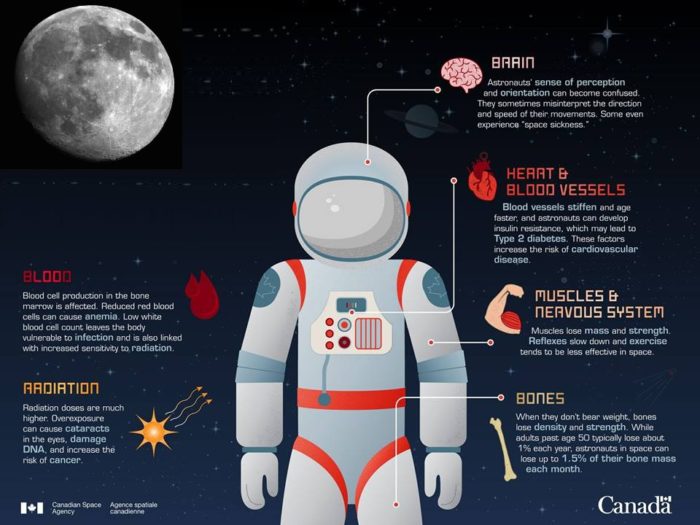
Living in space has significant effects on the human body. As we prepare for journeys to more distant destinations like Mars, humankind must tackle these risks to ensure safe travel for our astronauts.
Travelling can be an exhilarating experience, whether you’re setting out on a spontaneous weekend getaway or embarking on a long-awaited international trip. One of the most important decisions to make before any adventure is choosing the right suitcase. Your luggage plays a crucial role in the ease and comfort of your travels, and selecting the best one can save you from many headaches along the way.
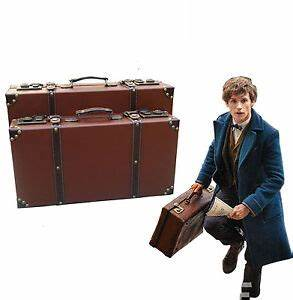
Fantastic Beasts released in 2016 featuring Newt Scamander’s Magic Suitcase
With the variety of options available on the market today, finding the perfect suitcase can be overwhelming. From materials and sizes to wheels and handles, there are several factors to consider to ensure you make the best choice for your needs. This guide will help you break down the essential features to look for when picking out a suitcase for your next trip.
Size Matters: Choosing the Right Dimensions
The first thing you need to consider when selecting a suitcase is its size. Suitcases come in various sizes, ranging from compact carry-ons to larger checked luggage. The right size for you will depend on the length of your trip and how much you typically pack.
Carry-on size: If you’re planning a short trip or prefer to travel light, a carry-on suitcase is likely your best option. It’s important to check airline guidelines as each carrier has specific size and weight restrictions for carry-on luggage.
Checked luggage size: For longer trips or if you tend to pack more, a larger checked suitcase may be necessary. These suitcases offer more space but can be bulky to handle. Always ensure that the size adheres to airline regulations to avoid additional fees.
For a variety of suitcase sizes and to compare top-rated models, you can explore Meilleurs.ca, which offers expert comparisons and guides to help you make informed decisions.
Spoiler alert- topping Meilleurs.ca list of suitcases is the Swiss Gear La Sarinne 28″ Suitcase.
Durability: Materials That Last
James Bond 007’s- Spy attache case.
Suitcases are typically made from one of three primary materials: soft-shell fabrics, hard-shell plastics, or hybrid combinations. Each material has its own set of pros and cons.
Soft-shell suitcases: Made from durable fabrics like nylon or polyester, soft-shell suitcases offer flexibility and expandability, which is ideal for squeezing in extra items. They’re generally lighter and more forgiving when you’re trying to fit your luggage into tight spaces like an overhead bin. However, they may not provide as much protection for fragile items as hard-shell options.
Hard-shell suitcases: Constructed from materials such as polycarbonate or ABS plastic, hard-shell suitcases provide better protection for your belongings, especially for breakable items. These suitcases are more rigid and usually more secure, but they can also be prone to scratches and cracks over time.
Hybrid suitcases: Some suitcases combine soft and hard-shell elements, offering the best of both worlds. These can provide flexibility while still offering a decent level of protection for your belongings.
Weight: Lighter Is Better
Airlines have become stricter with weight limits, especially for checked luggage. It’s important to choose a suitcase that is light yet durable. A heavy suitcase can quickly eat into your weight allowance, leaving you with less space for your belongings. Look for lightweight materials that don’t compromise on durability, such as polycarbonate for hard-shell suitcases or ballistic nylon for soft-shell suitcases.
An antique art deco Cheney brown crocodile skin suitcase made in England in the 1950s.
Wheels: For Effortless Maneuvering
One of the most crucial features of a suitcase is its wheel system. The last thing you want is to struggle with a suitcase that doesn’t roll smoothly through airport terminals or crowded streets. There are two main types of wheels to consider:
Two wheels: Traditional two-wheeled suitcases tend to be more stable when pulled in a straight line and are ideal for rough surfaces. They also don’t roll away when left on a slope. However, two-wheeled suitcases are more cumbersome to maneuver, especially in tight spaces.
Four wheels (spinner wheels): Four-wheeled suitcases, also known as spinners, offer a full range of motion, allowing you to roll the suitcase upright and in any direction. This can be especially useful when navigating through busy areas or small spaces. While they provide better mobility, spinner wheels can be less stable on uneven surfaces and may roll away if left unattended on an incline.
Handles: Comfortable and Sturdy
The handle of a suitcase may seem like a minor detail, but it’s vital for ensuring comfortable and easy transport. Look for a telescoping handle that can be adjusted to multiple heights and locks securely in place. A comfortable grip is also important, as you’ll be using the handle frequently while pulling the suitcase.
Additionally, consider a suitcase with side or top carry handles for when you need to lift it, such as placing it in an overhead bin or into the trunk of a car. Make sure these handles are sturdy and padded for comfort.
Compartments and Expandability: Maximizing Space
Good luggage design should include plenty of compartments and organizational features. Look for suitcases that offer:
Multiple compartments: Interior pockets and compartments help you keep your items organized, from shoes to toiletries to important documents.
Expandable sections: Some soft-shell suitcases have expandable zippers that allow for extra space when needed, perfect for travelers who tend to overpack or pick up souvenirs along the way.
Compression straps: These interior straps help keep your clothes in place, reducing wrinkles and maximizing the space inside the suitcase.
Security: Keeping Your Belongings Safe
Travel security is always a concern, especially when you’re carrying valuable or personal items. Look for suitcases that come with built-in locks, especially TSA-approved locks, which allow airport security to open the suitcase without damaging the lock during inspections.
In addition to locks, hard-shell suitcases generally offer more protection from theft, as they are harder to cut through than soft-shell models. Zippers should be sturdy and smooth to operate, minimizing the risk of breakage during your trip.
Style: A Reflection of You
While functionality is the most important factor when choosing a suitcase, style can’t be overlooked. Your luggage is a reflection of your personal style, and with so many colors, patterns, and finishes available, you can find a suitcase that suits your personality. Whether you prefer sleek, minimalist designs or bold, vibrant patterns, the style of your suitcase can add a touch of fun to your travel experience.
Conclusion: Invest in the Right Suitcase for a Stress-Free Adventure
Choosing the best suitcase for your next adventure requires balancing practicality, durability, and personal preference. By focusing on key features like size, materials, weight, wheels, handles, and compartments, you can ensure that your suitcase not only meets your travel needs but also enhances your overall experience.
A good suitcase is an investment in stress-free travel, and with a little research and attention to detail, you can find the perfect one to accompany you on all your future adventures. To explore and compare the best suitcases available in Quebec, check out Meilleurs.ca for expert reviews and recommendations that will guide you toward making the best choice for your journey. For the Silo, Vinayak Gupta.
Featured image- Del’s steamer trunk case in the classic holiday film Planes, Trains and Automobiles 1987.
A Silo Travel spotlight. The Art of Escape: Inside the Enduring Miami Beach Property Where Vintage Glamour Meets Contemporary Luxury
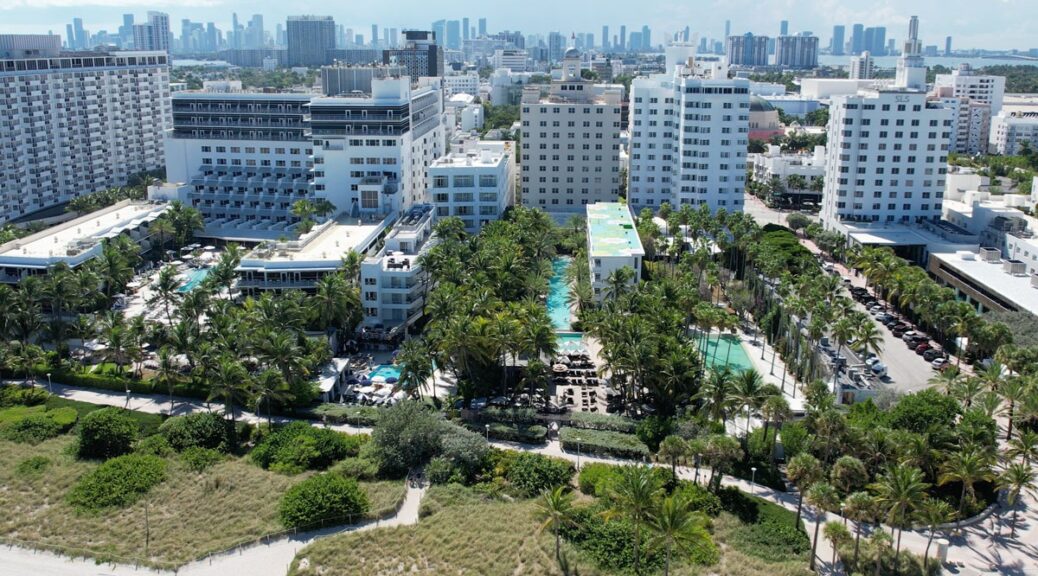
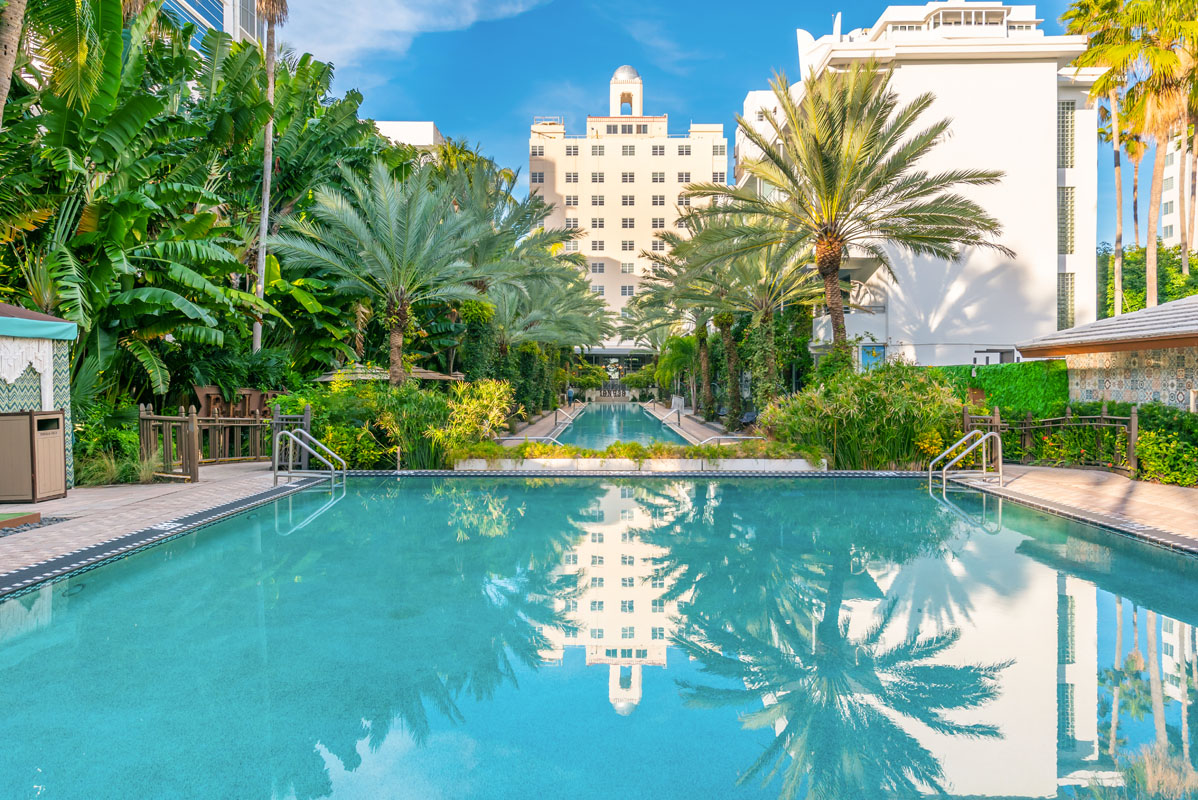
Those looking for a SoFlo escape exuding art, culture and timeless sophistication need look no further than the National Hotel Miami Beach, where the city’s vintage glamour meets contemporary coastal luxury. Perfectly situated in South Beach’s iconic Art Deco district, this adults-only, pet-friendly, oceanfront retreat offers a distinctly cinematic experience—from its sweeping palm-lined pathways to Miami Beach’s longest infinity-edge pool.
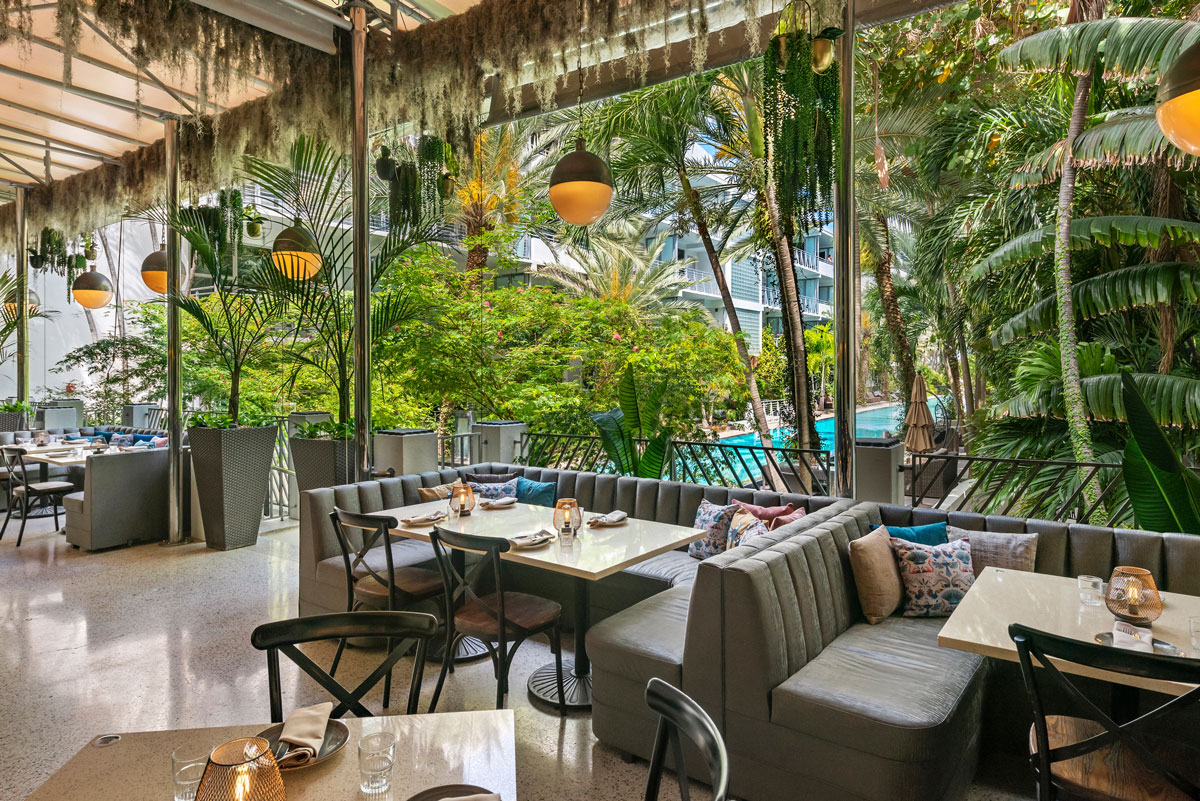
Whether unwinding in a newly redesigned ocean view suite or indulging in craft martinis and natural wines at the hotel’s Spanish tapas restaurant, Mareva1939, guests are immersed in a sensory celebration of both past and present. It’s the quintessential backdrop for a Miami Beach escape—and the perfect setting for a candid, deep-dive conversation with Stephane Mercier, Managing Director at The National Hotel Miami Beach, who shares insight into what makes the National Hotel such a standout destination.
MK: The National Hotel is known for its strong commitment to art. Can you describe the philosophy behind incorporating artwork into the guest experience—both in the copious common spaces and guestrooms and suites?
SM: The National’s philosophy behind incorporating artwork into the guest experience is deeply rooted in its iconic Miami Beach Art Deco hotel identity. We want guests to feel immersed in a unique, sophisticated revival of a golden age of Miami Beach, while enjoying contemporary hospitality. Designed by renowned architect Roy France, credited with creating the Miami Beach skyline with his string of Art Deco and streamlined towers, the hotel remains a testament to his visionary work.
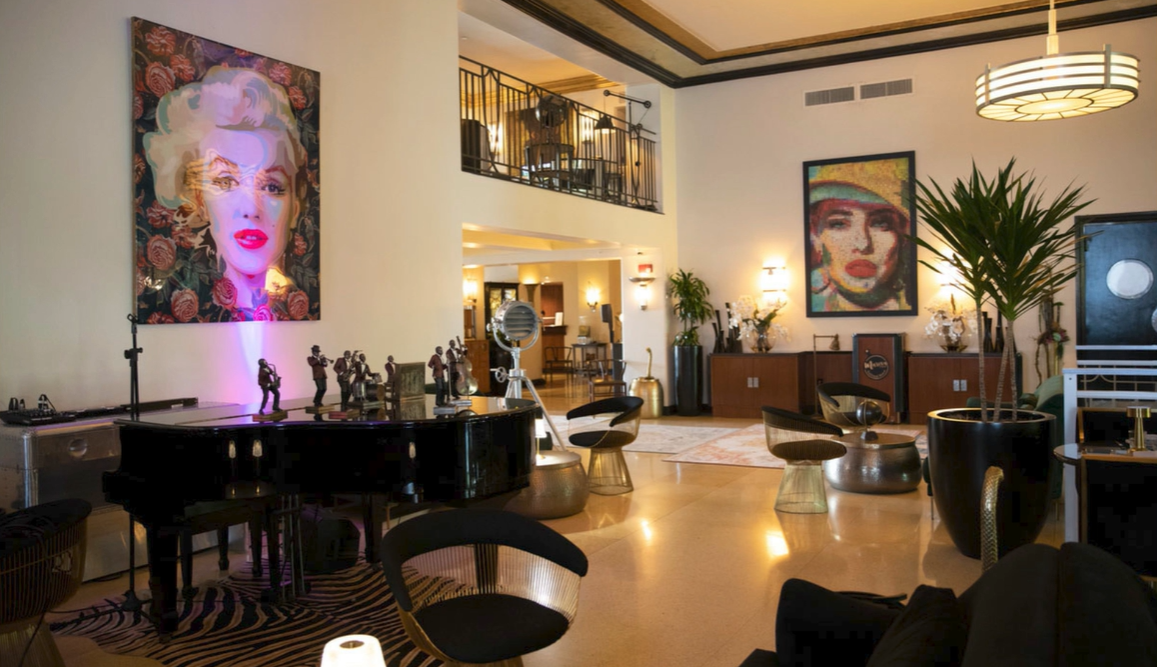
Though renovated to offer the modern, yet sophisticated, classic look and feel experienced by guests today, the hotel continues to stay true to France’s philosophy and artful design. Signature architectural elements, including corner windows, original terrazzo floors, chrome wall sconces and era-inspired details, preserve the National Hotel’s timeless elegance, seamlessly blending classic style with contemporary luxury.
MK: What about the property gives it overarching appeal in the luxury travel sector?
SM: The National Hotel is one of the few South Beach properties that remains true to the iconic Art Deco era, preserving its timeless elegance and charm, and is the only beachfront, adults-only hotel in the destination, promising an elevated experience for a discerning set of travelers. Guests can be assured that the amenities and atmosphere onsite cater to adults that value culture, history and curated experiences. Since its opening in the 1940s, Bar 1939 has embodied the hotel’s rich history, capturing the glamour and sophistication of the period. This luxurious open space features suede lounge chairs, copper cobras emerging from side tables, flooring embedded with hundreds of shiny coins and a grand piano. Guests and locals alike can enjoy our vibrant cultural happenings onsite, including live music on Saturdays, seasonal highlights—including holiday celebrations and New Year’s—and musical collaborations like the Musimelange chamber music series, occurring now through May 19. Solidifying the vintage feel of the Art Deco era is the show-stopping bar, a monumental slab of ornately carved hardwood flanked by elaborate stools.
While design throughout the hotel pays homage to the property’s history, the exclusive Artist Collection Suite embodies the uniqueness found at the National Hotel Miami Beach. Designed by world-renowned artist Elizabeth Fatone, the accommodation features one-of-a-kind, hand-painted murals and Art Deco-inspired furnishings, celebrating the artistic spirit and distinctive character that define the unique experience at the hotel.
MK: How do the art pieces showcased at the hotel enhance the overall ambiance and storytelling of the property? SM: The hotel’s carefully curated pieces do more than enhance décor, they immerse guests in the timeless elegance of the Art Deco era. From the grand Bar 1939, with its carved hardwood bar and vintage-inspired furnishings, to the Artist Collection Suites featuring the aforementioned Elizabeth Fatone and Renoma Suite, every detail tells a story. Upon arrival, guests can find a sculpture by Carole Feuerman at the property’s entrance, colorful murals by the pool and revolving art present across the hotel throughout the year. Each artistic touch reinforces the hotel’s rich history, ensuring a seamless blend of past and present. MK: How does the property’s distinctive style, both in architecture and décor, influence the guest experience? SM: The National Hotel’s Art Deco architecture and décor offer a modernized tribute to the classic Miami Beach style. Miami Beach holds the appeal of having an artful combination of heritage and modernity. Art Deco hotels sprung forth from this intrigue and the National Hotel Miami Beach has solidified its place in the region’s history by achieving, and long maintaining, a sense of artful timelessness with modern appeal. On a year-round rotating basis, local and famed artist showcases or classics can be found in the hotel’s lobby, restaurants and additional common spaces. The hotel also works with local art and design communities to support and be included in Art Deco history tours. This seamless fusion of history, artistry and elegance not only enhances the ambiance, but also invites guests to become part of the hotel’s timeless legacy. MK: Are there any architectural elements or décor pieces that are original to the hotel? SM: The hotel has maintained its traditional foundation including corner windows, original terrazzo floors, chrome wall sconces and preserved the original check-in desk that is now on display for guests to enjoy during their stay. In front of the long pool, guests can see the mosaic Girl With The White Glove and the Compass, two pieces exclusive to the property. MK: The National Hotel has a fascinating and storied history. Can you share some of the most intriguing or lesser-known anecdotes about its past? SM: Since its inception, the hotel has drawn sun-loving socialites and celebrities, from the glamorous 1950s crowd, to the South Beach revivalists of the 1970s, to modern-day travelers looking for a boutique, sophisticated stay along the beach. Designed by Roy France, the National Hotel’s timeless Art Deco style and its striking 14-story tower are a testament to his influence in shaping the Miami Beach skyline. A Midwest native, France relocated to Miami Beach after a trip to Florida with his wife in 1931. The hotel remains true to France’s vision, maintaining its Art Deco charm while seamlessly integrating modern style and elevated amenities, services and culinary highlights. MK: Can you describe the unique features and amenities of the ocean-view and other premium-level suites at the National Hotel? SM: Ranging from the city vie rooms to our penthouse suite, guests can find roomy accommodations and relaxed luxe amenities with stunning views of the blue ocean and our infinity pool. Favorite features in our upper room categories include radios, slippers and a robe beginning in our cabana rooms and suites; balconies in our Cabana rooms; bold, fun murals in our Artist Collection Suites designed by Elizabeth Fatone; and the tri-level space of our Penthouse Suite.
MK: The property’s Mareva1939 on-site restaurant has become a standout feature of the National Hotel. What inspired its culinary concept and name? SM: Mareva1939, the National Hotel’s signature, award-winning Spanish tapas-style restaurant, was inspired by the year the hotel began welcoming guests. The restaurant’s culinary concept was designed to take guests through a gastronomic journey to Spain, offering a curated menu that blends traditional dishes with a modern, locally driven Miami Beach twist. The family-style menu encourages a convivial atmosphere, keeping the Spanish culture alive by inviting guests to connect around the table. To elevate the meal, the restaurant offers an extensive selection of organic, natural wines and handcrafted cocktails, thoughtfully paired to enhance the flavors of each dish. The creative culinary team ensures that dining remains exciting year-round with seasonal menus for holidays, local events and the hotel’s participation in Miami’s celebrated Miami Spice program. As an extension of Mareva1939, the Martini Bar takes guests back to the hotel’s opening era with original 1939 design elements, a specialty cocktail menu and live music over the weekends, offering an intimate and elevated space for unwinding. MK: How does the menu reflect—or complement—the hotel’s overall brand and history? SM: The culinary experience at Mareva1939 takes inspiration from the hotel’s artistic history in the plating and ingredients from the coastal setting, infusing Spanish traditions and tropical influences. MK: The property features bars reminiscent of a speakeasy that are a draw for guests and even city locals. To what do you attribute the appeal? SM: Their nostalgic charm and intimate ambiance, which transport guests and locals into this Art Deco era. The rich, vintage design elements paired with expertly crafted cocktails create a sophisticated setting that encourages relaxation and socialization. The hotel’s Bar 1939 and Martini Bar offer classic 1930s-era cocktails alongside modern drink options in a refined setting, with live music on Saturdays. The intimate nature of these bars, combined with their elevated atmosphere, makes them not just a place to enjoy a drink, but an immersive experience that draws both guests and locals looking for a unique, upscale night out. MK: What are some of the other standout amenities that set the National Hotel apart from other luxury properties in Miami Beach? SM: The National is adults-only, creating an intimate escape for couples, groups, friends and diners seeking a quieter, more sophisticated experience. The hotel is also pet-friendly and offers amenities for furry friends, so travelers can enjoy their Miami Beach getaway together with their pups. MK: The expansive pool is a defining feature of the hotel. Can you share more about its design and guest appeal? SM: The National Hotel’s expansive infinity pool is a standout feature that perfectly complements the hotel’s sophisticated, adults-only atmosphere. Stretching 205 feet, the longest infinity pool in the area offers guests a space to relax and take in breathtaking views, with a design that complements the hotel’s chic Art Deco style, creating a luxurious and serene environment to soak up the year-round sunny weather. Guests can unwind in the comfort of a poolside cabana or lounger, taking full advantage of the idyllic coastal setting. The Aqua Bar & Grill enhances the experience by offering delicious poolside bites and drinks, allowing guests to stay refreshed without leaving the water’s edge. Just steps away, guests can access a prime bit of Miami Beach shoreline. MK: How does the property balance its legacy as a historic landmark with vintage charm with the needs of modern travelers, and what technology helps facilitate the guest experience? SM: The hotel incorporates convenient technology solutions to deliver an elevated guest experience, such as providing QR codes on the beach to order food & beverages, Smart TVs in all the rooms, an elevated new fitness center and Apple Pay at all outlets. MK: As the National Hotel continues to evolve, what future plans or updates can guests look forward to? SM: The National continues to evolve and adapt its offerings while hosting anticipated annual events among some of Miami Beach’s most vibrant happenings, like South Beach Wine & Food Festival, Miami Swim Week and Art Basel. Guests can continue to spend these exciting occasions at The National, while looking forward to continuous and more experiential events and activations that speak to the history of the hotel and the story of The National. MK: How do you see the hotel’s role in the Miami Beach hospitality scene developing in the coming years? SM: As an original Art Deco hotel and mainstay of the city’s cultural landscape, The National will continue to embody the classic Miami Beach experience merged with an independent approach, adults-only atmosphere and arts-focused cultural calendar. Guests know to expect an intimate hospitality experience marked by authentic, historic features not found in newer developments. MK: Are there any famous guests or notable events in the hotel’s history that stand out as particularly memorable? SM: Mariah Carey performed at The National during the 2005 MTV Video Music Awards. Another legendary artist, Whitney Houston, filmed her ‘Heartbreak Hotel’ music video onsite. The hotel has also played host to international artists during Art Basel each year. As Mercier reminds us, the magic of the National Hotel Miami Beach lies in its ability to blend nostalgia and novelty, creating a stay that’s both storied and stylish. Whether it’s lounging by the shimmering infinity pool, savoring curated culinary experiences, or exploring the pulse of South Beach just steps away, every element is designed to transport guests to a timeless version of Miami. For travelers seeking both serenity and sophistication in the heart of the city’s most iconic neighborhood, the National remains an unforgettable destination—elegantly redefined.
Merilee Kern, MBA is an internationally-regarded brand strategist and analyst who reports on cultural shifts and trends as well as noteworthy industry change makers, movers, shakers and innovators across all categories, both B2C and B2B. This includes field experts and thought leaders, brands, products, services, destinations and events. As Founder, Executive Editor and Producer of “The Luxe List,” Merilee is a prolific business, lifestyle, travel, dining and leisure industry voice of authority and tastemaker. She keeps her finger on the pulse of the marketplace in search of new and innovative must-haves and exemplary experiences at all price points, from the affordable to the extreme. Her work reaches multi-millions worldwide via broadcast TV (her own shows and copious others on which she appears) as well as a myriad of print and online publications. Connect with her at www.TheLuxeList.com / Instagram www.Instagram.com/MerileeKern / Twitter www.Twitter.com/MerileeKern / Facebook www.Facebook.com/MerileeKernOfficial / LinkedIN www.LinkedIn.com/in/MerileeKern.
***Some or all of the accommodations(s), experience(s), item(s) and/or service(s) detailed above may have been provided or arranged at no cost to accommodate if this is review editorial, but all opinions expressed are entirely those of Merilee Kern and have not been influenced in any way.***
The Butchart Gardens, Canada, is the seventh most beautiful spring flower spot in the world, according to a new study.
#7 worldwide- Butchart Gardens, Victoria, British Columbia.
With springtime (seemingly- it is Canada after all) here, there are beautiful gardens all around the world filled with flowers getting ready to bloom. But which of these spots deserve a place on your travel bucket list?
Looking at flower locations across the globe, our friends and experts at Japan Rail Pass analyzed a variety of factors – including Google reviews and ratings, Instagram hashtags, and the vibrancy of the flowers in spring – to give an overall score and determine which flower spots you absolutely should not miss this spring.
The most beautiful spring flower spots around the world
According to the research, the most beautiful flower spot in the world is the Keukenhof Tulip Gardens of Lisse, Netherlands, which has exhibited spring flowers to the public since 1950.
The tulips in spring achieve an almost perfect vibrancy score of 9.96/10, proving just how bright and colourful these stunning gardens are.
Shinjuku Gyoen, Tokyo, Japan – 9.3/10
Credit – Sutterstock_Benny Marty
Next in the rankings, is the beautiful Shinjuku Gyoen in Tokyo, Japan. From the wide variety of cherry blossoms in the national garden, it is the Somei (Yoshino cherry) that bloom in spring.
The beautiful Japanese garden has over 856,000 Instagram hashtags, more than any other spot in the top 10, with people all over the world travelling to view the cherry blossoms.
Royal Botanic Gardens, Kew, London, UK – 9.2/10
Credit – Sutterstock_Charles Bowman
The third most beautiful spring flower spot according to the study is in London, England: The Royal Botanic Gardens, Kew.
With almost as many Instagram hashtags as Shinjuku Gyoen (764,996) and 44,465 reviews, it is clear that the flowers found here,cherry blossom, bluebells, and magnolias to name a few, are beloved by many.
Nabana no Sato, Mie, Japan – 9.0/10
Credit – Sutterstock_martinho Smart
In fourth place is the Nabana no Sato flower park, located in the Nagashima resort in Mie, Japan.
The spot is known for its illuminations throughout the park in winter through to spring, as well as the blooming cherry blossoms and tulips which scored a 9.34/10 for vibrancy in the study.
Dubai Miracle Garden, UAE – 8.9/10
Credit – Sutterstock_Sergii Figurnyi
The fifth most beautiful spring flower spot in the study was found to be the Dubai Miracle Garden in the United Arab Emirates, which occupies over 72,000 square metres, making it the largest natural flower garden in the world.
With over 75,000 reviews since its opening in 2013, and a vibrancy score of 8.78/10, it is clear that this impressive garden deserves its place in the top five rankings.
Methodology:
1. Japan Rail Pass wanted to find out which are the best flower spots around the world to see in Spring.
2. To do this they collected data on 25 popular flower locations around the world including the following variables:
Google ratings and reviews.
Instagram hashtags (using all relevant hashtags including where applicable local language versions)
Haldimand and Norfolk Counties in Ontario, Canada have become an attractive area to explore for marine fossils.
The Great Lakes Basin, once inundated by a vast ancient, shallow sea that covered much of central North America, is today revealing an abundance of fossil corals, invertebrates, and marine organisms found within many limestone formations uncovered by glaciers and erosion.
Haldimand and Norfolk County have especially become an attractive area to explore for fossils of marine organisms by both scientists and amateur fossil collectors who can travel to local locations such as Rock Point Provincial Park near Dunnville, Ontario.
However, these fossils represent more than just evidence of unique life forms that once numbered in the tens of thousands of species co-existing in a marine ecosystem. They are scientific evidence of marine ecosystems in ecological transition, shifting continents, changing climates, and a record of our planets’ every day rotation around the sun.
Many fossil corals found in Haldimand and Norfolk County date around 410 to 360 million years ago. It is a time geologically known as the “Devonian Period”, the “Devonian Reef” or the “Age of Fishes”. During this period, fishes of many different species became abundant in the fossil record. A partly submerged North America, or as yet to be formed Great Lakes Basin, was colliding with Europe close to the equator. Reef building environments began to develop and produce some of the largest reef complexes in the world.
The reef complexes were in large areas of shallow equatorial seas that existed between the continents.
Evidence of a saltwater sea supporting a vast coral reef system once covering southern Ontario over 400 million years ago in the form of fossilized coral deposits support the theory that a coral reef system existed for a very long time. It was in the basins of these former shallow seas that great quantities of rock salt, gypsum, and other types of minerals precipitated, and today, mining industries dig well below the lowest depths of Lake Erie to recover these minerals.
The “Heliophylum halli” is a fossil particular to the Great Lakes region and studies of its growth rings revealed 400 days in one Earth year when this coral was alive.
Exposure of reef basins varies and depends on how glaciers or water erosion has pushed or washed soil off bedrock. Under these conditions, a geologist’s field magnifying glass can help find very small fossils such as radiolarians and diatoms. Otherwise, larger fossils such as different varieties of bivalves (clams), trilobites, and even large fragments of fossilized coral are exposed. In some case, there are discoveries of fossilized marine organisms that are both rare and some times difficult to identify.
The fossilized remains of a Devonian Reef. Rock Point Provincial Park, Ontario.
Rock Point provincial park- exposed fossilized reef system holds an incredibly amount of fossils.
What ended these reef complexes and created one of the greatest mass extinction events of earth’s biota is not completely understood but was a combination of events that took place over a period of 25 million years.
Since species rely on a warm water marine ecosystem for their survival it would seem that a slow and gradual continental shift north from the equator would over time impact a large variety of marine species, including those supported by coral reefs. Therefore, events such as shifting continents, lowering of sea levels, climatic changes influencing land and sea ecologies, and/or possibly a glaciation had significant roles in the extinction of earth’s biodiversity.
The large deposits of fossil corals and invertebrates found in Norfolk and Haldimand County has been of great interest to scientists and fossil collectors for many decades. However, fossil collecting took on a new importance in the last 50-60 years when it was determined there was a connection between growth rings of coral skeletons with the number of days in a year.
Scientists studying samples of coral skeletons from contemporary coral reef systems discovered growth rings on the outer surface of coral skeletons.
By studying a large sample of coral skeletons and determining how many growth rings represented a year’s growth of calcium carbonate, scientists were able to calculate an average of 360 rings per year. Thereby, approximately one growth ring represented one day’s growth for each day of the year. Taking this new information, scientists began collecting large numbers of exceptionally well-preserved coral fossils belonging to the Late Devonian Period. One particular species, found in the Great Lakes region, called a “Heliophylum halli” (see above) exhibited many growth rings developing in one year during this period. The result surprised even scientists.
Fossil coral showed there were approximately 400 growth rings per year 370 million years ago. Therefore, there were about 400 days in a year in the Devonian Period. Astronomers who have calculated that our earth’s rotation has been slowing at a rate of about 2 seconds every 100,000 years have since supported the new information.
Exposures of ancient reef basins can be discovered in dried up stream beds and even under farmers fields.
Despite Haldimand and Norfolk County being a small example of a region once holding a thriving coral reef system, existing over 400 million years ago, the number of fossils of different species exposed is vast. Fossil corals, invertebrates, and species of marine organisms exist in many different shapes, sizes, and can be very fragile. Therefore, whether you are a scientist or amateur fossil collector, the next time you take a walk across the landscape to explore and search for fossils be sure to take along a fossil guide. You never know what new fossil discoveries you might make just walking across the countryside for an afternoon. For the Silo, Lorenz Bruechert.
JG O’Donoghue imagines a ‘versus’ scenario to demonstrate the struggle of ‘languages at risk’
There is a mass decline in linguistic diversity happening all over the planet and in places geographically far apart and I think that if things don’t change, the loss of language diversity will be immense.
In the book, Irish in the globalcontext, Suzanne Romaine mentions that linguists believe 50 to 90 % of the world’s estimated 6,900 languages will simply vanish over next 100 years.
At this moment in time, 85% of the world’s languages have fewer than 100,000 speakers and over half of the world’s remaining languages are spoken by just .2 % of the world’s population. These facts have informed my work and have become the wider subject of my illustrations, specifically the linguistic decline of the Irish language.
In some ways the battle between the Irish and the English languages is one of the defining features in modern Irish culture, but it is Irish which defines this island more, and the Irish language tells the entire history of Ireland in its influences and in its form.
Ruairí Ó hUiginn said in his book The Irish language: you have influences of Latin from the Christianization of Ireland in ecclesiastical words, influences from Viking invasions in words for “seafaring, fishing and trade”, influences from the militaristic Normans [ French CP] in words for “architecture, administration and warfare”, and from English colonialism you get English in every day words.
“To create my intended mood, the english words are given a general typography while the Irish words are given a distinctive script reminiscent of Geoffrey Keating’s book Foras Feasa ar Eirinn”
Each influence shows an aspect of Irish culture. What people forget to realize is that a language is much more than something spoken to express oneself. Ancient peoples created language in an attempt to describe the world around them and the world within them, in other words their worldview.
An example in Irish is- you don’t say ‘I’m angry’, you say ‘tá fearg orm’, which means ‘I have an anger on me’.
Nevertheless, Irish is important internationally too, and Irish is the third oldest written language in Europe, after Latin and Greek, and as a spoken language it may even be older than both.
How should an artist illustrate a language? And more specifically the struggle of one language with another? I choose nature as my metaphor, from the ancient forests of Ireland, mostly gone now, to Islands which stand for thousands of years but are slowly worn away by the tide. The words that make up these landscapes are either ‘for’ or ‘against’.
My illustrations therefore visualize the real life drama of ancient language versus modern language.
I imagine a “versus” scenario. On the “against” side I chose English words plucked from peoples statements in online forums and in letters to newspapers. On the “for” side I chose Irish words, and they were chosen from recent investigations into the creation of the ancient Irish language. Irish words in my illustrations such as “dúchas (heritage), tír (country), litríocht(literature), and stair(history)” reflect the Irish language’s cultural importance, while “Todhchaí(future), féinmhuinín(self-confidence), beatha(life), and anam(soul)” reflect its importance in a metaphysical way to Ireland.
The Irish language forest- An Coill Teanga Gaeilge
The english ‘against’ words can range from the practical benefits of english within subjects such as “tourism, movies, business, and comics,” to words that reflect the interaction of English speakers with Irish. To illustrate the concept, I chose words like “conform, bend, harass, and adapt”.
To create my intended mood, the english words are given a general indistinctive typography reflecting uniform mono-linguilism, while the Irish words are given a distinctive Irish manuscript/Gaelic script reminiscent of Geoffrey Keating’s 17th century book- Foras Feasa ar Éirinn/History of Ireland.
The core message in my illustrations is a positive one, the sun is rising for a new day as the Irish language holds on, like a lot of minority languages. It is diminished but not beyond hope. I believe it can make a comeback, and this is exactly what is happening all over this country today, because of the work of people far more dedicated than myself. I hope my work can help reinforce linguistic diversity as well as all forms of heritage. I have the will to preserve these for future generations, so they too can live in a world full of diversity spending their lives discovering and exploring it in all its beautiful variety.
It’s that time of the year again…time for a perennial favorite read. Why favorite? Because we all want to know how much longer Winter will last. At this point on the calendar, at the second day of February, it feels like warm days are lost forever. But there is always hope. Hope in a critter and a shadow. Let’s begin. Again.
Maybe Groundhog Day can become a National or Provincial Stat Holiday because February 2nd isn’t officially known as Groundhog Day. Technically it isn’t a National Holiday. It isn’t a Provincial Holiday. [Is Quebec the only province with a Provincial Holiday? CP]
But maybe it should be.
Groundhog Day isn’t an exclusive celebration that targets a specific demographic such as Family Day. It isn’t religiously or politically motivated. It doesn’t specify Muslim, Buddhist, Marxist, agnostic or atheist beliefs. It is inclusive, quirky, wacky and fun. There is no need to worry about political incorrectness.
Maybe Groundhog Day can become a rallying point for Ontarians because in many ways they are like us: Groundhogs are robust creatures. They handle a long winter with style. Groundhogs might be cute but they are also tough!
Maybe the Groundhog can become Canada’s national animal.
Does anyone remember the politician who wanted to make the polar bear our national animal? Most of us aren’t likely to run into polar bears. It’s that old adage: “Out of sight, out of mind” and since we’re more likely to see a groundhog and associate with a groundhog it is an ideal choice. Incidentally Canada’s national animal is the beaver. Another obscure animal that most of us have never seen.
Maybe Groundhog Day is spiritual after all.
If a Holiday needed ever to be justified on a basis of spirituality or community consider the following short list:
Mysticism (Shadow casting or lack their off = Long range weather forecast)
Fatalism (Let everyone believe that an animal can come out of the ground on a specific day and tell us how the next six weeks will turn out)
Anthropomorphism (Groundhogs can really see? Can they talk? How do we know if they have seen their shadow?)
Human/Animal Communication or Telepathy (Groundhog interpreters/ Groundhog whisperers? Are they specific to Wiarton, Punxsutawney?) Feature image- Punxsutawney Phil. For the Silo, Rick Fess.
For many people, the first things that come to mind when asked about Helsinki are its northern location, the happiest people in the world, and functional design.
The Finnish capital’s high-quality and unique food culture, on the other hand, has remained a well-kept secret and often pleasantly surprises visitors to the city. In Helsinki, one can find numerous innovative restaurants, the oldest market halls in the Nordic region, the Teurastamo center of urban and culinary culture, distilleries, microbreweries and other craft companies, such as bakeries and chocolate producers.
“The strengths of Helsinki’s food culture are its versatility, personality and a certain kind of uniqueness that combines local flavours and cultural influences from both East and West with a bold and innovative approach. The level of Helsinki’s top restaurants is illustrated by the fact that one restaurant has been awarded two Michelin stars and five with one Michelin star,” says Nina Vesterinen, Tourism Director at the City of Helsinki.
Helsinki wants to focus even more strongly on food tourism
Helsinki is currently implementing its Helsinki Tourism and Events Programme 2022–2026. The programme highlights the city’s vibrant urban culture with its events, visitors and restaurants as a key strategic priority for promoting the city’s vitality and wellbeing. Internationally, food has become an important appeal factor for tourism in recent years.
Restaurants play a key role in the vitality of cities. The restaurants in Helsinki have enormous and partly untapped potential, which can be used together with partners to develop the city as an attractive destination providing wonderful experiences for visitors. Helsinki will highlight the best aspects of the city as a food travel destination at the Matka Nordic Travel Fairthis month by setting up Helsinki Food Court in cooperation with Food Camp Finland and Messukeskus.
The Matka Nordic Travel Fair in Helsinki is the largest tourism industry event in Northern Europe. In connection with the travel fair, Helsinki will also launch its own food culture strategy work. The aim is to make Helsinki a world-class food city of interest.
Finnjävel brings traditional Finnish dishes into the 21st century and to London
One of the advocates of Helsinki’s developing restaurant and food culture is Timo Linnamäki, restaurateur and Chairman of the Board of Muru Dining, which operates several restaurants in Helsinki. Representing Muru Group at the travel fair will be the restaurant Pastis, which focuses on rustic French cuisine and a casual atmosphere, as well as attentive and individual service.
“So much is happening in Helsinki’s restaurant scene, the range of offerings continues to expand, and there are real gems offering unique experiences throughout the city. Muru Group’s restaurants are a good example of their versatility – our taste worlds vary from the French cuisine at Pastis and the fish and seafood dishes at Sue Ellen to the Italian cuisine at Fiasco and the pure Finnish flavours at Finnjävel.”
Photo: Finnjävel
Finnjävel originally began as a temporary pop-up restaurant but has since established its operations and gained its first Michelin star in 2021. In the same year, Finnjävel received the acclaimed Service Award for the best service in the Nordic countries.
“The concept of the restaurant is to serve the best Nordic flavours and to bring traditional Finnish dishes that are reminiscent of your grandma’s cooking into the 2020s with a new, innovative approach. We strongly believe in Helsinki’s potential as a restaurant city at the international level, and we will be promoting this message by opening Finnjäveli’s pop-up restaurant at other locations in the future. The pop-up will also present the Helsinki Distilling Company and Finnish Gin. Our aim is to offer a unique food experience that attracts international interest in Finnish food culture, producers and ingredients and inspires people to travel to the source to experience more,” says Timo Linnamäki. For the Silo, Leena Karppinen.
Featured image: Tuukka Koski/ Koski Syväri, MyHelsinki Material Bank
It’s June 1976- I just crossed the border between Afghanistan and Pakistan.
Because the Khyber Pass is on the Pakistani side I have to change driving from right to left in my Citroën 2CV4. As being a Dutchman, I only have a mirror on the left side of my car. That shows to be far from useful in Pakistan!
It’s not easy to master the Khyber Pass all by myself. The bad road is snaky and sometimes the side of the abyss is very near. I have to avoid using my brakes because then I will slip away on the gravel and will certainly end somewhere in the far deep.
After a couple of hours while doing my best to avoid collisions with big trucks coming towards me, I get a beautiful view on the Indus Valley. Later on I will cross this famous river.
Landi Kotal, the first settlement in Pakistan, looks like a town in a Western movie.
Wooden houses with balconies, horses and carts in the streets and everywhere there are guns for sale. I am invited by a local craftsman to have a look at his rifles and he offers me a handmade kalashnikov for not more than 100 dollars. I tell him that I prefer to spend that amount of money on petrol to drive around in his country. Although he is quite persistent in selling while shooting in the air many times, I leave him in peace without any hole in my car.
It’s not a friendly welcome in Pakistan.
Most travellers by car cross the country as quick as possible while looking for the much more “peaceful” country of India. But I was told that northern Pakistan should be one of the most beautiful parts of the Lower Himalayas. In this region there are two small rivers coming down from the snow capped mountains following their own valley, the Swat in the Swat Valley and the Kunhar in the Kaghan Valley.
The first should be rather touristic, the other one hardly visited. Heading for the last one I have to drive to Islamabad/Rawalpindi first. From there I find the turn off while following the climbing road to Murree. Although it’s summertime there are not many owners of all those beautiful summer bungalows at home.
Fortunately there is a shop to buy some simple food. I pass the two little towns of Abottabad and Mansehra,
I fill up with petrol and head for Naran in the Hazara Province. While following the steep road up I notice that it’s cooling off. I close the canvas rooftop of my 2CV4 to keep the heat in. Although the sun is shining, snow capped mountains are coming near. It’s beautiful where ever I look but the road is getting worse. It looks like snow and ice have ruined the tarmac since last year. I wonder for how long I will be able to follow the river upstream. Hopefully I will reach Naran and may be a beautiful lake further on.
I am used to park my car somewhere in free nature to spend the night but I find a small rest house in the neighbourhood of Naran where I am welcomed to park my car to sleep in while using the amenities of this simple wooden building. Just by coincidence I notice a funny car on the small parking lot nearby. It’s a Citroën 2CV4 Break. The number plate shows me the origin. The car belongs to a young Swiss couple. It’s unbelievable to see two simple Citroën cars parked next to each other in the Kaghan Valley in northern Pakistan in 1976!
We meet in harmony and they tell me special celebrations will be held in Hemis Gumpa in Leh/Ladakh in India. This celebration will be open to tourists this year for the first time but they themselves have no time left to join the festivities. When it will happen they cannot tell me but it will be somewhere in July. Then suddenly I realize that I had a talk with some friends of friends of mine in Holland about half a year before I started my trip in my “Ugly Ducky” while telling me that they are going to visit an exceptional festival far away from the well known tourist trail in a group of selected people from Holland. I did not have a clue at that time what they were talking about.
When I started my trip in my Citroën in April 1976 I had in mind to spend some time at the south coast of France, not knowing to be in Pakistan some months later. It certainly will be a miracle to meet those Dutch in Leh.
I still have a month to go so I decide to stay here for a couple of days. The Swiss are very friendly and one day we decide to follow the road leading out of Naran into the mountains. They as well were told about a beautiful lake so we leave our cosy place. The first stretch is not easy. It looks as no traffic has left Naran for quite a while.
The road is getting quite dangerous.
Not only because of steep cliffs but also the surface is rather bad and very stony. There is snow everywhere as well. We both have simple 2 wheel drive cars with just a handful of horsepower so we cannot cross the huge landslide in front of us which blocks the road completely. That is a great pity because we are eager to see the lake.
We park our cars and collect some food and water in our small backpacks. We will give it a try to reach the lake by foot. The road is completely gone by snow but some locals have made a track from branches and stones to cross. It takes us about an hour to the moment we see the lake called Saif ul Maluk (or Saiful Muluk) which is glistering in the sun although there are some clouds. It’s like a fata morgana to find this beautiful lake with snow capped mountains around it. The temperature is fine but the water of the lake will be much too cold to take a bath.
While getting nearer to the lake we find the rest of the road in rather good condition because the lake is situated in a valley. We follow this track all the way to the end of the lake. We tease each other while throwing snow balls and we enjoy the complete serenity of the nature around us. There is no people, no animals, even no birds to spot. We all wonder how this beautiful place will look like in summer time. For the next two months some snow will melt but we are not sure if cars ever can reach the lake and even beyond during July and August. After that it will start snowing again.
We walk back to our cars and in the late afternoon and we park both our “mini vans” near the rest house. The owner welcomes us with a cup of tea. With some proud I tell everybody that tomorrow it will be my 26th birthday and I like to celebrate it but I actually do not know in what way. There are no alcoholic drinks for sale, there will be no fresh fruits or vegetables, no salted peanuts or French cheese with toast, neither potatoes nor spaghetti and the owner of the house does not sell any sort of meat.
The landlord approaches me. He offers me the possibility to “catch” my own meal to please myself and the Swiss on my birthday. Tomorrow I can give it a try. If I fail, he guarantees me at least six fish, the daily maximum. I wonder where he is talking about. On my birthday I borrow on his advice a rod with some spinners from him. Unfortunately I lose all spinners and I have to pay him some money as compensation. That was the deal we agreed before.
But now it’s his turn. Within half an hour he catches 6 beautiful rainbow trout from the Kunhar river.
I get all fish for free as being a birthday present. Unfortunately I do not have a decent kitchen to fry them. For a handful of Pakistani Rupees the landlady offers us to prepare a great meal. He and his wife reject my invitation to join the three of us.
That evening I enjoy one of the best meals I ever had. Both Swiss as well. Together with the trout we get French fries and even a nice salad with onions and tomatoes. A copious and super tasty birthday meal! The only thing we miss is a glass of chilled white wine.
It is a pity that the Swiss cannot stay much longer. They are heading west, back home to Switzerland. I am heading east in search for some Dutch at a festival in Leh/Ladakh (India). For the Silo, Frank van den Berge.
Canadians driving into the United States will be asked to pre-submit photos and licence plate numbers to the Canada Border Services Agency (CBSA) starting in 2026, according to a federal report.
The upcoming requirements will fall under the agency’s ongoing Traveller Modernization initiative, a program aimed at expediting border processing through the use of digital tools.
As part of the program, Canadians will need to “provide their biographic, biometric declaration, and other border-related information prior to arriving at the port of entry,” says the government report, which was first covered by Blacklock’s Reporter.
“Travelers will use a redesigned advance declaration mobile application to submit their digital photo, advance declaration, and license plate information in advance of arrival.”
Border officers will be provided with smartphones to access and process digital referrals, the report said.
A comparable electronic filing system will be rolled out to marine passengers in 2027 and to air passengers in 2028, the report said.
The Traveller Modernization plan is not associated with the agency’s now-optional $59.5 million ArriveCan program, a mobile app launched by the government in response to the COVID-19 pandemic which required travelers entering Canada to electronically submit travel documents, health assessments, and customs declarations. The app was later used for travelers to submit proof of COVID-19 vaccination, sparking concerns from some over privacy rights.
ArriveCan was also criticized over its high costs to develop and failure to follow standard procurement procedures. A report from Auditor General Karen Hogan found that federal agencies involved in the contracting, development and implementation of the app showed a “glaring disregard for basic management and contracting practices” and that Canadians “paid too much” for ArriveCan.
The Traveller Modernization report did not say how much the new plan would cost.
The report also didn’t indicate if the program will be mandatory or optional for travelers, but the CBSA has described it as a way to deal with security threats and economic and migratory trends as well as the ever-increasing numbers of travelers.
The border service facelift is touted as a way to cut processing times for travelers and make the process less cumbersome overall.
The CBSA said it has taken “careful steps to research and plan our actions” to alleviate travelers’ privacy and security concerns.
“When you provide your information as you enter Canada, we make sure to protect and secure it,” the agency said. “We do not keep it for any longer than we need to.”
Collection of travelers’ information isn’t new. The government in 2019 approved a legislative framework to allow the CBSA to systematically collect exit information on all travelers leaving Canada.
The Exit Information Regulations enabled the CBSA to compile complete travel history records on all travelers leaving Canada by air and land.
“By collecting the information from reliable partners, rather than requiring travelers to report to the CBSA when leaving Canada, the process will be seamless for travelers,” the government said.
CBSA- border services officers were not armed until their union fought for the right and won in 2006.
At land borders, the CBSA receives information from the U.S. Customs and Border Protection Agency (CBP) shortly after a traveler enters the United States. The U.S. entry record serves as a record of exit from Canada.
The CBSA has also proposed other programs to it says will speed up the travel process, including advance declaration forms that can be filled out ahead of time and digital kiosks and eGates for travelers to verify their identity. For the Silo, Jennifer Cowan.
Did you know Regent Seven Seas Cruises, widely regarded as the epitome of luxury ocean travel, offers a real cruising jewel: Seven Seas Grandeur.
A Heritage of Perfection.
Described by Harry Sommer, President and CEO of Norwegian Cruise Line Holdings Ltd., as “breathtaking,” to which I can attest having sailed on the spectacular ship, Seven Seas Grandeur stands as a testament to refined style, matchless elegance and captivating beauty.
The ship, designed by the award-winning Studio DADO and constructed by premier shipbuilder Fincantieri in Ancona, Italy, is a masterpiece that not just exemplifies, bit wholly embodies, luxury travel at sea.
“Seven Seas Grandeur is the most anticipated new luxury ship to set sail this year, an achievement made possible through the combined craftsmanship and exquisite eye for design excellence by Studio DADO and Fincantieri, who together with our team at Regent, have delivered a truly remarkable work of art,” said Harry Sommer, President and Chief Executive Officer of Norwegian Cruise Line Holdings Ltd.
“Each feature of this ship is more jaw-dropping than the last, from the world-class collection of art and tantalizing epicurean experiences, to the lavishly designed suites, restaurants, bars and lounges. Seven Seas Grandeur sets a new standard for service and comfort in the travel industry, and we are delighted to present this incredible new ship to discerning travelers as they explore the world with Regent.”
The maiden season of Seven Seas Grandeur, under the command of Captain Luciano Montesanto, continues to treat guests to Caribbean exploration, two transits of the Panama Canal as well as an itinerary sailing the U.S. Eastern Seaboard before sailing back across the Atlantic from New York to Barcelona to explore the Mediterranean.
Seven Seas Grandeur witnessed the colors of Fall in Canada and New England in September and October, then finally culminated in a luxurious year of travel by exploring more of the Caribbean to close out 2024.
With a gross tonnage of 55,500, a crew of 548 staff and a capacity for only 746 guests, Seven Seas Grandeur promises one of the highest space- and staff-to-guest ratios in the industry thus ensuring guest needs and wants will be swiftly attended to.
All-Inclusive Opulence
With all Regent Seven Seas Cruise, unlimited complimentary shore excursions are available in every port, making it the only truly all-inclusive cruise line. Voyage fares also include round-trip business-class air on intercontinental flights from the U.S. and Canada; gourmet cuisine in a range of specialty restaurants and al-fresco dining venues; fine wines and spirits; entertainment, unlimited internet access; free valet laundry; gratuities; ground transfers and one-night, pre-cruise hotel packages for guests staying in Concierge-level suites and higher.
Stay, Sip & Savor
Inspired by the past and reimagined for the future, Seven Seas Grandeur offers an array of transformative experiences from the moment guests step on board. The ship boasts 15 accommodation categories ranging between 307 square feet, to over 4,443 square feet with online virtual tours of each available. This includes the lavish $11,000 usd / $14,876 cad-a-night Regent Suite, contemporary Distinctive Suites and beautifully appointed Spacious Suites that are all designed to evoke an elevated, residential feel.
The ship’s dining experiences offer guests an unrivaled culinary journey. Epicurean perfection has been enhanced across the ship’s eight exquisite and complimentary dining experiences, including in its five specialty restaurants, with 130 new dishes created exclusively for Seven Seas Grandeur. The unrivaled dining experience on board will be delivered by a dedicated crew including the very best chefs, sommeliers and serving professionals in the industry. In addition, the culinary experience will be enhanced with captivatingly reimagined designs for signature restaurants Compass Rose, Prime 7, Chartreuse and La Veranda.
For guests looking to broaden their culinary skills, the ship’s Culinary Arts Kitchen offers hands-on classes, special demonstrations and more, in a professional-grade culinary teaching facility led by highly experienced chefs. A wide curriculum of classes are inspired by the global destinations explored by the entire Regent fleet and include lessons in French food and wine, the meat and seafood of New Zealand and tastes of the Pacific Northwest.
Entertainment Extravaganza
Guests aboard Seven Seas Grandeur can indulge in four new extraordinary productions: Pasión, Ignite the Night, Marauder’s Ball, and ICONS. These shows feature world-class performers, breathtaking choreography and the flair of Grammy Award winners and acclaimed Broadway directors, promising unforgettable moments for all on board.
Holistic Well-Being
The ship’s Serene Spa & Wellness experience takes luxury to the next level, offering exclusive spa treatments with indulgent options such as an amber and quartz crystal bed and a Zero Gravity Wellness Massage. For culinary enthusiasts, the Culinary Arts Kitchen provides hands-on classes and demonstrations led by highly experienced chefs, offering a diverse curriculum inspired by global destinations.
Artistry at Sea
Seven Seas Grandeur is home to a 1,600-piece art collection, featuring a custom-designed masterpiece – Journey in Jewels – the first Fabergé Egg to permanently reside at sea. The ship also introduces Regent’s first digital art tour, Art Experience, accessible through the new Regent Mobile App. Notable works include pieces by Picasso, a custom-made bronze and hand-cast glass Bonsai Cherry Tree sculpture, and “The Enchanted Tree,” a 40-foot-tall, hand-woven tapestry by renowned Brazilian artist Walter Goldfarb.
As Regent Seven Seas Cruises celebrates 30 years of unparalleled experiences, for its part the Seven Seas Grandeur experience has emerged as the epitome of the cruise line’s commitment to extreme luxury. With spacious suites, impeccable service, gourmet dining, and immersive shore excursions all included, Regent continues to redefine luxury cruising. For the Silo, Merilee Kern.
Merilee Kern, MBA is an internationally-regarded brand strategist and analyst who reports on cultural shifts and trends as well as noteworthy industry change makers, movers, shakers and innovators across all categories, both B2C and B2B. This includes field experts and thought leaders, brands, products, services, destinations and events. Merilee is Founder, Executive Editor and Producer of “The Luxe List” as well as Host of the “Savvy Living” lifestyle TV show that airs in New York, Los Angeles, San Francisco, Miami, Atlanta and other major markets on CBS, FOX and other top networks; as well as the “Savvy Ventures” business TV show that airs nationally on FOX Business TV and Bloomberg TV. Merilee also hosts the Savvy Ventures Podcast & Radio show available globally on W4CY Radio—the #1 ranked live streaming radio station—among others as well asall major podcast platforms, including Pandora, Audible, Spotify, Amazon Music, Apple Podcasts, Streamyard, iHeart Radio and dozens more.As a prolific lifestyle, travel, dining and leisure industry voice of authority and tastemaker, Merilee keeps her finger on the pulse of the marketplace in search of new and innovative must-haves and exemplary experiences at all price points, from the affordable to the extreme. Her work reaches multi-millions worldwide via broadcast TV (her own shows and copious others on which she appears) as well as a myriad of print and online publications. Connect with her at www.TheLuxeList.com and www.SavvyLiving.tv / Instagram www.Instagram.com/MerileeKern / Twitter www.Twitter.com/MerileeKern / Facebook www.Facebook.com/MerileeKernOfficial / LinkedIN www.LinkedIn.com/in/MerileeKern.
***Some or all of the accommodations(s), experience(s), item(s) and/or service(s) detailed above may have been provided or arranged at no cost to accommodate if this is review editorial, but all opinions expressed are entirely those of Merilee Kern and have not been influenced in any way.***
As the automotive industry evolves at a rapid-fire pace, trust in autonomous driving vehicles remains a critical challenge amid pervasive reliability concerns. Addressing this substantial industry pain point is automotive AI technology disruptor Autobrains Technologies. Its game-changing “Liquid AI” innovation—combining AI-assisted driving with its Autonomous Driving capabilities—directly addresses such marketplace reliability concerns, setting new standards for autonomous driving in the process.
“The safety debate surrounding AVs is more relevant than ever,” notes Autobrains Founder and CEO Igal Raichelgauz. “While AVs promise to reduce traffic fatalities by eliminating human error such as distracted driving, there are still significant reliability concerns for both manufacturers and drivers. The ongoing dialogue around AVs is critical, and we’re not only at the forefront of these discussions, but also advancing AI that prioritizes driverless car safety. We believe our Liquid AI technology offers a paradigm shift by mimicking human cognitive processes, thereby improving the system’s adaptability and decision-making in real-time. The automotive industry stands at a crossroad. We are proud to lead this charge, setting new standards for what AI in driving can achieve.”
Driving Change
Autobrains’ revolutionary Liquid AI technology enhances situational awareness and decision-making, providing a safer and more reliable driving experience. As AI continues to evolve, these advancements are crucial in building trust and adoption among drivers and manufacturers, alike. Combining AI-assisted driving with its Autonomous Driving capabilities, Liquid AI enhances situational awareness and decision-making, providing a safer and more reliable driving experience, which is crucial in building trust and adoption among both drivers and manufacturers. As AI continues to be integrated into vehicles, the question of generating trust becomes paramount.
“The reliability of Autonomous Driving has been a significant concern for both manufacturers and drivers,” said Raichelgauz. “We believe that our Liquid AI technology offers a paradigm shift by mimicking human cognitive processes, thereby improving the system’s adaptability and decision-making in real-time. Traditional AI, with its narrow focus, often falls short when faced with the unpredictable nature of real-world driving. Liquid AI, however, marks a significant departure from this approach. By incorporating principles of human cognition, it learns and adapts in real-time, ensuring that our driving systems are predictable and optimized for any real-world driving scenario.”
There are several key factors that differentiate Liquid AI from traditional AI systems. These include:
Robust Edge Case Handling: Effectively addresses the long tail of edge cases that traditional AI systems struggle with.
Human-Like Cognitive Processing: Mimics human decision-making, allowing for better handling of unpredictable real-world conditions.
Efficient Resource Utilization: Lower computational power requirements make it scalable across various vehicle models without compromising performance.
Real-Time Learning: Liquid AI adapts in real-time to new driving scenarios, ensuring higher accuracy and fewer false positives.
With a background in AI innovation spanning multiple disciplines, Raichelgauz is a distinguished technology executive who has co-founded several successful businesses, including Cortica—a company renowned for its self-learning technology in visual perception. Under his leadership, the Autobrains Liquid AI technology is now driving consequential change in the automotive industry by resolving autonomous vehicle reliability.
“The automotive industry stands at a crossroad,” Raichelgauz continued. “As we continue to integrate AI into our vehicles, the question of generating trust becomes paramount. Traditional AI, with its narrow focus, often falls short when faced with the unpredictable nature of real-world driving. Liquid AI, however, marks a significant departure from this approach. By incorporating principles of human cognition, it learns and adapts in real-time, ensuring that our driving systems are predictable and optimized for any real-world driving scenario. At Autobrains, we are proud to lead this charge, setting new standards for what AI in driving can achieve.” For the Silo, Merilee Kern.
It may only be the start of September but we Canadians know that the days are indeed growing shorter.
As we approach Fall and Winter (sorry!) and the weather starts becoming cooler, one of the best ways to layer is using Numi’s bamboo undergarments and basics under your clothing.
“Originally on the market as Nudy Patooti, this brand launched in 2013 and quickly changed its name to better reflect their customer base. Focusing on sustainability, peace, and kindness, Numi works with women for women. Each detail of design is done to make life easier for the working gal.
Founded by Michelle Shemilt, this company was born out of necessity. As a former equity trader, Shemilt was tired of losing her work clothes to sweat and deodorant stains that affected every top. Rather than shell out the money for constant dry cleaning, Shemilt went to work on a solution to benefit not only her but other working women who suffered the same issue.
Alongside a pro-woman mission, this brand also works for the world. Sustainability is a core goal for the company that works solely in eco-friendly fabrics and practices, Numi wants to leave a mark on their customers, but not the planet.” honestbrandreviews.com
The secret to layering, even in Fall and Winter, is to look stylish, not bulky.
Because their innovative collection consists of ultra-soft bamboo, you can seamlessly layer your fall fashions and holiday outfits in a multitude of ways. If that isn’t enough their transformative undergarments wick away sweat before it becomes an embarrassing stain or damages your clothes.
Each piece is made with high tech fabric that absorbs perspiration and protects your outfit to keep you feeling fresh as you go between any kind of event such as from the office to holiday parties. A Numi undergarment will get your favorite clothes back into regular wardrobe rotation while offering perks such as extending the life of your clothes, creating less laundry, lowering drying cleaning costs, and helping to regulate your body temperature.
Undergarments feature patented Sweat-Secret Technology, a high performance fabric in the underarm area to absorb moisture to help you stay dry and comfortable and your clothes clean.
Numi’s basic tees and tanks are also super comfortable essentials for layering, loungewear and sleepwear, and are perfect pieces to have in your wardrobe as the weather gets colder.
Both lightweight and stylish, their garments and undergarments will keep your body feeling fresh and fabulous underneath everything from your weekend sweaters to work silk blouses to holiday party dresses.
Transformative Highlights
Keep clothes clean and like new longer
Prevent embarrassing sweat stains from ruining an outfit (and your day)
Comfortably smooth the figure without being constrictive
Patented fabric technology absorbs and whisks away moisture from the body
Organic bamboo regulates body temperature, keeping you cooler when warm and warmer when cool (perfect for fall layering!)
Save money by not having to dry clean as often and save time by reducing laundry
Eco-friendly: made of organic bamboo and sustainably manufactured in Canada
Great for all shapes and sizes.
Fitted and ultra-soft, you can choose from a variety of classic feminine styles to keep you comfortable and worry-free during the weekends, in the office, or anytime! For the Silo, Katie Guest.



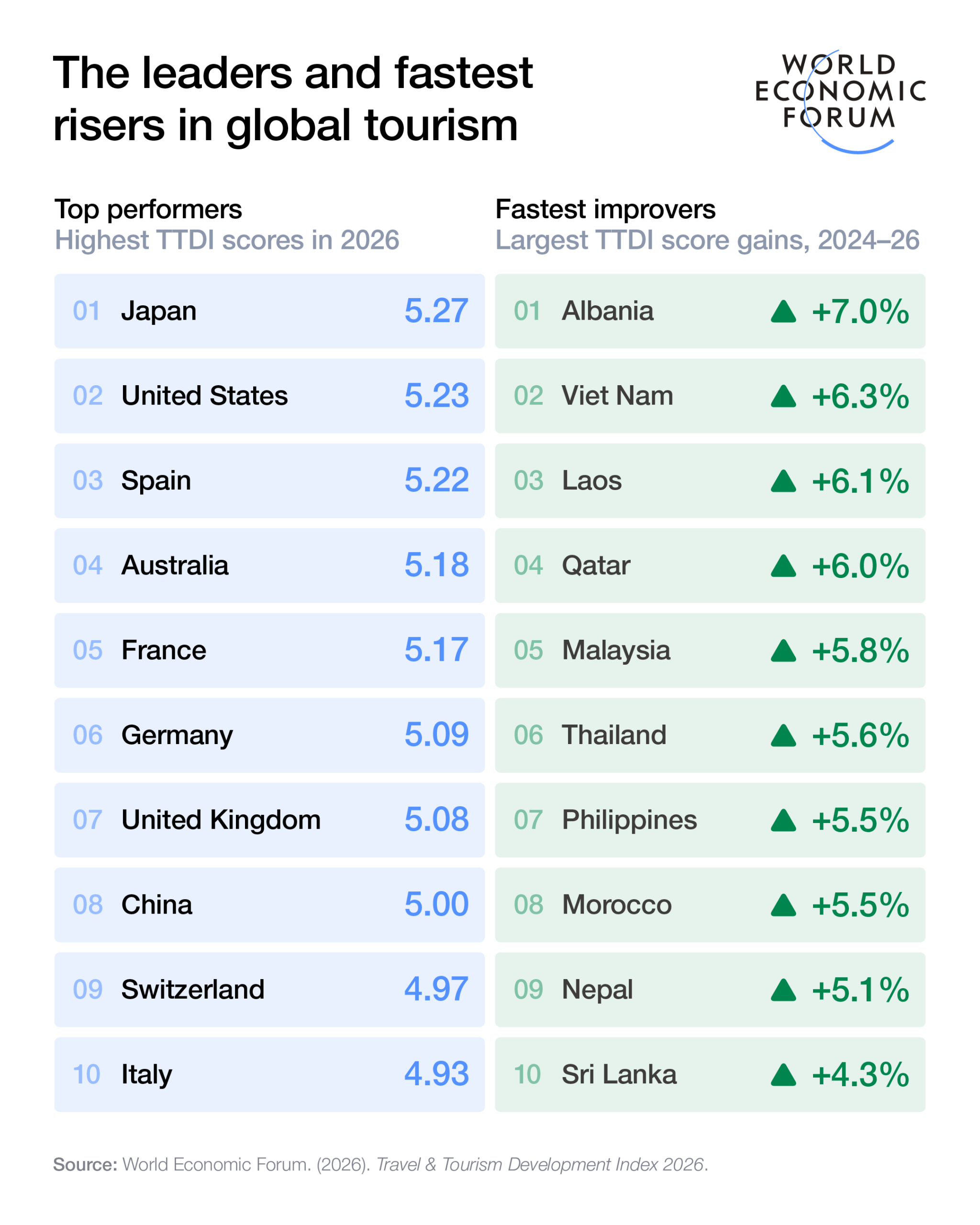


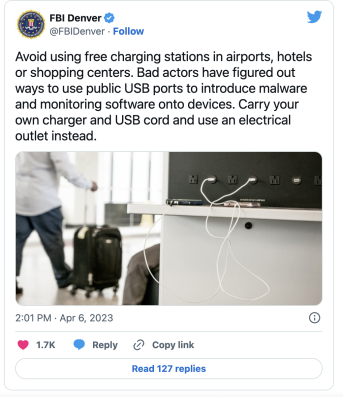
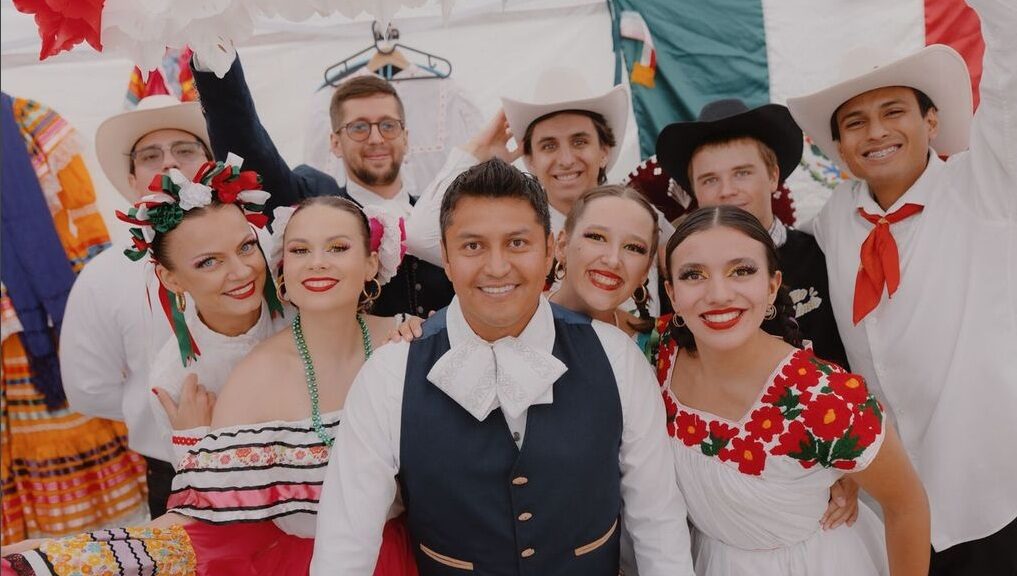



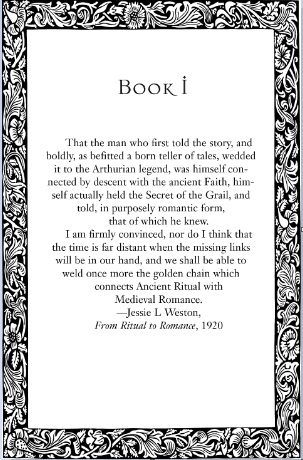
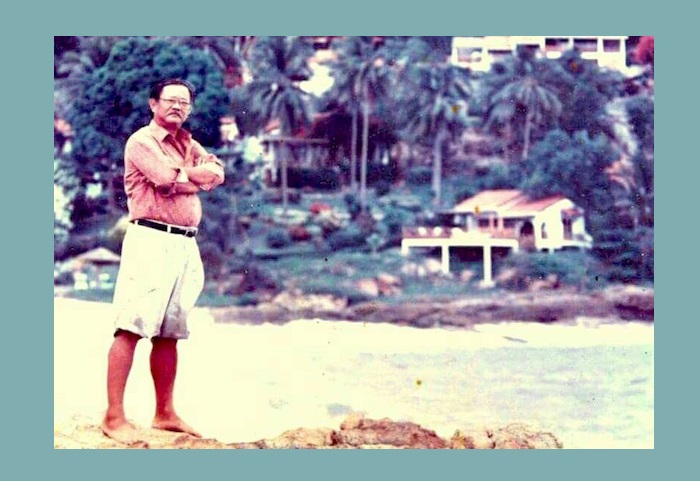
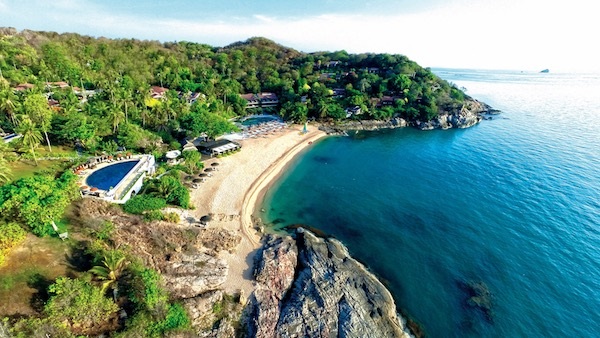
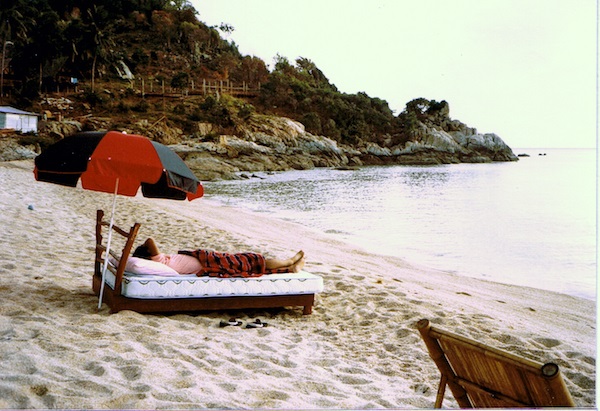
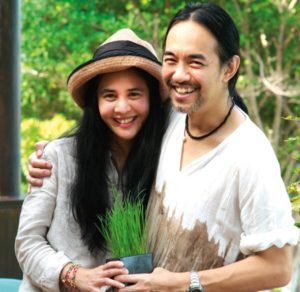
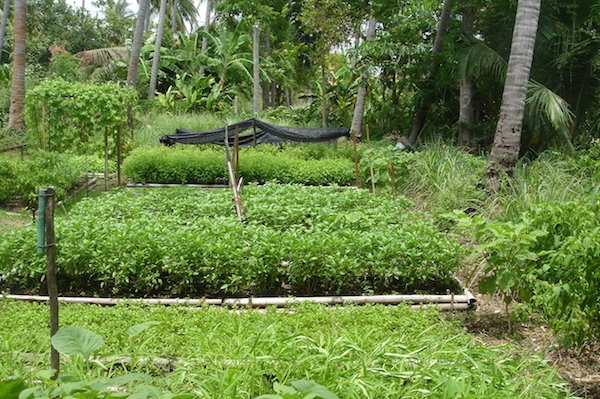
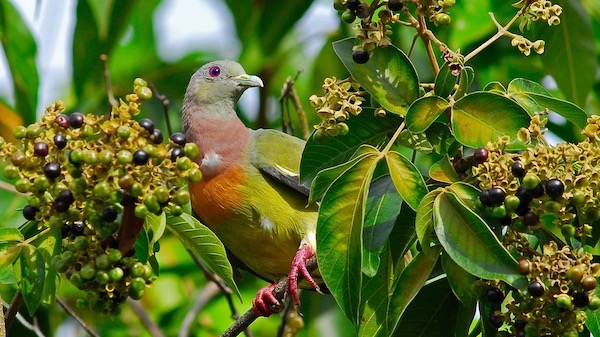
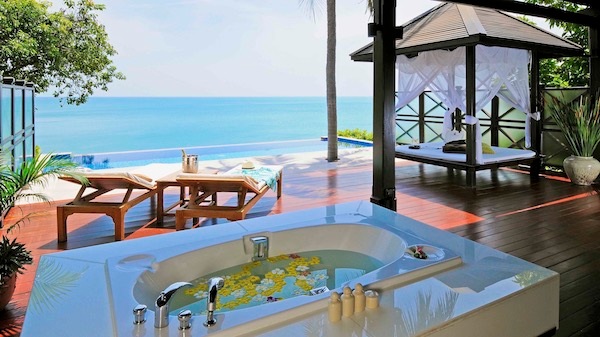
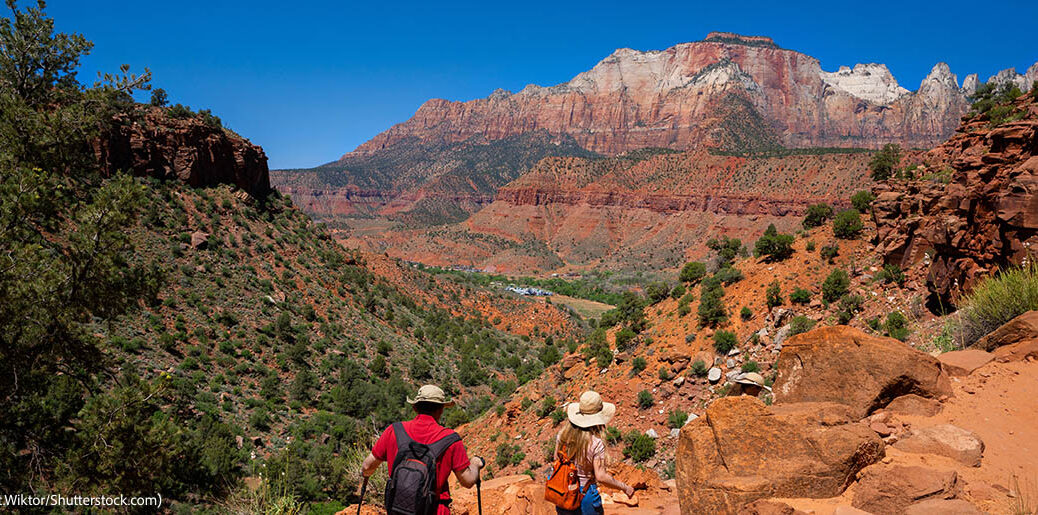

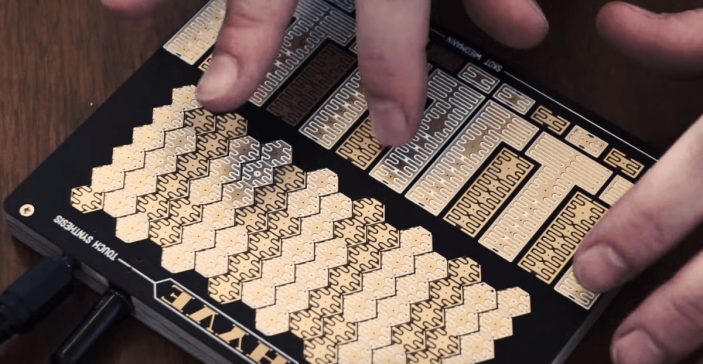
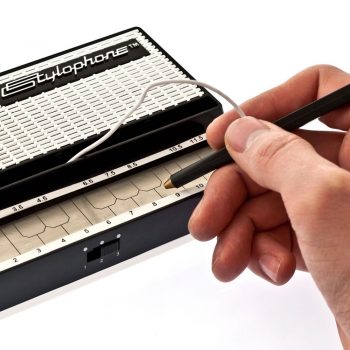


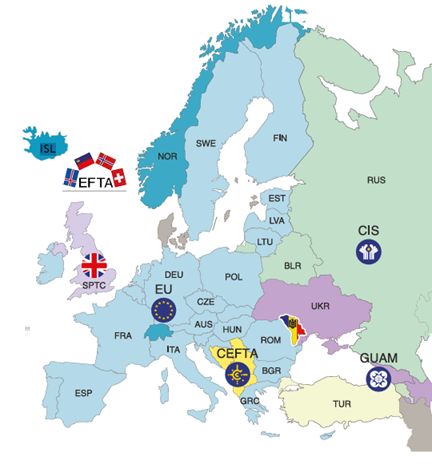
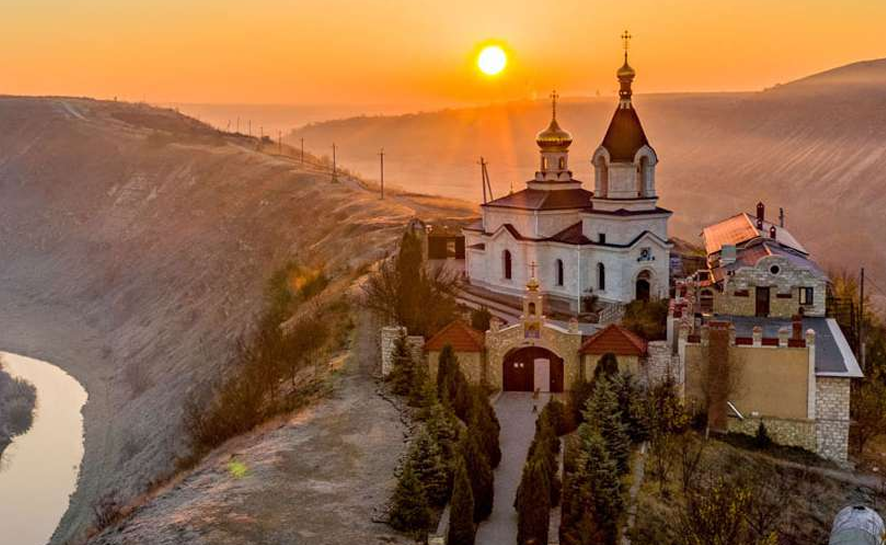
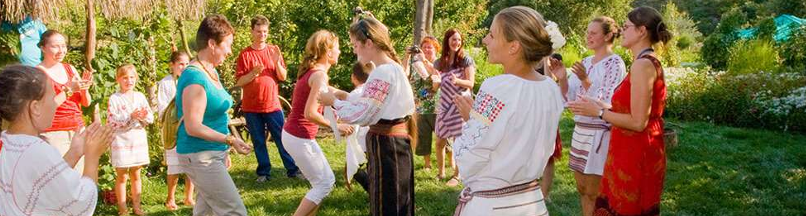
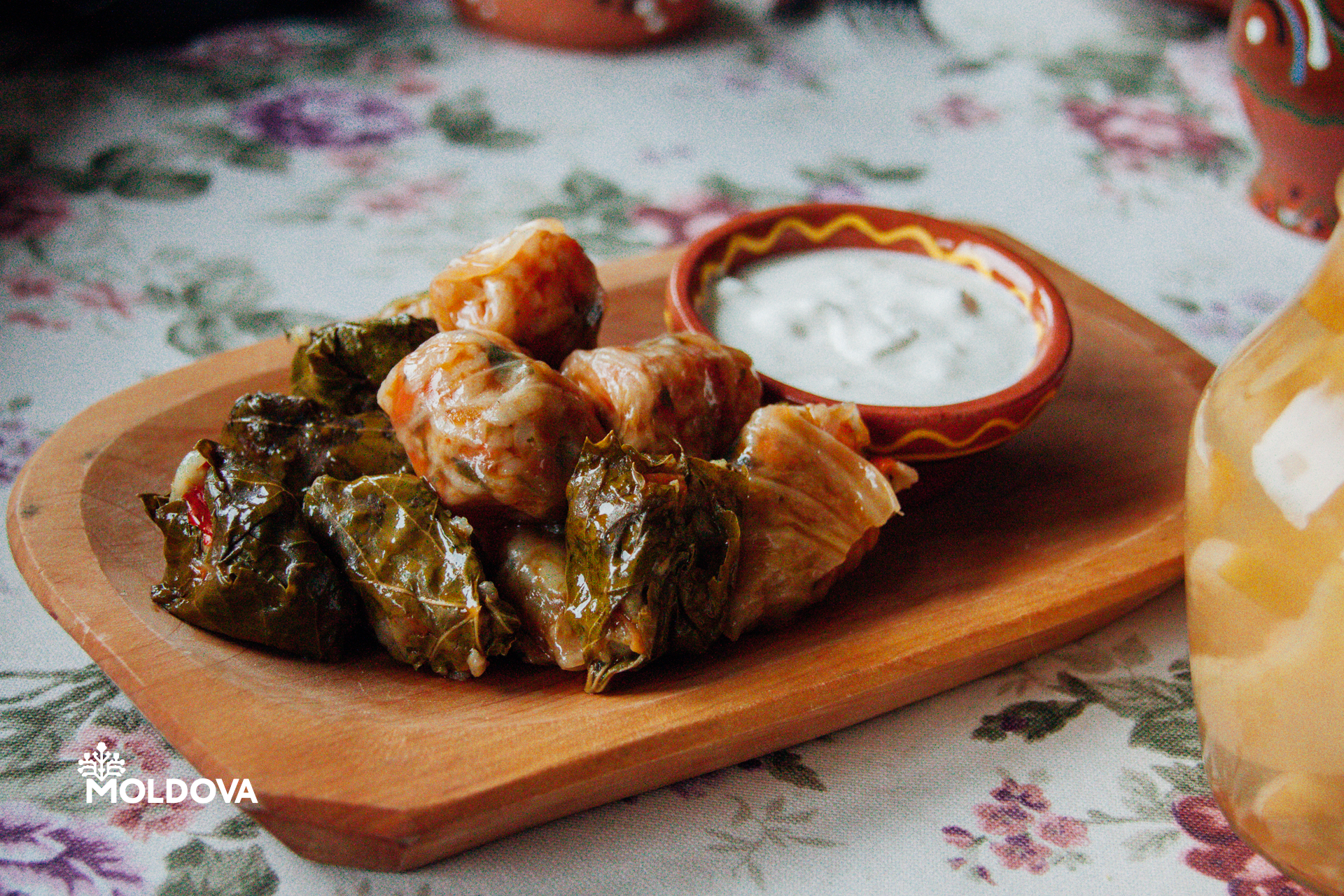



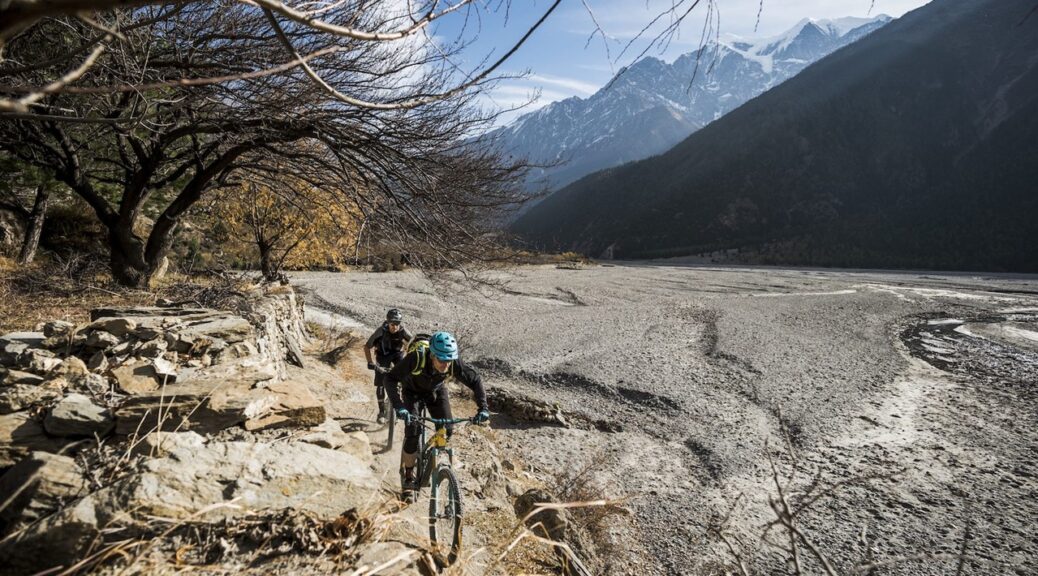


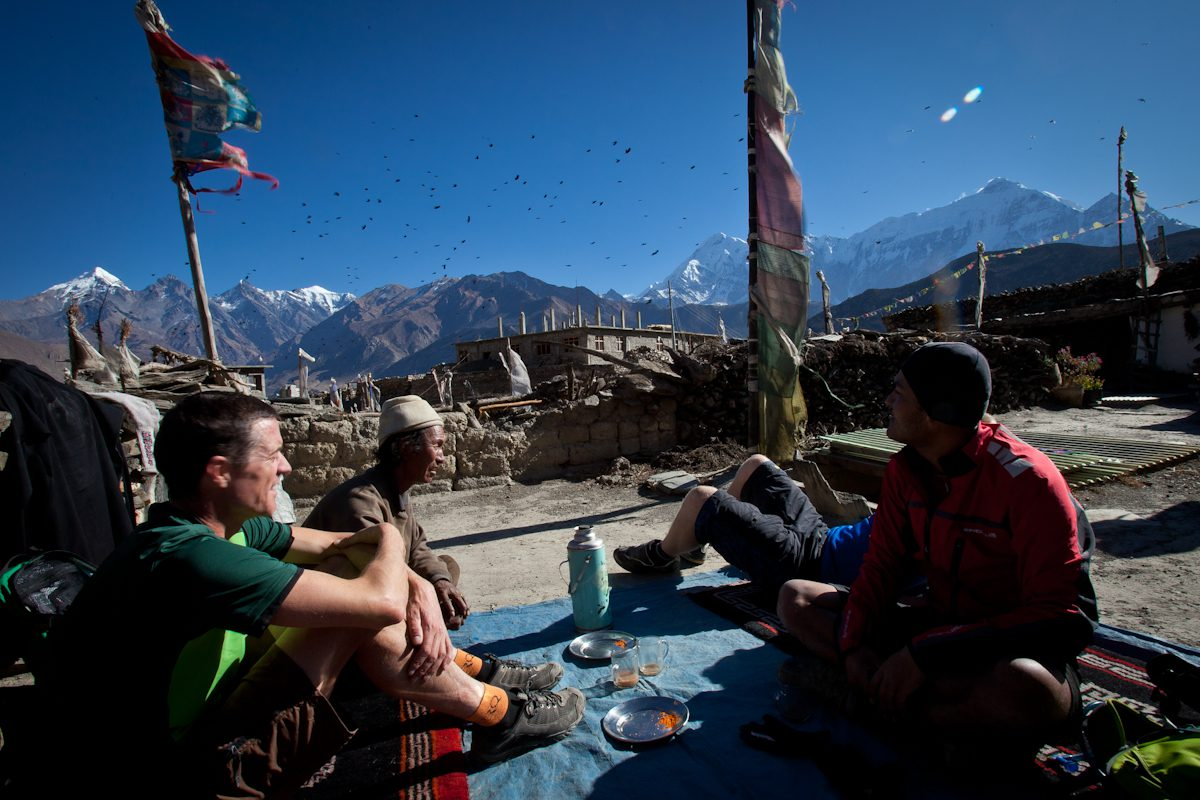


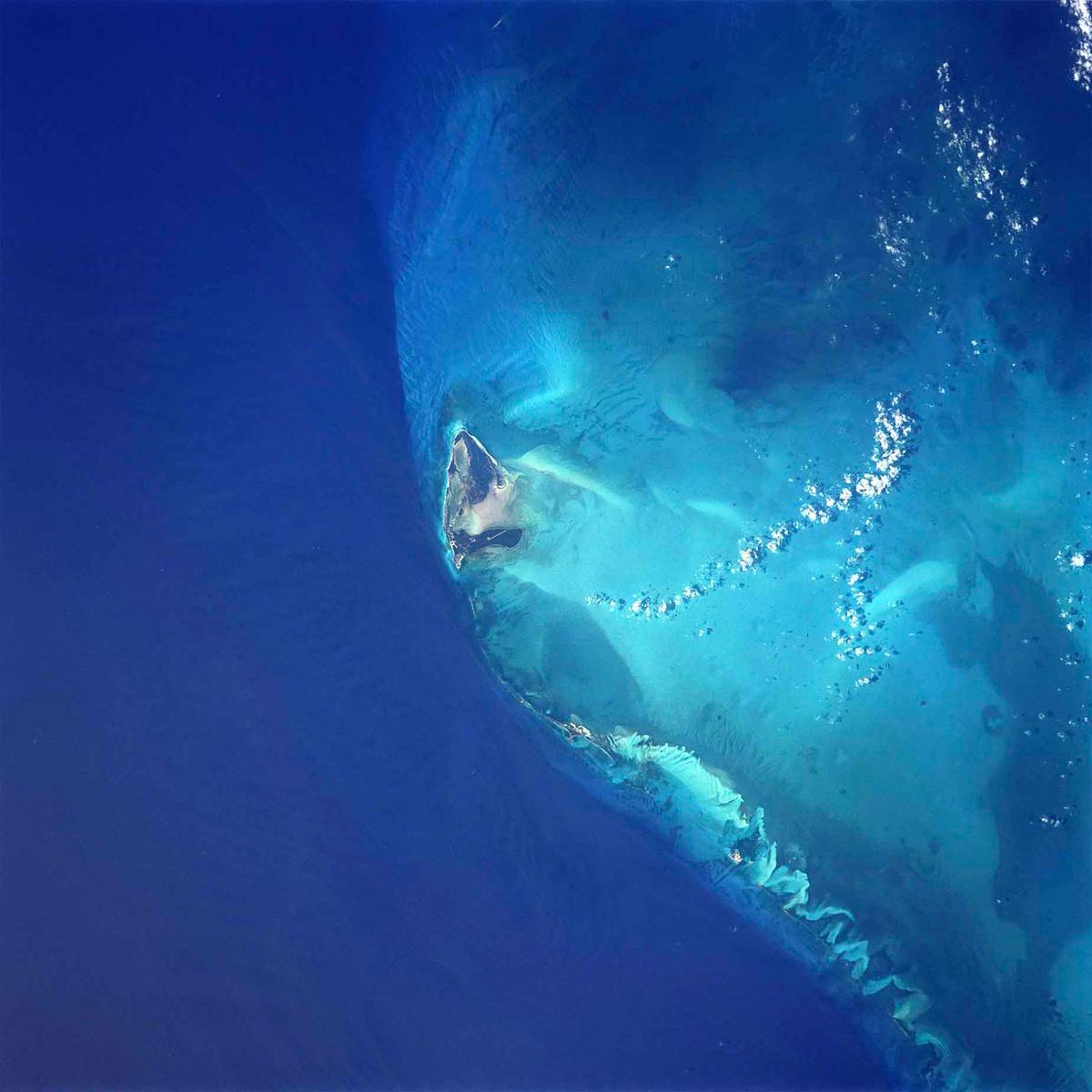

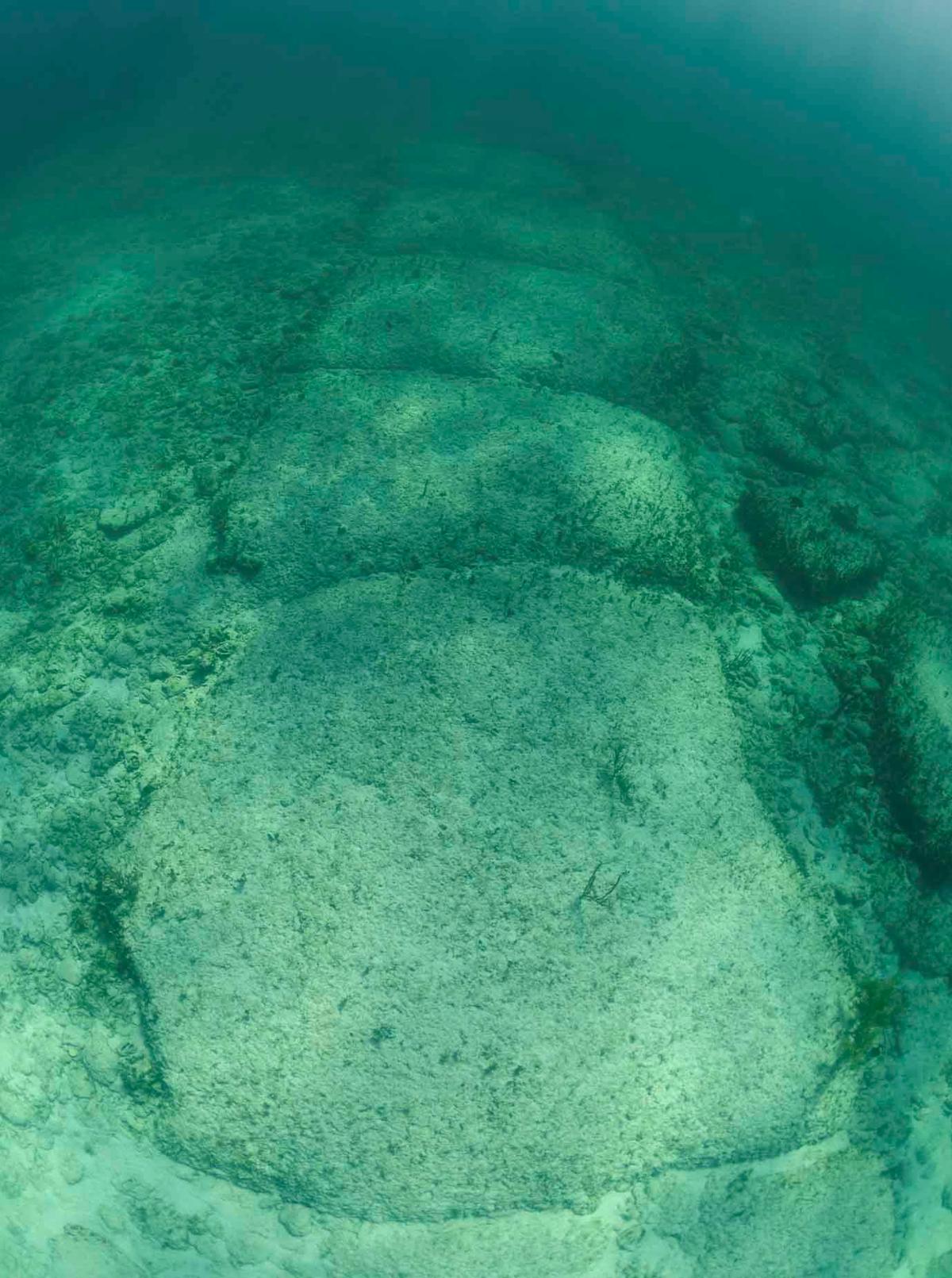


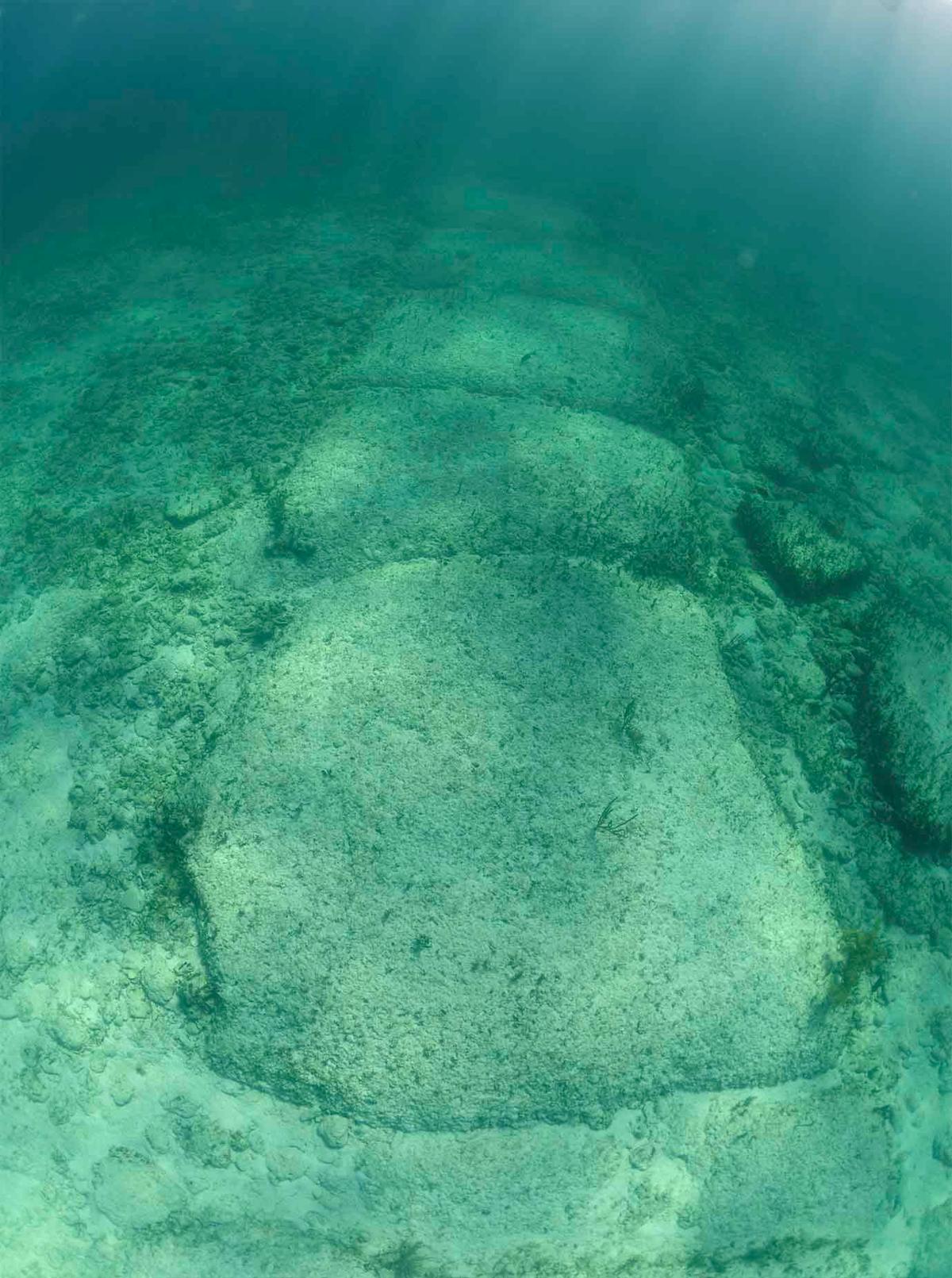
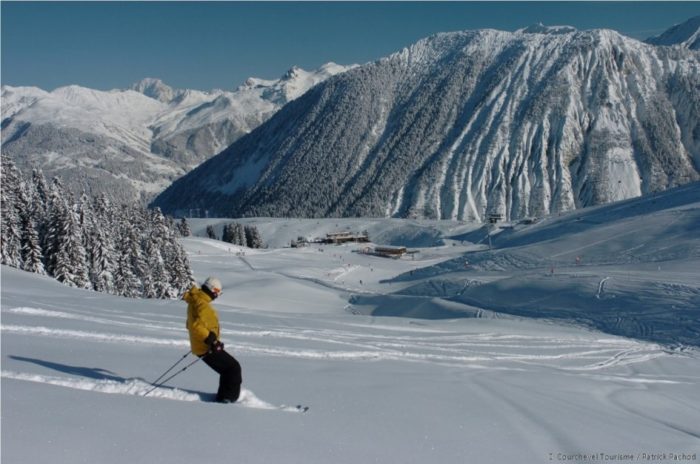
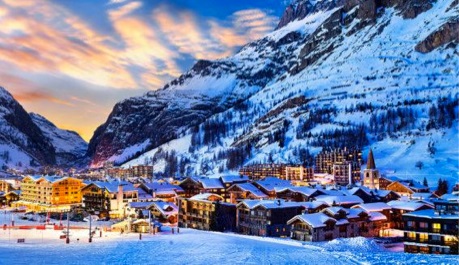 There’s a reason why Val d’Isere, at 1,850 meters, continues to be the top choice of European skiers each winter. It offers the perfect blend of challenging ski terrain for advanced skiers and learner-friendly beginners zones for those new to the snow. The resort center is lined with high-end shops, lively après-ski bars and fantastic restaurants, all housed within beautiful, stone-clad buildings.
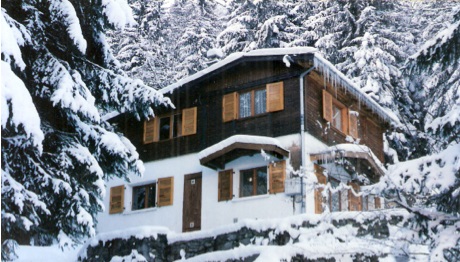 The diversity on offer in Chamonix these days makes it impossible to review the whole resort as one destination. At 950 meters, Les Houches is one of the closest resorts to Geneva Airport and offers kilometer after kilometer of tree-lined skiing, making it the perfect destination for families and beginners. The resort center has a village feel and is an outstanding spot from which to take in the incredible views.
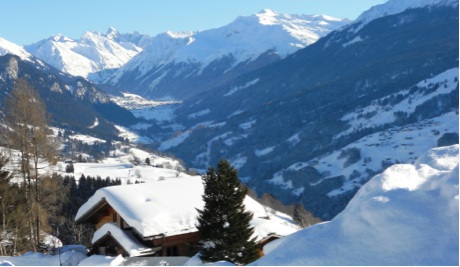 While the ski area between Klosters (at 1,179 meters) and Davos offers lots to explore, Klosters is without doubt the more attractive base for your ski holiday. The village center is charming and affluent, but with a relaxed vibe, while the trails are popular with advanced skiers enjoying an abundance of easily accessible off-piste in the area.
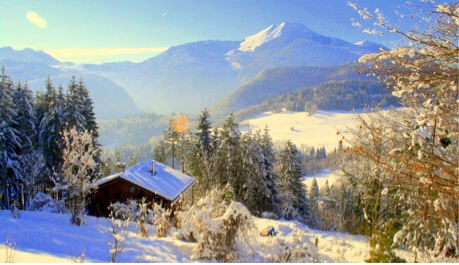 A resort that’s been quietly minding its own business for years, Les Gets, at 1,200 meters, is now developing into a chic, family-orientated resort that offers quick and easy access to the 650-kilometer Portes du Soleil ski area. Several piste-side restaurants offer views of Mont Blanc so it’s easy to find a sunny spot on which to enjoy an après tipple or two.
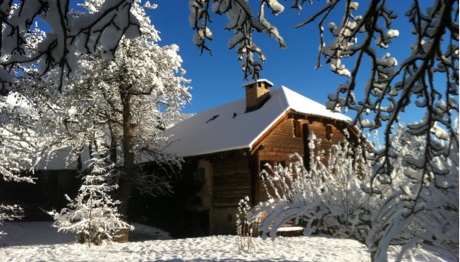 There’s one thing that makes these two interconnected resorts stand out, and it may not be for everyone. Crans, at 1,500 meters, and its neighbour Montana are not villages; although right on the edge of a great ski area, they’re most definitely towns with a very urban feel. This is a very sunny spot in which to base yourself and there’s varied terrain to suit all ability levels.
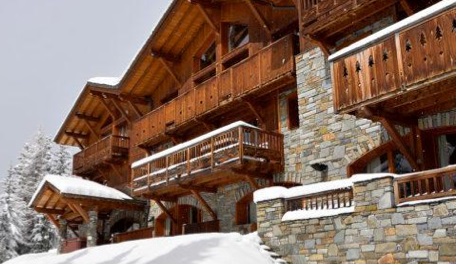 We love La Rosière, at 1,850 meters, not just because of its high elevation and snow certainty. The ski area offers two great experiences for the price of one when you cross over the Petit St Bernard pass into Italy. Wide pistes descend for kilometers into La Thuile over the border and getting back is no hassle at all. The main village is quiet but well stocked, and the views are exceptional.
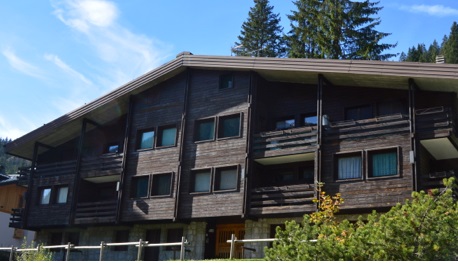 Italian ski resorts are always authentic, traditional and charming, and Campiglio, at 1,550 meters, is no different. The car-free resort huddles on the valley floor and the center is stylish with several chic shops. The ski area spreads over 150 kilometers, and there have been several lift upgrades over recent years, making it quick and easy for you to cover a considerable distance on skis each day.
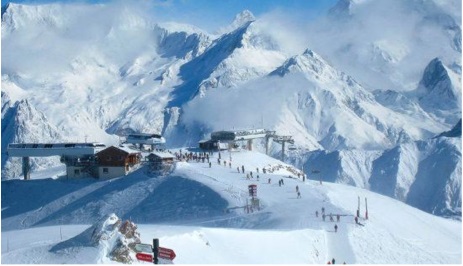 Rebranded way back in 2011 to recognize the differences between its more blingy neighbor higher up the valley, Courchevel 1650 is now an attractive, unpretentious resort with a stack of new facilities, including Aquamotion, a huge center for water sports that opened in December 2015. And let’s not forget: On your doorstep you’ll find the largest linked ski area in the world. The 600 kilometers of the 3 Valleys network never disappoint.
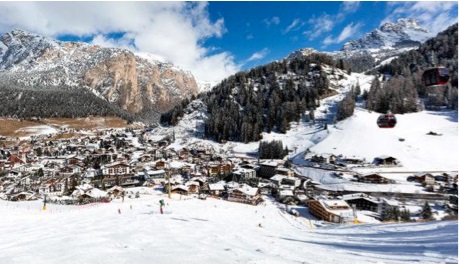 Seasoned skiers, this one’s for you. At 1,563 meters, Selva serves up challenging ski terrain on both sides of a valley, accessed by both gondolas and quick chair lifts. The village center is packed with charm and character and there’s also a collection of well-maintained beginner slopes and progressive tree-lined runs enjoyed by families.
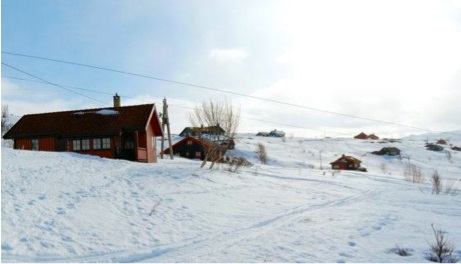 No list of top 10 ski resorts is complete without mentioning Norway and the town of Geilo, at 800 meters. It is one of the country’s most popular resorts. It’s a small, well-equipped town that’s invested heavily in new runs, new lifts and new facilities. Between January and April you can also ski until 8pm on flood-lit slopes. Photo Credit: Geilo, Norway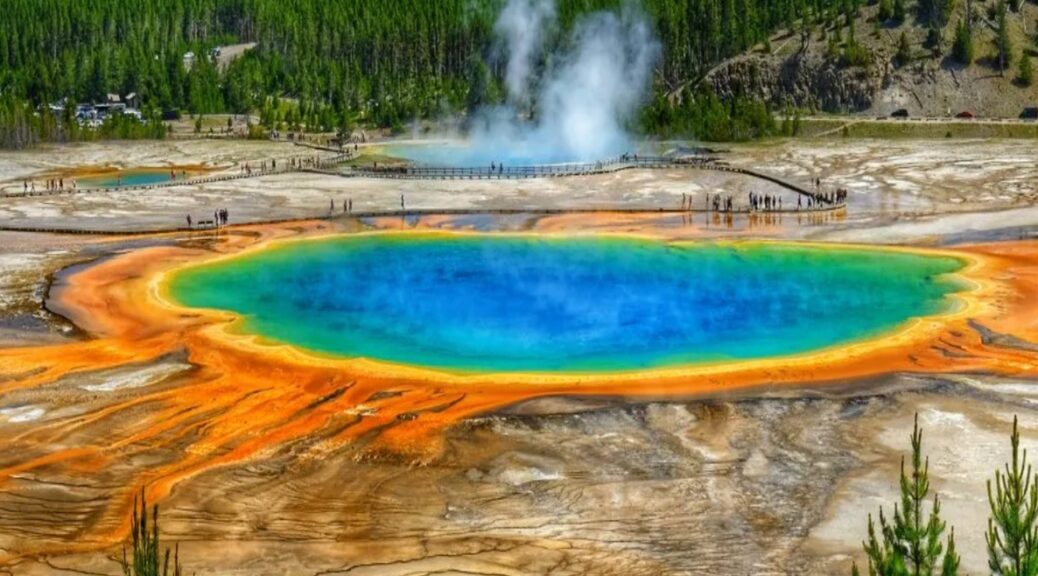


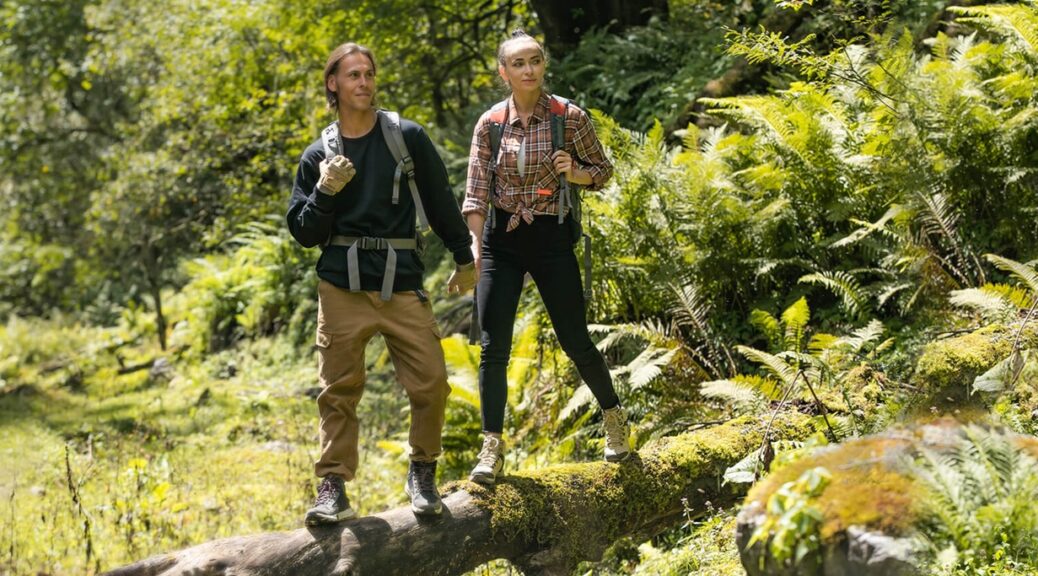


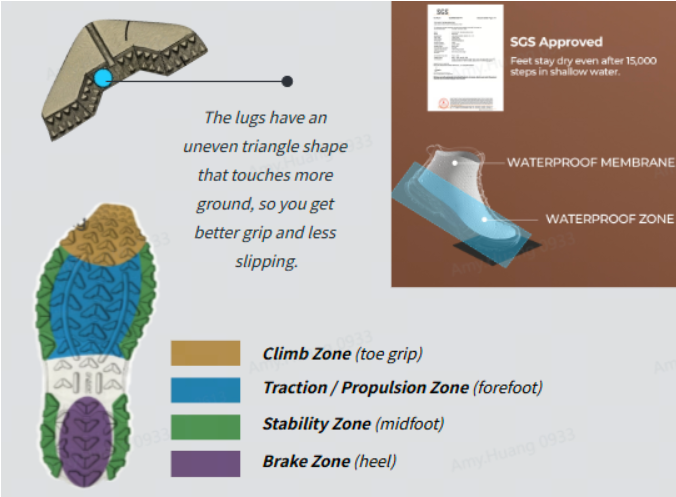

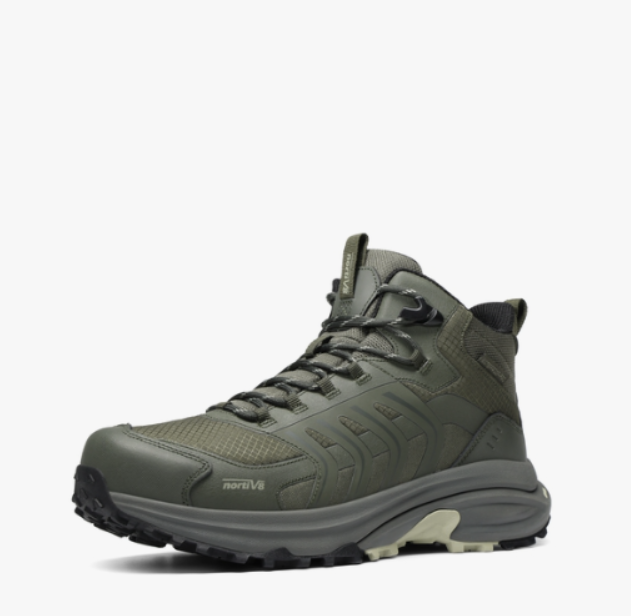
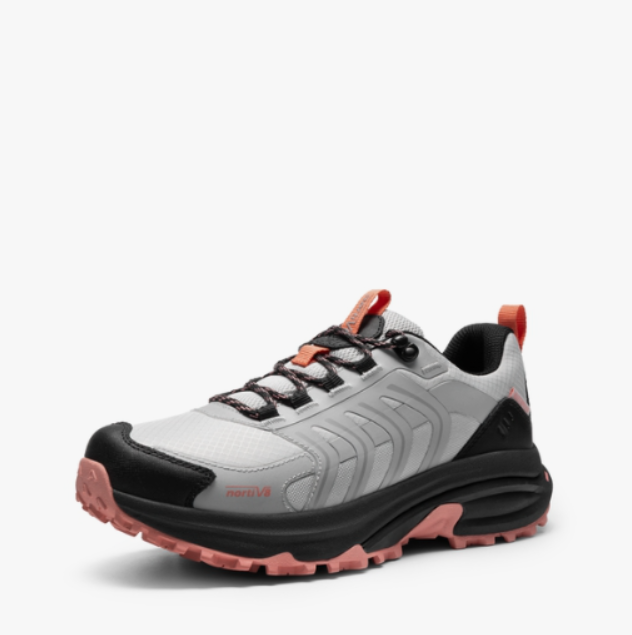
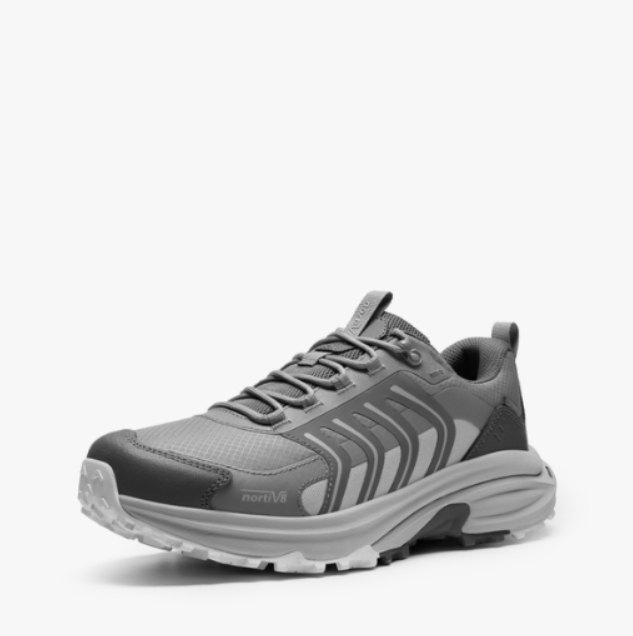
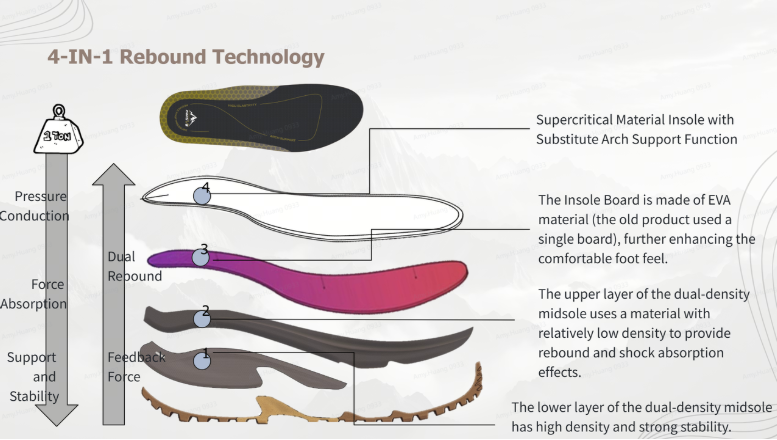


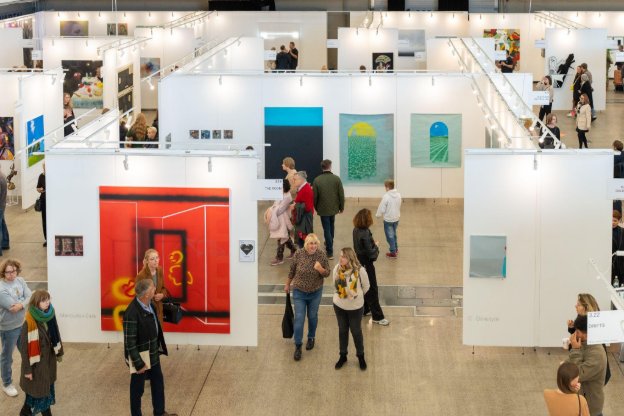 Art Fair ArtVilnius 2024. Photo by Andrej Vasilenko