Tag Archives: living expenses

Are You Thinking of Retiring? Don’t Miss These Crucial Steps

Retirement is exciting to think about. After decades of work, the idea of having more control over your time… that’s something people look forward to, right? Many spend their working lives waiting until the day they retire – so if that’s you, you aren’t alone.

No matter how you imagine spending your retirement – traveling, spending more time with your family, or just enjoying a slower pace of life – it is a rewarding stage of life. But before you take the leap, there are a few important things worth putting in place.

A little bit of preparation now makes the years ahead much less stressful.

Create a Retirement Budget

You’ll have spent years earning a salary. One of the biggest changes you’ll go through after retiring is relying on savings and retirement income. Because of this, you must have a clear picture of your finances. That’s essential.

Even more so as Canadians now believe they require $1.7 million to retire. This is an increase from $1.54 million in 2025. So yes, having a budget is a must.

Begin with an estimate of what your monthly income will be. This might include pensions, investment income, retirement savings, or government benefits. Once you know what is coming in on a monthly basis, take a look at what typically goes out.

Many expenses will stay the same. Living expenses – groceries, mortgage or rent, utilities, and the like – don’t disappear when you stop working. At the same time, retirement also brings new spending. You might be one of the many retirees who travel more, take up new hobbies, or spend more time dining out.

Put everything on paper. This helps you understand whether your income comfortably supports your lifestyle. It’ll be easier to make adjustments before you retire if you notice a gap. 

Some people do find it helpful to speak with financial professionals who focus primarily on retirement planning. Firms – like Aleph Retirement Planners – work with individuals who want a long-term plan. Such forward planning helps manage income and expenses after leaving the workforce.

Plan for Long-Term Care

Another important part of retirement planning? Health. Most people hope to stay active and independent as they age, but it’s wise to consider what might happen if extra care is needed.

You might think it silly to consider this now. It isn’t. You need to be prepared, especially when there are numerous options. Long-term care takes different forms. Some people need occasional help at home, while others may eventually require assisted living. Depending on where you live, these services could be costly.

Think about these possibilities early. This gives you more options. You might explore long-term care insurance. Others might choose to set aside a portion of their savings specifically for future care needs.

Speak with family members, too. Discuss their preferences, if they have any. Sure, these conversations likely won’t be easy, but they do prevent confusion later on. Your wishes will be understood and followed.

Update Your Will and Power of Attorney

Retirement is a good time to review legal documents as well. There’s a chance your circumstances will have changed since you first created a will, particularly if you made it many years ago.

Maybe you’ve welcomed grandchildren. Perhaps you’ve purchased property. You might have experienced another major life change. Updating your will ensures your assets are distributed the way you intend.

Equally important is a power of attorney. This document allows someone you trust to handle financial or medical decisions on your behalf if you’re unable to do so. Again, you might not think this is necessary – but it might be. Without it, loved ones may need to go through complex legal processes just to step in and help you.

Review these documents periodically. Doing so keeps everything up to date and avoids unnecessary problems later.

To conclude, retirement is a life transition. A major one. It doesn’t need to overwhelm you, though. If you want to approach this next chapter with confidence, then you need to consider the above steps. 
This way, retirement becomes a time to enjoy everything you’ve worked hard for.

For the Silo, Jarrod Barker.
UK Tuition Highest Among Most Influential Countries Canada Ranks Fifth

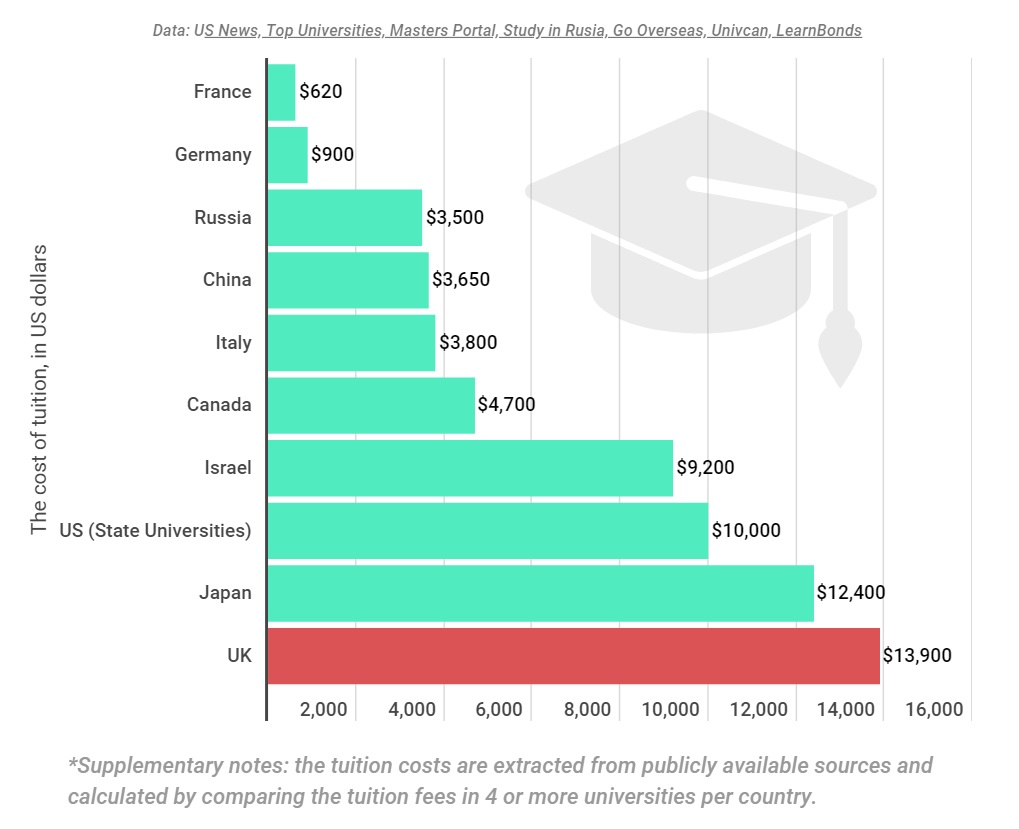
Data calculated by Learnbonds.com shows that the United Kingdom has the highest tuition fees among the top ten world’s most influential countries at $13,900 per year.

Tuition fees compared

Among the top countries, Japan ranks second with an average of $12,400 to represent a percentage difference of 10.7% with the UK.

According to the data:

“The United States ranks third with average public college tuition of $10,000 representing a percentage difference of 28% when compared to the UK.”

Israel ranks fourth with $9,200 followed by Canada at $4,700. In the sixth position, is Italy with average tuition fees of $3,800. China and Russia are among countries that rank lower in average tuition at $3,650 and $3,500 respectively.

Among the top ten most influential countries, Germany and France are the only nations with average tuition below the $1000 mark. In Germany, the public college tuition fee is at least $900 while France is $620.

Germany’s cheap tuition fees can be attributed to the free tuition policy. In France, the fees are affordable for students with the EU/EEA and Switzerland.

In most countries, the cost of education is higher when you factor in the cost of living. Students have to incur extra costs in food and housing.


Top 10 Countries by International Influence
Details: according to 2019 dataData: US News

Chart
#CountryGDPPopulationGDP per Capita
1.United States$20.5 trillion327.2 million$62,869
2.China$13.6 trillion1.4 billion$18,116
3.United Kingdom$2.8 trillion66.5 million$45,741
4.Russia$1.7 trillion144.5 million$28,797
5.Germany$4.0 trillion82.9 million$52,386
6.France$2.8 trillion67.0 million$45,893
7.Japan$5.0 trillion126.5 million$44,246
8.Italy$2.1 trillion60.4 million$39,676
9.Israel$369.7 billion8.9 million$37,994
10.Canada$1.7 trillion37.1 million$49,690

Apart from tuition fees, students also have to pay for other expenses, such as housing, food, and books, which can run into thousands of dollars a year. However, in the United States, the cost of education depends on the choice of institution. The student loan burden is at crisis levels in the US, say many observers.

Israel comes fourth with an average fee of $9,200 while Canada occupies the fifth position. Between 2019-2020, the average college fees in the North American country were $4,700 representing a figure almost three times less than the UK.

In the sixth position, is Italy with average college fees of $3,800. During the period under review, compared to the UK, a percentage difference of 72.6%.

China and Russia also rank among countries with low tuition fees at $3,650 and $3,500 respectively.

China has invested heavily for years in its education system to make it affordable for citizens and foreigners. Chinese universities have a reputation for offering quality education with high-standard facilities.

France, Germany among countries with the cheapest college fees

Among the top ten most influential countries, Germany is among countries with average public college tuition below $1000. During the period under review, the average cost was $900. Compared to the UK, this is a percentage difference of 93.5%.

In Germany, the low cost of education can be attributed to factors such as the existing free tuition system. However, students can incur extra costs in student union and semester fees. Despite the extra charges, compared to other countries, the fee is still affordable.

However, France has the most affordable college education among the rated countries. The average public college is $620 to represent a percentage difference of over 95% compared to the UK. Generally, in France, tuition fees are lower for students from the EU/EEA and Switzerland. Students outside this region pay more.

Although most students can afford tuition fees in most countries, extra charges such as housing and food make college education more expensive. The situation is worsened especially in regions with a high cost of living. Globally, private tuition fees are usually higher compared to public institutions, ranging between $15,000 – $40,000.

For the Silo, Justinas Baltrusaitis -learnbonds.com

Start Saving for an Emergency Fund

Debt is much more common than you think. Almost everyone has encountered it at least once in his or her life, and it’s nothing to be ashamed of. What is most important is being able to recognize it and address that you need help.

One way to get help is by consulting a not-for-profit credit counselling agency that offers holistic support in all aspects of debt maintenance. The right agency will offer advice on everything from how to spot and avoid credit repair scams to delivering judgment-free credit rebuilding advice through wise credit and money management.

To avoid future situations of financial uncertainty start saving for an emergency fund once you’ve been able to knock off some of your debt. Having a safety net will make you feel more stable in years to come, and as the title suggests, it’s always an excellent idea to have funds available if any sort of emergency takes place.

It takes time and dedication, but you’ll thank yourself later on when you can pay debts off in half the amount of time as it would normally take.

How Much Should You Save?

Of course, everyone’s situation is different. Depending on if you have a family or you live on your own, if there is a beloved pet that may require medical care — there are many factors that can affect how you should consider initiating your emergency fund.

It’s a common belief that a typical person should be able to access six-months of salary at any time. This is incredibly unrealistic for most people, but it can be a long-term goal.

Look at what you earn per month, and think of an amount that makes sense to set aside in a savings account each paycheque.

How to Build the Emergency Fund

Speak with your Credit Counsellor first to gain some insight on what your emergency fund could look like, and consider these ideas.

  • The first step is to save one month of living expenses. Sit down and plan out how much your food, entertainment, bills, rent, and so on cost. Work out how long it would take to save that amount, and set aside a chunk of money each month. Even if takes a few months, the point is that you’re working toward a goal.
  • If time and health allow, get supplemental income. Are you free on weekends to work a few shifts at your friend’s store? Perhaps you could take on an additional freelance writing or design gig to chip away at in the evenings. It’s hard work, but if you’re able to take on something a little extra, it will pay off.
  • Save your tax refund. It might not be possible to save the entire amount, but if you’re able to, do it! After you’ve filed your taxes and if you qualify for a refund, saving it can be a simple way to boost your savings.

Think about the benefits of opening an emergency fund. You’ll feel so much more secure and calm knowing that there are funds available in case something unpredictable happens.

You will get back on track and you can plan for the future.