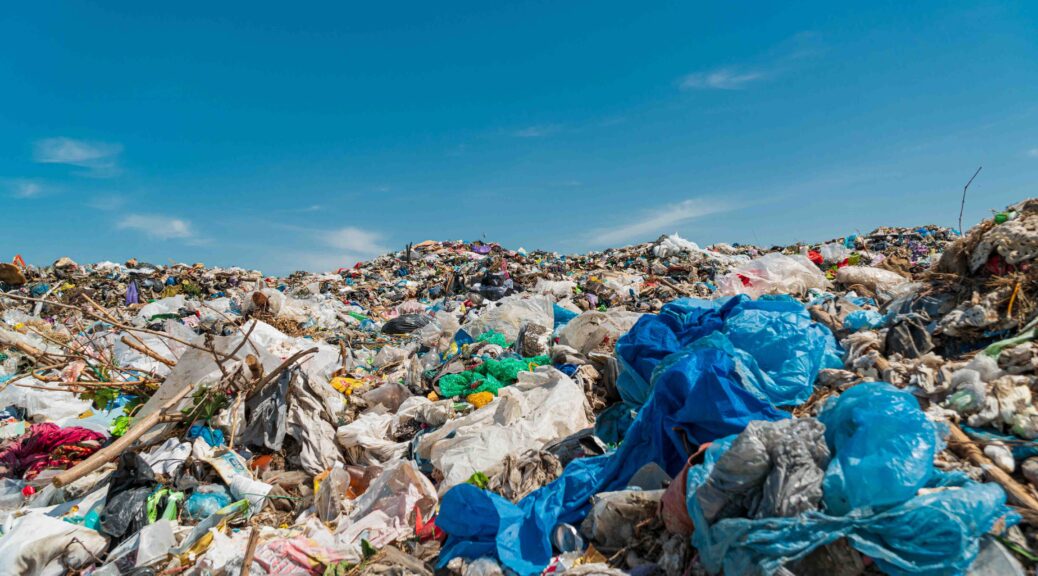
Did you know that at the end of January, Canada’s Federal Court of Appeal released its long-awaited decision confirming that the federal government has the authority to regulate plastic pollution?
This is a much-needed win in the fight against plastic pollution, as it reaffirms the legal basis for banning single-use plastics in Canada and reopens the door to bold and ambitious federal action on plastics.
To ensure the federal government accelerates the shift away from single-use plastics, Environmental Defence wants to launch a media campaign to raise public awareness and mobilize people across the country to pressure federal decision-makers in Ottawa. The sad reality is that harmful and often unnecessary plastic is still everywhere. Even when you buy necessities, such as groceries, it is almost impossible to avoid single-use plastics. And every day that the government delays taking action, more toxic plastic pollution ends up in our bodies, our waterways, and our ecosystems, harming both our health and that of our environment.
We must send a strong, clear message to the federal government that we expect them to:
Expand the bans on single-use plastic items
Eliminate harmful chemical additives used in plastics
Require and support re-use and refill systems
We are in a critical moment to create substantive change. With enough public pressure, together we can push for the bold action needed to reduce plastic pollution, protect our health, and safeguard the environment for future generations.
With gratitude,Karen Wirsig. Senior Program Manager, Plastics Environmental Defence Canada 33 Cecil St, Toronto, Ontario, M5T 1N1
I’m sure you’d agree that access to water is a fundamental human right. In Ontario, with our abundance of fresh water, it may seem that water security is not an issue. Unfortunately, that is not the case.
The province’s new Water and Wastewater Public Corporations Act (WWPCA), which was shoehorned in omnibus Bill 60, paves a dangerous path towards water privatization in Ontario. While the province insists water privatization is not its intent, the Act has no limits on private ownership. In fact, the Act would enable the Minister of Municipal Affairs and Housing to designate corporations under the Business Corporations Act to have control over water and wastewater systems.
Privatization Agenda?
These changes are yet another example of Premier Ford’s privatization agenda, prioritizing corporate interests over essential public services.
Water is a public good and a human right. We can’t sit back and allow this government to make it a commodity. Environmental Defence continues to urge the Ontario government to amend the WWPCA to ensure that water and wastewater services remain public. With your support, we will mobilize the public and raise awareness, calling on the provincial government to stop water privatization and safeguard water sources. How you can help us.
History shows the risk of privatization.
Since the early 2000s, hundreds of attempts to privatize water management worldwide have failed. Municipalities, including Hamilton, Ontario, have tried privatization before, resulting in significant environmental and financial consequences. Privatization often means less transparency and accountability, and could lead to higher water bills, contaminated drinking water, and polluted lakes and rivers.
Water privatization spells an uncertain future for water security in Ontario. Now’s the time to stand up and send a clear message that Water is Not for Sale!
For the Silo, Rebecca Kolarich /Environmental Defence.
Did you know that the majority of Ontario Wasaga beaches are no longer protected, including critical piping plover habitat? That’s because the Ontario government recently removed Wasaga’s beaches from the Provincial Park and are giving them to the municipality despite fierce opposition from Ontarians, including many of you.
Wasaga’s beaches are the birthplace of 70 percent of all Ontario-fledged piping plovers that have survived to adulthood since the species returned to Ontario in 2007. This irreplaceable habitat is now at immediate risk from destructive mechanical beach and sand dune raking planned by the Town Council for as soon as this spring.
Emergency Order
Although Wasaga’s beaches are no longer in a Provincial Park, there is still a way to protect the piping plover. The Federal government can and should issue an Emergency Order under the Species at Risk Act to protect this endangered shorebird from the destruction of the places where it eats and raises its young.
While this solution seems obvious, ensuring the Federal government does the right thing is not guaranteed. That’s why we urgently need your help. We want to launch a comprehensive public awareness campaign to mobilize Ontarians to push the federal government to fulfill its responsibility and protect Wasaga’s critical piping plover habitat. Will you help us?
Mechanical Raking Of Beaches
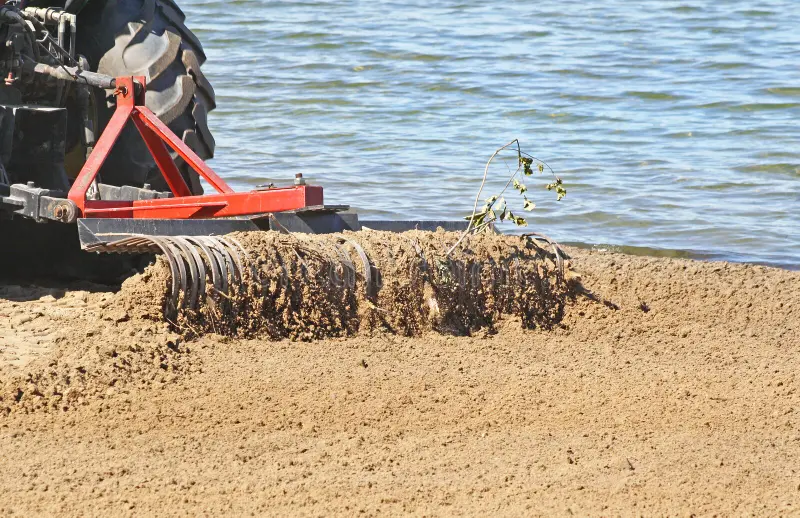
Time is running out. The Town of Wasaga Beach has already purchased mechanical raking equipment and announced a development plan that would bring beach clearing and raking to known piping plover nesting and feeding sites.
Mechanical beach raking destroys the natural debris piping plovers need to nest, forage, and hide from predators. Evidence from other Ontario beaches shows that once raking occurs, plovers often fail to return. With only three other active breeding sites left in Ontario, the loss of Wasaga would be catastrophic.
Environmental Defence has successfully fought and saved the homes of this bird before. After years of advocacy, we stopped the illegal bulldozing of piping plover habitat at Saugeen Beach (formerly known as Sauble Beach), and we will use our experience to fight the habitat destruction now threatening Wasaga. We know that only the immediate action of the federal government stands between the loss and the survival of the endangered piping plover on Wasaga’s beaches. The time for action is now.
Tourism Balance Can Be Established
The Town of Wasaga Beach is, and can continue to be, both a thriving home for endangered piping plovers and a world-class tourism destination. Together, we must demand that the federal government issue an Emergency Act under the Species at Risk Act and prevent the irreversible loss of Wasaga’s piping plover habitat. We hope we can count on your support by clicking here.
Ontario Government Strips 106 Species at Risk of all Provincial Recognition
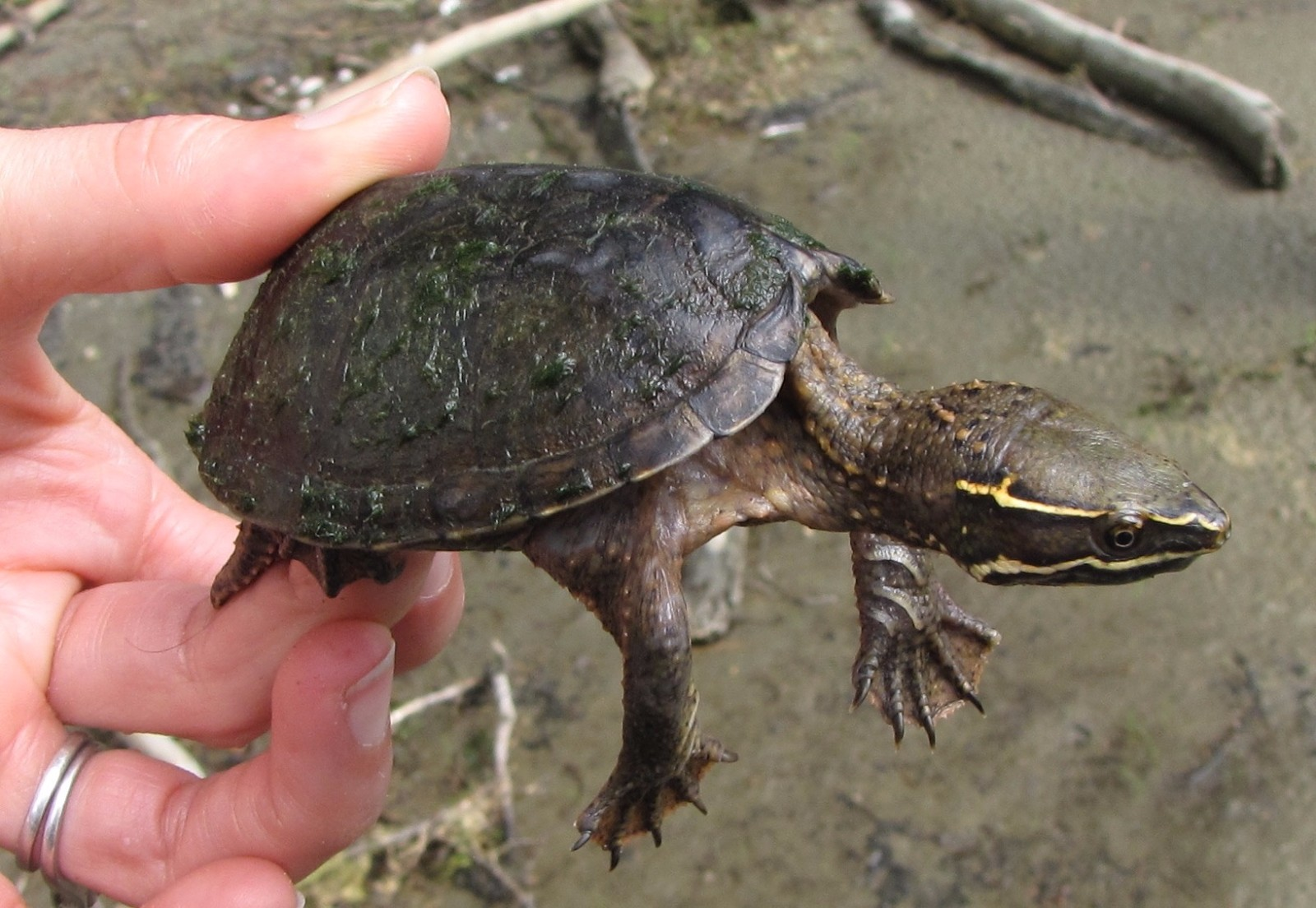
Late last week, it was announced that the Ontario government will cease to recognize more than 106 different species at risk, ranging from the Eastern Mole, Eastern Musk Turtle and Cougars, to the endangered Red Side Dace and Red-Headed Woodpecker. This is directly related to the passing of Bill 5 six months ago.
Do you disagree with this decision?
There’s still time to make comments on the amendments to the Species Conservation Act, 2025 on the Environmental Registry of Ontario. The commenting period is open until November 16.
Statement from Phil Pothen, Counsel and Ontario Environment Program Manager, and Rebecca Kolarich, Water Program Manager
Toronto | Traditional territories of the Mississaugas of the Credit, the Anishinaabeg, the Haudenosaunee, and the Wendat – Nearly 4 months after Progressive Conservative MPPs forced approval of a law that will repeal Ontario’s Endangered Species Act, the Ontario government is confirming experts’ gravest warnings about what it will mean for at-risk plants and wildlife. The Ontario government has announced that once the law comes into force, it will cease even to recognize more than 106 different species at risk, ranging from the Eastern Mole, Eastern Musk Turtle and Cougars, to the endangered Redside Dace, and Red-headed Woodpecker.
This decision should light a fire under the federal government to strictly enforce the existing federal Species at Risk Act and existing habitat protection orders in Ontario, but also to expand and broaden federal protections and monitoring. Federal protections will now be the only real protection for many habitats. In particular, because the Ontario government will remove all provincial recognition of endangered and threatened birds and fish, the government of Canada should issue emergency protection orders that extend to all species and habitats previously protected provincial habitat regulations and the Ontario Species at Risk list.
The Ontario government also intends to remove all recognition of species that are currently recognized as being of “special concern” and monitored due to their susceptibility to identified threats. This means that federal agencies will step up their monitoring of these species’ federal jurisdiction.
Premier Ford has shown a pattern of constantly prioritizing his developer friends and unnecessary projects over wildlife and nature. The federal government must not do the same. Now more than ever, it is crucial that the federal government uphold and enforce the appropriate federal laws and deny the approval of permits that would allow harmful development projects to destroy critical habitat. For the Silo, Tim Gray/Environmental Defence.
ABOUT ENVIRONMENTAL DEFENCE (environmentaldefence.ca): Environmental Defence is a leading Canadian environmental advocacy organization that works with government, industry and individuals to defend clean water, a safe climate and healthy communities.
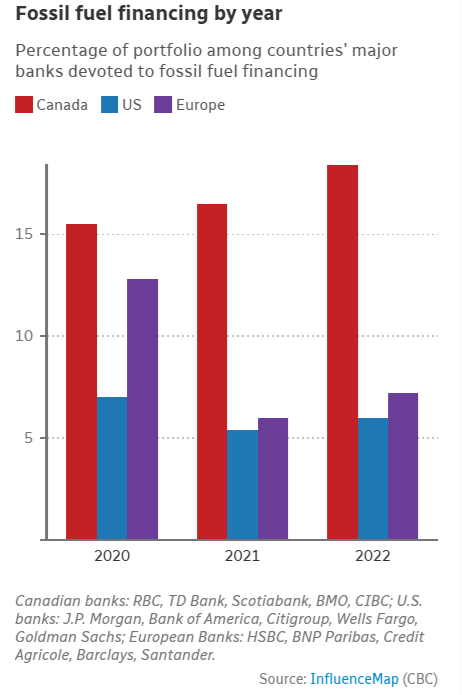
Did you know that Canada’s five biggest banks are among the 20 largest fossil fuel financiers in the world?
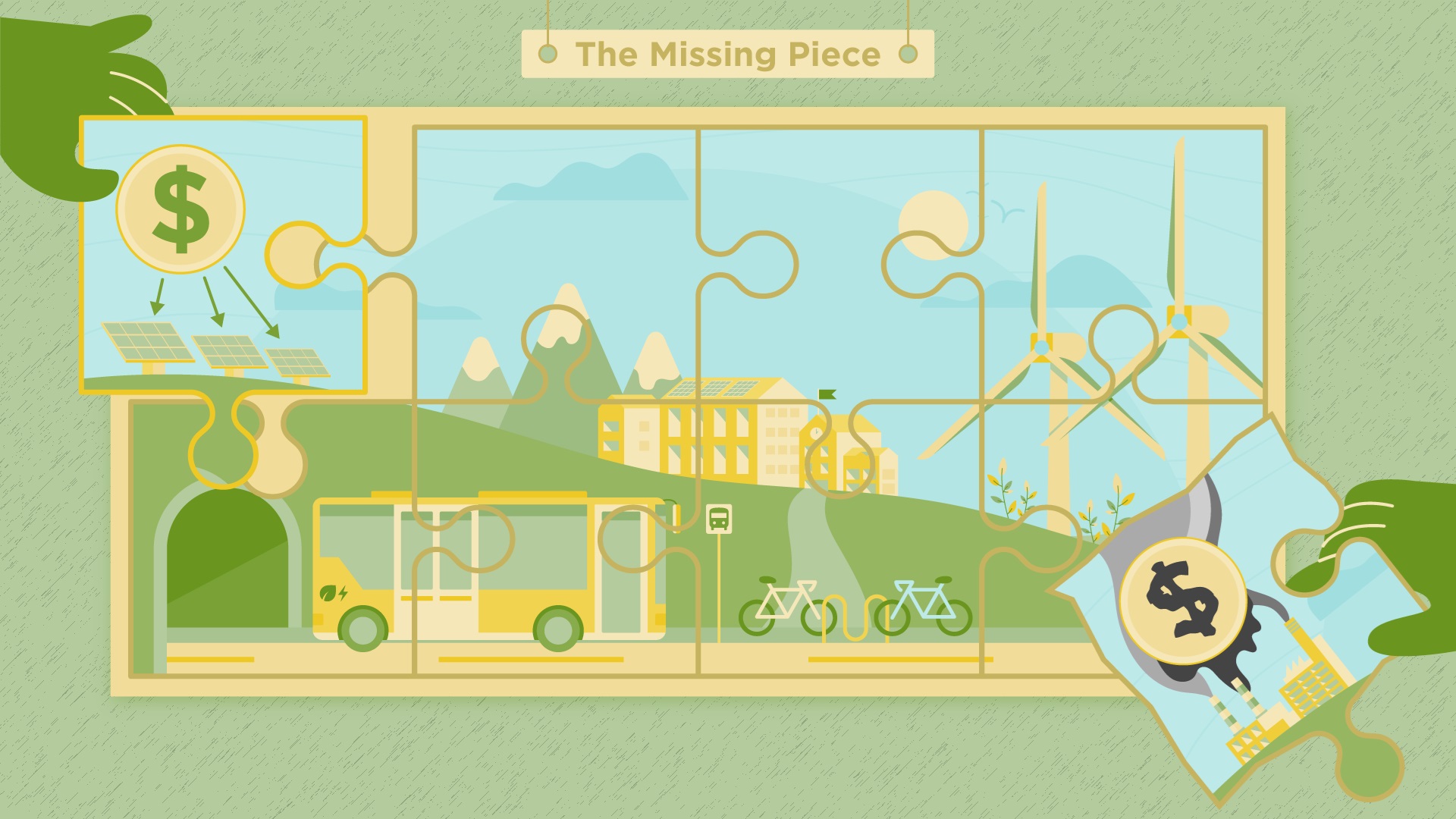
Since the Paris Agreement was signed in 2015, they have invested over$900 billion into the fossil fuel industry. This means that your hard-earned dollars are being invested in projects that make it impossible to meet Canada’s climate targets. While not well known, the financial sector is the missing piece in ensuring a climate-safe future.
Last week, the CEOs of Canada’s top 5 banks were in Ottawa testifying about their role in the climate crisis. Environmental Defence was on the front line of this critical moment. We were invited to testify in this important study and use our expertise to advise policy solutions to align our financial system with climate action.
Canada can only keep a safer climate if finance aligns with climate action, and new rules from the government would help make that happen. And, we are creating public awareness of the issue and mobilizing Canadians to speak up by writing letters and attending rallies- increasing the pressure on the federal government to take action.
At a time when climate-fueled disasters (such as wildfires, droughts and floods) are rising, it’s ludicrous that Canadian banks are allowed to fund oil and gas industries at a rate of over $100 billion per year. We will be watching future proceedings closely. And, we will continue to push the federal government to ensure that Canadian banks are helping, not hindering our climate goals. For The Silo, Alex Walker. Program Manager, Climate Finance for Environmental Defence.
While spring brings warmer weather, sunnier days, and beautiful flowers, it also brings the reminder that it’s time to air out, declutter our homes, and do some spring cleaning. At the same time, it might be tempting to spray our homes with disinfectants, a lot of common household cleaning products are actually pretty toxic to our health. This is why we’ve provided you with some tips on how to get your home sparkling, but not at the cost of your health.
When it comes to cleaning products, we Canadians buy a lot of them.
In 2014 alone, we spent more than $641 million on products like window sprays and floor cleaners. When you break that down, we’re spending $200-$300 per household annually on products that we think help us maintain healthy homes, when in fact they could be doing the opposite.
Some of Canada’s most popular cleaning products contain harsh chemicals and fragrance ingredients that can harm you and your family’s health. (Tell the Canadian government that we need better protections from toxics in our personal care and cleaning products.)
We tested the homes of 14 volunteers and found that indoor air quality quickly deteriorates when some conventional cleaning products are applied.
The good news is that safer options are widely available. Even better, DIY alternatives for many spring cleaning items are not only easy to make, they can provide significant cost savings over store brands.
How concerned should we be about the impacts of cleaning products on indoor air?
We put some of Canada’s most popular cleaning products as well as certified green products and products that had non-verifiable green claims to the test! We sampled the air in volunteers’ homes while they cleaned their kitchens for half an hour to test for VOCs.
Things are pretty much the same in the United States.
(Volatile organic compounds, or VOCs for short, are a common type of air pollutant. VOCs are a broad category of chemicals, some of which are linked to asthma and other health conditions, including cancer. A key concern with VOCs is that some of them can react with other pollutants present in the air, and form other contaminants that are even more toxic).
So, what did we find?
For the nine homes where conventional cleaners were used, total VOCs increased by an average of 120 per cent.
For the three homes cleaned with certified green products with full disclosure labels, the VOCs increased by an average of only 35 per cent.
For the two homes cleaned with products that made a green claim on the label but did not disclose ingredients, total VOCs averaged 100 per cent.
Handy tips to keep your indoor air quality in good shape while getting the job done:
Choose green products that list their ingredients in full. Companies are not currently required to fully list their ingredients, but some forward thinking businesses offer this information to customers voluntarily.
Avoid cleaning products that list “fragrance” as an ingredient.
Keep rooms ventilated by opening windows or turning on fans during and after cleaning. This is especially important if you live in a condo or an apartment. Better air circulation will keep harmful VOC levels from building up.
Try some simple DIY recipes with two simple ingredients: water and vinegar.
Following these tips, and choosing green products, or making your own when possible, are great (and toxic-free) ways to get your spring cleaning done without dirtying the planet and your health!
For the Silo, Sarah Jamal Program Coordinator, Toxics environmentaldefence.ca
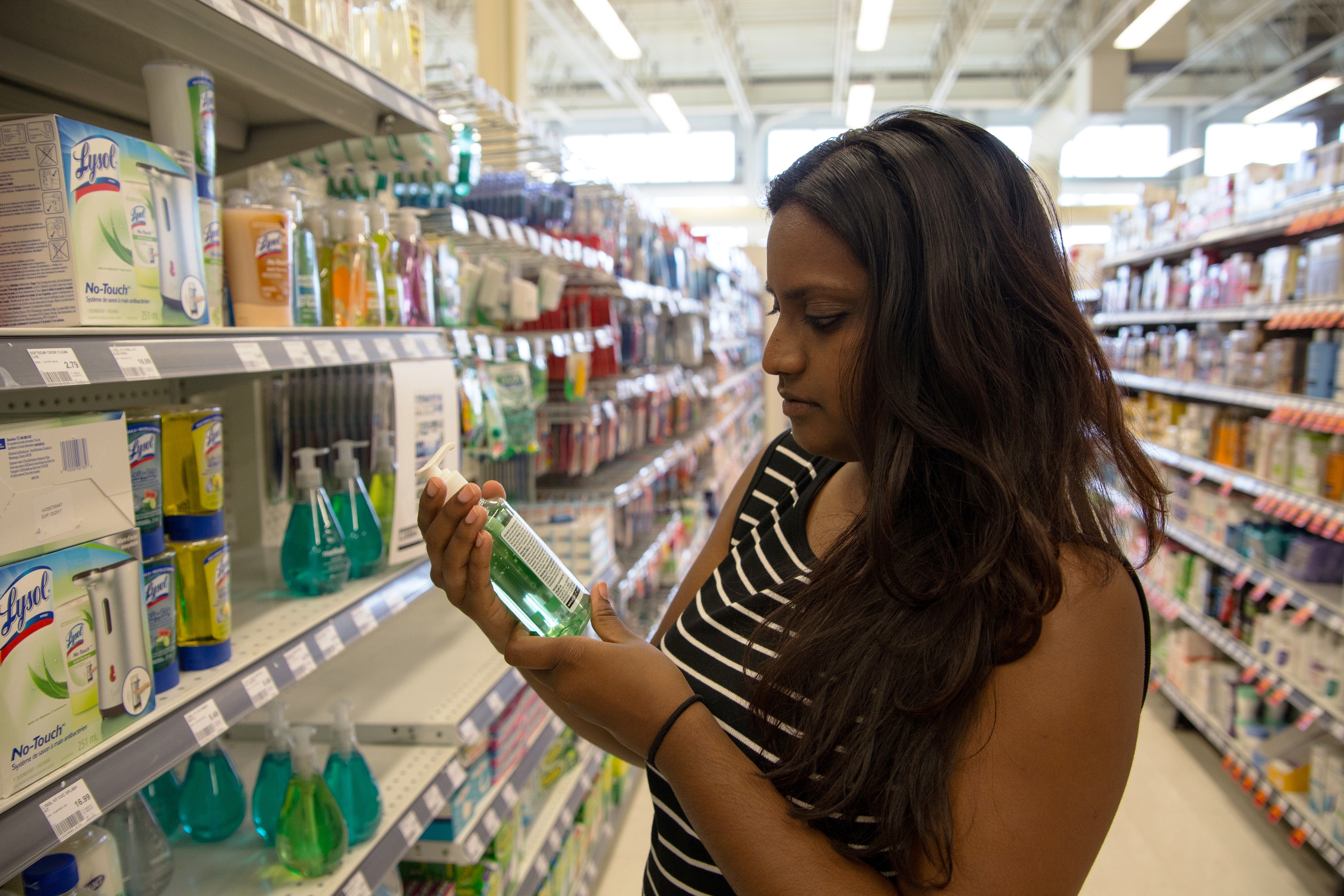
From toothpaste to shampoo, to all-purpose cleaner and dish soap, cleaning and personal care products are essentials that we use every day.
Whether we choose a product based on the price or the brand, we often don’t realize that the ingredients in these products can contain harmful ingredients not indicated on the labeling.
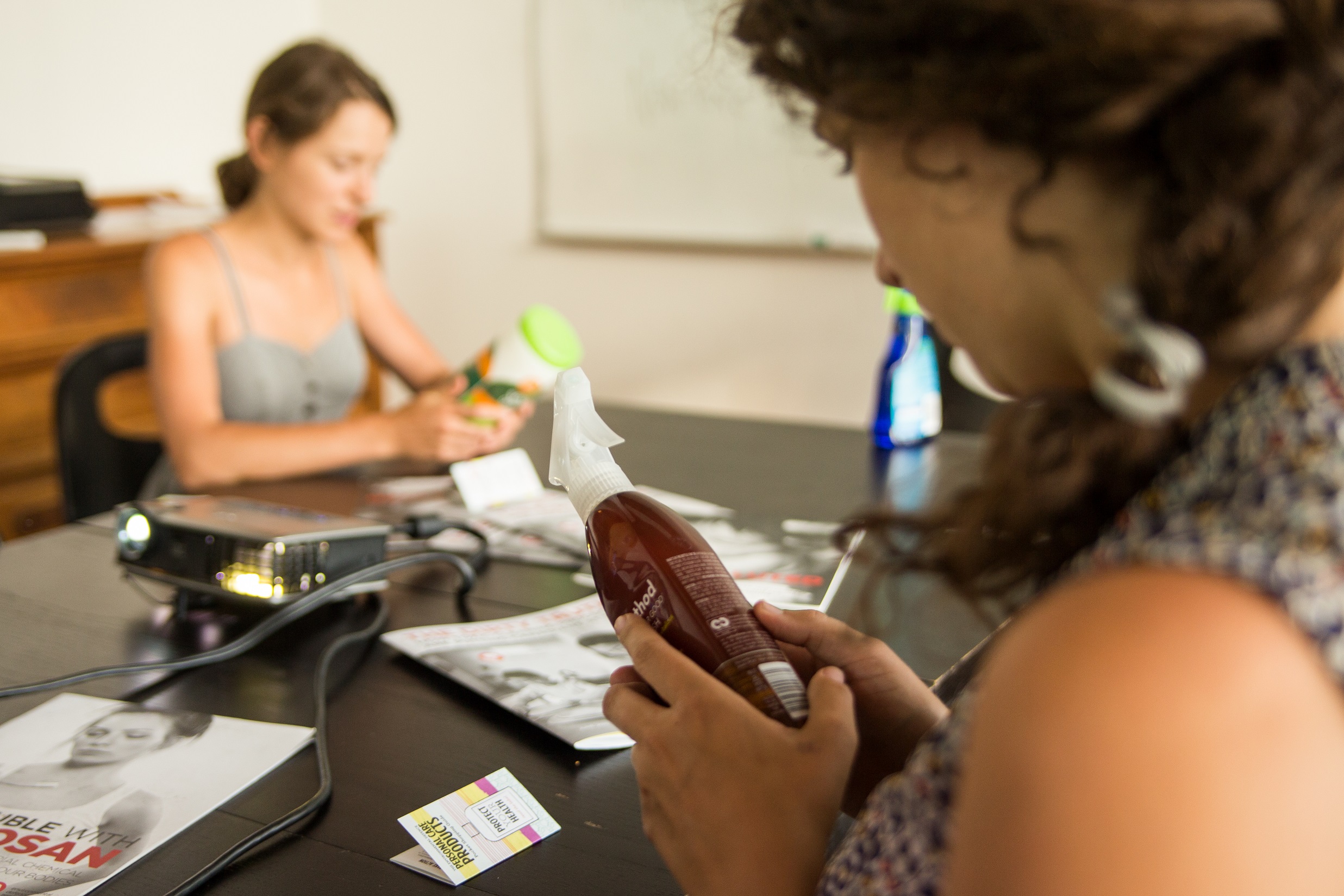
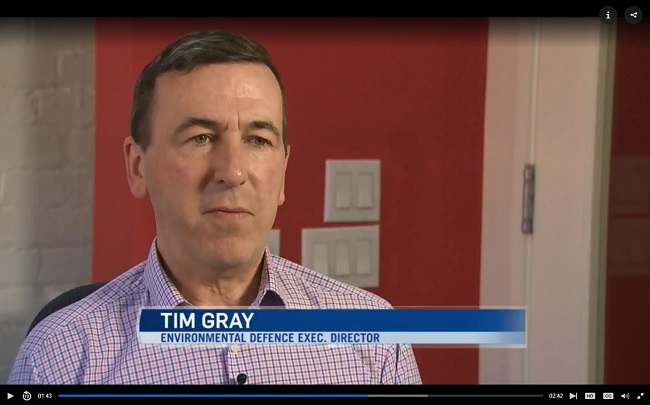
Findings from focus groups conducted by Environics Research on behalf of Environmental Defence show that long-term health impacts are not at the top of consumers’ minds when choosing which cleaning or personal care products to buy. That’s not because people don’t care about the chemicals that they’re exposed to, but because interviewed Canadians trust that the products found on store shelves are tested and proven to be safe by government agencies and industry. Sadly though, under current regulations Canadian manufacturers don’t need to prove that chemicals are safe before they’re added to products. (Listen to Executive Director Tim Gray on Radio Canada International speak about this issue).
Cleaning products such as window, counter and toilet bowl cleaners are not required to have a full ingredient list. Although an ingredient list is required on cosmetics and personal care products, it is often incomplete. What many people don’t know is that in order to get that citrus-y or fresh scent found in our deodorants, cleansers and moisturizers, manufacturers are only required to mention “parfum” or “fragrance” on the label without listing the actual chemicals. This is due to an outdated legal exemption that deems scents a “trade secret”.
It’s on you to look it up to see what you’re ingesting or putting on your skin…but we’re not scientists. Within reason, they should be putting warnings on stuff.
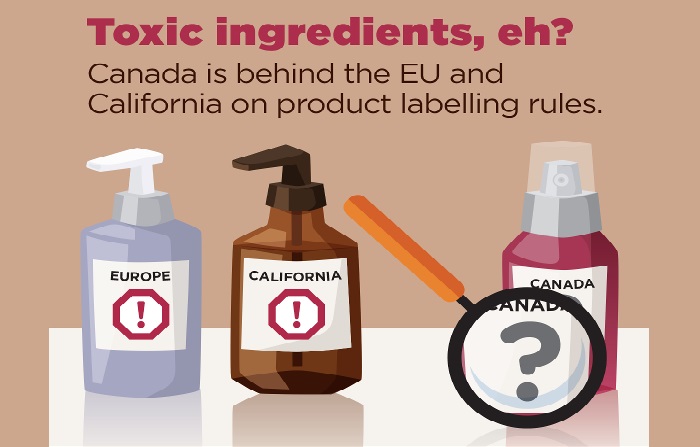
Why Canada needs to strengthen its product labeling rules
Warning labels have been used for decades as a useful tool to inform consumers of potential health risks associated with using a certain product. Mandatory warning labels on tobacco products have helped reduce smoking rates around the world by informing the public about the dangers of smoking.
Another example comes from Proposition 65 in California which requires manufacturers to put warning labels on their products if they contain specific chemicals of concern, such as BPA. To avoid warning labels, manufacturers are reformulating their products to remove harmful chemicals.
Policies in the European Union require the use of graphic health warning labels on cleaning products to caution consumers of possible skin irritation, chronic health hazards and if a product may be toxic to aquatic life.
Canada needs to step up and do the same. That’s why we are calling on the federal government to update its labeling rules and make full ingredient disclosure and easy-to-understand warning labels a reality.
What you can do?
1. Make your voice heard and tell the Canadian government to strengthen Canada’s toxics regulations.
2. When you shop for cleaning or personal care products, always check the ingredient list (if provided) for harmful ingredients – especially those listed in our Toxic Ten Pocket Guide.
3. Go the extra step and look for eco-certified alternatives that use plant-based ingredients instead of harmful chemicals.
Why you shouldn’t dry clean your “Dry Clean Only” clothes
Spilled BBQ sauce on your favourite shirt this weekend? Dry cleaning may be your go-to, but did you know PERC, a toxic chemical that’s been phased out in several jurisdictions around the world, is the most commonly used solvent in Canada? Read two common misconceptions about “Dry Clean Only” clothing labels and tips on how you can clean your linen, silks, and cottons the greener, non-toxic way.
the algae monster is back!
Lake Erie is expected to experience a significant algae bloom this summer.Read our latest blogto learn more about what causes the blooms and what this summer’s algae forecast could mean for the lake and the people who rely on it.
You can also show your support for the lake by taking ourLake Erie Pledge.
Show us how Life’s a Beach for a chance to win
OurBlue Flagprogram is once again hosting the Life’s a Beach Photo Contest. This summer, share with us your best photos of your favourite Canadian beach. You could win $1,000 for new camera gear! Visitblueflag.ca/photocontestto learn more. The deadline to enter is Sept. 1.
AT ENVIRONMENTAL DEFENCE WE CHALLENGE AND INSPIRE CHANGE IN GOVERNMENT, BUSINESS AND PEOPLE TO ENSURE A GREENER, HEALTHIER AND MORE PROSPEROUS LIFE FOR ALL.
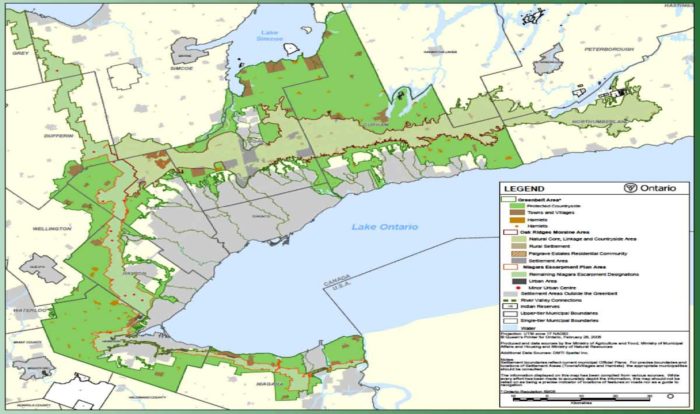
Last week, a video was released showing Ontario’s PC Party leader Doug Ford promising to open up a “big chunk” of the Greenbelt to allow development on its protected areas, an idea he attributed to the “biggest developers in this country.”
Our Executive Director, Tim Gray responded in the news that this would have severe consequences and allow land speculators to build massive subdivisions, at immense profits, on farms, forests and natural areas currently protected in the Greenbelt.
Watch Tim Gray’s interview on CTV news.
Ontario’s PC Party leader Doug Ford later reversed his position. This is consistent with polls that suggest more than 89 per cent of Ontarians support the protection of the Greenbelt. Ontarians like you.
The good news is that now all parties support the Greenbelt and recognize its immense values. Thank you for your help in securing the future of farmland, forests and water systems in Ontario.
Over the last few months, many of you signed petitions supporting expansion of the Greenbelt. Your voice matters now more than ever. We encourage you to ask candidates questions on their views during the upcoming provincial and municipal elections.
It’s time to set the record straight.
The Greenbelt does not constrain housing supply or cause high house prices. In fact, municipal data shows that there is enough land available to provide for housing development within existing Greater Toronto and Hamilton Area urban boundaries until 2031.
The best way to address housing prices and supply in our region is by directing growth to existing urban areas, limiting sprawl, and building different kinds of affordable homes close to transit.
Read our latest blog highlighting 7 facts about the Greenbelt and what really impacts housing prices in the Greater Toronto and Hamilton Area.
Thank you,
Susan Lloyd Swail
Livable Communities, Senior Manager
Dear Silo, I share with you and your readers both good news and not so good news. The Province has launched a consultation process on expanding the Greenbelt to protect critical water resources. Several hydrologically significant areas are included in the proposal, but vulnerable areas are missing.
We need to get this right. Ask the Ontario governmentto expand their proposal and protect a “Bluebelt” of 1.5 million acres to ensure clean water supplies for future generations.
Over 1.25 million people in the region rely on groundwater for their drinking needs. And, our lakes and wetlands are home to numerous at-risk species of fish and wildlife. We urgently need features like moraines, wetlands and headwaters that filter and store water protected from development.
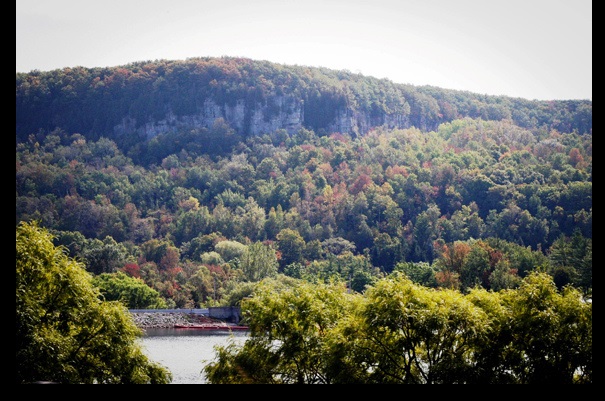
Oak Ridges Moraine Ontario, Canada
Photo credit: Shezamm
9 in 10 Ontarians support the Greenbelt’s protection of water, farmland and nature. You can be one of them.
Together we can grow the Greenbelt to protect our precious resources.
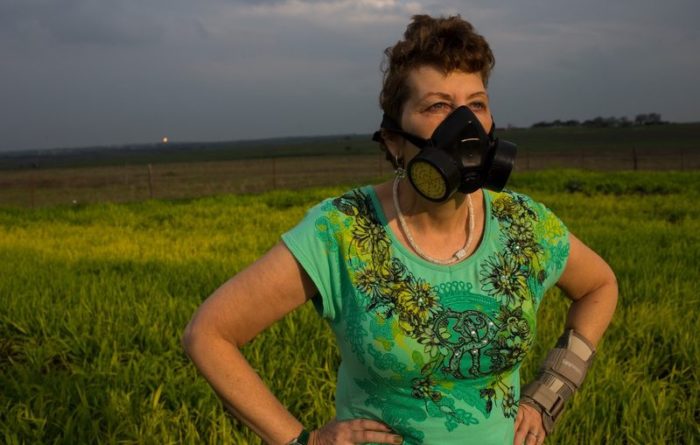
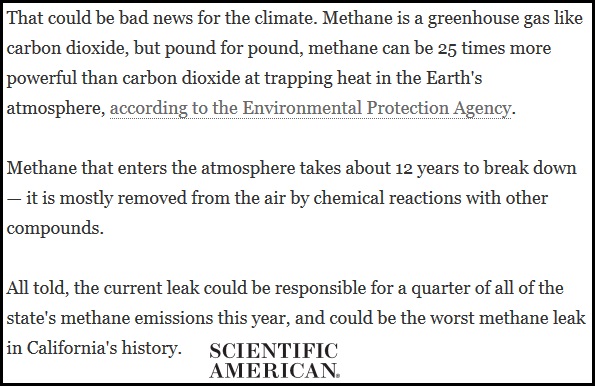
We need to take steps NOW to make sure Canada’s methane (aka Hydrogen Sulfide gas which contains up to 90% methane) emissions are being properly regulated. Methane is a greenhouse gas that is84 times more potent than carbon dioxide – and its uncontrolled emissions affect everyone.
The solutions to reducing methane emissions are actually very simple – frequent leak detection and repairs, and replacing equipment that deliberately releases methane. The industry is resisting these solutions and pushing the Canadian government for weaker methane regulations. They want longer delays before regulations come into effect, as well as less frequent monitoring so that methane leaks go undetected for longer. And, they want to be paid for reducing methane emissions – so instead of polluters pay, the industry wants it to be pay-the-polluter.
Those who live in Alberta strongly agree that regulating pollutants like methane to the strictest North American standards is the right thing to do. If the province that would be most affected by these regulations feels this way, why aren’t we doing it?
Time is running out to make sure Canada’s methane emissions are strongly regulated. For the Silo, Dale Marshall. Featured image-Les Stone /Greenpeace
Canadians will be able to visit more clean and eco-friendly beaches and marinas across the country this summer. A record 27 beaches and eight marinas in Canada have earned the Blue Flag—a world-renowned eco-certification for beaches and marinas.
The latest beaches to fly the flag are Moonlight Beach in Sudbury, Ont. and Outlet Beach at Ontario’s Sandbanks Provincial Park. Colchester Harbour Marina in the Town of Essex, Ont. will also raise the Blue Flag for the first time this year.
The winners of our eco-journalism competition are …
We’re pleased to announce the winners of the 2017 YRE Canada Eco-Journalism Competition for Youth. First place winners will have their work published by Alternatives Journal and will go on to compete in theinternational Young Reporters for the Environment Competition, hosted by the Foundation for Environmental Education.
For too long, harmful chemicals like triclosan and BPA have been allowed in consumer products despite growing scientific evidence on their health and environmental effects. That’s why the Canadian Environmental Protection Act needs to be updated and strengthened to speed up the process for phasing out and banning toxic chemicals. Take action!
AT ENVIRONMENTAL DEFENCE WE CHALLENGE AND INSPIRE
CHANGE IN GOVERNMENT, BUSINESS AND PEOPLE TO ENSURE A
GREENER, HEALTHIER AND MORE PROSPEROUS LIFE FOR ALL.

 Karen Wirsig.