Tag Archives: food shortage

Rising Hunger Continues To Put Pressure On Canada

Increasing Pressure on Canadian Community Organizations as Good Food Goes to Waste

State of Food Charity in Canada survey, conducted by Ipsos for Second Harvest, finds growing demand for food support and mounting pressure on community organizations

TORONTO, ON – October, 2026 – More people across Canada are turning to community organizations for help putting food on the table, while the organizations supporting them are struggling to keep up.  

Turning People In Need Away

New findings from The State of Food Charity in Canada survey show that 89% of organizations surveyed saw an increase in demand for food over the past year. One in three (33%) has a waitlist for support, while 35% have had to turn people away due to limited food or resources.  

Among organizations with a waitlist, the average was 878 people waiting for support. Of those that had turned people away, 41% estimated they had turned away more than 50 people, with an average of 269 people turned away.  

“Every week, organizations like ours are seeing more families reach out for food support, including working families who never imagined they would need help,” says Vivian N. Etuka, founder and executive director of Bethel Outreach Community Services. “When programs are full or there’s a waitlist, hunger doesn’t wait. It means parents going without so their children can eat, seniors struggling to stretch what little they have and families choosing between groceries and rent, utilities or other essential bills.”    

Where Second Harvest Fits In
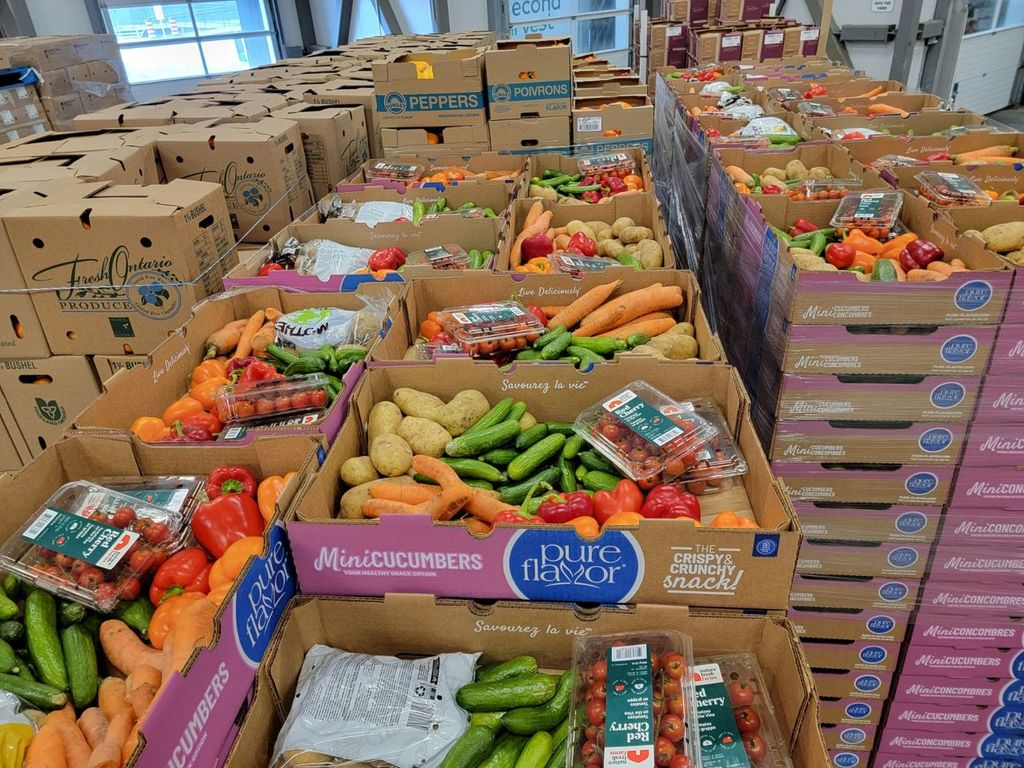
At the same time, the findings point to an opportunity to make better use of food that is already available.  On average, 36% of the food available at responding organizations comes from Second Harvest. Among respondents, 91% said Second Harvest enables them to access more food, while 85% said it helps them save money.  

“Canada has enough food to come out of this situation, but too much good food is still going to waste while organizations supporting people are struggling to keep up with demand,” says Lori Nikkel, CEO of Second Harvest. “Connecting surplus food with communities is one practical way we can help strengthen the organizations that are already doing this essential work.”  
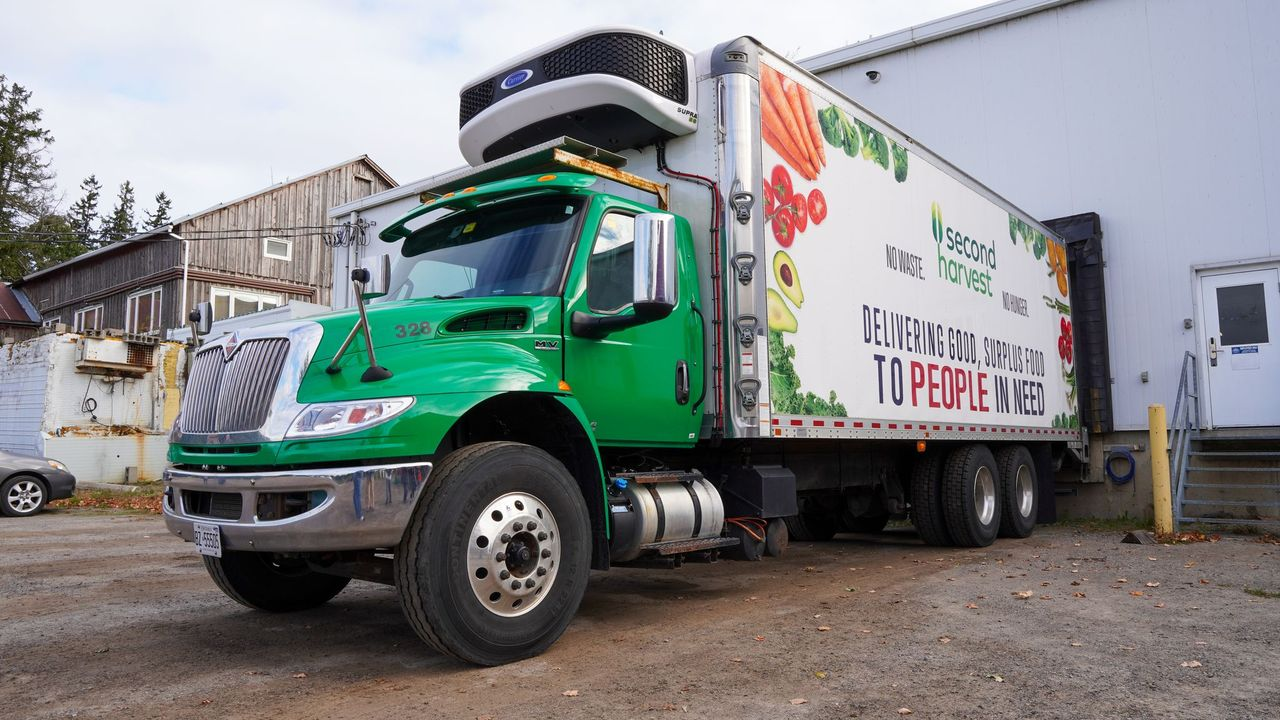
The findings come five years after Second Harvest’s “Canada’s Invisible Food Network” research highlighted the thousands of community organizations across the country that provide food and other support to people experiencing food insecurity.  

The new survey also shows that this network extends well beyond traditional food bank systems. Nearly half (49%) of organizations surveyed said they do not access food or other supports through the federal, provincial or regional food bank networks. Respondents included food banks and pantries, shelters, community development organizations, faith-based organizations, public institutions, and food recovery and redistribution organizations, among others.  

An App For Businesses With Surplus Food

Through the Second Harvest Food Rescue App, food businesses can post surplus food that is available for donation, while local non-profit organizations can claim the food and arrange a pickup. The app helps connect surplus food with organizations serving people in their communities.   

Food businesses can join it and connect their surplus food with local non-profit organizations.  

About the Survey  

The State of Food Charity in Canada survey was conducted by Ipsos for Second Harvest from May 29 to July 13, 2026. Ipsos distributed the questionnaire to 2,468 organizations in Second Harvest’s partner network. A total of 1,610 organizations completed the survey, representing a 65% response rate. The findings reflect the organizations that responded to the survey.  

About Second Harvest  

Second Harvest is Canada’s largest food rescue organization and a global thought leader on food waste and perishable food redistribution. It rescues unsold surplus food from thousands of food businesses from across the supply chain to redistribute it to non-profits in every province and territory. This prevents harmful greenhouse gases from entering the atmosphere while improving access to nutrition for millions of Canadians experiencing food insecurity. Beyond food rescue and redistribution, Second Harvest is deeply involved in advocacy, research, training and education. Its groundbreaking reports, such as “The Avoidable Crisis of Food Waste,” provide critical data and insights to inform public policy and educate the public on sustainable food systems.  
  
Second Harvest is committed to driving systemic change, helping to shape policies and practices that reduce food waste and address its role in climate change, while also supporting communities by providing them with the food they need.   

To learn more, visit www.secondharvest.ca 
Daily Survival in Gaza Persists Post-Ceasefire: LIFE Continues Humanitarian Relief Amid Ongoing Needs

Post-Ceasefire, Gaza Families Face Prolonged Hardship as LIFE Continues Delivering Life-Saving Humanitarian Aid

Despite the perception that ceasefires offer meaningful relief, conditions on the ground in Gaza demonstrate that humanitarian emergencies do not end when active conflict pauses. For civilians, the period following a ceasefire is often marked by continued displacement, damaged infrastructure, shortages of food and clean water, and limited access to essential services.

Life for Relief and Development (LIFE), a global humanitarian organization, has maintained an active presence throughout these periods, remaining one of the few international NGOs authorized to deliver aid inside Gaza. LIFE continues to respond to urgent, life-saving needs while navigating significant challenges.

Ceasefires Without Recovery

While ceasefires may reduce immediate violence, they do not restore stability. Families in Gaza frequently return to homes that are damaged or destroyed, seek refuge in overcrowded shelters, or reside in temporary tents without adequate protection. Water networks remain compromised, food availability is inconsistent, fuel shortages persist, and access restrictions continue to impede the flow of humanitarian aid.

Field reports from LIFE-supported operations indicate that displacement remains widespread, with families moving repeatedly in search of safety, food, and water. Even during ceasefires, civilians continue to face severe challenges, including:

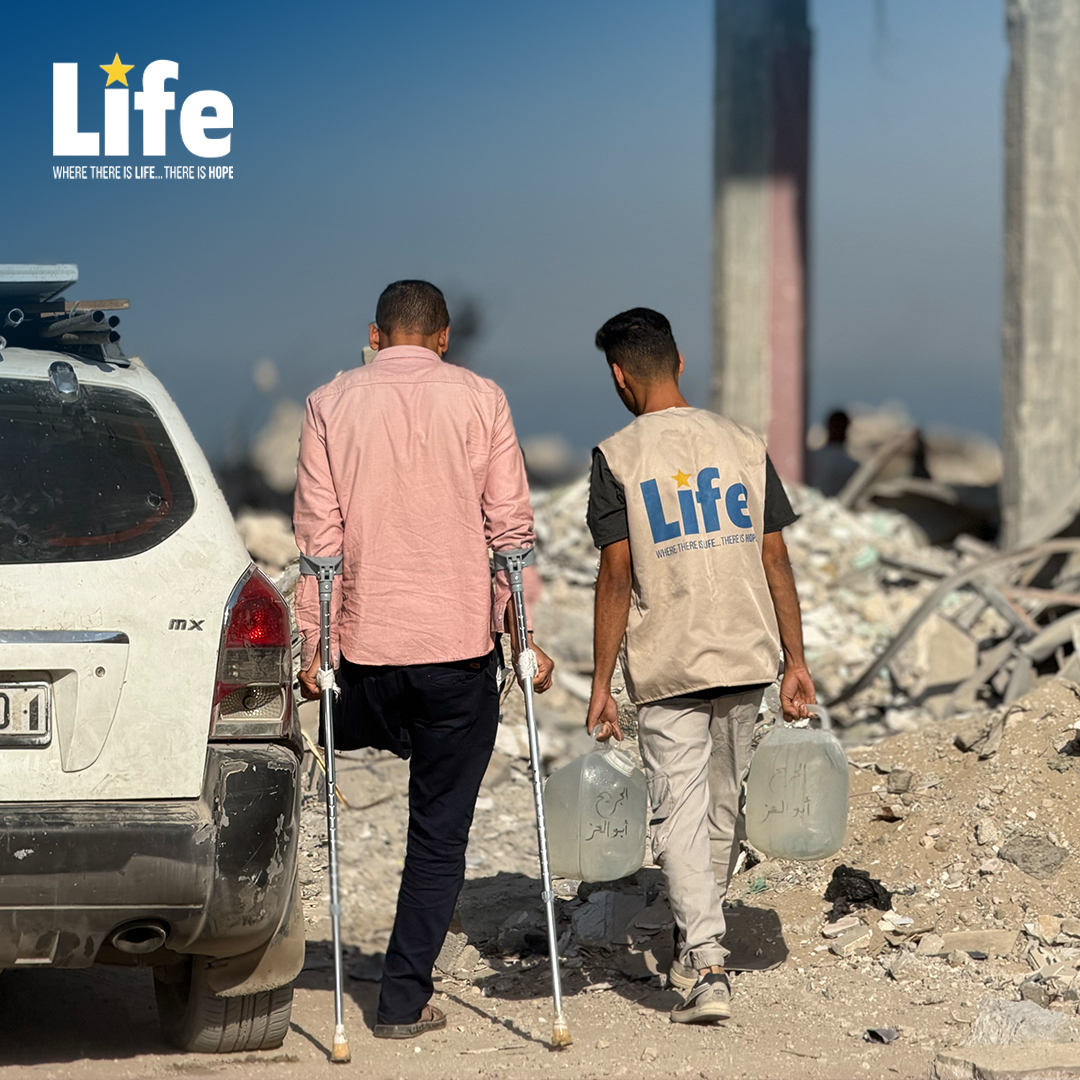
  • Limited access to clean drinking water due to damaged infrastructure
  • Inconsistent food supplies and a lack of functional cooking facilities
  • Exposure to harsh weather conditions in makeshift shelters
  • Elevated public health risks stemming from overcrowding and poor sanitation

These conditions underscore the reality that a ceasefire does not equate to recovery or safety.

LIFE’s Ongoing Humanitarian Response in Gaza

Despite restricted access and operational risks, LIFE has sustained a multi-sector humanitarian response aimed at meeting immediate survival needs and preserving human dignity. Through coordinated interventions across North, Central, and South Gaza, LIFE-supported programs have provided:

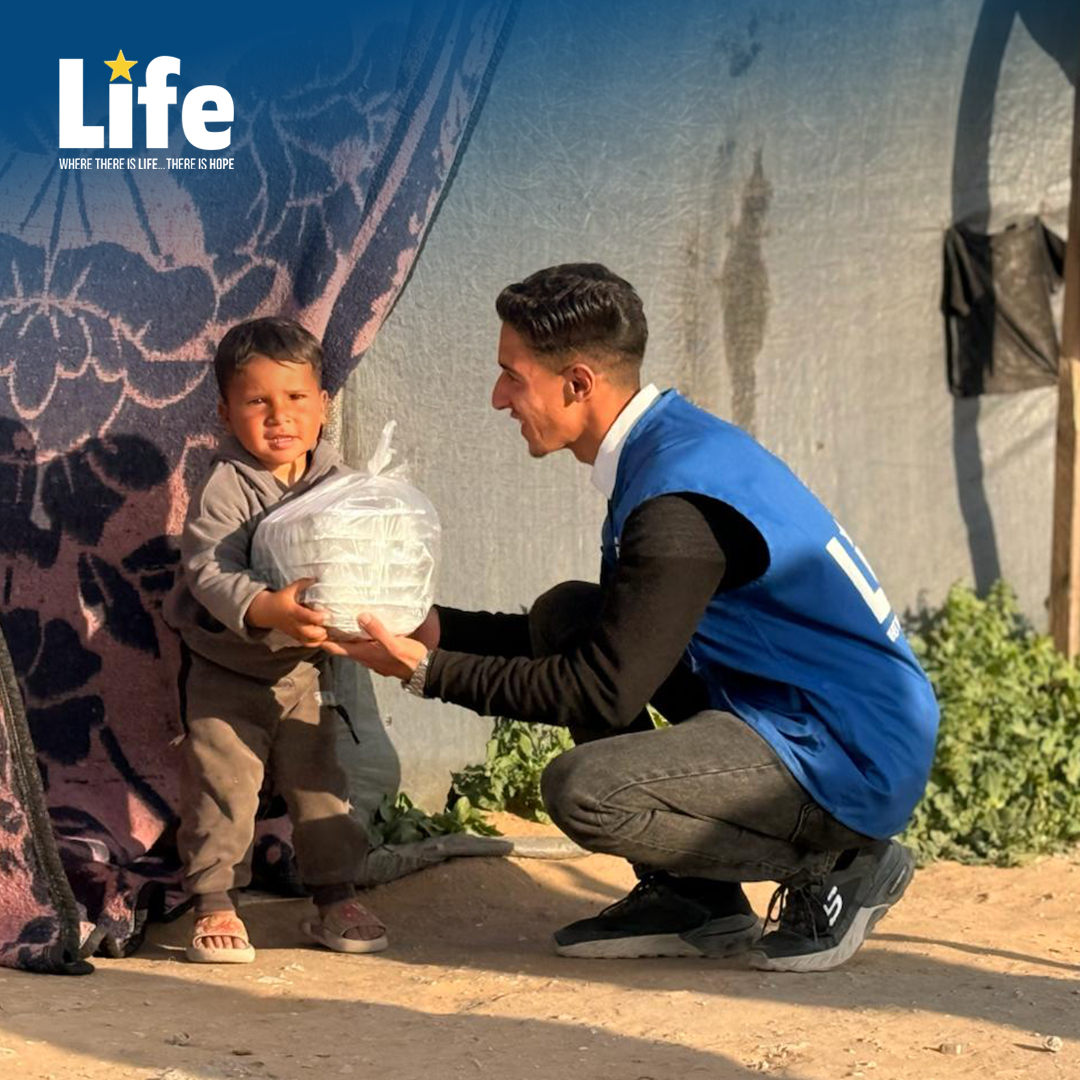
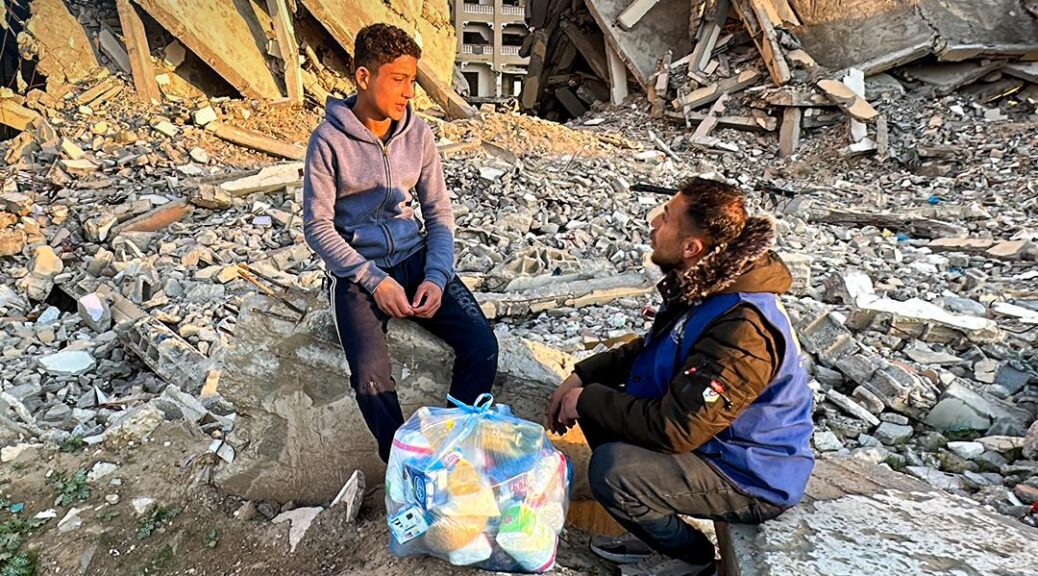
  • Emergency food assistance through hot meals, family food packs, and large-scale food convoys
  • Clean drinking water via tanker deliveries and the rehabilitation of damaged municipal water wells
  • Emergency shelter materials, including tents and weather-resistant covers for displaced families
  • Winter relief, such as warm clothing and footwear for children and vulnerable individuals
  • Infant nutrition support to address critical shortages for families with young children

These interventions have reached hundreds of thousands of individuals across multiple phases of emergency response, including periods identified as ceasefires—during which needs remained acute.

Operating Under Constant Constraint

Providing aid in Gaza requires continuous adaptation. LIFE-supported teams have had to navigate border delays, limited fuel supplies, communication disruptions, and security-related restrictions. Daily adjustments ensure that relief reaches the most vulnerable populations, including displaced families, children, older adults, and households with no access to essential services.

By maintaining operations both during and after ceasefires, LIFE helps bridge the gap between temporary pauses in hostilities and the ongoing humanitarian needs that continue long after media attention subsides.

One beneficiary, Neama, a 38-year-old mother of four who has been displaced multiple times, described the uncertainty that continued beyond the ceasefire. Her family faced overcrowded shelters, a lack of cooking facilities, and severe food scarcity. Through LIFE-supported hot meal distributions, her family received freshly prepared meals over several days.

“The hot food meant more than nutrition,” she shared. “It restored dignity and gave my children a sense of normal life again, even in the middle of everything.”

Humanitarian Needs Beyond the Headlines

A ceasefire does not end the humanitarian crisis for families in Gaza. Many continue to face shortages of food, water, shelter, and basic services, with recovery dependent on sustained humanitarian support rather than temporary pauses in conflict.

“A ceasefire may pause active fighting, but it does not pause human need,” said Dr. Hany Saqr, CEO of Life for Relief and Development (LIFE). “Families in Gaza continue to experience daily challenges accessing food, water, shelter, and essential services. Our responsibility as a humanitarian organization is to remain present, impartial, and responsive, ensuring that assistance reaches civilians when they need it most, regardless of circumstances.”

For the Silo, Tasneem Elridi.

About Life for Relief and Development (LIFE)

Life for Relief and Development, headquartered in Southfield, Michigan, is a global humanitarian relief and development organization committed to assisting individuals regardless of race, gender, religion, or cultural background. LIFE is a registered 501(c)(3) nonprofit organization and holds Consultative Status with the United Nations Economic and Social Council (ECOSOC).