Tag Archives: breeding program

Samuel L. Jackson Champions Sanctuary For LA Elephants

LOS ANGELES/TULSA, Okla. (March, 2026) — For more than 30 years, Billy the elephant was one of Los Angeles’ most famous residents. When the Los Angeles Zoo secretly shipped him and his zoo mate, Tina, to Oklahoma in the dead of night last May, it broke the hearts of Angelenos. Now, as Tina battles a serious, life-threatening uterine infection, Hollywood titan Samuel L. Jackson is stepping in to help bring them to the sanctuary they deserve before it’s too late.

Jackson, known for his narration of wildlife documentaries like African Cats and his recent visit to Kenya’s Reteti Elephant Sanctuary, has joined an international coalition led by In Defense of Animals pressuring the Tulsa Zoo to immediately release Billy and Tina. The Tulsa Zoo was recently named the No. 10 Worst Zoo for Elephants in North America for its high-mortality breeding program. 

“Billy and Tina have sanctuaries willing to take them in,” said the producer and one of the world’s highest-grossing actors, Samuel L. Jackson. “Continued exploitation and denial of their freedom is making them worse, and time is running out! Join me in supporting In Defense of Animals and urge the Tulsa Zoo to retire these elephants before it’s too late.” 

With Tina’s life in immediate peril, advocates say it is vital for the zoo to have her urgently assessed for transport and, if she is able to be moved, sent as soon as feasible to sanctuary. Two different sanctuaries have offered homes to Billy and Tina.

The movement to free Billy and Tina has rapidly gained global traction. Jackson is the latest of more than 10,000 people who have signed a letter to Tulsa Zoo President and CEO Lindsay Hutchison, urging her to release all the elephants, including Billy and Tina.

“It’s not surprising to any of us that Tina’s health is failing at the Tulsa Zoo,” said Courtney Scott, veteran elephant consultant with In Defense of Animals, the world’s leading international animal protection organization advocating for all elephants globally. “True compassion would be sending Tina and her longtime buddy, Billy, to an elephant sanctuary. This really is a no-brainer. Tina will receive top-notch medical care at a sanctuary, and peace which will have a direct impact on her health. Living in a large, stress-free environment is the best medicine for Tina. In fact, it’s the best medicine for all captive elephants.”

Billy and Tina are at the center of a bi-state controversy. Their clandestine move in May 2025 betrayed scores of Los Angeles activists, celebrities, city and state officials, and attorneys who fought for years to have the long-suffering elephants retired to a sanctuary. Instead, they were transferred to Tulsa to be used as commodities in a high-pressure breeding program that forces elephants into unnaturally early, rapid reproduction and invasive procedures.

Ignacia Fernández, Miss World Chile, has also joined the call, stating: “Zoos breed elephants into lives of impoverishment. Born as prisoners, treated as playthings and profit-drivers, they fade away without ever truly living… I stand with In Defense of Animals to stop zoo breeding and free elephants to sanctuaries.”

The Tulsa Zoo currently holds seven elephants, all of whom exhibit profound zoochotic stress behaviors. Video (above) captured by Elephant Guardians of Los Angeles reveals another resident elephant, Sneezy, attempting a breakout, while Billy and Tina display ongoing signs of brain damage caused by severe mental distress — swaying and bobbing endlessly.

At the Tulsa Zoo, Billy and Tina join Hank, a bull who was shuttled between four facilities and is now slated as a sperm donor for artificial insemination (AI). Billy himself has already been subjected to more than 50 sperm extractions in Los Angeles, and could face more at Tulsa. Bulls are restrained and subjected to highly invasive rectal procedures to extract the semen needed for a chance to make a ticket-boosting baby elephant.

Breeding loans are just as bad for elephants, spreading elephant TB, a leading cause of death in captive elephants. A new scientific review (see pdf below) shows frequent relocations, such as for breeding, cause transfer trauma and drastically raise the risk of premature death.

“We are deeply grateful to Hollywood icon Samuel L. Jackson for supporting our efforts to free Billy, as well as Tina and all elephants begging for freedom from the Tulsa Zoo,” added Scott. “We cannot let Billy, Tina or the other elephants die in this place of suffering, loss, and broken lives.”

Tulsa Zoo has earned a place on the 10 Worst Zoos for Elephants list for the second time. Its highly promoted 10-acre “preserve” was already inadequate before Billy and Tina arrived. Their visible zoochotic behaviors suggest conditions are even more harmful now — not only for them, but for the other five elephants already confined there.

“For Billy and Tina, the pattern is clear — and so is the solution,” said Fleur Dawes, Director of Communications and International Partnerships for In Defense of Animals. “Sanctuaries are waiting. The harm is ongoing. And the chance to do the right thing is slipping away. Billy and Tina should be immediately released from the Tulsa Zoo, where elephants are treated as commodities instead of living beings. True conservation happens in the wild, not behind bars. The only ethical path forward for Tulsa Zoo is to end captive breeding and move its elephants, starting with Billy and Tina, to a spacious, true sanctuary.”

2025 List of the 10 Worst Zoos for Elephants:

  • Houston Zoo, Houston, Texas
  • Sedgwick County Zoo, Wichita, Kan.
  • Omaha’s Henry Doorly Zoo & Aquarium, Omaha, Neb.
  • African Lion Safari, Hamilton, Ontario, Canada
  • Denver Zoo, Denver, Colo.
  • Columbus Zoo and Aquarium, Powell, Ohio
  • ABQ BioPark, Albuquerque, N.M.
  • Oklahoma City Zoo, Oklahoma City, Okla.
  • Fresno Chaffee Zoo, Fresno, Calif.
  • Tulsa Zoo, Tulsa, Okla.

Hall of Shame: Oregon Zoo, Portland, Ore.

Path to Progress Award: Louisville Zoo, Louisville, Ky.

Close-up photo of Samuel L. Jackson standing in front of a herd of elephants while on a recent trip to Kenya’s Reteti Elephant Sanctuary, the world’s first Indigenous community-owned elephant sanctuary. The Jan. 29 caption reads, “Me & da herd!”

Samuel L. Jackson shared multiple photos of his African adventure including this one of a mother and her baby in tow at the expansive Reteti Elephant Sanctuary in Kenya.

For the Silo, Jarrod Barker.

Feature image- Art Streiber.

Supplemental

In Defense of Animals’ list of the 10 Worst Zoos for Elephants in North America has been featured in The New York Times, Esquire and theDaily Mail, and supported by celebrities including Bill Maher and Ricky Gervais. It draws global attention to how zoos condemn elephants to lifetimes of deprivation, disease, and premature death. Rankings are determined based on in-person visits and data analysis of elephant mortality, health records, transfer history and enclosure conditions. This year’s list heavily weighted the intensity of breeding programs and infant mortality rates. Explore two decades of rankings at idausa.org/10worstzoos

In Defense of Animals is an international animal protection organization with over 250,000 supporters and a history of defending animals, people and the environment since 1983.
San Francisco Zoo Report: Urgent Need for Habitat Improvements

https://lh7-rt.googleusercontent.com/docsz/AD_4nXc9NCyKU-WABDp_JW1mkPSbBdt98U36Vv-UGjCRpugX1mA0g2roHXqfKBFxUca1y6r0RWtNMxbknMPsUX7TQwn1wGfXZajFP9pKCGCScN7sSE2yt-XL306wttcNl-VxBHWHiZ2RNg?key=-elX9zaoNsLvwrPCLPpAeGB-

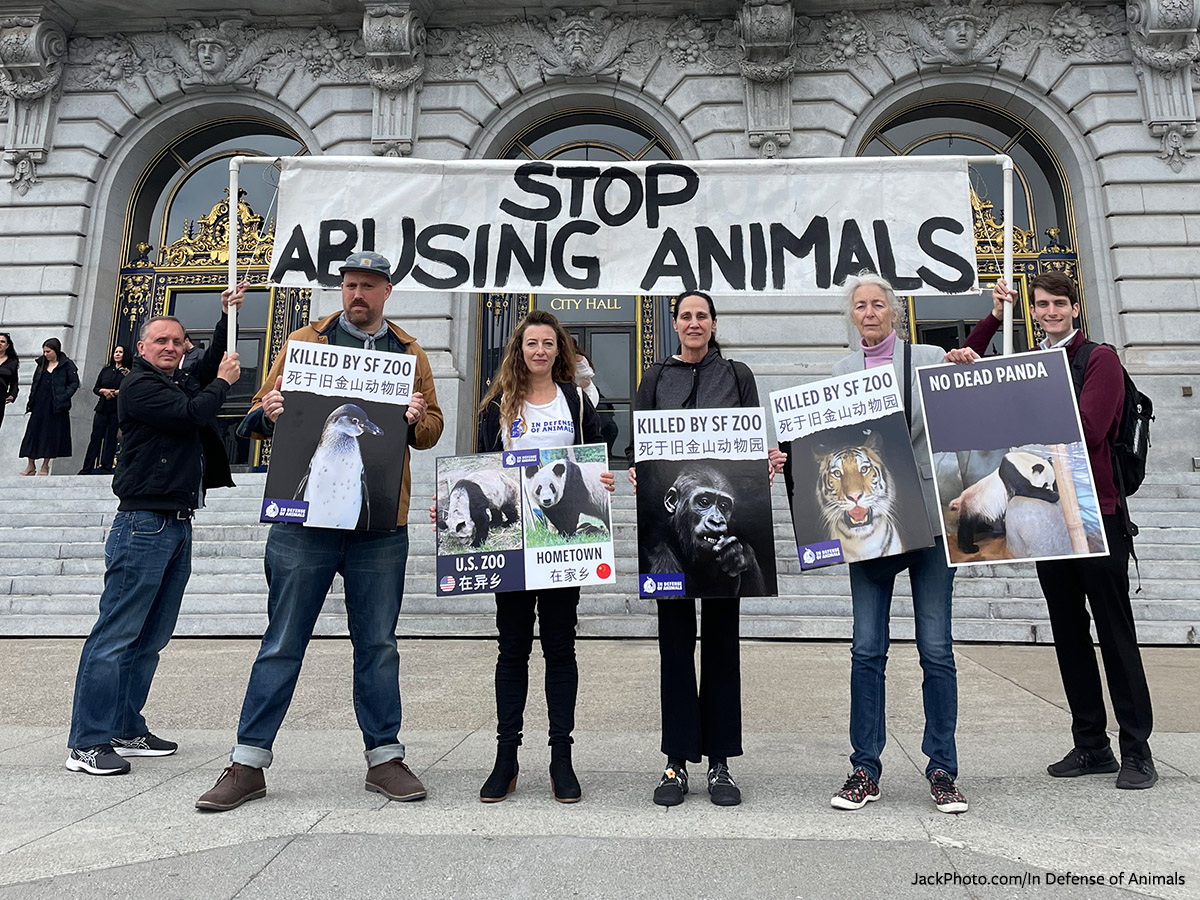
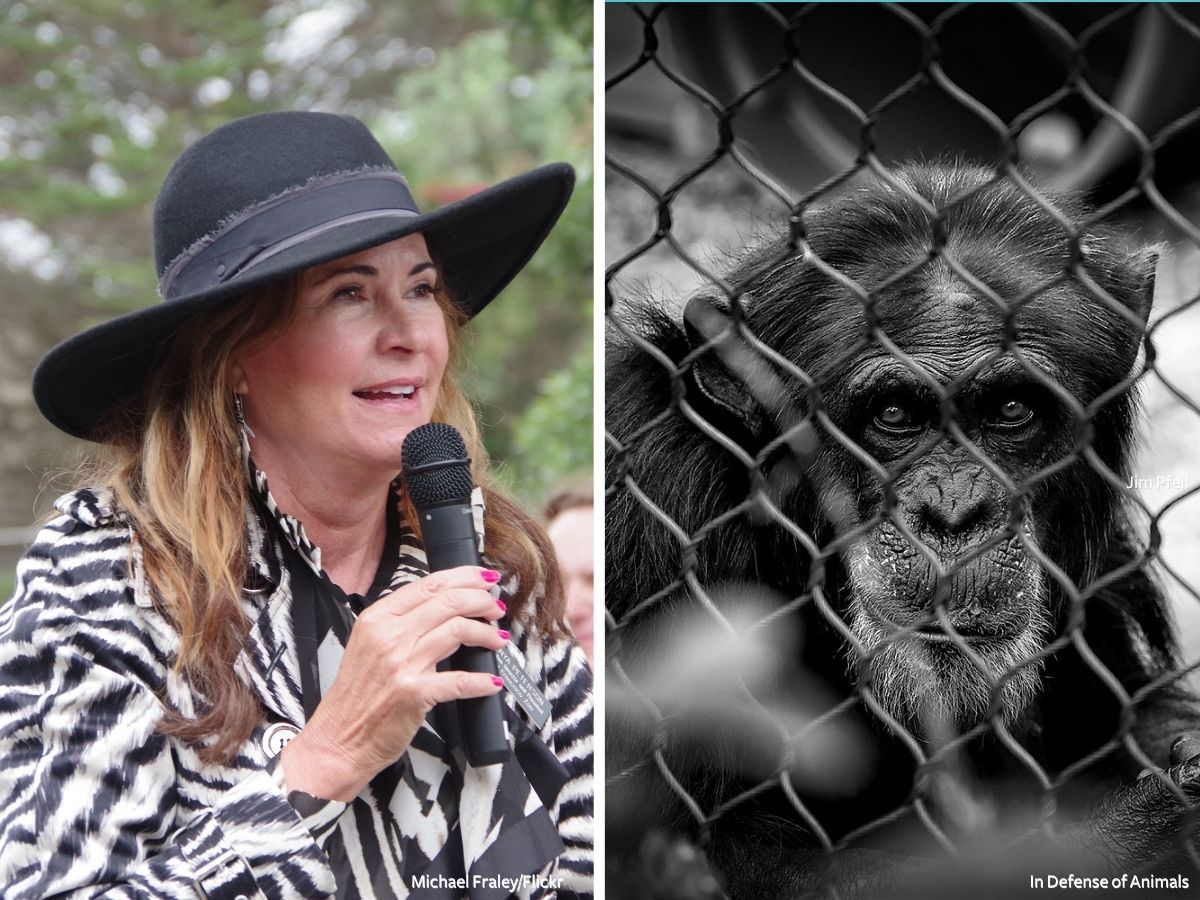
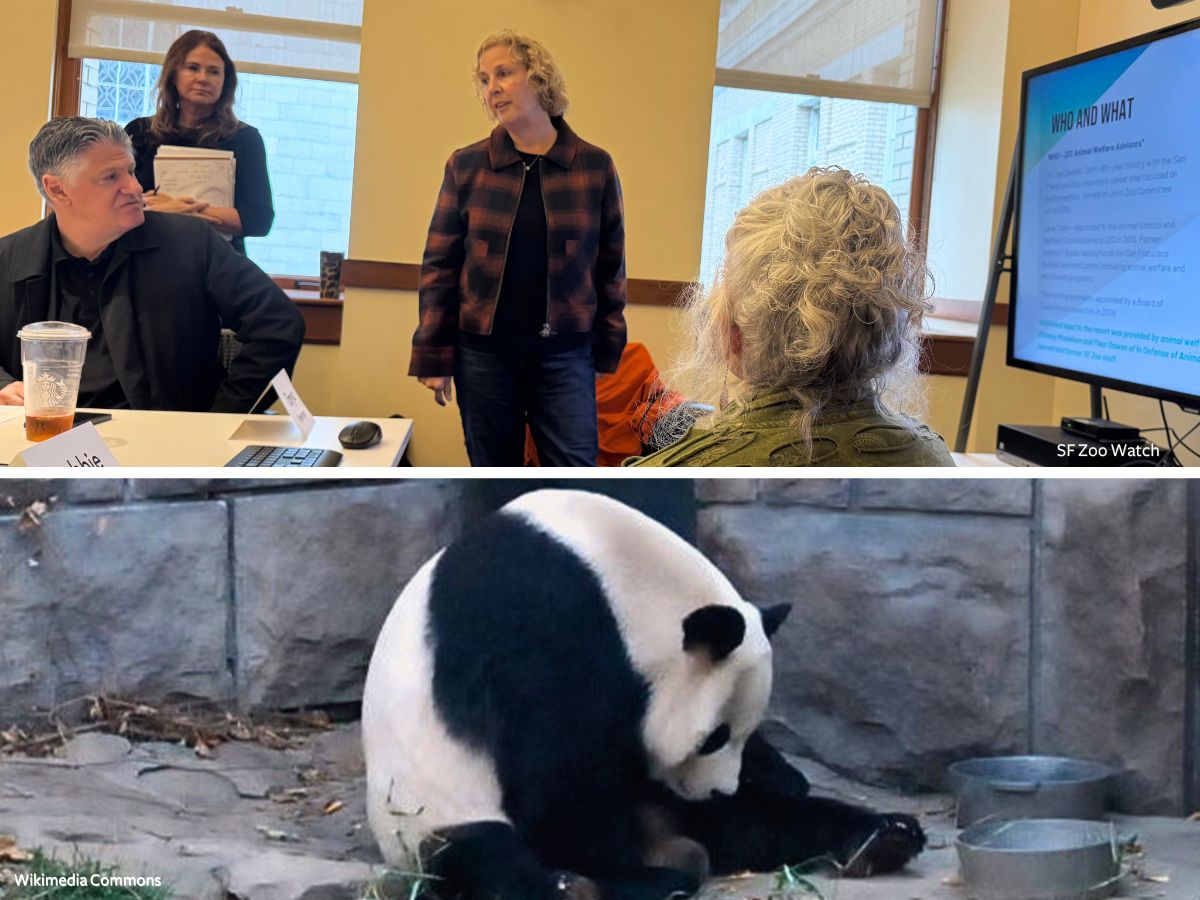
SAN FRANCISCO (November, 2024) — report “daylighting” serious animal welfare, management and infrastructure failings at San Francisco Zoo was presented yesterday by the San Francisco Joint Zoo/Recreation and Parks Committee Animal Welfare Advisors, Jane Tobin and Joseph Spinelli DVM. The report contains a “complete list of habitat and welfare issues as well as facilities recommendations,” and critiques unsafe infrastructure, mismanagement, and misplaced priorities, while offering actionable solutions to address the zoo’s deep-rooted issues. 

Tobin explained, “This is an opportunity for people to understand, like, where are we with the state of the zoo? Having an audit like this does definitely daylight a lot of issues.” Tobin raised a variety of “habitat issues, oversight issues, acquisition plan issues,” and urged the zoo to prioritize habitat updates and genuinely engage with public concerns, reminding it of its duty to respond to public records requests and update its “really out of date” Memorandum of Understanding, last updated in 1993.

The report, which was prepared in consultation with current and former zoo staff, the San Francisco Animal Commission and animal welfare organizations including In Defense of Animals, SF Zoo Watch and Panda Voices, details “many of the Zoo’s enclosures are extremely outdated and fail to meet the criteria outlined above from an animal welfare perspective” with some exhibits approaching 100 years old. Tobin shared in the meeting, “It has been a really long time since we’ve seen any infrastructure updates, habitat construction, renovations, and short or long-term plans, and I think that you might ask the questions, well, how does that impact animal welfare? A great deal.”

Report co-author Dr. Spinelli has a long history with San Francisco Zoo and has served as an animal welfare advisor on the Joint Zoo Committee since 2009. He said, “For the future, I haven’t heard of a strategic plan for improving the quality of the spaces for the animals.”

Tobin drew attention to many animals in temporary habitats “well beyond their deadline,” citing one case in which animals have been without a permanent enclosure for six years. She said, “Animals should have a permanent habitat ready upon arrival and a financial impact analysis report would be wonderful so that the committee can fully understand with that acquisition what impact it would have on the care of the current animal inhabitants and the existing strategic plan.”

Concerning highly-controversial plans to acquire giant pandas, the report states, “The arrival of the giant pandas would make the already poor situation of the current animals living at the zoo even worse, diverting attention and resources away from doing basic repairs and building exhibits for other animals.”

Report Highlights:

  • Update the MOU: Modernize the 1993 agreement to include robust animal welfare standards and appoint non-voting advisors, such as veterinarians and animal welfare experts, to ensure ethical oversight.
  • Reject the Panda Plan: Halt the multi-million dollar panda exhibit and focus resources on improving the welfare of current animals and fixing infrastructure.
  • Infrastructure Overhaul: Redesign outdated enclosures to meet modern ethical and safety standards.
  • Transition the Zoo: Implement a rescue and rehabilitation model instead of trading and breeding programs.
  • Establish Oversight: Create an independent commission focused on animal welfare with robust authority.

The zoo audit follows a San Francisco Chronicle investigation and series of articles exposing zoo mismanagement, as well as a catalog of current concerns raised by animal advocates including the zoo’s reckless plans to import giant pandas from China by 2025. An In Defense of Animals’ alert exposing the issues at the zoo and urging the cancellation of the panda plans has gained over 14,000 supporters.

https://lh7-rt.googleusercontent.com/docsz/AD_4nXdKJ4Nbp6TjWEn-3jGjElkNpZ8_neTzXriN0Llkm_JO4MLt4ISuMSThxRpAJWTJENCkDFFG4RUpCfljZBvtqBBx-HOKLUQyEDK_zu9wtdNLRrviKRNQldOii-qZliPxwSxuEu-qtg?key=-elX9zaoNsLvwrPCLPpAeGB-

“We are grateful for the recommendations report from the Joint Zoo/Recreation and Parks committee animal welfare advisors which illustrates extreme issues that must be fixed at San Francisco Zoo,” said Brittany Michelson, Campaign Specialist for Captive Animals at In Defense of Animals. “These recommendations should be taken seriously and implemented immediately.” 

Justin Barker of SF Zoo Watch said, “I think we need to get real about the zoo. 97% of the union staff don’t have confidence in the management, yet you stood by the CEO. We have major infrastructure issues. Stop painting the rosiest picture.”

Interjections from angry docents during the meeting were quelled by Commissioner Larry Mazzola who admitted, “communication is important and it might have been lacking until today.”

However, after the meeting, several zoo docents hurled verbal abuse at Barker. They brandished a photo of the zoo’s langur exhibit, one of the poorest habitats cited in the report, calling out, “You are complaining about this? How dare you!”

They also made public comments in the meeting urging all concerned to “move on” and suggested incidents were isolated to the deadly tiger escape 15 years ago. The audit is the latest of a mountain of evidence exposing current failings from zoo staff, media, and animal welfare organizations. The committee heard today how two additional animals were reported to have died last month from unsafe conditions — a penguin who died with a mold-caused infection, and a pelican who is presumed to have died from predation owing to an unsafe enclosure.

Notable zoo safety incidents include:

  • 2007 – The escape of Siberian tiger Tatiana, who killed a visitor before being shot
  • 2011 The theft of squirrel monkey Banana Sam
  • 2014 – The crushing of baby lowland gorilla Kabibe by a hydraulic door malfunction
  • 2020 – The theft of endangered lemur Maki
  • 2020 – The deaths of two wallaroos and a red kangaroo who were killed when a predator entered their unsafe enclosure
  • 2023 – The death of Handy Harry, a young penguin struck and killed by a guillotine door
  • 2023 – The near-death of a keeper when a grizzly bear chased her owing to a door malfunction
  • 2024 – The death of a sacred ibis due to unsafe, filthy conditions in the birdhouse by aspergillosis — an infection caused by mold
  • 2024 – Two further deaths of a penguin and pelican possibly caused by mold and predation in October

These incidents represent only a fraction of the zoo’s long history of neglect and unsafe conditions. A significant number of keepers have resigned, citing management’s negligence towards both animal and staff safety.

https://lh7-rt.googleusercontent.com/docsz/AD_4nXdSa_VWLn24VU_0_UwSHojn2-jC4UfF6YRTP06Kl46_qeg4uo9_U2UlapEpgohbcOMDQsuE0wX5LLULjwmFnRILztZqHiHLIyy5H9PDQyEaqrt21pWm40pEIBuDArOAfxmUCwUjoQ?key=-elX9zaoNsLvwrPCLPpAeGB-

San Francisco is grappling with an $800 million usd/ $1.12 billion cad budget shortfall that has already led to deep cuts in public services like health and education. Amid this crisis, the zoo’s plan to acquire pandas — estimated to cost $70 million usd/ $98 million cad over 10 years — is financially irresponsible. While private fundraising might cover initial construction, long-term care for pandas requires significant ongoing resources, including specialized facilities, experienced staff, and regular flights to supply fresh bamboo.

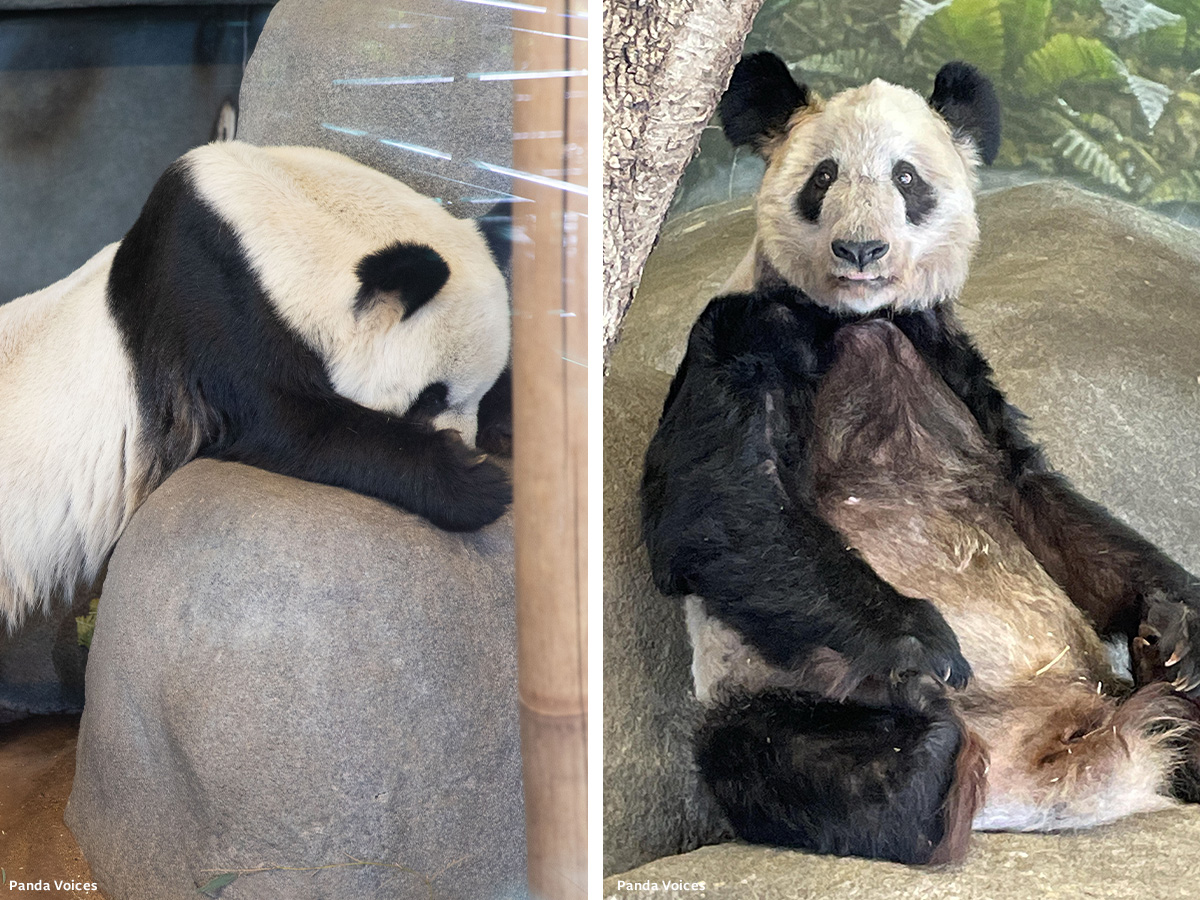
If the zoo incurs expenses that far exceed the revenue generated from panda exhibitions as has happened at other zoos hosting pandas — most recently in Finland and previously in Scotland — the mounting costs may lead to a shortage of bamboo supply and poor bamboo quality, compromising the welfare of the pandas, as happened at the Memphis Zoo which led to pandas’ ill health and death.

https://lh7-rt.googleusercontent.com/docsz/AD_4nXcZ1DEeLDAAqSV2yui6gfbKGEz5o0Le05tmSDhPPqBUoZRbmWVtfPwTJLXYvZ3wxgrgR6MEkuQQnDLnjRdHCuO6coqBlC5YyTh_gTe8X7AhgFKnFrbW0VBAeU2qycBV-zptnpaiVg?key=-elX9zaoNsLvwrPCLPpAeGB-

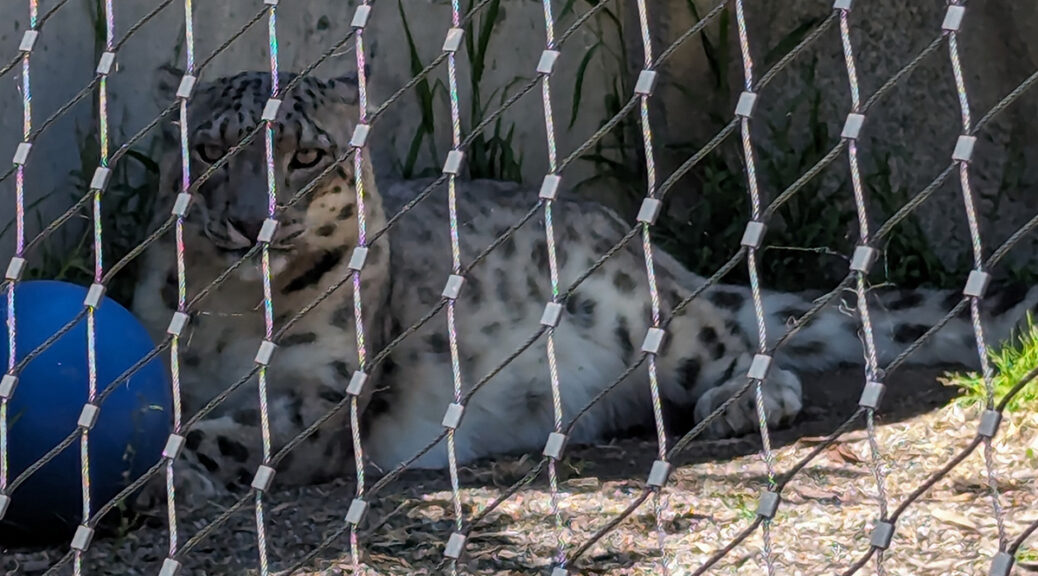
Adding to these concerns, the proposed habitat — rumored to be a repurposed big cat exhibit near predators — is severely unsuitable for pandas, who are highly sensitive to noise and smell. This plan exemplifies the zoo’s misplaced priorities, diverting attention and resources from fixing crumbling infrastructure and addressing the welfare of its current inhabitants.

Members of the public are encouraged to sign the alert urging decision-makers to halt the panda plan: https://idausa.org/sfpanda

Supplemental-

The Humane Future of Zoos? The Hologram Zoo is a thing.