Tag Archives: whistleblower

USA Sanctioning Ransomware Enablers in Coordinated International Action

The United States recently sanctioned one entity and two individuals — First VPN Service (1VPNS), its administrator Dmytro Rashevskyi, and Yegeniy Vladimirovich Silayev — for providing critical support to ransomware groups that have targeted North American hospitals, schools, businesses, and local governments.

These actors supplied ransomware groups with tools to hide their identities, disguise malicious software, and evade detection — enabling attacks that have caused billions of dollars in losses to U.S. critical infrastructure providers.

This action reflects the United States’ commitment to working with allies and partners to disrupt the global cybercrime ecosystem. Today’s designations are coordinated with the United Kingdom’s Foreign, Commonwealth & Development Office, and follow a May 2026 European law enforcement takedown of 1VPNS’s infrastructure, supported by the FBI.

By targeting not just ransomware operators but the service providers and tool suppliers who make their attacks possible, the United States and its partners are dismantling the broader networks that sustain cybercriminal activity worldwide.

The United States will continue to use every diplomatic and economic tool available to disrupt foreign cybercriminals and their enablers and hold them accountable. Ransomware is not only a law enforcement challenge — it is a foreign policy threat that undermines the security and economic stability of the United States and its allies.

This action is being taken pursuant to the authorities under Executive Order (E.O.) 13694, as further amended by E.O. 13694, as amended by E.O. 13757, E.O. 14144, and E.O. 14306 (E.O. 13694, as amended).

Click here to report cyber-enabled crime to the FBI.

1VPNS: VPN SERVICE ENABLING RANSOMWARE OPERATIONS

1VPNS is a VPN provider whose principal clients include ransomware actors and other cybercriminals.  VPNs, which allow users to encrypt their internet traffic and hide their computers’ true location, have legitimate uses for privacy and security, but can support malicious activity if misused.  Numerous ransomware groups have purchased infrastructure from 1VPNS, which they have leveraged in attacks on U.S. companies and institutions—including to hide the origins of their attacks, deploy malware, and manage exfiltrated data. Victims of ransomware attacks that involved the use of 1VPNS infrastructure have included U.S. businesses, financial services companies, hospitals, and municipal governments.

1VPNS and its administrator, Rashevskyi, have provided this technological support to illicit actors. Since 2014, 1VPNS has advertised its services on multiple online cybercriminal forums, stating that it does not keep logs of users’ identities or activities, and that it refuses to cooperate with law enforcement investigations into illegal activity originating from the servers it rents to customers.  Rashevskyi has used false identities, including “Maksim Sorin” and “Roman Chabanenko,” to buy infrastructure from companies that might otherwise refuse to do business with him because of complaints of abuse from internet service providers about illegal activity originating from 1VPNS servers.

OFAC is designating 1VPNS and Rashevskyi pursuant to E.O. 13694, as amended, for having materially assisted, sponsored, or provided financial, material, or technological support for, or goods or services to or in support of, cyber-enabled activities originating from, or directed by persons located, in whole or substantial part, outside the United States that are reasonably likely to result in, or have materially contributed to, a threat to the national security, foreign policy, or economic health or financial stability of the United States, and that have the purpose of or involve engaging in a ransomware attack, such as extortion through malicious use of code, encryption, or other activity to affect the confidentiality, integrity, or availability of data or a computer or network of computers, against a United States person, the United States, a United States ally or partner, or a citizen, national, or entity organized under the laws thereof.

OTHER ENABLERS OF THE CYBERCRIME ECOSYSTEM

In addition to 1VPNS and Rashevskyi, OFAC is designating Silayev, a Belarusian national and a cryptor provider who has supplied encryption and obfuscation services to ransomware operators targeting U.S. and allied entities.  Unlike legitimate encryption tools, which are designed to protect data and the privacy of the people that own it, cryptors are built specifically to make malware stealthier and more effective by disguising it as harmless files. 

OFAC is designating Silayev pursuant to E.O. 13694, as amended, for having materially assisted, sponsored, or provided financial, material, or technological support for, or goods or services to or in support of, cyber-enabled activities originating from, or directed by persons located, in whole or substantial part, outside the United States that are reasonably likely to result in, or have materially contributed to, a threat to the national security, foreign policy, or economic health or financial stability of the United States, and that have the purpose of or involve engaging in a ransomware attack, such as extortion through malicious use of code, encryption, or other activity to affect the confidentiality, integrity, or availability of data or a computer or network of computers, against a United States person, the United States, a United States ally or partner, or a citizen, national, or entity organized under the laws thereof.

SANCTIONS IMPLICATIONS

As a result of this action, all property and interests in property of the designated or blocked persons described above that are in the United States or in the possession or control of U.S. persons are blocked and must be reported to OFAC.  In addition, any entities that are owned, directly or indirectly, individually or in the aggregate, 50 percent or more by one or more blocked persons are also blocked.  Unless authorized by OFAC, or exempt, OFAC’s regulations generally prohibit all transactions by U.S. persons or within (or transiting) the United States that involve any property or interests in property of blocked persons. 

Violations of U.S. sanctions may result in the imposition of civil or criminal penalties on U.S. and foreign persons.  OFAC may impose civil penalties for sanctions violations on a strict liability basis.  OFAC’s Economic Sanctions Enforcement Guidelines provide more information regarding OFAC’s enforcement of U.S. economic sanctions.  In addition, financial institutions and other persons may risk exposure to sanctions for engaging in certain transactions or activities involving designated or otherwise blocked persons.  The prohibitions include the making of any contribution or provision of funds, goods, or services by, to, or for the benefit of any designated or blocked person, or the receipt of any contribution or provision of funds, goods, or services from any such person.  Non-U.S. persons are also prohibited from causing or conspiring to cause U.S. persons to wittingly or unwittingly violate U.S. sanctions, as well as engaging in conduct that evades U.S. sanctions.  Individuals located in the United States or abroad who provide information about sanctions violations to Treasury’s Financial Crimes Enforcement Network’s whistleblower incentive program may be eligible for awards if the information they provide leads to a successful enforcement action that results in monetary penalties exceeding $1,000,000 usd.

The power and integrity of OFAC sanctions derive not only from OFAC’s ability to designate and add persons to the SDN List, but also from its willingness to remove persons from the SDN List consistent with the law.  The ultimate goal of sanctions is not to punish, but to bring about a positive change in behavior.


How Meta and TikTok Turn User Rage into Revenue, While Pretending to Keep You Safe

Whistleblowers from Meta and TikTok revealed that both companies knowingly allowed more harmful content, including violence, extremism, and exploitation of minors, on their platforms to win the algorithm-driven engagement race, prioritizing stock prices and political relationships over user safety.

Disclaimer- According to Kate Miller at The Fastest Media, the original source for this story, Cybernews, has been caught in significant inaccuracies.

Cyberbullying Enabled

These platforms also prioritize resolving complaints from politicians over those from vulnerable people, such as minors experiencing cyberbullying. 

“While platforms and lawmakers take their sweet time debating what borderline content is, people are left to deal with the psychological fallout of social media addiction. From the inability to tell right from wrong or fake from real, loss of concentration, sleep, and even sense of self, to radicalization, depression, and self harm – the consequences of companies toying with their algorithms to meet business goals are dire for humanity,” writes Jurgita Lapienytė, Editor-in-Chief at Cybernews. 

Profit Over Safety?

A new BBC report revealed what we suspected all along – big tech platforms turn a blind eye to harmful content for the sake of profit. Platforms allow so-called borderline content – misogynistic, sexist, racist, conspiracy-driven – that is harmful yet legal.

According to the report, based on accounts from a dozen whistleblowers and insiders, Meta engineers were instructed to allow more borderline content to compete with TikTok. Meanwhile, TikTok is said to have prioritized several user complaints involving politicians to “avoid threats of regulation or bans.”

Unsurprisingly, big tech platforms denied any wrongdoing, insisting that they do not amplify harmful content.

Algorithms are allegedly designed to better understand user interests and needs, and cater to them accordingly. Unfortunately, most of what a user “wants” turns out to be conspiracy theories, AI slop, deepfakes, and pro-Nazi content. Or at least the algorithm seems to think so – because most of this is so-called ragebait content, designed to provoke a strong response from the user.

And since users engage with it, the algorithm is tricked into “thinking” this is what people want. Humans behind the algorithm must clearly understand this is not the case, but clicks translate to cash. So why would Big Tech cut the branch it’s sitting on?

In 2024, Meta earned $16 billion, or 10% of its annual revenue, from scam ads and banned goods. The information comes not from a third-party analytics firm but from Meta’s own documents, proving that the tech giant is well aware of how much harm it can spread – and how much money it can make along the way.

While platforms and lawmakers take their sweet time debating what borderline content is, people are left to deal with the psychological fallout of social media addiction. From the inability to tell right from wrong or fake from real, loss of concentration, sleep, and even sense of self, to radicalization, depression, and self harm – the consequences of companies toying with their algorithms to meet business goals are dire for humanity.

It’s not only our mental health that’s at stake. Adversaries, well aware of algorithmic logic, abuse it to spread misinformation and straightforward lies, sowing division to influence elections all over the world – making us wonder just how much harm performative compliance has already done to democracy.

Cybernews is a globally recognized independent media outlet where journalists and security experts debunk cyber by research, testing, and data.

Cybernews has earned worldwide attention for its high-impact research and discoveries, which have uncovered some of the internet’s most significant security exposures and data leaks. Notable ones include:

  • Cybernews researchers found that Android AI apps leak Google secrets the most, 700TB of files already exposed.
  • Cybernews researchers discovered multiple open datasets comprising 16 billion login credentials from infostealer malware, social media, developer portals, and corporate networks – highlighting the unprecedented risks of account takeovers, phishing, and business email compromise.
  • The research team also studies over 19 billion newly exposed passwords, and found that most people use 8–10 character passwords (42%).
  • Cybernews researchers analyzed 156,080 randomly selected iOS apps – around 8% of the apps present on the App Store – and uncovered a massive oversight: 71% of them expose sensitive data.
  • Recently, Bob Dyachenko, a cybersecurity researcher and owner of SecurityDiscovery.com, and the Cybernews security research team discovered an unprotected Elasticsearch index, which contained a wide range of sensitive personal details related to the entire population of Georgia. 
  • The team analyzed the new Pixel 9 Pro XL smartphone’s web traffic, and found that Google’s latest flagship smartphone frequently transmits private user data to the tech giant before any app is installed.
  • The team revealed that a massive data leak at MC2 Data, a background check firm, affects one-third of the US population.
  • The Cybernews security research team discovered that 50 most popular Android apps require 11 dangerous permissions on average.
  • An analysis by Cybernews research discovered over a million publicly exposed secrets from over 58 thousand websites’ exposed environment (.env) files.
  • The team revealed that Australia’s football governing body, Football Australia, has leaked secret keys potentially opening access to 127 buckets of data, including ticket buyers’ personal data and players’ contracts and documents.
  • The Cybernews research team, in collaboration with cybersecurity researcher Bob Dyachenko, discovered a massive data leak containing information from numerous past breaches, comprising 12 terabytes of data and spanning over 26 billion records.
  • The team analyzed NASA’s website, and discovered an open redirect vulnerability plaguing NASA’s Astrobiology website.

For the Silo, Živilė Kasparavičiūtė.

Featured image via Cybernews- Elon Musk’s artificial intelligence (AI) firm xAI has said it is working to remove posts by its chatbot Grok that praised Adolf Hitler as the best person to deal with “vile anti-white hate.”

Unusual Features Of SARS Covid Genome Suggest Laboratory Creation Not Nature

The COVID-19 pandemic caused by the novel coronavirus SARS-CoV-2 has led to over 910,000 deaths worldwide and unprecedented decimation of the global economy. Despite its tremendous impact, the origin of SARS-CoV-2 has remained mysterious and controversial. The natural origin theory, although widely accepted, lacks substantial support.

Censorship Of Alternative Theory

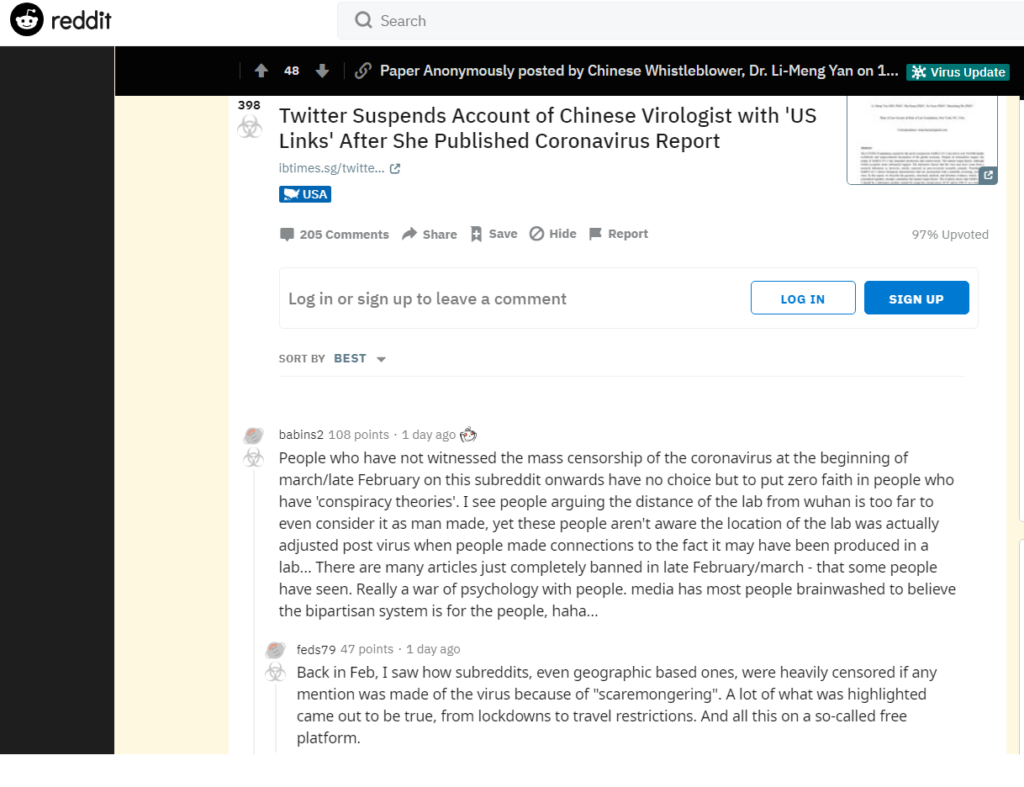
A recent Reddit page

The alternative theory that the virus may have come from a research laboratory is, however, strictly censored on peer-reviewed scientific journals. Nonetheless, SARS-CoV-2 shows biological characteristics that are inconsistent with a naturally occurring, zoonotic virus.

Dr. Li-Meng Yan, one of the key authors of the report has been labeled as a whistle blower by Western media.

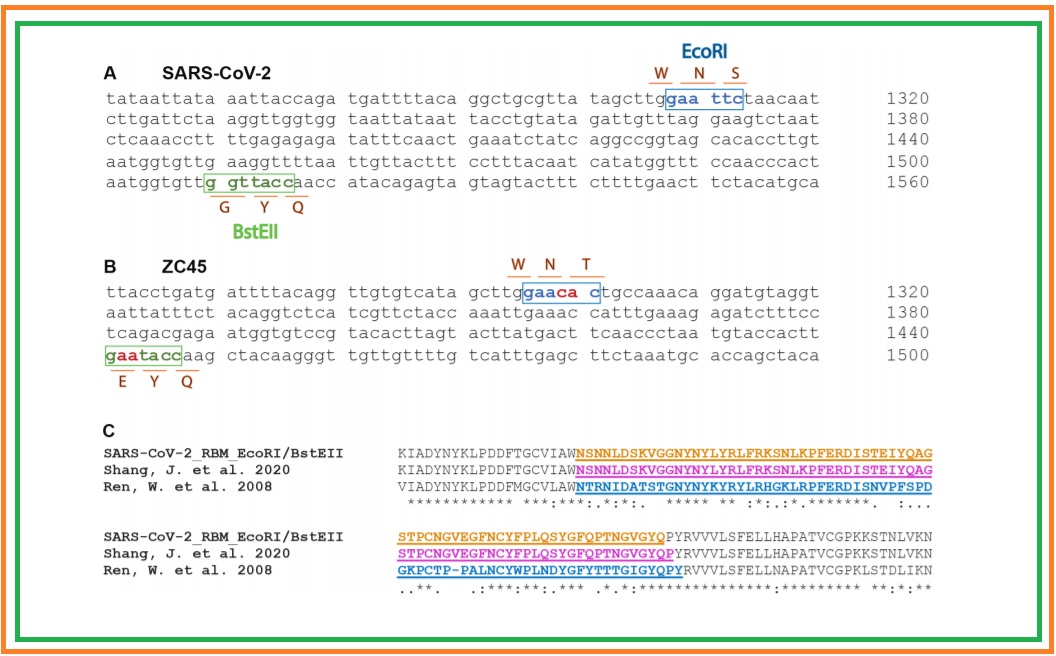
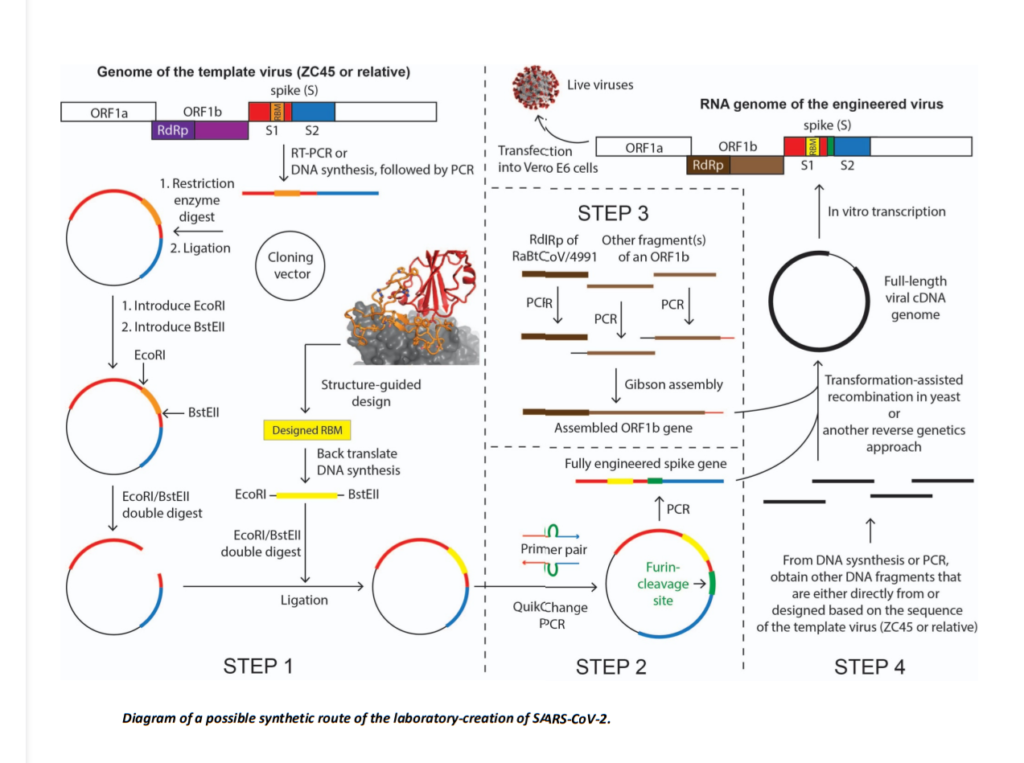
In this report, the authors describe the genomic, structural, medical, and literature evidence, which, when considered together, strongly contradicts the natural origin theory. The evidence shows that SARS-CoV2 should be a laboratory product created by using bat coronaviruses ZC45 and/or ZXC21 as a template and/or backbone. Building upon the evidence, we further postulate a synthetic route for SARS-CoV-2, demonstrating that the laboratory-creation of this coronavirus is convenient and can be accomplished in approximately six months.

Our work emphasizes the need for an independent investigation into the relevant research laboratories. It also argues for a critical look into certain recently published data, which, albeit problematic, was used to support and claim a natural origin of SARS-CoV-2.

From a public health perspective, these actions are necessary as knowledge of the origin of SARS-CoV-2 and of how the virus entered the human population are of pivotal importance in the fundamental control of the COVID-19 pandemic as well as in preventing similar, future pandemics.

Introduction

COVID-19 has caused a world-wide pandemic, the scale and severity of which are unprecedented. Despite the tremendous efforts taken by the global community, management and control of this pandemic remains difficult and challenging. As a coronavirus, SARS-CoV-2 differs significantly from other respiratory and/or zoonotic viruses: it attacks multiple organs; it is capable of undergoing a long period of asymptomatic infection; it is highly transmissible and significantly lethal in high-risk populations; it is well-adapted to humans since the very start of its emergence ; it is highly efficient in binding the human ACE2 receptor (hACE2), the affinity of which is greater than that associated with the ACE2 of any other potential host.

The origin of SARS-CoV-2 is still the subject of much debate.

A widely cited Nature Medicine publication has claimed that SARS-CoV-2 most likely came from nature. However, the article and its central conclusion are now being challenged by scientists from all over the world.

Continuing Reading The Full Paper

Click here to continuing reading and for citation listings. Li-Meng Yan (MD, PhD) , Shu Kang (PhD) , Jie Guan (PhD) , Shanchang Hu (PhD) & Rule of Law Society & Rule of Law Foundation, New York, NY, USA.