Tag Archives: orbit

The Space Fence Safeguard

Space FenceLockheed Martin Space Fence Tracks Over 25,000 Orbiting Objects
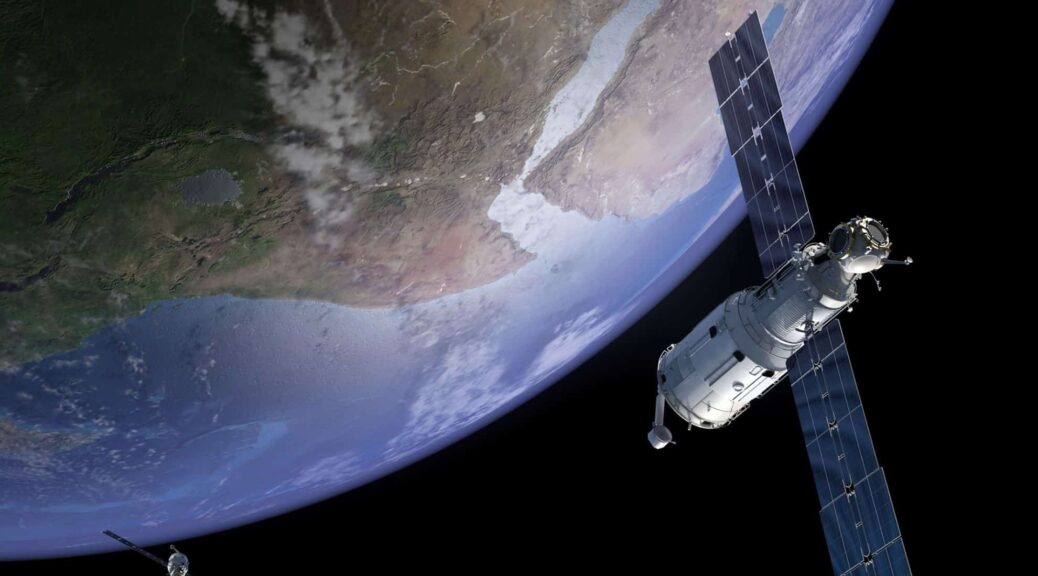
Lockheed Martin continues refining its technology solution for Space Fence, a program that revamps the way the U.S. Air Force & U.S. Space Force identifies and tracks objects in space. The U.S. Air Force selected Lockheed Martin in 2015 to build a $USD 914 million / CAD $1.25 billion   Space Fence Radar to Safeguard Space Resources.

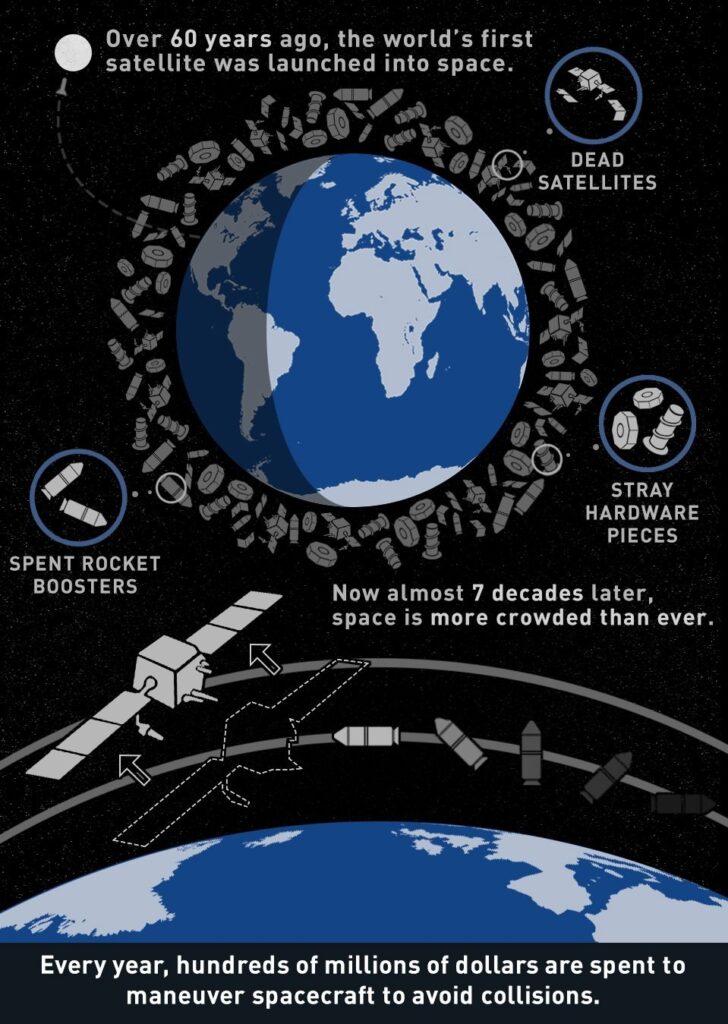
Lockheed Martin’s Space Fence solution, an advanced ground-based radar system, enhances the way the U.S. detects catalogs and measures more than 200,000 orbiting objects and tracks over 25,000 orbiting objects. With better timeliness and improved surveillance coverage, the system protects space assets against potential crashes that can intensify the debris problem in space.

“Space Fence locates and track space objects with more precision than ever before to help the Air Force transform space situational awareness from being reactive to predictive.”

Lockheed Martin delivered up to two advanced S-Band phased array radars for the Space Fence program. The Space Fence radar system greatly improves Space Situational Awareness of the existing Space Surveillance Network.

That's a LOT to track! [CP]
There is a lot to track and growing space debris every year.
Construction of the new Space Fence system on Kwajalein Atoll in the Marshall Islands began in February 2015 to meet the program’s 2018 initial operational capability goal. With more than 400 operational S-band arrays deployed worldwide, Lockheed Martin is a leader in S-band radar operation. The Lockheed Martin led team, which includes General Dynamics and AMEC, has decades of collective experience in space-related programs.

Headquartered in Bethesda, Maryland, Lockheed Martin is a global security and aerospace company that employs approximately 113,000 people worldwide and is principally engaged in the research, design, development, manufacture, integration and sustainment of advanced technology systems, products and services.

On 16 December 2002, US President George W. Bush signed National Security Presidential Directive which outlined a plan to begin deployment of operational ballistic missile defense systems by 2004.

The following day the US formally requested from the UK and Denmark use of facilities in RAF Fylingdales, England and Thule, Greenland respectively, as a part of the NMD Program.

The administration continued to push the program, despite highly publicized but not unexpected trial-and-error technical failures during development and over the objections of some scientists who opposed it. The projected cost of the program for the years 2004 to 2009 was 53 billion US dollars/ 72.2 billion CAD dollars, making it the largest single line in The Pentagon’s budget. For the Silo, George Filer.

A Contraband Sandwich In A Spacesuit

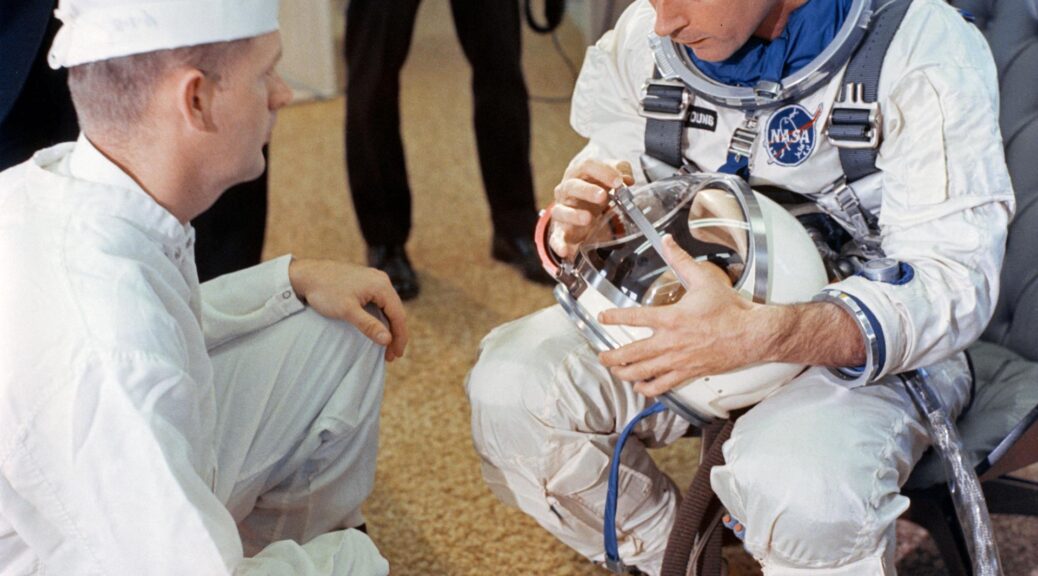
“I hid a sandwich in my spacesuit,” Astronaut John W. Young confessed in the April 2, 1965, issue of Life Magazine. The conversation about and the consumption of the sandwich, which lasted only about 30 seconds during the Gemini III flight, became a serious matter that drew the ire of Congress and NASA’s administrator after the crew returned home. Congress was particularly upset and brought the matter to leadership’s attention at hearings about NASA’s 1966 budget. Representative George E. Shipley was especially disgusted, knowing how much money and time NASA had spent to prepare the Gemini III spacecraft for launch. The fact that a crewmember brought something into the crew cabin, which Shipley likened to a “surgeon’s operating room,” put the techniques used to prevent a spaceflight mission from failing at risk; crumbs could have made their way behind instrument panels interfering with the operation of flight equipment and the loss of the mission and its crew. Shipley called Young’s antics “foolish” and asked NASA leaders to share their thoughts.

A Beef with Corned Beef

George Mueller, associate administrator for Manned Space Flight, stated unequivocally that the agency did not “approve [of] unauthorized objects such as sandwiches going on board the spacecraft.” And he promised Shipley that NASA has “taken steps, obviously, to prevent recurrence of corned beef sandwiches in future flights. There was no detriment to the experimental program that was carried on, nor was there any detriment to the actual carrying out of the mission because of the ingestion of the sandwich.” Manned Spacecraft Center Director Robert R. Gilruth was more forgiving of Young’s decision. These sort of antics, he told the committee, helped the crews to “break up the strain” of spaceflight, and he hesitated “to be too strict in the future by laying down a lot of rules for men who have this responsibility and who, in all the flights so far, have done such good jobs.” Webb disagreed and said, “this is the United States of America’s space program and, as a matter of policy, we are not going to permit individuals to superimpose their judgment as to what is going to be taken on these flights. I think it is fine for Dr. Gilruth to take a very strong position with respect to the individuality of these men, but from those of us who have to look at the totality of the matter, this was not an adequate performance by an astronaut.”

The loss of a Gemini mission, especially one so early in the program, would have been particularly challenging for an agency attempting to land humans on the Moon where each mission built on the previous flight. The United States was in a race with the Soviet Union, and for Congress at least, the purpose of Gemini and the cost of the space program was far too serious for these sorts of fun and games. For NASA Administrator James Webb, it was a sign that Gilruth was too lax when it came to managing his astronauts. Gemini III was just one example of the lack of control he noticed, and he pressed Gilruth for a report on the sandwich incident to determine if Young should be disciplined or at the very least reprimanded.

The In-Flight Meal

Young hatched the idea during training, when his commander, Virgil I. “Gus” Grissom grew “bored” with the food they practiced with for the mission. Grissom regularly complained about the dehydrated “delicacies” food scientists concocted. Bringing a sandwich onboard, an item that was freshly made and did not have to be rehydrated, “seemed like a fun idea at the time” to Young.

Grissom and Young inside the Gemini III spacecraft

Astronauts Gus Grissom (foreground), command pilot; and John Young, pilot, are shown inside their Gemini III spacecraft as they prepared for their launch from Cape Kennedy, Florida, on March 23, 1965.

NASA

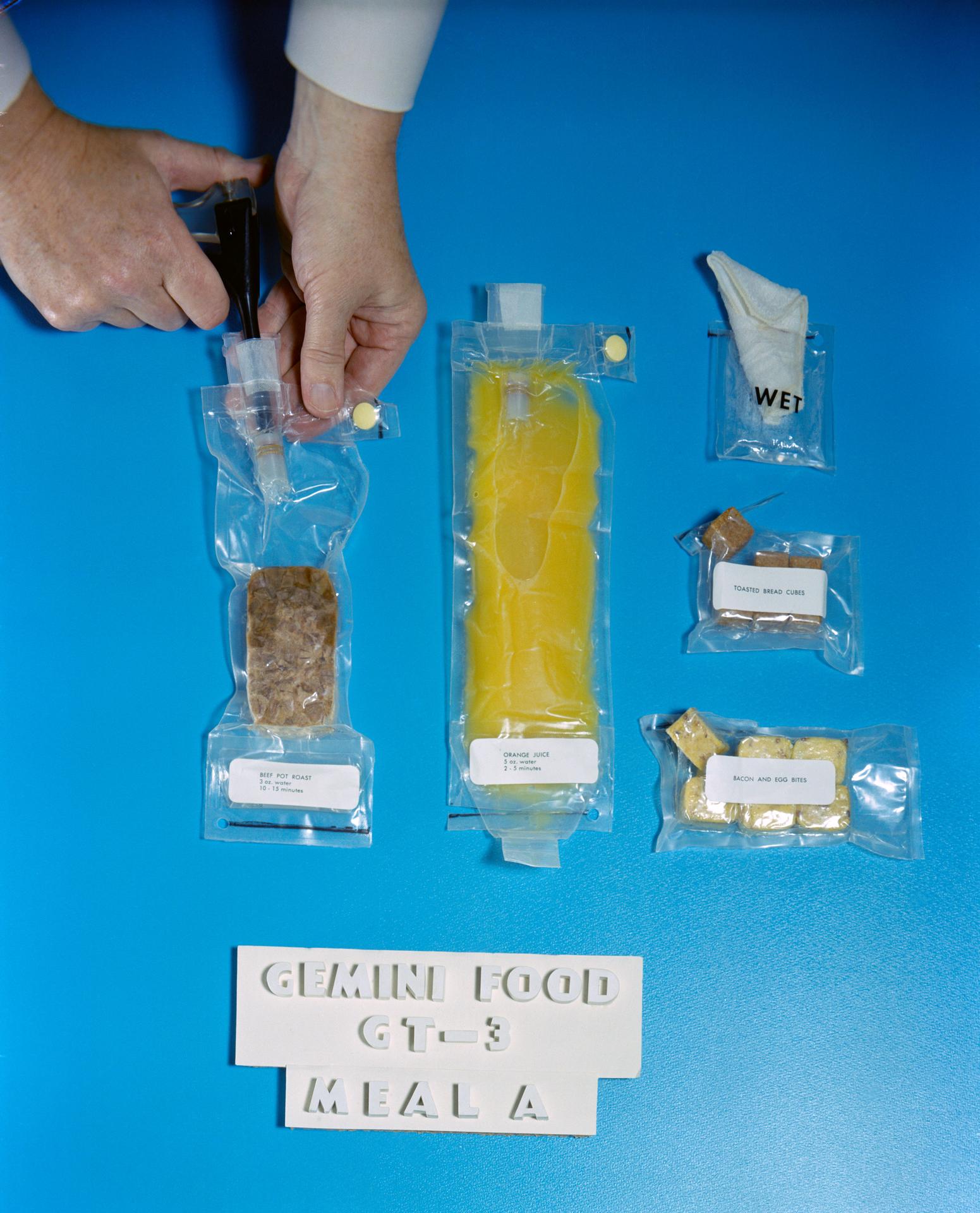
One of the goals of their flight was to evaluate NASA’s flight food packaging and whether the containers leaked when foods were reconstituted, as well as the procedures for disposing of the meal and its packaging after eating. Foods included rehydratable items such as chicken bites, applesauce, or drinks, and compressed foods such as brownie bites. The Gemini food system was not haute cuisine, however, and crews complained about its taste. Young described the chicken bites as “barely edible” in his post-flight debriefing. Don L. Lind, a scientist-astronaut selected in 1967, described the early Gemini food as “strange.” Their class took some to jungle survival training in Panama, and while no one wanted to eat it on the first two days, by the third day they were so hungry that they were willing to give it a try. Another problem was that all rehydrated meals for Gemini were mixed with cold water, which made them less appetizing than a hot meal.

An array of food items in clear plastic packaging is shown on a blue background

Food packets planned for the Gemini III flight, including dehydrated beef pot roast, bacon and egg bites, toasted bread cubes, orange juice and a wet wipe. The astronaut’s method for rehydrating a pouch of dehydrated food with water is shown in the top left.

Locally Made Corn Beef Sandwich

A freshly made corned beef sandwich made at a local restaurant sounded like a better option, so Young had fellow astronaut and backup command pilot Walter M. “Wally” Schirra pick one up. Schirra purchased the sandwich for Young, and as he headed out to the launchpad, Young put it in the pocket of his pressure suit.

Nearly two hours into the flight, as Young started his food and waste evaluation, he pulled out the sandwich from his suit and offered it to his commander. As captured on the air-to-ground recordings, Grissom asked what it was and where it came from. “I brought it with me,” Young responded, “Let’s see how it tastes.” He didn’t expect the sandwich to be so pungent, “Smells, doesn’t it?” Grissom took a bite but found the rye crumbled so he placed the sandwich in his suit pocket to prevent the crumbs from floating about the cabin.

Where did that come from?

Gus Grissom

Gus Grissom

Gemini III Commander

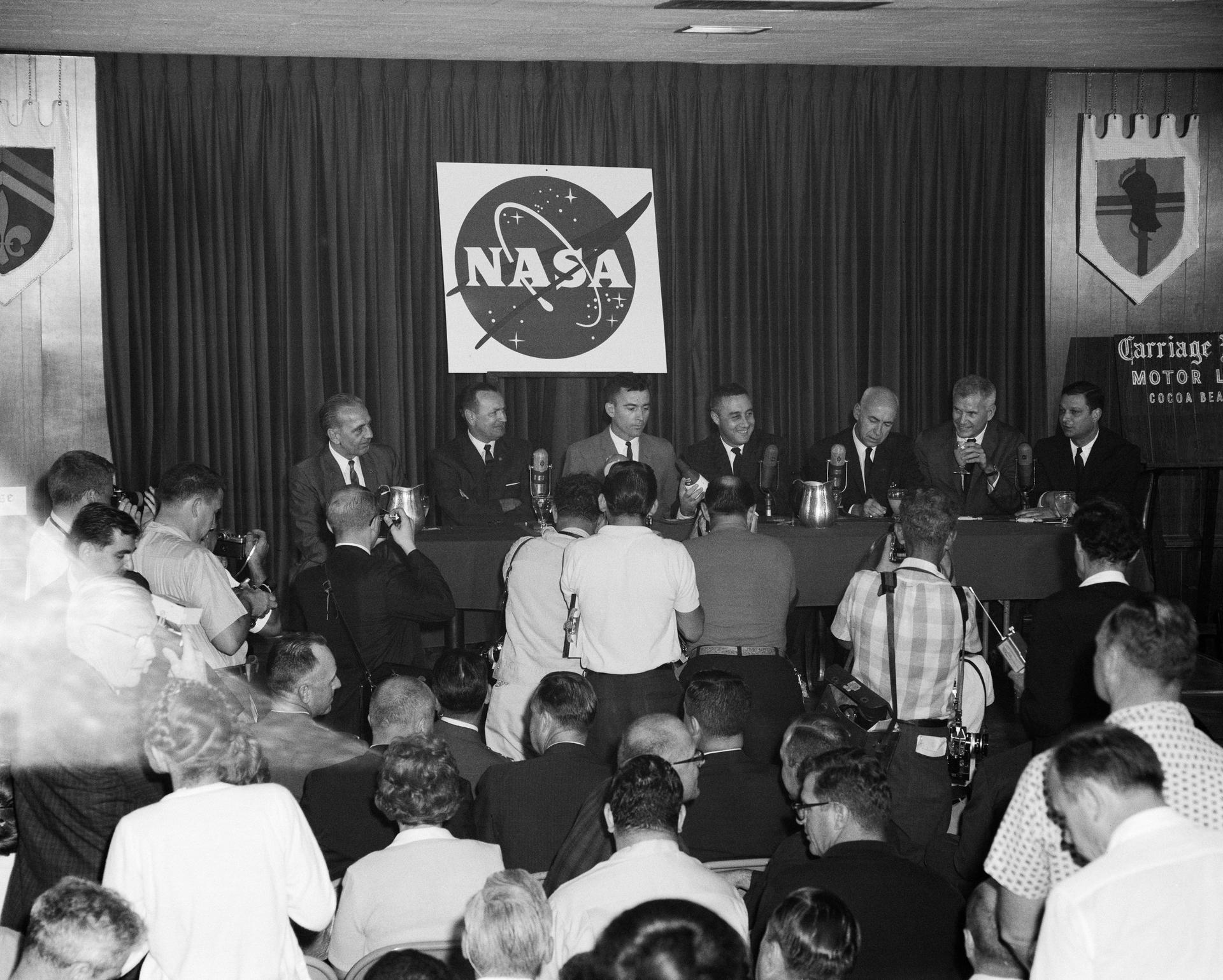
Two days later, nearly a thousand members of the media from the United States and around the world gathered to hear from the crew and NASA management at the postflight press conference at the Carriage House Motel in Cocoa Beach, Florida. Space reporter Bill Hines asked Young about the sandwich, erroneously referring to it as a “baloney sandwich,” and what happened when Gus was offered a taste. “And,” he asked, “what became of the sandwich?” Young seemed surprised, “How did you find out about that?” and then laughed adding Grissom “ate the sandwich.”

Gemini III press news conference

John Young and Gus Grissom speak with the press about the Gemini III mission during a news conference at the Carriage House Motel in Florida. Behind the table, left to right, are Dr. Kurt H. Debus, director of Kennedy Space Center, Christopher C. Kraft, Jr., MSC assistant director for Flight Operations, astronauts John Young and Gus Grissom, Dr. Robert R. Gilruth, MSC director, Dr. Robert C. Seamans, NASA associate administrator, and Julian Scheer, assistant administrator for NASA’s Office of Public Affairs.

Carry-on Restrictions for Spaceflights

Ironically the Gemini Program offered astronauts more control over their flights than during Project Mercury, including the ability to maneuver their spacecraft and to be more independent from Mission Control; but the uproar over this event led NASA to draft rules about what astronauts could and could not take onboard a spacecraft. Starting with Gemini IV, flight crews had to present a list of items they planned to take on their missions. Prohibited items naturally included sandwiches as well as bulky or heavy items or metal that could negatively impact the operation of spacecraft equipment. (NASA still allowed astronauts to take personal items such as wedding bands or coins for families and friends in their personal preference kit.)

Young never received a formal reprimand for the incident but was made aware of Congress’s frustration. Others in the corps were advised to avoid similar stunts and to focus on the mission. The decision to bring a sandwich onboard did not have a negative impact on Young’s career. He was the first astronaut to fly to space six times —two Gemini missions; two Apollo missions, including the dress rehearsal for the first lunar landing; and two space shuttle missions including STS-1, known as the bravest test flight in history. He also served as chief of the Astronaut Office for 13 years.

For the Silo,

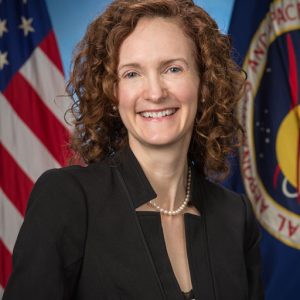
The headshot image of Jennifer Ross-Nazzal

Jennifer Ross-Nazzal. NASA Human Spaceflight Historian

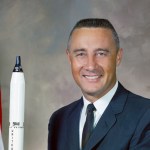
Featured image- Astronaut John W. Young, the pilot for Gemini III, checks over his helmet prior to flight. Credits: NASA

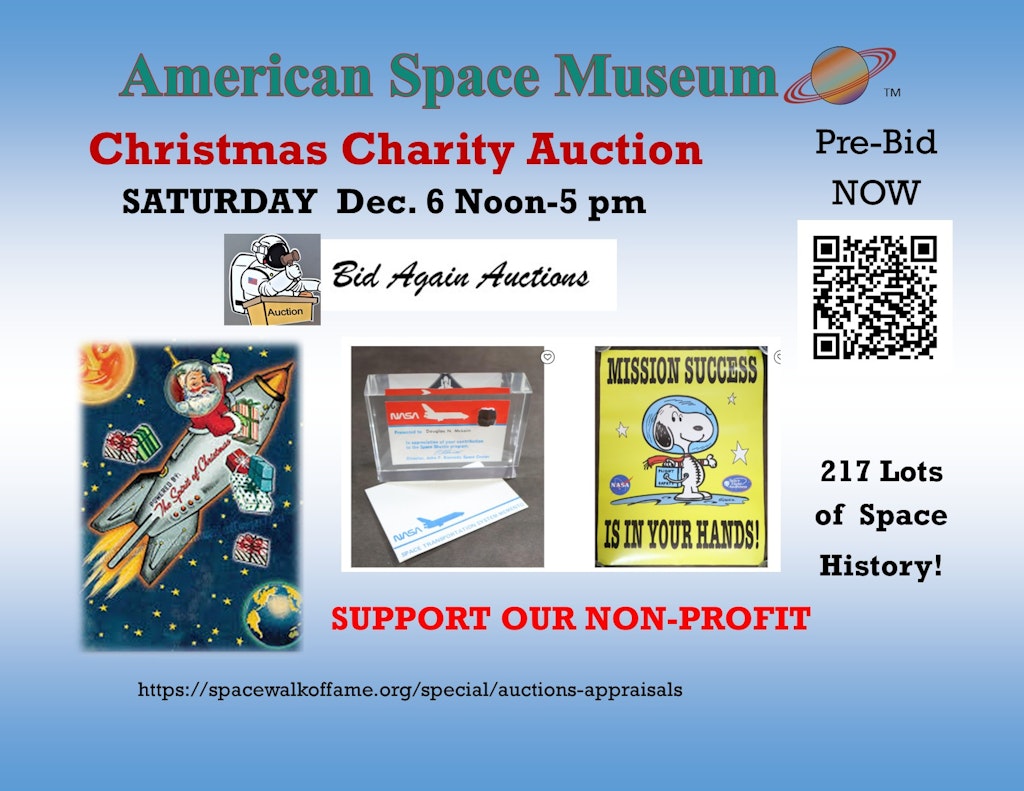
Annual NASA Christmas Space Memorabilia Auction

coming soon- NASA CHRISTMAS
SPACE MEMORABILIA AUCTIONIS SATURDAY, DEC. 6TH
PLACE BIDS VIRTUALLY AT NOON EST
Our friends at Bid Again Auctions of Orlando have more than 200 lots of holiday cheer for that space lover on your gift list at the Saturday, Dec. 6th virtual “NASA Christmas 2025 Space Memorabilia Auction,” a charity fundraiser for the American Space Museum in Downtown Titusville, Florida. 

Pre-bids are being taken now on this rich collection of space items.  The final hammer falls beginning at 12 noon EST on Dec. 6. The 217 lots range from a rich collection of authentic moonwalker autographs to NASA photographs to real Space Shuttle Thermal Protection Tile.  There are dozens of lots with space flown hardware, and even insulation “Kapton foil” flown to the Moon and back covering the Apollo Command Modules. 

Auctioneer Chuck Jeffery, and ASM’s collection analyst, had hand-picked some amazing artifacts of the space age that will satisfy any collector at any level.   
These auctions support the non-profit museum with an added charity fee of 20% that is the bidders in-kind donation to the U.S. Space Walk of Fame Foundation.   
This is the 41st American Space Museum Charity Space Memorabilia Auction conducted by Bid Again Auctions. For the Silo, Jarrod Barker.

Questions about auction items? Call Bid Again Auctions at: (407) 947-8954 or email: [email protected]. Click on the text block below to preview all auction lots.

Featured image Original Apollo 11 color film negative highlighting Buzz Aldrin walking on the Moon. Available via the auction.

Canadian Company To Help Astronauts Return To Moon In 2026

ALUULA Composites, super-strong, lightweight polyethylene material is now being used to develop expandable habitats for NASA’s astronauts to live safely and comfortably on the moon for the 2027 planned landing. 

This small company on Canada’s west coast is playing a big role to help astronauts return and orbit the moon in 2026.

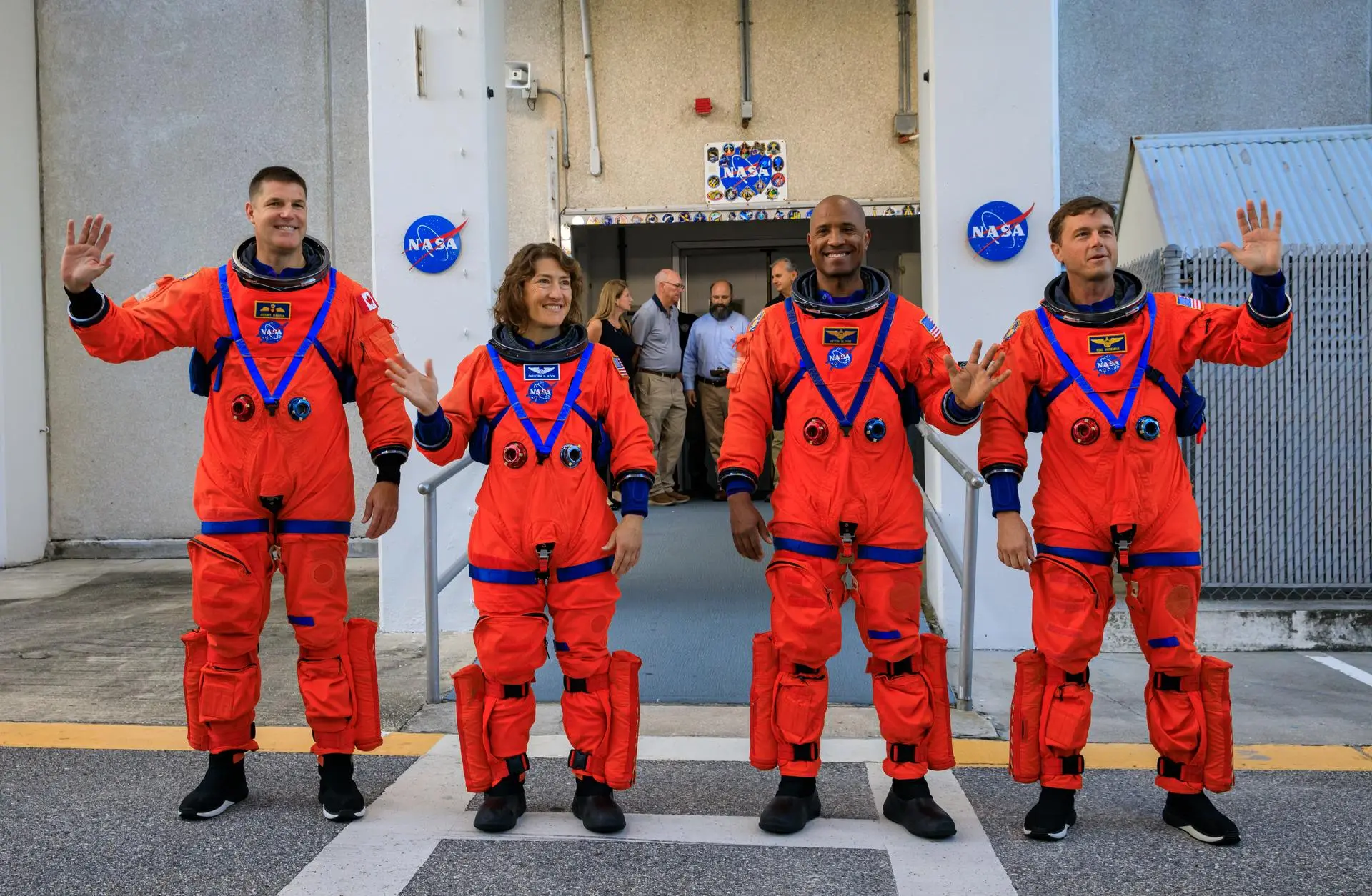
Artemis II crew members (from left) CSA (Canadian Space Agency) astronaut Jeremy Hansen, and NASA astronauts Christina Koch, Victor Glover, and Reid Wiseman walk out of Astronaut Crew Quarters inside the Neil Armstrong Operations and Checkout Building to the Artemis crew transportation vehicles prior to traveling to Launch Pad 39B as part of an integrated ground systems test at Kennedy Space Center in Florida photo: NASA

ALUULA Composites recently signed an agreement with Max Space, an American company, to use its innovative composite material to build space habitats on the moon. The company’s ultra-high-molecular-weight polyethylene (UHMWPE) laminate will be used to create a large living and working area for NASA’s astronauts when they return to the moon in September 2026. 

The innovative material was selected because it has eight times the strength-to-weight ratio of steel and is extremely durable, which is ideal for space travel.

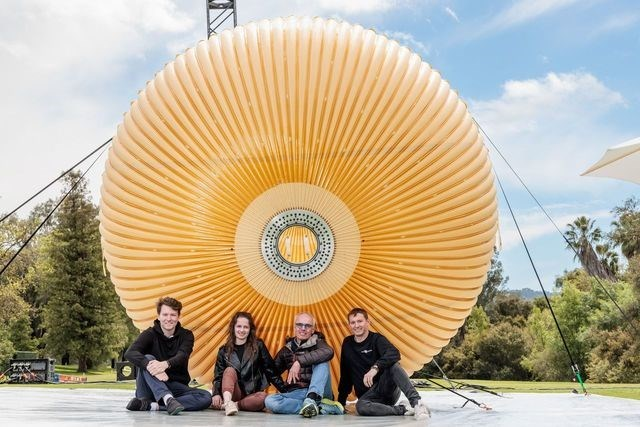
The Max Space team with their new expandable space habitat. photo: Max Space

The first Max Space inflatable space habitat is slated to launch with SpaceX in 2026. The Max Space inflatables can be delivered into space in very small packages and then unfolded and expanded to create a much larger work space. For the Silo, Paul Clarke.

Last And Largest Supermoon of 2024 Is Nearly Here

The full Hunter’s Moon—a moon known for its extra-bountiful glow in autumn, one that traditionally helped hunters harvest venison into the late evening, before the winter freeze—will rise on Oct. 17. It will loom larger and brighter than ever. The reason?

It will be a supermoon. But not just any supermoon.

The Hunter’s Moon this October will be the biggest supermoon of the year, the fourth and final one of 2024.

How the Hunter’s Moon Got Its Name

Both Colonial Americans and Canadian Settlers once had to hunt to fill their stores before settling into their lodges for the winter. To this end, they would hunt late into the evening while deer and other large game were easy to spot in the open stubble fields after the harvest.

These night hunts were assisted by moonlight from October’s full moon, which mysteriously rose sooner than expected and loomed larger than was typical. It was as if it provided light specifically for their hunting.

What looked like a helping hand from the full moon gave rise to its traditional name: the Hunter’s Moon.

This year, the Hunter’s Moon falls on Oct. 17, reaching peak illumination at exactly 7:26 a.m. EDT. It will be below the horizon for stargazers here in Canada and the rest of North America at that time. But at sunset that evening you can look eastward and find it still quite full, as it will seem the following evening, on Oct. 18, and the evening prior, on Oct. 16. Moons don’t change their cycles on a dime.

It Will Be a ‘Supermoon’

Similar to September’s huge Harvest Moon, October’s full moon will be a supermoon. It will appear larger and will be closer to the Earth than usual, which happens because the moon’s distance from Earth isn’t fixed. Our largest natural satellite travels along an oval-shaped orbit, so sometimes it’s nearer and other times further away.

Full Harvest Moon to Fall in September Will Be a Supermoon—Here’s Why It Will Loom Gigantic

Scientists Have Confirmed Cave on Moon That Could Be Used to Shelter Future Explorers

When a full moon occurs near the point closest to Earth along said orbit, a point called the perigee, a supermoon results. This occurred in September’s Harvest Moon and will happen again for October’s Hunter’s Moon, making it the fourth and final supermoon of the year; the largest in 2024.

The Hunter's Moon traditionally follows the Harvest Moon. (Shutterstock/Harry L/Richard OD)
The Hunter’s Moon traditionally follows the Harvest Moon. Shutterstock/Harry L/Richard OD

On Oct. 16, perigee will be reached. At exactly 8:57 p.m. EDT, the moon will be 222,055 miles from Earth, roughly 17,000 miles nearer than average. Not 12 hours later, the full moon will fall. Supermoons can loom 7 percent larger than normal, though human eyes can’t usually tell. It’ll also shine slightly brighter.

Facts And Folklore of Autumn Full Moons

As full moons go, autumn’s are famously big. Supermoon or no supermoon, farmers have long relied on fall full moons for moonlight when working late to bring harvests in before the frost. Folklore says these moons are larger and even seem to forestall their departure mysteriously, as if gracing the harvest with extra illumination.

The “Hunter’s Moon” usually falls in October, but not always. Full moons in September, October, and November sometimes swap names. Harvest Moon always denotes the moon closest to the equinox (the first day of fall) and usually falls in September, and so, they are most commonly in September. But every so often, October’s full moon is closest to the equinox (which is in late September) and thus assumes the title Harvest Moon. When that happens, the Hunter’s Moon gets bumped into November.

Swapping names is unusual for full moons; they don’t follow that tradition in other months. April’s Pink Moon and June’s Strawberry Moon don’t shift, nor do moons of other months. Furthermore, most moon names denote the month’s entire lunar cycle, whereas the Harvest Moon and Hunter’s Moon denote just the full moon event.

Colonial Americans traditionally hunted after the autumn harvest to fill their stores for the winter months. (Shutterstock/Maciej Pawlik)
Colonial Americans traditionally hunted after the autumn harvest to fill their stores for the winter months. Shutterstock/Maciej Pawlik

Autumn moons loom larger than usual, too. Astronomers say this is just an optical illusion. Autumn moons often appear near the horizon because the moon’s arc is so affected by Earth’s axial tilt during the equinox. They may seem larger when viewed next to terrestrial foreground objects like trees or buildings. The psychological impact this has makes the moon look grander.

It’s just an illusion, though—the “moon illusion.”

But there’s more to the equinox than smoke and mirrors. Some of the strangeness is real, as autumn moons follow a perplexing schedule. On average, throughout the year, the moon rises 50 minutes later each night as its orbit carries it steadily eastward. But around the equinox, it may rise as few as 23 minutes later. This boon to farmers is no illusion.

Astronomers twist their tongues to explain it.

The Old Farmer’s Almanac says it’s because the moon’s arc has its greatest northerly component during fall and is thus at its longest. Now traveling rapidly northward, it appears to rise sooner than expected, and all the more so the further north you go.

All together—the Hunter’s Moon, the extra moonlight, the equinox, the moon illusion, and the largest supermoon of 2024—it seems we’re in for a sublime lunar spectacle. There’s a chill in the air. So grab your fall coat for an evening under the warm glow of the Hunter’s Moon. For the Silo, Michael Wing.

Featured image- Designed by friends at The Epoch Times Shutterstock/solepsizm/Richard OD/Harry L

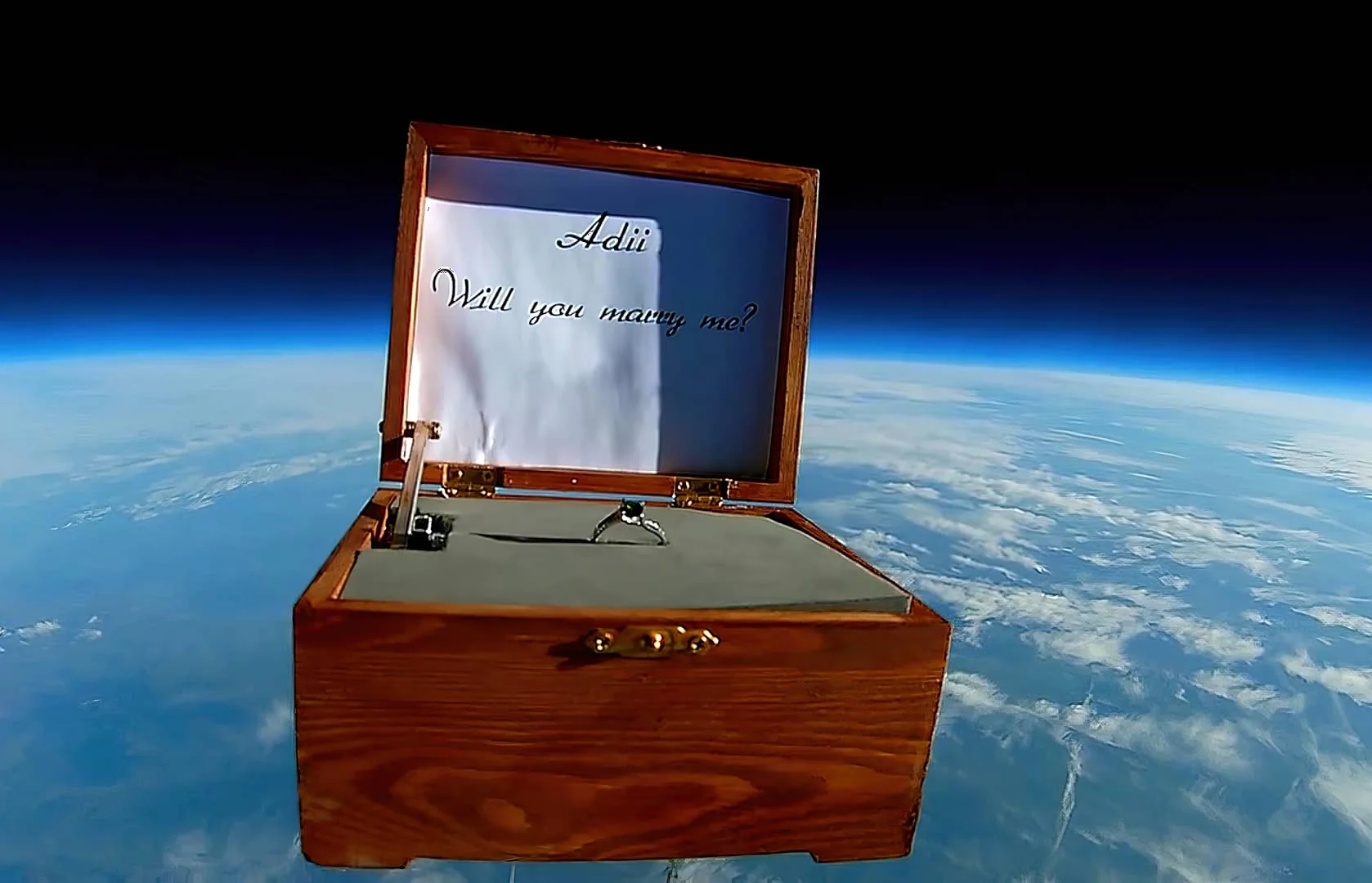
Will You Marry Me? In Space?

A romantic restaurant opens in Outer Space Starting from 2025, it will be possible to propose during an intimate dinner in space. On board a space capsule lifted by a stratospheric balloon, lovers will have the opportunity to savor an exceptional meal prepared by a French Michelin-starred chef and served by an AI-powered robot.
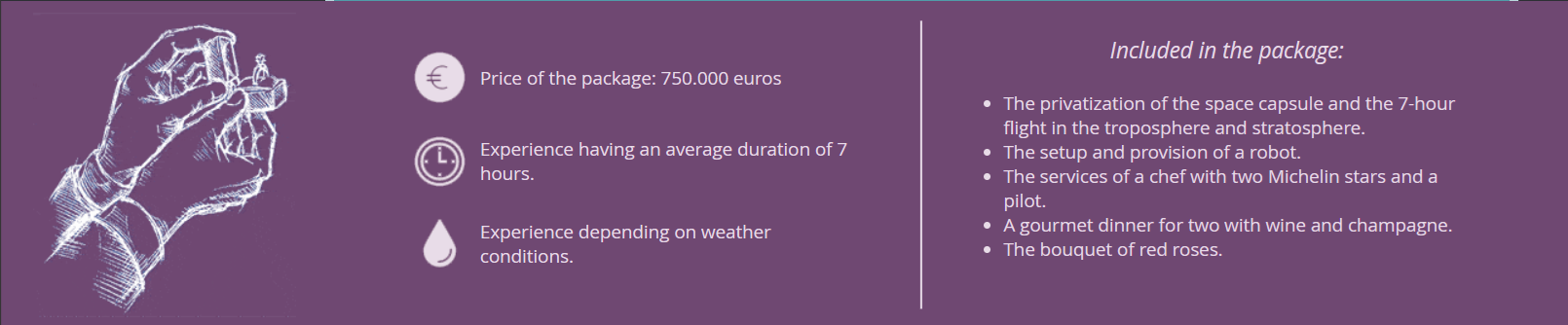
The agency ApoteoSurprise, specialized in orchestrating extravagant marriage proposals in Paris, is launching a brand-new service priced at 750,000 euros/ $1.1 million cad, allowing the romantics of tomorrow to ask for their beloved’s hand at an altitude of 35 kilometers. Upon their arrival at the spaceport, a pilot will welcome the couple and invite them to board a spherical and futuristic space capsule equipped with top-notch amenities for their comfort. In the center of the cabin, a table will be elegantly set, reminiscent of the most refined Parisian restaurants. The lovers will be introduced to StellarEmbrace, the robot that ApoteoSurprise developed in collaboration with a British startup. Equipped with artificial intelligence, the robot will adapt to the emotions and desires of the couple, providing a truly unique interaction. From the moment they meet, StellarEmbrace will address the young woman by her name and, presenting her with a bouquet of roses, announce that a gourmet dinner for two in space awaits. Lifted by a helium-inflated stratospheric balloon, the pressurized capsule will then embark on a peaceful two-hour ascent, offering breathtaking 360° views of our planet through its immense windows. At an altitude of 35 kilometers, the space module will be above 99% of Earth’s atmosphere, allowing the couple to gaze at the curvature of the Earth, its blue halo, and the total darkness of space. Like only 600 astronauts before them, the lovers will experience the overview effect, a cognitive shift that will redefine their view of the world and connect them to all of humanity. The woman and her partner will take their seats at the table, and for three hours, the robot will serve them a five-course gourmet dinner with wines and champagne specially crafted for the occasion by a renowned French chef with two Michelin stars. A carefully selected playlist will accompany the culinary experience, featuring iconic tracks such as “Space Oddity” (David Bowie), “Across the Universe” (The Beatles), or “Walking on the Moon” (Police). Just before dessert, StellarEmbrace will playfully interrupt the tasting to inform the man that he has forgotten something important. The robot will promptly bring him a luminous box that a secret code will open. Suddenly, the suitor will remember the code and enter it. The box will split in two, revealing a luxurious case containing an engagement ring. The man will then propose to his beloved, sealing his love in the eternity of space. A little later, the capsule will begin its slow descent. After a two-hour journey, the betrothed will be back on Earth, discovering that the robot has recorded every moment of their voyage, from their arrival at the capsule to their tender farewells.
About ApoteoSurprise: ApoteoSurprise is a high-end agency specializing in the organization of spectacular marriage proposals in Paris. Founded in 2006 by the aeronautical engineer Nicolas Garreau, the company offers 30 turnkey proposal packages online. These include the appearance of Cinderella’s carriage with a magical slipper, a shower of 1000 roses covering a yacht during a dinner cruise, the sending of a messenger dove to one’s beloved, a limousine tour with a super-bright declaration of love displayed at the foot of the Eiffel Tower, and starting from 2027, a romantic voyage around the Moon. Available at prices ranging from 290 euros to 125 million euros, ApoteoSurprise’s extravagant engagements have enchanted over 2000 lovers in its 17 years of operation. This includes celebrities such as heads of state, Hollywood actors, television stars, or players from the FIFA World Cup.

2022 And NOT Another Year Closer To Private company Asteroid Mining

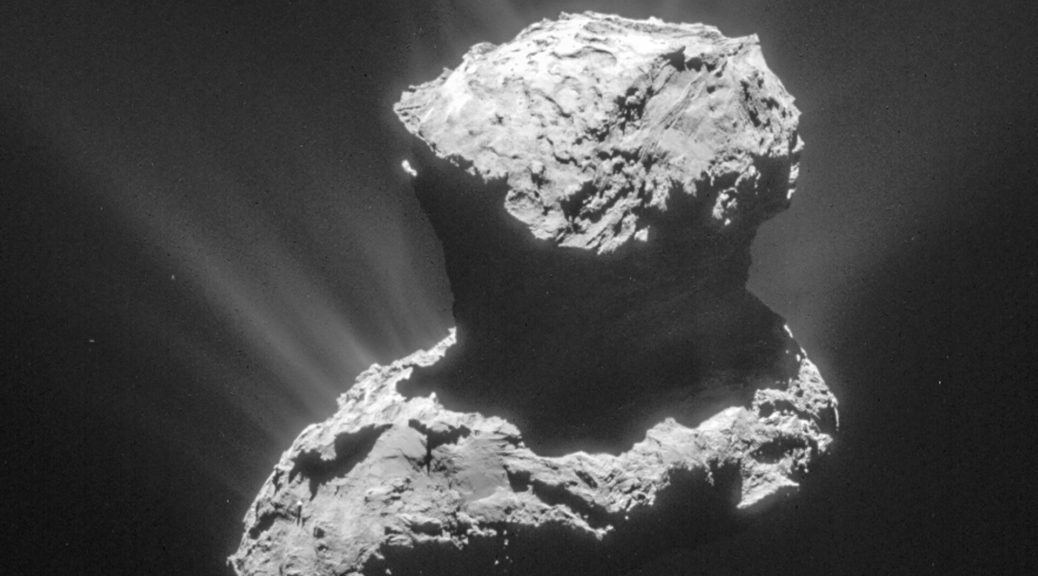
It’s been eight years since an historic landing took place between an European Space Agency drone and a comet.(which looked suspiciously a lot like an asteroid to us!)

At that time a report from Deep Space Industries laid out their business plans up to 2020 and what they had committed to  sounded more like science fiction than fact.

But it wasn’t and they’d already secured investors.

A 2019 announcement from NASA stating that it would be the National Space Administration in the lead instead ( NASA will soon begin hunting a nickel laden asteroid ) spoke volumes about not only the possibility of asteroid prospecting- but also to its inevitability in the private sector.

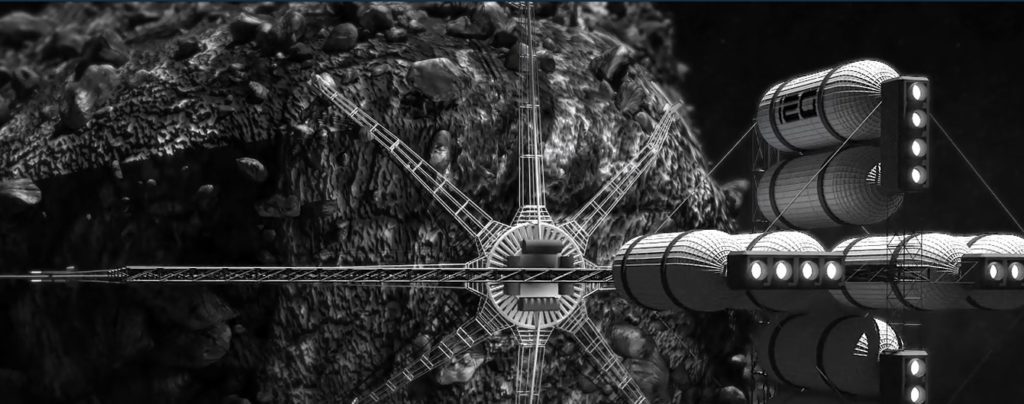
DSI concept of “coming soon” asteroid mining.

And yet, things have changed…..again.

In early 2020 Deep Space Industries (along with the only other asteroid mining company, Planetary Resources) were purchased by Bradford Space Group and ConsenSys Group respectively and all plans for private asteroid mining were shelved indefinitely. Deep Space Industries is now focused on developing space propulsion systems and ConsenSys is now focused on developing blockchain  security applications for space technology. 

What could have been- Deep Space Industries ambitious plan before the take over

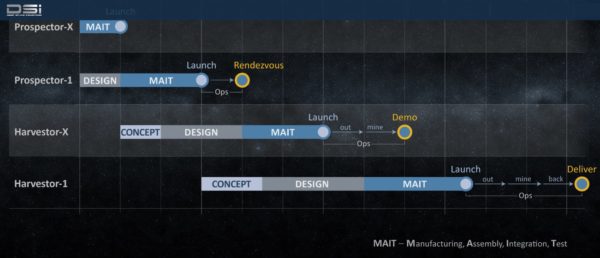
Their plan was to send an entire fleet of prospector spaceships to Near-Earth asteroids in order to harvest them for precious metals and other undisclosed resources. (space rubies anyone?). Starting in 2015, Deep Space Industries were to begin their operation by sending three small spacecraft called FireFlies to selected asteroids near earth for sample taking and photo reconnaissance. One year later, bigger craft called DragonFlies were to leave on four year missions to retrieve asteroid samples and bring them back to Earth. An ambitious project to be sure and not surprisingly, the timeline had been regularly pushed back.

dsi timeline mission planning

This press release from DSI said a precursor mission was scheduled to launch in 2017: “Recently, Deep Space Industries and its partner, the government of Luxembourg, announced plans to build and fly Prospector-X™, an experimental mission to low-Earth orbit that will test key technologies needed for low-cost exploration spacecraft. This precursor mission is scheduled to launch in 2017. Then, before the end of this decade, Prospector-1 will travel beyond Earth’s orbit to begin the first space mining exploration mission.”

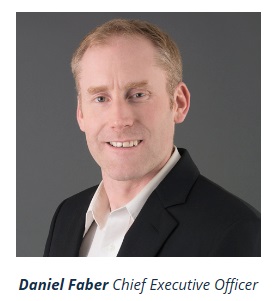
daniel faber ceo deep space industries

Valuable materials exist in abundance in space and have strong economic potential. Using their tested indicators as investment attractors, Deep Space will move towards securing a commercial space operation and start into the next phase of its business plan. This involves concentrating firstly on processing rocket fuel from asteroid-harvested water.

This fuel, harvested and processed in space will save millions of dollars, since existing communications satellites will no longer be ‘thrown away’ when their fuel supply has been used up. (Satellites that can longer ‘move’ and stay in orbit by using their rocket engines are left to slowly fall towards earth and burn up in the atmosphere ).

Deep Space Industries past-CEO David Gump estimated that a satellite ‘refueled’ and saved from burn up is worth up to $8,000,000 per month. Those figures start to add up when you factor in the number of satellites in use and being launched every year. Another plan during this phase of their business operations is to return precious group metals such as platinum and gold back to earth.

After all, if you’re splitting up asteroids and discover metal commodities, why not bring it back down to earth?

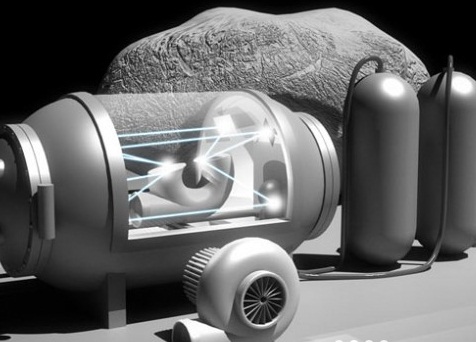
Deep Space believed that other metals harvested from asteroids also have an in-orbit value. They are developing the Microgravity Foundry- a type of 3D printer that will be used to fabricate and machine metal parts in space from pure asteroid metal such as high strength nickel parts.

Deep Space cgi mockup of their planned 3D space printer.

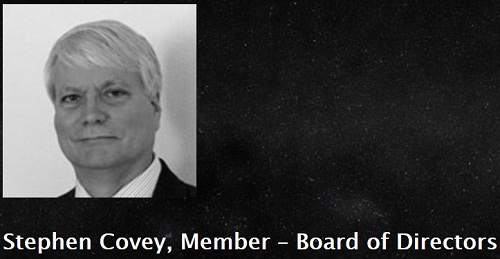
Since this factory will operate in space and in zero gravity and produce parts in space, the idea of permanent space development and human habitation is economically feasible. Stephen Covey co-founder of Deep Space Industries and inventor of the Microgravity Foundry process: “What’s cool about the [3D] printer is that it can take its own parts, grind them up, and recycle them into new parts.”

Stephen Covey- inventor of the Microgravity Foundry process

Deep Space Industries past-CEO David Gump: “Using resources harvested in space is the only way to afford permanent space development. More than 900 new asteroids that pass near Earth are discovered every year. They can be like the Iron Range of Minnesota was for the Detroit car industry last century- a key resource located near where it is needed. In this case, metals and fuel from asteroids can expand the in-space industries of this century. That is our strategy.” Company estimates place a value of 1 ton of raw asteroid material at a worth of $1,000,000 [usd] in orbit.

Buy outs over the last few years have all but ended the dream and it will be the various space agencies such as NASA and ESA that will fulfill Deep Space Industries abandoned plan. For the Silo, Jarrod Barker.

Supplemental: http://www.businessinsider.com/deep-space-industries-asteroid-mining-plans-2013-1#ixzz2Io8Qg8uc

Updates: Deep Space Industries aligns with Luxembourg Government, applauds space commercialization policy.

Mexican commercial space company MXSpace partners with Deep Space Industries.

NASA hunting nickel 16 Psyche asteroid worth quadrillions of dollars.