A feature about the evolution of AI written and composed by AI.
AI
Artificial Intelligence (AI) has become an integral part of our daily lives, influencing everything from how we interact with technology to how businesses operate. But where did it all begin? Let’s take a journey through the early days of AI, exploring the key milestones that have shaped this fascinating field.
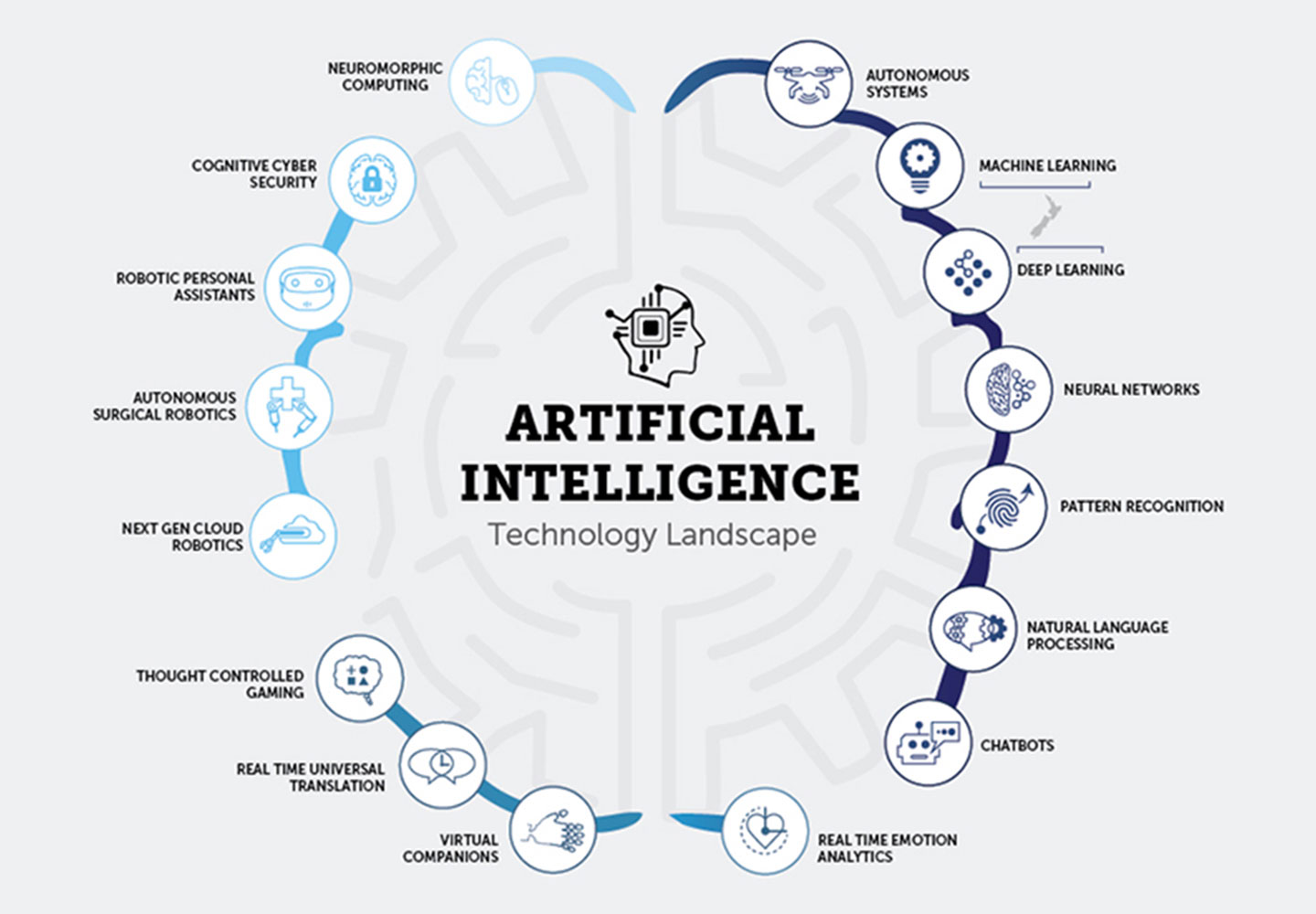
Today, AI is a rapidly evolving field with applications in various domains, including healthcare, finance, transportation, and entertainment. From virtual assistants like me, Microsoft Copilot, to autonomous vehicles and systems, AI continues to transform our world in profound ways.
A Copilot self generated image when queried “Show me what you look like”. CP
Conclusion
The journey of AI from its early conceptual stages to its current state is a testament to human ingenuity and perseverance. While the field has faced numerous challenges and setbacks, the progress made over the past few decades has been remarkable. As we look to the future, the potential for AI to further revolutionize our lives remains immense.
October, 2025 – Canada has world-class strength in AI research but continues to fall short in widespread adoption, according to a new report from the C.D. Howe Institute. On the heels of the federal government’s announcement of a new AI Strategy Task Force, the report highlights the urgent need to bridge the gap between research excellence and real-world adoption.
In “AI Is Not Rocket Science: Ideas for Achieving Liftoff in Canadian AI Adoption,” Kevin Leyton-Brown, Cinda Heeren, Joanna McGrenere, Raymond Ng, Margo Seltzer, Leonid Sigal, and Michiel van de Panne note that while Canada ranks second globally in top-tier AI researchers and first in the G7 for per capita publications, it is only 20th in AI adoption among OECD countries. “This matters for the economy as a whole, because such knowledge translation is a key vehicle for productivity growth,” the authors say. “It is terrible news, then, that Canada experienced almost no productivity growth in the last decade, compared with a rate 15 times higher in the United States.”
The authors argue that new approaches to knowledge translation are needed because AI is not “rocket science”: instead of focusing on a single industry sector, the discipline develops general-purpose technology that can be applied to almost anything. This makes it harder for Canadian firms to find the right expertise and for academics to sustain ties with industry. Existing approaches – funding academic research, directly subsidizing industry efforts through measures such as SR&ED and superclusters, and promoting partnerships through programs like Mitacs and NSERC Alliance – have not solved the problem.
Four ideas to help firms leverage Canadian academic strength to fuel their AI adoption include: a concierge service to match companies with experts, consulting tied to graduate student scholarships, “research trios” that link AI specialists with domain experts and industry, and a major expansion of AI training from basic literacy to dedicated degrees and continuing education. Drawing on their experiences at the University of British Columbia, the authors show how local initiatives are already bridging gaps between academia and industry – and argue these models should be scaled nationally.
“Canada’s unusual strength in AI research is an enormous asset, but it’s not going to translate into real-world productivity gains unless we find better ways to connect AI researchers and industrial players,” says Kevin Leyton-Brown, professor of computer science at the University of British Columbia and report co-author. “The challenge is not that AI is too complicated – it’s that it touches everything. That means new models of partnership, new incentives, and new approaches to education.”
AI Is Not Rocket Science- 4 Ideas in Detail
Idea 1: A Concierge Service for Matchmaking
We have seen that it is hard for industry partners to know who to contact when they want to learn more about AI. Conversely, it is at least as hard for AI experts to develop a broad enough understanding of the industry landscape to identify applications that would most benefit from their expertise. Given the potential gains to be had from increasing AI adoption across Canadian industry, nobody should be satisfied with the status quo.
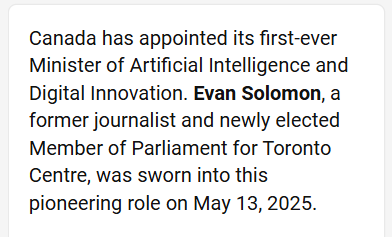
We argue that this issue is best addressed by a “concierge service” that industry could contact when seeking AI expertise. While matchmaking would still be challenging for the service itself, it could meet this challenge by employing staff who are trained in eliciting the AI needs of industry partners, who understand enough about AI research to navigate the jargon, and who proactively keep track of the specific expertise of AI researchers across a given jurisdiction. This is specialized work that not everyone could perform! However, many qualified candidates do exist (e.g., PhDs in the mathematical sciences or engineering). Such staff could be funded in a variety of different ways: for example, by an AI institute; a virtual national institute focused on a given application area; a university-level centre like UBC’s Centre for Artificial Intelligence Decision-making and Action (CAIDA); a nonprofit like Mitacs; a provincial ministry for jobs and economic growth; or the new federal ministry of Artificial Intelligence and Digital Innovation.
Having set up an organization that facilitates matchmaking, it could make sense for the same office to provide additional services that speed AI adoption, but that are not core strengths of academics. Some examples include project management, programming, AI-specific skills training and recruitment, and so on. Overall, such an organization could be funded by some combination of direct government support, direct cost recovery, and an overhead model that reinvests revenue from successful projects into new initiatives.
Idea 2: Consultancy in Exchange for Student Scholarships
Many businesses that would benefit from adopting AI do not need custom research projects and do not want to wait a year or more to solve their problems. The lowest-hanging fruit for Canadian AI adoption is ensuring that industry is well informed about potentially useful, off-the-shelf AI technologies. We thus propose a mechanism under which AI experts would provide limited, free consulting to local industry. AI experts would opt in to being on a list of available consultants. A few hours of advice would be free to each company, which would then have the option of co-paying for a limited amount of additional consulting, after which it would pay full freight if both parties wanted to continue. The company would own any intellectual property arising from these conversations, which would thus focus on ideas in the public domain. If the company wanted to access university-owned IP, it could shift to a different arrangement, such as a research contract. This system would work best given a concierge service like the one we just described. The value offered per consulting hour clearly depends on the quality of the academic–industry match, and some kind of vetting system would be needed to ensure the eligibility of industry participants.
Why would an AI expert sign up to give advice to industry? All but the best-funded Canadian faculty working in AI report that obtaining enough funding to support their graduate students is a major stressor. Attempting to establish connections with industry is hard work, and such efforts pay off only if the industry partner signs on the dotted line and matching funds are approved. There is thus space to appeal to faculty with a model in which they “earn” student scholarships for a fixed amount of consulting work. For example, faculty could be offered a one- semester scholarship for every eight hours set aside for meetings with industry, meaning that one weekly “industry office hour” would indefinitely fund two graduate students. Consulting opportunities could also be offered directly to postdoctoral fellows or senior (e.g., post-candidacy) PhD students in exchange for fellowships. In such cases, trainees should be required to pass an interview, certifying that they have both the technical and soft skills necessary to succeed in the consulting role. The concierge service could help decide which industry partners could be routed to PhD students and which need the scarcer consulting slots staffed by faculty members.
The system would offer many benefits. From the industry perspective, it would make it straightforward to get just an hour or two of advice. This might often be enough to allow the company to start taking action towards AI adoption: there is a rich ecosystem of high-performance, reliable, and open-source AI tools; often, the hard part is knowing what tool to use in what way. Beyond the value of the advice itself, consulting meetings offer a strong basis for building relationships between academics and industry representatives, in which the academic plays the role of a useful problem solver rather than of a cold-calling salesperson. These relationships could thus help to incubate Mitacs/Alliance-style projects when research problems of mutual interest emerge (though also see our idea below about how restructuring such projects could help further).
For academics, the system would constitute a new avenue for student funding that would reward each hour spent with a predictable amount of student support. Furthermore, it would offer scaffolded opportunities to deepen connections with industry. The system would come with no reporting requirements beyond logging the time spent on consulting. The faculty member would be free to use earned scholarships to support any student (regardless, for example, of the overlap between the student’s research and the topics of interest to companies), increasing flexibility over the Mitacs/Alliance system, in which specific students work with industry partners. Students who self-funded via consulting would learn valuable skills and would expand their professional networks, improving prospects for post-graduation employment.
Finally, the system would also offer multiple benefits from the government’s perspective. It would generate unusually high levels of industrial impact per dollar spent (consider the number of contact hours between academia and industry achieved per dollar under the funding models mentioned in Section 3). All money would furthermore go towards student training. The system would automatically allocate money where it is most useful, directing student funding to faculty who are both eager to take on students and relevant to industry, all without the overhead of a peer-review process. And it would generate detailed impact reports as a side effect of its operations, since each hour of industry–academia contact would need to be logged to count towards student funding.
Idea 3: Grants for Research Trios
Our third proposal is an approach for expanding the Mitacs/Alliance model to make it work better for AI. Industry–academia partnerships leverage two key kinds of expertise from the academic side: methodological know-how for solving problems and knowledge about the application domain used for formulating such problems in the first place. In fields for which the set of industry partners is relatively small and relatively stable, it makes sense to ask the same academics to develop both kinds of expertise. In very general-purpose domains like AI, it holds back progress to ask AI experts to become domain experts, too. Instead, it makes sense to seek domain knowledge from other academics who already have it. We thus propose a mechanism that would fund “research trios” rather than bilateral research pairings. Each trio would contain an AI expert, an academic domain expert, and an industry partner. This approach capitalizes on the fact that there is a huge pool of academic talent outside core AI with deep disciplinary knowledge and a passion for applying AI. While such researchers are typically not in a position to deeply understand cutting-edge AI methodologies, they are ideally suited to serve as a bridge between researchers focused on AI methodologies and Canadian industrial players seeking to achieve real-world productivity gains. In our experience at UBC, the pool of non-AI domain experts with an interest in applying AI is considerably larger than the pool of AI experts. One advantage of this model is that projects can be initiated by the larger population of domain experts, who are also more likely to have appropriate connections to industry. Beyond this, involving domain experts increases the likelihood that a project will succeed and gives industry partners more reason to trust the process while a solution is being developed. The model meets a growing need for funding researchers outside computer science for projects that involve AI, rather than concentrating AI funding within a group of specialists. At the same time, it avoids the pitfall of encouraging bandwagon-jumping “applied AI” projects that lack adequate grounding in modern AI practices. Finally, it not only transfers AI knowledge to industry, but also does the same to both the domain expert and their students.
Idea 4: Greatly Expanded AI Training
As AI permeates the economy, Canada will face an increasing need for AI expertise. Today, that training comes mostly in the form of computer science degrees. Just as computer science split off from mathematics in the 1960s, AI is emerging today as a discipline distinct from computer science. In part, this shift is taking the form of recognizing that not every AI graduate needs to learn topics that computer science rightly considers part of its core, such as software engineering, operating systems, computer architecture, user interface design, computer graphics, and so on. Conversely, the shift sees new topics as core to the discipline. Most fundamental is machine learning. Dedicated training in AI will require a deeper focus on the mathematical foundations of probability and statistics, building to advanced topics such as deep learning, reinforcement learning, machine learning theory, and so on. Various AI modalities also deserve separate study, such as computer vision, natural language processing, multiagent systems, robotics, and reasoning. Training in ethics, optional in most computer science programs, will become essential.
Beyond dedicated training in the core discipline, we anticipate huge demand for broad-audience AI literacy training; for AI minors to complement other disciplinary specializations; for continuing education and “micro-credential” programs; and for executive education in AI. There is also a growing need for “AI Adoption Facilitators”: bridge-builders who can help established workers in medium-to-large organizations understand how data-driven tools could offer value in solving the problems they face. Training for this role would emphasize business principles and domain expertise, but would also require firmer foundations in machine learning and data science than are currently typical in those disciplines.
Canada is great at AI development, but what should the country’s first Minister for Artificial Intelligence make his key priorities? University of Waterloo’s Anindya Sen and the C.D Howe Institute’s Rosalie Wyonch offer strong insight — and geek out a bit about the economics-oriented nature of machine learning algorithms.
Dalian, People’s Republic of China, June 2024 – The World Economic Forum announces today the publication of its annual Top 10 Emerging Technologies Report featuring technologies with the greatest potential to make a positive impact in the world in the next three to five years.
“Organizations make better choices when they understand the factors shaping the future. The report identifies technologies poised to significantly influence societies and economies,” said Jeremy Jurgens, Managing Director, World Economic Forum and Head of the Centre for the Fourth Industrial Revolution. “It also spotlights technologies with immense potential for revolutionizing connectivity, addressing the urgent challenges of climate change and driving innovation across various fields.”
“Drawing on the expertise of Frontiers’ Chief Field Editors worldwide brings our shared commitment to transformative science into clear focus, bringing insight and clarity to breakthrough technology that has the ability to change societies, economies, and lives for the better,” said Frederick Fenter, Chief Executive Editor, Frontiers. “This is open science in action and we are delighted to partner with the World Economic Forum in bringing these technologies to the attention of business, science and political leaders across the globe.”
The Top 10 Emerging Technologies of 2024 are:
AI for scientific discovery: While artificial intelligence (AI) has been used in research for many years, advances in deep learning, generative AI and foundation models are revolutionizing the scientific discovery process. AI will enable researchers to make unprecedented connections and advancements in understanding diseases, proposing new materials, and enhancing knowledge of the human body and mind.
Privacy-enhancing technologies: Protecting personal privacy while providing new opportunities for global data sharing and collaboration, “synthetic data” is set to transform how information is handled with powerful applications in health-related research.
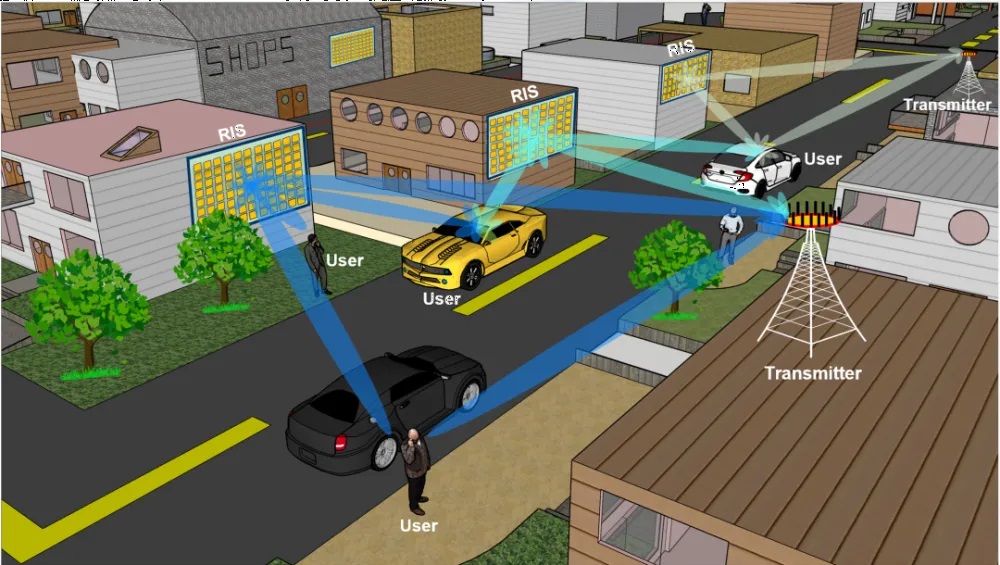
Reconfigurable intelligent surfaces: These innovative surfaces turn ordinary walls and surfaces into intelligent components for wireless communication while enhancing energy efficiency in wireless networks. They hold promise for numerous applications, from smart factories to vehicular networks.
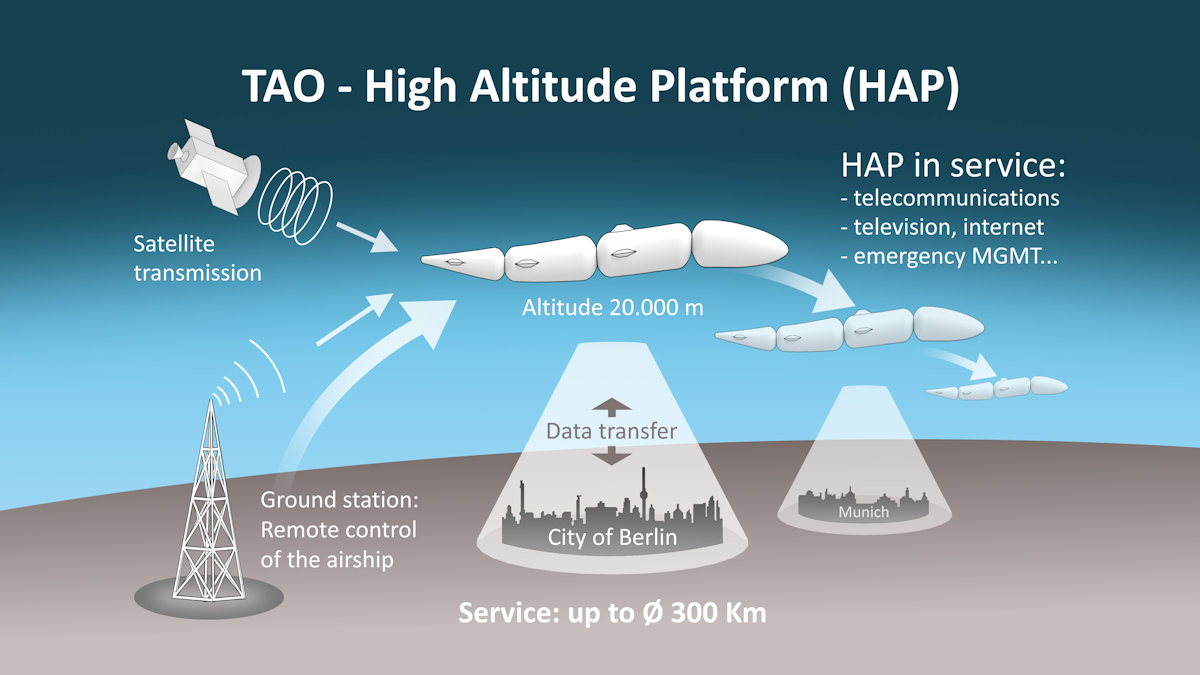
High-altitude platform stations: Using aircraft, blimps and balloons, these systems can extend mobile network access to remote regions, helping bridge the digital divide for over 2.6 billion people worldwide.
Integrated sensing and communication: The advent of 6G networks facilitates simultaneous data collection (sensing) and transmission (communication). This enables environmental monitoring systems that help in smart agriculture, environmental conservation and urban planning. Integrated sensing and communication devices also promise to reduce energy and silicon consumption.
Immersive technology for the built world: Combining computing power with virtual and augmented reality, these technologies promise rapid improvements in infrastructure and daily systems. This technology allows designers and construction professionals to check for correspondence between physical and digital models, ensuring accuracy and safety and advancing sustainability.
Elastocalorics: As global temperatures rise, the need for cooling solutions is set to soar. Offering higher efficiency and lower energy use, elastocalorics release and absorb heat under mechanical stress, presenting a sustainable alternative to current technologies.
Carbon-capturing microbes: Engineered organisms convert emissions into valuable products like biofuels, providing a promising approach to mitigating climate change.
Alternative livestock feeds: protein feeds for livestock sourced from single-cell proteins, algae and food waste could offer a sustainable solution for the agricultural industry.
Genomics for transplants: The successful implantation of genetically engineered organs into a human marks a significant advancement in healthcare, offering hope to millions awaiting transplants.
About the Top 10 Emerging Technologies Report The Top 10 Emerging Technologies Report, now in its 12th edition, serves as a vital source of strategic intelligence for professionals. Drawing on insights from scientists, researchers and futurists, the report identifies 10 technologies poised to significantly influence societies and economies. In addition to promising major benefits to societies and economies, these emerging technologies must also be disruptive, attractive to investors and researchers, and expected to achieve considerable scale within five years.
This year’s edition introduced an innovative trend analysis methodology, incorporating academic literature, funding trends and patent filings, to ensure the accuracy and relevance of the selected technologies. The technologies featured in the report, produced in collaboration with Frontiers, were identified through a rigorous selection process involving over 300 world-leading academics and experts from the Forum’s Global Future Councils, the University and Research Network, the Frontiers network comprising over 2,000 chief editors worldwide from top institutions, and Mariette di Christina and Bernard Meyerson, Co-Chairs of the Emerging Technologies Steering Group.
The meeting and event planning industry is experiencing a significant transformation amid an era where the vintage charm of wine meets the cutting-edge sharpness of Artificial Intelligence (AI). This renaissance, characterized by a blend of tradition with technology, is reshaping the essence of event-driven wine selection, moving away from the notion that tech seeks to replace tradition. Instead, it introduces a paradigm of harmonious enhancement, where data-driven precision and the sommelier’s artistry converge, creating a personalized wine journey for every guest’s palate as detailed in the narrative below.
To discuss AI’s impact on the meeting and events industry, I would love to connect you with Angel or Arsalan Vossough, CEO and CTO of BetterAI, develooper of the “VinoVoss” AI Sommelier — a wine search engine and recommendation system revolutionizing the $39B usd/ $53B cad wine sector.
The days when the sommelier’s intuition, refined through years of experience and sensory development, solely guided wine selection are evolving. AI, with its vast collection of data and analytical capabilities, steps into the domain as a digital sommelier, marking a critical shift from purely tradition-led approaches. This integration signifies a future where wine recommendations are enhanced by data analytics, achieving a level of personalization and precision once thought impossible.
This shift from traditional expertise to technological innovation in wine selection is reflective of a broader transformation within event planning. AI’s role extends beyond wine selection, revolutionizing aspects from operational logistics to enhancing guest experiences. By leveraging predictive analytics, AI provides planners with deep insights into guest preferences, optimizes inventory management, and significantly cuts waste. This ability to personalize wine lists to the individual tastes of attendees, a feature once reserved for high-end, exclusive gatherings, is now accessible on a larger scale. This transition not only ensures that each wine selection deeply resonates with attendees’ unique preferences but also illustrates the industry’s wider adoption of innovation, prioritizing customization and quality in every aspect of event planning.
The AI-Driven Transformation in Wine Selection
Crafting Personalized Wine Journeys
At the heart of Artificial Intelligence (AI)’s transformative influence within the event planning sphere is its unparalleled ability in providing wine recommendations to align perfectly with individual preferences. This capability is not just about selection but about creating a narrative for each event that is as unique as the guests themselves. By meticulously analyzing vast datasets that include a wide range of variables—from individual guest tastes profile and detailed consumption patterns to the dynamic ups and downs of emerging wine trends—AI crafts wine selections that resonate deeply with the event’s demographic profile. Each recommendation is more than a suggestion; it’s a reflection of the event’s ethos, designed to enhance the dining experience profoundly.
Predictive Analytics: Looking into the Wine Future
Positioned at the forefront of wine selection, AI leverages the power of predictive analytics to cast a visionary gaze into the future of guest expectations and wine trends. This innovative approach advances traditional selection methods by empowering event planners with the ability to not just respond to current tastes but to anticipate and shape them. By using sophisticated algorithms, AI scans through historical data and current market analyses to predict which wines will captivate and delight attendees, opening the way for the introduction of emerging varietals and regions. This strategic approach allows for a level of exploration and discovery that enhances the event experience, inviting guests on a wine journey that is both educational and experiential.
Furthermore, the scope of predictive analytics in wine selection extends beyond individual choices to provide a broader understanding of global shifts in the wine industry. From climate change impacts on vineyard yields to innovations in winemaking techniques, AI’s predictive capabilities offer event planners a curated window into the wine world’s future. This comprehensive approach ensures that wine lists are not just reflective of contemporary tastes but are also forward-thinking, positioning events at the cutting edge of culinary innovation and offering guests a taste of the future, today. In doing so, AI doesn’t simply predict preferences; it helps define them, crafting personalized wine journeys that are as visionary as they are satisfying.
Operational Efficiency Through AI
Streamlining Inventory, Embracing Sustainability
In the world of event planning, the development of Artificial Intelligence (AI) has catalyzed a revolution in operational efficiency, particularly in the domain of inventory management. By utilizing AI’s advanced predictive capabilities, event planners can now make sure that wine orders are carefully aligned with the anticipated demand of each unique event. This precision in forecasting addresses one of the industry’s major challenges—excess inventory and waste—head-on. AI’s ability to analyze past event data, current consumption trends, and even guests’ preferences means that every bottle ordered has a purpose, significantly reducing the likelihood of surplus stock that contributes to waste.
This strategic reduction in waste not only demonstrates a commitment to environmental sustainability but also translates directly into notable cost savings for event organizers. By purchasing only what is needed, events can operate more leanly and efficiently, passing on the benefits of reduced costs to clients while also contributing positively to the planet. This dual advantage spotlights the pivotal role AI plays in driving forward an event planning paradigm that is both economically viable and ecologically responsible.
Moreover, AI’s analytical insights extend beyond just numbers, offering event planners guidance on selecting wines from vineyards and producers committed to sustainable practices. This approach enables events to not only offer of a curated wine selection that is exceptional and environmentally friendly but also aligns with the growing societal demand for responsible consumption. By aligning wine selections with sustainable practices, AI allows event planners to contribute to a larger narrative of environmental responsibility, setting a new standard for the industry.
Synergy Between AI and Human Expertise
Elevating the Sommelier’s Craft
The integration of Artificial Intelligence (AI) into the process of wine selection marks not the end but a significant transformation in the role of the sommelier. This evolution is characterized by the seamless merging of AI’s analytical strengths with the sommelier’s deep understanding of wine, culture, and personal guest interactions. AI’s entry into this domain provides sommeliers with a suite of tools that enrich their ability to tailor wine selections to the precise preferences and tastes of attendees. By accessing AI-generated insights into guest preferences, historical consumption data, and predictive trends, sommeliers are empowered to provide wine experiences that are deeply personalized, enhancing the dining experience in a way that was previously unimaginable.
This synergy between AI and human expertise allows sommeliers to transcend traditional boundaries, enabling them to craft compelling narratives around each bottle. These stories, woven from the rich history of the wine’s heritage, its journey from grape to glass, and its unique flavor profile, transform each tasting into a memorable experience. The collaboration between AI and sommeliers ensures that the human element of wine selection—the personal touch that elevates a meal into an experience—remains intact, blending the precision of technology with the irreplaceable warmth and authenticity of human interaction.
Balancing the Algorithmic with the Authentic
In the delicate dance between leveraging AI and maintaining the authenticity of wine service, the art of sommeliership shines brighter than ever. While AI provides a powerful platform for enhancing operational efficiency and delivering exceptional personalization in wine selection, it is the sommelier who infuses these recommendations with life. The sommelier’s role shifts from mere selection to that of a storyteller, an educator, and a bridge between the guest and the intricate world of wines. This balance between the algorithmic accuracy of AI and the authentic, personal touch of the sommelier ensures that wine selection remains an art form—a deeply human endeavor that connects, enchants, and leaves a lasting impression on guests.
The collaborative relationship between AI and sommeliers doesn’t dilute the human aspect of wine service but rather enhances it, ensuring that each recommendation carries with it a story worth telling. This unique partnership introduces a new chapter in wine selection, one where technology and tradition combine to create experiences that are not only personalized but deeply resonant. The future of wine service, thus, lies in this harmonious blend, where AI opens the door to possibilities that were previously unexplored, and sommeliers guide guests through a journey that is as enriching as it is delightful, marking each event with the signature of unforgettable excellence.
Navigating the Challenges
The Ethical Aspects of Data Use
In the quest to utilize Artificial Intelligence (AI) for enhancing wine selection processes, the ethical handling of data stands as a crucial concern. As AI systems delve deep into personal preferences and consumption patterns to deliver personalized wine recommendations, the need to protect guest privacy increases. This requires not only the implementation of robust data protection measures but also the development of ethical frameworks that govern the use of such data. The goal is to develop a trust-based relationship with guests, reassuring them that their personal information is handled with the highest care and respect. This foundational commitment to privacy and ethical data usage is vital in maintaining the integrity of the digital transformation in wine selection. It’s about ensuring that the technological advancement enhances the guest experience without damaging the trust that is essential to the hospitality industry.
Overcoming Technological and Cultural Barriers
The integration of AI into the traditional art of wine selection introduces a complex set of technological and cultural hurdles. Technological challenges such as system compatibility, data integration, and the seamless operation of AI within existing event planning infrastructures present tangible obstacles. Concurrently, cultural challenges emerge, rooted in skepticism towards the role of technology in an area traditionally dominated by human expertise. Overcoming these barriers necessitates a multifaceted approach:
Education is key in demystifying AI and showcasing its value as a tool for enhancing rather than replacing the sommelier’s role.
Transparent communication plays a crucial role in addressing concerns and setting realistic expectations about what AI can and cannot do.
A focus on AI as an enhancer of human expertise rather than a competitor is essential in shifting perceptions and creating a culture of acceptance.
Together, these strategies form the foundation of a successful transition to AI-enhanced wine curation, bridging the gap between technological innovation and the timeless tradition of personalized wine selection. By addressing these challenges head-on, the event planning industry can fully embrace the benefits of AI, ensuring a future where technology and tradition coexist in harmony to create enriched, personalized wine experiences.
Envisioning the Future
The Next Frontier in Wine Recommendation
As machine learning algorithms become increasingly sophisticated, the future of wine recommendation looks promising. AI’s ability to analyze complex patterns and preferences suggests a horizon where every wine selection is not just personalized but also, anticipating guests’ desires before they even articulate them. This is not just about enhancing the event experience but about reimagining the possibilities of personalization.
The implications of AI in wine curation hint at a broader transformation in event planning. From menu customization to entertainment selection, AI’s potential to personalize every aspect of the event experience is vast. This future, where every detail is personalized to the guest’s tastes, brings a new era of event planning, characterized by a high level of customization and engagement.
The fusion of technology and tradition in wine selection represents more than a shift in methodology; it signifies a fundamental change in how we approach the planning of and execute event planning. As AI continues to weave its narrative through the tapestry of event planning, its promise extends beyond operational efficiency or personalized recommendations. It offers a glimpse into a future where every event is a reflection of the guests’ deepest preferences, a celebration not just of the occasion but of the individuality of each attendee. In this future, tech meets tannins, not as adversaries but as allies, crafting experiences that connect on a personal level, setting a new standard for what events can aspire to be. For the Silo, Arsalan Vossough.
Arsalan Vossough, CTO and Co-Founder of BetterAI, specializes in advanced AI technologies, including Machine Learning and NLP. Solutions include “VinoVoss” (www.VinoVoss.com ), a semantic search and recommendation system creating a virtual wine sommelier. The Silicon Valley-headquartered BetterAI excels in developing cutting-edge AI solutions, and is aptly leveraging leading edge technologies like AI, Machine Learning, Generative AI, Natural Language Processing, and Computer Vision to hone transformative solutions. It’s VinoVoss platform empowers users to make highly-informed decisions about their wine selections, explore new varietals, find new favorites and even rediscover old gems quicker and easier than ever before. With a background in quantitative finance and teaching, Arsalan has a Bachelor’s in Computer Engineering, an MBA from Corvinus University, and a Data Science Master’s from UC Berkeley, graduating with honors. Connect with Arsalan at www.BetterAI.io.
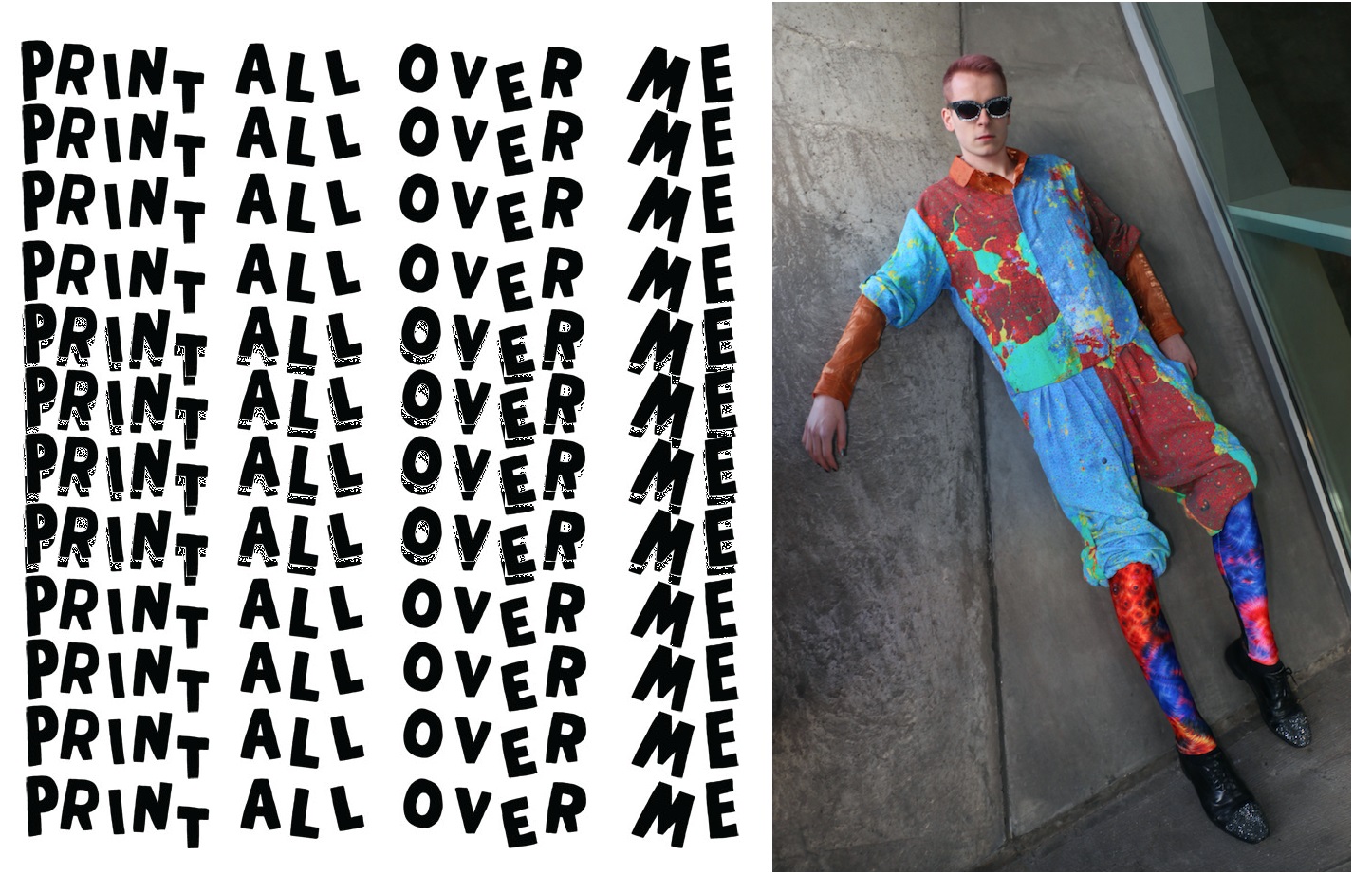
Featured Designer Brian Swift used PAOM to print fabric for his latest collection inspired by the Technological Singularity: a theoretical time in which human consciousness and Artificial Intelligence merge and become a new, unrecognizable species.
Brian collaborated with a machine learning algorithm to imbibe his photographs with a psychedelic quality. These computer generated compositions were then printed onto fabric and used throughout his latest collection.
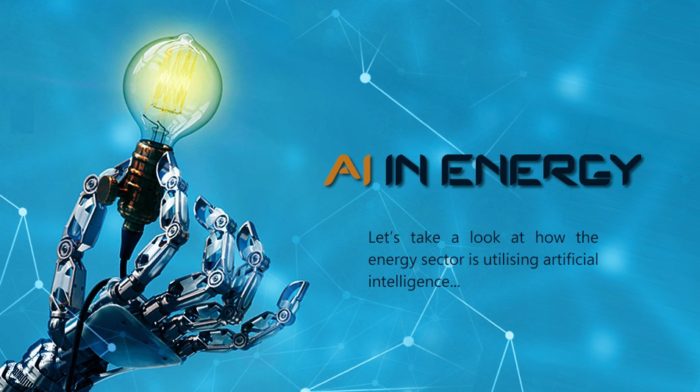
Is there any question that Artificial Intelligence, or “AI”, is going to play a huge role in the future? The short answer is no- it’s already playing a large part today, so let’s delve into this new tech and look at how it is benefiting the energy sector and what we can expect to see from this AI phenomenon in the not so distant future.
Toronto, ON — White Shark Fintech, Inc. (the “Company”) a revolutionary free artificial intelligence based trading platform that flourishes in volatility and allows its users to better control their assets, including crypto-currencies, launched recently across Canada. A popular tool among young traders looking for simple ways to buy and sell crypto-currencies, the app has created a waiting list to manage user demand.
The free-to-use app takes speculation out of trading by employing high performance algorithms that signal a user when markets for particular securities, including cryptos, are likely “over bought” or “over sold”. With White Shark users no longer have to guess or rely on self proclaimed experts about the price at which they buy or sell cryptos and other securities.
“Fintech companies, like White Shark, that engage millennials have earned multi billion dollar valuations. With the growing hunt for millennial assets and engagement with other apps, we decided to make the White Shark experience fun, empowering and engaging – regardless of where they hold their assets.” said founder and chairman Marc Wade, “White Shark is truly a user experience company engaging millennials in the capital markets when and where they want.”
“White Shark is a game changer.” White Shark app enthusiast Ryan Kesler of the Anaheim Ducks explains. “It’s so easy and fun to use. Buying and selling crypto has become part of my daily routine. There’s no guess work in making money – the accuracy of the algo trading is the only way to go.”
White Shark’s machine learning algorithms compile market data trends and price book movements into 4 gauges that work together to signal market movements. The app provides the user the ability to respond to changes in market conditions before other traditional indicators.
Now users no longer have to trade blind. Gdax (Coinbase), with over 11.9 million users, is one of the exchanges that can be connected to White Shark.
“So called “experts” have been making speculative and incorrect calls on bitcoin and other cryptos for too long.” Said CEO Stuart Shanus
Stuart Shanus
“Our free trading app isn’t based on speculation. It’s based on mathematical models and machine learning algorithms – and it should be the go-to app for investors whether they are buying and selling crypto-currencies, fiat currencies or equities.”
Investors using the White Shark app connect their preferred broker account including tCoinbase (gdax) , Kraken, Bitfinex, Poloniex and Hitbtc. For the Silo, Amy Saunders.
About White Shark
White Shark is a revolutionary free artificial intelligence based trading app that pairs investors with real time artificial intelligence (AI) to increase returns and mitigate risks. White Shark’s high performance algorithms have been used for 17 years by professional traders who have achieved exceptional returns.
















 “White Shark is a game changer.” White Shark app enthusiast Ryan Kesler of the Anaheim Ducks explains. “It’s so easy and fun to use. Buying and selling crypto has become part of my daily routine. There’s no guess work in making money – the accuracy of the algo trading is the only way to go.”