
Tag Archives: fertilizer

Over Fifty Nature Positive Investible Opportunities via World Economic Forum

New Analysis Identifies 50+ Investible Opportunities Delivering Financial Returns

  • More than 50 investible opportunities, across 13 sectors, that are already generating revenue or cost savings for industry and investors have been identified by new World Economic Forum research.
  • Though more than half of global GDP is highly or moderately dependent on nature, capital continues to flow disproportionately towards nature-negative activities, leading to potential systemic risks and undervalued business opportunities.
  • From precision agriculture and sustainable cement to battery recycling and industrial water management, growing numbers of investment opportunities can both protect nature and deliver returns for investors.
  • Learn more about the report here.

Geneva, Switzerland, March 2026 – More than 50 investible opportunities could turn capital flows into lucrative nature-positive business practices and contribute up to $10.1 trillion in annual business revenues and cost savings by 2030, according to a new World Economic Forum report just launched.

The report, 50 Investible Opportunities for a New Nature Economy, developed in collaboration with Oliver Wyman, also highlights how nature risk and capital flow misalignment represents a growing systemic economic risk and a significant missed commercial opportunity for business.

This comes at a time when global capital flows remain deeply misaligned. According to the United National Environment Programme (UNEP), an estimated $7.3 trillion continues to be invested annually in activities that degrade ecosystems, compared to roughly $220 billion invested in nature-based solutions. The report’s 50 investible opportunities offer revenue-generating and cost-saving approaches to close this gap.

Who Is Falling Behind?


Similar to the Paris Agreement for climate targets, the international community is falling behind on biodiversity targets. Renewed action and novel strategies are needed to meet goals of halting and reversing nature loss by 2030.

“We need to transition towards an economic system that delivers prosperity within planetary boundaries,” said Sebastian Buckup, Managing Director, World Economic Forum. “Industries, including the financial sector, will pursue this not just as an act of corporate social responsibility or impact investing but because it makes good business sense to do so.”

As companies face increasing exposure to water scarcity, soil degradation, pollution and tightening environmental regulation, nature-related risks are no longer abstract sustainability concerns but material financial issues affecting long-term profitability.

Drawing on analysis of approximately 250 business activities, the report identifies 50+ investment-ready opportunities across 13 high-impact sectors to support halting and reversing nature loss by 2030.
From precision agriculture and sustainable concrete to battery recycling and industrial water management, these solutions reduce pressure on land, water and resources while generating revenue growth, cost savings and risk mitigation.

Case Study: Sustainable Cement and Concrete Blends


For example, the report looks at sustainable concrete blends as an investible opportunity. These blends reduce reliance on newly quarried raw materials by substituting a portion with recycled industrial byproducts or recovered construction materials. They provide similar structural performance to traditional concrete while helping companies meet regulatory standards and growing market demand for low-impact building solutions.

These blends also have an array of nature benefits, including reducing new quarrying, lowering pollution and reducing the energy intensity needed for new concrete.

While these products are commercially viable today and can often be integrated into existing production facilities with moderate capital investment, many sustainable blends retail at a higher price than conventional concrete, as the latter benefits from established logistics, economies of scale and similar factors that lower costs. As economies of scale are built and business models are derisked, sustainable concrete offers an opportunity for investors to put capital towards a business-ready, nature-positive solution that can generate returns.

“At its core, this is a capital allocation challenge,” said Derek Baraldi, Head of Sustainable Finance, World Economic Forum. “Financial institutions and businesses that integrate nature into strategy today are not just managing risk but positioning themselves for competitive advantage.”

The Role of Capital and Financial Institutions

Financial institutions can help scale these solutions by providing the capital companies need to invest in new production processes and facilities. They can also reduce risk through tools such as sustainability-linked loans, guarantees or blended financing, helping innovative materials reach the market faster.

To support financial institutions looking to invest in nature-positive solutions, the report outlines five priority actions for financial institutions to mobilize capital into nature-positive opportunities. By strengthening internal “nature fluency”, innovating financial products, building coalitions, improving data use and leveraging nature transition conversations to surface investible opportunities, financiers can build a robust pipeline of nature-positive opportunities to deliver both mainstream and sustainable finance.


Business depends on reliable water supplies, fertile soils, biomass and ecosystem services such as pollination and flood protection. Industry successes are already delivering value while supporting nature-positive goals, such as industrial water management to tackle water shortages and precision agriculture techniques that save farmers input costs while reducing fertilizer run-off into waterways. Realigning capital flows with nature-positive investments that protect biodiversity and offer financial returns is essential to safeguarding the natural systems which underpin the global economy.

More about Nature-Positive Transitions


The World Economic Forum’s Nature-Positive Transitions report series explores transformative pathways to halt and reverse nature loss by 2030. Focusing on critical sectors, the series highlights the dual impacts and dependencies of these industries on nature, alongside the priority actions businesses can take to avoid and reduce negative impacts, mitigate nature-related risks, build resilience and unlock opportunities across value chains. Nine sectors have been involved: technology, automotive, cement and concrete, chemicals, household and personal care products, mining and metals, ports and offshore wind.

The World Economic Forum provides a global, impartial, not-for-profit platform and insights to support meaningful connections between political, business, academic, civil society and other leaders. (www.weforum.org).

For the Silo, Jarrod Barker.
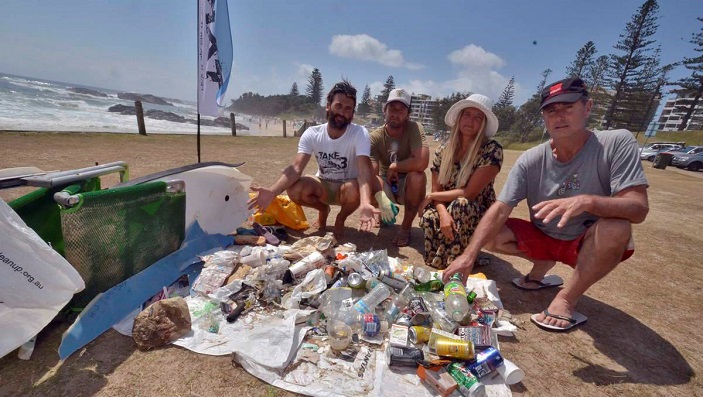
Once Vibrant Expanse Of Sea Now Covered With Trash

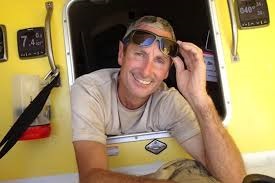
My name is Ivan Macfadyen and I am a seasoned sailor with many voyages in the World’s oceans. My last Pacific crossing has raised an ominous alarm-  I’m used to seeing turtles, dolphins, sharks and big flurries of feeding birds. But this time, for 3,000 nautical miles there was nothing alive to be seen. This once vibrant expanse of sea was hauntingly quiet, and covered with trash.

Ivan Macfadyen
Ivan Macfadyen

Experts are calling it the silent collapse.

Although very few of us see it, we are causing it — overfishing, climate change, acidification, and pollution are devastating our oceans and wiping out entire species. It’s not just the annihilation of millennia of wonder and beauty, it impacts our climate and all life on Earth.

But we have a fleeting window still to act and this could be the year to turn the tide — the UN is considering an initiative to stop dumping and pillaging in the high seas, and announced back in 2015 that they will help create the largest single marine reserve ever in one of the most pristine areas on earth!

Lack of political will is the only real obstacle to getting more of these agreements moving.

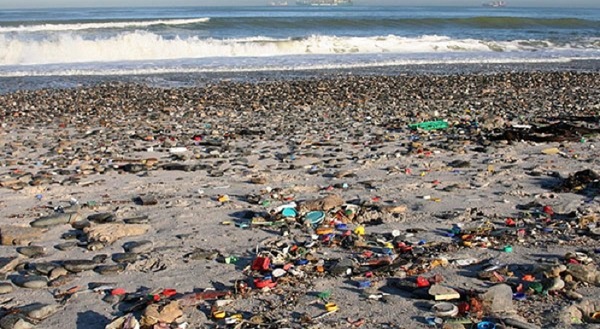
Ocean Pollution Beach Example

My apocalyptic sailing voyage is a clarion call to action. Let’s get started on making everyone aware of the situation right away.

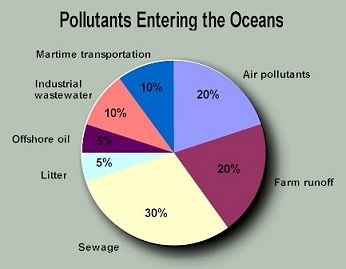
Right now, fishing boats are scraping the ocean floor clean, and over 80% of sea pollution is coming from fertilizers, pesticides, and plastics pouring off shore land. The reports are dire: in less than 40 years, our oceans could be completely fished-out.

In 100 years, all coral reefs in all the oceans might be dead.

Pollutants Entering Earths Oceans

But just as wilderness parks work to rehabilitate life on land, the same happens in the ocean. If our governments create big enough marine reserves and enforce protection laws, the ocean can regenerate.

Famed ocean explorer Jacques Cousteau said: “people protect what they love.” Let’s inspire millions more people to fall in the love with the ocean and defend its treasures.

We are in a precarious moment when there are still fewer marine mammal extinctions than there are on land, and when ocean ecosystems have shrunk less than those on land. We have not yet passed the tipping point for our oceans, but we will if we don’t act soon and at a scale that rivals the enormity of the problem. There is no other community in the world that can do that like we can. For The Silo, Ivan Macfadyen.


Agrarians From Ancient World Knew About Biochar

Agrarians from various ancient cultures around the world discovered the soil fertility benefits of charred biomass over two thousand years ago.

Now known as ‘biochar’, this ancient soil management practice has been enjoying a renaissance of late for a number of reasons largely related to the need for more resilient and productive soils and biochar’s ability to sequester carbon in a safe and beneficial manner.

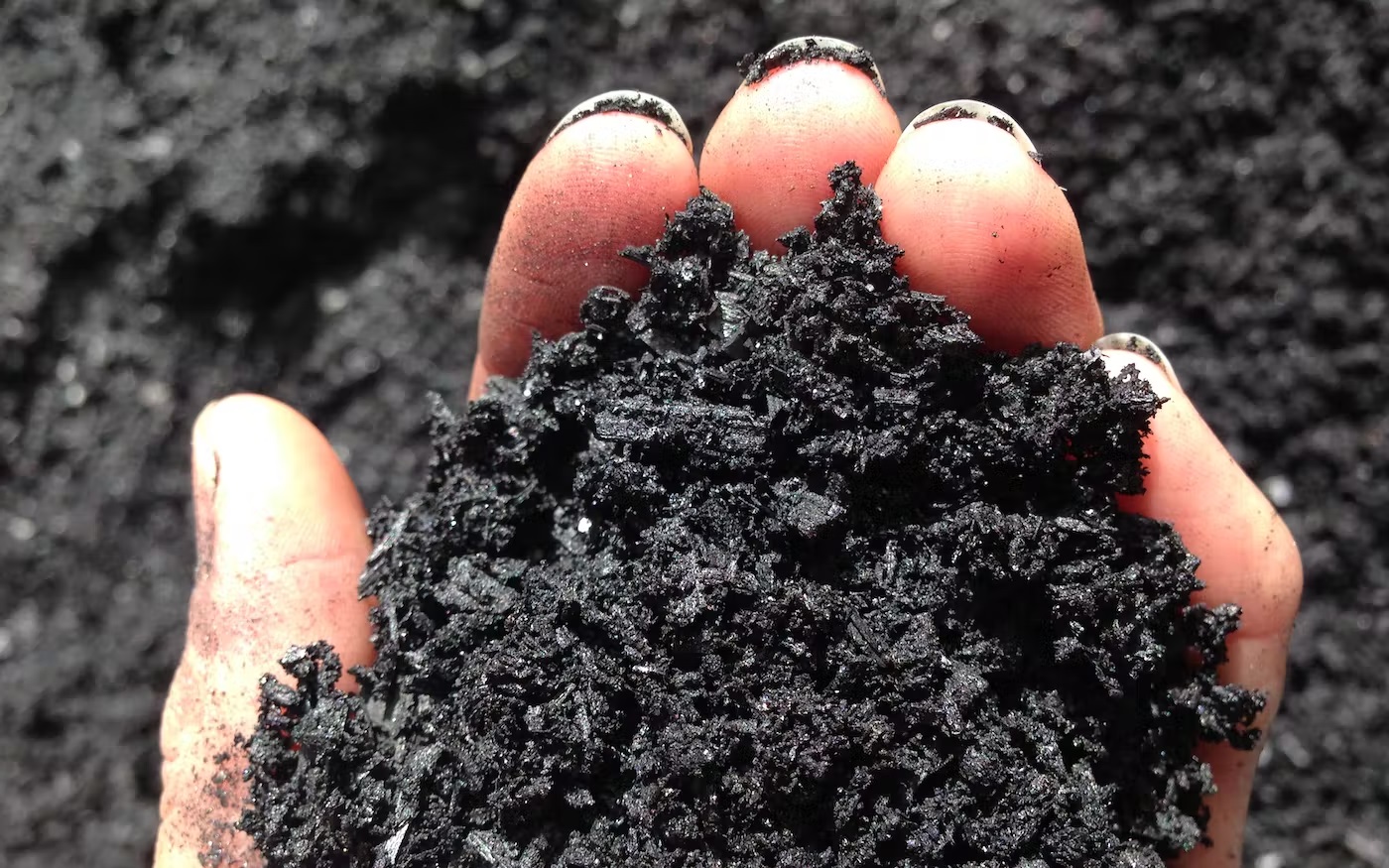
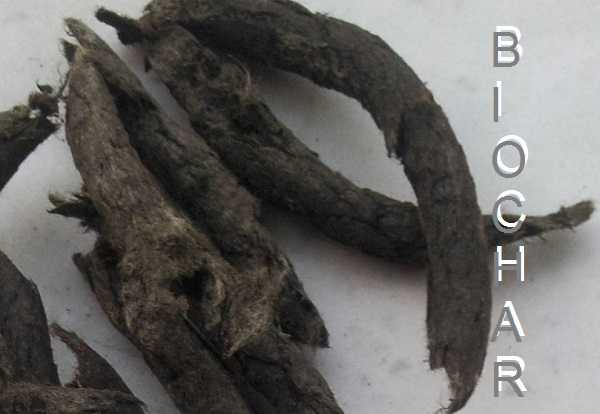
Biochar is made by baking organic material in an oxygen-limited environment, called pyrolysis. Benefits vary depending on the soil, crops and climate where biochar is used with poor soils benefiting the most. Providing long-lasting organic material, improving water and nutrient holding capacity, and improving overall soil tilth are all potential benefits.

Due to its porous nature and cation exchange capacity, biochar can also be used as a filtration medium to prevent nutrient run-off from farms into local water bodies. In Europe livestock farmers are adding small amounts of biochar to feed rations to improve feed conversion ratios and overall animal health. Biochar as carbon fodder has also shown promise as a way to reduce enteric methane emissions.

Biochar
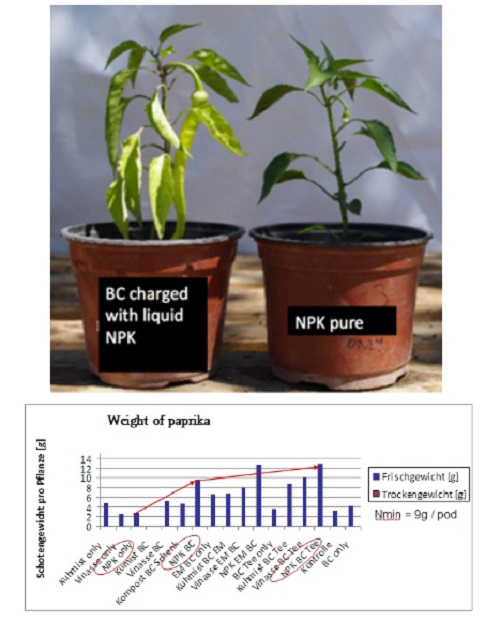
“When we first started in 2011 to load biochar with high amounts of liquid NP-fertilizer and tested them in pod trials, we could prove reduced nutrient leaching after simulated strong rain events. When we planted a second culture (paprika after radish) in the same pods without additional fertilization, plant growth was significantly improved in the biochar treatments (see image). From an economic point of view, the difference in growth might have been not relevant as some additional fertilization would have been cheaper than the price of biochar that saved some mineral fertilizer. However working with low amounts of nutrient enhanced biochar [1 t per hectare] applied as slow release fertilizer close to the roots every year seems very promising when viewed from both an economic and ecological perspective. ” Ithaka Institute

Biochar is increasingly available to purchase but farmers can also convert their on-farm waste biomass in to biochar.

Farm scale equipment for making biochar is evolving and shows promise not just as a waste conversion technology which produces a valuable soil amendment, but also as a means for farmers to generate renewable energy in the form of heat, and in some cases electricity.  For the Silo,  Kathleen Draper.

Seen here: “…we focused on organic plant nutrients and started multiple tests with a wide variety of nutrient rich biomass wastes including: liquid animal manure, urine, feathers, yeasts, wool, vinasse etc. Over the past four years we have developed a panoply of organic carbon fertilizer that can be produced commercially or manufactured by farmers themself all over the world. One of our favourites is the sheep wool, vinasse, pyrolyse ash, biochar pellets with 7% Norg / 6.5% P2O5 / 6% K2O “

Kathleen Draper is the US Director of the Ithaka Institute for Carbon Intelligence, a non-profit focused on research, education and program services that promote climate positive solutions which enhance land management, urban design, and resource efficiency.  

Intelligence Operative- Iran Source Of Explosives Causing Beirut Nuke Like Destruction

Beirut / Tehran – The 2,750 metric tons of ammonium nitrate which caused a massive explosion in the port of Beirut originated in Iran before being loaded onto the Russian ship MV Rhosus whose cargo ultimately ended up being unloaded in the port of Beirut.

This revelation comes from an intelligence operative within Tehran’s government who has been secretly working with pro-democracy activists. The information comes from the NGO ‘The New Iran’ which has a track record of successfully smuggling sensitive information out of Iran, including much of the video footage seem in the media of widespread protests within Iran following the Iranian military shooting down Ukraine National Airlines flight PS752. 

Intelligence Operative Connected to Pro-Democracy Movement

The intelligence operative communicated the details over a secure messaging technology The New Iran uses for coordinating with their democratic allies within the country.  

Lebanese government sources have disclosed that the ammonium nitrate was seized in 2013. This date is perhaps significant the source says because it follows shortly after the opening of an ammonium nitrate factory within Iran.  

“Our source is risking his life to bring us this information,” says Dr. Iman Foroutan, Chairman of The New Iran, “because he believes that recent developments within the government are going to make these kinds of disasters more common.”

At the end of June, the government of Iran approved an agreement for a “25-year comprehensive cooperation plan between Iran and China.”

The two countries are calling it a “strategic partnership.”

The agreement is designed to help Iran get around the punishing sanctions of the United States, which more and more is being looked at as a common enemy by both Tehran and Beijing. China will be investing $400 billion USD into Iran with an immediate payment of $320 billion USD – a substantial portion of which is going into strengthening ports and military capability.  

“The Iranian regime is the world’s leading sponsor of terrorism,” says Dr. Foroutan who along with other influential Iranians in exile are working to fully expose the danger of Ayatollah Ali Khamenei’s radicalism and eventually free the Iranian people. “Now with the cover of China, one of the world’s rising superpowers, Iran will be able to move more weapons and weapons components throughout the region and the world.” 

Hezbollah leader Hassan Nasrallah has already twice threatened to blow up the port of Haifa in Israel. Hezbollah allegedly sought to acquire ammonium nitrate via Syria since 2009 and tried to infiltrate the agriculture ministry in Lebanon to do so, according to leaked diplomatic cables.  

In February 16, 2016 Nasrallah also said that ammonia is stored in Haifa and that there are 15,000 tons of gas Haifa and that explosions there might cause the deaths of tens of thousands of people. “the expert added that this is exactly like a nuclear bomb. In other words, Lebanon has a nuclear bomb. This is not an exaggeration.” Nasrallah laughs as he says this in the video. 

https://youtu.be/hp_Pdew_sG8

“With the agreement between China and Tehran allowing the regime to ship under the cover of China, potentially deadly materials like ammonia nitrate [may be] circumventing US sanctions,” says Iman Foroutan, “The next explosion may not be an accident.” For the Silo, Lance Laytner.