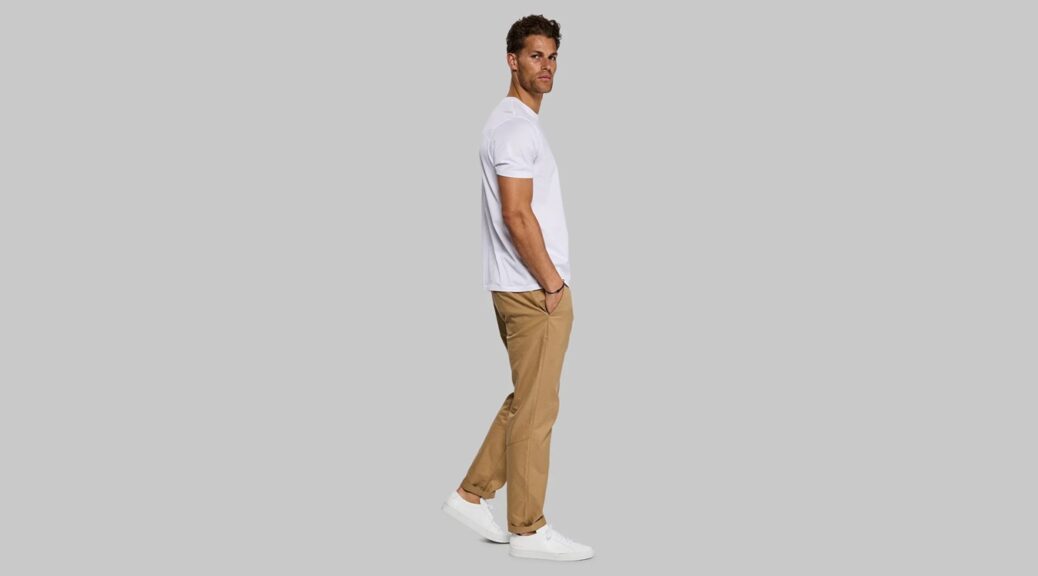
While vollebak’s Indestructible Chinos look and feel exactly like the chinos worn by JFK and Steve McQueen, they’re woven with the strongest fibre on Earth, and are now our best-selling pants. Like most men’s clothing, chinos emerged from war. This time it was the Spanish-American one. They were slim-fitting, flat-fronted, functional, and most importantly… really really dependable.
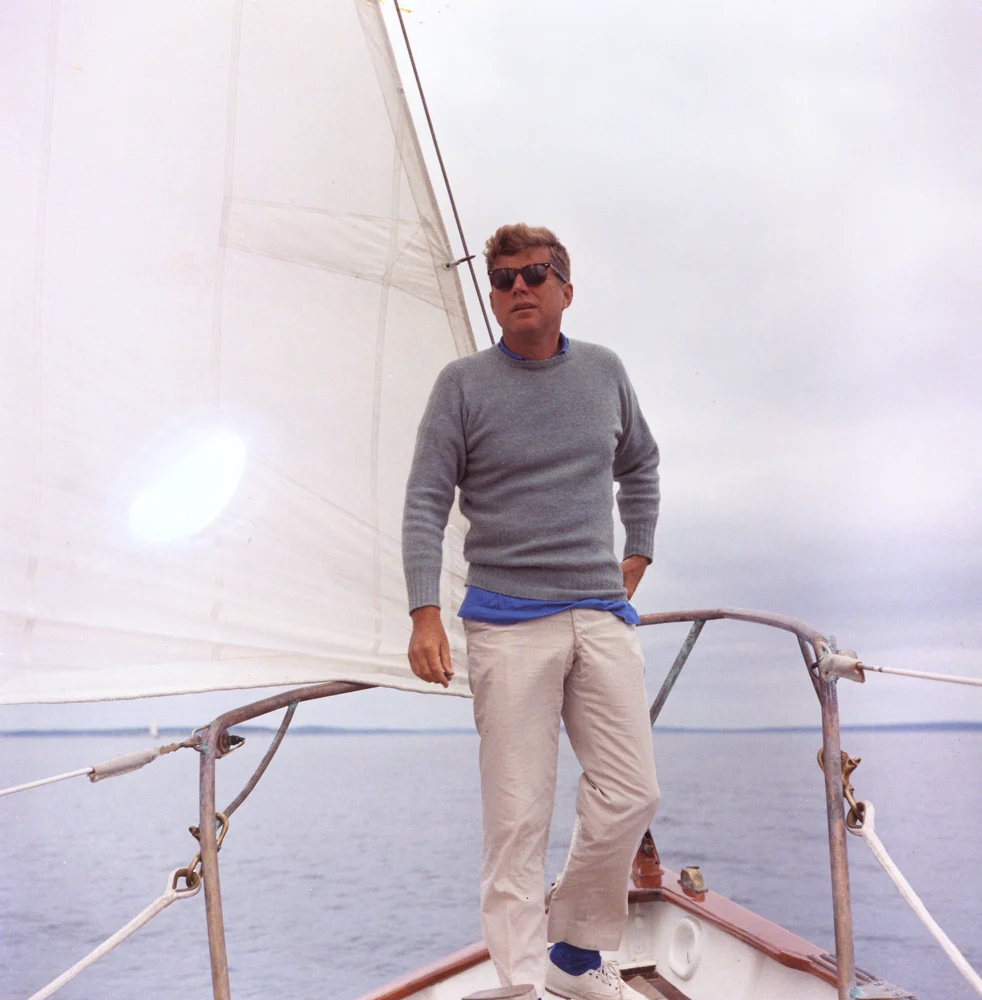
By 1902, after heavy field-testing, they’d been made an official part of the US Army uniform. But once World War II was over, the guys who’d fought went off to college still wearing them, turning them into an instant hit on the Ivy League campuses.
And their reputation was only cemented as a staple of mid-century menswear when they became the standard issue kit for John F. Kennedy and Steve McQueen.
Which is why, 120+ years later, you still don’t need to mess with the design. So we haven’t.
Instead we’ve taken pants you’ve always been able to rely on, and woven them with the strongest fibre on Earth… so you can rely on them even more.
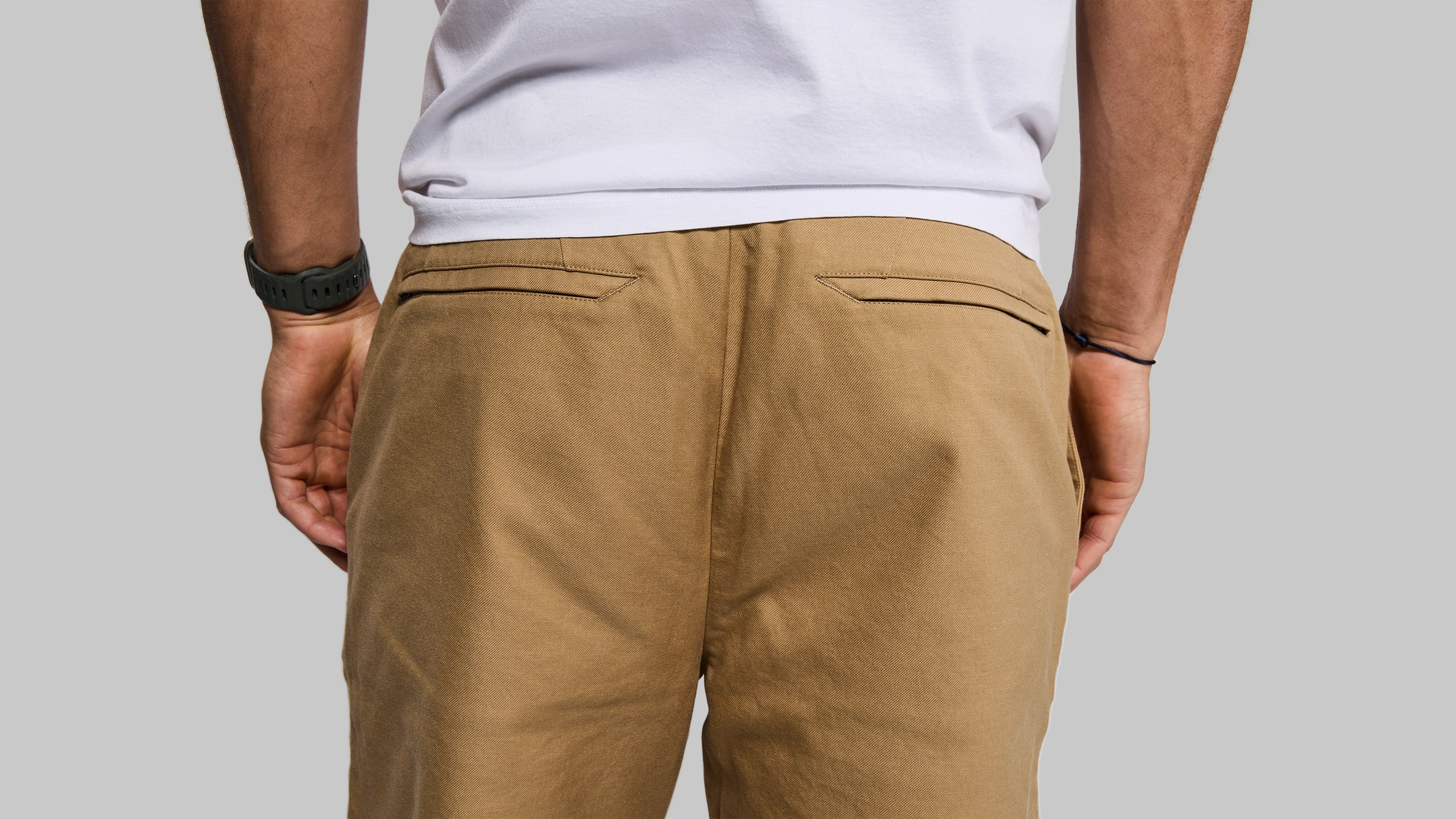
Our Indestructible Chinos come in 2 colours. We’ve got a Sand edition (the lighter colour), and a Sandstone edition (which is the slightly darker colour).
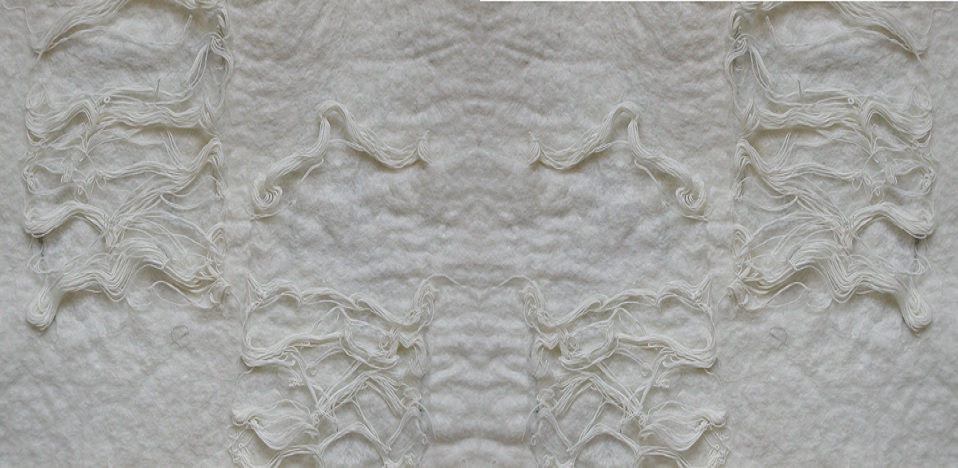
While they look and feel like regular chinos, every pair of Indestructible Chinos is made with a blend of cotton and Dyneema – which is the same stuff used in body armour, arctic ropes and the sides of tanks.
CRAFTED WITH A 180-YEAR-OLD JAPANESE FABRIC MILL
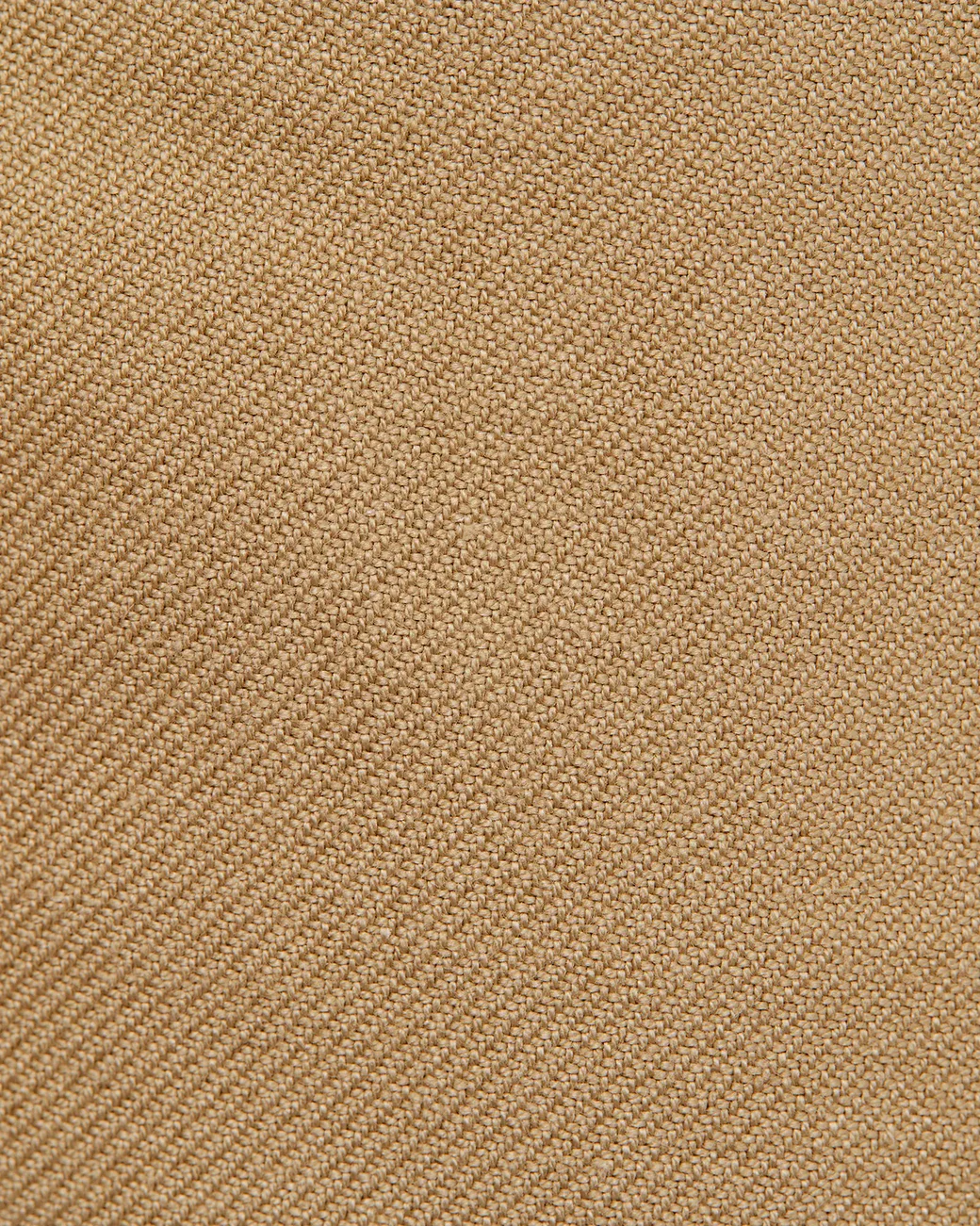
To make the Indestructible Chinos, vollebak worked with Toyoshima, a 180-year-old Japanese textile company that has been certified as Japan’s first Dyneema® Premium Manufacturing Partner.
Of course you’d never know this just by putting them on.
And that’s because the Dyneema is woven in with the cotton during the weaving process, so you’ll only ever feel the softness of the cotton, not the strength of the Dyneema. And they’ve also been garment washed so they feel lived in from day one. So you’ll only ever know about the Dyneema when you suddenly need it.
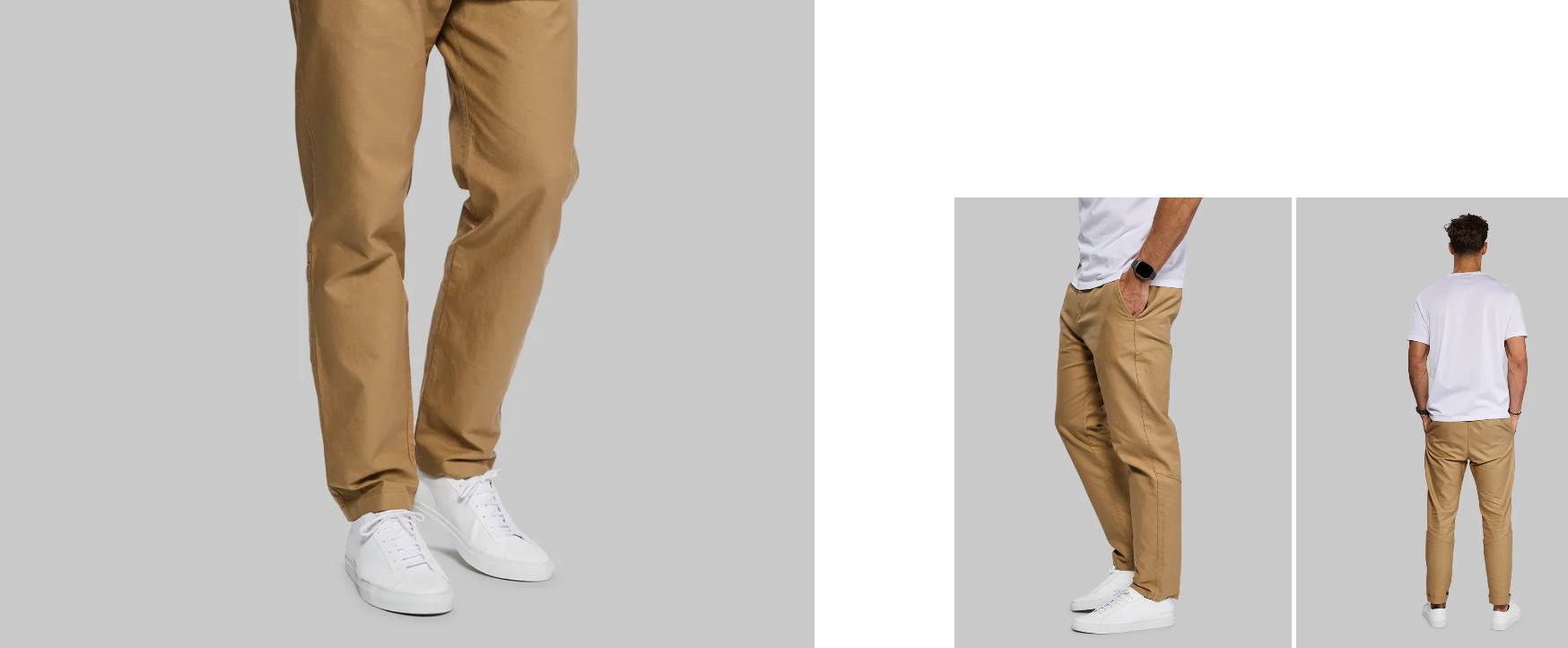
Fit wise they’re similar to Equator Pants but with a slightly more relaxed cut. And if you want a hand with sizing you can get in touch with us here. For the Silo, NICK AND STEVE TIDBALL.
Technical Details
- Material made in Japan: 95% cotton, 5% Dyneema®
- Highly abrasion resistant
- Zip fly
- 5 belt loops
- 2 front pockets
- 2 zipped rear pockets
- Pocket lining: 70% cotton, 30% Cordura
- Gentle machine washing 30°C
- Constructed in Portugal