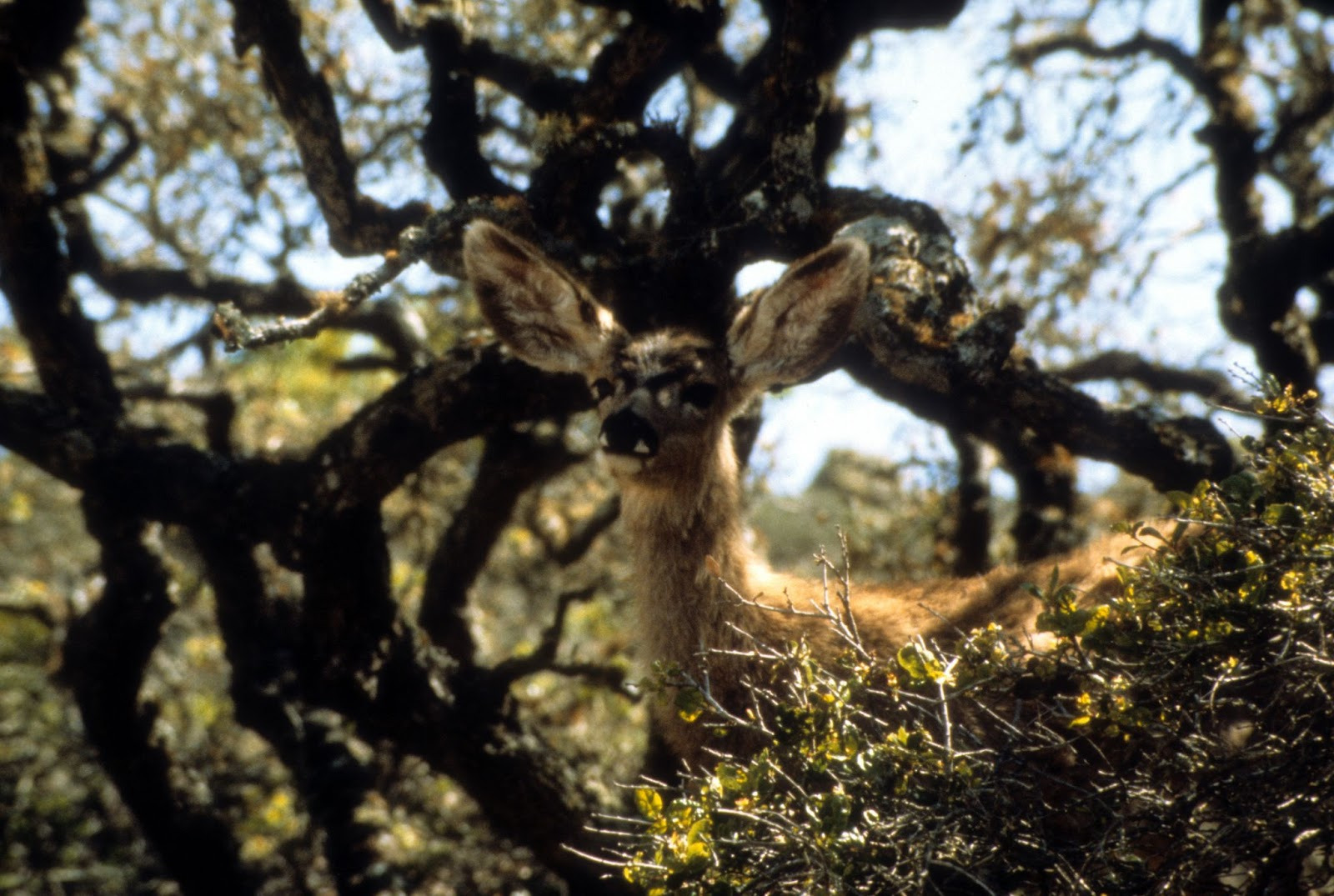
SANTA CATALINA ISLAND, Calif. (September, 2026) — In Defense of Animals is appalled that the Catalina Island Conservancy has begun shooting all of the island’s hundreds upon hundreds of gentle mule deer who have been living peacefully there for over a century.
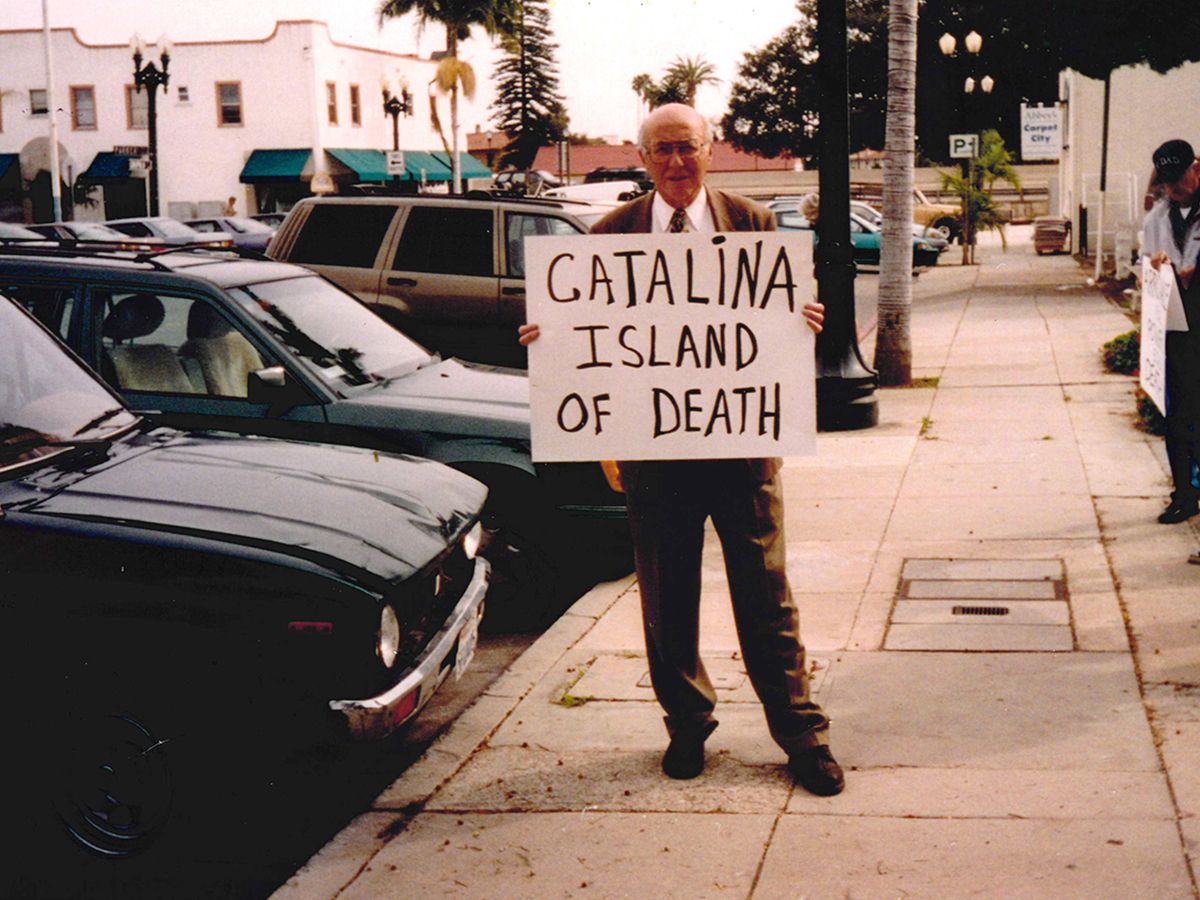
On September 1, a Los Angeles Superior Court judge issued a final ruling denying multiple groups’ request to stop the initial phase of a deer extermination project, which is scheduled from September through October to kill at least 200 deer in this initial phase of a total extermination of Catalina’s entire deer population, estimated to be between 1,200 and 2,000.
Will Of People Being Ignored
The Conservancy has stubbornly refused to listen to the will of the people, a Los Angeles County Supervisor and even a Los Angeles County Fire Chief; instead plowing ahead with its brutal deer slaughtering program.
This is only the first phase of the massive deer extermination campaign that would last as long as five years. The Catalina non-profit will continue killing at least 1,000 more deer, likely after public outrage dies down.
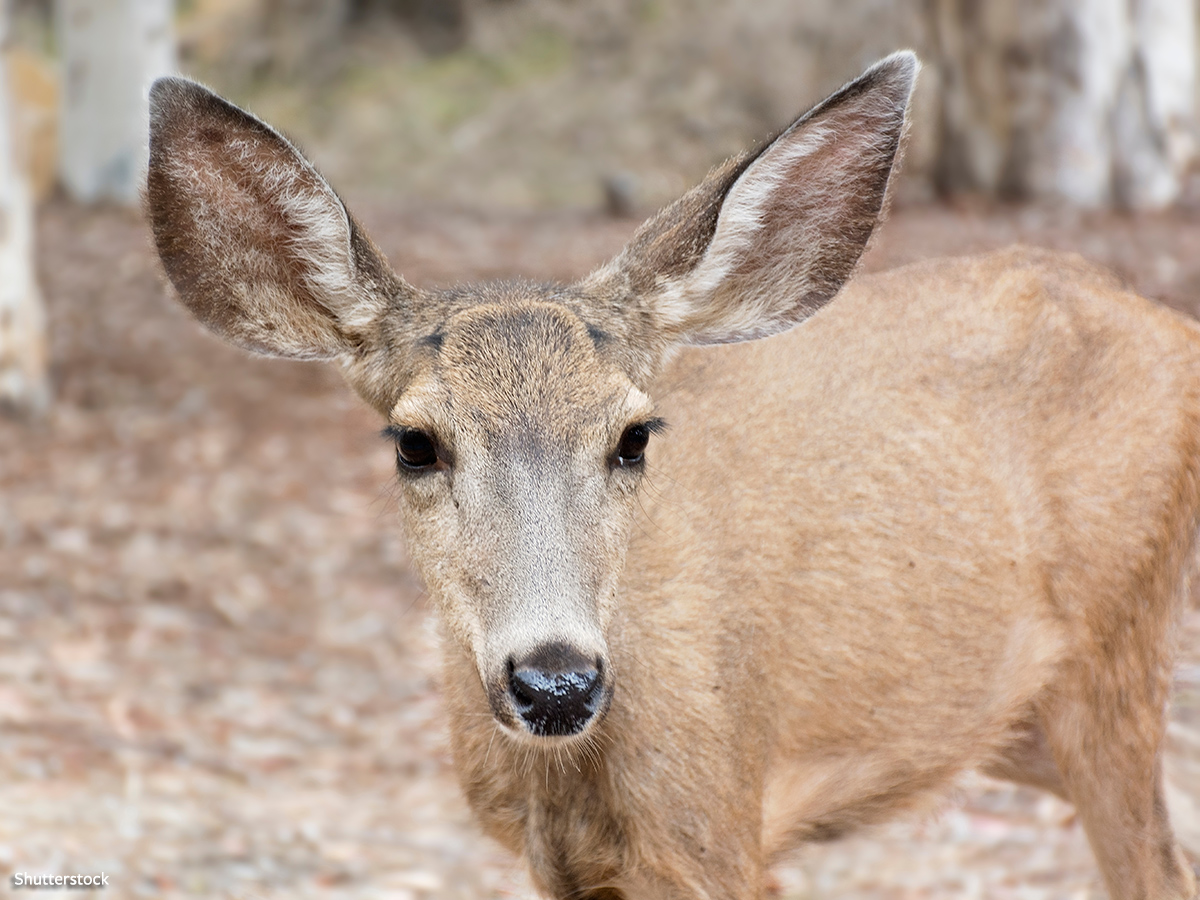
The mule deer were introduced over 100 years ago to this island paradise and this bloody slaughter is wildly unpopular with Catalina Island residents and countless thousands more tourists who enjoy the gentle deer when visiting. The deer have long been an attraction unto themselves because they feel so safe they wander into the big little town of Avalon, delighting most of the humans. All this will soon end with a giant pile of dead deer bodies.
Blood Of Hundreds Of Bambis
More than 13,600 people have signed In Defense of Animals’ alert calling for a stop to this massacre. Another petition has 32,000 signatures protesting the slaughter, and that number is likely to grow as news of the blood of hundreds of Bambis begins to flow this month.
The Conservancy’s public relations representative was quoted in The Guardian, saying, “We understand the gravity of the situation and the responsibility, and it’s a noble sacrifice on the part of the deer that didn’t ask for this” — apparently unclear on the meaning of the word “sacrifice,” which involves having a choice in the sacrifice.
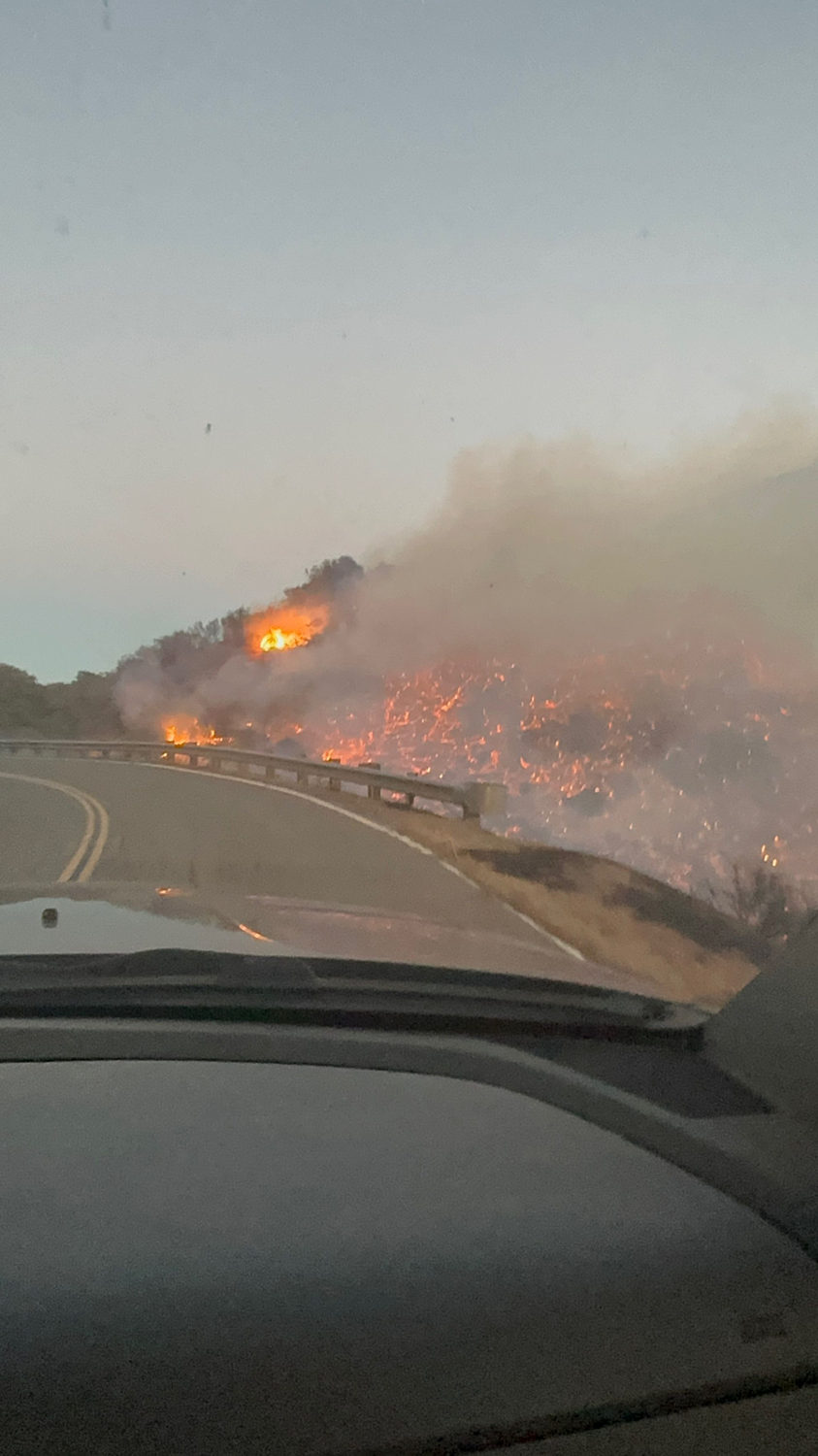
For years, The Conservancy has relentlessly insisted that the deer must be exterminated for a variety of shifting rationales. The newest narrative is that deer create, of all things, a wildfire hazard. by doing what all deer do — eating some green plants but leaving other plants to dry out and become fire fuel.
But LA County Fire Chief Anthony Marrone contradicts this narrative.
Marrone is on record as saying that killing the deer is just as likely to increase, not decrease, wildfire danger because deer reduce the amount of vegetation that can burn. Fires do not selectively ignite or distinguish between so-called native and non-native plant species, nor share the human bias against a species based solely on its country of origin.
In addition, instead of making houses wildfire resistant with standard, proven-effective, defensible space and home hardening precautions against inevitable, natural, occasional wildfires, the Conservancy promotes a variation of human-caused, artificial wildfire suppression — in the novel form of shooting deer.
“Killing deer seems to be the Conservancy’s attempt to treat symptoms of the climate crisis—which is hotter, drier weather and more wildfire danger—by blaming droughts and heat waves and fires on a victim of the crisis, the island’s deer population,” said Lisa Levinson, Campaigns Director of In Defense of Animals.
In Defense of Animals’ wildlife consultant Jack Gescheidt also challenged the Conservancy’s justification for the deer slaughter, saying, “Killing wild animals to reduce wildfire danger — that’s a new one; fanciful and bizarre at best. At worst, it’s a devious way to eliminate deer for the island’s wealthy Wrigley family which doesn’t want deer chomping on or trampling about their for-profit vineyards. Especially since rumors abound about plans to expand this ultimate non-native species, wine grapes, which also suck up huge amounts of Catalina’s limited water supply to make a luxury product for the island’s wealthy ruling elite.”
Regardless of the real reasons driving the brutal slaughter, In Defense of Animals stands with many other environmental and animal protection groups in opposing it, and will continue to inform the public to generate the appropriate outrage.
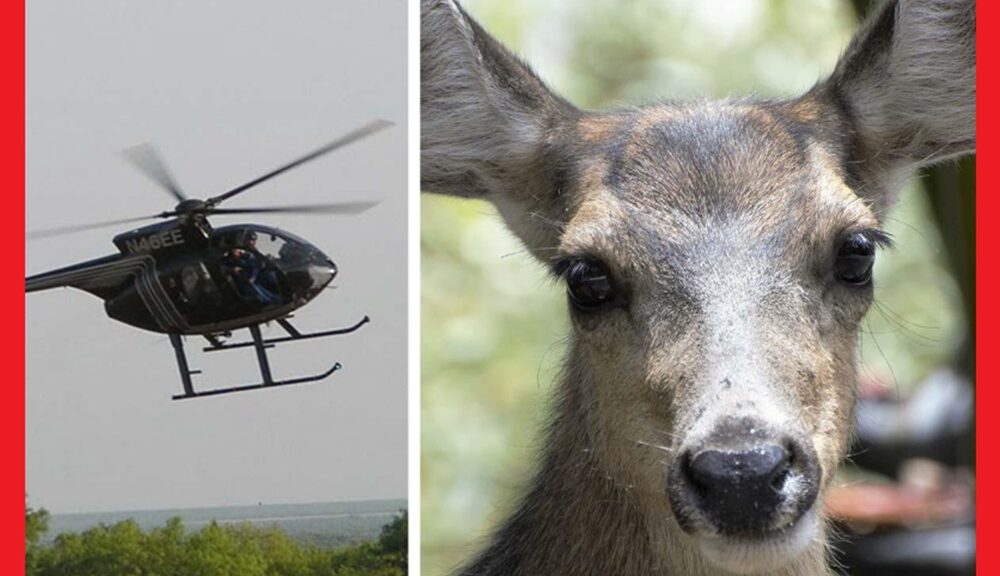
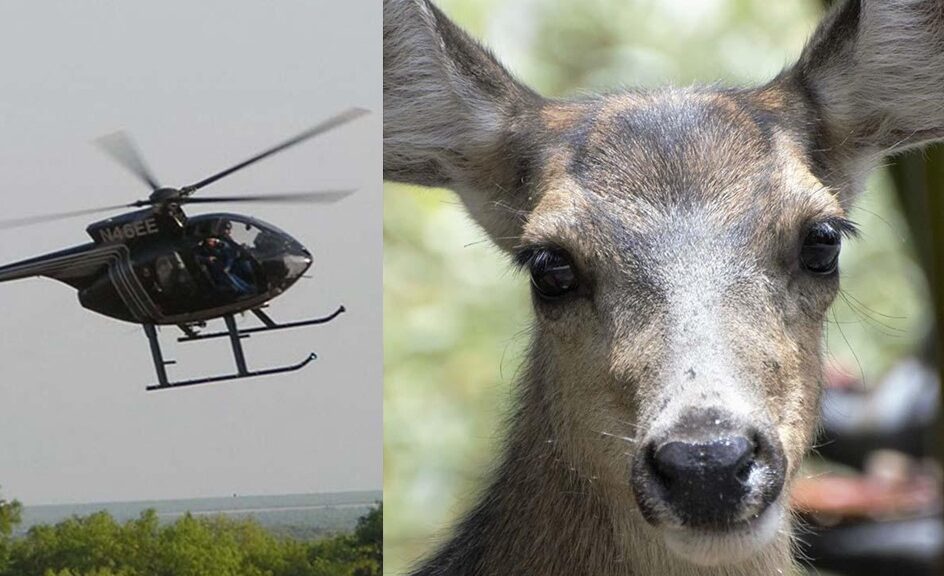
Earlier versions of the deer slaughter proposed flying helicopters over the peaceful tourist enclave so deer sharpshooters could rain down death from above for the innocent deer down below. But this plan was nixed when public outrage over high-decibel aerial gunships turning Catalina’s Blue Lagoon into a bloody Apocalypse Now meets The Deer Hunter.
In Defense of Animals expects the Conservancy to do everything it can to downplay the brutal reality of the extermination campaign, starting with calling it not a kill or a deer extermination—which it is—but a deer “cull” or deer “removal.” In Defense of Animals will challenge this bloodless, Orwellian reframe until the killing stops, hopefully before all the island’s deer are dead.
Contact: Jack Gescheidt, In Defense of Animals, jackg@idausa.org, 415-488-4200 (no texts) Please mention The Silo (dot ca) when contacting.
In Defense of Animals is an international animal protection organization based in California with over 250,000 supporters and a history of defending animals, the environment and their guardians through education and campaigns as well as hands-on rescue facilities in California, India, South Korea, and rural Mississippi. https://idausa.org/wildanimals




























 “I am a strong believer in a plant-based diet for heart health,” said Dr. Shenkman. “Join me at Carnivores Anonymous to learn how a plant-based diet has fueled my athletic success, and why I recommend it for all my patients.”

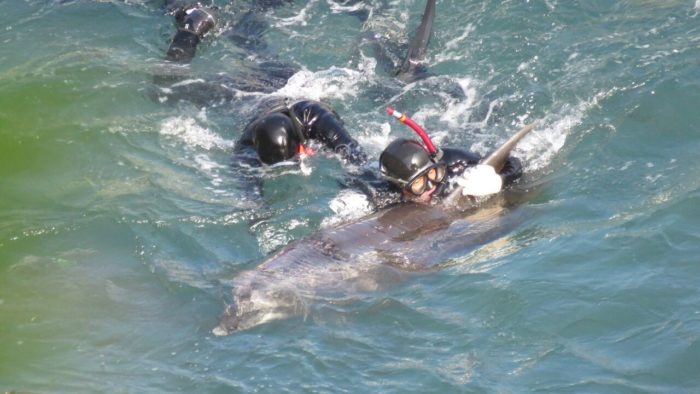
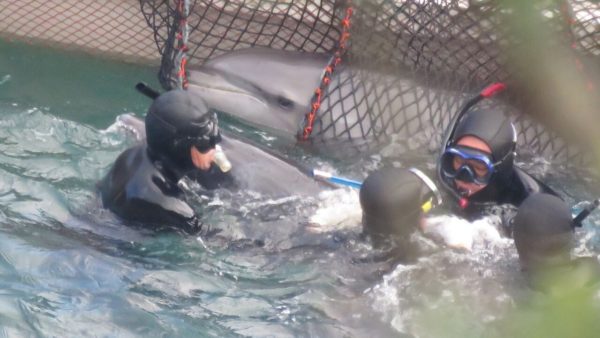

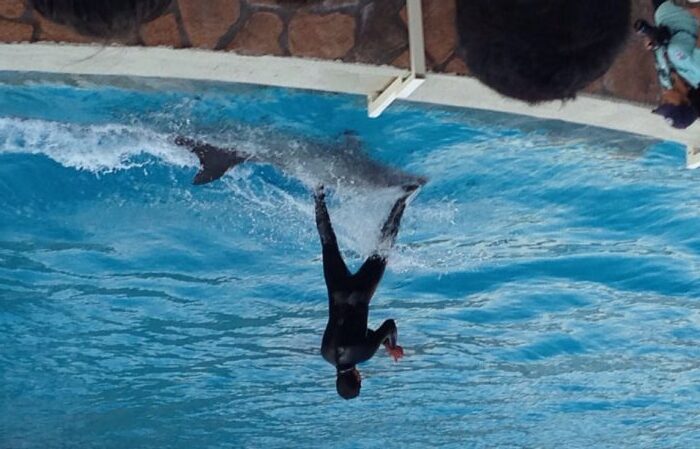
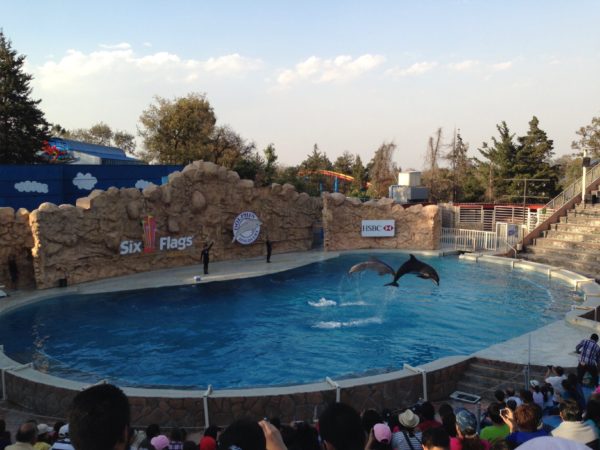
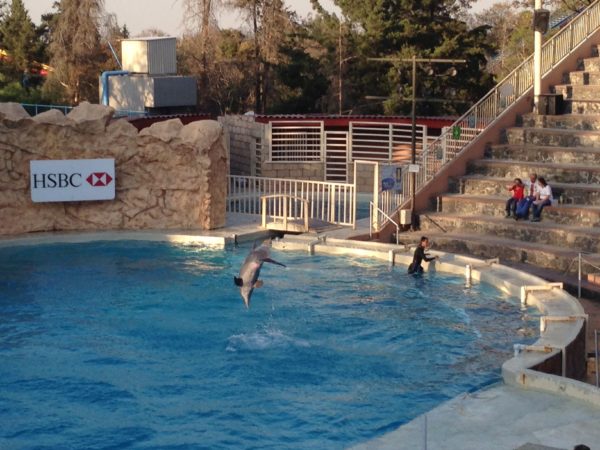

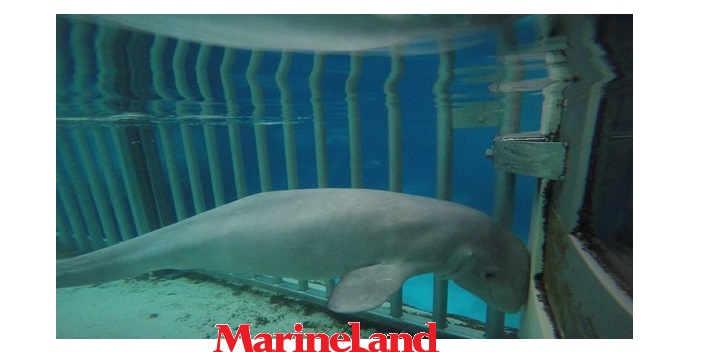

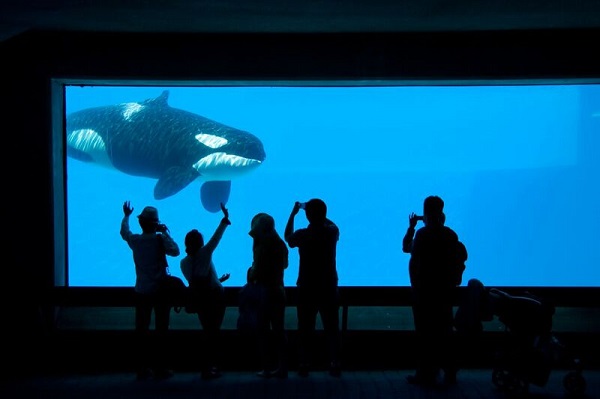
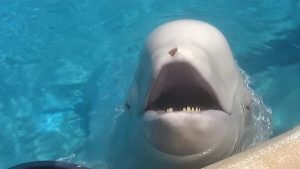 The list was selected from over 60 facilities from southern Canada to Mexico where almost 1,000 whales and dolphins are held captive for public display. “Forcing an orca to live in solitary confinement while hoarding so many beluga whales is Marineland’s tragic dichotomy, and a horrific example of cetacean captivity. It plumbs the depths in its exploitation of intelligent and sensitive animals,” said In Defense of Animals President, Dr. Marilyn Kroplick. “Even with the most modern technology, veterinary care, and infrastructure, cetaceans still suffer intensely in captivity and exhibit surprisingly high mortality rates.Please help protect dolphins and whales in the wild where they belong, by pledging to never visit facilities that imprison them.”