We’ve built new material technologies out of wood, metals and mycelium. Creating a Rock Jacket would be our greatest challenge, a 3-million-year-old problem.
Rock has been our most important technology. It made us apex predators. We used it to build cities and empires. Now we’ve worked out how to wear it. Welcome back to the Stone Age.
Around 3.3 million years ago, on the shores of Lake Turkana in Kenya, one of our ancestors bashed together two rocks and knocked off a short, sharp flake. It’s the oldest tool we’ve ever found, and it long predates fire, clothing and language.For almost all of prehistory, rock was our cutting edge.
Stone blades and hammerstones meant we could hunt, tear and scrape meat and marrow. And the calories they provided built bigger brains. So we started to think bigger. And taller. By 8000 BCE Jericho was ringed by a stone wall. Stonehenge, the pyramids, the Parthenon and the Pantheon followed. Rock is how we held territory, honoured our gods and told the future we’d been here.
But in more than 3 million years of making good use of rock, we’ve never managed to wear it. Rock is brilliant at not moving. And clothes have to move all the time.We’ve built new material technologies out of wood, metals and mycelium. Creating a Rock Jacket would be our greatest challenge, a 3-million-year-old problem.
Woowood. stevenleprize.com
We found part of the solution in Paris. Steven Leprizé is a French designer, material technologist and experimental cabinetmaker. He makes wood that inflates, bends and bonds with metal.Hermès used one of his materials for its KellyWood bag. Jony Ive commissioned him to make bespoke furniture for his yacht. He’d taken WooWood, his elastic marquetry of tiny wood tiles backed with rubber, and made a version in slate. Slate splits along its layers, so it can be peeled incredibly thin. The sheets Leprizé uses arrive at 100cm x 50cm and just 0.5mm thick. Cutting them into perfectly clean 5mm x 5mm squares isn’t easy. “There are 50 steps to making this material,” says Leprizé, “and the cutting of the tiles is the most important.” Each slice of slate has its own topography of contour lines, peaks and valleys. Preserving that flattened landscape means not losing a single tile.
“There are 50 steps to making this material,” says Leprizé, “and the cutting of the tiles is the most important.” Each slice of slate has its own topography of contour lines, peaks and valleys. Preserving that flattened landscape means not losing a single tile.
The tiles are then glued under pressure to a thin neoprene backing, using a technique Leprizé developed with engineers at 3M in Switzerland. The neoprene comes from a UK supplier whose core business is fetishwear. “I got some funny looks in the office when I was ordering the neoprene online,” says Leprizé. “But it’s really high-quality rubber. It needs to be if you are going to wear it super tight against your skin.” Leprizé’s material got us part of the way there. But we still had to make it truly wearable. In design terms, the material’s armadillo-like tiles ruled out anything too tightly fitted, so we kept bends, sharp turns and gatherings to a minimum. We settled on a minimalist and suitably sci-fi cropped Harrington and laser-cut our way through 5 of Leprizé’s slate sheets. Stitching slate was never an option, so the seams are visibly taped. We added Cordura® pockets and a zip.
The Rock Jacket is a one-off, a proof of concept. We’re not pretending it’s practical. Not this version anyway. But as with the Wooden Jacket, scalability and day-to-day wearability are the ultimate ambition.In an era when fashion is barely worn before it’s thrown away, our jacket is a piece of Earth’s crust that took millions of years to form. It’s absurd armour and cold, hard couture. And it asks us to rethink our relationship with the oldest materials we have.
For the Silo, NICK AND STEVE TIDBALL – FOUNDERS Vollebak
Travel and tourism development conditions are at their strongest since 2019: 92% of the 110 economies in the 2026 Travel & Tourism Development Index (TTDI) improved their score since 2024, with Japan taking the top position.
Advanced economies hold nine of the top 10 spots, while the largest emerging tourism economies have improved their scores more than twice as fast as the Top 20 since 2019.
The Index will launch at Beyond Tourism Day in Geneva, bringing together senior leaders from business, government and civil society under the theme “Resilient Growth. Renewed Impact”.
Geneva, Switzerland, September 2026– Travel and tourism conditions have strengthened across most of the world, a new World Economic Forum report finds, but destinations face a growing challenge: turning record demand into lasting value amid rising costs, geopolitical and climate disruption, workforce shortages and mounting pressure on infrastructure and communities.
Developed in collaboration with Zurich Insurance Group, the 10th edition of the Travel & Tourism Development Index (TTDI) 2026, launched recentlat Beyond Tourism Day, finds that 101 of 110 ranked economies improved their scores between 2024 and 2026, with the average rising 2.1% – the fastest pace since 2019. Gains were driven by increased cultural resources, tourism infrastructure and services, and air connectivity and business travel. Japan leads the Index, followed by the United States, Spain, Australia and France.
“The latest Travel & Tourism Development Index shows that the enabling conditions for travel and tourism are at their strongest since the pandemic, with 92% of economies improving since 2024,” said Ramya Krishnaswamy, Head of Experience Economy and Cities, World Economic Forum. “The next chapter is not simply about attracting more visitors, but it is going to be about creating greater value by investing in people, infrastructure and stronger public-private collaboration so tourism delivers lasting benefits for communities, businesses and destinations.”
The Index also shows that tourism is facing growing challenges.
Between 2024 and 2026, travel became less affordable in three out of four economies, while tourism investment failed to keep pace with rising demand and labour shortages threatened further growth. Benefits for local communities also weakened during this period, highlighting that more visitors do not automatically translate into better livelihoods or higher quality jobs, particularly in destinations where tourism is highly seasonal.
Despite these pressures, emerging tourism economies are gaining ground. Since 2019, the largest emerging economies have improved their TTDI scores more than twice as fast as the Top 20, with Asia-Pacific economies accounting for seven of the 10 fastest-improving performers. Albania recorded the largest overall gain between 2024 and 2026.
“Tourism is a major part of the global economy, and the TTDI makes clear that resilience is what keeps that value intact when conditions change,” said Cara Morton, CEO Global Businesses and Operations, Zurich Insurance Group. “That kind of resilience requires business and governments to take responsibility together.”
Beyond Tourism Day: bringing the ecosystem together The Index will be launched at the World Economic Forum’s inaugural Beyond Tourism Day in Geneva, convening senior leaders from business, government and civil society under the theme “Resilient Growth. Renewed Impact”. Discussions will focus on strengthening competitiveness and resilience through workforce readiness, technology and innovation, investment and scalable solutions.
The Forum also announced today the first-ever cohort of Beyond Tourism Impact Stars, recognizing six private sector-led solutions addressing systemic challenges facing travel and tourism.
Beyond Tourism Day takes place two days ahead of World Tourism Day on 27 September, providing a platform to carry the conversation from Geneva to a broader global discussion on how travel and tourism can strengthen economic resilience, create quality jobs and opportunities, and deliver greater value to communities and destinations.
About the Travel & Tourism Development Index 2026 Drawing on nearly two decades of WEF benchmarking, the TTDI measures the factors and policies that enable the sustainable and resilient development of travel and tourism. It does not measure tourism performance directly – such as arrivals, spending, or revenue – but the underlying conditions that enable destinations to attract, support and sustain tourism in ways that benefit economies and societies. The 2026 edition covers 110 economies and is organized around 17 pillars and 102 indicators. It was produced in collaboration with Zurich Insurance Group and informed by the Beyond Tourism Insights Council.
This year’s cohort stands out for building the software and physical infrastructure needed to power autonomous AI systems at scale.
Companies are advancing breakthrough technologies in AI, energy, quantum computing, biotechnology, climate innovation, space and advanced manufacturing.
Learn more about the Annual Meeting of the New Champions 2026 here. Follow on social media using #amnc26, #2026夏季达沃斯# and #InnovateScaleImpact.
Frontier Innovation
Geneva, Switzerland, June 2026 – The World Economic Forum has announced its 2026 Technology Pioneers cohort, recognizing 100 early-stage companies from 23 countries that are developing breakthrough technologies with the potential to transform industries and societies. The cohort reflects the growing geographic diversity of frontier innovation, with nine companies from India and record representation from the Republic of Korea.
What sets this year’s cohort apart is its focus on enabling the next era of artificial intelligence (AI). While recent advances have centered on models and consumer applications, many of the Tech Pioneers are building the software and physical infrastructure needed to AI at scale.
Two groups stand out: companies developing the foundations for autonomous AI agents, including identity verification, payments, security and enterprise integration; and those addressing AI growing energy, computing and storage demands.
Frontier Innovation
The cohort also reflects the expanding geographies of frontier innovation. India contributes nine companies, many focused on deep-tech and space innovation, while the Republic of Korea records its strongest representation to date across AI, robotics and quantum technologies. Companies from the Middle East, Latin America and South-East Asia are also strengthening their presence in emerging technology ecosystems.
“For 26 years, the Technology Pioneers community has been an early indicator of where technology is going,” said Verena Kuhn, Head of Innovator Communities, World Economic Forum. “What’s new is that early-stage companies are now tackling challenges that until recently required enormous budgets, infrastructure and large teams. AI is not just what these companies are building; it is also what is making it possible.”
Beyond AI infrastructure, the cohort highlights the breadth of early-stage innovation. Companies are developing cleaner energy sources, improving cancer detection, increasing industrial efficiency, protecting data from future quantum-computing threats, enabling in-orbit satellite servicing and creating lower-impact materials. Many of these ambitions once required the resources of large corporations or government programmes. Advances in AI, simulation and automation are allowing smaller teams to tackle complex scientific and industrial challenges, accelerating innovation across sectors.
The pioneers will contribute expertise to Forum initiatives through a two-year engagement programme and be invited to participate in the Annual Meeting of the New Champions 2026, taking place on 23-25 June in Dalian, People’s Republic of China.
More information about the Technology Pioneers community and past cohorts is available here.
The 2026 Technology Pioneers are:
Australia
Uluu – Developing seaweed-based biodegradable biomaterials as sustainable alternatives to traditional plastics.
Brazil
Comp – Providing compensation management, salary benchmarking and merit cycle tools for technology companies.
Canada
Intuitive AI – Delivering AI-powered food waste monitoring and recycling analytics for commercial kitchens.
China
Deep Wisdom – Developing an automated machine learning platform for e-commerce and manufacturing.
DeepCtrls Technologies – Building physics-informed AI for energy-efficient control of industrial systems.
Landing Med – Using AI-powered digital pathology for early cancer detection.
Ninetech – Enabling enterprise digital transformation through large language models and robotic process automation.
OneAIX Technology – Providing AI solutions for trade and intelligent systems.
PhaBuilder – Engineering halophilic microorganisms to produce biodegradable materials and chemicals.
Pheno Innovations – Advancing breakthroughs in critical materials across industries through AI-powered technologies.
Tripo AI – Generating AI-powered 3D models for gaming and mixed reality applications.
Robeaute – Building modular microrobots for minimally invasive neurosurgical interventions.
Germany
Dunia – Combining AI and robotics to accelerate the discovery of electroactive materials.
SPARK Microgravity – Enabling microgravity research collaboration through integrated hardware and software platforms.
India
Airbound – Operating drone networks to deliver blood and critical medical supplies to rural healthcare systems.
Bellatrix Aerospace – Developing and manufacturing propulsion technologies for in-space mobility.
BorderPlus – Supporting healthcare professionals to access high-growth international opportunities.
Dhruva – Building small satellite platforms to advance India’s growing space ecosystem.
Ethereal Exploration Guild – Developing reusable medium-lift launch vehicles for cost-efficient orbital access.
Fermbox Bio – Producing alternative lipids, proteins and green chemicals through fermentation-based biomanufacturing.
OrbitAID – Developing technologies for on-orbit satellite servicing, including refuelling, repair and de-orbiting.
Sarla Aviation – Building electric vertical take-off and landing (eVTOL) aircraft for urban air mobility.
Varaha – Leveraging remote sensing and blockchain technologies for agriculture-based climate solutions in developing markets.
Israel
NeoLogic – Developing quasi-CMOS microprocessor technology to reduce chip power consumption and size.
Ray Security – Delivering AI-driven proactive cybersecurity to limit data access and prevent ransomware attacks.
Japan
3DC – Developing graphene meso-sponge materials to address electrode expansion challenges in batteries.
Fermelanta – Producing rare plant-based ingredients for medicine and cosmetics through microbial fermentation.
Godot – Combining behavioural science and AI to advance human augmentation technologies.
NanoQT – Building quantum interconnects compatible with optical fibre for long-distance quantum communication.
OptQC – Developing photonic quantum computers that leverage light for practical applications.
Kenya
Pezesha – Connecting micro, small and medium-sized enterprises to credit and supply chain finance through embedded finance infrastructure.
Mexico
OTIF – Operating an online booking platform connecting shipping companies, logistics providers and customers.
Saudi Arabia
intella – Providing Arabic-first speech-to-text and analytics solutions for call centres and media.
Nommas Technologies – Developing AI-powered visual inspection systems for manufacturing quality control.
Singapore
Gero – Integrating physics and AI to accelerate drug development for age-related diseases.
Sentient Labs – Empowering the development of open-source AGI.
SixSense – Providing a no-code deep learning platform for computer vision applications in manufacturing.
Slovenia
Sunrise Robotics – Developing autonomous robotic cells with AI-powered perception for manufacturing.
Republic of Korea
A-Robot – Building humanoid and service robots designed for human-robot coexistence.
bitsensing – Developing radar solutions for vehicle safety, urban traffic management and healthcare monitoring.
RLWRLD – Building foundation models that enable robots to perceive and manipulate physical environments.
SDT – Providing edge computing and internet-of-things hardware for enterprise digital transformation.
Switzerland
Atinary Technologies – Offering a no-code AI platform for self-driving laboratories to accelerate molecule and materials research and development.
Metafuels – Converting green methanol into sustainable aviation fuel.
United Arab Emirates
Fasset – Delivering stablecoin-powered banking, international payments and investment access.
United Kingdom
Caristo Diagnostics – Building AI-driven imaging to detect and predict cardiovascular disease.
Epoch BioDesign – Engineering AI-designed enzymes for low-temperature biorecycling of nylon polymers.
IONATE – Developing hybrid intelligent transformers for smart grid power flow control.
MatNex – Accelerating materials discovery through AI-driven quantum calculations.
Opna – Building the coordination, verification and financing layer for critical power equipment.
Paid – Building business infrastructure for AI agents, including pricing, billing and renewals.
Sitehop – Delivering 200Gbps full duplex encryption for enterprise network infrastructure.
Uplift360 – Advancing chemical recycling technologies for carbon fibre and advanced composites.
United States
Adaption Labs – Developing adaptive AI systems that continuously learn and evolve across industries.
Albert – Providing an AI platform for materials science research and laboratory data management.
Alta Resource Technologies – Deploying novel refining technologies to produce high-purity minerals more efficiently and sustainably.
AOA Dx – Combining AI and biomarkers for early-stage cancer detection through liquid biopsy.
Autonomize – Using AI to contextualize unstructured clinical data and improve patient outcomes.
DeepLook Medical – Developing medical imaging AI for cancer visualization across ultrasound, CT and MRI.
Emerald AI – Enabling data centres to dynamically adjust power usage and stabilize electricity grids through AI.
Endolith – Using AI-guided microbes to recover copper from low-grade ore with lower energy consumption.
GridCARE – Forecasting electricity grid capacity with generative AI to support data centre development.
Hello Robot – Building open-source mobile manipulators for embodied AI research and education.
Helios – Predicting agricultural commodity prices and supply chains through AI-powered analytics.
Hertility – Offering at-home diagnostic testing and personalized care plans for hormonal health, fertility and menopause.
Inception Labs – Developing diffusion large language models that power applications such as coding assistance, voice interaction and search optimization.
Interlune – Building machinery to extract helium-3 from the lunar surface.
Istari Digital – Delivering digital twin and simulation technologies for aerospace and defence.
Kredete – Providing mobile banking and credit-building services for African immigrants in North America.
Laminar – Combining AI-driven precision automation with spectral sensors for industrial manufacturing.
Lunar Outpost – Developing space robotics and lunar surface mobility systems.
Mantel – Advancing molten-salt carbon capture for high-temperature industrial processes.
Mazama Energy – Harnessing superhot rock geothermal energy for renewable power generation.
Northwood – Building ground networks powered by phased array technology to support space operations.
Odyssey – Developing general-purpose world models capable of predicting and interacting with real-world environments over extended periods.
Overview Energy – Advancing manufacturing technologies for aerospace energy systems.
Parallel Bio – Combining human immune organoids and AI to improve drug safety prediction and discovery.
Pow.Bio – Building continuous fermentation platforms that reduce production costs by separating growth and production phases.
Power to Hydrogen – Producing hydrogen from renewable electricity using anion exchange membrane electrolyzers.
Pure Lithium – Developing lithium metal vanadium batteries for electric vehicles and grid storage.
QuSecure – Delivering post-quantum cryptography solutions to protect against future cybersecurity threats.
Rainmaker – Enhancing precipitation through cloud seeding, drones and weather modelling for agriculture.
Realta Fusion – Building compact modular fusion systems for zero-carbon industrial heat.
Reditus Space – Enabling microgravity manufacturing and hypersonic re-entry as a service.
Samaya AI – Developing AI agents for financial research, analysis and decision-making in asset management.
Savor – Producing real fats directly from carbon without relying on animals or farmland.
Skyfire – Enabling AI agents to conduct commerce through identity verification and payment infrastructure.
Stepful – Empowering communities with accessible pathways to healthcare careers through training and certification programmes.
Tern – Developing satellite-free navigation systems for vehicles and defence using real-time mapping data.
Tradeverifyd – Helping enterprises monitor and address supply chain risks in line with regulatory and financial requirements.
Vaulted Deep – Permanently removing carbon through geological sequestration of carbon-rich biomass waste.
Venus Aerospace – Developing reusable hypersonic flight systems powered by detonation ramjet engines.
VESSL AI – Providing an MLOps platform for training and deploying AI models at scale.
Voltai – Building AI models for next-generation semiconductor technologies.
WindBorne – Delivering AI weather forecasting through a global network of long-duration smart balloons.
Zartico – Using AI to deliver the clearest view of visitor behaviour for the tourism industry.
About the Technology Pioneers
Launched in 2000, the Technology Pioneers is a leading community for early-stage companies from around the world that are shaping the future through breakthrough technologies and innovations. These companies are selected for their potential to have a significant impact on business and society and are invited to engage with public and private sector leaders through the World Economic Forum’s global platform.
The Technology Pioneers community is part of the Innovator Communities at the World Economic Forum, which convene the world’s leading global start-ups across different growth stages from early-stage Technology Pioneers to growth-stage Global Innovators and unicorn companies valued at more than $1 billion.
About the Annual Meeting of the New Champions 2026
The 17th Annual Meeting of the New Champions will take place from 23 to 25 June 2026 in Dalian, People’s Republic of China, under the theme “Innovating at Scale”. The meeting will bring together 1,500 cross-sector leaders to explore how innovation and emerging technologies can unlock new growth models and drive positive economic momentum in a fast-shifting global landscape.
Fancy staying on a home exchange this wintry Spring and stretching your skiing budget?
Here are the top 10 European ski destinations chosen by our friends at HomeExchange. Stay near or in a resort, borrow ski accessories for kids and save on accommodation costs. There’s really something for everyone, from Jacuzzis to sledges and beautiful views to hundreds of mountain chalets and apartments.
Val d’Isere, France
There’s a reason why Val d’Isere, at 1,850 meters, continues to be the top choice of European skiers each winter. It offers the perfect blend of challenging ski terrain for advanced skiers and learner-friendly beginners zones for those new to the snow. The resort center is lined with high-end shops, lively après-ski bars and fantastic restaurants, all housed within beautiful, stone-clad buildings.
Chamonix Les Houches, France
The diversity on offer in Chamonix these days makes it impossible to review the whole resort as one destination. At 950 meters, Les Houches is one of the closest resorts to Geneva Airport and offers kilometer after kilometer of tree-lined skiing, making it the perfect destination for families and beginners. The resort center has a village feel and is an outstanding spot from which to take in the incredible views.
Cosy chalet near Mont Blanc, Les Houches – 10 minutes from Chamonix
Klosters, Switzerland
While the ski area between Klosters (at 1,179 meters) and Davos offers lots to explore, Klosters is without doubt the more attractive base for your ski holiday. The village center is charming and affluent, but with a relaxed vibe, while the trails are popular with advanced skiers enjoying an abundance of easily accessible off-piste in the area.
Cosy chalet just 10 minutes from the ski lifts at Klosters
Les Gets, France
A resort that’s been quietly minding its own business for years, Les Gets, at 1,200 meters, is now developing into a chic, family-orientated resort that offers quick and easy access to the 650-kilometer Portes du Soleil ski area. Several piste-side restaurants offer views of Mont Blanc so it’s easy to find a sunny spot on which to enjoy an après tipple or two.
Luxury mountain ski chalet – Exceptional view
Crans-Montana, Switzerland
There’s one thing that makes these two interconnected resorts stand out, and it may not be for everyone. Crans, at 1,500 meters, and its neighbour Montana are not villages; although right on the edge of a great ski area, they’re most definitely towns with a very urban feel. This is a very sunny spot in which to base yourself and there’s varied terrain to suit all ability levels.
Farm with beautiful views 10 minutes from Crans Montana
La Rosière, France
We love La Rosière, at 1,850 meters, not just because of its high elevation and snow certainty. The ski area offers two great experiences for the price of one when you cross over the Petit St Bernard pass into Italy. Wide pistes descend for kilometers into La Thuile over the border and getting back is no hassle at all. The main village is quiet but well stocked, and the views are exceptional.
Madonna di Campiglio, Italy
Italian ski resorts are always authentic, traditional and charming, and Campiglio, at 1,550 meters, is no different. The car-free resort huddles on the valley floor and the center is stylish with several chic shops. The ski area spreads over 150 kilometers, and there have been several lift upgrades over recent years, making it quick and easy for you to cover a considerable distance on skis each day.
Luxurious apartment 5 minutes from ski lifts with fantastic view over the Dolomites
Courchevel Moriond 1650, France
Rebranded way back in 2011 to recognize the differences between its more blingy neighbor higher up the valley, Courchevel 1650 is now an attractive, unpretentious resort with a stack of new facilities, including Aquamotion, a huge center for water sports that opened in December 2015. And let’s not forget: On your doorstep you’ll find the largest linked ski area in the world. The 600 kilometers of the 3 Valleys network never disappoint.
Selva, Val Gardena, Italy
Seasoned skiers, this one’s for you. At 1,563 meters, Selva serves up challenging ski terrain on both sides of a valley, accessed by both gondolas and quick chair lifts. The village center is packed with charm and character and there’s also a collection of well-maintained beginner slopes and progressive tree-lined runs enjoyed by families.
Geilo, Norway
No list of top 10 ski resorts is complete without mentioning Norway and the town of Geilo, at 800 meters. It is one of the country’s most popular resorts. It’s a small, well-equipped town that’s invested heavily in new runs, new lifts and new facilities. Between January and April you can also ski until 8pm on flood-lit slopes. Photo Credit: Geilo, Norway
For the Silo, Alexandra Origet du Cluzeau/ HomeExchange.
About HomeExchange
Founded by Ed Kushins, a pioneer of the “collaborative consumption” movement, HomeExchange has facilitated over one million home swaps since 1992. It was featured in 2006 in the cult movie “The Holiday” starring Cameron Diaz, Kate Winslet and Jude Law.
The Governments of the United States of America, Belgium, Denmark, France, Germany, the Netherlands, Sweden, Switzerland, the United Kingdom, and the European Union, chaired by Sweden, issue the following statement on situation in the eastern DRC:
The ICG expresses its profound concern regarding the continued and recent violations in eastern DRC of the ceasefires upheld by the signing of the Washington Accords on 4 December 2025 and the commitment in Doha on 19 July 2025 to a permanent ceasefire and a permanent cessation of hostilities. Such violations include the use of drones in military attacks which also pose an acute risk to civilian populations. All parties involved should urgently and unequivocally recommit to ceasing the hostilities and return to negotiations.
There can be no military solution to the conflict.
We urge all parties to fully implement their obligations and commitments made under the Washington Accords and the Doha process and to comply with the relevant UN Security Council resolutions, including resolutions 2773 and 2808, and the full respect of territorial integrity. The ICG commends the ongoing mediation by the AU-appointed mediator, Faure Gnassingbé, President of the Council of the Republic of Togo, and the Panel of Facilitators, as well as the crucial mediation conducted by the US and Qatar. We welcome the efforts by Qatar, the ICGLR and MONUSCO to establish a ceasefire monitoring and verification mechanism. We recall the importance of creating conditions for an inclusive inter-Congolese dialogue with all key Congolese stakeholders – a necessary element for durable peace in the DRC – and welcome the consultations undertaken by the Republic of Angola.
We stand ready to support these efforts.
The ICG calls on all parties to honor their obligations to respect international humanitarian law and to ensure full, safe and unimpeded humanitarian access to enable critical assistance to those in need. We welcome positive steps forward such as the commitments by governments and actors in the region to improve and facilitate humanitarian access, including following the visit of EU Commissioner Lahbib; the reopening of the border between the DRC and Burundi; and the use of the Goma airport during the recent visit to Goma by MONUSCO Interim Head and Special Representative of the Secretary-General van de Perre, which should lead to the sustained reopening of the Goma airport for humanitarian flights.
The ICG further calls on parties to stop incitement to hatred, discrimination or violence, including against Rwandophone minorities, and other actions that gravely endanger civilian populations and social cohesion.
The Global Cooperation Barometer 2026 reveals strong pressures on multilateral institutions are causing global cooperation to evolve rather than retreat.
While multilateral forms of cooperation declined, smaller and more agile coalitions of countries –and, at times, companies – were instrumental in maintaining overall cooperation levels.
Climate and technology saw strong increases in cooperation even in the face of headwinds, health and trade stayed broadly flat and there was a sharp drop of cooperation in peace and security.
Learn more about the Barometer and read the accompanying report here. Follow the Annual Meeting 2026 here and on social media using #WEF26.
Geneva, Switzerland, January 2026 – Global cooperation is proving resilient even as multilateralism continues to face strong headwinds, according to the World Economic Forum’s Global Cooperation Barometer 2026. However, cooperation is below where it needs to be to address critical economic, security and environmental challenges. Within a more complex and uncertain geopolitical context, open and constructive dialogue is a critical factor in identifying potential collaborative pathways that advance shared interests.
In its third year, the Global Cooperation Barometer 2026, developed in collaboration with McKinsey & Company, uses 41 metrics to assess the level of cooperation worldwide across five pillars: trade and capital; innovation and technology; climate and natural capital; health and wellness; and peace and security.
The 2026 Barometer indicates that the overall level of cooperation has largely been unchanged in recent years but the composition of cooperation appears to be evolving. Innovative, smaller collaborative arrangements are emerging, often within and between regions, as cooperation through multilateral avenues has weakened. Progress on global priorities has shown the greatest momentum when it aligns with national interests – with climate and nature and innovation and technology seeing relatively strong increases in cooperation. Other pillars, including health and wellness and trade and capital, have stayed flat. The peace and security pillar experienced the largest drop.
“Amid one of the most volatile and uncertain periods in decades, cooperation has shown resilience,” said Børge Brende, President and CEO, World Economic Forum. “While cooperation today may look different than it did yesterday, collaborative approaches are essential to grow economies wisely, accelerate innovation responsibly and prepare for the challenges of a more uncertain era. Flexible, nimble and purpose-driven approaches are most likely to withstand the current turbulence and deliver results.”
“Leaders are reimagining collaboration across borders,” said Bob Sternfels, Global Managing Partner, McKinsey & Company. “Cooperation may look different today, and involve different partners, but importantly, it continues to deliver on some critical shared priorities. Collaborative progress can, and does, continue to happen even amid global divisions.”
Global cooperation is reinventing itself
The changing dynamics of cooperation are visible in each of the five pillars of the Barometer.
Trade and capital cooperation flattened. Cooperation remained above 2019 values, but its makeup is shifting. Goods volumes grew, albeit slower than the global economy, and flows are shifting to more aligned partners. Services and select capital flows show momentum, particularly among aligned economies, especially where they can contribute to bolstering domestic capabilities. While the global multilateral trade system faces rising barriers, smaller coalitions of countries are cooperating through initiatives such as the Future of Investment and Trade (FIT) Partnership.
Innovation and technology cooperation rose to unlock new capabilities even amid tighter controls. IT services and talent flows are up, and international bandwidth is now four times larger than before the COVID-19 pandemic. Restrictions on flows of critical resources, technologies and knowledge expanded – especially, but not only, between the United States and China. However, new cooperation formats are rising, with instances of cooperation on AI, 5G infrastructure and other cutting-edge technologies among aligned countries.
Climate and natural capital cooperation grew, but is still short of global goals. Increased financing and global supply chains stimulated deployment of clean technologies, which reached record levels in mid-2025. While China accounted for two-thirds of additions of solar, wind and electric vehicles, other developing economies stepped up. As multilateral negotiations become more challenging, groups of nations – for example, the European Union and ASEAN (Association of South-East Asian Nations) – are combining decarbonization with energy security goals.
Health and wellness cooperation held steady, with outcomes resilient for now, but aid is under severe pressure. Topline cooperation in this pillar did not fall, in part because health outcomes continued to improve after the end of the COVID-19 pandemic. Although health outcomes have stayed resilient, the stability masks growing fragility. Pressures on multilateral organizations have eroded support flows and development assistance for health contracted sharply – with further tightening in 2025 – affecting low- and middle-income countries most acutely.
Peace and security cooperation continued to decrease, as every tracked metric fell below pre-COVID-19 pandemic levels. Conflicts escalated, military spending rose and global multilateral resolution mechanisms struggled to de-escalate crises. By the end of 2024, the number of forcibly displaced people reached a record 123 million globally. However, growing pressures are creating an impetus for increased cooperation, including through regional peacekeeping mechanisms.
The Global Cooperation Barometer shows countries are rewriting the way they engage in cooperation. Creating new cooperative formats will require new structures, from trade agreements to standards alliances, and new types of partnerships, including public-private and private-private, to manage them effectively. The report concludes by highlighting the need for leaders to focus on rebuilding an effective dialogue with partners as the foundation for identifying and advancing shared interests.
About the Global Cooperation Barometer The Global Cooperation Barometer – first launched in 2024 – evaluates global collaboration across five interconnected dimensions: trade and capital; innovation and technology; climate and natural capital; health and wellness; and peace and security. The Barometer is built on 41 indicators, categorized as cooperative action metrics (evidence of tangible cooperation, such as trade volumes, capital flows, or intellectual property exchanges) and outcome metrics (broader measures of progress such as reductions in greenhouse gas emissions or improvements in life expectancy). Spanning 2012-2025 and indexed to 2020 to reflect pandemic-era shifts, the Barometer normalizes data for comparability (e.g., financial metrics relative to global GDP and migration metrics to population levels). Given rapid developments across all the areas the barometer covers, this year’s report complements the 2024 findings with more recent 2025 data where available, through partial-year data or projections. In addition, two surveys were conducted: one with around 800 executives and another with about 170 experts who are current or former members of the World Economic Forum’s Network of Global Future Councils.
About the Annual Meeting 2026 The World Economic Forum’s 56th Annual Meeting, taking place on 19-23 January 2026 in Davos-Klosters, Switzerland, will convene leaders from business, government, international organizations, civil society and academia under the theme A Spirit of Dialogue. Click here to learn more.
Forum Économique Mondial, public.affairs@weforum.org La coopération mondiale fait preuve de résilience face aux vents contraires géopolitiques
Le Baromètre de la coopération mondiale 2026 indique qu’en dépit de fortes pressions sur les institutions multilatérales, la coopération mondiale ne recule pas, mais progresse.
Alors que les formes multilatérales de coopération ont reculé, des coalitions plus petites et plus agiles de pays, et même parfois d’entreprises, ont contribué à maintenir les niveaux de coopération globaux.
On a pu observer une forte augmentation de la coopération en matière de climat et de technologie, malgré les vents contraires, une relative stabilité en matière de santé et du commerce, et une forte baisse en matière de paix et de sécurité.
Pour en savoir plus sur le Baromètre et consulter le rapport associé, cliquez ici. Suivez l’Assemblée annuelle 2026 ici et sur les réseaux sociaux grâce au hashtag #WEF26.
Genève, Suisse, janvier 2026 – Selon le Baromètre de la coopération mondiale 2026 du Forum Économique Mondial, la coopération mondiale fait preuve de résistance alors même que le multilatéralisme continue d’être confronté à de forts vents contraires. Toutefois, la coopération n’est pas à la hauteur de ce qu’elle devrait être pour relever les défis économiques, sécuritaires et environnementaux décisifs. Dans un contexte géopolitique plus complexe et incertain, un dialogue ouvert et constructif est essentiel pour identifier les voies de collaboration potentielles faisant progresser les intérêts communs. Pour la troisième année, le Baromètre de la coopération mondiale 2026, élaboré en collaboration avec McKinsey & Company, se base sur 41 paramètres pour évaluer le niveau de coopération à l’échelle mondiale, selon cinq dimensions : le commerce et les capitaux, l’innovation et la technologie, le climat et le capital naturel, la santé et le bien-être, ainsi que la paix et la sécurité. Le Baromètre 2026 indique un niveau global de coopération globalement inchangé sur les dernières années, avec toutefois une évolution dans la composition de cette coopération. Des accords de collaboration innovants, souvent de moindre ampleur, émergent au sein d’une même région ou entre régions, dans un contexte de recul de la coopération multilatérale. Les avancées concernant les priorités mondiales ont été les plus marquées lorsqu’elles s’alignaient sur les intérêts nationaux, avec notamment une progression notable de la coopération dans les domaines du climat et de la nature, ainsi que de l’innovation et de la technologie. Les autres dimensions, y compris la santé et le bien être ainsi que le commerce et les capitaux, sont restées stables. La dimension paix et sécurité a connu la plus forte baisse. « Au sein de l’une des périodes les plus instables et incertaines de ces dernières décennies, la coopération a fait preuve de résilience, » déclare Børge Brende, Président-Directeur général du Forum Économique Mondial. « Bien que la coopération actuelle soit différente de ce qu’elle était hier, les approches collaboratives sont essentielles pour faire croître les économies à bon escient, accélérer l’innovation de manière responsable et se préparer aux défis d’une ère plus incertaine. Les approches flexibles, souples et axées sur les objectifs sont les plus susceptibles de résister aux turbulences actuelles et de produire des résultats. » « Les dirigeants redéfinissent la collaboration transfrontalière », déclare Bob Sternfels, Global Managing Partner chez McKinsey & Company. « Si la coopération se présente aujourd’hui sous un nouveau jour, impliquant des partenaires différents, il est important de noter qu’elle continue de 1 répondre à certaines priorités communes essentielles. Le progrès collaboratif peut se poursuivre, et se poursuit, même au milieu des divisions mondiales. » La coopération mondiale se réinvente La dynamique changeante de la coopération est visible dans chacune des cinq dimensions du Baromètre.
La coopération en matière de commerce et de capitaux s’est stabilisée. La coopération est restée supérieure aux valeurs de 2019, mais on observe une évolution de sa composition. Les volumes de marchandises ont augmenté, quoique plus lentement que l’économie mondiale, et les flux commerciaux se redéploient vers des partenaires plus étroitement alignés. On observe un dynamisme des services et de certains flux de capitaux, en particulier au sein des économies alignées, surtout lorsqu’ils peuvent contribuer à renforcer les capacités nationales. Alors que le système de commerce multilatéral mondial est confronté à des obstacles croissants, des coalitions de pays à moindre échelle coopèrent dans le cadre d’initiatives telles que le Partenariat pour l’avenir de l’investissement et du commerce (Future of Investment and Trade – FIT).
La coopération en matière d’innovation et de technologie a augmenté, libérant de nouvelles capacités malgré des contrôles plus stricts. Les services informatiques et les flux de talents sont en hausse, et la bande passante internationale est aujourd’hui quatre fois plus importante qu’avant la pandémie de COVID 19. Les restrictions pesant sur les flux de ressources, de technologies et de connaissances essentielles se sont multipliées, notamment entre les États Unis et la Chine. Toutefois, de nouveaux formats de coopération voient le jour, avec des exemples de coopération en matière d’IA, d’infrastructure 5G et d’autres technologies de pointe entre les pays alignés.
La coopération en matière de climat et de capital naturel s’est développée, mais reste en deçà des objectifs mondiaux. L’augmentation des financements et des chaînes d’approvisionnement mondiales a stimulé le déploiement des technologies propres, avec des niveaux record mi-2025. Si la Chine a été à l’origine de deux tiers des nouveaux véhicules 2 solaires, éoliens et électriques, d’autres économies en développement ont accéléré leurs efforts. Les négociations multilatérales devenant plus difficiles, des groupes de nations, dont, par exemple, l’Union européenne et l’ANASE (Association des nations de l’Asie du Sud-Est), combinent la décarbonisation avec des objectifs de sécurité énergétique.
La coopération en matière de santé et de bien-être est restée stable, avec des résultats qui demeurent pour l’instant résilients, mais l’aide est soumise à de fortes pressions. La coopération en première ligne au sein de cette dimension n’a pas diminué, en partie grâce à l’amélioration des résultats en matière de santé après la fin de la pandémie de COVID 19. La stabilité des résultats en matière de santé masque une fragilité croissante. Les pressions exercées sur les organisations multilatérales ont érodé les flux de soutien, et l’aide au développement de la santé s’est fortement contractée, avec un nouveau resserrement en 2025, affectant plus particulièrement les pays à faible revenu et à revenu intermédiaire.
La coopération en matière de paix et de sécurité a continué à diminuer, tous les indicateurs suivis étant en-deçà des niveaux atteints avant la pandémie de COVID 19. Les conflits se sont intensifiés, les dépenses militaires ont augmenté et les mécanismes multilatéraux de résolution des conflits ont eu du mal à désamorcer les crises. Fin 2024, le nombre de personnes déplacées de force a atteint le chiffre record de 123 millions. Toutefois, des pressions croissantes incitent à une coopération accrue, y compris par le biais de mécanismes régionaux de maintien de la paix. Le Baromètre de la coopération mondiale montre une nouvelle manière pour les pays de s’engager dans la coopération. De nouveaux formats de coopération appelleront des structures renouvelées, des accords commerciaux aux alliances de normalisation, et des partenariats innovants (notamment public-privé et privé-privé) pour en assurer une gestion efficace. Le rapport conclut en soulignant la nécessité pour les dirigeants de se concentrer sur le rétablissement d’un dialogue efficace avec les partenaires, fondement de l’identification et de la promotion d’intérêts communs. À propos du Baromètre de la coopération mondiale Lancé pour la première fois en 2024, le Baromètre de la coopération mondiale évalue la collaboration mondiale à travers cinq dimensions interconnectées : le commerce et les capitaux, l’innovation et la technologie, le climat et le capital naturel, la santé et le bien-être, ainsi que la paix et la sécurité. Le Baromètre s’appuie sur 41 indicateurs, classés en mesures d’action coopérative (preuves d’une coopération tangible, telles que les volumes d’échanges commerciaux, les flux de capitaux ou les échanges de propriété intellectuelle) et en mesures de résultats (mesures plus larges des progrès réalisés, telles que la réduction des émissions de gaz à effet de serre ou l’amélioration de l’espérance de vie). Couvrant la période 2012-2024 et indexé à 2020 pour refléter les changements de l’ère pandémique, le Baromètre normalise les données pour les rendre comparables (par exemple, les mesures financières par rapport au PIB mondial et les mesures migratoires par rapport aux niveaux de population). En outre, deux enquêtes ont été menées : l’une auprès d’environ 800 cadres et l’autre auprès d’environ 170 experts, membres actuels ou passés du réseau des conseils pour l’avenir du monde du Forum Économique Mondial. À propos de la réunion annuelle 2026 La 56e réunion annuelle du Forum Économique Mondial, qui se tiendra du 19 au 23 janvier 2026 à Davos-Klosters, en Suisse, réunira des dirigeants d’entreprises, de gouvernements, d’organisations internationales, de la société civile et du monde universitaire autour du thème Un esprit de dialogue. Cliquez ici pour en savoir plus.
New report reveals that green revenues are growing twice as fast as conventional revenues on average, while companies involved in green markets often secure cheaper capital and typically enjoy valuation premiums.
Yet green markets are moving at different speeds, with mature solutions such as solar, wind, batteries and electric vehicles achieving cost competitiveness at the global level, while costly technologies such as low-carbon hydrogen and carbon capture, utilization and storage (CCUS) require substantial support to bend the cost curve.
Learn more about the report here. Follow the Annual Meeting 2026 here and on social media using #WEF26.
Geneva, Switzerland, December 2025 – Businesses across industries are already benefiting from the strong growth of the green economy, the second-fastest growing sector over the past decade. A new report, Already a Multi-Trillion-Dollar Market: A CEO Guide to Growth in the Green Economy, finds that the green economy has already reached $5 trillion a year and is on track to exceed $7 trillion within the decade.
Developed in collaboration with the Boston Consulting Group, the research indicates that despite economic uncertainty and diverging environments, investment in green technologies continues to reach record highs. The report identifies the green economy as one of the world’s fastest growing sectors, outpaced only by tech, and highlights the advantages enjoyed by many companies embracing green solutions.
“Two years ago, in the World Economic Forum’s Winning in Green Markets: Scaling Products for a Net Zero World, we argued that pioneering in green markets is a bet that would pay off and that large-scale green markets would become a reality proving the business case. Despite the current headwinds for global climate action, this report shows that the green economy is not a distant opportunity but already a major growth engine of this decade,” said Pim Valdre, Head of Climate and Nature Economy, World Economic Forum.
The research shows that companies with green revenues often outperform across multiple financial metrics. On average, green revenues grow two times faster than conventional business lines across the market, while the cost of capital for companies with green revenues is typically lower. Firms generating more than 50% of their revenues from green markets often enjoy valuation premiums of 12%-15% on capital markets, reflecting investor confidence in their long-term resilience and profitability.
Technological cost declines have accelerated this trend, although solutions are moving at different speeds across markets. Since 2010, the cost of solar photovoltaics and lithium batteries has fallen by around 90% and offshore wind by 50%, making low-carbon solutions increasingly cost competitive. The report estimates that 55% of global emissions reductions needed to decarbonize can now be achieved with solutions that are already cost competitive, with another 20% addressable at minor cost premiums and 5% requiring a behavioural change. However, an additional 20% of critical deep decarbonization technologies currently face major cost disadvantages and will require dedicated policy and industry support to achieve cost competitiveness.
These cost declines follow massive investment in clean energy, increasingly led by China. The report finds that in 2024 China invested $659 billion in clean energy and is responsible for over 60% of new global renewable capacity additions through 2030. It leads the world in patents for solar, electrical vehicles and battery technologies, reshaping global supply chains and shifting the centre of green innovation to the East.
Lessons from the Leaders
The report features 14 case studies from members of the World Economic Forum’s Alliance of CEO Climate Leaders, showcasing how pioneering companies have turned participation in green markets into a competitive advantage. The report concludes with a CEO playbook, which shows how leading companies leverage growth accelerators – scaling technologies to cost maturity, shaping regulatory ecosystems and unlocking diversified finance – to win in the green economy.
“Three things are striking: the resilience of the green economy, with investments in green technologies jumping from record to record against a change in public headlines and sentiments; China’s leadership in manufacturing, innovation and deployment of green technologies; and the opportunity for companies operating in green markets to outperform and earn a premium in capital markets,” said Patrick Herhold, Managing Director and Senior Partner, Boston Consulting Group. “With projections to become a $7 trillion market, there will be many more opportunities for companies that act boldly today.”
About the Annual Meeting 2026
The World Economic Forum’s 56th Annual Meeting, taking place 19-23 January 2026 in Davos-Klosters, Switzerland, will convene leaders from business, government, international organizations, civil society and academia under the theme, A Spirit of Dialogue. Click here to learn more.
The first outing of the European lunar rover MONA LUNA reflects the collective work of Venturi Space’s three sites. Monaco, Switzerland and France worked hand‑in‑hand to design, develop, assemble and test the rover.
Weighing 750 kg (extendable to 1,000 kg), MONA LUNA will serve two primary objectives: to explore the lunar surface and to test critical technologies for sustainable lunar mobility. Thanks to its four wheel‑drive and four‑wheel steering system, along with passive‑damping suspension, MONA LUNA climbed and descended slopes of up to 33 degrees, exceeding initial expectations. The first results confirm the rover’s potential: The contact area of the hyper‑deformable wheels is exceptional, both on loose soil and rolling terrain.
This confirms the findings of intensive tests carried out at NASA between 2022 and 2025,Traction exceeds forecasts, Large rocky obstacles are crossed effortlessly, Dynamic stability on slopes meets programme requirements, The onboard electronic systems demonstrated excellent operational performance. Designed to support the ambitions of the European Space Agency (ESA) and France’s Centre National d’Études Spatiales (CNES), MONA LUNA already incorporates technologies that will operate on the Moon next summer — but on board another rover: FLIP. This vehicle will be equipped with the same hyper‑deformable wheels, batteries, heating systems and temperature sensors as the European rover. FLIP is developed by the North American company Venturi Astrolab, Venturi Space’s strategic partner. FLIP will also benefit from another innovative technology developed by Venturi Space: the mechanical system enabling the rover to exit the lunar lander.
Another shared feature between MONA LUNA and FLIP is their bodywork, designed by Sacha Lakic.In parallel with the MONA LUNA development programme, Venturi Space continues to expand its industrial ecosystem and will lay the first stone of its flagship facility next spring: a site of more than 10,000 m² in Toulouse, just steps away from the Centre National d’Études Spatiales (CNES). It is here that, in the first half of 2028, 150 engineers will work on the design and manufacturing of MONA LUNA, in close collaboration with the Swiss and Monegasque entities responsible for the hyper‑deformable wheels, heating systems, cryogenic materials, the rover‑lander egress system, and the high‑performance batteries.
Quotes Daniel Neuenschwander, Director of Human and Robotic Exploration at the ESA: “I was truly impressed by the way MONA LUNA handled LUNA’s challenging terrain. Watching its wheels deform and adapt to the regolith, slopes and rocks… it is remarkable. If MONA LUNA were to be selected for one of our missions, it would be a tremendous opportunity for Europe.”
Gildo Pastor, President of Venturi Space: “Seeing MONA LUNA operate on the legendary LUNA site is a profound source of pride. This rover demonstrates the performance of our wheels, our suspension systems, our electronics… and therefore the quality of the work achieved by all our teams in Toulouse, Monaco and Switzerland. We know we have only completed 1% of the journey that, I hope, will take us to the Moon.”
Dr. Antonio Delfino, Director of Space Affairs at Venturi Space: “These driving tests were primarily dedicated to locomotion. We wanted to understand how MONA LUNA behaves on loose soil, on slopes and when facing significant obstacles. The results exceed our expectations. The ability of these wheels to ‘float’ on the surface is essential to avoid becoming bogged down in lunar regolith.”
Canada’s fertility rate has just hit a record low.
In case you missed it- the world is quietly entering a population crisis. Global fertility rates have plunged to their lowest level in 60 years, raising profound questions about how societies will sustain themselves in the decades ahead. In Canada, births have fallen to just 1.25 children per woman, the lowest in our history. Behind the numbers are shifting values, economic pressures, and growing uncertainty about the future. This week, let’s examine the global decline in birth rates and explore what’s driving it—and what it means for the economy, family, and national identity.
An Impending Population Crisis? World Fertility Rate Hits 60-Year Low For the Silo, By Sylvia Xu / Epoch Times.
Fertility rates have plummeted worldwide over the past six decades, leading experts to warn of dire consequences as the downward trend continues. Continued low fertility rates will cause “a gradual implosion of the world’s economy as the population ages and dies,” Steven Mosher, president of the Population Research Institute. Mosher is an expert on population control, demography, and China.” This will not occur overnight, of course, but once it is well underway, it will be difficult, if not impossible, to reverse course,” he said. The fertility rate is the average number of children born to a woman in her lifetime; the birth rate is the number of live births per 1,000 people in a population over a given period. Macroeconomist Jesús Fernández-Villaverde called low fertility rates “the true economic challenge of our time” in a February report for the American Enterprise Institute. In 1960, the fertility rate was between four and five. By 2023, that number had halved to 2.2, approaching 2.1, the level at which a population replaces itself from one generation to the next.In July, the U.S. Census Bureau projected that the world’s population will reach 8.1 billion this year. Experts say that although the figure has grown from 3 billion in 1960, the number to watch is the pace of population growth.” The rate of growth peaked decades ago in the 1960s and has been declining since and is projected to continue declining,” the Census Bureau stated. Fernández-Villaverde warned that although the sagging rate of growth may not have immediate consequences, in less than 50 years, declining fertility will affect the world economy. Countries with low or negative birth rates will contend with a shrinking workforce and the ballooning costs associated with an aging population. Global Fertility Rates Only about 4 percent of the world’s population is in countries with high fertility rates—more than five children per woman—and all of those nations are in Africa, according to the Census Bureau. Even in those countries, fertility rates are generally lower than they once were. The Census Bureau reported that nearly three-quarters of the world’s population is in countries where fertility rates are at or below the replacement level. The fertility rate in India, the world’s most populous country, has steadily declined over the past six decades. In June, the U.N. Population Fund reported that India’s fertility rate stood at 1.9 children per woman, down from five or six children in 1960. In Canada, fertility rate fell to 1.25, well below the replacement level of approximately 2.1 children per woman needed to maintain a stable population. In 1990, China’s fertility rate was 2.51, despite its one-child policy. By 2023, it had dropped to less than one birth per woman, according to the U.N.’s population division.In the United States, fertility has undergone a persistent decline. It fell below the replacement level in 1972, and in 2023, it reached 1.62—a historic low.Asian and European countries have the lowest fertility rates in the world, and South Korea (0.72), Singapore (0.97), Ukraine (0.977), and China (0.999) all have rates below one. (Read More →)
PRINCE ALBERT II OF MONACO, APOLLO 15 COMMANDER DAVID SCOTT AND ASTRONAUT JEAN-FRANCOIS CLERVOY VISITING VENTURI SPACE
Monaco, November 2024 – Gildo Pastor, President of the Monegasque company Venturi Space, welcomed HSH Prince Albert II of Monaco, General David Scott – the first person to have driven a rover on the Moon and Commander of the Apollo 15 mission – and astronaut Jean-François Clervoy.
As a prelude to the lunar missions in which Venturi Space will participate in 2025 and 2026, its President, Gildo Pastor, invited Prince Albert II of Monaco and former astronauts David Scott and Jean-François Clervoy to learn more about the upcoming programme and the advanced technologies developed by Venturi Space’s European bases (Monaco, Switzerland, and France) as part of their collaboration with the North American strategic partner, Venturi Astrolab, Inc. This US-based entity is developing multi-purpose rovers optimised for the needs of the lunar South Pole: FLIP, which will become operational in 2025, and FLEX, scheduled for launch with SpaceX in 2026 at the earliest. FLEX is also one of three mobility solutions shortlisted by NASA for the Artemis V mission in 2030.
In the presence of Isabelle Berro-Amadeï, Minister for External Relations and Cooperation; Pierre-André Chiappori, Minister for Finance and the Economy; HE Maguy Maccario-Doyle, Monaco’s Ambassador to the United States of America; and Frédéric Genta, Interministerial Delegate for Attractiveness and Digital Transition, the visit consisted of five main stages:
-A presentation of the FLIP and FLEX rovers, -An overview of Venturi Space Monaco’s lunar battery manufacturing technologies and techniques, -A discussion of the upcoming missions of Venturi Astrolab and Venturi Space, featuring insights from David Scott and Jean-François Clervoy, -A presentation of Venturi Space Switzerland’s hyper-deformable lunar wheel technology, -An exhibition by Philippe Tondeur dedicated to the helmets and suits of aerospace history.‘ Venturi Space is taking on a very serious challenge! The FLEX rover is very different from the one I drove, it’s much bigger and will have an enormous operating life. It seems to me that the teams are doing a good job, and I wish them good luck.’ – General David Scott.
‘I’m passionate about space exploration and wheeled vehicles. Welcoming the first person to have driven a rover on the Moon, in the presence of the Sovereign and Jean-François Clervoy, brings me immense pleasure’ – Gildo Pastor, President of Venturi Space.
Monaco, April 2024 The American company Venturi Astrolab, Inc. (Astrolab), a strategic partner of the Monegasque Venturi Group, has been awarded a NASA contract to support the development of Artemis campaign’s lunar terrain vehicle. Its rover, known as FLEX, is equipped with batteries and wheels developed by Gildo Pastor’s teams in Monaco and Switzerland.
Gildo Pastor is no stranger to specialized high-performance vehicles- here with Bugatti EB110 he drove to win the world record for fastest car on ice in 1995.
Astrolab is one of three teams to win contract awards. Astrolab’s contract is worth up to $1.9 billion usd / $2.56 billion cad. Collectively the three contract winners may be awarded task orders over the next 13 years with a total potential value of $4.6 billion usd/ $6.2 billion cad over the life of the program. The contracts allow for two additional years for the completion of services.
With this announcement, and after two decades dedicated to high-performance terrestrial electric vehicles, Venturi is taking another major step forward. Indeed, the industrial Group led by its President Gildo Pastor designs and manufactures the lunar vehicle’s wheels and batteries.The hyper-deformable wheels, developed and manufactured by the Venturi’s Swiss entity in collaboration with Astrolab, were presented at the Paris Air Show in June 2023. As for the batteries, these will be manufactured in Monaco in specifically designed facilities at the heart of the Venturi’s historic headquarters.
SpaceX’s Starship launch and landing system will deliver FLEX to the lunar surface in mid-2026.
Astrolab first revealed the full-scale working prototypefor its Flexible Logistics and Exploration (FLEX) rover in March of 2022. In the years since, Astrolab, has conducted thousands of hours of laboratory and field testing that has led to numerous design improvements. The improvements to the wheels and batteries came as a result of tests Astrolab conducted together with Venturi’s engineers.
As required by NASA, FLEX can carry two suited astronauts, accommodate a robotic arm to support science exploration, perform robotic cargo logistics, and survive the extreme temperatures at the lunar South Pole, which is a technological challenge, particularly for the hyper-deformable wheels and batteries. FLEX can be operated remotely from Earth even when astronauts are not present, or it can be operated by suited astronauts.
Once FLEX arrives on the lunar surface, Astrolab expects that FLEX will become the largest and most capable rover to ever travel to the Moon. With a maximum combined rover and cargo mass of more than two tons, the FLEX rover is nearly three times the mass of its largest predecessor. This increased capacity provides significantly more opportunities to conduct scientific experiments and commercial endeavors on the lunar surface.
“Through our strategic partnership with Astrolab, I am proud to see the Venturi Group’s know-how validated by NASA. After 20 years of innovation and world speed records in the field of terrestrial electric vehicles, we are now involved in an adventure that will go down in the history books: when Man returns to the Moon! When I see this rover, equipped with our wheels and batteries, operating up there I will have made my greatest dream come true“. – Gildo Pastor, President of the Venturi Group.
“Astrolab is honored to have its FLEX rover selected by NASA to participate in the development of creating a Lunar Terrain Vehicle for the Artemis Campaign. Our entire team, together with our business partners, including our strategic partner Venturi Group, are committed to delivering to NASA an LTV that serves as a critical tool in the agency’s efforts to establish a long-term human presence on the Moon.” – Jaret Matthews, founder & CEO, Astrolab.
A press photographer works next to the logo of the World Economic Forum (WEF) at the opening of their annual meeting in Davos on Jan. 15, 2024. (Fabrice Coffrini/AFP via Getty Images)
Close interactions between Canadian cabinet ministers and the World Economic Forum are well-documented, but a newly revealed letter suggests forum staff may have been doing more work with the federal government than previously disclosed.
In an undated letter to a WEF official, former Finance Minister Bill Morneau praised the organization and its collaboration to achieve “common” objectives.
“I would also like to take this opportunity to express my sincere appreciation to the WEF staff, for the support provided to the Government of Canada,” wrote Mr. Morneau in the letter obtained through the access-to-information regime.
Neither the WEF nor the Canadian government typically advertise what support the forum provides. The finance department has not replied to a request for information about the date of the letter and details of how WEF staff helped the government.
The letter was addressed to Philipp Rösler, a former German politician who served as a WEF manager and head of its Centre for Regional Strategies.
The federal government is known to have been involved in at least two WEF policy initiatives: the Known Traveller Digital Identification (KTDI) project and the Agile Nations network.
KTDI was a pilot project between Canada, the Netherlands, and private sector interests to develop a system of digital credentials for airplane travel between countries. Agile Nations is a group of countries working to streamline regulations to usher in the WEF-promoted “Fourth Industrial Revolution” that includes gene editing and artificial intelligence.
KTDI began in 2018, and Canada signed onto Agile Nations in November 2020, a few months after Mr. Morneau resigned during the WeCharity scandal. Both projects were worked on while Mr. Morneau was finance minister from 2015 to 2020.
Since both these projects fell outside of Mr. Morneau’s portfolio as finance minister, it seems to suggest that his letter of appreciation to the WEF was referring to other joint collaborations.
Canada’s then-minister of Finance Bill Morneau speaks to the Canadian Club of Canada in Toronto, on March 6, 2020. (Cole Burston/The Canadian Press)
The WEF’s mission statement says it is dedicated to “improving the state of the world.” It gathers leaders in the fields of politics, business, and activism to promote progressive policies on issues like climate change and making capitalism more “inclusive.” As is routine with the organization, it did not respond to requests for comment.
Critics of the WEF, which gathers world elites to shape global policies, often disagree with its progressive agenda and warn about its influence on countries.
“No staff, no ministers, no MPs in my caucus will be involved whatsoever in that organization,” Conservative Party Leader Pierre Poilievre said in January.
He added that officials who attend the forum’s annual meeting in Davos are “high flying, high tax, high carbon hypocrites” who travel in private jets while telling average citizens not to “heat their homes or drive their pickup trucks.”
Alberta Premier Danielle Smith has also criticized the WEF, saying in 2022 she finds it “distasteful when billionaires brag about how much control they have over political leaders, as the head of that organization has.”
Ms. Smith was likely referring to comments made by WEF founder and chairman Klaus Schwab in 2017, when he said said he was “very proud” to “penetrate the cabinets” of world governments, including that of Prime Minister Justin Trudeau.
“I know that half of his cabinet or even more than half of his cabinet are actually Young Global Leaders of the World Economic Forum,” Mr. Schwab told an audience at Harvard University.
WEF founder Klaus Schwab delivers a speech during the “Crystal Award” ceremony at the World Economic Forum annual meeting in Davos, on Jan. 16, 2023. (Fabrice Coffrini/AFP via Getty Images)
Davos Links
Mr. Morneau’s letter to the WEF comes from internal Finance Department records and is the only document in the release package that pertains to Mr. Morneau. It consists mostly of praise for the organization.
“As a Steward of Economic Growth and Social Inclusion, I have had the privilege of observing first-hand and benefiting from the WEF’s important contributions to foster public and private collaboration towards developing concrete solutions for strong, broad-based economic growth,” he wrote, adding that WEF analysis of different topics such as “structural reform priorities” was “helpful to develop substantive policy measures.”
He wrote that “as we enter another ambitious year for the WEF, I look forward to a continued fruitful collaboration to pursue our common objective of achieving stronger, sustainable and more inclusive growth.”
Other department records relate to current Finance Minister Chrystia Freeland and her involvement with the WEF. She is a board member of the forum and also an alumnus of the Young Global Leaders program that Mr. Schwab referenced.
Mr. Morneau, who resigned as minister in 2020, is listed on the WEF website as an “agenda contributor“ and a ”digital member.” He was a regular participant at the group’s annual meetings in Davos, Switzerland, while he was in office.
During those years, the Finance Department’s media relations office wasn’t shy about advertising ministerial trips to Davos.
“Canada’s strong presence at the Forum underscores the importance of this meeting for shaping the international agenda and advancing economic opportunities for Canadians,” read a January 2020 press release from the department announcing Mr. Morneau’s trip.
The Finance Department has not returned inquiries in recent years pertaining to Ms. Freeland’s involvement with the WEF, nor has it issued press releases referencing her involvement.
Some have questioned whether Ms. Freeland’s role as deputy prime minister and finance minister as well as a forum board member constitutes a conflict of interest. The Office of the Conflict of Interest and Ethics Commissioner said in its 2022 annual report it received more than 1,000 requests in a two-month period from members of the public to investigate the participation of MPs and ministers in the WEF.
The office said the requests “did not provide sufficient information to warrant an investigation.” Ms. Freeland’s leadership position with the WEF has been declared to the office and has therefore been cleared.
Fig. 1: Distribution of items most frequently stolen in hotel rooms. 1,376 hoteliers took part in the survey. Click to enlarge. Source: Wellness Heaven | Download Image | Download Data
Munich, February, 2024 — Stealing soaps or pens seems harmless for many hotel guests, however, some are so bold that they carry TVs, pianos, mattresses or even stuffed animals out of the hotel. Wellness Heaven has asked 1,376 hotel managers which items are most commonly stolen. In particular, we observe a striking difference in the theft behavior between guests in 4-star and 5-star hotels.
Friends: Chandler & Ross Load Up on Hotel Amenities
Ross Teaching Chandler the 101 on Theft in Hotels “You have to find the line between stealing and taking what the hotel owes you.” Source: YouTube.
The main result of the study: towels and bathrobes are stolen the most – perhaps as a goodie for the next spa break? These two objects of desire are closely followed by hangers, pens and cosmetics. In addition to these “ordinary” items, there is a number of spectacular outliers that suggest a brisk imagination of the delinquents:
The most bizarre stolen goods
Bathroom Fittings
Highly skilled craftsmanship was required of those guests who managed to steal bathroom fixtures, the head of a rain shower, a hydromassage shower, a toilet seat, a drainpipe or even an entire sink, as reported by a Berlin hotel.
A Grand Piano
A hotelier from Italy: “Once I walked through the lobby, I noticed that something was missing, and soon after I learned that three unknown men in overalls had taken away the grand piano, and it never reappeared, of course.”
Room Numbers
In a hotel in England a guest had unceremoniously removed the numbers from his hotel room door. “We didn’t notice until the next guest could not find his room”, the hotel director declares.
Stuffed Hunting Trophies
In a hotel in France, a guest was caught trying to steal a stuffed boar’s head. At a later date, he did receive this trophy: friends bought the precious piece from the hotel and gave it to him as a wedding gift.
Sauna Benches
In a hotel near Salzburg, the wooden benches from a sauna were stolen. The “private sauna” was located on the terrace of a spa suite. The benches were made of fragrant pine wood, which probably stirred up the guest’s desire. Only when a subsequent guest criticized the absence of the benches (“Where should I sit in the sauna? I can’t relax while standing.”), the hotelier noticed the theft.
HiFi System
A hotel owner from Germany reports on how the entire stereo system of the spa area disappeared: Thieves had apparently dismantled the entire sound equipment overnight and loaded it in their car before they left.
Flowers
The management of a resort in the Maldives reports that it buys new flower arrangements several times a week to replace the missing ones. Maybe the demand for flowers is simply too high due to the many marriage proposals?
Thieving preferences by nationality
When classifying the delinquents by nationality, a different picture emerges. It turns out, for example, that German and British hotel guests follow a rather boring theft behavior: In addition to towels and bathrobes, primarily cosmetics and toiletries are in the focus.
In contrast, Austrians snitch in a more pleasure-oriented way: dishes and coffee machines appear high up in their theft ranking. It seems they cannot get enough to satisfy their thirst for coffee. For US Americans, pillows and batteries appear as the prime objects of desire.
Italians seem to prefer wine glasses as a hotel souvenir, while the hair dryer ranks high up in the Swiss ranking. The French, on the other hand, steal in a more spectacular manner: they represent the nation that is attracted mainly to TV sets and remote controls.
Dutch hotel guests see in their souvenirs above all the practical benefit: Their favorites include light bulbs and toilet paper.
Fig. 2: Differences in theft behavior between guests of 4-star and 5-star hotels. Click to enlarge. Source: Wellness Heaven | Download Image | Download Data
Guests of 5-star hotels prefer expensive items: TVs & mattresses
A total of 740 hoteliers from 4-star hotels and 636 from 5-star hotels were surveyed to determine the behavior of thieves depending on their wealth. As it turns out, “Greed is good” seems to be a reliable motto especially for the well-heeled 5-star clientele.
The probability of tablet computers being stolen in 5-star hotels, is 6 times higher in comparison to the 4-star segment. Similarly, artworks are popular objects of desire in luxury hotels (4.3 x higher theft probability). TV sets (4.9 x) and mattresses (5.4 x) are also being stolen a lot more frequently in 5-star hotels. This is quite astonishing: 11.8% of 5-star hotel managers mourn the loss of mattresses, while only 2.2% of 4-star hotels seem to be affected. In total, 91 hoteliers indicate the theft of mattresses in our survey, so at least that many were stolen in their hotels.
4-star hotel guests are content with less spectacular gifts: towels and hangers tend to be in higher demand than in 5-star hotels. The typical 4-star hotel guest is especially fond of practical items such as batteries and remote controls (theft probability 2.8 and 4.4 x higher, respectively).
Coffeemakers
The coffeemaker, which is so popular among Austrian guests, is also sought-after by luxury-minded 5-star guests, as we observe a 4.8-fold increase in theft statistics.
Toilet Paper
Hoteliers’ theft reports about toilet paper rolls only reach us from the 4-star segment. For luxury travellers, there seems to be no additional need for hygiene in this area.
Luxury Mattresses
Even expensive luxury mattresses (often worth several thousand euros) are not immune to disappear: the probability for their theft is 5.4 times higher in 5-star hotels. How exactly the bulky goods are transported unnoticed out of the hotel remains a mystery. On request, some hoteliers informed us that this only happens in the middle of the night – using elevators which lead directly to the underground parking.
Tablet Computers
Tablet computers, often referred to as “SuitePads” in the high-priced room categories, are stolen 6.0 times more frequently in 5-star hotels. Such tablets usually have a value of approx. 480 euros and tend to be a popular souvenir among luxury travelers.
Blankets
To complete their sleeping experience at home, some luxury oriented guests add the hotel’s blanket to their luggage. Theft of this object is 1.9-fold increased in 5-star hotels.
Trends in hotel thievery
Comparing data with our 2019 survey on theft in hotels, “Mini Fridges” have emerged as a new item of desire. 3.3% of surveyed hoteliers indicate theft of this device, leaving the mini bar not only empty, but also warm. Not cool! The theft of mini fridges is 2.5 x more probable in 4-star hotels. In comparison with 2019, several items of theft are on the rise: coffee makers (6.9% -> 11.4%), mattresses (4.2% -> 6.6%) and tablet computers (12.0% -> 18.3%) have increased significantly. On the other hand, phones (4.8% -> 3.4%), cutlery (33.6% -> 27.5%) and lamps (4.3% -> 4.1%) have decreased in theft probability.
Methods
On the methodology of this survey: The multiple-choice answers were randomized, multiple answers were possible. For example “Towels” in Fig. 1: 79.2% of surveyed hoteliers have indicated that towels were stolen at their hotel. The survey was conducted in September and October 2023.
A total of 1,376 responses were evaluated, the result can be considered as representative. The 1,376 hotels whose management participated in the survey are located primarily in Europe. 740 hoteliers were surveyed in the 4-star segment, and 636 in the 5-star segment.
Wellness Heaven
Wellness Heaven (https://www.wellness-heaven.de) was founded in 2006 by quantum physicist Dr. Tassilo Keilmann. The hotel portal reviews spa and luxury hotels in Europe und Asia. With 53 million page impressions annually, Wellness Heaven is the leading spa hotel guide in German-speaking countries. The 18 Wellness Heaven hotel testers regularly evaluate selected hotels and rate them on the basis of a standardized test procedure. The website focuses on hotels in Germany, Austria, Italy, Switzerland and the Maldives.
World Economic Forum’s AI Governance Alliance says a global effort is needed to create equitable access to artificial intelligence. Artificial intelligence holds the potential to address global challenges, but it also poses risks of widening existing digital divides or creating new ones. Three new Forum papers offer recommendations on building safe systems and technologies, ensuring responsible applications and transformation, and advancing resilient governance and regulation.
Davos-Klosters, Switzerland, 18 January 2024 – The AI Governance Alliance (AIGA) released today a series of three new reports on advanced artificial intelligence (AI). The papers focus on generative AI governance, unlocking its value and a framework for responsible AI development and deployment.
The alliance brings together governments, businesses and experts to shape responsible AI development applications and governance, and to ensure equitable distribution and enhanced access to this path-departing technology worldwide.
“The AI Governance Alliance is uniquely positioned to play a crucial role in furthering greater access to AI-related resources, thereby contributing to a more equitable and responsible AI ecosystem globally,” says Cathy Li, Head, AI, Data and Metaverse, World Economic Forum. “We must collaborate among governments, the private sector and local communities to ensure the future of AI benefits all.”
AIGA is calling upon experts from various sectors to address several key areas. This includes improving data quality and availability across nations, boosting access to computational resources, and adapting foundation models to suit local needs and challenges. There is also a strong emphasis on education and the development of local expertise to create and navigate local AI ecosystems effectively. In line with these goals, there is a need to establish new institutional frameworks and public-private partnerships along with implementing multilateral controls to aid and enhance these efforts.
While AI holds the potential to address global challenges, it also poses risks of widening existing digital divides or creating new ones. These and other topics are explored in a new briefing paper series, released today and crafted by AIGA’s three core workstreams, in collaboration with IBM Consulting and Accenture. As AI technology evolves at a rapid pace and developed nations race to capitalize on AI innovation, the urgency to address the digital divide is critical to ensure that billions of people in developing countries are not left behind.
On international cooperation and inclusive access in AI development and deployment, Generative AI Governance: Shaping Our Collective Global Future – from the Resilient Governance and Regulation track – evaluates national approaches, addresses key debates on generative AI, and advocates for international coordination and standards to prevent fragmentation.
Unlocking Value from Generative AI: Guidance for Responsible Transformation – from the Responsible Applications and Transformation track – provides guidance on the responsible adoption of generative AI, emphasizing use case-based evaluation, multistakeholder governance, transparent communication, operational structures, and value-based change management for scalable and responsible integration into organizations.
In addition, for optimized AI development and deployment, a new Presidio AI Framework: Towards Safe Generative AI Models – from the Safe Systems and Technologies track – addresses the need for standardized perspectives on the model lifecycle by creating a framework for shared responsibility and proactive risk management.
AIGA also seeks to mobilize resources for exploring AI benefits in key sectors, including healthcare and education.
Quotes from the initiative:
“As we witness the rapid evolution of artificial Intelligence globally, the UAE stands committed to fostering an inclusive AI environment, both within our nation and throughout the world. Our collaboration with the World Economic Forum’s AI Governance Alliance is instrumental in making AI benefits universally accessible, ensuring no community is left behind. We are dedicated to developing a comprehensive and forward-thinking AI and digital economy roadmap, not just for the UAE but for the global good. This roadmap is a testament to our belief in AI as a tool for universal progress and equality, and it embodies our commitment to a future where technology serves humanity in its entirety.” – H.E. Omar Sultan Al Olama, Minister of State for Artificial Intelligence, Digital Economy and Remote Work Applications of the United Arab Emirates
“Rwanda’s participation in the AI Governance Alliance aims to ensure Rwanda and the region do not play catch up in shaping the future of AI governance and accessibility. In line with these efforts, Rwanda’s Centre for the Fourth Industrial Revolution, in collaboration with the World Economic Forum, will host a high-level summit on AI in Africa towards the end of 2024, creating a platform to engage in focused and collaborative dialogue on the role of AI shaping Africa’s future. The event’s primary goal will be to align African countries on common risks, barriers, and opportunities and, ultimately, devise a unified strategy for AI in Africa.” – Paula Ingabire, Minister of Information Communication Technology and Innovation of Rwanda
“IBM continues to drive responsible AI and governance. We all have an obligation to collaborate globally across corporations, governments and civil society to create ethical guardrails and policy frameworks that will inform how generative AI is designed and deployed. IBM is proud to work with the Forum’s AI Governance Alliance as the knowledge partner for this paper series.” – Gary Cohn, IBM Vice-Chairman . “The evolution of AI is unique in that the technology, regulation and business adoption are all accelerating exponentially at the same time. It’s critical that the public and private sector come together to share insights, resources and best practices for building and scaling AI responsibly. Leaders in this space must prioritize inclusive AI so that the benefits of this technology are shared in all parts of the world, including emerging markets. The Forum’s three-part briefing paper series offers insightful considerations across responsible applications, governance and safety to empower businesses, respect people and benefit society.” – Paul Daugherty, Chief Technology Innovation Officer, Accenture.
The World Economic Forum will advance multistakeholder initiatives for enhanced climate solutions at the 28th Conference of the Parties of the UNFCCC. The Forum will focus on key priority action areas including industry decarbonization and net zero, energy transition, food, nature and innovative finance.COP28 takes place from 30 November to 12 December 2023 in Dubai, United Arab Emirates, and serves as an urgent call to action to the global climate crisis.Learn more about the Forum’s work at COP28 here.
Geneva, Switzerland, November 2023 – The World Economic Forum will convene heads of state, ministers, business leaders, philanthropy and civil society to advance climate action at the 28th Conference of the Parties of the UNFCCC (COP28) at the Expo City Dubai, in Dubai, United Arab Emirates. The Forum’s focus at COP28 is to address priority action areas including industry decarbonization and net zero, energy transition, food, nature and innovative finance.
“We have to take a holistic approach to address the environment crisis, with people at the heart of the agenda, focusing on restoring and protecting nature ecosystems, strengthening community resilience in the face of water stresses and extreme temperatures, while stopping the pollution of our land, sea and water,” said Gim Huay Neo, Managing Director, World Economic Forum. “Fostering a sense of inter-dependence, mutual trust and support as well as active collaboration between governments, the private sector, philanthropy, civil society and communities is needed to build a more harmonious relationship among communities and with the planet. COP28 is an opportunity for the World Economic Forum to provide a platform for multistakeholders to take stock on progress, enhance partnership efforts and explore new ideas and solutions together to safeguard our global commons.”
The discussions in Dubai will build on outcomes from the Forum’s Sustainable Development Impact Meetings 2023, which reflected on progress made on the Sustainable Development Goals (SDGs) and created momentum in addressing the climate and nature crises and advancing an inclusive energy transition.
As part of the COP28 programme, the Forum will hold several sessions aligned to the meeting’s thematic areas. Most of the sessions will take place at the COP28 Blue Zone, which is accessible to UNFCCC-accredited media.
Insights and initiatives
The following Forum announcements and publications will be released at COP28. 22 Nov.: Net Zero Industry Tracker 202322 Nov.: Financing Energy Transition Projects with Industrial Clusters in Europe26 Nov.: Biodiversity Credits: Demand Analysis and Market Outlook27 Nov.: Biodiversity Credits: A Guide to Support Effective Use29 Nov.: Launch of Scope 3 Action Plan from the Alliance of CEO Climate Leaders29 Nov.: Navigating Article 6: Opportunities for the Middle East and North Africa30 Nov.: Grassroots to Boardrooms:Social Innovation Partnerships for Climate Adaptation30 Nov.: Catalysing Climate Action in Asia: Unlocking the Power of Philanthropic-Private-Public Partnerships30 Nov.: Policy Action to Mobilize Climate Finance and Market Responses 1 Dec.: Taking Stock of Global Business Efforts on Adaptation4 Dec.: Joint Communiqué: CEOs from the Leaders for a Sustainable MENA Sign Joint Letter to Pledging Net Zero by 2050 and to Reduce 200MT CO2 Emissions by 20304 Dec.: Roadmap for Enabling Measures for Green Hydrogen in the MENA Region4 Dec.: Fuelling the Future of Shipping: Key Barriers to Scaling Zero-Emission Fuel Supply5 Dec.: Circularity in the Built Environment: Maximizing CO2 Abatement and Business Opportunities5 Dec.: Using a People-positive Approach to Accelerate the Scale-up of Clean Power: A C-Suite Guide for Community Engagement Find more about World Economic Forum insight publications here.
The World Economic Forum, committed to improving the state of the world, is the International Organization for Public-Private Cooperation. The Forum engages the foremost political, business and other leaders of society to shape global, regional and industry agendas. (www.weforum.org).
This year’s SWISSARTEXPO 2023 will be held in the beautiful Zurich main station. The art festival expects to draw 80,000 passers-by every day at the most visited hotspot in Zurich!
What is the ARTBOX.PROJECTS? The ARTBOX.PROJECTS have been taking place at regular intervals since 2015 at the most sought-after art hot spots worldwide. The aim of the ARTBOX.PROJECTS is to provide a platform for specially emerging artists so that they can be seen by a large audience. So far, for example, very successful exhibitions have been held in the following locations: Miami during Art Basel, New York during Armory Art Week, Basel during Art Basel, Barcelona, Venice during the Biennale d’Arte and many more! How does the ARTBOX.PROJECT Zurich 5.0 work? Our most popular art project, the ARTBOX.PROJECT Zurich, takes place every year during the SWISSARTEXPO. SWISSARTEXPO is a Swiss art festival that takes place in late summer in Zurich’s venerable Main Station Hall and presents over 100 artists from all over the world. The ARTBOX.PROJECT has a very prominent place in the front part of the exhibition, where the two 86″ HD screens are located, on which the artworks of the ARTBOX.PROJECT Zurich participants are presented digitally throughout all exhibition days.
Lausanne, Vaud, Switzerland., June 30, 2023 – Break out the sunscreen and lotion up your weapons because 110 Industries is pleased to announce that Wanted: Dead, its action-packed cyberpunk hybrid slasher/shooter experience, is on sale now until July 13 for PC on Steam. 110 Industries is kicking off the Steam summer gaming season by slashing 50% off the price of Wanted: Dead. If you do the math, that’s 100% ninja killing action for 50% of the price, creating 238% more fun. (FYI, we’re really bad at math.)
Wanted: Dead was developed by Soleil, the makers of Ninja Gaiden and Dead or Alive.
Play as Lt. Hannah Stone, the no-nonsense ass kicking leader of the Zombie Unit, a special team of former war criminals operating within the ranks of the Hong Kong police force. Use your guns, grenades and sword to eliminate the enemy with razor sharp combos and over 50 finishers. Just don’t forget to wash the off blood when you’re done. Seriously, please shower after every mission. It’s disgusting.
“We had to put the Zombie Unit on sale to generate lost revenue,” said Hong Kong Chief of Police Albert Simmons. “This trigger-happy gang of yahoos have killed so many people we blew our budget on ammunition and pointless karaoke parties. And don’t even get me started on the money we spent in ramen this year. Hopefully this 50% off sale on Steam will keep Dauer Synthetics, who funds the HK police department, off our butts.”
Wanted: Dead is available now for PC, Playstation, and Xbox. The Steam Summer Sale is in effect through July 13.
About 110 Industries 110 Industries is video game publisher founded in 2020 with a focus on original and licensed IPs. Our goal is to publish original properties, like Wanted: Dead, Vengeance is Mine and Red Goes Faster. Along with original gaming IPs, 110 uses their in-house marketing and financing to secure third-party publishing rights for large and smaller scale independent projects. Working with the best professionals around the globe, our mission is to provide creative freedom for talented individuals and inject fresh energy into the video game industry. Our strong core values encourage creativity, bold design choices and innovation. See what we have to offer at www.110Industries.com
Earlier this week, Venturi Group presented its latest invention at the international Paris Air Show in Le Bourget, France: a hyper-deformable lunar wheel. Venturi Lab designed and manufactured the wheel using materials it created. The Venturi wheel is a world first.
A turning point in the history of the space industry, Venturi has reinvented the wheel. Engineers, chemists and physicists at Venturi Lab in Fribourg, Switzerland have created a unique hyper-deformable lunar wheel.
The wheel will be used on Venturi Astrolab’s FLEX rover, a vehicle that will be deposited on the Moon in 2026 by Space X’s Starship rocket and initially used to transport and deploy payloads.
In the past, with the exception of the Apollo missions, space exploration vehicles have always been equipped with rigid wheels. The Venturi wheel, however, is highly deformable while remaining long-lasting and robust. From 2026, when the FLEX rover is put into service at the lunar south pole, where extreme temperatures (-90 to -230°C) prevail, the four wheels supporting the two-tonne vehicle (payload included) will warp in order to absorb ground irregularities as the FLEX travels at 20 km/h. The wheels will need to perform over at least 1,000 kilometres and resist strong radiation from the south pole.
Features of the Venturi wheel include: – an exceptional diameter of 930 mm – a complex system of 192 cables that act as spokes – a tread made flexible by a newly invented material – an outer rim equipped with springs
This breakthrough technology, based on unique materials, is equal in importance to the arrival of the rubber, and later pneumatic rimmed tyre in the 19th century.
NASA has selected Venturi Astrolab to test and analyse the Venturi wheel at the NASA Glenn Research Center in Cleveland and the NASA Johnson Space Center in Houston.
ABOUT VENTURI Since 2000, the Venturi Group has specialised in the design and manufacture of high-performance electric vehicles. Whether through world records, expeditions on hostile terrain, the creation of the first electric sports car, the development of innovative vehicles or its involvement in the Formula E World Championship, the Venturi Group embodies and demonstrates all the capabilities of the electric vehicle on 2 or 4 wheels. Since 2021, Venturi Lab is part of the Venturi Group. The company invents, studies, designs and manufactures mobility solutions capable of handling the extreme environmental conditions found on the Moon and Mars. In 2026, Venturi Astrolab’s FLEX rover – for which the Venturi Group will have designed and manufactured innovative technologies resulting from disruptive innovations – will be in operation on the Moon.
ABOUT VENTURI ASTROLAB Venturi Astrolab, Inc (Astrolab) is on a mission to advance humanity to the next horizon by designing, building and operating a fleet of versatile rovers for all planetary surface needs. Comprised of a highly specialised team of former NASA, SpaceX and JPL engineers, Astrolab is dedicated to providing adaptive mobility solutions essential to life beyond Earth. The team has leading experience in terrestrial and planetary robotics, electric vehicles, human spaceflight and more. Astrolab’s extensive experience and strategic partnerships with a wide range of world-class institutions, including the electric vehicle pioneer Venturi Group, allow for the most reliable, flexible and cost-effective lunar and Mars mobility offerings. The company’s headquarters are located in Hawthorne, California.
Recently, H.S.H. Prince Albert II of Monaco visited Venturi Group’s Monegasque headquarters.
photos: Venturi/Bebert Welcomed by the Group’s President, Gildo Pastor, the Sovereign was invited to take a historic first look at the lunar rover “FLEX”, developed by Venturi Astrolab (USA) in collaboration with Venturi Lab (Switzerland) and Venturi (Monaco).
FLEX will be the largest and most advanced lunar vehicle ever made.
It will be landed on the surface of the Moon by American firm SpaceX in 2026. Fans of Canada’s robotic space arm Canadarm take note: the lunar rover includes its own ‘in house’ designed and built robotic arm.
Since 2000, the Venturi Group has specialized in the design and manufacture of high-performance electric vehicles. Whether through world records, expeditions on hostile terrain, the creation of the first electric sports car, the development of innovative vehicles or its involvement in the Formula E World Championship, the Venturi Group embodies and demonstrates all the capabilities of the electric vehicle on 2 or 4 wheels.
Since 2021, Venturi Lab is part of the Venturi Group. The company invents, studies, designs and manufactures mobility solutions capable of handling the extreme environmental conditions found on the Moon and Mars. In 2026, Venturi Astrolab’s FLEX rover – for which the Venturi Group will have designed and manufactured innovative technologies resulting from disruptive innovations – will be in operation on the Moon. For the Silo, Fabrice Brouwers/Venturi.
ABOUT VENTURI ASTROLAB, INC. Venturi Astrolab, Inc (Astrolab) is on a mission to advance humanity to the next horizon by designing, building and operating a fleet of versatile rovers for all planetary surface needs. Comprised of a highly specialised team of former NASA, SpaceX and JPL engineers, Astrolab is dedicated to providing adaptive mobility solutions essential to life beyond Earth.
The team has leading experience in terrestrial and planetary robotics, electric vehicles, human spaceflight and more. Astrolab’s extensive experience and strategic partnerships with a wide range of world-class institutions, including the electric vehicle pioneer Venturi Group, allow for the most reliable, flexible and cost-effective lunar and Mars mobility offerings. The company’s headquarters are located in Hawthorne, California.
Many non-native plants can happily survive in other regions of the world, which has given gardeners more choice than ever before. However, native flowers and plants can summarize the landscape of a nation, while communicating the identity of a country.
For many countries the national flower is second only to the national flag as the most important national symbol, while communicating the identity of a country.
The Intergovernmental Committee for the Safeguarding of the Intangible Cultural Heritage Saturday ended its 14th session recently which took place in the Colombian capital under the Chair María Claudia López Sorzano. The Committee adopted guidelines for the safeguarding of intangible cultural heritage in emergency situations such as conflict and disaster (both natural and human-induced).
The guidelines build on the research and experience acquired by UNESCO in recent years, including among Syrian refugees, internally displaced populations in the Democratic Republic of the Congo and disaster risk reduction strategies in the Pacific Islands.
During the last day of the session, the Committee decided that its 15th session was to be held in Kingston under the chair of Jamaica’s Minister of Culture, Gender, Entertainment and Sport, Olivia Grange this month.
The Committee also inscribed five elements on the List of Intangible Cultural Heritage in Need of Urgent Safeguarding and 35 on the Representative List of the Intangible Cultural Heritage of Humanity.
For the first time, the Intergovernmental Committee removed one element from the Representative List of the Intangible Cultural Heritage of Humanity.
The session which brought together more than 1,000 participants was opened on 9 December by President Iván Duque Márquez of Colombia and UNESCO Director-General Audrey Azoulay.
Additions to the List of Intangible Cultural Heritage in Need of Urgent Safeguarding:
The List of Intangible Cultural Heritage in Need of Urgent Safeguarding features elements of living heritage whose viability is under threat. It mobilizes international cooperation and assistance to strengthen the transmission of these cultural practices, in agreement with the concerned communities.
Additions to the Representative List of Intangible Cultural Heritage of Humanity:
The Register of Good Safeguarding Practices allows States Parties, communities and other stakeholders to share successful safeguarding experiences and examples of how they surmounted challenges faced in the transmission of their living heritage, its knowledge and practice to the future generation. These methods and approaches should be useful as lessons and models that can be adapted to other circumstances, including those in developing countries.
Featured images- Jacques Perler,2017 Fondazione Processione Storiche di Mendrisio, 2008
There are nowadays millions of single men, and among those, many dream of meeting a woman from Eastern Europe. Indeed, these women are known to be extremely attractive, faithful, and ready to do anything to come to live in Europe. Many dating and marriage agencies have been created to cater for this niche, specializing in so-called international marriages.
Unfortunately, many scams are hidden among these agencies. The websites use the faces of superb young women as bait. Once the vulnerable bachelor is hooked by some carefully worded emails, he is asked for money to cover the cost of a plane ticket as well as the visa fee. The sums involved can go up to 1,500 or 2,000 €, depending on the naivety of the man, and there is generally no way to fight it legally.
Anti Arnaques, the First community dedicated to fight Eastern Europe romance scams
That’s why Anti-Arnaques was created, in order to provide a reliable verification platform to any man who has doubts about the sincerity of the person he is speaking to. It includes:
A unique identity verification system in 2 steps: the Express Background Verification, through the four major Russian social networks, and the Official Background Verification, through the public and private databases of Russian and Ukrainian citizens that are reserved to the official authorities.
A black list containing names and pictures of women known to have practiced scams.
Practical advice to identify risk scenarios.
A forum to exchange ideas on potential risky encounter situations.
Testimony of a scam victim
“Hello, I am Rui, I live in Portugal and I was a victim of a scheme. Nastya or Anastasiya Vorozhnina, living at Lomonosova 97-64, 428000 Novopokrovskoe Russia, deceived me. By mere chance, I only lost 200 €, as well as 24 photos. This scheme lasted about 5 months, but I always resisted to send the full amount of money she requested, which was around 800 € to start with.
I hope to my testimony will help someone, and prevent him to fall into such scheme. These women can be very sweet at the beginning: only after 2 or 3 months she started to ask money. She was an authentic professional, who already appears in your list with other names: if I had knew Antiarnaques.org back then, I would not have wasted so much time.”
Rui, 48 years old, scammed by A.V.
The website Antiarnaques.org (which means Antiscams in French) allows anyone who wants to date a Russian, Ukrainian or Slav women to check the identity of a specific woman. Antiarnaques.org also offers the possibility to check the reliability of any marriage agency, and to consult the black list of Russian women known for fraud.
About Dimitri Berezniakov, the creator of Anti Arnaques
Dimitri Berezniakov launched UKReine.com in 1998: it was the first dating site specializing in international marriages between men from France, Belgium, Switzerland and Canada, and Ukrainian women.
This allowed him have a ringside seat to witness the rise of Russian romance scams: he used to receive emails from men victims of these scams almost daily. Because of the magnitude of the problem, he decided to create Anti Arnaques in 2010, in order to offer a reliable solution to individuals wishing to verify the identity of Russian and Ukrainian women.
Anti Arnaques, le premier site francophone de lutte contre les escroqueries sur le marché de la rencontre russe
Le site Antiarnaques.org permet à tout individu souhaitant trouver l’amour auprès d’une femme russe, ukrainienne ou slave de vérifier l’identité d’une femme spécifique. Antiarnaques.org offre également la possibilité de vérifier le sérieux de l’agence matrimoniale choisie, et de consulter la liste noire de femmes russes connues pour escroquerie.
La rencontre de femmes russes, ukrainiennes et slaves : un marché florissant mais présentant de nombreux risques
On compte aujourd’hui dans l’Hexagone de 16 millions à 18 millions de célibataires, divorcés et veufs, ce qui représente un marché attractif et porteur (CIDJ.com). Et ce nombre ne cesse d’augmenter : le nombre de seniors et de divorcés étant en hausse, de plus en plus d’individus se retrouvent à chercher l’âme sœur.
Parmi ces millions de célibataires, de nombreux hommes rêvent de rencontrer une femme originaire d’Europe de l’Est. En effet, on leur promet des femmes fidèles au physique extrêmement attractif, prêtes à tout pour venir vivre en France. Une multitude d’agences matrimoniales s’est ainsi positionnée sur ce créneau, en se spécialisant dans les rencontres dites internationales.
Malheureusement, de nombreuses arnaques se cachent parmi ces agences. Les sites utilisent les visages de superbes jeunes femmes comme appât. Une fois le célibataire vulnérable hameçonné par quelques emails soigneusement rédigés, on lui demande de l’argent pour couvrir le montant d’un billet d’avion ainsi que les frais de visa. Les sommes en jeu peuvent monter jusqu’à 1 500 ou 2 000 € selon la naïveté de l’interlocuteur, et il n’existe en général aucun recours devant la justice.
Anti Arnaques, première communauté francophone luttant contre les arnaques sentimentales d’Europe de l’Est
C’est pour cela qu’a été créé Anti Arnaques, dont l’objectif est de fournir une plateforme de vérification fiable à tout homme ayant des doutes sur la sincérité de son interlocutrice. On y trouve ainsi :
Un système de vérification d’identité unique en deux temps : la Vérification Express, via des 4 principaux réseaux sociaux russes, et la Vérification Officielle, via les bases de données publiques et fermées des citoyennes russes et ukrainiennes qui sont réservées aux organismes officiels.
Une liste noire répertoriant les noms comme les visages des femmes connues pour avoir pratiquées des escroqueries.
Une liste noire des agences matrimoniales internationales connues pour pratiquer des escroqueries.
Des conseils pratiques et concrets pour identifier les scénarios à risque.
Un forum d’entraide pour échanger sur des situations de rencontres potentiellement à risques.
Ils ont été victimes d’arnaques et témoignent
« Tout a commencé par un mail, et des conversations dans lesquelles on parlait de tout et de rien. Je lui ai proposé de venir en France pour son anniversaire, et la cascade d’ennuis a débuté : pas d’argent pour payer le passeport, pas d’argent pour payer le visa…J’ai donc payé tous les frais. Une fois à l’aéroport, elle s’est soi-disant faiteî arrêter, on lui a interdit de quitter le pays à cause du crédit de son appartement. J’ai eu moult preuves de sa bonne foi, j’ai cru en elle, je me suis senti responsable, je me suis investi à fond. J’ai donné beaucoup beaucoup d’argent, et aujourd’hui j’ai tout perdu.
Je souhaite simplement que d’autres ne répètent pas les mêmes erreurs : je l’ai donc signalé sur Anti Arnaques, s’il vous plaît allez-voir, et faites attention ! »
Joël, 43 ans, arnaqué par E. T.
“J’ai commencé une relation par email avec Anastasiya, elle m’a complétement séduit en quelques semaines. Elle était extrêmement douce au début, puis a commencé à réclamer de l’argent. Par chance, j’ai flairé quelque chose de louche et ne lui ai envoyé que 200 €. J’ai ensuite réalisé qu’elle était présente sur la liste noire d’Anti Arnaques ! »
J’espère empêcher un autre homme de tomber dans le même piège ! »
Pierre, 48 ans, arnaqué par A. V.
A propos de Dimitri Berezniakov, le créateur du site Anti Arnaques
Dimitri Berezniakov a lancé UKReine.com en 1998 : il s’agissait alors du premier site de rencontres spécialisé dans les mariages internationaux entre des hommes originaires de France, de Belgique, de Suisse et du Canada, et des femmes ukrainiennes.
Cela lui a permis d’être aux premières loges pour assister à l’essor des arnaques sentimentales en provenance d’Europe de l’Est : il reçoit alors des emails provenant d’hommes victimes de ces escroqueries quasi-quotidiennement. Face à l’ampleur du problème, il décide de créer Anti Arnaques en 2010, afin d’offrir une solution fiable aux individus souhaitant vérifier l’identité de leurs interlocutrices.
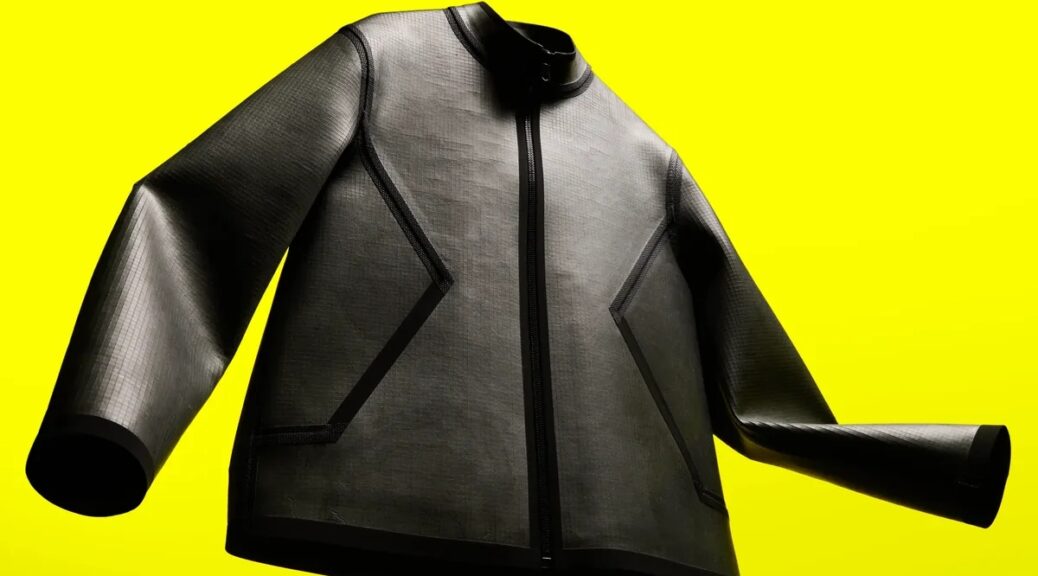











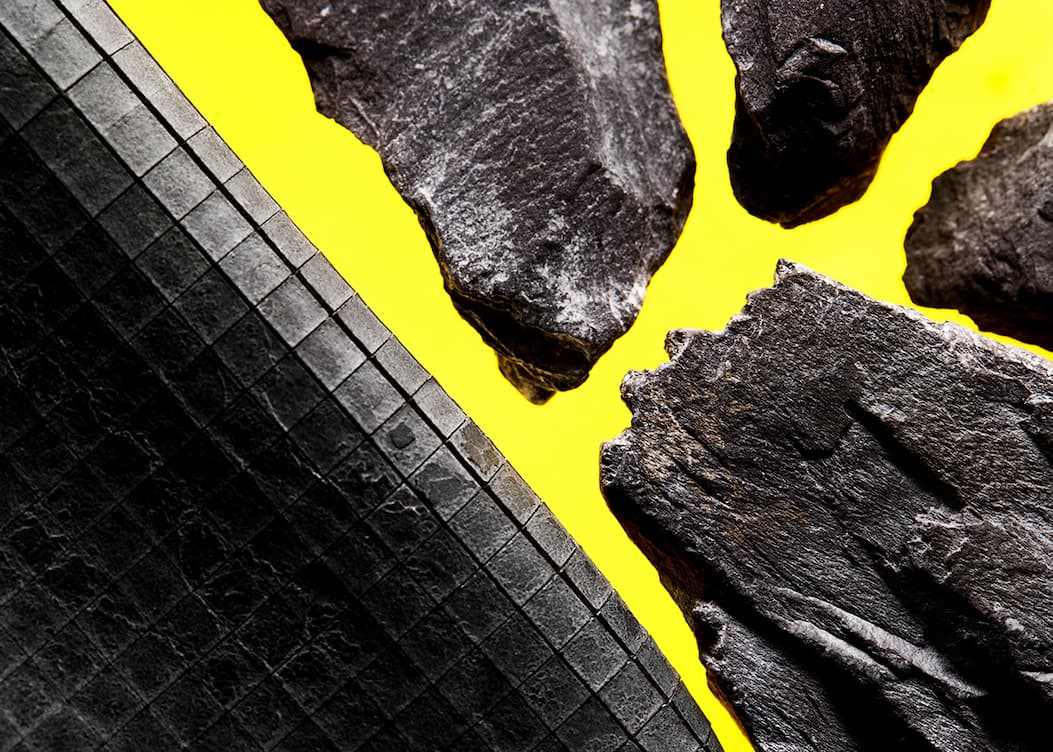

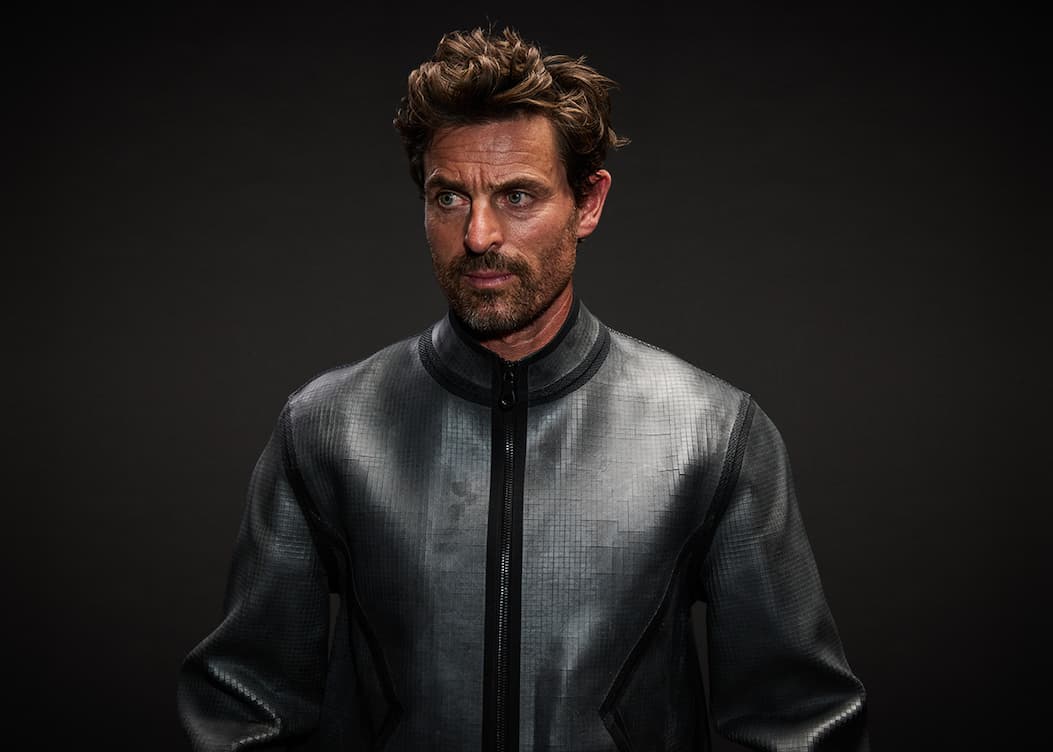





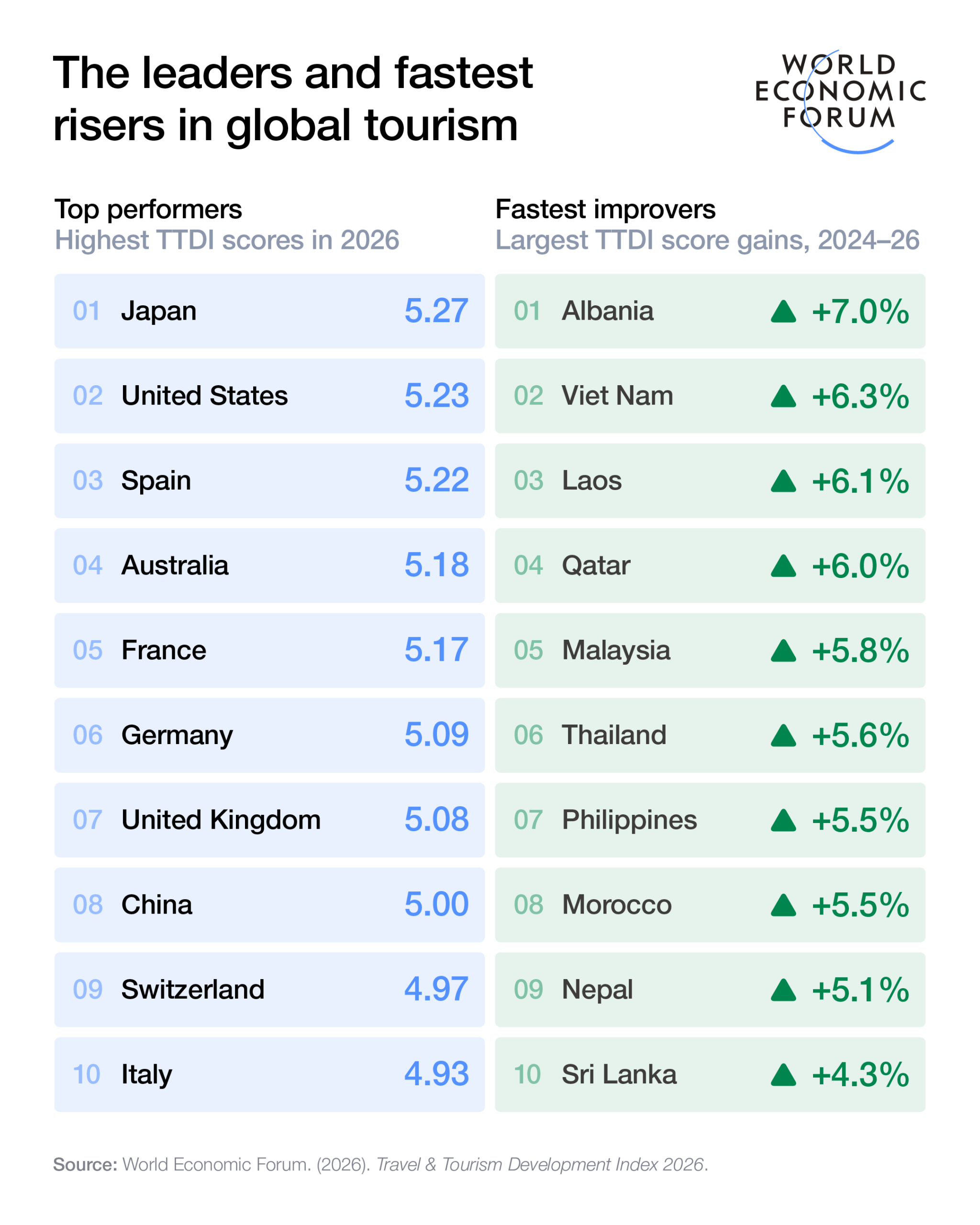
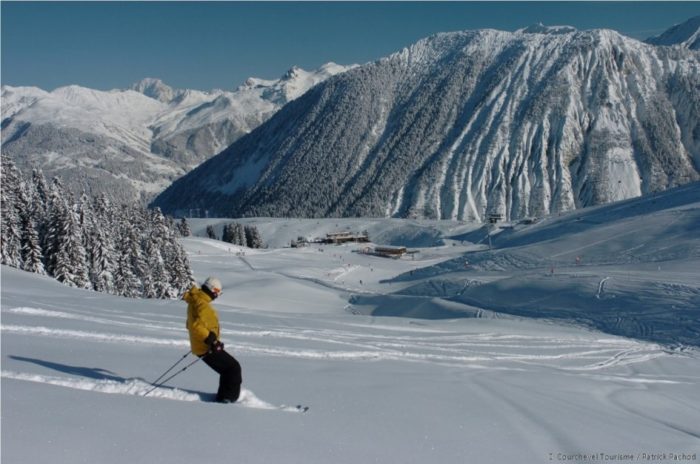
 There’s a reason why Val d’Isere, at 1,850 meters, continues to be the top choice of European skiers each winter. It offers the perfect blend of challenging ski terrain for advanced skiers and learner-friendly beginners zones for those new to the snow. The resort center is lined with high-end shops, lively après-ski bars and fantastic restaurants, all housed within beautiful, stone-clad buildings.
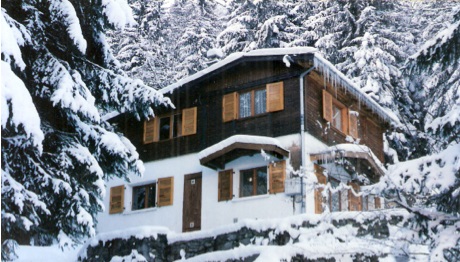 The diversity on offer in Chamonix these days makes it impossible to review the whole resort as one destination. At 950 meters, Les Houches is one of the closest resorts to Geneva Airport and offers kilometer after kilometer of tree-lined skiing, making it the perfect destination for families and beginners. The resort center has a village feel and is an outstanding spot from which to take in the incredible views.
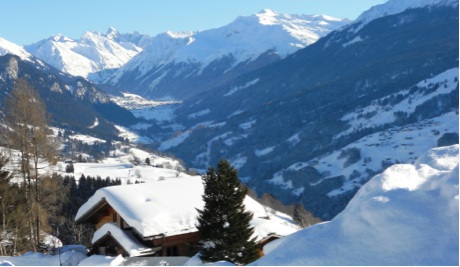 While the ski area between Klosters (at 1,179 meters) and Davos offers lots to explore, Klosters is without doubt the more attractive base for your ski holiday. The village center is charming and affluent, but with a relaxed vibe, while the trails are popular with advanced skiers enjoying an abundance of easily accessible off-piste in the area.
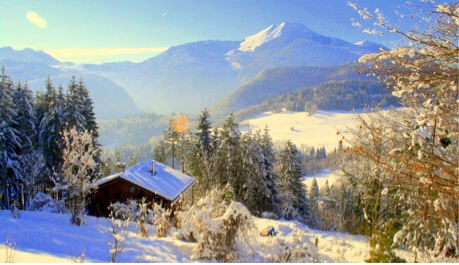 A resort that’s been quietly minding its own business for years, Les Gets, at 1,200 meters, is now developing into a chic, family-orientated resort that offers quick and easy access to the 650-kilometer Portes du Soleil ski area. Several piste-side restaurants offer views of Mont Blanc so it’s easy to find a sunny spot on which to enjoy an après tipple or two.
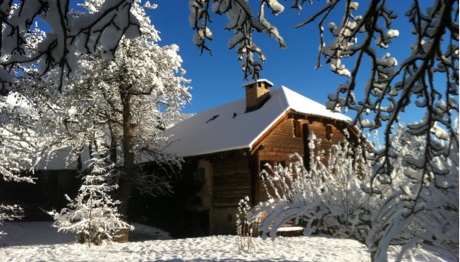 There’s one thing that makes these two interconnected resorts stand out, and it may not be for everyone. Crans, at 1,500 meters, and its neighbour Montana are not villages; although right on the edge of a great ski area, they’re most definitely towns with a very urban feel. This is a very sunny spot in which to base yourself and there’s varied terrain to suit all ability levels.
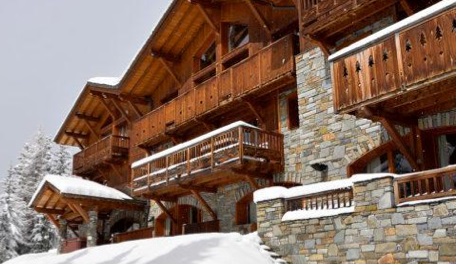 We love La Rosière, at 1,850 meters, not just because of its high elevation and snow certainty. The ski area offers two great experiences for the price of one when you cross over the Petit St Bernard pass into Italy. Wide pistes descend for kilometers into La Thuile over the border and getting back is no hassle at all. The main village is quiet but well stocked, and the views are exceptional.
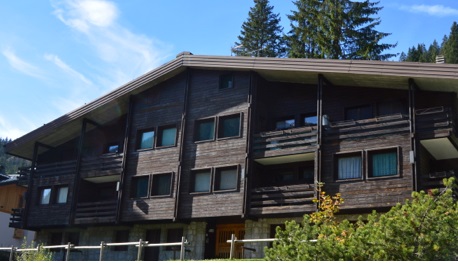 Italian ski resorts are always authentic, traditional and charming, and Campiglio, at 1,550 meters, is no different. The car-free resort huddles on the valley floor and the center is stylish with several chic shops. The ski area spreads over 150 kilometers, and there have been several lift upgrades over recent years, making it quick and easy for you to cover a considerable distance on skis each day.
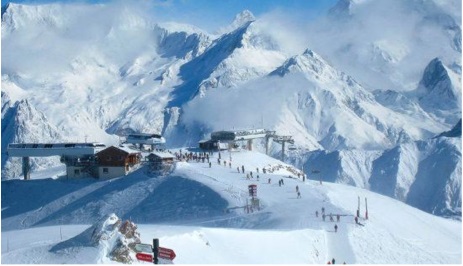 Rebranded way back in 2011 to recognize the differences between its more blingy neighbor higher up the valley, Courchevel 1650 is now an attractive, unpretentious resort with a stack of new facilities, including Aquamotion, a huge center for water sports that opened in December 2015. And let’s not forget: On your doorstep you’ll find the largest linked ski area in the world. The 600 kilometers of the 3 Valleys network never disappoint.
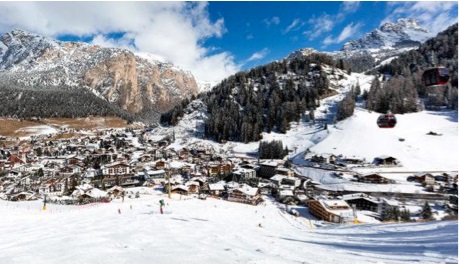 Seasoned skiers, this one’s for you. At 1,563 meters, Selva serves up challenging ski terrain on both sides of a valley, accessed by both gondolas and quick chair lifts. The village center is packed with charm and character and there’s also a collection of well-maintained beginner slopes and progressive tree-lined runs enjoyed by families.
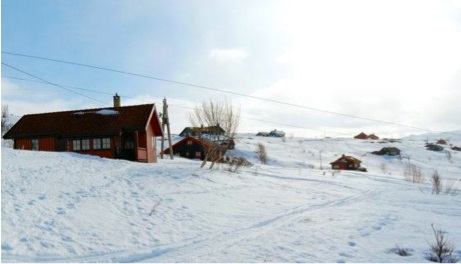 No list of top 10 ski resorts is complete without mentioning Norway and the town of Geilo, at 800 meters. It is one of the country’s most popular resorts. It’s a small, well-equipped town that’s invested heavily in new runs, new lifts and new facilities. Between January and April you can also ski until 8pm on flood-lit slopes. Photo Credit: Geilo, Norway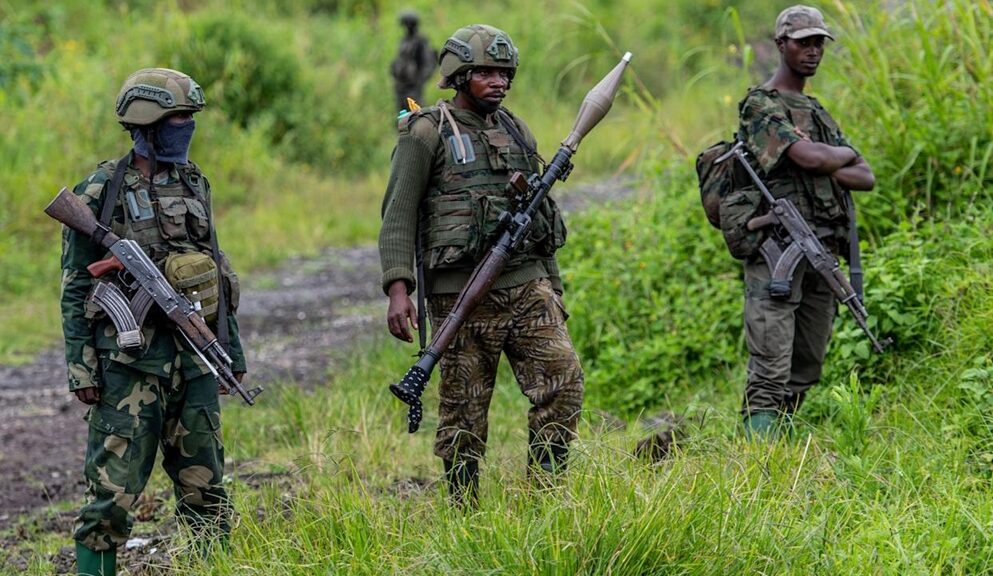







 MONA LUNA at Luna · Design: Sacha Lakic ©Venturi Space/Romero

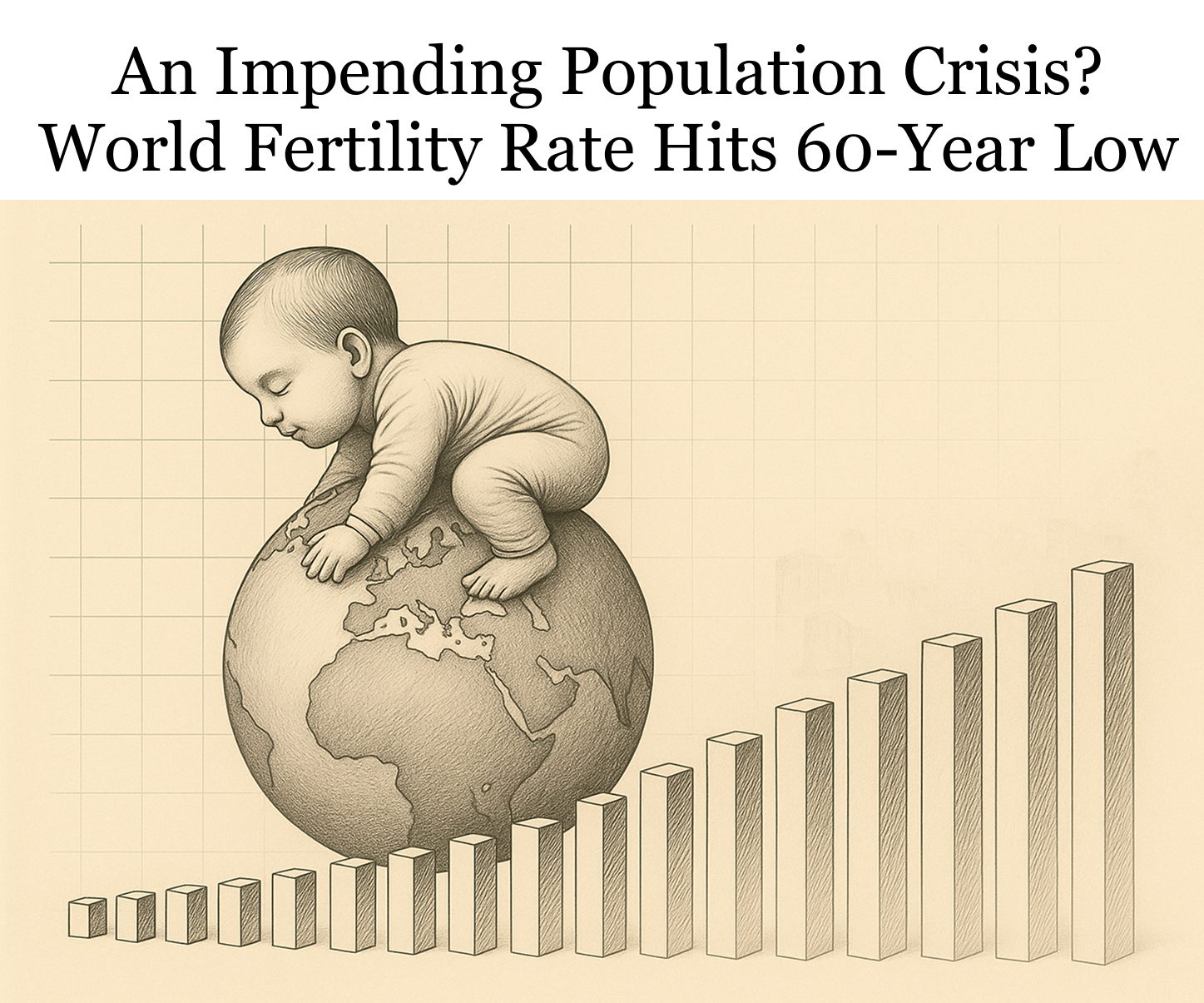 In case you missed it- the world is quietly entering a population crisis. Global fertility rates have plunged to their lowest level in 60 years, raising profound questions about how societies will sustain themselves in the decades ahead.
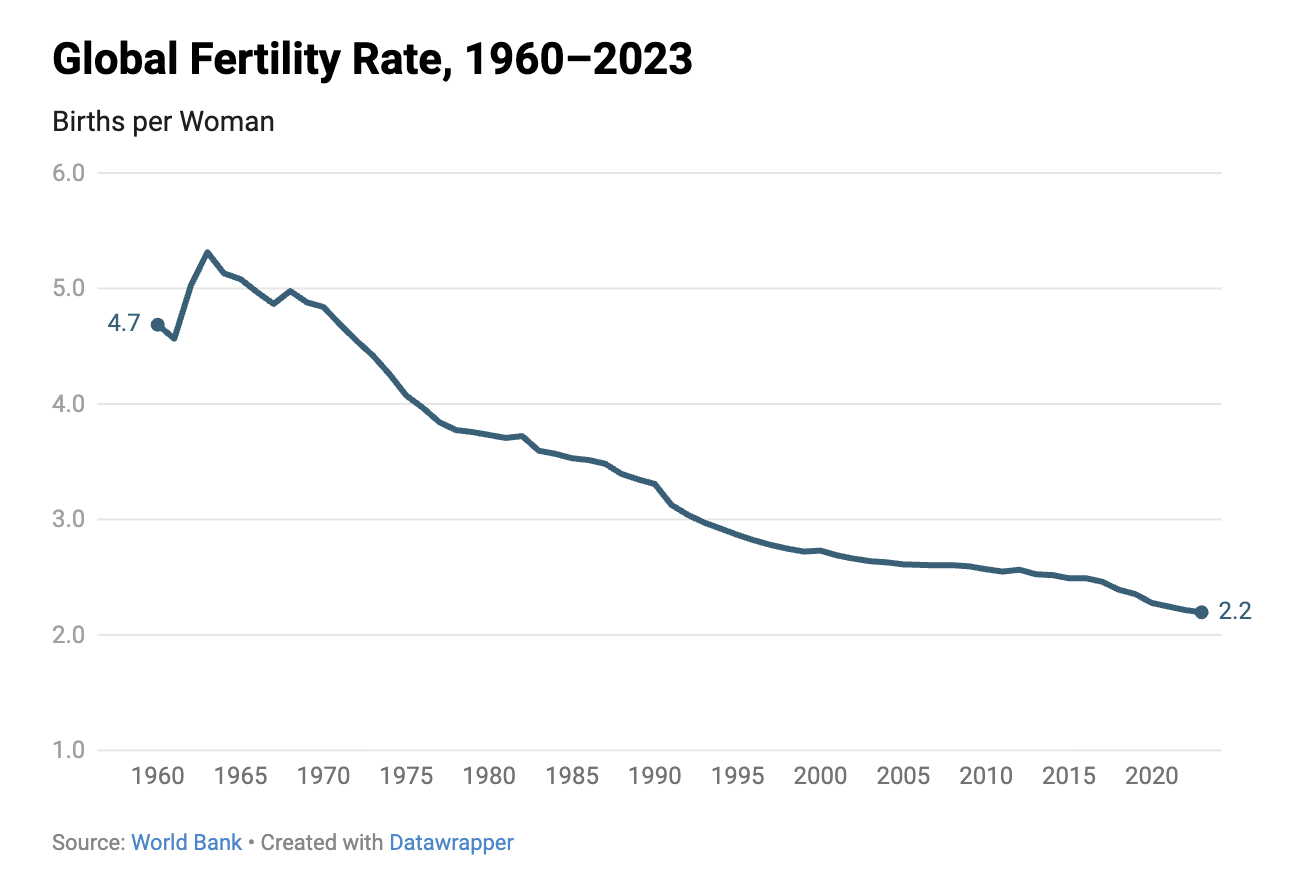 In July, the U.S. Census Bureau projected that the world’s population will reach 8.1 billion this year. Experts say that although the figure has grown from 3 billion in 1960, the number to watch is the pace of population growth.”
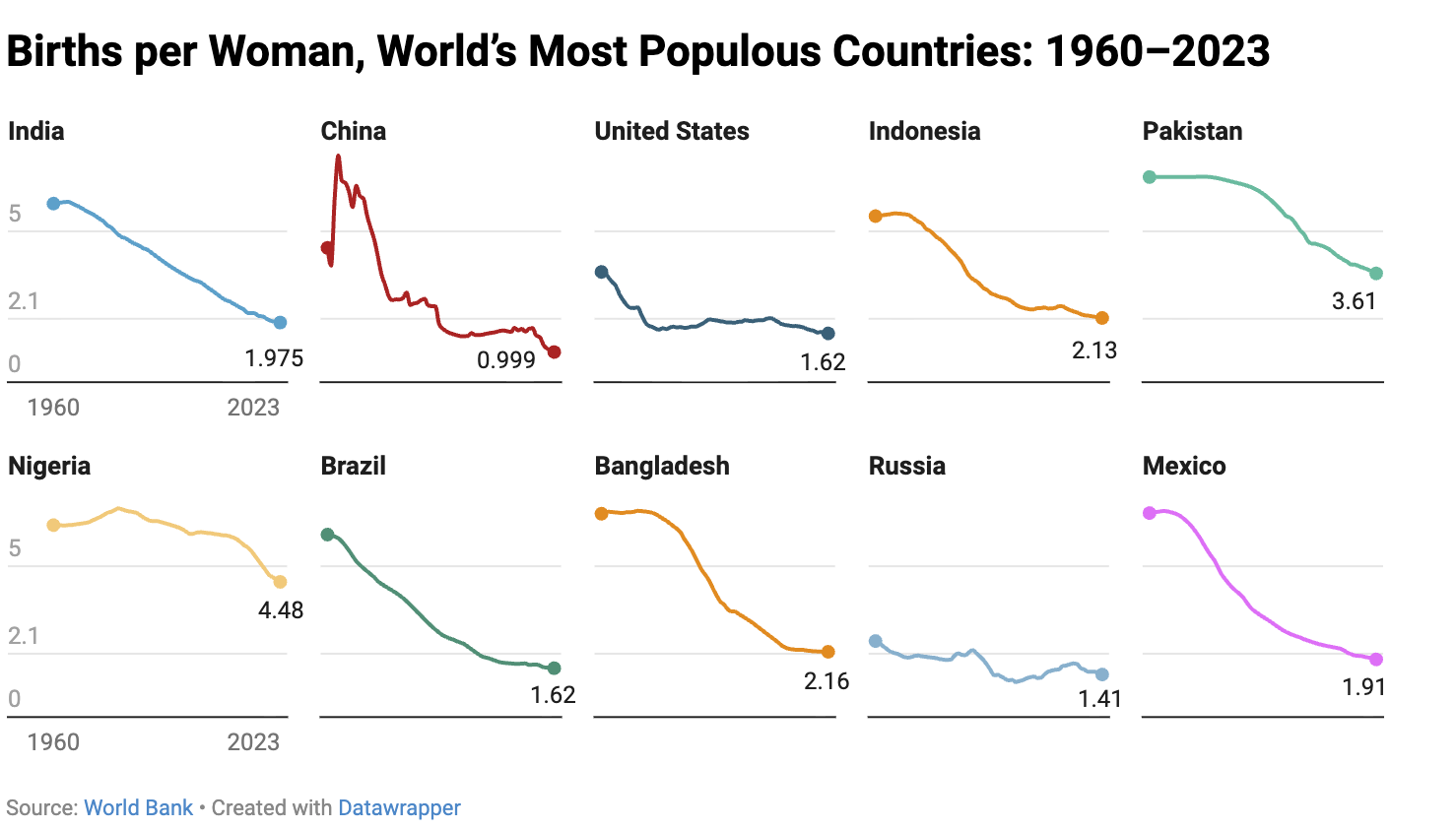 Asian and European countries have the lowest fertility rates in the world, and South Korea (0.72), Singapore (0.97), Ukraine (0.977), and China (0.999) all have rates below one. (
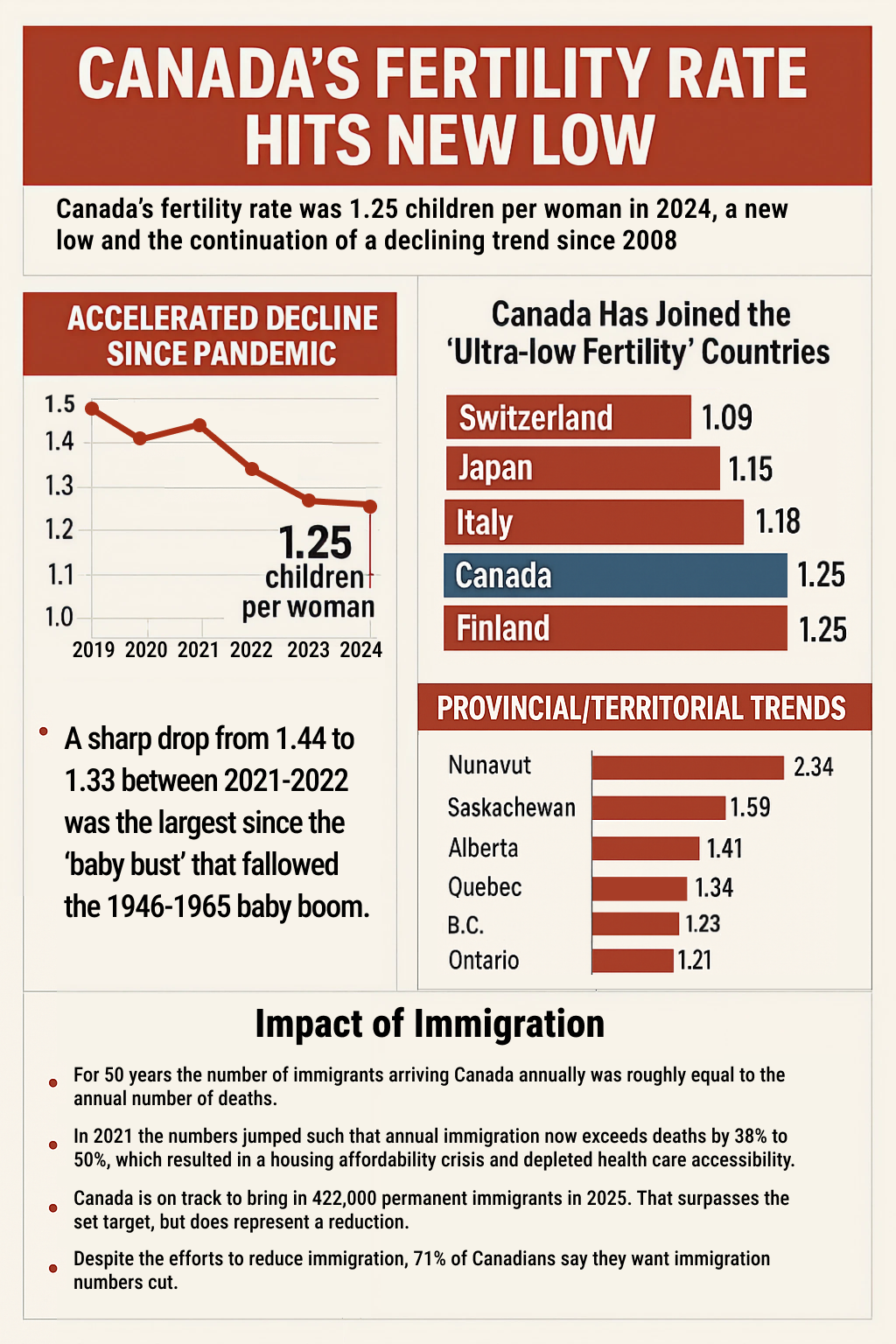 Source: Statistics Canada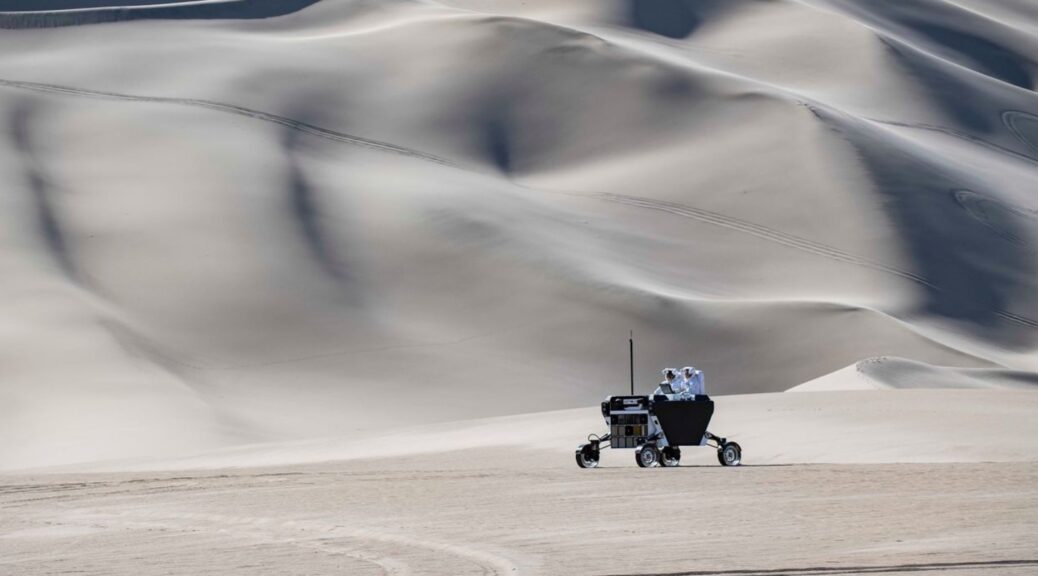
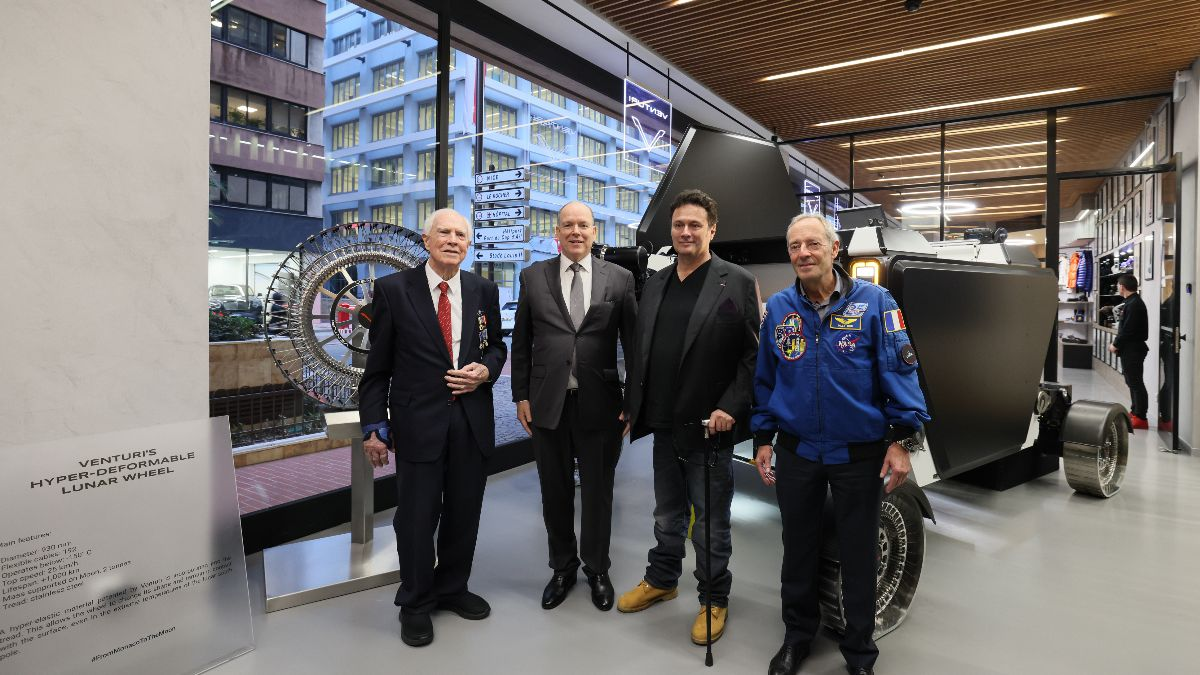
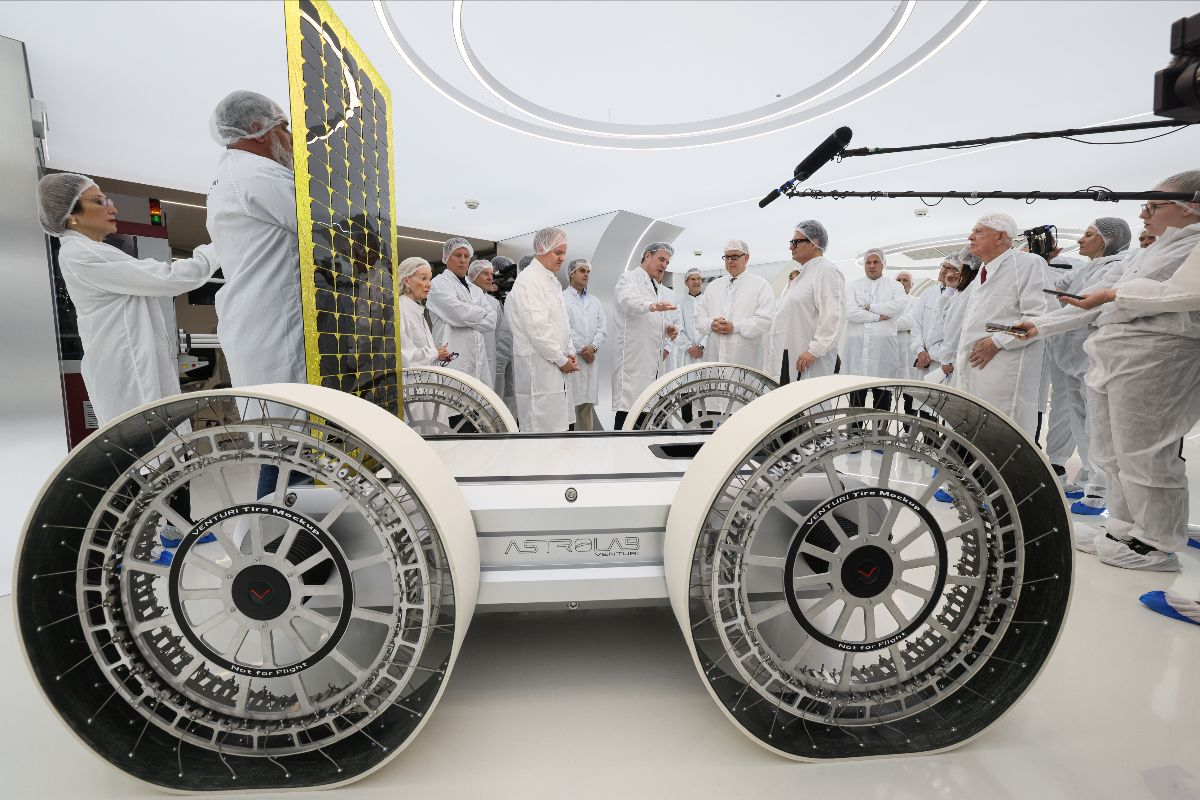
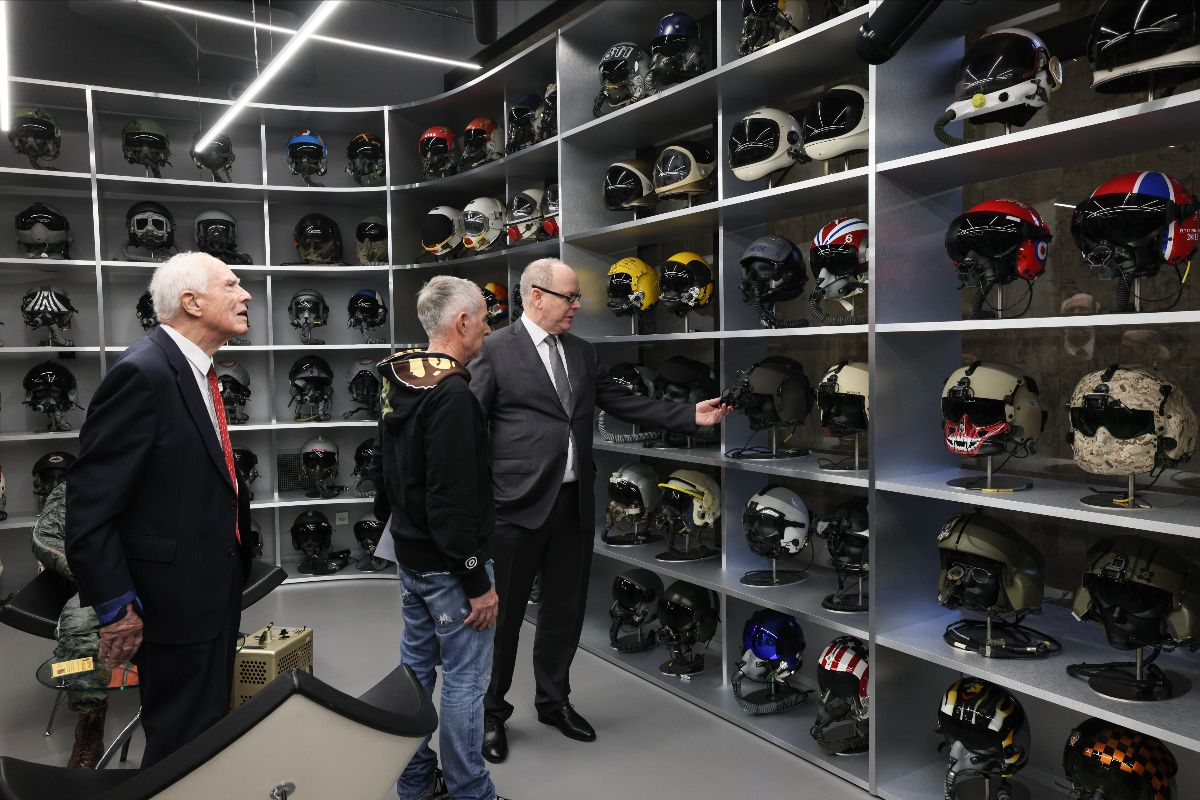
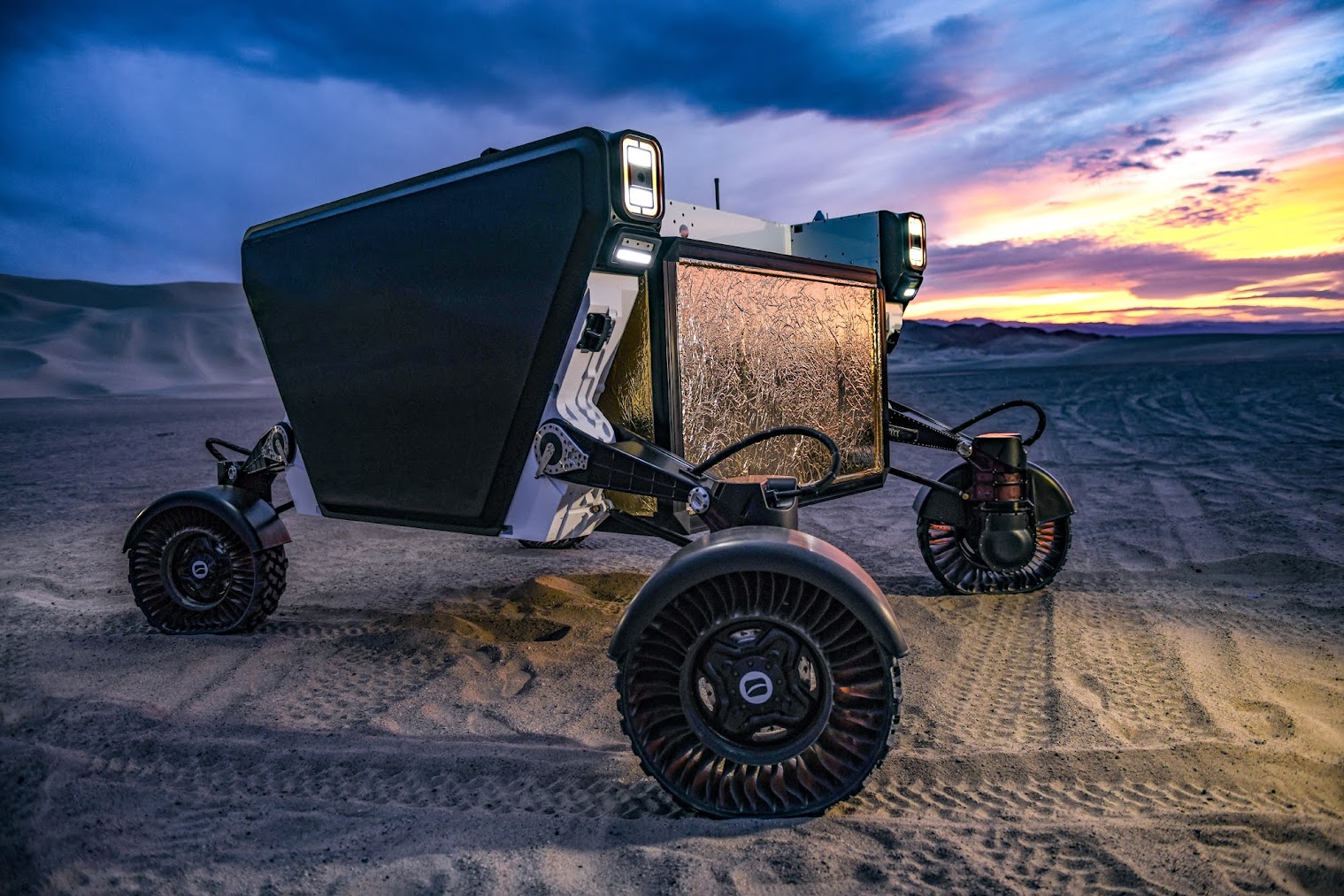
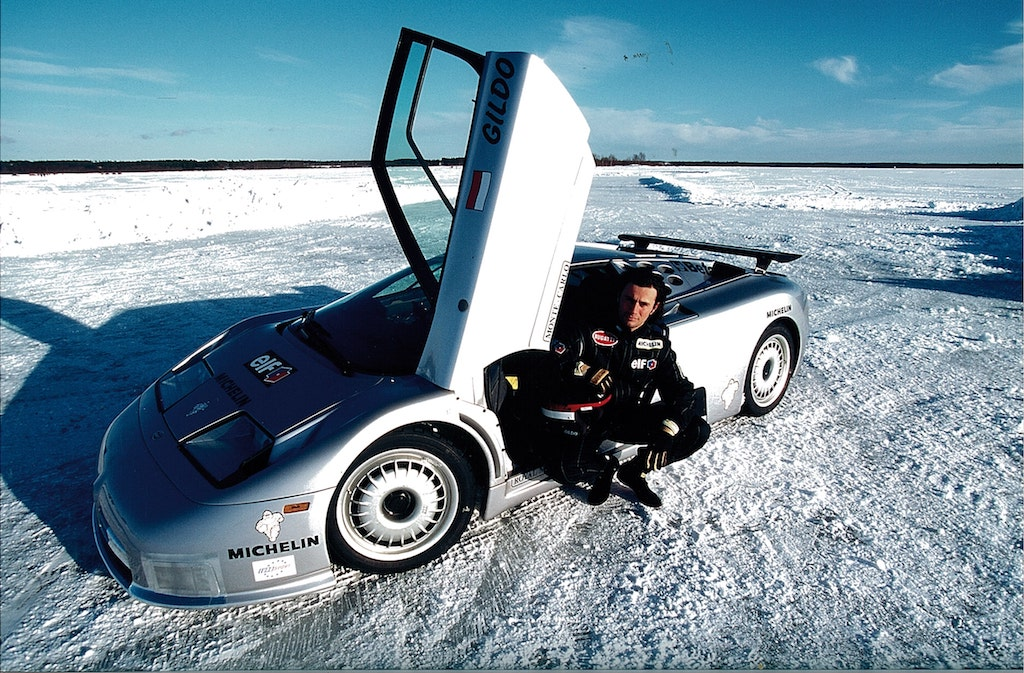
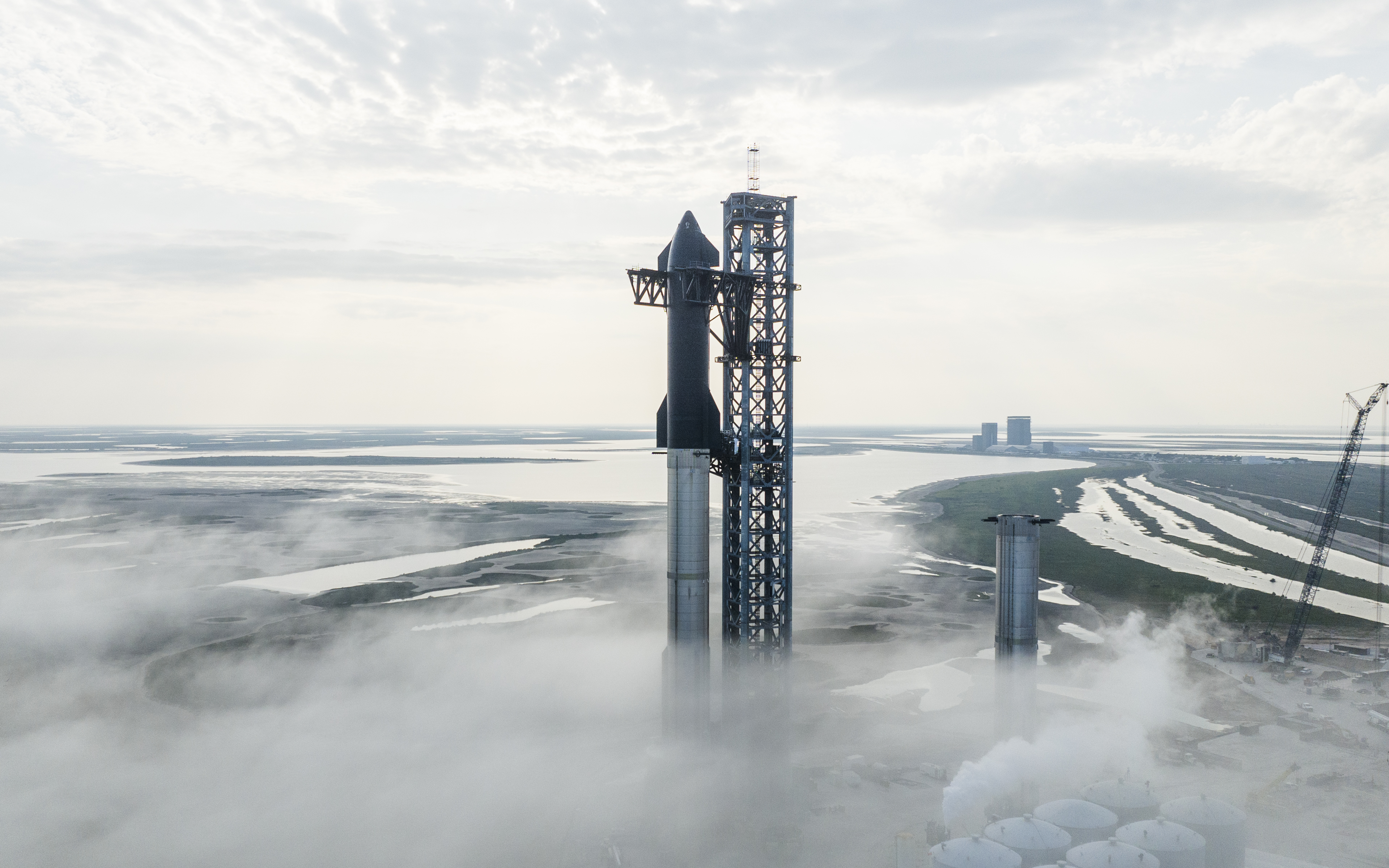
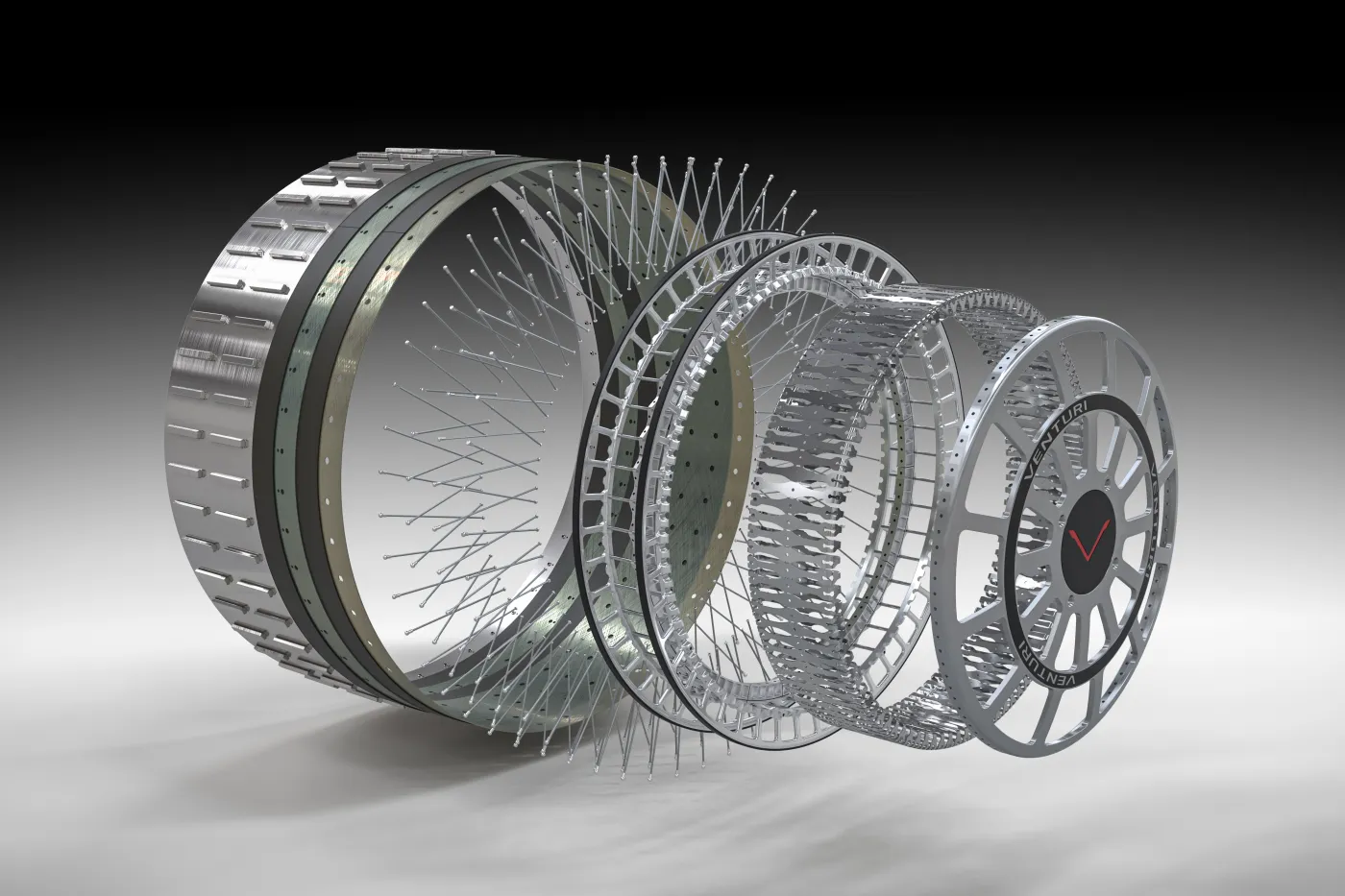
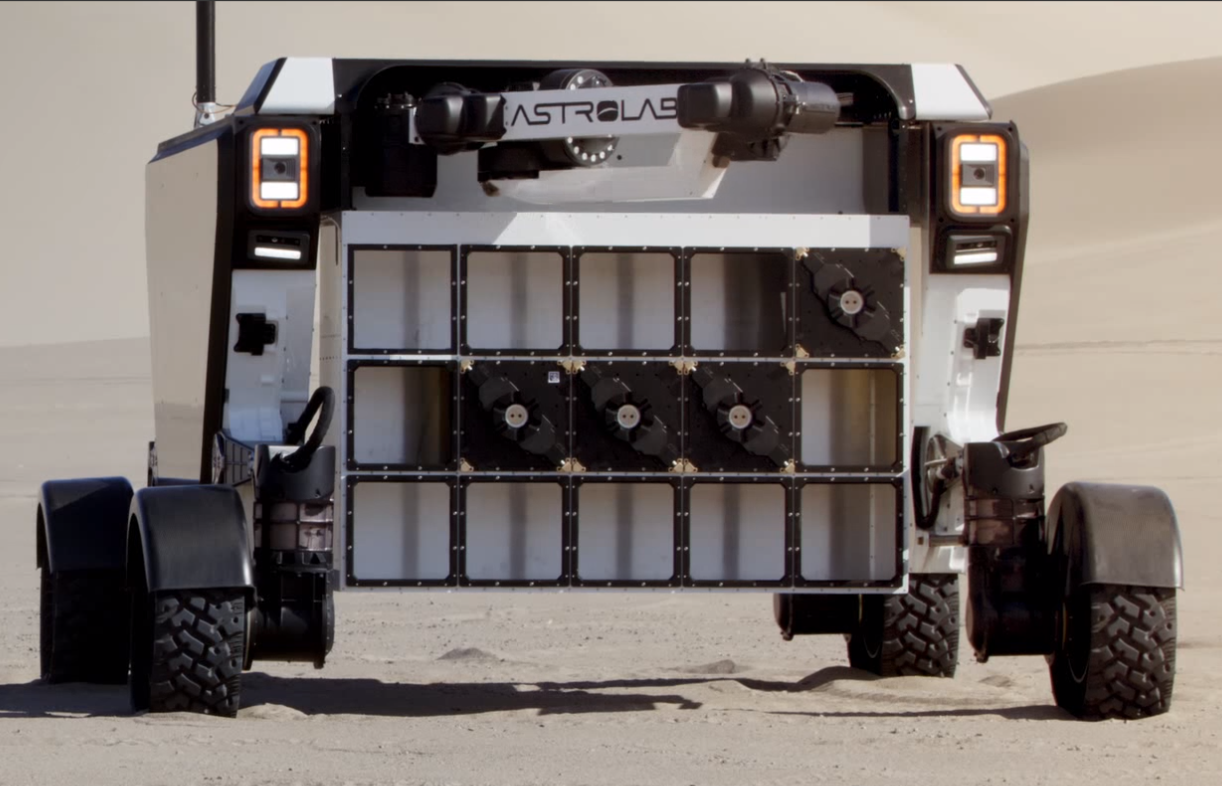




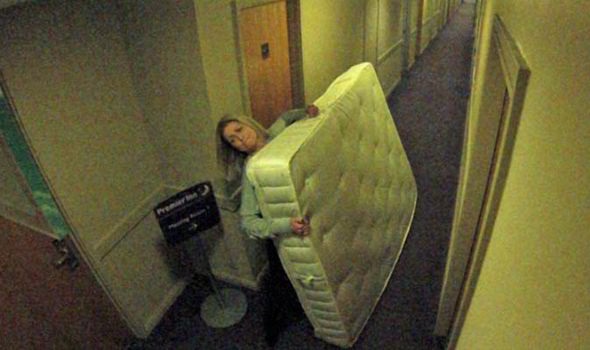
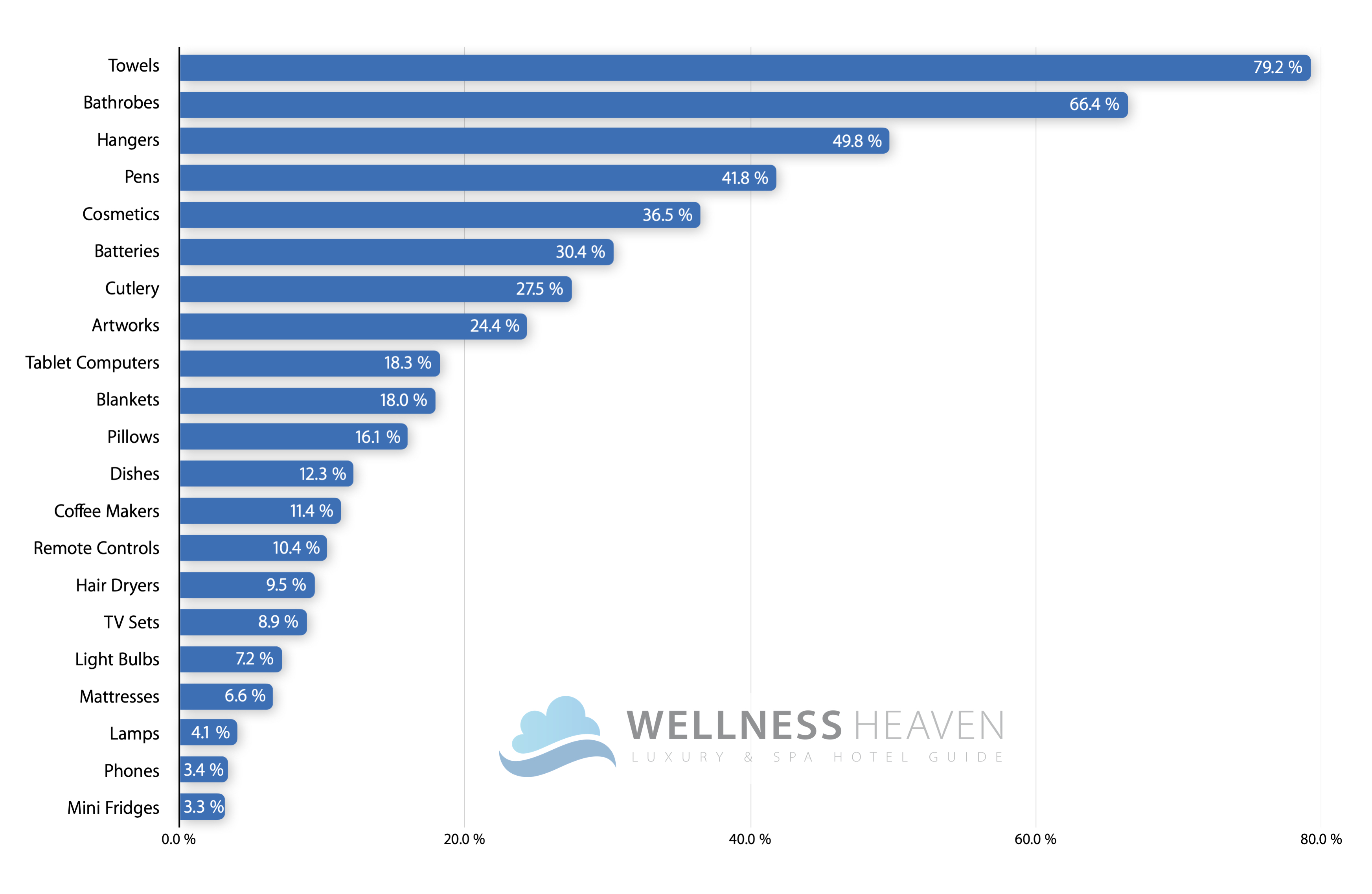
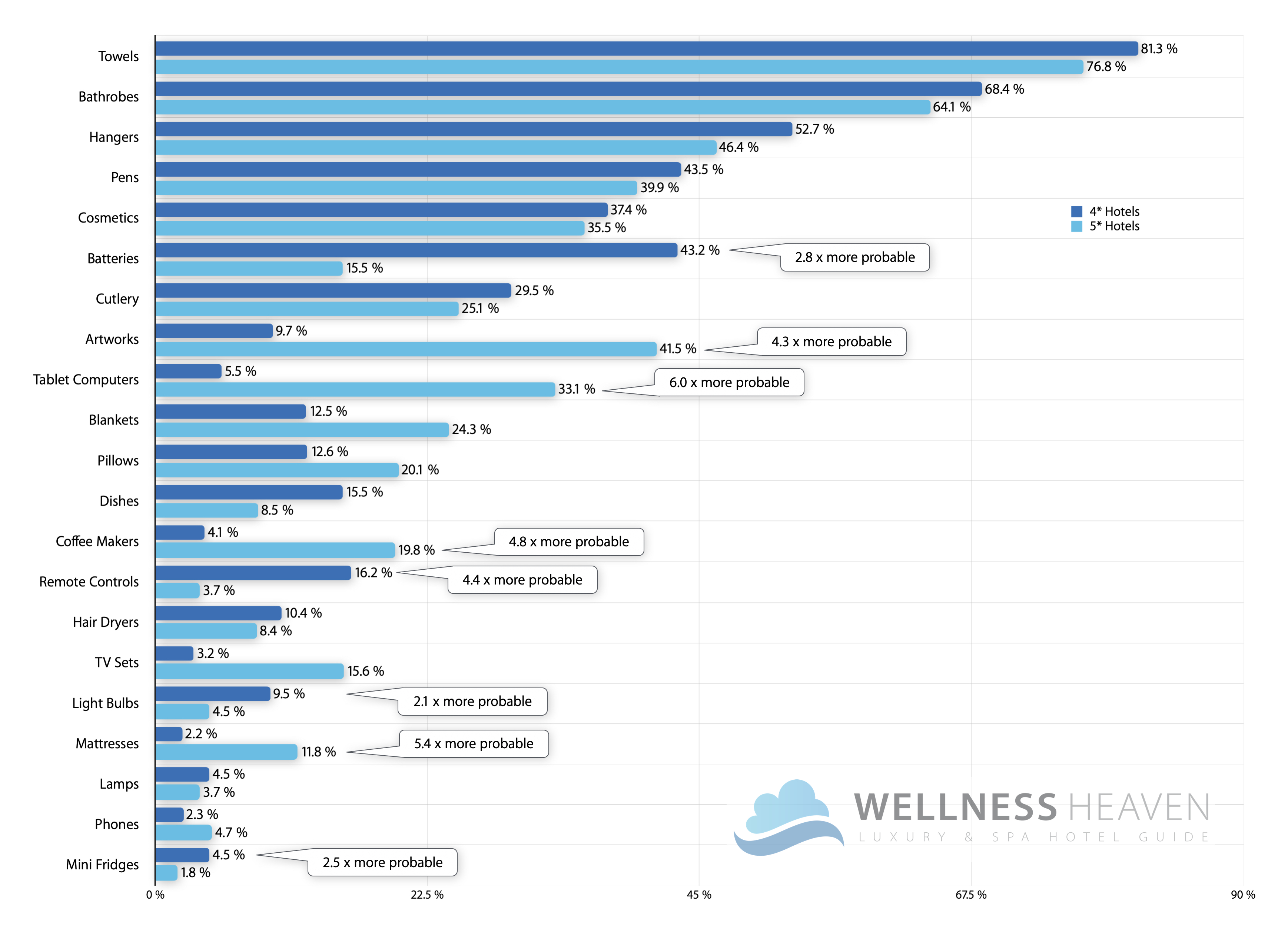
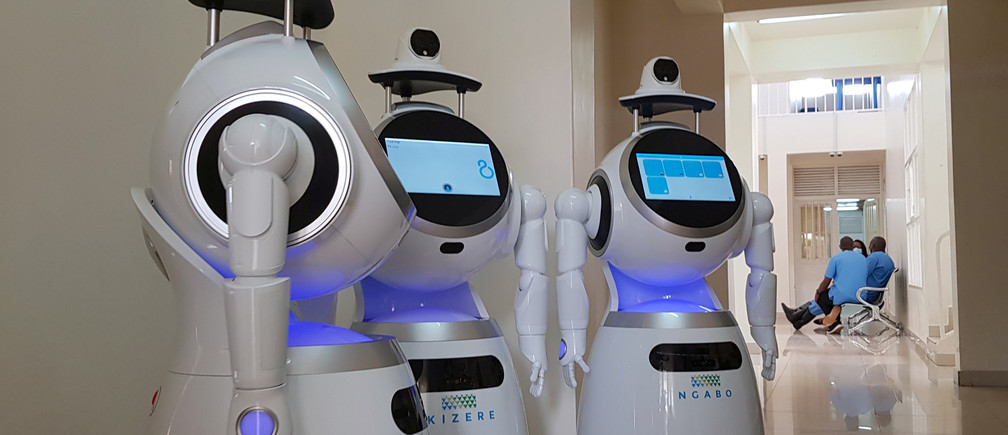







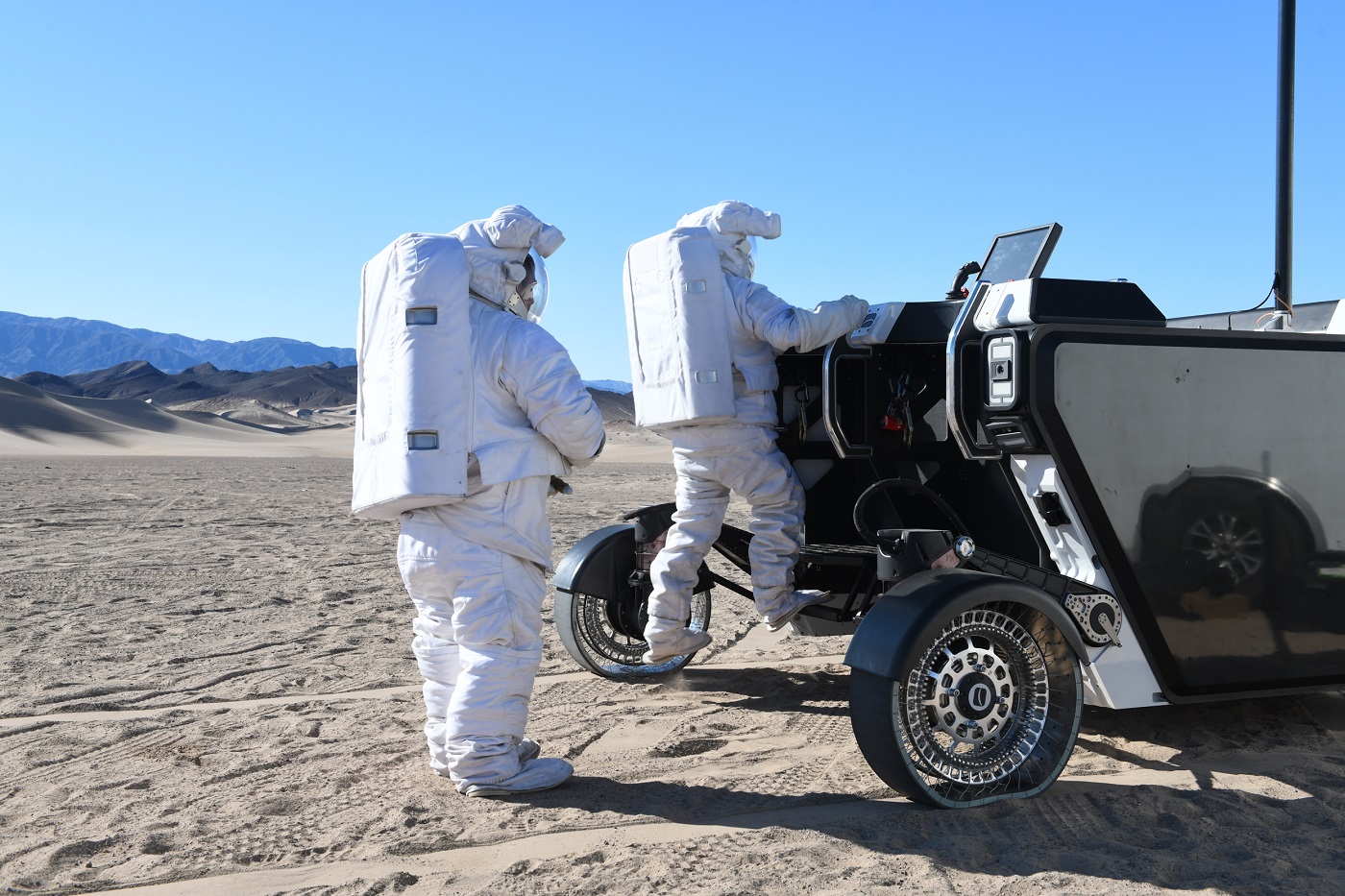
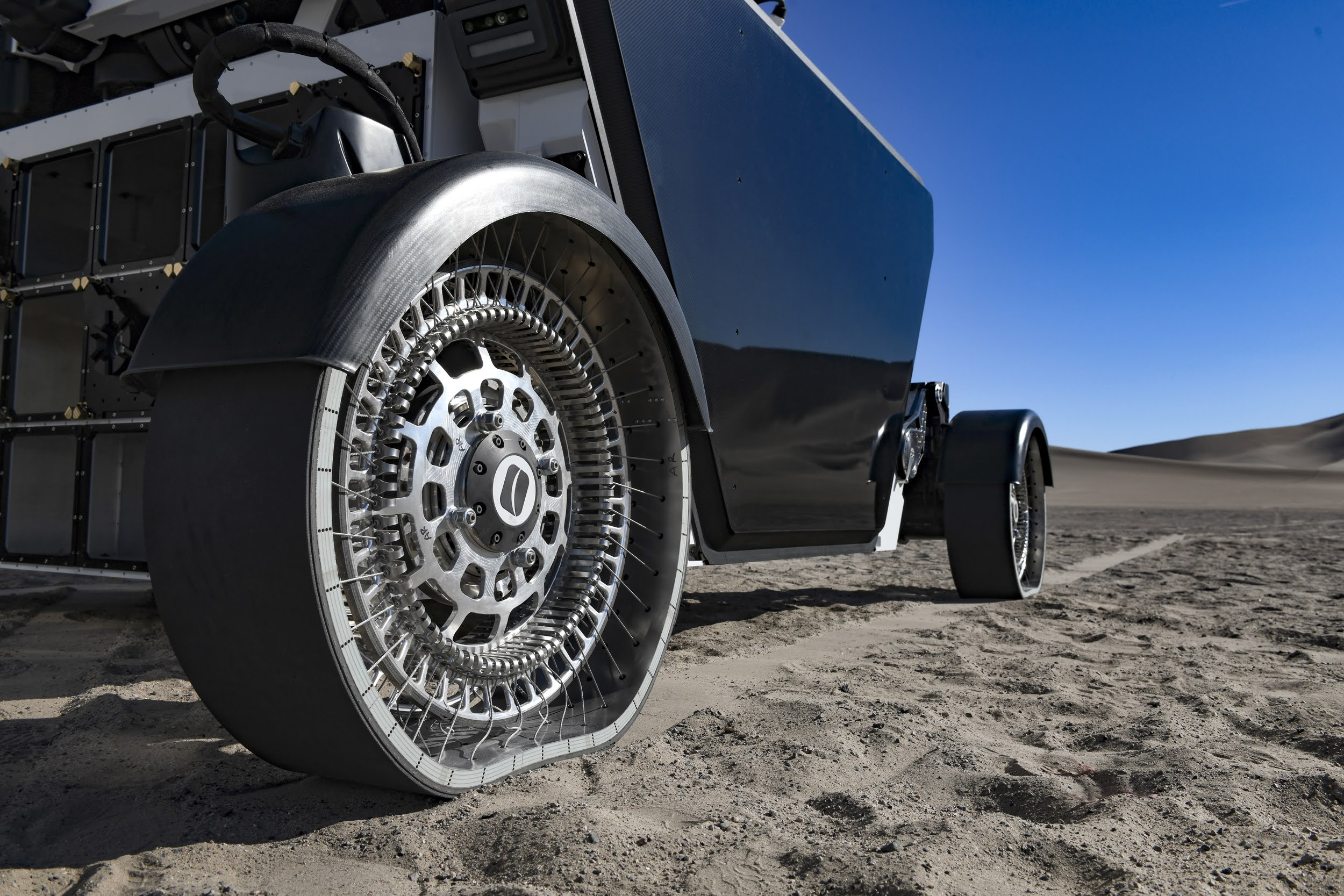
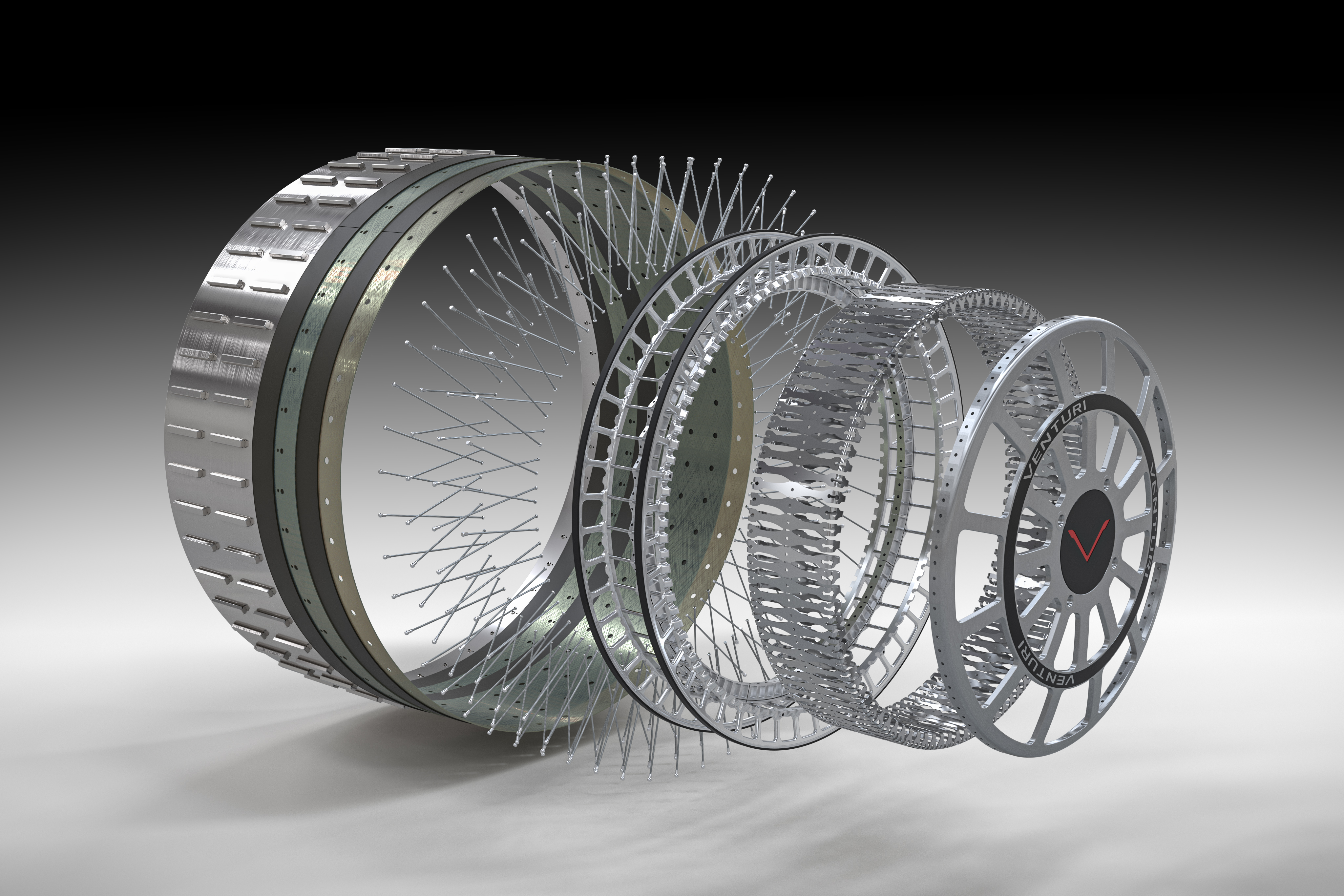
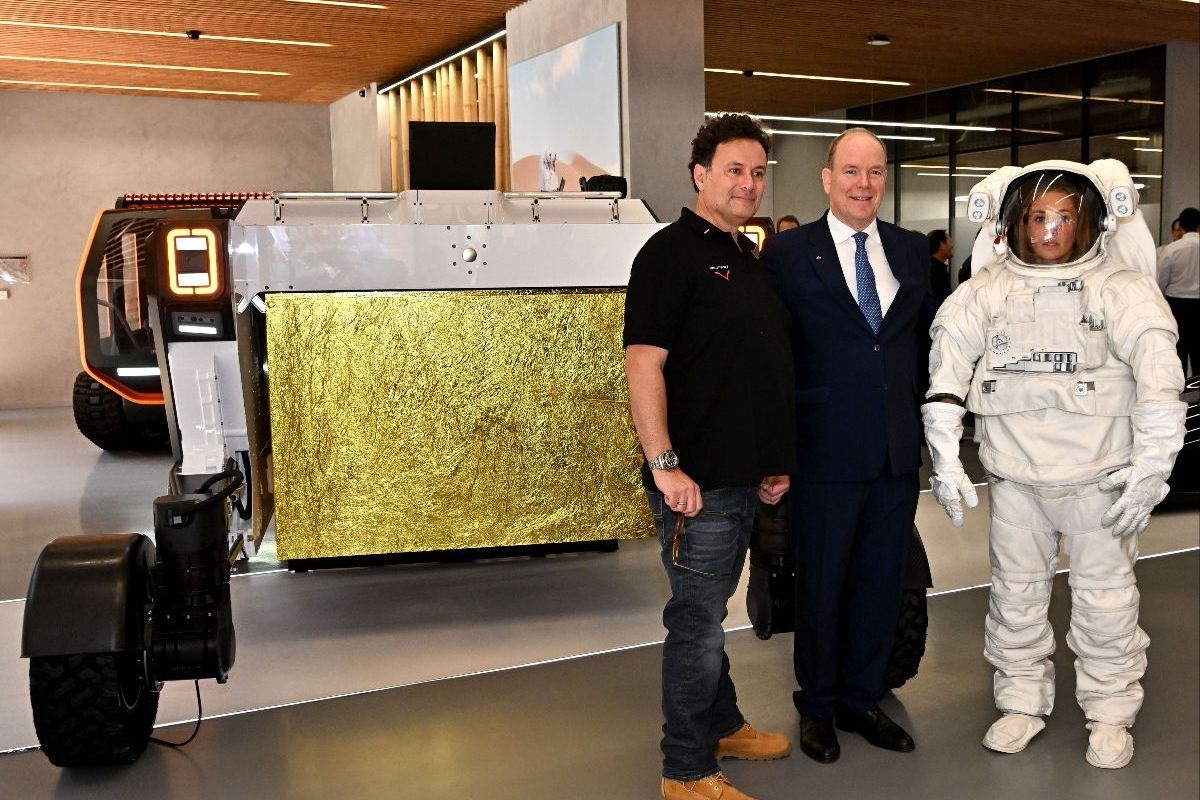
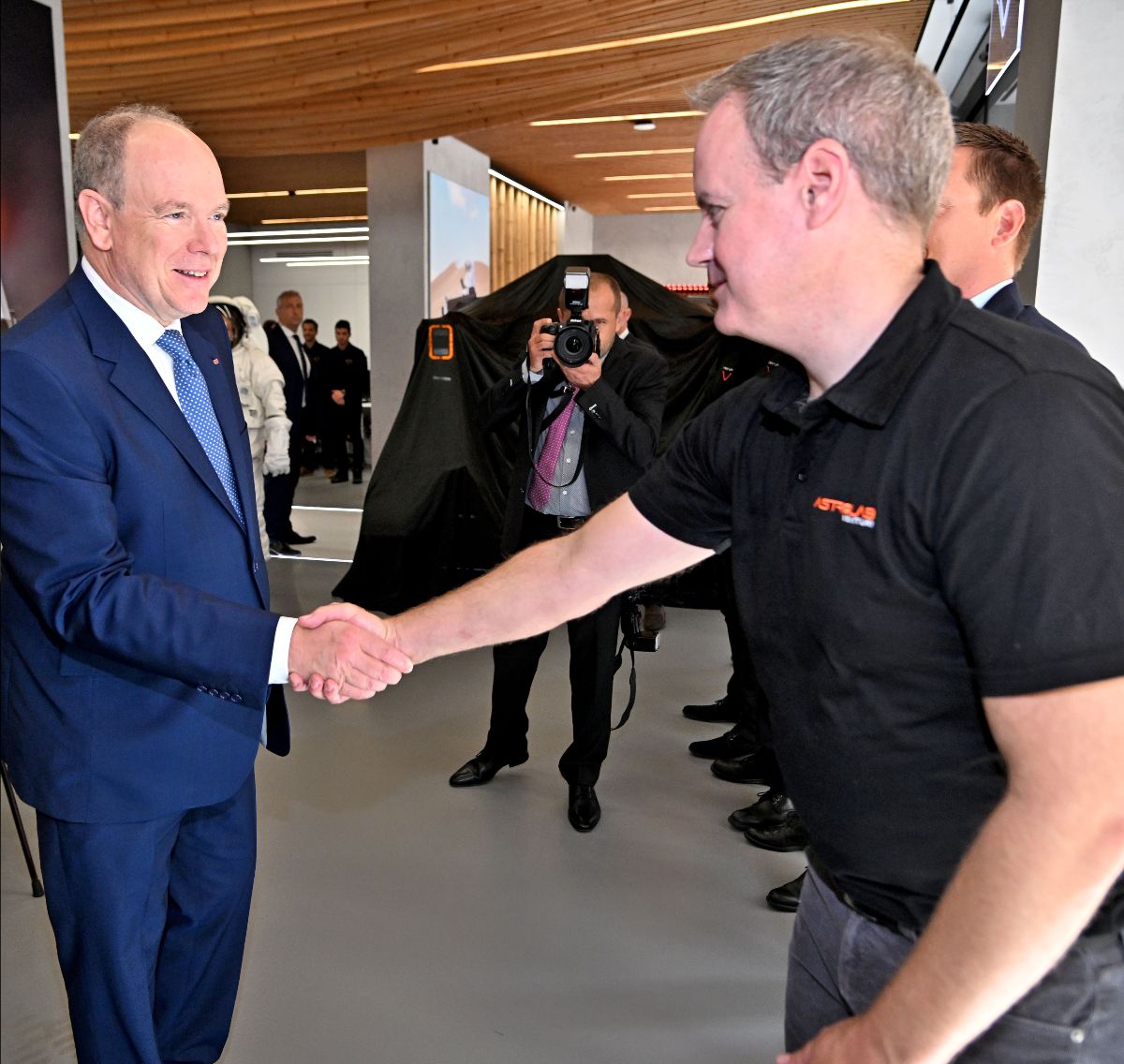
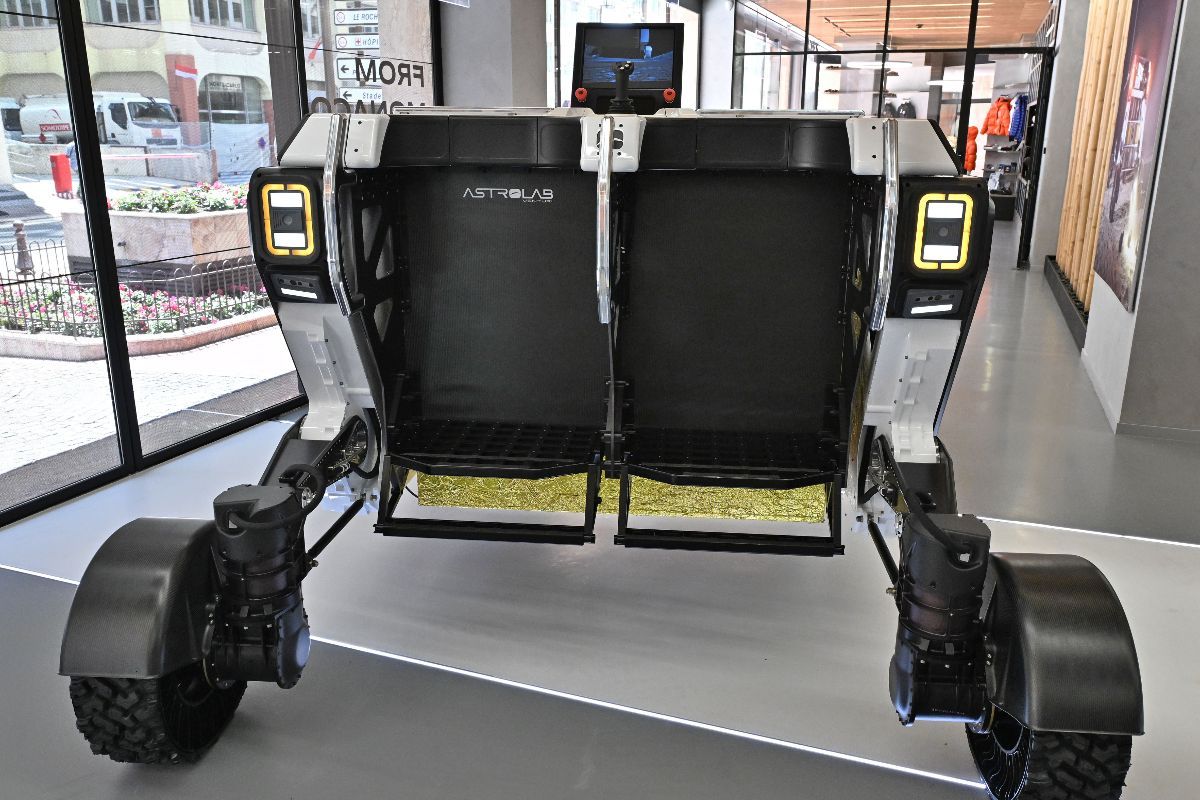
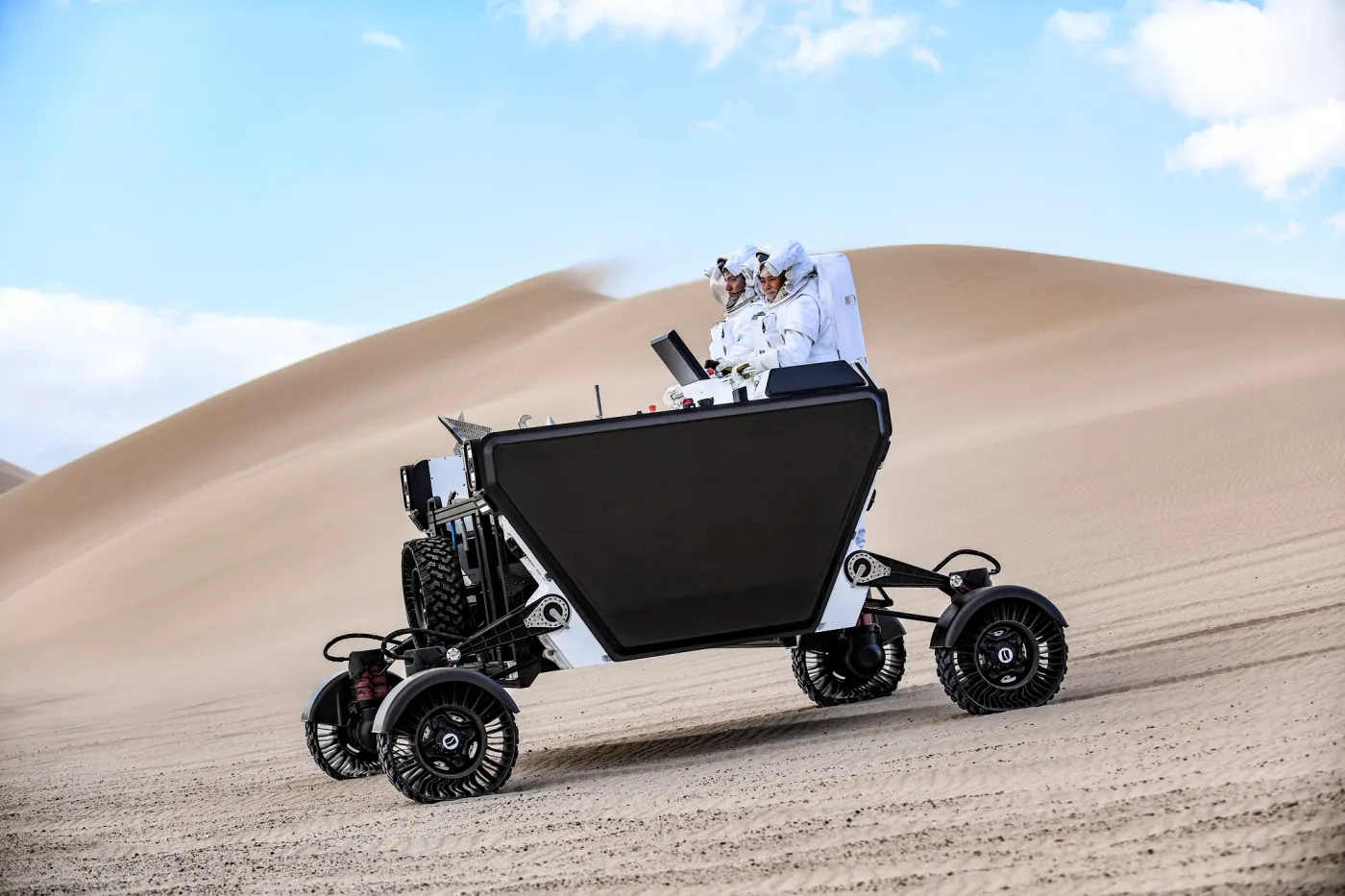


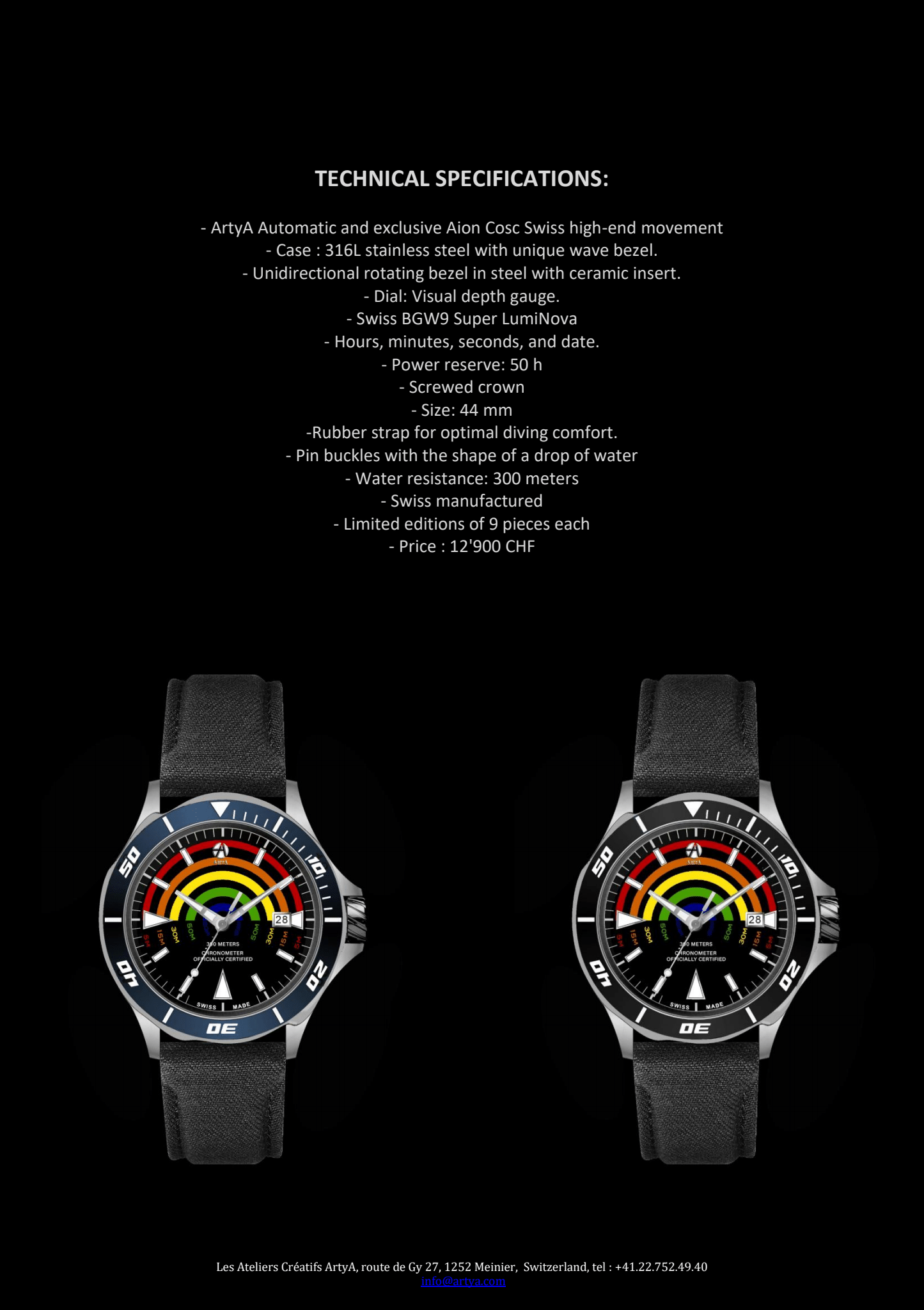



 That’s why