As Major League Baseball wins new fans at home and from Asia to Latin America, replicas of player jerseys, caps and warm-up jackets are being worn by trendsetters worldwide.
U.S. baseball fans have long sought out merchandise that advertises their favorite players and teams. Increasingly, baseball-themed apparel is purchased worldwide, according to the data aggregator Statista, based in Germany. The sporty look of a baseball jersey is now popular on the streets of London and Tokyo and even on Milan’s fashion runways.
Demand stems partly from the growth in international fans — Japanese baseball enthusiasts, for instance, take great pride in the Los Angeles Dodgers’ Shohei Ohtani and the San Diego Padres’ Yu Darvish. But demand is also driven by fashion-conscious youth, who might know little about the game but like the look.
A feeling of connection
Hall of Famer Ken Griffey Jr. says baseball apparel forges a connection among players and fans. He says that, during his own 22-season career (with the Seattle Mariners, the Cincinnati Reds and the Chicago White Sox), he always appreciated spotting fans wearing his jersey.
“When you see your jersey outside of your home ballpark, on the road, it’s special,” Griffey says. “You want to do something special because of those people … who support, not only you, but the organization and the city.”
The former outfielder, who ranks seventh all-time on Major League Baseball’s home-run list, influenced today’s “baseball style” by popularizing the cap worn backward. Griffey’s is not a passing interest. Though retired from the league, he partners with Baseballism and Nike to help design baseball-themed clothing and shoes.
Baseball’s influence on fashion
Baseball historian Todd Radom, author of Winning Ugly:A Visual History of the Most Bizarre Baseball Uniforms Ever Worn, notes that what the players wear on the field has shifted over the decades, moving from conservative to brighter, bolder uniforms in the 1970s, and back to classic color schemes in the 1980s.
(State Dept.)
Creative Collaborations Introduce Alternate Styles And Colors
While uniforms today are largely designed with red, blue or black lettering set against a white or gray background, the league sells merchandise in a range of popular colors. It also engages in creative collaborations with casual clothing lines like Mitchell & Ness and Goat USA and high-fashion brands like Italy’s Gucci and Moschino, and U.S.-based Ralph Lauren.
Baseball-themed runway collections combine luxury materials (leather, cashmere or silk) and expressive overlays (crystals or floral and cartoon-character appliqués).
Moschino, for example, routinely blends oversized baseball jersey dresses with cartoon figures. And sportswear lines integrate stylized ballpark logos, team mascots and Looney Tunes, Sesame Street or Scooby-Doo characters.
Baseball’s comfortable jerseys and brimmed caps easily “adapt to whatever purpose you lTolike,” playing sports or looking stylish, says Erin Corrales-Diaz, a curator at the Toledo Museum of Art and author of The Iconic Jersey: Baseball x Fashion.
Historic Jerseys Are Being Reproduced
The Philadelphia-based Mitchell & Ness Nostalgia Company reproduces historic jerseys for customers who want to recapture their childhood sports memories, says Lynn Bloom, a company director. Superstars’ jerseys are always popular, she says, and Griffey’s consistently ranks among the company’s top-10 sellers.
He’s thrilled. “I always like seeing my stuff out there,” he says. And when fans wear a player’s jersey, “you know they feel that they’re a part of the team.”
COMPLEXITY MÉTIERS D’ART Double Cônillon 12 / 6 o’clockThe art of the human hand in combination with mechanical spectacle.
WORLD PREMIERE: DOUBLE INCLINED TOURBILLON WITH DIFFERENTIAL Limited edition of 9 pieces
The hand elevates the mechanics.
“The Complexity is an extreme and spectacular mechanical sculpture, designed to be admired from every angle while magnifying the chronometry and absolute precision that define the very essence of this watch.”YVAN ARPA, FOUNDER OF ARTYA GENÈVE
COMPLEXITY
MÉTIERS D’ART
Double Cônillon 12 / 6 o’clock · The art of the human hand in combination with mechanical spectacle.
WORLD PREMIERE: DOUBLE INCLINED TOURBILLON WITH DIFFERENTIAL
Limited edition of 9 pieces
MÉTIERS D’ART EDITION
The hand elevates the mechanics.
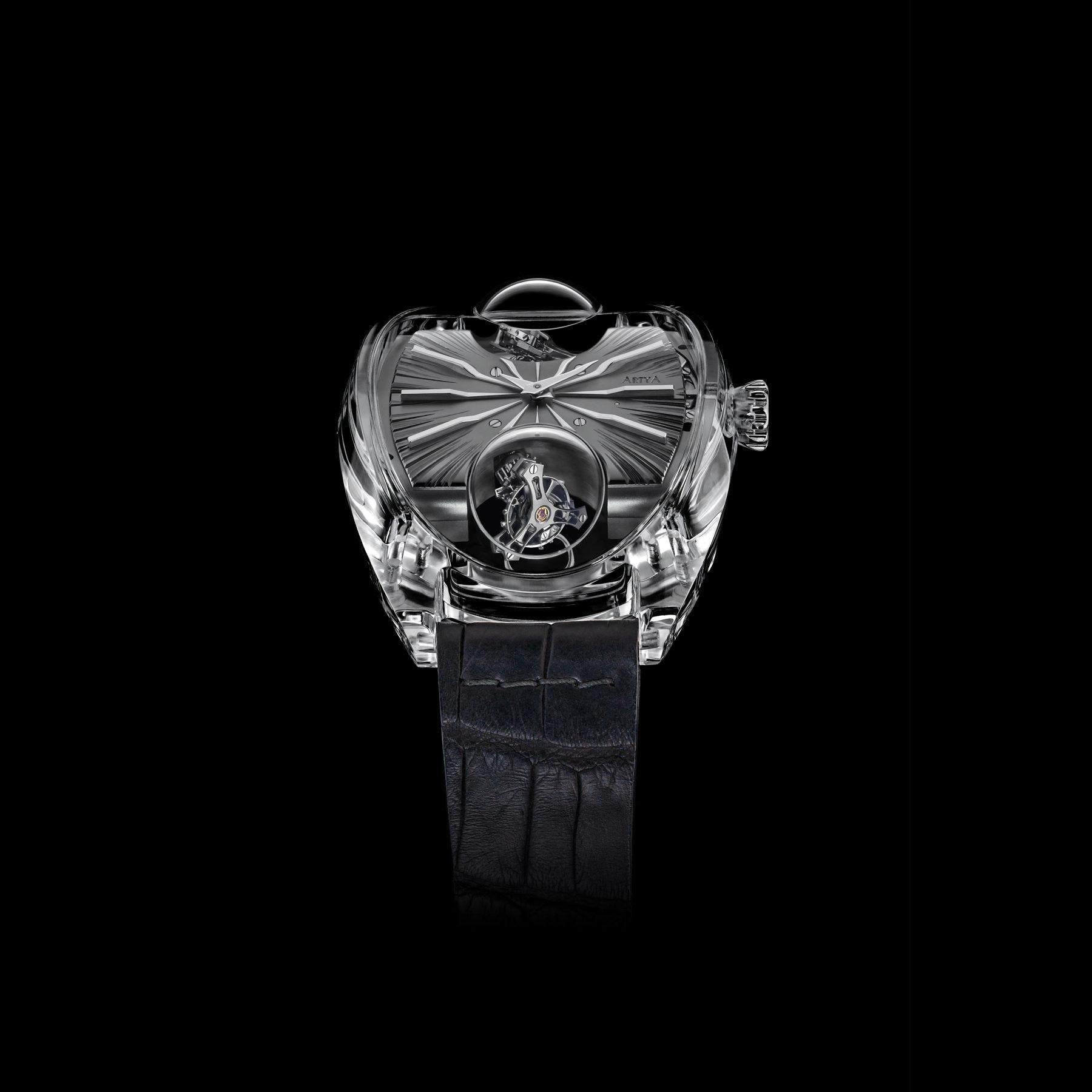
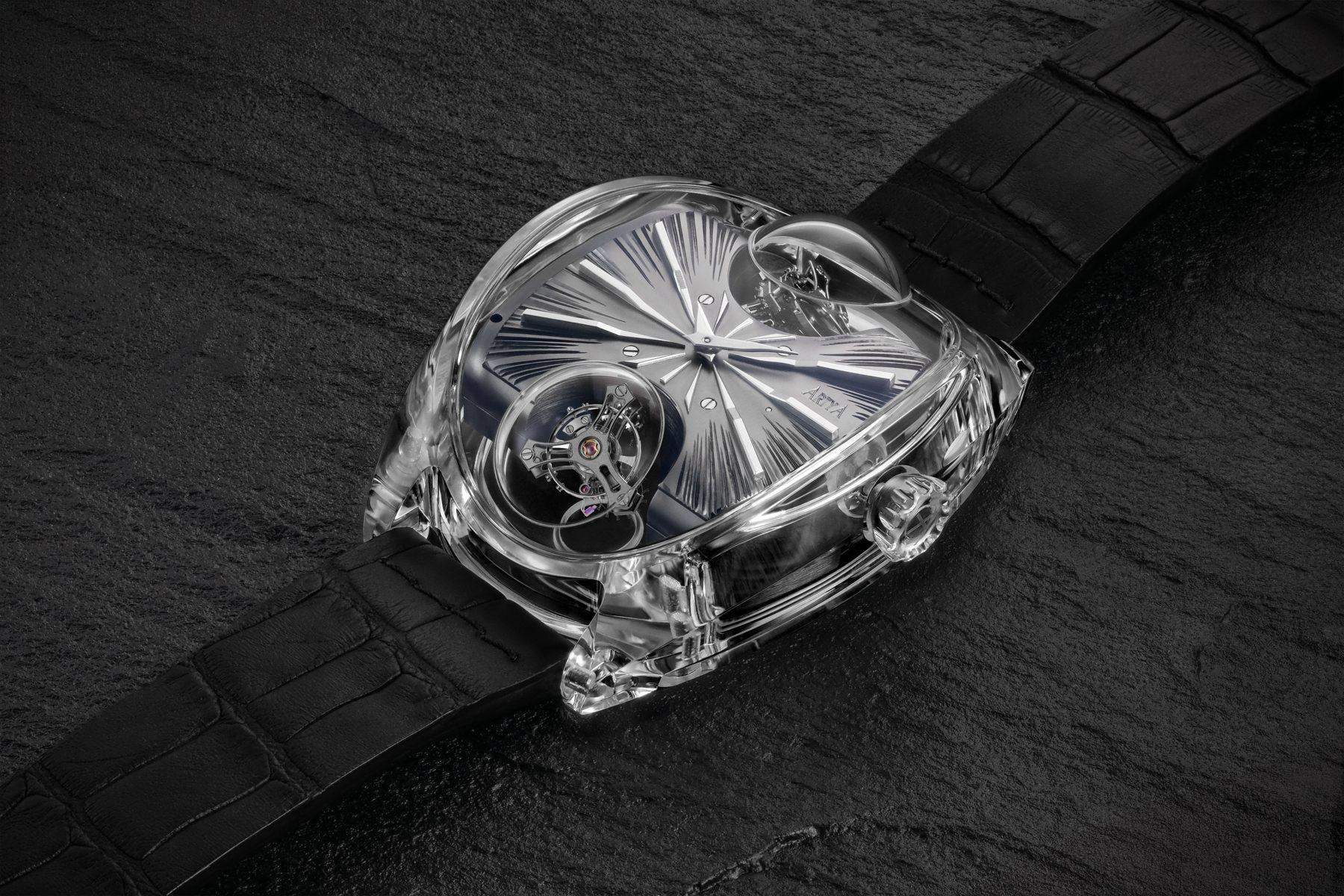
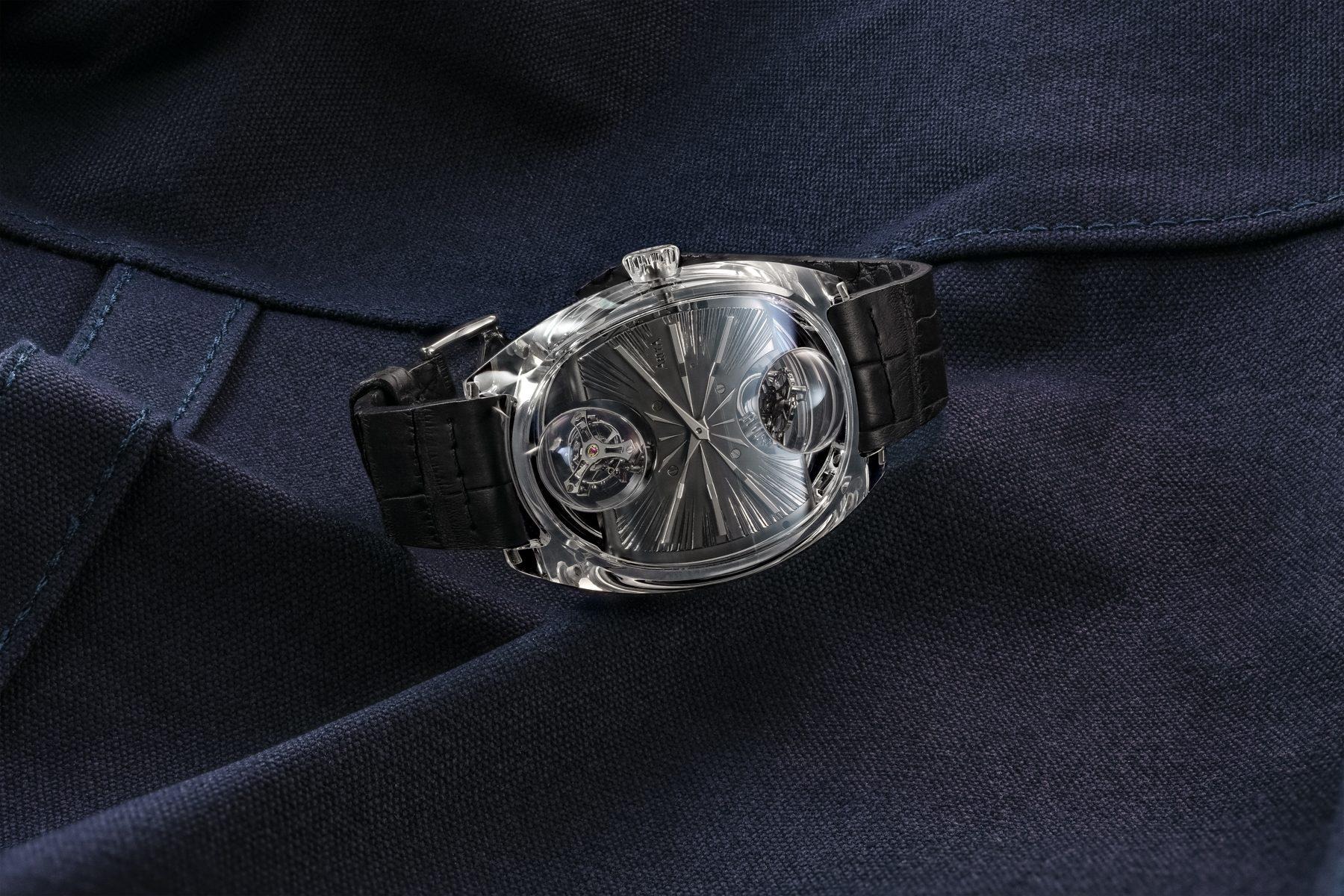
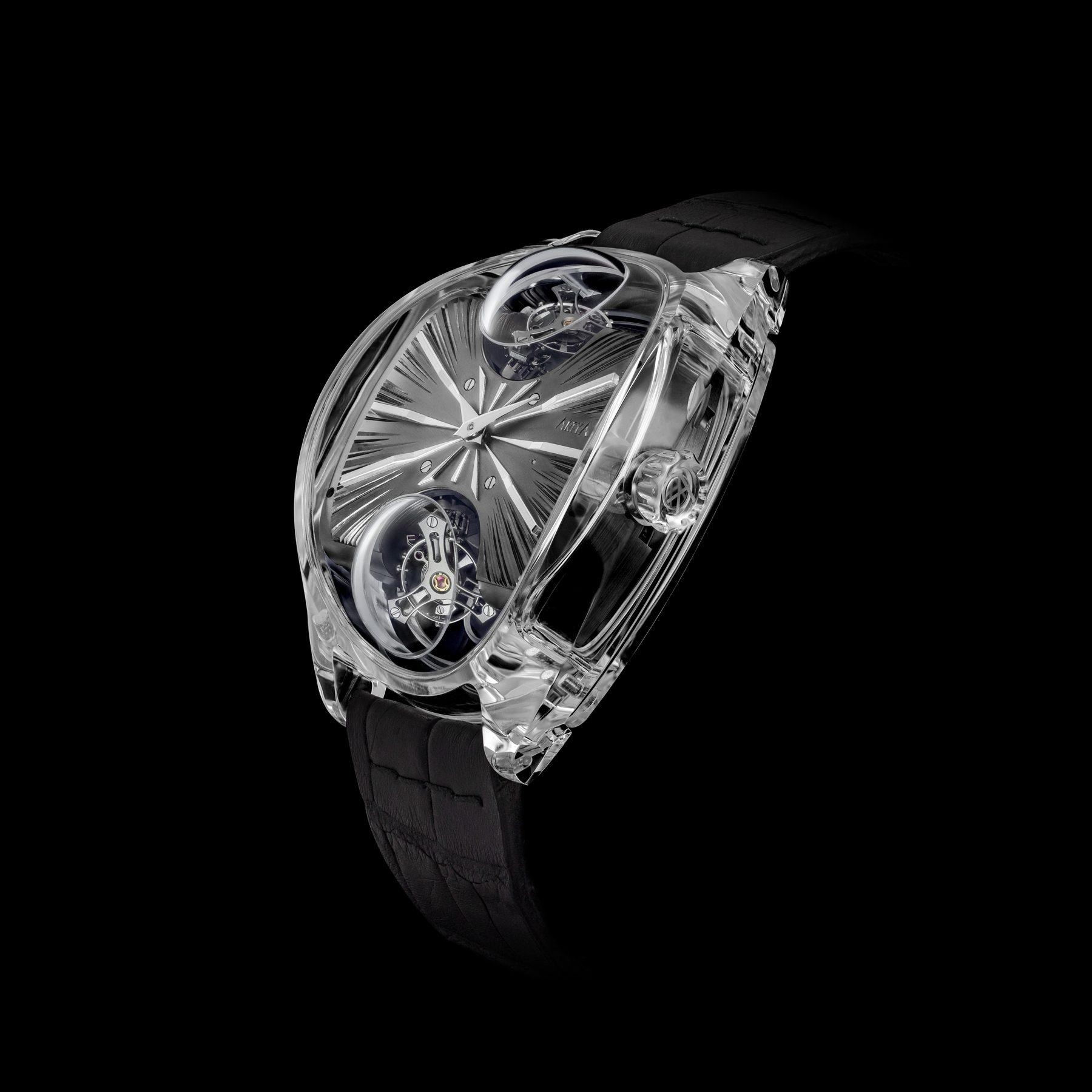
Unveiled as a world premiere at Watches & Wonders 2026, the Complexity established an architecture never before seen in the history of watchmaking: two inclined tourbillons, two Cônillons, positioned at 12 and 6 o’clock, coupled by a differential, within a case cut entirely from sapphire. ArtyA Genève now reveals its most accomplished interpretation: the Complexity Métiers d’Art.
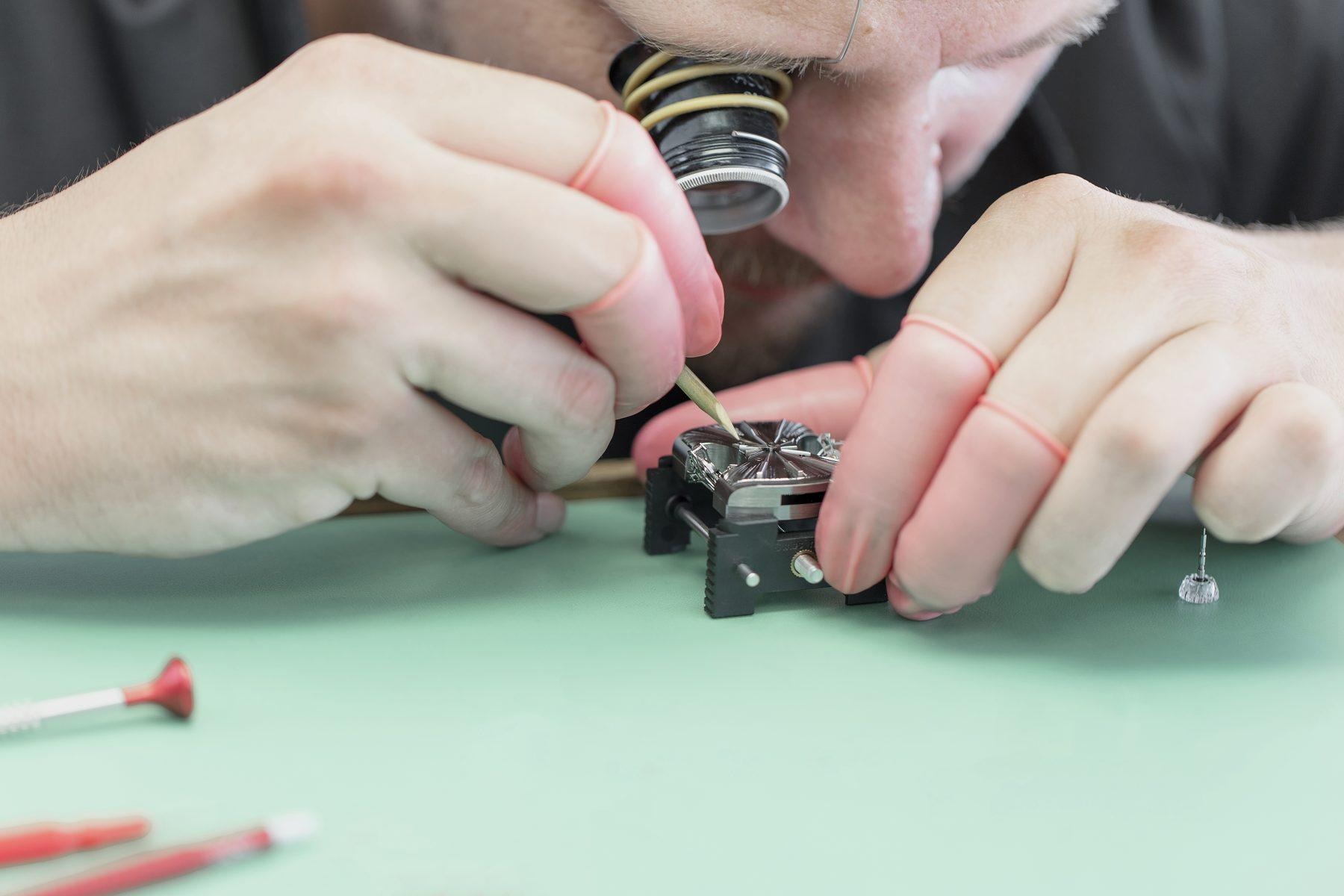
The principle is radical: every surface of the movement and dial becomes the territory of an artisan. Engraving, hammering, shot blasting, perlage, bevelling: the great decorative techniques of haute horlogerie are executed by hand, component by component, and orchestrated to invert the codes of the original version. Where the Complexity played on the purity of fine sandblasting, the Métiers d’Art asserts relief, texture and light.
The same world premiere. The same exceptional calibre. An entirely new skin, born of the artisan’s gesture.
“The Complexity is an extreme and spectacular mechanical sculpture, designed to be admired from every angle while magnifying the chronometry and absolute precision that define the very essence of this watch.”
YVAN ARPA, FOUNDER OF ARTYA GENÈVE
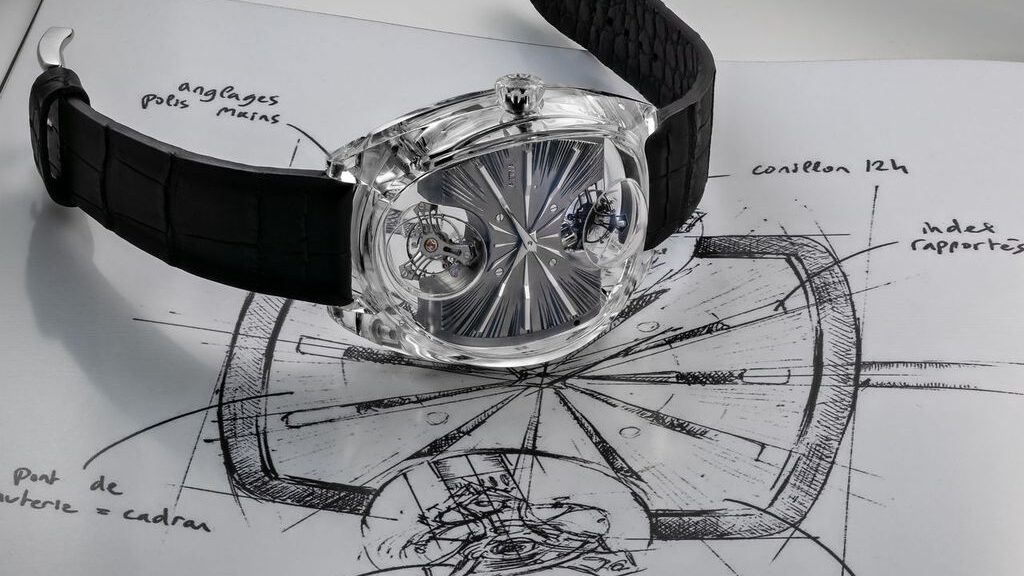
COMPLEXITY MÉTIERS D’ART, TRANSPARENT SAPPHIRE CASE, HAND ENGRAVED GRIFFE DIAL
THE DIAL
Hand engraved, sculpted by light.
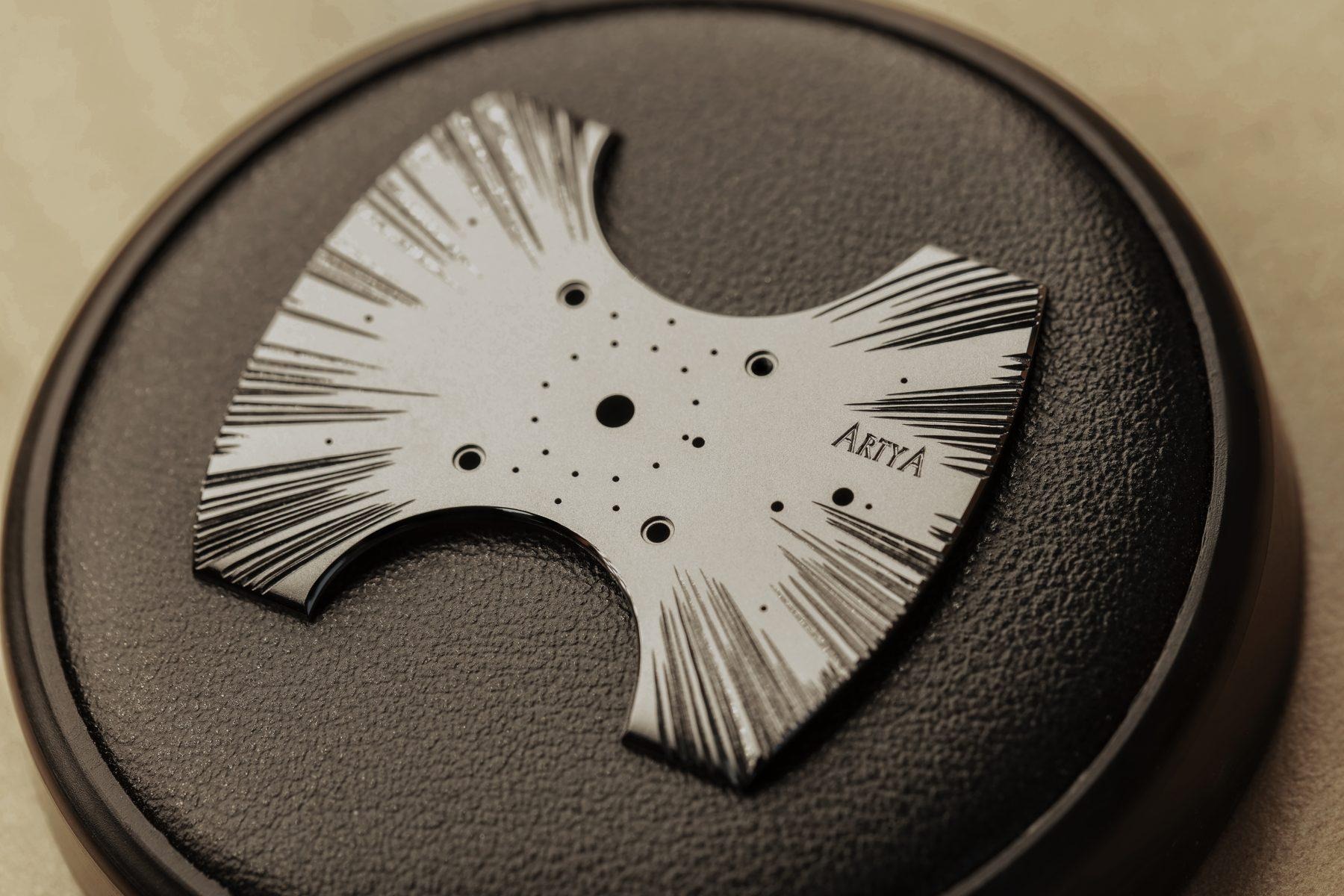
The dial of the Complexity Métiers d’Art is entirely hand engraved on a finely sandblasted base. From the centre radiate scratches carved with the burin, one by one, whose varying depth multiplies the texture: under the light, the surface comes alive with a spectacular play of brilliance, changing with every tilt of the wrist.
The applied indexes carry on the dialogue between tool and hand: bevels polished by hand, flanks drawn with the cabron buff, while their upper face remains sandblasted to melt into the dial base and steal nothing from the spectacle of the engraving. Every edge breaks the light with micrometric sharpness.
THE HAND ENGRAVED GRIFFE DIAL, BEFORE FINAL TREATMENT
THE MOVEMENT
An exceptional calibre, dressed by the métiers d’art.
The Complexity-01 calibre is a manufacture movement developed with Purtec Sàrl (Vallorbe), a specialist in innovative horological complications. Its 287 components and 44 jewels are the result of thousands of hours of engineering to resolve the challenges posed by the double inclined tourbillon: dynamic balance, energy transmission through the differential, precision maintained in every position. The inclined tourbillon of the Complexity follows in the lineage of Eric Coudray, father of the gyrotourbillon and one of the world’s foremost specialists in multi-axis mechanisms, while the Cônillon finds its historical origin in the research of Andrew Holden Potter around 1860. A technical legitimacy few manufactures can claim.
Exceptional Hand Craftmanship
Upon this exceptional base, every bridge and every surface receives decoration executed by hand, in a deliberate inversion of the textures of the original version: the upper surfaces are hand shot blasted, while the lower surfaces are covered with entirely manual hammering, creating maximum relief. Two decorations specific to this edition, transforming the movement into a landscape.
Every angle is bevelled and polished by hand; the flanks are finished with the cabron buff, true to the signature of the house. The recesses of the mainplate are hand perlaged to highlight the complexity of the differential, the beating heart of the double Cônillon architecture. The centre bridge, beneath which the differential reigns, is adorned with a polished moulding that further sharpens the view of this mechanism. A dedicated zone carries a numbered plate, entirely hand engraved, exclusive to this edition. The whole movement is black rhodium plated, a dark setting from which every hand polished surface emerges like a stroke of light.
DECORATION DETAILS
Component by component.
The decoration of the Complexity Métiers d’Art is documented piece by piece, in the manner of a workshop logbook. Each component carries its own combination of gestures:
COMPONENT
HAND DECORATION
TREATMENT
Mainplate
Hand perlage of the differential zone, flanks drawn with the cabron buff, laser engraving of the jewel count
Black rhodium
Minute train bridge (dial side)
Fine sandblasting, hand engraved logo and scratches, hand bevelling
Black rhodium
Barrel bridge
Hand hammering of lower surfaces, hand shot blasting of upper surfaces, hand bevelling and hand engraved logo, flanks drawn with the cabron buff, Swiss Made laser engraving
Black rhodium
Power reserve bridge
Hand shot blasting, hand bevelling, laser engraving of the reserve scale and technical inscriptions
Black rhodium
Differential bridge
Hand hammering of lower surfaces, hand shot blasting of upper surfaces, hand bevelling
Black rhodium
Numbered “Complexity” plate
Hand engraving and bevelling, drawn strokes
Black rhodium
Indexes
Hand bevelling, flanks drawn with the cabron buff, fine sandblasted upper face
Rhodium
Laser engraving is reserved for regulatory and technical inscriptions (Swiss Made, jewel count, power reserve scale): everything else is the work of the hand.
DECORATION AT THE BENCH, PIECE BY PIECE
THE ARCHITECTURE
Double Cônillon 12 / 6 o’clock. A world premiere.
In a classical tourbillon, the balance axis describes a cylinder. In the inclined tourbillon, the Cônillon, it travels a conical trajectory, compensating for the effects of gravity across several vertical positions simultaneously. The Complexity combines two of them, at 12 and 6 o’clock: a world premiere, in an unprecedented configuration in which none of the axes of the balance, the cage or the lever are parallel.
A differential distributes the barrel’s energy in perfect balance between the two regulators and performs a kinematic averaging of their rates: chronometric optimisation through 360 degrees, which neither tourbillon alone could achieve. Each cage completes its rotation in 30 seconds, in offset directions, offering a kaleidoscopic spectacle of rare intensity. Conceived within an architecture of remarkable robustness, this construction delivers shock resistance surpassing that of devices such as the gyrotourbillon.
The case, cut entirely from solid sapphire (more than 120 hours of diamond machining, 140 hours of polishing, a mastery possible only in Switzerland), wraps the movement in a triple-concave middle with domed flanks. Its two optical domes, at 12 and 6 o’clock, act as natural magnifiers over the cages in motion. Despite its high complication, its contained dimensions of 42 × 48 mm follow the curve of the wrist with remarkable comfort.
REMARKABLE WEARABILITY, DESPITE THE HIGH COMPLICATION
TECHNICAL SPECIFICATIONS
Complexity Métiers d’Art
MOVEMENT
Complication
Double Cônillon 12 / 6 o’clock with differential, a world premiere
Calibre
Proprietary Complexity-01, developed with Purtec Sàrl (Vallorbe)
Winding
Manual
Frequency
3 Hz, 21,600 vibrations/hour
Power reserve
50 hours
Components
287
Jewels
44 (rubies)
Movement dimensions
37.5 × 38.20 mm, height 14.10 mm (Cônillon at apex)
MÉTIERS D’ART FINISHING
Upper surfaces
Hand shot blasting
Lower surfaces
Entirely hand hammered, maximum relief
Bevelling
Hand bevelled and polished across the entire movement
Flanks
Drawn with the cabron buff
Mainplate
Hand perlaged recesses, highlighting the differential
Centre bridge
Polished moulding opening the view onto the differential
Numbered plate
Hand engraved, exclusive to this edition
Treatment
Black rhodium plating
DIAL
Dial
Entirely hand engraved on a finely sandblasted base
Indexes
Applied: hand polished bevels, cabron drawn flanks, sandblasted upper face
CASE
Material
Synthetic sapphire, transparent through 360°, cut from the solid block
Form
Triple-concave middle, sapphire domes at 12 and 6 o’clock
Dimensions
42 × 48 × 13 mm
Crown
Faceted, cut from the crystal
Machining
More than 120 hours of diamond machining, more than 140 hours of polishing
EDITION
Series
9 numbered pieces
Strap
Integrated rubber, ArtyA folding clasp
Price
CHF 190,000 in sapphire, CHF 220,000 in pigeon blood ruby
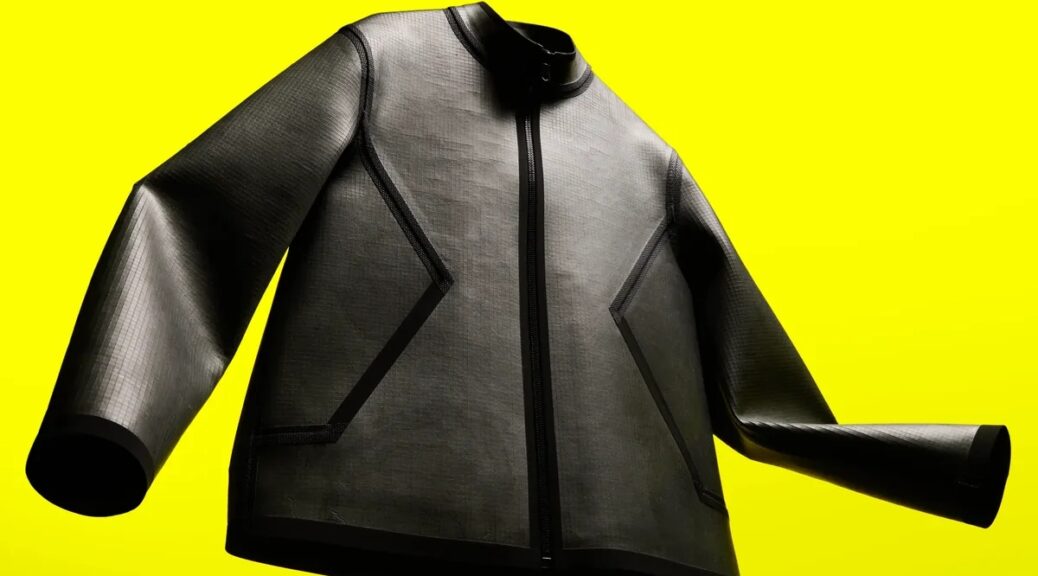
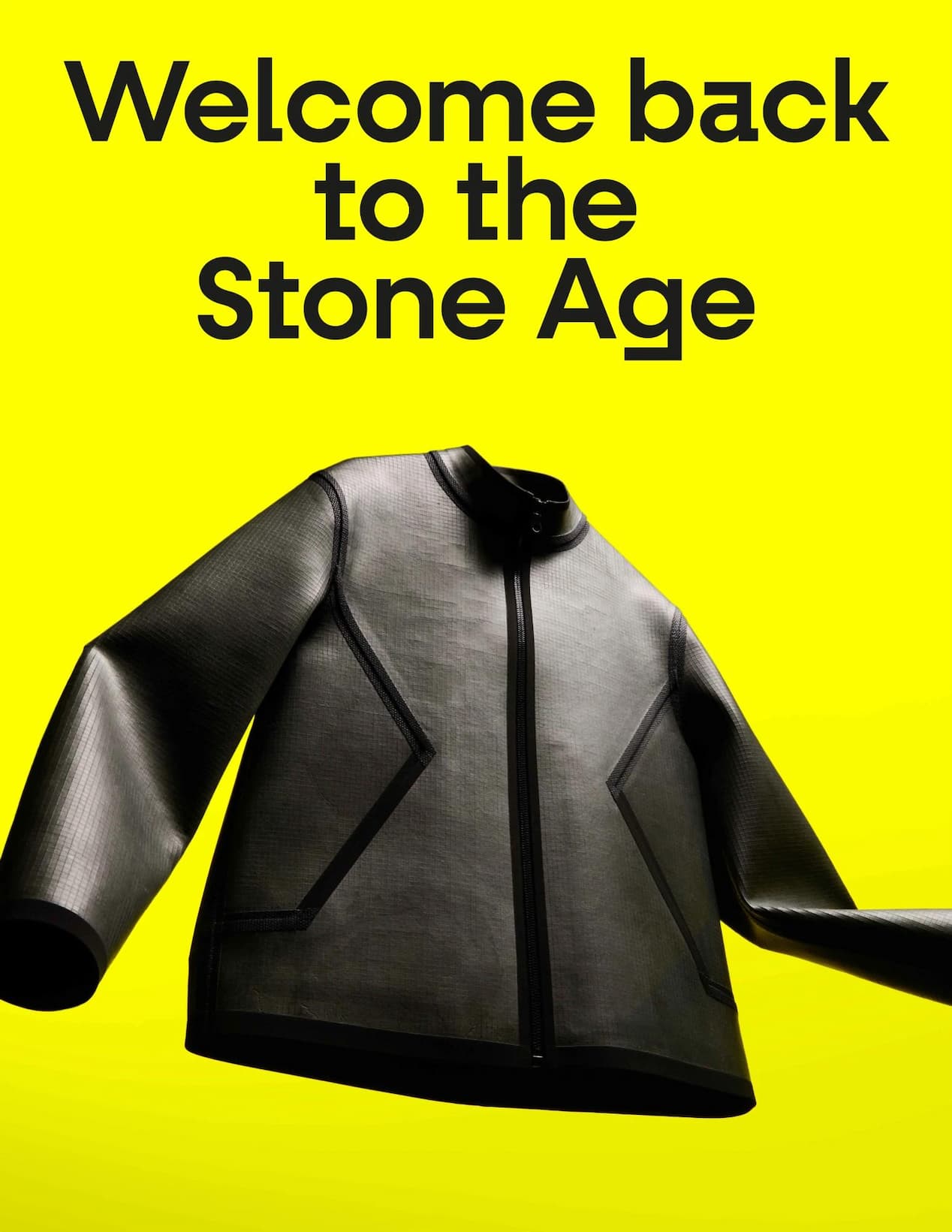
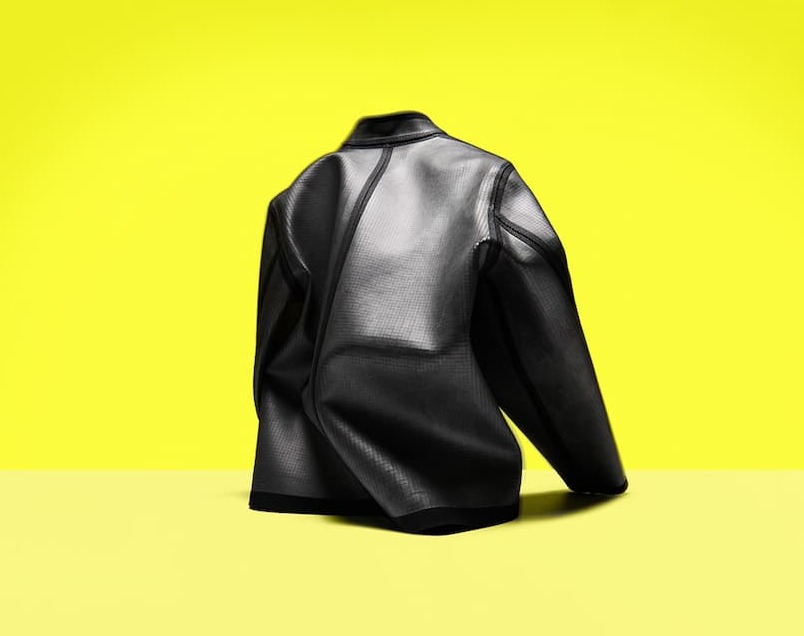
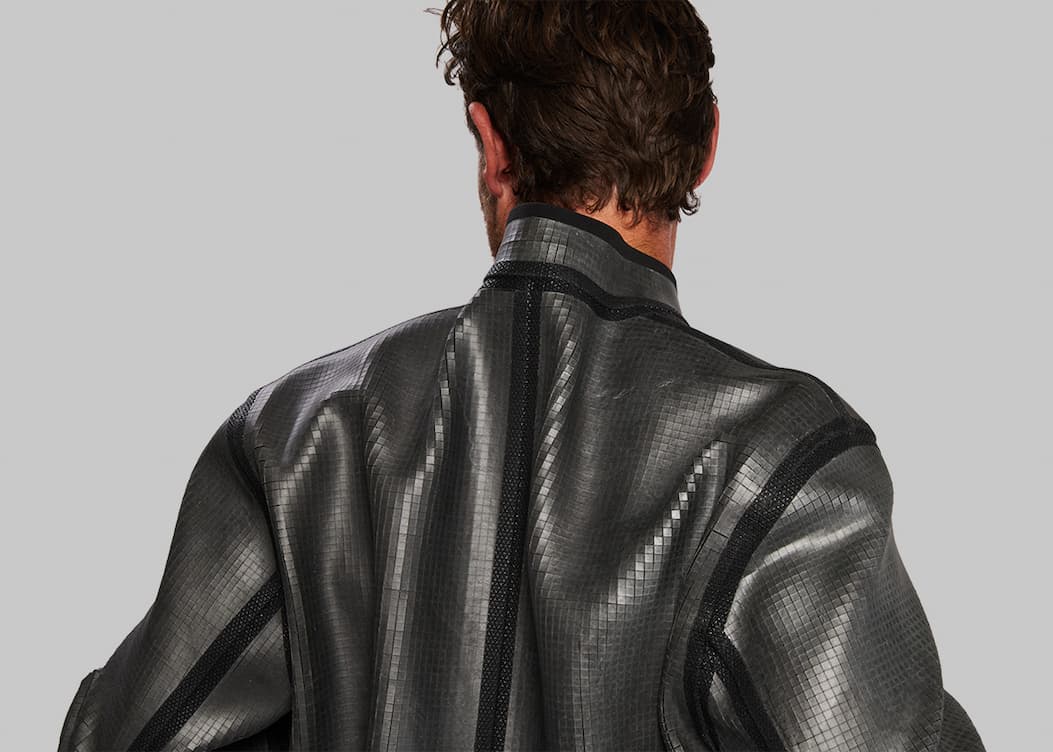
We’ve built new material technologies out of wood, metals and mycelium. Creating a Rock Jacket would be our greatest challenge, a 3-million-year-old problem.
Rock has been our most important technology. It made us apex predators. We used it to build cities and empires. Now we’ve worked out how to wear it. Welcome back to the Stone Age.
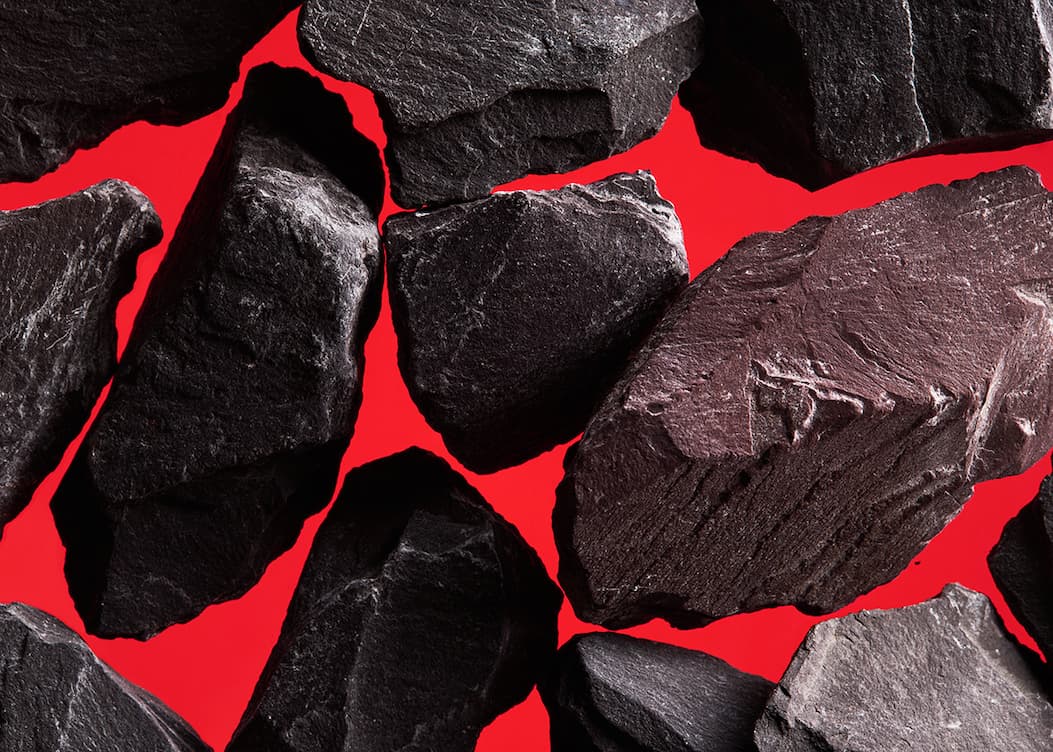
Around 3.3 million years ago, on the shores of Lake Turkana in Kenya, one of our ancestors bashed together two rocks and knocked off a short, sharp flake. It’s the oldest tool we’ve ever found, and it long predates fire, clothing and language.For almost all of prehistory, rock was our cutting edge.
Stone blades and hammerstones meant we could hunt, tear and scrape meat and marrow. And the calories they provided built bigger brains. So we started to think bigger. And taller. By 8000 BCE Jericho was ringed by a stone wall. Stonehenge, the pyramids, the Parthenon and the Pantheon followed. Rock is how we held territory, honoured our gods and told the future we’d been here.
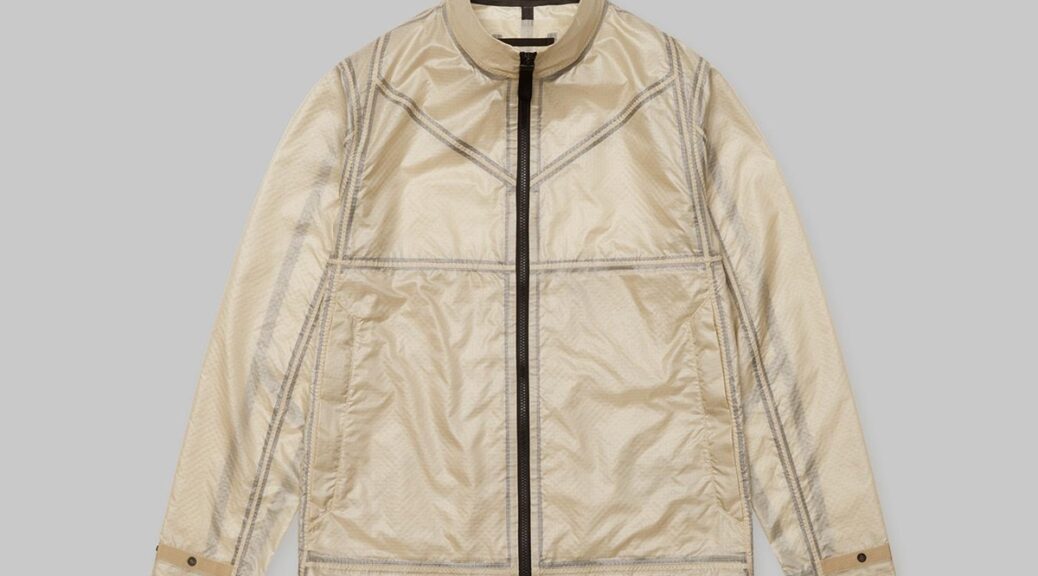
But in more than 3 million years of making good use of rock, we’ve never managed to wear it. Rock is brilliant at not moving. And clothes have to move all the time.We’ve built new material technologies out of wood, metals and mycelium. Creating a Rock Jacket would be our greatest challenge, a 3-million-year-old problem.
Woowood. stevenleprize.com
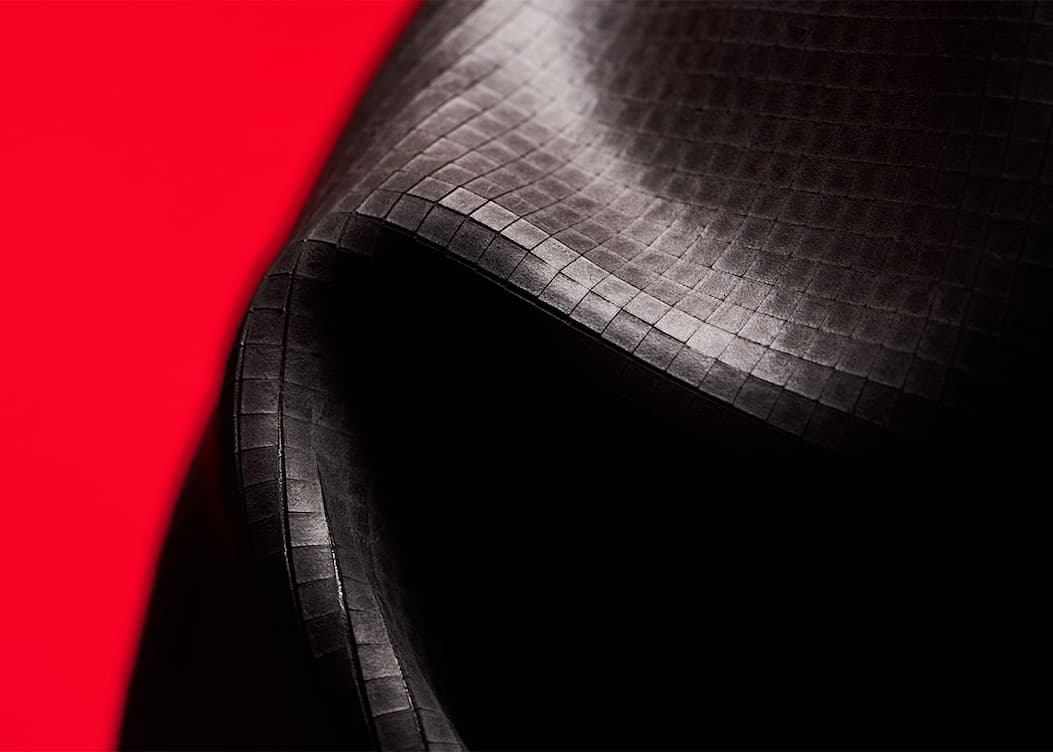
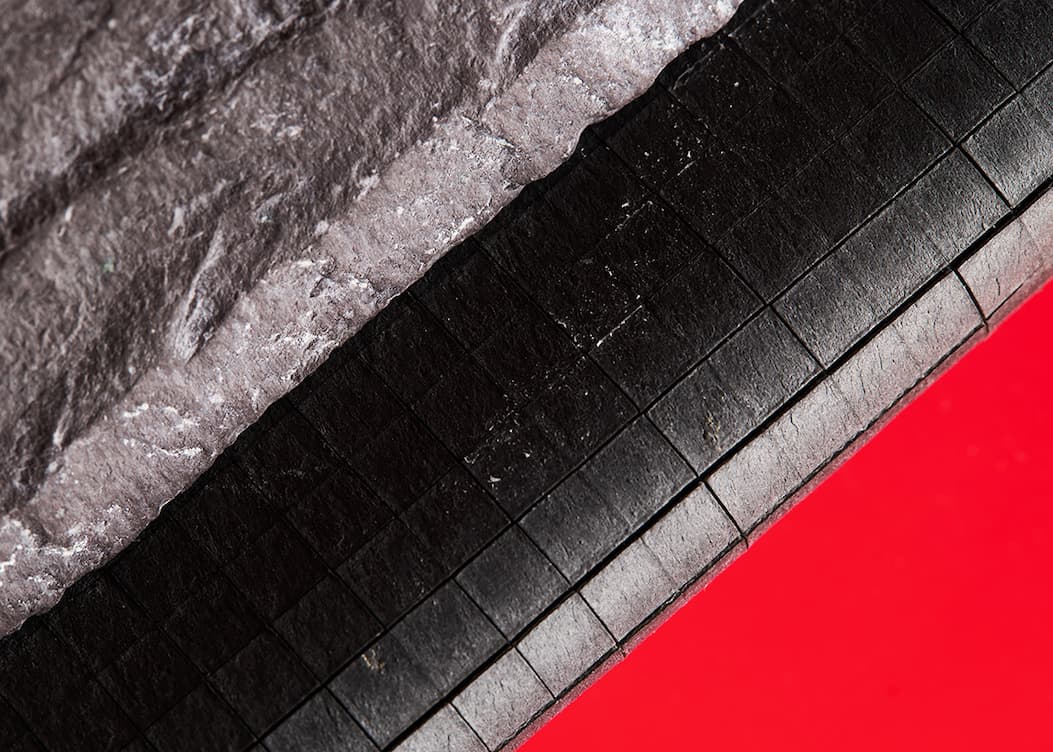
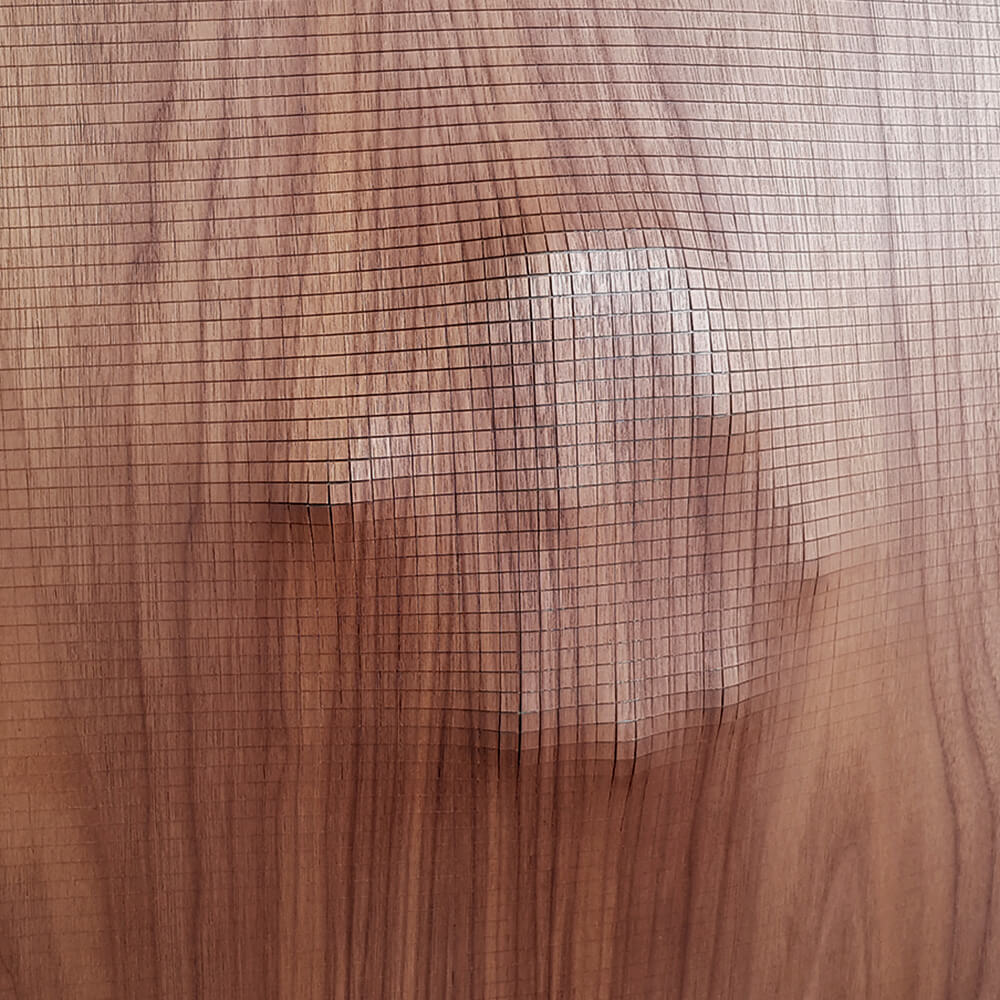
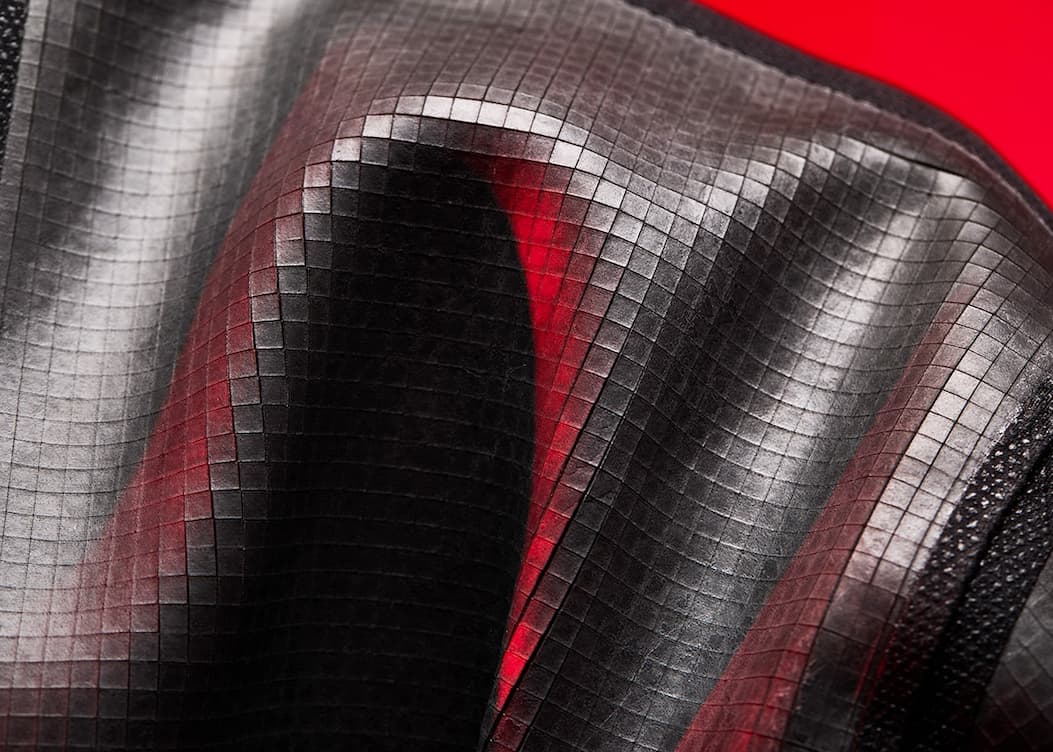
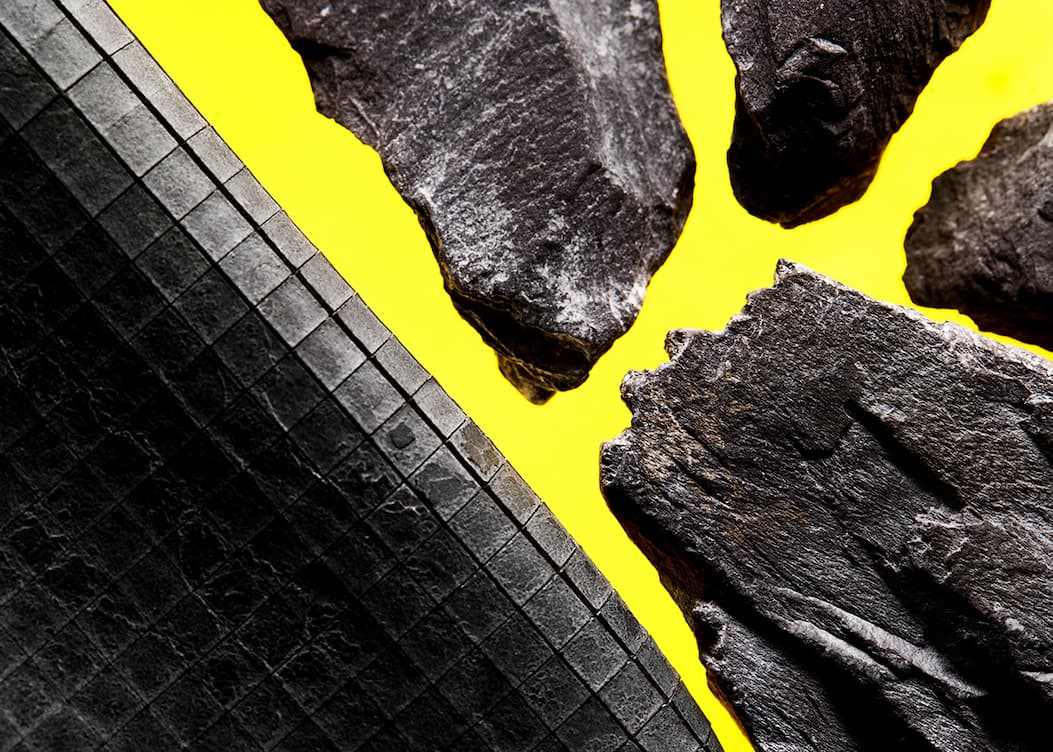
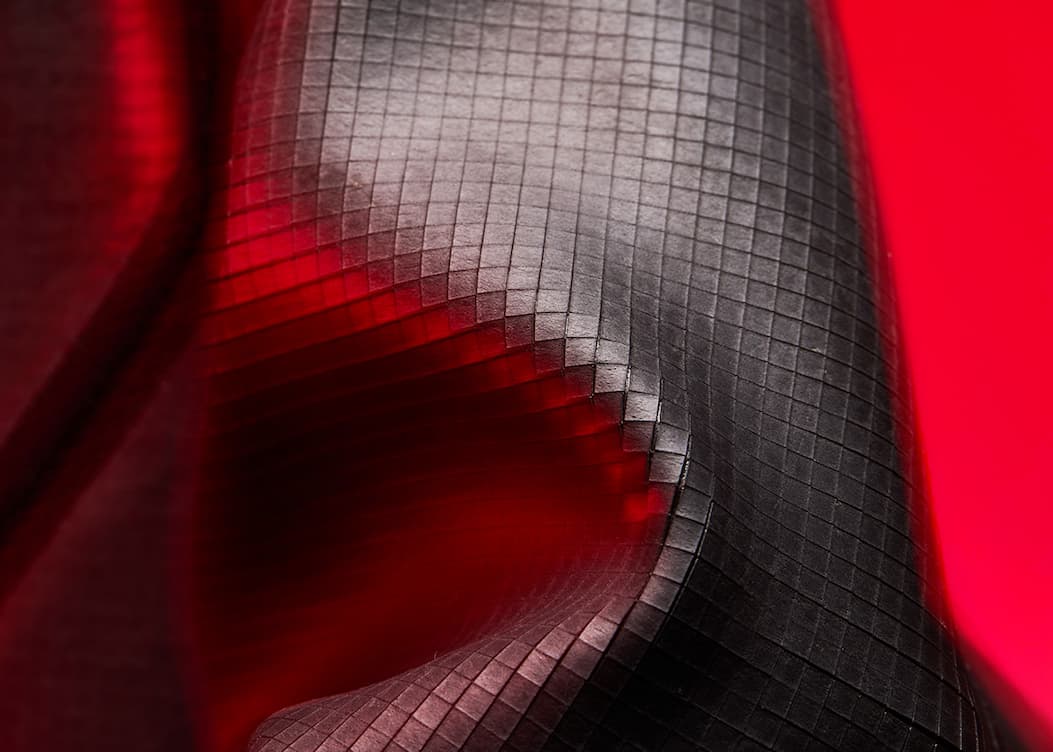
We found part of the solution in Paris. Steven Leprizé is a French designer, material technologist and experimental cabinetmaker. He makes wood that inflates, bends and bonds with metal.Hermès used one of his materials for its KellyWood bag. Jony Ive commissioned him to make bespoke furniture for his yacht. He’d taken WooWood, his elastic marquetry of tiny wood tiles backed with rubber, and made a version in slate. Slate splits along its layers, so it can be peeled incredibly thin. The sheets Leprizé uses arrive at 100cm x 50cm and just 0.5mm thick. Cutting them into perfectly clean 5mm x 5mm squares isn’t easy. “There are 50 steps to making this material,” says Leprizé, “and the cutting of the tiles is the most important.” Each slice of slate has its own topography of contour lines, peaks and valleys. Preserving that flattened landscape means not losing a single tile.
“There are 50 steps to making this material,” says Leprizé, “and the cutting of the tiles is the most important.” Each slice of slate has its own topography of contour lines, peaks and valleys. Preserving that flattened landscape means not losing a single tile.
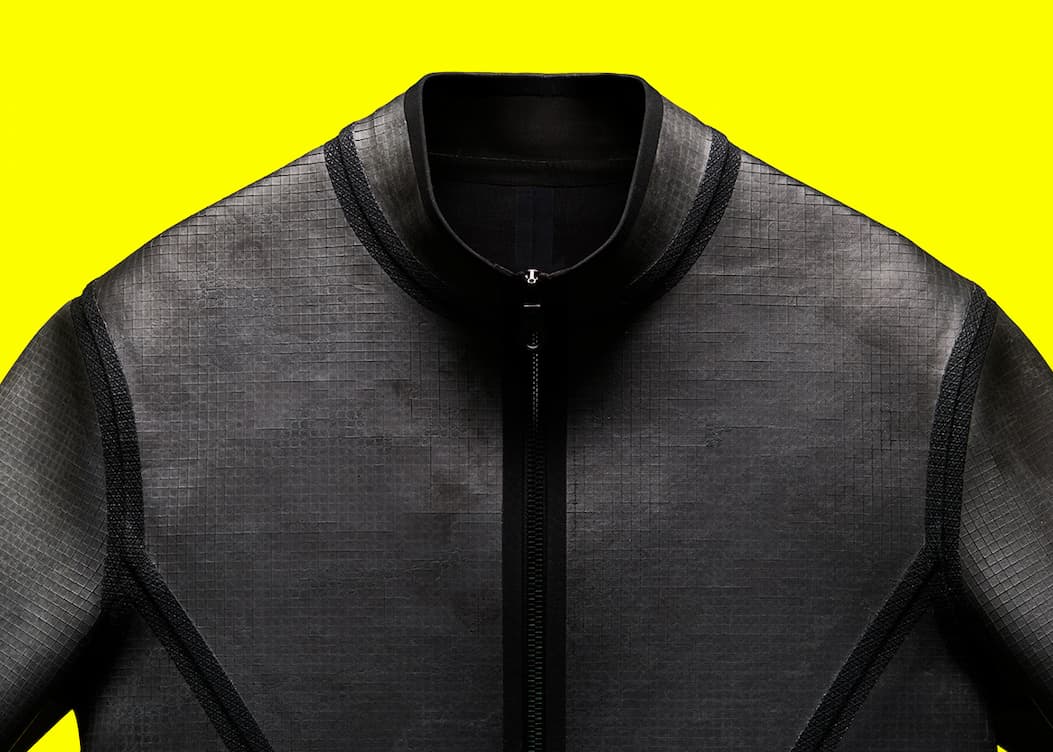
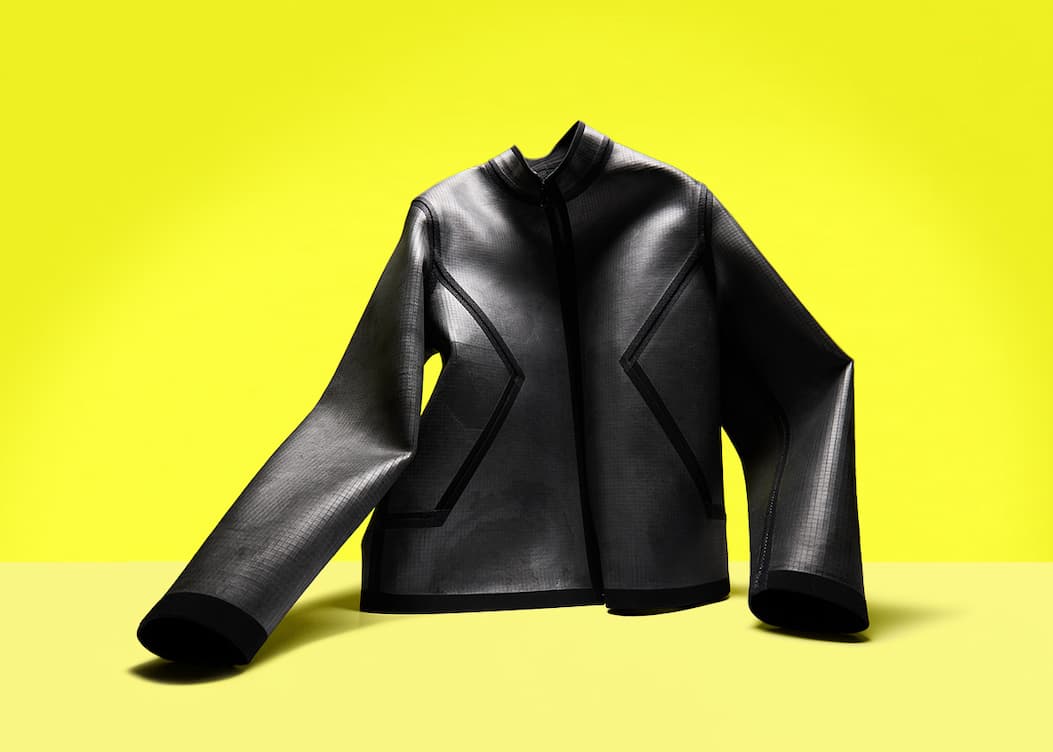
The tiles are then glued under pressure to a thin neoprene backing, using a technique Leprizé developed with engineers at 3M in Switzerland. The neoprene comes from a UK supplier whose core business is fetishwear. “I got some funny looks in the office when I was ordering the neoprene online,” says Leprizé. “But it’s really high-quality rubber. It needs to be if you are going to wear it super tight against your skin.” Leprizé’s material got us part of the way there. But we still had to make it truly wearable. In design terms, the material’s armadillo-like tiles ruled out anything too tightly fitted, so we kept bends, sharp turns and gatherings to a minimum. We settled on a minimalist and suitably sci-fi cropped Harrington and laser-cut our way through 5 of Leprizé’s slate sheets. Stitching slate was never an option, so the seams are visibly taped. We added Cordura® pockets and a zip.
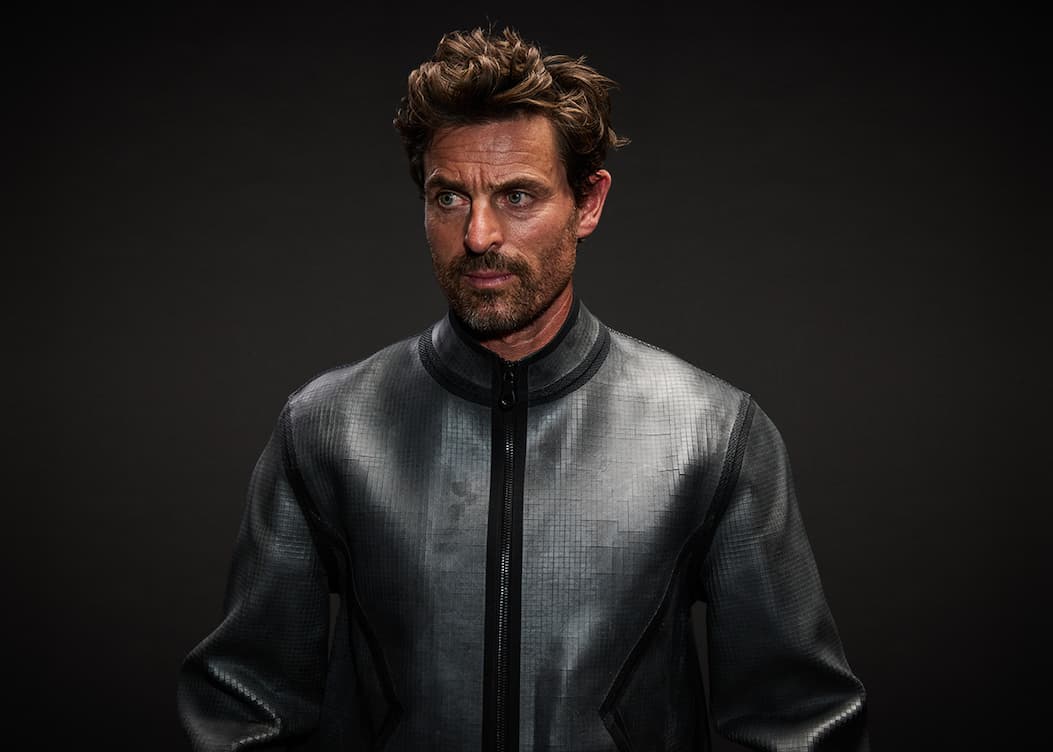
The Rock Jacket is a one-off, a proof of concept. We’re not pretending it’s practical. Not this version anyway. But as with the Wooden Jacket, scalability and day-to-day wearability are the ultimate ambition.In an era when fashion is barely worn before it’s thrown away, our jacket is a piece of Earth’s crust that took millions of years to form. It’s absurd armour and cold, hard couture. And it asks us to rethink our relationship with the oldest materials we have.
For the Silo, NICK AND STEVE TIDBALL – FOUNDERS Vollebak
Did you know that Lithuania has a museum of amber that showcases the legends surrounding this compound’s mystical healing properties, inquires into its scientific characteristics, and preserves the cultural heritage of the Baltic region?
The new Mizgiris Amber Museum is strategically located in the resort town Nida on the Curonian Spit that has been inscribed on the UNESCO World Heritage List for its distinct flora, unique fauna, and ethnographic legacy.
Characterized by immense drifting sand dunes, tourist-favorite beaches, and unique cultural heritage, the UNESCO-listed Curonian Spit of Lithuania is one of the most visited parts of the Baltics. That is why the new Mizgiris Amber Museum has been situated in Nida—a resort town located at the heart of Curonian Spit, where amber collecting has been considered as the traditional craft of the region.
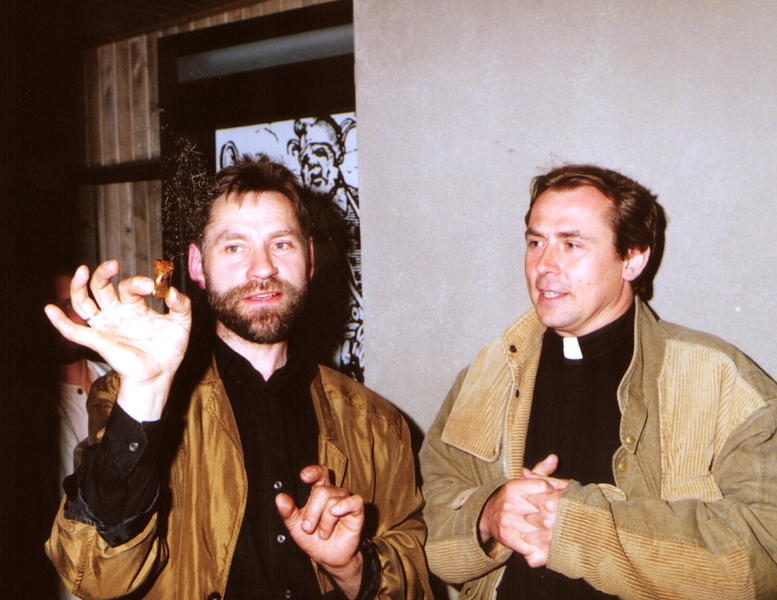
Amber Priest E Atkociunas with an ancient piece of amber that holds mosquito inclusions.
The museum seeks to preserve the unique history of this Baltic legacy, commonly referred to as “Lithuanian Gold”, and introduce it in a new interactive way.
“Amber has played a significant role in Lithuanian culture. Baltic tribes used solid amber as early as 2000-1800 BC to craft jewelery and weaving tools, treat diseases and shield people from evil spirits. Meanwhile, amber incense was used to protect children, newlyweds, and soldiers going to war. We seek to showcase these amber traditions through the expositions of our museum,” said Virginija and Kazimieras Mizgiris, museum’s founders and locally-renowned cultural activists.
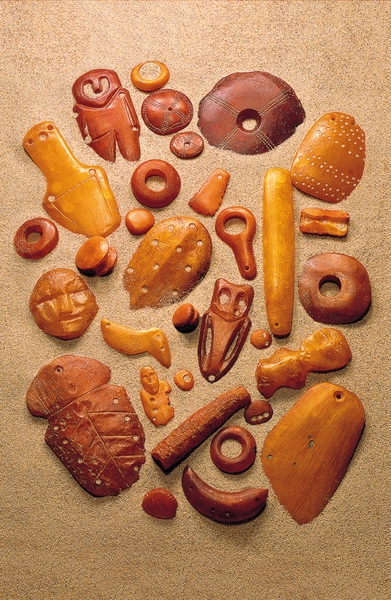
Ancient stone age amber- Juodkrantė’s Treasure
Continuing the deeply-rooted amber traditions, amber is widely used in Lithuania to this day, for instance, in the Lithuanian wellness industry.
Since these agents are known to strengthen the immune system, some SPAs utilize amber oil to perform massages and other procedures. Also, the material has been found to exude extra health-boosting compounds when heated, therefore, a few wellness centers utilize amber as tiling material for sauna interior. Educating the public about the material’s medicinal properties remains part of the mission of the people who are active in the amber industry today.
Before the museum opened in June 2021, The Palanga Amber Museum was a major tourist attraction in Lithuania.
However, it has a pronounced focus on the way this material was used in decorating Lithuanian palaces in the late 18th to early 20th centuries. Meanwhile, the main concept of the new museum in Nida is an amber river which showcases the path amber travels from nature to culture. The exhibition features rare amber and works of art, complemented by a virtual story on the formation of amber with its various forms, colors, fossilized inclusions, and more.
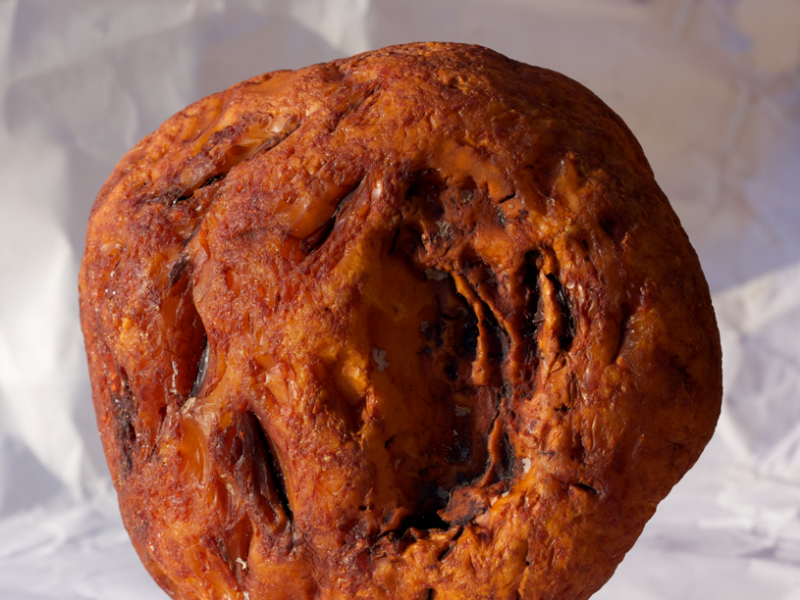
The largest amber stone from Baltic sea in Lithuania, 3820 g.
“What we seek to achieve with this exposition is presenting amber in a modern and interactive way. We hope to make the history of amber, as well as the Baltic legacy, more accessible to a broader audience—both young and old, foreign visitors and locals as it shines light on the part of Lithuanian heritage that has not reached the mainstream culture,” said Mr. Mizgiris.
This is not the first cultural initiative, sponsored by Mrs. and Mr. Mizgiris. The couple has been immersed in the amber business for about three decades and has founded several other amber galleries in Lithuania’s capital Vilnius and the Curonian Spit. They organize educational programs, art exhibitions, and have published several photo collections internationally. The passion for amber of Kazimieras Mizgiris is also reflected in his personal life as he has a collection of amber from all over the world.
The Mizgiris Amber Museum is located in Nida at Nagliu st. 27 and greets visitors all-year-round.
Visiting both the famous resort town and the newly-opened museum allows visitors to experience Lithuania as a real nation of amber. In fact, Lithuania’s most recent tourism campaign makes the visit even more convenient as it promotes the opportunity to stay longer in the country by compensating visitors’ third-night stay in over 200 accommodation providers.
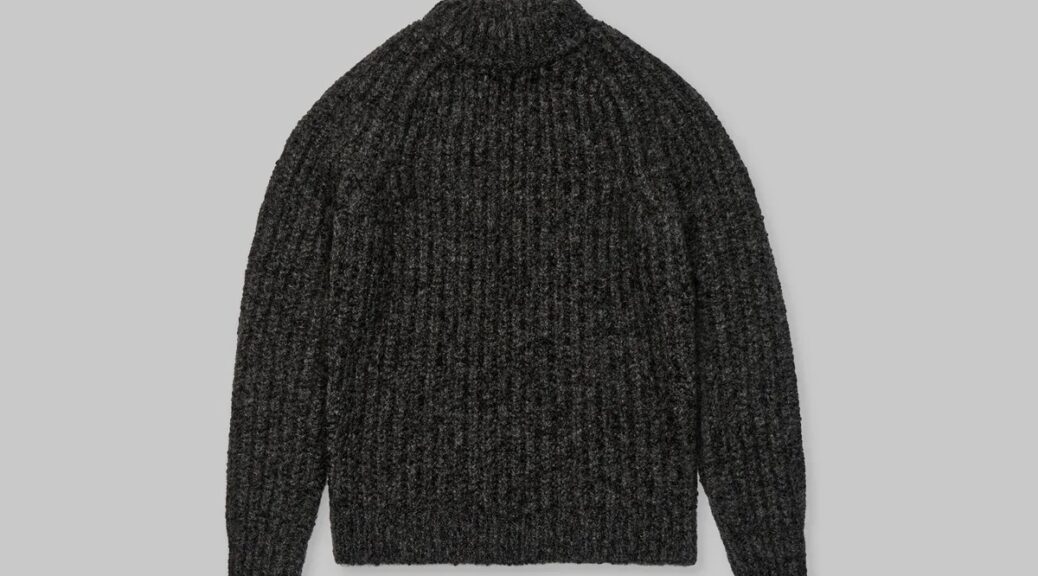
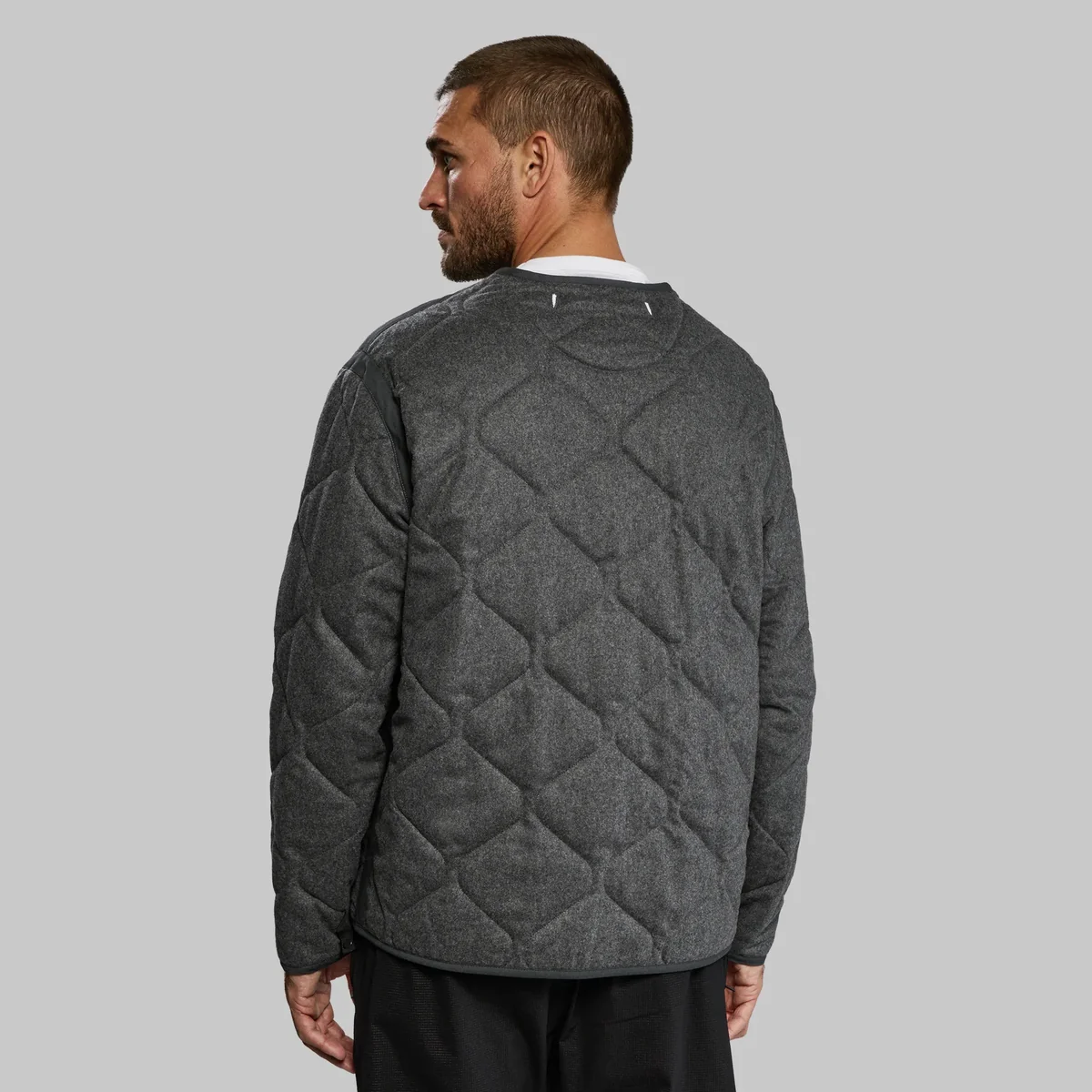
Our friends at Vollebak are super proud of their Sub Zero range. It all started with a simple idea – could they build a cardigan that could outperform a puffer jacket in a cryochamber? The very short answer was yes and they’ve built two Sub Zero Sweaters the same way, to do the same job.
You normally test arctic vehicles or missile components in cryochambers. Not cardigans.
But that’s how the Sub Zero range started life. With a slightly-worried-looking test subject being blasted by arctic conditions… while wearing a cardigan for protection.
Of course it wasn’t a normal cardigan. It was purpose-built for the experiment out of 1.3kg of lambswool and superfine alpaca wool – which meant it was designed to outperform most puffer jackets.
So in an entirely predictable anti-climax he was absolutely fine.
Now they have smartly turned that cardigan into The Sub Zero Sweater to do exactly the same job.
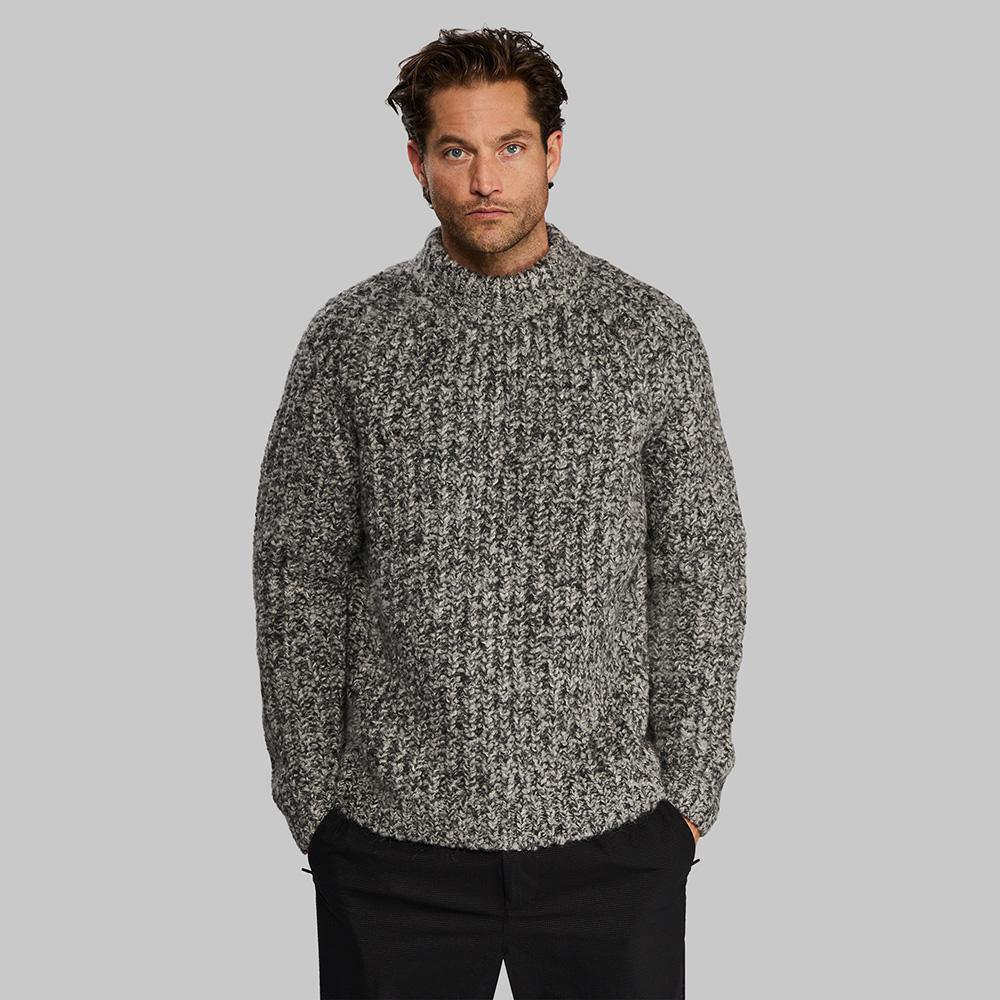
Engineered from two incredibly powerful natural insulators – lambswool and superfine alpaca wool – the Sub Zero Sweater is designed to help keep you warm even in sub zero temperatures.
The sweaters are left entirely undyed, so it comes in two colours – Grey Marl, and Black Marl – both of which are the colours of the sheep and alpacas’ natural fleeces.
Alpaca wool is one of the most extraordinary natural materials on the planet. It’s as soft as cashmere, warmer than sheep’s wool, and contains no lanolin so it’s hypoallergenic. Native to the Andean plateau of South America, alpacas have evolved over millennia to survive the harsh conditions of the mountains where altitudes vary between 3,500 and 5,000 metres, and intensely hot days are followed by sub zero nights. Then the alpaca wool is blended with organic lambswool for stretch and durability.
The Sub Zero Sweater has a regular fit to trap warm air close to your body. It’s engineered with stretchy ribbed knit at the cuffs and hem just like you’d find on a bomber jacket, and a mock neck to seal in warmth at your neck, wrists and waist.
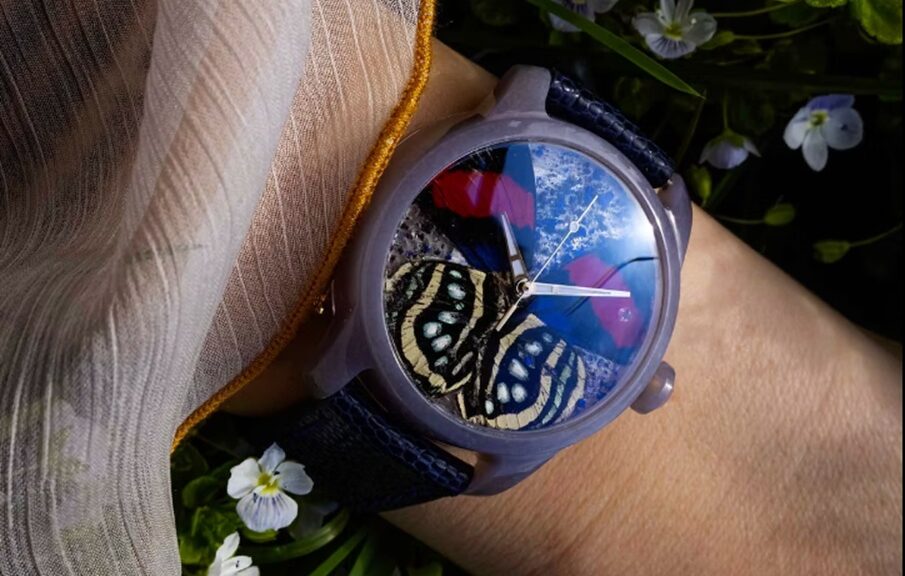
For this unique piece, Dominique Arpa-Cirpka composed a striking symmetry evoking a butterfly with outstretched wings, where incandescent reds and electric blues contrast with graphic black and white patterns.
Each wing fragment is collected with the agreement and under the strict oversight of the relevant authorities, ensuring an ethical approach that respects wildlife. Frozen for eternity through secret natural binders and pigments developed by the artist, the organic material retains its original iridescence and reacts hypnotically to shifts in light.
The back of the dial offers a striking textured contrast, pairing the roughness of dark mineral fragments with a milky way of blue lapis lazuli pastel dust, giving the piece a cosmic depth.
Voir la version en ligneArtyA Art by Dominique Arpa-CirpkaBUTTERFLY STONE True to its fiercely independent and provocative spirit, Geneva based haute horlogerie house ArtyA unveils a new interpretation of its legendary collection of pictorial, organic art: a miniature work of art crafted by dial artist Dominique Arpa-Cirpka.Merging Haute Horlogerie with the raw poetry of nature, this exceptional timepiece features a dial made from genuine exotic butterfly wings, enhanced by a celestial mosaic of natural stones.Butterfly StoneCAPRI SAPPHIRE True to its reputation as a boundless creative laboratory, independent watchmaking manufacture ArtyA Watches unveils a new masterpiece from its emblematic Son of Sea collection. Conceived as a genuine window onto the poetry of the ocean depths, this exceptional timepiece features an exclusive dial handcrafted by plastic artist Dominique Arpa-Cirpka. Capri SapphireArtyA Geneva Route de Gy 27 1252, Meinier, Genève info@artya.com
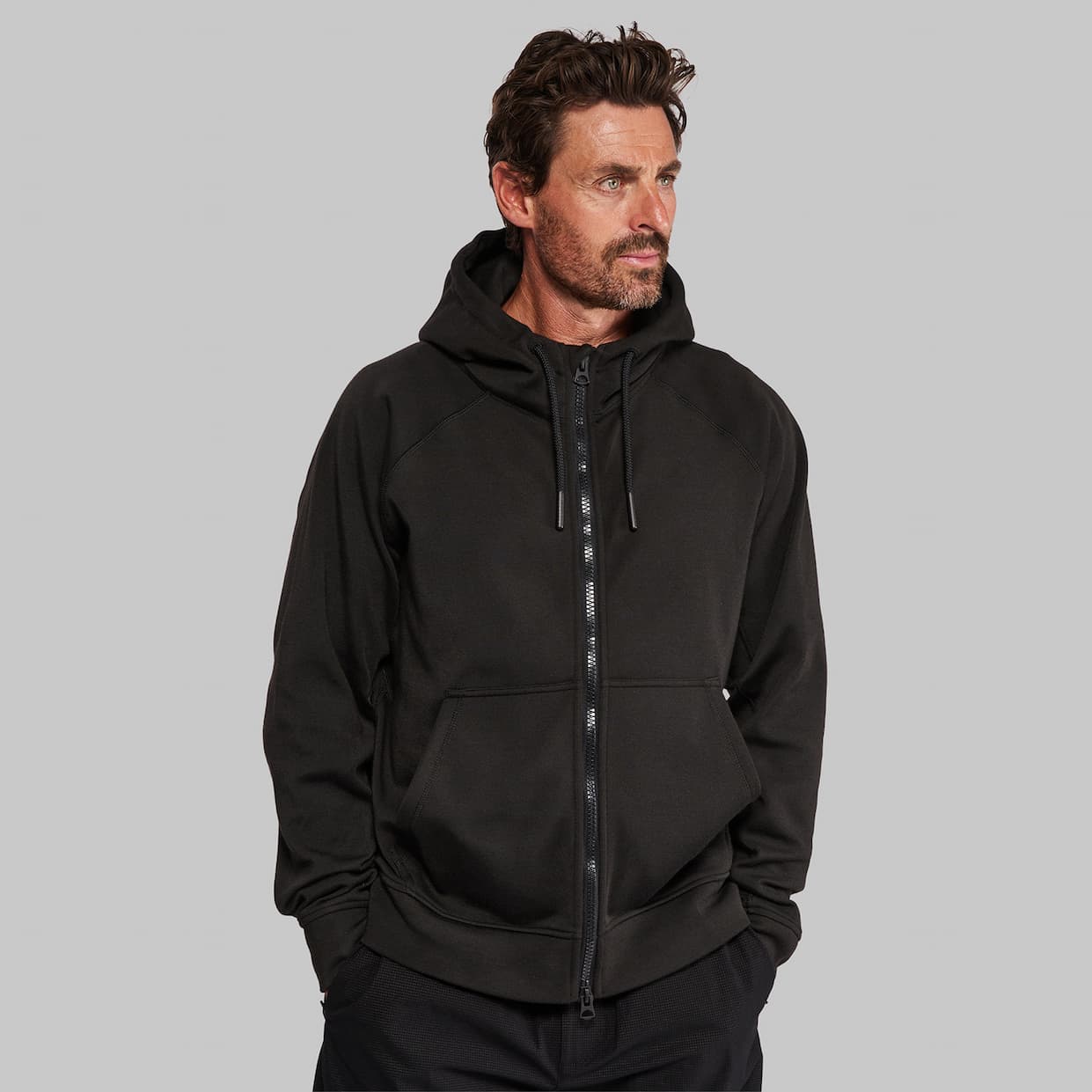
For most of human history our best fire safety strategy has been ‘standing a bit further away.’ So today we’re releasing the Firefighter Hoodie, made from the same fibres as F1 racing suits and firefighter gear.
For tens of thousands of years our species has been spectacularly good at using fire to get what we want.
We used it to make dinner softer, tastier, and easier to catch in the first place. It helped us build cities and crumble empires by turning rock into copper, bronze and iron.
And even today when we want to leave Earth behind and head to the Moon or Mars, setting stuff on fire sits at the centre of our tech stack. But considering just how dangerous fire is, it’s pretty ironic that at the same time we’ve been spectacularly bad at protecting ourselves from it.
99.9% of everything we’ve ever put on our bodies has been super flammable.
Hide, wool, linen, cotton, synthetics. They’re all really good at going up in flames fast. So for most of human history our best fire safety strategy has been ‘standing a bit further away.’ That was until the arrival of meta-aramids. Made from stable carbon rings and high-energy chemical bonds, today you’ll find them being used in firefighter kit, military flight suits and F1 race suits. Why? Because meta aramid doesn’t burn, drip, or melt. Which is why the new Firefighter Hoodie is made entirely from it.
The body, the hood, the cuffs, the hems, the yoke, the underarm panels are all 100% meta-aramid. The 8mm drawcords are flame resistant with silicone dipped ends, and the two-way front zip has flame resistant teeth and a metal puller, hidden behind a roll-over guard. And where you’d normally find metal eyelets for the drawcords, ours are embroidered with flame-resistant thread.
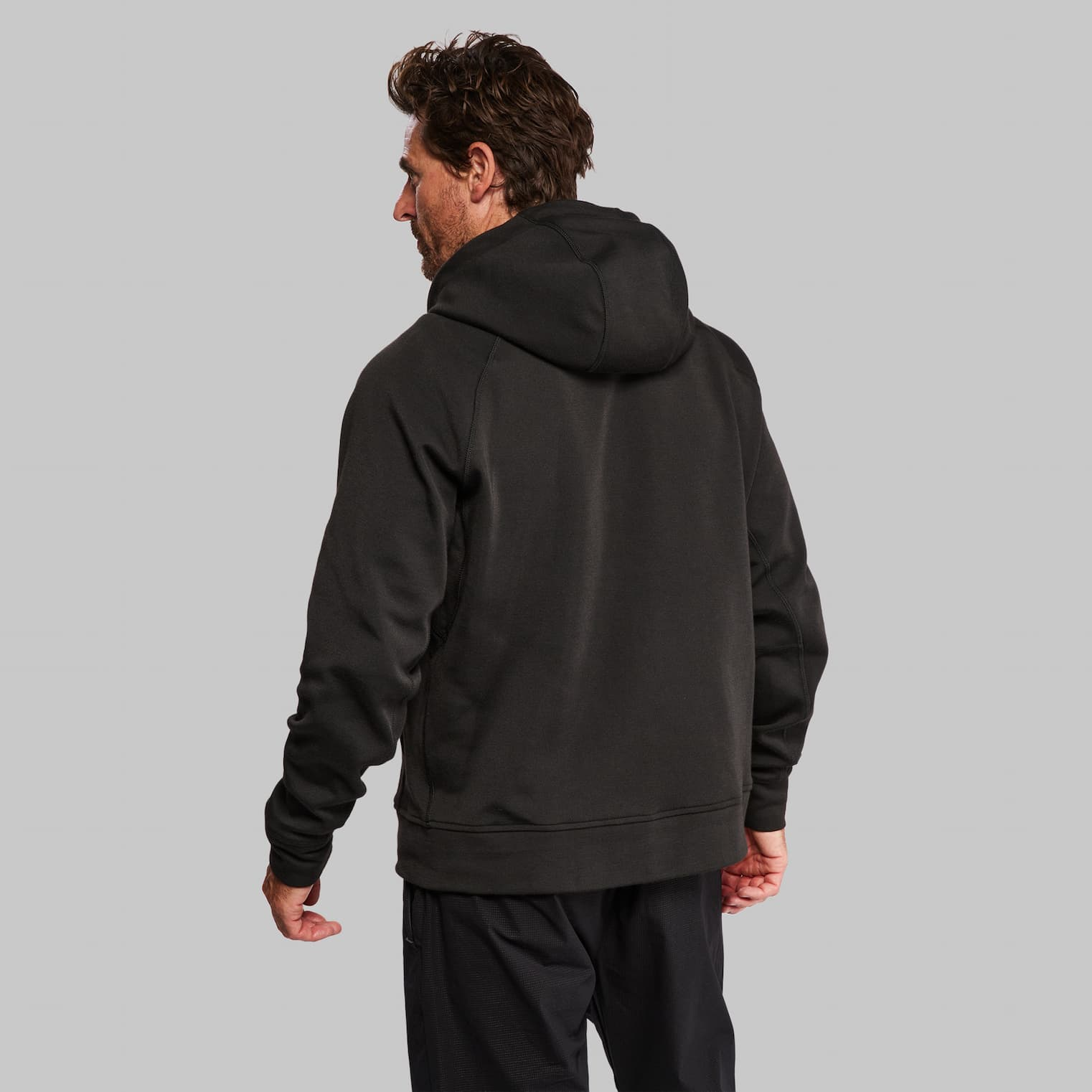
The hoodie is a relaxed fit and feels like a regular hoodie vs protective gear. It comes in 6 sizes from XS to XXL And if you want a hand with sizing you can get in touch with our friends at vollebak here.
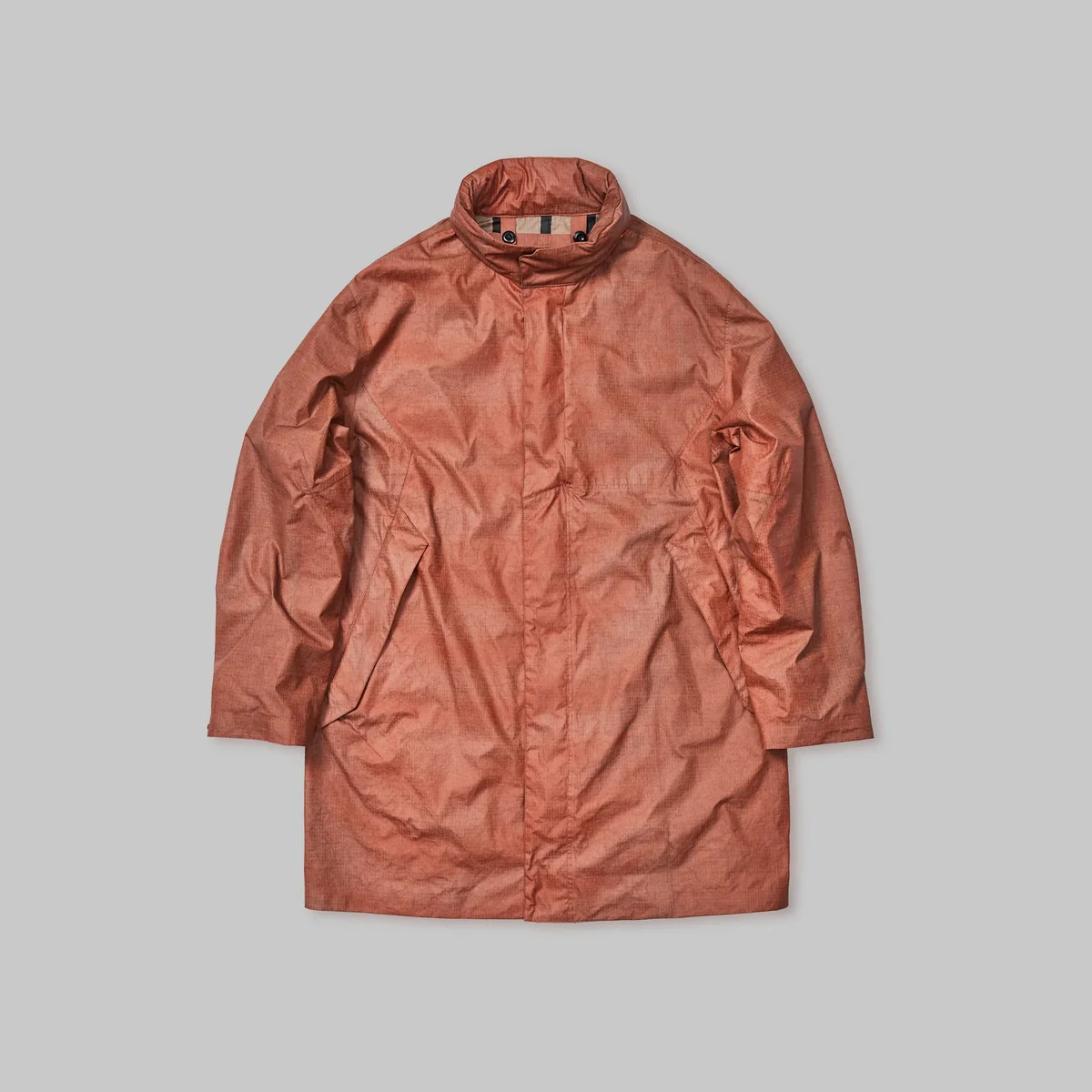
If things go all Minority Report, you’ll need a jacket that keeps you incredibly warm while simultaneously reducing your thermal signature from the drone swarms. The good news is our friends at Vollebak have made a jacket that does exactly that. The bad news is that they’re down to the last few.
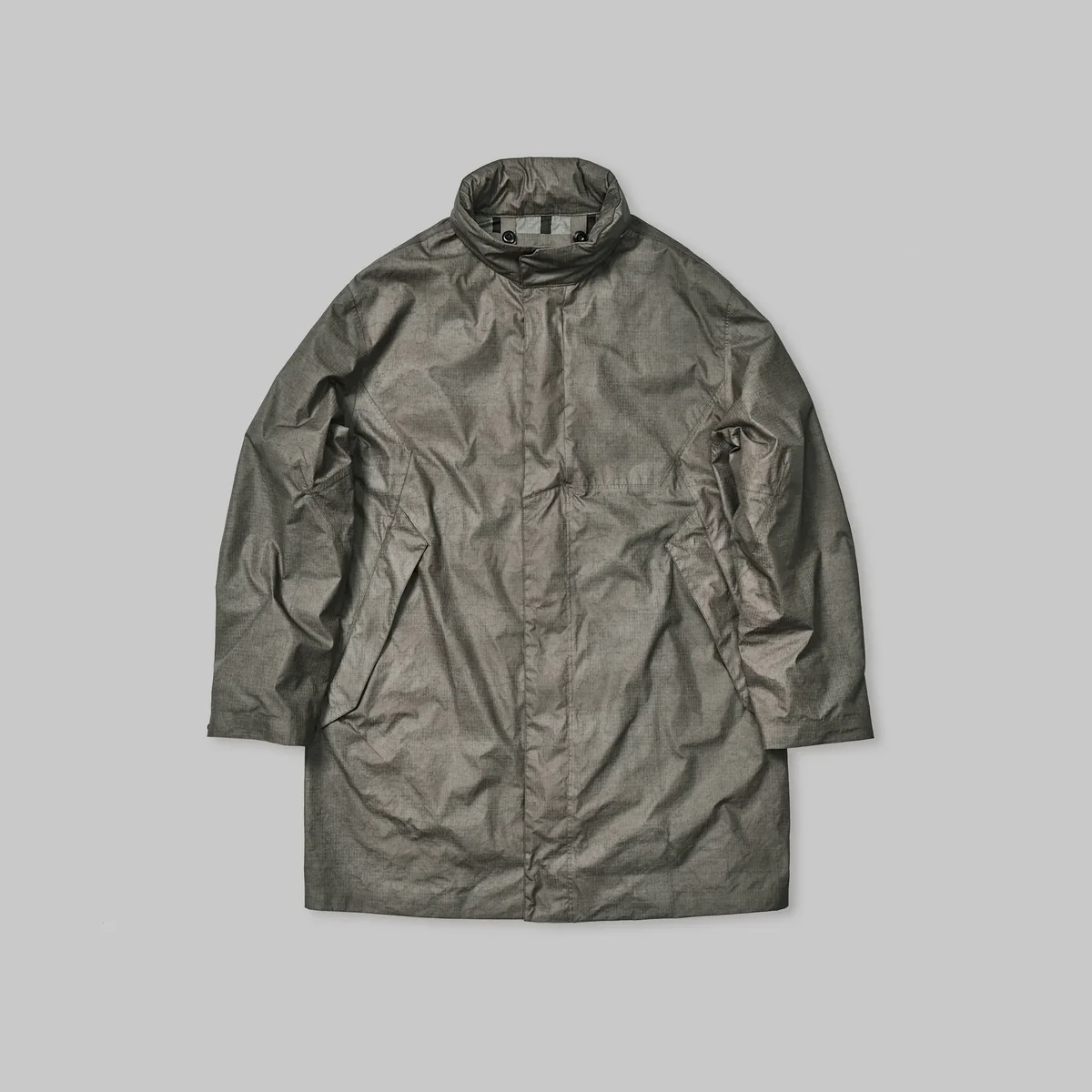
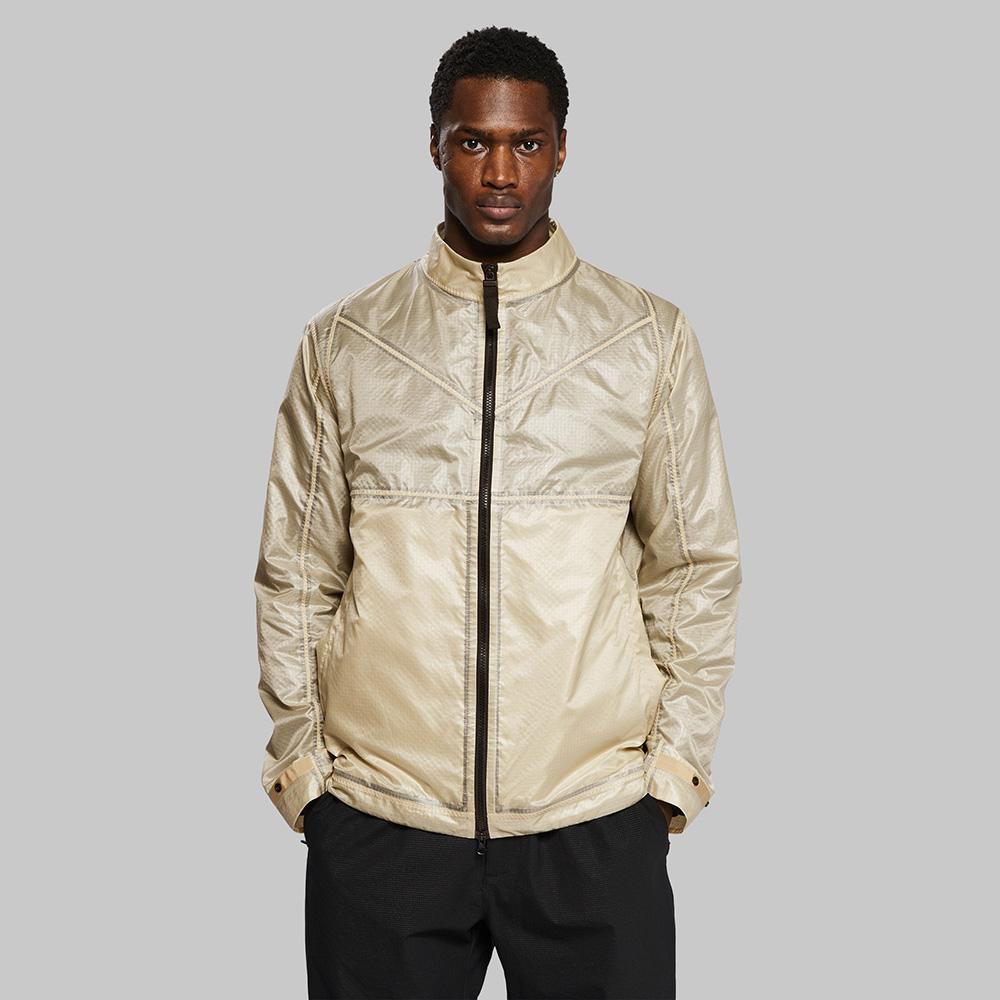
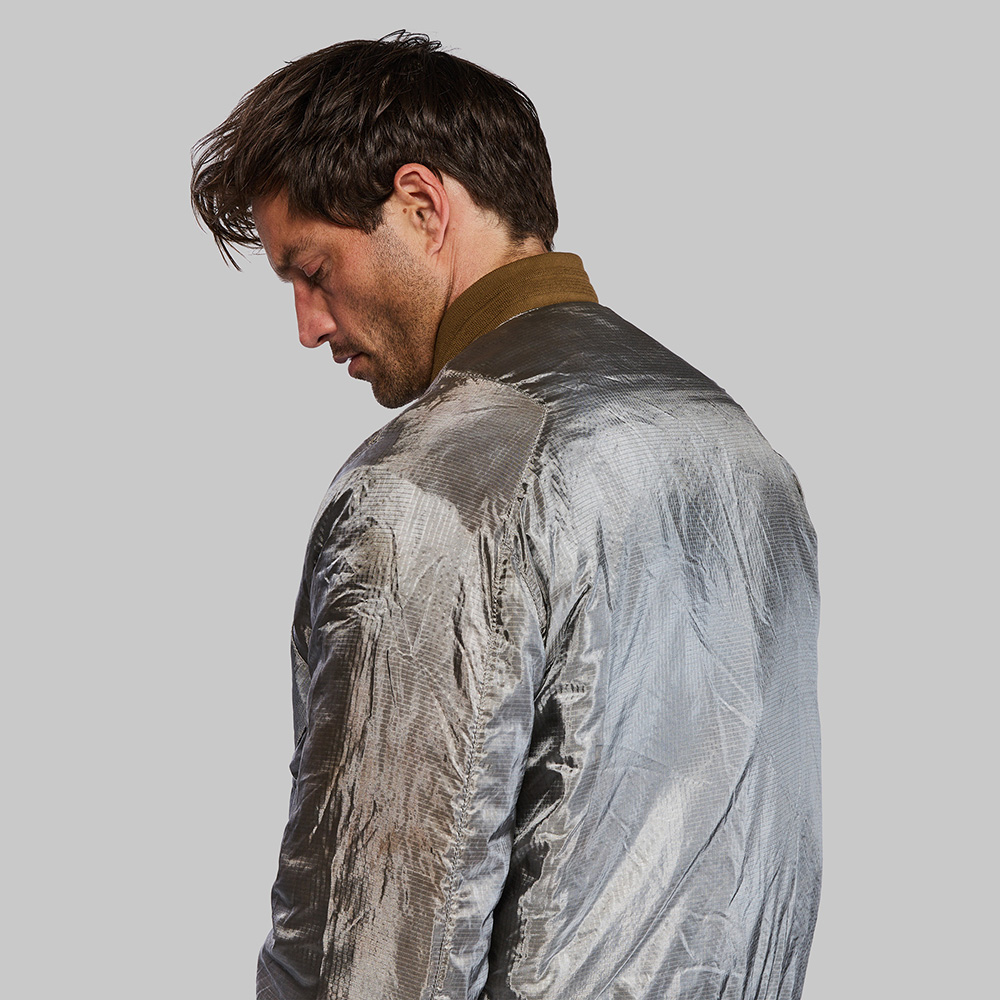
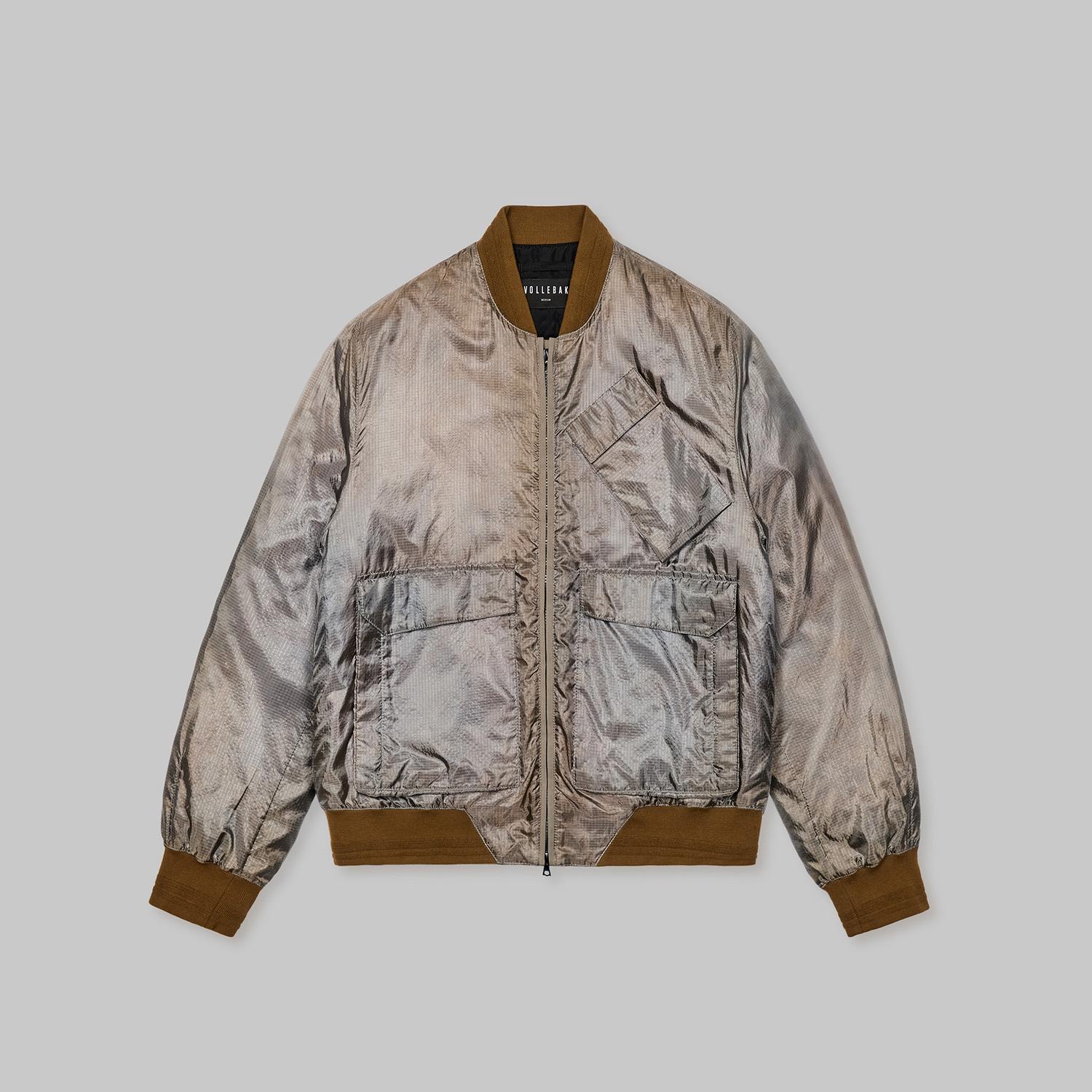
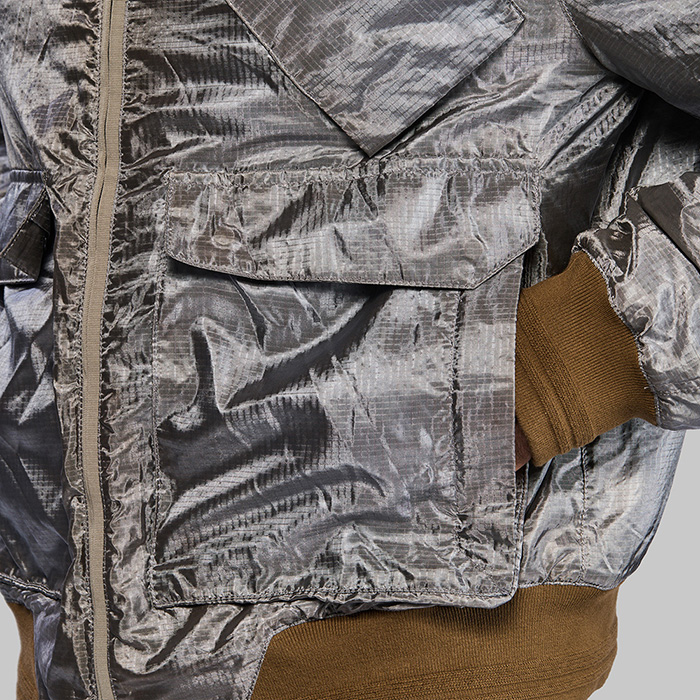
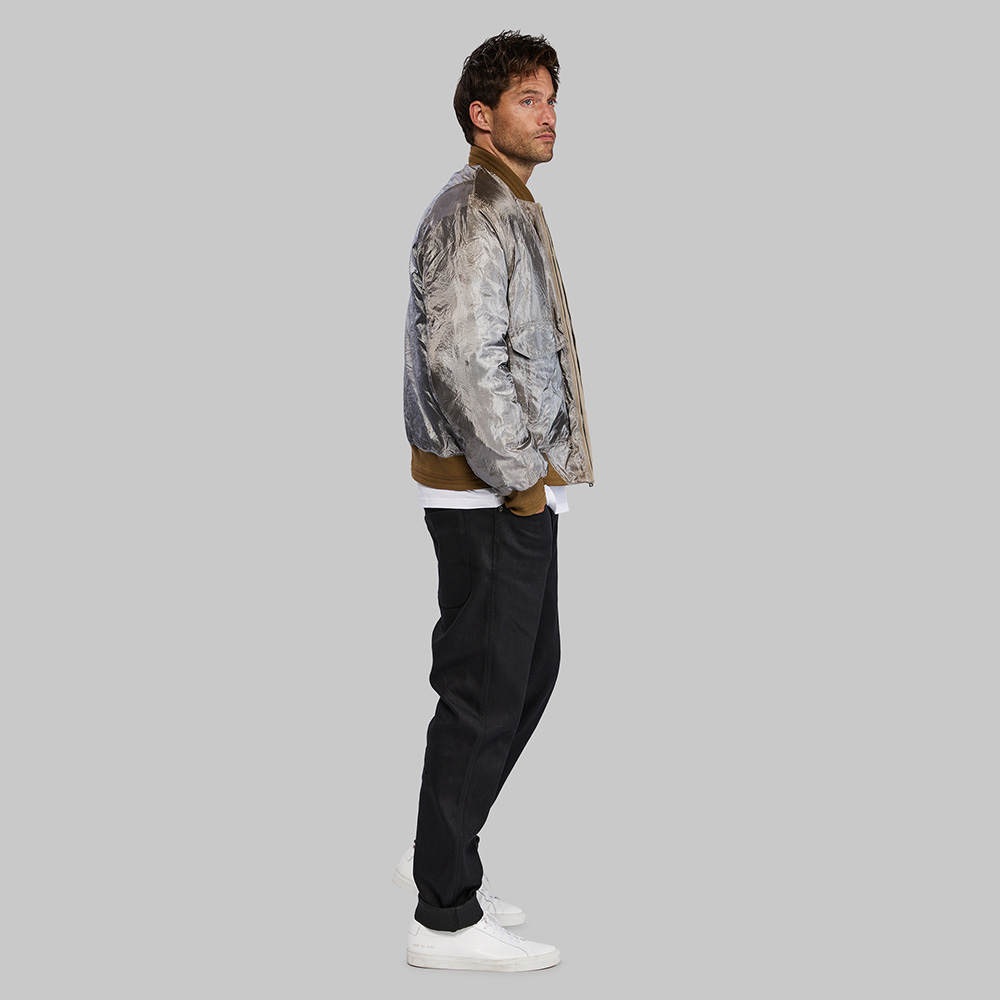
The first layer of the jacket is the outer layer, and it’s the one that does the thermal and electromagnetic cloaking.It’s built with an advanced version of the metallic insulation originally developed by NASA to stop their spacecraft freezing in space… which means it does some really unusual things.
They only metallise the surface of the jacket – by submerging it in a bath of metal salts with current running through it, so metal ions plate themselves onto every fibre atom by atom….And this means that the jacket still moves and breathes like cloth – not metal – so it’s perfect for evasion.
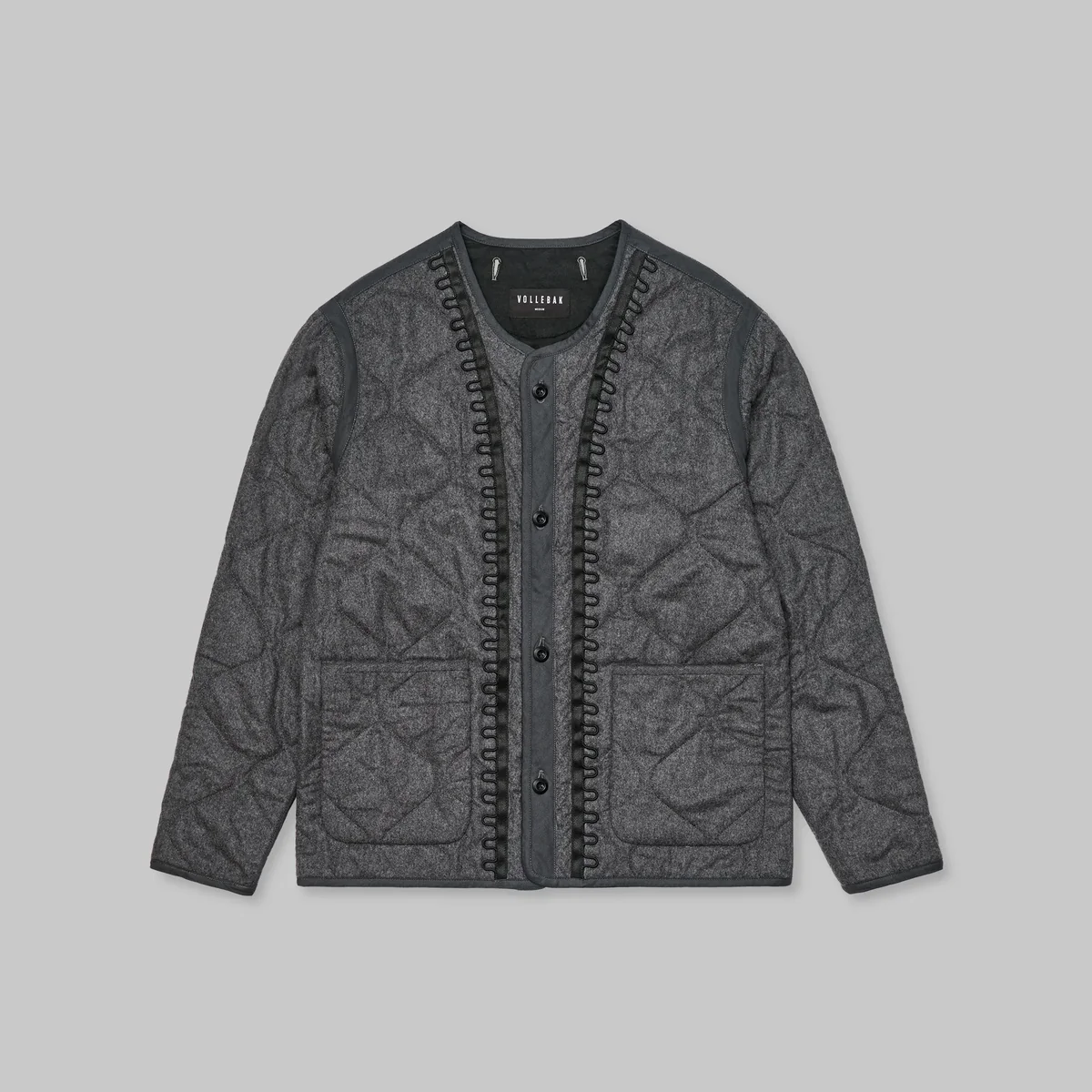
The metallised surface also has very low emissivity, bounces back the IR radiation from your body, emits very little heat, acts like a Faraday cage, and makes you appear cold or even invisible to infrared cameras. The second layer of the jacket is the inner layer. And this is the ‘keeping you warm’ bit.It’s a precision-cut and detachable winter liner inspired by the modular cold-weather systems first engineered for U.S. Army fishtail parkas. The M-48, M-51 and M-65 were all built around the same idea – a lightweight shell and a highly insulated inner jacket that could be buttoned in, removed, repaired, or worn on its own.
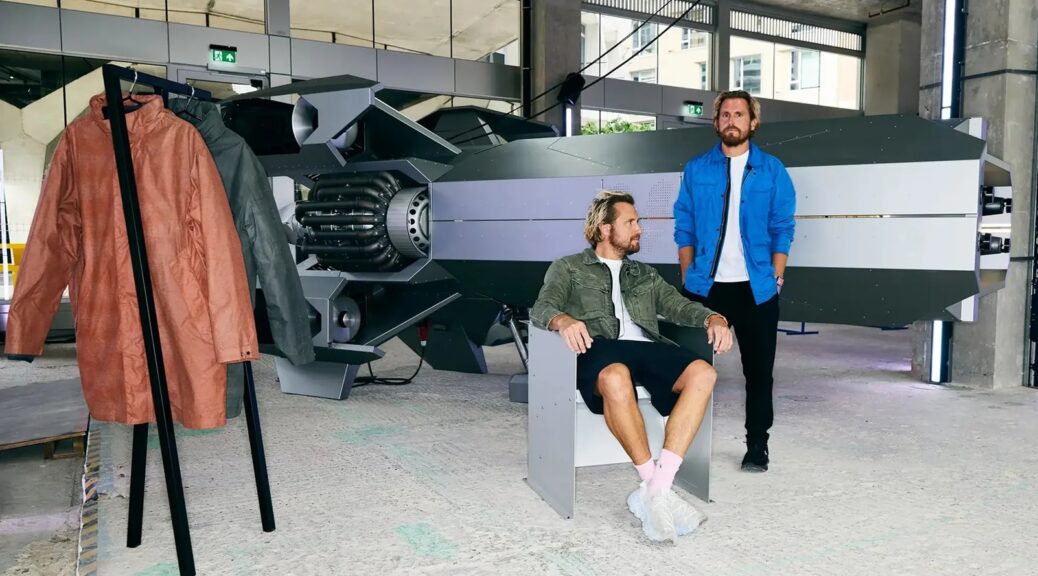
The Thermal Cloaking Jacket – pictured here at the launch of the Vollebak Spaceshop – updates that idea with a far more engineered, elegant and flexible system.
It’s a modular attachment system designed to lock the two layers together so they behave like a single cold-weather machine.A string of loop tabs along the front of the liner fasten over internal buttons on the shell. Two dedicated buttons at the back of the neck anchor the top of the liner, and snap tabs at the cuffs connect the two sleeves.
Once docked, the shell and liner move as one piece.Undock it, and the liner operates as a fully independent jacket. So when Minority Report becomes reality – which clearly it’s going to – you can telepathically send them your thank you messages. The jacket comes in two colours: Metal and Rust.
Over the last 18 months our friends at Vollebak have been building the Shielding range, a wearable defence system against electromagnetic radiation. Some of it is literally silver and shiny. In other cases, they have integrated the shielding technology more discreetly, in a super comfortable t shirt and, shipping in September, one of the best-looking leather jacket ever made.
Gamma rays turned Bruce Banner into The Hulk. Which turned out to be mostly a good thing. But in reality radiation and human beings don’t go well together.And as we enter an era of cybersecurity breaches, geopolitical instability, the first manned missions to Mars and increased cosmic radiation exposure, it’s going to present more of a threat.Luckily, there are ways to stop electromagnetic radiation in its tracks.
Long before the Curiosity Rover was sent to Mars to search for signs of life, it had to be tested on Earth. So NASA built an electromagnetic shielding tent to completely block out external radiation during testing – anything from a text message to a chat with the James Webb telescope.
Vollebak took that technology and put it into clothing.
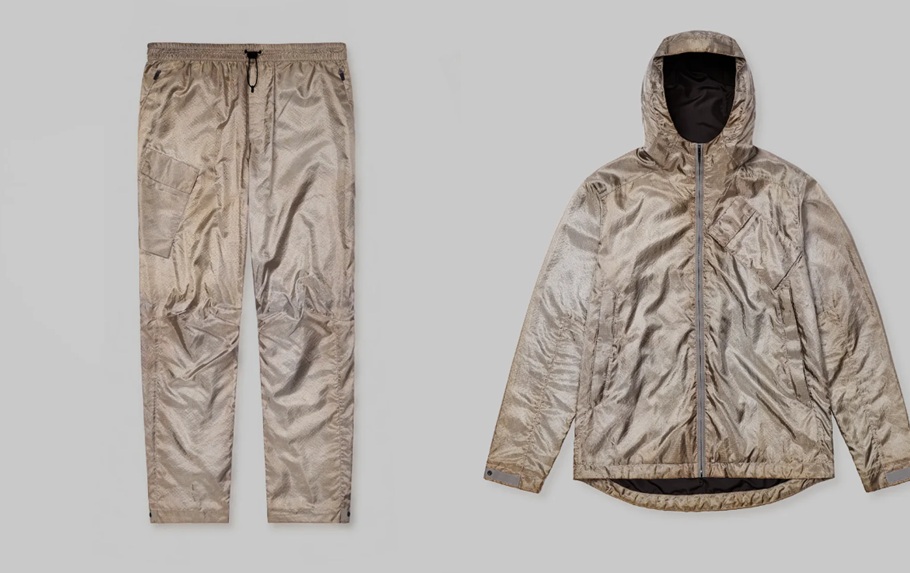
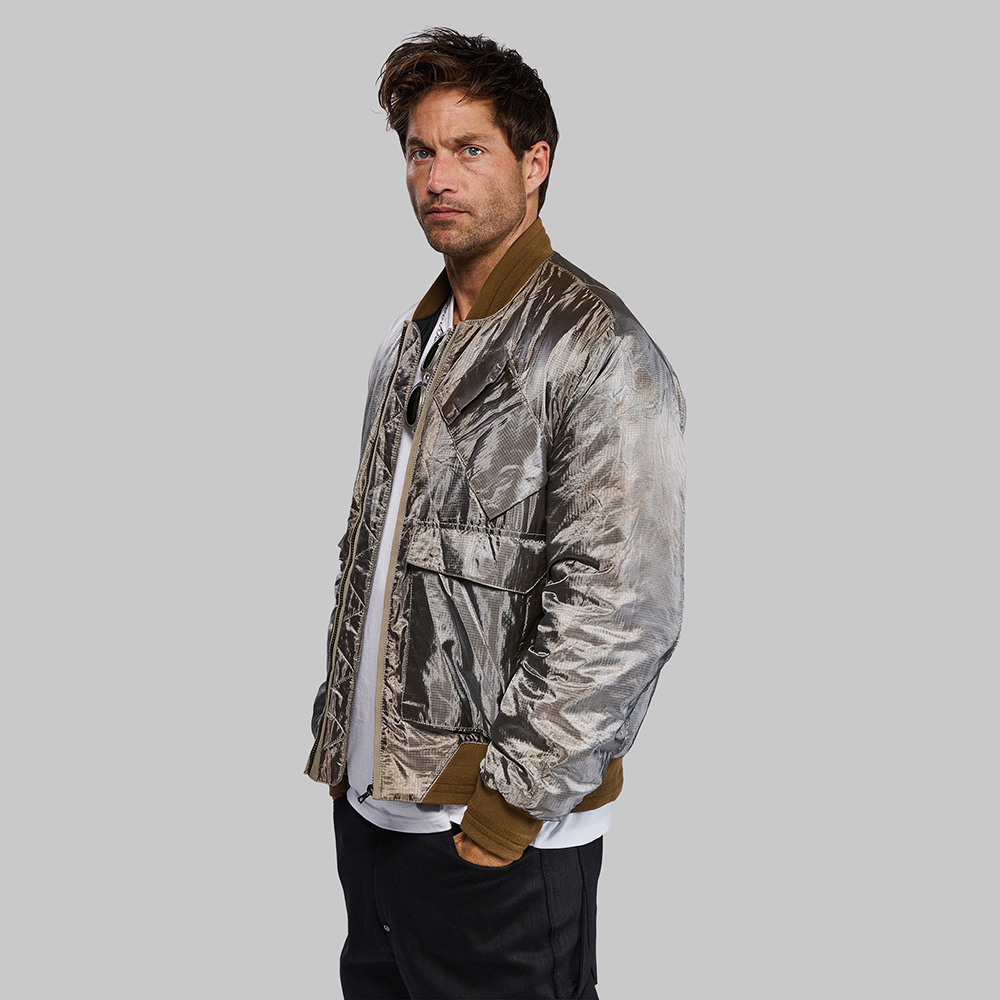
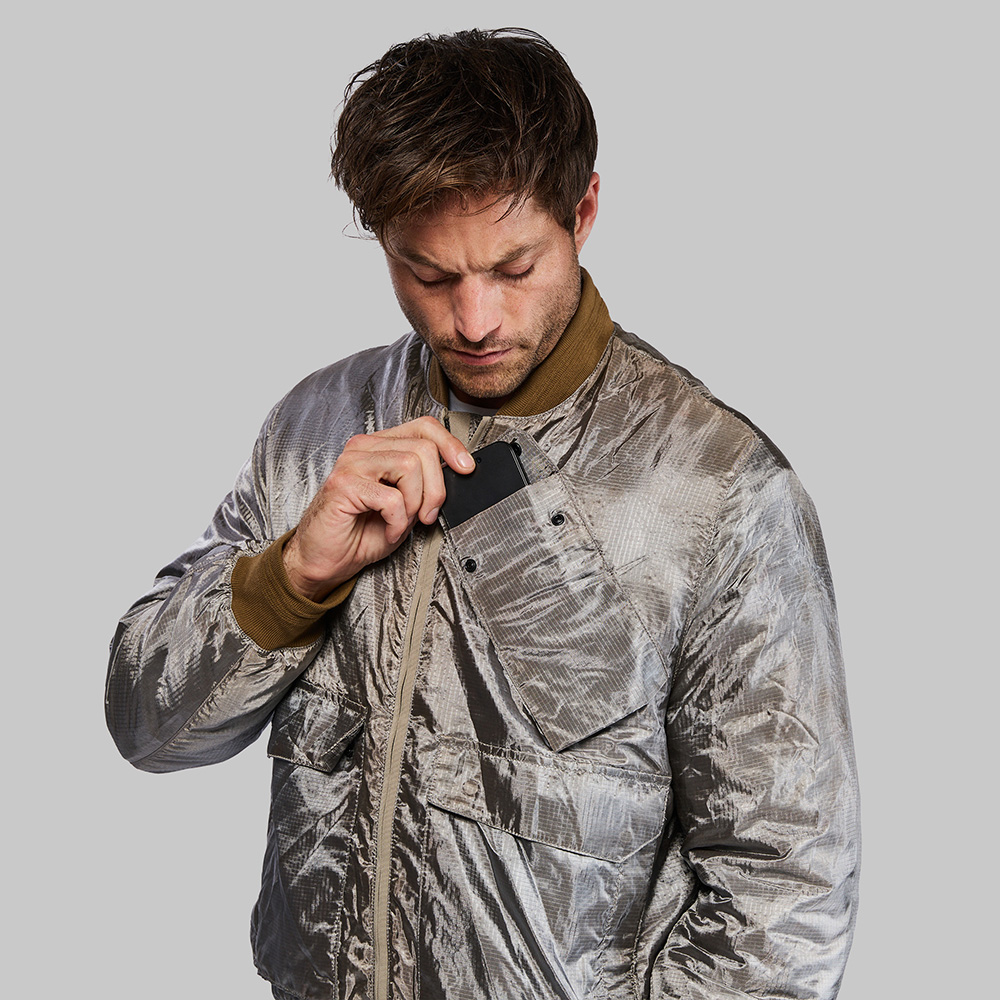
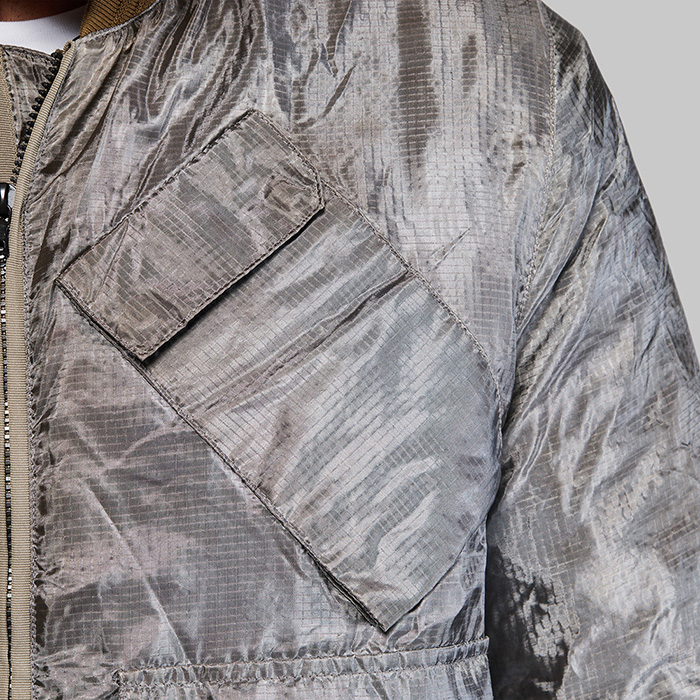
The Shielding Jacket and Shielding Pants are built from a lightweight ripstop embedded with pure silver that blocks radio waves and microwaves across the frequencies used by WiFi, Bluetooth, Ku-band satellites and radar.
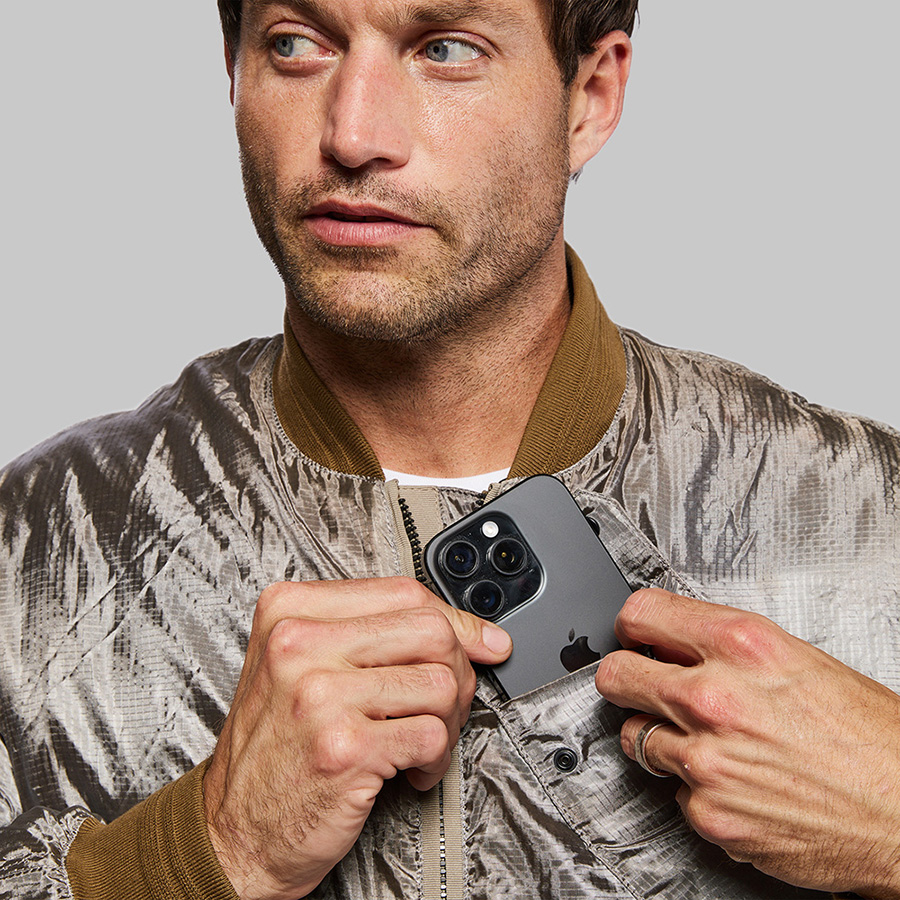
This means the jacket and pants deflect infrared, so you can’t be seen on a thermal camera. And each one has a hidden pocket that works like a Faraday cage, sealing your phone off from the outside world whether it’s switched on or off. So you can’t be hacked, tracked or even called.
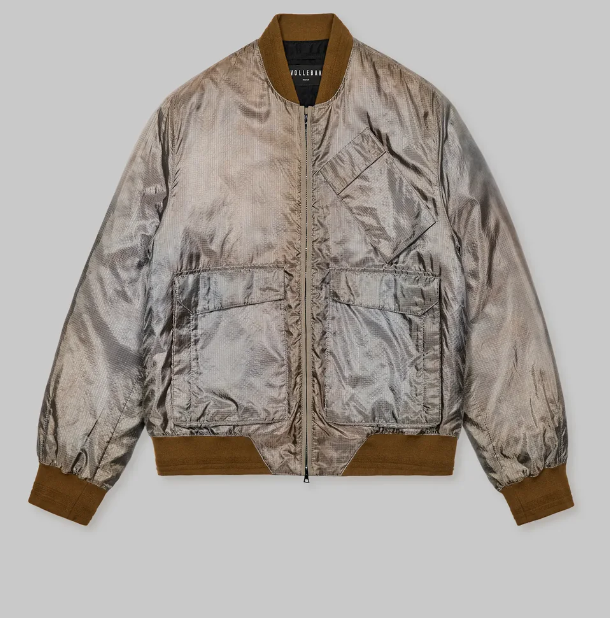
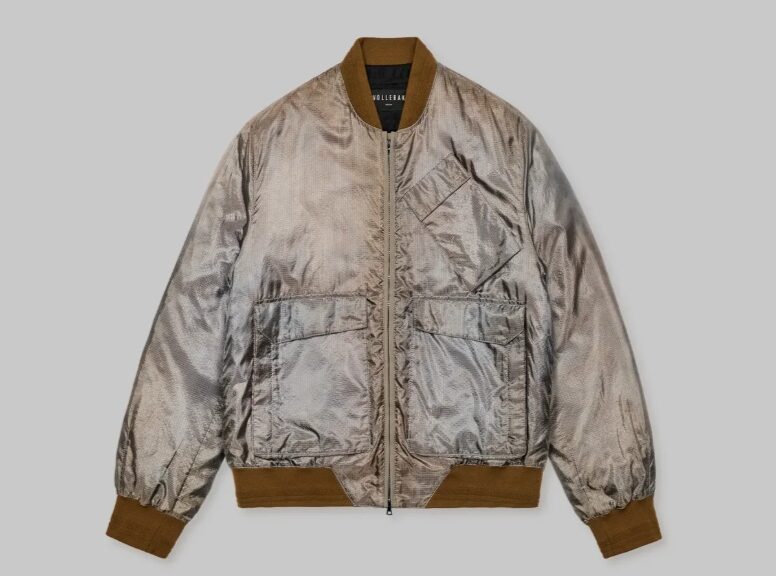
The Shielding Bomber, based on the original MA-1 flight jacket, wraps this space-age protection in a jet-age shape.
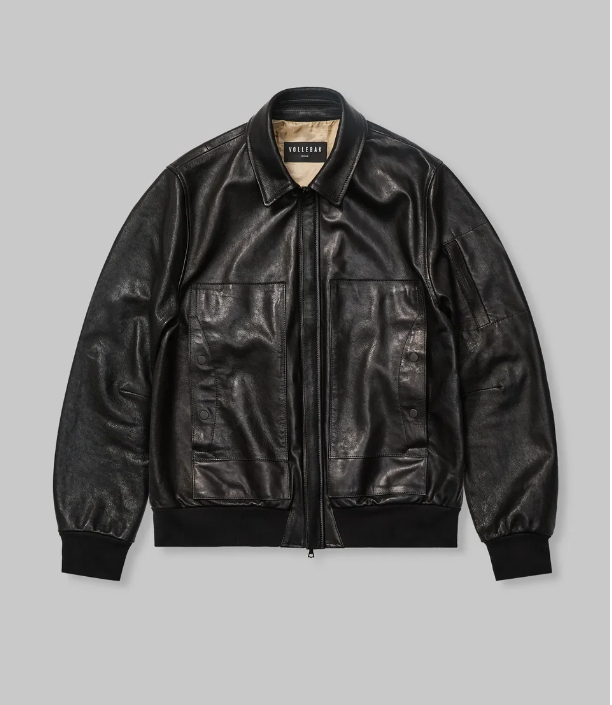
Arriving in September, the Leather Shielding Jacket is a re-engineered version of the A-2, the most famous leather jacket ever made.
It’s cut from black nappa sheep leather, tanned with plant-based tannins so it breathes and ages gracefully, and is lined with the same silver shielding technology as the Shielding Jacket, Pants and Bomber.
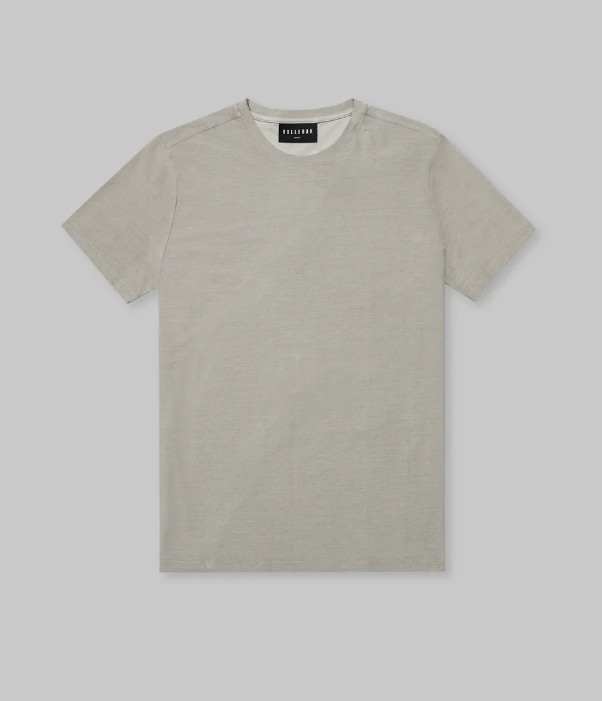
The Shielding T Shirt works slightly differently.
It’s knitted from silver-plated fibres spun from wood pulp, forming a conductive network.
Lab tests show shielding from 30MHz to 10GHz, with the strongest effect across common mobile, WiFi and Bluetooth bands.
It won’t hide you from a satellite, but it’s supersoft, endlessly wearable and the logical thing to put on under everything else.
Convertible tops date all the way back to the dawn of the automobile. You know, back when carriages became horseless. But as the decades piled on and technologies/materials evolved, the convertible top industry has never been more intricate.
With so much available information — all of it varying by automotive year, make, model, and other key factors — several myths have developed that keep confusing and confounding convertible owners and future owners alike.
To help dispel the six most common convertible top myths, our friends at Rennlist teamed up with Robbins Auto Top, a member of the TopDown automotive family, to learn a little about convertible top myths and convertible top truths.
Let’s Roll the Top BackOn 6 Convertible Top MYTHS Most People Don’t Understand!
From life expectancy and repairs to material choices and voiding your new top’s warranty, here are the six most common convertible top myths!
1. Convertible Tops Last Forever
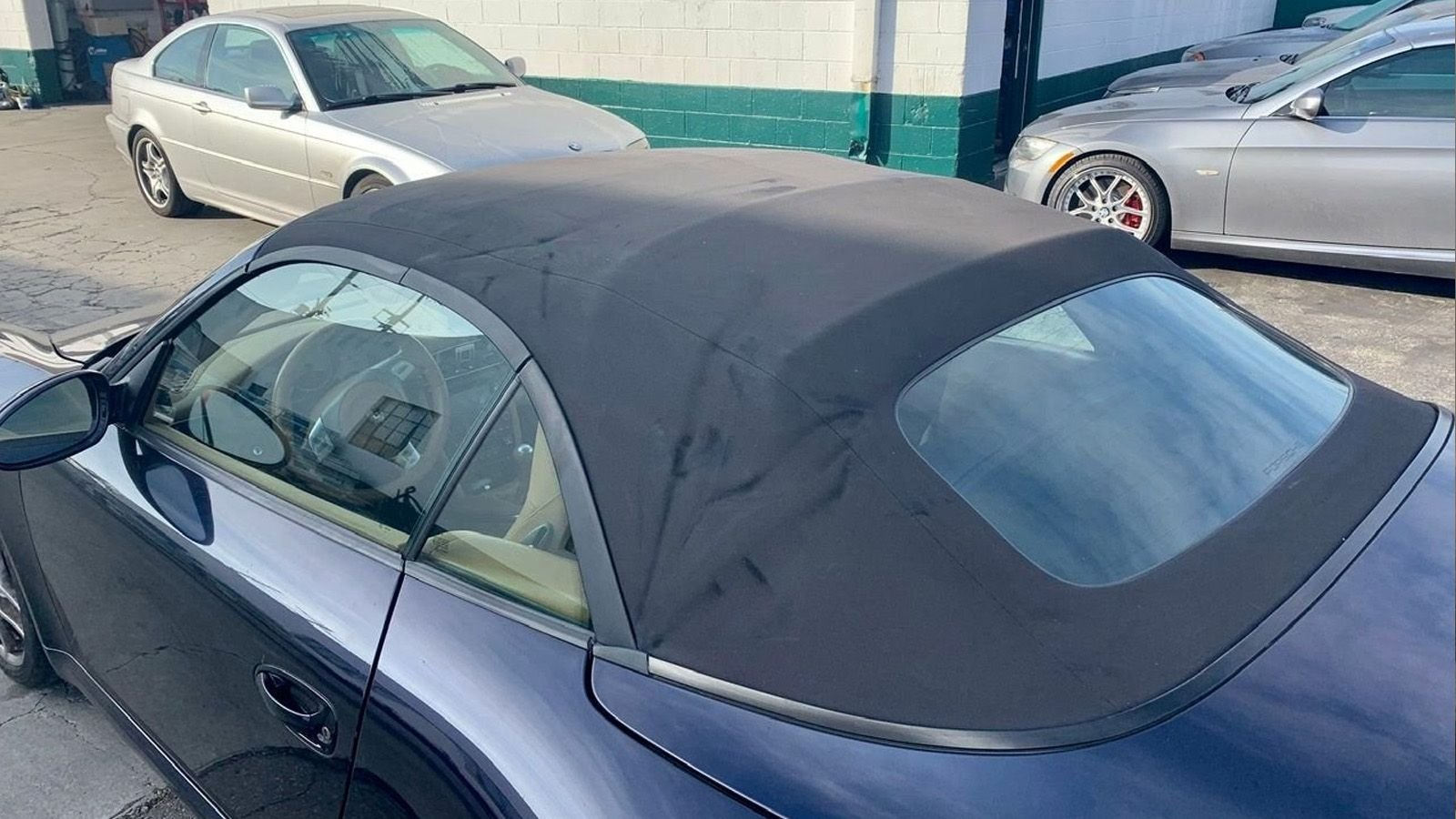
Maybe if they’re never used and sit in a climate-controlled garage with the perfect amount of humidity. But, otherwise, convertible tops are a wear item just like brakes, tires, and various fluids. Weather, pollutants, and UV exposure are all teaming up to destroy your convertible top.
Still, Robbins says the average, daily-driven convertible top lasts only seven years. So, if you own a convertible long enough and you actually drive it in, you should expect to replace it.
2. It’s Cheaper to Repair Than Replace
Repairing convertible tops can save money. But not always.
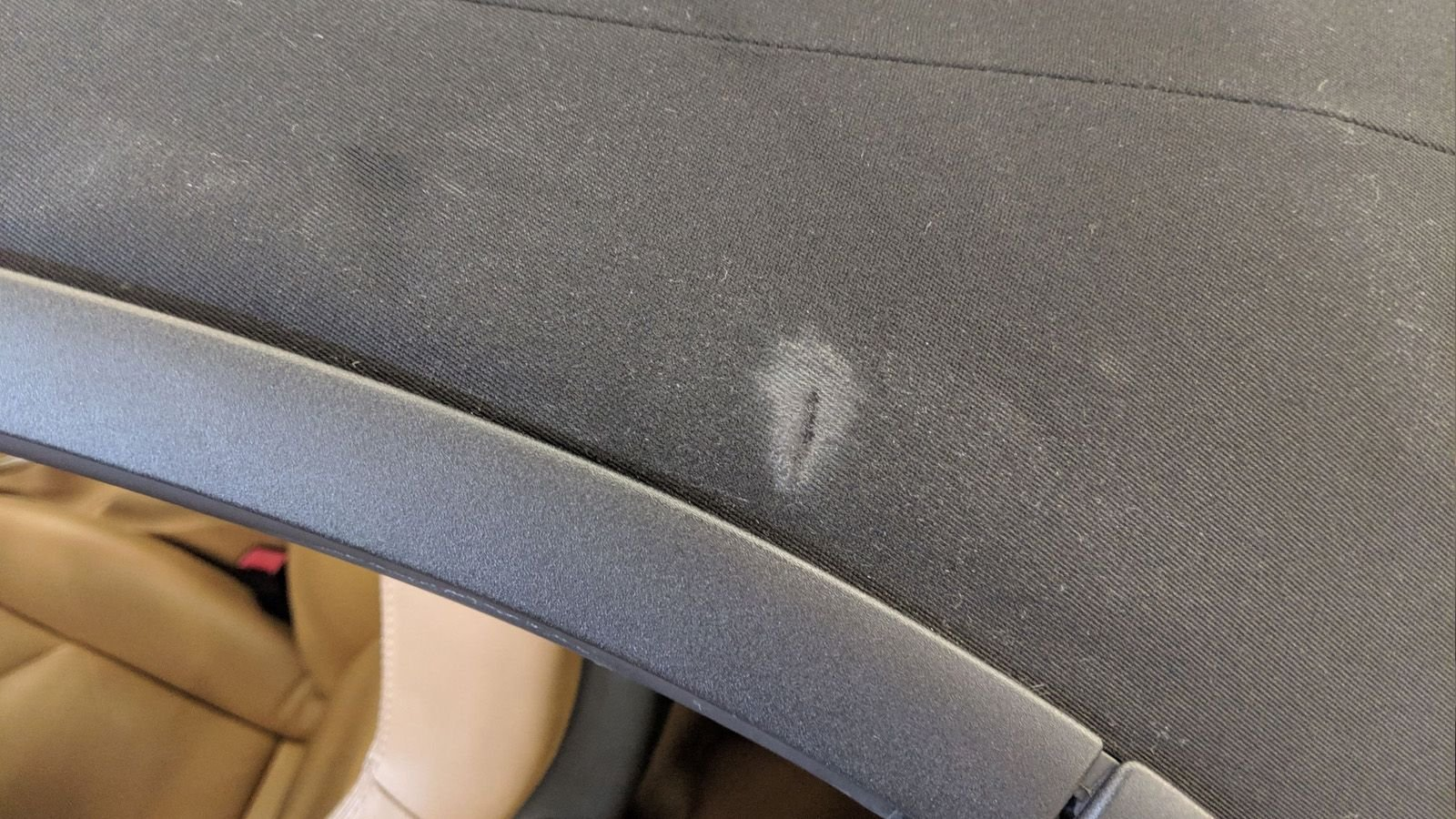
Here’s the catch. It takes just as much, if not more, labor to repair because, in order to make said repairs, you first have to remove the top. Which means paying for labor. Then you have to ask, is your convertible top material in good enough shape to survive removal and reinstall? Old material loves to tear with all that tugging and stretching. And given the top’s age, it’s also more likely to fail in another way, even if you can manage the repair, which could ultimately double or triple your costs.
Which, by the way, is the company Singer calls to install tops on their staggeringly expensive Porsche reimagingings.
3. The Thickest, Most Expensive Material is Always Best
Convertible newbies love to research The Very Best Top Material Ever Made and demand it be installed on their convertible.
But The Best =/= The Best For Your Convertible.
Why? The most expensive, most luxurious top materials are also the thickest, which helps sound deadening, but won’t work for all applications because thicker materials need more room to fold. AKA, room your application may lack.
Thankfully, most modern Porsche convertibles and cabriolets were engineered for the thickest/best materials on the planet — various forms of German A5 — but older models and collectibles have to be more careful wth smaller frames and tighter spaces.
4. Installing A Convertible Top is DIY Friendly
YouTube University for DIYers is great. But make no mistake. Convertible top installations are not for first-time DIYers. You need tools and techniques to avoid catastrophe when dealing with aging frames and delicate materials like cloth and glass. All while pulling and stretching and prying and assembling in a very specific order over many hours of hard labor.
Basically, it’s far too easy to damage a new top or break your car if you don’t know what you’re doing. Which is why DIY installations most likely void convertible top warranties.
It’s no surprise that new cars are made as cheaply as possible to maximise profits. But that also means new convertibles often ship with factory flaws that lead to premature wear. Or that the automaker will switch suppliers and end up with “OEM replacements” that don’t fit quite right.
Robbins Auto Top — like its other TopDown siblings, including the interior specialists at GAHH Automotive — doesn’t just replicate OEM, it makes products that are BETTER than OEM. Additional padding on common wear spots. Thicker window frames less likely to fail and leak. Hiding ugly stitching with upgraded production techniques. (And I know this because I toured their facility in person and saw how the company’s engineers improved basically everything.)
So why not spring for better-than-OEM materials? And all the color and fabric customization you could have never ordered from the dealership?
6. You Can Always Order Based on the Year/Make/Model
Many OEMs have been so inconsistent over the years that they’ve produced multiple convertible top styles within a single model year (or across multiple generations). Examples include ‘68-’72 GM mid-size models, ‘87-’93 GM F Bodies, ‘14-16’ Aston Martin DB9 Volantes, and more.
That’s why you need a pro involved not only for installation, but to guide you through the ordering process. And why, if your current top fits well, measurements must be taken to help identify the correct replacement.
Kelp can grow 24 inches a day on nothing but sunlight and saltwater. That’s faster than a triffid, but with a much lower chance of getting eaten. And our friends at vollebak used it to make the Underwater Kelp Cardigan.
In John Wyndham’s classic The Day of the Triffids, much of the world has been blinded by a meteor shower. Eight-foot-tall walking plants – possibly bioengineered by the Soviet Union – sting and then slowly digest stumbling, unsighted humans.
Seaweed, a type of marine algae, is almost as weird and otherworldly. But it doesn’t walk, and it doesn’t eat people.
It might turn out to be one of the most useful organisms on the planet. Which is why they’ve used it to build the Underwater Kelp Cardigan.
What makes seaweed so exciting? Let’s start with how fast it grows. Kelp – the long, ribbon-like brown algae that forms forests on the seabed – can grow by up to 24 inches a day. That makes it one of the fastest-growing organisms on Earth. Faster than triffids. Considerably faster than bamboo.
And it does it on almost nothing. No soil. No freshwater. No fertilizer. No pesticides. Just seawater, sunlight, and dissolved nutrients. Farming on land needs fields, irrigation, and machinery. Cultivating seaweed just needs a rope and a stretch of coastline.
The forests it builds are among the most productive ecosystems anywhere. Underwater rainforests, dense with life, growing up through the water column rather than out across a field. More than 35 million tonnes are now produced globally each year. Most of it is farmed rather than torn from the wild.
What’s inside is more interesting still.
Seaweed’s cell walls are packed with biopolymers – alginate, agar, carrageenan, cellulose – industrial building blocks that are already in everything from ice cream to pharmaceuticals. Extracted and refined, they can be reassembled into films, gels, coatings, and fibers.
These polymers can be spun into yarns that look, feel, and behave like natural fibers, but at a fraction of the environmental cost. They need up to 70 times less water than cotton. They cause zero microplastic pollution. And rather than lingering for centuries, some seaweed-based materials are designed to disappear, biodegrading in a matter of weeks.
Brown and red seaweeds can also – and with much less intervention and engineering – be turned into thin, transparent films that are strong enough for packaging. It’s also compostable. Instead of outliving everyone who ever touched them, they just quietly disappear.
Then there’s everything seaweed does while it’s still growing. It absorbs carbon dioxide straight out of the water. It acts as a living filter, pulling excess nutrients from coastal seas and quietly restoring balance.
It’s not all upside.
Processing seaweed at scale is still energy intensive. But seaweed is more than a single miracle material. It’s the basis of a new material system, a blue biorefinery, where the entire plant gets used across food, feed, chemicals, and textiles with as little waste as possible.
For most of history, seaweed has been seen as an unsightly annoyance. That’s all about to change.
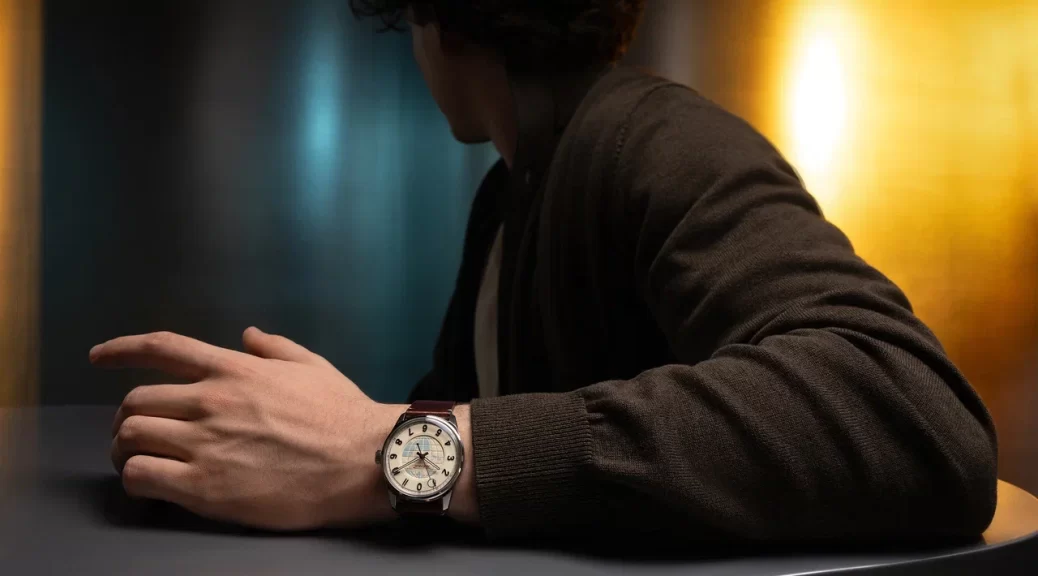
Raketa Premium Watch Manufacture is releasing a new version of its Russian Code — a watch that runs counter to the usual direction of time. The model was first introduced on June 3, 2026, at the St. Petersburg International Economic Forum. This event was central to the brand’s presence at the Forum business program.
The new version of the model offers a different vibe, a more natural and warmer colour palette, and some extra features including:
a stainless-steel case with a dual finish: polishing and satin finish;
a curved sapphire crystal creating a lens-like effect and a three-dimensional appearance;
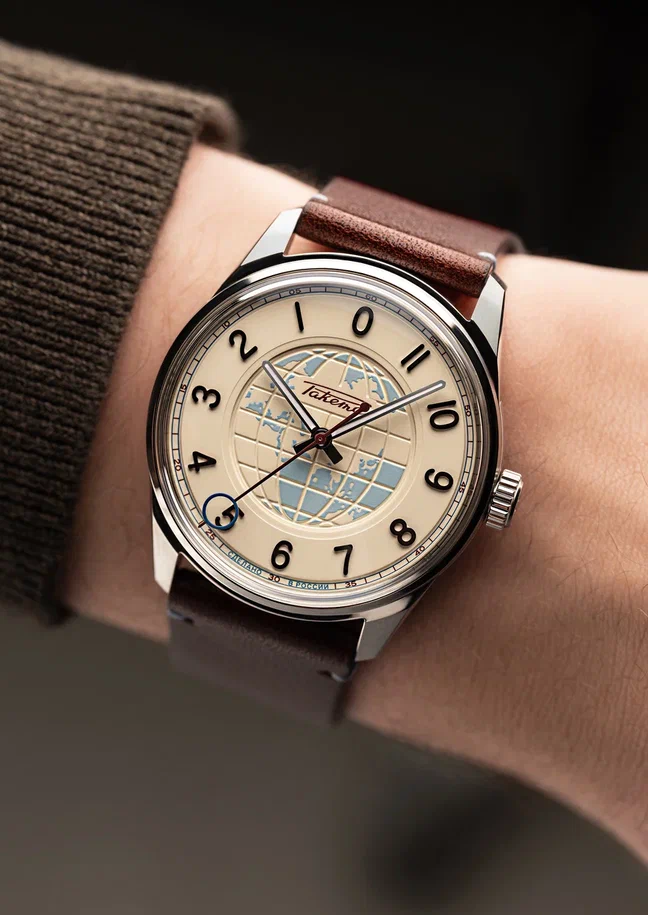
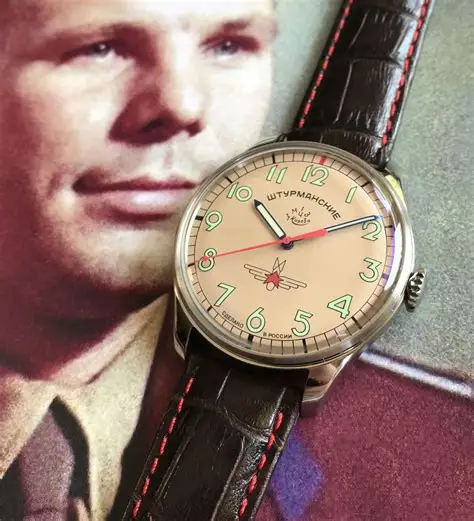
a light beige dial, featuring convex markings and a 3D image of the Earth at the center, its surface divided into thin lines of meridians. This is what gave the model its full name, echoing the idea that time and space obey strict geometry. The Raketa logo is intentionally placed directly above Russia on the world map;
a brown genuine leather strap adorned with contrasting blue notches that echo the ocean colours on the dial, adding up to the model’s coherent look.
Irregular Rhythm And A Fun Movement
You can see the movement operating at an irregular rhythm through the transparent case back of the watch. As this Raketa watch has a backward-action movement, its hands also move in the opposite direction due to the mirrored design of the movement’s main components. Raketa’s engineers went beyond the simple modification of components: they designed and manufactured their mirrored counterparts. As a result, the entire system moves in the opposite direction in a coordinated way.
What we commonly refer to as ‘the correct course of time’ is simply an optical illusion that originated in the Northern Hemisphere several centuries ago. People observed the shadow of a sundial moving in a circle and decided that direction was the only correct one. The universe works differently, though, as the Earth orbits the Sun counterclockwise. The Russian Code brings the time back into this cosmic rhythm: the hour hand moves backward, and the seconds hand—shaped as the Moon—also orbits the Earth in the opposite direction. What you see on the dial is not a mere abstraction, but a precise astronomical model.
The Raketa brand was launched in 1961 to honour Yuri Gagarin’s space flight. Space is not a metaphor, but a part of the manufacture’s engineering legacy. The Russian Code is the very embodiment of this tradition, and the release of its new version marks the manufacturer’s anniversary. This watch is meant to break conventions, reminding you that true time is guided by the stars.
Self Winding Movement Is Very Russian
The heart of the watch is a Russian self-winding movement, manufactured from A to Z at the Raketa Watch Factory, one of the few manufacturers worldwide that still produce in-house movements. The open case back cover reveals the manufacture movement and its rotor decorated with Neva waves, a nanoceramic finishing, and a printing pattern.
Price
The price of this watch is 2 900 EUR (excluding VAT) $3,340 USD/ $5,360 CAD. For the comfort of customers, Raketa watches are delivered worldwide free of charge by DHL directly up to the front door.
Specifications:
Factory:
Raketa Watch Factory (Saint-Petersburg)
Movement:
Calibre:
2615CR
Functions:
Automatic with reverse direction of hands
Number of jewels:
24
Testing positions:
4
Average rate (s/d):
-10+20
Average running time (h):
40
Frequency/hour:
18.000 / 2.5 Hz
Bi-directional automatic winding:
Yes
Stopper of self-winding unit activated during manual winding:
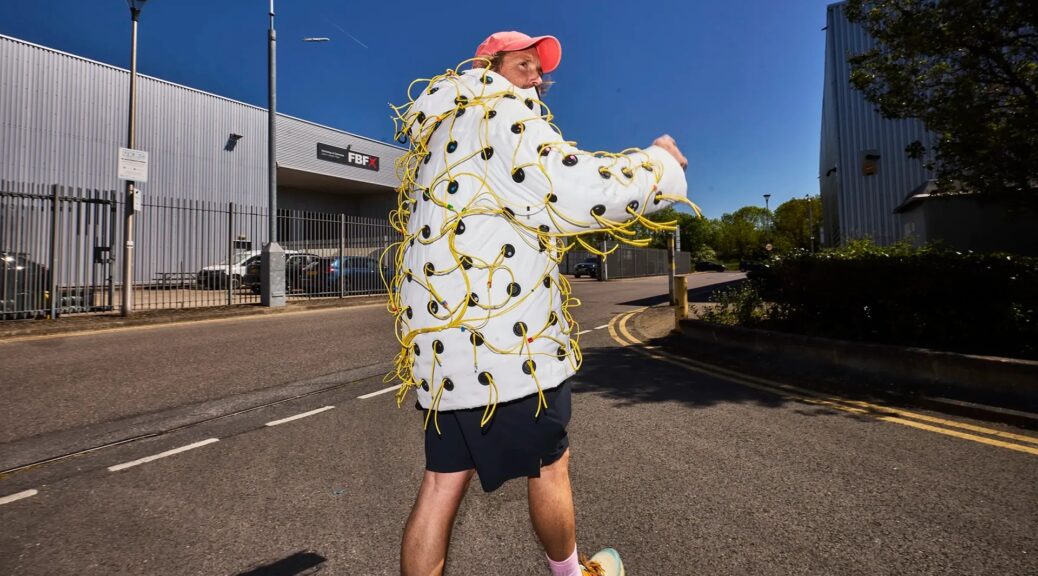
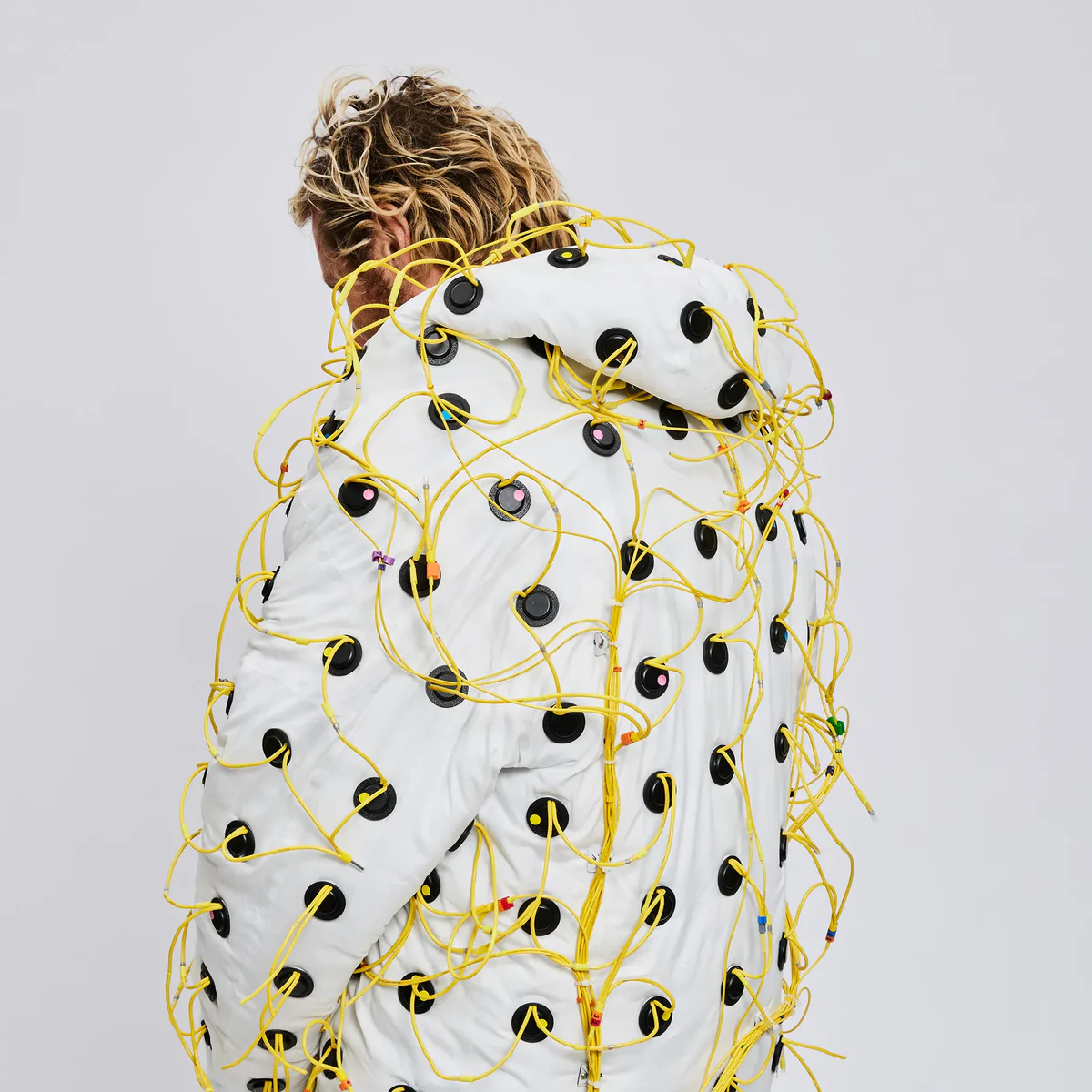
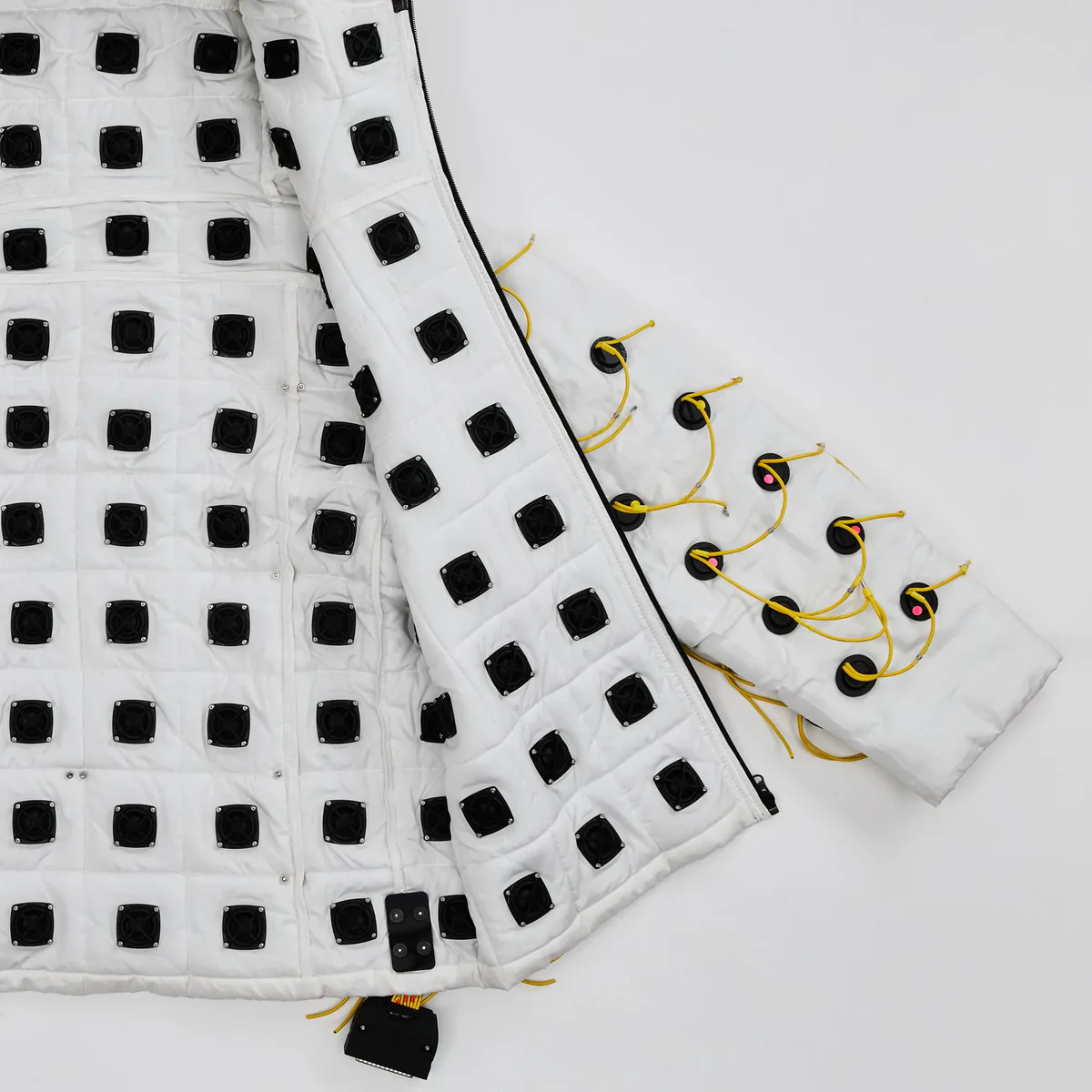
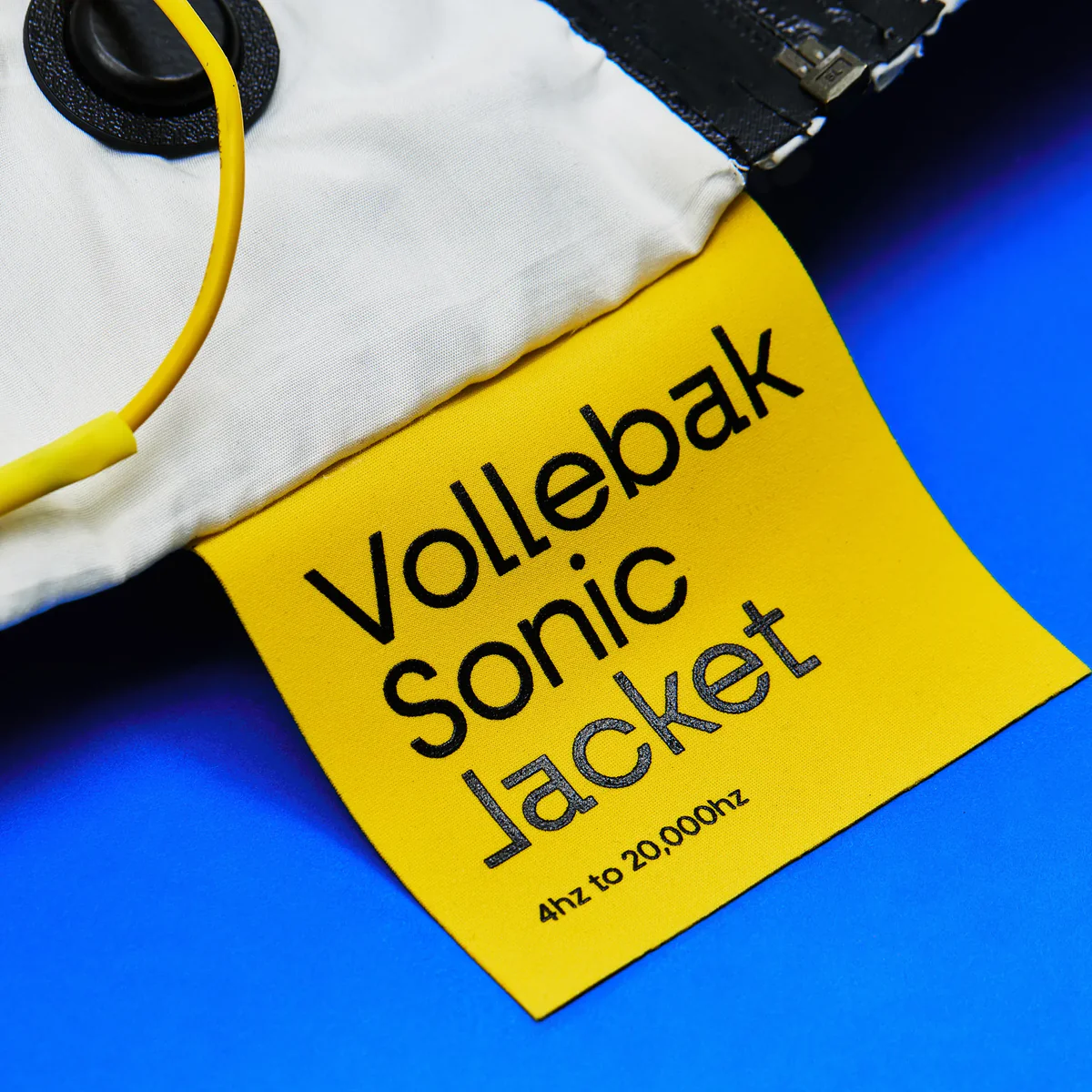
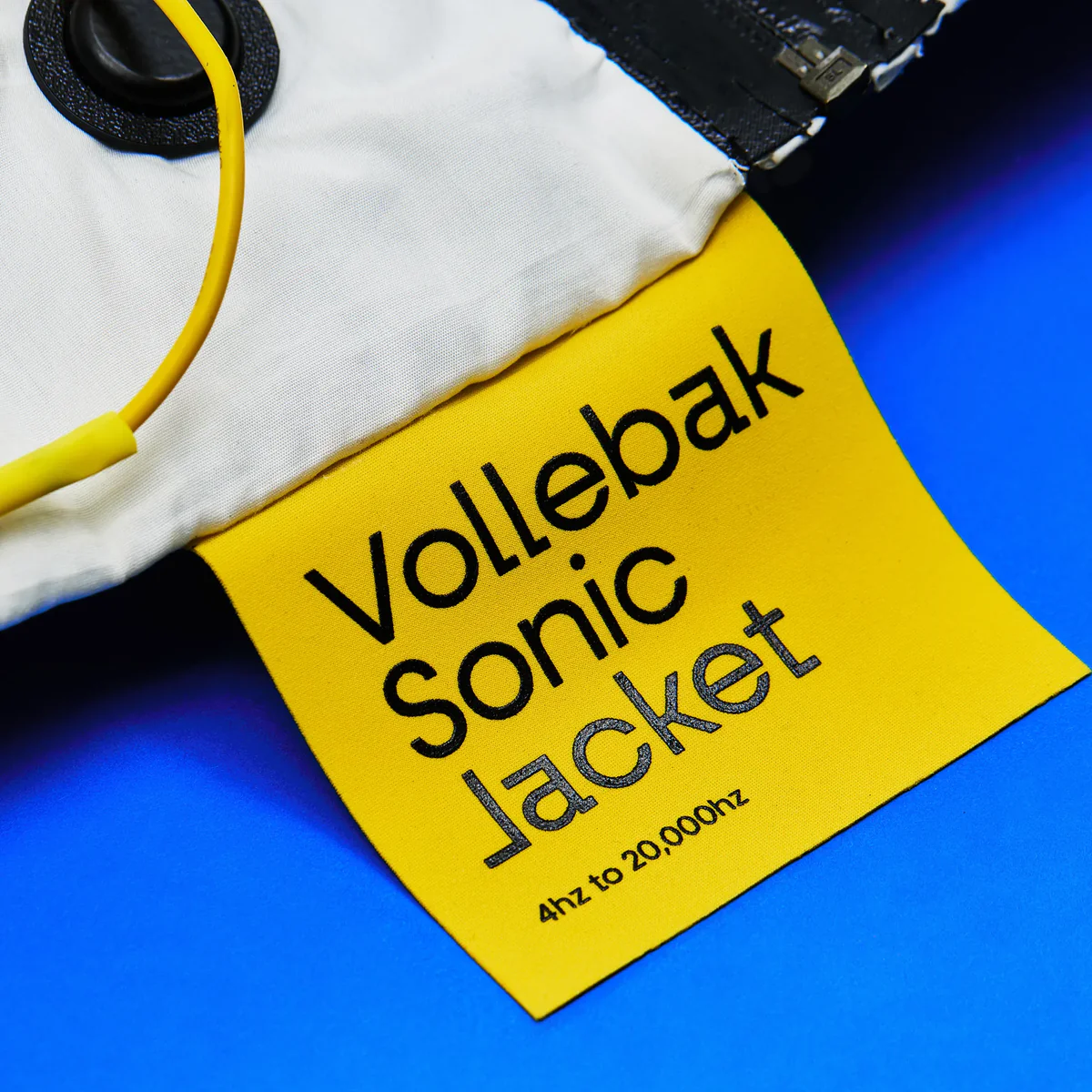
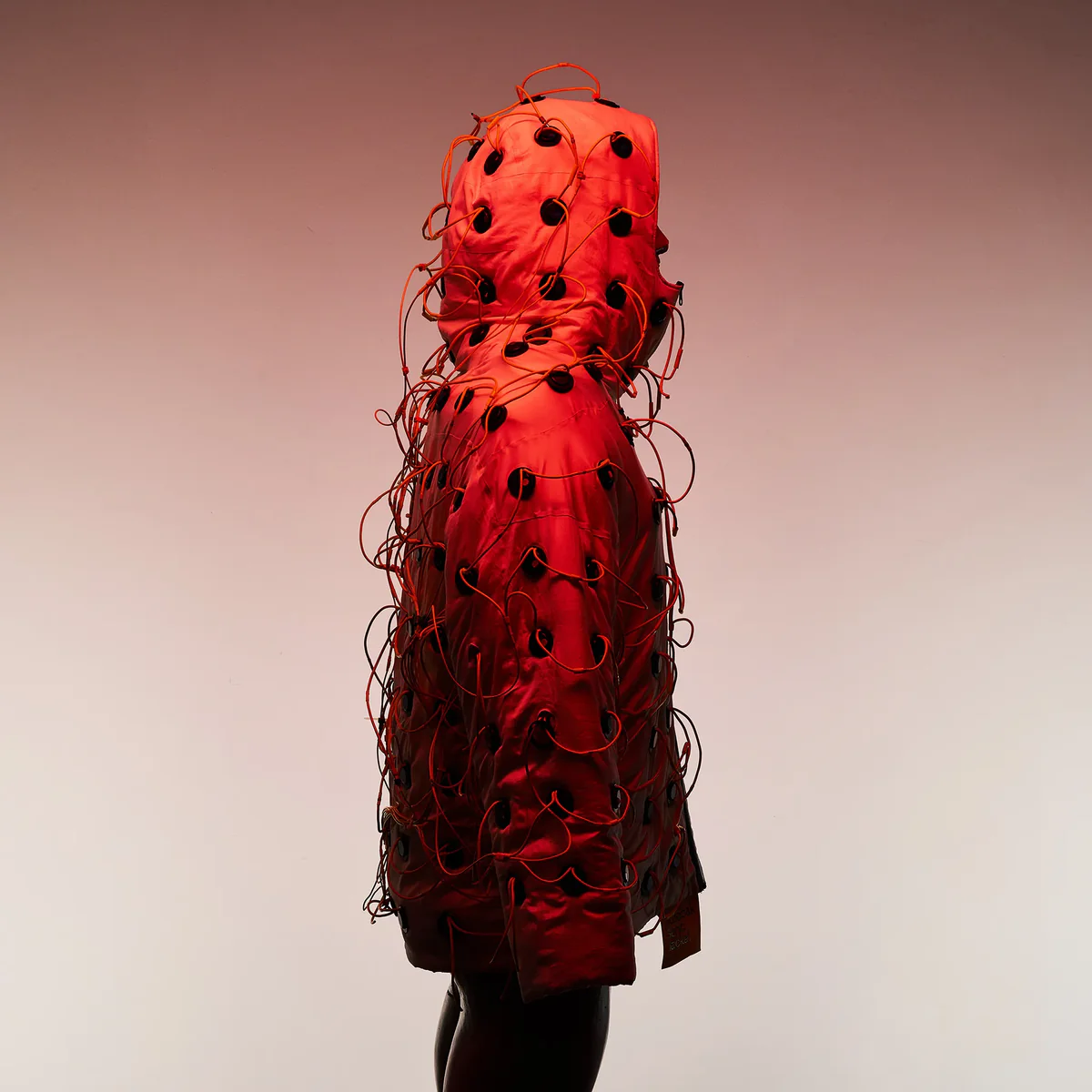
Our friends at Vollebak have taken these ancient ideas and used them in a new kind of transcendental technology. The Sonic Jacket, engineered with 180 speakers that fire frequency directly into your body. Evenly distributed across the jacket’s body, arms and hood, each speaker is just 32mm in diameter and 10mm deep, mounted in laser cut holes and able to generate frequencies from 4 Hz to 20,000 Hz. All fire inward towards the body rather than out into the room. So you don’t listen to this jacket. You feel it.
The Sonic Jacket is not the first time sound and frequency have been used to alter the human body and mind. But it’s definitely the first time in history that you can walk around while having 4 Hz to 20,000 Hz fired directly into your body… so we decided to be our own guinea pigs
The jacket’s design is deliberately raw and functional. We’ve left the yellow wiring visible, the engineering exposed. “It’s made to look like a science experiment because that’s what it is,” says FBFX co-founder Grant Pearmain. “We’re not hiding the wires. Far from it.”
Patterned Vibration Pathways
Or read on for a short history of frequency in the human story…The earliest uses of sound for wellbeing were embedded in ritual, not medicine. Australian Aboriginal healers use the didgeridoo in ceremonies aimed at restoring spiritual and social balance, its low drones and pulsed rhythms strongly coupled to breath, chest vibration and trance. In ancient Mesopotamian and Egyptian temples, sung prayers and musical incantations were used alongside herbs and amulets. Illness was spiritual imbalance and sound was one route back to alignment. Patterned vibration was the path to group bonding, meaning making and altered states.
Classical Greek philosophy turned experience into theory.
For Pythagoras and his followers, simple musical ratios, octaves, thirds and fifths, were evidence that the cosmos and the body were structured mathematically. This was the “music of the spheres,” the idea that music could tune the soul as you tune a lyre string. Plato and Aristotle developed ideas of ethical acoustics, arguing that particular modes and rhythms encouraged courage, restraint or contemplation. In India and China Nada Yoga treated sustained tones and mantras as a route to meditative absorption while Chinese qigong pairs specific syllables with organs and emotions, using sound to regulate qi.
Musical Pillars?
Temples, cathedrals and megalithic chambers don’t just contain sound, they shape, sustain and amplify it. The room becomes part of the instrument. Recent acoustic studies of Hindu temples show that pillared halls and carved stone surfaces create highly diffuse sound fields, with strong resonance and long reverberation that envelop chanting and bells. At Meenakshi Amman temple, some columns are carved as “musical pillars” that ring with clear notes when struck. Work on Hagia Sophia mosque in Istanbul, built a millennium and half ago, has shown that its enormous dome produces a reverberation time of around 11 seconds, so that chant blends into an almost continuous halo of sound.
Archaeoacousticians study the sophisticated sonic mechanics of sacred spaces. They have found that chambers in many prehistoric sites in Europe and the Mediterranean strongly amplify frequencies around 108 Hz to 110 Hz, the “megalith frequency,” overlapping with male chants and drum tones. The American psychiatrist and neuroscientist Ian Cook found that at 110Hz, the brain shifts from analytical and verbal focus and towards emotion and non-verbal processing. These chambers were machines for generating calm introspection. Whether ancient builders understood this or simply worked until they got a building to sound the way they wanted, the result is the same… spaces that hack our brainwaves.
The Great Pyramid of Giza has become a focal point for studies into architecture and sonics. Its internal chambers behave as acoustic resonators, supporting standing waves at particular frequencies. Measurements in the King’s Chamber indicate strong modes in the low-frequency range, with some analyses highlighting a resonance near 117 Hz. The granite coffer inside the chamber has its own resonant frequencies, excited by striking or humming into it. Christopher Dunn’s “Giza Power Plant” theory argues that the whole structure is a coupled oscillator that converts seismic vibration into energy via piezoelectric granite.
Neuroscience has given us a more precise map of how different frequencies affect our mental state. Alpha waves, around 8 Hz to 12 Hz, are associated with relaxed wakefulness, internal focus and reduced sensory distraction. Theta, around 4 Hz to 8 Hz, shows up in drowsiness, early sleep, deep meditation and certain creative tasks. Gamma activity, roughly 30 Hz to 100 Hz, correlates with higher-order cognition and focused attention, working memory. Flow states – the feeling of total absorption in a task – have been linked to increased frontal theta alongside moderate alpha and bursts of gamma.
The brain, it turns out, has frequency signatures for different modes of being.
The idea that external sound can nudge the brain toward specific states is called entrainment. Present a rhythmic stimulus and the brain’s oscillations may start to synchronise with it. Pump slightly different tones into each ear, say 210 Hz and 200 Hz, and the auditory system generates a perceived third beat at the difference frequency, 10 Hz, which the brain allegedly follows. This is called the frequency-following response and it’s the theoretical underpinning of binaural beats and a growing number of apps, wearables and YouTube channels promising alpha for relaxation, theta for meditation, gamma for focus.
The man who came up with binaural beats was Robert Monroe. A radio executive who owned a production company in 1950s Virginia, Monroe began experimenting with sound patterns for learning during sleep. In 1958, he unexpectedly started experiencing powerful vibrational states and episodes of apparent separation from his body, experiences he later documented in the book Journeys Out of the Body and two sequels. Rather than dismiss them, he spent the rest of his life trying to understand and reproduce them. In 1974, he founded the Monroe Institute as a non-profit research centre devoted to the systematic exploration of altering consciousness through sound.
The jacket has a number of different ways to control your frequency feed. A control unit includes an MP3 player delivering 10 pre-set frequencies while a large physical dial lets you explore and fine-tune the frequencies that really make you feel good. The unit is also fitted with a reader for Micro SD cards which can hold up to 1,000 pre-set frequencies so you can create your personalised library. We are also working on a Sonic Jacket app that will connect to the control unit via Bluetooth.
At the lowest frequencies, speakers can overheat. To get over this, the jacket will exploit one of the strange ways we experience frequency. If we are ‘played’ two slightly different frequencies, say 100 Hz and 104 Hz, we hear or feel the difference between the two – which is 4 Hz in this case. That’s how the jacket produces ultra-low frequencies without doing something less fun… like catching fire.
The jacket is not a one-off experiment. The science of frequency and consciousness is still being written. And this jacket will play a part in writing it. Portable, personalised, immersive sound therapy will become an essential tool when we want to feel more, or less, human. And as a wearable resonance chamber, engineered to shift the wearer’s cognitive and physiological state through sound, it marks the start of a new era in wearable technology. NICK AND STEVE TIDBALL – FOUNDERS
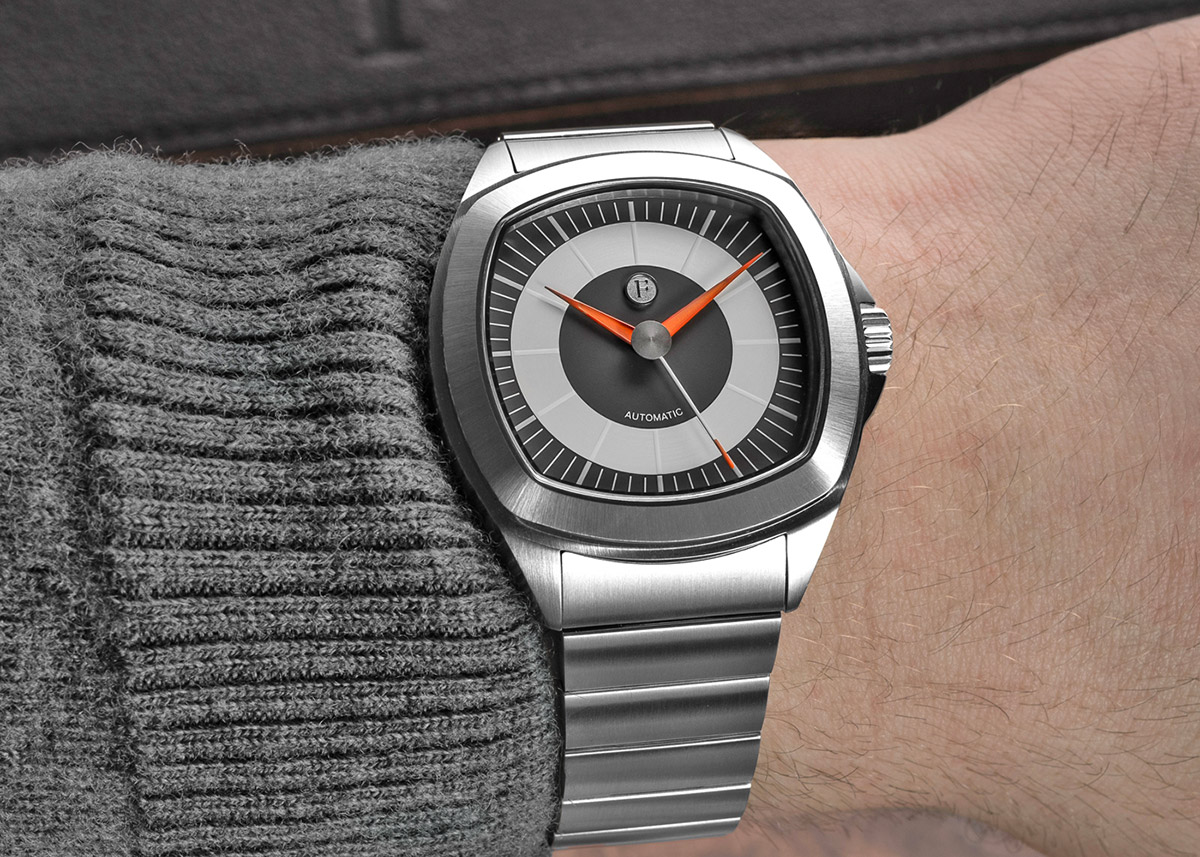
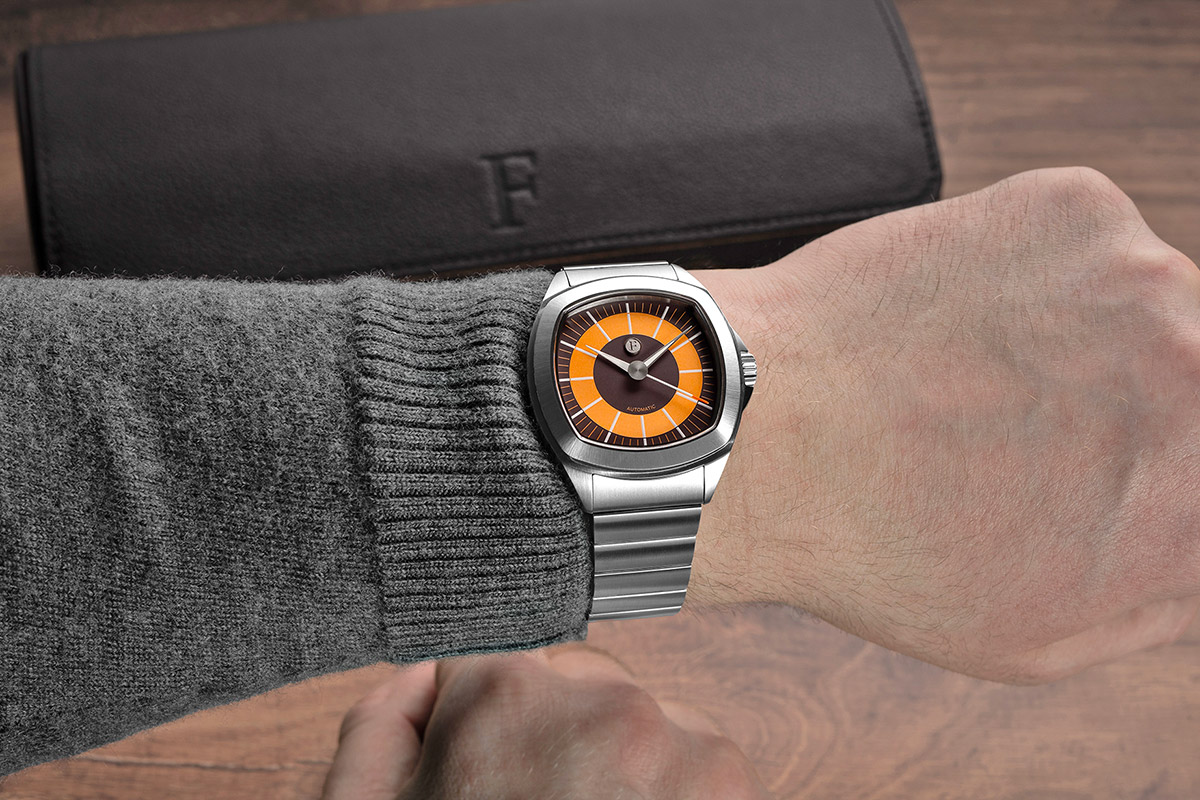
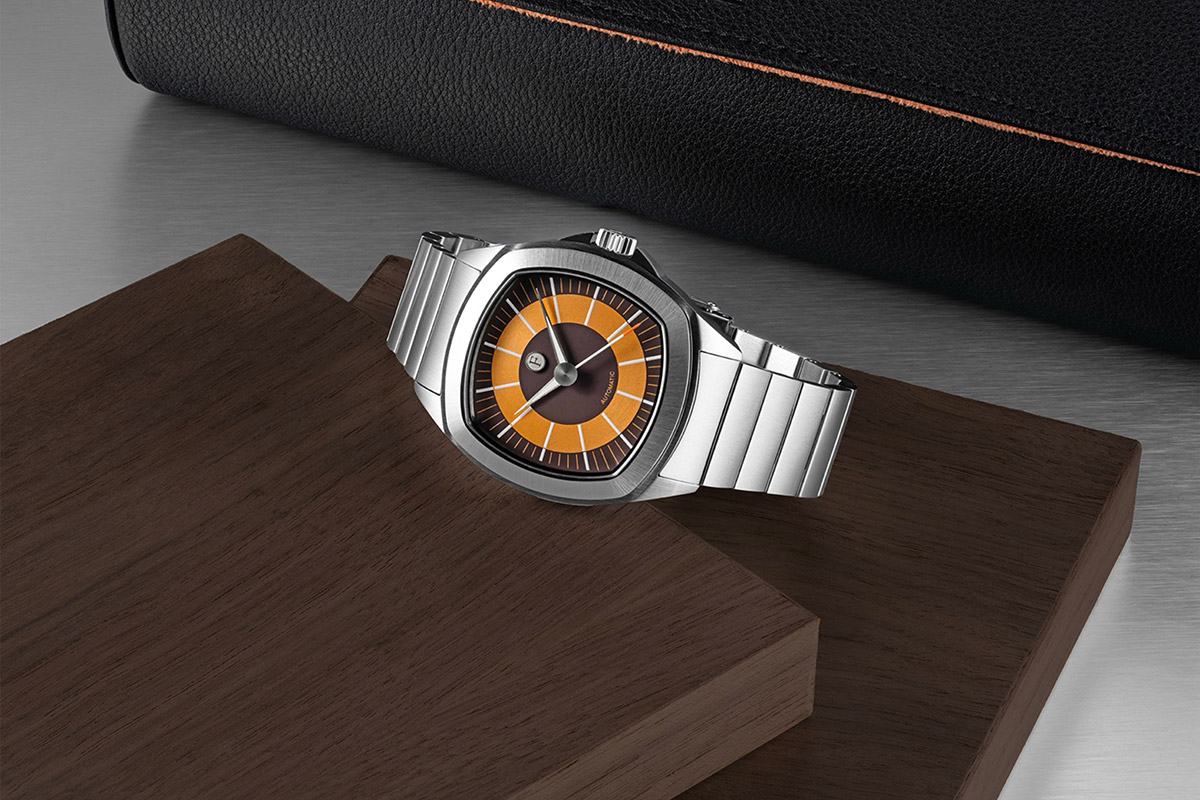
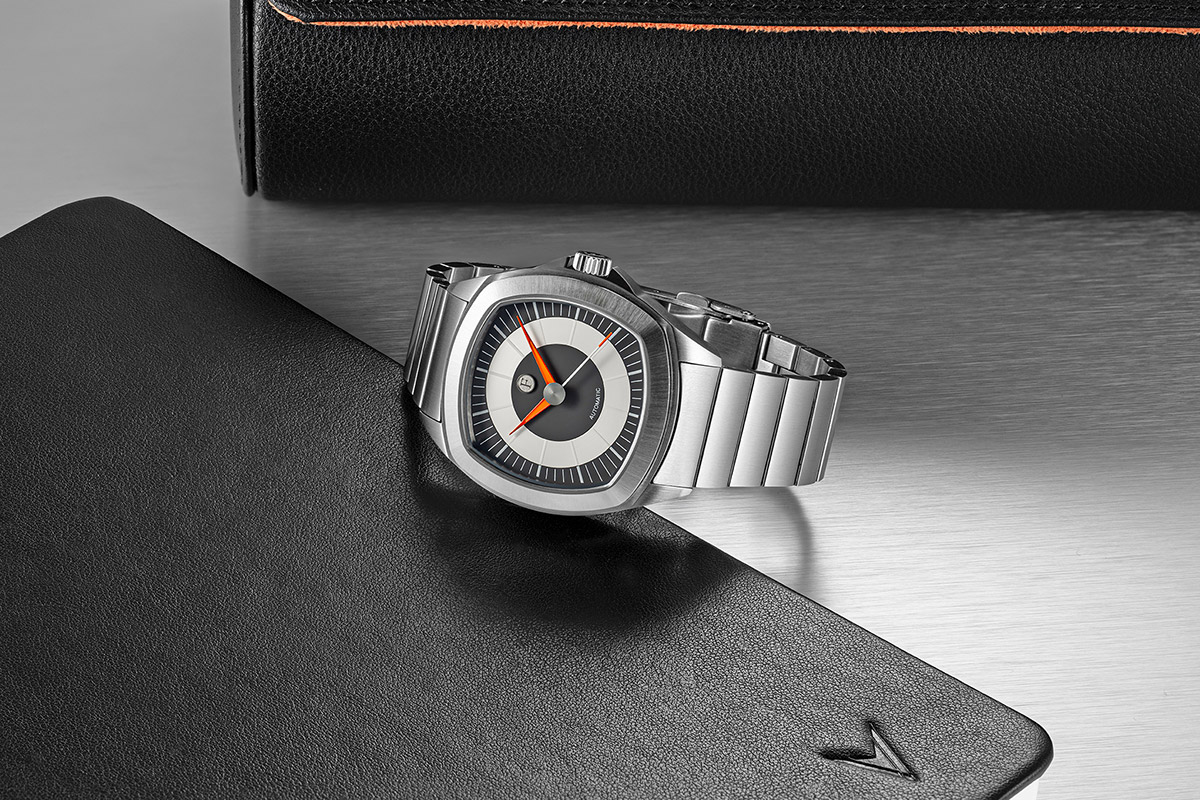
The 1970s was an unforgettable decade for racing, design, and craftsmanship, particularly in the automotive world. Sports cars of the time, especially the Porsche 911, stood as symbols of precision, speed, and elegance. Inspired by this golden era, Ferro & Company offers the Time Master 70’s — a timepiece that captures the spirit of the 1970s, designed for those who appreciate the beauty of both classic cars and fine watches.
Note- prices are in USD.
A Fusion of Precision and Heritage
Much like the legendary Porsche models of the 1970s, the Time Master 70’s is a perfect blend of bold design and engineering excellence. Drawing inspiration from the sleek dashboards and smooth curves of 70s sports cars, this watch embodies the timeless style and craftsmanship of the era. Whether you’re a car enthusiast or a collector of fine watches, the Time Master 70’s offers a link to the past, with modern reliability.
39 mm Brushed Stainless Steel 316L Case: Built to last, the case reflects the robust yet elegant design of classic sports cars.
47 mm Lug to Lug: A comfortable fit for everyday wear.
20 mm Lugs: Compatible with various straps for personalization.
10.4 mm thick (Japan MVT) / 11 mm thick (Swiss MVT): Slim enough for versatility, substantial enough to make an impression.
Flat Sapphire Crystal with A/R Coating: Scratch-resistant and designed to reduce glare, ensuring clear readability.
Movement: Choose between the reliable Japan Miyota 9039 Automatic or the precise Swiss ETA 2824-2 Automatic .
6 mm Screw-down Crown: Ensures water resistance and durability.
10 ATM (100-meter Water Resistance): Built to withstand the elements, perfect for daily adventures.
20 mm 316L Stainless Steel Bracelets with On-the-Fly 6-click internal micro-adjust system: Offers unparalleled comfort and ease of adjustment.
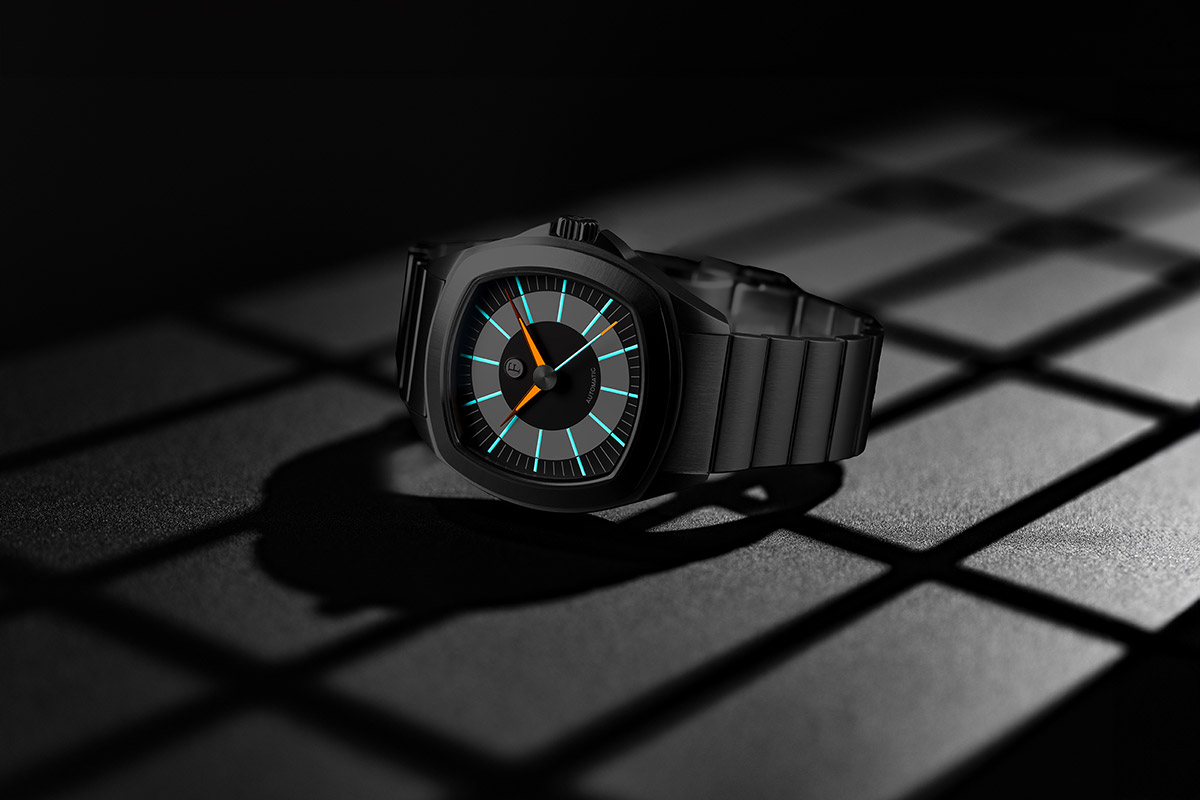
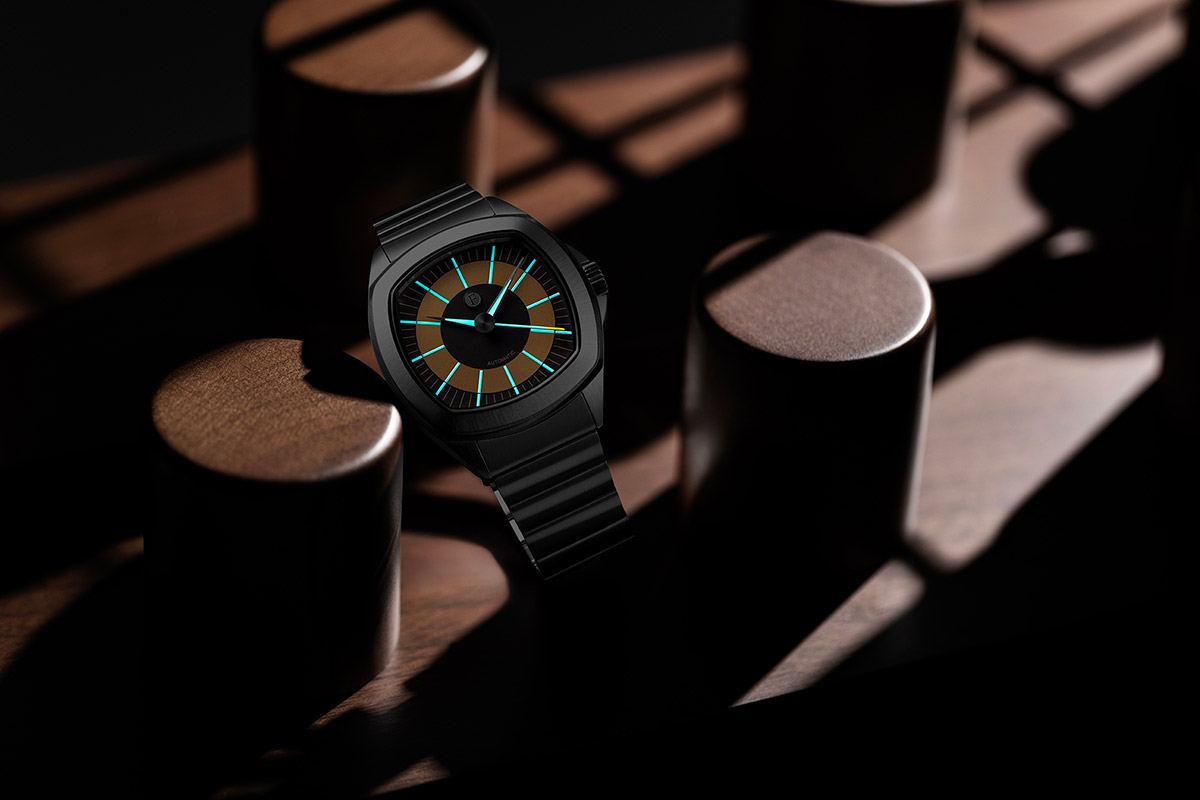
Super Luminova BGW9 Lume hour indices with Super Luminova Orange hands: High visibility in low-light conditions, just like the gauges on a race car’s dashboard.
Inspired by 1970s Automotive Excellence
For Porsche enthusiasts & other supercars from the era, the Time Master 70’s offers more than just a timekeeping function. Its design is inspired by the sleek lines and elegant simplicity of 70s sports car models. The clean dial mirrors the precision instruments found in the cockpits of vintage sports cars, while the bold, luminous hour indices ensure visibility reminiscent of race car dashboards.
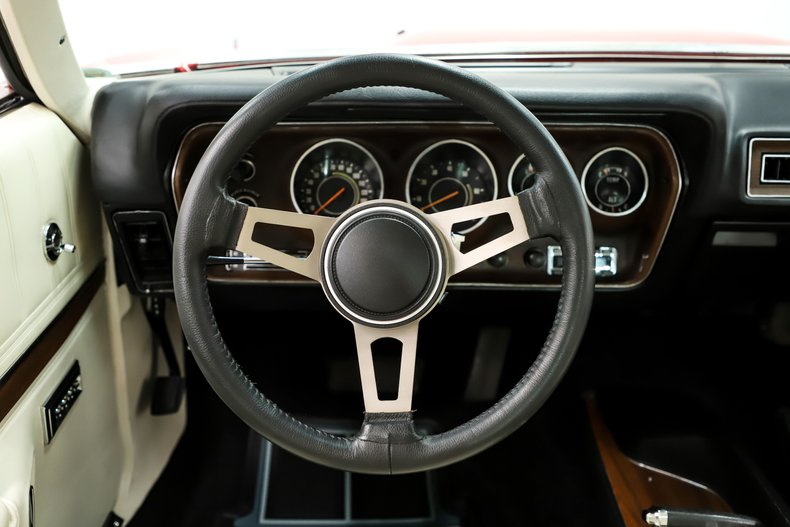
1973 Dodge Charger dashboard.
Just as a Porsche 911 is a symbol of balance between design and power, the Time Master 70’s reflects the same ethos—perfectly balancing functionality and aesthetics. The precision of the Swiss ETA 2824 or Japan Miyota 9039 movement mirrors the finely-tuned engines that defined an era of automotive glory.
Limited edition
The Time Master 70’s is quickly becoming a collector’s item, with only limited units remaining. This limited-edition watch is nearly sold out! If you’re looking to own a piece of 1970s-inspired heritage, now is the time to act . With shipments scheduled for mid-October, this is your last chance to secure your Time Master 70’s.
Ready for the Open Road?
Whether you’re behind the wheel of a classic car or simply enjoying your everyday adventures, the Time Master 70’s is your ultimate companion. With its striking design and precision engineering, it’s more than just a watch—it’s a tribute to the elegance and excitement of the 1970s racing era and with a nod to classic Porsche 911 instrument gauges.
Keeping time is important. Without watches society would not have been able to develop in the same way that it has. Imagine trying to coordinate an activity with someone else based solely on the height of the Sun. Good luck with that or what if the famous watch wearing James Bond was forced to use a wrist mounted sundial? Ick.
This Pulsar is my favorite.
What Does Watch Type and Style Say?
There is an old expression that goes something like this: “If you can tell a lot about a woman by the shoes she wears, then you can tell a lot about a man by the watch he wears.” That being said, let’s see how the evolution of a certain British Secret Agent has affected his watch choices over time. Take a look at this info graphic courtesy of our friends at watches2u that catalogs the changes in 007 James Bond’s watch design and styling throughout the film series. Which one is your favorite?
AI generated headshots are rapidly becoming the default across LinkedIn, company websites, and professional profiles. The appeal is obvious. Faster, cheaper, and visually flawless. But a growing backlash is emerging across industries where trust is not optional.
Visual Handshake
Professionals are discovering that the more polished and “perfect” their image appears, the less credible it may feel to the people viewing it. Subtle inconsistencies in lighting, facial structure, and expression are triggering skepticism, even when the viewer cannot immediately identify why.
This is the Authenticity Paradox.
How I see it (pun intended) is that the issue is not whether AI can create a better image. It is whether that image creates a believable human connection. The goal of a professional headshot is not perfection. It is trust. The moment something feels off, even slightly, people question the person behind the image.
I’ve worked helping executives, founders, and professionals develop what I call a “visual handshake,” because the rise of AI imagery is creating a new layer of risk in how professionals present themselves. The face is often the first point of contact in business. If that moment creates doubt instead of connection, you have already lost ground before a conversation even begins.
Drawing from a broader conversation around AI generated imagery and professional perception , the issue is not simply visual quality. It is psychological response. When people sense artificiality, even subconsciously, it can disrupt the trust signals that strong first impressions rely on.
For the Silo, Famed headshot photographer and expression coach Chris Gillett .
After landing a probe a billion miles from Earth (on a moon shrouded in methane monsoons and covered in cryovolcanoes spewing out jets of -179°C hydrocarbon rain) our friends at vollebak took the most significant material in human history, chopped it up, and turned it into a 300 gram jacket.
We’ll start by pointing out the obvious – the material The Martian Mach 16 Jacket is made from, wasn’t created to build clothes.
It started life as a hypersonic deep space parachute designed to land a multi-billion dollar mission a billion miles away in the outer solar system – on a moon shrouded in methane monsoons, and covered in cryovolcanoes spewing out jets of -179°C hydrocarbon rain.
…So it’s just a couple of levels of performance up from your average umbrella.
To put a billion miles in perspective, the space-junk we left on the moon is only about 240,000 miles away. A billion miles is also 1,300 times further away than the James Webb Telescope. And over five million times further from Earth than the International Space Station.
It also takes a long time to travel a billion miles. So by the time the parachute was deployed it had been in the deep freeze of deep space for 7 years – so it’s a pleasant surprise that it didn’t pull a hamstring.
Instead it successfully landed the first probe in the outer solar system – which is the furthest any human spacecraft had ever landed.
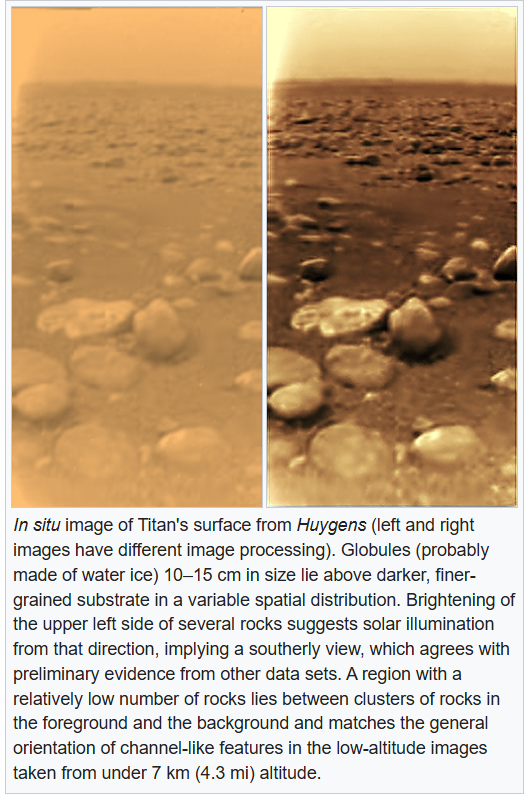
And during its 2.5 hour parachute-assisted descent, the Cassini-Huygens probe sent back images to Earth of the surface of Titan – a place NASA thinks might be a likely future home.
It wasn’t done yet though. Because over a decade later, it was brought out of retirement to land the Perseverance Rover on Mars – the other place where humans are trying to get a foot on the property ladder.
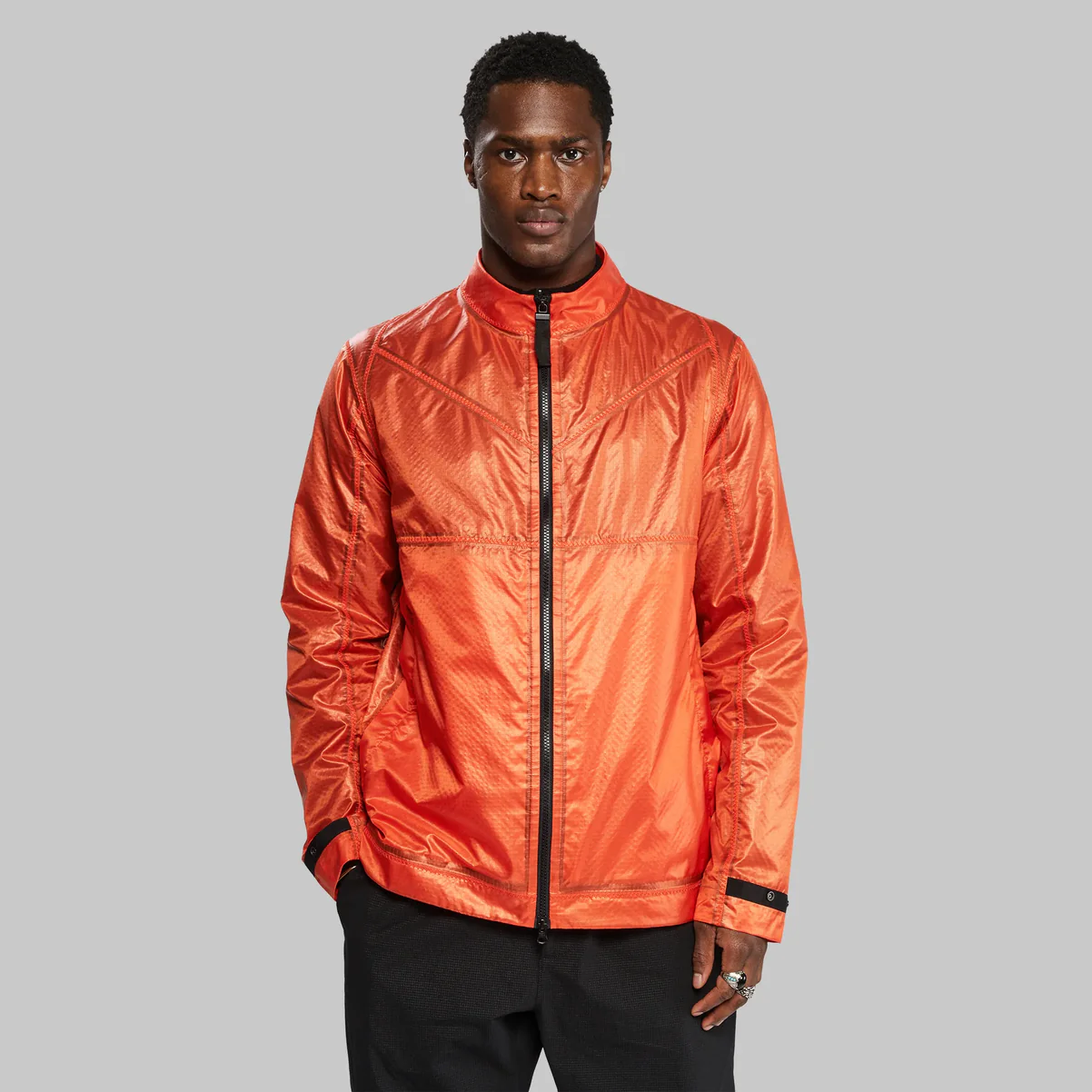
It’s why the jacket comes in a Project Mercury edition that’s based on the first spacesuits of the Mercury Program. And a Rover Orange edition – which is the same International Orange used in the Perseverance parachute.
On 18 February 2021, as the Rover was heading towards Mars at 20,000kmph, or Mach 16, the parachute was put to work again. This time it was given just over a second to slow the Rover down to 320kmph in a −60°C Martian dust storm.
Now breaking instantaneously at Mach 16 is not easy. For reference Tom Cruise was flying a lot slower than that in the last Top Gun as he used Earth’s atmosphere as a one man racetrack – hitting a conservative Mach 10. And if he’d braked to a stop in just over a second he’d have turned into soup.
This braking strength is even more astonishing given how light the material is. The entire 21.5 metre wide parachute was packed into a nose cone about the size of the average back pack.
Today you’ll find Perseverance still happily trundling around Mars, and the parachute in a slightly untidy, dusty heap in the Jezero Crater.
So if you, your kids, or your grandchildren, end up on these planets, sipping a coffee watching the Earth rise, we’ll have this material to thank.
It helped give the world today a window into the worlds of tomorrow.
And as you’d imagine, a material that can survive methane monsoons, cryogenic cold, Martian dust storms, hydrocarbon rain, cryovolcanoes and hypersonic braking, also makes a pretty miraculous jacket here on Earth.
Raketa watch manufacturer is releasing a new interpretation of its iconic Big Zero model. Time is a pivot theme in art, explored by many artists across various periods and artistic languages. Time is swift and relentless; some moments can feel like a quick instant, while others like a lifetime. For the Russian artist Masha Yankovskaya, time is a subjective inner experience. Time filters through people, social roles, cities, countries, lifestyles, fashion trends, and tastes as we live on.
Our own “Я” (Ya, translated as “I”), our identity and personality, remains with us throughout the years. This inner “Я” is stronger than the course of history. Our identities linger on for many generations in artwork, for example.
A Collaboration based on fusion
The collaboration between Masha Yankovskaya and Raketa watch brand is a fusion of artistic expression and engineering tradition. While Yankovskaya’s art has an explicit female identity, it may be equally resonant with both male and female experiences.
The watch design features Masha’s signature red colour which is also symbolic for Raketa. The center of the dial features a rotating star drawn from the artist’s vivid visual language and referring to her Star painting from the Tarot series.
As part of the Major Arcana, the Star is the 17th card that stands for hope, inspiration, and healing. In Raketa’s watch, this concept translates into the seconds hand, combining a symbolic artistic dimension with the rhythm of time. The star also echoes the topic of outer space, historically significant for the Raketa brand which emerged following Yuri Gagarin’s triumphant flight.
Masha Yankovskaya’s signature “Я” replaces the 6-hour marker, emphasizing individuality and personality. “Я” is not only the artist’s initial but a conceptual gesture that underscores the egocentricity of Yankovskaya’s art, dedicated to inner experiences and reflections. Here, “Я” becomes the reference point centering our perception of time.
Limited Edition
The model comes as a limited edition of just 100 individually numbered watches. A red genuine leather strap matches the overall colour scheme. The set also includes a classic red or black alligator leather strap.
The heart of the watch is a Russian self-winding movement, manufactured from A to Z at the Raketa Watch Factory, one of the few manufacturers worldwide that still produce in-house movements. The open case back cover reveals the movement and its rotor decorated with Neva waves.
What about the price?
The price of this watch is 2100 EUR (excluding VAT) / $3,355 CAD. For the comfort of customers, Raketa watches are delivered worldwide free of charge by DHL directly up to the front door.
Specifications
Factory: Raketa Watch Factory (Saint Petersburg)
Movement: Calibre:2615
Functions: Automatic
Number of jewels: 24
Testing positions: 4
Average rate (s/d): -10+20
Average running time (h): 40
Frequency/hour: 18.000 / 2.5 (Hz)
Bi-directional automatic winding? Yes
Stopper of self-winding unit activated during manual? Yes
Winding: Decoration: Hand-made Neva waves + Print
Case: Material: Stainless steel
Size: 40 mm
Front glass: Sapphire
Back glass: Mineral
Crown: Ruby stone inside the crown
Water resistance: 10 АТМ
Dial: Enamel coating. Superluminova
Hands: Mountain shape
Strap: Material: Two straps: red genuine leather and black genuine alligator leather
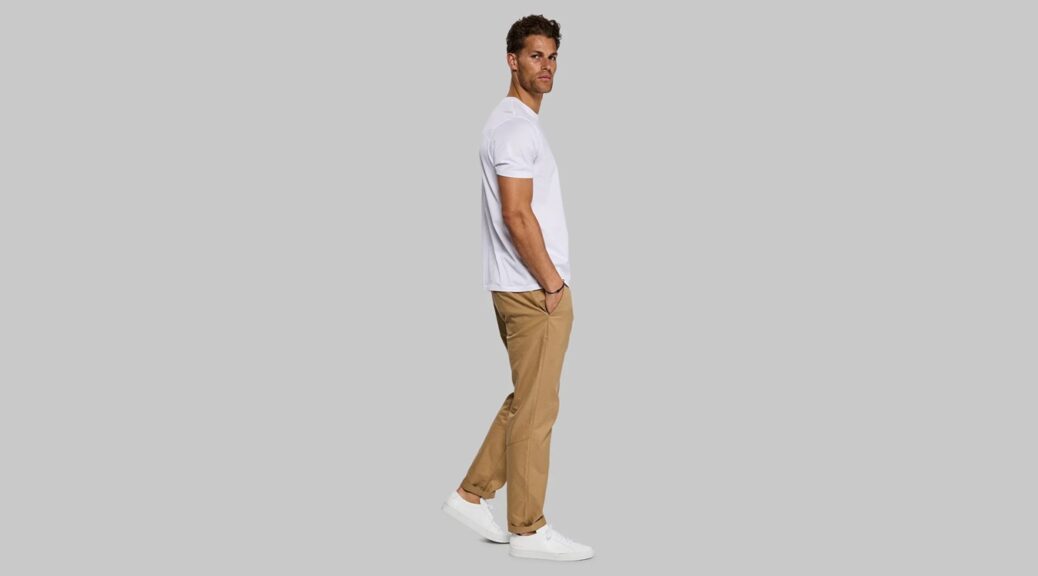
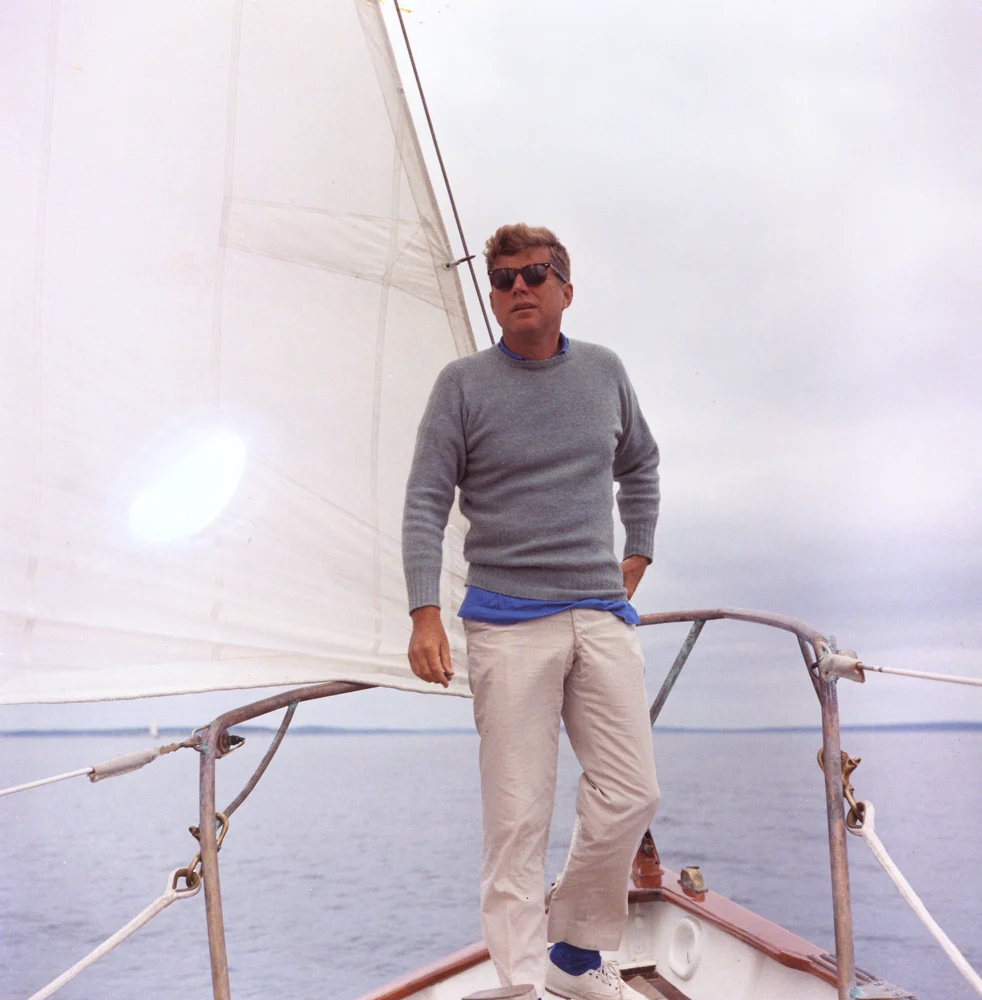
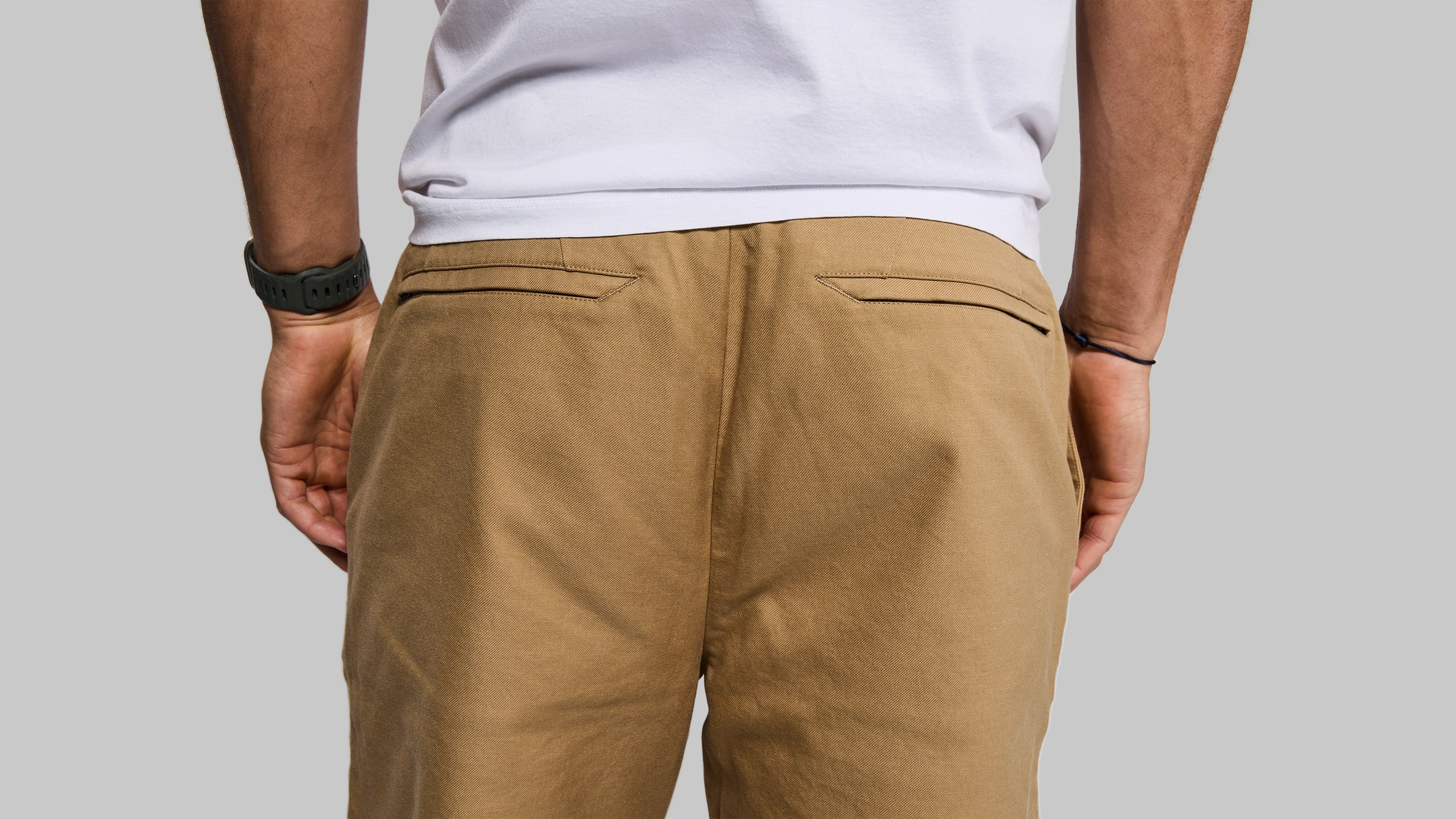
While vollebak’s Indestructible Chinos look and feel exactly like the chinos worn by JFK and Steve McQueen, they’re woven with the strongest fibre on Earth, and are now our best-selling pants. Like most men’s clothing, chinos emerged from war. This time it was the Spanish-American one. They were slim-fitting, flat-fronted, functional, and most importantly… really really dependable.
By 1902, after heavy field-testing, they’d been made an official part of the US Army uniform. But once World War II was over, the guys who’d fought went off to college still wearing them, turning them into an instant hit on the Ivy League campuses.
And their reputation was only cemented as a staple of mid-century menswear when they became the standard issue kit for John F. Kennedy and Steve McQueen.
Which is why, 120+ years later, you still don’t need to mess with the design. So we haven’t.
Instead we’ve taken pants you’ve always been able to rely on, and woven them with the strongest fibre on Earth… so you can rely on them even more.
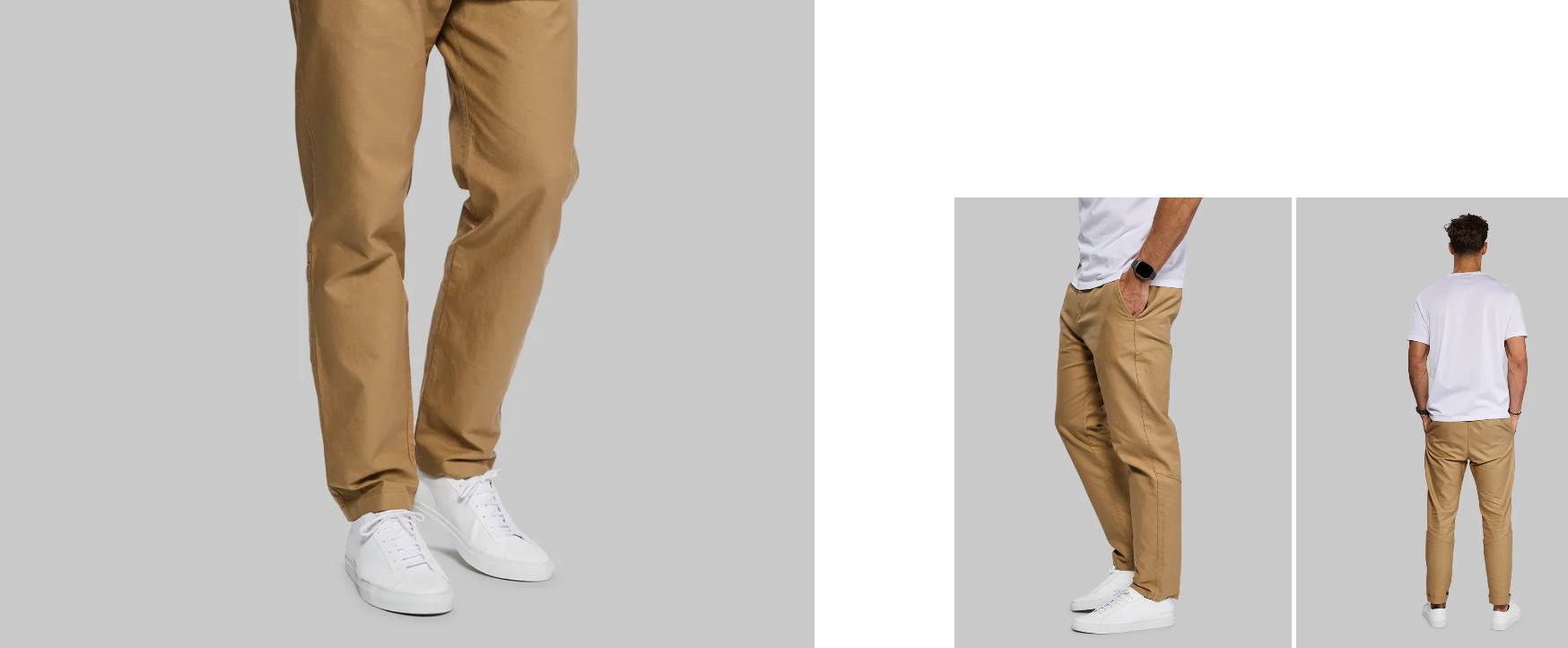
Our Indestructible Chinos come in 2 colours. We’ve got a Sand edition (the lighter colour), and a Sandstone edition (which is the slightly darker colour).
While they look and feel like regular chinos, every pair of Indestructible Chinos is made with a blend of cotton and Dyneema – which is the same stuff used in body armour, arctic ropes and the sides of tanks.
CRAFTED WITH A 180-YEAR-OLD JAPANESE FABRIC MILL
To make the Indestructible Chinos, vollebak worked with Toyoshima, a 180-year-old Japanese textile company that has been certified as Japan’s first Dyneema® Premium Manufacturing Partner.
Of course you’d never know this just by putting them on.
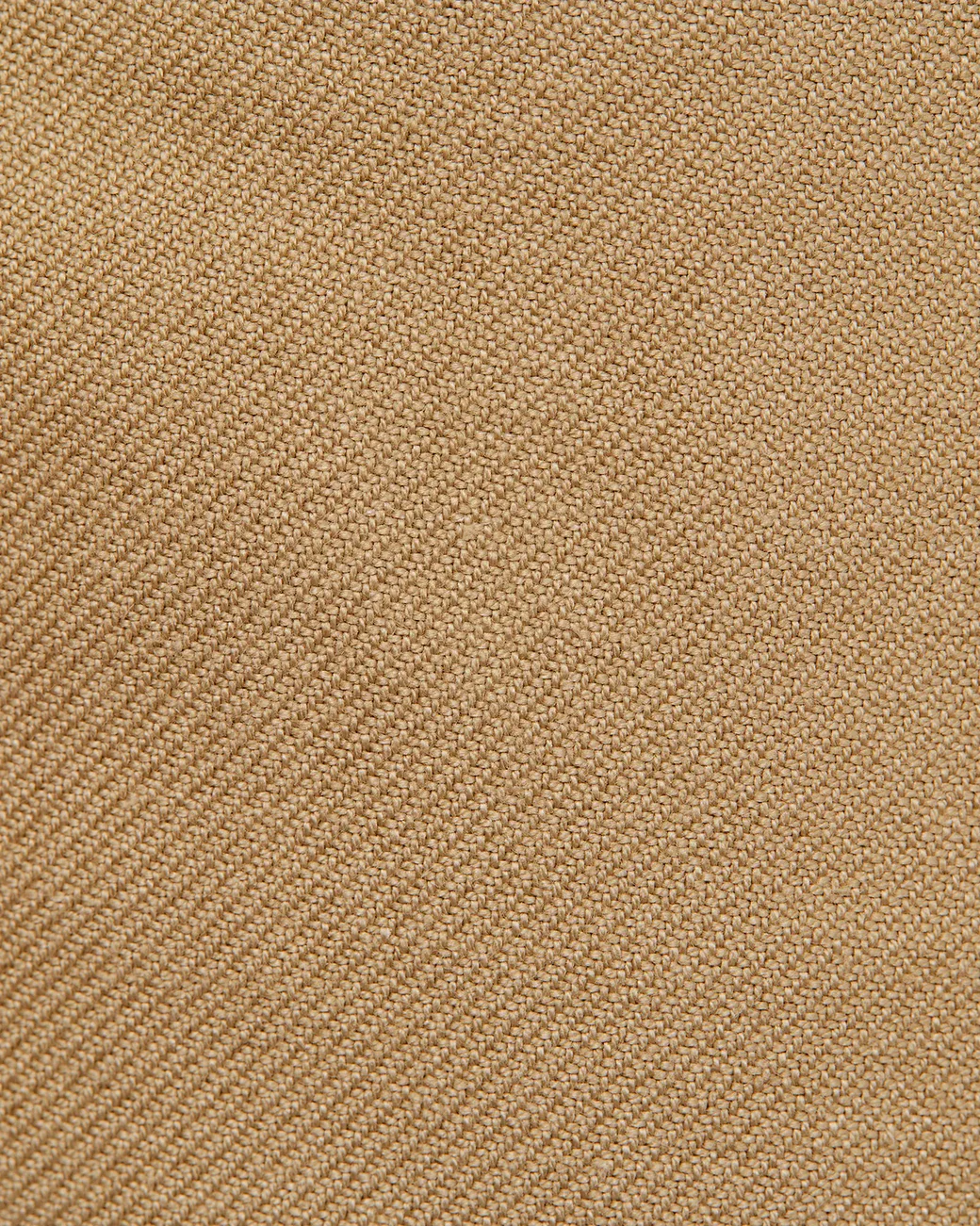
And that’s because the Dyneema is woven in with the cotton during the weaving process, so you’ll only ever feel the softness of the cotton, not the strength of the Dyneema. And they’ve also been garment washed so they feel lived in from day one. So you’ll only ever know about the Dyneema when you suddenly need it.
Fit wise they’re similar to Equator Pants but with a slightly more relaxed cut. And if you want a hand with sizing you can get in touch with us here. For the Silo, NICK AND STEVE TIDBALL.
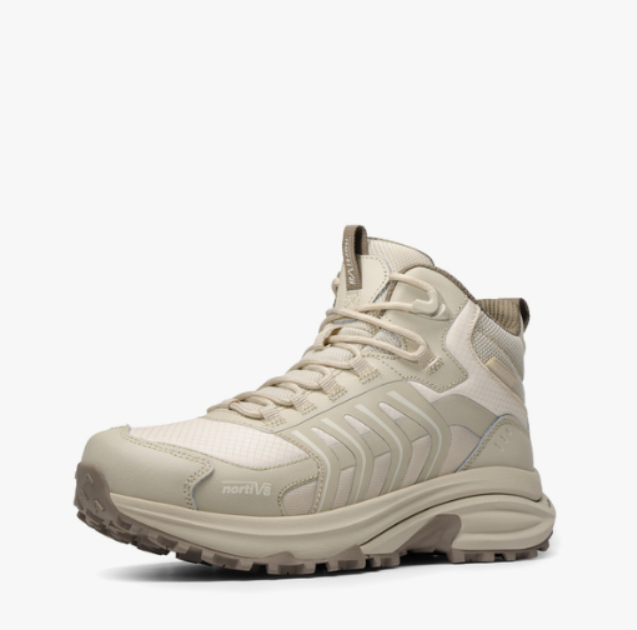
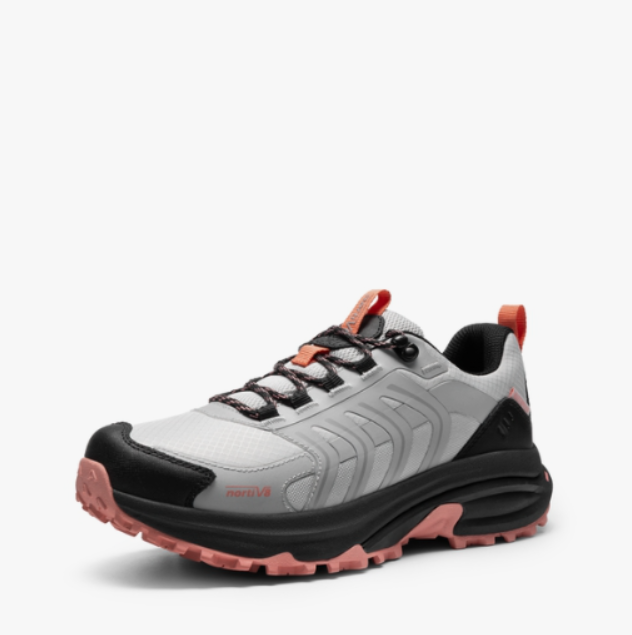
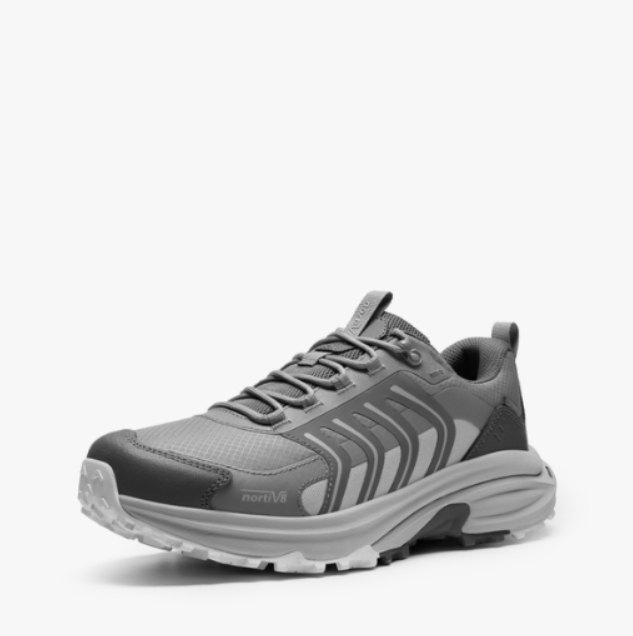
Introducing NORTIV 8’s New FieldLite Collection Elevating Hiking Shoes for All
March, 2026, New York, NY – NORTIV 8 announces the debut of its highly anticipated FieldLite Collection, a new lineup of performance-driven hiking sneakers and boots for men and women. Designed to deliver dependable waterproof protection, trail-grade traction, and everyday versatility, FieldLite redefines accessible outdoor footwear with modern style and function.
Withstand Hours Of Steady Rainfall
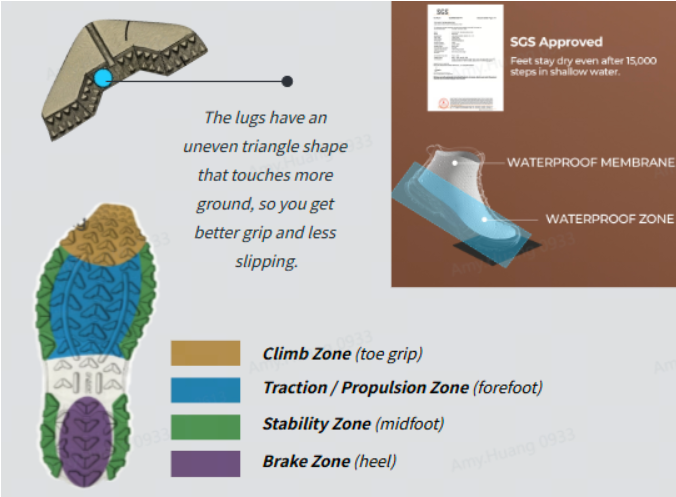
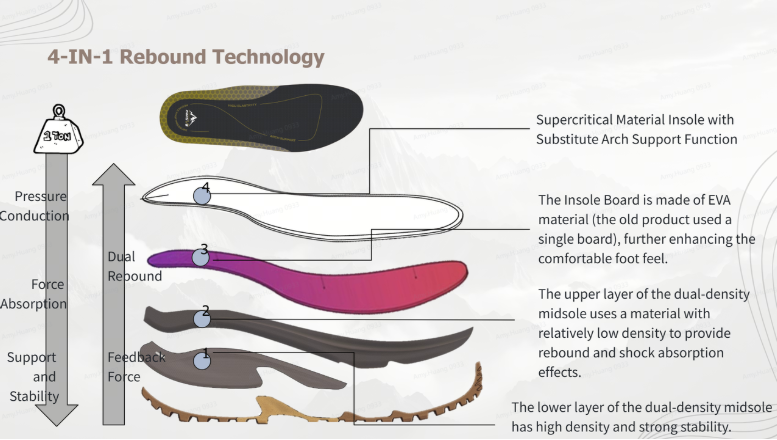
Engineered for unpredictable conditions, each style features waterproof construction tested for over four hours of steady rain and 15,000 cycles of water exposure, ensuring reliable protection in wet environments. A Quick-Grip multi-zone outsole with heel-lock stability delivers traction on both wet and dry surfaces while DualStride cushioning and reinforced toe and heel overlays offer all-day comfort and durability. Finished with a versatile trail-to-street silhouette, the FieldLite Collection seamlessly bridges the gap between fashion-forward footwear and high-performance outdoor boots.
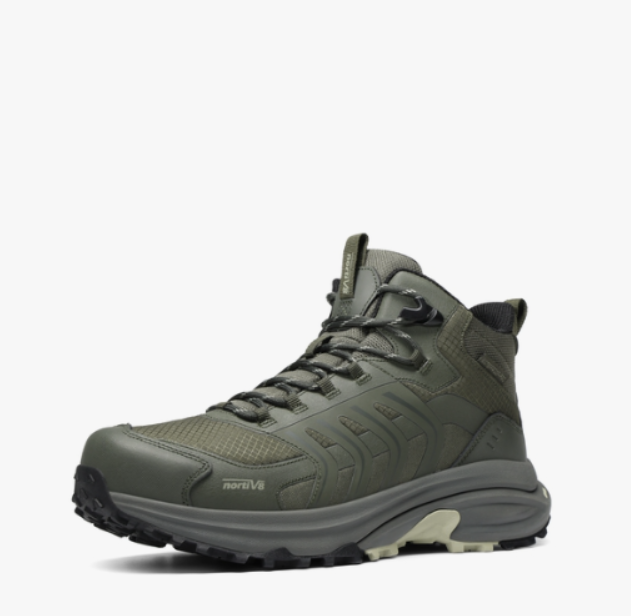
NORTIV 8 Armadillo Men’s FieldLite Boot Army Green $83.99usd/ $114.61 cad
The FieldLite Collection is available now on Amazon and at NORTIV8.com Men’s sizes range from 7–14 and women’s sizes from 5.5–11, with retail prices between $70–$80 usd/ $95- 109$ cad.
Founded with a commitment to performance, durability, and everyday versatility, NORTIV 8 creates reliable footwear designed to move seamlessly from the outdoors to daily life. Combining advanced weatherproof technology, comfort-driven cushioning, and rugged traction with modern, wearable design, NORTIV 8 delivers high-quality boots and shoes built for adventure, commuting, and everything in between. With a focus on accessibility and innovation, the brand empowers customers to explore confidently no matter the terrain or forecast.
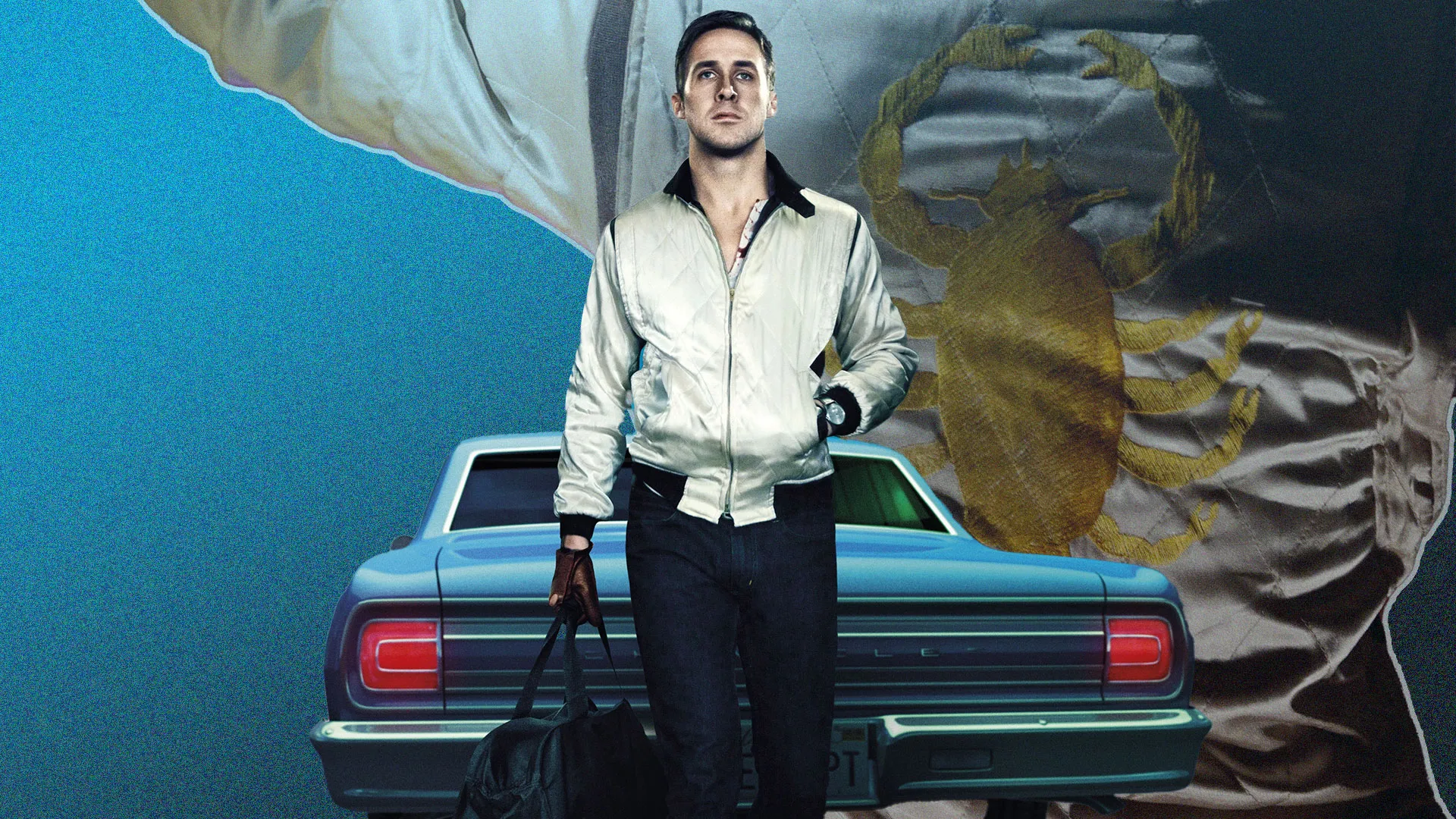
Back in the 1980s the cyberpunk genre envisioned a world of societal breakdown where technologically modified humans are controlled by mega-corporations watching their every move… or 2026 as it’s otherwise known. So as science fiction becomes modern day reality, our friends at Vollebak are giving you a chance to stick it to the mega-corporations, and dress a bit like Ryan Gosling in Drive at the same time.
Ever since brothers Nick and Steve Tidball started Vollebak they’ve been working on advanced material science to solve for things like disease resistance, climate change, space travel and resource scarcity. And next up is the electromagnetic spectrum.
Mars And The Hulk Have Something To Do With This Design
While Gamma rays might have turned Bruce Banner into The Hulk, in reality radiation and human beings don’t go well together. And as we enter an era of cybersecurity breaches, geopolitical instability, the first manned missions to Mars (after Elon settles down on the Moon first) , and cosmic radiation exposure, it’s going to present an increased threat.
So this is cool- this Electromagnetic Shielding Bomber is built with the same electromagnetic shielding technology used for the Mars Rover. Long before the Curiosity Rover was sent to Mars to search for signs of life, it had to be tested here on Earth. So NASA created an electromagnetic shielding tent that was designed to completely block out external electromagnetic radiation during testing… like someone sending a text, turning the microwave on, or chatting with the James Webb telescope.
Shields The Waves
We’ve now taken that technology and converted it into our first Electromagnetic Shielding Bomber. It’s embedded with pure silver that blocks radio waves and microwaves in the 0.2GHz to 14GHz frequency range – which includes WiFi, Bluetooth, Ku-band satellites and radar systems. It also comes with a phone shielding pocket that works like a Faraday cage – blocking access to your devices, regardless of whether they’re switched on or off. Conceptually it’s like making a pocket that’s entirely watertight… just for electromagnetic energy instead. So you shouldn’t be tracked, hacked, or even called. While the outside of the jacket offers space-age protection, its shape, cut and aesthetics come from the jet-age, and are based on the original MA-1 flight jacket.
A print of George Washington by Valentine Green. (National Gallery of Art)
George Washington, who as a general led America to independence from Britain and who went on to serve as the first U.S. president, also nurtured a lifelong interest in men’s fashion.
Washington recognized his attire sent a signal about America’s standing in the world, according to Suited to Lead: The Lives of Six Presidents Through Fashion , an online exhibit of the White House Historical Association. (The exhibit also explores the fashions of presidents John Quincy Adams, Abraham Lincoln, Theodore Roosevelt, Harry S. Truman and Jimmy Carter.)
Washington “thought deeply about what his choices conveyed to the public,” says Fiona Hibbard, a graduate student in New York University’s Costume Studies program. Hibbard curated the exhibit while an intern at the society in 2025.
“Washington was interested in projecting an image of authority, unity and American identity,” she says.
The exhibit highlights how Washington’s sartorial choices conveyed leadership and created an early-American aesthetic that endured for generations.
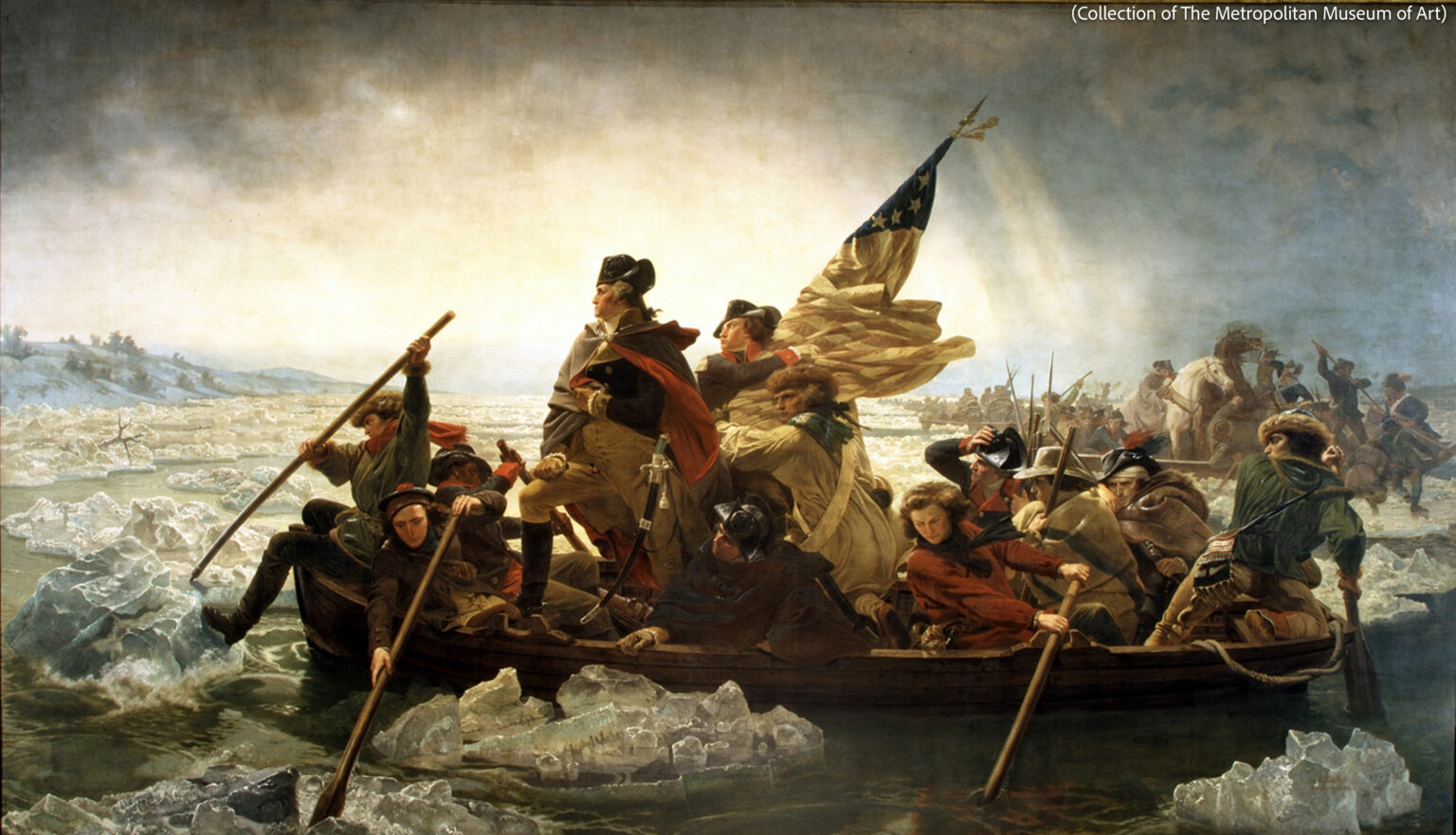
Washington chose blue for the uniforms of the Continental Army to present colonial militias as unified and to clearly differentiate the fighters from British soldiers, known as “redcoats.”
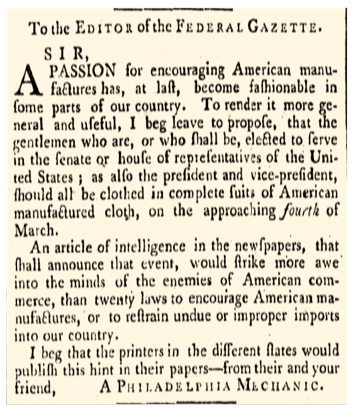
Federal Gazette, January 7, 1789
As a military commander and later as president, Washington appeared in portraits wearing a blue coat trimmed in yellow, with matching waistcoat and breeches.
Blue and yellow remained the colors of the United States Army until the Civil War in the 1860s.
Washington also adapted military uniforms to better suit soldiers to their environment by replacing breeches, which only came to the knee, with full-length trousers that better protected the soldiers’ legs as they climbed or scrambled on difficult terrain.
Washington supported American manufacturers, Hibbard says, “something most Americans can relate to and take pride in.”
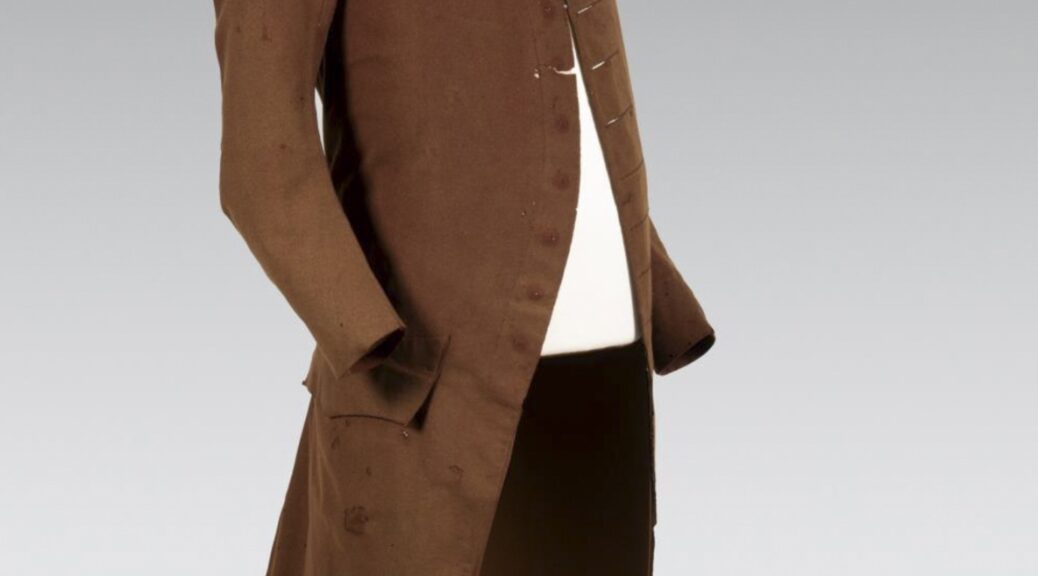
Before being sworn in as the country’s first president, he ordered high-quality American wool from a Connecticut manufacturer for his brown inaugural suit . He had deliberately avoided using British-imported fabric, according to the Mount Vernon Ladies’ Association, which runs Washington’s Virginia estate. Though commonly known as “London Brown,” Washington’s fabric became known as “Congress Brown,” a nod to the new country’s representative form of government.
“George Washington’s inaugural suit was more than attire — it was a statement of national identity,” the association says.
Washington wore American-made wool for his April 30, 1789, inauguration as the first U.S. president. (Library of Congress, Courtesy of the Mount Vernon Ladies’ Association)
Over 80% of the deep ocean remains unexplored. And you can see why. With sub zero temperatures, freaky alien-looking creatures, pressures that can crush steel, and the abyss, it’s not the most welcoming.
For divers operating in the coldest, darkest and most hostile environments on Earth – where the water temperature drops below 10°C– the survival system of anyone who values their life is the drysuit.
An impermeable shell that creates a seal of warm air around the body, wearing a drysuit is a bit like wearing an actual seal.
British Special Forces, S Squadron SBS (Special Boat Service) on patrol during an exercise – “By strength and guile”
And at the heart of this underwater system you won’t find foam, rubber, or blubber. But fleece. Insanely thick, astonishingly warm, flexible, fleece.
Naturally you’ll find the most badass drysuit fleece on the planet belongs to the British Special Forces – guys who don’t mind a bit of a splash about in some cold water. So we took their fleece – after asking them nicely – and turned it into the Deep Sea Diver Hoodie and the Deep Sea Diver Vest.
Model is 6ft 2 / 189cm with a 40 inch / 101cm chest, and wears size Large.
Denser than dense
At 539 grams / 1.2 pounds ! per square metre, this is the densest fleece we’ve ever used. And that means the Deep Sea Diver Hoodie traps more heat than any other hoodie we’ve made. It breathes, wicks, and is fast-drying and odour-resistant. We added egg-shaped pockets for warmth, and a double-lined snorkel hood creates a protective microclimate around your head, sealing in warmth and blocking out the elements.
While traditional heavy fleeces sacrifice mobility for warmth, ours is engineered for both.
Its four-way elasticity means it bends, stretches and rebounds in any direction. It moves like a baselayer but insulates like a winter shell. You can climb in it, sleep in it, or disappear into a snowstorm in it.
Technical Details
Previous slide
Fabric: Polartec® Power Stretch™ (91% polyester, 9% elastane)
Material weighs: 539 g/m²
Vest weighs 700g
Four-way stretch
Two-way centre-front zip with faux-suede garage and grosgrain guard
Exposed zip hand pockets with internal facing
Elasticated binding at hem and armholes
Flatlock and cover-stitched seams
Machine wash 30°C
Constructed in Portugal
For the Silo, Nick and Steve Tidball- founders Vollebak.
There are an insane variety of camouflage patterns. From subtle and understated but effective (solid polar white for snowy battlefields) to ostentatious and loud but surprisingly battle proven (the Belgian jigsaw pattern anyone?).
Main camo patterns of the world.
A Few Interesting Examples. Be Sure To Click On The B/W Images To View In Color.
You get the idea. But what is the best camouflage pattern?
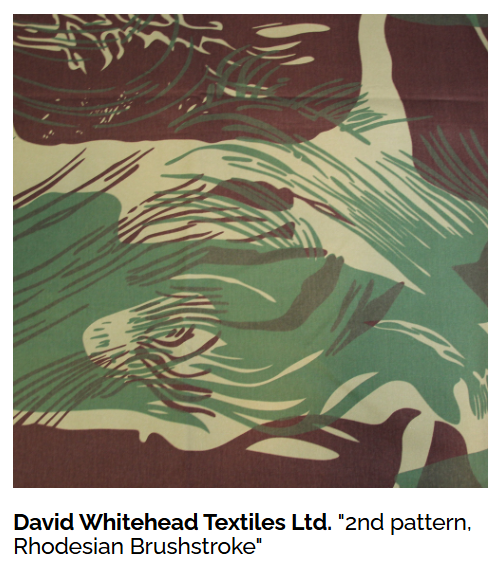
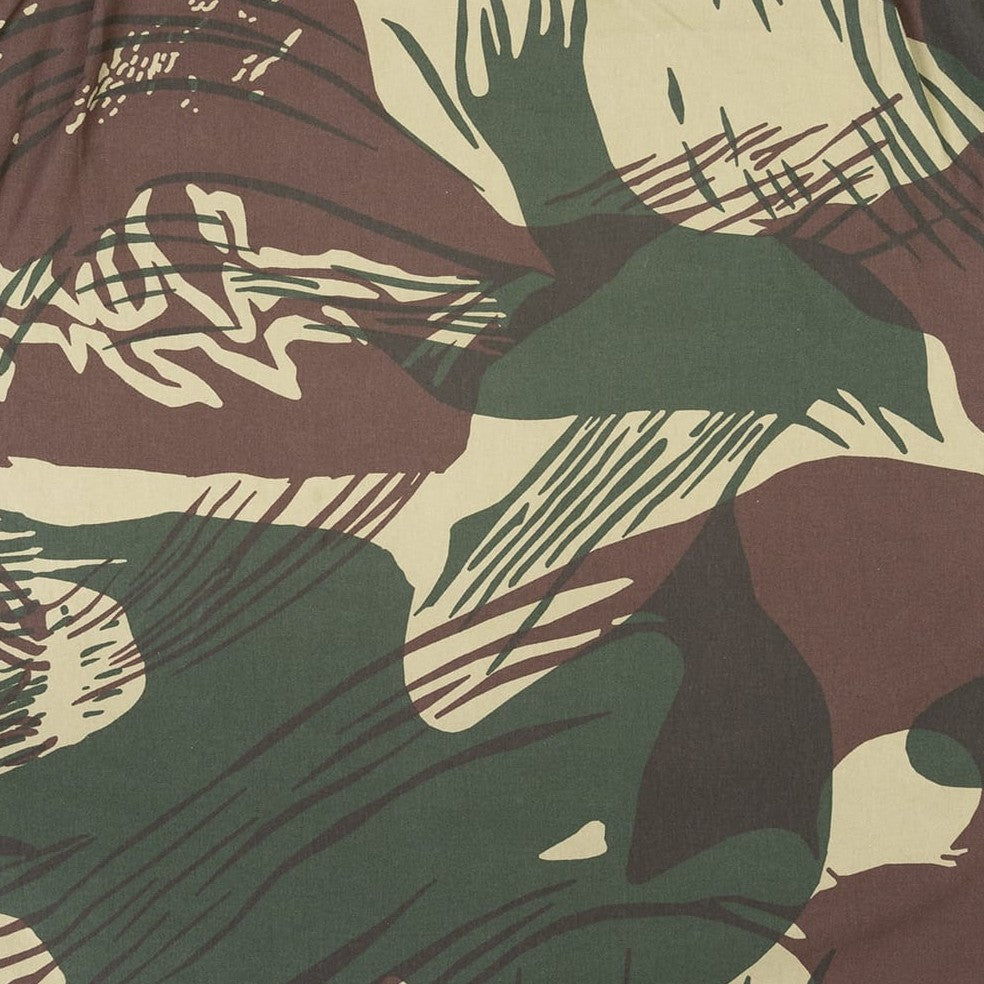
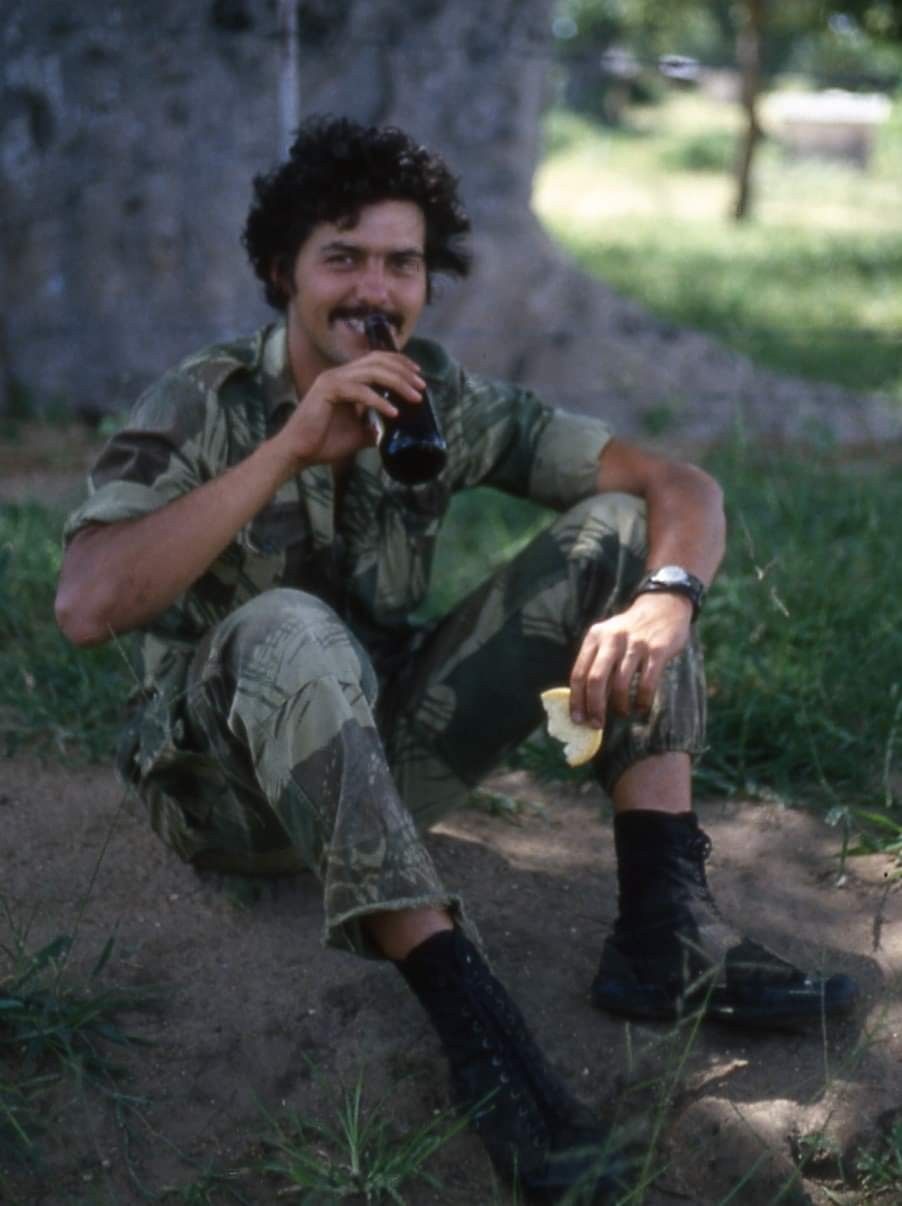
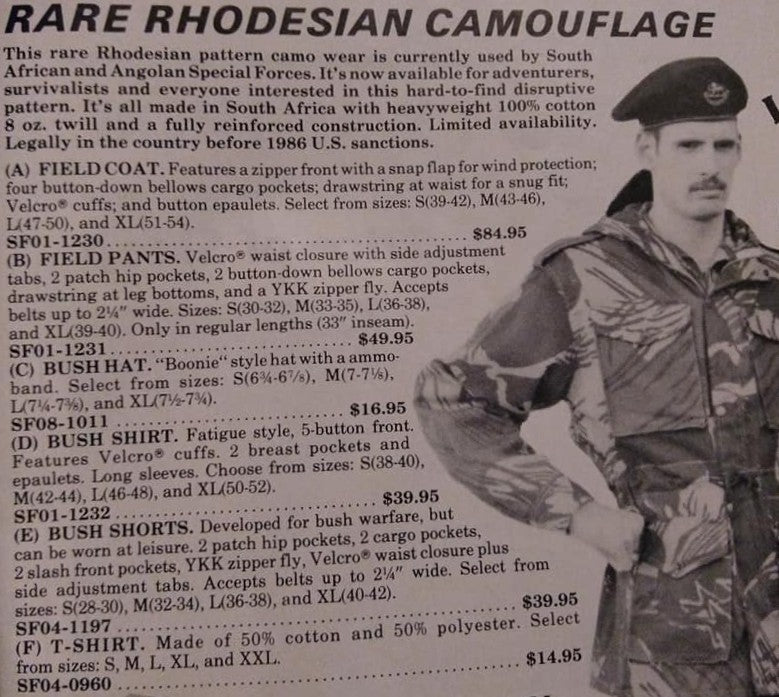
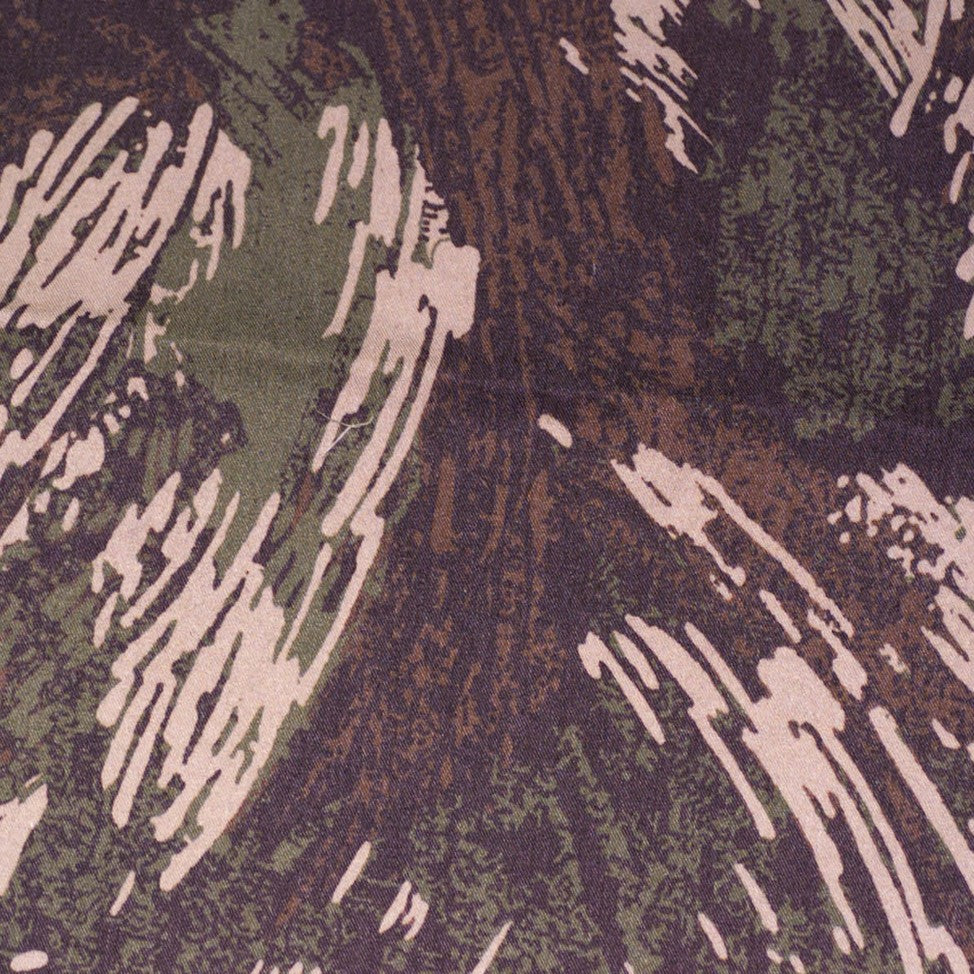
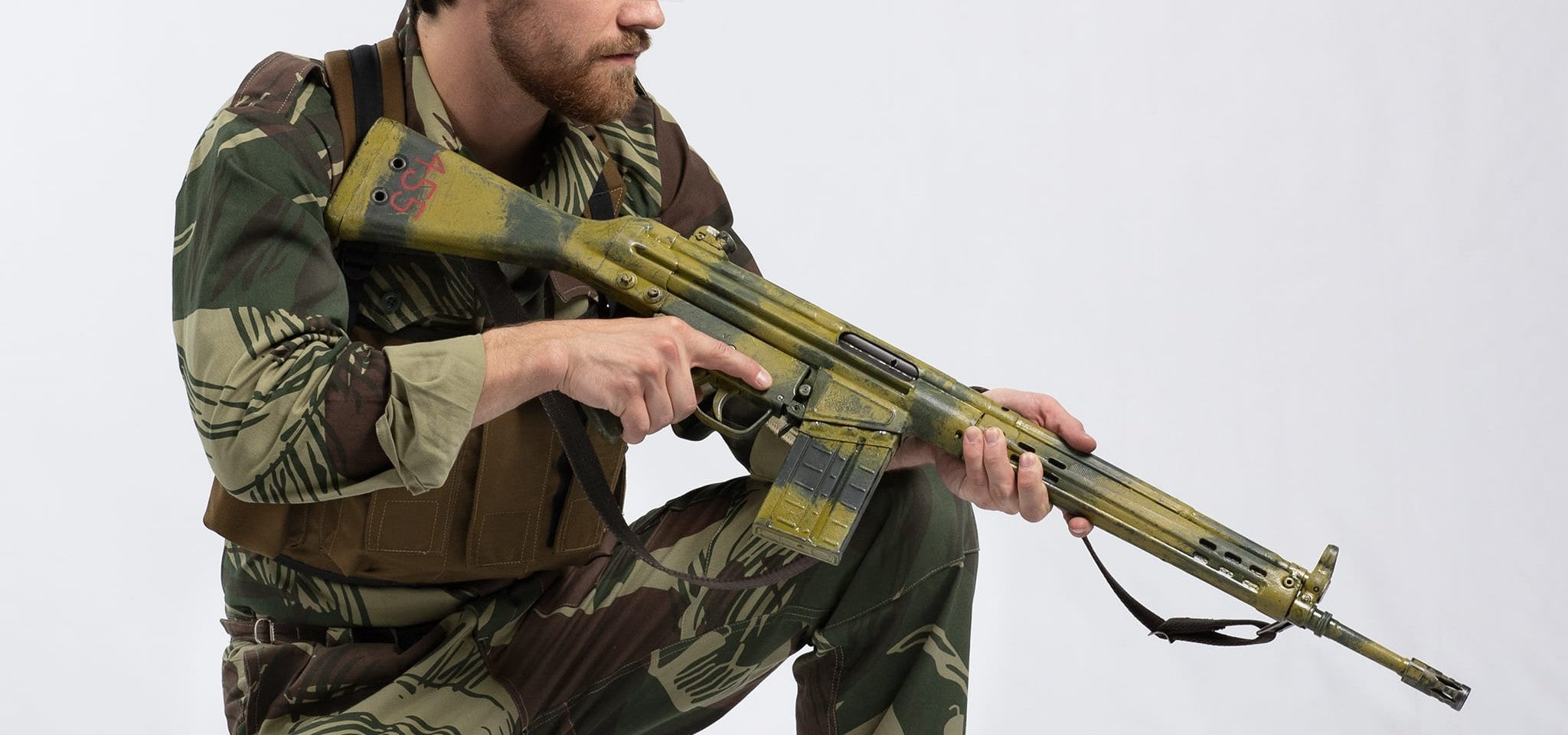
That is an objective question and no doubt everyone has a personal favorite. Our friends at the kommandostore.com make a pretty solid case for the Rhodesian brushstroke pattern. Let’s take a closer look at the history of the Rhodesian Army and the buildup towards the Bush War where said pattern was dutifully employed.
Rhodesia Leading Up To The Bush War: An Overview
What we now know as Zimbabwe was Southern Rhodesia was one of three states merged in 1953 to form the British-administered Federation of Rhodesia and Nyasaland (also known as the Central African Federation). This union was largely a marriage of convenience, as the British protectorates of Northern Rhodesia and Nyasaland were significantly less developed than self-governing Southern Rhodesia.
However, the Federation balkanized and dissolved in 1963 amid ethnic tensions, political instability, and deep cultural divides. Simultaneously, changing political winds in London favored a policy of rapid decolonization and majority rule. The collapse of the Central African Federation was viewed as proof positive that failing to quickly implement majority rule would result in the collapse of European-lead African governments.
An early type brushstroke pattern.
The reality was more complex.
Western-style democratic republics require a certain level of social infrastructure in order to function as intended. While the white population of the Central African Federation carried western traditions with them from Europe, the myriads of African ethnic groups had long traditions of tribal organization along ethnic lines, with their own rivalries and blood feuds.
To address this, Southern Rhodesia had created the best educational system in Africa, spending enormous sums on literacy programs, primary and secondary schools, vocational education, technical colleges, and universities. On a GDP adjusted basis, Southern Rhodesia’s expenditures on education were not just the best in Africa, they were world leading. By 1959 this approach yielded incredible results with roughly 85% native children enrolled in school, a trend that would only accelerate through the 60s. Similar initiatives had developed road and rail networks, the best healthcare system in Africa, modern water purification, and cheap, plentiful electricity.
The British governed protectorates of Northern Rhodesia and Nyasaland enjoyed little of this economic or social development. In these areas western ideas held no hope for the future and only served to destabilize traditional power structures. These communities, dominated by subsistence farming and rural poverty, contrasted sharply with the economic miracle happening just across the border.
Fresh from the bloody partition of India, English politicians failed to appreciate the likelihood of a similarly violent outcome in the push for immediate majority rule in their African colonies.
Amid intense pressure to solve Britain’s problems at home, the UK’s rush to divest its colonies created a power vacuum that China and the USSR were more than happy to exploit by funding, training, and arming the Marxist-nationalist ZANU and ZAPU groups in Northern Rhodesia and Nyasaland.
Southern Rhodesia unilaterally declared independence (known as “UDI”), from Britain, forming the state of Rhodesia in 1965. And almost in unison, the Bush War began.
Formed around a small cadre of 10,000 highly experienced WWII combat soldiers and airmen, the Rhodesian military benefited from extensive counter-insurgency experience serving alongside British forces in the Malayan Emergency of the 1950s. Due to the stability, security, and prosperity in Rhodesia, the military had no problem recruiting a racially-integrated and majority native fighting force. The 60s and 70s would also see an influx of adventure seeking British and American expats, including many Vietnam veterans…
Cool Camouflage. Where Can I Get Some?
I thought you’d never ask. Made in South Africa, this legendary camo has been brought back to life by kommandostore and it is epic.
A Blank Canvas
Rhodesian camouflage, often referred to as “Rhodesian Brushstroke” or simply “Rhodie camo” is a distinct and highly effective pattern created during the height of the Cold War. Its development was driven by the unique circumstances of the Rhodesian Bush War (1964-1979), a conflict characterized by high tempo counterinsurgency operations and great power proxy warfare.
Prior to the widespread adoption of Rhodesian Brushstroke, the Rhodesian military primarily used camouflage patterns from allied British and Belgian forces. Specifically, the British WWII Denison, Belgian Moon and Ball, and Belgian Brushstroke patterns. Looking at these camouflages it’s easy to see how they influenced the development of Rhodesia’s indigenous camouflage.
Cut Off
Sanctions after ‘UDI’ aimed to isolate Rhodesia economically and politically, but paradoxically spurred swift industrial and economic development in Rhodesia, including production lines for vital military equipment. Without these sanctions, Rhodesian manufacturer David Whitehead Textiles Ltd, would not have been contracted to develop and manufacture a uniform for the nascent Rhodesian military.
2nd Time’s the Charm
The print itself was Designed by Dianana ‘Di’ Cameron, an young print designer at David Whitehead in Salisbury. Di hand painted different patterns and presented her canvases directly to senior military officials. This rapid iteration allowed Rhodesian camo to be put into production quickly, and changes continued to be made over several years.
Di’s ultimate ‘2nd pattern’ design was distinctly organic, with large, high-contrast of light and dark. Together these elements create a layered three-dimensional effect which was more effective than previous British and Belgian designs. Sadly, Di passed away in South Africa due to a stroke around 1995.
Pictured: Our remix of 2nd pattern brushstroke with a few minor differences.
Design Details
The fabric used in original Rhodesian uniforms was a 100% cotton twill available in two weights: a heavy denim-like fabric for use in hats, smocks, and some pants, and a lighter twill for shirts, trousers, shorts, and the like.
Throughout the Bush war, a half dozen local producers manufactured ‘official’ uniforms in these two David Whitehead fabrics. However, due to the ad-hoc nature of military procurement in Rhodesia, a handful of smaller companies and cottage producers also made their own copies and derivatives in various forms. The quality of these original uniforms varied widely; for example, early ‘1st pattern’ Rhodesian camo was infamous for totally washing out in the sun, and throughout the war fabric quality varied significantly.
Rhodesian uniforms were constructed in a variety of styles with different finishing, and trims. However most garments shared the same generous cut which prioritized range of motion, user comfort, and airflow in the hot African climate. Although some ‘arid’ versions of the Rhodesian uniforms were prototyped and trialed, the vast majority of Rhodesian forces simply used fresh uniforms with vibrant colors in the rainy season, and switched to their ‘salty’ sun-faded uniforms during the dry season.
A Stroke Of Genius?
Over the course of the Bush war, Rhodesian Security Forces became known for their military prowess. So much so that their distinctive camouflage acquired a certain prestige in Southern Africa. This association was so strong that the pattern was retained by Robert Mugabe after his successful conquest of the country. While attempts to field other camouflages were made, a variant of Rhodesian Brushstroke remains the current standard uniform to this day, presumably to lend credibility to the Zimbabwe Defense Forces.
Outside of Rhodesia, elite South African units adopted the print for clandestine cross border raids during Border War years. Due to its popularity, commercial manufacture of the print continued in South Africa after the fall of Rhodesia.
Among the most famous post-war manufacturers was Adder (aka. Adro), a company founded by Johan Niemoller in 1981 after he finished service as a SADF Recce. Known for his legendary contributions to innovative SADF webbing systems, Niemoller became an established military outfitter in the 1980s, supplying both the SADF and ‘other interested parties’ like Executive Outcomes. Niemoller’s businesses also enjoyed substantial commercial sales, with Adder Brushstroke appearing in stores and on the pages of Soldier of Fortune in the late 80s and early 90s.
All-Over-The-Globe
Outside of Africa, Rhodesian Brushstroke also made a notable appearance in the year 2000 during the USMC camouflage trials (which would culminate in the development of the MARPAT family of patterns.) Brushstroke was deemed one of the world’s most effective patterns and was evaluated alongside CADPAT and a modified US Tiger Stripe print.
In the US, Brushstroke can also be credited with inspiring the ‘All-Over Brush’ pattern featured in the US Army’s universal camouflage trials which took place between 2002 and 2004.
North Equipment
The dawn of the ANC government in 1994 shuttered most of South Africa’s defense industrial base, including Niemoller’s textile businesses. At this time all of Niemoller’s manufacturing equipment was moved to his property for storage.
Years later Niemoller’s neighbor, a former SADF Parabat with a keen interest in sewing, approached him with a proposal to restart textile manufacturing work in South Africa for the commercial and private security industry. In short order, all of Niemoller’s equipment was moved just across the road.
Our History With Brushstroke
‘Brushstroke’ camo has been in high demand with survivalists, outdoorsmen, and even militaries worldwide since it’s inception — we even had some of our own made in the early days of our business.
Nowadays, an average Google search brings up a minefield of low-quality, Chinese, drop-shipped casualwear — a minefield for anyone who hasn’t properly done their homework.
On the contrast, we can appreciate the passion that goes into actual high-quality reproduction equipment on the market, but it’s certainly scarce.
Our main aim was to do something a little different than everyone else. When it was finally our turn to try our hand at making ‘Brushstroke’, we wanted to make it in Africa, just like it was in its heyday.
Giving It Our Best Shot.
With the aid of local contacts in South Africa, we stumbled across this local business in 2021 while sourcing manufacturers for South African webbing and clothing.
It would take several years, but this working relationship would eventually evolve into the North Equipment brand and our exclusive, locally made 2nd-pattern-inspired Rhodesian Brushstroke using much of the same equipment and staff used by Adder in the 1980s.
The “Russian Code”, one of Raketa’s most emblematic models with a counterclockwise movement, is now launched in a version that dedicated to the all cities and countries where Raketa is present in the world. The first exclusive edition of 50 numbered watches is dedicated to Qatar where Raketa is represented by the prestigious retail store “Blue Salon”.
The Raketa brand (meaning “space rocket” in Russian) was created in 1961 in honour of the first manned spaceflight by the Soviet cosmonaut Yuri Gagarin. For 65 years, the Raketa Watch Factory has been accompanying space exploration by engineering watches for cosmonauts and drawing continual inspiration from the space. In 2026, the brand will mark this anniversary date with a collection of exclusive space‑themed watch models and collaborations.
The beautiful three-layered dial of the Raketa “Russian Code – Qatar Edition” displays the night sky that was over Qatar on the day it received its independence — September 3, 1971. Depending on the lighting, the blue disk structure emits bright rays of light, bringing to life the constellations printed on the dial.
Behind the elegant design lies the revolutionary concept that time should move in harmony with the natural counterclockwise movement of the planets in our Solar System. Therefore, just like the planets around the Sun, the hands of this model rotate in a counterclockwise direction around the dial. To emphasize this idea, a red circle symbolizing a planet at the tip of the second hand, moves counterclockwise above the applied blue coated numerals.
This edition limited to 50 pieces is available:
▸ In Russia: exclusively in all of Raketa’s channels of sales (online and offline stores) in very limited quantities. ▸ Outside Russia: exclusively at Raketa’s partner and the leading luxury brand store in Qatar: Blue Salon.
Don’t worry, we will get to the jacket- but first the story starts in 1836 in Victorian England. And it you weren’t there you didn’t miss anything. It included a grumpy-looking queen, bad weather, a lot of sexual repression, and rich people throwing buckets of human waste out of their windows.
On the plus side it also had a bunch of scientists running around like kids on acid. One of them was Michael Faraday – Victorian England’s answer to David Blaine.
Over the last 190 years the Faraday cage has gone from a crazy Victorian scientist sitting inside an electrical storm, to critical black-ops architecture, to a wildly experimental jacket that looks like it’s emerged from a craft in Dune.
A Faraday cage at the US Bureau of Standards (now NIST) used to protect delicate measuring instruments from electromagnetic fields.
Now Michael was a showman. But instead of freezing himself in ice, or suspending himself in a glass box, his trick was making super abstract physics feel tangible. And his greatest stunt of all was standing inside an electrical storm. In front of a packed out theatre at the Royal Institution in Mayfair, Faraday lined a large wooden box with metal foil, hit it with discharges from high voltage electrical machines… then calmly stepped inside. Sparks crackled across the outside of the enclosure. Blue light crawled over the metal skin. Faraday meanwhile stood there in silence. Like the final boss. While the energy simply flowed around him.
It might have looked like he’d built his own supersized coffin – complete with all the necessary equipment to kill him – but it turned out Faraday understood equations as well as he understood spectacle.
Made from approx. 50% copper
Blocks electromagnetic waves from 0.2GHz to 14GHz
Eight-pocket defensive storage system with shielding flaps
By the time he stepped into his foil-lined cube, he’d already spent years dismantling older ideas of electricity.
A Faraday cage isn’t a wall. It’s a detour. When an electromagnetic field hits a conductive enclosure, the free electrons inside it immediately start to flow, redistributing themselves across the surface until the field inside is cancelled out. Build the right shape from the right material, and electricity behaves like water flowing around a rock.
It’s one of the simplest demonstrations of how matter tells fields what they are allowed to do. The impact of Faraday’s experiment quickly escaped the lecture hall – because the Faraday cage didn’t just deflect static charge, but whole regions of the radio frequency and microwave spectrum.
The principle was applied in bunkers, test chambers and secure rooms. Then in spacecraft, data centres, radar installations and intelligence facilities, where even a stray spike of interference can crash systems or corrupt data. Today our Faraday Cage Jacket is a descendant not only of that wooden box, but everything that followed in its footsteps. It’s the same physics. Just shrunk. Softened. And wearable. And you can join the waiting list here.
We designed it from scratch, using the principles of clothing and electromagnetic infrastructure at the same time.
And this is what transforms it from a pure physics experiment, to an object that looks like it’s just emerged from a craft in Dune. Most of us spend our lives today inside a semi-permanent yet completely invisible electromagnetic fog: radio waves from antennas. Microwaves from routers. Radar from aircraft. Signals bouncing between satellites, phones, vehicles and buildings.
So the first Faraday Cage Jacket treats that electromagnetic energy the same way someone climbing Everest would treat cold weather – as something you can defend against, and insulate yourself from. It blocks electromagnetic waves across the 0.2–14GHz range. This includes all the unseen wiring of the digital age: WiFi at 2.4GHz and 5GHz. Bluetooth at around 2.4GHz. Mobile networks. As well as higher-frequency Ku-band satellite and radar systems. In lab testing the material reaches shielding effectiveness figures of up to 92 dB – for reference this is the kind of level normally associated with secure infrastructure and electromagnetic test laboratories.
Every seam and every opening affects how energy moves across the jacket.
So the job of the design is to manage those electromagnetic fields.
And that’s why the jacket is built from large, faceted spaceship-style panels and snap-down flaps. Overlapping sections create layered shielding zones and add 10 – 20 dB more attenuation. Each overlap is another place for energy to be redirected – another chance to keep it moving around the body instead of through it.
The jacket’s eight pockets are designed the same way. Instead of flat bags stitched onto a shell, they’re three-dimensional, origami-like bellows pockets that form enclosed volumes that behave less like pockets and more like small rooms – put a device inside one of these pockets and it’s almost impossible to track, hack or even call. So if you’re looking to shield yourself from the dystopian conditions our future digital overlords set – whether that’s surveillance, space radiation, or select parts of the electromagnetic spectrum – the Faraday Cage Jacket belongs in your future.
Technical Details
Outer material: Shieldex® Kiel + 30 non-woven shielding textile
Material composition: 48% copper, 46.5% polyamide, protective acrylic coating
Textile normally used to shield rooms and electronic environments
Shielding effectiveness: up to 92 dB in lab testing
Blocks electromagnetic waves from 0.2GHz to 14GHz
Thermally and electrically conductive
Naturally antimicrobial
Eight pockets including double-entry origami bellows pockets
Snap-down pocket flaps to add additional shielding
Broad Arrow Lights Up the Collector Car Market An Exciting Preview Event at the Iconic Roland-Garros Stadium Roland-Garros Stadium, among the most storied venues in sport, sets the stage for a live preview of iconic collector cars to be offered in the upcoming Global Icons: Europe Online auction 27 – 30 January.
The Headliner
Headlining the event is one of Formula One’s pivotal machines: the 1992 Benetton B192 that Michael Schumacher drove to his first Grand Prix victory at Spa-Francorchamps in 1992.
Presented alongside cars going under the online hammer, a pre-war Bugatti Type 18 known as ‘Black Bess’ will appear courtesy of the Netherlands’ Luwman Museum, a car once owned by French aviation pioneer Roland Garros himself. Guests will also find activations from select global brands and a curated program of experiences throughout the venue.
1913 Bugatti Type 18 ‘Black Bess’ On Display Courtesy of “Louwman Museum”
Our friends at Broad Arrow are pleased to announce that all lots are now live and open for bidding in the Global Icons series of online auctions.
With over 80 collector cars offered across Global Icons: Europe Online and Global Icons: UK Online, plus 100 lots of authentic memorabilia in Global Icons: Memorabilia Online , there’s something for every collector. Register to view and/or bid now. Automotive lots close on 30 January, with memorabilia following on 1 February.
Meet Broad Arrow Car Specialist – Yves Boitel
Getting behind the wheel of a Jaguar D-Type is an unforgettable experience, one Yves Boitel describes as a raw, mechanical connection between driver, machine, and road. Every input passes through an engineering masterpiece designed to endure the grueling conditions of a twenty-four-hour race.
Now bringing to market cars like the Jaguar D-Type XKD 551, sold at last year’s inaugural Zürich auction, and currently representing the Benetton B192-05 in which Michael Schumacher claimed his first Formula One victory, Yves’s journey into the collector car world began earlier than most, with his first words as a toddler being car brands.
He immersed himself in the hobby from there, developing an appreciation for the individual stories behind each car and what separates the significant examples from their contemporaries.
After completing his economics degree in Zürich, Yves joined Lamborghini at Sant’Agata Bolognese, then spent nearly eight years with one of Switzerland’s most respected classic car dealers—a foundation in the industry that continues to shape his work today.
Yves’s enthusiasm surfaces most clearly when discussing sports cars from the fifties and sixties, and rally cars from the seventies, an era he has studied extensively. On a more personal level, he has a particular affinity for Lancia and BMW. Two of the latter see regular exercise under his ownership, though his interests reach well beyond those marques to any car that introduced meaningful technology for its era or carries compelling provenance, especially when accompanied by thorough historical documentation.
Based in Switzerland and fluent in German, English, and Italian, Yves travels regularly to meet clients and attend international automotive events. He’ll be at Rétromobile and the live preview at Roland-Garros Stadium, where he welcomes the opportunity to connect.
Turn Your Garage into a Motorsports Hall of Fame
Showcase your passion for motorsports with artifacts from Global Icons: Memorabilia Online
Collecting motorsport memorabilia offers more than decoration. It provides a tangible link to the moments that defined the sport, moments where drivers demonstrated unrelenting courage, pushing technological marvels to their limits for a chance at lasting glory.
Broad Arrow will present a curated selection of authentic motorsport memorabilia at the upcoming Global Icons: Memorabilia Online online auction, featuring race-worn artifacts from hall of fame drivers like John Surtees and Ayrton Senna, alongside pieces from drivers who will inevitably be remembered among the greats.
Select lots will be available for live preview in Paris. We invite you to register to attend the live preview event at Roland-Garros Stadium and to view the lots on display on the Broad Arrow Rétromobile stand. Bidding begins to close on 1 February starting at 19:00 (CET).
Celebrating Record Attendance at InterClassics Maastricht
When 44,323 people show up to a classic car event, you know something special is happening. The 31st edition of InterClassics Maastricht just set a new attendance record, further cementing its place among Europe’s premier classic car events.
Beyond the expected displays of iconic classics and sought-after modern performance machines, the show offered something more: “Legends of the Rising Sun,” a centennial celebration of Japanese automotive innovation. The exhibit gathered landmarks from Toyota, Nissan, Mazda, and others, including the 2000GT, Skyline GT-R R34, and 787B, into one curated space.
As a partner of InterClassics, Broad Arrow welcomed guests into our VIP lounge, offering a chance to step off the show floor, connect with our team, and absorb the event’s energy surrounded by exceptional automobiles.
Private Sales in Paris Exceptional Collector Cars Available for Immediate Acquisition Broad Arrow Private Sales is bringing an exciting lineup to Paris, with cars available for immediate acquisition, no waiting for the gavel to fall.
At Roland-Garros Stadium, alongside our curated preview for Global Icons: Europe Online, you’ll find an exceptionally original 1957 Mercedes-Benz 300 SL Gullwing Coupe, an ultra-rare 1973 Porsche 911 Carrera RS Lightweight, and a virtually untouched 2022 Lamborghini Countach LPI 800-4.
Across the city at the landmark Rétromobile event, 1,001 horsepower worth of conversation starter in the form of a recently listed 2008 Bugatti Veyron EB 16.4 Coupe will be among the collector cars on display on the Broad Arrow stand.
As holistic wellness continues to intersect with technology, science, and sustainability, White Lotus Beauty is emerging as a standout brand redefining how beauty tools and rituals are developed, tested, and used. Founded in 2004 by Kamila Kingston, White Lotus Beauty began not as a consumer brand, but as a specialist cosmetic acupuncture clinic grounded in Traditional Chinese Medicine (TCM) and evidence-informed skin health practices.
Now targeting further expansion in the UK and available to consumers in Canada, the brand has grown into an internationally recognized name, stocked by major global retailers including Ulta Beauty, Nordstrom, Debenhams, and Chemist Warehouse Australia, while maintaining a strong emphasis on ethics, education, and long-term skin integrity.
From Clinic to Global Retail
Unlike many beauty brands that follow trends, White Lotus Beauty’s product development originates in clinical practice. Kingston’s background in cosmetic acupuncture and holistic skin therapy informed the creation of crystal facial tools, gua sha systems, and micro-needling devices designed to support circulation, lymphatic flow, and skin resilience rather than aggressive short-term results.
Their crystal tools—crafted from jade, rose quartz, and other ethically sourced stones—are positioned not as gimmicks, but as precision instruments used to support facial tension release, product absorption, and mindful skincare routines. Each tool is designed to align with both traditional techniques and modern skin science.
Holistic Microneedling, Reimagined
One of the brand’s most notable innovations is its holistic micro-needling system, developed as a safer, gentler alternative to conventional at-home devices. Rather than focusing solely on collagen stimulation, the system emphasizes barrier protection, technique education, and long-term skin health—an approach increasingly favored by practitioners and informed consumers alike.
This philosophy reflects a broader shift in beauty toward preventative care and sustainability, rather than over-treatment.
Ethical Beauty Meets Smart Design
White Lotus Beauty’s product range also includes PETA-certified cruelty-free silk accessories, including pillowcases, eye masks, and hair ties, designed to support skin hydration, hair health, and sleep quality. Their plant-based skincare and ritual kits incorporate adaptogenic botanicals and toxin-free formulations, aligning with growing consumer demand for transparency and clean ingredient sourcing.
The brand has received more than 50 international awards, including Queensland Export Awards and Clean + Conscious Awards, and will be featured in the 2026 Oscars gift bags, further cementing its position as a globally respected innovator.
Why the UK (and Canadian) Market Matters
With UK and Canadian consumers increasingly focused on evidence, sustainability, and ethical manufacturing, White Lotus Beauty’s clinic-led, education-first approach positions it well for continued international growth. The brand’s commitment to female leadership, diversity in global retail, and responsible sourcing aligns closely with the values driving purchasing decisions across wellness, beauty, and lifestyle sectors.
What’s Next
White Lotus Beauty is currently offering UK and Canadian media access to high-resolution imagery, expert commentary, and product reviews. Interviews with founder Kamila Kingston are available, along with insights into crystal beauty tools, holistic micro-needling, and the future of ritual-based, evidence-informed skincare. For the Silo, Kat Fleischmann.