Home Depot Pressed for Answers As New Tip Emerges About Missing Cats
LAKE CITY, Fla. (Oct., 2026) — Community cats Onyx and Sunshine were found dead beside their food bowls at a Lake City Home Depot store in mid-September. Other cats from their colony subsequently disappeared after a contractor began trapping cats at the property. Despite receiving thousands of emails from In Defense of Animals supporters demanding answers, the retail giant has not revealed where the remaining cats are, or what happened to them.
Many Home Depot Stores All Over North America Have “Store Cats”
The Ranch Rescue Fights Back
The Ranch Rescue is an animal welfare group and a community of cat advocates, concerned residents, and animal protection supporters and says it has received a significant tip and is investigating new information about the missing cats. The group is preparing to share its findings publicly.
“They had no voice to cry for justice, so we became their voice. And we will not be silenced,” said The Ranch Rescue founder Laura Rister.
For approximately six years, eight cats lived at Home Depot Store #6864, fed and monitored by a longtime caregiver with the permission of store management. All had been sterilized and vaccinated through a trap-neuter-return program.
Trapping And Removing Cats
In mid-September, the caregiver discovered Onyx and Sunshine dead near their food bowls. the store manager told her she was barred from the property and would be trespassing if she returned, and an outside company began trapping and removing cats, according to The Ranch Rescue and News4JAX.
Four cats — Tortie, Jr., Bentley, and Nikko — remain unaccounted for, according to In Defense of Animals.
The Home Depot has said it uses third-party contractors to humanely capture and relocate animals, but has not publicly identified where the missing cats were taken or provided documention about their fate. The Home Depot did not respond to a request for comment from News4JAX in September. The Ranch Rescue has secured legal representation for the caregiver and continues seeking answers.
Two cats are dead, others have disappeared, and The Home Depot still hasn’t explained what happened to them.
These were living, feeling individuals who were loved and cared for over many years, not disposable objects. Lowe’s went to extraordinary lengths to find one missing store cat, engaging staff and the community to mobilize drones, cameras, and professional trackers to bring her home. Surely The Home Depot can at least account for the cats removed from its property. We’re demanding answers for every cat, and a companywide policy to ensure this never happens again.
In Defense of Animals and Ranch Rescue are calling on The Home Depot to provide a complete, cat-by-cat accounting, including trapping, transportation and veterinary records, and to adopt a humane companywide policy protecting established community cat colonies.
Members of the public can take action now by contacting The Home Depot, posting with #WhereAreTheHomeDepotCats and writing to the company’s leadership.
Travel and tourism development conditions are at their strongest since 2019: 92% of the 110 economies in the 2026 Travel & Tourism Development Index (TTDI) improved their score since 2024, with Japan taking the top position.
Advanced economies hold nine of the top 10 spots, while the largest emerging tourism economies have improved their scores more than twice as fast as the Top 20 since 2019.
The Index will launch at Beyond Tourism Day in Geneva, bringing together senior leaders from business, government and civil society under the theme “Resilient Growth. Renewed Impact”.
Geneva, Switzerland, September 2026– Travel and tourism conditions have strengthened across most of the world, a new World Economic Forum report finds, but destinations face a growing challenge: turning record demand into lasting value amid rising costs, geopolitical and climate disruption, workforce shortages and mounting pressure on infrastructure and communities.
Developed in collaboration with Zurich Insurance Group, the 10th edition of the Travel & Tourism Development Index (TTDI) 2026, launched recentlat Beyond Tourism Day, finds that 101 of 110 ranked economies improved their scores between 2024 and 2026, with the average rising 2.1% – the fastest pace since 2019. Gains were driven by increased cultural resources, tourism infrastructure and services, and air connectivity and business travel. Japan leads the Index, followed by the United States, Spain, Australia and France.
“The latest Travel & Tourism Development Index shows that the enabling conditions for travel and tourism are at their strongest since the pandemic, with 92% of economies improving since 2024,” said Ramya Krishnaswamy, Head of Experience Economy and Cities, World Economic Forum. “The next chapter is not simply about attracting more visitors, but it is going to be about creating greater value by investing in people, infrastructure and stronger public-private collaboration so tourism delivers lasting benefits for communities, businesses and destinations.”
The Index also shows that tourism is facing growing challenges.
Between 2024 and 2026, travel became less affordable in three out of four economies, while tourism investment failed to keep pace with rising demand and labour shortages threatened further growth. Benefits for local communities also weakened during this period, highlighting that more visitors do not automatically translate into better livelihoods or higher quality jobs, particularly in destinations where tourism is highly seasonal.
Despite these pressures, emerging tourism economies are gaining ground. Since 2019, the largest emerging economies have improved their TTDI scores more than twice as fast as the Top 20, with Asia-Pacific economies accounting for seven of the 10 fastest-improving performers. Albania recorded the largest overall gain between 2024 and 2026.
“Tourism is a major part of the global economy, and the TTDI makes clear that resilience is what keeps that value intact when conditions change,” said Cara Morton, CEO Global Businesses and Operations, Zurich Insurance Group. “That kind of resilience requires business and governments to take responsibility together.”
Beyond Tourism Day: bringing the ecosystem together The Index will be launched at the World Economic Forum’s inaugural Beyond Tourism Day in Geneva, convening senior leaders from business, government and civil society under the theme “Resilient Growth. Renewed Impact”. Discussions will focus on strengthening competitiveness and resilience through workforce readiness, technology and innovation, investment and scalable solutions.
The Forum also announced today the first-ever cohort of Beyond Tourism Impact Stars, recognizing six private sector-led solutions addressing systemic challenges facing travel and tourism.
Beyond Tourism Day takes place two days ahead of World Tourism Day on 27 September, providing a platform to carry the conversation from Geneva to a broader global discussion on how travel and tourism can strengthen economic resilience, create quality jobs and opportunities, and deliver greater value to communities and destinations.
About the Travel & Tourism Development Index 2026 Drawing on nearly two decades of WEF benchmarking, the TTDI measures the factors and policies that enable the sustainable and resilient development of travel and tourism. It does not measure tourism performance directly – such as arrivals, spending, or revenue – but the underlying conditions that enable destinations to attract, support and sustain tourism in ways that benefit economies and societies. The 2026 edition covers 110 economies and is organized around 17 pillars and 102 indicators. It was produced in collaboration with Zurich Insurance Group and informed by the Beyond Tourism Insights Council.
SANTA CATALINA ISLAND, Calif. (September, 2026) — In Defense of Animals is appalled that the Catalina Island Conservancy has begun shooting all of the island’s hundreds upon hundreds of gentle mule deer who have been living peacefully there for over a century.
On September 1, a Los Angeles Superior Court judge issued a final ruling denying multiple groups’ request to stop the initial phase of a deer extermination project, which is scheduled from September through October to kill at least 200 deer in this initial phase of a total extermination of Catalina’s entire deer population, estimated to be between 1,200 and 2,000.
Will Of People Being Ignored
The Conservancy has stubbornly refused to listen to the will of the people, a Los Angeles County Supervisor and even a Los Angeles County Fire Chief; instead plowing ahead with its brutal deer slaughtering program.
This is only the first phase of the massive deer extermination campaign that would last as long as five years. The Catalina non-profit will continue killing at least 1,000 more deer, likely after public outrage dies down.
The mule deer were introduced over 100 years ago to this island paradise and this bloody slaughter is wildly unpopular with Catalina Island residents and countless thousands more tourists who enjoy the gentle deer when visiting. The deer have long been an attraction unto themselves because they feel so safe they wander into the big little town of Avalon, delighting most of the humans. All this will soon end with a giant pile of dead deer bodies.
Blood Of Hundreds Of Bambis
More than 13,600 people have signed In Defense of Animals’ alert calling for a stop to this massacre. Another petition has 32,000 signatures protesting the slaughter, and that number is likely to grow as news of the blood of hundreds of Bambis begins to flow this month.
The Conservancy’s public relations representative was quoted in The Guardian, saying, “We understand the gravity of the situation and the responsibility, and it’s a noble sacrifice on the part of the deer that didn’t ask for this” — apparently unclear on the meaning of the word “sacrifice,” which involves having a choice in the sacrifice.
For years, The Conservancy has relentlessly insisted that the deer must be exterminated for a variety of shifting rationales. The newest narrative is that deer create, of all things, a wildfire hazard. by doing what all deer do — eating some green plants but leaving other plants to dry out and become fire fuel.
But LA County Fire Chief Anthony Marrone contradicts this narrative.
Marrone is on record as saying that killing the deer is just as likely to increase, not decrease, wildfire danger because deer reduce the amount of vegetation that can burn. Fires do not selectively ignite or distinguish between so-called native and non-native plant species, nor share the human bias against a species based solely on its country of origin.
In addition, instead of making houses wildfire resistant with standard, proven-effective, defensible space and home hardening precautions against inevitable, natural, occasional wildfires, the Conservancy promotes a variation of human-caused, artificial wildfire suppression — in the novel form of shooting deer.
“Killing deer seems to be the Conservancy’s attempt to treat symptoms of the climate crisis—which is hotter, drier weather and more wildfire danger—by blaming droughts and heat waves and fires on a victim of the crisis, the island’s deer population,” said Lisa Levinson, Campaigns Director of In Defense of Animals.
In Defense of Animals’ wildlife consultant Jack Gescheidt also challenged the Conservancy’s justification for the deer slaughter, saying, “Killing wild animals to reduce wildfire danger — that’s a new one; fanciful and bizarre at best. At worst, it’s a devious way to eliminate deer for the island’s wealthy Wrigley family which doesn’t want deer chomping on or trampling about their for-profit vineyards. Especially since rumors abound about plans to expand this ultimate non-native species, wine grapes, which also suck up huge amounts of Catalina’s limited water supply to make a luxury product for the island’s wealthy ruling elite.”
Regardless of the real reasons driving the brutal slaughter, In Defense of Animals stands with many other environmental and animal protection groups in opposing it, and will continue to inform the public to generate the appropriate outrage.
Earlier versions of the deer slaughter proposed flying helicopters over the peaceful tourist enclave so deer sharpshooters could rain down death from above for the innocent deer down below. But this plan was nixed when public outrage over high-decibel aerial gunships turning Catalina’s Blue Lagoon into a bloody Apocalypse Now meets The Deer Hunter.
In Defense of Animals expects the Conservancy to do everything it can to downplay the brutal reality of the extermination campaign, starting with calling it not a kill or a deer extermination—which it is—but a deer “cull” or deer “removal.” In Defense of Animals will challenge this bloodless, Orwellian reframe until the killing stops, hopefully before all the island’s deer are dead.
Contact: Jack Gescheidt, In Defense of Animals, jackg@idausa.org, 415-488-4200 (no texts) Please mention The Silo (dot ca) when contacting.
In Defense of Animals is an international animal protection organization based in California with over 250,000 supporters and a history of defending animals, the environment and their guardians through education and campaigns as well as hands-on rescue facilities in California, India, South Korea, and rural Mississippi. https://idausa.org/wildanimals
On a regular basis The Silo informs you about companies who do their part in changing our world to a better place.
Green Pearls® Unique Places is dedicated to the Tongsai Bay in Thailand and recognizes the amazing work that created a sustainable tourism industry there nearly four decades ago.
How it all began
In 1986, Khun Akorn Hoontrakul was on a boat trip with his twelve year old son Thanakorn and they spotted the bay from the sea. Khun Akorn immediately felt passionate about it – something Thanakorn did not understand back then. “My 12 year old mind didn’t really appreciate its beauty at that time. The sand was coarse and the water was dark blue because of its depth. It was my Dad who saw the potential and later said to me: ‘It was love at first sight'”, recounts Thanakorn.
Sleeping under the stars
Within one week Khun Akorn bought the land and started building the hotel. At a time when nobody thought about sustainable tourism, he believed in the responsibility to protect nature. To ensure that no tree was felled and the impact on nature was kept as low as possible, he slept at the beach for three months.
Setting a good example
Today, the hotel is led by Thanakorn and his wife Saisiri. They share the same passion about sustainable tourism believing that everyone is responsible for the protection of the environment. Their deep belief is that every little step makes a difference. They set a good example for everybody in their private and professional life: “It’s a way of life, to not destroy the environment. It’s a constant thought to make sure habits don’t contribute to waste. If we forget our water bottle, we won’t drink, as we do not drink from plastic”.
Acting sustainable is a holistic approach
Leading the hotel in a sustainable way does not only mean to take green aspects into account. Furthermore it involves a holistic approach, taking into account environmental as well as social aspects, like fair salary, staff training and education. Just as in their private life they focus on waste prevention: kitchen waste for example is composted and reused as fertilizer in the own garden.
Open for everyone: the organic garden
The hotel’s own horticulturist and gardeners are responsible for the organic garden which provides the vegetables and herbs for the kitchen. They developed a fermenting process from oranges and limes using different kinds of micro organisms for an efficient cleaning process. The garden and its plants are open for guests, who can use for example the aloe vera to treat sun burned skin. Additionally there is natural mosquito repellent made by locals, glass cleaner made out of pineapples as well as natural toothpaste.
What has changed since the opening (or in a good way not changed)
Many trees have been planted along the walkway leading to the Cottages providing more shade and in the space of ten+ years there will be a tree tunnel with shade all day long which makes walking much easier in the heat. This is to say that Tongsai is even greener than it used to be. There are 66 kinds of birds spotted in Tongsai in the past 12 years. The star resident bird is the colorful Pink-Necked Pigeon, and even a slow Loris had been spotted near NangGong Villa by Gob and Goya back in 2002. There is still a lot of natural space left in the territory but instead of building more man-made structures the business is not being expanded and natural areas are left untouched.
Pink-Necked Pigeon
The German Green Pearls GmbH ( based in Darmstadt, Germany ) unifies international tourism companies that support environmental protection and demonstrate social commitment. Thereby, Green Pearls is the first holding company worldwide that consolidates sustainable hotels, destinations and restaurants in a global data source.
Among the criteria of admission to Green Pearls® Unique Places, are a sustainability plan on management level, sustainable architecture, comprehensive water, energy saving and waste recovery measures, the use of seasonal and regional ingredients in the kitchen, as well as a large commitment for the social balance in each of the vacation regions.
For years the ‘bad ones’ have poisoned rivers, devastated forests and displaced communities, and now massive companies are rushing to dig up the seabed for precious metals.
MIT: “The ocean’s deep-sea bed is scattered with ancient, potato-sized rocks called “polymetallic nodules” that contain nickel and cobalt — minerals that are in high demand for the manufacturing of batteries, such as for powering electric vehicles and storing renewable energy, and in response to factors such as increasing urbanization. The deep ocean contains vast quantities of mineral-laden nodules, but the impact of mining the ocean floor is both unknown and highly contested.”
Sediment plumes following the wake of this deep sea mining ship.
And yet, only twenty-four people have the regulatory powers to stop this type of plunder in our planet’s most fragile places: The International Seabed Authority. You’ve likely never heard of them because this group attracts as little attention as an underwater mine miles offshore.
A few countries have agreed to full or partial bans, and leading scientists have appealed for a freeze on deep sea mining contracts.
Mining companies claim they can mine the seabed safely, but authorities in Namibia, Australia and New Zealand have blocked seabed mining projects. Scientists point out that many deep water species are being discovered quite regularly, and that the ocean floor can take decades to recover from disturbances such as the creation of sediment plumes from deep sea floor bed mining.
There are technological limits to how deep Surface ships can reach- but is that enough to protect the deep of our Oceans? New technologies and techniques always lead to deeper mining.
New technology allowing for deeper mining and intensified mining: A massive seafloor EV rover.
The International Seabed Authority has already issued licenses for exploratory mining across 1.2 million square kilometers of ocean floor. As mentioned earlier, this regulatory body is almost unknown, and its 24-person Legal and Technical Committee is solely responsible for the detailed scrutiny of proposals and environmental safeguards.
Elephants are surrounded on all sides by roller coasters and fireworks. Photo: Weeping Elephant Project
TAMPA, Fla. (August, 2026)— Following the death of a second elephant in less than two years, In Defense of Animals joins the Weeping Elephant Project in demanding an independent investigation into Busch Gardens Tampa Bay. Newly-released testimonies (see link to report below) from former zoo keepers expose severe animal welfare violations, a culture of retaliation against staff, and a massive conflict of interest protecting the theme park from accountability.
Calls For Investigation
The calls for an investigation follow the July 2026 death of Carina, a 54-year-old Asian elephant who was euthanized following three separate emergencies where she collapsed and was unable to stand within a six-day period. Her death closely mirrors the fate of Rosie, another 54-year-old Asian elephant who collapsed during a park fireworks event in 2022, and was left unable to stand for over five hours. She never fully recovered, and was euthanized two years later.
According to the Weeping Elephant Project’s damning new investigative report, park management willfully ignored the animals’ suffering and ordered staff to stop documenting stress behaviors.
“Staff asked if fireworks would be suspended until Rosie could make it back to the barn and be evaluated. The answer was a simple no. None of this was ever made transparent to the public,” revealed a former employee in an anonymous report submitted to the Weeping Elephant Project.
Formal Complaints Filed
Former animal care specialists filed formal complaints with the U.S. Department of Agriculture (USDA) and the Association of Zoos and Aquariums (AZA) in October 2024. Despite these filings, no corrective action was taken. More than 80 zoo employees have left since 2021, and dozens of animals have died, including eight endangered great apes.
Advocates point to a glaring conflict of interest as the primary reason complaints have been ignored by regulators: Dr. Chris Dold, Chief Zoological Officer at Busch Gardens’ parent company (United Parks & Resorts), currently serves as the Chair of the AZA Board of Directors — the primary body responsible for accrediting the park.
“With United Parks & Resorts’ Chief Zoological Officer simultaneously serving as Chair of the AZA Board of Directors, this is a glaring conflict of interest that allows the park to self-regulate without real accountability,” said Danielle Carnahan, Executive Director at Weeping Elephant Project.
Numerous issues are still negatively affecting animals at Busch Gardens, but major concerns lie with the treatment of the park’s surviving elephants, Karnaudi, Tina and Simba.
Kumba’s Revenge Rollercoaster Planned Close To Elephant
Despite proven noise and vibration trauma caused by existing rides, elephant-down emergencies, deaths and known stress caused by fireworks, loud guests, and construction, Busch Gardens is moving forward with “Kumba’s Revenge,” a new rollercoaster planned less than 600 feet from the elephants’ barn as part of a $100 million usd/ $138.7 million cad [exchange rate at time of posting] park expansion. Former keepers report the ground of the elephant barn shaking during previous coaster construction. While the park recently launched a drone show under the guise of animal welfare, it still concludes with an explosive fireworks finale.
Further alarming advocates, sources indicate the park is currently planning to import two elephants into this highly stressful environment.
This plan directly contradicts an independent veterinary specialist who consulted on Rosie’s collapse and stated in the October 2024 USDA complaint that she “would not advise the placement of additional elephants at Busch Gardens” given the “constant overexposure to loud music, screaming guests, and non-stop rollercoasters.”
Silencing Of Staff
“It is unconscionable that a facility currently failing its surviving elephants — and silencing staff who document their suffering — is actively planning to import more animals,” Carnahan added. “Busch Gardens is a theme park masquerading as a zoo, where profit and entertainment come first and dedicated care staff are threatened into silence when they speak up. We don’t need performative PR tweaks or more imported elephants; we need an immediate, independent investigation into this broken institution.”
Carina’s death has also triggered a social crisis for the remaining herd. Former keepers report that surviving elephant Tina is now entirely socially isolated, while 36-year-old Karnaudi is only compatible with Simba, a 58-year-old elephant suffering from blindness and severe cognitive decline.
“The Busch Gardens elephants should be retired to a sanctuary before they have to endure another traumatic coaster construction,” said Courtney Scott, Elephant Consultant for In Defense of Animals. “This whistleblower report makes it very clear how badly the elephants and the other animals at Busch Gardens were treated. Now the public can see exactly what they are supporting by purchasing a ticket to Busch Gardens Tampa Bay, and they have responded en masse, sending thousands of emails to management and corporate sponsors. People care about animal welfare. Now it’s time for this zootainment facility to do likewise.”
Over 37,000 emails have been sent to Busch Gardens management, and over 32,000 emails have been sent to the AZA and its Species Survival Plan, urging them not to bring more elephants into the park. Over 8,800 more have urged the zoo’s corporate partners to pull funding, including Advent Health, Suncoast Credit Union, Anheuser-Busch, Coca-Cola, Keel Farms, Tampa Bay Lightning, Woodie’s Wash Shack, and Yacht Starship.
Under President Trump and Secretary Rubio’s leadership, the Department of State is using all available tools to defend the integrity of U.S. citizenship, ensure nonimmigrant visas are used only for their lawful and intended purposes, and prevent their exploitation through birth tourism. As President Trump has made clear, citizenship is not a commodity to be acquired through the calculated exploitation of U.S. immigration laws. The Department of State is working closely with the Department of Homeland Security (DHS) to combat birth tourism and protect the integrity of the U.S. immigration system.
New Birth Tourism Prevention Task Force
To maximize the success of this comprehensive effort, the State Department has established a Birth Tourism Prevention Task Force.
The Birth Tourism Prevention Task Force reviews the activities of visa holders worldwide to identify instances of birth tourism, take action to revoke visas of those who engage in or facilitate it, and dismantle the networks that profit from this abuse.
The Task Force addresses the abuse by analyzing and connecting information held across the Department and other federal agencies, including the DHS.
Thanks to the coordination of the Task Force, the Department of State is addressing birth tourism on a global scale, examining travel histories of individuals from all around the world in order to end this exploitation and abuse.
The Birth Tourism taskforce has taken action by revoking more than 600 visas from foreign nationals across the globe to safeguard the nation from this abuse.
The Department generally revokes visas when there are indications of a potential ineligibility.
The Secretary has broad discretionary authority to revoke visas – and the Trump Administration is committed to exercising that authority to protect the American people and the integrity of our immigration system.
Birth Tourism Has Become a For-Profit Industry
Facilitators have turned birth tourism into a lucrative, for-profit industry.
These facilitators sometimes market themselves as doulas, midwives, or wellness advocates while openly advertising “birth in the U.S.” services, visa coaching, and hospital arrangements.
Some forge medical documents or coach clients to conceal their true travel purpose and avoid paying hospital bills, with online marketing promising clients “automatic citizenship” and “a future without borders.”
The facts are clear – birth tourism is a pervasive practice that involves nationals from countries spanning every region of the globe.
The Department is taking action to dismantle these networks and hold all participants accountable.
Birth Tourism Fraud
The work of the Bureau of Consular Affairs Task Force and consular officers at U.S. embassies and consulates around the world is exposing widespread patterns of deception.
Foreigners who willfully misrepresent the purpose of their travel or entry into the United States may be permanently ineligible for a U.S. visa or entry to the United States.
The Department has uncovered patterns that illustrate the lengths some applicants will go to circumvent our laws in order to secure U.S. citizenship for their children – and potentially for themselves in the future.
One couple used a conference and a vacation trip to go shopping as cover stories to give birth to two children in the United States, lying about their travel purpose in two separate visa applications. On the second occasion, the couple concealed that they had a child. The visas have been revoked.
In another case, a foreign government official requested a visa to travel on behalf of her government for just one week, but instead stayed three months and gave birth in the United States before departing. The Department revoked the visa.
Another traveler applied for a visa to go on vacation in Orlando and instead traveled to Los Angeles and gave birth five days after arrival. The Department revoked the visa.
Citizenship is not a commodity to be acquired through calculated exploitation and evasion of the immigration laws. Foreign nationals who abuse the visa system, and those who help them do so, may lose their visa, their access, and their future in the United States. This is only the beginning.
Secretary of State Marco Rubio at President Trump’s Roundtable on American Mining
SECRETARY RUBIO: Thank you, Mr. President. Thank you for coming to the State Department. We like this room a lot, too, and obviously don’t look back; there’s a painting up here. Just don’t – (laughter) – uh-oh.
PRESIDENT TRUMP: (Inaudible.) That’s a good one. (Laughter.) I’m taking it with me.
SECRETARY RUBIO: That – I shouldn’t have said anything. But anyway, Mr. President, thank you for being here. Thank you for your leadership on this topic. It’s a challenge we face in this domain that actually goes to the very survival of the country, and thank you for giving it a priority in your presidency. This has been going on for 25 years. We’ve been walking away from the importance of this, and now we’re trying to make up for 25 or 30 years of mistakes under your presidency. So, we appreciate your presidency valuing this when other presidents did not.
The group of people that are here today represent the whole-of-nation effort that’s involved in this. It’s – because at the core of this is our industrial strength, but also our national sovereignty – that we never depend on other countries for things we need to prosper and to defend ourselves as a people. And so, you’ll see here today, as you’ve already pointed out, we have leaders not just from government but from universities, from private industry, from students who are going to be the future of this industry.
I wanted to briefly – very briefly – touch on what the State Department’s done. Earlier this year we had a Critical Minerals Ministerial. We brought in countries from all over the world to – and announced the creation of something called FORGE, which is an international partnership chaired by us in the United States to leverage public finance and coordinate diplomatic support to secure these supply chains around the world. At that meeting, we signed 11 new critical minerals agreements with countries, adding to the ones that already existed. Today, under your administration, we’ve already signed 27 critical mineral agreements with other countries.
Pax Silica
We also, under the leadership of someone who needs to be recognized, our Under Secretary Jacob Helberg – I don’t know if Jacob is here, but Jacob has been phenomenal. He came up with something called Pax Silica, and it’s an initiative that leads our efforts to partner with the private sector and invest in mining and refining and in processing as well as the end-use applications of that.
There’s still a lot of work left to do, but we at the State Department are willing to utilize our unmatched global presence, our presence all over the world, to ensure that we’re working on this. And we’re committed to working with industry, with universities, with all the elements of our national power to bring this about. And so, thank you, Mr. President, for prioritizing this, and I think we all look forward to working not just nationally but with our allies around the world to ensure that we have supply chains that are diversified and reliable and no country can ever hold this over our head and threaten us in the future. Thank you.
Watch the shark advocacy documentary, Monsters. The director, Skyler Thomas, is a featured speaker in IDA’s Sharks & Aquatic Animal Activism Webinar
SAN RAFAEL, Calif. (July, 2026) — Oceanic shark populations have collapsed by more than 70% over the past 50 years, driven largely by commercial and recreational fishing, according to research published in Nature. In Defense of Animals is urging supporters to help defeat the SHARKED Act, a bill that would weaken vital U.S. shark protections, and to demand an end to deadly shark nets.
The push comes as In Defense of Animals marks its annual Respect for Fish Day, observed August 1, with a free public webinar on Thursday, July 30 at 2 p.m. PT. Featured speakers include shark experts such as Skyler Thomas, director of the shark documentary Monsters.
In Defense of Sharks — Sharks & Aquatic Animal Activism
“Sharks are feeling, highly intelligent animals who experience pleasure, pain, and suffering,” said Lia Wilbourn, Farmed Animals Campaign Specialist at In Defense of Animals. “They are often wrongly portrayed as monstrous man-eaters, largely the result of fear-driven media and industries that profit from killing them. In reality, most shark species pose little or no danger to humans and are far more at risk from human activity than humans are from them.”
The webinar will dispel harmful myths about sharks and explain why protecting them is essential to their survival and to the health of the oceans. It comes at a critical moment: In Defense of Animals is calling on the public to oppose the SHARKED Act and to speak out against shark nets planned or already in use at beaches in Australia and at a Club Med resort in South Africa, where the nets indiscriminately kill sharks and countless other marine animals alongside their intended targets.
Skyler Thomas, director of the feature film documentary, Monsters, said, “Sharks aren’t just cool, they are massively misunderstood and underestimated by humans — not just physically, but as sentient beings. Today I realize that sharks share this in common with all other species on the planet: humans don’t give them enough credit.”
Scientific research shows that fish and other aquatic animals are far more intelligent and emotionally complex than most people assume. They can recognize individual faces, remember previous experiences, form social connections, and maintain long-term relationships. Like all sentient beings, fish have nervous systems and feel pain, fear, stress, and suffering when they are hooked, netted, suffocated, or stabbed during fishing.
The fishing industry is one of the greatest threats to ocean life and biodiversity. Fishing pollutes the seas and disrupts fragile marine ecosystems. Millions of whales, dolphins, seals, sea turtles, octopuses, and other non-target animals are killed each year as “bycatch” in commercial fishing nets, and abandoned fishing gear is now the largest source of plastic pollution in the ocean.
Fish also accumulate harmful contaminants, including mercury and arsenic, yet for most of us, fishing isn’t necessary for survival; leading nutrition experts agree a balanced plant-based diet meets all essential nutritional needs.
Marine wildlife populations have fallen dramatically over the past few decades, and scientists warn that continuing current fishing practices could have devastating consequences for ocean ecosystems.
Respect for Fish Day emphasizes the individuality, sentience, and complexity of aquatic animals, advocates for veganism, and builds a future where all animals are free from exploitation and unnecessary harm.
Another superb travel spotlight via our friends at ShareAmerica.
With massive, towering cliffs and deep canyons, Zion National Park consistently ranks as one of America’s most popular spots for outdoor adventure. Designated as a U.S. national park in 1919, Zion, in southwestern Utah and two hours from Las Vegas, now attracts 5 million visitors annually.
Tallest Sandstone Walls In the World
They come for red-and-white sandstone walls, among the tallest in the world, that soar to heights of 2,000 to 3,000 feet (609 to 914 meters) above the canyon floor. Zion’s immense scale and dramatic rock formations lead many to describe the park in spiritual terms. Mormon pioneers who arrived at the canyon in the 1800s gave it the biblical name Zion, meaning “sanctuary” or “refuge.”
Sandstone walls, wildlife and trails
Hikers will find numerous trails, from the near-effortless to the very challenging. Less difficult hikes like the Pa’rus, Riverside Walk and Canyon Overlook provide stunning views and the chance to spot wildlife, including bighorn sheep and mule deer. The more challenging Angels Landing offers panoramic views of Zion’s iconic cliffs, including the Court of the Patriarchs, composed of three biblically named peaks: Abraham, Isaac and Jacob.
Hiking Amazement
Hiking The Narrows trail is a signature Zion adventure. Hikers tread upriver in shallow water into a gorge with soaring cliff walls 1,000 feet (300 meters) high. Boots and hiking poles can help navigate the rocky riverbed. The Narrows is most popular in June through September, when the water is warm and river levels are low.
Another sightseeing option is the Zion Canyon Shuttle , which takes visitors from one scenic spot to the next. The shuttle operates March through November or December and is the only way to access Zion’s Emerald Pools trails, which feature waterfalls and hanging gardens.
Guided tours on horseback are available for those seeking an authentic Western experience. Zion’s Nature Center offers programs for families, including an interactive exhibit where children can explore the park’s geology, history and wildlife.
Stargazing and nature photography
Certified as an International Dark Sky Park, Zion’s high elevation and minimal light pollution make it a premier spot for stargazing and astrophotography. Expect clear nighttime views of the Milky Way, planets and distant galaxies, but bundle up because temperatures drop after sunset.
Nature photography is a Zion favorite at any time of day. The National Park Service recommends taking advantage of nature’s golden hours at sunrise and sunset to capture the changing light on the park’s vivid red cliffs.
Ansel Adams photographed the Court of the Patriarchs in Zion National Park during the early 1940s. (National Archives/Ansel Adams)
Ansel Adams documented Zion on numerous visits to the park. A series of the legendary photographer’s black-and-white images of Zion taken in 1941 and 1942 are held at the U.S. National Archives, and several can be viewed online . Adams’ photographs are still enticing visitors to experience the rugged beauty of Zion National Park.
An artifact recovered near a stream in Port Dover, ON showing mineralization suggesting a very old date of manufacture.
In southern Ontario, Canada, generations of citizens have found and collected stone artifacts from their lands. Artifacts were kept out of intrigue and interest and often displayed prominently within homes. Some were valued as family heirlooms, others placed in boxes and kept packed away on a shelf. This is where I enter the story.
Hesitation Due to the Fear Of Confiscation
Not long ago a land owner in Norfolk County told me that artifacts had been collected from his family property over many, many years. I was invited to make an examination because the owner knew they might be important to my regional archaeological study. There was a little hesitation on their part, primarily out of concern that I might confiscate the artifacts. But that is not what I do. My interest in private collections from prehistoric times is based in public outreach and education not removal.
I was able to provide the owner with a time period of the artifacts, the type of rock used in their manufacture, and their origins. You see, I believe it is important to foster trust and to empower landowners with information, thereby ensuring their collections are valued, respected and hopefully made available for scientific study.
Bird stone effigy carving
Private collections reflect the richness of our homelands and confirm the reality of past human occupation. Trying to make sense of who primitive occupants were and how they lived is helped immensely by studying the ages and quantities of found artifacts. Artifacts date from within historic periods to as far back as when glaciers still existed in Southern Ontario. In fact, many land owners are surprised to learn that their collections are much older than a few hundred years.
At least 80% of human history is represented by stone artifacts.
Glacial striations show the immense power and progress of ancient glaciar movement- a process that brought and deposited an incredibly large amount of materials and rocks over vast distances.
The rock used is generally a sedimentary variety containing silica. The more silica a rock has, the easier it is to break apart. The geological name for the type of stone used in most tool manufacture is chert or flint. Chert formations date as far back as the age of the dinosaurs. They were scoured and scraped by the movement of glaciers and carried along until the glacier melted. What this means is that an artifact found in Southern Ontario may have originated thousands of kilometers away!
A pottery shard (fragment) and a flint knapped spear point.
In Southern Ontario, stone tool artifacts have been recovered and dated within several different main time periods and as more discoveries are made these classifications are sure to go even further back in time. Each period shows variations thought to reflect climate changes that made an impact on animal and plant species. As species changed or disappeared, new types of stone tools were manufactured to keep up with these transitions. Dating artifacts, therefore, helps to identify migrations of different people groups across our counties’ deep past.
Most landowners truly enjoy having their artifacts interpreted. Their private collections remain intact and local people become, in a sense, guardians of local history. If a family is not interested in acting as stewards, I always encourage them to donate their pieces to a local museum, to ensure that the artifacts remain in the community.
Alec Baldwin and Mark Ruffalo join Jane Goodall legacy campaign as report says Americans import 57% of world’s hunting trophies
Hollywood stars and leading conservationists have joined forces to demand a global ban on trophy hunting after a new report claimed North Americans are importing more wildlife trophies than the rest of the world combined.
The Campaign to Ban Trophy Hunting says the United States is by far the world’s biggest importer of hunting trophies (and Canada making the top ten at number 8), with 18,249 recorded imports from protected species, accounting for 57 percent of the global trade.
The findings have prompted a new international push for an Abolition Declaration, backed by major names including Alec Baldwin, Mark Ruffalo, Priscilla Presley, Edie Falco, Bill Maher, Kim Basinger, Daryl Hannah, Isabella Rossellini, James Cromwell, Alicia Silverstone and Alyssa Milano.
The campaign was inspired by the late Dr. Jane Goodall, who called trophy hunting “unconscionable” shortly before her death and urged world leaders to act.
Speaking at an event marking the tenth anniversary of the killing of Cecil the lion, Dr Goodall said: “How on earth have we allowed this to continue for so long? Trophy hunting is unconscionable. It inflicts pain and suffering on animals for no other reason other than to boast of some ephemeral ‘prowess’. There is no material human need met by it.”
The new report says American hunters are driving demand for trophies from some of the world’s most iconic animals, including bears, giraffes, elephants, lions, leopards, monkeys and baboons.
It says the US is the leading importer of giraffe trophies, the top market for baboon and monkey trophies, and accounts for the majority of black bear trophies.
Alec Baldwin said: “I am proud to support The Campaign to Ban Trophy Hunting and to sign the Abolition Declaration. Trophy hunting belongs to another era.
“It sends the message that the lives of magnificent wild animals can be reduced to a photograph, a mounted head, or a personal goal.
“At a time when wildlife populations are declining across the globe, we should be investing in conservation, habitat protection and peaceful coexistence with nature.
“I hope this declaration helps build momentum for a future where respect for wildlife triumphs over cruelty and vanity.”
The report also turns the spotlight on Safari Club International, the US-based organisation described by campaigners as the world’s largest trophy hunting group.
According to the campaign, SCI has handed out around 20,000 awards to hunters, with some prizes requiring members to kill large numbers of animals across different species, continents and methods.
Seven of the world’s top 12 award-winning trophy hunters named in the report are American. They include George Harms, said to have killed 1,027 animals; Ben Seegmiller, with 913; Leon Munyan, with 866; and Larry Higgins, with 852.
Campaigners say the awards system turns wildlife killing into a competitive pursuit, with animals measured by skull size, tusks, horns and other body parts.
The most commonly imported trophies listed in the report were bears, making up 22.3 percent of the trade, followed by monkeys and baboons at 9.8 percent, elephants at 9.1 percent, giraffes at 6.3 percent and lions at 4.7 percent.
Dr Zara Bending, Resident Expert on Wildlife Crime and International Law at the Jane Goodall Institute Global, said: “Dr Jane Goodall DBE was a longstanding supporter of the Campaign to Ban Trophy Hunting. We at the Institute are committed to continuing that legacy in her name.
“As Dr Goodall said: ‘Trophy hunting is not only cruel but it is having a negative effect on endangered and threatened wildlife. Each one of these animals is an individual, with a personality, a mind, and emotions.’”
Professor Fred Bercovitch, former Executive Director of Save the Giraffes, said: “Trophy hunting is an abomination masquerading as a means of conservation.
“CITES has found that trophy hunters have killed thousands of individuals that belong to species threatened with extinction. Killing animals whose numbers are declining is antithetical to conservation.”
Dr Ian Redmond, a leading conservation scientist, said: “At a time when the number of wild animals has declined across the world, it is madness to allow tens of thousands of them to be killed for trophies.
“Trophy hunting is cruel and unethical, and does evolutionary damage to the species affected. Many of the targets are keystone species in globally important ecosystems.”
Priscilla Presley said the world had waited too long for action since the killing of Cecil the lion by American dentist Walter Palmer in Zimbabwe in 2015.
She said: “Ten years ago, the world learnt about the horrifying killing of Cecil the lion by an American dentist, Walter Palmer.
“Today it is learning about the terrifying scale of killing, even of endangered animals, that continues with the tacit blessing of governments.
“Policymakers have had ten years since Cecil was killed to act. Now they have no more excuses.”
Campaigners say trophy hunting is already rejected by the overwhelming majority of the public in the US and Europe, despite hunters continuing to import thousands of body parts each year.
They argue that wildlife watching, photographic safaris and community-led conservation provide far greater long-term benefits than allowing wealthy foreign hunters to shoot threatened animals.
Former Botswana President Ian Khama, who banned trophy hunting while in office, said: “With the decline of wildlife worldwide, and many species approaching extinction, how can there be justification in trophy hunting?”
Eduardo Gonçalves, founder of the Campaign to Ban Trophy Hunting, said the United States now had a moral responsibility to lead the world away from the trade.
He said: “America is the engine room of the global trophy hunting industry. The vast majority of people do not want endangered animals killed for heads, skins, tusks and bragging rights.
“This is not conservation. It is cruelty dressed up as sport.”
“Dr Jane Goodall understood that every animal is an individual. This declaration is about honoring that legacy and building a future where wild animals are protected, not turned into prizes.”
Fleur Dawes, Communications Director, In Defense of Animals, added, “Americans overwhelmingly reject trophy hunting, yet our tax dollars and import systems still facilitate it. We’ve seen the grief of elephant families torn apart, the orphaned cubs left behind after a lion is shot, wildlife communities that take generations to build and seconds to destroy.
“The age of treating sentient animals as collectibles must end, and the United States has both the power and the obligation to end it. The Abolition Declaration represents exactly the kind of moral clarity we need from policymakers. You cannot claim to respect wildlife and simultaneously issue permits to ship their skulls home as luggage.”
Packing hundreds of curves along its 109-mile length, Pennsylvania Route 144 runs north-south and almost perfectly bisects the mountainous northern half of the Keystone State. Paved nearly a century ago to provide an automobile-friendly connector to lumber and railroad towns, the road now delivers a recreational paradise. Outdoor pursuits on or near PA 144 include hunting, fishing, river rafting, hiking, off-roading, and of course, fantastic driving.
From the southern terminus, the road begins just off I-80 in the mountaintop borough of Snow Shoe, population less than 700, where the Alleghenies start to rise. Within the first dozen miles, the route climbs to the Allegheny Plateau and enters the Pennsylvania Wilds, an area larger than the state of Connecticut.
Route 144 is proof there are still plenty of places to get lost right in our backyard.Cameron Neveu
The Wilds encompass some 25 percent of the state yet house only 4% of the people. Pennsylvania Route 144 passes by farms and runs through a dense forest of aromatic white pines and hardwoods before cresting on the high plateau region. The large-radius sweeping curves carved with generally excellent pavement cut through a less dense, sun-drenched area of pitch pine and scrub oak.
Blurring the trees in a 1983 Porsche 911SC along one of Pennsylvania Route 144’s many curves.Cameron Neveu
During two recent excursions, we saw abundant wildlife but not another human for miles. Pennsylvania Route 144 is the eastern arm of the state’s Elk Scenic Drive loop, so you might encounter a member of the largest elk herd in the Northeast. Or you might spot a bald eagle, as we did—they have made a healthy comeback.
About 30 miles from Snow Shoe, the road plunges down a canyon that follows Hall Run Creek. The curves are tight here, with tons of quick left-right transitions. This is where PA 144 is most like an amusement ride, hugging steep hillsides edged by steel guardrails. The descent lasts 6 glorious miles until the road deposits you on the southern bank of the West Branch Susquehanna River.
Hagerty Media
Stretching about 300 feet across, the mighty West Branch was once a superhighway for the harvested lumber that built East Coast cities in the early 19th century. Not long after the first steam locomotive arrived in the U.S. in 1829, the Philadelphia and Erie Railroad built a line that traversed the state along the northern bank of the West Branch. Driving over the bridge that crosses the Susquehanna brings us to Renovo, the largest town on Pennsylvania Route 144.
Cameron Neveu
Dramatically ringed by mountains, Renovo was incorporated by the railroad in 1866 to service a massive central locomotive service yard that once included a roundhouse. This classic boom town’s population swelled to some 4000 in the early 20th century. It was about this time that the new automobile sparked the state to build Pennsylvania Route 144 and link the various towns and villages along the route. When less maintenance-intensive diesel locomotives replaced the steamies and the railroads consolidated maintenance yards, the town started a long decline. A mere 1000 people call it home today, and sadly, even a Family Dollar sits abandoned.
The hamlet is still a good breather stop and an interesting location for history buffs. Grab lunch at Socky’s Restaurant, which retains its vintage counter-type seating. Next door is the old Keystone Hotel, which wears a faded sign advertising “Rooms, Food, and Dancing” but is now mostly a popular cocktail bar. Peruse the grand churches and the lone standing brick workshop of the rail yard. But don’t hesitate long—there’s plenty of Pennsylvania Route 144 yet to explore.
In this sparsely populated area of north-central Pennsylvania, you might just have glorious PA 144 all to yourself.Cameron Neveu
The road ascends out of Renovo via switchbacks lined with northern hardwoods and wild rhododendrons. The air has a fresh, fecund feel. In “The River,” Bruce Springsteen sang about a struggling blue-collar couple who would “drive out of the valley/down to where the fields are green.” It’s a great soundtrack when you’re leaving Renovo, swinging through miles of curves and occasional farms yet seeing few other people.
The road ascends via switchbacks lined with northern hardwoods and wild rhododendrons.
Thirty-seven exhilarating miles and about an hour after Renovo, Pennsylvania Route 144 enters Germania. This small hamlet was settled by, you guessed it, German immigrants who were promised an area like their native Black Forest. The cluster of about a dozen buildings includes two well-kept churches and a cute general store with homemade chocolate whoopie pies. The old-growth hardwoods were logged out a century ago and now the town relies on tourists, many of whom explore the miles of former logging roads with ATVs. If you’re in the area this August, a raffle to benefit the Kettle Creek Music Festival and veterans offers a grand prize of “a canoe full of booze.”
Cameron Neveu
A quick 7 miles north, Pennsylvania Route 144 ends at U.S. Route 6 in Galeton, where sawmills powered by Pine Creek processed the logs. History is never far away, as evidenced by the local Ace Hardware in an old tannery building, but Galeton’s tourism caters to stargazers, who come for the nearby Cherry Springs State Park. A designated Dark Sky park, Cherry Springs has so little light pollution that it’s one of the best places to view the solar system. Fitting, as Pennsylvania Route 144 is one of the best roads we’ve discovered east of the Mississippi , and proof there are still plenty of places to get lost right in our backyards.
On the Road
Cameron Neveu
Pittsburgh, about 200 miles from Snow Shoe, is the closest major airport, but there are nonstop flights to State College, home to Penn State University, from Washington, Philadelphia, and Chicago. State College is only about a half-hour’s drive south of Snow Shoe and offers numerous hotels and inns.
For an authentic forest experience, book a room at the Gateway Lodge, a cozy log cabin built in 1934 and nestled in the heart of lush Cook Forest State Park. The Gateway includes a terrific restaurant and is roughly a two-hour drive from either State College or Pittsburgh.
Cameron Neveu
Driving Pennsylvania Route 144 can take a few hours or an entire day, depending on stops. A fine day could start with a short stroll through the “Forest Cathedral,” a stand of old-growth hardwoods a few miles from Gateway Lodge. Or, if you start in Snow Shoe, at Galeton head 100 miles west on U.S. Route 6, itself a scenic byway, for a must-see visit to Drake Well.
In 1859, Edwin Drake sank a well along the bank of Oil Creek and discovered the first oil deposit. The ensuing oil rush spawned the modern petroleum industry. The museum has a reproduction of the original well. For us gearheads, it’s a mandatory visit. A full weekend would include exploring other rural roads. There are dozens. One thing is for sure: You will not be bored.
How Our Friends at Hagerty Pick The Road Of The Year: Although the selection process is entirely subjective, aka at the whims of this magazine’s editorial team, they do keep a few guidelines in mind. First, the road has to be no more than a one-day round trip from a major urban center, the thinking being that anyone should be able to access the route easily as a day excursion and while perhaps visiting this urban center for work or vacation. Also, the pavement has to be in good condition. Plus, it must have some reasonably close dining and lodging amenities, and there is a lean toward roads with outlets to other roads, such that they can be run in one direction rather than merely to a turnaround point.
This story originally appeared in print in the July/August issue of Hagerty Drivers Club magazine. Join the club to receive our award-winning magazine and enjoy insider access to automotive events, discounts, roadside assistance, and more
Invest Moldova Agency, Chișinău, June , 2026 – Invest Moldova Agency today launches the official digital platform of the Republic of Moldova: www.moldova.md. Designed as a modern identity card for the country, the platform provides a structured, easy-to-navigate presentation of the Republic of Moldova for international audiences and for citizens at home and abroad. The launch responds to the need for a clear digital space that presents the Republic of Moldova in a structured and relevant manner, in a global context where rapid access to information and clarity of message are essential.
Information All In One Place
The www.moldova.md platform brings together essential information about the country in one place, from its economic landscape and development priorities to its cultural identity, traditions, and local experiences. The content is organized to provide a quick and accurate understanding of the Republic of Moldova, for both those discovering it for the first time and those wishing to rediscover it from a contemporary perspective.
The website is available in English and is specifically tailored to international audiences, including visitors and individuals interested in learning more about the Republic of Moldova, opinion leaders, and those seeking authentic experiences, providing direct access to relevant and verified information. An important element of the official launch is the placement of a dedicated www.moldova.md banner at Chișinău International Airport, in the passport control area. With the message “You just landed in Moldova,” the banner welcomes international visitors upon arrival and provides direct access via a QR code to the Republic of Moldova’s official presentation platform.
Strengthening Moldava’s Presence
Through this initiative, www.moldova.md becomes a strategic communication and country-promotion tool, contributing to the strengthening of the Republic of Moldova’s presence in the international arena and facilitating a clear and informed perception of the country. “A strong country image is built through consistency and through an identity that is presented coherently across all international platforms.
Through www.moldova.md and the Media Toolkit, we aim to provide the Republic of Moldova with a modern presentation framework, developed based on the experience and standards applied by countries that have been implementing nation branding strategies for many years. At the same time, we placed a strong emphasis on usability and accessibility, ensuring that these tools can be used easily and effectively by institutions, partners, and communities that promote Moldova,” stated Irina Tolstousov, Deputy Director, Invest Moldova Agency.
With the launch of this platform, the Republic of Moldova enhances its international visibility and presents its country profile in a unified and credible manner, offering a clearer, more up-to-date image for global audiences and a reference point for those seeking to discover it. Learn more about the Republic of Moldova and explore the official platform by visitingwww.moldova.md.
Sarmale- the heart of Moldovan cuisine.
About Invest Moldova Agency
Invest Moldova Agency is the public institution established by the Government of the Republic of Moldova and operating under the authority of the Prime Minister. The Agency is mandated to attract strategic investments to the Republic of Moldova, provide post-investment support to investors, contribute to export growth, promote the country’s image, and develop the economic diplomacy dimension.
Arabian Horse Association Celebrates Canada’s National Arabian Championship Competition Celebrates the Strength, Heritage, andFuture of the Arabian Horse in Canada
Greenwood Village, CO, June, 2026—The Arabian Horse Association (AHA) The Arabian Horse Association (AHA) is proud to formally recognize and support the 2026 Canada’s National Arabian Championship , taking place August 6–15, 2026, at the Keystone Centre in Brandon, Manitoba.Now in its fifth year under the management of The National Arabian Breed Society, a Canadian not-for-profit entity, the championship is the only Arabian horse competition in Canada where all disciplines compete under one roof. For ten days, Arabian and Half-Arabian horses, exhibitors, breeders, trainers, and enthusiasts from across Canada and the United States will gather to celebrate the beauty, athleticism, and extraordinary ability of the Arabian horse.
A Milestone Anniversary
This year marks the fifth anniversary of the show’s current era, launched in 2022 in Red Deer, Alberta, and the second year in which the event carries official AHA recognition for national achievement points. The championship’s roots run even deeper: the original show was established in 1958, making it an enduring part of the culture and fabric of Canadian Arabian horse sport.For 2026, organizers have added several new classes and are expecting 350 to 400 horses, more than 300 exhibitors, and upwards of 75 trainers, with an estimated 500 spectators daily. Participants will travel from communities across both Canada and the United States.
A champion Arabian horse is celebrated with ribbons and a floral garland alongside owners, trainers, and RCMP honor guard at Canada’s National Arabian Championship — the largest Arabian horse competition in Canada.
What Makes This Event Unique
Canada’s National Arabian Championship is the only national Arabian competition in Canada where all disciplines compete together at the same show — from the Sport Horse division to an array of Working Western, and don’t forget the extraordinary Main Ring competitions. The week unfolds in a carefully designed sequence: Dressage and Sport Horse classes open the event early in the week. Working Western takes center stage mid-show, and the championship concludes with several days of the top athletes competing in various ridden and in-hand competitions.
Free to the public, offering spectators an opportunity to witness the full range of what the best Arabian horses in the world can do. “Canada’s National Arabian Championship is a testament to everything that makes the Arabian horse community extraordinary — the dedication of breeders and exhibitors, the talent of the horses, and the deep sense of tradition that connects generations of enthusiasts. As AHA continues to strengthen its partnership with The National Arabian Breed Society, events like this one are vital to the future of our breed in North America.
We are proud to recognize this championship and look forward to celebrating another remarkable week of competition in Brandon,” said Taryl O’Shea, CEO, Arabian Horse Association.That spirit of partnership and shared purpose is equally felt by those closest to the show’s day-to-day heart. For the organizing team at The National Arabian Breed Society, the championship is as much about community as it is about competition — a sentiment that shines through in every aspect of the event’s planning and execution.”Canada’s Nationals is more than a competition — it is a celebration of the people, horses, and traditions that make our community so special. This show is largely run by a dedicated group of volunteers, and when you walk through the gates, it truly feels like arriving home. We are excited to welcome exhibitors and families from across the country and beyond for what promises to be an unforgettable week,” said Dana Romijn, Chair, 2026 Canada’s National Arabian Championship. RCMP officers present the flags of the United States and Canada during the opening ceremony of Canada’s National Arabian Championship at the Keystone Centre in Brandon, Manitoba — a tradition that honors the event’s proud cross-border community of exhibitors, breeders, and enthusiasts.
Community, Charity & Celebration
The event has previously partnered with The Ames Foundation, auctioning off program cover artwork to benefit charitable causes, a tradition that reflects the community spirit at the heart of the show. Exhibitors and guests can look forward to two social events: an Exhibitor Party with live music and a full catered dinner on Thursday, August 13th, and a Championship Wrap-Up Celebration at the conclusion of the show on August 15th.
Economic Impact
Canada’s National Arabian Championship is the largest event held at the Keystone Centre all year, bringing significant tourism revenue to Manitoba and the Brandon region. Organizers estimate the event generates millions of dollars in direct economic impact through travel, accommodation, dining, and local spending by competitors and their families.
Join the Celebration
Head to the show to see some of the best competitors compete in a variety of championship classes and stay for some of the fun events. On Thursday, August 13, celebrate all things Canadian by joining the Canada Party after the evening classes! Everyone is invited to join us in the Triple Crown Lounge for a fun-filled evening of music, celebration, and community. This year’s festivities will feature special guest Julianna Moore, fresh from Canada’s Got Talent, providing live entertainment throughout the evening.Experience the excitement, cheer on the competitors, and celebrate the crowning achievements of the 2026 Canada’s National Arabian Championship as championship riders prepare to compete for the show’s final exciting evening of classes and awards. Then, help us close out an unforgettable week on Saturday night in the Triple Crown Lounge.
The Breed Behind the Competition
This is your opportunity to experience Arabian horses up close and discover what makes the breed so unique. Known for their beauty, intelligence, and versatility, Arabian horses are one of the oldest and most influential horse breeds in the world, shaping many modern equine disciplines today. Whether you are a lifelong horse enthusiast or seeing horses in action for the first time, Canadian Nationals offers a welcoming chance to learn, watch, and connect with the energy and presence of the Arabian horse in a live setting.
About Canada’s National Arabian Championship
Canada’s National Arabian Championship is a national-level horse show dedicated to showcasing the best of the Arabian horse in a Canadian setting while delivering an exceptional experience for competitors.As a Silver-level Equine Canada-sanctioned show and recognized by the AHA, this shows run by the people of Canada for the people of North America. This championship holds a unique and respected place on the national stage.And with a full roster of classes across every discipline, you’ll find no shortage of opportunities to showcase your horse. Come, show your Arabian horse, and experience our famous hospitality! For more information, visit www.arabiannationals.com
A fun, four minute read from our friends at ShareAmerica.
Everglades National Park, a vast landscape of flooded grasslands in southern Florida, is a little more than an hour’s drive by car from Miami. But it’s a completely different world.
Visitors to the rugged wilderness, often referred to as a “river of grass,” will find an environment like few others. It teems with birds, fish, reptiles and rare mammals.
Established in 1947, Everglades National Park is the largest subtropical wilderness in North America, comprising 1.5 million acres (6,070 square kilometers). It averages about 1 million visitors a year.
Endangered and Threatened Species At Home Here
The park’s cypress swamps, sawgrass marshes and mangrove forests provide rich habitat for endangered or threatened species such as alligators, American crocodiles, the Florida panther and the West Indian manatee. The park, which is part of a much larger wetlands region, was also established to protect important habitats for wading birds, such as flamingos.
The most popular time to visit is during the dry season from November through April when milder temperatures attract wading birds and inhibit mosquitoes and wildlife is abundant.
Supporting and promoting Nepal’s local tourism industry is a priority for the award-winning mountain biking specialists H+I Adventures .
Premium Mountain Biking Holiday
Throughout all of H+I Adventures’ twelve-day mountain biking holiday in Nepal, riders experience some of the world’s most breathtaking climbs, technical descents, fast and flowing singletrack, and the most spectacular views from the roof of the world.
“There’s never been a more important time to visit Nepal than now,” says Euan Wilson, owner, H+I Adventures.. We want to show mountain bikers that Nepal is safe and that the country is ready to welcome them with open arms.”
5 Mile High Peaks!
Led by a local Nepalese guide, H+I travellers will find themselves surrounded by five-mile-high peaks and stay in teahouses run by local villagers stocked with delicious food, cold beer and great conversation. Highlights include criss-crossing the Kali Gandaki Valley, the deepest valley in the world, navigating the legendary Annapurna Circuit and the lower Mustang region, and riding through Shivapuri National Park to the historic town of Bhaktapur. A hot-spring soak in the village of Tatopani provides some well deserved respite and muscular relaxation after what has been a full week of epic highs.
“We are very much back in business, and my team and I can’t wait for the new season to begin and to welcome riders back to our beautiful country,” says Mandil Pradhan, lead guide for H+I Adventures in Nepal.
Known for combining rich cultural experiences with adrenline-pumping trails and breathtaking climbs, our friends at H+I Adventures have created enriching opportunities for travelers to engage with local communities during each tour. For example, in Nepal, H+I mountain bikers visit with Himalayan thangka artists and witness how they create the most exquisite masterpieces, which can take years to complete.
Rates start at $3,196 USD per person, based on double occupancy, and includes Global Rescue, a world-class emergency service provider that offers medical and security evacuation assistances and destination reports.
Global Rescue is a worldwide provider of integrated medical, security, intelligence and crisis response services to corporations, governments and individuals. Founded in partnership with Johns Hopkins Medicine, Global Rescue’s unique operational model provides best-in-class services that identify, monitor and respond to potential threats. Global Rescue has provided medical and security support to clients during every globally significant crisis of the last decade. Memberships start at $119 and entitle members to rescue and transport services to their home hospital of choice.
About H+I Adventures
H+ I Adventures specializes in premium mountain biking holidays. Based out of Inverness, Scotland, the company offers mountain biking trips in Namibia, Mexico, Slovenia, Spain, Yukon, Nepal, Ecuador and Whistler, with four destination trips in Scotland. They are committed to providing sustainable and responsible travel within the communities they visit. H+I Adventures is bonded by the Association of Bonded Travel Organizers Trust Limited (ABTOT)
Acadia National Park’s Cadillac Mountain offers hikers views of Frenchman Bay and the Porcupine Islands, along with some of the earliest sunrises to hit North America. (NPS/Kent Miller)
Nestled along Maine’s craggy shoreline, the seaside wilderness of Acadia National Park offers mountain climbing and hikes, boulder-strewn beaches and coastal drives overlooking the Atlantic Ocean.
Acadia was designated a U.S. national park in 1929 and now welcomes 4 million visitors each year. Its 47,000 acres (19,000 hectares) of protected land make up the only national park in New England and encompass much of Mount Desert Island, the region’s largest.
The heart of Acadia is Sieur de Monts springs, a historic landmark near cultivated gardens, hiking trails and bird-watching spots. It’s also a stop along Acadia’s Park Loop Road, a 27-mile (43-kilometer) scenic drive that connects lakes, mountains and shoreline. Early bird adventurers will want to head to Cadillac Mountain — one of the country’s easternmost points — to catch one of North America’s earliest sunrises.
Wildlife viewing opportunities abound as Acadia is home to myriad animals including deer, seals, porcupines, loons and bald eagles.
The National Park Service manages three lighthouses in Acadia, including Bass Harbor Head Light Station. (NPS/Kent Miller)
While Acadia is open year-round, roads can get icy in winter. Fall brings a riot of color when deciduous trees change their leaves, drawing visitors from around the world to witness the symphony of yellows, oranges and reds.
Summer is the park’s most popular season, when Maine’s natural beauty and lower temperatures draw visitors north from major cities. The park is a four-hour drive north from Boston, which is known as the birthplace of the American Revolution and home to numerous historic sites.
Many visitors to Acadia stay in neighboring Bar Harbor, Maine, a small town known for its scenic views and fresh lobster.
With a group of keen and hungry “racing kids”, we participated in the huge sailing event that is the “Lake Garda Optimist Meeting” – a celebration of sailing for kids and families from 45 nations, where we tested our newly developed Optimist race sails. At the other end of the scale, vastly experienced “old salts” share their tips and ideas on double-headsail rigs for serious cruising. Thrown in for good measure are our new, cheerful but top quality training sails for the Hobie 16 catamaran.
May , 2026
The Rolly Tasker Sails “Optimist Team” attended the Lake Garda Optimist Meeting with four sailors, and myself- CEO Sven and former 420 World Champion Dirk as team coach. A huge event and hugely enjoyable, there also was work to be done: testing our newly developed Optimist racing sails.
World’s Largest Youth Regatta
It is the world’s largest one-design youth regatta event, with more than 1000 boats out of 45 nations at the start. Every Easter, thousands of Optimist fans from all over the world gather on the shore of Lake Garda in northern Italy – young sailors aged 9 to 15 years and their friends, families, and coaches. This gigantic sailing event is unique in its friendly, international family spirit but also known for strong competition on the water. Up to 10 races are sailed, splitting the 1000 plus boats into different groups. A real challenge for the organizing yacht club, “Fraglia Vela Riva”, which is masterfully accomplished year after year.
Testing New Racing Sails
This is the “Lake Garda Meeting Optimist”, in which I am very happy to participate. Both as a family, with my kids competing, and as Rolly Tasker Sails. Our overall team of 4 young sailors included our Thailand test sailor to test our newly developed Optimist race sails in true race conditions, also in strong winds gusting up to 26-28 knots. And we are pleased to report that these sails more than fulfilled our expectations, performing extremely well across the entire wind range.
After a great and successful regatta at Lake Garda, we are eager and motivated for the ongoing Optimist racing season both in Asia and Europe. The next step will be enabling 4 sailors from the Thailand National Optimist team to travel to Europe for the Optimist European Championship in Gdynia, Poland.
Our research and development for the best possible Optimist sails will strongly continue! For the Silo, Sven Cornelius.
When it comes to mine water treatment, simple compliance is not an option, not anymore. Why? Because the operating environment has fundamentally changed. What used to be manageable within standard regulatory frameworks is now being reshaped by a convergence of high interest rates, increasingly aggressive ESG litigation, and the physical reality of water scarcity.
The industry is now running into hard limits that make traditional, linear approaches to water management untenable. You’re seeing the rise of zombie liabilities; long-term water obligations that persist well beyond mine closure, continuously drawing capital without any return. Alongside this sits the persistent handover gap, where the transition from active treatment systems to long-term closure solutions is under-designed, underfunded, or simply assumed to “hold.”
And then there’s the cost curve that doesn’t behave the way many expect. Removing the last fractions, those parts-per-billion levels of specific substances of concern, often requires disproportionate increases in energy, process complexity, and operational control. In certain contexts, that final level of treatment can rival, or even exceed, the cost intensity of earlier-stage operations.
Taken together, these pressures are forcing a shift. Mine water is no longer a compliance exercise, it’s a long-horizon technical and financial challenge that demands far more precision, foresight, and accountability than conventional models were built to handle.
Geochemical Source Control: Designing against the Problem
In the mine water treatment industry, experts in Mine Water Treatment Solutions understand the importance of source control, as it addresses the fundamental chemistry of mining before it becomes a liability. That is where aspects of Acid Mine Drainage (AMD) must be intercepted. Instead of treating the mine as a “source of dirty water,” experts treat the mine as a chemical reactor (prevention-based engineering) that can be controlled or deactivated by focusing on rock-air-water interface.
What this looks like in practice:
Oxygen limitation strategies: engineered covers or water saturation zones to suppress oxidation kinetics
Blended waste placement: pairing acid-generating material with neutralizing rock to stabilize pH evolution
Predictive modeling: tools like PHREEQC used not as academic exercises, but as decision frameworks for staging infrastructure
The value here isn’t just reduced treatment demand—it’s predictability. You’re not reacting to water quality spikes; you’re shaping them years in advance. That’s where disciplined engineering separates itself from reactive cost management.
Selective Removal & Resource Recovery: Turning Liabilities into Process Streams
Bulk treatment is expensive because it ignores nuance. When everything is treated equally, everything costs more. The shift toward selective removal is really about precision, targeting what matters and extracting value where possible.
Consider the opportunities:
Metal recovery loops: SART systems pulling copper or gold from solution streams (which can be sold to smelter) where ion exchange resins are tuned for specific ions rather than broad removal.
Salt valorization in brine systems: Fractional crystallization producing saleable sodium sulphate or gypsum. That reduces dependence on off-site hazardous disposal
This isn’t just clever chemistry—it’s strategic positioning. You’re moving from a cost center to a hybrid operation where treatment contributes to revenue. Investors notice that shift, because it fundamentally changes how water infrastructure is valued.
Hybrid Treatment Pathways: Planning for Operational Reality and Closure
The lifecycle of a water mine design has to outlive the mine. Most failures in mine water don’t happen during operations. They happen in transition; the mine closes, flows change, chemistry shifts. And suddenly the system that worked yesterday is structurally wrong for today. That’s the real design problem.
However, a resilient approach doesn’t rely on one technology, it layers capability across time:
During operations: high-density sludge systems and membrane plants absorb variability, peak loads, and production-driven fluctuations
During closure: passive systems like wetlands or biochemical reactors take over once flows stabilize and intensity drops
But the real challenge isn’t choosing technologies. It’s designing the handover between them. Because if that transition is wrong, you don’t get closure, you get long-term operational debt disguised as environmental management.
Water Quality Beyond Compliance: The Biological Dimension
Meeting discharge limits is no longer the finish line. Hitting regulatory numbers used to be the goal. It isn’t anymore. You can meet every limit on paper and still release water that quietly damages the ecosystem it enters.
That’s where things get more nuanced:
Whole Effluent Toxicity (WET) testing exposes what chemistry hides: It’s not about what’s in the water, it’s about what it does
Ionic balance matters more than concentration: Salinity, ionic ratios, small imbalances can ripple through entire ecosystems. Helps avoid high salinity or imbalances that disrupt aquatic life
Site-specific ecological alignment: One-size-fits-all discharge doesn’t work, water needs to fit where it’s going, not just pass a standard checklist. Tailoring treatment outputs to match receiving environments
For you as an operator, investor, or project decision-maker, this is bigger than compliance. It’s about avoiding legacy problems that don’t show up immediately, but hit hard when they do. In essence, in mine water, nothing really disappears, it just shows up later, usually more expensive, and far less forgiving. The difference isn’t technology. It’s mindset. The operations that endure are the ones that stop thinking in phases and start thinking in consequences, because every shortcut taken today has a way of resurfacing when the system is least prepared to absorb it.
Did you know that at the end of January, Canada’s Federal Court of Appeal released its long-awaited decision confirming that the federal government has the authority to regulate plastic pollution?
This is a much-needed win in the fight against plastic pollution, as it reaffirms the legal basis for banning single-use plastics in Canada and reopens the door to bold and ambitious federal action on plastics.
To ensure the federal government accelerates the shift away from single-use plastics, Environmental Defence wants to launch a media campaign to raise public awareness and mobilize people across the country to pressure federal decision-makers in Ottawa. The sad reality is that harmful and often unnecessary plastic is still everywhere. Even when you buy necessities, such as groceries, it is almost impossible to avoid single-use plastics. And every day that the government delays taking action, more toxic plastic pollution ends up in our bodies, our waterways, and our ecosystems, harming both our health and that of our environment.
We must send a strong, clear message to the federal government that we expect them to:
Expand the bans on single-use plastic items
Eliminate harmful chemical additives used in plastics
Require and support re-use and refill systems
We are in a critical moment to create substantive change. With enough public pressure, together we can push for the bold action needed to reduce plastic pollution, protect our health, and safeguard the environment for future generations.
With gratitude,Karen Wirsig. Senior Program Manager, Plastics Environmental Defence Canada 33 Cecil St, Toronto, Ontario, M5T 1N1
Another winter has come and gone, although perhaps slower than a lot of us would like. But happily, this means that the storm season is once again upon us in Ontario. As usual I will be back out on the roads looking for the best images of lightning and searching for Ontario’s tornadic super cells.
“I have seen many storms in my life. Most storms have caught me by surprise, so I had to learn very quickly to look further and understand that I am not capable of controlling the weather, to exercise the art of patience and to respect the fury of nature”
Years ago my overall goal to capture a tornado in Ontario was successful. On July 7th of 2014 I teamed up with Scott Burlovich of Restless Skies photography and his chase partner Harry for the day and we set out to capture some pulse storms that were flaring up in the afternoon, most of these cells were just rain makers but on the way back to my home I had noticed a wall cloud that was lit up by the sun, we pulled off to the side of the road directly South of Norwich and briefly documented a EF0 tornado in a farmers field before it lifted causing no damage since it was in a dry field. This was my only tornado of the year, in a busy season. I did however get to document several gorgeous storm cells throughout the year, including several beautiful stacked shelf clouds and a great Wall cloud early in the season that brought golf ball sized hail to the area.
A Wall cloud in SW Ontario approaches my location as the RFD cuts around with hail starting to fall.
What now? Well I hope to achieve a few goals, one of which is to continue to capture tornados in this province, hopefully in an open field away from any properties. I also have set my sights on some goals with lightning and capturing it in a different perspective, I can’t go into much detail but it will be a stunning sight if I can achieve it. As far as how I believe the season will go, I do believe it will be a slow start, April and May will bring the return of storms, but I don’t expect anything too severe until June and July once the humidity and warmth really have a chance to build in. I do however once again stress to leave chasing to the pros, if you’re interested in storm spotting, please look into Canwarn, the more spotters in the province the quicker warnings can be issued thanks to verified ground reports.
Part Two
I will be in close communication with good friends and fellow chasers, Spencer Sills and Scott Burlovich, as we tend to share a lot of information about the biggest potential storms before we go chasing. You’ll notice when you look through their photography collections that they are a couple of the best for chasing down the biggest storms in our province.
Chasing an actual storm
You might be curious on what we do when it comes to chasing the actual storm. Brian’s job is to be the driver. This is his first priority. Once we are parked and in a safe but photographic position for the storm, he is our main videographer. As for myself, I choose where I think the biggest storm will form from looking at weather models that meteorologists use as well as talking to fellow storm chasers in the area. I am also the main photographer. I do some video work and navigate us to the most photogenic side of the storm. This is usually right next to the most dangerous part of the storm but still in the safest position possible.
Rapidly Rotating wall-cloud photo being documented by Brian Chapman)
Over the years, our team has seen and recorded a number of funnel clouds, 2 confirmed tornadoes and 4 waterspouts. One of the tornadoes was near Arthur, Ontario and the landspout tornado was near Listowel, Ontario. The Arthur tornado was a really great one to document. It lasted for close to 15 minutes and we were able to see it from start to finish. The best part about it was the fact that no one was injured and it caused very little damage. Those are the kinds of tornadoes we love to see because they allow you to enjoy the pure power and beauty that they possess but without injuries or major destruction.
A second storm tried to form!
Another thing that was interesting with the tornado that hit near Arthur was the fact that it tried to form a second tornado at the same time the first one was on the ground. If that funnel had reached the ground, it would have been called a satellite tornado. They are typically smaller and weaker but not always. In Pilger, Nebraska in 2014, two EF-4’s were on the ground at the same time. Sadly they hit a town, killing 5 people and injuring 19. Those are the days I dread as a chaser and hope I never see first hand. As for the second funnel near Arthur, it didn’t quite have the energy to make it the rest of the way to the ground. This probably wasn’t such a bad thing with so many people focusing on the main, larger tornado just to its north.
A Funnel Cloud
Fortunately, a lot of Ontario’s tornadoes hit open areas that cause little to no damage.
There have been some exceptions, as the tornadoes that hit both Durham, Ontario on August 20, 2009 and Goderich on August 21, 2011 showed, both killing one person in each of them. That is why many storm chasers as well as dedicated weather enthusiasts in our province have a direct line to Environment Canada that allows us to contact them when we see threatening weather approaching the area we are in. It can help Environment Canada confirm what they are seeing on radar so that they can issue the proper watches and warnings accordingly. Lightning will also be a big focus for our team this year. We continue to work to get lightning photos as close as possible in order to capture the positive leaders that come up to meet the main negative current coming down from the cloud. The leaders can come from the ground, hydro poles, houses and even people.
Yes it is dangerous.
Although this may be risky and dangerous, we have worked out ways to minimize the risk to us. We stay in the car when lightning is close with the windows up. We also won’t park under a tree, not so much from the fear of a direct lightning strike but in case lightning hits and splits the tree causing it to fall on the vehicle. I remember seeing one like that when I was young and it has had an everlasting impression on me. One of the first big wind storms I chased along Lake Erie on November 1, 2013 knocked down a tree onto a woman‘s car and unfortunately she was in it and was killed. So debris is always a concern and something to be very aware of when it comes to storm chasing.
Coyotes, like other wild animals, sometimes come into conflict with humans. Since migrating to Ontario and the eastern provinces from western Canada more than 100 years ago, coyotes have adapted well to urban environments and can now be found in both rural and urban settings. Coyotes can be found across Ontario but are most abundant in southern and eastern agricultural Ontario and urban areas.
Changes in land use, agricultural practices, weather, supplemental feeding and natural food shortages may contribute to more coyote sightings in your community.
Homeowners can take steps to make sure coyotes aren’t attracted to their property and to keep their pets safe. To reduce the potential for coyote encounters, the Ministry of Natural Resources has the following tips for the public:
Do not approach or feed coyotes
Coyotes are usually wary of humans and avoid people whenever possible. However, they are wild animals and should not be approached.
People should NOT feed coyotes — either intentionally or unintentionally. It makes them less fearful of humans and makes them accustomed to food provided by humans.
Aggressive behavior towards people is unusual for coyotes, but people should always exercise caution around wildlife. Secure garbage, compost and other attractants
Do not provide food to coyotes and other wildlife. Properly store and maintain garbage containers to help prevent coyotes from becoming a problem.
In the fall, pick ripe fruit from fruit trees, remove fallen fruit from the ground and keep bird feeders from overflowing as coyotes eat fruit, nuts and seeds.
In the summer, protect vegetable gardens with heavy-duty garden fences or place vegetable plants in a greenhouse. Check with your local nursery to see what deterrent products are available.
Place trash bins inside an enclosed structure to discourage the presence of small rodents, which are an important food source for coyotes.
Put garbage at curb-side the morning of the scheduled pickup, rather than the night before.
Use enclosed composting bins rather than exposed piles. Coyotes are attracted to dog and cat waste as well as products containing meat, milk and eggs.
Consider eliminating artificial water sources such as koi ponds.
Keep pet food indoors. Use deterrents and fences to keep coyotes away from your home and gardens
Use motion-sensitive lighting and/or motion-activated sprinkler systems to make your property less attractive to coyotes and other nocturnal wildlife.
Fence your property or yard. It is recommended the fence be at least six-feet tall with the bottom extending at least six inches below the ground and/or a foot outward, so coyotes cannot dig under the fence. A roller system can be attached to the top of the fence, preventing animals from gaining the foothold they need to pull themselves up and over the top of a fence.
Electric fencing can also help deter coyotes from properties or gardens in some circumstances. Clear away bushes and dense weeds near your home where coyotes may find cover and small animals to feed upon.
Install proper fencing.
As coyotes are primarily nocturnal, pets should be kept inside at night.
Keep all pets on leashes or confined to a yard.
Keep cats indoors and do not allow pets to roam from home.
Spay or neuter your dogs. Coyotes are attracted to, and can mate with, domestic dogs that have not been spayed or neutered.
If you encounter a coyote:
Do not turn your back on or run. Back away while remaining calm.
Use whistles and personal alarm devices to frighten an approaching or threatening animal.
If a coyote poses an immediate threat or danger to public safety, call 911.
Never attempt to tame a coyote. Reduce risk of predation on livestock
Barns or sheds can provide effective protection from the threat of coyotes preying on livestock.
Guard animals, such as donkeys, llamas and dogs, can be a cost-effective way to protect livestock from coyotes. Guard animals will develop a bond with livestock if they are slowly integrated and will aggressively repel predators.
Managing problem wildlife
Landowners are responsible for managing problem wildlife, including coyotes, on their own property.
The Ministry of Natural Resources helps landowners and municipalities deal with problem wildlife by providing fact sheets, appropriate agency referrals, and information on steps they can take to address problems with wildlife.
LOS ANGELES/TULSA, Okla. (March, 2026) — For more than 30 years, Billy the elephant was one of Los Angeles’ most famous residents. When the Los Angeles Zoo secretly shipped him and his zoo mate, Tina, to Oklahoma in the dead of night last May, it broke the hearts of Angelenos. Now, as Tina battles a serious, life-threatening uterine infection, Hollywood titan Samuel L. Jackson is stepping in to help bring them to the sanctuary they deserve before it’s too late.
Jackson, known for his narration of wildlife documentaries like African Cats and his recent visit to Kenya’s Reteti Elephant Sanctuary, has joined an international coalition led by In Defense of Animals pressuring the Tulsa Zoo to immediately release Billy and Tina. The Tulsa Zoo was recently named the No. 10 Worst Zoo for Elephants in North America for its high-mortality breeding program.
“Billy and Tina have sanctuaries willing to take them in,” said the producer and one of the world’s highest-grossing actors, Samuel L. Jackson. “Continued exploitation and denial of their freedom is making them worse, and time is running out! Join me in supporting In Defense of Animals and urge the Tulsa Zoo to retire these elephants before it’s too late.”
With Tina’s life in immediate peril, advocates say it is vital for the zoo to have her urgently assessed for transport and, if she is able to be moved, sent as soon as feasible to sanctuary. Two different sanctuaries have offered homes to Billy and Tina.
The movement to free Billy and Tina has rapidly gained global traction. Jackson is the latest of more than 10,000 people who have signed a letter to Tulsa Zoo President and CEO Lindsay Hutchison, urging her to release all the elephants, including Billy and Tina.
“It’s not surprising to any of us that Tina’s health is failing at the Tulsa Zoo,” said Courtney Scott, veteran elephant consultant with In Defense of Animals, the world’s leading international animal protection organization advocating for all elephants globally. “True compassion would be sending Tina and her longtime buddy, Billy, to an elephant sanctuary. This really is a no-brainer. Tina will receive top-notch medical care at a sanctuary, and peace which will have a direct impact on her health. Living in a large, stress-free environment is the best medicine for Tina. In fact, it’s the best medicine for all captive elephants.”
Billy and Tina are at the center of a bi-state controversy. Their clandestine move in May 2025 betrayed scores of Los Angeles activists, celebrities, city and state officials, and attorneys who fought for years to have the long-suffering elephants retired to a sanctuary. Instead, they were transferred to Tulsa to be used as commodities in a high-pressure breeding program that forces elephants into unnaturally early, rapid reproduction and invasive procedures.
Ignacia Fernández, Miss World Chile, has also joined the call, stating: “Zoos breed elephants into lives of impoverishment. Born as prisoners, treated as playthings and profit-drivers, they fade away without ever truly living… I stand with In Defense of Animals to stop zoo breeding and free elephants to sanctuaries.”
The Tulsa Zoo currently holds seven elephants, all of whom exhibit profound zoochotic stress behaviors. Video (above) captured by Elephant Guardians of Los Angeles reveals another resident elephant, Sneezy, attempting a breakout, while Billy and Tina display ongoing signs of brain damage caused by severe mental distress — swaying and bobbing endlessly.
At the Tulsa Zoo, Billy and Tina join Hank, a bull who was shuttled between four facilities and is now slated as a sperm donor for artificial insemination (AI). Billy himself has already been subjected to more than 50 sperm extractions in Los Angeles, and could face more at Tulsa. Bulls are restrained and subjected to highly invasive rectal procedures to extract the semen needed for a chance to make a ticket-boosting baby elephant.
Breeding loans are just as bad for elephants, spreading elephant TB, a leading cause of death in captive elephants. A new scientific review (see pdf below) shows frequent relocations, such as for breeding, cause transfer trauma and drastically raise the risk of premature death.
“We are deeply grateful to Hollywood icon Samuel L. Jackson for supporting our efforts to free Billy, as well as Tina and all elephants begging for freedom from the Tulsa Zoo,” added Scott. “We cannot let Billy, Tina or the other elephants die in this place of suffering, loss, and broken lives.”
Tulsa Zoo has earned a place on the 10 Worst Zoos for Elephants list for the second time. Its highly promoted 10-acre “preserve” was already inadequate before Billy and Tina arrived. Their visible zoochotic behaviors suggest conditions are even more harmful now — not only for them, but for the other five elephants already confined there.
“For Billy and Tina, the pattern is clear — and so is the solution,” said Fleur Dawes, Director of Communications and International Partnerships for In Defense of Animals. “Sanctuaries are waiting. The harm is ongoing. And the chance to do the right thing is slipping away. Billy and Tina should be immediately released from the Tulsa Zoo, where elephants are treated as commodities instead of living beings. True conservation happens in the wild, not behind bars. The only ethical path forward for Tulsa Zoo is to end captive breeding and move its elephants, starting with Billy and Tina, to a spacious, true sanctuary.”
2025 List of the 10 Worst Zoos for Elephants:
Houston Zoo, Houston, Texas
Sedgwick County Zoo, Wichita, Kan.
Omaha’s Henry Doorly Zoo & Aquarium, Omaha, Neb.
African Lion Safari, Hamilton, Ontario, Canada
Denver Zoo, Denver, Colo.
Columbus Zoo and Aquarium, Powell, Ohio
ABQ BioPark, Albuquerque, N.M.
Oklahoma City Zoo, Oklahoma City, Okla.
Fresno Chaffee Zoo, Fresno, Calif.
Tulsa Zoo, Tulsa, Okla.
Hall of Shame: Oregon Zoo, Portland, Ore.
Path to Progress Award: Louisville Zoo, Louisville, Ky.
Close-up photo of Samuel L. Jackson standing in front of a herd of elephants while on a recent trip to Kenya’s Reteti Elephant Sanctuary, the world’s first Indigenous community-owned elephant sanctuary. The Jan. 29 caption reads, “Me & da herd!”
Samuel L. Jackson shared multiple photos of his African adventure including this one of a mother and her baby in tow at the expansive Reteti Elephant Sanctuary in Kenya.
In Defense of Animals’ list of the 10 Worst Zoos for Elephants in North America has been featured in The New York Times, Esquire and theDaily Mail, and supported by celebrities including Bill Maher and Ricky Gervais. It draws global attention to how zoos condemn elephants to lifetimes of deprivation, disease, and premature death. Rankings are determined based on in-person visits and data analysis of elephant mortality, health records, transfer history and enclosure conditions. This year’s list heavily weighted the intensity of breeding programs and infant mortality rates. Explore two decades of rankings at idausa.org/10worstzoos
In Defense of Animals is an international animal protection organization with over 250,000 supporters and a history of defending animals, people and the environment since 1983.
There is something very strange about the crystal blue waters in the Caribbean Sea, dotted with white sand islands and coconut trees, that seems to attract unsolved mysteries.
But unless the minds behind Wikipedia or mainstream science have a change of heart, the ever-mysterious underwater highway known as Bimini Road will likely remain case-closed.
Thereby hangs a tale common to throngs of mysterious places in the Atlantic Ocean east of the Florida Keys wherein ships, divers, and other witnesses speak of the unexplained—only to be scoffed at, derided, and scorned.
As with the Bermuda Triangle, Atlantis, and the fountain of youth, the Bimini Road joined the list of Caribbean enigmas when, in 1968, Joseph Manson Valentine, Jacques Mayol, and Robert Angove dove 18 feet underwater about a mile off of North Bimini, some 80 miles northwest of the Bahamas, and saw what they described as “pavement” on the ocean floor.
Did Nature produce flawless straight line?
A host of roughly rectangular stone slabs, they reported, rounded like loaves of bread by the sand and current over centuries, formed a flawlessly straight line. Its main feature stretched over 2,600 feet and curved like a “J” at one end. There were two smaller line features. Megalithic in size, the blocks were each 7 to 13 feet wide with right angles and seemed laid level by human hands.
A map of North Bimini showing Bimini Road. Rainer Lesniewski/Shutterstock
The anomaly posed many questions to scientists.
How did it form? Was it made by man or nature? Could advanced civilizations have existed so early as to make this—in the Ice Age? Before the region sank beneath the sea 10,000 years ago? Or could nature have created something so fine-tuned? Thus began a clash of ideas.
There were two camps.
One dove down and saw a man-made road. Scientists and amateurs alike looked, and their eyes told them enough: this could not be natural.
The other camp was more skeptical. To avoid rocking the boat (figuratively speaking), they used science to explain the road to fit the foregoing research: it was natural.
As discoveries go, this one saw funded scientists fly in to investigate. Eugene Shinn from the University of Miami’s Department of Geology was foremost among them. Mr. Shinn dove down in 1978 and took radiocarbon core samples. Ultimately, he stated, it was beachrock—a mix of sand, shells, and cement—created by nature.
Megalithic blocks form a line on the seafloor off North Bimini. FtLaud/Shutterstock
The so-called “consensus” of science that grew out of Mr. Shinn’s research, more or less, says this: Bimini Road formed under the surface of the island.
It was exposed by coastal erosion some 2,000 years ago. Its gaps at regular intervals were opened by natural jointing. This view is widely held and amplified on Wikipedia today.
The other camp is less uniform. Visiting Bimini Road, the notion was put forward: there was “overwhelming evidence that the road is made-made.” Their voices spoke from less lavish soapboxes: alternative media, websites, books, anecdotes. Much of it smacks of “New Age” and probably is sprinkled (or drenched) with misinformation to smear those brave voices speaking truth to orthodoxy. And there were voices whose minds changed.
Among the theorists, archaeologist William Donato suggested that Bimini Road isn’t a road; the line of stones forms a wall known as a breakwater, built to protect a prehistoric settlement from waves. This engendered its alter ego: Bimini Wall.
One of the strongest arguments for a man-made Bimini Road comes from Gavin Menzies’s (former British Submarine Commander and amateur historian) book, “1421: The Year China Discovered the World.” He writes: “Small stones are placed underneath larger ones, apparently to make the sea-bed level;” the structure “contains arrow-shaped ‘pointers’ that can only have been man-made;” and “some small square stones have tongue and grooved joints.”
Mr. Menzies, considered an outlier in both camps, believes ancient Chinese explorers anchored here and built the road as a slipway to repair a ship.
In 2022, British author Graham Hancock appeared on Joe Rogan’s podcast to discuss the road. He said it was artificially “propped up” and “leveled out” with smaller rocks. “When you dive on it,” he told Mr. Rogan, “it’s impossible to believe it’s entirely the work of nature.”
And there have been accounts that got their wires crossed.
Stones ranging from 7 to 13 feet in width pave the underwater road at North Bimini. FtLaud/Shutterstock
Ironically, both Wikipedia and Mr. Menzies offer polar opposite arguments but cite the same man.
Mr. Menzies noted David Zink, who explored Bimini Road in 1974, mentioning “small stones” under the larger ones being a second layer beneath the Bimini Road. Wikipedia also cited Mr. Zink but with a reversal: the conclusion about this second layer “was likely incorrect.”
Amid all the clashing, we managed to obtain exclusive insight into the debacle.
Bimini Road, also called Bimini Wall, is believed to have been built to protect a prehistoric settlement from waves. FtLaud/Shutterstock
Psychologist Greg Little, author of “Edgar Cayce’s Atlantis,” revealed to the newspaper another flip-flop. He claims to have evidence of scientists altering core samples to support that Bimini Road was naturally formed. He says they admitted being pressured to do so by “all the craziness” surrounding Bimini Road, that it was “done for fun,” and it was done “to make a good story.”
To verify Mr. Little’s claims, the scientist in question was contacted directly who replied they were “not going to nit-pick over Little’s concerns.”
If true, the claim raises questions: Why would the orthodoxy mislead? What do they stand to gain by disproving ancient man’s involvement in the creation of Bimini Road?
This was posed to Mr. Little, who drew on psychology to explain:
“All contradictions to their beliefs are probably perceived as a direct threat to them professionally and psychologically,“ he said. ”The long history of science has countless examples of widely held beliefs that were proven wrong by research. But even in the face of incontrovertible proof that these beliefs were wrong, many so-called scientists refused to accept the new evidence.”
As for Bimini Road—whether it’s case-closed, as the “consensus” says, or mysterious as ever—there’s perhaps a way to know: Visit Bimini Road. Swim the crystal blue waters. Witness its wonders yourself with your eyes. For the Silo via Michael Wing & friends at theepochtimes.com.
Fancy staying on a home exchange this wintry Spring and stretching your skiing budget?
Here are the top 10 European ski destinations chosen by our friends at HomeExchange. Stay near or in a resort, borrow ski accessories for kids and save on accommodation costs. There’s really something for everyone, from Jacuzzis to sledges and beautiful views to hundreds of mountain chalets and apartments.
Val d’Isere, France
There’s a reason why Val d’Isere, at 1,850 meters, continues to be the top choice of European skiers each winter. It offers the perfect blend of challenging ski terrain for advanced skiers and learner-friendly beginners zones for those new to the snow. The resort center is lined with high-end shops, lively après-ski bars and fantastic restaurants, all housed within beautiful, stone-clad buildings.
Chamonix Les Houches, France
The diversity on offer in Chamonix these days makes it impossible to review the whole resort as one destination. At 950 meters, Les Houches is one of the closest resorts to Geneva Airport and offers kilometer after kilometer of tree-lined skiing, making it the perfect destination for families and beginners. The resort center has a village feel and is an outstanding spot from which to take in the incredible views.
Cosy chalet near Mont Blanc, Les Houches – 10 minutes from Chamonix
Klosters, Switzerland
While the ski area between Klosters (at 1,179 meters) and Davos offers lots to explore, Klosters is without doubt the more attractive base for your ski holiday. The village center is charming and affluent, but with a relaxed vibe, while the trails are popular with advanced skiers enjoying an abundance of easily accessible off-piste in the area.
Cosy chalet just 10 minutes from the ski lifts at Klosters
Les Gets, France
A resort that’s been quietly minding its own business for years, Les Gets, at 1,200 meters, is now developing into a chic, family-orientated resort that offers quick and easy access to the 650-kilometer Portes du Soleil ski area. Several piste-side restaurants offer views of Mont Blanc so it’s easy to find a sunny spot on which to enjoy an après tipple or two.
Luxury mountain ski chalet – Exceptional view
Crans-Montana, Switzerland
There’s one thing that makes these two interconnected resorts stand out, and it may not be for everyone. Crans, at 1,500 meters, and its neighbour Montana are not villages; although right on the edge of a great ski area, they’re most definitely towns with a very urban feel. This is a very sunny spot in which to base yourself and there’s varied terrain to suit all ability levels.
Farm with beautiful views 10 minutes from Crans Montana
La Rosière, France
We love La Rosière, at 1,850 meters, not just because of its high elevation and snow certainty. The ski area offers two great experiences for the price of one when you cross over the Petit St Bernard pass into Italy. Wide pistes descend for kilometers into La Thuile over the border and getting back is no hassle at all. The main village is quiet but well stocked, and the views are exceptional.
Madonna di Campiglio, Italy
Italian ski resorts are always authentic, traditional and charming, and Campiglio, at 1,550 meters, is no different. The car-free resort huddles on the valley floor and the center is stylish with several chic shops. The ski area spreads over 150 kilometers, and there have been several lift upgrades over recent years, making it quick and easy for you to cover a considerable distance on skis each day.
Luxurious apartment 5 minutes from ski lifts with fantastic view over the Dolomites
Courchevel Moriond 1650, France
Rebranded way back in 2011 to recognize the differences between its more blingy neighbor higher up the valley, Courchevel 1650 is now an attractive, unpretentious resort with a stack of new facilities, including Aquamotion, a huge center for water sports that opened in December 2015. And let’s not forget: On your doorstep you’ll find the largest linked ski area in the world. The 600 kilometers of the 3 Valleys network never disappoint.
Selva, Val Gardena, Italy
Seasoned skiers, this one’s for you. At 1,563 meters, Selva serves up challenging ski terrain on both sides of a valley, accessed by both gondolas and quick chair lifts. The village center is packed with charm and character and there’s also a collection of well-maintained beginner slopes and progressive tree-lined runs enjoyed by families.
Geilo, Norway
No list of top 10 ski resorts is complete without mentioning Norway and the town of Geilo, at 800 meters. It is one of the country’s most popular resorts. It’s a small, well-equipped town that’s invested heavily in new runs, new lifts and new facilities. Between January and April you can also ski until 8pm on flood-lit slopes. Photo Credit: Geilo, Norway
For the Silo, Alexandra Origet du Cluzeau/ HomeExchange.
About HomeExchange
Founded by Ed Kushins, a pioneer of the “collaborative consumption” movement, HomeExchange has facilitated over one million home swaps since 1992. It was featured in 2006 in the cult movie “The Holiday” starring Cameron Diaz, Kate Winslet and Jude Law.
I’m sure you’d agree that access to water is a fundamental human right. In Ontario, with our abundance of fresh water, it may seem that water security is not an issue. Unfortunately, that is not the case.
The province’s new Water and Wastewater Public Corporations Act (WWPCA), which was shoehorned in omnibus Bill 60, paves a dangerous path towards water privatization in Ontario. While the province insists water privatization is not its intent, the Act has no limits on private ownership. In fact, the Act would enable the Minister of Municipal Affairs and Housing to designate corporations under the Business Corporations Act to have control over water and wastewater systems.
Privatization Agenda?
These changes are yet another example of Premier Ford’s privatization agenda, prioritizing corporate interests over essential public services.
Water is a public good and a human right. We can’t sit back and allow this government to make it a commodity. Environmental Defence continues to urge the Ontario government to amend the WWPCA to ensure that water and wastewater services remain public. With your support, we will mobilize the public and raise awareness, calling on the provincial government to stop water privatization and safeguard water sources. How you can help us.
History shows the risk of privatization.
Since the early 2000s, hundreds of attempts to privatize water management worldwide have failed. Municipalities, including Hamilton, Ontario, have tried privatization before, resulting in significant environmental and financial consequences. Privatization often means less transparency and accountability, and could lead to higher water bills, contaminated drinking water, and polluted lakes and rivers.
Water privatization spells an uncertain future for water security in Ontario. Now’s the time to stand up and send a clear message that Water is Not for Sale!
For the Silo, Rebecca Kolarich /Environmental Defence.
With its fluorescent natural wonders and diverse wildlife, Yellowstone National Park attracts 4.5 million visitors each year.
The world’s first national park was created on March 1, 1872, when President Ulysses S. Grant signed the Yellowstone National Park Protection Act. The law decreed that the headwaters of the Yellowstone River be “dedicated and set apart as a public park or pleasuring-ground for the benefit and enjoyment of the people.” The decision led to the creation of the National Park Service, which now protects more than 400 sites across the United States.
What are Geysers?
Sprinkled amid the hot springs are the rarest fountains of all, the geysers. What makes geysers rare and distinguishes them from hot springs is that somewhere, usually near the surface in the plumbing system of a geyser, there are one or more constrictions.
Geysers are hot springs with constrictions in their plumbing, usually near the surface, that prevent water from circulating freely to the surface where heat would escape. The deepest circulating water of the system can exceed the surface boiling point of water (199°F/93°C). Surrounding pressure increases with depth, much as it does with depth in the ocean. Increased pressure exerted by the enormous weight of the overlying water and rock prevents the water from boiling. As the water rises due to heating, steam forms and expands, increasing pressure in the constricted plumbing near the surface. At a critical point, the confined bubbles actually lift the water above the surface vent, causing the geyser to splash or overflow. This decreases pressure on the system, and violent boiling results. Tremendous amounts of steam force water out of the vent, and an eruption begins. Water is expelled faster than it can enter back into the geyser’s plumbing system, and the heat and pressure gradually decrease. The eruption stops when the water reservoir is depleted or when the system cools.
There are more geysers in Yellowstone than anywhere else on Earth. Old Faithful, certainly the most famous geyser, is joined by numerous others big and small, named and unnamed. Though born of the same water and rock, what is enchanting is how differently they play in the sky. Riverside Geyser, in the Upper Geyser Basin, shoots at an angle across the Firehole River, often forming a rainbow in its mist. Castle Geyser erupts from a cone shaped like the ruins of some medieval fortress. Grand Geyser explodes in a series of powerful bursts, towering above the surrounding trees. Echinus Geyser spouts up and out to all sides like a fireworks display of water. And Steamboat Geyser, the largest in the world, pulsates like a massive steam engine in a rare, but remarkably memorable eruption, reaching heights of 300 to 400 feet.
Vastness of Yellowstone
While mostly in Wyoming, Yellowstone’s 2.2 million acres (8,900 square kilometers) extend into neighboring Idaho and Montana. The massive park covers an area larger than the U.S. states of Delaware and Rhode Island combined.
Yellowstone was established to protect an extraordinary collection of 10,000 thermal features, including geysers, hot springs, fumaroles and boiling mud pots created by underground volcanic activity. With 500 geysers, the park has more than half of all the world’s erupting hot springs.
While waiting for Old Faithful, the world’s most famous geyser, is a Yellowstone tradition, the park also boasts abundant wildlife viewing opportunities. With the largest concentration of mammals on the U.S. mainland, Yellowstone is home to bison — the U.S. national mammal — as well as black bears, bighorn sheep, deer, elk, moose and mountain goats.
You may also glimpse predators, such as one of the 1,000 grizzly bears known to inhabit the area, along with lynx, wolverines and wolves.
Bird lovers will relish the opportunity to see 300 species of birds. The park service provides a checklist for bird watchers hoping to spot them all.
While Yellowstone offers something in every season, services are limited from early November through late April. Bad weather can change road conditions at any time, so check operating dates and conditions before visiting.
For those unable to visit, Yellowstone’s 10 webcams offer glimpses of the park. So whether you’re planning to feel the mist from an Old Faithful eruption or looking for a brief virtual escape, Yellowstone offers an experience unlike any other. For the Silo, Jarrod Barker.
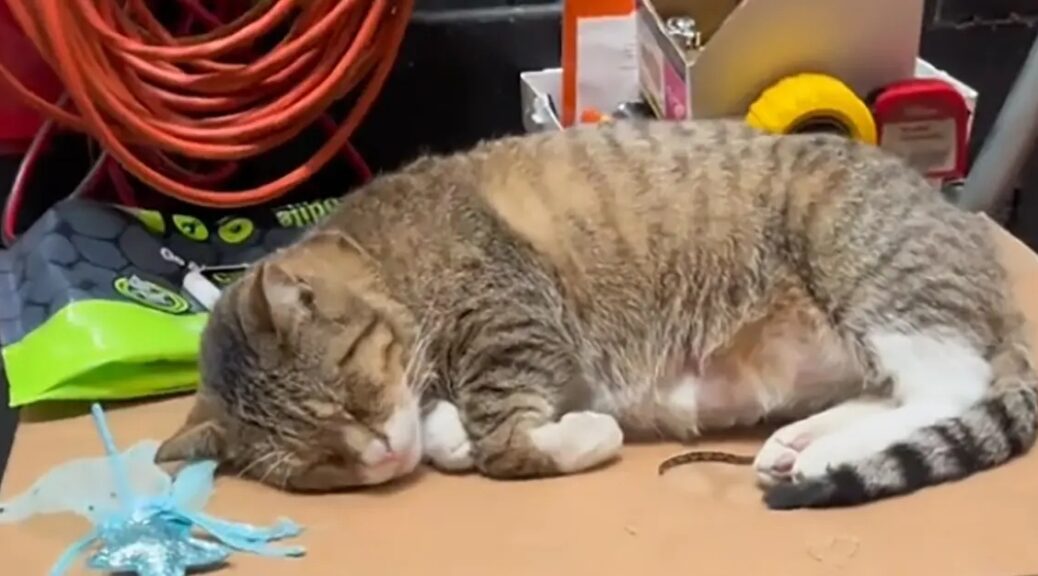
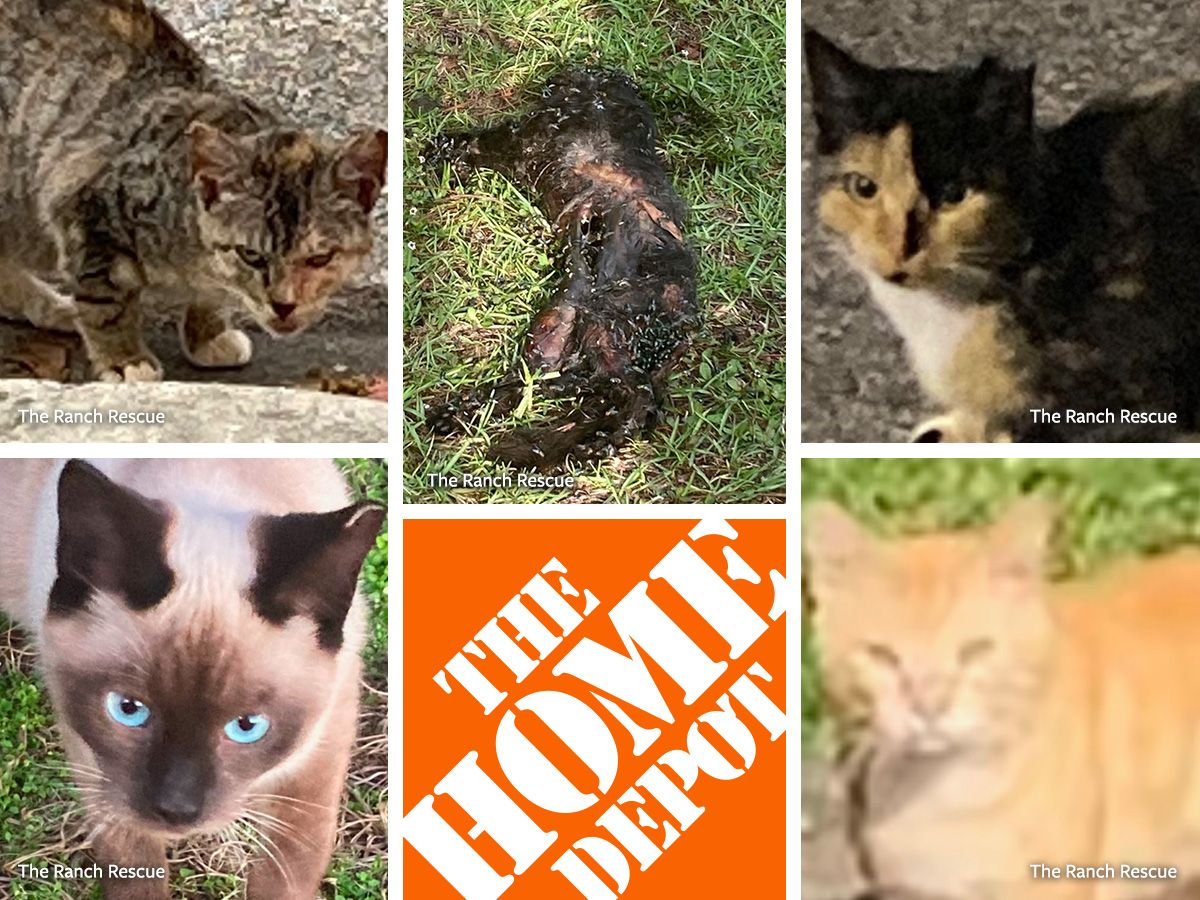
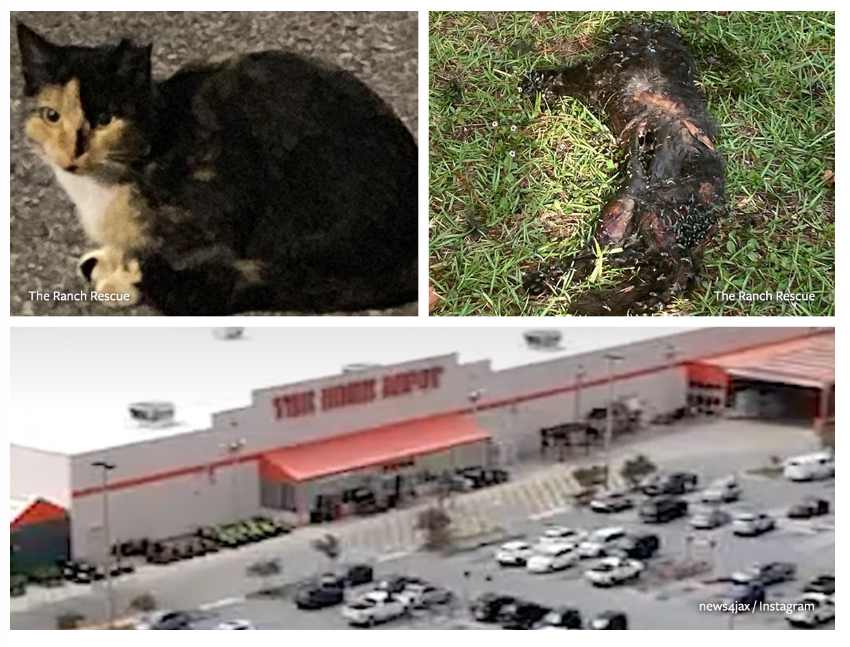



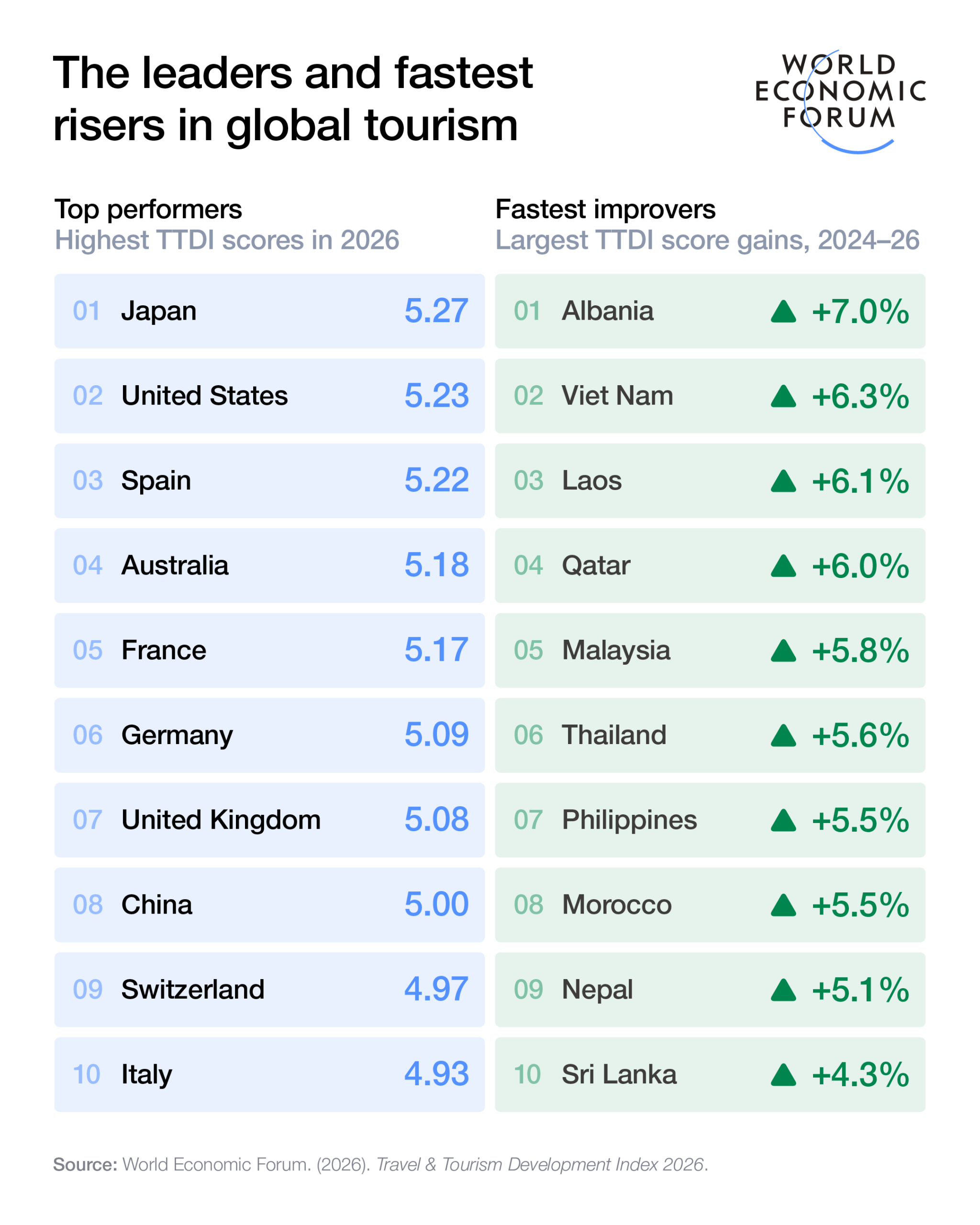
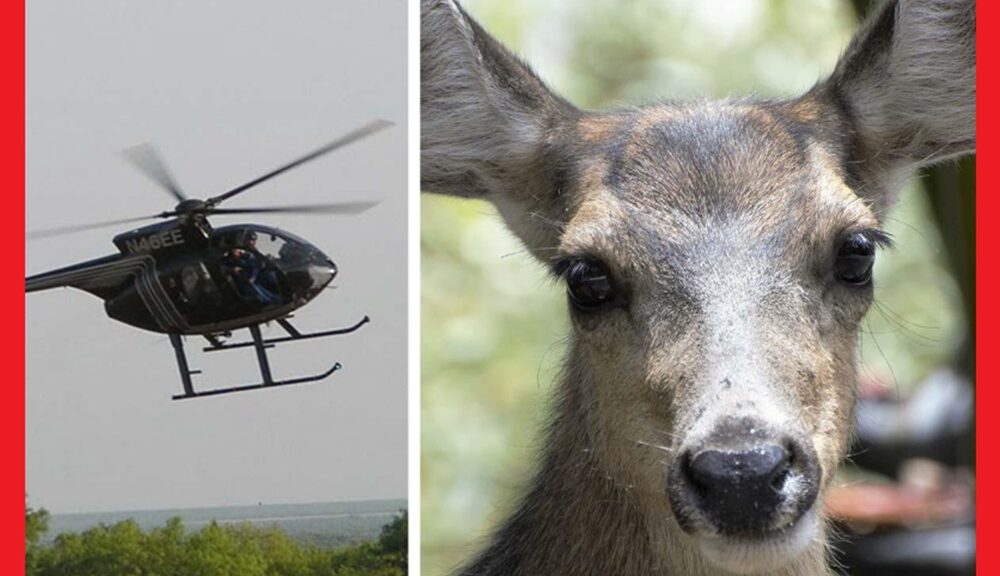
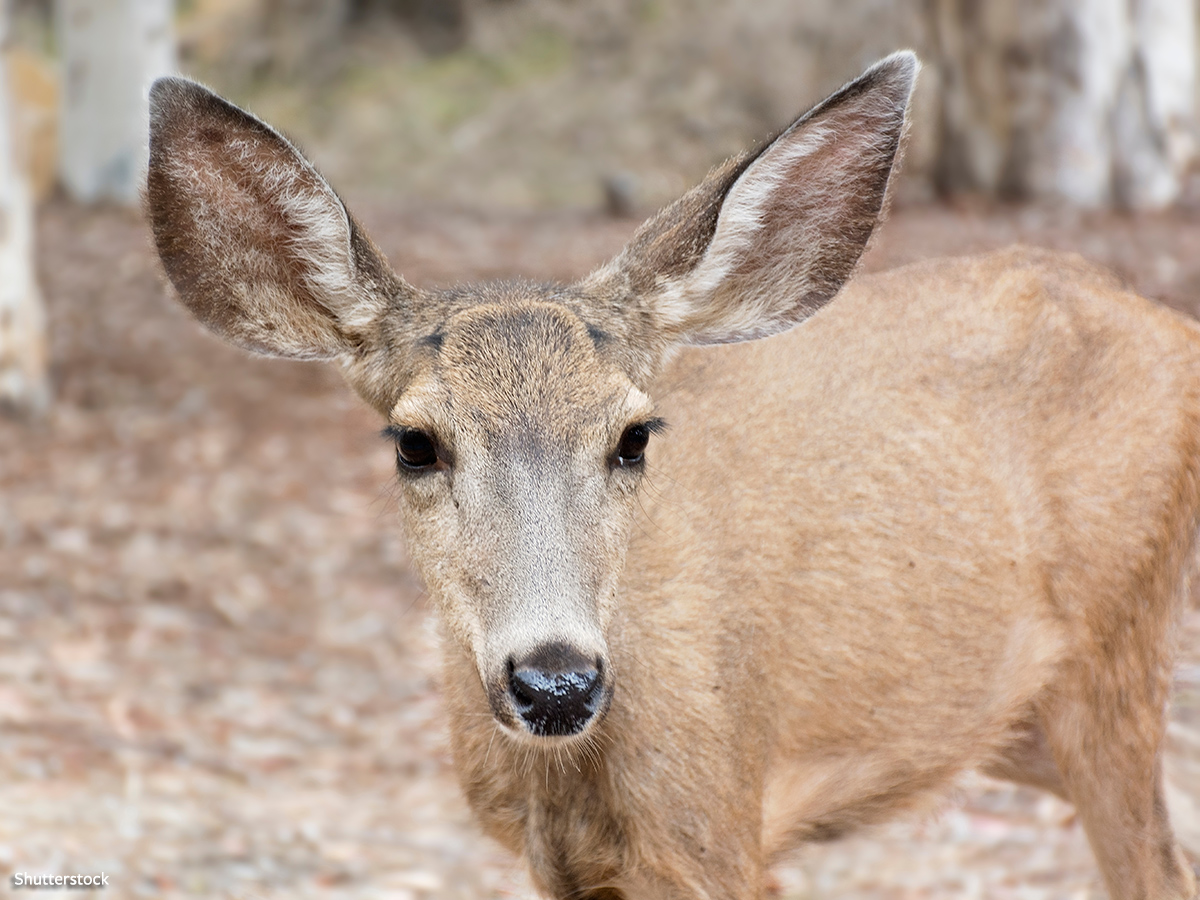

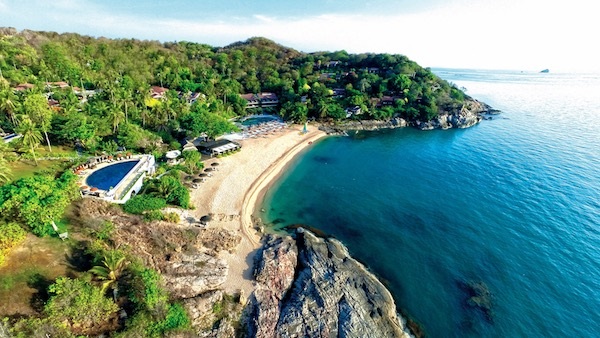
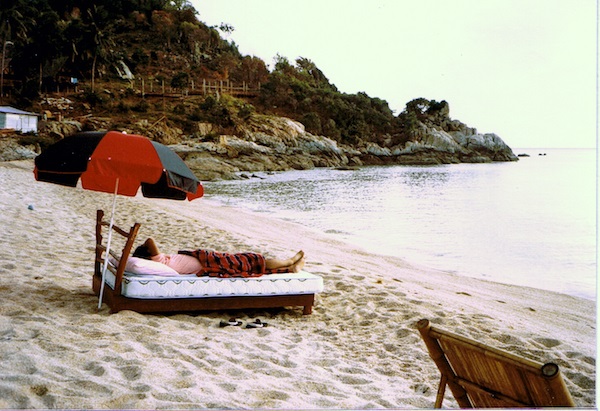

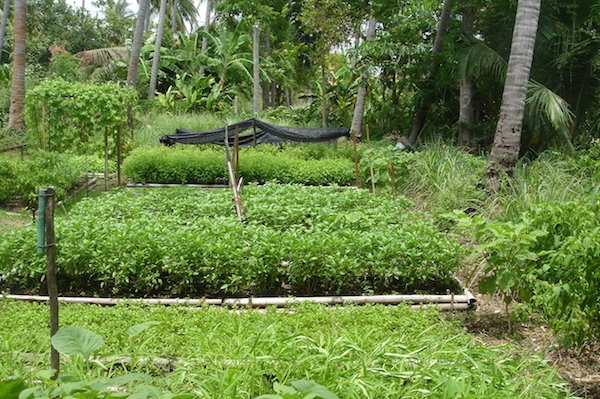
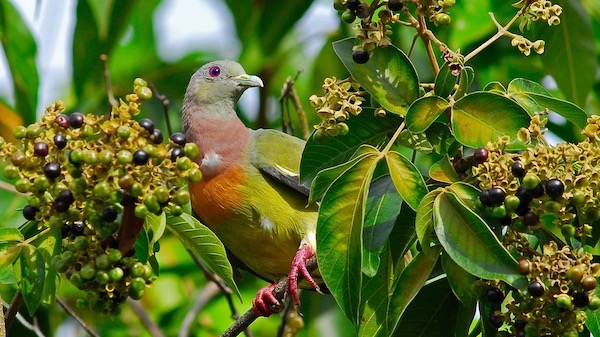
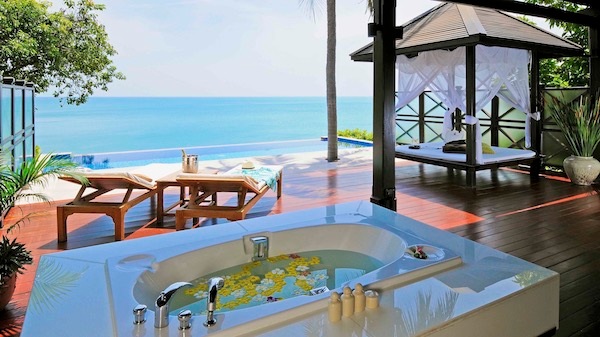
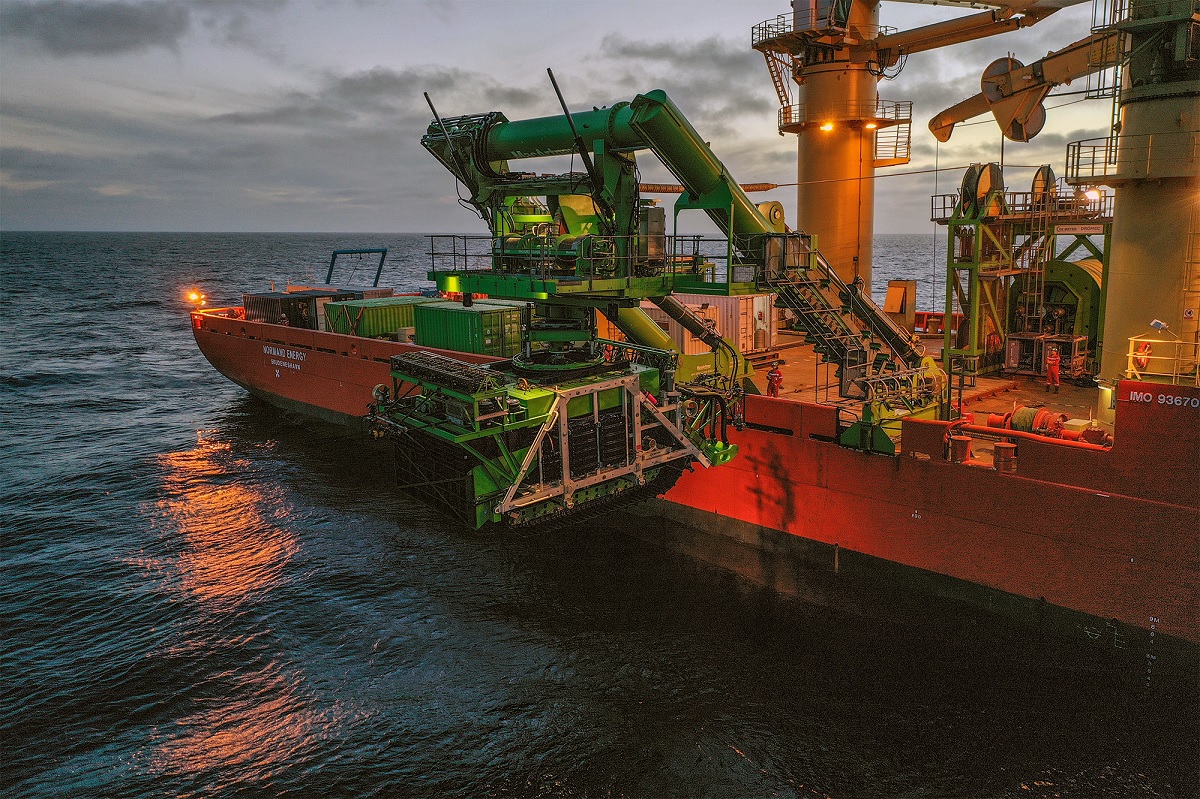
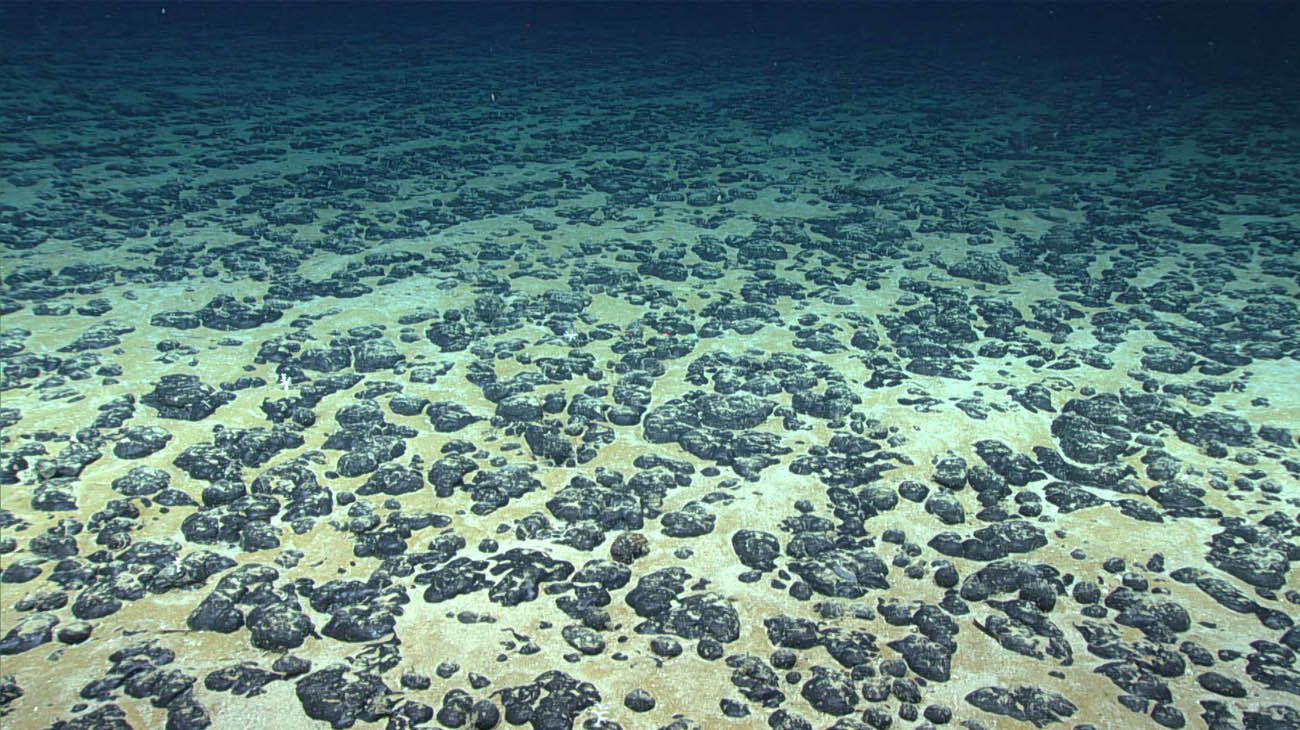
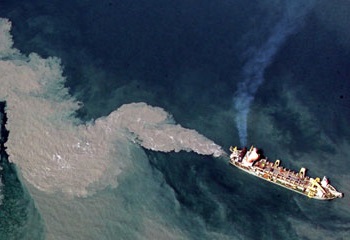
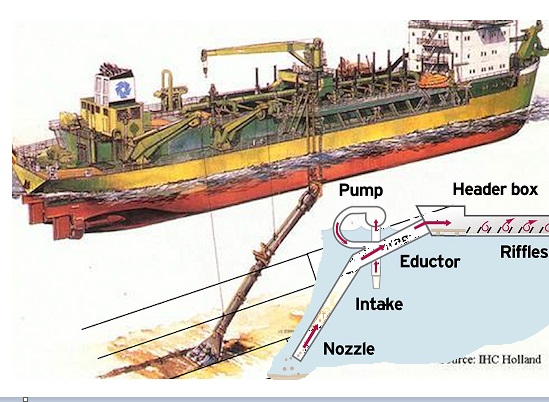

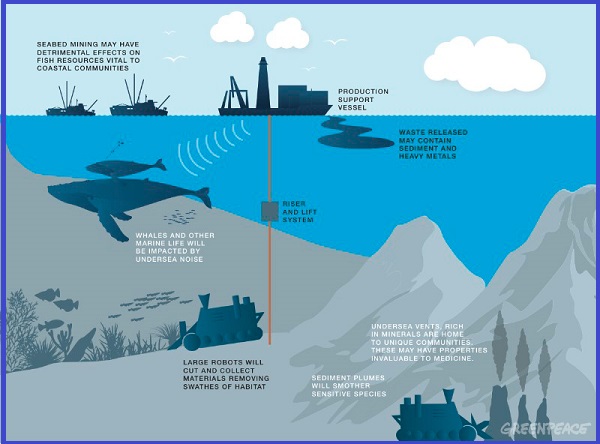
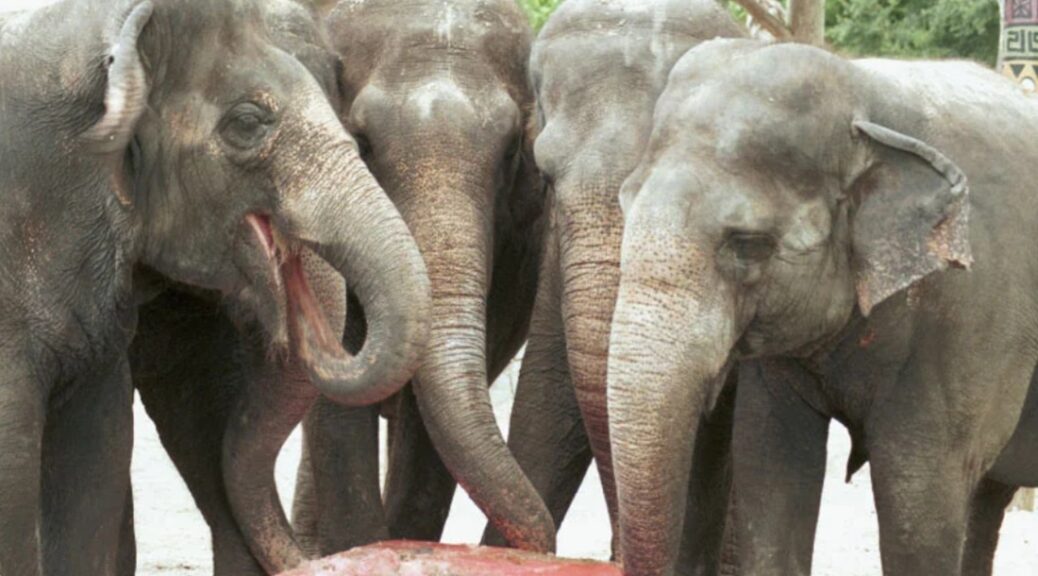
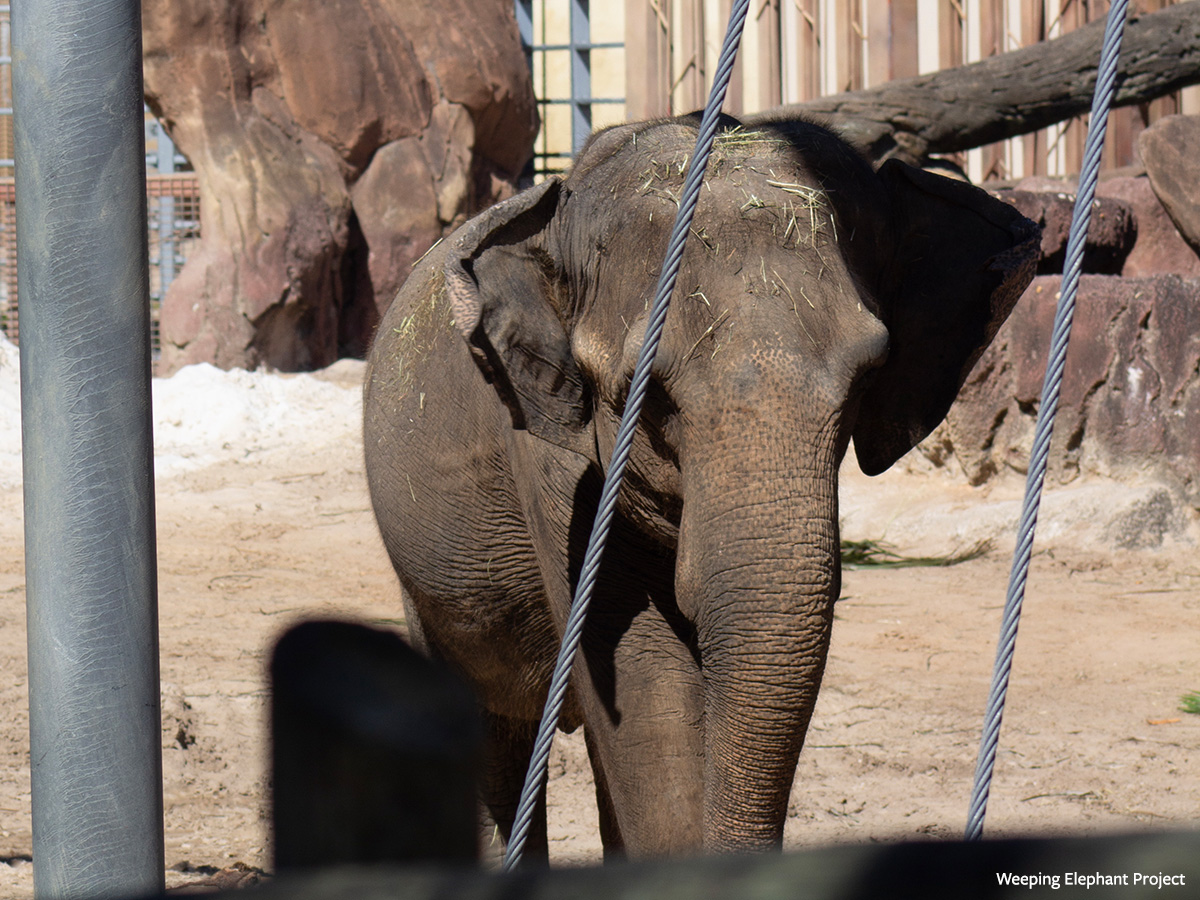
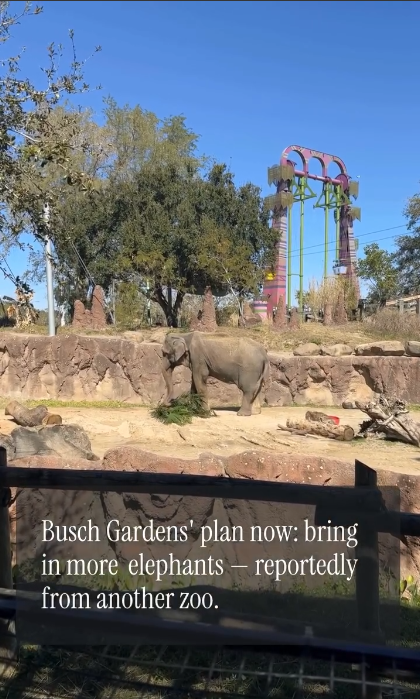





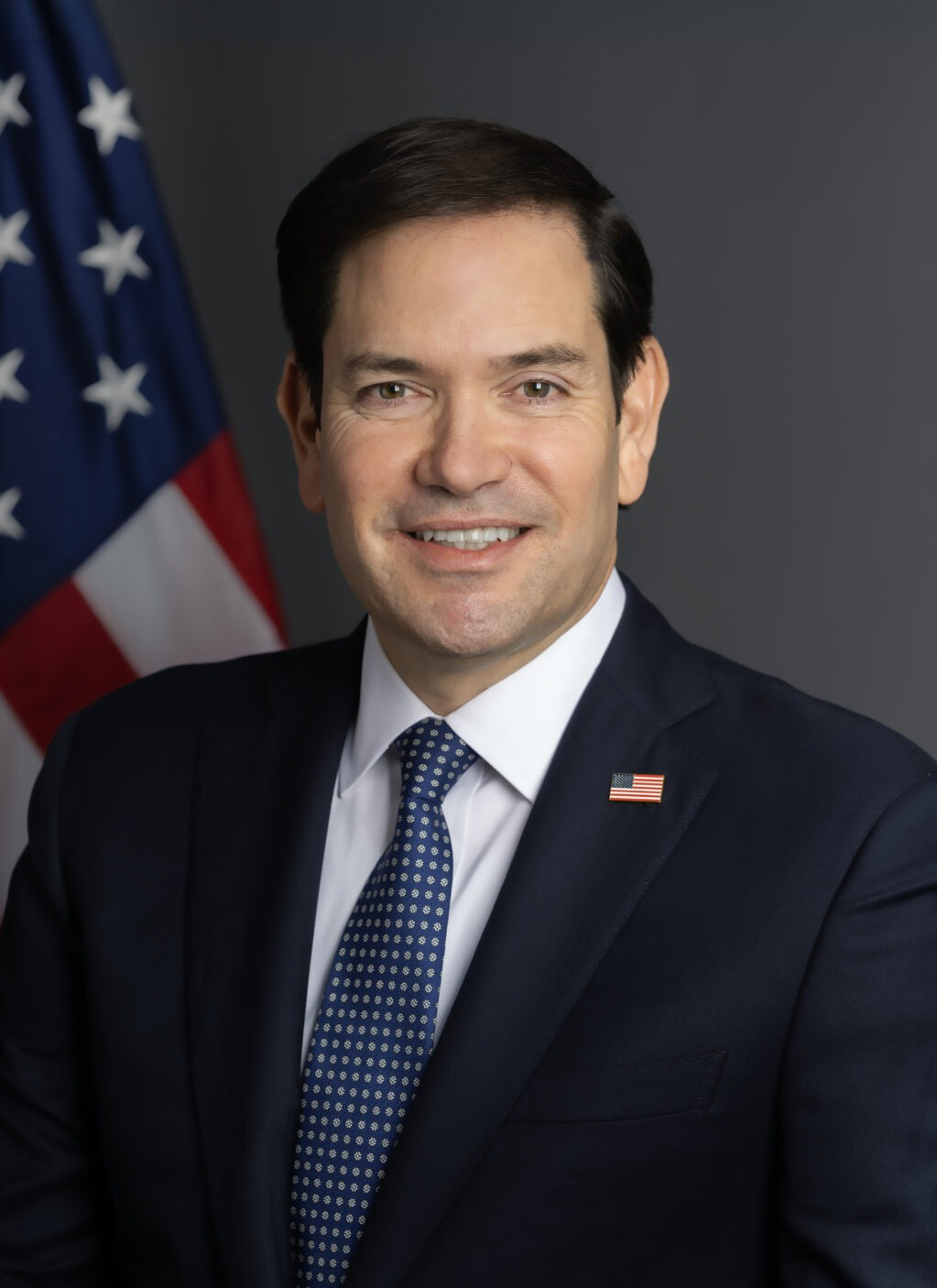
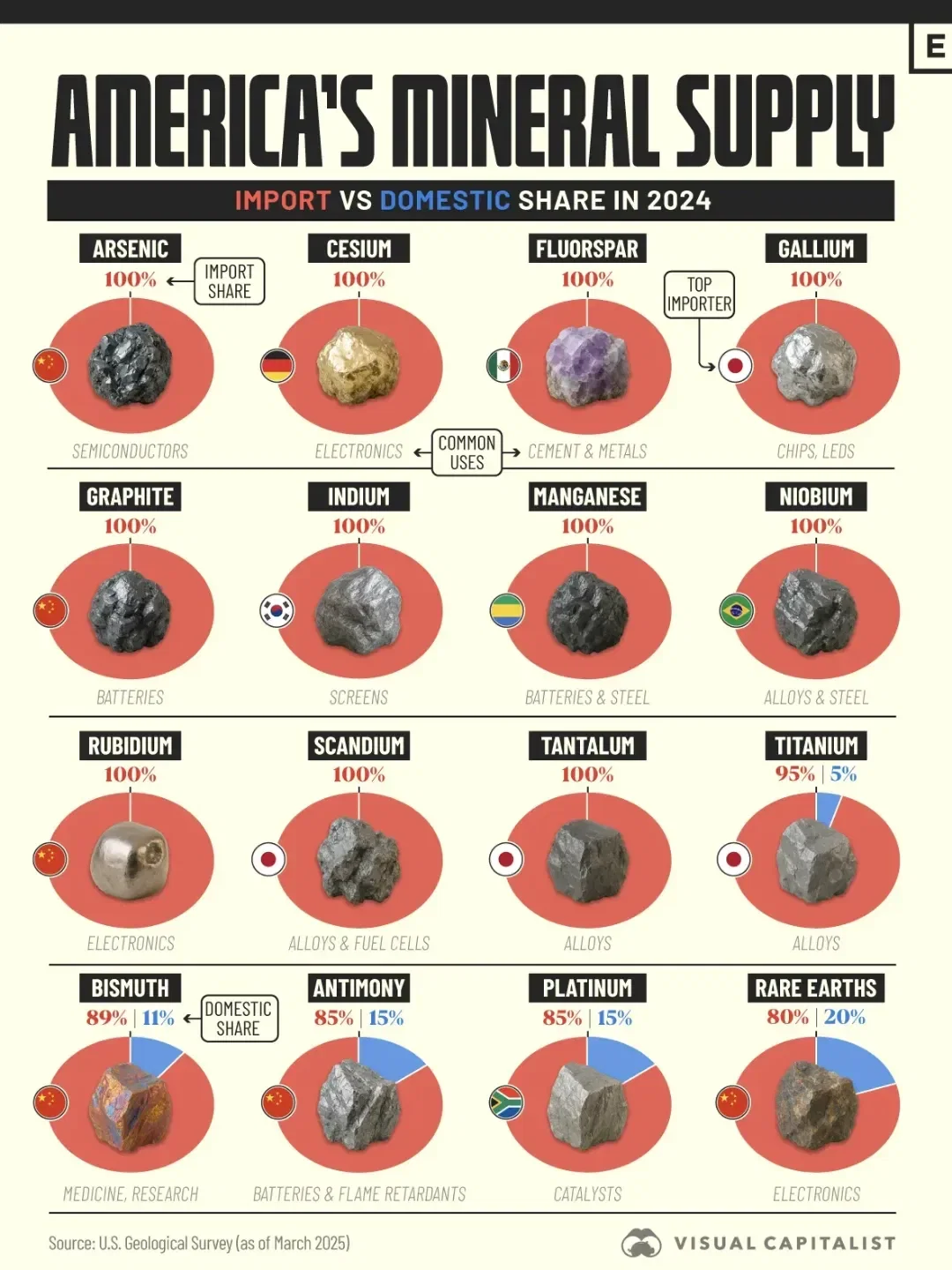

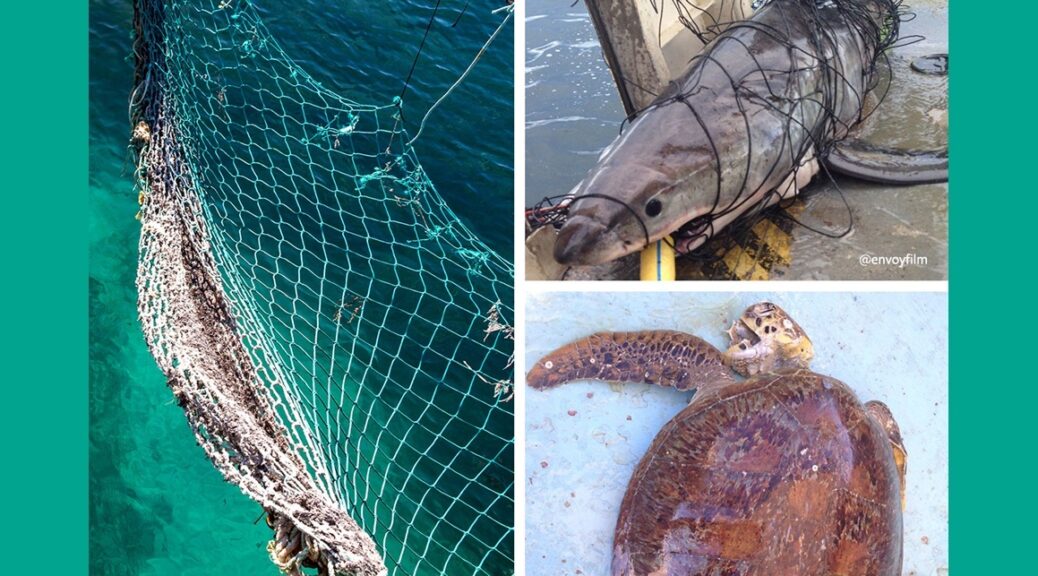

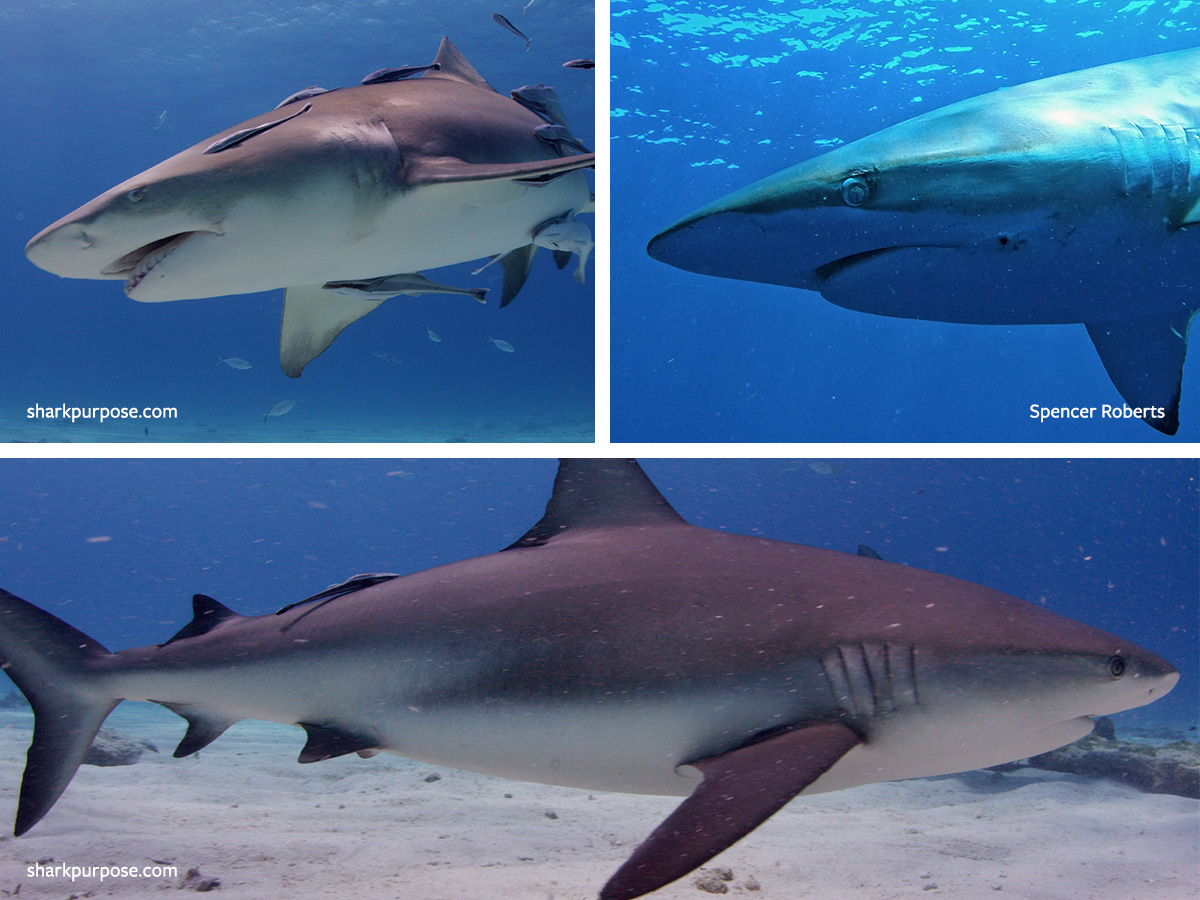
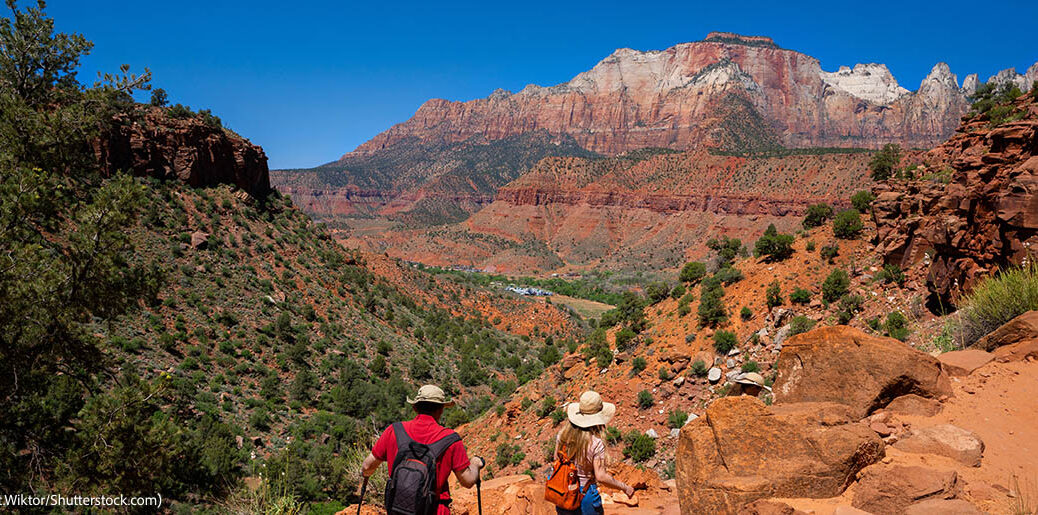

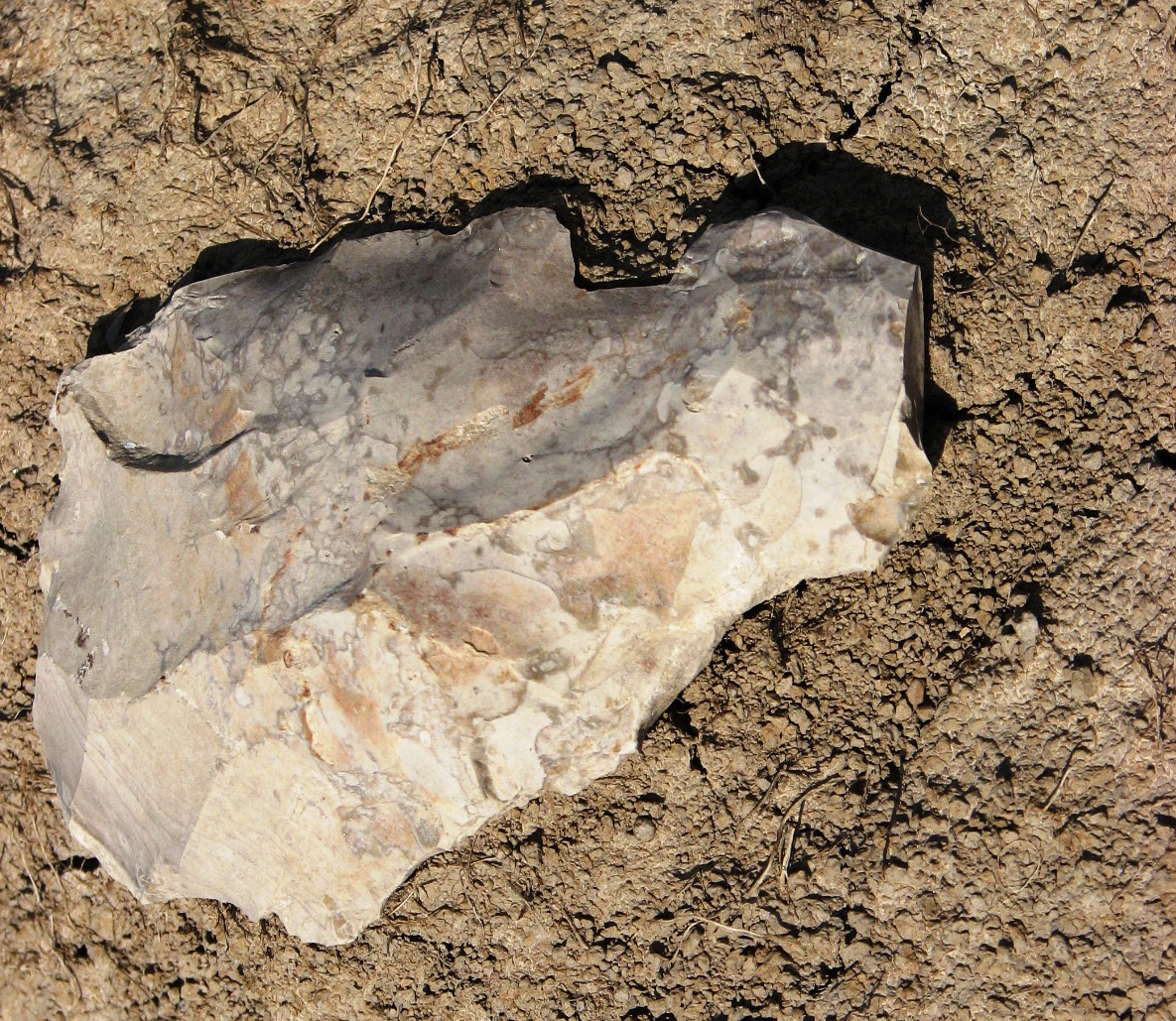

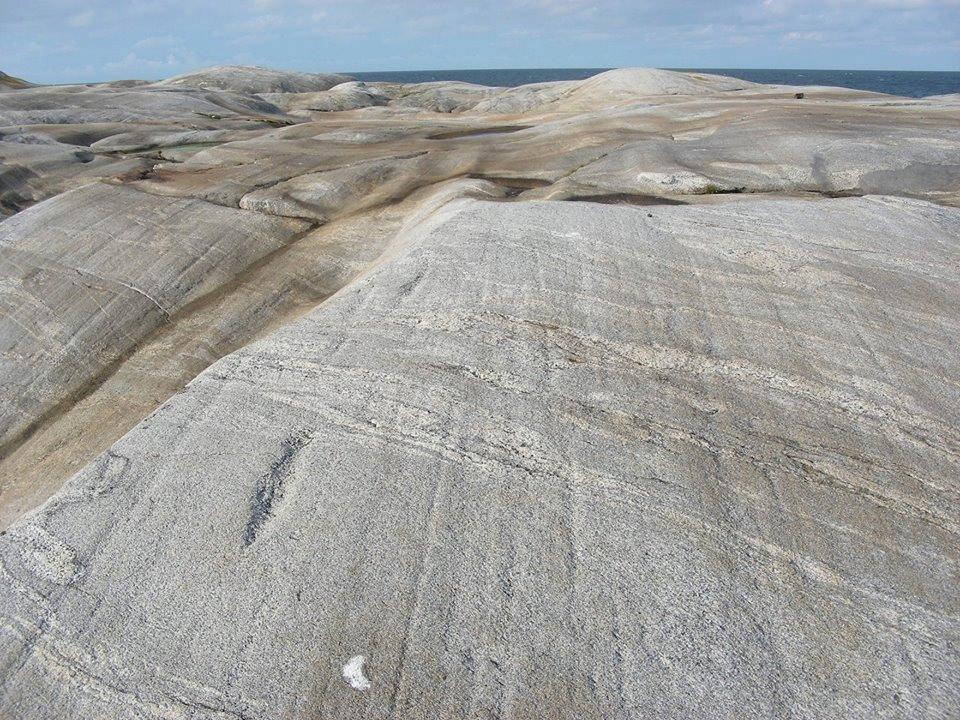

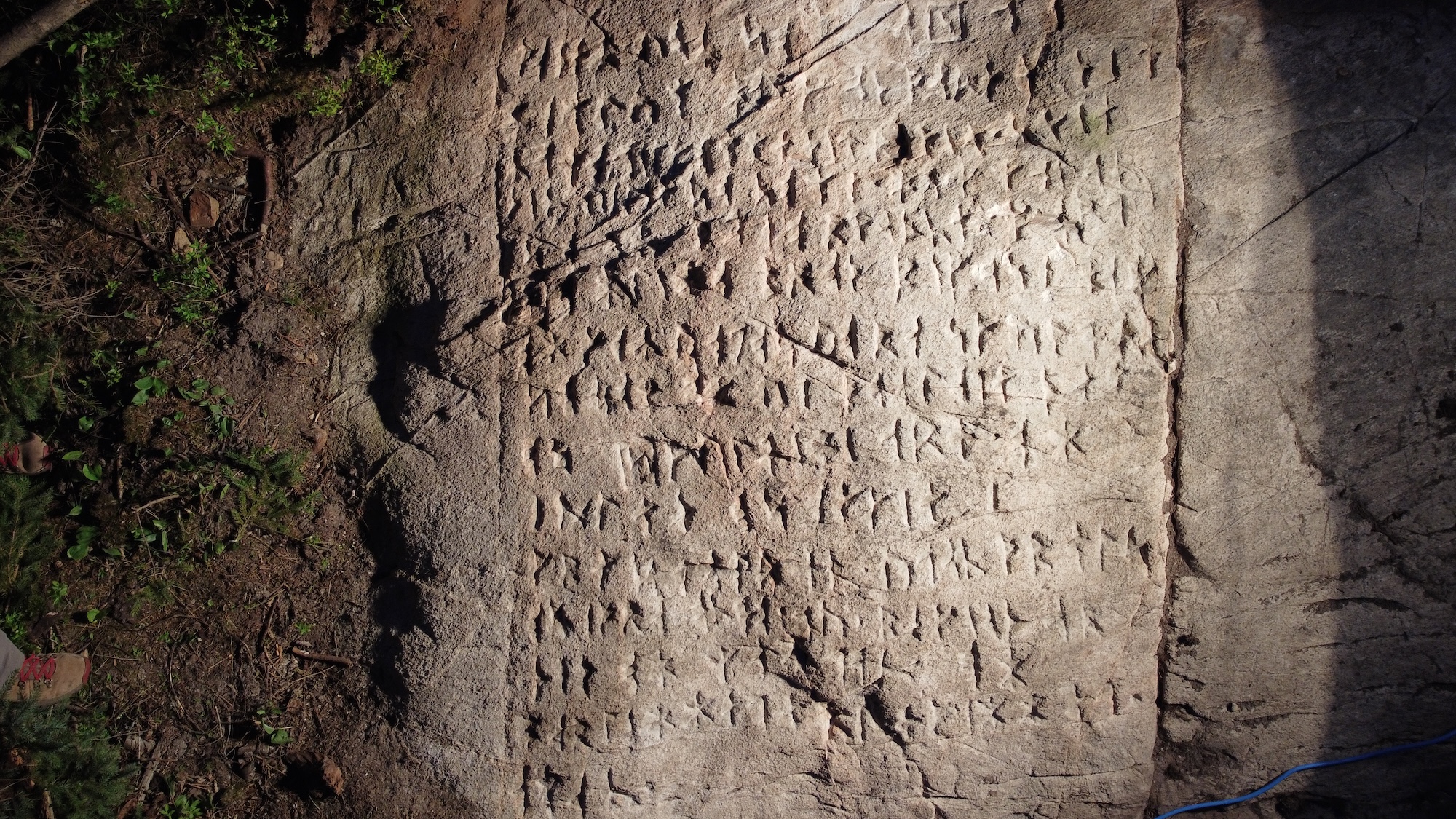


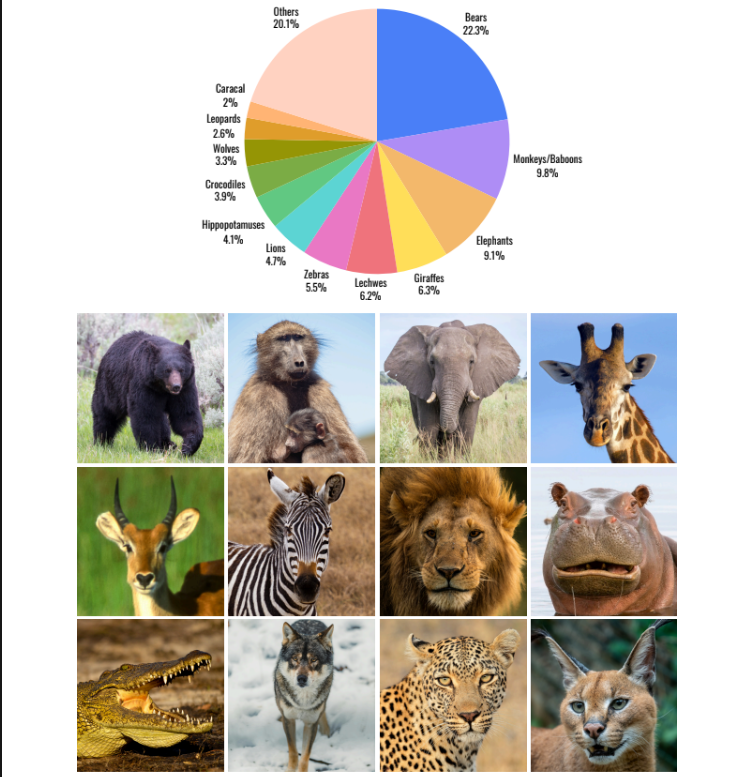

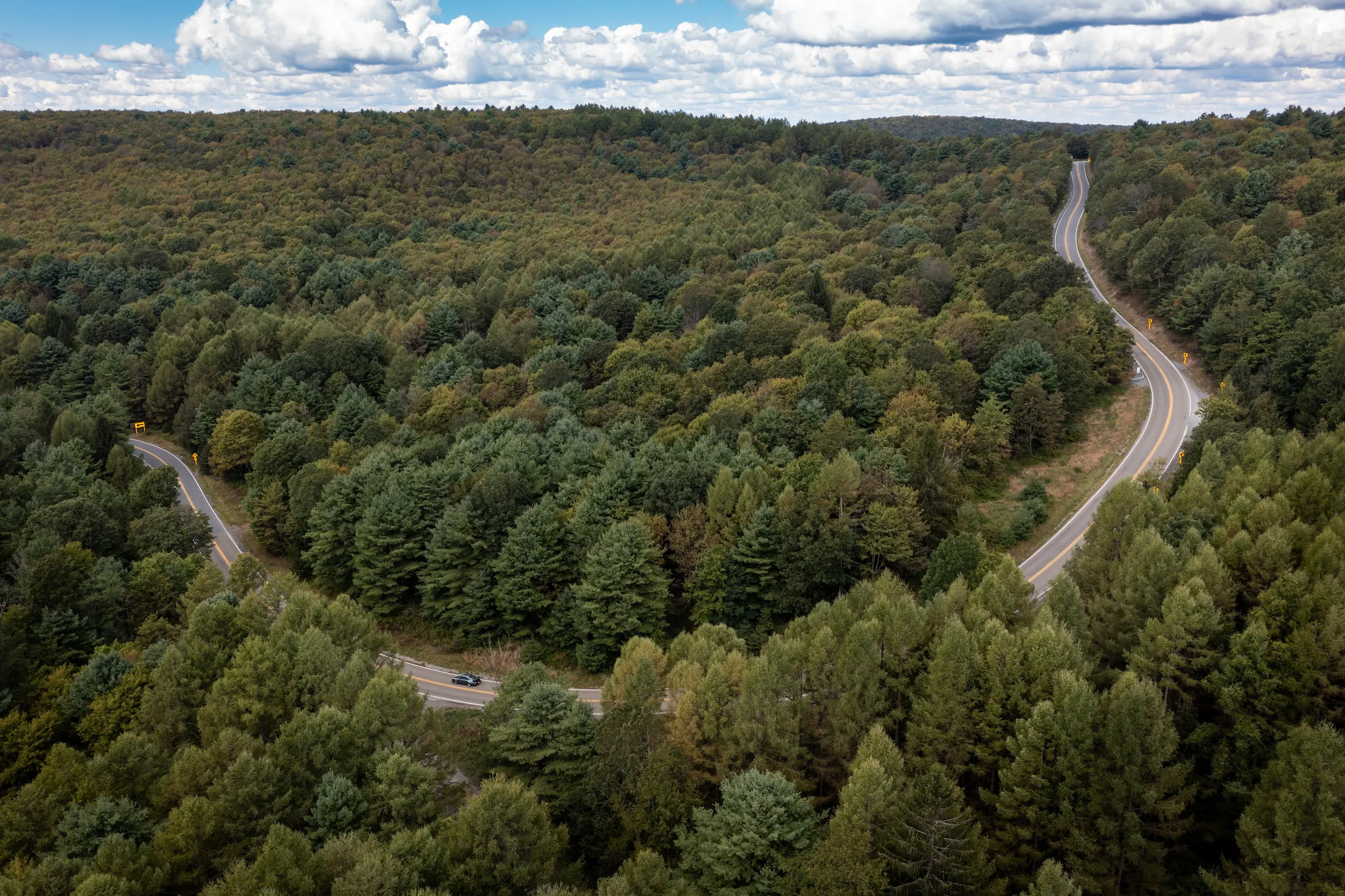

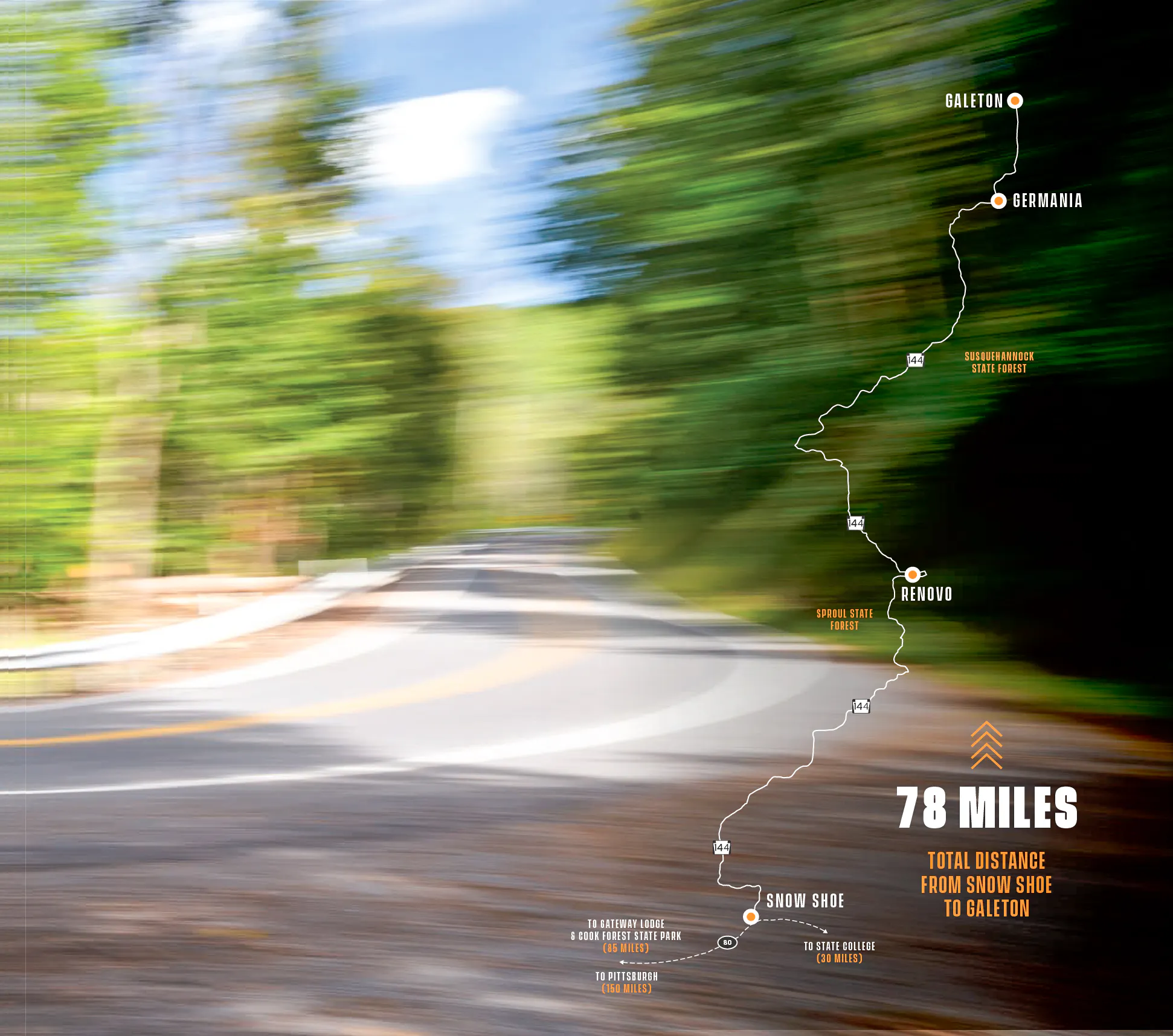
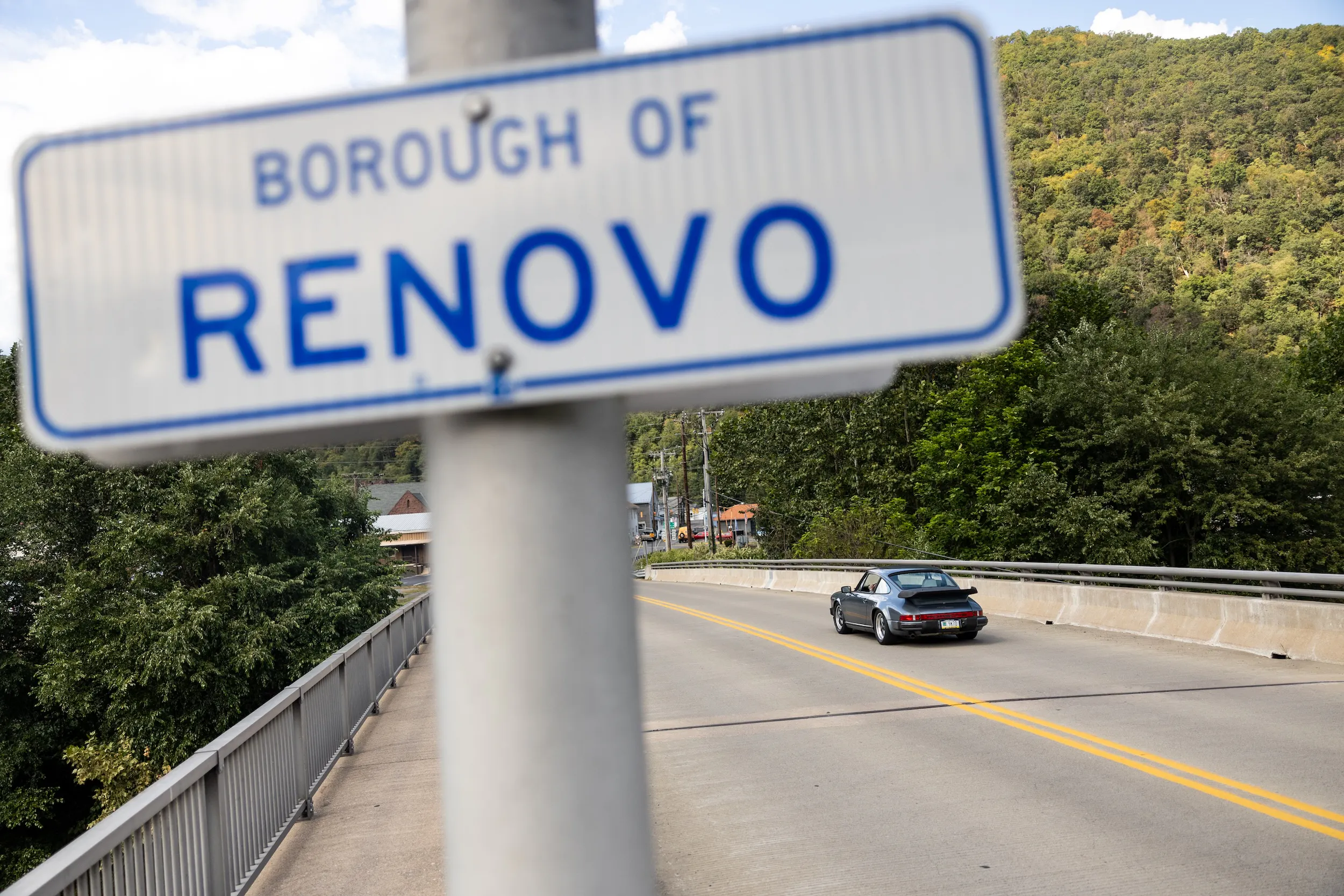





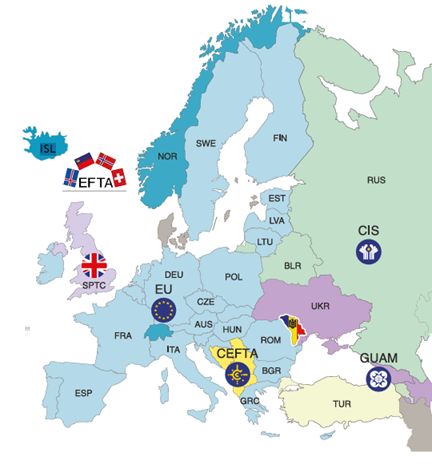
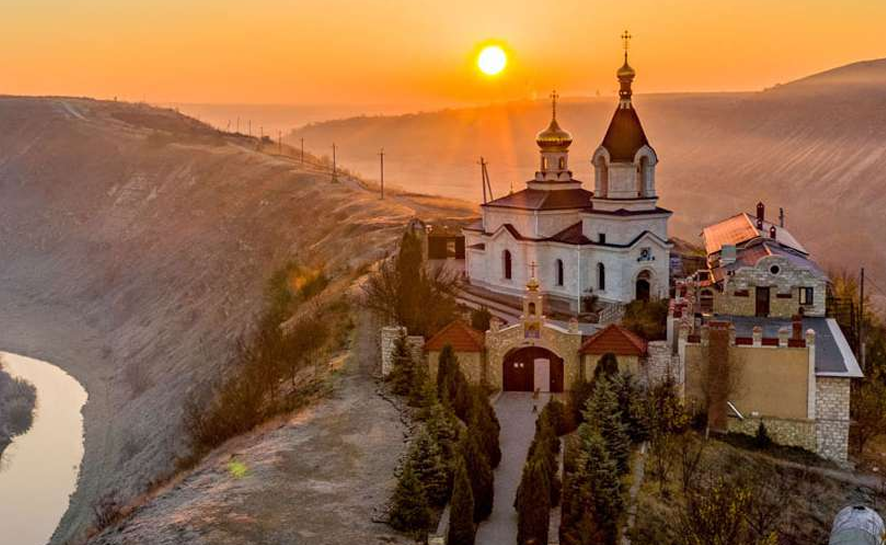
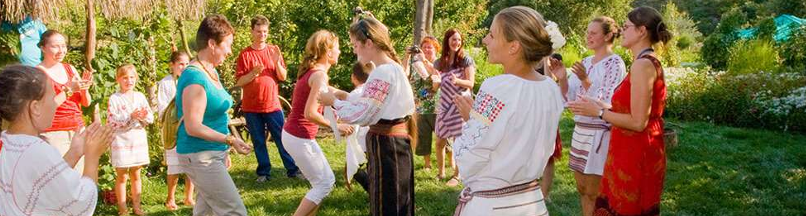




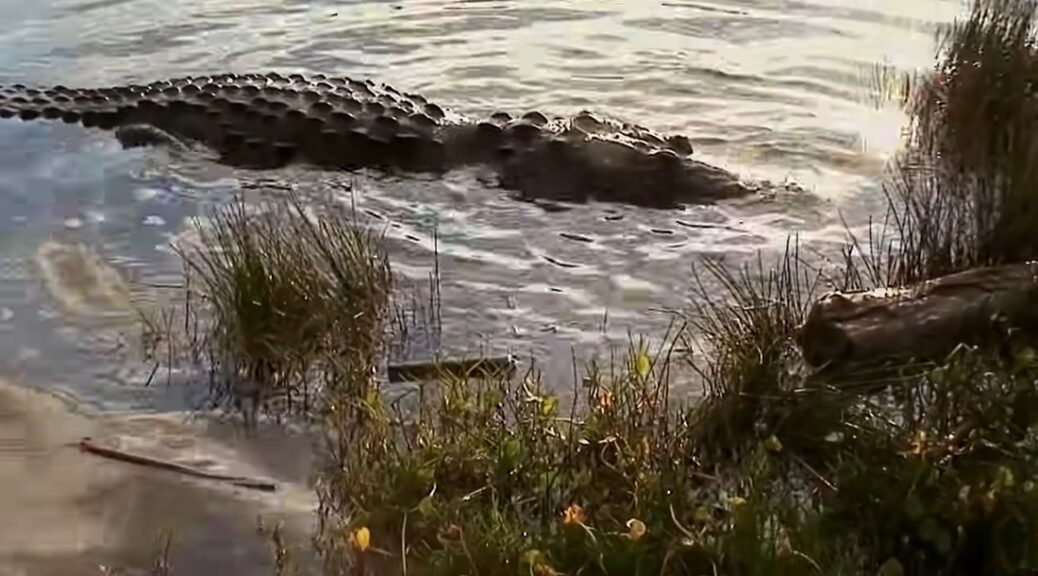



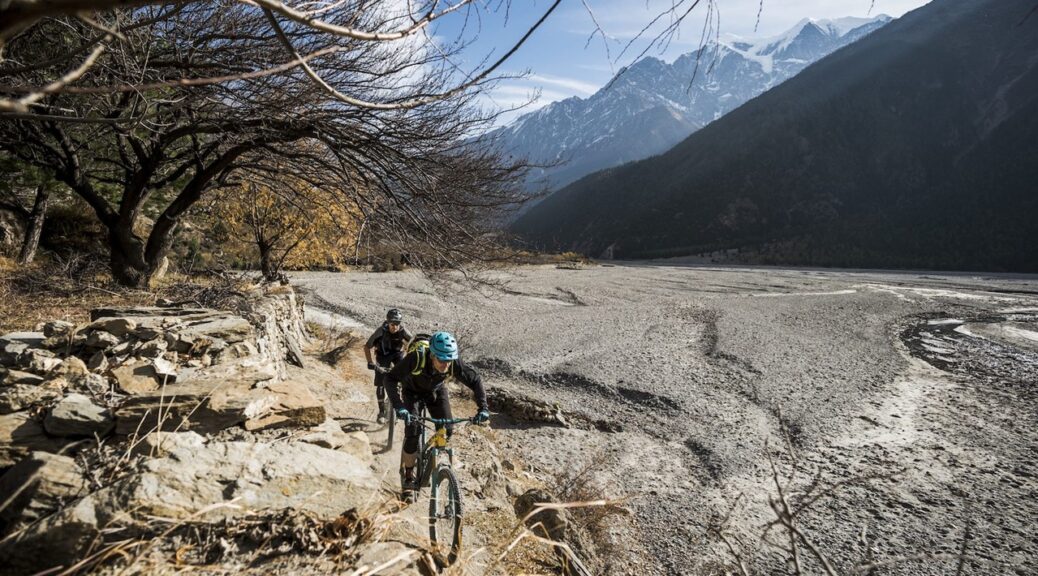


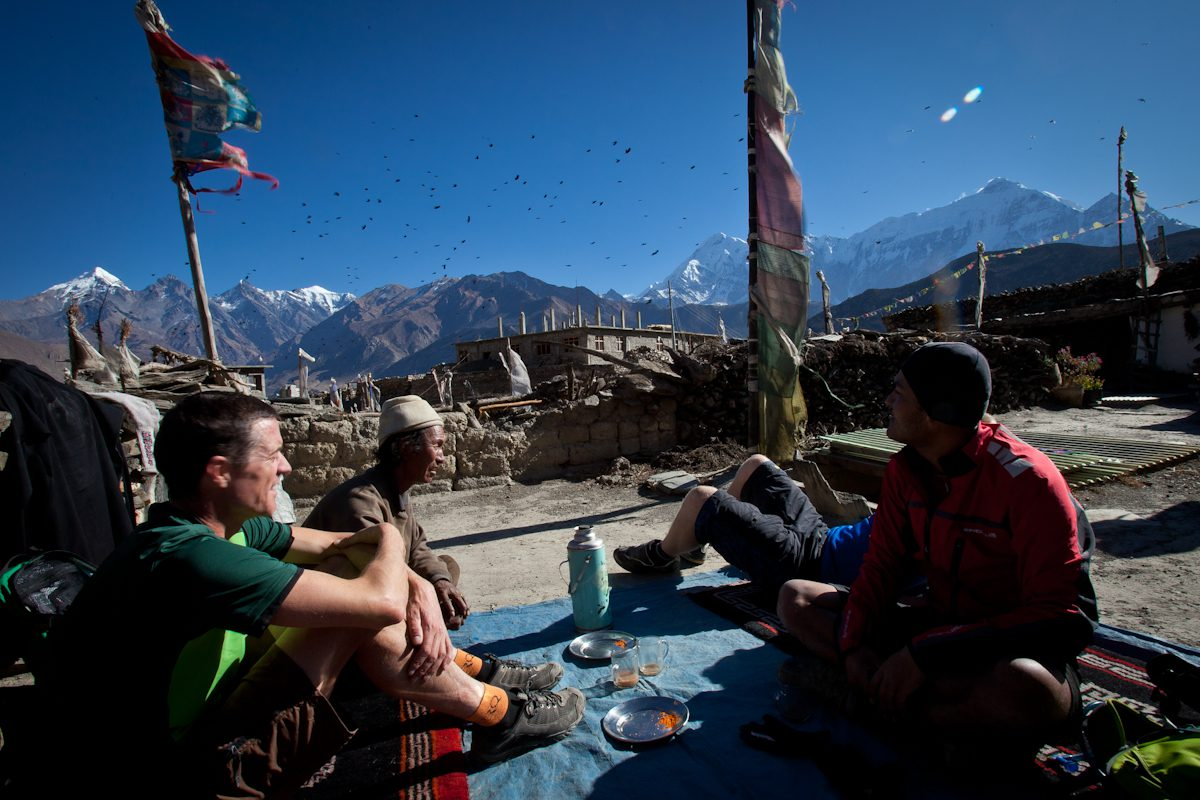

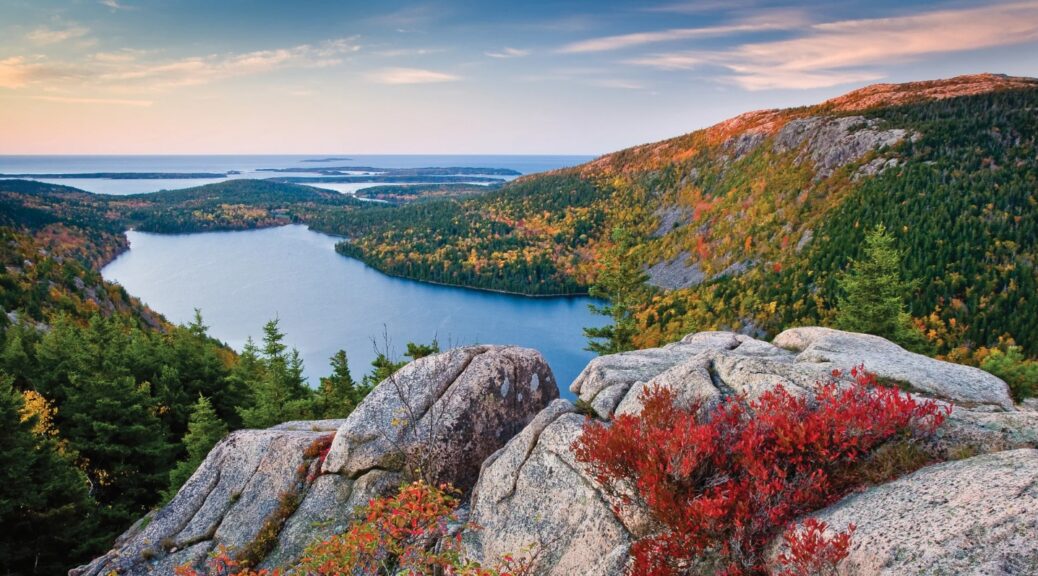


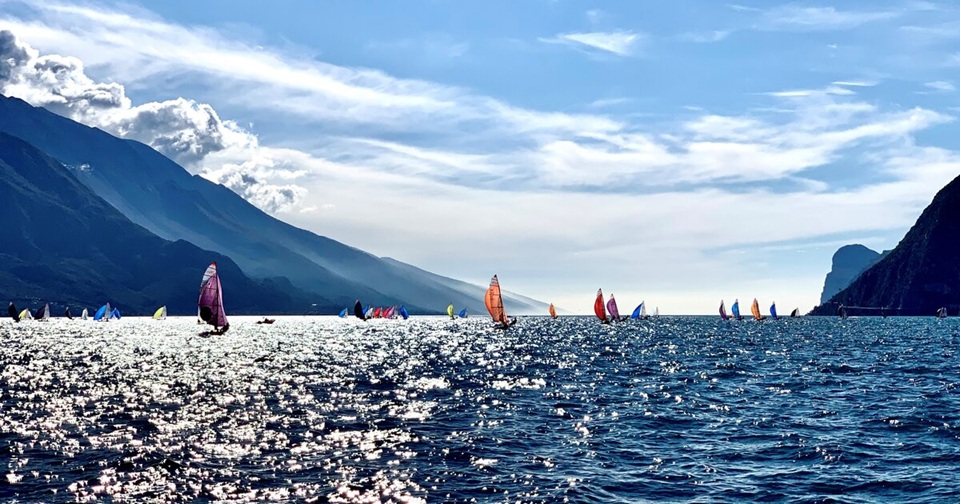
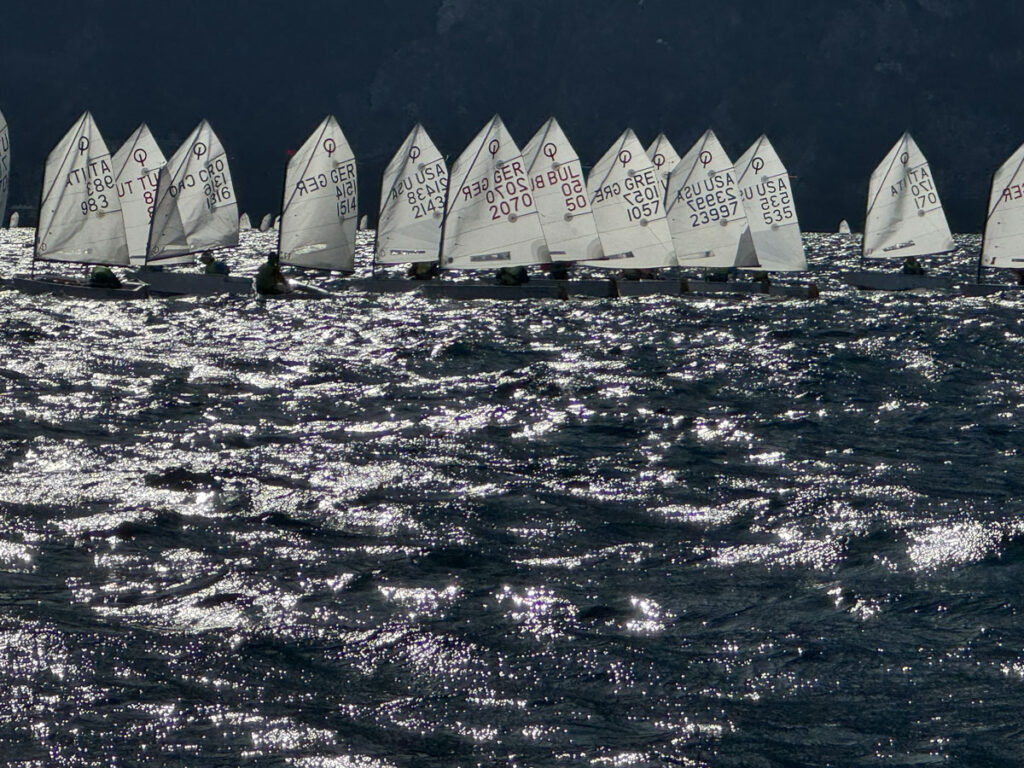

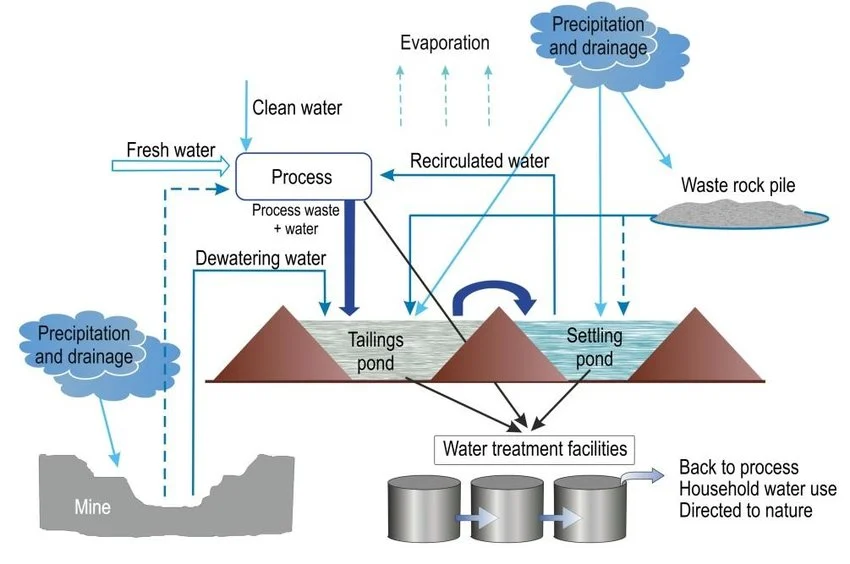
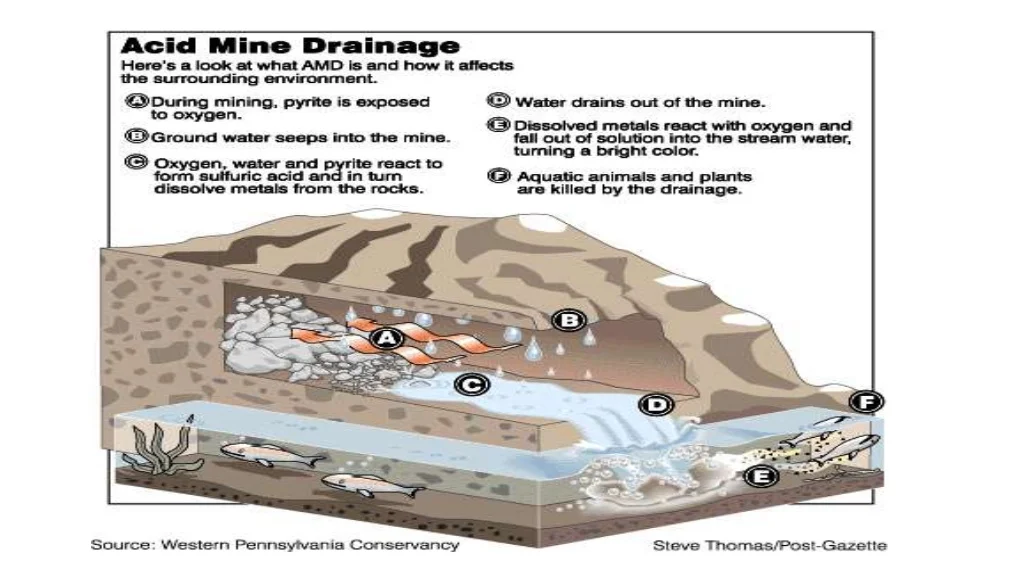
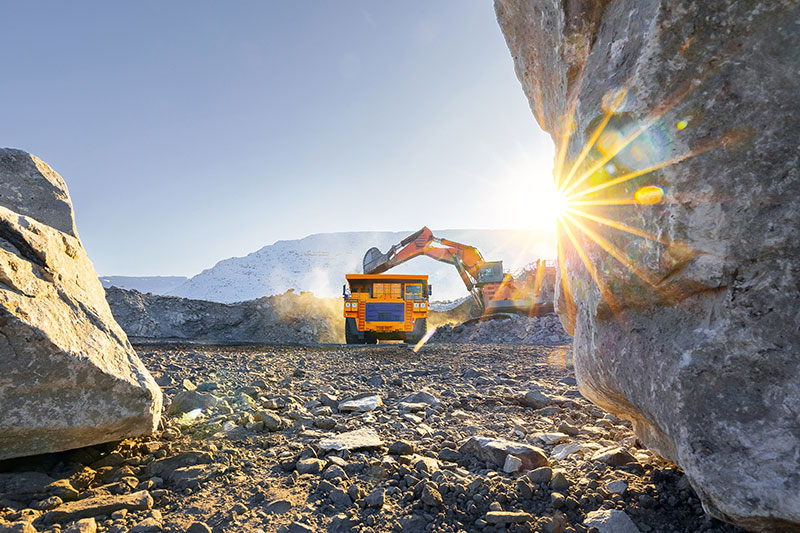



 Karen Wirsig.
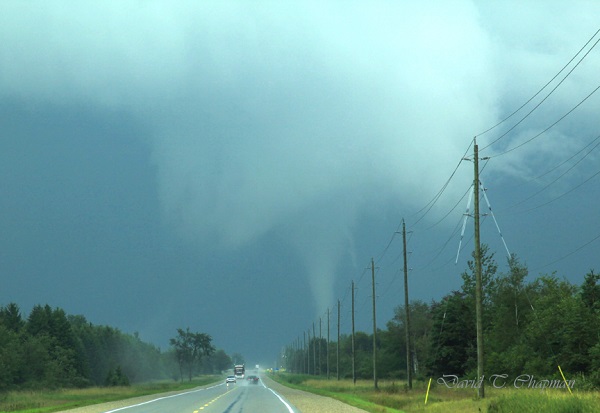
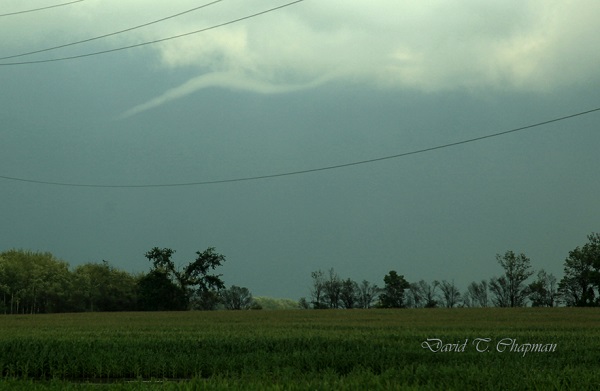
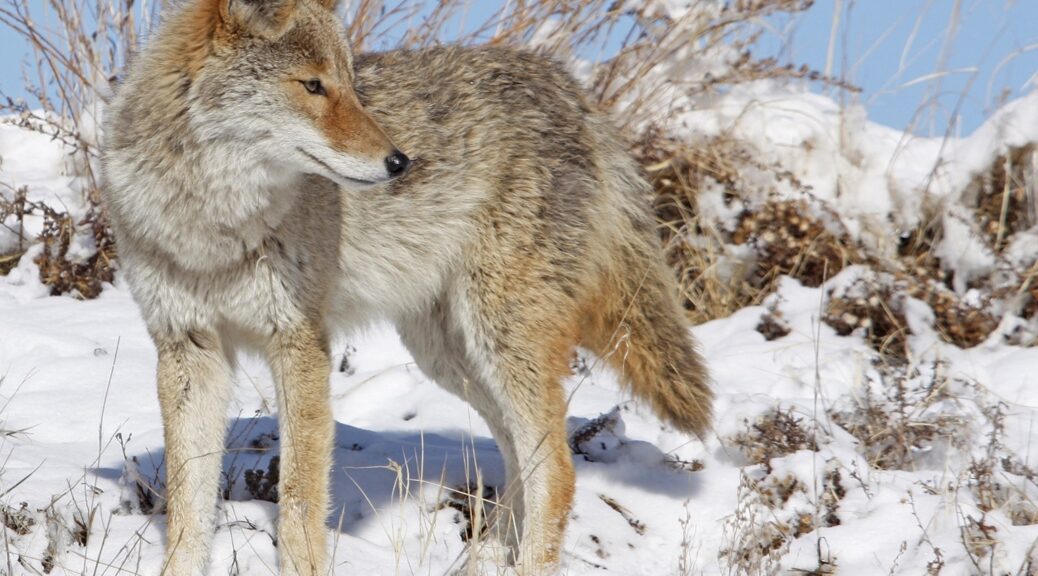
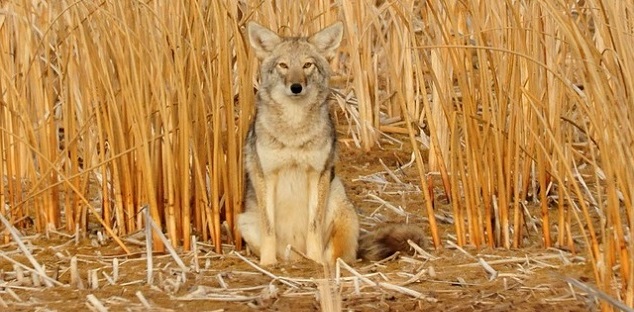
 Coyotes are usually wary of humans and avoid people whenever possible. However, they are wild animals and should not be approached.





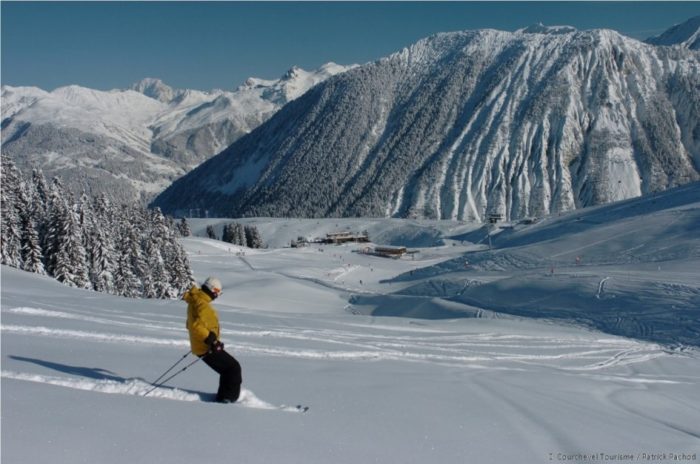
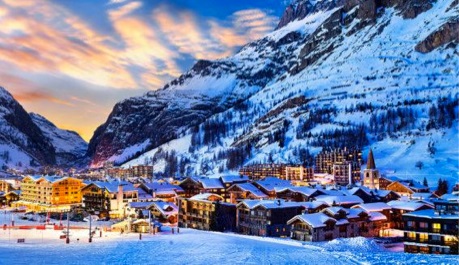 There’s a reason why Val d’Isere, at 1,850 meters, continues to be the top choice of European skiers each winter. It offers the perfect blend of challenging ski terrain for advanced skiers and learner-friendly beginners zones for those new to the snow. The resort center is lined with high-end shops, lively après-ski bars and fantastic restaurants, all housed within beautiful, stone-clad buildings.
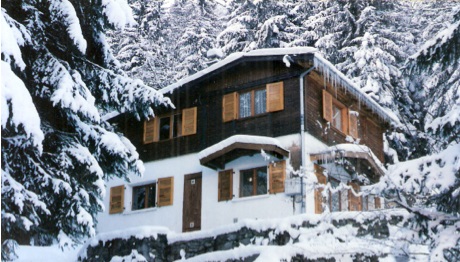 The diversity on offer in Chamonix these days makes it impossible to review the whole resort as one destination. At 950 meters, Les Houches is one of the closest resorts to Geneva Airport and offers kilometer after kilometer of tree-lined skiing, making it the perfect destination for families and beginners. The resort center has a village feel and is an outstanding spot from which to take in the incredible views.
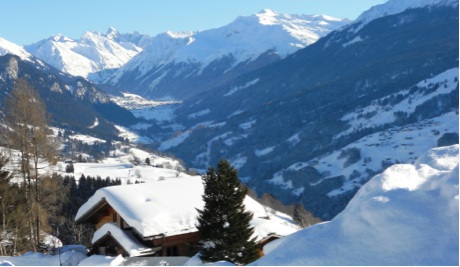 While the ski area between Klosters (at 1,179 meters) and Davos offers lots to explore, Klosters is without doubt the more attractive base for your ski holiday. The village center is charming and affluent, but with a relaxed vibe, while the trails are popular with advanced skiers enjoying an abundance of easily accessible off-piste in the area.
 A resort that’s been quietly minding its own business for years, Les Gets, at 1,200 meters, is now developing into a chic, family-orientated resort that offers quick and easy access to the 650-kilometer Portes du Soleil ski area. Several piste-side restaurants offer views of Mont Blanc so it’s easy to find a sunny spot on which to enjoy an après tipple or two.
 There’s one thing that makes these two interconnected resorts stand out, and it may not be for everyone. Crans, at 1,500 meters, and its neighbour Montana are not villages; although right on the edge of a great ski area, they’re most definitely towns with a very urban feel. This is a very sunny spot in which to base yourself and there’s varied terrain to suit all ability levels.
 We love La Rosière, at 1,850 meters, not just because of its high elevation and snow certainty. The ski area offers two great experiences for the price of one when you cross over the Petit St Bernard pass into Italy. Wide pistes descend for kilometers into La Thuile over the border and getting back is no hassle at all. The main village is quiet but well stocked, and the views are exceptional.
 Italian ski resorts are always authentic, traditional and charming, and Campiglio, at 1,550 meters, is no different. The car-free resort huddles on the valley floor and the center is stylish with several chic shops. The ski area spreads over 150 kilometers, and there have been several lift upgrades over recent years, making it quick and easy for you to cover a considerable distance on skis each day.
 Rebranded way back in 2011 to recognize the differences between its more blingy neighbor higher up the valley, Courchevel 1650 is now an attractive, unpretentious resort with a stack of new facilities, including Aquamotion, a huge center for water sports that opened in December 2015. And let’s not forget: On your doorstep you’ll find the largest linked ski area in the world. The 600 kilometers of the 3 Valleys network never disappoint.
 Seasoned skiers, this one’s for you. At 1,563 meters, Selva serves up challenging ski terrain on both sides of a valley, accessed by both gondolas and quick chair lifts. The village center is packed with charm and character and there’s also a collection of well-maintained beginner slopes and progressive tree-lined runs enjoyed by families.
 No list of top 10 ski resorts is complete without mentioning Norway and the town of Geilo, at 800 meters. It is one of the country’s most popular resorts. It’s a small, well-equipped town that’s invested heavily in new runs, new lifts and new facilities. Between January and April you can also ski until 8pm on flood-lit slopes. Photo Credit: Geilo, Norway