Tag Archives: car dealership

10 Reasons I (Sorta) Hate Going to the Porsche Dealership (& the 1 Reason I Stay)

It’s not all 9,000-RPM test drives; our friend at Rennlist has just finished breaking down the top 10 headaches at the Porsche dealership and the one reason why you will keep coming back.

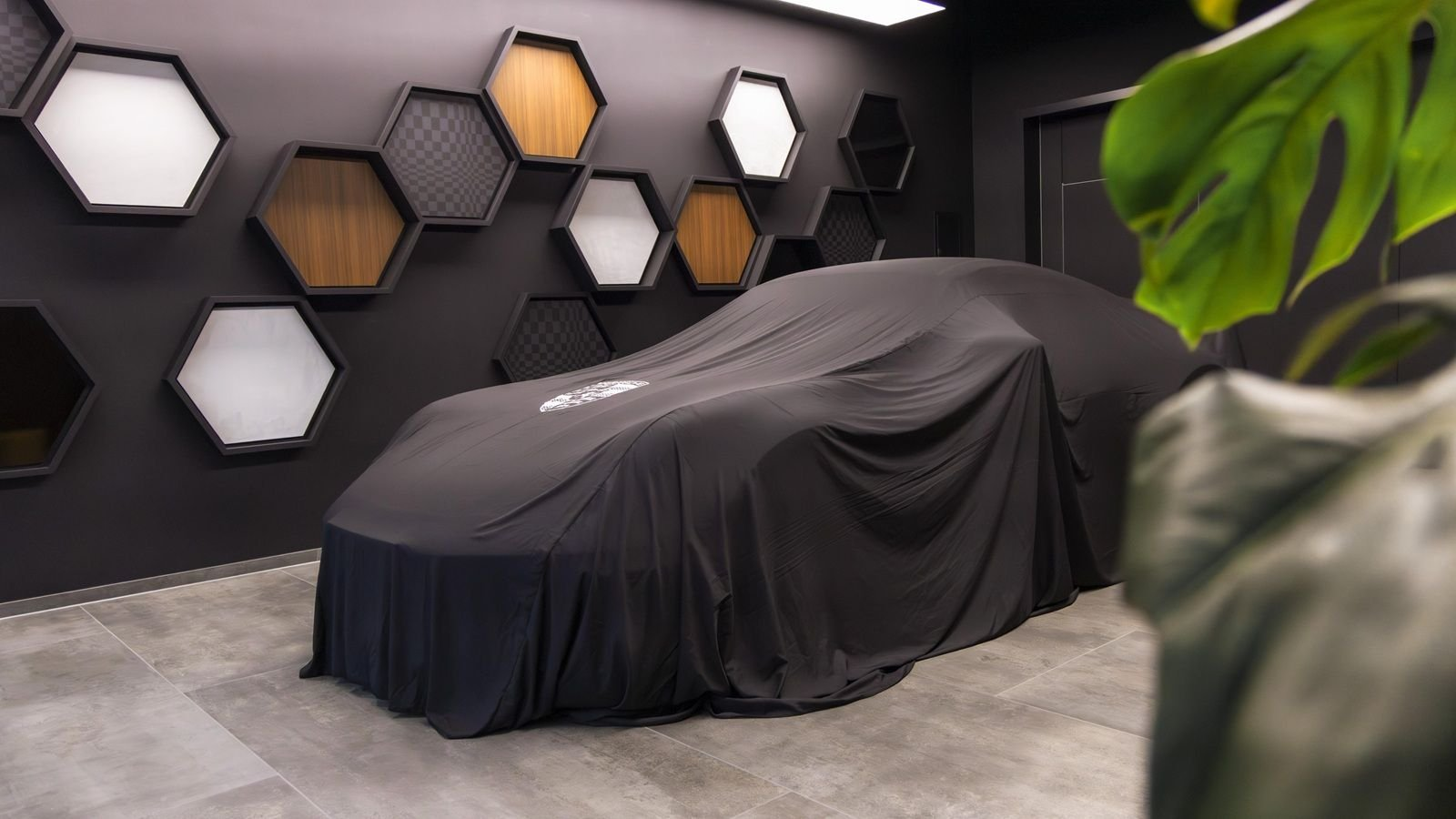
Well, hate might be a little strong, but I can see why people would dislike going to the Porsche dealer. I have listed 10 reasons that in my personal experience and in talking to others in the community why the thought of going to the Porsche dealership is akin to a visit to the dentist’s chair. But there is one reason above all that I, and all of you keep coming back. Let’s discuss.

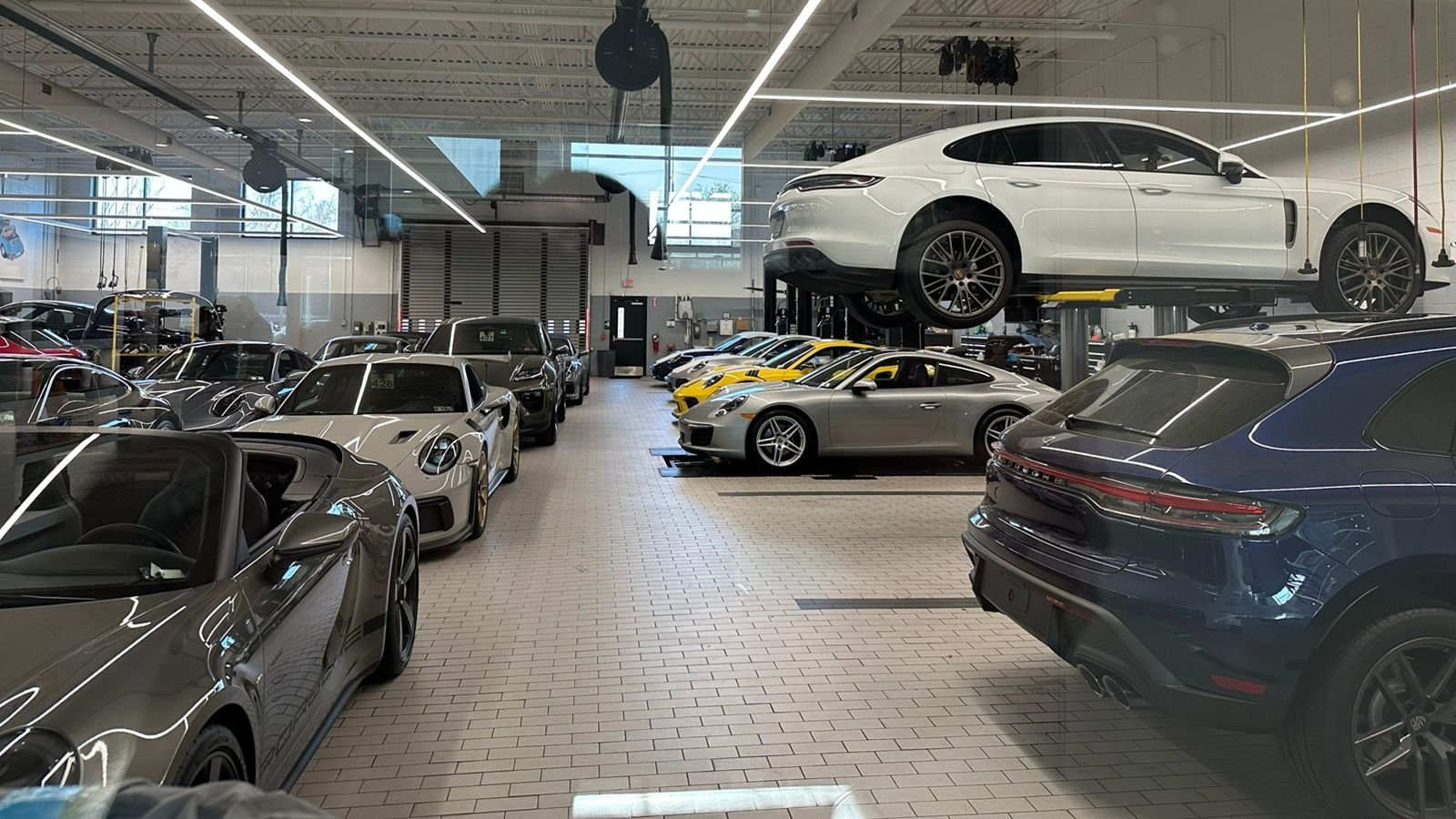
The truth is that I don’t hate going to the Porsche dealer. I have been going to Porsche dealers since I was a teenager. I have bought and sold many cars at a Porsche dealership. I go there for grand openings, new model reveals, Porsche Club of America membership meetings, cars and coffee events and more. I was just at a local dealership last night for a few hours. I have made plenty of friends at Porsche dealerships in my area. And it is not just me that enjoys the experience. In the most recent J.D. Power 2026 U.S. Customer Service Index (CSI) Study, Porsche ranks highest in satisfaction with dealer service among premium brands. It is the second consecutive year that they earned that distinction. So, why all the hate?

#1 Dislike – Playing the Allocation Game

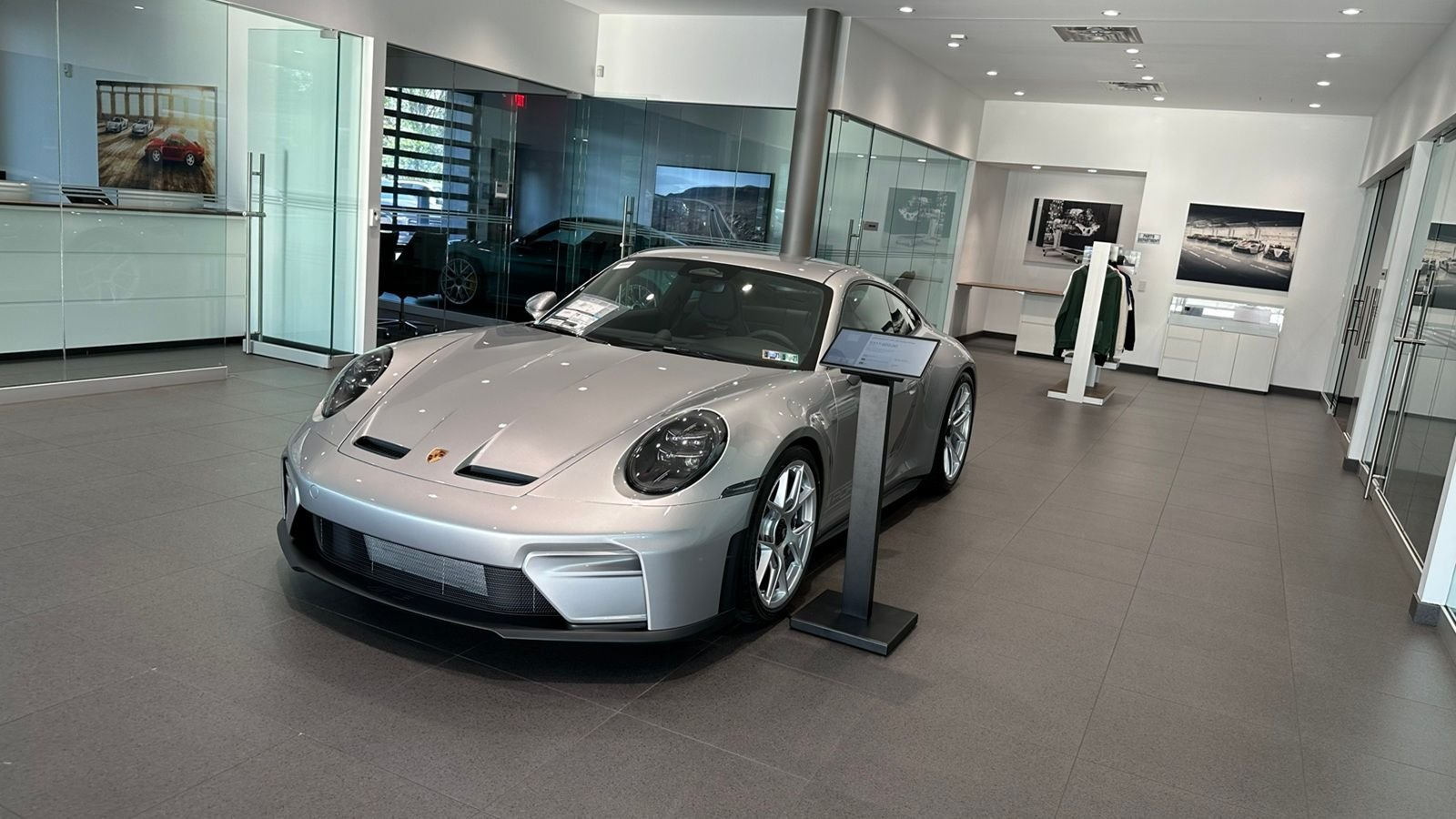
After struggling for years and driving a beat-up Chrysler Sebring Convertible, your Pet Rock business takes off and you are now flush with cash. You want to replace that old convertible with the new 911 GT3 S/C. You head to the Porsche dealer excited to finally be in a position to buy your dream car. You burst through the dealership doors full of anticipation for speccing and ordering your new Porsche. You grab the first salesperson you see and tell them that you would like to order a new GT3 S/C. And they reply with “Yeah, you and everyone else buddy. How about we test drive this former service loaner Macan we have over here?” Having to be a dealership favorite with a long history of purchases to get a whiff of any of the desirable sports car models is one of the worst things about the modern Porsche dealership experience.

#2 Dislike – Talking About Added Dealer Markups

Let’s pretend for a moment that by some miracle, the dealership does have an available allocation for the GT3 S/C. That is only hurdle number one. Next, it is time to talk about how much money the dealership is going to drain from your account for the mere privilege of placing an order on your behalf. This added dealer markup is not small potatoes either. In some cases, it can go into the six-figure range. Some folks happily pay this, but personally, I hate the practice of dealer markups.

#3 Dislike – The Price for Service

OK, you got your allocation and you swallowed your pride and forked over the cash for the ADM. You have been enjoying your car for a while, and it is time for a service. If you have not serviced a Porsche at a dealership before, you might want to sit down before you get the invoice. Service pricing at a dealership can be a real eye-opener to say the least. Do they fly your car to Mars to change the oil? How the heck can it be so much when you can buy a 5-quart jug (that is about 4.73 L for my Canadian friends) of the recommended synthetic Mobil 1 at Walmart for less than 30 bucks? Paying dealership prices for parts and service can get painful very quickly.

#4 Dislike – The Lack of Technical Knowledge

This will vary on a case-by-case basis, as I have dealt with some very knowledgeable Porsche sales professionals. That being said, I am sure some of you have experienced talking to a Porsche salesperson and realized that you know far more about the vehicles on the showroom floor than they do. You expect them to be experts in the field, and many are. But when you encounter that one that tries to convince you that they can order you a new Carrera T with a PDK, it is uncomfortable for everyone.

#5 Dislike – Intimidating Atmosphere

As I said earlier, I have been going to Porsche dealers since I was a teenager, so I have pretty much always felt comfortable there, but that is not the case for everyone. For those new to the brand, walking through those Porsche dealership doors can be incredibly intimidating. No one is intimidated going in the local Honda store, but Porsche is on a different level. Is there a dress code? Will they run my credit before offering me a cup of coffee? No matter how friendly the dealership actually is, it can still be a bit like being on the set of Fear Factor for those that have not had much Porsche shopping experience.

#6 Dislike – Test Drives Aren’t Guaranteed

This can vary wildly from dealer to dealer and person to person. But there is a chance that getting a test drive might prove to be harder than you think. Although, to be fair, you have to have realistic expectations as well. If you are a 16-year-old kid pulling up in a ratty old Nissan Altima and ask to test drive the pre-owned 918 Spyder they have in stock, you should expect some questions. But sometimes dealers can be wary of offering test drives on just regular core models if they don’t know you.

#7 Dislike – Feeling Judged

And that is when you might feel judged. Even if you aren’t being judged, the mere fact that you are in a Porsche dealership may make you wonder if folks are evaluating you and your intentions just by looking at you. Are you wearing a pair of Hermès Bouncing sneakers and a Rolex Daytona, or a pair of Skechers Slip-ins and a Casio A158WA-1? Does it matter? It shouldn’t, and maybe it doesn’t and you will be treated with the same respect no matter what. But walking into a luxury dealership like Porsche can make you feel like you don’t measure up to others in there with you. Personally, I don’t give a crap, but I know some that are bothered by this.

#8 Dislike – The Urge to Upgrade

You are perfectly happy with your Porsche. It has been everything you dreamed it would be. Then you pop into the Porsche dealer for service or to pick up your twentieth Porsche t-shirt. And that is when you spot it, the 911 GT3 Touring that you have been dreaming of. It is just sitting there looking for a new home. You don’t need it. But you WANT it. You start doing the mathematical gymnastics in your mind. Little Jimmy probably won’t want to go to college anyway. And Ramen noodles aren’t that bad. The next thing you know, they are appraising your car, and you are trying to figure out what piece of jewelry you are going to need to buy your wife after you tell her what you just did.

#9 Dislike – Spoils You for Other Dealers

Porsche dealers are a nice place to spend some time. The atmosphere and amenities are far above your typical car dealership. A couple of years ago I was shopping for a car for my wife. We started at the Porsche dealership, looking at Macans. Naturally, she loved it, but we wanted to look at other options, so we went to the Toyota dealership to look at a 4Runner. Word of advice, do not ever go directly from a Porsche dealer to a Toyota dealer. Talk about culture shock. Not that the Toyota dealership was bad, but when you get used to the Porsche vibe, you get spoiled.

#10 Dislike – Driving Leads to Buying

I tell my non-Porsche owning friends this all the time. Do not test drive a Porsche unless you are ready to buy a Porsche. Once you get behind the wheel, you will be hooked. Climbing back into your old car will feel like a gut punch. A Porsche test drive can wreck your budget if you are not prepared to buy the car.

For the Silo, Joe Kucinski.

Surging EV Interest Due To Rising Gas Prices From Iran Conflict

Automotive retail analyst and EV authority Justin Fischer notes early data from CarEdge showing EV sales are trending up, but not yet to the extent that search volume has. Although searches for electric models are up 20% on CarEdge Car Search, the latest data on EV sales suggests that new EV sales are up 18% (excluding direct-to-consumer brands Tesla, Rivian, and Lucid), and used EV sales across all makes and models is up 10%. We’ll have a clearer picture in early April when March sales data arrives.

Data For the Post-Iran War Market

CarEdge estimates new and used car sales in the most recent 45-day window by tracking when listings appear and disappear from dealership websites. With the oil price spike beginning just over two weeks ago, only part of the latest data reflects the post-Iran War market.


This quick turnaround in the EV market comes right after several legacy automakers announced billions of dollars in write downs for failed EV investments. Ford, General Motors, Honda, and others have all canceled models and backtracked on future plans for electrification. One exception is Toyota. Toyota played the long game, having delayed the rollout of their EV lineup until years after the competition. In 2026, Toyota unveiled three new EVs with competitive pricing and specs. Toyota also leads in hybrid sales, and recently made the best-selling RAV4 and Camry exclusively hybrid-powered.

With fuel costs now front of mind for consumers, it looks like yet again Toyota’s corporate strategy was a smart move.

Why does this matter?

These negative headlines and model cancellations create consumer hesitancy. EV shoppers are thinking twice about buying a soon-to-be discontinued electric model. This could benefit the likes of Tesla, Rivian, and Lucid, whose all-EV strategy is seen as a safer alternative. With Tesla’s extensive Supercharger network and Rivian’s launch of the more affordable R2 this spring, we may see a more pronounced bump in sales for these OEMs.

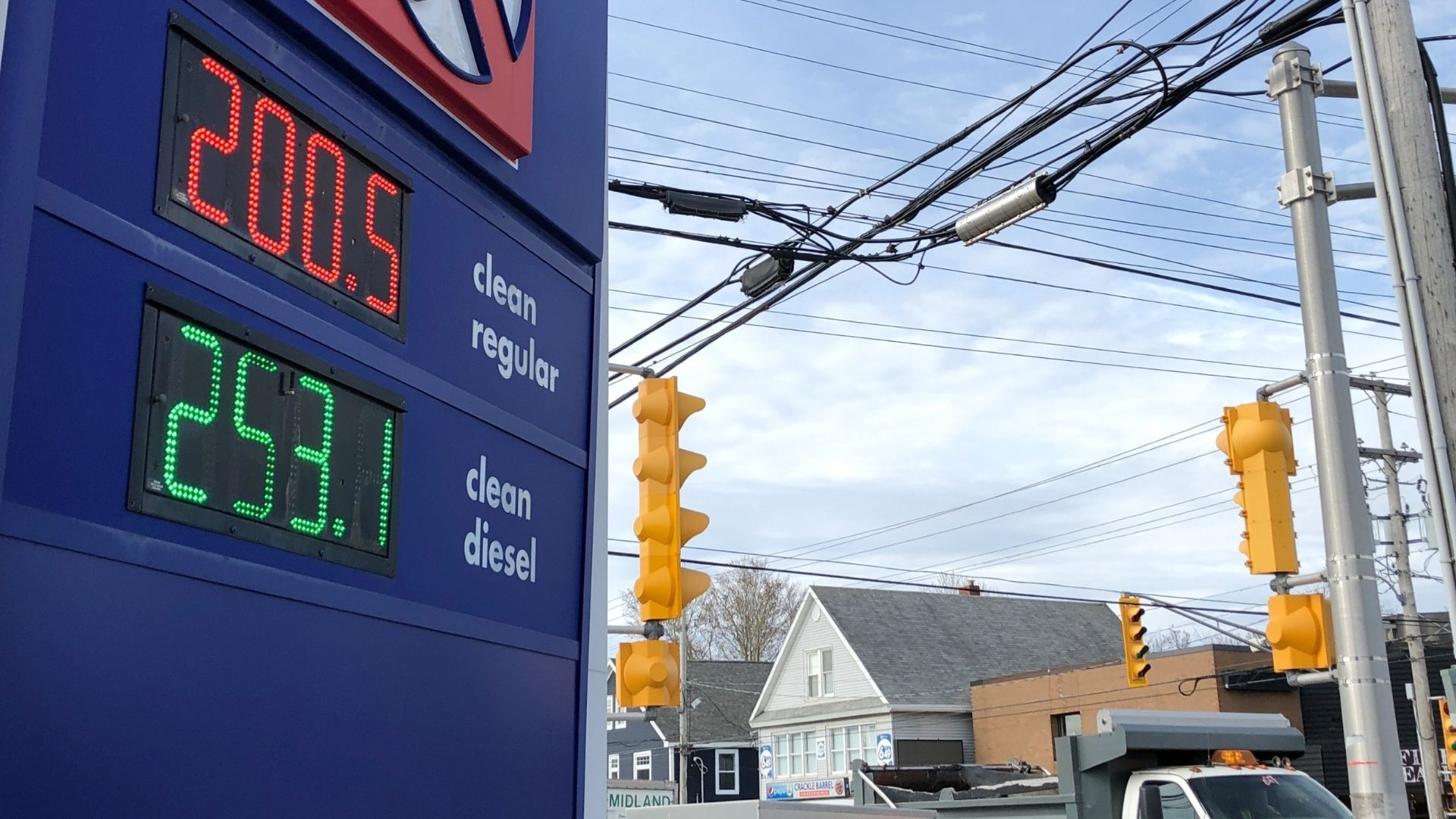
May 2022- Canada gas prices surged to all time high. Will prices continue to rise and surpass the record?


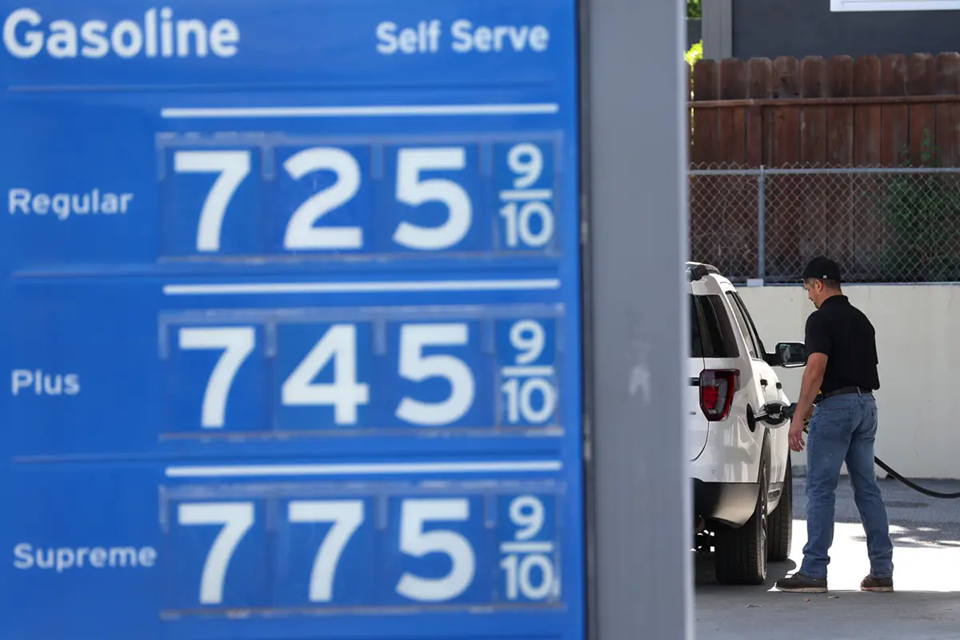
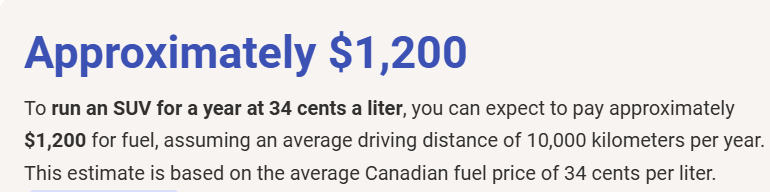
The headlines are full of “surging EV interest” due to the Iran conflict, but there is a massive data gap between search interest and actual showroom sales. While gas prices have shot up nearly $1.00 usd per gallon in a month (37.4 cents cad per liter in a month) , internal data shows that January EV sales were actually down 30% year-over-year. We are at a critical “reinvention cycle” where consumers are weighing $5.00usd/gallon diesel against a new $55,000 usd EV.

Interesting Choices

  • The Hybrid “First Responders”: Shoppers are flocking to hybrids like the Toyota RAV4 and Honda CR-V first, viewing them as a “hedge” against both gas spikes and EV charging anxiety.
  • The $2,700 Math: A jump to $4.50/gallon (already a reality in California/Oregon) adds $750 to the annual cost of a standard SUV , effectively wiping out the “savings” of recent gas-vehicle incentives.
  • The 0% APR Battle: Automakers are currently offering 0% financing on EVs (like the 2026 Tesla Model Y) to prevent inventory from rotting on lots, and how long those deals will last if gas stays high
  • Used EV “Sweet Spot”: The real surge isn’t in new EVs, but in the used $25,000 market where buyers can actually see an immediate ROI on fuel savings.

For the Silo, Justin Fischer.

Pros And Cons Of Buying A Car On Amazon Autos

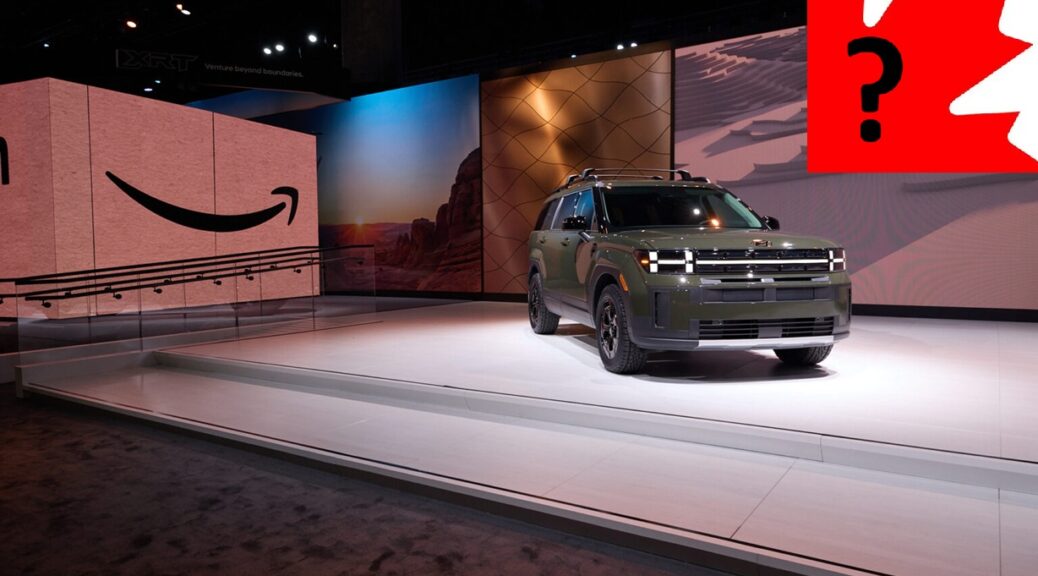
Amazon’s move into online car listings through Amazon Autos in 2024 has been widely framed as a breakthrough for consumers. But, for buyers considering this new option, the real story is more nuanced. While the platform offers a familiar, streamlined shopping experience and no-haggle pricing, it does not eliminate dealerships, negotiations behind the scenes, or the traditional profit structures that shape car pricing.

A quick heads up fellow Canucks- Amazon Autos is not yet available in Canada but plans are in place for expansion so stay tuned.

Trade Offs

As more North Americans explore buying a vehicle through alternative means including Amazon, experts say the key question isn’t whether it’s easier, but whether shoppers understand the trade-offs they’re making. Knowing the pros, the cons, and the fine print can be the difference between convenience and costly compromise.

What Works, What Doesn’t, and What to Watch For When Buying a Car on Amazon

amazon autos.png

Is It A True Breakthrough?

Amazon’s move into online car listings through Amazon Autos has been widely framed as a breakthrough for consumers. But, for buyers considering this new option, the real story is more nuanced. While the platform offers a familiar, streamlined shopping experience and no-haggle pricing, it does not eliminate dealerships, negotiations behind the scenes, or the traditional profit structures that shape car pricing. As more Americans explore buying a vehicle through Amazon, experts say the key question isn’t whether it’s easier, but whether shoppers understand the trade-offs they’re making. Knowing the pros, the cons, and the fine print can be the difference between convenience and costly compromise. 

Amazon Autos, has generated headlines over the past year for a number of reasons. Some heralded the launch as a true game changer in the car market. But in reality, buying a car on Amazon is not all that different from buying a car the old fashioned way.

Participating automakers (like Hyundai) or dealers (like rental car giant Hertz) can now list their inventory on Amazon. But make no mistake: you’re still buying from a dealer. Amazon Autos is only acting as an online marketplace for cars, meaning that the cars you see listed are only there because traditional car dealers listed their inventory on the platform. Amazon is just making online car shopping feel like the Amazon experience that nearly 200 million Americans are familiar with.

There are pros and cons of buying a car on Amazon.

Amazon advertises no-haggle pricing, but there’s something crucial that most shoppers overlook: that rarely means you’re truly getting the best price possible. No-haggle pricing is crafted by dealers to ensure healthy profit margins on their end, while making consumers feel relieved that they don’t have to deal with unpleasant negotiations or salespeople. The truth is, buying the actual vehicle still takes place at a dealership. There are still salespeople involved. It can still be inconvenient or uncomfortable.

Dealers are thrilled with the assumption that pricing is already agreed upon before the customer even arrives. Remember, dealers have plenty of profit in the form of holdbacks, manufacturer-to-dealer cash, and even volume bonuses. That’s not to mention more money for them if you finance with them, or purchase an extended warranty or other add-on.

All of this means that you’re much more likely to overpay than if you were to go your own way and negotiate confidently.

In summary, when you buy a new or used car on Amazon, you’re still buying through a traditional dealership. Amazon doesn’t hold any of the inventory you see online, they’re merely adding the online Amazon experience many consumers are familiar with to online car shopping. In most cases, that means trading competitive pricing for convenience.

For some, that may be a compromise you’re willing to make in order to skip the haggling process. But it’s important to know that you’re limiting your ability to land a great deal when you forfeit your chance to negotiate car pricing.

Research Required

To best ensure you’re not leaving money on the table, thoroughly research the car market. Always research demand factors for the cars you’re interested in. Are you shopping for a car that’s less popular than the hottest sellers on the market? Does it sell slower than the market average in your area? If so, you’re much more likely to overpay with ‘no-haggle pricing’. Find inventory that has been sitting on the dealership lot the longest. Those are the cars that dealers are motivated to sell at a discount.

For the Silo, Justin Fischer.

Justin Fischer is an automotive retail analyst and consumer advocate at CarEdge, a leading consumer platform dedicated to empowering car shoppers to make confident, informed and financially savvy decisions.

Would You Use AI For Buying A Car? One In Four Buyers Already Do

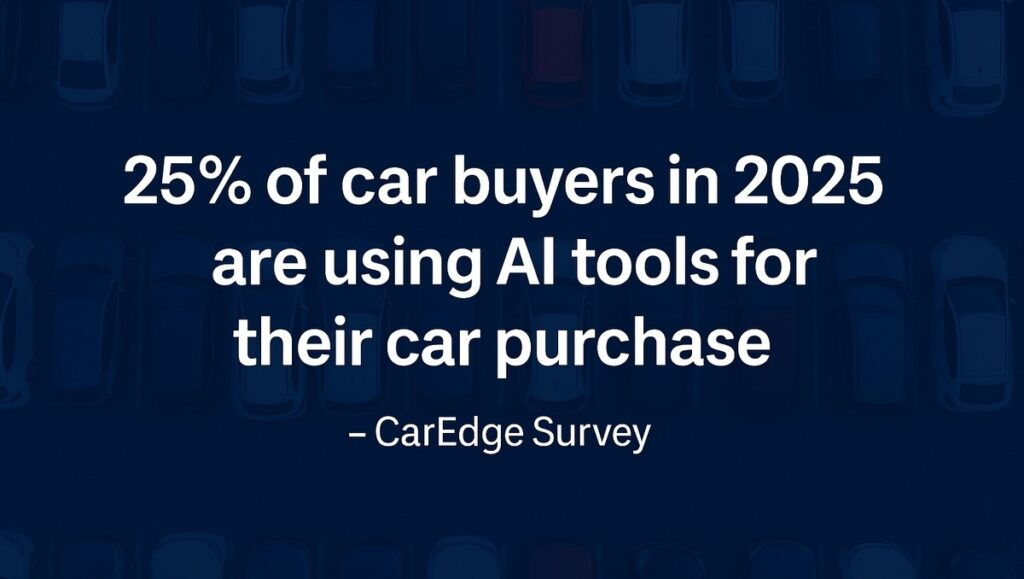
A recent consumer survey backed by similar results from Elon University reveals that AI adoption for car shopping is skyrocketing, rapidly becoming a standard part of the automobile buying process. This as fully one in four buyers have already used AI tools this year to research, compare prices, negotiate and otherwise outsmart dealerships, and an overwhelming 88% found it helpful. Signaling a seismic shift in the way North Americans are now shopping for cars, nearly half of consumers indicated plans to use AI in their next purchase. Not just for buyer benefits, dealerships are gleaning critical business intelligence from AI to inform sales strategies, train staff and elevate customer engagement. The below  report from our friends at CarEdge, which offers its own AI Negotiator car buying tool saving shoppers thousands, details the first data-backed look at how AI tools are reshaping the car buying experience.

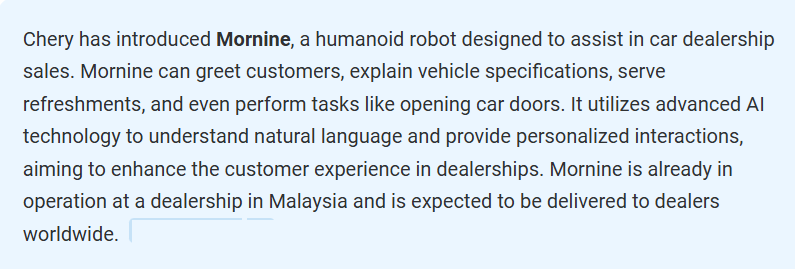
Mornine- AI powered car dealership robot.

Study: 1 in 4 Car Buyers Tap AI for Better Deals


Artificial intelligence is changing the way North Americans buy cars, and it’s a transition that is happening quickly. In the first-ever survey of its kind, CarEdge asked 500 car shoppers if they’re using AI tools like ChatGPT to research, compare, and negotiate during the car buying process. The results confirm a major shift is underway. One in four car buyers in 2025 are already using AI tools to gain an edge, and future buyers are even more likely to embrace these technologies.

Car buyers are finding AI to be a valuable tool. Among those who used tools like ChatGPT, Perplexity, Google Gemini, and others, 88% said it was helpful. AI is quickly becoming a trusted co-pilot for car buyers.

Key Findings: Car Buying Is Changing

The 2025 CarEdge AI & Car Buying Survey reveals a clear and growing trend: AI tools are quickly becoming part of the car buying process for a significant portion of consumers. Here are the standout findings:

1 in 4 Car Buyers Use AI 

25% of car buyers in 2025 say they used or plan to use AI tools like ChatGPT during the shopping or buying process. This contrasts with a recent survey by Elon University that found 52% of Americans now use AI large language models. While signs point towards increased adoption of AI tools, the CarEdge survey found that most car buyers are still in the early stages of integrating these tools into high-stakes decisions like vehicle purchases. This suggests there’s still significant room for growth in AI adoption amongst car buyers.

AI Use Is Accelerating

Among those who haven’t bought a car yet this year, 40% say they are using or plan to use AI tools during their search or deal-making. This is nearly 3x higher than the 14% seen among those who already bought a car earlier in the year.

AI Tools Deliver Results

Among those who used AI:

  • 88% say the tools were helpful
  • 32% found them very helpful
  • 60% used them “a lot” during the process

The AI Holdouts: Drivers Who Lease

Of the respondents who had already leased a car in 2025, none reported using any AI tools.

The AI-Adopting Buyer: Who’s Using It, and How?

AI adoption among car buyers is still in its early stages, but clear trends are beginning to emerge.

Among Buyers Who Already Purchased in 2025:

Just 14% of those who already bought a vehicle this year used AI tools during the process. Adoption rates were nearly identical across new and used buyers, with 14% in each group saying they used AI tools.

Among Future Car Buyers:

The numbers jump significantly when looking at those who haven’t yet bought in 2025. Among this group — who represent 39% of total respondents — 40% say they either already use or plan to use AI tools during their car search and buying process.

That’s more than triple the current usage rate among recent buyers, suggesting AI adoption is accelerating as awareness grows and tools become easier to use.

This group also appears to be more proactive: 60% of those who used AI tools during their buying journey said they used them “a lot,” while 40% used them only occasionally.

What Car Buyers Are Using AI Tools

AI tools are quickly becoming essential research companions for car shoppers looking to make more informed, confident decisions. After all, why go it alone when a wealth of automotive knowledge powered by large language models (LLMs) is right in your pocket?

Among buyers who used AI tools during their car purchase or lease process, here’s how they put them to work:

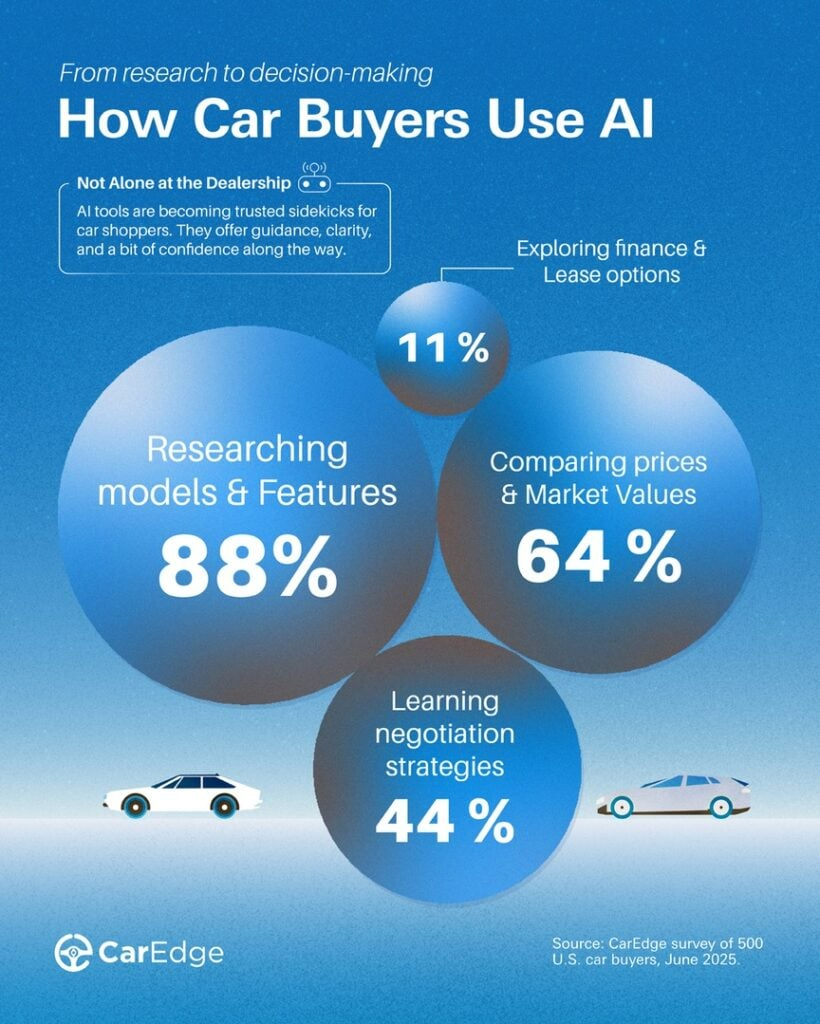
88% — Researching Vehicles

The most common use by far, AI tools helped buyers learn about different models, trims, features, and reliability. For many, it was like having an always-available expert to explain the pros and cons of their options.

64% — Comparing Prices and Market Values

Buyers used AI to better understand fair pricing, from invoice pricing to out-the-door. 

44% — Learning Negotiation Strategies

Nearly half of AI users leaned on these tools to prepare for conversations with salespeople. Whether role-playing negotiation scenarios or asking how to spot add-on fees, this group used AI to level the playing field at the dealership.

11% — Exploring Finance and Lease Options

A much smaller portion of buyers used these tools to become familiar with leasing vs. financing, how to calculate payments, and similar queries.

Industry Implications

Car buying has always been tilted in favor of the dealership. Information asymmetry — what the dealer knows versus what the customer knows — has long been the source of consumer frustration, confusion, and overpayment.

That dynamic is beginning to shift.

This survey confirms what many in the industry are only starting to realize: AI is giving car buyers the upper hand. Tools like ChatGPT are helping consumers cut through the noise, ask smarter questions, and avoid common dealership traps. Instead of relying on guesswork or scattered advice, buyers are turning to AI for fast, personalized guidance at every step.

But one auto industry veteran has words of caution for buyers relying heavily on AI tools.

It’s both surprising and a little scary to see how quickly people are turning to AI to guide such a major financial decision,” said Ray Shefska, Co-Founder of CarEdge. “While tools like ChatGPT can be powerful, they’re only as good as the data behind them. AI should complement your research, not replace your own critical thinking.

That perspective underscores the real takeaway of this report: AI works best when it’s used thoughtfully as a tool, not as a crutch. In an age where automation raises fears of job loss or decision-making without human oversight, this survey offers a more optimistic view — one where technology helps everyday consumers make smarter choices. Used wisely, AI can help level the playing field and bring more transparency and fairness to the car buying experience.

Methodology

This survey was conducted by CarEdge between June 19 and June 24, 2025. A total of 500 U.S. respondents participated, recruited through the CarEdge email newsletter and social media channels. Questions were tailored based on buying status to better understand how and when AI tools were used in the car shopping process.

For the Silo, Karen Hayhurst.

About CarEdge
Founded in 2019 by father-and-son team Ray and Zach Shefska, CarEdge is a leading platform dedicated to empowering car shoppers with free expert advice, in-depth market insights, and tools to navigate every step of the car-buying journey. From researching vehicles to negotiating deals, CarEdge helps consumers save money, time, and hassle, hundreds of thousands of happy consumers have used CarEdge to buy their car with confidence. With trusted resources like the CarEdge AI Negotiator tool, Research Center, Vehicle Rankings and Reviews, and hundreds of guides on YouTube, CarEdge is redefining transparency and fairness in the automotive industry. Follow them on YouTubeTikTokX,  Facebook, and Instagram for actionable car-buying tips and market insights. Learn more at www.CarEdge.com.

Auto Retail Finally Being Disrupted By AI

With AI reshaping everything from finance to fast food, the $1.5T auto retail industry is finally facing its overdue disruption. The typical car-buying experience—riddled with hidden fees, lead bloat, pricing games and low trust—has remained stubbornly analog. But now, with 90% of dealerships in America (and growing % in Canada and Mexico) experimenting with AI tools and 1 in 4 buyers already using AI to shop, the tide is turning. Agentic AI  technology is fundamentally reshaping one of the most significant purchases in a person’s life.

Zach Shefska, Co-Founder and CEO of CarEdge, asserts that agentic AI is the key to rebuilding trust, removing friction and leveling the playing field for both buyers and sellers. From AI-powered shopping assistants that negotiate on your behalf, to data tools that reveal deceptive dealership practices, Shefska is a pioneer in “agentic AI” — a new form of artificial intelligence bringing much-needed transparency to the industry.

  • The Broken Status Quo: Car buying is frustrating and inefficient for both consumers and dealerships—highlighting key stats like 72% sales staff turnover and 2% lead conversion from third-party platforms.
  • Lead Generation Platforms Are Failing: Legacy systems flood dealers with unqualified leads, drain resources, and deliver minimal value to consumers.
  • The Rise of Agentic AI in Auto Retail: Consumers are turning to tools like ChatGPT and CarEdge’s AI agent to navigate purchases with more confidence, speed, and clarity—25% are already doing it.
  • From Friction to Fluidity: Agentic AI replaces quantity with quality—streamlining the buyer’s journey, reducing information overload, and improving dealer efficiency.
  • The End of Pricing Games: AI tools now collect and publish out-the-door pricing from thousands of dealerships, exposing hidden fees and rewarding transparent sellers.
  • The Future of Negotiation: AI agents can negotiate on behalf of both buyers and sellers—minimizing stress, cutting transaction times from days to hours, and removing the adversarial edge.
  • Real-World Impact Stories:  One buyer saved $1,280 and hours of back-and-forth using CarEdge’s agentic AI—illustrating AI’s practical value in real-life scenarios.
  • AI Helps Honest Dealers Win: In a trust-starved industry, AI gives reputable dealers a new way to stand out by offering full transparency and faster deals.
  • What’s Next for AI in Auto Retail: The emerging frontier: AI agents dynamically collecting and updating real-time pricing and inventory data across markets to offer true market intelligence.

For the Silo, Zach Shefska. Zach is CEO of CarEdge, a leading platform—founded by father-and-son team Ray and Zach Shefska—dedicated to empowering car shoppers with free expert advice, in-depth market insights and tools to navigate every step of the car-buying journey. From researching vehicles to negotiating deals, CarEdge helps consumers save money, time and hassle. Alsop with trusted resources like the CarEdge Research Center, Vehicle Rankings and Reviews, and hundreds of guides on YouTube, CarEdge is redefining transparency and fairness in the automotive industry. Connect with Shefska at www.CarEdge.com or on social media on YouTubeTikTokX,  Facebook, and Instagram.