President Trump, who founded the U.S. Space Force in 2019, has announced plans for a U.S. Space Academy to train future leaders of America’s pioneering space missions.
Trump signed an executive order establishing the Space Academy last month during an August 28 ceremony at NASA’s Johnson Space Center in Houston.
“Given the rapid growth of the U.S. Space Force and commercial space industry, and the expansion of our ambitions to the moon and far beyond … it’s clear we will need to educate and train an entire generation of skilled service members, engineers, and civil operators,” the president said.
Space Is Critical To US
The order describes space as critical “for U.S. national security, economic growth, scientific discovery and technological innovation.”
During the August 28 ceremony, Trump also awarded the Congressional Space Medal of Honor to the crew of the Artemis II mission — NASA’s Christina Koch, Victor Glover and Reid Wiseman, and the Canadian Space Agency’s Jeremy Hansen. Their April flight around the moon set a record for the farthest humans have traveled from Earth.
President Trump presents an executive order establishing the U.S. Space Academy August 28 at Johnson Space Center in Houston. (NASA/John Kraus)
The only nation to land a man on the moon, the United States remains at the forefront of human space exploration. Through the Artemis program, established in Trump’s first term, NASA will return astronauts to the moon and pave the way for a moon base that will serve as a jumping-off point for future human spaceflight to Mars.
The president has prioritized America’s leading role in space exploration. He launched the Artemis Accords, a nonbinding set of principles to guide civil space exploration. Over 70 nations have signed onto the accords.
In August, Trump issued a Presidential Memorandum to reinvigorate U.S. leadership in space transportation , calling on federal agencies to promote space transportation capabilities and facilitate commercial transportation to the moon and Mars.
U.S. Space Force Brigadier General Matthew Holston swears new officers into the U.S. Space Force at the Pentagon. (U.S. Air Force/Technical Sergeant Michael Campbell)
NASA Administrator Jared Isaacman will lead a commission that will advise the president on creating the Space Academy, including degree programs, experiential training and service obligations for graduates. The academy will combine “rigorous technical education with leadership development, discipline, and a durable commitment to public service,” the order says.
A Transitional Step
Isaacman called plans for the Space Academy “a transformational step” for future NASA missions to return astronauts to the lunar surface, build a moon base and advance science and discovery. “I have no doubt that so much of the future talent that will graduate and contribute to these exciting endeavors will be educated at the United States Space Academy,” he said.
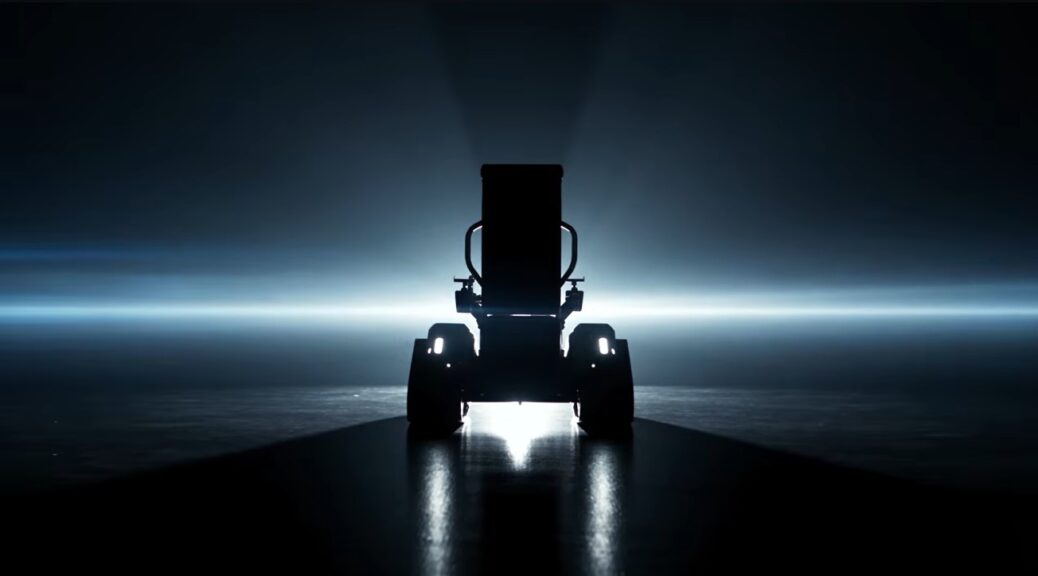
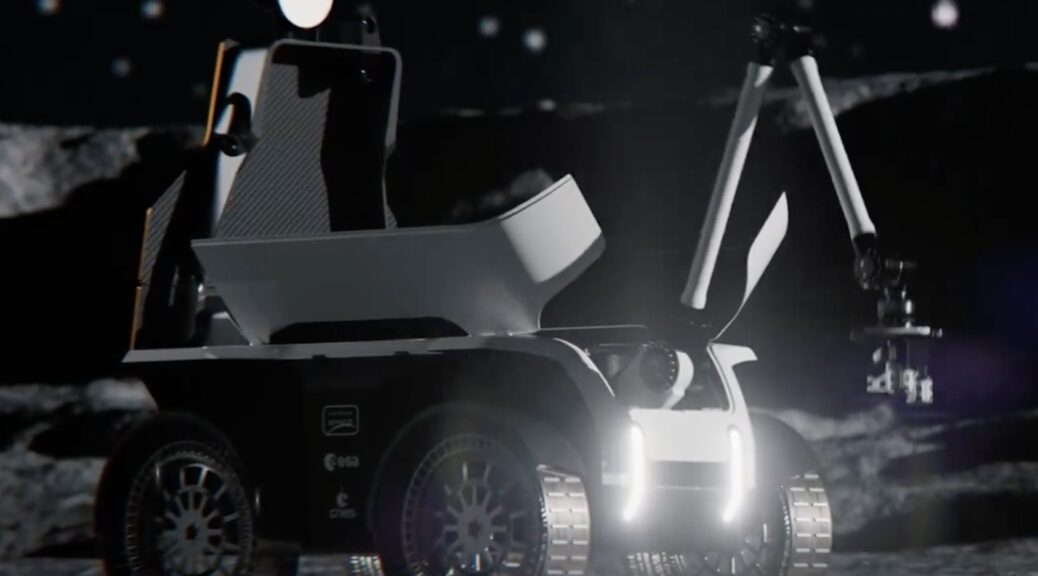
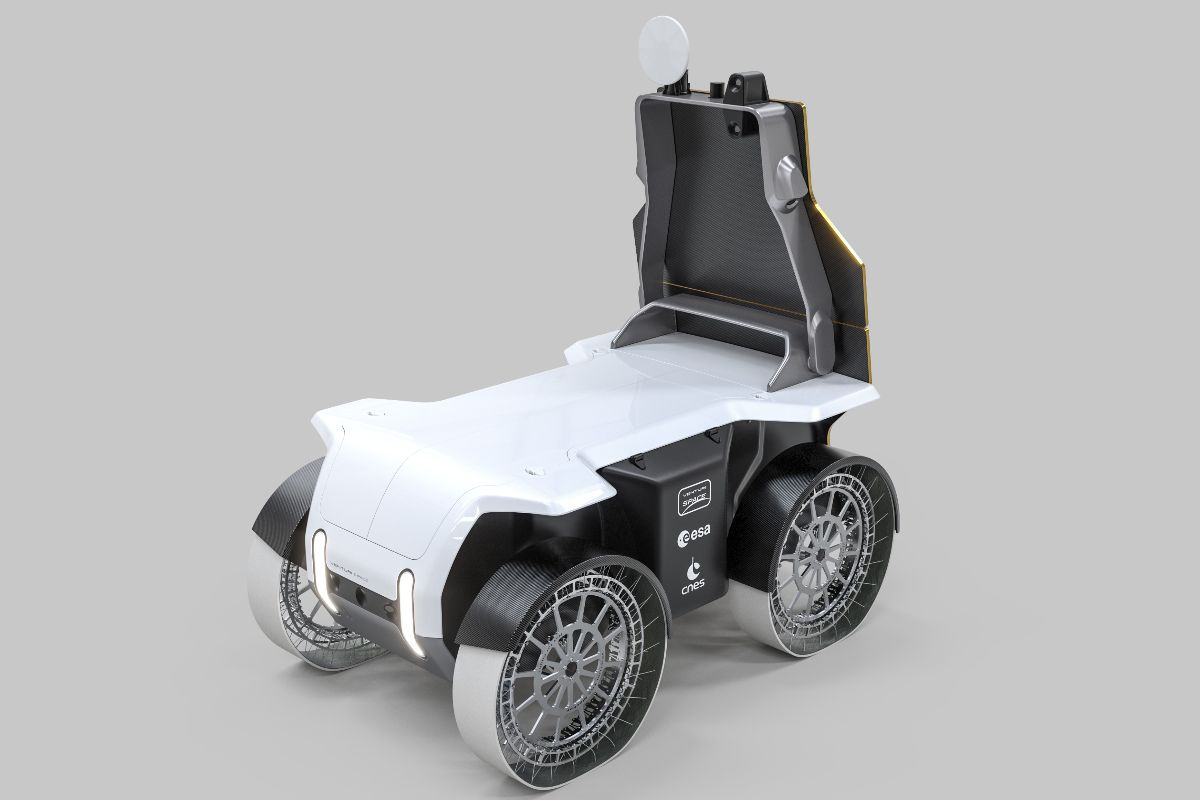
With a target mass of 300 kg, ALTA LUNA’s compact size gives it a high degree of manoeuvrability. The vehicle is also designed to offer particularly high obstacle-crossing capability.
ALTA LUNA is designed to operate in two modes: with an astronaut on board or autonomously. In autonomous mode, navigation will rely on a combination of LiDAR, stereo cameras and artificial intelligence. AI will also be able to assist the astronaut in driving the vehicle.
In autonomous mode, ALTA LUNA will be able to carry out operations including excavation, grading and terrain preparation, as well as site development and the creation of routes and basic infrastructure. It will also be able to transport payloads. Each vehicle will be able to operate alone or in coordination with other ALTA LUNA vehicles. For certain operations, several vehicles will therefore be able to work together on the same task, pooling their efforts.
With ALTA LUNA, Venturi Space is exploring a tracked mobility architecture for the first time as part of its lunar programmes. This choice has one specific objective: to allow the vehicle to climb steeper slopes than would be possible with a wheeled architecture.
ALTA LUNA will use the battery and battery management system (BMS) developed by Venturi Space. These two technologies are integrated into Venturi Astrolab’s CLV-1, which has been selected by NASA for the Artemis campaign.
Fifteen months after unveiling the MONA LUNA rover, and as the launch of FLIP to the lunar South Pole approaches (*), Venturi Space continues to strengthen its position in the space industry, just five years after its creation.
| Gildo Pastor, President of Venturi Space: “I enjoy designing vehicles for extreme environments, but above all I like to see them prove their value in real-world conditions. I will therefore devote all the necessary energy to ensuring that ALTA LUNA supports the first inhabitants of the Moon in their daily lives”
Dr. Antonio Delfino, Director of Venturi Space: “On the Moon, we will need to build, develop sites, transport, maintain and connect. We will face challenges similar to those of industrialisation on Earth: transport routes, habitats, infrastructure and logistics. This will require a range of specialised mobility solutions capable of operating as a fleet and carrying out a wide variety of missions. This is the new phase of lunar activity that we are preparing for”(*) Developed by the US company Venturi Astrolab, the FLIP rover is equipped with hyper-deformable wheels and high-performance batteries designed and manufactured by Venturi Space. Its launch aboard Astrobotic’s Griffin-1 lander is scheduled by the end of 2026, with the lunar South Pole as its destination. Venturi Space, a European company, is Venturi Astrolab’s strategic partner.
NASA’s Artemis II mission brought back stunning images from space, including one of Earth setting beyond the moon’s surface. (NASA)
NASA’s Artemis program sent the Orion spacecraft around the moon, carrying astronauts farther from Earth than ever before, as millions back home watched. Now the space agency is planning missions that will land astronauts on the moon and build a permanent base on the lunar surface to serve as a jumping-off point for human space flight to Mars.
“The Moon Base will be America’s and humanity’s first outpost on another celestial world,” NASA Administrator Jared Isaacman says of the base , planned to open by 2032. “Every mission, crewed and uncrewed, will be a learning opportunity as we return to the lunar surface, build the infrastructure to stay, and master the skills required to live and operate in one of the most demanding and dangerous environments imaginable.”
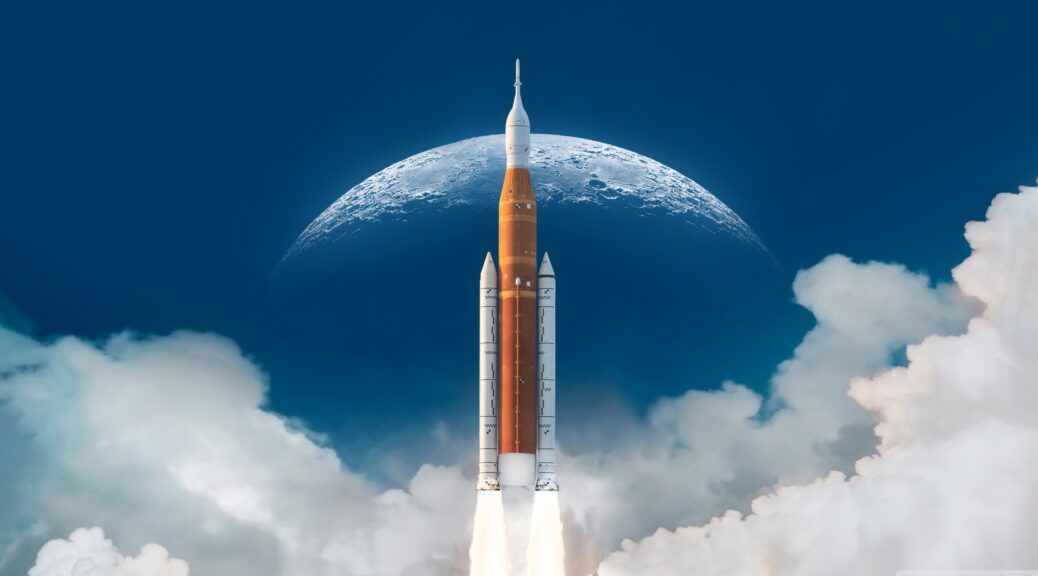
Artemis missions blend public and private-sector technology and enlist international partners. On crewed missions, the Space Launch System heavy lift rocket propels astronauts from Earth. The Orion spacecraft and a human landing system will work together to deliver the first humans to the moon’s surface since NASA’s last Apollo mission in 1972.
(State Dept.)
During Artemis II’s lunar flyby in April, astronauts (including Canadian Jeremy Hansen) aboard the Orion spacecraft they nicknamed “Integrity” sent back pictures of the far side of the moon and a solar eclipse, an image seldom seen from space.
Over the next several years, the Artemis program will launch dozens of uncrewed missions that will use robotic spacecraft to survey sites for the moon base and deposit supplies for astronauts’ future use, says Carlos García-Galán, NASA’s Moon Base program manager.
The agency next sends astronauts into space on Artemis III, set to launch in 2027. The crew of NASA astronauts Randy Bresnik, Andre Douglas and Frank Rubio, along with the European Space Agency’s Luca Parmitano, will test Orion’s interoperability with lunar landers in Earth orbit in preparation for a moon landing mission the following year.
Artemis IV, planned for 2028, will land two astronauts on the moon for a weeklong stay near the lunar South Pole. NASA expects to return to the moon with Artemis V later that year to begin building the moon base. Future crewed missions will continue at a pace of at least once per year, NASA says.
The Orion spacecraft seen alongside the moon, with Earth in the distance. (NASA)
Artemis missions are guided by the Artemis Accords , a set of nonbinding principles and norms for civil space exploration. Started in 2020, the accords now have the support of 67 signatory nations.
“We are reaching for the stars once again with the same ingenuity, courage, and indomitable spirit that have defined our national story for 250 years,” President Trump said in May, calling for “a new Golden Age of space exploration.”
The Artemis II crew of NASA’s Christina Koch, Victor Glover, Reid Wiseman and the Canadian Space Agency’s Jeremy Hansen (second from left), seen on their journey home. (NASA)
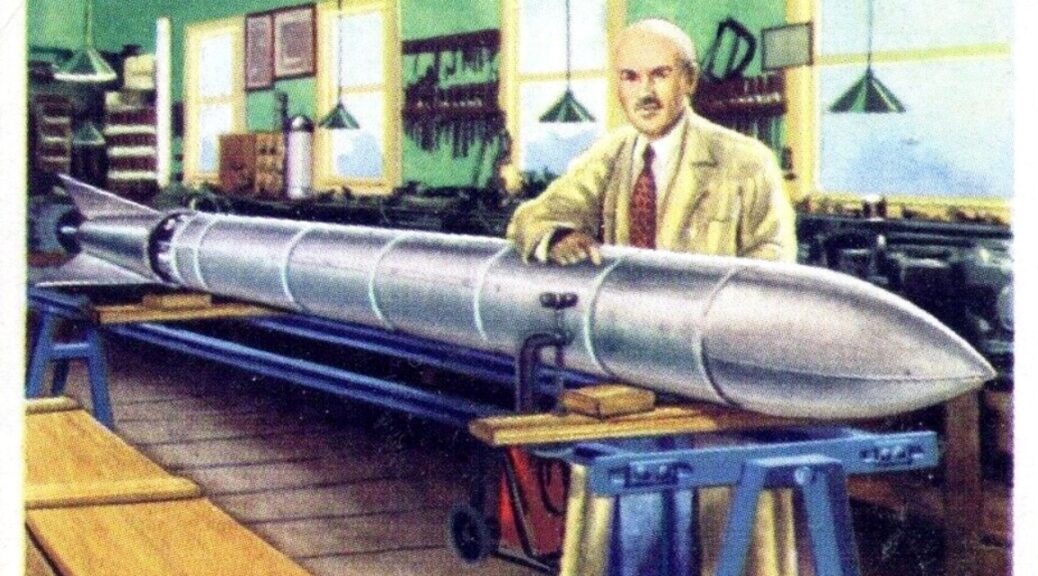
When Robert Goddard launched the first liquid-fueled rocket in a farm field in Auburn, Massachusetts, on March 16, 1926, it flew 2.5 seconds and reached only 12 meters (41 feet) in altitude.
The short flight 100 years ago would eventually earn Goddard (1882–1945) recognition as the father of American rocketry. But the significance of his work for space exploration was only fully recognized when the United States began sending astronauts into space in the 1960s and landed the first man on the moon on July 20, 1969.
Robert Goddard is seen in his workshop in Roswell, New Mexico, in October 1935. (NASA)
In the years before his famous launch, Goddard’s theories that liquid-fueled rockets could operate in space and even reach the moon had drawn ridicule, with some mockingly calling him the “moon man.” The Clark University physics professor was secretive about his research and hid the news of his first successful rocket test.
Goddard’s critics argued that rockets needed air for propulsion and so could not operate in the vacuum of space.
Goddard’s first rocket used gasoline and liquid oxygen for propulsion, according to NASA .
Goddard launched the first liquid-fueled rocket on March 16, 1926. (NASA)
While Goddard’s theories made him a controversial figure, they also inspired people to believe in the possibility of space travel, says Michael Neufeld, a retired senior curator at the Smithsonian’s National Air and Space Museum in Washington. The museum holds the largest collection of artifacts from Goddard’s work.
“He does inspire people to assume that space travel is real and the rocket is the way to go,” Neufeld says.
Why Liquid Fuel Was So Innovative
Goddard’s pioneering use of liquid fuel led to more efficient rockets that could lift larger payloads. Notably, the massive Saturn V rocket that took U.S. astronauts to the moon burned liquid fuel.
While the moon landing came years after Goddard’s death, NASA historian Brian Odom says Goddard’s work “proved what we had known in theory to be true in practice … And [that] it could be scalable.”
The launch of NASA’s Apollo 11 mission to the moon led the New York Times, on July 17, 1969, to issue what observers have called , “one of the most famous newspaper corrections in history.”
The paper that once called Goddard’s theories “a severe strain on credulity,” now acknowledged that rockets could operate in the vacuum of space and said, “the Times regrets the error.”
“I hid a sandwich in my spacesuit,” Astronaut John W. Young confessed in the April 2, 1965, issue of Life Magazine. The conversation about and the consumption of the sandwich, which lasted only about 30 seconds during the Gemini III flight, became a serious matter that drew the ire of Congress and NASA’s administrator after the crew returned home. Congress was particularly upset and brought the matter to leadership’s attention at hearings about NASA’s 1966 budget. Representative George E. Shipley was especially disgusted, knowing how much money and time NASA had spent to prepare the Gemini III spacecraft for launch. The fact that a crewmember brought something into the crew cabin, which Shipley likened to a “surgeon’s operating room,” put the techniques used to prevent a spaceflight mission from failing at risk; crumbs could have made their way behind instrument panels interfering with the operation of flight equipment and the loss of the mission and its crew. Shipley called Young’s antics “foolish” and asked NASA leaders to share their thoughts.
A Beef with Corned Beef
George Mueller, associate administrator for Manned Space Flight, stated unequivocally that the agency did not “approve [of] unauthorized objects such as sandwiches going on board the spacecraft.” And he promised Shipley that NASA has “taken steps, obviously, to prevent recurrence of corned beef sandwiches in future flights. There was no detriment to the experimental program that was carried on, nor was there any detriment to the actual carrying out of the mission because of the ingestion of the sandwich.” Manned Spacecraft Center Director Robert R. Gilruth was more forgiving of Young’s decision. These sort of antics, he told the committee, helped the crews to “break up the strain” of spaceflight, and he hesitated “to be too strict in the future by laying down a lot of rules for men who have this responsibility and who, in all the flights so far, have done such good jobs.” Webb disagreed and said, “this is the United States of America’s space program and, as a matter of policy, we are not going to permit individuals to superimpose their judgment as to what is going to be taken on these flights. I think it is fine for Dr. Gilruth to take a very strong position with respect to the individuality of these men, but from those of us who have to look at the totality of the matter, this was not an adequate performance by an astronaut.”
The loss of a Gemini mission, especially one so early in the program, would have been particularly challenging for an agency attempting to land humans on the Moon where each mission built on the previous flight. The United States was in a race with the Soviet Union, and for Congress at least, the purpose of Gemini and the cost of the space program was far too serious for these sorts of fun and games. For NASA Administrator James Webb, it was a sign that Gilruth was too lax when it came to managing his astronauts. Gemini III was just one example of the lack of control he noticed, and he pressed Gilruth for a report on the sandwich incident to determine if Young should be disciplined or at the very least reprimanded.
The In-Flight Meal
Young hatched the idea during training, when his commander, Virgil I. “Gus” Grissom grew “bored” with the food they practiced with for the mission. Grissom regularly complained about the dehydrated “delicacies” food scientists concocted.Bringing a sandwich onboard, an item that was freshly made and did not have to be rehydrated, “seemed like a fun idea at the time” to Young.
Astronauts Gus Grissom (foreground), command pilot; and John Young, pilot, are shown inside their Gemini III spacecraft as they prepared for their launch from Cape Kennedy, Florida, on March 23, 1965.
NASA
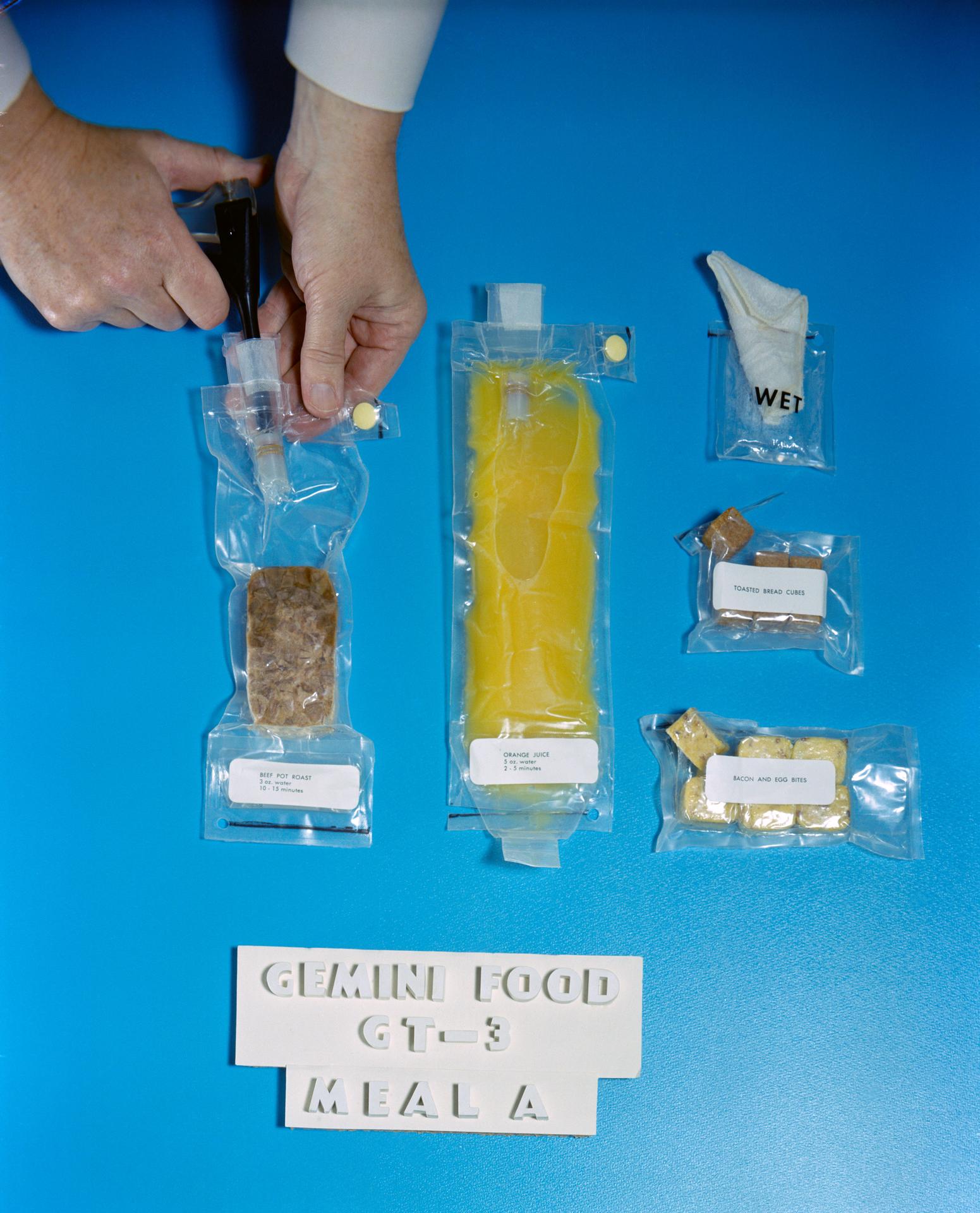
One of the goals of their flight was to evaluate NASA’s flight food packaging and whether the containers leaked when foods were reconstituted, as well as the procedures for disposing of the meal and its packaging after eating. Foods included rehydratable items such as chicken bites, applesauce, or drinks, and compressed foods such as brownie bites. The Gemini food system was not haute cuisine, however, and crews complained about its taste. Young described the chicken bites as “barely edible” in his post-flight debriefing. Don L. Lind, a scientist-astronaut selected in 1967, described the early Gemini food as “strange.” Their class took some to jungle survival training in Panama, and while no one wanted to eat it on the first two days, by the third day they were so hungry that they were willing to give it a try. Another problem was that all rehydrated meals for Gemini were mixed with cold water, which made them less appetizing than a hot meal.
Food packets planned for the Gemini III flight, including dehydrated beef pot roast, bacon and egg bites, toasted bread cubes, orange juice and a wet wipe. The astronaut’s method for rehydrating a pouch of dehydrated food with water is shown in the top left.
Locally Made Corn Beef Sandwich
A freshly made corned beef sandwich made at a local restaurant sounded like a better option, so Young had fellow astronaut and backup command pilot Walter M. “Wally” Schirra pick one up. Schirra purchased the sandwich for Young, and as he headed out to the launchpad, Young put it in the pocket of his pressure suit.
Nearly two hours into the flight, as Young started his food and waste evaluation, he pulled out the sandwich from his suit and offered it to his commander. As captured on the air-to-ground recordings, Grissom asked what it was and where it came from. “I brought it with me,” Young responded, “Let’s see how it tastes.” He didn’t expect the sandwich to be so pungent, “Smells, doesn’t it?” Grissom took a bite but found the rye crumbled so he placed the sandwich in his suit pocket to prevent the crumbs from floating about the cabin.
Where did that come from?
Gus Grissom
Gemini III Commander
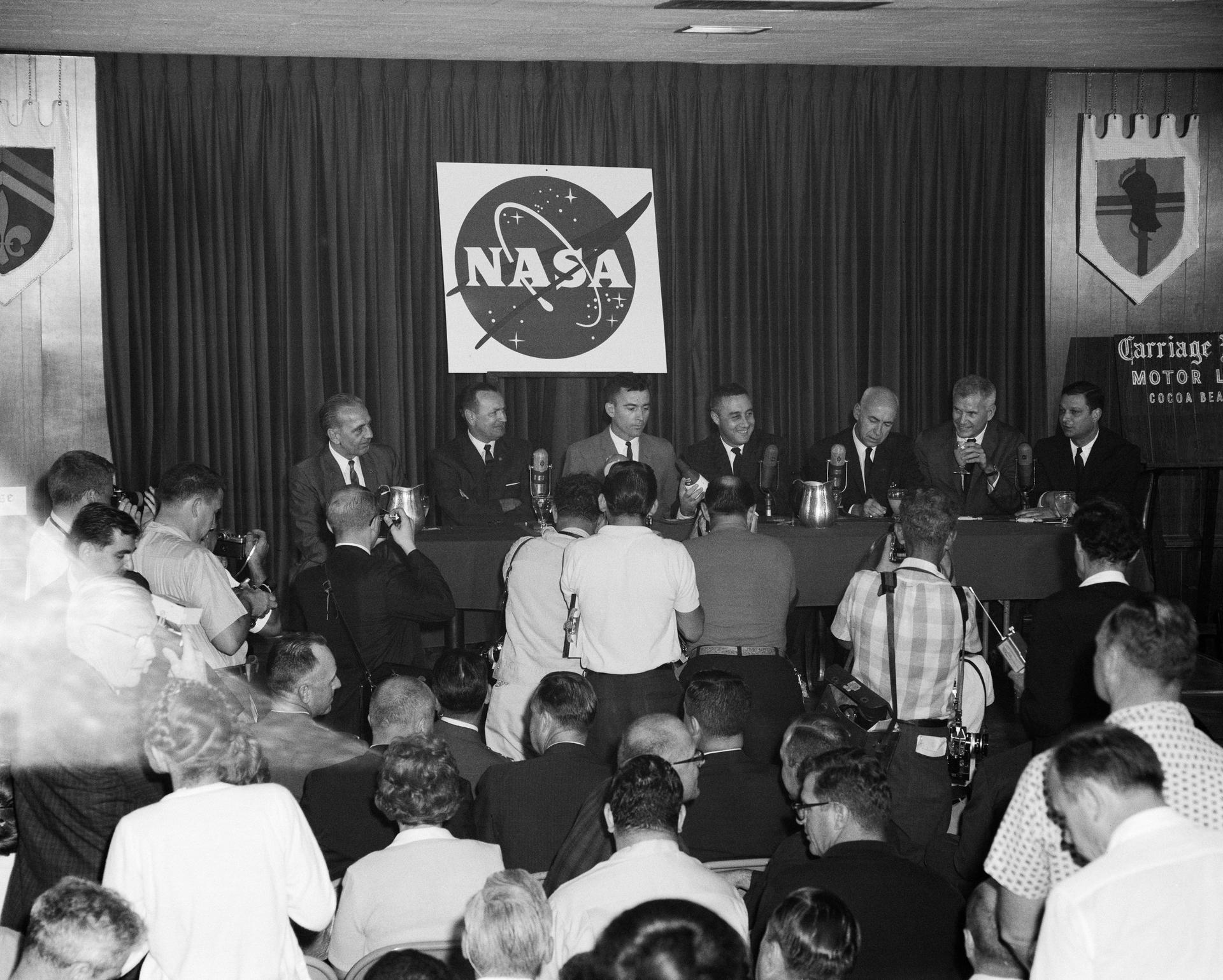
Two days later, nearly a thousand members of the media from the United States and around the world gathered to hear from the crew and NASA management at the postflight press conference at the Carriage House Motel in Cocoa Beach, Florida. Space reporter Bill Hines asked Young about the sandwich, erroneously referring to it as a “baloney sandwich,” and what happened when Gus was offered a taste. “And,” he asked, “what became of the sandwich?” Young seemed surprised, “How did you find out about that?” and then laughed adding Grissom “ate the sandwich.”
John Young and Gus Grissom speak with the press about the Gemini III mission during a news conference at the Carriage House Motel in Florida. Behind the table, left to right, are Dr. Kurt H. Debus, director of Kennedy Space Center, Christopher C. Kraft, Jr., MSC assistant director for Flight Operations, astronauts John Young and Gus Grissom, Dr. Robert R. Gilruth, MSC director, Dr. Robert C. Seamans, NASA associate administrator, and Julian Scheer, assistant administrator for NASA’s Office of Public Affairs.
Carry-on Restrictions for Spaceflights
Ironically the Gemini Program offered astronauts more control over their flights than during Project Mercury, including the ability to maneuver their spacecraft and to be more independent from Mission Control; but the uproar over this event led NASA to draft rules about what astronauts could and could not take onboard a spacecraft. Starting with Gemini IV, flight crews had to present a list of items they planned to take on their missions. Prohibited items naturally included sandwiches as well as bulky or heavy items or metal that could negatively impact the operation of spacecraft equipment. (NASA still allowed astronauts to take personal items such as wedding bands or coins for families and friends in their personal preference kit.)
Young never received a formal reprimand for the incident but was made aware of Congress’s frustration. Others in the corps were advised to avoid similar stunts and to focus on the mission. The decision to bring a sandwich onboard did not have a negative impact on Young’s career. He was the first astronaut to fly to space six times —two Gemini missions; two Apollo missions, including the dress rehearsal for the first lunar landing; and two space shuttle missions including STS-1, known as the bravest test flight in history. He also served as chief of the Astronaut Office for 13 years.
For the Silo,
Jennifer Ross-Nazzal. NASA Human Spaceflight Historian
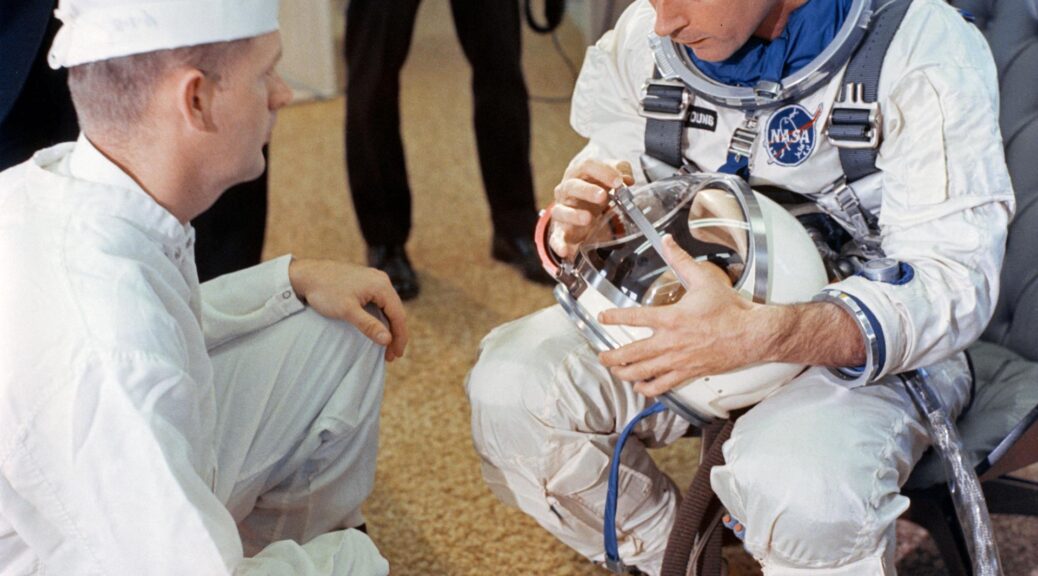
Featured image- Astronaut John W. Young, the pilot for Gemini III, checks over his helmet prior to flight. Credits: NASA
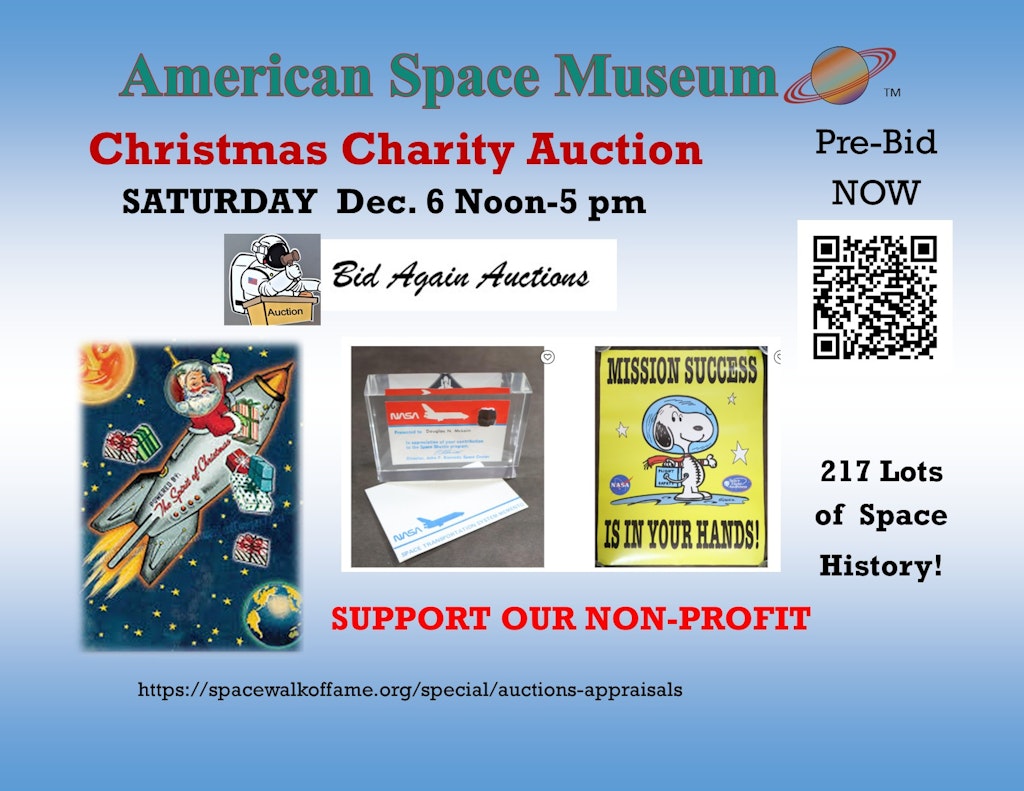
coming soon- NASA CHRISTMAS SPACE MEMORABILIA AUCTIONIS SATURDAY, DEC. 6TH PLACE BIDS VIRTUALLY AT NOON EST
Our friends at Bid Again Auctions of Orlando have more than 200 lots of holiday cheer for that space lover on your gift list at the Saturday, Dec. 6th virtual “NASA Christmas 2025 Space Memorabilia Auction,” a charity fundraiser for the American Space Museum in Downtown Titusville, Florida.
Pre-bids are being taken now on this rich collection of space items. The final hammer falls beginning at 12 noon EST on Dec. 6. The 217 lots range from a rich collection of authentic moonwalker autographs to NASA photographs to real Space Shuttle Thermal Protection Tile. There are dozens of lots with space flown hardware, and even insulation “Kapton foil” flown to the Moon and back covering the Apollo Command Modules.
Auctioneer Chuck Jeffery, and ASM’s collection analyst, had hand-picked some amazing artifacts of the space age that will satisfy any collector at any level. These auctions support the non-profit museum with an added charity fee of 20% that is the bidders in-kind donation to the U.S. Space Walk of Fame Foundation. This is the 41st American Space Museum Charity Space Memorabilia Auction conducted by Bid Again Auctions. For the Silo, Jarrod Barker.
Questions about auction items? Call Bid Again Auctions at: (407) 947-8954 or email: chuck@americanspacemuseum.org. Click on the text block below to preview all auction lots.
ALUULA Composites, super-strong, lightweight polyethylene material is now being used to develop expandable habitats for NASA’s astronauts to live safely and comfortably on the moon for the 2027 planned landing.
This small company on Canada’s west coast is playing a big role to help astronauts return and orbit the moon in 2026.
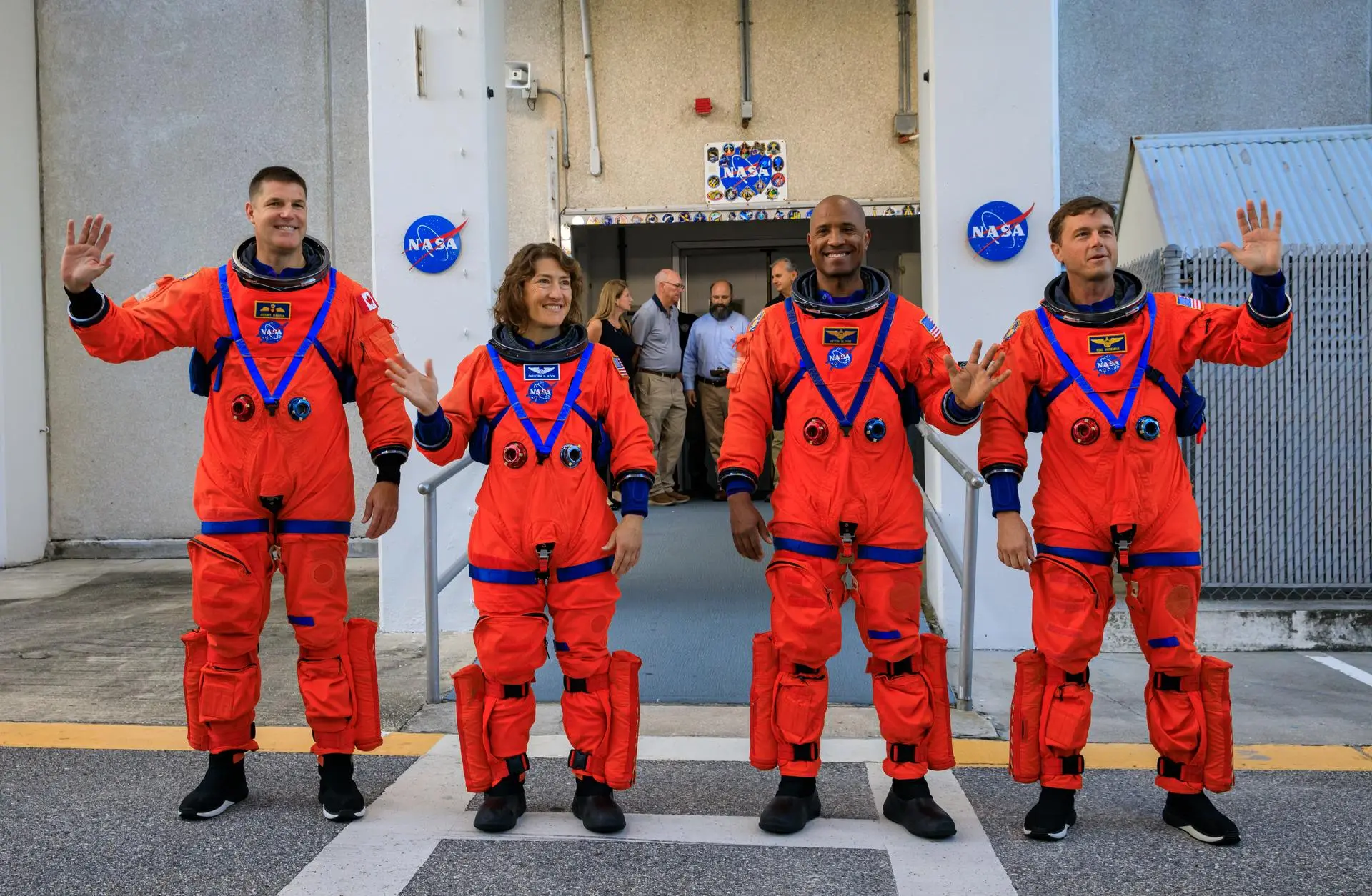
Artemis II crew members (from left) CSA (Canadian Space Agency) astronaut Jeremy Hansen, and NASA astronauts Christina Koch, Victor Glover, and Reid Wiseman walk out of Astronaut Crew Quarters inside the Neil Armstrong Operations and Checkout Building to the Artemis crew transportation vehicles prior to traveling to Launch Pad 39B as part of an integrated ground systems test at Kennedy Space Center in Florida photo: NASA
ALUULA Composites recently signed an agreement with Max Space, an American company, to use its innovative composite material to build space habitats on the moon. The company’s ultra-high-molecular-weight polyethylene (UHMWPE) laminate will be used to create a large living and working area for NASA’s astronauts when they return to the moon in September 2026.
The innovative material was selected because it has eight times the strength-to-weight ratio of steel and is extremely durable, which is ideal for space travel.
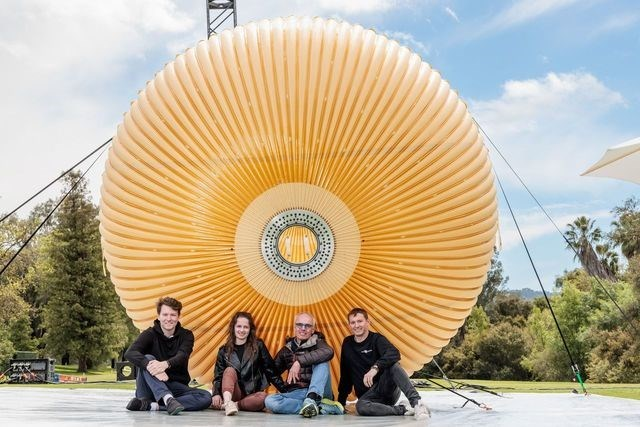
The Max Space team with their new expandable space habitat. photo: Max Space
The first Max Space inflatable space habitat is slated to launch with SpaceX in 2026. The Max Space inflatables can be delivered into space in very small packages and then unfolded and expanded to create a much larger work space. For the Silo, Paul Clarke.
VENTURI SPACE PRESENTS MONA LUNA, THE EUROPEAN LUNAR ROVERMONA LUNA, designed by Sacha Lakic
Paris Air Show, Le Bourget, June 2025 – Venturi Space unveils MONA LUNA, its 100% European-built lunar rover. Designed to support the ambitions of the European Space Agency and the French CNES, the vehicle will be built at Venturi Space France’s facility in Toulouse. The ultimate aim is to provide Europe with a lunar-capable rover by 2030.
European autonomy in lunar mobility is a major strategic challenge. Venturi Space is helping to make that a reality with MONA LUNA, its upcoming lunar rover designed to meet the needs of ESA and national European space agencies. The vehicle will further Europe’s efforts to achieve technological independence in the field of lunar mobility, enabling it to get ahead of the industrial curve and achieve its space ambitions.
A project led by Venturi Space France Venturi Space France will oversee MONA LUNA’s development and space qualification from its base in Toulouse, coordinating every aspect of the process: onboard electronics, avionics, space-to-ground links, energy management systems, assembly, final integration, and acceptance testing in readiness for space flight. All with one clear objective: to deploy MONA LUNA at the Moon’s South Pole by 2030.
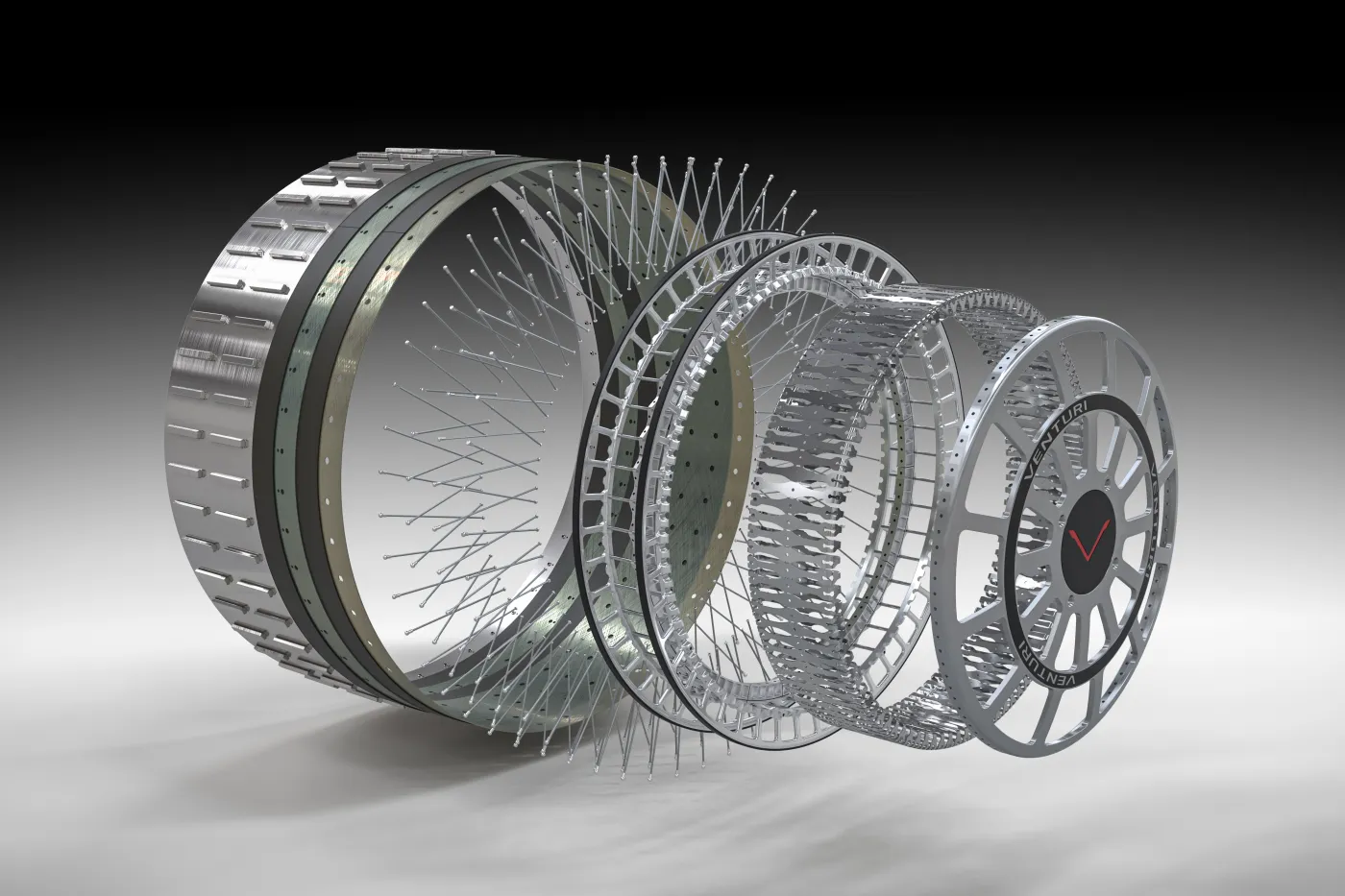
Backed by the ESA and CNES The European Space Agency is supporting Venturi Space’s efforts to design and develop the critical technologies required for a large lunar rover, capable of surviving multiple lunar nights. ESA’s support validates Venturi Space’s approach and highlights its expertise. The project will draw on the experience acquired from the programmes to develop the FLIP and FLEX rovers under a strategic partnership with US-based company Venturi Astrolab, Inc. Venturi Space is currently designing and building the hyper-deformable wheels that will be fitted to those vehicles, along with the associated electrical systems (in Switzerland) and high-performance batteries (in Monaco).
Using technology made in Europe MONA LUNA is designed to be carried into space by the Ariane 6.4 launch system and landed on the Moon’s surface by the European Argonaut lunar lander, while the rover itself will be equipped with a robotic arm to handle scientific instruments and payloads. It will be: – electrically powered, recharging via solar panels, – designed to move autonomously, – equipped with three high-performance batteries, – capable of carrying a wide range of payloads, – designed to survive multiple lunar nights, – capable of a top speed of 20 km/h, – designed to weigh a total of 750 kg.
The rover could also be used in an emergency to carry an astronaut in difficulty, as envisaged by the ESA and CNES in their feasibility studies. A clear commercial purpose MONA LUNA’s maiden mission will focus on purely scientific applications, but future deployments could be organized to meet demand from the European private sector for a variety of purposes, including carrying payloads to the South Pole, exploiting lunar resources (such as helium-3) in situ, or even public outreach campaigns. This approach will help establish a sustainable long-term economic model for the rover, in much the same way as the early development of terrestrial mobility.
Gildo Pastor, President of Venturi Space: “I’m still an explorer, first and foremost. Space is a new frontier, and MONA LUNA is how we are actually going to broach it. Alongside Europe, we aim to build an autonomous lunar exploration capability to meet the scientific, economic, and strategic challenges of tomorrow.”
Dr. Antonio Delfino, Director of Space Affairs at Venturi Space: “Our primary focus is to make ourselves fully available to the ESA and European national space agencies. With MONA LUNA, we aim to deliver major technological breakthroughs that will pave the way for extended lunar mobility.”
Monaco, April 2024 The American company Venturi Astrolab, Inc. (Astrolab), a strategic partner of the Monegasque Venturi Group, has been awarded a NASA contract to support the development of Artemis campaign’s lunar terrain vehicle. Its rover, known as FLEX, is equipped with batteries and wheels developed by Gildo Pastor’s teams in Monaco and Switzerland.
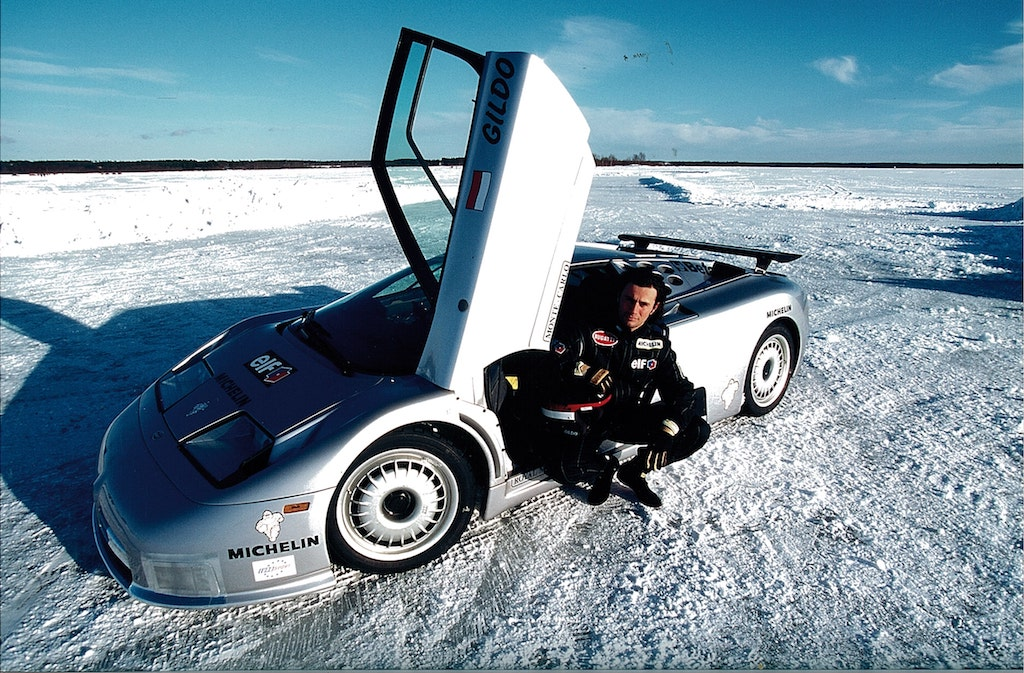
Gildo Pastor is no stranger to specialized high-performance vehicles- here with Bugatti EB110 he drove to win the world record for fastest car on ice in 1995.
Astrolab is one of three teams to win contract awards. Astrolab’s contract is worth up to $1.9 billion usd / $2.56 billion cad. Collectively the three contract winners may be awarded task orders over the next 13 years with a total potential value of $4.6 billion usd/ $6.2 billion cad over the life of the program. The contracts allow for two additional years for the completion of services.
With this announcement, and after two decades dedicated to high-performance terrestrial electric vehicles, Venturi is taking another major step forward. Indeed, the industrial Group led by its President Gildo Pastor designs and manufactures the lunar vehicle’s wheels and batteries.The hyper-deformable wheels, developed and manufactured by the Venturi’s Swiss entity in collaboration with Astrolab, were presented at the Paris Air Show in June 2023. As for the batteries, these will be manufactured in Monaco in specifically designed facilities at the heart of the Venturi’s historic headquarters.
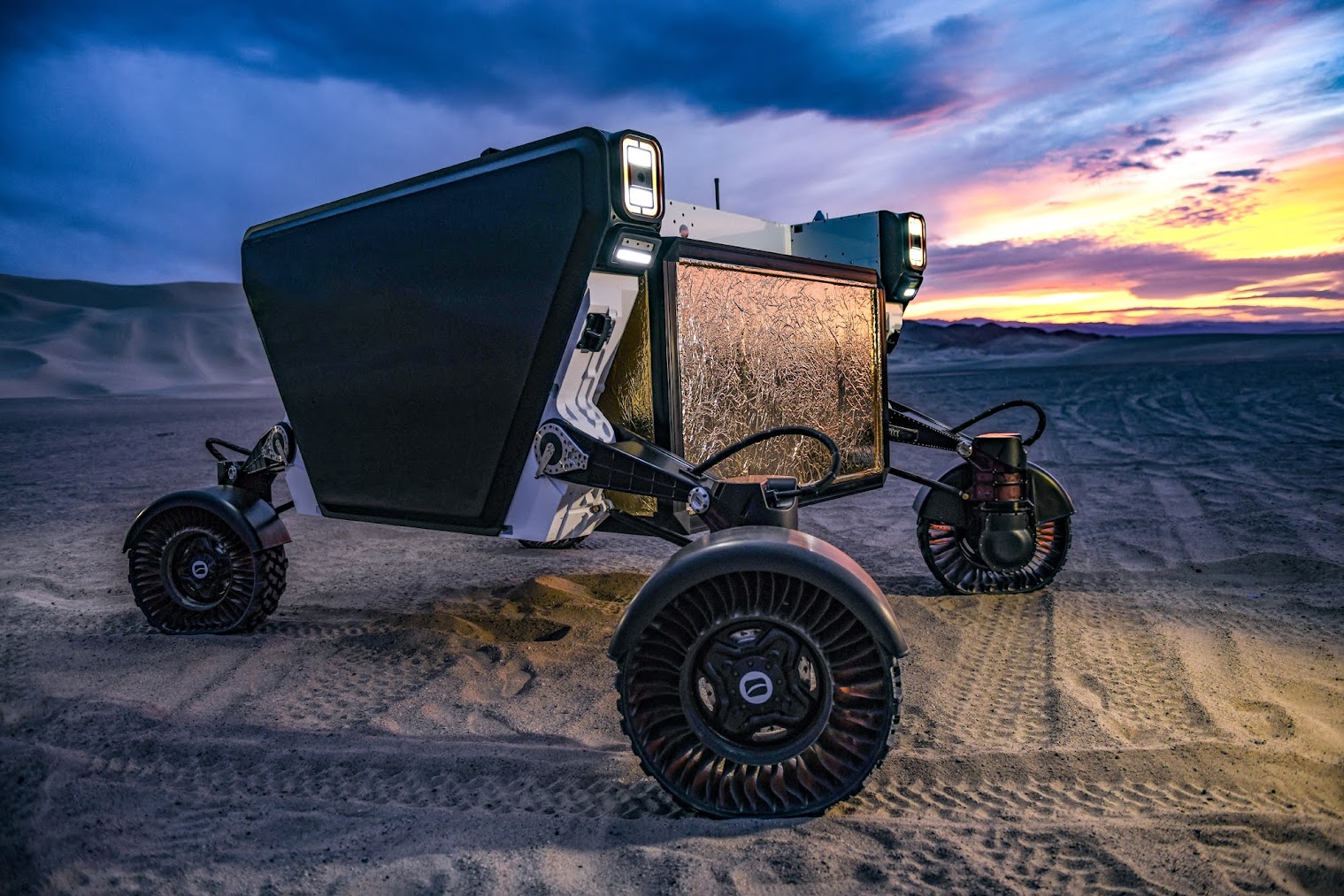
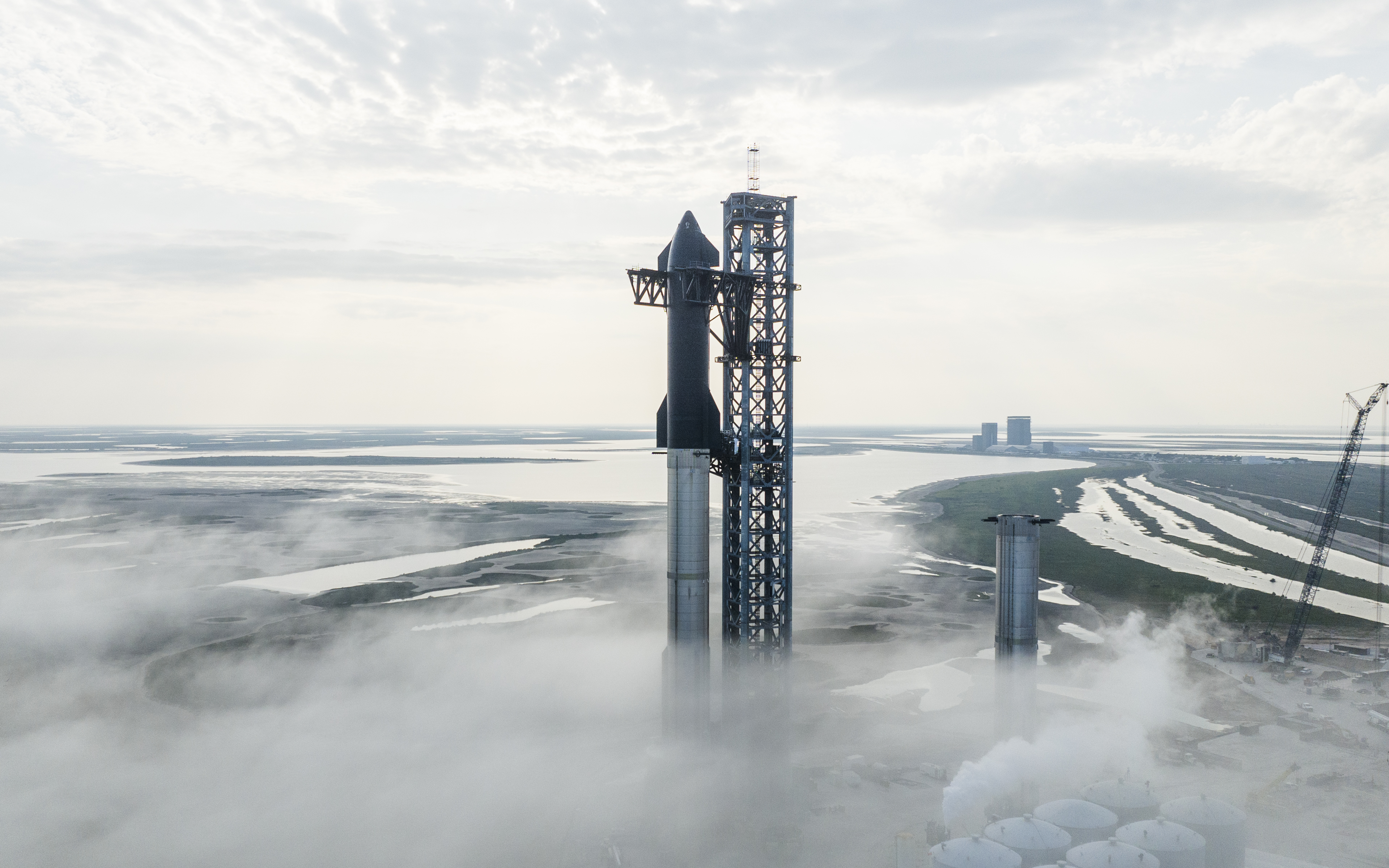
SpaceX’s Starship launch and landing system will deliver FLEX to the lunar surface in mid-2026.
Astrolab first revealed the full-scale working prototypefor its Flexible Logistics and Exploration (FLEX) rover in March of 2022. In the years since, Astrolab, has conducted thousands of hours of laboratory and field testing that has led to numerous design improvements. The improvements to the wheels and batteries came as a result of tests Astrolab conducted together with Venturi’s engineers.
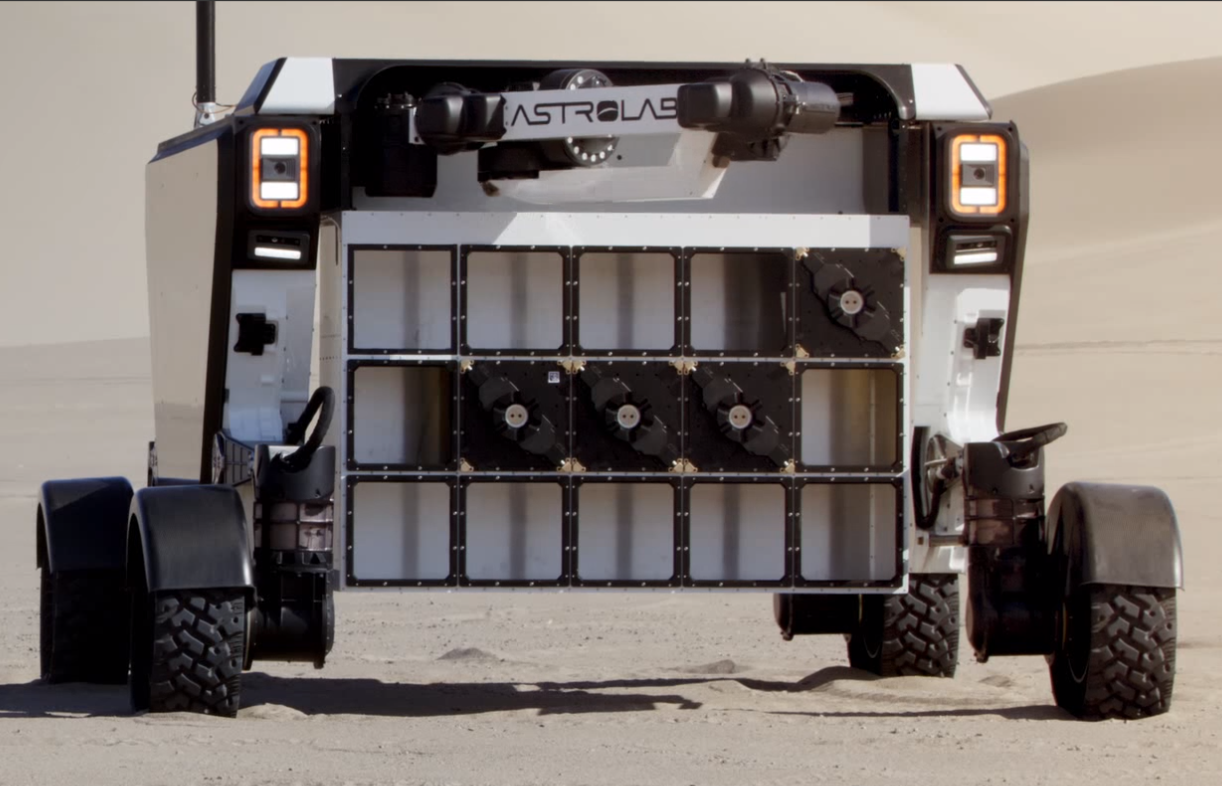
As required by NASA, FLEX can carry two suited astronauts, accommodate a robotic arm to support science exploration, perform robotic cargo logistics, and survive the extreme temperatures at the lunar South Pole, which is a technological challenge, particularly for the hyper-deformable wheels and batteries. FLEX can be operated remotely from Earth even when astronauts are not present, or it can be operated by suited astronauts.
Once FLEX arrives on the lunar surface, Astrolab expects that FLEX will become the largest and most capable rover to ever travel to the Moon. With a maximum combined rover and cargo mass of more than two tons, the FLEX rover is nearly three times the mass of its largest predecessor. This increased capacity provides significantly more opportunities to conduct scientific experiments and commercial endeavors on the lunar surface.
“Through our strategic partnership with Astrolab, I am proud to see the Venturi Group’s know-how validated by NASA. After 20 years of innovation and world speed records in the field of terrestrial electric vehicles, we are now involved in an adventure that will go down in the history books: when Man returns to the Moon! When I see this rover, equipped with our wheels and batteries, operating up there I will have made my greatest dream come true“. – Gildo Pastor, President of the Venturi Group.
“Astrolab is honored to have its FLEX rover selected by NASA to participate in the development of creating a Lunar Terrain Vehicle for the Artemis Campaign. Our entire team, together with our business partners, including our strategic partner Venturi Group, are committed to delivering to NASA an LTV that serves as a critical tool in the agency’s efforts to establish a long-term human presence on the Moon.” – Jaret Matthews, founder & CEO, Astrolab.
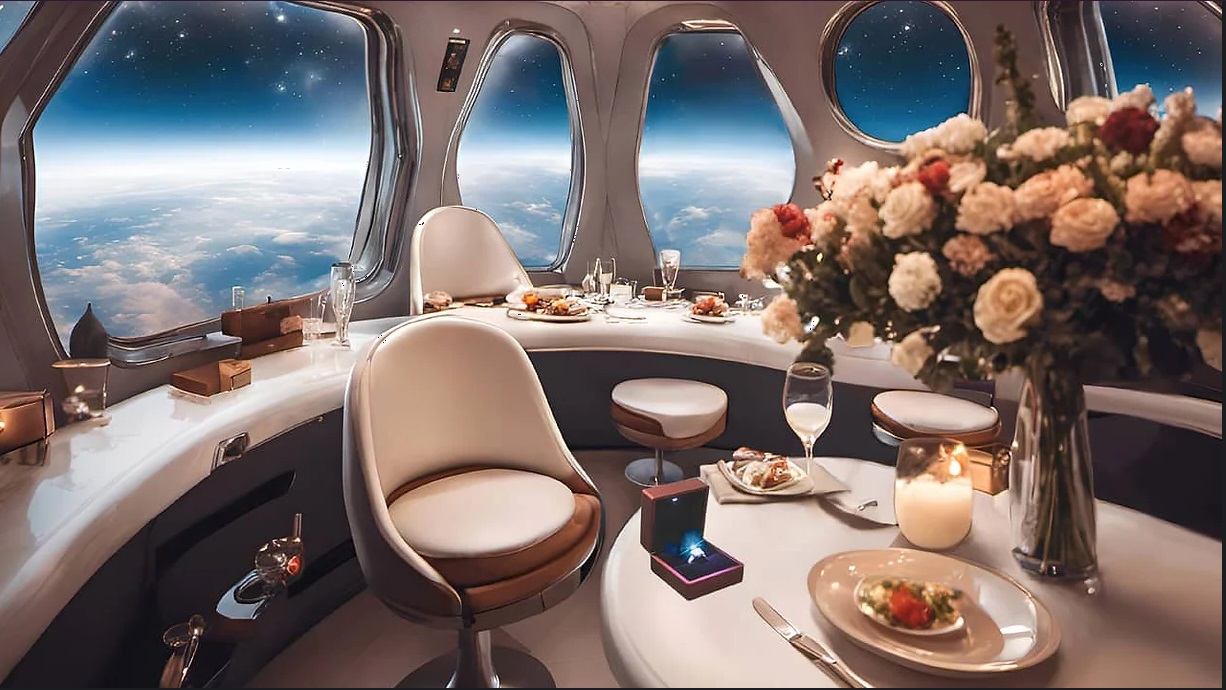
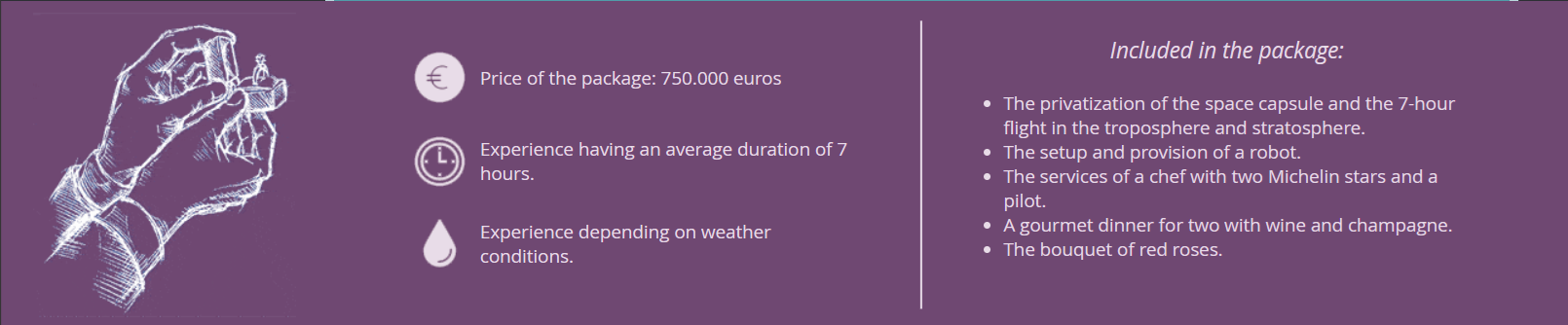
A romantic restaurant opens in Outer SpaceStarting from 2025, it will be possible to propose during an intimate dinner in space. On board a space capsule lifted by a stratospheric balloon, lovers will have the opportunity to savor an exceptional meal prepared by a French Michelin-starred chef and served by an AI-powered robot.
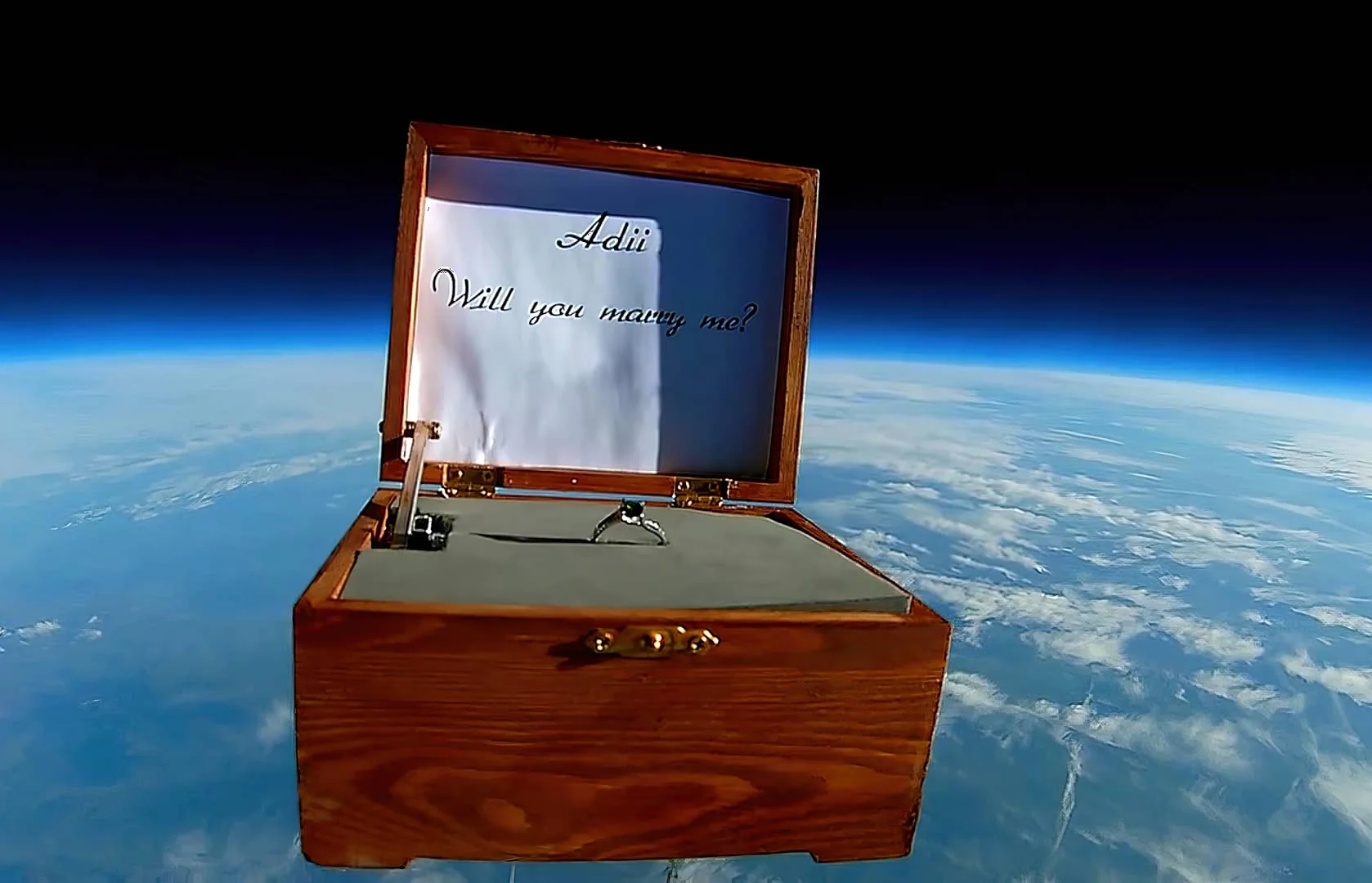
The agency ApoteoSurprise, specialized in orchestrating extravagant marriage proposals in Paris, is launching a brand-new service priced at 750,000 euros/ $1.1 million cad, allowing the romantics of tomorrow to ask for their beloved’s hand at an altitude of 35 kilometers. Upon their arrival at the spaceport, a pilot will welcome the couple and invite them to board a spherical and futuristic space capsule equipped with top-notch amenities for their comfort. In the center of the cabin, a table will be elegantly set, reminiscent of the most refined Parisian restaurants. The lovers will be introduced to StellarEmbrace, the robot that ApoteoSurprise developed in collaboration with a British startup. Equipped with artificial intelligence, the robot will adapt to the emotions and desires of the couple, providing a truly unique interaction. From the moment they meet, StellarEmbrace will address the young woman by her name and, presenting her with a bouquet of roses, announce that a gourmet dinner for two in space awaits. Lifted by a helium-inflated stratospheric balloon, the pressurized capsule will then embark on a peaceful two-hour ascent, offering breathtaking 360° views of our planet through its immense windows. At an altitude of 35 kilometers, the space module will be above 99% of Earth’s atmosphere, allowing the couple to gaze at the curvature of the Earth, its blue halo, and the total darkness of space. Like only 600 astronauts before them, the lovers will experience the overview effect, a cognitive shift that will redefine their view of the world and connect them to all of humanity. The woman and her partner will take their seats at the table, and for three hours, the robot will serve them a five-course gourmet dinner with wines and champagne specially crafted for the occasion by a renowned French chef with two Michelin stars. A carefully selected playlist will accompany the culinary experience, featuring iconic tracks such as “Space Oddity” (David Bowie), “Across the Universe” (The Beatles), or “Walking on the Moon” (Police). Just before dessert, StellarEmbrace will playfully interrupt the tasting to inform the man that he has forgotten something important. The robot will promptly bring him a luminous box that a secret code will open. Suddenly, the suitor will remember the code and enter it. The box will split in two, revealing a luxurious case containing an engagement ring. The man will then propose to his beloved, sealing his love in the eternity of space. A little later, the capsule will begin its slow descent. After a two-hour journey, the betrothed will be back on Earth, discovering that the robot has recorded every moment of their voyage, from their arrival at the capsule to their tender farewells.
About ApoteoSurprise: ApoteoSurprise is a high-end agency specializing in the organization of spectacular marriage proposals in Paris. Founded in 2006 by the aeronautical engineer Nicolas Garreau, the company offers 30 turnkey proposal packages online. These include the appearance of Cinderella’s carriage with a magical slipper, a shower of 1000 roses covering a yacht during a dinner cruise, the sending of a messenger dove to one’s beloved, a limousine tour with a super-bright declaration of love displayed at the foot of the Eiffel Tower, and starting from 2027, a romantic voyage around the Moon. Available at prices ranging from 290 euros to 125 million euros, ApoteoSurprise’s extravagant engagements have enchanted over 2000 lovers in its 17 years of operation. This includes celebrities such as heads of state, Hollywood actors, television stars, or players from the FIFA World Cup.
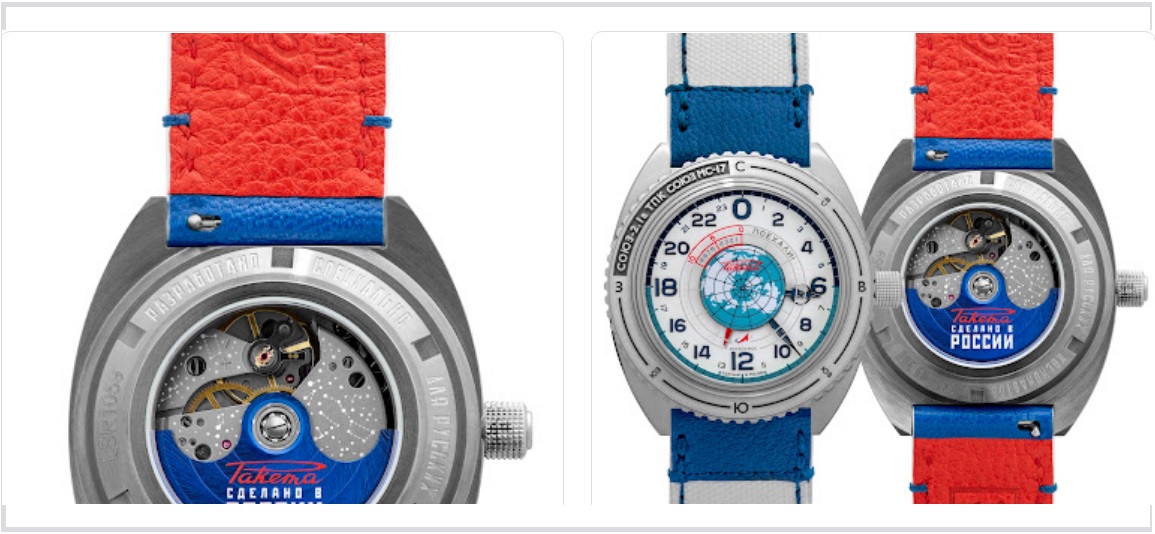
Officially made from a piece of metal of a “Soyuz” space launcher and from the fabric of a space suit “Sokol”, this Raketa “Space Launcher” watch brings you very close to the experience of flying to space.
Officially made from a piece of metal of a “Soyuz” space launcher and from the fabric of a space suit “Sokol”, this Raketa 24-hour watch brings you very close to the experience of flying to space.
All of the incredible achievements of Soviet/Russian cosmonauts over the past 60 years would not have been possible without the famous Soyuz space launcher. Thanks to its simplicity and reliability, this iconic space rocket has made over 1.700 flights since it was first engineered in the 1960s, and remains to this day by far the most frequently used space launcher in the world.
This watch is a tribute to this iconic space launcher.
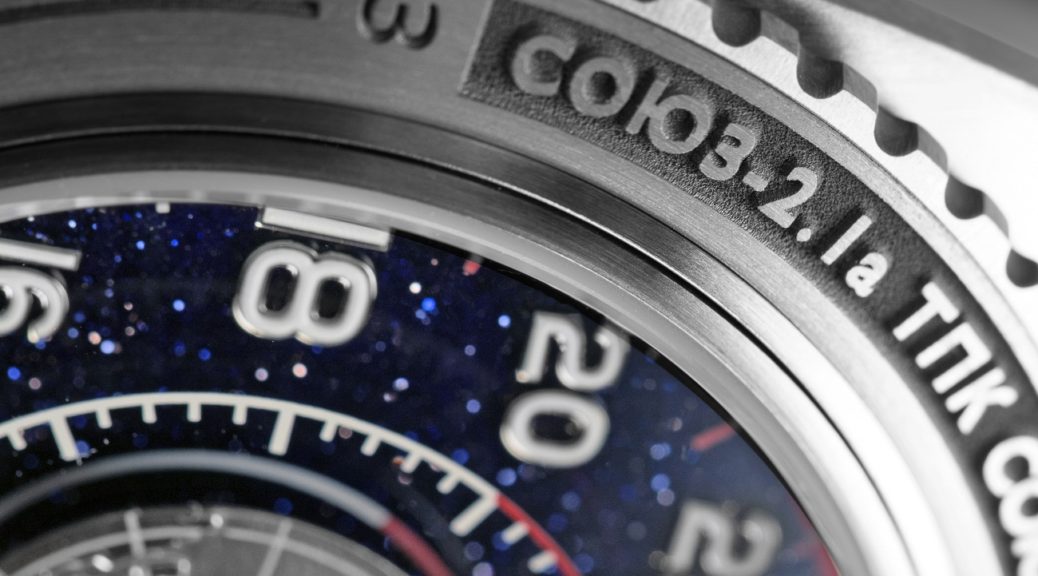
Its bezel is made from a metal piece of the space launcher “Soyuz-2.1a” which took off on 14 October 2020 and made a record breaking 3 hour flight from the Baikonur launch pad to the ISS!
The cosmonauts Sergey Ryzhikov and Sergey Kud-Sverchkov, who were sent to space by this space launcher, actively participated in the design and production of this watch. They both insisted that the only crucial complication needed in space is a 24-hour movement to enable them to distinguish day from night in the ISS (where they have 16 sunrises and sunsets every 24 hours).
To bring you even closer to the experience of flying in the Soyuz rocket, the cosmonauts also suggested making the strap from the fabric of the famous Russian space suit “Sokol” that is worn by all cosmonauts flying in the Soyuz rocket. This space suit, made from a very robust white nylon canvas with royal blue trim, has all the features necessary to keep the cosmonaut alive at all times during the space flight in the Soyuz.
While you are still on Earth, you can wear the watch with a leather strap (this additional strap is offered with the watch). Both the “space suit” strap & leather strap have a « quick-change » system so that you can easily change them depending on where you are: training on Earth or flying to Space!
This watch is officially designed and produced in collaboration with the Russian Space Agency “Roscosmos”.
Each watch is delivered with a certificate of Roscosmos certifying the true origin of the rocket metal and the space suit fabric. The collaboration between Roscosmos and Raketa made perfect sense:
The brand “Raketa” (which means “space rocket” in Russian) was specially created in tribute to the first ever manned spaceflight by the Russian cosmonaut Yuri Gagarin in 1961. Since then, the Raketa Watch Factory accompanied every step of the space conquest by engineering watches for Soviet/Russian cosmonauts.
The Raketa mechanical movement was developed in the 60s and is well known for its simple & robust engineering construction: exactly like the “Soyuz” rocket launcher also developed in the 60s, which, thanks to its simplicity & reliability, has become the most used space rocket in the world.
See you in space!
Description of the watch
The Raketa “Space Launcher” model is limited to:
300 pieces with white dials; and
300 pieces with blue aventurine dials (reminding the sparkling stars in space).
It has the following features:
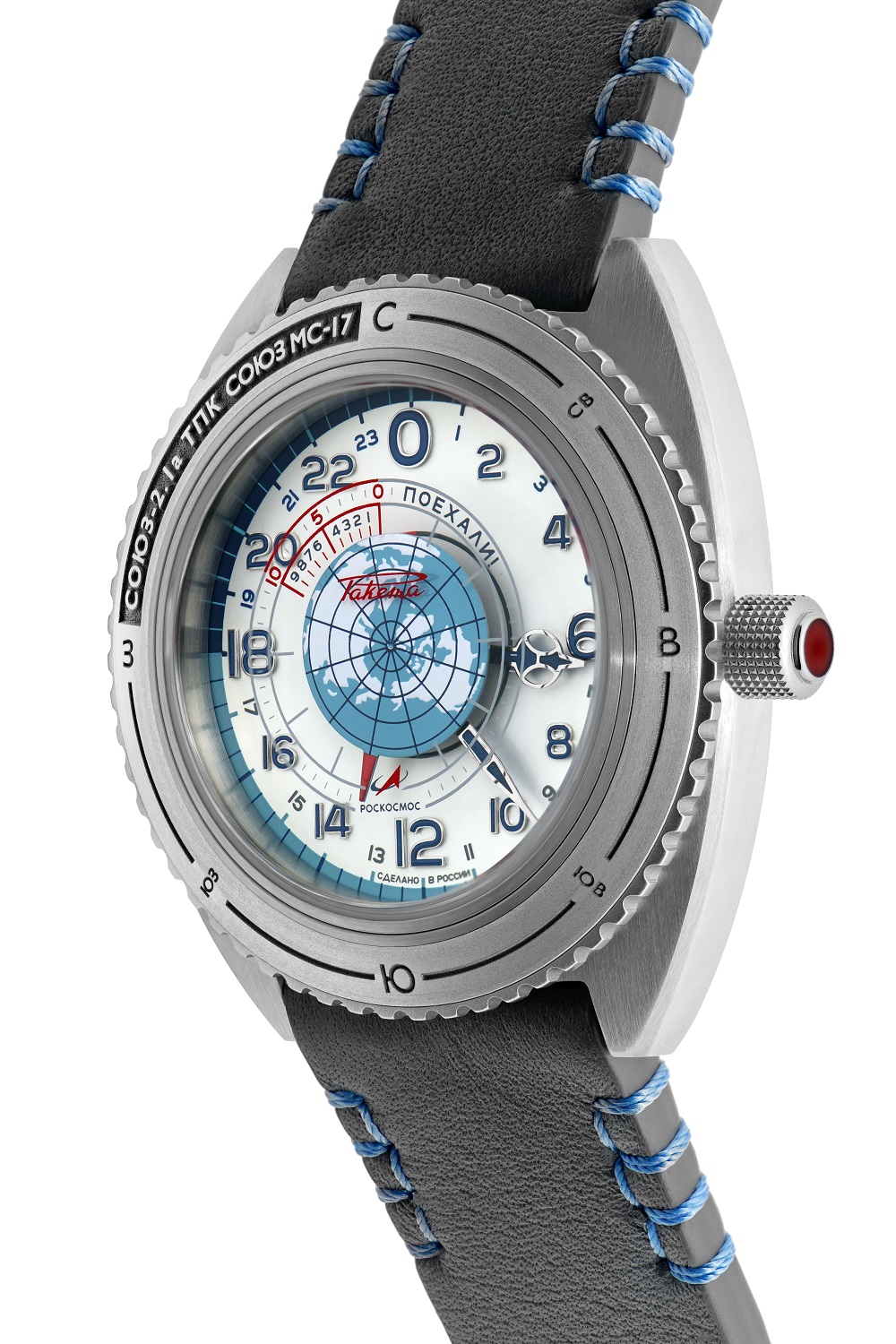
The bezel is made from a metal piece of the actual “Soyuz-2.1a” launcher that took off on 14 October 2020 and made a record breaking 3 hour flight from the Baikonur launch pad to the ISS! The full name of the space rocket (as well as the cardinal marks) is engraved in Russian on the bezel.
The strap (with a “quick change” system) is made from the real fabric of the famous Russian “Sokol” space suit that is worn by all cosmonauts/astronauts who fly on the Soyuz rocket.
The second hand is represented by the Earth revolving around its axis.
The seconds’ scale (printed on the sapphire glass)emphasises on the countdown to launch (last 10 seconds).
The movement is beautifully decorated with constellations printed on the bridges of the movement and a special coating on the rotor.
A few design elements discreetly pay tribute to the first manned space flight by Yuri Gagarin:
The design of the hour & minute hands replicates the hands on the control panel of Gagarin’s spacecraft.
On the model with a white dial, the countdown printed on the sapphire glass is followed by the word “Poyekhali!” (Let’s go!) that Gagarin pronounced as he flew off.
Each watch is delivered with:
a complimentary leather strap (with a “quick change” system),
a brochure providing more detailed information,
the official insignia of this space mission; and
a certificate of Roscosmos (certifying the true origin of the rocket metal and the space suit fabric).
Price of the watches
The Raketa “Space Launcher” is offered in 2 versions:
with a white dial: its price is 1.458 Euros (without VAT);
dark blue aventurine dial: its price is 1.542 Euros (without VAT)
For the comfort of customers, Raketa watches are delivered worldwide free of charge by DHL within 2 to 5 days.
Specifications of the Raketa “Space Launcher” watch:
Factory:
Raketa Watch Factory (Saint-Petersburg)
Movement:
Raketa
Calibre:
2624A
Functions:
Automatic with 24 hours
Number of jewels:
24
Testing positions:
4
Average rate (s/d):
-10+20
Average running time (h):
40
Frequency/hour:
18.000 / 2.5Hz
Bi-directional automatic winding:
Yes
Stopper of self-winding unit activated during manual winding:
Yes
Decoration:
Print
Case:
Material:
Stainless steel
Rotating bezel:
Metal piece of the “Soyuz-2.1a” launcher
Size:
43 mm
Front glass:
Sapphire
Back glass:
Mineral
Crown:
Screwed-in crown
Water resistance:
20 АТМ
Hands:
Superluminova
Dial:
Version 1: white dial (with Superluminova);Version 2: dark blue aventurine stone dial (with Superluminova)
Strap/bracelet:
Material:
Fabric from “Sokol” space suit Genuine leather (additional strap)
Width:
22 mm
Sex:
Man
French version
RAKETA ”SPACE LAUNCHER”
Une montre qui vous propulsera dans l’espace !
Faites l’expérience de voler dans l’espace
Fabriquée à partir d’un morceau de métal d’un lanceur spatial “Soyouz” et d’un morceau de tissu du scaphandre spatial “Sokol”, cette montre Raketa 24 heures vous permet d’accéder au plus près de l’expérience de voler dans l’espace.
Sans le célèbre lanceur spatial “Soyouz”, aucun des exploits incroyables des cosmonautes soviétiques/russes des 60 dernières années n’aurait été possible. Grâce à sa simplicité et à sa fiabilité, cette fusée spatiale emblématique a effectué plus de 1.700 vols depuis sa conception dans les années “60” et reste à ce jour et de loin le lanceur le plus utilisé dans le monde.
Cette montre rend hommage à ce lanceur spatial emblématique. Sa lunette est confectionnée à partir d’une pièce de métal provenant du lanceur spatial “Soyouz-2.1a” qui a décollé le 14 octobre 2020 et a effectué un vol record de 3 heures depuis la base de lancement de Baïkonour jusqu’à la station “ISS”.
Les cosmonautes Sergey Ryzhikov et Sergey Koud-Skvertchkov, qui ont été envoyés dans l’espace avec ce lanceur spatial, ont activement participé à la conception et à la production de cette montre. Ils ont tous deux insisté sur le fait que la seule complication nécessaire était un mouvement 24 heures permettant de distinguer le jour de la nuit dans l’ISS (où ils voient 16 levers et couchers du soleil par 24 heures).
Pour vous rapprocher le plus près possible de l’expérience d’un vol dans la fusée Soyouz, les cosmonautes ont également suggéré de fabriquer le bracelet à partir du tissu du célèbre scaphandre spatial russe “Sokol” que portent tous les cosmonautes empruntant le vaisseau Soyouz. Ce scaphandre, fait en toile de nylon blanc très robuste avec des garnitures bleu roi, possède toutes les caractéristiques nécessaires pour assurer la survie du cosmonaute à tout moment du vol spatial dans le vaisseau Soyouz.
Tant que vous êtes encore sur terre, vous pouvez porter cette montre avec un bracelet en cuir (ce bracelet supplémentaire est offert avec la montre). Le bracelet “spatial” et le bracelet en cuir sont tous deux munis d’un système “quick change” qui vous permet de facilement les changer en fonction de là où vous êtes : à l’entrainement sur terre ou volant vers l’espace !
Cette montre est officiellement conçue et produite en collaboration avec l’agence spatiale russe “Roscosmos”. Chaque montre est livrée avec un certificat de Roscosmos certifiant l’origine du métal de la fusée et du tissu de scaphandre spatial. La collaboration entre Roscosmos et Raketa allait de soi :
La marque Raketa (qui signifie “fusée spatiale” en russe) a été spécialement fondée en hommage au premier vol spatial habité du cosmonaute russe Youri Gagarine en 1961. Depuis, la Manufacture horlogère Raketa a accompagné chaque étape de la conquête de l’espace en concevant des montres pour les cosmonautes soviétiques/russes.
Le mouvement mécanique Raketa a été développé dans les années “60” et est réputé pour sa construction à la fois simple et robuste, exactement de la même façon que le lanceur “Soyouz” qui, également développé dans les années “60”, est devenu, grâce à sa simplicité et à sa fiabilité, le lanceur le plus utilisé dans le monde.
Rendez-vous dans l’espace !
Description de la montre
Le modèle Raketa “Space launcher” est limité à :
300 pièces avec cadrans blancs, et
300 pièces avec cadrans en aventurine bleue (rappelant les étoiles scintillant dans l’espace).
Il présente les caractéristiques suivantes:
La lunette est fabriquée à partir d’un morceau de métal original provenant du lanceur “Soyouz-2.1a” qui a décollé le 14 octobre 2020 et a effectué un vol record de 3 heures depuis la base de lancement de Baïkonour jusqu’à l’ISS! Le nom complet du vaisseau spatial (de même que les points cardinaux) est gravé en russe sur la lunette.
Le bracelet (muni d’un système “quick change”) est fabriqué à partir du tissu original provenant du scaphandre spatial russe “Sokol” porté par tous les cosmonautes/astronautes empruntant le vaisseau Soyouz.
La graduation des secondes (imprimée sur le verre en saphir) met l’accent sur le compte à rebours avant le lancement (10 dernières secondes).
Le mouvement est magnifiquement décoré de constellations imprimées sur les ponts et d’un revêtement spécial sur la masse oscillante.
Quelques éléments rendent discrètement hommage au premier vol spatial habité de Youri Gagarine :
Le design des aiguilles des heures et des minutes reproduit les aiguilles du tableau de bord du vaisseau spatial de Gagarine.
Sur le modèle à cadran blanc, le compte à rebours imprimé sur le verre en saphir est suivi du mot “Poyekhali !” (C’est parti !) que Gagarine a prononcé en décollant.
Chaque montre est livrée avec :
un second bracelet en cuir (muni d’un système “quick change”),
une brochure fournissant des informations plus détaillées,
l’insigne officiel de cette mission spatiale et
un certificat de Roscosmos (certifiant l’origine du métal de fusée et du tissu du scaphandre spatial).
La montre “Space Launch” est proposée en deux versions :
Avec un cadran blanc au prix de 1.458 Euros (hors TVA)
Avec cadran en aventurine bleu au prix de 1.542 Euros (hors TVA)
Pour le confort des clients, les montres Raketa sont livrées dans le monde entier gratuitement par DHL en 2 à 5 jours.
Spécifications de la montre Raketa “Space Launcher”:
Manufacture :
Manufacture de montres Raketa (Saint-Pétersbourg)
Mouvement :
Raketa
Calibre:
2624А
Fonctions :
Automatique avec 24 heures
Nombre de rubis :
24
Positions de réglages :
4
Marche moyenne (s/j) :
-10+20
Réserve de marche moyenne (h) :
40
Fréquence/heure :
18.000 / 2.5Hz
Remontage automatique bidirectionnel :
Oui
Système de débrayage du module automatique lors du remontage manuel:
Oui
Décoration :
Décalque/revêtement
Boitier :
Matériau :
Acier inoxydable
Lunette rotative
Métal provenant du lanceur spatial “Soyouz-2.1a”
Diamètre :
43 mm
Glace côté cadran :
Sapphire
Glace arrière :
Minéral
Couronne :
Couronne vissée
Etanchéité :
20 АТМ
Aiguilles :
Superluminova
Cadran :
Version 1 : cadran blanc white (avec Superluminova);Version 2 : cadran en aventurine bleu foncé (avec Superluminova)
Bracelet :
Matériau :
Tissu du scaphandre “Sokol”Cuir véritable (bracelet supplémentaire)
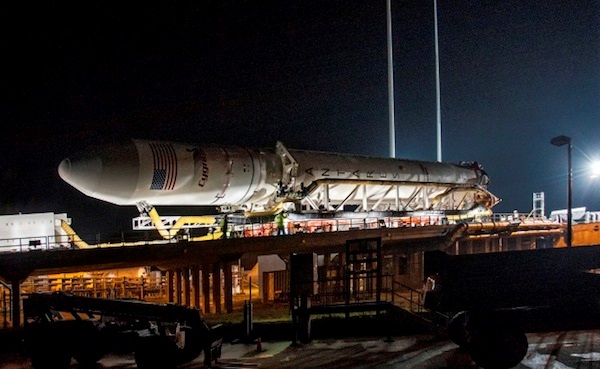
Synopsis-A privately-owned spaceship built by Orbital Sciences Corp. made an Earth-rattling trip into orbit from Virginia on Wednesday, September 25th starting a four-day chase of the International Space Station to close out a nearly $700 million NASA program to foster a fleet of commercial spaceships to replace capabilities lost with the space shuttle’s retirement. Today (Sept 29th) is the end of the chase and culminates in a docking via Canadian Robotic arm capture with the ISS International Space Station. Read the full story from our friends at Spaceflight Now