Our friends at The John B. Aird Gallery are thrilled to announce Cinder McLeod‘s solo exhibition, “Draws the Line”, at the Arts & Letters Club.
McLeod’s images bring the contradictions of everyday life into sharp focus: love meets obstacles of its adult world.own making, domestic work becomes a question of economic power, and children reveal the strange logic of the work and its creation. Presented alongside McLeod’s solo exhibition at The Arts & Letters Club of Toronto, Draws the Line brings together works from different periods of her practice, including early performance and newspaper cartoons that provide context for images she has revisited in recent paintings.
The exhibition presents an analysis of McLeod’s work alongside images attributed to Banksy, drawing attention to visual similarities, questions of authorship, and the unequal recognition artists can receive. Through these comparisons, the show also examines the broader systems of power that shape the art world, including patriarchy, sexism, plagiarism, and the barriers women artists can face in having their work acknowledged and credited.
An accompanying catalogue expands on these themes and documents selected works and comparisons from the exhibition. Together, the exhibition and catalogue invite viewers to consider not only where images come from, but also who is recognized, believed, and remembered within cultural institutions.
I started out creating sound experiments while in high school, circa 1980 with circuit bent hardware and a cheap Casio keyboard.
I then entered the working world and forgot all about making music. Fast forward 30+ years, and the itch to make experimental music overtook me again, but now technology had changed drastically. I no longer needed hardware. I discovered apps on my iPhone, and music platforms like SoundCloud and Bandcamp were all that I needed. I was immediately obsessed.
Within a couple years, I had filled over seven free SoundCloud accounts, and two Bandcamp albums as well as an artist page with experimental music, and having a great time doing it. But, I started to grow tired of using the same software.
I yearned to use hardware/instruments again, but not being able to play an instrument is a definite hindrance 🙂 I searched for cheap keyboards on the net. I soon discovered the “Stylophone” and ordered one ‘sight unseen’. It was unique, inexpensive and fun, but quite limited in sound variety. I started mixing the Stylophone with app produced sounds/music, as well as other “found sounds”. (I really appreciate the functionality of software based mixing apps, which are almost essential to my creations these days). I then stumbled upon a couple of user videos of the Hyve synthesizer, and knew I had to have it. It was clearly non-musician friendly (and looked so different, cool and fun).
Then came the disappointment …
You can’t buy one! (BUT I HAD TO HAVE ONE!!!) Turns out, the engineer/designer guru behind this awesome device (Skot Wiedmann), had (Hard to believe but it’s been almost a decade since I made this trip!) work shops in the Chicago area, and you can go build your own, ( very inexpensively ). I knew what I had to do. I looked at a map, saw that Chicago was about 8 hours away from me here in Ontario, Canada and realized that I had to go build it. I started to plan the trip. I knew that a fellow SoundCloud musician and Facebook friend (Leslie Rollins) lived in Berrien Springs, Michigan, about 2 hours outside of Chicago.
This presented a twofold opportunity. I could hopefully, meet Leslie face to face, and hopefully have a place to spend the night. I contacted Les and everything was A-OK! I purchased a ticket to build my Hyve, and started to plan my road trip. The workshop was going to be from Noon to 3pm, on a Saturday in late September in a cool space called Lost Arts in Chicago.
I had the whole week off from work, because I was overseeing a contractor doing extensive yard work at my house all week, and I was hoping to leave Friday so as to arrive at Leslie’s place in the late afternoon or early evening, spend the night, and leave for the workshop Saturday morning. Alas, plans rarely work as hoped.
The contractor wasn’t finished until Friday afternoon, and Les wasn’t getting home from a business trip until late Friday night. New plan! Early to bed Friday. Early to rise Saturday (2:30 am), and depart for Leslie’s place in Michigan. It was an easy drive, and I got to Berrien Springs (a beautiful sleepy little university village) around 8:30 am. Met Leslie, and got to trade stories over a great breakfast in a local cafe. Then, I quickly admired Leslie’s impressive modular synth racks at his home studio “Convolution Atelier” and then left for “Lost Arts” in Chicago.
Lost Arts is located in a cool old industrial complex.
The workshop provided everyone with a surface mount board with the touchpad on one side, and components layout on the back. A sheet listing components and placement was also handed out, along with tiny plastic tweezers. Everyone then had their component side “pasted” with a solder paste applied through a pierced template, in a process similar to silk screening. Everyone then started to receive their very tiny components from the parts list. Following the placement locations, the components (chips, capacitors, resistors, etc) were set into their pasted areas with the tweezers (magnification and extra lighting was a must). Once all the components were placed, they were carefully “soldered” into place by simply holding a heat gun over each component until the solder on the board had adhered it. Once this was done, everyone had their 9v battery and line-out jacks hand soldered into place by Skot , and then … the moment of truth, Skot tested each one for proper operation.
It was a fascinating process and great experience.
I met a lot of cool people at the workshop, both builders and staff/helpers! I can’t say enough what a fantastic experience this was, and what an awesome, diverse and versatile device the Hyve is. I doubted my sanity when planning this trip, but it turned out to be very rewarding!
Leslie and I then went back to Michigan, stopped at a local brewery in Berrien Springs (Cultivate) and sampled a few of their excellent brews, and then proceeded to Convolution Atelier to play with Leslie’s modular system. (I’m a newbie to all things modular, and I received a great crash course from Leslie on his very cool array!) Then it was out to dinner with Leslie and his wonderful wife Lisa, and finally back to their house where I stayed for the night, and finally hit the road towards home the next morning. It truly was a great adventure! For the Silo, Mike Fuchs.
For more than two decades, Bruce Bailey has played a crucial role in connecting Canadian contemporary artists with audiences beyond the country’s borders. Through exhibitions, institutional partnerships, artist residencies, philanthropy, and collecting, he has worked across Toronto, Montreal, Venice, Barcelona, New York, and London to expand international exposure for Canada’s most promising artists.
His involvement has taken many forms, including organizing exhibitions for emerging artists, sponsoring Canadian Pavilion presentations at the Venice Biennale, supporting museum acquisitions, and establishing Espacio Bruce Bailey in Barcelona as a residency and exhibition space for international exchange. Over the years, artists including Kent Monkman, Shary Boyle, David Altmejd, Geoffrey Farmer, Jeremy Shaw, and BGL have been connected to projects and institutions Bailey has supported.
Questions and Answers
Q: You founded Bruce Bailey Fine Art Projects in Toronto at a time when many younger artists struggled to gain institutional visibility. What were you trying to create?
Bruce Bailey: I wanted artists to have a serious presentation before the market fully formed around them. In many cases, commercial galleries were hesitant to take risks on younger artists whose work was still developing. I felt there needed to be a place where ambitious exhibitions could happen without immediate pressure from sales expectations. With Kent Monkman, for example, I organized Dance to the Berdashe in Toronto in 2008. Years earlier, I had already started collecting his paintings and introducing his work to museums and collectors. The same thing happened with artists like Ryan McGinley and Christian Jankowski. These were artists making very strong work before institutional recognition arrived. The idea was always to help build momentum for artists by placing their work in front of curators, collectors, museum directors, and critics who could continue supporting them afterward.
Q: Your work has often involved bringing Canadian artists into international conversations. Why has that mattered to you?
Bruce Bailey: Canadian artists have always deserved greater visibility internationally than they often receive. There is extraordinary work being produced here, although artists sometimes face structural limitations tied to geography and market size. I became involved with supporting Canadian Pavilion presentations at the Venice Biennale because Venice remains one of the few places where curators, museum directors, collectors, and critics from around the world gather in one concentrated setting. When David Altmejd represented Canada in 2007, or when Geoffrey Farmer, Shary Boyle, BGL, and Stan Douglas later participated, those presentations carried importance far beyond a single exhibition season. The exposure can influence museum acquisitions, future exhibitions, publications, and international representation. Supporting those projects was especially important, with the artists speaking to global audiences as representatives of Canada’s cultural life.
Q: In 2016, you established Espacio Bruce Bailey in Barcelona. What role does that space serve today?
Bruce Bailey: Barcelona offered something very specific. It has a strong cultural history, an international population, and proximity to major European institutions and collectors. I wanted to create a setting where artists from Canada could spend time working, exhibiting, and building relationships outside North America. The residency and gallery space are located in the Gothic Quarter, which brings people from many countries into contact with the program. Some artists arrive with established careers, while others are still developing. The conversations that happen there can be very productive, exposing artists to curators, writers, collectors, and other artists they may never encounter otherwise. I have always believed artists benefit from spending time outside familiar environments. It changes their view of the work and often changes the scale of their ambitions.
Q: Your collections have been shown in places such as the Montreal Museum of Fine Arts and in Venice. How do you approach collecting?
Bruce Bailey: I collect work that continues to hold intellectual and emotional weight over time. I am interested in artists who build complete visual languages rather than producing work that responds to short-term trends. The exhibitions drawn from my collection at the Montreal Museum of Fine Arts were important. They provided public access to works that would otherwise remain private. For Every Atom Belonging To Me As Good Belongs to Youbrought together many different artists and generations in a museum context. Earlier, Disasters of War connected works by Jake and Dinos Chapman with Goya’s print series, addressing violence, history, and political imagery across centuries. Museums matter because they allow the public to encounter work slowly and seriously. That experience carries enormous value.
Q: Your fundraising efforts have supported museums, opera, and ballet organizations across Canada. How do you view that role? Bruce Bailey: Public institutions require long-term support if they are going to take risks artistically. Acquisitions, exhibitions, catalogues, educational programs, and performances all depend on philanthropy at some level. With Bruce Bailey’s Canadian Fête Champêtre, the intention was to create something ambitious enough to generate substantial support for institutions while also bringing together people from different parts of cultural life. The Montreal Museum of Fine Arts was central to those efforts, though support also extended to organizations like the Canadian Opera Company and Canada’s National Ballet School. I have always felt the arts ecosystem functions best when different disciplines interact with one another. Visual art, music, dance, opera, architecture, and literature constantly influence each other. Supporting one area strengthens the broader cultural environment around it, and ultimately benefits the arts scene as a whole.
The Colorado River Indian Tribes include four distinct Tribes – the Mohave, Chemehuevi, Hopi, and Navajo. The reservation stretches along the Colorado River on both the Arizona and California side. It includes approximately 300,000 acres of land, with the river serving as the focal point and lifeblood of the area.
River Art Created Uniquely
Art honoring the Colorado River and benefitting the Colorado River Indian Tribes (CRIT) will be envisioned and created live during Scottsdale Art Week March 19-22 at WestWorld of Scottsdale. Artist Ben Miller, a Montana-based painter best known for his Endangered Rivers series, will travel to the Colorado River Indian Tribes reservation to paint a depiction of the Colorado River at the Ahakhav Tribal Preserve which will be created and featured during Scottsdale Art Week. A portion of the proceeds from the artwork will benefit the Colorado River Indian Tribes (CRIT). This comes at a time when the life of the Colorado River is in danger because of drought and overuse.
Ben Miller, in association with Gary Snyder Fine Art, has spent the past eight years painting the endangered western rivers of Montana, Washington, Colorado and Wyoming, and more recently the rivers of Chicago, New Jersey, New York, and Miami. On the end of a fishing rod, Miller attaches what he calls Fly Brushes, designed from wool, cotton, rubber, nylon and other materials, soaked in paint and cast onto clear plexiglass.
Ben Miller/ Gary Snyder Fine ArtMiller will bring his artistic vision to life during the art fair. His team will travel to CRIT’s Ahakhav Tribal Preserve to photograph and video the portion of the river that runs through the Preserve. On March 19 as Scottsdale Art Week begins, Miller will be on site at Scottsdale Art Week to begin Fly Cast Painting on a six foot by eight foot by one inch block of plexiglass weighing 300 pounds that will be on a special easel. Those attending will see Miller create the artwork as the painting emerges on the other side of the plexiglass. On Friday March 20th the finished work will be on display. A portion of sales will go to CRIT. Recently, CRIT has taken the bold step to acknowledge personhood status for the Colorado River which protects it under Tribal Law.
Miller said, “This year I will bring my vision of the Colorado River to life as Scottsdale Art Week begins. It’s only fitting that we do this as CRIT considers the River to be a living being which is why they acknowledged its Personhood Status.” Now in its second year Scottsdale Art Week will feature contemporary and fine art from more than 120 galleries from 18 countries. It is America’s first art fair with an emphasis on indigenous expression. The event will also host cultural seminars and innovative programming, including live music and a fashion show. For more information or for tickets and tables go to www.ScottsdaleArtWeek.com.
About Scottsdale Art Week Presented by Scottsdale Ferrari:
Scottsdale Art Week presented by Scottsdale Ferrari (SAW) is situated at the historical and cultural crossroads of the American Southwest, which attracted such art historical greats as Georgia O’Keeffe, Frank Lloyd Wright and major stars of the land art movement of the 20th Century. The largest new American fair of art & design in decades, SAW features an exciting combination of historical and contemporary works, welcoming well over 120 galleries from across the U.S. and around the world while honoring its home in Arizona by highlighting contemporary Indigenous artists.
Because writing is generally a solitary activity, writers need to cultivate and maintain social contacts. For me the Cape Cod branch of the National League of American Pen Women serves as both a social and professional outlet. The following 1,000-word article was composed as the first in a series intended to deepen the connection between artists and writers who make up our organization.
A four-hour interview with photographer/writer Linda Ohlson Graham was the article’s basis. I think it is a good example of how the methodical collection of information serves a writer. Other than the correct spelling of her name, her town of residence and the general impression that she led an interesting life, I had no specific knowledge about Linda prior to our interview. I’ve conducted countless interviews (and will write about the process in future posts!), but, regardless of length, each one requires people to trust me with something that belongs to them.
A PROVINCETOWN ARTIST: LINDA OHLSON GRAHAM
Linda Ohlson Graham is a woman whose life and art have been defined by space and place. Her stunning photographs of sprawling, near shapeless coastal landscapes depict the glorious union of earth, sea and sky, a theme that has become the core of her writing as well as her photography. Her tiny 200-square-foot room on the ground level of a hilltop house behind Bradford Street in Provincetown, on the very tip of Cape Cod in Massachusetts, USA seems an anomaly until one learns she lived aboard a sailboat for five years and has survived three near-death experiences.
Born and raised in Worcester, Massachusetts, Graham moved to Provincetown at nineteen. Unhappy with the town’s in-season chaos, she decided to visit Detroit and stayed for six months, working in a restaurant and spending long, peaceful days in the presence of the grand frescoes of Diego Rivera in the Detroit Institution of Art. When she returned to Provincetown, she worked at several restaurants, but left again when the opportunity to go sailing arose.
EARTH OCEAN HEAVENS- with love. Photo- Linda Ohlson Graham.
She spent most of her late 20s and early 30s on several boats, exploring the Inland Waterway and covering 12,000 miles visiting ports in the Caribbean and Central and South America. Within these years she learned to meditate and chant, and cites an example of their benefit on a day the boat was becalmed and the engine “clanged and banged, then died,” says Graham. “We chanted for the wind and it came up.” In her travels she used a Canon Rebel with Fuji film to photograph people from diverse cultures and countries and has some particularly striking images of Haitians whom she describes having “joy in their hearts and a lilt in their voices.”
Graham also began developing a skyscape collection. “I always wanted the (shipboard) watches at sunrise and sunset because of the spectacularly gorgeous streams of color,’ she said. “Sunrises and sunsets are each so individual. The name “EARTH OCEAN HEAVENS came to me like a lightning bolt out on the open ocean, with the thought that I would publish a book some day by that title.”
After returning to Provincetown in the fall of 1978, she took a job cooking at the Café Edwige. She also crewed occasionally for the Hindu, a 65-foot, two-masted schooner that made cruises and day trips out of Provincetown. When she was 32, her mother encouraged her to come out to Colorado. In Denver she married Douglas Graham, twenty-three years her senior, who owned an extraordinary 1,000-piece collection of works by English Romantic landscape artist J. M. W. Turner. Together they opened his home as a Turner museum, and in it their daughter Isis was born. “I was proud of the museum and loved living in it,” Graham says. “We had popular concerts there once a month.”
PARADISE
She had not sought an explanation for her dizzy spells until she and her husband separated after nine years of marriage. A physician insisted she have a CAT scan immediately. It revealed a golf ball-sized cyst. She had brain surgery the next day. After surgery she began writing, a voluminous collection now titled “Notes from My Journal Immediately Following Brain Surgery.” She says that the writing simply flowed, and from it she began to pull out single lines or passages that particularly appealed to her. She has made framed work that incorporates both her photography and writings.
When she returned to the Cape in 1996, there was a rainbow over the Sagamore Bridge. Coming back to Provincetown “was heaven,” she says. “It was home in my heart. I know so many people here; I have so many longtime friends here. I’ve known one since he was fourteen. “
Photographs and Mementos
On a recent occasion she was heading back to Provincetown from an Upper Cape meeting on global peace. Her violet wool beret, plum-colored scarf, long black skirt, socks and clogs readily identified her as artistically inclined. She stepped aside to let a visitor enter her L-shaped room which contains a bed, two large chairs, four small chairs, two tables and an inestimable number of books whose titles reveal her interests and passions: Dead Sea Scrolls, the Gnostic Bible, Pablo Neurda, Milton, Discourses on Rumi. Photographs and mementos are everywhere. Colorful rugs cover the floor and a small bowl of dried leaves and silky white milkweed seeds serve as decoration, as do a collection of necklaces, horseshoes, and her daughter Isis’ artwork.
Inches, not feet, separate the components of her home.
A small refrigerator is a few steps away from her bed, table and chairs, and Graham says she does a lot of cooking on the diminutive stove nearby. Perhaps it is her Thoreauvian lack of material burdens that enables Graham to explore whatever interests her, whether Stonehenge monoliths and crop circles in England or Caribbean shores.
But for a free spirit, she has quiet ways. In conversation her dark chocolate brown eyes may glance mischievously for a listener’s response to some surprising revelation or turn aside to watch a distant idea take shape. She plays with her glasses as she recites a poem, one of many she has memorized. She has a soft speaking voice, but demonstration of a chant proves it to be surprisingly loud.
Graham has been a member of the Salt Winds Poets in Harwich and Gulf Gate Poets in Sarasota, Florida. Her art work has been displayed in solo exhibits at the Cape Cod Museum of Fine Art, Falmouth Library, and Cape Cod 5 Bank in Orleans, among others. Out of the majesty of her photographic images and the personal urgency of her prose writing has come a purpose, a mission: global peace.
She has worked on several peace initiatives and was named poet laureate of Colorado’s Department of Peace. Graham believes it is attainable through quieting the human mind. One of her favorite personal writings is “Please hold the thought with me that peace on earth and calm weather patterns can easily happen … in a moment or two of silence in enough of the collective mind.” She continues to write and photograph in hope that her vision of peace will find universal acceptance, if not today, perhaps tomorrow.
The formula for a life well lived might look something like this: Dive in head first > fail > repeat.
Life is a series of cycles.
There is of course the broad cycle, we are born, we live, we age, we die. But within this scope are countless other cycles for every part and parcel of our time on the planet. The cycle of making mistakes, of continually pouring your guts out to the world and enduring the consequences, is one of the most important there is for artists. From this process you learn the most about who you are, and how you fit in the world. There will be plenty of moments when you are a total mismatch, when you throw yourself into the deep end and struggle to stay afloat. Under no circumstances should these moments be viewed as set-backs or failure.
Salvador Dali once said, “Have no fear of perfection, you’ll never reach it.” Take a minute to consider that.
Really let it sink in. Let your mind internalize this notion and let it unleash a wave of relief through your whole body. What fantastic news this is, no matter what you do, no matter how long you live, you, I, we, not one of us, will ever be perfect. So how can you take this beautiful knowledge and use it to your own advantage? Once you are free from the restraints of perfection, how can this inform the way you continue on your path?
By adopting the formula above and not letting go no matter what.
You probably know stories about how mistakes have changed history for the better over and over again. The accidental discovery of Penicillin because scientists noticed that the mold on some forgotten fruit killed bacteria. Or the invention of silly putty (perhaps not on par with life-saving antibiotics when it comes to historic moments, but a great boon to childhood all the same) quite by accident in a military lab as scientists tried to create an inexpensive substitute for rubber. But have you ever really stopped to consider what these stories mean to an artist? How they can be freeing examples of the importance of making mistakes?
There is likely not a person out there who truly believes that perfection is attainable, but we are told far too often that we ought to strive for it. This leads to untold restraint, dissatisfaction, and who knows how many missed opportunities for glorious screw ups. Do not let this trap take hold of you. Throw your best and worst, craziest and most tame ideas out there for all the world to see. Who cares if you land flat on your face, as long as you’re still able to pick yourself up there’s no harm done.
As an artist you will be the recipient of rejection letters and emails.
Stacks of them. Count on it. In every creative field, there are piles and piles of rejections to be gone through. Walt Disney was once fired for what his editor deemed a lack of imagination. Countless famous artists throughout history were rejected in their lifetimes, some only achieving posthumous success. Van Gogh, Manet, Turner, they all have in common that they faced painful rejection in their lifetimes. They also have in common that they didn’t give up their unique perspective on the world nor did they allow something as insignificant as rejection stand in the way of their forward momentum.
Collect your rejection letters. Create a special binder for them. Own them with pride knowing that you earned each and every one of them by putting a piece of yourself out into the world. Begin to think of rejection as a victory in itself because it means you tried. The moment you receive a rejection letter, consider that at that same moment, had you not tried, there would be nothing at all. Not trying isn’t really a way of avoiding rejection, it is simply a way of hiding from the world. You will never get anywhere at all if you don’t reveal yourself.
Artists are perhaps particularly vulnerable when it comes to the consequences of baring their souls to the world. Art is highly personal and the thought of making a mistake when the stakes are so intimately high can be enough to frighten even the boldest spirit. Rejection can feel like a very personal affront and can make it difficult to want to try again. It comes down to a choice really, to stay safe and make no progress, or let it all hang out and learn from every single mistake.
Just like with everything else in life, you will become accustomed to accepting rejection and mistakes as par for the course. There will come a day when you will leaf through your binder of rejection letters with a wisdom that can only be gained through the repeated process of failing. For the Silo, Brainard Carey.
A few years ago, Keiran and I were visiting antique stores in Connecticut when we came across an American flag that had fallen from its flagpole and was lying on the steps to a manor house, which doubled as an antique store.
We looked at each other in horror. This was one of those All-American towns where flags flew proudly and the anthem played on the radio. The store owner probably played quarterback in high school. What would his reaction be to learn his flag had been desecrated?
Flags aren’t such a big thing in Canada, so I’m not entirely sure of the rules.
But I’m fascinated by the strict set of protocols for displaying and respecting flags, an inanimate object. Can you wear them? What happens if you accidentally fly one upside down? How do you store one? What spell do you have to cast if it accidentally falls on the ground? And most pressing: why?
The artist Carla Edwards is also interested in the state-issued protocols for handling the American flag, and sets out to upend said formal rules by dismantling, dyeing, and reconfiguring standard-issue American flags in her Flag Series. The work becomes unrecognizable from its origin, transformed into patterned tapestries with abstractions that harken to the domestic activity of quilting.
Edwards’s sculptural work, made from rope configured in gravity-dying shapes that come to take on human-like qualities, continues her pursuit of shifting materials through rigorous process. Just like a flag, it seems like ropes and knots come with their own set of rules: how to tie them properly, and the practical roles they play.
I think about all the metaphors we have for ropes and knots: walking a tightrope, enough rope to hang oneself, tied up in knots, tying the knot.
Another inanimate object takes on outsized proportions.
Edwards takes it even further, imbuing pieces with energy and anthropomorphic qualities that make the viewer think for a beat longer about what these objects mean—and, most importantly, why.
Below is a look inside Carla Edwards’s studio in Brooklyn, NY. The artist will have work at Art Basel Miami with Night Gallery.
Carla Edwards (b. Illinois) received her MFA in Sculpture from the Rhode Island School of Design, Providence, RI. She has exhibited her work nationally and internationally, including at the Studio Museum in Harlem, New York, NY; Louisiana State University Museum of Art, Baton Rouge, LA; Crystal Bridges Museum of American Art, Bentonville, AR; Paula Cooper, New York, NY; Nuit Blanche Toronto, Canada; Volta5, Basel, Switzerland; Night Gallery, Los Angeles, CA; and Lyles & King, New York, NY, among other venues. She has exhibited public sculpture at the Socrates Sculpture Park in Queens, NY and at Lighthouse Works, NY. The artist is an alumna of Skowhegan School of Painting and Sculpture and was a studio fellow in the Whitney Independent Study Program. Her works are included in numerous private collections and the public collections of Crystal Bridges Museum, Bentonville, AR; Institute of Contemporary Art, Miami, FL; Vera Institute of Justice, Brooklyn, NY; and JP Morgan Chase. She lives and works in Brooklyn, NY.
Roughly once a month, I visit an artist’s studio for the ongoing series Studio Visits. I take iPhone photos of the corners and nooks of their studio, offering a more intimate look into a practice that usually takes place behind closed doors. I’ve said it before, and I’ll say it again: it’s such a gift to be invited into an artist’s studio, which often doubles as a kind of sanctuary for them.I don’t often visit photographers’ studios.
This changed a couple of weeks ago when I was invited to visit Suzy Lake at her studio in Toronto. I’m a huge fan of Lake, and I might have said as much a few times in our email correspondence, no doubt coming across as a crazed fan girl. But I’m a fan for good reason! An American-Canadian artist, Lake has been seminal in both countries for the last five decades. Her photographs combine self-portraiture and performance to comment on larger themes: political justice, the role of an artist, feminism, and aging.
She played a foundational role in shaping Conceptualism in Canada. There’s so much to admire in Lake’s career, and the work itself is equally compelling. So here I am, at Lake’s studio, one of the foremost photographers in Canada, and I am taking pictures. As you can imagine, I am very self-conscious. I start clicking away on my iPhone, no doubt diminishing the medium with my lack of artistic ability. (Of course, this series isn’t about the photos themselves, but a desire to document and archive important artist practices.)
For Lake, the act of photographing is important. The images are complex and layered. The photograph doesn’t happen the moment the shutter clicks, but in the process, creation, and performance that spans the duration of the photograph.For example, in her seminal series, Extended Breathing (2008-14) [see image below], Lake stands still for long enough to be picked up by the long exposure—at least 30 minutes. These photographs become touchstones for how we are remembered, the self as a constant, as life moves around us. Lake is asserting agency over the medium, conveying a powerful message through process.
Artist Bio: Suzy Lake is an American-Canadian artist based in Toronto, Canada. Lake’s work explores the politics of body and identity through performance, video and photography. Her later work addresses the ageing body, questioning structures of power politically and poetically. Lake’s work has been presented extensively across Canada and internationally at the Centre Pompidou-Metz, Museum of Modern Art (New York), Metropolitan Museum of Art (New York), National Gallery of Canada (Ottawa), Brandhorst Museum (Munich), Montreal Museum of Fine Arts, Vancouver Art Gallery, Hayward Gallery (London), Santa Monica Museum of Art, Los Angeles Museum of Contemporary Art, the Musée d’art contemporain de Montréal, and the Art Gallery of Windsor.
For the Silo, Tatum Dooley.
Featured image- Suzy-Lake_1983_Pre-Resolution_Using-the-Ordinances-at-Hand
Installation view of Man Ray: When Objects Dream, on view September 14,2025–February 1, 2026at The Metropolitan Museum of Art. Photo by Anna-Marie Kellen, Courtesy of our friends at The Met.
American artist Man Ray (1890–1976) was a visionary known for his radical experiments that pushed the limits of photography, painting, sculpture, and film. In the winter of 1921, he pioneered the rayograph, a new twist on a technique used to make photographs without a camera. By placing objects on or near a sheet of light-sensitive paper, which he exposed to light and developed, Man Ray turned recognizable subjects into wonderfully mysterious compositions.
Introduced in the period between Dada and Surrealism, the rayographs’ transformative, magical qualities led the poet Tristan Tzara to describe them as capturing the moments “when objects dream.”
The exhibition will be the first to situate this signature accomplishment in relation to Man Ray’s larger body of work of the 1910s and 1920s. Drawing from the collections of The Met and more than 50 U.S. and international lenders, the exhibition will feature approximately 60 rayographs and 100 paintings, objects, prints, drawings, films, and photographs—including some of the artist’s most iconic works—to highlight the central role of the rayograph in Man Ray’s boundary-breaking practice.
“Before my eyes an image began to form, not quite a simple silhouette of the objects as in a straight photograph, but distorted and refracted … In the morning I examined the results, pinning a couple of the Rayographs—as I decided to call them—on the wall. They looked startlingly new and mysterious.” — Man Ray
The exhibition is made possible by the Barrie A. and Deedee Wigmore Foundation.
Major funding is provided by Linda Macklowe, the Horace W. Goldsmith Foundation, The Daniel and Estrellita Brodsky Foundation, The International Council of The Metropolitan Museum of Art, Andrea Krantz and Harvey Sawikin, and Schiaparelli.
Additional support is provided by the Vanguard Council.
The catalogue is made possible by the Mellon Foundation.
Additional support is provided by James Park, the Carol Shuster-Polakoff Family Foundation, and Sharon Wee and Tracy Fu.
Exhibition Catalog
Man Ray: When Objects Dream
This volume is the first in-depth study of Man Ray’s groundbreaking rayographs of the 1920s and their interconnections with his Dada and Surrealist works.
Claudia is drawn to regions which are borderlands, geographically and psychologically and have been rendered throughout history by artists. Her work is process driven and deeply shaped by its relationship to daily life, a passion for history and art made by women.
Claudia talks about her process; ‘When I get going, there is a certain energy, and impulse within me and picking up from the residues of leftovers from previous sessions, remnants that I have been living with since. One of the main ingredients that informs my decisions seems to be reacting to impulse to distil [UK spelling. US spelling ‘distill’] and repair something. Even though I don’t know what that is.’ (From Obscure Secure, exhibition catalogue, in conversation with Hayley Field and Jacqueline Utley, 2014.)
Culture, mixed media, 70cm x 80cm, 2018
CBP: Your abstract paintings feel like individual identities, each with an independent relationship with you, rather than products of a series. Can you introduce something about your approach to painting?
Claudia Böse: I very much like your first paragraph as nobody ever pointed this out to me. It is kind of obvious to me that each painting is very separate from the others and never part of a series.
I never know what I am going to paint. Painting is bigger than me.
When I start to get into the painting it is out of this world and right in it too.
Das sich zu Erwartende, oil on canvas, 2022
CBP: Describe a typical starting point for one of your paintings?
CB: I get paints, brushes, palette knives, plenty of time, rags, and quiet space. I sit for quite a long time just looking and listening. I am waiting to start. I begin at some moment and that is it. I am on auto pilot. Sometimes there are older panels in the studio which I might also work on. I might just give one painting one coat of new colour or scrape off the middle of an older work. Anything can happen.
For the past 10 years I painted in this Church on the second floor. Our allotment is also near. During Covid I had this place for two years to myself which was an amazing experience. When do we get any thing like this as a painter? I wonder this might also be the only time I have ever sold so many paintings. There was a special integrity at work for a short time and has not happened again.
February, oil on board, 24cm x 18cm , 2015
CBP: Erasure and removing paint is a fundamental process of yours and other painters. Can you talk more about scraping away?
CB: Scraping away and moving paint, it is not about the surface only I think about, but as important is the below and next to it and underneath it, with its own structure and beauty and rules – on one level it is not decorative, there is a reason, giving it space also to its own being. I am German and British, but too much to get into it here.
Frame, oil on panel, 24cm x 18cm, 2015
CBP: You discuss your pull to borderless regions that have been interpreted throughout history by artists and writers. This is a very evocative connection between the feeling, process and scholarly to paint research. Could you talk about this connection in more detail?
CB: Perhaps this is something painters do to find out about visual existence and expression of finality. I moved for three years to the island of Ruegen where Caspar David Friedrich lived and worked. I moved there to see with my own eyes what he saw and painted then. Constable and Sebald interest me for similar reasons.
Green on white, oil on panel, 12cm x 12cm, 2011
CBP: You’ve talked in past articles about decisions about when and how you use paint are strongly guided by your empathy for work which has been created by other women painters. Is this through mark making appropriations or another type of approach and sensibility? Has this changed for you more recently?
CB: This is a very different question now. Things have changed and come to an end in Europe. Women and men are equal. It will take time and all will get used to it. For six years I was part of Obscure Secure1 and we were not sure if change will really come. I am so glad that things have changed forever.
Letting go, oil on canvas, 89cm x 70cm, 2018
CBP: Can you talk about how you work with colour to build mood and space in your painting?
CB: This question is amazing for all painters. There are growing moods supported by colours we use in a personal way. I have always painted with the same ambition, origin and style and mood. I also always use in painting white, yellow, earth colours and pink to have a presence. There are so many different colours of each. I wonder how many colours I touch in my life?
Loki, mixed media, 50cm x 50cm
CBP: How prolific are you as a painter in terms of routine and successful completion of works verses the abandonment of paintings?
CB: I am aware how few phases I have left to paint in my life. This is a very interesting time. I recently started getting rid of art things I really won’t need anymore. New things will come too, I am sure.
Mother, mixed media, 90cm x 90cm, 2018
CBP: What are you working on right now?
CB: I am painting new work. I am also getting my studio open for September.
1. Obscure Secure is an artist-led collaborative project focusing on work by 20thc women artists, initiated in 2013 by Claudia Böse, Hayley Field and Jacqueline Utley with a practice based research exploring the visibility of women artists in collections. The name Obscure Secure was taken from one of The Hawstead Panels at Christchurch Mansion, most available writing about the panels say they were probably painted by Lady Drury in 1610. The panel ‘Obscure Secure’ has an image of a bear in a cave with the text beneath it. We decided to use this title because the words and image resonated with working with collections, where work is often hidden but kept safe.
Sandra Blow, mixed media, 30cm x 30cm, 2022Staying alive, oil on canvas, 100cm x 100cm, 2012Trabant, oil on paper, 91cm x 116cm, 2011Vater, watercolour, 11cm x 10cm
Claudia Böse was born in Nueremberg, Germany in 1963 and trained at Central St. Martins and the Royal Academy Schools in London. Her awards include the International Bursary, Arts Council Ireland and the Travel Grant, European Cultural Foundation for residencies in Ireland and Poland. She was also the recipient of the Something useful project in India as well as being a collaborative artist of ‘Obscure Secure’, a project supported by the Arts Council England. Her paintings have been exhibited England, Ireland, Germany, Poland, Spain, Florida and India. She is working in a church tower and has been based in Suffolk since 2002.
Recent exhibitions include: 2024; Slow Painting, Contemporary British Painting & Guests, Studio KIND at the Cornstore & The Plough Arts Centre, Exeter, 2022-3; Animal, Vegetable, Mineral, Saxmundham, Suffolk, 2022; Wells Art Contemporary, Vitalistic Fantasies, Elysium, Swansea, Paradoxes, Contemporary British Painting, Isle of Wight, Quay Arts Centre, A Generous Space, Hastings Contemporary.
Featured image- Bathroom by Claudia Böse. Watercolour, spray paint and acrylic paint.
Resonant Earth: Contemporary Perspectives on Land and Body features works from Kelly Akashi, Lisa Alvarado, Eddie Rodolfo Aparicio, Andrea Chung, Sky Hopinka, and Anna Mayer On view through August 17, 2024.
Kelly Akashi, Life Forms, 2022. Collection of Barbara and Michael Gamson. Courtesy of the artist. Photo by Paul Salveson.
March, 2024 [Houston, TX]— The Moody Center for the Arts at Rice University announces the exhibition Resonant Earth: Contemporary Perspectives on Land and Body opening May 31 and on view through August 17, 2024. Bringing together new and recent work by six contemporary artists based in the United States, the exhibition explores vital connections between the human body and the land. This focused presentation emphasizes how art and artists can build awareness toward integrated ecosystems in the face of intergenerational trauma, continued exploitation of the Earth’s resources, and climate change.
Featured artists include Kelly Akashi, Lisa Alvarado, Eddie Rodolfo Aparicio, Andrea Chung, Sky Hopinka, and Anna Mayer. Spanning a variety of media, including sculpture, painting, ceramics, collage, photography, video, and sound, the presentation also features two site-specific interventions commissioned by the Moody. Lisa Alvarado will create a monumental wall mural and Anna Mayer will mount an installation with locally sourced clay consisting of more than fifty new objects. The diverse practices presented in Resonant Earth demonstrate a critical engagement with histories of the land, primarily in the Western and Southern United States. Collectively, the exhibition addresses the local environment while considering the forced migration and displacement of people and plants across geographies.
Executive Director Alison Weaver notes, “This project foregrounds artworks that speak to our lived experience in the United States, highlighting how personal and social histories shape our natural surroundings and our individual bodies. This summer we look forward to welcoming visitors who bring their own experiences to the galleries.”
Sky Hopinka, Mnemonics of Shape and Reason,2022. Still. Courtesy of the artist.
About the Exhibition Resonant Earth: Contemporary Perspectives on Land and Body seeks to illuminate the intertwined social and material histories of specific ecologies, ranging from farms along the US-Mexico border, to former Japanese American internment camps in Arizona, to the extraction of land in and around Houston. With geographical references that privilege biological memory and somatically inherited knowledge over a dominant linear history, these artists highlight the intergenerational pain of displacement and the healing power of reconnection to our place on the planet. The artworks on view echo our fraught engagement with the environment, while implying webs of interdependence in which the natural and the cultural are inseparable. The six selected artists draw on Indigenous and diasporic forms of knowledge, culture, and materials to envision modes of transformation and regeneration in relation to ongoing struggles for environmental and social justice. A selection of new and recent work by Kelly Akashi underscores the artist’s interest in temporality and memory as contained in the land and the body. Her sculptural work incorporates a range of material processes and is installed spatially as a constellation of objects that reference her personal and family history as well as the passage of time, the ephemerality of the human body, and the impermanence of the natural world. For example, in Conjoined Tumbleweeds, Akashi cast entangled plants growing at the site of a Japanese American incarceration camp in Poston, AZ. The bronze sculpture refers to her father’s imprisonment there during World War II. A cast of the artist’s own body, fragmented, appears as a blue crystal hand in Inheritance. Adorned with Akashi’s grandmother’s ring, the fingers wrap around a stone from Poston, invoking the biological memory of the body as well as geological time. Through double-sided hanging paintings, and a major site-specific wall mural accompanied by a sound installation, artist and musician
Lisa Alvarado explores social histories of the land, including the Chicana/o Movement and her own family’s experience along the US-Mexico border. Her free-hanging abstract paintings allude to generations of migrant farmers in the region, while referencing textile traditions and muralism of the Americas.
Compositionally anchored at the corner of the gallery space and expanding outward along horizontal and vertical planes, Alvarado’s site-specific mural suggests “being in-between,” both spatially and conceptually. In the monumental painting that encompasses the viewer, Alvarado also considers meridians—both celestial, in relation to one’s position on Earth and the sky, and those used in traditional non-Western medicine to trace the pathways within one’s own body. Cast from the trunks of non-native trees in Los Angeles, large-scale sculptural works from Eddie Rodolfo Aparicio’sCaucho (Rubber) series reference intertwined histories of plants and people. The artist, whose family is from El Salvador, considers experiences of migration, solidarity, and civil war that resonate with some Central American communities in Los Angeles. Deeply invested in the social histories of materials, Aparicio’s artistic media suggests layers of meaning and the inseparability of the natural and the cultural. For instance, his use of rubber, which is made from the bloodlike sap of trees, recalls its importance as an Indigenous Mesoamerican technology and subsequent exploitation by colonialist extraction and trade. An immersive planetarium installation together with collages by Andrea Chung reflect the interconnected histories of materials, processes, and places of the island nations in the Caribbean Sea and Indian Ocean. In her research-based practice, Chung often subverts tools of European colonialism while considering the multiplicity of the relationships that enslaved people had with the Earth. Inspired by star charts, and seeking to invert colonial maps, The Westerlies: Prevailing the Winds is a dome structure shrouded in cyanotype canvas that invites the viewer to be surrounded by the night sky and ocean as both expanse and enclosure. In collages featuring late-nineteenth-century ethnographic photographs of African women, Chung adorns the images with intricate beadwork, gold ink, and reproductions of delicate flora atop traditional birthing cloth, exploring the relationship between the people depicted and the land. Videos by filmmaker, photographer, and poet Sky Hopinka portray landscapes traversed by the artist, interweaving personal and collective memory. A member of the Ho-Chunk Nation of Wisconsin and the Pechanga Band of Luiseño Indians, Hopinka explores Indigenous homeland and language through rhythmic and poetic accounts. In the selected videos, the artist layers visual and audio recordings, music, and text, to consider intergenerational connections to a place as well as the ongoing effects of colonialism while prompting the viewer to consider one’s own relationship to landscape and memory. Twenty-five pairs of newly created wall-mounted ceramic vessels and sculptures will be part of a site-specific installation by Houston-based artist Anna Mayer, who engages with the land locally. Known for her social and sculptural practice, Mayer’s process involves analog firing techniques while critically engaging pre- and post-petroculture. In her hand-built ceramics, the artist incorporates what she calls “gleaned clay” (available as a by-product of other processes such as flooding, drought, or construction), sourced from the Houston area. Described as “implements” by the artist, the shapes of the wall-mounted objects reference drill bits and hammers as well as body parts and geological sediment. The series will be installed over photographic wallpaper depicting damp cement, suggesting water seeping up from the ground into the gallery. Additionally, Mayer is making new large-scale ceramic vessels that will be positioned among existing furniture at the Moody, underscoring their corporeal presence and connection. This new body of work examines how tools function as an extension of the body, commonly used to excavate earth, while reflecting a polyvalent approach to the land. Resonant Earth is curated by Molly Everett, Assistant Curator, Moody Center for the Arts. The exhibition is made possible by the City of Houston through Houston Arts Alliance, the Brad and Leslie Bucher Artist Endowment, the Tamara de Kuffner Fund, the Kilgore Endowment Fund, and the Sewall Endowment.
Eddie Rodolfo Aparicio, Ruta de las flores, 2022. Courtesy of the artist and Commonwealth and Council, Los Angeles
About the Artists Kelly Akashi’s (b. 1983, Los Angeles, CA) major solo exhibition, Kelly Akashi: Formations, originated at the San José Museum of Art (2022–23), and traveled to the Frye Art Museum in Seattle (2023), and the Museum of Contemporary Art San Diego (2023–24). Her work is currently the subject of a solo presentation at the Henry Art Gallery, University of Washington, Seattle, WA (2023–24) and has been included in several group exhibitions internationally. Akashi is based in Los Angeles, CA.
Lisa Alvarado (b. 1982, San Antonio, TX)has exhibited and performed widely, with recent solo exhibitions at the Wadsworth Atheneum Museum of Art, Hartford, CT (2023) and at REDCAT, Los Angeles, CA (2023). Originally from San Antonio, TX, Alvarado now lives and works in Chicago, IL.
Eddie Rodolfo Aparicio’s (b. 1990, Los Angeles, CA) work is the subject of a solo exhibition at The Museum of Contemporary Art, Los Angeles, CA, on view until June 16, 2024. His work is featured in the 2024 Whitney Biennial in New York, NY, and Prospect.6 in New Orleans, LA. The artist lives and works in Los Angeles.
Andrea Chung (b. 1978, Newark, NJ) has received solo presentations at the John Michael Kohler Arts Center, Sheboygan, WI (2023), the Art Gallery of Ontario, Toronto (2022), and the Museum of Contemporary Art San Diego, CA (2017). Her work has been exhibited at the J. Paul Getty Center, Los Angeles, CA (2021), the Pérez Art Museum, Miami, FL (2019), and in Prospect.4, New Orleans, LA (2017). Chung grew up in Sugar Land, TX, and is now based in San Diego, CA.
Sky Hopinka’s (b. 1984, Ferndale, WA) work has been the subject of several solo exhibitions, including at the Museu de Arte de São Paulo, Brazil (2023), LUMA Arles, France (2022), Speed Art Museum, Louisville, KY (2022), and the Center for Curatorial Studies, Bard College, Annandale-on-Hudson, NY (2020). He is a 2022 MacArthur Fellow. Hopinka recently joined the faculty at Harvard University as an Assistant Professor in the Department of Art, Film, and Visual Studies, and is currently based in Cambridge, MA.
Anna Mayer’s (b. 1974, Macomb, IL) practice spans Los Angeles and Houston. Her recent solo presentation at the Houston Center for Contemporary Craft (2021) was preceded by exhibitions at Ballroom Marfa, Marfa, TX (2016–17), and the Hammer Museum, Los Angeles, CA (2012). She lives in Houston, TX, and is an Associate Professor of sculpture at the University of Houston.
Lisa Alvarado, Spinning Echo, 2023. Courtesy the artist and Bridget Donahue, New York.
Special EventsFriday, May 31, 6–8 p.m. Opening Reception for Resonant Earth: Contemporary Perspectives on Land and Body Celebrate the start of the exhibition with the artists.Saturday, June 1, 4–6 p.m. Dimensions Variable: National Information Society Together with her band National Information Society, featured artist Lisa Alvarado will activate the gallery space with a special musical performance.Fridays, June 7, 14, 21, and 28 at 12 p.m.
The Moody Wellness Series Join us on Fridays in June for meditation and yoga in the galleries, offered through a collaboration with the Barbara and David Gibbs Recreation and Wellness Center. Saturdays, June 8, 15, 22, 29, 2–4 p.m.
Moody ArtLab Guests of all ages are invited to create a hands-on craft inspired by artwork featured in the summer exhibition at our self-guided activity station on Saturdays in June. Materials and instructions provided. Saturday, July 20, 12–5 p.m.
Summer Jam Community Day Celebrate summer at this all-day, family-friendly event featuring an indoor farmer’s market, art activities, and local food vendors.
Featured image: Mnemonics. Sky Hopinka
About the Moody Center for the Arts Inaugurated in February 2017, the Moody Center for the Arts at Rice University is a state-of-the-art, non-collecting institution dedicated to transdisciplinary collaboration among the arts, sciences, and humanities. The 50,000-square-foot facility, designed by acclaimed Los Angeles-based architect Michael Maltzan, serves as an experimental platform for creating and presenting works in all disciplines, a flexible teaching space to encourage new modes of making, and a forum for creative partnerships with visiting national and international artists. The Moody is free and open to the public year-round.
Social Media:@theMoodyArtsPhone: +1 713.348.ARTSAddress: Moody Center for the Arts at Rice University6100 Main Street, MS-480, Houston, TX 77005(University Entrance 8, at University Boulevard and Stockton Street)
Hours & Admission Exhibition spaces are open to the public and free of charge Tuesday through Saturday from 10 a.m. to 5 p.m. and closed on Sundays, Mondays, and holidays. Events and programs are open to the public. For schedule, tickets, and prices as applicable, visit moody.rice.edu.
Directions & Parking The Moody Center for the Arts is located on the campus of Rice University and is best reached by using Campus Entrance 8 at the intersection of University Boulevard and Stockton Street. As you enter campus, the building is on the right, just past the Media Center. There is a dedicated parking lot adjacent to the building. Payment for the Moody Lot is by credit card only. For campus maps, visit www.rice.edu/maps.
About Rice University Located on a 300-acre forested campus in Houston, Rice University is consistently ranked among the nation’s top 20 universities by U.S. News & World Report. Rice has highly respected schools of Architecture, Business, Continuing Studies, Engineering, Humanities, Music, Natural Sciences and Social Sciences and is home to the Baker Institute for Public Policy. With 3,879 undergraduates and 2,861 graduate students, Rice’s undergraduate student-to-faculty ratio is 6-to-1. Its residential college system builds close-knit communities and lifelong friendships, just one reason why Rice is ranked No. 1 for quality of life and for lots of race/class interaction and No. 2 for happiest students by the Princeton Review. Rice is also rated as the best value among private universities by Kiplinger’s Personal Finance.
Inuk artist becomes the second person from the West Baffin Cooperative to receive prestigious award.
Kinngait (Cape Dorset), Nunavut – Inuk artist Shuvinai Ashoona has been named a recipient of the Governor General’s Awards in the Arts for her dedication to the expression and practice of Inuit art and her contribution to Canada’s larger contemporary art community.
ᓱᕕᓇᐃ ᐊᓱᓇ SHUVINAI ASHOONA
For more than two decades, Ashoona has been changing the face of Inuit art. Working from her home base in Kinngait, Nunavut, Ashoona’s ever-evolving drawing practice has resulted in a still growing body of work that stands as a unique contribution to the artistic expression of her time. Ashoona’s innovative drawings, many of which are ambitiously scaled, freely mix elements drawn from historic Inuit culture with contemporary references to more recent history and popular culture.
Untitled. 2010.
Her subjects include fantastical and otherworldly beings as well as self-reflexive images that comment directly on the process and practice of representation. Never content to follow rules and expectations, Ashoona’s unconventional artistic vision has successfully challenged and revolutionized how the public perceives Inuit art and contemporary Indigenous art more generally, helping to create a new space for expression and artistic freedom.
A longtime artist member of West Baffin Cooperative, Ashoona works frequently at the organization’s Kinngait Studios and has become a mentor to many next generation Inuit creators. “I don’t even think about getting awards for making my art,” said Shuvinai Ashoona. ‘I’m just happy when people can see my drawings in galleries and museums and books. I think this award means that many, many people are getting to see my artworks.”
Throughout her career, Ashoona has maintained a busy practice supported by an expansive program of exhibitions.
Her work has been featured in several important exhibitions at the National Gallery of Canada, including Sakahàn: International Indigenous Art, that institution’s landmark 2013 showcase of contemporary Indigenous expression from around the world. “Shuvinai Ashoona is one of Canada’s most influential visual artists and has fast become an internationally important creator,” said West Baffin Cooperative President Pauloosie Kowmageak. “Ashoona has achieved remarkable success and recognition for her art practice and for the community of Kinngait; I can’t imagine a more deserving recipient of this prestigious award.”
Handstand. 2010. Stonecut and stencil.
Ashoona has been active within the commercial gallery sphere as well. Her work has been featured in several solo and group commercial exhibitions, many of which have been presented by Vancouver’s Marion Scott Gallery, which nominated her for this award, and Toronto’s Feheley Fine Arts. Ashoona’s drawings have also been collected by many of Canada’s major art institutions, including the Art Gallery of Ontario, the National Gallery of Canada, the Winnipeg Art Gallery, Musée des beaux arts de Montréal and the Vancouver Art Gallery.
Ashoona has also collaborated with artists from beyond her Baffin Island community, including Shary Boyle (2015) and John Noesthedan (2008).
“Shuvinai Ashoona’s startling expression makes connections and bridges cultures,” said Robert Kardosh, third generation owner of Vancouver’s Marion Scott Gallery. “Her images tell us something important about ourselves and the world we all share. This award acknowledges and celebrates that deep resonance. It’s also a testament to her tenacious dedication to her vision and community.”
In 2022, she produced her first immersive installation, entitled Help Us. Commissioned by the Marion Scott Gallery, Ashoona’s floating constellation of drawn geometric forms was featured that same year at Art Toronto, where it earned critical and popular acclaim.
The last five years have been especially important ones for the artist, not just for her continuing creative growth but also in terms of her growing national and, increasingly, international profile. In 2019, The Power Plant Contemporary Art Gallery in Toronto presented Shuvinai Ashoona: Mapping Worlds, an exhibition that brought together a decade’s worth of Ashoona’s most ambitious works. Curated by Nancy Campbell, the high-profile exhibition toured to several venues across Canada, exposing the general public to Ashoona’s singular vision while confirming her status as one of Canada’s most exciting and talked about contemporary artists.
The exhibition’s catalogue is itself a monument to Ashoona’s practice and place in contemporary Canadian art. At the beginning of 2019, just as the Power Plant’s exhibition was being launched, it was announced that Ashoona had won the 2018 Gershon Iskowitz Prize at the AGO, making her the first Inuk in history to win this prestigious award. In 2021, as part of the terms of the prize, the artist’s work was profiled at the Art Gallery of Ontario in a major exhibition that was entitled Shuvinai Ashoona: Beyond the Visible, making her work even more visible to a wider audience.
Alongside these major breakthroughs within Canada’s borders has been a recent series of announcements, exhibitions and awards that reflect Ashoona’s steadily growing reputation abroad. In 2021, Ashoona’s work was featured in a solo exhibition at the Institute of Contemporary Art Miami, entitled Shuvinai Ashoona: Drawings. The exhibition in Miami wasn’t only Ashoona’s first show in a US museum, but it also marked the first time that a US contemporary art institution has presented a solo exhibition by a Canadian Inuk artist.
In 2022, Ashoona’s work was included in The Milk of Dreams, the 59th International Art Exhibition, also known as the Venice Biennale.
Ashoona’s inclusion in this major international showcase brought her distinctive expression to the attention of a global audience for the first time. The official jury’s decision to award Ashoona one of two special mentions brought even more attention to her installation, further attesting to her work’s unique power and appeal. Those same drawings are currently being featured at London’s The Perimeter, in a presentation entitled Shuvinai Ashoona: When I Draw, the artist’s second solo exhibition in the UK. For more biographical information about Shuvinai Ashoona click here. For the Silo, Paul Clarke.
Featured image: SHUVINAI+ASHOONA-2009 untitled graphite coloured pencil and pentel pen.
The League of Wrestling Mask Portraits is a growing body of work, undertaken in 2023, by realist painter, Richard Delaney. The work is a satirical, Pop Art-style, examination of the famous and controversial people of our time, such as Donald Trump, Joe Biden, Justin Trudeau, Elon Musk, and Greta Thunberg. Delaney paints their approximately, life-size portraits, in an unconventional manner. Politicians and celebrities are depicted wearing personalized wrestling masks (as in professional wrestling, aka Lucha Libra, often referred to as Mexican wrestling masks). They wear their masks as if ready to battle/wrestle in the social and political ring.
Each mask is customized for the individual wearer with clues to their identity imbedded in the design.
The symbolic clues help the viewer identify the person when the facial features alone are not enough. For example, the design of Greta Thunberg’s mask reflects her climate activism. Yellow flame-patterned, patches, around her eyes, nose, and mouth, rise up to symbolically melt what appears to be an ice cap on the top of her head, causing melt-water to flow into the blue, ocean-like area of the mask, covering her face. The dominant colours, light blue and yellow, reference Thunberg’s country, Sweden, and its flag.
Delaney’s paintings in oil and acrylic are garish, bombastic, and humorous. They are fresh and contemporary while being reminiscent of 1960’s Pop Art. The visual aesthetic is like a combination of cartoon, realistic painting, and or photo collage. The mask component has a hint of vintage, comic book art, and pulp art illustration. In contrast, the facial features of the subjects are rendered in a somewhat, photorealistic style.
Conceptually, the League of Wrestling Mask Portraits, is very much Pop Art, and may have roots in the work of Warhol.
Both artists use mass media as a reservoir of ideas. They each present the concept of fame and celebrity in a uniquely identifiable style. There is no doubt that the ‘mask’ in Delaney’s work is simultaneously a visual brand, and a concept to be pondered.
Delaney has coined the terms “maskified” and “maskification,” to describe his portraits. The maskified portraits cannot be viewed without some consideration for the basic idea and purpose of a mask, that is, to conceal true identity, and or to project a persona. The maskification of Donald Trump, for example, in a red mask with gold trim and crown, draws a comparison to classic comic book superheroes or villains, depending on one’s political stance. The connection with Mascaras de Lucha Libra is of course, intentional, and it is this simple juxtaposition that makes the work visually and intellectually, compelling.
Delaney plans to produce a large collection of portraits by the end of 2024.
Ultimately, he imagines them displayed and for sale in a contemporary art gallery. For the time being, they are available to view on social media in the form of humorous reels and videos. There are many potential subjects that Delaney would like to paint, including, for example, Dylan Mulvaney, Joe Rogan, Kamala Harris, King Charles, Pierre Poilievre, and Jordan Peterson. Who do you think should be maskified? You can make suggestions by following Delaney on social media where he will be frequently unveiling new paintings for his League of Wrestling Mask Portraits.
A behind the scene look of the conceptual artist’s solo show SHADOWLAND
It is the first Saturday of Upstate Art Weekend and I am standing in a chemistry classroom of a former public school looking at inverted works, listening to Gregorian chants meets Jimmy Hendrix inspired music, and feeling that I am falling into a trance. In reality, I am meeting the artist Margaret Innerhofer for the first time at her solo show SHADOWLAND, at Ethan Cohen Gallery at The Kube Art Center in Beacon, NY. The renowned gallery describes her exhibition as: “Photo-based prints and framed canvases that explore the transitional spaces between spiritual and psychological borderlands. Each of the large-scale meditative compositions printed in color has a jarring and surreal black and white reflection that invites the viewer into an alternate psychological and temporal dimension.” So, what is behind these works laden with heavy and deep symbolism of awake versus sleep? I sat down with the elegant and stylish Margaret to understand how a dreamy child from the Tyrolean mountains became a philosophical artist in Beacon, NY. It turns out that we are all in a trance.
SHADOWLAND at Ethan Cohen Gallery at The Kube Art Center in Beacon
Let’s begin with your upbringing. Where were you born and raised?
I was born, and raised in the Tyrolean Alps, Italy, immersed in the idyllic beauty of its nature and harmonious sounds. My childhood was filled with long mountain climbs, horseback riding, yodeling, playing the guitar and drums, and singing Gregorian chants in a strict convent boarding school. I found fascination in Western movies and the Apache Indian lifestyle, particularly their deep connection with nature and the imagery of wild horses roaming freely in vast deserts, accompanied by their rhythmic chants and drum circles. These early experiences forged a profound bond with the natural world, which continues to be a driving force behind my visual and sonic artistic expression.
SHADOWLAND at Ethan Cohen Gallery at The Kube Art Center in Beacon
What was your first introduction to art, and how did you start evolving as an artist?
During my Architectural and Fine Art studies, I relocated to Milan, a city that would leave a lasting impact on my artistic path. Dating an artist during that time exposed me to a bohemian lifestyle and immersed me in Milan’s dynamic art, architecture, and design scene. The conceptual and minimalist concepts of the Arte Povera Movement captivated me, drawing me deeper into the contemporary art world. Socially engaging with fellow artists and actively attending art shows in galleries and museums across Italy and Europe, I was inspired by the diverse expressions of creativity. My early fascination with photography, particularly the works of conceptual artists from the Dada and Surrealist Movements, like Man Ray and Andre Breton, further fueled my artistic interests. This multifaceted exposure played a pivotal role in shaping me as an artist. It broadened my horizons, offered fresh perspectives, and allowed me to find my own artistic voice.
DECONSTR-ACTIVIST II, 2023
You now have a solo show called SHADOWLAND at Ethan Cohen Gallery at The Kube Art Center in Beacon, NY. What is the main inspiration for the three different series: Sandmen, Heavy Metal, and Deconstr-Activist?
In my latest exhibition, I delve into the intricate realms of the subconscious, guided by profound philosophical and scientific readings. Carl Jung’s exploration of collective consciousness has deeply fascinated me, leading me to explore how our subconscious influences our waking decisions and movements. Through my artwork, I seek to unravel the enigma of our subconscious control, drawing inspiration from scientific research, which reveals that a significant 80% of human behavior is governed by our subconscious, heavily influenced by experiences from our formative years, particularly ages 0 to 10. This revelation sheds light on why logical arguments may often be overshadowed by emotional reactions rooted in the gut. Another crucial thread in my exhibition revolves around the environment. I have been an environmental activist well before it became a trend, and I’ve actively co-produced environmental films and fought against practices like fracking. In SHADOWLAND, the subjects in my works interact with nature, and, in many instances, nature appears to reclaim them. This theme highlights the fragile bond between humanity and the natural world, provoking contemplation on our relationship with the environment.
Is it this exploration into the subconscious why the artworks are designed to be inverted? That they can be hung in either vertical orientation?
As I present my art to viewers, I give them the unique opportunity to evoke different visual and emotional responses by allowing them to choose how to hang each piece. They can opt for the color side up, revealing a figurative and realistic view of the artwork. Alternatively, they can explore the more conceptual, surreal, abstract, and volumetric perspective of the black-and-white ‘Shadow image’ when it faces upward. What’s intriguing is that showing the ‘Shadow image’ facing up, actually, represents a more realistic worldview, one that most people might be unaware of. It’s a perspective that delves into the subconscious, which I believe rules humanity and ‘runs the show.’ It’s a fascinating paradox: while the color side portrays the conscious perception of the world—what’s readily visible—the ‘Shadow image’ uncovers the hidden depths and complexities that shape our lives. By offering this choice of orientation, I invite viewers to question their own understanding of reality and delve into the intricacies of their subconscious minds. This art goes beyond mere aesthetics; it prompts introspection and contemplation, creating a multi-layered experience that challenges us to consider the complexities of human perception.
DECONSTR – ACTIVIST III, 2023Signature on the back. Archival Pigment Print on Hahnemühle Cotton Canvas,109.2 x 109.2 cm, 43 x 43 in, Edition of 3
Looking specifically at the three different subjects, can you first tell us more about Deconstr-Activist?
My Deconstr-Activist series draws inspiration from the ‘Deconstructivism’ architectural movement, challenging the rationality of modernism and embracing and revealing chaos and complexity. I delve into the intriguing world of shadows, volumes, negative versus positive space, and the interplay between light and darkness. This exploration stems from my background in architecture, which ignited my fascination with these artistic elements. Throughout the series, I endeavor to capture neglected structures that are gradually being reclaimed by nature. By doing so, I aim to shed light on the physical structures we create to accommodate our fragmented psyches. The juxtaposition of abandoned structures being overtaken by nature serves as a compelling visual metaphor for the inherent fragility and impermanence of human constructs.
HEAVY METAL – VOLKS WAGEN, 2023Signature on the back. Archival Pigment Print on Hahnemühle Cotton Canvas,109.2 x 109.2 cm, 43 x 43 in, Edition of 3
What about Heavy Metal?
In my “Heavy Metal” series, the transition from the pristine mountain range to the Hudson Valley exposed me to a striking contrast—defunct cars replacing the beauty of flowers in many backyards. This encounter sparked an obsession, leading me to spend years capturing these scenes with vintage analog Leica cameras, which I acquired from flea markets, embracing the slight imperfections in their lenses as a welcomed artistic element. In this body of work, I explore my fascination with American vintage cars left abandoned and outdated, captured within the passage of time and the encroachment of nature. Each photograph alludes to the poignant collision between the past and the future, symbolizing our own embodiment within these vehicles that are increasingly outdated, yet perpetually trapped in the present. In “Heavy Metal,” I seek to evoke a sense of nostalgia while urging reflection on the transient nature of our material possessions and the fleeting nature of human creations. The juxtaposition of these forgotten vehicles with the ever-encroaching embrace of nature serves as a poignant reminder of the impermanence of all things, urging us to ponder our place in the grand tapestry of time and the inescapable passage into the unknown future.
SANDMEN III, 2023Signature on the back. Archival Pigment Print on Hahnemühle Cotton Canvas,152.4 x 152.4 cm, 60 x 60 in, Edition of 3
And finally, what can you tell us about Sandmen?
Within each frame, beachgoers blissfully inhabit the horizon, seemingly unaware of their inverted doppelgängers lurking just below the surface. This juxtaposition of colors and reflections becomes a visual metaphor for the duality of human existence—the conscious experience of the moment above the surface and the hidden depths of the subconscious below. Drawing inspiration from Carl Jung’s concept of the Shadow persona and Quantum Physics, I explore how these profound elements influence human actions and behaviors. The dreamy beachscapes serve as a canvas for contemplating the interplay between our conscious and unconscious selves, the tangible and the intangible aspects of our existence. In this series, I invite viewers to immerse themselves in the enigmatic world of “Sandmen,” where time seems to stand still, and the boundaries between reality and imagination blur. The photographs become a gateway to introspection, inviting you to reflect on the transient nature of human experiences and the profound complexities that shape our perceptions and actions.
What is your favorite piece in the show and why?
As an artist, it’s challenging for me to pick a favorite, each image represents a moment of inspiration, creativity, and a reflection of my inner world. Each image carries a distinct essence, resonating with different viewers in various ways. Together with the sound piece ‘Shadowland’ that I have composed, performed, and recorded specifically for this show, the fusion and synergy between my visual art and sound adds a multi-dimensional layer to the overall experience. The fusion of visual and auditory expressions allows each piece to resonate on a deeper level, connecting with viewers in unique and profound ways.
SANDMEN II, 2023On the back. Archival Pigment Print on Hahnemühle Cotton Canvas,152.4 x 152.4 cm, 60 x 60 in, Edition of 3
What is next on the horizon?
A beach vacation in Italy, is on the immediate horizon!
This year’s SWISSARTEXPO 2023 will be held in the beautiful Zurich main station. The art festival expects to draw 80,000 passers-by every day at the most visited hotspot in Zurich!
What is the ARTBOX.PROJECTS? The ARTBOX.PROJECTS have been taking place at regular intervals since 2015 at the most sought-after art hot spots worldwide. The aim of the ARTBOX.PROJECTS is to provide a platform for specially emerging artists so that they can be seen by a large audience. So far, for example, very successful exhibitions have been held in the following locations: Miami during Art Basel, New York during Armory Art Week, Basel during Art Basel, Barcelona, Venice during the Biennale d’Arte and many more! How does the ARTBOX.PROJECT Zurich 5.0 work? Our most popular art project, the ARTBOX.PROJECT Zurich, takes place every year during the SWISSARTEXPO. SWISSARTEXPO is a Swiss art festival that takes place in late summer in Zurich’s venerable Main Station Hall and presents over 100 artists from all over the world. The ARTBOX.PROJECT has a very prominent place in the front part of the exhibition, where the two 86″ HD screens are located, on which the artworks of the ARTBOX.PROJECT Zurich participants are presented digitally throughout all exhibition days.
Venice, ITALY – Known as “the most influential artist in Mexico,” Gilda Garza is an internationally recognized painter constantly pushing the boundaries between emotion and art. This award-winning Mexico native prepares to make history with a moving collaborative collection by sculptural artist Mario Furlan in a live exhibition at New Murano, Atelier Muranese.
“I have always put my entire heart and soul into my work,” shares Garza. “I’m extremely grateful to create real world impact through art – the thing I love most. It is a true honor to see my influence and efforts reflected in a once-in-a-lifetime glass rendition by the historic New Murano Gallery in Venice.”
Widely regarded as the master of Murano Sculptural Art, Mario Furlan will transform Garza’s epic pieces into three-dimensional glass structures before a live audience of exhibition attendees. The finished works will then display at the more than 1,500-year old Atelier Muranese studio. Through the presentation of glass masters, fine art, conceptual art, and collectible design, the Venetian gallery supports the creative vision of Murano/Venetian artisan culture. The “Glass Queen” exhibition serves their ongoing mission to expose the creative art process, from interpretation to object, using centuries-old skills of muranese high manufacturing.
In the US, Garza’s work can also be seen in an exclusive jewelry collection at Jason of Beverly Hills, Roberto Cavalli Haute Couture, and the House of Bijan on Rodeo Drive. Garza has been officially recognized for her cultural contributions by the Senate of the Republic constitutionally Chamber of Senators of the Honorable Congress of the Union in Mexico City.
The Gilda Garza Pendant. 18kt Gold with 2.41 Carats of White Diamonds. $14,995 USD/ $20/566 CAD
She is also acclaimed for donating $80,000 USD/ $109,800 CAD from the sale of a Vice President Kamala Harris-inspired painting to the World Woman Foundation, committed to empowering one million woman by 2030. Gilda Garza is famously recognized as the first artist to have an art exhibition on Las Vegas strip. Since then, she has showcased various collections in the iconic Caesars Palace Hotel.
Gilda Garza poses with one of her paintings.
Featured image- Playboy magazine chose Gilda’s art for the cover for the first art special edition.
Humans possess a great depth of capacity when it comes to altruism. Again and again, we demonstrate our tendency to reach out when others are in distress. Cultivating these instincts is one of the ways in which we connect with our own humanity. Studies have indicated that altruism is not entirely innate. Environment plays a key role in the development of the qualities of altruism. Practicing this trait strengthens not only our own individual ability to extend hope and help to our fellow species, it allows us to explore more deeply our own inner kindness.
“Every man must decide whether he will walk in the light of creative altruism or in the darkness of destructive selfishness.” –Martin Luther King, Jr.
Mark Guglielmo had just finished an exhibition at Villa Victoria Center for the Arts in Boston, Massachusetts when he decided to emphasize what he felt was a missing ingredient in today’s society- altruism. Guglielmo’s work tries to emphasize this message by piecing together photo collages to form a larger image. For another show, he used photos from his time spent in Cuba. To complement the work, Guglielmo conducted interviews which were then incorporated in the exhibition. The particulars of the work involved thousands of photographs. Guglielmo captured detailed images of every nuance of a person, place, or thing. From these, he painstakingly compiled what he refers to as “a 1000-D version of reality.”
A natural storyteller, Guglielmo says the audio portion of his work was important to transport people to Cuba. Guglielmo witnessed the changes to the island nation. He decided to record the perspective of the Cuban people when it came to the changes to their relationship with the U.S. Guglielmo kept his conversations informal and allowed Cuban residents to drive them in order to keep them safe from government targeting for speaking out.
The conversations revealed the daily lives of Cubans often in the context of wealthy western tourists vacationing in the shadow of extreme poverty. Political tensions between the U.S. and Cuba have interfered with plans to show the work there.
Bucanero en Playa Ancon | Buccaneer at Ancon Beach, Trinidad de Cuba, 2017, Photo-mosaic, 46 x 68 inches
Frank Juarez is the co-founder of the Randall Frank Contemporary Art Collection and project manager of the Randall Frank Artist Grant Program. Juarez says the Randall Frank collection began quite organically. Juarez and his high school and college friend Randall shared a lifelong affinity for art. When they wanted to work together, art was the common theme they shared. Together, they began a collection and strove to support artists from their area. In the early days, they worked under a tight budget, purchasing art quarterly and storing them in Randall’s home in Richmond, Virginia. The two began looking for opportunities to sponsor art events. Their first endeavor in this capacity was a mural project in Milwaukee’s Black Cat Alley. Randall Frank Contemporary Art Collection (RFCAC) hopes to one day create a public space where they can house their collected art and make it available to the public.
As they became more established, RFCAC decided the best, most direct way to support artists was through a grant program. RFCAC’s pilot program seeks to support artists in the Midwest and east coast regions of the U.S. The grant is presently privately funded. Juarez works in many capacities within the art world. He is a gallery director, curator, and educator. Randall works in the private sector as a chemist.
A Few Words to Keep in your Pocket: Soften your heart and open your mind to the possibilities of altruistic behavior.
For the Silo, Brainard Carey.
Featured image– Induction #1 by Tony Conrad (l) and Katrina by Rob Neilson (r) courtesy of Museum of Non-visible Art.
Rancho Santa Margarita–To commemorate USA Surfing’s first ever event at the Olympic Games in Tokyo, renowned marine life artist Wyland created a limited time commemorative USA Surf collection with a signature Octopus in his beautiful Japanese-influenced Gyotaku style. This lucky Octopus shows up throughout the collection.
Founded in 1993 by environmental artist Wyland, the Wyland Foundation, a 501c3 non-profit organization dedicated to promoting, protecting, and preserving the world’s ocean, waterways, and marine life. The foundation encourages environmental awareness through community events, education programs, and public art projects. This year the Wyland National Mayor’s Challenge for Water Conservation marks its 10th anniversary promoting health of U.S. waters.
What do you do when you end up losing everything in a natural disaster? You pick yourself up and really haul the proverbial ass on getting your ducks in a row. One never knows just how blessed you are until it’s all gone.
Just the simple thing of buying towels, toothpaste, toothbrushes and utensils (after losing everything) adds up to hundreds of dollars. But where do you turn when absolutely everything is gone and you spent your last dollar on a house but you literally have nothing to put in it? There are wonderful charities out there to help you get back on your feet such as the Furniture bank of Metro Atlanta. They helped our family with furniture when we lost everything in August of 2017 due to Hurricane Irma and had nothing but our new floor to lay on.
I wanted to give back and so I got an old piece of furniture to ‘redo’ for their February 22nd furniture gala which raises money for their worthwhile foundation. The old furniture I worked on was a 1910 hat rack which at the time of purchase was falling apart. I created two sculptural cathedral agates in paint and resin to go on either side of the turn of the century mirror. I then stripped, sanded, studded, wood burned, wood carved and added leather and succulent gardens at the bottom. After that, I create handmade conchos and metal stars to add a bit of southwest flare. Now the old hat rack is transformed into a southwest jewelry doorless armoire.
For a final touch, I stashed it full of handmade- one of a kind jewelry! In many ways, I feel like I have responded positively to such a tragic event. Remember when tragedy strikes, you have a choice on how you will react and move forward. Art is one of the best ways of digging yourself out of a void.
If you enjoy French fashion, art and film and coloring books, sharpen your pencil crayons and prepare to be inspired by two French icons of unparalleled creativity: fashion designer Yves Saint Laurent and playwright and filmmaker Jean Cocteau in these two funky adult coloring books.
“The chicest stress reliever ever.” —Buzzfeed
This elegant, imaginative colouring book explores the dynamic, fanciful creations of iconic fashion designer Yves Saint Laurent, who headed the House of Dior at age twenty-one before launching his own design house at age twenty-five.
The book’s line drawings for colouring are based on many of fashion designer’s original sketches for dresses over the years. In these pages, one can see the breadth and versatility of his creations with designs inspired by harlequins and the Carnival of Venice, Pop Art and Mondrian, and the cultures of Asia, Africa, and beyond. Colourists have much breadth and versatility to design creations of their own, with the accompaniment of full-colour photos of the dresses for reference.
This book is produced in conjunction with the Fondation Pierre Berge-Yves Saint Laurent, dedicated to preserving and promoting the history of the House of Yves Saint Laurent.
JEAN COCTEAU COLOURING BOOK
The Jean Cocteau Coloring Book brings the fanciful, elegant world of artist, playwright, and filmmaker Jean Cocteau to life, serving as a primer on the work of this inspiring artist.
As a playwright, Cocteau is best known for The Human Voice (1930); as a filmmaker, he directed Beauty and the Beast (1946) and Orpheus (1948). A prominent member of the Paris avant-garde (1910s), he formed friendships and professional relationships with Picasso, Stravinsky, Gide, and more. His paintings and graphic art were playful, fantastical expressions exploring mythological themes and subjects, personal portraits, and domestic scenes.
Cocteau’s graphic drawings are ready to be coloured in, alongside original illustrations for reference. Also included are images from the original film poster for Beauty and the Beast, playful doodles that Cocteau included in letters to his lover Jean Marais, and drawings of Parisien women, cats, sleeping figures, circus performers, and other figures emanating from Cocteau’s imagination. For the Silo, Cynara Geissler.
Yves Saint Laurent Coloring Book
ISBN: 978-1-551526-39-3
$12.95 list USD | CDN
US distribution by Consortium
Canadian distribution by UTP
Canadian sales by Ampersand Inc.
Jean Cocteau Coloring Book
ISBN:978-1-55156-40-9
$12.95 list USD | CDN
US distribution by Consortium
Canadian distribution by UTP
Canadian sales by Ampersand Inc.
Recently, one of my readers wrote that “there is another kind of generosity that comes much harder to me. I know I shouldn’t be stingy in this way, but I find myself stubbornly so. It’s the generosity of sharing my ideas, my connections, or giving a leg up to those who could benefit sometimes from my knowledge – whether that’s contacts, networks, tips, or the meat of my ideas themselves.”
This concern, of course, is not unique and strikes at the heart of something that all those in creative professions fear and must face. The ownership of ideas is difficult to prove. If you tell someone your plan in confidence and they, in turn, use it for their own purposes, there is very little you can do to show that you are the originator. Spreading this rumor is likely to make you look like the bad guy. It’s no wonder that this sort of generosity is cause for concern.
Arguably, no one would really offer up their original ideas before they have been fleshed out and no one would expect this from another artist. Talking about work in progress in general terms is one thing, but detailing the entire plan is another altogether. There is nothing wrong with being a little protective of your creative capital, it is the lifeblood of what you do.
But what about sharing your networks or some trade secrets that helped you get to where you are today? While you may have worked tooth and nail for everything you’ve gained, there were surely people along the way who said yes at the right moment and assisted your progress. No one can ask more than this, and as an artist of a certain standing, there is nothing wrong with offering this sort of help.
It’s important to ask yourself what you may gain or lose by offering your assistance in any way. While this may not sound like a very altruistic way of thinking, remember that you are indeed running a business and there is nothing wrong with a bit of shrewd thinking. Further, though, when you stop and think about the outcome of sharing your network, it is unlikely that helping an emerging artist by introducing people who might be able to help will in any way affect your position as a more established artist.
No one exists in a vacuum. Even you, who may have scraped and fought your way to where you are today, benefited from the acceptance and help of others. Sure, you may have pounded the pavement endlessly in order to secure your position but that is no reason not to pay forward the success you have achieved. It is too easy to forget, once you have achieved a certain status, the myriad small moments that led you there. While it may seem as though hardly anyone was out to help you in the early days, surely there were some, otherwise you could not be where you are today. Even if it was just a few gallerists who were finally willing to take a chance, there are always rungs of assistance in the ladder to every success, no matter how small.
In our present times, we live in a world where community is very much at our fingertips. The rules of social engagement have definitely changed. This is both a benefit and a burden. While the new landscape of online social engagement can absolutely open up opportunities that didn’t exist prior to this revolution in social connection, the online community can also present a world of its own difficulties. It is impossible to know who you are actually dealing with and with virtually everyone in the entire art world present online, it can easily overwhelm a newcomer to the scene.
For these reasons, there is a lot to be said for good old-fashioned face-to-face interaction. Being the sort of artist who is willing to mentor in the real world sets you apart. Establishing this sort of reputation, for being the one who will gladly share the bounty you have created, seldom reverses one’s own success and frequently opens new doors you may never have considered.
Getting back to the idea of sharing artistic ideas and concepts, this is a bit trickier. As I said before, it may be unwise to give away your nascent, unfruited plans to just anyone. On the other hand, allowing others to view works in progress isn’t likely to cause too much harm.
Arguably, there is no such thing as original art. Even some of the most contemporary artists’ work is derivative of past creations. Marina Abramovic, in her unique style, has absolutely drawn from (and occasionally been accused of copying) works by other artists. Pablo Picasso (and perhaps more famously, Steve Jobs who quoted him) said, “good artists copy, great artists steal.” This doesn’t mean that you should open yourself up to idea theft, but it does mean that perhaps being stingy with your concepts, your network, your position as an established artist, doesn’t count for as much security as you might think. Be smart about things, but in general, it is always a good idea to reach down the ladder and help those coming up behind you find the next rung. For the Silo, Brainard Carey.
Brainard is currently giving free webinars on how to write a better Artist bio and statement and how to get a show in a gallery – you can register for that live webinar and ask questions live by clicking here.
GOOD NEWS EVERYONE! TinyCo, a Jam City Company, and Fox Interactive have announced the development of Futurama: Worlds of Tomorrow, a new game coming soon for mobile devices. The game features original content from Futurama creator and Executive Producer Matt Groening, Executive Producer David X. Cohen, and much of the team behind the beloved TV series. TinyCo is also working with Rough Draft Studios – Futurama’s original animators – to bring the show’s trademark humor, signature visual style, and ensemble comedic adventure to mobile players everywhere.
I love this game because it feels just like Futurama,” said Matt Groening, creator and Executive Producer of Futurama and The Simpsons. Except now you get to jab the characters in the face.
FUTURAMA focuses on the life of PHILIP J. FRY (Billy West), a 25-year-old pizza delivery boy who accidentally freezes himself on December 31, 1999 and wakes up 1,000 years later with a fresh start at life at Planet Express, an intergalactic delivery company. There, he meets a cast of characters, including love interest LEELA (Katey Sagal), a sexy cyclops with anger management issues, best friend BENDER (John DiMaggio), a beer-powered kleptomaniac robot, PROFESSOR FARNSWORTH (Billy West), a brilliant yet forgetful scientist and intrepid inventor, HERMES (Phil LaMarr), the company’s detail-oriented bureaucrat, AMY (Lauren Tom), an intern who is as cute as she is klutzy, and ZOIDBERG (Billy West), a lobster-like, self-proclaimed expert on humans.
Throughout their adventures, the team encounters MOM (Tress MacNeille), the foul-mouthed owner of MomCorp, ZAPP BRANNIGAN (Billy West), the vain, self- absorbed captain of the starship Nimbus, and many others.
Just as it is today, life in the future is a complex mix of the wonderful and horrible, where things are still laughable no matter how wild and crazy they get. Fry’s introduction to life in New New York includes a visit to The Head Museum, where the heads of humanity’s most renowned and influential people live on. Against a backdrop of pesky aliens, exasperating robots, and malfunctioning gadgets, Fry finds that people still struggle with the same daily anxieties of life and love.
FUTURAMA, the Emmy Award-winning series created by Matt Groening, is produced by Twentieth Century Fox Television in association with The Curiosity Company, with animation produced by Rough Draft Studios, Inc. Groening, David X. Cohen, and Ken Keeler serve as executive producers. FUTURAMA is distributed by 20th Century Fox Television Distribution.
The game is being produced in partnership with Fox Interactive, Twentieth Century Fox’s interactive division, and Matt Groening’s Curiosity Company. This partnership continues the strong teamwork that Fox Interactive and TinyCo established with Family Guy: The Quest for Stuff, a mobile game based on the hit Fox animated TV series Family Guy. Family Guy: The Quest for Stuff has attracted tens of millions of players while winning multiple awards, and Futurama: Worlds of Tomorrow looks to continue in this tradition.
“Futurama is back, bigger and better than ever! Or possibly smaller and equally good. But either way, it’s back!” said David X. Cohen, co-developer with Matt Groening and Executive Producer of Futurama. “We’ve got completely new stories from the original writers, cast, and animators. This is the real Futurama deal.”
Founded in 2009, TinyCo has developed more than a dozen successful games for the App Store, Google Play Store and Amazon App store with titles such as MARVEL Avengers Academy and FAMILY GUY: The Quest for Stuff. The company’s mission is to make people happy five minutes at a time through incredible, fun and original mobile entertainment. For more information about TinyCo, please visit http://www.tinyco.com. About JamCity
Jam City is a Los Angeles-based mobile game maker with global reach. Created in 2010 by former MySpace co-founders Chris DeWolfe and Aber Whitcomb, and former 20th Century Fox executive Josh Yguado, Jam City is the creator of 6 of the Top 100 highest grossing games across Apple’s and Google’s US app stores. Its portfolio of titles–which includes Cookie Jam, Panda Pop, Family Guy: The Quest for Stuff and Marvel Avengers Academy–has been downloaded more than 800 million times and is regularly played by nearly 50 million people monthly. Jam City has studios in Seattle, San Francisco, San Diego and Buenos Aires. About Fox Interactive
Fox Interactive, a division of the newly-formed FoxNext group, produces award- winning games and apps based on Twentieth Century Fox’s globally-recognized film and television properties. Fox Interactive’s products bring triple-A quality and enjoyment to millions of players every day with games including ALIEN™ ISOLATION, ANGRY BIRDS™ RIO, THE SIMPSONS™ TAPPED OUT, FAMILY GUY: THE QUEST FOR STUFF, FUTURAMA: GAME OF DRONES, SUGAR SMASH: THE BOOK OF LIFE and many more.
About Rough Draft Studios
Established in 1991, Rough Draft Studios, Inc. is an award-winning animation studio specializing in traditional character animation, computer animation, and the blend of both mediums. Supervising Director Peter Avanzino, Producer/Partner Claudia Katz, and the rest of the Rough Draft gang are thrilled to be lending a hand on TinyCo’s Futurama: Worlds of Tomorrow.
If you could choose just one photo exhibit to see all year, it would have to be Hurban Vortex in Cannes.
Often, photography is the visual equivalent of telling a one-word story, expressed through an immediately comprehensible image. In contrast, Parisian photographer Boris Wilensky takes you on a journey through time, space, and humanity. His photos are true documentaries which require time to contemplate, and listen to. Yes, listen to, not just look at. Because all of his work tells a powerful, juxtaposing story. A story of humans in cruel, all-consuming urban environments… facing challenges beyond their control… surviving in harsh conditions… A story that is already written but that is reinvented every time you look at the image.
Boris Wilensky’s current exhibition Hurban Vortex at the Suquet des Art(iste)s in Cannes opened on December 9 last year, featuring a selection of 30 of his works. Much has been said and written about it, and him, since, so no further biographical introduction is needed. And what really shaped his life, are locations rather than dates – Israel and Palestine, Tokyo, Fukushima, and Cambodia.
An emotional trip to Israel and Palestine in 2005 left a big impression on the idealistic young man, and he started keeping and publishing travel journals to share his impressions. At some point he began illustrating those with photos. Meanwhile he kept working as a photographer in entertainment and sports.
In 2008, a café in Paris offered him space to display his photos. Thinking to himself, “This is a great opportunity… probably the only one I’ll ever have to exhibit”, he went for it. It was a success, and the impetus to turn his passion into a profession.
A visit to Tokyo in 2009 would prove to be the pathway into that professional career as an art photographer. The swirling, frenzied city of dazzling lights around the clock inspired him to find a way to capture the craziness of the megalopolis and the loneliness of its citizens … and he found a way to do so by superimposing two photos taken in the Tokyo subway, of the train and its travelers. It turned out so well that this type of photography would soon become his signature.
On his next visit to Japan – and in fact to Fukushima, just one month after the 2011 reactor catastrophe there – he found a country that had profoundly changed. The Japanese were beginning to awaken to the consequences of boundless, unchecked use of nuclear energy. As a consequence, the garish lights all over town were dimmed, and the mood had become much more somber and sober.
This was when the Hurban Vortex project started taking shape in the artist’s mind. “Hurban Vortex is an urban adventure with a big H”, he explains, the constant game between the concepts of humanity and urbanity, extending into notions of modernity and identity, future, sustainable development, ecology and economy. The City, symbolizing Progress and Modernity, in constant growth, now become a “megalopolis”, or a “City-world”, a space built by humans to live in but one that eats them up in return.
For this project, and forever drawn to Asia, Boris Wilensky returns to Tokyo, Shanghai and Bangkok to take as many “photographic backgrounds” as possible. Then he tours Cambodia for two months, the stark contrast to the other cities’ modernity. Here he immerses himself fully in the ancient Khmer culture, taking portraits of men, women and children. Many of those faces bear silent witness to the horrors of the Khmer Rouge regime, and yet retain pride and dignity that speaks of inner strength.
Over 15,000 photos later, Hurban Vortex sees the light of day. The ensemble of artistic, esthetic and human adventure are at the core of the triptych that represents his works: Origins corresponds to 2009 (present), the period of an oblivious, profligate, consumerism-driven world. Collapse takes us into 2011 (future)…Fukushima, with its worldwide impact. The glasses and gas masks worn by the humans represent the man-made destruction of a world as we had known it before and which will never be the same. And in Post we find ourselves in an urban landscape filled with waste and shattered ruins. But people are no longer wearing their blinders… Maybe there is hope after all that cities may disappear but humans are still around? Or does the urban jungle always win in the end? You decide, because it is your personal interpretation, after an intense dialogue with the image… exactly what Boris Wilensky wants.
What the viewer sees, is how this artist sees the world – not in the literal but figurative sense. But he does not dictate, he suggests. He considers himself a storytelling portraitist first and foremost, and an urban photographer second. As you look at his large-size pictures (180 x 120 cm), the image in front of you transforms from a flat canvas to a three-dimensional scenography. You are drawn in, pulled onto a stage, you become part of the performance, an actor engaged in a dialogue. You are the person across from the man in the photo, but you also become him, turning outward to the viewer.
The continuous movement – the vortex – pushes and pulls you as the borders between Human and Urban blur and become Hurban. There are violently cold and anonymous city landscapes, consisting of monochromatic and starkly geometric patterns, entirely unlike anything you find in nature. But the human element, superimposed, invariably bestows them with a strangely appealing aesthetic. For the Silo, Natja Igney. This article originates at Riviera-buzz.Banner diptych image Boris Wilensky- concept by Jarrod Barker.
Emerging and established contemporary artists pay tribute in a new exhibit to SERGE GAINSBOURG, to his libertarian and rebel spirit. SERGE GAINSBOURG was very close to SALVADOR DALI, whom surrealist genius fascinated him.
Like Dali, Gainsbourg knew how to play with his image and how to manipulate the medias to communicate about him.
Author, composer, producer, actor and photographer, Gainsbourg is the Artist of the 80s.
On the occasion of the 25th birthday of his death, emerging and established contemporary artists revisit the famous portrait “Gainsbourg-Dali” immortalized in 1985 by the photographer ROBERTO BATTISTINI
Des artistes contemporains majeurs et de jeunes plasticiens rendent hommage à SERGE GAINSBOURG à son esprit libertaire et contestataire. SERGE GAINSBOURG était très proche de SALVADOR DALI qu’il avait côtoyé et dont le génie surréaliste le fascinait.
Comme lui, il savait jouer de son image et manipuler les médias pour communiquer. Auteur, compositeur, réalisateur, acteur et photographe, il est « l’Artiste » des années 80.
A l’occasion de la commémoration du 25e anniversaire de sa disparition, des artistes contemporains majeurs lui rendent hommage en revisitant le célèbre portrait « Gainsbourg-Dali » réalisé en 1985 par le photographe ROBERTO BATTISTINI.
October is National Disability Employment Awareness Month in Canada, and Amanda Orichefsky wants to celebrate the contributions of workers with disabilities and educate the able bodied about the value of a diverse workforce inclusive of their skills and talents.
Amanda Orichefsky of Toronto, now 27, was born with arthrogryposis, a condition that robbed her of the use of her arms. Despite her disability, Amanda has pursued her passion for art, attending George Brown College where she graduated in 2010 with a diploma in Fine Arts & Animation.
Today, Amanda earns a stipend to further her painting studies as a member of Mouth and Foot Painting Artists, an international association of 800 disabled artists around the world. She also sells reproductions of her work to support herself. A younger Amanda was also asked to give a demonstration of her mouth painting skills to Wayne Gretzky, which was filmed as part of the commercial for Ronald McDonald House Charities seen above.
Amanda is also a member of the MFPA which has been operating in Canada since 1961 and is a member of the International Association of Mouth and Foot Painting Artists. There are currently 13 disabled artists working in Canada and over 750 others around the world. For the Silo, Ginny Grimsley.
Print All Over Me is a creative community of people turning virtual ideas into real world objects. Every three months, we release a series of silhouettes like t-shirts, backpacks, jockstraps, etc. As a designer, you can upload your own artwork to each silhouette and then offer your design for sale. Even “captcha” designs like in our collab below with EXONEMO.
Every piece on PAOM is custom made. We print the fabric first and then cut and sew. We believe that by taking fashion slowly we can: a. offer high quality items; b. produce in an environmentally sustainable way; c. (and most importantly) offer our studio employees a living wage and health benefits.
Our office and collab studio is based in New York at New Inc. – the New Museum’s incubator. Our main production studio is outside Shanghai and we have a satellite studio in Georgia, outside Savannah.
Click me to design your own captcha – antibot wear.
Supplemental-
Neilsen’s signature look- a la 1970’s 1980’s
Was Cheap Trick guitarist Rick Nielsen an early captcha-clothing pioneer?
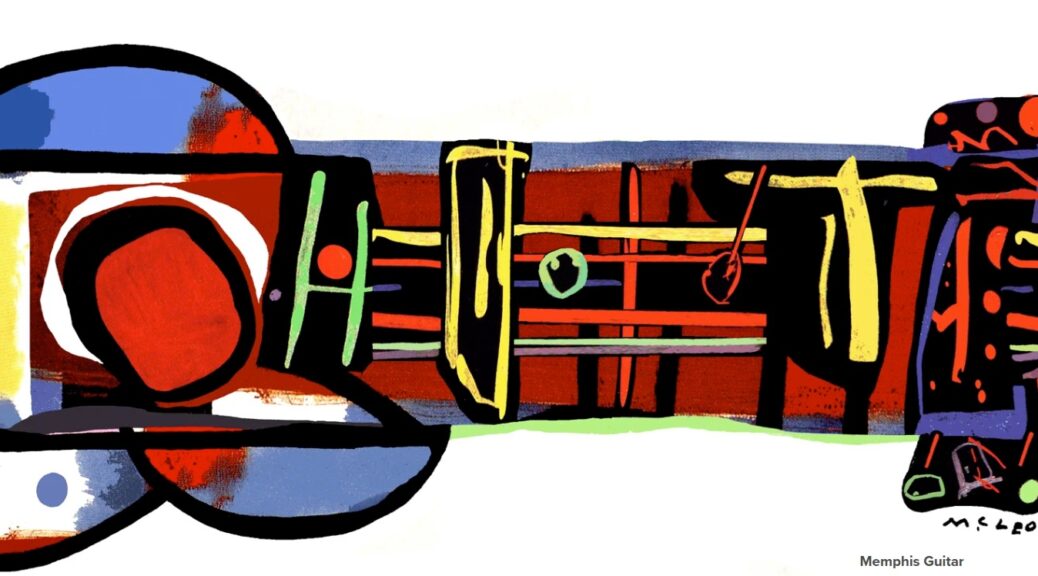


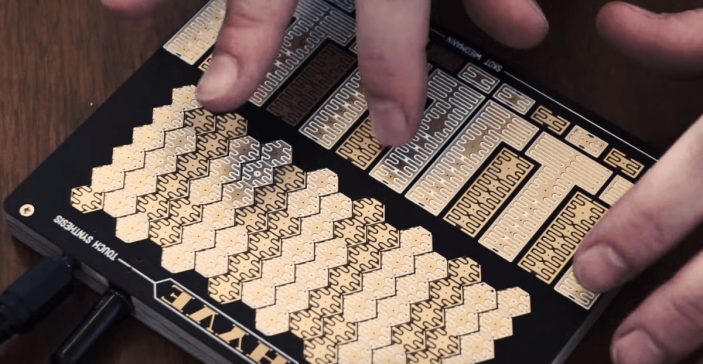
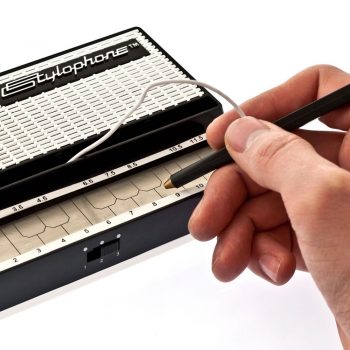
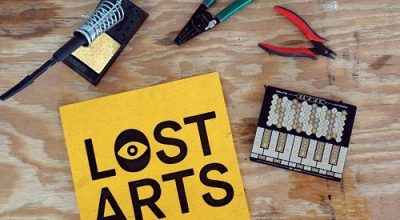
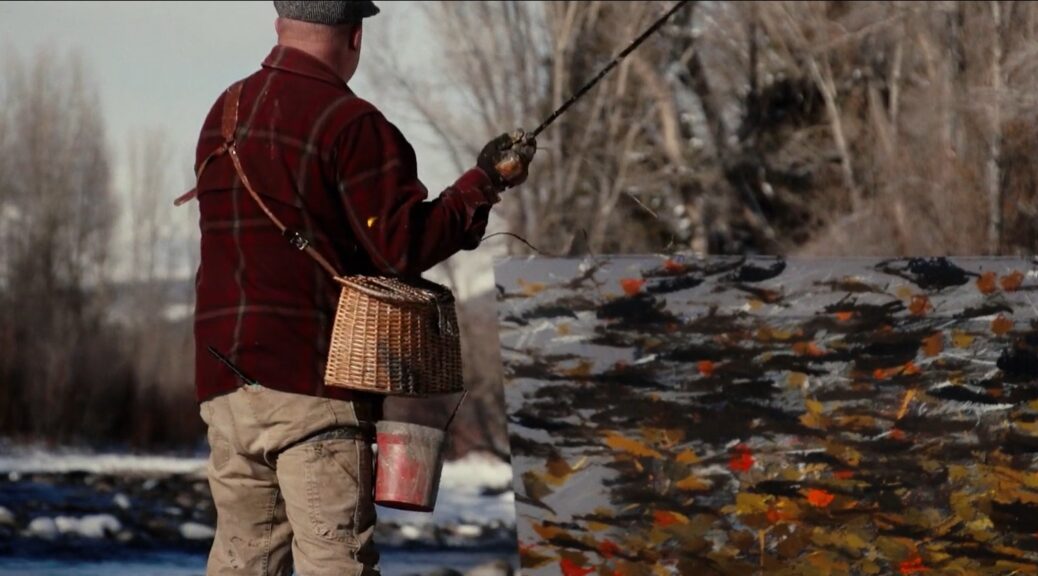

 Ben Miller/ Gary Snyder Fine ArtMiller will bring his artistic vision to life during the art fair. His team will travel to CRIT’s Ahakhav Tribal Preserve to photograph and video the portion of the river that runs through the Preserve. On March 19 as Scottsdale Art Week begins, Miller will be on site at Scottsdale Art Week to begin Fly Cast Painting on a six foot by eight foot by one inch block of plexiglass weighing 300 pounds that will be on a special easel. Those attending will see Miller create the artwork as the painting emerges on the other side of the plexiglass. On Friday March 20th the finished work will be on display. A portion of sales will go to CRIT. Recently, CRIT has taken the bold step to acknowledge personhood status for the Colorado River which protects it under Tribal Law.


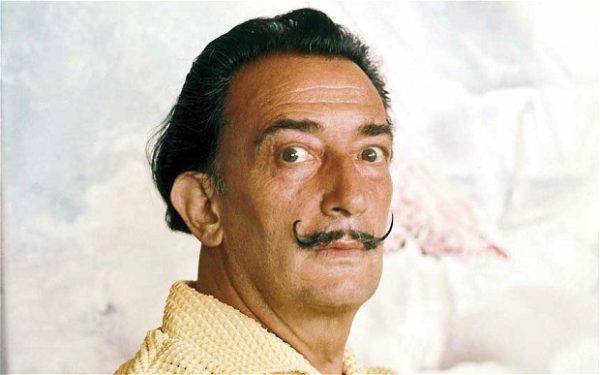
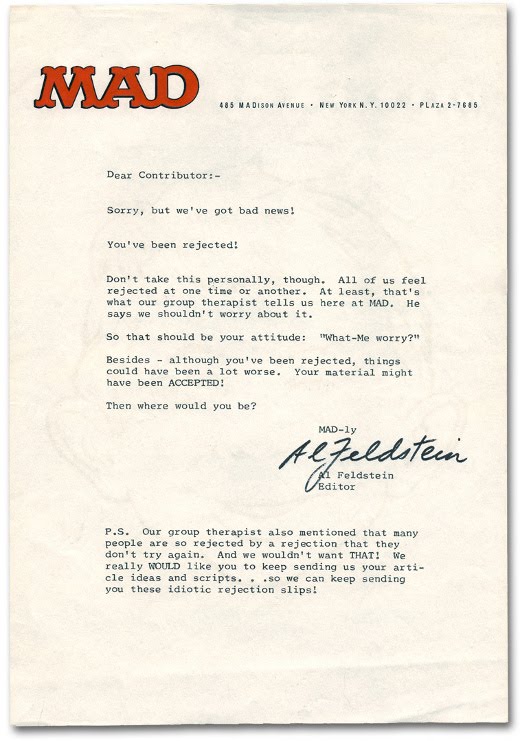 As an artist you will be the recipient of rejection letters and emails.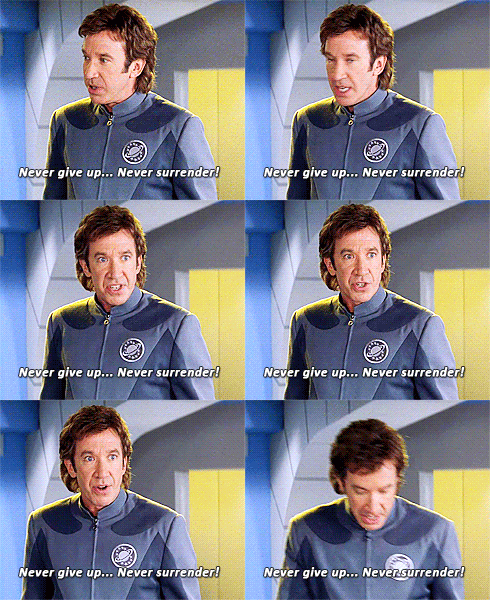
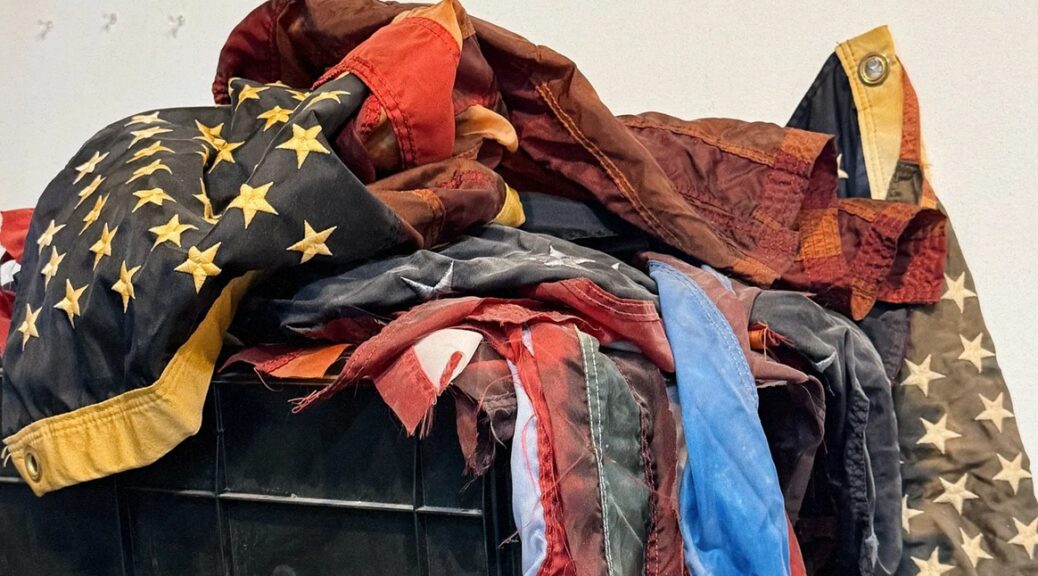
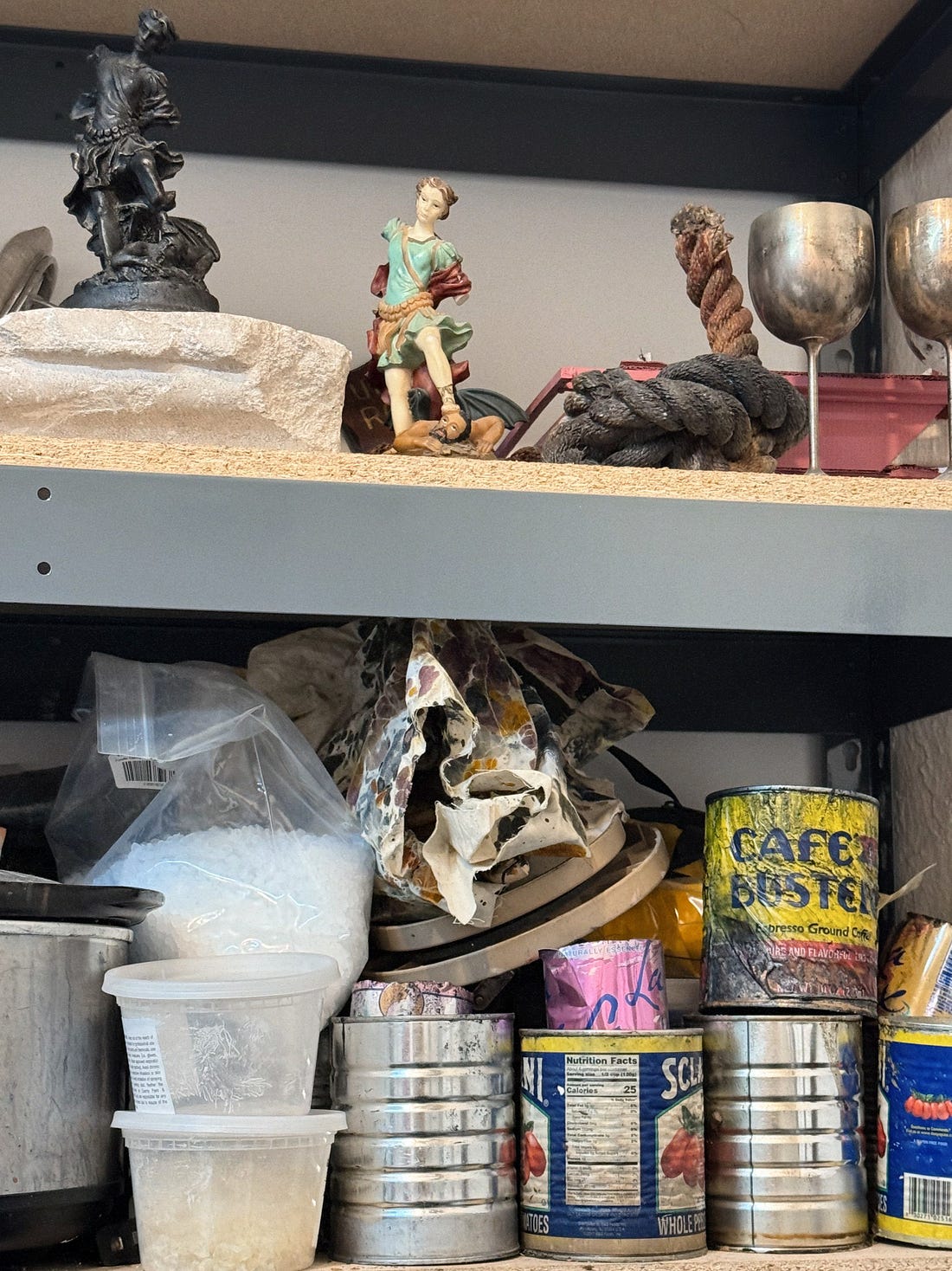
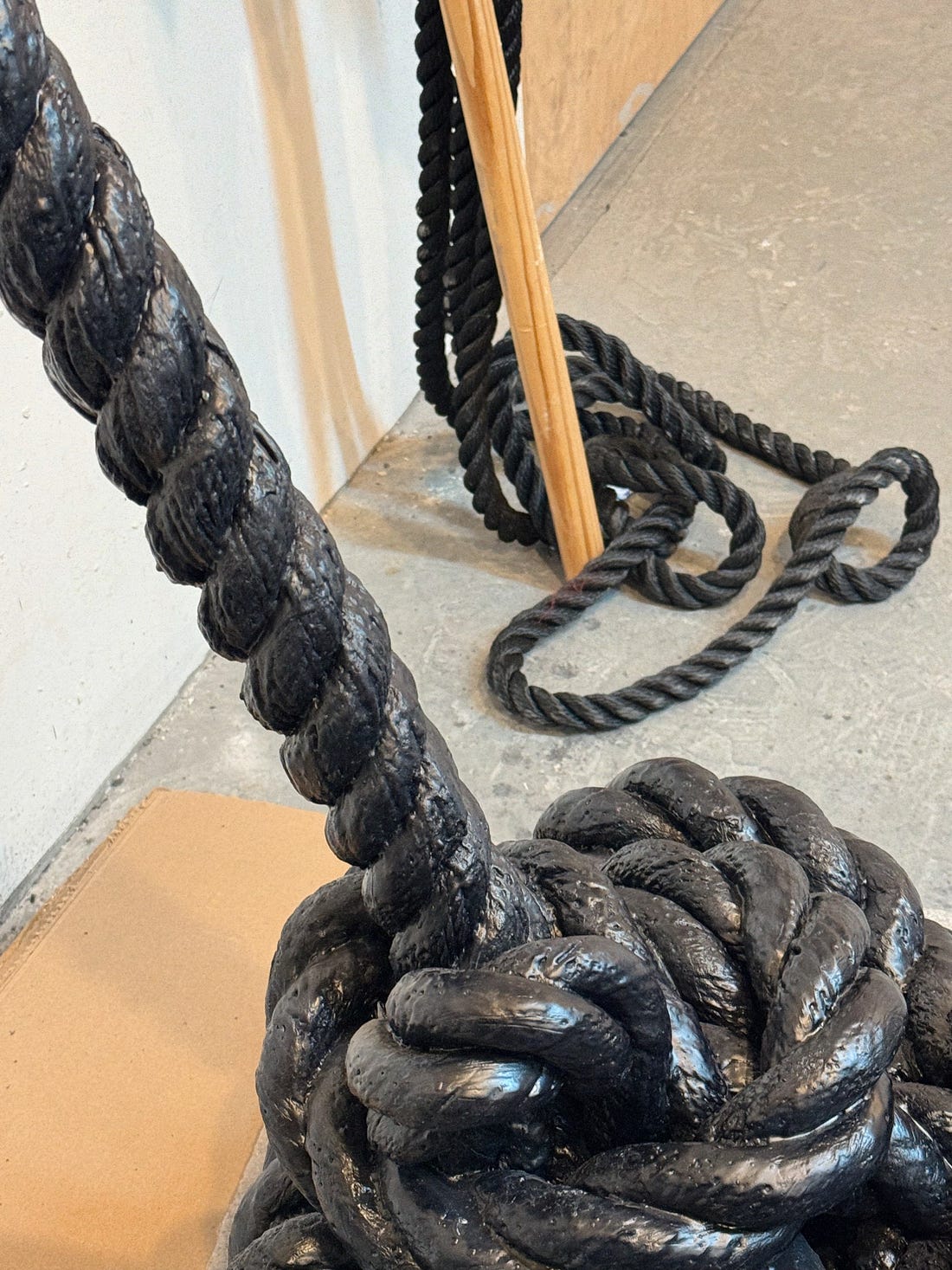
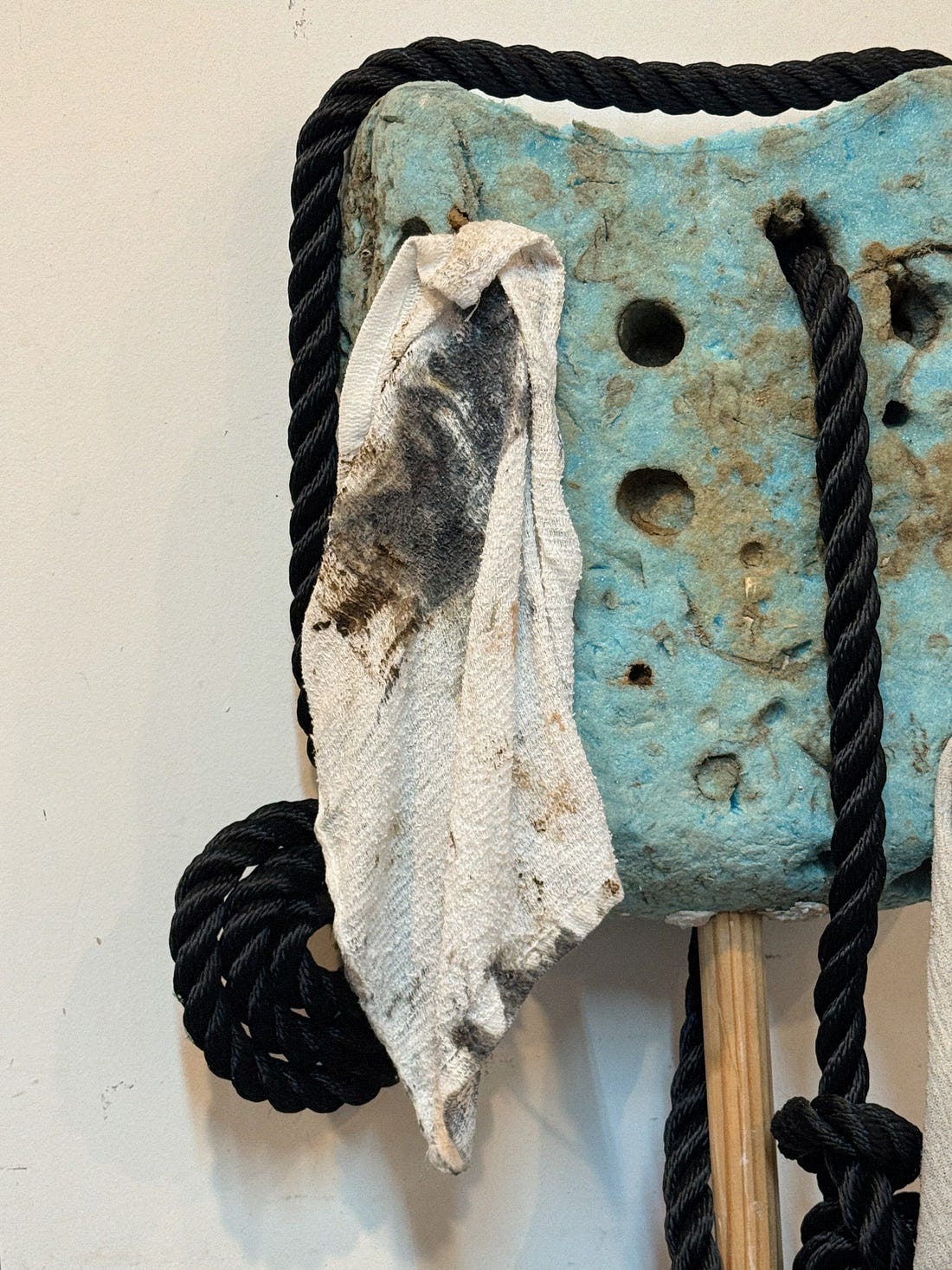
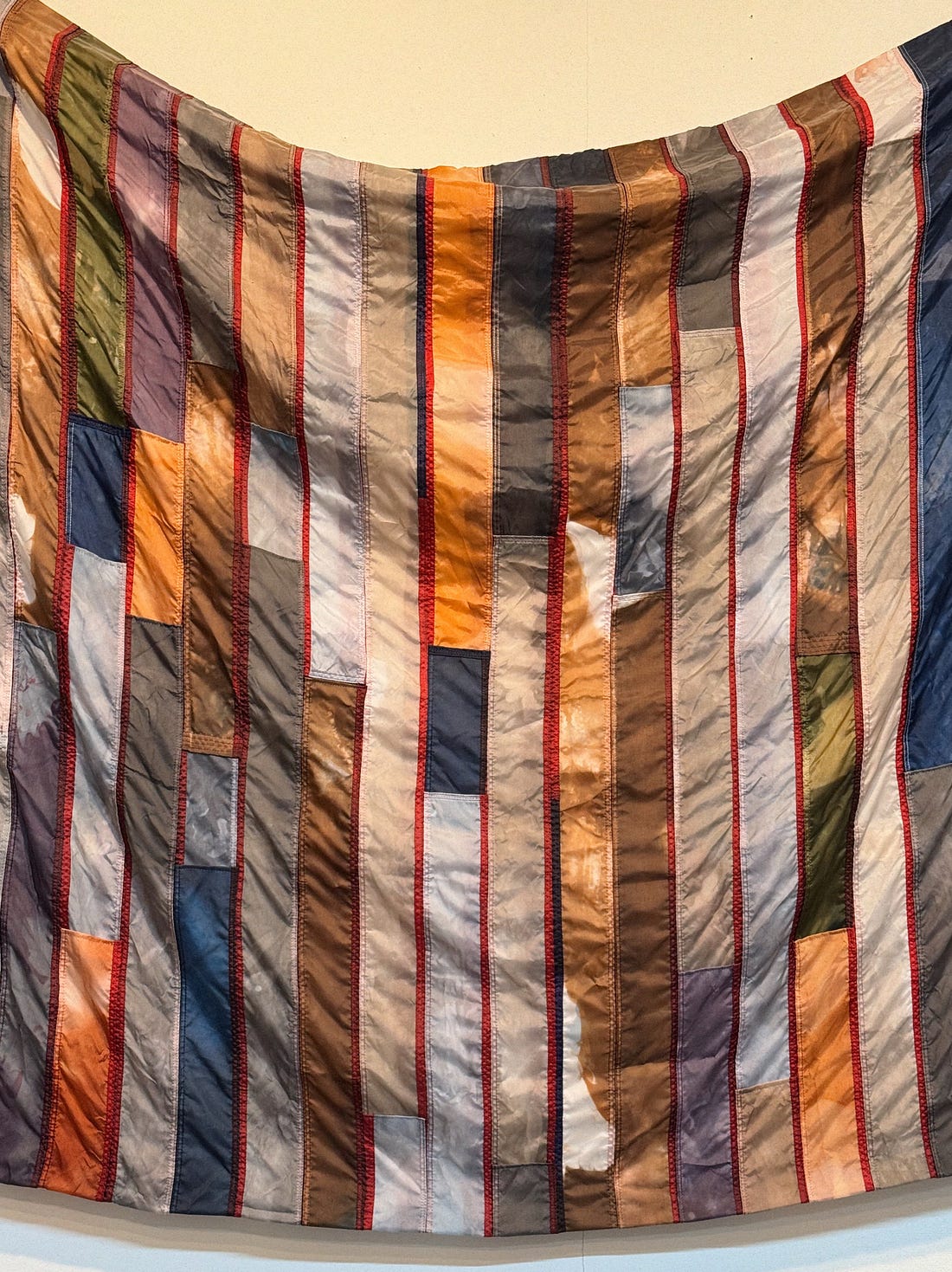
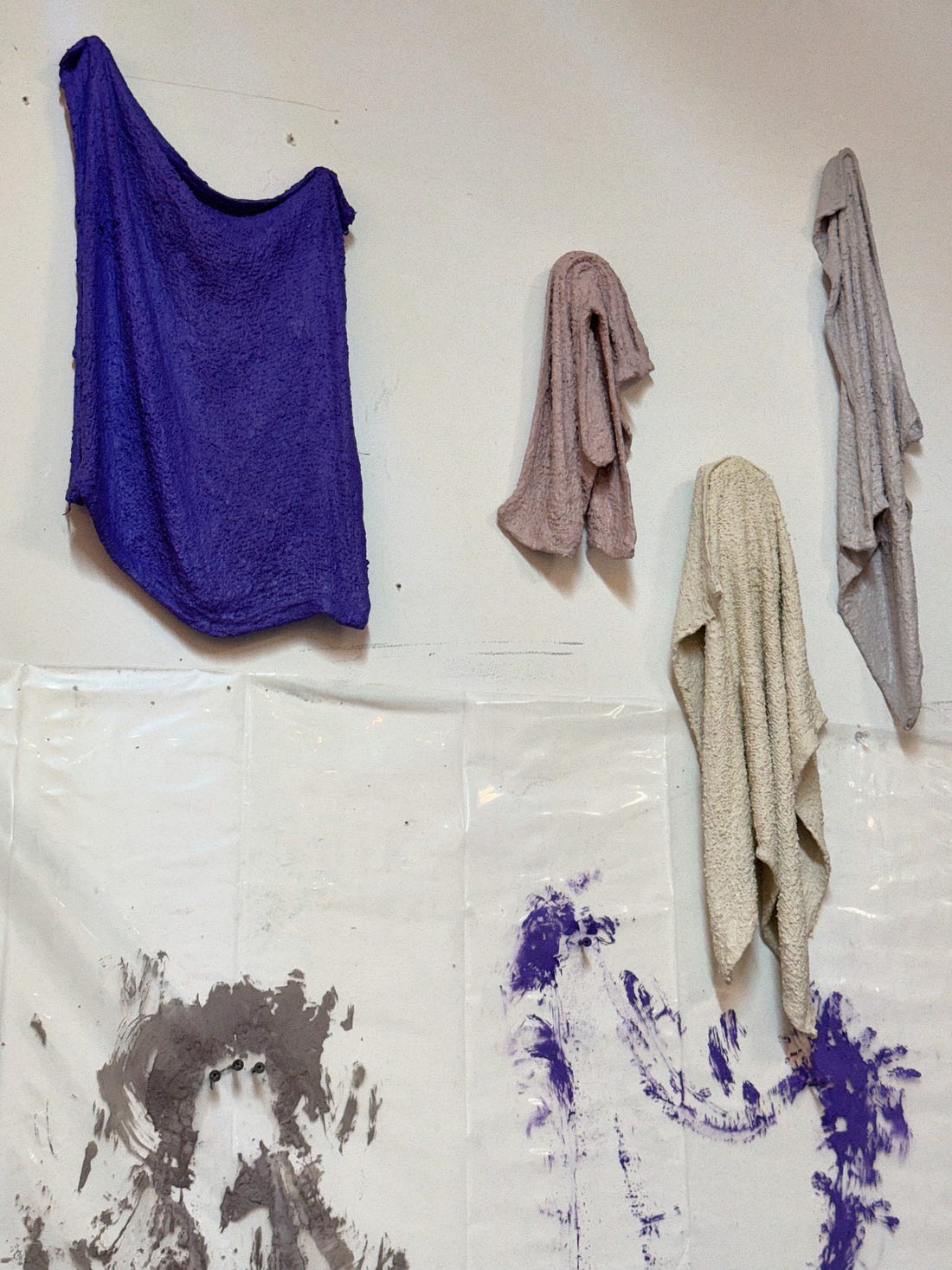
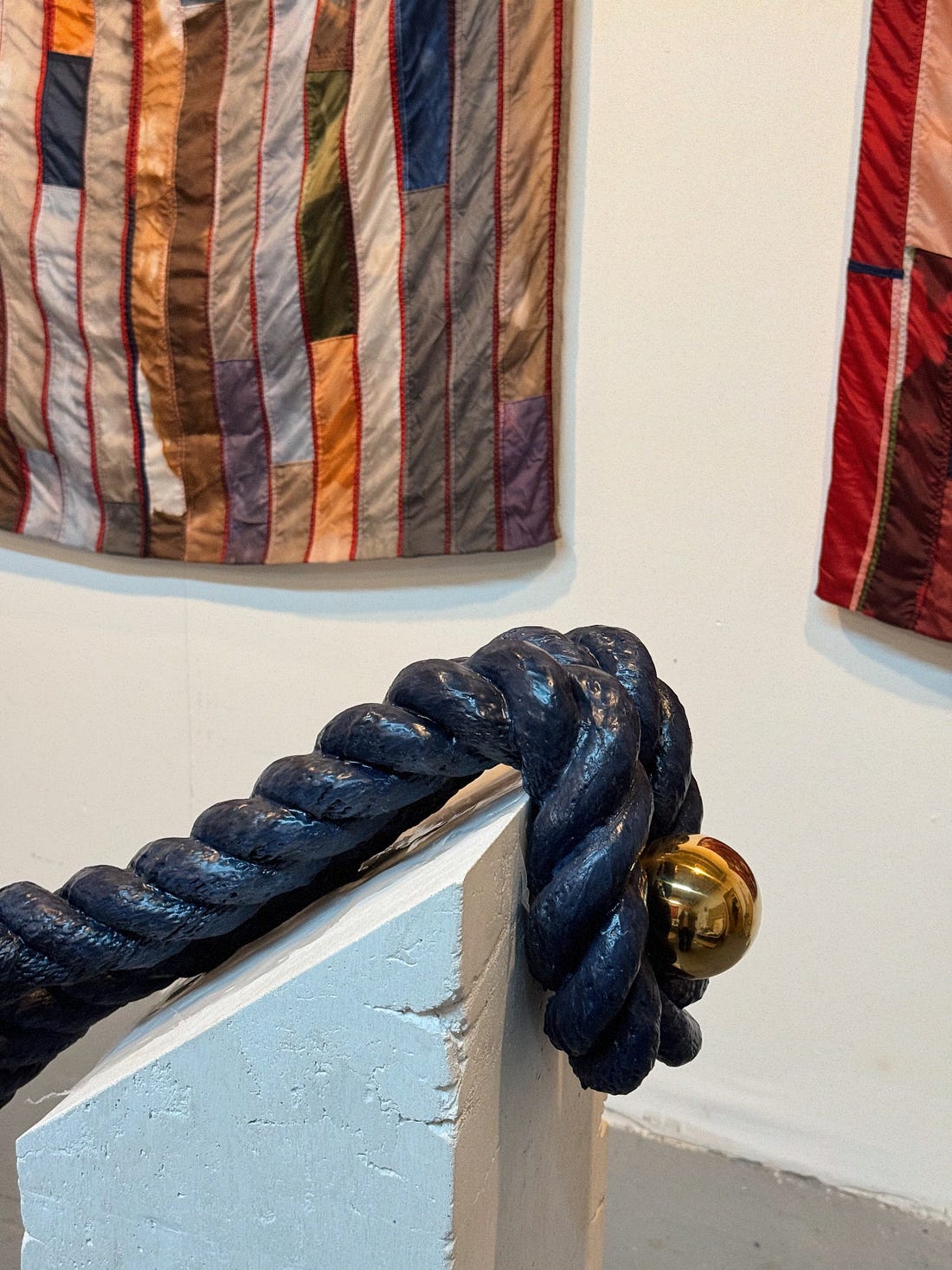
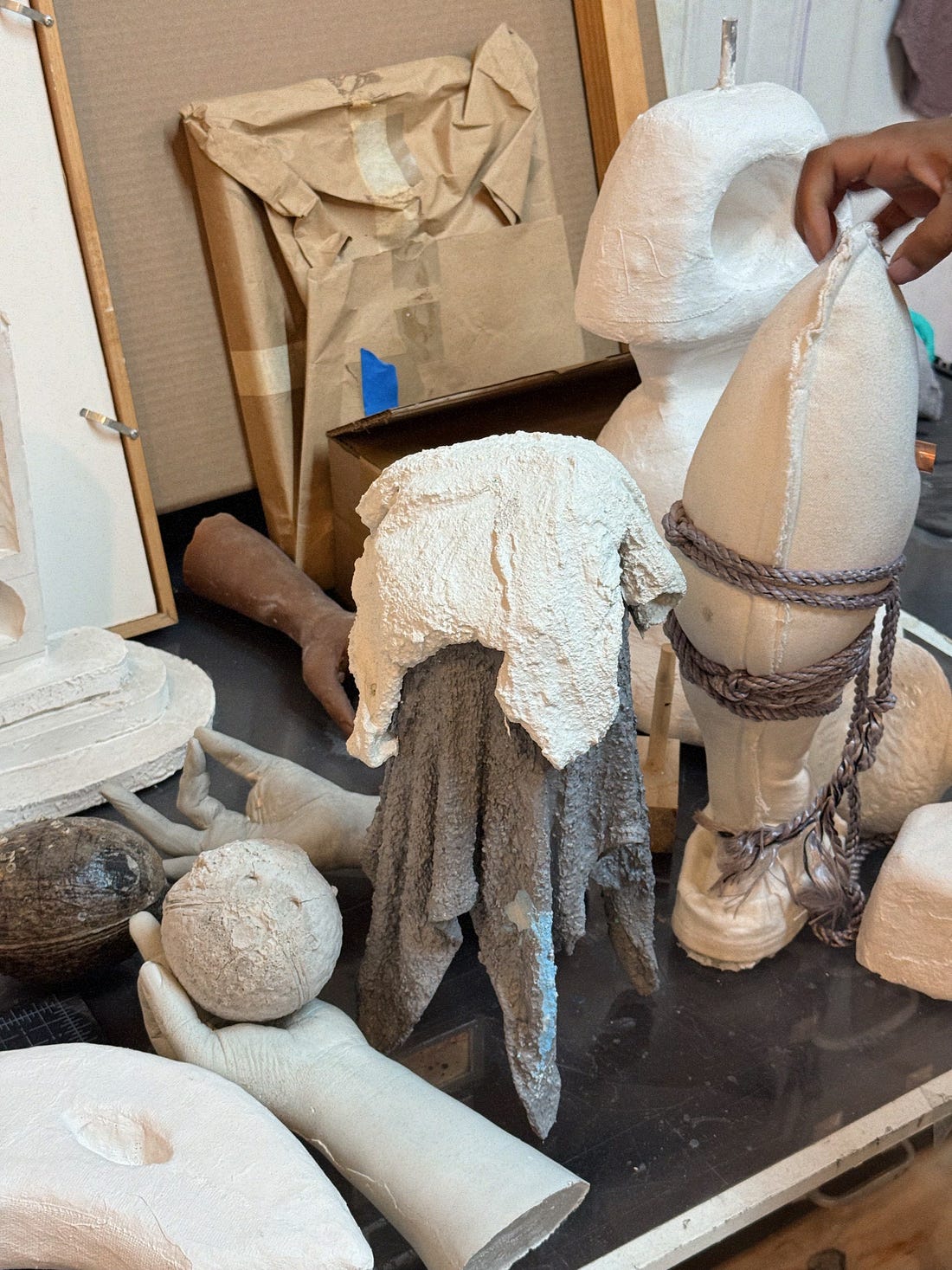
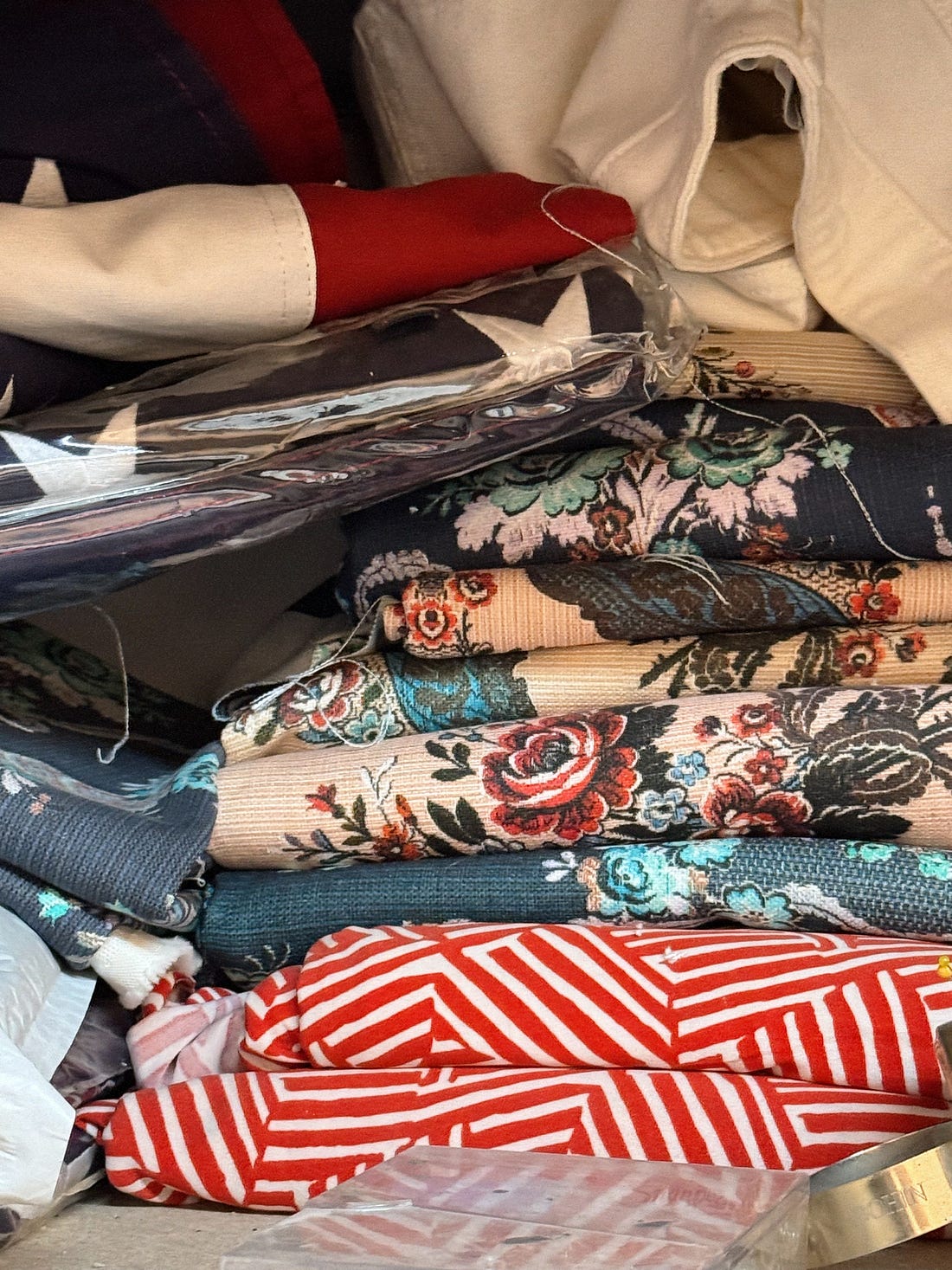
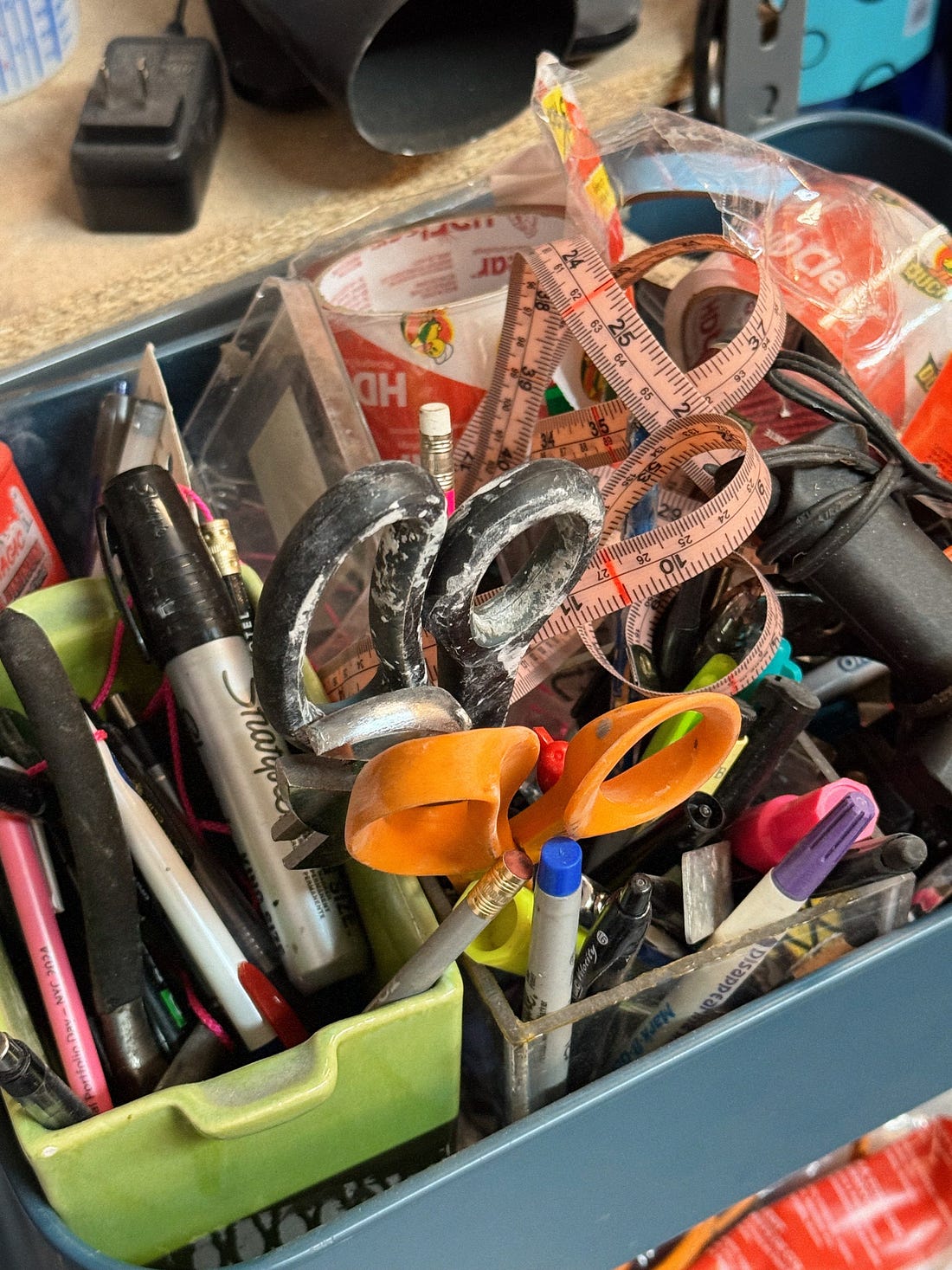
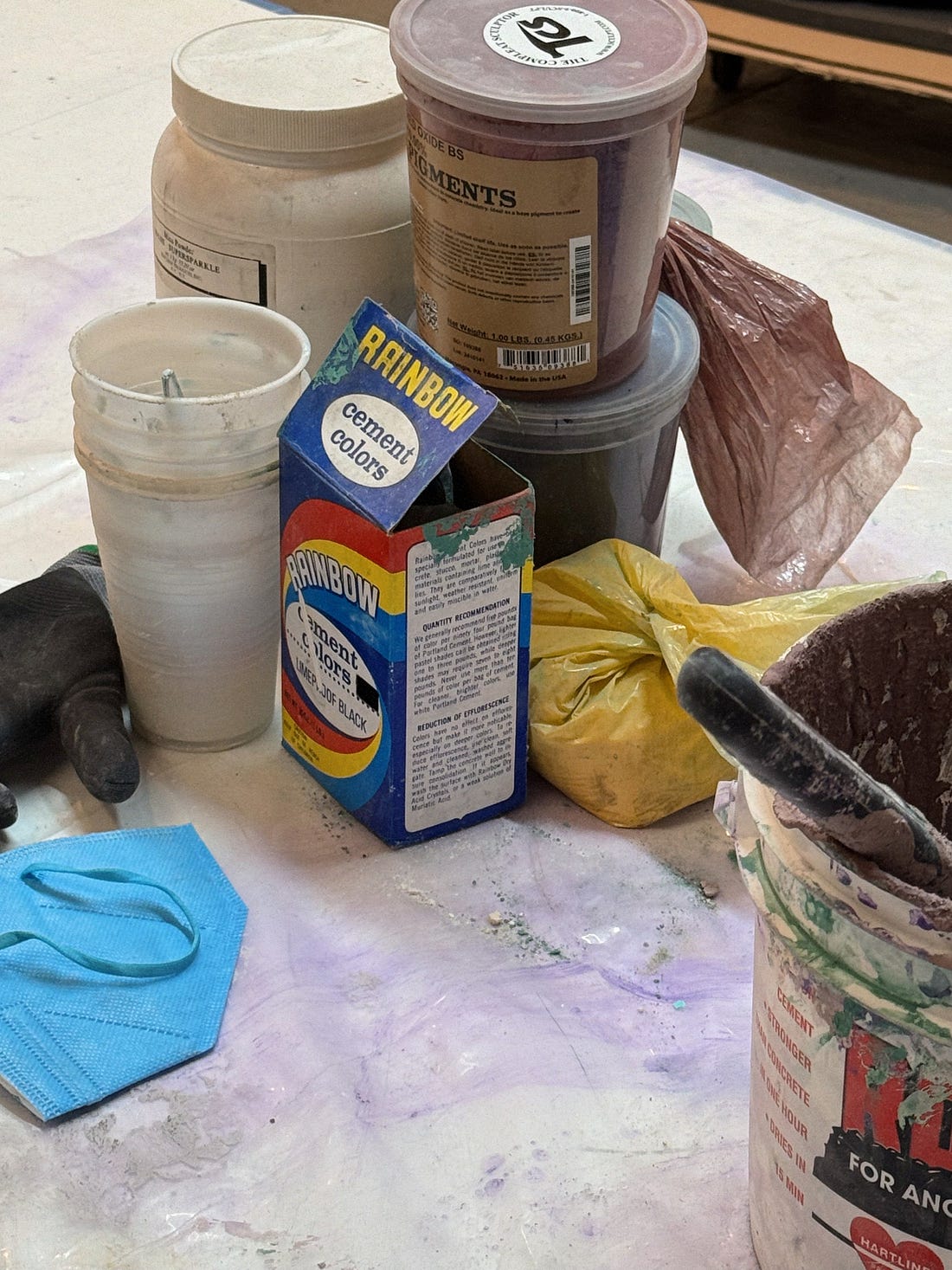
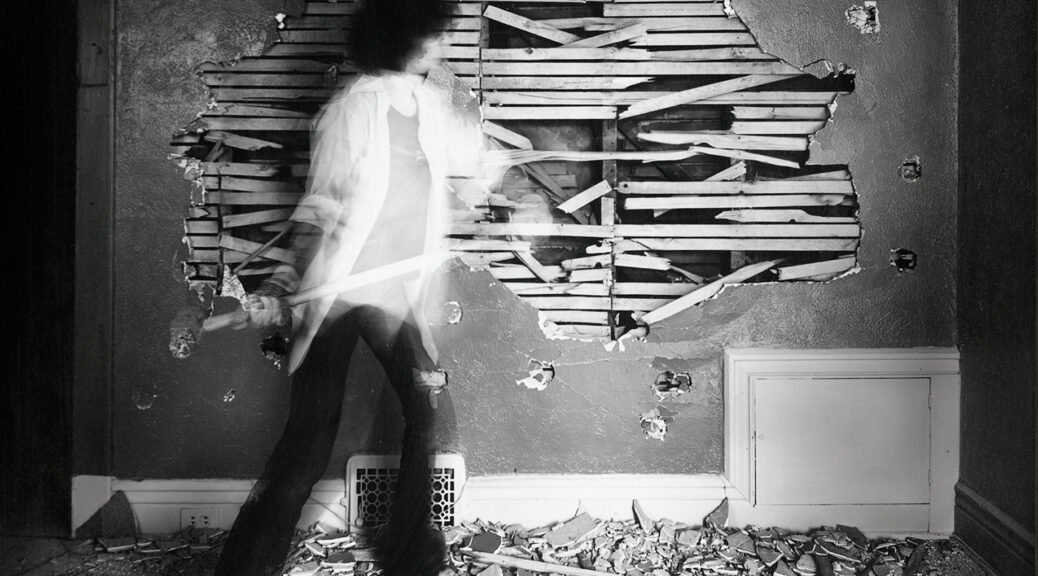
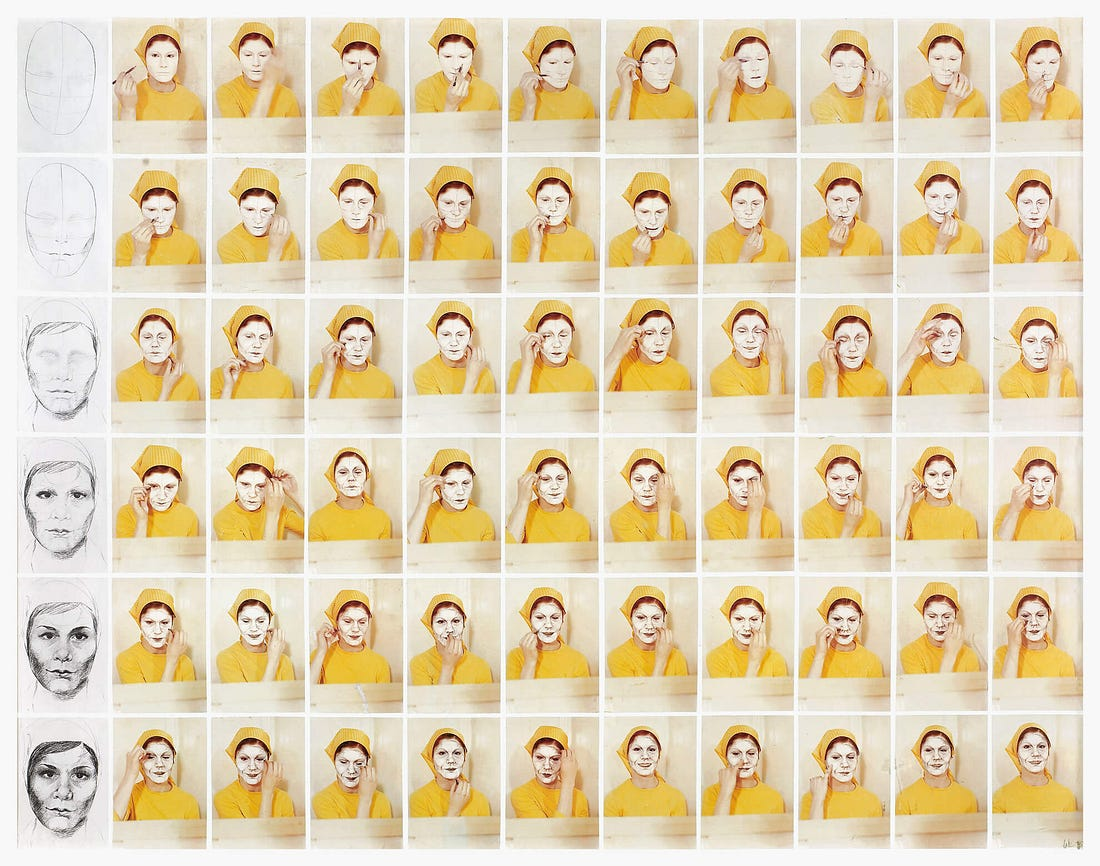
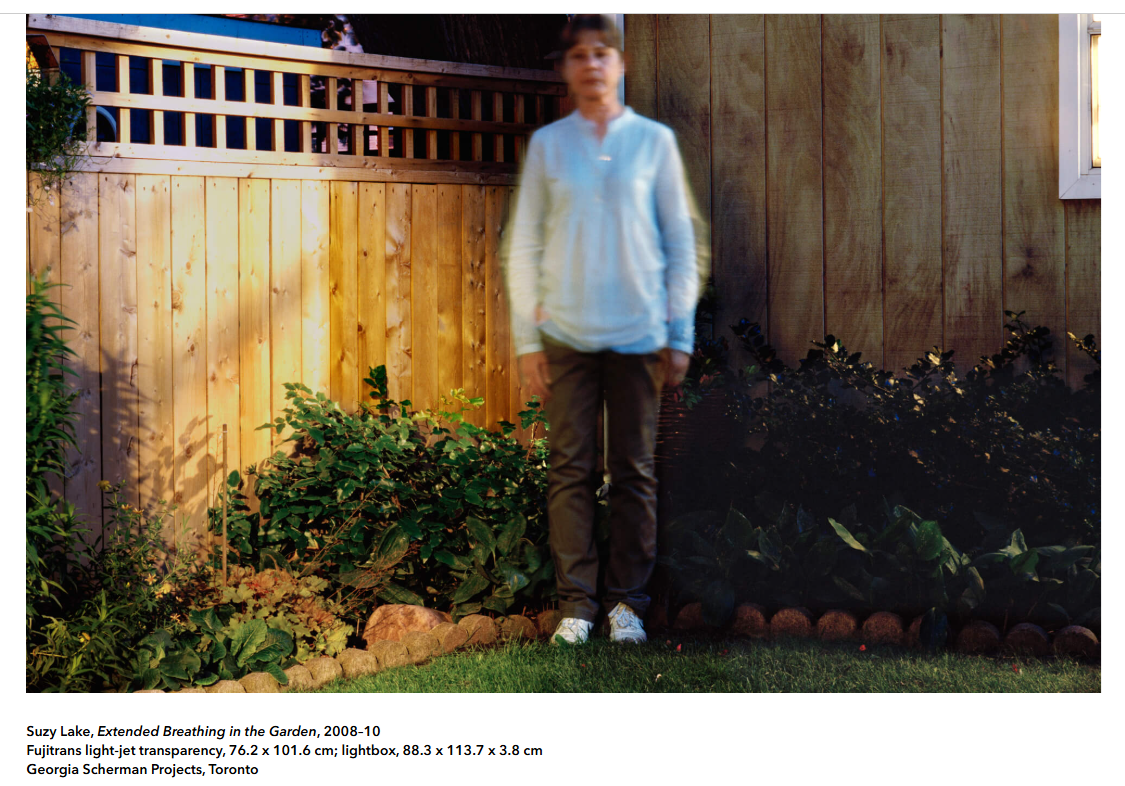
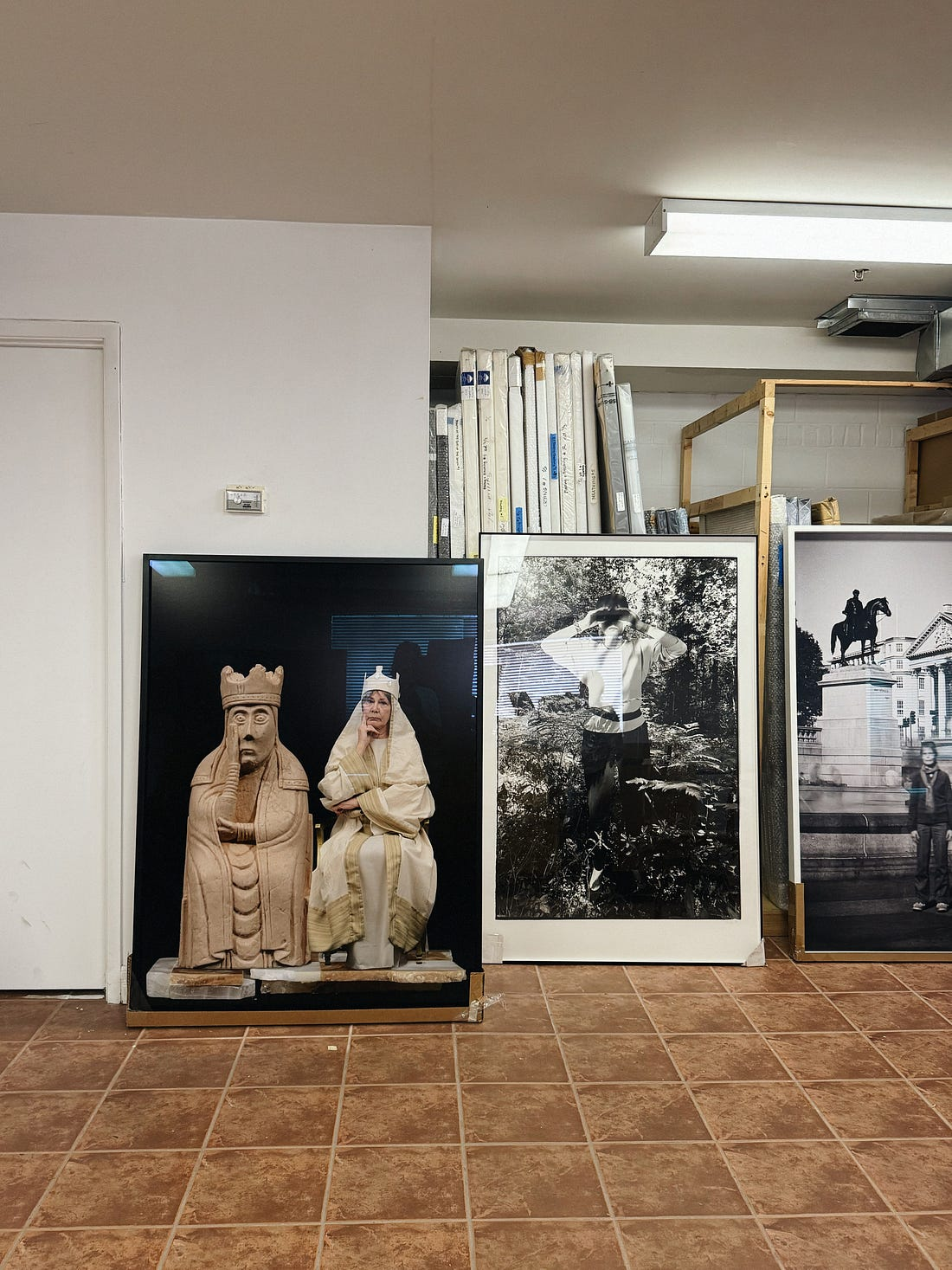
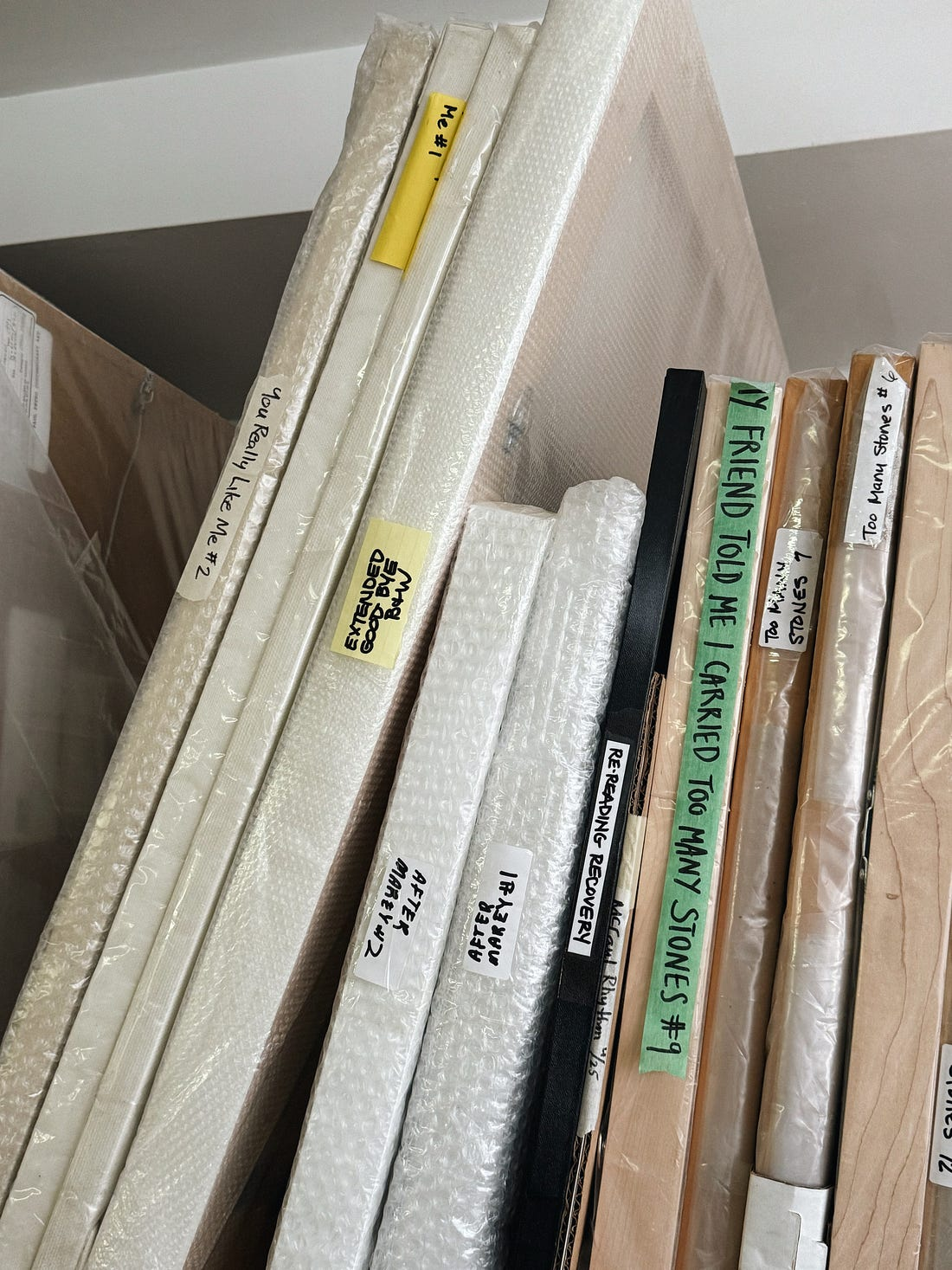
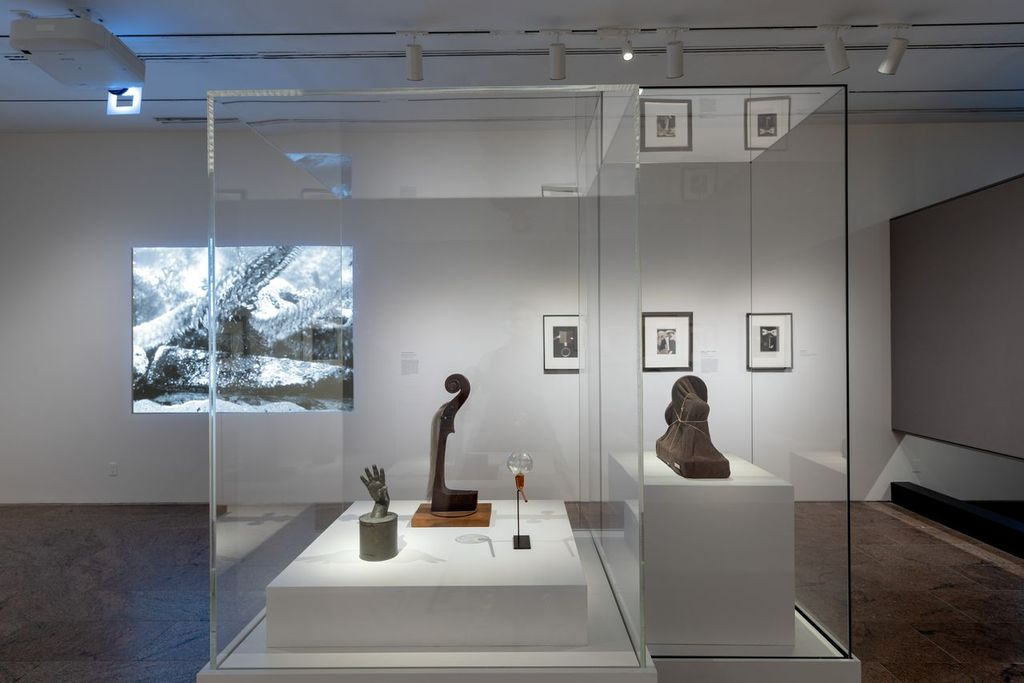
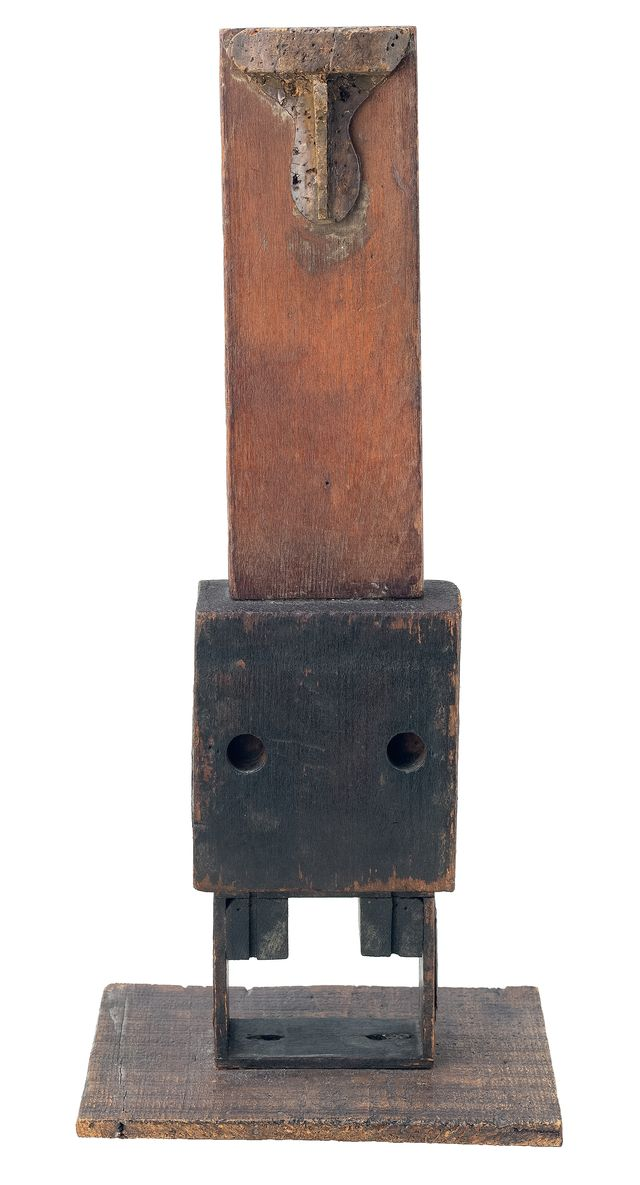
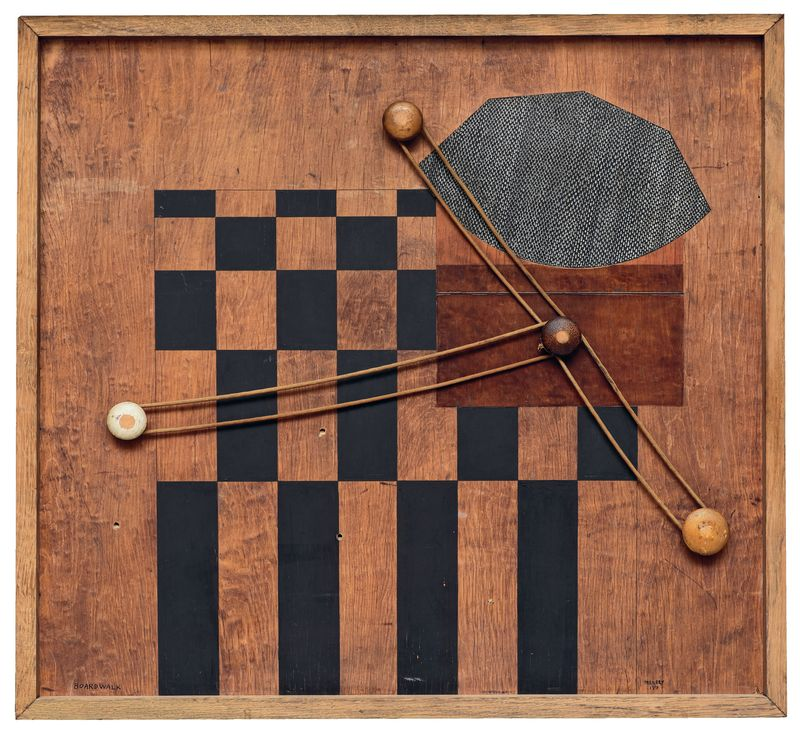
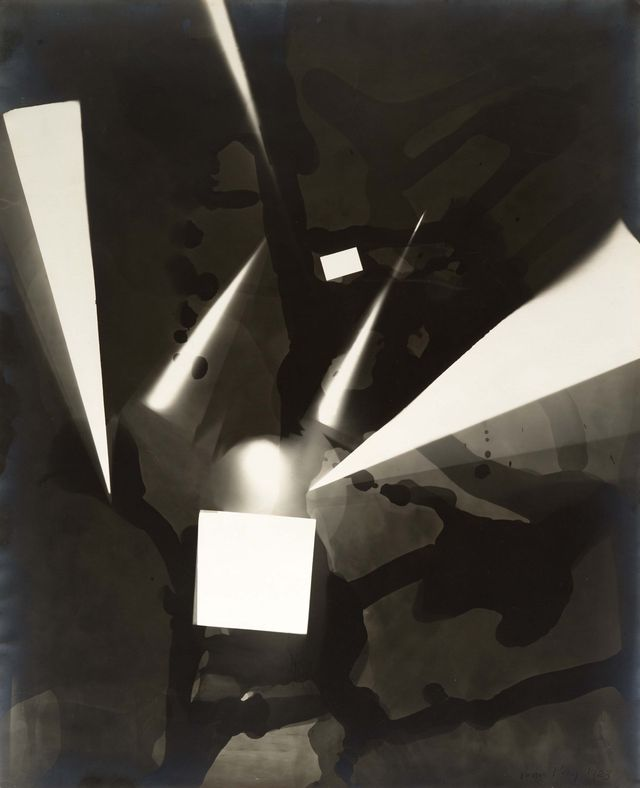
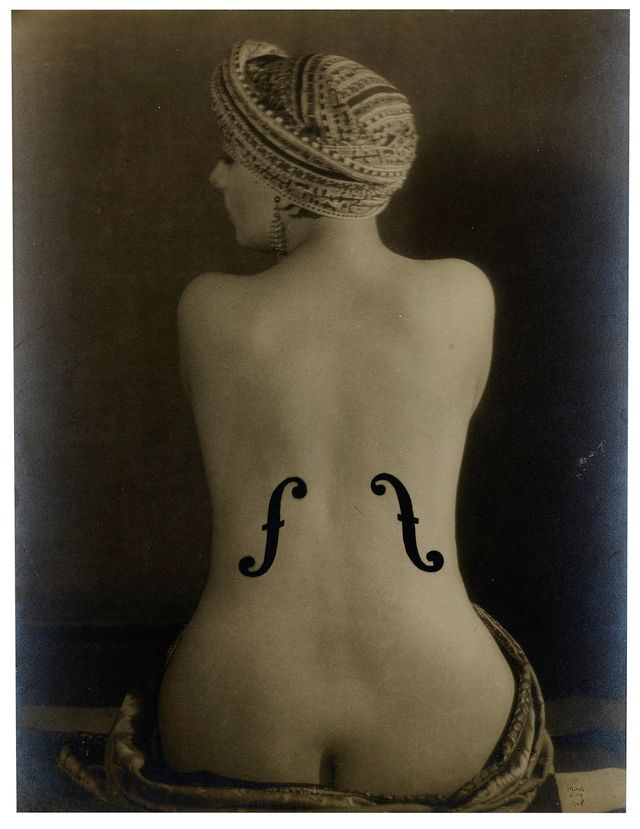
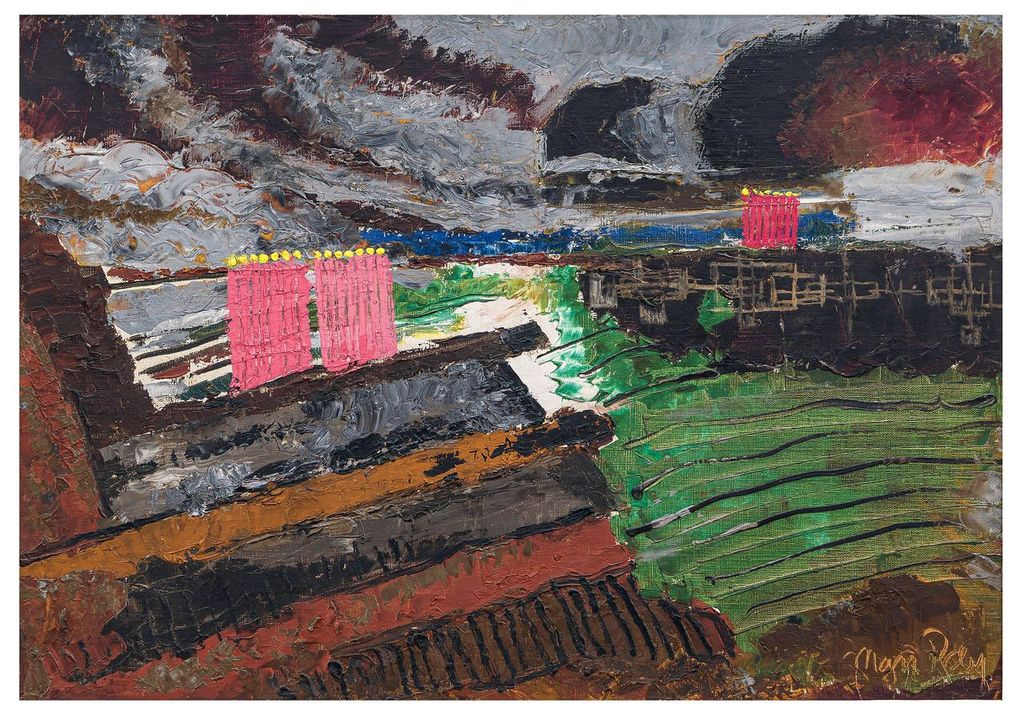
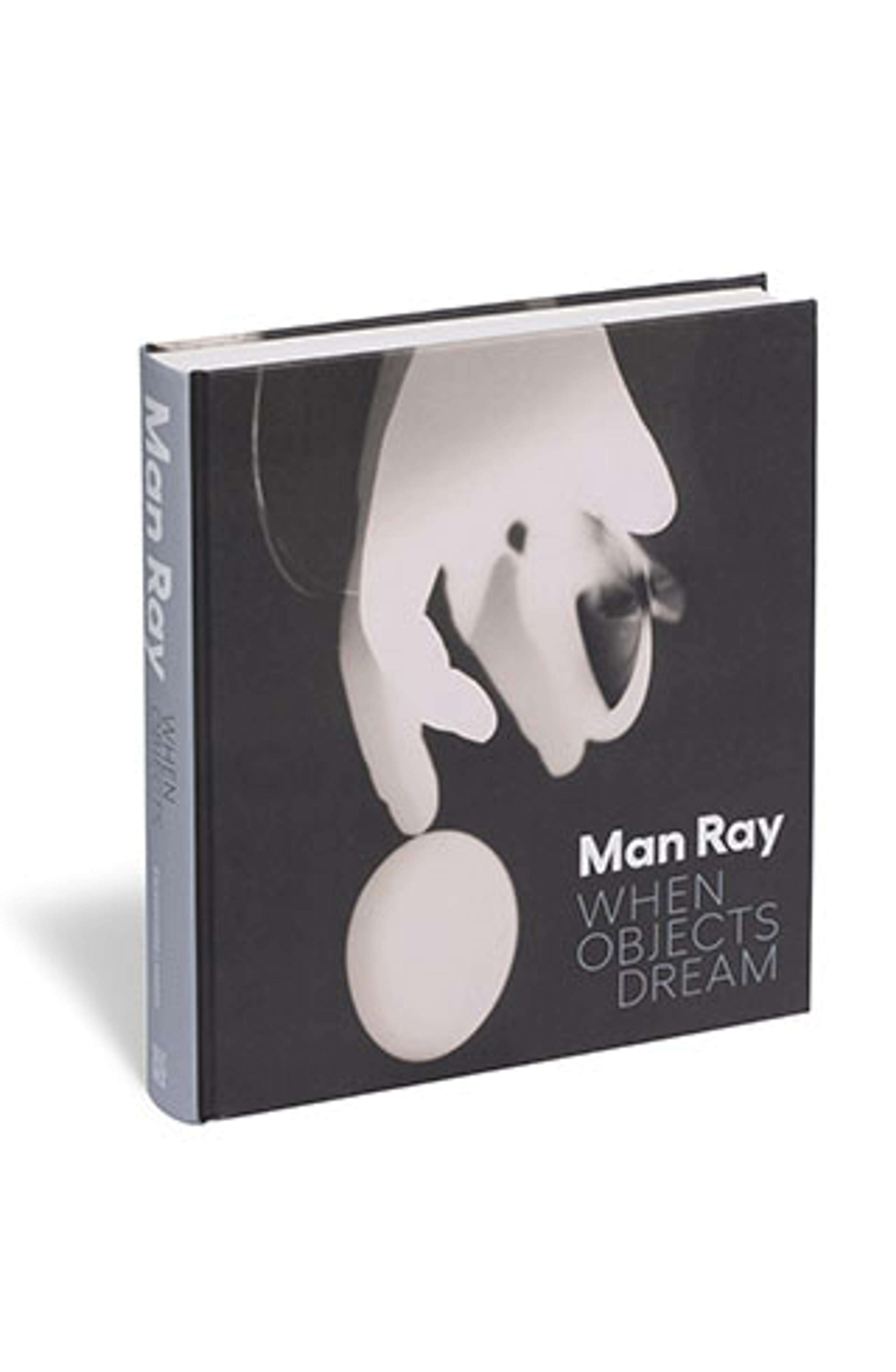

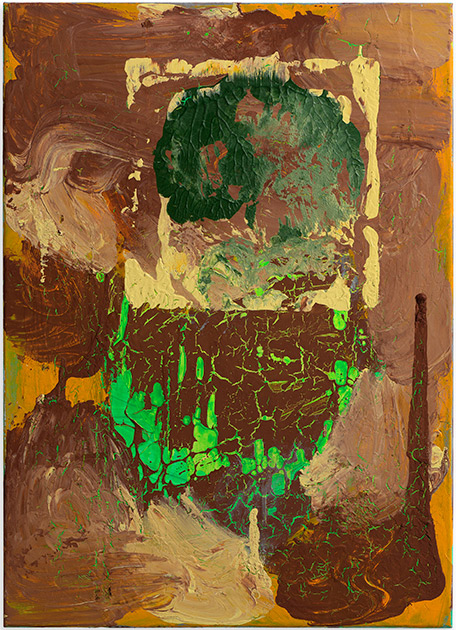
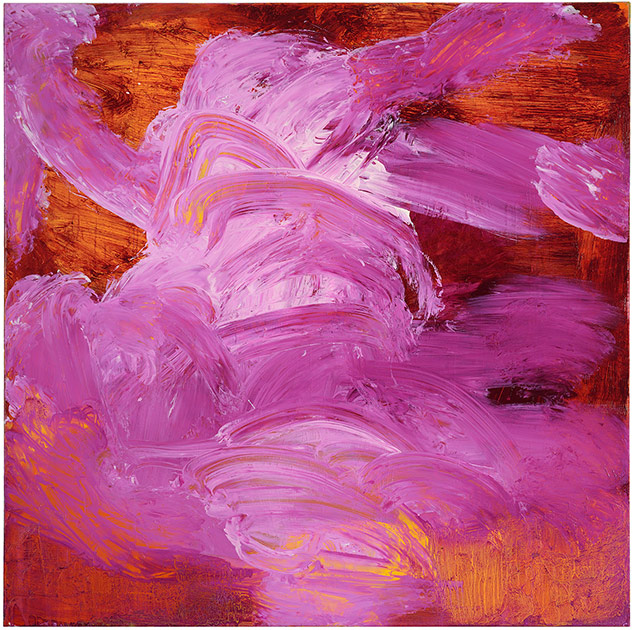
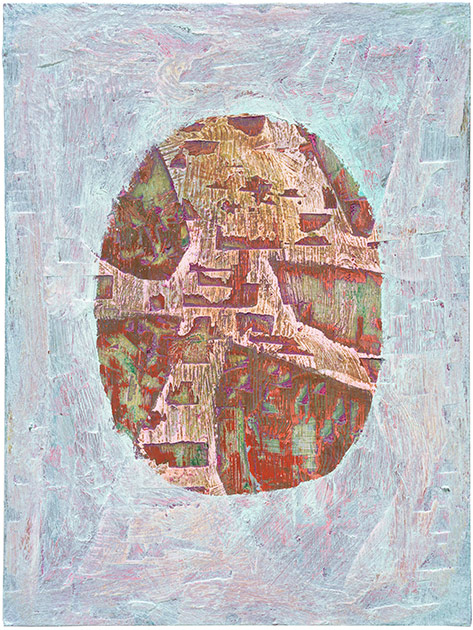
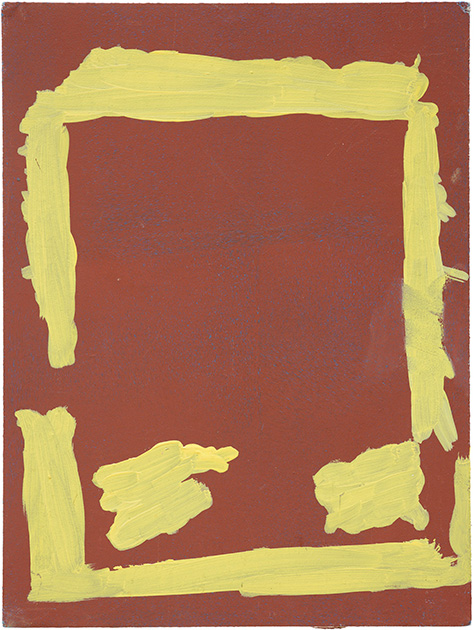
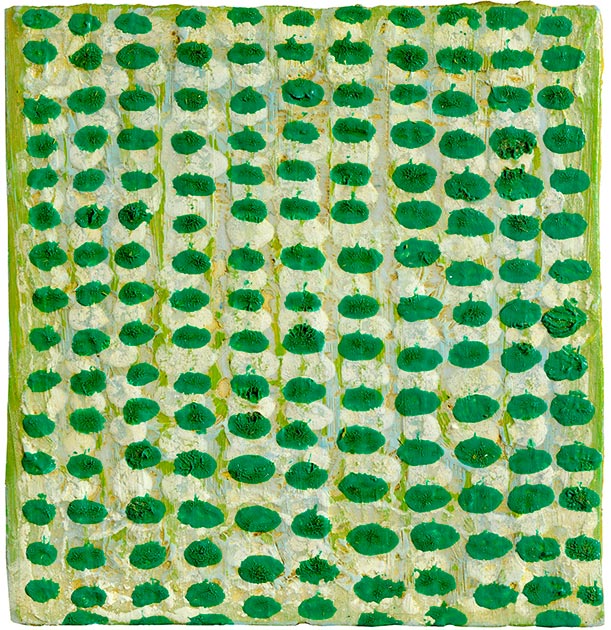
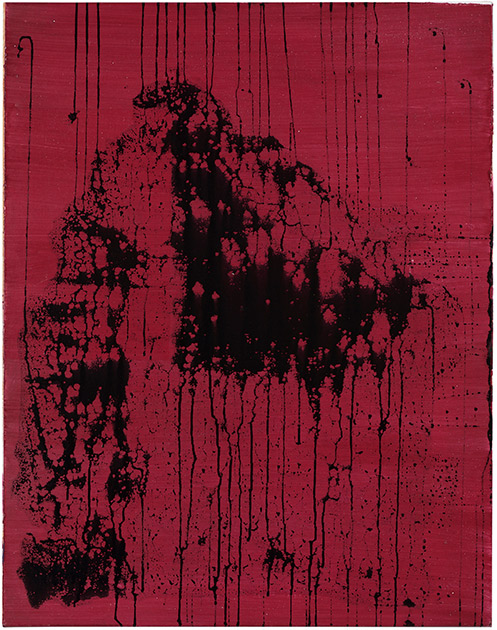
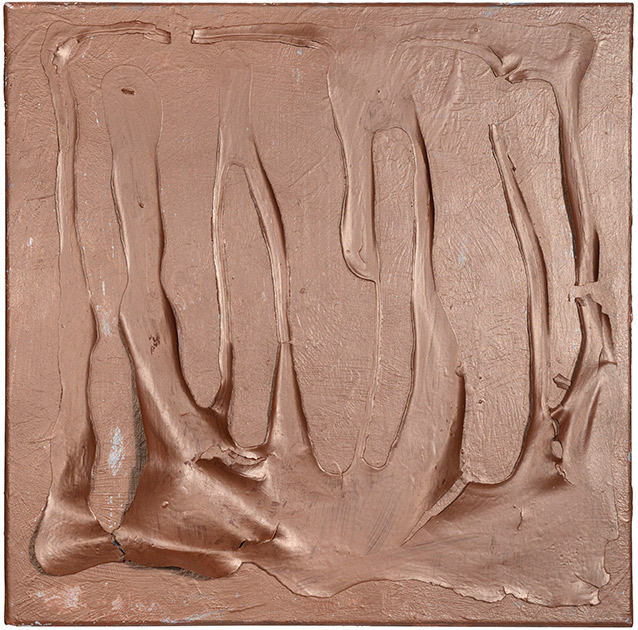
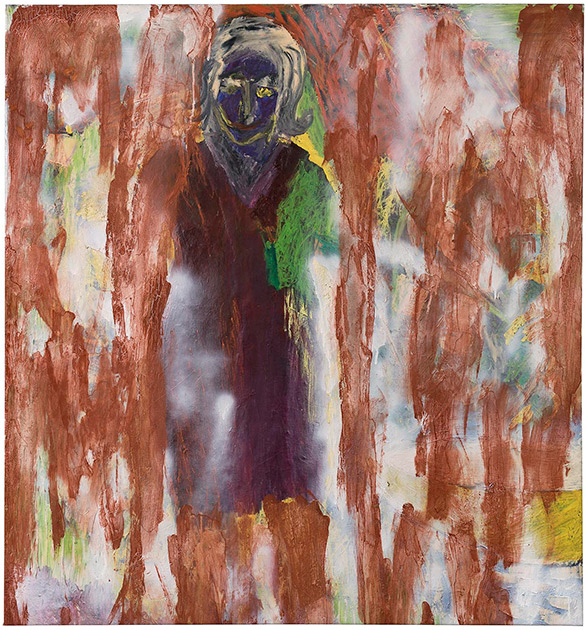
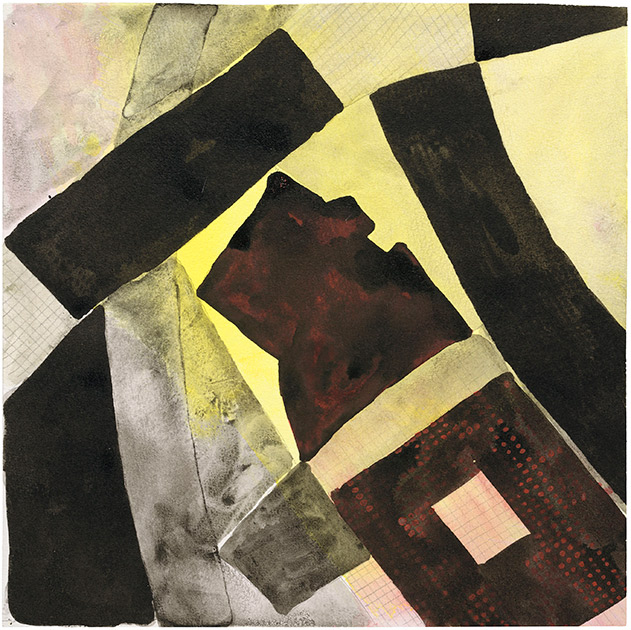
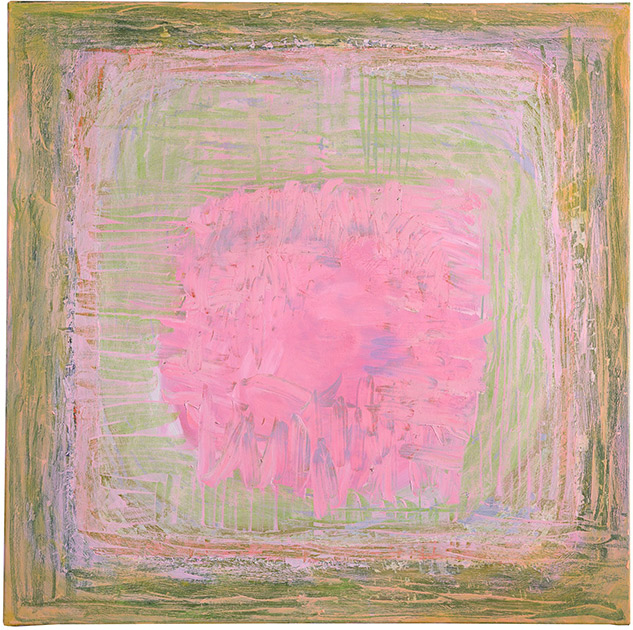
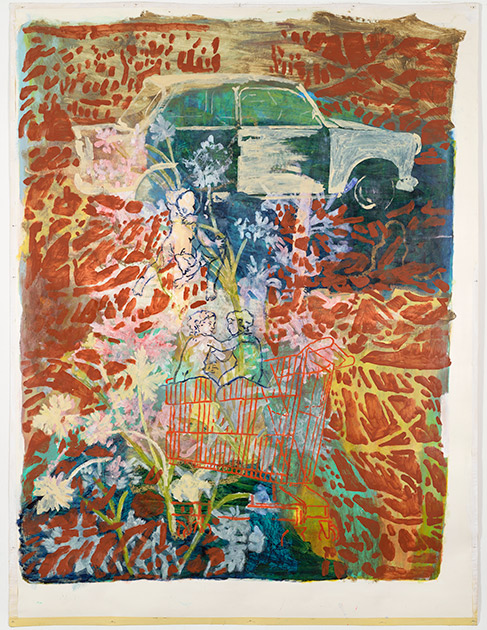
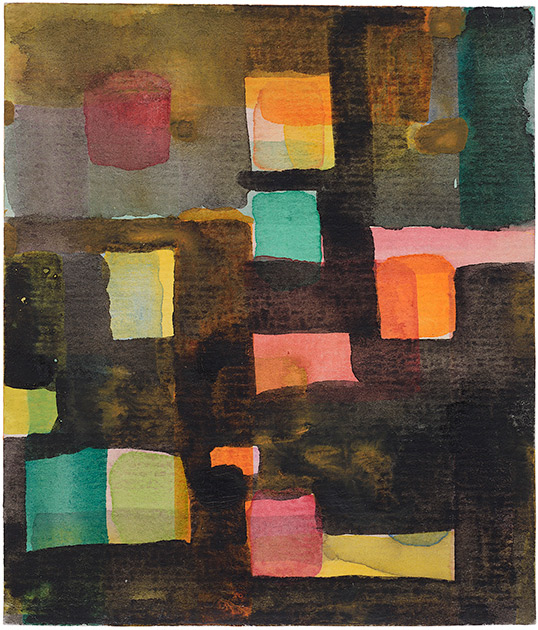
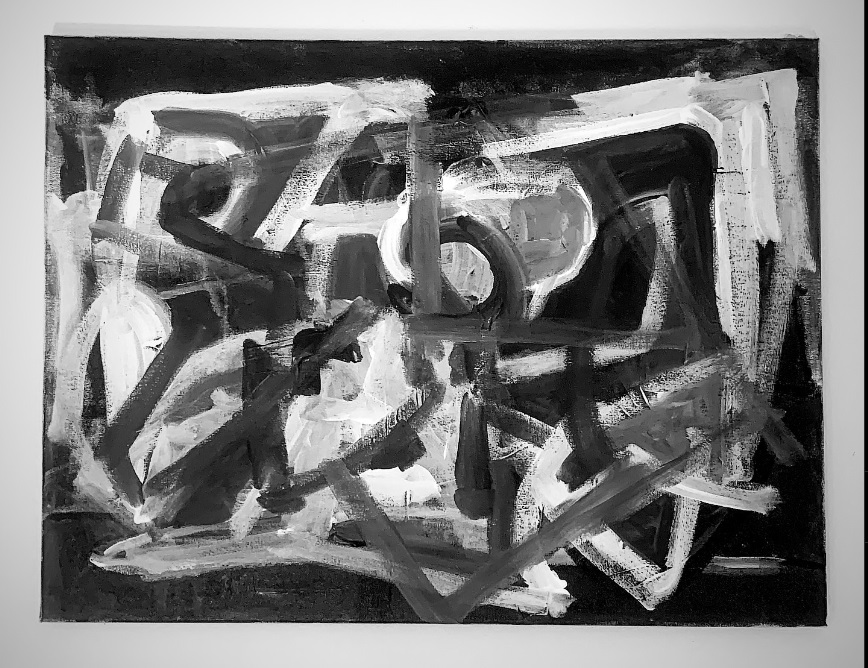
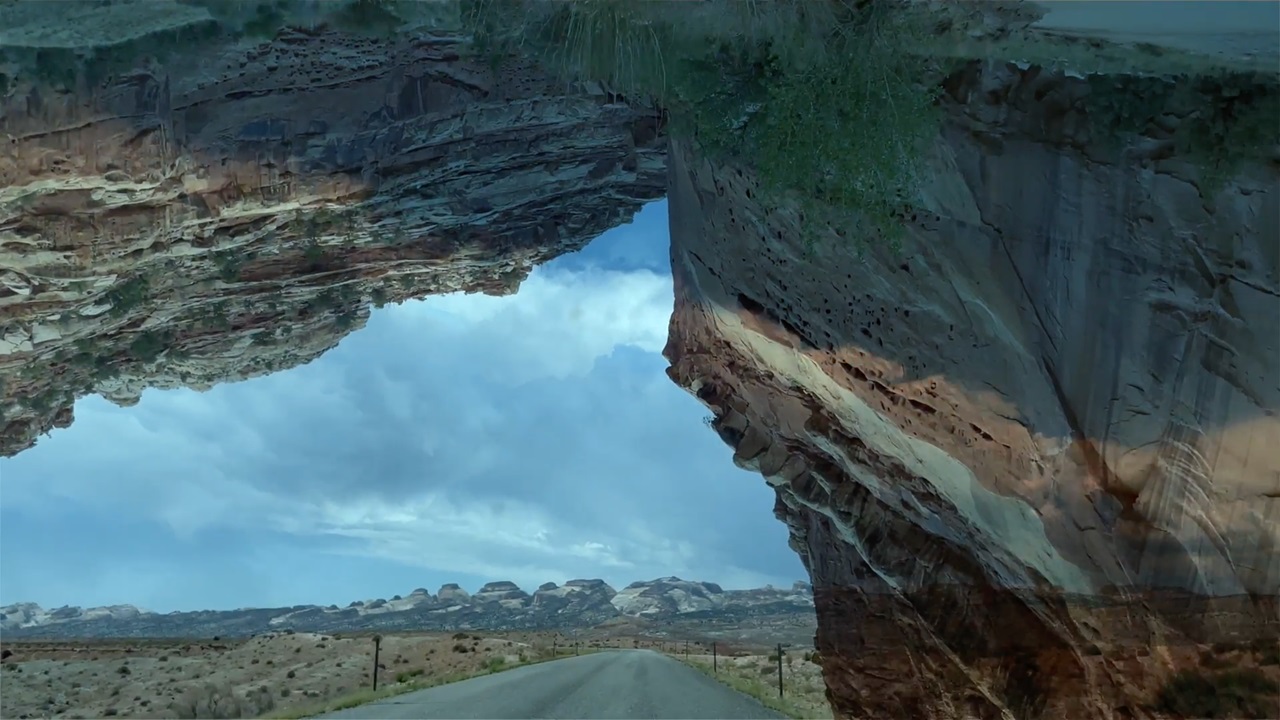


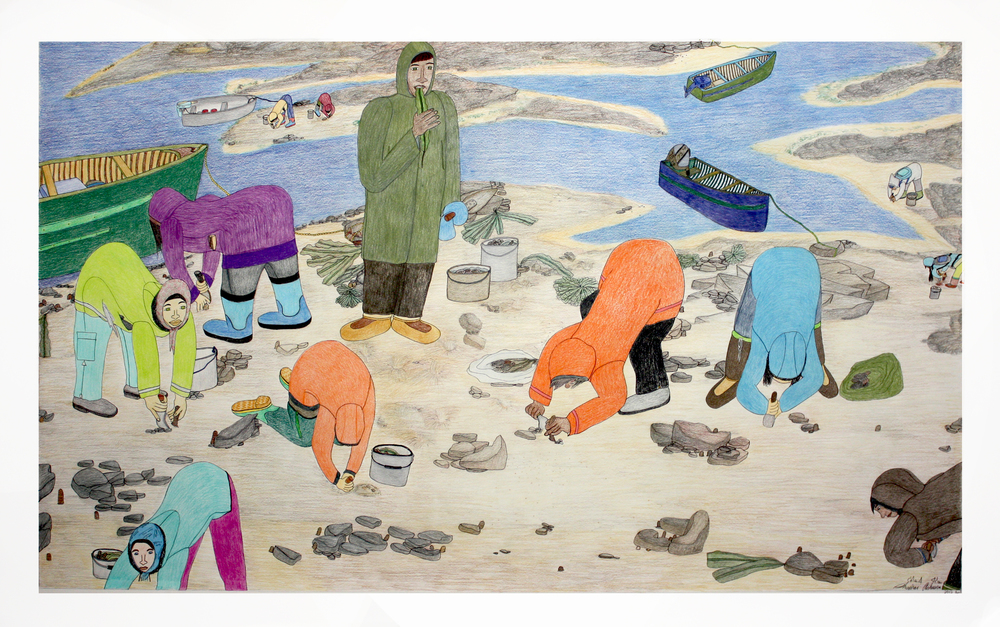
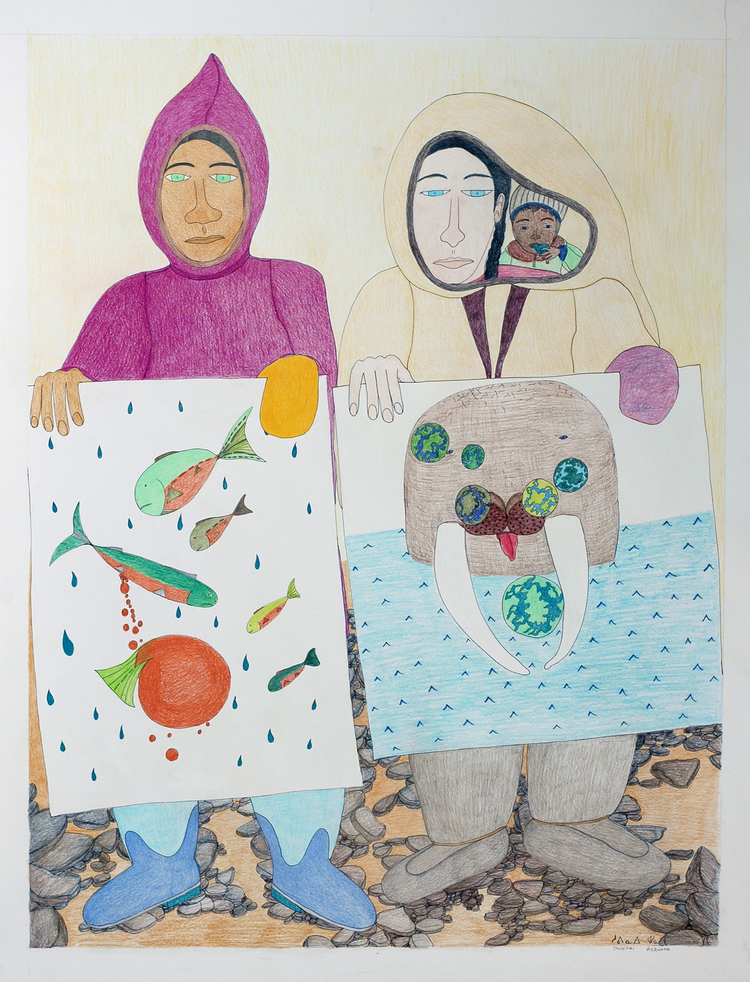
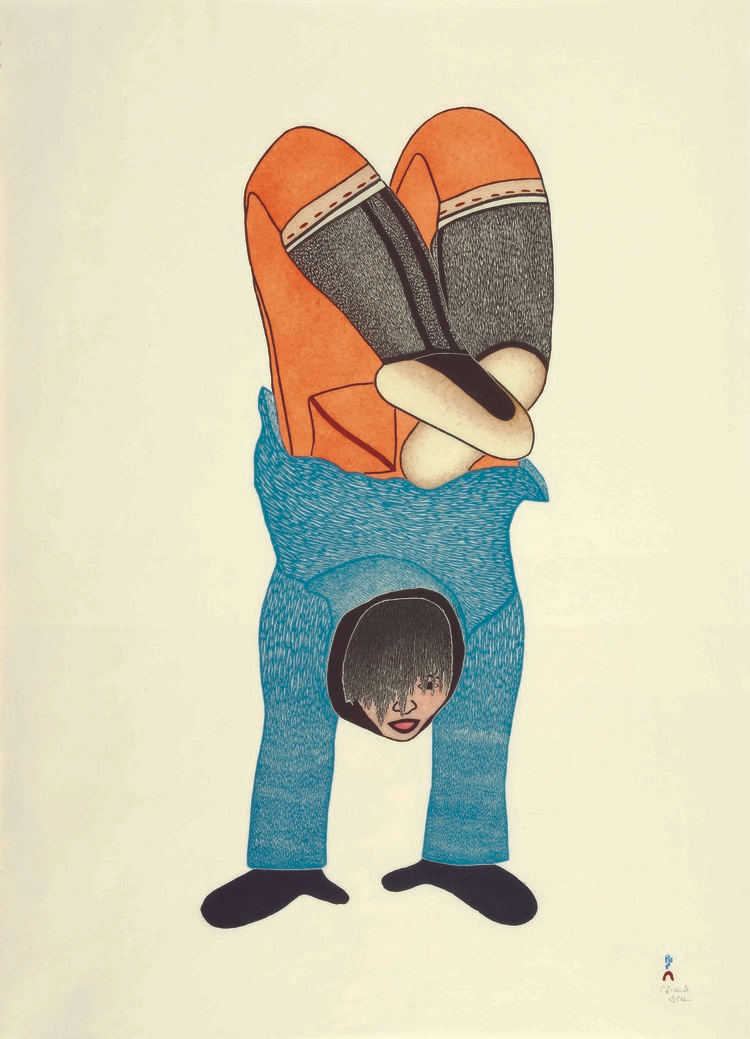

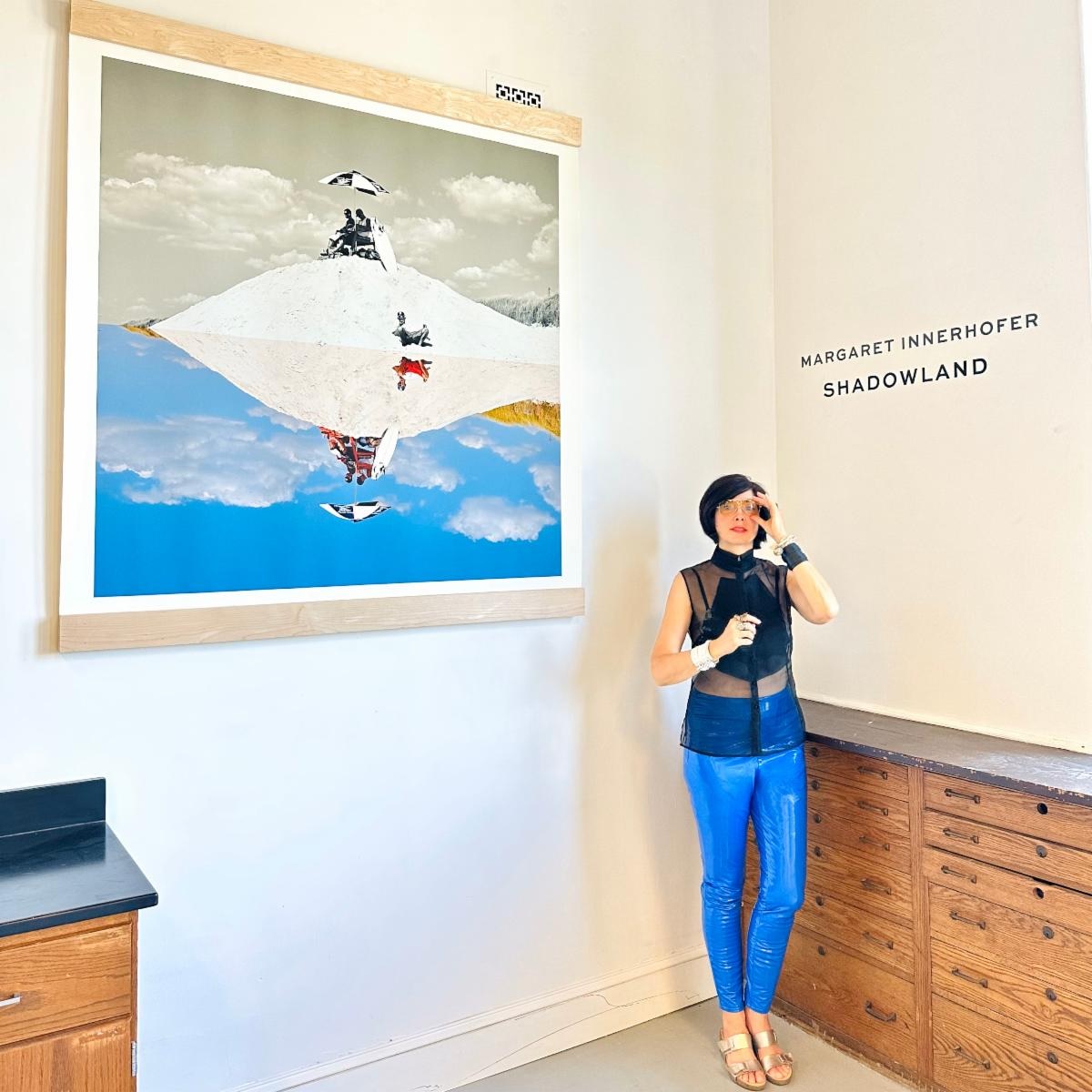
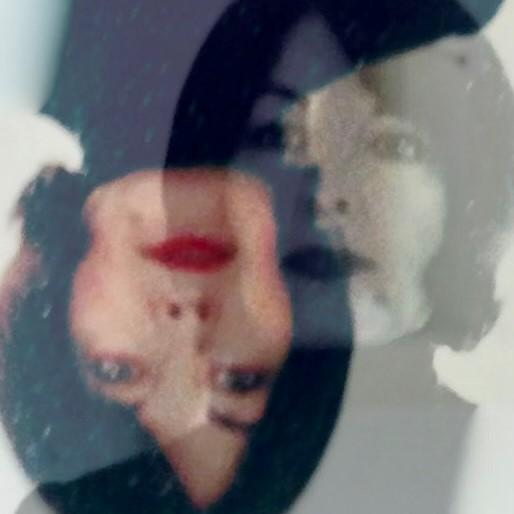
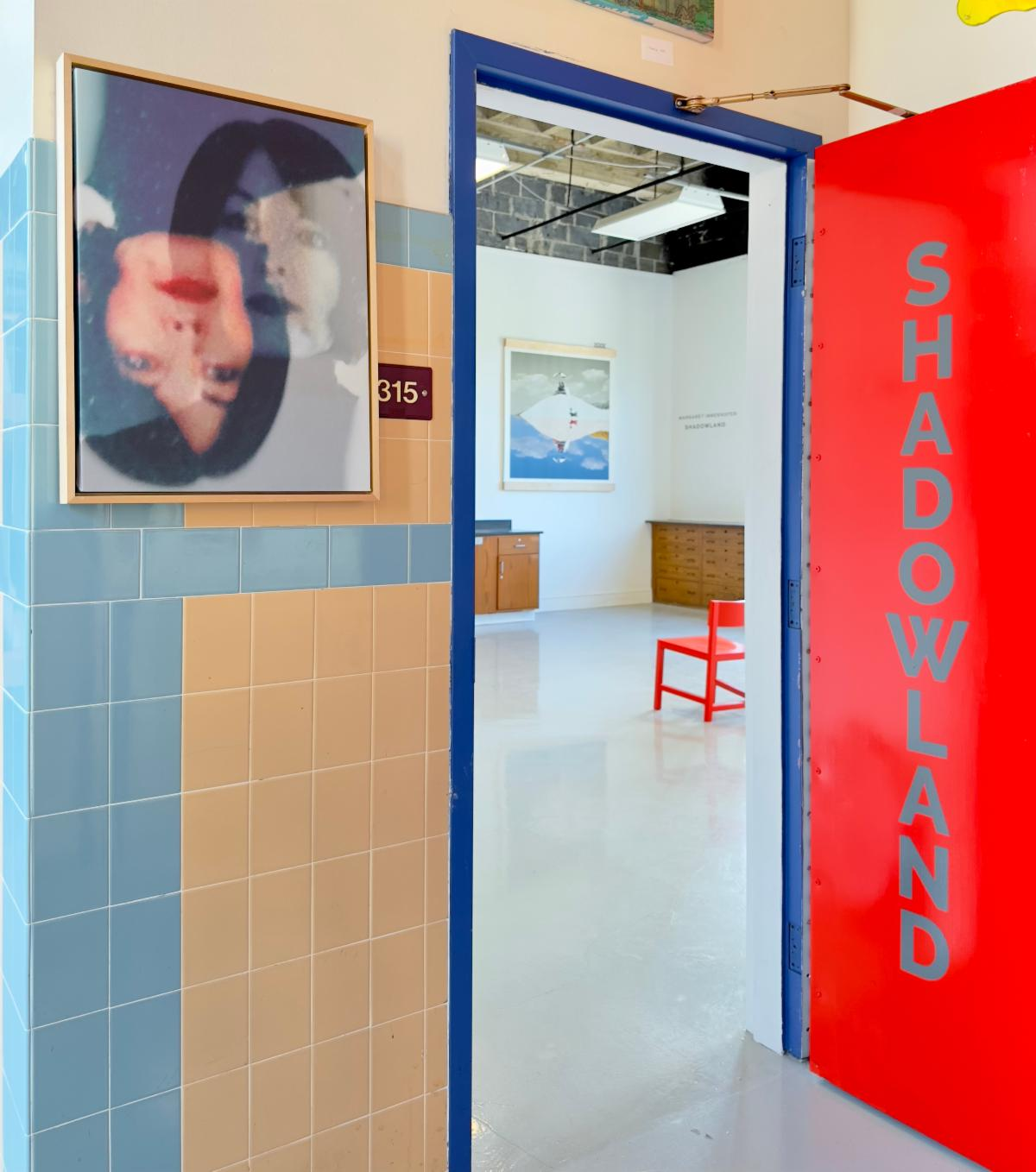
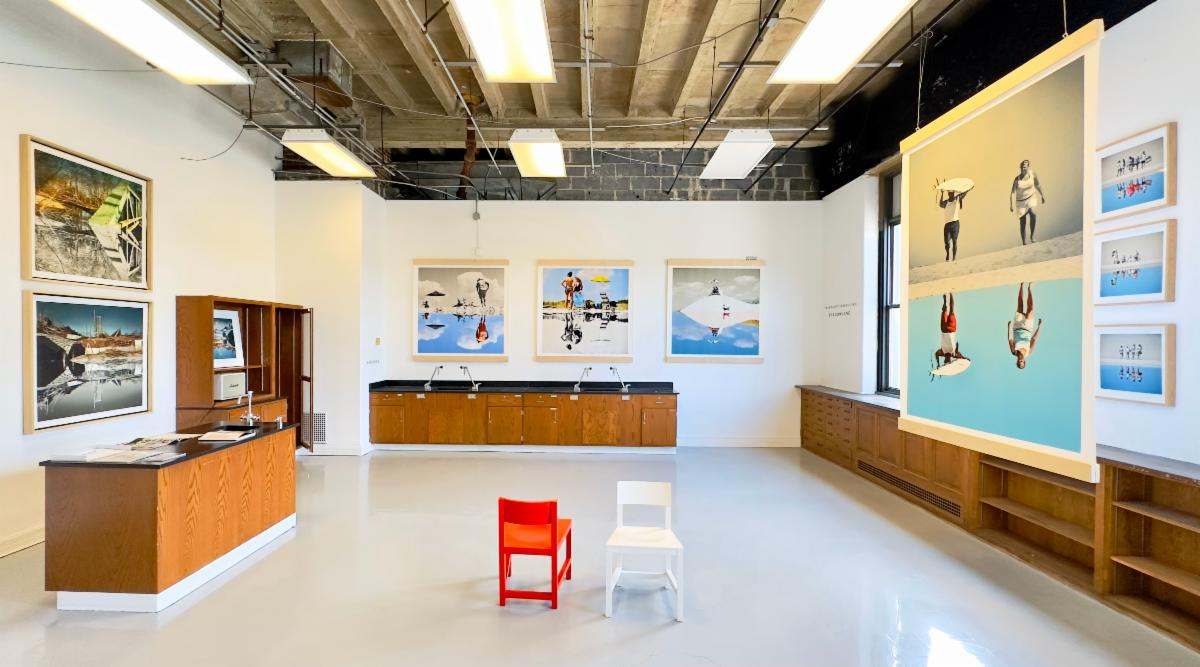
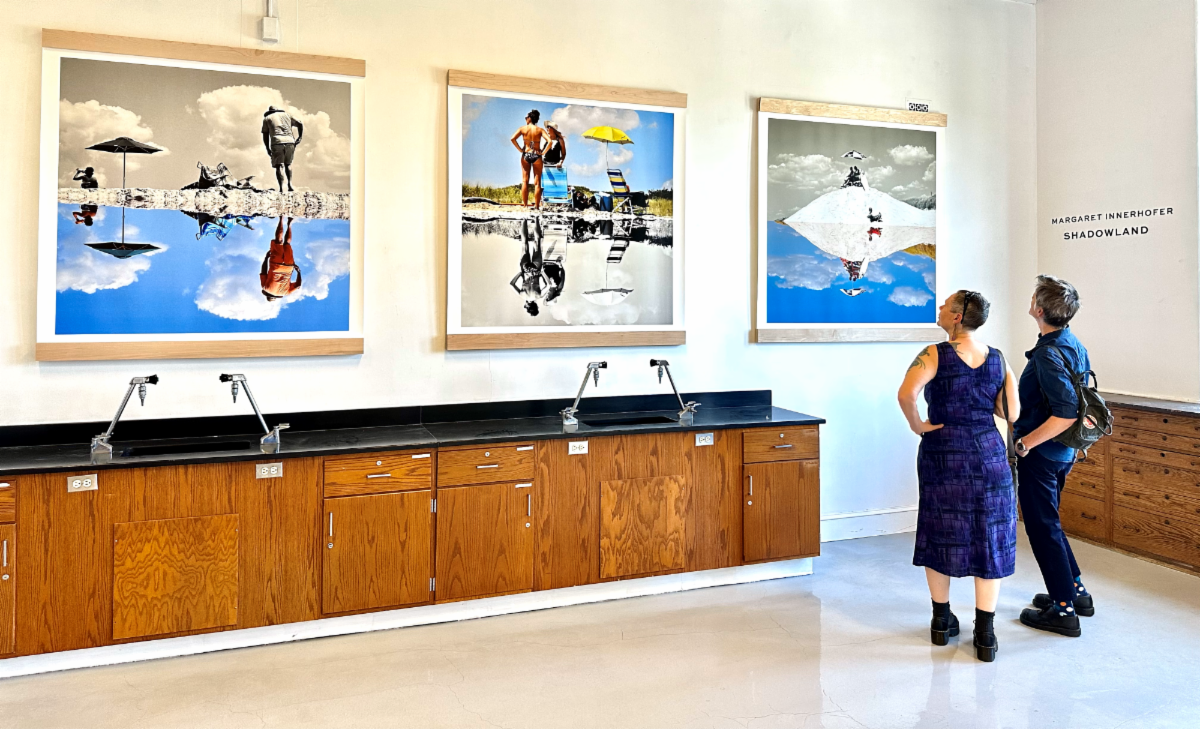
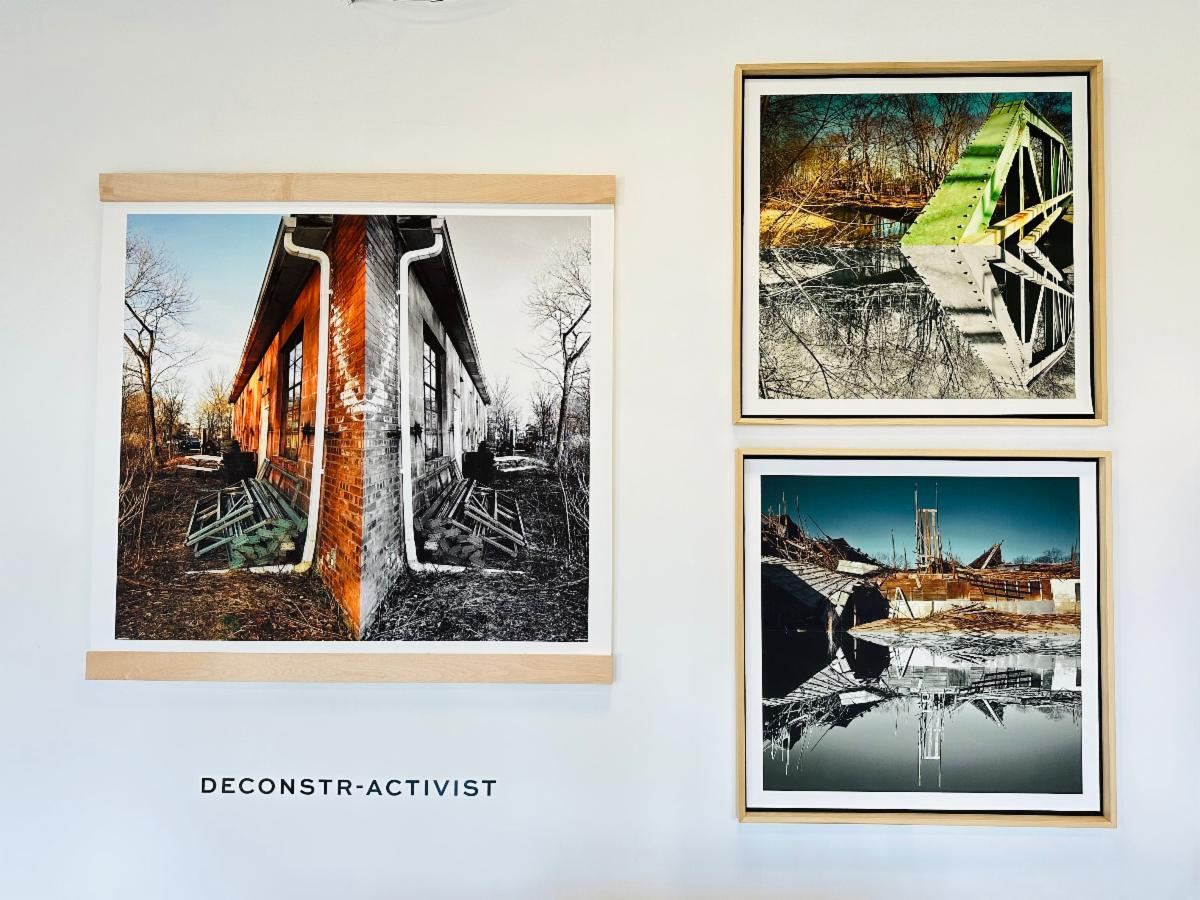
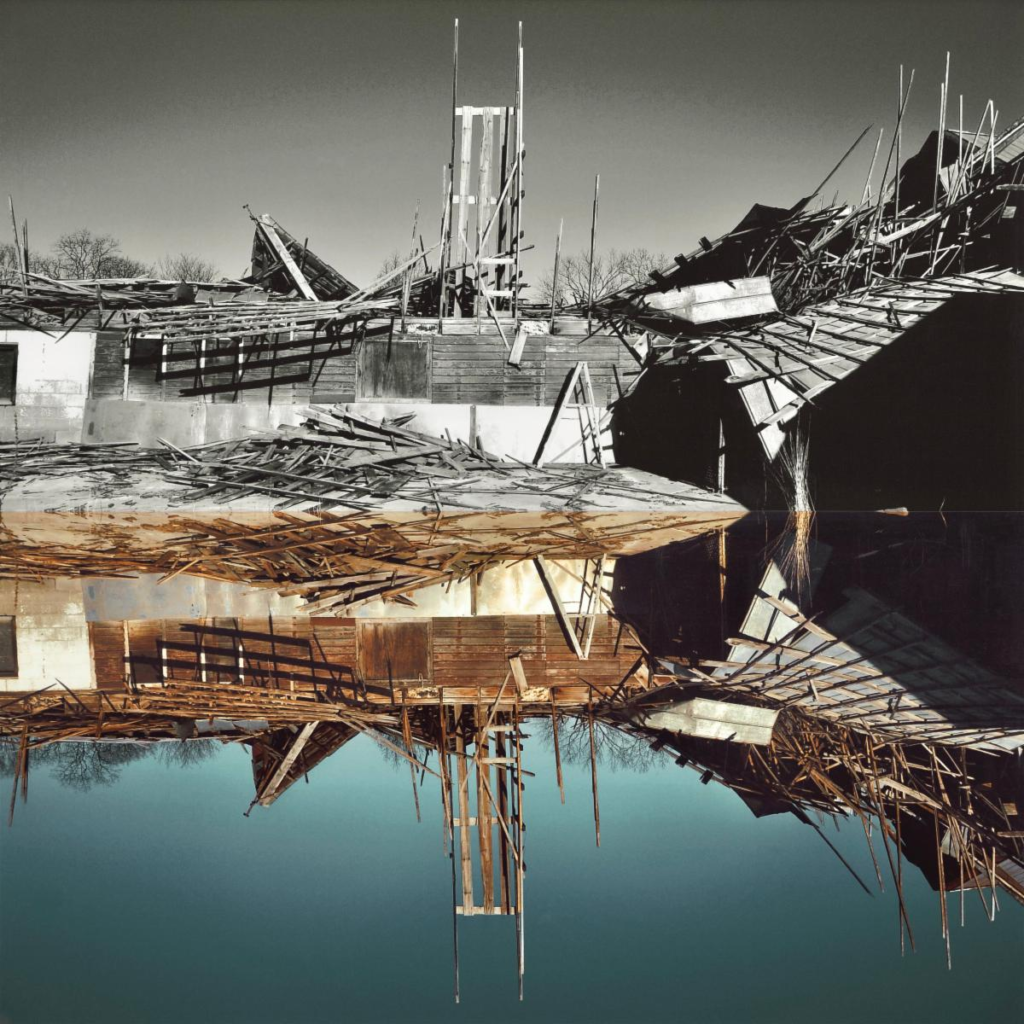
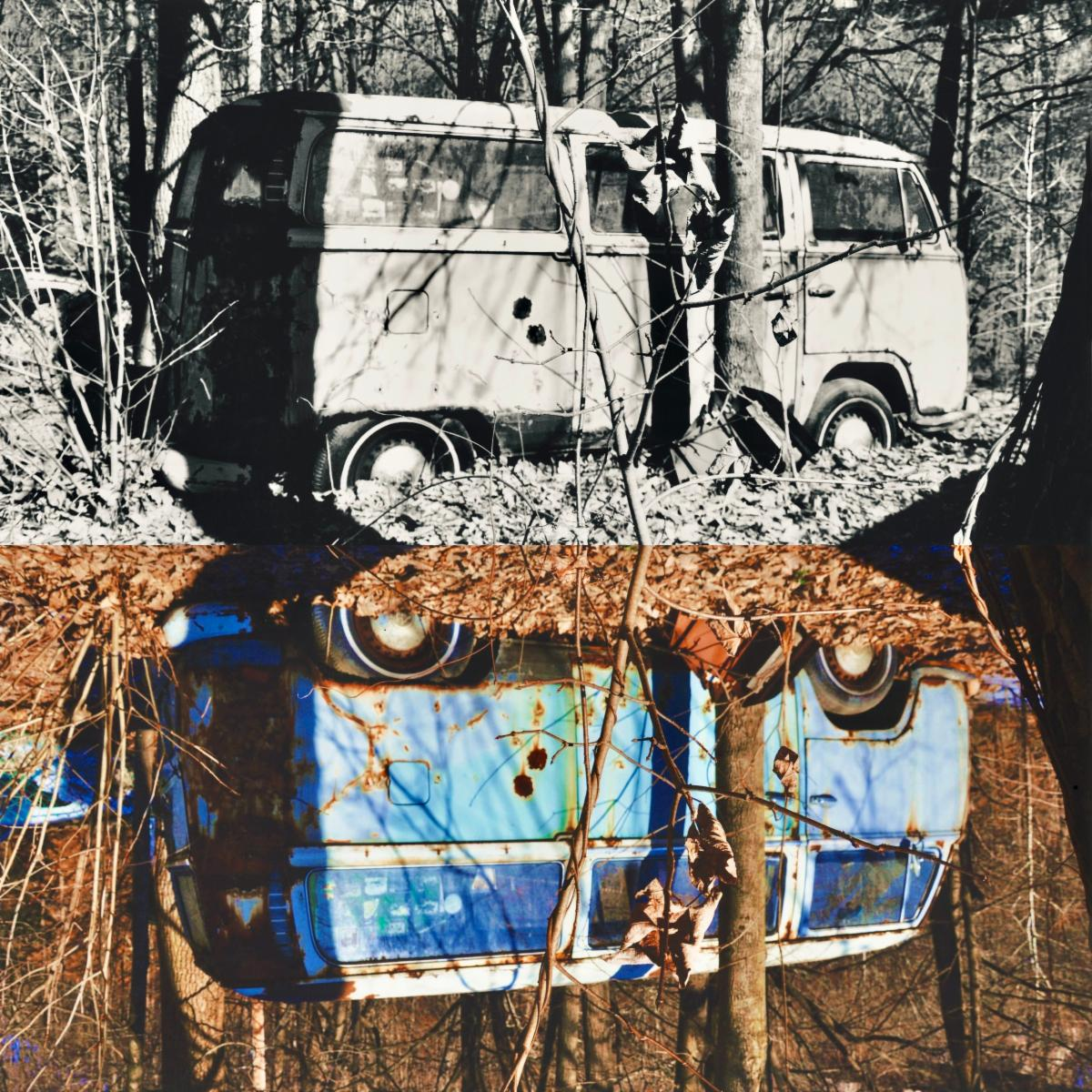
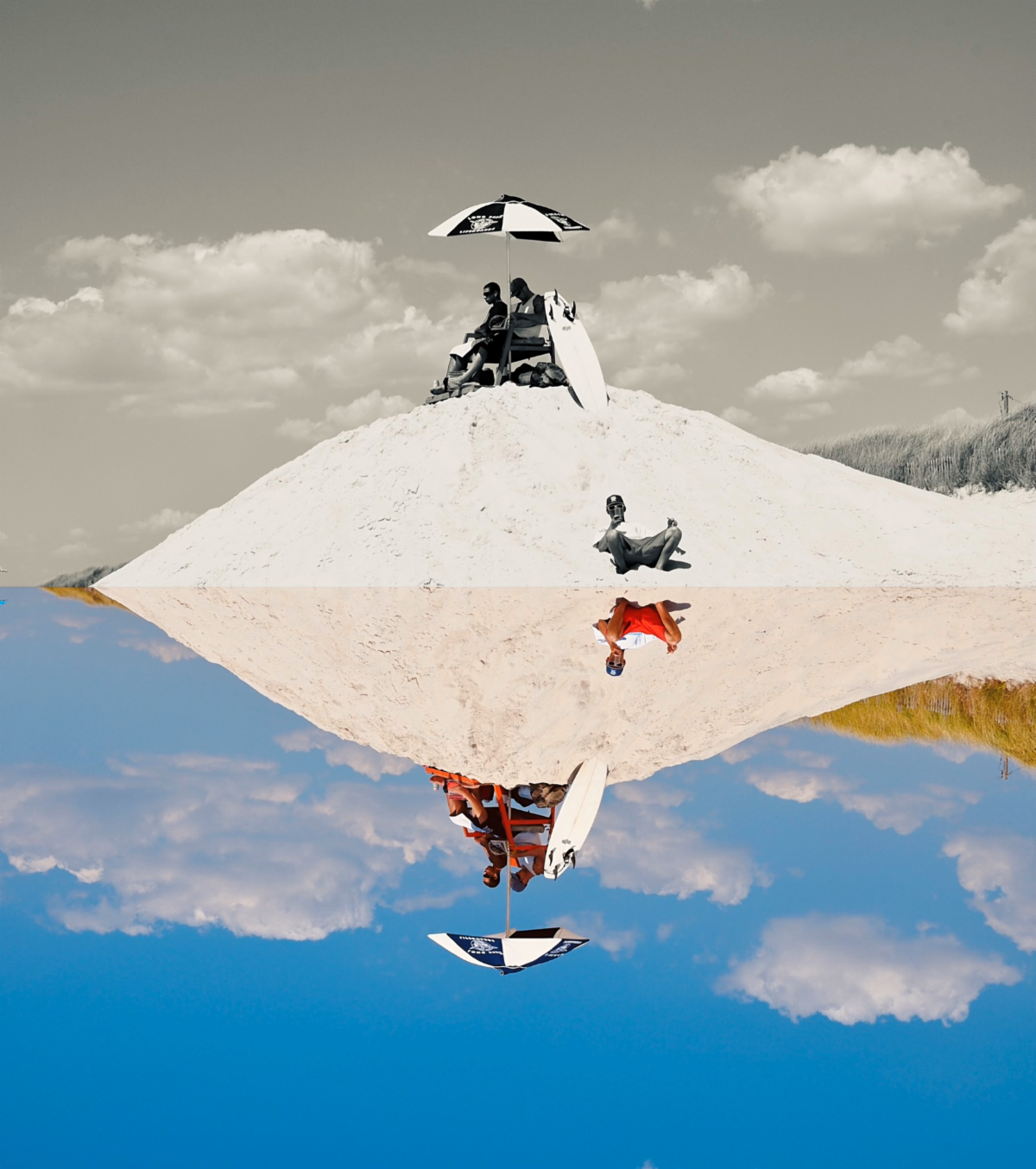

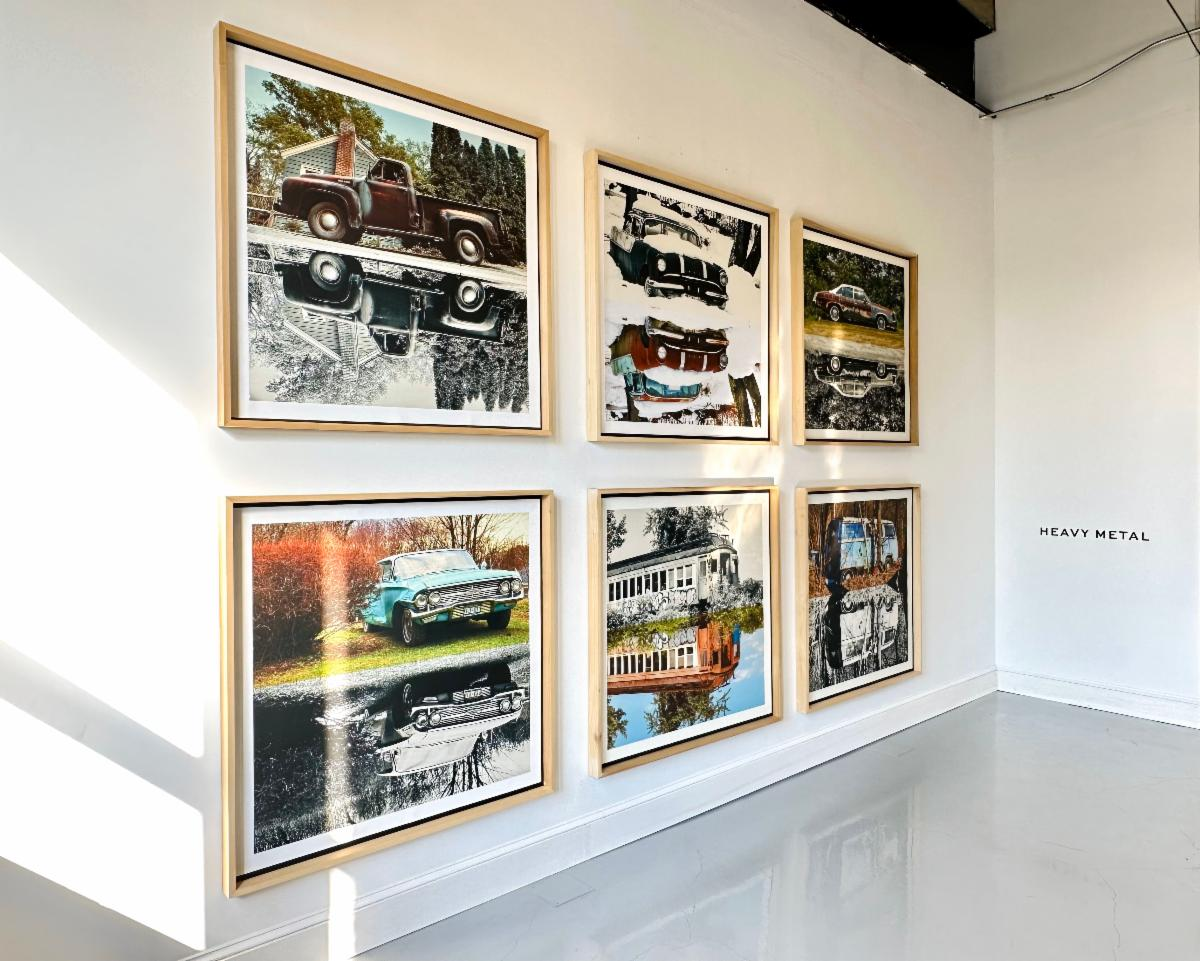
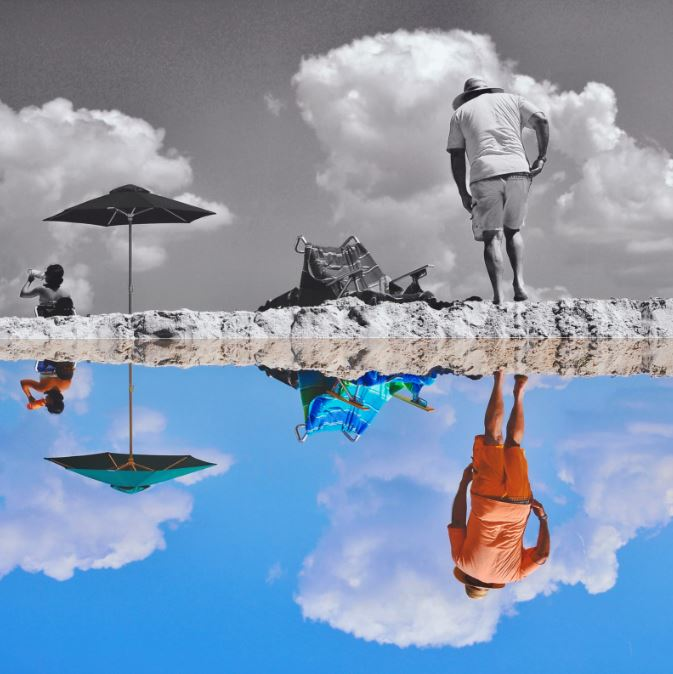

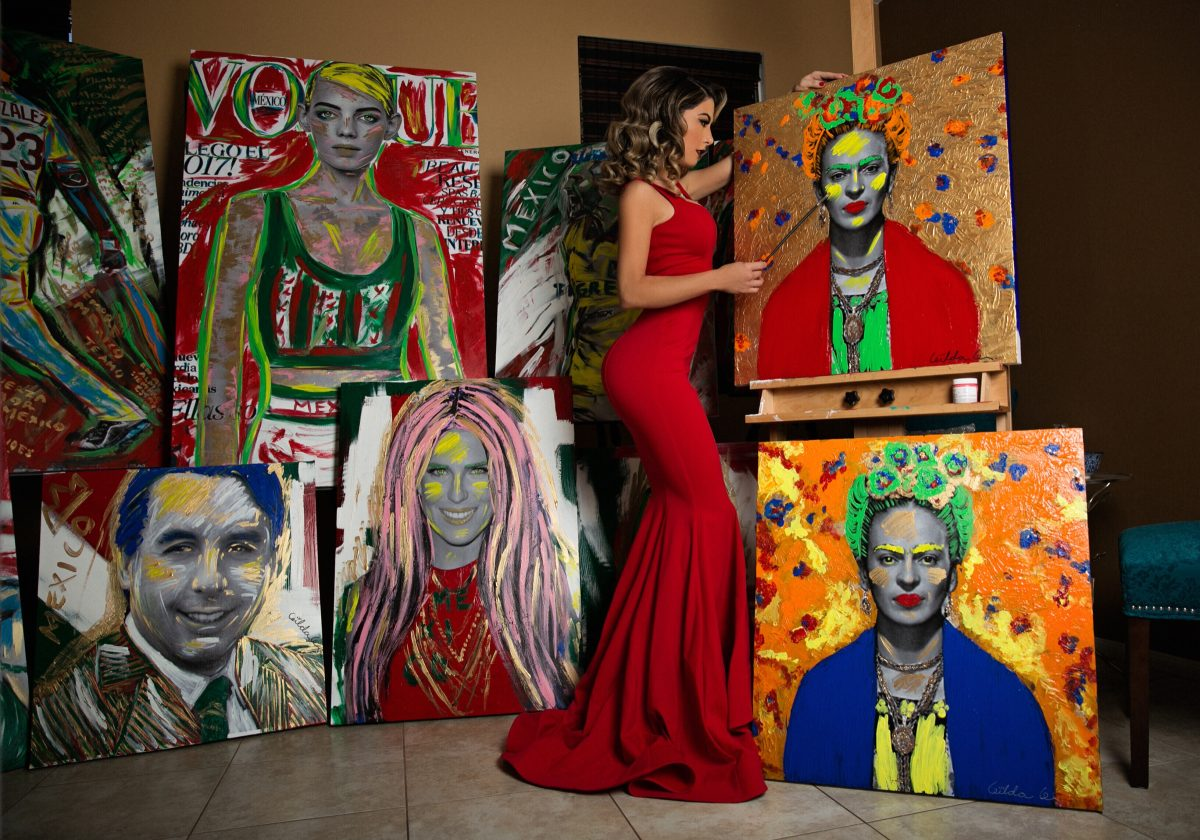
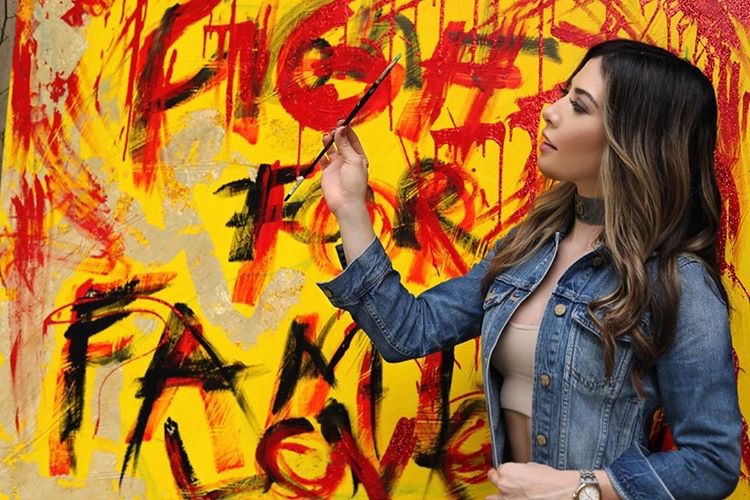
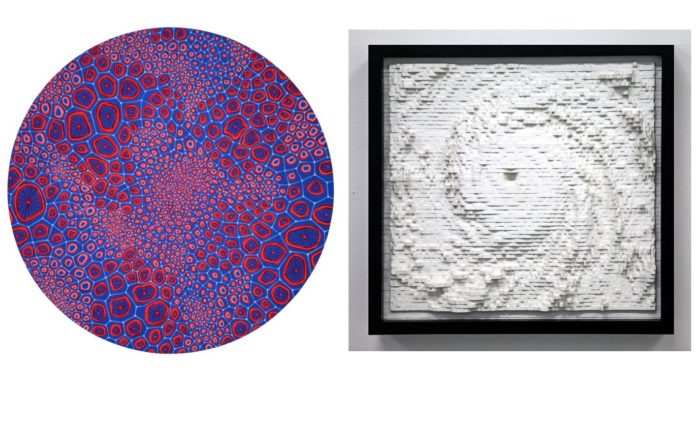
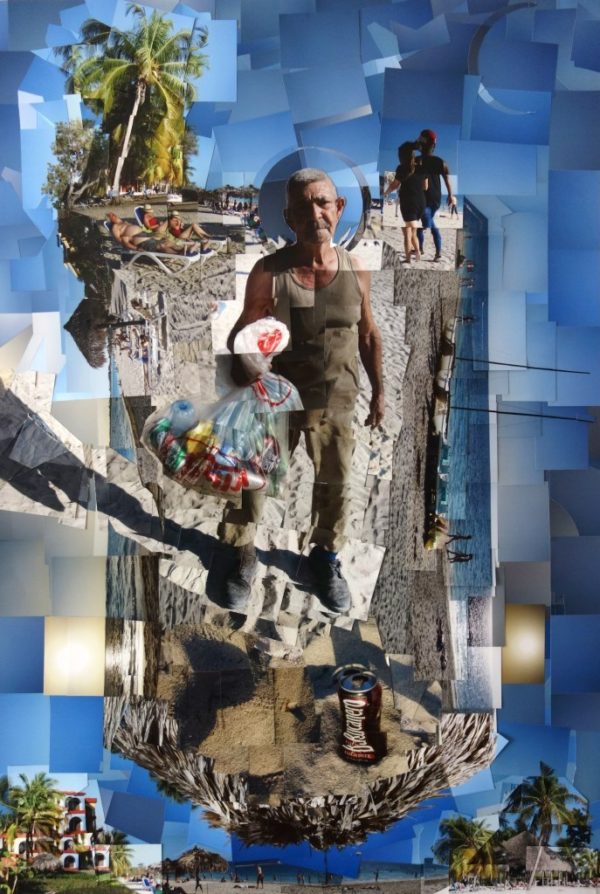
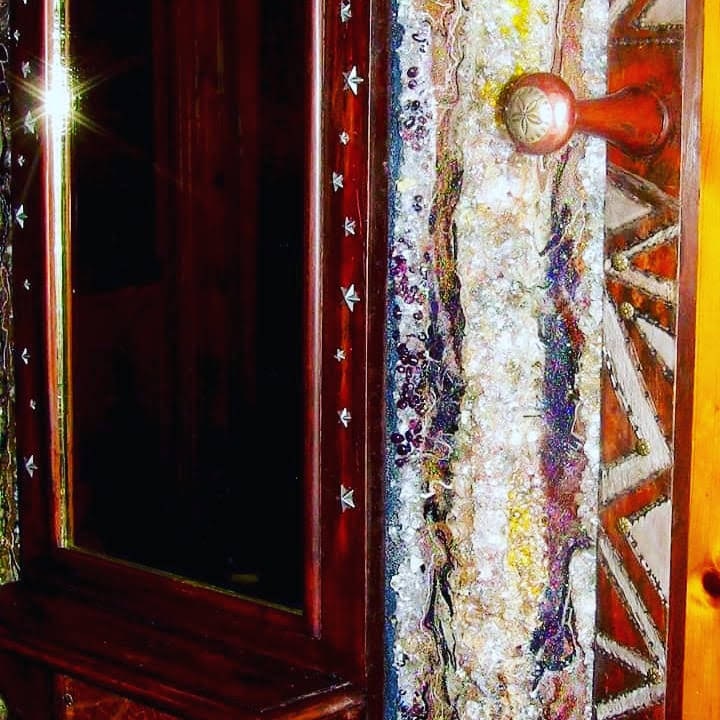
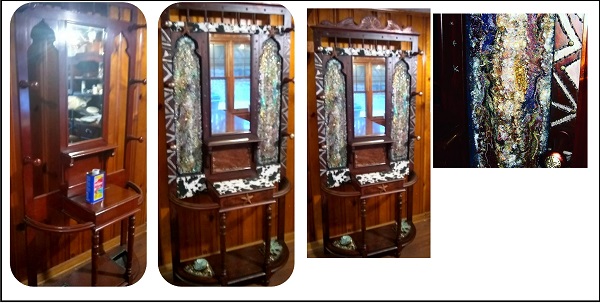
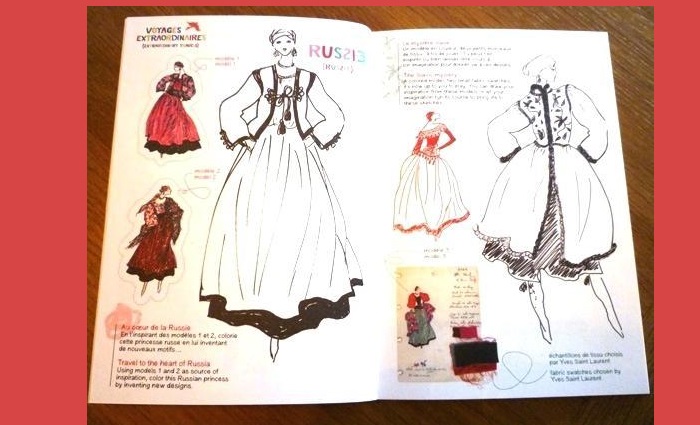
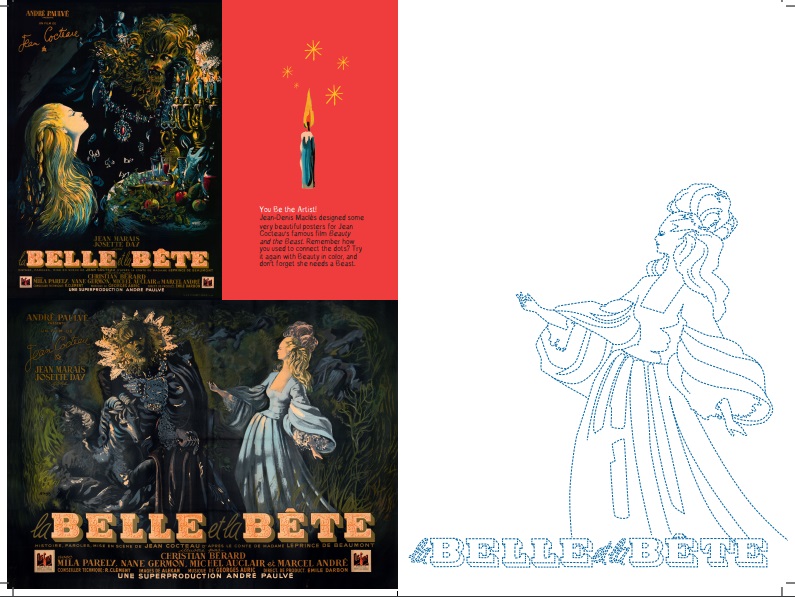
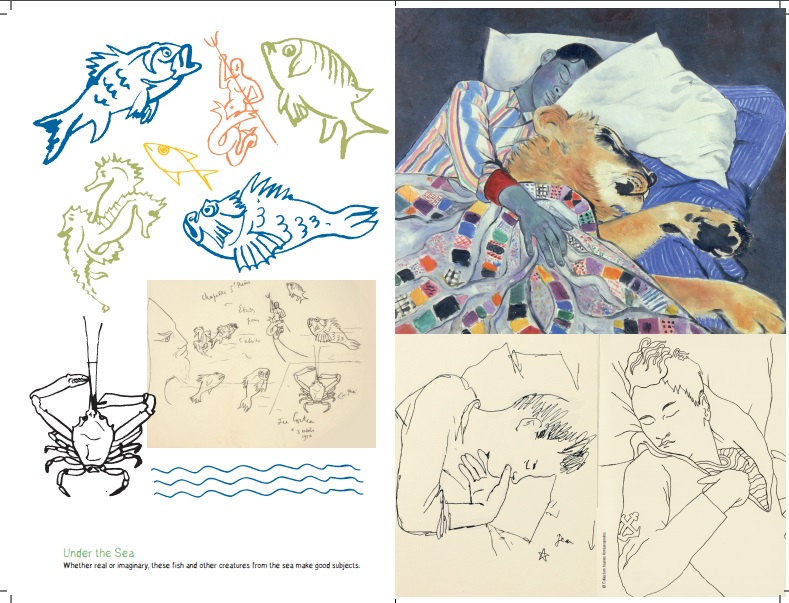
 This concern, of course, is not unique and strikes at the heart of something that all those in creative professions fear and must face. The ownership of ideas is difficult to prove. If you tell someone your plan in confidence and they, in turn, use it for their own purposes, there is very little you can do to show that you are the originator. Spreading this rumor is likely to make you look like the bad guy. It’s no wonder that this sort of generosity is cause for concern.
 But what about sharing your networks or some trade secrets that helped you get to where you are today? While you may have worked tooth and nail for everything you’ve gained, there were surely people along the way who said yes at the right moment and assisted your progress. No one can ask more than this, and as an artist of a certain standing, there is nothing wrong with offering this sort of help.
 No one exists in a vacuum. Even you, who may have scraped and fought your way to where you are today, benefited from the acceptance and help of others. Sure, you may have pounded the pavement endlessly in order to secure your position but that is no reason not to pay forward the success you have achieved. It is too easy to forget, once you have achieved a certain status, the myriad small moments that led you there. While it may seem as though hardly anyone was out to help you in the early days, surely there were some, otherwise you could not be where you are today. Even if it was just a few gallerists who were finally willing to take a chance, there are always rungs of assistance in the ladder to every success, no matter how small.
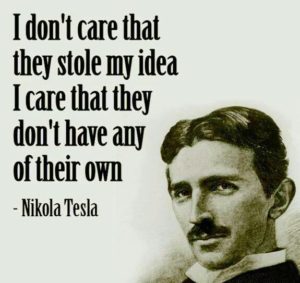 For these reasons, there is a lot to be said for good old-fashioned face-to-face interaction. Being the sort of artist who is willing to mentor in the real world sets you apart. Establishing this sort of reputation, for being the one who will gladly share the bounty you have created, seldom reverses one’s own success and frequently opens new doors you may never have considered.
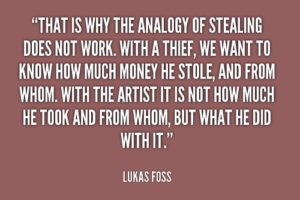 Arguably, there is no such thing as original art. Even some of the most contemporary artists’ work is derivative of past creations. Marina Abramovic, in her unique style, has absolutely drawn from (and occasionally been accused of copying) works by other artists. Pablo Picasso (and perhaps more famously, Steve Jobs who quoted him) said, “good artists copy, great artists steal.” This doesn’t mean that you should open yourself up to idea theft, but it does mean that perhaps being stingy with your concepts, your network, your position as an established artist, doesn’t count for as much security as you might think. Be smart about things, but in general, it is always a good idea to reach down the ladder and help those coming up behind you find the next rung. For the Silo, Brainard Carey.



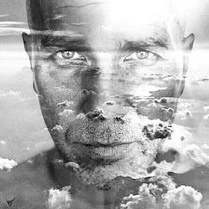 If you could choose just one photo exhibit to see all year, it would have to be
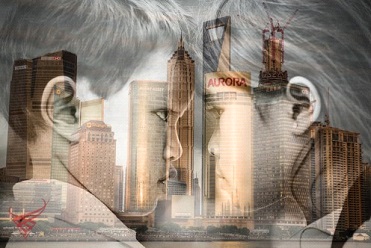
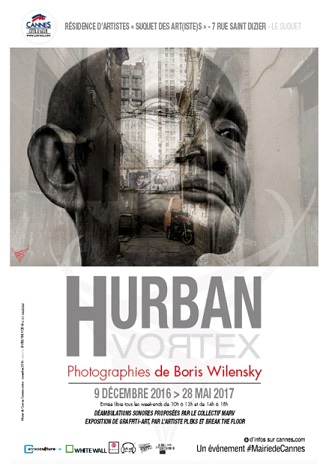
 Over 15,000 photos later, Hurban Vortex sees the light of day. The ensemble of artistic, esthetic and human adventure are at the core of the triptych that represents his works: Origins corresponds to 2009 (present), the period of an oblivious, profligate, consumerism-driven world. Collapse takes us into 2011 (future)…Fukushima, with its worldwide impact. The glasses and gas masks worn by the humans represent the man-made destruction of a world as we had known it before and which will never be the same. And in Post we find ourselves in an urban landscape filled with waste and shattered ruins. But people are no longer wearing their blinders… Maybe there is hope after all that cities may disappear but humans are still around? Or does the urban jungle always win in the end? You decide, because it is your personal interpretation, after an intense dialogue with the image… exactly what Boris Wilensky wants.
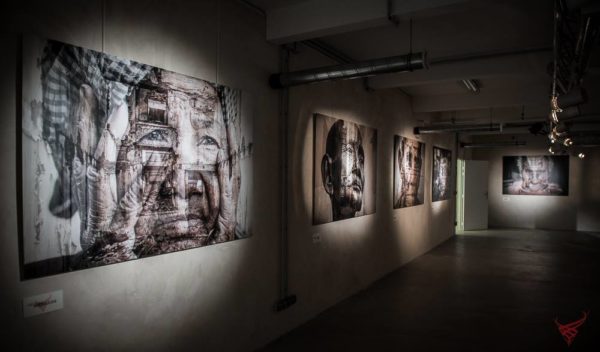 What the viewer sees, is how this artist sees the world – not in the literal but figurative sense. But he does not dictate, he suggests. He considers himself a storytelling portraitist first and foremost, and an urban photographer second. As you look at his large-size pictures (180 x 120 cm), the image in front of you transforms from a flat canvas to a three-dimensional scenography. You are drawn in, pulled onto a stage, you become part of the performance, an actor engaged in a dialogue. You are the person across from the man in the photo, but you also become him, turning outward to the viewer.
 The continuous movement – the vortex – pushes and pulls you as the borders between Human and Urban blur and become Hurban. There are violently cold and anonymous city landscapes, consisting of monochromatic and starkly geometric patterns, entirely unlike anything you find in nature. But the human element, superimposed, invariably bestows them with a strangely appealing aesthetic. For the Silo,