Tag Archives: Denmark

New Technology Pioneers Are Building Infrastructure For Next Era of AI Including Canada

  • 100 start-ups from 23 countries selected to join the World Economic Forum’s Technology Pioneers community.
  • This year’s cohort stands out for building the software and physical infrastructure needed to power autonomous AI systems at scale.
  • Companies are advancing breakthrough technologies in AI, energy, quantum computing, biotechnology, climate innovation, space and advanced manufacturing.
  • Learn more about the Annual Meeting of the New Champions 2026 here. Follow on social media using #amnc26, #2026夏季达沃斯# and #InnovateScaleImpact.

Frontier Innovation

Geneva, Switzerland, June 2026 – The World Economic Forum has announced its 2026 Technology Pioneers cohort, recognizing 100 early-stage companies from 23 countries that are developing breakthrough technologies with the potential to transform industries and societies. The cohort reflects the growing geographic diversity of frontier innovation, with nine companies from India and record representation from the Republic of Korea.

What sets this year’s cohort apart is its focus on enabling the next era of artificial intelligence (AI). While recent advances have centered on models and consumer applications, many of the Tech Pioneers are building the software and physical infrastructure needed to AI at scale.

Two groups stand out: companies developing the foundations for autonomous AI agents, including identity verification, payments, security and enterprise integration; and those addressing AI growing energy, computing and storage demands.

Frontier Innovation

The cohort also reflects the expanding geographies of frontier innovation. India contributes nine companies, many focused on deep-tech and space innovation, while the Republic of Korea records its strongest representation to date across AI, robotics and quantum technologies. Companies from the Middle East, Latin America and South-East Asia are also strengthening their presence in emerging technology ecosystems.

“For 26 years, the Technology Pioneers community has been an early indicator of where technology is going,” said Verena Kuhn, Head of Innovator Communities, World Economic Forum. “What’s new is that early-stage companies are now tackling challenges that until recently required enormous budgets, infrastructure and large teams. AI is not just what these companies are building; it is also what is making it possible.”

Beyond AI infrastructure, the cohort highlights the breadth of early-stage innovation. Companies are developing cleaner energy sources, improving cancer detection, increasing industrial efficiency, protecting data from future quantum-computing threats, enabling in-orbit satellite servicing and creating lower-impact materials. Many of these ambitions once required the resources of large corporations or government programmes. Advances in AI, simulation and automation are allowing smaller teams to tackle complex scientific and industrial challenges, accelerating innovation across sectors.

The pioneers will contribute expertise to Forum initiatives through a two-year engagement programme and be invited to participate in the Annual Meeting of the New Champions 2026, taking place on 23-25 June in Dalian, People’s Republic of China.

More information about the Technology Pioneers community and past cohorts is available here.

The 2026 Technology Pioneers are:

Australia

  • Uluu – Developing seaweed-based biodegradable biomaterials as sustainable alternatives to traditional plastics.

Brazil

  • Comp – Providing compensation management, salary benchmarking and merit cycle tools for technology companies.

Canada

  • Intuitive AI – Delivering AI-powered food waste monitoring and recycling analytics for commercial kitchens.

China

  • Deep Wisdom – Developing an automated machine learning platform for e-commerce and manufacturing.
  • DeepCtrls Technologies – Building physics-informed AI for energy-efficient control of industrial systems.
  • Landing Med – Using AI-powered digital pathology for early cancer detection.
  • Ninetech – Enabling enterprise digital transformation through large language models and robotic process automation.
  • OneAIX Technology – Providing AI solutions for trade and intelligent systems.
  • PhaBuilder – Engineering halophilic microorganisms to produce biodegradable materials and chemicals.
  • Pheno Innovations – Advancing breakthroughs in critical materials across industries through AI-powered technologies.
  • Tripo AI – Generating AI-powered 3D models for gaming and mixed reality applications.
  • Xense Robotics – Developing multi-modal tactile sensing technology to enhance robotic dexterity.
  • Zephyr Intelligent Systems – Building closed-loop thermal safety systems for lithium-ion batteries.

Colombia

  • Quipu – Providing AI-driven credit solutions for informal workers without traditional credit histories.

Denmark

  • Sparrow Quantum – Developing deterministic single-photon sources for scalable optical quantum technologies.

France

  • Robeaute – Building modular microrobots for minimally invasive neurosurgical interventions.

Germany

  • Dunia – Combining AI and robotics to accelerate the discovery of electroactive materials.
  • SPARK Microgravity – Enabling microgravity research collaboration through integrated hardware and software platforms.

India

  • Airbound – Operating drone networks to deliver blood and critical medical supplies to rural healthcare systems.
  • Bellatrix Aerospace – Developing and manufacturing propulsion technologies for in-space mobility.
  • BorderPlus – Supporting healthcare professionals to access high-growth international opportunities.
  • Dhruva – Building small satellite platforms to advance India’s growing space ecosystem.
  • Ethereal Exploration Guild – Developing reusable medium-lift launch vehicles for cost-efficient orbital access.
  • Fermbox Bio – Producing alternative lipids, proteins and green chemicals through fermentation-based biomanufacturing.
  • OrbitAID – Developing technologies for on-orbit satellite servicing, including refuelling, repair and de-orbiting.
  • Sarla Aviation – Building electric vertical take-off and landing (eVTOL) aircraft for urban air mobility.
  • Varaha – Leveraging remote sensing and blockchain technologies for agriculture-based climate solutions in developing markets.

Israel

  • NeoLogic – Developing quasi-CMOS microprocessor technology to reduce chip power consumption and size.
  • Ray Security – Delivering AI-driven proactive cybersecurity to limit data access and prevent ransomware attacks.

Japan

  • 3DC – Developing graphene meso-sponge materials to address electrode expansion challenges in batteries.
  • Fermelanta – Producing rare plant-based ingredients for medicine and cosmetics through microbial fermentation.
  • Godot – Combining behavioural science and AI to advance human augmentation technologies.
  • NanoQT – Building quantum interconnects compatible with optical fibre for long-distance quantum communication.
  • OptQC – Developing photonic quantum computers that leverage light for practical applications.

Kenya

  • Pezesha – Connecting micro, small and medium-sized enterprises to credit and supply chain finance through embedded finance infrastructure.

Mexico

  • OTIF – Operating an online booking platform connecting shipping companies, logistics providers and customers.

Saudi Arabia

  • intella – Providing Arabic-first speech-to-text and analytics solutions for call centres and media.
  • Nommas Technologies – Developing AI-powered visual inspection systems for manufacturing quality control.

Singapore

  • Gero – Integrating physics and AI to accelerate drug development for age-related diseases.
  • Sentient Labs – Empowering the development of open-source AGI.
  • SixSense – Providing a no-code deep learning platform for computer vision applications in manufacturing.

Slovenia

  • Sunrise Robotics – Developing autonomous robotic cells with AI-powered perception for manufacturing.

Republic of Korea

  • A-Robot – Building humanoid and service robots designed for human-robot coexistence.
  • bitsensing – Developing radar solutions for vehicle safety, urban traffic management and healthcare monitoring.
  • RLWRLD – Building foundation models that enable robots to perceive and manipulate physical environments.
  • SDT – Providing edge computing and internet-of-things hardware for enterprise digital transformation.

Switzerland

  • Atinary Technologies – Offering a no-code AI platform for self-driving laboratories to accelerate molecule and materials research and development.
  • Metafuels – Converting green methanol into sustainable aviation fuel.

United Arab Emirates

  • Fasset – Delivering stablecoin-powered banking, international payments and investment access.

United Kingdom

  • Caristo Diagnostics – Building AI-driven imaging to detect and predict cardiovascular disease.
  • Epoch BioDesign – Engineering AI-designed enzymes for low-temperature biorecycling of nylon polymers.
  • IONATE – Developing hybrid intelligent transformers for smart grid power flow control.
  • MatNex – Accelerating materials discovery through AI-driven quantum calculations.
  • Opna – Building the coordination, verification and financing layer for critical power equipment.
  • Paid – Building business infrastructure for AI agents, including pricing, billing and renewals.
  • Sitehop – Delivering 200Gbps full duplex encryption for enterprise network infrastructure.
  • Uplift360 – Advancing chemical recycling technologies for carbon fibre and advanced composites.

United States

  • Adaption Labs – Developing adaptive AI systems that continuously learn and evolve across industries.
  • Albert – Providing an AI platform for materials science research and laboratory data management.
  • Alta Resource Technologies – Deploying novel refining technologies to produce high-purity minerals more efficiently and sustainably.
  • AOA Dx – Combining AI and biomarkers for early-stage cancer detection through liquid biopsy.
  • Autonomize – Using AI to contextualize unstructured clinical data and improve patient outcomes.
  • DeepLook Medical – Developing medical imaging AI for cancer visualization across ultrasound, CT and MRI.
  • Emerald AI – Enabling data centres to dynamically adjust power usage and stabilize electricity grids through AI.
  • Endolith – Using AI-guided microbes to recover copper from low-grade ore with lower energy consumption.
  • GridCARE – Forecasting electricity grid capacity with generative AI to support data centre development.
  • Hello Robot – Building open-source mobile manipulators for embodied AI research and education.
  • Helios – Predicting agricultural commodity prices and supply chains through AI-powered analytics.
  • Hertility – Offering at-home diagnostic testing and personalized care plans for hormonal health, fertility and menopause.
  • Inception Labs – Developing diffusion large language models that power applications such as coding assistance, voice interaction and search optimization.
  • Interlune – Building machinery to extract helium-3 from the lunar surface.
  • Istari Digital – Delivering digital twin and simulation technologies for aerospace and defence.
  • Kredete – Providing mobile banking and credit-building services for African immigrants in North America.
  • Laminar – Combining AI-driven precision automation with spectral sensors for industrial manufacturing.
  • Lunar Outpost – Developing space robotics and lunar surface mobility systems.
  • Mantel – Advancing molten-salt carbon capture for high-temperature industrial processes.
  • Mazama Energy – Harnessing superhot rock geothermal energy for renewable power generation.
  • Northwood – Building ground networks powered by phased array technology to support space operations.
  • Odyssey – Developing general-purpose world models capable of predicting and interacting with real-world environments over extended periods.
  • Overview Energy – Advancing manufacturing technologies for aerospace energy systems.
  • Parallel Bio – Combining human immune organoids and AI to improve drug safety prediction and discovery.
  • Pow.Bio – Building continuous fermentation platforms that reduce production costs by separating growth and production phases.
  • Power to Hydrogen – Producing hydrogen from renewable electricity using anion exchange membrane electrolyzers.
  • Pure Lithium – Developing lithium metal vanadium batteries for electric vehicles and grid storage.
  • QuSecure – Delivering post-quantum cryptography solutions to protect against future cybersecurity threats.
  • Rainmaker – Enhancing precipitation through cloud seeding, drones and weather modelling for agriculture.
  • Realta Fusion – Building compact modular fusion systems for zero-carbon industrial heat.
  • Reditus Space – Enabling microgravity manufacturing and hypersonic re-entry as a service.
  • Samaya AI – Developing AI agents for financial research, analysis and decision-making in asset management.
  • Savor – Producing real fats directly from carbon without relying on animals or farmland.
  • Skyfire – Enabling AI agents to conduct commerce through identity verification and payment infrastructure.
  • Stepful – Empowering communities with accessible pathways to healthcare careers through training and certification programmes.
  • Tern – Developing satellite-free navigation systems for vehicles and defence using real-time mapping data.
  • Tradeverifyd – Helping enterprises monitor and address supply chain risks in line with regulatory and financial requirements.
  • Vaulted Deep – Permanently removing carbon through geological sequestration of carbon-rich biomass waste.
  • Venus Aerospace – Developing reusable hypersonic flight systems powered by detonation ramjet engines.
  • VESSL AI – Providing an MLOps platform for training and deploying AI models at scale.
  • Voltai – Building AI models for next-generation semiconductor technologies.
  • WindBorne – Delivering AI weather forecasting through a global network of long-duration smart balloons.
  • Zartico – Using AI to deliver the clearest view of visitor behaviour for the tourism industry.

About the Technology Pioneers

Launched in 2000, the Technology Pioneers is a leading community for early-stage companies from around the world that are shaping the future through breakthrough technologies and innovations. These companies are selected for their potential to have a significant impact on business and society and are invited to engage with public and private sector leaders through the World Economic Forum’s global platform.

The Technology Pioneers community is part of the Innovator Communities at the World Economic Forum, which convene the world’s leading global start-ups across different growth stages from early-stage Technology Pioneers to growth-stage Global Innovators and unicorn companies valued at more than $1 billion.

About the Annual Meeting of the New Champions 2026

The 17th Annual Meeting of the New Champions will take place from 23 to 25 June 2026 in Dalian, People’s Republic of China, under the theme “Innovating at Scale”. The meeting will bring together 1,500 cross-sector leaders to explore how innovation and emerging technologies can unlock new growth models and drive positive economic momentum in a fast-shifting global landscape.

Ceasefire Violations In Eastern Democratic Republic of the Congo

Joint Statement from the International Contact Group for the Great Lakes (ICG) on the Situation in the Eastern Democratic Republic of the Congo (DRC)

Via our friends at the US State Department Office of the Spokesperson

March 6, 2026

The Governments of the United States of America, Belgium, Denmark, France, Germany, the Netherlands, Sweden, Switzerland, the United Kingdom, and the European Union, chaired by Sweden, issue the following statement on situation in the eastern DRC:

The ICG expresses its profound concern regarding the continued and recent violations in eastern DRC of the ceasefires upheld by the signing of the Washington Accords on 4 December 2025 and the commitment in Doha on 19 July 2025 to a permanent ceasefire and a permanent cessation of hostilities. Such violations include the use of drones in military attacks which also pose an acute risk to civilian populations. All parties involved should urgently and unequivocally recommit to ceasing the hostilities and return to negotiations.

There can be no military solution to the conflict.

We urge all parties to fully implement their obligations and commitments made under the Washington Accords and the Doha process and to comply with the relevant UN Security Council resolutions, including resolutions 2773 and 2808, and the full respect of territorial integrity. The ICG commends the ongoing mediation by the AU-appointed mediator, Faure Gnassingbé, President of the Council of the Republic of Togo, and the Panel of Facilitators, as well as the crucial mediation conducted by the US and Qatar. We welcome the efforts by Qatar, the ICGLR and MONUSCO to establish a ceasefire monitoring and verification mechanism. We recall the importance of creating conditions for an inclusive inter-Congolese dialogue with all key Congolese stakeholders – a necessary element for durable peace in the DRC – and welcome the consultations undertaken by the Republic of Angola.

We stand ready to support these efforts.

The ICG calls on all parties to honor their obligations to respect international humanitarian law and to ensure full, safe and unimpeded humanitarian access to enable critical assistance to those in need. We welcome positive steps forward such as the commitments by governments and actors in the region to improve and facilitate humanitarian access, including following the visit of EU Commissioner Lahbib; the reopening of the border between the DRC and Burundi; and the use of the Goma airport during the recent visit to Goma by MONUSCO Interim Head and Special Representative of the Secretary-General van de Perre, which should lead to the sustained reopening of the Goma airport for humanitarian flights.

The ICG further calls on parties to stop incitement to hatred, discrimination or violence, including against Rwandophone minorities, and other actions that gravely endanger civilian populations and social cohesion.

Clothes From The Future Available Now

Vollebak Logo
Part spaceship, part shop, the first Vollebak Spaceshop launched in Copenhagen in June. Before it heads off to service nearby galaxies, our friends at Vollebak are sending it on a world tour of Earth first.
Spaceshop World Tour | vollebak.com
Over the last year our friends at Volleback have partnered with sonic powerhouse Bang & Olufsen and Saga Space Architects to build their first prototype interstellar delivery vehicle …the Vollebak Spaceshop.

The craft itself is over 1,000kg of precision engineering that offers a glimpse into a future of interplanetary kit deliveries between Earth, the Moon and Mars. It was designed with SAGA Space Architects whose work includes lunar habitats for the European Space Agency, and lighting systems to help astronauts sleep on the International Space Station. And it’s fitted with Bang & Olufsen’s iconic Beolab 5 and Beosound 2 speakers.

If you missed launch night it involved space-based clothing, Earth-based alcohol, and the sound of the Spaceshop flexing its 120 decibels of muscle with ‘Intergalactic’ by the Beastie Boys. As soon as the next destination has been selected they’ll let you know. And while you’re waiting they have 4 pieces of space-ready cargo available for testing.

It includes their Martian Aerogel Jackets which are built from the Jet Propulsion Laboratory’s hypersonic deep space parachutes that landed the last Rover on Mars – and the same aerogel that stopped it freezing in the vacuum of space, and burning up on entry. They have their awesome Full Metal Jackets engineered from 11 kilometres of disease-resistant copper that were hailed by WIRED as “the virus-killing coat of the future,” and they’ve built to explore how humans could avoid taking diseases from Earth up into space.

You’ll also find electromagnetic Shielding Suits embedded with pure silver that block WiFi, Bluetooth, Ku-band satellites and radar systems, and deflect mid and long wave infrared radiation so they can’t be seen on infrared cameras. And last up they have the world’s first Anodised Jacket. Built with metallic insulation originally engineered by NASA to stop their spacecraft freezing in space, each jacket is fused with a near-invisible layer of metal from a galvanic bath that makes you appear cold or even invisible to infrared cameras.
Spaceshop World Tour | vollebak.com

Ferry Travelling In Europe Is Very Popular For Summer- Here Are Costs

Far from the stress of crowded airports or stations, ferries allow you to travel in comfort while taking your time.

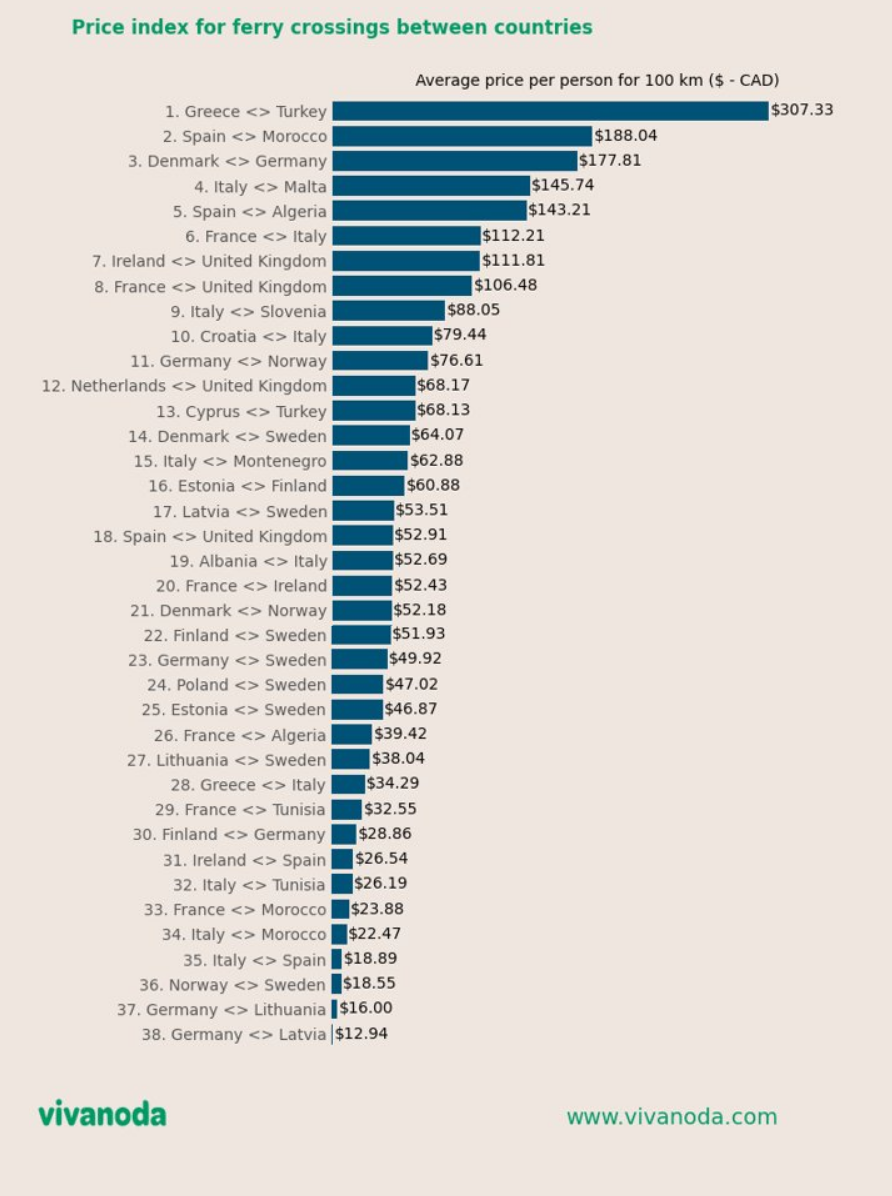
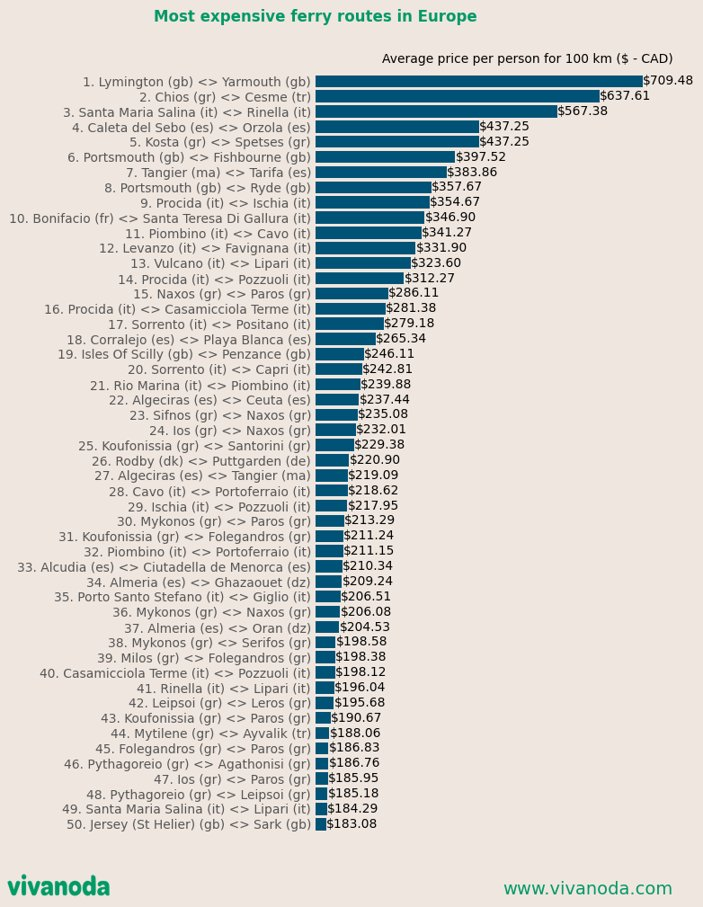
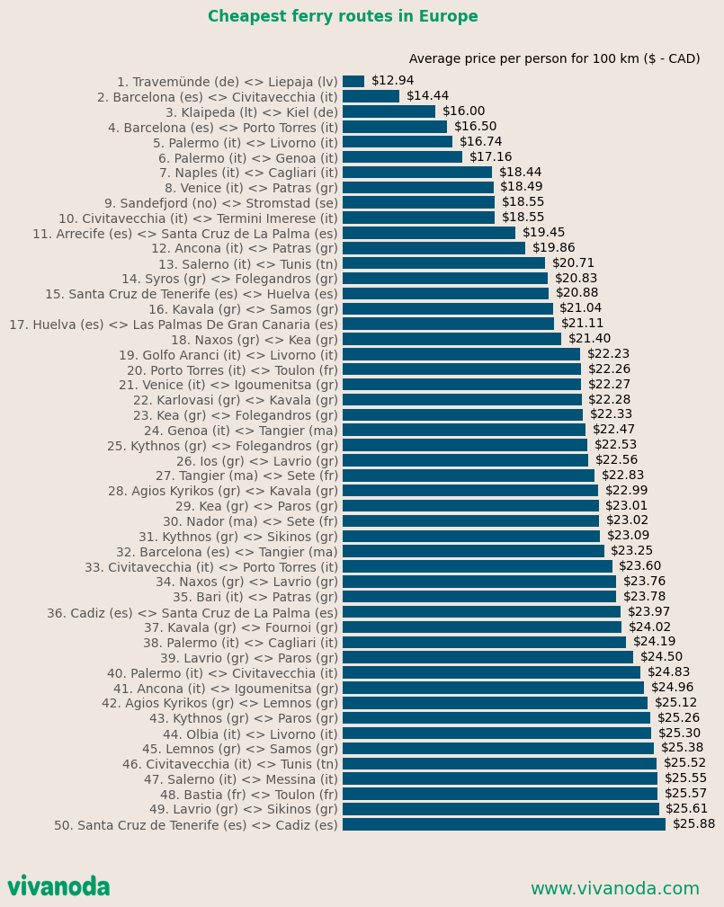
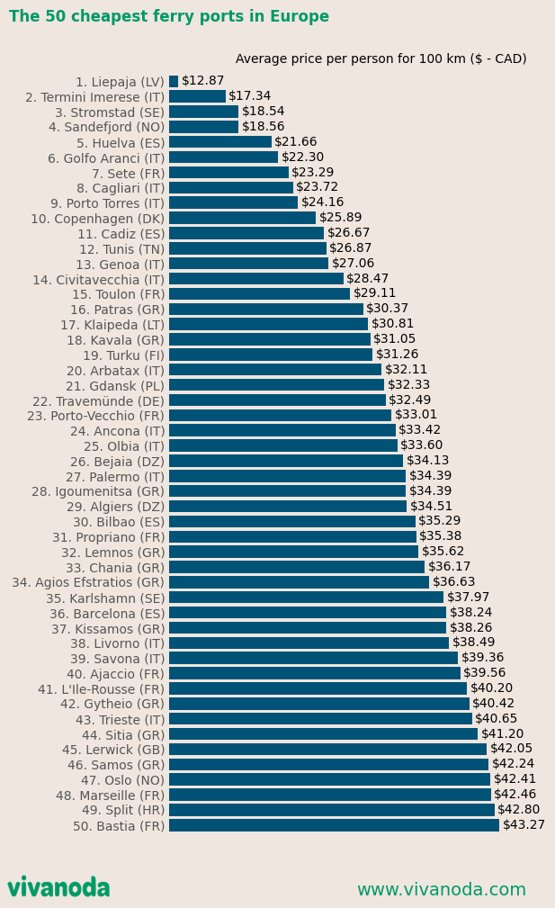
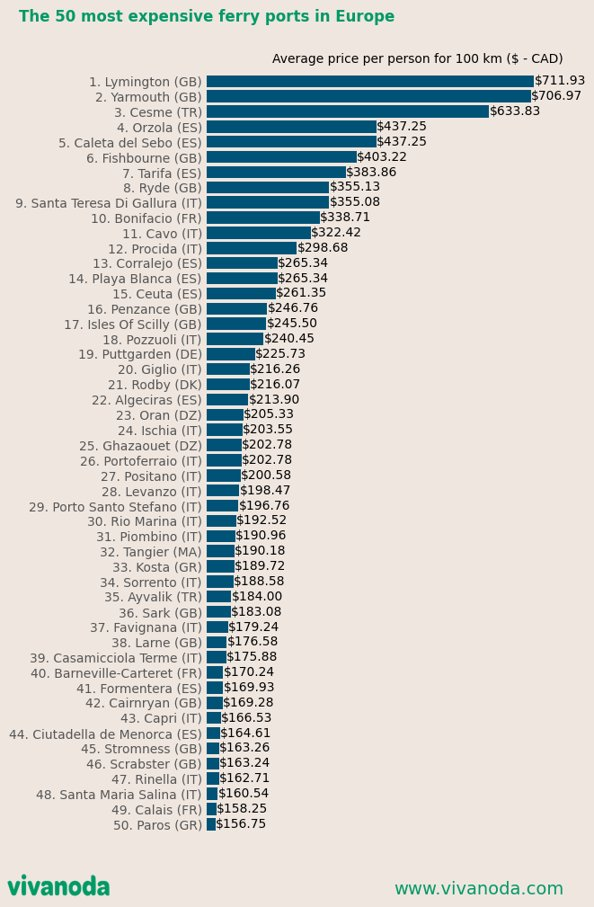
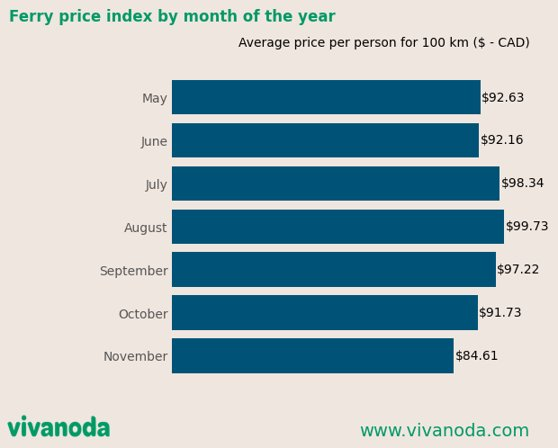
Our friends at Vivanoda, a web platform that enables all travelers to find ferry, bus, train and plane tickets, wanted to launch a major study into ferry prices in Europe in order to gain a better understanding of the variations in ferry ticket prices according to a number of criteria (destination country, distance, seasonality, etc.).

Fortunately for those of us interested in a Europe trip that includes ferrying, they have analyzed tens of thousands of ferry fares on hundreds of routes in Europe, as well as crossings to Turkey and the Maghreb countries (Morocco, Algeria, Tunisia), to get as exhaustive a picture as possible. If you enjoy comparing prices using graphs you are going to want to keep reading…

It’s not difficult to understand the appeal of Ferry travel- leisurely comfortable rides with great views.

Here are the key points highlighted by this study at European level:

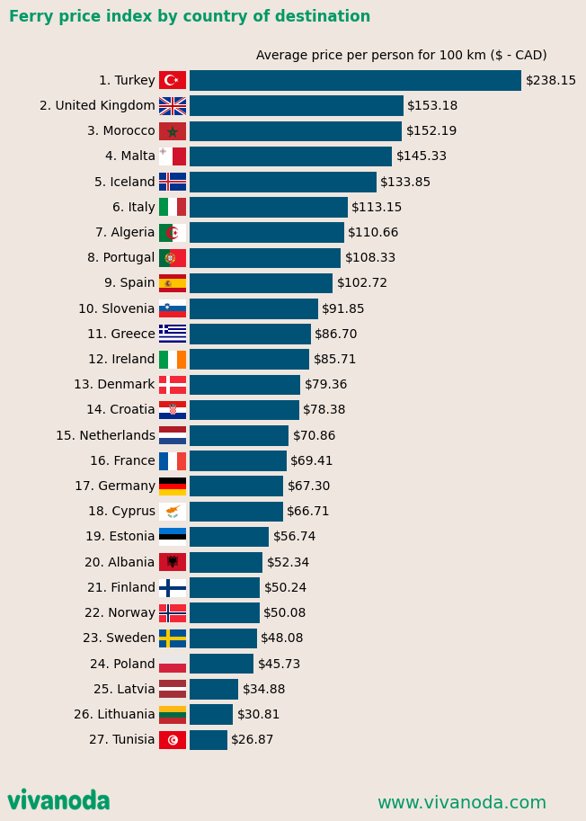
  • Ferry crossings to Tunisia, Lithuania, Latvia, Poland and Sweden have the lowest price index.
  • Conversely, ferry crossings to Turkey, the UK and Morocco have the highest price indexes.
  • Connections between Greece and Turkey and those between Morocco and Spain are proportionally the most expensive in Europe.
  • Connections between Germany and Lithuania or Latvia are the least expensive in relation to the distance travelled.
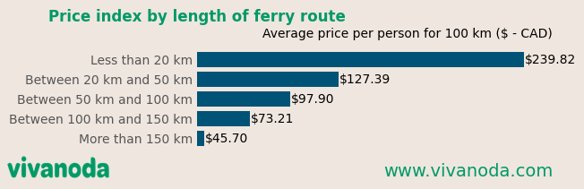
  • The shorter the crossing, the more expensive it is.
  • Across Europe, prices are higher on average from July to September. They are also slightly higher at weekends.
Ferry price index in Europe by country

For The Silo, Nicolas Pellier.

About Vivanoda
Vivanoda is a web platform that makes it easy to find ferry, train, bus and plane tickets for travel in Europe. Launched in 2013, the site has received awards from the European Commission, the International Union of Railways and the Groupama insurance group.
Canada’s Ex-Minister of Defence Hellyer Claimed ‘We Shot Down UFOs’

The honorable Paul Hellyer (dec. August 2021), Canada’s former Minister of Defense, Aeronautical Engineer and Pilot appeared on Russian TV about a decade ago with Sophie Shevardnadze to discuss extraterrestrials and UFOs.

“We have a long history of UFOs and of course there has been a lot more activity in the last few decades since we invented the atomic bomb.” he said.

They are very concerned about that and that we might use it again, because the whole cosmos as a unity, and it affects not just us but other people in the cosmos, they are very much afraid that we might be stupid enough to start using atomic weapons again.

Hellyer has stated that “UFOs are as real as the airplanes that fly over your head.”

One-time Minister of Defence for Canada (!)- has Paul Hellyer become a publicity seeking 'kook' or an engaged humanitarian with secret information about the presence of 'aliens'?
Former Minister of Defence for Canada  Paul Hellyer

Shevardnadze asks Hellyer, “Why do you say that UFOs are as real as airplanes flying over our heads?” Hellyer responds, “Because I know that they are. As a matter of fact, they’ve been visiting our planet for thousands of years.”

Hellyer claims that UFOs have been downed by military action, and alien technology has been harnessed by Earthlings.

He stated that, as far as technology is concerned, they are light years ahead of us, and we have learned a lot of things from them. A lot of the things we use today we got from them, you know – led lights and microchips and Kevlar vests and all sorts things that we got from their technology and we could get a lot more too, especially in the fields of medicine and agriculture if we would go about it peacefully.

But, I think, maybe some of our people are more interested in getting the military technology, and I think that’s wrong-headed, and that’s one of the things that we are going to have to change, because we’re going to have to work together, all of us, everywhere on the planet.

Shevardnadze asks Hellyer if shooting down these UFOs is risking an interstellar war, and, if so, “should we be creating a Star Wars force (President Trump created the United States Space Force while in office)  to defend ourselves from possible invasion or something like that?”  Hellyer responds, “I think it’s a possibility, but it’s a possibility especially if we shoot down every UFO that comes into our airspace without asking who they are and what they want. Right from the beginning we started scrambling planes, trying to shoot them down, but their technology was superior enough that we weren’t able to get away with it, certainly not for a long while.

During that period of time they could have taken us over without any trouble if they wanted to, so I think, rather than developing our own Star Wars to protect ourselves against them, we should work with the benign species that are of a vast majority and work together, and rely largely on them, of course, and cooperate, so that we would be contributing something at the same time; I don’t think there’s any point in us developing a galactic force that would tempt us to ride on our own and get into mischief.”

Mr. Hellyer being interviewed on Russian Television.

“We spend too much money on military expenditures and not enough on feeding the poor and looking after the homeless and sick,’ he said.

‘They would like to work with us and teach us better ways but only, I think, with our consent. They don’t think we are good stewards of our planet.

‘We are clear-cutting forests and polluting our rivers and our lakes. We are dumping sewage in the oceans. We are doing all sorts of things which are not what good stewards should be doing and they don’t like that.’

‘Our future as a species, and here I mean all of the species in the world, is potentially at risk if we don’t figure what’s going on and work together to try and make life more amenable for all of us, and to work with our neighbors from other planets as well.’

Aliens are also responsible for some of our modern technology including the microchip, LED light and Kevlar vest, he said.

Hellyer said there has been a lot more activity with aliens in the last few decades since we invented the atomic bomb.

One of the technological advances that humans have aliens to thank for are Kevlar vests. Hellyer described one group as ‘Short Greys’ who have very slim arms and legs and are about five feet high with large heads.

While Hellyer said he has never met an alien, but has seen a UFO near his cabin on Ontario’s Lake Muskoka.

Hellyer described several types of aliens including ‘Tall Whites’ who are working with the U.S. air force in Nevada. ‘They’re able to get away with that; they had a couple of their ladies dressed as nuns go into Las Vegas to shop and they weren’t detected,’ he claimed.

Another group of aliens are called ‘Short Greys’ who have very slim arms and legs and are about five feet high with large heads. A third group are called  ‘Nordic Blondes’ and Hellyer said that if you meet one you’d probably say, ‘I wonder if she’s from Denmark or somewhere.’ For the Silo, George Filer.


For Many European Countries, National Flower Is Second Only To Flag In Importance

Many non-native plants can happily survive in other regions of the world, which has given gardeners more choice than ever before. However, native flowers and plants can summarize the landscape of a nation, while communicating the identity of a country.

For many countries the national flower is second only to the national flag as the most important national symbol, while communicating the identity of a country.

European National Flowers Infographic

Did you work on this visual? Claim credit here.

Protecting the body in Combat- European Bronze Style

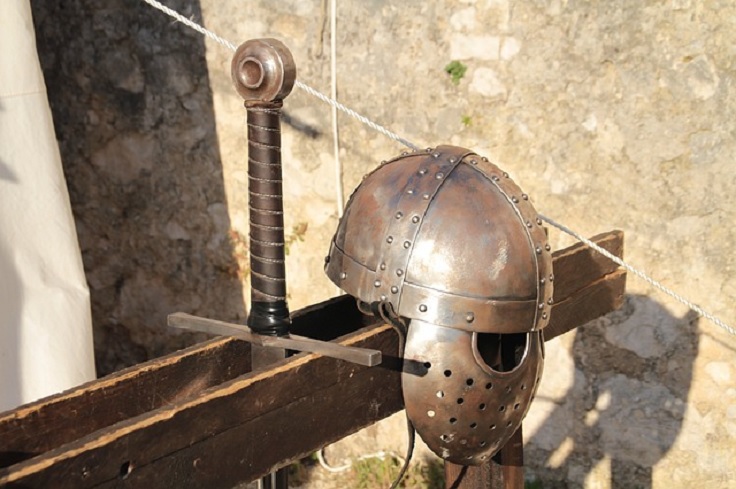
This monograph provides for the first time a combined overview of all classes of metal body armour from the European Bronze Age in a holistic perspective, combining discussion of both traditional typo-chronologies and aspects of manufacture and use.

The earliest metal body armour recovered comes from Dendra, Greece, and dates to the first half of the 15th century BC.

However, the majority of metal body armour, including helmets, cuirasses and greaves, derives from the European Late Bronze Age, c. 1200–950 BC. This armour has been found from Iberia in the west to Cyprus in the east, and from Sicily in the south to Denmark in the north, as well as in the Near East. It thus derives from a wide geographical study area. Nevertheless, only around 30 cuirasses, 75 greaves and 120 helmets have so far been recovered.

The development, manufacture and use of this metal body armour across Europe remains unclear, even after more than a century of research. Earlier studies were largely concerned with typo-chronological aspects of this armour, whilst topics such as manufacturing techniques, efficacy and technological observations were rarely addressed.

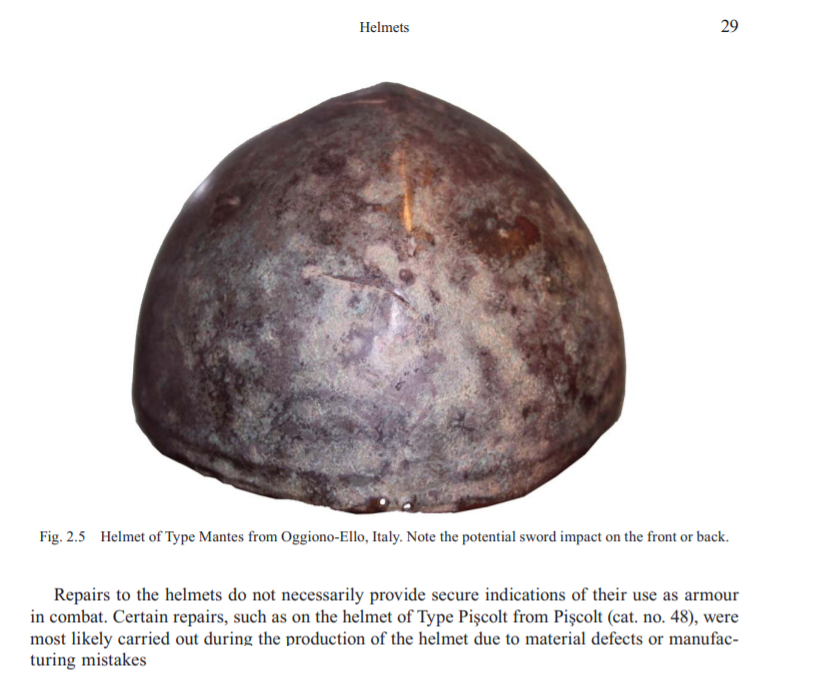
Page 29 from the full volume available below. Click on the hypertext at the end of this post for the PDF.

This volume therefore brings together both traditional artefact and metallurgical studies, as well as reconstructions of manufacturing techniques, technological developments and innovations and use-wear analysis. The monograph also provides much-needed detail concerning material characterisation, in the form of alloy composition and microstructure analysis of a significant sample of the original finds.

Combining the results of this with the study of the manufacturing techniques and use-wear traces, a better understanding of how this armour was both produced and used is achieved. I have documented, studied and analysed all accessible helmets, greaves and cuirasses in eastern Europe as well as a number of examples from western Europe, significantly increasing the quantity of body armour studied and analysed in detail. The publication contains the whole spectrum of known body armour currently recovered, as well as including ‘new’ finds from auctions or private collections, which have previously been overlooked.

The present volume offers a holistic artefact study of European Bronze Age body armour, its manufacture and usage. It serves as a basis for further experimental studies into the production and utility of bronze helmets, cuirasses and greaves, which will deliver further important insights in … View full abstract For the Silo, Marianne Modlinger.

FlyKly Wheel Transforms Any Bicycle Into 21st Century Smart Bike

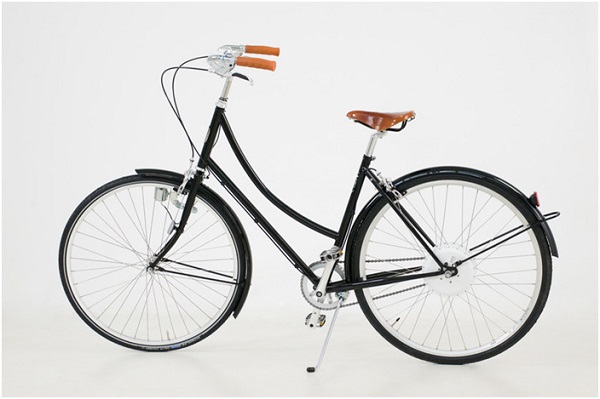
The FlyKly Wheel turns ordinary bicycles into 21st century smart bikes that offer the benefits of both electric and pedal power to make bicycle commuting a viable option for everyone.

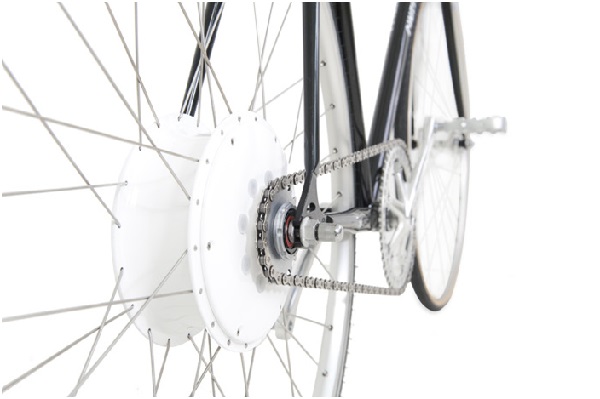
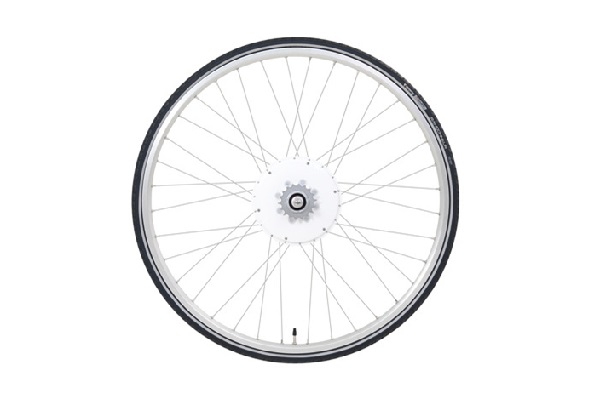
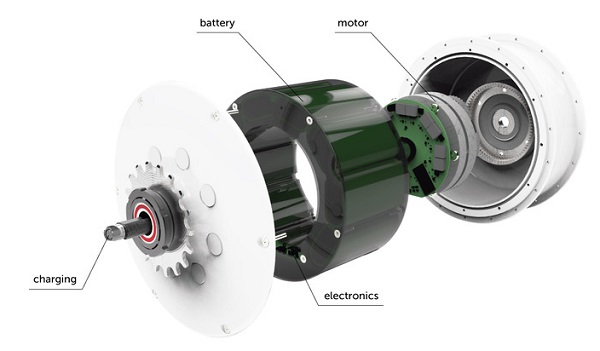
Cycling anywhere just got easier with the release of the FlyKly Smart Wheel, that lets urban cyclists climb hills and travel longer distances faster without breaking a sweat. Featuring an all-in-one design that puts a motor, battery and sensors together in a compact hub on the wheel, and weighing only 3 kg, the FlyKly Smart Wheel replaces the rear wheel on nearly any ordinary bike to transform it into a pedal-assisted electric bicycle. The FlyKly Smart Wheel has already earned three international patents and is the first all-in-one pedal assist for bicycles to hit the market.

Fly Kly 1

“With bike to work movement all over the world, we strongly believe that the moment is now to accelerate this trend and fundamentally transform urban transportation by making riding a bike effortless, smooth and smart — basically, by finally making it a truly attractive alternative to driving a car. This is the promise of FlyKly Smart Wheel” said Niko Klansek, founder and CEO of FlyKly. FlyKly launched its prototype wheel a  few years ago in a successful crowdfunding campaign on Kickstarter. To take the wheel to the next level, the FlyKly team ventured to Italy—a country well known for producing beautiful, high performance bikes—to partner with a team of designers, engineers and software developers from the prestigious Polytechnic University of Milan.

Fly Kly 2

Today, the Italian-designed FlyKly Smart Wheel is significantly smaller and lighter than the original design and offers a smoother ride while enabling cyclists to travel up to 100 km on a single charge depending upon how much of a boost they need or want from the motor. After production in Italy, the wheel is assembled in Slovenia. The FlyKly wheel and riding experience are controlled and customizable through the FlyKly App (iOS and Android), which works on smartphones and other devices using Bluetooth 2.3.

Design The FlyKly Smart Wheel comes in three rim sizes — 20,” 26” and 28” — to fit practically any bike and enable cyclists to easily transform their own bikes into pedal-assisted electric bikes. It takes fewer than five minutes to mount the fully assembled wheel. The sturdy, weatherproof casing for the all-in-one motor at the wheel’s hub comes in two colors—either pure white or silver gray—and is less than 18 cm in diameter. Bikes with the FlyKly Wheel do not look at all like traditional electric bikes, which are generally larger and heavier.

Fly Kly 4

How it works The expression “it’s as easy as riding a bike” still applies when riding a bicycle enhanced with the FlyKly Smart Wheel. After initially pairing the wheel with the FlyKly App, the rider can customize and change their riding experience whenever they wish, setting things such as how much of a boost they want from the motor — ranging from 0 % to 100% — or what maximum assisted speed they want, up to 25 km per hour. After that, the rider simply hops on the bike and starts pedaling per usual. In response to the rider’s settings, sensors in the wheel tell the motor when and how much to kick in to give the rider the boost they want. The 250W motor shuts off when the rider stops pedaling, and Smart Wheel’s regenerative braking system then kicks in to slow the bike and recharge the battery at the same time, making it possible to go even further on a single charge. With a 100%-assist from the motor, a rider can go up to 40 km on a single charge, and much farther if they require less assistance or can add to the charge while going downhill. It takes 2-3 hours to fully charge FlyKly Wheel’s 30 Volt lithium battery using an electric wall charger, which comes with the wheel.

Fly Kly 5

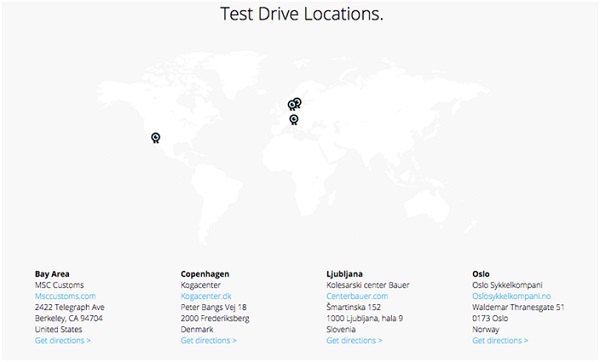
Test locations So far, riders can test FlyKly Smart Wheel in Europe (Copenhagen, Oslo, Ljubljana) and in US (New York). Exact test locations can be found here.

Fly Kly 6

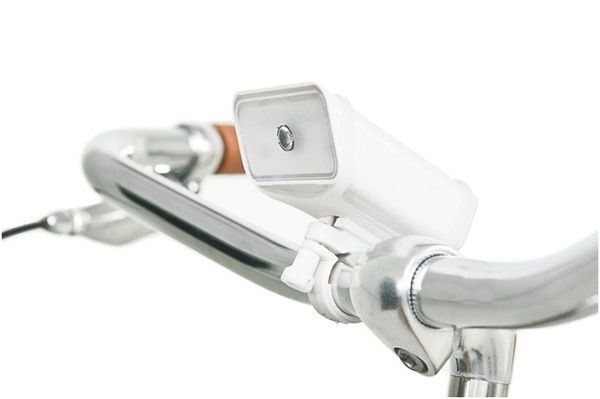
Smart Light Smart Light is bike light, phone holder and phone charger at the same time. It comes with USB and DC power connectors, silicon elastic phone straps that holds your phone firmly and dynamo, which generates power to the light while you ride the bike. It comes in white color and compliments Smart Wheel nicely.

Fly Kly 7

Smart App In addition to being able to customize their riding experience through the FlyKly App, riders can use the Smart App to track their riding speed, distance traveled and trip duration. In the future, the app will be able to make route recommendations based upon the rider’s stated preferences and actual riding style. Riders will also be able can share any of this information with other riders, and offer it to city officials to help with plans to make their cities more bike- and environmentally friendly.

Pricing and availability The FlyKly Smart Wheel is available now in rim sizes 20”, 26” or 28” and may be purchased for 970 EUR and the FlyKly Smart Light can be purchased for 89 EUR on the company’s website at FlyKly online store. The companion FlyKly App is available for free in the iTunes App Store (iOS) and in the Google Play Store (Android).

About FlyKly Inc. FlyKly, Inc. designs and manufactures smart tools for smart urban transportation. Its flagship product is the FlyKly Smart Wheel, which turns ordinary bicycles into pedal-assisted electric bikes. The Italian-designed and Slovenian-assembled FlyKly Smart Wheel, which has earned three international patents, was released in January 2015 and is the first all-in-one pedal assist for bikes to hit the market. The company was founded in 2010 by Niko Klansek and is headquartered in Brooklyn, New York. More information is available at www.flykly.com or contact [email protected]

ALIPH Allocates USD 10 Million For Cultural Heritage Protection In 12 Conflict Countries

Geneva, December 2019 

The International alliance for the protection of heritage in conflict areas (ALIPH) said on Tuesday it has allocated another USD 10 million to support 20 projects that safeguard cultural heritage in 12 countries struggling to recover from conflict, particularly in the Middle East and Africa.

Cultural heritage has been targeted in recent years by armed conflicts; its rehabilitation is now essential for social and cultural reconstruction efforts in affected countries.

ALIPH is the only global fund dedicated to the protection of cultural heritage in conflict areas. To this end, the foundation finances preventive measures, emergency interventions and concrete post-conflict rehabilitation projects all around the world.

Created in response to the massive destruction of cultural heritage in the Middle East and the Sahel region, its offices opened in Geneva in September 2018. These 20 new projects will bring this young organization’s total number of supported projects to 43, for a financing envelope of more than USD 17 million to date.

“Through these interventions, we reaffirm our commitment to help preserve mankind’s collective history and to assist those living in countries affected by conflict in building a renewed sense of hope, community and dignity”, said Dr. Thomas S. Kaplan, Chair of ALIPH Foundation Board. 

This new funding announcement deepens ALIPH’s engagement in three areas of intervention: protecting monuments and sites, safeguarding museums and their collections, and documenting and interconnecting heritage.

The Alliance will also fund, for the first time, an intangible heritage project in Afghanistan to safeguard decorative tile making, carpet weaving and Tambor making. “ALIPH’s support will allow our team to protect, safeguard, and document our priceless heritage which has been gravely weakened by decades of conflict across Afghanistan,” said Hamid Hemat, Cultural Heritage Senior Specialist and Project Manager, at the NGO Turquoise Mountain.

Image result for Hamid Hemat,
Hamid Hemat

This funding cycle will expand ALIPH’s presence from 7 to 12 countries: Afghanistan, Eritrea, Georgia, Iraq, Lebanon, Libya, Palestine, Peru, Somalia, Sudan, Yemen and a project in Denmark to digitize documents on the heritage of Palmyra, Syria. The depth and scope of these projects is possible only because of the strong support of its Member States and private donors.

ALIPH’s ongoing projects have already achieved several milestones, in particular the long-term initiative “Mosul Mosaic” (Iraq) that aims to rehabilitate sites representative of the cultural and religious diversity of the Old City. For instance, the Mosul Museum has now been stabilized, part of its collections safely stored, and its overall rehabilitation action plan finalized. The next step has just been approved by ALIPH, which aims to restore the collections, build capacities and pave the way for the building’s reconstruction.

Two emergency grants in Africa have also concluded: in Mali, staff were trained at the Al-Aqib Library in Timbuktu to restore 3,000 manuscripts, and in Abidjan, the protection of the collection of the Musée des Civilisation de Côte d’Ivoire has been reinforced. “This excellent project is the first of its kind in West Africa. Indeed, thanks to ALIPH’s generous support, the collections of the Museum are now well protected,” said Museum Director, Dr. Silvie Memel-Kassi.

Dr. Silvie Memel-Kassi

Download Factsheet about the projects

About ALIPH

The International alliance for the protection of heritage in conflict areas (ALIPH) provides concrete support for the protection and reconstruction of cultural heritage in conflict zones and post-conflict situations. The Alliance was founded in March 2017 in response to the massive destruction of outstanding, often ancient, cultural heritage in recent years. Operating under Swiss law, this Geneva-based foundation, also has the status of an international organization.

ALIPH financially supports associations, foundations, academic, cultural and heritage institutions, and international organizations working to preserve cultural heritage in the face of imminent conflict or to intervene for its rehabilitation. Its three areas of intervention are: preventive protection to limit the risks of destruction, emergency measures to ensure the security of heritage, and post-conflict actions to enable local populations to once again enjoy their cultural heritage.

ALIPH selects projects through regular calls—the next call will be open from 15 January-16 March. Emergency relief funding can also be applied for on a rolling basis. More information available at: www.aliph-foundation.orgFor the Silo, Sandra Bialystok Aliph Communication and Partnerships Officer.

Sustainable Urban Renewal Example In Copenhagen Neighbourhood

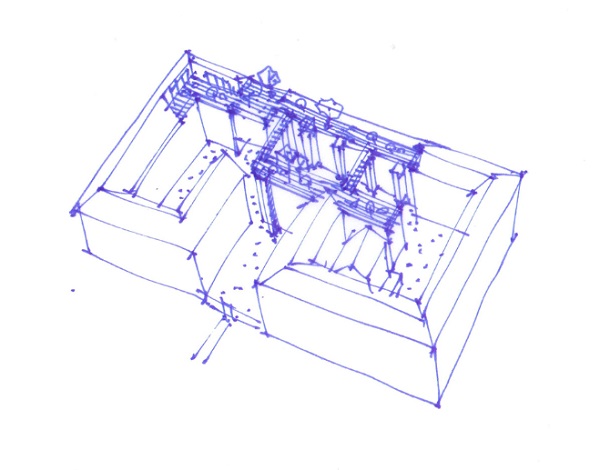
HenningLarsen design sketch
Henning Larsen Architects: design sketch

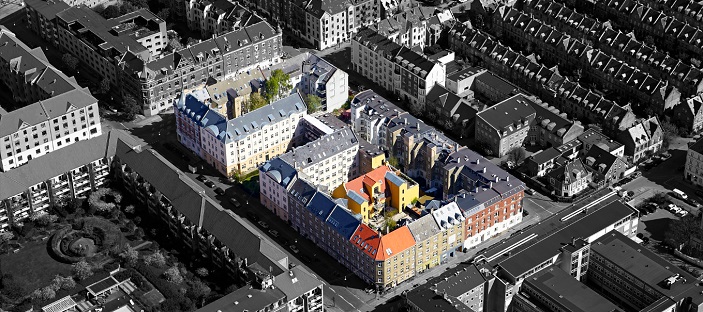
Henning Larsen Architects  lead a design team in establishing an overall sustainable solution for the renewal of buildings, courtyards, and streetscapes in a selected residential block of Skt. Kjelds Climate Resilient Neighborhood in Østerbro.  The competition for Copenhagen Climate Resilient Neighborhood was won with a proposal that serves as a future “showcase” of holistic and sustainable approaches to urban renewal while opening possibilities for realizing the objectives of a sustainable and climate-friendly Copenhagen. In addition to Henning Larsen Architects, the winning team also included Henrik Larsen consulting engineers, TagTomat and V!GØR.

“Copenhagen Climate Resilient Neighborhood , as a flagship project, demonstrates how a holistic and innovative approach to renovation and rainwater management can create a better living environment and courtyard atmosphere in a typical residential block. The designated block in Skt. Kjelds neighborhood therefore became a climate-front runner, implementing new solutions that can inspire other blocks—not only in Copenhagen but also in the many northern European cities where blocks of courtyard buildings are a dominant type of housing,” says Signe Kongebro, architect and partner at Henning Larsen Architects.Signe Kongebro

The project reflects a holistic approach with focus on energy retrofitting, climate adaption, architecture and daylight. From start to finish, the execution of the project will be implemented in close dialogue with Copenhagen Municipality and especially the residents and the building owners in the block.

HenningLarsenSketch2

The project was based on four main strategic focus points: rainwater management; increasing recreational space by re-configuring parking and introducing green areas; strengthening of the neighborhood’s identity with community gathering points; and, optimization of existing buildings in terms of energy consumption, daylight and indoor climate.

HenningLarsenSketch3

Workshops kick-started the sustainable urban renewal process wherein the team, in close and innovation-driven dialogue with residents and the municipality, began the transformation from traditional residential block to a climate-resilient neighborhood. Throughout the project, physical prototypes, exhibitions, mock-ups, and other visual tools contributed to give the residents a realistic insight into the transformation of their block and keep the process alive and relevant.  Connect with Henning Larsen Architects on Instagram  and on Facebook.

HenningLarsenSketch4

Supplemental-

History: http://henninglarsen.com/about/history.aspx

Profile:  http://henninglarsen.com/about/profile.aspx

Awards: http://henninglarsen.com/about/awards.aspx

Glerups Ergonomic Shoes Make Summer Weddings Easy On Bridal Feet

Getting married this Summer? The last thing you want on your wedding day is hot or tired feet for you or your bridal party. Ensuring a calm, collected and stress-free mood for weddings is critical for the seamless execution of anyone’s big day. So, when you’re struggling to think of a perfect bridal party gift, why not turn to something that encompasses all these feelings?

Glerups from Denmark, are the indoor shoe with the natural leather sole and are made from pure wool- natures all-round miracle fibre. For absolute comfort, wear your Glerups barefoot. Glerups are packable, portable and comfortable. The natural leather sole makes them kind on floors, kind on feet. From slip-ons, to shoes and booties, and Glerups come in styles for everyone.

Glerups provide the comfort of a slipper, but come in styles that cover your entire foot, like a shoe. They are also breathable, yet the natural wool keeps your toes warm and cozy.

“Glerups are a terrific accessory for any wedding party,” said Tim Stacey of Glerups. “The soft wool footwear is great to wear while getting ready for the big day, and they also make awesome bridal party gifts.”


If you're planning a winter wedding (and why not- this is a magical time of the year) Glerups will make sure you and your party are stylish, comfy and warm. CP image: nirvanaphotostudio.com
If you’re planning a winter wedding (and why not- this is a magical time of the year) Glerups will make sure you and your party are stylish, comfy and warm. CP image: nirvanaphotostudio.com


Warm – Glerups footwear is a unique concept based on the idea of using the natural characteristics of wool to its advantage. Unlike most materials which become cold when dampened, wool releases heat. The qualities of wool become entirely unique when worn directly against human skin; so naturally, it made sense to fashion house shoes from this material.  

Natural – Glerups are made from 100% natural wool. Glerups select wool that is gently washed in soft water and felted with steam to mimic the shape of your foot. Soft calfskin soles protect the house shoes for longer wear, while also taking the ‘slip’ out of slipper to provide a whisper soft, yet safe, step.

Beautiful – Glerups come in three styles for both men and women. The ‘slipper’ model embodies the classic characteristics of a slip-on indoor shoe. Get the warmth and comfort of on-the-foot 100% wool with the ‘shoe’ model Glerups. The shoe model provides the perfect comfort for colder floor surfaces, and won’t slip off.


Perfect!
Perfect!


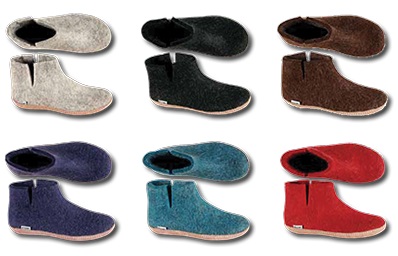
Finally, for those looking for an all-around insulator, there’s the ‘boot’ style Glerups. The boot offers full foot coverage all the way up to the ankle. This style insulates your entire foot while still allowing bare feet! Block out the cold with boot style Glerups. Glerups also come in a variety of vibrant, earthy colours, making them a versatile choice that will suit anyone’s personal style.

For more information on Glerups (www.glerups.ca ) or to order your own, please email [email protected] for details.


Founded in 1993 by Nanny Glerup as a hobby to work in felt, the first Glerups product was her evergreen felted boot in a classic design of natural grey wool. Since then, Nanny has continued designing new products for glerups.dk. In every design we are trying to achieve the optimal mix between practical use and beauty through simplicity and materials of nature.  For the Silo, Stephen Murdoch