Acadia National Park’s Cadillac Mountain offers hikers views of Frenchman Bay and the Porcupine Islands, along with some of the earliest sunrises to hit North America. (NPS/Kent Miller)
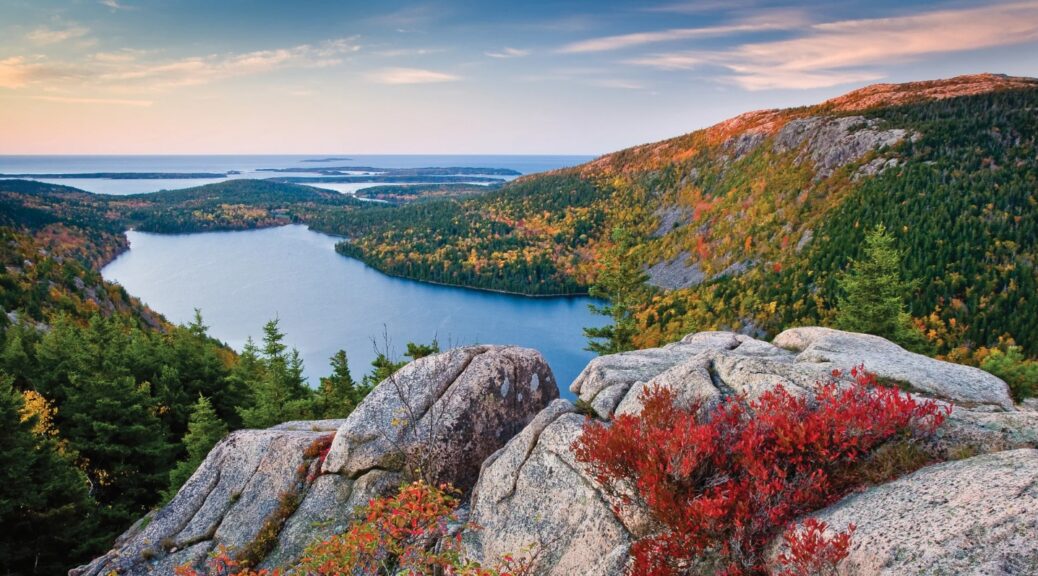
Nestled along Maine’s craggy shoreline, the seaside wilderness of Acadia National Park offers mountain climbing and hikes, boulder-strewn beaches and coastal drives overlooking the Atlantic Ocean.
Acadia was designated a U.S. national park in 1929 and now welcomes 4 million visitors each year. Its 47,000 acres (19,000 hectares) of protected land make up the only national park in New England and encompass much of Mount Desert Island, the region’s largest.
The heart of Acadia is Sieur de Monts springs, a historic landmark near cultivated gardens, hiking trails and bird-watching spots. It’s also a stop along Acadia’s Park Loop Road, a 27-mile (43-kilometer) scenic drive that connects lakes, mountains and shoreline. Early bird adventurers will want to head to Cadillac Mountain — one of the country’s easternmost points — to catch one of North America’s earliest sunrises.
Wildlife viewing opportunities abound as Acadia is home to myriad animals including deer, seals, porcupines, loons and bald eagles.
The National Park Service manages three lighthouses in Acadia, including Bass Harbor Head Light Station. (NPS/Kent Miller)
While Acadia is open year-round, roads can get icy in winter. Fall brings a riot of color when deciduous trees change their leaves, drawing visitors from around the world to witness the symphony of yellows, oranges and reds.
Summer is the park’s most popular season, when Maine’s natural beauty and lower temperatures draw visitors north from major cities. The park is a four-hour drive north from Boston, which is known as the birthplace of the American Revolution and home to numerous historic sites.
Many visitors to Acadia stay in neighboring Bar Harbor, Maine, a small town known for its scenic views and fresh lobster.
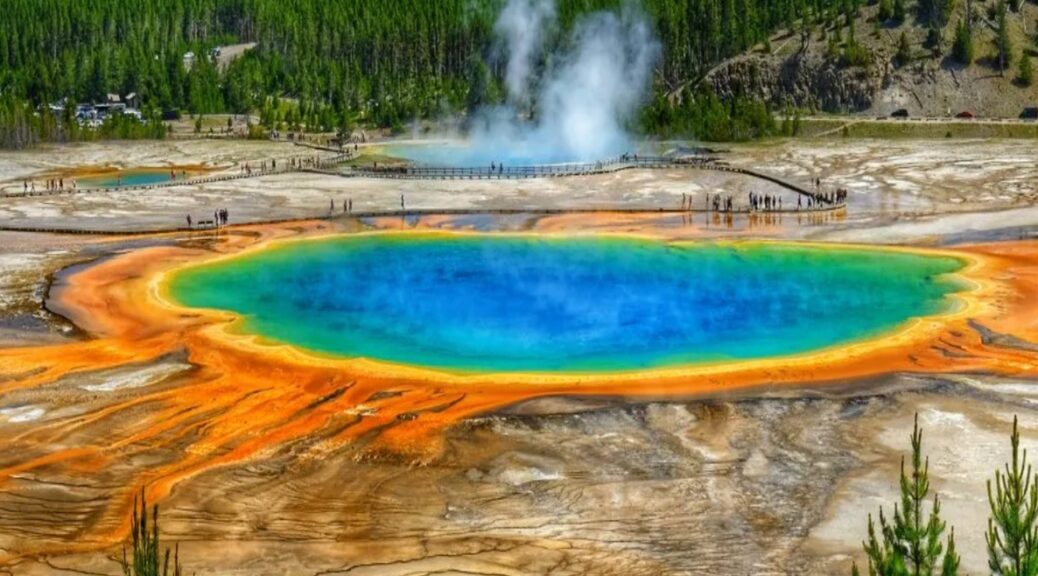
With its fluorescent natural wonders and diverse wildlife, Yellowstone National Park attracts 4.5 million visitors each year.
The world’s first national park was created on March 1, 1872, when President Ulysses S. Grant signed the Yellowstone National Park Protection Act. The law decreed that the headwaters of the Yellowstone River be “dedicated and set apart as a public park or pleasuring-ground for the benefit and enjoyment of the people.” The decision led to the creation of the National Park Service, which now protects more than 400 sites across the United States.
What are Geysers?
Sprinkled amid the hot springs are the rarest fountains of all, the geysers. What makes geysers rare and distinguishes them from hot springs is that somewhere, usually near the surface in the plumbing system of a geyser, there are one or more constrictions.
Geysers are hot springs with constrictions in their plumbing, usually near the surface, that prevent water from circulating freely to the surface where heat would escape. The deepest circulating water of the system can exceed the surface boiling point of water (199°F/93°C). Surrounding pressure increases with depth, much as it does with depth in the ocean. Increased pressure exerted by the enormous weight of the overlying water and rock prevents the water from boiling. As the water rises due to heating, steam forms and expands, increasing pressure in the constricted plumbing near the surface. At a critical point, the confined bubbles actually lift the water above the surface vent, causing the geyser to splash or overflow. This decreases pressure on the system, and violent boiling results. Tremendous amounts of steam force water out of the vent, and an eruption begins. Water is expelled faster than it can enter back into the geyser’s plumbing system, and the heat and pressure gradually decrease. The eruption stops when the water reservoir is depleted or when the system cools.
There are more geysers in Yellowstone than anywhere else on Earth. Old Faithful, certainly the most famous geyser, is joined by numerous others big and small, named and unnamed. Though born of the same water and rock, what is enchanting is how differently they play in the sky. Riverside Geyser, in the Upper Geyser Basin, shoots at an angle across the Firehole River, often forming a rainbow in its mist. Castle Geyser erupts from a cone shaped like the ruins of some medieval fortress. Grand Geyser explodes in a series of powerful bursts, towering above the surrounding trees. Echinus Geyser spouts up and out to all sides like a fireworks display of water. And Steamboat Geyser, the largest in the world, pulsates like a massive steam engine in a rare, but remarkably memorable eruption, reaching heights of 300 to 400 feet.
Vastness of Yellowstone
While mostly in Wyoming, Yellowstone’s 2.2 million acres (8,900 square kilometers) extend into neighboring Idaho and Montana. The massive park covers an area larger than the U.S. states of Delaware and Rhode Island combined.
Yellowstone was established to protect an extraordinary collection of 10,000 thermal features, including geysers, hot springs, fumaroles and boiling mud pots created by underground volcanic activity. With 500 geysers, the park has more than half of all the world’s erupting hot springs.
While waiting for Old Faithful, the world’s most famous geyser, is a Yellowstone tradition, the park also boasts abundant wildlife viewing opportunities. With the largest concentration of mammals on the U.S. mainland, Yellowstone is home to bison — the U.S. national mammal — as well as black bears, bighorn sheep, deer, elk, moose and mountain goats.
You may also glimpse predators, such as one of the 1,000 grizzly bears known to inhabit the area, along with lynx, wolverines and wolves.
Bird lovers will relish the opportunity to see 300 species of birds. The park service provides a checklist for bird watchers hoping to spot them all.
While Yellowstone offers something in every season, services are limited from early November through late April. Bad weather can change road conditions at any time, so check operating dates and conditions before visiting.
For those unable to visit, Yellowstone’s 10 webcams offer glimpses of the park. So whether you’re planning to feel the mist from an Old Faithful eruption or looking for a brief virtual escape, Yellowstone offers an experience unlike any other. For the Silo, Jarrod Barker.
Monterey, Calif. (Sept, 2024)— After years of campaigning to free Tule elk at Point Reyes National Seashore, In Defense of Animals applauds the California Coastal Commission’s (CCC) speedy approval of America’s National Park Service’s (NPS) proposal to dismantle the deadly, infamous, 8-foot-tall,/ 2.4 m, 2-3-mile/ 3.2-4.8 km long fence confining them.
Over 475 Elk Died Over A Decade Due To Fence- Many More Suffered With Poor Health
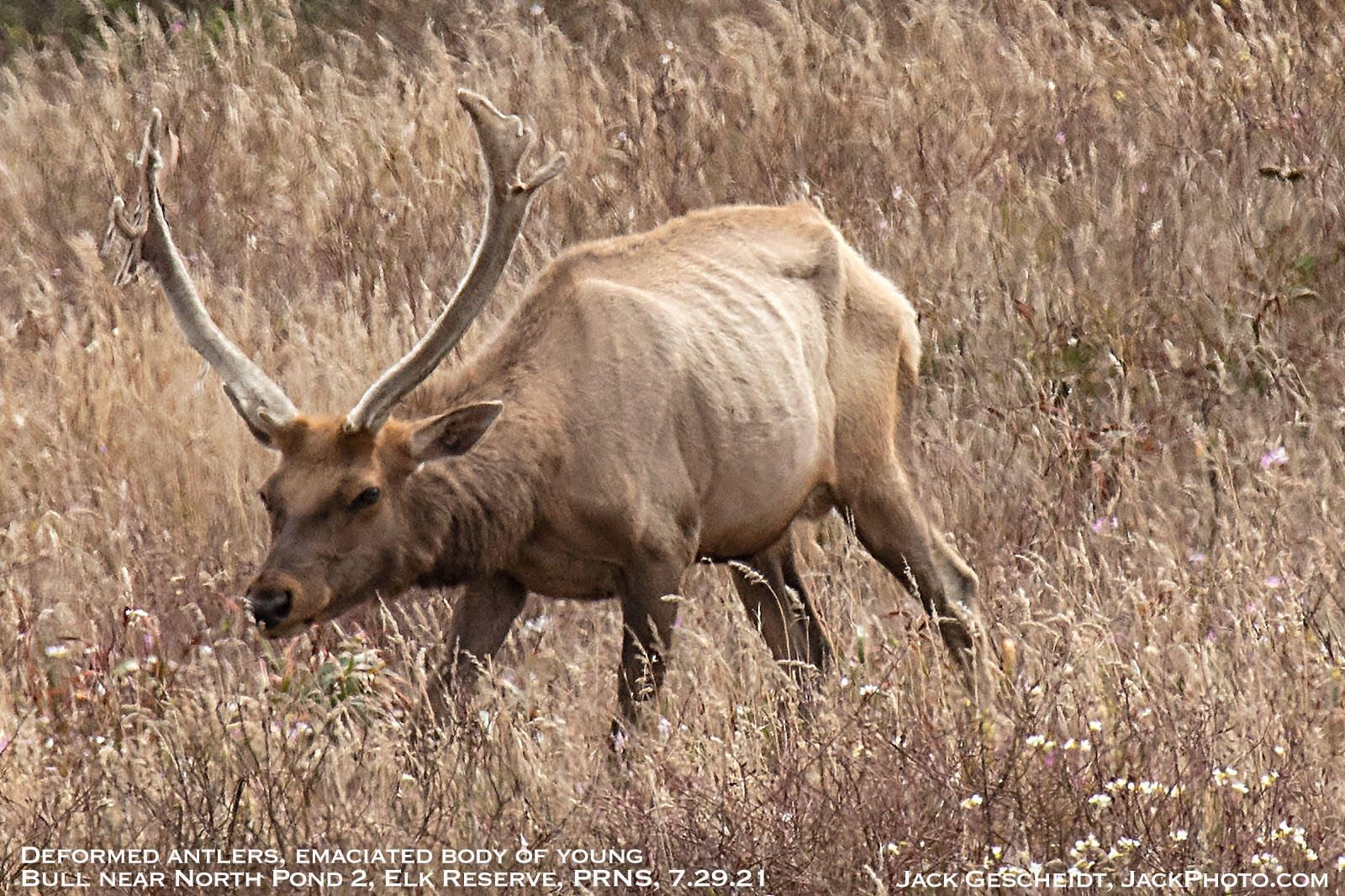
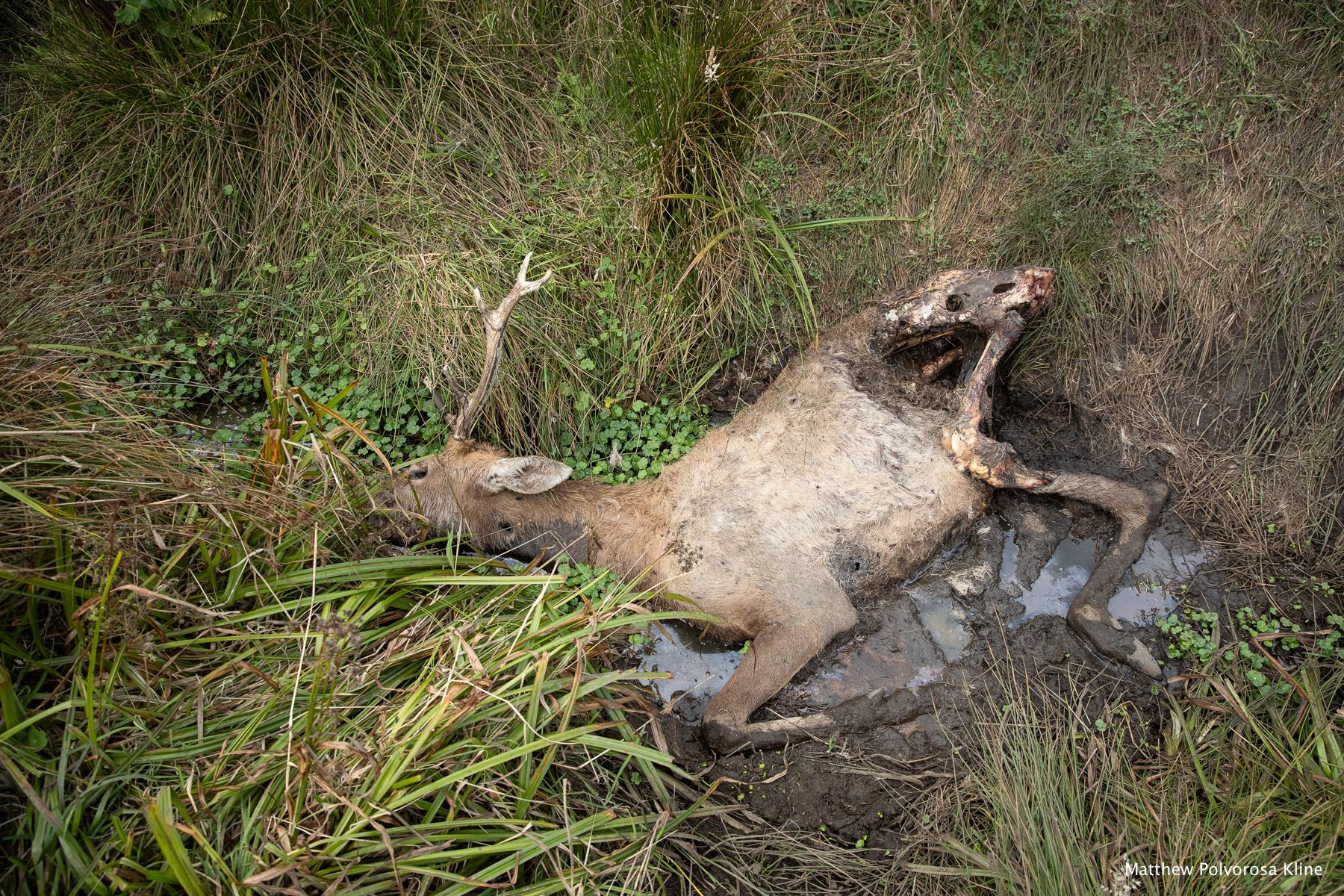
The wire and wooden post barrier fence was built to keep elk in, and away from for-profit beef and dairy ranches which lease land from the public and, in return, pollute the Seashore park and sentence hundreds of elk to starve and die of thirst by restricting the movement of these wild animals in a national park. Over 475 Tule elk died over a decade as a result of the fence, a larger number of these gentle, plant-eating ungulates than is currently still held captive inside the fenced compound, called a “Reserve,” despite its deadly effect on Tule elk.
After years of animals rights and citizen activist demonstrations and pressure, in June 2023 the NPS finally relented and officially reversed its position on a 45-year-old park policy that kept this Tule elk herd confined to the drought-stricken Tomales Point, the northernmost peninsula of the popular San Francisco Bay Area national park unit. The recent vote, technically speaking, is a CCC concurrence with a “negative determination” assessment of no significant environmental impact caused by removing the 45-year-old fence as part of the new “Tomales Point Area Plan” (TPAP).
This bureaucratic hurdle, much easier to clear than an 8-foot-tall fence, is part of a years-long process that has been underway since June 2023, in accordance with the National Environmental Policy Act (NEPA). The CCC’s approval on Sept. 12 will allow the NPS to continue its process to dismantle the fence, which in turn will allow the elk inside the Reserve to wander south of the fence line, into other, wetter areas of the park’s full 71,000 acres. Their current home, the Reserve, by comparison, is only 2,600 acres.
Their fence-down freedom will, both quickly and over time, improve the health of the herd.
And, significantly, reduce the number of painful, slow elk deaths from thirst and starvation during California’s hot, dry summer and autumn seasons.
With the fence dismantled, the elk will also be able to mix and mate with elk from the park’s other two herds. The two other herds are less restricted in their movements — although they, and all of the park’s approximately 700 elk, are still affected and negatively impacted by the contiguous, privately-owned, beef and dairy cow ranches. These businesses lease over one-third of Point Reyes from the public — and keep it fenced off to public access too, even though the public owns the land.
Thousands of beef and dairy cows (who are confined and used themselves) pollute even more of the seashore’s land, water and air every year (and every day) with millions of pounds of manure and methane.
Activists are delighted that the fence removal process is finally underway.
Jack Gescheidt, Tule elk consultant for the international animal protection organization, In Defense of Animals, said, “It’s a treat, for once, to not have to testify at a Coastal Commission meeting about how destructive, polluting and cruel some policy or regulation is. We activists want the fence down. The public wants the fence down. The Park Service now wants the fence down. And now the Commission has approved this major improvement to a public park.”
Gescheidt added, “And we hope the NPS [America’s National Park Service CP] follows through with the fence removal before the end of the year. We offer volunteer help with the historic fence-dismantling work!”
In Defense of Animals’ Tule Elk Campaign works tirelessly to not just free the Tule elk at Point Reyes National Seashore, but to also re-wild all 71,000 acres of Point Reyes to wild animals, by finally ousting the private beef and dairy ranches which are this beloved national park’s major source of land degradation, water contamination and air pollution. These businesses were paid millions of dollars for their land in the 1960s, and had agreed to leave by 1987, but have resisted doing so ever since. www.idausa.org/elk
In Defense of Animals is an international animal protection organization based in California with over 250,000 supporters and a 41-year history of fighting for animals, people, and the environment through education and campaigns as well as hands-on rescue facilities in India, South Korea, and rural Mississippi. www.idausa.org
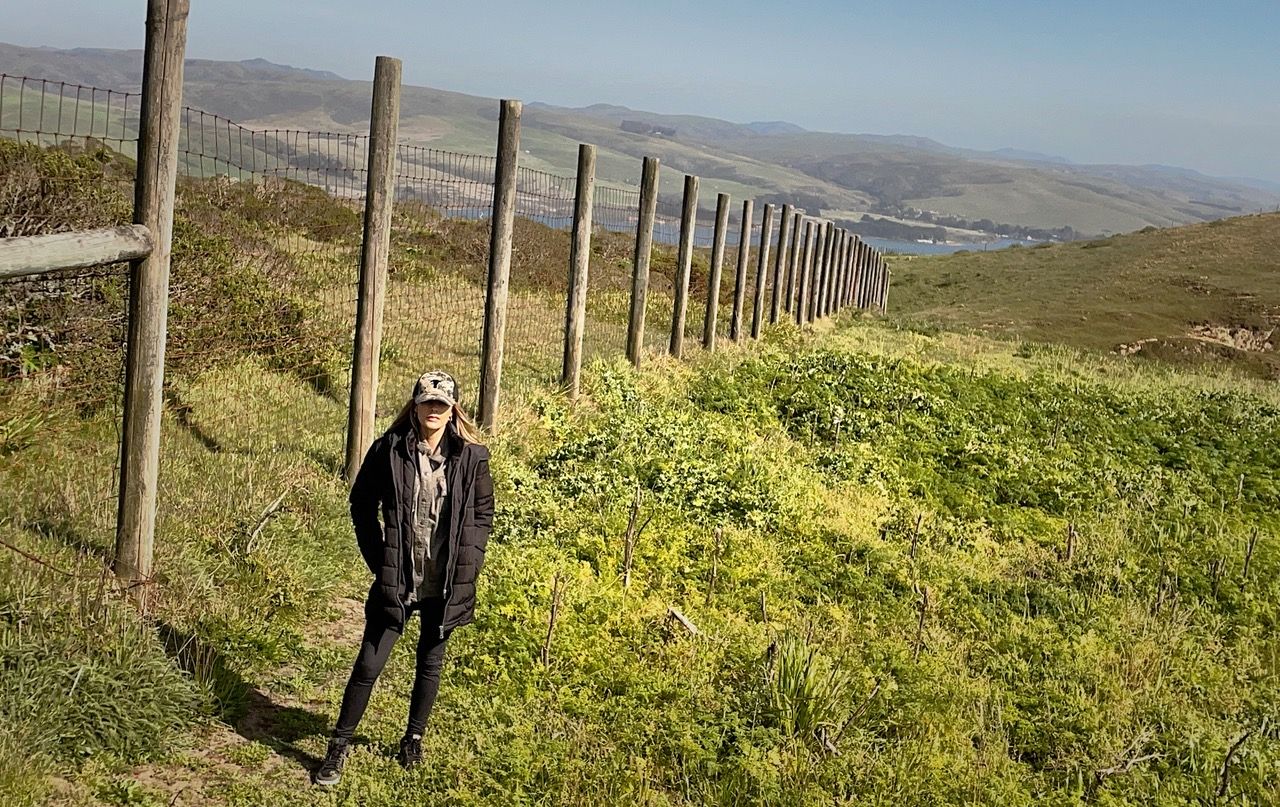
Featured image: Bonnie-Jill Laflin at Pt. Reyes Elk Reserve by Jack Gescheidt/Tree Spirit Project.
Canada has some world leading parks but our neighbours to the South sure have their fair sure as well.
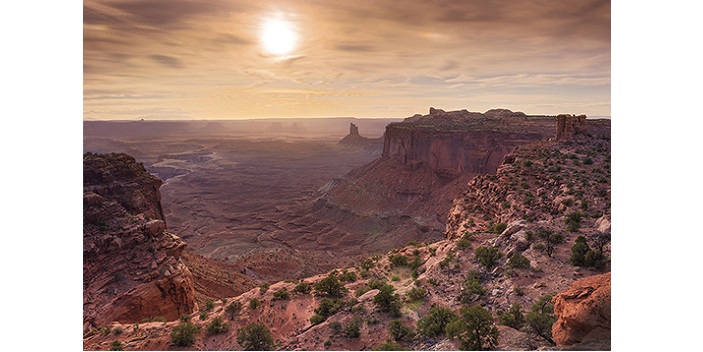
Utah’s five National Parks featured on Utah.com offer adventure travelers and families a unique blend of accessibility and grandeur that have put these beauties on bucket lists since their birth a hundred years ago. Utah’s magnificence extends far beyond the borders of its national parks, as travelers logging on to Utah.com will discover. While visiting Arches you can explore mountain bike slickrock trails in Moab; stop by Coral Pink Sand Dunes on your way to Zion; ski the slopes of Brian Head after you hike Navajo Loop in Bryce Canyon; swim in Calf Creek Falls while exploring Capitol Reef country; and rock climb in famous Indian Creek on your way out of Canyonlands.
Utah.com’s local expert team recently spent three days in Zion National Park where they browsed the area’s best rock shops, interviewed the park’s Director of Wildlife and went hiking with the locals.
They know where to take a six-year-old hiking; divulge the best spots to paddle a brand new kayak; and they’re keen to tell you which local bed and breakfast has the friendliest hosts and coziest fireplaces—and you can book all these experiences on the spot right on the site.
Travelers looking for meaningful and inspiring experiences in Utah can find itineraries about small towns like Kanab that are perfect for family excursions to national parks and other unexplored areas.
Utah.com also gives travelers practical hiking and biking trail information with difficulty ratings, photos, and waypoints. Adventurers can learn about places that locals have been quietly exploring for generations, and find the best base camps to maximize their limited time in the world’s top destination. For travelers on a budget, there are always tips about free admission days and where to take your kids when the weather rains on the outdoor parade.
And for the digitally dependent family member who longs to get off the grid? Utah.com’s off-season tips and information prove that Utah is a year-round wilderness of glorious solitude where Wi-Fi isn’t even a temptation.
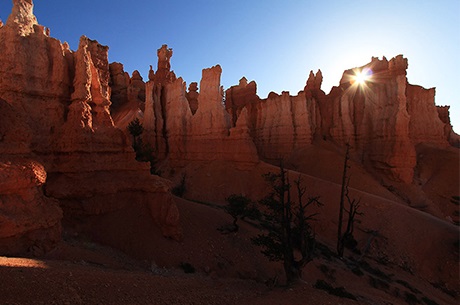
Utah.com helps travelers discover, plan and book intergenerational traditions. They’ll want to take their children to Bryce Canyon National Park and pontificate about geological uplift, erosion and the Paunsaugunt Plateau after days of wandering through hoodoos—humanoid sandstone pillars. Eyes may roll, but those littles will find themselves giving the same speech to their kids decades later–in the exact same spot. Utah.com will lead them to national parks and awe-inspiring places they’ll never forget and will always preserve. For the Silo, Victoria George.
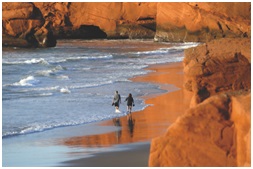
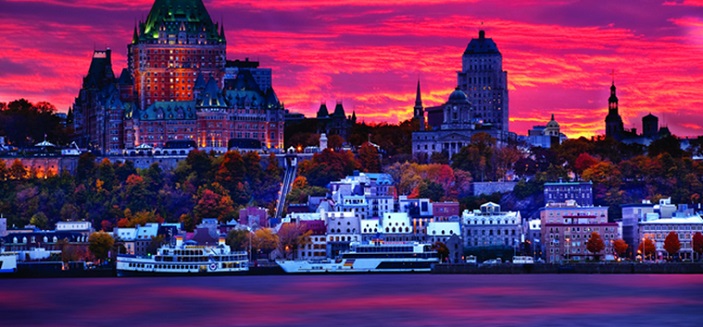
National Geographic Traveler recently released its tenth annual ‘50 Tours of a Lifetime,’ a curated list of the best-guided trips offered by today’s top adventure tour operators around the globe. This year’s collection includes Adventure Canada’s Mighty Saint Lawrence expedition cruise, an incredible voyage that begins in historic Québec City and travels down the Saint Lawrence seaway to the French territory of Saint-Pierre. Travellers will search for beluga and blue whales in Saguenay Fjord, hike Anticosti Island, photograph the famous red cliffs of the Magdalen Islands, and discover the rich geological and natural histories of the region. The expedition departs June 14, 2015.
“It is a great privilege to be included in National Geographic Traveler’s 50 Tours of a Lifetime in 2015,” said Cedar Swan, CEO of Adventure Canada. “We’ve worked hard to curate an incredible team that will enhance the rich natural landscape and history that played such a key role in formation of Canada. We’re thrilled to help shine the spotlight on Quebec’s Maritime region and we look forward to connecting our guests to the people, culture, and natural wonders of this region for years to come.”
Sailing down the nation’s historic waterway, the 198-passenger Ocean Endeavour introduces guests to the best of la belle province. Accompanied by an expert team of expedition leaders—as well as renowned naturalists, historians, artists, and photographers—travellers will discover seldom-visited coastal communities by Zodiac, accessing remote areas unreachable by car or large cruise ship.
Featured activities include visits to bird nesting colonies, whale-watching, trekking through national parks, sampling French wine and cheese in Saint-Pierre, and learning about the region’s French and aboriginal heritage. Adventure Canada also debuts its new photography programming aboard the Mighty Saint Lawrence expedition, including interactive workshops with Fujifilm photographers Billy Luong and Dan Bailey.
The ten-day adventure starts at $2,595 USD per person, and includes the itinerary and educational program, all shipboard meals, entry and park fees, most shore excursions, service charges, and port fees.
For more information, email marketingdirector@thesilo.ca or visit adventurecanada.com or call 1-800-363-7566. About our new friends- Adventure Canada
Founded in 1987, Adventure Canada is a family-owned and operated adventure travel company specializing in land-based and small ship cruise adventures in Canada’s Arctic and east coast regions, Greenland, and select wilderness destinations. Adventure Canada’s trips feature a wide array of special guests including musicians, authors, biologists, and historians.





 Travelers looking for meaningful and inspiring experiences in Utah can find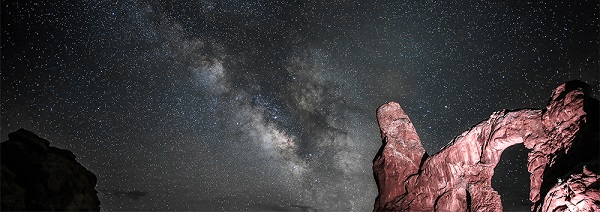
 “It is a great privilege to be included in National Geographic Traveler’s 50 Tours of a Lifetime in 2015,” said Cedar Swan, CEO of Adventure Canada. “We’ve worked hard to curate an incredible team that will enhance the rich natural landscape and history that played such a key role in formation of Canada. We’re thrilled to help shine the spotlight on Quebec’s Maritime region and we look forward to connecting our guests to the people, culture, and natural wonders of this region for years to come.”