President Trump, who founded the U.S. Space Force in 2019, has announced plans for a U.S. Space Academy to train future leaders of America’s pioneering space missions.
Trump signed an executive order establishing the Space Academy last month during an August 28 ceremony at NASA’s Johnson Space Center in Houston.
“Given the rapid growth of the U.S. Space Force and commercial space industry, and the expansion of our ambitions to the moon and far beyond … it’s clear we will need to educate and train an entire generation of skilled service members, engineers, and civil operators,” the president said.
Space Is Critical To US
The order describes space as critical “for U.S. national security, economic growth, scientific discovery and technological innovation.”
During the August 28 ceremony, Trump also awarded the Congressional Space Medal of Honor to the crew of the Artemis II mission — NASA’s Christina Koch, Victor Glover and Reid Wiseman, and the Canadian Space Agency’s Jeremy Hansen. Their April flight around the moon set a record for the farthest humans have traveled from Earth.
President Trump presents an executive order establishing the U.S. Space Academy August 28 at Johnson Space Center in Houston. (NASA/John Kraus)
The only nation to land a man on the moon, the United States remains at the forefront of human space exploration. Through the Artemis program, established in Trump’s first term, NASA will return astronauts to the moon and pave the way for a moon base that will serve as a jumping-off point for future human spaceflight to Mars.
The president has prioritized America’s leading role in space exploration. He launched the Artemis Accords, a nonbinding set of principles to guide civil space exploration. Over 70 nations have signed onto the accords.
In August, Trump issued a Presidential Memorandum to reinvigorate U.S. leadership in space transportation , calling on federal agencies to promote space transportation capabilities and facilitate commercial transportation to the moon and Mars.
U.S. Space Force Brigadier General Matthew Holston swears new officers into the U.S. Space Force at the Pentagon. (U.S. Air Force/Technical Sergeant Michael Campbell)
NASA Administrator Jared Isaacman will lead a commission that will advise the president on creating the Space Academy, including degree programs, experiential training and service obligations for graduates. The academy will combine “rigorous technical education with leadership development, discipline, and a durable commitment to public service,” the order says.
A Transitional Step
Isaacman called plans for the Space Academy “a transformational step” for future NASA missions to return astronauts to the lunar surface, build a moon base and advance science and discovery. “I have no doubt that so much of the future talent that will graduate and contribute to these exciting endeavors will be educated at the United States Space Academy,” he said.
With a target mass of 300 kg, ALTA LUNA’s compact size gives it a high degree of manoeuvrability. The vehicle is also designed to offer particularly high obstacle-crossing capability.
ALTA LUNA is designed to operate in two modes: with an astronaut on board or autonomously. In autonomous mode, navigation will rely on a combination of LiDAR, stereo cameras and artificial intelligence. AI will also be able to assist the astronaut in driving the vehicle.
In autonomous mode, ALTA LUNA will be able to carry out operations including excavation, grading and terrain preparation, as well as site development and the creation of routes and basic infrastructure. It will also be able to transport payloads. Each vehicle will be able to operate alone or in coordination with other ALTA LUNA vehicles. For certain operations, several vehicles will therefore be able to work together on the same task, pooling their efforts.
With ALTA LUNA, Venturi Space is exploring a tracked mobility architecture for the first time as part of its lunar programmes. This choice has one specific objective: to allow the vehicle to climb steeper slopes than would be possible with a wheeled architecture.
ALTA LUNA will use the battery and battery management system (BMS) developed by Venturi Space. These two technologies are integrated into Venturi Astrolab’s CLV-1, which has been selected by NASA for the Artemis campaign.
Fifteen months after unveiling the MONA LUNA rover, and as the launch of FLIP to the lunar South Pole approaches (*), Venturi Space continues to strengthen its position in the space industry, just five years after its creation.
| Gildo Pastor, President of Venturi Space: “I enjoy designing vehicles for extreme environments, but above all I like to see them prove their value in real-world conditions. I will therefore devote all the necessary energy to ensuring that ALTA LUNA supports the first inhabitants of the Moon in their daily lives”
Dr. Antonio Delfino, Director of Venturi Space: “On the Moon, we will need to build, develop sites, transport, maintain and connect. We will face challenges similar to those of industrialisation on Earth: transport routes, habitats, infrastructure and logistics. This will require a range of specialised mobility solutions capable of operating as a fleet and carrying out a wide variety of missions. This is the new phase of lunar activity that we are preparing for”(*) Developed by the US company Venturi Astrolab, the FLIP rover is equipped with hyper-deformable wheels and high-performance batteries designed and manufactured by Venturi Space. Its launch aboard Astrobotic’s Griffin-1 lander is scheduled by the end of 2026, with the lunar South Pole as its destination. Venturi Space, a European company, is Venturi Astrolab’s strategic partner.
When Port Dover astronomer Michael Earl thought about how to celebrate the 50th anniversary of Sputnik, he did not know what he was in for. He decided that year- back in 2007, he would detect and track 1,957 individual satellites. He managed to detect 2,053 of them; nearly 100 over his initial goal.
The project did not stop there. Mr. Earl decided to continue to determine how many of our orbiting satellites could be detected using retail telescopes and research-grade digital cameras.
Michael Earl stands near his CASTOR facility in Port Dover. This equipment was used to detect and track over 4,000 of our orbiting satellites. Image by Michael A. Earl and Jane E. Yaeger.
Mr. Earl has seen some of our most prestigious satellites, including the International Space Station, the Space Shuttles, all of the GPS satellites, Telstar, NASA’s Chandra X-Ray Observatory and Canadian satellites Alouette, ISIS, Anik A1, CTS and Radarsat. He has spotted all of the satellites that all North American satellite TV subscribers point their dishes toward.
A decade ago, he spotted the famous Hubble Space Telescope only ten degrees above Port Dover’s southern horizon.
(see image) The Hubble Space Telescope (HST) was seen to travel across CASTOR’s field of view at 4:16 a.m. on July 5, 2011. The HST is traveling right to left in this image, which is actually comprised of five 5-second images. The HST’s reflected sunlight is seen as streaks as the satellite orbits the Earth during the exposures. The small dots are stars in the constellation of Grus (the crane). The large clumps at the bottom are foreground trees. Image by Michael A. Earl / CASTOR.
The furthest man-made object he has seen is an old Soviet-era x-ray observatory called Astron. It was 196,000km away at the time, or half way to the Moon.
At the present time, there are a total of 16,000 catalogued satellites that are tracked regularly by the United States military. Mr. Earl has detected over 4,000 (one quarter) of these to date. This includes two thirds of all payloads and three quarters of all rockets orbiting us right now.
He has compiled his findings into a unique satellite catalogue.
This is the first such catalogue to be compiled within Canada. He is also the first in the world to detect over 4,000 individual satellites single-handedly.
Mr. Earl hopes that his satellite catalogue will be used by amateur and professional astronomers to determine which satellites can be detected using their own unique equipment. The catalogue could be used as an initial point of reference for optical satellite tracking research initiatives all over the world.
The Iridium 67 communications satellite is seen to flare as it reflects sunlight back to the CASTOR camera. For much of its orbit, Iridium 67 is invisible to the naked eye however once in awhile its high gain antenna reflects most of the sunlight that hits it. We see this as an easily visible flare from Earth. CASTOR has detected all 98 Iridium satellites. The arrow denotes the satellite’s direction of travel. The small dots are stars. The number next to the satellite denotes the NORAD satellite catalogue number. The compass at the upper left corner denotes the orientation of the image. The numbers at the bottom denote the time, date and exposure time of the image. Image by Michael A. Earl / CASTOR.
Today, astronomy can be used for much more than observing stars, nebulae and galaxies.
The science can also be used to observe and track our most important assets in space and motivate others to develop new satellite tracking initiatives.
The Viking 1 lander’s photographs gave the world its first look at the surface of Mars, including this image taken before sunset August 21, 1976. (NASA/JPL)
On July 20, 1976, seven years after NASA landed a man on the moon, the U.S. space agency safely landed the first spacecraft on Mars.
Viking 1 operated for six years, far exceeding its planned 90-day mission. The lander tested soil and sent home the world’s first images of the Martian surface. While Viking 1 — consisting of an orbiter and a lander — did not find signs of life, its successful landing led to future exploration of Mars, including by the Perseverance rover launched in July 2020.
As the 50th anniversary of Viking 1 approaches, the United States is again reaching for Mars with missions that serve as a stepping stone toward sending astronauts to the red planet. NASA’s Artemis program aims to create a permanent moon base by 2032 to test human habitation on other planets and inform missions to Mars.
“We will pursue our manifest destiny into the stars, launching American astronauts to plant the Stars and Stripes on the planet Mars,” President Trump said in his January 2025 inaugural address.
Mars missions continue
This digital rendering provides a conceptual image of the Space Reactor 1 Freedom that NASA will use to study Mars. (NASA)
Other NASA missions are carrying on Viking 1’s legacy , furthering scientific knowledge of the fourth planet from the sun. Launched in November, NASA’s Escapade and Plasma Acceleration and Dynamics Explorers mission will reach Mars in 2027. The twin spacecraft will orbit Mars, collecting data on space-weather conditions to inform future robot and human missions.
In 2028, NASA will launch the Space Reactor‑1 Freedom to Mars, an uncrewed mission designed to demonstrate whether nuclear electric propulsion can work in deep space, an essential element for human flight to Mars.
A pioneering legacy
A Viking 2 image of Mars’ Utopia Plain (NASA)
Successfully landing Viking 1 on Mars was an extraordinary achievement. While other nations had tried, communications were lost on touchdown. Yet NASA repeated the feat two months later with the safe landing of Viking 2 on September 3, 1976.
Project managers weren’t certain what to expect from either mission. The Viking 1 landing, originally scheduled for America’s bicentennial on July 4, 1976, was delayed when the planned landing site appeared too rocky. Yet the Viking missions’ legacy endures. Viking orbiters mapped 97% of Mars’ surface and sent home 52,663 images. The landers returned 4,500 photos before Viking 1 finally stopped operating in November 1982.
While neither mission discovered signs of life, the search continues as scientists revisit findings from Viking and later missions. In September, NASA announced that a soil sample Perseverance collected may contain evidence of ancient microbial life, calling it “the closest we have ever come to discovering life on Mars.”
Over the last 18 months our friends at Vollebak have been building the Shielding range, a wearable defence system against electromagnetic radiation. Some of it is literally silver and shiny. In other cases, they have integrated the shielding technology more discreetly, in a super comfortable t shirt and, shipping in September, one of the best-looking leather jacket ever made.
Gamma rays turned Bruce Banner into The Hulk. Which turned out to be mostly a good thing. But in reality radiation and human beings don’t go well together.And as we enter an era of cybersecurity breaches, geopolitical instability, the first manned missions to Mars and increased cosmic radiation exposure, it’s going to present more of a threat.Luckily, there are ways to stop electromagnetic radiation in its tracks.
Long before the Curiosity Rover was sent to Mars to search for signs of life, it had to be tested on Earth. So NASA built an electromagnetic shielding tent to completely block out external radiation during testing – anything from a text message to a chat with the James Webb telescope.
Vollebak took that technology and put it into clothing.
The Shielding Jacket and Shielding Pants are built from a lightweight ripstop embedded with pure silver that blocks radio waves and microwaves across the frequencies used by WiFi, Bluetooth, Ku-band satellites and radar.
This means the jacket and pants deflect infrared, so you can’t be seen on a thermal camera. And each one has a hidden pocket that works like a Faraday cage, sealing your phone off from the outside world whether it’s switched on or off. So you can’t be hacked, tracked or even called.
The Shielding Bomber, based on the original MA-1 flight jacket, wraps this space-age protection in a jet-age shape.
Arriving in September, the Leather Shielding Jacket is a re-engineered version of the A-2, the most famous leather jacket ever made.
It’s cut from black nappa sheep leather, tanned with plant-based tannins so it breathes and ages gracefully, and is lined with the same silver shielding technology as the Shielding Jacket, Pants and Bomber.
The Shielding T Shirt works slightly differently.
It’s knitted from silver-plated fibres spun from wood pulp, forming a conductive network.
Lab tests show shielding from 30MHz to 10GHz, with the strongest effect across common mobile, WiFi and Bluetooth bands.
It won’t hide you from a satellite, but it’s supersoft, endlessly wearable and the logical thing to put on under everything else.
NASA’s Artemis II mission brought back stunning images from space, including one of Earth setting beyond the moon’s surface. (NASA)
NASA’s Artemis program sent the Orion spacecraft around the moon, carrying astronauts farther from Earth than ever before, as millions back home watched. Now the space agency is planning missions that will land astronauts on the moon and build a permanent base on the lunar surface to serve as a jumping-off point for human space flight to Mars.
“The Moon Base will be America’s and humanity’s first outpost on another celestial world,” NASA Administrator Jared Isaacman says of the base , planned to open by 2032. “Every mission, crewed and uncrewed, will be a learning opportunity as we return to the lunar surface, build the infrastructure to stay, and master the skills required to live and operate in one of the most demanding and dangerous environments imaginable.”
Artemis missions blend public and private-sector technology and enlist international partners. On crewed missions, the Space Launch System heavy lift rocket propels astronauts from Earth. The Orion spacecraft and a human landing system will work together to deliver the first humans to the moon’s surface since NASA’s last Apollo mission in 1972.
(State Dept.)
During Artemis II’s lunar flyby in April, astronauts (including Canadian Jeremy Hansen) aboard the Orion spacecraft they nicknamed “Integrity” sent back pictures of the far side of the moon and a solar eclipse, an image seldom seen from space.
Over the next several years, the Artemis program will launch dozens of uncrewed missions that will use robotic spacecraft to survey sites for the moon base and deposit supplies for astronauts’ future use, says Carlos García-Galán, NASA’s Moon Base program manager.
The agency next sends astronauts into space on Artemis III, set to launch in 2027. The crew of NASA astronauts Randy Bresnik, Andre Douglas and Frank Rubio, along with the European Space Agency’s Luca Parmitano, will test Orion’s interoperability with lunar landers in Earth orbit in preparation for a moon landing mission the following year.
Artemis IV, planned for 2028, will land two astronauts on the moon for a weeklong stay near the lunar South Pole. NASA expects to return to the moon with Artemis V later that year to begin building the moon base. Future crewed missions will continue at a pace of at least once per year, NASA says.
The Orion spacecraft seen alongside the moon, with Earth in the distance. (NASA)
Artemis missions are guided by the Artemis Accords , a set of nonbinding principles and norms for civil space exploration. Started in 2020, the accords now have the support of 67 signatory nations.
“We are reaching for the stars once again with the same ingenuity, courage, and indomitable spirit that have defined our national story for 250 years,” President Trump said in May, calling for “a new Golden Age of space exploration.”
The Artemis II crew of NASA’s Christina Koch, Victor Glover, Reid Wiseman and the Canadian Space Agency’s Jeremy Hansen (second from left), seen on their journey home. (NASA)
Some years ago, back in 2015, I spoke with Paul Hellyer the former Canadian minister of defense, who stated he believes UFOs are from another planet and that the U.S. Government has kept it covered up.
As Canadian Minister of National Defense in 1963, Hellyer was responsible for integrating and unifying the Royal Canadian army, navy and air force into a single organization, the Canadian Armed Forces.
He was outspoken about UFOs visiting Earth and the US Banking System that he felt was greatly responsible for economic hard times. He felt that we are naive and (take a breath) fail to understand we are being visited by alien life forms.
He told me he had spoken with key US government officials who confirmed aliens are visiting us and providing advanced technology.
His book, “Light at the End of the Tunnel: A Survival Plan for the Human Species” reveals that humans are hell bent for extinction unless we change our attitudes and actions with an urgency appropriate to an impending disaster. In the book, Paul Hellyer suggests that we have about ten years to wean ourselves from the oil economy and profoundly regrets that the Copenhagen Conference reflected little progress in that direction.
World Leaders Have to Do Better
The whole atmosphere was one that reminded him of Emperor Nero fiddling while Rome burned. World leaders simply have to do better! The book outlines the three monumental changes required to accommodate the miracle. First, the book claims that exotic energy sources already exist. They have been developed by the U.S. “shadow government” at the massive underground “black operation” installations in Nevada and Arizona using technology borrowed from visitors from other planets. Yet they remain secret for the alleged benefit of the privileged few. Second, the money has to be found to subsidize poor nations and facilitate major changes. This can be accomplished by a fundamental re-working of the monetary and banking system. Bank leverages must be dramatically reduced and the percentage of virtual money they create as debt strictly limited so that governments can gain the financial flexibility to finance the transition to sustainability. Finally, it will be necessary for all countries, races, faiths and colors to drop their antagonisms and work together in common purpose to save the heritage they have in common.
When Hellyer was Canada’s Minister of National Defense he stated, “I got periodic reports on sightings and I looked at them very casually, and it was decided that about 80 percent of them were natural phenomena of one sort or another, and the other 20 percent roughly were unexplained, and therefore unidentified. While spending one Thanksgiving holiday north of Toronto, Hellyer and his wife spotted an UFO. “The two of us stood there transfixed for 20 minutes, looking up at this thing moving first in one direction, and then another. By process of elimination, we determined it wasn’t a star or satellite and it wasn’t the space station, so there was really no explanation for it other than it was, in fact, a UFO.”
“It looked like a star, but it maneuvered in a way that stars do not. I must admit that when I saw this one, I wondered whether it was extraterrestrial or American. And I guess the thought that occurred to me was that if it is American, then they have learned some pretty big secrets about acceleration, because it accelerated at a pace that nothing I’ve ever known about that was built here is capable of.” For the Silo, George Filer. Join MUFON.
After landing a probe a billion miles from Earth (on a moon shrouded in methane monsoons and covered in cryovolcanoes spewing out jets of -179°C hydrocarbon rain) our friends at vollebak took the most significant material in human history, chopped it up, and turned it into a 300 gram jacket.
We’ll start by pointing out the obvious – the material The Martian Mach 16 Jacket is made from, wasn’t created to build clothes.
It started life as a hypersonic deep space parachute designed to land a multi-billion dollar mission a billion miles away in the outer solar system – on a moon shrouded in methane monsoons, and covered in cryovolcanoes spewing out jets of -179°C hydrocarbon rain.
…So it’s just a couple of levels of performance up from your average umbrella.
To put a billion miles in perspective, the space-junk we left on the moon is only about 240,000 miles away. A billion miles is also 1,300 times further away than the James Webb Telescope. And over five million times further from Earth than the International Space Station.
It also takes a long time to travel a billion miles. So by the time the parachute was deployed it had been in the deep freeze of deep space for 7 years – so it’s a pleasant surprise that it didn’t pull a hamstring.
Instead it successfully landed the first probe in the outer solar system – which is the furthest any human spacecraft had ever landed.
And during its 2.5 hour parachute-assisted descent, the Cassini-Huygens probe sent back images to Earth of the surface of Titan – a place NASA thinks might be a likely future home.
It wasn’t done yet though. Because over a decade later, it was brought out of retirement to land the Perseverance Rover on Mars – the other place where humans are trying to get a foot on the property ladder.
It’s why the jacket comes in a Project Mercury edition that’s based on the first spacesuits of the Mercury Program. And a Rover Orange edition – which is the same International Orange used in the Perseverance parachute.
On 18 February 2021, as the Rover was heading towards Mars at 20,000kmph, or Mach 16, the parachute was put to work again. This time it was given just over a second to slow the Rover down to 320kmph in a −60°C Martian dust storm.
Now breaking instantaneously at Mach 16 is not easy. For reference Tom Cruise was flying a lot slower than that in the last Top Gun as he used Earth’s atmosphere as a one man racetrack – hitting a conservative Mach 10. And if he’d braked to a stop in just over a second he’d have turned into soup.
This braking strength is even more astonishing given how light the material is. The entire 21.5 metre wide parachute was packed into a nose cone about the size of the average back pack.
Today you’ll find Perseverance still happily trundling around Mars, and the parachute in a slightly untidy, dusty heap in the Jezero Crater.
So if you, your kids, or your grandchildren, end up on these planets, sipping a coffee watching the Earth rise, we’ll have this material to thank.
It helped give the world today a window into the worlds of tomorrow.
And as you’d imagine, a material that can survive methane monsoons, cryogenic cold, Martian dust storms, hydrocarbon rain, cryovolcanoes and hypersonic braking, also makes a pretty miraculous jacket here on Earth.
Pursuant to the desire of the Government of The United States of America and the Government of New Zealand, the countries held a bilateral Space Dialogue in Washington, D.C. on March 23 and on March 26 to strengthen bilateral space cooperation. The Space Dialogue demonstrates the robust and growing cooperation between the United States and New Zealand in outer space.
The U.S. delegation was led by Valda Vikmanis, Director of the Office of Space Affairs of the Bureau of Oceans and International Environmental and Scientific Affairs, and by Eric Desautels, Director of the Office of Critical Domains for the Bureau of Emerging Threats. The New Zealand delegation was led by Andrew Johnson, Deputy Head of the New Zealand Space Agency. Chris Seed, New Zealand’s Ambassador to the United States, delivered opening remarks that underscored priorities of strengthening commercial space ties, enhancing space security cooperation, and advancing scientific collaboration. Both delegations included whole-of-government participation.
The participants welcomed the holding of the Dialogue during a period in which the United States and New Zealand share a close cooperation on space which has had mutual benefits for both countries. In October 2024, New Zealand became the third most frequent launcher of orbital rockets, with U.S. headquartered and New Zealand founded company Rocket Lab propelling New Zealand to these new heights.
A significant focus of the Dialogue was the evolving role of the commercial space sector in supporting both economic growth and shared security interests. Discussions covered the changing role of government in enabling commercial activity and the expanding range of applications, with both sides expressing their intent to continue cooperation on spaceflight safety, launch, payloads, science and innovation, and associated technology security measures. Both sides also discussed opportunities for further cooperation to address space-related threats to shared security interests, including military space cooperation and managing the risks to ground-based space infrastructure.
The delegations recognized the potential for expanded cooperation on policy and regulatory interoperability related to commercial space, including space situational awareness, launch and reentry, and commercial remote sensing. They decided to work closely together to address regulatory constraints that hinder effective cooperation, commercial engagement, and mutual benefits.
Participants welcomed the open and productive nature of the Dialogue, which included discussion on space cooperation grounded in the principles of the Artemis Accords, to which New Zealand was an early signatory. Both sides emphasized the importance of promoting peaceful and transparent behavior in outer space.
Participants acknowledged New Zealand’s geographic advantages have enabled frequent and responsive launches for U.S. industry and government agencies, adding strategic resilience to launch capacity. New Zealand’s location has enabled hosting of ground-based space infrastructure to enhance both space situational awareness and communications with spacecraft. The United States noted New Zealand’s recently passed, world‑first legislation on the operation of ground-based space infrastructure, which strengthens its ability to protect New Zealand’s national interests and values.
New Zealand’s growing focus on space security has opened new avenues for cooperation, strengthening the United States and New Zealand partnership and advancing practical efforts to promote stability, resilience, and the responsible use of space.
New Zealand’s Space Scholarships program, where New Zealand funds post graduate students to complete a three-month internship at the Jet Propulsion Laboratory in Southern California, where they contribute to cutting-edge space technology projects, was acknowledged as a way to create enduring space connections between New Zealand and the United States.
Participants also welcomed the announcement of the first round of joint research projects between New Zealand research institutes and NASA centers, focusing on Earth observation. These projects lay the foundation for future collaborations in other research areas, including potential contributions to the Artemis program following the March 24-25 Ignition events and announcements at NASA headquarters.
Both countries resolved to continue working together in these areas and to explore other opportunities for strengthening bilateral cooperation, including facilitating bilateral commercial connections.
Whistleblowers from Meta and TikTok revealed that both companies knowingly allowed more harmful content, including violence, extremism, and exploitation of minors, on their platforms to win the algorithm-driven engagement race, prioritizing stock prices and political relationships over user safety.
Disclaimer- According to Kate Miller at The Fastest Media, the original source for this story, Cybernews, has been caught in significant inaccuracies.
Cyberbullying Enabled
These platforms also prioritize resolving complaints from politicians over those from vulnerable people, such as minors experiencing cyberbullying.
“While platforms and lawmakers take their sweet time debating what borderline content is, people are left to deal with the psychological fallout of social media addiction. From the inability to tell right from wrong or fake from real, loss of concentration, sleep, and even sense of self, to radicalization, depression, and self harm – the consequences of companies toying with their algorithms to meet business goals are dire for humanity,” writes Jurgita Lapienytė, Editor-in-Chief at Cybernews.
Profit Over Safety?
A new BBC report revealed what we suspected all along – big tech platforms turn a blind eye to harmful content for the sake of profit. Platforms allow so-called borderline content – misogynistic, sexist, racist, conspiracy-driven – that is harmful yet legal.
According to the report, based on accounts from a dozen whistleblowers and insiders, Meta engineers were instructed to allow more borderline content to compete with TikTok. Meanwhile, TikTok is said to have prioritized several user complaints involving politicians to “avoid threats of regulation or bans.”
Unsurprisingly, big tech platforms denied any wrongdoing, insisting that they do not amplify harmful content.
Algorithms are allegedly designed to better understand user interests and needs, and cater to them accordingly. Unfortunately, most of what a user “wants” turns out to be conspiracy theories, AI slop, deepfakes, and pro-Nazi content. Or at least the algorithm seems to think so – because most of this is so-called ragebait content, designed to provoke a strong response from the user.
And since users engage with it, the algorithm is tricked into “thinking” this is what people want. Humans behind the algorithm must clearly understand this is not the case, but clicks translate to cash. So why would Big Tech cut the branch it’s sitting on?
In 2024, Meta earned $16 billion, or 10% of its annual revenue, from scam ads and banned goods. The information comes not from a third-party analytics firm but from Meta’s own documents, proving that the tech giant is well aware of how much harm it can spread – and how much money it can make along the way.
While platforms and lawmakers take their sweet time debating what borderline content is, people are left to deal with the psychological fallout of social media addiction. From the inability to tell right from wrong or fake from real, loss of concentration, sleep, and even sense of self, to radicalization, depression, and self harm – the consequences of companies toying with their algorithms to meet business goals are dire for humanity.
It’s not only our mental health that’s at stake. Adversaries, well aware of algorithmic logic, abuse it to spread misinformation and straightforward lies, sowing division to influence elections all over the world – making us wonder just how much harm performative compliance has already done to democracy.
Cybernews is a globally recognized independent media outlet where journalists and security experts debunk cyber by research, testing, and data.
Cybernews has earned worldwide attention for its high-impact research and discoveries, which have uncovered some of the internet’s most significant security exposures and data leaks. Notable ones include:
Cybernews researchers found that Android AI apps leak Google secrets the most, 700TB of files already exposed.
Cybernews researchers discovered multiple open datasets comprising 16 billion login credentials from infostealer malware, social media, developer portals, and corporate networks – highlighting the unprecedented risks of account takeovers, phishing, and business email compromise.
The research team also studies over 19 billion newly exposed passwords, and found that most people use 8–10 character passwords (42%).
Cybernews researchers analyzed 156,080 randomly selected iOS apps – around 8% of the apps present on the App Store – and uncovered a massive oversight: 71% of them expose sensitive data.
Recently, Bob Dyachenko, a cybersecurity researcher and owner of SecurityDiscovery.com, and the Cybernews security research team discovered an unprotected Elasticsearch index, which contained a wide range of sensitive personal details related to the entire population of Georgia.
The team analyzed the new Pixel 9 Pro XL smartphone’s web traffic, and found that Google’s latest flagship smartphone frequently transmits private user data to the tech giant before any app is installed.
The team revealed that a massive data leak at MC2 Data, a background check firm, affects one-third of the US population.
The Cybernews security research team discovered that 50 most popular Android apps require 11 dangerous permissions on average.
An analysis by Cybernews research discovered over a million publicly exposed secrets from over 58 thousand websites’ exposed environment (.env) files.
The team revealed that Australia’s football governing body, Football Australia, has leaked secret keys potentially opening access to 127 buckets of data, including ticket buyers’ personal data and players’ contracts and documents.
The Cybernews research team, in collaboration with cybersecurity researcher Bob Dyachenko, discovered a massive data leak containing information from numerous past breaches, comprising 12 terabytes of data and spanning over 26 billion records.
The team analyzed NASA’s website, and discovered an open redirect vulnerability plaguing NASA’s Astrobiology website.
Featured image via Cybernews- Elon Musk’s artificial intelligence (AI) firm xAI has said it is working to remove posts by its chatbot Grok that praised Adolf Hitler as the best person to deal with “vile anti-white hate.”
“I hid a sandwich in my spacesuit,” Astronaut John W. Young confessed in the April 2, 1965, issue of Life Magazine. The conversation about and the consumption of the sandwich, which lasted only about 30 seconds during the Gemini III flight, became a serious matter that drew the ire of Congress and NASA’s administrator after the crew returned home. Congress was particularly upset and brought the matter to leadership’s attention at hearings about NASA’s 1966 budget. Representative George E. Shipley was especially disgusted, knowing how much money and time NASA had spent to prepare the Gemini III spacecraft for launch. The fact that a crewmember brought something into the crew cabin, which Shipley likened to a “surgeon’s operating room,” put the techniques used to prevent a spaceflight mission from failing at risk; crumbs could have made their way behind instrument panels interfering with the operation of flight equipment and the loss of the mission and its crew. Shipley called Young’s antics “foolish” and asked NASA leaders to share their thoughts.
A Beef with Corned Beef
George Mueller, associate administrator for Manned Space Flight, stated unequivocally that the agency did not “approve [of] unauthorized objects such as sandwiches going on board the spacecraft.” And he promised Shipley that NASA has “taken steps, obviously, to prevent recurrence of corned beef sandwiches in future flights. There was no detriment to the experimental program that was carried on, nor was there any detriment to the actual carrying out of the mission because of the ingestion of the sandwich.” Manned Spacecraft Center Director Robert R. Gilruth was more forgiving of Young’s decision. These sort of antics, he told the committee, helped the crews to “break up the strain” of spaceflight, and he hesitated “to be too strict in the future by laying down a lot of rules for men who have this responsibility and who, in all the flights so far, have done such good jobs.” Webb disagreed and said, “this is the United States of America’s space program and, as a matter of policy, we are not going to permit individuals to superimpose their judgment as to what is going to be taken on these flights. I think it is fine for Dr. Gilruth to take a very strong position with respect to the individuality of these men, but from those of us who have to look at the totality of the matter, this was not an adequate performance by an astronaut.”
The loss of a Gemini mission, especially one so early in the program, would have been particularly challenging for an agency attempting to land humans on the Moon where each mission built on the previous flight. The United States was in a race with the Soviet Union, and for Congress at least, the purpose of Gemini and the cost of the space program was far too serious for these sorts of fun and games. For NASA Administrator James Webb, it was a sign that Gilruth was too lax when it came to managing his astronauts. Gemini III was just one example of the lack of control he noticed, and he pressed Gilruth for a report on the sandwich incident to determine if Young should be disciplined or at the very least reprimanded.
The In-Flight Meal
Young hatched the idea during training, when his commander, Virgil I. “Gus” Grissom grew “bored” with the food they practiced with for the mission. Grissom regularly complained about the dehydrated “delicacies” food scientists concocted.Bringing a sandwich onboard, an item that was freshly made and did not have to be rehydrated, “seemed like a fun idea at the time” to Young.
Astronauts Gus Grissom (foreground), command pilot; and John Young, pilot, are shown inside their Gemini III spacecraft as they prepared for their launch from Cape Kennedy, Florida, on March 23, 1965.
NASA
One of the goals of their flight was to evaluate NASA’s flight food packaging and whether the containers leaked when foods were reconstituted, as well as the procedures for disposing of the meal and its packaging after eating. Foods included rehydratable items such as chicken bites, applesauce, or drinks, and compressed foods such as brownie bites. The Gemini food system was not haute cuisine, however, and crews complained about its taste. Young described the chicken bites as “barely edible” in his post-flight debriefing. Don L. Lind, a scientist-astronaut selected in 1967, described the early Gemini food as “strange.” Their class took some to jungle survival training in Panama, and while no one wanted to eat it on the first two days, by the third day they were so hungry that they were willing to give it a try. Another problem was that all rehydrated meals for Gemini were mixed with cold water, which made them less appetizing than a hot meal.
Food packets planned for the Gemini III flight, including dehydrated beef pot roast, bacon and egg bites, toasted bread cubes, orange juice and a wet wipe. The astronaut’s method for rehydrating a pouch of dehydrated food with water is shown in the top left.
Locally Made Corn Beef Sandwich
A freshly made corned beef sandwich made at a local restaurant sounded like a better option, so Young had fellow astronaut and backup command pilot Walter M. “Wally” Schirra pick one up. Schirra purchased the sandwich for Young, and as he headed out to the launchpad, Young put it in the pocket of his pressure suit.
Nearly two hours into the flight, as Young started his food and waste evaluation, he pulled out the sandwich from his suit and offered it to his commander. As captured on the air-to-ground recordings, Grissom asked what it was and where it came from. “I brought it with me,” Young responded, “Let’s see how it tastes.” He didn’t expect the sandwich to be so pungent, “Smells, doesn’t it?” Grissom took a bite but found the rye crumbled so he placed the sandwich in his suit pocket to prevent the crumbs from floating about the cabin.
Where did that come from?
Gus Grissom
Gemini III Commander
Two days later, nearly a thousand members of the media from the United States and around the world gathered to hear from the crew and NASA management at the postflight press conference at the Carriage House Motel in Cocoa Beach, Florida. Space reporter Bill Hines asked Young about the sandwich, erroneously referring to it as a “baloney sandwich,” and what happened when Gus was offered a taste. “And,” he asked, “what became of the sandwich?” Young seemed surprised, “How did you find out about that?” and then laughed adding Grissom “ate the sandwich.”
John Young and Gus Grissom speak with the press about the Gemini III mission during a news conference at the Carriage House Motel in Florida. Behind the table, left to right, are Dr. Kurt H. Debus, director of Kennedy Space Center, Christopher C. Kraft, Jr., MSC assistant director for Flight Operations, astronauts John Young and Gus Grissom, Dr. Robert R. Gilruth, MSC director, Dr. Robert C. Seamans, NASA associate administrator, and Julian Scheer, assistant administrator for NASA’s Office of Public Affairs.
Carry-on Restrictions for Spaceflights
Ironically the Gemini Program offered astronauts more control over their flights than during Project Mercury, including the ability to maneuver their spacecraft and to be more independent from Mission Control; but the uproar over this event led NASA to draft rules about what astronauts could and could not take onboard a spacecraft. Starting with Gemini IV, flight crews had to present a list of items they planned to take on their missions. Prohibited items naturally included sandwiches as well as bulky or heavy items or metal that could negatively impact the operation of spacecraft equipment. (NASA still allowed astronauts to take personal items such as wedding bands or coins for families and friends in their personal preference kit.)
Young never received a formal reprimand for the incident but was made aware of Congress’s frustration. Others in the corps were advised to avoid similar stunts and to focus on the mission. The decision to bring a sandwich onboard did not have a negative impact on Young’s career. He was the first astronaut to fly to space six times —two Gemini missions; two Apollo missions, including the dress rehearsal for the first lunar landing; and two space shuttle missions including STS-1, known as the bravest test flight in history. He also served as chief of the Astronaut Office for 13 years.
For the Silo,
Jennifer Ross-Nazzal. NASA Human Spaceflight Historian
Featured image- Astronaut John W. Young, the pilot for Gemini III, checks over his helmet prior to flight. Credits: NASA
Back in the 1980s the cyberpunk genre envisioned a world of societal breakdown where technologically modified humans are controlled by mega-corporations watching their every move… or 2026 as it’s otherwise known. So as science fiction becomes modern day reality, our friends at Vollebak are giving you a chance to stick it to the mega-corporations, and dress a bit like Ryan Gosling in Drive at the same time.
Ever since brothers Nick and Steve Tidball started Vollebak they’ve been working on advanced material science to solve for things like disease resistance, climate change, space travel and resource scarcity. And next up is the electromagnetic spectrum.
Mars And The Hulk Have Something To Do With This Design
While Gamma rays might have turned Bruce Banner into The Hulk, in reality radiation and human beings don’t go well together. And as we enter an era of cybersecurity breaches, geopolitical instability, the first manned missions to Mars (after Elon settles down on the Moon first) , and cosmic radiation exposure, it’s going to present an increased threat.
So this is cool- this Electromagnetic Shielding Bomber is built with the same electromagnetic shielding technology used for the Mars Rover. Long before the Curiosity Rover was sent to Mars to search for signs of life, it had to be tested here on Earth. So NASA created an electromagnetic shielding tent that was designed to completely block out external electromagnetic radiation during testing… like someone sending a text, turning the microwave on, or chatting with the James Webb telescope.
Shields The Waves
We’ve now taken that technology and converted it into our first Electromagnetic Shielding Bomber. It’s embedded with pure silver that blocks radio waves and microwaves in the 0.2GHz to 14GHz frequency range – which includes WiFi, Bluetooth, Ku-band satellites and radar systems. It also comes with a phone shielding pocket that works like a Faraday cage – blocking access to your devices, regardless of whether they’re switched on or off. Conceptually it’s like making a pocket that’s entirely watertight… just for electromagnetic energy instead. So you shouldn’t be tracked, hacked, or even called. While the outside of the jacket offers space-age protection, its shape, cut and aesthetics come from the jet-age, and are based on the original MA-1 flight jacket.
Part spaceship, part shop, the first Vollebak Spaceshop launched in Copenhagen in June. Before it heads off to service nearby galaxies, our friends at Vollebak are sending it on a world tour of Earth first.
Over the last year our friends at Volleback have partnered with sonic powerhouse Bang & Olufsen and Saga Space Architects to build their first prototype interstellar delivery vehicle …the Vollebak Spaceshop.
The craft itself is over 1,000kg of precision engineering that offers a glimpse into a future of interplanetary kit deliveries between Earth, the Moon and Mars. It was designed with SAGA Space Architects whose work includes lunar habitats for the European Space Agency, and lighting systems to help astronauts sleep on the International Space Station. And it’s fitted with Bang & Olufsen’s iconic Beolab 5 and Beosound 2 speakers.
If you missed launch night it involved space-based clothing, Earth-based alcohol, and the sound of the Spaceshop flexing its 120 decibels of muscle with ‘Intergalactic’ by the Beastie Boys. As soon as the next destination has been selected they’ll let you know. And while you’re waiting they have 4 pieces of space-ready cargo available for testing.
It includes their Martian Aerogel Jackets which are built from the Jet Propulsion Laboratory’s hypersonic deep space parachutes that landed the last Rover on Mars – and the same aerogel that stopped it freezing in the vacuum of space, and burning up on entry. They have their awesome Full Metal Jackets engineered from 11 kilometres of disease-resistant copper that were hailed by WIRED as “the virus-killing coat of the future,” and they’ve built to explore how humans could avoid taking diseases from Earth up into space.
You’ll also find electromagnetic Shielding Suits embedded with pure silver that block WiFi, Bluetooth, Ku-band satellites and radar systems, and deflect mid and long wave infrared radiation so they can’t be seen on infrared cameras. And last up they have the world’s first Anodised Jacket. Built with metallic insulation originally engineered by NASA to stop their spacecraft freezing in space, each jacket is fused with a near-invisible layer of metal from a galvanic bath that makes you appear cold or even invisible to infrared cameras.
coming soon- NASA CHRISTMAS SPACE MEMORABILIA AUCTIONIS SATURDAY, DEC. 6TH PLACE BIDS VIRTUALLY AT NOON EST
Our friends at Bid Again Auctions of Orlando have more than 200 lots of holiday cheer for that space lover on your gift list at the Saturday, Dec. 6th virtual “NASA Christmas 2025 Space Memorabilia Auction,” a charity fundraiser for the American Space Museum in Downtown Titusville, Florida.
Pre-bids are being taken now on this rich collection of space items. The final hammer falls beginning at 12 noon EST on Dec. 6. The 217 lots range from a rich collection of authentic moonwalker autographs to NASA photographs to real Space Shuttle Thermal Protection Tile. There are dozens of lots with space flown hardware, and even insulation “Kapton foil” flown to the Moon and back covering the Apollo Command Modules.
Auctioneer Chuck Jeffery, and ASM’s collection analyst, had hand-picked some amazing artifacts of the space age that will satisfy any collector at any level. These auctions support the non-profit museum with an added charity fee of 20% that is the bidders in-kind donation to the U.S. Space Walk of Fame Foundation. This is the 41st American Space Museum Charity Space Memorabilia Auction conducted by Bid Again Auctions. For the Silo, Jarrod Barker.
Questions about auction items? Call Bid Again Auctions at: (407) 947-8954 or email: chuck@americanspacemuseum.org. Click on the text block below to preview all auction lots.
ALUULA Composites, super-strong, lightweight polyethylene material is now being used to develop expandable habitats for NASA’s astronauts to live safely and comfortably on the moon for the 2027 planned landing.
This small company on Canada’s west coast is playing a big role to help astronauts return and orbit the moon in 2026.
Artemis II crew members (from left) CSA (Canadian Space Agency) astronaut Jeremy Hansen, and NASA astronauts Christina Koch, Victor Glover, and Reid Wiseman walk out of Astronaut Crew Quarters inside the Neil Armstrong Operations and Checkout Building to the Artemis crew transportation vehicles prior to traveling to Launch Pad 39B as part of an integrated ground systems test at Kennedy Space Center in Florida photo: NASA
ALUULA Composites recently signed an agreement with Max Space, an American company, to use its innovative composite material to build space habitats on the moon. The company’s ultra-high-molecular-weight polyethylene (UHMWPE) laminate will be used to create a large living and working area for NASA’s astronauts when they return to the moon in September 2026.
The innovative material was selected because it has eight times the strength-to-weight ratio of steel and is extremely durable, which is ideal for space travel.
The Max Space team with their new expandable space habitat. photo: Max Space
The first Max Space inflatable space habitat is slated to launch with SpaceX in 2026. The Max Space inflatables can be delivered into space in very small packages and then unfolded and expanded to create a much larger work space. For the Silo, Paul Clarke.
I graduated from the University of California at Berkeley about a decade ago with a degree in Mechanical Engineering. I received two job offers, one from SETI to work on high performance signal processing and the other from industry.
One does not simply walk away from SETI, so I had the pleasure of joining the Berkeley SETI Research Center (BSRC). I received a warm welcome and was promptly sent to West Virginia to help install a new SETI system at the Green Bank Telescope.
There was a steep learning curve, but I was fascinated by BSRC’s work and couldn’t wait to actually understand what was going on.
As it turns out, our group is looking to expand its computing power, providing the ability to look at more star systems with habitable planets, expand the involvement of volunteers and acquire larger volumes of data; in short, broaden the search and increase our chances of intercepting a signal. Now I’m working on setting up new servers, network hardware, and signal-processing systems at Green Bank. We’re hoping to get data flowing and recording soon, and make it available for the interested public.
From the 19th-century idea of drawing a giant Pythagorean triangle in the Siberian tundra to signal extraterrestrials, to our current collection of servers storing and analyzing data, it is not hard to see how much progress has already been made.
Running SETI software on your home computer looks like this.
Funding from the Breakthrough Initiatives is spawning new projects that would not have been otherwise possible. SETI@home is planning to work with Breakthrough Listen to collect and distribute data from the Green Bank and Parkes telescopes. However, in order to sustain the whole SETI@home effort we could still use support from our devoted SETI@home contributors.
Recently, I spent a day at the Bay Area Science Festival talking to kids and their adults. I was fascinated by just how stoked kids are about SETI. Some came with prepared questions and showed incredible curiosity and intelligence. The BSRC team is hoping to inspire kids to pursue science careers and I think searching for life beyond Earth is a great way to get them interested and involved. I hope you continue your support for this fascinating endeavor, and keep your eyes on the stars. For the Berkeley SETI Research Center team, Zuhra Abdurashidova.
Supplemental- via nemesis maturity YouTube channel
Wow Signal – Scientists say that if the signal came from extraterrestrials, they are likely to be an extremely advanced civilization, as the signal would have required a 2.2-gigawatt transmitter, vastly more powerful than any on Earth.
The signal bore the expected hallmarks of non-terrestrial and non-Solar System origin.
One summer night in 1977, Jerry Ehman, a volunteer for SETI, or the Search for Extraterrestrial Intelligence, may have become the first man ever to receive an intentional message from an alien world. Ehman was scanning radio waves from deep space, hoping to randomly come across a signal that bore the hallmarks of one that might be sent by intelligent aliens, when he saw his measurements spike.
The signal lasted for 72 seconds, the longest period of time it could possibly be measured by the array that Ehman was using. It was loud and appeared to have been transmitted from a place no human has gone before: in the constellation Sagittarius near a star called Tau Sagittarii, 122 light-years away.
All attempts to locate the signal again have failed, leading to much controversy and mystery about its origins and its meaning.
PRINCE ALBERT II OF MONACO, APOLLO 15 COMMANDER DAVID SCOTT AND ASTRONAUT JEAN-FRANCOIS CLERVOY VISITING VENTURI SPACE
Monaco, November 2024 – Gildo Pastor, President of the Monegasque company Venturi Space, welcomed HSH Prince Albert II of Monaco, General David Scott – the first person to have driven a rover on the Moon and Commander of the Apollo 15 mission – and astronaut Jean-François Clervoy.
As a prelude to the lunar missions in which Venturi Space will participate in 2025 and 2026, its President, Gildo Pastor, invited Prince Albert II of Monaco and former astronauts David Scott and Jean-François Clervoy to learn more about the upcoming programme and the advanced technologies developed by Venturi Space’s European bases (Monaco, Switzerland, and France) as part of their collaboration with the North American strategic partner, Venturi Astrolab, Inc. This US-based entity is developing multi-purpose rovers optimised for the needs of the lunar South Pole: FLIP, which will become operational in 2025, and FLEX, scheduled for launch with SpaceX in 2026 at the earliest. FLEX is also one of three mobility solutions shortlisted by NASA for the Artemis V mission in 2030.
In the presence of Isabelle Berro-Amadeï, Minister for External Relations and Cooperation; Pierre-André Chiappori, Minister for Finance and the Economy; HE Maguy Maccario-Doyle, Monaco’s Ambassador to the United States of America; and Frédéric Genta, Interministerial Delegate for Attractiveness and Digital Transition, the visit consisted of five main stages:
-A presentation of the FLIP and FLEX rovers, -An overview of Venturi Space Monaco’s lunar battery manufacturing technologies and techniques, -A discussion of the upcoming missions of Venturi Astrolab and Venturi Space, featuring insights from David Scott and Jean-François Clervoy, -A presentation of Venturi Space Switzerland’s hyper-deformable lunar wheel technology, -An exhibition by Philippe Tondeur dedicated to the helmets and suits of aerospace history.‘ Venturi Space is taking on a very serious challenge! The FLEX rover is very different from the one I drove, it’s much bigger and will have an enormous operating life. It seems to me that the teams are doing a good job, and I wish them good luck.’ – General David Scott.
‘I’m passionate about space exploration and wheeled vehicles. Welcoming the first person to have driven a rover on the Moon, in the presence of the Sovereign and Jean-François Clervoy, brings me immense pleasure’ – Gildo Pastor, President of Venturi Space.
When the Earth, Moon, and Sun line up in space, we can see an eclipse. NASA studies eclipses from the ground, in our atmosphere, and in space, influencing solar, planetary, and Earth science.
Today on April 8, the Moon’s shadow will sweep across the United States and Canada, as millions will view a total solar eclipse. For many, preparing for this event brings memories of the magnificent total solar eclipse on Aug. 21, 2017.
The total solar eclipse on Aug. 21, 2017, was photographed from Madras, Oregon. The black circle in the middle is the Moon. Surrounding it are white streams of light belonging to the Sun’s outer atmosphere, called the corona.
NASA/Aubrey Gemignani
In 2017, an estimated 215 million U.S. and Canadian adults (88% of U.S. adults) viewed the solar eclipse, either directly or electronically. They experienced the Moon pass in front of the Sun, blocking part or all of our closest star’s bright face. The eclipse in 2024 could be even more exciting due to differences in the path, timing, and scientific research.
Wider, More Populated Path
The path of totality – where viewers can see the Moon totally block the Sun, revealing the star’s outer atmosphere, called the corona – is much wider during the upcoming total solar eclipse than it was during the eclipse in 2017 and is expected to occur for viewers along the Great Lakes at 3:33pm EDT. As the Moon orbits Earth, its distance from our planet varies. During the 2017 total solar eclipse, the Moon was a little bit farther away from Earth than it will be during the upcoming total solar eclipse, causing the path of that eclipse to be a little skinnier. In 2017, the path ranged from about 62 to 71 miles wide. During the April eclipse, the path over North America will range between 108 and 122 miles wide – meaning at any given moment, this eclipse covers more ground.
The 2024 eclipse path will also pass over more cities and densely populated areas than the 2017 path did. This will make it easier for more people to see totality. An estimated 31.6 million people live in the path of totality this year, compared to 12 million in 2017. An additional 150 million people live within 200 miles of the path of totality.
This map shows the path of the 2017 total solar eclipse, crossing from Oregon to South Carolina, and the 2024 total solar eclipse, crossing from Mexico into Texas, up to Maine, and exiting over Canada.To see a map showing which areas will experience the partial solar eclipse and which areas will experience the total solar eclipse today April 8, 2024, click the arrows.Ernest Wright/NASA’s Scientific Visualization StudioThis map illustrates the paths of the Moon’s shadow across the U.S. during the 2024 total solar eclipse. Today April 8, 2024, a total solar eclipse will cross North and Central America creating a path of totality. During a total solar eclipse, the Moon completely blocks the Sun while it passes between the Sun and Earth. The sky will darken as if it were dawn or dusk and those standing in the path of totality may see the Sun’s outer atmosphere (the corona) if weather permits.To see a map comparing the 2024 eclipse and the 2017 eclipse paths, click the arrows.NASA/Scientific Visualization Studio/Michala Garrison; Eclipse Calculations By Ernie Wright, NASA Goddard Space Flight Center
You don’t need to live within the path of totality to see the eclipse – in April, 99% of people who reside in the United States will be able to see the partial or total eclipse from where they live. Every contiguous U.S. state, plus parts of Alaska and Hawaii, will experience at least a partial solar eclipse.
Longer Time in Totality
Today, totality will last longer than it did in 2017. Seven years ago, the longest period of totality was experienced near Carbondale, Illinois, at 2 minutes, 42 seconds.
For the upcoming eclipse, totality will last up to 4 minutes, 28 seconds, in an area about 25 minutes northwest of Torreón, Mexico. As the eclipse enters Texas, totality will last about 4 minutes, 26 seconds at the center of the eclipse’s path. Durations longer than 4 minutes stretch as far north as Economy, Indiana. Even as the eclipse exits the U.S. and enters Canada, the eclipse will last up to 3 minutes, 21 seconds.
During any total solar eclipse, totality lasts the longest near the center of the path, widthwise, and decreases toward the edge. But those seeking totality shouldn’t worry that they need to be exactly at the center. The time in totality falls off pretty slowly until you get close to the edge.
Heightened Solar Activity
NASA/ESA’s Solar and Heliospheric Observatory (SOHO) captured this video of a coronal mass ejection on March 13, 2023.NASA/ESA/SOHOSome prominences are seen as the Moon begins to move off the Sun during the total solar eclipse on Monday, Aug. 21, 2017, above Madras, Oregon.NASA/Aubrey Gemignani
Every 11 years or so, the Sun’s magnetic field flips, causing a cycle of increasing then decreasing solar activity. During solar minimum, there are fewer giant eruptions from the Sun, such as solar flares and coronal mass ejections. But during solar maximum, the Sun becomes more active.
In 2017, the Sun was nearing solar minimum. Viewers of the total eclipse could see the breathtaking corona – but since the Sun was quiet, streamers flowing into the solar atmosphere were restricted to just the equatorial regions of the star. The Sun is more magnetically symmetrical during solar minimum, causing this simpler appearance. During today’s 2024 eclipse, the Sun will be in or near solar maximum, when the magnetic field is more like a tangled hairball. Streamers will likely be visible throughout the corona. In addition to that, viewers will have a better chance to see prominences – which appear as bright, pink curls or loops coming off the Sun.
With lucky timing, there could even be a chance to see a coronal mass ejection – a large eruption of solar material – during the eclipse.
Expanded Scientific Research
The third rocket launched on Oct. 14, 2023, during the annular solar eclipse leaves the launch pad.
WSMR Army Photo
During the total eclipse in 2024, NASA is funding several research initiatives that build on research done during the 2017 eclipse. The projects, which are led by researchers at different academic institutions, will study the Sun and its influence on Earth with a variety of instruments, including cameras aboard high-altitude research planes, ham radios, and more. In addition to those projects, instruments that were launched during the 2023 annular solar eclipse on three sounding rockets will again be launched during the upcoming total solar eclipse.
Two spacecraft designed to study the Sun’s corona – NASA’s Parker Solar Probe and ESA (European Space Agency) and NASA’s Solar Orbiter – have also launched since the 2017 solar eclipse. These missions will provide insights from the corona itself, while viewers on Earth see it with their own eyes, providing an exciting opportunity to combine and compare viewpoints.
To learn more about the 2024 total solar eclipse and how you can safely watch it, visit NASA’s eclipse website.
Monaco, April 2024 The American company Venturi Astrolab, Inc. (Astrolab), a strategic partner of the Monegasque Venturi Group, has been awarded a NASA contract to support the development of Artemis campaign’s lunar terrain vehicle. Its rover, known as FLEX, is equipped with batteries and wheels developed by Gildo Pastor’s teams in Monaco and Switzerland.
Gildo Pastor is no stranger to specialized high-performance vehicles- here with Bugatti EB110 he drove to win the world record for fastest car on ice in 1995.
Astrolab is one of three teams to win contract awards. Astrolab’s contract is worth up to $1.9 billion usd / $2.56 billion cad. Collectively the three contract winners may be awarded task orders over the next 13 years with a total potential value of $4.6 billion usd/ $6.2 billion cad over the life of the program. The contracts allow for two additional years for the completion of services.
With this announcement, and after two decades dedicated to high-performance terrestrial electric vehicles, Venturi is taking another major step forward. Indeed, the industrial Group led by its President Gildo Pastor designs and manufactures the lunar vehicle’s wheels and batteries.The hyper-deformable wheels, developed and manufactured by the Venturi’s Swiss entity in collaboration with Astrolab, were presented at the Paris Air Show in June 2023. As for the batteries, these will be manufactured in Monaco in specifically designed facilities at the heart of the Venturi’s historic headquarters.
SpaceX’s Starship launch and landing system will deliver FLEX to the lunar surface in mid-2026.
Astrolab first revealed the full-scale working prototypefor its Flexible Logistics and Exploration (FLEX) rover in March of 2022. In the years since, Astrolab, has conducted thousands of hours of laboratory and field testing that has led to numerous design improvements. The improvements to the wheels and batteries came as a result of tests Astrolab conducted together with Venturi’s engineers.
As required by NASA, FLEX can carry two suited astronauts, accommodate a robotic arm to support science exploration, perform robotic cargo logistics, and survive the extreme temperatures at the lunar South Pole, which is a technological challenge, particularly for the hyper-deformable wheels and batteries. FLEX can be operated remotely from Earth even when astronauts are not present, or it can be operated by suited astronauts.
Once FLEX arrives on the lunar surface, Astrolab expects that FLEX will become the largest and most capable rover to ever travel to the Moon. With a maximum combined rover and cargo mass of more than two tons, the FLEX rover is nearly three times the mass of its largest predecessor. This increased capacity provides significantly more opportunities to conduct scientific experiments and commercial endeavors on the lunar surface.
“Through our strategic partnership with Astrolab, I am proud to see the Venturi Group’s know-how validated by NASA. After 20 years of innovation and world speed records in the field of terrestrial electric vehicles, we are now involved in an adventure that will go down in the history books: when Man returns to the Moon! When I see this rover, equipped with our wheels and batteries, operating up there I will have made my greatest dream come true“. – Gildo Pastor, President of the Venturi Group.
“Astrolab is honored to have its FLEX rover selected by NASA to participate in the development of creating a Lunar Terrain Vehicle for the Artemis Campaign. Our entire team, together with our business partners, including our strategic partner Venturi Group, are committed to delivering to NASA an LTV that serves as a critical tool in the agency’s efforts to establish a long-term human presence on the Moon.” – Jaret Matthews, founder & CEO, Astrolab.
Marshmello the artic pup, also known on instagram as @cryptopup, made history last week, as the first pet digital collectible art project selected for the lunar museum (“Lunaprise”) on the moon. The project was conceived by Dallas Santana, a well-known film director, web 3.0 innovator and Founder of Space Blue, the company that oversees curation of the Lunaprise Museum. Santana first introduced Marshmello the artic pup, to the world as an digital collectable art project in 2018.
Marshmello To The Moon. NFT by Space Blue
The super rare digital collectible art of Marshmello To the Moon, selling for $950K usd / $1.3M cad each, took off from from Cape Canaveral on a ride on SpaceX Falcon 9 and landed on the moon February 22nd , becoming the first pet dog character to land on the moon since the legendary Snoopy, who traveled with Apollo 11 astronauts to the moon back in 1969. The artwork will be auctioned off with 100% of the proceeds donated towards impactful projects for humanity and animals.
Artwork of the popular adorable pet also made history as the first bitcoin art project to land on the moon and is inscribed as a very popular digital art form called bitcoin ordinals.
The Lunaprise Museum on the moon will house digital inscribed twin etched nickel and nanofiche system of the earth based digital collectibles, along with 222 other curated art projects which will last over 1 billion years on the moon. Marshmello the artic pup character has also already confirmed her official NASA boarding pass to be included in the NASA Mars missions, and other space programs coming up.
The twin images of Marshmello’s artwork will be engraved on metallic lunar plates and digital archives which will last over 1 billion years on the moon. Marshmello’s story and her mission set many space and art history records, including the first pet art project selected for this NASA-administered project, and became the first pet dog character to land on the moon since the legendary Snoopy, who traveled with Apollo 11 astronauts to the moon back in 1969. Conceived by a well-known film director and NFT Innovator (Dallas Santana), Marshmello was first introduced to the world as an NFT art project in 2018, long before the term NFT gained widespread recognition.
The Real-life Dog
Marshmello, the real-life dog, is known for many collaborations with top celebrities, movie stars, models from “America’s Top Models”, and “Deal or No Deal” models, all who babysat the adorable pet. Marshmello found fame without even trying, went viral “peeing” on an Oscar Event Red Carpet ( getting millions of views), got over 50 million views while dating Logan Paul’s Pomeranian “Kong”, and appeared in the NFT movie The 9th Raider and many music videos.
As this pioneering canine character prepares for its historic lunar landing, fans can soon explore the captivating Marshmello furry universe through an engaging book series, with an animation series also in development- also all sent to the moon for archiving as digital twin artwork preserved on the moon. This lovable pet dog character is on the brink of capturing hearts and minds across the globe as it embarks on its groundbreaking journey to the final frontier in art history. As mentioned above, Marshmello the character has also confirmed her official NASA boarding pass to be included in the NASA Mars missions, and other space programs coming up. For the Silo, Tiffannie Ramos.
Earlier this week, Venturi Group presented its latest invention at the international Paris Air Show in Le Bourget, France: a hyper-deformable lunar wheel. Venturi Lab designed and manufactured the wheel using materials it created. The Venturi wheel is a world first.
A turning point in the history of the space industry, Venturi has reinvented the wheel. Engineers, chemists and physicists at Venturi Lab in Fribourg, Switzerland have created a unique hyper-deformable lunar wheel.
The wheel will be used on Venturi Astrolab’s FLEX rover, a vehicle that will be deposited on the Moon in 2026 by Space X’s Starship rocket and initially used to transport and deploy payloads.
In the past, with the exception of the Apollo missions, space exploration vehicles have always been equipped with rigid wheels. The Venturi wheel, however, is highly deformable while remaining long-lasting and robust. From 2026, when the FLEX rover is put into service at the lunar south pole, where extreme temperatures (-90 to -230°C) prevail, the four wheels supporting the two-tonne vehicle (payload included) will warp in order to absorb ground irregularities as the FLEX travels at 20 km/h. The wheels will need to perform over at least 1,000 kilometres and resist strong radiation from the south pole.
Features of the Venturi wheel include: – an exceptional diameter of 930 mm – a complex system of 192 cables that act as spokes – a tread made flexible by a newly invented material – an outer rim equipped with springs
This breakthrough technology, based on unique materials, is equal in importance to the arrival of the rubber, and later pneumatic rimmed tyre in the 19th century.
NASA has selected Venturi Astrolab to test and analyse the Venturi wheel at the NASA Glenn Research Center in Cleveland and the NASA Johnson Space Center in Houston.
ABOUT VENTURI Since 2000, the Venturi Group has specialised in the design and manufacture of high-performance electric vehicles. Whether through world records, expeditions on hostile terrain, the creation of the first electric sports car, the development of innovative vehicles or its involvement in the Formula E World Championship, the Venturi Group embodies and demonstrates all the capabilities of the electric vehicle on 2 or 4 wheels. Since 2021, Venturi Lab is part of the Venturi Group. The company invents, studies, designs and manufactures mobility solutions capable of handling the extreme environmental conditions found on the Moon and Mars. In 2026, Venturi Astrolab’s FLEX rover – for which the Venturi Group will have designed and manufactured innovative technologies resulting from disruptive innovations – will be in operation on the Moon.
ABOUT VENTURI ASTROLAB Venturi Astrolab, Inc (Astrolab) is on a mission to advance humanity to the next horizon by designing, building and operating a fleet of versatile rovers for all planetary surface needs. Comprised of a highly specialised team of former NASA, SpaceX and JPL engineers, Astrolab is dedicated to providing adaptive mobility solutions essential to life beyond Earth. The team has leading experience in terrestrial and planetary robotics, electric vehicles, human spaceflight and more. Astrolab’s extensive experience and strategic partnerships with a wide range of world-class institutions, including the electric vehicle pioneer Venturi Group, allow for the most reliable, flexible and cost-effective lunar and Mars mobility offerings. The company’s headquarters are located in Hawthorne, California.
Recently, H.S.H. Prince Albert II of Monaco visited Venturi Group’s Monegasque headquarters.
photos: Venturi/Bebert Welcomed by the Group’s President, Gildo Pastor, the Sovereign was invited to take a historic first look at the lunar rover “FLEX”, developed by Venturi Astrolab (USA) in collaboration with Venturi Lab (Switzerland) and Venturi (Monaco).
FLEX will be the largest and most advanced lunar vehicle ever made.
It will be landed on the surface of the Moon by American firm SpaceX in 2026. Fans of Canada’s robotic space arm Canadarm take note: the lunar rover includes its own ‘in house’ designed and built robotic arm.
Since 2000, the Venturi Group has specialized in the design and manufacture of high-performance electric vehicles. Whether through world records, expeditions on hostile terrain, the creation of the first electric sports car, the development of innovative vehicles or its involvement in the Formula E World Championship, the Venturi Group embodies and demonstrates all the capabilities of the electric vehicle on 2 or 4 wheels.
Since 2021, Venturi Lab is part of the Venturi Group. The company invents, studies, designs and manufactures mobility solutions capable of handling the extreme environmental conditions found on the Moon and Mars. In 2026, Venturi Astrolab’s FLEX rover – for which the Venturi Group will have designed and manufactured innovative technologies resulting from disruptive innovations – will be in operation on the Moon. For the Silo, Fabrice Brouwers/Venturi.
ABOUT VENTURI ASTROLAB, INC. Venturi Astrolab, Inc (Astrolab) is on a mission to advance humanity to the next horizon by designing, building and operating a fleet of versatile rovers for all planetary surface needs. Comprised of a highly specialised team of former NASA, SpaceX and JPL engineers, Astrolab is dedicated to providing adaptive mobility solutions essential to life beyond Earth.
The team has leading experience in terrestrial and planetary robotics, electric vehicles, human spaceflight and more. Astrolab’s extensive experience and strategic partnerships with a wide range of world-class institutions, including the electric vehicle pioneer Venturi Group, allow for the most reliable, flexible and cost-effective lunar and Mars mobility offerings. The company’s headquarters are located in Hawthorne, California.
Kubrick. Scott. Which one of these directors needs their first name in order to be recognized by most movie watchers? Yeah, thought so. Let’s try this introduction another way: Kubrick. Ridley Scott. Ah that’s better.
Regardless of who is more recognizable, the fact remains that both of these cinema geniuses created masterpieces on celluloid.
Stanley Kubrick’s work dates earlier than Sir Ridley’s films ( 1977’s The Duellists) by almost a quarter century (1953’s Fear And Desire) but this is balanced by the fact that Scott continues to make films. The upcoming Napoleon will be his 18th feature film since 1999- when Kubrick tragically passed away shortly after finishing Eyes Wide Shut.
There are many films to choose from when picking a movie that is Stanley’s masterpiece but Barry Lyndon is receiving a renewed interest from film critics and writers. Shot entirely by natural light and candle light, Barry Lyndon required the assistance of NASA since it required an entirely new kind of camera lens to capture the scenes and oh those scenes!
There is something familiar about them….have I seen them before in a later film from another director perhaps?
1982’s Blade Runner is heralded as the de facto science fiction film due to its own innovations. It offered a serious look at a believable and highly stylistic future and the earliest on screen representation of cyberpunk. The sets, scenes, compositions of shots, costumes and overall atmosphere were unlike anything seen on film before….or were they? Let’s take a look at both Barry Lyndon and Blade Runner side-by-side.
As I continue to compare and unravel more similarities I will update this post but in the meantime if you know of something I have missed please feel welcome to add your thoughts and discoveries in the comments section below. For the Silo, Jarrod Barker.
Starting in 2022 it will be possible to ask for the beloved’s hand in marriage while flying over the lunar surface to the sound of Frank Sinatra’s “Fly Me to the Moon”. The one-week interplanetary flight will be carried out using a self-contained and autonomous spacecraft allowing the two lovers to travel alone.
The ApoteoSurprise agency, a French marriage proposal planner specialized in creating extravagant proposals, introduces a whole new service for 145 million dollars which will allow 21st century handsome princes to propose while flying around the Moon. Reaching for the Moon in the name of love is about to become a reality, the ultimate goal of the Paris-based agency being to “stage the craziest and most outstanding marriage proposal of the last 13.8 billion years“.
From March 2022, elite lovers will be able to book the all-included service on the site www.proposeinparis.com and five months later find themselves enjoying the following program:
– Twelve weeks of pre-requisite technical and physical training.
– Takeoff on D-Day from the Kennedy Space Center in Cape Canaveral, Florida.
– Richard Strauss’s “Thus spoke Zarathustra, Op.30” (Theme from 2001 Space Odyssey) resounding in the two space tourists’ helmets when the first effects of weightlessness are felt.
– Arrival in lunar orbit, three days later, flying over the satellite’s grayish surface at only 200/300 kilometers altitude.
The famous ‘Earthrise’ photo from Apollo 8, the first manned mission to the moon. The crew entered lunar orbit on Christmas Eve, Dec. 24, 1968. That evening, the astronauts held a live broadcast, showing pictures of the Earth and moon as seen from their spacecraft. photo:NASA
– Cut-off of all communication with Earth for around thirty minutes while the capsule flies over the dark side of the Moon.
– The Frank Sinatra song “Fly Me to the Moon” played halfway through the orbital flight, allowing the suitor to make his marriage proposal far from any form of human life (engagement ring secretly hidden in his spacesuit).
– A spectacular Earth-rise seen from behind the lunar craters and return trip of nearly four days before atmospheric re-entry and final touchdown.
The flight-plan followed by the space capsule will mirror that of the mythical Apollo 8 mission in 1968. The spacecraft, traveling at a speed of up to 38,000 km/h, will be equipped with eight cameras allowing the couple to immortalize their entry into the history of the conquest of space and the conquest… of love! For the Silo, Nicolas Garreau.
Clairy is an astounding handcrafted object that monitors your indoor air quality and when VOCs (Volatile Organic Compounds such as cigarettes, solvents, pesticides, copy machine chemicals etc.) levels are bad, eliminates pollution in your home. It makes you and your beloved ones breathe better and live better. It is much more than a pretty houseplant.
How is that possible?
Following an 80s NASA Clean Air Program research project, Clairy uses the power of specific species of plants to trap the air pollutants into their roots. That’s why it doesn’t need filters: the plant is the filter!
Clairy has also tech sensors that communicate with an app, so you can check directly the levels of humidity, temperature, and VOCs of your home with your smartphone.
What makes Clairy so beautiful?
It’s 100% Made in Italy by the artisans of Nove, near Vicenza, where the techniques of working with ceramics have been transmitted from father to son for centuries.
You can choose from four different colors: Corallo, Alabastro, Acquamarina and Blu Mare.
You should also consider our Premium Edition, Nero and Rame, made with the special technique called “Terzo Fuoco”. A masterpiece of Italian design you must have in your home. Holiday time is approaching, and we all want to give a gift that can be beautiful and useful at the same time. Clairy is the answer. For the Silo, Andrea Passador.
The implications of what Virtual Reality can achieve are vast, and it is predicted that VR will seep into every area of our lives in the very near future. VR is not just a concept that excites the entertainment business, but has a very real presence in some of the world’s most essential industries. However, many people remain skeptical about the impact virtual reality will actually have and suggest that it is only an attractive concept for gamers. Although it is true that VR is a fantastic way to improve online gaming, it has already been used in the medical and manufacturing industries, proving that virtual reality is not just a tool for play. Others fear VR could replace physical social interaction and they are therefore reluctant to consider the many benefits it actually presents. By taking a selection of real-life situations in which virtual reality is already used, we can assess its impact and perhaps decide whether it is to be embraced or discarded.
Surgery
It may not surprise you to know that the health sector is one of the biggest users and advocates of virtual reality. VR is of exceptional benefit in surgical training, improving student skills whilst minimizing risk to potential patients. This type of training can improve confidence and allow students to explore surgical procedures and options that would otherwise be inaccessible to them during the initial stages of their training. Virtual reality is already used by surgical staff, trainee nurses, dentists, and in numerous other health settings, world wide, allowing students to quickly gain skills without putting themselves or other individuals at risk.
Therapy
The authentic nature of VR allows therapists to assist patients with certain phobias. VR promotes controlled environments which can quickly be changed or eradicated during a course of therapy. For example, a person suffering from arachnophobia would perhaps find it more helpful and less daunting to experience holding a spider via VR rather than in a real life situation, and of course, a virtual reality headset can be turned off immediately should the situation require it. Other phobias and aversions could be tackled through the use of VR, including water aversion, acrophobia (fear of extreme heights) or aviophobia (fear of flying).
Entertainment
For some people, the online world is their only connection to society and if virtual reality gaming can help them continue to connect, then this can only be perceived as a positive thing. There is no denying that virtual reality is an amazingly entertaining concept and, when done well, is an excellent way to experience online gaming. Being fully immersed in a game is a highly attractive idea: whether it be one that takes you to a battlefield, or a game that allows you to feel as if you are actually being dealt cards at a plush casino in Vegas. Currently, gamers can connect with people from all over the world, or play slots in the comfort of their own home by visiting a site such as www.luckynuggetcasino.com yet imagine the thrill of full immersion through the power of virtual reality.
Transport and Training
Again, we touch upon the benefits virtual reality provides to many aspects of training and, in this particular situation, to the world of transport. For years the aviation industry has been using simulations to help train pilots and virtual reality is a welcome advance in such training. VR flight training presents minimal risk to both the pilot and passengers whilst allowing pilots to experience the difficulties that may arise whilst being in control of the aircraft. The most spectacular example of virtual reality based vehicle training is perhaps that used by NASA to train its astronauts. The training includes various simulations including that of an astronaut having to perform repairs during zero-gravity conditions, as well as a simulated detachment from the shuttle with the astronaut having to use a powered backpack to return. NASA has even managed to use VR in space, keeping astronauts up to date with training whilst on a mission and it has been suggested that VR will be used to entertain astronauts in space in the future. Just imagine, you could soon be sharing your virtual poker table with the astronauts of tomorrow!
Supplemental- Gamers are talking about the Oculus Rift and the Playstation VR but the HTC Vive looks pretty sweet too!
A Musical Journey for Robots and their masters~ CLICK ME
What would it be like to listen in on a discussion on new materials/textiles by a director at NASA, an entrepreneur focusing on branding for dogs and an international superstar in fashion? It may sound odd at first thought, however, in the fashion industry today everyone is linked through technology – which nowadays is every brand’s biggest competitor.
Marcelo & Jordana Guimaraes (husband and wife) are the founders of FASHINNOVATION – an event bringing the thought leaders in the fashion and technology industries in front of an audience to discuss topics including production/manufacturing, sustainability, textiles/technology, branding/design, e-commerce, celebrities in fashion and “fashion-tech on the rise”(startups). These conversations will take place in moderated panels sharing a common goal: to spark the entrepreneurial mindset through inspiration and knowledge.
FASHINNOVATION will take place during New York Fashion Week on September 12th, 2018.
“I’ve been involved in the entrepreneurial eco-system throughout my life – always with a focus on technology. The challenge with the fashion and technology industries, is having them always inter connected to have a finger on the pulse of the latest innovations – making things exciting and thought provoking. With the merge of ideas, the outcome is unimaginable” says Founder, Marcelo Guimaraes.
A look back at an earlier NYC Fashion week show-
Confirmed to participate are: Vice President of Shopify/Co-Founder of Shopify Plus – Loren Padelford, Co-Founder of Ministry of Supply – Gihan Amarasiriwardena, Global Fashion Industry Leader & Partner at IBM – Karl Haller, Best-Selling Author & Host of TV Show: Elevator Pitch – David Meltzer, Designer/Founder at Kris Harring – Kris Harrington, Co-Founder of Bolt Threads – David Breslauer, Fashion Designer (Project Runway season 11 & All Stars) – Layana Aguilar, Art Creative for MAC make-up & Fenti by Rihanna – Jason Naylor, Founders of HICKIES (collaboration w/ DVF) – Mariquel Waingarten & Gaston Frydlewski, Co-Founder of M.Gemi – Ben Fischman, Executive Director at FIT’s Infor Design and Tech Lab – Michael Ferraro, Co-Founder of Universal Standard – Alexandra Waldman, Founders of Haerfest – Tim & Dan Joo, Founder of ByBorre (NIKE & Louis Vuitton collabs)– Borre Akkersdijk, Founder of Zee Dog – Thadeu Diz, Co-Founder of WindowsWear – Jon Harari, Program Executive at NASA – Jenn Gustetic and Founder of Fashion Tech Consortium – Michael Reidbord. Institutions in participation include Singularity University (NYC Chapter) and Endeavor. Part of all proceeds will be donated to NFTE.
“It’s exciting to see the positive feedback on FASHINNOVATION from leaders in the fashion and tech industries. We have additional confirmations on the way ranging from fashion personalities to platinum record superstars – the eclectic mix of people and companies participating, will ensure that everyone who attends walks away with knowledge that is unmatched” says Co-Founder & PR Director Jordana Guimaraes.
The event will resume with a cocktail networking reception, with live performances by: “violin superstar” who’s performed w/ Beyonce, etc. – Ezinma and singer/songwriter Heather LaRose – recently hitting 1 million streams online & best known for her song “New Moon” featured on MTV’s “Teen Wolf”.
Catching a bus in Sydney just got a whole lot smarter, thanks to the new digital bus stops from Mercury Innovation and Visionect. These intelligent signs run on solar power and have been developed on energy-saving electronic paper technology to ease the daily commute in the bustling Australian metropolis.
eStops New digital bus stops have been installed around Sydney’s Town Hall, replacing traditional bus stop paper timetables. Dubbed ‘eStops’ and developed on electronic paper, the displays have been developed with the commuter in mind, making access to travelling information and emergency notifications easier than ever before.
The digital stops provide real-time bus arrivals, as well as capacity information, service notifications and any other relevant commuter information right at the stop.
Best of all, each eStop is solar-powered, running on the plentiful Australian sunshine, a natural resource that Sydney has in abundance.
This makes the display not only simple to install, but also completely independent from the power grid, making it accessible to even the most remote of areas. Transport for NSW can now communicate critical notifications at exactly the right moment, keeping passengers up to date and ensuring accurate information is delivered at the point of action, no matter your location.
Nowhere is this more crucial than in Sydney—one of the busiest cities in the world, the metropolis is host to a variety of special events, such as the upcoming Mardi Gras Parade, with streets closed off and normal city flows disturbed.
The new eStop displays allow service disruption information about such events to be communicated to the public in real-time, before and during the event, allowing for efficient interaction with bus commuters, increasing the service experience for passengers and providing an effective management system for the city.
Not only this, in cases of emergency, the eStop can provide crucial emergency information to not only the bus ridership, but Sydneyites in general, displaying notifications even during blackouts, when other digital displays fail.
Based on electronic paper technology, they eStops have been designed and manufactured by Australian engineering company Mercury Innovation and the EU-based Visionect, the world leaders in outdoor e-paper products.
The eStop is another breakthrough product in the partnership between Visionect and Mercury. Together, Mercury and Visionect are making outdoor sustainable signage a reality, following the success of their 2016 installation of solar powered e-paper traffic signs in Sydney, a world first, running uninterrupted with an unprecedented zero failure rate more than 2 years later.
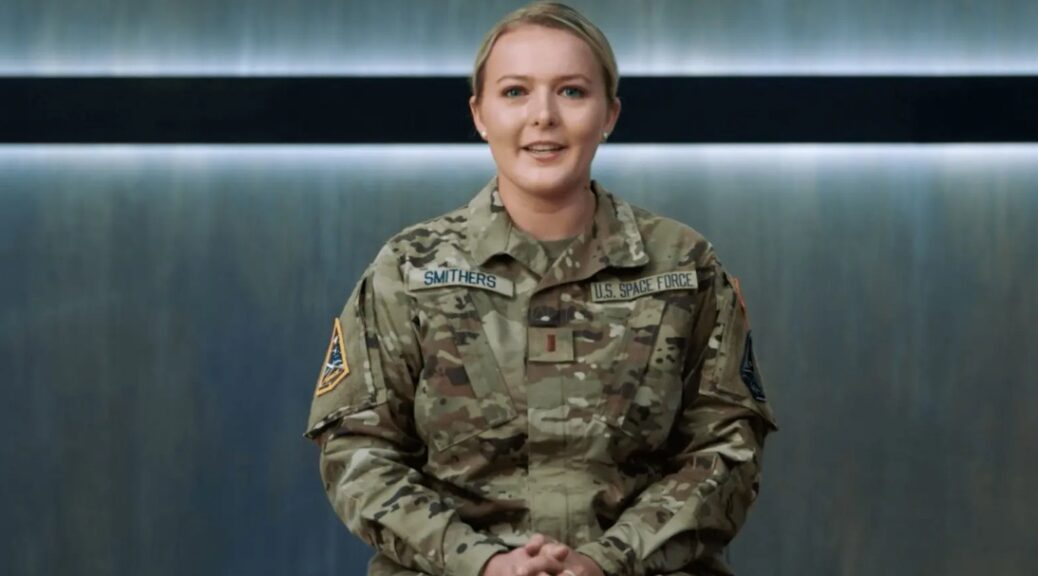


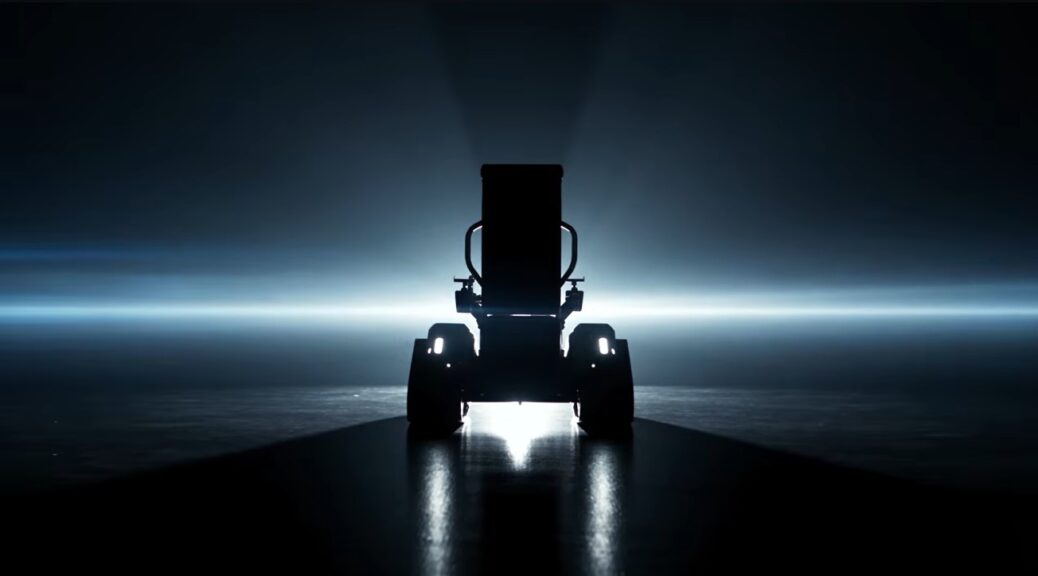


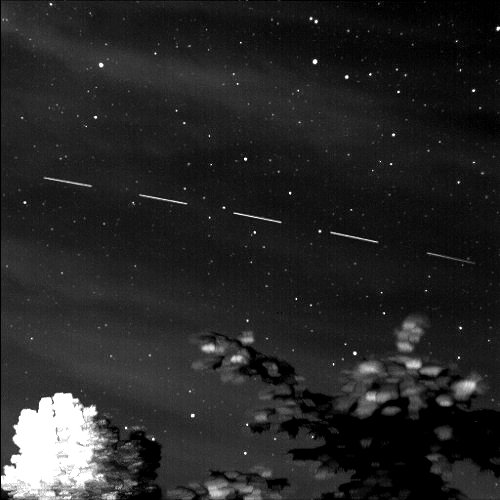
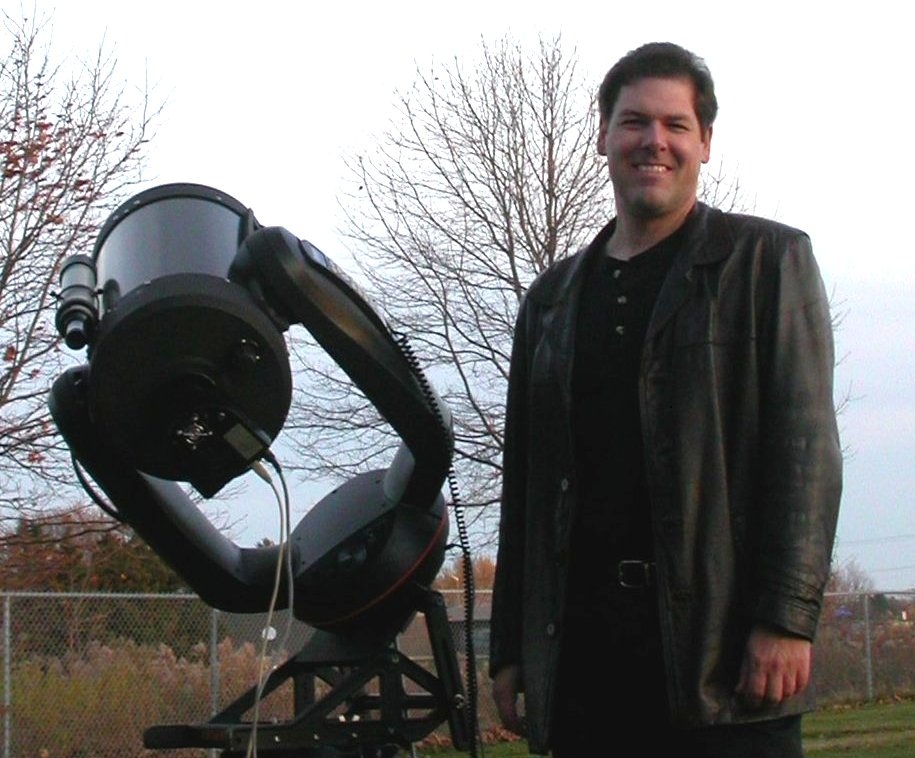
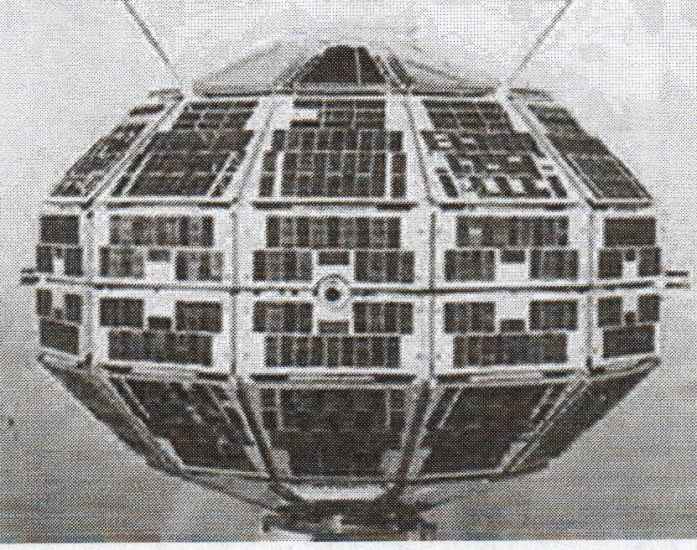
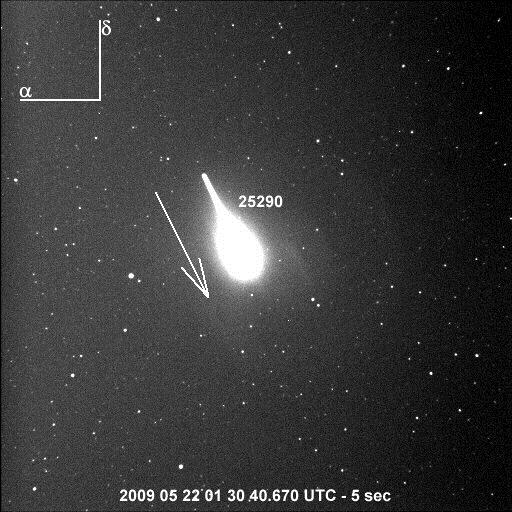
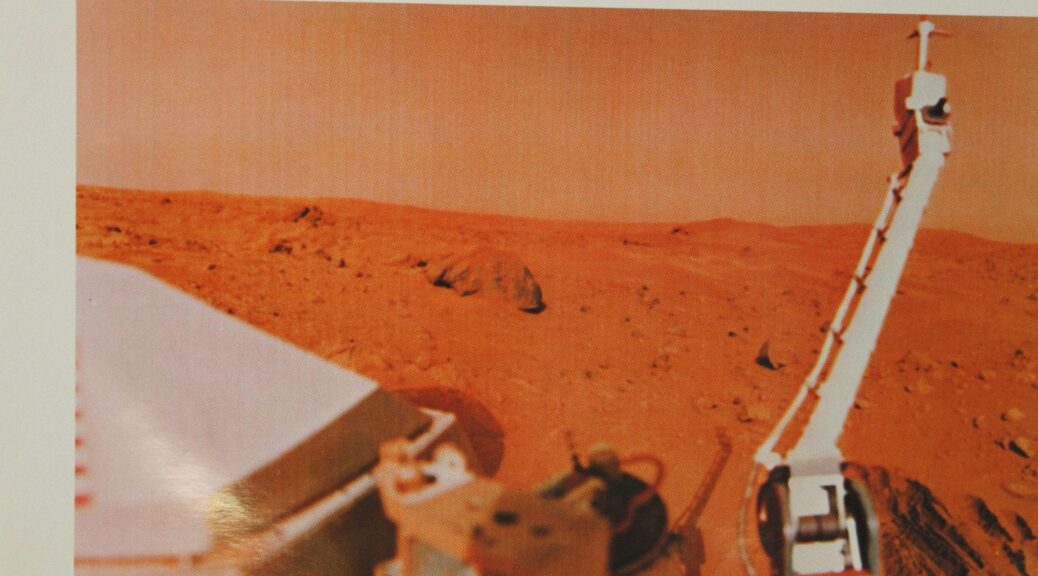


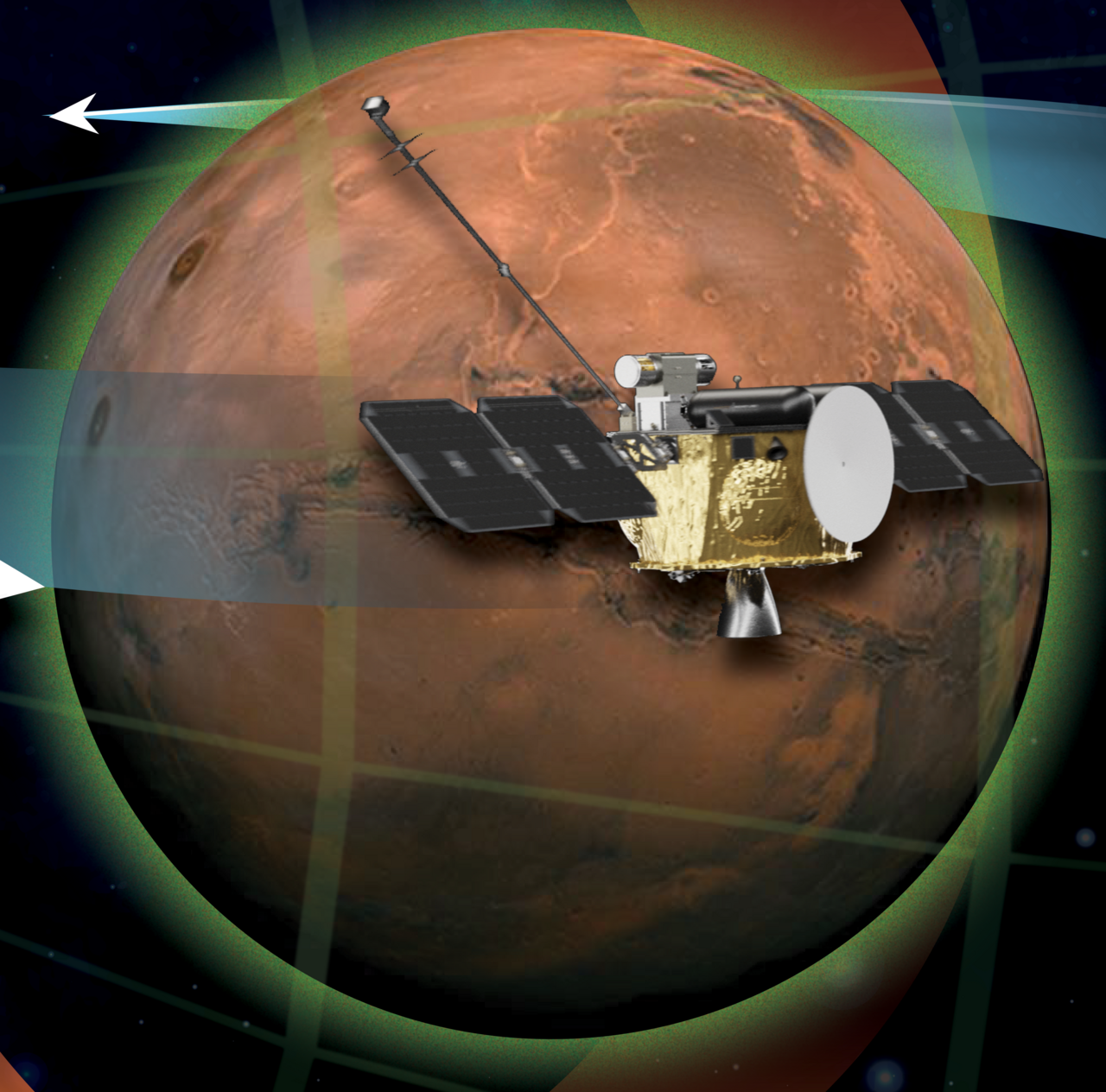

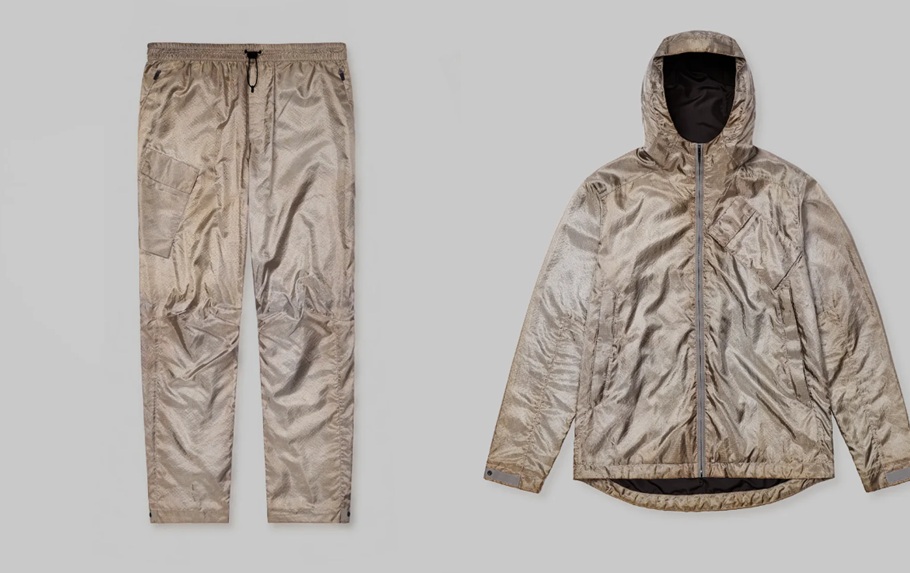
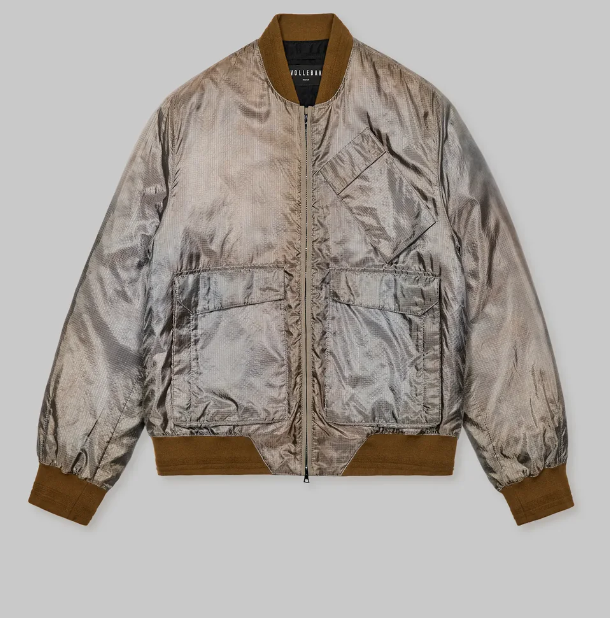
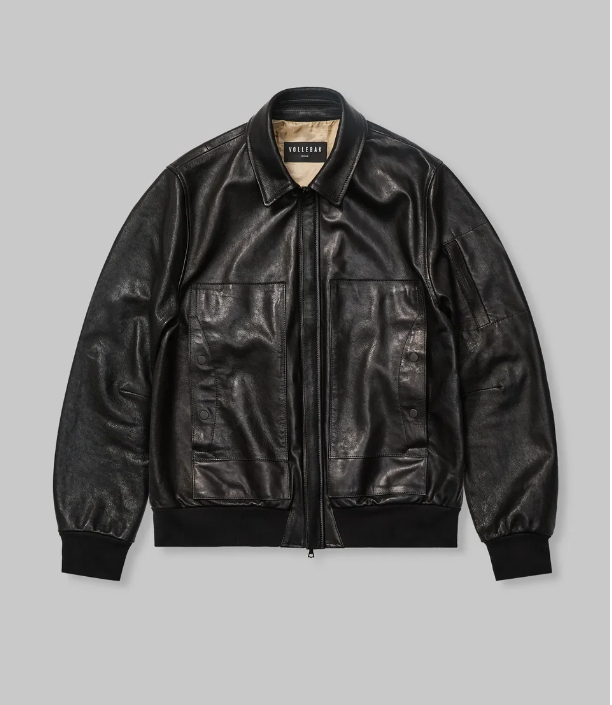

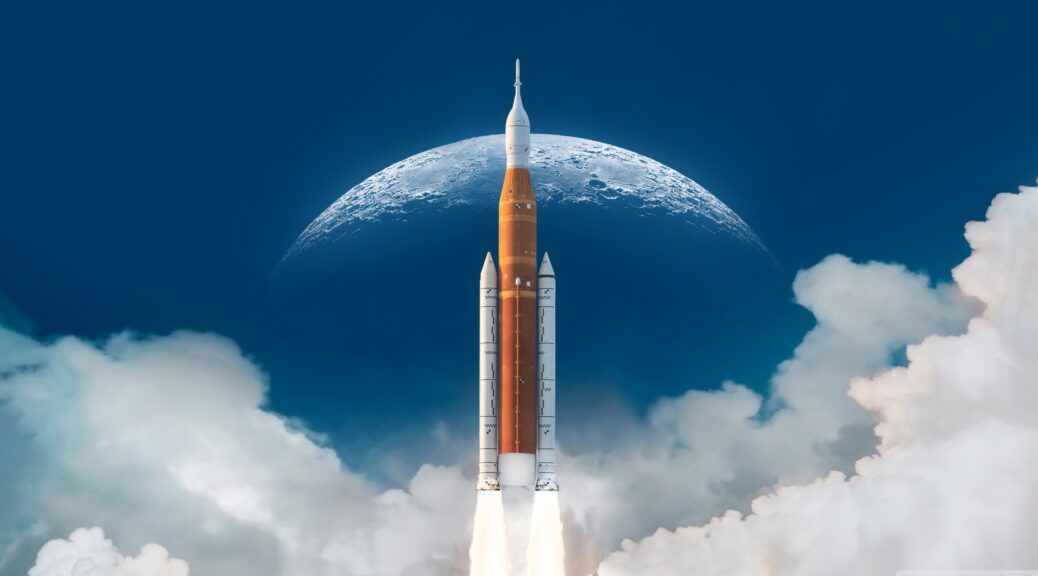







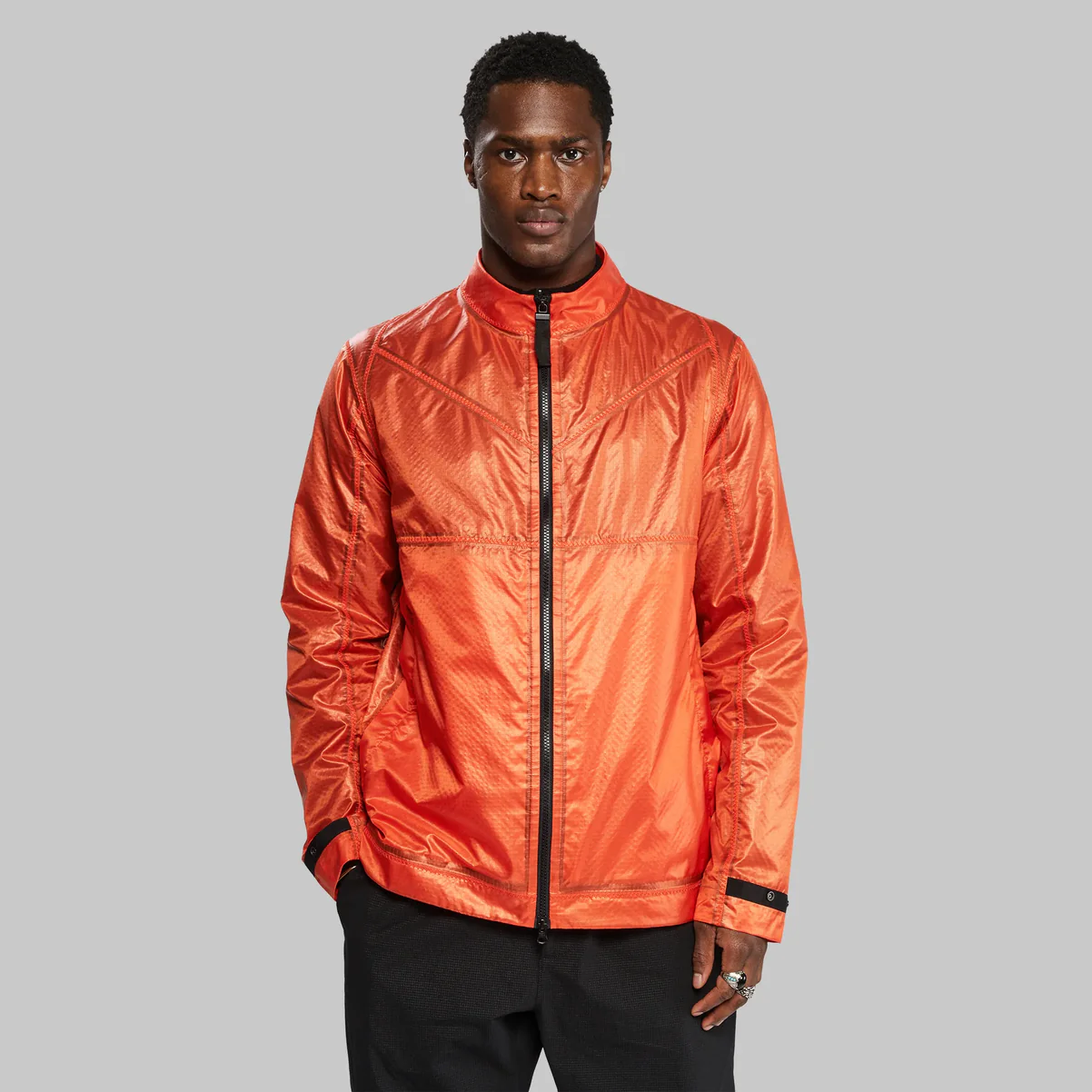
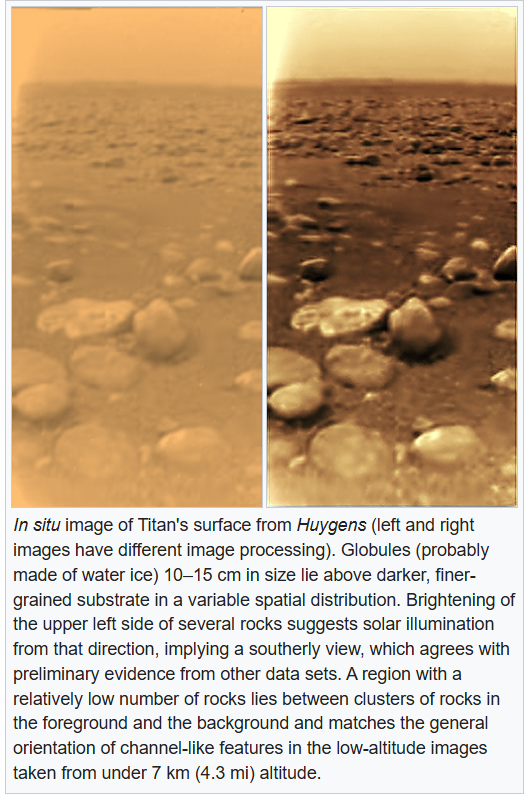
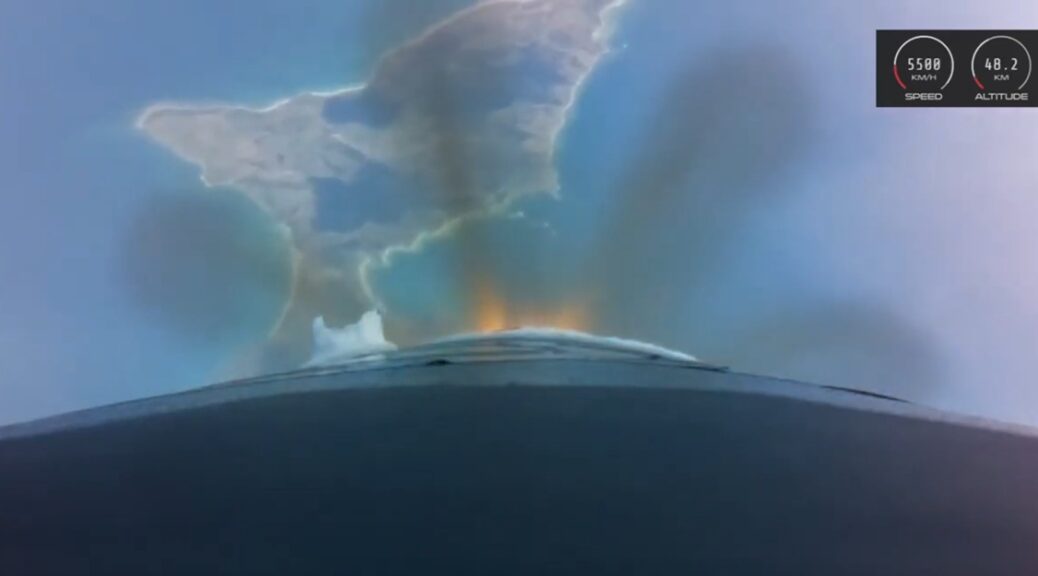







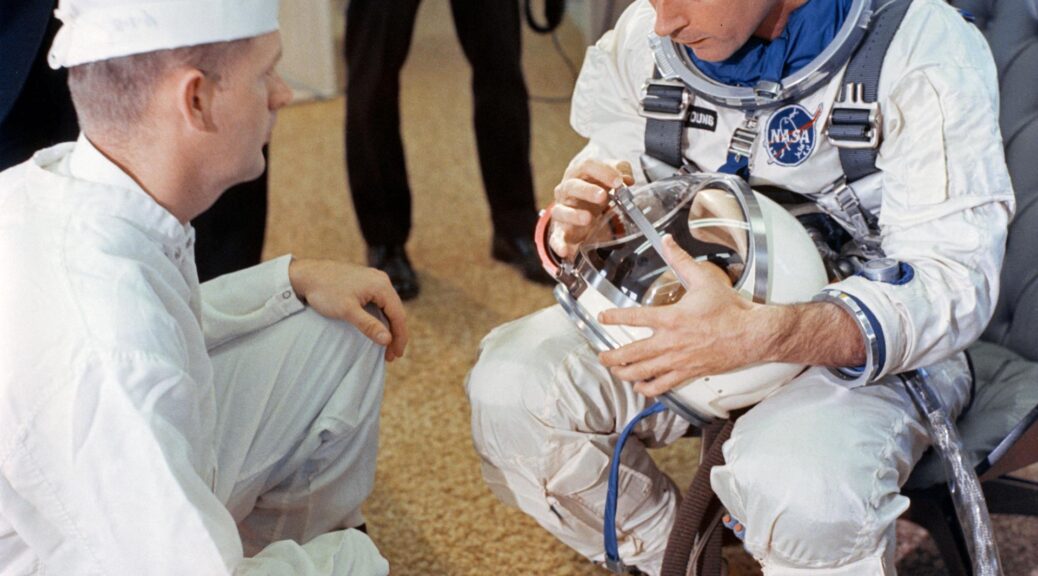

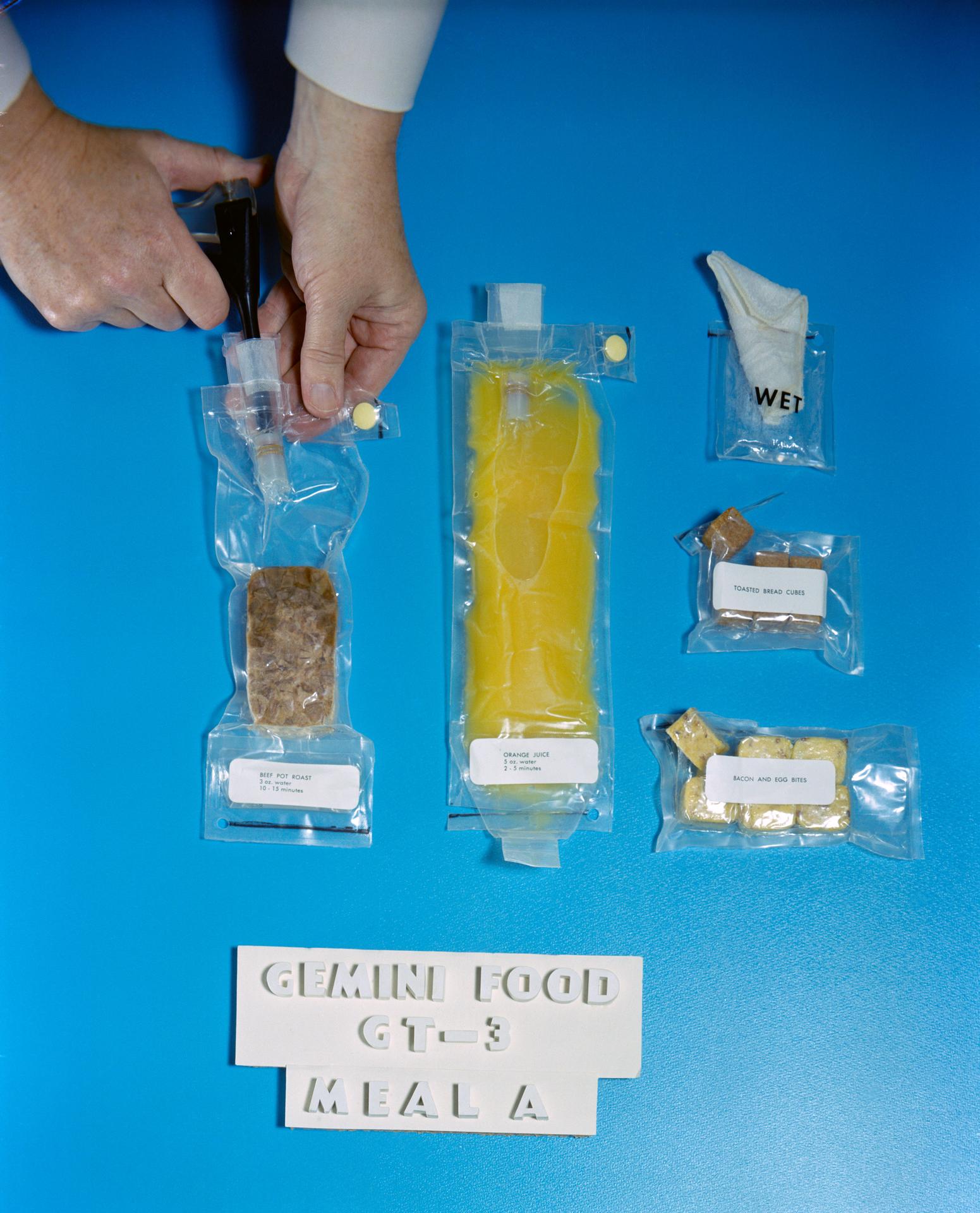
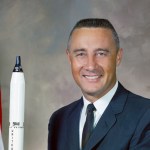
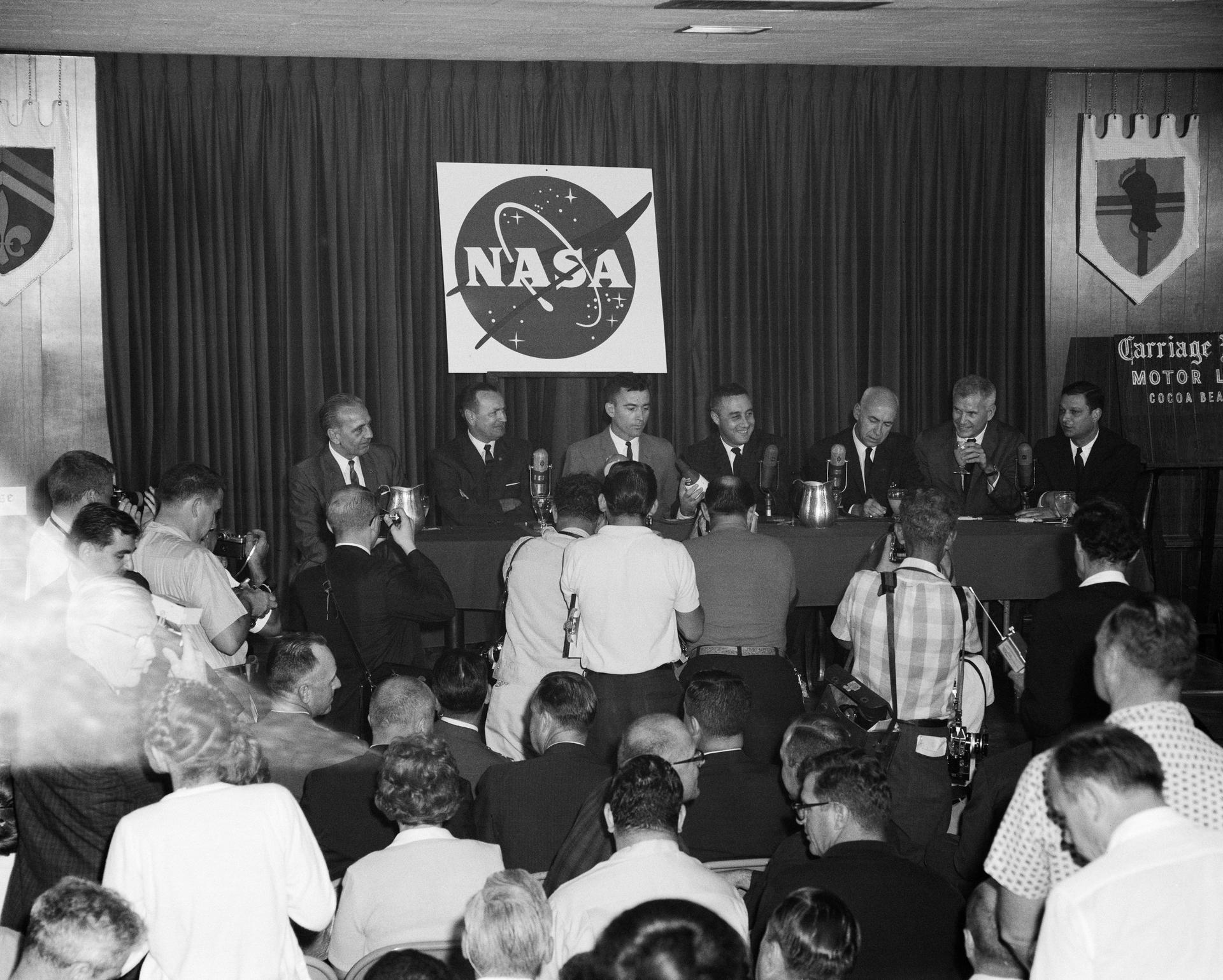
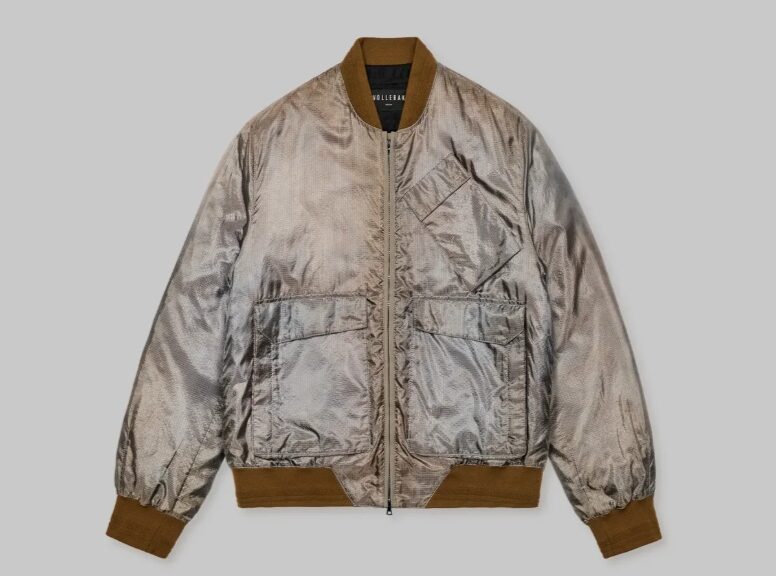
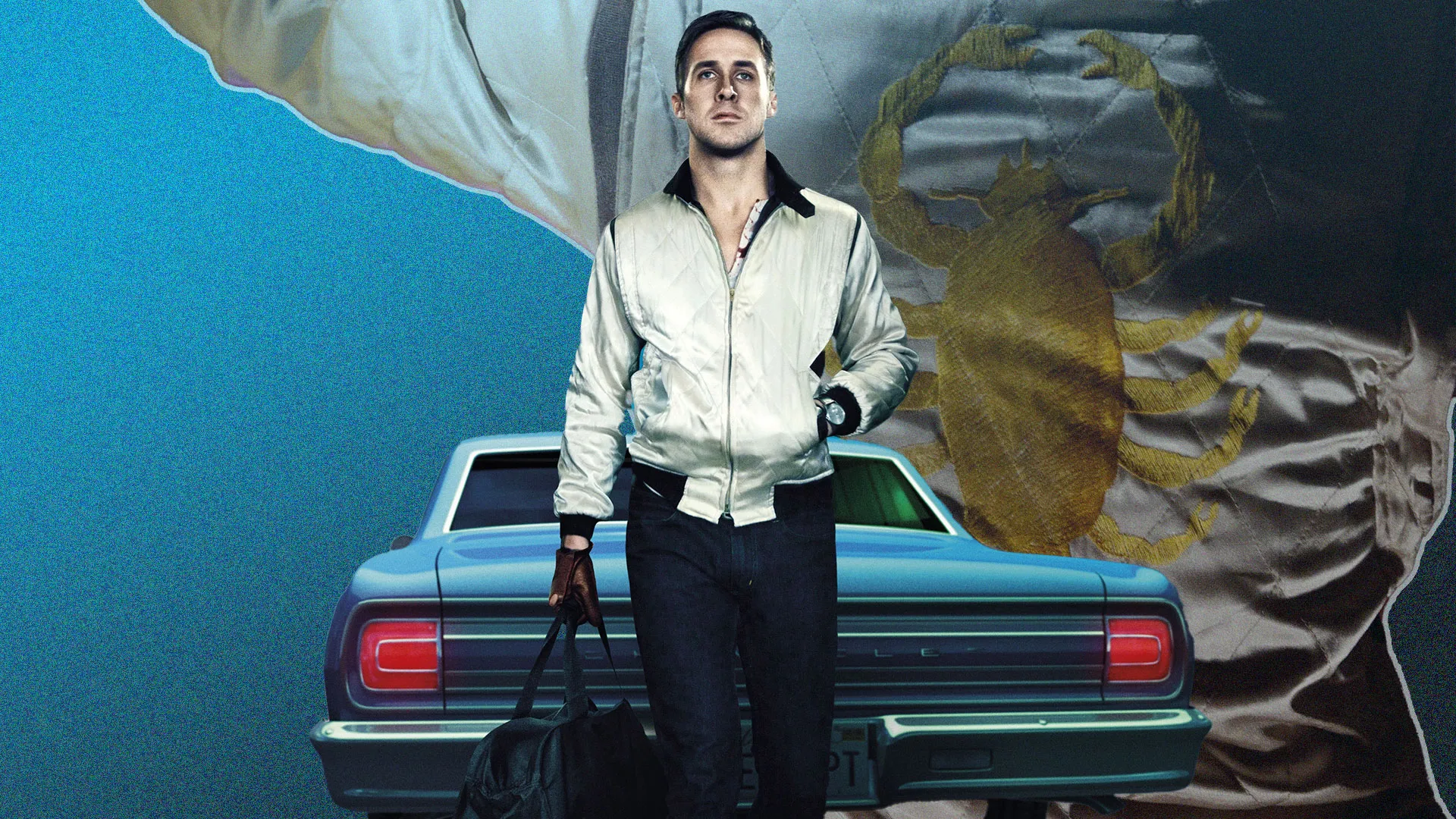

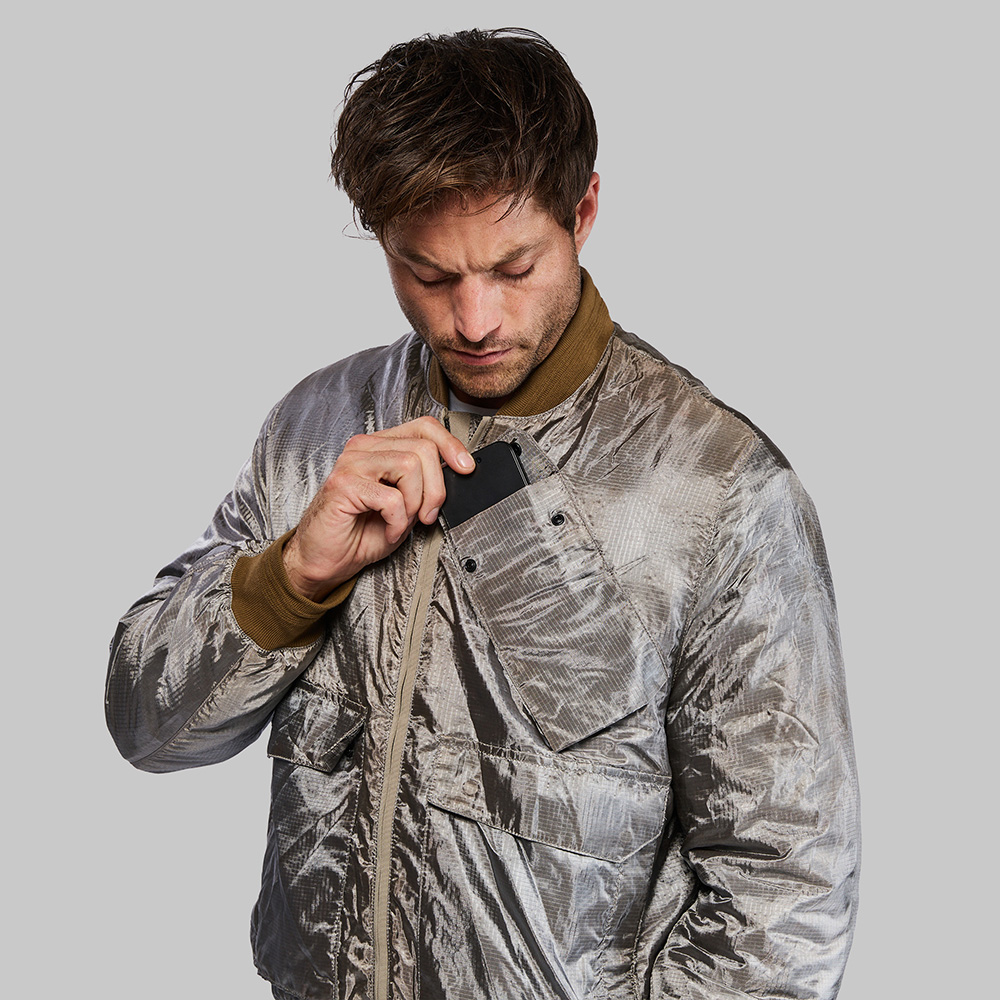


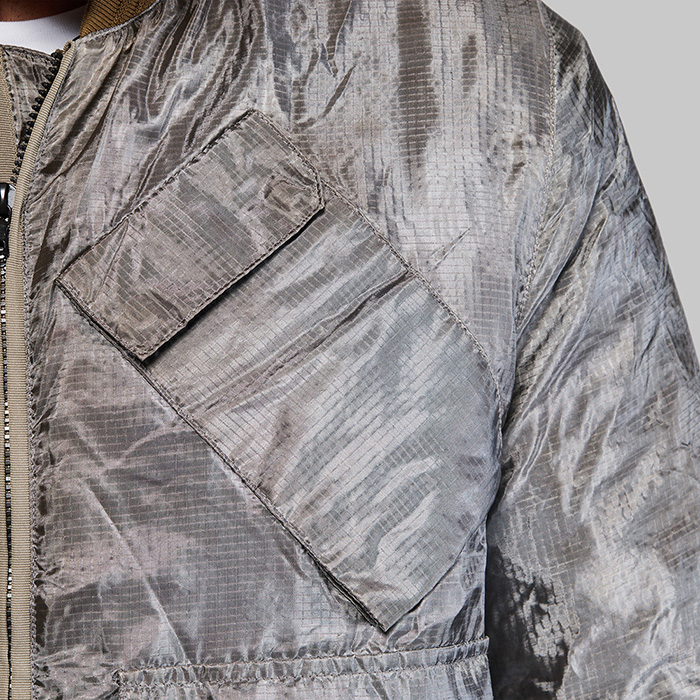
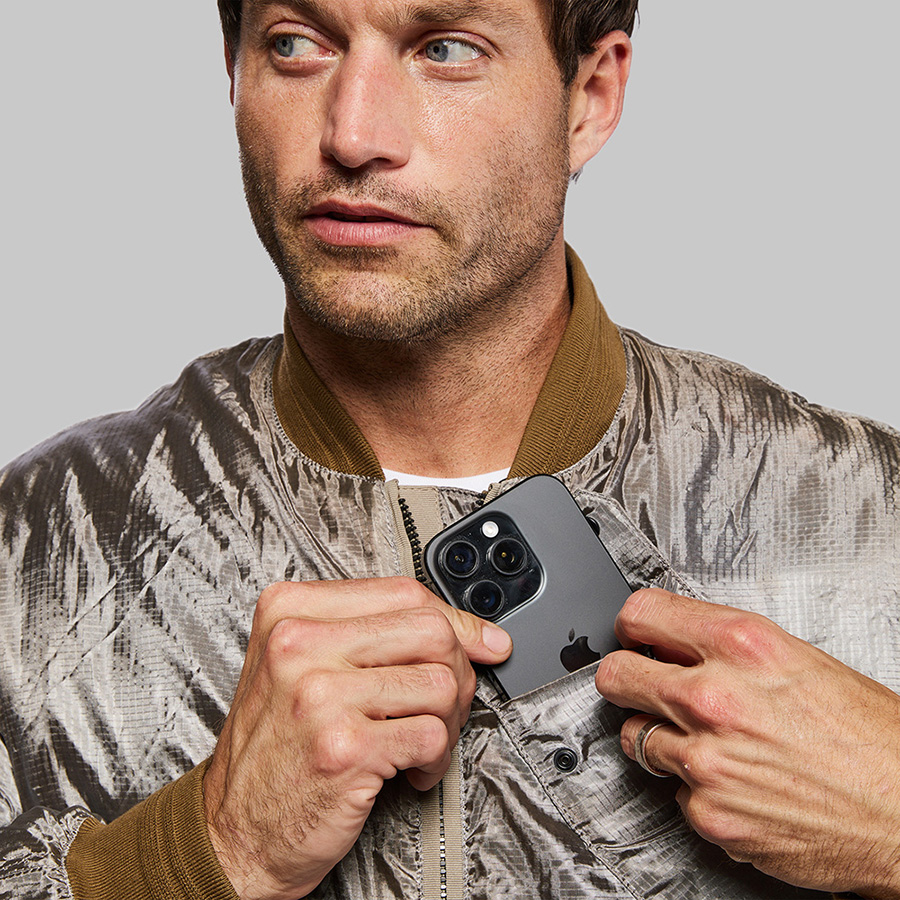

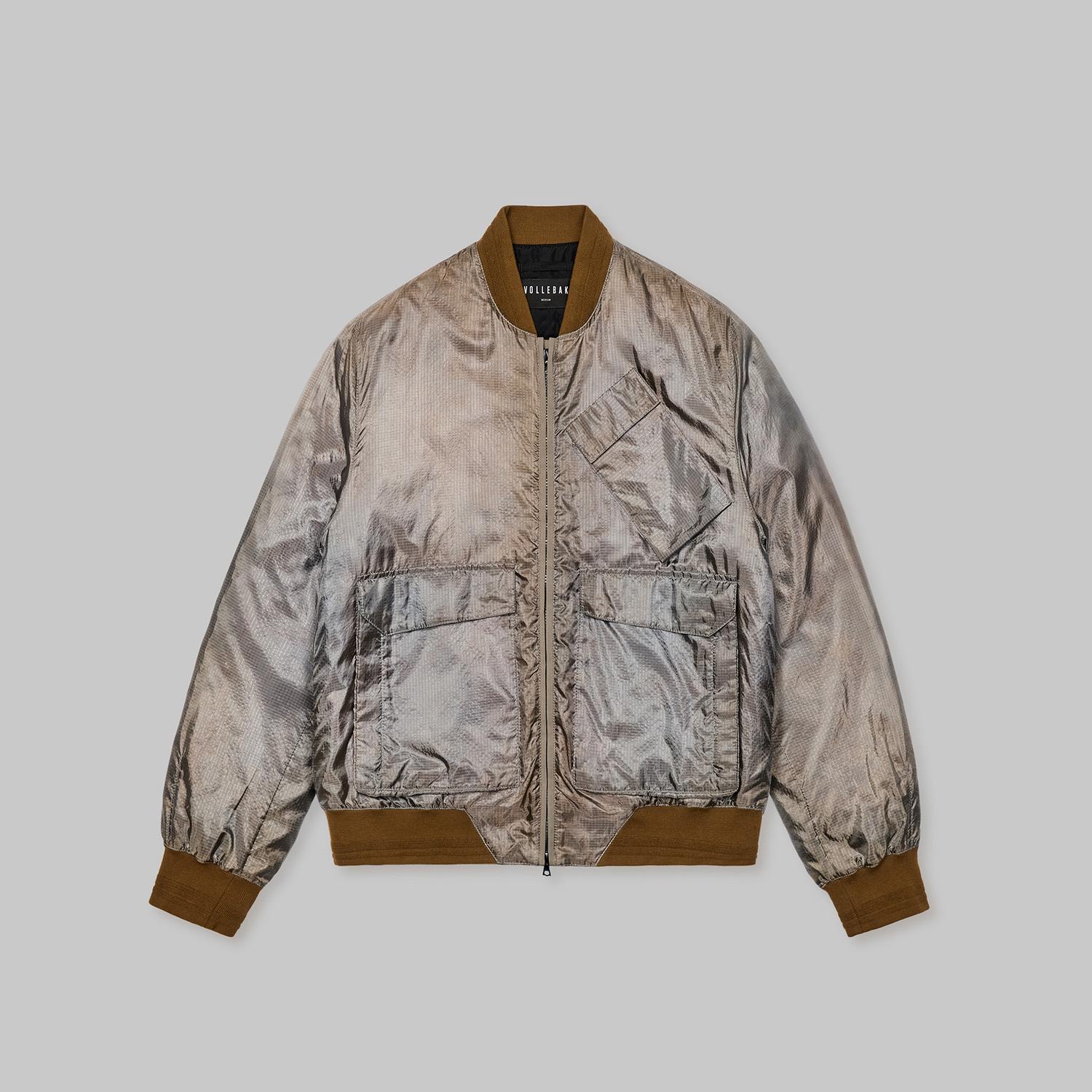
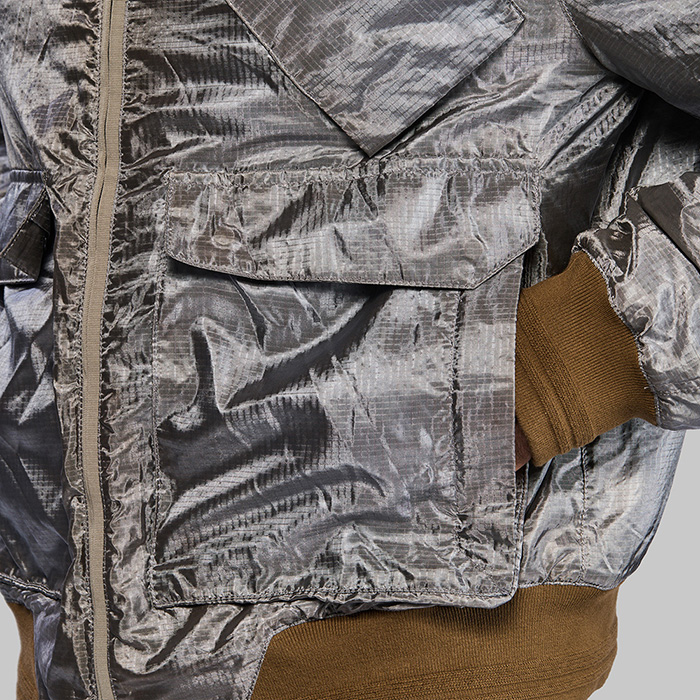
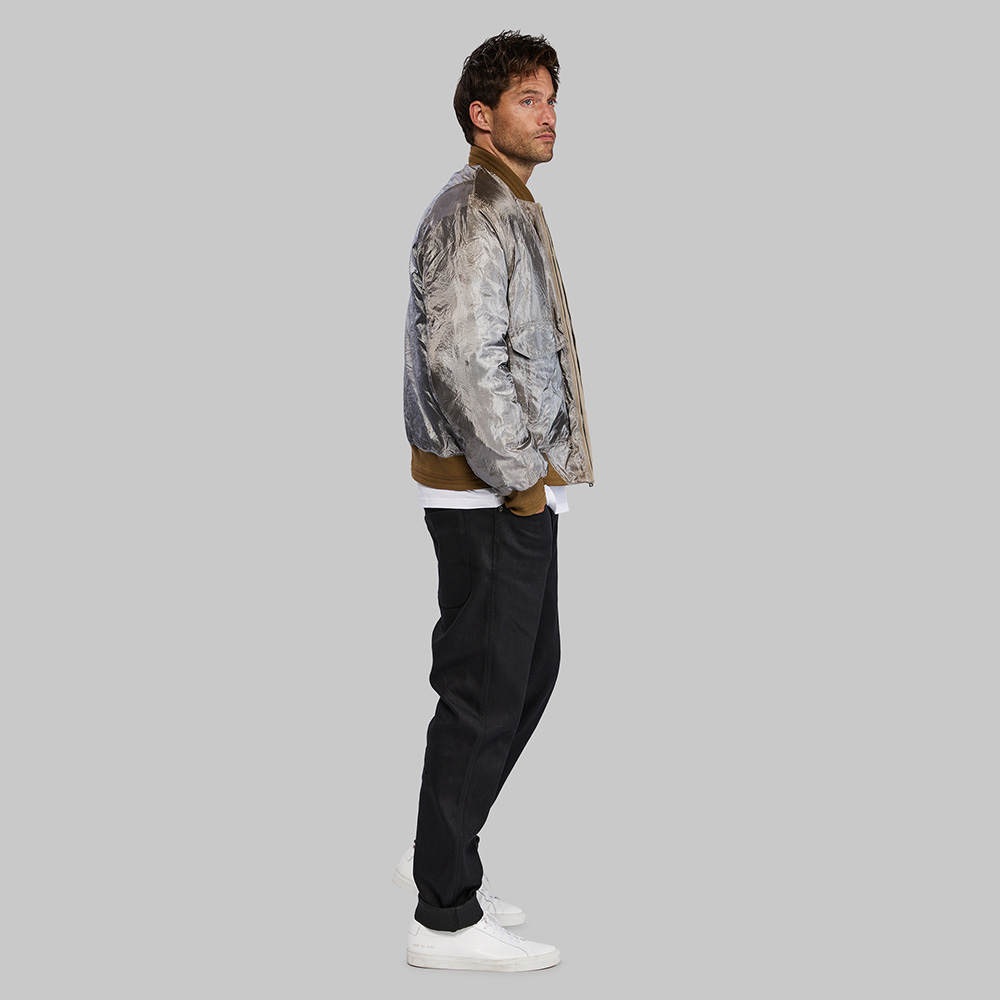


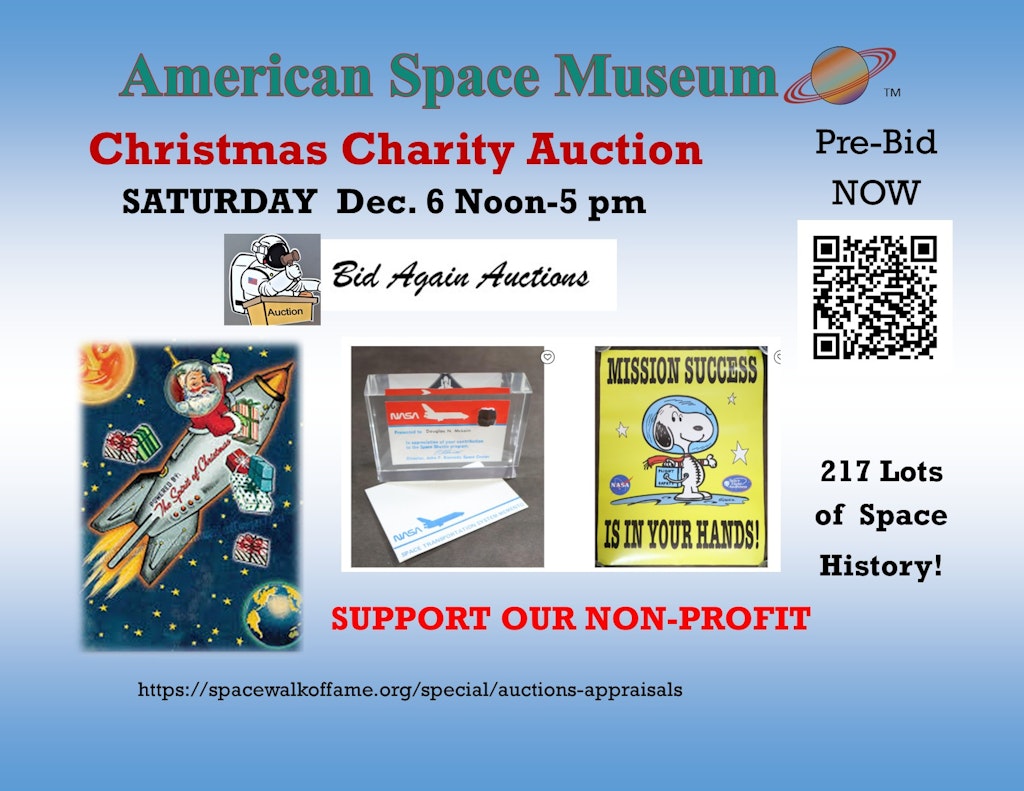


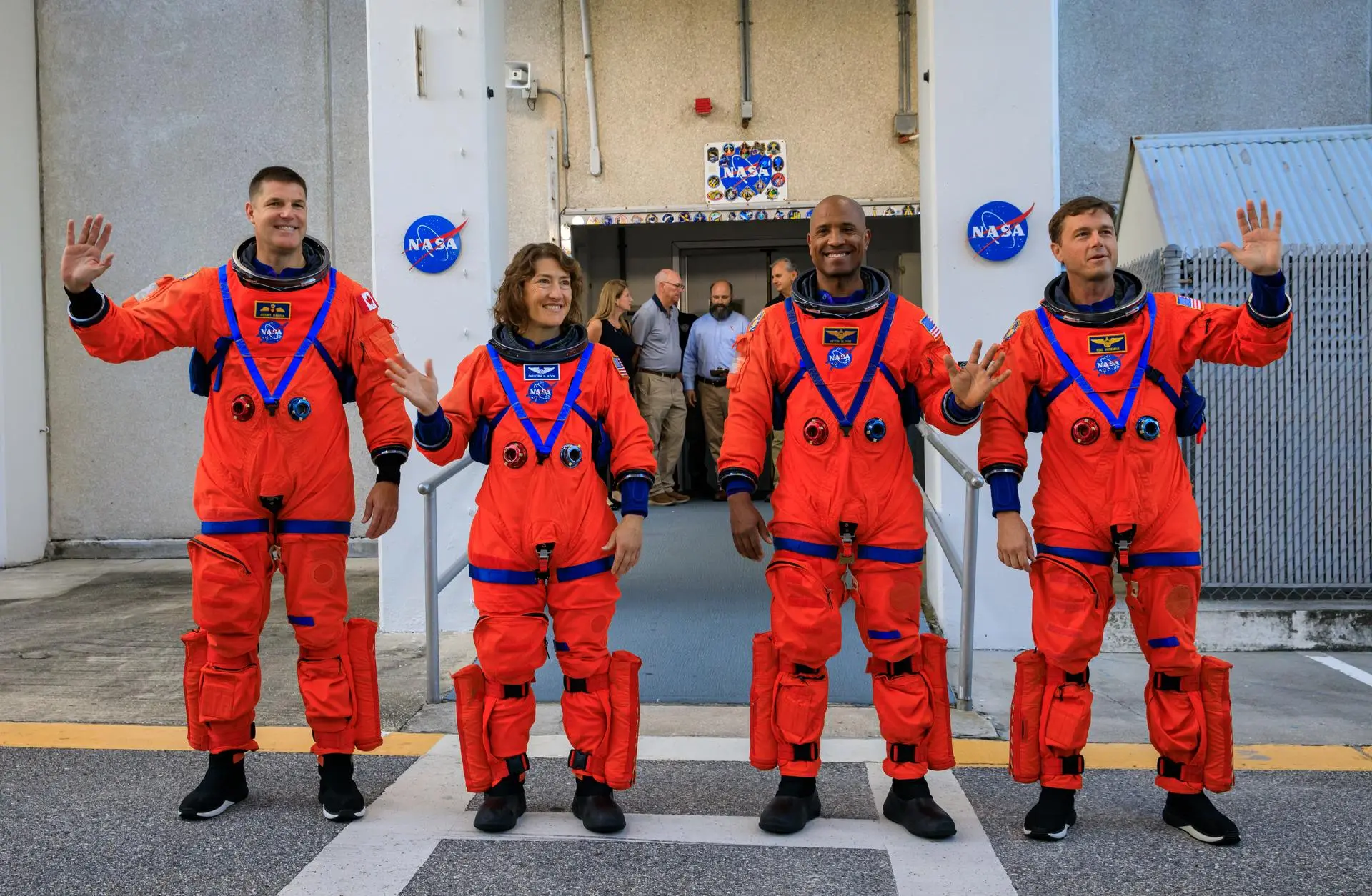
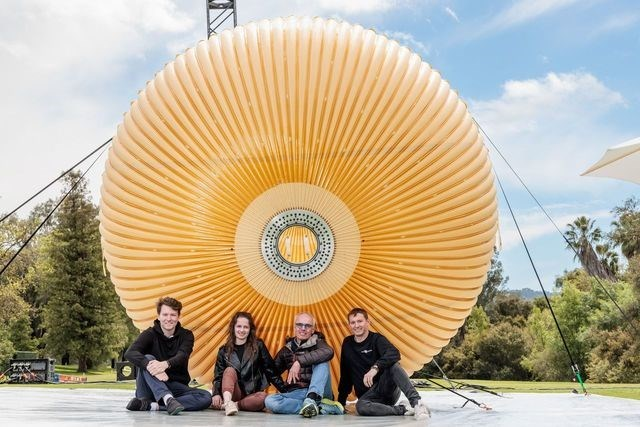
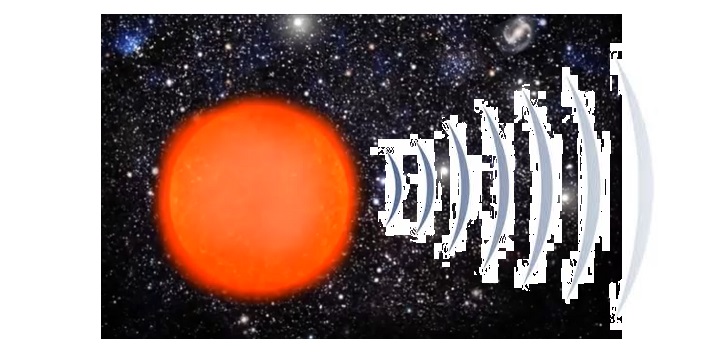

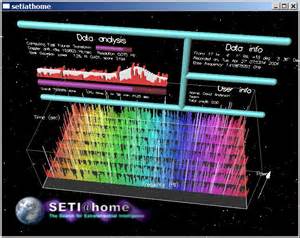

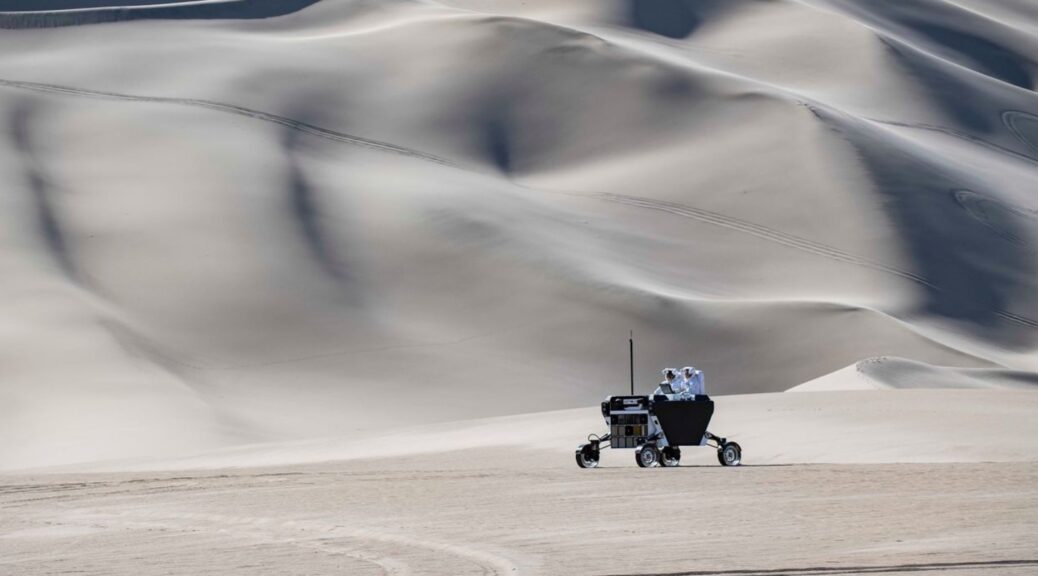
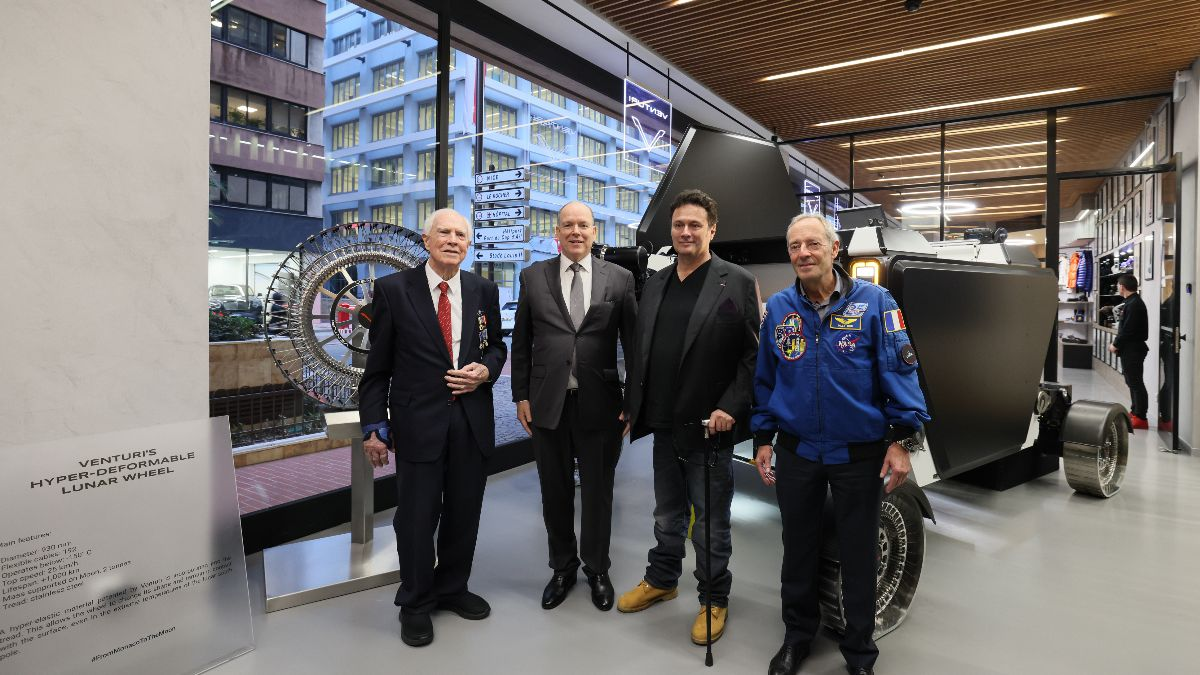
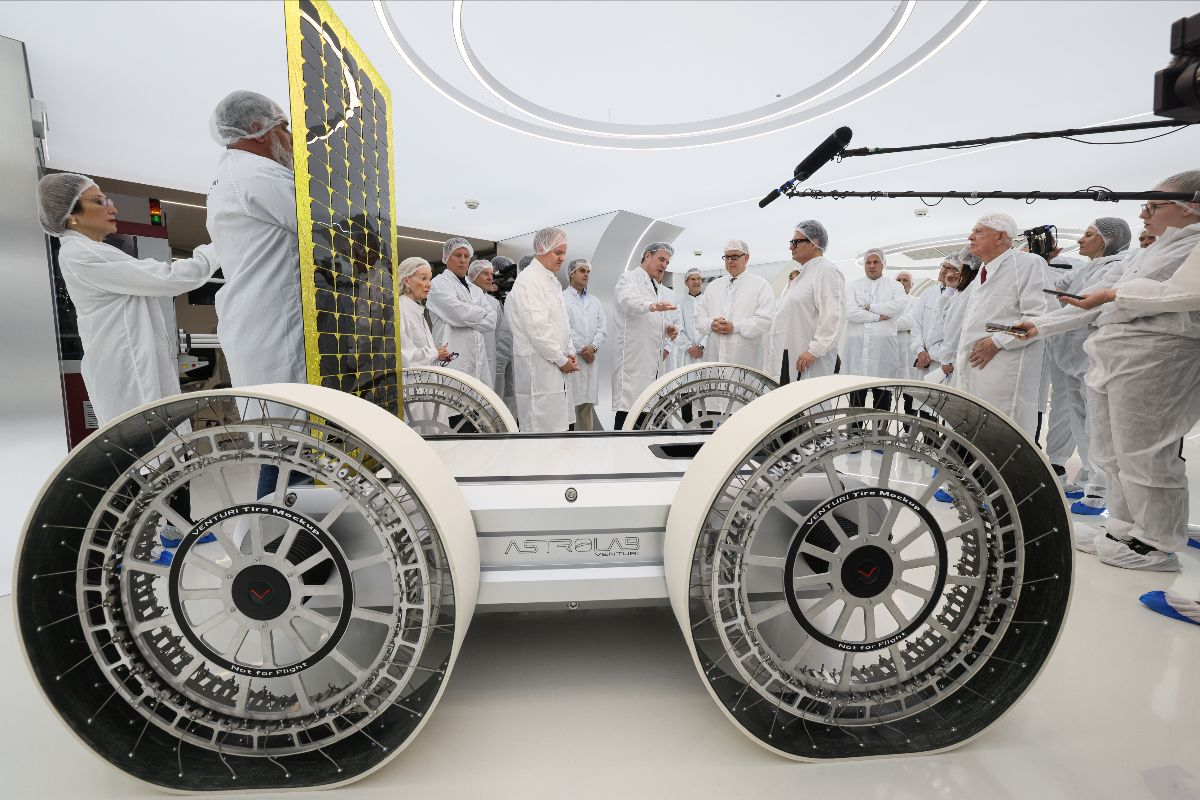
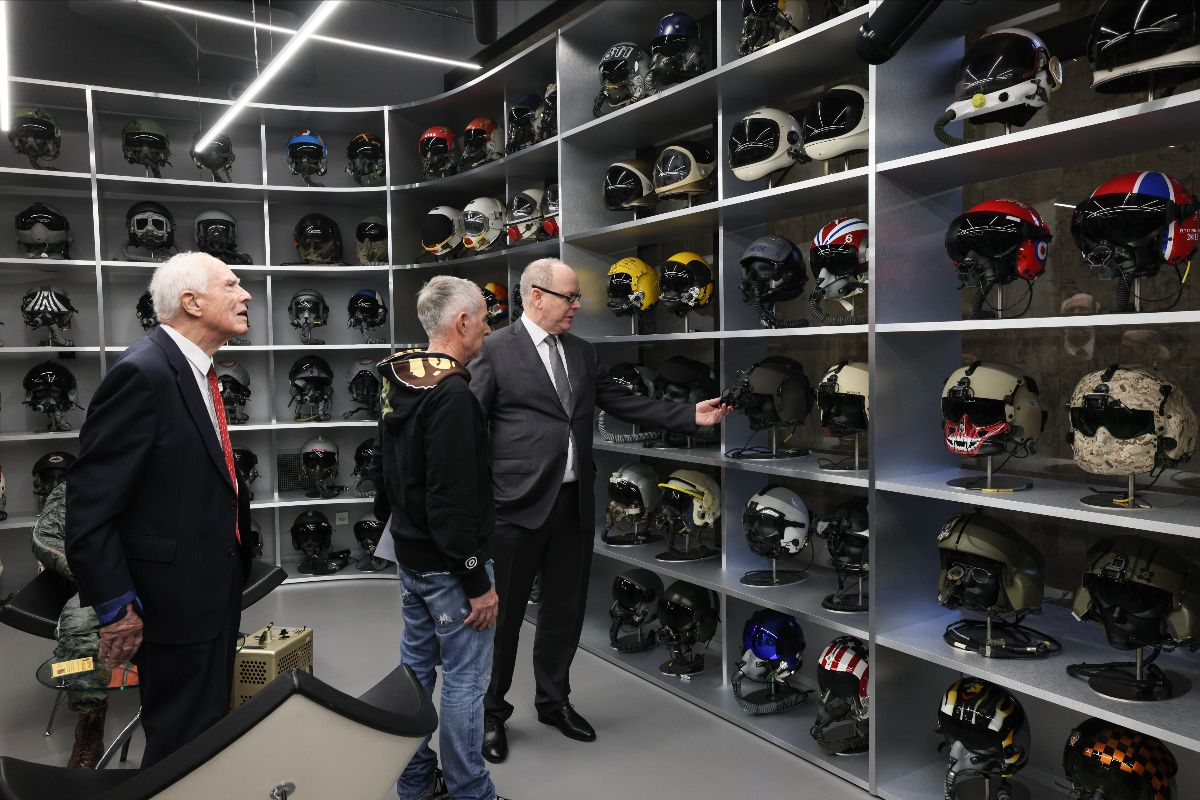
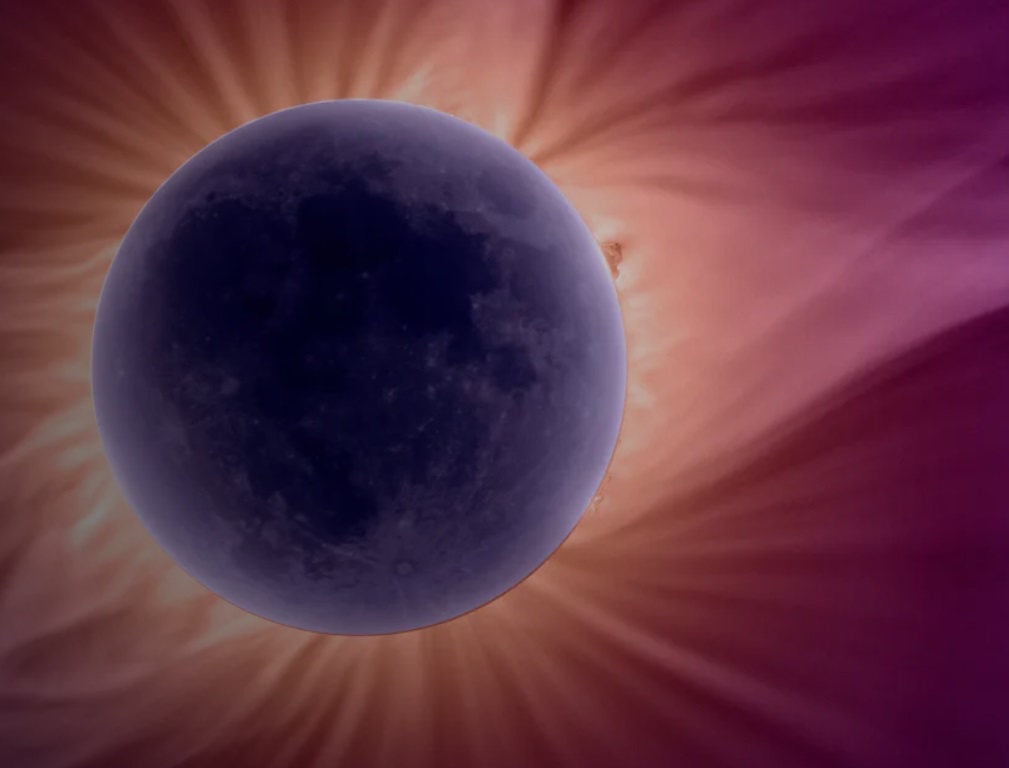
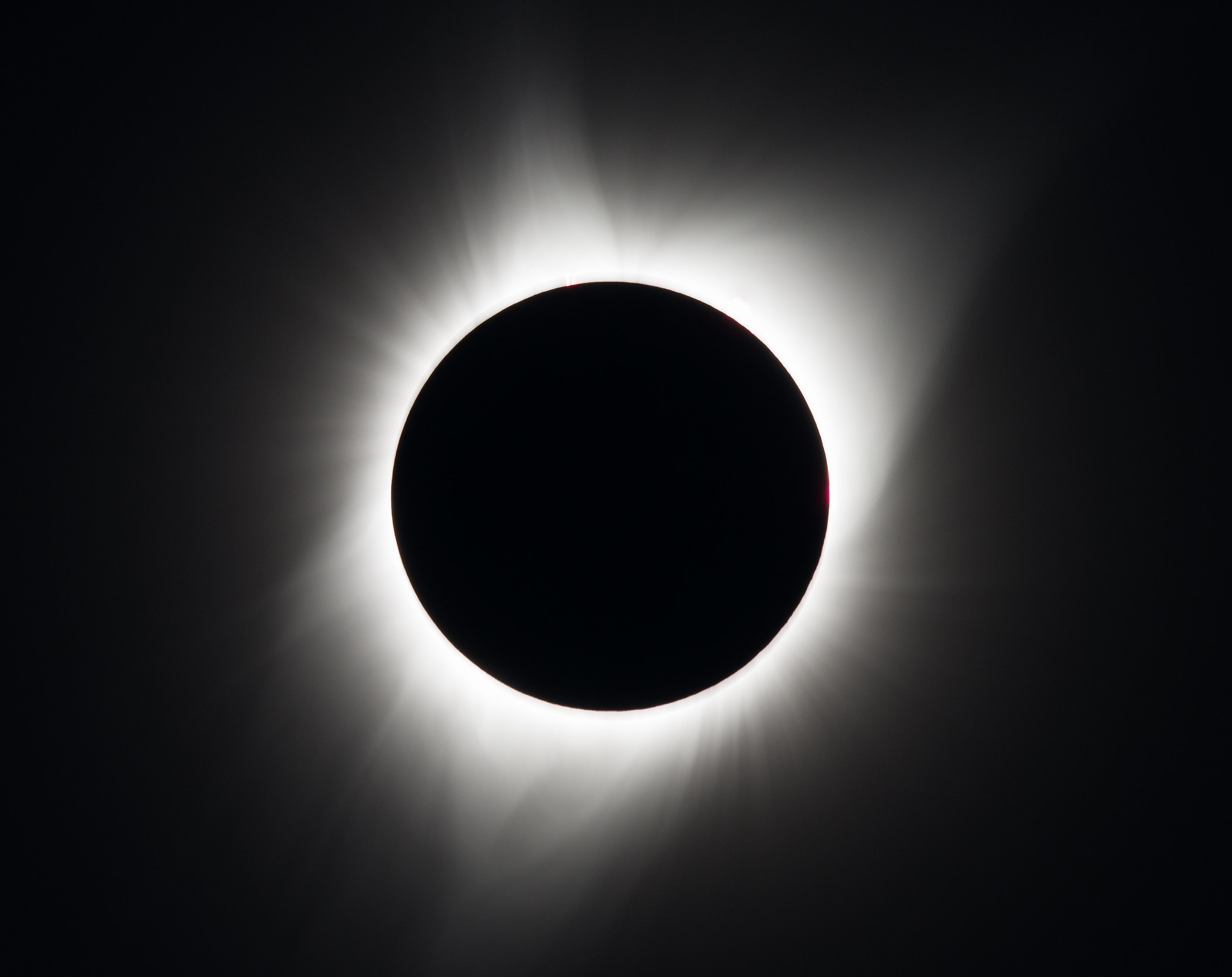
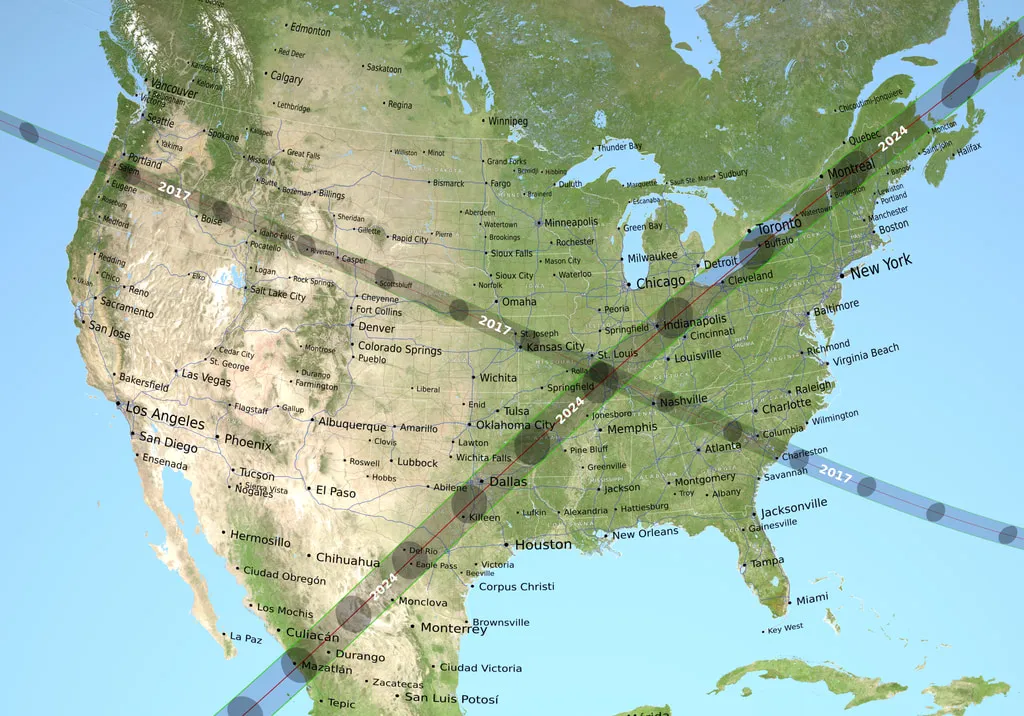
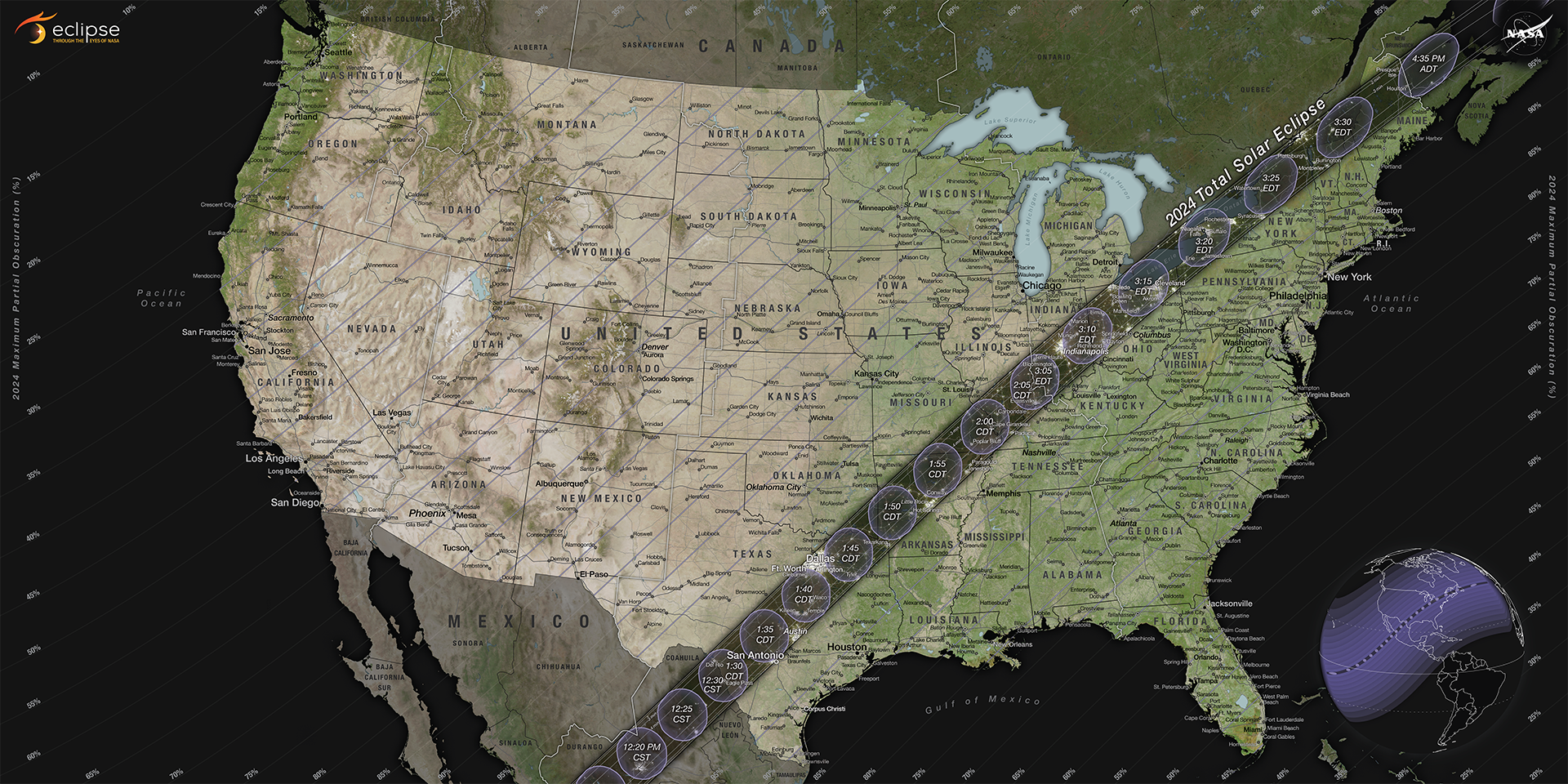

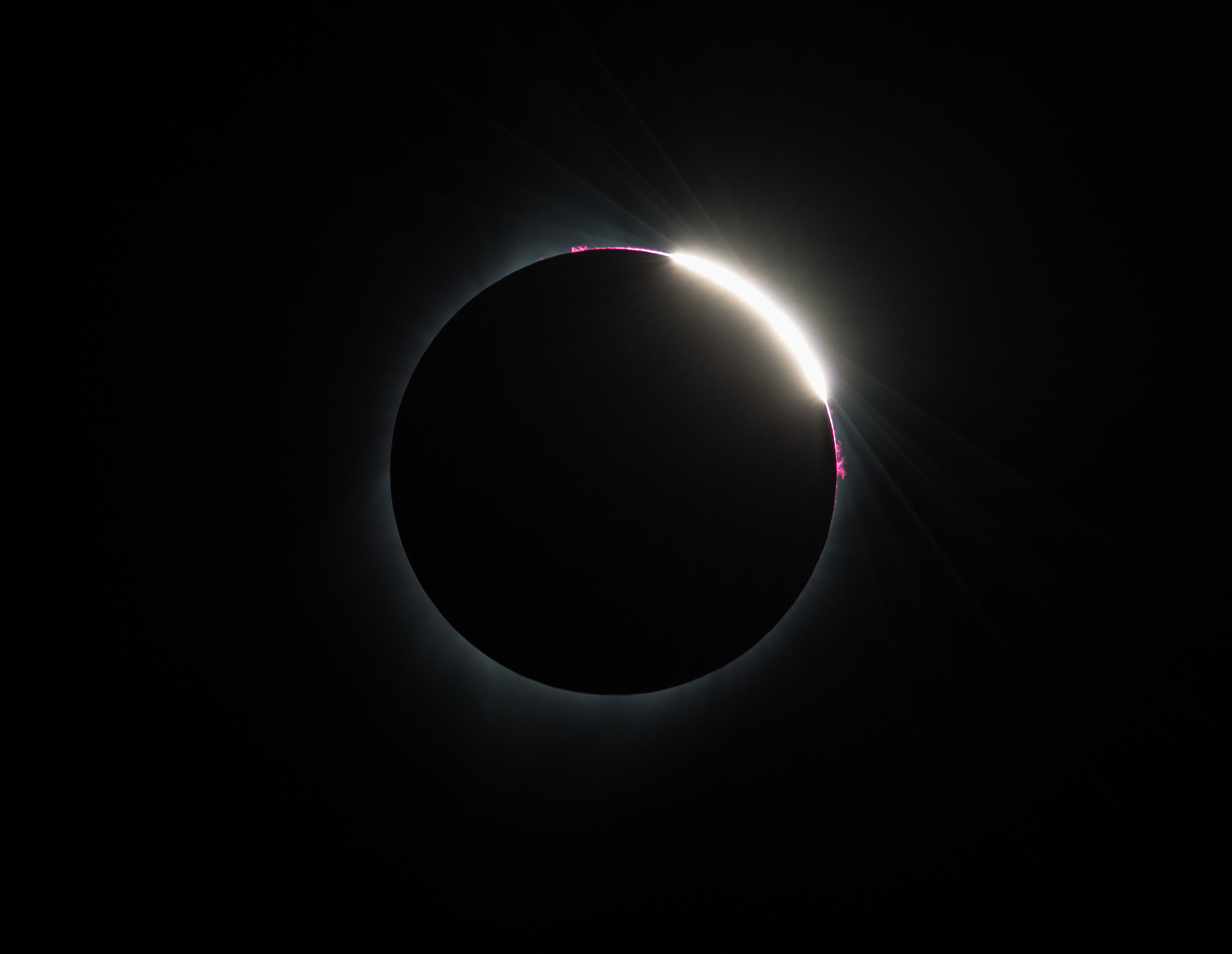
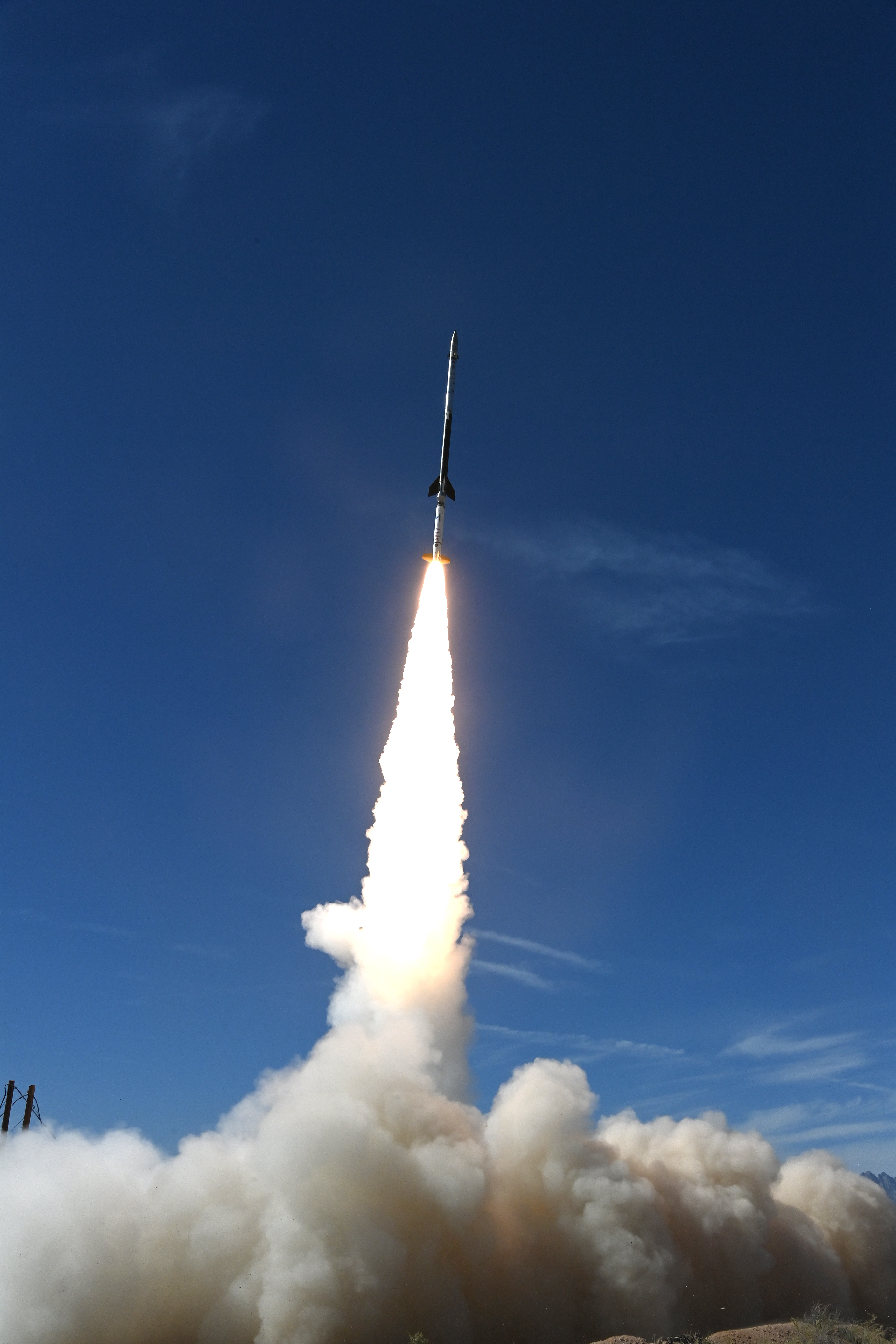
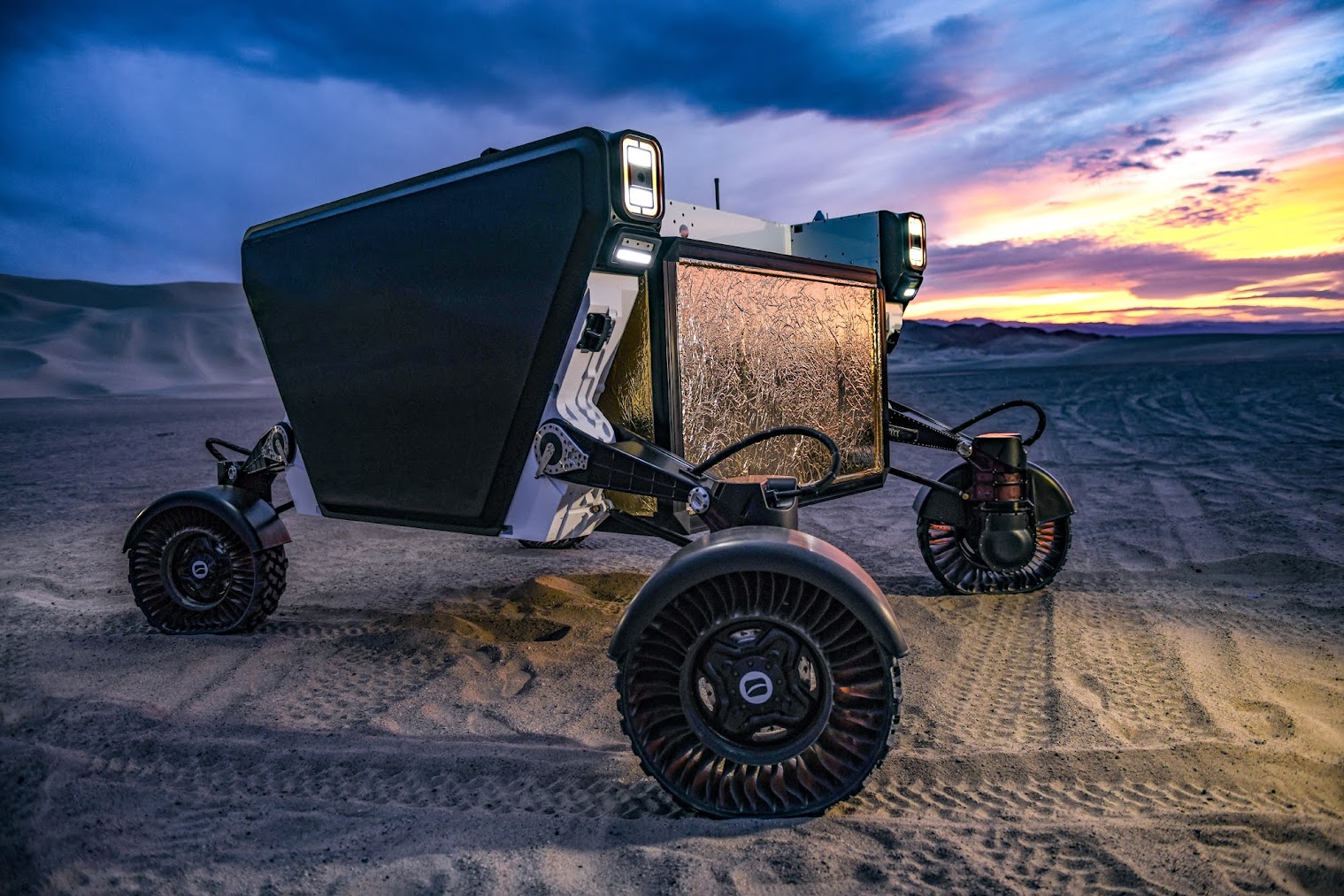
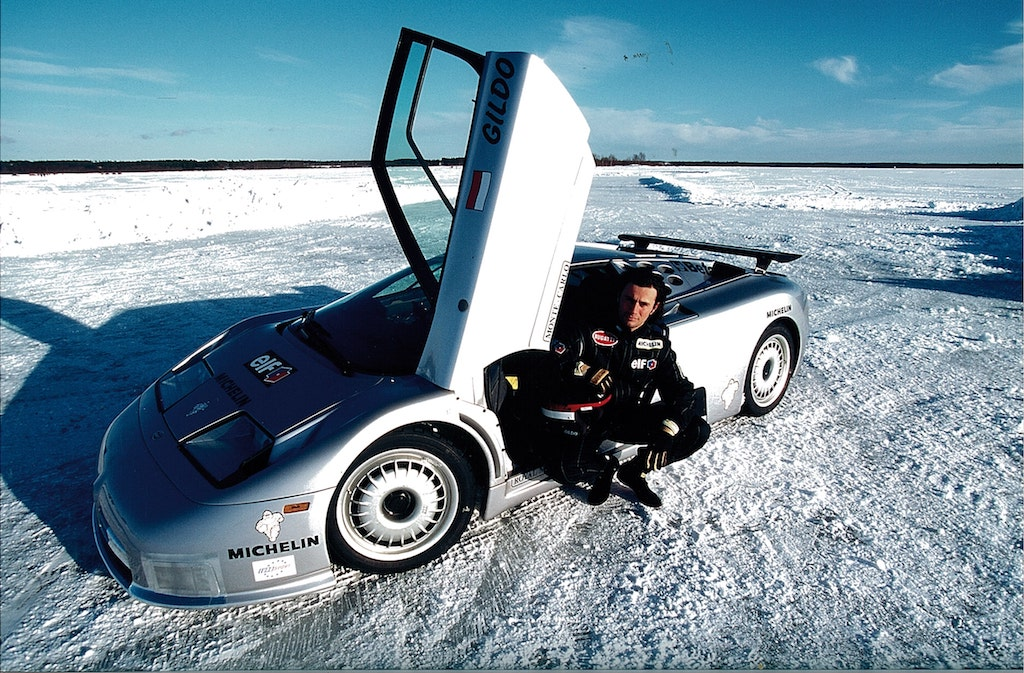
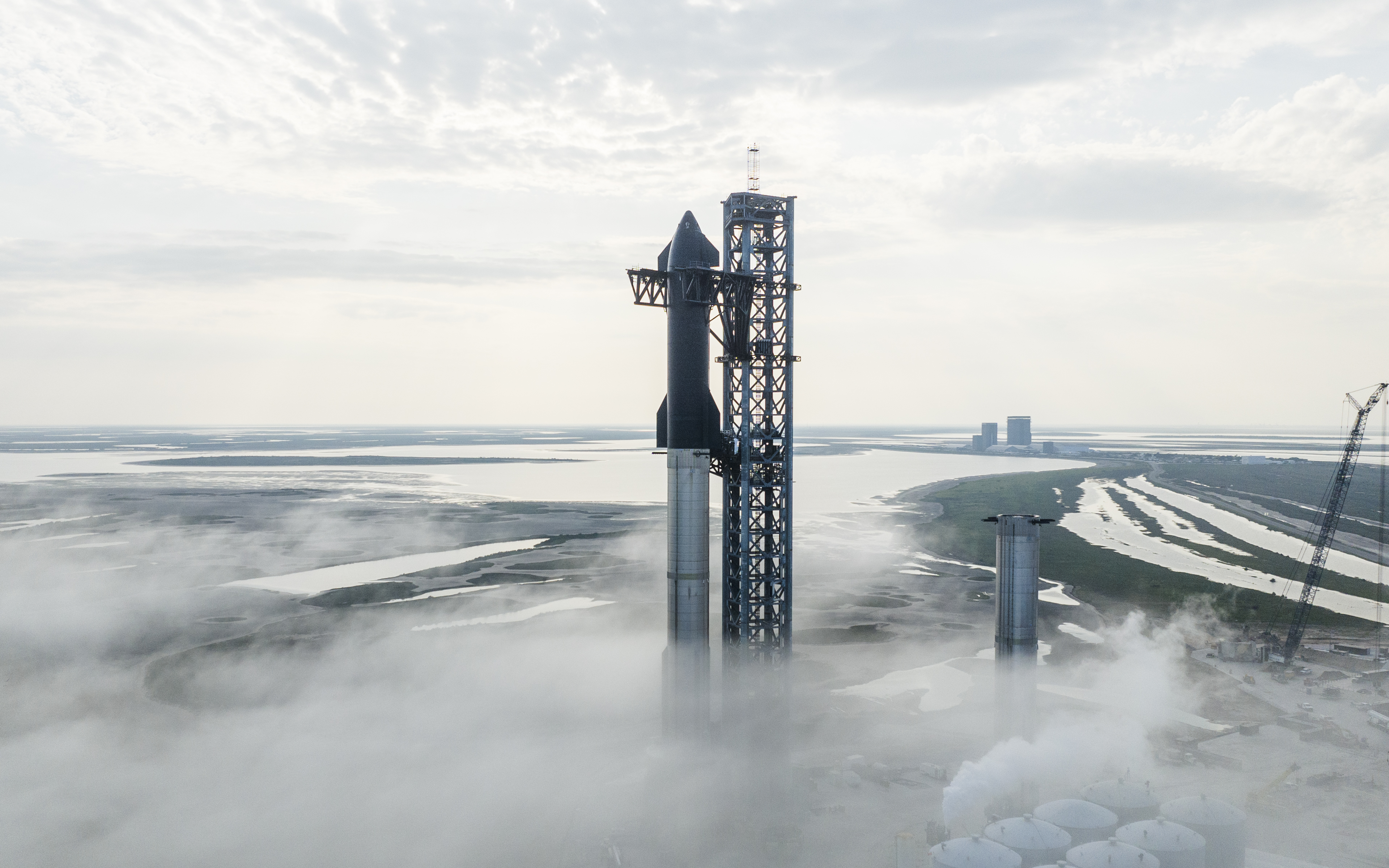
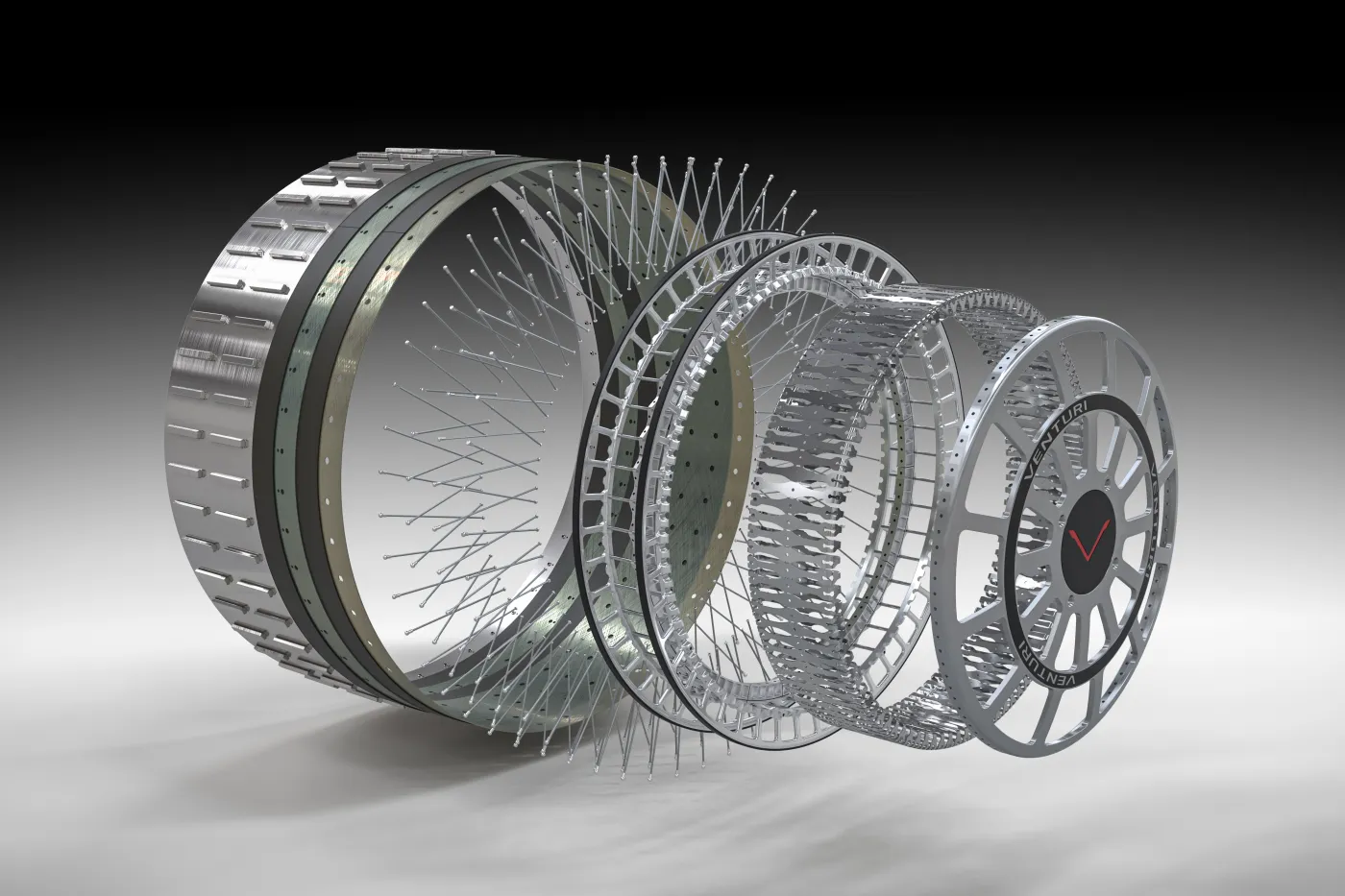
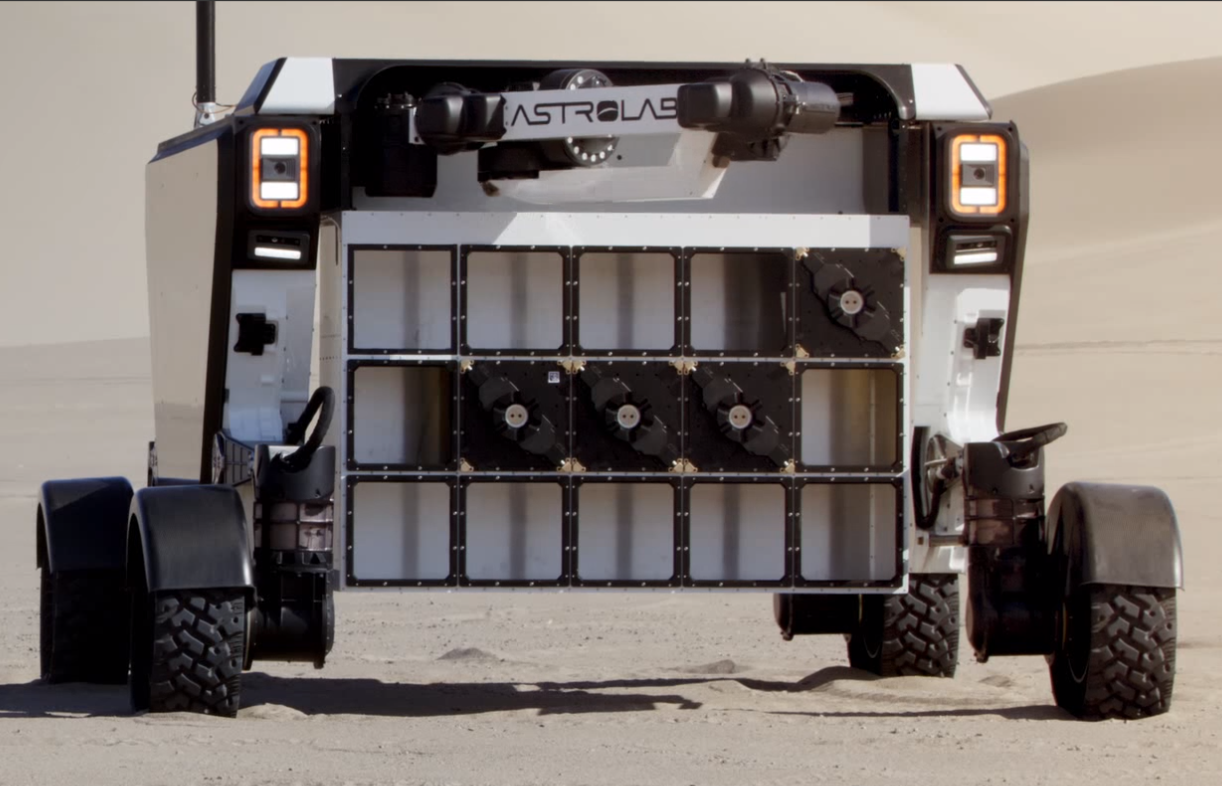
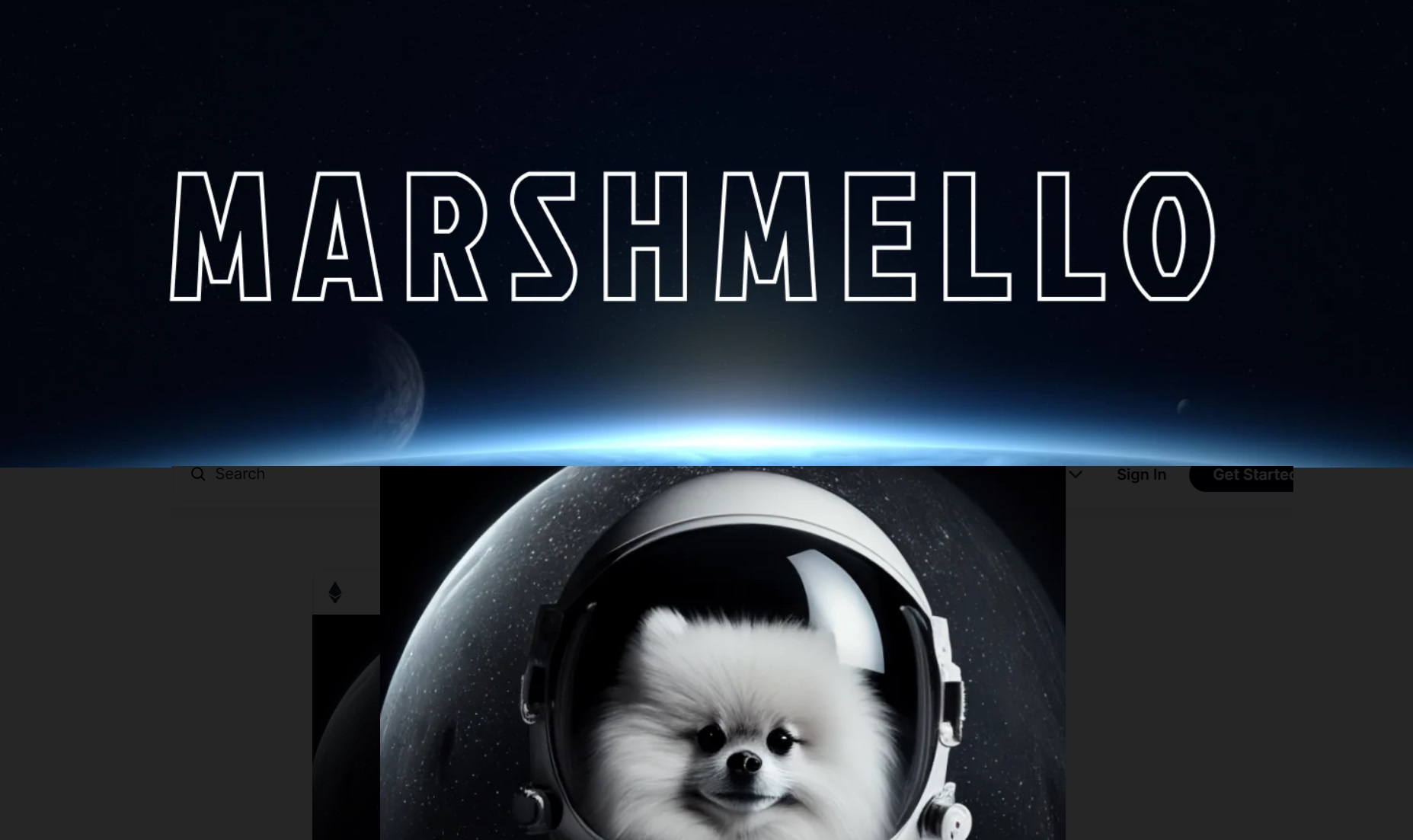

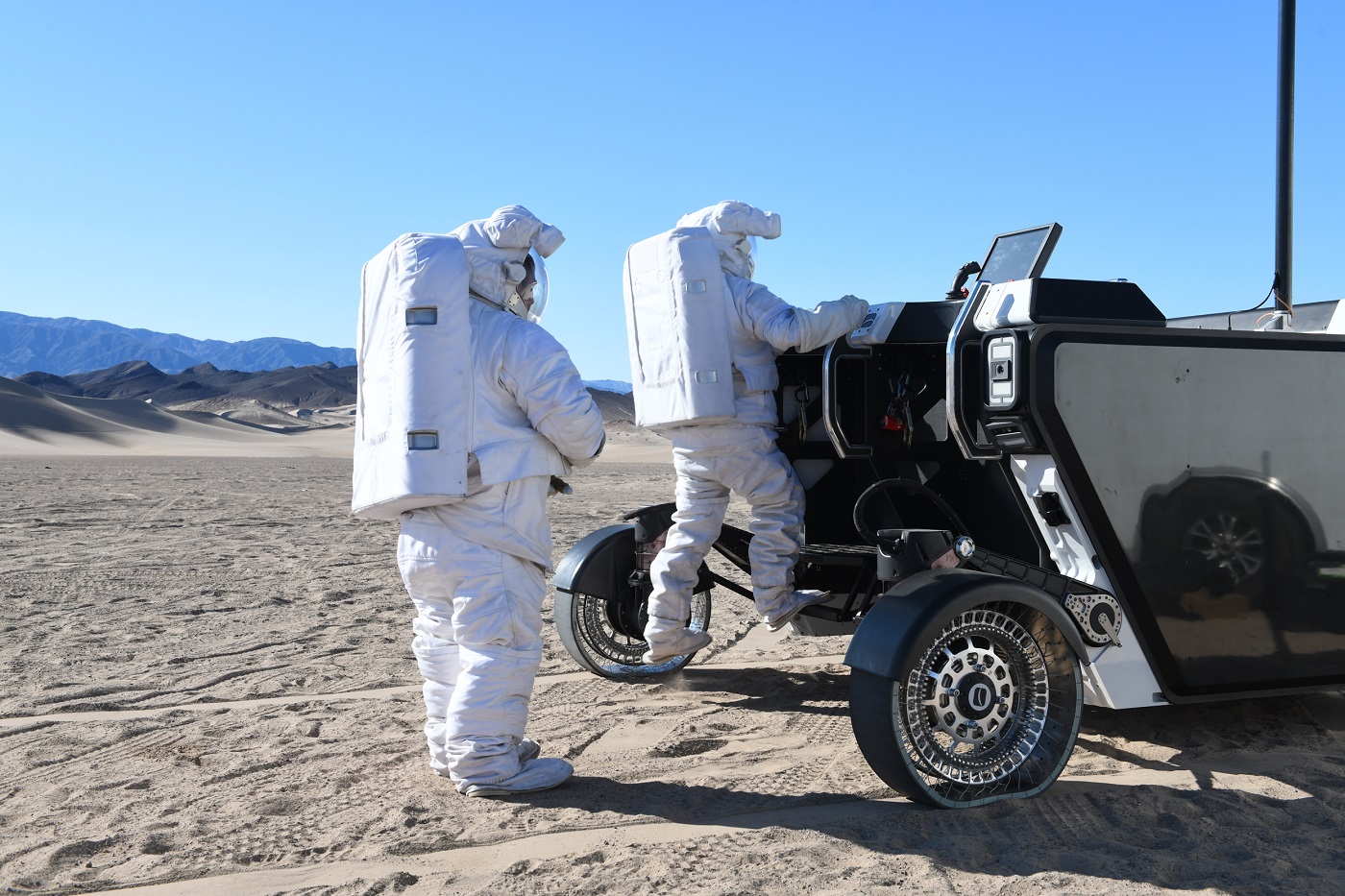
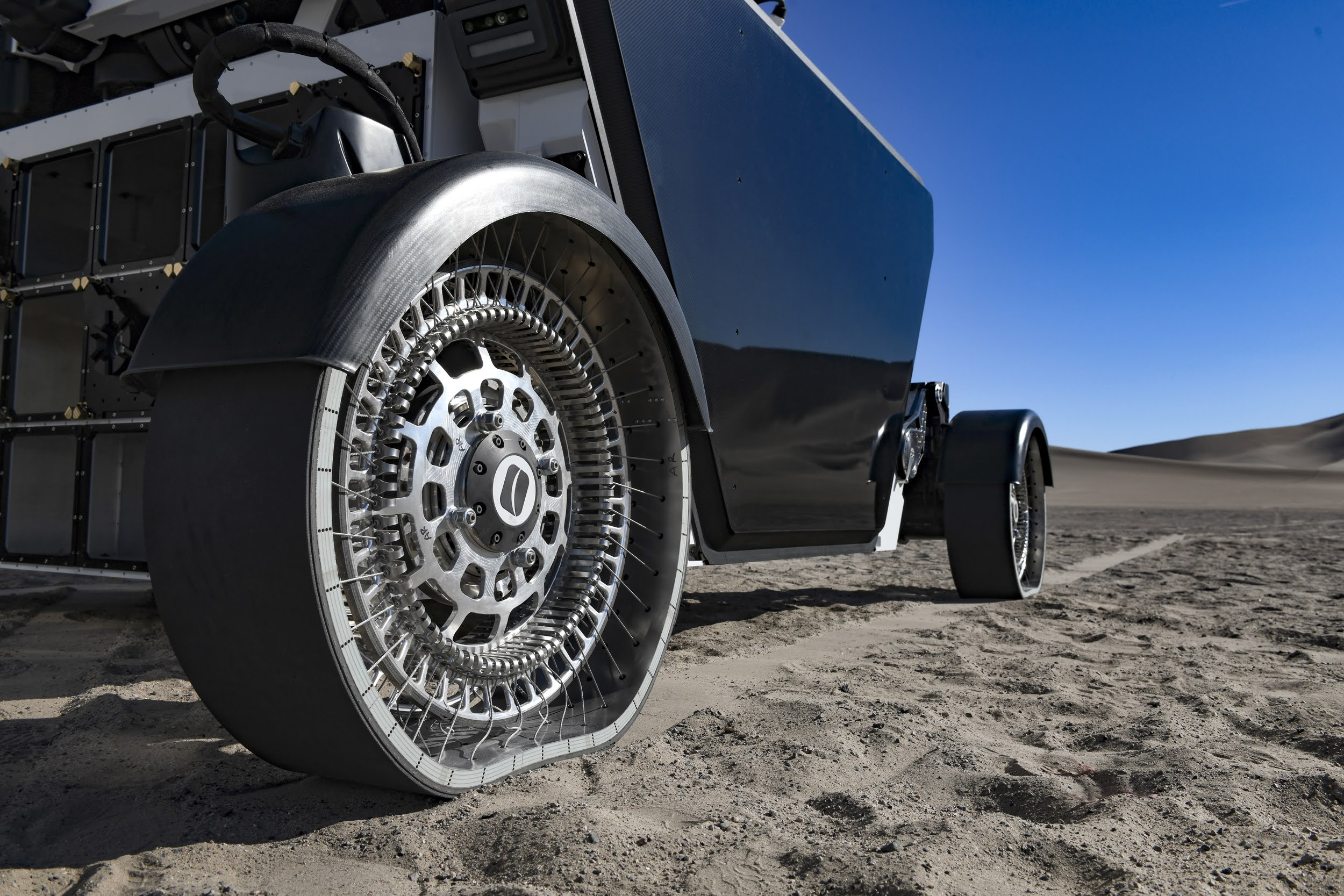
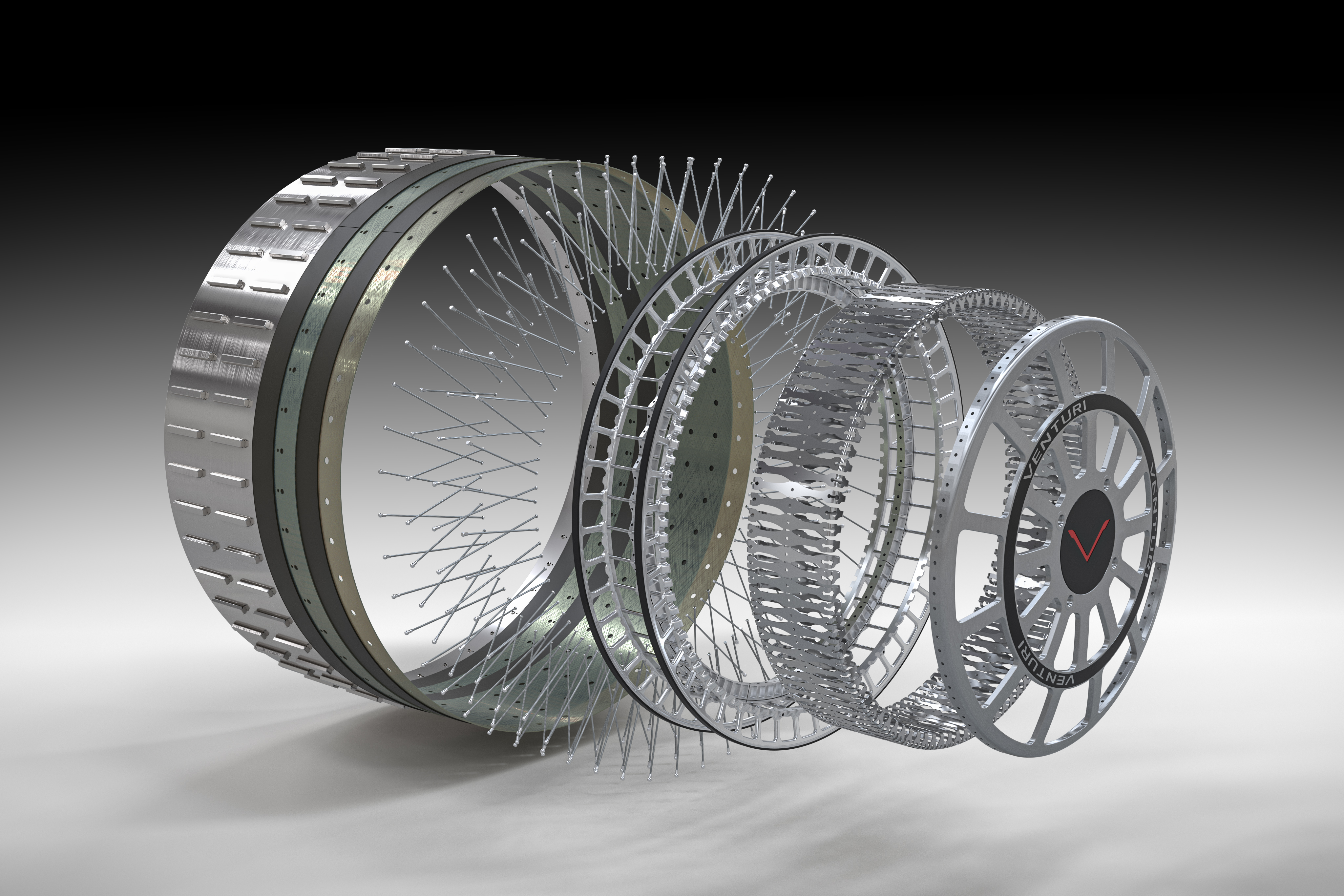
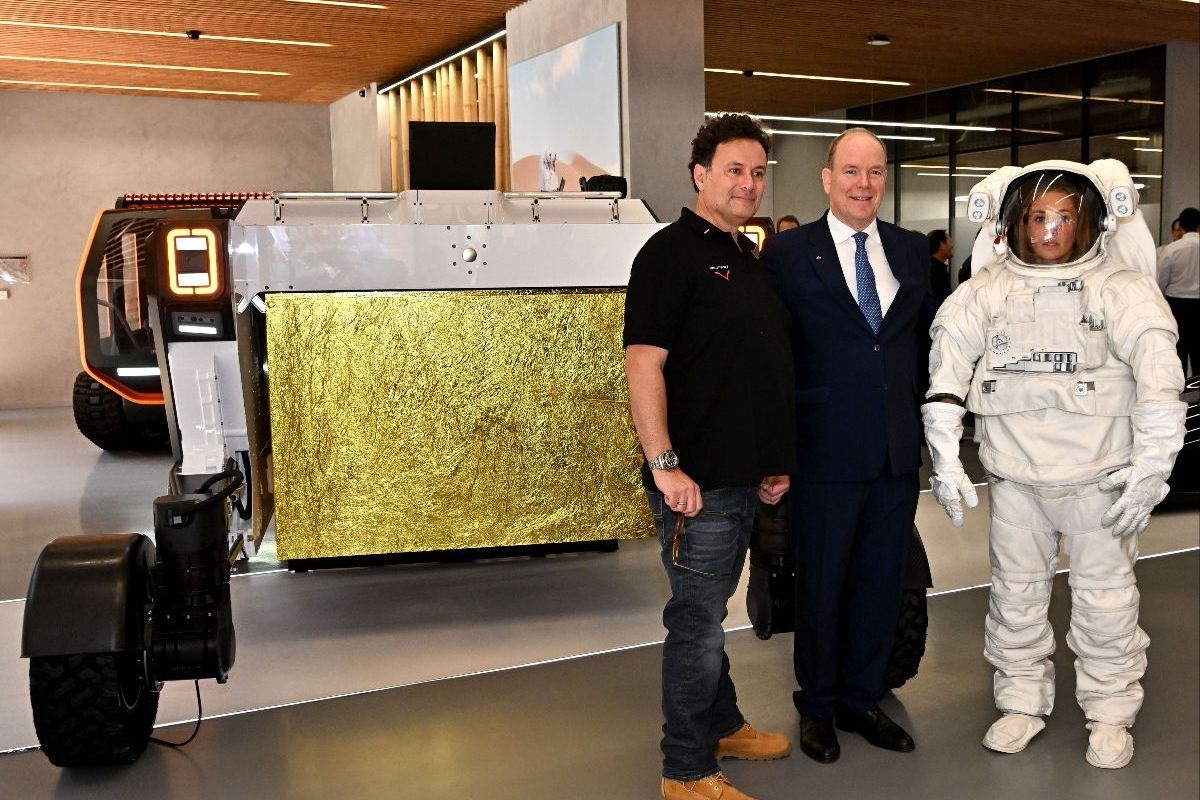
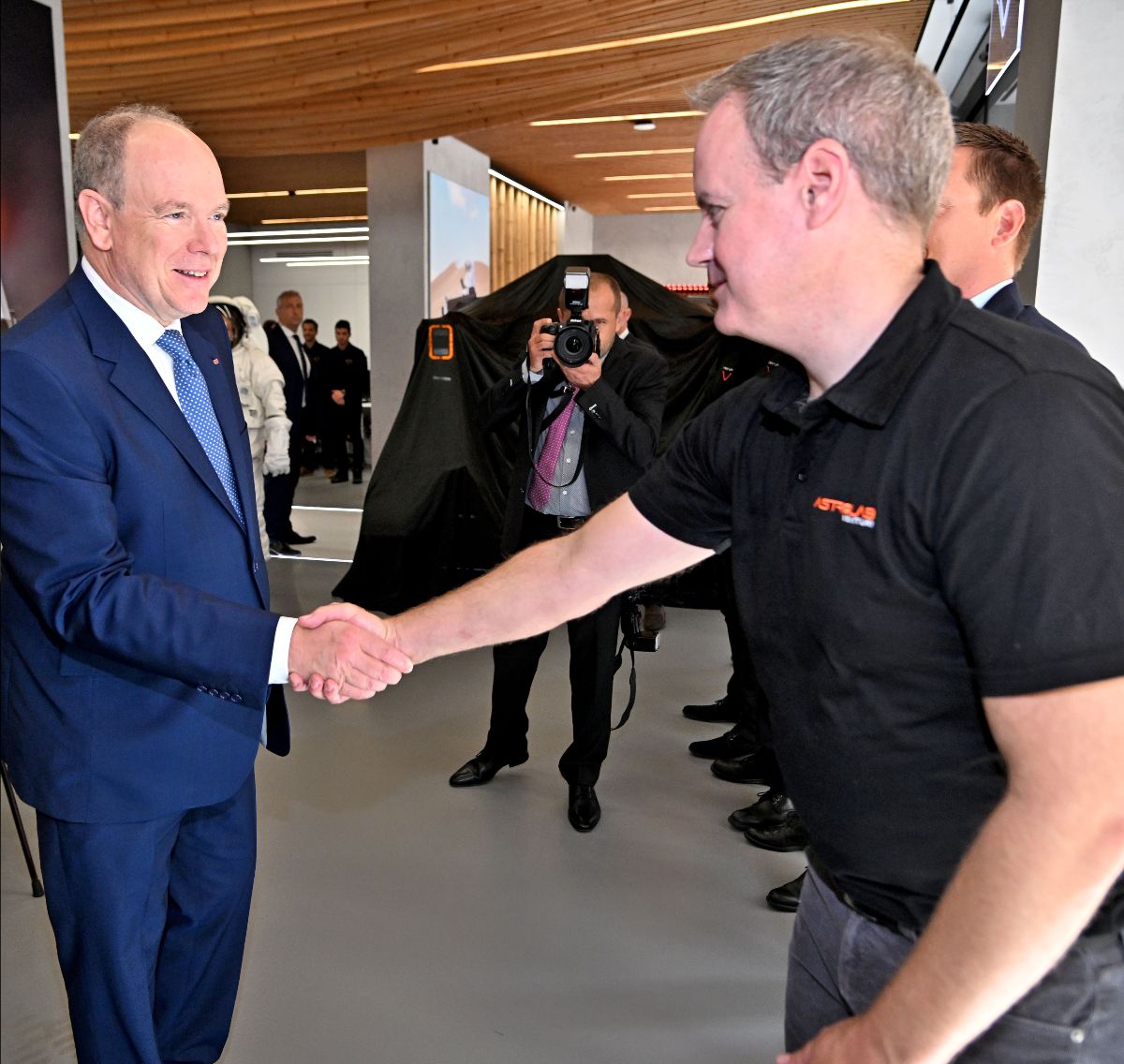
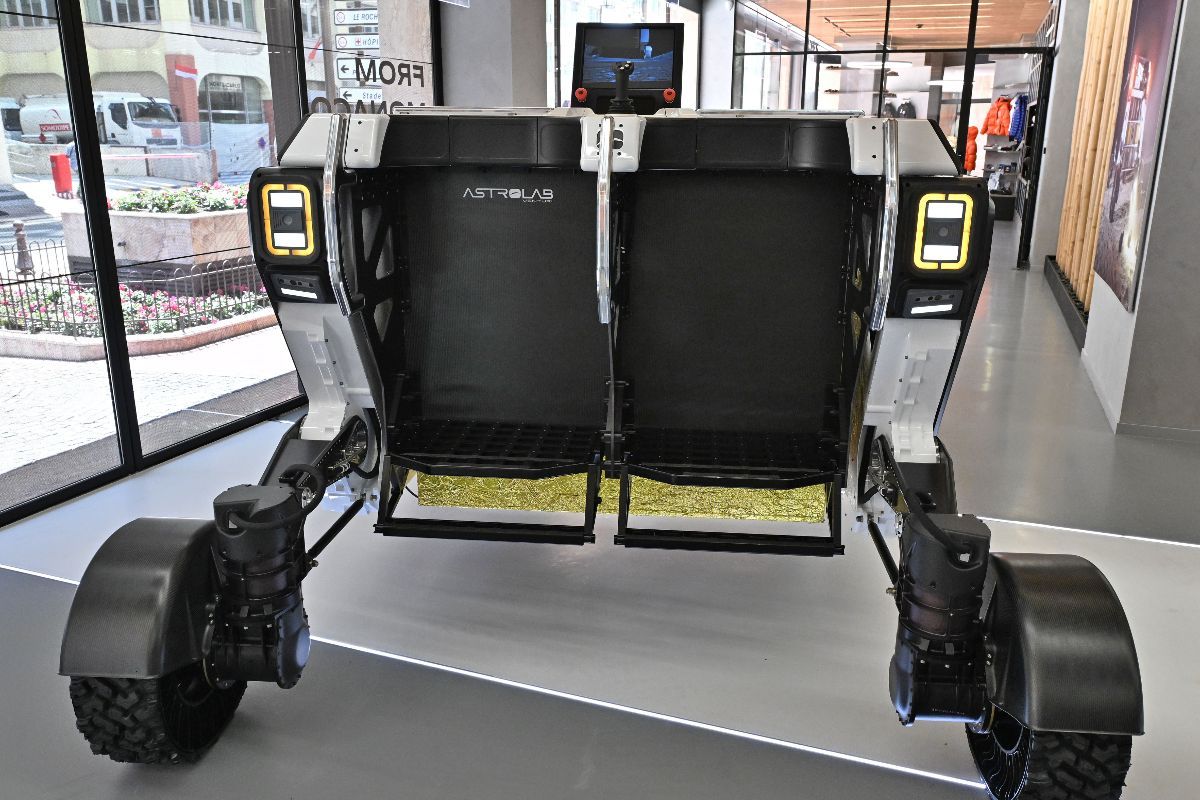
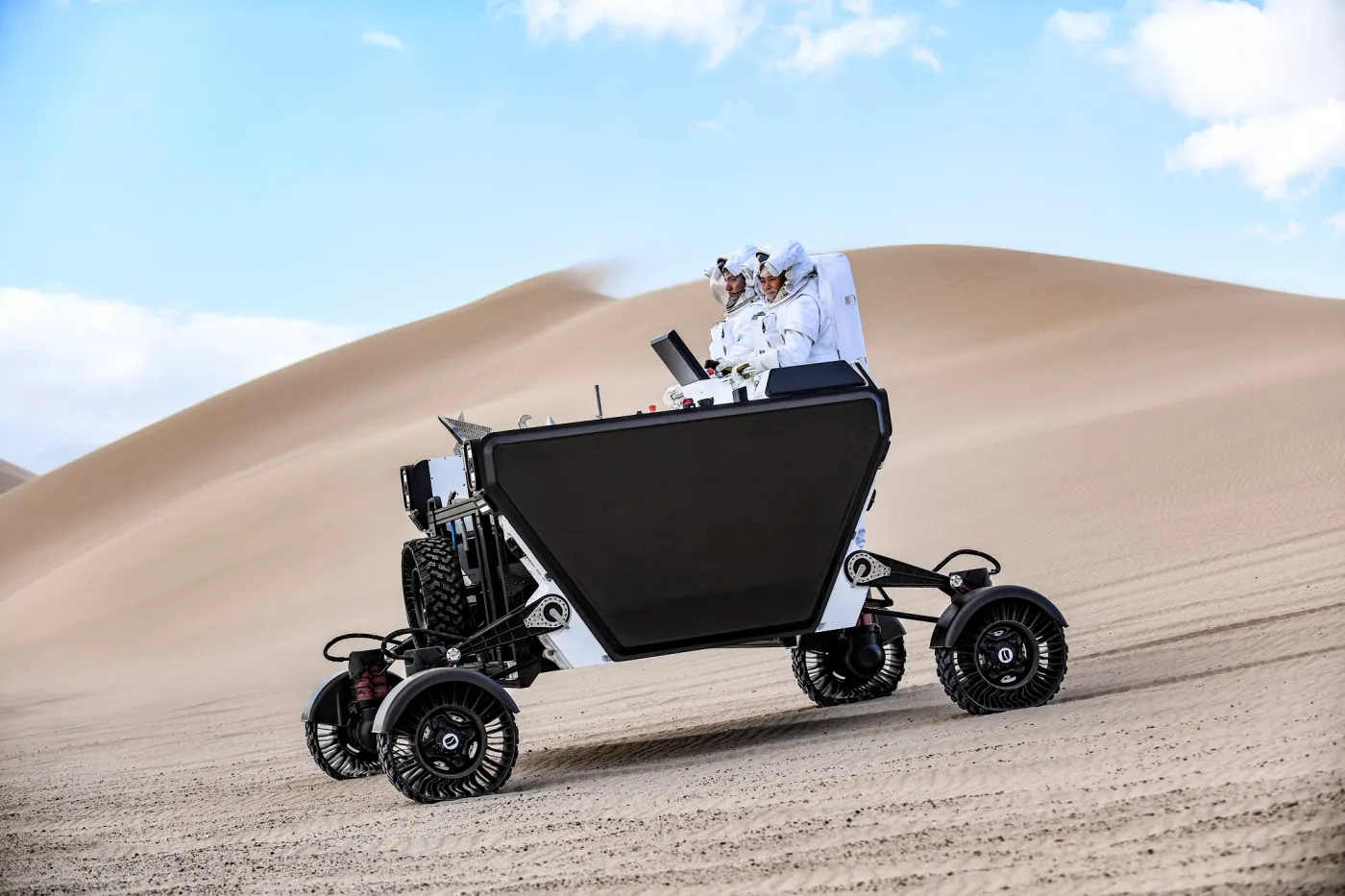


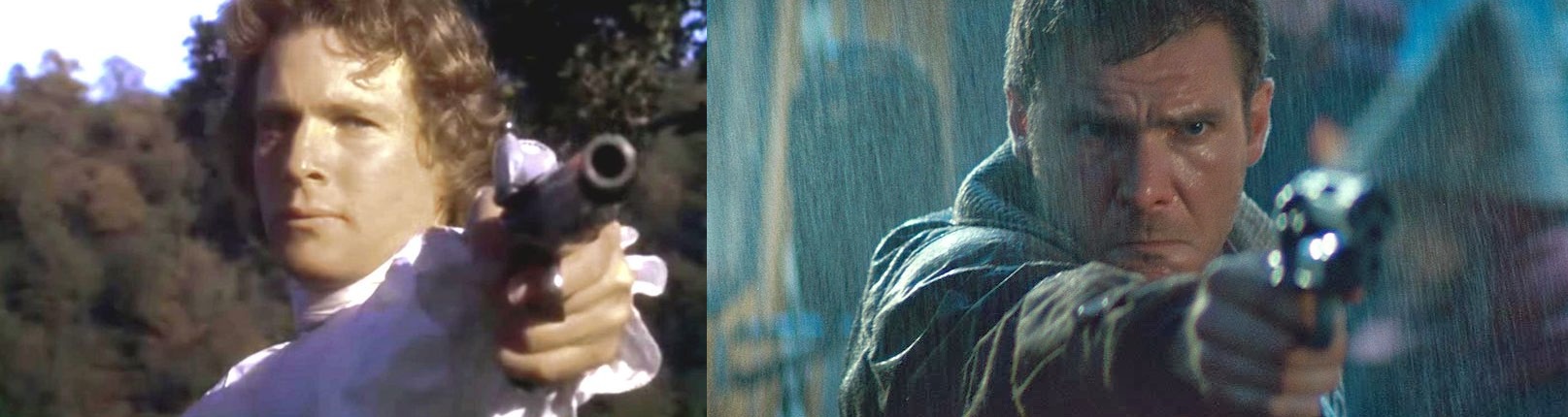



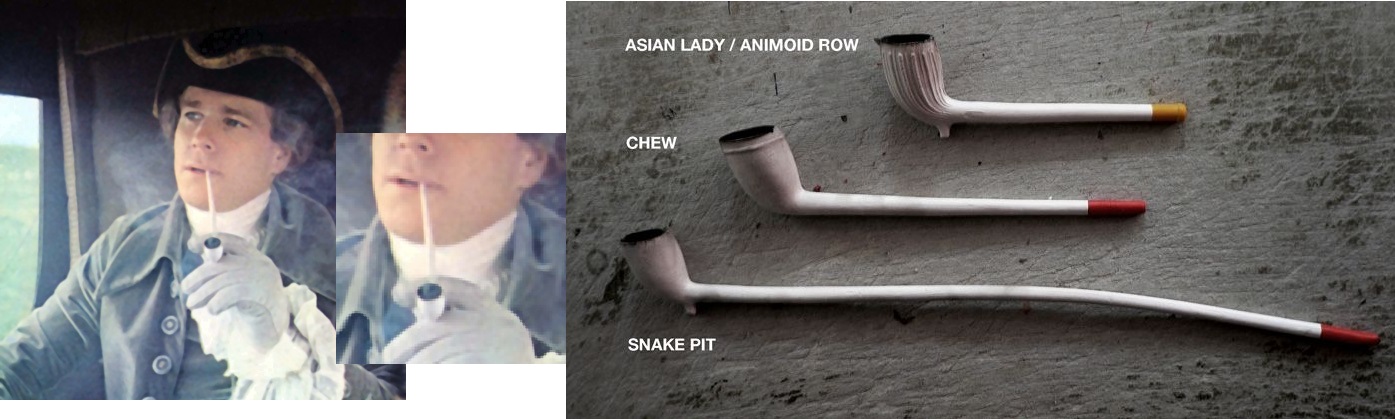

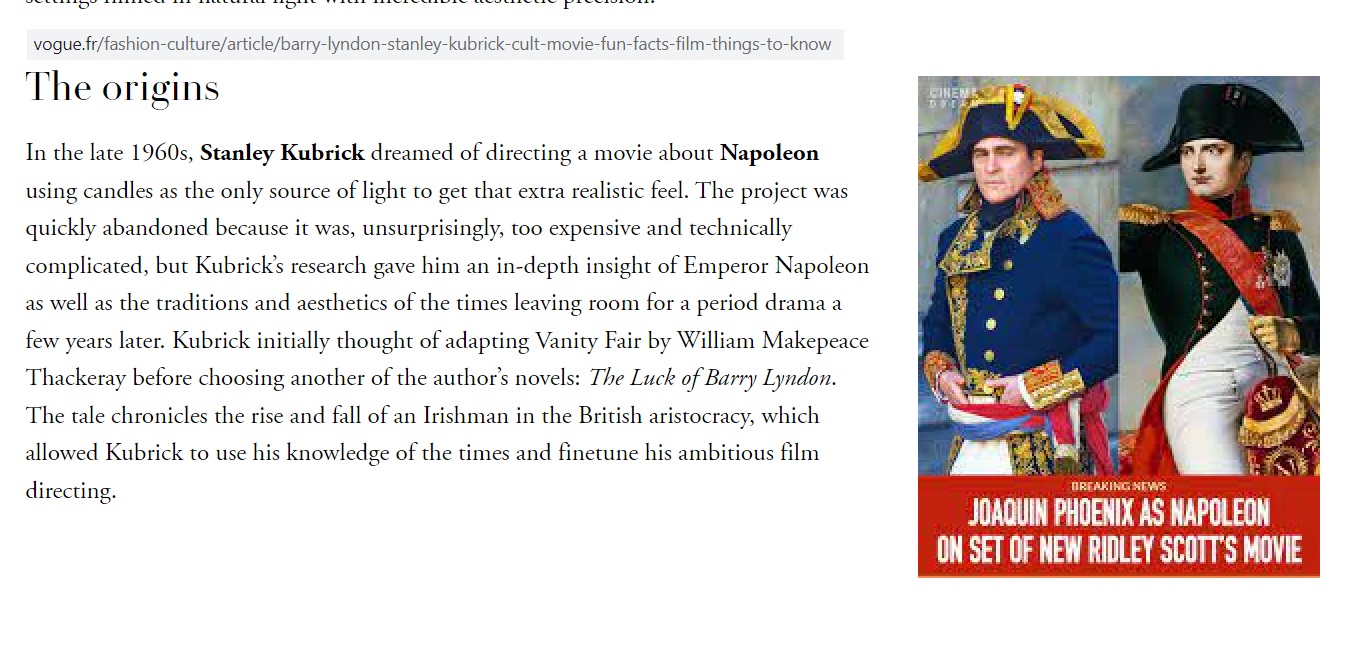
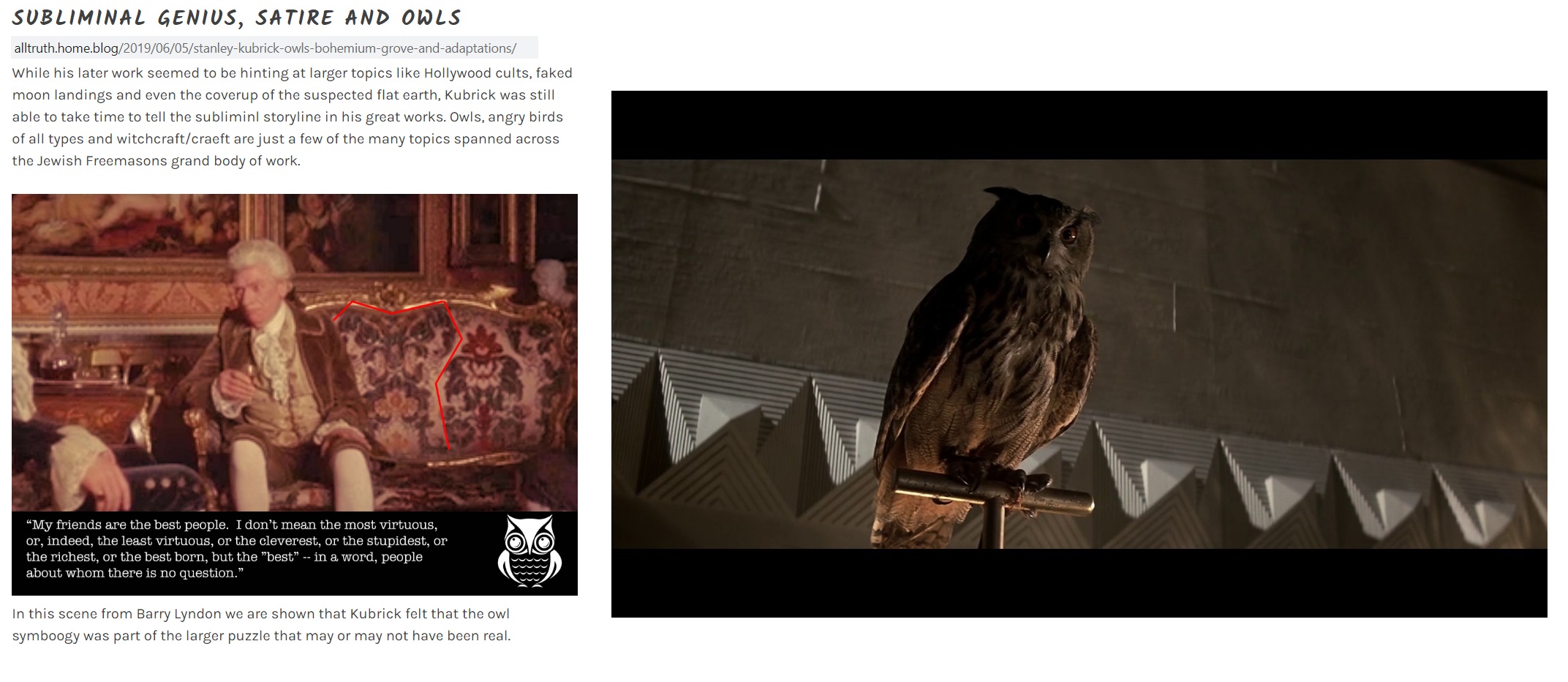

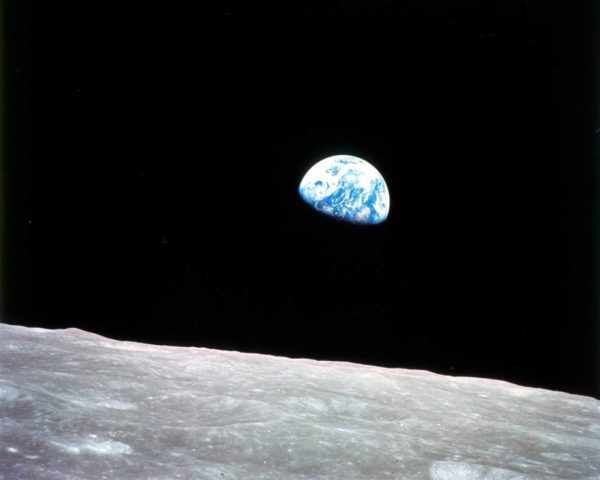
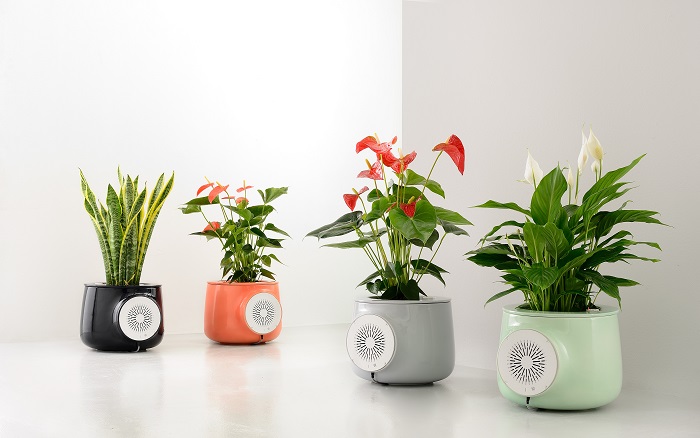
 Clairy has also tech sensors that communicate with an app, so you can check directly the levels of humidity, temperature, and VOCs of your home with your smartphone.
 The implications of what Virtual Reality can achieve are vast, and it is predicted that VR will seep into every area of our lives in the very near future. VR is not just a concept that excites the entertainment business, but has a very real presence in some of the world’s most essential industries. However, many people remain skeptical about the impact virtual reality will actually have and suggest that it is only an attractive concept for gamers. Although it is true that VR is a fantastic way to improve online gaming, it has already been used in the medical and manufacturing industries, proving that virtual reality is
  Entertainment