Convertible tops date all the way back to the dawn of the automobile. You know, back when carriages became horseless. But as the decades piled on and technologies/materials evolved, the convertible top industry has never been more intricate.
With so much available information — all of it varying by automotive year, make, model, and other key factors — several myths have developed that keep confusing and confounding convertible owners and future owners alike.
To help dispel the six most common convertible top myths, our friends at Rennlist teamed up with Robbins Auto Top, a member of the TopDown automotive family, to learn a little about convertible top myths and convertible top truths.
Let’s Roll the Top BackOn 6 Convertible Top MYTHS Most People Don’t Understand!
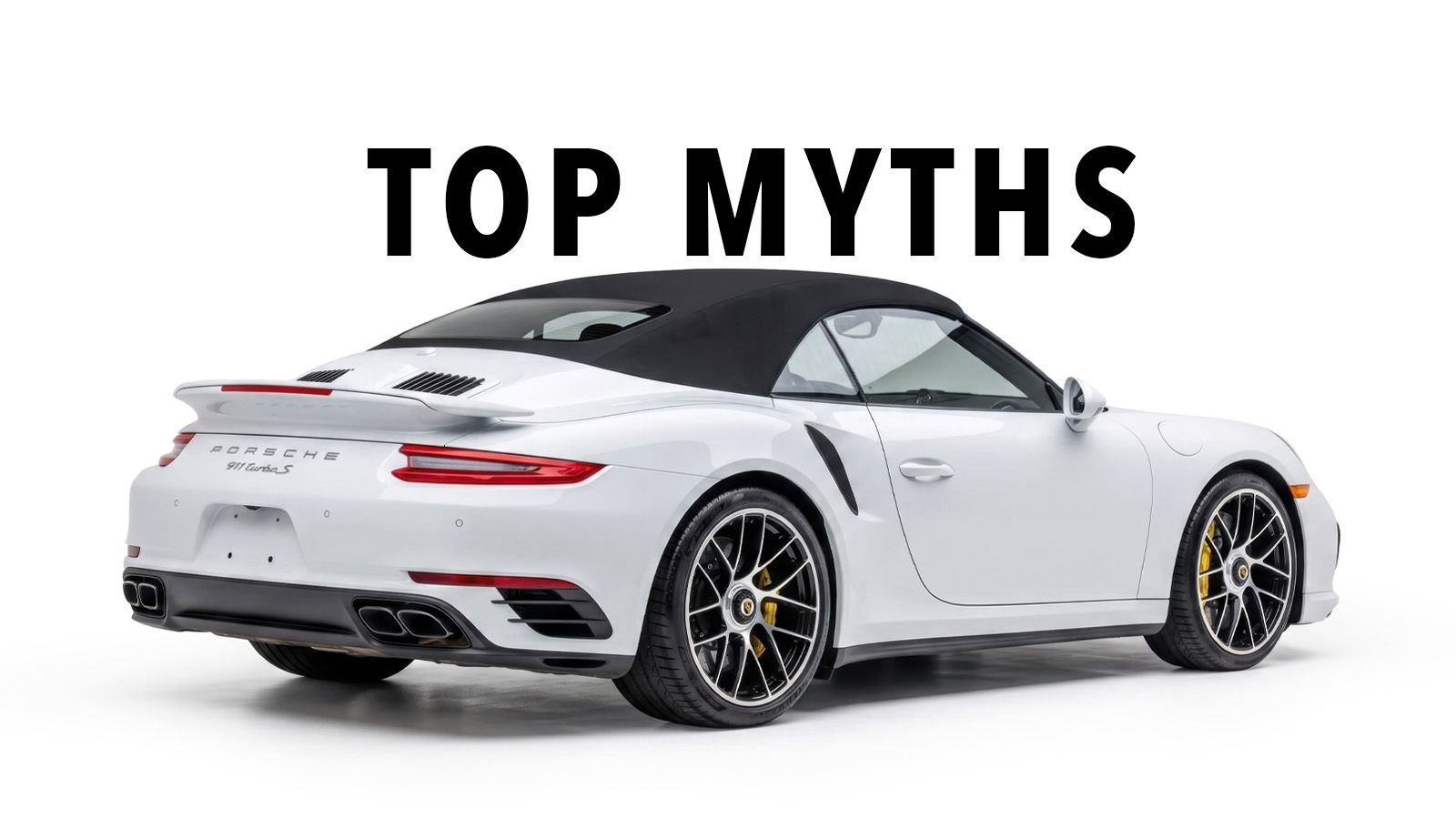
From life expectancy and repairs to material choices and voiding your new top’s warranty, here are the six most common convertible top myths!
1. Convertible Tops Last Forever
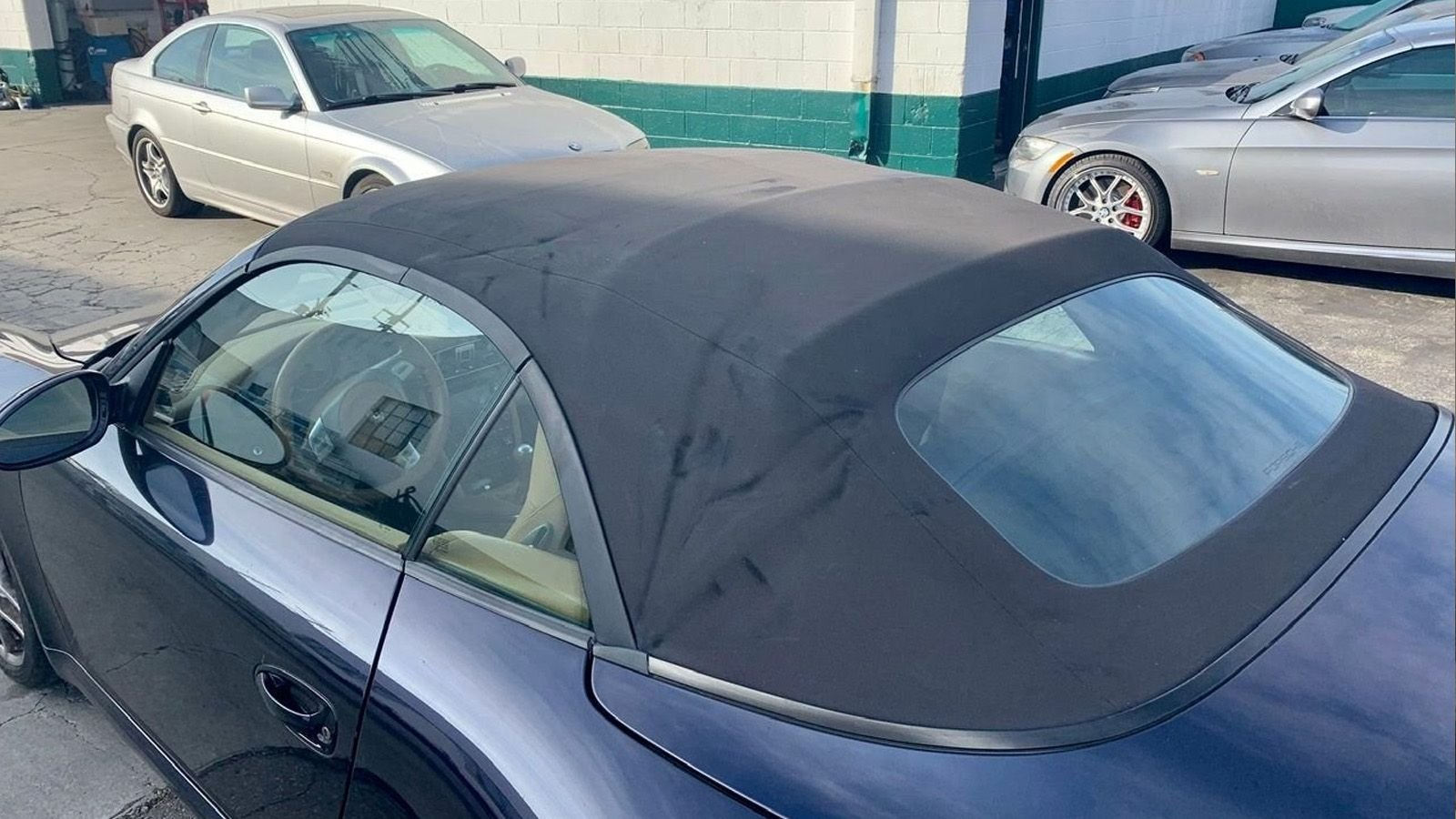
Maybe if they’re never used and sit in a climate-controlled garage with the perfect amount of humidity. But, otherwise, convertible tops are a wear item just like brakes, tires, and various fluids. Weather, pollutants, and UV exposure are all teaming up to destroy your convertible top.
Still, Robbins says the average, daily-driven convertible top lasts only seven years. So, if you own a convertible long enough and you actually drive it in, you should expect to replace it.
2. It’s Cheaper to Repair Than Replace
Repairing convertible tops can save money. But not always.
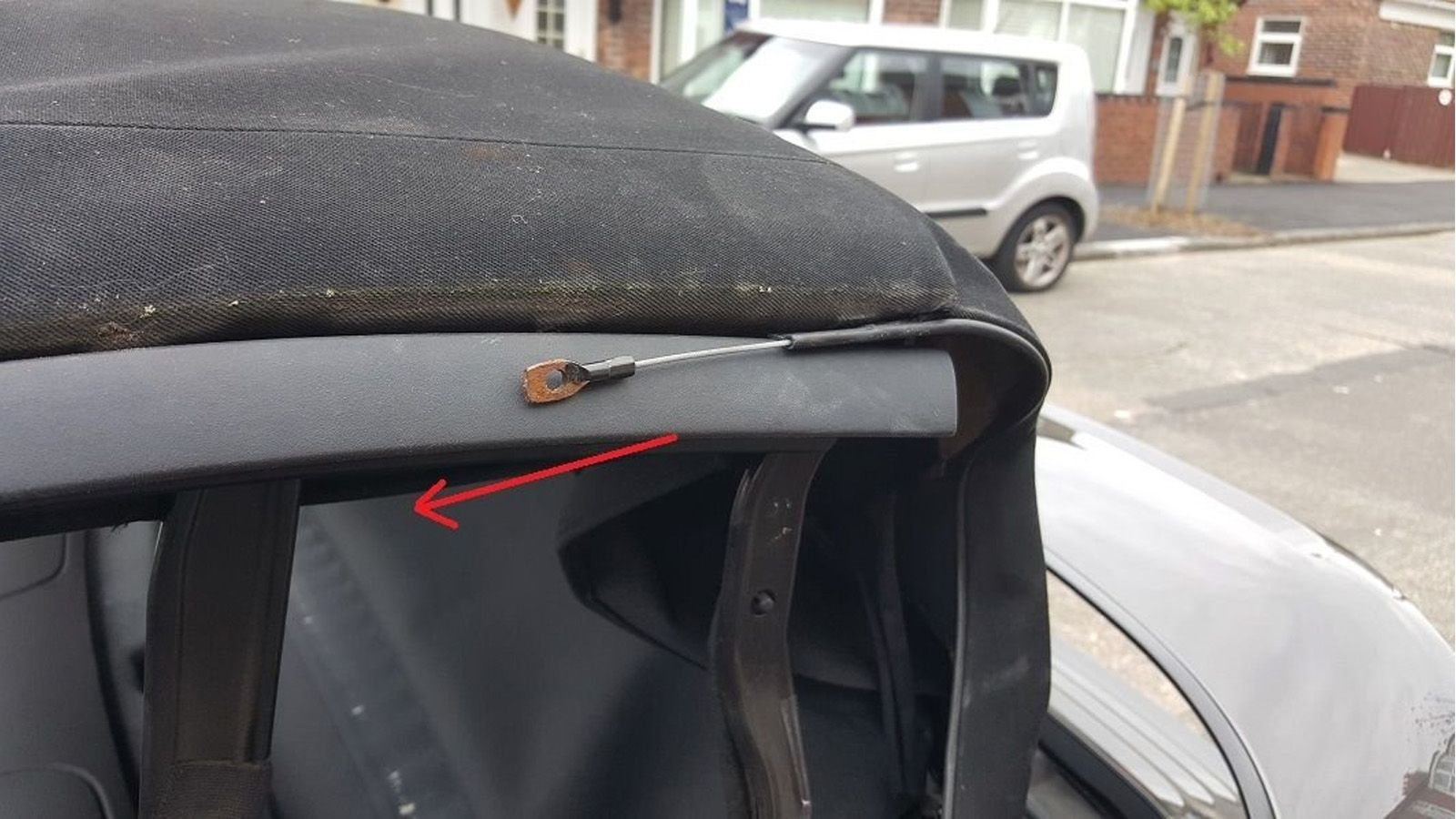
Here’s the catch. It takes just as much, if not more, labor to repair because, in order to make said repairs, you first have to remove the top. Which means paying for labor. Then you have to ask, is your convertible top material in good enough shape to survive removal and reinstall? Old material loves to tear with all that tugging and stretching. And given the top’s age, it’s also more likely to fail in another way, even if you can manage the repair, which could ultimately double or triple your costs.
Which, by the way, is the company Singer calls to install tops on their staggeringly expensive Porsche reimagingings.
3. The Thickest, Most Expensive Material is Always Best
Convertible newbies love to research The Very Best Top Material Ever Made and demand it be installed on their convertible.
But The Best =/= The Best For Your Convertible.
Why? The most expensive, most luxurious top materials are also the thickest, which helps sound deadening, but won’t work for all applications because thicker materials need more room to fold. AKA, room your application may lack.
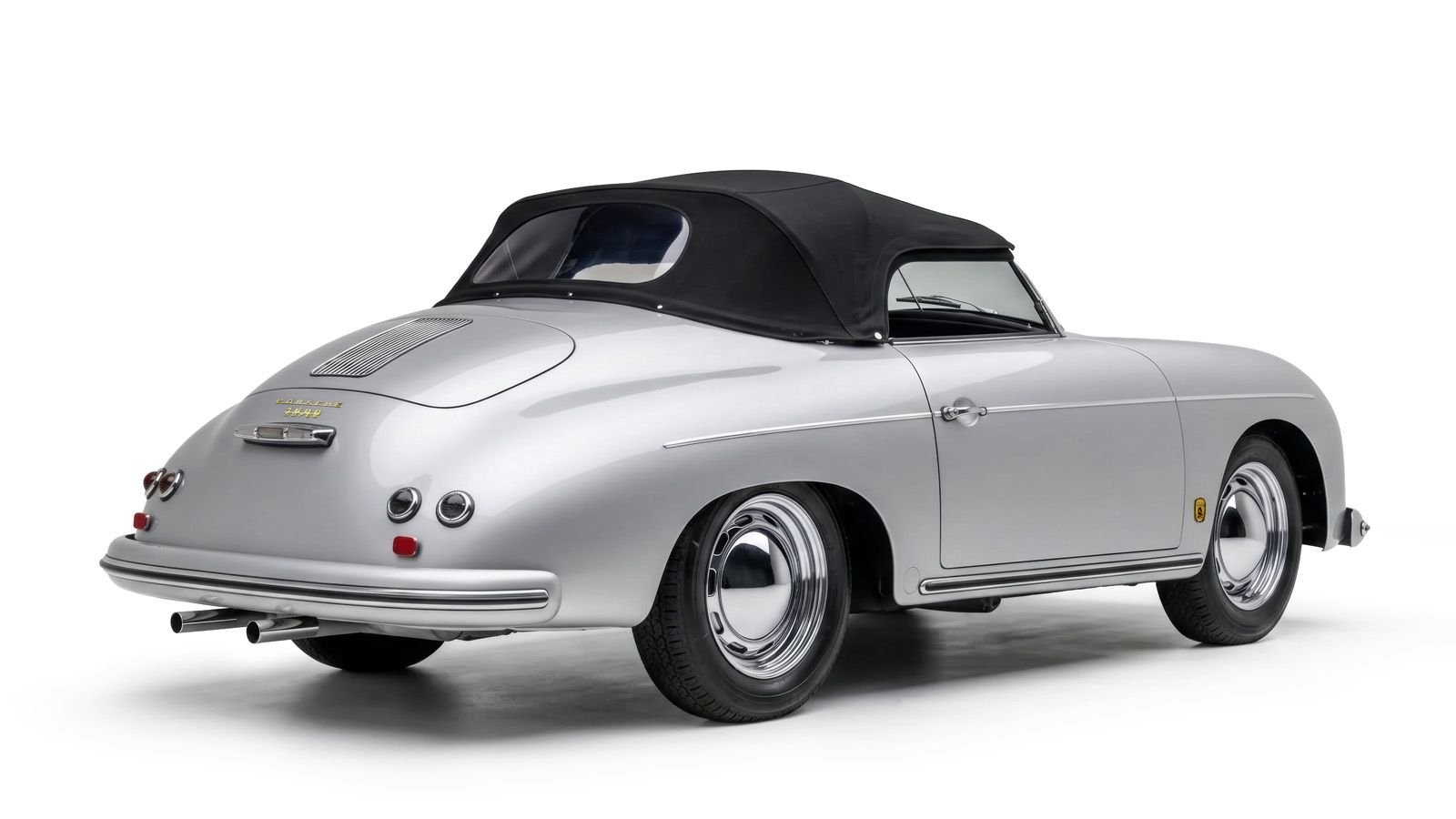
Thankfully, most modern Porsche convertibles and cabriolets were engineered for the thickest/best materials on the planet — various forms of German A5 — but older models and collectibles have to be more careful wth smaller frames and tighter spaces.
4. Installing A Convertible Top is DIY Friendly
YouTube University for DIYers is great. But make no mistake. Convertible top installations are not for first-time DIYers. You need tools and techniques to avoid catastrophe when dealing with aging frames and delicate materials like cloth and glass. All while pulling and stretching and prying and assembling in a very specific order over many hours of hard labor.
Basically, it’s far too easy to damage a new top or break your car if you don’t know what you’re doing. Which is why DIY installations most likely void convertible top warranties.
It’s no surprise that new cars are made as cheaply as possible to maximise profits. But that also means new convertibles often ship with factory flaws that lead to premature wear. Or that the automaker will switch suppliers and end up with “OEM replacements” that don’t fit quite right.
Robbins Auto Top — like its other TopDown siblings, including the interior specialists at GAHH Automotive — doesn’t just replicate OEM, it makes products that are BETTER than OEM. Additional padding on common wear spots. Thicker window frames less likely to fail and leak. Hiding ugly stitching with upgraded production techniques. (And I know this because I toured their facility in person and saw how the company’s engineers improved basically everything.)
So why not spring for better-than-OEM materials? And all the color and fabric customization you could have never ordered from the dealership?
6. You Can Always Order Based on the Year/Make/Model
Many OEMs have been so inconsistent over the years that they’ve produced multiple convertible top styles within a single model year (or across multiple generations). Examples include ‘68-’72 GM mid-size models, ‘87-’93 GM F Bodies, ‘14-16’ Aston Martin DB9 Volantes, and more.
That’s why you need a pro involved not only for installation, but to guide you through the ordering process. And why, if your current top fits well, measurements must be taken to help identify the correct replacement.
To All Who Will Say, “It Has Nothing to Do with Me”
This book is a profound research work that exposes corruption, censorship, and corporate tyranny in the purported democratic system of the US. Hammond reveals the subversive role of the mainstream media in deceiving the public and manufacturing consent for perpetual wars, individual responsibility for institutional failures, and social injustice presented as a meritocracy. At the same time, argues Hammond, the incessant propaganda conditions the public to accept the denial of basic human rights such as healthcare, living wages, and higher education as undeserved luxuries.
According to the author, through sophisticated mechanisms, the People Relations industry constantly disseminates the illusion of freedom and democracy and inculcates the myth. Hammond offers a brief history of media corruption through consolidation of ownership, currently reduced to five giant corporations. The author opens the first chapter with a short analysis of the classic 5 filters of mass media detailed in Herman and Chomsky’s 1988 Manufacturing Consent. Although Chomsky’s revelation is widely popular as every dissident’s bible, less known is that the authors dedicated the book to an Australian writer, Alex Carey, whom they consider a pioneer in the field of propaganda.
According to Carey, people in the US have been subjected to an unparalleled, extensive, three-quarters century-long propaganda effort, designed to expand corporate rights by undermining democracy. Hammond traces the roots of propaganda back to the 1920s, when the founder of the People Relations field, Edward Bernays, initiated his mass psychological campaigns to win public opinion. Bernay’s successes include influencing women to smoke and promoting foreign intervention in Latin American countries at the behest of corporations, later known as Banana Republics.
During that time, leading intellectuals such as Bernays and Walter Lippmann freely used the term “propaganda” as an indoctrination tool and promulgated the idea of manipulating the public.
Bernay’s 1928 book titled Propaganda, was a literal manual for the ruling intelligentsia. According to Bernays, the masses should be unaware of the source of their influencers, while the audience is overwhelmed with carefully selected images and rhetoric by unknown agents. Another source used by Hammond is George Orwell’s unpublished preface titled “The Freedom of the Press” to his 1945 Animal Farm. A curious little-known fact is that Orwell had a hard time publishing the book in democratic Britain, and took him five years to find a publisher. Moreover, the preface, in which he explains the phenomenon of self-censorship and how in Western democracies it is done in a very subtle way in contrast with dictatorships where the censoring is open. Perhaps because of this analogy, the preface is still not published within the book, although could be found separately on the Internet.
Tamara Hammond’s book extensively analyzes the current media status with emphasis on alternative media in the context of the rising censorship practiced by the owners of social media networks. According to the author, from Google to Facebook to X (nee Twitter) tne giant networks are obedient purveyors of the ruling oligarchy that transcends national borders. Hammond warns that we are being conditioned to accept a neo-feudal technocratic dictatorship based on fearmongering and deception. Much of the book is dedicated to educating the audience about the real dissidents in media and academia who fight against wars and corruption, and to liberate imprisoned journalists like Julian Assange.
The epilogue features an allegorical tale about the slippery slope of corruption and the mechanisms of power that overwhelm even the most noble minds. Available for order on Amazon.