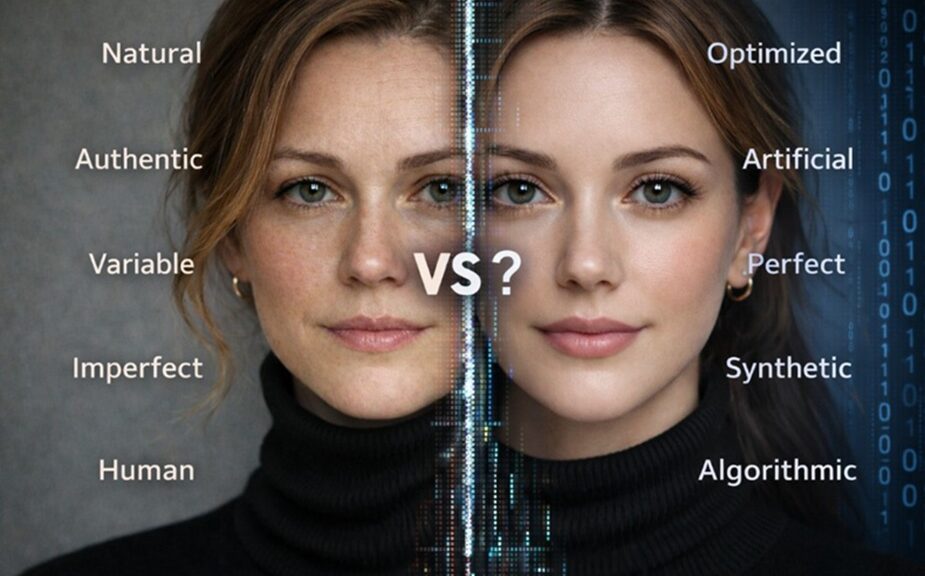
AI generated headshots are rapidly becoming the default across LinkedIn, company websites, and professional profiles. The appeal is obvious. Faster, cheaper, and visually flawless. But a growing backlash is emerging across industries where trust is not optional.
Visual Handshake
Professionals are discovering that the more polished and “perfect” their image appears, the less credible it may feel to the people viewing it. Subtle inconsistencies in lighting, facial structure, and expression are triggering skepticism, even when the viewer cannot immediately identify why.
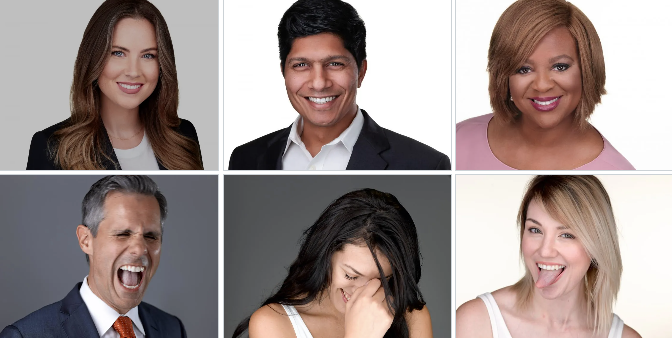
This is the Authenticity Paradox.
How I see it (pun intended) is that the issue is not whether AI can create a better image. It is whether that image creates a believable human connection. The goal of a professional headshot is not perfection. It is trust. The moment something feels off, even slightly, people question the person behind the image.

I’ve worked helping executives, founders, and professionals develop what I call a “visual handshake,” because the rise of AI imagery is creating a new layer of risk in how professionals present themselves. The face is often the first point of contact in business. If that moment creates doubt instead of connection, you have already lost ground before a conversation even begins.
Drawing from a broader conversation around AI generated imagery and professional perception , the issue is not simply visual quality. It is psychological response. When people sense artificiality, even subconsciously, it can disrupt the trust signals that strong first impressions rely on.
For the Silo, Famed headshot photographer and expression coach Chris Gillett .
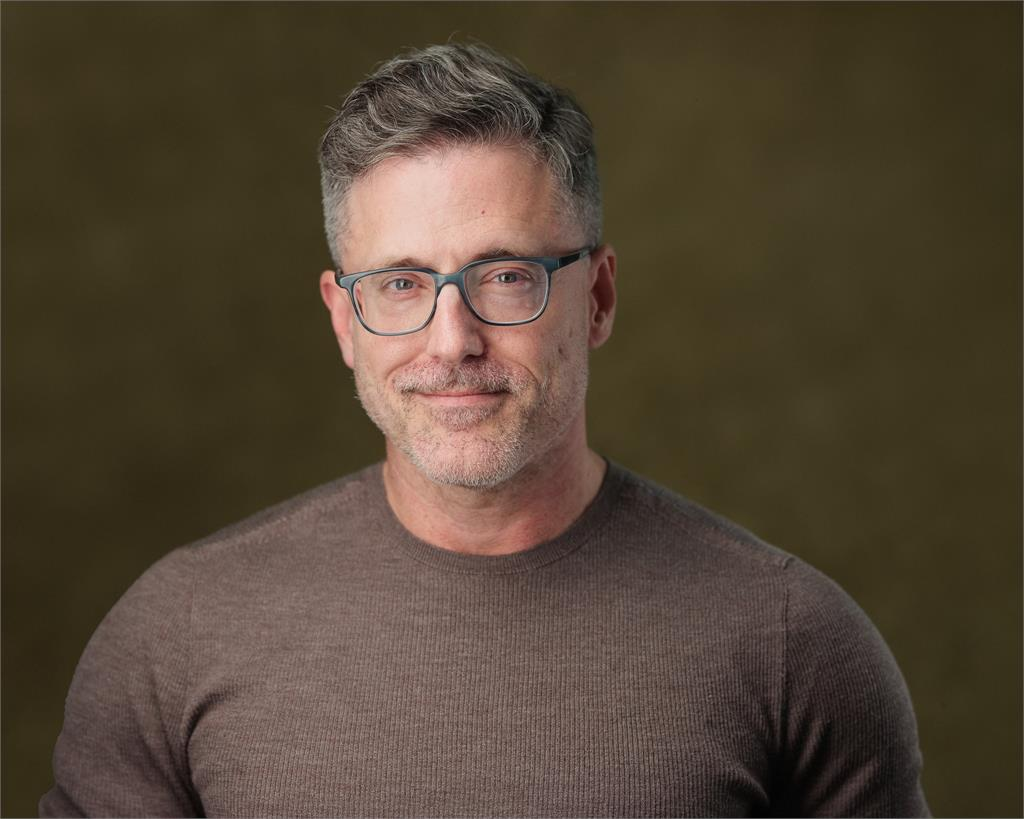
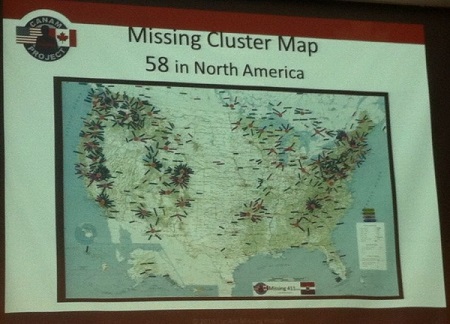 Historical records reveal that missing persons have occurred in North America for hundreds of years and what connects these cases is both frightening and confusing. David has discovered geographical connections that include- national park locations, urban locations near bodies of water, boulder fields, mountain elevations and other seemingly ‘safe’ locations.
 David’s research has shown that oddly, many missing persons in these cases are highly intelligent and healthy individuals that include doctors, scientists and marathon runners. In other cases the victims are hunters or seasoned hikers- people who would actually be most likely to prevent outdoor mishaps.