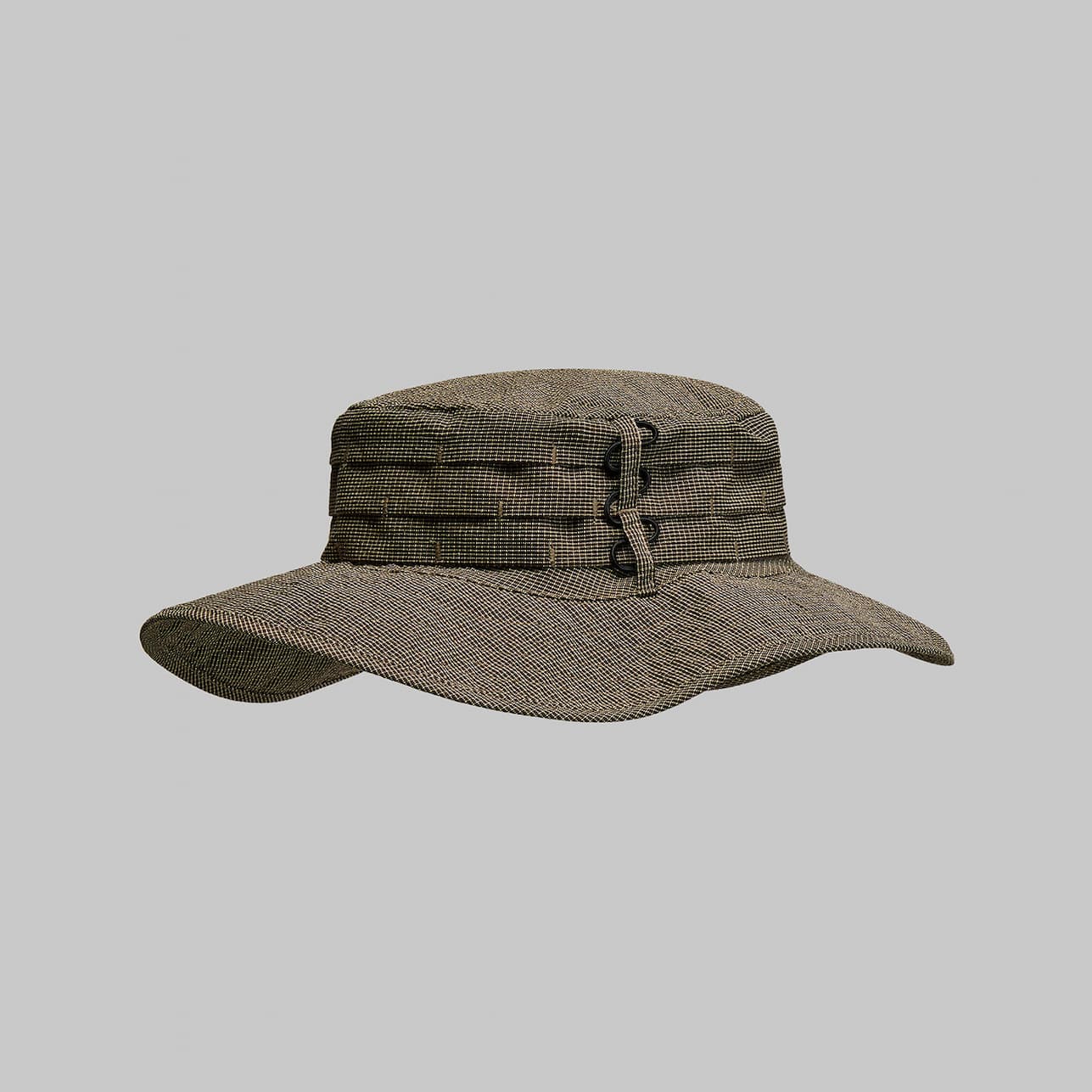
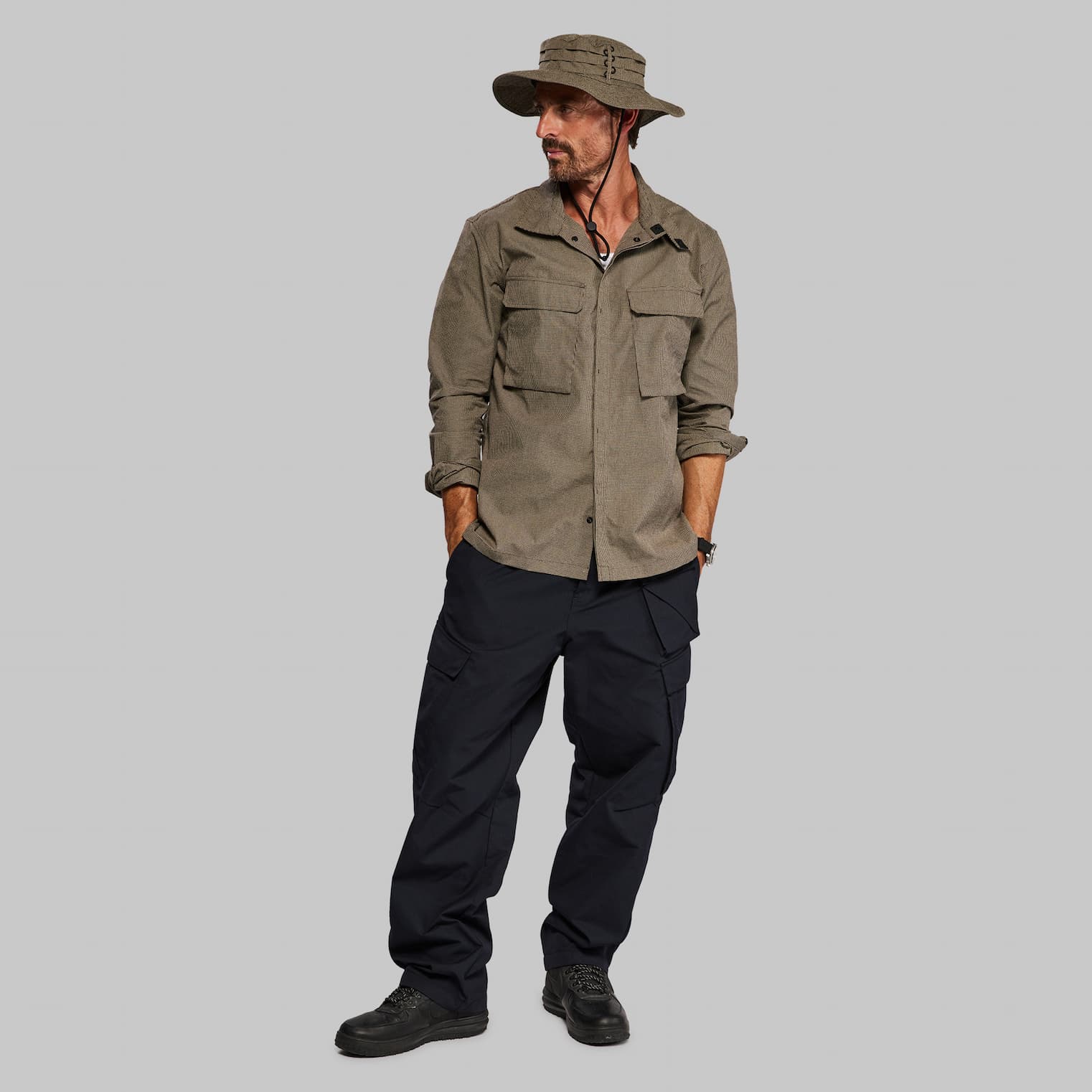
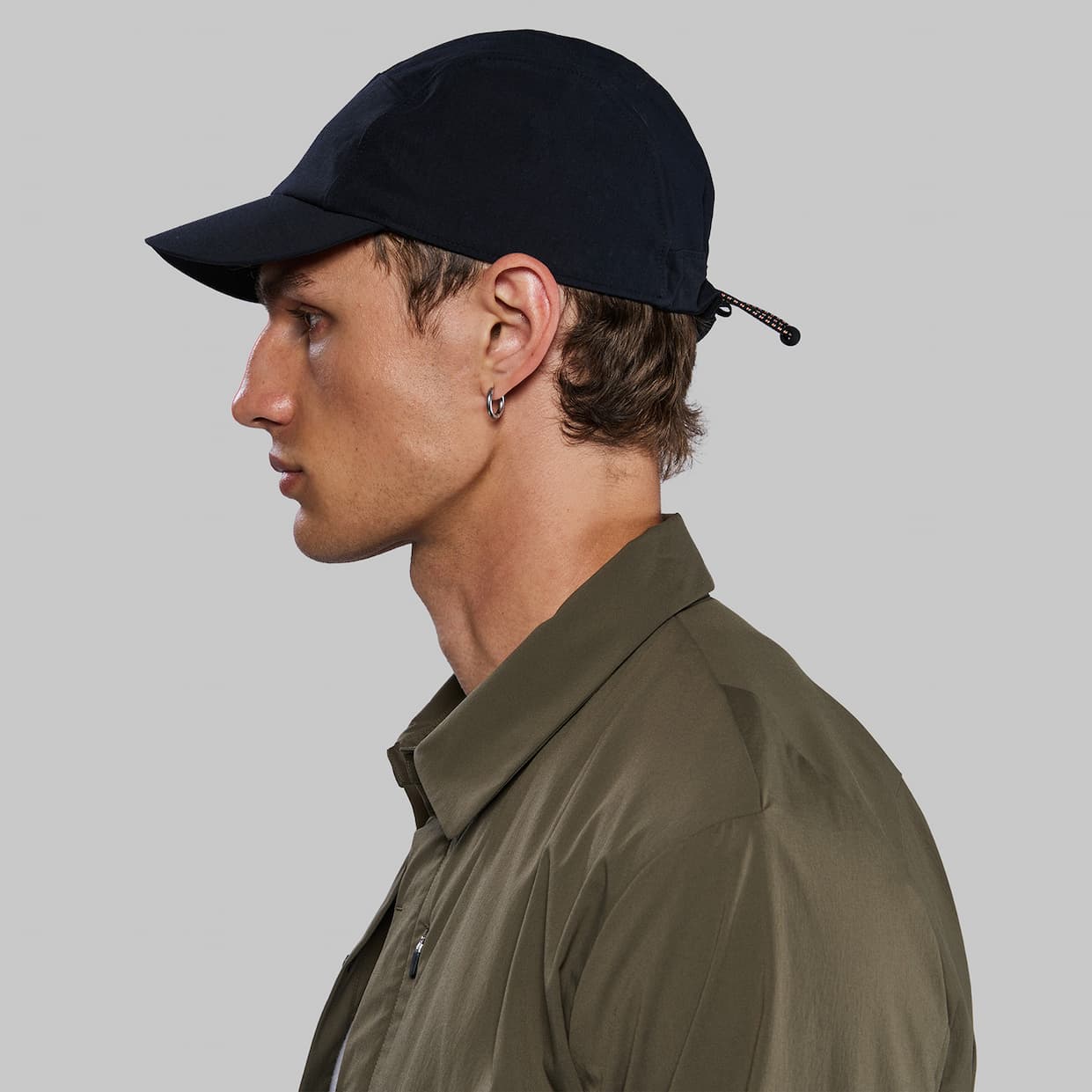
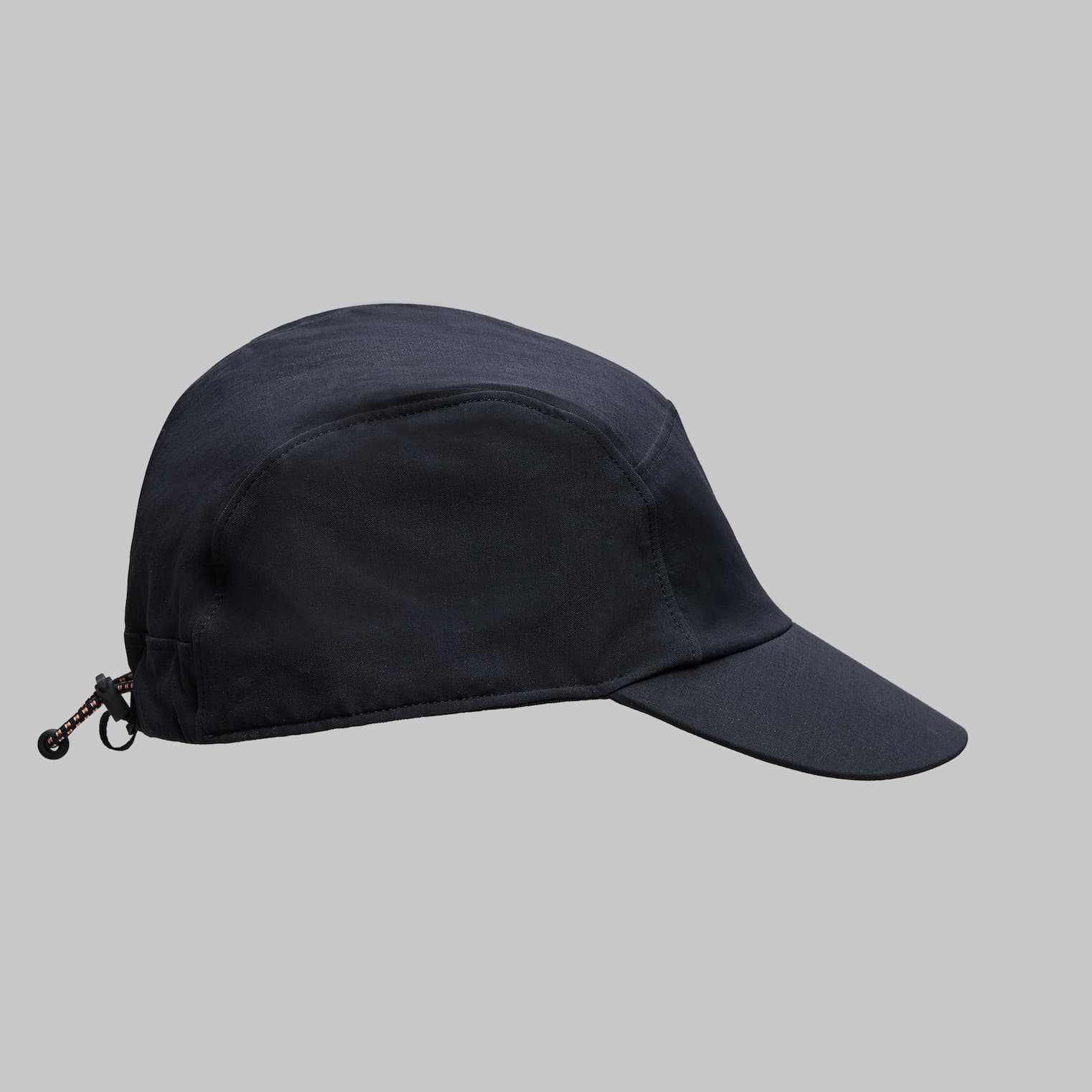
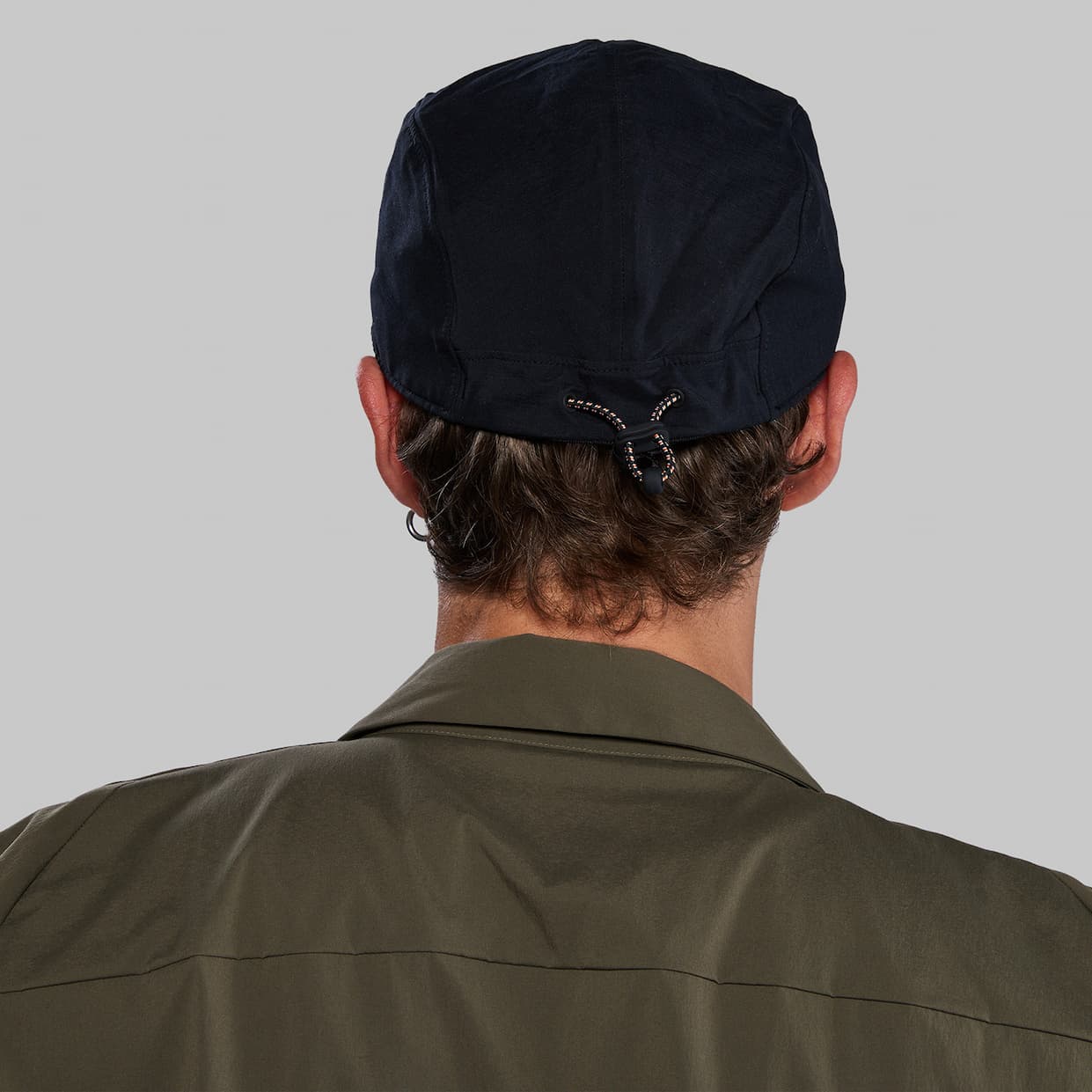
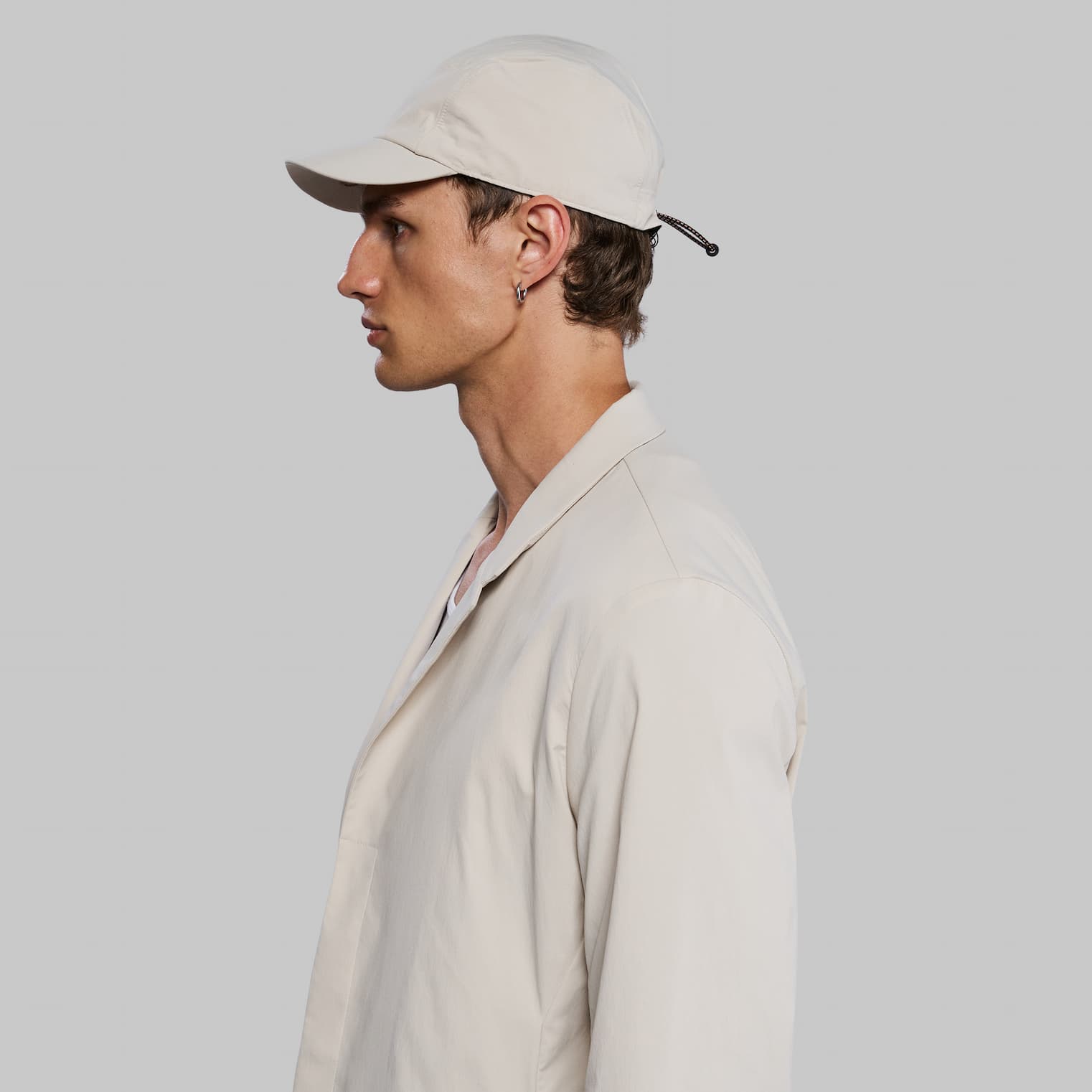
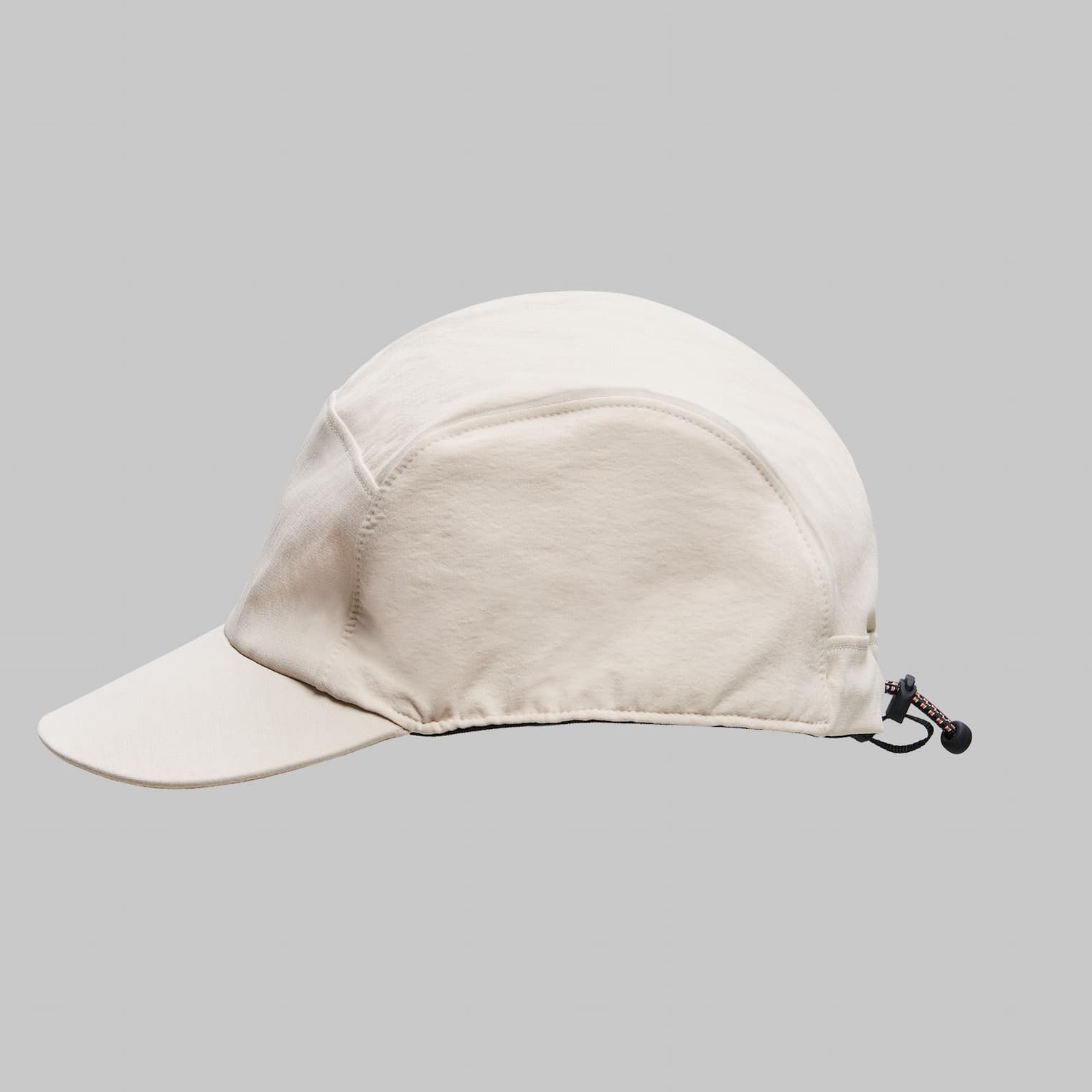
Our friends at Vollebak have just introduced the Ultralight Cap, a 5-panel lid that weighs just 56 grams. The Planet Earth Hat 3 is a boonie built with a fibre that’s around 5x stronger than steel. They’re both climate control for your head.
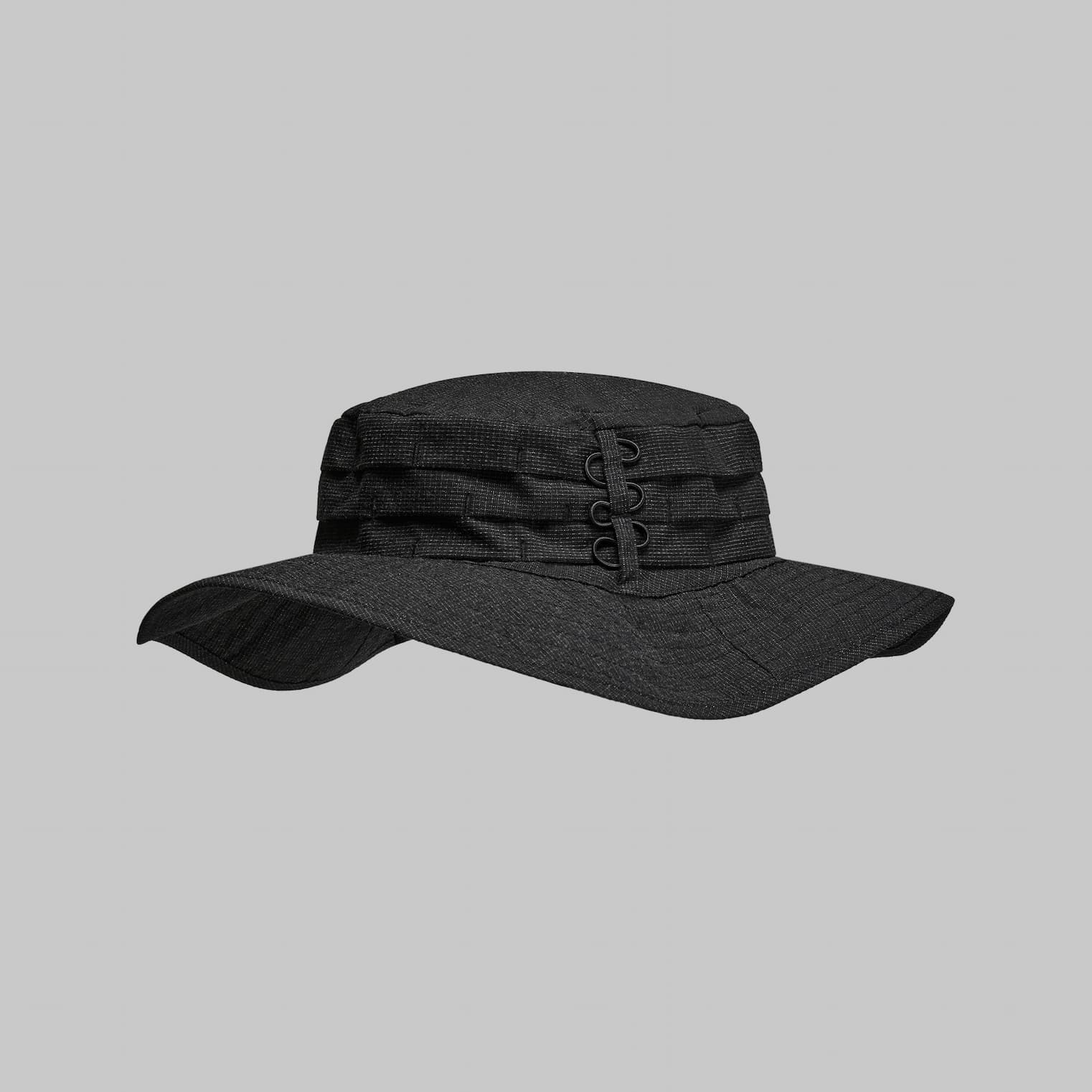
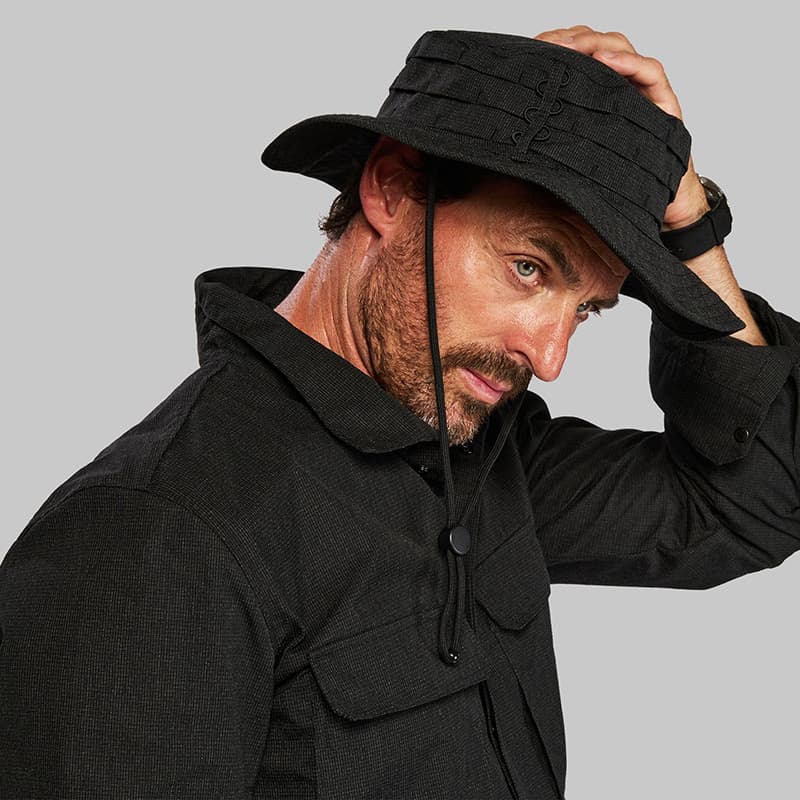
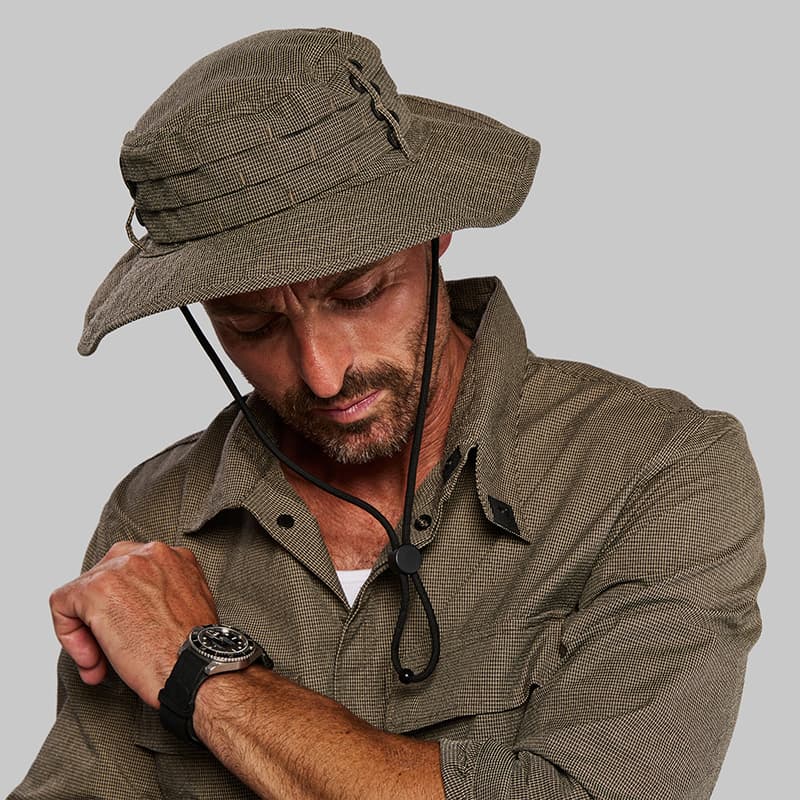
The Planet Earth Hat 3 is built for when the environment is actively hostile. We designed the original after being asked for hats for hot weather, cold weather, rain, wind, insects, jungles, deserts, cities, mountains, beaches, monsoons and heatwaves. It ended up doing the job of 20, and being worn everywhere from Norway to Thailand.
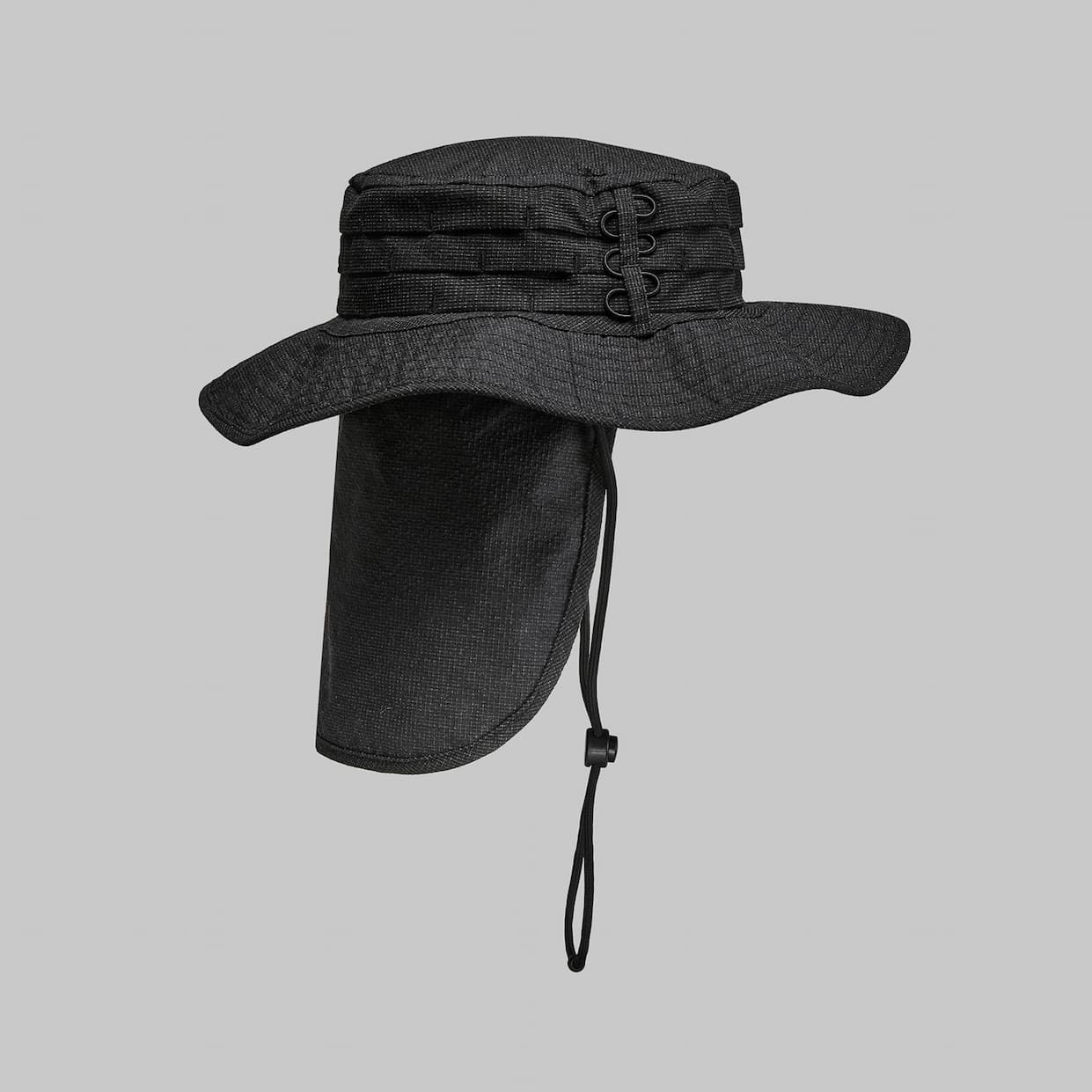
It’s based on the boonie hat worn by elite military units and long-range reconnaissance patrols for over 80 years. And it’s built with Twaron®, a para-aramid fibre used in body armour, aerospace parts and high-load cables.Its strength comes from molecular order – polymer chains so tightly aligned that the fibre resists stretching, tearing and long-term sagging. The material is woven in Italy by Lenzi Egisto, who have been treating materials as an engineering problem since 1898.36 concealed vents lined with a breathable mesh let heat out while keeping dust and insects out. A removable sunshield fastens with military-grade Velcro to protect your neck from UV and biting insects. And there are 16 gadget loops for your sunglasses, a lighter or a length of paracord. Between them, they cover everything from a wet winter 10 miler to a monsoon-time trek in the jungle.
The Ultralight Cap is precision-engineered for changeable weather, and for when you’re building up steam on two legs or two wheels .Its material was developed by Schoeller, one of the most advanced material technologists on Earth.It’s finished with ecorepel®Bio, a plant-based finish that works like a waxy leaf. It wraps every fibre in a microscopic barrier so rain beads up and rolls straight off. And unlike most eco finishes, it keeps working wash after wash.
A fine, crepe-like texture sits slightly off your skin, opening up tiny pockets of air that let heat and moisture escape when you’re working hard. An elastane filament runs through the centre of every yarn, wrapped in a sheath of high-tenacity recycled polyamide. The core gives it stretch that doesn’t slacken or sag over time. The sheath gives it durability and abrasion resistance. And it refuses to crease. A bungee cord at the back locks with a single pull, so it stays put when the wind picks up.
For the Silo, NICK AND STEVE TIDBALL – FOUNDERS Vollebak
Back in the 1980s the cyberpunk genre envisioned a world of societal breakdown where technologically modified humans are controlled by mega-corporations watching their every move… or 2026 as it’s otherwise known. So as science fiction becomes modern day reality, our friends at Vollebak are giving you a chance to stick it to the mega-corporations, and dress a bit like Ryan Gosling in Drive at the same time.
Ever since brothers Nick and Steve Tidball started Vollebak they’ve been working on advanced material science to solve for things like disease resistance, climate change, space travel and resource scarcity. And next up is the electromagnetic spectrum.
Mars And The Hulk Have Something To Do With This Design
While Gamma rays might have turned Bruce Banner into The Hulk, in reality radiation and human beings don’t go well together. And as we enter an era of cybersecurity breaches, geopolitical instability, the first manned missions to Mars (after Elon settles down on the Moon first) , and cosmic radiation exposure, it’s going to present an increased threat.
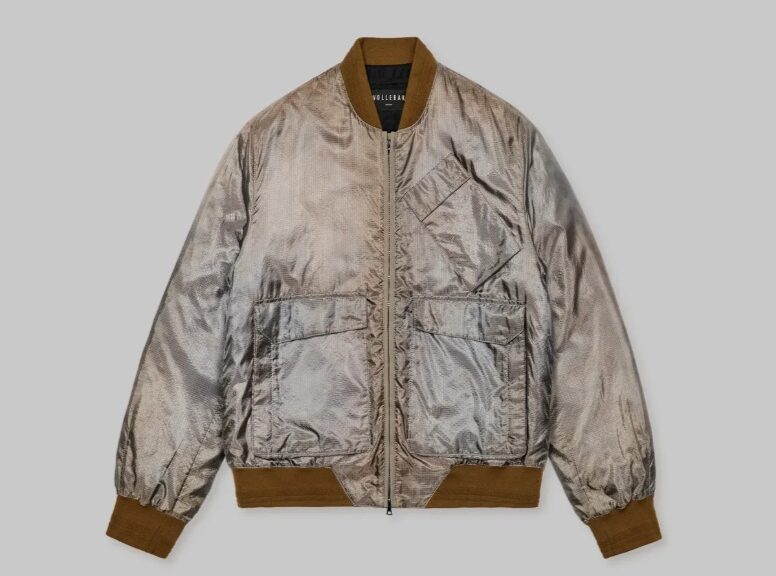
So this is cool- this Electromagnetic Shielding Bomber is built with the same electromagnetic shielding technology used for the Mars Rover. Long before the Curiosity Rover was sent to Mars to search for signs of life, it had to be tested here on Earth. So NASA created an electromagnetic shielding tent that was designed to completely block out external electromagnetic radiation during testing… like someone sending a text, turning the microwave on, or chatting with the James Webb telescope.
Shields The Waves
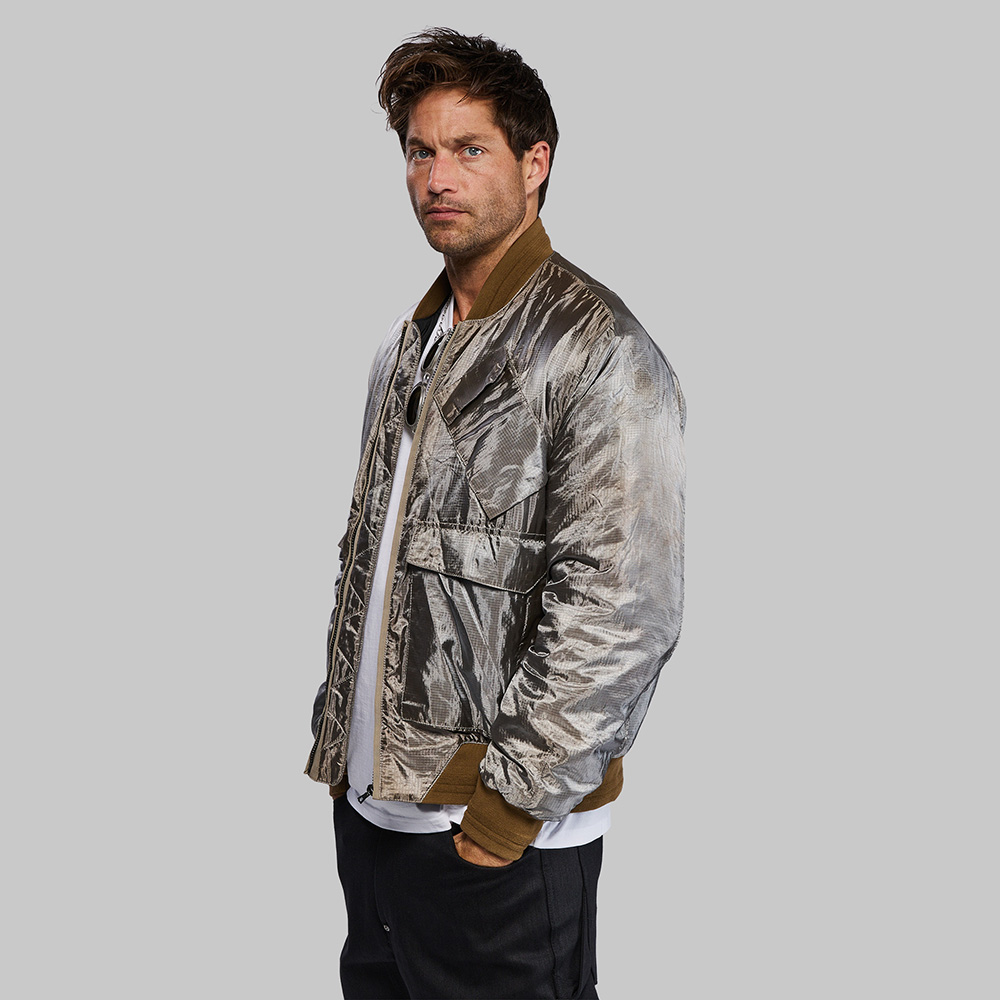
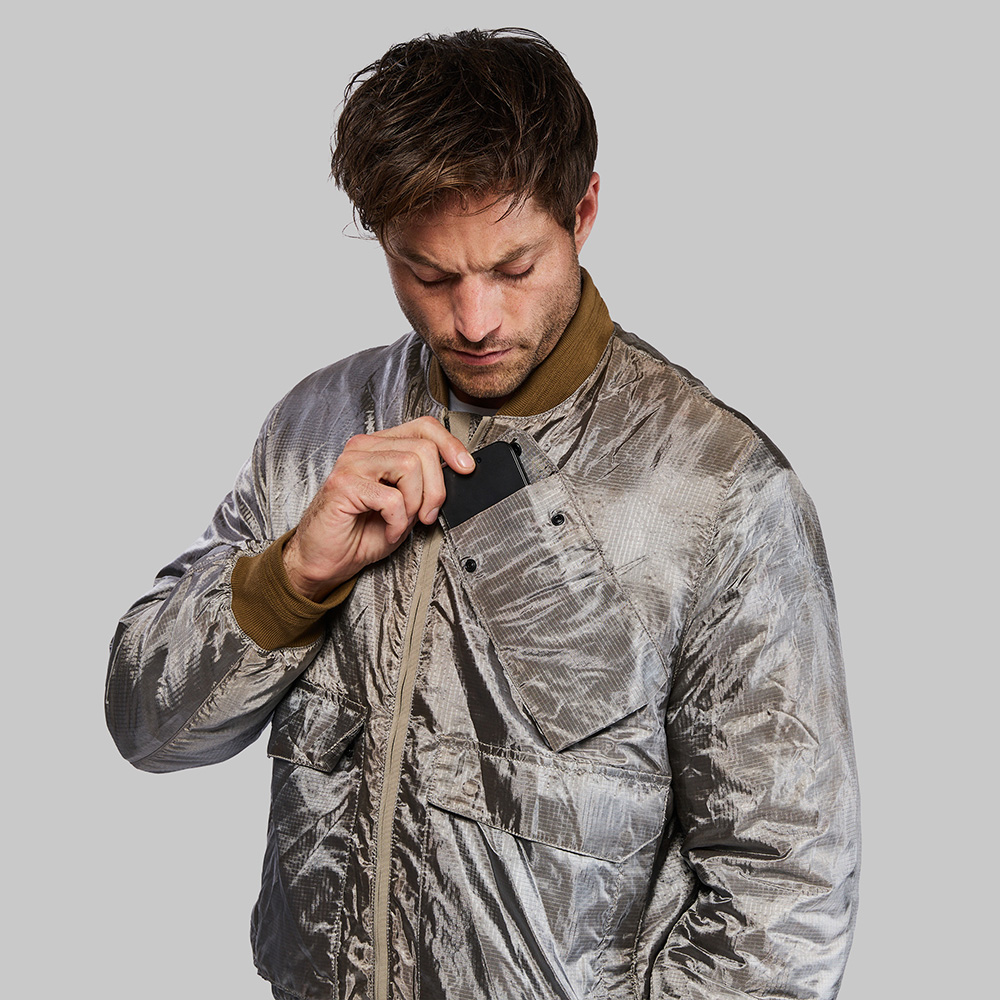
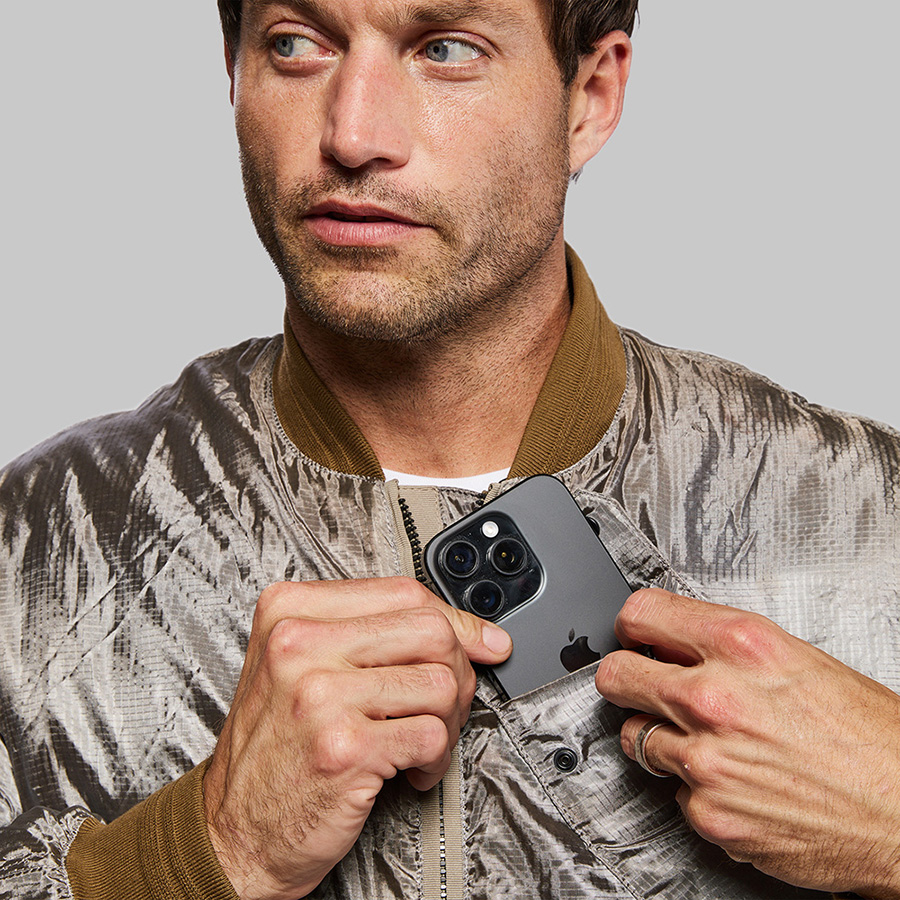
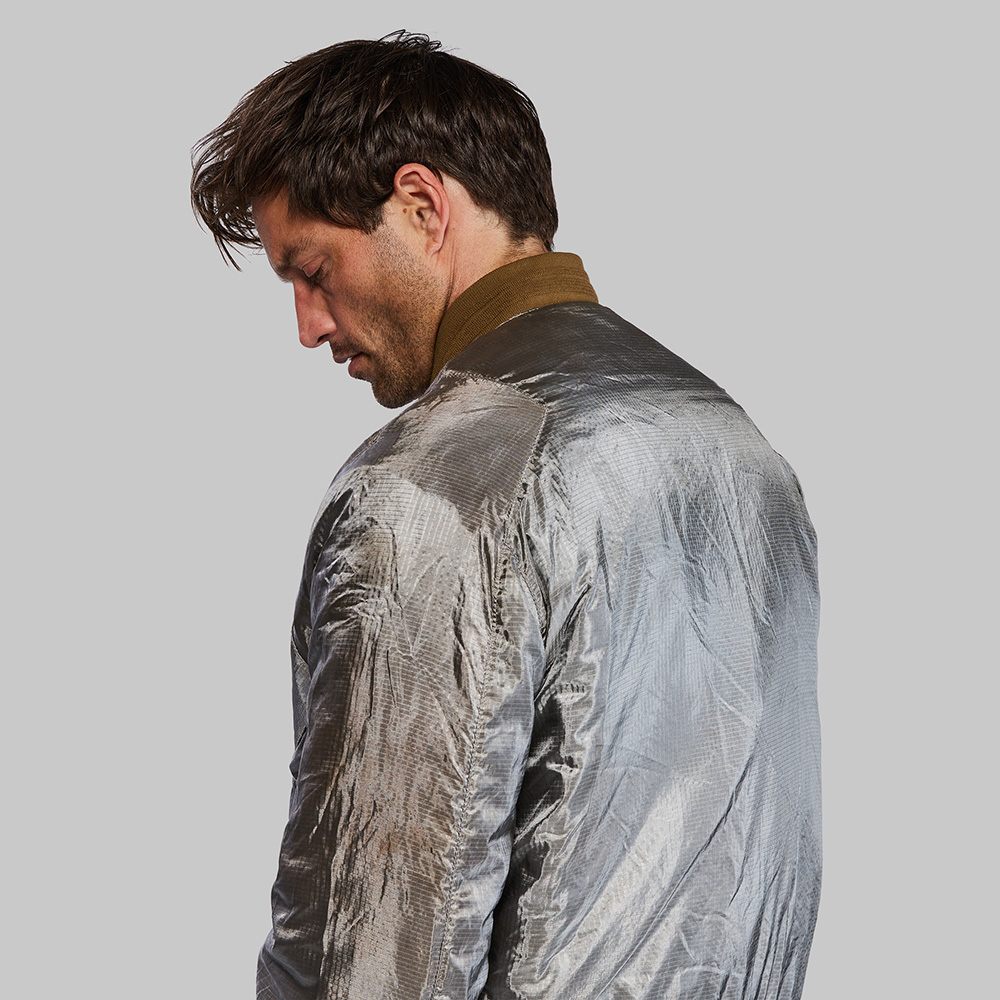
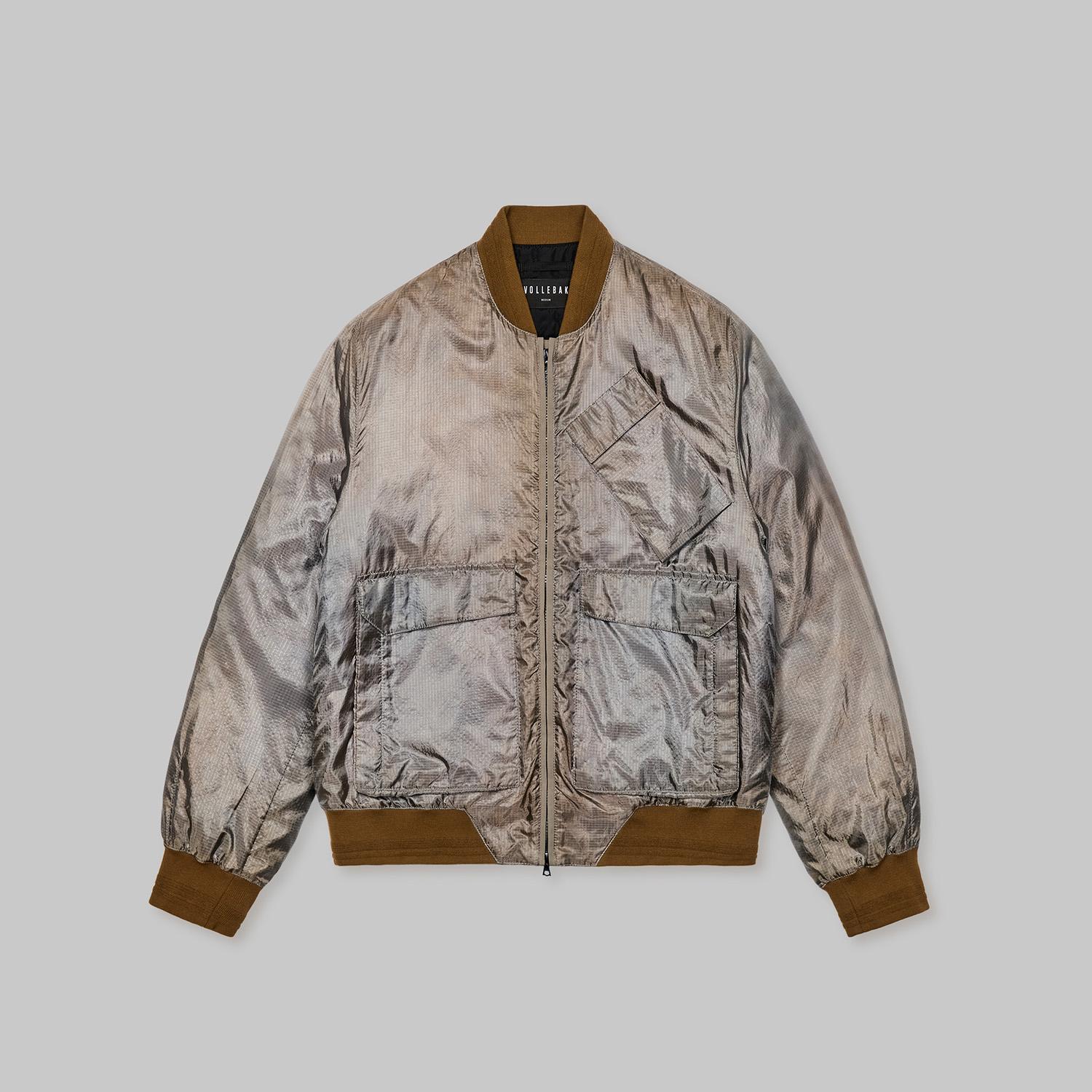
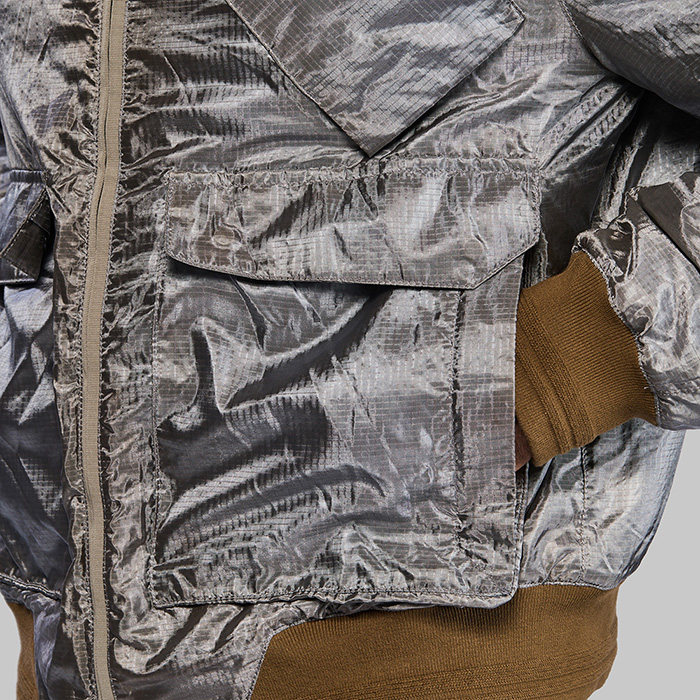
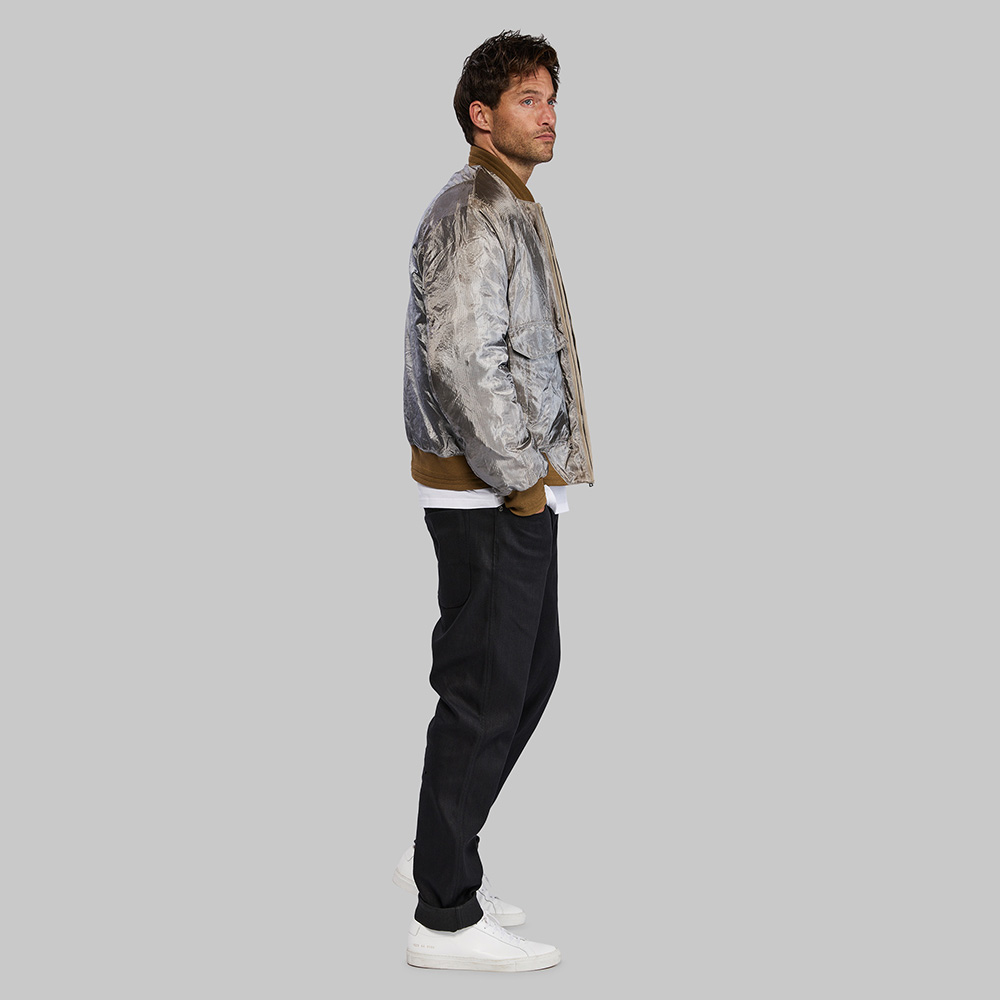
We’ve now taken that technology and converted it into our first Electromagnetic Shielding Bomber. It’s embedded with pure silver that blocks radio waves and microwaves in the 0.2GHz to 14GHz frequency range – which includes WiFi, Bluetooth, Ku-band satellites and radar systems. It also comes with a phone shielding pocket that works like a Faraday cage – blocking access to your devices, regardless of whether they’re switched on or off. Conceptually it’s like making a pocket that’s entirely watertight… just for electromagnetic energy instead. So you shouldn’t be tracked, hacked, or even called. While the outside of the jacket offers space-age protection, its shape, cut and aesthetics come from the jet-age, and are based on the original MA-1 flight jacket.
Don’t worry, we will get to the jacket- but first the story starts in 1836 in Victorian England. And it you weren’t there you didn’t miss anything. It included a grumpy-looking queen, bad weather, a lot of sexual repression, and rich people throwing buckets of human waste out of their windows.
On the plus side it also had a bunch of scientists running around like kids on acid. One of them was Michael Faraday – Victorian England’s answer to David Blaine.
Over the last 190 years the Faraday cage has gone from a crazy Victorian scientist sitting inside an electrical storm, to critical black-ops architecture, to a wildly experimental jacket that looks like it’s emerged from a craft in Dune.
A Faraday cage at the US Bureau of Standards (now NIST) used to protect delicate measuring instruments from electromagnetic fields.
Now Michael was a showman. But instead of freezing himself in ice, or suspending himself in a glass box, his trick was making super abstract physics feel tangible. And his greatest stunt of all was standing inside an electrical storm. In front of a packed out theatre at the Royal Institution in Mayfair, Faraday lined a large wooden box with metal foil, hit it with discharges from high voltage electrical machines… then calmly stepped inside. Sparks crackled across the outside of the enclosure. Blue light crawled over the metal skin. Faraday meanwhile stood there in silence. Like the final boss. While the energy simply flowed around him.
It might have looked like he’d built his own supersized coffin – complete with all the necessary equipment to kill him – but it turned out Faraday understood equations as well as he understood spectacle.
Made from approx. 50% copper
Blocks electromagnetic waves from 0.2GHz to 14GHz
Eight-pocket defensive storage system with shielding flaps
By the time he stepped into his foil-lined cube, he’d already spent years dismantling older ideas of electricity.
A Faraday cage isn’t a wall. It’s a detour. When an electromagnetic field hits a conductive enclosure, the free electrons inside it immediately start to flow, redistributing themselves across the surface until the field inside is cancelled out. Build the right shape from the right material, and electricity behaves like water flowing around a rock.
It’s one of the simplest demonstrations of how matter tells fields what they are allowed to do. The impact of Faraday’s experiment quickly escaped the lecture hall – because the Faraday cage didn’t just deflect static charge, but whole regions of the radio frequency and microwave spectrum.
The principle was applied in bunkers, test chambers and secure rooms. Then in spacecraft, data centres, radar installations and intelligence facilities, where even a stray spike of interference can crash systems or corrupt data. Today our Faraday Cage Jacket is a descendant not only of that wooden box, but everything that followed in its footsteps. It’s the same physics. Just shrunk. Softened. And wearable. And you can join the waiting list here.
We designed it from scratch, using the principles of clothing and electromagnetic infrastructure at the same time.
And this is what transforms it from a pure physics experiment, to an object that looks like it’s just emerged from a craft in Dune. Most of us spend our lives today inside a semi-permanent yet completely invisible electromagnetic fog: radio waves from antennas. Microwaves from routers. Radar from aircraft. Signals bouncing between satellites, phones, vehicles and buildings.
So the first Faraday Cage Jacket treats that electromagnetic energy the same way someone climbing Everest would treat cold weather – as something you can defend against, and insulate yourself from. It blocks electromagnetic waves across the 0.2–14GHz range. This includes all the unseen wiring of the digital age: WiFi at 2.4GHz and 5GHz. Bluetooth at around 2.4GHz. Mobile networks. As well as higher-frequency Ku-band satellite and radar systems. In lab testing the material reaches shielding effectiveness figures of up to 92 dB – for reference this is the kind of level normally associated with secure infrastructure and electromagnetic test laboratories.
Every seam and every opening affects how energy moves across the jacket.
So the job of the design is to manage those electromagnetic fields.
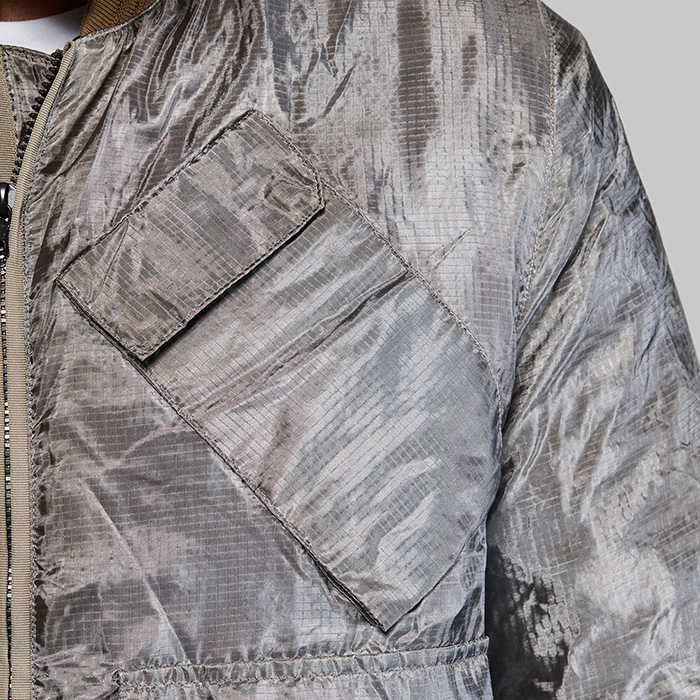
And that’s why the jacket is built from large, faceted spaceship-style panels and snap-down flaps. Overlapping sections create layered shielding zones and add 10 – 20 dB more attenuation. Each overlap is another place for energy to be redirected – another chance to keep it moving around the body instead of through it.
The jacket’s eight pockets are designed the same way. Instead of flat bags stitched onto a shell, they’re three-dimensional, origami-like bellows pockets that form enclosed volumes that behave less like pockets and more like small rooms – put a device inside one of these pockets and it’s almost impossible to track, hack or even call. So if you’re looking to shield yourself from the dystopian conditions our future digital overlords set – whether that’s surveillance, space radiation, or select parts of the electromagnetic spectrum – the Faraday Cage Jacket belongs in your future.
Technical Details
Outer material: Shieldex® Kiel + 30 non-woven shielding textile
Material composition: 48% copper, 46.5% polyamide, protective acrylic coating
Textile normally used to shield rooms and electronic environments
Shielding effectiveness: up to 92 dB in lab testing
Blocks electromagnetic waves from 0.2GHz to 14GHz
Thermally and electrically conductive
Naturally antimicrobial
Eight pockets including double-entry origami bellows pockets
Snap-down pocket flaps to add additional shielding
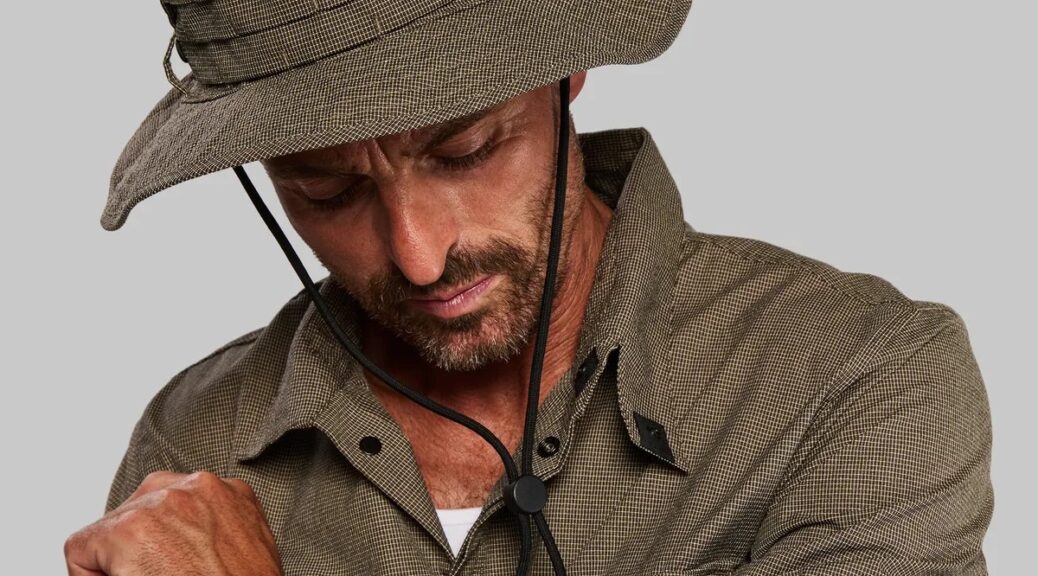

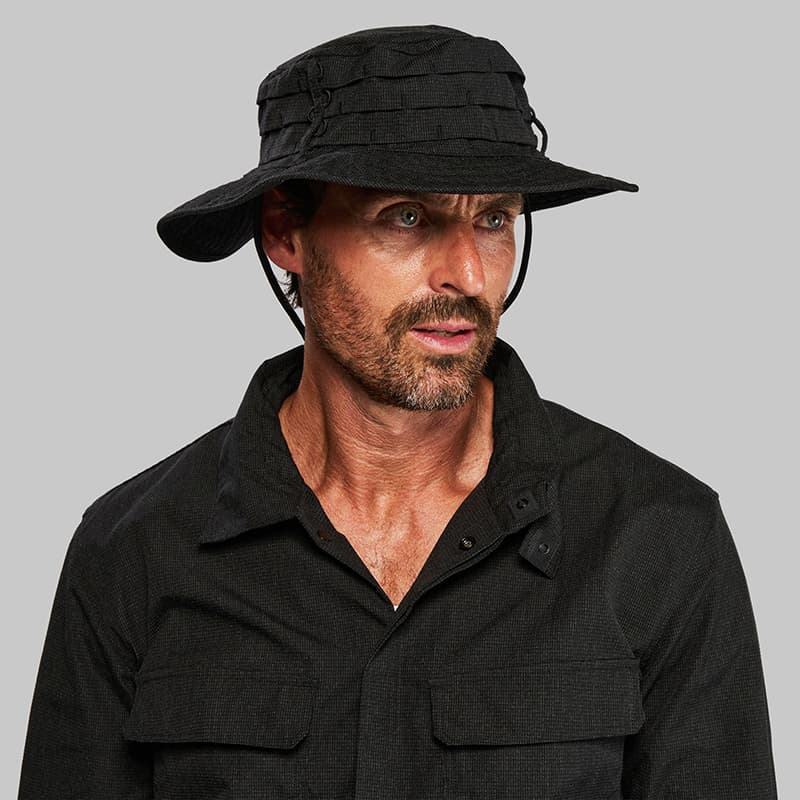 The Planet Earth Hat 3 is built for when the environment is actively hostile. We designed the original after being asked for hats for hot weather, cold weather, rain, wind, insects, jungles, deserts, cities, mountains, beaches, monsoons and heatwaves. It ended up doing the job of 20, and being worn everywhere from Norway to Thailand.