Tag Archives: wearable

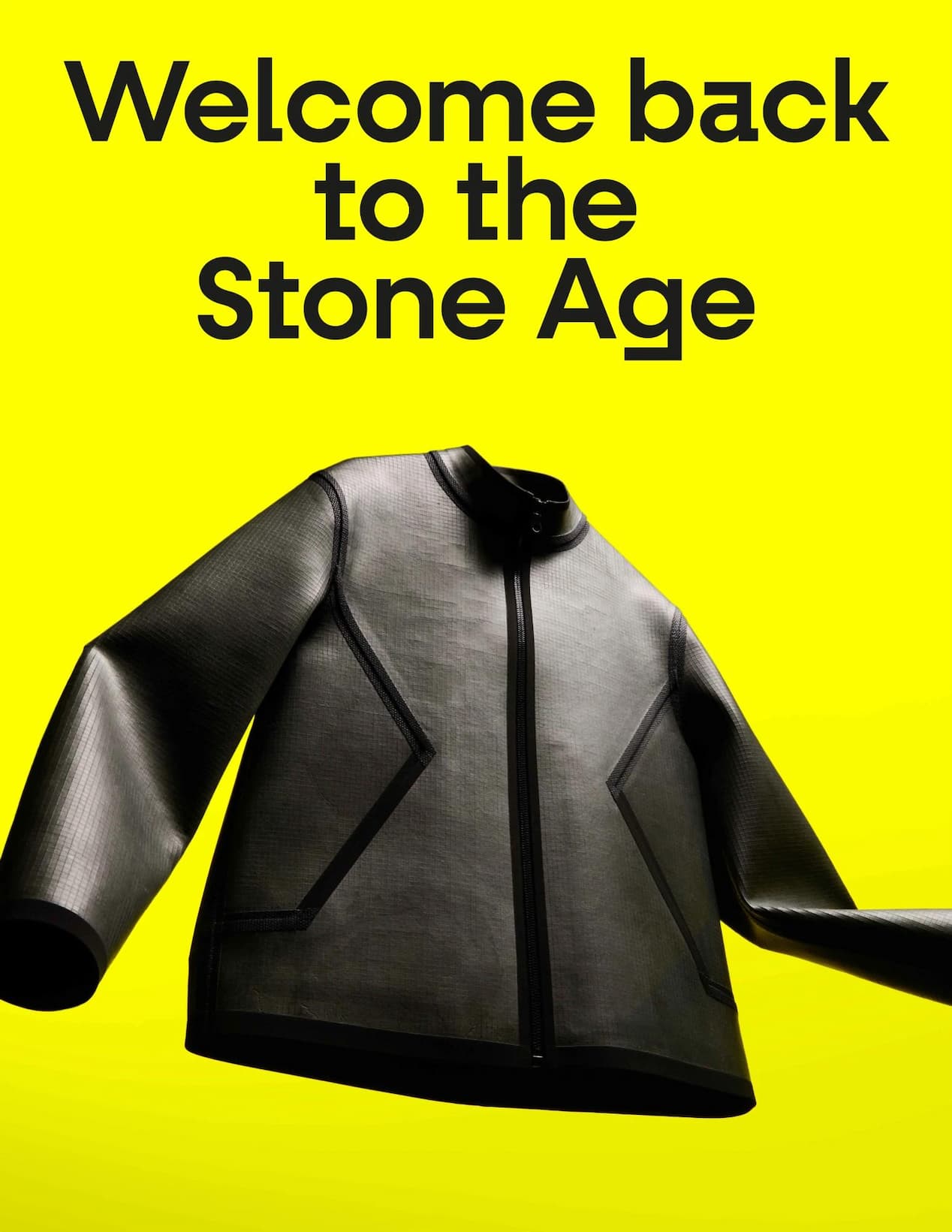
Clothes From The Future- Sonic Jacket Has 180 Speakers To Subject Body To Sound Resonances

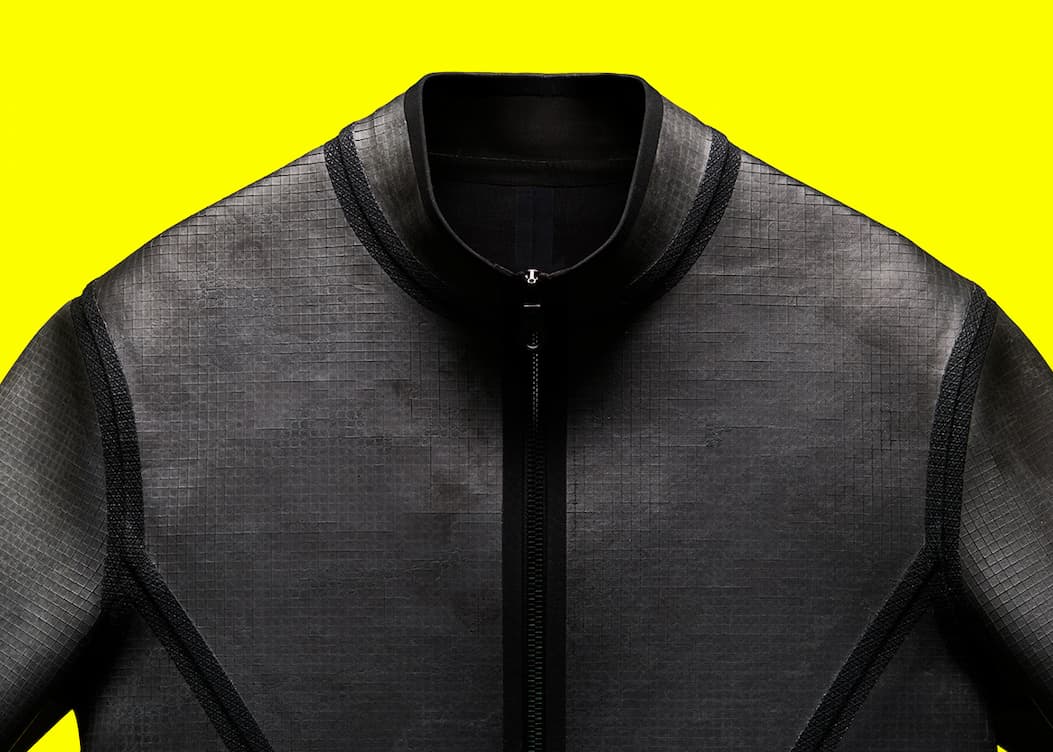
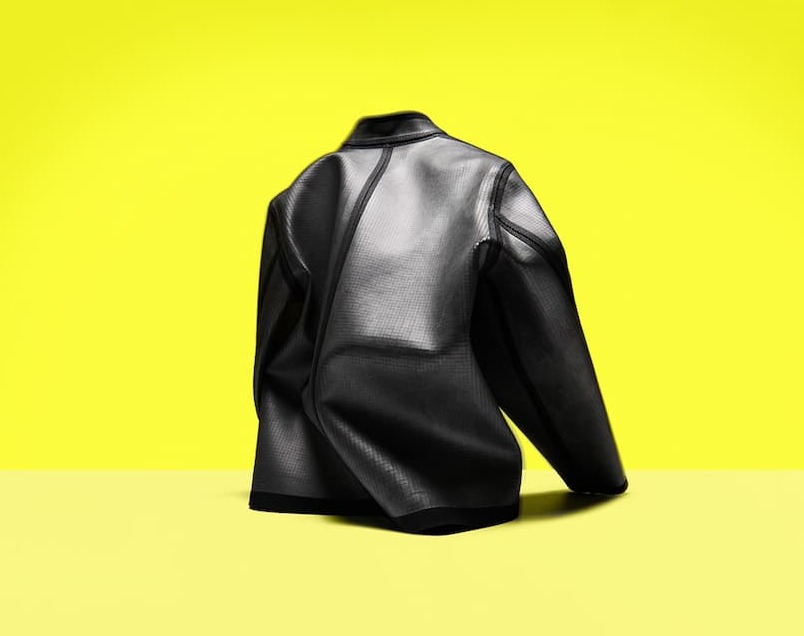
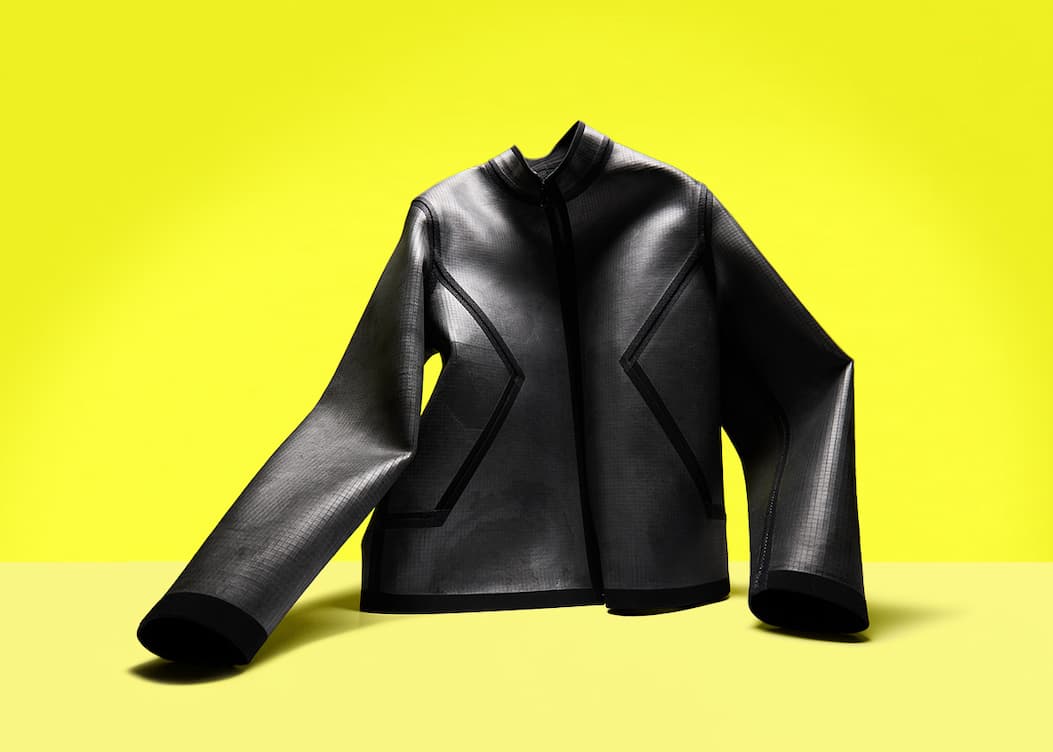
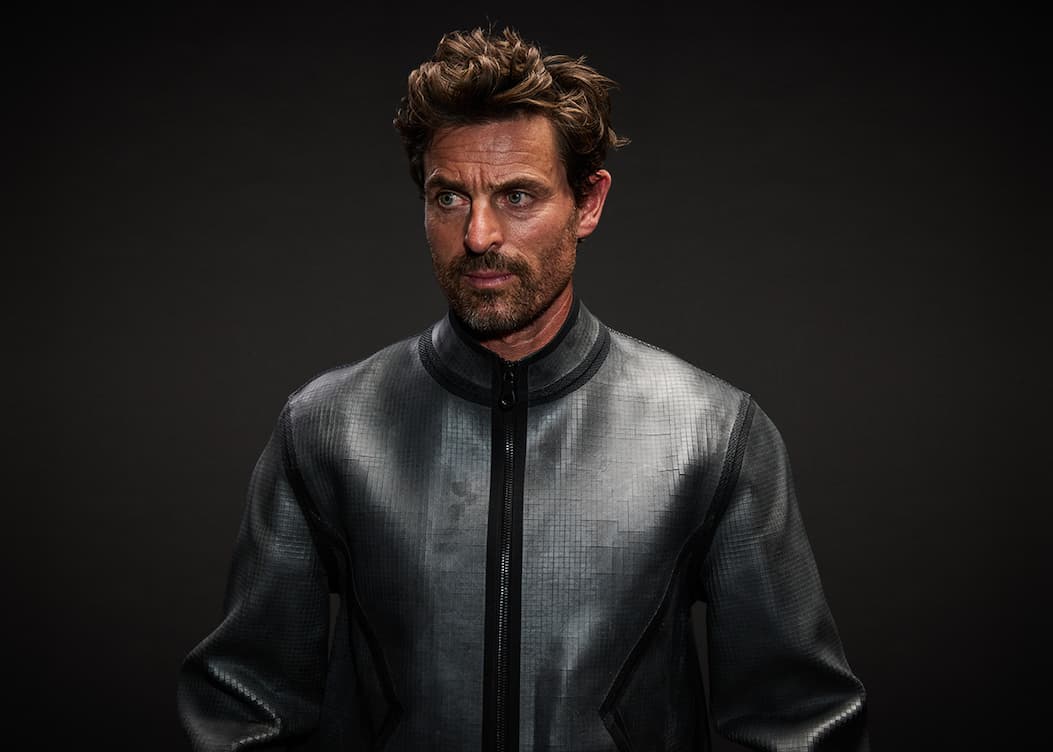
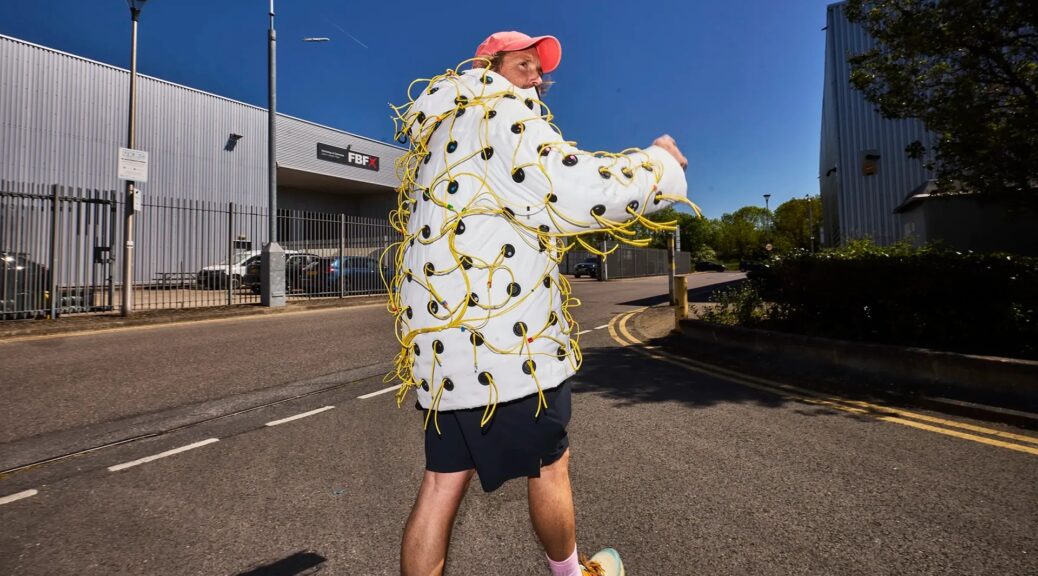
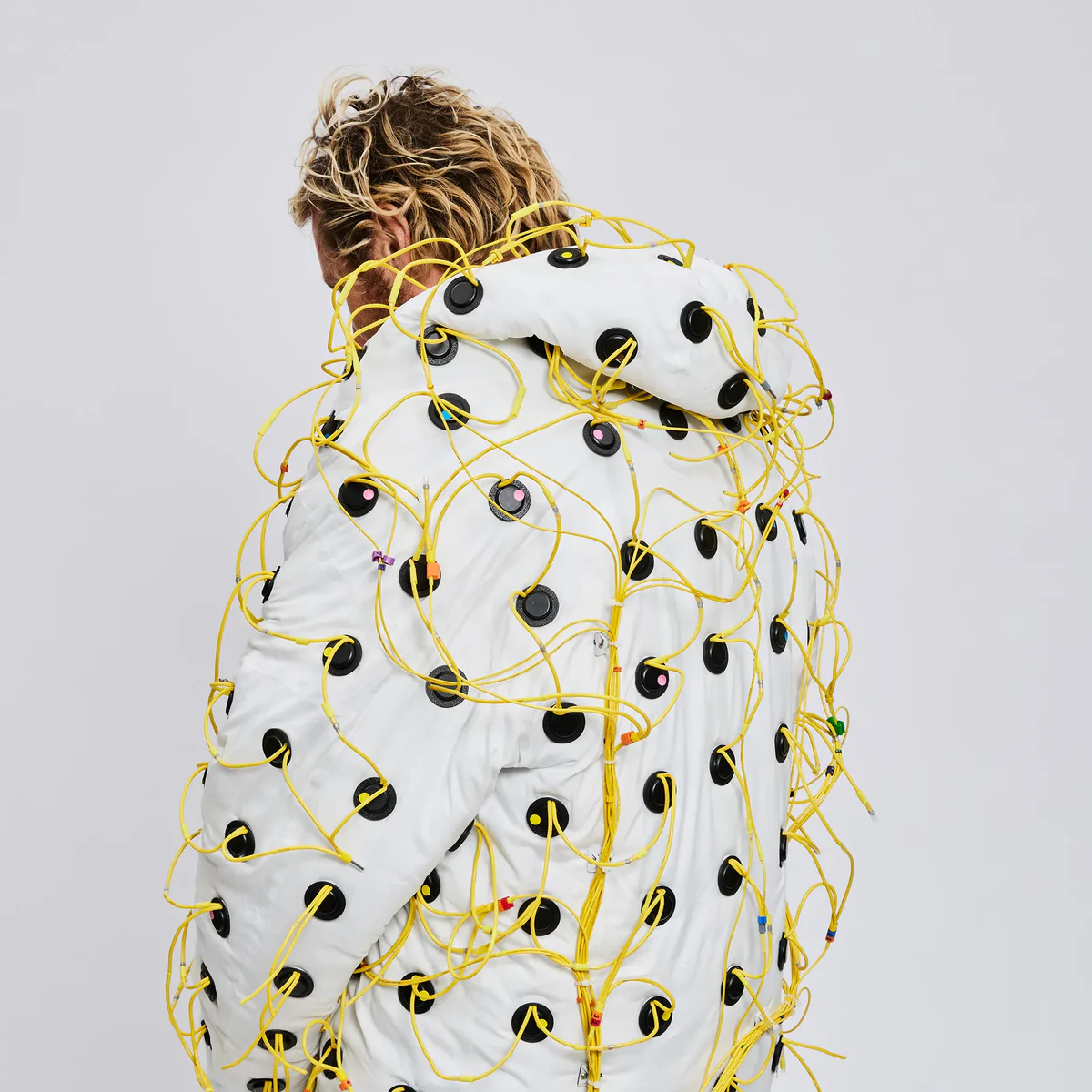
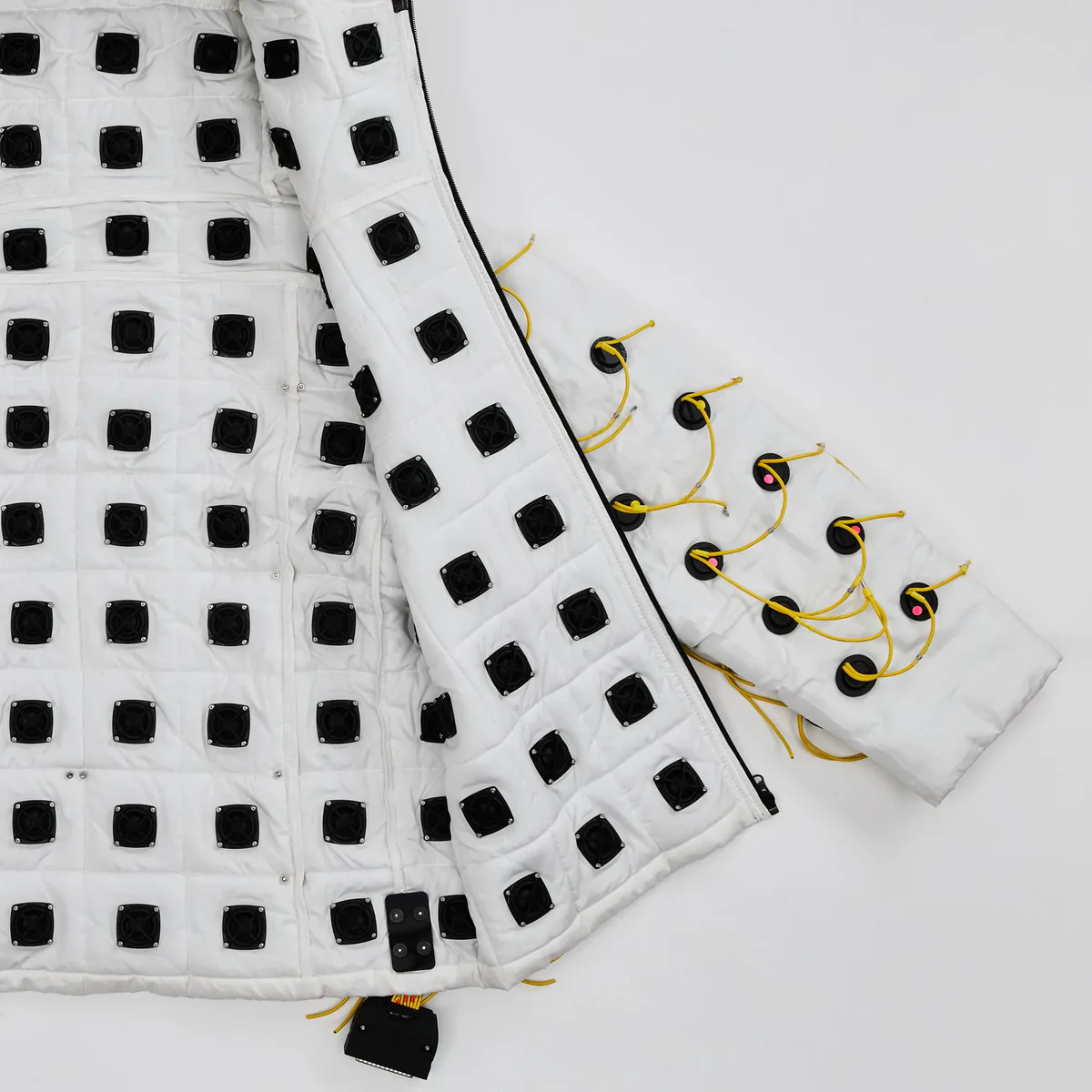
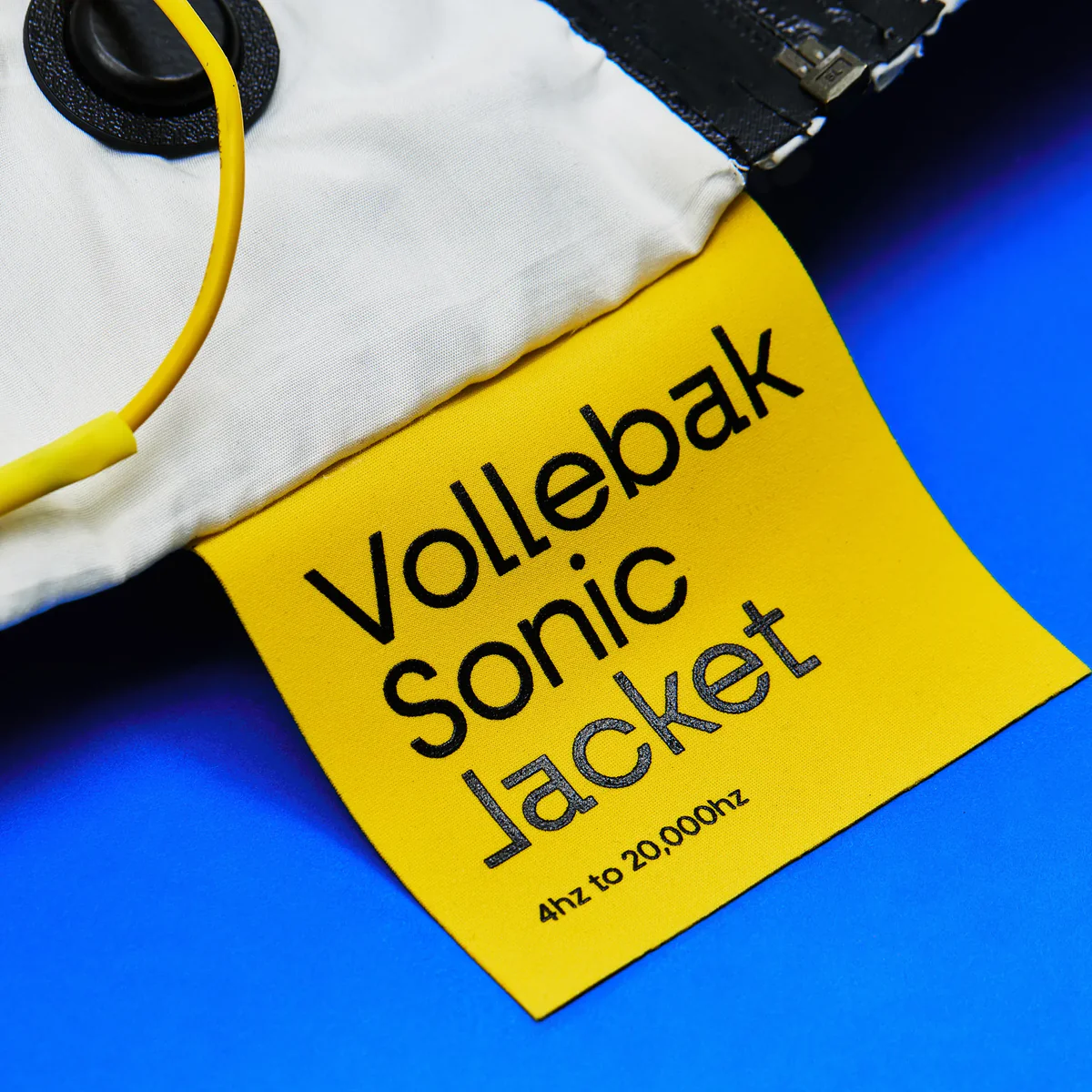
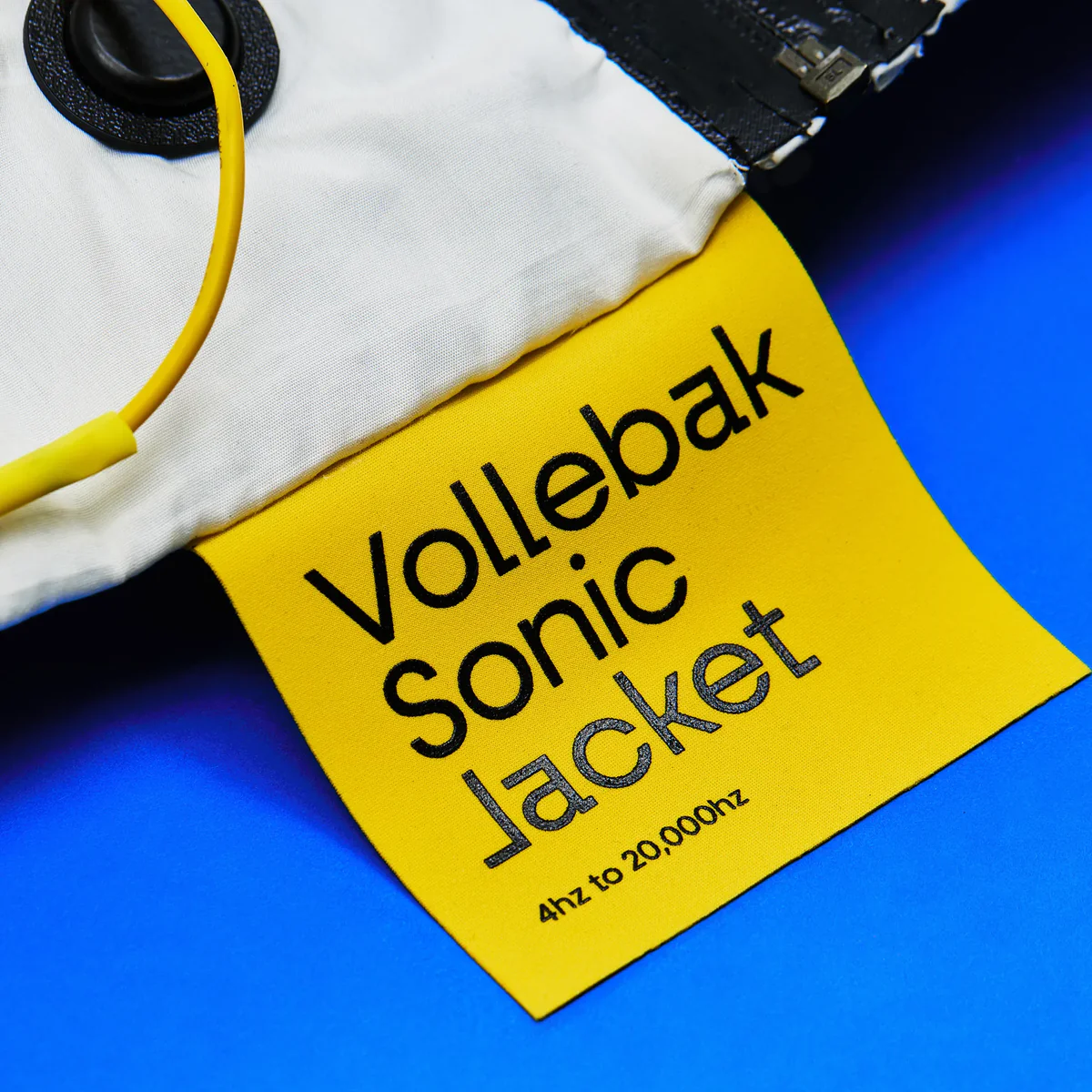
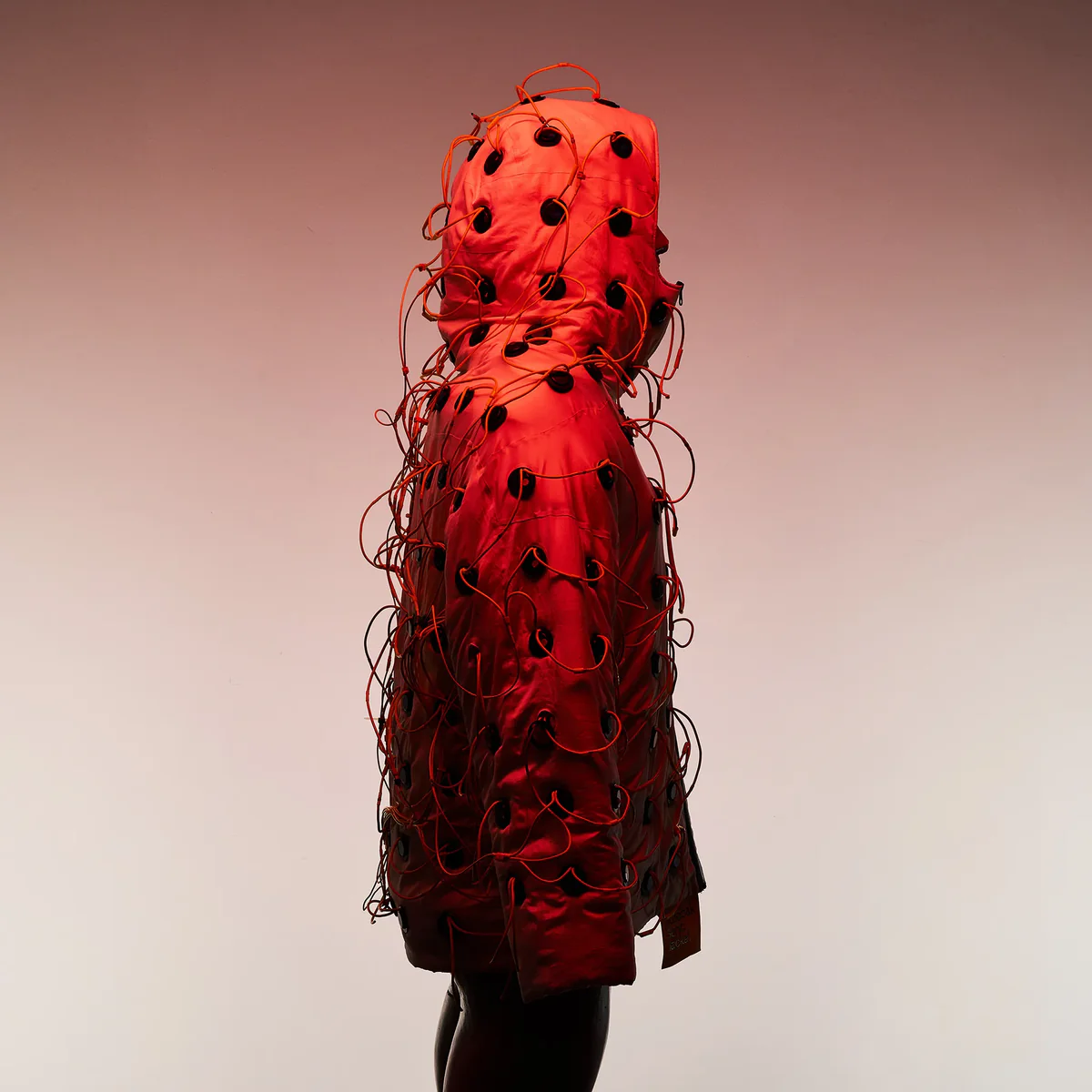
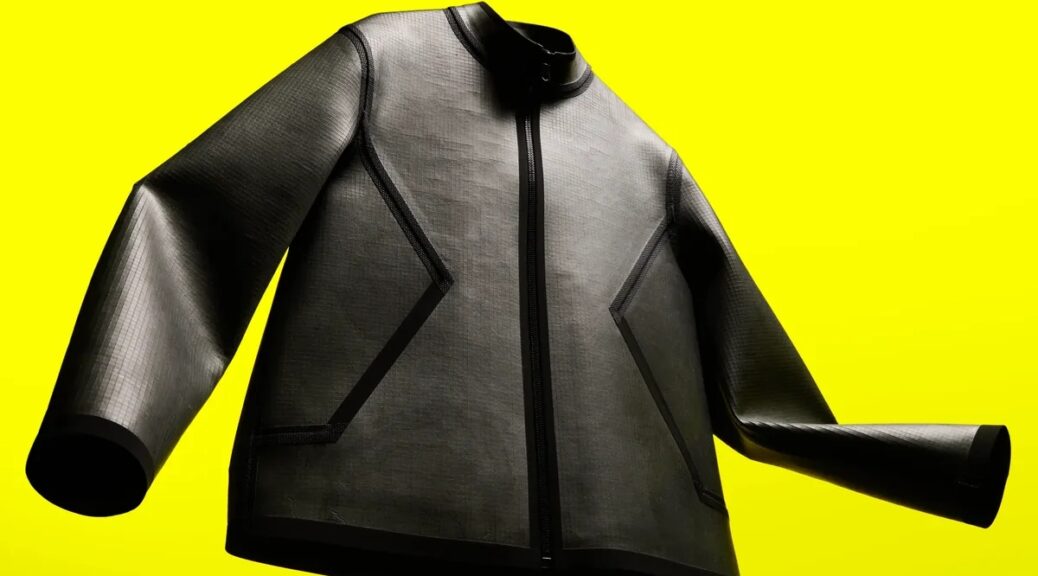
Our friends at Vollebak have taken these ancient ideas and used them in a new kind of transcendental technology. The Sonic Jacket, engineered with 180 speakers that fire frequency directly into your body. Evenly distributed across the jacket’s body, arms and hood, each speaker is just 32mm in diameter and 10mm deep, mounted in laser cut holes and able to generate frequencies from 4 Hz to 20,000 Hz. All fire inward towards the body rather than out into the room. So you don’t listen to this jacket. You feel it.

 The Sonic Jacket is not the first time sound and frequency have been used to alter the human body and mind. But it’s definitely the first time in history that you can walk around while having 4 Hz to 20,000 Hz fired directly into your body… so we decided to be our own guinea pigs

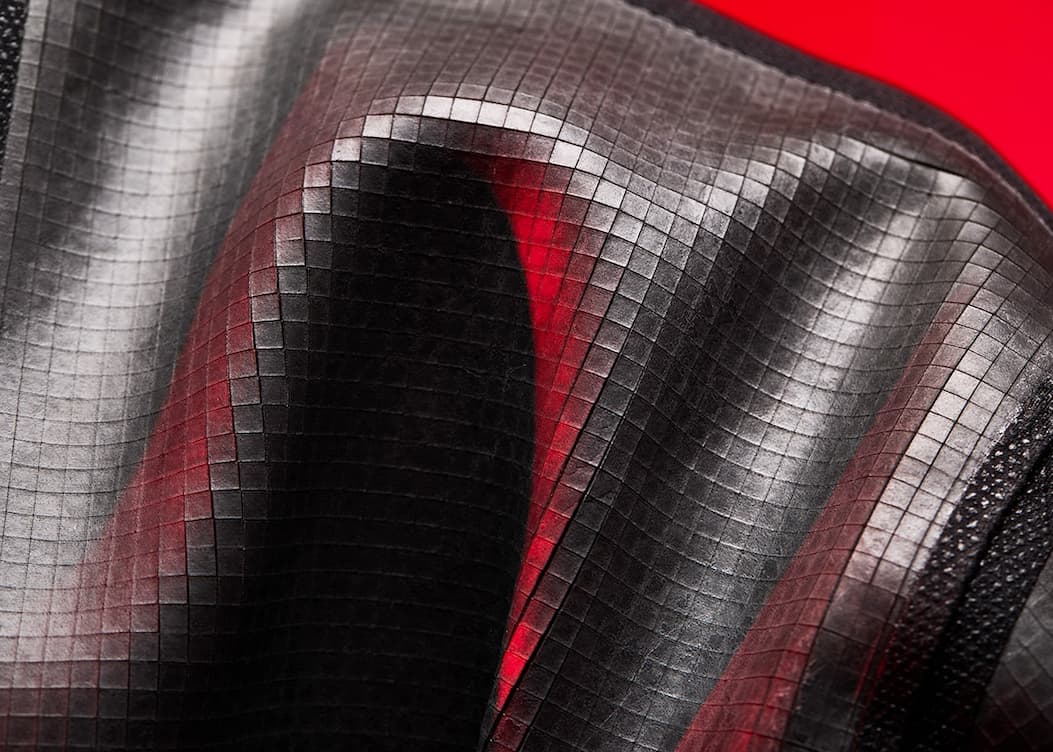
The jacket’s design is deliberately raw and functional. We’ve left the yellow wiring visible, the engineering exposed. “It’s made to look like a science experiment because that’s what it is,” says FBFX co-founder Grant Pearmain. “We’re not hiding the wires. Far from it.”

Patterned Vibration Pathways

Or read on for a short history of frequency in the human story…The earliest uses of sound for wellbeing were embedded in ritual, not medicine. Australian Aboriginal healers use the didgeridoo in ceremonies aimed at restoring spiritual and social balance, its low drones and pulsed rhythms strongly coupled to breath, chest vibration and trance. In ancient Mesopotamian and Egyptian temples, sung prayers and musical incantations were used alongside herbs and amulets. Illness was spiritual imbalance and sound was one route back to alignment. Patterned vibration was the path to group bonding, meaning making and altered states.

Classical Greek philosophy turned experience into theory.

For Pythagoras and his followers, simple musical ratios, octaves, thirds and fifths, were evidence that the cosmos and the body were structured mathematically. This was the “music of the spheres,” the idea that music could tune the soul as you tune a lyre string. Plato and Aristotle developed ideas of ethical acoustics, arguing that particular modes and rhythms encouraged courage, restraint or contemplation. In India and China Nada Yoga treated sustained tones and mantras as a route to meditative absorption while Chinese qigong pairs specific syllables with organs and emotions, using sound to regulate qi.

Musical Pillars?

Temples, cathedrals and megalithic chambers don’t just contain sound, they shape, sustain and amplify it. The room becomes part of the instrument. Recent acoustic studies of Hindu temples show that pillared halls and carved stone surfaces create highly diffuse sound fields, with strong resonance and long reverberation that envelop chanting and bells. At Meenakshi Amman temple, some columns are carved as “musical pillars” that ring with clear notes when struck. Work on Hagia Sophia mosque in Istanbul, built a millennium and half ago, has shown that its enormous dome produces a reverberation time of around 11 seconds, so that chant blends into an almost continuous halo of sound.


Archaeoacousticians study the sophisticated sonic mechanics of sacred spaces. They have found that chambers in many prehistoric sites in Europe and the Mediterranean strongly amplify frequencies around 108 Hz to 110 Hz, the “megalith frequency,” overlapping with male chants and drum tones. The American psychiatrist and neuroscientist Ian Cook found that at 110Hz, the brain shifts from analytical and verbal focus and towards emotion and non-verbal processing. These chambers were machines for generating calm introspection. Whether ancient builders understood this or simply worked until they got a building to sound the way they wanted, the result is the same… spaces that hack our brainwaves.

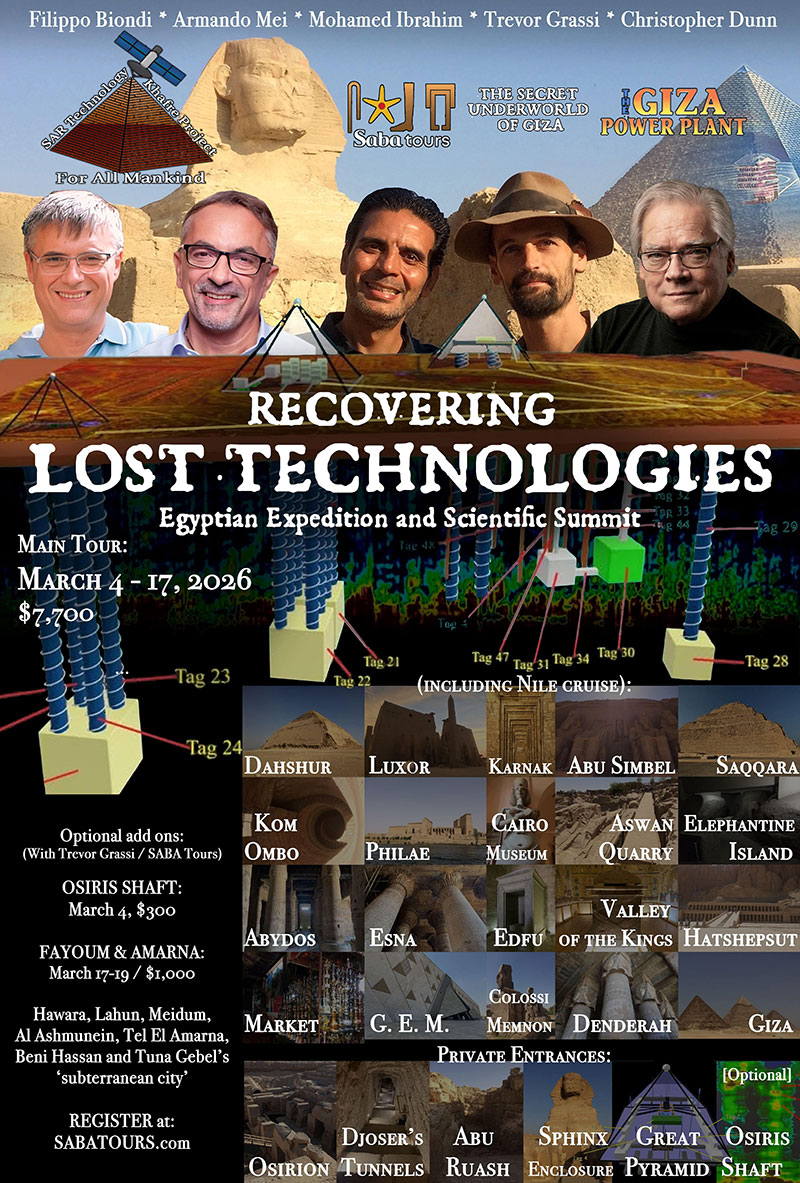
The Great Pyramid of Giza has become a focal point for studies into architecture and sonics. Its internal chambers behave as acoustic resonators, supporting standing waves at particular frequencies. Measurements in the King’s Chamber indicate strong modes in the low-frequency range, with some analyses highlighting a resonance near 117 Hz. The granite coffer inside the chamber has its own resonant frequencies, excited by striking or humming into it. Christopher Dunn’s “Giza Power Plant” theory argues that the whole structure is a coupled oscillator that converts seismic vibration into energy via piezoelectric granite.

Neuroscience has given us a more precise map of how different frequencies affect our mental state. Alpha waves, around 8 Hz to 12 Hz, are associated with relaxed wakefulness, internal focus and reduced sensory distraction. Theta, around 4 Hz to 8 Hz, shows up in drowsiness, early sleep, deep meditation and certain creative tasks. Gamma activity, roughly 30 Hz to 100 Hz, correlates with higher-order cognition and focused attention, working memory. Flow states – the feeling of total absorption in a task – have been linked to increased frontal theta alongside moderate alpha and bursts of gamma.

The brain, it turns out, has frequency signatures for different modes of being.

The idea that external sound can nudge the brain toward specific states is called entrainment. Present a rhythmic stimulus and the brain’s oscillations may start to synchronise with it. Pump slightly different tones into each ear, say 210 Hz and 200 Hz, and the auditory system generates a perceived third beat at the difference frequency, 10 Hz, which the brain allegedly follows. This is called the frequency-following response and it’s the theoretical underpinning of binaural beats and a growing number of apps, wearables and YouTube channels promising alpha for relaxation, theta for meditation, gamma for focus.

The man who came up with binaural beats was Robert Monroe. A radio executive who owned a production company in 1950s Virginia, Monroe began experimenting with sound patterns for learning during sleep. In 1958, he unexpectedly started experiencing powerful vibrational states and episodes of apparent separation from his body, experiences he later documented in the book Journeys Out of the Body and two sequels. Rather than dismiss them, he spent the rest of his life trying to understand and reproduce them. In 1974, he founded the Monroe Institute as a non-profit research centre devoted to the systematic exploration of altering consciousness through sound.


The jacket has a number of different ways to control your frequency feed. A control unit includes an MP3 player delivering 10 pre-set frequencies while a large physical dial lets you explore and fine-tune the frequencies that really make you feel good. The unit is also fitted with a reader for Micro SD cards which can hold up to 1,000 pre-set frequencies so you can create your personalised library. We are also working on a Sonic Jacket app that will connect to the control unit via Bluetooth.

At the lowest frequencies, speakers can overheat. To get over this, the jacket will exploit one of the strange ways we experience frequency. If we are ‘played’ two slightly different frequencies, say 100 Hz and 104 Hz, we hear or feel the difference between the two – which is 4 Hz in this case. That’s how the jacket produces ultra-low frequencies without doing something less fun… like catching fire.

The jacket is not a one-off experiment. The science of frequency and consciousness is still being written. And this jacket will play a part in writing it. Portable, personalised, immersive sound therapy will become an essential tool when we want to feel more, or less, human. And as a wearable resonance chamber, engineered to shift the wearer’s cognitive and physiological state through sound, it marks the start of a new era in wearable technology.  NICK AND STEVE TIDBALL – FOUNDERS   

For the Silo, Jarrod Barker.

World Economic Forum Report- Technology Convergence Is Redefining Competitive Advantage

  • A World Economic Forum report finds competitive advantage is shifting from owning key technologies to combining them across data, people and ecosystems.  
  • The biggest barriers to scaling innovative solutions are no longer individual breakthroughs but connecting a combination of AI and digital tools with real-world operations.
  • The research shows how technology convergence is already reshaping value chains in healthcare, manufacturing, energy, life sciences, wearable electronics and more.
  • Read the full report here.

Geneva, Switzerland, April 2026 – The next wave of competitive advantage will come not from individual breakthrough technologies but from the ability to combine and scale multiple technologies across entire operating systems, according to a World Economic Forum report released today. As artificial intelligence, robotics, advanced materials, spatial computing and next-generation energy systems mature simultaneously, the organizations and countries moving fastest to apply these technologies together in intelligent systems are already pulling ahead.

The report, Technology Convergence: The New Logic for Competitive Advantage, produced in collaboration with Capgemini, draws on cross-industry research and real-world case studies in 12 sectors, identifying recurring patterns, including the blending of mature and experimental technologies and the blurring of industry boundaries, that determine whether convergence scales or stalls.

“Breakthrough technologies are advancing rapidly, and value is created when they are applied together,” said Cathy Li, Head of the Centre for AI Excellence and Member of the Executive Committee, World Economic Forum. “The real differentiator is not who owns the most advanced tools, but who can combine them across systems and applications at scale.”

As advanced technologies scale, the main bottlenecks to competitive advantage are no longer time or materials but how well organizations connect digital tools with physical operations. This is already playing out across sectors and geographies. From operating rooms to factory floors, power grids to research labs, converging technologies are reshaping how systems perform worldwide.

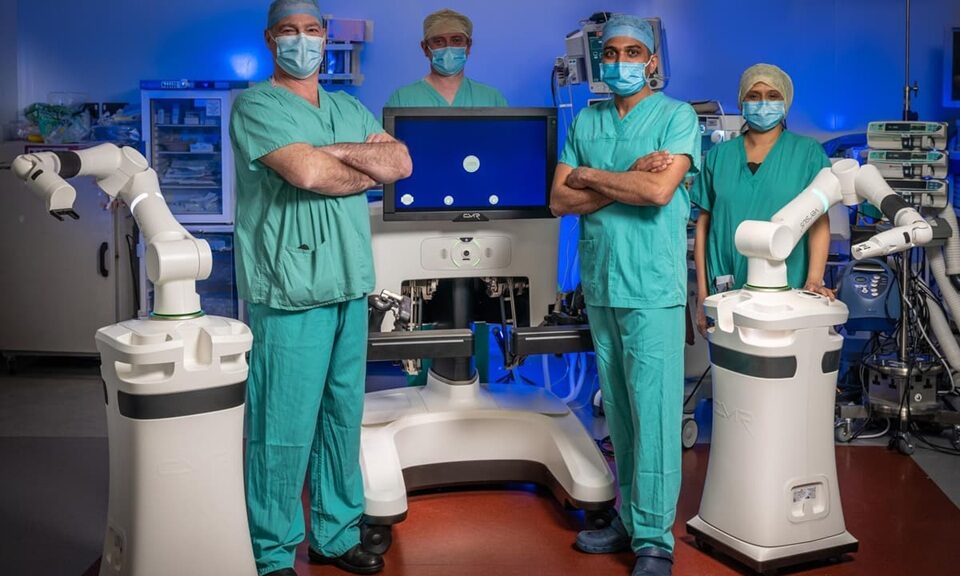
In the United Kingdom, novel surgical robots are extending clinician capacity (this article’s feature image shows robots with surgeons at West Hertfordshire Teaching Hospitals NHS Trust first used in 2022) while preserving workflow continuity across care teams. In China, automated labs are linking robotics, AI and data platforms to accelerate discovery while coordinating workflows across research networks.

“Technology convergence has evolved from a technical discussion into a strategic leadership mandate with direct operational impact,” said Aiman Ezzat, CEO of Capgemini Group. “Competitive advantage increasingly depends on an organization’s ability to integrate technologies, teams, partners and operating processes into coherent systems that deliver value at scale. Leaders who master orchestration, not just adoption, are the ones translating convergence into sustained performance and growth.”

“This shift has implications not only for companies but also for national growth strategies and industrial policy,” said Jeremy Jurgens, Managing Director, World Economic Forum. “Economies that align talent, infrastructure, data and policy will be better positioned to capture the benefits of converging technologies amid a fast-shifting global landscape.”

The report is part of the World Economic Forum’s Technology Convergence Initiative, launched in 2024, and builds on the first edition published in 2025. It draws on two years of cross-industry research, including expert interviews, workshops and case studies in healthcare, manufacturing, energy, life sciences and emerging fields such as brain-computer interfaces. The analysis examines how eight advanced technology domains interact, using the Forum’s 3C framework (combination, convergence and compounding) and the Technology Maturity Index to track how technologies move from experimentation to real-world impact.

Golden Concept x BLVCK – A Fusion of Swedish Luxury And Parisian Elegance

A superb gift idea for the Apple watch lover looking for “style meets form and function”.

New York, NY– December , 2024 – Following the resounding success of their first collaboration, Golden Concept, the Swedish leader in ultra-luxurious Apple Watch accessories, and Blvck Paris, famed for its ‘All Black’ luxury lifestyle brand, are thrilled to unveil their latest joint venture: a meticulously designed Apple Watch case. This second collaboration pushes the boundaries of luxury and sophistication, further blending the timeless elegance of Parisian minimalism with Swedish craftsmanship.


The New Collection


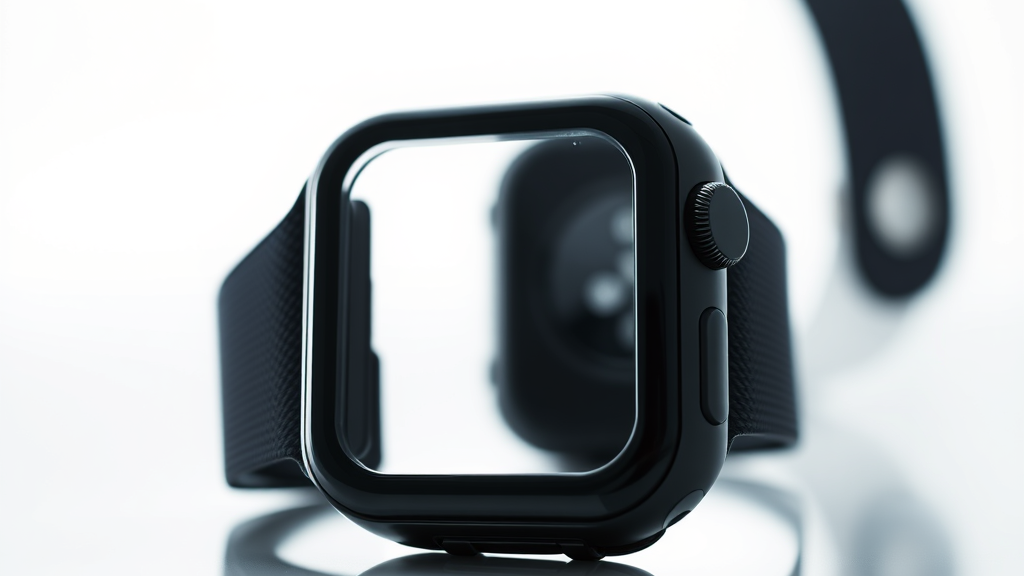
The new collection introduces a premium case tailored for Apple Watch users who demand both style and functionality. The case is crafted from high-quality, all-black translucent nylon with meticulous detailing in black stainless steel, reflecting the distinct design philosophy that made their first collection a global success. The case is designed in 49mm for Apple Watch Ultra models, offering a versatile and elegant option for any tech enthusiast. Whether you’re a tech aficionado or a fashion enthusiast, this second release reaffirms the power of luxury in everyday wearables.


“After the incredible response to our initial collaboration, we knew we had to come together again,” said Puia Shamsossadati, CEO and Creative Director of Golden Concept. “This time, we wanted to create something equally luxurious yet more versatile, offering our customers a refined accessory that complements both their tech and their personal style.”
Julian O’hayon, Founder and CEO of Blvck Paris, shared his excitement: “Collaborating with Golden Concept once more feels natural. Our brands share a vision of modern luxury, and this collection of Apple Watch cases allows us to expand that vision, offering something bold and refined to our customers. We’re confident this next chapter will resonate just as strongly.”

The limited-edition case is now available on GoldenConcept.com and at Select Golden Concept and Blvck Stores priced at $899USD/ $1,275

About Blvck Paris


Blvck Paris is a luxury lifestyle brand founded in 2017 by French designer Julian O’hayon. The brand has developed an engaged community of millions of social media followers and customers worldwide. Blvck is known for its ‘All Black’ clothing, accessories, and digital goods. Blvck strives to pioneer an aspirational lifestyle from visual content to merchandise, pursuing quality and design. To date, the brand opened stores worldwide in California, Tokyo, Taipei, Taichung, Hong Kong and Macau.

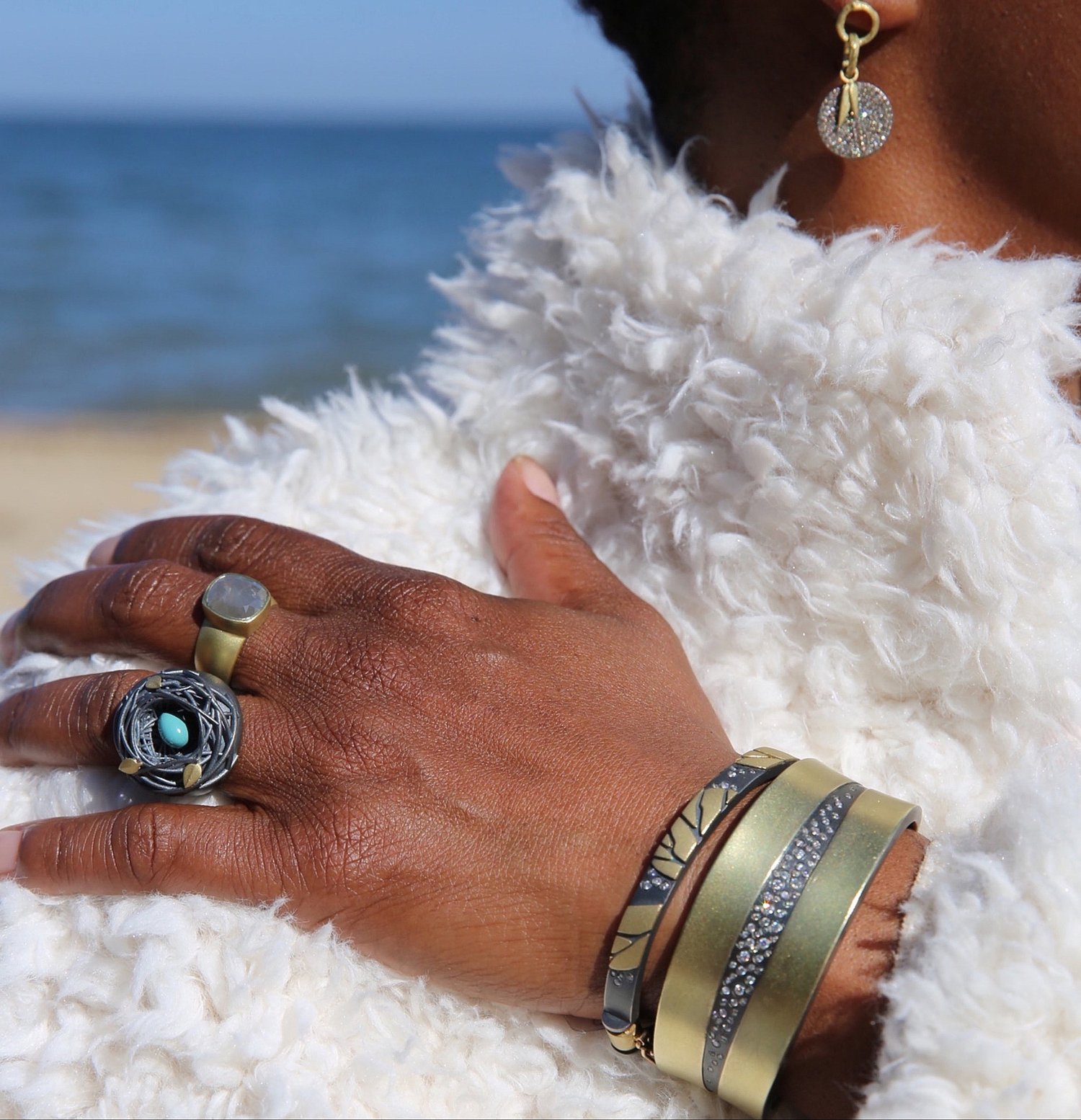
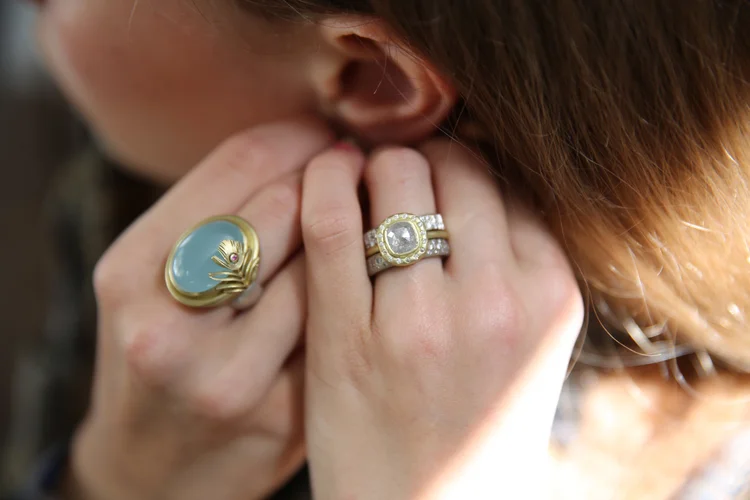
This Fall -Rebecca Myers Nature Inspired Handcrafted Jewelry


JOIN ME FOR THESE UPCOMING FALL SHOWS
Fall is almost here and I’ve got a ton of great events coming up, including this weekend’s much-anticipated Long’s Park Amphitheater Art Festival in Lancaster, PA. These shows are more than just shopping experiences; they’re opportunities to connect with passionate artisans and discover one-of-a-kind pieces.  They’re also a great way to start your holiday shopping early (or grab some special pieces for yourself). Can’t make it to the shows? Swing by the Baltimore showroom in Cross Keys or shop all of my new pieces online at rebeccamyersdesign.com. See the full list of events on my events page… https://www.rebeccamyersdesign.com/events
Looking forward to seeing everyone! xo, Rebecca


SAINT LOUIS ART FAIR
September 8 – 10 | Downtown Clayton | St. Louis, MO This year we will celebrate our 30-year history of the art fair — still attracting high-quality artists and celebrating the diversity of the community through a celebration of the Arts. The Saint Louis Art Fair (SLAF) produced by Cultural Festivals has been working diligently to Reconnect Through Art with the health and safety of artists, volunteers, and the public as its top priority. TICKETS & INFO
CRAFT NEW YORK September 30 – October 1 | Damrosch Park at Lincoln Center | NYCNYC’s most unique curated shopping event! Find wearable art like clothing, jewelry and handbags; home decor such as functional and sculptural works in ceramics, glass, metal, wood and mixed media; as well as fine art painting, printmaking and photography; and more. All handmade and all unique! Also, make sure to visit the expanded gourmet foods and specialties boutique including distillery and winery tastings. TICKETS & INFO
THE WALTERS ART GALA: AN EVENING AT THE WALTERS October 21 | 6pm | The Walters Art Gallery | Baltimore, MD My favorite party is coming up! The BEST night out in Baltimore is also a great way to support one of our most wonderful institutions. Get your tickets for the Walters Gala! Don’t miss it! PURCHASE YOUR TICKETS

New Wearable For Pets Is Lifesaver When Animal Is Lost Or Injured

Next to our children, our pets are some of the most important members of our families. We do everything we can to make sure both our kids and pets are safe, but eventually kids can shoulder some of the burden themselves. But when “Spot” runs off, we can’t expect him to tell the nice neighbor that finds him that he has a medical condition, or who his veterinarian or owner is.

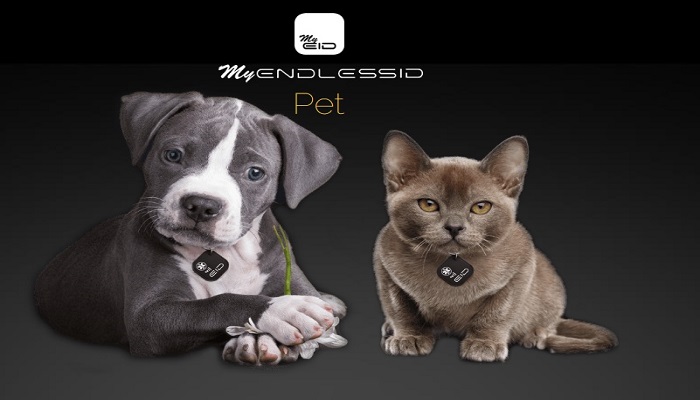
Though your pet will never learn to talk, there is a way to provide whoever finds your lost -or injured- pet with the information they need to offer aid. A new ‘wareable’ technology, MyEndlessID Pet, gives veterinarians and good samaritans all of the information they need to render aid in an emergency.

Inventor- Gustavo Rubacha

“Even the best trained pets might head off on an adventure sometime,” said Gustavo Rubacha, one of MyEndlessID Pet’s inventors. Worse still, Rubacha notes, is that from time to time those ‘adventures’ can result in injuries, sometimes serious.  “We believe that it’s important to prepare for these emergencies ahead of time and that’s why we created MyEndlessID Pet.”

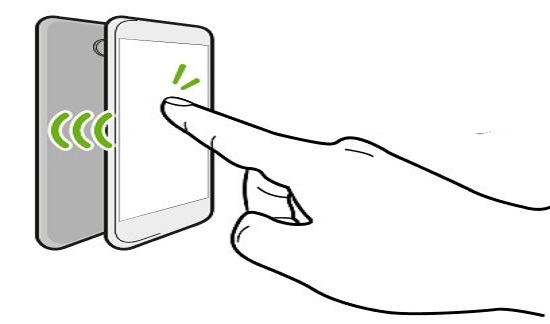
MyEndlessID Pet jams the latest Near-Field Communication (NFC) technology into a tag small enough to hang from a pet’s collar. Utilizing the same tech that until now has only seen mass deployment in payment systems like Apple Pay and Google Wallet, the NFC tag will emit radio waves to any capable smart phone held close to it, providing vital information about your pet with just a tap.

When the device is activated, pet owners receive immediate alerts by text, email and a phone call, along with a geolocation of where their pet is located when the tag is activated. Most importantly though, MyEndlessID Pet provides rescuers and veterinarians instant access to vital medical information that could save an animal’s life in an emergency.


Vital information including medical conditions, medications, vaccinations, allergies, medical history and veterinarian history, insurance information, and more are all instantly available with the simple tap of any modern smartphone.

Unlike an implanted microchip, MyEndlessID Pet does not require special equipment beyond a smartphone to work, and priced at $20USD it is far more affordable than a vet visit to have a device implanted.  And unlike recently introduced ‘smart collars’ – MyEndlessID Pet never requires charging or battery changes.

MyEndlessID Pet is also water resistant, allowing it to withstand whatever mischief your pet might wander into, while continuing to deliver critical information when someone comes to help your pet get out of whatever mess he or she has found himself in. For the Silo, Timothy Williams.

Why You’ll Be Wearing Your Next Computer

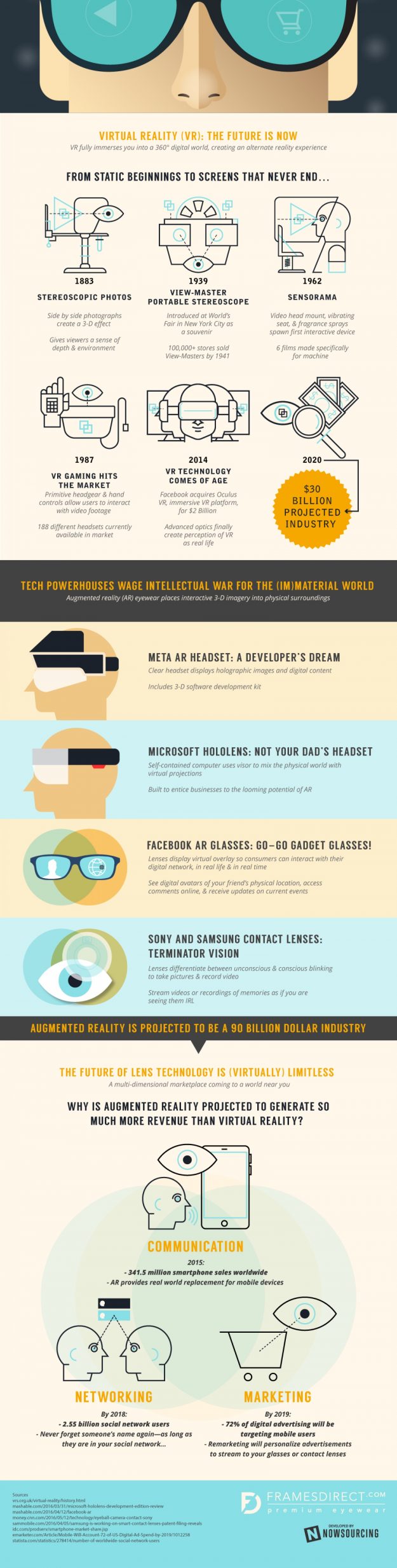
Imagine looking in your glasses to see updates from your friends on social media. The future is coming sooner than you think and yes, you will be wearing your next computer- check out this future ready infographic from our friends at Frames Direct. 

Click Me to see more interesting Infographics by visual.ly

Supplemental- Building the World of Tomorrow, 1939 New York World’s Fair

The first published concept of Virtual Reality: Pygmalion’s Spectales (short story) by Stanley G. Weinbaum   ‘You drink,’ said the elfin, bearded face, ‘to make real a dream. Is it not so? Either to dream that what you seek is yours, or else to dream that what you hate is conquered. You drink to escape reality, and the irony is that even reality is a dream.’ Published June 1935 ~ Wonder Stories

Click me for Music designed for Futurists!