Tag Archives: Soviet Union

The Next Era of Nuclear Arms Control

A picture containing text, sign

AI-generated content may be incorrect.

Here is a recent Substack post from U.S. Secretary of State Marco Rubio on the next era of nuclear arms control.


The Cold War

During the Cold War, few negotiations proved as complex as those between the United States and the Soviet Union to limit and reduce their vast nuclear arsenals. They required trust between adversaries who had little reason to believe each other’s words, and they relied on intricate, constant systems to verify compliance. American statesmen persevered and reached a series of agreements first with the Soviet Union and then the Russian Federation that left the United States safer.

Everything has its season though and yesterday, New START expired.

Arms control advocates and many voices in the media have tried to cast the expiration as a sign that the United States is initiating a new nuclear arms race. These concerns ignore that Russia ceased implementing the New START treaty in 2023, after flouting its terms for years. A treaty requires at least two parties, and the choice before the United States was to bind itself unilaterally or to recognize that a new era requires a new approach. Not the same old START, but something new. A treaty that reflects that the United States could soon face not one, but two, nuclear peers in Russia and China.

China Arsenal

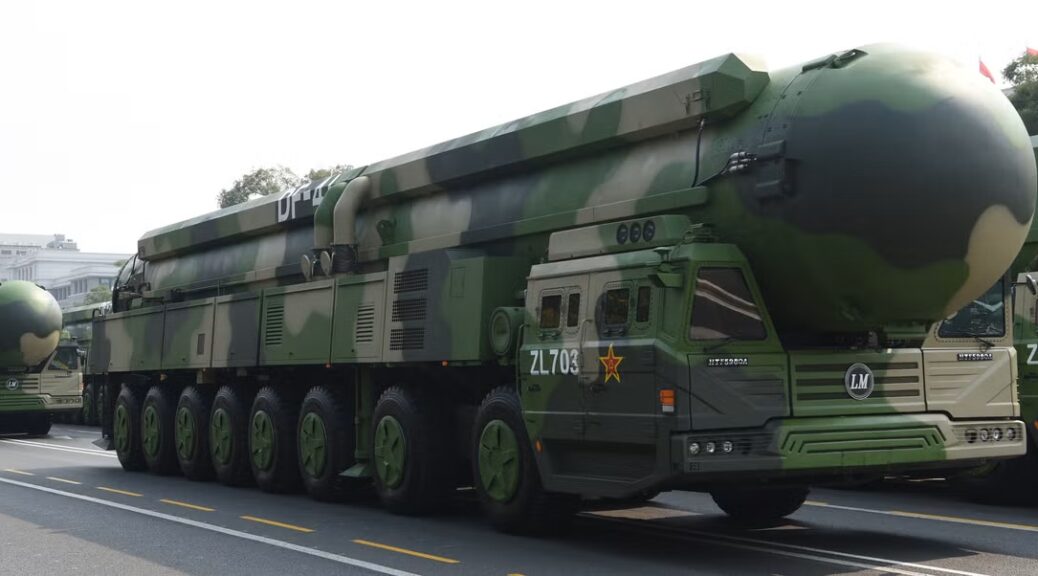
China’s rapid and opaque expansion of its nuclear arsenal since New START entered into force has rendered past models of arms control, based upon bilateral agreements between the United States and Russia, obsolete. Since 2020, China has increased its nuclear weapons stockpile from the low 200s to more than 600 and is on pace to have more than 1,000 warheads by 2030. An arms control arrangement that does not account for China’s build-up, which Russia is supporting, will undoubtedly leave the United States and our allies less safe.

President Trump has been clear, consistent, and unequivocal that future arms control must address not one, but both nuclear peer arsenals.

Our call for multilateral nuclear arms control and strategic stability talks, presented today in Geneva, reflects the principles President Trump has laid out.

No Longer A Bilateral Issue

First, arms control can no longer be a bilateral issue between the United States and Russia. As the President has made clear, other countries have a responsibility to help ensure strategic stability, none more so than China. Second, we will not accept terms that harm the United States or ignore noncompliance in the pursuit of a future agreement. We have made our standards clear, and we will not compromise them to achieve arms control for arms control’s sake. Third, we will always negotiate from a position of strength. Russia and China should not expect the United States to stand still while they shirk their obligations and expand their nuclear forces. We will maintain a robust, credible, and modernized nuclear deterrent. But we will do so while pursuing all avenues to fulfill the President’s genuine desire for a world with fewer of these awful weapons.

We understand that this process can take time. Past agreements, including New START, took years to negotiate and were built upon decades of precedent. They were also between two powers, not three or more. However, just because something is hard does not mean we should not pursue it or settle for less. No one understands that difficult deals are often the only ones worth having more than President Trump, who has repeatedly underscored the awesome power of nuclear weapons and his desire to reduce global nuclear threats. Today in Geneva, we are taking the first steps into a future where the global nuclear threat is reduced in reality, not merely on paper. We hope others will join us.

Marco Rubio was sworn in as the 72nd Secretary of State on January 21, 2025. The Secretary is creating a Department of State that puts America First.

How Japan’s Government Created the World’s Most Sinister Cars

You know the look: A long, low-slung sedan finished in shiny black paint with equally bright chrome rolls through town. Beige, burgundy, and blue cars move out of the way, magnetically repelled by the menacing four-door. 

This threatening style has been idolized by Hollywood since the 1960s, perhaps most famously in the unfortunately short-lived ABC television program The Green Hornet, in which actor Van Williams drove a Chrysler Imperial modified by Dean Jeffries. It was painted black, of course, and the chrome slats that ran horizontally across its huge grille clearly meant business—even on the 19-inch TV screens that took up considerable living room real estate in a 1960s home. 

Black paint, while popular today, was a daring, high-style choice in the 1960s that was not-so-subtly influenced by the largely chauffeur-driven cars that carried around heads of state and other major politicians. For instance, the Soviet Union’s KGB notoriously drove around in black-painted GAZ Chaika sedans that had a distinctly Detroit-inspired appearance. (The irony of which seems to have been lost.) 

An outsider might not expect Japan, where the pavement has been specifically engineered to be quiet, to have a small but mighty homegrown industry producing the world’s most ominous cars.

Nissan

The Japanese Royal Family Needed a Ride of Their Own

Dating back more than 1400 years, Japan’s Imperial Household Agency does just what its name suggests: it manages the royal family’s affairs. This is no easy task for a country so steeped in tradition. In fact, the Imperial Household Agency has more than 1000 civil servants, which stands in marked contrast to the self-funded, non-governmental managers of, say, the British and Swedish royal families. 

The Imperial Household Agency’s wide-ranging list of tasks includes everything from ensuring that the Emperor’s family is comfortable and healthy to organizing and overseeing ceremonies. In the early 1960s, the Imperial Household Agency called automakers together and told them to submit designs for an official state vehicle. The car needed to have four doors, be reasonably spacious, and have a prestigious but not overly ostentatious appearance. 

Nissan

Prior to World War II, the Emperor’s vehicle fleet consisted of large, imported cars from brands like Rolls-Royce and Daimler. The company’s nascent automotive industry focused on small, mostly work-oriented vehicles. By the early 1960s, Japan’s recovery from the war’s devastating effects was well underway, fueled heavily by Western investment. While Japan didn’t give up on its traditions, the bright lights of Tokyo had a strong American influence. So too did the country’s cars, like the Toyota Crown that looked like last season’s Chevy. So when the Imperial Household Agency came calling, it should come as no surprise that the results looked rather Detroit-ish.

The winner was a brand you might not have heard of: Prince Motor Company. Founded in 1947, Prince was Japan’s short-lived flagship automaker in the early 1960s, though it was in the midst of being folded into Nissan.

The Prince Royal that got the royal nod, so to speak, was based on the Prince Gloria, a vehicle already used by the Japanese government in an official capacity. The Prince Royal was extended to provide those in back with stretch-out legroom, and the rear doors were modified to open coach-style for easier and more elegant access. While not a particularly showy car, the Prince Royal has an understated elegance. Its stacked headlights recall the Ford Galaxie and the big W108-generation Mercedes-Benz models. The tall greenhouse, on the other hand, is a nod to practicality rather than style. Inside, in the Japanese luxury tradition, the wool seats make nary a peep as passengers slide across. Leather would be rather squeakier.

Prince Royal gained the Imperial Household car
The Prince Royal gained the Imperial Household Agency’s nod as transport for the Emperor of Japan. These cars served until 2006, when they were replaced by a special version of the Toyota Century.Nissan

Underhood, the Prince Royal utilized a 6.4-liter V-8—not Japan’s first, but only a couple of years after the so-called “Toyota Hemi.” An eight-cylinder design was, admittedly, an odd choice; while inherently fairly smooth, the engine was undoubtedly a costly thing to develop. Fewer than 10 were ever built, one of which lives at the unusual and yet highly appealing Nissan Engine Museum and Guest Hall next to the company’s powertrain factory in Yokohama, Japan.

Just five Prince Royals were built, and they stayed in service for a staggering 40 years, when they were replaced by a limousine version of the Toyota Century. But the Century doesn’t really owe its status to the Prince Royal. It should thank the Nissan President, a model that was developed back when Nissan and Prince were quasi-competitors.

1982 President Type-C
Into the 1980s, the Nissan President retained a classic, but hardly ostentatious, look as seen on this 1982 President Type-CNissan

The President, as its name suggests, was intended from the start as a government vehicle. Unlike Toyota’s Crown, the first Japanese car to use a V-8, the President was developed in direct response to the Imperial Household Agency’s request. At nearly 200 inches long, the President was a very large sedan by Japanese standards. Its styling is contemporary if a bit bland, even in comparison to the Prince Royal. Horizontal headlights embedded in a broad, generic grille give way to fenders that had an almost Ford Falcon modesty to them. There’s a bit more drama at the rear with big NISSAN badging. Copious chrome lines the rocker panels.

While the Prince Royal ended up being chosen to transport the Emperor, Nissan’s President didn’t go home empty-handed. Instead, it was used by the country’s Prime Minister. Government versions were only minimally modified compared to the President models sold through Nissan’s dealership network in Japan, though official-use models were invariably painted black. Those available to consumers came in a slightly wider range of colors. The President was a sign that its owner—and, most likely, the person riding in the back—had arrived. It was the Lincoln Continental of its era. Today, when government spending is closely watched by a hawkish public, there is no U.S.-market comparison.

Nissan wool upholstery
In Japan, fabric upholstery like the wool seen in the 1973 Nissan President remains an indicator of a high-end vehicle because it makes no sound as a human slides across it.Nissan

Nissan didn’t dominate government contracts, but it was a commanding presence into the late 1980s. Then, almost inexplicably, the brand gave up. Its chrome-laden second-generation President, which was based on an early 1970s design, was replaced with a comparatively plebian design that would be sold in the U.S. as the Infiniti Q45. That’s not to say that the Q45 was a dud, but its big plastic bumpers and, in Japanese-market spec, Jaguar-ish grille were not in keeping with tradition. The Imperial Household Agency famously rejected a stretched version of the 1990 President in favor of the Toyota Century.

Toyota’s Century Begins

The original Toyota Century was overshadowed, at least to a degree, by the Nissan President that beat it to the market in Japan and initially secured more government contracts.Toyota

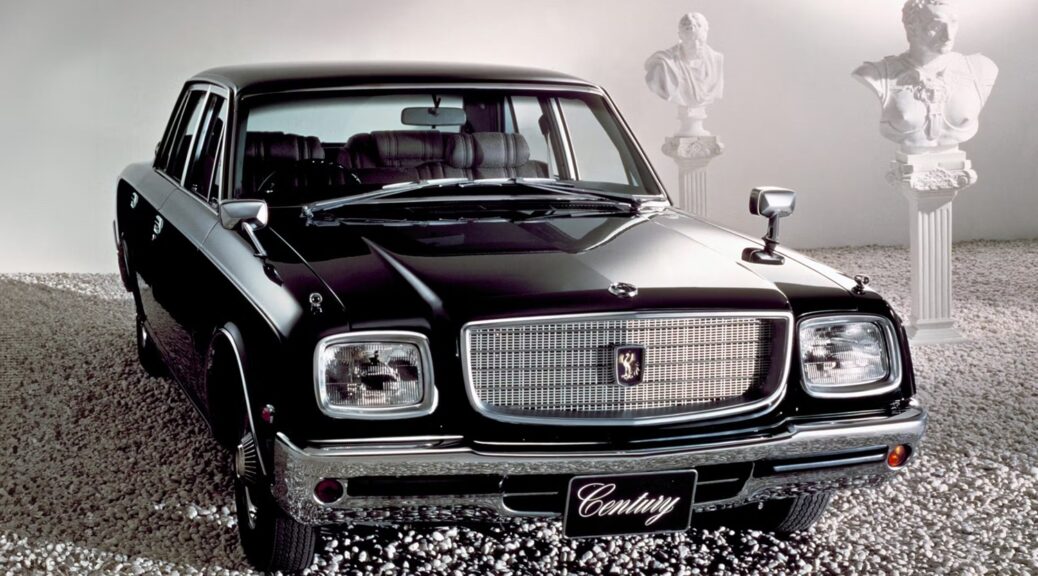
Thanks in part to the floodgates of 25-year-old vehicles from Japan, the Toyota Century has something of a cult status among enthusiasts in the U.S. today. It was not always this way; while the Century was undoubtedly a high-tech vehicle at its 1967 debut, the Imperial Household Agency initially passed it up in favor of the Nissan President. However, the Century’s rise coincided with Toyota’s phenomenal growth in the 1970s and 1980s, when it began to overtake Nissan as the premier Japanese automaker.

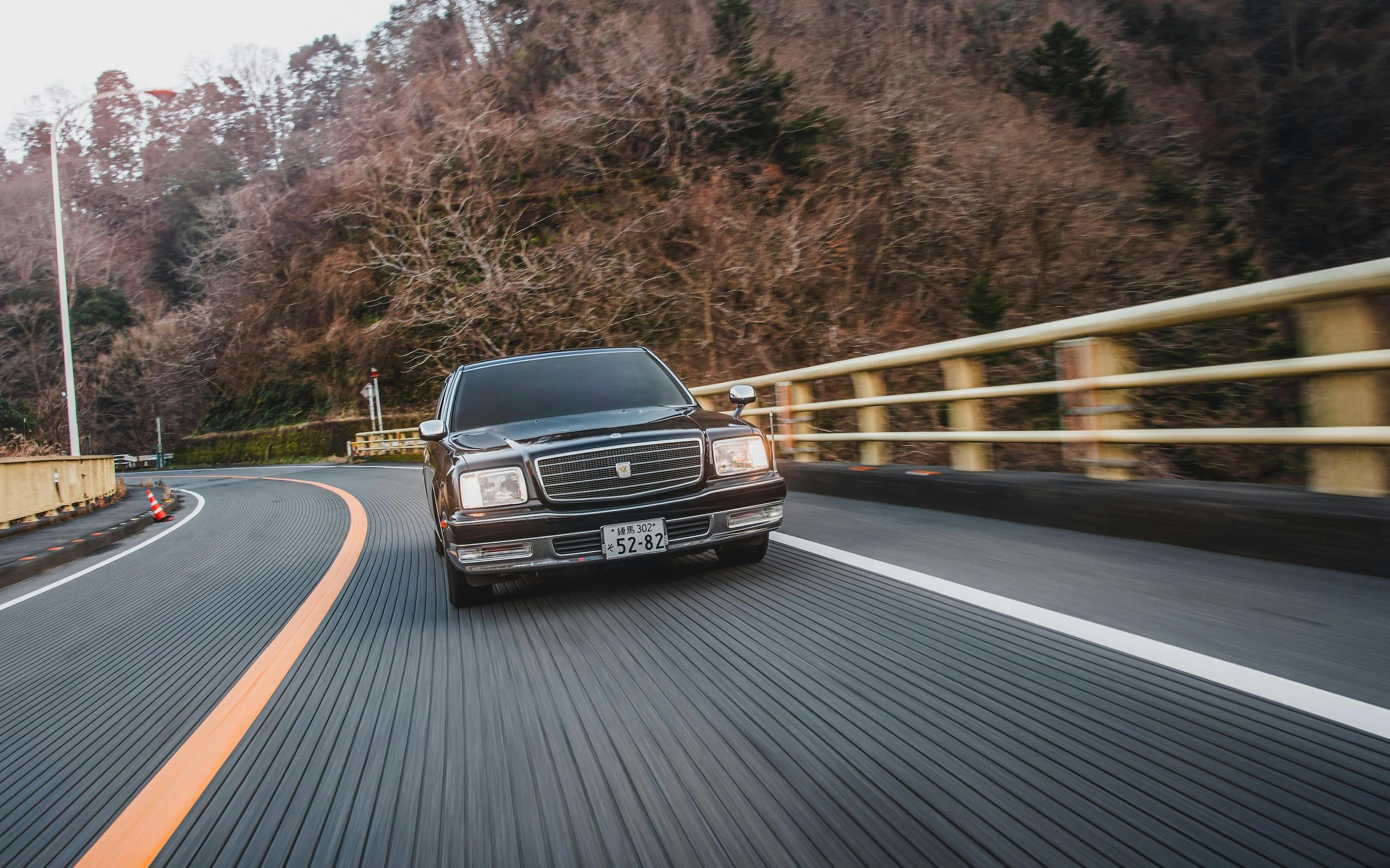
The original Century ran for three decades, always with V-8 power. Despite the fact that its specs and power could have appealed to buyers in Europe and, especially, the U.S., it was rarely sold in left-hand-drive markets. (Toyota flirted with the idea in the early 2000s before concluding that the conservative Century would be no match for the comparatively flamboyant Mercedes-Benz S-Class.)
Toyota

Yet it’s the Century that endures in Japan, an icon in its own time. The Emperor of Japan rides around in a stretched one, approved by the Imperial Household Agency, of course. The redesigned model that arrived in 2018 carries on the 1960s original style in marked contrast to the edgy, modern look found in any Toyota or Lexus model. There’s even an SUV version now, though its front-wheel-drive architecture and hybrid V-6 powertrain mean it’s more like a snazzy Toyota Highlander than a bespoke Emperor-hauler.

Toyota

Clearly, the Century has won out, so much so that Toyota recently announced it will position the Century as its own brand as a more conservative sibling to Lexus. It did face some limited competition from Mitsubishi with its mid-1960s Debonair. While the Mitsubishi, with its slab sides and fenders that leap forward past its grille, is basically a rolling villain, the four- or six-cylinder sedan lacked the interior volume and the power to compete with the Century or the President. Its angular 1986 replacement, which looked sort of like a K-Car with fender mirrors, was anything but debonair.
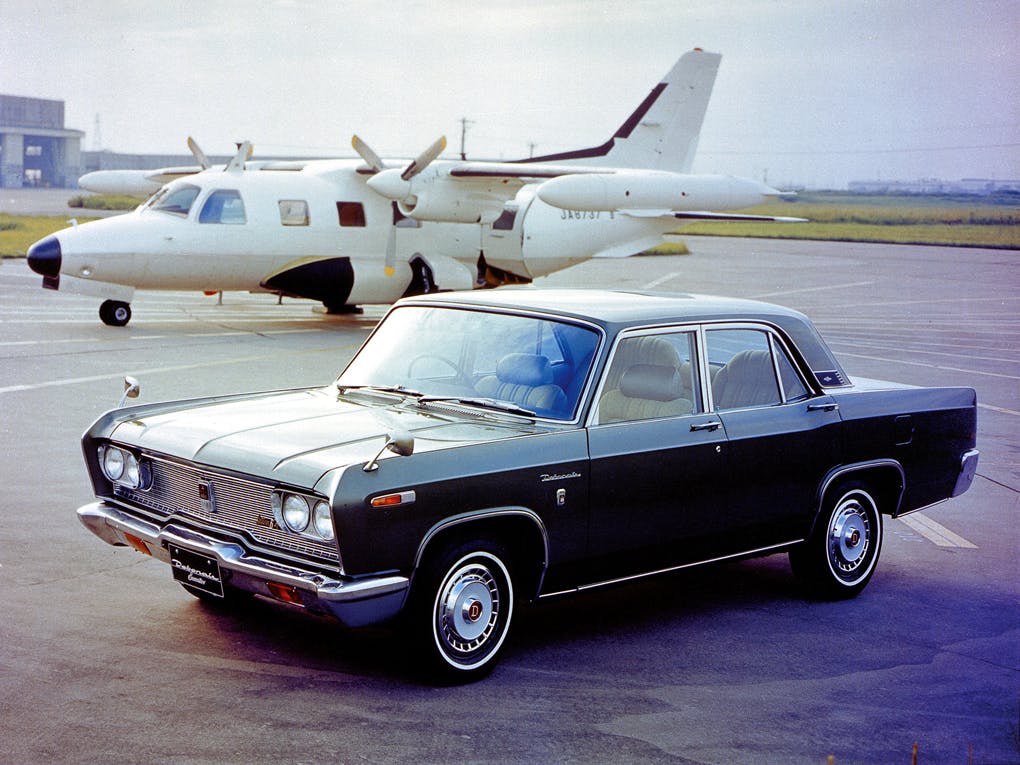
Mitsubishi Debonair front three quarter
Though its effort was comparatively short-lived, the Mitsubishi Debonair boasted a fantastic name and slab-sided Lincoln Continental-inspired looks, if not Conti-style proportions.Mitsubishi

The Yakuza Turns State Cars Into Mafia Cars

Nobody does organized crime like the Japanese—and that is not meant as a compliment. The Yakuza, as the Japanese crime syndicates are broadly known, hit its peak right around the time when the decidedly more upstanding Imperial Household Agency was asking automakers to design a state vehicle.

Those vehicles were soon appropriated by the Yakuza. In retrospect, they have a sinister, angry look. If the bad guy in a period flick drives a car in Tokyo, it’ll be a President, a Century, or perhaps an early Debonair. Set in 1999, HBO’s Tokyo Vice puts the Q45-adjacent Nissan President front and center. While it may not have been the vehicle of choice for the Emperor, that era’s President was the car to have for the heads of organized crime. Perhaps that’s why Nissan steered away from tradition with its final redesign, a swoopy model unsuccessfully sold here as the Infiniti Q70.

1990 Nissan President
The 1990 Nissan President abandoned the 1960s-style chrome bumpers of its predecessors.Nissan

These big, black sedans have an authoritarian presence. Their drivers may think they have impunity. Not only are their cars imposing, but they look official—even if those inside are doing anything but official business. Yakuza members often mounted curtains inside their Presidents and Centurys, a style known as VIP that persists today—albeit in a much broader and harder-to-define look. 

We have no direct equivalent in Canada or the US., at least in terms of how the criminal underground appropriated cars meant for high-ranking government officials. The Crown Victorias once favored by Canadian and American cops lack the luxury and exclusivity of a Century or President. A Chevy Tahoe can’t be all that menacing if you can find dozens of them in the carpool line at your local elementary school. And while our head of state has long had a highly modified Cadillac-ish limousine, which has been described as a tank with a limousine body, it lacks a showroom counterpart. That said, the crested wreath brand made a strong appearance in the late-1990s/early-2000s setting of HBO’s The Sopranos.

It’s a different story in Japan, though. There, a government official arrives in black-and-chrome style—as dictated, if indirectly—by the edicts set forth by the Imperial Household Agency. The automotive equivalent of a tuxedo is, after all, always in style. For the Silo, Andrew Ganz/Hagerty.
Old School Soviet Digital Watch Is Back

The US and USSR going “Band for Band”

Our friends at kommandostore talk about the Cold War on their site so often, it’s become one of their defining aesthetics…..and that’s a good thing- read on!

Grand armies and weapons are arguably less than half of the story.

Many of the cold war ‘battles’ from the 1950s through the 1990s took place in the minds and on the wrists of millions of people. Some might say they certainly still do…

Rogue media campaigns, protests & activism, black ops — they defined the hottest parts of the Cold War. But what if we told you that the watch you were wearing was just as important? The Soviet Union sure thought so…

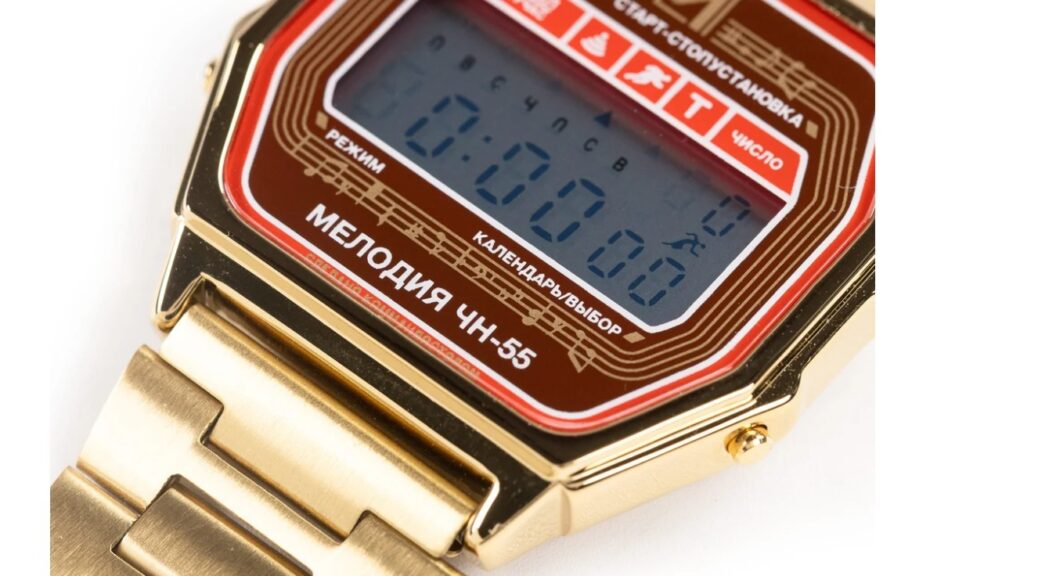
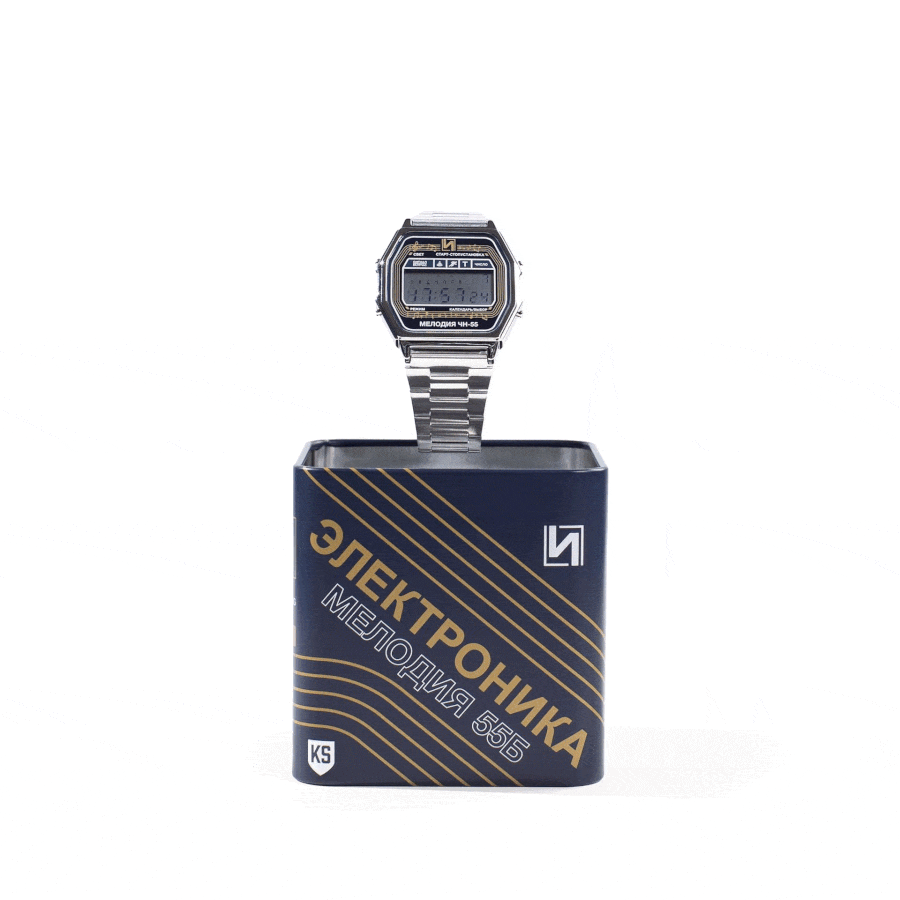
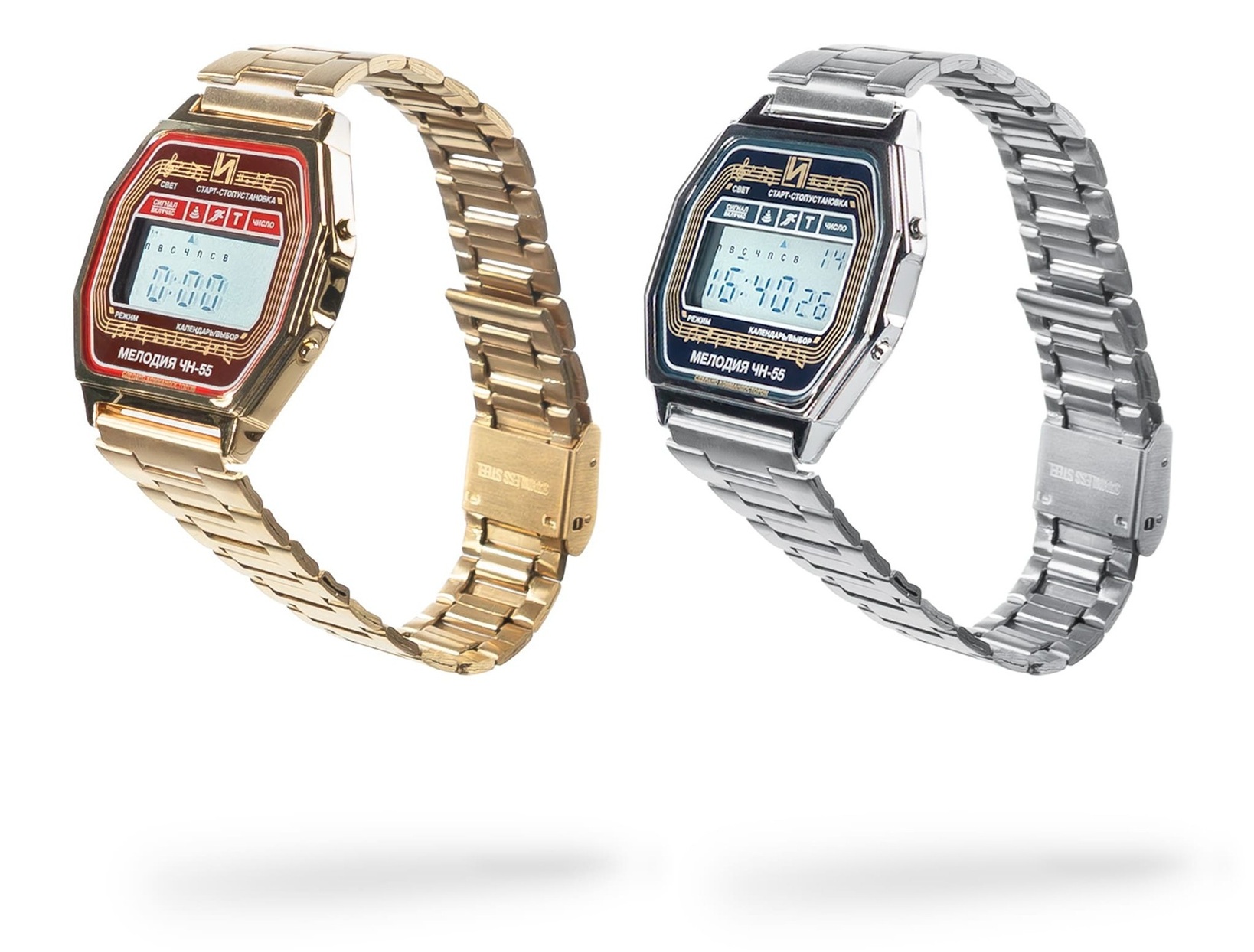
Having gotten sucked into the almost endless lore rabbithole of watches, the first thing that kommandostore sought to bring back from obscurity was the Elektronika 55B — the soviet union’s most popular digital watch that went the way of… well, the Soviet Union… When it collapsed in ’91.

Above all else, there’s one story about this watch that truly stands on its own, a story that will make you realize that there is much more to this little watch that jovially plays chiptune soviet music…

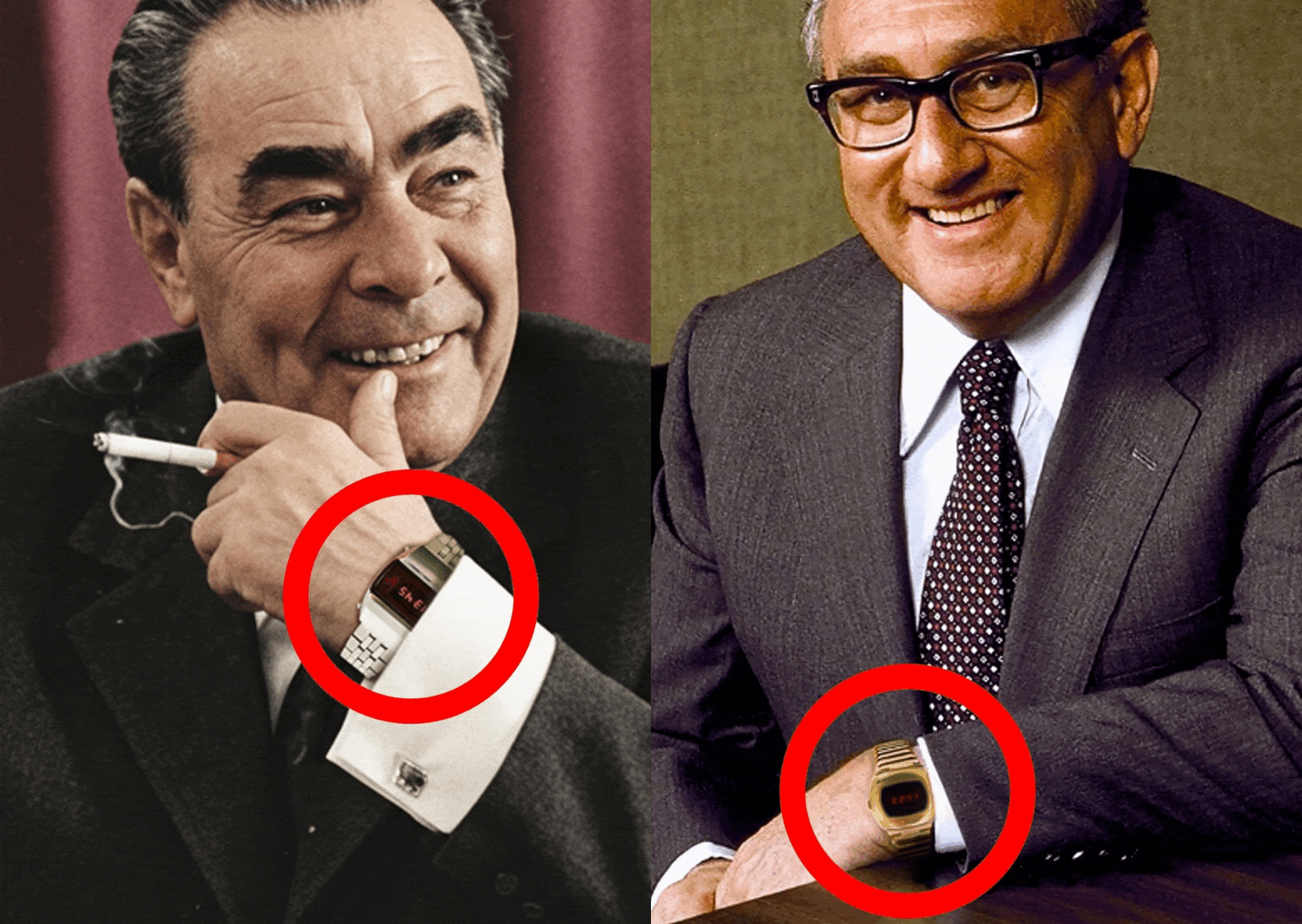
It involves two of the most powerful men in the world, Leonid Brezhnev and Henry Kissinger convening and comparing their new digital watches.

Ok, they weren’t really wearing the watches in that photo, but such an encounter really did happen between the two gentlemen in the early 70s, one that subtly let the United States know that the Soviets were right on the US’s tail for semiconductor technology.

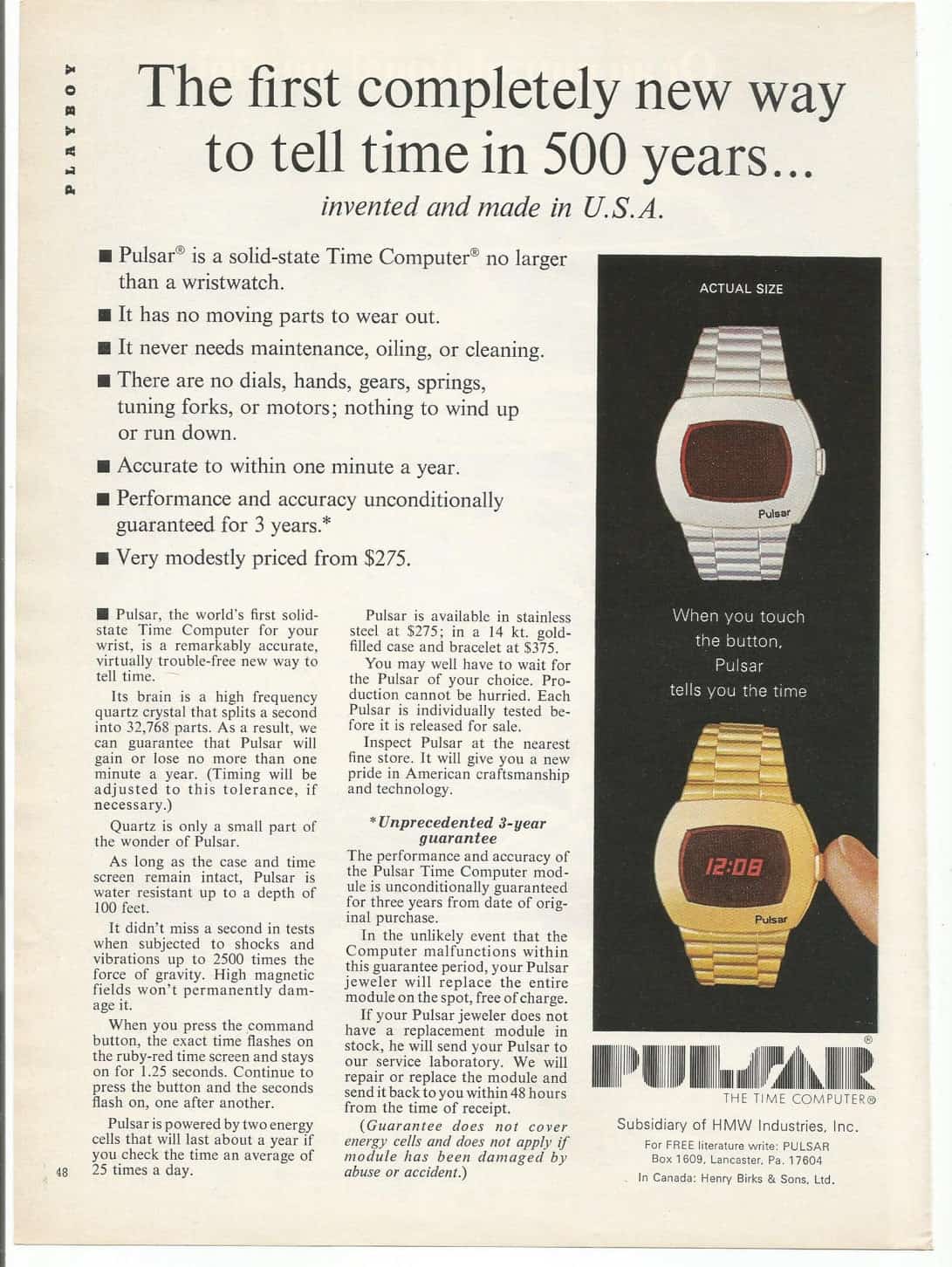
On a somewhat-routine visit to Moscow, US Secretary of State Henry Kissinger wore a Pulsar P2 Watch — one of the very first digital watches. Known for it’s striking red LED display and appearance on the wrist of none other than James bond.

It also carried a hefty price tag, with the 21k gold edition costing enough to buy you a car in today’s money.

You tell us, is $1800 usd/ $2,526 cad in today’s money worth it for one of the two base models? 

The meeting was with Leonid Brezhnev, General Secretary of the Soviet Union. He remarked that he did indeed like Kissinger’s watch, being a man of taste.

Then he told Kissinger that the USSR had already developed a prototype using the very same technology.

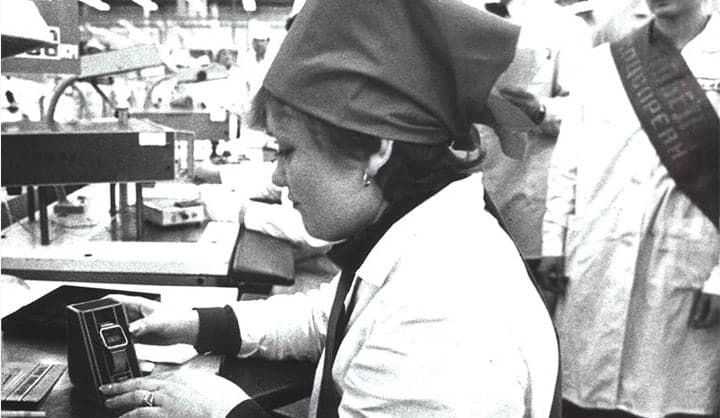
Kissinger was reportedly astonished — and was presented with a functioning Soviet-Made digital wristwatch, the Elektronika B6-02. Featuring CMOS circuits, it was blocky, brutalist, and affordable enough for practically anyone to buy when it officially launched.

The whole Elektronika series carried this statement — the latest fancy tech of the west is cool, but when it’s done the soviet way, for way cheaper, it’s not a luxury to be worn by only the elites.

It didn’t take a horology enthusiast to buy and wear this watch. It’s Kalashnikov-esque ubiquity meant it was worn by everyone from party members to coal miners. 

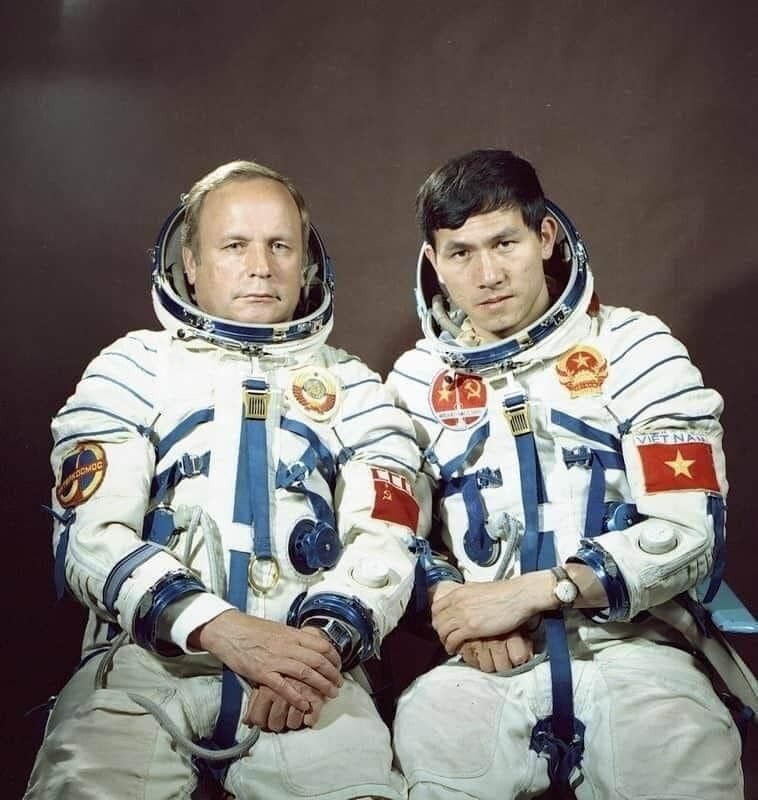
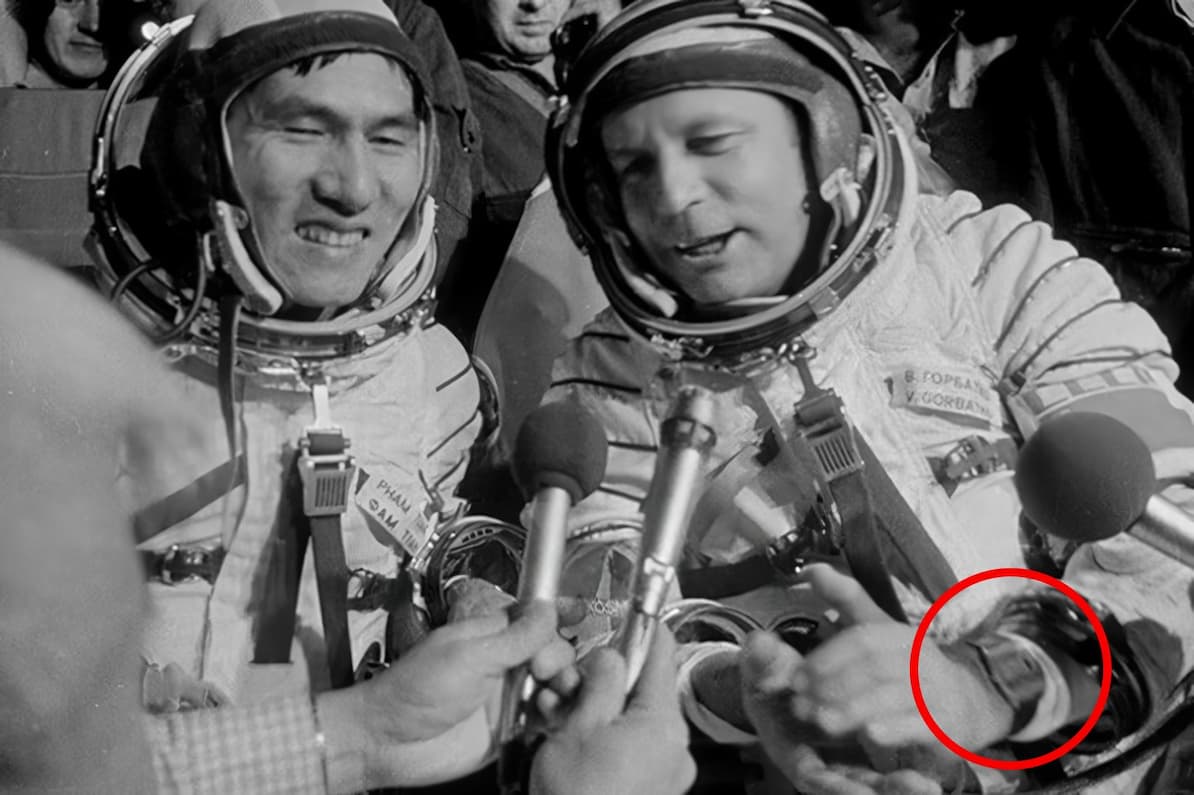
Sure, in 1969 we brought a luxury-watch masterpiece, the Omega Speedmaster, to the Moon before the Soviets were able to. But as a tool of propaganda, the USSR might have had us beat, and the Elektronika 5 appeared in space several more times…

We found it intriguing and somewhat disheartening that Elektronika, what seemed to be the people’s choice, was snuffed out much in the same time period as the Soviet union.

In a world full of Casios & Timexes, who can’t help but succumb to the charm of the plucky Elektronika, so why not give it the wrist time it deserves…because it is now available once again and this time in a near perfect reproduction right down to the packaging.

 A 1:1 functional replica of the original Elektronika with 4 new Slav-approved “Melody” alarms. Sanctioned to the second-hand market (pun intended), thankfully kommandostore thought that the watch deserved a proper revival after its unceremonious disappearance following the collapse of the USSR. 
 Just like the original, it’s an affordable and reliable piece with just enough fun to get even the most uptight horologists asking you questions.  But unlike the OGs, the sad truth of capitalism is that we’re slaves to supply and demand. They are running out fast, and even though there are plans to quickly continue production, there may be a slight gap. So, if you’re interested, this is kind of a last call. 

Click the following link to place your order while supplies last.

How UNESCO Supports Exiled Ukrainian Women Artists

Paris, 9 June 2022 – UNESCO is launching a scheme to support Ukrainian women artists who have had to flee their country because of the war, in partnership with the NGO Perpetuum Mobile. It will enable them and their children to be hosted and cared for by a cultural institution in the country where they have found refuge.

“The war has driven millions of Ukrainians into exile, the vast majority of whom are women and children. Among these people, women artists who have been forced to suspend their creative activities often lack material and financial resources to resume their work in their host country,” says Audrey Azoulay, UNESCO’s Director-General.

For this reason, UNESCO decided to launch a programme dedicated to Ukrainian women artists in exile, born of a partnership with the NGO Perpetuum Mobile, initiator of the Artists at Risk platform, which brings together cultural institutions in over 15 countries.

Audrey Azoulay

The artists concerned will be supported for a minimum of three months by a cultural institution in their host country.

They will be taken care of with their children in artistic residencies, and will benefit from support in terms of networking, visibility and the conception of new cultural projects.

(Left) Ukraine electro-pop duo Bloom Twins: “It has really affected us,” said singer Anna Kuprienko. “We’re talking to our family, we have a lot of friends and our second manager living there. We go back to the Ukraine quite a lot. We were only there two months ago. We were hopeful that this situation with Russia wouldn’t go where it has and that it would resolve.” (Right) Ukraine singer Khrystyna Soloviy : “We are a generation that has never seen the Soviet Union and was born in a free Ukraine. Ukrainians are not Russians, as said by the Russian government. We have a difficult, depressed history of Russian colonisation.”

The scheme will aim to provide them with the means to become autonomous by the end of their hosting period, whether they then choose to return to live in Ukraine or to settle permanently in their host country. UNESCO has already set aside $140,000 usd (about $177,000 cad at time of this publication) to finance the scheme, which should initially benefit some 30 artists and their children.

A new link in UNESCO’s emergency response

The programme complements the range of emergency measures already deployed by UNESCO since the beginning of the war to safeguard tangible and intangible cultural heritage, secure museum collections and combat illicit trafficking in cultural property.

UNESCO partner Freemuse

Moreover, since the beginning of the war in Ukraine, UNESCO has been monitoring the situation of artists in close consultation with artists’ networks and cultural actors in the country. This work is also carried out in coordination with international organizations involved in supporting artists at risk: PEN America’s Artists at Risk Connection, Perpetuum Mobile/Artists at Risk, ICORN, Freemuse, Prince Claus Fund and the PAUSE programme. For the Silo, Lucía Iglesias Kuntz, UNESCO Press Service.

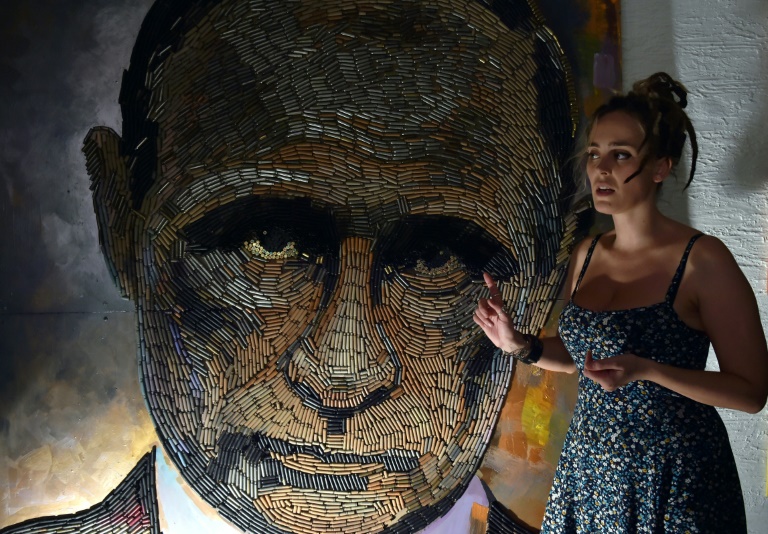
Featured image: Face of War (Putin in bullets) co-created by Daria Marchenko, 35 now exiled Ukraine woman artist.

WW2 Smartphone Graphic Novel Katusha

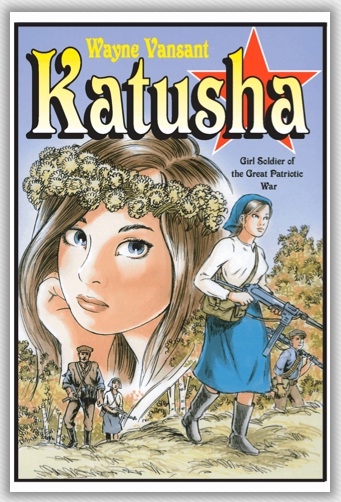
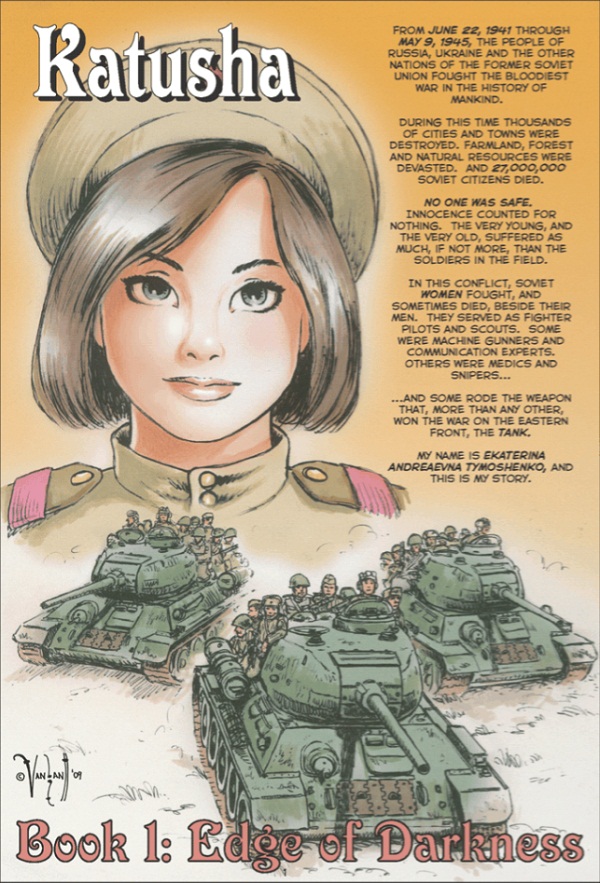
KATUSHA VOLUME ONE: EDGE OF DARKNESS, the first of a three volume graphic novel series by historical graphic novelist Wayne Vansant, is now available exclusively in digital format from digital publishing imprint Grand Design Communications.

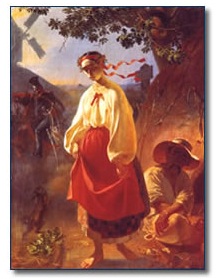
The painting Kateryna by the Ukrainian poet and painter Taras Shevchenko (1814-1861)influenced Katusha. Kateryna tells the story of a Ukrainian country girl who is seduced and abandoned by a Russian cavalry officer.

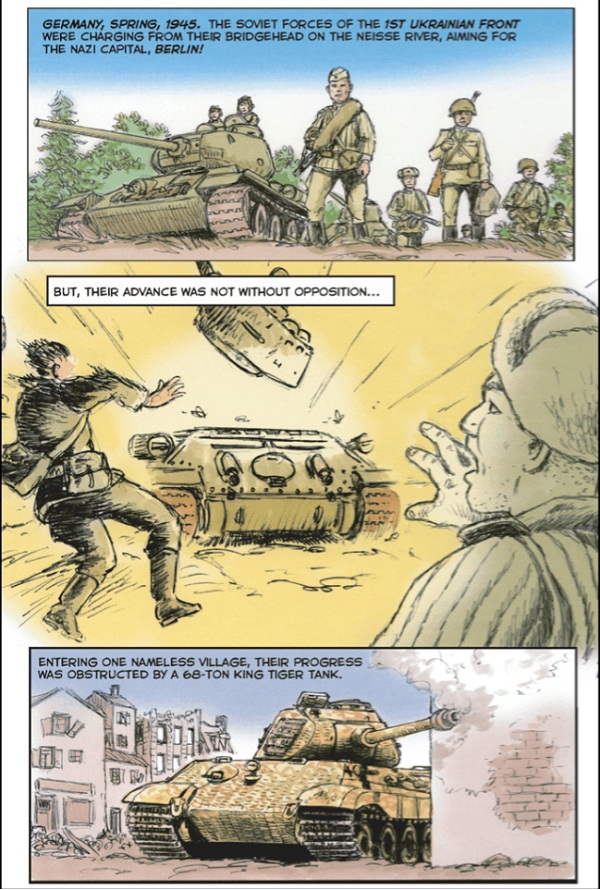
KATUSHA is a coming-of-age story set in the Eastern Front of World War II, following the life of a Ukrainian farm girl Ekaterina Tymoshenko, nicknamed Katusha, starting with the invasion of the Soviet Union by Nazi Germany in 1941. The three-volume graphic novel, which when finished will total 540 pages, follows her journey from farm girl to partisan fighter to tank commander in the Red Army, along the way participating in the Battles of Stalingrad and Berlin, among others.

During the second world war, hundreds of thousands of Soviet women served in the Red Army as pilots, snipers, tank drivers and other essential roles. Although KATUSHA is a work of fiction, Vansant based his story on interviews he conducted with living veterans in Ukraine and extensive research. He will return for another trip this fall, to conduct more interviews and do research on locations.

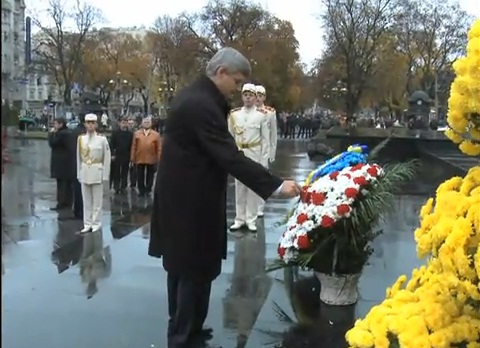
Lviv, Ukraine, 26 October 2010 – Canadian Prime Minister Stephen Harper is joined by Ukrainian officials as he pays tribute to Ukrainian poet, artist, and humanist Taras Shevchenko.

KATUSHA VOLUME ONE: EDGE OF DARKNESS, the first of three volumes, is out now exclusively in digital format for iPhone, iPad, Android, and in-browser reading. It is available in two formats – as six separate chapters priced at $.99usd each and as a single one hundred eighty page edition priced at $4.99usd, and can be purchased through iVerse’s ComicsPlus app and from Grand Design’s electronic storefront on iVerse’s website.

A native of Marbleton, Georgia, writer/artist Wayne Vansant has created many historical graphic novels – both fiction and non-fiction – in a career spanning more than twenty five years. His non-fiction graphic novel about the Allied invasion of Europe in World War II, NORMANDY, were be published in September by Zenith Press.

His recent collaboration with writer Dwight Jon Zimmerman, THE HAMMER AND THE ANVIL (2012), a graphic novel about Abraham Lincoln, Frederick Douglass, and the end of slavery in America was published by Hill and Wang, and Vansant was the primary artist for Marvel’s The ‘Nam for more than five years.

His other non-fiction graphic novels on military history include DAYS OF DARKNESS, ANTIETAM: THE FIERY TRIAL (with the United States National Park Service), BLOCKADE: THE CIVIL WAR AT SEA, and THE VIETNAM WAR: A GRAPHIC HISTORY.