We’ve built new material technologies out of wood, metals and mycelium. Creating a Rock Jacket would be our greatest challenge, a 3-million-year-old problem.
Rock has been our most important technology. It made us apex predators. We used it to build cities and empires. Now we’ve worked out how to wear it. Welcome back to the Stone Age.
Around 3.3 million years ago, on the shores of Lake Turkana in Kenya, one of our ancestors bashed together two rocks and knocked off a short, sharp flake. It’s the oldest tool we’ve ever found, and it long predates fire, clothing and language.For almost all of prehistory, rock was our cutting edge.
Stone blades and hammerstones meant we could hunt, tear and scrape meat and marrow. And the calories they provided built bigger brains. So we started to think bigger. And taller. By 8000 BCE Jericho was ringed by a stone wall. Stonehenge, the pyramids, the Parthenon and the Pantheon followed. Rock is how we held territory, honoured our gods and told the future we’d been here.
But in more than 3 million years of making good use of rock, we’ve never managed to wear it. Rock is brilliant at not moving. And clothes have to move all the time.We’ve built new material technologies out of wood, metals and mycelium. Creating a Rock Jacket would be our greatest challenge, a 3-million-year-old problem.
Woowood. stevenleprize.com
We found part of the solution in Paris. Steven Leprizé is a French designer, material technologist and experimental cabinetmaker. He makes wood that inflates, bends and bonds with metal.Hermès used one of his materials for its KellyWood bag. Jony Ive commissioned him to make bespoke furniture for his yacht. He’d taken WooWood, his elastic marquetry of tiny wood tiles backed with rubber, and made a version in slate. Slate splits along its layers, so it can be peeled incredibly thin. The sheets Leprizé uses arrive at 100cm x 50cm and just 0.5mm thick. Cutting them into perfectly clean 5mm x 5mm squares isn’t easy. “There are 50 steps to making this material,” says Leprizé, “and the cutting of the tiles is the most important.” Each slice of slate has its own topography of contour lines, peaks and valleys. Preserving that flattened landscape means not losing a single tile.
“There are 50 steps to making this material,” says Leprizé, “and the cutting of the tiles is the most important.” Each slice of slate has its own topography of contour lines, peaks and valleys. Preserving that flattened landscape means not losing a single tile.
The tiles are then glued under pressure to a thin neoprene backing, using a technique Leprizé developed with engineers at 3M in Switzerland. The neoprene comes from a UK supplier whose core business is fetishwear. “I got some funny looks in the office when I was ordering the neoprene online,” says Leprizé. “But it’s really high-quality rubber. It needs to be if you are going to wear it super tight against your skin.” Leprizé’s material got us part of the way there. But we still had to make it truly wearable. In design terms, the material’s armadillo-like tiles ruled out anything too tightly fitted, so we kept bends, sharp turns and gatherings to a minimum. We settled on a minimalist and suitably sci-fi cropped Harrington and laser-cut our way through 5 of Leprizé’s slate sheets. Stitching slate was never an option, so the seams are visibly taped. We added Cordura® pockets and a zip.
The Rock Jacket is a one-off, a proof of concept. We’re not pretending it’s practical. Not this version anyway. But as with the Wooden Jacket, scalability and day-to-day wearability are the ultimate ambition.In an era when fashion is barely worn before it’s thrown away, our jacket is a piece of Earth’s crust that took millions of years to form. It’s absurd armour and cold, hard couture. And it asks us to rethink our relationship with the oldest materials we have.
For the Silo, NICK AND STEVE TIDBALL – FOUNDERS Vollebak
The following excerpts from the Fourth meeting of the C.D. Howe Institute’s Health Sector Economic Growth and Resilience Working Group
Meeting Overview
The C.D. Howe Institute’s Health Sector Economic Growth and Resilience Working Group met for its fourth session on June 23, 2026, to examine the adoption, oversight, and commercialization of artificial intelligence (AI) in Canada’s healthcare system. The meeting featured presentations from Shelley Spence, Auditor General of Ontario; Krista Balenko, Canada Health Infoway; and Gavin Tong, Accenture, followed by an open discussion among the group.
The panel examined a specific and rapidly scaling use case – AI-generated clinical documentation, or “AI scribes” – alongside the broader international policy environment that will determine whether this early point solution matures into a durable Canadian AI commercialization pathway. The meeting took place on the same day as a federal-provincial announcement extending investment in shared clinical data infrastructure to additional provinces,1 which several participants cited as further evidence of growing momentum for AI in Canadian healthcare. They also acknowledged that public trust has not kept pace with adoption.
Participants broadly agreed that AI scribes have moved from pilot to meaningful scale faster, and with a more positive clinician reception than most had expected. At the same time, an independent audit presented at the meeting identified accuracy and governance gaps in the initial procurement of these tools, highlighting that oversight has not always kept pace with adoption. The discussion that followed centred on how Canada can safely accelerate the broader commercialization of healthcare AI, given a policy and procurement environment that most participants agreed remains fragmented relative to international peers.
Auditing Ontario’s First Wave of AI Adoption
Shelley Spence, Auditor General of Ontario
Shelley Spence presented findings from a recent audit of AI use across the Ontario Public Service (OPS), undertaken following the Ontario government’s 2024 AI strategy. The audit covered AI governance and oversight, the responsible and secure use of AI tools, and the procurement and evaluation of vendor-of-record AI systems. It included a specific deep dive into AI scribe systems used in healthcare and a separate facial-recognition-based document verification service.
At an OPS-wide level, the audit found that staff could access unsanctioned and unsecured AI tools from government-issued devices: approved AI tools were used at a rate of roughly 6 percent, against a 94 percent usage rate for non-approved generative AI websites, and only about 3 percent of staff had completed AI training as of August 2025.2
In the case of AI scribes, Supply Ontario procured the tools through a vendor-of-record model and made them available to physicians, nurse practitioners, therapists, and other clinicians.3 The audit found that security, accuracy, and bias-related criteria carried limited weight in vendor evaluation and that the process relied heavily on vendors’ own claims rather than independent verification, with no requirement for live product demonstrations.
Subsequent testing by clinical and technical staff from Ontario Health and the provincial Ministry of Health found that all 20 evaluated vendors exhibited at least one identified issue. More than half included incorrect medical information (including misidentified medications), 45 percent exhibited instances of “hallucinations” (fabricated content), and 30 percent had incomplete documentation or omissions. While these results are potentially concerning, participants noted that AI tools and their underlying algorithms are evolving rapidly and that the findings apply to tools available and in use through summer 2025. This rapid evolution also means that data security, output accuracy, and potential biases can change over time, requiring regular evaluation to ensure appropriate public sector use.4
The Auditor’s report recommendations focus on strengthening procurement discipline and improving policies and protocols for AI use within the public service, rather than curbing adoption. They include giving greater weight to security, privacy, and bias criteria in vendor scoring; requiring independent assessment of vendor security documentation rather than relying on vendor attestations; mandating live product demonstrations; requiring formal bias testing; and requiring clinicians to confirm they have reviewed AI-generated notes before those notes are finalized in the patient record. The Auditor General’s office follows up on recommendations after two and five years to track progress, and the government stated that they had already acted on some recommendations from this audit.
Scaling AI Scribes Nationally
Krista Balenko, Canada Health Infoway
Krista Balenko described a national initiative intended to provide up to 10,000 primary care clinicians with a 12-month funded AI scribe licence drawn from a list of pre-qualified vendors, targeting reach to roughly 20 percent of the primary care market. The program was built collaboratively at a national level, drawing on Ontario’s early vendor-of-record work as well as parallel efforts already underway in British Columbia and Nova Scotia. A national external advisory group set core clinical, business, privacy, and security requirements and participated in vendor testing and live demonstrations, an approach designed to avoid duplicating the same procurement and evaluation work in every jurisdiction. Registration was straightforward, directing all clinicians to a common landing page where they could select their region. From there, most jurisdictions opened access to any pre-qualified vendor, while Nova Scotia opted to deploy a single vendor province-wide. All regions were supported by common adoption resources such as readiness checklists, privacy guidance, and templates.
Demand exceeded expectations. More than 6,000 providers registered within two days of launch and more than 10,000 within two weeks, prompting several jurisdictions to close registration once notional allocations were reached. Balenko reported that the program has since supported more than 11.5 million patient encounters, at an average of roughly 1.2 million encounters per month – a volume that a large comparable US health system reportedly took some 15 months to reach with a similar enrolled user base.
An independent evaluation found strongly positive results across most direct measures: roughly 90 percent of clinicians rated the tool as valuable to their practice, about 80 percent reported a significant reduction in cognitive load, close to 70 percent reported reduced administrative burden, and about 80 percent reported feeling more engaged with patients (Centre for Digital Health Evaluation 2026). Roughly three-quarters of clinicians reported time savings. Of that group, about half redirected the time to completing other administrative or clinical tasks and roughly a fifth used it to see and/or take on more patients. Balenko cautioned that benefits are not uniform: the specific value delivered depends on the clinician, the appointment type, and the patient context.
Looking ahead, Balenko noted that clinicians increasingly view AI scribes as an entry point into a broader ecosystem of AI-enabled tools, including pre- and post-visit summaries, automated form completion and billing support, and clinical co-pilot functionality, several of which vendors are already layering onto existing products. In her assessment, the main policy question is how quickly AI scribes can be scaled responsibly – and under what governance and data-access arrangements.
Canada’s Commercialization Gap: An International Comparison
Gavin Tong, Accenture
Gavin Tong focused on the international economic policy environment shaping AI use cases in healthcare, particularly “front office” applications such as those involving personal health information and directly touching patient care, as distinct from valuable but less contentious “back office” applications. He described a broadly common two-part policy challenge facing every jurisdiction. The first is regulatory friction, including medical device certification, AI-specific regulatory regimes, and data privacy requirements. The second is creating commercialization pathways that convert regulatory approval into a viable, reimbursable route to market – historically a long and uncertain process for novel health technologies.
Tong described three distinct approaches that have been deployed across different jurisdictions. England has established a regulatory sandbox called the “AI Airlock,” allowing regulators and companies to jointly iterate on safe deployment controls for continuously learning AI medical-device products. Qualifying products move into a provisional clinical use and real-world monitoring phase before entering a national AI procurement framework, with current use cases concentrated in areas such as imaging triage, cardiac diagnostics, and dermatology (Medicines and Healthcare products Regulatory Agency 2026). Germany and France, by contrast, have focused on giving developers a clear route from regulatory approval to a “digital therapeutic” pathway that can be prescribed, with automatic access to national insurance coverage, applied particularly to mental health applications and combined patient-facing device and app products. Singapore offers a highly integrated model. It has placed AI at the centre of national economic policy since 2023, using a live national clinical dataset and sustained biotech investment to position itself as a launch pad from which private companies can scale innovations across the wider Asia-Pacific market.
Against this backdrop, Tong argued that Canada holds many of the underlying ingredients for success: strong AI research, rich longitudinal health data, a receptive and well-educated workforce, and an early proof point in AI scribes. Canada’s challenge is that it lacks the commercialization architecture to leverage these foundational assets into rapid commercialization, adoption, and scale. Even if Canada achieves a more unified national approach to regulation, he suggested, commercialization is likely to remain fragmented across 13 separate provincial and territorial procurement processes. Healthcare also has historically had a risk-averse purchasing culture and a reluctance to be a first customer for novel technology, meaning many companies launch their products and capture value abroad before entering the Canadian market.
The presentation also raised concerns about AI-driven workforce displacement across both blue- and white-collar occupations and the well-documented health consequences of concentrated unemployment, particularly among younger workers, as a longer-term risk that merits attention alongside the immediate commercialization of AI tools. Future adoption patterns and applications of new AI tools remain uncertain. Given workforce and access challenges in healthcare, improving the efficiency of healthcare delivery will become increasingly important, alongside monitoring AI’s broader and evolving economic and health impacts.
Policy Discussion
Opening the discussion, the moderator summarized the tension raised across the three presentations: a point solution – AI scribes – that has already achieved wide and enthusiastic clinician uptake despite documented imperfections in how it was first procured, set against a more uncertain outlook on Canada’s broader capacity to commercialize healthcare AI. The group was asked how to create room to accelerate commercialization while maintaining accuracy, security, and bias safeguards, and whether Canada’s best path is to learn from international leaders, even at the cost of being a “second or third mover,” or to pursue a made-in-Canada sandbox and national procurement model.
Several participants argued that Canada should embed AI directly in its own regulatory processes, rather than only regulating AI as a product, pointing to international examples where AI-assisted application review has replaced slower, correspondence-based bureaucratic processes to shorten approval timelines without weakening oversight. This was linked to a recurring and largely undisputed observation: participants repeatedly identified the fragmentation of healthcare procurement and regulatory authority across 13 provincial and territorial jurisdictions as the primary structural obstacle to scaling AI commercialization in Canada, in contrast to the single national markets of peer jurisdictions such as Germany and France. While this structure is constitutional, provinces can still cooperate to make the Canadian market more attractive by harmonizing regulatory and procurement policies and processes.
One participant drew a direct comparison to Canada’s national shipbuilding strategy, in which a single centralized federal buyer aligns procurement with domestic economic development goals, and asked how a similar alignment mechanism might be built across health technology purchasing – including a “buy Canada” dimension – given the absence of an equivalent central decision-maker in healthcare. Another participant cautioned against treating this purely as a procurement design problem, noting that jurisdictional fragmentation reflects broader structural features of Canadian health federalism that a procurement fix alone would not resolve. The group did not fully reconcile these two framings.
A further international example was offered as a model for policy learning rather than pure imitation: Germany and France’s collegial “leapfrogging” on digital therapeutics reimbursement frameworks. Germany’s early rollout identified a gap in clinician and patient training that France subsequently addressed in its own framework, with the two countries openly exchanging implementation lessons.
On the regulatory classification of clinical AI tools, one participant noted that AI scribes generally sit outside Health Canada’s medical device framework, unlike more clinically substantive diagnostic or decision-support AI applications, though guidance specific to generative and higher-risk AI tools continues to develop. The central challenge, in this view, is calibrating oversight to a tool’s genuine clinical risk and value so that governance does not simply add to clinician burden. The participant also suggested exploring national procurement principles that could sit alongside continued provincial responsibility for funding and administration, rather than requiring a full redesign of health system financing.
Echoing this, another participant – drawing on work developing a “patient charter” through a co-design process – suggested that Canada’s governance toolkit of legislation, policy, and programmatic guidance is not yet clearly organized to distinguish between areas where absolute certainty is required and those where flexibility should be preserved while the technology and public confidence in it continue to evolve.
The discussion closed with a participant cautioning that while AI tools, including scribes, offer clear benefits, public and clinician trust remains uneven. The participant cited an example in which a physician declined to see a patient who had asked that an AI scribe not be used, illustrating a live tension around patient choice and informed consent that adoption figures alone do not capture. These tensions must be balanced with reported clinician-side gains, including several hours of weekly time savings and more face-to-face time with patients. Participants broadly agreed that healthcare AI remains a moving target for regulatory policy and procurement-stage product validation and, at least for now, requires human validation and verification.
Policy Conclusions
There was clear consensus that AI scribes have demonstrated clinician demand and delivered measurable value in clinical practice. Participants generally viewed the risk of under-investing in healthcare AI, given capacity and access challenges, as greater than the risks of broader adoption, provided accuracy, bias, and security safeguards keep pace with deployment. Participants likewise agreed that human review remains a necessary safeguard against the documented error rates in current AI scribe products, and that Canada’s fragmented procurement and regulatory landscape across 13 provincial and territorial jurisdictions is the principal structural barrier standing between early wins in AI adoption and a durable Canadian AI commercialization advantage. Canada Health Infoway’s recent AI Scribe Program demonstrated that a successful and scalable national procurement and coordinated deployment process is possible, offering a potential model for other products.
Genuine uncertainty remains in several areas. Participants could not say with confidence how much AI use is already occurring outside sanctioned or governed channels, noting that this kind of activity is inherently difficult to observe or quantify. There was similar uncertainty about whether Canada can build a coordinated national approach to regulation and procurement quickly enough to keep pace with faster-moving peer jurisdictions, or whether a province-by-province default will persist. Multiple participants noted that the pace, scale, and distributional impact of AI-driven workforce displacement will need to be monitored, along with associated effects on population welfare and healthcare needs.
There was some debate about Canada’s ideal adoption and regulatory strategy. Some participants favoured a deliberate “fast follower” posture, learning from international leaders such as England, Germany, France, and Singapore. Others argued that this posture risks entrenching the very lag participants identified as Canada’s central weakness and favoured a more assertive domestic approach combining a Canadian regulatory sandbox with coordinated national procurement. Participants also differed on whether persistent 13-jurisdiction fragmentation could be addressed through a centralized buying model akin to national defence procurement, or as a symptom of deeper structural features of Canadian health federalism that procurement reform alone cannot resolve. Overall, participants agreed that regulatory modernization is a necessary companion to continued AI scribe scale-up, and a precondition for translating Canada’s research and data advantages into a genuine commercialization pathway.
Participants of the C.D. Howe Institute Health Sector Economic Growth and Resilience Working Group
Individuals participate in their personal capacities, and the views collectively expressed do not represent those of any individual, institution, or client.
Co-Chairs:
Helen Angus, CEO, AMS Healthcare
Tony DiEmanuele, President and CEO, Mohawk Medbuy Corp. (session chaired by Peter Longo, COO, Mohawk Medbuy Corp., in Mr. DiEmanuele’s absence).
Presenters:
Shelley Spence, Auditor General, Office of the Auditor General of Ontario
Krista Balenko, Vice President, Enablement and Operations, Canada Health Infoway
Gavin Tong, Canadian Health Industry Data and AI Lead, Accenture
Participants:
Neala Barton, VP, Communications and Client Experience, Canadian Institute for Health Information
Brigid Buckingham, Director of Government Affairs and Policy, GE Healthcare
Barbara Carnegie, Vice President, Healthcare and Group Benefits, Canadian Life and Health Insurance Association
Nathan Clark, Director, Government Relations, Manulife
Donna Duncan, CEO, Ontario Long Term Care Association
Jonathan Feairs, Head, Government Affairs and Enterprise Policy, AstraZeneca Canada
Cathy Hecimovich, CEO, Ontario Retirement Communities Association
Jim Keon, President, Canadian Generic Pharmaceutical Association
Geneviève Lavertu, Government Affairs and Policy, Johnson & Johnson Canada
Richard Lech, Senior Manager, Market Access, Edwards Lifesciences
Leslie Madden, Head of Government Affairs and Policy, Moderna
Chad Mitchell, Senior Association, Global Public Affairs
Janice Mundell, Chief Marketing Officer and SVP of Business Intelligence and PMO, Mohawk Medbuy Corporation
Christian Ouellet, VP Corporate Affairs, Sandoz Canada
Paul Petrelli, Vice President and General Manager, Gilead Sciences Canada
Joanne Pitkin, Vice President of Government and Public Affairs, GreenShield Canada
Ramesh Ranjan, Lead, Official Engagement, Canadian Blood Services
Nissa Shariff, Partner, Health, Government and Public Sector, PricewaterCoopers LLP
Lori Shortill, Sales Excellence Leader, Philips
Dan Singh, Director, Strategy and Innovation, Canada’s Drug Agency (on behalf of Suzanne McGurn, CEO)
Michelle Theroux, Partner, Life Sciences & Healthcare, Deloitte
This year’s cohort stands out for building the software and physical infrastructure needed to power autonomous AI systems at scale.
Companies are advancing breakthrough technologies in AI, energy, quantum computing, biotechnology, climate innovation, space and advanced manufacturing.
Learn more about the Annual Meeting of the New Champions 2026 here. Follow on social media using #amnc26, #2026夏季达沃斯# and #InnovateScaleImpact.
Frontier Innovation
Geneva, Switzerland, June 2026 – The World Economic Forum has announced its 2026 Technology Pioneers cohort, recognizing 100 early-stage companies from 23 countries that are developing breakthrough technologies with the potential to transform industries and societies. The cohort reflects the growing geographic diversity of frontier innovation, with nine companies from India and record representation from the Republic of Korea.
What sets this year’s cohort apart is its focus on enabling the next era of artificial intelligence (AI). While recent advances have centered on models and consumer applications, many of the Tech Pioneers are building the software and physical infrastructure needed to AI at scale.
Two groups stand out: companies developing the foundations for autonomous AI agents, including identity verification, payments, security and enterprise integration; and those addressing AI growing energy, computing and storage demands.
Frontier Innovation
The cohort also reflects the expanding geographies of frontier innovation. India contributes nine companies, many focused on deep-tech and space innovation, while the Republic of Korea records its strongest representation to date across AI, robotics and quantum technologies. Companies from the Middle East, Latin America and South-East Asia are also strengthening their presence in emerging technology ecosystems.
“For 26 years, the Technology Pioneers community has been an early indicator of where technology is going,” said Verena Kuhn, Head of Innovator Communities, World Economic Forum. “What’s new is that early-stage companies are now tackling challenges that until recently required enormous budgets, infrastructure and large teams. AI is not just what these companies are building; it is also what is making it possible.”
Beyond AI infrastructure, the cohort highlights the breadth of early-stage innovation. Companies are developing cleaner energy sources, improving cancer detection, increasing industrial efficiency, protecting data from future quantum-computing threats, enabling in-orbit satellite servicing and creating lower-impact materials. Many of these ambitions once required the resources of large corporations or government programmes. Advances in AI, simulation and automation are allowing smaller teams to tackle complex scientific and industrial challenges, accelerating innovation across sectors.
The pioneers will contribute expertise to Forum initiatives through a two-year engagement programme and be invited to participate in the Annual Meeting of the New Champions 2026, taking place on 23-25 June in Dalian, People’s Republic of China.
More information about the Technology Pioneers community and past cohorts is available here.
The 2026 Technology Pioneers are:
Australia
Uluu – Developing seaweed-based biodegradable biomaterials as sustainable alternatives to traditional plastics.
Brazil
Comp – Providing compensation management, salary benchmarking and merit cycle tools for technology companies.
Canada
Intuitive AI – Delivering AI-powered food waste monitoring and recycling analytics for commercial kitchens.
China
Deep Wisdom – Developing an automated machine learning platform for e-commerce and manufacturing.
DeepCtrls Technologies – Building physics-informed AI for energy-efficient control of industrial systems.
Landing Med – Using AI-powered digital pathology for early cancer detection.
Ninetech – Enabling enterprise digital transformation through large language models and robotic process automation.
OneAIX Technology – Providing AI solutions for trade and intelligent systems.
PhaBuilder – Engineering halophilic microorganisms to produce biodegradable materials and chemicals.
Pheno Innovations – Advancing breakthroughs in critical materials across industries through AI-powered technologies.
Tripo AI – Generating AI-powered 3D models for gaming and mixed reality applications.
Robeaute – Building modular microrobots for minimally invasive neurosurgical interventions.
Germany
Dunia – Combining AI and robotics to accelerate the discovery of electroactive materials.
SPARK Microgravity – Enabling microgravity research collaboration through integrated hardware and software platforms.
India
Airbound – Operating drone networks to deliver blood and critical medical supplies to rural healthcare systems.
Bellatrix Aerospace – Developing and manufacturing propulsion technologies for in-space mobility.
BorderPlus – Supporting healthcare professionals to access high-growth international opportunities.
Dhruva – Building small satellite platforms to advance India’s growing space ecosystem.
Ethereal Exploration Guild – Developing reusable medium-lift launch vehicles for cost-efficient orbital access.
Fermbox Bio – Producing alternative lipids, proteins and green chemicals through fermentation-based biomanufacturing.
OrbitAID – Developing technologies for on-orbit satellite servicing, including refuelling, repair and de-orbiting.
Sarla Aviation – Building electric vertical take-off and landing (eVTOL) aircraft for urban air mobility.
Varaha – Leveraging remote sensing and blockchain technologies for agriculture-based climate solutions in developing markets.
Israel
NeoLogic – Developing quasi-CMOS microprocessor technology to reduce chip power consumption and size.
Ray Security – Delivering AI-driven proactive cybersecurity to limit data access and prevent ransomware attacks.
Japan
3DC – Developing graphene meso-sponge materials to address electrode expansion challenges in batteries.
Fermelanta – Producing rare plant-based ingredients for medicine and cosmetics through microbial fermentation.
Godot – Combining behavioural science and AI to advance human augmentation technologies.
NanoQT – Building quantum interconnects compatible with optical fibre for long-distance quantum communication.
OptQC – Developing photonic quantum computers that leverage light for practical applications.
Kenya
Pezesha – Connecting micro, small and medium-sized enterprises to credit and supply chain finance through embedded finance infrastructure.
Mexico
OTIF – Operating an online booking platform connecting shipping companies, logistics providers and customers.
Saudi Arabia
intella – Providing Arabic-first speech-to-text and analytics solutions for call centres and media.
Nommas Technologies – Developing AI-powered visual inspection systems for manufacturing quality control.
Singapore
Gero – Integrating physics and AI to accelerate drug development for age-related diseases.
Sentient Labs – Empowering the development of open-source AGI.
SixSense – Providing a no-code deep learning platform for computer vision applications in manufacturing.
Slovenia
Sunrise Robotics – Developing autonomous robotic cells with AI-powered perception for manufacturing.
Republic of Korea
A-Robot – Building humanoid and service robots designed for human-robot coexistence.
bitsensing – Developing radar solutions for vehicle safety, urban traffic management and healthcare monitoring.
RLWRLD – Building foundation models that enable robots to perceive and manipulate physical environments.
SDT – Providing edge computing and internet-of-things hardware for enterprise digital transformation.
Switzerland
Atinary Technologies – Offering a no-code AI platform for self-driving laboratories to accelerate molecule and materials research and development.
Metafuels – Converting green methanol into sustainable aviation fuel.
United Arab Emirates
Fasset – Delivering stablecoin-powered banking, international payments and investment access.
United Kingdom
Caristo Diagnostics – Building AI-driven imaging to detect and predict cardiovascular disease.
Epoch BioDesign – Engineering AI-designed enzymes for low-temperature biorecycling of nylon polymers.
IONATE – Developing hybrid intelligent transformers for smart grid power flow control.
MatNex – Accelerating materials discovery through AI-driven quantum calculations.
Opna – Building the coordination, verification and financing layer for critical power equipment.
Paid – Building business infrastructure for AI agents, including pricing, billing and renewals.
Sitehop – Delivering 200Gbps full duplex encryption for enterprise network infrastructure.
Uplift360 – Advancing chemical recycling technologies for carbon fibre and advanced composites.
United States
Adaption Labs – Developing adaptive AI systems that continuously learn and evolve across industries.
Albert – Providing an AI platform for materials science research and laboratory data management.
Alta Resource Technologies – Deploying novel refining technologies to produce high-purity minerals more efficiently and sustainably.
AOA Dx – Combining AI and biomarkers for early-stage cancer detection through liquid biopsy.
Autonomize – Using AI to contextualize unstructured clinical data and improve patient outcomes.
DeepLook Medical – Developing medical imaging AI for cancer visualization across ultrasound, CT and MRI.
Emerald AI – Enabling data centres to dynamically adjust power usage and stabilize electricity grids through AI.
Endolith – Using AI-guided microbes to recover copper from low-grade ore with lower energy consumption.
GridCARE – Forecasting electricity grid capacity with generative AI to support data centre development.
Hello Robot – Building open-source mobile manipulators for embodied AI research and education.
Helios – Predicting agricultural commodity prices and supply chains through AI-powered analytics.
Hertility – Offering at-home diagnostic testing and personalized care plans for hormonal health, fertility and menopause.
Inception Labs – Developing diffusion large language models that power applications such as coding assistance, voice interaction and search optimization.
Interlune – Building machinery to extract helium-3 from the lunar surface.
Istari Digital – Delivering digital twin and simulation technologies for aerospace and defence.
Kredete – Providing mobile banking and credit-building services for African immigrants in North America.
Laminar – Combining AI-driven precision automation with spectral sensors for industrial manufacturing.
Lunar Outpost – Developing space robotics and lunar surface mobility systems.
Mantel – Advancing molten-salt carbon capture for high-temperature industrial processes.
Mazama Energy – Harnessing superhot rock geothermal energy for renewable power generation.
Northwood – Building ground networks powered by phased array technology to support space operations.
Odyssey – Developing general-purpose world models capable of predicting and interacting with real-world environments over extended periods.
Overview Energy – Advancing manufacturing technologies for aerospace energy systems.
Parallel Bio – Combining human immune organoids and AI to improve drug safety prediction and discovery.
Pow.Bio – Building continuous fermentation platforms that reduce production costs by separating growth and production phases.
Power to Hydrogen – Producing hydrogen from renewable electricity using anion exchange membrane electrolyzers.
Pure Lithium – Developing lithium metal vanadium batteries for electric vehicles and grid storage.
QuSecure – Delivering post-quantum cryptography solutions to protect against future cybersecurity threats.
Rainmaker – Enhancing precipitation through cloud seeding, drones and weather modelling for agriculture.
Realta Fusion – Building compact modular fusion systems for zero-carbon industrial heat.
Reditus Space – Enabling microgravity manufacturing and hypersonic re-entry as a service.
Samaya AI – Developing AI agents for financial research, analysis and decision-making in asset management.
Savor – Producing real fats directly from carbon without relying on animals or farmland.
Skyfire – Enabling AI agents to conduct commerce through identity verification and payment infrastructure.
Stepful – Empowering communities with accessible pathways to healthcare careers through training and certification programmes.
Tern – Developing satellite-free navigation systems for vehicles and defence using real-time mapping data.
Tradeverifyd – Helping enterprises monitor and address supply chain risks in line with regulatory and financial requirements.
Vaulted Deep – Permanently removing carbon through geological sequestration of carbon-rich biomass waste.
Venus Aerospace – Developing reusable hypersonic flight systems powered by detonation ramjet engines.
VESSL AI – Providing an MLOps platform for training and deploying AI models at scale.
Voltai – Building AI models for next-generation semiconductor technologies.
WindBorne – Delivering AI weather forecasting through a global network of long-duration smart balloons.
Zartico – Using AI to deliver the clearest view of visitor behaviour for the tourism industry.
About the Technology Pioneers
Launched in 2000, the Technology Pioneers is a leading community for early-stage companies from around the world that are shaping the future through breakthrough technologies and innovations. These companies are selected for their potential to have a significant impact on business and society and are invited to engage with public and private sector leaders through the World Economic Forum’s global platform.
The Technology Pioneers community is part of the Innovator Communities at the World Economic Forum, which convene the world’s leading global start-ups across different growth stages from early-stage Technology Pioneers to growth-stage Global Innovators and unicorn companies valued at more than $1 billion.
About the Annual Meeting of the New Champions 2026
The 17th Annual Meeting of the New Champions will take place from 23 to 25 June 2026 in Dalian, People’s Republic of China, under the theme “Innovating at Scale”. The meeting will bring together 1,500 cross-sector leaders to explore how innovation and emerging technologies can unlock new growth models and drive positive economic momentum in a fast-shifting global landscape.
A World Economic Forum report finds competitive advantage is shifting from owning key technologies to combining them across data, people and ecosystems.
The biggest barriers to scaling innovative solutions are no longer individual breakthroughs but connecting a combination of AI and digital tools with real-world operations.
The research shows how technology convergence is already reshaping value chains in healthcare, manufacturing, energy, life sciences, wearable electronics and more.
Geneva, Switzerland, April 2026 – The next wave of competitive advantage will come not from individual breakthrough technologies but from the ability to combine and scale multiple technologies across entire operating systems, according to a World Economic Forum report released today. As artificial intelligence, robotics, advanced materials, spatial computing and next-generation energy systems mature simultaneously, the organizations and countries moving fastest to apply these technologies together in intelligent systems are already pulling ahead.
The report, Technology Convergence: The New Logic for Competitive Advantage, produced in collaboration with Capgemini, draws on cross-industry research and real-world case studies in 12 sectors, identifying recurring patterns, including the blending of mature and experimental technologies and the blurring of industry boundaries, that determine whether convergence scales or stalls.
“Breakthrough technologies are advancing rapidly, and value is created when they are applied together,” said Cathy Li, Head of the Centre for AI Excellence and Member of the Executive Committee, World Economic Forum. “The real differentiator is not who owns the most advanced tools, but who can combine them across systems and applications at scale.”
As advanced technologies scale, the main bottlenecks to competitive advantage are no longer time or materials but how well organizations connect digital tools with physical operations. This is already playing out across sectors and geographies. From operating rooms to factory floors, power grids to research labs, converging technologies are reshaping how systems perform worldwide.
In the United Kingdom, novel surgical robots are extending clinician capacity (this article’s feature image shows robots with surgeons at West Hertfordshire Teaching Hospitals NHS Trust first used in 2022) while preserving workflow continuity across care teams. In China, automated labs are linking robotics, AI and data platforms to accelerate discovery while coordinating workflows across research networks.
“Technology convergence has evolved from a technical discussion into a strategic leadership mandate with direct operational impact,” said Aiman Ezzat, CEO of Capgemini Group. “Competitive advantage increasingly depends on an organization’s ability to integrate technologies, teams, partners and operating processes into coherent systems that deliver value at scale. Leaders who master orchestration, not just adoption, are the ones translating convergence into sustained performance and growth.”
“This shift has implications not only for companies but also for national growth strategies and industrial policy,” said Jeremy Jurgens, Managing Director, World Economic Forum. “Economies that align talent, infrastructure, data and policy will be better positioned to capture the benefits of converging technologies amid a fast-shifting global landscape.”
The report is part of the World Economic Forum’s Technology Convergence Initiative, launched in 2024, and builds on the first edition published in 2025. It draws on two years of cross-industry research, including expert interviews, workshops and case studies in healthcare, manufacturing, energy, life sciences and emerging fields such as brain-computer interfaces. The analysis examines how eight advanced technology domains interact, using the Forum’s 3C framework (combination, convergence and compounding) and the Technology Maturity Index to track how technologies move from experimentation to real-world impact.
April, 2026 – Capital spending on AI has surged into the hundreds of billions, yet the economic payoff remains elusive. Despite rapid investment and widespread experimentation with generative AI tools, measurable productivity gains have yet to show up clearly in aggregate data across advanced economies – raising an important question: who will be first to turn this momentum into measurable gains?
In “From Hype to Output: How AI Investment Translates to Real Productivity Gains,” I discovered that while AI offers a path to stronger economic performance and could help address Canada’s long-standing productivity challenges, realizing these gains will require policies that accelerate business adoption and diffusion, which remain uneven across most industries and regions. This includes removing barriers, ensuring access to data resources and encouraging integration across firms and sectors.
Artificial intelligence has renewed optimism about improving Canada’s long-standing productivity problem, but history shows that general-purpose technologies often take decades to produce measurable economy-wide gains. Early adoption typically produces modest improvements as firms experiment and invest in complementary assets such as data, skills, and organizational changes.
Canada performs reasonably well in international AI rankings and produces strong research output, but it lags leading countries in computing capacity and commercialization. Canadians are among the most frequent users of generative AI tools globally, yet business adoption remains uneven and relatively limited.
Canadian data show that about 12 percent of businesses currently use AI, and most report little change in employment following adoption. Many firms say AI is not relevant to their operations or lack the knowledge needed to implement it effectively, suggesting adoption barriers remain significant.
Policy should therefore prioritize accelerating AI adoption and diffusion across sectors while maintaining Canada’s research and infrastructure capacity. Governments can support this by improving regulatory clarity, expanding data access, strengthening AI literacy, and encouraging firms to experiment and integrate AI into their operations.
Introduction
Canada faces a persistent productivity challenge.
Growth in output per work-hour has stagnated for decades, and the gap with the United States continues to widen.1 Policymakers have long sought levers to reverse this trend, and the rapid emergence of artificial intelligence (AI) – particularly generative AI since late 2022 – has prompted renewed optimism that a transformative technology might finally deliver the productivity gains that have proved elusive.
This Commentary discusses the impacts of AI technologies, with a focus on more recent generative AI. In particular, these technologies are unique in their low barriers to adoption and use in terms of both skill and cost as generalized tools. With such low barriers to entry, there is potential for rapid adoption and scaling of AI technologies across many sectors of the economy. Yet enthusiasm must be tempered by evidence: general-purpose technologies (such as AI) historically take decades to reshape economies, and the path from adoption to measurable productivity growth is neither linear nor guaranteed.
This Commentary examines AI’s potential contribution to Canadian productivity growth through an evidence-based policy lens. It begins by establishing what AI technologies are and how technological change translates into economic output, drawing on the concept of the “productivity J-curve” to explain why early-stage adoption often fails to register in macroeconomic statistics. The paper then situates the current AI investment boom in a historical and international context and summarizes research quantifying both the infrastructure-driven and adoption-driven channels through which AI may affect GDP. A comparative analysis positions Canada among its international peers, revealing a paradox: world-class research output coexists with middling commercial translation and infrastructure capacity. Detailed examination of Canadian business adoption data shows significant variation across industries and provinces, with early signs that initial experimentation may be giving way to more selective, sustained implementation.
The central argument is that maximizing the likelihood that AI technologies will boost Canada’s productivity growth requires policy focused on accelerating AI adoption and diffusion across sectors. While government investment in computing capacity supports the domestic development of AI technologies (and democratizes access to computing power), government resource constraints, significant uncertainty about AI development trajectories, and the relatively smaller size of the Canadian AI economy suggest that AI infrastructure policies should focus on maintaining and improving Canada’s relative international competitiveness. Policies that encourage firms to experiment, learn, and eventually reimagine their operations around AI capabilities can position Canada to capture productivity gains as the technology matures. AI, as a generalized technology, can be deployed across many industries and is linked to other economic development and industrial policy priorities, including small- and medium-sized business growth and international trade diversification. This paper concludes with policy recommendations that balance the uncertain timeline of AI’s macroeconomic impact against the risk of falling further behind more aggressive international competitors.
The Current AI Boom in Context
The emergence of generative AI since late 2022 has triggered an unprecedented wave of capital investment and rapid enterprise adoption. This technological shift is reshaping economic growth dynamics through two channels: the direct contribution of infrastructure investment to GDP and longer-term productivity gains from AI adoption across industries. Understanding the magnitude, timing, and distribution of these effects is essential for policymakers seeking to position their economies to benefit from AI’s transformative potential. Much of this section refers to the US economy, where more data on AI investment and GDP effects are available.
Capital expenditure on AI infrastructure has reached historic proportions. Hyperscaler companies – Amazon, Google, Meta, Microsoft, and Oracle – allocated about $342 billion to capital expenditures in 2025, a 62 percent increase from the previous year (Aliaga 2025). Estimates suggest AI-related capital expenditures could reach US$527 billion in 2026 (Goldman Sachs 2025). This spending encompasses semiconductors, data centres, networking equipment, and the power infrastructure required to support “compute”-intensive AI workloads.
In Canada, the federal government announced $2 billion over five years starting in 2024-25 for the Canadian Sovereign AI Strategy, including $705 million for “compute” infrastructure. Microsoft has also announced it is spending $19 billion on AI infrastructure investment in Canada between 2023 and 2027, with $7.5 billion of that over the next two years (Smith 2025). Industry categories related to AI2 accounted for $195 billion in 2021 and grew to $229 billion in 2024, representing 9.3 to 10 percent of Canada’s GDP, respectively.
The impact of AI investment on the US economy is significant, though estimates vary widely. In the first nine months of 2025, GDP product categories related to AI investment (such as computing and communications equipment, data centre structures, software, and research and development) represented 37 percent of real GDP growth and 8 percent of real GDP (Levine 2025).3 Other estimates suggest AI contributed roughly 1 percentage point to US GDP growth in 2025 (Boussour 2025; Goldman Sachs 2025; Aliaga 2025), making it the second-largest contributor to growth after consumption (Singh 2026).4 The scale of investment in AI infrastructure in the US has led to debate about whether it is fueling an equity market bubble (BNP Paribas 2025; Barnette and Peterson 2025). There have been multiple “AI winters” in the past – periods of significant decline in enthusiasm, funding, and progress in the field of AI.5
However, much of the spending on AI infrastructure does not translate directly into domestic GDP because many inputs are imported – for example, semiconductors manufactured in Taiwan. This is particularly important for Canada, since both infrastructure inputs and the outputs of dominant AI companies (AI products and software) are predominantly located abroad. Secondary economic effects and labour dynamics associated with the expansion of infrastructure investment are also important to consider. Data centre construction has had significant impacts on the construction industry in the United States. The top 50 contractors by size have doubled revenues within a year, and salaries for trades workers are 32 percent higher for data centre projects compared to other construction (Paoli 2025). Once built, however, data centres require relatively few permanent workers.
There are also counter-balancing factors to consider. Corrado et al. (2025) show that while investment in data as an intangible asset can improve efficiency, the growing importance of proprietary datasets slows the diffusion of innovation. So far, the negative impact on diffusion outweighs the efficiency gains from intangible data capital.
Currently, the main channel through which AI is measurably increasing US GDP is capital expenditures. Over the longer term, however, these investments must translate to products and services that meaningfully increase productivity to have a sustained effect on growth. So far, the acceleration of AI development and diffusion has not been associated with higher productivity growth at the macroeconomic level across G7 countries (Filippucci et al. 2024; Andre and Gal 2024; Goldin et al. 2024). As with earlier general-purpose technologies, widespread productivity gains may take years to materialize.
Estimates of AI’s long-term productivity impact for the US vary widely – from 1.5 percent labour-productivity growth annually (Goldman Sachs 2025) to less than 1 percent cumulatively over a decade (Acemoglu 2024), as shown in Figure 1. Some researchers argue that the long-run impact may instead arise from persistently faster growth rather than a one-time productivity shift (Baily, Brynjolfsson, and Korinek 2023). The timeline and magnitude of significant macroeconomic growth related to AI adoption depend on continued improvements in AI capabilities, widespread adoption, and complementarities with human skills and other technologies (Filippucci et al. 2024).
AI Already Affecting Labour Market
There is some evidence that AI is already having labour market effects: Brynjolfsson, Chander, and Chen (2025) estimate that early career workers in AI-exposed occupations experience a 16 percent relative employment decline while employment remained stable for more experienced workers. Across occupational categories in the US, 2.6-75.5 percent of occupations could have at least 50 percent of their tasks affected by GenAI (Arnon 2025). Research on the UK labour market finds that 11 percent of occupational tasks are exposed to generative AI automation/augmentation as part of “low-hanging fruit” implementation cases, and up to 59 percent of tasks will be exposed to Gen-AI as it develops into more integrated systems (Jung and Desikan, 2024). Heneseke et al. (2025) find that the price premium for AI-exposed tasks declined by 12 percent from 2017 to 2023/24 and that job postings were 5.5 percent lower in 2025-Q2 than if pre-GPT hiring patterns had persisted.
As AI technology is adopted, some labour market disruption is inevitable, but that does not mean that AI necessarily leads to widespread unemployment. Job losses can occur only if innovation outstrips growth in demand for new products and services. Further, the potential for automation does not necessarily translate into actual automation: the decision to automate depends on factors such as firm size, competitive pressure, and the cost of a machine versus the cost of human labour. As technology diffuses and improves productivity, GDP and wages increase, which increases demand for goods and services, creating new employment. Rapid technological progress is regularly accompanied by fears of widespread unemployment. In reality, however, markets adjust dynamically to technology adoption over time, and widespread unemployment is unlikely (Oschinski and Wyonch 2017).6
At the firm level, growing evidence suggests AI can improve labour productivity in many contexts (Figure 2, Table A1). Meta-analysis of research measuring the productivity effects of generative AI shows mixed results across studies and applications. But on average, the use of GenAI tools increased labour productivity (in particular, tasks or departments) by 17 percent (Coupe and Wu 2025).
Despite these gains, there is a notable divide in the wide adoption of tools like ChatGPT and enterprise-grade AI systems (Challapally et al. 2025). Nearly 80 percent of organizations report exploring or piloting large language model (LLM) products, and 40 percent report deployment. These tools primarily enhance individual worker productivity but are not deployed for core business functions.7 By contrast, 60 percent of companies have evaluated enterprise or custom systems, yet only 5 percent reach production.
Tools that succeeded had low configuration barriers and immediately noticeable value, while those that require extensive upfront customization often stalled in the pilot stage. The core barrier to scaling is not infrastructure, regulation, or talent. It is GenAI’s lack of capacity to learn or remember over time (particularly static enterprise tools relative to rapidly evolving consumer-facing tools).8 Aside from enterprise-level adoption and development, there is significant adoption of AI technologies by individual workers to enhance personal productivity. In 2024, 40 percent of the working-age population in the US was using GenAI, 23 percent used it for work, and 9 percent used it every workday (Bick, Blandin, and Deming 2025). The high failure rate of AI pilots can be explained by the productivity J-curve and the current stage of development and adoption (intangible capital accumulation that leads to future productivity improvement). A high failure rate of pilots shows experimentation and contributes to ongoing development on the one hand. On the other, companies that experiment with AI and abandon it might be less likely to adopt it in the future, despite rapid evolution.
Uneven Gains
Productivity gains from new technologies are uneven across sectors and difficult to predict because they depend on where technological change occurs.9 Adoption is also shaped by market competition, regulation, and the current distribution of technology within industries (Howitt 2015). Given the uncertainty around AI’s trajectory and the sectors where it may generate the largest gains, productivity improvements are possible, but expectations may also exceed outcomes. Bridging from the initial development and experimentation phase to widespread adoption, eventual integration and process changes can be accelerated by addressing technical, institutional, and bureaucratic barriers (Ouimetter, Teather, and Allison 2024). Empirical modelling suggests that people, process, and data readiness are required in addition to technology/capital investment to achieve long term operational success (Uren and Edwards 2023). Government policy should be economically broad-based and not narrowly focused on particular industries or applications. It should also be cautious and balance uncertain long-run productivity gains with maintaining competitiveness in a rapidly developing global technology market.
How Canada Compares Internationally
Canada performs reasonably well in international AI rankings, placing eighth overall across five different international AI rankings (Figure 3).10 Rankings vary widely depending on their focus and data sources (Table A3). For example, China’s rank ranges from second in the Global AI Index ranking but 32nd in the Global Index on Responsible AI (GCG 2024). Canada ranks highest in the Global AI Index (eighth) and lowest on the IMF’s AI Preparedness Index (18th). Canada has also fallen in the rankings over time – from fourth in 2021 to eighth in 2025 on the Global AI Index (White and Cesareo 2025) and from fifth in 2022 to 12th in 2025 on the Government AI Readiness ranking (Rogerson et al. 2023; Iida et al. 2026). Notably, Canada’s score improved across categories measured in the Oxford AI Readiness Index, suggesting that advancements in AI adoption, development, and public policy have been made, but they have not kept pace with some international peers.
In terms of development and infrastructure, Canada is a high performer, but not a clear leader among the metrics tracked by the OECD’s AI Policy Observatory. More AI research is produced in Canada than in the US or UK (relative to population size). Canada has higher venture capital investment (as a share of GDP) in AI startups than many peer countries, but falls far behind the US and Israel, the clear leaders in the category (OECD.AI 2026a,b). Canada also maintains a respectable presence in computing infrastructure, with 19 of the world’s top 500 supercomputers (Top500 2025) and public cloud regions (Lehdonvirta et al. 2025). Unfortunately, the processing power of those computers ranks only 18th out of 20 comparator countries (Top500 2025).
Strong Research But Weak Commercialization For Canada
Taken together, these indicators reflect a familiar pattern in Canada’s innovation system: strong research output but weaker commercialization. Continued investment in data and processing infrastructure will help maintain competitiveness, but public policy should also encourage private investment.11 Given the scale of investment in countries such as the United States and China, Canada is unlikely to match their computing capacity regardless of policy choices.
Evaluating the usage of major LLMs by country shows that the US and India account for the largest proportions of total users and interactions. After accounting for population size, however, Canada, Australia, and France show the highest usage rates among individuals (Figure 4).12 While individual use does not directly translate to higher productivity in the production of goods and services, familiarity and comfort with AI tools among the general labour force will improve enterprise adoption prospects. A labour force with AI skills reduces enterprise training costs related to adoption and improves the likelihood of employees generating ideas for reorganizing business processes. Conversely, differences between consumer and enterprise applications can create barriers to workplace adoption (Challapally et al. 2025). Even so, if individual workers are using AI tools to increase their personal productivity, there will be marginal productivity effects from using publicly available tools for work tasks.
High individual adoption in Canada contrasts with lower rates of business adoption.
Based on the most recent comparable data, Canada falls below the OECD average overall and for the proportion of medium and large businesses adopting AI (Figure 5). In Korea, Denmark, and Finland, more than half of large companies are using AI.
International data on the businesses’ adoption of AI is highly variable. The OECD estimates 20.2 percent of businesses (with more than 10 employees) use AI,13 while the McKinsey Global Survey finds that 88 percent of businesses experiment with AI in at least one function (McKinsey 2025; OECD 2025). However, only 10 percent of businesses in G7 countries were using AI for core business functions in 2024. Only 2 to 6 percent of firms across G7 countries have high intensity adoption related to core business functions (Fillipucci et al. 2025). High-intensity adoption is highest in the US, followed by Canada, the UK, and Germany.
There are common features of AI adoption across countries:
Firm size: larger businesses are using AI at higher rates than medium or small businesses.14 This could be related to factors including fixed costs of adoption, larger data resources, lower financing constraints, and complementary intangible assets such as information and communication technology (ICT) skills and research capacity (Calvino and Fontanelli 2023).
Industry concentration: adoption is highest in ICT, followed by professional, scientific and technical services, and communications and marketing (OECD 2025).15
Firm characteristics: higher productivity and younger enterprises are more likely to adopt AI (Calvino and Fontanelli 2023; Calvino, Costa, and Haerie, forthcoming).16
Modelled projections suggest that high-intensity AI adoption among enterprises could reach 13 to 63 percent across G7 countries over the next decade, depending on adoption rates and technological progress (Fillipucci et al. 2025). The US is projected to have the highest adoption rates and the largest annual productivity growth related to AI, while Japan is projected to see the lowest. Canada ranks second in projected adoption across scenarios, but third or fourth in projected labour productivity growth, meaning that productivity gains will likely be relatively modest compared to international peers with similar (and slightly lower) adoption rates (Figure 6).17 Estimates suggest that Canada will reach 32-62 percent enterprise adoption in the next 10 years, contributing 0.35 to 1.13 percentage points to annual labour productivity growth.
Overall, available data show that Canada is about average in terms of adoption and development capacity, and the US is a clear leader. Canada has a lower capacity for development related to AI infrastructure than some peer countries, but remains above average. Canadian individuals have higher adoption rates than those in most other countries. Business adoption is less clear-cut. Some indicators place Canada below the international average, while others rank Canada second in the G7 for high-intensity AI adoption in core business functions. For Canada to close the productivity gap, it will need sufficient AI infrastructure to remain competitive, broad adoption, but most importantly, more rapid or effective AI-enabled innovation to develop adaptations of business processes and new products and services.
Canada’s AI Adoption Landscape
Having compared Canada with international peers, this section examines business adoption within Canada.
In the third quarter of 2025, 14.5 percent of businesses were planning to use AI within the next 12 months, a 3.9 percentage point increase from the previous year. As of the second quarter of 2025, 12.2 percent were already using AI. But two-thirds of businesses report no plans to adopt AI, and 18.9 percent were uncertain (Bryan, Sood, and Johnston 2025a). About six in 10 businesses think that AI investment is not important or not relevant to their business.
Planned adoption is highest in Ontario, British Columbia, Nova Scotia, and New Brunswick, with New Brunswick seeing the largest growth in the proportion of businesses planning to use AI compared to the previous year (Figure 7). Adoption is highest in information and cultural industries; finance and insurance; professional, scientific, and technical services; and healthcare and social services. It is lowest in mining and resources extraction, transportation and warehousing, and construction (Table A1).
Comparing previous and planned AI use shows that the share of businesses planning to adopt AI over the next 12 months is only 2.3 percentage points higher, compared with a 6.1 percentage-point increase from 2024 to 2025. In several sectors – including manufacturing, resource extraction, wholesale and retail trade, and professional services – planned adoption is lower than current usage levels in Q2 2025 (Table 1). Adoption is most likely to increase in accommodation, food services, and real estate over the next year.
Provincial patterns are also uneven. Planned AI use in the information and cultural industries declines in five provinces (including a 39.7-percentage-point drop in New Brunswick) but rises in Ontario, Alberta, and Saskatchewan. In Q2 2025, businesses in Ontario, Quebec, and Manitoba were using AI at higher rates than the national average. By Q3 2026, however, only businesses in Ontario intend to use AI at higher rates than the national average. Businesses in Quebec and Alberta show little appetite for further AI adoption, while those in Prince Edward Island report plans to reduce AI use in 2026 compared with 2025.
Businesses engaging in some international activities are adopting AI at higher rates. Across all provinces, businesses that export services were using AI at higher rates than average. The same is true for importing services in all provinces except Nova Scotia. Businesses that relocated activities outside Canada or made investments outside Canada are also more likely to be using AI at the national level (though these same businesses show the largest declines in intended use over the coming year). Importing and exporting goods has no clear association with AI adoption across provinces.
Overall, businesses involved in international services trade or cross-border investment show higher rates of AI use. This gap will likely close slightly over the year: firms without international activities report higher intentions to adopt AI than the overall business average (3.6 percent compared with 2.3 percent). Meanwhile, firms relocating employees or operations abroad, or investing internationally, report declining intentions to expand AI use.
Canada’s AI adoption landscape (as of Q2 2025) generally mirrors international trends. Younger businesses (10 years or less) adopt AI more frequently than older firms, and large firms adopt more than small ones. The highest adoption rates are concentrated in ICT, finance, and professional, scientific, and technical services. Private enterprises had significantly higher adoption than government agencies and non-profits.
Planned adoption over the next year (reported in Q3 2025) suggests both continuation of these trends and broader diffusion. Government agencies and non-profits serving businesses plan to increase the use of AI at higher proportions than private enterprises. Only 0.1 percent of government agencies reported using AI in early 2025, but 24.3 percent plan on using it within the next year. Younger firms plan to continue to adopt AI at higher rates than older firms.
Planned adoption by firm size varies across provinces. In New Brunswick and Saskatchewan, small (5-19 employees) and medium-sized (20-99 employees) companies report adoption intentions above the national average, while larger firms show declining adoption. In Quebec, by contrast, larger firms continue to adopt AI more rapidly than smaller firms, widening the adoption gap.
Turning to employment effects, most businesses using AI report little change in staffing levels. Among firms that adopted AI in the previous 12 months (12.2 percent of businesses in Q2 2025), 89.4 percent reported no related change in employment (Bryan Sood and Johnston 2025b). Similarly, about 70 percent of firms planning to adopt AI expected no employment change, while another 10 percent are uncertain (Bryan Sood and Johnston 2025a). These results suggest firms may overestimate potential labour savings before implementation. After adoption, 15.1 percent of firms reported no reduction in employee tasks, while 47.2 percent reported only small impacts.
For businesses that do not plan to use AI in the next year, the most common reason is that the technology is not relevant to their products or services (78.1 percent). Only 1.5 percent of businesses said that previous use of AI did not meet expectations. Other common barriers include limited knowledge of AI, privacy, or security concerns, and the technology’s perceived immaturity. Industries with fewer firms reporting AI as irrelevant tend to report lack of knowledge as the primary barrier to adoption.18
Government agencies report the highest rates of disappointment with AI performance (14.8 percent citing unmet expectations as the reason for non-use).19 Regionally, businesses in British Columbia, Alberta, and Ontario report the lowest rates of saying AI is irrelevant to their activities (74.1-76.7 percent), while New Brunswick reports the highest share (88.3 percent). Notably, laws and regulations preventing or restricting the use of AI are one of the least commonly reported reasons for not using AI. This shows that existing industry regulations are not playing a strong role in prohibiting adoption in most industries.
Overall, Canadian data suggest that AI adoption continues to grow but at a slower pace than in 2024. In some sectors, AI use is likely to decline, suggesting that some businesses piloted or implemented AI and did not realize sufficient benefits to continue using the technology. While individuals in Canada use generative AI tools more frequently than those in many peer countries, business adoption remains comparatively limited, and most firms report little measurable labour savings from AI use so far.
Although these trends could indicate declining enthusiasm or unmet expectations, they are also consistent with the early stages of adoption for past general-purpose technologies, where experimentation precedes widespread productivity gains.20
Policy Discussion
Policymakers must recognize that maintaining Canada’s competitive standing requires deliberate, differentiated strategies for AI infrastructure, development, and adoption – objectives that demand distinct policy approaches, skill sets, and resources. While the country currently performs respectably in international rankings, declining relative performance across multiple indices signals cause for concern.
There is significant uncertainty in the trend observations within Canada and across countries – from the beginning of 2024 to the present, we have only two observations of business AI adoption and intended use (from the Canadian Survey of Business Conditions). The OECD international comparisons also depend on this singular survey, and the most recent publicly available Canadian data is for 2023. Given the rapid changes to AI adoption and development, and its potential to have significant growth and productivity effects, we have shockingly little information about how AI is being deployed over time. Statistics Canada is ending the Canadian Survey on Business Conditions (CSBC), with the last scheduled release in August 2026. Budget 2025 allocated $25 million over six years and $4.5 million ongoing for Statistics Canada to implement the AI and Technology Measurement Program (TechStat) to support data and insights to measure how AI is used by organizations and understand its impact on Canadians, the labour force, and the economy. There is significant value and need for national statistics agencies to develop a standardized approach to measuring AI adoption to compare rates across countries, sectors, and over time. This expansion in data monitoring of technology adoption will enable social and economic policy research and inform evidence-based policymaking.21
Temporal considerations must also inform policy design. The substantial productivity gains that AI promises remain, by most credible estimates, a decade or more away. Current measurable benefits, while real, derive primarily from infrastructure buildouts and the “replace” phase of technology adoption, wherein AI-enabled tools substitute for existing technologies within established workflows and processes. These incremental improvements, averaging around 17 percent in labour productivity across various studies, represent meaningful but modest gains. The transformative potential of AI will materialize only when industries advance to the “reimagine” phase, restructuring business models, production processes, and organizational architectures around AI capabilities. History suggests this transition requires substantial complementary investments in training, organizational restructuring, and supporting infrastructure – investments whose returns may not register in productivity statistics for years.
Infrastructure and Data
Data centres have near-immediate positive impacts on GDP and employment while they are being built, but then become an input to production themselves, while requiring significant energy inputs and minimal labour.22 This means that government expenditure directed toward AI development and infrastructure faces inherent limitations as an ongoing economic stimulus. This reality does not argue against infrastructure investment, but rather for calibrated expectations about its short and long term macroeconomic impact and for complementary policies that maximize domestic value creation where possible. Infrastructure represents an investment in the foundational inputs that enable AI and future AI development, with direct GDP impacts occurring in the near term. Data centres themselves do not directly contribute to ongoing productivity growth; they increase the total raw computing capacity. How that capacity is used and deployed determines the longer-term growth and productivity impacts.
The government has a significant role to play in developing its own internal capacity for AI development and adoption, as well as ensuring reasonable access to computing and data resources across economic sectors and business sizes (in particular, for non-profit social enterprises and academic research). The latter objective will be achieved through a combination of policies, including direct spending on infrastructure, funding for low-cost and/or targeted borrowing programs to encourage business investment, and accessibility for small, social and non-profit enterprises. In addition, complementary development of open data assets and investment in initiatives that aggregate high-value administrative and public sector data assets while maintaining appropriate privacy and quality controls would enable AI development activities and improve accessibility for smaller- and lower-resource enterprises.23
Since large companies are already making significant investments in AI infrastructure around the globe, government policy should target improving Canada’s attractiveness for that investment and development. For example, in November 2025, the government tabled Bill C-15. It includes accelerated capital cost allowance and expensing measures. The proposed measures are time-limited and include immediate capital cost deductions for certain productivity-enhancing assets.24 In addition to investment, data centres require land, building/permit approvals, and potentially environmental, energy, and Indigenous impact assessments (and the skilled labour to construct them after approvals). Once they are built, they require significant energy resources for ongoing operations.
A comprehensive strategy will require all levels of government to streamline regulatory approvals and, where possible, implement parallel instead of sequential regulatory steps to speed development timelines. Reducing administrative development costs and shortening approval timelines would benefit general economic development, but could take significant time to implement. In the short term, a targeted strategy could involve identifying suitable development sites at the local or regional level and pre-screening them for energy capacity, required environmental impact assessments, and other considerations.
Adoption and Diffusion
Adoption-focused policy, by contrast, may offer marginal immediate benefits but has higher potential to generate productivity growth in the long term.25 The analysis of business intentions to use AI in the future shows that the majority do not think it is currently relevant to their products or services. Further, the limited data available shows AI adoption across industries is slowing and could possibly decline in five industries over the year.
For companies that do think AI could be relevant to their business but do not plan to use AI, the most commonly cited reasons are a lack of knowledge about the technology, concerns about privacy and security, and that the technology is not yet mature enough. Manufacturing and wholesale trade, in particular, show a lower proportion of firms thinking that AI is not relevant to their products/services, and over 10 percent of firms are not planning to use AI due to a lack of skilled labour.
Given the relatively early stage of adoption and development, these barriers provide a target for government policy intervention. In particular, the government has signalled that it plans to update Canada’s privacy legislation for AI, and it should do so sooner rather than later. An updated privacy policy could have the dual benefit of reducing the uncertainty of potential adopters and providing clarity for companies planning to develop AI technologies using Canadian data.26 Similarly, governments have a role to play in increasing AI literacy and knowledge about the technology (see C.D. Howe Institute, forthcoming). Accelerating the adoption and development of AI in Canadian businesses is also supported by various general and specific tax subsidies, including the Scientific Research and Experimental Development (SR&ED) credit and capital cost allowances discussed above. While employee-training costs are generally tax-deductible, there is a need for a more comprehensive skills investment strategy, particularly in content development and availability for mid-career professionals, with a focus on practical applications. Increasing the labour force capable of implementing AI solutions across different industries is a critical complement to infrastructure investment and to encourage broad adoption and process innovation.
The evidence presented in this analysis shows that adoption in Canada generally follows international patterns – larger and younger firms tend to adopt AI at higher rates. This highlights that targeted policies encouraging technology uptake and growth in small and medium-sized enterprises could speed diffusion across sectors. In addition, it appears that engaging in international trade is associated with higher use of AI, though the intended future use is increasing for companies with no international business activities. In November of 2025, Canada, Australia, and India agreed to enter into a trilateral technology and innovation partnership that includes green energy, resilient supply chains for critical minerals, and the development and mass adoption of AI to improve welfare. Canada should continue to collaboratively secure critical input supply chains and enhance international cooperation on AI development and adoption.
The findings in this Commentary suggest that policies promoting trade diversification and encouraging a broader base of Canadian businesses to engage internationally are interrelated with AI adoption goals. Rather than viewing AI policy in isolation, governments should recognize how existing priorities around business growth, trade promotion, and export development can reinforce technology adoption objectives.
Conclusion
The uncertainty about AI’s development trajectory must be balanced with its potential to be revolutionary and a significant source of ever-elusive productivity growth. The country cannot afford to miss an opportunity that may substantially improve living standards and economic competitiveness over time. On the other hand, the uncertainty surrounding AI’s ultimate productivity impact – credible estimates range from less than 1 percent to 15 percent cumulative GDP gains over the next decade – counsels against excessive concentration of public resources. This suggests a multi-pronged strategic approach that includes investment in infrastructure, enhancing research and development policy,27 and updating privacy legislation. In addition, the government needs to rapidly implement the TechStat initiative to improve monitoring of the diffusion of AI and the associated economic effects. Many policies supporting AI infrastructure, development, and adoption are in the works, while data to monitor their effects is highly limited. The evidence base needs to expand to inform comprehensive and coordinated policy.
Policy should continue to pursue a balanced approach: support for infrastructure development and research capacity to maintain Canada’s standing as a credible AI nation, combined with robust efforts to accelerate adoption across sectors and firm sizes. However, governments should resist the temptation to overemphasize AI at the expense of broader economic priorities.28 Government policy can support AI development and diffusion without direct spending by focusing on a supportive regulatory environment based on principles to manage risk and potential harms, and some stimulus in the form of demand-side policies focusing on potential adopters.29 AI represents one important element of Canada’s productivity agenda, but not its entirety. Maintaining perspective on AI’s current limitations and its uncertain trajectory will help ensure that policy balances risks and limited government resources while remaining responsive to emerging evidence.
The author extends gratitude to Peter MacKenzie, Anindya Sen, Daniel Schwanen, Andrew Sharpe, Tingting Zhang, and several anonymous referees for valuable comments and suggestions. The author retains responsibility for any errors and the views expressed.
Acemoglu, D., and P. Restrepo. 2019. “Automation and New Tasks: How Technology Displaces and Reinstates Labor.” Journal of Economic Perspectives 33(2): 3–30.
Agrawal, A., J. Gans, and A. Goldfarb. 2023. “Similarities and Differences in the Adoption of General Purpose Technologies.” NBER Working Paper 30976.
Blit, J. 2025. Replace, Reimagine, Recombine: Building an AI Nation to Fix Canada’s Productivity Crisis. https://www.uwaterloo.ca/scholar/sites/ca.scholar/files/jblit/files/blit_ai_3rs.pdf
Boussour, L. 2025. “AI-Powered Growth: GenAI as a New Engine of U.S. Economic Performance.” EY Parthenon. November 17. https://www.ey.com/en_us/insights/ai/ai-powered-growth
Brynjolfsson, Erik, Daniel Rock, and Chad Syverson. 2021. “The Productivity J-Curve: How Intangibles Complement General Purpose Technologies.” American Economic Journal: Macroeconomics 13(1): 333–372.
Chatterji, Aaron, Thomas Cunningham, David Deming, Zoe Hitzig, Christopher Ong, Carl Yan Shan, and Kevin Wadman. 2025. “How People Use ChatGPT.” NBER Working Paper 34255. September. https://www.nber.org/papers/w34255
Coupé, Tom, and Weilun Wu. 2025. “The Impact of Generative AI on Productivity: Results of an Early Meta-Analysis.” Working Papers in Economics 25/09. University of Canterbury, Department of Economics and Finance. https://ideas.repec.org/p/cbt/econwp/25-09.html
Eloundou, Tyna, Sam Manning, Pamela Mishkin, and Daniel Rock. 2023. “GPTs are GPTs: An Early Look at the Labor Market Impact Potential of Large Language Models.” arXiv.
Filippucci, Francesco et al. 2024. “The Impact of Artificial Intelligence on Productivity, Distribution and Growth: Key Mechanisms, Initial Evidence and Policy Challenges.” OECD Artificial Intelligence Papers No. 15. Paris: OECD.
Filippucci, F., P. Gal, K. Laengle, M. Schief, and F. Unsal. 2025. “Opportunities and Risks of Artificial Intelligence for Productivity.” International Productivity Monitor 48. https://www.csls.ca/ipm/48/OECD_Final.pdf
Harberger, A.C. 1998. “A Vision of the Growth Process.” American Economic Review 88(1): 1–32.
Heneseke, G., R. Davies, A. Felstead, D. Gallie, F. Green, and Y. Zhou. 2025. “How Exposed Are UK Jobs to Generative AI? Developing and Applying a Novel Task-Based Index.” https://arxiv.org/pdf/2507.22748
Maslej, Nestor, Loredana Fattorini, Raymond Perrault, Yolanda Gil, Vanessa Parli, Njenga Kariuki, Emily Capstick, Anka Reuel, Erik Brynjolfsson, John Etchemendy, Katrina Ligett, Terah Lyons, James Manyika, Juan Carlos Niebles, Yoav Shoham, Russell Wald, Tobi Walsh, Armin Hamrah, Lapo Santarlasci, Julia Betts Lotufo, Alexandra Rome, Andrew Shi, and Sukrut Oak. 2025. The AI Index 2025 Annual Report. Stanford, CA: Institute for Human-Centered AI, Stanford University. April.
McElheran, K. et al. 2023. “AI Adoption in America: Who, What, and Where.” NBER Working Paper 31788.
OECD.AI. 2026a. Data from Preqin, last updated January 5, 2026. https://oecd.ai/
————. 2026b. Data from OpenAlex, last updated September 30, 2025. https://oecd.ai/
OECD/BCG/INSEAD. 2025. The Adoption of Artificial Intelligence in Firms: New Evidence for Policymaking. Paris: OECD Publishing. https://doi.org/10.1787/f9ef33c3-en
OECD. 2026. ICT Access and Usage Database. January.
Yotzov, Ivan, Jose Maria Barrero, Nicholas Bloom, Philip Bunn, Steven J. Davis, Kevin M. Foster, Aaron Jalca, Brent H. Meyer, Paul Mizen, Michael A. Navarrete, Pawel Smietanka, Gregory Thwaites, and Ben Zhe Wang. 2026. “Firm Data on AI.” NBER Working Paper 34836. https://www.nber.org/papers/w34836
Avril 2026 – Les investissements en IA ont atteint plusieurs centaines de milliards, mais les retombées économiques se font encore attendre. Malgré des investissements rapides et une expérimentation répandue des outils d’IA générative, les gains de productivité mesurables ne se reflètent pas encore clairement dans les données agrégées des économies avancées, ce qui soulève une question importante : qui sera le premier à transformer cette dynamique en gains tangibles?
Dans « From Hype to Output: How AI Investment Translates to Real Productivity Gains » (De l’engouement à la production : comment les investissements dans l’IA se traduisent par de réels gains de productivité), l’auteure Rosalie Wyonch constate que si l’IA offre une voie vers de meilleures performances économiques et pourrait contribuer à relever les défis de productivité auxquels le Canada est confronté depuis longtemps, la concrétisation de ces gains nécessitera des politiques favorisant son adoption et sa diffusion par les entreprises, lesquelles restent inégales dans la plupart des secteurs et des régions. Cela implique notamment de supprimer les obstacles, de garantir l’accès aux données et d’encourager l’intégration de l’IA au sein des entreprises et par tous les secteurs.
Our friends at kommandostore talk about the Cold War on their site so often, it’s become one of their defining aesthetics…..and that’s a good thing- read on!
Grand armies and weapons are arguably less than half of the story.
Many of the cold war ‘battles’ from the 1950s through the 1990s took place in the minds and on the wrists of millions of people. Some might say they certainly still do…
Rogue media campaigns, protests & activism, black ops — they defined the hottest parts of the Cold War. But what if we told you that the watch you were wearing was just as important? The Soviet Union sure thought so…
Having gotten sucked into the almost endless lore rabbithole of watches, the first thing that kommandostore sought to bring back from obscurity was the Elektronika 55B — the soviet union’s most popular digital watch that went the way of… well, the Soviet Union… When it collapsed in ’91.
Above all else, there’s one story about this watch that truly stands on its own, a story that will make you realize that there is much more to this little watch that jovially plays chiptune soviet music…
It involves two of the most powerful men in the world, Leonid Brezhnev and Henry Kissinger convening and comparing their new digital watches.
Ok, they weren’t really wearing the watches in that photo, but such an encounter really did happen between the two gentlemen in the early 70s, one that subtly let the United States know that the Soviets were right on the US’s tail for semiconductor technology.
On a somewhat-routine visit to Moscow, US Secretary of State Henry Kissinger wore a Pulsar P2 Watch — one of the very first digital watches. Known for it’s striking red LED display and appearance on the wrist of none other than James bond.
It also carried a hefty price tag, with the 21k gold edition costing enough to buy you a car in today’s money.
You tell us, is $1800 usd/ $2,526 cad in today’s money worth it for one of the two base models?
The meeting was with Leonid Brezhnev, General Secretary of the Soviet Union. He remarked that he did indeed like Kissinger’s watch, being a man of taste.
Then he told Kissinger that the USSR had already developed a prototype using the very same technology.
Kissinger was reportedly astonished — and was presented with a functioning Soviet-Made digital wristwatch, the Elektronika B6-02. Featuring CMOS circuits, it was blocky, brutalist, and affordable enough for practically anyone to buy when it officially launched.
The whole Elektronika series carried this statement — the latest fancy tech of the west is cool, but when it’s done the soviet way, for way cheaper, it’s not a luxury to be worn by only the elites.
It didn’t take a horology enthusiast to buy and wear this watch. It’s Kalashnikov-esque ubiquity meant it was worn by everyone from party members to coal miners.
Sure, in 1969 we brought a luxury-watch masterpiece, the Omega Speedmaster, to the Moon before the Soviets were able to. But as a tool of propaganda, the USSR might have had us beat, and the Elektronika 5 appeared in space several more times…
We found it intriguing and somewhat disheartening that Elektronika, what seemed to be the people’s choice, was snuffed out much in the same time period as the Soviet union.
In a world full of Casios & Timexes, who can’t help but succumb to the charm of the plucky Elektronika, so why not give it the wrist time it deserves…because it is now available once again and this time in a near perfect reproduction right down to the packaging.
A 1:1 functional replica of the original Elektronika with 4 new Slav-approved “Melody” alarms. Sanctioned to the second-hand market (pun intended), thankfully kommandostore thought that the watch deserved a proper revival after its unceremonious disappearance following the collapse of the USSR.
Just like the original, it’s an affordable and reliable piece with just enough fun to get even the most uptight horologists asking you questions. But unlike the OGs, the sad truth of capitalism is that we’re slaves to supply and demand. They are running out fast, and even though there are plans to quickly continue production, there may be a slight gap. So, if you’re interested, this is kind of a last call.
Click the following link to place your order while supplies last.
General Motors’ affinity for using entertainment to promote its products reached a fever pitch in 1955, as an estimated two million people attended Motorama in New York City, Boston, Miami, San Francisco, and Los Angeles. It was followed that same year by Poweramain Chicago, a show that highlighted GM’s non-automotive businesses and featured a musical dubbed “More Power to You.” It included French acrobats atop a 70-foot crane, 35-ton bulldozers dancing the mambo, and a battle of strength between a top-hatted elephant and a bulldozer in which the pachyderm is sent packing. The show ran for 26 days and attracted two million visitors.
But that wasn’t the end of it, as GM produced musicals—yes musicals—to help move the metal. The result would be Buick’s Spacerama (so many -ramas) and Oldsmobile’s The Merry Oh-h-h.
Oldsmobile in 1955
Flickr/Chad Horwedel
Having reached record sales of 583,179 units for the 1955 model year, Oldsmobile hoped to continue the sales boom for 1956, even though its lineup was mostly carryover. The biggest news was the Jetaway Hydra-matic automatic transmission, which was redesigned for the first time since its introduction in 1940. For the first time, it offered a Park position, like modern automatics, and featured two fluid couplings to enhance shifts between its four gears. The Jetaway was standard on the 98 and Super 88.
J.F. Wolfram, Oldsmobile general manager, confidently predicted Oldsmobile would sell 750,000 cars for the 1956 model year as Oldsmobile employment reached a record high of 19,170 employees.
To stoke enthusiasm, the company created a musical dubbed “The Merry Oh-h-h”, which debuted in New York City at the Ziegfeld Theatre. The show starred Chita Rivera, who had appeared in “Call Me Madam” and “Can Can.” Here she plays Miss Jetaway Drive alongside singer Mildred Hughes and Billy Skipper, who danced in “Annie Get Your Gun.” Other notable names include Joe Flynn, Frank Gorshin, Charles Cooper and Bern Hoffman. It was directed by Max Hodge, who would go on to work on the TV shows “Mission: Impossible” and “Mannix.”
GM
The musical, which at the time cost GM $150,000 usd / $210,000 cad to produce, espoused the glories of power steering, automatic transmissions and Rocket V8 engines. Songs included “Tops in Transmission,” “Advancing on Lansing” and “The Car is the Star.”
After its New York debut, the musical and its 34-member cast went on tour to San Francisco, Fort Worth and Chicago before arriving in Lansing, Michigan, Oldsmobile’s hometown, which included an appearance by pop star Patti Page.
But the show generated unintentional notoriety when its piano player, Robert Orpin, was found dead in his room at the Hilton Hotel in Fort Worth. Orpin, who hailed from Forest Hills, Long Island, was found in a filled bathtub with the hot water running. He was discovered by a maid who heard the running water running. His death was later ruled accidental.
“The Merry Oh-h-h” would play to 30,000 Oldsmobile employees and their families nationwide. But it did little for Oldsmobile sales, as demand fell to 485,492 units for the model year.
Buick heads for Spacerama
GM
No doubt using a stage show to promote new models was hardly an isolated idea at GM in 1955. In fact, Buick arrived at the idea before Oldsmobile, thanks to their ad agency at the time, the Kudner Agency and its vice president, Myron Kirk.
Kirk had attended GM’s 1954 Motorama during its nine-day stand in Boston, where he ran into Ivan Wiles, vice president and general manager of Buick, and Al Belfie, Buick’s general sales manager. While watching the theatrics, Kirk told the executives of the impressive dancing he had seen in the then-new movie, “Seven Brides for Seven Brothers.” Kirk arranged a private viewing of the film for them, and afterwards, Kirk received approval to bring in the movie’s choreographer, Michael Kidd, to produce a show to promote the 1956 Buick lineup.
GM
He tapped Alan Lipscott and Robert Fisher to write the show. The duo was well-known for writing scripts for such TV shows as “Make Room For Daddy,” “The Donna Reed Show” and “Bachelor Father” along with many others. The plot concerned mankind’s search for the obtaining transportation from the Stone Age to the current day, where a trip to Mars reveals a depressed population. They overcome their depression when they are brought to earth to see the 1956 Buick lineup. The show starred Mark Dawson and comedian Jack E. Leonard.
For the music, Kirk’s agency chose Bernie Wayne, who is best known for such songs as “Blue Velvet,” “The Magic Touch,” the Miss America theme, and the commercial jingle “Chock Full O’Nuts Is the Heavenly Coffee.” For Buick’s musical, Wayne composed such songs as “Just Like Coming Home Again,” “Switch the Pitch,” and ‘The Peak of Civilization.”
The show started in Flint, Michigan before heading to Los Angeles, Houston, Chicago, Atlanta, Detroit, and wrapping up in New York City. In all, 50,000 Buick dealers, employees and their families saw the show.
Still, you have to wonder why GM went to so much trouble. “We have about 12,000 dealers and their salesmen,” a Buick spokesman told the Detroit Free Press in September 1955. “Many of them will sell as much as $150,000 usd of our products next year. You surely can afford to spend $100 or more to entertain them.”
Of course, GM could afford such largesse; they were on their way to their first billion-dollar annual profit. Now that’s a lot of spacebucks. For the Silo, Larry Printz/ Hagerty.Featured image- GM’s Spacerama 2 promo.
Time goes by – fast. And even faster in the world of Porsche performance. Making it no surprise that 2025 already marks the 50th anniversary of one of the most renowned chapters in the history of Porsche performance tuning: ANDIAL. A legacy, founded in California in 1975 by three passionate minds. Sustained for 50 years by its countless fans all over the world. In celebration of this remarkable anniversary, Porsche and PUMA present a special limited-edition ANDIAL collection.
The synergy between the three founders was instrumental to ANDIAL’s success. Arnold Wagner brought the expertise in parts and office. Dieter Inzenhofer delivered mechanical engineering precision. And Alwin Springer contributed his extensive knowledge of technology and systems. With their united vision, they shaped the brand. With their combined names, they formed the acronym: ANDIAL.
The ANDIAL heritage lives on beyond outstanding performance – with its iconic design. PUMA and Porsche have transferred the memorable ANDIAL colors and liveries from the road to street style. With a unique pair of sneakers, available in two different colors. A timeless tribute to the best-times, driven by ANDIAL race cars. If that’s not enough, check out the limited edition t-shirt, trucker cap and detailed car model.
Acclaimed game designer Roberta Williams revives Colossal Cave as a retro, point-&-click, cave exploration puzzler. Based on the original 1970’s design by Will Crowther & Don Woods this 3D update maintains its vintage charm, while revitalizing it for modern gamers.
Colossal Cave is a reimagining of the original text-based adventure game, first introduced in 1975 by Will Crowther and Don Woods, as a fully immersive 3D VR experience.
Colossal Cave is already well known to tens of millions of gamers worldwide. Several elements of the game, such as the codewords “Xyzzy” and “Plugh”, are recognized instantly by many gamers.
Roberta Williams, who has received widespread industry recognition including several “Hall of Fame” awards, and who is the designer of several industry leading hit games, including King’s Quest, Phantasmagoria, Black Cauldron, and many more, is adapting the game for the VR world and bringing to life its many characters.
In the game, players explore a vast and extensive cave, seeking treasures within. Along the way, they will encounter a variety of characters, some of whom will attack and some of whom will entertain. For instance, there is a Troll (at the troll bridge), a bear, a snake, dwarves (seven, of course), and a pirate. The player’s quest is to find all the treasure. The challenge is not easy, and there will be a wide variety of puzzles to overcome.
Though theaudio is only in English provisions have been made for many other languages via text subtitles: French, Italian, Spanish, Japanese, Chinese (Simplified), Arabic, German, Polish, Portuguese, Korean, Russian, Thai
Free demo for every system- click here to try it out.
Ars Technica stated that Williams was “one of the more iconic figures in adventure gaming”. GameSpot named her tenth in their list of “the most influential people in computer gaming of all time” for “pushing the envelope of graphic adventures” and being “especially proactive in creating games from a woman’s point of view and titles that appealed to the mainstream market, all the while integrating the latest technologies in graphics and sound wherever possible.” In 1997, Computer Gaming World ranked her tenth on the list of the most influential people of all time in computer gaming for adventure game design. In 2009, IGN placed the Williams 23rd on the list of top game creators of all time, expressing hope that “maybe one day, we’ll see the Williams again as well.” She was also a source of inspiration for the character of Cameron Howe in the AMC television drama Halt and Catch Fire.
The Original Colossal Cave was a vintage gaming icon
Williams was given the Pioneer Award at the 20th Game Developers Choice Awards in March 2020 for her work in the graphical adventure game genre and for co-founding Sierra On-Line.
SOME OF THE GAMES BY ROBERTA WILLIAMS
Ken Williams
Ken started his career as an IBM mainframe software engineer in the Los Angeles area, specializing in databases and networked systems, while consulting with a wide variety of companies, including McDonnell Douglas, Electra Records, Bekins Moving and Storage, Los Angeles Children’s Hospital, Financial Decision Systems and others.
Ken, alongside his wife Roberta, co-founded Sierra On-Line in 1979. Ken ran the company as its CEO for nearly twenty years. During Ken’s tenure at Sierra the company, Sierra regularly topped bestseller charts worldwide, releasing over 200 titles for a variety of hardware platforms and languages. Sierra became a public company on Nasdaq in 1987, grew to one thousand employees, and was sold in 1996 for one billion dollars.
Sierra was known for its technology leadership, and pioneered such technologies as vector graphics, sound and music in computer games, avatars, and network games.
In his role as Sierra’s CEO, Williams focused on innovation: “I’m not sure how typical I am of other CEOs. Most of my time is spent looking at product. To me, everything is about being able to build awesome product. Any game which does not push the state of the art leaves an opportunity for a competitor’s game to look better.”
Sierra’s extensive list of hit products include: Leisure-Suit Larry, King’s Quest, Phantasmagoria, Space Quest, Red Baron, Nascar Racing, Hoyle’s Card Games, Dr. Brain, Mickey’s Space Adventure, Half-Life, Ultima, and many more.
After selling Sierra, Ken and Roberta retired to Mexico where they lived for over twenty years. They also purchased a small, rugged, ocean-crossing capable yacht and used it to explore the world, visiting over twenty-five countries and crossing both the Atlantic and the Pacific. Their adventures include crossing the Bering Sea as part of a three-boat group calling themselves “The Great Siberian Sushi Run”. Ken and Roberta enjoy a “second 15 minutes of fame” as world cruisers and Ken wrote four books about their travels.
In 2021, while locked down by the Pandemic, Ken found time to write about the “Sierra days” and captured the history in the bestselling book, “Not All Fairy Tales Have Happy Endings”. With a renewed interest in games, Ken decided to dig into how modern games are produced and spent time learning the Unity 3D Engine. In a loop back to their earlier history, Roberta suggested Ken program a game. Thus, was invented their new company: Cygnus Entertainment.
SHENZHEN, China (October, 2024) — After five years of renovations, Xiaomeisha Sea World have taken the bold step to include forward-thinking robotic alternatives to using live animals to educate and entertain visitors.
“We are thrilled to see Xiaomeisha Sea World taking a step toward more compassionate entertainment with its animatronic whale shark, and we hope this move encourages people to reconsider why they feel entitled to see live marine animals in confinement — especially when it comes to species who are known to suffer extreme psychological and physical harm as a result of captivity — and that that this aquarium will continue to lead the way with more exhibits that don’t use live animals.” Hannah Williams, Cetacean Consultant for In Defense of Animals.
Xiaomeisha Sea World’s decision comes in the context of a broader global movement toward protecting marine life. In recent years, New Zealand made headlines for banning swimming with dolphins to prevent the disturbance of wild populations — a step in recognizing the importance of reducing stress on these sentient beings. In Mexico City, the ban on keeping dolphins and whales in captivity has been a landmark victory, specifically citing the former use of living dolphins in displays that landed the city’s aquarium on In Defense of Animals’ “10 Worst Tanks” list.
Developed by Shenyang Aerospace Xinguang Group under the Third Academy of China Aerospace Science and Industry Corporation Limited, this groundbreaking achievement marks a significant step forward in modern marine technology.
The nearly five-meter-long, 350-kilogram bionic marvel is capable of replicating the movements of a real whale shark with remarkable precision, including swimming, turning, floating, diving, and even movements of its mouth.
At Xiaomeisha Sea World- cutting edge display technology is front and center.
Wild whale and dolphin populations are in global decline. Fishing has caused a severe decline of Indian Ocean dolphins and Pacific Ocean orcas — who also suffer additionally from ship traffic and marine noise. The marine animal entertainment industry puts further pressure on wild animals since it depends on continual top ups of captive populations with wild captures of dolphins and small whales, such as Japan’s infamous Taiji Cove drive hunt. Each year, dolphins face traumatic experiences during live captures, either being killed or traumatically ripped from their pods and shipped for a life of confinement.
In light of the inherent cruelty and conservation impacts of traditional aquarium captivity, Xiaomeisha Sea World’s animatronic whale shark represents a promising shift towards humane marine entertainment. We encourage Xiaomeisha to build on this achievement by becoming the world’s first fully animatronic aquarium. By adopting more “species” of advanced marine robots — which include manta rays, dolphins, and orcas — Xiaomeisha could address lingering concerns, such as new reports of fish with white spot disease, crowded tanks, “lots of excrement in the snow wolf garden,” ongoing harmful beluga whale shows, and firmly put to rest the heartbreaking legacy of Pezoo, a zoochotic polar bear who suffered in extreme confinement for years. Transitioning away from outdated live-animal performances would position Xiaomeisha as a global leader in innovative, ethical marine exhibits.
Exciting developments in next-generation animal entertainment are taking place around the world. Time Magazine named Axiom Holographics’ animal-free Hologram Zoo in Brisbane among the best inventions of 2023.
Edge Innovations in California has created hyper-realistic animatronic animals, including dolphins that can swim, respond to questions, and engage closely with audiences — without any of the ethical concerns associated with real captive animals. These lifelike creations offer enhanced levels of interaction and can thrive in confined environments like theme parks, aquariums, and shopping malls, preventing real animals from suffering and premature death.
“A tidal wave of excitement is building for the future of animal-free entertainment, driven by cutting-edge technologies like animatronics, holograms, and virtual reality. “Aquariums and zoos have a unique opportunity to captivate audiences with these immersive experiences — without capturing live animals. Modern technology can bring the wonders of animal life to people in ways that were never possible before. We urge Xiaomeisha Sea World to fully embrace animatronics and seize this chance to proudly and openly lead the way to a sustainable, cruelty-free model that respects marine animal lives.” Fleur Dawes, Communications Director for In Defense of Animals.
In Defense of Animals is an international animal protection organization with over 250,000 supporters and a 40-year history of defending animals, people, and the environment through education, campaigns, and hands-on rescue facilities in California, India, South Korea, and rural Mississippi. For more information, visit https://www.idausa.org/campaign/cetacean-advocacy
Porsche is well known for a love of details and colours. And if the normal option list just isn’t enough, the experts from Porsche Exclusive Manufaktur, Porsche Classic and our Sonderwunsch programme are happy to help.
In this article we will cast the light on some of the recent special editions and look at the illustrious career of Michael Mauer, Vice President Style Porsche, who celebrated his 20th anniversary with the brand.
As if that wasn’t enough, two extraordinary events took place recently.
While the Formula Student Germany brought together top students and motorsport enthusiasts, Porsche once again attended the Gamescom in Cologne, the world’s biggest trade fair for computer games.
Something extraordinary does not just happen somehow, somewhere. It happens at a very particular place. Hand-crafted. With experience. With passion. And through the inspiration of customers. Experts in their profession pass on these ideas and the personality of the buyers to the vehicle – and thus make a Porsche your Porsche.
What starts with special paint colours and a stylish leather interior can be topped with one-off cars from the Sonderwunsch department. Here, the highest level of customisation has been offered for more than 70 years. There are technically no boundaries other than the specific budget and the existing rules and regulations to get road approval for the vehicle in the country of the respective buyer.
The Porsche Exclusive Manufaktur is also responsible for special edition models that are either offered worldwide like the new 911 Turbo 50 Years** or only for a specific market like the Taycan Turbo K-Edition***.
Let’s have a look at some of the recent special editions.
During the recent Monterey Car Week in California, Porsche celebrated the debut of the new 911 Turbo 50 Years** edition to mark the 50th anniversary of our top-of-the-line sports car.
Paying tribute and reinterpreting the Turbo heritage
The 911 Turbo 50 Years** anniversary model is based on the 911 Turbo S**** introduced in 2019. It pays a special tribute to and reinterprets this heritage:
Limited 911 Turbo 50 Years** edition to just 1,974 units worldwide in honour of the year in which the first 911 Turbo made its debut.
When it was introduced in 1974, the Type 930 Porsche 911 Turbo shifted the boundaries of what was possible. It brought the benchmark turbo technology from the 917/10 and 917/30 racing cars into a production sports car with superior performance and combined it with a unique design and unprecedented day-to-day usability.
Combining outstanding performance and the finest materials with exclusive design elements, the 911 Turbo 50 Years edition is available with an optional Heritage Design package. Those who prefer a minimalistic look can dispense with some or all of the graphic elements on the outside.
The standard side vinyl graphics are a nod to the historic livery of the Porsche 911 RSR Turbo presented at the Frankfurt Motor Show in 1973, itself a forerunner of the 911 Turbo*****.
It features the current Porsche Turbo-exclusive colour Turbonite, which makes its first appearance on a 911. Turbonite is also used on inlays in the rear engine cover, the fuel tank cap and in the Porsche crest. It is also being used as a contrasting colour in the Turbo 50 model logo.
One of the further highlights of this year’s Monterey Car Week was the premiere of a one-off car based entirely on the personal vision of designer and Speedster collector Luca Trazzi.
He made his dream of a 911 Speedster come true via the Sonderwunsch programme.
“In this form, and with this vast range of modifications, the 911 Speedster is our first Factory One-Off for an end customer. This one-off car shows what’s possible with our Sonderwunsch programme – based on a classic Porsche 911 from 1994.” Alexander Fabig, Vice President Individualisation & Classic at Porsche
It took more than three years to create this one-off car based on a 911 Carrera Cabriolet (Type 993) from 1994.
The two-seater with the characteristic rear lid underwent comprehensive technical modifications.
Out of passion, Trazzi designed what this model might look like. He wanted the project to unify the stylistic elements of all previous Speedster models.
Taycan Turbo K-Edition***
Next to special editions, the Sonderwunsch department and Porsche Exclusive are also working together with teams of specific Porsche markets to create unique editions only offered to customers there.
One example is the new Taycan Turbo K-Edition***, which is heavily inspired by Korean culture. It marks the 10th anniversary of 포르쉐코리아 / Porsche Korea and is available in five different exterior paints from the ‘Paint to Sample’ programme.
Designed exclusively for the K-Edition, a unique logo is based on the shape of a historical royal stamp. Within this symbol, the name ‘Taycan’ is written in traditional Korean characters.
The Style Porsche designers have also integrated a racetrack into the abstract representation of the logo and the specialists in the Sonderwunsch team hand-paint this logo in a high-gloss black onto the charging port door on the driver’s side.
Another unique selling point of the K-Edition is a special skyline graphic, created in close collaboration with Porsche Korea. The silhouette combines the characteristics of Korean cities, buildings and landscapes. It is also hand-painted in high-gloss black on the rear spoiler and the key housing.
Elsewhere on the car, the graphic is also milled into the front door entry guards (which are made of brushed black aluminium) and is revealed when the door sills are illuminated.
Inside, the skyline logo is embossed in the lower part of the leather dashboard on the passenger side.
Taycan Turbo K-Edition***911 S/T****** in Dani Blue
Some customers contact their Porsche dealers with special requests. Often, they would like to order a new car in a colour not offered in the current sample. If it is a paint from an earlier Porsche model, many of those can be found via the ‘Paint to Sample’ programme.
But sometimes an owner would like to have his or her personal colour of choice – maybe inspired from jewelry, a model car or just from imagination. This is where the Sonderwunsch team comes in with its ‘Paint to Sample Plus’ programme, as in the case of Porsche enthusiast Jorge Carnicero
As part of the Porsche Sonderwunsch programme, a comprehensively customised 911 S/T in Dani Blue****** has been created.
During the configuration of his 911 S/T, Carnicero asked the colour experts at Porsche to create a special blue that would suit the sporty, puristic character of the limited anniversary model.
The colour concept of the exterior is carried on in the interior, where it strikes a balance between the sporty, puristic S/T look and high-quality individualisation. The most striking feature is the tricoloured pepita pattern on the seat centres.
The sports car collector from the US state of Kentucky named the colour exclusively developed for him after Colour & Trim designer Daniela Milošević.
“Giving the paint my nickname is an overwhelming sign of gratitude for me and my work,” Daniela Milošević, Colour & Trim designer
911 S/T****** in Dani Blue
The hybrid design process at Porsche
With all these special models, did you ever wonder how the vision of a new Porsche actually becomes reality?
Innovative software – from the gaming sector, for instance – supports Style Porsche during the design process. But even in the age of digitalisation, our design department still values the design quality of classic sketches and labour-intensive clay models very highly. Along the path from vision to reality, the designers combine the best of both worlds.
Figure of the month:
20 years: That’s how long Michael Mauer has shaped our design as Vice President Style Porsche.
Continuity is an important aspect of the company philosophy at Porsche. As a luxury brand, Porsche is not about constantly inventing new things, but rather continuously refining things that are already good.
Last month, from 12 to 18 August, the international construction and design competition Formula Student Germany (FSG) took place at the Hockenheimring.
Racing teams from 20 different nations competed against each other. After intense months of preparation, the teams competed in the electric vehicle (EV) class and the so-called Driverless Cup (DC). The best overall package of design and performance as well as financial and sales planning is what counts.
911 GT3 RS*******
Porsche was also on site this year to exchange ideas with the young talents. Employees from some of our specialist departments and recruiting not only cheered on the students, but also advised them on career opportunities at the Porsche Careers stand.
“As Porsche, we have been involved in Formula Student for many years and have access to many talented engineers of tomorrow. The students put a lot of heart and soul into preparing for this competition. We experience an impressive team spirit.” Lena Siegle, Employer Branding
As a special highlight of the cooperation, Porsche invited its sponsored racing teams to the Porsche Experience Centre (PEC) at the Hockenheimring during the competition. A barbecue in a relaxed atmosphere provided the opportunity to talk to the experts from our departments and our recruiters.
“The dialogue with the students was extremely valuable for us. Getting to know their wishes and needs and meeting them at eye level at such events is essential for our work.” Sandra Knittel, Recruiting Young Talents
JOIN THE PORSCHE FAMILY: Interested in joining Porsche for an internship, thesis or dual studies? Find all our current vacancies here: https://porsche.click/NLStudents
Macan Turbo Electric********
With more than 300,000 visitors, Gamescom once again was the biggest get-together for the worldwide gaming community. For the second time, we were present at the trade fair with our own stand. At our exhibition space in Hall 9.1, visitors could dive into the world of the popular game Overwatch 2®.
“At Gamescom, we have created a special multi-sensory experience of the game with a special Porsche touch for the community to enjoy.” Deniz Keskin, Head of Brand Management & Partnerships
In the spring of 2024, we cooperated with game developer Blizzard Entertainment® for the first time on the successful Overwatch 2®. For the duration of Gamescom, the digital Porsche package was once again available in the game, with players being able to use it to equip the characters D.Va and Pharah with skins inspired by Porsche.
Further, our recruiting colleagues were also present with an additional careers stand on site to advise you about our dual study program, our apprenticeships, as well as other career opportunities.
One advantage of being old is that you can see change happen in your lifetime.
A lot of the change I’ve seen is fragmentation. For example, US politics and now Canadian politics are much more polarized than they used to be. Culturally we have ever less common ground and though inclusiveness is preached by the media and the Left, special interest groups and policies have a polarizing effect. The creative class flocks to a handful of happy cities, abandoning the rest. And increasing economic inequality means the spread between rich and poor is growing too. I’d like to propose a hypothesis: that all these trends are instances of the same phenomenon. And moreover, that the cause is not some force that’s pulling us apart, but rather the erosion of forces that had been pushing us together.
Worse still, for those who worry about these trends, the forces that were pushing us together were an anomaly, a one-time combination of circumstances that’s unlikely to be repeated—and indeed, that we would not want to repeat.
The two forces were war (above all World War II), and the rise of large corporations.
The effects of World War II were both economic and social. Economically, it decreased variation in income. Like all modern armed forces, America’s were socialist economically. From each according to his ability, to each according to his need. More or less. Higher ranking members of the military got more (as higher ranking members of socialist societies always do), but what they got was fixed according to their rank. And the flattening effect wasn’t limited to those under arms, because the US economy was conscripted too. Between 1942 and 1945 all wages were set by the National War Labor Board. Like the military, they defaulted to flatness. And this national standardization of wages was so pervasive that its effects could still be seen years after the war ended. [1]
Business owners weren’t supposed to be making money either.
FDR said “not a single war millionaire” would be permitted. To ensure that, any increase in a company’s profits over prewar levels was taxed at 85%. And when what was left after corporate taxes reached individuals, it was taxed again at a marginal rate of 93%. [2]
Socially too the war tended to decrease variation. Over 16 million men and women from all sorts of different backgrounds were brought together in a way of life that was literally uniform. Service rates for men born in the early 1920s approached 80%. And working toward a common goal, often under stress, brought them still closer together.
Though strictly speaking World War II lasted less than 4 years for the USA, its effects lasted longer and cycled North towards Canada.
Wars make central governments more powerful, and World War II was an extreme case of this. In the US, as in all the other Allied countries, the federal government was slow to give up the new powers it had acquired. Indeed, in some respects the war didn’t end in 1945; the enemy just switched to the Soviet Union. In tax rates, federal power, defense spending, conscription, and nationalism the decades after the war looked more like wartime than prewar peacetime. [3] And the social effects lasted too. The kid pulled into the army from behind a mule team in West Virginia didn’t simply go back to the farm afterward. Something else was waiting for him, something that looked a lot like the army.
If total war was the big political story of the 20th century, the big economic story was the rise of new kind of company. And this too tended to produce both social and economic cohesion. [4]
The 20th century was the century of the big, national corporation. General Electric, General Foods, General Motors. Developments in finance, communications, transportation, and manufacturing enabled a new type of company whose goal was above all scale. Version 1 of this world was low-res: a Duplo world of a few giant companies dominating each big market. [5]
The late 19th and early 20th centuries had been a time of consolidation, led especially by J. P. Morgan. Thousands of companies run by their founders were merged into a couple hundred giant ones run by professional managers. Economies of scale ruled the day. It seemed to people at the time that this was the final state of things. John D. Rockefeller said in 1880
The day of combination is here to stay. Individualism has gone, never to return.
He turned out to be mistaken, but he seemed right for the next hundred years.
The consolidation that began in the late 19th century continued for most of the 20th. By the end of World War II, as Michael Lind writes, “the major sectors of the economy were either organized as government-backed cartels or dominated by a few oligopolistic corporations.”
For consumers this new world meant the same choices everywhere, but only a few of them. When I grew up there were only 2 or 3 of most things, and since they were all aiming at the middle of the market there wasn’t much to differentiate them.
One of the most important instances of this phenomenon was in TV.
Here there were 3 choices: NBC, CBS, and ABC. Plus public TV for eggheads and communists (jk). The programs the 3 networks offered were indistinguishable. In fact, here there was a triple pressure toward the center. If one show did try something daring, local affiliates in conservative markets would make them stop. Plus since TVs were expensive whole families watched the same shows together, so they had to be suitable for everyone.
And not only did everyone get the same thing, they got it at the same time. It’s difficult to imagine now, but every night tens of millions of families would sit down together in front of their TV set watching the same show, at the same time, as their next door neighbors. What happens now with the Super Bowl used to happen every night. We were literally in sync. [6]
In a way mid-century TV culture was good. The view it gave of the world was like you’d find in a children’s book, and it probably had something of the effect that (parents hope) children’s books have in making people behave better. But, like children’s books, TV was also misleading. Dangerously misleading, for adults. In his autobiography, Robert MacNeil talks of seeing gruesome images that had just come in from Vietnam and thinking, we can’t show these to families while they’re having dinner.
I know how pervasive the common culture was, because I tried to opt out of it, and it was practically impossible to find alternatives.
When I was 13 I realized, more from internal evidence than any outside source, that the ideas we were being fed on TV were crap, and I stopped watching it. [7] But it wasn’t just TV. It seemed like everything around me was crap. The politicians all saying the same things, the consumer brands making almost identical products with different labels stuck on to indicate how prestigious they were meant to be, the balloon-frame houses with fake “colonial” skins, the cars with several feet of gratuitous metal on each end that started to fall apart after a couple years, the “red delicious” apples that were red but only nominally apples. And in retrospect, it was crap. [8]
But when I went looking for alternatives to fill this void, I found practically nothing. There was no Internet then. The only place to look was in the chain bookstore in our local shopping mall. [9] There I found a copy of The Atlantic. I wish I could say it became a gateway into a wider world, but in fact I found it boring and incomprehensible. Like a kid tasting whisky for the first time and pretending to like it, I preserved that magazine as carefully as if it had been a book. I’m sure I still have it somewhere. But though it was evidence that there was, somewhere, a world that wasn’t red delicious, I didn’t find it till college.
It wasn’t just as consumers that the big companies made us similar. They did as employers too. Within companies there were powerful forces pushing people toward a single model of how to look and act. IBM was particularly notorious for this, but they were only a little more extreme than other big companies. And the models of how to look and act varied little between companies. Meaning everyone within this world was expected to seem more or less the same. And not just those in the corporate world, but also everyone who aspired to it—which in the middle of the 20th century meant most people who weren’t already in it. For most of the 20th century, working-class people tried hard to look middle class. You can see it in old photos. Few adults aspired to look dangerous in 1950.
But the rise of national corporations didn’t just compress us culturally. It compressed us economically too, and on both ends.
Along with giant national corporations, we got giant national labor unions. And in the mid 20th century the corporations cut deals with the unions where they paid over market price for labor. Partly because the unions were monopolies. [10] Partly because, as components of oligopolies themselves, the corporations knew they could safely pass the cost on to their customers, because their competitors would have to as well. And partly because in mid-century most of the giant companies were still focused on finding new ways to milk economies of scale. Just as startups rightly pay AWS a premium over the cost of running their own servers so they can focus on growth, many of the big national corporations were willing to pay a premium for labor. [11]
As well as pushing incomes up from the bottom, by overpaying unions, the big companies of the 20th century also pushed incomes down at the top, by underpaying their top management. Economist J. K. Galbraith wrote in 1967 that “There are few corporations in which it would be suggested that executive salaries are at a maximum.” [12]
To some extent this was an illusion.
Much of the de facto pay of executives never showed up on their income tax returns, because it took the form of perks. The higher the rate of income tax, the more pressure there was to pay employees upstream of it. (In the UK, where taxes were even higher than in the US, companies would even pay their kids’ private school tuitions.) One of the most valuable things the big companies of the mid 20th century gave their employees was job security, and this too didn’t show up in tax returns or income statistics. So the nature of employment in these organizations tended to yield falsely low numbers about economic inequality. But even accounting for that, the big companies paid their best people less than market price. There was no market; the expectation was that you’d work for the same company for decades if not your whole career. [13]
Your work was so illiquid there was little chance of getting market price. But that same illiquidity also encouraged you not to seek it. If the company promised to employ you till you retired and give you a pension afterward, you didn’t want to extract as much from it this year as you could. You needed to take care of the company so it could take care of you. Especially when you’d been working with the same group of people for decades. If you tried to squeeze the company for more money, you were squeezing the organization that was going to take care of them. Plus if you didn’t put the company first you wouldn’t be promoted, and if you couldn’t switch ladders, promotion on this one was the only way up. [14]
To someone who’d spent several formative years in the armed forces, this situation didn’t seem as strange as it does to us now. From their point of view, as big company executives, they were high-ranking officers. They got paid a lot more than privates. They got to have expense account lunches at the best restaurants and fly around on the company’s Gulfstreams. It probably didn’t occur to most of them to ask if they were being paid market price.
The ultimate way to get market price is to work for yourself, by starting your own company. That seems obvious to any ambitious person now. But in the mid 20th century it was an alien concept. Not because starting one’s own company seemed too ambitious, but because it didn’t seem ambitious enough. Even as late as the 1970s, when I grew up, the ambitious plan was to get lots of education at prestigious institutions, and then join some other prestigious institution and work one’s way up the hierarchy. Your prestige was the prestige of the institution you belonged to. People did start their own businesses of course, but educated people rarely did, because in those days there was practically zero concept of starting what we now call a startup: a business that starts small and grows big. That was much harder to do in the mid 20th century. Starting one’s own business meant starting a business that would start small and stay small. Which in those days of big companies often meant scurrying around trying to avoid being trampled by elephants. It was more prestigious to be one of the executive class riding the elephant.
By the 1970s, no one stopped to wonder where the big prestigious companies had come from in the first place.
It seemed like they’d always been there, like the chemical elements. And indeed, there was a double wall between ambitious kids in the 20th century and the origins of the big companies. Many of the big companies were roll-ups that didn’t have clear founders. And when they did, the founders didn’t seem like us. Nearly all of them had been uneducated, in the sense of not having been to college. They were what Shakespeare called rude mechanicals. College trained one to be a member of the professional classes. Its graduates didn’t expect to do the sort of grubby menial work that Andrew Carnegie or Henry Ford started out doing. [15]
And in the 20th century there were more and more college graduates. They increased from about 2% of the population in 1900 to about 25% in 2000. In the middle of the century our two big forces intersect, in the form of the GI Bill, which sent 2.2 million World War II veterans to college. Few thought of it in these terms, but the result of making college the canonical path for the ambitious was a world in which it was socially acceptable to work for Henry Ford, but not to be Henry Ford. [16]
I remember this world well. I came of age just as it was starting to break up. In my childhood it was still dominant. Not quite so dominant as it had been. We could see from old TV shows and yearbooks and the way adults acted that people in the 1950s and 60s had been even more conformist than us. The mid-century model was already starting to get old. But that was not how we saw it at the time. We would at most have said that one could be a bit more daring in 1975 than 1965. And indeed, things hadn’t changed much yet.
But change was coming soon.
And when the Duplo economy started to disintegrate, it disintegrated in several different ways at once. Vertically integrated companies literally dis-integrated because it was more efficient to. Incumbents faced new competitors as (a) markets went global and (b) technical innovation started to trump economies of scale, turning size from an asset into a liability. Smaller companies were increasingly able to survive as formerly narrow channels to consumers broadened. Markets themselves started to change faster, as whole new categories of products appeared. And last but not least, the federal government, which had previously smiled upon J. P. Morgan’s world as the natural state of things, began to realize it wasn’t the last word after all.
What J. P. Morgan was to the horizontal axis, Henry Ford was to the vertical. He wanted to do everything himself. The giant plant he built at River Rouge between 1917 and 1928 literally took in iron ore at one end and sent cars out the other. 100,000 people worked there. At the time it seemed the future. But that is not how car companies operate today. Now much of the design and manufacturing happens in a long supply chain, whose products the car companies ultimately assemble and sell. The reason car companies operate this way is that it works better. Each company in the supply chain focuses on what they know best. And they each have to do it well or they can be swapped out for another supplier.
Why didn’t Henry Ford realize that networks of cooperating companies work better than a single big company?
One reason is that supplier networks take a while to evolve. In 1917, doing everything himself seemed to Ford the only way to get the scale he needed. And the second reason is that if you want to solve a problem using a network of cooperating companies, you have to be able to coordinate their efforts, and you can do that much better with computers. Computers reduce the transaction costs that Coase argued are the raison d’etre of corporations. That is a fundamental change.
In the early 20th century, big companies were synonymous with efficiency. In the late 20th century they were synonymous with inefficiency. To some extent this was because the companies themselves had become sclerotic. But it was also because our standards were higher.
It wasn’t just within existing industries that change occurred. The industries themselves changed. It became possible to make lots of new things, and sometimes the existing companies weren’t the ones who did it best.
Microcomputers are a classic example.
The market was pioneered by upstarts like Apple, Radio Shack and Atari. When it got big enough, IBM decided it was worth paying attention to. At the time IBM completely dominated the computer industry. They assumed that all they had to do, now that this market was ripe, was to reach out and pick it. Most people at the time would have agreed with them. But what happened next illustrated how much more complicated the world had become. IBM did launch a microcomputer. Though quite successful, it did not crush Apple. But even more importantly, IBM itself ended up being supplanted by a supplier coming in from the side—from software, which didn’t even seem to be the same business. IBM’s big mistake was to accept a non-exclusive license for DOS. It must have seemed a safe move at the time. No other computer manufacturer had ever been able to outsell them. What difference did it make if other manufacturers could offer DOS too? The result of that miscalculation was an explosion of inexpensive PC clones. Microsoft now owned the PC standard, and the customer. And the microcomputer business ended up being Apple vs Microsoft.
Basically, Apple bumped IBM and then Microsoft stole its wallet. That sort of thing did not happen to big companies in mid-century. But it was going to happen increasingly often in the future.
Change happened mostly by itself in the computer business. In other industries, legal obstacles had to be removed first. Many of the mid-century oligopolies had been anointed by the federal government with policies (and in wartime, large orders) that kept out competitors. This didn’t seem as dubious to government officials at the time as it sounds to us. They felt a two-party system ensured sufficient competition in politics. It ought to work for business too.
Gradually the government realized that anti-competitive policies were doing more harm than good, and during the Carter administration started to remove them.
The word used for this process was misleadingly narrow: deregulation. What was really happening was de-oligopolization. It happened to one industry after another. Two of the most visible to consumers were air travel and long-distance phone service, which both became dramatically cheaper after deregulation.
Deregulation also contributed to the wave of hostile takeovers in the 1980s. In the old days the only limit on the inefficiency of companies, short of actual bankruptcy, was the inefficiency of their competitors. Now companies had to face absolute rather than relative standards. Any public company that didn’t generate sufficient returns on its assets risked having its management replaced with one that would. Often the new managers did this by breaking companies up into components that were more valuable separately. [17]
Version 1 of the national economy consisted of a few big blocks whose relationships were negotiated in back rooms by a handful of executives, politicians, regulators, and labor leaders. Version 2 was higher resolution: there were more companies, of more different sizes, making more different things, and their relationships changed faster. In this world there were still plenty of back room negotiations, but more was left to market forces. Which further accelerated the fragmentation.
It’s a little misleading to talk of versions when describing a gradual process, but not as misleading as it might seem. There was a lot of change in a few decades, and what we ended up with was qualitatively different. The companies in the S&P 500 in 1958 had been there an average of 61 years. By 2012 that number was 18 years. [18]
The breakup of the Duplo economy happened simultaneously with the spread of computing power. To what extent were computers a precondition? It would take a book to answer that. Obviously the spread of computing power was a precondition for the rise of startups. I suspect it was for most of what happened in finance too. But was it a precondition for globalization or the LBO wave? I don’t know, but I wouldn’t discount the possibility. It may be that the refragmentation was driven by computers in the way the industrial revolution was driven by steam engines. Whether or not computers were a precondition, they have certainly accelerated it.
The new fluidity of companies changed people’s relationships with their employers. Why climb a corporate ladder that might be yanked out from under you? Ambitious people started to think of a career less as climbing a single ladder than as a series of jobs that might be at different companies. More movement (or even potential movement) between companies introduced more competition in salaries. Plus as companies became smaller it became easier to estimate how much an employee contributed to the company’s revenue. Both changes drove salaries toward market price. And since people vary dramatically in productivity, paying market price meant salaries started to diverge.
By no coincidence it was in the early 1980s that the term “yuppie” was coined. That word is not much used now, because the phenomenon it describes is so taken for granted, but at the time it was a label for something novel. Yuppies were young professionals who made lots of money. To someone in their twenties today, this wouldn’t seem worth naming. Why wouldn’t young professionals make lots of money? But until the 1980s being underpaid early in your career was part of what it meant to be a professional. Young professionals were paying their dues, working their way up the ladder. The rewards would come later. What was novel about yuppies was that they wanted market price for the work they were doing now.
The first yuppies did not work for startups.
That was still in the future. Nor did they work for big companies. They were professionals working in fields like law, finance, and consulting. But their example rapidly inspired their peers. Once they saw that new BMW 325i, they wanted one too.
Underpaying people at the beginning of their career only works if everyone does it. Once some employer breaks ranks, everyone else has to, or they can’t get good people. And once started this process spreads through the whole economy, because at the beginnings of people’s careers they can easily switch not merely employers but industries.
But not all young professionals benefitted. You had to produce to get paid a lot. It was no coincidence that the first yuppies worked in fields where it was easy to measure that.
More generally, an idea was returning whose name sounds old-fashioned precisely because it was so rare for so long: that you could make your fortune. As in the past there were multiple ways to do it. Some made their fortunes by creating wealth, and others by playing zero-sum games. But once it became possible to make one’s fortune, the ambitious had to decide whether or not to. A physicist who chose physics over Wall Street in 1990 was making a sacrifice that a physicist in 1960 wasn’t.
The idea even flowed back into big companies. CEOs of big companies make more now than they used to, and I think much of the reason is prestige. In 1960, corporate CEOs had immense prestige. They were the winners of the only economic game in town. But if they made as little now as they did then, in real dollar terms, they’d seem like small fry compared to professional athletes and whiz kids making millions from startups and hedge funds. They don’t like that idea, so now they try to get as much as they can, which is more than they had been getting. [19]
Meanwhile a similar fragmentation was happening at the other end of the economic scale. As big companies’ oligopolies became less secure, they were less able to pass costs on to customers and thus less willing to overpay for labor. And as the Duplo world of a few big blocks fragmented into many companies of different sizes—some of them overseas—it became harder for unions to enforce their monopolies. As a result workers’ wages also tended toward market price. Which (inevitably, if unions had been doing their job) tended to be lower. Perhaps dramatically so, if automation had decreased the need for some kind of work.
And just as the mid-century model induced social as well as economic cohesion, its breakup brought social as well as economic fragmentation. People started to dress and act differently. Those who would later be called the “creative class” became more mobile. People who didn’t care much for religion felt less pressure to go to church for appearances’ sake, while those who liked it a lot opted for increasingly colorful forms. Some switched from meat loaf to tofu, and others to Hot Pockets. Some switched from driving Ford sedans to driving small imported cars, and others to driving SUVs. Kids who went to private schools or wished they did started to dress “preppy,” and kids who wanted to seem rebellious made a conscious effort to look disreputable. In a hundred ways people spread apart. [20]
Almost four decades later, fragmentation is still increasing.
Has it been net good or bad? I don’t know; the question may be unanswerable. Not entirely bad though. We take for granted the forms of fragmentation we like, and worry only about the ones we don’t. But as someone who caught the tail end of mid-century conformism, I can tell you it was no utopia. [21]
My goal here is not to say whether fragmentation has been good or bad, just to explain why it’s happening. With the centripetal forces of total war and 20th century oligopoly mostly gone, what will happen next? And more specifically, is it possible to reverse some of the fragmentation we’ve seen?
If it is, it will have to happen piecemeal. You can’t reproduce mid-century cohesion the way it was originally produced. It would be insane to go to war just to induce more national unity. And once you understand the degree to which the economic history of the 20th century was a low-res version 1, it’s clear you can’t reproduce that either.
20th century cohesion was something that happened at least in a sense naturally. The war was due mostly to external forces, and the Duplo economy was an evolutionary phase. If you want cohesion now, you’d have to induce it deliberately. And it’s not obvious how. I suspect the best we’ll be able to do is address the symptoms of fragmentation. But that may be enough.
The form of fragmentation people worry most about lately is economic inequality, and if you want to eliminate that you’re up against a truly formidable headwind—one that has been in operation since the stone age: technology. Technology is a lever. It magnifies work. And the lever not only grows increasingly long, but the rate at which it grows is itself increasing.
Which in turn means the variation in the amount of wealth people can create has not only been increasing, but accelerating.
The unusual conditions that prevailed in the mid 20th century masked this underlying trend. The ambitious had little choice but to join large organizations that made them march in step with lots of other people—literally in the case of the armed forces, figuratively in the case of big corporations. Even if the big corporations had wanted to pay people proportionate to their value, they couldn’t have figured out how. But that constraint has gone now. Ever since it started to erode in the 1970s, we’ve seen the underlying forces at work again. [22]
Not everyone who gets rich now does it by creating wealth, certainly. But a significant number do, and the Baumol Effect means all their peers get dragged along too. [23] And as long as it’s possible to get rich by creating wealth, the default tendency will be for economic inequality to increase. Even if you eliminate all the other ways to get rich. You can mitigate this with subsidies at the bottom and taxes at the top, but unless taxes are high enough to discourage people from creating wealth, you’re always going to be fighting a losing battle against increasing variation in productivity. [24]
That form of fragmentation, like the others, is here to stay. Or rather, back to stay. Nothing is forever, but the tendency toward fragmentation should be more forever than most things, precisely because it’s not due to any particular cause. It’s simply a reversion to the mean. When Rockefeller said individualism was gone, he was right for a hundred years. It’s back now, and that’s likely to be true for longer.
I worry that if we don’t acknowledge this, we’re headed for trouble.
If we think 20th century cohesion disappeared because of few policy tweaks, we’ll be deluded into thinking we can get it back (minus the bad parts, somehow) with a few countertweaks. And then we’ll waste our time trying to eliminate fragmentation, when we’d be better off thinking about how to mitigate its consequences.
Notes
[1] Lester Thurow, writing in 1975, said the wage differentials prevailing at the end of World War II had become so embedded that they “were regarded as ‘just’ even after the egalitarian pressures of World War II had disappeared. Basically, the same differentials exist to this day, thirty years later.” But Goldin and Margo think market forces in the postwar period also helped preserve the wartime compression of wages—specifically increased demand for unskilled workers, and oversupply of educated ones.
(Oddly enough, the American custom of having employers pay for health insurance derives from efforts by businesses to circumvent NWLB wage controls in order to attract workers.)
[2] As always, tax rates don’t tell the whole story. There were lots of exemptions, especially for individuals. And in World War II the tax codes were so new that the government had little acquired immunity to tax avoidance. If the rich paid high taxes during the war it was more because they wanted to than because they had to.
After the war, federal tax receipts as a percentage of GDP were about the same as they are now.
In fact, for the entire period since the war, tax receipts have stayed close to 18% of GDP, despite dramatic changes in tax rates. The lowest point occurred when marginal income tax rates were highest: 14.1% in 1950. Looking at the data, it’s hard to avoid the conclusion that tax rates have had little effect on what people actually paid.
[3] Though in fact the decade preceding the war had been a time of unprecedented federal power, in response to the Depression. Which is not entirely a coincidence, because the Depression was one of the causes of the war. In many ways the New Deal was a sort of dress rehearsal for the measures the federal government took during wartime. The wartime versions were much more drastic and more pervasive though. As Anthony Badger wrote, “for many Americans the decisive change in their experiences came not with the New Deal but with World War II.”
[4] I don’t know enough about the origins of the world wars to say, but it’s not inconceivable they were connected to the rise of big corporations. If that were the case, 20th century cohesion would have a single cause.
[5] More precisely, there was a bimodal economy consisting, in Galbraith’s words, of “the world of the technically dynamic, massively capitalized and highly organized corporations on the one hand and the hundreds of thousands of small and traditional proprietors on the other.” Money, prestige, and power were concentrated in the former, and there was near zero crossover.
[6] I wonder how much of the decline in families eating together was due to the decline in families watching TV together afterward.
[7] I know when this happened because it was the season Dallas premiered. Everyone else was talking about what was happening on Dallas, and I had no idea what they meant.
[8] I didn’t realize it till I started doing research for this essay, but the meretriciousness of the products I grew up with is a well-known byproduct of oligopoly. When companies can’t compete on price, they compete on tailfins.
[9] Monroeville Mall was at the time of its completion in 1969 the largest in the country. In the late 1970s the movie Dawn of the Dead was shot there. Apparently the mall was not just the location of the movie, but its inspiration; the crowds of shoppers drifting through this huge mall reminded George Romero of zombies. My first job was scooping ice cream in the Baskin-Robbins.
[10] Labor unions were exempted from antitrust laws by the Clayton Antitrust Act in 1914 on the grounds that a person’s work is not “a commodity or article of commerce.” I wonder if that means service companies are also exempt.
[11] The relationships between unions and unionized companies can even be symbiotic, because unions will exert political pressure to protect their hosts. According to Michael Lind, when politicians tried to attack the A&P supermarket chain because it was putting local grocery stores out of business, “A&P successfully defended itself by allowing the unionization of its workforce in 1938, thereby gaining organized labor as a constituency.” I’ve seen this phenomenon myself: hotel unions are responsible for more of the political pressure against Airbnb than hotel companies.
[12] Galbraith was clearly puzzled that corporate executives would work so hard to make money for other people (the shareholders) instead of themselves. He devoted much of The New Industrial State to trying to figure this out.
His theory was that professionalism had replaced money as a motive, and that modern corporate executives were, like (good) scientists, motivated less by financial rewards than by the desire to do good work and thereby earn the respect of their peers. There is something in this, though I think lack of movement between companies combined with self-interest explains much of observed behavior.
[13] Galbraith (p. 94) says a 1952 study of the 800 highest paid executives at 300 big corporations found that three quarters of them had been with their company for more than 20 years.
[14] It seems likely that in the first third of the 20th century executive salaries were low partly because companies then were more dependent on banks, who would have disapproved if executives got too much. This was certainly true in the beginning. The first big company CEOs were J. P. Morgan’s hired hands.
Companies didn’t start to finance themselves with retained earnings till the 1920s. Till then they had to pay out their earnings in dividends, and so depended on banks for capital for expansion. Bankers continued to sit on corporate boards till the Glass-Steagall act in 1933.
By mid-century big companies funded 3/4 of their growth from earnings. But the early years of bank dependence, reinforced by the financial controls of World War II, must have had a big effect on social conventions about executive salaries. So it may be that the lack of movement between companies was as much the effect of low salaries as the cause.
Incidentally, the switch in the 1920s to financing growth with retained earnings was one cause of the 1929 crash. The banks now had to find someone else to lend to, so they made more margin loans.
[15] Even now it’s hard to get them to. One of the things I find hardest to get into the heads of would-be startup founders is how important it is to do certain kinds of menial work early in the life of a company. Doing things that don’t scale is to how Henry Ford got started as a high-fiber diet is to the traditional peasant’s diet: they had no choice but to do the right thing, while we have to make a conscious effort.
[16] Founders weren’t celebrated in the press when I was a kid. “Our founder” meant a photograph of a severe-looking man with a walrus mustache and a wing collar who had died decades ago. The thing to be when I was a kid was an executive. If you weren’t around then it’s hard to grasp the cachet that term had. The fancy version of everything was called the “executive” model.
[17] The wave of hostile takeovers in the 1980s was enabled by a combination of circumstances: court decisions striking down state anti-takeover laws, starting with the Supreme Court’s 1982 decision in Edgar v. MITE Corp.; the Reagan administration’s comparatively sympathetic attitude toward takeovers; the Depository Institutions Act of 1982, which allowed banks and savings and loans to buy corporate bonds; a new SEC rule issued in 1982 (rule 415) that made it possible to bring corporate bonds to market faster; the creation of the junk bond business by Michael Milken; a vogue for conglomerates in the preceding period that caused many companies to be combined that never should have been; a decade of inflation that left many public companies trading below the value of their assets; and not least, the increasing complacency of managements.
[18] Foster, Richard. “Creative Destruction Whips through Corporate America.” Innosight, February 2012.
[19] CEOs of big companies may be overpaid. I don’t know enough about big companies to say. But it is certainly not impossible for a CEO to make 200x as much difference to a company’s revenues as the average employee. Look at what Steve Jobs did for Apple when he came back as CEO. It would have been a good deal for the board to give him 95% of the company. Apple’s market cap the day Steve came back in July 1997 was 1.73 billion. 5% of Apple now (January 2016) would be worth about 30 billion. And it would not be if Steve hadn’t come back; Apple probably wouldn’t even exist anymore.
Merely including Steve in the sample might be enough to answer the question of whether public company CEOs in the aggregate are overpaid. And that is not as facile a trick as it might seem, because the broader your holdings, the more the aggregate is what you care about.
[20] The late 1960s were famous for social upheaval. But that was more rebellion (which can happen in any era if people are provoked sufficiently) than fragmentation. You’re not seeing fragmentation unless you see people breaking off to both left and right.
[21] Globally the trend has been in the other direction. While the US is becoming more fragmented, the world as a whole is becoming less fragmented, and mostly in good ways.
[22] There were a handful of ways to make a fortune in the mid 20th century. The main one was drilling for oil, which was open to newcomers because it was not something big companies could dominate through economies of scale. How did individuals accumulate large fortunes in an era of such high taxes? Giant tax loopholes defended by two of the most powerful men in Congress, Sam Rayburn and Lyndon Johnson.
But becoming a Texas oilman was not in 1950 something one could aspire to the way starting a startup or going to work on Wall Street were in 2000, because (a) there was a strong local component and (b) success depended so much on luck.
[23] The Baumol Effect induced by startups is very visible in Silicon Valley. Google will pay people millions of dollars a year to keep them from leaving to start or join startups.
[24] I’m not claiming variation in productivity is the only cause of economic inequality in the US. But it’s a significant cause, and it will become as big a cause as it needs to, in the sense that if you ban other ways to get rich, people who want to get rich will use this route instead.
Thanks to Sam Altman, Trevor Blackwell, Paul Buchheit, Patrick Collison, Ron Conway, Chris Dixon, Benedict Evans, Richard Florida, Ben Horowitz, Jessica Livingston, Robert Morris, Tim O’Reilly, Geoff Ralston, Max Roser, Alexia Tsotsis, and Qasar Younis for reading drafts of this. Max also told me about several valuable sources. Essay from http://paulgraham.com/re.html
Bibliography
Allen, Frederick Lewis. The Big Change. Harper, 1952.
Averitt, Robert. The Dual Economy. Norton, 1968.
Badger, Anthony. The New Deal. Hill and Wang, 1989.
Bainbridge, John. The Super-Americans. Doubleday, 1961.
Beatty, Jack. Collossus. Broadway, 2001.
Brinkley, Douglas. Wheels for the World. Viking, 2003.
Brownleee, W. Elliot. Federal Taxation in America. Cambridge, 1996.
Chandler, Alfred. The Visible Hand. Harvard, 1977.
Chernow, Ron. The House of Morgan. Simon & Schuster, 1990.
Chernow, Ron. Titan: The Life of John D. Rockefeller. Random House, 1998.
Galbraith, John. The New Industrial State. Houghton Mifflin, 1967.
Goldin, Claudia and Robert A. Margo. “The Great Compression: The Wage Structure in the United States at Mid-Century.” NBER Working Paper 3817, 1991.
Gordon, John. An Empire of Wealth. HarperCollins, 2004.
Klein, Maury. The Genesis of Industrial America, 1870-1920. Cambridge, 2007.
Lind, Michael. Land of Promise. HarperCollins, 2012.
Mickelthwaite, John, and Adrian Wooldridge. The Company. Modern Library, 2003.
Nasaw, David. Andrew Carnegie. Penguin, 2006.
Sobel, Robert. The Age of Giant Corporations. Praeger, 1993.
Thurow, Lester. Generating Inequality: Mechanisms of Distribution. Basic Books, 1975.
Witte, John. The Politics and Development of the Federal Income Tax. Wisconsin, 1985.
We asked our friends at Hagerty what defines a great sounding automotive engine. Here’s what they had to say.
When executed just right, a proper exhaust is the cherry on top of the perfect automotive sundae—it stands out in its own right, but it also completes the package. And it’s not just the sound, glorious though it may be. The visual—and sometimes the artistry—that a good set of pipes can add sometimes does more to define a car than any bit of thoughtfully penned bodywork.
We got to thinking about the sights and sounds that captivate us most, and this list was the result. We could have gone on for days, though, and we bet you have some favorites, too, so give our submissions a read, then tell us your favorite exhaust—for whatever reasons you choose—in the comments!
Ford GT40
I’m going to go with the Ford GT40’s “bundle of snakes” exhaust. When you stop to consider the precision with which such a system had to be fabricated, your mind kind of melts a bit. If you’ve never YouTubed one of these things at full honk, do yourself a favor and click play below. — Nate Petroelje
Dan Gurney, Eagle-Weslake T1G, Grand Prix of Great Britain, Silverstone, 20 July 1968.Bernard Cahier/Getty Images
The first time I ever saw a Gurney Eagle was at Gooding’s Pebble Beach auction in 2013.
The car was on display in the lobby area of the tent, and I remember being flabbergasted at the intricacies of the exhaust pipes coming out of that Gurney-Weslake V-12. I’d never seen anything like it, and all I could think of was spaghetti twirled up on a fork. — Stefan Lombard
No question, there are some lovely-to-look-at exhausts here, but I’m more moved by the sound an engine makes through that exhaust, and that’s a tough call. On several occasions I’ve been lucky enough to be at a racetrack when vintage Ferrari Formula 1 cars were making an exhibition run, and the Ferrari 412 T2’s fabric-tearing sound from its 3.0-liter V-12 is just otherworldly. But I’m picking something far less sophisticated: An exhaust note made by simple unmuffled headers fed by a 410-cubic-inch V-8 engine in an outlaw dirt sprint car. One car is loud; 24 sprint cars, representing about 21,600 horsepower, is thunder. The biggest sanctioning body for sprint cars is the World of Outlaws, which runs about 90 races a year, in a season that, in 2024, starts on February 7 and ends on November 9.
Due to local zoning laws, the WoO requires mufflers for 22 of the races. Since my hearing is shot already (Kids! Don’t do drugs, but DO wear earplugs!), I’ll take the unmuffled races, and the unmistakable smell of methanol in the evening. — Steven Cole Smith
Drag Headers
Cameron Neveu
The best exhaust systems are the ones that end after the headers.
I couldn’t have said it much better than SCS. A 410 engine belching out of unmuffled Schoenfeld headers is tops.
But a close second are drag headers. Zoomies or fenderwell are my favorite on old drag cars. That cackle. That’s the noise I’d like to hear out of the trumpets as I approach heaven’s gate. Oh, and the visual appearance of four pipes directing exhaust up and over fat slicks, or peaking around the lip of a fender. Get outta here! — Cameron Neveu
My favorite exhaust in terms of looks is the side exit exhaust of the 2003–10 Mercedes SLR McLaren, because of that insane amount of space between the front wheel and the cowl and the subtle little twin pipes peeking under that area. The flat belly pan likely made this a mandatory location, but that only adds to the appeal. But when it comes to looks and sounds, for me there’s nothing like a 1987-93 Mustang LX with its signature chrome double-barreled shotgun tailpipes, and that small block Ford rumble. I could look and listen to that exhaust all day. — Sajeev Mehta
Ford
Shelby Mustang GT350
Ford
I grew up on V-8s in a GM family.
That said, the first time I heard the idle and subsequent roar of a 289 in an early Shelby GT350, I knew Ford had done something right.
It wasn’t till I was older that I learned all about how firing order, crank design, and exhaust setup influenced the amazing sounds that come from our favorite engines. That 289 was what I remember as my earliest favorite so that’s what I picked for this response, but like Steven Cole Smith said, there are so many great sounds out there that it’s a really tough call. — Eddy Eckart
The new version of the Avant-Garde watch, while based on the original model with its famous red triangular hand, rises to a fundamentally new design level.
It now has a multi-layered dial, a sophisticated case and more striking hands with Super-LumiNova glow, showing the time even in the darkest dark. One of the main design innovations was to replace the usual numbers with words: zero, three, six, nine. Three main avant-garde colours – red, white, and black – combined with the austere geometry of hands and fonts help emphasize the beauty and uniqueness of each moment. Even a quick glance at your wrist will remind you of this, revealing each time a new art composition on the dial.
Drawing on the idea that the Raketa Avant-Garde model is “art in motion”, you can constantly interpret and reinterpret this ever-changing artwork, filling it each time with new meanings.
The abstract geometrical shapes on the dial are set in motion by a Raketa automatic movement designed and manufactured at the Raketa Watch Factory in St. Petersburg. Looking through the transparent case back, you can appreciate the beauty of the movement and enjoy its harmonious work.
Specifications
Factory:
Raketa Watch Factory (Saint-Petersburg)
Movement:
Calibre:
2615
Functions:
Automatic
Number of jewels:
24
Testing positions:
4
Average rate (s/d):
-10+20
Average running time (h):
40
Frequency/hour:
18.000 / 2.5Hz
Bi-directional automatic winding
Yes
Stopper of self-winding unit activated during manual winding:
Yes
Decoration:
Laser engraving Neva wavesPrint
Case:
Material:
Stainless steel
Size:
39,5 mm
Front glass:
Sapphire
Back glass:
Mineral
Crown:
Ruby stone inside the crown
Water resistance:
5 АТМ
Hands:
Super-LumiNova
Strap/bracelet:
Material:
Genuine leather
Width:
22 mm
Sex:
Unisex
FR
Raketa “Avant-Garde” L’art en mouvement
Basée sur le modèle original avec sa célèbre aiguille triangulaire rouge, la nouvelle version de la montre Raketa “Avant-Garde” monte en gamme.
Ce modèle a désormais un cadran multicouche, un boîtier plus sophistiqué ainsi que des aiguilles plus saisissantes qui, grâce au Super-LumiNova, indiquent l’heure même dans l’obscurité. Mais une des principales décisions en matière de design a été de remplacer les chiffres habituels par des lettres : zéro, trois, six, neuf. Les trois principales couleurs de l’art avant-gardiste – rouge, blanc et noir – associées à une géométrie stricte des aiguilles et des polices de caractères permettent de souligner la beauté et le caractère unique de chaque instant. Même un bref coup d’œil à votre poignet vous le rappellera, révélant chaque fois une nouvelle œuvre d’art sur le cadran de la montre.
S’inspirant de l’idée que le modèle Raketa “Avant-Garde” est de l’art en mouvement, vous pourrez réinterpréter inlassablement à votre manière la composition qui se renouvelle sans cesse sur le cadran, et lui conférer des significations nouvelles.
Le déplacement des formes géométriques abstraites sur le cadran est assuré par un mouvement automatique Raketa conçu et fabriqué à la manufacture horlogère Raketa de Saint-Pétersbourg. Le fond transparent du boîtier permet d’apprécier l’élégance du mouvement et de son fonctionnement harmonieux.
Le prix
Spécifications
Le prix est de 1.950 Euros (TVA comprise)/ $2,863 CAD. Pour le confort de nos clients, les montres sont livrées gratuitement jusqu’à leur porte par DHL.
Manufacture :
Manufacture de montres Raketa (Saint-Pétersbourg)
Mouvement :
Calibre:
2615
Fonctions :
Automatique
Nombre de rubis :
24
Positions de reglages :
4
Marche moyenne (s/j) :
-10+20
Réserve de marche moyenne (h) :
40
Fréquence/heure :
18.000 / 2.5Hz
Remontage automatique bidirectionnel :
Oui
Système de débrayage du module automatique lors du remontage manuel:
Whether you are a fan of comic books or not, this is an entertaining TED talk and here is why: it expounds the process of thought and observational connectivity in science and in the arts. Uh- what does that mean? In simpler terms, this short TED lecture explains how a scientific mind operates in the arts.
Narrator Scott McCloud is the son of a blind genius.
His Father was a rocket scientist and inventor for the US defense industry and his siblings are all working in the Sciences. Scott on the other hand, is a comic book artist.
At the start of his TED talk, Scott refers to his Father and explains that the ‘apple’ really doesn’t fall that far from the ‘tree’- it’s tough to fight genetics. He came to realize that working in Comic Books is actually not that different from working in Science and that our contemporary understanding of how we define art and understand media is wrong. It is, he says, one of interrelated connectivity based on thought and observation. In other words- Variantology.
Scott McCloud. Comic creator and Variantologist.
This is a short lecture weighing in at a little over 17 minutes. Scott does an artful job of breaking down the ‘modus operandi’ of curious minds. He summarizes insight using a K.I.S.S. quadrant grid that shows that our processes of thought are indeed interrelated. Using a four-sectioned pyramid, he helps rearrange and reuse a mathematical formula- illustrating how the Classicist, the Formalist, the Animist and the Iconoclast are all just parts of the same formula of human experience and thought. As in scientific investigation and theorizing, creativity in the arts is powered by human experience and thought.
Things worth remembering.
Scott offers a “quick bake” recipe for meaningful results: Learn from everyone. Follow no one. Watch for patterns. Work like Hell. For the Silo, Jarrod Barker
Transcending time, transcending linear thought, transcending singularity. The ‘comic strip’ panel has been used throughout the ages- it’s a mystic form of communication.
The honorable Paul Hellyer (dec. August 2021), Canada’s former Minister of Defense, Aeronautical Engineer and Pilot appeared on Russian TV about a decade ago with Sophie Shevardnadze to discuss extraterrestrials and UFOs.
“We have a long history of UFOs and of course there has been a lot more activity in the last few decades since we invented the atomic bomb.” he said.
Hellyer has stated that “UFOs are as real as the airplanes that fly over your head.”
Former Minister of Defence for Canada Paul Hellyer
Shevardnadze asks Hellyer, “Why do you say that UFOs are as real as airplanes flying over our heads?” Hellyer responds, “Because I know that they are. As a matter of fact, they’ve been visiting our planet for thousands of years.”
Hellyer claims that UFOs have been downed by military action, and alien technology has been harnessed by Earthlings.
He stated that, as far as technology is concerned, they are light years ahead of us, and we have learned a lot of things from them. A lot of the things we use today we got from them, you know – led lights and microchips and Kevlar vests and all sorts things that we got from their technology and we could get a lot more too, especially in the fields of medicine and agriculture if we would go about it peacefully.
But, I think, maybe some of our people are more interested in getting the military technology, and I think that’s wrong-headed, and that’s one of the things that we are going to have to change, because we’re going to have to work together, all of us, everywhere on the planet.
Shevardnadze asks Hellyer if shooting down these UFOs is risking an interstellar war, and, if so, “should we be creating a Star Wars force (President Trump created the United States Space Force while in office) to defend ourselves from possible invasion or something like that?” Hellyer responds, “I think it’s a possibility, but it’s a possibility especially if we shoot down every UFO that comes into our airspace without asking who they are and what they want. Right from the beginning we started scrambling planes, trying to shoot them down, but their technology was superior enough that we weren’t able to get away with it, certainly not for a long while.
During that period of time they could have taken us over without any trouble if they wanted to, so I think, rather than developing our own Star Wars to protect ourselves against them, we should work with the benign species that are of a vast majority and work together, and rely largely on them, of course, and cooperate, so that we would be contributing something at the same time; I don’t think there’s any point in us developing a galactic force that would tempt us to ride on our own and get into mischief.”
Mr. Hellyer being interviewed on Russian Television.
“We spend too much money on military expenditures and not enough on feeding the poor and looking after the homeless and sick,’ he said.
‘They would like to work with us and teach us better ways but only, I think, with our consent. They don’t think we are good stewards of our planet.
‘We are clear-cutting forests and polluting our rivers and our lakes. We are dumping sewage in the oceans. We are doing all sorts of things which are not what good stewards should be doing and they don’t like that.’
‘Our future as a species, and here I mean all of the species in the world, is potentially at risk if we don’t figure what’s going on and work together to try and make life more amenable for all of us, and to work with our neighbors from other planets as well.’
Aliens are also responsible for some of our modern technology including the microchip, LED light and Kevlar vest, he said.
Hellyer said there has been a lot more activity with aliens in the last few decades since we invented the atomic bomb.
One of the technological advances that humans have aliens to thank for are Kevlar vests. Hellyer described one group as ‘Short Greys’ who have very slim arms and legs and are about five feet high with large heads.
While Hellyer said he has never met an alien, but has seen a UFO near his cabin on Ontario’s Lake Muskoka.
Hellyer described several types of aliens including ‘Tall Whites’ who are working with the U.S. air force in Nevada. ‘They’re able to get away with that; they had a couple of their ladies dressed as nuns go into Las Vegas to shop and they weren’t detected,’ he claimed.
Another group of aliens are called ‘Short Greys’ who have very slim arms and legs and are about five feet high with large heads. A third group are called ‘Nordic Blondes’ and Hellyer said that if you meet one you’d probably say, ‘I wonder if she’s from Denmark or somewhere.’ For the Silo, George Filer.
Surfshark’s most recent Digital Quality of Life (DQL) Index ranks Canada 26th in the world by overall digital wellbeing and is outranked by the U.S. Our country has dropped by six positions since last year’s edition, falling from 20th to 26th.
The study covers 92% of the global population and indexes 117 countries by looking at five fundamental pillars of digital life – internet affordability and quality, e-infrastructure, e-security, and e-government.
Below you’ll see the key findings about Canada:
Canada’s internet affordability ranks 33rd in the world. To afford mobile internet, Canadians have to work 60 times more (4 min 57 s/month) than Israeli citizens, for whom the most affordable 1GB package costs only 5 s of work monthly. Meanwhile, fixed broadband costs Canadian citizens around 84 minutes of their precious working time each month.
The global digital divide is now deeper than ever
Globally, broadband is getting less affordable each year. Looking at countries included in last year’s index, people have to work six minutes more to afford broadband internet in 2022. In some countries, such as Ivory Coast and Uganda, people work an average of 2 weeks to earn the cheapest fixed broadband internet package. A similar trend was observed last year. With the current inflation, the pressure on low-income households that need the internet has become even heavier. Surfshark’s study also found that countries with the poorest internet connection have to work for it the longest.
Canada’s internet quality, considering internet speed, stability, and growth, ranks 23rd in the world and is 29% better than the global average.
Since last year, mobile internet speed in Canada has improved by 5% (4.7 Mbps), and fixed broadband speed has grown by 12.4% (20.7 Mbps).
Compared to the U.S., Canada’s mobile internet is 15% slower, while broadband is 9% slower.
Out of all index pillars, Canada’s weakest spot is e-security, which needs to improve by 60% to match the best-ranking country’s result (Greece’s).
Global overview: Overall, 7 out of 10 highest-scoring countries are in Europe, which has been the case for the past three years. Israel ranks 1st in DQL 2022 pushing Denmark to second place after its two-year lead. Germany ranks 3rd, and France and Sweden round up the top five of the 117 evaluated nations. Congo DR, Yemen, Ethiopia, Mozambique, Cameroon are the bottom five countries. For the Silo,Paulius Udra.
Supplemental- According to our most recent search Engine result, The world’s most expensive country for fixed-line broadband is Eritrea, with an average package price of $2,666 usd per month.
It’s the 9th anniversary of China’s 2014 Moon landing and it deserves special attention. Many Westerners are unaware of their impressive accomplishment because for the most part it was not reported in the mainstream media. Even now, getting information on China’s mission is challenging and the reports that are readily available seem to be from non-Western sources such as Al-Jazeera or in the case of the following video: WION- India’s self proclaimed “first world news network”.
Something else you may be unaware of
Tiangong, officially the Tiangong space station, is a permanently crewed space station constructed by China and operated by China Manned Space Agency in low Earth orbit between 340 and 450 km above the surface. wikipedia
Should we be surprised that these nations are eager to distribute their news and accomplishments? China and India are the main rivals to the United States in terms of Space launches and exploration and if they are ahead of the West then chances are no one here wants to run headlines emphasizing this fact.
The politicization of space is not a new concept.
Shortly after the end of World War 2, Russia and America (using captured Nazi German rockets and scientists) relied on their own geniuses such as Sergei Korolev and Katherine Johnson in a heated race to enter space and to push forward with the goal of landing a man on the Moon. President Lyndon Johnson called this “the ultimate high ground“. Russia did not succeed in a manned Moon landing but they did successfully land an advanced Rover which was controlled from the Earth by a team of operators. Clearly the Moon is an important place to visit even at incredible risk and financial cost.
What compelled China to show up decades later than the USA?
"It was confirmed as a new mineral by voting by the New Mineral Classification and Nomenclature Committee (CNMNC) of the International Mineralogical Association (IMA). This mineral is the sixth new mineral discovered by humans on the moon."
What can we expect next? China is planning a crewed landing. America is planning a crewed landing. It’s a brand new space race. For the Silo, Neil Corman.
Earning it the nickname ‘Canada’s Silicon Valley’, Kitchener, Ontario, is a technology powerhouse with numerous tech companies, start-ups, and research institutions. It achieved first place for broadband speed at 287 Mbps.
Toronto follows closely behind, with 283 Mbps. As the country’s largest city and financial hub, boasting a thriving economy and a diverse range of industries, the demand for the Internet is high, and providers have clearly delivered.
Neighbouring Brampton scored similarly, with 277 Mbps. Home to a growing business sector, particularly in industries such as advanced manufacturing, healthcare, and information technology, the city has the third-highest connectivity speed in Canada.
The only city in the top five that isn’t in Ontario is Surrey, landing in fourth place. Renowned for its beautiful natural surroundings, including parks, green spaces, and the stunning Fraser River, Surrey achieved an internet download speed of 271 Mbps. London, Ontario, follows closely behind with a broadband speed of 270 Mbps.
It makes sense to see Ontario cities landing in the top 5 as recently the governments of Canada and Ontario invested over $54 million to make the Internet accessible to more than 20,000 homes. This not only will bring a necessary Internet connection to rural Ontario but bring reliable high-speed Internet access to the whole of the country.
Methodology:
BonusFinder Canada wanted to reveal the best Canadian cities for gamers to live in.
In order to achieve that, they created a seed list of the 20 most populated cities in Canada using Data Commons.
Fixed download speeds were obtained from the Ookla dataset with gridded worldwide internet speed data. The data was spatially joined with the coordinates of the cities in Canada using the Geopandas package in Python, which allowed for an average download speed (in megabits per second (Mbps)) per city to be obtained. The coordinates for Canada were obtained from the GADM geospatial data set, (except for Quebec and Montreal which were obtained from the overpass api).
Data was also collected on the number of gaming conventions in each city in 2023 using Video Games Con for gaming conventions and Board Game Geek for board games conventions.
TripAdvisor was then used to count the number of ‘game and entertainment centres.
The number of gaming jobs in each city was found using Indeed, using the search term ‘video game’ as well as each city included in the seed list.
All data was then combined into a definitive ranking which was equally weighted. BonusFinder Canada was then able to assign a final score out of 10 to each city and determine which is best and worst for gamers.
Data is correct as of July 6th, 2023.
For the Silo, Marissa Pysarczuk.
Here is a link to our friends at https://bonus.ca/ who commissioned this data.
According to a study carried out by America’s Bureau of Labor Statistics in January this year, the restaurant labor force in that country is still over 450,000 jobs below pre-pandemic levels — marking the largest employment deficit among all U.S. industries. Although figures are not currently available for Canada, the situation is the same.
In November 2022, the USA National Restaurant Association found that 63% of full-service restaurants and 61% of limited-service places are operating with fewer employees than needed to accommodate guests.
At the beginning of February this year, The Washington Post reported that although many industries have recovered since the start of the pandemic, in the USA (similar trends in Canada) 2 million hospitality and leisure jobs still remain open.
“Hospitality is still stuck in the dark ages. High-friction ordering, slow and clunky payments, and labor challenges lead to low profitability and a poor customer experience,” notes Brian Duncan, President of me&u USA, a global leader in at-table ordering specializing in restaurants and bars.
The labor shortage has led chefs and restaurateurs to reduce their workweeks, while some restaurant owners have had to increase the wages of their staff by as much as 20% in addition to closing earlier on weeknights. Others have even had to change their business practices to attract new employees.
Technology can bridge the customer service gap when there are fewer employees available. Customers prefer to use self-service kiosks or access the menu by scanning QR codes because they can take additional time to read the menu, find new things to try, and customize their orders exactly to their preferences.
Such technology means shorter waits at the counter, faster table turnover, and more accurate orders because the information is transmitted directly from the customer to the kitchen. Also, Pay-at-the-Table Technology cuts out the back-and-forth trips from the POS terminal to the table to process payments shaving several minutes off each table turn.
“Manual orders are typically expensive, slow, and inefficient. Smart technology reduces labor costs, takes the load off servers, increases spending per order, and elevates the customer experience,” concludes Duncan.
What factors are impacting the restaurant and hospitality industries in the U.S and Canada.?
How can technological innovations help restaurants operate with limited staff and still increase revenue?
How can self-service ordering and streamlined payment tools enhance customer experience?
The gaming industry is undergoing a significant shift. The payments ecosystem is evolving towards a new era of cryptocurrencies and e-wallets and away from conventional online banking accounts. According to our friends at LotteryCritic.com, the impact of this changing payments ecosystem is multifaceted, affecting everything from the speed of transactions to how funds are stored and managed. Freddie Smith, CEO of LotteryCritic, commented:
Integrating crypto and e-wallet payments into the gaming industry is particularly advantageous because it eliminates the need for third-party payment processors. This means that users don’t have to go through traditional banking channels, which can be slow and unreliable. Moreover, crypto and e-wallet payments are more secure than traditional systems since they use sophisticated encryption algorithms.
Advantages and Opportunities of Cryptocurrency and E-wallets in the Gaming Industry
Cryptocurrency has widespread recognition as a form of payment, and the gaming industry is no exception. Many online gaming platforms now accept cryptos. Therefore, players can use them to buy in-game items or to place bets. The use of cryptos in the gaming industry offers several benefits. They include lower transaction fees, fast and secure transactions, and anonymity for players. E-wallets have also become increasingly popular in the gaming industry. Players use them to store funds and make transactions within the gaming platform. E-wallets offer several advantages, such as ease of use, fast dealings, and storing multiple currencies in one account. With the integration of e-wallets and cryptos, players can make quick and secure transactions.
The adoption of cryptos and e-wallets in the gaming industry has also opened up new revenue streams for gaming companies. For example, some gaming companies now offer in-game purchases using cryptocurrencies. Thus, allowing players to buy items using their digital assets. This has created a new market for gaming companies and has provided an opportunity for them to increase their revenue.
Challenges in the Adoption of Cryptocurrency and E-wallets in the Gaming Industry
The gaming industry has seen a rise in adopting crypto and e-wallets as payment. While these payment methods offer several benefits, adopting cryptos and e-wallets has challenges. One of the significant challenges is the volatility of crypto prices. Crypto prices can fluctuate rapidly and unpredictably. Thus, it can affect the value of in-game purchases made using cryptocurrencies.
The unpredictability can create confusion for both gaming companies and players. Besides, there is also a need for more regulation in the cryptocurrency market. The lack of rules makes it difficult for gaming firms to operate within a legal framework.
Moreover, the lack of regulation also exposes players to security risks, such as hacking and theft. Integrating cryptocurrencies and e-wallets into the gaming industry can also present technical challenges. Investors must ensure systems and processes used for transactions are secure and user-friendly. This requires significant investment in technology and infrastructure. The cost implications can hinder small and medium-sized gaming firms from investing. For the Silo, Elizabeth Kerr.
Pi- the only crypto you can mine from your smartphone.
Since 1793, when the Town of York, the second capital of Upper Canada, was founded, Toronto has been an important economic and political hub.
The first governor of the Town of York, John Graves Simcoe, believed that this town would become a powerful industrial metropolis, and when Toronto became one of the top financial centres in the world, his dreams came true. Toronto, as the fifth most populous city in North America, is evaluated by experts and economists from the Economist Intelligence Unit as one of the world’s most livable cities.
Iconic Prince Edward Viaduct by E. Burke
The provincial capital of Ontario is dominates many sectors, including business services, finance, telecommunications, media, arts, film, music, television, software production, tourism, medical research, and engineering. There’s no doubt that Toronto is one of the fastest developing and growing cities in North America. We should remember and appreciate the most significant people in our city’s history who contributed to this prosperity.
Toronto is a perfect example of how the life and spirit of every city in the world is defined and influenced by its architecture.
Each part of Toronto has its own unique atmosphere that reflects its cosmopolitanism. The architecture of Toronto preserves various styles from different eras and centuries. Nevertheless, there were several architects whose work and designs significantly shaped the look of Toronto as we know it today. Let’s take a closer look at the work of the most significant Torontonian architects.
Edmund Burke (1850-1919) Early Years Burke was born in Toronto on October 31st, 1850 as the eldest child of lumber merchant and builder William Burke and his wife, Sarah Langley. Edmund Burke finished his studies at Upper Canada College and started to work as an architectural apprentice under the guidance of his uncle, Henry Langley, who was very distinguished among the first generation of architects who were taught in Canada. Back then, Burke was a twenty-year-old man with considerable skill and an open mind who was eager to learn as much as possible from his uncle. A great deal of knowledge about traditional styles was passed from Langley on to his young nephew. Langley’s influence can be recognized in the conservative undertones of Burke’s works. In 1872, he entered a partnership with his uncle. This year marked the formal beginning of his rich and successful career. His own business was set up in 1892, and in first years on his own, he worked on two important architectural projects: the Jarvis Street Baptist Church and McMaster Hall (now the Royal Conservatory of Music) on Bloor Street.
Members of the Toronto Architectural Guild meeting at Edmund Burke’s summer home in 1888. Burke is circled in red. Photo: archives.gov.on.ca
This was the first time that he was truly independent and could express himself without any limitations, making this a period of crucial importance for understanding Burke’s work. Gilbert Scott, one of the most notable figures in British architecture, was his biggest influence in his early works. However, Burke was able to brilliantly combine his progressive and innovative sensibilities with traditional architectural styles. Angela Carr, Assistant Professor of Art History at Carleton University, wrote in her study, Toronto Architect Edmund Burke: Redefining Canadian Architecture, that “Burke’s work developed consistently through a variety of building types in all periods, accommodating technological advances almost as rapidly as these appeared and expressing the new aesthetic of a changing society.“
Burke, Horwood, and White Burke, after two years as a sole practitioner, established a partnership together with J.C.B. Horwood, and they were later joined by Murray White. All three of them were former students of Henry Langley. Their firm, which designed a vast number of churches across Canada, many luxurious mansions for wealthy citizens of Ontario, and many commercial buildings, was one of the most successful architectural companies in the country. The firm combined different historical styles with new techniques and new materials such as glazed terra cotta, early iron, reinforced concrete frames, and forms of fire protection.
Edmund Burke was eager to seek a new innovative solution that would encourage the modernization of technology. He shared his knowledge with his colleagues by giving lectures and issuing publications. His biographer noted that Burke “presided over the transformation of the architect from the craftsman to consulting professional.“ Burke is responsible for bringing to the practice of architecture in Canada the new vocabularies and technologies used in that era in the United States. He worked with American models, a type of plan than became standard across the country in the last two decades of the 19th century, when he was working on the Jarvis Baptist Church from 1874 to 1875. Moreover, he was responsible for introducing the “curtain-wall“ construction to Canada when designing the Robert Simpson store in 1894, which, in the following decades, inspired many architects of retail department stores across the country.
St. Luke’s United Church Toronto
It is worth noting that Burke was also active in urban planning activities for the City of Toronto and that he also was a part of several committees established by the Ontario Association of Architects and Toronto’s Guild of Civic Art. He is the author of the Prince Edward Viaduct, also known as the Bloor Viaduct, which he designed together with the city engineer’s office. Moreover, he participated and worked on projects improving the city’s traffic flow.
Burke’s Work in Professional Architectural Societies Edmund Burke was one of the leading figures responsible for the recognition of the architectural profession and for having a substantial influence on Torontonian architecture in the 19th century. Burke played a major role in codifying standards of practice and education in the field of architecture, which ensured basic rules and and proper working conditions for architects as well as protection from unqualified practitioners.
The ever-growing competition from the United States was the main reason for the establishment of innovative learning programs, the introducing of modern technologies, and the formation of professional architectural organizations. Burke was responsible for the establishment of the Ontario Association of Architects in 1889, which he later led as its president in 1984 and 1905 to 1907. Furthermore, he was one of the three founding members of the Royal Architecture Institute of Canada. His support of quality education was an important aspect of his contribution to Canadian architecture. He noted that “if we train our students thoroughly and see that no one but first class men are permitted to enter the profession, I think the rest will take care of itself.“
Edmund Burke devoted his life to architecture and introduced a new way of combining the newest trends with traditional styles. The last years of his life were dedicated to public and professional service. The face of Toronto continued to be shaped by his works and ideas through the works of his colleagues and students for many years.
“Few men of the present generation of architects have so widely held the respect and esteem of their confrères, or been more closely identified with the building progress of the country. Practicing continuously for a period of over forty years, during the time when Canada was passing from its more backwards state to the present great strides of nationhood, his efforts stand out prominently in the modern character of Canadian architectural work.“ Obituary of E.Burke, Construction (January 1919)
Notable Buildings Designed by Edmund Burke Jarvis Street Baptist Church (1878) – Jarvis Street Prince Edward Viaduct, also known as the Bloor Viaduct (1881) Trinity-St. Paul’s United Church (1887–1889) – Bloor Street, west of Spadina Avenue Owens Art Gallery (1893) – Mount Allison University, New Brunswick St. Luke’s United Church (1874) – Sherbourne Street and Carlton Street Beverley Street Baptist Church (1886) – 72 Beverley Street Robert Simpson’s Department Store Building (1908) – 176 Yonge Street [*perhaps the building Burke is most famous for CP] St. Andrew’s Evangelical Lutheran Church (1878) – 383 Jarvis Street McMaster Hall, now The Royal Conservatory of Music (1881) – 273 Bloor Street West
Burke worked on several buildings and projects outside of Ontario including the design and construction of Owens Art Gallery in New Brunswick
Aquiline Drones (AD) has now combined the fast-paced drone industry with the demand for external property care services and developed a revolutionary drone franchise business model. Specifically, the Hartford, Connecticut based drone manufacturer offers budding entrepreneurs and those with existing property maintenance companies the power of drone technology to fulfill various exterior cleaning and improvement services safely, quickly and cost-effectively.
https://youtu.be/4jF9GvBCUys
“Franchising has contributed greatly to the overall North American economy since 1731 and has proven to be a lucrative avenue for those who seek both work freedom and financial stability,” said Barry Alexander, Founder and CEO of Aquiline Drones. “There are thousands of franchises across hundreds of industries, but none like ours in the drone sector, so it’s perfect timing for those wanting to grow their business from the ground floor up.”
Franchises offer the independence of small business ownership supported by the benefits of extensive business networks.
In fact, according to Dr. Franchise’s website, there are more than 792,000 franchising companies in the United States with a projected $826.6 billion usd/ $1.07 trillion cad in revenues for 2022.
In Canada, a report from franchise101.net indicates that there are about 1,250 franchise companies operating 76,000 franchises.
According to a recent survey by Franchise Business Review, the average annual income of an American franchise owner is approximately $80,000 usd/ $104,000 cad ( According to glassdoor.ca the average income of a Canadian franchise owner is approximately $40,480 cad) ; however, this number varies based on the motivation of the owner, and the particular business industry. “Clearly, the sky is the limit and with a drone franchise given the rapidly evolving and lucrative drone services market, a new franchisee can literally dominate an entire region in a very short period,” adds Alexander. “In fact, we are already seeing substantial interest since we announced this unique and creative franchise model with customers already purchasing our equipment.”
Besides its high earning potential, other advantages of AD’s drone franchise include: direct training, easy-to-secure financing, lower investment costs, piggybacking off an established corporate brand, proven management and work practices, and ongoing support – all creating a higher rate of success than other start-up companies in the same business category.
Similarly, AD’s drone services franchise will offer the prospective franchisee in-depth training through its well-established Flight to the Future (F2F) commercial drone pilot training program.
The franchisee receives in-person flight training for many commercial applications, including total exterior property care, through the program.
In addition, AD’s proprietary Drone-On-Demand (DoD) mobile app, downloadable on Google Play Store (Apple iOS in July), will match customer service requests nationwide with drone service providers within proximity to the requested jobs.
Flexible financing and insurance options are currently being organized through AD and its subsidiary, Aquiline Drones Indemnity Corporation for new franchisees and established businesses alike.
Individuals can purchase various commercial, American-made drone models through AD’s manufacturing department depending on their desired business scale and goals.
“There is a distinct fascination with drone technology supporting ordinary and dangerous business operations,” adds Alexander.
“We founded our company on the underlying mission that drones should enhance, preserve and save human lives, and certainly many of those in the outdoor property care industry put themselves at risk every day.”
Specific exterior maintenance services supported by AD’s unique franchise model include:
Roof washing and gutter cleaning
Solar panel washing
Roof and home inspections
Ice melting and removal with steam
Window washing for both residential and commercial structures
Spraying and fumigating pesticides for ticks, mosquitoes, wasp nests, etc.
Seeding and fertilizing lawns, farms and golf courses
Sterilization of stadiums, streets, and other outdoor facilities
Alexander also highlights that specific drone use cases can create direct cost-savings for the consumer.
For example, solar energy has been taking the world by storm and homeowners have been using it to save money on their electricity bills, add value to their property, and sometimes make a little money from the utility company. According to Sunbadger.com, 16.4 million American homes currently use solar panels as their primary electricity source and regular cleaning ensures that they are working more efficiently, hence allowing for maximum tax credits, rebates and other federal and state incentives.
According to the Canadian Renewable Energy Association, Canada has more than 43,000 solar (PV) energy installations on residential, commercial and industrial rooftops, providing power directly to those homes and businesses.
“Cleaning solar panels with a drone is much safer than traditional methods and could viably save a homeowner money by increasing its efficiency by 15-25%, a welcomed bonus with today’s economic inflation,” said Alexander.
AD is offering its innovative franchise system as a 3-tiered business opportunity:
All-inclusive package – drone pilot training, business registration as an LLC, drone and associated hardware (hoses and pumps for low and high-pressure spray washing), ratio-ed territory exclusivity, job leads through the AD DoD, marketing, branding and support services.
Standard Package – for those already managing exterior maintenance or spray washing companies – drone pilot training, drone hardware, specs for equipment and pumps, access to the AD DoD job or mission requests, support services.
F2F Graduates – for those already certified through AD’s Flight to the Future program , some discounting will apply. Other items include hoses and pumps for low and high-pressure spraying, ratio-ed territory exclusivity, job leads through the AD DoD, company marketing, branding and support services.
Other benefits of the AD franchise model as compared to a traditional franchise company include, a modest start-up cost without needing an expensive, fixed building lease since all drone missions take place outdoors, single proprietor ownership vs. needing multiple employees up front, affordable drone insurance offered by AD’s insurance subsidiary instead of requiring pricy market liability insurance, flexible and accessible AD lines of credit for the initial investment vs. having to incur market loans.
“Whether one is seeking a career change in a burgeoning industry or a company looking to expand its book of business, the AD drone franchise represents a viable revenue stream and scalable fee structure for both new entrants and experienced business owners alike.” For the Silo, Alisa Picerno.
As a technology writer for the Silo, I am always focusing and thinking about the evolution of technology. I write about how computers and video games have changed over the years, but of course, many other things change around us and the one I have been thinking about a lot lately is shopping. ( Consumers Distributing may be back, the relaunch namesake follows us on Twitter )
CD had some serious PPMP’s (Portable Personal Music Players)- notice how the colour and graphic schemes are totally late 80’s/early 90’s?
When I was a kid, I remember getting the Consumers Distributing catalog and taking it into my room to read thoroughly. Of course, I tended to go directly to the toys section and more specifically I looked at the video games and computers. I dreamed about the day I would own some of these items, and I patiently saved my pennies from my job as a paper route carrier. Life can be tough when you are 12.
Started in 1957, Consumers Distributing tried to save costs for consumers by creating a warehouse like environment that allowed them to operate in smaller locations.
Customers would typically shop through a catalog (which they could take home or use in-store) and fill out a request form. This form was taken to the counter where a customer service representative would go fetch your item(s) and ring up the sale.
At its peak the chain would grow to 243 outlets in Canada and 217 in the United States. By 1996, however, the customers were fading as frustration grew with items being out of stock (or, more accurately, the customer perception was that items were always out of stock). In 2006, the company appeared to emerge from bankruptcy protection but little has been done to revive the stores to the way they once were.
Nothing says vintage or captures the ‘aura’ of shopping in a Consumers Distributing store quite like a polaroid.
Even though the end of the chain could be considered a failure, the evolution of the concept continues to this day. Stores like Home Depot and Costco operate in a warehouse-like environment, there are just no catalogs.
Canadian retail giant Hudson’s Bay Company also thought it was a pretty good idea since they purchased and ran a competitive chain of stores called “Shop-Rite” that were open from 1972 to 1982.
.At its peak, Shop-Rite had 65 stores in Ontario before conceding defeat to Consumers. It wasn’t the competition that was really the problem, it was the concept.
With the recent closing of the retail operations of Blockbuster and Rogers Video, we are seeing another step in the evolutionary process. Decades from now, people will probably think it was quite strange to obtain our movies from a retail store because everything will be digitally beamed into our homes and the physical disks and tapes we use now will be completely gone.
My friend Dave Thielking is a lot like me and he remembers the days when we were kids flipping through those catalogs.
So when he obtained some old catalogs I knew we could work together to put them online and share with our other friends who remember the old days of shopping and the great toys and items we wanted to save our pennies for. The result is a new website called the Consumers Distributing Archive and you can find it at http://www.cdarchive.ca.
We are never going to be able to stop evolution – of any kind – but it doesn’t mean we have to like it, or that we can’t go back to the way things were even just for an afternoon or two. For the Silo, Syd Bolton.
Do you have trouble using your smart device in the cold?
Here’s some good news for you- we’ve improved our knitted touchscreen gloves, raising the bar again with the introduction of the Single Layered and Double Layered Touchscreen Gloves. Featuring an updated nanotechnology design that includes a leather wrist strap, leather cuff boards, upgraded material for increased durability and maximized grip and a magnetic snap closure ensuring strong holding power while reducing tension on the strap during opening / closing. Here’s the story behind these innovative gloves-
There’s a new kid on the block, a brand new addition to Mujjo’s highly appraised line of Leather Touchscreen Gloves. Fitted with a fold-over closure and marked with the brand’s familiar slant line, the new Leather Touchscreen Gloves are a bold statement with an iconic look.
Crafted with poise and quality
Designed by Remy Nagelmaeker (Co-founder) with subtleness in mind, the new gloves were formed according to Mujjo’s signature aesthetics. Crafted with poise and quality, the gloves present characteristics of masculinity with carefully considered materials. The matte finishing of the leather allows for a well-balanced iconic look in uniform dark tones along with a few areas of contrast intensifying the low-key design.These gloves are equipped with a magnetic snap closure, ensuring strong holding power while reducing tension on the strap during opening / closing.
Powered by nanotechnology
Powered by state of the art nanotechnology, which mimics the conductive properties of the human skin, Mujjo’s touchscreen gloves offer an unrestricted touchscreen experience and enable the user to utilize all fingers and even the palm of their hand.
To make the gloves compatible with touchscreen, nanotechnology is infused into premium Ethiopian lambskin known for offering the best isolation properties of any kind of leather. The technology functions independently from the human skin which enables us to fully insulate the gloves with a soft and warm cashmere lining.
A great gift for someone
There’s no doubt our product would make for a great gift for someone, which is why we’ve put serious effort into designing the gift box. It is important to us that the high-quality of these leather gloves radiates through the packaging. The gift box package embodies the low-key personality of the gloves, delicate yet striking. Made with attention to detail, the materials are of uniform dark tones and contrasting textures.
The Story
Mujjo pioneered unrestricted touchscreen gloves and has continued to improve and evolve on all aspects of the designs ever since. For the Silo, Jarrod Barker.
When dealing with damage to your house or municipal sewage system, you may have numerous concerns regarding your repair choices and preventive actions you may take to avoid future damage. Going through your repair choices and acting against sewage damage may be a lot easier with expert assistance.
Any pipe repair expert like pomplumbing.ca will tell you that there are methods available that offer long-lasting, reliable repairs without causing damage to your property or interfering with municipal traffic. We have taken the first of these repair measures for you in this article by presenting some little-known facts regarding contemporary sewage repair.
1.) Modern Line Replacement is Extremely Effective
When we speak with homeowners about broken water lines or other severe plumbing problems that may arise under a number of conditions, we often discover that they are astonished to learn that repairs can be finished in only one day. What makes this possible?
By removing the need for significant work and physical digging, trenchless technologies enable plumbing experts to replace whole water lines in a matter of hours. Using sophisticated underground procedures, these experts can completely replace your water line pipes in a fraction of the time that conventional methods need.
2.) Trenchless Alternatives Maintain Your Lawn
Trenchless experts may patch in or repair underground portions of broken pipe without digging the pipe out using epoxy Perma-liner solutions. The experts construct tiny, non-intrusive entrance ports and line these solutions along the walls of existing pipes using air pressure.
Specialists then cure the pipe to the interior walls using a long air bladder, resulting in a fully repaired pipe in a matter of hours. This avoids the need for costly pipe digging, or “trenching,” while still delivering high-quality water line replacements.
3.) Water Line Replacement Is Affordably Priced For Any Budget
The absence of digging, the smooth installation procedure, and the minimal overhead expenses all add up to one major advantage for homeowners: substantial savings. Trenchless line replacement makes sense not just from a practical perspective, but also from a budgetary one.
The effectiveness of trenchless replacement leads to significant savings in labor expenses, just as minimum grass digging reduces the need for costly landscaping. Trenchless restorations make sense in both the short and long term since the new pipe sections will last at least 50 years.
4.) A burst pipe may cause an existing water line to expand.
Pipe bursting, a water line replacement method, may potentially enhance the flow and efficiency of your current water lines. A replacement pipe is attached to a pointed bursting head and fed through badly damaged pipe sections in this manner. The bursting head actually bursts through the existing pipe, clearing the material away with its expanding, conical form.
This method clears the way for the larger (and more efficient) replacement pipe. It is a “two birds with one stone” line replacement method that addresses a broken pipe emergency while also improving general performance for decades to come.
5.) Trenchless Replacement is more secure than the alternative
Because trenchless water line replacements remove the need for significant digging, workers are less likely to uncover dangerous subterranean gasses, guaranteeing the safety of both the workers and your family.
Subterranean mold and asbestos are always a significant worry when it comes to trenching replacement techniques. Fortunately, with trenchless treatments, the worry of inadvertently coming across a hazardous mold concentration is a thing of the past.
6.) Unrivaled Lifespan of Trenchless Water Lines
One of the most important things homeowners should know about trenchless water line replacement, as we said briefly earlier in this article, is how long the improvements can be anticipated to endure. While you may believe that Perma-liner, PVC replacement options are less dependable than other materials, this is a clear misunderstanding.
Homeowners should anticipate their new pipes to endure at least 50 years, if not much longer. Not only are these new pipes simple to install, but they also provide the peace of mind that homeowners want in their plumbing.
7.) These Solutions Are Capable of Repairing Any Type of Damage
Before replacing your water line, trenchless plumbing experts will inspect it using snaking video technology to determine the amount and kind of damage. However, this is not the expert deciding whether or not they can repair your pipe; rather, it is for assessment reasons.
In fact, trenchless methods may repair damage from any cause or kind of damage. Trenchless replacements may address your line repair requirements whether they are caused by corrosion, root incursion, shifting soil, or fracture.
8.) Trenchless technologies shield you against larger, more costly repairs.
Many people underestimate the usefulness of trenchless repair techniques as preventive measures when dealing with water line problems. The sooner you act, like with any other kind of house damage and repair job, the better.
Responding promptly to water line damage and finding creative trenchless repairs early on may save you from far more costly and extensive upgrades later on. When homeowners take action and treat their water line issues seriously, they will be able to obtain the repairs they need at much more suitable and inexpensive times. For the Silo, John Brooks.
Thanks to the digital technology, we can carry out commercial transactions online. We can buy and sell items or services, pay bills, make orders, and so much more.
Online enterprises are heavily relying on this commodity. This is why we have numerous online businesses nowadays.
The infographic below from Subscriptionly will inform you about the current and future tech trends that will influence the ecommerce sector. Some of the main trends are as follows.
Personalized Experience
Technology has enabled online businesses to give their customers personalized shopping experiences. For e-shoppers, this has engendered an engaging and satisfying shopping experience.
Businesses recorded an increase in revenue by employing this concept, since 48% of customers spend more when their experience is personalized.
Automated Customer Service
AI has transformed the way customer queries and complaints are attended to. Consumers now have their issues promptly resolved. It was reported that, this year, AI handled 45% of customer queries on its own. And it does this swiftly and effectively, which is definitely a factor that makes customer support a positive experience.
Excellent customer service is essential to building customer loyalty. In fact, 42% of customers buy more when they are served properly.
It is projected that, by 2020, AI will handle 85% of customer interactions.
Cryptocurrency
Soon, commercial transactions will be carried out with cryptocurrency. Via the use of cryptocurrency (such as Bitcoin), customers will get to make secure payments quickly and conveniently.
Also, businesses that add cryptocurrency as a payment method will make better sales. One retail outfit did and in 5 months, it generated $2million alternative currency sales and a 60% boost in new customers.
Drone Delivery
In the nearest future, e-shoppers will possibly have their purchased items delivered the same day. When this become reality, customers will be happier and businesses will undergo a rise in brand awareness and sales. The 72% of shoppers stated they would shop and spend more if same day delivery was available.
A method that is being considered to initiate same day delivery is the drone delivery. DHL tried it and recorded a 70% improvement in first-attempt deliveries, and a 90% success in resolution of customers’ critical cases. When popularized, 40% of parcels will be drone-delivered in 2 hours by 2028. For the Silo, Josh Wardini.
A few years ago, on May 14, 2018, the Supreme Court decided to back New Jersey’s bid, allowing any state in the US to legalize sports betting. The Supreme Court overthrew PASPA – Professional and Amateur Sports Protection Act of 1992 – a law that was supposed to define the legal status of sports betting throughout the States.
However, PASPA didn’t ban sports gambling, it just didn’t permit the states to allow it. Passing the law ultimately resulted in creating an underground virtual monopoly over a multi-billion dollar industry.
Strong Case Against PASPA
The infographic below points out some facts regarding the illegal cash flow in the betting industry before the overturn of PASPA. As it turns out, the government of the state of New Jersey presented a strong case against PASPA, and it seems that participants of the hearings were worried that the law would restrain the States’ rights to raise revenue.
The American Gaming Association estimated that American citizens illegally wager more than $150 billion each year on sports betting. Until PASPA was struck down, Nevada was one of the only four states that permitted sports betting (Delaware, Oregon, and Montana also had an immunity). However, Nevada’s legally wagered money covered up for only a small portion of the total sum wagered on betting activities throughout the States (less than 4%).
Before PASPA was abolished, the Congress had the rights to mandate the forms that intrastate commerce states may regulate. However, by doing so, they didn’t manage to eliminate the sports betting market. They’ve just driven it underground.
New Beginnings Will Bring New Changes
On July 31st, 2018 ,Adam Silver, commissioner of the NBA, has teamed up with MGM, creating the first partnership between a major sports organization in the US and a gambling operator. The goal of this historic partnership is to preserve the integrity of the game and spread the global presence of the NBA.
MGM’s partnership with the NBA is only the next logical step in the development of this potentially booming industry. The process of accepting betting as a part of sports culture in the United States has begun.
The Cash Flow in Gambling is Tremendous
According to Oxford Economics, there is a lot going on under the table. Apparently, the numbers from the report project that the legalization of sports betting could increase the US annual GDP up to $40 billion.
Also, legalizing sports can help the US economy to keep the money within the States and help prevent domestic casinos to go bankrupt. Moreover, the newly-formed legal gambling system could create employment opportunities for more than 125,000 people.
When all of this is said and done, a typical worker in a reformed sports betting industry would have an average salary of approximately $48,000. In fact, this is only the beginning of economic benefits coming from legalized gambling in the US. Advances and technological innovations in online betting services will also have a strong impact on the economy.
A Bond Between Technology and Gambling
The United Kingdom has been the world’s leading online sports gambling market for many years now. UK mobile industry currently covers around 60% of the country’s sports betting market. The UK gambling market should serve as a blueprint for the future of sports betting in the US because mobile betting via smartphone apps would bring billions of dollars worth of revenue.
It is a known fact that technological developments make sports gambling far more entertaining. It’s much easier to place a bet for NBA Primetime Saturday game from your favorite recliner than having to drive to the casino at last minute.
It is only a matter of time before the mobile betting market in the US becomes the world’s largest. This somewhat bold statement doesn’t come as a shock if we take into consideration the potential influence of US powerhouse economy on the expansion of mobile betting industry.
To sum it all up, legalized sports betting in the US is a huge win for the US tax revenue, employment, and the entertainment business. Take a look at the nifty infographic below courtesy of our friends at NJ Games. For the Silo, Onur Unlu.




















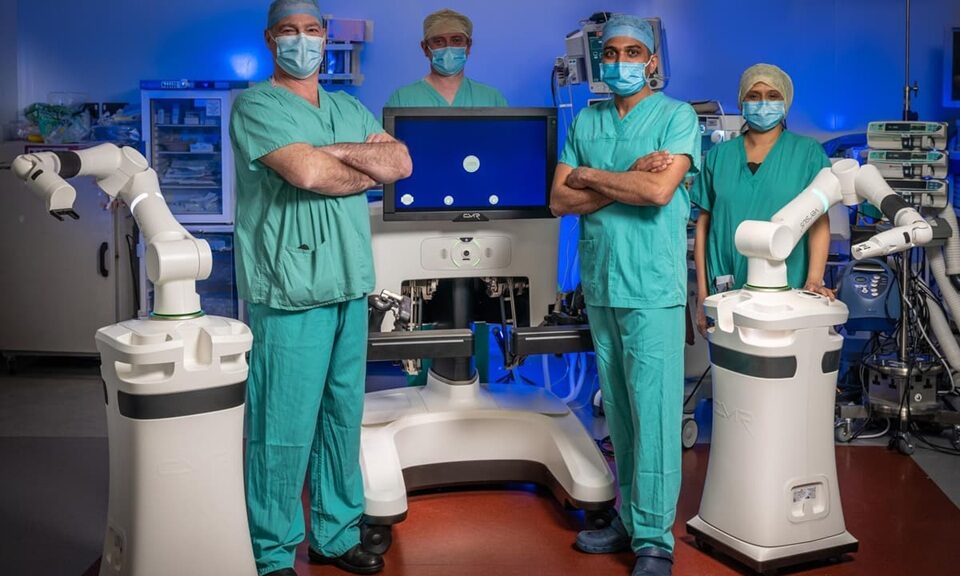













































(Microsoft)-1.jpg)