The phrase “true luxury” has become so common in resort marketing that it risks losing its meaning.
A grand lobby, expensive finishes and a long amenities menu can create an impressive first impression, but they reveal little about the quality of a vacation after check-in. A more useful test is how consistently a property delivers on its promises, particularly when guests have different priorities, schedules and expectations. The all-inclusive format makes that test unusually demanding. Travelers want the freedom of a prepaid stay without feeling confined to standardized meals, crowded shared spaces or service organized around the resort’s convenience.
The stakes extend beyond one hotel category.
McKinsey’s research into luxury travel found that 72% of luxury travelers consider visiting a new destination important, compared with 44% of other travelers. The same research identifies sun-and-beach vacations as the most preferred type of trip among luxury travelers. These findings put beachfront resorts under particular scrutiny: a desirable address may secure the booking, but distinctive experiences and a convincing sense of place give guests a reason to choose one property over another.
Luxury travel is also less narrowly defined by wealth than the industry’s imagery might suggest. McKinsey estimates that travelers with net worth between $100,000 usd and $1 million usd account for 35% of luxury-travel spending. For travelers who deliberately allocate more of their vacation budget to a premium property, inclusions deserve careful attention. A higher nightly price may be reasonable if it replaces meaningful additional expenses and delivers experiences that would otherwise require multiple reservations, transfers and separate payments. It is the substance of those inclusions, rather than the length of the list, that deserves examination.
In this exclusive interview, Denys Montes de Oca, Executive Corporate Director of Sales and Marketing, Velas Resorts, discusses the decisions behind Grand Velas Riviera Maya’s hospitality model, from the role of personal service to the thinking behind its culinary and wellness programs.
Their answers offer a closer look at what the resort means when it claims a place at the top end of the all-inclusive market.
The wider travel market provides context for that ambition. UN Tourism recorded approximately 1.52 billion international tourist arrivals in 2025, a 4% increase over 2024. The figure measures global travel activity, not luxury-resort demand specifically, but it describes a crowded international marketplace in which established destinations must give travelers concrete reasons to return. Against that backdrop, the distinction between an all-inclusive package and a genuinely considered luxury experience becomes worth exploring.
Grand Velas Riviera Maya presents a particularly interesting case.
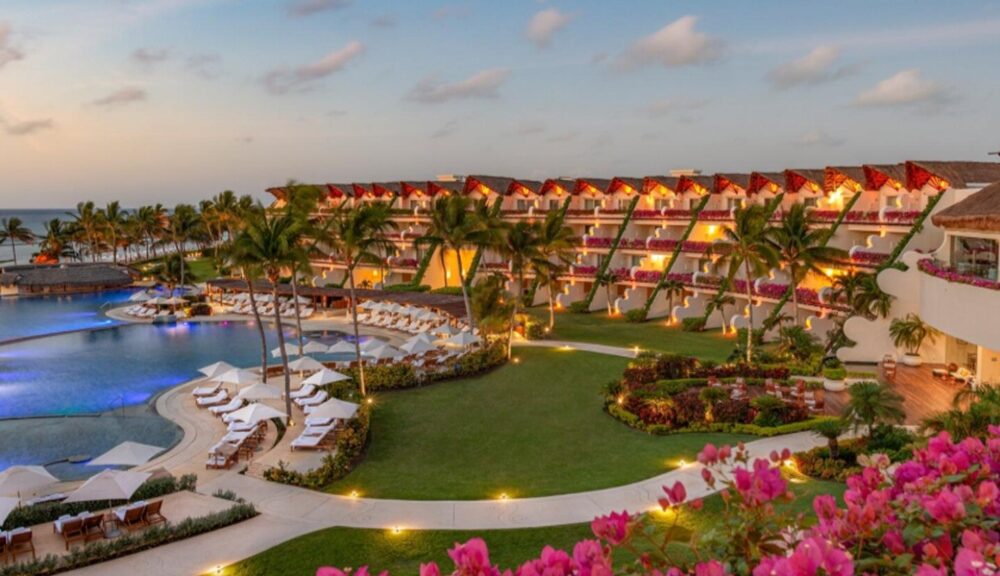
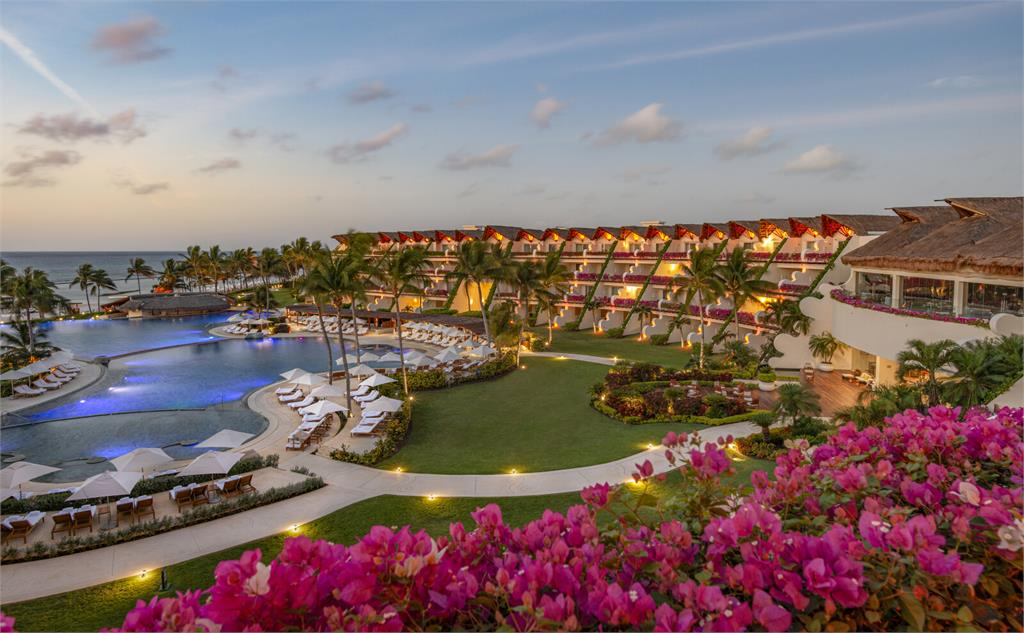
Set along the Caribbean coast near Playa del Carmen, the AAA Five Diamond property spans beach and jungle environments and offers different ways to occupy the same destination. Its proposition rests on a fairly ambitious idea: guests with competing definitions of a satisfying holiday should be able to find their own rhythm without sacrificing access to the property’s core hospitality. That includes couples seeking privacy, parents traveling with children, guests planning meals around serious restaurants and those who would gladly devote an afternoon to wellness.
THE RESORT EXPERIENCE
Q: What most distinguishes the property from other ultra-luxury all-inclusive resorts in Riviera Maya?
A: Grand Velas Riviera Maya stands among the few truly luxury all-inclusive resorts in the world, redefining what it means to have everything included without compromising on quality, sophistication, or service. True luxury is reflected in every detail, from world-class culinary experiences and sophisticated design to highly personalized hospitality, where every guest is treated like a VIP. With an exceptional 3-to-1 staff-to-guest ratio, the resort delivers attentive, intuitive service that anticipates guests’ needs and creates a truly seamless experience. This commitment to excellence is reflected in the resort’s prestigious AAA Five Diamond Award, alongside its collection of AAA Four- and Five-Diamond restaurants, including Cocina de Autor, which holds both a MICHELIN Star and the AAA Five Diamond distinction. The resort is also home to SE Spa, a Forbes Travel Guide Five-Star-rated spa, further setting it apart as a leader in luxury wellness in the Riviera Maya
What makes Grand Velas Riviera Maya truly exceptional is the rare combination of this level of luxury with the convenience and value of an all-inclusive experience. Guests enjoy access to extraordinary gourmet dining, premium beverages, spacious suites, personalized service, and thoughtfully curated experiences, all within one resort. Guests can also spend their days between three swimming pools, the beach and water sports, while also enjoying features such as swim-up bars, lounges and nightlife. Grand Velas Riviera Maya is defined by its commitment to delivering an experience that goes well beyond the traditional all-inclusive model.
Immersive experiences, offered both on and off property, are inspired by the region’s landscapes, traditions, and flavors. Grand Velas Riviera Maya is committed to the guests’ experience of the region, from activities focused on alebrijes, papel picado, milagritos, and dreamcatchers, to food & beverage offerings like a new Chamoy beverage menu, Tortilla Heritage Workshop, and Mezcal and Chocolate pairing.
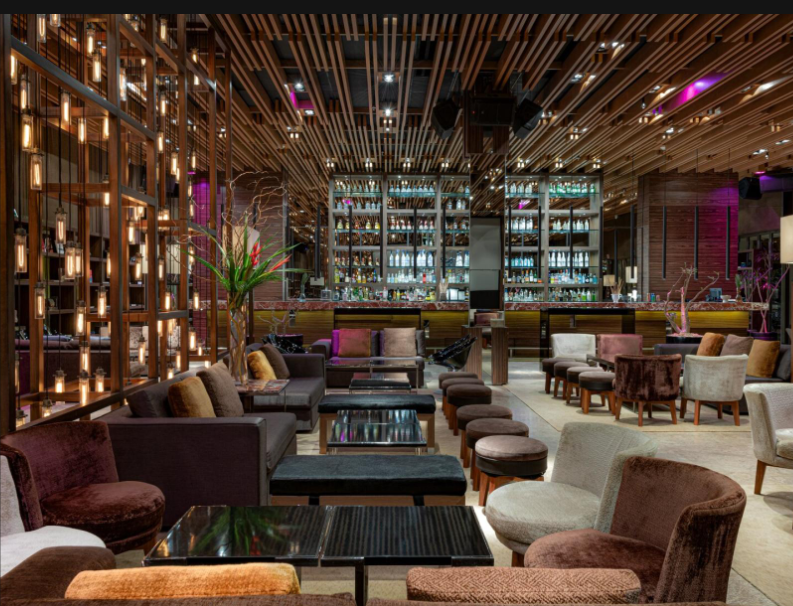
Q: How have you designed the resort so guests can have very different vacation experiences without ever needing to leave the property?
A: Nestled between the lush Mayan jungle and the pristine white-sand beaches of the Caribbean, Grand Velas Riviera Maya intentionally offers a variety of distinct experiences within one expansive setting. Three accommodation environments each have their own character, from the private, romantic ambiance of adults-only Grand Class, to the spacious and lively beachfront atmosphere of Ambassador, to the tropical tranquility of Zen Grand, surrounded by the Mayan jungle. This unique blend of beach and jungle allows couples, families, and multigenerational groups to create entirely different vacations within one resort.
The property caters to guests of all ages, with Kids’ and Teens’ Clubs, dedicated Jungle Kids’ Spa, a Baby Concierge, and a variety of recreational offerings for adults only. The hotel also offers dedicated theme events throughout the year, all included in the nightly rate. A highlight annually is the annual Wellnessing Getaway every June. The getaway features a daily run club, Sculpt and Pilates sessions, Functional Training, and more for a wellness reset.
Q: How do you balance sophisticated adult experiences with enough programming and amenities to make the resort equally compelling for families?
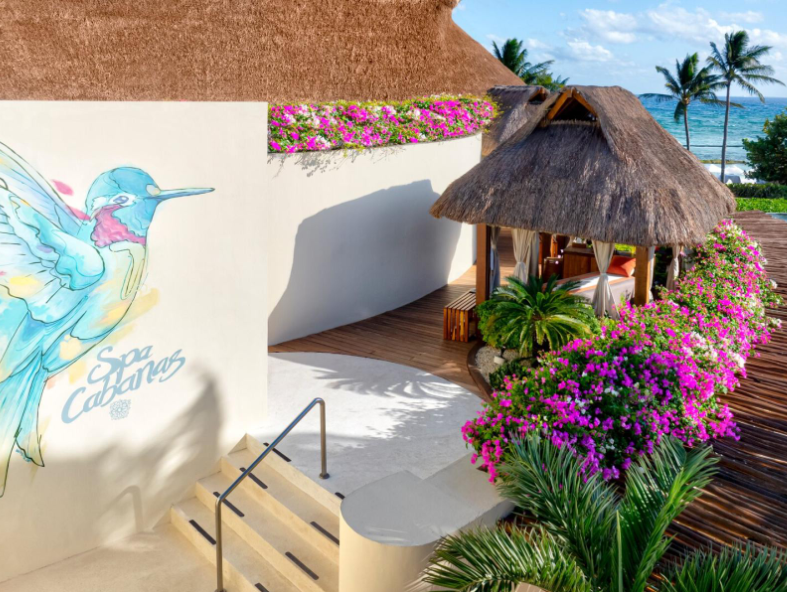
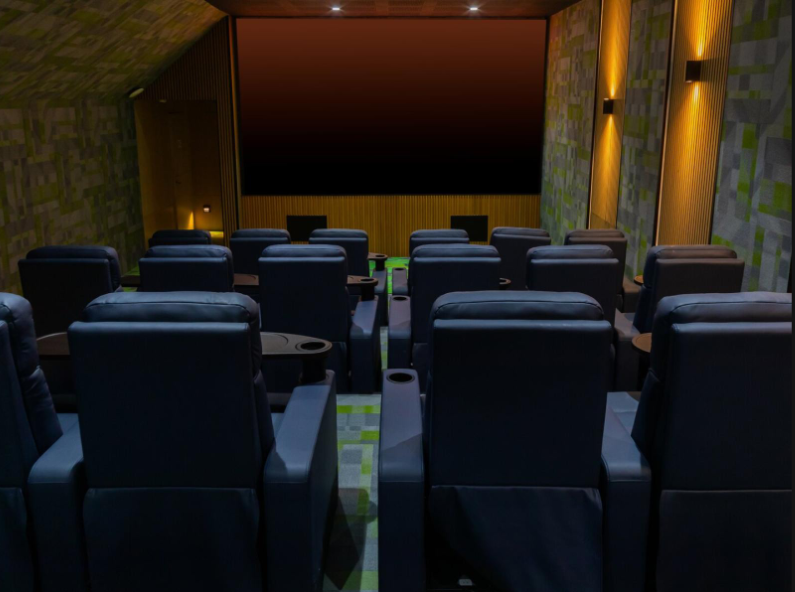
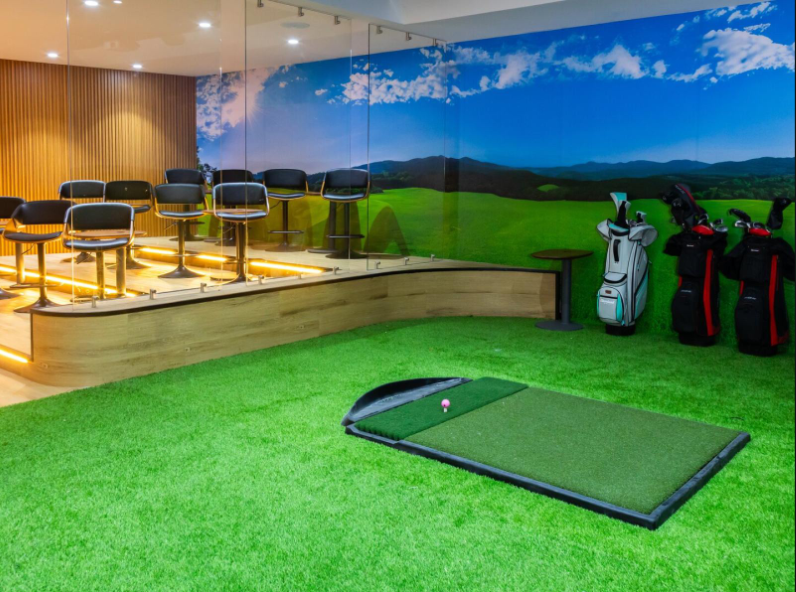
A: The key is creating experiences that feel thoughtfully designed for every generation rather than simply offering something for everyone. The recently renovated Kids’ and Teens’ Clubs give younger guests dedicated spaces and programming of their own. The Kids’ Club offers a Mayan jungle-themed, largely screen-free environment with arts, crafts, cultural activities, outdoor workshops, and wellness programming, while the Teens’ Club features a more sophisticated space with gaming, a cinema, golf simulator, and hands-on cultural and culinary experiences. Meanwhile, the Baby Concierge helps families travel with greater ease by ensuring their baby’s needs are anticipated, with premium nursery essentials, deluxe accessories such as mini beach cabanas, gourmet baby menus, baby yoga classes, as well as babysitting services with highly trained nannies available on demand. Adults can enjoy experiences such as Bag Charm workshops and Mole & Mezcal tastings. Children can take part in activities including Dreamcatcher Handcrafts and Kids’ Glamping, as well as the numerous fun and exciting offerings within the Kid’s club. The result is a resort where families can spend meaningful time together while also having the freedom to pursue experiences independently.
GRAND CLASS AND PERSONAL SERVICE
Q: What details make staying in Grand Class feel distinctly different from the resort’s other accommodations?
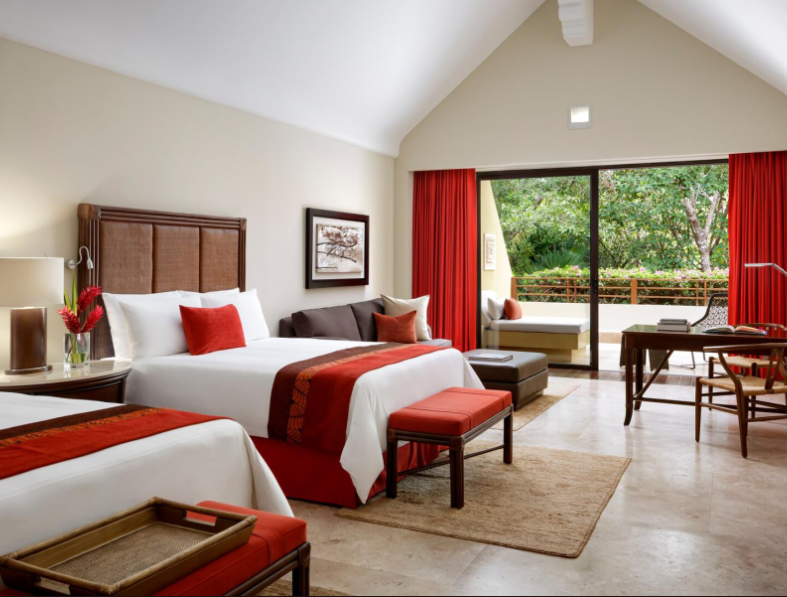
A: The Grand Class Suites are designed as luxurious retreats in their own right. From the ocean-facing layout and private plunge pool to the spa-style marble bathroom, premium amenities and thoughtful in-room touches. All Grand Velas guests have access to luxurious benefits ranging from 24-hour personal concierge service and gourmet in-suite dining to premium minibars, nightly turndown and other inclusions. Furthermore, the Grand Class suites have the least amount of suites out of the three ambiances offered at Grand Velas Riviera Maya, which offers a more private, singular experience.
Q: How does this highly personalized service model redefine what travelers should expect from an ultra-luxury all-inclusive experience?
A: At Grand Velas Riviera Maya, we believe that true luxury begins with exceptional, highly personalized service. The emphasis placed is on removing the need to think about logistics so guests can simply settle in and enjoy their time. We consider the 24-hour personal concierge service, gourmet in-suite dining, and premium minibars to simply the baseline, rather than a hyper-luxurious amenity.
SE SPA AND THE WATER CEREMONY
Q: What is the philosophy behind the spa, and how does it incorporate Mexican traditions and ingredients alongside wellness practices and therapies from around the world?
A: SE Spa is rooted in the idea that wellness can be both deeply restorative and connected to place. Its treatments draw inspiration from Mexican and ancient Mayan traditions while incorporating contemporary wellness techniques, creating an experience that feels distinctly connected to the region. A distinctive aspect of the spa’s treatments is the incorporation of products rooted in the Earth and traditional to the Mayan culture. These include ingredients such as coffee, cacao, Nopal, corn, honey from the region, vanilla, aloe vera, and gourds from the calabash tree in Yucatan.The Páak’am Experience, for example, draws on ancient Mexican healing traditions and centers on the nourishing properties of prickly pear cactus, beginning with a Mayan blessing before moving into exfoliation and massage using warm nopal paddles. These elements give the spa experience a strong sense of place while maintaining a contemporary approach to relaxation and wellness.
Q: SE Spa goes well beyond a conventional resort treatment menu, with culturally inspired rituals, specialized wellness offerings and even experiences for younger guests. What do you believe makes the spa experience here particularly distinctive?
A: What makes SE Spa distinctive is the depth of the experience. It is designed to feel like a complete retreat rather than simply a place to receive a treatment. From the tranquil environment to the highly attentive spa team and extensive treatment menu, every element is intended to encourage guests to slow down and fully disconnect. The combination of Mexican-inspired rituals, unparalleled hospitality, and strong emphasis on relaxation creates an experience that is both immersive and restorative. It is reflected in the spa’s recognition as one of six in Mexico to receive a Five-Star accolade from the Forbes Travel Guide.
Furthermore, each treatment includes a seven step Water Ceremony, a transformative experience designed to awaken the metabolism and revitalize one’s well-being. Water, a symbol of purification and renewal, is at the heart of this ritual and is enhanced by biohacking elements such as saunas, hot tubs, and cold plunges. These temperature contrasts optimize health, accelerate recovery, and foster mental clarity. A spa valet provides personalized direction to make sure guests get the most out of the truly relaxing hydrotherapy experience , such as how to alternate the various hot and cold rooms and pools, and how long to linger in them.
Q: How do you help guests choose a massage that is both experiential and genuinely suited to their individual wellness needs?
A: The massage menu draws from Mexican traditions as well as therapies from around the world, with treatments incorporating ingredients and techniques ranging from coffee and cocoa to honey, aloe, herbal poultices and sound therapy. Personalization is central to the spa experience. Guests do not have to navigate the extensive treatment menu on their own; their personal concierge or spa butler can recommend a treatment based on their individual preferences, needs and wellness goals. Whether a guest is looking for deep relaxation, a culturally inspired ritual or a treatment focused on a particular area of the body, the team can help identify the experience that is best suited to them.
Q: The signature Water Ceremony takes guests through a multi-step hydrotherapy journey incorporating contrasting temperatures and sensory experiences, from sauna and steam to an ice room, specialty showers, plunges and a hydrotherapy pool. What is the intended progression of this ritual, and what should guests notice physically and mentally as they move through it?
A: The Water Ceremony is designed as a progressive hydrotherapy journey, using changes in temperature, water pressure and sensory stimulation to encourage relaxation and rejuvenation. Guests move through a series of experiences-Jacuzzi, sauna, steam room, hot and cold lagoon, bithermal shower and hydro-reflexology-each offering a different physical sensation by using the power and healing qualities of water. The contrast between hot and cold water helps stimulate circulation and invigorate the body, while the sauna and steam encourage relaxation. Chromotherapy and sensory elements add another meditative dimension to the experience, while the final relaxation period allows guests to fully unwind before their chosen treatment. At each step, a Spa Butler is available to provide refreshments and small touches designed to make the journey feel as restorative as possible. Throughout the ceremony, guests may notice not just physical relaxation, but also a reduction in mental stress and tension.
DINING BEYOND EXPECTATIONS
Q: Sen Lin brings together culinary traditions from China, Japan, Korea, Vietnam, Malaysia and Thailand. With such a broad geographic canvas, how does the culinary team create a cohesive Asian-fusion identity rather than simply presenting dishes from several different cuisines?
A: The team creates a cohesive identity by focusing on the ingredients, aromas, and bold flavor profiles that connect the cuisines represented on the menu. The approach centers on fresh and aromatic ingredients with intense and explosive flavors. Rather than simply combining dishes from different countries, the menu uses these shared culinary principles as a foundation for creating a contemporary interpretation of Asian cuisine.
Q: What are a few dishes, ingredients or techniques at Sen Lin that you feel best demonstrate the restaurant’s approach of respecting traditional Asian flavors while giving them a contemporary interpretation?
A: Several dishes showcase this balance particularly well. Pla Yang pairs the catch of the day with shrimp and fish gyoza potstickers, wok vegetables and green curry sauce presented in two textures, accompanied by steamed rice. Yin and Yang takes a more playful approach to dessert, combining kaffir lime mousse with a liquid melon and yuzu center, lychee gelée and red berry sorbet with sake. Gyuniku Bata, meanwhile, features rib eye in miso butter with seaweed extract, yuzu kosho and a clarified butter emulsion with yuzu, bringing together familiar Japanese flavors with a contemporary presentation.
Q: Piaf offers the resort’s interpretation of elevated French dining. What elements of the cuisine, service and atmosphere are designed to transport guests beyond the traditional expectations of an all-inclusive restaurant?
A: As guests enter through dramatic curtains of Swarovski crystals, all traditional expectations of all inclusive dining are completely subverted. The experience draws inspiration from the glamour of 1940s Paris, creating an atmosphere that feels more like a sophisticated French restaurant than a traditional all-inclusive venue. Attentive service and elevated interpretations of French classics complete the experience, giving guests a sense of occasion from the moment they arrive.
Q: For a first-time guest dining at Piaf, which dishes or aspects of the experience would you consider essential to understanding the restaurant’s culinary personality?
A: For a first visit, the escargots in beef stock, foie gras 8/80, petit roasted duck magret and Bourguignonne-style short ribs offer a strong introduction to Piaf’s classic French culinary identity. Together, they capture the restaurant’s emphasis on rich, sophisticated flavors and its overall sense of indulgence.
Q: Cocina de Autor offers a multi-course tasting experience conceived by acclaimed chefs Bruno Oteiza and Mikel Alonso and led in Riviera Maya by Chef Nahum Velasco, with a focus on Mexican ingredients and culinary diversity. How does the tasting menu tell a story about contemporary Mexican cuisine over the course of the meal?
A: Both in taste and in appearance, the menu is an ode to the natural and cultural environment of Riviera Maya. The menu draws inspiration from the sea beyond the restaurant, the surrounding jungle and even Grand Velas Riviera Maya’s own beehives, incorporating local produce and food products alongside traditional Mexican techniques and more innovative approaches. Each course builds on the next to create a broader narrative of not just the Mayan Riviera, but of Grand Velas itself.
Q: Cocina de Autor has earned both a MICHELIN star and AAA Five Diamond recognition, an extraordinary distinction for a restaurant within an all-inclusive resort. How do you maintain that level of culinary ambition while still keeping the experience integrated into Grand Velas’ inclusive model?
A: For Grand Velas Riviera Maya, Cocina de Autor’s culinary ambition is an essential part of the all-inclusive philosophy rather than something separate from it. The resort’s approach is to ensure that excellence extends across every aspect of the guest experience, including dining. Cocina de Autor reflects that commitment through its Michelin-starred tasting menu, while the property as a whole has also received the AAA Five Diamond Award for lodging and Five-Star recognition from Forbes Travel Guide for SE Spa.
The interview raises a practical question for anyone comparing high-end resorts: how much of the advertised experience is accessible in the ordinary course of a stay? Dining at an acclaimed restaurant, having help with arrangements and choosing among distinct spaces can make a vacation feel substantially different, but only if reservations, access rules and any exclusions align with the guest’s plans. The details are worth confirming before booking, particularly for families traveling across age groups or visitors whose priorities center on one restaurant, spa appointment or accommodation category.
Grand Velas Riviera Maya’s positioning also invites a more discerning way to assess value. A traveler who intends to spend most days exploring beyond the property may judge the price differently from someone planning to make full use of its dining, recreation and wellness facilities. Neither approach is inherently more luxurious. The meaningful question is whether the resort’s design fits the way you actually travel, rather than the vacation itinerary its marketing assumes you want.
There is a further distinction between providing choice and making choice effortless. An extensive menu of experiences can become another planning burden if guests must coordinate every detail themselves. At the premium end of hospitality, good service should reduce that friction without directing the vacation. Privacy should remain available without isolation, and family programming should accommodate children without making adults feel that every shared space revolves around them. These are demanding standards, and they are more revealing than a collection of superlatives.
For Grand Velas Riviera Maya, the most persuasive expression of “true luxury” is therefore a standard that guests can test for themselves: the ability to spend their time as they wish, with the resort doing the complicated work quietly and competently. The real measure comes after the first impression, when the choices guests make throughout their stay feel like their own.
For The Silo, Merilee Kern.
Entrepreneur Leadership Network member Merilee Kern, MBA is an internationally-regarded brand strategist and analyst who reports on cultural shifts and trends as well as noteworthy industry change makers, movers, shakers and innovators across all categories, both B2C and B2B. This includes field experts and thought leaders, brands, products, services, destinations and events. As Founder, Executive Editor and Producer of “The Luxe List,” Merilee is a prolific business, lifestyle, travel, dining and leisure industry voice of authority and tastemaker. She keeps her finger on the pulse of the marketplace in search of new and innovative must-haves and exemplary experiences at all price points, from the affordable to the extreme. Her work reaches multi-millions worldwide via broadcast TV (her own shows and copious others on which she appears) as well as a myriad of print and online publications. Connect with her at www.TheLuxeList.com / Instagram www.Instagram.com/MerileeKern / X http://www.X.com/MerileeKern / Facebook www.Facebook.com/MerileeKernOfficial / LinkedIN www.LinkedIn.com/in/MerileeKern.
***Some or all of the accommodations(s), experience(s), item(s) and/or service(s) detailed above may have been provided or arranged at no cost to accommodate if this is review editorial, but all opinions expressed are entirely those of Merilee Kern and have not been influenced in any way.***
Sources
https://www.mckinsey.com/featured-insights/mckinsey-explainers/what-is-the-future-of-travel