Tag Archives: isolation

Whistleblowers Expose Elephant Deaths Cover-Up & Conflicts At Busch Gardens

/Users/amgraef7/Library/Containers/com.microsoft.Word/Data/tmp/Content.MSO/F91A7C95.tmp

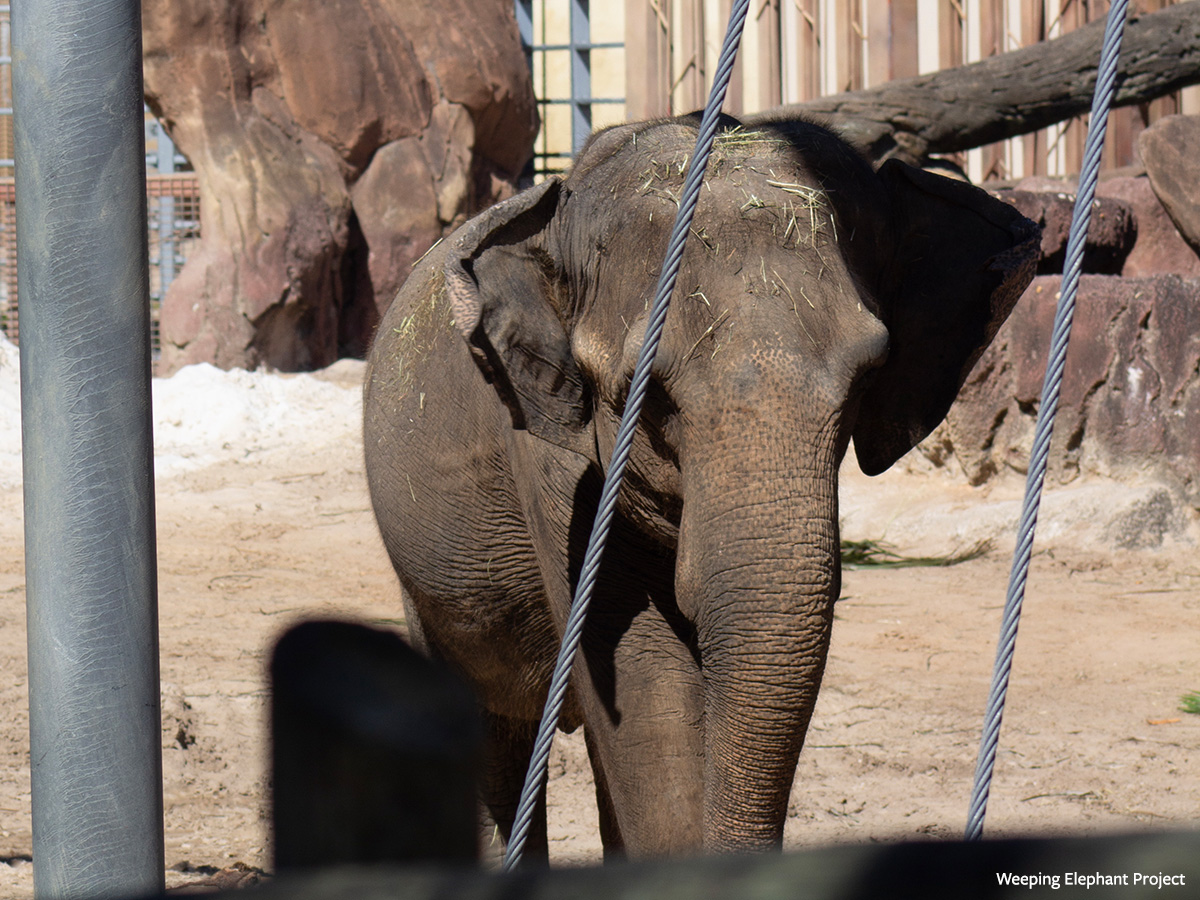
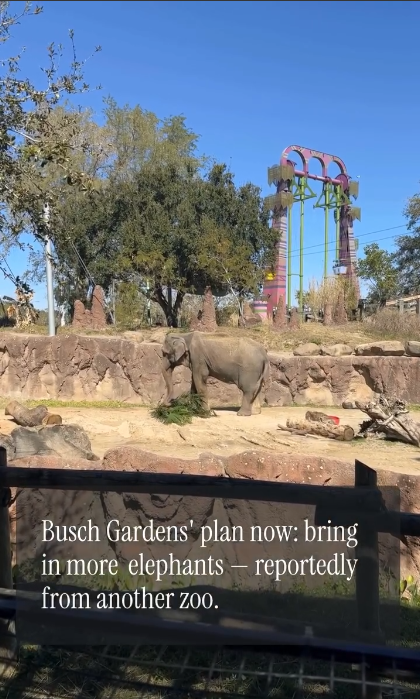
Elephants are surrounded on all sides by roller coasters and fireworks. Photo: Weeping Elephant Project

TAMPA, Fla. (August, 2026)  Following the death of a second elephant in less than two years, In Defense of Animals joins the Weeping Elephant Project in demanding an independent investigation into Busch Gardens Tampa Bay. Newly-released testimonies (see link to report below) from former zoo keepers expose severe animal welfare violations, a culture of retaliation against staff, and a massive conflict of interest protecting the theme park from accountability.

Calls For Investigation

The calls for an investigation follow the July 2026 death of Carina, a 54-year-old Asian elephant who was euthanized following three separate emergencies where she collapsed and was unable to stand within a six-day period. Her death closely mirrors the fate of Rosie, another 54-year-old Asian elephant who collapsed during a park fireworks event in 2022, and was left unable to stand for over five hours. She never fully recovered, and was euthanized two years later.

According to the Weeping Elephant Project’s damning new investigative report, park management willfully ignored the animals’ suffering and ordered staff to stop documenting stress behaviors.

“Staff asked if fireworks would be suspended until Rosie could make it back to the barn and be evaluated. The answer was a simple no. None of this was ever made transparent to the public,” revealed a former employee in an anonymous report submitted to the Weeping Elephant Project.

Formal Complaints Filed

Former animal care specialists filed formal complaints with the U.S. Department of Agriculture (USDA) and the Association of Zoos and Aquariums (AZA) in October 2024. Despite these filings, no corrective action was taken. More than 80 zoo employees have left since 2021, and dozens of animals have died, including eight endangered great apes.

Advocates point to a glaring conflict of interest as the primary reason complaints have been ignored by regulators: Dr. Chris Dold, Chief Zoological Officer at Busch Gardens’ parent company (United Parks & Resorts), currently serves as the Chair of the AZA Board of Directors — the primary body responsible for accrediting the park.

“With United Parks & Resorts’ Chief Zoological Officer simultaneously serving as Chair of the AZA Board of Directors, this is a glaring conflict of interest that allows the park to self-regulate without real accountability,” said Danielle Carnahan, Executive Director at Weeping Elephant Project.

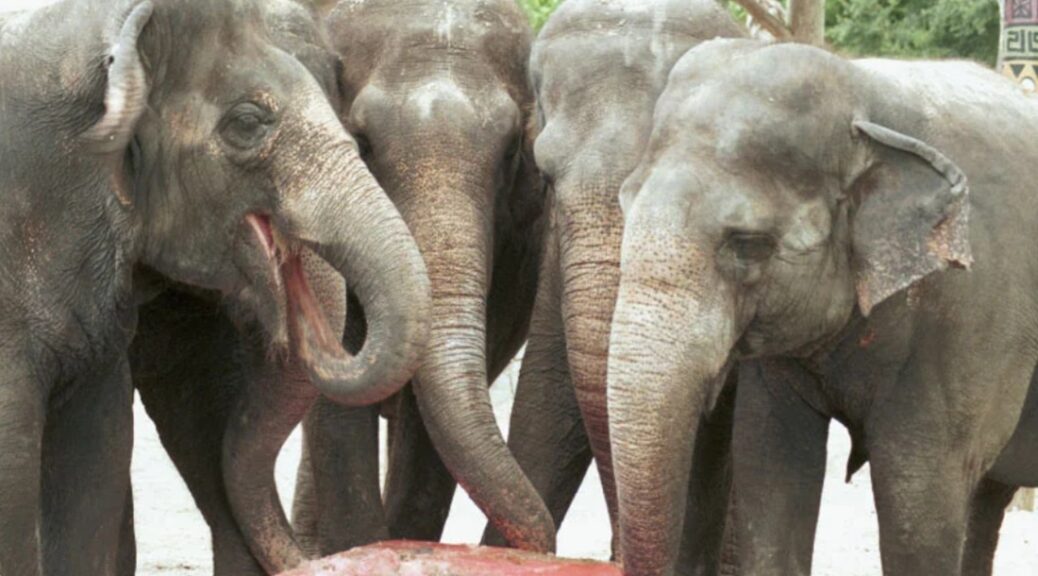
Numerous issues are still negatively affecting animals at Busch Gardens, but major concerns lie with the treatment of the park’s surviving elephants, Karnaudi, Tina and Simba.

Kumba’s Revenge Rollercoaster Planned Close To Elephant

Despite proven noise and vibration trauma caused by existing rides, elephant-down emergencies, deaths and known stress caused by fireworks, loud guests, and construction, Busch Gardens is moving forward with “Kumba’s Revenge,” a new rollercoaster planned less than 600 feet from the elephants’ barn as part of a $100 million usd/ $138.7 million cad [exchange rate at time of posting] park expansion. Former keepers report the ground of the elephant barn shaking during previous coaster construction. While the park recently launched a drone show under the guise of animal welfare, it still concludes with an explosive fireworks finale.

Further alarming advocates, sources indicate the park is currently planning to import two elephants into this highly stressful environment.

This plan directly contradicts an independent veterinary specialist who consulted on Rosie’s collapse and stated in the October 2024 USDA complaint that she “would not advise the placement of additional elephants at Busch Gardens” given the “constant overexposure to loud music, screaming guests, and non-stop rollercoasters.”

Silencing Of Staff

“It is unconscionable that a facility currently failing its surviving elephants — and silencing staff who document their suffering — is actively planning to import more animals,” Carnahan added. “Busch Gardens is a theme park masquerading as a zoo, where profit and entertainment come first and dedicated care staff are threatened into silence when they speak up. We don’t need performative PR tweaks or more imported elephants; we need an immediate, independent investigation into this broken institution.”

Carina’s death has also triggered a social crisis for the remaining herd. Former keepers report that surviving elephant Tina is now entirely socially isolated, while 36-year-old Karnaudi is only compatible with Simba, a 58-year-old elephant suffering from blindness and severe cognitive decline.

“The Busch Gardens elephants should be retired to a sanctuary before they have to endure another traumatic coaster construction,” said Courtney Scott, Elephant Consultant for In Defense of Animals. “This whistleblower report makes it very clear how badly the elephants and the other animals at Busch Gardens were treated. Now the public can see exactly what they are supporting by purchasing a ticket to Busch Gardens Tampa Bay, and they have responded en masse, sending thousands of emails to management and corporate sponsors. People care about animal welfare. Now it’s time for this zootainment facility to do likewise.”

Over 37,000 emails have been sent to Busch Gardens management, and over 32,000 emails have been sent to the AZA and its Species Survival Plan, urging them not to bring more elephants into the park. Over 8,800 more have urged the zoo’s corporate partners to pull funding, including Advent Health, Suncoast Credit Union, Anheuser-Busch, Coca-Cola, Keel Farms, Tampa Bay Lightning, Woodie’s Wash Shack, and Yacht Starship.

For the Silo, Courtney Scott.

Read the report: Inside Busch Gardens: Former Employees’ Accounts Raise Serious Questions About Elephant Welfare

How Weight Loss Classes Can Benefit Your Holistic Wellness

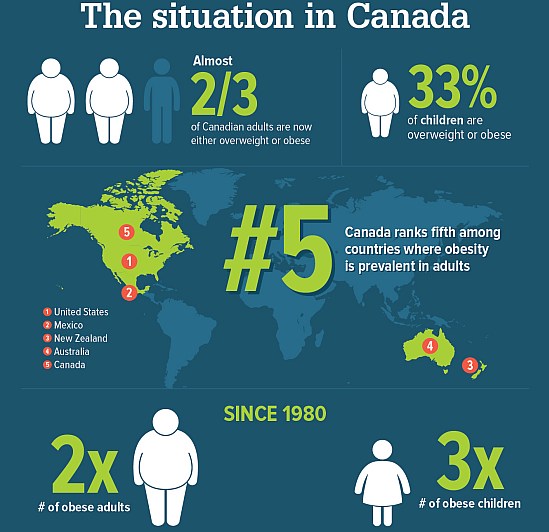
Canadians are still bouncing back from the health impacts of years of isolation. A recent survey of over 1,000 citizens shows that almost one-third of them don’t exercise at all, despite the country’s health officials’ recommendation of at least 150 minutes per week of physical activity. After all, finding the motivation to go to the gym or do that morning run can be difficult when you only have yourself to be accountable for. This is why more people are opting to attend weight loss classes, helping them to stay consistent with their routine. But the effects of weight loss classes transcend merely the physical. Here are a few ways they can benefit your overall health:

Physical wellness

Weight loss workshops are as crucial as meal plans and gym sessions because they provide holistic guidance and tips to keep you on the right track, from changing your relationship with food, sharing stories about your unique challenges, and sourcing motivation to keep exercising, among other benefits. By searching “weight loss classes near me” online, you can evaluate which features work for you. In-person classes allow you to meet with coaches and like-minded peers. If those don’t fit your schedule, a bevy of virtual workshops can connect you to a coach who will help you work on your wellness goals with science-backed strategies and inspiration, even at a distance. Peer group virtual workshops can help you get out of a fitness rut by providing support and accountability. These build the foundation for a consistent fitness routine that ultimately benefits your body.

Mental wellness

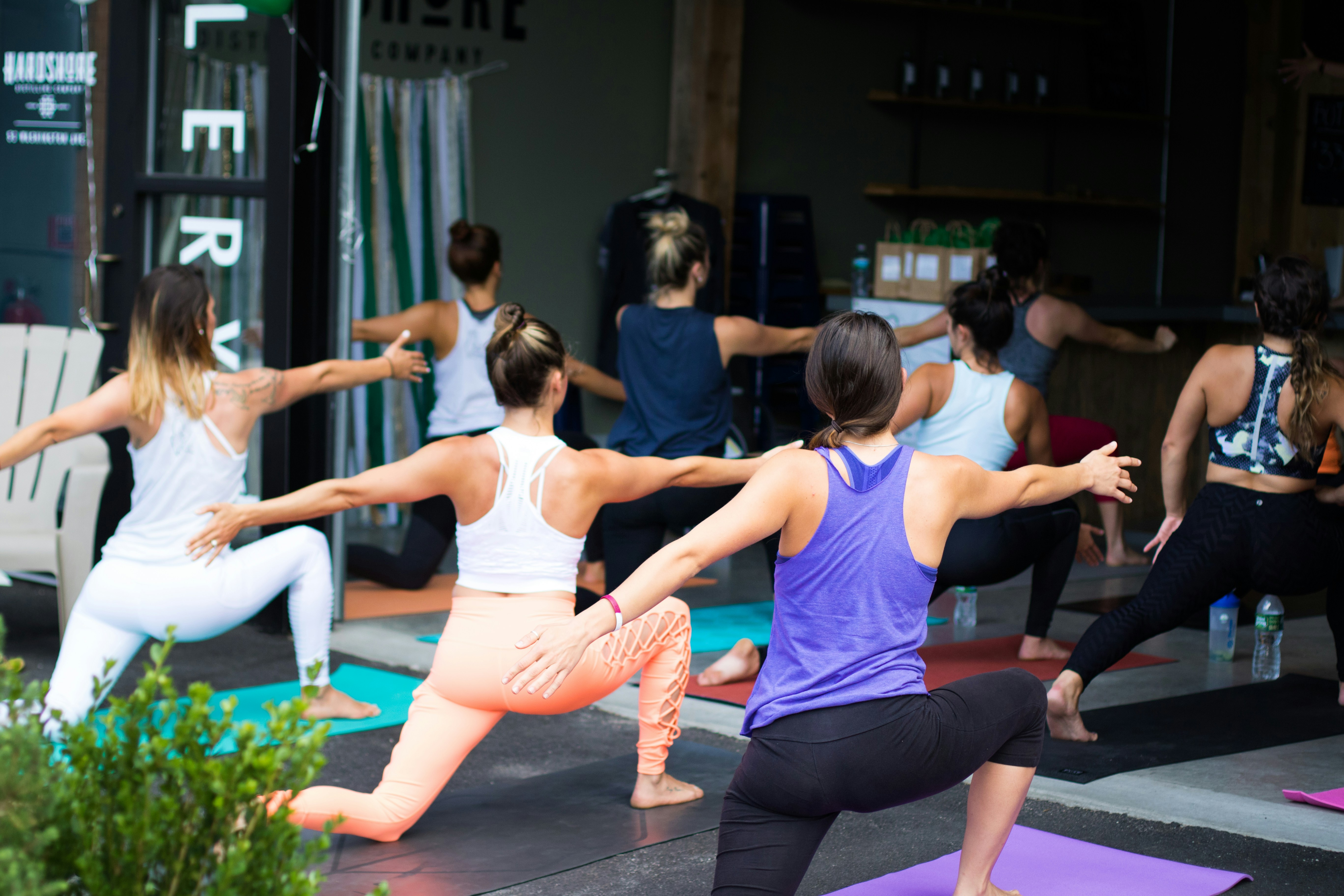
Group workouts offer a unique balm to your mental health that working out alone may not. A group setting facilitates a more engaging and energizing environment that encourages you to have fun and even engage in some healthy competition. If you’ve had a difficult day, it can help you get “out of your head” instead of stewing in negative thoughts. In a previous post, we talked about how yoga can calm the mind, relieve stress, and reduce anxiety. These effects are further emphasized in group yoga, where shared energy and cohesiveness can bring a comforting sense of community, encouraging dynamic balance and mental clarity. In a study, 64 women with severe anxiety and post-traumatic stress disorder (PTSD) were asked to participate in a weekly 1-hour yoga class for ten weeks. By the end, 52% of participants no longer met the criteria for PTSD.

Social wellness

Mental health issues like depression and anxiety are inextricably tied to loneliness, which is why it’s concerning that over 40% of Canadians report feeling lonely some or all of the time. Excess weight may be another interconnected factor; among obese Canadian adults, 11% report being depressed or having a mood disorder compared to only 6.9% of normal-weight adults. For those who live alone or work from home, social interactions may not be as seamlessly integrated into their schedules, which is where group weight loss classes come in. They can help target the sedentary lifestyle commonly associated with loneliness, as well as provide a sense of belonging for people who need it. Participants often arrange social gatherings before or after classes, such as sharing meals or grocery shopping, to build camaraderie and keep one another on a healthy path for weight loss.

While weight loss may manifest most noticeably in your physical appearance, the team spirit offered by group weight loss classes carries mental and social benefits that can help you keep the weight off long-term. Having supportive figures you can lean on for advice and encouragement enables you to perceive weight management in a healthier, more positive light – and not something you must go through alone.

Weirdest Sleep Experiments

The very nature of being human means that we strive to understand the world around us. Scientists have long considered experiments the best way to test a hypothesis and draw a conclusion. Over the last century, scientists have begun to study sleep more and more. We know it’s necessary yet we don’t fully understand it.  Such a vital function could contain so many important discoveries that we haven’t yet come across.

In this infographic we look at some of the most bizarre sleep experiments. What were they, who ran them and why? Did we learn anything from them or did they go horribly wrong? For the Silo, Michael Brown.