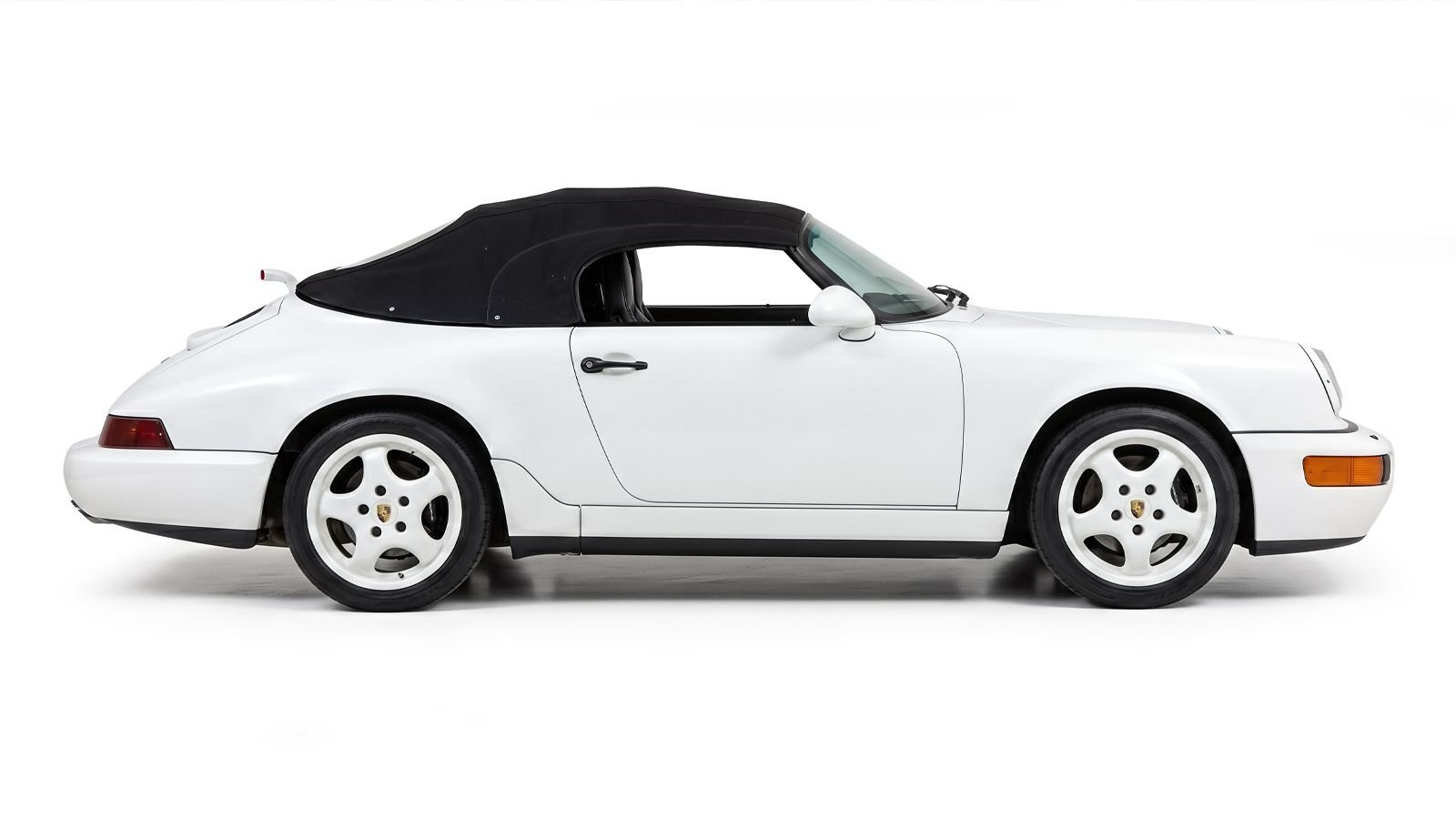
Convertible tops date all the way back to the dawn of the automobile. You know, back when carriages became horseless. But as the decades piled on and technologies/materials evolved, the convertible top industry has never been more intricate.
With so much available information — all of it varying by automotive year, make, model, and other key factors — several myths have developed that keep confusing and confounding convertible owners and future owners alike.
To help dispel the six most common convertible top myths, our friends at Rennlist teamed up with Robbins Auto Top, a member of the TopDown automotive family, to learn a little about convertible top myths and convertible top truths.
Let’s Roll the Top BackOn 6 Convertible Top MYTHS Most People Don’t Understand!
From life expectancy and repairs to material choices and voiding your new top’s warranty, here are the six most common convertible top myths!
1. Convertible Tops Last Forever
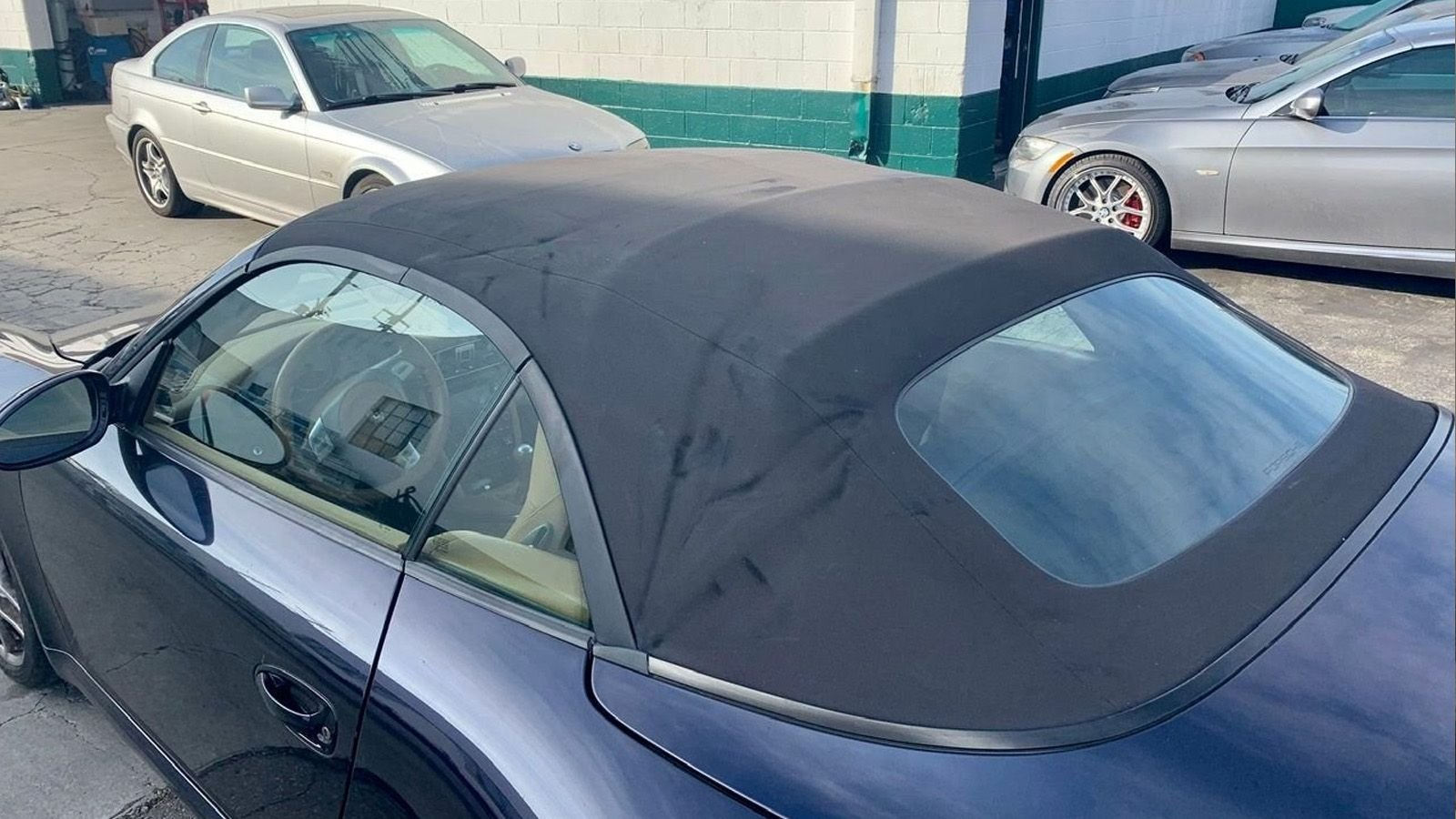
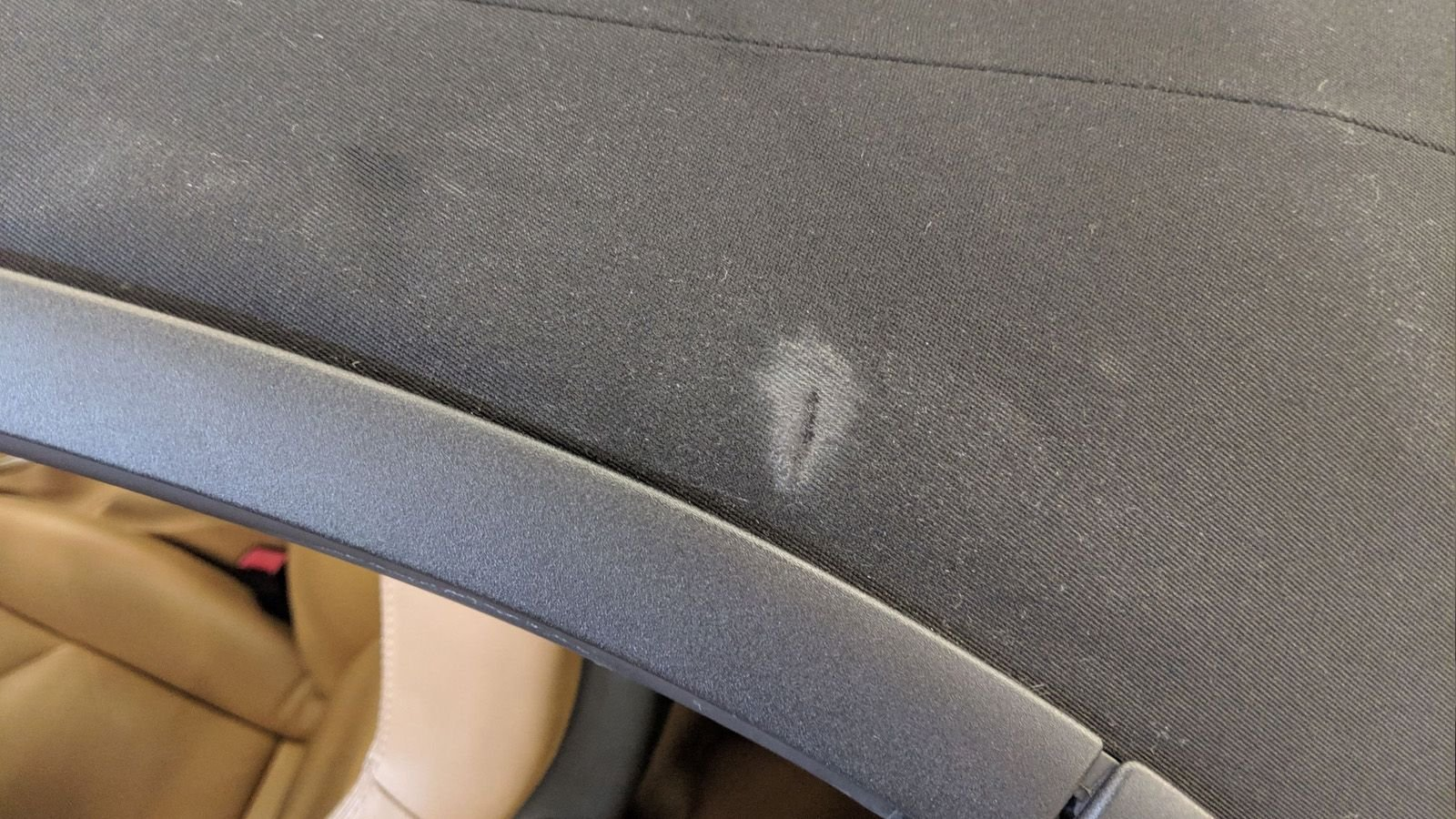
Maybe if they’re never used and sit in a climate-controlled garage with the perfect amount of humidity. But, otherwise, convertible tops are a wear item just like brakes, tires, and various fluids. Weather, pollutants, and UV exposure are all teaming up to destroy your convertible top.
Still, Robbins says the average, daily-driven convertible top lasts only seven years. So, if you own a convertible long enough and you actually drive it in, you should expect to replace it.
2. It’s Cheaper to Repair Than Replace
Repairing convertible tops can save money. But not always.
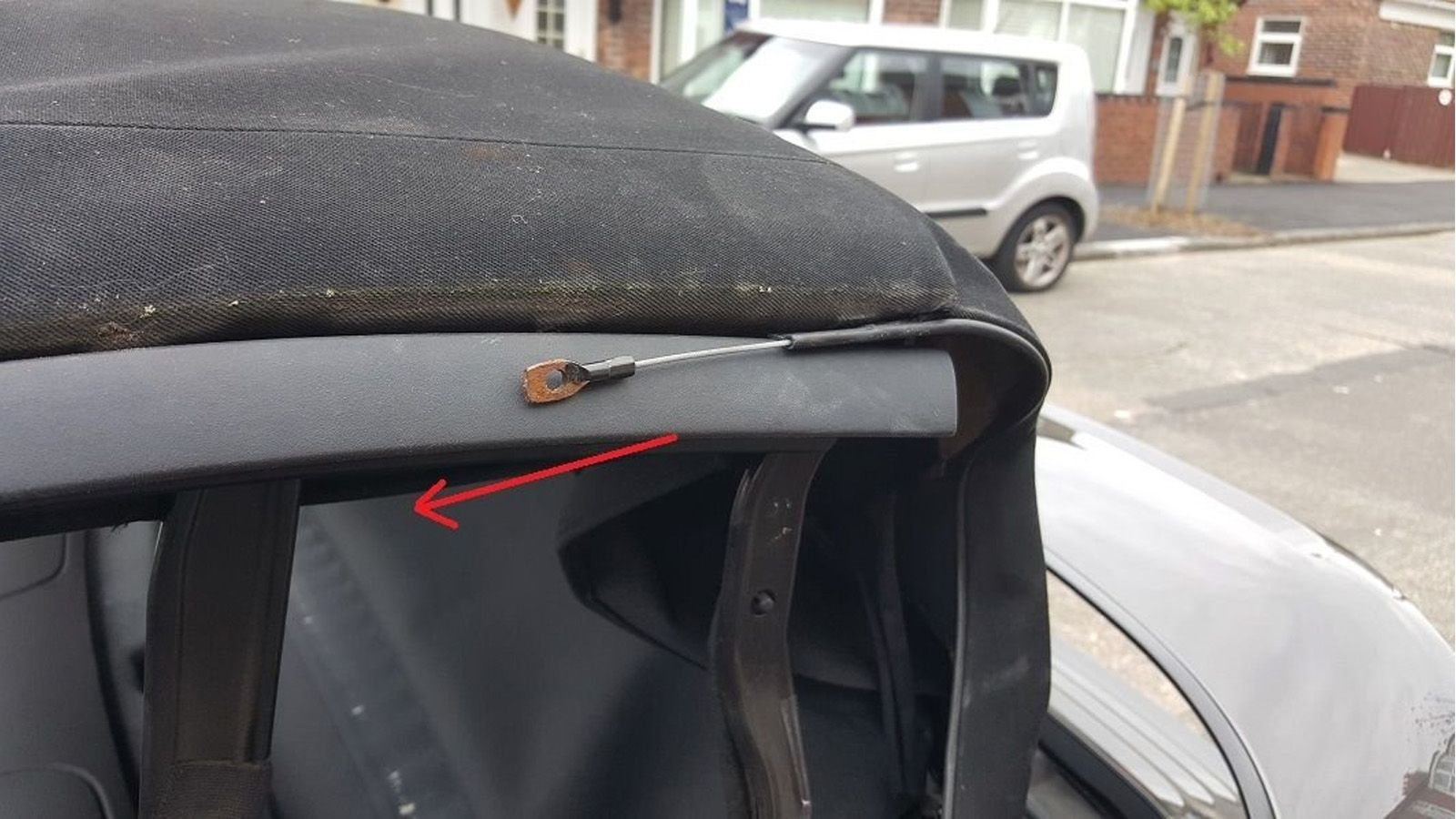
Here’s the catch. It takes just as much, if not more, labor to repair because, in order to make said repairs, you first have to remove the top. Which means paying for labor. Then you have to ask, is your convertible top material in good enough shape to survive removal and reinstall? Old material loves to tear with all that tugging and stretching. And given the top’s age, it’s also more likely to fail in another way, even if you can manage the repair, which could ultimately double or triple your costs.
Which, by the way, is the company Singer calls to install tops on their staggeringly expensive Porsche reimagingings.
3. The Thickest, Most Expensive Material is Always Best
Convertible newbies love to research The Very Best Top Material Ever Made and demand it be installed on their convertible.
But The Best =/= The Best For Your Convertible.
Why? The most expensive, most luxurious top materials are also the thickest, which helps sound deadening, but won’t work for all applications because thicker materials need more room to fold. AKA, room your application may lack.
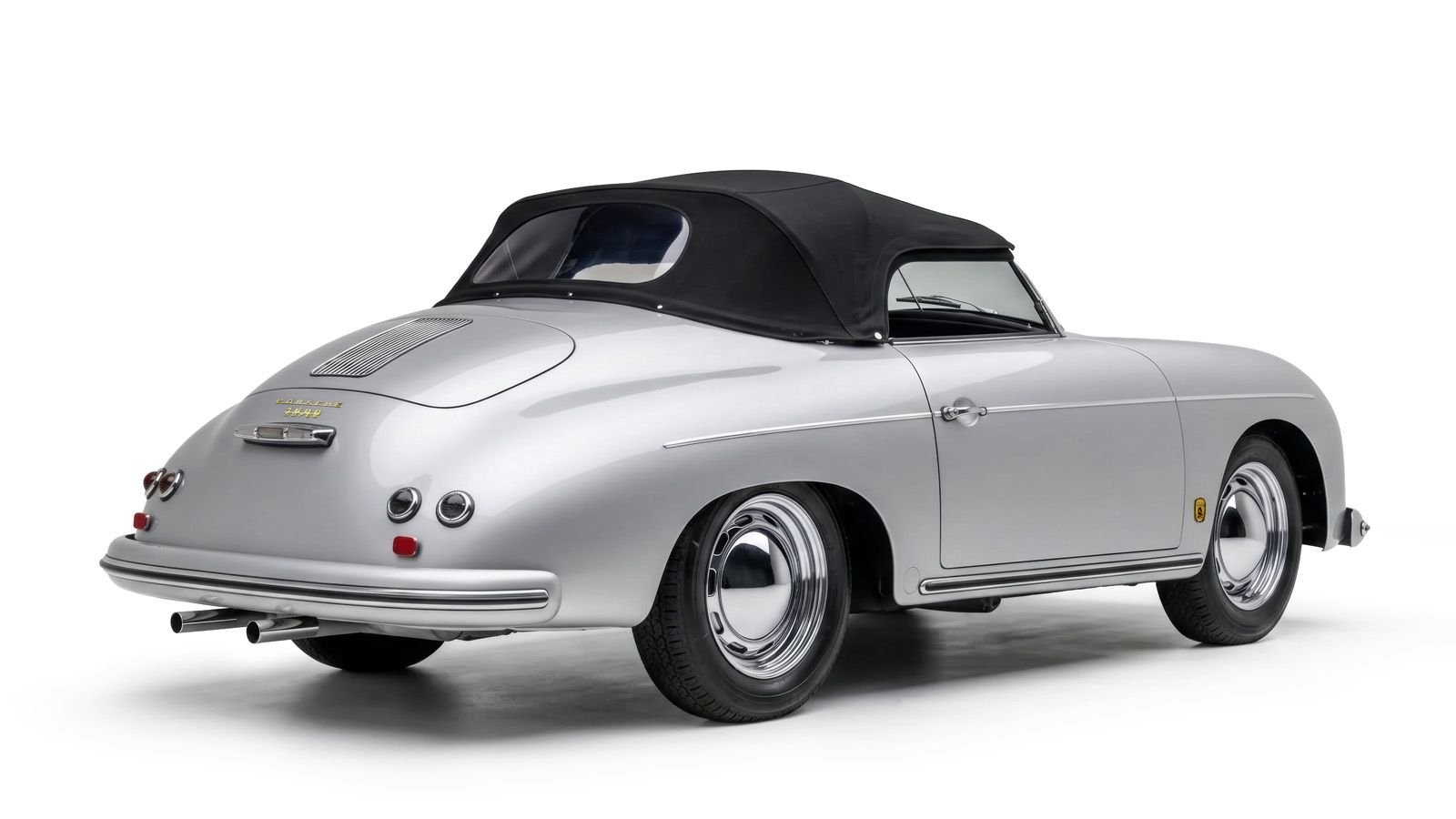
Thankfully, most modern Porsche convertibles and cabriolets were engineered for the thickest/best materials on the planet — various forms of German A5 — but older models and collectibles have to be more careful wth smaller frames and tighter spaces.
4. Installing A Convertible Top is DIY Friendly
YouTube University for DIYers is great. But make no mistake. Convertible top installations are not for first-time DIYers. You need tools and techniques to avoid catastrophe when dealing with aging frames and delicate materials like cloth and glass. All while pulling and stretching and prying and assembling in a very specific order over many hours of hard labor.
Basically, it’s far too easy to damage a new top or break your car if you don’t know what you’re doing. Which is why DIY installations most likely void convertible top warranties.
It’s no surprise that new cars are made as cheaply as possible to maximise profits. But that also means new convertibles often ship with factory flaws that lead to premature wear. Or that the automaker will switch suppliers and end up with “OEM replacements” that don’t fit quite right.
Robbins Auto Top — like its other TopDown siblings, including the interior specialists at GAHH Automotive — doesn’t just replicate OEM, it makes products that are BETTER than OEM. Additional padding on common wear spots. Thicker window frames less likely to fail and leak. Hiding ugly stitching with upgraded production techniques. (And I know this because I toured their facility in person and saw how the company’s engineers improved basically everything.)
So why not spring for better-than-OEM materials? And all the color and fabric customization you could have never ordered from the dealership?
6. You Can Always Order Based on the Year/Make/Model
Many OEMs have been so inconsistent over the years that they’ve produced multiple convertible top styles within a single model year (or across multiple generations). Examples include ‘68-’72 GM mid-size models, ‘87-’93 GM F Bodies, ‘14-16’ Aston Martin DB9 Volantes, and more.
That’s why you need a pro involved not only for installation, but to guide you through the ordering process. And why, if your current top fits well, measurements must be taken to help identify the correct replacement.
TORONTO – Following restrictive sun exposure advice in countries with low solar intensity like Canada might in fact be harmful to your health, says the co-author of a new study on sunlight and vitamin D.
The published study Sunlight and Vitamin D: Necessary for Public Health by Carole Baggerly and several academic researchers, examines how organizations such as World Health Organization’s International Agency for Research on Cancer and the U.S. Surgeon General call for sun avoidance, but ignore the fact that cutting out sunshine will reduce vitamin D, an essential vitamin for bone health, and create probable harm for the general population.
“Humans have adapted to sun exposure over many thousands of years and derive numerous physiological benefits from UV exposure, in addition to vitamin D,” said Baggerly, executive director of Grassroots Health and breast cancer survivor.
“These benefits are in addition to those derived from vitamin D alone and cannot be replaced by vitamin D supplements and therefore sun avoidance being recommended by the US Surgeon General, the Canadian Cancer Society, the Canadian Dermatology Association and others, is unnecessarily putting Canadians at risk.”
From mercola.com -studies suggest we need more sunlight than currently recommended dosages
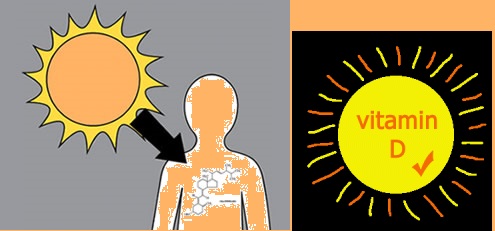
Vitamin D is an essential vitamin that enables calcium absorption and is critical for good bone health. Low levels are linked to bone conditions such as rickets in children and osteomalacia and osteoporosis in adults.
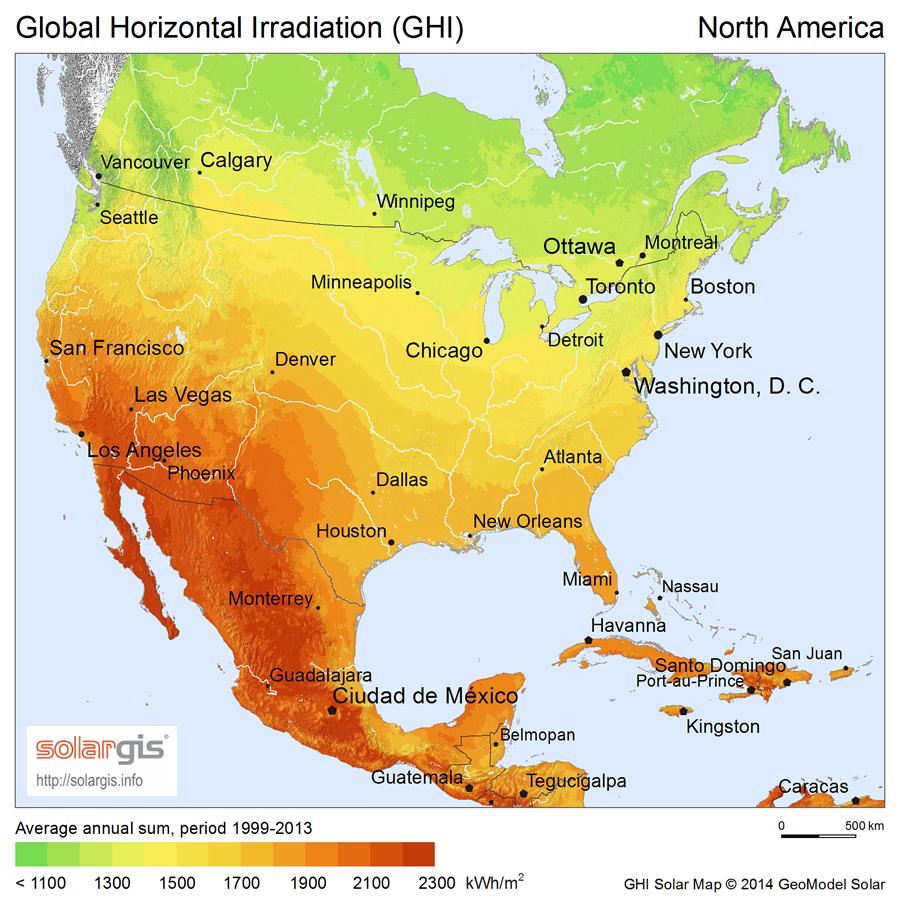
In Canada, vitamin D from sunlight can only be synthesized in the skin during the spring, summer and fall months, around midday, from 10 a.m. – 2 p.m., when the UV index is above three and your shadow is shorter than your height.
Statistics Canada reports that 12 million Canadians, or 35% of the population, have insufficient vitamin D levels, including 10% who are severely deficient, which sets them up for higher disease risk.
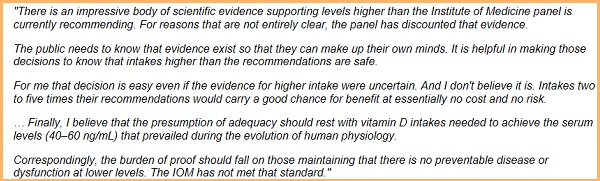
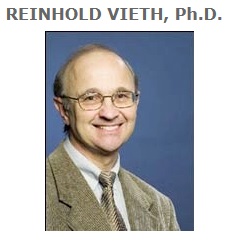
According to Dr. Reinhold Vieth, Scientific Advisor for the Canadian Vitamin D Consensus and professor at the University of Toronto in the Department of Laboratory Medicine and Pathobiology, “If organizations warn people to stay out of the sun, then they should also let people know that they will not be producing vitamin D. Both the risks and benefits of UV exposure need to be addressed in the best interest of health. Unfortunately, the message Canadians keep hearing lately is that there is no benefit to being in the sun. The paper by Baggerly et al presents a clear case that good overall health does correlate with spending time in the sun.”
A group comprised of the Multiple Sclerosis Society of Canada, Vitamin D Society and Pure North S’Energy Foundation, have endorsed a draft Canadian Vitamin D Consensus which recommends that Canadians enjoying the sun safely, while taking care not to burn, can acquire the benefits of vitamin D without unduly raising the risk of skin cancer.
Vitamin D deficiency is an indication of sunlight deficiency.
“People today work less outdoors and spend less time outdoors than at any previous time in history, which is why vitamin D deficiency is rising globally. In addition, when people are outside, many use sunscreens, which can significantly prevent the production of vitamin D in the skin,” said Dr. Vieth. “With increasing amounts of evidence suggesting that vitamin D may protect against cancer, heart disease, diabetes, multiple sclerosis and other chronic diseases, it’s more important than ever to examine this issue more closely.”
Learn more at sciencedaily.com
“We urge public health entities to re-evaluate their current sun exposure policies and recommend UV exposure levels that promote a balanced, moderate approach that are both beneficial and safe,” said Baggerly.
About the Vitamin D Society:
The Vitamin D Society is a Canadian non-profit group organized to increase awareness of the many health conditions strongly linked to vitamin D deficiency; encourage people to be proactive in protecting their health and have their vitamin D levels tested annually; and help fund valuable vitamin D research. The Vitamin D Society recommends people achieve and maintain optimal 25(OH)D blood levels between 100 – 150 nmol/L (Can) or 40-60 ng/ml (USA).