
Tag Archives: pesticide free

Premium Panamanian Coffee, Freshly Air-Shipped to Canada

There is something special about enjoying a cup of coffee that can be traced back to the people and the place where it was grown.

At Rogusta Coffee Canada, our mission is simple: to bring exceptional Panamanian coffee directly to Canadian homes while creating a closer connection between coffee lovers and the farmers who produce it.

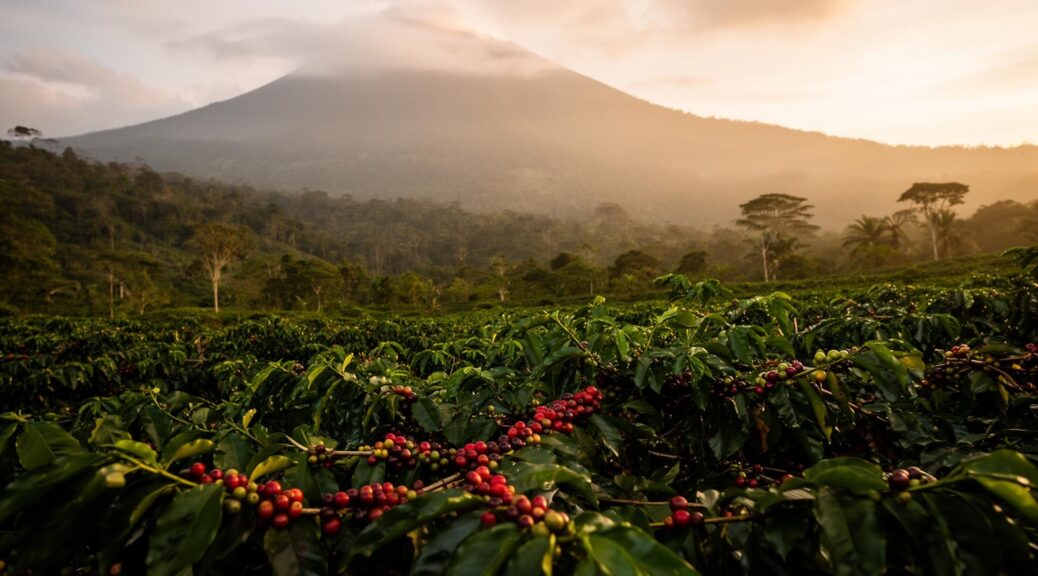
Our coffee is carefully sourced from Hacienda Rogusta and neighbouring family-owned farms in Penonomé, Coclé Province, Panama. Grown in fertile volcanic soil and harvested by hand at peak ripeness, every bean is selected with care to deliver outstanding quality and consistency.
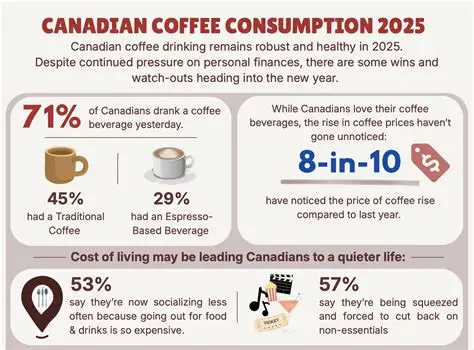
Coffee consumption is on the rise in 2026 as well.

Air Shipped Means Freshness

Unlike coffee that may spend weeks travelling by sea, our beans are air-shipped to Canada to help preserve their freshness, aroma, and distinctive character. Once here, they are prepared for Canadian customers who appreciate quality, freshness, and traceability.

Pre-Order Online
https://rogusta.ca

We currently offer both whole bean and ground coffee, allowing customers to enjoy the same premium Panamanian Robusta whether they brew espresso, pour-over, French press, or drip coffee at home.
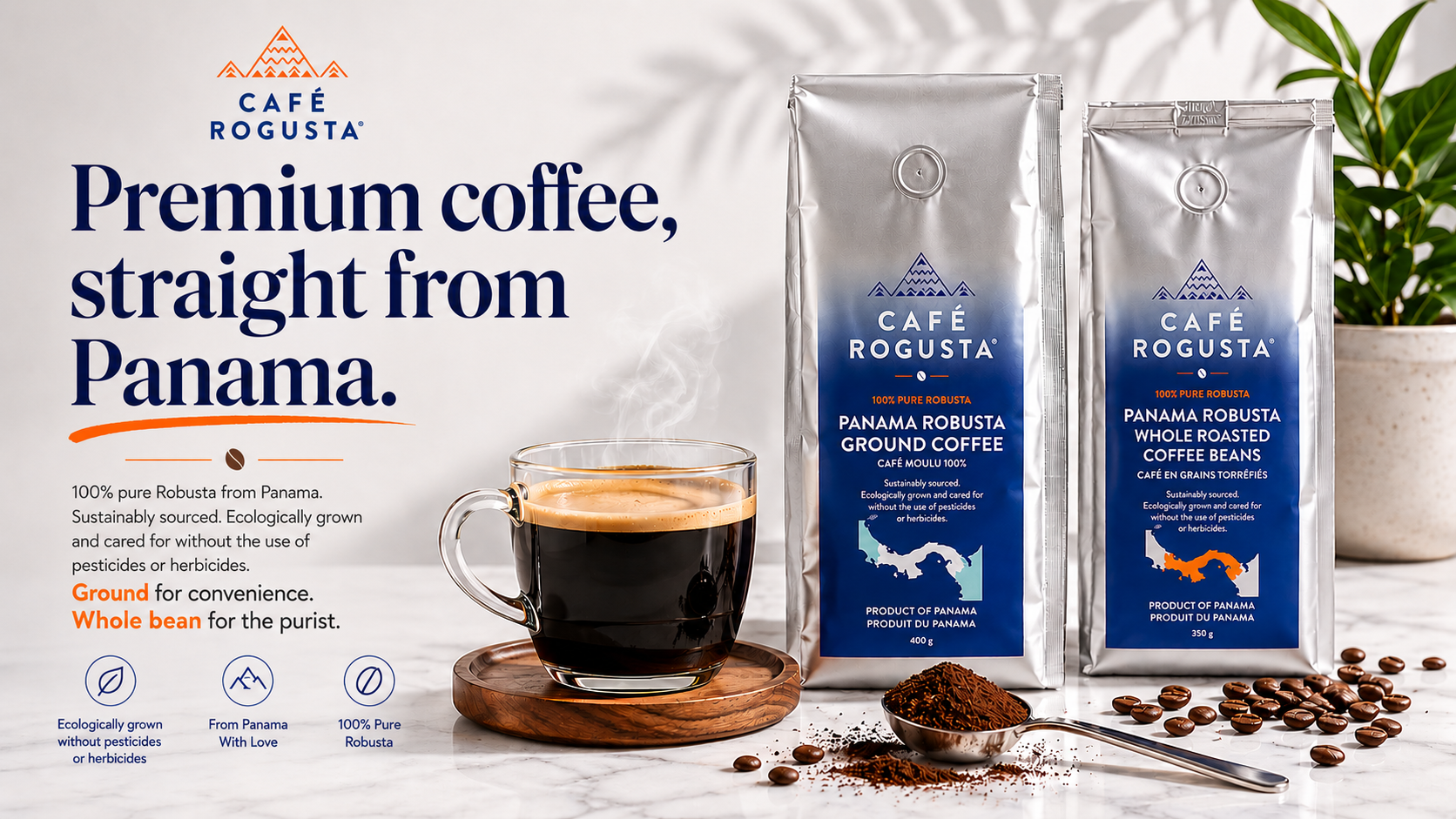
Our signature medium roast is carefully developed to highlight the bean’s natural sweetness, smooth body, and rich flavour profile instead of masking it with an overly dark roast. The result is a bold yet remarkably smooth coffee with naturally higher caffeine and very low acidity.

Rogusta is also proud to represent coffee from the same producer whose coffee has been served onboard Copa Airlines, introducing thousands of travellers across the Americas to the taste of premium Panamanian coffee.

Exceptional and un-common Coffee for Canadians

As a Canadian importer, we are committed to building long-term relationships with responsible producers while giving Canadian consumers access to exceptional coffee that is difficult to find in traditional retail channels.

Our first shipment to Canada is arriving soon, and pre-orders are now open.
Whether you’re a coffee enthusiast, café owner, retailer, or simply someone looking to discover something different, you are warmly invited you to experience premium Panamanian coffee—fresh from the source.

For the Silo, Jarrod Barker.

Learn More

Website
https://rogusta.ca

Founder – Varqa Kanani
https://www.linkedin.com/in/varqa-kanani
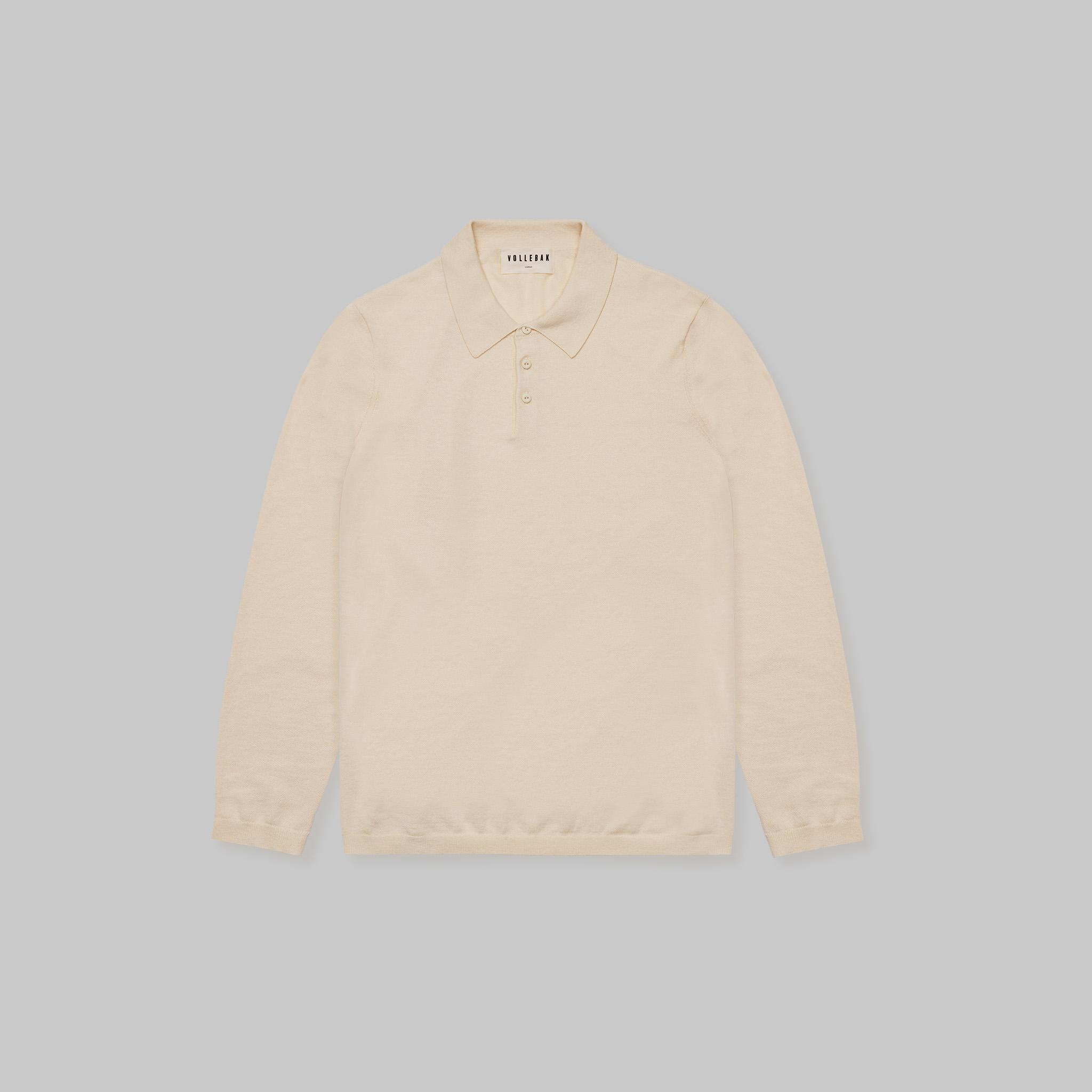
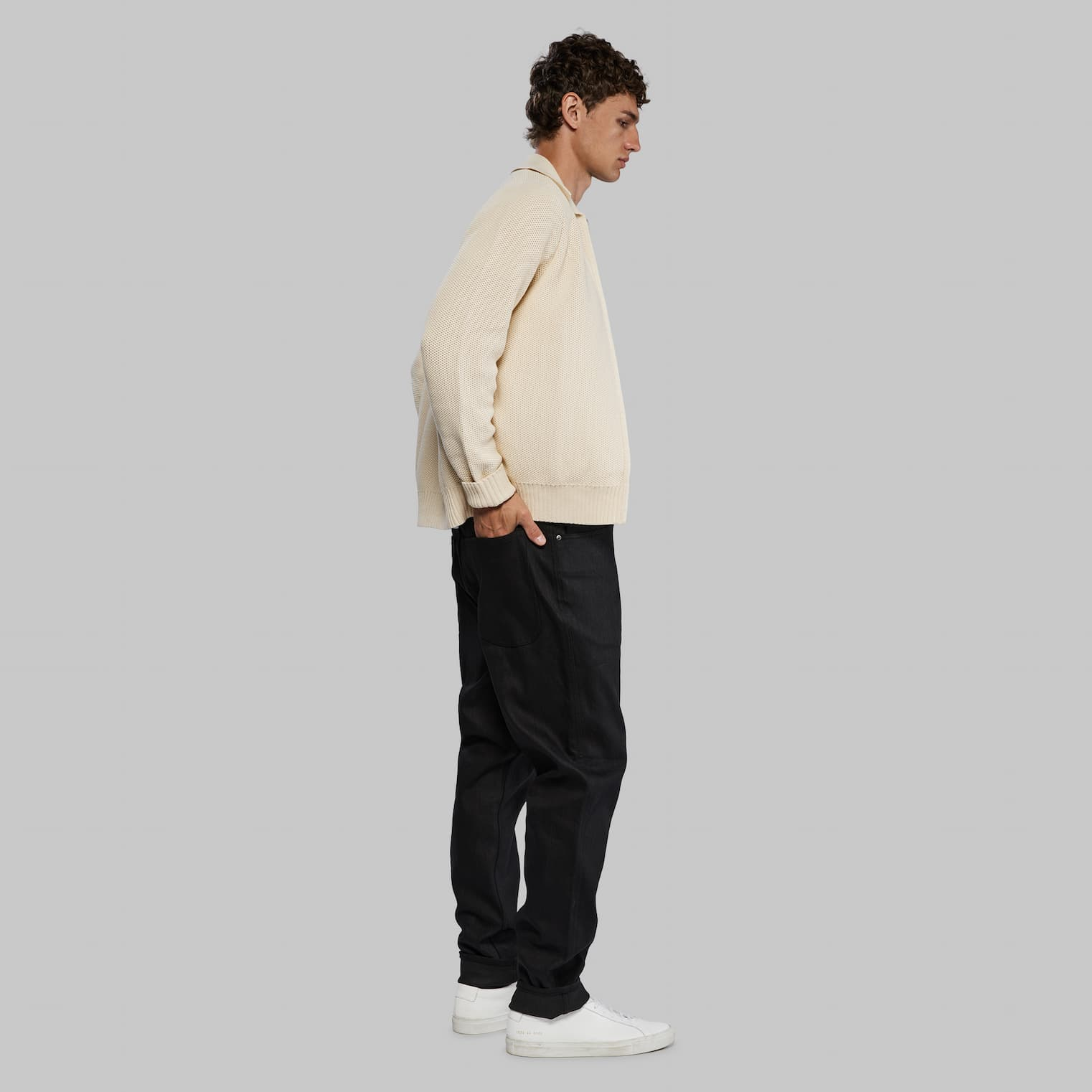
This Cardigan Is Grown Underwater & Made From Kelp

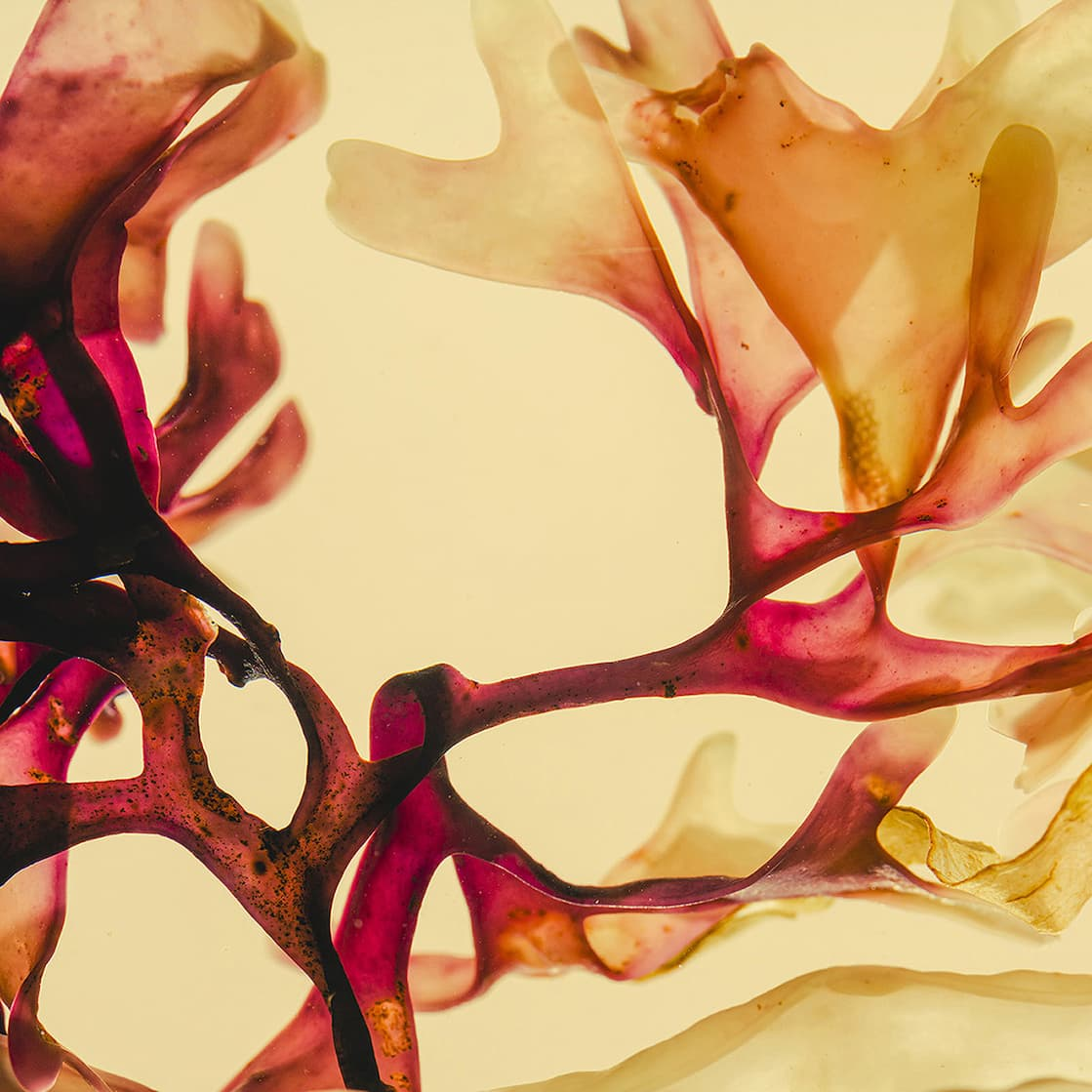
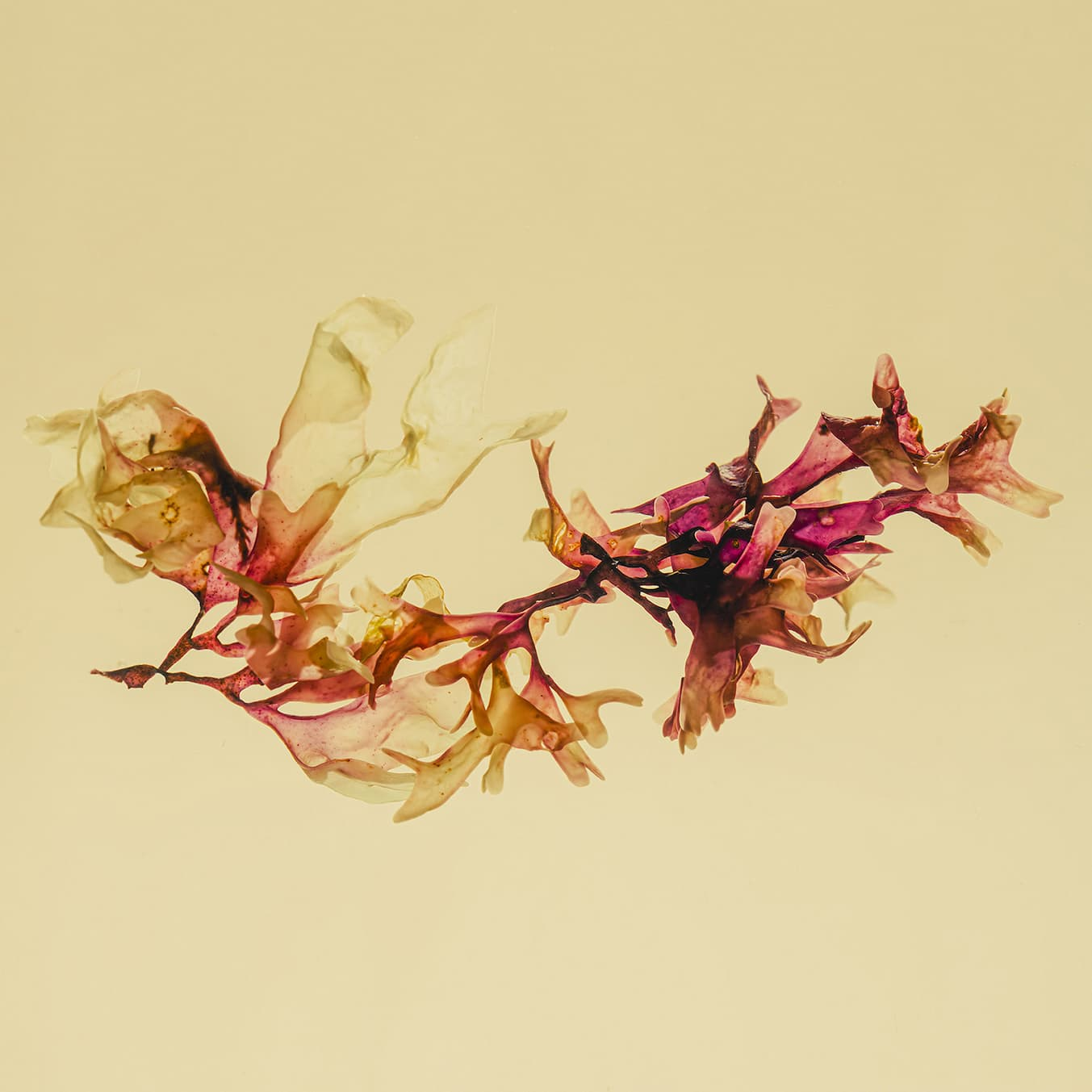
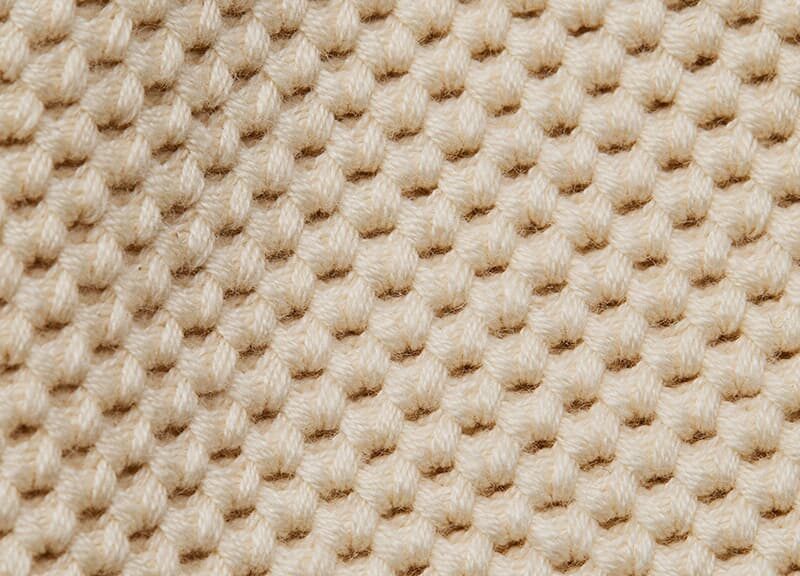
Kelp can grow 24 inches a day on nothing but sunlight and saltwater. That’s faster than a triffid, but with a much lower chance of getting eaten. And our friends at vollebak used it to make the Underwater Kelp Cardigan.

In John Wyndham’s classic The Day of the Triffids, much of the world has been blinded by a meteor shower. Eight-foot-tall walking plants – possibly bioengineered by the Soviet Union – sting and then slowly digest stumbling, unsighted humans.

Seaweed, a type of marine algae, is almost as weird and otherworldly. But it doesn’t walk, and it doesn’t eat people.

It might turn out to be one of the most useful organisms on the planet. Which is why they’ve used it to build the Underwater Kelp Cardigan.

What makes seaweed so exciting? Let’s start with how fast it grows. Kelp – the long, ribbon-like brown algae that forms forests on the seabed – can grow by up to 24 inches a day. That makes it one of the fastest-growing organisms on Earth. Faster than triffids. Considerably faster than bamboo.

And it does it on almost nothing. No soil. No freshwater. No fertilizer. No pesticides. Just seawater, sunlight, and dissolved nutrients. Farming on land needs fields, irrigation, and machinery. Cultivating seaweed just needs a rope and a stretch of coastline.

The forests it builds are among the most productive ecosystems anywhere. Underwater rainforests, dense with life, growing up through the water column rather than out across a field. More than 35 million tonnes are now produced globally each year. Most of it is farmed rather than torn from the wild.

What’s inside is more interesting still.

Seaweed’s cell walls are packed with biopolymers – alginate, agar, carrageenan, cellulose – industrial building blocks that are already in everything from ice cream to pharmaceuticals. Extracted and refined, they can be reassembled into films, gels, coatings, and fibers.

These polymers can be spun into yarns that look, feel, and behave like natural fibers, but at a fraction of the environmental cost. They need up to 70 times less water than cotton. They cause zero microplastic pollution. And rather than lingering for centuries, some seaweed-based materials are designed to disappear, biodegrading in a matter of weeks.

Brown and red seaweeds can also – and with much less intervention and engineering – be turned into thin, transparent films that are strong enough for packaging. It’s also compostable. Instead of outliving everyone who ever touched them, they just quietly disappear.

Then there’s everything seaweed does while it’s still growing. It absorbs carbon dioxide straight out of the water. It acts as a living filter, pulling excess nutrients from coastal seas and quietly restoring balance.

It’s not all upside.

Processing seaweed at scale is still energy intensive. But seaweed is more than a single miracle material. It’s the basis of a new material system, a blue biorefinery, where the entire plant gets used across food, feed, chemicals, and textiles with as little waste as possible.

For most of history, seaweed has been seen as an unsightly annoyance. That’s all about to change.

For the Silo, Jarrod Barker.