For the past few years, AI in marketing meant competitive advantage, but new data shows that now it’s just becoming noise. The latest report on the state of AI in tech marketing, released by Callan Consulting, revealed that while AI is embedded in the majority of operations, it is also creating “copies of copies,” eroding quality and originality across the board.
Donatas Smailys, CEO of Billo, one of the largest creator marketing platforms, shares insight on why human creators are becoming premium again and what the next phase of this shift looks like for the industry. According to him, some brands, like Aerie, are already making “no AI” a campaign message to stand out.
AI Is Now Default in Marketing, New Data Shows: Brands Shift Back to Human Creators as ‘No AI’ Signals Grow
Real human creator vs. AI-generated avatar (Source: Canva, Midjourney)
May , 2026. A new report on the state of AI in technology marketing, released by Callan Consulting in April 2026, shows that artificial intelligence has moved beyond experimentation and is now embedded across most marketing operations.
The report identifies more than 70 distinct AI applications: from lead generation and personalization to sales forecasting, market intelligence, and content creation.
According to the findings, two-thirds of respondents, who were senior marketing specialists and organizations, say AI has a “strong” or “very strong” impact on their marketing teams, double the level reported a year earlier. At the same time, half of the organizations have already restructured their marketing functions around AI, integrating it into content, research, campaign execution, and analytics.
However, creator economy experts warn that rapid adoption may have come without fully considering long-term implications, and that the first signs of backlash are already visible.
“The ad industry became a playground for AI tools,” said Donatas Smailys, CEO and co-founder of Billo, one of the largest creator marketing platforms.
“Early adopters rushed to integrate everything, but we didn’t and approached it more cautiously. A year in, the backlash against AI content is the strongest it’s been. Stepping back might be the right move now.”
The report itself highlights a growing downside: overreliance on AI-generated content. Large volumes of similar outputs are already entering the market, increasing noise and reducing differentiation.
It warns that repeated reuse of AI-generated material risks creating “copies of copies,” gradually lowering content quality and originality across the ecosystem.
“AI is no longer a differentiator. Now everyone uses it, so the opposite is happening: human creators and real creativity are becoming premium,” added Smailys.
According to Smailys, the widespread use of AI-generated content has also shifted perception in advertising.
“When everyone started using AI visuals, advertising became ‘cheap.’ Even without labels, it’s often obvious what’s AI-generated, and it creates endless, low-quality content.”
Brands Positioning As Anti-AI?
Some brands have already begun responding to this shift by explicitly positioning themselves against AI-generated visuals.
In a recent example, Aerie, a brand owned by American Eagle Outfitters, stated in a campaign that it would not use AI-generated bodies or people.
“When tools like Sora first appeared, AI content worked because it was unexpected,” said Smailys. “Once it became the norm, the impact faded. Human content is exclusive again. Brands that see this early are taking the lead.”
The report also points to structural challenges. While marketers report improvements in speed, output, and cost efficiency (in some cases up to 2-3x productivity gains), few are able to measure AI’s direct impact using standardized metrics.
According to Smailys, platform dynamics may play a key role in what comes next.
“Social media platforms that introduce clearer signals through detection, labeling, or prioritization can shift value back toward higher-quality, human-led content.”
He noted that Billo has maintained a focus on human creators despite broader experimentation with AI-generated avatars.
“Our data already shows it. The shift back to human-first content is happening,” he concluded.
The report concludes that while AI will continue to expand across marketing, its long-term effectiveness will depend on how organizations balance automation with human expertise, as differentiation increasingly shifts away from technology itself and toward how it is used.
In this episode from our friends at artforecast, they happily unpack what happened at Dallas Art Fair, the importance of insurance, managing kids in museums, the embarrassment of accidentally knocking over a sculpture, our favourite example of someone damaging artwork, one of us accidentally broke a sculpture (twice), the added bonus of buying editions (they can often be replaced), and which one of us loves small art. No need to guess just listen to the podcast below….
Ep 5: The danger of selfies in museums by Tatum Dooley
Art Hotline returns to talk about what happens when art is accidentally damaged
94% of cyber leaders identify AI as the defining force in cybersecurity, with 77% of organizations using it in cyber operations.AI is accelerating cyber threats and defences alike, forcing organizations into a high-speed race against cyber criminals.AI adoption in cybersecurity is moving from pilots to real-world deployment, with clear gains in vulnerability identification and threat detection.
Geneva, Switzerland, May 2026 – Artificial intelligence is rapidly reshaping cybersecurity and is the biggest driver of change in the field, according to a new World Economic Forum report. Some 94% of cyber leaders identify AI as a defining force and 77% of organizations already use it in their cyber operations.
The AI and Cyber: Empowering Defenders report, developed in collaboration with KPMG, highlights measurable gains in cost reduction, response speed and resilience. While threat actors increasingly weaponize AI to automate deception, generate malware and scale attacks at machine speed, the report indicates that organizations deploying AI strategically are achieving significant advantages. Organizations that extensively leverage AI in security reduce average breach costs by up to $1.9 million and shorten breach lifecycles by approximately 80 days.
“AI has the potential to shift the balance towards defenders,” said Akshay Joshi, Head of the Centre for Cybersecurity, World Economic Forum. “Organizations that treat it as a strategic capability, rather than a standalone tool, will be better placed to turn growing cyber risk into resilience and competitive advantage.”
Building on the Forum’s 2025 publication, Artificial Intelligence and Cybersecurity: Balancing Risks and Rewards, the 2026 edition focuses on how organizations are deploying AI for defence in practice. As enterprise attack surfaces expand to include hundreds of thousands of internet-facing assets, the scale and complexity of cyber risk are increasing significantly. Among the examples featured, KPMG reports a 25% increase in operational efficiency in threat intelligence, Accenture cut security analysis time in more than 100,000 internet-facing sites from 15 minutes to under one minute, and IBM’s ATOM platform helps scale global 24×7 threat detection and response, automating more than 850 analyst hours a month and cutting end-to-end investigation time by 37%.
“Attackers are moving faster and at greater scale than ever before. This report is a call to action for organizations to match that pace, with AI as a force multiplier for cyber defence,” said Laurent Gobbi, Partner, Global Head of Cyber & Tech Risk, KPMG.
The report emphasizes that AI’s value in cybersecurity lies in augmenting human expertise, accelerating decisions and strengthening resilience, rather than automation alone. The report highlights that its impact depends on clear AI deployment strategy, rigorously tested use cases before scaling, and strong governance and human oversight from the outset.
The report draws on 20 real-world case studies and insights from one-on-one interviews and workshops conducted under the World Economic Forum’s Cyber Frontiers: AI & Cyber initiative, convening 105 representatives from 84 organizations across 15 industries.
As cyber risks become more complex, the report calls on business and government leaders to treat AI as a foundational security capability, investing not only in technology but also in the skills, processes and governance required to defend at machine speed.
About Cyber Frontiers: AI & Cyber The Cyber Frontiers: AI & Cyber initiative, launched in 2024, brings together a global multi-stakeholder community to explore how AI is reshaping cybersecurity through a knowledge-sharing platform. The initiative equips organizations with insights to harness AI technologies to strengthen their cybersecurity capabilities along with guidance for building strong guardrails. The initiative aims to develop approaches to enable secure and scalable adoption of agentic AI to ensure a secure agentic economy.
Almost every woman has experienced the debilitating pain of menstrual cramps (dysmenorrhea) at some time. More than 40 percent of all North American women today suffer monthly with debilitating menstrual cramps. More than 10 percent of these women are incapacitated for one to three days each month because of excruciating pain.”
~Dr. Howard H. Smith (via sharecare.com)
Reiki can change your life in so many ways.
I’m Jeff Donovan, I’ve been a Reiki Master since 2003, but this isn’t about me. It’s about women with menstrual cramps and how they can become empowered to help themselves. It’s about Reiki. Reiki is an ancient Japanese art of energy healing. Reiki, loosely translated means, Universal Life Force Energy (or Source energy…whatever you think that source is). A Reiki practitioner can channel healing energy into himself/herself or others. For whatever reason, my clients and student base has a ratio of approximately 90% women to only 10% men. In my experience, women are more spiritually inclined, more open-minded and more willing to try ‘alternative’ methods.
In my early days of practicing Reiki, almost by accident, I saw vast improvement in women who suffer from menstrual cramps and other symptoms associated with their monthly cycles, so I put a small study together…I found 10 volunteers, age 17-50+ who suffered each and every month. Each agreed to try my home study course, practice daily for approximately 20 minutes and report back to me in 30-40 days. Of the 10 volunteers, 9 completed the program and 8 of them showed up to give their reports. 8 out of 8 reported vast improvement in their condition. Three of them stood out in the crowd because of the severity of their condition. Those three also had the most significant results and therefore, told the best stories. Here is my interview with Kristen, a 22 year-old woman who suffered from Polycystic Ovary Syndrome…her story will amaze you
Jeff: Before you knew about Reiki how was your cycle?
Kristen: Well, I’ve always had irregular cycles. About 8 month ago I was diagnosed with polycystic ovaries, which means I’m infertile and I bleed on my menstrual period for 45-60 days straight. And that’s enough in itself to make someone go insane. But on top of it, I have full menstrual symptoms…cramps, bloating, nausea, everything (for) the entire 45-60 days I’m bleeding. So basically, my life was pretty much horrible before finding Reiki. I’ve been to so many different doctors, been on so many medications, which all cause symptoms in themselves…bloating, nausea, everything else going on. It was just beyond me. I’d spend weeks at home, curled up in a ball, crying because I was so frustrated, feeling so helpless. When I came across Reiki, I said “what the heck, it can’t hurt, and it’s something to do.”
Within the first week, I felt my cramps diminish. I didn’t throw up the entire first week of trying Reiki. By the end of the month, when I was finished with the entire Reiki cycle, I still had irregular bleeding, but the bleeding had diminished significantly, so it wasn’t actually like a full period, and my bloating was gone, my headaches were gone, my cramps were gone…I didn’t miss any work, any school anything. It was absolutely amazing!
Jeff: Wow!
Kristen: Yeah, I hated being a girl. Right now I’m still on it (my period), and I’m going on day 72. But at least, I can function normally from not having the cramps. That was the biggest thing. I’m so used to being on my period, that I just wanted to get rid of some sort of symptom. If I could just get rid of the headaches, if I could just get rid of the cramps, if I could just get rid of the nausea…but all those things are gone now. I just have to deal with the bleeding, but I’m happy about having to do that because it’s manageable.
Jeff: Wow…that is awesome. So typically, how much school or work did you miss?
Kristen: Depending on…I’ve been switched to so many different medications. Every time I’m switched to a new medication, all the hormonal stuff going on…I’ve missed, just in the last 8 months of being “treated” I’ve missed probably 2 months of work/school together, just having to take sick leave and…having to take a week off here and there. But the main thing, it was just such a hamper on my social life too, because, you know, I’m young…so telling my friends I can’t go out because I just don’t feel well and being locked up for a month basically, because I’m on my period the entire time was just depressing in itself.
Jeff: And you didn’t miss any school or work this month?
Kristen: No, nothing at all this month.
Jeff: So, the results were basically immediate?
Kristen: Immediately. Like I said…within the first week. And I of course was skeptical too. I’ve been to every single specialist out there and have read every single book on my condition and what can be done, and nothing seemed to work. I was extremely hopeless…extremely, feeling helpless. And it was amazing actually, after the first week…I suffer from insomnia too because of my cramps and everything else going on. Within the first week of using Reiki, I didn’t have to use any of my sleeping medication and I haven’t used it at all this month, and I’ve felt rested.
The thing I am so happy about too, my family and friends have told me that my mood is so much better and I’m not suffering from these severe mood swings or, really depression from having to deal with all these horrible symptoms that go on. I can actually have a somewhat normal life.
Jeff: So in effect, Reiki has helped you with your depression as well?
Kristen: Oh Definitely. Yeah, Reiki has helped me with my depression, feeling like I’m actually taking control and actually seeing something work. And I think, if anything, that’s the best thing…to feel like you have some control over your body when you feel so out of control with all the symptoms going on.
Jeff: Sure. So what kinds of things have you tried in the past to try to help your symptoms?
Kristen: Oh, I’ve tried everything! I’ve been on every single medication out there I’m sure…yoga, pilates, fitness, meditation, aromatherapy. If it was out there, I tried it and nothing seemed to work and the more I looked into trying to find stuff, I actually became feeling more helpless. I actually entered into Reiki thinking that this wasn’t going to work for me at all, because nothing else had. So I was really, really shocked, really, really pleased at the same time too that this worked.
Jeff: So then, you would obviously recommend it?
Kristen: I would definitely recommend it! Without sounding comical, it has completely changed my life because I can actually function and live normally rather than being a hermit and hating being a woman.
Jeff: Wow, that’s awesome…so typically, your pain would be at 8-9 (out of 10, based on pre-study questionnaire she filled out), is that right?
Kristen: Yes, definitely…the physical pain would be 8-9 and all the emotional pain that went with it would be off the wall.
Jeff: So, you’re better in all areas?
Kristen: Oh yes, definitely!
Kristen and I stayed in touch for awhile. A few months after this interview, she emailed me she was shocked to find out her doctor was a proponent of Reiki, and after just a few months of practicing daily, he had taken her off 13 of the 14 medications she was prescribed.
Reiki can change your life in so many ways…this is only one woman’s story. Anybody and everybody can learn Reiki. We only need to be attuned by a qualified Reiki Master, learn some basic hand positions and some practical application. From the very first day of training, we can begin healing ourselves, our loved ones, our pets and so much more! The possibilities are endless. For the Silo, Jeff Donovan.
Building Blocks of the Global Economy Are Changing
The architecture of the global economy is undergoing a profound structural redefinition. What once existed as parallel and independent industries—diplomacy, luxury, artificial intelligence, and space exploration—has begun to converge into a single, interdependent system of influence. This transformation represents more than technological progress; it signals the emergence of a new civilizational framework: the Global Innovation Era.
At its foundation, this era is defined by integration over isolation, ecosystems over sectors, and strategic alignment over fragmented competition. Power is no longer concentrated solely within governments or multinational corporations. Instead, it is distributed across highly interconnected global networks that span continents, disciplines, and spheres of influence.
A New Global Lattice
From Russia’s engineering depth to the United States’ leadership in technological innovation, from Australia’s research capabilities to Dubai’s infrastructural ambition, from Monaco’s concentration of capital and luxury to the Caribbean’s strategic positioning in global lifestyle and investment markets—a new global lattice is taking shape. This system is not accidental. It is being deliberately constructed by a new generation of leaders who understand that the future belongs to those capable of connecting what was never designed to be connected.
Redefining Diplomacy: From Statecraft to System Leadership
Diplomacy in the 21st century has evolved beyond traditional political negotiation into a multidimensional instrument of global coordination. It has become a form of system leadership—the deliberate construction of trust frameworks that enable cooperation across governments, industries, and cultures.
Today, diplomacy operates across multiple strategic layers:
Economic diplomacy shaping cross-border capital and investment flows
Technological diplomacy governing artificial intelligence, data ecosystems, and cybersecurity
Cultural diplomacy influencing global perception, identity, and soft power
Environmental diplomacy aligning international sustainability strategies
Educational diplomacy building intellectual capital and global talent pipelines
In this expanded capacity, diplomacy is no longer reactive—it is generative. It establishes the conditions necessary for innovation ecosystems to emerge, scale, and sustain. Without it, global integration fragments into inefficiency and instability.
Luxury as a Strategic Engine of Influence
Luxury is no longer simply a sector of consumption—it is a strategic engine of global influence. It operates as a high-level signaling system that defines aspiration, sets standards, and increasingly prototypes the future of human experience.
Across haute couture, fine jewelry, ultra-prime real estate, private aviation, yachting, and bespoke services, luxury functions as a controlled environment for innovation. Emerging technologies—particularly artificial intelligence—are first deployed in these high-value ecosystems, where personalization, precision, and exclusivity are paramount.
Luxury now serves as:
A driver of experiential and design innovation
A curator of global cultural capital
A bridge between heritage and technological advancement
A platform for integrating advanced technologies into human-centered environments
Its influence extends far beyond its economic footprint. By shaping perception, it indirectly shapes global demand, behavior, and market direction.
Artificial Intelligence: The Cognitive Infrastructure of the Global Economy
Artificial intelligence has become the defining infrastructure of modern civilization. It is not a supplementary tool—it is the cognitive layer upon which global systems are increasingly built.
AI is transforming:
Decision-making, shifting from reactive processes to predictive intelligence
Operations, transitioning from manual systems to autonomous networks
Value creation, moving from resource-based models to data-driven economies
Its applications are systemic:
Global supply chains that optimize themselves in real time
Financial ecosystems that anticipate volatility and opportunity
Creative industries enhanced by generative intelligence
Communication systems that eliminate linguistic and geographic barriers
Security frameworks capable of responding to complex, evolving threats
In this context, AI becomes the invisible architecture of the global innovation ecosystem—quietly orchestrating complexity at scale.
Space: The Expansion of Economic and Strategic Territory
Space is no longer a symbolic frontier—it is an active extension of the global economy. Its commercialization introduces a new dimension of infrastructure, connectivity, and geopolitical relevance.
This expansion includes:
Satellite networks enabling global communication and digital infrastructure
Earth observation technologies transforming environmental and resource management
The rise of space tourism as a new frontier in ultra-luxury markets
Advanced research in microgravity environments
Navigation, defense, and security systems with global strategic implications
Space represents the vertical expansion of economic activity—where technological ambition, geopolitical influence, and commercial opportunity intersect at the highest level.
The End of Silos: The Emergence of Integrated Global Ecosystems
The defining characteristic of the Global Innovation Era is not isolated advancement, but systemic integration.
A single initiative today may require:
Diplomatic coordination across multiple jurisdictions
AI-driven operational intelligence
Luxury-level experience design
Space-based infrastructure support
This convergence marks the نهاية (arabic: nihayat english: the end) of siloed thinking. The most significant breakthroughs no longer occur within industries—they occur at their intersections.
The result is a new paradigm: the ecosystem as the primary unit of value creation.
Within these ecosystems:
Investors, engineers, diplomats, and creatives operate within unified networks
Knowledge flows seamlessly across domains
Innovation accelerates through collaboration rather than competition
This is not incremental evolution. It is a fundamental reconfiguration of how the global economy functions.
The Rise of the Multidisciplinary Global Leader
At the center of this transformation is a new leadership archetype—one defined not by specialization alone, but by synthesis.
These leaders:
Build influence through global networks rather than hierarchical structures
Navigate fluidly between public and private sectors
Combine technological expertise with geopolitical awareness
Design ventures with immediate international scalability
Leverage digital infrastructure to operate without geographic limitation
They understand a critical reality: in a connected world, proximity is no longer physical—it is strategic.
Their advantage lies not in isolated knowledge, but in their ability to connect knowledge across systems.
Global Nodes of Influence
The emerging global ecosystem is anchored in interconnected regions, each contributing unique strategic value:
Russia contributes engineering excellence and scientific depth
The United States leads in technological innovation and capital markets
Australia connects research and sustainability with Asia-Pacific growth
Dubai exemplifies large-scale infrastructure and global business integration
Monaco represents concentrated financial power and luxury influence
The Caribbean offers strategic positioning in tourism, investment, and maritime economies
Together, these regions form a distributed but unified network. Their collaboration defines the speed, direction, and scale of global innovation.
Merit in the Age of Global Connectivity
One of the defining shifts of this era is the redefinition of opportunity. While structural barriers remain, access to global platforms, knowledge, and networks has expanded significantly.
However, access alone is no longer a differentiator. Execution is.
Success now requires:
Intellectual rigor
Strategic clarity
Adaptability in complex environments
Long-term discipline and resilience
Potential may be universal—but meaningful achievement remains highly selective.
Founder Spotlight: Aleksandra Sokolova and the First Royal Global Ecosystem
At the forefront of this transformation stands Aleksandra Sokolova, founder of the Royal Global Ecosystem—the first integrated global platform of its kind.
This ecosystem represents a pioneering model that unites diplomacy, global luxury, artificial intelligence, space innovation, and international collaboration within a single strategic framework. It is not a conceptual alignment, but a structured, operational system designed to function across sectors and borders simultaneously.
Within this ecosystem:
Diplomacy enables trust, access, and international partnerships
Artificial intelligence drives efficiency, scalability, and intelligent systems
Luxury defines experience, positioning, and global influence
Space innovation expands infrastructure, connectivity, and future opportunity
The Royal Global Ecosystem establishes a new category of global architecture—one in which industries no longer operate independently, but as interconnected components of a larger system.
Aleksandra Sokolova’s role reflects the emergence of a new class of leadership: system architects. These are individuals who do not simply operate within existing frameworks, but design entirely new ones.
Her work demonstrates a defining principle of the modern era: the future is not inherited—it is engineered.
Conclusion: The Age of Global System Architects
The world is entering an era defined by complexity, interdependence, and accelerated transformation. Linear strategies and isolated thinking are no longer sufficient.
What defines success now is the ability to:
Think systemically across industries
Operate globally across borders
Build integrated structures that connect people, technologies, and markets
The next chapter of global development will not be led by those who react to change—but by those who design the systems through which change occurs.
In the Global Innovation Era, the ultimate advantage belongs to the architects—those who see the entire system and possess the vision, discipline, and capability to build it.
Replete with pageantry, the Kentucky Derby has evolved into much more than a horse race since 10,000 people first watched 15 horses compete on a dirt track in Louisville, Kentucky, in 1875.
Known as “the most exciting two minutes in sports,” the 152nd Kentucky Derby will run May 2, bringing 150,000 spectators to Churchill Downs, the same track where the tradition began a century and a half ago.
The 1943 Kentucky Derby at the Churchill Downs. (Library of Congress/Caufield & Shook, Inc.)
Rich traditions
A “social event” that encourages “whimsical fashion” is how Kentucky Derby Museum curator Chris Goodlett describes the race. Women wear wide-brimmed, feathered hats and pastel dresses. Men sport light-colored suits and derby hats. The mint julep, made with Kentucky bourbon, is the derby’s official drink.
Festivities fill the two weeks leading up to the derby with galas, fireworks and other horse races. Anticipation for the big event culminates with a bugle call 10 minutes before start time, bringing the race’s 20 competitors to the track. As jockeys lead the thoroughbreds to the starting gate, the crowd stands and sings “My Old Kentucky Home.”
Birthplace of legends
The victorious horse ceremoniously trots to the winner’s circle where a 14-karat gold trophy and rose garland await. Secretariat’s winning run in 1973 set a race record that still stands. Only one other horse has broken the two-minute mark in the 1.25-mile (2-kilometer) race.
The first of three races that form America’s Triple Crown of horse racing, the derby runs the first Saturday of May. The Preakness Stakes in Maryland follows in mid-May, and New York’s Belmont Stakes runs in early June. Only 13 horses have taken the famed Triple Crown — winning all three races in the same year. The most recent, Justify, achieved the rare feat in 2018.
Secretariat, Seattle Slew and Sir Barton are among the horses that achieved folklore status after winning the Kentucky Derby on the way to the Triple Crown. Most derby winners go on to become breeder horses with some enjoying retirement at the Kentucky Horse Park , a sanctuary and museum that celebrates the Kentucky Bluegrass region’s love for horses.
Canadian Bred Horses That Won The Kentucky Derby
Winning a global audience
The derby’s rich history grew from American entrepreneur Meriwether Lewis Clark Jr.’s 1872 visit to England’s Epsom Derby. The race inspired Clark to start the Kentucky Derby in Louisville three years later.
By the mid-20th century, the Kentucky Derby outpaced all other U.S. horse races in attendance and prestige. The 2025 Kentucky Derby was broadcast to 170 countries and territories, and total viewership continues to grow.
Goodlett, the museum curator, says the derby’s reputation as a national cultural event has helped drive its popularity outside the United States. Queen Elizabeth II attended the derby with her husband Prince Philip in 2007.
President Trump, who has attended the Kentucky Derby, calls the race “an iconic American institution and an elegant celebration of our culture, customs, and unwavering competitive spirit.”
This article via Brandon Lambert and our friends at U.S. Dept of State.
Keeping time is important. Without watches society would not have been able to develop in the same way that it has. Imagine trying to coordinate an activity with someone else based solely on the height of the Sun. Good luck with that or what if the famous watch wearing James Bond was forced to use a wrist mounted sundial? Ick.
This Pulsar is my favorite.
What Does Watch Type and Style Say?
There is an old expression that goes something like this: “If you can tell a lot about a woman by the shoes she wears, then you can tell a lot about a man by the watch he wears.” That being said, let’s see how the evolution of a certain British Secret Agent has affected his watch choices over time. Take a look at this info graphic courtesy of our friends at watches2u that catalogs the changes in 007 James Bond’s watch design and styling throughout the film series. Which one is your favorite?
A World Economic Forum report finds competitive advantage is shifting from owning key technologies to combining them across data, people and ecosystems.
The biggest barriers to scaling innovative solutions are no longer individual breakthroughs but connecting a combination of AI and digital tools with real-world operations.
The research shows how technology convergence is already reshaping value chains in healthcare, manufacturing, energy, life sciences, wearable electronics and more.
Geneva, Switzerland, April 2026 – The next wave of competitive advantage will come not from individual breakthrough technologies but from the ability to combine and scale multiple technologies across entire operating systems, according to a World Economic Forum report released today. As artificial intelligence, robotics, advanced materials, spatial computing and next-generation energy systems mature simultaneously, the organizations and countries moving fastest to apply these technologies together in intelligent systems are already pulling ahead.
The report, Technology Convergence: The New Logic for Competitive Advantage, produced in collaboration with Capgemini, draws on cross-industry research and real-world case studies in 12 sectors, identifying recurring patterns, including the blending of mature and experimental technologies and the blurring of industry boundaries, that determine whether convergence scales or stalls.
“Breakthrough technologies are advancing rapidly, and value is created when they are applied together,” said Cathy Li, Head of the Centre for AI Excellence and Member of the Executive Committee, World Economic Forum. “The real differentiator is not who owns the most advanced tools, but who can combine them across systems and applications at scale.”
As advanced technologies scale, the main bottlenecks to competitive advantage are no longer time or materials but how well organizations connect digital tools with physical operations. This is already playing out across sectors and geographies. From operating rooms to factory floors, power grids to research labs, converging technologies are reshaping how systems perform worldwide.
In the United Kingdom, novel surgical robots are extending clinician capacity (this article’s feature image shows robots with surgeons at West Hertfordshire Teaching Hospitals NHS Trust first used in 2022) while preserving workflow continuity across care teams. In China, automated labs are linking robotics, AI and data platforms to accelerate discovery while coordinating workflows across research networks.
“Technology convergence has evolved from a technical discussion into a strategic leadership mandate with direct operational impact,” said Aiman Ezzat, CEO of Capgemini Group. “Competitive advantage increasingly depends on an organization’s ability to integrate technologies, teams, partners and operating processes into coherent systems that deliver value at scale. Leaders who master orchestration, not just adoption, are the ones translating convergence into sustained performance and growth.”
“This shift has implications not only for companies but also for national growth strategies and industrial policy,” said Jeremy Jurgens, Managing Director, World Economic Forum. “Economies that align talent, infrastructure, data and policy will be better positioned to capture the benefits of converging technologies amid a fast-shifting global landscape.”
The report is part of the World Economic Forum’s Technology Convergence Initiative, launched in 2024, and builds on the first edition published in 2025. It draws on two years of cross-industry research, including expert interviews, workshops and case studies in healthcare, manufacturing, energy, life sciences and emerging fields such as brain-computer interfaces. The analysis examines how eight advanced technology domains interact, using the Forum’s 3C framework (combination, convergence and compounding) and the Technology Maturity Index to track how technologies move from experimentation to real-world impact.
It’s not all 9,000-RPM test drives; our friend at Rennlist has just finished breaking down the top 10 headaches at the Porsche dealership and the one reason why you will keep coming back.
Well, hate might be a little strong, but I can see why people would dislike going to the Porsche dealer. I have listed 10 reasons that in my personal experience and in talking to others in the community why the thought of going to the Porsche dealership is akin to a visit to the dentist’s chair. But there is one reason above all that I, and all of you keep coming back. Let’s discuss.
The truth is that I don’t hate going to the Porsche dealer. I have been going to Porsche dealers since I was a teenager. I have bought and sold many cars at a Porsche dealership. I go there for grand openings, new model reveals, Porsche Club of America membership meetings, cars and coffee events and more. I was just at a local dealership last night for a few hours. I have made plenty of friends at Porsche dealerships in my area. And it is not just me that enjoys the experience. In the most recent J.D. Power 2026 U.S. Customer Service Index (CSI) Study, Porsche ranks highest in satisfaction with dealer service among premium brands. It is the second consecutive year that they earned that distinction. So, why all the hate?
#1 Dislike – Playing the Allocation Game
After struggling for years and driving a beat-up Chrysler Sebring Convertible, your Pet Rock business takes off and you are now flush with cash. You want to replace that old convertible with the new 911 GT3 S/C. You head to the Porsche dealer excited to finally be in a position to buy your dream car. You burst through the dealership doors full of anticipation for speccing and ordering your new Porsche. You grab the first salesperson you see and tell them that you would like to order a new GT3 S/C. And they reply with “Yeah, you and everyone else buddy. How about we test drive this former service loaner Macan we have over here?” Having to be a dealership favorite with a long history of purchases to get a whiff of any of the desirable sports car models is one of the worst things about the modern Porsche dealership experience.
#2 Dislike – Talking About Added Dealer Markups
Let’s pretend for a moment that by some miracle, the dealership does have an available allocation for the GT3 S/C. That is only hurdle number one. Next, it is time to talk about how much money the dealership is going to drain from your account for the mere privilege of placing an order on your behalf. This added dealer markup is not small potatoes either. In some cases, it can go into the six-figure range. Some folks happily pay this, but personally, I hate the practice of dealer markups.
#3 Dislike – The Price for Service
OK, you got your allocation and you swallowed your pride and forked over the cash for the ADM. You have been enjoying your car for a while, and it is time for a service. If you have not serviced a Porsche at a dealership before, you might want to sit down before you get the invoice. Service pricing at a dealership can be a real eye-opener to say the least. Do they fly your car to Mars to change the oil? How the heck can it be so much when you can buy a 5-quart jug (that is about 4.73 L for my Canadian friends) of the recommended synthetic Mobil 1 at Walmart for less than 30 bucks? Paying dealership prices for parts and service can get painful very quickly.
#4 Dislike – The Lack of Technical Knowledge
This will vary on a case-by-case basis, as I have dealt with some very knowledgeable Porsche sales professionals. That being said, I am sure some of you have experienced talking to a Porsche salesperson and realized that you know far more about the vehicles on the showroom floor than they do. You expect them to be experts in the field, and many are. But when you encounter that one that tries to convince you that they can order you a new Carrera T with a PDK, it is uncomfortable for everyone.
#5 Dislike – Intimidating Atmosphere
As I said earlier, I have been going to Porsche dealers since I was a teenager, so I have pretty much always felt comfortable there, but that is not the case for everyone. For those new to the brand, walking through those Porsche dealership doors can be incredibly intimidating. No one is intimidated going in the local Honda store, but Porsche is on a different level. Is there a dress code? Will they run my credit before offering me a cup of coffee? No matter how friendly the dealership actually is, it can still be a bit like being on the set of Fear Factor for those that have not had much Porsche shopping experience.
#6 Dislike – Test Drives Aren’t Guaranteed
This can vary wildly from dealer to dealer and person to person. But there is a chance that getting a test drive might prove to be harder than you think. Although, to be fair, you have to have realistic expectations as well. If you are a 16-year-old kid pulling up in a ratty old Nissan Altima and ask to test drive the pre-owned 918 Spyder they have in stock, you should expect some questions. But sometimes dealers can be wary of offering test drives on just regular core models if they don’t know you.
#7 Dislike – Feeling Judged
And that is when you might feel judged. Even if you aren’t being judged, the mere fact that you are in a Porsche dealership may make you wonder if folks are evaluating you and your intentions just by looking at you. Are you wearing a pair of Hermès Bouncing sneakers and a Rolex Daytona, or a pair of Skechers Slip-ins and a Casio A158WA-1? Does it matter? It shouldn’t, and maybe it doesn’t and you will be treated with the same respect no matter what. But walking into a luxury dealership like Porsche can make you feel like you don’t measure up to others in there with you. Personally, I don’t give a crap, but I know some that are bothered by this.
#8 Dislike – The Urge to Upgrade
You are perfectly happy with your Porsche. It has been everything you dreamed it would be. Then you pop into the Porsche dealer for service or to pick up your twentieth Porsche t-shirt. And that is when you spot it, the 911 GT3 Touring that you have been dreaming of. It is just sitting there looking for a new home. You don’t need it. But you WANT it. You start doing the mathematical gymnastics in your mind. Little Jimmy probably won’t want to go to college anyway. And Ramen noodles aren’t that bad. The next thing you know, they are appraising your car, and you are trying to figure out what piece of jewelry you are going to need to buy your wife after you tell her what you just did.
#9 Dislike – Spoils You for Other Dealers
Porsche dealers are a nice place to spend some time. The atmosphere and amenities are far above your typical car dealership. A couple of years ago I was shopping for a car for my wife. We started at the Porsche dealership, looking at Macans. Naturally, she loved it, but we wanted to look at other options, so we went to the Toyota dealership to look at a 4Runner. Word of advice, do not ever go directly from a Porsche dealer to a Toyota dealer. Talk about culture shock. Not that the Toyota dealership was bad, but when you get used to the Porsche vibe, you get spoiled.
#10 Dislike – Driving Leads to Buying
I tell my non-Porsche owning friends this all the time. Do not test drive a Porsche unless you are ready to buy a Porsche. Once you get behind the wheel, you will be hooked. Climbing back into your old car will feel like a gut punch. A Porsche test drive can wreck your budget if you are not prepared to buy the car.
AI generated headshots are rapidly becoming the default across LinkedIn, company websites, and professional profiles. The appeal is obvious. Faster, cheaper, and visually flawless. But a growing backlash is emerging across industries where trust is not optional.
Visual Handshake
Professionals are discovering that the more polished and “perfect” their image appears, the less credible it may feel to the people viewing it. Subtle inconsistencies in lighting, facial structure, and expression are triggering skepticism, even when the viewer cannot immediately identify why.
This is the Authenticity Paradox.
How I see it (pun intended) is that the issue is not whether AI can create a better image. It is whether that image creates a believable human connection. The goal of a professional headshot is not perfection. It is trust. The moment something feels off, even slightly, people question the person behind the image.
I’ve worked helping executives, founders, and professionals develop what I call a “visual handshake,” because the rise of AI imagery is creating a new layer of risk in how professionals present themselves. The face is often the first point of contact in business. If that moment creates doubt instead of connection, you have already lost ground before a conversation even begins.
Drawing from a broader conversation around AI generated imagery and professional perception , the issue is not simply visual quality. It is psychological response. When people sense artificiality, even subconsciously, it can disrupt the trust signals that strong first impressions rely on.
For the Silo, Famed headshot photographer and expression coach Chris Gillett .
Another superb realty spotlight via our friends at TopTenRealEstateDeals.com. Perched above the Sunset Strip in the Hollywood Hills, LA’s Bird Streets form a compact enclave defined by steep, winding roads and striking architecture.
“Bird Streets”
Named for avian-themed streets like Oriole, Thrasher, and Blue Jay, the area has become a showcase for contemporary residential design, with glass-walled homes oriented toward panoramic city and ocean views. This coveted neighborhood embodies the city’s fusion of landscape, privacy, and modernist aspiration, in which topography shapes both lifestyle and aesthetics. The Bird Streets also function as a benchmark for high-end real estate, influencing design trends and development patterns across the city.
Truly Modernist Design
The listing of a new Bird Streets home for $12.9 million usd/ $17.65 million cad offers the chance to join this unique zone. Set high above the city, the contemporary estate offers sweeping panoramic views from the city skyline to the Pacific Ocean shores. Designed by award-winning Colega Architects, the home is a tribute to modernist design, showcasing stark geometric forms, walls of glass, and an exquisite terraced construction that melds into the surrounding hill. The result is a seamless living experience that emphasizes light, space, and integration with the surrounding landscape.
April, 2026 – Without bold action, combined federal and provincial net debt is projected to approach 82 percent of GDP by 2028/29 – far above pre-pandemic levels. Canada is drifting toward a fiscal crisis. Yet policymakers, prone to fiscal gimmicks like the recent debt-financed fuel tax suspension, appear unwilling to act, according to a new C.D. Howe Institute report.
In “Fiscal Fantasy: Believe It or Not, Fiscal Reality Has Not Gone Away,” authors Don Drummond, William B.P. Robson, and Alexandre Laurin call for a decisive shift in the federal government’s spring fiscal update. They urge governments to move away from the current trajectory and toward balanced budgets, restrained spending, and tax reforms that encourage investment rather than burden future generations.
“Aggregating across nine provinces, projected total expenses for 2026/27 are $45 billion higher than in their 2024 budgets, with Quebec showing the smallest increase and Alberta and New Brunswick the largest,” says Don Drummond, Fellow-in-Residence at the C.D. Howe Institute. “We’re living in a fiscal fantasy. It’s time to come back to reality.”
The report notes that, with the economy operating close to capacity, ratios of government debt to GDP should be falling. It points out that slower population growth, declining immigration, weak productivity, and an ageing population will weigh on revenues and increase spending demands, and highlights worsening global conditions, including geopolitical tensions in the Middle East and Iran, which are raising inflation risks and increasing risk premiums on debt worldwide.
“Governments claim we have room for fiscal expansion because our debt burden is lower than that of many other countries, but we have huge unfunded liabilities, and high debt everywhere creates vulnerability for everyone,” says William B.P. Robson, Fellow-in-Residence and President Emeritus.
The authors also warn that younger Canadians will bear the burden of rising debt levels. Tax burdens are already high by both historical and international standards. They call for a more disciplined approach in the federal government’s spring fiscal update, including a realistic assessment of economic and fiscal conditions, a clear path to balanced budgets, firm spending restraint targets, and tax reforms that shift the burden away from income toward consumption while encouraging investment.
“These measures will likely face political resistance, but without bold action, we risk the prosperity and productivity of our nation for future generations,” says Alexandre Laurin, Vice-President and Director of Research at the C.D. Howe Institute.
Canada can no longer pride itself on its fiscal discipline. With the economy operating near capacity and growth in productive capacity weak, governments continue to run deficits and project rising debt ratios, undermining growth and living standards rather than supporting them.
Government projections understate the risks. Weak productivity, low business investment, and demographic pressures will hold back growth and revenues, while ageing, healthcare, and defence will push spending higher. Even modest changes in growth or interest rates could materially worsen the fiscal picture.
Restoring discipline will take a real change in direction. Governments must rein in spending, set a credible path to balance, and pursue reforms that boost investment and productivity, including shifting the tax mix away from income towards less distortionary taxes. The federal government must lead the way in its upcoming Spring Economic Update.
Introduction: Fiscal Fantasy and Fiscal Reality
Many Canadians may still have an image of Canada as a country aware that governments cannot spend and borrow without limit. They should not. The Globe and Mail columnist Gary Mason recently wrote about the “death of fiscal sanity in Canada” (Mason 2026). He pointed to the almost-doubling of the federal government’s net debt over the past decade, with the November 2025 budget projecting yet more, and budgets in British Columbia and Alberta that forecast relentless borrowing. He said we all know a crisis will hit but appear unwilling to act to prevent it.
Since Mason’s article, New Brunswick released a budget that shows a steep rise in its debt burden over the next four years. Quebec released a budget that showed a return to balance by 2029/30 – but that result, required by provincial law, depends on an unrealistically buoyant economy and major unidentified savings. Ontario released a budget that, notwithstanding its own inexplicably robust economic projections, features a higher debt ratio by the end of the decade. Prince Edward Island released a budget that prefigures a jump in its debt ratio. The federal government has also announced a fuel tax suspension – a multi-billion-dollar boondoggle that will add to its already excessive debt. All jurisdictions project deficits for 2025/26, with seven of them projecting deficits of at least 1.5 percent of GDP (Table 1).
At the same time, war in Iran and the broader Middle East is hurting prospects for world growth and raising inflation fears and debt risk premiums everywhere.
Many Canadians now seem to discount the fiscal constraints our federal and provincial governments had to confront in the 1990s. But, as science fiction novelist Philip K. Dick famously remarked, “Reality is that which, when you stop believing in it, doesn’t go away.”
Fiscal excess has already undermined economic growth and living standards. Without bold action to reduce the burden of public debt, government-fuelled consumption will continue to cut into the saving and investment needed to raise our incomes and purchasing power – and increase the risk of a borrowing crisis to boot. The federal government’s upcoming fiscal update needs to outline a change of direction – a profound and credible one.
Some Fiscal History
Canada has alternated between periods of fiscal discipline and fantasy. The immediate post-World War II period was disciplined. As military spending fell – from wartime peaks of four-fifths of all federal spending – the government ran substantial surpluses during the 1950s, and the war-swollen debt-to-GDP ratio plummeted.
The mood shifted in the late 1960s, ushering in a quarter-century of fiscal fantasy. The federal government’s budget deficits averaged 5.5 percent of GDP from 1975/76 to 1995/96, large enough to raise its net debt1 from less than one-fifth to two-thirds of GDP. Provinces and territories also increased borrowing, pushing their aggregate net debt to nearly one-third of GDP by the late 1990s. Combined federal and provincial net debt approached the size of the entire economy.
From 1961 to 1973, output per hour worked in the business sector roared ahead at an annual average pace of 3.5 percent. The rate then dropped: average growth was 1.8 percent from 1973 to 1981, 1.5 percent from 1981 to 1989, and 1.8 percent from 1989 to 2000.
In the 1970s and 1980s, fiscal policymakers did not – and arguably refused to – recognize the reality of slower productivity growth. Many attributed the economy’s disappointing performance to inadequate aggregate demand and argued that stimulative government spending financed by deficits was not a problem, since renewed growth would shrink the debt relative to the economy. Budgets in the 1980s typically projected growth in the economy and revenue that was too high and future debt burdens that were too low.
By the mid-1990s, however, reality bit. The relentless pressure of interest payments on annual budgets and evidence of dwindling appetite for Canadian sovereign debt from potential lenders forced a re-evaluation of the reality of fiscal policy. Provinces cut spending and borrowing, and so did the federal government. Budgets began to project surpluses, and the surpluses were achieved. Debt ratios and interest burdens fell, setting the stage for tax reforms into the 2000s.
The Current Need to Recognize Reality
Continuing Slow Growth of Productive Capacity
Today’s rhetoric echoes claims by finance ministers and other political leaders from the 1970s and 1980s that slow growth is cyclical rather than structural, and that a weak economy justifies spending and borrowing at levels that, if maintained, would be unsustainable. Meanwhile, rapid spending growth has become the norm. From 2018/19 to 2024/25, federal program spending rose 7.3 percent on an annual average basis.2 Program spending by all provincial and territorial governments rose at an average annual rate of 6.6 percent, with British Columbia at 8.7 percent – well ahead of population growth and inflation and far exceeding earlier budget projections.
Yet growth, undermined by low business investment and stagnating productivity, remains feeble. The Bank of Canada’s latest estimate of the “output gap” (the shortfall of aggregate demand against aggregate supply) is just 0.8 percent of GDP, and the unemployment rate is close to its longer-run historical average. Prospects for a resurgence in GDP and government revenue are poor. If the economy is operating close to capacity, budgets should be close to balance, and debt-to-GDP ratios should be falling.
The Burden of High Debt
But debt ratios are not falling. They are rising (Table 2). By 2028/29, the combined federal and provincial net-debt ratio will approach 82 percent – far higher than before the COVID-19 pandemic.
The 2025 federal budget projected that the ratio of federal debt3 to GDP would still exceed 37.2 percent in 30 years. This projection exemplifies current lack of concern about large debts and fantasy about addressing them. Even slight changes to the growth or interest rate assumptions over that timeframe would produce a rise.4 A recent sustainability analysis of combined federal, provincial, and territorial net debt shows a rising long-term baseline, with a 50 percent probability of a sharp increase once economic shocks and interest rate risks are taken into account (Lester and Laurin 2025). With war and interest rates rising because of inflation fears and higher borrowing to finance military expenditures, these shocks and risks are now closer to reality.
Fiscal Profligacy Elsewhere is Cold Comfort
The federal government has often argued that Canada can keep borrowing because its debt burden is lower than that of many other countries. This argument has many flaws.
International comparisons of gross debt are not nearly as favourable to Canada as they appear. Assets in the Canada and Quebec Pension Plans (CPP/QPP), which largely explain the gap between gross and net debt, are not available for any other purpose than to pay future CPP/QPP liabilities – liabilities that are not measured in the international comparisons. They are not assets of the Canadian or Quebec governments.
Being in better shape than fiscal basket cases around the world is very cold comfort. Even before the outbreak of war and the resulting rise in fuel prices and downgraded projections of growth and fiscal balances, concerns over debt burdens in Japan, the United States, and many European countries were already putting upward pressure on bond yields.
Fiscal balances can deteriorate fast, as Canada’s own history shows. Borrowers and credit rating agencies are as alert to economic and political risks as they have ever been.
Perhaps most conclusively, it is unconscionable to burden future generations for current consumption that they – living with an economy suffering from decades of deficient saving and private investment – will not enjoy.
We Need More Realism in Budgeting
Projections in 2026 budgets released so far show chronic deficits and rising debt for years (Table 3). Nova Scotia, New Brunswick, British Columbia, Alberta, and Prince Edward Island had small deficits or even surpluses into the 2020s, but now all project sharply higher debt burdens. Quebec’s projected decline rests on shaky numbers, and Ontario projects a higher one. If the definition of insanity is doing the same thing over again while expecting a different result, Gary Mason’s comment about the death of fiscal sanity is spot on. We are repeating the excesses of the 1980s and early 1990s, and we are suffering the consequences.
Table 4 compares projected total expenses for 2026/27 in 2026 budgets (and the federal government’s budget last fall) to projected expenses for that year in previous budgets. All show overshoots from previous projections. Quebec’s 3.1 percent overshoot is the smallest, while Alberta and New Brunswick’s overshoots exceed 10 percent. Across the nine provinces, projected 2026/27 expenses are $45.5 billion, or 7.1 percent, higher than they were in 2024. These overshoots reflect policy decisions: higher program spending and deficits that drive up interest payments.
What are the chances of lucky breaks – faster economic growth or other circumstances that would improve fiscal outcomes relative to projections?
Governments talk about their spending as “investment” that will boost growth. But the issue is whether the government or the private sector is better placed to make investments that will yield an economic return. When the economy is at capacity, higher government spending and borrowing reduce the resources available for private sector investment (Robson and Bafale 2025).
Demography will not help in the short run. Canada’s population declined in 2025, largely because of a sharp reduction in immigration. Lower immigration in the future, combined with a continuation of Canada’s slow pace of productivity growth, will hold back growth of GDP and government revenues. Population ageing will further lower revenue growth as a lower portion of the population will be of working age and paying full taxes.
Table 5 compares real GDP growth projections in the 2025 federal budget with supply-driven estimates based on new immigration targets and post-2000 trends of labour productivity and hours worked.
From 2030 to 2056, the 2025 Budget projects average annual growth of real GDP of 1.5 percent. Our supply-driven estimate is only 1.2 percent. By 2056, output is more than 10 percent lower under our scenario than in the Budget.
Looking back, budgets missed the productivity slowdown of the 1970s. They may now be missing a break to still lower growth. Output at the lower levels shown in Table 5 would raise the net debt-to-GDP ratio substantially and understate the amount of fiscal restraint required to restore fiscal stability.
Neither will demography help in the long run. The C.D. Howe Institute has analyzed in detail how population ageing will pressure public finances in Canada (Robson and Mahboubi 2024).
In addition to the downward pressure on the tax base mentioned above, it will push spending up. Federal spending on Old Age Security and the Guaranteed Income Supplement is presently 2.6 percent of GDP. By 2030, it will be around 3 percent (Canada 2023). Ageing is also adding about 1 percentage point annually to healthcare spending growth and will continue to strain the largest area of provincial spending.5 Over the next 50 years, provincial health spending could rise by 5 percentage points of GDP (Robson and Mahboubi 2024).
Last but certainly not least, satisfying Canada’s recent pledge to raise core defence spending to 3.5 percent of GDP will require increasing defence spending from around $35.4 billion in 2024/25 to $84.7 billion by 2029/30, and to $147.4 billion by 2034/35 (Busby and Dahir 2026).
Sensible Fiscal Policy
Stop Burdening Canadian Youth
Canada’s youth will struggle to cope with the high federal and provincial debt burdens being passed forward to them. They may face additional pressures from environmental stresses, geopolitical conflict, and technologically enabled crime and terrorism.
If productivity growth continues at its post-2000 pace, economic and wage growth will remain modest. Meanwhile, tax burdens are already quite high by historical standards.
Boost Economic Growth
Canada needs stronger productivity growth. A prime culprit in weak Canadian labour productivity is low business investment. Investment in machinery and equipment per worker is almost three times higher in the United States than in Canada (Robson and Bafale 2025). If firms did not invest when access to the US market was relatively open, something very enticing must be offered to encourage them to invest now that that access is in question. Fiscal policy needs to address this challenge.
Canada relies much more heavily on corporate and personal income taxes than most countries. Those taxes do much more economic harm than broad-based consumption taxes. Mintz et al. (2026) proposed a revenue-neutral “big bang” overhaul and simplification of Canada’s tax system that could raise Canada’s GDP by 2.5 percent over the long run.
The Federal Government Must Change Direction
The federal government’s upcoming Spring Economic Update must prefigure a change in direction: much lower spending in non-priority areas that ballooned over the past decade to make room for higher defence spending, while reducing borrowing and preparing the groundwork for lower income taxes. Specifically, it should:
Present a realistic baseline for economic and fiscal prospects, most likely showing weaker growth and higher deficits and debt than in the 2025 Budget.
Focus relentlessly on future challenges rather than self-congratulations over past actions.
Set a clear track toward budget balance over a politically relevant period – say, four years – with credible measures to achieve it.
Establish spending restraint targets based on mid-to-late 2010s levels, before spending growth exploded, rather than against future projections from today’s over-elevated base, supported by rigorous value-for-money reviews and independent oversight (Lester 2025).
Prepare for major tax reform that would incentivize investment, such as those in a recent C.D. Howe Institute paper outlining lower corporate income tax rates and base broadening, and deferral of taxation until profits are distributed (Mintz et al. 2026), while shifting the tax mix from income to consumption.
Time for Bold Action
The federal government must acknowledge that Canada’s twin economic crises – stagnant investment and productivity, and US trade aggression – require bold action, including measures that will meet some political resistance. It needs to build public support for lower spending, balancing budgets, and tax reform.
All Canadian governments need to more clearly communicate the country’s economic and fiscal challenges and engage taxpayers in a productive debate on course corrections. Canadians need to emerge from their fiscal fantasy and face reality.
The authors extend gratitude to Nicholas Dahir, Brian Ernewein, Yves Giroux, Jeremy Kronick, John Lester, Peter MacKenzie, and several anonymous referees for valuable comments and suggestions. The authors retain responsibility for any errors and the views expressed.
Canada. 2023. Actuarial Report (18th) on the Old Age Security Program as at 31 December 2021. Ottawa: Office of the Superintendent of Financial Institutions, Office of the Chief Actuary.
Canada. 2025. Budget 2025. Department of Finance Canada. November.
Mason, Gary. 2026. “The Death of Fiscal Sanity in Canada.” The Globe and Mail. March 3.
Mintz, Jack, Alexandre Laurin, and Nicholas Dahir. 2026. “Big Bang” Tax Reform: Unleashing Growth in the Canadian Economy. Commentary 707. Toronto: C.D. Howe Institute.
Sharpe, Andrew, and John Tsang. 2018. “The Stylized Facts about Slower Productivity Growth in Canada.” International Productivity Monitor 35 (Fall): 52–72. Centre for the Study of Living Standards.
Last week, I travelled to Sudan with two colleagues and six journalists. We went to listen, to learn, and to see more clearly what too much of the world now sees only in fragments. What I came home with was not one neat conclusion, but a deeper conviction that amid one of the gravest humanitarian catastrophes on earth, Sudanese women are still carrying extraordinary burdens with immense courage. More than 30 million people in Sudan are in urgent need of humanitarian assistance, and major humanitarian agencies now describe Sudan as the world’s largest humanitarian crisis.
That truth was visible in the wreckage of Khartoum, in the strain of Port Sudan, and in the harsh fragility of the refugee camp near Al Dabbah. But nowhere was it more clear than in the women we met, women who were not simply surviving the war, but, in many ways, still holding Sudan together.
One of the most unforgettable voices of the trip was Dr. Safa Ali, an obstetrician and gynecologist and the director of Saudi Maternity Hospital in Khartoum. She is one of the Sudanese women who have become symbols of moral seriousness in this war, not because they sought attention, but because they refused to leave when everything around them was falling apart. During the war, she stayed at her post even as parts of the city emptied out and the health system buckled under violence, shortages, and flight. She has been publicly recognized for her courage, including as one of the women highlighted internationally for remaining at work through the conflict.
Photo: Dr. Safa Ali speaking with international journalists in Khartoum. The word “dream” is repeated across her headscarf, a striking detail in a conversation about war, survival, and the future of Sudanese women.
When we met her, there was nothing theatrical about the way she spoke.
With the precision of a physician, she described a hospital under intense pressure: shattered windows, failing electricity, scarce water, damaged equipment, too few medicines, and too few staff. Yet women kept coming, because pregnancy and childbirth do not stop for war. Birth continues whether the world is stable or falling apart. Dr. Safa Ali described women arriving after long and dangerous journeys, weakened by malnutrition and anemia, often without antenatal care, and carrying pregnancies already under immense strain. She spoke of the collapse of neonatal support, the shortages of medicine, and the lasting damage the war is doing as experienced health workers leave and younger staff are forced to fill impossible gaps.
She also described stories that were difficult to hear and impossible to forget. A pregnant woman arrived with a gunshot wound to the abdomen. The bullet tore through her womb, injured the baby, and fractured the child’s arm. Somehow both survived. Another woman, critically wounded in a missile strike, could not be saved. She and her unborn child both died. Dr. Safa Ali also treated women made pregnant through sexual violence. A colleague who was struck and killed by a stray round mid-conversation. What stood out in the way she recounted these cases was not anger or self-dramatization, but steadiness. She said the first task was to create safety, to tell survivors it was not their fault, and to treat them with dignity. In a war like Sudan’s, even basic care becomes an act of resistance.
If Dr. Safa Ali showed what leadership looks like inside a collapsed health system, Duaa Tariq revealed something equally important: what it means to defend human dignity and agency under pressure. Duaa is an activist, humanitarian, and artist. She is also the co-founder and director of Color Sudan, a collective of artists that promotes civic and political rights through art and public engagement. Since the war began, she has remained deeply involved in grassroots efforts to support civilians, including through local mutual aid and women-led initiatives. Humanitarian networks have recognized her as one of many Sudanese women who stayed in Khartoum to support those left behind.
Photo: Duaa Tariq sits in front of “The Unfinished Piece” a mural that was interrupted when the war in Sudan began and the artists involved fled Khartoum.
What struck me most about Duaa was not just what she said, but what happened when the conditions around her changed. Before our interview formally began, she was warm, animated, charismatic, and full of life. But, she was careful. Government representatives were in the room listening to what she had to say to the journalists.
That moment said something profound about Sudan today.
The country is not only a place of bombs, displacement, and ruined institutions. It is also a place where people self-censor, where power enters the room quietly, and where what can be safely said depends on who is standing nearby. Duaa’s poise under those conditions was, in its own way, leadership. She represented a different but equally necessary form of courage: the courage to keep speaking, organizing, and staying present in a place where speech itself is constrained. This is hardly a surprise from a woman who insisted on going for walks in the city during the Battle of Khartoum, to demonstrate that women remained. To show other women that they are not alone.
If there was a theme that kept surfacing throughout the trip, it was this: Sudanese women are not incidental to the story of Sudan’s survival. They are central to it. In hospitals, camps, communities, and civic spaces, they are preserving life, preserving memory, and preserving some thread of continuity while so much else has been broken.
We saw that clearly near Al Dabbah, where displaced families were trying to survive amid too little sanitation, fragile water access, and clinics barely holding public health together. Even there, mothers were still trying to keep children focused on the future. Teachers were still teaching. In a retrofitted shipping container, 4-5 births happen each day. Families were still trying to impose some order on profoundly disordered lives. In camps like these, resilience is often talked about too casually, as though it were a noble trait. What we saw was not noble in the abstract. It was exhausting, practical, relentless. People were carrying life forward because they had no choice.
Sudan is often described in North America as a forgotten crisis.
That phrase is accurate, but insufficient. Sudan is not forgotten because there is nothing to see. It is forgotten because the world has chosen, again and again, to look elsewhere. Yet as the war enters another year, the scale of the emergency is staggering. More than 34 million people, roughly two-thirds of the population, now need urgent humanitarian assistance, and millions have been displaced. International officials and aid groups continue to warn that Sudan remains the world’s largest humanitarian disaster, even as global attention drifts.
That is why the courage of women like Dr. Safa Ali and Duaa Tariq matters so much. They are not symbols in the abstract. They are evidence that even under conditions of violence, surveillance, exhaustion, and profound uncertainty, leadership can still be humane, practical, and morally clear.
What I will remember most about Sudan is not only the destruction in a city of shattered glass, though there was plenty of that. It is the stubbornness of life in the middle of war. A doctor staying. An activist continuing. A mother enduring. A teacher teaching. A people insisting, despite everything, that this is still their home.
Sudan does not need pity. It needs attention, honesty, and sustained engagement. Readers should keep paying attention, even as the world’s focus is pulled in a dozen other directions, because Sudan remains too important, and too devastated, to be left to the margins. The women holding the line there deserve at least that much from us.
ONE.ORG ONE fights for a more just world by demanding the investments needed to create economic opportunities and healthier lives in Africa.
ONE se bat pour un monde plus juste en exigeant les investissements nécessaires pour créer des opportunités économiques et des vies plus saines en Afrique.
When it comes to mine water treatment, simple compliance is not an option, not anymore. Why? Because the operating environment has fundamentally changed. What used to be manageable within standard regulatory frameworks is now being reshaped by a convergence of high interest rates, increasingly aggressive ESG litigation, and the physical reality of water scarcity.
The industry is now running into hard limits that make traditional, linear approaches to water management untenable. You’re seeing the rise of zombie liabilities; long-term water obligations that persist well beyond mine closure, continuously drawing capital without any return. Alongside this sits the persistent handover gap, where the transition from active treatment systems to long-term closure solutions is under-designed, underfunded, or simply assumed to “hold.”
And then there’s the cost curve that doesn’t behave the way many expect. Removing the last fractions, those parts-per-billion levels of specific substances of concern, often requires disproportionate increases in energy, process complexity, and operational control. In certain contexts, that final level of treatment can rival, or even exceed, the cost intensity of earlier-stage operations.
Taken together, these pressures are forcing a shift. Mine water is no longer a compliance exercise, it’s a long-horizon technical and financial challenge that demands far more precision, foresight, and accountability than conventional models were built to handle.
Geochemical Source Control: Designing against the Problem
In the mine water treatment industry, experts in Mine Water Treatment Solutions understand the importance of source control, as it addresses the fundamental chemistry of mining before it becomes a liability. That is where aspects of Acid Mine Drainage (AMD) must be intercepted. Instead of treating the mine as a “source of dirty water,” experts treat the mine as a chemical reactor (prevention-based engineering) that can be controlled or deactivated by focusing on rock-air-water interface.
What this looks like in practice:
Oxygen limitation strategies: engineered covers or water saturation zones to suppress oxidation kinetics
Blended waste placement: pairing acid-generating material with neutralizing rock to stabilize pH evolution
Predictive modeling: tools like PHREEQC used not as academic exercises, but as decision frameworks for staging infrastructure
The value here isn’t just reduced treatment demand—it’s predictability. You’re not reacting to water quality spikes; you’re shaping them years in advance. That’s where disciplined engineering separates itself from reactive cost management.
Selective Removal & Resource Recovery: Turning Liabilities into Process Streams
Bulk treatment is expensive because it ignores nuance. When everything is treated equally, everything costs more. The shift toward selective removal is really about precision, targeting what matters and extracting value where possible.
Consider the opportunities:
Metal recovery loops: SART systems pulling copper or gold from solution streams (which can be sold to smelter) where ion exchange resins are tuned for specific ions rather than broad removal.
Salt valorization in brine systems: Fractional crystallization producing saleable sodium sulphate or gypsum. That reduces dependence on off-site hazardous disposal
This isn’t just clever chemistry—it’s strategic positioning. You’re moving from a cost center to a hybrid operation where treatment contributes to revenue. Investors notice that shift, because it fundamentally changes how water infrastructure is valued.
Hybrid Treatment Pathways: Planning for Operational Reality and Closure
The lifecycle of a water mine design has to outlive the mine. Most failures in mine water don’t happen during operations. They happen in transition; the mine closes, flows change, chemistry shifts. And suddenly the system that worked yesterday is structurally wrong for today. That’s the real design problem.
However, a resilient approach doesn’t rely on one technology, it layers capability across time:
During operations: high-density sludge systems and membrane plants absorb variability, peak loads, and production-driven fluctuations
During closure: passive systems like wetlands or biochemical reactors take over once flows stabilize and intensity drops
But the real challenge isn’t choosing technologies. It’s designing the handover between them. Because if that transition is wrong, you don’t get closure, you get long-term operational debt disguised as environmental management.
Water Quality Beyond Compliance: The Biological Dimension
Meeting discharge limits is no longer the finish line. Hitting regulatory numbers used to be the goal. It isn’t anymore. You can meet every limit on paper and still release water that quietly damages the ecosystem it enters.
That’s where things get more nuanced:
Whole Effluent Toxicity (WET) testing exposes what chemistry hides: It’s not about what’s in the water, it’s about what it does
Ionic balance matters more than concentration: Salinity, ionic ratios, small imbalances can ripple through entire ecosystems. Helps avoid high salinity or imbalances that disrupt aquatic life
Site-specific ecological alignment: One-size-fits-all discharge doesn’t work, water needs to fit where it’s going, not just pass a standard checklist. Tailoring treatment outputs to match receiving environments
For you as an operator, investor, or project decision-maker, this is bigger than compliance. It’s about avoiding legacy problems that don’t show up immediately, but hit hard when they do. In essence, in mine water, nothing really disappears, it just shows up later, usually more expensive, and far less forgiving. The difference isn’t technology. It’s mindset. The operations that endure are the ones that stop thinking in phases and start thinking in consequences, because every shortcut taken today has a way of resurfacing when the system is least prepared to absorb it.
Some years ago, back in 2015, I spoke with Paul Hellyer the former Canadian minister of defense, who stated he believes UFOs are from another planet and that the U.S. Government has kept it covered up.
As Canadian Minister of National Defense in 1963, Hellyer was responsible for integrating and unifying the Royal Canadian army, navy and air force into a single organization, the Canadian Armed Forces.
He was outspoken about UFOs visiting Earth and the US Banking System that he felt was greatly responsible for economic hard times. He felt that we are naive and (take a breath) fail to understand we are being visited by alien life forms.
He told me he had spoken with key US government officials who confirmed aliens are visiting us and providing advanced technology.
His book, “Light at the End of the Tunnel: A Survival Plan for the Human Species” reveals that humans are hell bent for extinction unless we change our attitudes and actions with an urgency appropriate to an impending disaster. In the book, Paul Hellyer suggests that we have about ten years to wean ourselves from the oil economy and profoundly regrets that the Copenhagen Conference reflected little progress in that direction.
World Leaders Have to Do Better
The whole atmosphere was one that reminded him of Emperor Nero fiddling while Rome burned. World leaders simply have to do better! The book outlines the three monumental changes required to accommodate the miracle. First, the book claims that exotic energy sources already exist. They have been developed by the U.S. “shadow government” at the massive underground “black operation” installations in Nevada and Arizona using technology borrowed from visitors from other planets. Yet they remain secret for the alleged benefit of the privileged few. Second, the money has to be found to subsidize poor nations and facilitate major changes. This can be accomplished by a fundamental re-working of the monetary and banking system. Bank leverages must be dramatically reduced and the percentage of virtual money they create as debt strictly limited so that governments can gain the financial flexibility to finance the transition to sustainability. Finally, it will be necessary for all countries, races, faiths and colors to drop their antagonisms and work together in common purpose to save the heritage they have in common.
When Hellyer was Canada’s Minister of National Defense he stated, “I got periodic reports on sightings and I looked at them very casually, and it was decided that about 80 percent of them were natural phenomena of one sort or another, and the other 20 percent roughly were unexplained, and therefore unidentified. While spending one Thanksgiving holiday north of Toronto, Hellyer and his wife spotted an UFO. “The two of us stood there transfixed for 20 minutes, looking up at this thing moving first in one direction, and then another. By process of elimination, we determined it wasn’t a star or satellite and it wasn’t the space station, so there was really no explanation for it other than it was, in fact, a UFO.”
“It looked like a star, but it maneuvered in a way that stars do not. I must admit that when I saw this one, I wondered whether it was extraterrestrial or American. And I guess the thought that occurred to me was that if it is American, then they have learned some pretty big secrets about acceleration, because it accelerated at a pace that nothing I’ve ever known about that was built here is capable of.” For the Silo, George Filer. Join MUFON.
Did you know that at the end of January, Canada’s Federal Court of Appeal released its long-awaited decision confirming that the federal government has the authority to regulate plastic pollution?
This is a much-needed win in the fight against plastic pollution, as it reaffirms the legal basis for banning single-use plastics in Canada and reopens the door to bold and ambitious federal action on plastics.
To ensure the federal government accelerates the shift away from single-use plastics, Environmental Defence wants to launch a media campaign to raise public awareness and mobilize people across the country to pressure federal decision-makers in Ottawa. The sad reality is that harmful and often unnecessary plastic is still everywhere. Even when you buy necessities, such as groceries, it is almost impossible to avoid single-use plastics. And every day that the government delays taking action, more toxic plastic pollution ends up in our bodies, our waterways, and our ecosystems, harming both our health and that of our environment.
We must send a strong, clear message to the federal government that we expect them to:
Expand the bans on single-use plastic items
Eliminate harmful chemical additives used in plastics
Require and support re-use and refill systems
We are in a critical moment to create substantive change. With enough public pressure, together we can push for the bold action needed to reduce plastic pollution, protect our health, and safeguard the environment for future generations.
With gratitude,Karen Wirsig. Senior Program Manager, Plastics Environmental Defence Canada 33 Cecil St, Toronto, Ontario, M5T 1N1
LIFE Expands Emergency Relief Efforts as Displacement Nears One Million Amid Worsening Humanitarian Crisis
According to Lebanese statistics for this month, more than 2,167 people have been killed, including 178 children and 262 women, in addition to over 7,061 injured, among them more than 600 injured children and 1,000 women, reflecting a clear and significant increase in the number of civilian casualties.
This escalation has led to the displacement of more than 1.2 million people within Lebanon, including approximately 370,000 displaced children, representing nearly 20% of the country’s population. Families have fled southern regions and the southern suburbs of, Mount Lebanon, and northern Lebanon, creating enormous pressure on cities and areas considered relatively safer, such as Beirut, Sidon, and Tripoli.
Displacement Crisis in Lebanon Leaves Over a Million Without Shelters
Many displaced people are currently living in schools, shelters, and unprepared buildings amid a severe shortage of humanitarian assistance, while other families have taken refuge in improvised structures or even in vehicles due to the significant lack of available accommodation. Additionally, the most vulnerable groups, such as the elderly, people with disabilities, and refugees, face further difficulties in accessing shelter and assistance, in a context marked by attacks on civilian areas and residential homes, damage to infrastructure, and the shelling of ambulances and humanitarian aid facilities.
At the same time, the healthcare sector is under extreme pressure, with the risk that essential medicines and medical supplies—such as insulin, antibiotics, and surgical equipment—may soon run out due to the rising number of injured individuals and the growing demand for medical services. This is compounded by the shortage of fuel needed to operate electricity generators, a result of the chronic power crisis, which threatens hospitals’ ability to continue functioning, especially amid the severe shortage of life-saving medications.
The best meal Charity Initiative
On the living conditions front, the food crisis is worsening significantly, as hundreds of thousands of people face difficulties securing their basic needs due to rising prices, declining purchasing power, and the continued collapse of the local currency. Moreover, international aid has declined due to funding shortages, leading to increased poverty levels and food insecurity, along with water shortages and rising fuel prices, further intensifying the suffering of both residents and displaced populations.
Amid all these developments, the Lebanese economy continues to deteriorate, with rising unemployment rates and the suspension of numerous commercial and economic activities, pushing more families into poverty and increasing reliance on humanitarian aid. Meanwhile, international warnings are growing about the possibility of further deterioration in the coming months if military escalation continues and international support declines.
Life for Relief and Development has initiated an emergency response program in Lebanon, alongside its ongoing “Khair Wajbah” (Best Meal) campaign aimed at strengthening food security. The organization first began its humanitarian work in Lebanon in 2006, following the outbreak of war, when approximately a quarter of the population was displaced internally. During that period, and amid the widespread use of landmines and cluster munitions, Life concentrated its efforts on providing urgent relief and temporary shelter for affected families.
Education, Psychosocial Support, and Orphan Care
Samer Kassab, Coordinator of Life’s office in northern Lebanon, states:
“For emergency relief, Life distributed comprehensive food baskets—each containing around 20 kilograms of essential staples—to 525 families in southern Lebanon (Tyre), including displaced households in Palestinian camps, as well as another 525 families in Tripoli and Akkar. The team also organized a collective iftar for 200 families and delivered hot meals to 400 displaced households.
At the end of Ramadan and during Eid, the ‘Khair Wajbah’ initiative provided meals to 1,222 families across northern Lebanon. In parallel, Life organized an orphan-focused event where monthly financial support and Eid clothing were distributed, along with meals, gifts, sweets, and toys, contributing to both material relief and psychological well-being for children and their families.
Seasonal assistance programs were also implemented, including the distribution of winter clothing and essential supplies to vulnerable camp residents to ensure protection during harsh weather conditions.”
In addition, the organization has supported Lebanon’s education sector by facilitating the return of primary and middle school students to classrooms, rehabilitating damaged schools, and offering scholarships for university students—helping invest in long-term educational development for future generations.
Integrated Support for Vulnerable Populations
Engineer Mohammed Al-Sharif, Coordinator of Life’s Lebanon office, outlines recent humanitarian conditions:
“Our programs currently reach more than 103,000 displaced individuals across the country, 70% of whom are women and children. Over half of children under two years old are experiencing severe food deprivation, while nearly 80% of families require urgent humanitarian assistance.”
Approximately 1.17 million people are facing acute food insecurity, including 55,000 in emergency-level conditions. Camps and shelters continue to suffer from shortages of clean water, adequate nutrition, and sanitation services, significantly increasing the risk of disease outbreaks. The situation has further deteriorated due to expired medications, ongoing power outages, and fuel shortages.
Over the past three years, Life has strengthened its healthcare response by supplying hospitals with medicines, medical equipment, ambulances, and emergency relief materials, while also implementing sustained programs for displaced communities and refugees. Special attention has also been directed toward elderly individuals and people with disabilities.
Strengthening the Health Sector: A Core Priority
He further adds:
“As part of this month’s emergency response, Life has assisted 2,400 families by distributing ready-to-eat food packages, hot meals, emergency shelter kits (including mattresses and blankets), multipurpose cash assistance, hygiene kits, dignity kits for women, and essential supplies for children such as milk and diapers. Access to mobile medical services has also been ensured.”
Over the past year, Life has provided comprehensive medical support to six major hospitals across Lebanon, supplying essential medications, medical equipment, operating room tools, and emergency response materials.
The organization has also delivered medical equipment to L’Ecoute NGO in the southern suburbs of Beirut, which serves people with disabilities, and to Arcenciel in Beirut, supporting marginalized communities. Additional equipment was supplied to medical laboratories and to the Asile Maronite des Vieillards center in Mount Lebanon.”
The intersection of logistics, data-driven retail, and social equity offers a unique opportunity for #ValueTransformation. By leveraging the existing infrastructure of modern commerce—specifically barcodes, dynamic pricing, and automated inventory management—we can pivot from bureaucratic stagnation to a lean, responsive governance model. This is not theoretical.
These systems already operate at scale, in real time, with measurable outcomes. The question is not whether the capability exists, but whether the will to repurpose it does.
The Geometry of Taxation: Moving Beyond “Flat”
In Tennessee, the conversation around fair taxation often stalls at the state’s reliance on sales tax. From a value-stream perspective, the current tax system is a “dumb” system; it applies a blunt force to every transaction regardless of the consumer’s economic position or purchasing context.
However, Tennessee already possesses the technology for Granular Fiscal Scaling. Retailers use advanced POS systems that can instantly differentiate between taxable and non-taxable goods, apply promotions, and even personalize pricing models. The infrastructure exists to move beyond a one-size-fits-all tax approach.
To achieve a system where “those with the most pay the most,” we do not necessarily need new forms, agencies, or bureaucratic layers. We need better algorithms at the Point of Sale—rules-based systems that can dynamically adjust tax burden based on product type, purchasing patterns, or other proxies for economic capacity.
In short, taxation can evolve from a static policy to an adaptive system.
Grocery Operations & the Barcode Revolution
Grocery stores are among the most operationally sophisticated environments in everyday life. They are masterpieces of inventory management, demand forecasting, and waste reduction. When a rotisserie chicken nears its “best-by” hour, a clerk applies a “Reduced” sticker. This is not just a discount—it is a real-time adjustment of value to prevent loss.
In Tennessee, grocery receipts already reveal the complexity of the tax code. Consumers routinely see different rates applied within a single transaction, such as a lower state rate on groceries versus higher combined rates on prepared foods or general merchandise. The system is already segmented; it is simply not optimized for equity.
The Proposed Policy Shift- The Bean Protocol:
To incentivize home-cooked nutrition and support economically constrained households, a deliberate tax gap can be introduced. Uncooked, shelf-stable staples like dried beans would carry a 0% sales tax, reinforcing low-cost, high-nutrition choices.
In contrast, prepared or convenience versions—“heat-and-eat” beans—would carry a significantly higher tax rate, such as 12%, reflecting their added convenience and positioning them as a discretionary purchase.
This is less about beans and more about behavioral economics. The tax code becomes a nudge engine.
The Store-within-a-Store (SwaS) Model: Every participating retailer would aggregate all “Reduced” or near-expiration items into a clearly defined, centralized zone. This “Value Zone” would be tax-free and highly visible. The goal is to create a frictionless experience for consumers who are maximizing every dollar, while simultaneously reducing food waste at scale.
This is lean thinking applied to hunger: eliminate waste, increase flow, and deliver value where it is most needed.
The Immigration & Infrastructure Myth The rhetoric surrounding “free benefits” for immigrants often overlooks the mechanical reality of how Tennessee collects revenue. Most taxation in the state is fundamentally location-based, not identity-based.
Sales Tax: The POS system does not check citizenship or residency status. It does not distinguish between a lifelong resident and a first-time visitor. If a purchase is made in Tennessee, tax is collected. Participation in the economy equals participation in funding the state.
Property Tax: Property taxes are tied to ownership and location. The obligation is attached to the asset, not the individual’s background or identity. By recognizing that economic participation drives tax contribution, the conversation can shift away from entitlement debates and toward optimization.
The more relevant question becomes: how do we best allocate and reinvest the value already being generated by everyone within the system?
Feeding the Foodless: The “Wimpy” Integration The gap between political promises and lived reality is often most visible in food insecurity. The challenge is not just supply, but access, dignity, and system design. The “Wimpy” philosophy—“I’ll gladly pay you Tuesday for a hamburger today”—can be modernized through digital infrastructure. For individuals who are food-insecure or temporarily without means, the self-checkout kiosk can become an access point rather than a barrier.
Identity-Linked Accounts: Using a state-issued ID or secure digital wallet, individuals in immediate need can scan essential items, particularly within the SwaS Value Zone. The “Tuesday” Account: Instead of declining the transaction, the system logs it to a state-managed account. Repayment can occur later through direct payment, payroll deduction, community service credits, or other structured mechanisms. The emphasis is on continuity of access, not denial. Risk Management: What retailers currently classify as “shrinkage” (loss through theft or spoilage) can be reframed as a measurable, trackable social investment. With proper data, the state can quantify outcomes, adjust thresholds, and continuously improve the model. This approach treats people not as liabilities, but as participants in a system designed to stabilize and eventually strengthen their position.
Conclusion: The Green For Governor Vision
The Jerri Green campaign and soon-to-be administration challenge citizens to stop treating governance like a paper-ledger business in a fiber-optic world. The tools of transformation already exist in grocery aisles, retail systems, and supply chains across Tennessee. By adopting #ValueTransformation, the state can convert everyday commercial infrastructure into a distributed network for social equity. Every barcode becomes a data point. Every transaction becomes an opportunity to align economic efficiency with human need. The result is a system where “Common Sense, Compassion, and Courage” are not just campaign language, but embedded logic—executed in real time, at the point where policy meets daily life.
The United States is acting to decisively limit Iran’s ability to generate revenue as it attempts to hold the Strait of Hormuz hostage. Today’s sanctions target elements of U.S.-designated Mohammad Hossein Shamkhani’s multi-billion-dollar oil smuggling empire that enriches the Iranian regime and its elites. It also targets a separate oil-for-gold network that finances U.S.-designated Hizballah and the U.S.-designated Islamic Revolutionary Guard Corp-Qods Force (IRGC-QF).
The complex schemes involving illicit Iranian oil, gold, and terrorist financing demonstrate the lengths to which Iran and its partners will go to evade sanctions and fund malign activities. We will continue to expose and disrupt these networks.
Since President Trump issued National Security Presidential Memorandum 2, the United States has sanctioned over 1,000 persons, vessels, and aircraft as part of our campaign against Iranian malign activity. We will not relent in our efforts to deny Iran and its proxies the resources they use to threaten U.S. interests and regional stability.
Today’s action marks the latest round of sanctions targeting Iranian oil sales and support to Iran’s terrorist proxies since the issuance of National Security Presidential Memorandum 2 (NSPM-2), directing maximum pressure on Iran and its regional proxies. More information on today’s designations can be found in Treasury’s Press Release.
New Report Charts Key Strategies and Trade-Offs for Long-Term Growth The World Economic Forum report outlines key “no-regret” strategies and unresolved dilemmas shaping economic growth in the long-term.
The new economy will be shaped by accelerating AI adoption, geostrategic competition, high public and private debt, and environmental and demographic challenges. Energy costs and political instability currently prevent accelerating growth, while the expansion of IT services, advanced manufacturing, health and leisure will drive output in the future. Read more about the Future of Growth Initiative.
Geneva, Switzerland, April 2026 – As the growth strategies that powered the global economy over the past three decades lose relevance, a new World Economic Forum report calls for a renewed blueprint to navigate a rapidly evolving landscape shaped by AI, geostrategic competition, rising debt and inequality, and mounting environmental and demographic pressures. The report draws on two years of dialogue with nearly 200 global business leaders, policy-makers and experts, and a survey of more than 11,000 executives worldwide.
Four Areas Of Economic Policy
Across four major areas of economic policy, Growth in the New Economy: Towards a Blueprint identifies key “no-regret” strategies and open dilemmas for governments and businesses that will define economic policy in the coming decade:
Technology, productivity and human capital: Sustained growth in the new economy will depend on strengthening productivity and human capital as technology and knowledge become central to value creation. Governments and businesses must navigate between different approaches to translating innovation into new sources of growth and ensuring its benefits are widely shared, pursuing coordinated or competition-led approaches to harness technology and prioritize redistribution or mobility-based strategies for economic inclusion.
Global cooperation and domestic capacity: Leveraging comparative advantage and diversification remain “no-regret” strategies that may enable expansion of economic opportunity and resilience. Yet, governments and businesses will need to balance global engagement with stronger domestic capacity, navigating between self-reliance and global integration strategies.
Business environment and the role of government: In the new economy, reinforcing the fundamentals of economic policy – including credible institutions, high-quality infrastructure and macroeconomic stability – and strengthening multistakeholder alignment continue to be winning strategies. The role of government in economic transformation can range from minimal to more expansive, while policy-makers face hard choices to manage debt levels, shifting between greater fiscal prudence and forms of financial repression.
Sustainability and economic policy: Focusing on the economic and societal benefits of green transition strategies is essential to unlocking long-term prosperity and resilience. Critical dilemmas around how to manage the costs and trade-offs of greener growth persist, with decision-makers navigating a range of investment-led and cost-led strategies.”
The current context demands bold choices and trade-offs from government and businesses. Investing in productivity, talent and reinforcing the fundamentals of economic policy are clear winning strategies that hold across every country and income level,” said Attilio Di Battista, Head of Economic Growth and Transformation, World Economic Forum. “Yet, leaders will need to navigate complex dilemmas while managing record levels of debt and inequalities, rising geostrategic competition, a persisting climate crisis and the fastest technological shift in a generation.”
Shifting engines of global growth
Amid disruptions brought by the current conflict in the Middle East, the report points to long-term shifts in the composition and drivers of economic growth. Middle-income economies are expected to account for nearly two-thirds of global GDP growth through 2030. Regionally, Asia will continue to be the main driver of growth, accounting for more than 50% of global growth. Despite registering the fastest growth rates, low-income economies are projected to contribute just 1% of global growth over the same period.
Information technology services, advanced manufacturing, health and healthcare, and accommodation and leisure sectors are expected to drive growth over the next five years, with Asia, Europe and North America as key hotspots. Latin America and the Caribbean will see opportunities in the agriculture, mining and metals sectors.
Opportunities and challenges
Based on the results of the recent survey of 11,000 business leaders, the report highlights high energy costs and policy instability as the two barriers that are constraining an acceleration of economic growth across various geographies and income levels.
Other barriers vary by country income level. In high-income economies, skill shortages and rigid regulations are seen as the top barriers, while in low-income economies, limited access to finance and inadequate infrastructure were top concerns.
In the long-term, frontier technologies and the green and energy transition are identified as trends that will drive growth and investment, while high debt, societal polarization and climate change are seen as potential headwinds across regions and income levels.
Demographic shifts and geoeconomic fragmentation are expected to create divergent growth trajectories, with ageing populations slowing growth in Eastern Asia and Europe, and younger populations supporting growth in the Middle East and North Africa, and Sub-Saharan Africa. Geoeconomic fragmentation is seen as a drag on growth in most countries, though executives expect South-East Asia to benefit from shifting supply chains and trade patterns.
In addition, domestic corporate investment and foreign demand are seen as the main drivers of growth over the next five years. Domestic investment is especially important in low- and middle-income economies, while advanced economies look to foreign markets. Domestic consumption and public spending are expected to play a smaller role due to high public debt and stagnant real incomes.
About Growth in the New Economy: Towards a Blueprint The report draws on two years of dialogues held as part of the World Economic Forum’s Future of Growth Initiative, with policy-makers, business leaders and economists convening in Davos-Klosters, Dubai, New York, Riyadh, Tianjin and Washington DC between 2024 and 2026, and integrates inputs from the Global Future Councils on the Future of Growth and the Business of Economic Growth. It also consolidates insights from more than 11,000 business leaders in 118 countries participating in the World Economic Forum Executive Opinion Survey 2025. Read the full report here.
Throughout 2026, the Future of Growth Dialogue Series will continue exploring the emerging frontiers of the new economy, as well as new sources and pathways to growth, productivity and innovation. The Future of Growth Initiative is complemented by the World Economic Forum’s Scenarios for the Global Economy Dialogue Series, leveraging foresight to explore scenarios for the future of growth and their implications for strategy, investment decisions and resilience across industries.
April, 2026 (Houston, Texas) —The Moody Center for the Arts at Rice University announces that its summer 2026 exhibition will feature the work of Masako Miki (b. 1973, Osaka, Japan). The artist’s first solo show in Texas, this site-specific, sculptural installation is populated with spirits, shapeshifters, and other changelings animated by a longing for recognition and connection amid a rapidly changing world.
The Influence Of Surrealism And Japanese Folklore
Rendered through Miki’s vibrant visual language in a style informed by twentieth-century art historical movements, including European Surrealism and Japanese manga, this exhibition interprets themes from Japanese folklore and brings them into relation with the present, reflecting the artist’s interest in storytelling and myth as forces that shape how the world is understood.
“The empathetic throughline of Miki’s work draws visitors together into a space that is both entirely original and deeply familiar,” said Alison Weaver, co-curator and Suzanne Deal Booth Executive Director for the Moody Center for the Arts. “Amid global conflict and widening cultural divides, in the year following the eightieth anniversary of the bombing of Hiroshima and Nagasaki, this exhibition offers a bridge across time and tradition to demonstrate how shared narratives can foster connections across seemingly insurmountable differences.”
Central to Miki’s practice, and to the folkloric traditions from which it draws, is the belief that all beings and things contain a spirit.
Specifically, the influence of Shinto animism informs Miki’s sculptures of everyday objects and natural elements—gourds, dolls, trees, and others—that assume human scale and a vivid sense of character. Constructed from felt layered over wood armatures, Miki’s creatures form abstract silhouettes that feel both natural and fantastical. Questions that inform Miki’s approach include: Why do some stories live on for generations while others are forgotten? And how do strangers relate to one another despite cultural and political divides?
According To The Artist
According to the artist, “[These] mythologies have the potential to counter past narratives such as the legacy of World War II in Japan and the history of slavery in the United States. My characters are ordinary but have extraordinary powers; they are secular but are attuned to sacred traditions. As a collective, they advocate for both individual and collective agency, and the importance of stories as unifying systems in today’s complex world.”This exhibition is curated by Associate Curator Claudia Mattos with Suzanne Deal Booth Executive Director Alison Weaver.
Masako Miki: Shapeshifters, Sprites, and Spirits is made possible by the City of Houston through the Houston Arts Alliance, the Moody Center for the Arts Excellence Fund, the H. Russell Pitman Fund for the Moody Center for the Arts, the Tamara de Kuffner Fund, the Kilgore Endowment Fund, and the Sewell Endowment.
More About the ExhibitionMasako Miki, Blissful One-Eyed Spirit, Courtesy of the artist and Jessica Silverman. Photo: Steve Ferrara
Bringing mythic and mundane worlds into contact, Masako Miki focuses her Moody presentation on yōkai—supernatural entities taking the form of beings, objects, and apparitions—particularly those that appear in the Night Parade of One Hundred Demons (Hyakki Yagyō), a legend dating to medieval Japan. In this tale, discarded household objects, from a monk’s string of prayer beads to abandoned umbrellas, come to life and gather in an unruly procession, making themselves known to a world that has failed to recognize their presence.
Forms That Go Overlooked
“By attuning viewers to forms of life that often go overlooked, Miki raises questions about belonging, resilience, and who—or what—has been cast aside or forgotten,” said Claudia Mattos, co-curator and Associate Curator for the Moody Center for the Arts. “
Mindfully arranged in our gallery, each grouping suggests companionship, conspiracy, or collectivity, allowing sculptures to assert a presence in relation to the space, the viewer, and one another.” In tandem with the exhibition, the Moody will screen episodes of GeGeGe no Kitarō, a Japanese animated series based on a manga created in 1960 by artist Shigeru Mizuki (1922–2015), a World War II veteran whose work was shaped by his experiences of war.
Credited with reviving interest in Japanese yōkai in twentieth-century popular culture, the story follows a childlike yōkai named Kitarō who moves between human and supernatural realms and intervenes when conflict arises between them. The episodes were influential to Miki’s development growing up, and their contemporary reimagining of folklore resonates with themes that shape her practice today.Masako Miki: Shapeshifters, Sprites, and Spirits invites visitors to imagine how traditional stories can speak to contemporary sociopolitical realities. The exhibition makes the case that expressions of joy and the human imagination are radical acts with the potential to disrupt prevailing cultural discourse to imagine a more compassionate, harmonious, humane future.
Moody Center for the Arts at Rice University Announces Summer 2026 Exhibition Masako Miki: Shapeshifters, Sprites, and Spirits On view May 29 – August 15, 2026, Masako Miki’s first solo show in Texas brings folklore into a present-day focusMasako Miki, Waiting Cloud, 2025. Photo by Chris Gunder
Masako Miki, Rising Pink Prayer Beads, Courtesy of the artist and Jessica Silverman. Photo: Phillip Maisel About the ArtistMasako Miki. Courtesy of the artist and Jessica Silverman. Photo: Francis Baker.
Masako Miki (b. 1973, Osaka, Japan) holds an MFA from San José State University, CA, and a BFA from Notre Dame de Namur University, Belmont, CA. Her work has been the subject of solo exhibitions at the Institute of Contemporary Art, San Francisco; de Young Museum, San Francisco; Massachusetts College of Art and Design, Boston; Berkeley Art Museum and Pacific Film Archive, CA; ICA San José, CA; and KMAC Contemporary Art Museum, Louisville, KY. Her work is in the permanent collections of SFMOMA; BAMPFA; the McEvoy Foundation for the Arts, CA; Collección SOLO, Madrid; Byrd Hoffman Water Mill Foundation, New York; and Tweed Museum of Art, Duluth, MN, among others. Miki lives and works in Berkeley, CA. Masako Miki, Pine Tree from Ancient Time, Courtesy of the artist and Jessica Silverman. Photo: Steve Ferrara
Digital privacy expert explains why often accepting cookies poses cyber risks
According to new research by our friends at NordVPN– one of the world’s most advanced VPN service providers , only 3,5% of Canadians never accept cookies. To make matters worse, a whopping 43% say they always accept cookies. While most HTTP cookies are safe, some can be used to track people without their consent. Even more, cookies can sometimes be spied upon or used to fake the identity of a user, to gain access to their account or use their identity to commit a crime.
“HTTP cookies are vital to the internet, but they are also a vulnerability to people’s privacy. As a necessary part of web browsing, cookies help web developers to provide more personal, convenient website visits. Because of cookies, websites remember you, your logins, shopping carts, and even more. But they can also be a treasure trove of private information for criminals to spy on,” says Daniel Markuson, a digital privacy expert at NordVPN.
What are cookies, and why are they a threat?
Also known as an HTTP cookie or browser cookie, a cookie is a piece of data that’s stored on your browser whenever you visit a website. When enabled, the website will remember your preferences and any small changes you made during your last visit.
Are Cookies Normal and Necessary?
Cookies are a normal and necessary part of the internet. Without them, you couldn’t log into a website or fill your online shopping cart. However, too many cookies can become a threat to both your security and privacy.
“People need to be aware that cookies follow you online. Even if you hide your IP address with a VPN, cookies can track what you do online and form a partial ID of who you are. Moreover, third parties can sell your cookies. Some sites earn revenue by serving third-party cookies. These aren’t functional – their purpose is to turn a profit from your data. Also, cookies are a vulnerability. With the wrong browser settings or when visiting the wrong website, cookies can introduce security vulnerabilities to your browsing experience,” says Daniel Markuson.
68,5% of Canadians feel that their online data is used for targeted ads
NordVPN research shows that Canadians feel the consequences of collected cookies:
68,5% feel that their online data is used for targeted ads;
66% feel that it’s being sold to other companies.
Moreover, 57% and 53% respectively believe that their data is analyzed by websites for their internal use and that it’s used by social media platforms for people to find the most relevant information
“Canadians must be pretty aware of the constant pop-up requesting them to ‘Accept all cookies?’ while visiting online websites. It happens in order to comply with data privacy laws, which were designed to protect users’ personal information and force companies to state what kind of data is being collected and how it is being used,” says Daniel Markuson.
How to stop cookies from tracking you
There are plenty of tools and tips to make your online activity more private.
“First, navigate to your browser’s settings and choose to delete all the cookies stored in your browser. Most browsers also offer features to block unnecessary cookies automatically. Second, use incognito mode. While incognito mode does not equal privacy, this is exactly what it was made for — setting aside a single browsing session that won’t save cookies and your history.
Finally, use a VPN. One of a VPN’s core features is to hide your IP address, which is critical if you want your online searches to stay private. Quite recently, NordVPN launched the Threat Protection feature, which offers a tracker blocker. That means that third-party cookies won’t be able to gather data about people’s browsing habits and create a detailed profile on you. So you can use online services in privacy,” says Daniel Markuson.
Methodology: Though the survey was commissioned by NordVPN and conducted by the external company Cint on October 4-12, 2021, the results and browsing trends continue into today. The survey’s target group was residents of France, the USA, Canada, Australia, Germany, Spain, the Netherlands, and Poland aged 18+ (nationally representative), and the sample was taken from national internet users. Quotas were placed on age, gender, and place of residence. 7800 people were surveyed in total, made up of 800 people from Spain and 1000 people from each of the remaining countries.
The trouble is that automobiles, like everything else, are subject to the law of entropy.
“Preservation” is about more than just keeping the odometer reading low. “Like-new” means something different after one, two, or three decades, even if the car still has plastic wrap on the steering wheel. The paint, upholstery, and trim may look flawless—but what about the bits you can’t see, like the complex systems and different materials that make up the driveline? Just because a car is like-new doesn’t mean it actually is new, or that you can just hop in and drive it home. We decided to call up some experts across the industry to answer a big question: What exactly is happening to a car when it sits?
The Henry Ford Museum/Wes Duenkel
First off, what’s happening to it while it sits depends on where it sits.
Imagine a car in a museum—perhaps the Le Mans–winning Ford Mark IV at the Henry Ford Museum in Dearborn, Michigan. Now, think of that old pickup you once saw sitting in a field. Technically, they’re both decaying. One is just decaying far more slowly than the other.
The race car lives in a perfectly curated world. The temperature in the museum is consistent and the humidity is just so: Low enough to deter moisture-loving insects and mold, high enough to prevent the tires and other rubber seals from drying out. A museum car’s tires may barely touch the ground, because the chassis sits on jack stands. The fluids in the car—fuel, coolant, oil—have either been drained or supplemented with stabilizing agents. The upholstery is regularly vacuumed to eliminate pests. Dust barely gathers on the body before someone gently sweeps it off.
The wheel of The Henry Ford’s 1967 Ford Mark IV race car, with its original tire. The Henry Ford Museum
The pickup, meanwhile, has been at the mercy of the weather for who knows how long. The tires have cracked and rotted. Salty air might be corroding metal. Insects and/or rodents might be living inside the cabin and engine bay. The engine’s cylinders may be dry, the gas in its rusty fuel tank a kind of goo, the oil gray instead of honey-colored. Its paint may be bubbling, its carpets mildewing.
Those are two extreme examples, of course, but when it comes to the condition of a car, the storage (or display) environment makes all the difference, whether the car is Henry Ford’s original Quadricycle from 1896 or a brain scientist’s sporty Sentra from 1992. To keep a “like-new” car living up to its descriptor, the temperature must be consistent; otherwise, even the most immaculate car will bake, sweat, and/or freeze. The moisture in the air needs to be high enough to slow the decay of organic materials like tires but low enough to protect from rust. The room itself needs to be well-sealed to deter pests. The vehicle also needs a barrier (or two) between the paint and the dust, dirt, and grime that will accumulate. And that’s only the parts of the car you can see …
The Odometer Doesn’t Tell the Whole Story
Tom’s 16,000-mile/ 25,750-kilometer Porsche, where he found it. Youtube / Hagerty
The Barn Find Hunter
No one is more familiar with finding automotive diamonds in rough storage situations than Tom Cotter, known as The Barn Find Hunter. When I called him to discuss this story, the consequences of bad storage were especially fresh on his mind: He had just bought a barn-find car (a 1986 Porsche 930 Turbo) with 16,000 miles. “That’s the good news,” he said. “The bad news is that it has not been driven since 1996, so nearly 30 years. And even though it had a plastic sheet on it, somehow it got filthy. Filthy. My heart breaks.” Even worse, the windows were open, and the car was infested with mice. It needs a thorough recommissioning: brakes, gas tank, fuel lines, fuel injection unit, fuel injector, fuel pump—and those are just the major areas, says Tom. He’s still in the process of figuring out how much the car needs, but if everything needs to be replaced, the work could cost as much as $40,000 usd/ $58,000 cad. Oh, and he’ll need a new set of tires—the car was parked on its original set from 1986.
“Just because a car has low miles doesn’t mean it was well cared for,” says Cotter. “Cars go bad when they sit.” A perfect storage environment and a sedentary life don’t guarantee stasis, either: “There are things that happen inside the systems of a car that break down, like the rubber in a brake system or the rubber in our fuel system. It doesn’t matter if the car is hot or cold or clean or dirty, those things are going to break down.” One interesting system that is especially prone to degrading when a car sits is the exhaust, he says. “For every gallon (3.785 liters) of fuel that’s burned in a car, a gallon of water comes out the tailpipe. It’s just part of the combustion process. And so if you run the car and then turn it off and park it for 20 years, you’ve got at least a gallon of water (3.785 liters) sitting in the exhaust system—most of it, in the muffler. Unless it’s made of stainless steel or something, it’s going to just rot right out. There’s really nothing you can do about that.”
The fluids and the metals in a car are often conspiring against each other.
“One of the biggest challenges you have managing large collections—and with cars that sit, too—is coolant system corrosion,” says Scott George, curator of collections at the Revs Institute in Naples, Florida, who knows a thing or two about keeping old cars in peak health. “You’ve got brass, copper, aluminum, iron, steel, all coming in contact with water, and it can create a battery of sorts. It can almost create its own internal energy, which can attack certain metals that are most vulnerable,” like the vanes in a water pump, which are often made of a different metal than the pump itself. Using antifreeze doesn’t eliminate the problem: Those systems can corrode, too, damaging hose connections and water chambers in cylinder heads. “Corrosion in radiators, and things that attack solder and solder seams, are also a big challenge for anybody with large collections.”
Proper storage requires understanding of the car’s construction, because certain materials require special attention and/or precautions. Wool and horsehair, materials that are especially common in the upholstery of cars built before World War II, can attract cloth moths and carpet beetles. Cuong Nguyen, a senior conservator at The Henry Ford, who is heavily involved in the care of the museum’s 300-car collection, suggests vacuuming such cars each season. He also warns that some more modern wiring harnesses are made with soy-based materials that, while eco-friendly, attract mice. Sticky traps, he says, especially those without pheromones, can be good preventive measures for furry pests.
Understanding how a car is built also helps set expectations for how it ages, even in the best conditions. For instance, different sorts of paints wear differently: Lacquer-based paint, used on most cars built before the late 1980s or early ‘90s, doesn’t hold up as well as the more modern, urethane-based version. Another notoriously finicky modern material covers the soft-touch buttons found in some Italian exotics from the 1990s or early 2000s. The black material gets sticky over time.
Cotter, who owns a storage facility called Auto Barn in North Carolina, encourages enthusiasts to store their vehicles thoughtfully because they’re protecting their financial investment. “It might take you a half-day to get a car ready to lock up, but put a little bit of effort into it. You are maintaining your investment. It’s a mechanical portfolio. A car that’s parked haphazardly will more than likely go down in value.”
The best place to store a car—with any odometer reading—is in a clean, dry place with temperature and humidity control. To avoid flat spots on the tires, which can develop within a year, the car should be elevated, just slightly, on jack stands (as mentioned above, a trick used by museums) or lowered onto a set of tire cradles. If the fuel isn’t drained, it should be ethanol-free; the regular stuff turns into a gummy, gooey mess when it sits. If the fuel in the tank does contain ethanol, it should be supplemented with a fuel stabilizer. If the car was driven regularly before storage, the carpets in the driver’s side footwell should either be completely dry or propped up, away from the floorboards. Cotter explains why: moisture from the driver’s shoes may get onto and under the carpets, and it may mold the carpets or, worse, become trapped between the rubber backing and the sheet metal underneath, which may begin to rust.
Some sort of rodent protection, even a Bounce sheet, should be taken. (This nifty device, called Mouse Blocker, uses sonic pulses to keep the critters at bay.) One moisture-absorbing trick that Cotter recommends is cheap, and readily found at your local hardware store: charcoal, which absorbs moisture and odors. Ideally, the paint should be waxed and the car put under a cover. Feeling fancy? Look into a Car Capsule, the “bubbles” that the Detroit Historical Society uses to store its cars.
YouTube / Hagerty
While in Storage
Of course, not all low-mile cars are barn finds like Tom’s Porsche. Many of them present amazingly well. Scott George weighs in. There’s an excitement, he says, about buying a car that appears locked in time and cosmetically perfect—free of nicks, scrapes, bumps, wrinkles. But some people, he says, may not think about what they’re getting into at a mechanical level: “Every time I see a later-model car sell with low mileage, what often goes through my mind is ‘cha-ching, cha-ching, cha-ching.’” He’s seen what can happen when cars sit for 25 or 30 years: “Everything functioning part of the automobile, maybe except for a total engine rebuild, has to be redone.”
Not all buyers may want to drive their pristine, low-mile prize, he admits—some may simply want to be the next owner, to park the car in their climate-controlled showroom as a trophy. There is nothing wrong with that, of course, but down the road, it may be a very costly one—if not for them, for the next person who buys it and wants to drive it. “Cars are operating machines,” George says. “They like to drive.”
At the very least, a car should be started once in a while, and run for more than 5 or 10 minutes—half an hour or so, at least, so that the engine and oil can come up to temperature and cooling fluids can fully circulate. Starting a car and quickly turning it off, says Cotter, “does more damage than if you just leave it alone because the cylinders are dry—there’s not enough oil in the system.”
Acids and moisture can build up, warns George, if a car doesn’t run long enough, “and exhaust systems can corrode from the inside out, and so forth.” He practices what he preaches: The Revs Institute has an unusually high commitment to keeping most of its 120-something collection running, and that means driving the cars—on a circuit loop, for the road cars, or on track, for the race cars, whether that’s at a historic racing event or during a test day where Revs rents out a facility.
Where a car is stored may make the most difference in preserving its condition, but how it is maintained during that period is a close second. “I have witnessed actually cars that 25 or 30 years old that literally sat,” says George, “and I’ve seen it firsthand: every functioning part of the automobile, maybe except for a total engine rebuild, has to be redone. The fuel systems, the fuel injectors, all of that stuff.” Maintaining a low-mile car in driving condition requires a balance of commitment and restraint: “There are some people that have just had these wonderful low-mileage cars,” says George, “and they have done annual maintenance and they have cared for the mechanical systems. They’ve just been cautious about how many mile miles they’ve put on.”
In short, the best way to keep a car in driving condition is to, well, drive it.
“Just because a car has low miles doesn’t mean it was well cared for,” says Cotter. “Cars go bad when they sit.” A perfect storage environment and a sedentary life don’t guarantee stasis, either: “There are things that happen inside the systems of a car that break down, like the rubber in a brake system or the rubber in our fuel system. It doesn’t matter if the car is hot or cold or clean or dirty, those things are going to break down.” One interesting system that is especially prone to degrading when a car sits is the exhaust, he says. “For every gallon of fuel that’s burned in a car, a gallon of water comes out the tailpipe. It’s just part of the combustion process. And so if you run the car and then turn it off and park it for 20 years, you’ve got at least a gallon of water sitting in the exhaust system—most of it, in the muffler. Unless it’s made of stainless steel or something, it’s going to just rot right out. There’s really nothing you can do about that.”
The fluids and the metals in a car are often conspiring against each other. “One of the biggest challenges you have managing large collections—and with cars that sit, too—is coolant system corrosion,” says Scott George, curator of collections at the Revs Institute in Naples, Florida, who knows a thing or two about keeping old cars in peak health. “You’ve got brass, copper, aluminum, iron, steel, all coming in contact with water, and it can create a battery of sorts. It can almost create its own internal energy, which can attack certain metals that are most vulnerable,” like the vanes in a water pump, which are often made of a different metal than the pump itself. Using antifreeze doesn’t eliminate the problem: Those systems can corrode, too, damaging hose connections and water chambers in cylinder heads. “Corrosion in radiators, and things that attack solder and solder seams, are also a big challenge for anybody with large collections.”
Proper storage requires understanding of the car’s construction, because certain materials require special attention and/or precautions. Wool and horsehair, materials that are especially common in the upholstery of cars built before World War II, can attract cloth moths and carpet beetles. Cuong Nguyen, a senior conservator at The Henry Ford, who is heavily involved in the care of the museum’s 300-car collection, suggests vacuuming such cars each season. He also warns that some more modern wiring harnesses are made with soy-based materials that, while eco-friendly, attract mice. Sticky traps, he says, especially those without pheromones, can be good preventive measures for furry pests.
Understanding how a car is built also helps set expectations for how it ages, even in the best conditions. For instance, different sorts of paints wear differently: Lacquer-based paint, used on most cars built before the late 1980s or early ‘90s, doesn’t hold up as well as the more modern, urethane-based version. Another notoriously finicky modern material covers the soft-touch buttons found in some Italian exotics from the 1990s or early 2000s. The black material gets sticky over time.
Best-Case Storage Scenario
Cotter, who owns a storage facility called Auto Barn in North Carolina, encourages enthusiasts to store their vehicles thoughtfully because they’re protecting their financial investment. “It might take you a half-day to get a car ready to lock up, but put a little bit of effort into it. You are maintaining your investment. It’s a mechanical portfolio. A car that’s parked haphazardly will more than likely go down in value.”
The best place to store a car—with any odometer reading—is in a clean, dry place with temperature and humidity control. To avoid flat spots on the tires, which can develop within a year, the car should be elevated, just slightly, on jack stands (as mentioned above, a trick used by museums) or lowered onto a set of tire cradles. If the fuel isn’t drained, it should be ethanol-free; the regular stuff turns into a gummy, gooey mess when it sits. If the fuel in the tank does contain ethanol, it should be supplemented with a fuel stabilizer. If the car was driven regularly before storage, the carpets in the driver’s side footwell should either be completely dry or propped up, away from the floorboards. Cotter explains why: moisture from the driver’s shoes may get onto and under the carpets, and it may mold the carpets or, worse, become trapped between the rubber backing and the sheet metal underneath, which may begin to rust.
While in Storage
Of course, not all low-mile cars are barn finds like Tom’s Porsche. Many of them present amazingly well. Scott George weighs in. There’s an excitement, he says, about buying a car that appears locked in time and cosmetically perfect—free of nicks, scrapes, bumps, wrinkles. But some people, he says, may not think about what they’re getting into at a mechanical level: “Every time I see a later-model car sell with low mileage, what often goes through my mind is ‘cha-ching, cha-ching, cha-ching.’” He’s seen what can happen when cars sit for 25 or 30 years: “Everything functioning part of the automobile, maybe except for a total engine rebuild, has to be redone.”
SPOTLIGHT: The Casio SK series keyboards, carries great nostalgia for many who grew up in the 80s and 90s.
My friend got one for his birthday, and after spending an entire day at his place sampling burps, coughs and farts, I knew I was destined to become an electronic musician. If this is your story too- let us know below in the comments section.
The SK line’s distinctive design and sound evoke memories of early bedroom-made electronic music and hip-hop production, making it a sought-after collector’s item. The SK sound quality is characterized by its lo-fi charm. Everything sampled into it sounds like crap, but in a good way!
Used prominently on my 2008 release of AUDIOCOSM by Jarrod Barker, the SK-8 was used as a sampling beat box and also one or two of its famous presets were used in a loop to create swirling matrices of sound on a number of tracks. I found this keyboard in a thrift store in 2007 buried in the children’s electronic toys. It was $2.99 CAD and even had the battery cover. This fortuitous discovery was the spark that led to the writing and recording (on a boat no less!) of AUDIOCOSM.
The rare white version of the SK-10.
At their absolute basic, the SK line are fun keyboards and a great introduction tool to lo-fi sampling. But there is much more.
After recording a short audio sample (recorded either via the built in monophonic microphone or by plugging in an audio source using the 1/8″ female jack) you can choose from various envelopes (settings that affect how the sound starts, how long it sounds and how it ends) and also select whether to reverse or loop samples. These toy synthesizers are a treat when connected via guitar effects pedals. A good outboard effect can transform these keyboards into something much more powerful and believable. If that isn’t enough you can explore the factory preset sounds some of which sound more realistic than others but all have usefulness in the correct setting.
Most SK’s have a decent enough piano, vibraphone, flute, trumpet and clarinet sounds. There are also built-in speakers that are loud enough for mobile use such as camping or beach hang outs and of course the SK’s run on batteries. They also have line out feature which bypasses the onboard speakers allowing you to record them into your favorite DAW or standalone recording machine….an analog 4 track is a great bedfellow.
The Mod community and the SK (circuit bending)
Due to it’s relative affordability (used prices have continued to rise in the past 10 years) the SK series of keyboards have been embraced by electronic musician modifiers. Their basic construction and ease of internal access makes modifying them a lot of fun. The creativity of modders seems to be endless- everything from MIDI control to individual audio outputs to real time control of sound chips using dip switches or rotary controls.
Join that thriving community by buying this one from our friend at Tone Tweakers today! For the Silo, Jarrod Barker.
April, 2026 – Capital spending on AI has surged into the hundreds of billions, yet the economic payoff remains elusive. Despite rapid investment and widespread experimentation with generative AI tools, measurable productivity gains have yet to show up clearly in aggregate data across advanced economies – raising an important question: who will be first to turn this momentum into measurable gains?
In “From Hype to Output: How AI Investment Translates to Real Productivity Gains,” I discovered that while AI offers a path to stronger economic performance and could help address Canada’s long-standing productivity challenges, realizing these gains will require policies that accelerate business adoption and diffusion, which remain uneven across most industries and regions. This includes removing barriers, ensuring access to data resources and encouraging integration across firms and sectors.
Artificial intelligence has renewed optimism about improving Canada’s long-standing productivity problem, but history shows that general-purpose technologies often take decades to produce measurable economy-wide gains. Early adoption typically produces modest improvements as firms experiment and invest in complementary assets such as data, skills, and organizational changes.
Canada performs reasonably well in international AI rankings and produces strong research output, but it lags leading countries in computing capacity and commercialization. Canadians are among the most frequent users of generative AI tools globally, yet business adoption remains uneven and relatively limited.
Canadian data show that about 12 percent of businesses currently use AI, and most report little change in employment following adoption. Many firms say AI is not relevant to their operations or lack the knowledge needed to implement it effectively, suggesting adoption barriers remain significant.
Policy should therefore prioritize accelerating AI adoption and diffusion across sectors while maintaining Canada’s research and infrastructure capacity. Governments can support this by improving regulatory clarity, expanding data access, strengthening AI literacy, and encouraging firms to experiment and integrate AI into their operations.
Introduction
Canada faces a persistent productivity challenge.
Growth in output per work-hour has stagnated for decades, and the gap with the United States continues to widen.1 Policymakers have long sought levers to reverse this trend, and the rapid emergence of artificial intelligence (AI) – particularly generative AI since late 2022 – has prompted renewed optimism that a transformative technology might finally deliver the productivity gains that have proved elusive.
This Commentary discusses the impacts of AI technologies, with a focus on more recent generative AI. In particular, these technologies are unique in their low barriers to adoption and use in terms of both skill and cost as generalized tools. With such low barriers to entry, there is potential for rapid adoption and scaling of AI technologies across many sectors of the economy. Yet enthusiasm must be tempered by evidence: general-purpose technologies (such as AI) historically take decades to reshape economies, and the path from adoption to measurable productivity growth is neither linear nor guaranteed.
This Commentary examines AI’s potential contribution to Canadian productivity growth through an evidence-based policy lens. It begins by establishing what AI technologies are and how technological change translates into economic output, drawing on the concept of the “productivity J-curve” to explain why early-stage adoption often fails to register in macroeconomic statistics. The paper then situates the current AI investment boom in a historical and international context and summarizes research quantifying both the infrastructure-driven and adoption-driven channels through which AI may affect GDP. A comparative analysis positions Canada among its international peers, revealing a paradox: world-class research output coexists with middling commercial translation and infrastructure capacity. Detailed examination of Canadian business adoption data shows significant variation across industries and provinces, with early signs that initial experimentation may be giving way to more selective, sustained implementation.
The central argument is that maximizing the likelihood that AI technologies will boost Canada’s productivity growth requires policy focused on accelerating AI adoption and diffusion across sectors. While government investment in computing capacity supports the domestic development of AI technologies (and democratizes access to computing power), government resource constraints, significant uncertainty about AI development trajectories, and the relatively smaller size of the Canadian AI economy suggest that AI infrastructure policies should focus on maintaining and improving Canada’s relative international competitiveness. Policies that encourage firms to experiment, learn, and eventually reimagine their operations around AI capabilities can position Canada to capture productivity gains as the technology matures. AI, as a generalized technology, can be deployed across many industries and is linked to other economic development and industrial policy priorities, including small- and medium-sized business growth and international trade diversification. This paper concludes with policy recommendations that balance the uncertain timeline of AI’s macroeconomic impact against the risk of falling further behind more aggressive international competitors.
The Current AI Boom in Context
The emergence of generative AI since late 2022 has triggered an unprecedented wave of capital investment and rapid enterprise adoption. This technological shift is reshaping economic growth dynamics through two channels: the direct contribution of infrastructure investment to GDP and longer-term productivity gains from AI adoption across industries. Understanding the magnitude, timing, and distribution of these effects is essential for policymakers seeking to position their economies to benefit from AI’s transformative potential. Much of this section refers to the US economy, where more data on AI investment and GDP effects are available.
Capital expenditure on AI infrastructure has reached historic proportions. Hyperscaler companies – Amazon, Google, Meta, Microsoft, and Oracle – allocated about $342 billion to capital expenditures in 2025, a 62 percent increase from the previous year (Aliaga 2025). Estimates suggest AI-related capital expenditures could reach US$527 billion in 2026 (Goldman Sachs 2025). This spending encompasses semiconductors, data centres, networking equipment, and the power infrastructure required to support “compute”-intensive AI workloads.
In Canada, the federal government announced $2 billion over five years starting in 2024-25 for the Canadian Sovereign AI Strategy, including $705 million for “compute” infrastructure. Microsoft has also announced it is spending $19 billion on AI infrastructure investment in Canada between 2023 and 2027, with $7.5 billion of that over the next two years (Smith 2025). Industry categories related to AI2 accounted for $195 billion in 2021 and grew to $229 billion in 2024, representing 9.3 to 10 percent of Canada’s GDP, respectively.
The impact of AI investment on the US economy is significant, though estimates vary widely. In the first nine months of 2025, GDP product categories related to AI investment (such as computing and communications equipment, data centre structures, software, and research and development) represented 37 percent of real GDP growth and 8 percent of real GDP (Levine 2025).3 Other estimates suggest AI contributed roughly 1 percentage point to US GDP growth in 2025 (Boussour 2025; Goldman Sachs 2025; Aliaga 2025), making it the second-largest contributor to growth after consumption (Singh 2026).4 The scale of investment in AI infrastructure in the US has led to debate about whether it is fueling an equity market bubble (BNP Paribas 2025; Barnette and Peterson 2025). There have been multiple “AI winters” in the past – periods of significant decline in enthusiasm, funding, and progress in the field of AI.5
However, much of the spending on AI infrastructure does not translate directly into domestic GDP because many inputs are imported – for example, semiconductors manufactured in Taiwan. This is particularly important for Canada, since both infrastructure inputs and the outputs of dominant AI companies (AI products and software) are predominantly located abroad. Secondary economic effects and labour dynamics associated with the expansion of infrastructure investment are also important to consider. Data centre construction has had significant impacts on the construction industry in the United States. The top 50 contractors by size have doubled revenues within a year, and salaries for trades workers are 32 percent higher for data centre projects compared to other construction (Paoli 2025). Once built, however, data centres require relatively few permanent workers.
There are also counter-balancing factors to consider. Corrado et al. (2025) show that while investment in data as an intangible asset can improve efficiency, the growing importance of proprietary datasets slows the diffusion of innovation. So far, the negative impact on diffusion outweighs the efficiency gains from intangible data capital.
Currently, the main channel through which AI is measurably increasing US GDP is capital expenditures. Over the longer term, however, these investments must translate to products and services that meaningfully increase productivity to have a sustained effect on growth. So far, the acceleration of AI development and diffusion has not been associated with higher productivity growth at the macroeconomic level across G7 countries (Filippucci et al. 2024; Andre and Gal 2024; Goldin et al. 2024). As with earlier general-purpose technologies, widespread productivity gains may take years to materialize.
Estimates of AI’s long-term productivity impact for the US vary widely – from 1.5 percent labour-productivity growth annually (Goldman Sachs 2025) to less than 1 percent cumulatively over a decade (Acemoglu 2024), as shown in Figure 1. Some researchers argue that the long-run impact may instead arise from persistently faster growth rather than a one-time productivity shift (Baily, Brynjolfsson, and Korinek 2023). The timeline and magnitude of significant macroeconomic growth related to AI adoption depend on continued improvements in AI capabilities, widespread adoption, and complementarities with human skills and other technologies (Filippucci et al. 2024).
AI Already Affecting Labour Market
There is some evidence that AI is already having labour market effects: Brynjolfsson, Chander, and Chen (2025) estimate that early career workers in AI-exposed occupations experience a 16 percent relative employment decline while employment remained stable for more experienced workers. Across occupational categories in the US, 2.6-75.5 percent of occupations could have at least 50 percent of their tasks affected by GenAI (Arnon 2025). Research on the UK labour market finds that 11 percent of occupational tasks are exposed to generative AI automation/augmentation as part of “low-hanging fruit” implementation cases, and up to 59 percent of tasks will be exposed to Gen-AI as it develops into more integrated systems (Jung and Desikan, 2024). Heneseke et al. (2025) find that the price premium for AI-exposed tasks declined by 12 percent from 2017 to 2023/24 and that job postings were 5.5 percent lower in 2025-Q2 than if pre-GPT hiring patterns had persisted.
As AI technology is adopted, some labour market disruption is inevitable, but that does not mean that AI necessarily leads to widespread unemployment. Job losses can occur only if innovation outstrips growth in demand for new products and services. Further, the potential for automation does not necessarily translate into actual automation: the decision to automate depends on factors such as firm size, competitive pressure, and the cost of a machine versus the cost of human labour. As technology diffuses and improves productivity, GDP and wages increase, which increases demand for goods and services, creating new employment. Rapid technological progress is regularly accompanied by fears of widespread unemployment. In reality, however, markets adjust dynamically to technology adoption over time, and widespread unemployment is unlikely (Oschinski and Wyonch 2017).6
At the firm level, growing evidence suggests AI can improve labour productivity in many contexts (Figure 2, Table A1). Meta-analysis of research measuring the productivity effects of generative AI shows mixed results across studies and applications. But on average, the use of GenAI tools increased labour productivity (in particular, tasks or departments) by 17 percent (Coupe and Wu 2025).
Despite these gains, there is a notable divide in the wide adoption of tools like ChatGPT and enterprise-grade AI systems (Challapally et al. 2025). Nearly 80 percent of organizations report exploring or piloting large language model (LLM) products, and 40 percent report deployment. These tools primarily enhance individual worker productivity but are not deployed for core business functions.7 By contrast, 60 percent of companies have evaluated enterprise or custom systems, yet only 5 percent reach production.
Tools that succeeded had low configuration barriers and immediately noticeable value, while those that require extensive upfront customization often stalled in the pilot stage. The core barrier to scaling is not infrastructure, regulation, or talent. It is GenAI’s lack of capacity to learn or remember over time (particularly static enterprise tools relative to rapidly evolving consumer-facing tools).8 Aside from enterprise-level adoption and development, there is significant adoption of AI technologies by individual workers to enhance personal productivity. In 2024, 40 percent of the working-age population in the US was using GenAI, 23 percent used it for work, and 9 percent used it every workday (Bick, Blandin, and Deming 2025). The high failure rate of AI pilots can be explained by the productivity J-curve and the current stage of development and adoption (intangible capital accumulation that leads to future productivity improvement). A high failure rate of pilots shows experimentation and contributes to ongoing development on the one hand. On the other, companies that experiment with AI and abandon it might be less likely to adopt it in the future, despite rapid evolution.
Uneven Gains
Productivity gains from new technologies are uneven across sectors and difficult to predict because they depend on where technological change occurs.9 Adoption is also shaped by market competition, regulation, and the current distribution of technology within industries (Howitt 2015). Given the uncertainty around AI’s trajectory and the sectors where it may generate the largest gains, productivity improvements are possible, but expectations may also exceed outcomes. Bridging from the initial development and experimentation phase to widespread adoption, eventual integration and process changes can be accelerated by addressing technical, institutional, and bureaucratic barriers (Ouimetter, Teather, and Allison 2024). Empirical modelling suggests that people, process, and data readiness are required in addition to technology/capital investment to achieve long term operational success (Uren and Edwards 2023). Government policy should be economically broad-based and not narrowly focused on particular industries or applications. It should also be cautious and balance uncertain long-run productivity gains with maintaining competitiveness in a rapidly developing global technology market.
How Canada Compares Internationally
Canada performs reasonably well in international AI rankings, placing eighth overall across five different international AI rankings (Figure 3).10 Rankings vary widely depending on their focus and data sources (Table A3). For example, China’s rank ranges from second in the Global AI Index ranking but 32nd in the Global Index on Responsible AI (GCG 2024). Canada ranks highest in the Global AI Index (eighth) and lowest on the IMF’s AI Preparedness Index (18th). Canada has also fallen in the rankings over time – from fourth in 2021 to eighth in 2025 on the Global AI Index (White and Cesareo 2025) and from fifth in 2022 to 12th in 2025 on the Government AI Readiness ranking (Rogerson et al. 2023; Iida et al. 2026). Notably, Canada’s score improved across categories measured in the Oxford AI Readiness Index, suggesting that advancements in AI adoption, development, and public policy have been made, but they have not kept pace with some international peers.
In terms of development and infrastructure, Canada is a high performer, but not a clear leader among the metrics tracked by the OECD’s AI Policy Observatory. More AI research is produced in Canada than in the US or UK (relative to population size). Canada has higher venture capital investment (as a share of GDP) in AI startups than many peer countries, but falls far behind the US and Israel, the clear leaders in the category (OECD.AI 2026a,b). Canada also maintains a respectable presence in computing infrastructure, with 19 of the world’s top 500 supercomputers (Top500 2025) and public cloud regions (Lehdonvirta et al. 2025). Unfortunately, the processing power of those computers ranks only 18th out of 20 comparator countries (Top500 2025).
Strong Research But Weak Commercialization For Canada
Taken together, these indicators reflect a familiar pattern in Canada’s innovation system: strong research output but weaker commercialization. Continued investment in data and processing infrastructure will help maintain competitiveness, but public policy should also encourage private investment.11 Given the scale of investment in countries such as the United States and China, Canada is unlikely to match their computing capacity regardless of policy choices.
Evaluating the usage of major LLMs by country shows that the US and India account for the largest proportions of total users and interactions. After accounting for population size, however, Canada, Australia, and France show the highest usage rates among individuals (Figure 4).12 While individual use does not directly translate to higher productivity in the production of goods and services, familiarity and comfort with AI tools among the general labour force will improve enterprise adoption prospects. A labour force with AI skills reduces enterprise training costs related to adoption and improves the likelihood of employees generating ideas for reorganizing business processes. Conversely, differences between consumer and enterprise applications can create barriers to workplace adoption (Challapally et al. 2025). Even so, if individual workers are using AI tools to increase their personal productivity, there will be marginal productivity effects from using publicly available tools for work tasks.
High individual adoption in Canada contrasts with lower rates of business adoption.
Based on the most recent comparable data, Canada falls below the OECD average overall and for the proportion of medium and large businesses adopting AI (Figure 5). In Korea, Denmark, and Finland, more than half of large companies are using AI.
International data on the businesses’ adoption of AI is highly variable. The OECD estimates 20.2 percent of businesses (with more than 10 employees) use AI,13 while the McKinsey Global Survey finds that 88 percent of businesses experiment with AI in at least one function (McKinsey 2025; OECD 2025). However, only 10 percent of businesses in G7 countries were using AI for core business functions in 2024. Only 2 to 6 percent of firms across G7 countries have high intensity adoption related to core business functions (Fillipucci et al. 2025). High-intensity adoption is highest in the US, followed by Canada, the UK, and Germany.
There are common features of AI adoption across countries:
Firm size: larger businesses are using AI at higher rates than medium or small businesses.14 This could be related to factors including fixed costs of adoption, larger data resources, lower financing constraints, and complementary intangible assets such as information and communication technology (ICT) skills and research capacity (Calvino and Fontanelli 2023).
Industry concentration: adoption is highest in ICT, followed by professional, scientific and technical services, and communications and marketing (OECD 2025).15
Firm characteristics: higher productivity and younger enterprises are more likely to adopt AI (Calvino and Fontanelli 2023; Calvino, Costa, and Haerie, forthcoming).16
Modelled projections suggest that high-intensity AI adoption among enterprises could reach 13 to 63 percent across G7 countries over the next decade, depending on adoption rates and technological progress (Fillipucci et al. 2025). The US is projected to have the highest adoption rates and the largest annual productivity growth related to AI, while Japan is projected to see the lowest. Canada ranks second in projected adoption across scenarios, but third or fourth in projected labour productivity growth, meaning that productivity gains will likely be relatively modest compared to international peers with similar (and slightly lower) adoption rates (Figure 6).17 Estimates suggest that Canada will reach 32-62 percent enterprise adoption in the next 10 years, contributing 0.35 to 1.13 percentage points to annual labour productivity growth.
Overall, available data show that Canada is about average in terms of adoption and development capacity, and the US is a clear leader. Canada has a lower capacity for development related to AI infrastructure than some peer countries, but remains above average. Canadian individuals have higher adoption rates than those in most other countries. Business adoption is less clear-cut. Some indicators place Canada below the international average, while others rank Canada second in the G7 for high-intensity AI adoption in core business functions. For Canada to close the productivity gap, it will need sufficient AI infrastructure to remain competitive, broad adoption, but most importantly, more rapid or effective AI-enabled innovation to develop adaptations of business processes and new products and services.
Canada’s AI Adoption Landscape
Having compared Canada with international peers, this section examines business adoption within Canada.
In the third quarter of 2025, 14.5 percent of businesses were planning to use AI within the next 12 months, a 3.9 percentage point increase from the previous year. As of the second quarter of 2025, 12.2 percent were already using AI. But two-thirds of businesses report no plans to adopt AI, and 18.9 percent were uncertain (Bryan, Sood, and Johnston 2025a). About six in 10 businesses think that AI investment is not important or not relevant to their business.
Planned adoption is highest in Ontario, British Columbia, Nova Scotia, and New Brunswick, with New Brunswick seeing the largest growth in the proportion of businesses planning to use AI compared to the previous year (Figure 7). Adoption is highest in information and cultural industries; finance and insurance; professional, scientific, and technical services; and healthcare and social services. It is lowest in mining and resources extraction, transportation and warehousing, and construction (Table A1).
Comparing previous and planned AI use shows that the share of businesses planning to adopt AI over the next 12 months is only 2.3 percentage points higher, compared with a 6.1 percentage-point increase from 2024 to 2025. In several sectors – including manufacturing, resource extraction, wholesale and retail trade, and professional services – planned adoption is lower than current usage levels in Q2 2025 (Table 1). Adoption is most likely to increase in accommodation, food services, and real estate over the next year.
Provincial patterns are also uneven. Planned AI use in the information and cultural industries declines in five provinces (including a 39.7-percentage-point drop in New Brunswick) but rises in Ontario, Alberta, and Saskatchewan. In Q2 2025, businesses in Ontario, Quebec, and Manitoba were using AI at higher rates than the national average. By Q3 2026, however, only businesses in Ontario intend to use AI at higher rates than the national average. Businesses in Quebec and Alberta show little appetite for further AI adoption, while those in Prince Edward Island report plans to reduce AI use in 2026 compared with 2025.
Businesses engaging in some international activities are adopting AI at higher rates. Across all provinces, businesses that export services were using AI at higher rates than average. The same is true for importing services in all provinces except Nova Scotia. Businesses that relocated activities outside Canada or made investments outside Canada are also more likely to be using AI at the national level (though these same businesses show the largest declines in intended use over the coming year). Importing and exporting goods has no clear association with AI adoption across provinces.
Overall, businesses involved in international services trade or cross-border investment show higher rates of AI use. This gap will likely close slightly over the year: firms without international activities report higher intentions to adopt AI than the overall business average (3.6 percent compared with 2.3 percent). Meanwhile, firms relocating employees or operations abroad, or investing internationally, report declining intentions to expand AI use.
Canada’s AI adoption landscape (as of Q2 2025) generally mirrors international trends. Younger businesses (10 years or less) adopt AI more frequently than older firms, and large firms adopt more than small ones. The highest adoption rates are concentrated in ICT, finance, and professional, scientific, and technical services. Private enterprises had significantly higher adoption than government agencies and non-profits.
Planned adoption over the next year (reported in Q3 2025) suggests both continuation of these trends and broader diffusion. Government agencies and non-profits serving businesses plan to increase the use of AI at higher proportions than private enterprises. Only 0.1 percent of government agencies reported using AI in early 2025, but 24.3 percent plan on using it within the next year. Younger firms plan to continue to adopt AI at higher rates than older firms.
Planned adoption by firm size varies across provinces. In New Brunswick and Saskatchewan, small (5-19 employees) and medium-sized (20-99 employees) companies report adoption intentions above the national average, while larger firms show declining adoption. In Quebec, by contrast, larger firms continue to adopt AI more rapidly than smaller firms, widening the adoption gap.
Turning to employment effects, most businesses using AI report little change in staffing levels. Among firms that adopted AI in the previous 12 months (12.2 percent of businesses in Q2 2025), 89.4 percent reported no related change in employment (Bryan Sood and Johnston 2025b). Similarly, about 70 percent of firms planning to adopt AI expected no employment change, while another 10 percent are uncertain (Bryan Sood and Johnston 2025a). These results suggest firms may overestimate potential labour savings before implementation. After adoption, 15.1 percent of firms reported no reduction in employee tasks, while 47.2 percent reported only small impacts.
For businesses that do not plan to use AI in the next year, the most common reason is that the technology is not relevant to their products or services (78.1 percent). Only 1.5 percent of businesses said that previous use of AI did not meet expectations. Other common barriers include limited knowledge of AI, privacy, or security concerns, and the technology’s perceived immaturity. Industries with fewer firms reporting AI as irrelevant tend to report lack of knowledge as the primary barrier to adoption.18
Government agencies report the highest rates of disappointment with AI performance (14.8 percent citing unmet expectations as the reason for non-use).19 Regionally, businesses in British Columbia, Alberta, and Ontario report the lowest rates of saying AI is irrelevant to their activities (74.1-76.7 percent), while New Brunswick reports the highest share (88.3 percent). Notably, laws and regulations preventing or restricting the use of AI are one of the least commonly reported reasons for not using AI. This shows that existing industry regulations are not playing a strong role in prohibiting adoption in most industries.
Overall, Canadian data suggest that AI adoption continues to grow but at a slower pace than in 2024. In some sectors, AI use is likely to decline, suggesting that some businesses piloted or implemented AI and did not realize sufficient benefits to continue using the technology. While individuals in Canada use generative AI tools more frequently than those in many peer countries, business adoption remains comparatively limited, and most firms report little measurable labour savings from AI use so far.
Although these trends could indicate declining enthusiasm or unmet expectations, they are also consistent with the early stages of adoption for past general-purpose technologies, where experimentation precedes widespread productivity gains.20
Policy Discussion
Policymakers must recognize that maintaining Canada’s competitive standing requires deliberate, differentiated strategies for AI infrastructure, development, and adoption – objectives that demand distinct policy approaches, skill sets, and resources. While the country currently performs respectably in international rankings, declining relative performance across multiple indices signals cause for concern.
There is significant uncertainty in the trend observations within Canada and across countries – from the beginning of 2024 to the present, we have only two observations of business AI adoption and intended use (from the Canadian Survey of Business Conditions). The OECD international comparisons also depend on this singular survey, and the most recent publicly available Canadian data is for 2023. Given the rapid changes to AI adoption and development, and its potential to have significant growth and productivity effects, we have shockingly little information about how AI is being deployed over time. Statistics Canada is ending the Canadian Survey on Business Conditions (CSBC), with the last scheduled release in August 2026. Budget 2025 allocated $25 million over six years and $4.5 million ongoing for Statistics Canada to implement the AI and Technology Measurement Program (TechStat) to support data and insights to measure how AI is used by organizations and understand its impact on Canadians, the labour force, and the economy. There is significant value and need for national statistics agencies to develop a standardized approach to measuring AI adoption to compare rates across countries, sectors, and over time. This expansion in data monitoring of technology adoption will enable social and economic policy research and inform evidence-based policymaking.21
Temporal considerations must also inform policy design. The substantial productivity gains that AI promises remain, by most credible estimates, a decade or more away. Current measurable benefits, while real, derive primarily from infrastructure buildouts and the “replace” phase of technology adoption, wherein AI-enabled tools substitute for existing technologies within established workflows and processes. These incremental improvements, averaging around 17 percent in labour productivity across various studies, represent meaningful but modest gains. The transformative potential of AI will materialize only when industries advance to the “reimagine” phase, restructuring business models, production processes, and organizational architectures around AI capabilities. History suggests this transition requires substantial complementary investments in training, organizational restructuring, and supporting infrastructure – investments whose returns may not register in productivity statistics for years.
Infrastructure and Data
Data centres have near-immediate positive impacts on GDP and employment while they are being built, but then become an input to production themselves, while requiring significant energy inputs and minimal labour.22 This means that government expenditure directed toward AI development and infrastructure faces inherent limitations as an ongoing economic stimulus. This reality does not argue against infrastructure investment, but rather for calibrated expectations about its short and long term macroeconomic impact and for complementary policies that maximize domestic value creation where possible. Infrastructure represents an investment in the foundational inputs that enable AI and future AI development, with direct GDP impacts occurring in the near term. Data centres themselves do not directly contribute to ongoing productivity growth; they increase the total raw computing capacity. How that capacity is used and deployed determines the longer-term growth and productivity impacts.
The government has a significant role to play in developing its own internal capacity for AI development and adoption, as well as ensuring reasonable access to computing and data resources across economic sectors and business sizes (in particular, for non-profit social enterprises and academic research). The latter objective will be achieved through a combination of policies, including direct spending on infrastructure, funding for low-cost and/or targeted borrowing programs to encourage business investment, and accessibility for small, social and non-profit enterprises. In addition, complementary development of open data assets and investment in initiatives that aggregate high-value administrative and public sector data assets while maintaining appropriate privacy and quality controls would enable AI development activities and improve accessibility for smaller- and lower-resource enterprises.23
Since large companies are already making significant investments in AI infrastructure around the globe, government policy should target improving Canada’s attractiveness for that investment and development. For example, in November 2025, the government tabled Bill C-15. It includes accelerated capital cost allowance and expensing measures. The proposed measures are time-limited and include immediate capital cost deductions for certain productivity-enhancing assets.24 In addition to investment, data centres require land, building/permit approvals, and potentially environmental, energy, and Indigenous impact assessments (and the skilled labour to construct them after approvals). Once they are built, they require significant energy resources for ongoing operations.
A comprehensive strategy will require all levels of government to streamline regulatory approvals and, where possible, implement parallel instead of sequential regulatory steps to speed development timelines. Reducing administrative development costs and shortening approval timelines would benefit general economic development, but could take significant time to implement. In the short term, a targeted strategy could involve identifying suitable development sites at the local or regional level and pre-screening them for energy capacity, required environmental impact assessments, and other considerations.
Adoption and Diffusion
Adoption-focused policy, by contrast, may offer marginal immediate benefits but has higher potential to generate productivity growth in the long term.25 The analysis of business intentions to use AI in the future shows that the majority do not think it is currently relevant to their products or services. Further, the limited data available shows AI adoption across industries is slowing and could possibly decline in five industries over the year.
For companies that do think AI could be relevant to their business but do not plan to use AI, the most commonly cited reasons are a lack of knowledge about the technology, concerns about privacy and security, and that the technology is not yet mature enough. Manufacturing and wholesale trade, in particular, show a lower proportion of firms thinking that AI is not relevant to their products/services, and over 10 percent of firms are not planning to use AI due to a lack of skilled labour.
Given the relatively early stage of adoption and development, these barriers provide a target for government policy intervention. In particular, the government has signalled that it plans to update Canada’s privacy legislation for AI, and it should do so sooner rather than later. An updated privacy policy could have the dual benefit of reducing the uncertainty of potential adopters and providing clarity for companies planning to develop AI technologies using Canadian data.26 Similarly, governments have a role to play in increasing AI literacy and knowledge about the technology (see C.D. Howe Institute, forthcoming). Accelerating the adoption and development of AI in Canadian businesses is also supported by various general and specific tax subsidies, including the Scientific Research and Experimental Development (SR&ED) credit and capital cost allowances discussed above. While employee-training costs are generally tax-deductible, there is a need for a more comprehensive skills investment strategy, particularly in content development and availability for mid-career professionals, with a focus on practical applications. Increasing the labour force capable of implementing AI solutions across different industries is a critical complement to infrastructure investment and to encourage broad adoption and process innovation.
The evidence presented in this analysis shows that adoption in Canada generally follows international patterns – larger and younger firms tend to adopt AI at higher rates. This highlights that targeted policies encouraging technology uptake and growth in small and medium-sized enterprises could speed diffusion across sectors. In addition, it appears that engaging in international trade is associated with higher use of AI, though the intended future use is increasing for companies with no international business activities. In November of 2025, Canada, Australia, and India agreed to enter into a trilateral technology and innovation partnership that includes green energy, resilient supply chains for critical minerals, and the development and mass adoption of AI to improve welfare. Canada should continue to collaboratively secure critical input supply chains and enhance international cooperation on AI development and adoption.
The findings in this Commentary suggest that policies promoting trade diversification and encouraging a broader base of Canadian businesses to engage internationally are interrelated with AI adoption goals. Rather than viewing AI policy in isolation, governments should recognize how existing priorities around business growth, trade promotion, and export development can reinforce technology adoption objectives.
Conclusion
The uncertainty about AI’s development trajectory must be balanced with its potential to be revolutionary and a significant source of ever-elusive productivity growth. The country cannot afford to miss an opportunity that may substantially improve living standards and economic competitiveness over time. On the other hand, the uncertainty surrounding AI’s ultimate productivity impact – credible estimates range from less than 1 percent to 15 percent cumulative GDP gains over the next decade – counsels against excessive concentration of public resources. This suggests a multi-pronged strategic approach that includes investment in infrastructure, enhancing research and development policy,27 and updating privacy legislation. In addition, the government needs to rapidly implement the TechStat initiative to improve monitoring of the diffusion of AI and the associated economic effects. Many policies supporting AI infrastructure, development, and adoption are in the works, while data to monitor their effects is highly limited. The evidence base needs to expand to inform comprehensive and coordinated policy.
Policy should continue to pursue a balanced approach: support for infrastructure development and research capacity to maintain Canada’s standing as a credible AI nation, combined with robust efforts to accelerate adoption across sectors and firm sizes. However, governments should resist the temptation to overemphasize AI at the expense of broader economic priorities.28 Government policy can support AI development and diffusion without direct spending by focusing on a supportive regulatory environment based on principles to manage risk and potential harms, and some stimulus in the form of demand-side policies focusing on potential adopters.29 AI represents one important element of Canada’s productivity agenda, but not its entirety. Maintaining perspective on AI’s current limitations and its uncertain trajectory will help ensure that policy balances risks and limited government resources while remaining responsive to emerging evidence.
The author extends gratitude to Peter MacKenzie, Anindya Sen, Daniel Schwanen, Andrew Sharpe, Tingting Zhang, and several anonymous referees for valuable comments and suggestions. The author retains responsibility for any errors and the views expressed.
Acemoglu, D., and P. Restrepo. 2019. “Automation and New Tasks: How Technology Displaces and Reinstates Labor.” Journal of Economic Perspectives 33(2): 3–30.
Agrawal, A., J. Gans, and A. Goldfarb. 2023. “Similarities and Differences in the Adoption of General Purpose Technologies.” NBER Working Paper 30976.
Blit, J. 2025. Replace, Reimagine, Recombine: Building an AI Nation to Fix Canada’s Productivity Crisis. https://www.uwaterloo.ca/scholar/sites/ca.scholar/files/jblit/files/blit_ai_3rs.pdf
Boussour, L. 2025. “AI-Powered Growth: GenAI as a New Engine of U.S. Economic Performance.” EY Parthenon. November 17. https://www.ey.com/en_us/insights/ai/ai-powered-growth
Brynjolfsson, Erik, Daniel Rock, and Chad Syverson. 2021. “The Productivity J-Curve: How Intangibles Complement General Purpose Technologies.” American Economic Journal: Macroeconomics 13(1): 333–372.
Chatterji, Aaron, Thomas Cunningham, David Deming, Zoe Hitzig, Christopher Ong, Carl Yan Shan, and Kevin Wadman. 2025. “How People Use ChatGPT.” NBER Working Paper 34255. September. https://www.nber.org/papers/w34255
Coupé, Tom, and Weilun Wu. 2025. “The Impact of Generative AI on Productivity: Results of an Early Meta-Analysis.” Working Papers in Economics 25/09. University of Canterbury, Department of Economics and Finance. https://ideas.repec.org/p/cbt/econwp/25-09.html
Eloundou, Tyna, Sam Manning, Pamela Mishkin, and Daniel Rock. 2023. “GPTs are GPTs: An Early Look at the Labor Market Impact Potential of Large Language Models.” arXiv.
Filippucci, Francesco et al. 2024. “The Impact of Artificial Intelligence on Productivity, Distribution and Growth: Key Mechanisms, Initial Evidence and Policy Challenges.” OECD Artificial Intelligence Papers No. 15. Paris: OECD.
Filippucci, F., P. Gal, K. Laengle, M. Schief, and F. Unsal. 2025. “Opportunities and Risks of Artificial Intelligence for Productivity.” International Productivity Monitor 48. https://www.csls.ca/ipm/48/OECD_Final.pdf
Harberger, A.C. 1998. “A Vision of the Growth Process.” American Economic Review 88(1): 1–32.
Heneseke, G., R. Davies, A. Felstead, D. Gallie, F. Green, and Y. Zhou. 2025. “How Exposed Are UK Jobs to Generative AI? Developing and Applying a Novel Task-Based Index.” https://arxiv.org/pdf/2507.22748
Maslej, Nestor, Loredana Fattorini, Raymond Perrault, Yolanda Gil, Vanessa Parli, Njenga Kariuki, Emily Capstick, Anka Reuel, Erik Brynjolfsson, John Etchemendy, Katrina Ligett, Terah Lyons, James Manyika, Juan Carlos Niebles, Yoav Shoham, Russell Wald, Tobi Walsh, Armin Hamrah, Lapo Santarlasci, Julia Betts Lotufo, Alexandra Rome, Andrew Shi, and Sukrut Oak. 2025. The AI Index 2025 Annual Report. Stanford, CA: Institute for Human-Centered AI, Stanford University. April.
McElheran, K. et al. 2023. “AI Adoption in America: Who, What, and Where.” NBER Working Paper 31788.
OECD.AI. 2026a. Data from Preqin, last updated January 5, 2026. https://oecd.ai/
————. 2026b. Data from OpenAlex, last updated September 30, 2025. https://oecd.ai/
OECD/BCG/INSEAD. 2025. The Adoption of Artificial Intelligence in Firms: New Evidence for Policymaking. Paris: OECD Publishing. https://doi.org/10.1787/f9ef33c3-en
OECD. 2026. ICT Access and Usage Database. January.
Yotzov, Ivan, Jose Maria Barrero, Nicholas Bloom, Philip Bunn, Steven J. Davis, Kevin M. Foster, Aaron Jalca, Brent H. Meyer, Paul Mizen, Michael A. Navarrete, Pawel Smietanka, Gregory Thwaites, and Ben Zhe Wang. 2026. “Firm Data on AI.” NBER Working Paper 34836. https://www.nber.org/papers/w34836
Avril 2026 – Les investissements en IA ont atteint plusieurs centaines de milliards, mais les retombées économiques se font encore attendre. Malgré des investissements rapides et une expérimentation répandue des outils d’IA générative, les gains de productivité mesurables ne se reflètent pas encore clairement dans les données agrégées des économies avancées, ce qui soulève une question importante : qui sera le premier à transformer cette dynamique en gains tangibles?
Dans « From Hype to Output: How AI Investment Translates to Real Productivity Gains » (De l’engouement à la production : comment les investissements dans l’IA se traduisent par de réels gains de productivité), l’auteure Rosalie Wyonch constate que si l’IA offre une voie vers de meilleures performances économiques et pourrait contribuer à relever les défis de productivité auxquels le Canada est confronté depuis longtemps, la concrétisation de ces gains nécessitera des politiques favorisant son adoption et sa diffusion par les entreprises, lesquelles restent inégales dans la plupart des secteurs et des régions. Cela implique notamment de supprimer les obstacles, de garantir l’accès aux données et d’encourager l’intégration de l’IA au sein des entreprises et par tous les secteurs.
After landing a probe a billion miles from Earth (on a moon shrouded in methane monsoons and covered in cryovolcanoes spewing out jets of -179°C hydrocarbon rain) our friends at vollebak took the most significant material in human history, chopped it up, and turned it into a 300 gram jacket.
We’ll start by pointing out the obvious – the material The Martian Mach 16 Jacket is made from, wasn’t created to build clothes.
It started life as a hypersonic deep space parachute designed to land a multi-billion dollar mission a billion miles away in the outer solar system – on a moon shrouded in methane monsoons, and covered in cryovolcanoes spewing out jets of -179°C hydrocarbon rain.
…So it’s just a couple of levels of performance up from your average umbrella.
To put a billion miles in perspective, the space-junk we left on the moon is only about 240,000 miles away. A billion miles is also 1,300 times further away than the James Webb Telescope. And over five million times further from Earth than the International Space Station.
It also takes a long time to travel a billion miles. So by the time the parachute was deployed it had been in the deep freeze of deep space for 7 years – so it’s a pleasant surprise that it didn’t pull a hamstring.
Instead it successfully landed the first probe in the outer solar system – which is the furthest any human spacecraft had ever landed.
And during its 2.5 hour parachute-assisted descent, the Cassini-Huygens probe sent back images to Earth of the surface of Titan – a place NASA thinks might be a likely future home.
It wasn’t done yet though. Because over a decade later, it was brought out of retirement to land the Perseverance Rover on Mars – the other place where humans are trying to get a foot on the property ladder.
It’s why the jacket comes in a Project Mercury edition that’s based on the first spacesuits of the Mercury Program. And a Rover Orange edition – which is the same International Orange used in the Perseverance parachute.
On 18 February 2021, as the Rover was heading towards Mars at 20,000kmph, or Mach 16, the parachute was put to work again. This time it was given just over a second to slow the Rover down to 320kmph in a −60°C Martian dust storm.
Now breaking instantaneously at Mach 16 is not easy. For reference Tom Cruise was flying a lot slower than that in the last Top Gun as he used Earth’s atmosphere as a one man racetrack – hitting a conservative Mach 10. And if he’d braked to a stop in just over a second he’d have turned into soup.
This braking strength is even more astonishing given how light the material is. The entire 21.5 metre wide parachute was packed into a nose cone about the size of the average back pack.
Today you’ll find Perseverance still happily trundling around Mars, and the parachute in a slightly untidy, dusty heap in the Jezero Crater.
So if you, your kids, or your grandchildren, end up on these planets, sipping a coffee watching the Earth rise, we’ll have this material to thank.
It helped give the world today a window into the worlds of tomorrow.
And as you’d imagine, a material that can survive methane monsoons, cryogenic cold, Martian dust storms, hydrocarbon rain, cryovolcanoes and hypersonic braking, also makes a pretty miraculous jacket here on Earth.
The exhibition will feature an interactive space for visitors to make music through body movement, as well as immersive elements, live performances, and workshops Exhibition Dates: June 7–Sept 27, 2026 Location: The Met Fifth Avenue, Gallery 199
(New York, April, 2026)—From clapping hands and tapping feet to beatboxing and whistling, the human body is a musical instrument. In turn, instruments often draw their form and decoration from the body. Musical Bodies, which opens on June 7 at The Metropolitan Museum of Art, will explore the multifaceted relationship between musical instruments and the human body. This is the first major exhibition to address this theme and will bring together some 130 works from around the world and across time, including musical instruments, paintings, sculptures, and drawings from The Met collection along with important international loans.
Musical Bodies was conceived as an experiential exhibition. An innovative interactive will enable visitors to create music through intuitive movements and explore the blurred boundaries between body and instrument. Large-scale projections will display newly commissioned footage of beatboxing, body percussion, tap dancing, and more by such acclaimed New York–based and international artists as tap dancer Savion Glover, Beatbox House, and whistler Molly Lewis. Special activations throughout the run of the exhibition will take place in the gallery and include musical performances from an array of artists as well as workshops that activate the body as an instrument. More details will be announced at a later date.
“Musical instruments, which represent an important part of the Met’s collection, have long been recognized and celebrated as dynamic tools for creative expression, and also as works of art in their own right,” said Max Hollein, The Met’s Marina Kellen French Director and CEO. “This multisensory exhibition is the first to explore—through remarkable instruments, objects, and works of art—the fascinating ways in which sound, musical objects and the human form have been in conversation for millennia. Including outstanding instruments, powerful performances and immersive in-gallery experiences, Musical Bodies is a show that will resonate, fascinate and inspire.”
The exhibition is made possible by Barbara Tober, the Diane W. and James E. Burke Fund, the William Randolph Hearst Foundation, and the Gail and Parker Gilbert Fund.
Additional support is provided by Anonymous, The Dancing Tides Foundation, and the Vanguard Council.
Encompassing 4,000 years of music history and art, Musical Bodies will feature a range of objects from across the visual arts, literature, religion, pop culture, and mythology. This includes ancient Egyptian rattles, paintings by Titian and Degas, instrument-inspired apparel, and one of Prince’s most notable guitars. The ways in which the boundaries between body and instrument have been artfully blurred will be explored through visionary works such as Nam June Paik’s TV Cello; the PianoArc circular keyboard designed in collaboration with Brockett Parsons, keyboardist for Lady Gaga; and a steel guitar in the form of a crutch that was made for country music singer and songwriter Barbara Mandrell while she was recovering from an automobile crash.
Musical Bodies will include prominent works from across 10 of The Met’s curatorial departments, including over 50 instruments from the Department of Musical Instruments as well as ancient works from Egypt, 19th-century masterpieces from European Paintings, and 20th -century works from the Department of Modern and Contemporary Art. The exhibition will also feature significant loans from collectors and institutions such as the Musée de la musique (Paris), the National Music Museum (Vermillion, South Dakota), and the Royal College of Music (London). One of the earliest surviving bowed string instruments, a rare figural lira da braccio from the Kunsthistorisches Museum (Vienna), and a lavish hurdy gurdy from the Victoria & Albert Museum (London) will be shown in the United States for the first time.
“Musical Bodies first formed in my mind as a deceptively simple question: Why are so many instruments shaped and decorated like the human body?” said Bradley Strauchen-Scherer, Curator in the Department of Musical Instruments at The Met.”The quest for an answer has become an exploration of humanity through the lens of instruments and music. We find ourselves represented in these instruments because, for much of our history, music has been central to who we are and what we do. I hope this exhibition will reconnect all of us with our innate musicality and shared heritage of harmony.”
Through six thematic sections, the exhibition will illuminate the relationship between the body and musical instruments and how they serve as channels for self-exploration and expressions of culture and belief systems. Musical Bodies will also reveal how instruments are used to stand in for the body to address topics that are traditionally considered taboo, such as sex and death.
Credits and Related Content
Musical Bodies is conceived and organized by Bradley Strauchen-Scherer, Curator in the Department of Musical Instruments at The Met, assisted by Ava Valentino, Research Assistant in the Department of Musical Instruments.
A fully illustrated catalogue will accompany the exhibition and will be available for purchase from The Met Store.
The catalogue is made possible by the Mary C. and James W. Fosburgh Publications Fund.
The Met will host a variety of exhibition-related educational and public programs, including a Creative Convening, Artists on Artworks and Met Expert talks in the galleries, a music workshop, and more. Details will be announced.
Musical Bodies will be on view during the presentation of the exhibition Costume Art (May 10, 2026–January 10, 2027), which will examine the centrality of the dressed body in fashion and art. The two shows will provide visitors with distinct and engaging explorations of the body’s relationship to artistic expression.
Featured Image: Thomas Zach, Violino Harpa Forma Maxima, 1874. Wood (spruce, maple, ebony), metal strings. Collections Musée de la musique / Cliché Claude Germain, 2020. Cité de la musique-Philharmonie de Paris
Visit The Met Fifth Avenue1000 Fifth Avenue New York, NY 10028The Met Cloisters99 Margaret Corbin Drive, Fort Tryon Park New York, NY 10040 metmuseum.org
As westerners we’re used to running to the doctor for a prescription when we’re sick, but the down side to this is that many pharmaceuticals come with serious side effects.
That’s just one reason why Asians believe in helping the body heal from more natural methods. Sheri Laine studied under one of the great Chinese medicine masters and in her new book, Living the EnerQi Connection, she shares a profound understanding of Asian medicine and explains the many benefits people are realizing from switching to natural products.
Powerful Eastern Chinese Words
Many of us have heard the words Eastern/ Chinese/Asian medicine, acupuncture, and chi, but we don’t really understand what they mean or the long tradition behind the culture of it. We are westerners. We are used to doctors in white lab coats rushing to meet with us and write a prescription for whatever problem we have at the moment. Living the EnerQi Connection presents a new idea to health, medicine, and introduces us to what those words really mean.
The Correct way to pronounce Qi
The book discusses Asian medicine as a whole, but one of the main points that it touches on is qi (pronounced “chee” and sometimes spelled chi). This is the energy that is constantly circling through our bodies. Sometimes the flow of our qi can become blocked in some way, because we’re tired or run down which can leave our bodies susceptible to illness. Sheri Laine, L.Ac, has developed a way through Asian medicine to help us maintain our health and keep our qi flowing.
In this book Laine presents the L.A.I.N.E. system, which stands for: Learn, Align, Inform, Natural, and Energy.
Each chapter of the book explains a part of her system to give us a better understanding of the concepts of the energy in our bodies and the energy around us. This will help us to take a more active stance on our lives, our health and our healing.
Laine shows us moments from her childhood when she loved to play doctor to her friends and family, giving them shots by sticking them with cactus needles and giving them medicine from the plants in her back yard. Many years later she is doing this again, but she is no longer playing make-believe. Acupuncture and herbal medicine are a powerful way for Laine to help enhance our qi and energy.
Doctor Richard Teh-Fu Tan LAc, OMD
Sheri Laine studied for many years under the Chinese medicine master, Richard Teh-Fu Tan. It is a long tradition that an apprentice study under a master for many years to get such an extensive knowledge of the medicine, the science, and the tradition behind it. This is how Laine is able to help us understand the concepts for ourselves so that we may apply them in our lives. She is the president of Eastern Medical Arts, a licensed acupuncturist, herbalist and nutritionist, with a focus on Integrative Lifestyle Medicine.
“Deep in their roots, all flowers keep the light. “–Theodore Roethke
Oriental Medicine draws from nature to diagnose internal medical challenges. We have all admired a great majestic tree. Your health is like that great majestic tree. The roots are your immune system, your qi essence, and the power of your qi essence. The branches of your tree are your subjective symptoms of a greater imbalance. The problem is not in a bad branch; it actually lies in the roots of the tree and within the soil that nourishes the tree, what is the underlying cause of distress?”– Chapter 2: Drawing from Nature: The Elements of EnerQi








 The thing I am so happy about too, my family and friends have told me that my mood is so much better and I’m not suffering from these severe mood swings or, really depression from having to deal with all these horrible symptoms that go on. I can actually have a somewhat normal life.





































 Government projections understate the risks. Weak productivity, low business investment, and demographic pressures will hold back growth and revenues, while ageing, healthcare, and defence will push spending higher. Even modest changes in growth or interest rates could materially worsen the fiscal picture.




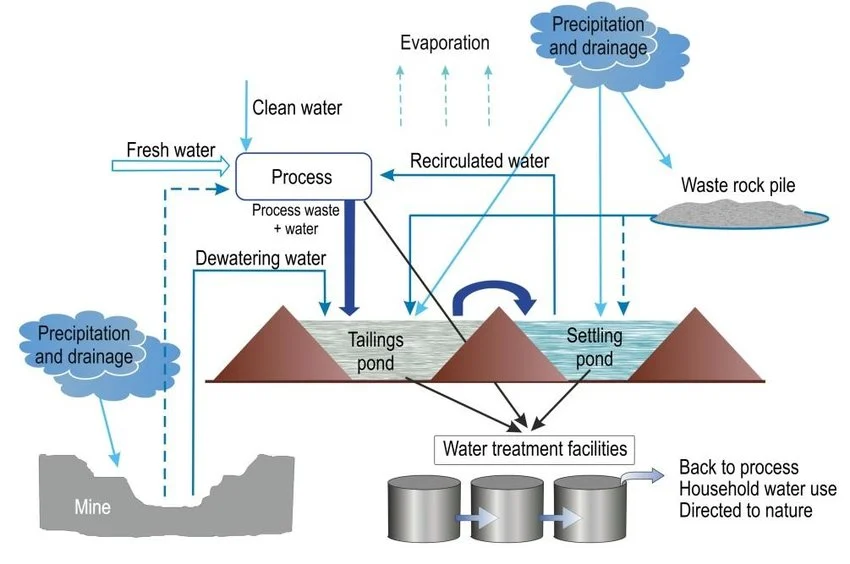
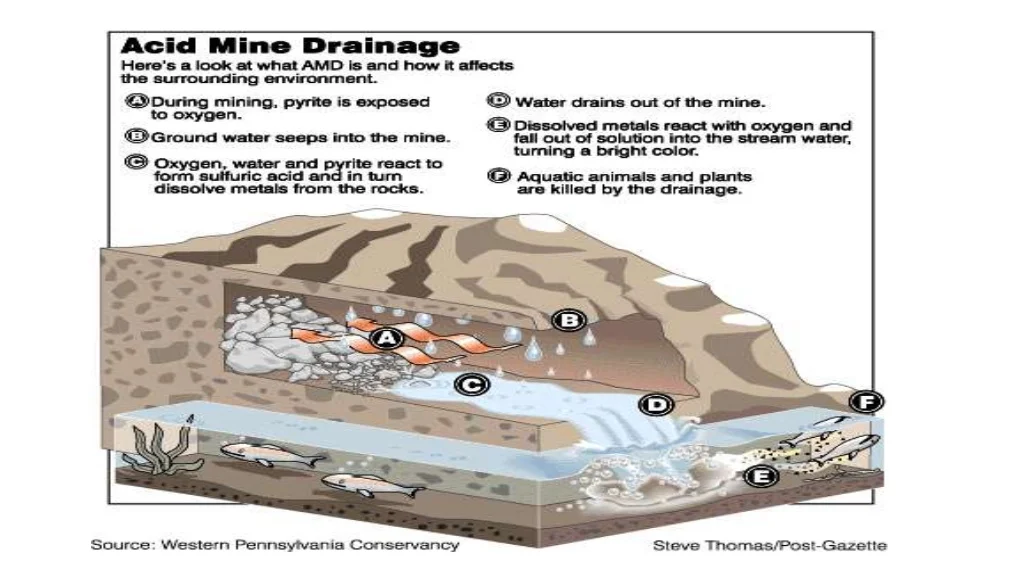







 Karen Wirsig.













 Masako Miki, Blissful One-Eyed Spirit, Courtesy of the artist and Jessica Silverman. Photo: Steve Ferrara
 Masako Miki, Waiting Cloud, 2025. Photo by Chris Gunder
 Masako Miki, Rising Pink Prayer Beads, Courtesy of the artist and Jessica Silverman. Photo: Phillip Maisel About the Artist
 Masako Miki. Courtesy of the artist and Jessica Silverman. Photo: Francis Baker.
  Masako Miki, Pine Tree from Ancient Time, Courtesy of the artist and Jessica Silverman. Photo: Steve Ferrara