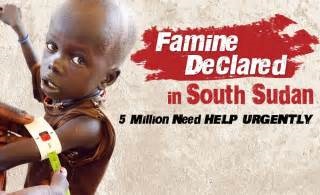
Life for Relief and Development calls for increased global support as rising living costs and food insecurity intensify humanitarian needs worldwide
World’s Most Vulnerable Is An Increasing Demographic
As the costs of food, fuel, housing, healthcare, and necessities continue to climb across the globe. Humanitarian organizations are warning that the world’s most vulnerable populations are facing increasingly devastating consequences. In 2024, more than 295 million people across 53 countries experienced acute hunger, marking the sixth consecutive year global food insecurity has worsened. That number has since risen to 343 million. Families already living in poverty are now being pushed further into crisis, forced to make impossible decisions between food, medicine, education, and shelter.
Surging Inflation
According to international economic and humanitarian reports, surging inflation, supply chain disruptions, ongoing conflicts, climate-related disasters, and economic instability have significantly increased the cost of living worldwide. While these rising pressures are affecting households everywhere, the burden falls disproportionately on low-income communities and developing nations, where millions are already struggling to meet basic daily needs.
Life for Relief and Development (LIFE), a global humanitarian organization dedicated to providing aid regardless of race, gender, religion, or cultural background, is witnessing firsthand the growing impact economic pressures have on crisis-affected communities across the Middle East, Africa, Asia, Eastern Europe, and beyond.
Limited Resources
“In many of the communities we serve, families were already surviving on very limited resources,” said Dr. Hany Saqr, CEO of LIFE. “Now, with food prices soaring and essential goods becoming increasingly unaffordable, many parents are struggling simply to feed their children. What may feel like inflation in one part of the world can become a matter of survival in another.”
LIFE’s humanitarian teams continue to respond through emergency food assistance, orphan support programs, healthcare initiatives, clean water projects, seasonal aid distributions, and long-term development efforts aimed at helping families regain stability and self-sufficiency. Working in more than 60 countries, LIFE has helped deliver $667 million usd/ $922.4 million cad in humanitarian assistance over the past three decades, supporting vulnerable communities affected by conflict, hunger, displacement, poverty, and disaster.
“Humanitarian aid is no longer just about responding to emergencies after they happen,” Dr. Saqr added. “For millions of families, assistance is what prevents a difficult situation from becoming a catastrophe.”
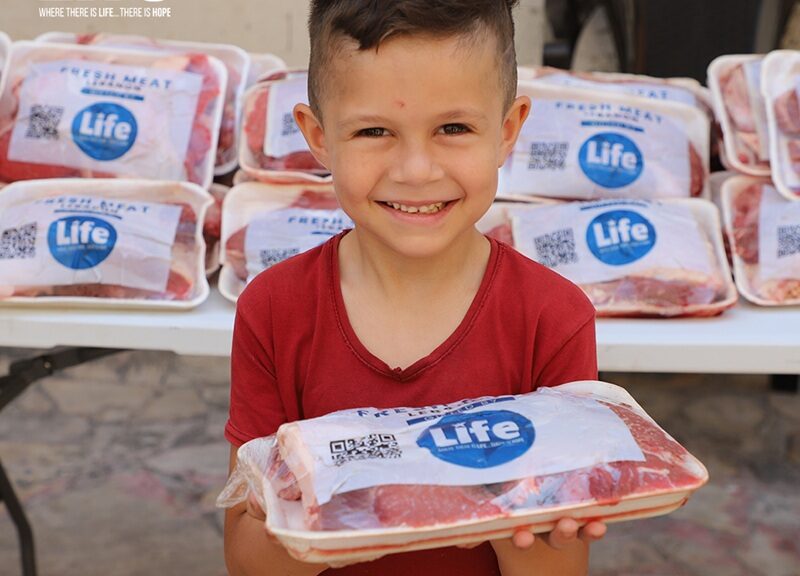
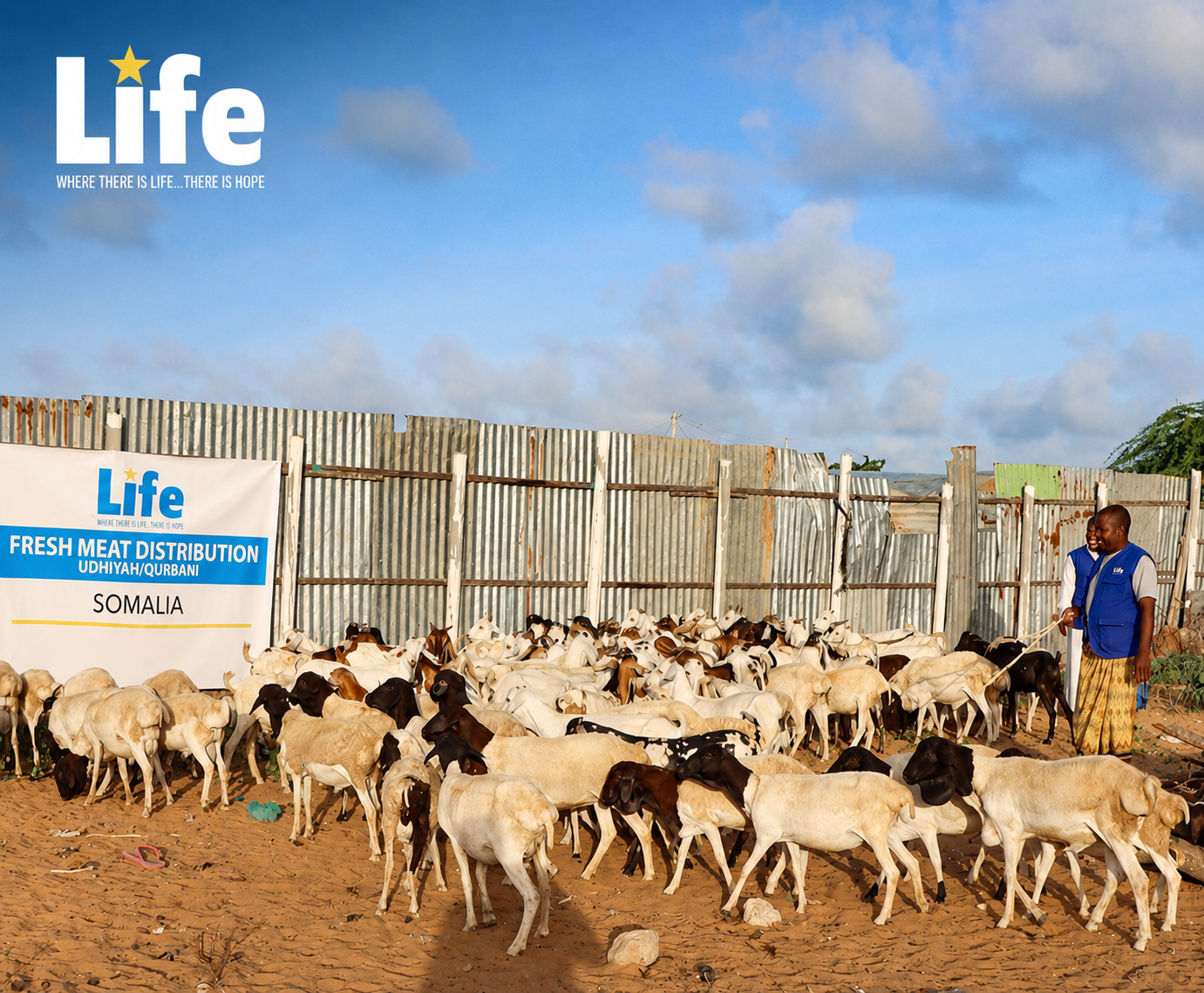
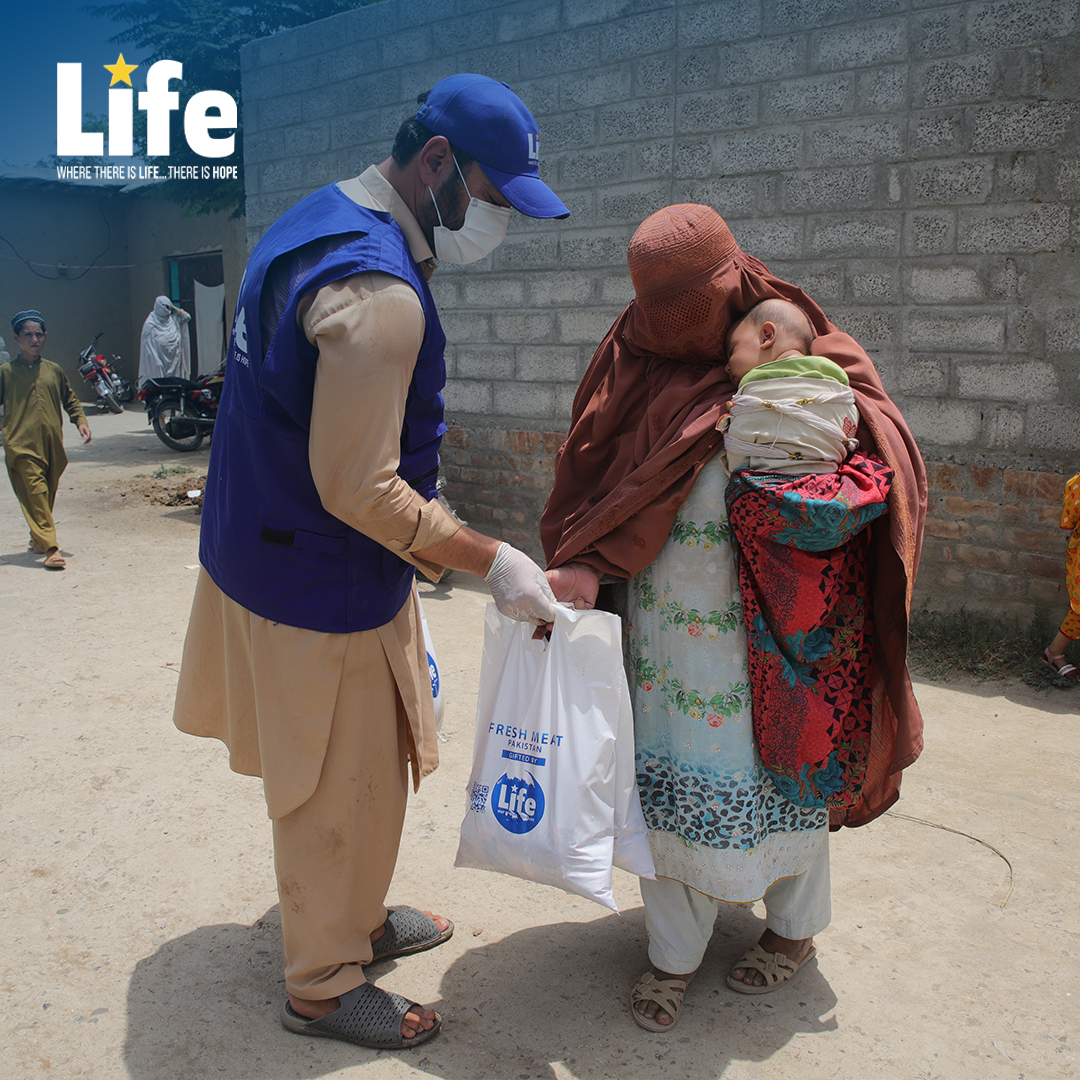
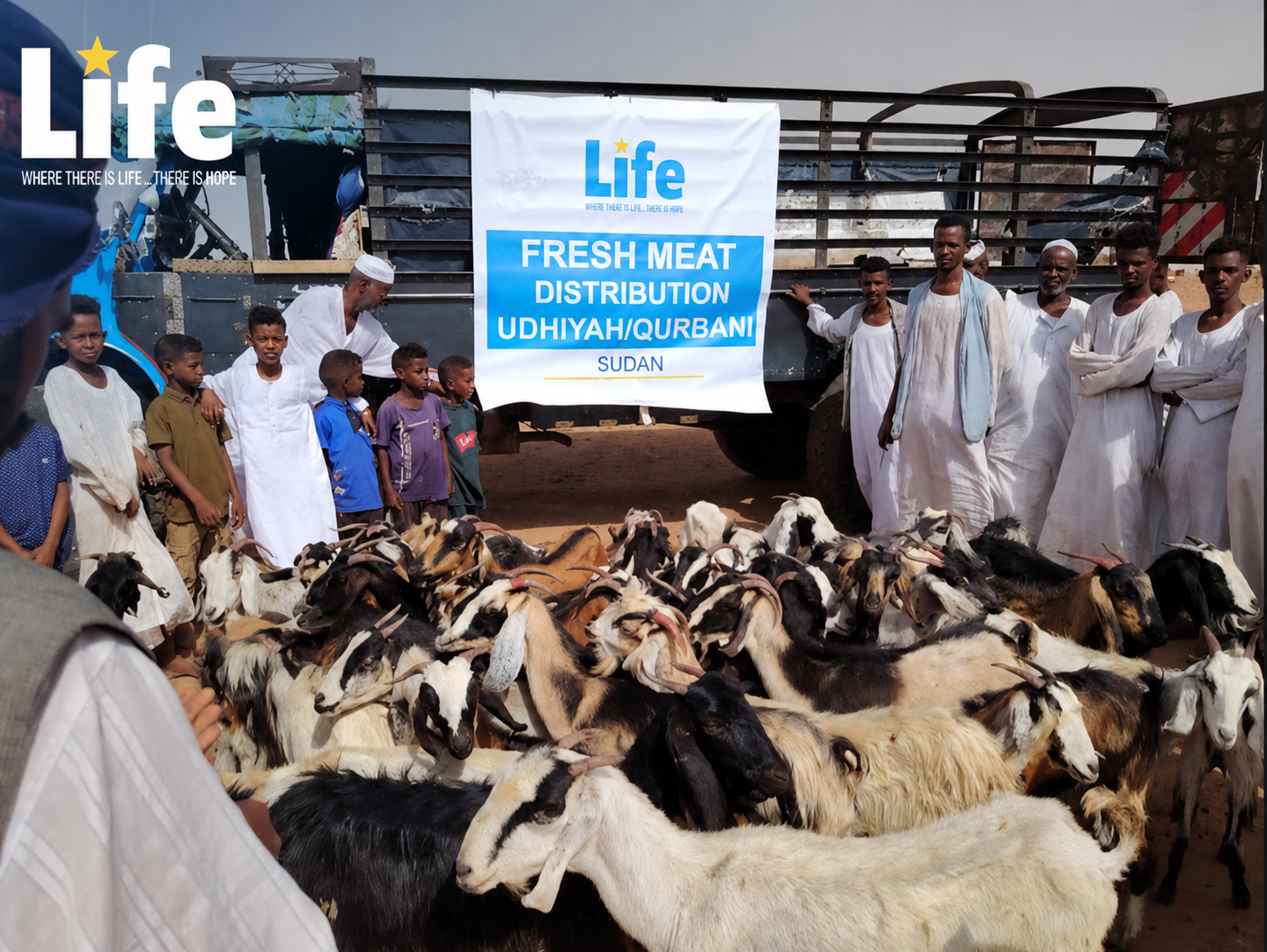
In addition to its ongoing humanitarian initiatives, LIFE will perform Udhiyah/Qurbani distributions this year in 32 countries. Through the annual program, fresh meat will be distributed to families experiencing difficulty during Eid al-Adha. Last year, the initiative helped combat food insecurity for nearly 200,000 people worldwide, including families in Gaza who received canned meat distributions due to ongoing access restrictions. LIFE says the program not only helps provide nutritious meals but also allows vulnerable families to participate in Eid with dignity.
Growing Challenges
As the world continues to face growing economic and humanitarian challenges, compassion, shared responsibility, and collective action can play a significant role in shaping a more just and hopeful future. Life for Relief and Development believes that meaningful change begins when people choose not to turn away from suffering but instead work together to help create a more humane, equitable, and sustainable world while opening pathways toward greater stability and opportunity for future generations.
As the blessed month of Ramadan approaches—bringing with it the values of mercy and solidarity—this year arrives amid a profoundly harsh humanitarian reality across vast regions of the Arab world.
Among the scattered tents of displacement that have become refuge for the uprooted, and in homes reduced to rubble—leaving behind only ruins, grief, and the names of the missing—some fasting individuals will observe Ramadan at meager tables, continuing their daily struggle to secure the simplest iftar meal after long hours of fasting. Others will fast without knowing how they will obtain their next meal.
Millions of Meals and Thousands of Beneficiaries
Humanitarian initiatives multiply each year, yet their impact varies. Some alleviate hardship, while others fall short of addressing the depth and complexity of ongoing crises.
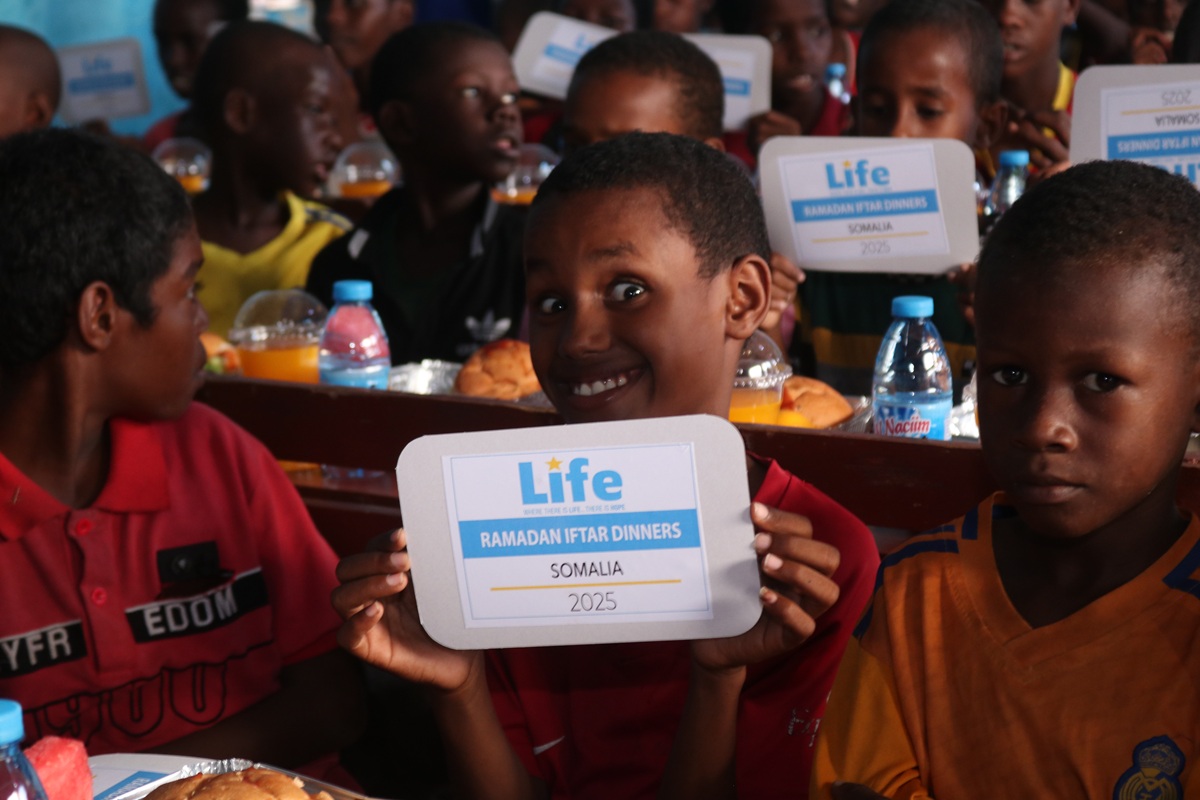
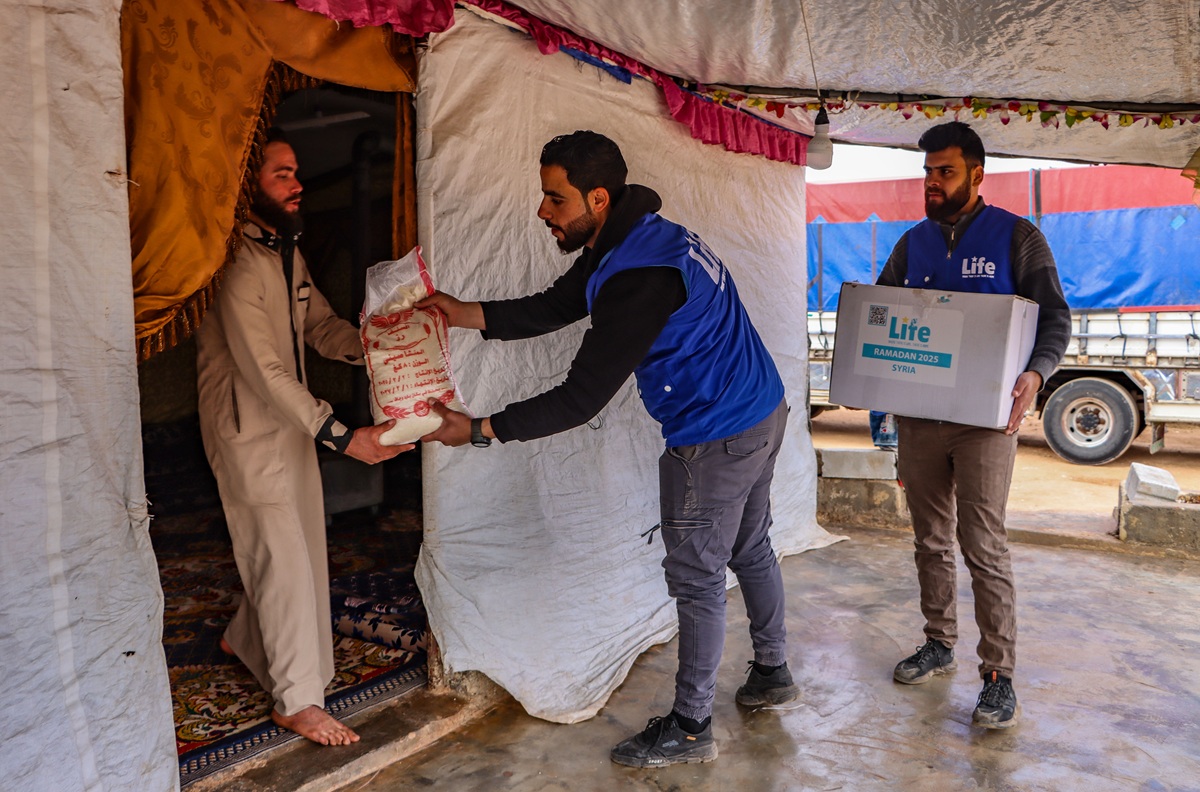
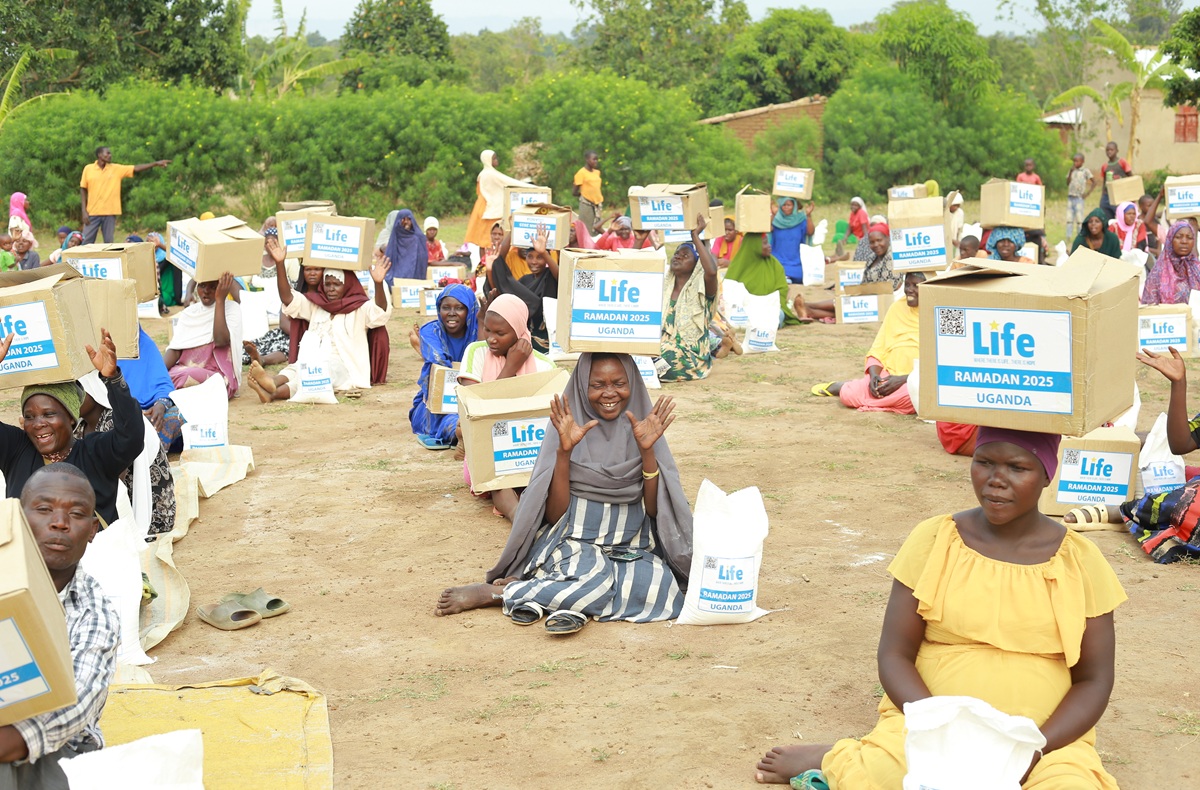
For 33 years, LIFE for Relief and Development has mobilized its efforts to fulfill its humanitarian mission during the holy month of Ramadan by implementing relief programs focused on meeting the basic needs of the poorest and most vulnerable families. Through the distribution of food parcels and the organization of communal and individual iftar meals, LIFE’s assistance reaches hundreds of thousands of families in need worldwide.
LIFE teams were present in 37 of the 60 countries where the organization operates sustainable development and relief projects. During Ramadan 2025, nearly 6 million meals were distributed through 16,000 nutritionally balanced food baskets. Additionally, 51,000 freshly prepared hot meals were provided, benefiting approximately 97,000 fasting individuals in need.
Gaza: A Communal Iftar Amid the Rubble
Gaza stood at the forefront of LIFE’s efforts. Amid the devastating landscape and the remnants of war, displaced families recall memories of past Ramadans—when loved ones gathered around one table and smiles preceded the meal. Though those scenes now seem distant, LIFE continues to revive the spirit of solidarity, instilling a glimmer of mercy and hope in hearts exhausted by crisis.
LIFE worked to provide food security for 2,883 families—sufficient to sustain them for three months—alongside organizing communal iftar gatherings open to anyone in need. Despite being held atop the rubble, these gatherings brought moments of joy to attendees.
In addition, Eid celebrations were organized for orphans, benefiting 7,660 orphaned families, including 1,200 families at a special Gaza orphan event. Iftar and suhoor meals were also distributed at Al-Aqsa Mosque.
Confronting Famine in Sudan
From Sudan, we spoke with Ms. Rima Bakir, LIFE’s Projects Coordinator in Sudan, who described the scale of suffering:
“Ramadan will arrive for many children in Sudan not with joy, but with hunger and deprivation. They will welcome the month with empty stomachs, fear, exhaustion, and severe food shortages.
Pregnant and nursing women suffer from malnutrition and increasing health risks, while widows bear a doubled burden in securing food for their children after losing the family breadwinner amid rising living costs. They are living through daily hardship and a continuous struggle for survival.
Over the past year, we tracked displaced families in Kassala, where we provided suhoor and iftar meals to 845 families affected by the war. We also distributed nutritionally integrated food baskets weighing approximately 30 kilograms to support children’s healthy growth, in addition to providing clothing for orphans.”
Targeting the Poorest and Most Remote Communities
Regarding this year’s anticipated activities, Omar Mamdouh, Director of Projects, stated:
“We will intensify our teams’ efforts in the poorest areas facing potential famine, according to United Nations reports. We plan to support vulnerable families and displaced populations in crisis zones by strengthening social solidarity and spreading joy through food assistance projects, organizing iftar gatherings, and distributing hot meals and food baskets in remote areas often beyond the reach of charitable organizations.
Before Eid, we will also implement orphan sponsorship initiatives by providing Eid clothing, gifts, and financial and food assistance. We will distribute zakat and charitable donations to the most deserving beneficiaries, in addition to facilitating fidya and kaffarah contributions.”
Ranked Third Among the Best Organizations Fighting Poverty and Hunger
Vicky Robb, Director of International Programs, added:
“We will expand our food assistance projects in developing countries, particularly in displacement camps where children are suffering—such as those along the Pakistan-Afghanistan border, in war-affected regions of Sudan and parts of Africa, and in countries facing silent poverty in Southeast Asia.
LIFE distinguishes itself by strategically targeting areas inaccessible to most relief organizations—whether due to the severity of war, as currently in Gaza, Sudan, and Lebanon. Our teams have delivered Ramadan meals and food baskets on foot. In Bangladesh, they navigated deadly floods by boat to reach the hungry. In Afghanistan, despite mud and extremely difficult terrain, food was transported on horseback. In Tanzania, our teams left their own families for days to reach remote communities where hunger persists and infants cry silently from malnutrition. They relied on multiple forms of transportation to ensure aid reached beneficiaries before the start of the holy month.”
Every Thanksgiving, thousands of our friends below the border strive to make sure everyone has a meal. If it’s the third Thursday in November you can count on a lot of generous giving.
Most take part in the holiday’s rituals, including traveling to spend time with family and counting life’s blessings, and 19% also donate to charities to help others eat well around the holiday, according to a recent poll. It is a time of year that many Americans volunteer at food banks, churches or service organizations in order to help prepare meals or provide ingredients to those without enough.
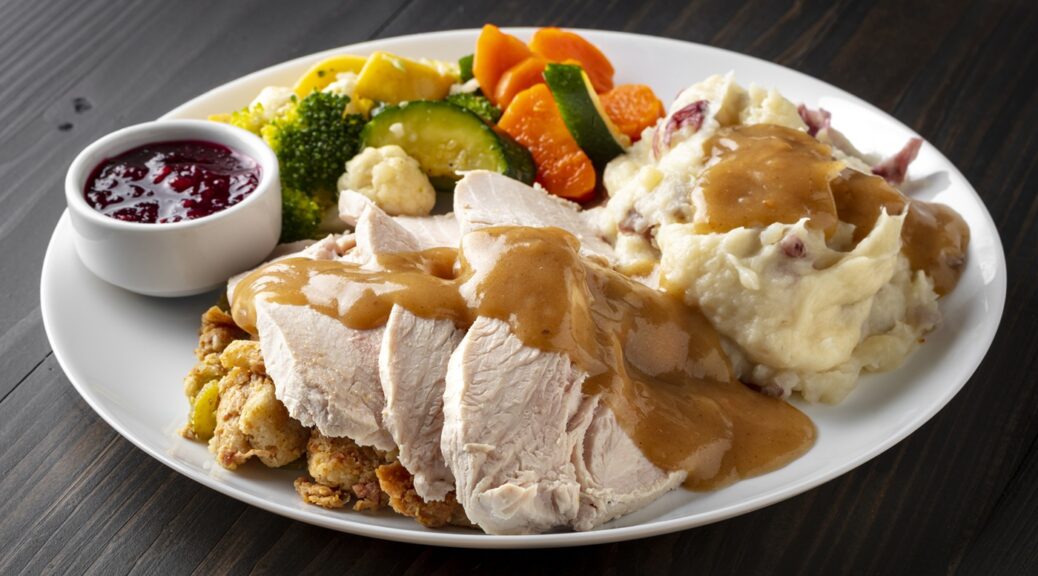
Volunteers with Operation Turkey, a national nonprofit based in Austin, Texas, cook and deliver thousands of Thanksgiving meals complete with turkey, stuffing, gravy, vegetables and a slice of pie.
After 25 years, the all-volunteer organization has expanded to about 20 cities and now operates in states beyond Texas, including North Carolina and Pennsylvania. “It’s inspiring and humbling watching our local community rally together to make a difference for their neighbors,” says Josh Ortiz , an Operation Turkey volunteer in Dallas. “It all matters and makes a difference.”
Many Americans want to help others while also getting in a little exercise before the big meal. (The average American consumes 4,500 calories on Thanksgiving, according to the Calorie Control Council). Thus, turkey trots — events where people run or walk to raise money for charities — are held in cities and towns across the country. Turkey trots make Thanksgiving “the biggest U.S. running day of the year,” according to the website RunSignup.com.
How about Canadian Thanksgiving Calories?
Ohio Turkey Trot
The 5K Turkey Trot in Granville, Ohio, drew 1,900 runners in 2024 and raised $130,000 usd/ $183,300 cad for a local food bank. Michelann Scheetz, of St. Luke’s Church, which organizes the annual event, says a team of volunteers works to pull off the Thanksgiving Day tradition that started in 2005. America’s Trot for Hunger, held in Washington, is now in its 24th year and draws thousands.
Jessica McCrorie, who served as a teen ambassador for the national nonprofit Feeding America, said she saw Thanksgiving bring out her own and others’ spirit of generosity. While volunteering with Island Harvest, McCrorie helped the nonprofit in Melville, New York, collect 30 turkeys and hundreds of dollars in donations at a grocery store.
“I feel like people may have felt more generous and connected to the issue of hunger because the Thanksgiving holiday is a time for family and friends to come together and share a meal,” she told Feeding America .
It is late and you are on your way home, but there is no open store to get something to eat – does this scenario sound familiar?
Or it’s maybe early in the morning and you just pulled an all-nighter and you can hear your stomach making noises… Or you may be out in the middle of the street after your work and you forget to eat, and you are starting to feel dizzy.
Is this something that you can relate to? If yes, you know that you need to think about your diet.
It is easy to forget to eat when you have a busy day, especially when you are on the run with no store or restaurant around.
This is why strategic snacking should be part of your daily routine. If anything, you should think of snacks as something that literally saves your life when you are super hungry.
Let’s see how you can also have a delicious and easy-to-carry snack with you no matter the time of the year.
Drink Your Snack
Snacks should be healthy.
Yes, this may be easier said than done, but with so many options on the market, you can actually have a healthy snack.
For example, you don’t have to buy industrial pretzels if you can carry an apple with you, right?
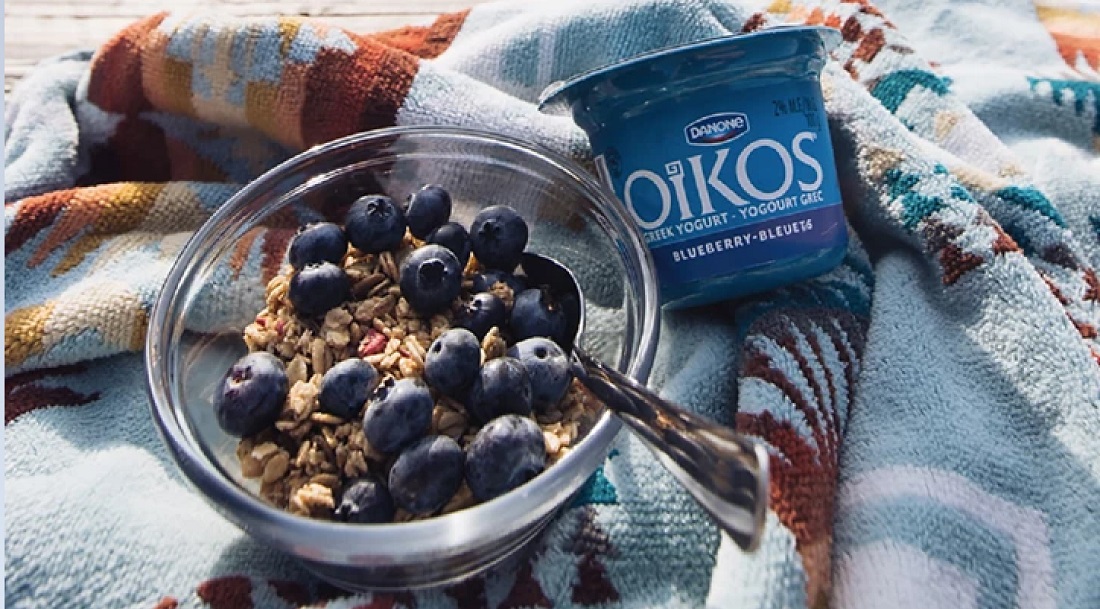
Still, if even bringing an apple puts you under a lot of stress, you should think about an even easier solution, such as a drinkable yogurt: this sort of snack is a great source of lean protein, usually packed with vitamins and minerals such as calcium and vitamin D, packed with numerous flavors from banana to peach.
The great thing about drinkable yogurt is that you can mix it with other ingredients such as oats or use it as a dressing for your fruit salad. Fast and healthy!
Cheese And Whole-grain Crackers
Cheese and whole-grain crackers are a great snack idea if you want something that is easy to pack but enables bigger bites.
This is something that you can bite throughout the day and even use as an addition to a salad.
Spread cheese across crackers and you will have a quick snack in no time.
Beef Jerky
You cannot pull an entire day without meat? If so, you should plan ahead and think about having a meaty snack on you, such as beef jerky.
This is something that is a mandatory part of every road trip, but it can serve while you are at work as well.
Beef jerky is packed with protein, and as such, it is one of the best food items to keep your hunger under control.
If possible, choose organic, and grass-fed beef jerky from a local store, and avoid shopping for beef jerky from the gas station.
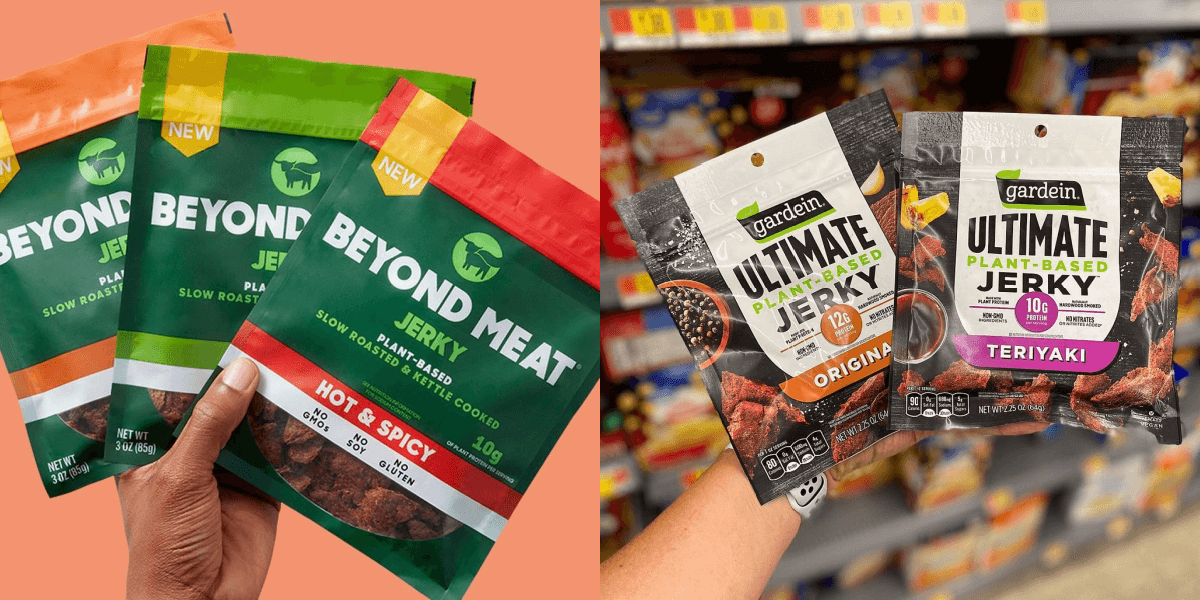
Did you know there are even tasty vegetarian jerky options?
You’ve got many snack choices to choose from once you start dealing with preparation.
In no time, you will discover that there are many food items that you can carry with you easily, throughout the day and eat as you go.
A little prep will be needed, but it’s nothing you won’t be able to handle.
CANADA – The United Nations World Food Programme (WFP) has launched the #ASK1TOASK1 campaign, asking all Canadians to join the challenge to raise 150,000 meals for children in Haiti through the ShareTheMeal app to mark Canada’s 150th anniversary.
Every day, countless children in Haiti turn up for school on an empty stomach, which makes it hard to focus on lessons. A daily school meal can mean not only better nutrition and health, but help the next generation reach its full potential. The #ASK1TOASK1 ShareTheMeal campaign will allow WFP to scale up their Home Grown School Meals programme in Haiti.
It costs just $4.55cdn, less than a bottle of maple syrup, to provide one week of nutritious meals to children in school through the ShareTheMeal app! The app allows users to share nutritious food with hungry children around the world by simply tapping on their smartphone and donating $0.65 or more.
“WFP’s ShareTheMeal app and the #ASK1TOASK1 campaign provides Canadians with an easy way to share meals with hungry children in Haiti,” said Robert Opp, a Canadian who is Director of Innovation and Change Management at WFP.
“Daily school meals allow children to focus on their studies rather than their stomachs, feeding their dreams for the future.”
Robert Opp
Haiti has been repeatedly affected by a series of devastating natural disasters over the last two decades. 2016 was the third consecutive year of El Nino-related drought, and the country was hit by the category 4 Hurricane Matthew, which left more than 800,000 people in need of urgent food assistance.
In Haiti, WFP is working together with the Government to produce a sustainable, nationally-owned, school feeding programme linked to local agricultural production. WFP procures local commodities such as rice, fresh fruit and vegetables from the local smallholder farmers, giving them a predictable market for their products and the children enjoy a healthy diversified school meal.
Join WFP Ambassador Against Hunger, George Stroumboulopoulos and other celebrities like World Champion Wrestler Andre Berto, Singer Dawn Richard and Canadian national Olympic Weightlifter Isabel Lahela who have all committed to help fundraise for the children in Haiti. To get involved, simply download the free app, join team #Canuck and once you have fed a child for a week share with your social media network, using the hashtag #ASK1TOASK1.
WFP’s award-winning app has engaged a new generation in supporting the fight against hunger. More than 850,000 people have downloaded the app and shared over 14 million meals with thousands of vulnerable children in Jordan, Syria, Lebanon, Malawi, Cameroon, South Sudan and Yemen.
image- worldvision.org.uk
The ShareTheMeal community recently contributed to WFP’s famine response in South Sudan, where users shared 1 million meals with those people in dire need of food.
WFP is the world’s largest humanitarian agency fighting hunger worldwide, delivering food assistance in emergencies and working with communities to improve nutrition and build resilience. Each year, WFP assists some 80 million people in around 80 countries.
ShareTheMeal allows smartphone users to share their meals with hungry people via a free iOS and Android app. ShareTheMeal is an initiative of the World Food Programme Innovation Accelerator.
LE PAM ET SHARETHEMEAL LANCENT UNE CAMPAGNE POUR DISTRIBUER 150 000 REPAS À DES ENFANTS EN HAÏTI EN L’HONNEUR DU 150ÈME ANNIVERSAIRE DU CANADA
CANADA – Le Programme Alimentaire Mondial (PAM) des Nations Unies démarre aujourd’hui la campagne #ASK1TOASK1, qui propose aux Canadiens de participer à un challenge visant à distribuer 150 000 repas à des enfants en Haïti via l’application ShareTheMeal en l’honneur du 150ème anniversaire du Canada.
Chaque jour, de très nombreux enfants haïtiens vont à l’école le ventre vide, ce qui les empêche de se concentrer. En plus d’améliorer leur nutrition et leur santé, un repas scolaire quotidien peut permettre à la prochaine génération d’atteindre pleinement son potentiel. La campagne #Ask1toAsk1 de ShareTheMeal permettra au PAM d’étendre la portée de son programme “Home Grown School Meals”, qui fournit des repas scolaires produits localement.
Avec l’application ShareTheMeal, fournir une semaine de repas scolaires nourrissants à des enfants ne coûte que $4,55, soit moins qu’une bouteille de sirop d’érable ! L’application permet aux utilisateurs de partager de la nourriture saine avec des enfants dans le besoin en quelques clics sur leur smartphone, en faisant des dons de $0,65 ou plus.
Robert Opp, directeur canadien de l’Innovation et du Changement au PAM, dit que “ l’application ShareTheMeal et la campagne #ASK1TOASK1 offrent aux Canadiens un moyen simple de partager des repas avec des enfants dans le besoin en Haïti.”
“Des repas scolaires quotidiens permettent aux enfants de se concentrer sur leurs études et non sur leur estomac, alimentant leurs projets futurs”
Haïti a été touché par une série de graves catastrophes naturelles lors des deux dernières décennies. En 2016, le pays a connu pour la troisième année consécutive des sécheresses causées par El Nino, et a été touché par l’ouragan Matthew de catégorie 4. En conséquence, plus de 800 000 personnes ont un besoin urgent d’assistance alimentaire.
En Haïti, le PAM collabore avec le gouvernement pour mettre en place un programme de repas scolaires durable et public, qui s’appuie sur l’agriculture locale. Le PAM se fournit en produits locaux auprès d’agriculteurs haïtiens de petite taille. Ces achats de riz, fruits et légumes frais donnent accès aux producteurs à un marché stable et offrent aux enfants des repas sains et variés.
Rejoignez l’ambassadeur du PAM George Stroumboulopoulos et d’autres célébrités comme le Champion du monde de lutte Andre Berto, la chanteuse Dawn Richard et l’haltérophile Isabel Lahela, qui se sont engagés à aider à collecter des fonds pour les enfants en Haïti. Pour participer, vous n’avez qu’à télécharger gratuitement l’application, rejoindre l’équipe #Canuck et, après avoir partagé une semaine de repas avec un enfant, partager cela sur les réseaux sociaux en utilisant le hashtag #ASK1TOASK1.
ShareTheMeal, l’application du PAM, a gagné de nombreuses récompenses pour avoir impliqué la nouvelle génération dans la lutte contre la faim. Plus de 850 000 personnes ont téléchargé l’application et ont partagé plus de 14 millions de repas avec des milliers d’enfants vulnérables en Jordanie, en Syrie, au Malawi, au Cameroun, au Soudan du Sud et au Yémen.
La communauté ShareTheMeal a récemment participé à l’intervention du PAM au Soudan du Sud, partageant 1 million de repas avec des personnes ayant un besoin urgent d’assistance alimentaire.
Le PAM est la plus grande agence humanitaire de lutte contre la faim dans le monde, apportant une assistance alimentaire pour résoudre des situations d’urgence et travaillant avec les populations locales pour améliorer la nutrition et mettre en place un système alimentaire stable. Chaque année le PAM vient en aide à 80 millions de personnes dans 80 pays.
Grâce à l’application Android et iOS ShareTheMeal, les utilisateurs de smartphones peuvent partager leurs repas avec des personnes dans le besoin. ShareTheMeal est une initiative de l’accélérateur du Programme Alimentaire Mondial.



 It costs just $4.55cdn, less than a bottle of maple syrup, to provide one week of nutritious meals to children in school through the ShareTheMeal app! The app allows users to share nutritious food with hungry children around the world by simply tapping on their smartphone and donating $0.65 or more.