It’s been nearly nine years since we published the article below and the water surrounding glyphosate use in Canada is still murky. Roundup is currently being used in an official capacity in certain situations by government agencies such as by the Ministry of the Environment to fight the invasive species Phragmites. Let’s review the earlier article:
Top Scientists Warnings
Dear friends across Canada, top scientists warn the most commonly used herbicide in the world probably causes cancer. Monsanto is demanding the World Health Organization retract their ground-breaking report. And experts say the only way to ensure the science is not silenced is if the public demands action, now. The regulatory system is renowned for being secretive and captured by the agro-chemical industry. But we have a unique moment right now — Canada is officially reassessing glyphosate, with similar processes underway in the US, Europe, and Brazil. And the Netherlands, Sri Lanka, and El Salvador are all looking at a ban. [However, it must be noted that as of today’s posting, Canada Health’s Food Safety Inspection statement is that glyphosate formulations ARE safe CP]The threat is clear — this poison is used on our food, our fields, our playgrounds, and our streets. Let’s get it suspended.
Monsanto is up in arms. Glyphosate brings in $6+ billion per year. It is the basis of RoundUp, the chemical cornerstone of Monsanto’s Genetically Modified empire. The company says the WHO report ignored studies showing glyphosate is safe. But these scientists are 17 of the world’s top oncology experts, not a bunch of crazies. They comprehensively reviewed independent studies, excluding those done by companies seeking product approval. Regulators rely mainly on tests done by the companies trying to sell the poisons!
Secret Information Makes Reporting Murky
Key results are kept from the public because they contain ‘commercially confidential information’, and 58% of the scientific panels in the EU Food and Safety Agency are linked to the sector. It’s nuts, but that is the system we have. And that’s why it’s going to take all of us to make sure this crucial independent report isn’t ignored. Some countries have already put bans on glyphosate. Now with the EU, the US, Canada, and Brazil all reviewing it, we have an incredible chance to turn the tide worldwide.
Sixty years ago Monsanto’s pesticide DDT was everywhere until the seminal book Silent Spring showed it could cause cancer — a decade later it was banned. If this could cause cancer, let’s not let it be sold for ten more years. Let’s demand emergency precautionary action now.
We’ve done it before — helped win a moratorium on bee-killing neonicotinoids in the EU and stop a Monsanto mega seed factory in Argentina. Now let’s protect our health and make sure we aren’t being used as lab rats. This could be a breakthrough moment in the fight for the safe, sustainable agriculture our world needs. With hope, Bert, Marigona, Antonia, Oliver, Alice, Emily, Danny, Nataliya, Ricken and the whole Avaaz team.
Did you know that the majority of Ontario Wasaga beaches are no longer protected, including critical piping plover habitat? That’s because the Ontario government recently removed Wasaga’s beaches from the Provincial Park and are giving them to the municipality despite fierce opposition from Ontarians, including many of you.
Wasaga’s beaches are the birthplace of 70 percent of all Ontario-fledged piping plovers that have survived to adulthood since the species returned to Ontario in 2007. This irreplaceable habitat is now at immediate risk from destructive mechanical beach and sand dune raking planned by the Town Council for as soon as this spring.
Emergency Order
Although Wasaga’s beaches are no longer in a Provincial Park, there is still a way to protect the piping plover. The Federal government can and should issue an Emergency Order under the Species at Risk Act to protect this endangered shorebird from the destruction of the places where it eats and raises its young.
While this solution seems obvious, ensuring the Federal government does the right thing is not guaranteed. That’s why we urgently need your help. We want to launch a comprehensive public awareness campaign to mobilize Ontarians to push the federal government to fulfill its responsibility and protect Wasaga’s critical piping plover habitat. Will you help us?
Mechanical Raking Of Beaches
Time is running out. The Town of Wasaga Beach has already purchased mechanical raking equipment and announced a development plan that would bring beach clearing and raking to known piping plover nesting and feeding sites.
Mechanical beach raking destroys the natural debris piping plovers need to nest, forage, and hide from predators. Evidence from other Ontario beaches shows that once raking occurs, plovers often fail to return. With only three other active breeding sites left in Ontario, the loss of Wasaga would be catastrophic.
Environmental Defence has successfully fought and saved the homes of this bird before. After years of advocacy, we stopped the illegal bulldozing of piping plover habitat at Saugeen Beach (formerly known as Sauble Beach), and we will use our experience to fight the habitat destruction now threatening Wasaga. We know that only the immediate action of the federal government stands between the loss and the survival of the endangered piping plover on Wasaga’s beaches. The time for action is now.
Tourism Balance Can Be Established
The Town of Wasaga Beach is, and can continue to be, both a thriving home for endangered piping plovers and a world-class tourism destination. Together, we must demand that the federal government issue an Emergency Act under the Species at Risk Act and prevent the irreversible loss of Wasaga’s piping plover habitat. We hope we can count on your support by clicking here.
Here is a recent Substack post from U.S. Secretary of State Marco Rubio on the next era of nuclear arms control.
The Cold War
During the Cold War, few negotiations proved as complex as those between the United States and the Soviet Union to limit and reduce their vast nuclear arsenals. They required trust between adversaries who had little reason to believe each other’s words, and they relied on intricate, constant systems to verify compliance. American statesmen persevered and reached a series of agreements first with the Soviet Union and then the Russian Federation that left the United States safer.
Everything has its season though and yesterday, New START expired.
Arms control advocates and many voices in the media have tried to cast the expiration as a sign that the United States is initiating a new nuclear arms race. These concerns ignore that Russia ceased implementing the New START treaty in 2023, after flouting its terms for years. A treaty requires at least two parties, and the choice before the United States was to bind itself unilaterally or to recognize that a new era requires a new approach. Not the same old START, but something new. A treaty that reflects that the United States could soon face not one, but two, nuclear peers in Russia and China.
China Arsenal
China’s rapid and opaque expansion of its nuclear arsenal since New START entered into force has rendered past models of arms control, based upon bilateral agreements between the United States and Russia, obsolete. Since 2020, China has increased its nuclear weapons stockpile from the low 200s to more than 600 and is on pace to have more than 1,000 warheads by 2030. An arms control arrangement that does not account for China’s build-up, which Russia is supporting, will undoubtedly leave the United States and our allies less safe.
President Trump has been clear, consistent, and unequivocal that future arms control must address not one, but both nuclear peer arsenals.
Our call for multilateral nuclear arms control and strategic stability talks, presented today in Geneva, reflects the principles President Trump has laid out.
No Longer A Bilateral Issue
First, arms control can no longer be a bilateral issue between the United States and Russia. As the President has made clear, other countries have a responsibility to help ensure strategic stability, none more so than China. Second, we will not accept terms that harm the United States or ignore noncompliance in the pursuit of a future agreement. We have made our standards clear, and we will not compromise them to achieve arms control for arms control’s sake. Third, we will always negotiate from a position of strength. Russia and China should not expect the United States to stand still while they shirk their obligations and expand their nuclear forces. We will maintain a robust, credible, and modernized nuclear deterrent. But we will do so while pursuing all avenues to fulfill the President’s genuine desire for a world with fewer of these awful weapons.
We understand that this process can take time. Past agreements, including New START, took years to negotiate and were built upon decades of precedent. They were also between two powers, not three or more. However, just because something is hard does not mean we should not pursue it or settle for less. No one understands that difficult deals are often the only ones worth having more than President Trump, who has repeatedly underscored the awesome power of nuclear weapons and his desire to reduce global nuclear threats. Today in Geneva, we are taking the first steps into a future where the global nuclear threat is reduced in reality, not merely on paper. We hope others will join us.
Marco Rubio was sworn in as the 72nd Secretary of State on January 21, 2025. The Secretary is creating a Department of State that puts America First.
CATALINA ISLAND, Calif. (Feb. , 2026) — In Defense of Animals is expressing profound outrage and sorrow following the California Department of Fish and Wildlife’s (CDFW) decision to approve the Catalina Island Conservancy’s deadly, controversial, and unpopular plan to eradicate the island’s entire mule deer population. Despite widespread public opposition and a previous victory that forced the abandonment of a helicopter-gunning scheme, state officials have now greenlit a ground-based massacre that will pay professional sharpshooters to hunt down and kill every one of the island’s deer.
Opposition being ignored
This decision ignores the pleas of thousands of residents and the objections of Los Angeles County Supervisor Janice Hahn, who previously led the Los Angeles County Board of Supervisors to oppose the Conservancy’s killing plan. It also disregards the expert caution of L.A. County Fire Chief Anthony Marrone, who has stated that removing the deer could actually increase fire risks by allowing vegetation fuel loads to grow unchecked — directly contradicting the Conservancy’s primary justification for the slaughter.
“Today is a dark day for California’s wildlife and a betrayal of the public trust,” said Lisa Levinson, Campaigns Director for In Defense of Animals. “The Conservancy has rebranded a massacre as ‘restoration,’ swapping helicopters for ground squads to make the bloodshed more palatable to the public. But the result is the same: the senseless violent death of a beloved herd that has lived peacefully on the island for a century. We are heartbroken that the state has chosen bullets over biology and compassion.”
Mule Deer Generations On Island
Mule deer have been living on Catalina Island for over one hundred years and have integrated into the ecosystem. Despite this, the approved plan allows the Conservancy to hire private contractors to systematically kill the deer over several years, beginning with a fenced “pilot zone” of 10 acres near the Airport in the Sky before expanding to a 105-acre zone and eventually the entire island. While the Conservancy claims, without scientific proof, that the deer threaten native plants and increase fire danger, In Defense of Animals argues these claims are ideologically driven rather than actually proven.
Jack Gescheidt, Wildlife Consultant for In Defense of Animals, condemned the approval as a symptom of a larger industry problem.
“This plan is a sad product of the restoration industry, which often expends huge sums of public dollars to exterminate entire species under the tragically ironic guise of ‘conservation,’” said Gescheidt. “The mule deer integrated into Catalina Island’s ecosystem decades ago. Scapegoating them for climate change and drought-driven vegetation loss is scientifically dishonest. It is madness to authorize and finance wildly expensive and bloody animal extermination campaigns that do nothing to solve the larger ecological problem that is being ignored — the climate crisis. Just leave the deer alone.”
Deer Being Blamed
In Defense of Animals notes that the deer are being blamed for ecological changes driven primarily by human development and climate change. The Conservancy aims to protect “native” vegetation; yet the deer have lived peacefully on Catalina Island for nearly 100 years without suddenly threatening the entire ecosystem. No third-party scientific studies have validated the group’s “invasive” claims.
Furthermore, the Conservancy has made wild, inaccurate estimates of the mule deer population to justify the slaughter. Their estimate of 1,700-2,000 deer was based on a 2021 spotlight survey that extrapolated data from a small subset to the entire island. Islanders, who live nearest the deer, estimate the population is actually between 400 and 800.
“These exaggerations are typical of the ‘exterminate-to-restore’ mentality that falls back on controlling, managing and almost always killing wild plants and animals,” added Gescheidt.
In Defense of Animals has long championed the rights of wildlife on Catalina Island. Photo: In Defense of Animals
In Defense of Animals has been defending the Catalina Island wildlife for years. It is part of the island’s citizen group, The Coalition to Save Catalina Island Deer with the joint aim of protecting the island’s wild mule deer from any killing or interference, including hunting or sterilization. Over 13,600 In Defense of Animals supporters wrote to the California Department of Fish and Wildlife, Governor Gavin Newsom, and other officials asking them to oppose this brutal plan.
In Defense of Animals is now calling on its supporters to voice their continued opposition to the Conservancy and state officials.
Levinson called for further action, saying, “We urge the public to keep contacting state officials to tell them this lethal, sham ‘restoration’ sets a deadly precedent for wildlife management across the state.”
Modern science lacks a unifying, interdisciplinary theory of life. In other words, current theories are unable to explain why life is the way it is and not any other way.
Dr. David Grinspoon writes about Charley Lineweaver’s review of “Scientists Debate Gaia,” a collection of essays gathered from an American Geophysical Union conference and by the published by MIT press. Charles H. Lineweaver is a Senior Fellow at Australia National University’s Planetary Science Institute.
Gaia author James Lovelock
He explained that James Lovelock (shown) proposed the Gaia hypothesis, in which Earth is an organism or system capable of self-regulation. He wondered: Can the existence of life be recognized from the chemical composition of a planet’s atmosphere? What would the Earth be like now, if life had never evolved on it? Would there be oxygen in the air? Would the surface temperature be hot like Venus or cold like Mars? In the mid-60’s, NASA consulted James Lovelock to assist in developing instruments for the Viking spacecraft to detect life on Mars.
He concluded that it wasn’t necessary to send a spacecraft to Mars. All you needed was to determine the composition of the Martian atmosphere –- if life was there, the atmosphere should be in chemical disequilibrium as it is on Earth. Recent observations, have detected methane on Mars indicating life.
Determining what life is and how to recognize it is the Holy Grail of astrobiology. To make progress, we need to explore the Martian subsurface and analyze the atmospheres of the nearest terrestrial planets. Lovelock’s Gaian chemical equilibrium test for the presence of life is fundamental to these efforts. Both NASA and ESA are putting their astrobiological money into interferometric infrared spectroscopy to look for the traces of chemical disequilibrium in planetary atmospheres as the primary biomarker.
Don’t be fooled by your perspective- we all live on a rotating ball traveling through space!
Lovelock thought that terrestrial life didn’t just passively produce chemical disequilibrium. There seemed to be some element of control or regulation. In 1978, he published a book called “Gaia” that described how the entire biosphere behaves like a living creature suggesting our Earth is alive.
Gaian science and astrobiology have very similar programs. Astrobiologists look at the stars and ask “What has life done to the planets out there and how can we recognize it?” Gaian scientists have been looking at the Earth for decades asking “What has terrestrial life done to our planet and how can we recognize it?” Astrobiology and Gaian science often remain separate fields of inquiry. Astrobiology attracts mainly astronomers and biologists, while Gaian science attracts atmospheric chemists, geologists and concerned ecologists.
The thin Martian atmosphere is mainly composed of carbon dioxide. Planetary scientists have studied the atmosphere of Mars for any signs of gases such as methane that could be generated by life. In this collection, Gaian scientists believe that over the past four and a half billion years, the Sun’s luminosity has increased by about 30 percent, but the temperature of the Earth’s surface doesn’t seem to have followed in step. Lovelock hypothesized that the biosphere regulates the Earth’s surface temperature. There are two obvious ways to do this: Regulate the albedo (light reflected by the planet) and/or regulate the abundances of greenhouse gases in the atmosphere.
Lovelock invented the parable of Daisyworld to demonstrate that the biosphere could regulate the albedo. A nice Gaian extension of this idea is J. Scott Turner’s analysis of the thermo-regulation of termite colonies. So if a termite ecosystem can evolve to do it, why can’t a big one like the Earth? Thus, Gaia does what good scientific ideas are supposed to do. It extends and extrapolates a fundamental theory, from individuals to groups to ecosystems, up to the entire biosphere.
The central debate of this book is: How can Gaia (Earth) be selfish? How can it do anything “for” itself? Will it protect itself from human destruction of the environment by causing earthquakes, earth lights, an ice age, or a great flood?
Tyler Volk’s book “Gaia’s Body” “Gaia is Life in a Wasteworld of By-products.” He proposed that the atmosphere is one giant waste dump. Life produces wastes, and these wastes build up and affect the environment. They become intolerable for some forms of life, but then along come new forms of life who take advantage of these waste products. Volk’s point is that poop just happens. Thus the effects of the biosphere’s wastes are certainly “by” but not necessarily “for” the biosphere..
Volk suggests using cycling ratios to measure “by and for the biosphere” and to determine how beneficial for life something may be. A cycling ratio is the amount of an element cycling through the Earth and biosphere, divided by the amount that would be cycling through the Earth in the absence of life. Volk estimates the cycling ratio of carbon to be about 200 times more carbon flowing through the veins of Gaia than would be cycling through an Earth without life from plate tectonics and volcanism.
A collection of observations by the Earth Observing System flagship Terra were stitched together into a seamless true-color mosaic of every square kilometer (.386 square mile) of our planet.
Dorion Sagan and Jessica Hope Whiteside’s “Gradient Reduction Theory: Thermodynamics and the Purpose of Life” discussed the second law of thermodynamics as the purpose of life. Agnostics looking for purpose in their lives would do well to digest this chapter with Lovelock’s suggestion that agnostics worship Gaia to fill their religious vacuum. There is grandeur and universality in this thermodynamic view of life that can be applied to life anywhere in the universe.
I’d like to see Gaian scientists recognize that Gaia is part of a larger whole – that the Earth is not a closed system and that Gaia has a mother. We begin to wonder whether our Galaxy is a life form called Galactea. For the Silo, Jarrod Barker.
“It is a must read for any life form that is even pretending to look for extraterrestrial life. /
– See more at: http://www.astrobio.net/ Note: It’s logical Mother Earth or Gaia feels totally threatened by environmental abuse from Earth’s humans and that those humans who are not loving to Mother Earth may be removed.
New report reveals that green revenues are growing twice as fast as conventional revenues on average, while companies involved in green markets often secure cheaper capital and typically enjoy valuation premiums.
Yet green markets are moving at different speeds, with mature solutions such as solar, wind, batteries and electric vehicles achieving cost competitiveness at the global level, while costly technologies such as low-carbon hydrogen and carbon capture, utilization and storage (CCUS) require substantial support to bend the cost curve.
Learn more about the report here. Follow the Annual Meeting 2026 here and on social media using #WEF26.
Geneva, Switzerland, December 2025 – Businesses across industries are already benefiting from the strong growth of the green economy, the second-fastest growing sector over the past decade. A new report, Already a Multi-Trillion-Dollar Market: A CEO Guide to Growth in the Green Economy, finds that the green economy has already reached $5 trillion a year and is on track to exceed $7 trillion within the decade.
Developed in collaboration with the Boston Consulting Group, the research indicates that despite economic uncertainty and diverging environments, investment in green technologies continues to reach record highs. The report identifies the green economy as one of the world’s fastest growing sectors, outpaced only by tech, and highlights the advantages enjoyed by many companies embracing green solutions.
“Two years ago, in the World Economic Forum’s Winning in Green Markets: Scaling Products for a Net Zero World, we argued that pioneering in green markets is a bet that would pay off and that large-scale green markets would become a reality proving the business case. Despite the current headwinds for global climate action, this report shows that the green economy is not a distant opportunity but already a major growth engine of this decade,” said Pim Valdre, Head of Climate and Nature Economy, World Economic Forum.
The research shows that companies with green revenues often outperform across multiple financial metrics. On average, green revenues grow two times faster than conventional business lines across the market, while the cost of capital for companies with green revenues is typically lower. Firms generating more than 50% of their revenues from green markets often enjoy valuation premiums of 12%-15% on capital markets, reflecting investor confidence in their long-term resilience and profitability.
Technological cost declines have accelerated this trend, although solutions are moving at different speeds across markets. Since 2010, the cost of solar photovoltaics and lithium batteries has fallen by around 90% and offshore wind by 50%, making low-carbon solutions increasingly cost competitive. The report estimates that 55% of global emissions reductions needed to decarbonize can now be achieved with solutions that are already cost competitive, with another 20% addressable at minor cost premiums and 5% requiring a behavioural change. However, an additional 20% of critical deep decarbonization technologies currently face major cost disadvantages and will require dedicated policy and industry support to achieve cost competitiveness.
These cost declines follow massive investment in clean energy, increasingly led by China. The report finds that in 2024 China invested $659 billion in clean energy and is responsible for over 60% of new global renewable capacity additions through 2030. It leads the world in patents for solar, electrical vehicles and battery technologies, reshaping global supply chains and shifting the centre of green innovation to the East.
Lessons from the Leaders
The report features 14 case studies from members of the World Economic Forum’s Alliance of CEO Climate Leaders, showcasing how pioneering companies have turned participation in green markets into a competitive advantage. The report concludes with a CEO playbook, which shows how leading companies leverage growth accelerators – scaling technologies to cost maturity, shaping regulatory ecosystems and unlocking diversified finance – to win in the green economy.
“Three things are striking: the resilience of the green economy, with investments in green technologies jumping from record to record against a change in public headlines and sentiments; China’s leadership in manufacturing, innovation and deployment of green technologies; and the opportunity for companies operating in green markets to outperform and earn a premium in capital markets,” said Patrick Herhold, Managing Director and Senior Partner, Boston Consulting Group. “With projections to become a $7 trillion market, there will be many more opportunities for companies that act boldly today.”
About the Annual Meeting 2026
The World Economic Forum’s 56th Annual Meeting, taking place 19-23 January 2026 in Davos-Klosters, Switzerland, will convene leaders from business, government, international organizations, civil society and academia under the theme, A Spirit of Dialogue. Click here to learn more.
WARSAW, Poland (Dec., 2025) — In a monumental victory for animals and a devastating blow to the global fur trade, Poland has officially enacted a ban on fur farming. The legislation, signed into law by President Karol Nawrocki, marks the end of an era for the European Union’s largest remaining fur producer.
The victory comes after intense international pressure, including a campaign by In Defense of Animals, which rallied supporters to write thousands of letters to President Nawrocki and Marshal of the Senate Małgorzata Kidawa-Błońska. While initial reports suggested leadership might block the ban, the overwhelming global outcry helped ensure the measure was signed into law.
The timing of this legislation sends a shockwave through the fashion industry, arriving just days after activists across the U.S. rallied for Fur Free Friday, and as major fashion institutions, including Vogue, increasingly pivot toward coverage of ethical, cruelty-free alternatives.
Anti-fur demonstrators rally outside the Louis Vuitton flagship store in Beverly Hills, California, on Fur Free Friday, Nov. 28, 2025
“This is a watershed moment in the history of animal protection. By dismantling the fur industry in its largest European stronghold, Poland has effectively dealt a devastating blow to the global fur trade,” said Katie Nolan, Wild Animals Campaign Specialist for In Defense of Animals. “Just last week, Americans marched for Fur Free Friday, and today, we see the results of that global momentum. Whether it is the pages of Vogue or the halls of the Polish Parliament, the message is clear: the future of fashion is fur-free.”
Poland’s exit from the industry holds significant weight for the American market. As the European Union’s largest producer, the country’s ban will drastically reduce the volume of animal pelts available to global fashion houses, disrupting the supply chain and accelerating the industry’s decline in the United States and abroad.
Beyond economics, the ban addresses severe public health risks that transcend borders. Polish fur farms have recently been identified as hotspots for COVID-19 and avian influenza, posing a global threat that this legislation helps mitigate. This victory also reinforces the ethical momentum building stateside, aligning with legislation already passed in California and bans in major fashion cities to further isolate the few remaining supporters of the fur trade.
The new law mandates a phase-out of the industry, ending the confinement of millions of mink, foxes, and raccoon dogs. These animals, in particular the semi-aquatic mink, have historically been forced into barren wire cages, denied their natural needs, and subjected to gruesome deaths via gassing or electrocution.
In Defense of Animals celebrates this victory with its supporters and coalition partners who refused to let this ban die in the US Senate.
The Burnaby Village Museum will once again transform into a glittering, festive village this winter, as Concord Pacific returns as the presenting sponsor of the beloved Festive Village celebration. From November 22, 2025, to January 2, 2026, families can step back in time to the 1920s and experience the sights, sounds, and nostalgia of an old-fashioned Christmas, free of charge.
For several years running, Concord Pacific Developments has proudly supported the event, helping to make it one of the most anticipated family-friendly celebrations in Metro Vancouver. The partnership has allowed the museum to expand programming, enhance light displays, and continue offering free admission to thousands of visitors each season.
“For so many Burnaby families, making a trip to the Festive Village event is a beloved holiday tradition,” said Mayor Mike Hurley. “We’re grateful to have the opportunity to spread some holiday cheer and support those in need at this time of year.”
Spread across 10 acres, the Burnaby Village Museum feels like stepping onto the set of a holiday film. Its cobbled streets, vintage storefronts, and decorated period homes glow under thousands of lights. Visitors can wander through the General Store, peek into the historic post office, or stop by the Chinese Herbalist Exhibit, a beautifully authentic recreation of a traditional medicine shop that tells the story of Burnaby’s early Chinese communities.
The Festive Village event is one of Burnaby Village Museum’s most popular events. “It really transforms the whole site into this magical town. We’re lucky to have Concord Pacific as our presenting sponsor,” says Jane Lemke, the Museum Curator.
One of the main attractions is a scavenger hunt based on the 12 Days of Christmas song that takes families across the whole site looking for different clues inside some of the 38 exhibits. Lemke says her favourite clue is the 12 Ladies Dancing exhibit – “a popular selfie site for many of our visitors.”
The 1912 carousel is always a centerpiece for families. The carousel was originally owned by the Lone Star Circus before making its way to the Happyland amusement park, the precursor to Playland at the Vancouver Exhibit Grounds, in 1936. In 1989, the Friends of the Vancouver Carousel Society bought the carousel, restored and rebuilt it, and it found a permanent home at the Burnaby Village Museum.
The five-week celebration kicks off with Bright in Burnaby, the official tree-lighting ceremony, featuring live music, carolers, and a visit from Father Christmas. The event also supports the Burnaby Christmas Bureau, with proceeds from carousel rides matched by Concord Pacific to help buy toys for local children in need.
This year’s Festive Village festivities will include eco-art installations, live theater, caroling, crafts, and performances by roving entertainers dressed as elves, bakers, and holiday characters. Guests can grab a hot chocolate or treat from Mai’s Café (formerly the Ice Cream Parlour) or one of several food trucks parked along the heritage streets.
For Concord Pacific, the ongoing partnership with the Burnaby Village Museum reflects the company’s broader commitment to community, culture, and family-focused events across the region. Known for supporting local traditions such as the Concord Pacific Dragon Boat Festival and the Honda Celebration of Light, the developer’s support for Festive Village helps ensure the event remains accessible to everyone.
“Festive Village captures the joy and togetherness that make this season so special,” said a representative from Concord Pacific Vancouver. “We’re proud to continue our support for an event that connects families and celebrates Burnaby’s history.”
Whether it’s your first visit or a yearly tradition, Festive Village at the Burnaby Village Museum is one of those rare events that feels timeless. It’s a place where history meets holiday magic—and thanks to Concord Pacific’s continued sponsorship, it remains open and free for all to enjoy.
For the Silo, Liam Barker.
Event Details
Dates: November 22, 2025 – January 2, 2026 (closed December 24 & 25) Location: Burnaby Village Museum, 6501 Deer Lake Avenue, Burnaby Admission: Free (donations to the Burnaby Christmas Bureau encouraged) Tip: Arrive early or take transit—parking fills quickly! For hours, updates, and accessibility info, visit our friends at burnabyvillagemuseum.ca.
It’s been 44 years since Save the Manatee Club was created by Jimmy Buffett, the renowned singer/songwriter, and former Florida Governor and U.S. Senator, Bob Graham, to raise public awareness about the threats to manatees and their aquatic habitat. With support from you, we can continue to make a big difference.
Even Florida Congressman Buchanan has been working hard to ensure that Manatees remain on the endangered species list-
———————————————————————————————————————————-
Buchanan Files Formal Protest to Manatee “Survival” Plan
WASHINGTON – In a formal objection letter sent today to the U.S. Fish and Wildlife Service, Congressman Vern Buchanan, R-FL, urged the agency to withdraw its plan to strip the manatee of the highest protection afforded under the Endangered Species Act.
The public comment period on the agency’s proposal opened Jan. 7 and closes this Thursday.
Buchanan’s letter is a formal challenge to the proposed downgrading of the manatee from “endangered” to “threatened” under the Endangered Species Act (ESA).
The manatee has been listed as an endangered species since 1966.
Buchanan expressed his strong opposition, noting that the agency’s analysis is based on outdated information. Buchanan pointed to the FWS’s failure to take into account manatee deaths since 2012, as well as the unpredictable nature of threats facing these creatures. He noted that 16% of the Florida manatee population died in 2013 as a result of a massive bloom of red tide algae as well as a mysterious ailment that killed a number of manatees along the state’s east coast.
“I’m concerned that weakening protections will lead to a decline in the manatee population,” Buchanan said. “Manatees are iconic residents of Florida. We should be doing all we can to ensure the survival of these gentle giants.”
Buchanan has previously written to the Fish and Wildlife Service to emphasize that any push to weaken protections for the manatee would be “misguided and premature.” In 2014, following a three-year period in which 1,600 manatees died of cold weather or red tide, Buchanan called on FWS to maintain federal protections for manatees.
Manatees face a variety of threats to their existence, including watercraft collisions, habitat loss and red tide. Additionally, the warm water springs manatees depend on during the winter months for survival are disappearing.
Buchanan also noted that the FWS underestimates the negative consequences that a downlisting will have on importantprotections that have helped limit manatee deaths. Despite the agency’s assertion that a downlisting would not affect federal protections for the manatee, Buchanan noted the plan is “already exposing dangers” and that a move from endangered to threatened could cause a broader reassessment of state and local protections for the animals.
Just days after the proposed rule was announced, the Brevard County commissioners approved a resolution requesting that the Florida Legislature review slow-speed zones currently in place for boats and called for a reconsideration of the state’s Manatee Sanctuary Act, which established protections for manatees and their habitats in several counties, including Sarasota and Manatee.
“The manatee population has started to rebound because of the protections put in place by the Endangered Species Act,” Buchanan said. “But based on the data provided, it’s clear that we can’t assume that manatees are safe – so I’m urging caution.”
Full text of Buchanan’s letter below:
The Hon. Daniel Ashe
Director
U.S. Fish and Wildlife Service
Department of Interior
1849 C St. NW, Room 3359
Washington, D.C. 20240
Dear Director Ashe:
I write in strong opposition to the U.S. Fish and Wildlife Service’s (the Service) proposal to downlist the West Indian manatee under the Endangered Species Act (ESA) from endangered to threatened status. This decision is based on outdated information and underestimates the effect that a downlisting will have on protections that have helped limit manatee deaths. As a result, I urge you to withdraw this proposed rule.
Manatees are special for many Floridians. In addition to being the state’s official marine mammal an entire county – which I represent – is named after these gentle giants.
Just 25 years ago, there were barely over 1,000 manatees in the state of Florida. That number is now estimated to be around 6,000. The Service points to this as good news and rightfully credits the species’ listing as endangered under the ESA for this increase. The ESA has worked to help manatees overcome multiple threats to their existence. These challenges are not static, nor are they predictable. The Service should be taking a precautionary approach when it comes to the recovery of the manatee, and in light of the following concerns, the Service should withdraw its down listing proposal and retain the manatees’ endangered status.
The basis for the Service’s proposal to reduce the status of manatees is said to be an analysis of the population’s viability. It is cited in the proposal as “Runge, 2015.” However, the Service’s proposal acknowledges that this analysis contains outdated data and information. For example, adult survival rates are based on data only through the winter of 2008-2009 and, elsewhere, the most recent information cited in the report is from 2011-2012.
Since the years used in the analysis, manatees have suffered a catastrophic die-off in the Indian River Lagoon that the U.S. Geological Service Representatives have stated cost the lives of five percent of the manatees on the U.S. east coast. During that same time, toxic algae (red tide) killed a record number of manatees on the state’s west coast. According to the Florida Fish and Wildlife Research Institute, the statewide death toll of manatees was 803 as of 2013; or around 16 percent of the state’s entire population. Yet none of this information was considered in the Service’s outdated analysis.
In addition, in its analysis, the Service assumes that the current level of mortality in each category (e.g., watercraft collisions, cold stress, red tide, etc.) will stay approximately the same indefinitely. However, this is unlikely. The likelihood of deaths from both red tide events and from unknown pathogens has not been adequately analyzed when projecting the future for manatees. Additionally, as noted by the Service itself, there will be a continued loss of artificial sources of warm water in the winter and, as a result, manatees in the Southwest and Northeast regions of the state will show “long-term decline” as a result of the loss of these warm water winter refuges.
In its January 6, 2016 press release, the Service stated that “[t]he proposal to down list the manatee to threatened will not affect federal protections currently afforded by the ESA.” If all protections will remain the same, it is not apparent that a change in the listing status is necessary. In fact, down listing the manatee may open the door to future erosions of protections for these unique animals.
The Service cites the existence of federal and state laws such as the Marine Mammal Protection Act and Florida Manatee Sanctuary Act as sufficient in providing the animals with the protections they need. Yet there is no guarantee that such other laws will remain in place to protect the species even if manatees are downlisted under the ESA.
Approximately fifty manatee protection areas are set up by federal, local, and industry leaders and many of these areas or their protective restrictions can be altered or removed if a downlisting goes forward. For example, despite the Service stating in its proposal that on the east coast of Florida “watercraft-related mortality is the major threat to this population,” five days after the proposed reduction in protections, the Brevard County commissioners approved a resolution requesting that the Florida Legislature review slow-speed zones for boats to determine whether they are effective or still necessary. The resolution also called for reconsidering the need for the Manatee Sanctuary Act, stating that it has “become a hindrance to effective manatee management.”
Manatees are iconic residents of Florida. Their presence drives a robust tourist industry.
Their unhurried progress in my state’s waters is a reminder to us all to slow down and appreciate the world around us. Manatees deserve better than a premature determination that they have recovered when so many threats still face them and cloud our understanding of their future. I urge continued endangered status for manatees under the ESA, and ask you to immediately withdraw the Service’s proposal to downlist manatees to threatened status.
——————————————————————————————————————————————–
Save the Manatee Club is an international nonprofit organization. Funds from our adoption program go toward emergency rescue response for sick and injured manatees, and for waterway signage, public awareness and education, research and more. Read about our manatee conservation efforts at: savethemanatee.org/smcinfo.
Stress is ever present in current society, both personal stress and workplace stress contribute to the well documented link, between stress and chronic conditions.
Data available from Statistic Canada’s – National Population Health Survey, demonstrates that personal stress is predictive of the development of a chronic health condition over the next four years (Statistics Canada, 2003). The long term impact of these chronic health conditions can result in significant activity limitation from heart attack, diabetes, migraine, or arthritis or back problems. Even more daunting is the higher predictive value of death for individuals suffering from cancer, bronchitis/emphysema, heart disease or diabetes.
The practice of forest bathing itself is not a new concept.
Prior to the industrial revolution being “in nature” was part of everyday life. The Japanese term Shinrin-yoku meaning “taking in the forest atmosphere or forest bathing” was officially coined by the Japanese Ministry of Agriculture, Forestry, and Fisheries in 1982. (Park et al. 2010)
This novel practice of bathing in nature, demonstrates a wide variety of health benefits from which individuals in modern society can stand to gain. With the increasing amount of individuals living in urban settings the exposure to nature is diminishing.
Field studies performed in Japan measured salivary cortisol levels (more commonly known as “stress hormone”) in university individuals.
The students were divided into two groups, one to spend a day in a forest setting, the other in a city setting. Lower levels of stress hormone, as well as lower blood pressure and pulse rate was found in individuals in forest location. (Park et al. 2010)
Further evidence has been documented to demonstrate the reduction of stress resulting from forest bathing, through the improvement of immune function via exposure to the natural environment. Given that immune function is key in the prevention of chronic diseases this evidence is exciting. Natural killer cells (as they are ingeniously named) are cells within the immune system which kill tumors or virus infected cells, through the release of enzymes which break down the cells. In research studies natural killer cells have been found to be elevated for seven days after the forest bathing trip (Qing, 2010). This seven day window of improved immune function is great news for the weekend warrior in all of us.
Many of us who live in North America are blessed with exposure to forest just outside our doorsteps. This being said it doesn’t mean we always take advantage of it: between commuting to work, family and social commitments, going from the house to the car may be the norm. For the Silo, Ashley Beeton.
References
Park, B.J., Tsunetsugu, Y., Kasetani, T., Kagawa, T., & Miyazaki, Y. (2010) The physiological effects of Shinrin-yoku (taking in the forest atmosphere or forest bathing): evidence from field experiments in 24 forests across Japan. Environ Health Prev Med, 15,18–26.
Have you ever heard of supervolcanoes? They’re like regular volcanoes but way, way bigger. Imagine a giant sleeping beneath the Earth’s surface, capable of waking up and changing the world as we know it. That’s what supervolcanoes are like. They’re fascinating, a little scary, but incredibly important to our planet. Let’s explore these giants and understand what makes them so special and powerful.
What Are Supervolcanoes?
Imagine a volcano so big that when it erupts, it changes the whole world. That’s what a supervolcano is! Unlike regular volcanoes that look like mountains, supervolcanoes are more like giant holes in the ground called calderas. They’re massive, and they can erupt with such force that they release thousands of times more lava and ash than any regular volcano. This isn’t just a small eruption; it’s like the Earth opening up, releasing its power in a way that can affect the entire planet. The amount of material that comes out of these eruptions can cover whole countries in ash and even change the climate across the globe!
According to the Daily Star, Italy’s super volcano is ‘close to eruption’.
Where Are They?
You’ll find these sleeping giants hiding in plain sight in various parts of the world. One of the most famous supervolcanoes is Yellowstone, located in the United States. It’s a breathtakingly beautiful park now, but beneath its serene landscape lies a massive supervolcano. Other well-known supervolcanoes include Toba in Indonesia and Taupo in New Zealand. These sites are often tourist attractions, known for their stunning natural beauty. However, few visitors realize the immense power that lies dormant just below their feet. These supervolcanoes have been quiet for thousands of years, but their history tells us they have the power to reshape the Earth.
The Big Eruptions
The eruptions of supervolcanoes are not common, but when they do happen, they’re a force to be reckoned with. One of the most significant eruptions in human history was the eruption of Toba, which happened around 74,000 years ago. It was so enormous that it likely caused what scientists call a volcanic winter. This means that the eruption was so massive it threw so much ash and particles into the atmosphere that it blocked out sunlight, causing the Earth’s temperature to drop. Imagine a winter that lasts for years, all because of one volcanic eruption! This event was so impactful that it even left a mark on human evolution.
These eruptions are unpredictable, much like the thrilling unpredictability of playing new real money slots online at places like blog.tonybet.com. Each eruption is a reminder of the raw power of nature, capable of changing the course of history. When these supervolcanoes erupt, they unleash energy that is hard to comprehend, and their effects can be felt globally, affecting climate, landscapes, and even human life.
In 2018 Indonesia’s Krakateu erupted in an amazing display of power.
Studying Supervolcanoes
Studying supervolcanoes is like being a nature detective. Scientists are really interested in these huge volcanoes. They want to figure out how they work, what causes them to erupt, and when they might wake up again. This can be a tricky job because supervolcanoes don’t erupt very often, so there’s not a lot of times to see them in action.
To learn about these giant volcanoes, scientists look closely at the rocks and dirt around them. These aren’t just any rocks and dirt; they’re special clues left behind by the volcano. They can tell stories about what the supervolcano did a long, long time ago and what it might do in the future.
These scientists also use cool tools and machines to help them in their work. They have special instruments that can ‘listen’ to the ground for rumbles and ‘look’ deep inside the Earth. They study maps and use computers to make guesses about what the supervolcano will do next.
By studying supervolcanoes, scientists learn not just about volcanoes, but also about the Earth itself. It’s like putting together a giant puzzle. Each piece they find helps them understand more about our amazing planet and how to keep people safe if a supervolcano decides to wake up. It’s a big job, but these volcano detectives are up for the challenge!
Can We Predict Eruptions?
Predicting when a supervolcano will erupt is a bit like trying to guess when a big storm will hit. It’s not easy! Scientists are like detectives looking for clues. They use special tools to keep an eye on the supervolcano. They watch for tiny earthquakes that shake the ground. They also look for changes in the shape of the land, which might mean something is moving under the ground. These tools help scientists see what’s happening deep inside the Earth.
Even with all this watching, scientists can’t say for sure when a supervolcano will erupt. They can’t mark a date on the calendar like we do for birthdays. But they can give us a heads-up if they think an eruption might be coming. It’s like being told there might be rain so you can bring an umbrella, just in case.
Living with Supervolcanoes
Living near a supervolcano might sound like living in a scary movie, but it’s not as frightening as you might think. People who live near these giants are not alone. They have scientists and the government looking out for them. Together, they make plans for what to do if the supervolcano starts rumbling. They think about safe places people can go and the best ways to get there.
These plans are like safety drills in school. They help everyone know what to do if something big happens. Knowing there’s a plan can make living near a supervolcano less scary. It’s about being ready and knowing how to stay safe, just like we learn to stop, drop, and roll in case of a fire.
The Role of Supervolcanoes in Nature
Supervolcanoes are not just about fiery eruptions. They are a big part of our planet. They help make the Earth look the way it does. When they erupt, they can change the land, making new mountains and valleys. The ash they send into the sky can fall back down and help plants grow. It’s like a giant, natural garden makeover.
These big volcanoes have been around for a very long time. They have seen dinosaurs come and go, and they have watched the Earth change in many ways. They tell us stories about our planet’s past and help us understand how the Earth works. They remind us that our planet is always changing and full of amazing natural wonders. So, supervolcanoes are not just about big eruptions; they are a key part of the Earth’s story, helping shape the world we live in today.
Guatemala volcano Volcan del Fuego
Supervolcanoes and the Climate
Have you ever thought about how supervolcanoes can change the weather around the whole world? It’s true! When supervolcanoes erupt, they send lots of tiny particles and gases high up into the sky. These particles can spread out and cover the sky like a giant umbrella, blocking some of the sunlight from reaching us down on Earth. When less sunlight gets through, it can make the temperature all over the world a bit cooler. This is like nature’s way of turning down the Earth’s thermostat! It’s amazing how something as big as a supervolcano eruption can reach up to the sky and affect the whole planet.
Learning from Supervolcanoes
Supervolcanoes are like giant, open books that teach us so much about the Earth. Scientists study them to learn about different things. They can tell us about the Earth’s history, like what the environment was like a long time ago. They also teach us about how the ground moves and shakes, which is really important to understand for keeping people safe from earthquakes and eruptions.
But that’s not all. By studying supervolcanoes, scientists can even learn things about other planets! This is because other planets might have volcanoes too, and learning about supervolcanoes on Earth can give scientists clues about what to look for in space. So, supervolcanoes aren’t just about lava and ash; they’re about discovering the secrets of our planet and even the mysteries of outer space!
Supervolcanoes: Sleeping Giants of the Earth
Supervolcanoes are like the sleeping giants of our planet. They’re huge and powerful, but they spend most of their time quietly resting. These giants remind us that the Earth is always changing and full of wonders. They are like natural teachers, showing us the incredible power of nature. Even though they can be a bit scary because of their power, they are also fascinating and important to learn about.
Supervolcanoes teach us to be prepared for nature’s surprises and to respect the Earth. They show us that even though we might think we know a lot about our planet, there’s always more to learn. Every time a supervolcano erupts, it’s like the Earth is telling us a story about its power and history. So, next time you hear about a supervolcano, remember that it’s a part of our Earth’s amazing story, and it’s something to be curious about, not just afraid of.
Conclusion: The Mighty Sleeping Giants
Supervolcanoes are one of Earth’s most amazing and powerful features. They remind us of the incredible forces that shape our planet. While they can be a bit scary because of their power, they’re also fascinating and important to understand. Just like the excitement of playing games at play new real money slots online, the story of supervolcanoes is filled with wonder and awe. They’re Earth’s sleeping giants, holding secrets of the past and keys to our planet’s future.
— San Francisco Zoo Faces Renewed Scrutiny Amid “Silverback Soirée” Fundraiser
SAN FRANCISCO (October, 2025) — Newly revealed details confirm that Oscar Jonesy — the San Francisco Zoo’s longtime resident silverback gorilla — had heart disease and was anesthetized against zoo-industry recommendations before his death in February.
At the August Joint Zoo Committee meeting, Ingrid Russell, the Zoo’s Vice President of Compliance and Animal Welfare, disclosed for the first time, and as noted in a recent zoo press release, that Oscar had been diagnosed with heart disease. That revelation came six months too late.
Oscar, who had lived at the San Francisco Zoo since 1981, died after being anesthetized for what officials described as a “routine medical procedure.” He never woke up.
According to the Great Ape Heart Project (GAHP) — the global authority on ape cardiac care — gorillas with known or suspected heart disease should never be placed under general anesthesia unless absolutely life-saving. The risks are too high, and modern zoos are urged to use non-invasive monitoring and awake medical training instead.
The San Francisco Zoo did not follow that guidance.
“Oscar’s death wasn’t a freak accident,” said Justin Barker, founder of SFZoo.Watch, a community watchdog group focused on transparency and animal welfare. “It was a preventable outcome that raises serious questions about veterinary oversight, leadership accountability, and whether the zoo is capable of protecting the animals in its care.”
Oscar’s death adds to a troubling history of preventable tragedies at the San Francisco Zoo.
In 2014, Oscar’s daughter Kabibe was crushed to death by a hydraulic door.
In 2020, another gorilla, Zura, died under questionable circumstances.
Former employees have also described unsafe working conditions, outdated infrastructure, and inadequate training that compromise both animal welfare and staff safety.
Despite the zoo’s announcement of “new leadership” earlier this year, its upcoming ZooFest 2025 fundraiser — branded the Silverback Soirée — suggests little has changed.
According to the zoo’s press release, the October gala will celebrate the arrival of 27-year-old silverback Cecil from the Louisville Zoo. Guests will enjoy an “elegant evening” featuring signature cocktails — the Gorilla’s Kiss and Cecil Spritz — and a VIP reception at the Jones Family Gorilla Preserve, where Oscar lived and died.
“While the zoo hosts cocktail parties and press events, its failures remain unaddressed,” Barker added. “Cecil’s transfer is not progress — it’s another example of animals being moved, managed, and marketed as assets.”
For more than two decades, Cecil lived with familiar companions in Louisville. Now he has been uprooted, separated from his family, and flown across the country to a facility that lost its last silverback under preventable circumstances — all to produce offspring.
“This isn’t conservation,” Barker said. “It’s captivity management dressed up as mission work.”
Behind the marketing veneer, critics argue, lies a culture where control masquerades as care and transparency is treated as risk. The instinct, even after a tragedy, is not to pause but to pivot — to the next press release, the next headline, the next “new chapter.”
If the San Francisco Zoo truly wants to honor Oscar Jonesy, advocates say it should:
* Release his full necropsy and anesthesia records
* Adopt non-invasive health monitoring for all great apes
* Allow independent oversight of veterinary decisions
* Acknowledge — and change — the culture that enables preventable losses
Instead, the zoo has chosen cocktails and celebration.
“Oscar’s death should mark the end of an era,” Barker said. “It’s time for a new model — one that stops treating sentient beings as inventory and starts building a future rooted in care, transparency, and respect.”
“Raising one’s glass to toast lives being kept in cages is the height of insensitivity, and no amount of champagne at a gala can make it glamorous,” said Michael Angelo Torres, Bay Area Campaigns Coordinator for In Defense of Animals. “Cecil lived with his gorilla family for over 21 years before being abruptly moved to the San Francisco Zoo, with little apparent regard for how this disruption could affect him. Gorillas are intelligent, self-aware beings who form complex social bonds and suffer greatly in captivity, no matter how well their enclosures are designed. We urge the San Francisco Zoo and its supporters to redirect their compassion and resources toward genuine conservation and the rehabilitation of native wildlife who truly need our help here at home.”
For the Silo, Fleur Dawes.
Over 27,000 members of the public have contacted city officials to cancel plans to house pandas at San Francisco Zoo: https://www.idausa.org/sfpanda and nearly 12,000 have called on Mayor Lurie to turn the zoo into a native animal rescue and ecopark: https://www.idausa.org/rethinksfzoo
Ontario Government Strips 106 Species at Risk of all Provincial Recognition
Late last week, it was announced that the Ontario government will cease to recognize more than 106 different species at risk, ranging from the Eastern Mole, Eastern Musk Turtle and Cougars, to the endangered Red Side Dace and Red-Headed Woodpecker. This is directly related to the passing of Bill 5 six months ago.
Do you disagree with this decision?
There’s still time to make comments on the amendments to the Species Conservation Act, 2025 on the Environmental Registry of Ontario. The commenting period is open until November 16.
Statement from Phil Pothen, Counsel and Ontario Environment Program Manager, and Rebecca Kolarich, Water Program Manager
Toronto | Traditional territories of the Mississaugas of the Credit, the Anishinaabeg, the Haudenosaunee, and the Wendat – Nearly 4 months after Progressive Conservative MPPs forced approval of a law that will repeal Ontario’s Endangered Species Act, the Ontario government is confirming experts’ gravest warnings about what it will mean for at-risk plants and wildlife. The Ontario government has announced that once the law comes into force, it will cease even to recognize more than 106 different species at risk, ranging from the Eastern Mole, Eastern Musk Turtle and Cougars, to the endangered Redside Dace, and Red-headed Woodpecker.
This decision should light a fire under the federal government to strictly enforce the existing federal Species at Risk Act and existing habitat protection orders in Ontario, but also to expand and broaden federal protections and monitoring. Federal protections will now be the only real protection for many habitats. In particular, because the Ontario government will remove all provincial recognition of endangered and threatened birds and fish, the government of Canada should issue emergency protection orders that extend to all species and habitats previously protected provincial habitat regulations and the Ontario Species at Risk list.
The Ontario government also intends to remove all recognition of species that are currently recognized as being of “special concern” and monitored due to their susceptibility to identified threats. This means that federal agencies will step up their monitoring of these species’ federal jurisdiction.
Premier Ford has shown a pattern of constantly prioritizing his developer friends and unnecessary projects over wildlife and nature. The federal government must not do the same. Now more than ever, it is crucial that the federal government uphold and enforce the appropriate federal laws and deny the approval of permits that would allow harmful development projects to destroy critical habitat. For the Silo, Tim Gray/Environmental Defence.
ABOUT ENVIRONMENTAL DEFENCE (environmentaldefence.ca): Environmental Defence is a leading Canadian environmental advocacy organization that works with government, industry and individuals to defend clean water, a safe climate and healthy communities.
The decidedly disturbing headlines around small pets like guinea pigs and rabbits underscore an escalating ‘disposable pet’ mentality, with certain factors exacerbating the problem. Case in point, this guinea pig rescue in Nova Scotia, Canada.
With the holidays looming, shelters are bracing for yet another spike in guinea pig surrenders in particular. Industry sources speculate there may be tens of millions of guinea pigs worldwide, yet shelter data point to troubling trends with some shelters seeing numbers more than triple since the pandemic. One facility reportedly took in over 650 guinea pigs in a single year! Sadly, this species is all too often treated as disposable.
Surveys show that roughly 7 million U.S. households own “small animals” like guinea pigs and roughly another 1 million Canadian households. The holiday season, when guinea pigs are frequently purchased as gifts, intensifies problematic ownership as many families underestimate the care required … only to relinquish these pets weeks or months later.
Clementine Schouteden, CEO of Kavee—the world’s leading guinea pig habitat brand, points out the following key issues:
Families should use a checklist to decide if they are truly ready for a small pet like a guinea pig or rabbit
Note the hidden costs and long-term commitments families often overlook before bringing home a guinea pig or rabbit
There are emotional and developmental benefits guinea pigs and rabbits can bring to children when cared for responsibly
Rising surrenders are straining shelters already overwhelmed with cats and dogs
Reach out to shelters and advocacy groups for recommendations on reducing post-holiday pet abandonment
Be aware that guinea pigs require larger, safer enclosures than most pet stores provide
Better guinea pig housing, enrichment, and education can prevent health issues and neglect
Common health problems are often tied to poor diets or improper housing—now how to spot them early
Consider simple changes that can make homes safer and more enriching for guinea pigs and rabbits
Be a proud part of the growing movement to elevate small pet care standards to the same level as cats and dogs
Market Trends
The small pet category may be niche, but the market data tells a compelling story.
The U.S. pet industry overall is projected to hit $157 billion usd/ $218.6 billion cad in 2025, up from $151.9 billion usd/ $211.5 billion cad in 2024, with $33.3 billion usd/ $46.4 billion cad of that dedicated to supplies, habitats, bedding, and related essentials (APPA). Within that, ~7.7 million North American households own small animals such as guinea pigs, rabbits, and hamsters (Forbes), representing a sizable and under-served customer base. Globally, the rodent pet accessories market is valued at $1.2 billion usd/ $1.7 billion cad in 2024 and forecasted to double to $2.5 billion usd/ $5.2 billion cad by 2033 (Verified Market Reports), while the guinea pig cage market alone is worth $455 million usd/ $633.6 million cad today and on track to reach $715 million usd/ $995.7 million cad by 2033 (Growth Market Reports). Complementary comfort products like cuddle cups are also on the rise, already a $134.7 million usd/ $187.6 million cad global market growing at a 7.4% CAGR.
Add to this the growing concerns in shelters and rescues about guinea pig welfare (HumanePro), and the momentum is clear: consumers, advocates, and regulators alike are demanding safer, higher-quality, and more enriching products. The fact that species-specific U.S. data for guinea pig habitats and accessories is still sparse only underscores the opportunity for Kavee to lead with content, education, and product innovation—filling a gap that few others have recognized, let alone acted on. For the Silo, Merilee Kern.
Schouteden’s journey is a masterclass in spotting underserved markets and scaling with vision. Below, she shares how a single decision transformed her entrepreneurship path, how her eCommerce brand is reshaping an overlooked corner of the pet industry and what’s next for small pet care innovation.
MK: Clementine, let’s start at the beginning. What inspired you to create Kavee? CS: It really began with my own guinea pigs. In March 2015, I adopted Bagpipe, a long-haired Peruvian and Livingstone, a short-haired Agouti. Later, Efendi joined the family. I couldn’t bring myself to put them in a tiny pet shop cage as it just didn’t feel right. Instead, I had a friend build a large wooden cage and I set up play areas in my flat so they could explore. Watching them thrive in a spacious environment showed me how much better life could be for small pets.
MK: What sets Kavee products apart from traditional cages? CS: We’ve always designed for the animals first. Our C&C cages are modular, easy to clean and expandable. We encourage pet parents to go larger than outdated minimums. For example, while many guidelines say a 2×3 cage is fine for two guinea pigs, at Kavee we recommend 2×4 for sows and 2×5 for boars, since they need more room to coexist peacefully. Our fleece liners, accessories and enrichment toys also bring comfort, safety and playfulness into their habitats.
MK: Kavee has grown from a startup to an international brand. What has that journey looked like? CS: In the early days, it was just me packaging orders on weekends while still working full-time as a consultant. Within six months, demand grew and I partnered with an “impact employment” group to provide jobs for people with disabilities. That freed me to scale the business. By 2018, I left consulting to run Kavee full-time. Since then, we’ve expanded into four online stores, grown a passionate team and provided spacious homes for over 50,000 guinea pigs.
MK: Beyond products, you’ve built a strong educational and advocacy component. Why is that important?
CS: Kavee is not just about selling supplies; it’s about changing perceptions of small pets. Too often they’re seen as “starter pets” for kids, but they’re intelligent and sensitive. Through blogs, social media and the Kavee Rescue initiative, we provide guidance on diet, grooming, habitat design and more. Our team even answers customer questions about gardening for guinea pigs! That level of community engagement makes a real difference.
MK: What role does sustainability and ethical business play in Kavee’s mission? CS: It’s at the core of what we do. Our products are designed to last, reducing waste. We carefully source safe, durable materials and we support inclusive hiring practices. Since 2023, our Kavee Rescue partnership has been another way to give back. Ultimately, if I wouldn’t use it with my own pets, it doesn’t go to market.
MK: Looking ahead, where do you see Kavee and small pet care evolving? CS: The future lies in rethinking standards. Minimum cage guidelines are outdated and pets deserve larger, more enriching spaces. I also see small pets becoming mainstream companions for professionals and singles, not just families. At Kavee, we’ll continue innovating, expanding product ranges and advocating for animal welfare globally.
MK: What were the biggest challenges you faced as a female founder in the pet care industry? CS: Breaking into a space that historically overlooked small pets was challenging enough, but as a female founder, I also had to fight to be taken seriously. Early on, suppliers and partners often assumed this was just a “side project.” Proving the demand, scaling internationally and building a team showed that Kavee was not just a niche brand but a movement.
MK: Was there a moment when you realized Kavee had truly “made it”?
CS: Yes. When I saw our first international orders come in, especially from the U.S., it hit me that we were filling a huge gap worldwide. Another milestone was when customers started sending photos of their piggies “popcorning” in our cages. Knowing our products were directly improving lives was the moment I felt Kavee had arrived.
MK: How do you balance innovation with customer feedback?
CS: We listen closely to our community. Many of our product upgrades, such as folding coroplast bases or fleece liners with new absorbent layers, came directly from customer suggestions. I believe true innovation happens when you combine design expertise with real-world feedback from the pawrents using the products daily.
MK: What advice would you give aspiring entrepreneurs who want to turn a passion into a business?
CS: Start small, test your idea and don’t be afraid of imperfect beginnings. Kavee began with one cage model and a very simple website. What made the difference was consistency, passion and being deeply connected to my “why,” which is improving small pet welfare. If you keep that clarity, growth will follow.
MK: As a female founder, what role do you think women play in shaping the future of entrepreneurship?
CS: Women bring unique perspectives to business, often blending empathy with innovation. In my case, it was about seeing the overlooked needs of small pets that weren’t being met and creating meaningful solutions. I believe more women in leadership will mean more industries reimagined with compassion, creativity and long-term impact at the core.
MK: How do you use your platform to inspire or empower other women in business?
CS: I make it a point to be visible and open about the realities of building a company from scratch. Sharing the challenges as well as the successes helps other women see that it is possible to turn a passion into a thriving business. I also mentor aspiring entrepreneurs, especially women, because representation and encouragement can be the push someone needs to take that first step.
MK: Looking back, what’s the most rewarding part of building Kavee?CS: Without a doubt, it is knowing we have improved the lives of thousands of animals. Every time I hear a story about a guinea pig who went from lethargic in a tiny cage to playful and thriving in a Kavee habitat, it reminds me why this journey matters. That impact is priceless.
From rescuing mice and birds as a child in rural France to transforming the global small pet industry, Clementine has proven that passion paired with innovation can create lasting change. Through Kavee, she’s redefined what it means to care for guinea pigs and rabbits. In the process she’s raising standards, fostering community and inspiring pawrents to think bigger.
In Clementine’s words: “Quite simply, if your piggies aren’t running around in their cage, something isn’t right.”
Thanks to her efforts, thousands of piggies—and the humans who love them—are finally getting it right.
The Lithuanian capital is quickly emerging as a vibrant cultural hub – mixing its Baroque architecture, Michelin-starred cuisine, and a fearless creative scene.
From Venice Biennale–level artists at ArtVilnius’25 to politically-charged performances at Sirenos Theatre Festival, and a massive city-wide celebration of Lithuania’s own artistic genius, M.K. Čiurlionis, Vilnius is redefining the autumn city break for culture seekers.
Vilnius: The New Berlin? Discover the Baltic Cultural Capital
This autumn, Vilnius transforms into a cultural hotspot, with the Baltics’ leading contemporary art fair, bold theatre, and world-class music inviting visitors to discover the city’s vibrant creative scene.
Art Fair ArtVilnius 2024. Photo by Andrej Vasilenko
Vilnius, Lithuania. Vilnius offers all the ingredients for a perfect autumn city break – cobblestone streets, Michelin-starred restaurants, and multiple art events happening this autumn. Intimate yet vibrant, the Lithuanian capital combines old-world elegance with a fresh creative energy that’s turning it into one of Europe’s most intriguing cultural destinations.
ArtVilnius’25 features Venice Biennale artists
Returning for its 16th edition, ArtVilnius’25 remains the largest contemporary art fair in the Baltics. From October 3 to 5, the Lithuanian Exhibition and Congress Centre Litexpo in Vilnius will host 80 galleries and institutions, presenting works by more than 320 artists from 16 countries.
Among the highlights is Tallinn–based Temnikova & Kasela Gallery, recipient of the prestigious FEAGA Award in 2016, which will showcase established Venice Biennale artists and Estonia’s forthcoming Biennale representative. Edith Karlson is one of Estonia’s most acclaimed contemporary voices and in her sculptural practice, animals and people are the main protagonists; Jaan Toomik, a senior figure in Baltic art, is presenting a few paintings never before exhibited, like Old Woman with a Wolf’s Scull, Calling the Fisherman, Self-portrait as a Bonfire with Sons.
“While new fairs have appeared in Latvia and Poland, ArtVilnius is still the only event of this size and quality. Our program goes far beyond gallery presentations. Visitors will discover the internationally curated Projects Zone, the annual “The Path” exhibition, and much more. The art on view will range from new talents fresh out of the academies to world-famous artists such as Marlene Dumas and Anselm Kiefer,” says Sonata Baliuckaitė Arlauskienė, Artistic Director of ArtVilnius.
Vilnius theatre festival turns the stage into a weapon
Until October 13, Vilnius hosts Sirenos, one of Northern Europe’s boldest international theatre festivals. Known for pushing creative and political boundaries, this year’s edition revolves around the theme “Theatre is a Weapon,” exploring how performance can confront modern-day realities. Headliners include Portuguese director Tiago Rodrigues with two acclaimed works: By Heart and Catarina and the Beauty of Killing Fascists. Also on the programme is the powerful film-performance hybrid Orlando, My Political Biography, which reimagines Virginia Woolf’s novel through the voices of 26 trans and non-binary performers.
Čiurlionis – the Baltic Da Vinci – celebrated with 150 events across Vilnius
This autumn, Vilnius celebrates the 150th anniversary of M.K. Čiurlionis, Lithuania’s most revered composer-painter, often called the Baltic Da Vinci for blending music and visual art into an entirely unique language. From October to December, the city will host nearly 150 events in his honour, including immersive exhibitions, orchestral tributes, and even virtual reality experiences that bring his dreamlike worlds to life. Program highlights include the premiere of the opera “Jūratė,” inspired by Baltic mythology, and the international concert “World Piano Stars Greeting Čiurlionis,” showcasing virtuoso performers interpreting his compositions.
European cinema spotlight
From 6 to 16 November, the Scanorama Film Festival brings over 100 thought-provoking European films to Vilnius, alongside talks with filmmakers and rising talent. It’s a key date for cinephiles seeking bold, artistic storytelling off the mainstream circuit.
Getting there
With direct, daily flights from Toronto and major European cities including Berlin, Frankfurt, London, Paris, and Warsaw, getting to the Lithuanian capital is quick and easy. The city’s well-connected airport is just 15 minutes from the Old Town, making it a seamless destination for a weekend getaway or a longer cultural escape.
The Golden Eagle is one of the best known and largest birds of prey in North America. The adult birds are dark brown in color with golden-brown feathers on the back of their head, neck and upper wings.
Golden Eagles use their strength, agility and powerful talons to snatch up prey including mice, rabbits, squirrels and even fox and young deer.
They are very swift and can reach speeds over 240 km per hour while diving in on their target. <240 km/h is about 150 mp/h- the top cruising speed of the American Commuter Acela- 1 express train by the way. Watch the video below and note at the 1m 8s mark as the Acela passes the station at about the same speed that the Golden Eagle achieves in a dive. Wow!
Golden eagles usually mate for life.
They build huge nests in high places including cliffs, trees, or even telephone poles and may return to this same nest for several breeding years.
The Golden Eagle is listed under Ontario’s Endangered Species Act, 2007, which protects it from being killed, harmed, possessed, collected or sold, and protects the habitat from damage or destruction. For the Silo, Dixie Greenwood.
From youtube user 1AmazingWorld: “Popocatepetl is one of the most violent volcanoes in Mexico and North America’s 2nd-highest volcano. The name Popocatepetl comes from the Aztec-Nahuatl words popōca ‘it smokes’ and tepētl ‘mountain’, thus Smoking Mountain.”
Mexico City, Mexico- Popocatepetl tells a náhuatl* legend about a brave warrior forced to go to war. Before he leaves on his mission, he secures permission to marry a beautiful princess named Iztaccihuatl (sleeping woman). After three long months without any messages about her love, the princess receives news that the warrior has died. Because of the sadness the princess cries constantly and finally dies of a broken heart.
There are actually several versions of the Popocatepetl e Iztaccihuatl legend.
In one of these is that the girl was a princess, what the most beautiful being be sacrificed to the gods for good harvests, but the warrior loved her and would not allow the sacrifice, so must flee to avoid with it, but they fled the guards discovered them and an arrow struck the princess.
His beloved picked her up and kept running, once away, safe, laid her on the field, vowing to take care of her forever, he would wait until she awakened from sleep, to continue living their love. But it has been so long that the fields and the snow would have covered.
After a short period of time the warrior returns home and discovers that Iztaccihuatl is no longer alive.
He carries her body up to the mountain where he buries her and falls onto his knees besides her while he screams so loudly that the entire valley of Mexico can hear him. The Gods feel compassionate and cover them with branches and snow and finally turn them into mountains, one with the silhouette of a woman and the other into a volcano that occasionally wakes up. The volcano is the reincarnated warrior from our story, named Popocatepetl.
It is difficult to feel completely safe, when even from a far-away distance, the mountain and the volcano are still visible. The volcano is to the right, in the background just behind the tree. photo: R.M. Robinson Bours
This Mexican volcano has been awake for some weeks now.
My name is Rosa Maria and I live in Mexico City not very far away from Popocatepetl. How is life for me and others living so close to the screaming warrior? I feel like running away every time Popocatepetl wakes up but most people stick to their daily routine; the volcano hasn’t had a major eruption or explosion for more than 1200 years so everybody is used to living with the sleeping Popocatelpetl and our Mexican, authorities order evacuations only in case of imminent danger. What’s really bizarre here, is that I can only see the volcano once in a while because of the pollution in the city. I know it exists and the evidence sits around me, as volcano ashes fall all over the place and on a clear day is quite a spectacle to see these two white, snowy figures through the urban building landscape.
*One of many languages from Mesoamerica culture, from Uto-Aztecan language family, most Nahuatl people live in Central Mexico.
Dice una leyenda Nahuatl que un valiente guerrero quería casarse con una hermosa princesa llamada Iztaccihuatl (la mujer durmiente), para tener el permiso del padre tuvo que ir a la Guerra.
La princesa Iztaccihuatl quedó en espera de su regreso y después de tres largos meses de no saber nada de su amado recibió la noticia de su muerte. La princesa lloró tanto que murió de amor. Después de poco tiempo el guerrero regresó a casa descubriendo el destino de su amada, la tomó en sus brazos y la cargó al monte para enterrarla. El guerrero permaneció de rodillas junto a su amada y sus gritos de dolor eran tan fuertes que se escuchaban por todo el valle de México. Los dioses sintieron compasión por ellos y los cubrieron de ramas y de nieve para finalmente convertirlos en montañas, una con la silueta de una mujer y el otro un volcán que de vez en cuando despierta; el nombre del guerrero es Popocatepetl.
Este volcán lleva varias semanas despierto. ¿Cómo es la vida de los mexicanos que escuchan el grito del guerrero? La mayoría continúa su vida diaria; la última gran explosión fue hace más de 1200 años, todos están acostumbrados a vivir junto al gran volcán y las autoridades evacuan únicamente en caso de peligro. Cada vez que el Popocatepetl presenta actividad me dan ganas de salir corriendo y me pregunto qué alcancé tendría una explosión fuerte. Curiosamente solo de vez en cuando se ven los volcanes, imagino será la contaminación, aunque el volcán te recuerda su presencia con las cenizas que esparce por todo la ciudad. En un día claro es todo un espectáculo ver estas dos figuras nevadas a través del paisaje citadino.
For the Silo, Rosa Maria Robinson Bours in Mexico City.
This is just a first step- The law protecting other Provincial Parks is also in the government’s cross-hairs
Toronto, Ontario Canada | Traditional territories of the Mississaugas of the Credit, the Anishinaabeg, the Haudenosaunee, and the Wendat – The Ontario government is proposing to sell key parts of Ontario’s second most-visited Provincial Park (2023 data) for a development scheme. The area on the chopping block includes roughly 60% of the Park’s celebrated Georgian Bay shoreline lands and critical habitat of the endangered piping plover. These sensitive areas rely on the Provincial Park’s protections to safely coexist with beachgoers and other recreational users.
Possibly even more concerning, the government is targeting the Provincial Parks and Conservation Reserves Act (PPCRA) that protects all of Ontario Parks and Conservation Reserves.
The PPCRA currently requires that elected MPPs approve any significant removal of provincial park land. Rather than simply complying with that requirement and obtaining that approval for Wasaga Beach Provincial Park, the government is proposing currently unspecified “legislative amendments” to the PPCRA itself. The government notice says the amendments are “to remove” land. Because of this, Environmental Defence is concerned that the Provincial government intends to weaken the process requirements for removing Park or Conservation Reserve lands seeing as the current law would not itself need to be changed if its process requirements, including a Legislative Assembly vote on the park area changes, are followed.
“Provincial Parks belong to the people of Ontario and are meant to be protected forever. It is appalling that the current government is trying to give away big parts of one of our most popular parks, and make changes to the legislation that protects all of our Provincial Parks ” said Tim Gray, Executive Director of Environmental Defence. “These beachfront lands on Georgian Bay are worth millions of dollars and are owned by the people of Ontario. They should never be a part of a tourism development”.
Background
Ecological values in the The Wasaga Beach Provincial Park lands to be lost include:
Known piping plover habitat, which is listed as endangered under both the federal Species at Risk Act and the provincial Endangered Species Act.
Mature sand dunes, which provide important ecological and stabilizing functions including providing a protective buffer against high water, wind and storm events for private or adjacent lands, which is an important role as the climate changes.
Significant vegetation communities and provincially significant wetlands.
“The Point” located in Beach Area 1 which is one of those targeted to be removed is designated as a provincially significant earth science Area of Natural and Scientific Interest (ANSI)
Transferring ownership of Wasaga Beach Provincial Park lands is not required to support beach-related tourism re-development plans in the Town of Wasaga Beach. On the contrary, it is thanks to the active protection of the Recovery Program at Wasaga Beach Provincial Park that piping plovers and their habitat can coexist with a thriving beach destination.
Hundreds of thousands of Ontarians enjoy the beaches each year, The Provincial Park and Conservation Reserves land disposition is regulated under Sections 9(3) and 9(4) of the Provincial Parks and Conservation Reserves Act. Section 9(4) specifies that “The Lieutenant Governor in Council may not order the disposition of an area of a provincial park or conservation reserve that is 50 hectares or more or 1 per cent or more of the total area of the provincial park or conservation reserve, unless,
(a) the Minister first reports on the proposed disposition to the Assembly;
(b) the Minister tables the proposed new boundaries of the provincial park or conservation reserve with the Assembly; and
(c) the Assembly endorses the proposed new boundaries of the provincial park or conservation reserve. 2006, c. 12, s. 9 (4).”
Wasaga Beach Provincial Park land removal and proposed amendments to Provincial Parks and Conservation Reserves Act, EBR posting: https://ero.ontario.ca/notice/025-0694
This press release was re-issued to address the following issues:
The ERO posting from the Province of Ontario includes a general map without calculations of the areas proposed for land disposition in the Wasaga Beach Provincial Park. EDC’s third party GIS consultant included the lakebed abutting the beaches in the original calculations found in EDC’s media statement. Those figures have now been corrected to recognize that under the current provincial proposal the lakebed would not be transferred to the Town of Wasaga Beach.
To clarify that the Provincial government has not yet released for review draft wording or a clear description of its proposed changes to the PPCRA and that it is EDC’s opinion that these changes will be focused on making this and future park land removals easier by weakening transparency and the necessity of a Legislative vote on future boundary changes.
The park land is to be sold for an undisclosed sum, not given away as described in our original release.
ABOUT ENVIRONMENTAL DEFENCE (environmentaldefence.ca): Environmental Defence is a leading Canadian environmental advocacy organization that works with government, industry and individuals to defend clean water, a safe climate and healthy communities.
Travelling can be an exhilarating experience, whether you’re setting out on a spontaneous weekend getaway or embarking on a long-awaited international trip. One of the most important decisions to make before any adventure is choosing the right suitcase. Your luggage plays a crucial role in the ease and comfort of your travels, and selecting the best one can save you from many headaches along the way.
Fantastic Beasts released in 2016 featuring Newt Scamander’s Magic Suitcase
With the variety of options available on the market today, finding the perfect suitcase can be overwhelming. From materials and sizes to wheels and handles, there are several factors to consider to ensure you make the best choice for your needs. This guide will help you break down the essential features to look for when picking out a suitcase for your next trip.
Size Matters: Choosing the Right Dimensions
The first thing you need to consider when selecting a suitcase is its size. Suitcases come in various sizes, ranging from compact carry-ons to larger checked luggage. The right size for you will depend on the length of your trip and how much you typically pack.
Carry-on size: If you’re planning a short trip or prefer to travel light, a carry-on suitcase is likely your best option. It’s important to check airline guidelines as each carrier has specific size and weight restrictions for carry-on luggage.
Checked luggage size: For longer trips or if you tend to pack more, a larger checked suitcase may be necessary. These suitcases offer more space but can be bulky to handle. Always ensure that the size adheres to airline regulations to avoid additional fees.
For a variety of suitcase sizes and to compare top-rated models, you can explore Meilleurs.ca, which offers expert comparisons and guides to help you make informed decisions.
Spoiler alert- topping Meilleurs.ca list of suitcases is the Swiss Gear La Sarinne 28″ Suitcase.
Durability: Materials That Last
James Bond 007’s- Spy attache case.
Suitcases are typically made from one of three primary materials: soft-shell fabrics, hard-shell plastics, or hybrid combinations. Each material has its own set of pros and cons.
Soft-shell suitcases: Made from durable fabrics like nylon or polyester, soft-shell suitcases offer flexibility and expandability, which is ideal for squeezing in extra items. They’re generally lighter and more forgiving when you’re trying to fit your luggage into tight spaces like an overhead bin. However, they may not provide as much protection for fragile items as hard-shell options.
Hard-shell suitcases: Constructed from materials such as polycarbonate or ABS plastic, hard-shell suitcases provide better protection for your belongings, especially for breakable items. These suitcases are more rigid and usually more secure, but they can also be prone to scratches and cracks over time.
Hybrid suitcases: Some suitcases combine soft and hard-shell elements, offering the best of both worlds. These can provide flexibility while still offering a decent level of protection for your belongings.
Weight: Lighter Is Better
Airlines have become stricter with weight limits, especially for checked luggage. It’s important to choose a suitcase that is light yet durable. A heavy suitcase can quickly eat into your weight allowance, leaving you with less space for your belongings. Look for lightweight materials that don’t compromise on durability, such as polycarbonate for hard-shell suitcases or ballistic nylon for soft-shell suitcases.
An antique art deco Cheney brown crocodile skin suitcase made in England in the 1950s.
Wheels: For Effortless Maneuvering
One of the most crucial features of a suitcase is its wheel system. The last thing you want is to struggle with a suitcase that doesn’t roll smoothly through airport terminals or crowded streets. There are two main types of wheels to consider:
Two wheels: Traditional two-wheeled suitcases tend to be more stable when pulled in a straight line and are ideal for rough surfaces. They also don’t roll away when left on a slope. However, two-wheeled suitcases are more cumbersome to maneuver, especially in tight spaces.
Four wheels (spinner wheels): Four-wheeled suitcases, also known as spinners, offer a full range of motion, allowing you to roll the suitcase upright and in any direction. This can be especially useful when navigating through busy areas or small spaces. While they provide better mobility, spinner wheels can be less stable on uneven surfaces and may roll away if left unattended on an incline.
Handles: Comfortable and Sturdy
The handle of a suitcase may seem like a minor detail, but it’s vital for ensuring comfortable and easy transport. Look for a telescoping handle that can be adjusted to multiple heights and locks securely in place. A comfortable grip is also important, as you’ll be using the handle frequently while pulling the suitcase.
Additionally, consider a suitcase with side or top carry handles for when you need to lift it, such as placing it in an overhead bin or into the trunk of a car. Make sure these handles are sturdy and padded for comfort.
Compartments and Expandability: Maximizing Space
Good luggage design should include plenty of compartments and organizational features. Look for suitcases that offer:
Multiple compartments: Interior pockets and compartments help you keep your items organized, from shoes to toiletries to important documents.
Expandable sections: Some soft-shell suitcases have expandable zippers that allow for extra space when needed, perfect for travelers who tend to overpack or pick up souvenirs along the way.
Compression straps: These interior straps help keep your clothes in place, reducing wrinkles and maximizing the space inside the suitcase.
Security: Keeping Your Belongings Safe
Travel security is always a concern, especially when you’re carrying valuable or personal items. Look for suitcases that come with built-in locks, especially TSA-approved locks, which allow airport security to open the suitcase without damaging the lock during inspections.
In addition to locks, hard-shell suitcases generally offer more protection from theft, as they are harder to cut through than soft-shell models. Zippers should be sturdy and smooth to operate, minimizing the risk of breakage during your trip.
Style: A Reflection of You
While functionality is the most important factor when choosing a suitcase, style can’t be overlooked. Your luggage is a reflection of your personal style, and with so many colors, patterns, and finishes available, you can find a suitcase that suits your personality. Whether you prefer sleek, minimalist designs or bold, vibrant patterns, the style of your suitcase can add a touch of fun to your travel experience.
Conclusion: Invest in the Right Suitcase for a Stress-Free Adventure
Choosing the best suitcase for your next adventure requires balancing practicality, durability, and personal preference. By focusing on key features like size, materials, weight, wheels, handles, and compartments, you can ensure that your suitcase not only meets your travel needs but also enhances your overall experience.
A good suitcase is an investment in stress-free travel, and with a little research and attention to detail, you can find the perfect one to accompany you on all your future adventures. To explore and compare the best suitcases available in Quebec, check out Meilleurs.ca for expert reviews and recommendations that will guide you toward making the best choice for your journey. For the Silo, Vinayak Gupta.
Featured image- Del’s steamer trunk case in the classic holiday film Planes, Trains and Automobiles 1987.
A fever, stomach pains or a simple case of the sniffles can send people rushing to the pharmacy for a drug to cure their symptoms.
But Mother Nature provides a number of medicinal plants with healing properties that also can nurse you back to health, a fact more North Americans are beginning to discover.
Doctor Sodhi -” more North Americans realize the effectiveness of remedies found in nature”
“The use of herbal medicine, although traditional in many Eastern cultures, had been only a minor fad in Western medicine until recent decades,” says Dr. Virender Sodhi, founder of the Ayurvedic and Naturopathic Medical Clinic , which provides complementary and alternative medicine.
That trend has been shifting as a growing body of studies and research has demonstrated the effects of traditional remedies on chronic diseases, such as diabetes and hypertension, says Sodhi, author of the new guide, “Ayurvedic Herbs: The Comprehensive Resource for Ayurvedic Healing Solutions”.
That’s not necessarily news to ailing people in other parts of the world, such as Asia and Africa. For centuries, they have found relief through herbal medicines derived from shrubs, vines, trees and other plants, Sodhi says.
Here are four examples, a couple of which are recognizable by better known names and purposes.
American licorice is a native, perennial legume that grows in temperate climates of North America. Licorice, which grows in Europe and Asia, is the root of varieties of the Glycyrrhiza plant.
• Glycyrrhiza glabra. Most people would recognize this plant by its more common name – licorice. It has been used for centuries in the traditional and folk medicines of Asia and Europe to treat ailments ranging from the common cold to liver disease, Sodhi says.
Most Americans likely encountered licorice as children because the sweet root of the plant is used to make candy. Licorice can cure more than a sweet tooth, though. It can protect people from the influenza virus. In cell line studies it was shown to reduce titer of the influenza virus by 90 percent and have strong immune modulation properties.
It’s an important ingredient in many herbal preparations, Sodhi said, especially for bronchial conditions. Because of its expectorant properties, powdered licorice has been used for centuries to treat coughs. Modern cough syrups often contain licorice extract.
• Piper nigrum. This flowering vine’s berries, when still unripe, are used to produce black pepper, but spicing up food isn’t its only talent. Piper nigrum has anti-inflammatory, anti-microbial and anti-spasmodic properties that make it ideal for treating digestive disorders, Sodhi says.
It doesn’t stop there. Drug resistance is a major concern in cancer patients. Piper nigrum can reverse multiple drug resistance many fold and significantly increase the apoptotic effect of many pharmaceutical drugs.
CLICK me to discover more about Frankincense
• Boswellia serrate. Commonly known as Frankincense, this herb has powerful anti-inflammatory effects. Several patients with ulcerative colitis and Crohn’s colitis have gone in to remission using a Boswellia preparation.
In brain tumor patients it has reduced cerebral edema by 75 percent. Sodhi has mentioned case studies of many patients with rheumatoid arthritis, psoriatic arthritis, polymyalgia rheumatica and ulcerative colitis who went into remission.
• Bael. Commonly known as “golden apple”, this fruit-bearing tree indigenous to the hills and plains of central and southern India has numerous uses. The fruit promotes healthy digestion and is used medicinally to treat such conditions as diarrhea, dysentery and cholera. The leaves, roots and bark of Bael also have medicinal value.
They help relieve acute bronchitis, heart palpitations, intermittent fevers and many other ailments. Dr. Sodhi has observed 100 percent success in treating patients of clostridium difficile, who did not respond to standard medical protocol of metronidazole (Flagyl), Dificid (fidaxomicin), or vanconycin.
NIAGRA FALLS, Ontario (June, 2025) —In Defense of Animals joins concerned organizations and activists in urging the Canadian government to protect the remaining animals at Marineland Canada as the beleaguered park officially announced the sale of its rides. The organization is calling for transfer permits to be denied that would send them to similar substandard facilities where they would continue to be bred and exploited for entertainment.
Shocking new footage captured this month by TideBreakers has exposed many marine animals languishing in rapidly deteriorating tanks as the park is demolished around them, intensifying concerns for their safety and wellbeing.
Marineland has faced widespread scrutiny and multiple investigations for failing to provide adequate care for the animals confined there. Since 2019, 18 belugas, one orca, and one dolphin have died. Dozens of marine and land animals remain trapped in the now for-sale park, including31 belugas, four dolphins, three seals and two sea lions.
Marineland Canada has long been a focus of national and international criticism for its treatment of marine mammals, particularly its population of beluga whales and orca Kiska, who passed away in 2023 after decades in solitary confinement. A series of government investigations, public protests, and evolving legislation have steadily increased pressure on the park to shut down.
For the past couple of years Marineland Canada has been seeking new ownership. Earlier this year, Marineland was permitted to split the park into four parcels to secure mortgages intended to fund the relocation of the marine animals. However, there are no safeguards requiring the animals to be moved to appropriate facilities. One potential destination reportedly under consideration for the belugas is Chimelong Ocean Kingdom in Zhuhai, China — a facility criticized for its poor conditions and animal exploitation.
Such a transfer would violate both the spirit and intent of Canada’s federal Ending the Captivity of Whales and Dolphins Act (Bill S-203), which prohibits cetacean captivity and breeding.
“The possible permanent closure of Marineland represents a turning point for how we treat animals,” said Hannah Williams, Cetacean Consultant for In Defense of Animals. “However, the government must step in to ensure these animals are properly cared for and prevent permits from being granted that would consign them to somewhere even worse. In Defense of Animals is calling on the Canadian government to ensure all remaining marine mammals at Marineland Canada are transferred to sanctuaries — not another marine park where they will suffer continued exploitation.”
How well will you be spotted at sea by other ships, in rough and nasty weather? As Rolly Tasker Sails are making sails for some of the world’s most ardent ocean sailors, this was a natural question to ask. Three highly experienced ocean adventurers give a unique insight into their thoughts on orange sails. The one thing they have in common? Serious ocean sailing and sails by Rolly Tasker Sails!
André Freibote: North Sea and Atlantic
André Freibote from Germany is sailing a Beneteau Oceanis 473 out of Bremerhaven on professional offshore sail training trips across the North Sea and out into the North Atlantic Ocean – in fact, he very nearly met up with Eric Aanderaa in Iceland in the 2024 summer! See his website “Segelpartner Nordsee” for more information on his cruising schedule and how you can join (in German language).
Eric Aanderaa: North Atlantic Ocean
Eric of course also offered his thoughts and needs no further introduction other than himself being Mr. No Bullshit Just Sailing. The crazy guy from Norway who sails from Haugesund out into the northern ocean no matter the weather or the season, on his Contessa 35, becoming a YouTube sailing star in the process.
Pat Lawless: on Golden Globe Race
The vastly experienced professional seaman and sailor Pat Lawless from Ireland, who is currently preparing his Saltram Saga 36 to compete, for the second time, in the non-stop, single-handed around-the-world retro “Golden Globe” race (GGR) that will start in 2026. Needless to say, he will again put his trust into Rolly Tasker Sails. Find out more about Pat on his website.
So, are sails in bright orange a good idea to increase visibility of your boat? We know that many storm sails are made in orange for this reason, but what about your standard sails?
“Orange colours stand out from sea and sky far away. It will definitely make it easier for other traffic to spot you. It will also make it much easier to find you in a distress situation”, says Eric. “In all cases orange is the most visible colour of them all, I believe.” Pat is yet looking at colour choices for his new sails for the GGR: “I have been thinking about safety orange sails for a while. The Notice of Race for the Golden Globe Race says all the sails have to be the same colour with safety yellow or orange at the top of the mainsail. That means that all the sails can be safety orange or yellow. I know from using an orange storm jib and having a bright orange spray dodger that it’s easy on the eyes. Probably better than White. Am I brave enough to go all orange sails?” Finally, André is quite clear on the subject: “The situation will arise when you just can’t be orange enough at sea!”
And this despite AIS and radar?
“AIS is actually clear in the information, giving name, call sign, course, speed and so on. However, if a sailing yacht is detected by radar in poor visibility, the lookout on a commercial vessel should be diligent. Here on the North Sea, we have already received radio messages along the lines of: “Fantastic, how well we can see you, sailing yacht Polaris!” It is imperative, so it seems, to be seen by eye and not only rely on radar or AIS, although all commercial ships and some fishing vessels receive and send AIS signals and rely mostly on AIS and radar for their lookout. However, visual contact also is extremely important.
Pat confirms this: “In the Golden Globe Race we don’t have a plotter or other modern equipment. We do have an AIS transmitter, and active radar reflector. Any ships I spoke to while at sea all said that they saw me a long way off, no problem.”
Would you have the entire sail in orange or just a patch or the top part?
Eric says: “I like to have at least the top part orange, as its the highest point on the boat, letting the sails easily be spotted in between big wavetops.”
André: “The upper area of the mainsail and all the sails on the cutter stay are completely orange. Since the cutter stay is on a furling system, the UV protection of the sails is also in orange to ensure better visibility even when furled.”
What about other parts of the boat?
Eric: “I have painted the sides of the rooftop in orange, changed my blue sprayhood to orange and changed the cutter sail-bag to orange. This way the boat will be much more visible.”
Pat also plans to brighten up his boat in a similar way: “In storms the hull is so important. I will put an orange stripe over the white about 150mm just under the gunnel and the same on the top of the cabin sides. This should stand out with the white underneath it. I had about 3sq meters of safety orange on the deck in the GGR 2022. This will be freshened up when I apply the stripes. Apart from that, the Saltram Saga 36 is a good dry boat. I don’t use dodgers on the lifelines. In the Southern Ocean they are wind pollution in the wrong place and sometimes block areas of sight. My spray dodger will be safety orange. But in storms, it will be folded down.”
André, on the other hand, seems happy for now with his orange sails: “At the moment I am not planning to change any other parts on board to orange. However, I could see my lazy bag for the mainsail in orange.”
Will orange sails, sprayhoods or dodgers not be too bright on the eyes in fair weather and sunshine?
Eric has taken this potential problem into account: “The sails in orange are not quite as intense as the bright signal colour painted on deck. Still, the sails will be visible from far away.” André believes that this will not be an issue at all: “Never too bright!”
How Orange Will You Be?
How orange would you dress up your boat for ocean sailing or offshore passages? Pat is still in the decision-making process: “My quandary is mainly about the colour of the sails. I need to make a decision early in 2025. While sailing in the longest, loneliest, sporting event in the world, I need to be seen as easy as possible. The sails are the biggest area of the boat most of the time.” But will he really have all sails completely in orange? At Rolly Tasker Sails, we offer suitable sail-cloth in “Storm Orange”. However, if you want to go for specific types of sail fabric, the solution will probably come down to having orange sail tops or patches.
The View From the Bridge
It’s always good to see also the other perspective, so we spoke to a commercial Captain, Master Mariner Reemt Remmers, about visibility of yachts at sea. He fully confirms the fact that orange sails are a true safety factor for yachts at sea, especially in rough weather with limited visibility. Which is when, according to him, there will often be an extra lookout on the bridge.
Orange, AIS and Radar
Orange, incidentally, is also the signal colour for ship’s lifeboats. Obviously not without reason. And if a ship’s officer from the bridge spots an orange object somewhere out there, this officer will then instantly be on full alert. AIS, on the other hand, is just as important. There will be times in ship’s routine when only one officer will be on the bridge who will rely on AIS and radar. Obviously, also at night, these technologies are essential to remain visible.
Between these two, Reemt Remmers also confirms that yachts are often easier to spot and identify on AIS rather than by radar. In heavy seas especially, the radar signal response from a yacht can be quite weak and might not be noticed by the watch-keeping officer. An AIS signal, on the other hand, will be clearly seen and also contains all essential information about the type of boat and her movements in a clear and precise way. For the Silo, Sven Cornelius.
A Silo Travel spotlight. The Art of Escape: Inside the Enduring Miami Beach Property Where Vintage Glamour Meets Contemporary Luxury
Those looking for a SoFlo escape exuding art, culture and timeless sophistication need look no further than the National Hotel Miami Beach, where the city’s vintage glamour meets contemporary coastal luxury. Perfectly situated in South Beach’s iconic Art Deco district, this adults-only, pet-friendly, oceanfront retreat offers a distinctly cinematic experience—from its sweeping palm-lined pathways to Miami Beach’s longest infinity-edge pool.
Whether unwinding in a newly redesigned ocean view suite or indulging in craft martinis and natural wines at the hotel’s Spanish tapas restaurant, Mareva1939, guests are immersed in a sensory celebration of both past and present. It’s the quintessential backdrop for a Miami Beach escape—and the perfect setting for a candid, deep-dive conversation with Stephane Mercier, Managing Director at The National Hotel Miami Beach, who shares insight into what makes the National Hotel such a standout destination.
MK: The National Hotel is known for its strong commitment to art. Can you describe the philosophy behind incorporating artwork into the guest experience—both in the copious common spaces and guestrooms and suites?
SM: The National’s philosophy behind incorporating artwork into the guest experience is deeply rooted in its iconic Miami Beach Art Deco hotel identity. We want guests to feel immersed in a unique, sophisticated revival of a golden age of Miami Beach, while enjoying contemporary hospitality. Designed by renowned architect Roy France, credited with creating the Miami Beach skyline with his string of Art Deco and streamlined towers, the hotel remains a testament to his visionary work.
Though renovated to offer the modern, yet sophisticated, classic look and feel experienced by guests today, the hotel continues to stay true to France’s philosophy and artful design. Signature architectural elements, including corner windows, original terrazzo floors, chrome wall sconces and era-inspired details, preserve the National Hotel’s timeless elegance, seamlessly blending classic style with contemporary luxury.
MK: What about the property gives it overarching appeal in the luxury travel sector?
SM: The National Hotel is one of the few South Beach properties that remains true to the iconic Art Deco era, preserving its timeless elegance and charm, and is the only beachfront, adults-only hotel in the destination, promising an elevated experience for a discerning set of travelers. Guests can be assured that the amenities and atmosphere onsite cater to adults that value culture, history and curated experiences. Since its opening in the 1940s, Bar 1939 has embodied the hotel’s rich history, capturing the glamour and sophistication of the period. This luxurious open space features suede lounge chairs, copper cobras emerging from side tables, flooring embedded with hundreds of shiny coins and a grand piano. Guests and locals alike can enjoy our vibrant cultural happenings onsite, including live music on Saturdays, seasonal highlights—including holiday celebrations and New Year’s—and musical collaborations like the Musimelange chamber music series, occurring now through May 19. Solidifying the vintage feel of the Art Deco era is the show-stopping bar, a monumental slab of ornately carved hardwood flanked by elaborate stools.
While design throughout the hotel pays homage to the property’s history, the exclusive Artist Collection Suite embodies the uniqueness found at the National Hotel Miami Beach. Designed by world-renowned artist Elizabeth Fatone, the accommodation features one-of-a-kind, hand-painted murals and Art Deco-inspired furnishings, celebrating the artistic spirit and distinctive character that define the unique experience at the hotel.
MK: How do the art pieces showcased at the hotel enhance the overall ambiance and storytelling of the property? SM: The hotel’s carefully curated pieces do more than enhance décor, they immerse guests in the timeless elegance of the Art Deco era. From the grand Bar 1939, with its carved hardwood bar and vintage-inspired furnishings, to the Artist Collection Suites featuring the aforementioned Elizabeth Fatone and Renoma Suite, every detail tells a story. Upon arrival, guests can find a sculpture by Carole Feuerman at the property’s entrance, colorful murals by the pool and revolving art present across the hotel throughout the year. Each artistic touch reinforces the hotel’s rich history, ensuring a seamless blend of past and present. MK: How does the property’s distinctive style, both in architecture and décor, influence the guest experience? SM: The National Hotel’s Art Deco architecture and décor offer a modernized tribute to the classic Miami Beach style. Miami Beach holds the appeal of having an artful combination of heritage and modernity. Art Deco hotels sprung forth from this intrigue and the National Hotel Miami Beach has solidified its place in the region’s history by achieving, and long maintaining, a sense of artful timelessness with modern appeal. On a year-round rotating basis, local and famed artist showcases or classics can be found in the hotel’s lobby, restaurants and additional common spaces. The hotel also works with local art and design communities to support and be included in Art Deco history tours. This seamless fusion of history, artistry and elegance not only enhances the ambiance, but also invites guests to become part of the hotel’s timeless legacy. MK: Are there any architectural elements or décor pieces that are original to the hotel? SM: The hotel has maintained its traditional foundation including corner windows, original terrazzo floors, chrome wall sconces and preserved the original check-in desk that is now on display for guests to enjoy during their stay. In front of the long pool, guests can see the mosaic Girl With The White Glove and the Compass, two pieces exclusive to the property. MK: The National Hotel has a fascinating and storied history. Can you share some of the most intriguing or lesser-known anecdotes about its past? SM: Since its inception, the hotel has drawn sun-loving socialites and celebrities, from the glamorous 1950s crowd, to the South Beach revivalists of the 1970s, to modern-day travelers looking for a boutique, sophisticated stay along the beach. Designed by Roy France, the National Hotel’s timeless Art Deco style and its striking 14-story tower are a testament to his influence in shaping the Miami Beach skyline. A Midwest native, France relocated to Miami Beach after a trip to Florida with his wife in 1931. The hotel remains true to France’s vision, maintaining its Art Deco charm while seamlessly integrating modern style and elevated amenities, services and culinary highlights. MK: Can you describe the unique features and amenities of the ocean-view and other premium-level suites at the National Hotel? SM: Ranging from the city vie rooms to our penthouse suite, guests can find roomy accommodations and relaxed luxe amenities with stunning views of the blue ocean and our infinity pool. Favorite features in our upper room categories include radios, slippers and a robe beginning in our cabana rooms and suites; balconies in our Cabana rooms; bold, fun murals in our Artist Collection Suites designed by Elizabeth Fatone; and the tri-level space of our Penthouse Suite.
MK: The property’s Mareva1939 on-site restaurant has become a standout feature of the National Hotel. What inspired its culinary concept and name? SM: Mareva1939, the National Hotel’s signature, award-winning Spanish tapas-style restaurant, was inspired by the year the hotel began welcoming guests. The restaurant’s culinary concept was designed to take guests through a gastronomic journey to Spain, offering a curated menu that blends traditional dishes with a modern, locally driven Miami Beach twist. The family-style menu encourages a convivial atmosphere, keeping the Spanish culture alive by inviting guests to connect around the table. To elevate the meal, the restaurant offers an extensive selection of organic, natural wines and handcrafted cocktails, thoughtfully paired to enhance the flavors of each dish. The creative culinary team ensures that dining remains exciting year-round with seasonal menus for holidays, local events and the hotel’s participation in Miami’s celebrated Miami Spice program. As an extension of Mareva1939, the Martini Bar takes guests back to the hotel’s opening era with original 1939 design elements, a specialty cocktail menu and live music over the weekends, offering an intimate and elevated space for unwinding. MK: How does the menu reflect—or complement—the hotel’s overall brand and history? SM: The culinary experience at Mareva1939 takes inspiration from the hotel’s artistic history in the plating and ingredients from the coastal setting, infusing Spanish traditions and tropical influences. MK: The property features bars reminiscent of a speakeasy that are a draw for guests and even city locals. To what do you attribute the appeal? SM: Their nostalgic charm and intimate ambiance, which transport guests and locals into this Art Deco era. The rich, vintage design elements paired with expertly crafted cocktails create a sophisticated setting that encourages relaxation and socialization. The hotel’s Bar 1939 and Martini Bar offer classic 1930s-era cocktails alongside modern drink options in a refined setting, with live music on Saturdays. The intimate nature of these bars, combined with their elevated atmosphere, makes them not just a place to enjoy a drink, but an immersive experience that draws both guests and locals looking for a unique, upscale night out. MK: What are some of the other standout amenities that set the National Hotel apart from other luxury properties in Miami Beach? SM: The National is adults-only, creating an intimate escape for couples, groups, friends and diners seeking a quieter, more sophisticated experience. The hotel is also pet-friendly and offers amenities for furry friends, so travelers can enjoy their Miami Beach getaway together with their pups. MK: The expansive pool is a defining feature of the hotel. Can you share more about its design and guest appeal? SM: The National Hotel’s expansive infinity pool is a standout feature that perfectly complements the hotel’s sophisticated, adults-only atmosphere. Stretching 205 feet, the longest infinity pool in the area offers guests a space to relax and take in breathtaking views, with a design that complements the hotel’s chic Art Deco style, creating a luxurious and serene environment to soak up the year-round sunny weather. Guests can unwind in the comfort of a poolside cabana or lounger, taking full advantage of the idyllic coastal setting. The Aqua Bar & Grill enhances the experience by offering delicious poolside bites and drinks, allowing guests to stay refreshed without leaving the water’s edge. Just steps away, guests can access a prime bit of Miami Beach shoreline. MK: How does the property balance its legacy as a historic landmark with vintage charm with the needs of modern travelers, and what technology helps facilitate the guest experience? SM: The hotel incorporates convenient technology solutions to deliver an elevated guest experience, such as providing QR codes on the beach to order food & beverages, Smart TVs in all the rooms, an elevated new fitness center and Apple Pay at all outlets. MK: As the National Hotel continues to evolve, what future plans or updates can guests look forward to? SM: The National continues to evolve and adapt its offerings while hosting anticipated annual events among some of Miami Beach’s most vibrant happenings, like South Beach Wine & Food Festival, Miami Swim Week and Art Basel. Guests can continue to spend these exciting occasions at The National, while looking forward to continuous and more experiential events and activations that speak to the history of the hotel and the story of The National. MK: How do you see the hotel’s role in the Miami Beach hospitality scene developing in the coming years? SM: As an original Art Deco hotel and mainstay of the city’s cultural landscape, The National will continue to embody the classic Miami Beach experience merged with an independent approach, adults-only atmosphere and arts-focused cultural calendar. Guests know to expect an intimate hospitality experience marked by authentic, historic features not found in newer developments. MK: Are there any famous guests or notable events in the hotel’s history that stand out as particularly memorable? SM: Mariah Carey performed at The National during the 2005 MTV Video Music Awards. Another legendary artist, Whitney Houston, filmed her ‘Heartbreak Hotel’ music video onsite. The hotel has also played host to international artists during Art Basel each year. As Mercier reminds us, the magic of the National Hotel Miami Beach lies in its ability to blend nostalgia and novelty, creating a stay that’s both storied and stylish. Whether it’s lounging by the shimmering infinity pool, savoring curated culinary experiences, or exploring the pulse of South Beach just steps away, every element is designed to transport guests to a timeless version of Miami. For travelers seeking both serenity and sophistication in the heart of the city’s most iconic neighborhood, the National remains an unforgettable destination—elegantly redefined.
Merilee Kern, MBA is an internationally-regarded brand strategist and analyst who reports on cultural shifts and trends as well as noteworthy industry change makers, movers, shakers and innovators across all categories, both B2C and B2B. This includes field experts and thought leaders, brands, products, services, destinations and events. As Founder, Executive Editor and Producer of “The Luxe List,” Merilee is a prolific business, lifestyle, travel, dining and leisure industry voice of authority and tastemaker. She keeps her finger on the pulse of the marketplace in search of new and innovative must-haves and exemplary experiences at all price points, from the affordable to the extreme. Her work reaches multi-millions worldwide via broadcast TV (her own shows and copious others on which she appears) as well as a myriad of print and online publications. Connect with her at www.TheLuxeList.com / Instagram www.Instagram.com/MerileeKern / Twitter www.Twitter.com/MerileeKern / Facebook www.Facebook.com/MerileeKernOfficial / LinkedIN www.LinkedIn.com/in/MerileeKern.
***Some or all of the accommodations(s), experience(s), item(s) and/or service(s) detailed above may have been provided or arranged at no cost to accommodate if this is review editorial, but all opinions expressed are entirely those of Merilee Kern and have not been influenced in any way.***
A great night for stargazing. The Milky Way over a bioluminescent sea at Estorde beach, Galicia, Spain. Photo by Brais Lorenzo/Anadolu Agency via Getty Images
What a phenomenal week it’s been here in Almería Spain. If you’ve ever wanted to spend five nights surrounded by brilliant minds talking about the wonders of the universe—all for free—then the 13th Astronomy Days at Teatro Apolo was the place to be.
Every evening from Monday to Friday, I joined a packed house at the Teatro Apolo, right on Rambla Obispo Orbera, for one of the most engaging, inspiring, and surprisingly personal science events I’ve ever attended.
As someone with a love for astronomy (but definitely not a scientist), I wasn’t sure what to expect. Would it be too technical? Would the speakers feel out of reach? Turns out—not at all. The talks were not only fascinating, but the speakers themselves were so kind and approachable. I got to chat with all of them after their presentations, and almost everyone was fluent in both English and Spanish, which made the whole experience super welcoming.
Here’s a recap of this unforgettable journey through the stars:
Monday, May 12 – John Mather
The week kicked off in the best way imaginable—with John Mather, Nobel Prize winner and NASA legend. He talked about the James Webb Space Telescope (JWST), and let me tell you: hearing about its mission straight from someone who helped design it was something else.
He explained how JWST is literally letting us see the earliest galaxies, basically time-travelling with light, in a way that even I could follow—and I only passed physics with a B.
After the talk, I was lucky enough to have a quick chat with him. He was gracious, humble, and even cracked a joke about how working with ancient starlight makes you feel a little ancient yourself.
Tuesday, May 13 – John E. Beckman
Next up was John Beckman from the Institute of Astrophysics of the Canary Islands (IAC). Originally from the UK, he’s spent most of his career here in Spain, and you can tell he really loves sharing his knowledge.
His talk was all about galaxies—how they form, why they behave the way they do—and it was filled with this kind of poetic curiosity about the universe. He made the whole room feel like part of the story.
Institute of Astrophysics- The Canary Islands
He stuck around after the lecture, chatting with attendees like we were old friends. I asked him what keeps him inspired after decades of research, and he simply said, “The universe never runs out of surprises.”
Wednesday, May 14 – Martín Guerrero Roncel
Wednesday’s speaker was Martín Guerrero Roncel from the Institute of Astrophysics of Andalusia (IAA), and his passion was contagious. He dove into the bizarre beauty of planetary nebulae—those colourful clouds of gas released by dying stars.
I had no idea how important these structures are in spreading elements across galaxies. His visuals were stunning, and his explanations were super clear, even when things got a little technical.
Afterwards, he was more than happy to answer everyone’s questions (and there were a lot), with patience and genuine enthusiasm. Super approachable and just a cool guy overall.
Thursday, May 15 – Sara García Alonso
Thursday brought us the incredible Sara García Alonso—astronaut candidate, molecular biologist, and all-around badass. She talked about her scientific work, the future of space missions, and what it’s like being one of the few selected to train as a European astronaut.
She brought this vibrant energy to the room, blending her love of biology and space exploration into a really inspiring talk. It was especially amazing to see so many young women and girls in the audience visibly lighting up as she spoke.
Friday, May 16 – Eva Villaver Sobrino
The week wrapped up with a bang with Eva Villaver Sobrino, the director of Space at the Spanish Space Agency. Her talk was both visionary and grounded—she spoke not just about scientific discoveries, but also about the future of Spain’s role in space exploration, the importance of collaboration across countries, and the ethical responsibilities we have as we reach further into the cosmos.
She’s been involved in some of the biggest European space missions, and her ability to combine scientific rigour with a big-picture vision of humanity’s place in the universe really struck a chord.
Questions afterward felt like chatting with a wise mentor. She encouraged everyone to keep asking questions and stay curious, no matter their background or age.
Final Thoughts
By the end of the week, I felt like my brain had been stretched in the best possible way. I learned about dying stars, distant galaxies, cutting-edge telescopes, and even the biology of space travel. But more than that, I walked away feeling deeply inspired.
What really made the event special was the human connection. Every speaker stayed around to talk, sign books, take photos, or just share a quiet word. No egos, no academic walls—just real people sharing their love for science.
Huge thanks to the organizers and to Teatro Apolo for making this all happen—and for making it free and open to everyone. Events like this remind us why curiosity matters and how lucky we are to have such brilliant minds willing to share their time and passion.
Already counting down to next year. Until then—keep looking up! For the Silo, Sandia Martin.
Supplemental-ESA Astronauts Train on Spanish Island for future Space Missions
ANCHORAGE, Alaska (May, 2025) — In a major win for Alaska’s brown bears and their advocates, a US state court issued an injunction halting the controversial Mulchatna aerial gunning program just as the 2025 bear-killing season was set to begin. The ruling follows legal action by Alaska Wildlife Alliance, which argued the predator control program violates Alaska’s Constitution and due process. In Defense of Animals supporters flooded officials with over 7,000 messages urging them to abandon the program and protect Alaska’s bears.
Injunction
The injunction, granted just as the killing resumed resulting in the deaths of 11 bears, pauses aerial gunning in Units 17 and 18 of Western Alaska, where nearly 200 brown bears were killed under the program in 2023 and 2024. The court’s decision brings a wave of relief to advocates who have spent months pushing back against the scientifically unsupported and ecologically reckless killings.
“This is a crucial win for Alaska’s bears, and for everyone who believes in science-based, ethical wildlife management,” said Nicole Schmitt, Executive Director of Alaska Wildlife Alliance. “The court has again made it clear that the state cannot steamroll legal protections or ignore its own constitution in the name of predator control.”
Mulchatna Predator Control Program
The Mulchatna predator control program has faced mounting criticism for allowing indiscriminate killing of bears with no scientific basis, threatening not only individual bears but entire bear communities. Research shows older brown bears play key roles in teaching younger bears how to fish, forage, and survive — knowledge that’s lost when experienced bears are killed.
Local businesses and Alaska state senators were also urged to take a stand against the killings. Thousands of advocates pledged to boycott travel to Alaska until the aerial gunning program ends, and called on tourism organizations encouraging them to publicly oppose the practice and support ethical alternatives.
“This court decision gives Alaska’s brown bears a much-needed reprieve,” said Katie Nolan, Wild Animals Campaigner for In Defense of Animals. “Killing programs ignore the ecological importance of bears and the values of people who want to see them protected. It’s encouraging to see the courts recognize that what’s lawful also needs to be responsible.”
In Defense of Animals will continue to support Alaska Wildlife Alliance in its efforts to end the Mulchatna predator control program for good and ensure Alaska’s wild animals are treated with the respect they deserve. For the Silo, Lisa Levinson.
In Defense of Animals is a friend of The Silo and is an international animal protection organization with over 250,000 supporters and a history of defending animals, humans, and the environment, through education and campaigns as well as hands-on rescue facilities in India, South Korea, California, and rural Mississippi. www.idausa.org/wildanimals
It’s hard to believe it’s been almost fifteen years since I did some work recording for Statistics Canada. The job required door-to-door visits to all the homes in a designated area, interesting because I had a chance to see what people do in their yards. One residence in particular left a strong impression on me and it continues to resonate now in 2025 all these years later.
It was a beautiful home, probably 40 years old, on a fairly large estate.
The lawns were nicely manicured and the architectural evergreens were tastefully placed. It looked like a photo in a 1970’s Better Homes and Gardens.
This architectural sketch of a late 1970’s “Dream Green Home” at least shows a bit of “greenery” and a tree. image: public domain
But as I walked to the front door, I realized that there was no movement.
Nothing swayed in the afternoon breeze. There were no herbaceous plants, no flowers, and worse, no bees, no butterflies, no birds. This place had as little movement as my imaginary magazine photo. It struck me as being uninteresting and unnatural. Land without life.
In my experience we show ourselves at our best when we interact and connect with nature and even find a kind of fulfillment in it. This completion has been lost for many of us, but paradise can be regained at any time.
There are all kinds of small ways to re-connect and to bring restoration, not just to the land, but to ourselves as well. I encourage everyone to put in a garden of some kind. A vegetable garden is of course the most practical and immediately useful. Start small and easy if you have never had a garden before.
If the practicality of a vegetable garden isn’t appealing, then plant something in to nourish your soul.
‘Miss Ruby’ Butterfly Bush-Buddleia image: www.green-living-made-easy.comRick’s home butterfly garden photo: M. Larmand
A couple of years ago I put in a no-maintenance garden specifically to attract hummingbirds. The thank-you’s come at dusk when increasing numbers of my little buddies do their end-of-day rounds. Scarlet runner beans, red monarda, salvia, tithonia, and crocosmia – they did the trick.
And copying the garden of a friend , I have also put in a small butterfly garden.
Milkweed, Echinacea, and butterfly bush (Buddleia) are good starter plants. I’m doing my small part to help save the monarch butterfly population. The nice thing about both these gardens is that they require almost no attention, just observation and enjoyment.
I’ve often thought about theme gardens. “There’s rosemary, that’s for remembrance…” Ophelia’s mad scene in Hamlet is a great starting point for a Shakespearean garden and a study of plant symbolism in literature. A biblical garden would also be an interesting exercise, though the plants themselves would be local approximations of Mediterranean species but the life lessons would be endless. Consider the lilies of the field. What about a cutting garden, a scented garden, a night garden?
Poets and painters have found inspiration in gardens. Like them, let nature take your breath away. Start small. To quote the American poet, Emily Dickinson:
To make a prairie it takes a clover and one bee. One clover, and a bee. And reverie. The reverie alone will do, If bees are few.
It doesn’t take much to make a prairie – or your own personal sanctuary.For the Silo, Rick Posavad.
The Butchart Gardens, Canada, is the seventh most beautiful spring flower spot in the world, according to a new study.
#7 worldwide- Butchart Gardens, Victoria, British Columbia.
With springtime (seemingly- it is Canada after all) here, there are beautiful gardens all around the world filled with flowers getting ready to bloom. But which of these spots deserve a place on your travel bucket list?
Looking at flower locations across the globe, our friends and experts at Japan Rail Pass analyzed a variety of factors – including Google reviews and ratings, Instagram hashtags, and the vibrancy of the flowers in spring – to give an overall score and determine which flower spots you absolutely should not miss this spring.
The most beautiful spring flower spots around the world
According to the research, the most beautiful flower spot in the world is the Keukenhof Tulip Gardens of Lisse, Netherlands, which has exhibited spring flowers to the public since 1950.
The tulips in spring achieve an almost perfect vibrancy score of 9.96/10, proving just how bright and colourful these stunning gardens are.
Shinjuku Gyoen, Tokyo, Japan – 9.3/10
Credit – Sutterstock_Benny Marty
Next in the rankings, is the beautiful Shinjuku Gyoen in Tokyo, Japan. From the wide variety of cherry blossoms in the national garden, it is the Somei (Yoshino cherry) that bloom in spring.
The beautiful Japanese garden has over 856,000 Instagram hashtags, more than any other spot in the top 10, with people all over the world travelling to view the cherry blossoms.
Royal Botanic Gardens, Kew, London, UK – 9.2/10
Credit – Sutterstock_Charles Bowman
The third most beautiful spring flower spot according to the study is in London, England: The Royal Botanic Gardens, Kew.
With almost as many Instagram hashtags as Shinjuku Gyoen (764,996) and 44,465 reviews, it is clear that the flowers found here,cherry blossom, bluebells, and magnolias to name a few, are beloved by many.
Nabana no Sato, Mie, Japan – 9.0/10
Credit – Sutterstock_martinho Smart
In fourth place is the Nabana no Sato flower park, located in the Nagashima resort in Mie, Japan.
The spot is known for its illuminations throughout the park in winter through to spring, as well as the blooming cherry blossoms and tulips which scored a 9.34/10 for vibrancy in the study.
Dubai Miracle Garden, UAE – 8.9/10
Credit – Sutterstock_Sergii Figurnyi
The fifth most beautiful spring flower spot in the study was found to be the Dubai Miracle Garden in the United Arab Emirates, which occupies over 72,000 square metres, making it the largest natural flower garden in the world.
With over 75,000 reviews since its opening in 2013, and a vibrancy score of 8.78/10, it is clear that this impressive garden deserves its place in the top five rankings.
Methodology:
1. Japan Rail Pass wanted to find out which are the best flower spots around the world to see in Spring.
2. To do this they collected data on 25 popular flower locations around the world including the following variables:
Google ratings and reviews.
Instagram hashtags (using all relevant hashtags including where applicable local language versions)
The Canadian Wood Council has released new Environmental Product Declarations for 5 Canadian manufactured wood products.
“The release of these new EPDs reinforces our commitment to transparency and sustainability in the wood products sector.”
The Canadian Wood Council (CWC) is pleased to announce the release of five new Environmental Product Declarations (EPDs) for Canadian softwood lumber, oriented strand board (OSB), plywood, trusses, and prefabricated wood I-joists. These EPDs provide comprehensive, transparent environmental data on the potential impacts associated with the cradle-to-gate life cycle stages of these essential wood products.
“The release of these new EPDs reinforces our commitment to transparency and sustainability in the wood products sector,” said Peter Moonen, National Sustainability Manager at the Canadian Wood Council. “By providing robust, science-based environmental information, we’re equipping the industry with the tools needed to demonstrate the environmental benefits of wood and support low-carbon construction.“
Developed as Type III declarations by region for business-to-business use across the Canadian industry, they comply with the most stringent international standards, including ISO 21930, ISO 14025, ISO 14040, ISO 14044, applicable product category definition rules, and ASTM’s general program instructions for Type III EPDs. This ensures complete and credible information on the environmental impact that has been verified by an external source. The new EPDs will be able to help designers, construction companies and decision-makers make informed choices about sustainable materials.
“The publication of the new Environmental Product Declarations reinforces our commitment to transparency and environmental responsibility in the wood sector,” says Peter Moonen, National Director of Sustainability for the Canadian Wood Council. “By providing reliable, science-backed environmental data, we are giving industry the tools to demonstrate the environmental benefits of wood and to support low-carbon construction.”
For the Silo, Sarah Hicks.
Environmental Product Declarations can be downloaded from the Canadian Wood Council’s Digital Resource Centre:www.cwc.ca.

 It’s been nearly nine years since we published the article below and the water surrounding glyphosate use in Canada is still murky. Roundup is currently being used in an official capacity in certain situations by government agencies such as by the Ministry of the Environment to fight the invasive species Phragmites. Let’s review the earlier article:


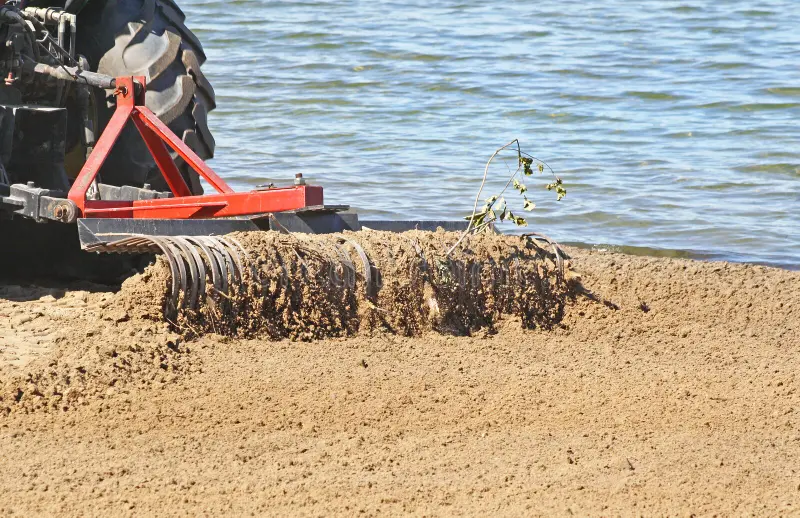




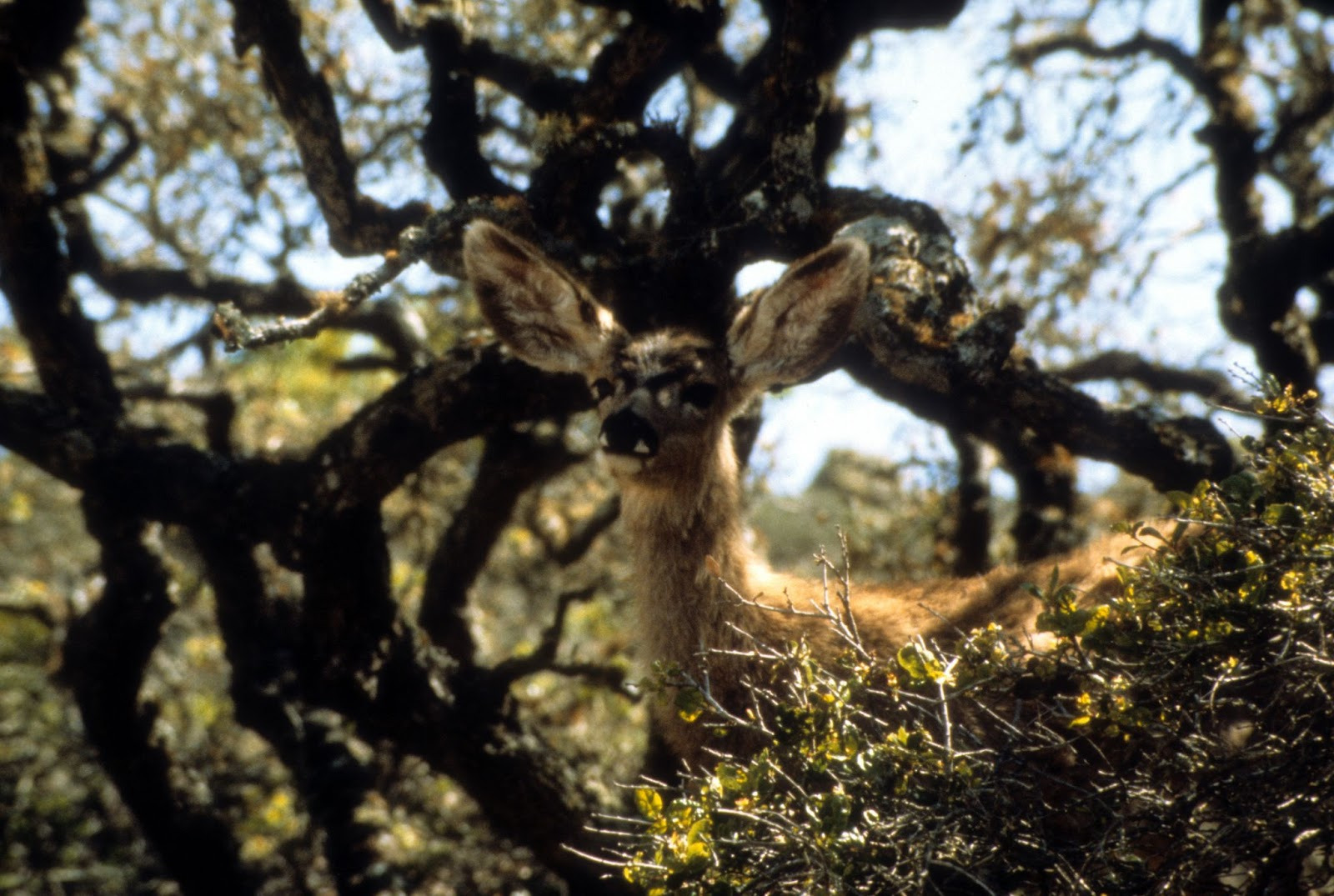
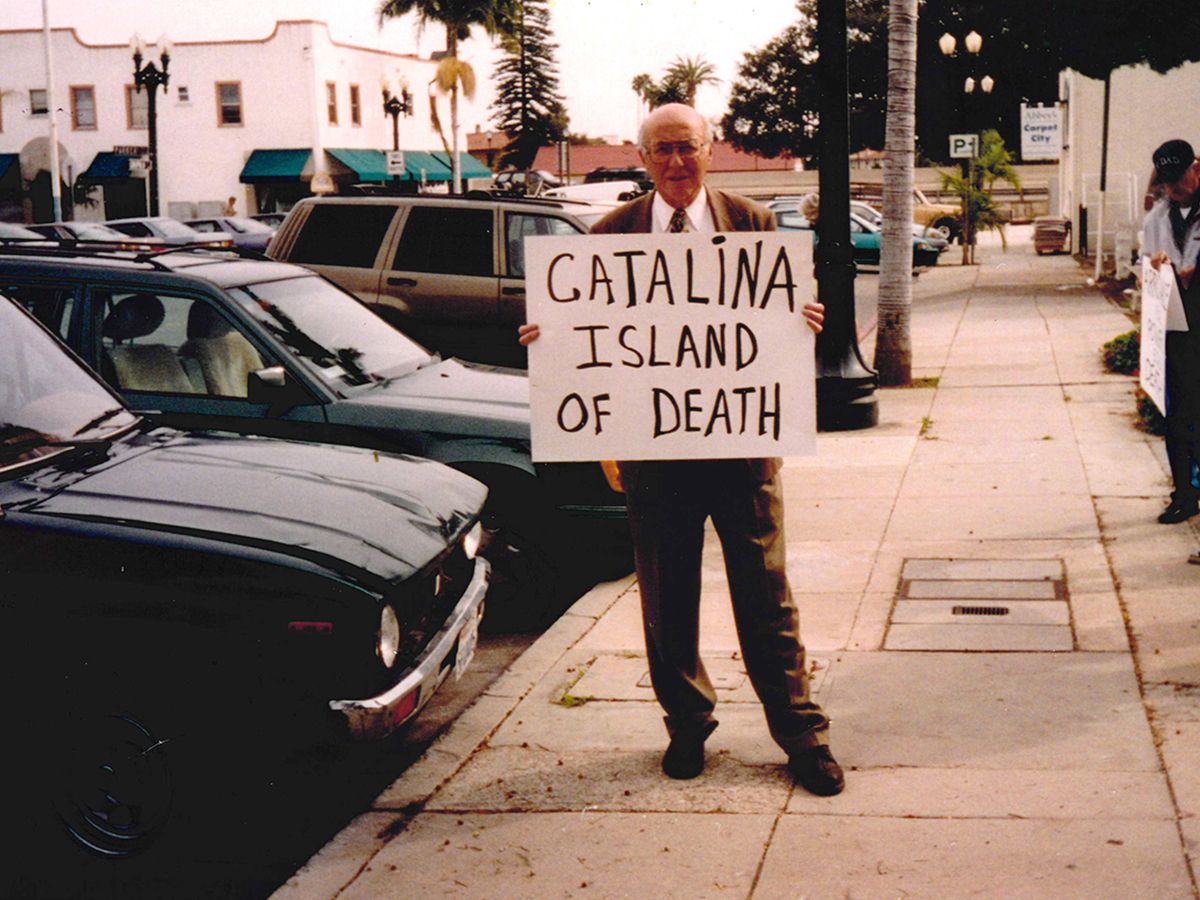









 It’s been 44 years since Save the Manatee Club was created by Jimmy Buffett, the renowned singer/songwriter, and former Florida Governor and U.S. Senator, Bob Graham, to raise public awareness about the threats to manatees and their aquatic habitat. With support from you, we can continue to make a big difference.
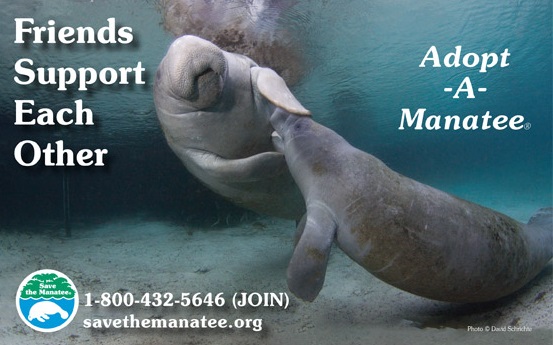 The manatee has been listed as an endangered species since 1966.
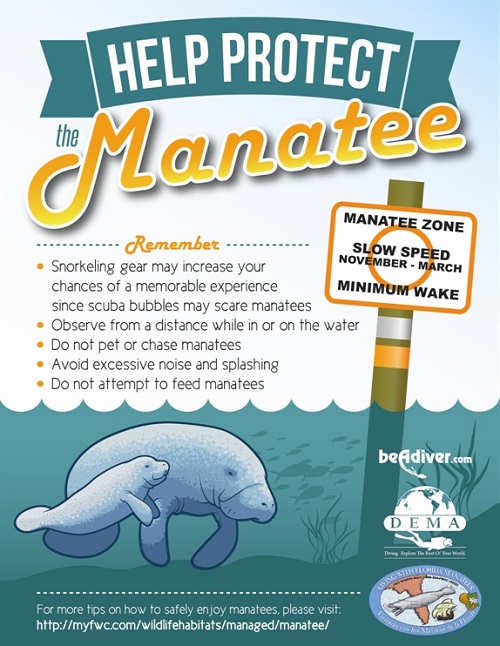 Buchanan has previously written to the Fish and Wildlife Service to emphasize that any push to weaken protections for the manatee would be “misguided and premature.” In 2014, following a three-year period in which 1,600 manatees died of cold weather or red tide, Buchanan called on FWS to maintain federal protections for manatees.





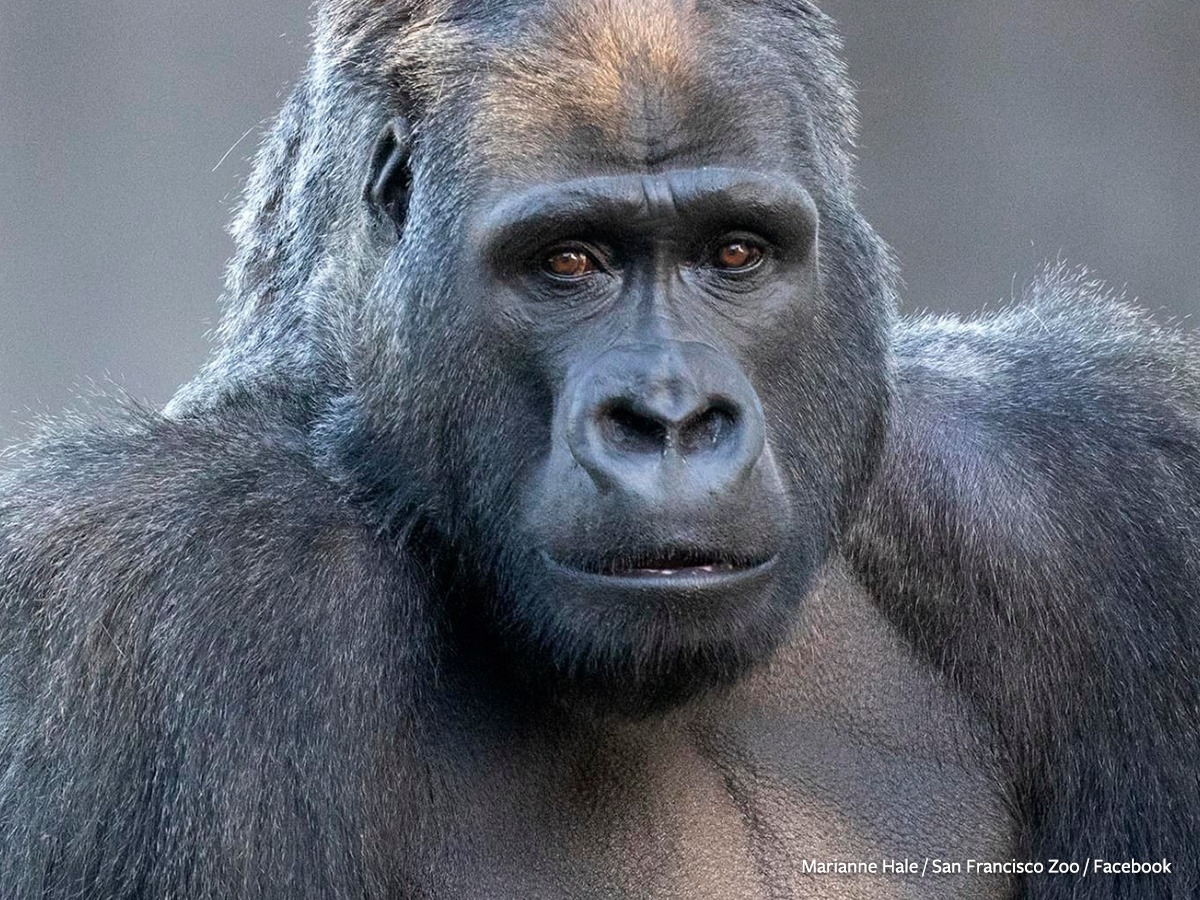



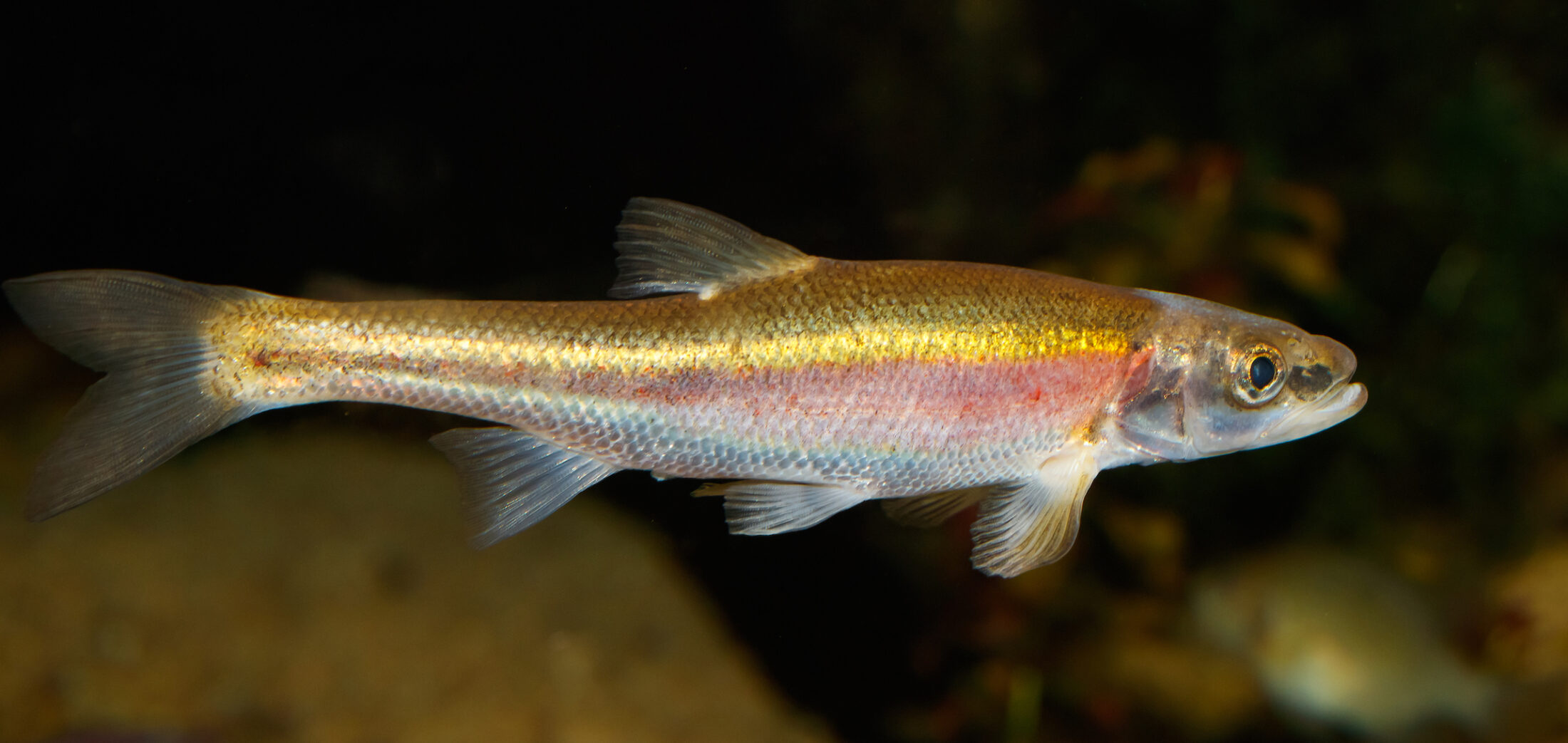
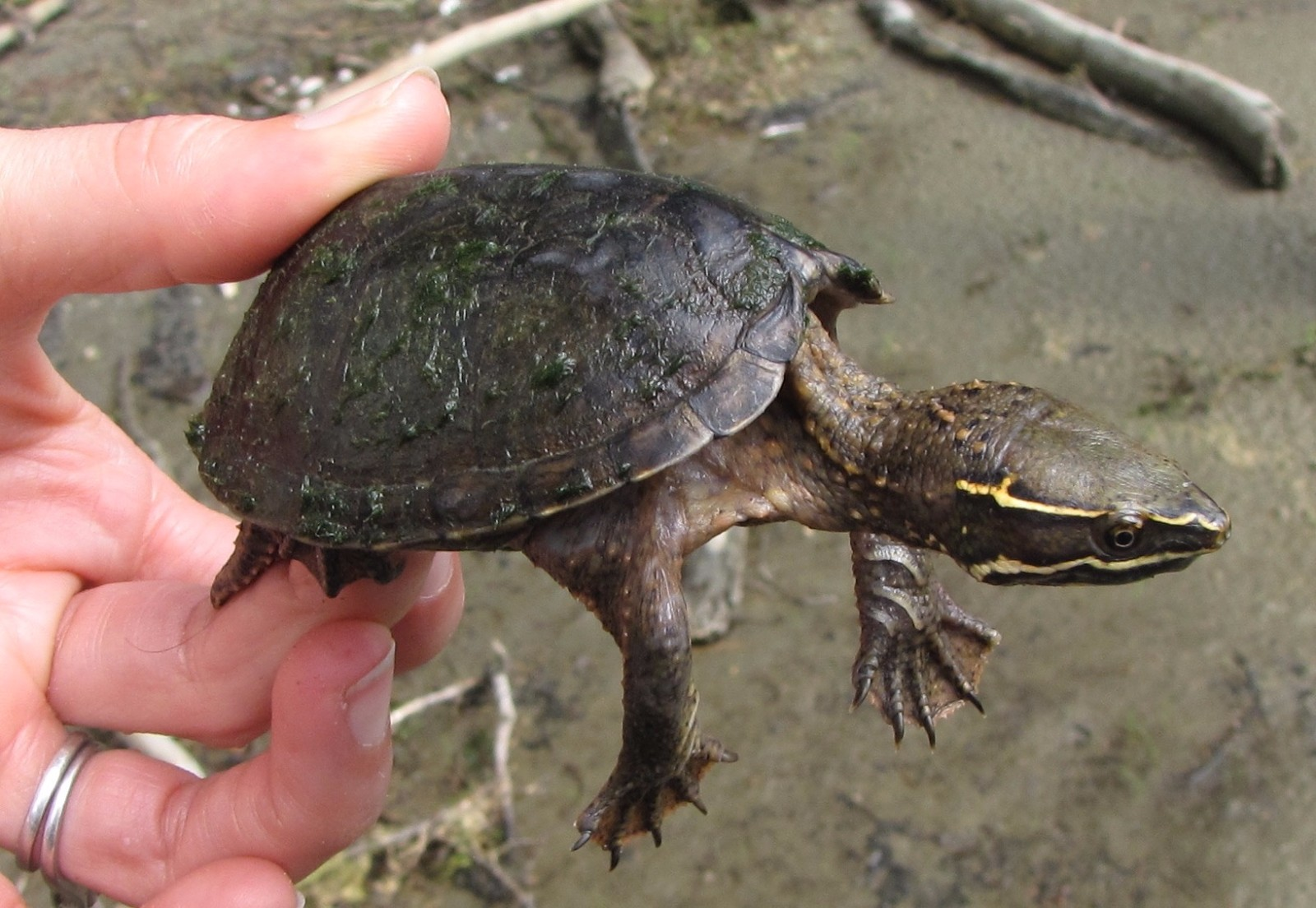
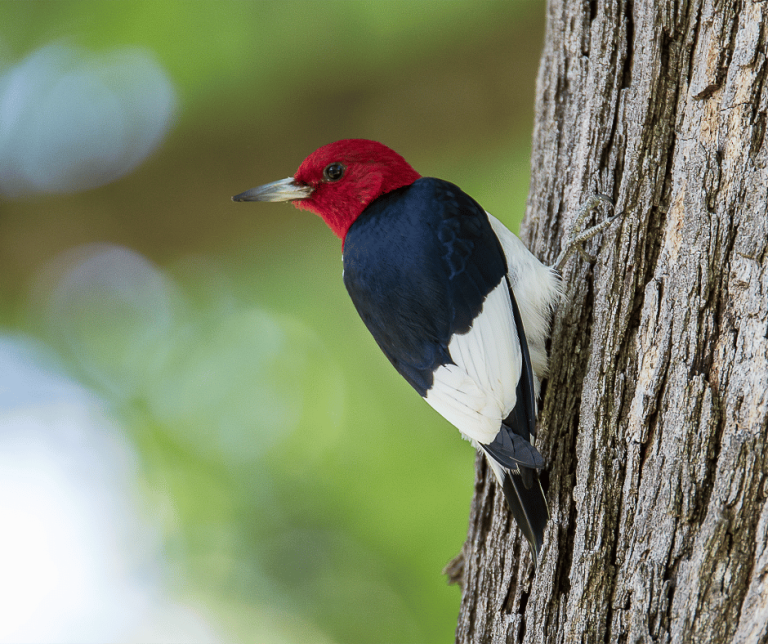
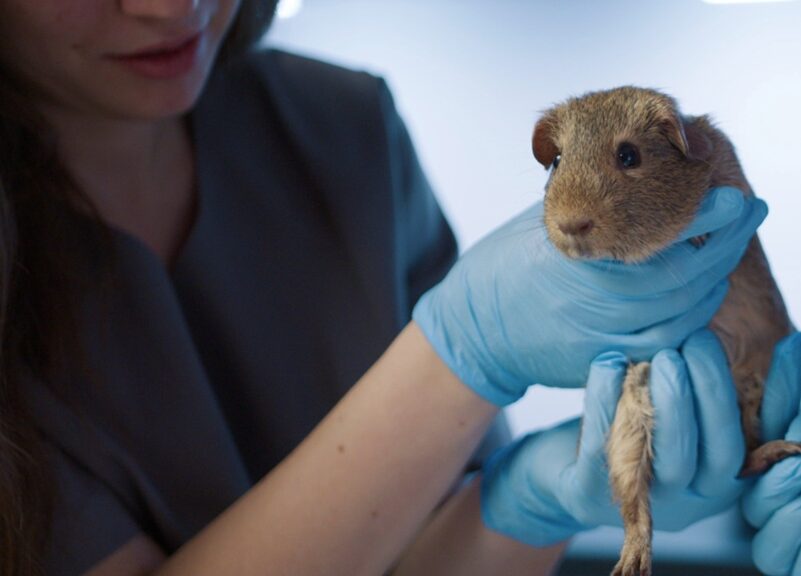

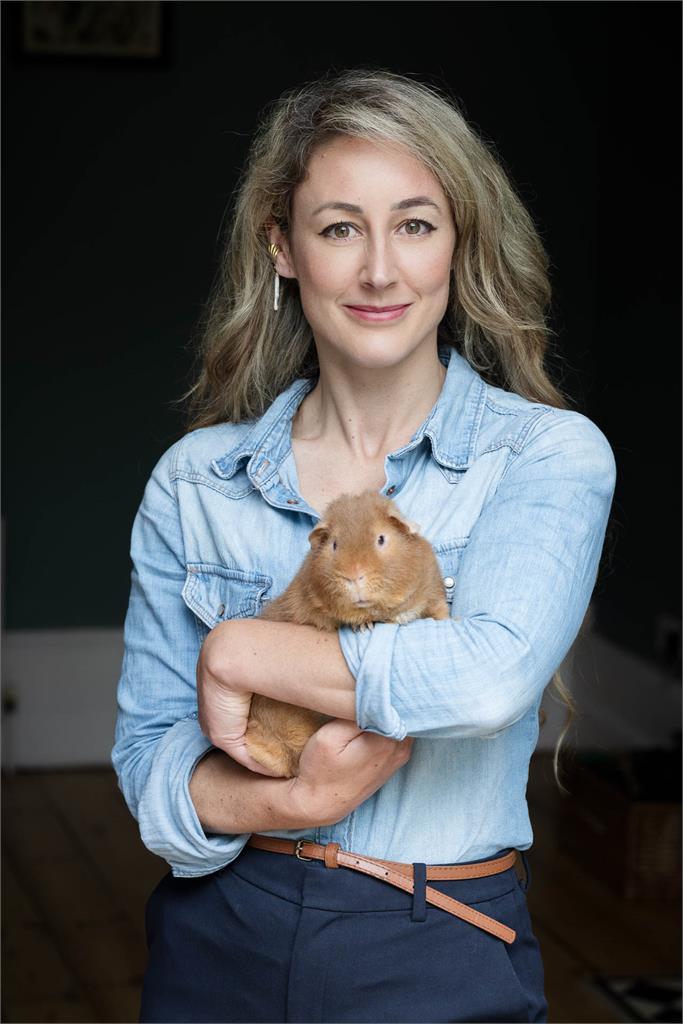



 Art Fair ArtVilnius 2024. Photo by Andrej Vasilenko