
When it comes to mine water treatment, simple compliance is not an option, not anymore. Why? Because the operating environment has fundamentally changed. What used to be manageable within standard regulatory frameworks is now being reshaped by a convergence of high interest rates, increasingly aggressive ESG litigation, and the physical reality of water scarcity.
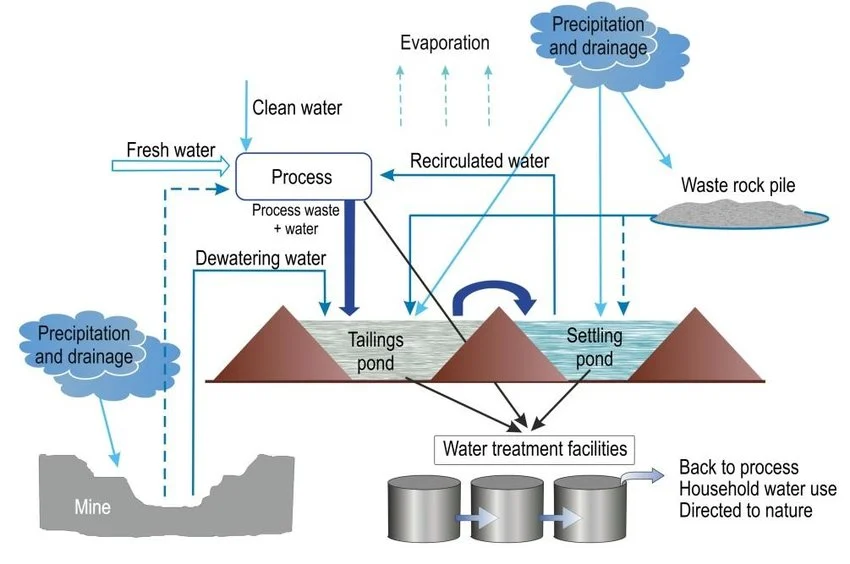
The industry is now running into hard limits that make traditional, linear approaches to water management untenable. You’re seeing the rise of zombie liabilities; long-term water obligations that persist well beyond mine closure, continuously drawing capital without any return. Alongside this sits the persistent handover gap, where the transition from active treatment systems to long-term closure solutions is under-designed, underfunded, or simply assumed to “hold.”
And then there’s the cost curve that doesn’t behave the way many expect. Removing the last fractions, those parts-per-billion levels of specific substances of concern, often requires disproportionate increases in energy, process complexity, and operational control. In certain contexts, that final level of treatment can rival, or even exceed, the cost intensity of earlier-stage operations.
Taken together, these pressures are forcing a shift. Mine water is no longer a compliance exercise, it’s a long-horizon technical and financial challenge that demands far more precision, foresight, and accountability than conventional models were built to handle.
- Geochemical Source Control: Designing against the Problem
In the mine water treatment industry, experts in Mine Water Treatment Solutions understand the importance of source control, as it addresses the fundamental chemistry of mining before it becomes a liability. That is where aspects of Acid Mine Drainage (AMD) must be intercepted. Instead of treating the mine as a “source of dirty water,” experts treat the mine as a chemical reactor (prevention-based engineering) that can be controlled or deactivated by focusing on rock-air-water interface.
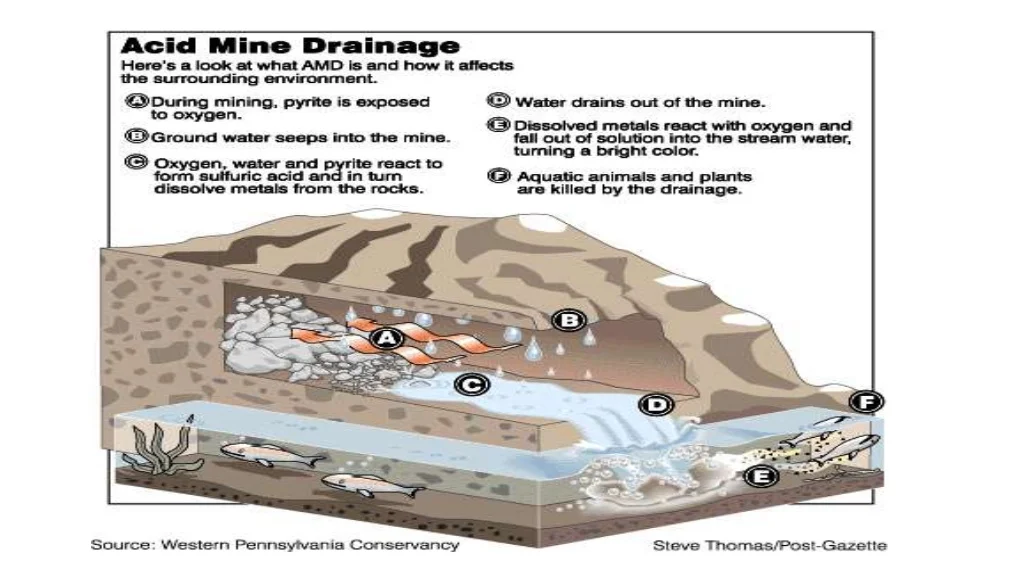
What this looks like in practice:
- Oxygen limitation strategies: engineered covers or water saturation zones to suppress oxidation kinetics
- Blended waste placement: pairing acid-generating material with neutralizing rock to stabilize pH evolution
- Predictive modeling: tools like PHREEQC used not as academic exercises, but as decision frameworks for staging infrastructure
The value here isn’t just reduced treatment demand—it’s predictability. You’re not reacting to water quality spikes; you’re shaping them years in advance. That’s where disciplined engineering separates itself from reactive cost management.
- Selective Removal & Resource Recovery: Turning Liabilities into Process Streams
Bulk treatment is expensive because it ignores nuance. When everything is treated equally, everything costs more. The shift toward selective removal is really about precision, targeting what matters and extracting value where possible.
Consider the opportunities:
- Metal recovery loops: SART systems pulling copper or gold from solution streams (which can be sold to smelter) where ion exchange resins are tuned for specific ions rather than broad removal.
- Salt valorization in brine systems: Fractional crystallization producing saleable sodium sulphate or gypsum. That reduces dependence on off-site hazardous disposal
This isn’t just clever chemistry—it’s strategic positioning. You’re moving from a cost center to a hybrid operation where treatment contributes to revenue. Investors notice that shift, because it fundamentally changes how water infrastructure is valued.
- Hybrid Treatment Pathways: Planning for Operational Reality and Closure
The lifecycle of a water mine design has to outlive the mine. Most failures in mine water don’t happen during operations. They happen in transition; the mine closes, flows change, chemistry shifts. And suddenly the system that worked yesterday is structurally wrong for today. That’s the real design problem.
However, a resilient approach doesn’t rely on one technology, it layers capability across time:
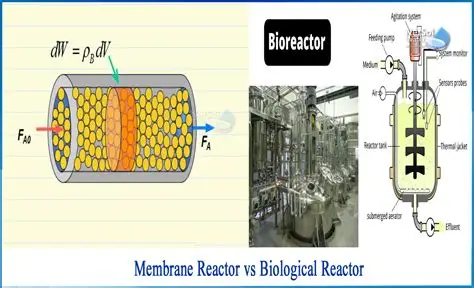
- During operations: high-density sludge systems and membrane plants absorb variability, peak loads, and production-driven fluctuations
- During closure: passive systems like wetlands or biochemical reactors take over once flows stabilize and intensity drops
But the real challenge isn’t choosing technologies. It’s designing the handover between them. Because if that transition is wrong, you don’t get closure, you get long-term operational debt disguised as environmental management.
- Water Quality Beyond Compliance: The Biological Dimension
Meeting discharge limits is no longer the finish line. Hitting regulatory numbers used to be the goal. It isn’t anymore. You can meet every limit on paper and still release water that quietly damages the ecosystem it enters.
That’s where things get more nuanced:
- Whole Effluent Toxicity (WET) testing exposes what chemistry hides: It’s not about what’s in the water, it’s about what it does
- Ionic balance matters more than concentration: Salinity, ionic ratios, small imbalances can ripple through entire ecosystems. Helps avoid high salinity or imbalances that disrupt aquatic life
- Site-specific ecological alignment: One-size-fits-all discharge doesn’t work, water needs to fit where it’s going, not just pass a standard checklist. Tailoring treatment outputs to match receiving environments
For you as an operator, investor, or project decision-maker, this is bigger than compliance. It’s about avoiding legacy problems that don’t show up immediately, but hit hard when they do.
In essence, in mine water, nothing really disappears, it just shows up later, usually more expensive, and far less forgiving. The difference isn’t technology. It’s mindset. The operations that endure are the ones that stop thinking in phases and start thinking in consequences, because every shortcut taken today has a way of resurfacing when the system is least prepared to absorb it.