Tag Archives: satellite imagery

True Or False? Rapid Deforestation In Iraq By Turkey’s Military

Vertical 52 (Real) Stories From Space

Dear Siloites, the 31st United Nations climate conference (COP31) kicked off this week with accusations of rapid deforestation by Turkey’s military. Our analysis cuts through the noise. Yours, Luis Beyerbach and Marcus Pfeil.
Accusations of environmental harm against Turkish Armed Forces resurface as the country hosts COP31
Hundreds of hectares of forests in Kurdish districts of Northern Iraq have been cleared to build Turkish military outposts. Vertical52 has analysed multiple sites to reconstruct the deforestation.
Google Earth satellite image showing a freshly deforested location of a future military outpost in July 2023.
In the weeks leading up to the climate conference in Turkey, videos on social media claimed widespread forest felling by Turkish troops in Kurdish districts of Northern Iraq. The videos showed long piles of logs and trucks transporting them away. Some users claimed the Turkish military enabled illegal commercial deforestation in the regions. Vertical52 found no evidence of commercial forest clearing. We instead found multiple locations where Turkish troops felled trees in Northern Iraq to construct military outposts. Our analysis shows how Turkish Armed Forces bases and the roads leading to them have cleared vegetation and cut into the wooded mountains of Iraq’s Kurdish regions.

Turkey’s decades-long war with the Kurdistan Workers’ Party (PKK), deemed a terrorist organisation by the EU and US, killed an estimated 40,000 people and has spilled across the country’s borders. With some PKK fighters based in the mountains of Northern Iraq, Turkey’s military has justified moving far into the Kurdish regions of its neighbouring country.
Since 2018, Turkish troops have established a controlling presence in the Iraqi mountains. While military outposts were mostly built slowly throughout the 40 years of conflict, Turkey ramped up its campaign in recent years. The BBC reported in 2025 (see video below at end of this post) that at least 136 troop bases have been built in the Turkish-controlled zones – most of them built after 2018. Their impact on the environment is still not fully known.
Google Earth satellite imagery showing the construction of a future military outpost in July 2023. A convoy of vehicles, seemingly part of the Turkish Armed Forces, is captured next to a group of people on the grounds of a helipad.
A report published in October by the portal The National Context quantified forest loss caused by the Turkish military. It analysed changes in vegetation in Kurdish districts in the past 25 years. It concludes: “Woodland loss around Turkish roads and outposts is real, has roughly doubled since before the Claw operations.” According to the report, the Kurdish districts have lost at least 3,600 hectares of forest over the past decade. The platform attributes at least 2,000 hectares of this loss to military operations. This aligns with our analysis of dozens of military outposts.
Roads carve through the mountains

The Kurdish region North of Amediye before a road connecting military outposts was built. Source: Google Earth, September 2022.
North of the Iraqi city Amediye, a road connecting Turkish Armed Forces bases is documented in satellite images from Google Earth and Sentinel. The road, which runs south through wooded mountains, was completed in 2023.
Image showing roads connecting military outposts in the Kurdish region North of Amediye. Source: Google Earth, July 2023.
At that point, the military bases had not yet been built, as high-resolution satellite images show. A close-up of the location offers a glimpse of how the Turkish Armed Forces are constructing outposts. Once a road reaches the target area, the felling begins.

Close-up of the forest in the Kurdish region North of Amediye before a Turkish military outpost was built. Source: Google Earth, September 2022.
Once the forest is cleared, the ground often shows bulldozer scars and tyre tracks, as documented in outpost constructions in other war zones.

Close-up of the cleared forest areas in the Kurdish region North of Amediye before a Turkish military outpost was built. Source: Google Earth, July 2023.

The most recent high-resolution close-up image of a small military outpost in the Kurdish region North of Amediye. The image shows multiple storage and construction units and a helipad next to the road crossing. Source: Planet Labs, 15 January 2025.
Construction begins and often finishes quickly: just a few barracks, storage units, and a helipad to reach the location faster than via the mountain roads. Almost three hectares of forest were cleared for this outpost.
While many of the 136 military bases were built on bare land, others required far more deforestation to become accessible. This pattern can be documented throughout Northern Iraq, where Turkey has positioned its troops to control an area contested by the PKK.
What happens to the locations if Turkey withdraws?
This week, Turkey and Iraq have reached an agreement that could potentially stabilise their border region. Turkey has agreed to begin withdrawing its troops from several military outposts on its neighbour’s territory. Turkish intelligence reported that the PKK had left four camps in early October as the group disbands.
The current deal between the governments does not cover the positions in Iraq’s Duhok province – where many of Turkey’s bases are located. Turkish troops moved in where the PKK left border positions earlier this year, Turkish Minute reported. It remains unclear whether the outposts and their roads will be dismantled.
After 40 years of war, some PKK affiliates and sympathisers accuse Turkey of committing ecocide in Iraq and Syria. In Northern Iraq, Vertical52 did not find any evidence for large-scale commercial logging with currently available satellite imagery. The most recently reported logging could not yet be verified, as high-resolution images of the region remain scarce.
The claims made in videos posted on social media shortly before the start of COP31 could be partially verified. Satellite images show environmental destruction mostly in the context of military expansion.
Reach Out
While COP31 is underway, we are investigating different angles of environmental harm. For this story, we mapped out parts of Turkey’s military infrastructure to verify deforestation claims from both parties. Reach out if you want to dive deeper into this story or have another investigation in mind that could use analysis and data from above. We are always happy to help.

USA: Disrupting Iran’s Weapons Procurement

Fact Sheet via Office of the Spokesperson

The Department of State is taking action to designate four Iran- and Belarus-based entities and individuals involved in the procurement of arms and related materiel intended to support Iran’s military.

The United States, as directed in the President’s National Security Presidential Memorandum 2, is committed to disrupting procurement efforts supporting Iran’s military programs.  This action represents the commitment to stop Iran from engaging in activities related to the reconstitution of its proliferation-sensitive programs.

All Department of State targets are being designated pursuant to Executive Order (E.O.) 13949, which targets certain persons with respect to the conventional arms activities of Iran.

The Department of the Treasury is concurrently designating nine entities and individuals who have worked to procure weapons on behalf of Iran’s Islamic Revolutionary Guard Corps (IRGC).  For more information on these actions, please see the Department of the Treasury’s press release.

The Department is designating the following entity and individual pursuant to Section 1(a)(i) of E.O. 13949 for engaging in activity that materially contributes to the supply, sale, or transfer, directly or indirectly, to or from Iran, or for the use in or benefit of Iran, of arms or related materiel, including spare parts. 

Armory Alliance

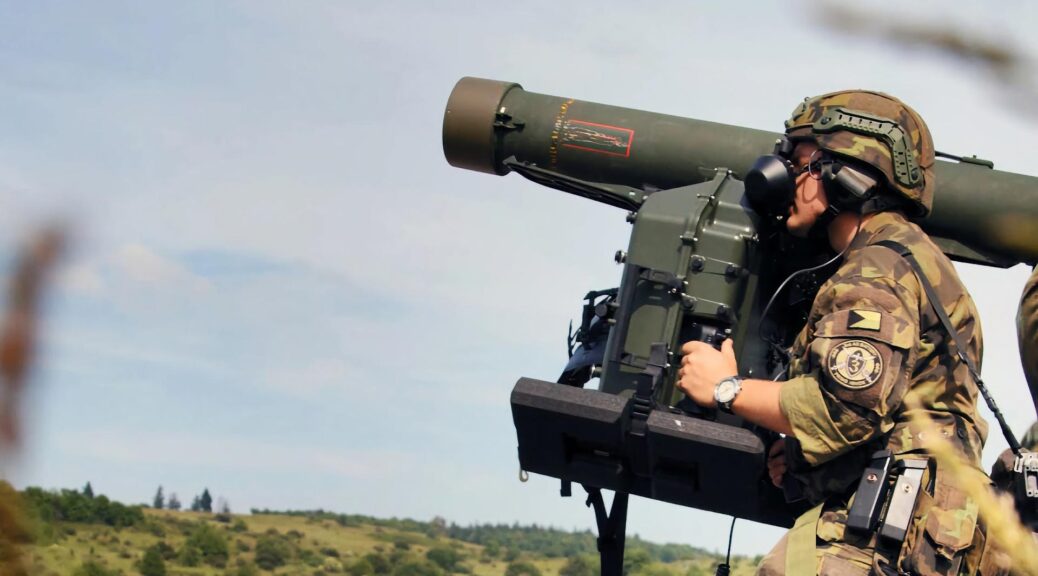
Armory Alliance is a Belarus-based entity that has acted as an intermediary between China-based companies and Iran and has been involved in facilitating the purchase of hundreds of man-portable air-defense systems (MANPADS) and their shipment from China to Iran including attempting to route the shipments through third party countries and obfuscating their origin and true end-user.  The Department of the Treasury previously designated Armory Alliance pursuant to E.O. 13382 on May 8, 2026.

Mohammadmahdi Maleki

Mohammadmahdi Maleki is a Belarus-based Iranian individual who as an employee of ARMORY ALLIANCE has contributed to Armory Alliance’s efforts to procure weapons for benefit of Iran. The Department of the Treasury previously designated Mohammadmahdi Maleki pursuant to E.O. 13382 on May 8, 2026.

The Department is designating the following entity and individuals pursuant to Section 1(a)(ii) of E.O. 13949 for having provided to Iran any technical training, financial resources or services, advice, other services, or assistance related to the supply, sale, transfer, manufacture, maintenance, or use of arms and related materiel described in subsection (a)(i) of section 1 of E.O. 13949.

Center for Innovation and Technology Cooperation

Center for Innovation and Technology Cooperation (CITC) is an Iran-based government entity involved in the procurement of satellite imagery to support kinetic strikes by Iranian armed forces. CITC coordinated with the Iranian Ministry of Intelligence and Security (MOIS) about striking locations within and around a facility hosting U.S. armed forces in late March 2026.  The facility was subsequently targeted by an Iranian attack in late March 2026, resulting in the injury of U.S. service members.  Additionally, officials of CITC have approached China-based facilitators to attempt to procure weapons for use by Iran’s military.  Center for Progress and Development of Iran (CDPI) is the latest name of Iran’s CITC.  CITC was previously designated by the United States on July 12, 2012, pursuant to E.O. 13382.  MOIS was previously designated by the United States on February 6, 2012, pursuant to E.O. 13224 and E.O. 13553.  MOIS was also designated by the United States on April 22, 2012, pursuant to E.O. 1306; September 9, 2022, pursuant to E.O. 13694; and September 8, 2023, pursuant to E.O. 14078.

The Department is designating the following entities pursuant to Section 1(a)(iii) of E.O. 13949 for having engaged, or attempted to engage, in any activity that materially contributes to, or poses a risk of materially contributing to, the proliferation of arms or related materiel or items intended for military end-uses or military end-users, including any efforts to manufacture, acquire, possess, develop, transport, transfer, or use such items, by the Government of Iran (including persons owned or controlled by, or acting for or on behalf of the Government of Iran) or paramilitary organizations financially or militarily supported by the Government of Iran.

Sajjad Ahadzadeh

Sajjad Ahadzadeh (Ahadzadeh) is the head of CITC. Ahadzadeh has approached China-based facilitators, such as U.S.-designated China-based Yushita Shanghai International Trade Co Ltd (Yushita), to procure man-portable air-defense systems (MANPADS).  Ahadzadeh has attempted to facilitate the procurement of weapons and other arms and related materiel from China for use by Iran including through U.S.-designated Yushita.  Yushita was designated by the Department of the Treasury on May 8, 2026, pursuant to E.O. 13382.

ALIPH Allocates USD 10 Million For Cultural Heritage Protection In 12 Conflict Countries

Geneva, December 2019 

The International alliance for the protection of heritage in conflict areas (ALIPH) said on Tuesday it has allocated another USD 10 million to support 20 projects that safeguard cultural heritage in 12 countries struggling to recover from conflict, particularly in the Middle East and Africa.

Cultural heritage has been targeted in recent years by armed conflicts; its rehabilitation is now essential for social and cultural reconstruction efforts in affected countries.

ALIPH is the only global fund dedicated to the protection of cultural heritage in conflict areas. To this end, the foundation finances preventive measures, emergency interventions and concrete post-conflict rehabilitation projects all around the world.

Created in response to the massive destruction of cultural heritage in the Middle East and the Sahel region, its offices opened in Geneva in September 2018. These 20 new projects will bring this young organization’s total number of supported projects to 43, for a financing envelope of more than USD 17 million to date.

“Through these interventions, we reaffirm our commitment to help preserve mankind’s collective history and to assist those living in countries affected by conflict in building a renewed sense of hope, community and dignity”, said Dr. Thomas S. Kaplan, Chair of ALIPH Foundation Board. 

This new funding announcement deepens ALIPH’s engagement in three areas of intervention: protecting monuments and sites, safeguarding museums and their collections, and documenting and interconnecting heritage.

The Alliance will also fund, for the first time, an intangible heritage project in Afghanistan to safeguard decorative tile making, carpet weaving and Tambor making. “ALIPH’s support will allow our team to protect, safeguard, and document our priceless heritage which has been gravely weakened by decades of conflict across Afghanistan,” said Hamid Hemat, Cultural Heritage Senior Specialist and Project Manager, at the NGO Turquoise Mountain.

Image result for Hamid Hemat,
Hamid Hemat

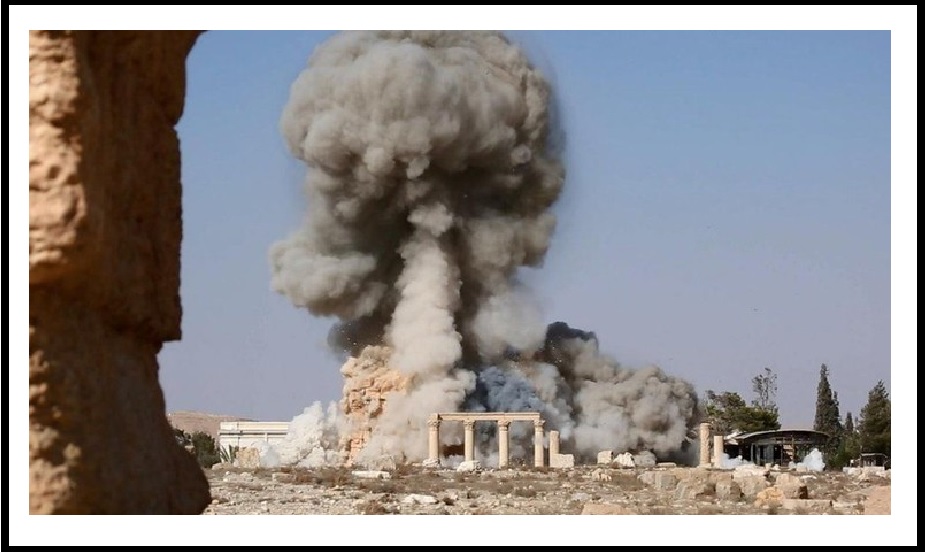
This funding cycle will expand ALIPH’s presence from 7 to 12 countries: Afghanistan, Eritrea, Georgia, Iraq, Lebanon, Libya, Palestine, Peru, Somalia, Sudan, Yemen and a project in Denmark to digitize documents on the heritage of Palmyra, Syria. The depth and scope of these projects is possible only because of the strong support of its Member States and private donors.

ALIPH’s ongoing projects have already achieved several milestones, in particular the long-term initiative “Mosul Mosaic” (Iraq) that aims to rehabilitate sites representative of the cultural and religious diversity of the Old City. For instance, the Mosul Museum has now been stabilized, part of its collections safely stored, and its overall rehabilitation action plan finalized. The next step has just been approved by ALIPH, which aims to restore the collections, build capacities and pave the way for the building’s reconstruction.

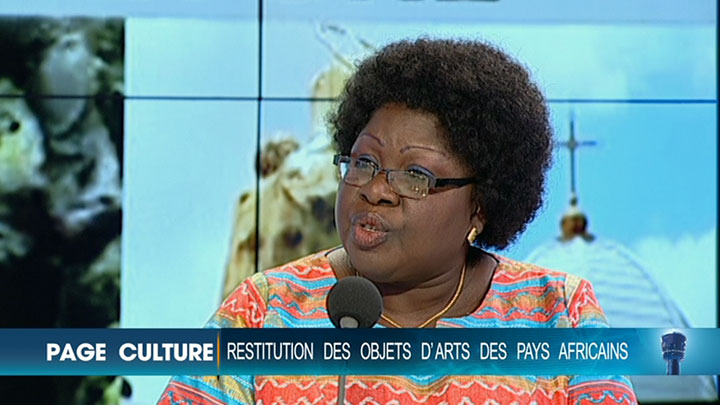
Two emergency grants in Africa have also concluded: in Mali, staff were trained at the Al-Aqib Library in Timbuktu to restore 3,000 manuscripts, and in Abidjan, the protection of the collection of the Musée des Civilisation de Côte d’Ivoire has been reinforced. “This excellent project is the first of its kind in West Africa. Indeed, thanks to ALIPH’s generous support, the collections of the Museum are now well protected,” said Museum Director, Dr. Silvie Memel-Kassi.

Dr. Silvie Memel-Kassi

Download Factsheet about the projects

About ALIPH

The International alliance for the protection of heritage in conflict areas (ALIPH) provides concrete support for the protection and reconstruction of cultural heritage in conflict zones and post-conflict situations. The Alliance was founded in March 2017 in response to the massive destruction of outstanding, often ancient, cultural heritage in recent years. Operating under Swiss law, this Geneva-based foundation, also has the status of an international organization.

ALIPH financially supports associations, foundations, academic, cultural and heritage institutions, and international organizations working to preserve cultural heritage in the face of imminent conflict or to intervene for its rehabilitation. Its three areas of intervention are: preventive protection to limit the risks of destruction, emergency measures to ensure the security of heritage, and post-conflict actions to enable local populations to once again enjoy their cultural heritage.

ALIPH selects projects through regular calls—the next call will be open from 15 January-16 March. Emergency relief funding can also be applied for on a rolling basis. More information available at: www.aliph-foundation.org.  For the Silo, Sandra Bialystok Aliph Communication and Partnerships Officer.

New ‘tipping point’ in climate- “Holy Sh*t” moment says NASA scientist

Yeah this image is a little "Hollywood" but seriously, Europe DID have a Little Ice Age not that long ago......
Yeah this image is a little “Hollywood” but seriously, Europe DID have a Little Ice Age not that long ago……


The delicate balance of the planet’s biosphere is tipping — threatening all life on earth. Scientists are calling it our Holy Shit moment on climate change, and world leaders meet at the UN next month — we have until then for all of us, everywhere, to act, in the largest day of action on climate change in history, to call for action and fight for everything we love. Sign up to join in:

JOIN IN

The last ice age happened in 6 months. 6 months for the planet to unleash a giant wall of ice across central Europe and the Northern Hemisphere. This is what happens when we hit a climate ‘tipping point’, and right now we’re rushing towards 3 more of these catastrophic reactions.

[ Did you know? Europe had a Little Ice Age between the 12th and 15th Century- http://www2.sunysuffolk.edu/mandias/lia/little_ice_age.html ]

It’s our “holy shit” climate moment according to a leading NASA scientist, and only a holy shit massive coordinated day of action response, right now, can change the future we’re facing.

One agreement with common sense steps to end dirty energy can save us. That’s why the UN has called an urgent climate meeting next month with all major world leaders — if we greet them on September 21st with the largest ever global climate mobilisation in history, we can break through the walls of mega coal, oil, and business that prevent even the best politicians from doing what is right.

There’s no way to get around how big a task this is. But together, each small action will add up into a millions-strong movement that literally drowns out the opposition and gives our leaders the best reason to break free and build a hopeful, clean and green future. Click below to join in:

https://secure.avaaz.org/en/event/climate/?source=blast&cl=5698277643&v=44357

“Tipping points” are feedback loops, where climate change feeds back on itself and causes rapidly accelerating, catastrophic consequences. Right now, methane gas that is 25 times worse for global warming than CO2 is frozen into arctic ice. But as the ice melts, the gas escapes into the atmosphere, increasing global warming, melting more ice, and thus releasing more and more gas… everything starts to spin out of control. And that’s just one example. These tipping points are the reason why scientists are yelling from the rooftops that we have to act now.

The Great Irish Frost

We actually have the tools and the plan we need to make sure we don’t cross into a world where tipping points destroy us. And while it will take global cooperation on a bigger scale than ever before, our 38 million-strong movement already has real people power to help move leaders from every country to take the first steps. Recently, the United States and China announced serious new plans to curb their carbon pollution. Momentum is building ahead of next year’s critical Paris climate summit where a deal could be inked, and next month we can take it up a notch further.

Taking to the streets in a record setting show of power and coordination is one of the most effective ways to create change — from the anti-Apartheid movement in South Africa to civil rights in the US, it’s sometimes been the only way. This is our chance to bring that power to the most important issue of our time: survival and a thriving future for our families, their families and the generations of people to come. Click below to be a part of it all:

https://secure.avaaz.org/en/event/climate/?source=blast&cl=5698277643&v=44357

We know we can do this… and do it big. When our community was just 3 million people we held 3,000 actions on the same day to protect our planet. We’re now 38 million strong, twelve times that size! Imagine what we can achieve together now…

With so much hope for our future,

Ricken, Emma, Iain, Lisa, Alice, Emily, Uilleam and the rest of the Avaaz team


It’s time to put our climate mobilisation plan into action! Click to either host a local event in your community, or join one that’s already being organised – https://secure.avaaz.org/en/event/climate/?source=blast&cl=5698277643&v=44357 

MORE INFORMATION

Global warming: it’s a point of no return in West Antarctica. What happens next? (The Guardian)
http://www.theguardian.com/commentisfree/2014/may/17/climate-change-antarctica-glaciers-melting-global-warming-nasa

A Call to Arms: An Invitation to Demand Action on Climate Change (Rolling Stone)
http://www.rollingstone.com/politics/news/a-call-to-arms-an-invitation-to-demand-action-on-climate-change-20140521

Mini ice age took hold of Europe in months (New Scientist)
http://www.newscientist.com/article/mg20427344.800-mini-ice-age-took-hold-of-europe-in-months.html

Report: Prepare for climate tipping points (Politico)
http://www.politico.com/story/2013/12/national-research-council-report-climate-change-could-hit-tipping-points-environment-100615.html

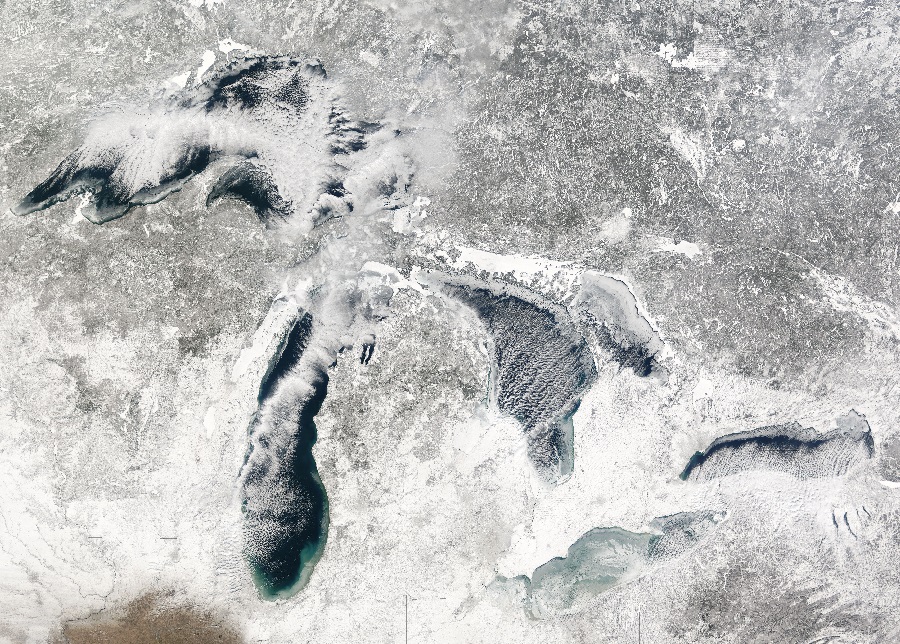
Great Lakes Frozen Over 2014- the scene from Space http://www.sciencedaily.com/releases/2014/02/140228160624.htm