Sports Betting Tech Behind the Match
Sports betting has become a digital market that runs beyond the odds displayed on your screen. In July 2026, US sportsbooks generated $1.27 billion in revenue from $11.60 billion in wagers, the American Gaming Association reported.
Those figures show the infrastructure required behind every bet. Mobile platforms, data feeds, payment systems, geolocation tools and security controls must work together so transactions can move from your screen into regulated wagering systems at scale.
If you follow a game from your phone, the experience can feel simple. That simplicity depends on layers of technology handling account access, market updates, location checks and records, so the visible sportsbook becomes one part of a much larger operation.
Mobile access becomes the front door
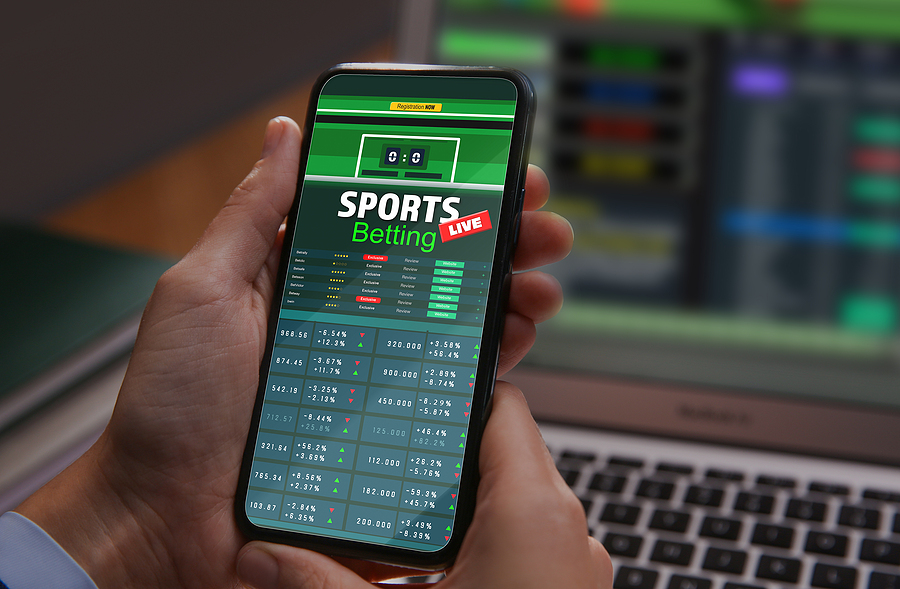
For many customers, betting begins with an account as the starting point. A Betway login gives an existing customer access to the operator’s platform, where sports markets and account functions can be reached from a connected device.
The mobile model reflects the US market. The American Gaming Association reported $16.89 billion USD in commercial sports betting revenue in 2025, with online wagering driving most industry revenue. Your phone has become an important gateway into regulated sports betting.
You can check a market, review your account or follow a live event without leaving the same interface. A Betway login illustrates that shift because account access connects you with digital markets across sports and competitions in real time.
Real-time data changes the pace
One major technological change is speed. Sportsbooks receive data about scores, game situations and other events through data feeds, so markets can be updated as a contest develops for customers.
If you use a Betway login during a live event, you can encounter in-play markets reacting to developments during the contest. Betway currently lists in-play options across football, basketball, tennis and baseball, showing how live data has become part of the experience.
That speed also creates technical complexity. A market can be suspended when an important event occurs, then reopened after information is processed. Your screen can receive a broadcast later than the data used to manage the market.
Geolocation makes digital betting local
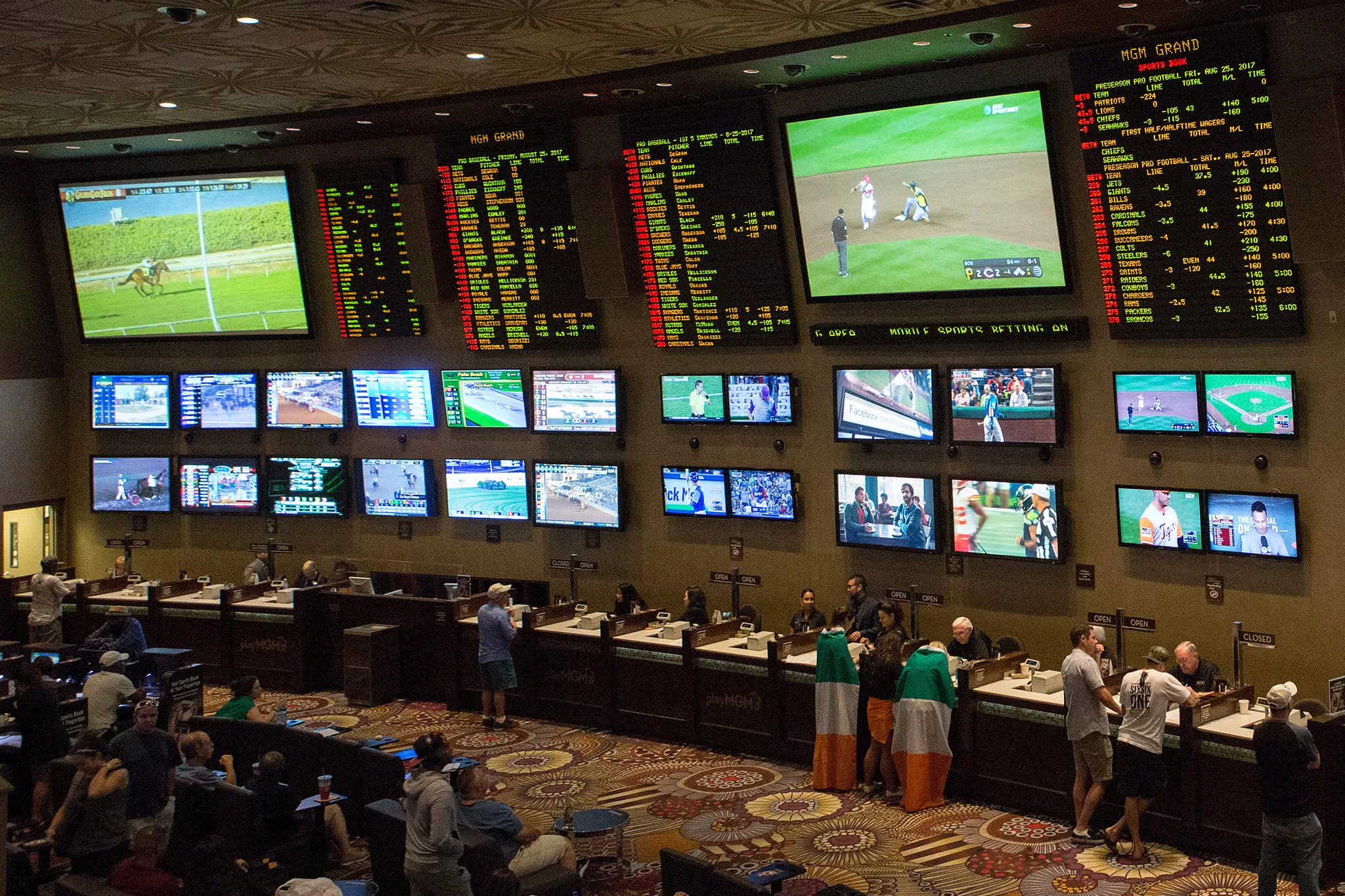
A smartphone makes sports betting portable; US regulation makes physical location critical to the transaction. In New York, mobile wagers must be placed from within the state, so licensed systems must establish where wagering activity originates.
Geolocation technology can use signals from devices and networks to determine whether a customer is inside an authorized area. If you open a Betway login while traveling across state lines, your account can remain accessible even when wagering access depends on your location.
That distinction matters because if you are in the USA, sports betting is regulated at the state level. Your digital account does not create a nationwide right to wager, so location technology connects mobile access with boundaries established by individual jurisdictions.
Payments become part of the experience
The technology behind sports betting continues after you select a market. Payment systems connect deposits, withdrawals and account balances, so a transaction can involve several processing layers before money reaches its destination.
For someone using a Betway login, the account interface provides a route into that financial system. Behind it, operators must manage transaction records and security controls, with regulators requiring systems that identify unusual wagering activity.
New York’s 2024 mobile market shows the scale involved: customers placed more than 1.7 billion mobile sports wagering transactions during the year, with more than $22.5 billion wagered. At that volume, automated processing is essential across platforms.
Security moves deeper into the account
Digital betting also creates a substantial security challenge. Operators have to protect accounts from unauthorized access, monitor suspicious activity and manage attempts to bypass location controls, so authentication has become important to the customer journey.
When you enter a Betway login, you are accessing an account connected to financial information and wagering records. Account security can involve identity checks, device information and controls confirming that the correct person is using the service.
Regulators are also examining stronger forms of authentication. New York has considered technologies including biometric methods for account authentication and wager placement, showing how digital security is entering the wider regulatory discussion around mobile sports wagering.
The market becomes a technology business
The scale of modern wagering makes technology more than convenience. New York recorded 1.706 billion mobile sports wagering transactions in 2024, so the systems supporting those transactions have to process huge volumes with speed and reliability.
If you use a Betway login, you see the customer-facing layer of that system. Behind the interface sit sportsbook software, data providers, payment infrastructure, geolocation services, security controls and regulatory processes, with each component supporting the completed transaction.
The direction is clear. Sports betting is becoming increasingly dependent on interconnected digital systems, so the quality of your experience depends on what happens behind the screen. That can mean quicker information and smoother access, with technology working quietly during every match.













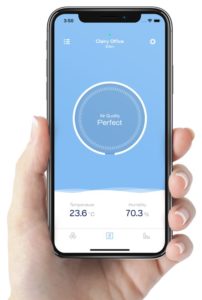 Clairy has also tech sensors that communicate with an app, so you can check directly the levels of humidity, temperature, and VOCs of your home with your smartphone.





 As the Executive Editor and Producer of “The Luxe List,” Merilee Kern is an internationally-regarded consumer product trends expert and hospitality industry voice of authority–a travel, dining, leisure and lifestyle expert who spotlights noteworthy marketplace innovations, change makers, movers and shakers. She identifies and reports on exemplary travel destinations and experiences, extraordinary events and newsworthy products and services across all categories.



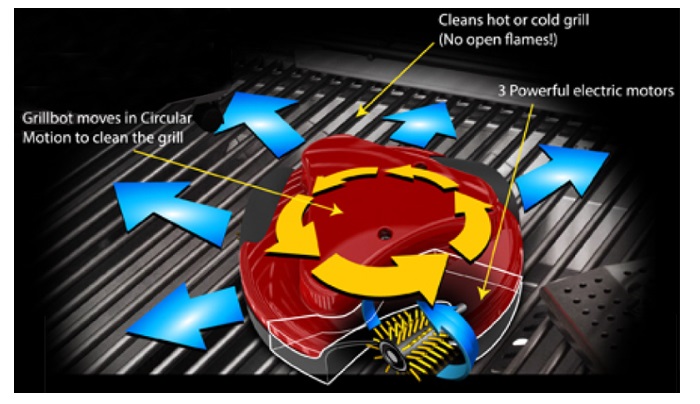
 Designed for use on any style grill, simply place the Grillbot on the grill’s surface, press a button, and the robot does all the cleaning. The device is driven by a powerful CPU that controls movement, speed and direction of brushes. It comes with an LCD alarm and timer that can be set for a light scrub, deep clean or something in between, and notifies when cleaning is done.
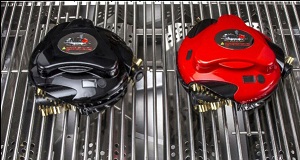 At the Consumer Electronics Show (CES) in Las Vegas, Nevada, in January 2017, Grillbot demonstrated its advanced technology with the Bluetooth-enabled Grillbot Pro. It comes with the same, great features as the original plus the addition of Bluetooth technology, giving BBQ chefs even more freedom and leisure time to watch games, relax with family or cater to guests.
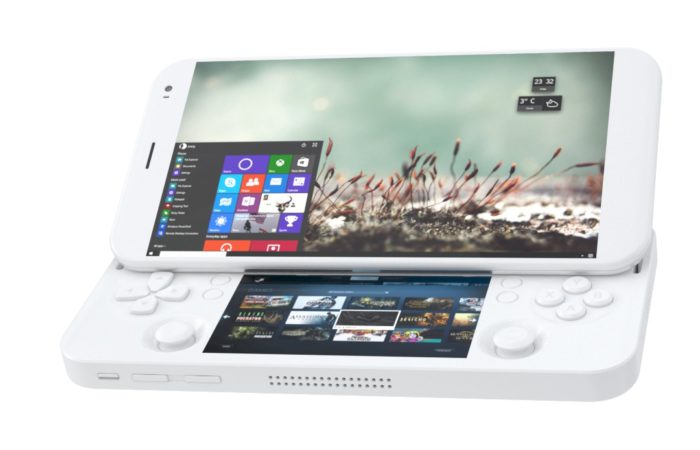
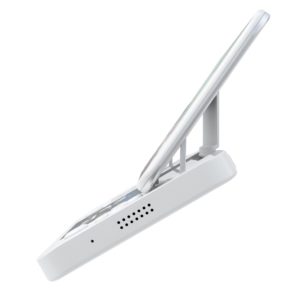 PGS has an innovative side slider which houses the gaming control surfaces. Very, very slick. One of the key features of the device is two high-resolution displays with 5.9″ and 5.5″ diagonal for the main and for the auxiliary displays respectively. The battery, which capacity is 6800mAh, provides around 5 hours of work for demanding games. Among other features of the device are: LTE module, high-quality audio speakers, front and rear cameras, wireless charging, Smart Active Cooling System (allows the chips to work at maximum frequencies). For the Silo, Alexander Arjannikov.

 Part of the ugly charm of TREADWATER lies within its ability to predict current events. The isolationist politics of the world’s leading nations, as exemplified by the rise of Trump in the US and BREXIT in the UK; the attempted coup in Turkey, along with its backlash in the form of a dictatorial powergrab; the increasing civil unrest in the US and the terrorist attacks in Europe – all these developments find their parallels in the world of TREADWATER.
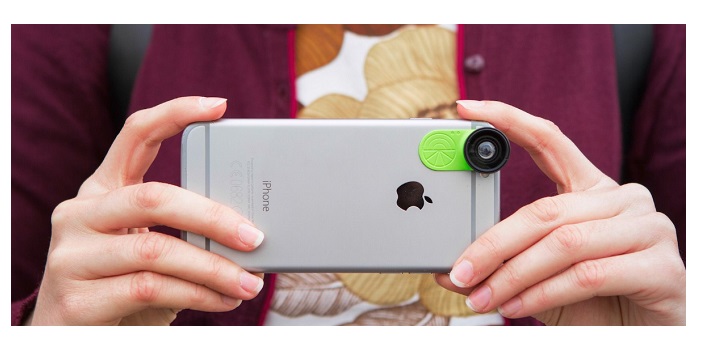
 Due to rapid advances in technology, the quality of smartphone cameras is now on a par, if not better, than some point-and-shoot cameras and entry-level DSLRs. With the increasing demand for smartphone accessories to maximize users’ photographic potential, Limelens offers superior quality smartphone lenses at a price within reach of the masses. Limelens lenses capture intricate detail that a smartphone camera could not achieve on its own.






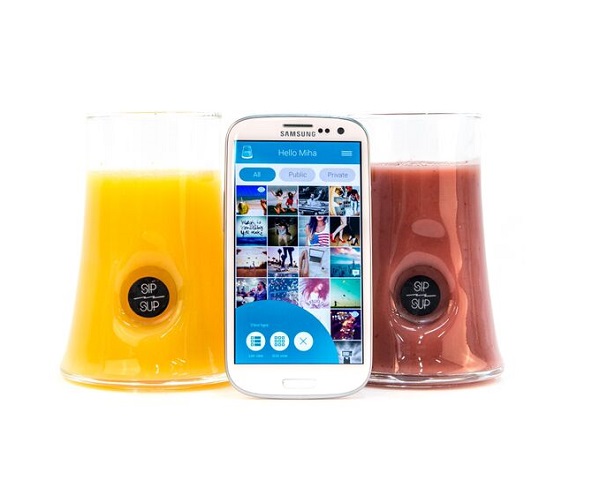 If that wasn’t enough, another feature called “post-it”, allows your guests to leave photos or videos on your glass and even write on a fun message. Hydration will never again be boring.