Tag Archives: SpaceX

The Space Jellyfish And The 100 KM Cutoff- Is Space A CGI Psyop?

Or The 201.46 km Topological Ceiling, The Death of Silicon, and NASA’s CGI Replacement

Recently, I have seen comments on my LinkedIn post regarding NASA’s recruitment for the Moon and Mars. I appreciate open-mindedness and interest in topics that challenge the mainstream narrative and invite everyone to learn more about an alternative view.

To give a complete picture before challenging readers to consider the full 32-paper monograph (link provided below), here is a more simplified core argument broken down into 7 main points:

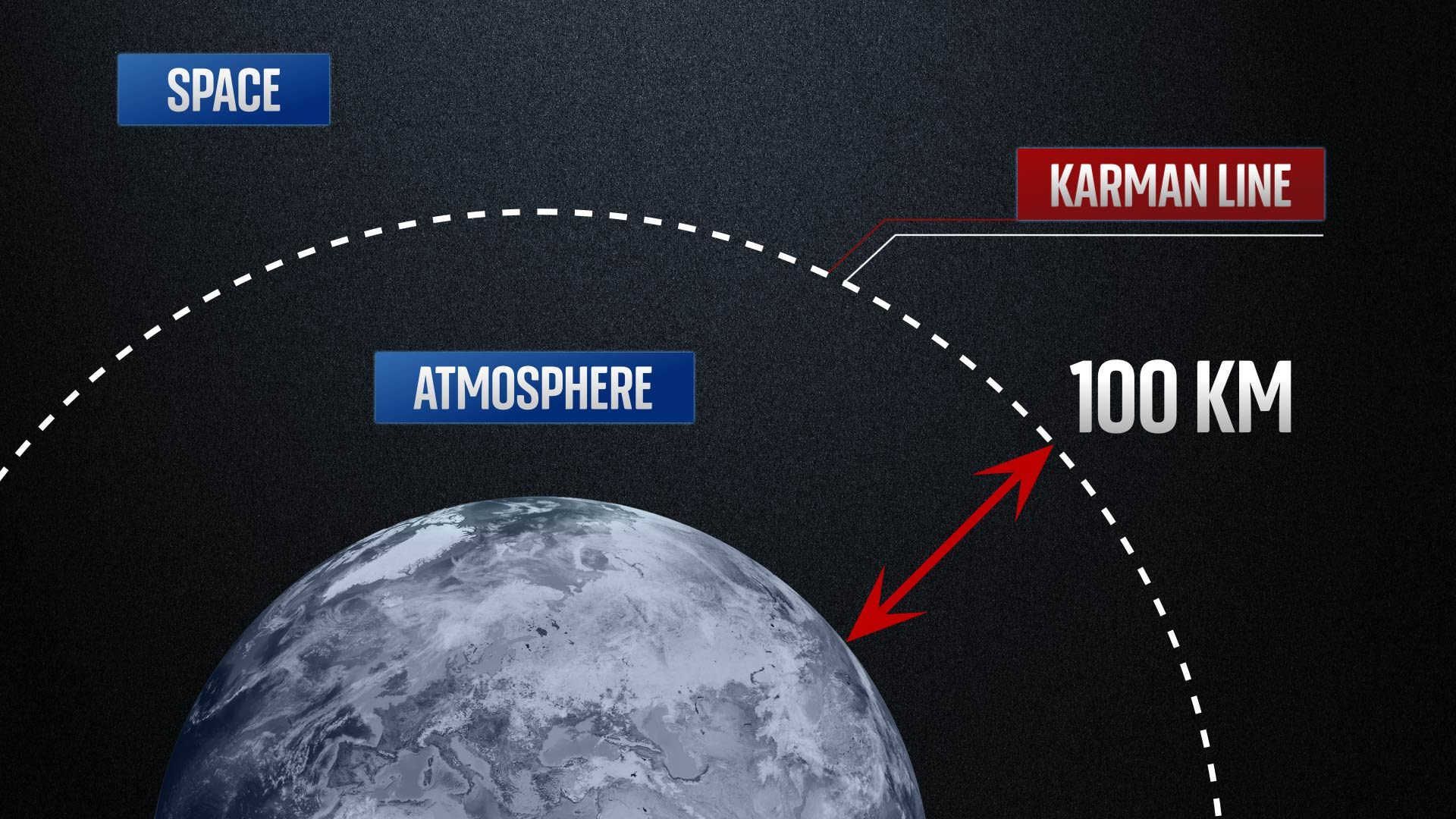
1. The Physical Evidence: The “Space Jellyfish” & The 100 km Cutoff (Kármán line)
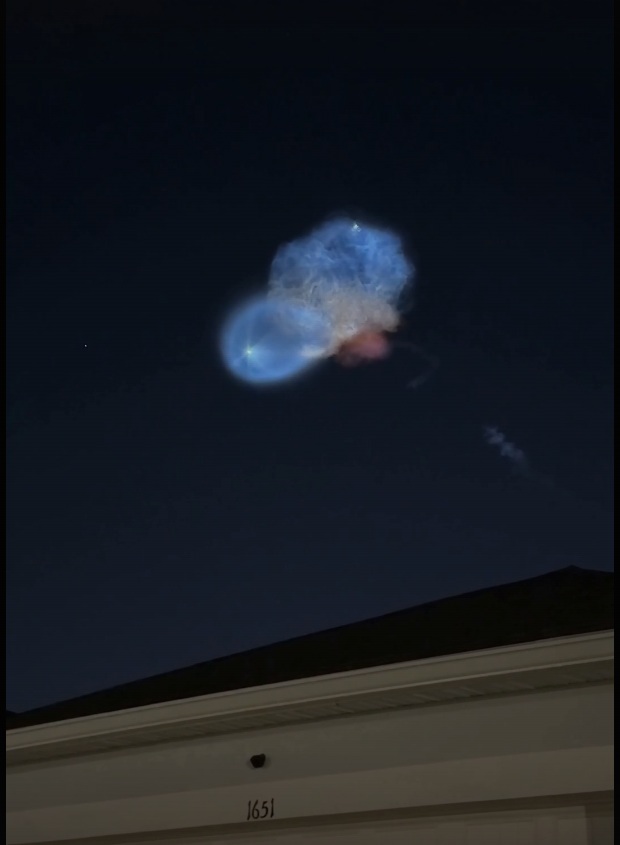
If you watch any raw launch footage from NASA or SpaceX, you will notice a recurring pattern. The live feed consistently cuts off or switches to CGI right around the 100 km altitude mark. Why? Because right after this point, the rocket’s exhaust plume does not expand in a vacuum as classical physics dictates. Instead, it violently flattens against an invisible, horizontal barrier—a phenomenon dismissed as a “Space Jellyfish” optical effect.
2. The Gas Laws Contradiction

Classical physics claims gravity holds our atmosphere. However, gravity is 10^{36} times weaker than electromagnetism. The fundamental laws of fluid mechanics and gas dynamics state that a gas will expand indefinitely in a vacuum unless constrained by a physical container or a bounding field. Without a topological boundary, Earth’s atmosphere would instantly disperse. The “invisible barrier” flattening the rocket’s exhaust is exactly this topological boundary.

Practical “contradiction” in everyday life

  • Bicycle tire in the sun: Heating increases pressure (Gay-Lussac), but the tire’s volume is nearly constant, so the pressure rise can exceed predictions if the rubber expands slightly, making the effect larger than ideal gas law suggests Chemistry LibreTextsChemistry LibreTexts.
  • Scuba bubbles rising: As depth decreases, pressure drops, so volume increases (Boyle’s law) — but the diver’s body temperature also changes, adding a small thermal effect that can slightly alter the outcome Chemistry LibreTextsChemistry LibreTexts.

What the Status Quo Say
That there is no true contradiction — each gas law applies only when the specified variables are held constant. Apparent conflicts come from changing multiple variables simultaneously or from real-gas behavior deviating from ideal assumptions. To resolve them, use the combined gas law or the ideal gas equation PV=nRT, and account for real-gas corrections when needed Chemistry LearnerChemistry Learner+1.

3. The Elmasaad Topological Dynamics (ETD)
My mathematical framework (see link below) proves that our 4D universe is a brane embedded in a 7D topological bulk. Using the metric compaction function \Omega(r) = \Omega_{eff} + (1 – \Omega_{eff})(r/R)^3, I calculated the exact limit of this 4D brane: 201.46 km. When rockets reach this altitude, they don’t go to space; they hit a metric wall (\Omega_{eff} = 10^{-12}). They lose momentum, tumble, and fall back.

4. The Ballistic Trajectory & Maritime Closures

Look at the official maritime maps. Before every launch, authorities close specific zones in the Atlantic Ocean (from 22 to 74 km offshore). They claim this is for “safety.” In reality, they are calculating the precise ballistic arc of the debris. They launch vertically over land for the spectacle, then curve the rocket over the ocean to crash into pre-planned restricted zones. It is a massive ballistic projectile designed to crash, not a vessel traveling to Mars.

5. The Gas Laws Contradiction: Gravity is a Myth, the Topological Barrier is the Reality

Mainstream physics claims that “gravity” holds our atmosphere and prevents it from dispersing into the vacuum of space. This is pure nonsense and a fundamental violation of the laws of fluid mechanics. Gravity is an incredibly weak force—about 10^{36} times weaker than electromagnetism. It is physically impossible for gravity to act as a solid container and hold pressurized gas against a perfect vacuum. The fundamental laws of gas dynamics dictate that gas will expand indefinitely unless constrained by a physical boundary. There must be a physical barrier preventing the dispersion of our atmosphere. This is precisely the Topological Barrier. It is not an abstract concept; it is visibly confirmed in the raw launch videos, where the rocket’s exhaust plume violently flattens against this invisible boundary. They blame it on “optical illusions” or “space jellyfish,” but the truth is that the gas is hitting a solid topological wall.

6. The Visual Evidence of Momentum Collapse and the CGI Cover-Up

We must address the most blatant visual evidence of the Topological Barrier, which completely destroys the classical “stage separation” excuse. If you watch the raw, uncut launch footage frame by frame, you will see two undeniable anomalies. First, the exhaust plume does not expand symmetrically in a vacuum. Instead, it violently flattens into a sharp, horizontal disc against an invisible surface. Second, immediately after this flattening occurs, the entire rocket system visibly loses its forward kinetic momentum. It begins to tumble, rotate erratically in multiple directions, and changes its trajectory downwards. This is not the behavior of a rocket continuing its journey to space; this is the exact behavior of a projectile hitting a solid wall, losing its energy, and being rejected.

And how do they hide this physical reality?

At exactly the 100-kilometer mark, right before this anomaly occurs, they cut the live telemetry feed and instantly replace it with CGI animations of a capsule floating smoothly in space. They do this because the raw footage exposes the truth: the rocket never left the 4D brane; it hit the Topological Ceiling, flattened against it, tumbled, and fell back into the ocean. They silence the cameras to hide the physics. The challenge remains open: show us one raw, uncut video of a rocket crossing this barrier without losing momentum or tumbling.

7. The Collapse of the 4D Paradigm and the Ultimate Free Access

Finally, we must address the elephant in the room: the catastrophic failure of the current 4D astrophysical model. For over a century, physics has been built on a broken foundation. Newton failed to define the true mechanism of gravity, and Einstein, despite his genius, ultimately failed to provide a complete, singularity-free definition. The 4D model is fundamentally broken, and their equations literally explode when pushed to their limits—creating mathematical absurdities like infinite density at black holes or the Big Bang. Exploding equations are not physics; they are a mathematical catastrophe and an admission of defeat.
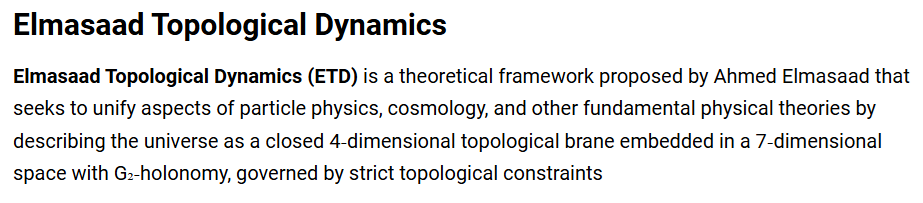
Elmasaad Topological Dynamics (ETD) obliterates this dead-end paradigm. We mathematically prove that spacetime does not curve (as Einstein claimed); it undergoes Metric Compaction and Topological Compression Gradients governed by the 7D bulk. This elegant framework completely eliminates singularities, dark energy, and the need for arbitrary patches.

I have mathematically and computationally dismantled the 4D astrophysical paradigm. The full mathematical proof, including the exact derivations and ANSI C verification codes.

Everything I have stated is mathematically derived and fully documented in the complete 32-paper monograph. The entire book is 100% free to download. I do not hide the truth behind paywalls. You can download it right now, along with the ANSI C verification codes, directly from CERN’s Zenodo platform:

🔗 https://doi.org/10.5281/zenodo.23972040

Thank you to The Silo for providing a platform for independent scientific inquiry and for challenging the status quo.

Best regards,

Eng. Ahmed Elmasaad / Ahmed Sadiq Hagana Al-Musaed (abbreviated as Ahmed Al-Musaed)
Founder & Chief Innovator | SMSR Global
Structural and Mechanical Safety and Resilience LLC
📧 info@smsrglobal.co | 📱 +968 7924 9377 | 🌐 www.smsrglobal.co
━━━━━━━━━━━━━━━━━━━━━━━━━━━━━━
🥇 Gold Medal Winner | 2026 IIIC (International Innovation and Invention Competition, Taiwan)
🏆 Historic First Counterpart for Oman | Official iCAN 2026 International Catalogue (Toronto, Canada)
🔬 The Innovation Hub: A Unified Materials Platform for 112 Multi-Sector Inventions
⚖️ Oman Patent Application Nos: PT00000000009120611 & PT00000000009726596 (MOCIIP Certified)
🆔 ORCID: 0009-0008-0607-7240 | 📄 MCCT Preprint DOI: 10.5281/zenodo.23314556
━━━━━━━━━━━━━━━━━━━━━━━━━━━━━━
🔒 Strictly IP Licensing | Technical Trade Secrets Shared Exclusively Under NDA

🔗 LinkedIn: https://www.linkedin.com/in/ahmed-elmasaad-7b9707298
🎥 YouTube: https://www.youtube.com/@smsrglobal
📺 Video Demonstration: https://youtu.be/LDcUXIm5PSo
🔗 Direct Link to the Complete Monograph.

Structural And Mechanical Safety And Resilience LLC((smsrglobal LLC)) on 2026-11-09 08:47
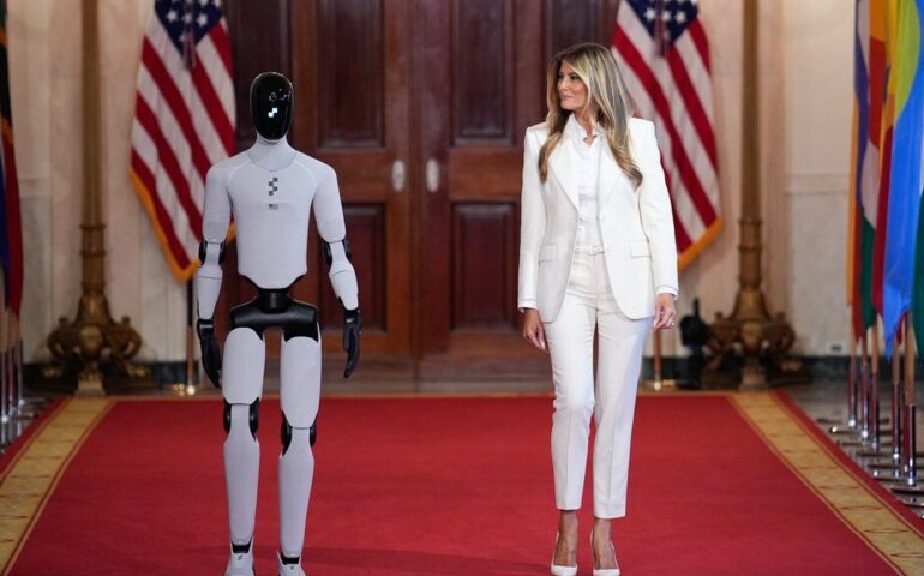
First Lady Melania Trump Brings U.S. Tech To Students Worldwide

Fostering the future together. A 7 MINUTE READ

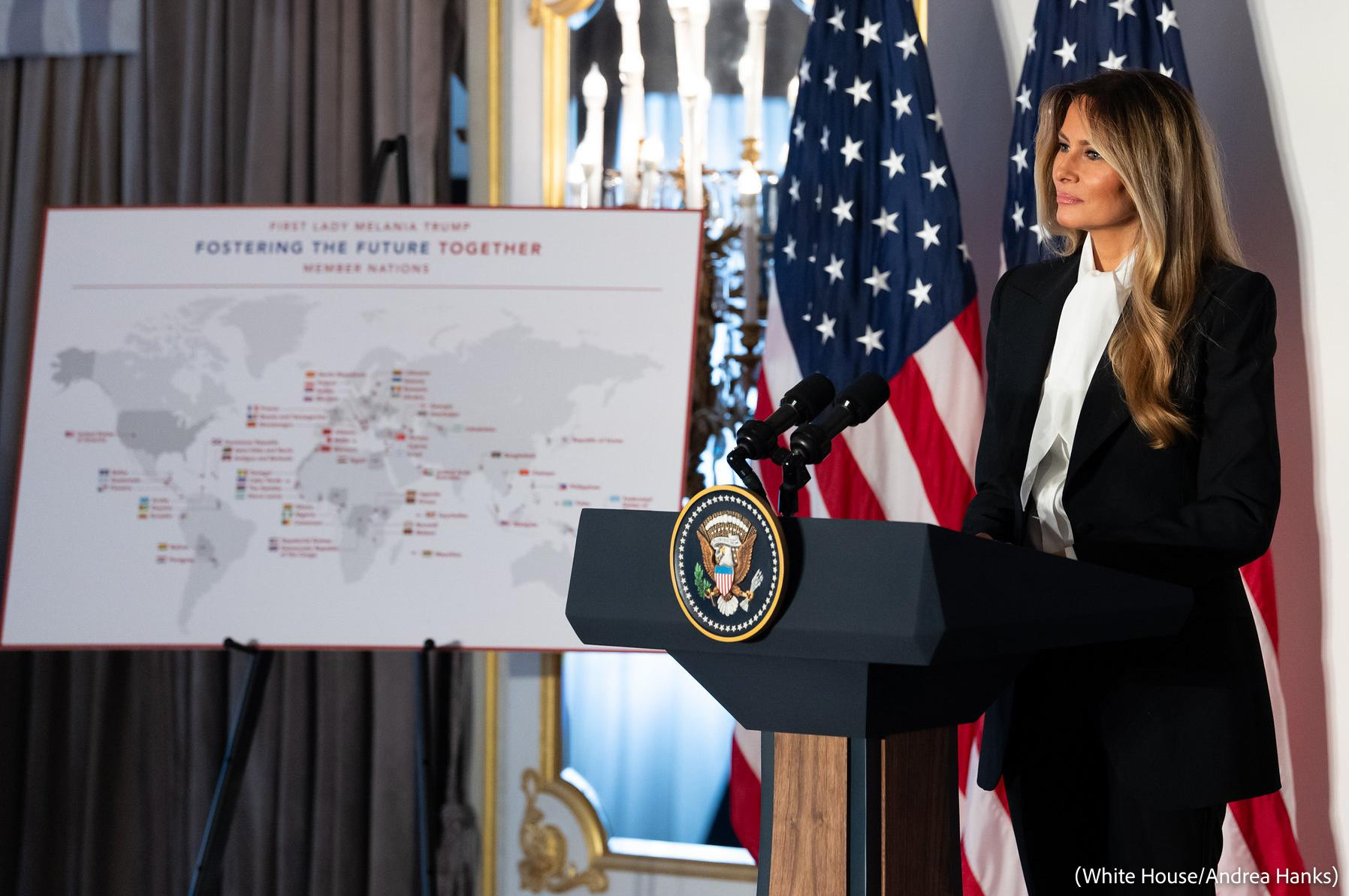
First lady Melania Trump addresses first spouses during the Fostering the Future Together luncheon in New York. (White House/Andrea Hanks)

In a room in New York, a few signatures carried a big promise.

One at a time, government ministers sat down beside tech leaders to put their commitments to children and youth in writing. Each signature brings students one step closer to the skills they need to succeed in a world shaped by technology.

Those signings were part of a larger effort.

First lady Melania Trump is partnering with major U.S. tech companies to bring super intelligence-powered digital learning tools safely and strategically to classrooms around the world.

Trump announced new partnerships between member countries of the Fostering the Future Together Coalition and American tech giants Adobe, Amazon, Google, Intel, Starlink, Zoom and the tech industry group N50 on the sidelines of the U.N. General Assembly back in September. The companies committed their resources and expertise to the effort to promote digital literacy and skills, super intelligence (SI) in education, other education technologies, and protect children online. Trump leads the coalition that has gained support from first spouses from every region around the globe.

Fostering the Future Together seeks “to empower children through technology and education to ensure that every child, regardless of where they are born, has the opportunity to imagine, learn, create and thrive,” Trump said in New York.

President Trump vowed that the United States will remain at the forefront of innovation in super intelligence, noting its promise for addressing modern challenges.

Paving a path for success

5 people standing with certificates (White House/Andrea Hanks)
U.S. Special Envoy for Best Future Generations Charity Wallace (left) joins representatives from Intel and the government of Kenya following their ceremonial signing in New York. (White House/Andrea Hanks)

U.S. Special Envoy for Best Future Generations Charity Wallace leads the Department of State’s efforts to expand the first lady’s coalition, which has grown to nearly 60 nations and more than 30 private sector partners.

The focus on online protection and tech education fits with U.S. private sector efforts to bring internet access to the 3.1 billion people worldwide who lack connectivity. Starlink, the satellite arm of Texas-based SpaceX, is bringing internet access to schools in El Salvador and Papua New Guinea.

During her remarks at the event on the sidelines of the U.N. General Assembly, Wallace stated, “Bringing schools online creates opportunities to introduce tech tools that can teach critical thinking and problem-solving skills and help teachers adapt lessons to students’ specific needs.”

Wallace noted one hour to 90 minutes of personalized tablet-based learning can reinforce teaching and help students stay on track. While tech tools can enhance education, they are not intended to reduce in-person instruction.

“The children who will succeed are those who know how to use the technology well, versus have the technology replace their ability to think and reason,” she said.

Tech companies’ new or expanded efforts include Adobe’s plan to offer learning and creative tools through its Student Spaces platform in multiple languages. Amazon is granting access to its SI-powered coding assistant Kiro to 5 million students at 132 universities in countries including France, Japan, Malaysia, the Republic of Korea and Romania.

Intel will deploy digital technologies in 10 countries, including Ghana, Kenya, Panama, Poland and the Republic of Korea. Google, which runs an SI lab in Ghana, will invest an additional $4 million usd in educator training. The N50 Project, which works to expand internet access, is launching an SI education device program that will reach 10,000 students and 200 teachers in Uganda.

The first ladies of the Philippines, Poland, and Saint Kitts and Nevis plan to host Fostering the Future Together regional meetings in November.

“We understand that the future our children will inherit will be shaped by technology,” Saint Kitts and Nevis first lady Diani Prince-Drew says.

Students observing robot putting out fire (Courtesy of Intel Corporation)
Intel is expanding technology training programs in 10 countries, including the Republic of Korea, where students experiment with a firefighting robot. (Courtesy of Intel Corporation)

The signatures in New York marked a strong beginning. With each new partner and each regional meeting, more children will gain the tools to imagine, learn, create and thrive. For Trump, the Department of State and the coalition’s partners around the world, the work is just getting started.

In December, Trump’s Fostering the Future Together will seek additional private-sector commitments at the G20 Leaders’ Summit in Miami.

For The Silo, Brandon Lambert/Share America.

Moon Rover Driver & French Astronaut Join Monaco Prince For Visit Of New Moon Rover Lab

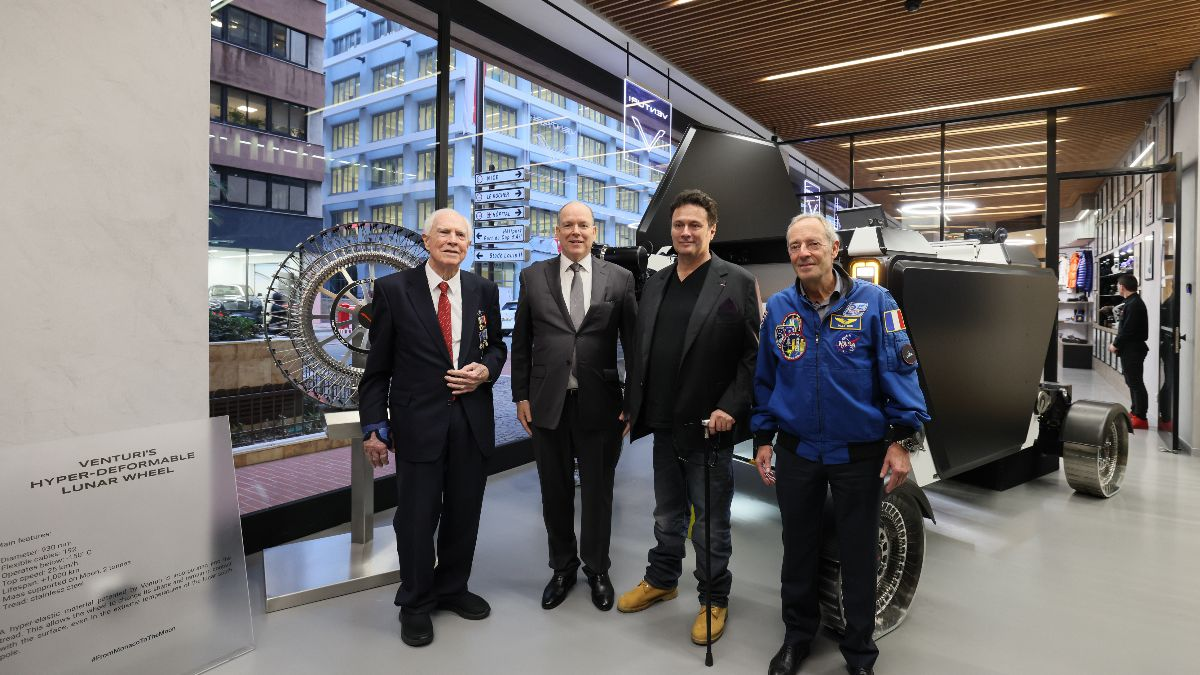
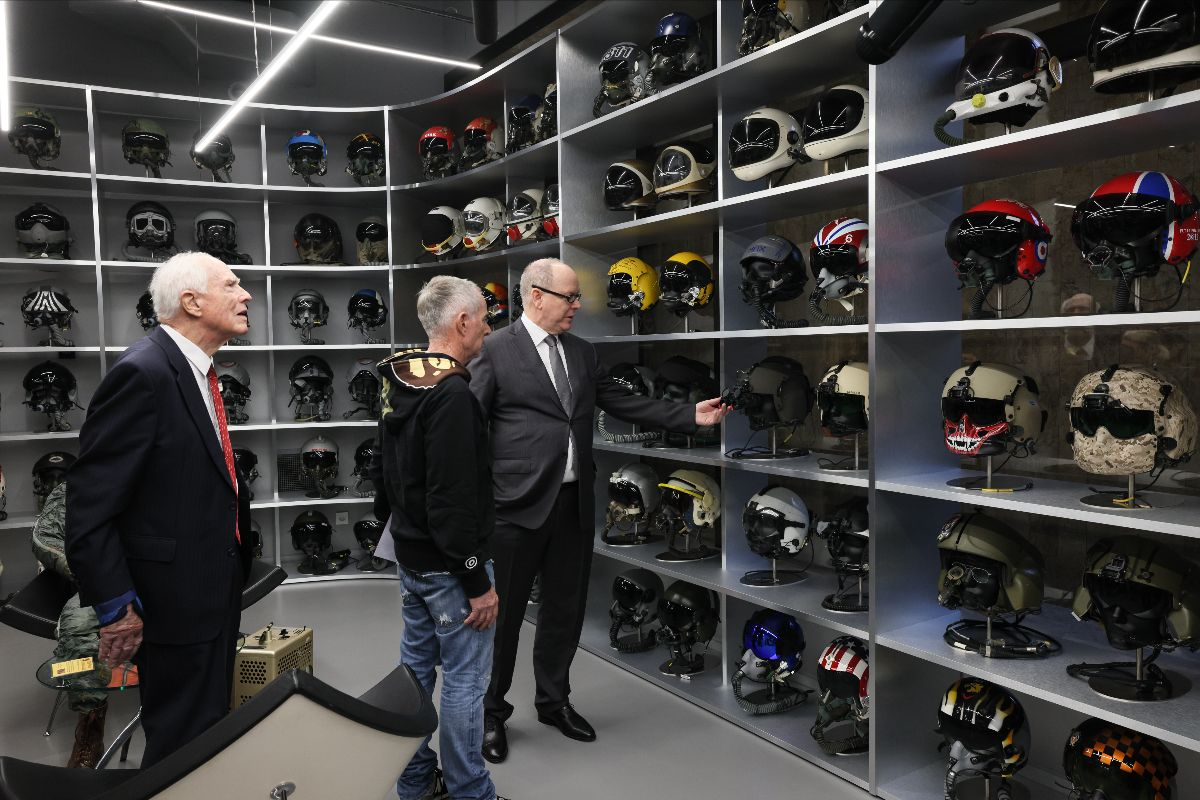
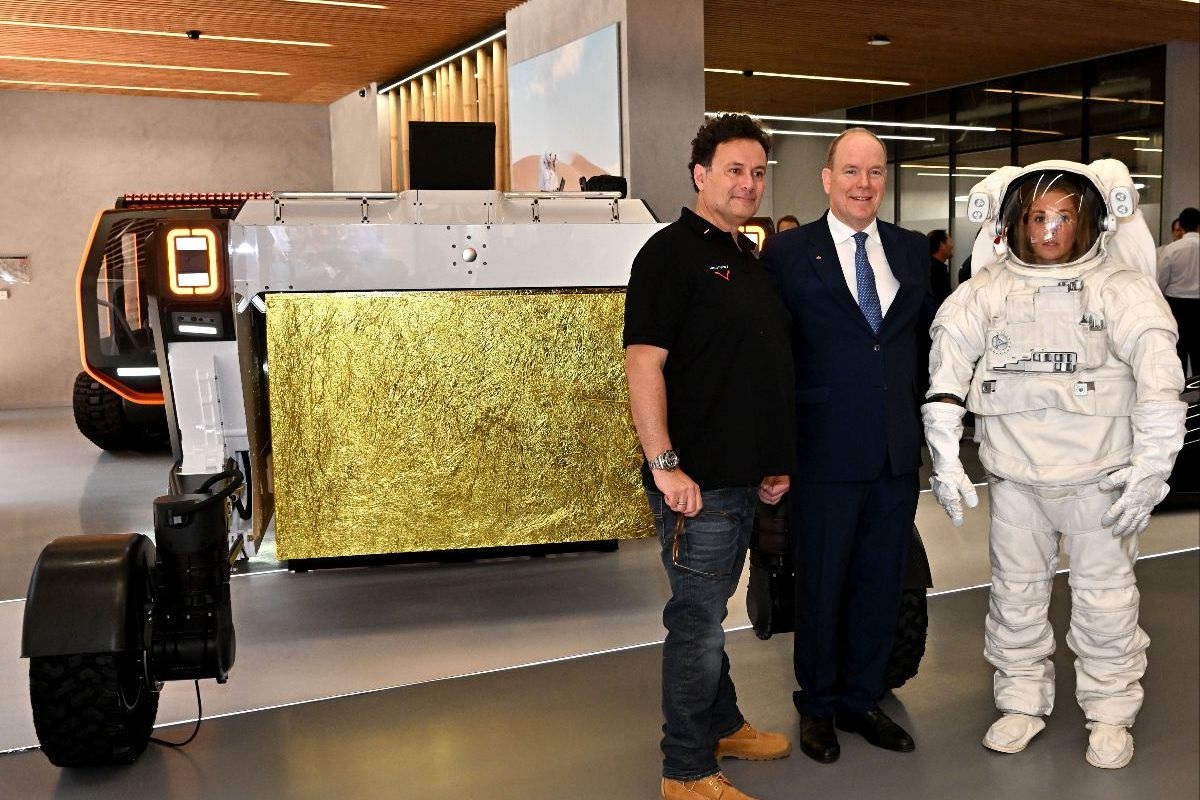
PRINCE ALBERT II OF MONACO, APOLLO 15 COMMANDER DAVID SCOTT AND ASTRONAUT JEAN-FRANCOIS CLERVOY VISITING VENTURI SPACE 
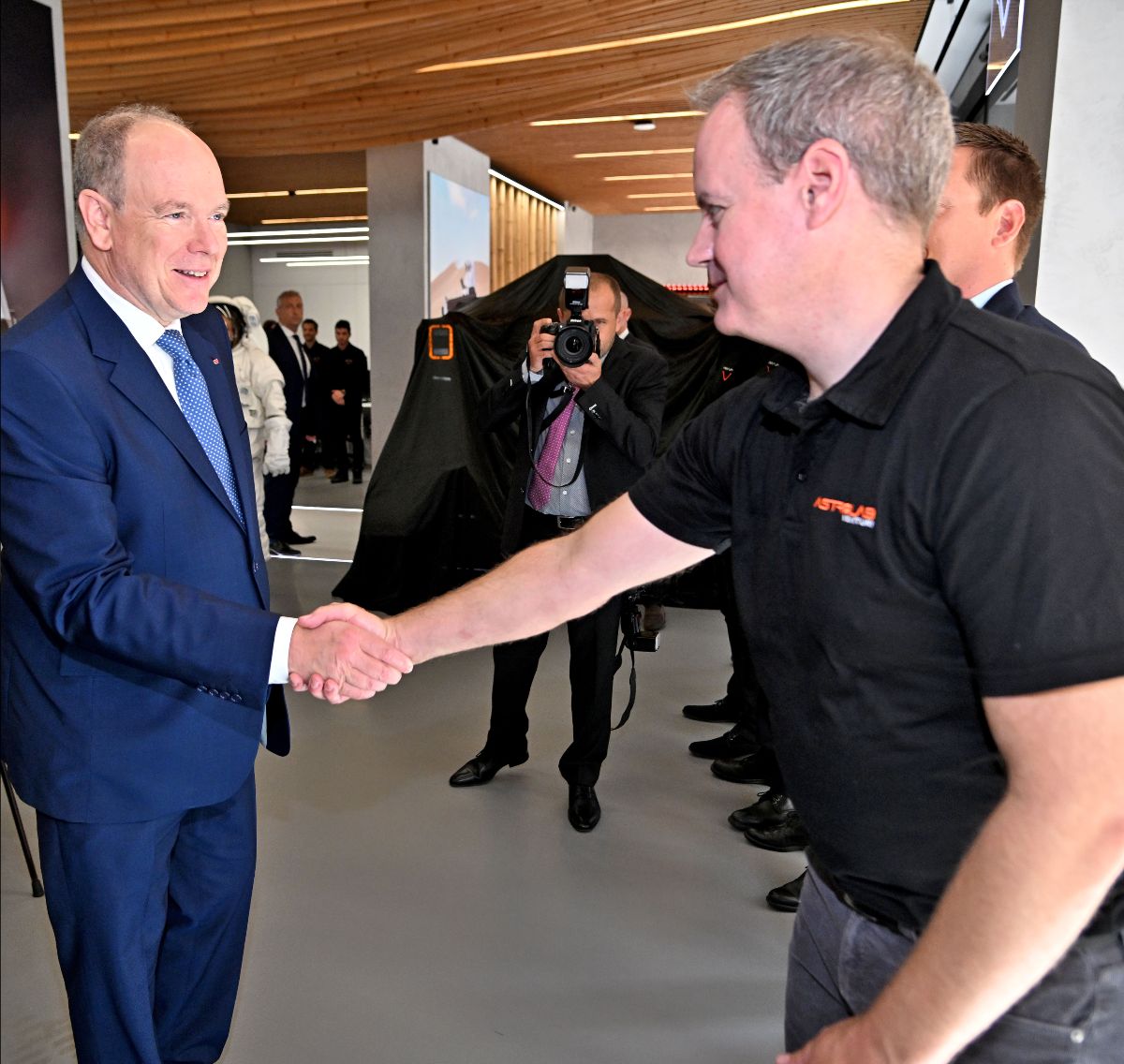
Monaco, November 2024 – Gildo Pastor, President of the Monegasque company Venturi Space, welcomed HSH Prince Albert II of Monaco, General David Scott – the first person to have driven a rover on the Moon and Commander of the Apollo 15 mission – and astronaut Jean-François Clervoy.

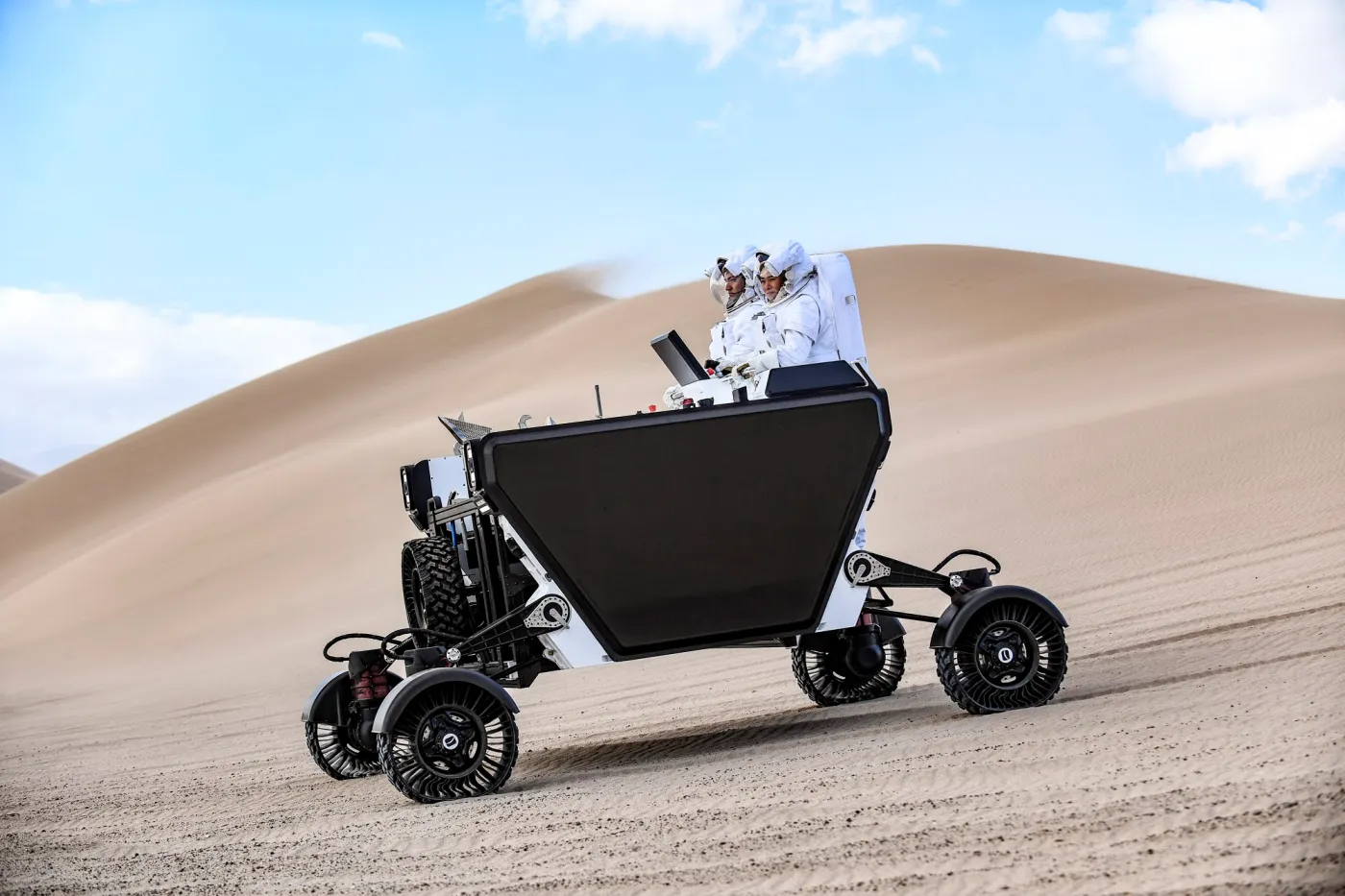
As a prelude to the lunar missions in which Venturi Space will participate in 2025 and 2026, its President, Gildo Pastor, invited Prince Albert II of Monaco and former astronauts David Scott and Jean-François Clervoy to learn more about the upcoming programme and the advanced technologies developed by Venturi Space’s European bases (Monaco, Switzerland, and France) as part of their collaboration with the North American strategic partner, Venturi Astrolab, Inc. This US-based entity is developing multi-purpose rovers optimised for the needs of the lunar South Pole: FLIP, which will become operational in 2025, and FLEX, scheduled for launch with SpaceX in 2026 at the earliest. FLEX is also one of three mobility solutions shortlisted by NASA for the Artemis V mission in 2030.
In the presence of Isabelle Berro-Amadeï, Minister for External Relations and Cooperation; Pierre-André Chiappori, Minister for Finance and the Economy; HE Maguy Maccario-Doyle, Monaco’s Ambassador to the United States of America; and Frédéric Genta, Interministerial Delegate for Attractiveness and Digital Transition, the visit consisted of five main stages:

-A presentation of the FLIP and FLEX rovers,
-An overview of Venturi Space Monaco’s lunar battery manufacturing technologies and techniques,
-A discussion of the upcoming missions of Venturi Astrolab and Venturi Space, featuring insights from David Scott and Jean-François Clervoy,
-A presentation of Venturi Space Switzerland’s hyper-deformable lunar wheel technology,
-An exhibition by Philippe Tondeur dedicated to the helmets and suits of aerospace history.‘ Venturi Space is taking on a very serious challenge! The FLEX rover is very different from the one I drove, it’s much bigger and will have an enormous operating life. It seems to me that the teams are doing a good job, and I wish them good luck.’ – General David Scott.

‘I’m passionate about space exploration and wheeled vehicles. Welcoming the first person to have driven a rover on the Moon, in the presence of the Sovereign and Jean-François Clervoy, brings me immense pleasure’ – Gildo Pastor, President of Venturi Space.

Marshmello (@cryptocup) NFT Makes History With Lunaprise Launch on SpaceX

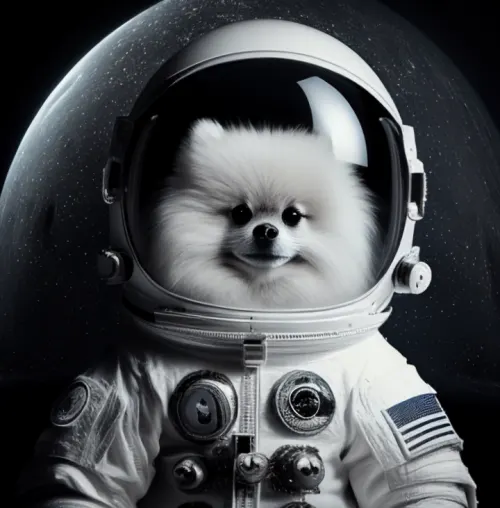
Marshmello the artic pup, also known on instagram as @cryptopup, made history last week, as the first pet digital collectible art project selected for the lunar museum (“Lunaprise”) on the moon. The project was conceived by Dallas Santana, a well-known film director, web 3.0 innovator and Founder of Space Blue, the company that oversees curation of the Lunaprise Museum. Santana first introduced Marshmello the artic pup,  to the world as an digital collectable art project in 2018.

Marshmello To The Moon. NFT by Space Blue

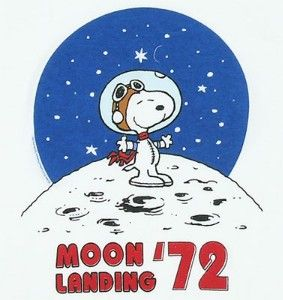
The super rare digital collectible art of Marshmello To the Moon, selling for $950K usd / $1.3M cad each, took off from from Cape Canaveral on  a ride on SpaceX Falcon 9 and landed on the moon February 22nd , becoming the first pet dog character to land on the moon since the legendary Snoopy, who traveled with Apollo 11 astronauts to the moon back in 1969. The artwork will be auctioned off with 100% of the proceeds donated towards impactful projects for humanity and animals.

Artwork of the popular adorable pet also made history as the first bitcoin art project to land on the moon and is inscribed as a very popular digital art form called bitcoin ordinals. 

The Lunaprise Museum on the moon will house  digital inscribed twin etched  nickel and nanofiche system of the earth based digital collectibles, along with 222 other curated art projects which will last over 1 billion years on the moon. Marshmello the artic pup character has also already confirmed her official NASA boarding pass to be included in the NASA Mars missions, and other space programs coming up.

The twin images of Marshmello’s artwork will be engraved on metallic lunar plates and digital archives which will last over 1 billion years on the moon. Marshmello’s story and her mission set many space and art history records, including the first pet art project selected for this NASA-administered project, and became the first pet dog character to land on the moon since the legendary Snoopy, who traveled with Apollo 11 astronauts to the moon back in 1969. Conceived by a well-known film director and NFT Innovator (Dallas Santana), Marshmello was first introduced to the world as an NFT art project in 2018, long before the term NFT gained widespread recognition.

The Real-life Dog

Marshmello, the real-life dog, is known for many collaborations with top celebrities, movie stars, models from “America’s Top Models”, and “Deal or No Deal” models, all who babysat the adorable pet. Marshmello found fame without even trying, went viral “peeing” on an Oscar Event Red Carpet ( getting millions of views), got over 50 million views while dating Logan Paul’s Pomeranian “Kong”, and appeared in the NFT movie The 9th Raider and many music videos.

As this pioneering canine character prepares for its historic lunar landing, fans can soon explore the captivating Marshmello furry universe through an engaging book series, with an animation series also in development- also all sent to the moon for archiving as digital twin artwork preserved on the moon. This lovable pet dog character is on the brink of capturing hearts and minds across the globe as it embarks on its groundbreaking journey to the final frontier in art history. As mentioned above, Marshmello the character has also confirmed her official NASA boarding pass to be included in the NASA Mars missions, and other space programs coming up. For the Silo, Tiffannie Ramos.

World First- Venturi’s Hyper-Deformable Lunar Wheel Presented At Paris Air Show

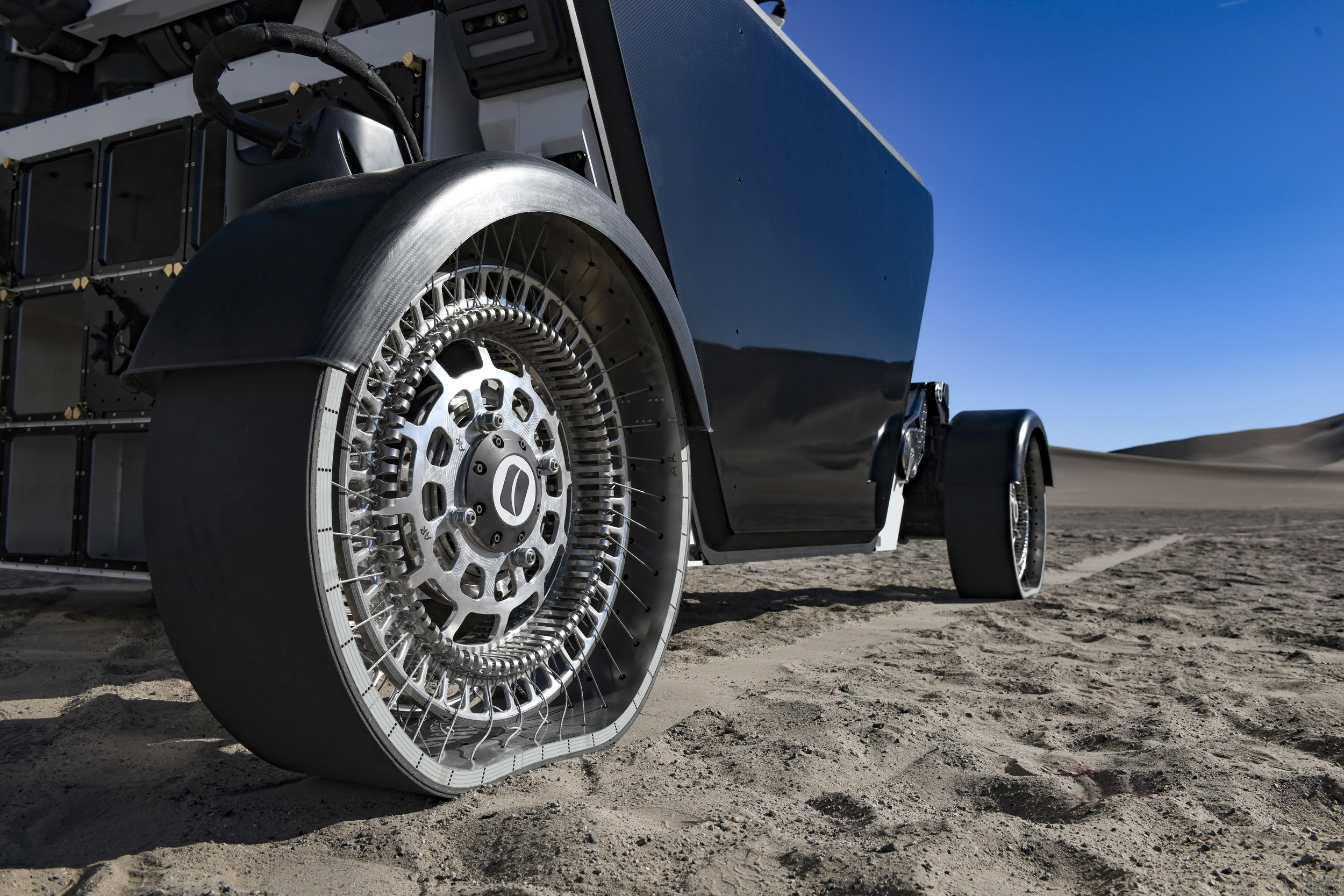
Earlier this week, Venturi Group presented its latest invention at the international Paris Air Show in Le Bourget, France: a hyper-deformable lunar wheel. Venturi Lab designed and manufactured the wheel using materials it created. The Venturi wheel is a world first.


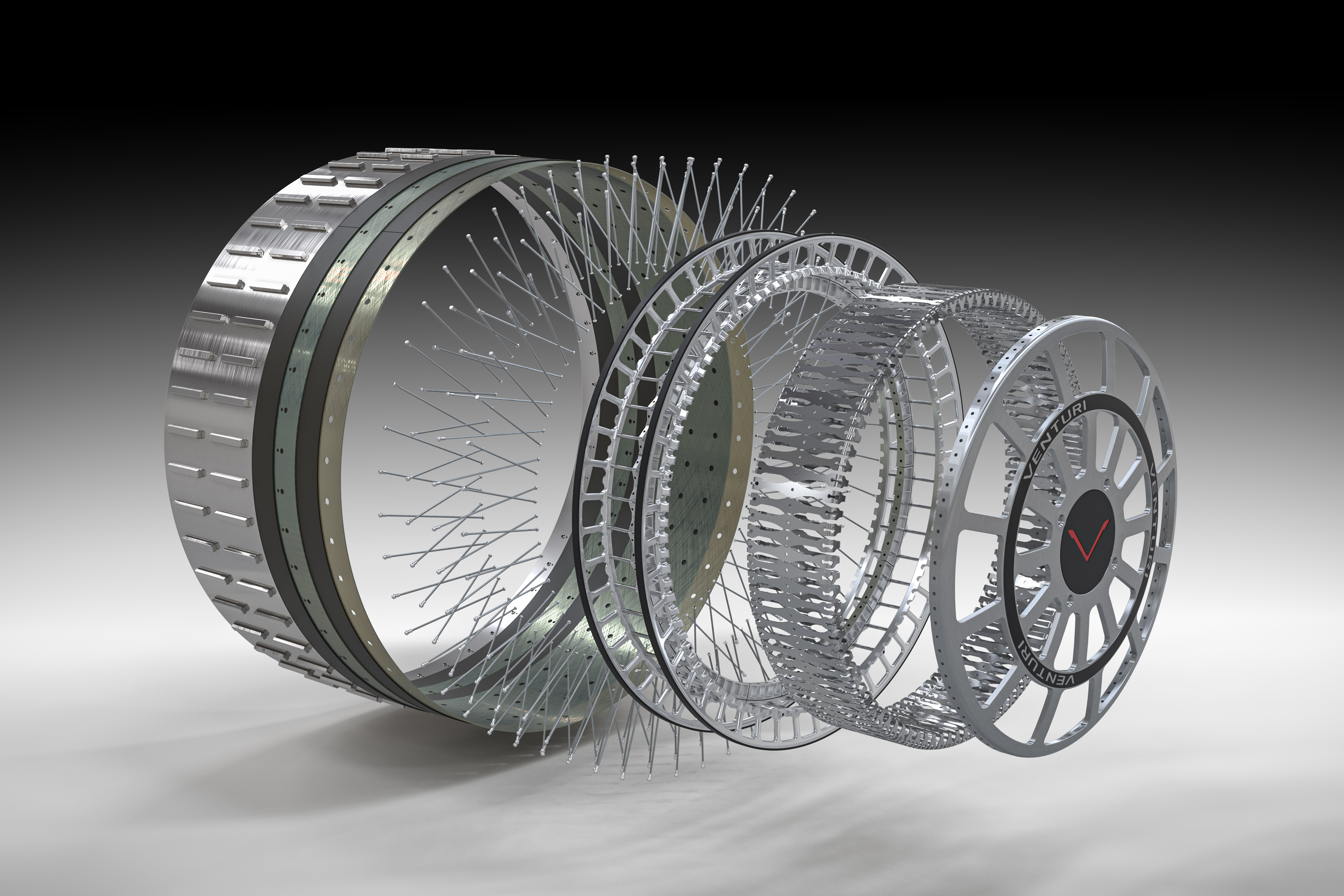
A turning point in the history of the space industry, Venturi has reinvented the wheel. Engineers, chemists and physicists at Venturi Lab in Fribourg, Switzerland have created a unique hyper-deformable lunar wheel. 

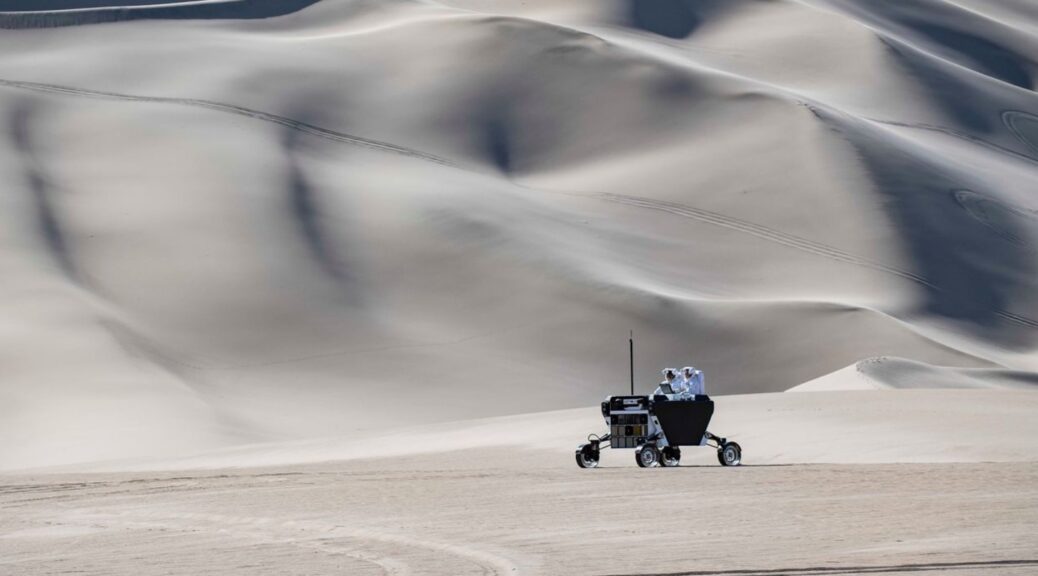
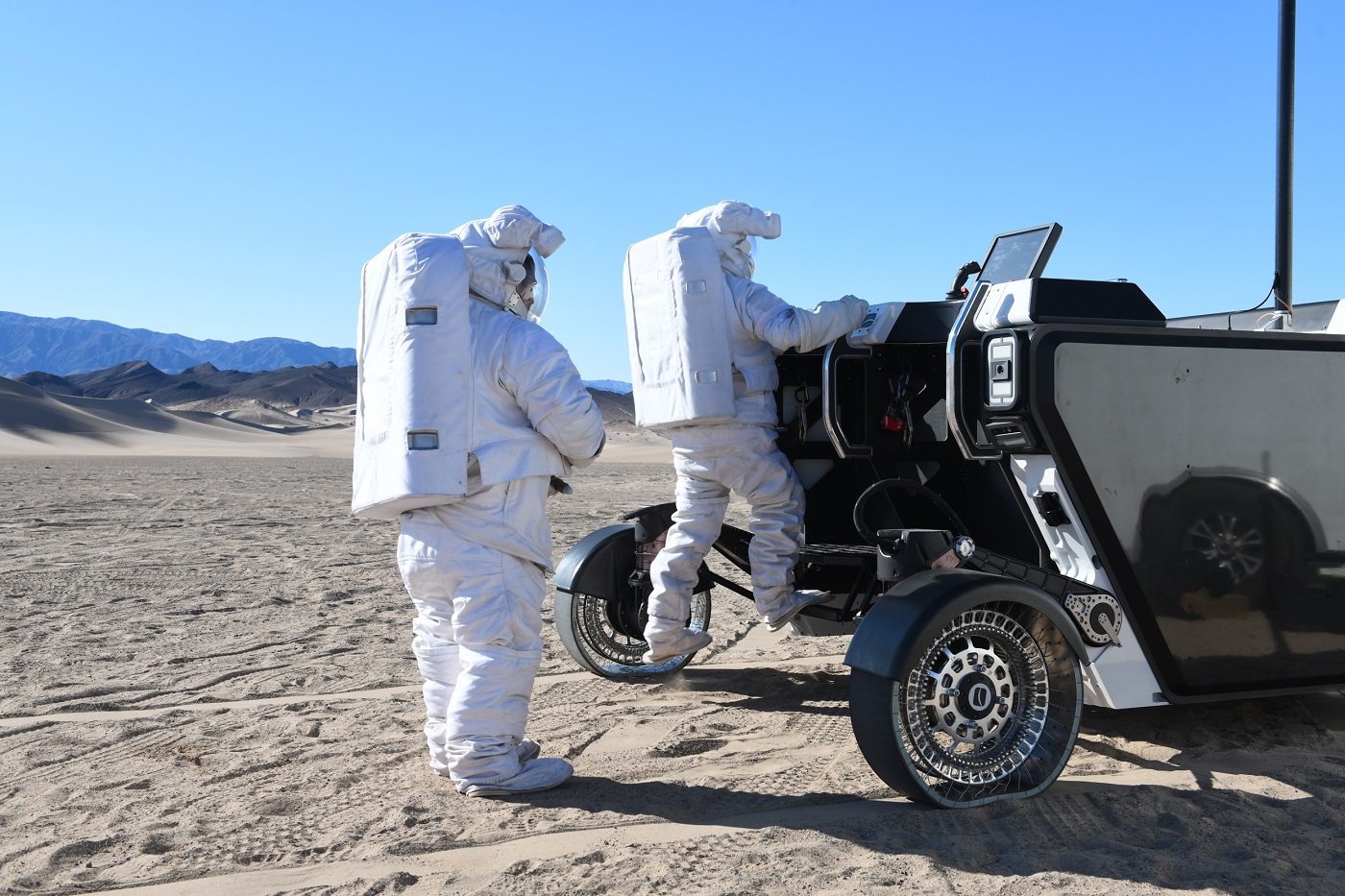
The wheel will be used on Venturi Astrolab’s FLEX rover, a vehicle that will be deposited on the Moon in 2026 by Space X’s Starship rocket and initially used to transport and deploy payloads.

In the past, with the exception of the Apollo missions, space exploration vehicles have always been equipped with rigid wheels. The Venturi wheel, however, is highly deformable while remaining long-lasting and robust. From 2026, when the FLEX rover is put into service at the lunar south pole, where extreme temperatures (-90 to -230°C) prevail, the four wheels supporting the two-tonne vehicle (payload included) will warp in order to absorb ground irregularities as the FLEX travels at 20 km/h. The wheels will need to perform over at least 1,000 kilometres and resist strong radiation from the south pole. 

Features of the Venturi wheel include:
– an exceptional diameter of 930 mm
– a complex system of 192 cables that act as spokes
– a tread made flexible by a newly invented material
– an outer rim equipped with springs

This breakthrough technology, based on unique materials, is equal in importance to the arrival of the rubber, and later pneumatic rimmed tyre in the 19th century.

NASA has selected Venturi Astrolab to test and analyse the Venturi wheel at the NASA Glenn Research Center in Cleveland and the NASA Johnson Space Center in Houston.

ABOUT VENTURI 
Since 2000, the Venturi Group has specialised in the design and manufacture of high-performance electric vehicles. Whether through world records, expeditions on hostile terrain, the creation of the first electric sports car, the development of innovative vehicles or its involvement in the Formula E World Championship, the Venturi Group embodies and demonstrates all the capabilities of the electric vehicle on 2 or 4 wheels. Since 2021, Venturi Lab is part of the Venturi Group. The company invents, studies, designs and manufactures mobility solutions capable of handling the extreme environmental conditions found on the Moon and Mars. In 2026, Venturi Astrolab’s FLEX rover – for which the Venturi Group will have designed and manufactured innovative technologies resulting from disruptive innovations – will be in operation on the Moon.

ABOUT VENTURI ASTROLAB
Venturi Astrolab, Inc (Astrolab) is on a mission to advance humanity to the next horizon by designing, building and operating a fleet of versatile rovers for all planetary surface needs. Comprised of a highly specialised team of former NASA, SpaceX and JPL engineers, Astrolab is dedicated to providing adaptive mobility solutions essential to life beyond Earth. The team has leading experience in terrestrial and planetary robotics, electric vehicles, human spaceflight and more. Astrolab’s extensive experience and strategic partnerships with a wide range of world-class institutions, including the electric vehicle pioneer Venturi Group, allow for the most reliable, flexible and cost-effective lunar and Mars mobility offerings. The company’s headquarters are located in Hawthorne, California.

New Lunar Rover Will Be Largest Ever And Includes Disruptive Innovations

Recently, H.S.H. Prince Albert II of Monaco visited Venturi Group’s Monegasque headquarters.

photos: Venturi/Bebert
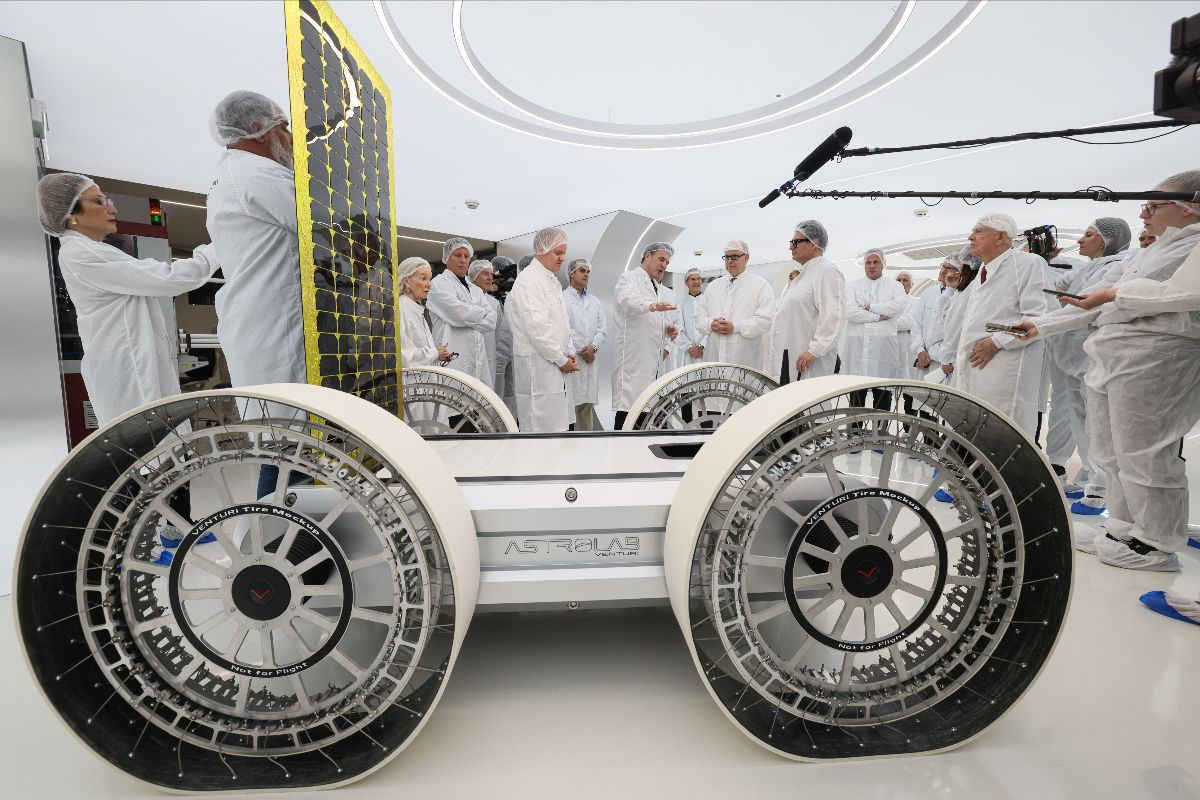
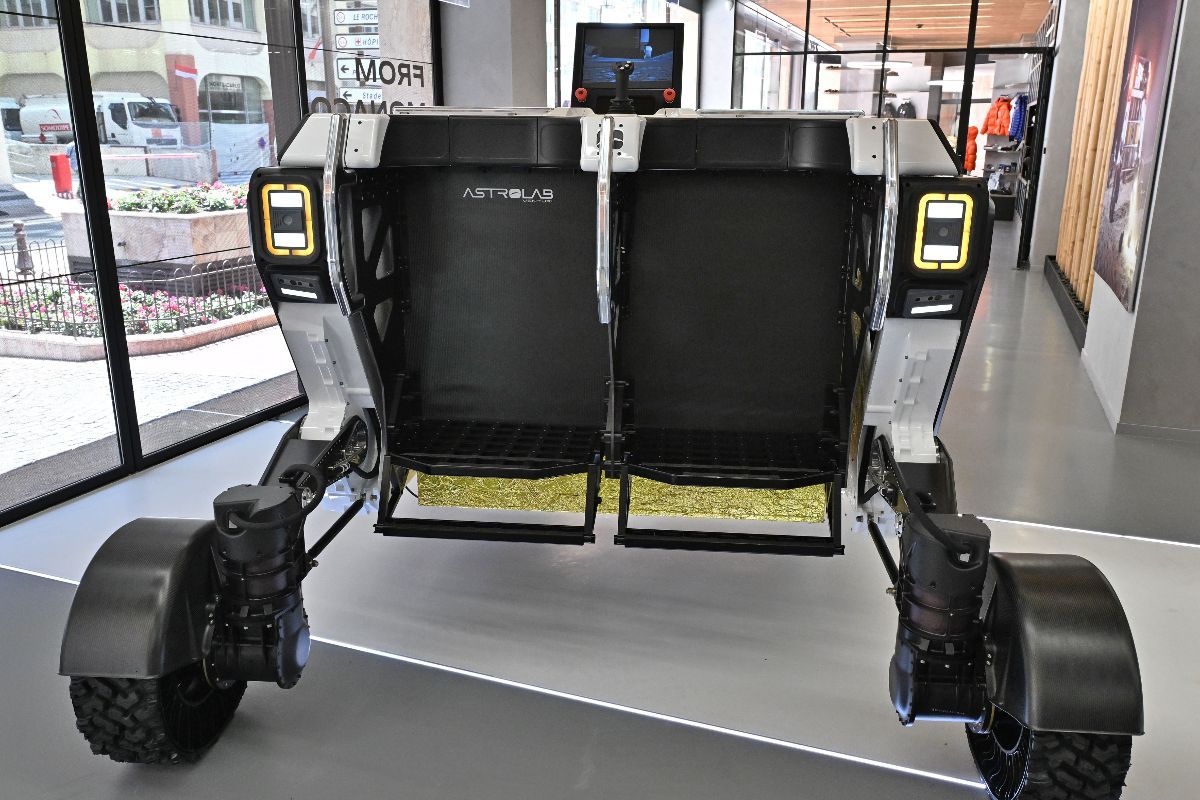
Welcomed by the Group’s President, Gildo Pastor, the Sovereign was invited to take a historic first look at the lunar rover “FLEX”, developed by Venturi Astrolab (USA) in collaboration with Venturi Lab (Switzerland) and Venturi (Monaco).

FLEX will be the largest and most advanced lunar vehicle ever made.

It will be landed on the surface of the Moon by American firm SpaceX in 2026. Fans of Canada’s robotic space arm Canadarm take note: the lunar rover includes its own ‘in house’ designed and built robotic arm.


Since 2000, the Venturi Group has specialized in the design and manufacture of high-performance electric vehicles. Whether through world records, expeditions on hostile terrain, the creation of the first electric sports car, the development of innovative vehicles or its involvement in the Formula E World Championship, the Venturi Group embodies and demonstrates all the capabilities of the electric vehicle on 2 or 4 wheels.


Since 2021, Venturi Lab is part of the Venturi Group. The company invents, studies, designs and manufactures mobility solutions capable of handling the extreme environmental conditions found on the Moon and Mars. In 2026, Venturi Astrolab’s FLEX rover – for which the Venturi Group will have designed and manufactured innovative technologies resulting from disruptive innovations – will be in operation on the Moon. For the Silo, Fabrice Brouwers/Venturi.

ABOUT VENTURI ASTROLAB, INC.
Venturi Astrolab, Inc (Astrolab) is on a mission to advance humanity to the next horizon by designing, building and operating a fleet of versatile rovers for all planetary surface needs. Comprised of a highly specialised team of former NASA, SpaceX and JPL engineers, Astrolab is dedicated to providing adaptive mobility solutions essential to life beyond Earth.

The team has leading experience in terrestrial and planetary robotics, electric vehicles, human spaceflight and more. Astrolab’s extensive experience and strategic partnerships with a wide range of world-class institutions, including the electric vehicle pioneer Venturi Group, allow for the most reliable, flexible and cost-effective lunar and Mars mobility offerings. The company’s headquarters are located in Hawthorne, California.

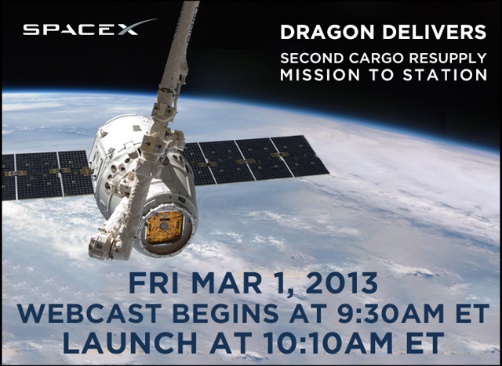
Falcon9 and Dragon blast-off LIVE stream

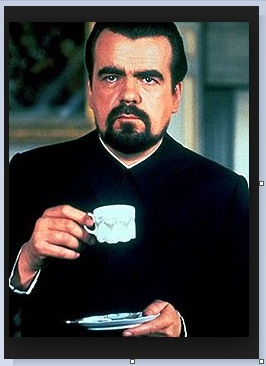
Life imitates art....space is beginning to be serviced by private companies just as Ian Fleming suggested it would in Moonraker. Who can forget Drax and his fleet of private spaceshuttles? CP
Life imitates art….space is beginning to be serviced by private companies just as Ian Fleming suggested it would in Moonraker. Who can forget Drax and his fleet of private spaceshuttles? CP


Click  to open Rocket Launch LIVE window


Drax :-: "First there was the dream, now there is reality. Here in the untainted cradle of the heavens will be created a new super race, a race of perfect physical specimens. You have been selected as its progenitors, like gods your offspring will return to Earth and shape it in their image. You have all served in public capacities in my terrestrial empire. Your seed like yourselves will pay deference to the ultimate dynasty which I alone have created. From their first day on Earth they will be able top look up and know that there is law and order in the heavens."  Hugo Drax Villain Moonraker
Drax :-: “First there was the dream, now there is reality. Here in the untainted cradle of the heavens will be created a new super race, a race of perfect physical specimens. You have been selected as its progenitors, like gods your offspring will return to Earth and shape it in their image. You have all served in public capacities in my terrestrial empire. Your seed like yourselves will pay deference to the ultimate dynasty which I alone have created. From their first day on Earth they will be able top look up and know that there is law and order in the heavens.” Hugo Drax Villain Moonraker