The Burnaby Village Museum will once again transform into a glittering, festive village this winter, as Concord Pacific returns as the presenting sponsor of the beloved Festive Village celebration. From November 22, 2025, to January 2, 2026, families can step back in time to the 1920s and experience the sights, sounds, and nostalgia of an old-fashioned Christmas, free of charge.
For several years running, Concord Pacific Developments has proudly supported the event, helping to make it one of the most anticipated family-friendly celebrations in Metro Vancouver. The partnership has allowed the museum to expand programming, enhance light displays, and continue offering free admission to thousands of visitors each season.
“For so many Burnaby families, making a trip to the Festive Village event is a beloved holiday tradition,” said Mayor Mike Hurley. “We’re grateful to have the opportunity to spread some holiday cheer and support those in need at this time of year.”
Spread across 10 acres, the Burnaby Village Museum feels like stepping onto the set of a holiday film. Its cobbled streets, vintage storefronts, and decorated period homes glow under thousands of lights. Visitors can wander through the General Store, peek into the historic post office, or stop by the Chinese Herbalist Exhibit, a beautifully authentic recreation of a traditional medicine shop that tells the story of Burnaby’s early Chinese communities.
The Festive Village event is one of Burnaby Village Museum’s most popular events. “It really transforms the whole site into this magical town. We’re lucky to have Concord Pacific as our presenting sponsor,” says Jane Lemke, the Museum Curator.
One of the main attractions is a scavenger hunt based on the 12 Days of Christmas song that takes families across the whole site looking for different clues inside some of the 38 exhibits. Lemke says her favourite clue is the 12 Ladies Dancing exhibit – “a popular selfie site for many of our visitors.”
The 1912 carousel is always a centerpiece for families. The carousel was originally owned by the Lone Star Circus before making its way to the Happyland amusement park, the precursor to Playland at the Vancouver Exhibit Grounds, in 1936. In 1989, the Friends of the Vancouver Carousel Society bought the carousel, restored and rebuilt it, and it found a permanent home at the Burnaby Village Museum.
The five-week celebration kicks off with Bright in Burnaby, the official tree-lighting ceremony, featuring live music, carolers, and a visit from Father Christmas. The event also supports the Burnaby Christmas Bureau, with proceeds from carousel rides matched by Concord Pacific to help buy toys for local children in need.
This year’s Festive Village festivities will include eco-art installations, live theater, caroling, crafts, and performances by roving entertainers dressed as elves, bakers, and holiday characters. Guests can grab a hot chocolate or treat from Mai’s Café (formerly the Ice Cream Parlour) or one of several food trucks parked along the heritage streets.
For Concord Pacific, the ongoing partnership with the Burnaby Village Museum reflects the company’s broader commitment to community, culture, and family-focused events across the region. Known for supporting local traditions such as the Concord Pacific Dragon Boat Festival and the Honda Celebration of Light, the developer’s support for Festive Village helps ensure the event remains accessible to everyone.
“Festive Village captures the joy and togetherness that make this season so special,” said a representative from Concord Pacific Vancouver. “We’re proud to continue our support for an event that connects families and celebrates Burnaby’s history.”
Whether it’s your first visit or a yearly tradition, Festive Village at the Burnaby Village Museum is one of those rare events that feels timeless. It’s a place where history meets holiday magic—and thanks to Concord Pacific’s continued sponsorship, it remains open and free for all to enjoy.
For the Silo, Liam Barker.
Event Details
Dates: November 22, 2025 – January 2, 2026 (closed December 24 & 25) Location: Burnaby Village Museum, 6501 Deer Lake Avenue, Burnaby Admission: Free (donations to the Burnaby Christmas Bureau encouraged) Tip: Arrive early or take transit—parking fills quickly! For hours, updates, and accessibility info, visit our friends at burnabyvillagemuseum.ca.
The tiny home sector is big on innovation as exemplified by a new crop of amazing Accessory Dwelling Unit (ADU) designs across the U.S. and Canada showcasing state-of-the-art architectural and interior features, thoughtful layouts and stunning aesthetics that redefine what’s possible in small-space living. Maxable—North America’s leading provider of resources for building guest houses, casitas, in-law suites, granny flats, pool houses and other ADUs—has officially named the the #1 best ADU of 2025 and other of the ’10 Best’ for the year based on a mix of criteria: visual appeal, use of space, creativity and functionality. Multiple photos for each are showcased online demonstrating the extreme ingenuity of each build.
Every year, Maxable’s ‘Best ADU of the Year’ competition celebrates the most innovative and impressive tiny home projects from across North America. Accessory dwelling units (ADUs) that don’t just look great, but solve real challenges of space, budget, and lifestyle. And the Top 10 have just been named! “If there’s one thing we’ve learned this year, it’s that accessory dwelling units ADUs aren’t going anywhere,” says Maxable CEO Paul Dashevsky. “In fact, they’re chugging along at full force as new regulations make their mark, homeowners are letting their creativity bloom, and designers are pushing the limits of what’s possible in small-space living.”
Here is the #1 winner and other of the top 10 best ADUs that have earned their keys in 2025. ______________________________________________________
#1 Best ADU of 2025:
Ashby ADU, Piedmont, CA
Designer: Tuan Le Design
Builder: Atelier19AD6
Size: 800 sq ft, 2 bed, 1 bath
Built on a steep slope, the project faced challenges with utility coordination, subcontractors, supply chain delays, and neighbor considerations, yet the team navigated every obstacle to deliver a standout result. The unit is fully electric, with a heat pump, water heater, and solar panels, making it efficient and environmentally conscious. Skylights and floor-to-ceiling four-panel sliding glass doors fill the interior with natural light, creating a bright, airy atmosphere. The modern design continues on the exterior with sleek wood paneling that complements the contemporary interior. The result is a stylish, functional ADU that maximizes both the views and the livable space
Other Top 10 Best ADUs of 2025
Chamomile Cottage, Arlington, MA
Modular Design and Build: Backyard ADUs
Size: 567 sq ft, 1 bed, 1 bath
If a cozy cup of tea was an ADU, we think it’d look like this! Designed to bring an aging father closer to his family and young grandchildren, this modular build balances warmth, accessibility, and beautiful design. As one of the first detached ADUs completed under Massachusetts’ new ADU law, it also marks a milestone for backyard living in the state. Built with collaboration between Backyard ADUs and a homeowner with impeccable design taste, the result is both functional and heartfelt. Chevron wood flooring, warm olive walls, and a charming fireplace make the space feel like home from the moment you step inside. Skylights fill the rooms with natural light, while the ADA-compliant bathroom ensures comfort and safety for years to come.
Alora ADU, San Diego, CA
Designer: Ruland Design Group
Builder: Glann Fick, Coastline Construction
Size: 1,000 sq ft, 2 bed, 2 bath duplex
This project is a beautiful example of how ADUs can bring generations together while adding long-term value to a property. The homeowners created not one, but two attached backyard homes. One was designed for an aging mother, and the other for rental income to support the family. Together, the units make space for four generations to stay close while still maintaining privacy and independence. Both ADUs were designed with light, openness, and connection to the outdoors in mind. High ceilings and clerestory windows fill the interiors with natural light, while large sliding glass doors open to private patios for easy indoor-outdoor living. Each space feels modern and welcoming, complete with well-appointed kitchens and roomy islands perfect for family meals or morning coffee. It’s a true example of multigenerational living done right.
Copperline ADU, San Diego, CA
Designer and Builder: SnapADU
Size: 980 sq ft, 2 bed, 2 bath
This Spanish-style ADU in Rancho Santa Fe was designed to blend seamlessly with the community’s strict architectural standards. The homeowner, a roofing contractor, personally installed the boosted tile roof to match the main home, turning HOA requirements into an opportunity to create a timeless retreat. Today, the ADU serves as a private space for family and guests. Every element, from hand-textured stucco to arched porch openings and copper gutters, was carefully chosen to mirror the primary residence. Inside, faux wood ceiling beams add warmth to the great room, while custom shelving and professional-grade appliances enhance the kitchen. Each bedroom features an ensuite bath and walk-in closet, with a back entrance leading to a mudroom and laundry area.
Brick House ADU, Denver, CO
Designer and Builder: ADU4U
Size: 938 sq ft, 1 bed, 1.5 bath
This ADU project breathes new life into an old, historic building, while preserving its authentic character and respecting its roots. Building a modern structure within an 138 year old structure was an innovative solution to achieve this. In historic Curtis Park, Denver’s oldest neighborhood, an 1886 brick carriage house stands as a testament to the passage of time. The building sits inside the boundaries of Denver’s historic Curtis Park, so all exterior design and material selections had to be approved through the city’s Landmark Commission.
ADU4U turned this once-unlivable structure into a cozy, modern home while preserving its historic charm. To bring it up to today’s safety standards, the team strengthened the old brick with a new steel frame and carefully reused original materials throughout the interior. The hayloft door became the powder room door, and the old floor joists were turned into a beautiful kitchen peninsula. Now, this light-filled ADU perfectly balances historic character with modern comfort. It’s truly a shining example of how old buildings can be reimagined for today’s living.
Longview ADU, Washington D.C.
Designer: Ileana Schinder
Builder: J Cabido Designs
This project is a creative transformation of an abandoned garage and storage space into a bright and efficient one-bedroom ADU. By keeping the original structure’s footprint, the design team minimized both construction costs and the visual impact on the surrounding property. Every detail was planned with sustainability in mind. From upgraded insulation to energy-efficient mini splits and an energy recovery ventilator, the ADU meets Washington DC’s strict environmental standards while maintaining year-round comfort. Restoring the building’s existing openings allowed natural light to flood the interior, creating a warm and inviting space that feels much larger than its footprint. The result is a thoughtful blend of preservation, sustainability, and smart design, breathing new life into what was once an overlooked structure.
Sagebrush ADU, Menlo Park, CA
Designer: Inspired ADUs
Builder: Integrum Construction
This ADU is a masterclass in craftsmanship and timeless design. Every detail, from the cedar shake siding to the copper flashings, was carefully chosen to mirror the main home and create a seamless, cohesive look. Instead of competing with the original architecture, it enhances it, feeling like it has always been part of the property. Natural materials play a starring role here. The cedar and copper will continue to age beautifully, adding warmth and character over time. Inside, handmade tile, custom cabinetry, and a cozy loft make the space feel elevated yet inviting. Every inch was designed with intention, balancing function, beauty, and authenticity. This ADU proves that small-scale construction can be both refined and enduring.
Brushstroke ADU, Newcastle, CA
Designer and Builder: A+ Construction ADU Builders
Size: 1,198 sq ft + 800 sq ft deck, 3 bed, 2 baths
The client didn’t want to separate three generations of their family, so they built a second home in their backyard. This ADU allows their parents to live independently with their own routines and art studio, while staying just steps from family dinners, grandkid hugs, and everyday life together. At 1,200 sq. ft., the ADU includes three bedrooms, two bathrooms, and a large open living area. The layout prioritizes comfort, easy movement, and aging-in-place, with wide circulation paths, direct deck access from the primary bedroom, and plenty of natural light. A dedicated art studio with custom cabinetry and large windows supports the grandmother’s creative routine. The best feature? An 800 sq. ft. covered deck and carefully chosen exterior finishes. All of these details make the ADU feel integrated with the main home, creating a thoughtful, functional, and long-term living space for the whole family.
Alcove ADU, Los Angeles, CA
Designer: Homeowner
Builder: Doobek Brothers
Size: 593 sq ft, 1 bed, 1 bath
What started as a retrofit for a carport turned into a fully functional ADU, making smart use of limited space while navigating strict city codes. Because the property sits on a hillside, any addition beyond the existing roofline would have required expensive drainage to the street, so the design works entirely within the original footprint. The interior feels calm and spacious thanks to thoughtful layout, finishes, and furniture. A double wall between the kitchen and bathroom cleverly hides appliances while providing storage for cleaning supplies, making the space feel open and uncluttered. Temperature and sound insulation reduce energy costs for both units, making it highly efficient. Windows were sized to align with the upstairs unit, creating visual harmony. With parking right outside and a potential deck planned for the upper unit, this ADU demonstrates how careful design can turn code restrictions into a livable home.
Elevare ADU, San Diego, CA
Designer: Sergio Perlata
Builder: HM Construction
Size: 479 sq ft, 1 bed, 1 bath
This daring ADU was built on top of the homeowner’s existing house to preserve the garage while creating a luxurious, functional space. What started as a bold idea and labor of love resulted in a retreat that balances comfort, style, and modern California living. The design maximizes natural light, features high-end finishes, and offers seamless indoor-outdoor flow. Privacy for the main house was carefully considered, and practical choices like spa-like micro-cement in the bathroom create a durable, low-maintenance, and rental-friendly space. More than just a guest house, this ADU is a thoughtfully crafted space that inspires relaxation and connection.
This article provided by our friends at Share America/ US Department of State.
President John F. Kennedy meets with members of the Executive Committee of the National Security Council regarding the crisis in Cuba, in October 1962. (White House/Cecil Stoughton/John F. Kennedy Presidential Library and Museum)
The Cuban missile crisis of October 1962 was the moment that the United States and the Soviet Union came closest to nuclear war. The conventional wisdom is that decision-making occurred “with relatively little input from the respective bureaucracies typically involved in the foreign policy process.”
In fact, the lawyers in the State Department’s Office of the Legal Adviser played a crucial role in crafting a strategy that would simultaneously project American strength and maximize decision-makers’ political flexibility.
A brewing crisis
In July 1962, the Soviet Union secretly agreed with the Castro regime to place medium and intermediate range ballistic nuclear missiles in Cuba, a mere 90 miles off of the Florida coast, targeting the entire eastern and middle United States and a large portion of Mexico, Central and South America.
A right side view of two vehicle-mounted Soviet R-14 Chusovaya (NATO code name SS-5 Skean) intermediate-range ballistic missiles.
In early September 1962, U.S. intelligence discovered evidence of a general Soviet arms buildup, including IL-28 “Beagle” tactical nuclear bombers.
On September 4, 1962, the White House issued a statement that “All Americans, as well as all of our friends in this hemisphere, have been concerned over the recent moves of the Soviet Union to bolster the military power of the Castro regime in Cuba,” that approximately 3,500 Soviet military technicians were “in Cuba or en route,” but that there was “no evidence” of “offensive ground-to-ground missiles; or of other significant offensive capability either in Cuban hands or under Soviet direction and guidance. … Were it to be otherwise, the gravest issues would arise.” Then-President John F. Kennedy promised that the United States “shall continue to make information available as fast as is obtained and properly verified.”
On October 3, 1962, the Congress passed a joint resolution declaring that “the United States is determined to prevent by whatever means may be necessary, including the use of arms, the Marxist-Leninist regime in Cuba from extending, by force or the threat of force, its aggressive or subversive activities to any part of this hemisphere.”
On October 14, 1962, a U.S. U-2 aircraft took several pictures clearly showing sites for nuclear-armed, medium-range and intermediate-range ballistic missiles under construction in Cuba.
A map of Cuba, with a partial listing of Soviet military equipment, used during the president’s meetings with political and military advisers. (John F. Kennedy Presidential Library and Museum)
The president and his advisers considered a range of options. Some, including all members of the Joint Chiefs of Staff, argued for an air strike to destroy the missiles followed by a U.S. invasion of Cuba. Others argued for warnings to Cuba and the Soviet Union without action. The president decided upon a middle course. On October 22, 1962, he ordered a naval “quarantine” of Cuba.
The use of the word “quarantine” legally distinguished this action from a blockade, which assumed a state of war existed. The use of “quarantine” instead of “blockade” also enabled the United States to receive the support of the Organization of American States. The goal was to prevent further military deliveries to Cuba and to apply pressure on the Soviet Union to remove the existing missiles and bombers.
That same day, the president sent a letter to Soviet Premier Nikita Khrushchev declaring that the United States would not permit offensive weapons to be delivered to Cuba and demanding that the Soviets dismantle the missile bases already under construction or completed and return all offensive weapons to the Soviet Union.
The letter was the first in a series of direct and indirect communications between the White House and the Kremlin throughout the remainder of the crisis. That evening, Kennedy announced to the nation via a televised address that the United States had confirmed that a series of offensive Soviet missile sites were in “preparation” and that their purpose “can be none other than to provide a nuclear strike capability against the Western Hemisphere.”
On October 23, 1962, the president issued Proclamation 3504 , “Interdiction of the Delivery of Offensive Weapons to Cuba.” The order included “Surface-to-surface missiles; bomber aircraft; bombs, air-to-surface rockets and guided missiles; warheads for any of the above weapons; mechanical or electronic equipment to support or operate the above items; and any other classes of materiel hereafter designated by the Secretary of Defense for the purpose of effectuating this Proclamation” and provided that “to enforce this order, the Secretary of Defense shall take appropriate measures to prevent the delivery of prohibited materiel to Cuba, employing the land, sea and air forces of the United States in cooperation with any forces that may be made available by other American States.”
On October 25, 1962, the U.S. military was ordered to DEFCON 2, the alert state just short of nuclear war and the highest-level alert ever issued in U.S. history.
A Russian IL-28 bomber.
On October 28, 1962, the Soviet Union announced the dismantling of its missiles in Cuba.
On November 20, 1962, following the Soviet Union’s agreement to withdraw the IL-28 nuclear bombers from Cuba, the president terminated the quarantine.
A low-altitude reconnaissance photograph shows destroyed launch pads at medium-range ballistic missiles site number 2 in San Cristóbal, Cuba. (Department of Defense/John F. Kennedy Presidential Library and Museum)
How the legal adviser empowered U.S. decision-makers
The State Department’s Office of the Legal Adviser played a pivotal role by creating options for the president and other U.S. decision-makers to shape U.S. diplomatic strategy.
In September 1962, after it became clear that the Soviet Union was rapidly building an offensive military capability in Cuba, the White House tasked the State Department’s Office of the Legal Adviser with assessing the United States’ international legal obligations and commitments. The Kennedy administration thought that the best option available — short of military invasion or an aerial campaign — was to prevent any additional military equipment from reaching Cuba.
A problem was that Secretary of State Dean Rusk and Vice President Lyndon Johnson had both recently testified to Congress that a blockade of Cuba would be “an act of war.” Legal Adviser Abram Chayes advised against such a blockade in a now-declassified legal memo:
An excerpt from September 10, 1962, memorandum by State Department Legal Adviser Abram Chayes (John F. Kennedy Presidential Library and Museum)
Accordingly, the administration shifted from the idea of a blockade to a “defensive quarantine.” The State Department’s Office of the Legal Adviser had proposed that shift during a meeting of the Executive Committee of the National Security Council on October 19, 1962. While a defensive quarantine would not be an act of war, it would still be a use of force. Thus, a defensive quarantine would be analyzed under Article 2(4) of the United Nations Charter : “All Members shall refrain in their international relations from the threat or use of force against the territorial integrity or political independence of any state, or in any other manner inconsistent with the Purposes of the United Nations.”
The Office of the Legal Adviser analyzed the word “other” in Article 2(4) to mean that only threats or uses of force inconsistent with the purposes of the United Nations were prohibited. In other words, even measures that might impinge on the territorial integrity or political independence of a state would not necessarily violate Article 2(4) as long as such measures were not inconsistent with the purposes of the U.N. The purpose of the quarantine was to safeguard peace and stability in the region, and Article 52 of the U.N. Charter affirms that regional organizations could enact their own solutions for peace and security.
The Office of the Legal Adviser therefore turned to the Organization of American States Charter and the Rio Treaty . Article 6 of the Rio Treaty sets forth a broad authorization for regional security: When a situation “might endanger the peace of America,” the Member States would “meet immediately in order to agree on … the measures which should be taken for the common defense and for the maintenance of the peace and security of the [American] Continent.” Based on that, the State Department concluded that a defensive quarantine — and even a blockade — authorized by the Organization of American States would be consistent with the purposes of the U.N. and international law.
Now-declassified Top Secret account of the critical Organization of American States’ meeting on October 23, 1962 (John F. Kennedy Presidential Library and Museum)
The member states unanimously adopted the U.S. resolution, authorizing them to “take all measures, individually and collectively including the use of armed force which they may deem necessary to ensure that the Government of Cuba cannot continue to receive from the Sino-Soviet powers military material and related supplies which may threaten the peace and security of the Continent and to prevent the missiles in Cuba with offensive capability from ever becoming an active threat to the peace and security of the Continent.” Notably, Cuba had been suspended from the Organization of American States earlier that year because its communist government threatened the region.
The United States’ deployment of a quarantine consistent with international law proved highly effective. On October 24 and 25, some Soviet ships turned back from the quarantine line, while others were stopped by U.S. naval forces but allowed to proceed after confirming they were not carrying offensive weapons. The quarantine helped convince Soviet dictator Nikita Khrushchev to come to the negotiating table. By October 28, the United States and the Soviet Union reached a deal for the removal of the Cuban missiles, effectively ending the crisis.
Lessons learned
The Cuban missile crisis case study proves that creative legal advice can help counter U.S. adversaries, build international coalitions and preserve peace. Then, the Office of the Legal Adviser developed practical alternatives providing American political and military leaders maximum flexibility in action while at the same time informing and supporting the administration’s public diplomacy strategy. Today, the Office of the Legal Adviser provides the legal advice needed to help our clients advance American interests worldwide, and the results are evident: from Gaza to the Caucasus to eastern Africa and beyond, the president, the secretary of state, and other senior policymakers are leveraging the Office of the Legal Adviser’s innovative ideas to help make America safer, stronger and more prosperous.
For the Silo, Reed D. Rubinstein/ Legal Adviser of the U.S. Department of State.
Supplemental- How Canada was affected by the Crisis
The Cuban Missile Crisis heightened military readiness in Canada, strained U.S. Canada relations, and had lasting political implications for the Canadian government.
Military Readiness and Alert Status
During the crisis, Canada faced a direct threat from the Soviet missiles stationed in Cuba, capable of reaching both the United States and Canada. In response, Canadian armed forces were placed on heightened alert. National Defence Minister Douglas Harkness requested that Canadian military units raise their alert level to the “Ready State”, equivalent to the U.S. DEFCON 3. This decision was delayed due to internal cabinet debates, reflecting the cautious approach of Prime Minister John Diefenbaker, who was hesitant to fully commit Canadian forces without U.S. approval.
Political Implications
Diefenbaker’s indecisiveness during the crisis soured relations with the United States. His reluctance to provide unequivocal support for U.S. actions, such as the naval blockade of Cuba, led to tensions between the two countries. Diefenbaker’s government faced criticism for its handling of the crisis, which contributed to the its downfall in the 1963 election. The crisis highlighted the complexities of Canada-U.S. relations, particularly regarding military cooperation and sovereignty issues, as Diefenbaker sought to assert Canada’s independence in foreign policy.
Military Cooperation and Lessons Learned
The crisis also underscored the importance of military cooperation between Canada and the United States. Canadian naval forces participated in patrols to locate Soviet submarines in the North Atlantic, demonstrating the close coordination between the Royal Canadian Navy (RCN) and the U.S. Navy. The experience gained during the crisis influenced future Canadian military operations and emphasized the need for readiness in the face of potential threats.
Conclusion
Overall, the Cuban Missile Crisis had a profound impact on Canada, affecting its military posture, political landscape, and diplomatic relations with the United States. The events of October 1962 served as a critical moment in Canadian history, sharing its approach to defense and foreign policy in the subsequent Cold War era.
coming soon- NASA CHRISTMAS SPACE MEMORABILIA AUCTIONIS SATURDAY, DEC. 6TH PLACE BIDS VIRTUALLY AT NOON EST
Our friends at Bid Again Auctions of Orlando have more than 200 lots of holiday cheer for that space lover on your gift list at the Saturday, Dec. 6th virtual “NASA Christmas 2025 Space Memorabilia Auction,” a charity fundraiser for the American Space Museum in Downtown Titusville, Florida.
Pre-bids are being taken now on this rich collection of space items. The final hammer falls beginning at 12 noon EST on Dec. 6. The 217 lots range from a rich collection of authentic moonwalker autographs to NASA photographs to real Space Shuttle Thermal Protection Tile. There are dozens of lots with space flown hardware, and even insulation “Kapton foil” flown to the Moon and back covering the Apollo Command Modules.
Auctioneer Chuck Jeffery, and ASM’s collection analyst, had hand-picked some amazing artifacts of the space age that will satisfy any collector at any level. These auctions support the non-profit museum with an added charity fee of 20% that is the bidders in-kind donation to the U.S. Space Walk of Fame Foundation. This is the 41st American Space Museum Charity Space Memorabilia Auction conducted by Bid Again Auctions. For the Silo, Jarrod Barker.
Questions about auction items? Call Bid Again Auctions at: (407) 947-8954 or email: [email protected]. Click on the text block below to preview all auction lots.
Our friends at The InvestorsObserver research team have looked into how gold affordability has changed over years when compared to American wages. Parallels can be drawn between Canada wages and gold affordability.
They found that despite steady rises in US dollar salaries, the average American’s purchasing power, when measured in ounces of gold, has plummeted by 77% since 1998.
Gold-adjusted income shows the real purchasing power.
Interestingly, by 2012, even the most prosperous states had wage levels equal to poverty thresholds from just 15 years earlier, revealing the erosion of real wealth, and a plummet to what used to be perceived as poverty level.
Restored in its originally delivered livery of Speedster White over Red leatherette
Considerable history dating back to the late-1970s, documenting long-term preservation into the late 2010s
Original U.S.-specification 1600 Speedster delivered to Hoffman Motors
Fitted with a period-correct 1956 1,600-cc engine with twin Solex carburetors paired with its numbers-matching transmission
Furnished with a copy of its factory Kardex warranty card, Porsche CoA, owner’s manual, and toolkit
Chassis No. 82181
Engine No. 63249 Transmission No. 8775
USD 485,000$/ CAD 678,130$ (exchange rate at time of posting)
Dispatched to Hoffman Motors in New York City in the spring of 1956, this 1956 Porsche 356 A 1600 Speedster was among those U.S.-market examples delivered via the legendary American-market distributor and tastemaker. It left the factory wearing Weiss (White) paint over Red leatherette, the same striking livery it wears today. Additional options noted on the Kardex include a speedometer in miles and sealed beam headlights.
The earliest history of the car dates to the late 1970s when it was sold via Weldon Scrogham’s G&W Motorwerkes to R.A. Hendricks of Waynesboro, Virginia. Service invoices show that by at least 1983 the car was in the hands of long-term owner Carter Elliott based in nearby Charlottesville. Elliott would take fastidious care of the car while under his ownership, a span that would last over three decades.
Invoices on file reveal more
Invoices remain on file showing parts purchases and work completed by the best suppliers throughout the 1980s and 1990s, including Stoddard, Performance Products, and H.G. Bieker. In 2018 the story of Speedster chassis number 82181 simultaneously began anew and circled back to familiar hands when noted 356 Porsche expert and restorer Cole Scrogham (son of Weldon) was tasked with a thorough refresh. Directed by its then-owner to keep as much of the original car intact as possible, Scrogham is said to have been able to retain the majority of its original, Reutter-built sheet metal with an eye on preservation while the car was refinished to “show quality” in its original shade of Speedster White.
A period-correct 1,600-cc flat-four (serial number 63249) from a 1956 356 A powers the wheels through its numbers-matching transmission. In the nicely detailed engine compartment, you’ll find proper FRAM and Bosch decals, correct finishes and components, as well as a pair of Solex carburetors topped by silver Knecht air cleaners.
Today, this Speedster appears just as Max Hoffman and the Porsche factory intended: in elegant White over Red, with such details as accessory chrome guards protecting the sealed-beam headlights, period-style Michelin XZX 165 tires, and gold-tone badging serving as clear indicators as the quality of its restoration. A matching red vinyl boot (trunk) covers the occasional soft top when it’s folded. Inside, the red vinyl bucket seats made famous by the Speedster wear contrasting ivory edge piping. A correct ivory two-spoke steering wheel with a horn ring frames a body color dashboard covered with a red upholstered top. VDO instruments feature with correct green lettering — including a miles-per-hour speedometer, as specified in the original Kardex. In a smart nod to modernity, the car is equipped with a pair of vintage style lap belts. Otherwise, Speedster chassis number 82181 presents very much as it did when delivered new in 1956 — down to its exquisite color selection.
In addition to extensive documentation dating back more than four decades, this iconic 356 A Speedster is furnished with a toolkit, a spiral-bound driver’s manual, a Porsche Certificate of Authenticity, a copy of its Kardex warranty card, and side curtains with their protective case.
Canada’s fertility rate has just hit a record low.
In case you missed it- the world is quietly entering a population crisis. Global fertility rates have plunged to their lowest level in 60 years, raising profound questions about how societies will sustain themselves in the decades ahead. In Canada, births have fallen to just 1.25 children per woman, the lowest in our history. Behind the numbers are shifting values, economic pressures, and growing uncertainty about the future. This week, let’s examine the global decline in birth rates and explore what’s driving it—and what it means for the economy, family, and national identity.
An Impending Population Crisis? World Fertility Rate Hits 60-Year Low For the Silo, By Sylvia Xu / Epoch Times.
Fertility rates have plummeted worldwide over the past six decades, leading experts to warn of dire consequences as the downward trend continues. Continued low fertility rates will cause “a gradual implosion of the world’s economy as the population ages and dies,” Steven Mosher, president of the Population Research Institute. Mosher is an expert on population control, demography, and China.” This will not occur overnight, of course, but once it is well underway, it will be difficult, if not impossible, to reverse course,” he said. The fertility rate is the average number of children born to a woman in her lifetime; the birth rate is the number of live births per 1,000 people in a population over a given period. Macroeconomist Jesús Fernández-Villaverde called low fertility rates “the true economic challenge of our time” in a February report for the American Enterprise Institute. In 1960, the fertility rate was between four and five. By 2023, that number had halved to 2.2, approaching 2.1, the level at which a population replaces itself from one generation to the next.In July, the U.S. Census Bureau projected that the world’s population will reach 8.1 billion this year. Experts say that although the figure has grown from 3 billion in 1960, the number to watch is the pace of population growth.” The rate of growth peaked decades ago in the 1960s and has been declining since and is projected to continue declining,” the Census Bureau stated. Fernández-Villaverde warned that although the sagging rate of growth may not have immediate consequences, in less than 50 years, declining fertility will affect the world economy. Countries with low or negative birth rates will contend with a shrinking workforce and the ballooning costs associated with an aging population. Global Fertility Rates Only about 4 percent of the world’s population is in countries with high fertility rates—more than five children per woman—and all of those nations are in Africa, according to the Census Bureau. Even in those countries, fertility rates are generally lower than they once were. The Census Bureau reported that nearly three-quarters of the world’s population is in countries where fertility rates are at or below the replacement level. The fertility rate in India, the world’s most populous country, has steadily declined over the past six decades. In June, the U.N. Population Fund reported that India’s fertility rate stood at 1.9 children per woman, down from five or six children in 1960. In Canada, fertility rate fell to 1.25, well below the replacement level of approximately 2.1 children per woman needed to maintain a stable population. In 1990, China’s fertility rate was 2.51, despite its one-child policy. By 2023, it had dropped to less than one birth per woman, according to the U.N.’s population division.In the United States, fertility has undergone a persistent decline. It fell below the replacement level in 1972, and in 2023, it reached 1.62—a historic low.Asian and European countries have the lowest fertility rates in the world, and South Korea (0.72), Singapore (0.97), Ukraine (0.977), and China (0.999) all have rates below one. (Read More →)
Keeping time is important. Without watches society would not have been able to develop in the same way that it has. Imagine trying to coordinate an activity with someone else based solely on the height of the Sun. Good luck with that or what if the famous watch wearing James Bond was forced to use a wrist mounted sundial? Ick.
This Pulsar is my favorite.
What Does Watch Type and Style Say?
There is an old expression that goes something like this: “If you can tell a lot about a woman by the shoes she wears, then you can tell a lot about a man by the watch he wears.” That being said, let’s see how the evolution of a certain British Secret Agent has affected his watch choices over time. Take a look at this info graphic courtesy of our friends at watches2u that catalogs the changes in 007 James Bond’s watch design and styling throughout the film series. Which one is your favorite?
Black Friday and Cyber Monday are a cultural phenom. One that American and (in the past few years) hard-boiled Canadian consumers look forward to each year. We brave the crowds, set out a savings mission plan and shop like a thrifty gladiator entering the battle arena of value.
WHEN IT COMES TO BLACK FRIDAY/CYBER MONDAY…
While images of people camped out in Walmart parking lots regularly dominates the Black Friday news cycle (as well as trampling and fights), we wanted to find out how people really intend to spend these consumer holidays-and more importantly, how much they intend to spend. We also looked at Holiday Gift searches from the last few years on our sister site-interestingly, there’s apparently a big market for discontinued perfumes.
SOME INTERESTING FACTS FROM THE STUDY
* Men are much more open to violence on Black Friday/ Cyber Monday: One out of 10 guys (11%) would pull something out of the hands of another shopper.
* 86% of Generation Y intends to use Black Friday and Cyber Monday discounts on items for themselves.
* Men are the most generous: 26% of guys plan to spend at least $1,000 usd/ $1,410 cad (exchange at time of article) on holiday gifts.
* Very few people are procrastinating: While 4% claim they’re already finished with their holiday shopping, 41% intends to complete it on Black Friday/Cyber Monday.
* 43% will wait up to an hour on Black Friday; 24 people said they’d willingly camp out for MULTIPLE NIGHTS.
* Bosses and co-workers are at the bottom of everyone’s shopping list: Children, understandably rule (followed by spouses/significant others).
The following info-graphic is based on responses from 6,354 online shoppers who were surveyed last year immediately after checking out. Odds are things haven’t changed much this year. Here’s more from our friends at Tada (or Pollpay depending on your region), they are awesomely obsessed with reporting on all the things that online shoppers value. For the Silo, shopzilla.com/Jarrod Barker.
Supplemental-
What were shoppers interested in 13 years ago? Take a look at this data chart from 2012.
Every Thanksgiving, thousands of our friends below the border strive to make sure everyone has a meal. If it’s the third Thursday in November you can count on a lot of generous giving.
Most take part in the holiday’s rituals, including traveling to spend time with family and counting life’s blessings, and 19% also donate to charities to help others eat well around the holiday, according to a recent poll. It is a time of year that many Americans volunteer at food banks, churches or service organizations in order to help prepare meals or provide ingredients to those without enough.
Volunteers with Operation Turkey, a national nonprofit based in Austin, Texas, cook and deliver thousands of Thanksgiving meals complete with turkey, stuffing, gravy, vegetables and a slice of pie.
After 25 years, the all-volunteer organization has expanded to about 20 cities and now operates in states beyond Texas, including North Carolina and Pennsylvania. “It’s inspiring and humbling watching our local community rally together to make a difference for their neighbors,” says Josh Ortiz , an Operation Turkey volunteer in Dallas. “It all matters and makes a difference.”
Many Americans want to help others while also getting in a little exercise before the big meal. (The average American consumes 4,500 calories on Thanksgiving, according to the Calorie Control Council). Thus, turkey trots — events where people run or walk to raise money for charities — are held in cities and towns across the country. Turkey trots make Thanksgiving “the biggest U.S. running day of the year,” according to the website RunSignup.com.
How about Canadian Thanksgiving Calories?
Ohio Turkey Trot
The 5K Turkey Trot in Granville, Ohio, drew 1,900 runners in 2024 and raised $130,000 usd/ $183,300 cad for a local food bank. Michelann Scheetz, of St. Luke’s Church, which organizes the annual event, says a team of volunteers works to pull off the Thanksgiving Day tradition that started in 2005. America’s Trot for Hunger, held in Washington, is now in its 24th year and draws thousands.
Jessica McCrorie, who served as a teen ambassador for the national nonprofit Feeding America, said she saw Thanksgiving bring out her own and others’ spirit of generosity. While volunteering with Island Harvest, McCrorie helped the nonprofit in Melville, New York, collect 30 turkeys and hundreds of dollars in donations at a grocery store.
“I feel like people may have felt more generous and connected to the issue of hunger because the Thanksgiving holiday is a time for family and friends to come together and share a meal,” she told Feeding America .
November, 2025 – The federal Canadian government is expected to unveil proposed changes to its electric vehicle sales mandate this winter. The upcoming announcement comes as Canada’s 2026 Zero Emissions Vehicle (ZEV) mandate – requiring 20 percent of new light-vehicle sales to be electric – faces mounting evidence it was unlikely ever to be met, according to a new report by the C.D. Howe Institute.
In “Mandating the Impossible? Assessing Canada’s Electric Vehicle Mandate for 2026 and Beyond,” Brian Livingston, at the C.D. Howe Institute, finds that the policy’s trajectory remains unrealistic beyond 2026. “Even if incentives return, the targets far exceed what consumers are willing or able to buy,” says Livingston. “Mandates alone won’t generate the demand or the vehicles needed to meet these goals.”
The analysis shows that under the 2026 requirement, automakers collectively would have had to spend hundreds of millions of dollars to comply. Companies falling short of their targets could face over $200 million in penalties to generate “Charging Fund Credits,” along with unknown additional costs to purchase “Excess Credits” from firms such as Tesla and Hyundai. To meet compliance thresholds, manufacturers might have been forced to restrict non-ZEV sales, reducing total vehicle supply by more than 400,000 units – leaving significant consumer demand unmet.
Meanwhile, companies exceeding the 20 percent target – primarily foreign-based automakers – would benefit from windfall revenues by selling excess credits. Canadian-based producers such as GM, Ford, Toyota, Stellantis, and Honda, which manufacture domestically, would bear higher costs and face reduced competitiveness.
Federal officials recently noted that the government’s highly anticipated review of the ZEV mandate – launched after Prime Minister Mark Carney paused the 2026 target in September – will report back this winter and unveil proposed changes to targets and credit rules.
Livingston recommends that Ottawa either abandon or substantially revise the ZEV mandate. Options include revising percentage targets to align with market realities, counting increasingly popular hybrid vehicles toward compliance, redirecting credit proceeds to the federal government, or suspending the mandate until trade negotiations with the United States and China clarify the future of Canada’s auto sector.
“The waiver of the 2026 target is only a first step,” Livingston cautions. “Unless the policy is recalibrated to reflect consumer demand and production capacity, Canada’s ZEV mandate risks driving up costs, shrinking supply, and undermining competitiveness – without delivering meaningful emissions reductions.”
When a child misbehaves—either through screaming, hitting, or freezing up—parents will naturally feel flabbergasted or at a loss. One might ask, “Why is this occurring?” or “Is this simply bad behavior?” The reality is, behavior is communication. Regardless of the action, even behavioral actions, it’s for a reason.
Knowing the four functions of behavior allows support persons and professionals to respond with strategy and empathy. The functions are not simply clinical ideas—men can be observed with these functions around the block and with both kids and grown-ups. With proper support, families are able to more effectively handle these behaviors and bring about positive change with the help of something like Toronto, ON’s SenseBloom Therapy or at-home ABA therapy.
What are the 4 Functions of Behavior?
In Applied Behavior Analysis (ABA), all the behavior—particularly troublesome behavior—always comes under four basic functions:
Attention
Escape or Avoidance
Access to Intangibles (Services or Events)
Reinforcement
Image- autismspeaks.org
Sensory or Automatic Reinforcement
Both these functions account for the fact that the behavior is occurring. The proper function is the first step toward responding with a view to training for preferable behavior and the diminishment of suffering—for all parties.
1. Attention Seeking Behavior in Daily Life
Kids are naturally attention seekers, and that is all part of the developmental process. But if the attention is sparse or delayed, then the child will utilize negative actions to receive it. Some examples include whining, interrupting, or even violent temper flailing.
Real-life example: A kid begins screaming at dinner. The parents immediately go to try to settle the child down. The child learns that screaming gets an immediate response—albeit a negative one.
What to do: Integrate frequent, positive attention throughout the day. Reward tiny, proper behaviors (“Good job, waiting your turn”) and dismiss meek attention-seeking actions when it is safe to do so. Such services as at-home ABA treatment tend to assist parents in identifying and reacting to these instances with calm consistency.
2. Escape or Avoidance Behavior
When an activity is overwhelming, boring, or challenging, a child will attempt to escape it with tantrums, fleeing, or freezing. The function is particularly prevalent with transitions or new procedures.
Real-world application: The child balks at doing homework. The parent withholds the task until the child is relaxed. The child now equates that action with evading work.
How to assist: Divide tasks into minuscule steps. Apply visual schedules and explicit expectations. Reward effort, not merely completion. When the function is escape, do not reinforce it by retaining expectations and providing support. SenseBloom Therapy applies personalized strategies for children to eventually tolerate and execute challenging tasks.
3. Tangible Commodites Access
Occasionally, behavior is exhibited due to the want of something—such as a toy, a snack, or TV time. When an object is provided for following through with a behavior such as crying or hitting, that behavior tends to follow.
Real-world example: The child yell at the store for a candy bar. To prevent a scene, the parent purchases it. The child learns that yelling results in a reward.
How to assist: Educate children to ask for items politely. Give choices and incorporate “yes” opportunities the remainder of the day. Enforce boundaries firmly and steadily. Speak with a calm, firm voice and support waiting or saying the words. Instruction of these substitutes is an integral component of ABA therapy at home, aiding skill acquisition for the child within the natural environment.
4. Automatic or Sensory Behavior
Certain behaviors are to serve a sensory purpose—they are comforting or assist with emotional regulation. These are not other PEOPLE’s reactions, but rather self-needs. Some examples are hand-flapping, dancing or rocking, or humming.
Real-world example: A child rotates around and around. Even without an audience or reactions, the child repeats it because the feeling is soothing or exciting.
How to assist: Offer sensory-safe, age-appropriate outlets for sensory requirements. Fidget tools, movement time, or sensory routines are potential examples. Family collaboration with occupational specialists and ABA specialists is able to assist relatives to determine what sensory supports are the most effective. Clinics for sense, for example, SenseBloom Therapy, utilize sensory-sensitive areas to facilitate this process.
Why Knowing the Function Matters
Responding to a behavior without an understanding of why it’s occurring can result in band-aids for the moment—but not permanent repairs. Taking punishment for an attention-seeking child, for instance, can inadvertently strengthen the action if it affords interaction.
When the behavior is understood, the caregiver is able to substitution with a healthier, more effective behavior. The consequence is the encouragement of the emotional safety and ultimate success.
Effective Strategies for Caregivers and Parents
Note patterns: Carry around a mini-journal to mark when behaviors occur, what causes them, and the consequence.
Remain constant: Kids do best with clear expectations and definite consequences.
Model communication: Encourage children to verbalize with words, use gestures, or point with visuals.
Use soothing reactions: Refrain from reacting angrily. Remaining regulated enables the child to remain regulated too.
Receive professional help: Consulting with ABA therapists, particularly with in-home ABA therapy, allows for personalized techniques with your child’s requirements. A Humane Response to Behavior Behavior always has a meaning. Kids are not being obstinate—kids are communicating the best that they can. When families understand the four functions of behavior, families can respond with patience, with structure, with an awful lot of loving. With proper direction, all children can be taught to do it differently. Whether through formal sessions at SenseBloom Therapy or child-centered support at home, change is always achievable.
AI is fundamentally redefining leadership by providing new tools, frameworks, and systems that allow leaders not just to manage complexity, but to see, challenge, and reshape their organizations in ways never before possible. The competitive mandate for leaders is clear: harness AI not merely for efficiency, but as an engine for deeper self-awareness, structured dissent, and proactive sensing that unlocks true organizational agility and resilience.
Strategic Frameworks for Next-Gen AI Leadership
Forward-thinking leaders are moving beyond pilot projects and isolated automation to experiment with new, holistic approaches—many inspired by concepts like the Leadership Mirror, Red-Team Loop, and Organization Pulse Monitor. These paradigms operationalize AI in ways that directly address the perennial blind spots, biases, and inertia that often undermine executive decision-making.
George Yang- helping organizations and executives embrace AI.
The Leadership Mirror: Cultivating Radical Self-Awareness
The Leadership Mirror uses AI to continuously analyze leadership communication, decision rationale, and team interactions, surfacing insights that are often overlooked or difficult for humans to acknowledge. For example, Microsoft has begun leveraging AI tools to track who dominates meetings, which voices get systematically dismissed, and when evidence is overridden by intuition—creating dashboards that encourage leaders to confront uncomfortable patterns.
This approach helps leaders challenge their own narrative, improve inclusiveness, and drive more thoughtful debate.
With AI’s ability to process language in real time, leaders can receive feedback loops and “reflections” that support a culture of deliberate, transparent leadership.
The Leadership Mirror is also a vehicle for mitigating the “competence penalty,” where women and older workers face skepticism for using AI—even when it enhances productivity. By surfacing evidence of expertise and impact, it reduces bias and builds psychological safety.
There are different types of AI including less sophisticated models such as Generative AI. To decide whether to use generative artificial intelligence for a task, ask yourself whether it matters if the output is true and you have the expertise to verify the tool’s output. (Adapted from Aleksandr Tiulkanov‘s LinkedIn post)
The Red-Team Loop: Embedding Structured Dissent
To counter groupthink and executive overconfidence, Red-Team Loop systems employ AI to automate adversarial reviews of strategy and operational decisions. Verizon, for instance, uses an AI framework that captures assumptions, risks, and anticipated outcomes for major decisions, then generates simulated critiques and alternative scenarios—sometimes challenging senior executives on blind spots they themselves hadn’t recognized.
By proactively “red-teaming” their own decisions, leaders foster a culture where dissent is routine, rational, and data-driven—not ad hoc or punitive.
The approach is especially valuable in M&A, crisis management, and product launches, where high-stakes, high-ambiguity decisions benefit from rigorous challenge.
Leading boards now expect Red-Team Loops as part of their fiduciary duty, recognizing that the cost of missed risks is measured not just in dollars, but reputation and long-term viability.
Organization Pulse Monitor: Proactive Sensing for Culture and Risk
The Organization Pulse Monitor uses AI to detect weak signals in organization culture, ethical risk, and operational friction long before traditional metrics or surveys would register them. Some organizations have begun linking AI-powered sentiment analysis of internal communications, workflow behaviors, and network interactions to predict where a culture may be straining, where compliance risks are emerging, or where silent dissent is brewing.
When Pulse Monitors flagged drops in engagement and early warning signs of burnout, one multinational fast-tracked well-being interventions, pre-empting attrition.
AI-driven pulse scans also help surface ethical risks—such as exclusionary behaviors or data privacy concerns—enabling leaders to respond immediately, not months later.
Actionable Strategies: Bringing AI Experiments to Leadership
How can senior leaders experiment and innovate with these systems while maximizing value and minimizing risk?
Map Adoption Hotspots and Blind Spots: Use mirror and pulse data to identify where AI is catalyzing positive behaviors—and where competence penalties or shadow AI usage may be undermining equity or performance. Target interventions accordingly.
Mobilize Role Model Leaders: Encourage respected senior leaders, particularly those from underrepresented demographics, to visibly experiment with and champion AI tools. Research shows that when these role models use AI openly, adoption gaps shrink, and psychological safety rises.
Redesign Evaluation and Disclosure Policies: Shift performance metrics from subjective ratings of proficiency to objective impact, cycle time, accuracy, and innovation. Blind reviews and private feedback mechanisms can reduce bias against AI users and drive fairer rewards.
Embed Structured Red-Teaming in Decision Flows: Institutionalize adversarial testing of key decisions, making AI-enabled dissent a standard step—not a threat or afterthought. Leaders should receive regular “contrarian” insights, not just consensus-building reports.
Common Pitfalls and Human Impact
Despite rising investment, less than one-third of US employers believe staff are equipped for critical thinking in the AI era, and only 16% of American workers use AI on the job despite widespread availability. The main barriers are not just technical, but social: competence penalties, fear of reputation loss, and resistance among influential skeptics.
Competence Penalty: AI users, especially women and older employees, may face a perception of diminished competence. This undermines adoption and can exacerbate workplace inequality.
Shadow AI and Hidden Risks: Employees sometimes use unauthorized tools to bypass bias, exposing the organization to compliance, reputational, and security risk.
Skill Gaps vs. Work Context: Traditional training falls short without tailored, role-specific feedback loops—AI tutors offer scalable, personal learning but must be embedded in daily workflow, not delivered in isolation.
Governance, Ethics, and Sustainable Change
Human-centered leadership isn’t optional—it’s a strategic imperative. Boards and executives must be proactive in:
Instituting transparent governance for all AI systems (mirrors, loops, monitors), with clear oversight on privacy, fairness, and impact.
Ensuring structured role-modeling and psychological safety—particularly for vulnerable groups confronting competence penalties.
Making change management a continuous process, with AI as both coach and sentinel, not just a dashboard.
The call to action for C-suite leaders is urgent and profound: treat responsible, experimental, and self-critical AI adoption as the core discipline of next-generation leadership. Not just for efficiency, but for building organizations where insight, challenge, and well-being are sustainably enabled. Those who master the trifecta of mirror, loop, and pulse will set the new standard for profitable, human-centered growth in the age of AI.
More about:
George Yang is a Toronto-based digital innovator and AI adoption strategist with over 15 years of experience in marketing and digital transformation. As Chair of the AI Working Group at the National Payroll Institute, he helps organizations translate AI strategy into measurable business outcomes. George is passionate about making AI adoption ethical, practical, and impactful, bridging the gap between innovation and implementation across industries. georgeyang.ca
From Black Friday electronics deals and top appliance discounts to the best savings on furniture, sporting goods, and smartphones, North America’s biggest shopping event is fueled by one major factor: the use of credit cards for Black Friday purchases.
To understand how spending patterns have evolved, and how credit cards shape the Black Friday season, researchers from our friends at InvestorsObserver analyzed Black Friday shopping trends over the past three decades.
Though the focus was USA based (looking at trends on state-by-state and national sales data for durable goods, credit card transaction volumes, and shifts in consumer spending across key product categories like electronics, appliances, furniture, sporting goods, and jewelry), some parallels can be drawn between Canada and Mexico shopping habits.
The report reveals what was really driving Black Friday sales from 1997 till 2024. It shows which states and product categories had the biggest surge in spending, how much of that growth was fueled by increased credit card use, and which items have fallen out of favor with today’s shoppers.
Essentially, North Americans are using credit to buy smarter, invest in technology and fitness, and adapt their Black Friday shopping to reflect quickly changing priorities and lifestyles.
Key findings
Nationwide, US inflation-adjusted spending on durable goods during the Black Friday season increased by over 90% between 1997 and 2024, with states like Florida and Texas more than doubling their totals. Inflation is also a factor in Canada and Mexico.
Spending on telephone and related communication equipment surged over 600% in the top states.
Average credit card balances at major issuers (Amex, Discover, Capital One) have grown at an average monthly rate of 0.5% (approximately 6% per year) since 2020, with bold spikes during the Black Friday season.
Spending on traditional Black Friday luxury items, such as jewelry and new vehicles, dropped in several states.
Spending on sporting equipment, guns, and related goods soared, making these some of the fastest-growing Black Friday categories nationwide.
The 10 states where Black Friday spending on durable goods has skyrocketed
Over the past 30 years, Black Friday has exploded into a huge shopping event, totally changing how and where North Americans splurge on big-ticket items.
A few states are crushing it, with locals ramping up real spending on durable goods at huge rates during Black Friday season. The top 10 show not just wild shopper hype, but big shifts in what people actually purchase when those deals drop.
These states have seen their Black Friday durable goods spending, especially in technology, surge ahead of the national average. When Black Friday advertising kicks in, shoppers increasingly target the best deals on electronics, particularly smartphones, tablets, and communication devices.
Retailers have responded to it, making Black Friday the primary opportunity to upgrade devices and connect households at a fraction of the regular price.
North Carolina and North Dakota lead with over 600% growth, showing how the appetite for electronics has exploded since the late ‘90s, as more homes gained internet connectivity and mobile devices.
The Pacific Northwest and Sun Belt, including Washington, Nevada, and Texas, have also surged, which aligns with fast-growing populations and tech-forward consumer culture.
Hawaii and Maine’s high growth rates highlight how even small, geographically unique states have embraced Black Friday to shop for technology that bridges distances – both literal and social.
The overwhelming increase in spending on communication technology during the Black Friday season shows how the event has become less about traditional holiday shopping and more about allowing households to seize the latest digital opportunities. For millions of North Americans, Black Friday is now the time to connect and upgrade their devices.
Where Black Friday spending fell: Top 10 states with the biggest drops in durable goods purchases
While most states saw Black Friday spending on durable goods soar over the past 25 years, not every category or region had gains. In fact, several states experienced notable declines, particularly in traditional big-ticket Black Friday items like jewelry, watches, and new cars.
This change reveals new consumer values, the impact of modern technology, and a growing focus on more practical or tech-driven purchases.
Jewelry and watches in retreat
The sharpest drop comes from jewelry and watches. Vermont, Maine, Connecticut, Iowa, and Michigan all had double-digit declines. This suggests that big-ticket jewelry has lost its luster as a Black Friday buy. Americans may be choosing technology upgrades and home improvements over luxury items that were once holiday staples.
New motor vehicles lose their spot
For decades, Black Friday was also the season of auto deals and year-end vehicle promotions. However, states like Illinois, Connecticut, Michigan, and Ohio had a significant real decline (–10 to –15%) in Black Friday spending on new cars. Today’s shoppers may be holding onto cars longer, buying used, or shifting their big December purchases toward electronics and appliances.
The fall of traditional electronics
West Virginia stands out as one of the few states where spending on video, audio, photographic, and information processing equipment has actually declined since 1997, dropping by 16% when adjusted for inflation. West Virginians are moving away from traditional Black Friday electronics, like older TVs, cameras, and stereo systems, and are investing less in these categories than they did a generation ago.
What’s behind these Black Friday drops?
Priorities are changing. North Americans are investing in what makes daily life more comfortable and modern, leaving behind items seen as old-fashioned luxuries.
The tech has taken over. Gadgets, home entertainment, and fitness equipment now win out over jewelry and autos for Black Friday deals.
Economic reality has shifted. The increasing role of credit cards and shifting family budgets means shoppers are looking for purchases that deliver daily utility rather than show status.
In other words, today’s Black Friday is less about “once-in-a-lifetime” traditional purchases and more about value, technology, and practical upgrades. The states with the biggest declines in jewelry and car sales are signals of this broader cultural and economic change.
America’s top 10 states for Black Friday durable goods spending (2024)
Black Friday remains the biggest shopping event of the year, and nowhere is this more apparent than in the nation’s leading states for durable goods purchases. Some states outpace the rest of the U.S. in total spending on high-value items, like appliances, electronics, home furnishings, and more, during the Black Friday season. Their money and excitement drive shopping trends across the country.
Massive market size
California, Texas, and Florida are not just the largest states by population. They’re also the biggest spenders. Together, they account for nearly a quarter of all U.S. durable goods bought during Black Friday. This shows the influence of large, diverse, and economically dynamic populations.
Urban economies and consumer power
States such as New York, Illinois, and Pennsylvania maintain their spots in the top ten thanks to their large metropolitan areas and strong traditions of holiday shopping, where residents spend big on household upgrades and electronics.
Quick growth in the Sun Belt
North Carolina and Georgia have shot up the rankings in recent years. Their booming real estate, ongoing migration trends, and family-driven consumption translate into strong demand for appliances, furniture, and home technology each Black Friday.
Consistent Midwest and Northeast strength
Ohio and New Jersey round out the list, proving that established economies with significant suburban populations continue to drive major Black Friday spending, particularly for goods that make life more comfortable and connected.
In essence, these top 10 states are the engine rooms of North American Black Friday shopping. Their combined impact shapes national retail sales and spotlights where the most dollars flow when the country’s biggest holiday deals are up for grabs.
Top 10 increases in durable goods spending 2020–2024
The years since 2020 have been some of the most dynamic for Black Friday shopping in North American history. Faced with a global pandemic, shifting work habits, and new priorities at home, North Americans unleashed a wave of spending on major purchases, especially during the Black Friday season when deals were too good to pass up.
Some American states stand out for their extraordinary growth in durable goods spending, which reveals where the economic recovery and post-pandemic demand have hit hardest and fastest.
Pandemic-era investment in the home
From 2020 to 2024, North Americans spent more time at home than ever before, fueling a rush on Black Friday for home electronics, appliances, workout gear, and home office upgrades. For example, this is reflected in the double-digit growth seen in states like North Carolina, Nevada, and Texas.
Southern and Mountain West States are leading
The Sun Belt and fast-growing Western states dominate the top of the list. With population inflows, a hot housing market, and greater focus on quality-of-life purchases, places like Florida, Nevada, and Idaho led the way in increased spending.
Credit card power and Black Friday strategy
More consumers used credit cards to access historic Black Friday discounts, and they didn’t hold back. Their willingness to borrow, upgrade, and outfit homes helped power this unprecedented jump in durable goods purchases.
The return of consumer confidence
After the initial shock of the pandemic, these states came roaring back with strong job markets and economic growth. This confidence spilled over into Black Friday shopping, with many households finally making upgrades or purchases they had delayed.
Not just the big states – smaller markets shine
States like Idaho, Utah, and New Hampshire emerged as “growth champions,” showing that the Black Friday boom was not limited to the biggest economies, but spread across America’s most dynamic regions.
In essence, between 2020 and 2024, Black Friday’s power as an engine for big purchases was on full display in these top 10 states. The post-pandemic years became a transformation period for millions of households, with Americans seizing the moment – and Black Friday deals – to upgrade, renovate, and invest in what matters most.
Methodology and sources
The Personal Consumption Expenditure (PCE) data is collected from the U.S. Bureau of Economic Analysis.
The data is provided for every U.S. state.
For each state, we collected data on consumption expenditures in the following categories:
Durable goods: New motor vehicles; Furniture and furnishings; Household appliances; Tools and equipment for house and garden; Video, audio, photographic, and information processing equipment and media; Sporting equipment, supplies, guns, and ammunition.
Other durable goods: Jewelry and watches; Telephone and related communication equipment.
Expenditures are expressed in millions of dollars. The data covers the years 1997 through 2024. Each year’s data is adjusted for inflation using the Consumer Price Index for All Urban Consumers: All Items in the U.S. City Average (CPIAUCSL)
We calculated how expenditures have changed over time (1997–2024). All calculations are inflation-adjusted.
We pulled monthly credit loan issuance data (2018–2025) for American Express, Discover, and Capital One straight from Bloomberg.
The sport, which started in the U.S., is now played in 60 countries including Canada, where the women’s team won a bronze medal in Tokyo 2020.
Softball joins baseball as a combined 2028 Olympic sport, with women playing softball and men, baseball. Lacrosse and cricket also return, while flag football and squash debut. (Photos: Shutterstock.com)
Softball’s return to the Olympics, for the games to be held in Los Angeles in 2028, will mark the first time a nation has twice hosted the sport for Olympic competition, a fitting tribute for the country where the game began.
Softball’s origins date to 1887, when reporter George Hancock saw someone in Chicago hitting a boxing glove with a broom handle. In 1895, firefighters in Minneapolis played a similar game using a ball of yarn wrapped in leather.
Originally called “indoor baseball,” the game later moved outside to fields that were too small for a baseball diamond. In 1926, Walter Hakanson, who would later become president of the Amateur Softball Association, proposed unifying the various versions of the game into one sport called softball.
While the rules and size of the ball have varied over the ensuing decades, different versions of softball are still played across the United States and the world.
An Olympic return
At the LA28 Olympics, softball joins baseball as a combined Olympic sport, with women playing softball and men playing baseball.
“It’s great for the sport that we’re back,” USA Softball Executive Director Craig Cress said, noting softball’s U.S. popularity helped get the sport included in the 2028 Olympics.
Upward of 9 million people played softball in the United States in 2023, according to the Sports and Fitness Industry Association. And Little League Softball , started in the United States in 1974, has expanded to where 300,000 participants now play on 25,000 teams across 25 countries.
It’s important for us to “show the values of what our sport does, and how important it is,” to the United States and other countries, Cress said. More than 60 countries compete internationally in softball.
LA28 marks softball’s sixth appearance in the Olympics. Softball debuted as a medal sport in Atlanta in 1996, then was played in Sydney 2000, Athens 2004, Beijing 2008 and Tokyo 2020.
How to play
Although similar to baseball, softball is played with a larger ball and on a smaller field. The pitcher throws underhand using a fast windmill motion that can generate pitches in excess of 112 kilometers per hour (70 miles per hour). Pitchers throw from a flat circular area, in contrast to baseball where pitchers stand on a raised mound. A softball game is also shorter than baseball, with only seven innings compared to nine.
The 2028 Olympic softball games will be played in Oklahoma City, 2,000 kilometers (1,243 miles) east of Los Angeles. Oklahoma City’s 13,000-seat stadium will allow players to compete on an existing field made for softball, rather than a reworked baseball field or a newly constructed complex.
Six countries will compete in the Olympic softball tournament. As the host nation, the United States is guaranteed entry. Other qualifiers will include the winners of the World Baseball Softball Confederation’s 2027 Women’s Softball World Cup, regional championships and a last-chance qualifier tournament.
The teams competing in the 2028 Olympics will first compete against each other in a preliminary round, with the gold medal game scheduled for the day before the Olympic closing ceremony.
From electro-chromatic e-windows to using supernova explosions to explore the earth for mineral deposits: World Economic Forum 2025 Technology Pioneers Leading New Wave of Global Innovation
The World Economic Forum selects 100 start-ups from 28 countries to join its Technology Pioneers community.
The new cohort marks a global surge of emerging technologies, from smart robotics and spatial AI to flying taxis and scalable quantum solutions.
Now in its 25th year, the community has recognized over 1,200 start-ups that have gone on to transform industries and societies worldwide.
For more information on the Annual Meeting of the New Champions 2025, visit wef.ch/amnc25 and share on social media using the hashtag #amnc25, or #2025夏季达沃斯#. Read more about the 2025 Technology Pioneers here.
Geneva, Switzerland, 2025 – The World Economic Forum 2025 Technology Pioneers community is a group of 100 early-stage companies from 28 countries driving innovation across industries and borders. Now in its 25th year, the program celebrates its strongest cohort yet, marked by broader geographical representation, greater diversity beyond Silicon Valley and the rise of more ambitious frontier technologies.
Reflecting wider shifts in the innovation landscape, many of the companies spotlighted are using artificial intelligence (AI) to reach greater scale and sophistication with fewer resources. Several are venturing into less explored frontiers – from asteroid mining and flying electric taxis, to leveraging satellite imagery to transform agriculture and harnessing energy from supernova explosions to locate critical minerals beneath the Earth’s surface.
The geography of innovation is also evolving.
While the United States remains the top contributor to the community, Europe’s share has surged to 28% – up from 20% last year – reflecting the rise of strong tech ecosystems across the region. China and India are also emerging as major tech innovation hubs.
“There has never been a more exciting time to dive headfirst into tech innovation. But no one gets far alone – you need a community to move your mission forward,” said Verena Kuhn, Head of Innovator Communities, World Economic Forum. “As we mark 25 years of the Technology Pioneers programme, this global community continues to connect start-ups to the networks and ecosystems they need to scale.”
This year also marks the 25th Anniversary of the Technology Pioneers programme. Since its inception in 2000, the community has championed early-stage innovation and recognized more than 1,200 companies, many of which have gone on to reshape industries worldwide. Alumni include household names such as Google, PayPal, Dropbox and SoundCloud, underscoring the community’s role as a launchpad for ideas and impact.
The 2025 cohort stands out for its concentration of companies developing breakthrough technologies to address pressing global challenges. These include advanced robotics, customisable space launch services, micro nuclear reactors and more accessible quantum computing applications. These pioneers will contribute cutting-edge insights to Forum initiatives over a two-year engagement program and will also be invited to participate in the Annual Meeting of the New Champions 2025, taking place on 24-26 June in Tianjin, People’s Republic of China.
The 2025 Technology Pioneers include:
Australia • Cauldron – Commercializing advanced continuous fermentation technology to unlock price parity for mainstream bio-manufactured goods.
Brazil • Brain4care – Using AI-based technology to enable timely medical interventions for patients with neurological conditions.
Canada
• Ideon Technologies – Harnessing the energy from supernova explosions in space to image deep beneath the Earth’s surface, transforming how mining companies recover critical minerals. • Miru – Developing dynamic electrochromic windows that deliver high functionality, experience and energy efficiency for the automotive, transportation and architectural sectors.
Greater China • Deep Principle – Integrating advanced AI models and quantum chemistry to accelerate the discovery and development of chemical materials. • GS Biomats – Developing furan bio-based material, a renewable alternative to petroleum-based chemicals, for various uses including biomedical applications. • HiNa Battery – Producing more sustainable, high-performance, low-cost sodium-ion batteries. • KaiOS – Providing affordable internet and access to financial services to unserved populations, primarily in South Asia and Africa. • Lightstandard – Making large language model computing faster and more energy-efficient with photonic computing. • Noematrix – Focusing on researching and developing embodied intelligence systems and related tools and platforms, which are compatible with diverse hardware. • Novlead – Designing a molecular technology platform providing available, accessible and affordable nitric oxide solutions for major clinical needs. • Shengshu Technology – Building generative AI infrastructure that develops native multi-modal large models such as images, 3D and video. • TRANSTREAMS – Engineering chips and solutions to address the computing power shortages in China during the era of AI-generated content. • Turing – Providing cutting-edge computing infrastructure and comprehensive AI solutions to drive the future of intelligent computing.
Colombia • Plurall – Supporting early-stage entrepreneurs in emerging markets with fast, accessible working capital and digital payment solutions, leveraging AI models for risk assessment, collections and embedded lending.
Denmark • Arcadia eFuels – Developing and deploying technology to produce electro-sustainable aviation and diesel fuels using renewable electricity, seawater, and captured CO2.
Egypt • Thndr – Offering a digital investment platform with a range of flexible funding methods and educational resources to empower investors.
France • Ascendance Flight Technologies – Decarbonizing aviation with a hybrid electric propulsion system and hybrid vertical take-off and landing (VTOL) aircraft. • Beyond Aero – Building the first electric business aircraft powered by hydrogen propulsion, as a sustainable alternative to traditional business jets. • CO2 AI – Helping large and complex organizations measure their environmental impact, identify credible levers and decarbonize at scale through AI. • Jimmy – Developing a micro nuclear reactor to provide carbon-free, competitive heat for industrial processes. • Nabla – Reducing clinician burnout by automating clinical documentation with AI. • Orakl Oncology – Creating a biology and AI-powered simulation platform to revolutionize oncology drug development. • Phagos – Deploying a sustainable alternative to antibiotics using bacteriophages and AI • Quobly – Making scalable, cost-competitive, large-scale quantum computers. • Sweetch Energy – Enabling osmotic power generation by harnessing the salinity gradient between freshwater and seawater.
Germany • Accure – Providing predictive battery analytics software to enhance safety, optimize performance and extend the lifetime of battery systems. • Black Forest Labs – Building generative deep learning models for media, particularly images and videos • eleQtron – Developing quantum computers by leveraging trapped-ion technology. • Tozero – Pioneering the delivery of recycled lithium in Europe by sustainably recovering critical materials from battery waste.
India • Agnikul – Providing affordable and customizable space launch services. • CynLr – Building robots with intuitive vision and enabling manufacturers and logistics providers to build fully automated factories. • Dezy – Leveraging AI-powered diagnostic technology to build affordable and accessible dental care. • Digantara – Providing crucial operational support to commercial space operators and space surveillance intelligence to global space agencies. • Equal – Providing an integrated solution that combines identity verification with consent-driven financial data sharing. • Exponent Energy – Making 15-minute rapid charging for electric vehicles affordable and scalable through an innovative battery management system, charging algorithms, thermal management and a charging network. • Freight Tiger – Building India’s largest software-enabled freight network to help businesses move goods with full visibility, efficiency and lower costs. • GalaxEye – Creating a comprehensive, multi-sensor Earth observation system. • SolarSquare – Helping homes switch to solar in India with its full-stack solar panel systems. • The ePlane Co. – Developing flying electric taxis designed for intra-city transportation.
Israel • Fermata – Providing computer vision solutions for farmers to reduce crop losses and pesticide use. • Illumex – Empowering organizations to run governed and reliable AI agents through unified business data language and to democratize data access to every user. • LightSolver – Building a photonic supercomputer by harnessing the power of coupled lasers. • NanoSynex – Offering a rapid and accurate diagnostic platform for bacterial resistance. • ZutaCore – Developing waterless direct-to-chip liquid cooling for AI and high-performance computing (HPC) data centres.
Italy • Arsenale Bioyards – Building new lab-to-production infrastructure enabling fast, low-cost biomanufacturing at an industrial scale.
Japan • Sagri – Leveraging satellite data and AI to transform agriculture through land use optimization and sustainability.
Republic of Korea • Hylium Industries – Providing safe and innovative liquid hydrogen solutions for carbon-free mobility. • NARA Space – Building South Korea’s first microsatellite constellation for methane point source detection. • Robocon – Developing robotics and smart factory solutions for the construction and steel industries.
Luxembourg • Tokeny Solutions – Building the compliance infrastructure for digital assets in blockchain and fintech.
Mexico • Allie – Creating closed-loop optimization systems for manufacturing that autonomously adjust production parameters in real time.
Nigeria • Cybervergent – Providing a platform to automate cybersecurity compliance and risk governance. • Sabi – Powering the sourcing and distribution of physical goods and critical commodities in Africa. • ThriveAgric – Empowering smallholder farmers across Africa by linking them to finance, data-driven best practices, and access to local and global markets.
Saudi Arabia • Intelmatix – Making enterprise AI accessible through industry-specific, context-aware AI agents.
Singapore • Manus – Automating a wide range of practical tasks for personal and professional use with a general AI agent. • Rize – Decarbonizing rice cultivation in Asia through scalable agricultural innovations.
Spain • Crisalion Mobility – Offering sustainable air and ground mobility solutions. • INBRAIN Neuroelectronics – Developing brain-computer interfaces to treat neurological disorders.
Sweden • Graphmatech – Developing advanced materials infused with graphene to make large-scale industries more innovative and resource efficient. • Lovable – Using AI to help users create software and web apps without coding expertise.
Switzerland • HAYA Therapeutics – Developing RNA-based medicines to treat heart, lung and tissue diseases. • Neural Concept – Accelerating product design through 3D generative engineering and AI.
Uganda • Numida – Using credit models and digital underwriting to provide loans to micro businesses.
Ukraine • Respeecher – Enabling scalable voice cloning across languages and contexts.
United Kingdom • CuspAI – Using frontier AI to accelerate the discovery and development of materials with specific functionalities. • Obrizum – Offering personalized digital learning services at scale through an AI-powered platform. • Oxford Ionics – Building high-performance quantum computers using trapped-ion technology.
United States • Ammobia –Fuelling the world with cost-effective, lower-carbon ammonia production. • Archetype AI – Pioneering a new form of Physical AI capable of perceiving, understanding and reasoning about the world through analysing real-time, multimodal sensor data. • Arine – Integrating cutting-edge AI, clinical expertise and advanced data analytics to deliver medication-based care interventions at the population level. • AstroForge – Making critical minerals more accessible to humanity by mining asteroids. • BforeAI – Using behavioural AI to predict and automatically pre-empt malicious campaigns and stop cyberattacks before they occur. • Candidly – Developing an AI-powered platform to help borrowers manage and overcome educational loans. • Claryo – Helping warehouse operators maximize operational efficiency by leveraging spatial generative AI. • Distyl AI – Enabling enterprises to seamlessly integrate AI agents into operations. • Emvolon – Converting methane emissions into carbon-negative fuels for hard-to-abate sectors onsite. • Exowatt – Delivers solar power on demand by storing energy and converting it into electricity as needed, helping data centres and the grid run on clean energy 24/7. • Foundation Alloy – Commercializing solid-state metals technology to make higher performance metals using less energy. • HAIQU – Developing a new application execution stack for all modalities of near-term quantum computers. • Hertha Metals – Developing technology to decarbonize primary steel production. • Hyfe – “Turns food processing waste into chemicals that replace petroleum in everyday goods”. • Lumu Technologies – Providing cybersecurity operations capabilities to help businesses control the impact of cybercrime. • One Bio – Using biotechnology to add anti-inflammatory plant-based fibres to everyday foods. • Oberon Fuels – Developing innovative carbon-neutral fuels for maritime, propane, and hydrogen sectors. • Osmo – Combining frontier AI and olfactory science to digitize scent and enhance well-being. • Outtake – Securing digital identities by detecting and removing harmful AI-generated content. • Parallel Learning – Providing licensed therapy and instruction to students with learning differences through a digital platform. • Pavilion – Increasing efficiency in US public procurement with an AI-enabled government marketplace. • Reality Defender – Offering multimodal detection of AI-generated media to prevent fraud and disinformation. • RoboForce – Building AI-powered robotic systems designed for high-risk or repetitive work, to enhance efficiency, productivity and safety across industries. • Rubi Laboratories – Using biocatalysis to transform CO2 into essential materials like cellulose. • Shiru – Leveraging AI to identify and develop naturally occurring functional ingredients. • Starcloud – Constructing data centres in space to solve the AI energy challenge. • Waterplan – Delivering an AI-powered platform to measure, manage and mitigate water risk. • Workera – Providing AI-driven workforce skills intelligence and upskilling pathways. • Workhelix – Helping companies identify AI transformation opportunities and measure return on investment.
Uruguay • Prometeo – Creating a single, borderless banking application programming interface to connect companies with financial institutions across the Americas.
About the Annual Meeting of the New Champions 2025 The 16th Annual Meeting of the New Champions will take place from 24 to 26 June 2025 in Tianjin, People’s Republic of China, under the theme “Entrepreneurship for a New Era.” The meeting will convene over 1,700 leaders from business, government, civil society, academia, international organizations, innovation and media to explore entrepreneurial solutions to global challenges.
About the Technology Pioneers Launched in 2000, the Technology Pioneers community marks its 25th anniversary in 2025 as a leading platform for early-stage companies from around the world that are shaping the future through breakthrough technologies and innovations. These companies are selected for their potential to have a significant impact on business and society and are invited to engage with public and private sector leaders through the World Economic Forum’s global platform.
The Technology Pioneers community is part of the Innovator Communities within the Forum’s Centre for the Fourth Industrial Revolution. The Innovator Communities convene the world’s leading global start-ups across different growth stages from early-stage Technology Pioneers to growth-stage Global Innovators and unicorn companies valued at more than $1 billion usd/ $ 1.373 billion cad.
Today, building on President Trump’s historic commitment to confront Antifa’s campaign of political violence, the Department of State is designating German-based Antifa Ost, along with three other violent Antifa groups in Italy and Greece, as Specially Designated Global Terrorists and intends to designate all four groups as Foreign Terrorist Organizations, effective November 20, 2025. The designation of Antifa Ost and other violent Antifa groups supports President Trump’s National Security Presidential Memorandum-7, an initiative to disrupt self-described “anti-fascism” networks, entities, and organizations that use political violence and terroristic acts to undermine democratic institutions, constitutional rights, and fundamental liberties. Groups affiliated with this movement ascribe to revolutionary anarchist or Marxist ideologies, including anti-Americanism, “anti-capitalism,” and anti-Christianity, using these to incite and justify violent assaults domestically and overseas.
The United States will continue using all available tools to protect our national security and public safety and will deny funding and resources to terrorists, including targeting other Antifa groups across the globe.
Designations of Antifa Ost and Three Other Violent Antifa Groups
Today, the Department of State announces the designation of Antifa Ost, Informal Anarchist Federation/International Revolutionary Front, Armed Proletarian Justice, and Revolutionary Class Self-Defense as Specially Designated Global Terrorists (SDGTs) and the intent to designate all four groups as Foreign Terrorist Organizations (FTOs), effective November 20, 2025.
Antifa Ost
Antifa Ost (also known as Antifa East and Hammerbande) is a Germany-based militant group. Antifa Ost conducted numerous attacks against individuals it perceives as “fascists” or part of the “right-wing scene” in Germany between 2018 and 2023 and is accused of having conducted a series of attacks in Budapest in mid-February 2023.
On September 26, 2025, Hungary declared Antifa Ost to be a terrorist organization and added the group to its national anti-terrorism list.
Informal Anarchist Federation/International Revolutionary Front (FAI/FRI)
FAI/FRI is a militant anarchist group that primarily operates in Italy with historical self-proclaimed affiliates across Europe, South America, and Asia. FAI/FRI declares the necessity of the revolutionary armed struggle against nation states and “The Fortress Europe.”
Since 2003, FAI/FRI has claimed responsibility for threats of violence, bombs, and letter bombs against political and economic institutions, including a courthouse and other “capitalist institutions.”
Armed Proletarian Justice
Armed Proletarian Justice is a Greek anarchist and “anti-capitalist” group that has attempted and conducted improvised explosive device (IED) attacks against Greek government targets.
Armed Proletarian Justice claimed responsibility for planting a bomb near the Greek riot police headquarters in Goudi, Greece on December 18, 2023.
Revolutionary Class Self-Defense
Revolutionary Class Self-Defense is a Greek anarchist and “anti-capitalist” group. The group links its actions to broader political and social issues and cites opposition to “capitalist structures,” “state repression,” and solidarity with Palestine.
Revolutionary Class Self-Defense claimed responsibility for two IED attacks targeting the Greece Ministry of Labor (February 3, 2024) and the Hellenic Train offices (April 11, 2025).
Terrorist designations expose and isolate entities and individuals, denying them access to the U.S. financial system and resources they need to carry out attacks.
All property and property interests of designated individuals or groups that are in the United States or that are in possession or control of a U.S. person are blocked. U.S. persons are generally prohibited from conducting business with sanctioned persons. It is also a crime to knowingly provide material support or resources to those designated, or to attempt or conspire to do so.
Persons that engage in certain transactions or activities with those designated today may expose themselves to sanctions risk. Notably, engaging in certain transactions with them entails risk of secondary sanctions pursuant to counterterrorism authorities.
Today’s actions are taken pursuant to section 219 of the Immigration and Nationality Act and Executive Order 13224. FTO designations go into effect upon publication in the Federal Register.
Petitioners requesting removal of those designated from the Specially Designated Nationals and Blocked Persons List should refer to the Department of State’s Delisting Guidance page.
The formula for a life well lived might look something like this: Dive in head first > fail > repeat.
Life is a series of cycles.
There is of course the broad cycle, we are born, we live, we age, we die. But within this scope are countless other cycles for every part and parcel of our time on the planet. The cycle of making mistakes, of continually pouring your guts out to the world and enduring the consequences, is one of the most important there is for artists. From this process you learn the most about who you are, and how you fit in the world. There will be plenty of moments when you are a total mismatch, when you throw yourself into the deep end and struggle to stay afloat. Under no circumstances should these moments be viewed as set-backs or failure.
Salvador Dali once said, “Have no fear of perfection, you’ll never reach it.” Take a minute to consider that.
Really let it sink in. Let your mind internalize this notion and let it unleash a wave of relief through your whole body. What fantastic news this is, no matter what you do, no matter how long you live, you, I, we, not one of us, will ever be perfect. So how can you take this beautiful knowledge and use it to your own advantage? Once you are free from the restraints of perfection, how can this inform the way you continue on your path?
By adopting the formula above and not letting go no matter what.
You probably know stories about how mistakes have changed history for the better over and over again. The accidental discovery of Penicillin because scientists noticed that the mold on some forgotten fruit killed bacteria. Or the invention of silly putty (perhaps not on par with life-saving antibiotics when it comes to historic moments, but a great boon to childhood all the same) quite by accident in a military lab as scientists tried to create an inexpensive substitute for rubber. But have you ever really stopped to consider what these stories mean to an artist? How they can be freeing examples of the importance of making mistakes?
There is likely not a person out there who truly believes that perfection is attainable, but we are told far too often that we ought to strive for it. This leads to untold restraint, dissatisfaction, and who knows how many missed opportunities for glorious screw ups. Do not let this trap take hold of you. Throw your best and worst, craziest and most tame ideas out there for all the world to see. Who cares if you land flat on your face, as long as you’re still able to pick yourself up there’s no harm done.
As an artist you will be the recipient of rejection letters and emails.
Stacks of them. Count on it. In every creative field, there are piles and piles of rejections to be gone through. Walt Disney was once fired for what his editor deemed a lack of imagination. Countless famous artists throughout history were rejected in their lifetimes, some only achieving posthumous success. Van Gogh, Manet, Turner, they all have in common that they faced painful rejection in their lifetimes. They also have in common that they didn’t give up their unique perspective on the world nor did they allow something as insignificant as rejection stand in the way of their forward momentum.
Collect your rejection letters. Create a special binder for them. Own them with pride knowing that you earned each and every one of them by putting a piece of yourself out into the world. Begin to think of rejection as a victory in itself because it means you tried. The moment you receive a rejection letter, consider that at that same moment, had you not tried, there would be nothing at all. Not trying isn’t really a way of avoiding rejection, it is simply a way of hiding from the world. You will never get anywhere at all if you don’t reveal yourself.
Artists are perhaps particularly vulnerable when it comes to the consequences of baring their souls to the world. Art is highly personal and the thought of making a mistake when the stakes are so intimately high can be enough to frighten even the boldest spirit. Rejection can feel like a very personal affront and can make it difficult to want to try again. It comes down to a choice really, to stay safe and make no progress, or let it all hang out and learn from every single mistake.
Just like with everything else in life, you will become accustomed to accepting rejection and mistakes as par for the course. There will come a day when you will leaf through your binder of rejection letters with a wisdom that can only be gained through the repeated process of failing. For the Silo, Brainard Carey.
“Pay attention students, write this down for memorization.” The Trivium and Quadrivium, medieval revival of classical Greek education theories, defined the seven liberal arts necessary as preparation for entering higher education: grammar, logic, rhetoric, astronomy, geometry, arithmetic, and music. Even today, the education disciplines identified since Greek times are still reflected in many education systems. Numerous disciplines and branches have since emerged, ranging from history to computer science…
Now comes the Information Age, bringing with it Big Data, cloud computing, artificial intelligence as well as visualization techniques that facilitate the learning of knowledge.
All this technology dramatically increased the amount of knowledge we could access and the speed at which we could generate answers to our questions.
“New and more innovative knowledge maps are now needed to help us navigate the complexities of our expanding landscape of knowledge,” says Charles Fadel. Fadel is the founder of the Center for Curriculum Redesign, which has been producing new knowledge maps that redesign knowledge standards from the ground up. “Understanding the interrelatedness of knowledge areas will help to uncover a logical and effective progression for learning that achieves deep understanding.”
Joining us in The Global Search for Education to talk about what students should learn in the age of AI is Charles Fadel, author of Four-Dimensional Education: The Competencies Learners Need to Succeed.
“We need to identify the Essential Content and Core Concepts for each discipline – that’s what the curation effort must achieve so as to leave time and space for deepening the disciplines’ understanding and developing competencies.” — Charles Fadel
Charles, today students have the ability to look up anything. Technology that enables them to do this is also improving all the time. If I want to solve a math problem, I use my calculator, and if I want to write a report on the global effects of climate change, I pull out my mobile. How much of the data kids are being forced to memorize in school is now a waste of time?
The Greeks bemoaned the invention of the alphabet because people did not have to memorize the Iliad anymore. Anthropologists tell us that memorization is far more trained in populations that are illiterate or do not have access to books. So needing to memorize even less in an age of Search is a natural evolution.
However, there are also valid reasons for why some carefully curated content will always be necessary.
Firstly, Automaticity. It would be implausible for anyone to constantly look up words or simple multiplications – it just takes too long and breaks the thought process, very inefficiently. Secondly, Learning Progressions. A number of disciplines need a gradual progression towards expertise, and again, one cannot constantly look things up, this would be completely unworkable. Finally, Competencies (Skills, Character, Meta-Learning). Those cannot be developed in thin air as they need a base of (modernized, curated) knowledge to leverage.
Sometimes people will say “Google knows everything” or “ask AI” and it is striking, but the reality is that for now, Google stores everything. Of course, with AI, what is emerging now is the ability to analyze a large number of specific problems and make predictions, so eventually, Google and similar companies will know a lot more than humans can about themselves!
Closeup of mobile phone with language learning application in jeans pocket. focus on screen
“What we need to test for is Transfer – the ability to use something we have learned in a completely different context. This has always been the goal of an Education, but now algorithms will allow us to focus on that goal even more, by ‘flipping the curriculum’.” — Charles Fadel
If Child A has memorized the data in her head while Child B has to look up the answers, some might argue that Child A is smarter than Child B. I would argue that AI has leveled the playing field for Child A and Child B, particularly if Child B is digitally literate, creative and passionate about learning. What are your thoughts?
First, let’s not conflate memory with intelligence, which games like Jeopardy implicitly do. The fact that Child A memorized data does not mean they are “smarter” than Child B, even though memory implies a modicum of intelligence. Second, even Child B will need some level of content knowledge to be creative, etc. Again, this is not developed in thin air, per the conversation above.
So it is a false dichotomy to talk about Knowledge or Competencies (Skills/Character/Meta-learning), it has to be Knowledge (modernized, curated) and Competencies. We’d want children to both Know and Do, with creativity and curiosity.
Lastly, we need to identify the Essential Content and Core Concepts for each discipline – that’s what the curation effort must achieve so as to leave time and space for deepening the disciplines’ understanding and developing competencies.
Given the impact of AI today and the advancements we expect each year, when should (all) school districts introduce open laptop examinations to allow students equal access to information and place emphasis on their thinkingskills?
The question has more to do with Search algorithms than with AI, but regardless, real-life is open-book, and so should exams be alike. And yes, this will force students to actually understand their materials, provided the tests do more than multiple-choice trivialities, which by the way we find even at college levels for the sake of ease of grading.
What we need to test for is Transfer – the ability to use something we have learned in a completely different context. This has always been the goal of an Education, but now algorithms (search, AI) will allow us to focus on that goal even more, by “flipping the curriculum”.
Today, if a learner wants to do a deep dive into any specific subject, AI search allows them to do this outside of classroom time. What do you say to a history teacher who argues there’s no need to revise subject content in his classroom?
For all disciplines, not just History, we must strike the careful balance between “just-in-time, in context” vs “just-in-case”. Context matters to anchor the learning: in other words, real-world projects give immediate relevance for the learning, which helps it to be absorbed. And yet projects can also be time-inefficient, so a healthy balance of didactic methods like lectures are still necessary. McKinsey has recently shown that today that ratio is about 25% projects, which should grow a bit more over time as education systems embed them better, with better teacher training.
Second, it should be perfectly fine for any student to do deep dives as they see fit, but again in balance: there are other competencies needed to becoming a more complete individual, and if one is ahead of the curve in a specific topic, it is of course very tempting to follow one’s passion. And at the same time, it is important to make sure that other competencies get developed too. So, balance and a discriminating mind matter.
Employers consider ethics, leadership, resilience, curiosity,mindfulness and courage as being of “very high” importance to preparing students for the workplace. How does your curriculum satisfy employers’ demands today and in the years ahead?
These Character qualities are essential for employers and life needs alike, and they have converged away from the false dichotomy of “employability or psycho-social needs.” A modern curriculum ensures that these qualities are developed deliberately, systematically, comprehensively, and demonstrably. This is achieved by matrixing them with the Knowledge dimension, meaning teaching Resilience via Mathematics, Mindfulness via History, etc. Employers have a mixed view and success as to how to assess these qualities, so it is a bit unfair that they would demand specificity they do not have. And it is also unfitting of school systems to lose relevance.
people, education, technology and exam concept – close up of students with smartphones taking picture of books page and making cheat sheet in school library
“Educators have been tone-deaf to the needs of employers and society to educate broad and deep individuals, not merely ones that may go to college. The anchoring of this problem comes from university entrance requirements.” — Charles Fadel
There is a significant gap between employers’ view of the preparation levels of students and the views of students and educators. The problem likely exists partly because of incorrect assumptions on both sides, but there are also valid deficiencies. What specific inadequacies are behind this gap? What system or process can be devised to resolve this issue?
On one side, employers are expecting too much and shirking their responsibility to bring up the level of their employees, expecting them to graduate 100% “ready to work” and having to spend nothing more than job-specific training at best. On the other side, educators have been tone-deaf to the needs of employers and society to educate broad and deep individuals, not merely ones that may go to college.
The anchoring of this problem comes from university entrance requirements (in the US, AP classes, etc.) and their associated assessments (SAT/ACT scores). They have for decades back-biased what is taught in schools, in a very self-serving manner – narrowly as a test of whether a student will succeed at university. It is time to deconstruct the requirements to broaden/deepen them to serve multiple stakeholders. For the Silo, C.M. Rubin.
(All photos are courtesy of our friends at CMRubinWorld)
C. M. Rubin and Charles Fadel
Join me and globally renowned thought leaders including Sir Michael Barber (UK), Dr. Michael Block (U.S.), Dr. Leon Botstein (U.S.), Professor Clay Christensen (U.S.), Dr. Linda Darling-Hammond (U.S.), Dr. MadhavChavan (India), Charles Fadel (U.S.), Professor Michael Fullan (Canada), Professor Howard Gardner (U.S.), Professor Andy Hargreaves (U.S.), Professor Yvonne Hellman (The Netherlands), Professor Kristin Helstad (Norway), Jean Hendrickson (U.S.), Professor Rose Hipkins (New Zealand), Professor Cornelia Hoogland (Canada), Honourable Jeff Johnson (Canada), Mme. Chantal Kaufmann (Belgium), Dr. EijaKauppinen (Finland), State Secretary TapioKosunen (Finland), Professor Dominique Lafontaine (Belgium), Professor Hugh Lauder (UK), Lord Ken Macdonald (UK), Professor Geoff Masters (Australia), Professor Barry McGaw (Australia), Shiv Nadar (India), Professor R. Natarajan (India), Dr. Pak Tee Ng (Singapore), Dr. Denise Pope (US), Sridhar Rajagopalan (India), Dr. Diane Ravitch (U.S.), Richard Wilson Riley (U.S.), Sir Ken Robinson (UK), Professor Pasi Sahlberg (Finland), Professor Manabu Sato (Japan), Andreas Schleicher (PISA, OECD), Dr. Anthony Seldon (UK), Dr. David Shaffer (U.S.), Dr. Kirsten Sivesind (Norway), Chancellor Stephen Spahn (U.S.), Yves Theze (LyceeFrancais U.S.), Professor Charles Ungerleider (Canada), Professor Tony Wagner (U.S.), Sir David Watson (UK), Professor Dylan Wiliam (UK), Dr. Mark Wormald (UK), Professor Theo Wubbels (The Netherlands), Professor Michael Young (UK), and Professor Minxuan Zhang (China) as they explore the big picture education questions that all nations face today.
C. M. Rubin is the author of two widely read online series for which she received a 2011 Upton Sinclair award, “The Global Search for Education” and “How Will We Read?” She is also the author of three bestselling books, including The Real Alice in Wonderland, is the publisher of CMRubinWorld and is a Disruptor Foundation Fellow.
The Metropolitan Museum of Art Launches New Immersive Virtual Reality and Online Feature with Iconic Works from Its Collection The Temple of Dendur and works from the Arts of Oceania galleries have been transformed for virtual reality (VR) experience and on the web
The Met’s new features, created in collaboration with the platform Atopia, introduce a new way for cultural institutions around the world to build their own VR and online exhibitions(New York, November, 2025)— The Metropolitan Museum of Art has launched two new virtual reality (VR) features, Dendur Decoded and Oceania: A New Horizon of Space and Time, that explore the Museum’s beloved Temple of Dendur and monumental works from the Oceanic art collection in the newly reopening Michael C. Rockefeller Wing—such as the Ceremonial House Ceiling from the Kwoma people of Papua New Guinea, the Asmat bisj poles, and Atingting kon(slit gongs) from Vanuatu—in 3D. The experiences will allow global audiences to view these treasured galleries and works using a personal VR headset or on The Met’s website. Designed in collaboration with Atopia, a platform for immersive art and culture, The Met’s virtual experiences introduce a new way for art institutions to create and publish their own VR and web features, providing more digital access to VR innovations across the museum field.
The Met’s first VR experiences, Dendur Decoded and Oceania: A New Horizon of Space and Time were developed in close consultation with Met curators. They feature original, innovative storytelling and high-resolution 3D scans created by The Met’s Imaging team. This experience allows virtual visitors to delve into artworks through movement, sound, interaction, and play. From stepping inside the Temple of Dendur to bringing the 17-foot bisj poles to eye level, these virtual experiences offer a singular opportunity to explore these iconic works.
“The Met collection is enjoyed by millions of visitors a year, and by exploring the vast possibilities of virtual spaces, we can offer unparalleled cultural experiences to audiences no matter where they are located,” said Max Hollein, The Met’s Marina Kellen French Director and CEO. “These two new VR and web features foreground compelling storytelling and curatorial scholarship, and they provide immersive, participatory access to some of The Met’s remarkable works of art.”
Annabell Vacano, founder of Atopia, said, “Until now, immersive exhibitions were bespoke and expensive. We created Atopia so museums of all sizes could design, publish, and scale interactive storytelling so their collections can be accessed from anywhere in the world. The Met has been an incredible partner in designing Atopia’s storytelling tools, and it’s been an honor to work with their world-class teams.”
Dendur Decoded The Dendur DecodedVR and web experience is organized as a vividly detailed adventure arranged in four “acts” and includes over 150 newly presented pieces of content, including materials (images and video) from archives at The Met and UNESCO. The content was created in collaboration with Isabel Stünkel, Curator, Department of Egyptian Art, and Erin Peters, Assistant Professor, Art History & Visual Culture at Appalachian State University; with support from Diana Craig Patch, Lila Acheson Wallace Curator in Charge of Egyptian Art, and Janice Kamrin, Curator in Egyptian Art at The Met.
It begins with “Act I: Explore Dendur,” which introduces the Temple and helps visitors learn how to read aspects of the temple’s decoration, and continues with “Act II: Dendur in Nubia,” presenting a 3D and 360-degree film about the Temple of Dendur’s original location along the West bank of the Nile River and how it was dismantled as part of the international UNESCO Campaign to Save the Monuments of Nubia to protect it from being submerged beneath Lake Nasser and then awarded to the United States in 1967. “Act III: Reconstructing Dendur” invites visitors to virtually rebuild part of the temple and learn how The Met reassembled it in New York in a new gallery that was opened to the public on September 27, 1978. “Act IV: Reflection” showcases past MetLiveArts performances and the ways in which contemporary artists have been inspired by the Temple. There is also an optional opportunity to leave a personal contemplation or observation through a voice note.
Oceania: A New Horizon of Space and Time Oceania: A New Horizon of Space and Time celebrates the dazzling Oceanic works in the Museum’s newly reopened Michael C. Rockefeller Wing. Fifteen objects are contextualized with sound, story, and a spatial design inspired by an outdoor environment that evokes the Pacific Islands. Within the space, these objects are accompanied by illuminating content such as immersive original audio and Pacific storytelling, archival imagery, 360-degree video, and high-resolution 3D models. Featuring works from across The Met collection of Oceanic art, highlights in the VR and web experience include The Met’s impressive Ceremonial House Ceiling, which evokes the polychrome interior of a men’s ceremonial house in the Sepik River region of Papua New Guinea five soaring upright spirit poles (bisj) from the Asmat people of Western New Guinea; and the 14-foot-tall Atingting kon (slit gong) from Vanuatu.
In this exploratory environment there is a lush virtual gallery populated by the 3D-scanned objects and immersive soundscapes. Examples include the Sawos Ancestor Figure, which invites close looking through a compelling audio story about a battle in which the ancestral figure came to life, paired with an interactive 3D model. The Ceremonial House Ceiling includes a game where visitors discover motifs across the 270 pangal (painted panels), including crocodiles, insects, and cassowaries. The Body Mask, created by an Asmat artist, includes contemporary photography by Joshua Irwandi, a documentary photographer based in Jakarta, Indonesia, showing how these masks are made and worn by the Asmat people of southwest New Guinea. For the Silo, Jarrod Barker.
Developed along with Maia Nuku, The Met’s Evelyn A. J. Hall and John A. Friede Curator for Arts of Oceania, and Sylvia Cockburn, Senior Research Associate for Arts of Oceania, the experience will be animated with voices from across the Pacific Islands, including a greeting by Michael Mel (PhD, performance artist, lecturer, curator, and teacher and currently Senior Lecturer and Head of Expressive Arts Department at the University of Goroka), and a concluding sunset ceremony by Che Wilson (Ngāti Rangi-Whanganui, Tūwharetoa, Mōkai Pātea, Ngāti Apa, Ngā Raurua), a Māori leader with a career that spans cultural advocacy, governance, and leadership.
VR and Online Innovations for the Cultural Sector For The Met’s virtual experiences, the Museum’s Emerging Technology and Digital department worked collaboratively with Atopia to develop a feature that will enable museums of all sizes to design and publish similar immersive exhibitions in-house. Through a “no-code” editor available on the platform, museum curators and designers can drag and drop images, 3D scans, and didactic information from their collections into virtual spaces. These can then be launched on the platform, becoming instantly available on the web and in VR.
Access and Availability The two immersive exhibitions are available now for free on The Met’s website and on Meta Quest 2/3/3s Audio across the experience is closed caption.
Atopia is compatible with both standard web browsers on a desktop and laptop and on personal VR headsets. It also supports both individual and invite-only multiplayer visits.
Related Programs These VR and web features will also be activated through several events, including Met Expert Talks. These talks include the opportunity for Museum visitors to interact with the virtual experiences on headsets provided by The Met for a deeper and more contextualized viewing. There will also be VR pop-ups at Teens Take The Met on May 15, 2026, as well as during an upcoming Teen Friday Career Labs, where teens can hear directly from the VR creative team. For homebound audiences unable to visit the new Arts of Oceania galleries in person, special Collection Tours will be offered for Oceania: A New Horizon of Space and Time via headsets provided by the Museum. More details and VR events at The Met will be announced.
Credits Dendur Decoded and Oceania: A New Horizon of Space and Time were created with a cross-disciplinary team from across The Met, led by Brett Renfer, Senior Project Manager of Emerging Technologies, along with Curatorial, Education, Imaging, and Digital.
This project is made possible by the Director’s Fund.
About The Metropolitan Museum of Art The Met presents art from around the world and across time for everyone to experience and enjoy. The Museum lives in two iconic sites in New York City—The Met Fifth Avenue and The Met Cloisters. Millions of people also take part in The Met experience online. Since it was founded in 1870, The Met has always aspired to be more than a treasury of rare and beautiful objects. Every day, art comes alive in the Museum’s galleries and through its exhibitions and events, revealing both new ideas and unexpected connections across time and across cultures. Discover more at metmuseum.org.
About Atopia Atopia is a new way to experience culture online. From any web browser or VR headset, audiences can step inside immersive exhibitions designed by leading museums worldwide. Our no-code platform empowers cultural institutions to create and share virtual experiences at scale—bringing exhibitions to global audiences beyond physical walls. Our mission: to open access to culture everywhere. Discover more at https://atopia.space
You know the look: A long, low-slung sedan finished in shiny black paint with equally bright chrome rolls through town. Beige, burgundy, and blue cars move out of the way, magnetically repelled by the menacing four-door.
This threatening style has been idolized by Hollywood since the 1960s, perhaps most famously in the unfortunately short-lived ABC television program The Green Hornet, in which actor Van Williams drove a Chrysler Imperial modified by Dean Jeffries. It was painted black, of course, and the chrome slats that ran horizontally across its huge grille clearly meant business—even on the 19-inch TV screens that took up considerable living room real estate in a 1960s home.
Black paint, while popular today, was a daring, high-style choice in the 1960s that was not-so-subtly influenced by the largely chauffeur-driven cars that carried around heads of state and other major politicians. For instance, the Soviet Union’s KGB notoriously drove around in black-painted GAZ Chaika sedans that had a distinctly Detroit-inspired appearance. (The irony of which seems to have been lost.)
An outsider might not expect Japan, where the pavement has been specifically engineered to be quiet, to have a small but mighty homegrown industry producing the world’s most ominous cars.
Nissan
The Japanese Royal Family Needed a Ride of Their Own
Dating back more than 1400 years, Japan’s Imperial Household Agency does just what its name suggests: it manages the royal family’s affairs. This is no easy task for a country so steeped in tradition. In fact, the Imperial Household Agency has more than 1000 civil servants, which stands in marked contrast to the self-funded, non-governmental managers of, say, the British and Swedish royal families.
The Imperial Household Agency’s wide-ranging list of tasks includes everything from ensuring that the Emperor’s family is comfortable and healthy to organizing and overseeing ceremonies. In the early 1960s, the Imperial Household Agency called automakers together and told them to submit designs for an official state vehicle. The car needed to have four doors, be reasonably spacious, and have a prestigious but not overly ostentatious appearance.
Nissan
Prior to World War II, the Emperor’s vehicle fleet consisted of large, imported cars from brands like Rolls-Royce and Daimler. The company’s nascent automotive industry focused on small, mostly work-oriented vehicles. By the early 1960s, Japan’s recovery from the war’s devastating effects was well underway, fueled heavily by Western investment. While Japan didn’t give up on its traditions, the bright lights of Tokyo had a strong American influence. So too did the country’s cars, like the Toyota Crown that looked like last season’s Chevy. So when the Imperial Household Agency came calling, it should come as no surprise that the results looked rather Detroit-ish.
The winner was a brand you might not have heard of: Prince Motor Company. Founded in 1947, Prince was Japan’s short-lived flagship automaker in the early 1960s, though it was in the midst of being folded into Nissan.
The Prince Royal that got the royal nod, so to speak, was based on the Prince Gloria, a vehicle already used by the Japanese government in an official capacity. The Prince Royal was extended to provide those in back with stretch-out legroom, and the rear doors were modified to open coach-style for easier and more elegant access. While not a particularly showy car, the Prince Royal has an understated elegance. Its stacked headlights recall the Ford Galaxie and the big W108-generation Mercedes-Benz models. The tall greenhouse, on the other hand, is a nod to practicality rather than style. Inside, in the Japanese luxury tradition, the wool seats make nary a peep as passengers slide across. Leather would be rather squeakier.
The Prince Royal gained the Imperial Household Agency’s nod as transport for the Emperor of Japan. These cars served until 2006, when they were replaced by a special version of the Toyota Century.Nissan
Underhood, the Prince Royal utilized a 6.4-liter V-8—not Japan’s first, but only a couple of years after the so-called “Toyota Hemi.” An eight-cylinder design was, admittedly, an odd choice; while inherently fairly smooth, the engine was undoubtedly a costly thing to develop. Fewer than 10 were ever built, one of which lives at the unusual and yet highly appealing Nissan Engine Museum and Guest Hall next to the company’s powertrain factory in Yokohama, Japan.
Just five Prince Royals were built, and they stayed in service for a staggering 40 years, when they were replaced by a limousine version of the Toyota Century. But the Century doesn’t really owe its status to the Prince Royal. It should thank the Nissan President, a model that was developed back when Nissan and Prince were quasi-competitors.
Into the 1980s, the Nissan President retained a classic, but hardly ostentatious, look as seen on this 1982 President Type-CNissan
The President, as its name suggests, was intended from the start as a government vehicle. Unlike Toyota’s Crown, the first Japanese car to use a V-8, the President was developed in direct response to the Imperial Household Agency’s request. At nearly 200 inches long, the President was a very large sedan by Japanese standards. Its styling is contemporary if a bit bland, even in comparison to the Prince Royal. Horizontal headlights embedded in a broad, generic grille give way to fenders that had an almost Ford Falcon modesty to them. There’s a bit more drama at the rear with big NISSAN badging. Copious chrome lines the rocker panels.
While the Prince Royal ended up being chosen to transport the Emperor, Nissan’s President didn’t go home empty-handed. Instead, it was used by the country’s Prime Minister. Government versions were only minimally modified compared to the President models sold through Nissan’s dealership network in Japan, though official-use models were invariably painted black. Those available to consumers came in a slightly wider range of colors. The President was a sign that its owner—and, most likely, the person riding in the back—had arrived. It was the Lincoln Continental of its era. Today, when government spending is closely watched by a hawkish public, there is no U.S.-market comparison.
In Japan, fabric upholstery like the wool seen in the 1973 Nissan President remains an indicator of a high-end vehicle because it makes no sound as a human slides across it.Nissan
Nissan didn’t dominate government contracts, but it was a commanding presence into the late 1980s. Then, almost inexplicably, the brand gave up. Its chrome-laden second-generation President, which was based on an early 1970s design, was replaced with a comparatively plebian design that would be sold in the U.S. as the Infiniti Q45. That’s not to say that the Q45 was a dud, but its big plastic bumpers and, in Japanese-market spec, Jaguar-ish grille were not in keeping with tradition. The Imperial Household Agency famously rejected a stretched version of the 1990 President in favor of the Toyota Century.
Toyota’s Century Begins
The original Toyota Century was overshadowed, at least to a degree, by the Nissan President that beat it to the market in Japan and initially secured more government contracts.Toyota
Thanks in part to the floodgates of 25-year-old vehicles from Japan, the Toyota Century has something of a cult status among enthusiasts in the U.S. today. It was not always this way; while the Century was undoubtedly a high-tech vehicle at its 1967 debut, the Imperial Household Agency initially passed it up in favor of the Nissan President. However, the Century’s rise coincided with Toyota’s phenomenal growth in the 1970s and 1980s, when it began to overtake Nissan as the premier Japanese automaker.
The original Century ran for three decades, always with V-8 power. Despite the fact that its specs and power could have appealed to buyers in Europe and, especially, the U.S., it was rarely sold in left-hand-drive markets. (Toyota flirted with the idea in the early 2000s before concluding that the conservative Century would be no match for the comparatively flamboyant Mercedes-Benz S-Class.)
Toyota
Yet it’s the Century that endures in Japan, an icon in its own time. The Emperor of Japan rides around in a stretched one, approved by the Imperial Household Agency, of course. The redesigned model that arrived in 2018 carries on the 1960s original style in marked contrast to the edgy, modern look found in any Toyota or Lexus model. There’s even an SUV version now, though its front-wheel-drive architecture and hybrid V-6 powertrain mean it’s more like a snazzy Toyota Highlander than a bespoke Emperor-hauler.
Toyota
Clearly, the Century has won out, so much so that Toyota recently announced it will position the Century as its own brand as a more conservative sibling to Lexus. It did face some limited competition from Mitsubishi with its mid-1960s Debonair. While the Mitsubishi, with its slab sides and fenders that leap forward past its grille, is basically a rolling villain, the four- or six-cylinder sedan lacked the interior volume and the power to compete with the Century or the President. Its angular 1986 replacement, which looked sort of like a K-Car with fender mirrors, was anything but debonair.
Though its effort was comparatively short-lived, the Mitsubishi Debonair boasted a fantastic name and slab-sided Lincoln Continental-inspired looks, if not Conti-style proportions.Mitsubishi
The Yakuza Turns State Cars Into Mafia Cars
Nobody does organized crime like the Japanese—and that is not meant as a compliment. The Yakuza, as the Japanese crime syndicates are broadly known, hit its peak right around the time when the decidedly more upstanding Imperial Household Agency was asking automakers to design a state vehicle.
Those vehicles were soon appropriated by the Yakuza. In retrospect, they have a sinister, angry look. If the bad guy in a period flick drives a car in Tokyo, it’ll be a President, a Century, or perhaps an early Debonair. Set in 1999, HBO’s Tokyo Vice puts the Q45-adjacent Nissan President front and center. While it may not have been the vehicle of choice for the Emperor, that era’s President was the car to have for the heads of organized crime. Perhaps that’s why Nissan steered away from tradition with its final redesign, a swoopy model unsuccessfully sold here as the Infiniti Q70.
The 1990 Nissan President abandoned the 1960s-style chrome bumpers of its predecessors.Nissan
These big, black sedans have an authoritarian presence. Their drivers may think they have impunity. Not only are their cars imposing, but they look official—even if those inside are doing anything but official business. Yakuza members often mounted curtains inside their Presidents and Centurys, a style known as VIP that persists today—albeit in a much broader and harder-to-define look.
We have no direct equivalent in Canada or the US., at least in terms of how the criminal underground appropriated cars meant for high-ranking government officials. The Crown Victorias once favored by Canadian and American cops lack the luxury and exclusivity of a Century or President. A Chevy Tahoe can’t be all that menacing if you can find dozens of them in the carpool line at your local elementary school. And while our head of state has long had a highly modified Cadillac-ish limousine, which has been described as a tank with a limousine body, it lacks a showroom counterpart. That said, the crested wreath brand made a strong appearance in the late-1990s/early-2000s setting of HBO’s The Sopranos.
It’s a different story in Japan, though. There, a government official arrives in black-and-chrome style—as dictated, if indirectly—by the edicts set forth by the Imperial Household Agency. The automotive equivalent of a tuxedo is, after all, always in style. For the Silo, Andrew Ganz/Hagerty.
If you thought that ageing was boring, you were wrong. Gone are the days of the bingo-playing Senior (although, there’s nothing wrong with a little bingo). Nowadays, you can find Seniors engaging in activities of all sorts.
Well-rounded activities aren’t limited to nursing homes or assisted living centres. Because more and more people are choosing to age at home, you can find Seniors participating in community and neighborhood events. Find the right home health care agency for your loved one so he or she can reap the benefits of a Personal Support Worker (PSW) and an in-home caregiving team!
With home health care, your family member or friend can engage in activities right in the comfort of their own home and community. Professional caregiving teams can help find clubs and activities for Seniors that are accessible and in the neighborhood.
Consider these fun activities that older adults can enjoy.
Walking Clubs
Walking around the community is an excellent way for Seniors to fit exercise into their daily routine. When done with others, it’s also a way to make friends and to keep social. Many communities organize special transportation so that club members can walk in nearby parks or walking paths.
Group Exercise Classes
Group exercise classes such as chair yoga, tai chi, or ballroom dancing are engaging ways to keep Seniors physically active. It’s also another opportunity to meet other people and to make friends who have similar interests.
Regular physical activity will also keep Seniors in shape and is a good preventative measure against falling because it increases stability through muscle strengthening and stretching.
Book Clubs
It’s also important for Seniors to exercise their minds, and to incorporate reading into their routines.
Senior book clubs exist in many community centres and churches, and becoming a member is always a good idea. It encourages people to read so that they can participate in book club discussions with fellow members.
Seniors will maintain sharp mental awareness and make a few friends in the process!
Gardening Clubs
Seniors have more time to devote to hobbies than when they were working full-time or had a family to raise. When people choose to stay at home and have access to a yard or even a balcony, they can cultivate a garden and exercise that green thumb.
Gardening is an excellent way to relax, and the feeling of harvesting flowers, vegetables, and fruits and watching them grow is a truly unique experience.
Participate in Charitable Works
Giving back to the community is a great way to stay engaged and participate in worthwhile and meaningful activities. Donating one’s time to a charitable endeavor gives Seniors a sense of purpose.
Contact local charities, churches and spiritual centers, museums and other cultural institutions, health organizations — the list goes on and on — to see if your loved one can contribute to particular projects and events.
It’s also a great way to meet people and to stay connected to the community.
Although playing bingo is entertaining on occasion, there are so many other fulfilling activities out there for Seniors. Explore what your loved one’s community has to offer! For the Silo, Mila Urosevic.
A few years ago, Keiran and I were visiting antique stores in Connecticut when we came across an American flag that had fallen from its flagpole and was lying on the steps to a manor house, which doubled as an antique store.
We looked at each other in horror. This was one of those All-American towns where flags flew proudly and the anthem played on the radio. The store owner probably played quarterback in high school. What would his reaction be to learn his flag had been desecrated?
Flags aren’t such a big thing in Canada, so I’m not entirely sure of the rules.
But I’m fascinated by the strict set of protocols for displaying and respecting flags, an inanimate object. Can you wear them? What happens if you accidentally fly one upside down? How do you store one? What spell do you have to cast if it accidentally falls on the ground? And most pressing: why?
The artist Carla Edwards is also interested in the state-issued protocols for handling the American flag, and sets out to upend said formal rules by dismantling, dyeing, and reconfiguring standard-issue American flags in her Flag Series. The work becomes unrecognizable from its origin, transformed into patterned tapestries with abstractions that harken to the domestic activity of quilting.
Edwards’s sculptural work, made from rope configured in gravity-dying shapes that come to take on human-like qualities, continues her pursuit of shifting materials through rigorous process. Just like a flag, it seems like ropes and knots come with their own set of rules: how to tie them properly, and the practical roles they play.
I think about all the metaphors we have for ropes and knots: walking a tightrope, enough rope to hang oneself, tied up in knots, tying the knot.
Another inanimate object takes on outsized proportions.
Edwards takes it even further, imbuing pieces with energy and anthropomorphic qualities that make the viewer think for a beat longer about what these objects mean—and, most importantly, why.
Below is a look inside Carla Edwards’s studio in Brooklyn, NY. The artist will have work at Art Basel Miami with Night Gallery.
Carla Edwards (b. Illinois) received her MFA in Sculpture from the Rhode Island School of Design, Providence, RI. She has exhibited her work nationally and internationally, including at the Studio Museum in Harlem, New York, NY; Louisiana State University Museum of Art, Baton Rouge, LA; Crystal Bridges Museum of American Art, Bentonville, AR; Paula Cooper, New York, NY; Nuit Blanche Toronto, Canada; Volta5, Basel, Switzerland; Night Gallery, Los Angeles, CA; and Lyles & King, New York, NY, among other venues. She has exhibited public sculpture at the Socrates Sculpture Park in Queens, NY and at Lighthouse Works, NY. The artist is an alumna of Skowhegan School of Painting and Sculpture and was a studio fellow in the Whitney Independent Study Program. Her works are included in numerous private collections and the public collections of Crystal Bridges Museum, Bentonville, AR; Institute of Contemporary Art, Miami, FL; Vera Institute of Justice, Brooklyn, NY; and JP Morgan Chase. She lives and works in Brooklyn, NY.
Budget 2025 with Bill Robson: What Canadians Need to Know
November, 2025 – Canada does not have a credible fiscal plan. After Ottawa revealed the details of its “sea change” budget, the C.D. Howe Institute’s President and CEO Bill Robson explains why Mark Carney’s first budget in the age of Trump fails to get a passing grade.
Canada is facing significant budgetary challenges, with projected deficits and increased government spending raising concerns about fiscal sustainability and economic health.
It’s been 44 years since Save the Manatee Club was created by Jimmy Buffett, the renowned singer/songwriter, and former Florida Governor and U.S. Senator, Bob Graham, to raise public awareness about the threats to manatees and their aquatic habitat. With support from you, we can continue to make a big difference.
Even Florida Congressman Buchanan has been working hard to ensure that Manatees remain on the endangered species list-
———————————————————————————————————————————-
Buchanan Files Formal Protest to Manatee “Survival” Plan
WASHINGTON – In a formal objection letter sent today to the U.S. Fish and Wildlife Service, Congressman Vern Buchanan, R-FL, urged the agency to withdraw its plan to strip the manatee of the highest protection afforded under the Endangered Species Act.
The public comment period on the agency’s proposal opened Jan. 7 and closes this Thursday.
Buchanan’s letter is a formal challenge to the proposed downgrading of the manatee from “endangered” to “threatened” under the Endangered Species Act (ESA).
The manatee has been listed as an endangered species since 1966.
Buchanan expressed his strong opposition, noting that the agency’s analysis is based on outdated information. Buchanan pointed to the FWS’s failure to take into account manatee deaths since 2012, as well as the unpredictable nature of threats facing these creatures. He noted that 16% of the Florida manatee population died in 2013 as a result of a massive bloom of red tide algae as well as a mysterious ailment that killed a number of manatees along the state’s east coast.
“I’m concerned that weakening protections will lead to a decline in the manatee population,” Buchanan said. “Manatees are iconic residents of Florida. We should be doing all we can to ensure the survival of these gentle giants.”
Buchanan has previously written to the Fish and Wildlife Service to emphasize that any push to weaken protections for the manatee would be “misguided and premature.” In 2014, following a three-year period in which 1,600 manatees died of cold weather or red tide, Buchanan called on FWS to maintain federal protections for manatees.
Manatees face a variety of threats to their existence, including watercraft collisions, habitat loss and red tide. Additionally, the warm water springs manatees depend on during the winter months for survival are disappearing.
Buchanan also noted that the FWS underestimates the negative consequences that a downlisting will have on importantprotections that have helped limit manatee deaths. Despite the agency’s assertion that a downlisting would not affect federal protections for the manatee, Buchanan noted the plan is “already exposing dangers” and that a move from endangered to threatened could cause a broader reassessment of state and local protections for the animals.
Just days after the proposed rule was announced, the Brevard County commissioners approved a resolution requesting that the Florida Legislature review slow-speed zones currently in place for boats and called for a reconsideration of the state’s Manatee Sanctuary Act, which established protections for manatees and their habitats in several counties, including Sarasota and Manatee.
“The manatee population has started to rebound because of the protections put in place by the Endangered Species Act,” Buchanan said. “But based on the data provided, it’s clear that we can’t assume that manatees are safe – so I’m urging caution.”
Full text of Buchanan’s letter below:
The Hon. Daniel Ashe
Director
U.S. Fish and Wildlife Service
Department of Interior
1849 C St. NW, Room 3359
Washington, D.C. 20240
Dear Director Ashe:
I write in strong opposition to the U.S. Fish and Wildlife Service’s (the Service) proposal to downlist the West Indian manatee under the Endangered Species Act (ESA) from endangered to threatened status. This decision is based on outdated information and underestimates the effect that a downlisting will have on protections that have helped limit manatee deaths. As a result, I urge you to withdraw this proposed rule.
Manatees are special for many Floridians. In addition to being the state’s official marine mammal an entire county – which I represent – is named after these gentle giants.
Just 25 years ago, there were barely over 1,000 manatees in the state of Florida. That number is now estimated to be around 6,000. The Service points to this as good news and rightfully credits the species’ listing as endangered under the ESA for this increase. The ESA has worked to help manatees overcome multiple threats to their existence. These challenges are not static, nor are they predictable. The Service should be taking a precautionary approach when it comes to the recovery of the manatee, and in light of the following concerns, the Service should withdraw its down listing proposal and retain the manatees’ endangered status.
The basis for the Service’s proposal to reduce the status of manatees is said to be an analysis of the population’s viability. It is cited in the proposal as “Runge, 2015.” However, the Service’s proposal acknowledges that this analysis contains outdated data and information. For example, adult survival rates are based on data only through the winter of 2008-2009 and, elsewhere, the most recent information cited in the report is from 2011-2012.
Since the years used in the analysis, manatees have suffered a catastrophic die-off in the Indian River Lagoon that the U.S. Geological Service Representatives have stated cost the lives of five percent of the manatees on the U.S. east coast. During that same time, toxic algae (red tide) killed a record number of manatees on the state’s west coast. According to the Florida Fish and Wildlife Research Institute, the statewide death toll of manatees was 803 as of 2013; or around 16 percent of the state’s entire population. Yet none of this information was considered in the Service’s outdated analysis.
In addition, in its analysis, the Service assumes that the current level of mortality in each category (e.g., watercraft collisions, cold stress, red tide, etc.) will stay approximately the same indefinitely. However, this is unlikely. The likelihood of deaths from both red tide events and from unknown pathogens has not been adequately analyzed when projecting the future for manatees. Additionally, as noted by the Service itself, there will be a continued loss of artificial sources of warm water in the winter and, as a result, manatees in the Southwest and Northeast regions of the state will show “long-term decline” as a result of the loss of these warm water winter refuges.
In its January 6, 2016 press release, the Service stated that “[t]he proposal to down list the manatee to threatened will not affect federal protections currently afforded by the ESA.” If all protections will remain the same, it is not apparent that a change in the listing status is necessary. In fact, down listing the manatee may open the door to future erosions of protections for these unique animals.
The Service cites the existence of federal and state laws such as the Marine Mammal Protection Act and Florida Manatee Sanctuary Act as sufficient in providing the animals with the protections they need. Yet there is no guarantee that such other laws will remain in place to protect the species even if manatees are downlisted under the ESA.
Approximately fifty manatee protection areas are set up by federal, local, and industry leaders and many of these areas or their protective restrictions can be altered or removed if a downlisting goes forward. For example, despite the Service stating in its proposal that on the east coast of Florida “watercraft-related mortality is the major threat to this population,” five days after the proposed reduction in protections, the Brevard County commissioners approved a resolution requesting that the Florida Legislature review slow-speed zones for boats to determine whether they are effective or still necessary. The resolution also called for reconsidering the need for the Manatee Sanctuary Act, stating that it has “become a hindrance to effective manatee management.”
Manatees are iconic residents of Florida. Their presence drives a robust tourist industry.
Their unhurried progress in my state’s waters is a reminder to us all to slow down and appreciate the world around us. Manatees deserve better than a premature determination that they have recovered when so many threats still face them and cloud our understanding of their future. I urge continued endangered status for manatees under the ESA, and ask you to immediately withdraw the Service’s proposal to downlist manatees to threatened status.
——————————————————————————————————————————————–
Save the Manatee Club is an international nonprofit organization. Funds from our adoption program go toward emergency rescue response for sick and injured manatees, and for waterway signage, public awareness and education, research and more. Read about our manatee conservation efforts at: savethemanatee.org/smcinfo.
An artifact recovered near a stream in Port Dover, ON showing mineralization suggesting a very old date of manufacture.
In southern Ontario, Canada, generations of Haldimand and Norfolk citizens have found and collected stone artifacts from their lands. Artifacts were kept out of intrigue and interest and often displayed prominently within homes. Some were valued as family heirlooms, others placed in boxes and kept packed away on a shelf. This is where I enter the story.
Not long ago a Norfolk land owner told me that artifacts had been collected from his family property over many, many years. I was invited to make an examination because the owner knew they might be important to my regional archaeological study. There was a little hesitation on their part, primarily out of concern that I might confiscate the artifacts. But that is not what I do. My interest in private collections from prehistoric times is based in public outreach and education not removal.
I was able to provide the owner with a time period of the artifacts, the type of rock used in their manufacture, and their origins. You see, I believe it is important to foster trust and to empower landowners with information, thereby ensuring their collections are valued, respected and hopefully made available for scientific study.
Private collections reflect the richness of our homelands and confirm the reality of past human occupation. Trying to make sense of who primitive occupants were and how they lived is helped immensely by studying the ages and quantities of found artifacts. Artifacts date from within historic periods to as far back as when glaciers still existed in Southern Ontario. In fact, many land owners are surprised to learn that their collections are much older than a few hundred years.
At least 80% of human history is represented by stone artifacts.
The rock used is generally a sedimentary variety containing silica. The more silica a rock has, the easier it is to break apart. The geological name for the type of stone used in most tool manufacture is chert or flint. Chert formations date as far back as the age of the dinosaurs. They were scoured and scraped by the movement of glaciers and carried along until the glacier melted. What this means is that an artifact found in Haldimand or Norfolk may have originated thousands of kilometers away!
In Southern Ontario, stone tool artifacts have been recovered and dated within several different main time periods and as more discoveries are made these classifications are sure to go even further back in time. Each period shows variations thought to reflect climate changes that made an impact on animal and plant species. As species changed or disappeared, new types of stone tools were manufactured to keep up with these transitions. Dating artifacts, therefore, helps to identify migrations of different people groups across our counties’ deep past.
Most landowners truly enjoy having their artifacts interpreted. Their private collections remain intact and local people become, in a sense, guardians of local history. If a family is not interested in acting as stewards, I always encourage them to donate their pieces to a local museum, to ensure that the artifacts remain in the community.
Image and article via our friends at The Epoch Times The world is quietly entering a population crisis. Global fertility rates have plunged to their lowest level in 60 years, raising profound questions about how societies will sustain themselves in the decades ahead. In Canada, births have fallen to just 1.25 children per woman, the lowest in our history. Behind the numbers are shifting values, economic pressures, and growing uncertainty about the future. Let’s examine the global decline in birth rates and explores what’s driving it—and what it means for the economy, family, and national identity.
Fertility rates have plummeted worldwide over the past six decades, leading experts to warn of dire consequences as the downward trend continues. Continued low fertility rates will cause “a gradual implosion of the world’s economy as the population ages and dies,” Steven Mosher, president of the Population Research Institute, told The Epoch Times in an email. Mosher is an expert on population control, demography, and China. “This will not occur overnight, of course, but once it is well underway, it will be difficult, if not impossible, to reverse course,” he said. The fertility rate is the average number of children born to a woman in her lifetime; the birth rate is the number of live births per 1,000 people in a population over a given period. Macroeconomist Jesús Fernández-Villaverde called low fertility rates “the true economic challenge of our time” in a February report for the American Enterprise Institute. In 1960, the fertility rate was between four and five. By 2023, that number had halved to 2.2, approaching 2.1, the level at which a population replaces itself from one generation to the next.In July, the U.S. Census Bureau projected that the world’s population will reach 8.1 billion this year. Experts say that although the figure has grown from 3 billion in 1960, the number to watch is the pace of population growth. “The rate of growth peaked decades ago in the 1960s and has been declining since and is projected to continue declining,” the Census Bureau stated. Fernández-Villaverde warned that although the sagging rate of growth may not have immediate consequences, in less than 50 years, declining fertility will affect the world economy. Countries with low or negative birth rates will contend with a shrinking workforce and the ballooning costs associated with an aging population. Global Fertility Rates Only about 4 percent of the world’s population is in countries with high fertility rates—more than five children per woman—and all of those nations are in Africa, according to the Census Bureau. Even in those countries, fertility rates are generally lower than they once were. The Census Bureau reported that nearly three-quarters of the world’s population is in countries where fertility rates are at or below the replacement level. The fertility rate in India, the world’s most populous country, has steadily declined over the past six decades. In June, the U.N. Population Fund reported that India’s fertility rate stood at 1.9 children per woman, down from five or six children in 1960.In Canada, fertility rate fell to 1.25, well below the replacement level of approximately 2.1 children per woman needed to maintain a stable population. In 1990, China’s fertility rate was 2.51, despite its one-child policy. By 2023, it had dropped to less than one birth per woman, according to the U.N.’s population division .In the United States, fertility has undergone a persistent decline. It fell below the replacement level in 1972, and in 2023, it reached 1.62—a historic low.Asian and European countries have the lowest fertility rates in the world, and South Korea (0.72), Singapore (0.97), Ukraine (0.977), and China (0.999) all have rates below one.
On Sunday, October 19, a burglary took place at the Louvre — one of the best known museums in the world. In broad daylight, minutes after the museum opened, thieves broke into the Apollo Gallery and stole the French Crown Jewels, valued at around 88 million EUR/ $142.5 million CAD.
While criminals entered the famous museum through a window, the robbery exposed a whole host of security problems at the Louvre, including issues with digital security. For example, French media claim that according to the documents they’ve seen, the server managing the museum’s video surveillance was once protected by a weak password “LOUVRE.”
Media in France cite audit documents which show that the Louvre neglected security issues for years, including holes in physical security, outdated software, shoddy maintenance, and poor password and cybersecurity management.
Karolis Arbačiauskas, Head of Product at the cybersecurity company NordPass, comments:
“Publicly available information increasingly suggests that the museum’s IT security system — which manages access control, alarms, and video surveillance — suffers from numerous vulnerabilities. According to a 2014 audit by the French National Cybersecurity Agency (ANSSI), the museum’s system also relied on insecure passwords. For example, the server managing the museum’s video surveillance was protected by the password ‘LOUVRE.'”
“This is horrible. Such a password breaks all the principles of creating secure passwords. On the other hand, it’s not that shocking. Truth to be told, our own research shows that cybersecurity in the public sector is not the best. Tens of thousands of public sector employee passwords are already on the dark web.”
“But we need to be careful and refrain from pointing fingers until the investigation is completed. The audit data cited by the media is quite old, and we don’t know if the Louvre took ANSSI recommendations into account. Crucially, poor passwords were not the point of entry for the criminals; they gained access through a window, indicating a broader, comprehensive security failure.”
“Personally, I would like to see a positive side to this horrible story. This theft has become the ultimate penetration test for the Louvre, so I hope it will serve as a stimulus to review and upgrade all of the museum’s security systems and policies, including passwords and outdated software. Otherwise, this robbery may embolden criminals and potentially lead to more crimes in the future”
“Proper password should be at least 20 characters long and consist of a random combination of numbers, upper and lower case letters, and special symbols. Passwords on routers and security systems, including those that manage security cameras, must be extremely strong and perhaps go beyond what is considered a strong password, as these systems can literally and figuratively open almost any door. It is also paramount to never reuse passwords. The rule of thumb is that each account should have a unique password because if one account gets taken over, hackers can use the same credentials for other accounts.”












 In case you missed it- the world is quietly entering a population crisis. Global fertility rates have plunged to their lowest level in 60 years, raising profound questions about how societies will sustain themselves in the decades ahead.
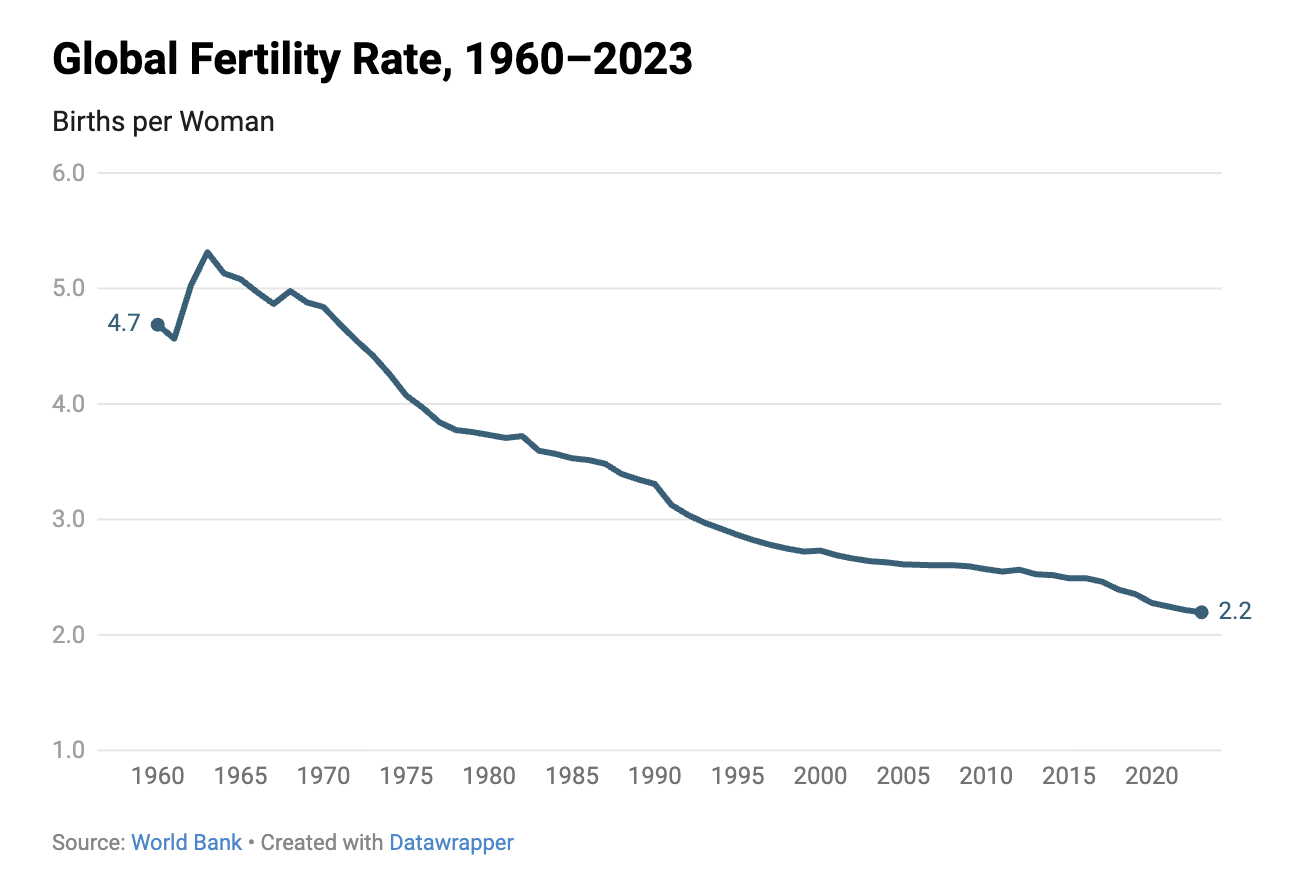 In July, the U.S. Census Bureau projected that the world’s population will reach 8.1 billion this year. Experts say that although the figure has grown from 3 billion in 1960, the number to watch is the pace of population growth.”
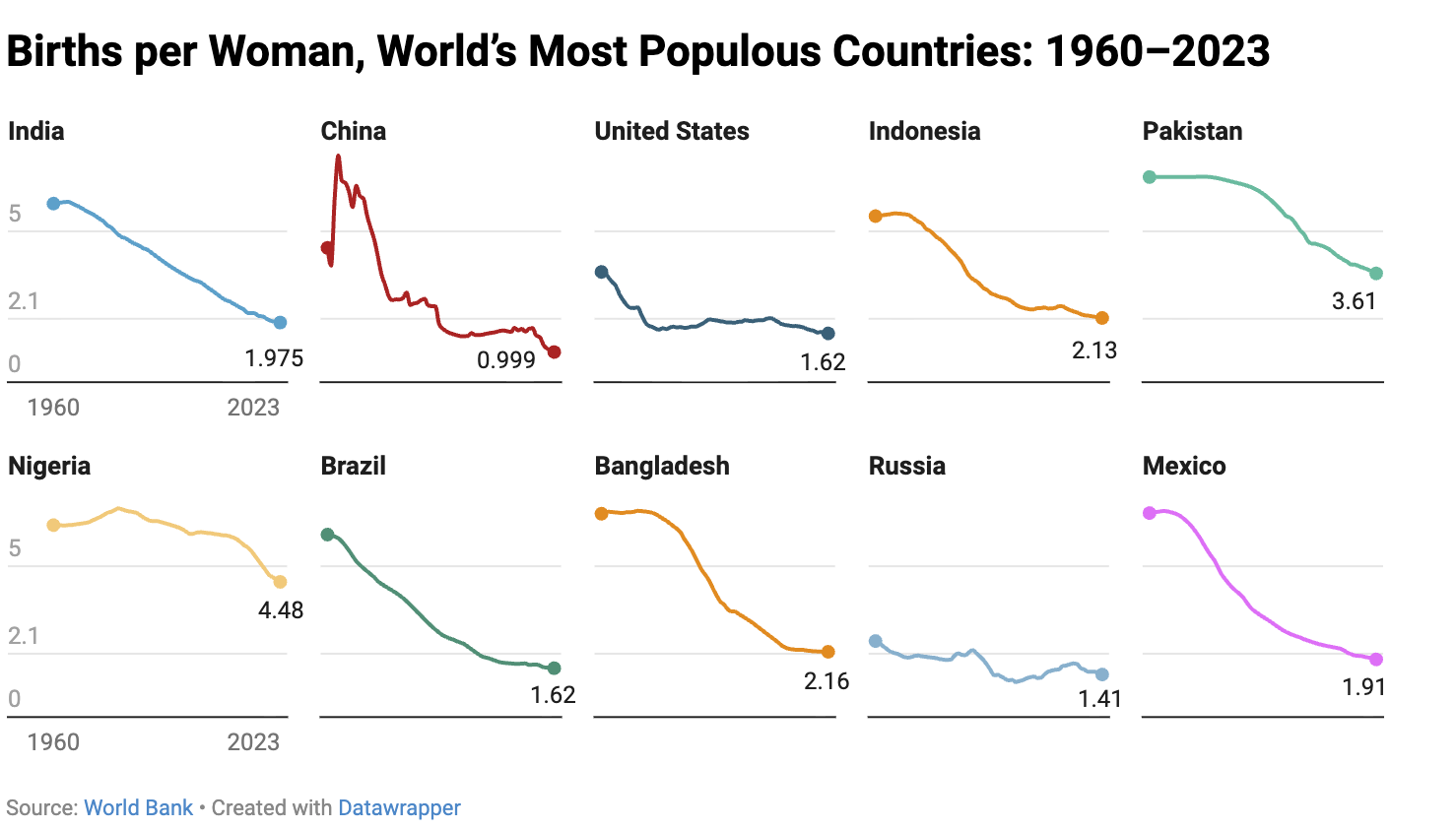 Asian and European countries have the lowest fertility rates in the world, and South Korea (0.72), Singapore (0.97), Ukraine (0.977), and China (0.999) all have rates below one. (
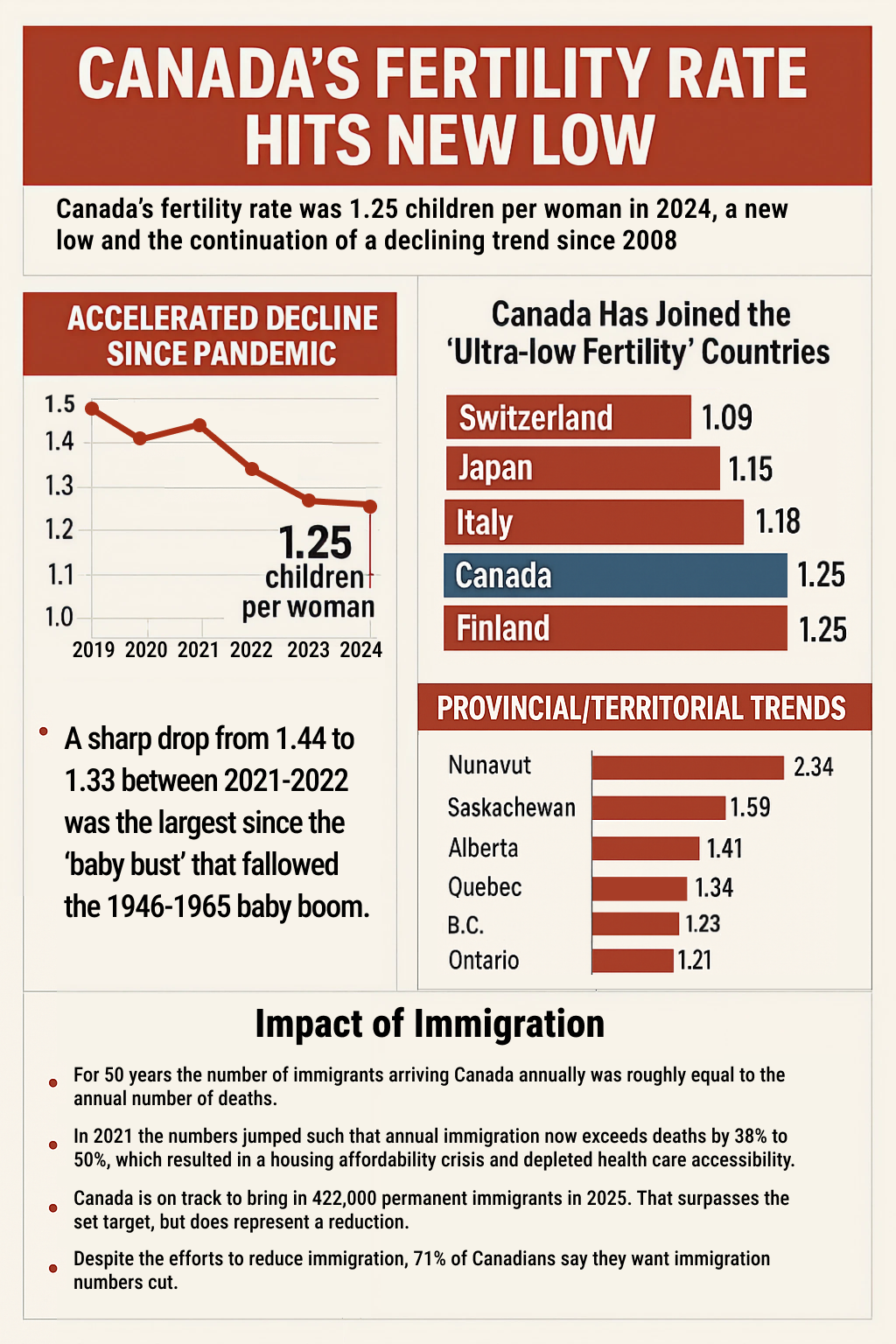 Source: Statistics Canada




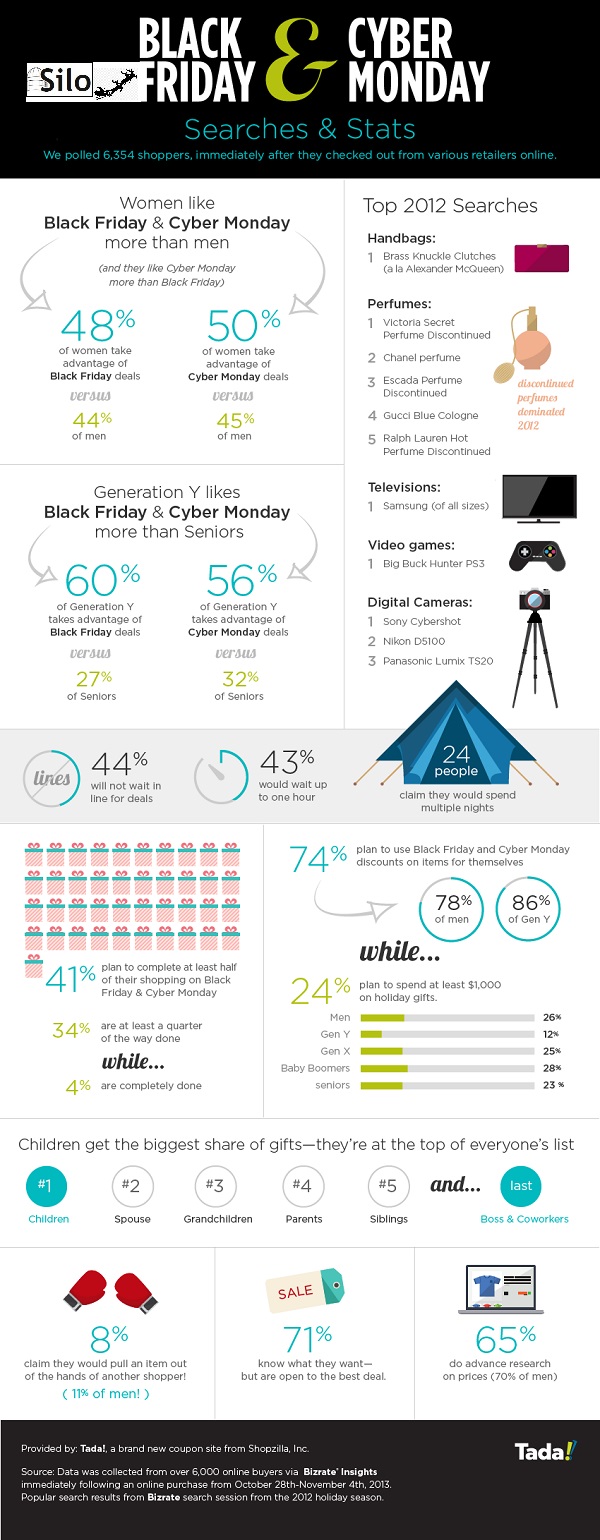






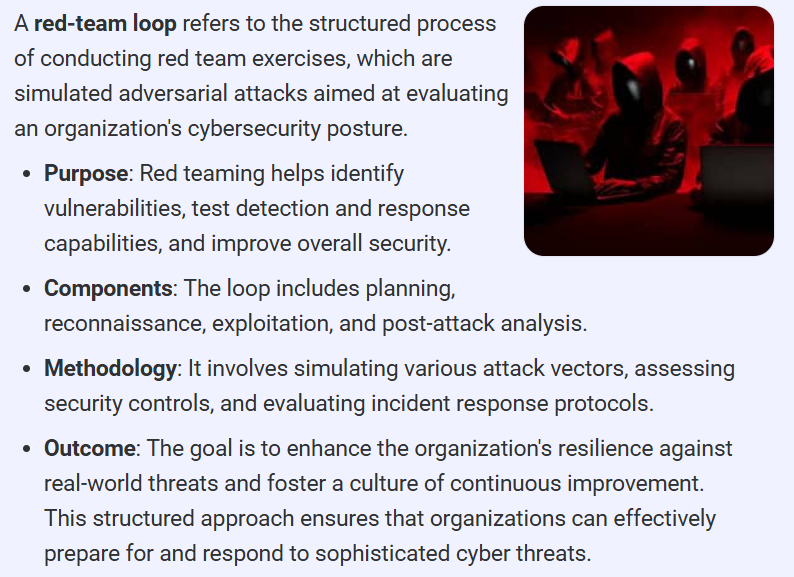


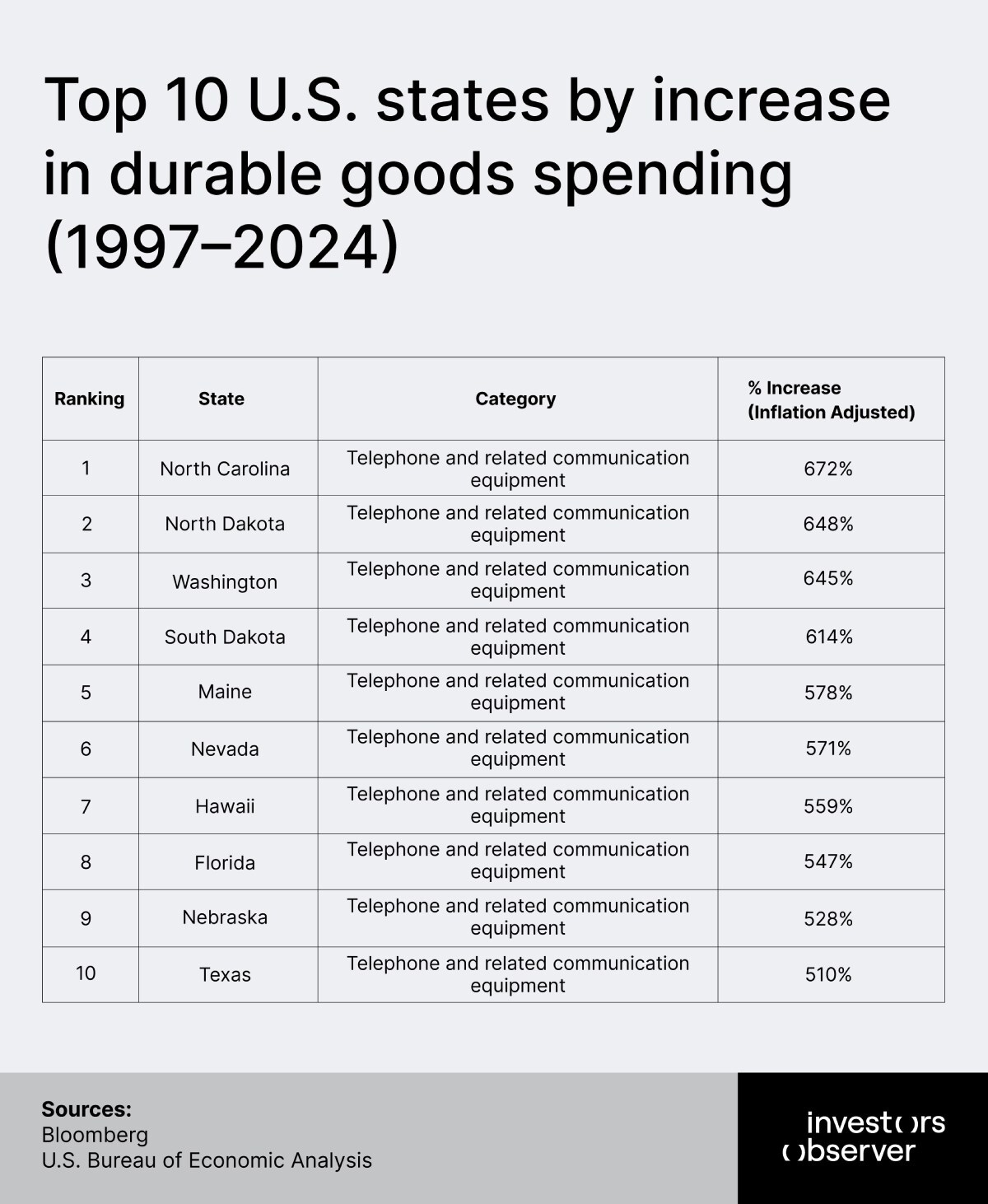








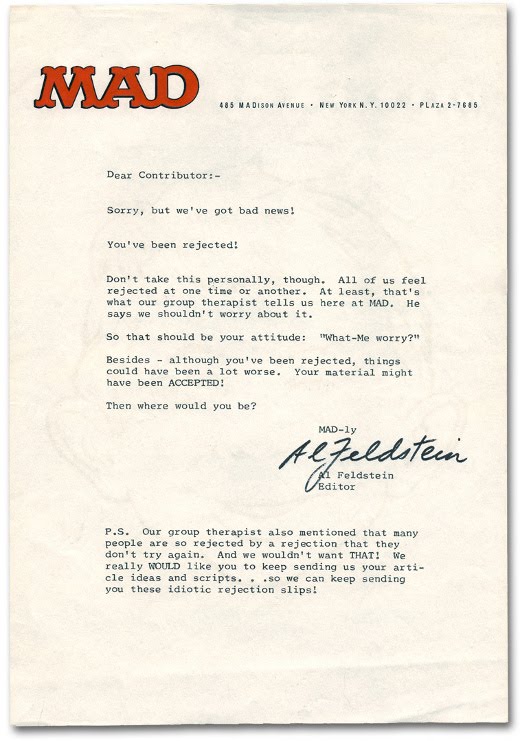 As an artist you will be the recipient of rejection letters and emails.



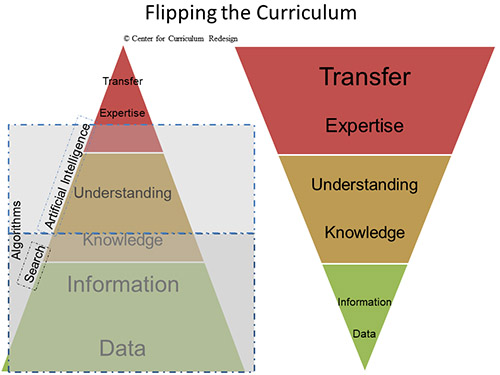



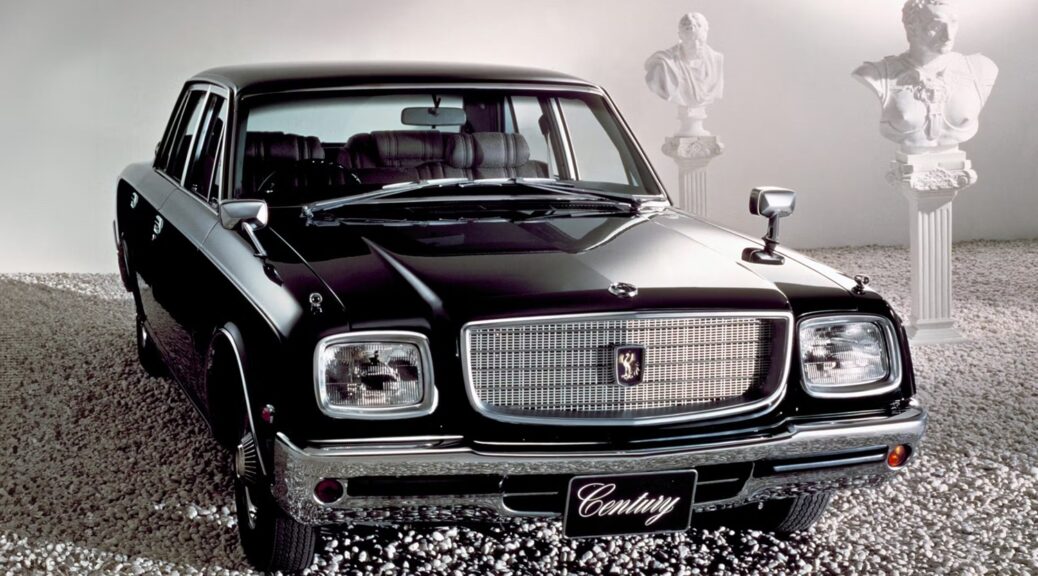






















 It’s been 44 years since Save the Manatee Club was created by Jimmy Buffett, the renowned singer/songwriter, and former Florida Governor and U.S. Senator, Bob Graham, to raise public awareness about the threats to manatees and their aquatic habitat. With support from you, we can continue to make a big difference.
 The manatee has been listed as an endangered species since 1966.
 Buchanan has previously written to the Fish and Wildlife Service to emphasize that any push to weaken protections for the manatee would be “misguided and premature.” In 2014, following a three-year period in which 1,600 manatees died of cold weather or red tide, Buchanan called on FWS to maintain federal protections for manatees.