Modern conveniences many take for granted — cell phones, laptops, GPS devices, even coffee makers — run on computer chips introduced by U.S. firms that established America’s leading role in technology. Trace the digital revolution, from its beginnings to the present day, with each groundbreaking advance.
How did these gains happen? Today’s technology emerged from U.S. support for research and development combined with America’s robust private sector, its scientific community, and its innovative spirit.
Bell Labs, a legendary research hub in New Jersey, began as a branch of the Western Electric Company, a subsidiary of the American Telephone and Telegraph Company (AT&T).
Founded in 1925 to meet a growing need for masscommunications, Bell Labs hired top engineers, physicists, chemists, and mathematicians to design and patent equipment (including a high-vacuum tube that transmitted telephone signals across North America).
Bell Labs encouraged interdisciplinary collaboration that produced groundbreaking discoveries. The labs were driven by scientific curiosity, flexible deadlines, and — thanks to AT&T’s budget — stable funding. Lab directors adopted a hands-off management style, and innovation flourished.
DID YOU KNOW?
In 1932, Bell Labs physicist Karl Jansky discovered radio waves coming from outer space. He’s known as the father of radio astronomy.
In the post-World War II period, Bell Labs’ Mervin Kelly assembled an all-star team of scientists to develop a replacement for the vacuum tube, which was bulky, fragile, and prone to burning out.
In 1947, John Bardeen and Walter Brattain — supervised by fellow physicist William Shockley — invented the point-contact transistor, a semiconductor device that amplifies sound and switches electrical currents on and off.
In 1948, Shockley designed the junction transistor, a more robust and reliable transistor. Its small size, low power consumption, and durability paved the way for computers, portable radios, cell phones, and other devices.
Eight years later, Bardeen, Brattain, and Shockley would be awarded the Nobel Prize in physics for this breakthrough.
DID YOU KNOW?
Bell Labs researchers have been awarded 10 Nobel Prizes in physics and chemistry, spanning from 1937 to 2023. While Bell Labs was at its most productive from the 1940s to the 1970s, important research continues today at its New Jersey headquarters.
Bell Labs continued to improve transistor technology during the 1950s, developing the silicon transistor and the metal-oxide-semiconductor field-effect transistor (MOSFET).
The MOSFET proved crucial for building high-density integrated circuits (ICs), or microchips, in the 1960s. Microchips — consisting of billions of tiny transistors crafted from semiconductor materials, commonly silicon — work together to power electronics.
Recognizing the potential for widespread impact and profits, Bell Labs created licensing agreements to share transistor technology with other companies.
In 1955, William Shockley left Bell Labs to establish Shockley Semiconductor Laboratory in Mountain View, California. Within a couple of years, some of his employees — engineers and scientists — formed their own company, Fairchild Semiconductor.
Fairchild is credited with the birth of Silicon Valley. The company became a major player in the growing semiconductor industry, and many Silicon Valley firms — including Intel (founded in 1968) and Apple (in 1976) — have ties to Fairchild alumni to this day.
As demand for semiconductors grew, so did the need for manufacturing capabilities.
Throughout the 1980s and 1990s, Japan, South Korea, and Taiwan became players in the industry, with Japanese companies like Toshiba and NEC influencing the data-storage market and South Korea’s Samsung and SK Hynix focusing on memory-chip production.
Meanwhile, the Taiwan Semiconductor Manufacturing Company (TSMC) upended a traditional business model of integrating chip design and manufacturing. It introduced the fabless-foundry model, encouraging firms to specialize in either design (fabless) or fabrication/manufacturing (foundry).
This increased efficiency. What’s more, it allowed many small firms — those lacking resources to open manufacturing plants — to design chips.
DID YOU KNOW?
The fabless-foundry business model democratized chip production, allowing startups to enter the market without the need for expensive manufacturing facilities.
Experts predict that quantum computing — with its ability to accelerate AI by overcoming limitations on data size, complexity, and processing speeds — will shape the future.
Quantum AI will develop algorithms that could advance pharmaceutical discoveries, predict financial outcomes, improve manufacturing, and bolster cybersecurity. Quantum/AI partnerships already comprise an active and developing market, with U.S. tech giants like IBM and Nvidia investing in both domains.
Industry leaders point to many factors that shape U.S. technological innovation. One such factor is the U.S. system of intellectual property protection, which fosters the spirit of risk-taking, says Walter Copan. (That system is enshrined in the U.S. Constitution, thanks to the foresight of America’s Founding Fathers.)
Sanjay Mehrotra cites the U.S. business culture of “openly, freely being able to debate ideas,” adding, “The best ideas win.”
Thomas Caulfield says, “This is where you can work hard, live your dream, become an entrepreneur, start a company.”
And Jon Gertner notes that key people at Bell Labs came from humble beginnings: “To me, that feels uniquely American — the idea that talent could rise from almost anywhere and shape the future of communications.”
It’s part of Silicon Valley lore that massive tech empires often sprouted from humble roots. As quantum computing and AI herald the next seismic shifts in technology, innovation hubs could emerge in unlikely places. Who knows? The next great U.S. tech companies might now be incubating in a town anywhere in America.
Over the past decade, Canadian math scores on the Program of International Student Assessment (PISA) and Trends in International Mathematics and Science Study (TIMSS) have declined in all provinces. Canadian fourth-grade students performed below the international average on nearly every benchmark level of math achievement on the 2023 TIMSS assessment.
Research shows early math achievement predicts later academic achievement and future earnings. Strong math skills are crucial for career sectors like technology, finance, and data science.
Canada’s declining math performance is an urgent national concern requiring immediate action by provincial governments.
This E-Brief via our friends at the C.D. Howe Institute outlines five recommendations to reverse Canada’s declining math scores: align math instruction with the science of learning; use assessments and data to drive improvement; strengthen provincial math curricula; improve teachers’ math knowledge; and appoint implementers committed to reform goals.
Introduction
Strong math skills are essential for careers that drive Canada’s economy, including technology, artificial intelligence, finance, and data science. To remain globally competitive and address long-term income gaps, improving math achievement among Canadian students must be a national priority.
The link between early math skills and later academic success is well established (Duncan et al. 2011; Siegler et al. 2012). Early math achievement also correlates positively with future career earnings. According to Werner et al. (2024), math achievement in childhood is a better predictor of adult earnings at age 30 than reading, health, or social-emotional skills. These effects were observed across all demographic groups.
Canada ranked in the top 10 in math on the 2022 PISA survey, an international OECD assessment of 15-year-olds. However, ranking near the top of a falling curve does not imply that all is well. Math achievement has been falling for well over a decade, beginning well before the COVID-19 pandemic. More Canadian students now struggle in math, fewer excel, and in several provinces, the decline is roughly equivalent to two or more years of schooling.
The OECD estimates that a 20-point drop on PISA roughly equates to about one year of learning (OECD 2023). Math scores in all provinces declined more than 20 points since 2003. Seven provinces experienced declines of over 40 points,1 representing approximately two years of lost learning, while the 58-point drop in Manitoba and Newfoundland and Labrador is close to three years.
In all provinces, the share of students below Level 2 on PISA increased since 2003, more than doubling in every province except Prince Edward Island and Quebec. Level 2 reflects the baseline level of mathematics proficiency to participate fully in society. Over the same period, the proportion of top performers declined in every province (OECD 2023; Richards 2025). In four provinces, at least 30 percent of students scored below Level 2 on the 2022 PISA test.2
The latest results from TIMSS3 have flown under the radar in Canada, but they should be another wake-up call. PISA and TIMSS assess different constructs. PISA focuses on mathematical literacy while TIMSS tests Grade 4 and Grade 8 students on curriculum-based academic skills (e.g., arithmetic, fractions, pre-algebra), which are essential for later math courses.
Students from Alberta, Manitoba, Newfoundland and Labrador, Ontario, and Quebec wrote the 2023 Grade 4 TIMSS assessment. While not all provinces participated, these jurisdictions educate well over half of Canada’s students. Results showed a clear downward trend since 2015, predating the COVID-19 pandemic: Canadian Grade 4 students scored below their peers in the United States, well below those in England, and significantly below top-performing countries like Singapore (Figure 1).
Even more alarming, Canadian fourth graders fell below the international median at nearly every benchmark level of math achievement (Table 1).
Provincial assessments tell a similar story. Ontario’s most recent EQAO tests show that 36 percent of Grade 3 students, 49 percent of Grade 6 students, and 42 percent of Grade 9 students are not meeting provincial standards in 2024-2025. Scores have remained stagnant over the last three years, despite provincial efforts to improve math performance (EQAO 2025).
Canada invests heavily in education, spending more per student than the OECD average (Figure 2), but higher education spending does not necessarily translate into better outcomes. Evidence suggests that cumulative expenditure per student between ages six and 15 improves PISA performance up to approximately US$100,000/ CAD $139,000, after which additional investment yields minimal measurable gains in student achievement (OECD 2024). For example, the cumulative spending per student between ages 6 and 15 in Canada is US$125,260/ CAD $173,848, yet Canadian 15-year-olds are outperformed by their Japanese counterparts, even though Japan spends approximately 14 percent less per student (OECD 2024). This suggests that increased funding alone cannot resolve educational performance gaps.
High-performing systems tend to strategically allocate resources toward evidence-based interventions, such as teacher quality improvements, rigorous curriculum design, standardized assessments, and targeted student support. For countries already spending above the threshold, including Canada, improving educational outcomes may require refocusing resources rather than increasing spending.
Evidence-based instructional strategies need to drive education investment decisions. This E-Brief outlines actionable policy recommendations to reverse the downward trend in Canada’s math performance and maximize returns on existing educational expenditure.
Align Math Instruction with the Science of Learning
Math Instruction Must be Grounded in High-quality Evidence
A major barrier to improving math outcomes in Canada is that many school math programs are not grounded in scientific evidence about how best to teach and learn math. Many popular math programs emphasize approaches such as inquiry-based or discovery-based learning,5 collaborative problem solving, or open-ended tasks.6 But a large body of research shows that problem-solving ability develops most effectively through explicit teacher-led instruction, which incorporates clear explanations, worked examples, purposeful practice, and feedback (Archer et al. 2011; Fuchs et al. 2021; Hughes et al. 2017; Stockard 2018; Sweller et al. 2010; Kirschner et al. 2006; Hartman et al. 2023; Guilmois et al. 2025).
As Andreas Schleicher, Director for Education and Skills at the OECD, has noted, PISA results reveal that teacher-directed instruction is a stronger predictor of achievement than student-oriented learning (Schleicher 2019). Recent analyses of PISA data from a sample of European countries found that student-oriented (or inquiry-based) instruction was negatively associated with PISA math achievement (Liu et al. 2024). Similar correlations have been observed in the 2010 Pan-Canadian Assessment Program (PCAP) data; the use of teacher-directed instruction was associated with better math performance, while indirect instruction was strongly associated with lower scores (CMEC 2012).
Explicit instruction benefits diverse groups of learners and is particularly critical for novice learners. Powell et al. (2025) describe systematic, explicit instruction as “the instructional approach that has amassed the strongest research base in mathematics, particularly when supporting students with mathematics disabilities or difficulties.” Hughes et al. (2017) identified five essential components of explicit instruction, based on the research literature:
Model: Teacher demonstrates key concepts clearly and concisely.
Break down concepts: Teach complex skills in manageable steps.
Fade support: Gradually reduce instructional guidance as students gain independence.
Respond and feedback: Provide frequent opportunities for student responses and feedback.
Practice: Create purposeful practice opportunities to build mastery.
Teacher professional development in math rarely focuses on explicit instruction. Some popular Canadian math programs even actively discourage teacher-led demonstrations, disparaging explicit instruction as “mimicking” (Boryga 2024). This disconnect between evidence and classroom practices undermines student success.
Provinces Must Set Evidence Standards
Most math programs and instructional approaches are marketed as “research-based,” but the term carries no specific criteria for what qualifies as credible evidence. In science, that phrase usually means rigorous, replicated evidence. In education, it can mean a survey, a case study, or an opinion dressed up as evidence. Without clear standards for what constitutes evidence, schools will continue to adopt programs unsupported by rigorous studies.
The What Works Clearinghouse practice guides published by the Institute of Educational Sciences (IES) identify, evaluate, and rate recommended instructional approaches (e.g., Fuchs et al. 2021; Gersten et al. 2009). High-quality research on effective math instruction has also been summarized by the National Math Advisory Panel (NMAP 2008) and Barak Rosenshine (Rosenshine 2012).
Provincial governments should set evidence standards, drawing on evidence syntheses such as the NMAP Final Report and IES practice guides, prioritizing randomized controlled trials and peer-reviewed studies that show measurable improvements in math achievement. Funding should be directed toward evidence-based programs.
Engage Science of Learning Experts in Math Reform
Cognitive scientists, behavioral scientists, and educational psychologists have warned about the limited use of evidence-based math instruction and persistence of pseudoscientific practices in math classrooms (e.g., Codding et al. 2023; Hartman et al. 2023). These experts offer underused insights about how students develop mathematical knowledge and skills. Provincial governments should actively engage them in setting evidence standards and ensuring that instructional programs align with the best available research on how children learn math.
Math Reform Lags Behind Reading Reform
Recent Right to Read Inquiry reports in Ontario, Saskatchewan, and Manitoba (Ontario Human Rights Commission 2022; Saskatchewan Human Rights Commission 2023; Manitoba Human Rights Commission 2025) found that existing practices ignored the abundance of research on how to best teach reading, known as the “science of reading.” In response, some Canadian provinces and school districts have begun to correct decades of damage done in reading instruction by aligning policies with this evidence (Timmons 2024; CBC Radio 2024; Macintosh 2025). Math has not received the same level of attention or urgency. Despite a strong body of rigorous research, there is limited awareness among educators about how students learn math most effectively. Unlike literacy, where students may gain incidental exposure at home (e.g., by parents reading aloud), many Canadian students are only exposed to meaningful math learning in classrooms, making evidence-aligned instruction even more critical.
Actionable recommendations
Set clear evidence standards for math programs, prioritizing randomized controlled trials and peer-reviewed studies that demonstrate measurable gains in math achievement.
Prioritize funding for math programs and professional development aligned with high-quality evidence.
Engage science of learning experts, such as those in cognitive science, behavioural science, and educational psychology, alongside experienced educators with a track record of effective math instruction, to guide evidence-based practices for teaching math.
Use Assessments and Data to Drive Improvement
Canada lacks clear, consistent measures of student progress in math. Without reliable data, schools cannot accurately diagnose problems early, intervene effectively, or determine whether students are on track in math. Provincial governments should prioritize two types of assessments: standardized tests and universal screening.
Provincial Standardized Testing
Standardized tests are typically given at the end of a term or school year to measure student achievement, monitor system performance, and ensure transparency.
Test scores from school-aged students are a good predictor of later academic outcomes, including post-secondary readiness and future earnings (DeChane et al. 2024). Access to reliable data allows education systems to focus on closing proficiency gaps early, thereby narrowing educational disparities later. Bergbauer et al. (2018) analyzed PISA microdata from over two million students across 59 countries, spanning six testing cycles from 2000 to 2015, and found that accountability systems using standardized tests to compare results across schools and students are associated with higher student achievement. In countries like Estonia and Portugal, standardized assessments have led to rising PISA outcomes and greater equity. In contrast, systems with limited standardized testing, such as Spain in the 1990s, struggled to identify and support struggling students, leading to greater inequality (Crato 2021).
Standardized tests provide critical information for teachers, parents, policymakers, and the public. They give parents a clear picture of their child’s academic progress so they can advocate effectively. They provide policymakers with reliable data to evaluate system effectiveness and target resources. It is standard practice in many countries to conduct annual standardized assessments, with aggregate results published by school districts, enabling transparency and accountability to the public, but it is uncommon in Canada.
Current testing is too infrequent, which hinders early intervention and accountability.7 Moreover, provincial assessments may lack diagnostic value. For example, Ontario’s EQAO assessments allow calculators, even for Grade 3 students, making it impossible to determine whether students have mastered basic arithmetic or learned math facts to automaticity.
Math Fact Fluency Matters
Basic arithmetic fluency is the foundation for later math success, yet many provincial assessments do not adequately determine whether students have mastered foundational skills. England addressed this by introducing mandatory multiplication tables checks for nine-year-old (Year Four) students, sending a clear signal that math fact fluency matters, and prompting schools to prioritize automaticity with math facts (Gibb 2025; Gibb and Peal 2025; UK Department for Education 2025).
The ability to recall math facts, like times tables, accurately and effortlessly from memory, is known as math fact fluency8 or automaticity. This is crucial since it reduces cognitive load, making it easier to tackle complex math problems that involve math facts (National Math Advisory Panel 2008; Hartman et al. 2023; McNeil et al. 2025). For example, when adding two fractions with denominators 6 and 8, math fact automaticity allows students to quickly produce 24 as the least common denominator. Students without math fact automaticity will struggle with fraction arithmetic.
Evidence-based methods for developing math fact fluency have been documented (for example, see Codding et al. 2011; Poncy et al. 2007, 2010 and 2015; and Stokke 2024 for an overview), but if reliable data is not being collected, schools may not devote sufficient resources to this critical skill or may fail to identify students who need support. A mandatory times tables check in primary school is a straightforward, high-impact policy.
Universal screening identifies students at risk of falling behind
While standardized tests provide system-level data, universal screeners are brief, timed assessments given two to three times per year. They are designed to quickly identify students who are behind so that evidence-based interventions can be used to provide remediation to ensure more equitable access to the core curriculum.
Provincial Human Rights Commission reports highlight the importance of universal screening for reading (Ontario Human Rights Commission 2022; Saskatchewan Human Rights Commission 2023; Manitoba Human Rights Commission 2025). Math requires the same urgency. Early studies found that when this kind of data is paired with effective math interventions, student math achievement improved (Fuchs et al., 1989; Fuchs et al., 1991; Allinder et al., 2000; Nelson et al. 2023). The IES practice guide on Response to Intervention recommends screening K-8 students in math twice per year using measures that are efficient (less than 20 minutes), reliable, and demonstrate predictive validity (Gersten et al. 2009). Using valid screeners is essential to accurately identify students at risk (VanDerHeyden et al. 2021; VanDerHeyden and Solomon 2023).
Screening alone is insufficient. Screening must be paired with intervention programs that incorporate evidence-based strategies, since ad hoc or “design your own” programs are unlikely to turn things around for struggling students.
Addressing Myths About Timed Activities
Concerns that timed assessments cause math anxiety are not supported by research. In fact, struggling with math has been identified as a factor in the development of math anxiety (Maki et al. 2024). Therefore, the best way to reduce math anxiety is to improve student achievement in math. Timed activities, such as low-stakes timed practice and timed retrieval practice, are essential for developing fluency. Timed activities are a key recommendation in the IES practice guide on evidence-based supports for struggling students, and there is strong evidence that they increase math achievement (Fuchs et al. 2021). Many timed activities and assessments are brief, and students tend to enjoy them.
Timed activities such as standardized tests and screening are essential to ensure students get the support they need. Standardized tests allow students to show what they have learned, and universal screeners are like academic “check-ups,” helping to catch problems early.
Actionable recommendations
Adopt a mandatory times tables check before the end of Grade 4.
Prohibit calculators on primary school provincial assessments.
Implement universal screening in math for all K-8 students using screening tools with demonstrated predictive validity.
Pair screening with evidence-based interventions.
Strengthen provincial standardized testing, implementing tests at key grades and tracking student progress over time.
Strengthen Provincial Math Curricula
Delays in Foundational Content are Holding Students Back
In a 2015 C.D. Howe Institute Commentary (Stokke 2015), I recommended that K-8 math curricula focus on concepts critical for later success in algebra and beyond. Most Canadian math curricula still delay foundational skills, leaving students behind their peers in other countries. When students build strong fluency early, they are better equipped to participate in advanced problem solving and mathematical reasoning.
Some provinces have made changes since 2015. Alberta’s 2023 revisions of the K-6 curriculum reinstated core concepts at appropriate grade levels. Ontario’s 2020 curriculum update requires recall of multiplication facts up to 12 x 12 by Grade 5. This is later than international benchmarks, and it is unclear whether fluency will improve since EQAO tests permit calculators. Manitoba and Saskatchewan also delay recall of multiplication facts (up to 10 x 10) until the end of Grade 5 and provide no accountability measures to ensure mastery. British Columbia’s 2016 curriculum is even worse, delaying or omitting key concepts entirely, and explicitly stating in the Grade 5 curriculum that “memorization of [math] facts is not intended” (Province of British Columbia, Ministry of Education, 2016). In contrast, the US Common Core and other international curricula expect students to achieve multiplication fact fluency by the end of Grade 3.
Fraction arithmetic is a strong predictor of later math achievement (Siegler et al. 2012), but is not taught in most Canadian provinces until Grades 7 or 8. This is two to three years behind the US Common Core State Standards, where students learn fraction arithmetic in Grades 4 and 5 (National Governors Association Center for Best Practices & Council of Chief State School Officers 2023). The NMAP stressed improving fraction fluency to improve algebra outcomes (NMAP 2008).
Delays in teaching foundational topics widen inequities by disproportionately harming disadvantaged students, whose families are less able to pay for private tutoring to compensate for gaps. Delays reduce practice time, leading to compounding knowledge gaps and lower success in advanced math.
The above table, based on recommendations from the NMAP final report and benchmarks from high-performing jurisdictions, serves as a guide for when key topics should be covered.
Actionable recommendations
Revise provincial math curricula to emphasize foundational topics at earlier grades, using the above table as a guideline.
Require automatic recall of basic math facts as an explicit learning outcome in provincial curricula where it is not currently mandated.
Curriculum changes alone are not enough. Without evidence-based math programs and accountability measures such as mandatory times tables checks, rigorous standardized assessments, and restrictions on calculator use in early grades, even strong curriculum outcomes will have limited impact on improving student achievement.
Strengthen Teacher Content Knowledge in Mathematics
To improve math outcomes for students, we must ensure they are taught by teachers with strong math knowledge. The most practical time to build this knowledge is during university, when teacher candidates complete coursework to prepare for their careers. We have a responsibility to future generations to make this investment now, before teachers enter the profession and impact students.
Math Teachers Need More than High School Math
A high school math background and pedagogy courses are not sufficient preparation for teaching K-8 math. Teachers need deep mathematical knowledge, extending beyond the content they are expected to teach, in order to anticipate misconceptions and prepare students for future math success (Ma 1999; Hill et al. 2005).
Since provincial governments certify teachers, they have a duty to ensure that teacher preparation meets minimum standards. Claims suggesting that teachers’ math knowledge is unimportant or negatively related to teaching effectiveness have been debunked (Barr et al. 2024).
Most Canadian provinces follow a generalist model in K-8, where teachers instruct all subjects, including math. In my 2015 Commentary, I recommended that provinces require K-8 teacher candidates to complete at least six credit hours in math content courses designed to give them a solid understanding of the math they will teach. I also recommended implementing math teacher licensure exams for K-8 teachers to ensure minimum proficiency, a recommendation recently echoed by the National Council on Teacher Quality (NCTQ) (Drake et al. 2025).
The NCTQ recommends that teacher candidates receive at least 105 instructional hours in math content and 45 hours of math pedagogy,9 which is equivalent to three to four university-level math content courses in Canada. Apart from Quebec, no Canadian province meets this expectation, and some are regressing.
Manitoba briefly required two math content courses for students entering teacher preparation programs after 2015, with the first affected cohort graduating in 2020, but eliminated the requirement in 2024 (Macintosh 2025). While intended to boost enrolment in teacher education programs, this decision comes at the expense of students taught by unprepared teachers.
The NCTQ also recommends that elementary teacher candidates pass a strong math licensure exam, covering four core math topics.10 Ontario has recently introduced a Mathematics Proficiency Test for teacher certification, effective February 2025 (EQAO, n.d.). Other provinces have yet to follow suit.
Actionable recommendations
Require a minimum of six credit hours in math content courses tailored to K-8 teachers, as part of licensing requirements.
Implement rigorous math licensure exams for K-8 teachers prior to certification.
Appoint Implementers Committed to the Reform Goals
Reform in math education cannot succeed when implementation is entrusted to individuals who oppose or misunderstand its goals. Policymakers in Canada may recognize the problems within the current system and propose promising solutions to improve math achievement. However, too often, reforms fail when implementation is led by individuals invested in maintaining the very system that needs fixing. For example, despite the Ontario government’s commitment to improving student achievement, improvement has been inadequate, prompting a newly announced external review (Ontario Ministry of Education 2025). To achieve meaningful and lasting improvements in math outcomes, leaders must stay engaged at every stage of the reform process. This includes carefully selecting implementers who are genuinely committed to the goals of reform, building coalitions of educators and stakeholders who support evidence-based practices, and establishing clear accountability measures to track progress and address resistance.
Conclusion
Improving math achievement in Canada requires both immediate action and long-term investments. Policymakers can implement high-impact, low-cost reforms immediately, such as introducing a mandatory times tables check and implementing universal math screening. At the same time, they can work to ensure math instruction aligns with evidence, improve provincial math curricula, and strengthen teacher certification standards.
Below is a summary of actionable recommendations for provincial policymakers and education leaders:
Use assessments and data to drive improvement
Adopt a mandatory times tables check by the end of Grade 4.
Prohibit calculators on primary school provincial assessments to ensure arithmetic fluency.
Implement universal screening in math for all K-8 students, paired with evidence-based interventions.
Strengthen provincial standardized testing by adding assessments at key grades and tracking student progress over time.
Align math instruction with the science of learning
Set clear evidence standards for math instructional programs, prioritizing randomized controlled trials and peer-reviewed studies showing measurable gains in math achievement.
Prioritize funding for math programs and professional development aligned with high-quality evidence.
Engage science of learning experts, such as those in cognitive science, behavioural science, educational psychology, as well as experienced educators with a track record of effective math instruction to guide evidence-based practices for teaching math.
Strengthen provincial math curricula
Revise math curricula to introduce foundational topics earlier, following benchmarks from the National Math Advisory Panel.
Require automatic recall of basic math facts as an explicit learning outcome in all provincial curricula.
Strengthen teacher content knowledge in math
Require a minimum of 6 credit hours in math content courses tailored to K-8 teachers, as part of licensing requirements.
Implement rigorous math licensure exams for K-8 teachers before certification.
Appoint implementers committed to the reform goals
Appoint committed implementers who support evidence-based practices to ensure policies are carried out as intended.
Better math education is crucial for Canada’s students, workforce, and economic future. The time to fix math instruction in Canada is now. With committed leadership, evidence-based policies, and meaningful action, provinces can reverse the decline and set students up for long-term success in mathematics.
The author thanks Colin Busby, Brian Poncy, Narad Rampersad, John Richards, Andrew Sharpe, Benjamin Solomon, Ross Stokke, Rosalie Wyonch, and Tingting Zhang for comments on an earlier draft. The author also thanks John Mighton and Nuno Crato for discussions and advice. The author retains responsibility for any errors and the views expressed.
Archer, Anita, and Charles A. Hughes. 2011. Explicit Instruction: Effective and Efficient Teaching. New York: Guilford Publications.
Barr, Darja, Jim Clark, James Currie, Payman Eskandari, Shakhawat Hossain, Narad Rampersad, Anna Stokke, Ross Stokke, and Matthew Wiersma. 2024. “Fact-checking Research Claims about Math Education in Manitoba.” Nonpartisan Education Review 20(2): 1–47.
Bergbauer, Annika, Eric Hanushek, and Ludger Woessman. 2018. “Testing.” NBER Working Paper 24836. Cambridge, MA: National Bureau of Economic Research. https://doi.org/10.3386/w24836.
Codding, Robin, Corey Peltier, and Jared Campbell. 2023. “Introducing the Science of Math.” Teaching Exceptional Children 56(1): 6-11. https://doi.org/10.1177/00400599221121721.
Codding, Robin, Matthew Burns, and Gracia Lukito. 2011. “Meta–Analysis of Mathematic Basic–Fact Fluency Interventions: A Component Analysis.” Learning Disabilities Research & Practice 26(1): 36-47.
Council of Ministers of Education (CMEC), Canada. 2012. PCAP-2010 Contextual Report on Student Achievement in Mathematics. Toronto: Council of Ministers of Education.
CMEC, Canada. 2023. Measuring Up: Canadian Results of the OECD PISA 2022 Study. Toronto: CMEC.
Crato, Nuno. 2021. “Setting up the Scene: Lessons Learned from PISA 2018 Statistics and Other International Student Assessments.” In Improving a Country’s Education, edited by Nuno Crato. Cham: Springer.
DeChane, Darrin, Takako Nomi, and Michael Podgursky. 2024. “College and Career Ready: How Well Does 8th Grade MAP Performance Predict Post-Secondary Educational Attainment?” CALDER Working Paper No. 300-0524.
Deans for Impact. 2015. The Science of Learning. Austin, TX: Deans for Impact.
Drake, Glenn, Russell Noble, and Heather Peske. 2025. Teacher Prep Review: Solving for Math Success. Washington, DC: National Council on Teacher Quality. April.
Duncan, Greg, and Katherine Magnuson. 2011. “The Nature and Impact of Early Achievement Skills, Attention Skills, and Behavior Problems.” In Whither Opportunity?: Rising Inequality, Schools, and Children’s Life Chances, 47–69.
Fuchs, Lynn, Douglas Fuchs, Carol Hamlett, and Pamela Stecker. (1991). “Effects of Curriculum-Based Measurement and Consultation on Teacher Planning and Student Achievement in Mathematics Operations.” American Educational Research Journal 28(3): 617-641. https://doi.org/10.3102/00028312028003617.
Fuchs, Lynn, Rebecca Newman-Gonchar, Rebecca Schumacher, Barbara Dougherty, Natalie Bucka, Karen Karp, John Woodward, Bradley Clarke, Nancy Jordan, Russell Gersten, Madhavi Jayanthi, Brenda Keating, and Sarah Morgan. 2021. “Assisting Students Struggling with Mathematics: Intervention in the Elementary Grades (WWC 2021006).” Washington, DC: National Center for Education Evaluation and Regional Assistance, Institute of Education Sciences, US Department of Education.
Gersten, Russell, Sybilla Beckman, Benjamin Clarke, Anne Foegen, Laurel Marsh, Jon Star, and Bradley Witzel. 2009. “Assisting Students Struggling with Mathematics: Response to Intervention (RtI) for Elementary and Middle Schools (NCEE 2009-4060).” Washington, DC: National Center for Education Evaluation and Regional Assistance, Institute of Education Sciences, US Department of Education.
Gibb, Nick. 2025. “From Decline to Top Rankings: How England Transformed Education with Nick Gibb.” Interview by Anna Stokke. Chalk & Talk (podcast). May 30. https://www.podbean.com/ew/pb-zps9p-18c1e97.
Gibb, Nick and Robert Peal. 2025. Reforming Lessons: Why English Schools Have Improved Since 2010 and How This Was Achieved. 1st ed. London: Routledge.
Guilmois, Celine, Tom Rohmer, and Maria Popa-Roch. 2025. “Learning basic mathematic skills in primary school: testing the effectiveness of socio-constructivist and explicit instruction.” School Effectiveness and School Improvement. https://doi.org/10.1080/09243453.2025.2536485.
Hartman, Judith, Sarah Hart, Eric Nelson, and Paul Kirschner. 2023. “Designing Mathematics Standards in Agreement with Science.” International Electronic Journal of Mathematics Education 18(3): em0739. https://doi.org/10.29333/iejme/13179.
Hill, Heather, Brian Rowan, and Deborah Ball. 2005. “Effects of Teachers’ Mathematical Knowledge for Teaching on Student Achievement.” American Educational Research Journal 42(2): 371–406. https://doi.org/10.3102/00028312042002371.
Hughes, Charles, Jared Morris, William Therrien, and Sarah Benson. 2017. “Explicit Instruction: Historical and Contemporary Contexts.” Learning Disabilities Research & Practice 32(4). https://doi.org/10.1111/ldrp.12142.
Kirschner, Paul, John Sweller, and Richard Clark. 2006. “Why Minimal Guidance During Instruction Does Not Work: An Analysis of the Failure of Constructivist, Discovery, Problem-Based, Experiential, and Inquiry-Based Teaching.” Educational Psychologist 41(2): 75 86. https://doi.org/10.1207/s15326985ep4102_1.
Liu, Xin, Kajsa Hansen, Valcke, Martin, and Jan Neve. 2024. “A Decade of PISA: Student-Perceived Instructional Quality and Mathematics Achievement across European Countries.” ZDM: The International Journal on Mathematics Education. https://doi.org/10.1007/s11858-024-01630-7.
Ma, Liping. 1999. Knowing and Teaching Elementary Mathematics: Teachers’ Understanding of Fundamental Mathematics in China and the United States. Mahwah, NJ: Lawrence Erlbaum Associates.
Maki, Kathrin, Anne Zaslosky, Robin Codding, and Breanne Woods. 2024. “Math Anxiety in Elementary Students: Examining the Role of Timing and Task Complexity.” Journal of School Psychology 106. https://doi.org/10.1016/j.jsp.2024.101316.
Mayer, Richard. 2017. “Educational Psychology’s Past and Future Contributions to the Science of Learning, Science of Instruction, and Science of Assessment.” Journal of Educational Psychology 110: 174-179. https://doi.org/10.1037/edu0000195.
McNeil, Nicole, Nancy Jordan, Amanda Viegut, and Daniel Ansari. 2025. “What the Science of Learning Teaches Us About Arithmetic Fluency.” Psychological Science in the Public Interest 26(1): 10–57. https://doi.org/10.1177/15291006241287726.
National Mathematics Advisory Panel (NMAP). 2008. Foundations for Success: The Final Report of the National Mathematics Advisory Panel. Jessup, MD: US Department of Education.
Nelson, Gena, Allyson J. Kiss, Robin S. Codding, Nicole M. McKevett, Johna F. Schmitt, Soyoung Park, Monica E. Romero and Jiyung Hwang. 2023. “Review of Curriculum-Based Measurement in Mathematics: An Update and Extension of the Literature.” Journal of School Psychology 97: 1-42. https://doi.org/10.1016/j.jsp.2022.12.001.
OECD. 2023. PISA 2022 Results: The State of Learning and Equity in Education. Vol. I. Paris: OECD Publishing.
Poncy, Brian, Erica McCallum, and Ara Schmitt. 2010. “A Comparison of Behavioral and Constructivist Interventions for Increasing Math-Fact Fluency in a Second-Grade Classroom.” Psychology in the Schools 47(9): 917–930.
Poncy, Brian, Chris Skinner, and Kimberly Jaspers. 2007. “Evaluating and Comparing Interventions Designed to Enhance Math Fact Accuracy and Fluency: Cover, Copy, and Compare versus Taped Problems.” Journal of Behavioral Education 16(1): 27–37.
Poncy, Brian, Kathryn Jaspers, Paul Hansmann, Levita Bui, and William Matthew. 2015. “A Comparison of Taped-Problems Interventions to Increase Math Fact Fluency: Does the Length of Time Delay Impact Student Learning Rates?” Journal of Applied School Psychology 31: 63–82. https://doi.org/10.1080/15377903.2014.963273.
Powell, Sarah, Elizabeth Hughes, Erica Lembke, Matthew Burns, Gena Nelson, Brian Poncy, Robin Codding, Ben Clarke, Corey Peltier, and Genesis Arizmendi. 2025. “The NCTM/CEC Position Statement on Teaching Mathematics to Students with Disabilities: What’s in It and What’s Not.” Research in Special Education 2. https://doi.org/10.25894/rise.2796.
Siegler, Robert, Greg Duncan, Pamela Davis-Kean, Kathryn Duckworth, Amy Claessens, Mimi Engel, Maria Ines Susperreguy, and Meichu Chen. 2012. “Early Predictors of High School Mathematics Achievement.” Psychological Science 23(7): 691–697.
Stockard, Jean, Timothy Wood, Cristy Coughlin, and Caitlin Rasplica Khoury. 2018. “The Effectiveness of Direct Instruction Curricula: A Meta-Analysis of a Half Century of Research.” Review of Educational Research 88(4): 479–507. https://doi.org/10.3102/0034654317751919.
Sweller, John, Richard Clark, and Paul Kirschner. 2010. “Teaching General Problem-Solving Skills Is Not a Substitute for, or a Viable Addition to, Teaching Mathematics.” Notices of the American Mathematical Society 57(10): 1303–1304.
Timmons, Kristy 2024. “Changes Are Coming to Ontario’s Kindergarten Program – What Parents and Caregivers Need to Know.” The Conversation, February 12.
VanDerHeyden, Amanda, Matthew Burns, Corey Peltier, and Robin Codding. 2021. “The Science of Math: The Importance of Mastery Measures and the Quest for a General Outcome Measure.” Communiqué 50(5).
VanDerheyden, Amanda, and Benjamin Solomon. 2023. “Valid Outcomes for Screening and Progress Monitoring: Fluency Is Superior to Accuracy in Curriculum-Based Measurement.” School Psychology. https://doi.org/10.1037/spq0000528.
von Davier, Matthias, Ann Kennedy, Katherine Reynolds, Bethany Fishbein, Lale Khorramdel, Charlotte Aldrich, Allison Bookbinder, Ummugul Bezirhan, and Liqun Yin. 2024. TIMSS 2023 International Results in Mathematics and Science. Boston College, TIMSS & PIRLS International Study Center. https://doi.org/10.6017/lse.tpisc.timss.rs6460.
Werner, Kevin, Gregory Acs, and Kristin Blagg. 2024. “Comparing the Long-Term Impacts of Different Child Well-Being Improvements.” Washington, DC: Urban Institute.
Modern science lacks a unifying, interdisciplinary theory of life. In other words, current theories are unable to explain why life is the way it is and not any other way.
Dr. David Grinspoon writes about Charley Lineweaver’s review of “Scientists Debate Gaia,” a collection of essays gathered from an American Geophysical Union conference and by the published by MIT press. Charles H. Lineweaver is a Senior Fellow at Australia National University’s Planetary Science Institute.
Gaia author James Lovelock
He explained that James Lovelock (shown) proposed the Gaia hypothesis, in which Earth is an organism or system capable of self-regulation. He wondered: Can the existence of life be recognized from the chemical composition of a planet’s atmosphere? What would the Earth be like now, if life had never evolved on it? Would there be oxygen in the air? Would the surface temperature be hot like Venus or cold like Mars? In the mid-60’s, NASA consulted James Lovelock to assist in developing instruments for the Viking spacecraft to detect life on Mars.
He concluded that it wasn’t necessary to send a spacecraft to Mars. All you needed was to determine the composition of the Martian atmosphere –- if life was there, the atmosphere should be in chemical disequilibrium as it is on Earth. Recent observations, have detected methane on Mars indicating life.
Determining what life is and how to recognize it is the Holy Grail of astrobiology. To make progress, we need to explore the Martian subsurface and analyze the atmospheres of the nearest terrestrial planets. Lovelock’s Gaian chemical equilibrium test for the presence of life is fundamental to these efforts. Both NASA and ESA are putting their astrobiological money into interferometric infrared spectroscopy to look for the traces of chemical disequilibrium in planetary atmospheres as the primary biomarker.
Don’t be fooled by your perspective- we all live on a rotating ball traveling through space!
Lovelock thought that terrestrial life didn’t just passively produce chemical disequilibrium. There seemed to be some element of control or regulation. In 1978, he published a book called “Gaia” that described how the entire biosphere behaves like a living creature suggesting our Earth is alive.
Gaian science and astrobiology have very similar programs. Astrobiologists look at the stars and ask “What has life done to the planets out there and how can we recognize it?” Gaian scientists have been looking at the Earth for decades asking “What has terrestrial life done to our planet and how can we recognize it?” Astrobiology and Gaian science often remain separate fields of inquiry. Astrobiology attracts mainly astronomers and biologists, while Gaian science attracts atmospheric chemists, geologists and concerned ecologists.
The thin Martian atmosphere is mainly composed of carbon dioxide. Planetary scientists have studied the atmosphere of Mars for any signs of gases such as methane that could be generated by life. In this collection, Gaian scientists believe that over the past four and a half billion years, the Sun’s luminosity has increased by about 30 percent, but the temperature of the Earth’s surface doesn’t seem to have followed in step. Lovelock hypothesized that the biosphere regulates the Earth’s surface temperature. There are two obvious ways to do this: Regulate the albedo (light reflected by the planet) and/or regulate the abundances of greenhouse gases in the atmosphere.
Lovelock invented the parable of Daisyworld to demonstrate that the biosphere could regulate the albedo. A nice Gaian extension of this idea is J. Scott Turner’s analysis of the thermo-regulation of termite colonies. So if a termite ecosystem can evolve to do it, why can’t a big one like the Earth? Thus, Gaia does what good scientific ideas are supposed to do. It extends and extrapolates a fundamental theory, from individuals to groups to ecosystems, up to the entire biosphere.
The central debate of this book is: How can Gaia (Earth) be selfish? How can it do anything “for” itself? Will it protect itself from human destruction of the environment by causing earthquakes, earth lights, an ice age, or a great flood?
Tyler Volk’s book “Gaia’s Body” “Gaia is Life in a Wasteworld of By-products.” He proposed that the atmosphere is one giant waste dump. Life produces wastes, and these wastes build up and affect the environment. They become intolerable for some forms of life, but then along come new forms of life who take advantage of these waste products. Volk’s point is that poop just happens. Thus the effects of the biosphere’s wastes are certainly “by” but not necessarily “for” the biosphere..
Volk suggests using cycling ratios to measure “by and for the biosphere” and to determine how beneficial for life something may be. A cycling ratio is the amount of an element cycling through the Earth and biosphere, divided by the amount that would be cycling through the Earth in the absence of life. Volk estimates the cycling ratio of carbon to be about 200 times more carbon flowing through the veins of Gaia than would be cycling through an Earth without life from plate tectonics and volcanism.
A collection of observations by the Earth Observing System flagship Terra were stitched together into a seamless true-color mosaic of every square kilometer (.386 square mile) of our planet.
Dorion Sagan and Jessica Hope Whiteside’s “Gradient Reduction Theory: Thermodynamics and the Purpose of Life” discussed the second law of thermodynamics as the purpose of life. Agnostics looking for purpose in their lives would do well to digest this chapter with Lovelock’s suggestion that agnostics worship Gaia to fill their religious vacuum. There is grandeur and universality in this thermodynamic view of life that can be applied to life anywhere in the universe.
I’d like to see Gaian scientists recognize that Gaia is part of a larger whole – that the Earth is not a closed system and that Gaia has a mother. We begin to wonder whether our Galaxy is a life form called Galactea. For the Silo, Jarrod Barker.
“It is a must read for any life form that is even pretending to look for extraterrestrial life. /
– See more at: http://www.astrobio.net/ Note: It’s logical Mother Earth or Gaia feels totally threatened by environmental abuse from Earth’s humans and that those humans who are not loving to Mother Earth may be removed.
Our friends at kommandostore talk about the Cold War on their site so often, it’s become one of their defining aesthetics…..and that’s a good thing- read on!
Grand armies and weapons are arguably less than half of the story.
Many of the cold war ‘battles’ from the 1950s through the 1990s took place in the minds and on the wrists of millions of people. Some might say they certainly still do…
Rogue media campaigns, protests & activism, black ops — they defined the hottest parts of the Cold War. But what if we told you that the watch you were wearing was just as important? The Soviet Union sure thought so…
Having gotten sucked into the almost endless lore rabbithole of watches, the first thing that kommandostore sought to bring back from obscurity was the Elektronika 55B — the soviet union’s most popular digital watch that went the way of… well, the Soviet Union… When it collapsed in ’91.
Above all else, there’s one story about this watch that truly stands on its own, a story that will make you realize that there is much more to this little watch that jovially plays chiptune soviet music…
It involves two of the most powerful men in the world, Leonid Brezhnev and Henry Kissinger convening and comparing their new digital watches.
Ok, they weren’t really wearing the watches in that photo, but such an encounter really did happen between the two gentlemen in the early 70s, one that subtly let the United States know that the Soviets were right on the US’s tail for semiconductor technology.
On a somewhat-routine visit to Moscow, US Secretary of State Henry Kissinger wore a Pulsar P2 Watch — one of the very first digital watches. Known for it’s striking red LED display and appearance on the wrist of none other than James bond.
It also carried a hefty price tag, with the 21k gold edition costing enough to buy you a car in today’s money.
You tell us, is $1800 usd/ $2,526 cad in today’s money worth it for one of the two base models?
The meeting was with Leonid Brezhnev, General Secretary of the Soviet Union. He remarked that he did indeed like Kissinger’s watch, being a man of taste.
Then he told Kissinger that the USSR had already developed a prototype using the very same technology.
Kissinger was reportedly astonished — and was presented with a functioning Soviet-Made digital wristwatch, the Elektronika B6-02. Featuring CMOS circuits, it was blocky, brutalist, and affordable enough for practically anyone to buy when it officially launched.
The whole Elektronika series carried this statement — the latest fancy tech of the west is cool, but when it’s done the soviet way, for way cheaper, it’s not a luxury to be worn by only the elites.
It didn’t take a horology enthusiast to buy and wear this watch. It’s Kalashnikov-esque ubiquity meant it was worn by everyone from party members to coal miners.
Sure, in 1969 we brought a luxury-watch masterpiece, the Omega Speedmaster, to the Moon before the Soviets were able to. But as a tool of propaganda, the USSR might have had us beat, and the Elektronika 5 appeared in space several more times…
We found it intriguing and somewhat disheartening that Elektronika, what seemed to be the people’s choice, was snuffed out much in the same time period as the Soviet union.
In a world full of Casios & Timexes, who can’t help but succumb to the charm of the plucky Elektronika, so why not give it the wrist time it deserves…because it is now available once again and this time in a near perfect reproduction right down to the packaging.
A 1:1 functional replica of the original Elektronika with 4 new Slav-approved “Melody” alarms. Sanctioned to the second-hand market (pun intended), thankfully kommandostore thought that the watch deserved a proper revival after its unceremonious disappearance following the collapse of the USSR.
Just like the original, it’s an affordable and reliable piece with just enough fun to get even the most uptight horologists asking you questions. But unlike the OGs, the sad truth of capitalism is that we’re slaves to supply and demand. They are running out fast, and even though there are plans to quickly continue production, there may be a slight gap. So, if you’re interested, this is kind of a last call.
Click the following link to place your order while supplies last.
Just over two decades ago in a small theater in Yelm, Washington a little film called What The Bleep Do We Know?!? screened to its first audiences and the term “I Create My Reality” was thrust into the collective consciousness. One of the themes explored is the idea that individuals have the power to create their own reality through their thoughts and intentions. This concept is illustrated through Amanda’s experiences and supported by discussions on the nature of consciousness and its potential influence on the physical world.
Since then countless films and books have extolled the wonders of quantum physics and how understanding the nature of reality could change your life, often in just 3 easy steps. I too thought it was easy, heck I made a movie about it! And for a while it was easy, until I realized that I had only scratched the surface of what “it” all means.
For sure, at a party I could rattle off the wonders of quantum this and quantum that, I could throw around words like entanglement and heady concepts like The Copenhagen Theory, I could wow you with the double slit like nobody’s business. But the truth was, it was really all just smoke and mirrors.
What did understanding quantum physics have to do with my happiness?
What did understanding the workings of the brain mean to my life, in reality, at least this reality, the one where I have kids and bills to pay? I mean it’s fun to dream about other dimensions and my life as electron popping in and out, but in the end I felt as though it was becoming mental masturbation an easy way to escape from the fact that even though I knew I wasn’t really touching that chair, that it is possible I wasn’t even real.
Betsy was one of the three filmmakers (along with Willliam Arntz and Mark Vicente) of What the Bleep Do We Know !?
What I was truly seeking was not the facts about how that chair manifested itself into my reality, but how I could be happy whether I had that chair or not.
Happiness has nothing to do with quarks and the discovery of the Higgs Boson was not going to bring me ever-lasting peace and joy. That I was going to have to find all on my own.
I began to explore the sacred cows, not only in my life, my beliefs about who I was and what I wanted, but also the sacred cows of spirituality, new thought and yes, quantum physics and how I could take all this knowledge and use it to create the happiness I sought, because after all, that is what we are all after. It is why we ask “why?”. It is why we explore the deepest depths of the quantum foam and so far quantum physics hasn’t found the happiness particle, because it doesn’t exist within the particles out there, it exists within the immeasurable particles within me.
Plastics that break down into particles as tiny as our DNA—small enough to be absorbed through our skin—are released into our environment at a rate of 82 million metric tons a year. These plastics, and the mix of chemicals they are made with, are now major contributors to disease, affecting the risk of afflictions ranging from cancer to hormonal issues.
Plastic pollution threatens everything from sea animals to human beings, a problem scientists, activists, business groups, and politicians are debating as they draft a global treaty to end plastic pollution. These negotiations have only highlighted the complexity of a threat that seems to pit economic growth and jobs against catastrophic damage to people and the planet.
Rapid growth in plastics didn’t begin until the 1950s, and since then, annual production has increased nearly 230-fold, according to two data sets processed by Our World in Data. More than 20 percent of plastic waste is mismanaged—ending up in our air, water, and soil.
Inescapable Problem
While plastic doesn’t biodegrade—at least not in a reasonable time frame—it does break down into ever smaller particles. We may no longer see it, but plastic constantly accumulates in our environment. These microscopic bits, known as microplastics and nanoplastics, can enter our bodies through what we eat, drink, and breathe.
Microplastics measure five millimeters or less. Nanoplastics are an invisible fraction of that size, down to one billionth of a meter or around the size of DNA.
While microplastics can be as small as a hair, they remain visible. Nanoplastics, however, are impossible to see without a microscope. (Illustration by The Epoch Times, Shutterstock)
Plastic pollution is a chemical remnant of petroleum with other chemicals added in to change the durability, elasticity, and color. PlastChem Project has cataloged more than 16,000 chemicals—4,200 considered highly hazardous, according to the initiative’s report issued in March.
The astounding level and types of plastics, many with unknown health effects, should be a wakeup call for everyone, says Erin Smith, vice president and head of plastic waste and business at the World Wildlife Fund (WWF).
“Plastic pollution is absolutely everywhere,” she said. “What’s hard right now is the body of science, trying to understand what the presence of plastic inside us means from a human health perspective, is still new.”
Ms. Smith said we may be waiting for the science to reveal the full scope of plastic’s biological effects, but one thing is certain: “We know it’s not good.”
Reproductive and Neurological Issues
Newer human health studies have shown plastic has far-reaching effects.
“The research is clear: Plastics cause disease, disability, and death. They cause premature birth, low birth weight, and stillbirth as well as leukemia, lymphoma, brain cancer, liver cancer, heart disease and stroke. Infants, children, pregnant women, and plastics workers are the people at greatest risk of these harms. These diseases result in annual economic costs of $1.2 trillion,” said Dr. Phil Landrigan, pediatrician and environmental health expert, in a Beyond Plastics news release in March.
Beyond Plastics, an advocacy group for policy change, warns that new research indicates plastic could be leading to an increased risk of heart disease, stroke, and death.
Successive studies have found microscopic plastic particles affect every system of our bodies and at every age.
Nearly 3,600 studies indexed by the Minderoo Foundation have detailed the effects of polymers and additives like plasticizers, flame retardants, bisphenols, and per- and polyfluoroalkyl substances. The vast majority of studies indicate plastics affect endocrine and metabolic function, the reproductive system, and contribute to mental, behavioral, and neurodevelopment issues.
One study published in Environmental Science & Technology looked at plastic food packaging from five countries and found hormone-disrupting chemicals were common.
“The prevalence of estrogenic compounds in plastics raises health concerns due to their potential to disrupt the endocrine system, which can, among others, result in developmental and reproductive issues, and an elevated risk of hormone-related cancers, such as breast and prostate cancer,” the authors noted.
Data mapped by Our World in Data shows national rates of per capita plastic pollution to the oceans. American individuals add about .01 kilograms (10 grams) of plastic waste to the world’s oceans each year. At 336,500,000 people today, that amounts to 3,311 tons or 7,418,555 pounds. (The Epoch Times)
The full scope of these chemical consequences is far from known. According to Minderoo, less than 30 percent of more than 1,500 plastics chemicals have been investigated for human health impacts. That includes the “substitution” chemicals used to replace additives that were restricted after being found problematic.
“All new plastic chemicals should be tested for safety before being introduced in consumer products, with ongoing post-introduction monitoring of their levels in human biospecimens and evaluation of health effects throughout the lives of individuals and across generations,” said professor Sarah Dunlop, Minderoo Foundation’s head of plastics and human health.
Absorbed Into Arteries and Skin
The relatively recent discovery that plastic particles can make their way into the human body through multiple methods has come with other unsetting insights. Microplastics and nanoplastics in human artery wall plaque were recently linked to a 350 percent increased risk of heart attack, stroke, and death.
Plastic pollution comes in all forms, from packaging and waste that clogs the Buckingham Canal in Chennai, India to plastic pellets from petrochemical companies that litter the ground in Ecaussinnes, Belgium. (R. SATISH BABU, Kenzo TRIBOUILLARD / AFP via Getty Images)
Published March 6 in the New England Journal of Medicine, the study followed 257 patients over 34 months. Among those involved in the study, 58.4 percent had polyethylene in carotid artery plaque and 12.1 percent had polyvinyl chloride.
Polyethylene is the most common plastic found in bottles and bags, including cereal box liners. Polyvinyl chloride, better known as PVC, is another common plastic, often used in medical and construction materials.
Besides finding entry through ingestion, polymers can also make their way into the bloodstream through our skin, according to another study published in April in Environment International. The findings, based on a human skin equivalent model, add to evidence that suggests that as plastics break down, it may be impossible for us to avoid absorbing them. Microscopic plastic has been found in our soil, water supply, air, and arctic ice.
Sweaty skin was found to be especially prone to absorbing the particles.
Once inside the body, plastic can mimic hormones, collect in arteries, and contribute to one of the most common disease pathologies today—an imbalance of free radicals and antioxidants known as oxidative stress.
Dr. Bradley Bale, a heart attack and stroke prevention specialist and co-author of “Beat The Heart Attack Gene,” says there’s plenty of evidence that plastic is causing oxidative stress.
“Plastics are ubiquitous on planet Earth,” Dr. Bale said. “You’re crazy to think you can eliminate your exposure to that. It would be next to impossible. But we can look at other issues that cause oxidative stress.”
Data processed by our Our World in Data shows the increase in plastic production in metric tonnes. (Illustration by The Epoch Times, Shutterstock)
Those other issues, including poor diet and other toxic exposures, may be resolved through lifestyle approaches, supplements, or avoidance.
Dr. Bale suspects future nanoplastics research will reveal a relationship between plastics exposure and early death, dementia, cancer, diabetes, and any disease impacted by oxidative stress.
How to Stop the Plastic Onslaught
Since cleaning up plastic is nearly impossible once it breaks down, advocacy groups are pushing for legislation that would reduce single-use products such as food wrappers, bottles, takeout containers, and bags—some of the most prolific and problematic plastics.
The United Nations Environment Programme, a global environmental decision-making body with representatives from all UN member states, decided in March 2022 that the plastics issue needed a coordinated response. It committed to fast-tracking a treaty meant to address the world’s growing plastic problem.
However, after holding the fourth of five sessions in late April in Canada, the group still hasn’t decided whether to identify problematic plastics or call for new plastic to be phased out or scaled back. The final meeting begins in late November with a treaty expected in 2025.
(Left) The secretariat of the Intergovernmental Negotiating Committee (INC) to Develop an International Legally Binding Instrument on Plastic Pollution consults on the dais during the closing plenary in Ottawa on April 30, 2024; (Center) Members of Greenpeace holds up placards during the discussions in Ottawa, Canada, on April 23, 2024.; (Right) Pro-plastic messaging was seen at hotels in Ottawa during the UN INC meetings. (IISD-ENB/Kiara Worth, DAVE CHAN/AFP via Getty Images)
Meanwhile, U.S. lawmakers are on a third attempt to gain Congressional consideration of the Break Free From Plastic Pollution Act. First introduced in 2020, it remains stuck in committee. Among the act’s proposals are reducing and banning some single-use plastics, creating grants for reusable and refillable products, requiring corporations to take responsibility for plastic pollution, and temporarily banning new plastic facilities until protections are established.
The Economics of Plastics
Plastics are important for many businesses and the plastics industry itself is significant and influential. However, plastics aren’t as profitable as one may expect. New plastic facilities often get subsidies and tax breaks that make plastics artificially cheap to produce. These financial supports have increased substantially in the past three years.
In addition to direct fossil fuel subsidies, the plastics and petrochemical industries benefit from grants, tax breaks, and incentives. Because of a lack of transparency, exact figures on subsidies are hard to come by, according to the Center for International Environmental Law. The group is urging the UN to ban certain subsidies, including any that would reduce the price of raw goods used to make plastic.
Some organizations question whether these incentives are beneficial to local economies and taxpayers as a whole.
The Environmental Integrity Project issued a report in March that found 64 percent of 50 plastic plants built or expanded in the United States since 2012 received nearly $9 billion in state and local subsidies. Unexpected events were common, including violations of air pollution permits among 42 plants and more than 1,200 accidents like fires and explosions. State-modified permits at 15 plants allowed for additional emissions that were often detected beyond the property line of the plants.
A case study report published June 2023 by the Ohio River Valley Institute examined the $6 billion Shell facility built in Beaver County, Pennsylvania to produce plastic pellets.
“Since the project’s inception, industry executives and government officials alike have argued that it would spur local economic growth and renewed business investment. Yet prosperity still has not arrived. Beaver County has seen a declining population, zero growth in GDP, zero growth in jobs, lackluster progress in reducing poverty, and zero growth in businesses—even when factoring in all the temporary construction workers at the site,” the report says.
The Shell Pennsylvania Petrochemicals Complex makes plastic from “cracking” natural gas in Beaver County, near Pittsburgh, PA. (Mark Dixon/Flickr)
Conflicted Solutions for a Plastic World
The Plastics Industry Association argues that plastic “makes the world a better place”—language it wants in the plastics treaty.
The association represents more than one million workers throughout the entire supply chain. A $468 billion industry, plastics are the sixth largest U.S. manufacturer, according to the association, which did not respond to media requests for an interview.
David Zaruk, a communications professor in Belgium with a doctorate in philosophy, said opposition to plastic is largely an attack on the fossil fuel industry—part of a larger “anti-capitalist political agenda.” The value of plastic on society, he said, is frequently understated.
He pointed to a 2024 study published in Environmental Science and Technology that concludes plastic is far more “sustainable” with lower greenhouse gas emissions than alternatives like paper, glass, and aluminum—many of which it was designed to replace. Arguments often overlook the environmental impact of alternatives, the study notes, and in some cases, there are no substitutions for plastic.
“This isn’t a recent revelation either. Academic scientists have said for years that plastic serves essential functions. Speaking specifically of short-lived plastic uses, a pair of supply chain experts argued in 2019 that ’some plastic packaging is necessary to prevent food waste and protect the environment.’ By the way, food waste produces roughly double the greenhouse emissions of plastic production,” Mr. Zaruk wrote recently on the Substack blog, Firebreak.
The Plastics Industry Association heavily promotes recycling and biodegradable plastics but critics say there are inherent problems with both.
Only 4 percent of plastic is recycled in the United States, while an equal amount ends up in rivers, oceans, and soil—breaking down into microplastics and nanoplastics that experts believe will persist for centuries.
The U.S. Plastics Pact—a collaboration of more than 100 businesses, nonprofit organizations, government agencies, and academic institutions initiated by The Recycling Partnership and World Wildlife Fund—identified 11 problematic plastics that its members aim to voluntarily eliminate by 2025. Members include major plastics users and the products are all finished items or components of plastics that either aren’t recycled or cause problems in the recycling system and could be eliminated or replaced.
While some major companies support the pact, the Plastics Industry Association has taken a dim view of the pact, describing it as an attempt to “tell others how to run their businesses by restricting their choices.”
The association says the best way to increase recycling is through education and innovation.
Recycled Mystery Chemicals
Unfortunately, recycling isn’t a perfect solution to the plastic problem. Recycled plastics present additional hazards because they are made from a blend of products and a more uncertain chemical makeup, according to Therese Karlsson, science advisor for the International Pollutants Elimination Network, a global consortium of public interest groups.
“We’ve looked a lot at recycled plastics. There you have a lot of different plastic materials that you don’t know what they contain and you combine that into a new plastic material that you have even less information about what it contains,” Ms. Karlsson. “As a consumer, you can’t look at a piece of plastic to figure out if it’s safe or not. We just don’t know, but we know a lot of the chemicals used in plastic are toxic.”
An IPEN investigation in April found plastic pellets recovered from recycling facilities in 24 countries had hundreds of toxic chemicals—including pesticides, industrial chemicals, pharmaceuticals, dyes, and fragrances.
“For our recycling technology, it just doesn’t work, and a lot of that ends up in landfills anyway,” said Ms. Smith from the WWF. “It shouldn’t require a decoder ring to decide what goes in that blue bin because everything should be designed for that system.” For the Silo, Amy Denny.
Little Changes Make a Big Difference
In the absence of government intervention, Ms. Smith said there are some easy tips consumers can take to limit their own plastic exposure:
Shop with reusable shopping bags.
Don’t use plastic in the microwave or dishwasher because heat can release additional polymers.
Buy metal or glass snack containers to replace sealable plastic bags.
Use beeswax cloth in place of plastic wrap.
Replace dryer sheets with wool balls.
Carry a refillable cup for water and coffee.
Consider reusable trash bags.
Use and carry metal straws, stir sticks, and/or reusable cutlery.
Don’t litter, and pick up trash you find outdoors.
TORONTO – Following restrictive sun exposure advice in countries with low solar intensity like Canada might in fact be harmful to your health, says the co-author of a new study on sunlight and vitamin D.
The published study Sunlight and Vitamin D: Necessary for Public Health by Carole Baggerly and several academic researchers, examines how organizations such as World Health Organization’s International Agency for Research on Cancer and the U.S. Surgeon General call for sun avoidance, but ignore the fact that cutting out sunshine will reduce vitamin D, an essential vitamin for bone health, and create probable harm for the general population.
“Humans have adapted to sun exposure over many thousands of years and derive numerous physiological benefits from UV exposure, in addition to vitamin D,” said Baggerly, executive director of Grassroots Health and breast cancer survivor.
“These benefits are in addition to those derived from vitamin D alone and cannot be replaced by vitamin D supplements and therefore sun avoidance being recommended by the US Surgeon General, the Canadian Cancer Society, the Canadian Dermatology Association and others, is unnecessarily putting Canadians at risk.”
From mercola.com -studies suggest we need more sunlight than currently recommended dosages
Vitamin D is an essential vitamin that enables calcium absorption and is critical for good bone health. Low levels are linked to bone conditions such as rickets in children and osteomalacia and osteoporosis in adults.
In Canada, vitamin D from sunlight can only be synthesized in the skin during the spring, summer and fall months, around midday, from 10 a.m. – 2 p.m., when the UV index is above three and your shadow is shorter than your height.
Statistics Canada reports that 12 million Canadians, or 35% of the population, have insufficient vitamin D levels, including 10% who are severely deficient, which sets them up for higher disease risk.
According to Dr. Reinhold Vieth, Scientific Advisor for the Canadian Vitamin D Consensus and professor at the University of Toronto in the Department of Laboratory Medicine and Pathobiology, “If organizations warn people to stay out of the sun, then they should also let people know that they will not be producing vitamin D. Both the risks and benefits of UV exposure need to be addressed in the best interest of health. Unfortunately, the message Canadians keep hearing lately is that there is no benefit to being in the sun. The paper by Baggerly et al presents a clear case that good overall health does correlate with spending time in the sun.”
A group comprised of the Multiple Sclerosis Society of Canada, Vitamin D Society and Pure North S’Energy Foundation, have endorsed a draft Canadian Vitamin D Consensus which recommends that Canadians enjoying the sun safely, while taking care not to burn, can acquire the benefits of vitamin D without unduly raising the risk of skin cancer.
Vitamin D deficiency is an indication of sunlight deficiency.
“People today work less outdoors and spend less time outdoors than at any previous time in history, which is why vitamin D deficiency is rising globally. In addition, when people are outside, many use sunscreens, which can significantly prevent the production of vitamin D in the skin,” said Dr. Vieth. “With increasing amounts of evidence suggesting that vitamin D may protect against cancer, heart disease, diabetes, multiple sclerosis and other chronic diseases, it’s more important than ever to examine this issue more closely.”
Learn more at sciencedaily.com
“We urge public health entities to re-evaluate their current sun exposure policies and recommend UV exposure levels that promote a balanced, moderate approach that are both beneficial and safe,” said Baggerly.
About the Vitamin D Society:
The Vitamin D Society is a Canadian non-profit group organized to increase awareness of the many health conditions strongly linked to vitamin D deficiency; encourage people to be proactive in protecting their health and have their vitamin D levels tested annually; and help fund valuable vitamin D research. The Vitamin D Society recommends people achieve and maintain optimal 25(OH)D blood levels between 100 – 150 nmol/L (Can) or 40-60 ng/ml (USA).
Whether you are a fan of comic books or not, this is an entertaining TED talk and here is why: it expounds the process of thought and observational connectivity in science and in the arts. Uh- what does that mean? In simpler terms, this short TED lecture explains how a scientific mind operates in the arts.
Narrator Scott McCloud is the son of a blind genius.
His Father was a rocket scientist and inventor for the US defense industry and his siblings are all working in the Sciences. Scott on the other hand, is a comic book artist.
At the start of his TED talk, Scott refers to his Father and explains that the ‘apple’ really doesn’t fall that far from the ‘tree’- it’s tough to fight genetics. He came to realize that working in Comic Books is actually not that different from working in Science and that our contemporary understanding of how we define art and understand media is wrong. It is, he says, one of interrelated connectivity based on thought and observation. In other words- Variantology.
Scott McCloud. Comic creator and Variantologist.
This is a short lecture weighing in at a little over 17 minutes. Scott does an artful job of breaking down the ‘modus operandi’ of curious minds. He summarizes insight using a K.I.S.S. quadrant grid that shows that our processes of thought are indeed interrelated. Using a four-sectioned pyramid, he helps rearrange and reuse a mathematical formula- illustrating how the Classicist, the Formalist, the Animist and the Iconoclast are all just parts of the same formula of human experience and thought. As in scientific investigation and theorizing, creativity in the arts is powered by human experience and thought.
Things worth remembering.
Scott offers a “quick bake” recipe for meaningful results: Learn from everyone. Follow no one. Watch for patterns. Work like Hell. For the Silo, Jarrod Barker
Transcending time, transcending linear thought, transcending singularity. The ‘comic strip’ panel has been used throughout the ages- it’s a mystic form of communication.
When the Earth, Moon, and Sun line up in space, we can see an eclipse. NASA studies eclipses from the ground, in our atmosphere, and in space, influencing solar, planetary, and Earth science.
Today on April 8, the Moon’s shadow will sweep across the United States and Canada, as millions will view a total solar eclipse. For many, preparing for this event brings memories of the magnificent total solar eclipse on Aug. 21, 2017.
The total solar eclipse on Aug. 21, 2017, was photographed from Madras, Oregon. The black circle in the middle is the Moon. Surrounding it are white streams of light belonging to the Sun’s outer atmosphere, called the corona.
NASA/Aubrey Gemignani
In 2017, an estimated 215 million U.S. and Canadian adults (88% of U.S. adults) viewed the solar eclipse, either directly or electronically. They experienced the Moon pass in front of the Sun, blocking part or all of our closest star’s bright face. The eclipse in 2024 could be even more exciting due to differences in the path, timing, and scientific research.
Wider, More Populated Path
The path of totality – where viewers can see the Moon totally block the Sun, revealing the star’s outer atmosphere, called the corona – is much wider during the upcoming total solar eclipse than it was during the eclipse in 2017 and is expected to occur for viewers along the Great Lakes at 3:33pm EDT. As the Moon orbits Earth, its distance from our planet varies. During the 2017 total solar eclipse, the Moon was a little bit farther away from Earth than it will be during the upcoming total solar eclipse, causing the path of that eclipse to be a little skinnier. In 2017, the path ranged from about 62 to 71 miles wide. During the April eclipse, the path over North America will range between 108 and 122 miles wide – meaning at any given moment, this eclipse covers more ground.
The 2024 eclipse path will also pass over more cities and densely populated areas than the 2017 path did. This will make it easier for more people to see totality. An estimated 31.6 million people live in the path of totality this year, compared to 12 million in 2017. An additional 150 million people live within 200 miles of the path of totality.
This map shows the path of the 2017 total solar eclipse, crossing from Oregon to South Carolina, and the 2024 total solar eclipse, crossing from Mexico into Texas, up to Maine, and exiting over Canada.To see a map showing which areas will experience the partial solar eclipse and which areas will experience the total solar eclipse today April 8, 2024, click the arrows.Ernest Wright/NASA’s Scientific Visualization StudioThis map illustrates the paths of the Moon’s shadow across the U.S. during the 2024 total solar eclipse. Today April 8, 2024, a total solar eclipse will cross North and Central America creating a path of totality. During a total solar eclipse, the Moon completely blocks the Sun while it passes between the Sun and Earth. The sky will darken as if it were dawn or dusk and those standing in the path of totality may see the Sun’s outer atmosphere (the corona) if weather permits.To see a map comparing the 2024 eclipse and the 2017 eclipse paths, click the arrows.NASA/Scientific Visualization Studio/Michala Garrison; Eclipse Calculations By Ernie Wright, NASA Goddard Space Flight Center
You don’t need to live within the path of totality to see the eclipse – in April, 99% of people who reside in the United States will be able to see the partial or total eclipse from where they live. Every contiguous U.S. state, plus parts of Alaska and Hawaii, will experience at least a partial solar eclipse.
Longer Time in Totality
Today, totality will last longer than it did in 2017. Seven years ago, the longest period of totality was experienced near Carbondale, Illinois, at 2 minutes, 42 seconds.
For the upcoming eclipse, totality will last up to 4 minutes, 28 seconds, in an area about 25 minutes northwest of Torreón, Mexico. As the eclipse enters Texas, totality will last about 4 minutes, 26 seconds at the center of the eclipse’s path. Durations longer than 4 minutes stretch as far north as Economy, Indiana. Even as the eclipse exits the U.S. and enters Canada, the eclipse will last up to 3 minutes, 21 seconds.
During any total solar eclipse, totality lasts the longest near the center of the path, widthwise, and decreases toward the edge. But those seeking totality shouldn’t worry that they need to be exactly at the center. The time in totality falls off pretty slowly until you get close to the edge.
Heightened Solar Activity
NASA/ESA’s Solar and Heliospheric Observatory (SOHO) captured this video of a coronal mass ejection on March 13, 2023.NASA/ESA/SOHOSome prominences are seen as the Moon begins to move off the Sun during the total solar eclipse on Monday, Aug. 21, 2017, above Madras, Oregon.NASA/Aubrey Gemignani
Every 11 years or so, the Sun’s magnetic field flips, causing a cycle of increasing then decreasing solar activity. During solar minimum, there are fewer giant eruptions from the Sun, such as solar flares and coronal mass ejections. But during solar maximum, the Sun becomes more active.
In 2017, the Sun was nearing solar minimum. Viewers of the total eclipse could see the breathtaking corona – but since the Sun was quiet, streamers flowing into the solar atmosphere were restricted to just the equatorial regions of the star. The Sun is more magnetically symmetrical during solar minimum, causing this simpler appearance. During today’s 2024 eclipse, the Sun will be in or near solar maximum, when the magnetic field is more like a tangled hairball. Streamers will likely be visible throughout the corona. In addition to that, viewers will have a better chance to see prominences – which appear as bright, pink curls or loops coming off the Sun.
With lucky timing, there could even be a chance to see a coronal mass ejection – a large eruption of solar material – during the eclipse.
Expanded Scientific Research
The third rocket launched on Oct. 14, 2023, during the annular solar eclipse leaves the launch pad.
WSMR Army Photo
During the total eclipse in 2024, NASA is funding several research initiatives that build on research done during the 2017 eclipse. The projects, which are led by researchers at different academic institutions, will study the Sun and its influence on Earth with a variety of instruments, including cameras aboard high-altitude research planes, ham radios, and more. In addition to those projects, instruments that were launched during the 2023 annular solar eclipse on three sounding rockets will again be launched during the upcoming total solar eclipse.
Two spacecraft designed to study the Sun’s corona – NASA’s Parker Solar Probe and ESA (European Space Agency) and NASA’s Solar Orbiter – have also launched since the 2017 solar eclipse. These missions will provide insights from the corona itself, while viewers on Earth see it with their own eyes, providing an exciting opportunity to combine and compare viewpoints.
To learn more about the 2024 total solar eclipse and how you can safely watch it, visit NASA’s eclipse website.
The honorable Paul Hellyer (dec. August 2021), Canada’s former Minister of Defense, Aeronautical Engineer and Pilot appeared on Russian TV about a decade ago with Sophie Shevardnadze to discuss extraterrestrials and UFOs.
“We have a long history of UFOs and of course there has been a lot more activity in the last few decades since we invented the atomic bomb.” he said.
Hellyer has stated that “UFOs are as real as the airplanes that fly over your head.”
Former Minister of Defence for Canada Paul Hellyer
Shevardnadze asks Hellyer, “Why do you say that UFOs are as real as airplanes flying over our heads?” Hellyer responds, “Because I know that they are. As a matter of fact, they’ve been visiting our planet for thousands of years.”
Hellyer claims that UFOs have been downed by military action, and alien technology has been harnessed by Earthlings.
He stated that, as far as technology is concerned, they are light years ahead of us, and we have learned a lot of things from them. A lot of the things we use today we got from them, you know – led lights and microchips and Kevlar vests and all sorts things that we got from their technology and we could get a lot more too, especially in the fields of medicine and agriculture if we would go about it peacefully.
But, I think, maybe some of our people are more interested in getting the military technology, and I think that’s wrong-headed, and that’s one of the things that we are going to have to change, because we’re going to have to work together, all of us, everywhere on the planet.
Shevardnadze asks Hellyer if shooting down these UFOs is risking an interstellar war, and, if so, “should we be creating a Star Wars force (President Trump created the United States Space Force while in office) to defend ourselves from possible invasion or something like that?” Hellyer responds, “I think it’s a possibility, but it’s a possibility especially if we shoot down every UFO that comes into our airspace without asking who they are and what they want. Right from the beginning we started scrambling planes, trying to shoot them down, but their technology was superior enough that we weren’t able to get away with it, certainly not for a long while.
During that period of time they could have taken us over without any trouble if they wanted to, so I think, rather than developing our own Star Wars to protect ourselves against them, we should work with the benign species that are of a vast majority and work together, and rely largely on them, of course, and cooperate, so that we would be contributing something at the same time; I don’t think there’s any point in us developing a galactic force that would tempt us to ride on our own and get into mischief.”
Mr. Hellyer being interviewed on Russian Television.
“We spend too much money on military expenditures and not enough on feeding the poor and looking after the homeless and sick,’ he said.
‘They would like to work with us and teach us better ways but only, I think, with our consent. They don’t think we are good stewards of our planet.
‘We are clear-cutting forests and polluting our rivers and our lakes. We are dumping sewage in the oceans. We are doing all sorts of things which are not what good stewards should be doing and they don’t like that.’
‘Our future as a species, and here I mean all of the species in the world, is potentially at risk if we don’t figure what’s going on and work together to try and make life more amenable for all of us, and to work with our neighbors from other planets as well.’
Aliens are also responsible for some of our modern technology including the microchip, LED light and Kevlar vest, he said.
Hellyer said there has been a lot more activity with aliens in the last few decades since we invented the atomic bomb.
One of the technological advances that humans have aliens to thank for are Kevlar vests. Hellyer described one group as ‘Short Greys’ who have very slim arms and legs and are about five feet high with large heads.
While Hellyer said he has never met an alien, but has seen a UFO near his cabin on Ontario’s Lake Muskoka.
Hellyer described several types of aliens including ‘Tall Whites’ who are working with the U.S. air force in Nevada. ‘They’re able to get away with that; they had a couple of their ladies dressed as nuns go into Las Vegas to shop and they weren’t detected,’ he claimed.
Another group of aliens are called ‘Short Greys’ who have very slim arms and legs and are about five feet high with large heads. A third group are called ‘Nordic Blondes’ and Hellyer said that if you meet one you’d probably say, ‘I wonder if she’s from Denmark or somewhere.’ For the Silo, George Filer.
It’s the 9th anniversary of China’s 2014 Moon landing and it deserves special attention. Many Westerners are unaware of their impressive accomplishment because for the most part it was not reported in the mainstream media. Even now, getting information on China’s mission is challenging and the reports that are readily available seem to be from non-Western sources such as Al-Jazeera or in the case of the following video: WION- India’s self proclaimed “first world news network”.
Something else you may be unaware of
Tiangong, officially the Tiangong space station, is a permanently crewed space station constructed by China and operated by China Manned Space Agency in low Earth orbit between 340 and 450 km above the surface. wikipedia
Should we be surprised that these nations are eager to distribute their news and accomplishments? China and India are the main rivals to the United States in terms of Space launches and exploration and if they are ahead of the West then chances are no one here wants to run headlines emphasizing this fact.
The politicization of space is not a new concept.
Shortly after the end of World War 2, Russia and America (using captured Nazi German rockets and scientists) relied on their own geniuses such as Sergei Korolev and Katherine Johnson in a heated race to enter space and to push forward with the goal of landing a man on the Moon. President Lyndon Johnson called this “the ultimate high ground“. Russia did not succeed in a manned Moon landing but they did successfully land an advanced Rover which was controlled from the Earth by a team of operators. Clearly the Moon is an important place to visit even at incredible risk and financial cost.
What compelled China to show up decades later than the USA?
"It was confirmed as a new mineral by voting by the New Mineral Classification and Nomenclature Committee (CNMNC) of the International Mineralogical Association (IMA). This mineral is the sixth new mineral discovered by humans on the moon."
What can we expect next? China is planning a crewed landing. America is planning a crewed landing. It’s a brand new space race. For the Silo, Neil Corman.
Desrocher’s Whitehorse- a very nice folk art piece acquired by the author.
What is folk art? Any precise definition of art is by nature a slippery process and open to question.
“Folk art” is a term applied to diverse objects, like a highly organized Mennonite fracture drawing which expresses a collective, ethically based decorative tradition. Yet it is also applied to the more individualistic outpourings of any untrained painter, sculptor or other art practitioner.
Folk art is usually one step beyond the mundane. Not just a container to bring water to the mouth for survival (cupped hands for example), but instead a cup lovingly fashioned to bring pleasure or attract notice even when it is not being used, such as an intricately carved canoe cup.
On another level we can simply say that folk art is the art of ordinary people. It is sometimes called “primitive art” or “the people’s art” because by definition the artist has not been academically trained.
Folk art is made for one or more of three reasons: to share beliefs and traditions, to make some useful object beautiful, or to express one’s feelings.
Folk art, by definition has been produced and appreciated since cavemen and women started smearing blood and feces on cave walls, but the academic study of folk art is a relatively new thing. An English writer named William John Thomas first coined the phrase “folk lore” in 1848. At the time most anthropologists considered folklore to be worthless peasant creations. They were more interested in studying artifacts such as weapons and tools. It was through popularized folk tales by the likes of the Brothers Grimm that peasant traditions and art forms became interesting to the intellectual class.
I would argue that folk art did not show up on the radar of fine art institutions until around the turn of the century in Paris when Pablo (Picasso) and the boys flipped-out over the African art they saw for the first time, and started producing what today is called modern art. This led to a wider acceptance of all forms of art.
Folk art has become increasingly popular and more frequently studied in Canada, beginning in earnest after Expo ’67 gave us a greater appreciation of who we are as a nation. For the Silo, Phil Ross.
Featured image- Selections from Jim Linderman’s collection of folk art sewer pipe sculptures made by workers from leftover pipe clay. Photo: Oresti Tsonopoulos
The Haldimand-Norfolk Archaeological Research Project was a regional study meant to discover new information about the past that has impacted the region such as; glaciers, climate change, prehistoric and historic settlements, wildlife, and geologic formations.
The agricultural lands of Norfolk and Haldimand County combined is approximately 2,286.49 km2 and is identified as a zone of geologic, archaeological, and historical significance, promising to reveal a great deal about past environmental events and people.
Yet, the urbanization of agricultural lands continues to alter the landscape by removing evidence of forests, tributaries, reduced land elevations, current and past ecologies, and lastly, evidence that people and their descendants once crossed the landscape of this region. For these reasons a regional study was initiated before this information is lost forever.
A stone tool retrieved by J. Barker at one of the site surveys.
When you take a closer look at the landscape you can find physical evidence proving that this region is unique.
Evidence such as the scrapes and grooves on bedrock surfaces by glaciers, erratics and drumlins left behind when glaciers melted away.
Watersheds and their tributaries, originally a result of glacial melt water, continue to drain seasonal waters from the agricultural lands year round. Present day Carolinian forests represent evidence of climatic changes in the great lakes region that supported a successful transition from a tundra-like environment over 10,000 years ago.
Mega mammals such as mastodon once roamed the ecosystems of Southern Ontario only to disappear and be replaced by other mammal species.
Geologic formations date back over 80 million years ago where fossils of coral reefs can be found and chert formations were formed and found across Haldimand County. People identified as Paleo-Indians used these same chert formations over 8,000 years ago to make stone tools as they crossed the landscape.
Regional studies were long-term and paid special attention to all aspects of a changing environment and landscape from one region compared to another. Typically, a regional study combines different scientific disciplines (e.g., archaeology, geology, hydrology, and paleobotany) that can bring specialists to assist with the recovery of new information. The results of a scientific study can produce new and unexpected insights into how the environment within a landscape once looked and how it was used by people.
Studies such as this create opportunities for community heritage to improve public awareness and education to understand how long term changes (e.g., climate, urbanization, and development) that can have an impact on a region.
What can a land owner expect when someone comes to their farm as part of a regional study?
Permission is always asked to begin a study of the landscape on private property. For example, I always work independently, and if help is needed, permission is asked to bring an assistant along. Once permission is given the study begins by walking over land repeatedly over a period of time and preferably free of crops.
Walking over open fields creates opportunities to examine the topography of the landscape, tributaries, plant and tree life, natural drainages, tree growth, and land elevations. Observations of prehistoric camps or historical homesteads, and their refuse pits is recorded when found.
Evidence of a camp or homesteads where people lived is called settlement patterns.
When settlement patterns are observed Geographic Positioning System coordinates are collected to record the exact location. Even though archaeological excavations are sometimes necessary, they are restricted to a small area. No excavation activity takes place unless permission is given by the landowner.
Even then, the landowner is first shown where an excavation is proposed on their property, and if crops are on the land, there is an offer of crop damage compensation based on current markets prices for wheat, soy, and corn.
A standard practice for a regional study is to recover and record the location of artifacts (e.g., prehistoric or historic) observed on the ground. These are recovered to gain new scientific insights regarding their origin, exact age, context, and association to surrounding landscapes. This includes the recovery of samples from rock formations for geologic studies.
Since regional studies are focused on private lands, all information is kept confidential and private. Information is not shared with the general public at any level, and there is absolutely no interference with farming practices whatsoever. Its business as usual! If landowners are curious to know what I am learning about the region from studying their farm land I am happy to share this information. For the Silo, Lorenz Bruechert/ Jarrod Barker.
Some years ago, in 2015, I spoke with Paul Hellyer the former Canadian minister of defense, who stated he believes UFOs are from another planet and that the U.S. Government has kept it covered up.
As Canadian Minister of National Defense in 1963, Hellyer was responsible for integrating and unifying the Royal Canadian army, navy and air force into a single organization, the Canadian Armed Forces.
He is outspoken about UFOs visiting Earth and the US Banking System that he feels is greatly responsible for the present economic hard times. He feels we are naive and fail to understand we are being visited by alien life forms.
He told me he had spoken with key US government officials who confirmed aliens are visiting us and providing advanced technology.
His book, “Light at the End of the Tunnel: A Survival Plan for the Human Species” reveals that humans are hell bent for extinction unless we change our attitudes and actions with an urgency appropriate to an impending disaster. Paul Hellyer suggests that we have about ten years to wean ourselves from the oil economy and profoundly regrets that the Copenhagen Conference reflected little progress in that direction.
The whole atmosphere was one that reminded him of Emperor Nero fiddling while Rome burned. World leaders simply have to do better! The book outlines the three monumental changes required to accommodate the miracle. First, the book claims that exotic energy sources already exist. They have been developed by the U.S. “shadow government” at the massive underground “black operation” installations in Nevada and Arizona using technology borrowed from visitors from other planets. Yet they remain secret for the alleged benefit of the privileged few. Second, the money has to be found to subsidize poor nations and facilitate major changes. This can be accomplished by a fundamental re-working of the monetary and banking system. Bank leverages must be dramatically reduced and the percentage of virtual money they create as debt strictly limited so that governments can gain the financial flexibility to finance the transition to sustainability. Finally, it will be necessary for all countries, races, faiths and colors to drop their antagonisms and work together in common purpose to save the heritage they have in common.
When Hellyer was Canada’s Minister of National Defense he stated, “I got periodic reports on sightings and I looked at them very casually, and it was decided that about 80 percent of them were natural phenomena of one sort or another, and the other 20 percent roughly were unexplained, and therefore unidentified. While spending one Thanksgiving holiday north of Toronto, Hellyer and his wife spotted an UFO. “The two of us stood there transfixed for 20 minutes, looking up at this thing moving first in one direction, and then another. By process of elimination, we determined it wasn’t a star or satellite and it wasn’t the space station, so there was really no explanation for it other than it was, in fact, a UFO.”
“It looked like a star, but it maneuvered in a way that stars do not. I must admit that when I saw this one, I wondered whether it was extraterrestrial or American. And I guess the thought that occurred to me was that if it is American, then they have learned some pretty big secrets about acceleration, because it accelerated at a pace that nothing I’ve ever known about that was built here is capable of.” For the Silo, George Filer. Join MUFON.
Agrarians from various ancient cultures around the world discovered the soil fertility benefits of charred biomass over two thousand years ago.
Now known as ‘biochar’, this ancient soil management practice has been enjoying a renaissance of late for a number of reasons largely related to the need for more resilient and productive soils and biochar’s ability to sequester carbon in a safe and beneficial manner.
Biochar is made by baking organic material in an oxygen-limited environment, called pyrolysis. Benefits vary depending on the soil, crops and climate where biochar is used with poor soils benefiting the most. Providing long-lasting organic material, improving water and nutrient holding capacity, and improving overall soil tilth are all potential benefits.
Due to its porous nature and cation exchange capacity, biochar can also be used as a filtration medium to prevent nutrient run-off from farms into local water bodies. In Europe livestock farmers are adding small amounts of biochar to feed rations to improve feed conversion ratios and overall animal health. Biochar as carbon fodder has also shown promise as a way to reduce enteric methane emissions.
“When we first started in 2011 to load biochar with high amounts of liquid NP-fertilizer and tested them in pod trials, we could prove reduced nutrient leaching after simulated strong rain events. When we planted a second culture (paprika after radish) in the same pods without additional fertilization, plant growth was significantly improved in the biochar treatments (see image). From an economic point of view, the difference in growth might have been not relevant as some additional fertilization would have been cheaper than the price of biochar that saved some mineral fertilizer. However working with low amounts of nutrient enhanced biochar [1 t per hectare] applied as slow release fertilizer close to the roots every year seems very promising when viewed from both an economic and ecological perspective. ” Ithaka Institute
Biochar is increasingly available to purchase but farmers can also convert their on-farm waste biomass in to biochar.
Farm scale equipment for making biochar is evolving and shows promise not just as a waste conversion technology which produces a valuable soil amendment, but also as a means for farmers to generate renewable energy in the form of heat, and in some cases electricity. For the Silo, Kathleen Draper.
Seen here: “…we focused on organic plant nutrients and started multiple tests with a wide variety of nutrient rich biomass wastes including: liquid animal manure, urine, feathers, yeasts, wool, vinasse etc. Over the past four years we have developed a panoply of organic carbon fertilizer that can be produced commercially or manufactured by farmers themself all over the world. One of our favourites is the sheep wool, vinasse, pyrolyse ash, biochar pellets with 7% Norg / 6.5% P2O5 / 6% K2O “
Kathleen Draper is the US Director of the Ithaka Institute for Carbon Intelligence, a non-profit focused on research, education and program services that promote climate positive solutions which enhance land management, urban design, and resource efficiency.
“In my personal archaeological research I’ve been focused on the shores of Lake Erie (and a few inland sites) beach and general shoreline lithic retrievals— on the Canadian side of the lake—for many years.”
Top Left- one of the retrieval locations. Top Right- one of the retrieved teeth sent to Dr. Walker. Center- eg’s of stone artifacts discovered in indirect association with some of the teeth.
The surf and weather are odd bedfellows, on one hand revealing and on the other destroying, so it seemed obvious to me that I should keep eyes to the ground, sand, and wave line and to pick up what seemed to me to be artifacts.
Occasionally friable materials turn up such as large, disarticulated bones. Even a basket made from reeds turned up. And then there’s the teeth— found in several varied locations and in indirect association with what look to me like artifacts and pierced pebbles.
I’ve yet, however, to find any of this material in situ, i.e. still buried in its confining sediments.
Some of the teeth seem to have been ‘broken’ perpendicular to the long axes, some seem to have been burned and some show calcified deposits of calculus in the interproximal grooves (I worked in dentistry for several years so have a basic understanding of tooth morphology and deposit identification etc).
Some teeth were found inland quite a few miles away from Lake Erie. I later contacted Dr. Danny Walker, RPA, Wyoming Assistant State Archaeologist at the Comparative Osteology Museum and Zooarchaeology Laboratory. I emailed to him photos and descriptions of the teeth. He kindly offered to study several of the teeth. (Dr. Walker is a co-author of the research paper, Unraveling the sequence and structure of the protein osteocalcin from a 42 ka fossil horse, Geochimica et CosmochimicaActa 2006;70(8):2034-44.)
(Center) Equus Scotti- Pleistocene horse once native to North America.
Along with his graduate students, Dr. Walker identified the teeth that I had mailed to him as Equusscotti—Pleistocene ice-age horse. Now the story begins to resemble somewhat the X-files. The established archaeological community here in Ontario and the Royal Ontario Museum (I made all aware of the teeth, the lithics and the identification offered by Dr. Walker) disputed the finds, the identification and the lithics. The Royal Ontario Museum also told me that if I had the teeth dated and they showed as pre-contact, then they would offer this explanation— that the teeth were deposited on the Lake Erie shoreline after being brought aboard lake freighters from Europe; i.e. that they may have filled their ballast with gravels which could have included the teeth.
Putting aside the low probability of this possibility, as well as the fact that Equus scotti is a North American horse, the skeptics have failed to address the fact that some teeth were discovered inland—many miles away from Lake Erie. For the Silo, Jarrod Barker.
It’s been eight years since an historic landing took place between an European Space Agency drone and a comet.(which looked suspiciously a lot like an asteroid to us!)
At that time a report from Deep Space Industrieslaid out their business plans up to 2020 and what they had committed to sounded more like science fiction than fact.
But it wasn’t and they’d already secured investors.
A 2019 announcement from NASA stating that it would be the National Space Administration in the lead instead ( NASA will soon begin hunting a nickel laden asteroid ) spoke volumes about not only the possibility of asteroid prospecting- but also to its inevitability in the private sector.
DSI concept of “coming soon” asteroid mining.
And yet, things have changed…..again.
In early 2020 Deep Space Industries (along with the only other asteroid mining company, Planetary Resources) were purchased by Bradford Space Group and ConsenSys Group respectively and all plans for private asteroid mining were shelved indefinitely. Deep Space Industries is now focused on developing space propulsion systems and ConsenSys is now focused on developing blockchain security applications for space technology.
What could have been- Deep Space Industries ambitious plan before the take over
Their plan was to send an entire fleet of prospector spaceships to Near-Earth asteroids in order to harvest them for precious metals and other undisclosed resources. (space rubies anyone?). Starting in 2015, Deep Space Industries were to begin their operation by sending three small spacecraft called FireFlies to selected asteroids near earth for sample taking and photo reconnaissance. One year later, bigger craft called DragonFlies were to leave on four year missions to retrieve asteroid samples and bring them back to Earth. An ambitious project to be sure and not surprisingly, the timeline had been regularly pushed back.
This press release from DSI said a precursor mission was scheduled to launch in 2017: “Recently, Deep Space Industries and its partner, the government of Luxembourg, announced plans to build and fly Prospector-X™, an experimental mission to low-Earth orbit that will test key technologies needed for low-cost exploration spacecraft. This precursor mission is scheduled to launch in 2017. Then, before the end of this decade, Prospector-1 will travel beyond Earth’s orbit to begin the first space mining exploration mission.”
Valuable materials exist in abundance in space and have strong economic potential. Using their tested indicators as investment attractors, Deep Space will move towards securing a commercial space operation and start into the next phase of its business plan. This involves concentrating firstly on processing rocket fuel from asteroid-harvested water.
This fuel, harvested and processed in space will save millions of dollars, since existing communications satellites will no longer be ‘thrown away’ when their fuel supply has been used up. (Satellites that can longer ‘move’ and stay in orbit by using their rocket engines are left to slowly fall towards earth and burn up in the atmosphere ).
Deep Space Industries past-CEO David Gump estimated that a satellite ‘refueled’ and saved from burn up is worth up to $8,000,000 per month. Those figures start to add up when you factor in the number of satellites in use and being launched every year. Another plan during this phase of their business operations is to return precious group metals such as platinum and gold back to earth.
After all, if you’re splitting up asteroids and discover metal commodities, why not bring it back down to earth?
Deep Space believed that other metals harvested from asteroids also have an in-orbit value. They are developing the Microgravity Foundry- a type of 3D printer that will be used to fabricate and machine metal parts in space from pure asteroid metal such as high strength nickel parts.
Deep Space cgi mockup of their planned 3D space printer.
Since this factory will operate in space and in zero gravity and produce parts in space, the idea of permanent space development and human habitation is economically feasible. Stephen Covey co-founder of Deep Space Industries and inventor of the Microgravity Foundry process: “What’s cool about the [3D] printer is that it can take its own parts, grind them up, and recycle them into new parts.”
Stephen Covey- inventor of the Microgravity Foundry process
Deep Space Industries past-CEO David Gump: “Using resources harvested in space is the only way to afford permanent space development. More than 900 new asteroids that pass near Earth are discovered every year. They can be like the Iron Range of Minnesota was for the Detroit car industry last century- a key resource located near where it is needed. In this case, metals and fuel from asteroids can expand the in-space industries of this century. That is our strategy.” Company estimates place a value of 1 ton of raw asteroid material at a worth of $1,000,000 [usd] in orbit.
Buy outs over the last few years have all but ended the dream and it will be the various space agencies such as NASA and ESA that will fulfill Deep Space Industries abandoned plan. For the Silo, Jarrod Barker.
Aquiline Drones (AD) has now combined the fast-paced drone industry with the demand for external property care services and developed a revolutionary drone franchise business model. Specifically, the Hartford, Connecticut based drone manufacturer offers budding entrepreneurs and those with existing property maintenance companies the power of drone technology to fulfill various exterior cleaning and improvement services safely, quickly and cost-effectively.
https://youtu.be/4jF9GvBCUys
“Franchising has contributed greatly to the overall North American economy since 1731 and has proven to be a lucrative avenue for those who seek both work freedom and financial stability,” said Barry Alexander, Founder and CEO of Aquiline Drones. “There are thousands of franchises across hundreds of industries, but none like ours in the drone sector, so it’s perfect timing for those wanting to grow their business from the ground floor up.”
Franchises offer the independence of small business ownership supported by the benefits of extensive business networks.
In fact, according to Dr. Franchise’s website, there are more than 792,000 franchising companies in the United States with a projected $826.6 billion usd/ $1.07 trillion cad in revenues for 2022.
In Canada, a report from franchise101.net indicates that there are about 1,250 franchise companies operating 76,000 franchises.
According to a recent survey by Franchise Business Review, the average annual income of an American franchise owner is approximately $80,000 usd/ $104,000 cad ( According to glassdoor.ca the average income of a Canadian franchise owner is approximately $40,480 cad) ; however, this number varies based on the motivation of the owner, and the particular business industry. “Clearly, the sky is the limit and with a drone franchise given the rapidly evolving and lucrative drone services market, a new franchisee can literally dominate an entire region in a very short period,” adds Alexander. “In fact, we are already seeing substantial interest since we announced this unique and creative franchise model with customers already purchasing our equipment.”
Besides its high earning potential, other advantages of AD’s drone franchise include: direct training, easy-to-secure financing, lower investment costs, piggybacking off an established corporate brand, proven management and work practices, and ongoing support – all creating a higher rate of success than other start-up companies in the same business category.
Similarly, AD’s drone services franchise will offer the prospective franchisee in-depth training through its well-established Flight to the Future (F2F) commercial drone pilot training program.
The franchisee receives in-person flight training for many commercial applications, including total exterior property care, through the program.
In addition, AD’s proprietary Drone-On-Demand (DoD) mobile app, downloadable on Google Play Store (Apple iOS in July), will match customer service requests nationwide with drone service providers within proximity to the requested jobs.
Flexible financing and insurance options are currently being organized through AD and its subsidiary, Aquiline Drones Indemnity Corporation for new franchisees and established businesses alike.
Individuals can purchase various commercial, American-made drone models through AD’s manufacturing department depending on their desired business scale and goals.
“There is a distinct fascination with drone technology supporting ordinary and dangerous business operations,” adds Alexander.
“We founded our company on the underlying mission that drones should enhance, preserve and save human lives, and certainly many of those in the outdoor property care industry put themselves at risk every day.”
Specific exterior maintenance services supported by AD’s unique franchise model include:
Roof washing and gutter cleaning
Solar panel washing
Roof and home inspections
Ice melting and removal with steam
Window washing for both residential and commercial structures
Spraying and fumigating pesticides for ticks, mosquitoes, wasp nests, etc.
Seeding and fertilizing lawns, farms and golf courses
Sterilization of stadiums, streets, and other outdoor facilities
Alexander also highlights that specific drone use cases can create direct cost-savings for the consumer.
For example, solar energy has been taking the world by storm and homeowners have been using it to save money on their electricity bills, add value to their property, and sometimes make a little money from the utility company. According to Sunbadger.com, 16.4 million American homes currently use solar panels as their primary electricity source and regular cleaning ensures that they are working more efficiently, hence allowing for maximum tax credits, rebates and other federal and state incentives.
According to the Canadian Renewable Energy Association, Canada has more than 43,000 solar (PV) energy installations on residential, commercial and industrial rooftops, providing power directly to those homes and businesses.
“Cleaning solar panels with a drone is much safer than traditional methods and could viably save a homeowner money by increasing its efficiency by 15-25%, a welcomed bonus with today’s economic inflation,” said Alexander.
AD is offering its innovative franchise system as a 3-tiered business opportunity:
All-inclusive package – drone pilot training, business registration as an LLC, drone and associated hardware (hoses and pumps for low and high-pressure spray washing), ratio-ed territory exclusivity, job leads through the AD DoD, marketing, branding and support services.
Standard Package – for those already managing exterior maintenance or spray washing companies – drone pilot training, drone hardware, specs for equipment and pumps, access to the AD DoD job or mission requests, support services.
F2F Graduates – for those already certified through AD’s Flight to the Future program , some discounting will apply. Other items include hoses and pumps for low and high-pressure spraying, ratio-ed territory exclusivity, job leads through the AD DoD, company marketing, branding and support services.
Other benefits of the AD franchise model as compared to a traditional franchise company include, a modest start-up cost without needing an expensive, fixed building lease since all drone missions take place outdoors, single proprietor ownership vs. needing multiple employees up front, affordable drone insurance offered by AD’s insurance subsidiary instead of requiring pricy market liability insurance, flexible and accessible AD lines of credit for the initial investment vs. having to incur market loans.
“Whether one is seeking a career change in a burgeoning industry or a company looking to expand its book of business, the AD drone franchise represents a viable revenue stream and scalable fee structure for both new entrants and experienced business owners alike.” For the Silo, Alisa Picerno.
[You may know him from the movies “What The Bleep Do We Know” and “Down The Rabbit Hole” – Two great introductory documentaries on Quantum Physics you really owe it to yourself to see. Let the Silo introduce you to a welcomed, new contributor- Dr. Amit Goswami – Author, Speaker and Scientist. Ed.]
“I am very excited about one of my recent books- Quantum Creativity. The main message of this book is this: If you are interested in creativity and in thinking quantum, you have the basics of what it takes to be creative, in fact, to be extraordinary in your creativity.
Quantum physics is the physics of possibilities. Quantum physics says reality is both possibility and actuality.
The objects of the universe are possibilities, quantum possibilities; they become objects of actuality in our experience when we observe because we have chosen actuality from the possibilities proffered. This two-level complementary reality is an important aspect of our consciousness. The unmanifest, (psychologists call it the unconscious, spiritual traditions call it the transcendent) is the realm where consciousness processes possibilities (unconscious processing) but without awareness, without subject-object separation.
The manifest (psychologists call it the conscious, spiritual traditions call it the immanent) is the domain of actualities that consciousness processes with awareness, with subject-object split.
Quantum thinking consists of this two-level processing—both unconscious and conscious. Quantum thinking understood in this way liberates you, anyone, from any assumed ordinariness. With its help, anyone can be creative.
Creativity was difficult for people of the olden days because they had to pursue it blindly, they did not know how human creativity works; they assumed it is all mystery, all arts. And today, lots of people shortchange their creativity because of their faulty mechanistic worldview.
The truth is, we cannot discuss the relevant issues of human creativity without a lot of make-belief within our current mechanistic worldview based on the metaphysics of scientific materialism—everything is matter moving in space-time and material interaction.
The science of creativity that the protagonists of a mechanistic worldview talk about, and which today you read about in the media, is about machine creativity. To a large extent it is sophistry, about how determined machines can somehow appear to be creative.
It is self-evident that human creativity requires consciousness as a causal entity with free will, freedom to choose.
It is self-evident that human creativity requires the capacity to process meaning, that human creativity involves affects (agony and ecstasy), and that human creativity begins with intuition.
Dealing with human creativity requires a worldview in which consciousness is causally potent, in which not only our physical experiences but also our experiences of thinking, feeling and intuition are validated. Quantum physics, properly interpreted, gives us that worldview. Engaging the two level complementary reality of quantum physics gives human creativity all its wonderful and mysterious attributes that material machines moving in a one-level space-time reality cannot possibly simulate.” For the Silo, Dr. Amit Goswami.
Once upon a time, getting a nose job was a rite of passage.
These days, however, most prospective patients are concerned about the safety of this procedure. Even if you could afford it, should you still consider a nose job for purely cosmetic reasons?
The Simple Answer is That it Depends.
The safety of nose jobs, which are medically called rhinoplasty surgeries, relies on several different factors, such as your age and health. Read below to learn about whether you could safety undergo a cosmetic nose job procedure:
You Should Be Health Physically and Emotionally
Doctors no longer perform nose jobs on people who may want to procedure because of mental health issues. You can only undergo a nose job surgery only if you are in good health overall. That means the doctor will quiz you to find out whether you are emotionally ready for it. You will also have to undergo a regular health check-up that indicates whether your body can handle an invasive procedure.
Success of the Procedure Depends On the Skill of the Surgeons
Yes, nose jobs can go wrong. Sometimes, this procedure can actually cause deformities in an otherwise perfectly functional nose. That’s why how well your nose job turns out depends largely on the skill of the doctors performing the procedure. If you consider it, do research the highly skilled cosmetic surgeons in Edmonton and Calgary before going under the knife. Go to a responsible doctor who will do a proper health check-up and soberly inform you of the risks. Avoid the doctors who push for the procedure and don’t adequately answer your questions about the risk.
Nose Jobs Are Not For Smokers
If you smoke or vape, then it is not safe for you to undergo this procedure. Doctors warn that habits like smoking can damage the tissue lining your respiratory tract. So following the procedure, healing can take a long time. In smokers, nose jobs carry a higher risk of tissue damage, so responsible doctors don’t perform the procedure. Keep in mind that smoking here isn’t restricted to smoking tobacco cigarettes. If you smoke marijuana or vape, the risk might remain similarly high for you as well.
There’s a Non-Invasive Procedure Available Too
The traditional nose job is an invasive surgery much like any other, which is why your existing health condition is so important for the recovery phrase. If for some reason you are ineligible for an invasive nose job, there’s a non-invasive version of the procedure you can consider. Called a “liquid nose job” colloquially, this procedure involves injecting hyaluronic acid filler into your nasal cartilage. The results can be as dramatic as the real thing. However, doctors warn than even liquid nose jobs have their risks. Therefore, you should always choose a highly qualified medical professional to do the job.
A nose job can be an option if you want to make your natural nose look a certain way. However, there are if things to check before you opt in for one of these procedures. First, make sure you are healthy enough to undergo invasive surgery. Discuss risks of the procedure and alternatives with a qualified doctor first. Last but not least, make sure you are emotionally ready for the procedure and aren’t doing it because of mental health issues.
The very nature of being human means that we strive to understand the world around us. Scientists have long considered experiments the best way to test a hypothesis and draw a conclusion. Over the last century, scientists have begun to study sleep more and more. We know it’s necessary yet we don’t fully understand it. Such a vital function could contain so many important discoveries that we haven’t yet come across.
In this infographic we look at some of the most bizarre sleep experiments. What were they, who ran them and why? Did we learn anything from them or did they go horribly wrong? For the Silo, Michael Brown.
School has ‘been in’ for awhile now. Does your child’s school lunches sound healthy to you? How do you think it compares to school dinners from around the world? And how much do school meals affect energy levels for post-lunch learning and does that have an impact on PISA test results?
Check out this infographic to discover what the school meals of other countries look like and how each nation scores on the PISA test. For the Silo, Dinah Makani.
Most of us don’t live in a rainforest but we do know that they are in great danger. Classrooms are looking for ways to help young learners better understand the deforestation crisis, for which we urgently need to find global solutions. What if it were possible to have first-hand experience on how we as humans are contributing to the extinction of trees?
Tree is a hyper-realistic VR experience that transforms the audience into a living and breathing rainforest tree. The viewer can see and feel the tree’s growth from a seedling into its fullest form and witness its fate firsthand. In a collaboration between MIT Media Lab and filmmakers Milica Zec and Winslow Porter, a fully immersive virtual reality story about a tree was created. The film has been presented to date at over 70 conferences and film festivals (including Sundance and Tribeca).
The Global Search for Education welcomed Winslow Porter to talk about the reality of deforestation and how Treecan help.
People often develop a personal connection to the tree after viewing the experience.” – Winslow Porter
Winslow, what motivated you to tell this story?How did you come up with the idea?
Everything started with our first project, Giant, in which we depicted an innocent family trapped in a war-zone. Giant speaks about the destruction humans do to each other, and we wanted to continue in our second piece with how humans destroy nature. That is how the idea of Tree was born. We wanted to shift the perspective of the audience and place them in the position of nature, so that they can witness firsthand how we as humans contribute to deforestation.
What does the VR experience really add to our viewing experience in this story? Are we missing something if we don’t see this movie in VR?
In our piece, we use VR as a tool to transform the viewer into a living and breathing tree. When the viewer looks down, they’ll see their arms are branches, their body is the trunk, and when they move, the tree moves too. We use multi-sensory elements so the viewer feels the growth from a tiny seed underground, to the tallest tree in the rainforest. We use a Subpac – essentially a backpack with bass speakers in it – to vibrate along with the piece, simulating the feeling of growing and expanding. The viewer can also smell the soil and the rainforest, sense the change in temperature and feel the wind on their face when they reach their tallest height. As of now, we believe that VR is the only medium that allows us to closely replicate what it is like to be a tree.
How do people react during and after the Tree experience? What kind of emotional connection is evoked?
So far, we have brought Tree to over 70 festivals and conferences and witnessed thousands of people from across the globe take off the headset. Most people have a very emotional reaction to the piece, strongly identifying with the tree. There is no language in the piece, just the sounds of nature, which creates a universal story that anyone can relate to. After the experience, people have a stronger understanding of the deforestation happening all around the world. People often develop a personal connection to the tree after viewing the experience.
“At the end of the experience, we give each viewer the seed of the tree they just embodied with the message “take this seed as a reminder to keep our forests standing.” – Winslow Porter
Climate Change and the Environment are timely topics. In what ways do you believe Tree can add to our understanding of these issues? How would it be different from traditional ways we learn about The environment and climate change?
Since most of us do not live inside of a rainforest, it’s difficult to imagine what is really happening. Tree brings you into that environment and shifts a viewer’s perspective to shed light on a topic that many people haven’t really thought about before. We partnered with the Rainforest Alliance, which helped us remain scientifically accurate while creating the project, and also provided us with a lot of knowledge about deforestation. People often come out of the headset asking what they can do to help, so at the end of the experience, we give each viewer the seed of the tree they just embodied with the message “take this seed as a reminder to keep our forests standing.” We link them to our website and the Rainforest Alliance, so they can discover the many different ways they can help.
What can you tell us about your next project, Rainforest? What’s the story and what’s the inspiration?
Rainforest is a mixed reality game. In Tree, we focused on a singular rainforest tree, when in reality there are many plants and animals that inhabit those forests. We want to educate people on this entire wonderous world that is being threatened by extinction. To do that, we wanted to bring the actual scale rainforest into the player’s room. Rainforest allows people to play in the environment, and through entertainment and fun they can discover and learn about all the life within. They will also learn about the dangers that rainforests are facing and actively participate in the preservation of those ecosystems.
“With VR, the screen is no longer just across from us, but all around us, and viewers have the ability to be a part of the piece they are viewing.” – Winslow Porter
The global VR market is growing rapidly. As the technology improves in the next 5 years or so, what do you believe are the additional benefits for storytellers/creators as well as entertainment consumers? What are the challenges?
With VR, the screen is no longer just across from us, but all around us, and viewers have the ability to be a part of the piece they are viewing. We’re breaking the boundaries and making entertainment more visceral and real, no matter where people are. Instead of watching movies on a TV screen, the movie can be playing all around someone, even inside their home. The viewer is getting the opportunity to become a participant in these pieces and decide on where the story should go, and how it should progress. The biggest challenge is that although we’re developing these projects with ground-breaking technology, not everything is ready for mass consumption, however, that time is coming very soon. For the Silo, David Wine/CMRubinWorld.
TORONTO, June, 2018 /CNW/ – The Royal Canadian Mint has created a truly out-of-this-world collectible by adding a genuine meteorite fragment to limited edition silver coins marking the 150th anniversary of the Royal Astronomical Society of Canada. This vividly illustrated coin, unveiled at a special ceremony in Toronto attended by RASC officials and former Canadian astronaut Dave Williams. It is available for purchase as of today.
“One hundred and fifty years of research, education and discovery by the Royal Astronomical Society of Canada is an engaging story to share with Canadians,” said Sandra Hanington, President and CEO of the Royal Canadian Mint. “It is only fitting that RASC’s many scientific achievements be recognized on a vividly coloured coin, which breaks barriers of its own by featuring a shard of a real meteorite.”
Designed by Canadian artist Alexandra Lefort, the reverse design of this coin features a deep space vista enhanced by engraved textural details and full colour. Prominent design elements include the Eagle Nebula and its pillars of interstellar gas and dust, which are known as the Pillars of Creation. Also featured are the Moon, the Andromeda Galaxy (nearest to our own) and a blazing meteorite, enhanced by a genuine iron meteorite fragment from the Campo del Cielo meteorite field.
“The RSAC is excited to be celebrating our 150th anniversary with the issuance of a coin that symbolically depicts the important contributions of Canadian astronomers,” said Randy Attwood, executive director of the Royal Astronomical Society of Canada.
The 2018 $20 Fine Silver Coin – 150th Anniversary of the Royal Astronomical Society of Canada has a limited mintage of 5,500 and retails for $149.95CDN. It can be ordered by contacting the Mint at 1-800-267-1871 in Canada, 1-800-268-6468 in the US, or online at www.mint.ca. Please mention The Silo when calling. The coin will also soon be available at the Royal Canadian Mint’s boutiques in Ottawa and Winnipeg, as well as through the Mint’s global network of dealers and distributors, including participating Canada Post outlets.
About the Royal Canadian Mint The Royal Canadian Mint is the Crown corporation responsible for the minting and distribution of Canada’s circulation coins. An ISO 9001 certified company the Mint is recognized as one of the largest and most versatile mints in the world, offering a wide range of specialized, high quality coinage products and related services on an international scale. For more information on the Mint, its products and services, visit. www.mint.ca
Nancy Talbot writes, “On Saturday night, July 12th, 2014, Robbert and I were on Skype and Robbert said he felt that three formations were coming all in one night in different villages—one in corn (maize) and two in “grain.” He told me he “saw” (in his mind’s eye) that one would come in Roosendaal, one in Etten Leur and the other near Zevenbergen in the next few days, and he also “saw” that when their locations were plotted on a Google map they would make a “perfect” triangle”.
Around midnight on July 15-16, Roy happened to be with Robbert when Robbert’s familiar “restlessness” forced him to ask his friend to once again drive him out to find what he was certain would be the three new formations. As they prepared to leave the house Robbert had a clear “vision” of a circle in a corn (maize) field near Etten Leur, and got the street name of “Ettense baan.” As they neared this area Robbert suddenly knew they musts turn left onto a narrow sandy road; when they turned both men started to feel very dizzy and Roy noticed that his mobile phone began acting “weird.” Robbert felt a “UFO was directly over Roy’s car,” almost immediately after which they found a maize field.
As they parked the car Robbert became aware of a “massive” presence of what he felt was a “master-society race” and got the impression that these were the beings he has felt were involved with previous circles in his are)—and felt an additional presence he describes as being “loving and divine guardian angels.” As the men began walking through the 2.5m-tall corn they both became so dizzy they thought they might lose consciousness.
Because the maize circle was deep inside the field and the stalks were high above both men’s heads Robbert says he was guided as if he “were a robot…go here…turn here…stop here,” and they did eventually find the new circle, with all of the corn stalks gently bent over and swirled around, with none broken.
Since he had never been to this field before he began to feel real anxiety as he and Roy stood for awhile on the edge of the circle—fearing that the farmer might come and be angry with them. Robbert also experienced an “electric-like energy” so intensely that his whole body began to shake—and “knew” he was being “once again told” to stay calm…that everything was OK. While still in the maize field Robbert got another “vision” and knew they had to now drive to Roosendaal. For more photos of this Etten Leur circle (#12 Dutch circles of 2014), see Robbert’s website, “graancirkelarchief”: http://www.robbertvandenbroeke.nl/graancirkelarchief
“Here’s the 2nd Dutch cc the night of July 16th” Nancy Talbott
The 2nd of the three new formations discovered the night of July 16th was in Roosendaal, not too far from where Roy & Robbert found the one in Rapeseed/Canola on March l7th, 2014.
As the men were leaving the maize circle at Etten-Leur Robbert again had a “vision” (he apparently literally sees, in his mind’s eye, not only what the new circle will look like, but the area—and often the exact field—where it will be), this time of a ring with 3 circles placed around it.
Once in the right area the men found a field of ripe barley and almost immediately found this 2nd formation, which indeed was made up of a ring with three circles placed around it—just as Robbert had “seen” in Etten Leur. Robbert also clearly saw an “aura” hanging over this circle as they approached it and felt a “welcome” sort of energy and an intense tingling on his arms, as if he had entered an electrostatic field of some sort, and got the impression that this formation was a “preparation” for something bigger.
“He told Roy he felt that this circle had just formed only minutes before.”
He also “saw” an area near Roosendaal where there was a “rotating energy” over this grain field. He told Roy he felt that this circle had just formed only minutes before. As they approached this formation both men became very dizzy again; his phone was also again acting strangely, When they then came to a grain field Robbert saw an “energy UFO” in this case one of a “classic” UFO shape sitting directly over this field, and then told Roy to stop. This circle has an incredible feature—the very thin inner ring is only 10 cm. wide–so thin that no adult human foot could possibly have created it.
They could both feel the intense energy which Robbert described as being both “strong” and “gentle,” and he felt he must go and stand in the center (being very careful not to squash the center standing tuft) for a few minutes. His sense was that he was supposed to function as an “acupuncture point” in this circle also. When they returned home just before 3 am Roy did plot the location of the three new formations on a Google map, and it does look as if the connecting lines form an isosceles triangle….just as Robbert had “seen” they would. For the Silo, Nancy Talbot.
Immediacy? “Nothing important comes into being overnight; even grapes or figs need time to ripen. If you say that you want a fig now, I will tell you to be patient. First, you must allow the tree to flower, then put forth fruit; then you have to wait until the fruit is ripe. So if the fruit of a fig tree is not brought to maturity instantly or in an hour, how do you expect the human mind to come to fruition, so quickly and easily?” -Epictetus
The Worm (2008) and Watershort (2008) are time-contemplative short films by Canadian sound and visual artist Jarrod Barker.
In the natural world, immediacy is rarely a concept. While it is true the Mayfly lives only for a day, it is also true that each fly is one infinitesimal link in the long succession of the species. As humans have increasingly stepped beyond the boundaries of nature, we have begun to forget the importance of waiting and patience. We live surrounded by cheap treasures gotten easily and quickly. But like the Mayfly, these spoils of instant gratification perish quickly leaving us desiring more. No longer do we answer to the rhythm of nature, preferring instead to force the world to step up to our breakneck pace. All the while we are saturated with reminders that “good things come to those who wait” but too often choose to ignore this time tested wisdom.
Stefan Klein works in Berlin. Presently he is examining the concept of waiting. To this end, he has conducted quite a lot of field research. Waiting, he says, “is something that’s so routinely existing in our daily lives but at the same time has this very existential dimension to it so that almost everybody can relate to it but at the same time it’s a very abstract topic.” Another project, titled Introduction to Microeconomics is a book documenting Klein’s repeated ordering and return of a book by the same name. In this way, he examined documentation as a vital element of a whole work. Much of Klein’s work investigates complex systems through performative means. In September, Klein will begin a series of waiting sessions with people from various disciplines. He will meet with guests at a bus stop (a place of waiting) for a conversation. His audience will be comprised of both those who came to see the performance and those who happened to be waiting for the bus. In this way, Klein will access waiting from many perspectives.
untitled watercolor Emilie Clark 2015
Emilie Clark is a New York City based artist who spends part of the year in New Hampshire. Much of her work is based on the work of nineteenth-century natural historians and scientists, most of them women. She also explores the literal interpretation of the word ecology (earth’s household) incorporating historical texts and working in the landscape. In New Hampshire, Clark works in a floating research station surrounded by the natural world. In New York City her experience is quite different though she has noticed similarities in plant species between the two locations. From her research station, Clark collects specimens, makes sound recordings, draws, paints, preserves, and fully immerses herself in nature. This process is rooted not only in creating but in learning.
Brainard Carey
A Few Words to Keep in your Pocket
A work of art, a career, a relationship, anything worth investing our hearts and minds in, must be given time. We must relearn to wait, to fall back in step with the world around us. For the Silo, Brainard Carey.
Brainard is currently giving free webinars on how to write a better Artist bio and statement and how to get a show in a gallery – you can register for that live webinar and ask questions live by clicking here.
Living in a rural location has its perks. It’s peaceful, it’s quiet, and you’re out the way of all that city centre pollution. Bliss. However, when it comes to keeping up with technology, it can become a bit of a broadband nightmare.
In this piece, we’ll be delving into the struggles that people living in rural communities are facing and find out what is being done by the government and other people in the rural communities to help get these affected areas better connected in the 21st century.
For example, we’ll be showing you via the infographic below just why rural communities have such a poor internet connection and what one MBE industry leader is doing to help. We’ll discover the future of deliveries to rural areas, take a look at a trust that is installing defibrillators in phone boxes and much more.
Compliments of fuelfighter.co.uk Click me for more!
This is an entertaining article 😉 The United States spends millions of dollars every year covering up something they say doesn’t exist – Extraterrestrials. In fact, the U.S. military not only recognizes three alien species but for nearly 70 years has been working with the Greys, the Reptilians and the Tall Whites under signed treaties. America also has diplomatic relations with the Anunnaki.
But the cover-up goes even deeper.
The U.S. military has the capability of time travel using interstellar spacecraft capable of flying faster than the speed of light.
Time Traveler John Titor II
Based at Area 51, John Titor II began travelling through time on missions for a highly-secretive arm of the U.S. Air Force in 1979 and served as commander of the 177th Time Travel Division from the years 2030 to 2036.
His life story is told for the first time in “Disclosed:Chronicles of John Titor II” – a new book co-written by Canadian authors Bob Mitchell and Jason Quitt.
“In return for allowing the Greys, the Reptilians and the Tall Whites to have hidden bases on Earth with unlimited access to resources – and the U.S. never revealing to the public they exist – the ETs have provided black technology to the military beyond anybody’s wildest imagination,” Titor II said.
Titor II reveals the hidden truths behind humanity’s biggest cover-ups.
These include;
The existence of at least two different off-world colonies.
The U.S. military has a fighting force of thousands of genetically-engineered cloned super soldiers.
Who really killed President John F Kennedy?
Our timeline has been changed without us knowing it.
Humanity’s extinction and Earth’s inevitable environmental Armageddon.
Mitchell, Quitt and John Titor II will discuss their mind blowing book for the first time on Coast to Coast with George Noory on Sept. 1, the same day it goes on sale on Amazon. .
Bob Mitchell
“Once you read this book you will never look at the world the same way again,” author Bob Mitchell said. “Parts of it scared the hell out of me, especially when John revealed what our future will be like.”
“Disclosed has the potential to shake up the entire conspiracy/UFO world,” author Jason Quitt said. “People all over the world are demanding disclosure. This bookwill push the boundaries.
Disclosed:Chronicles of John Titor II is a perfect follow the international sensation “Forbidden Knowledge–Revelations of a multi-dimensional time traveler,” which was co-written by Mitchell and Quitt and released in March 2016.
“It’s important to understand that John Titor II isn’t the John Titor, who suddenly popped up on the Internet in 2000 claiming to be a time traveler with so many outlandish predictions,” Mitchell said. “In our new book, John Titor II doesn’t make predictions. He has experienced what has and is about to happen.”.
Jason Quitt
“John Titor II is the real deal,” Quitt said..
Although no longer time traveling, John Titor II continues to consult with the Department of Defense. He lives in a heavily-secured compound with 24-hour security in southern California. For the Silo, Sigmund George Smith.






 Research shows early math achievement predicts later academic achievement and future earnings. Strong math skills are crucial for career sectors like technology, finance, and data science.


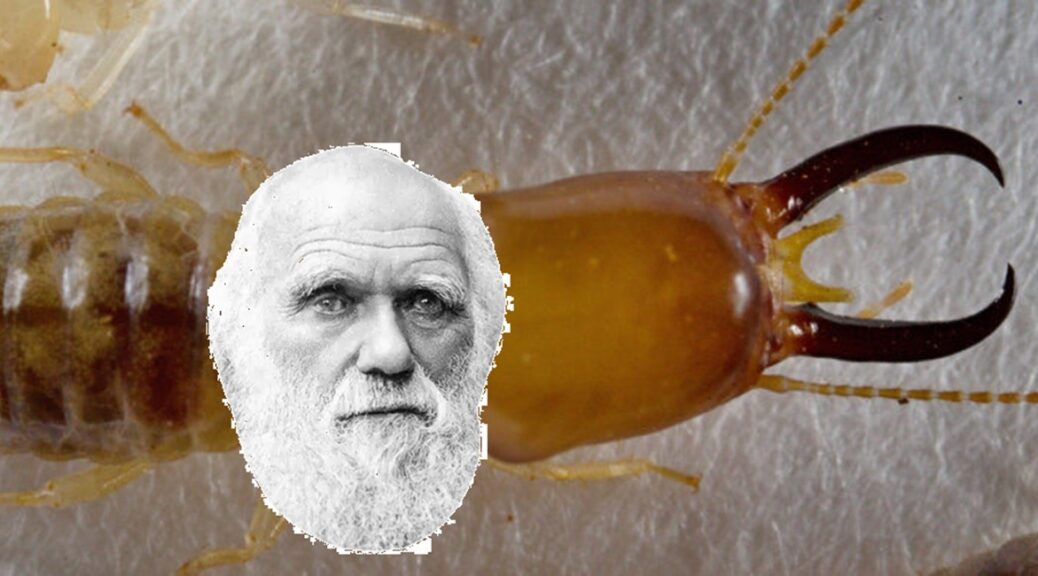


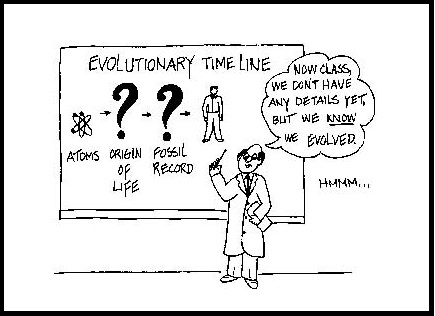

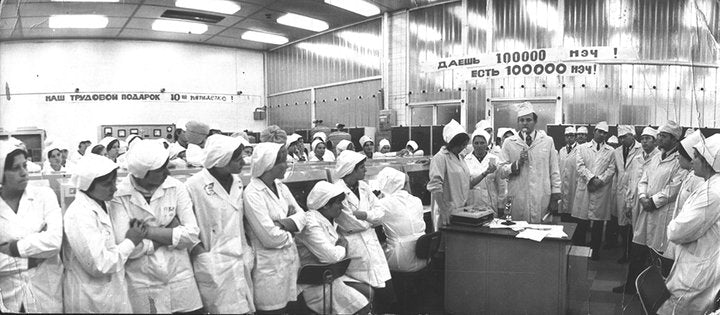


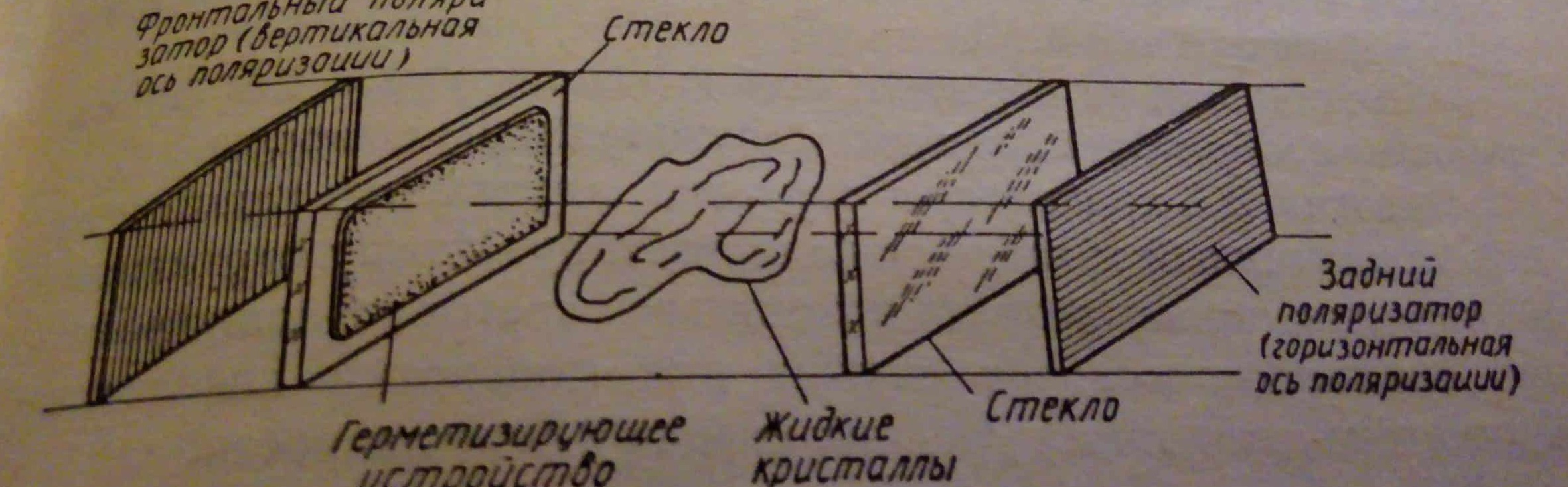

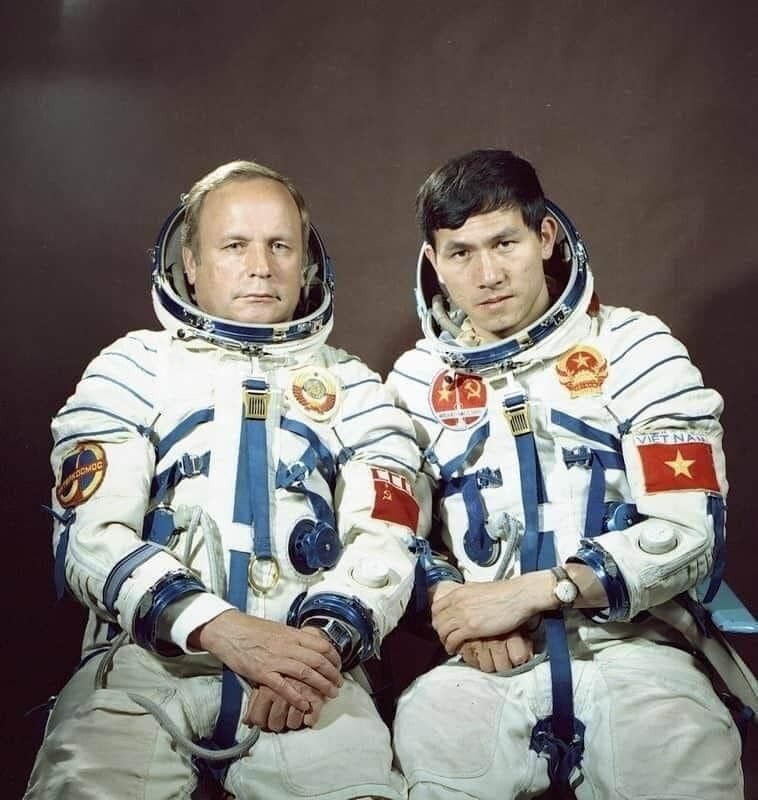







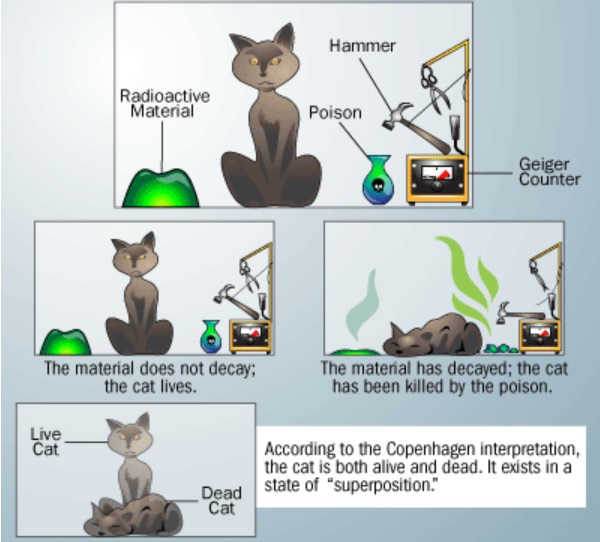



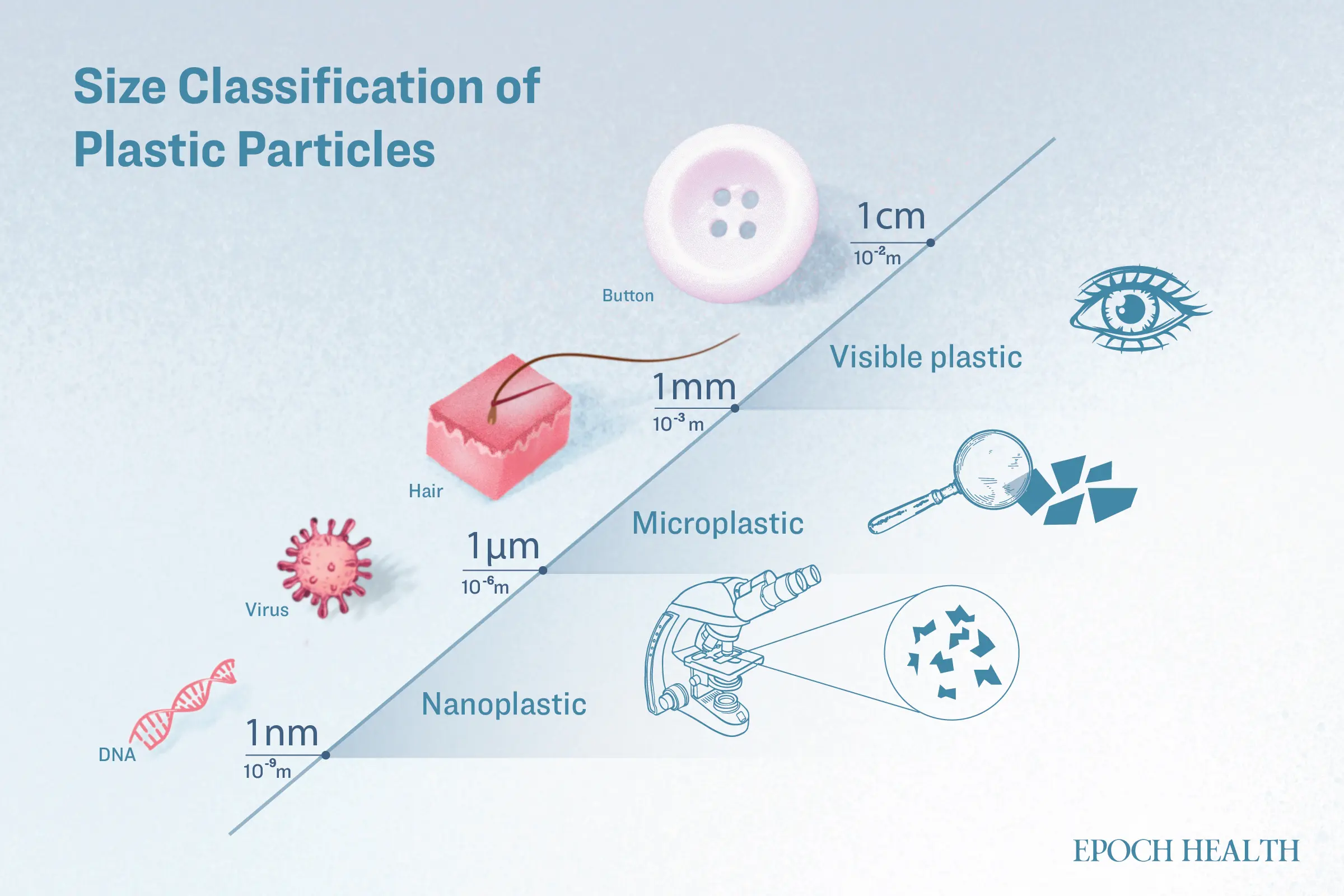











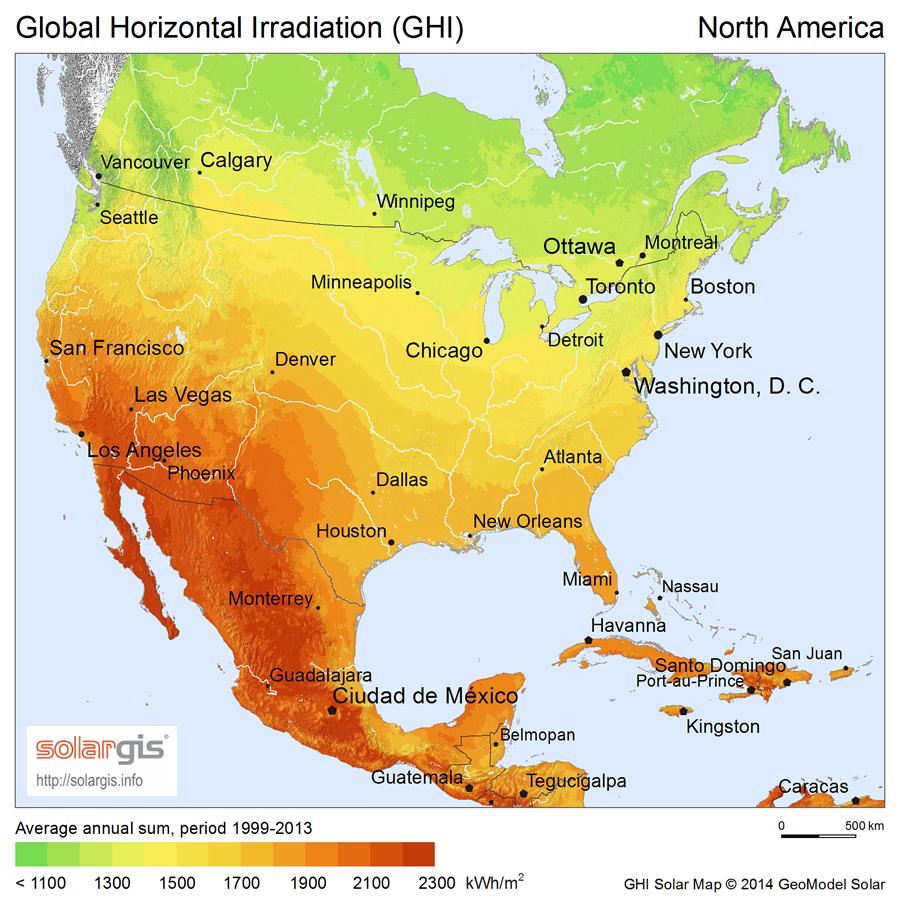
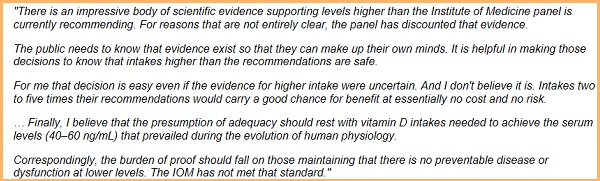
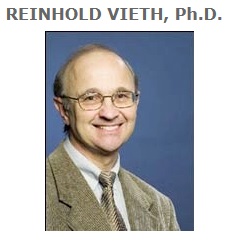

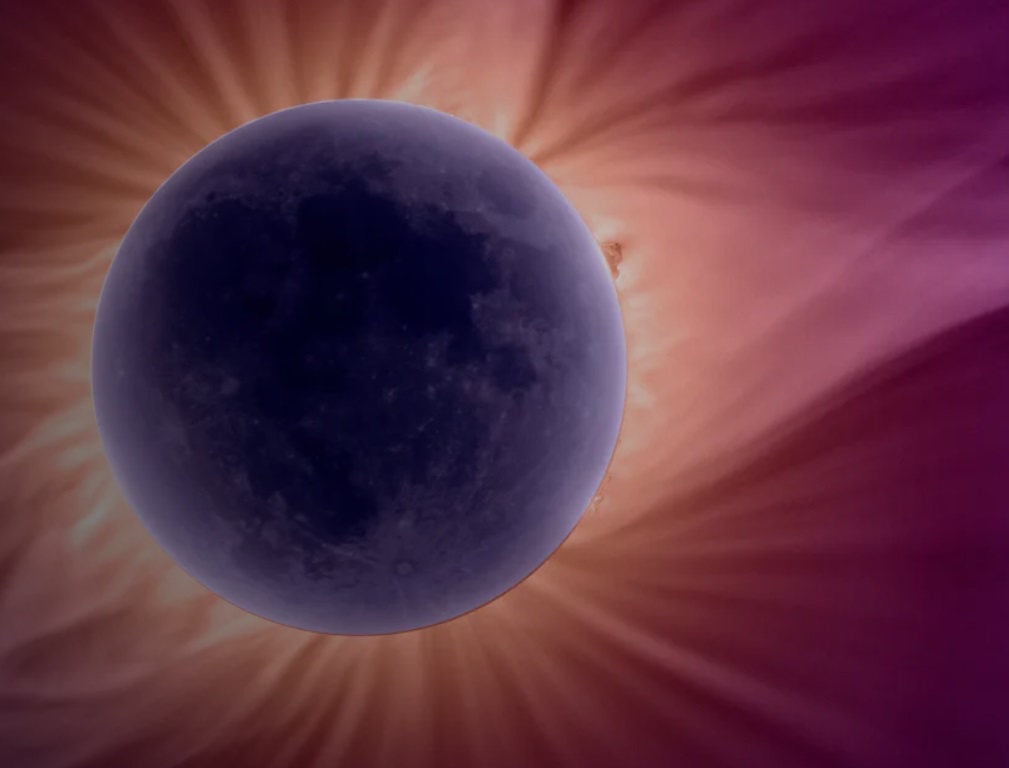

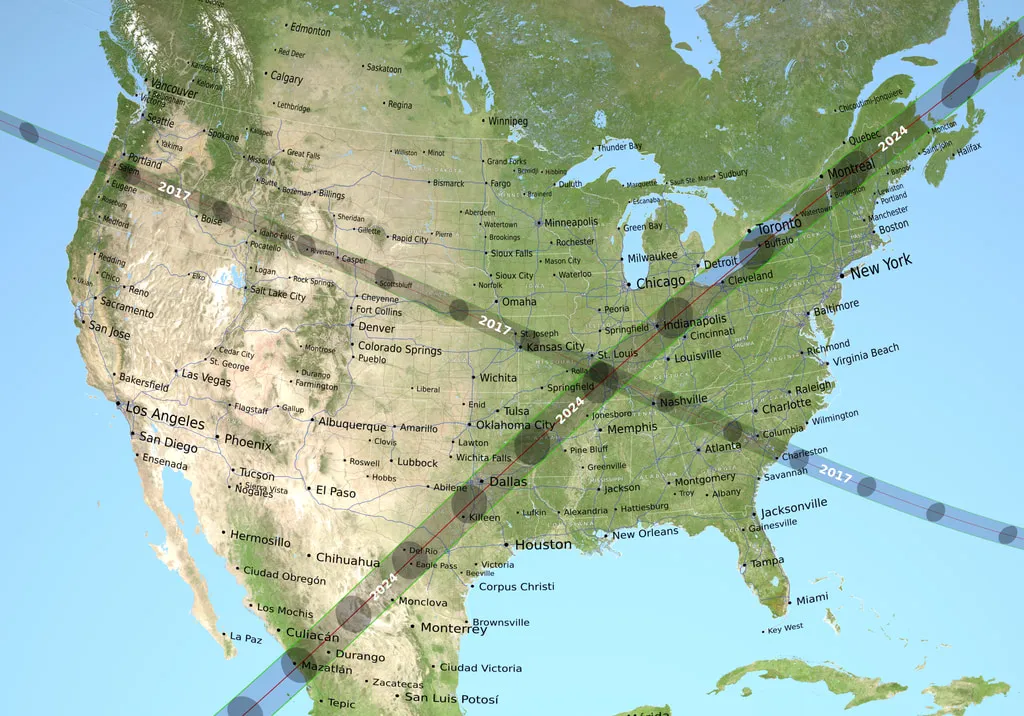
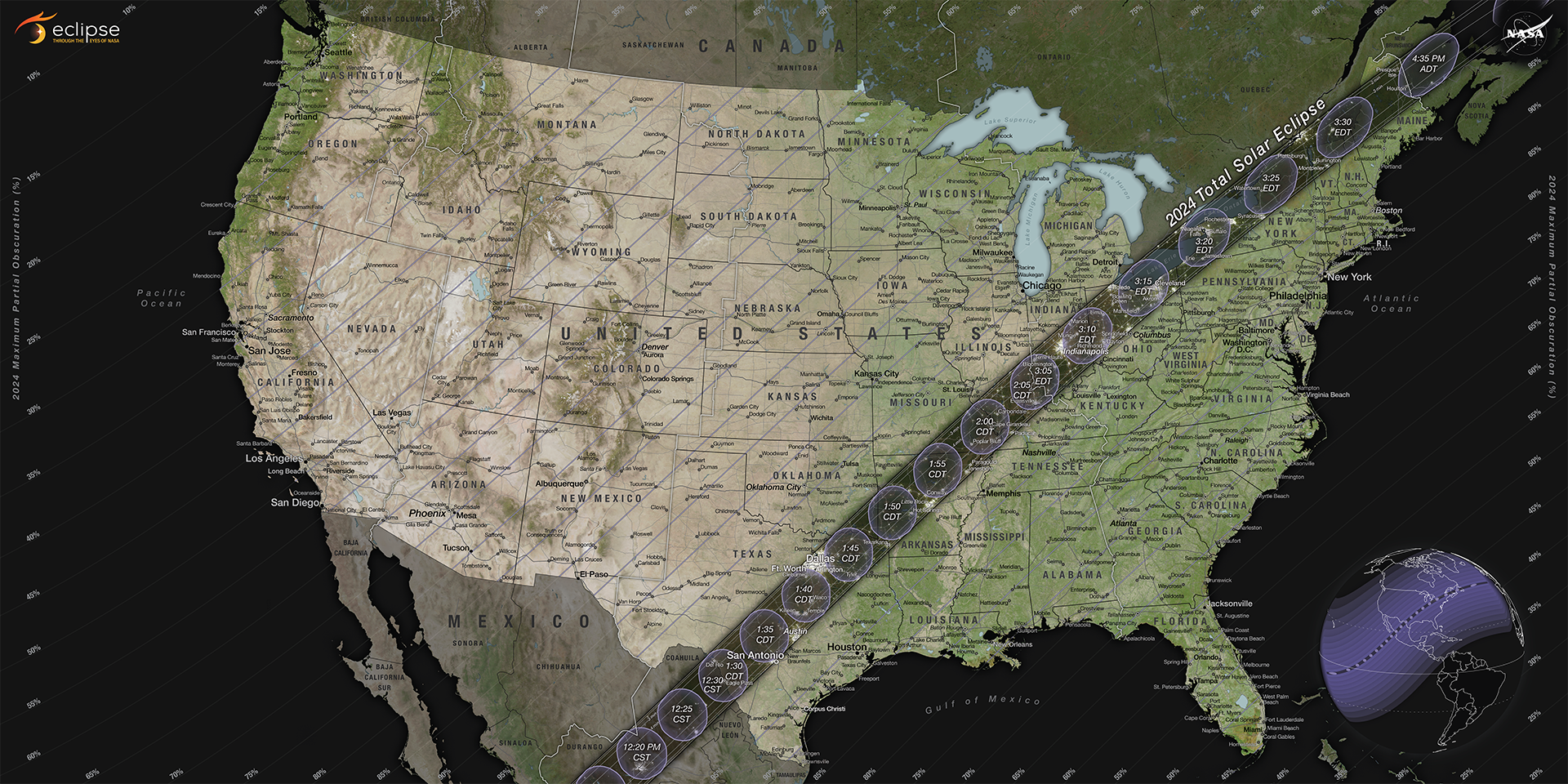









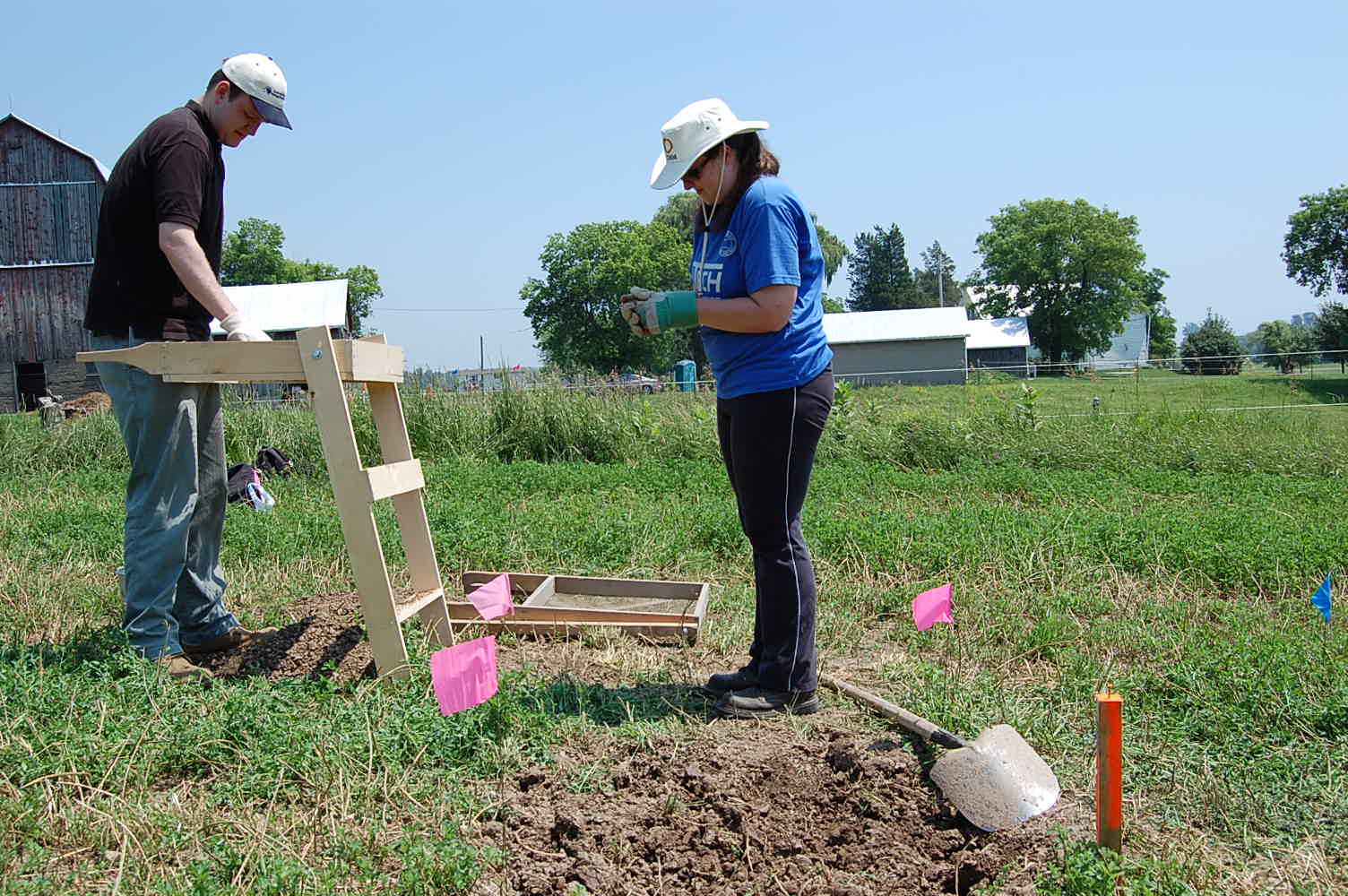

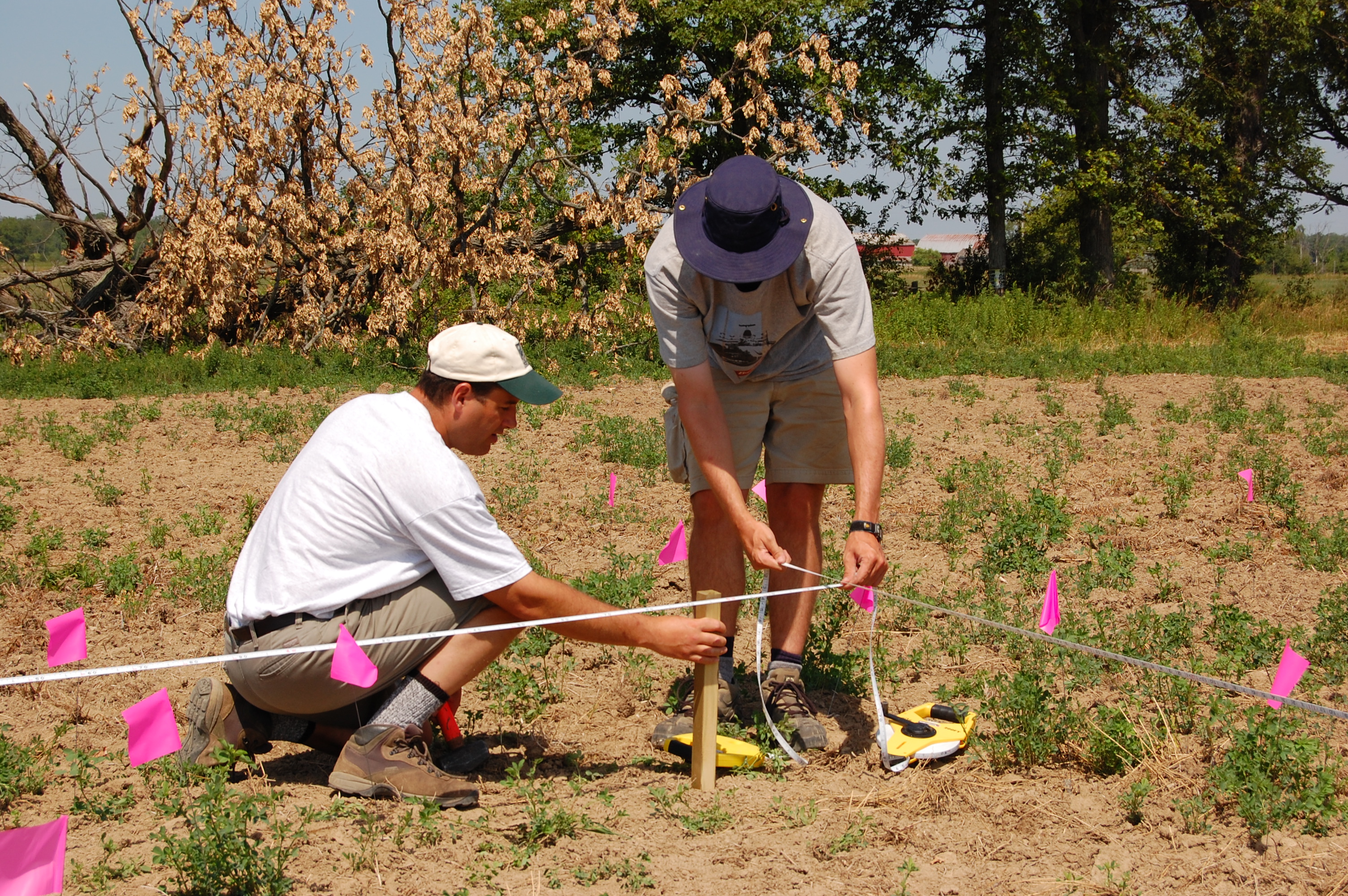



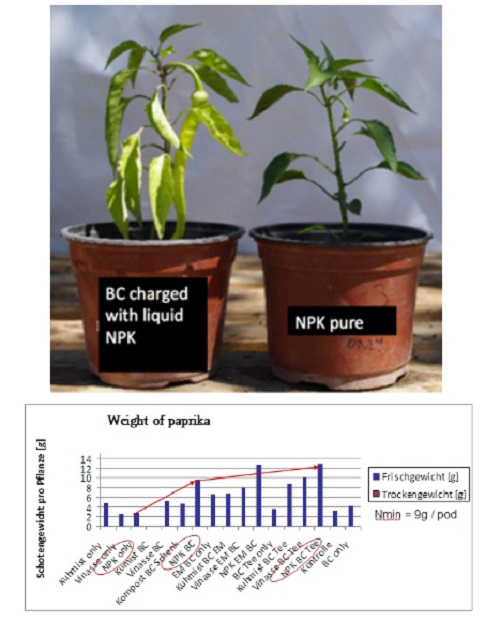

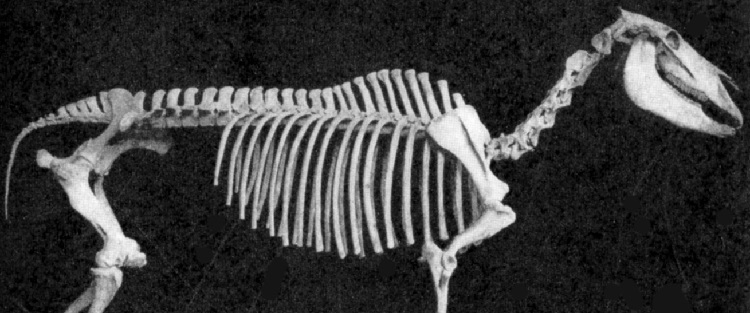
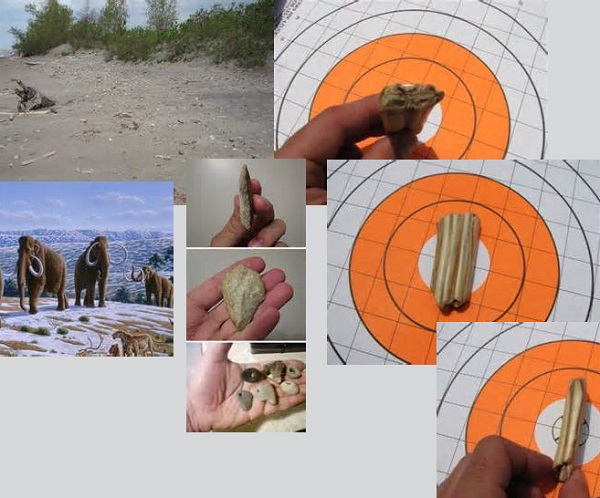



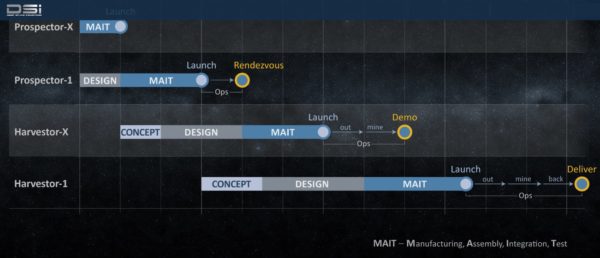
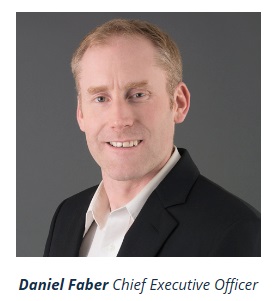



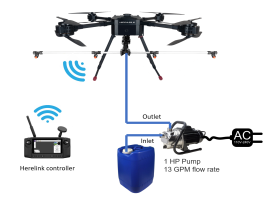











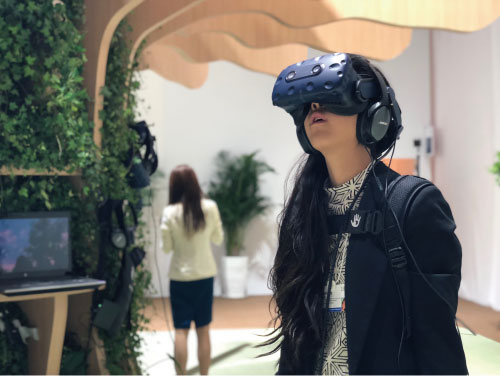

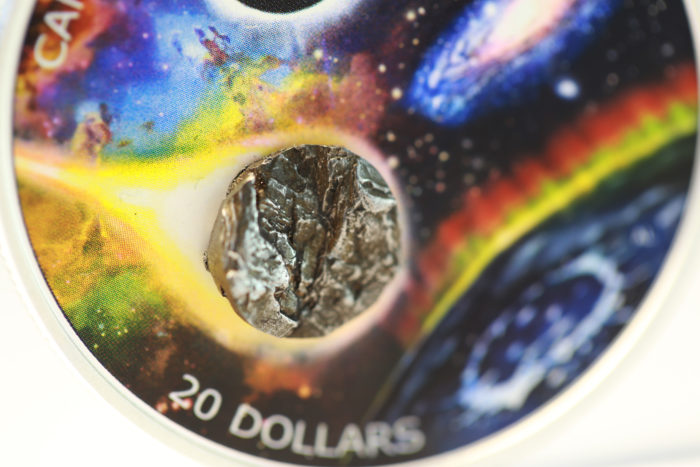
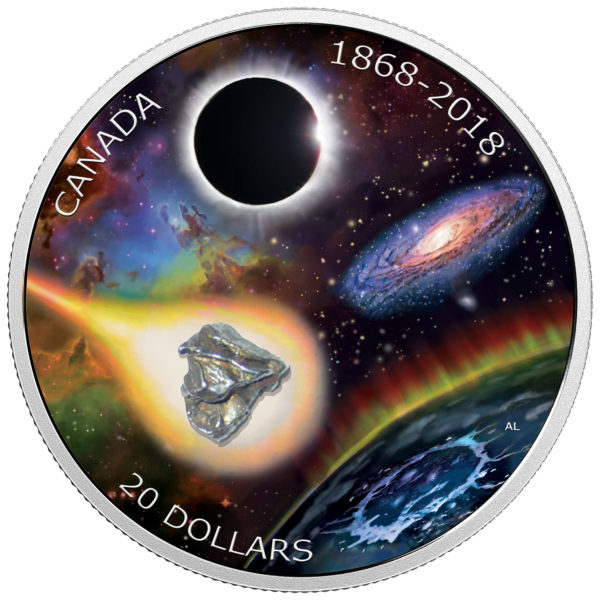











 Titor II reveals the hidden truths behind humanity’s biggest cover-ups.