The exhibition will feature an interactive space for visitors to make music through body movement, as well as immersive elements, live performances, and workshops Exhibition Dates: June 7–Sept 27, 2026 Location: The Met Fifth Avenue, Gallery 199
(New York, April, 2026)—From clapping hands and tapping feet to beatboxing and whistling, the human body is a musical instrument. In turn, instruments often draw their form and decoration from the body. Musical Bodies, which opens on June 7 at The Metropolitan Museum of Art, will explore the multifaceted relationship between musical instruments and the human body. This is the first major exhibition to address this theme and will bring together some 130 works from around the world and across time, including musical instruments, paintings, sculptures, and drawings from The Met collection along with important international loans.
Musical Bodies was conceived as an experiential exhibition. An innovative interactive will enable visitors to create music through intuitive movements and explore the blurred boundaries between body and instrument. Large-scale projections will display newly commissioned footage of beatboxing, body percussion, tap dancing, and more by such acclaimed New York–based and international artists as tap dancer Savion Glover, Beatbox House, and whistler Molly Lewis. Special activations throughout the run of the exhibition will take place in the gallery and include musical performances from an array of artists as well as workshops that activate the body as an instrument. More details will be announced at a later date.
“Musical instruments, which represent an important part of the Met’s collection, have long been recognized and celebrated as dynamic tools for creative expression, and also as works of art in their own right,” said Max Hollein, The Met’s Marina Kellen French Director and CEO. “This multisensory exhibition is the first to explore—through remarkable instruments, objects, and works of art—the fascinating ways in which sound, musical objects and the human form have been in conversation for millennia. Including outstanding instruments, powerful performances and immersive in-gallery experiences, Musical Bodies is a show that will resonate, fascinate and inspire.”
The exhibition is made possible by Barbara Tober, the Diane W. and James E. Burke Fund, the William Randolph Hearst Foundation, and the Gail and Parker Gilbert Fund.
Additional support is provided by Anonymous, The Dancing Tides Foundation, and the Vanguard Council.
Encompassing 4,000 years of music history and art, Musical Bodies will feature a range of objects from across the visual arts, literature, religion, pop culture, and mythology. This includes ancient Egyptian rattles, paintings by Titian and Degas, instrument-inspired apparel, and one of Prince’s most notable guitars. The ways in which the boundaries between body and instrument have been artfully blurred will be explored through visionary works such as Nam June Paik’s TV Cello; the PianoArc circular keyboard designed in collaboration with Brockett Parsons, keyboardist for Lady Gaga; and a steel guitar in the form of a crutch that was made for country music singer and songwriter Barbara Mandrell while she was recovering from an automobile crash.
Musical Bodies will include prominent works from across 10 of The Met’s curatorial departments, including over 50 instruments from the Department of Musical Instruments as well as ancient works from Egypt, 19th-century masterpieces from European Paintings, and 20th -century works from the Department of Modern and Contemporary Art. The exhibition will also feature significant loans from collectors and institutions such as the Musée de la musique (Paris), the National Music Museum (Vermillion, South Dakota), and the Royal College of Music (London). One of the earliest surviving bowed string instruments, a rare figural lira da braccio from the Kunsthistorisches Museum (Vienna), and a lavish hurdy gurdy from the Victoria & Albert Museum (London) will be shown in the United States for the first time.
“Musical Bodies first formed in my mind as a deceptively simple question: Why are so many instruments shaped and decorated like the human body?” said Bradley Strauchen-Scherer, Curator in the Department of Musical Instruments at The Met.”The quest for an answer has become an exploration of humanity through the lens of instruments and music. We find ourselves represented in these instruments because, for much of our history, music has been central to who we are and what we do. I hope this exhibition will reconnect all of us with our innate musicality and shared heritage of harmony.”
Through six thematic sections, the exhibition will illuminate the relationship between the body and musical instruments and how they serve as channels for self-exploration and expressions of culture and belief systems. Musical Bodies will also reveal how instruments are used to stand in for the body to address topics that are traditionally considered taboo, such as sex and death.
Credits and Related Content
Musical Bodies is conceived and organized by Bradley Strauchen-Scherer, Curator in the Department of Musical Instruments at The Met, assisted by Ava Valentino, Research Assistant in the Department of Musical Instruments.
A fully illustrated catalogue will accompany the exhibition and will be available for purchase from The Met Store.
The catalogue is made possible by the Mary C. and James W. Fosburgh Publications Fund.
The Met will host a variety of exhibition-related educational and public programs, including a Creative Convening, Artists on Artworks and Met Expert talks in the galleries, a music workshop, and more. Details will be announced.
Musical Bodies will be on view during the presentation of the exhibition Costume Art (May 10, 2026–January 10, 2027), which will examine the centrality of the dressed body in fashion and art. The two shows will provide visitors with distinct and engaging explorations of the body’s relationship to artistic expression.
Featured Image: Thomas Zach, Violino Harpa Forma Maxima, 1874. Wood (spruce, maple, ebony), metal strings. Collections Musée de la musique / Cliché Claude Germain, 2020. Cité de la musique-Philharmonie de Paris
Visit The Met Fifth Avenue1000 Fifth Avenue New York, NY 10028The Met Cloisters99 Margaret Corbin Drive, Fort Tryon Park New York, NY 10040 metmuseum.org
Plastics that break down into particles as tiny as our DNA—small enough to be absorbed through our skin—are released into our environment at a rate of 82 million metric tons a year. These plastics, and the mix of chemicals they are made with, are now major contributors to disease, affecting the risk of afflictions ranging from cancer to hormonal issues.
Plastic pollution threatens everything from sea animals to human beings, a problem scientists, activists, business groups, and politicians are debating as they draft a global treaty to end plastic pollution. These negotiations have only highlighted the complexity of a threat that seems to pit economic growth and jobs against catastrophic damage to people and the planet.
Rapid growth in plastics didn’t begin until the 1950s, and since then, annual production has increased nearly 230-fold, according to two data sets processed by Our World in Data. More than 20 percent of plastic waste is mismanaged—ending up in our air, water, and soil.
Inescapable Problem
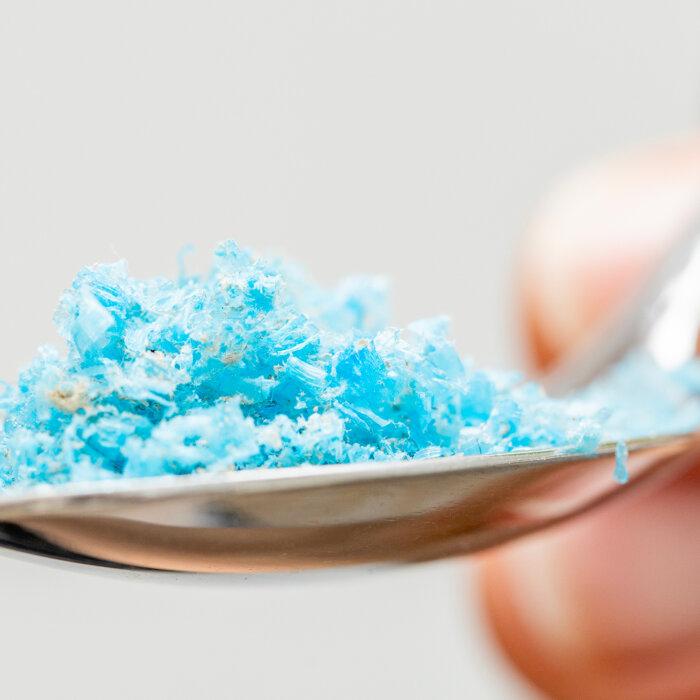
While plastic doesn’t biodegrade—at least not in a reasonable time frame—it does break down into ever smaller particles. We may no longer see it, but plastic constantly accumulates in our environment. These microscopic bits, known as microplastics and nanoplastics, can enter our bodies through what we eat, drink, and breathe.
Microplastics measure five millimeters or less. Nanoplastics are an invisible fraction of that size, down to one billionth of a meter or around the size of DNA.
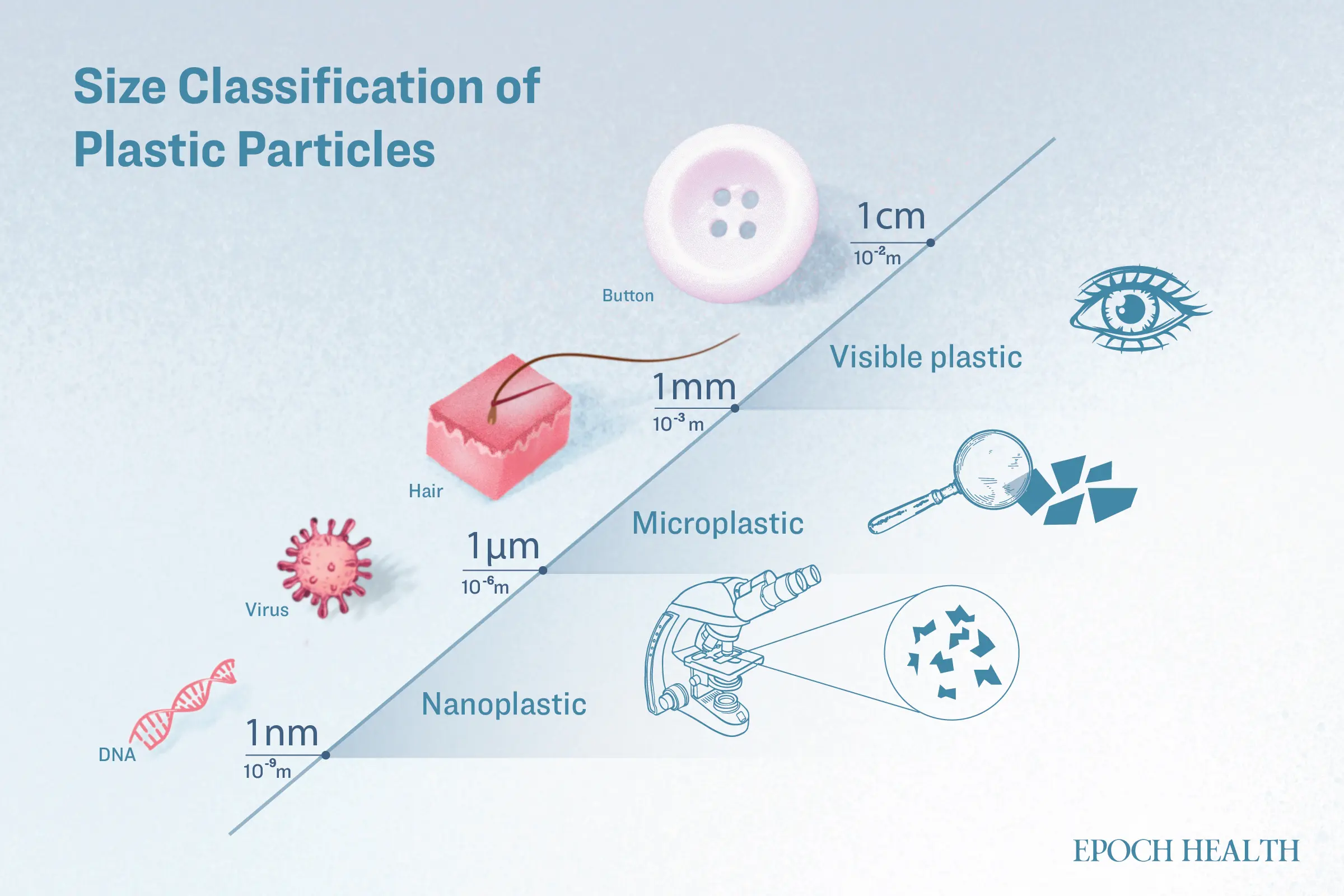
While microplastics can be as small as a hair, they remain visible. Nanoplastics, however, are impossible to see without a microscope. (Illustration by The Epoch Times, Shutterstock)
Plastic pollution is a chemical remnant of petroleum with other chemicals added in to change the durability, elasticity, and color. PlastChem Project has cataloged more than 16,000 chemicals—4,200 considered highly hazardous, according to the initiative’s report issued in March.
The astounding level and types of plastics, many with unknown health effects, should be a wakeup call for everyone, says Erin Smith, vice president and head of plastic waste and business at the World Wildlife Fund (WWF).
“Plastic pollution is absolutely everywhere,” she said. “What’s hard right now is the body of science, trying to understand what the presence of plastic inside us means from a human health perspective, is still new.”
Ms. Smith said we may be waiting for the science to reveal the full scope of plastic’s biological effects, but one thing is certain: “We know it’s not good.”
Reproductive and Neurological Issues
Newer human health studies have shown plastic has far-reaching effects.
“The research is clear: Plastics cause disease, disability, and death. They cause premature birth, low birth weight, and stillbirth as well as leukemia, lymphoma, brain cancer, liver cancer, heart disease and stroke. Infants, children, pregnant women, and plastics workers are the people at greatest risk of these harms. These diseases result in annual economic costs of $1.2 trillion,” said Dr. Phil Landrigan, pediatrician and environmental health expert, in a Beyond Plastics news release in March.
Beyond Plastics, an advocacy group for policy change, warns that new research indicates plastic could be leading to an increased risk of heart disease, stroke, and death.
Successive studies have found microscopic plastic particles affect every system of our bodies and at every age.
Nearly 3,600 studies indexed by the Minderoo Foundation have detailed the effects of polymers and additives like plasticizers, flame retardants, bisphenols, and per- and polyfluoroalkyl substances. The vast majority of studies indicate plastics affect endocrine and metabolic function, the reproductive system, and contribute to mental, behavioral, and neurodevelopment issues.
One study published in Environmental Science & Technology looked at plastic food packaging from five countries and found hormone-disrupting chemicals were common.
“The prevalence of estrogenic compounds in plastics raises health concerns due to their potential to disrupt the endocrine system, which can, among others, result in developmental and reproductive issues, and an elevated risk of hormone-related cancers, such as breast and prostate cancer,” the authors noted.
Data mapped by Our World in Data shows national rates of per capita plastic pollution to the oceans. American individuals add about .01 kilograms (10 grams) of plastic waste to the world’s oceans each year. At 336,500,000 people today, that amounts to 3,311 tons or 7,418,555 pounds. (The Epoch Times)
The full scope of these chemical consequences is far from known. According to Minderoo, less than 30 percent of more than 1,500 plastics chemicals have been investigated for human health impacts. That includes the “substitution” chemicals used to replace additives that were restricted after being found problematic.
“All new plastic chemicals should be tested for safety before being introduced in consumer products, with ongoing post-introduction monitoring of their levels in human biospecimens and evaluation of health effects throughout the lives of individuals and across generations,” said professor Sarah Dunlop, Minderoo Foundation’s head of plastics and human health.
Absorbed Into Arteries and Skin
The relatively recent discovery that plastic particles can make their way into the human body through multiple methods has come with other unsetting insights. Microplastics and nanoplastics in human artery wall plaque were recently linked to a 350 percent increased risk of heart attack, stroke, and death.
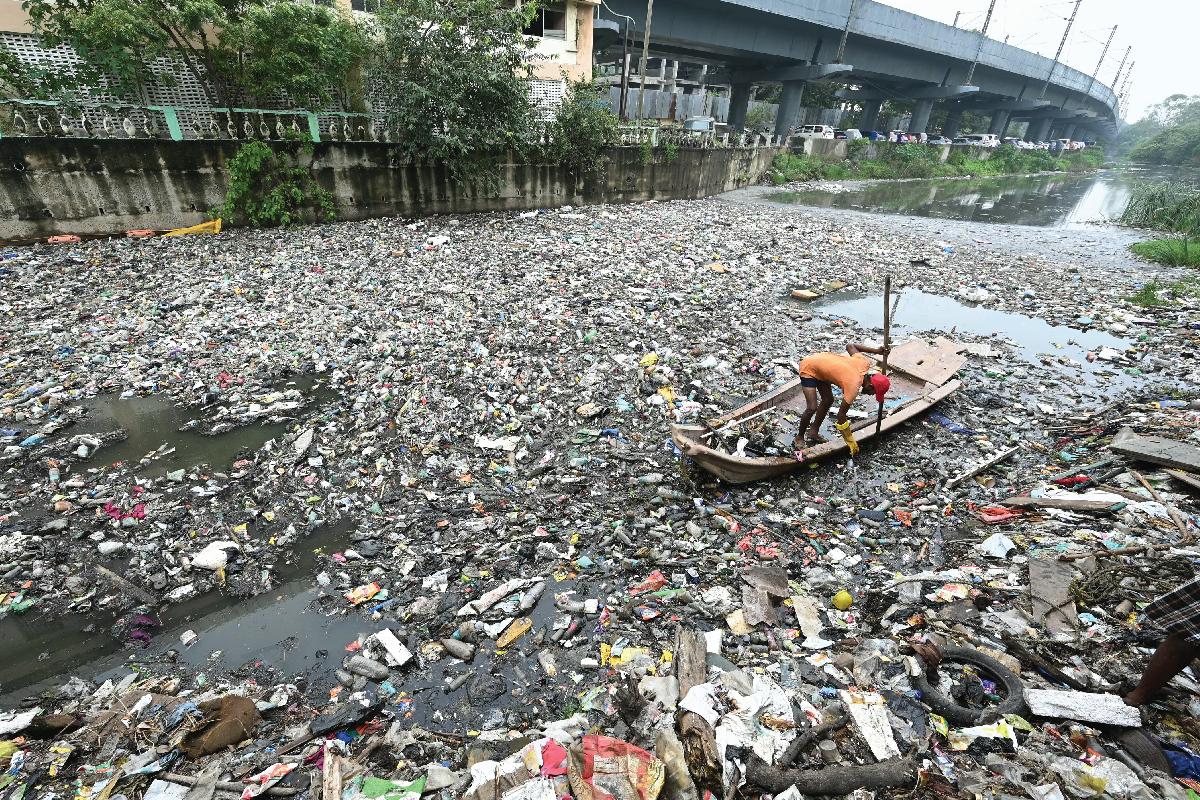
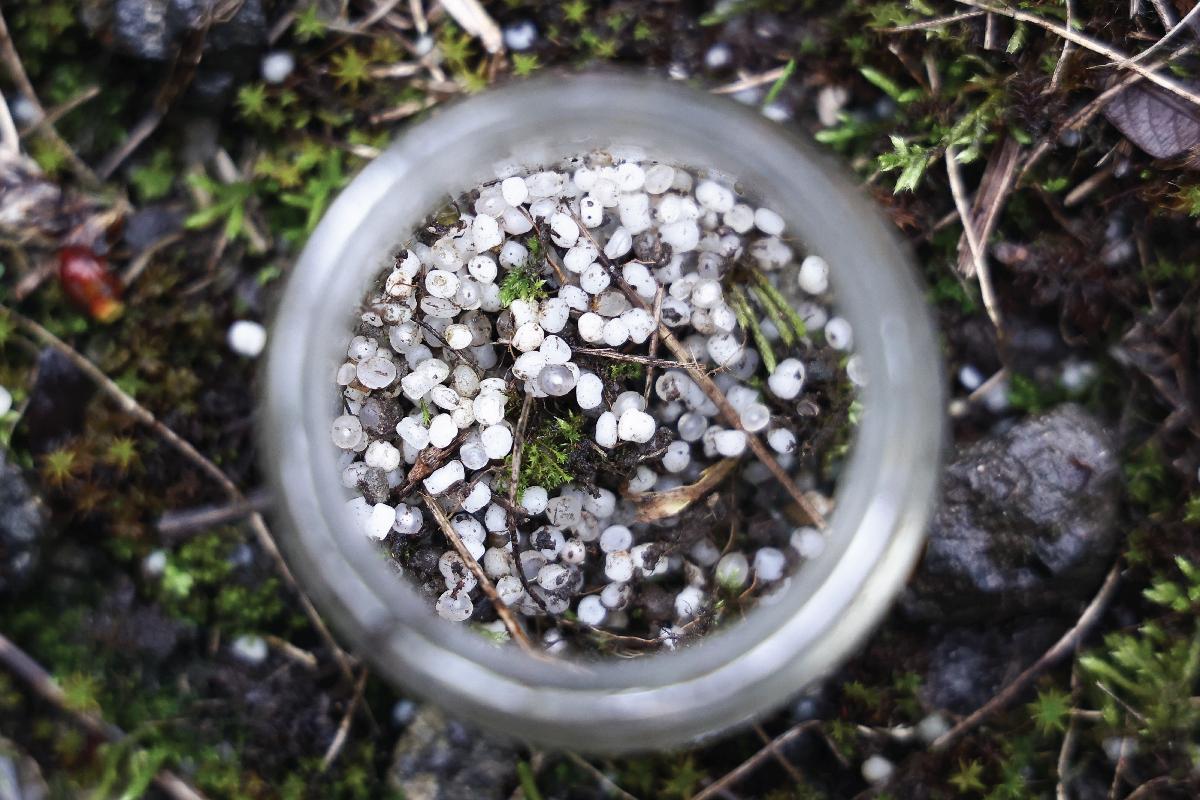
Plastic pollution comes in all forms, from packaging and waste that clogs the Buckingham Canal in Chennai, India to plastic pellets from petrochemical companies that litter the ground in Ecaussinnes, Belgium. (R. SATISH BABU, Kenzo TRIBOUILLARD / AFP via Getty Images)
Published March 6 in the New England Journal of Medicine, the study followed 257 patients over 34 months. Among those involved in the study, 58.4 percent had polyethylene in carotid artery plaque and 12.1 percent had polyvinyl chloride.
Polyethylene is the most common plastic found in bottles and bags, including cereal box liners. Polyvinyl chloride, better known as PVC, is another common plastic, often used in medical and construction materials.
Besides finding entry through ingestion, polymers can also make their way into the bloodstream through our skin, according to another study published in April in Environment International. The findings, based on a human skin equivalent model, add to evidence that suggests that as plastics break down, it may be impossible for us to avoid absorbing them. Microscopic plastic has been found in our soil, water supply, air, and arctic ice.
Sweaty skin was found to be especially prone to absorbing the particles.
Once inside the body, plastic can mimic hormones, collect in arteries, and contribute to one of the most common disease pathologies today—an imbalance of free radicals and antioxidants known as oxidative stress.
Dr. Bradley Bale, a heart attack and stroke prevention specialist and co-author of “Beat The Heart Attack Gene,” says there’s plenty of evidence that plastic is causing oxidative stress.
“Plastics are ubiquitous on planet Earth,” Dr. Bale said. “You’re crazy to think you can eliminate your exposure to that. It would be next to impossible. But we can look at other issues that cause oxidative stress.”
Data processed by our Our World in Data shows the increase in plastic production in metric tonnes. (Illustration by The Epoch Times, Shutterstock)
Those other issues, including poor diet and other toxic exposures, may be resolved through lifestyle approaches, supplements, or avoidance.
Dr. Bale suspects future nanoplastics research will reveal a relationship between plastics exposure and early death, dementia, cancer, diabetes, and any disease impacted by oxidative stress.
How to Stop the Plastic Onslaught
Since cleaning up plastic is nearly impossible once it breaks down, advocacy groups are pushing for legislation that would reduce single-use products such as food wrappers, bottles, takeout containers, and bags—some of the most prolific and problematic plastics.
The United Nations Environment Programme, a global environmental decision-making body with representatives from all UN member states, decided in March 2022 that the plastics issue needed a coordinated response. It committed to fast-tracking a treaty meant to address the world’s growing plastic problem.

However, after holding the fourth of five sessions in late April in Canada, the group still hasn’t decided whether to identify problematic plastics or call for new plastic to be phased out or scaled back. The final meeting begins in late November with a treaty expected in 2025.
(Left) The secretariat of the Intergovernmental Negotiating Committee (INC) to Develop an International Legally Binding Instrument on Plastic Pollution consults on the dais during the closing plenary in Ottawa on April 30, 2024; (Center) Members of Greenpeace holds up placards during the discussions in Ottawa, Canada, on April 23, 2024.; (Right) Pro-plastic messaging was seen at hotels in Ottawa during the UN INC meetings. (IISD-ENB/Kiara Worth, DAVE CHAN/AFP via Getty Images)
Meanwhile, U.S. lawmakers are on a third attempt to gain Congressional consideration of the Break Free From Plastic Pollution Act. First introduced in 2020, it remains stuck in committee. Among the act’s proposals are reducing and banning some single-use plastics, creating grants for reusable and refillable products, requiring corporations to take responsibility for plastic pollution, and temporarily banning new plastic facilities until protections are established.
The Economics of Plastics
Plastics are important for many businesses and the plastics industry itself is significant and influential. However, plastics aren’t as profitable as one may expect. New plastic facilities often get subsidies and tax breaks that make plastics artificially cheap to produce. These financial supports have increased substantially in the past three years.
In addition to direct fossil fuel subsidies, the plastics and petrochemical industries benefit from grants, tax breaks, and incentives. Because of a lack of transparency, exact figures on subsidies are hard to come by, according to the Center for International Environmental Law. The group is urging the UN to ban certain subsidies, including any that would reduce the price of raw goods used to make plastic.
Some organizations question whether these incentives are beneficial to local economies and taxpayers as a whole.
The Environmental Integrity Project issued a report in March that found 64 percent of 50 plastic plants built or expanded in the United States since 2012 received nearly $9 billion in state and local subsidies. Unexpected events were common, including violations of air pollution permits among 42 plants and more than 1,200 accidents like fires and explosions. State-modified permits at 15 plants allowed for additional emissions that were often detected beyond the property line of the plants.
A case study report published June 2023 by the Ohio River Valley Institute examined the $6 billion Shell facility built in Beaver County, Pennsylvania to produce plastic pellets.
“Since the project’s inception, industry executives and government officials alike have argued that it would spur local economic growth and renewed business investment. Yet prosperity still has not arrived. Beaver County has seen a declining population, zero growth in GDP, zero growth in jobs, lackluster progress in reducing poverty, and zero growth in businesses—even when factoring in all the temporary construction workers at the site,” the report says.
The Shell Pennsylvania Petrochemicals Complex makes plastic from “cracking” natural gas in Beaver County, near Pittsburgh, PA. (Mark Dixon/Flickr)
Conflicted Solutions for a Plastic World
The Plastics Industry Association argues that plastic “makes the world a better place”—language it wants in the plastics treaty.
The association represents more than one million workers throughout the entire supply chain. A $468 billion industry, plastics are the sixth largest U.S. manufacturer, according to the association, which did not respond to media requests for an interview.
David Zaruk, a communications professor in Belgium with a doctorate in philosophy, said opposition to plastic is largely an attack on the fossil fuel industry—part of a larger “anti-capitalist political agenda.” The value of plastic on society, he said, is frequently understated.
He pointed to a 2024 study published in Environmental Science and Technology that concludes plastic is far more “sustainable” with lower greenhouse gas emissions than alternatives like paper, glass, and aluminum—many of which it was designed to replace. Arguments often overlook the environmental impact of alternatives, the study notes, and in some cases, there are no substitutions for plastic.
“This isn’t a recent revelation either. Academic scientists have said for years that plastic serves essential functions. Speaking specifically of short-lived plastic uses, a pair of supply chain experts argued in 2019 that ’some plastic packaging is necessary to prevent food waste and protect the environment.’ By the way, food waste produces roughly double the greenhouse emissions of plastic production,” Mr. Zaruk wrote recently on the Substack blog, Firebreak.
The Plastics Industry Association heavily promotes recycling and biodegradable plastics but critics say there are inherent problems with both.
Only 4 percent of plastic is recycled in the United States, while an equal amount ends up in rivers, oceans, and soil—breaking down into microplastics and nanoplastics that experts believe will persist for centuries.
The U.S. Plastics Pact—a collaboration of more than 100 businesses, nonprofit organizations, government agencies, and academic institutions initiated by The Recycling Partnership and World Wildlife Fund—identified 11 problematic plastics that its members aim to voluntarily eliminate by 2025. Members include major plastics users and the products are all finished items or components of plastics that either aren’t recycled or cause problems in the recycling system and could be eliminated or replaced.
While some major companies support the pact, the Plastics Industry Association has taken a dim view of the pact, describing it as an attempt to “tell others how to run their businesses by restricting their choices.”
The association says the best way to increase recycling is through education and innovation.
Recycled Mystery Chemicals
Unfortunately, recycling isn’t a perfect solution to the plastic problem. Recycled plastics present additional hazards because they are made from a blend of products and a more uncertain chemical makeup, according to Therese Karlsson, science advisor for the International Pollutants Elimination Network, a global consortium of public interest groups.
“We’ve looked a lot at recycled plastics. There you have a lot of different plastic materials that you don’t know what they contain and you combine that into a new plastic material that you have even less information about what it contains,” Ms. Karlsson. “As a consumer, you can’t look at a piece of plastic to figure out if it’s safe or not. We just don’t know, but we know a lot of the chemicals used in plastic are toxic.”
An IPEN investigation in April found plastic pellets recovered from recycling facilities in 24 countries had hundreds of toxic chemicals—including pesticides, industrial chemicals, pharmaceuticals, dyes, and fragrances.
“For our recycling technology, it just doesn’t work, and a lot of that ends up in landfills anyway,” said Ms. Smith from the WWF. “It shouldn’t require a decoder ring to decide what goes in that blue bin because everything should be designed for that system.” For the Silo, Amy Denny.
Little Changes Make a Big Difference
In the absence of government intervention, Ms. Smith said there are some easy tips consumers can take to limit their own plastic exposure:
Shop with reusable shopping bags.
Don’t use plastic in the microwave or dishwasher because heat can release additional polymers.
Buy metal or glass snack containers to replace sealable plastic bags.
Use beeswax cloth in place of plastic wrap.
Replace dryer sheets with wool balls.
Carry a refillable cup for water and coffee.
Consider reusable trash bags.
Use and carry metal straws, stir sticks, and/or reusable cutlery.
Don’t litter, and pick up trash you find outdoors.

As people go about their daily lives, there’s a common but hidden scourge: excessive sweating. In fact, a national survey conducted by the International Hyperhidrosis Society (IHhS)—the scholars of sweat—shows multiple millions suffer from extreme, uncomfortable, embarrassing, debilitating, and emotionally-devastating sweating. This type of sweating is a serious medical condition known as hyperhidrosis and nearly 367 million people of all ages struggle with it on their hands, feet, face, underarms, or body.
Hyperhidrosis can be particularly devastating. While many attempt to hide their sweating problems and suffer in silence, the impacts are often hard to cover up. Dramatic sweating in the presence of peers at work, or in extracurricular or social environments, can cause severe embarrassment, stress, anxiety, and other emotional issues. Even when people are alone, away from potential judgements, hyperhidrosis often takes a heavy toll—adversely impacting one’s productivity in a myriad of ways.
Those with hyperhidrosis struggle with disproportionate and random sweating that may drench clothing, ruin papers, damage technology tools, make playing sports and musical instruments impossible, promote hiding and isolation behaviors, degrade self-esteem, and prompt bullying at any age—among kids and adults. The holistic effect on life—workplace, marital, social and otherwise—is thus profound. In fact, research published in Archives of Dermatological Research indicates that the majority of those with excessive sweating confirm the condition has negative impacts on their social life, well-being, and emotional as well as mental health.
Lisa J Pieretti, Executive Director of IHhS, notes, “Excessive sweating is a dermatological disorder that can cause an otherwise healthy person to produce up to five times more sweat than is normal or necessary. The pressures of dealing with a ‘sweating problem’ around peers can be catastrophic to self-esteem and more. Too often, people become anxious about attending work or school, socializing with friends, or being out in public in general. But when those with hyperhidrosis receive support, understanding, and appropriate treatment, their lives can be dramatically changed.”
To that point, IHhS co-founder Dr. David Pariser urges that, while hyperhidrosis is the number one dermatological disease in terms of negatively affecting a person’s quality-of-life, it’s also number one in having the most positive impact when treated. “When hyperhidrosis is caught early, a person’s life can be transformed for the better in a multitude of ways,” he says.
With that in mind, the first step toward providing solutions for those who sweat excessively is to bust some common myths and misconceptions with facts from the experts at the IHhS, including these:
Myth: Sweaty people are out-of-shape, nervous or have hygiene issues.
Truth: The average person has 2 to 4 million sweat glands. Sweat is essential to human survival and serves as the body’s coolant, protecting it from overheating. Many athletes actually sweat more than other people because their bodies have become very efficient at keeping cool. Meanwhile, people with hyperhidrosis (which causes overactive sweat glands) sweat excessively regardless of mood, weather, or activity level—often producing 4 or 5 times more sweat than is considered “normal”.
Myth: Those with hyperhidrosis don’t suffer with workplace-specific activities.
Truth: In a recent 2017 study, 63% of those with hyperhidrosis reported interference in the performance of tasks at work or school due to their condition.
Myth: To have hyperhidrosis, one must be dripping and saturated with sweat.
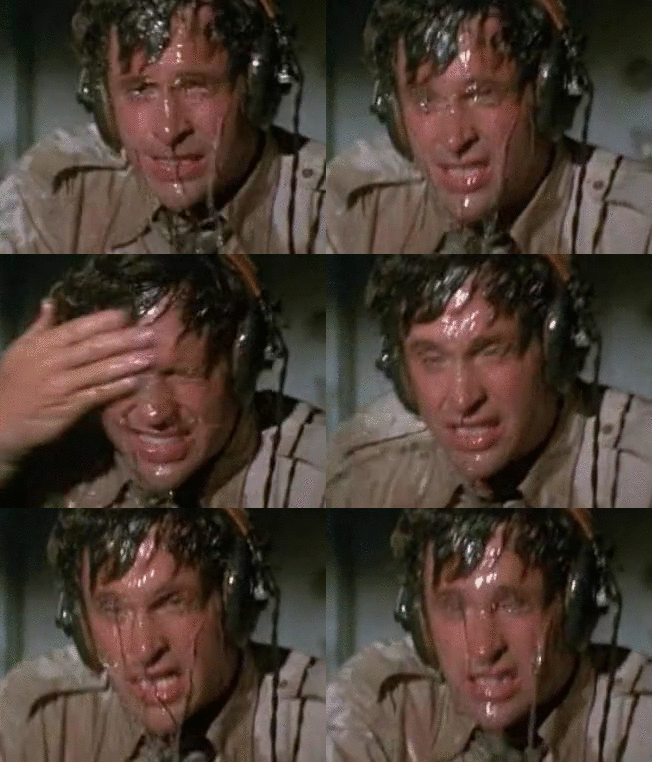
Truth: Excess sweating can range from severe dripping to moderate moisture. Symptoms of hyperhidrosis can manifest differently and personally. But, what is consistent is the impact on life depending on areas affected. This can include damaged clothing, paperwork and shoes; obvious, embarrassing sweat marks on clothing; unappealing cold wet hands; discomfort due to dripping sweat or constant dampness; and skin slipperiness that gets in the way of sports, music, and day-to-day tasks. Excess sweating of the armpits, hands, feet, face, chest, back, or groin can result in substantial impairment, including limitations at work, in social and physical activities, and during hobbies. Emotional and psychological distress is also common.
Myth: People will grow out of hyperhidrosis.
Truth: Contrary to popular belief, research shows that hyperhidrosis does not go away or decrease with age. In fact, in one recent IHhS study, 88% of respondents said their excessive sweating had gotten worse or stayed the same over time. This was consistent across all the different age groups, from youngsters to older adults.
image: wyldraven-deviantart.com
Myth: Hyperhidrosis is “just” a summer thing, or it’s at least worse during the hot summer months.
Truth: Research from the IHhS also shows that profuse sweating is not simply dictated by the time of year. The majority of patients in one survey indicated that their sweating bothers them equally, no matter the season.
Myth: Kids and young adults are “resilient” and can deal with sweating a lot.
Truth: Medical journal citations substantiate that young people are known to be significantly impacted by emotional sequelae accompanying dermatologic disease and that psychiatric issues inherently accompany dermatologic disease in children and adolescents. Studies further show that most patients with hyperhidrosis—characterized by excessive, spontaneous sweating beyond physiologic, thermal, or stress-reaction body requirements—describe their lives as “bad” or “very bad” due to the disorder.
Myth: Antiperspirants are for underarms only. Truth: Think outside the pits! You can glide, stick, spray, and roll-on nearly anywhere that sweating is a problem (think hands, feet, face, back, chest, and even groin.) Be smart and talk to your dermatologist first before applying an antiperspirant to sensitive areas and test new products on small areas of skin first.
Myth: Like caffeine, antiperspirants are best used in the morning. Truth: Pick a p.m. perk! Skip the bedtime espresso but do use your antiperspirant in the evening as well as in the morning. Sweat production is at its lowest at night, giving the active ingredients in antiperspirants a better chance to get into your pores and block perspiration when the sun comes up and you really get moving.
Myth: Excessive sweating is less debilitating than other skin conditions people have to deal with.

Truth: According to Dr. Pariser, hyperhidrosis has the greatest impact of any dermatological disease. In fact, various investigations show the impact of hyperhidrosis on quality-of-life is equal or greater than that of in-patient psoriasis, severe acne, Darier disease, Hailey-Hailey disease, vitiligo, and chronic pruritus.
The extreme level of sweat production experienced with hyperhidrosis can disrupt all aspects of a person’s life, from academic performance, recreational activities and relationships, to self-image and overall emotional well-being. But it doesn’t have to be this way. There are helpful resources available to help people with hyperhidrosis to not just “know sweat,” but to also achieve a more comfortable and happier life. For the Silo, Merilee Kern.
Branding and consumer product trends pundit Merilee Kern, MBA is a wellness industry veteran, health advocate and influential media voice. Her ground-breaking, award-winning “Kids Making Healthy Choices” Smartphone APP for children, parents/caregivers and educators (iTunes) is based on her award-winning, illustrated fictional children’s book, “Making Healthy Choices – A Story to Inspire Fit, Weight-Wise Kids” (Amazon). She may be reached online at www.TheLuxeList.com. Follow her on Twitter here: http://twitter.com/LuxeListEditor and Facebook here: www.Facebook.com/TheLuxeList.
Why Your Kid Shouldn’t Be Guzzling ‘Energy’ Drinks Vitamins & Minerals are Safer and More Effective than
Artificial Stimulants, Says Food Science Expert
Anxiety, hypertension, elevated heart rates, interrupted sleep patterns and headaches are just some of the side effects commonly associated with energy drinks, and those problems are more pronounced in children, according to a recent University of Miami study.
But that’s just the tip of the iceberg. These drinks have also been linked to heart palpitations, strokes and sudden death.
The term “energy” drink is an unfortunate misnomer, says food science expert Budge Collinson. They don’t give your body energy; they stimulate you with brief jolts of caffeine and unregulated herbal stimulants, he says.
“For a few moments, you’ll get that spike, but it’s a short-term experience with a heavy long-term toll.”
So, what are some ways kids can get a healthy energy boost? Collinson offers the following tips.
• Go for a speedy bike ride together, take a brisk walk or hold foot-races in the yard. Numerous studies demonstrate the power of vigorous exercise in boosting energy. Exercise pumps more oxygen – pure, healthy fuel — into the bloodstream and to the brain and muscles for a short-term energy boost. Exercising regularly will increase lung capacity, so the body will gets more oxygen on a sustained level for the long term. Exercise also releases endorphins, the body’s natural feel-good chemical, which makes us feel happy. And happy people are energized people.
• Seek nutrition from a variety of sources. As humans, we need more than 40 different vitamins and minerals to keep our bodies functioning optimally. Since there is no single food that contains them all, it is important for children and adults to eat a variety, including as many different vegetables and fruits as possible. Adding a daily multivitamin supplement with essentials such as CoQ10, arginine, theanine, resveratrol and magnesium can help ensure bodies young and old are running at top speed.
• Drink plenty of water – the natural energy drink. Even mild dehydration can leave children (and adults) feeling listless, so encourage children to make a habit of drinking plenty of water. Kids need more water than adults because they expend more energy, and they may not recognize when they’re slightly thirsty. Parents, too, often don’t recognize the signs of dehydration; a national survey of more than 800 parents of kids ages of one month to 10 years found that more than half feel they don’t know enough about dehydration. A quick, light pinch of the skin on the child’s hand or arm is an easy check. If the skin is slow to resume a smooth appearance, the child is likely at least mildly dehydrated.
About Budge Collinson
Budge Collinson was the beneficiary of his mother’s natural health formula as a sick baby, which led to a deep interest in health and wellness at a young age. After years of research and seeing the growing demand for natural products with clinical support, he founded Infusion Sciences, www.infusionsciences.com. Collinson earned a bachelor’s degree in food and resource economics from the University of Florida and certification from the National Academy of Sports Medicine. Recently, he became a member of the American Academy of Anti-Aging Medicine and consistently attends the Natural Products Expo, where he learns the latest science and news about nutritious ingredients. Collinson is also a go-to source for media outlets across the country for healthy lifestyle and food source discussions.