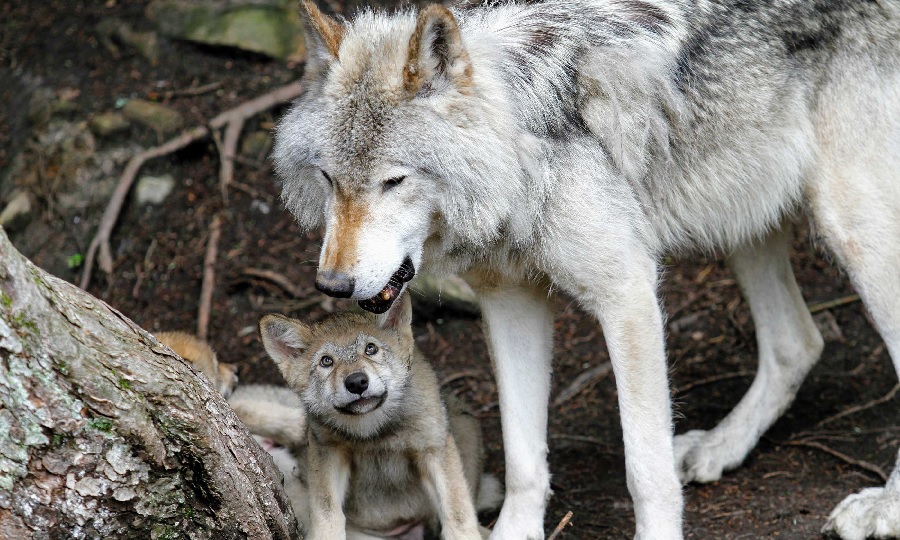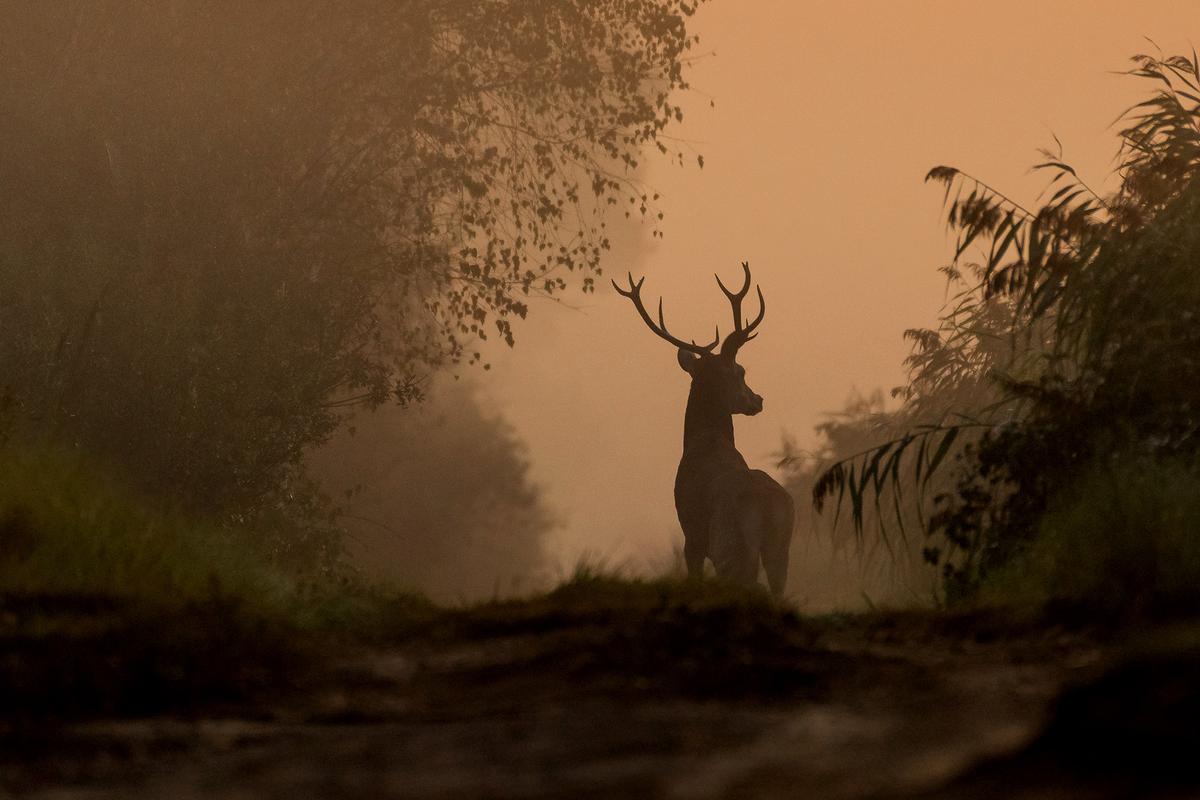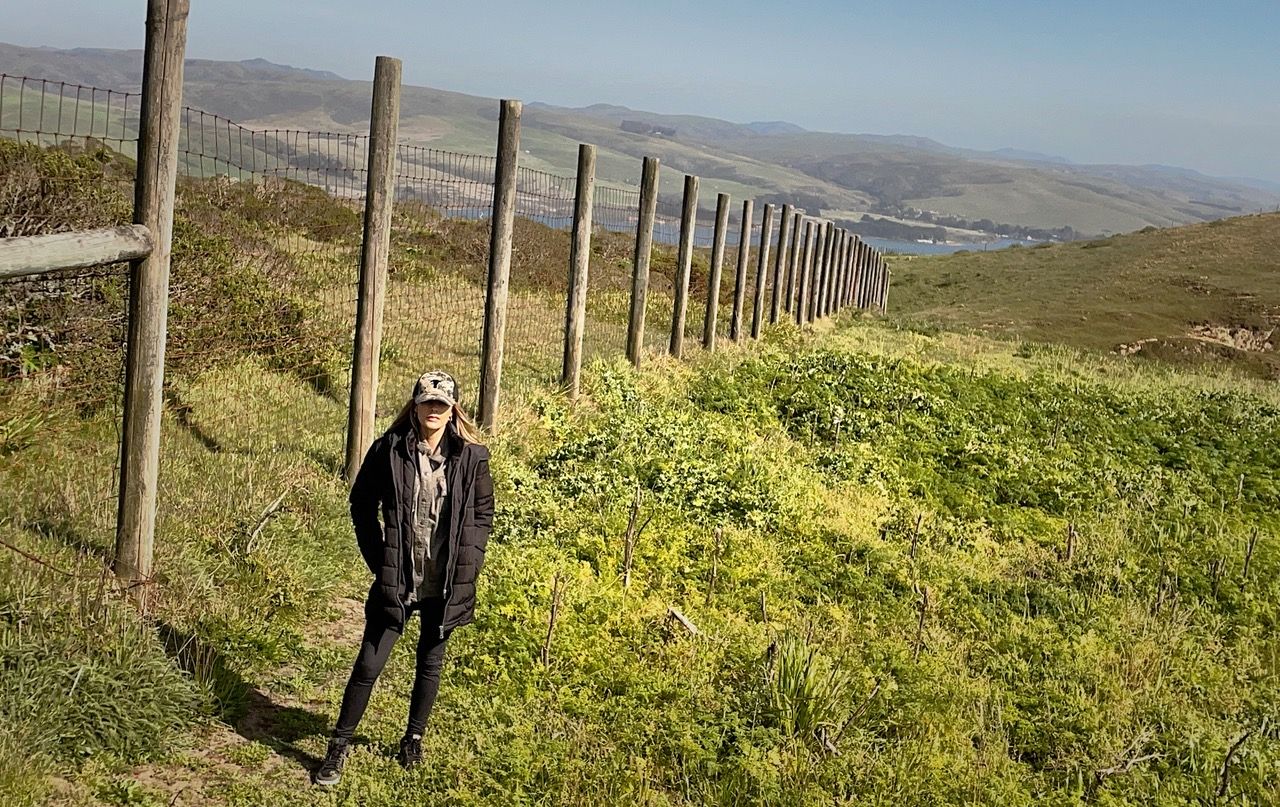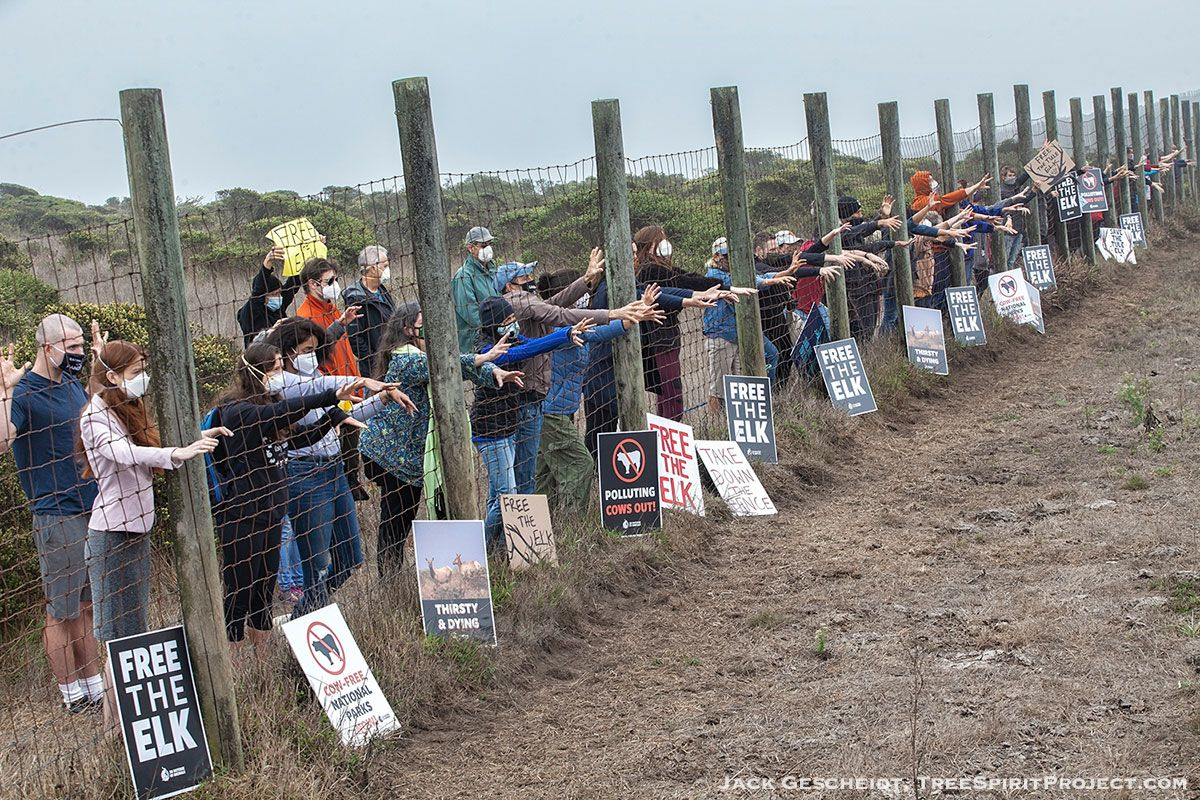

Monterey, Calif. (Sept, 2024)— After years of campaigning to free Tule elk at Point Reyes National Seashore, In Defense of Animals applauds the California Coastal Commission’s (CCC) speedy approval of America’s National Park Service’s (NPS) proposal to dismantle the deadly, infamous, 8-foot-tall,/ 2.4 m, 2-3-mile/ 3.2-4.8 km long fence confining them.
Over 475 Elk Died Over A Decade Due To Fence- Many More Suffered With Poor Health
The wire and wooden post barrier fence was built to keep elk in, and away from for-profit beef and dairy ranches which lease land from the public and, in return, pollute the Seashore park and sentence hundreds of elk to starve and die of thirst by restricting the movement of these wild animals in a national park. Over 475 Tule elk died over a decade as a result of the fence, a larger number of these gentle, plant-eating ungulates than is currently still held captive inside the fenced compound, called a “Reserve,” despite its deadly effect on Tule elk.
After years of animals rights and citizen activist demonstrations and pressure, in June 2023 the NPS finally relented and officially reversed its position on a 45-year-old park policy that kept this Tule elk herd confined to the drought-stricken Tomales Point, the northernmost peninsula of the popular San Francisco Bay Area national park unit. The recent vote, technically speaking, is a CCC concurrence with a “negative determination” assessment of no significant environmental impact caused by removing the 45-year-old fence as part of the new “Tomales Point Area Plan” (TPAP).
This bureaucratic hurdle, much easier to clear than an 8-foot-tall fence, is part of a years-long process that has been underway since June 2023, in accordance with the National Environmental Policy Act (NEPA). The CCC’s approval on Sept. 12 will allow the NPS to continue its process to dismantle the fence, which in turn will allow the elk inside the Reserve to wander south of the fence line, into other, wetter areas of the park’s full 71,000 acres. Their current home, the Reserve, by comparison, is only 2,600 acres.
Their fence-down freedom will, both quickly and over time, improve the health of the herd.
And, significantly, reduce the number of painful, slow elk deaths from thirst and starvation during California’s hot, dry summer and autumn seasons.
With the fence dismantled, the elk will also be able to mix and mate with elk from the park’s other two herds. The two other herds are less restricted in their movements — although they, and all of the park’s approximately 700 elk, are still affected and negatively impacted by the contiguous, privately-owned, beef and dairy cow ranches. These businesses lease over one-third of Point Reyes from the public — and keep it fenced off to public access too, even though the public owns the land.
Thousands of beef and dairy cows (who are confined and used themselves) pollute even more of the seashore’s land, water and air every year (and every day) with millions of pounds of manure and methane.
Activists are delighted that the fence removal process is finally underway.
Jack Gescheidt, Tule elk consultant for the international animal protection organization, In Defense of Animals, said, “It’s a treat, for once, to not have to testify at a Coastal Commission meeting about how destructive, polluting and cruel some policy or regulation is. We activists want the fence down. The public wants the fence down. The Park Service now wants the fence down. And now the Commission has approved this major improvement to a public park.”
Gescheidt added, “And we hope the NPS [America’s National Park Service CP] follows through with the fence removal before the end of the year. We offer volunteer help with the historic fence-dismantling work!”
In Defense of Animals’ Tule Elk Campaign works tirelessly to not just free the Tule elk at Point Reyes National Seashore, but to also re-wild all 71,000 acres of Point Reyes to wild animals, by finally ousting the private beef and dairy ranches which are this beloved national park’s major source of land degradation, water contamination and air pollution. These businesses were paid millions of dollars for their land in the 1960s, and had agreed to leave by 1987, but have resisted doing so ever since. www.idausa.org/elk
In Defense of Animals is an international animal protection organization based in California with over 250,000 supporters and a 41-year history of fighting for animals, people, and the environment through education and campaigns as well as hands-on rescue facilities in India, South Korea, and rural Mississippi. www.idausa.org
Featured image: Bonnie-Jill Laflin at Pt. Reyes Elk Reserve by Jack Gescheidt/Tree Spirit Project.
TORONTO – Following restrictive sun exposure advice in countries with low solar intensity like Canada might in fact be harmful to your health, says the co-author of a new study on sunlight and vitamin D.
The published study Sunlight and Vitamin D: Necessary for Public Health by Carole Baggerly and several academic researchers, examines how organizations such as World Health Organization’s International Agency for Research on Cancer and the U.S. Surgeon General call for sun avoidance, but ignore the fact that cutting out sunshine will reduce vitamin D, an essential vitamin for bone health, and create probable harm for the general population.
“Humans have adapted to sun exposure over many thousands of years and derive numerous physiological benefits from UV exposure, in addition to vitamin D,” said Baggerly, executive director of Grassroots Health and breast cancer survivor.
“These benefits are in addition to those derived from vitamin D alone and cannot be replaced by vitamin D supplements and therefore sun avoidance being recommended by the US Surgeon General, the Canadian Cancer Society, the Canadian Dermatology Association and others, is unnecessarily putting Canadians at risk.”
From mercola.com -studies suggest we need more sunlight than currently recommended dosages
Vitamin D is an essential vitamin that enables calcium absorption and is critical for good bone health. Low levels are linked to bone conditions such as rickets in children and osteomalacia and osteoporosis in adults.
In Canada, vitamin D from sunlight can only be synthesized in the skin during the spring, summer and fall months, around midday, from 10 a.m. – 2 p.m., when the UV index is above three and your shadow is shorter than your height.
Statistics Canada reports that 12 million Canadians, or 35% of the population, have insufficient vitamin D levels, including 10% who are severely deficient, which sets them up for higher disease risk.
According to Dr. Reinhold Vieth, Scientific Advisor for the Canadian Vitamin D Consensus and professor at the University of Toronto in the Department of Laboratory Medicine and Pathobiology, “If organizations warn people to stay out of the sun, then they should also let people know that they will not be producing vitamin D. Both the risks and benefits of UV exposure need to be addressed in the best interest of health. Unfortunately, the message Canadians keep hearing lately is that there is no benefit to being in the sun. The paper by Baggerly et al presents a clear case that good overall health does correlate with spending time in the sun.”
A group comprised of the Multiple Sclerosis Society of Canada, Vitamin D Society and Pure North S’Energy Foundation, have endorsed a draft Canadian Vitamin D Consensus which recommends that Canadians enjoying the sun safely, while taking care not to burn, can acquire the benefits of vitamin D without unduly raising the risk of skin cancer.
Vitamin D deficiency is an indication of sunlight deficiency.
“People today work less outdoors and spend less time outdoors than at any previous time in history, which is why vitamin D deficiency is rising globally. In addition, when people are outside, many use sunscreens, which can significantly prevent the production of vitamin D in the skin,” said Dr. Vieth. “With increasing amounts of evidence suggesting that vitamin D may protect against cancer, heart disease, diabetes, multiple sclerosis and other chronic diseases, it’s more important than ever to examine this issue more closely.”
Learn more at sciencedaily.com
“We urge public health entities to re-evaluate their current sun exposure policies and recommend UV exposure levels that promote a balanced, moderate approach that are both beneficial and safe,” said Baggerly.
About the Vitamin D Society:
The Vitamin D Society is a Canadian non-profit group organized to increase awareness of the many health conditions strongly linked to vitamin D deficiency; encourage people to be proactive in protecting their health and have their vitamin D levels tested annually; and help fund valuable vitamin D research. The Vitamin D Society recommends people achieve and maintain optimal 25(OH)D blood levels between 100 – 150 nmol/L (Can) or 40-60 ng/ml (USA).
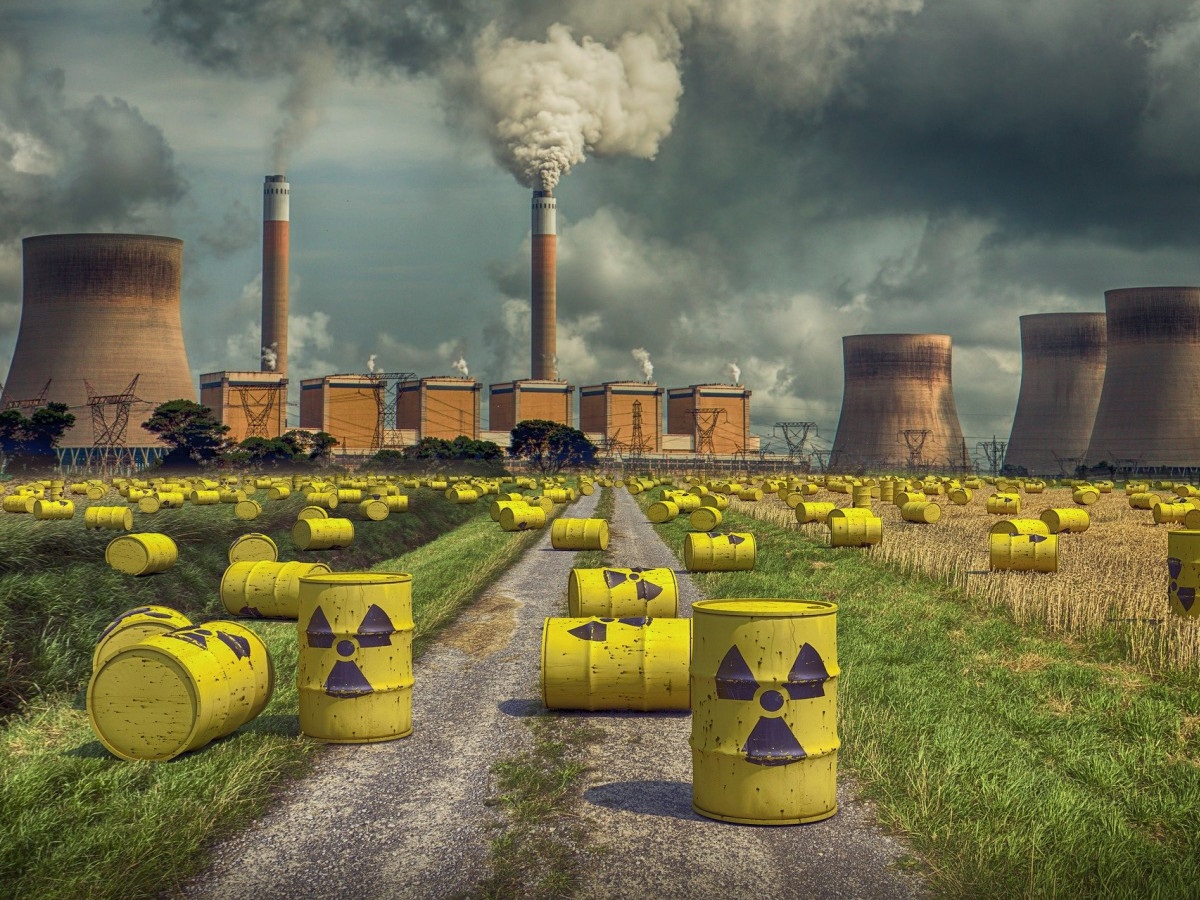
Uranium pellets are shown during a tour of a Nuclear Waste Management Organization facility in Oakville, Ont., on Dec. 12, 2023. The Canadian Press/Frank Gunn
Ontario Town Votes to Become a Willing Host for a Nuclear Waste Repository
A northwestern Ontario town has formally decided it is willing to become the site of a deep geological repository for Canada’s nuclear waste.
The Nuclear Waste Management Organization plans to select a site this year where millions of bundles of used nuclear fuel will be placed in a network of underground rooms connected by cavernous tunnels.
The process for the $26-billion project had already been narrowed down to two sites, Ignace in northern Ontario and another in southern Ontario, and the NWMO says that both the local municipality and the First Nation in those areas will have to agree to be willing hosts.
Ignace, between Thunder Bay and Kenora, is now the first of those four communities to make its decision known, and town council voted in favour of it at a special meeting on July 10.
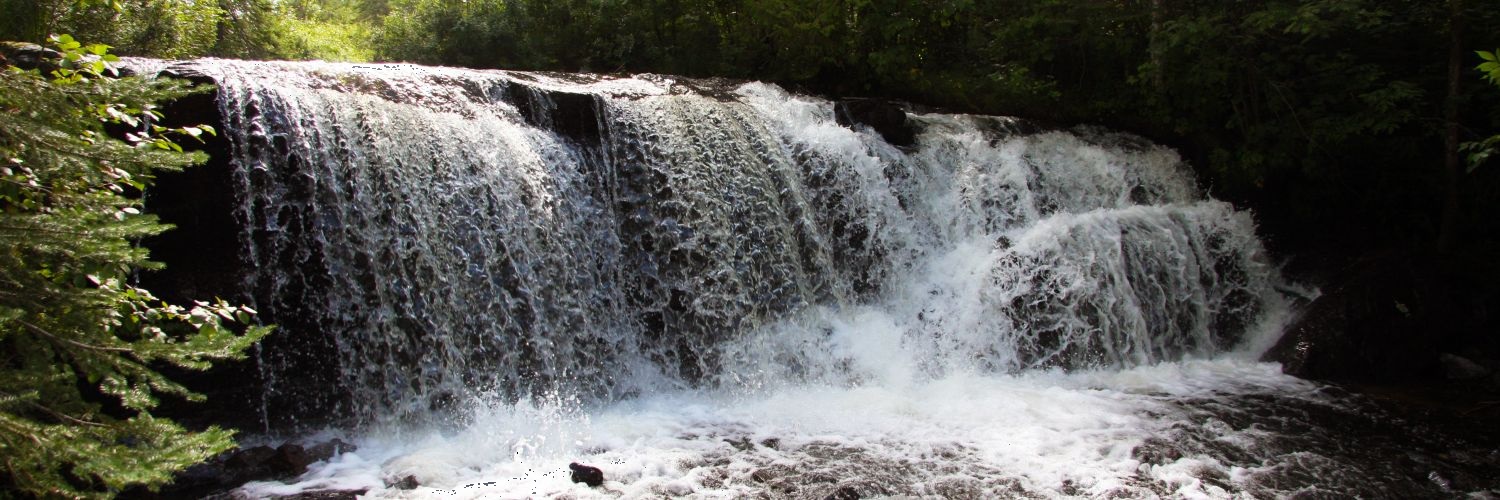
One of the many natural waterfalls found in Ignace, Ontario.
A committee of community members tasked with taking the pulse of the town’s willingness presented the results of a community vote and said that out of the 640 residents who voted, 495 or 77 percent voted in favor.
Neither of the First Nations has yet made their willingness decisions, and the municipality of South Bruce is set to hold a referendum in October.
The current fleet of nuclear reactors in Canada will produce about 5.5 million used fuel bundles, with around 3.2 million already in either wet or dry storage on site at nuclear plants.
But the NWMO says the current containers of thick concrete walls lined on the outside with a steel plate are designed to last 50 years, so they are not a long-term solution.
The organization, funded by the corporations that generate nuclear power and waste, such as Ontario Power Generation and Hydro-Quebec, is instead planning to build a deep geological repository, as far underground as the CN Tower is tall.
The used nuclear fuel pellets, baked into ceramic, are contained in fuel rods made of corrosion-resistant Zircaloy. Those rods will be in containers made of carbon steel and coated with copper, and those containers will be packed into bentonite clay.
Opponents in the affected communities worry about safety, while proponents see value in the jobs and economic development the project will bring.
Global Affairs Canada is seeking a contractor who can present an environmentally friendly way to recycle solar panels.
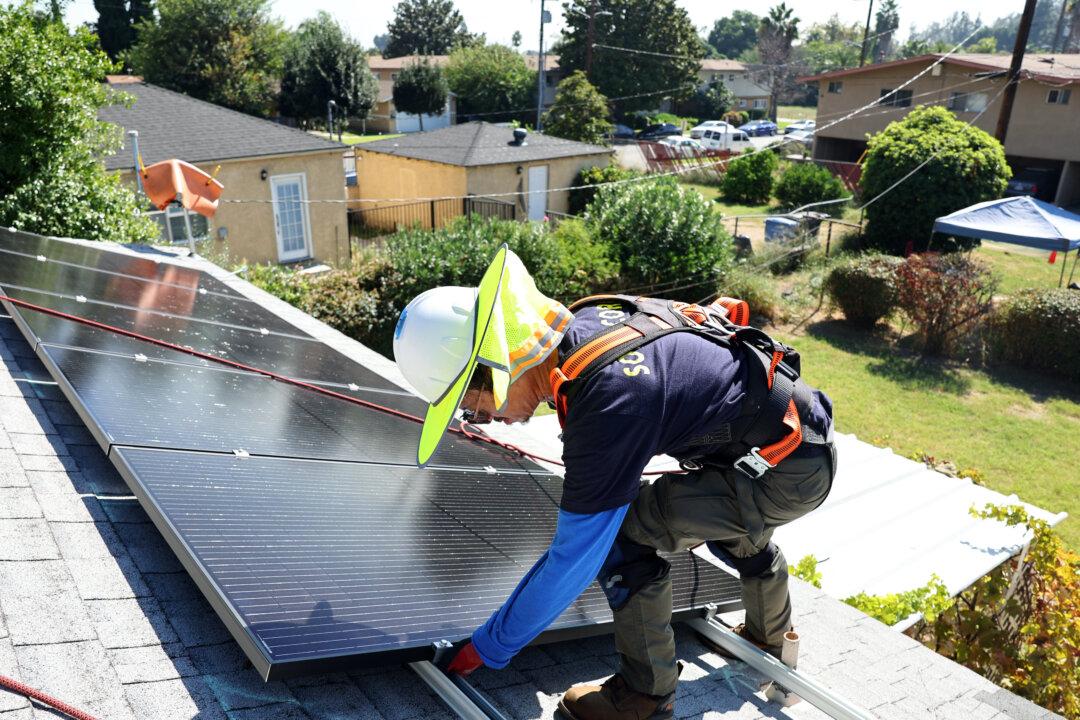
A worker installs solar panels on the rooftop of a house in Pomona, Calif., on Oct. 19, 2023. (Mario Tama/Getty Images)
Via friends at the epoch times. Landfilling of used solar panels poses a “significant” pollution risk due to toxic chemicals potentially leaching into groundwater, a government document says.To solve this issue, Global Affairs Canada is seeking a contractor who can present a cost-effective and environmentally friendly way to recycle solar panels, according to a July 23 notice on the government website.
“Solar panels have valuable materials, including critical materials such as aluminum, tellurium, and antimony as well as gallium and indium in some thin-film modules, which are currently not being recycled once the panels reach their end of life,” said the notice posted by Global Affairs Canada.
Solar panels and renewables are part of the federal plan to get to net-zero greenhouse gas emissions by 2050, the government says. As more and more panels are used, however, Ottawa needs a plan to recycle them in order to reduce the pollution risk.
The government has earmarked $1.15 million CAD for the contract.
“As the photovoltaic market grows, both for public and private use, the volume of end-of-life solar panels will also grow, which will result in significant pollution risks,” the website notice says.
“The overall environmental impact of solar panels is much higher if they are dumped in landfills, where hazardous chemicals and heavy metals can leach into groundwater.” For the Silo, Chandra Philip.
As part of the contract, proposals must ensure that all materials removed from the solar panels are free from contaminants like metals and radiation. Contractors are also required to manage the toxic chemicals from the panels, like lead and cadmium, ensuring they will not be released into the environment or cause health risks to humans.
Solar panels also contain some key elements that are worth recycling and reusing, the website says.
“These individual materials are often a part of the devices that Canadians use every day such as smartphones and computers,” Global Affairs says. “As such, recycling these materials should provide significant economic, environmental, and social benefits.”
Solar panel recycling can also reduce the need for critical mineral mining, an activity that has extensive negative environmental and social impacts, the government notice says.
The way solar panels are constructed, however, can make it difficult to separate and recycle these valuable materials, Global Affairs says.
“Separating those materials and uniquely recycling them is a complex and expensive process as opposed to the cheap method of discarding the entire panel into a landfill,” says the website.
Global Affairs says it wants a “scalable and cost-effective” recycling solution that can be used for solar panels at any time during their lifecycle: production, use period, and end-of-life stage. The agency says it may give out multiple contracts to help solve the problem.
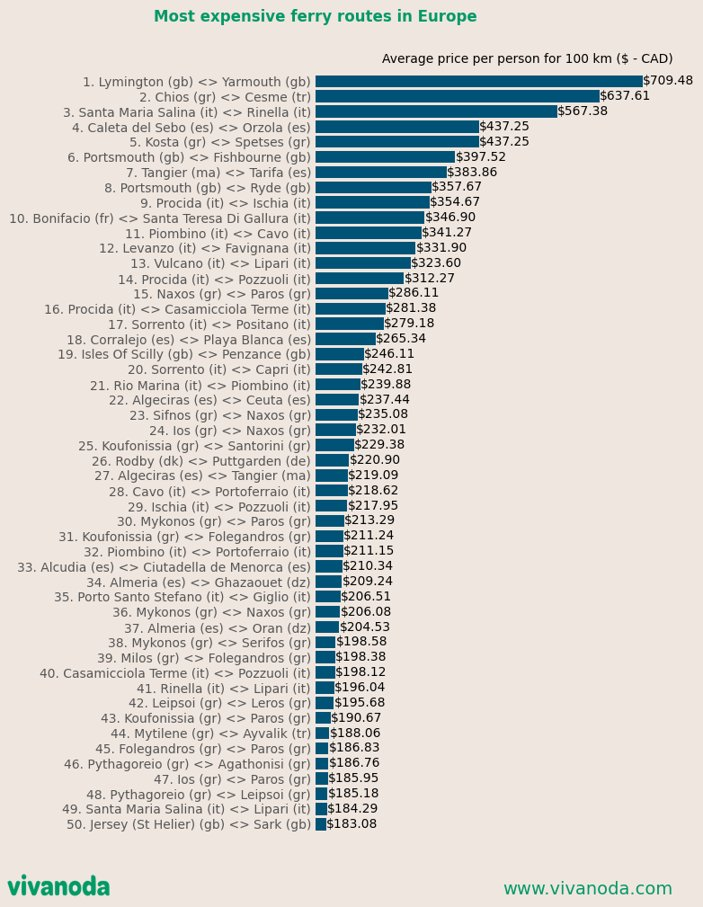
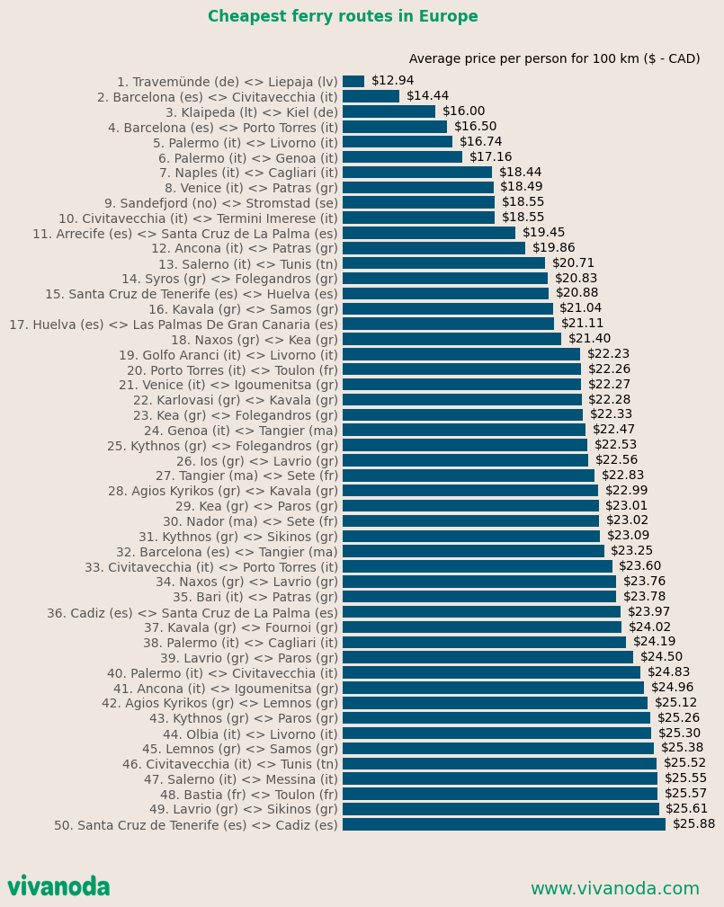
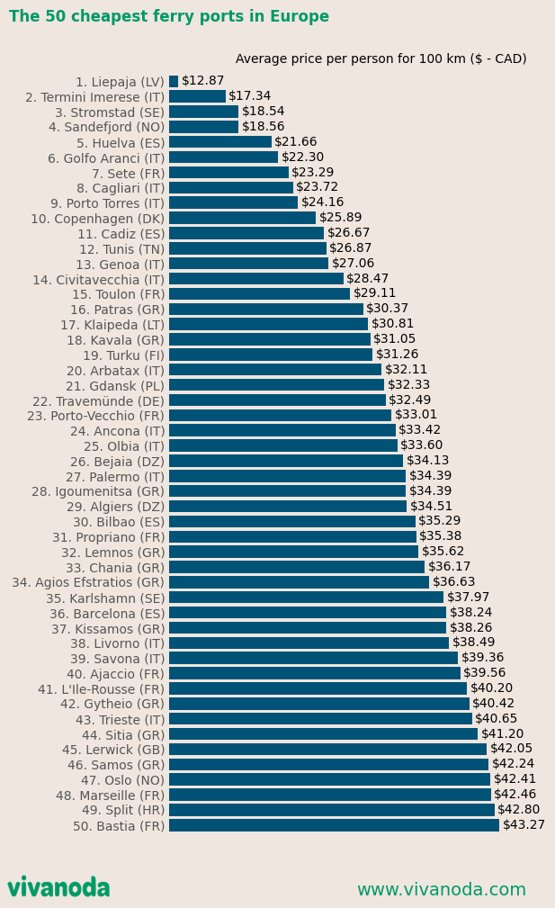
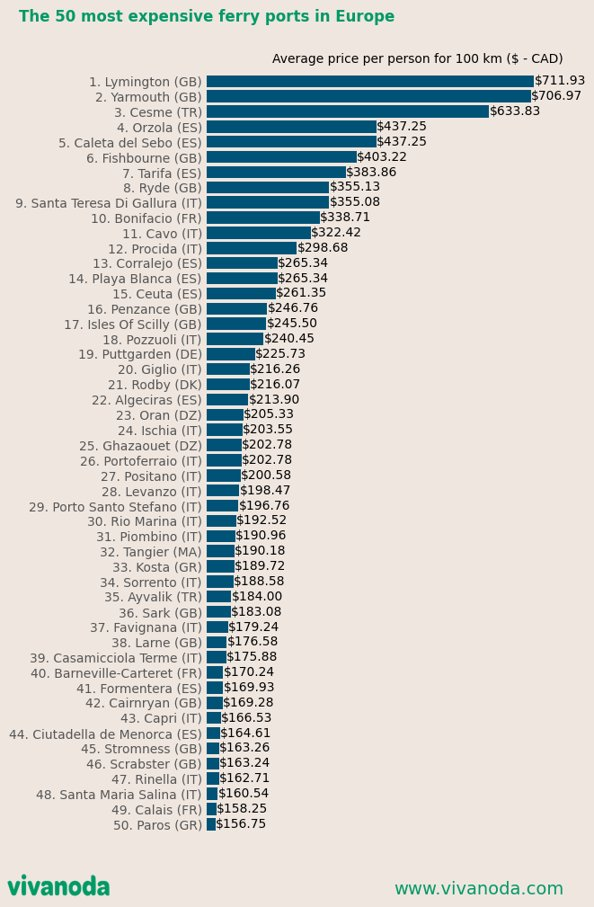
Far from the stress of crowded airports or stations, ferries allow you to travel in comfort while taking your time.
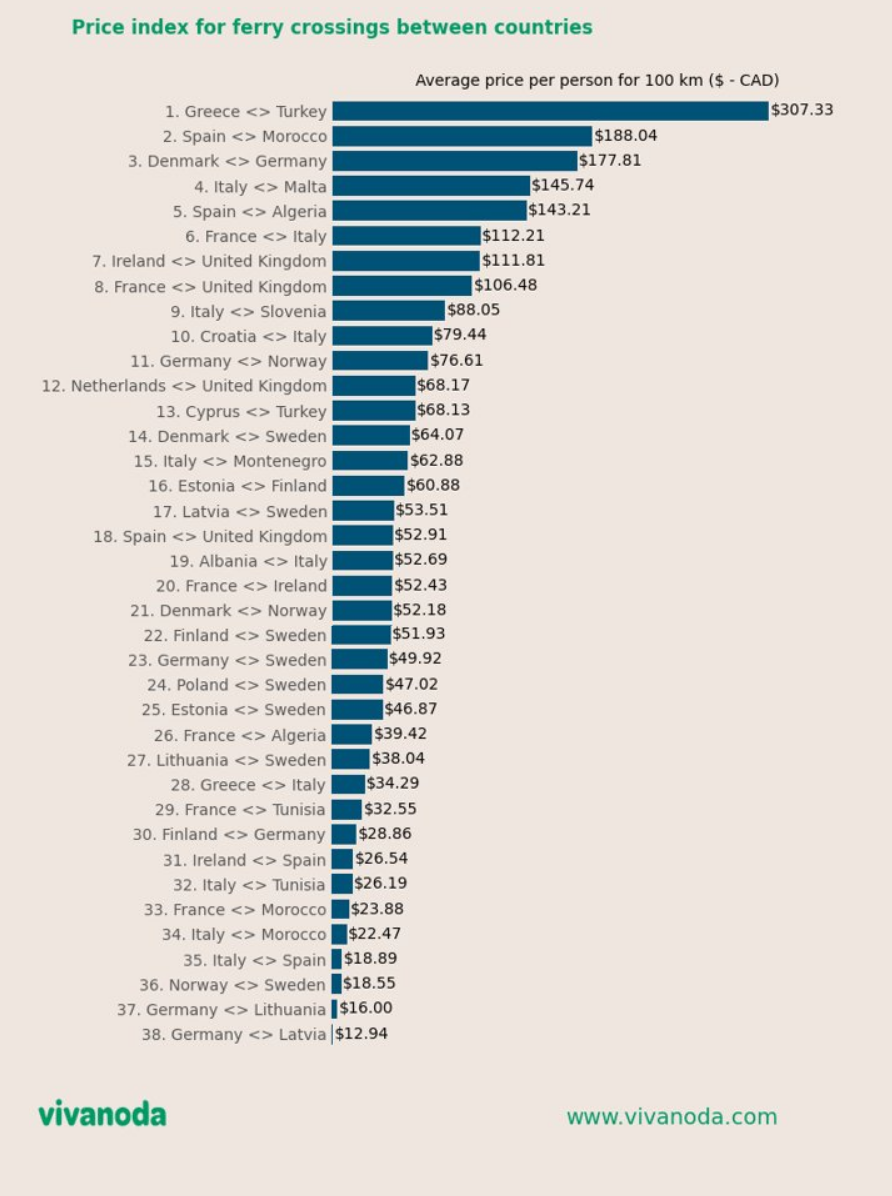
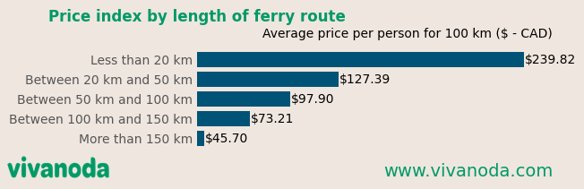
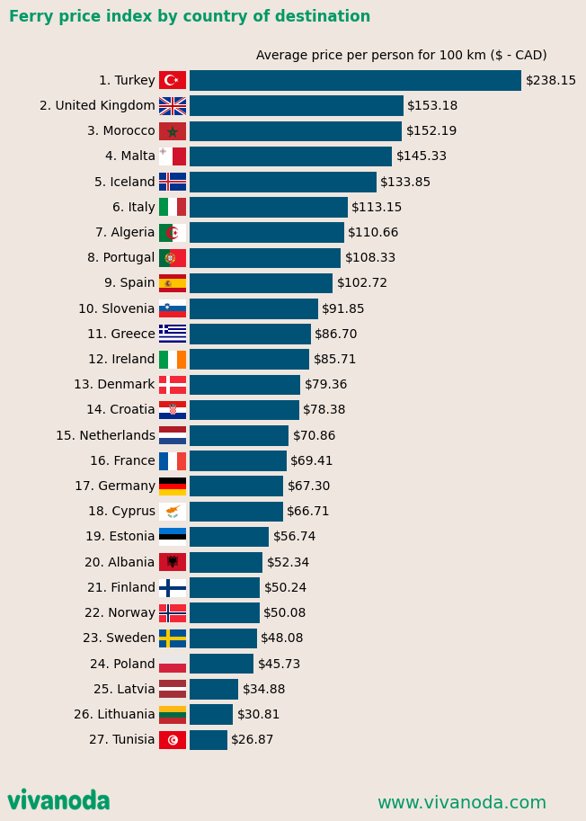
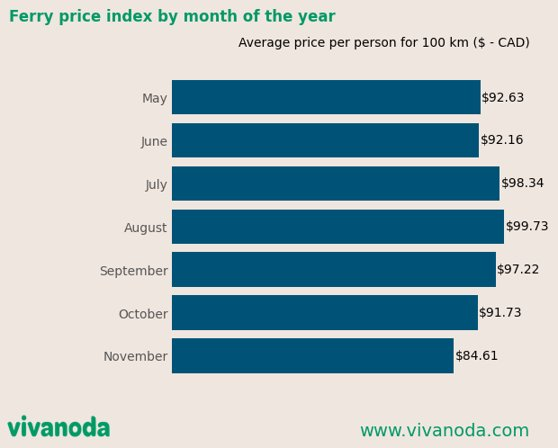
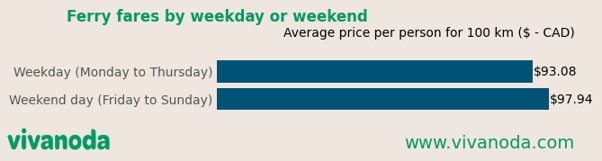
Our friends at Vivanoda, a web platform that enables all travelers to find ferry, bus, train and plane tickets, wanted to launch a major study into ferry prices in Europe in order to gain a better understanding of the variations in ferry ticket prices according to a number of criteria (destination country, distance, seasonality, etc.).
Fortunately for those of us interested in a Europe trip that includes ferrying, they have analyzed tens of thousands of ferry fares on hundreds of routes in Europe, as well as crossings to Turkey and the Maghreb countries (Morocco, Algeria, Tunisia), to get as exhaustive a picture as possible. If you enjoy comparing prices using graphs you are going to want to keep reading…
It’s not difficult to understand the appeal of Ferry travel- leisurely comfortable rides with great views.
Here are the key points highlighted by this study at European level:
Ferry crossings to Tunisia, Lithuania, Latvia, Poland and Sweden have the lowest price index.
Conversely, ferry crossings to Turkey, the UK and Morocco have the highest price indexes.
Connections between Greece and Turkey and those between Morocco and Spain are proportionally the most expensive in Europe.
Connections between Germany and Lithuania or Latvia are the least expensive in relation to the distance travelled.
The shorter the crossing, the more expensive it is.
Across Europe, prices are higher on average from July to September. They are also slightly higher at weekends.
For The Silo, Nicolas Pellier.
About Vivanoda Vivanoda is a web platform that makes it easy to find ferry, train, bus and plane tickets for travel in Europe. Launched in 2013, the site has received awards from the European Commission, the International Union of Railways and the Groupama insurance group.
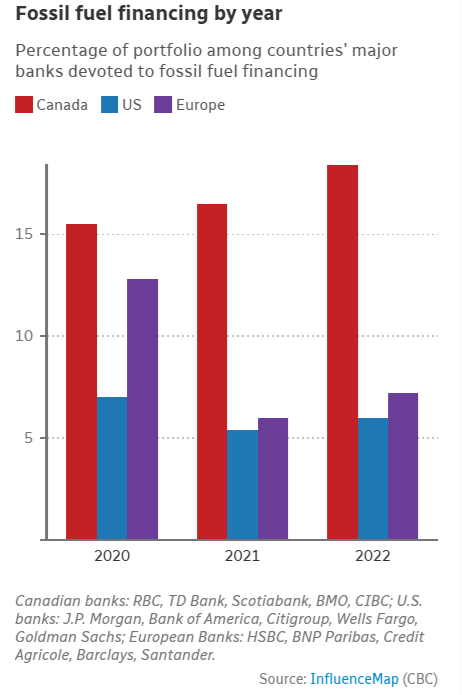
Did you know that Canada’s five biggest banks are among the 20 largest fossil fuel financiers in the world?
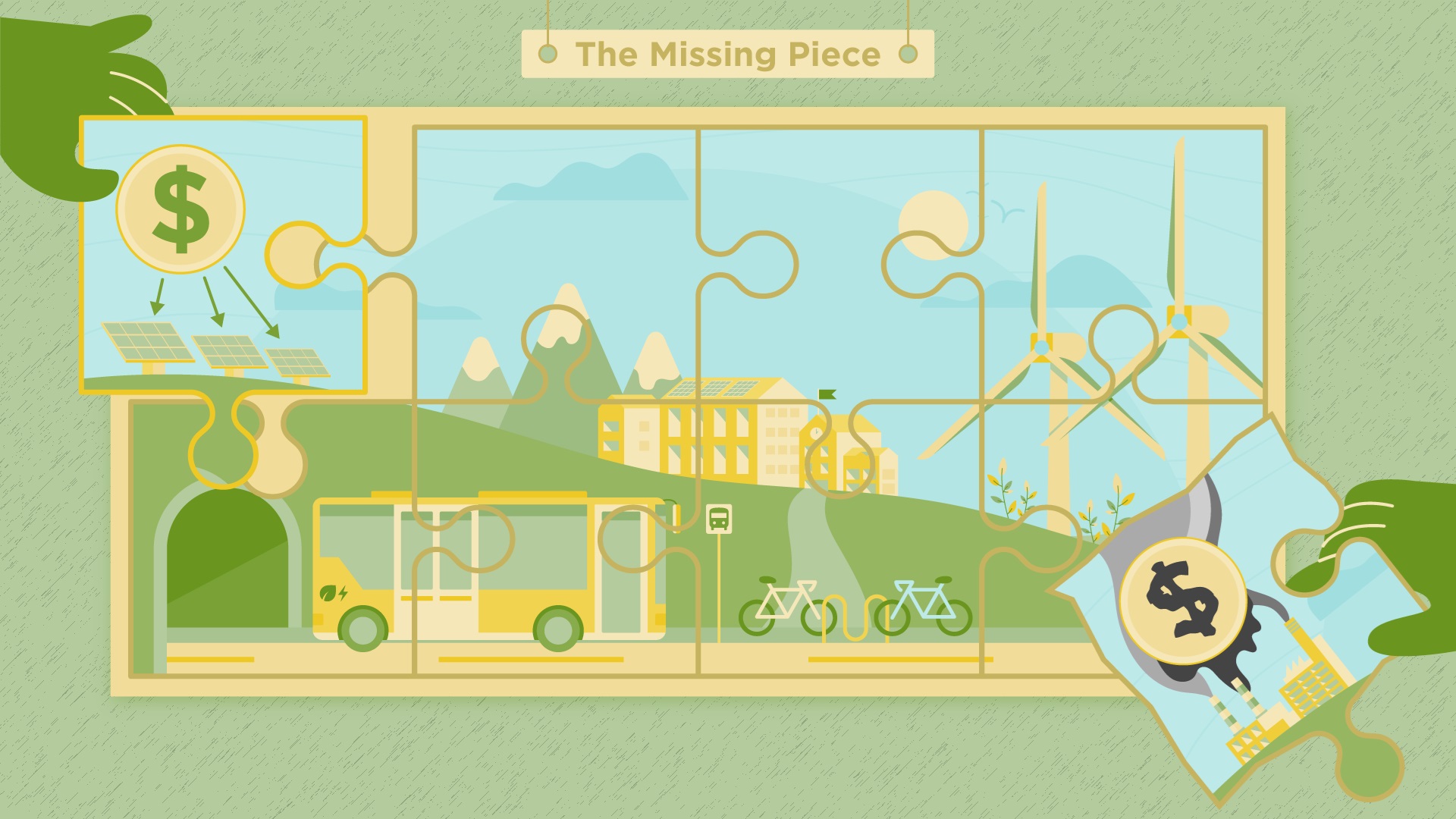
Since the Paris Agreement was signed in 2015, they have invested over$900 billion into the fossil fuel industry. This means that your hard-earned dollars are being invested in projects that make it impossible to meet Canada’s climate targets. While not well known, the financial sector is the missing piece in ensuring a climate-safe future.
Last week, the CEOs of Canada’s top 5 banks were in Ottawa testifying about their role in the climate crisis. Environmental Defence was on the front line of this critical moment. We were invited to testify in this important study and use our expertise to advise policy solutions to align our financial system with climate action.
Canada can only keep a safer climate if finance aligns with climate action, and new rules from the government would help make that happen. And, we are creating public awareness of the issue and mobilizing Canadians to speak up by writing letters and attending rallies- increasing the pressure on the federal government to take action.
At a time when climate-fueled disasters (such as wildfires, droughts and floods) are rising, it’s ludicrous that Canadian banks are allowed to fund oil and gas industries at a rate of over $100 billion per year. We will be watching future proceedings closely. And, we will continue to push the federal government to ensure that Canadian banks are helping, not hindering our climate goals. For The Silo, Alex Walker. Program Manager, Climate Finance for Environmental Defence.
Bringing refined bohemian living to Türkiye’s Aegean coast
Image: Bobo by The Stay
London, England – (June 2024) Bobo by The Stay, the newest of the Stay Hotels, has now opened in Bodrum, Turkey. Perched high above the sparkling Aegean Sea, Bobo offers guests exclusive access to the turquoise waters of Cennet Bay, on the Turkish Riviera.
Bobo was designed by visionary architect Mahmut Anlar and his team at Geo ID.
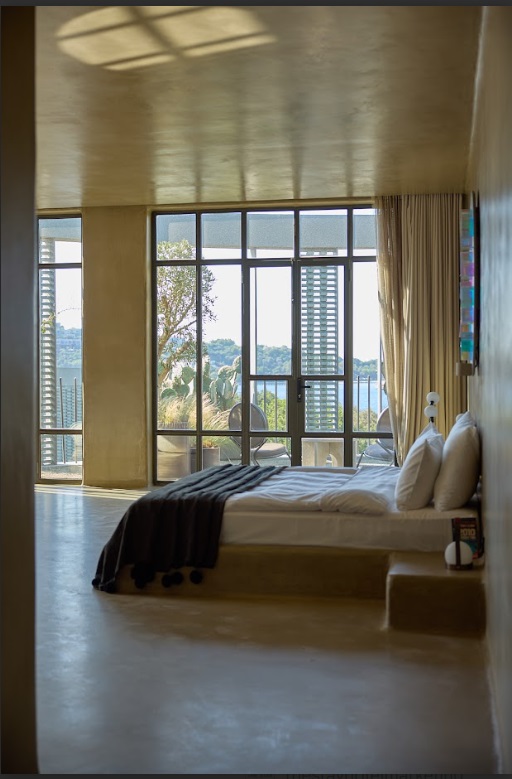
The hotel, tailored for adults, opens with 24 exclusive rooms and suites, each with nature-inspired curved walls and floor-to-ceiling windows allowing breath-taking views of the surrounding coastline and centuries-old olive groves. The hotel’s layout ensures space and privacy for every guest.
True to its name, Bobo has been created to celebrate refined bohemian living, and offers a unique fusion of entertainment, gastronomy, and the arts. Guests can look forward to a vibrant array of cultural and artistic events, including pop-up comedy festivals, guest chefs, and sunset parties throughout the summer. For those who enjoy nightlife, the hotel offers a private nightclub for guests to let their hair down to the beat of international DJs.
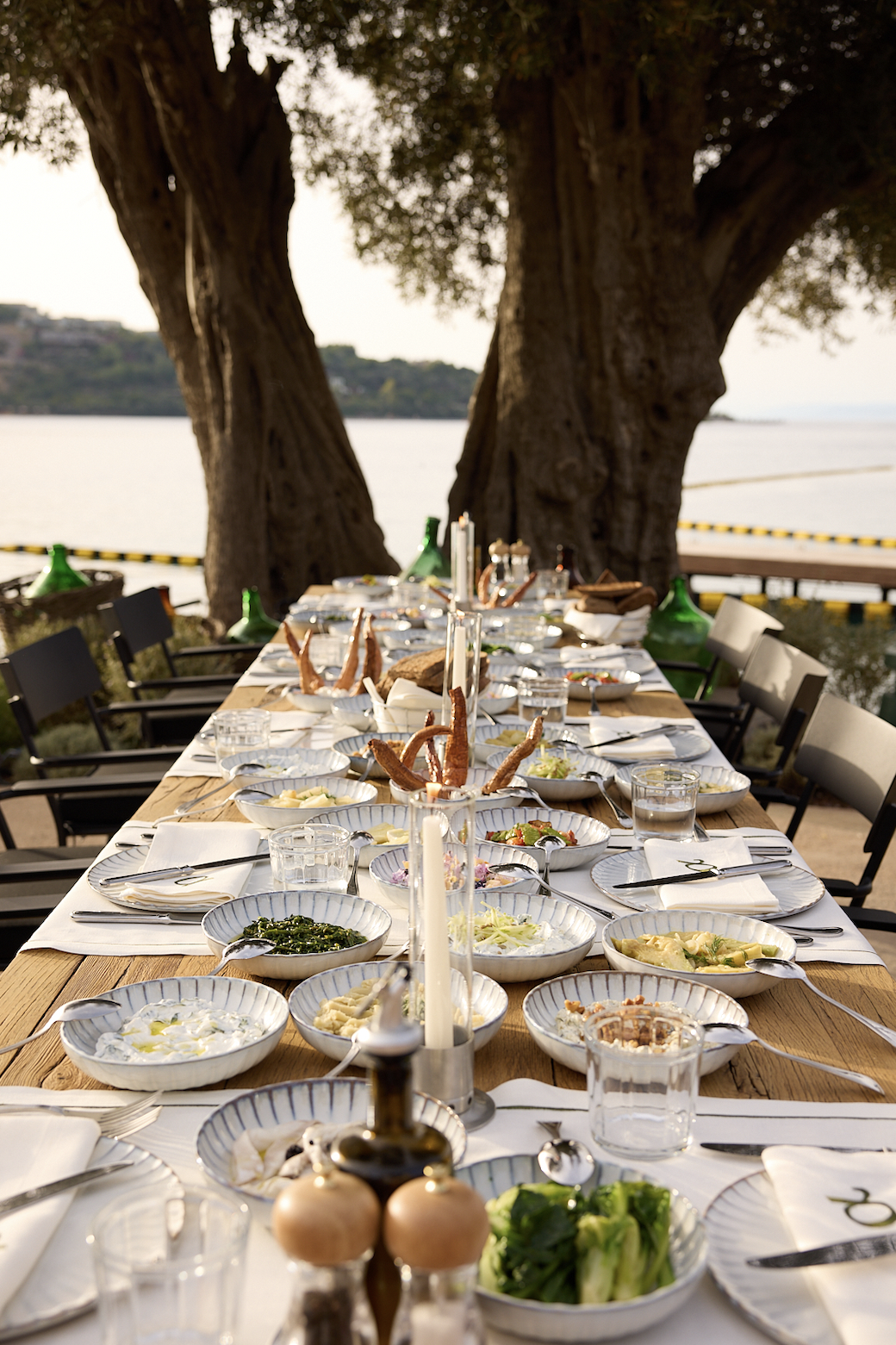
Image: Paraliaki Restaurant located in Bobo by The Stay
Bobo brings the flavours of Istanbul’s Bebek Hotel by the Stay to Bodrum, featuring locally sourced dishes, live music, and signature cocktails by the sea.
Dragon, famed for its stellar Cantonese and Szechuan cuisine in Istanbul, opens its second restaurant at Bobo, while the Greek-inspired Paraliaki restaurant creates menus focused on fresh seafood. As evening descends, guests are treated to an unforgettable dining experience. With dishes created to celebrate the region’s rich maritime heritage and seating on grass or sand, guests can unwind in a laid-back atmosphere that captures the essence of Bobo living.
The hotel’s private beach club, Bobo Beach, features sun loungers on a secluded stretch of Cennet Bay, creating a perfect spot for relaxing and sampling gourmet dishes by the sea. The hotel also offers an exclusive yacht catering service for those who are exploring the beautiful waters of Cennet Bay. In keeping with the relaxed coastal vibe, there’s an outside gym and holistic Stay Spa with saunas and rejuvenating ice baths overlooking the forested bay. The Bobo Store, a boutique housed in a domed tent, will offer beachwear, artisanal wares from local craftspeople, and Turkish brands that reflect the local Aegean culture.
About The Stay Hotels
The Stay Hotels group is a collection of design-focused, culturally connected properties across Türkiye, including four in Istanbul, one in Alaçatı on the Çeşme Peninsula, and the newest on the Bodrum Peninsula. Each hotel combines modern, stylish design with respect for local heritage, offering intimate stays with attentive service.
In Istanbul, guests can choose from The Stay Nisantasi Boulevard, an art-filled mansion in the Fashion Quarter; The Stay Nisantasi, a sleek retreat in the same area; The Stay Bosphorus, a revamped 19th-century waterside mansion; and the Bebek Hotel by the Stay, a glamorous hotel overlooking the Bosphorus. In Alaçatı, The Stay Warehouse is a beautifully restored former warehouse near the coast. With the opening of Bobo by The Stay, the Stay Hotels adds a coastal retreat with light-filled rooms, cultural events, and pop-up restaurants to its stable of hotels.
With contributions from more than 100 scientists from nearly 30 countries, UNESCO’s State of the Ocean Report 2024, published with the support of Iceland, reveals alarming new data on threats facing the ocean. This comprehensive assessment provides an evidence-based review of challenges including ocean warming, rising sea levels, pollution, acidification, de-oxygenation, blue carbon and biodiversity loss. This UNESCO report shows that climate disruption is having an increasingly strong impact on the state of the ocean. Temperature, acidification, sea level: all the alarm bells are ringing.
In addition to implementing the Paris Climate Agreement, we call on our Member States to invest in the restoration of marine forests and to better regulate marine protected areas which are important reservoirs of biodiversity. Audrey Azoulay, UNESCO Director-General The rate of ocean warming has doubled in 20 years. While atmospheric temperatures tend to fluctuate, the ocean is steadily and constantly heating up. The State of the Ocean Report indicates that the ocean is now warming at twice the rate it was twenty years ago, with 2023 seeing one of the highest increases since the 1950s. While the Paris Agreements pledged to keep global warming below 2°C above pre-industrial levels, ocean temperatures have already increased by an average of 1.45°C, with clear hotspots above 2°C in the Mediterranean, Tropical Atlantic Ocean and Southern Oceans.
One dramatic consequence of this warming is an increase in sea levels across the globe. The ocean absorbs 90% of the excess heat released into the atmosphere, and as water heats up it expands. Warming ocean temperatures now account for 40% of the global rise in sea levels, and the rate of rising has doubled over the past 30 years totaling 9cm. Coastal species are suffocating from declining oxygen levels. Since the 1960s, the ocean has lost 2% of its oxygen due to warming temperatures and pollutants, including wastewater and agricultural run-off. Coastal areas are especially impacted, with species finding themselves on the frontline of a battle to breath: roughly 500 “dead zones” identified where almost no marine life remains due to a dwindling oxygen-content.
Rising acidity is also a major cause for concern: with 25-30% of fossil fuel emissions absorbed by the ocean, this overabundance of CO2 is reshaping the very chemical composition of the ocean. Since pre-industrial times, ocean acidity has increased by 30%, and will reach 170% by 2100. UNESCO’s findings reveal that once again coastal species are the hardest hit: while the high seas are steadily becoming more acidic, coastal waters are seeing dramatic fluctuations from high- to low-acidity, which young generations of animals and plants too fragile to survive, causing mass die-offs.
Blue Carbon and MPAs: Beacons of hope. Marine forests including mangroves, seagrass plains, tidal marshes are able to absorb up to 5 times more carbon than forests on land. As well as being vital harbours for biodiversity, they represent one of the best ramparts against global warming. However, UNESCO reveals that nearly 60% of countries still do not include marine forest restoration and conservation in their Nationally Determined Contribution plans.
Marine Protected Areas[1] are known to protect biodiversity, harboring 72% of the 1500 endangered marine species on the IUCN Red List. UNESCO’s new data evidences that the higher the level of regulation in an MPA, the more it is effective at protecting local ecosystems.
UNESCO is leading the United Nations Decade of Ocean Science for Sustainable Development, from 2021 to 2030. Since the start of the Decade, more than 500 projects have been launched in all regions of the world and more than a billion dollars has been mobilized to improve knowledge and protection of the ocean.The Organization is supporting dozens of scientific cooperation programs in all regions of the world, combining data sharing, high-definition mapping of the seabed, prevention of natural disasters and the search for innovative solutions to protect ecosystems. Through its more than 230 marine biosphere reserves and more than 50 marine sites inscribed on the World Heritage List, UNESCO is also the guardian of unique ocean sites which are home to critical biodiversity.
[1] A marine protected area is a defined region designated and managed for the long-term conservation of marine resources, ecosystems services, or cultural heritage.
May, 2024. UNESCO. On International Day for Biological Diversity, we highlight the remarkable efforts underway to accelerate ecological restoration at St. Mary’s Biosphere Reserve on the island of St. Kitts. Home to thousands of species, this UNESCO-designated site spans vast marine areas, forested ridges, agricultural hills, cloud forests, mangroves, and coral reefs. Despite its rich biodiversity, 32% of the land is degraded, necessitating urgent restoration efforts. St. Mary’s is the first site to benefit from the expertise of volunteer scientists from the UNESCO Earth Network project, aimed at collecting key data, implementing restoration plans, and identifying sustainable livelihood opportunities.
St Mary’s Biosphere Reserve’s main challenges
Like many Caribbean islands, the socio-economic history of St Kitts and Nevis was marked by a heavy dependence on the lucrative sugar trade. Thanks to governmental efforts to diversify the economy since 1970s, the federation turned to tourism development, which brought unprecedented opportunities to improve the livelihood of locals. However, when the tourism industry came to a near standstill between 2020 and 2021, St Kitts and Nevis saw a 14.5% drop in its GDP, followed by another 4.3% contraction in 2021.
In addition, as a Small Developing State (SIDS), it faces a number of natural challenges accentuated in the last decade by climate change, with more frequent and violent natural disasters, including hurricanes and seismic events. The effects of climate change highlight the need to protect tropical forests and promote resilient and biodiversity-friendly agriculture.
What does agriculture have to do with biodiversity conservation?
UNESCO/Joan de la Malla
One of the primary goals of St Mary’s Biosphere Reserve is to conserve biodiversity, particularly one of the most emblematic species of the area, the critically endangered leatherback turtle. It may not seem obvious, but this goal is closely related with sustainable agricultural practices.
As explained by Dr Kimberly Steward (Ross University), leachate and chemicals used in farming end up on the beach and affect nesting zones as well as the algae, food and refuge for the leatherback and other turtle species.
What were the objectives of the UNESCO Earth Network mission to the biosphere reserve?
UNESCO/Joan de la Malla
With the generous support of the Government of Italy, the Earth Network project embarked on a mission to St. Mary’s Biosphere Reserve site to promote and work on ecological restoration. The initiative addressed specific challenges associated with agricultural practices, tools and methods of the St. Mary’s Biosphere Reserve site: cultivation, preservation and monetization of sustainable and biodiversity-led agriculture processes.
Furthermore, an inventory of biodiversity loss, i.e., soil-erosion, tropical forest depletion, diminished mangrove cultivation, extent of fauna and different species of birds, bees and other pollinators etc., was prepated. The mission also analysed potential employment opportunities based on sustainable, biodiversity-friendly agriculture practices and tools, i.e., better use of tropical forests as sources of new fruit and vegetable cultivation, and introducing new seed varieties more tolerant to heat and drought; and examined opportunities for the creation of small enterprises associated with sustainable use of natural resources and biodiversity.
Development of the mission and its first achievements
UNESCO/Joan de la Malla
The mission was conducted in two phases, both led by volunteer expert, Dr. Haydi Berrenstein. The first field mission took place from 20 – 24 February 2023 to collect data, assess the situation and exchange with local experts, as well as to interview local stakeholders.
A second mission took place in August 2023, when the Earth Network volunteer expert and local community members worked together to formulate technical advice towards an ecological restoration plan in line with available good practices and assess the feasibility of a local biodiversity inventory.
Additionally, in August 2023, a plan to improve their practices began to be implemented, through the creation of a Seed Bank, the development of natural fertilizers and a whole Biodiversity Agricultural Reforestation plan. The overall aim is to embrace better use of tropical forests, enhance the cultivation of new fruits and combat soil erosion.
Furthermore, the knowledge generated through the mission was consolidated and included in the UNESCO Biodiversity Portal, which provides real-time data from UNESCO-designated sites, as well as top-notch solutions.
Developing countries (in terms of their income economies) such as Africa are also seeing gains.
High-income economies in Europe and Asia-Pacific continue to lead the World Economic Forum Travel and Tourism Index, with the United States, Spain and Japan topping the rankings again. Despite post-pandemic growth, the global tourism sector still faces complex challenges, with recovery varied by region; only marginal overall score improvements since the 2021 edition. Developing economies are making strides – who account for 52 out of 71 economies improving since 2019 – but significant investment is needed to bridge gaps and increase market share.
New York, USA, May 2024 – International tourist arrivals and the travel and tourism sector’s contribution to global GDP are expected to return to pre-pandemic levels this year, driven by the lifting of COVID-19-related travel restrictions and strong pent-up demand, as per the new World Economic Forum travel and tourism study, released today.
Topping the 2024 list of economies are the United States, Spain, Japan, France and Australia. The Middle East had the highest recovery rates in international tourist arrivals (20% above the 2019 level), while Europe, Africa and the Americas all showed a strong recovery of around 90% in 2023.
These are some of the top findings of the Travel & Tourism Development Index 2024 (TTDI), a biennial report published in collaboration with the University of Surrey, which analyses the travel and tourism sectors of 119 countries around a range of factors and policies.
“This year marks a turning point for the travel and tourism sector, which we know has the capacity to unlock growth and serve communities through economic and social transformation,” said Francisco Betti, Head of the Global Industries team at the World Economic Forum. “The TTDI offers a forward-looking window into the current and future state of travel and tourism for leaders to navigate the latest trends in this complex sector and sustainably unlock its potential for communities and countries across the world.”
Post-pandemic recovery The global tourism industry is expected to recover from the lows of the COVID-19 pandemic and surpass the levels seen before the crisis. This is largely being driven by a significant increase in demand worldwide, which has coincided with more available flights, better international openness, and increased interest and investment in natural and cultural attractions.
However, the global recovery has been mixed. While 71 of the 119 ranked economies increased their scores since 2019, the average index score is just 0.7% above pre-pandemic levels.
Although the sector has moved past the shock of the global health crisis, it continues to deal with other external challenges, from growing macroeconomic, geopolitical and environmental risks, to increased scrutiny of its sustainability practices and the impact of new digital technologies, such as big data and artificial intelligence. In addition, labour shortages are ongoing, and air route capacity, capital investment, productivity and other sector supply factors have not kept up with the increase in demand. This imbalance, worsened by global inflation, has increased prices and service issues.
TTDI 2024 highlights Out of the top 30 index scorers in 2024, 26 are high-income economies, 19 are based in Europe, seven are in Asia-Pacific, three are in the Americas and one (the United Arab Emirates) is in the Middle East and North Africa region (MENA). The top 10 countries in the 2024 edition are the United States, Spain, Japan, France, Australia, Germany, the United Kingdom, China, Italy and Switzerland.
The results highlight that high-income economies generally continue to have more favourable conditions for travel and tourism development. This is helped by conducive business environments, dynamic labour markets, open travel policies, strong transport and tourism infrastructure, and well-developed natural, cultural and non-leisure attractions.
Nevertheless, developing countries have seen some of the greatest improvements in recent years. Among the upper-middle-income economies, China has cemented its ranking in the top 10; major emerging travel and tourism destinations of Indonesia, Brazil and Türkiye have joined China in the top quartile of the rankings. More broadly, low- to upper-middle-income economies account for over 70% of countries that have improved their scores since 2019, while MENA and sub-Saharan Africa are among the most improved regions. Saudi Arabia and the UAE are the only high-income economies to rank among the top 10 most improved economies between 2019 and 2024.
Despite these strides, the TTDI warns that significant investment is needed to close gaps in enabling conditions and market share between developing and high-income countries. One possible pathway to help achieve this would be sustainably leveraging natural and cultural assets – which are less correlated with country income level than other factors – and can offer developing economies an opportunity for tourism-led economic development.
“It’s essential to bridge the divide between differing economies’ ability to build a strong environment for their travel and tourism sector to thrive,” said Iis Tussyadiah, Professor and Head of the School of Hospitality and Tourism Management at the University of Surrey. “The sector has big potential to foster prosperity and mitigate global risks, but that potential can only be fully realized through a strategic and inclusive approach.” Mitigating future global challenges According to the World Economic Forum’s 2024 Global Risks Report, the travel and tourism sector faces various complex risks, including geopolitical uncertainties, economic fluctuations, inflation and extreme weather. Balancing growth with sustainability also remains a major problem, due to high seasonality, overcrowding, and a likely return of pre-pandemic emissions levels. The report also analyses persistent concerns about equity and inclusion. While the tourism sector offers a major source of relatively high-wage jobs, particularly in developing countries, gender parity remains a major issue for regions such as MENA and South Asia.
Despite these challenges, the sector can play a significant role in addressing them. To achieve this, decision-makers should prioritize actions such as leveraging tourism for nature conservation efforts; investing in skilled, inclusive and resilient workforces; strategically managing visitor behaviour and infrastructure development; encouraging cultural exchange between visitors and local communities; and using the sector to bridge the digital divide, among other policies.
If managed strategically, the travel and tourism sector – which has historically represented 10% of global GDP and employment – has the potential to emerge as a key contributor to the well-being and prosperity of communities worldwide.
About the Travel and Tourism Development Index 2024 The 2024 edition of the TTDI includes several improvements based on newly available data and recently developed indicators on the environmental and social impact of travel and tourism. The changes made to the 2024 Index limit its comparability to the previously published TTDI 2021. This year’s report includes recalculated 2019 and 2021 results, using new adjustments. TTDI 2024 reflects the latest available data at the time of collection – end of 2023. The TTDI is part of the Forum’s broader work with industry communities actively working to build a better future enabled by sustainable, inclusive, and resilient industry ecosystems.
One year ago- The pandemic had all but decimated the tourism industry in South Africa
Botswana’s president recently threatened to send 20,000 elephants from Botswana to Germany in a feud over stricter regulations on trophy imports. Find out why President Mokgweetsi Masisi’s claims about hunting simply don’t stack up and how animal-friendly approaches in Botswana actually help conservation goals and the economy.
Earlier this year, Germany proposed stricter limits on trophy imports, which led to controversy and claims from President Masisi that it would further impoverish Botswanans.
Trophy hunters worldwide are attempting to justify their killing by making outlandish claims to hide their conservation harms and economic exploitation.
According to Dr. Keith Lindsay, a renowned conservation biologist with over 30 years of research and hands-on experience conserving African elephants, including population management, nothing could be further from the truth.
While there are challenges for African countries that have elephant/human conflicts, many have found proven solutions that respect elephants without killing or trapping them.
The way to create harmony with elephants is to know the facts first.
Elephant populations have not “exploded,” as President Masisi claims. Botswana’s elephant population has not increased significantly for about two decades.
Trophy hunting funds corruption and does not bring in significant net revenue for conservation. The ones that profit are sports hunting companies, a few government officials, and community trust members who siphon off funds. Very little goes to the hundreds of households sharing the meager proceeds, which Dr. Lindsay says is “enough for a pair of socks.”
According to the numbers, hunting does not keep elephant populations in check, as President Masisi claims. A 2022 survey of elephants in Botswana indicated there were about 132,000. The hunting quota in 2024 is 400 elephants, which is less than 0.3%. It’s not enough to make a dent in their population, even if all 400 were killed, but it is a risk to all older male elephants and large-tusked elephants, who hunters target despite their vitally important role in elephant societies.
Botswana banned trophy hunting in 2014 but lifted it in 2019 to give the impression it would boost the economy, but elephants are much more valuable alive.
Live elephants contribute a much greater amount to the economy than dead ones. Per Dr. Lindsay, “Photographic ecotourism, even in Botswana, employs more people and contributes more to the national economy, including through multiplier effects on value chains of suppliers to the industry than does the minimal amount from trophy companies.” Only a few countries in southern Africa exploit wild animals as a resource through killing and consumption.
Conflicts from elephants eating crops and killing people are not due to elephant overpopulation but to human populations expanding into elephant territories and growing vegetation that elephants like to eat.
Many conservation experts advocate against killing keystone species on ecological grounds. The minority who stand to gain from trophy hunting often attempt to marginalize all who oppose hunting and killing elephants as “extremists” despite being the vast majority.
Organizations like Ecoexist and Elephants Without Borders are working successfully with local farmers on practical approaches to human-elephant coexistence to resolve conflicts where they exist.
Elephants are not products to buy and sell. They are majestic living beings who deserve to live free as they have for thousands of years on the lands of their ancestors.
For the Silo, Courtney Scott / In Defense Of Animals.
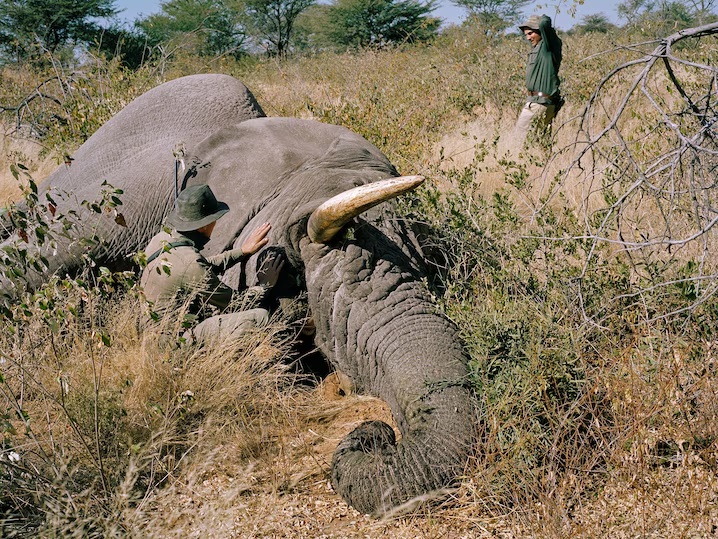
Featured image: German sport hunter kills old Bull elephant in Botswana. image courtesy of National Geographic.
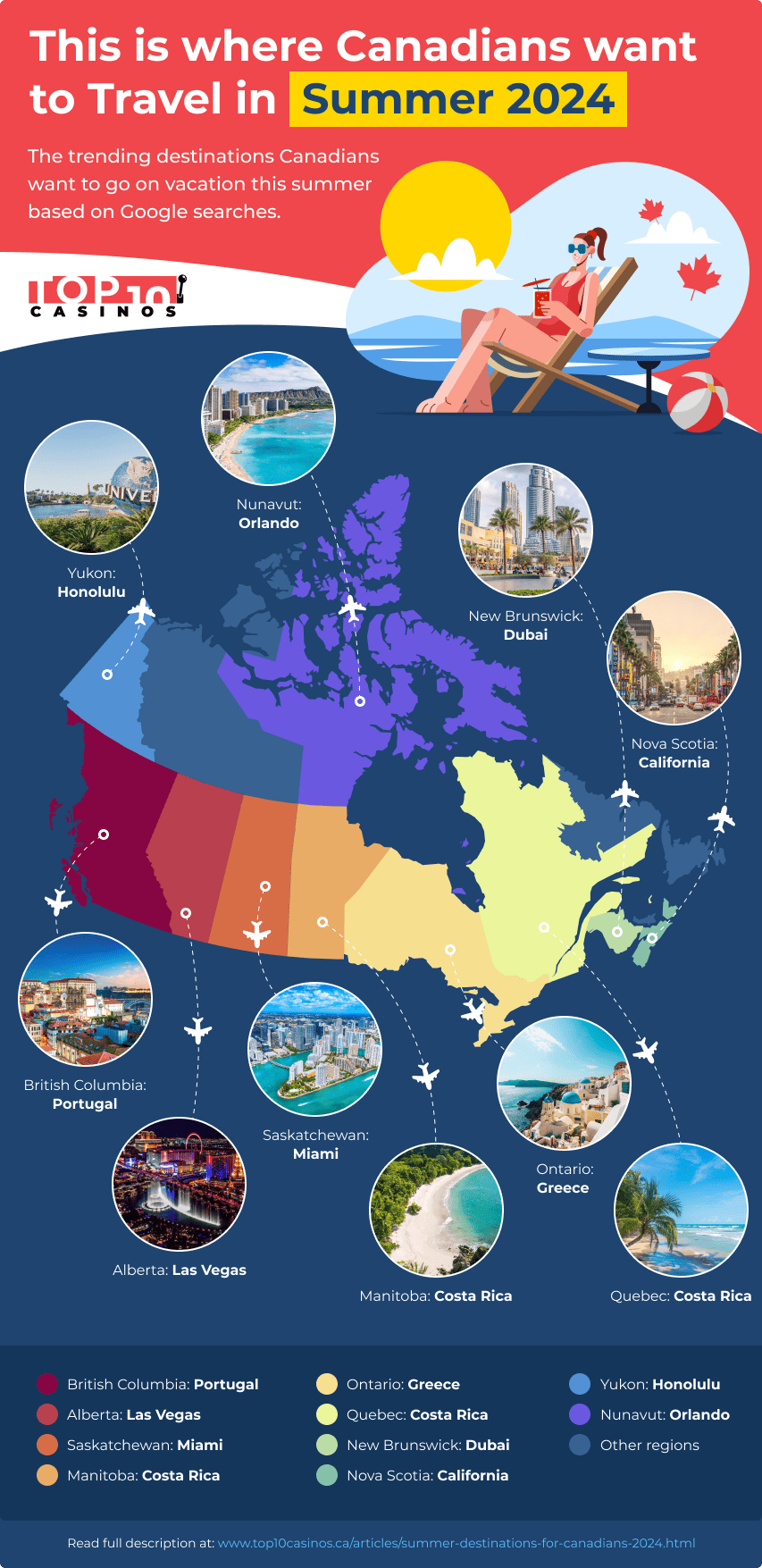
The trending destinations Canadians want to go on vacation this summer based on Google searches.
Where do Canadians want to go on their summer vacation in 2024?
With soaring inflation prices and the cost of essential shopping skyrocketing, millions of Canadians will plan to cut back on vacation spending. According to data from Ipsos*42% of Canadians say they plan to minimize their spending on vacations in 2024 as a way of dealing with the increased cost of living. Now, as the season changes into spring, more people are wondering what this summer has in store for them from a vacation perspective.
Are Canadians really looking to cut costs when it comes to their annual trip? Or has the economy got us looking outside of our usual go-to destinations?
Our friends at Top10casinos.ca, have used Google search data looking at terms around ‘summer vacations’ to find out which destinations around the world are most in-demand by Canadians looking to book their summer vacation in 2024. So, whether you need some inspiration for your next big trip, or just love a good list, here are the trending destinations Canadians want to go on vacation this summer based on Google searches.
Revealed: Canada’s Top 10 Most in Demand Summer Vacation Hotspots in 2024
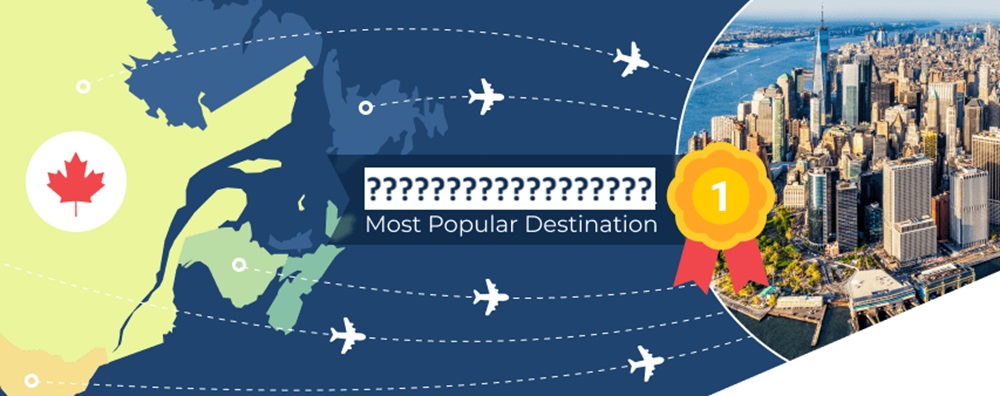
Research Reveals New York Will Be Canada’s Favorite Summer Vacation in 2024 – Getting 1.9 Million Searches Every Month
With 1.9 million monthly searches and a 6% increase in searches in the last 30 days, the metropolis of New York is officially Canada’s most desired destination for a summer vacation this year. Analyzing individual attractions that Canadians are most interested in visiting, searches for ‘new york broadway shows 2024’ are up 9,900% and people searching for ‘new york yankees schedule 2024’ are up 5,800%. For Canadians looking for an early Spring vacation, searches for ‘new york weather in April’ are up 750% in the last 30 days.
City Break Destinations Incredibly Popular for Canadian Summer Vacations in 2024
Half of the top 10 most-searched for summer vacation spots by Canadians are city break destinations with San Francisco, Las Vegas and Honolulu topping the list. The data shows that Vancouver residents are getting heart eyes for San Francisco. In the last month, there were 16,550 searches for summer vacations in the Golden Gate City and searches for ‘Vancouver San Francisco cruises’ are up 29% since the same time last year.
The Cold European Country of Iceland Has the MOST Search Increases – Ranking Above Beach Favorite, Mexico Beaches, relaxing by the pool and all you can drink cocktails are usually synonymous with summer, but according to our study, Canadians want to escape the heat in favor of colder climes. With an average of over 689,980 monthly searches and a huge 122% increase in 30 days, Iceland surprisingly ranks in front of Mexico as a go-to vacation destination this summer. Looking at why Canadians might be interested in visiting the land of ice and fire, searches for ‘northern lights’ are up 10,900% and people looking at ‘portugal v iceland’ have increased 1,043% on Google. According to the regional data, Niagara Falls residents in particular are looking for a totally unique experience this summer, with searches for ‘Iceland summer vacation’ up 200% since the same time last year.
Cuba Revealed as Canada’s Most Desired Beach Destination This Summer – Ranking Above Mexico and Costa RicaWith more than 712,000 monthly searches and an increase of 36% in 30 days, Cuba is revealed as Canada’s most desired beach vacation destination for summer 2024. According to the data, Canadians are researching long distance swimming in the country, with searches for ‘swim from cuba to florida’ up 3,500% and ‘vacations to cuba’ up 333%.
The Dominican Republic Ranks in Top 10 With over 97,000 monthly searches for ‘The Dominican Republic summer vacation’ and a 35% increase in the past month – it’s evident the Caribbean Island will be one of the most coveted destinations by Canadians this summer, which is why it features in the top 10. When analyzing search trends on a city level, Montréal has seen a 25% increase in residents’ searching for the beautiful beach spot, and Ottawa shows a 20% surge.
Mapped: Most Desired Vacation Destinations Across Canada, Revealed
Las Vegas Named the Most Desired Destination The gambling capital of the world is the most searched for city across the 10 cities of Alberta with searches spiking by nearly half (48%) since the same time last year. With 1.7 million monthly searches and a 12% increase in Canadian’s searching for the desert oasis summer vacation, Las Vegas has seen a 6% increase in search increases than topspot New York, the city also ranks above favorites Cuba and Mexico.
Greece Ranks Second as Research Reveals European Summer Vacations Most Popular with Ontario ResidentsThe data shows there’s a rapid number of Canadians looking to experience a European summer vacation this year, with both Greece and Italy coming up top in Ontario. Looking at the most searched for destinations, searches for Greece’s picturesque Santorini have increased by 67% since the same period last year across Canada, and Italy’s Rome have spiked 25%.
Costa Rica is the Most Desired Destination by Two ProvincesFilled with rugged rainforests, pristine lagoons and beautiful beaches, it’s little wonder the Central American country of Costa Rica is the most desired by two parts of Canada. Provinces of Quebec and Manitoba both had Costa Rica as their favorite destination, with searches for the tropical country up by an average of 81% across 10 cities in Quebec since the same time last year. Looking at locations on a city level, searches for ‘all inclusive Costa Rica vacations’ are up 300% in Quebec City, highlighting a need to escape busy metropolitan life.
Toronto’s 3 Favorite Summer Vacation Spots are all City DestinationsResidents hailing from Ontario’s capital, Toronto, are interested in keeping the summer city spirit alive, with 3 favorite destinations also being city spots. According to the data, Toronto’s favorite destination is Dubai with a 49% increase in searches since the same time last year. Closely followed by Rome (22%), and Miami (20%).
Methodology
Using articles around the topic of “bucket list travel destinations”, “best vacations in 2024” we were able to collect a list of approx 100 dream global travel destinations. To allow for us to make sure we’re focusing on those who want to holiday in these locations we assigned the prefixes “summer vacations in” to all locations. These terms were then entered into keywordtool.io to collect the average monthly search volume and search trends (over the last 12 months) per state.
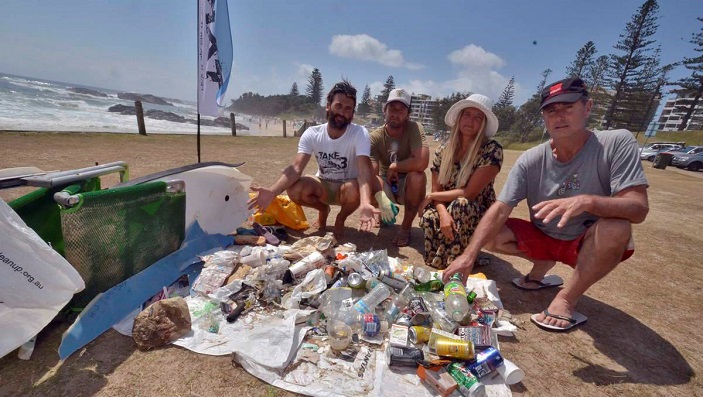
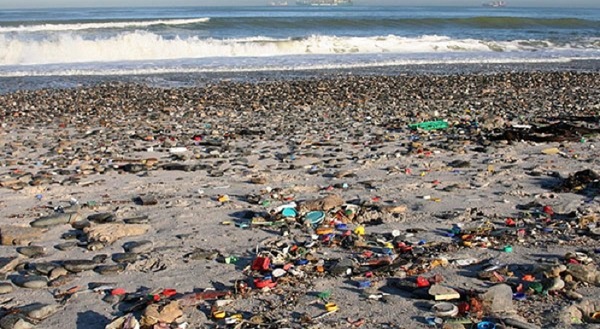
My name is Ivan Macfadyen and I am a seasoned sailor with many voyages in the World’s oceans. My last Pacific crossing has raised an ominous alarm- I’m used to seeing turtles, dolphins, sharks and big flurries of feeding birds. But this time, for 3,000 nautical miles there was nothing alive to be seen. This once vibrant expanse of sea was hauntingly quiet, and covered with trash.
Ivan Macfadyen
Experts are calling it the silent collapse.
Although very few of us see it, we are causing it — overfishing, climate change, acidification, and pollution are devastating our oceans and wiping out entire species. It’s not just the annihilation of millennia of wonder and beauty, it impacts our climate and all life on Earth.
But we have a fleeting window still to act and this could be the year to turn the tide — the UN is considering an initiative to stop dumping and pillaging in the high seas, and announced back in 2015 that they will help create the largest single marine reserve ever in one of the most pristine areas on earth!
Lack of political will is the only real obstacle to getting more of these agreements moving.
My apocalyptic sailing voyage is a clarion call to action. Let’s get started on making everyone aware of the situation right away.
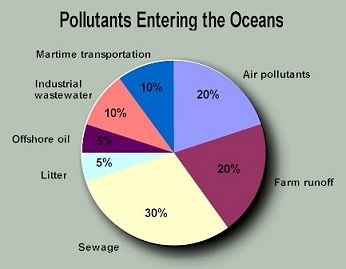
Right now, fishing boats are scraping the ocean floor clean, and over 80% of sea pollution is coming from fertilizers, pesticides, and plastics pouring off shore land. The reports are dire: in less than 40 years, our oceans could be completely fished-out.
In 100 years, all coral reefs in all the oceans might be dead.
But just as wilderness parks work to rehabilitate life on land, the same happens in the ocean. If our governments create big enough marine reserves and enforce protection laws, the ocean can regenerate.
Famed ocean explorer Jacques Cousteau said: “people protect what they love.” Let’s inspire millions more people to fall in the love with the ocean and defend its treasures.
We are in a precarious moment when there are still fewer marine mammal extinctions than there are on land, and when ocean ecosystems have shrunk less than those on land. We have not yet passed the tipping point for our oceans, but we will if we don’t act soon and at a scale that rivals the enormity of the problem. There is no other community in the world that can do that like we can. For The Silo, Ivan Macfadyen.
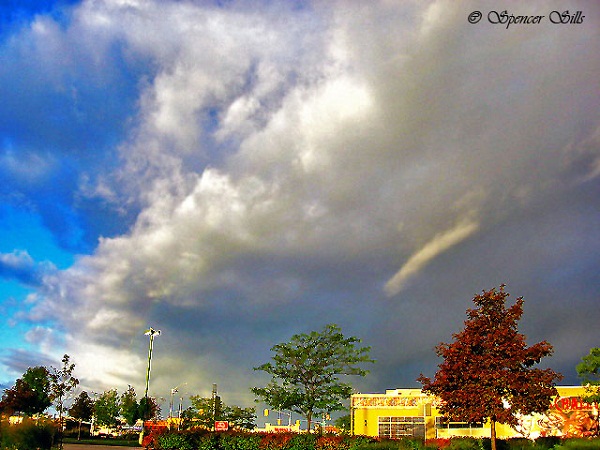
Photo shot in London, Ontario. Shot during a tornado warning for Middlesex county. photo: S. Sills
Did you know on average 12 tornadoes strike Ontario each year? That’s why David Chapman (@northof44pics) and I (@wxspencersills) commit our springs and summers to capturing severe thunderstorms on video and through photography.
My name is Spencer Sills and I am a chaser located in South Western Ontario. I have been chasing storms for about 20 years. I became obsessed with the weather and more specifically severe weather in 1996. On April 20, 1996 a tornado had hit Williamsford, Ontario. This was my first experience with a tornado and it has become a permanent fixture in my mind, partially due to the fact there was still snow on the ground the day it had hit.
Then in the summer of 2011, there were fourteen confirmed tornadoes including the Goderich F3 tornado as well as three tornadoes during the August 24th severe weather outbreak during the late afternoon and evening. I was unable to be out during either of these days but what I was able to do was keep the public informed of the current severe weather as well as help give warning for the tornadoes.
Photo shot in South West London, Ontario. A waterspout advisory was in effect for Lake Huron and Erie, while on the way to Lake Huron I came across this Cold Core Funnel off of a early morning thunder shower. image: S. Sills
A Summer from years ago was…interesting. I witnessed more than my fair share of active weather. I encountered five funnel clouds, several gust fronts or more commonly known as squall lines here in Ontario, and hail from pea size to golf ball sized in Seaforth. I’ve also encountered strong wind storms which included a storm in Birr, Ontario which uprooted several large trees.
My personal worst storm occurred on June 7, 2011 in Elora, Ontario. A large and intense cell came through late at night bringing with it 80-90 km/h winds, heavy downpours, frequent lightning and quarter-coin size hail. I was fortunate to not be injured during this storm because I was in a tent at the time and had no warning beforehand other than a loud lightning strike before it hit. There was a severe thunder storm warning with the cell but our campground chose not to relay that information to campers and I only found out about the warning once I put on my portable radio after the storm came. That same storm went on to produce a tornado warning over Hamilton but did not spawn a tornado that night. It did however cause extensive wind damage in the city.
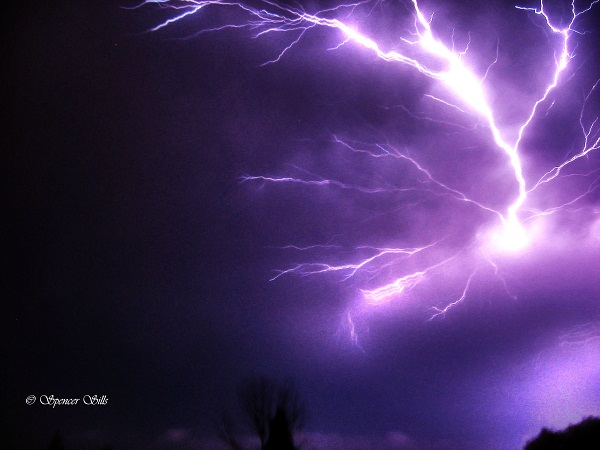
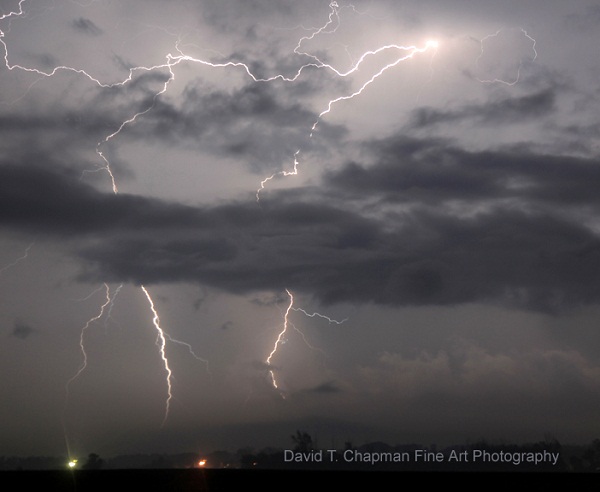
Cloud to Ground Lightning: photographed by D. Chapman
My chase partner is David Chapman. David and I both grew up within minutes of each other but never met until recently due to the power of twitter. From twitter I was able to glean that we both have similar interests and goals which will allow us to mesh well together. [ Check the hashtage #WX on twitter for tweets related to extreme weather CP ]
Hello Silo readers. My name is David T. Chapmanand I am a professional photographer with a passion for storm photography. I developed an interest in weather when lightning hit my house in Guelph, Ontario, years ago. The thunder was terrifying and the rain was so heavy that even though I was only three years old at the time, I have clear, vivid memories of the storm. My interest in weather was rekindled in the late 1990’s when I spotted my first multi-vortex tornadoes with my dad and brother. Since then, I have followed the weather every day to determine the best time for photography in all kinds of conditions.
Waaaay back in 2011 , the Ontario storm season was an active one. It allowed me to get a personal record number of lightning photographs in one season with 105, not including sheet lightning shots. My first storm was in April, when a very weak storm pushed into the Niagara region. Something that you don’t see very often is a thunderstorm with snow on the ground, but that night I had both. But the storm chasing season really didn’t start seriously until the end of May when an evening storm rolled through Southwestern Ontario right into my area. The squall line formed directly to our west and there was no way around it. We had to puncture the core of the storm to try to find a dry slot. We were hit hard with heavy rains, strong winds and continuous lightning.
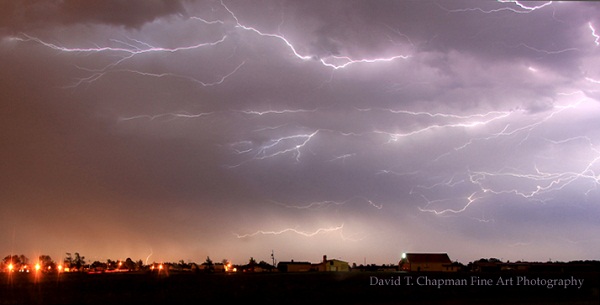
Anvil Crawler: photographed Southeast of Hamilton, Ontario image: D. Chapman
One of the hardest things to get is a lightning photograph when there is a downpour because it blurs the image. The first line of storms went through when we crossed an open field area and then we were hit by a strong second line of storms. Extremely strong straight lines came at us with winds easily in excess of 90 km/hr. We got into position, but unfortunately, with the rain still pounding our photography team, it made it impossible to get crisp, clear lightning shots. It wasn’t until after the storm had passed that the back end of it lit up and we were able to capture some very beautiful lightning.
The summer carried on with sporadic thunderstorm activity consisting of small thunderstorm cells with intense lightning and hail. Generally, with smaller storms, you only get 4 to 5 lightning shots. I’ve come back after chasing a storm perfectly with only 1 or 2 lightning shots to show for it. It wasn’t until the outbreak of thunderstorms that our team had a very successful night of shooting. On that night, Faith Beni and I ended up in St. Mary’s, Ontario. There were tornado watches all across Ontario, the most I had ever seen. The thunderstorm cell that we were interested in was towards Nairn, Ontario. We left the Niagara region at 5:30 p.m. and got to St. Mary’s around 7:45 p.m.
Without daylight left, the thoughts of getting a tornado quickly changed to an opportunity for lightning photographs instead. One of the most dangerous things to do is to chase a tornadic thunderstorm in the dark, which is why our team has a policy to not chase these types of storms at night. We tend to focus on weaker storm cells that don’t have the tornadic potential but still have lots of lightning. The night of the 24th, though, was different. It seemed that any storm cell had the potential to drop a tornado. We pulled back to St. Mary’s and then we started getting reports of rotation heading to St. Mary’s.
In just under 2 minutes, I saw 4 reports of rotation for St. Mary’s. We started to get pounded with large hail and the the hydro went out. We left St. Mary’s and pushed north towards what looked to be some late evening twilight. We got to the back of the storm and were able to photograph the lightning that was in it. We got some of the best anvil-crawlers that I have ever seen. Anvil-crawlers are a particular type of lightning that can either go for short distances or for distances over 100 km.
This year for the first time, Spencer Sills and I will be working together to get some very powerful images. Our biggest goal is to get a photograph of a tornado. Last year, I was close 3 times. The first was in Grimsby, where an EF0 hit and damaged a small gazebo. Eric Chapman and I were right on the storm but unfortunately we could not see the tornado because of heavy precipitation. The second was the Nairn tornado and the third was a rotating wall-cloud that I photographed towards Bryson, Quebec.
Spencer and I often hear about how tornadoes don’t happen here. We want to let the public know that they can and do occur here, in South Western Ontario so that watches and warnings should always be taken seriously. The Goderich tornado in 2011, in which one person died, is a grim reminder of just how intense tornadoes can be and that they do, in fact, affect Ontario residents.
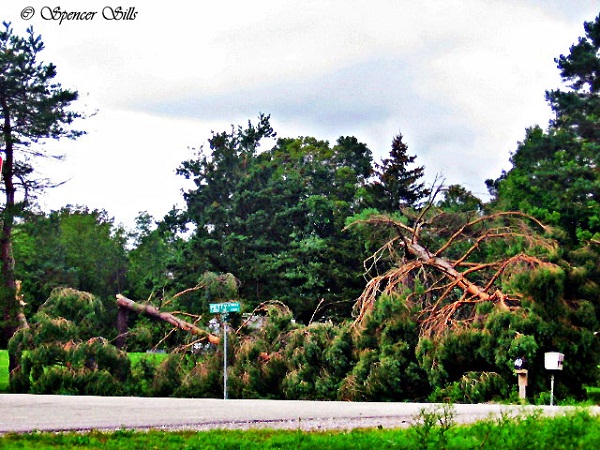
Photo shot in Nairn, Ontario. Tornado damage in Shady Pines Campground in Nairn. A tornado touched down the previous night and bent these pine trees in half, the tornado also caused extensive tree damage in the area as well as damaged a house and destroyed a metal silo. image: S. Sills
David and I both have experience in chasing storms, and take safety very seriously. We will be travelling with a First Aid kit just as well as weather alert radios and radar to help us along our way, we hope that we don’t ever need the kit but it’s always a great idea especially if others are in need of help, we could very well be the first people on the scene of a possible tragedy so we must be prepared. We will be posting pictures and videos throughout the season but do not recommend that anyone attempt to recreate either of them and place themselves in danger.
I will be working with David Chapman in hopes to help warn others as well as capture these storms through video and photography to share with others who may not get to experience them. We are ready to combine our passion for storms to get the best results possible and share those results with others.
When the Earth, Moon, and Sun line up in space, we can see an eclipse. NASA studies eclipses from the ground, in our atmosphere, and in space, influencing solar, planetary, and Earth science.
Today on April 8, the Moon’s shadow will sweep across the United States and Canada, as millions will view a total solar eclipse. For many, preparing for this event brings memories of the magnificent total solar eclipse on Aug. 21, 2017.
The total solar eclipse on Aug. 21, 2017, was photographed from Madras, Oregon. The black circle in the middle is the Moon. Surrounding it are white streams of light belonging to the Sun’s outer atmosphere, called the corona.
NASA/Aubrey Gemignani
In 2017, an estimated 215 million U.S. and Canadian adults (88% of U.S. adults) viewed the solar eclipse, either directly or electronically. They experienced the Moon pass in front of the Sun, blocking part or all of our closest star’s bright face. The eclipse in 2024 could be even more exciting due to differences in the path, timing, and scientific research.
Wider, More Populated Path
The path of totality – where viewers can see the Moon totally block the Sun, revealing the star’s outer atmosphere, called the corona – is much wider during the upcoming total solar eclipse than it was during the eclipse in 2017 and is expected to occur for viewers along the Great Lakes at 3:33pm EDT. As the Moon orbits Earth, its distance from our planet varies. During the 2017 total solar eclipse, the Moon was a little bit farther away from Earth than it will be during the upcoming total solar eclipse, causing the path of that eclipse to be a little skinnier. In 2017, the path ranged from about 62 to 71 miles wide. During the April eclipse, the path over North America will range between 108 and 122 miles wide – meaning at any given moment, this eclipse covers more ground.
The 2024 eclipse path will also pass over more cities and densely populated areas than the 2017 path did. This will make it easier for more people to see totality. An estimated 31.6 million people live in the path of totality this year, compared to 12 million in 2017. An additional 150 million people live within 200 miles of the path of totality.
This map shows the path of the 2017 total solar eclipse, crossing from Oregon to South Carolina, and the 2024 total solar eclipse, crossing from Mexico into Texas, up to Maine, and exiting over Canada.To see a map showing which areas will experience the partial solar eclipse and which areas will experience the total solar eclipse today April 8, 2024, click the arrows.Ernest Wright/NASA’s Scientific Visualization StudioThis map illustrates the paths of the Moon’s shadow across the U.S. during the 2024 total solar eclipse. Today April 8, 2024, a total solar eclipse will cross North and Central America creating a path of totality. During a total solar eclipse, the Moon completely blocks the Sun while it passes between the Sun and Earth. The sky will darken as if it were dawn or dusk and those standing in the path of totality may see the Sun’s outer atmosphere (the corona) if weather permits.To see a map comparing the 2024 eclipse and the 2017 eclipse paths, click the arrows.NASA/Scientific Visualization Studio/Michala Garrison; Eclipse Calculations By Ernie Wright, NASA Goddard Space Flight Center
You don’t need to live within the path of totality to see the eclipse – in April, 99% of people who reside in the United States will be able to see the partial or total eclipse from where they live. Every contiguous U.S. state, plus parts of Alaska and Hawaii, will experience at least a partial solar eclipse.
Longer Time in Totality
Today, totality will last longer than it did in 2017. Seven years ago, the longest period of totality was experienced near Carbondale, Illinois, at 2 minutes, 42 seconds.
For the upcoming eclipse, totality will last up to 4 minutes, 28 seconds, in an area about 25 minutes northwest of Torreón, Mexico. As the eclipse enters Texas, totality will last about 4 minutes, 26 seconds at the center of the eclipse’s path. Durations longer than 4 minutes stretch as far north as Economy, Indiana. Even as the eclipse exits the U.S. and enters Canada, the eclipse will last up to 3 minutes, 21 seconds.
During any total solar eclipse, totality lasts the longest near the center of the path, widthwise, and decreases toward the edge. But those seeking totality shouldn’t worry that they need to be exactly at the center. The time in totality falls off pretty slowly until you get close to the edge.
Heightened Solar Activity
NASA/ESA’s Solar and Heliospheric Observatory (SOHO) captured this video of a coronal mass ejection on March 13, 2023.NASA/ESA/SOHOSome prominences are seen as the Moon begins to move off the Sun during the total solar eclipse on Monday, Aug. 21, 2017, above Madras, Oregon.NASA/Aubrey Gemignani
Every 11 years or so, the Sun’s magnetic field flips, causing a cycle of increasing then decreasing solar activity. During solar minimum, there are fewer giant eruptions from the Sun, such as solar flares and coronal mass ejections. But during solar maximum, the Sun becomes more active.
In 2017, the Sun was nearing solar minimum. Viewers of the total eclipse could see the breathtaking corona – but since the Sun was quiet, streamers flowing into the solar atmosphere were restricted to just the equatorial regions of the star. The Sun is more magnetically symmetrical during solar minimum, causing this simpler appearance. During today’s 2024 eclipse, the Sun will be in or near solar maximum, when the magnetic field is more like a tangled hairball. Streamers will likely be visible throughout the corona. In addition to that, viewers will have a better chance to see prominences – which appear as bright, pink curls or loops coming off the Sun.
With lucky timing, there could even be a chance to see a coronal mass ejection – a large eruption of solar material – during the eclipse.
Expanded Scientific Research
The third rocket launched on Oct. 14, 2023, during the annular solar eclipse leaves the launch pad.
WSMR Army Photo
During the total eclipse in 2024, NASA is funding several research initiatives that build on research done during the 2017 eclipse. The projects, which are led by researchers at different academic institutions, will study the Sun and its influence on Earth with a variety of instruments, including cameras aboard high-altitude research planes, ham radios, and more. In addition to those projects, instruments that were launched during the 2023 annular solar eclipse on three sounding rockets will again be launched during the upcoming total solar eclipse.
Two spacecraft designed to study the Sun’s corona – NASA’s Parker Solar Probe and ESA (European Space Agency) and NASA’s Solar Orbiter – have also launched since the 2017 solar eclipse. These missions will provide insights from the corona itself, while viewers on Earth see it with their own eyes, providing an exciting opportunity to combine and compare viewpoints.
To learn more about the 2024 total solar eclipse and how you can safely watch it, visit NASA’s eclipse website.
A whopping 1.3 billion international tourist arrivals were recorded in 2023.
Undoubtedly, travel has become an integral part of many people’s lives. And while it can bring many joys, it can also cause stress.
With travel season fast approaching, the experts and our friends at HAYPP wanted to help those struggling with travel anxiety by providing helpful tips on how to best overcome it.
Five healthy ways to overcome travel anxiety
1. Understand your anxiety
To be able to best cope with your travel anxiety, you need to have a good understanding of the things that actually cause it. Pinpoint specifically what is making you feel anxious about your trip – is it that you’ll be on the road for hours, that there would be things out of your control, that you would have to be surrounded by a lot of people at an airport? Once you understand what triggers your anxiety, you can ensure to plan ahead for the best ways to handle those triggers.
2. Create a detailed plan for your trip
One of the reasons for experiencing anxiety when travelling is that you’re being taken out of your comfort zone and won’t have full control over everything. To help ease that anxious feeling, try to plan out your trip in as much detail as possible. Write down an itinerary, either on paper, or you can make use of a trip planner app like TripIt, Wanderlog, or Sygic Travel, for every day that you can follow, which will give you a sense of control, but it’s equally as important to think of alternative plans of action for anything that could potentially not go as planned, so that you’re prepared.
3. Learn to use relaxation techniques
Deep breathing by taking long breaths through the nose and then exhaling slowly through the mouth is a technique proven to help reduce any feelings of stress. Another useful way to calm your mind is by meditating, which can take many different forms from listening to music to focusing on your breath. To make sure you find the mindfulness technique that works best for you, try out a few different ones before your trip, so when the time for travelling comes you can use the most efficient one to set your mind at ease.
4. Ensure you have things that bring you joy
Having things with you that generally bring you joy can be extremely useful in distracting you from your negative feelings. These can include physical items like a journal in which to write your thoughts, a book to read, or a game to occupy your attention. Alternatively, you can create a playlist of songs you love or make sure you have your favourite TV show (or movie) with you, as these will keep your mind occupied, decreasing your feelings of anxiety.
5. Take care of your physical health
Being physically active is a great way to reduce feelings of anxiety and stress. Even if it’s just a long walk, make sure to incorporate physical activity in your days, especially the days leading up to your trip and if possible, during the trip as well. Spending some time outside and connecting with nature, be it only by visiting a park, can have a positive effect on your physical and mental being, which in turn will help reduce your anxious thoughts.
How Climate Change Could Transform Cities into a Dune-Like Landscape
Dune’s cinematic and literary success reflects our fascination with desert landscapes. But the vast deserts of Arrakis, the movie’s fictional planet, hold a deeper meaning. They serve as a cautionary tale for our own planet threatened by desertification.
A new study by our friends at Top10Casinos.ca reveals how Canadian and other global cities threatened by climate change would look in the Dune Universe as TikTok searches around Dune: Part Two and climate change spike 7,700% in just 30 days.
Dune: Part Two, is already reaching massive box office milestones surpassing $150 million usd/ $204 million cad, and TikTok searches for the ‘new dune movie’ have soared 4,606% in just 30 days. In the past month, searches around the movie’s desert-like filming locations have increased 141%, while queries related to ‘climate crisis 2024’ have spiked 3,100% in the social media platform.
Known for its amazing cinematography and striking desert visuals, Dune’s landscape is something that makes it instantly recognisable. But the movie’s vast deserts are more than just a stunning backdrop. They serve as a stark warning of a potential future for our own world impacted by climate change.
Do Canada’s iconic outdoor skating rinks face a frosty future? While bundling up for harsh winters is a national pastime, a worrying trend is emerging. Since 1950, winter temperatures have soared by over 3°C, outpacing global warming by a factor of three.
Toronto, Ontario
Toronto, once known for its predictable seasons, is grappling with the impacts of climate change. The city is experiencing a rise in average temperatures, leading to more frequent and intense heat waves that strain infrastructure and threaten public health. Winters are becoming shorter and less severe, with unpredictable precipitation patterns bringing both heavier downpours that overwhelm storm drains and periods of drought that stress green spaces and water resources.
Vancouver. British Columbia
Like many coastal, seaport cities, Vancouver is feeling the brunt of climate change. Rising temperatures are a key concern, with projections for hotter, drier summers and wetter winters. Sea levels are also on the rise, threatening coastal areas with flooding. The City of Vancouver itself is planning for up to a 1.4 meter rise by 2100, which would inundate parts of the city during major storms.
Montreal, Quebec
Montreal’s climate is expected to experience significant changes due to climate change. Average temperatures are projected to rise by 1.5-2.3°C by mid-century, leading to more frequent and intense heat waves. This can strain infrastructure, harm public health, and disrupt outdoor activities. The city is also likely to see increased precipitation extremes, with heavier rainfall events and the potential for more flooding.
Niagara Falls, Ontario
Studies suggest Lakes Erie and Ontario, feeding the Niagara River, could see water levels drop a meter by 2050 due to increased evaporation and less snowfall. This decline could impact the Falls’ power and beauty. Additionally, more extreme weather events like flooding could damage surrounding areas. While milder winters might extend tourism, climate change poses significant ecological and aesthetic challenges.
With spring on the horizon, you may be scratching your head about where to vacation this year. Luckily, according to astrology, your star sign could be the key to whether you are destined for sun or slopes.
With this in mind, our friends at BonusFinder Canada sought to discover the ideal holiday destination for each zodiac sign based on their astrocartography lines (a form of locational astrology which allows people to decipher which physical locations are best suited to them based on their birth chart) with the help of celebrity psychic and astrologerInbaal Honigman. Do you agree or disagree with these suggestions? Leave us your thoughts at the bottom of the post.
Psychic and Wiccan Priestess Inbaal Honigman.
Your star sign’s dream destination according to astrocartography lines:
Aries (March 21-April 19): Alaska
Active and unusual Aries would be best adventuring through the idyllic landscapes of Alaska. Home to some of the world’s most beautiful views and the largest national park, Aries will always have somewhere to explore here.
Copyright: (Maridav) / Shutterstock.com
Taurus (April 20-May 20): Los Angeles
Great food and extensive views are a true joy to a Taurus, and it doesn’t get bigger and bolder than Los Angeles; with over 30,000 restaurants and stunning wide-open beaches, Taurus will love everything about LA.
Gemini (May 21-June 20): New York
Always awake and ready to party, Geminis will fall in love with the city that never sleeps, New York!From visiting the Metropolitan Museum of Art to watching an extravagant Broadway show, Geminis will never be bored day or night.
Cancer (June 21-July 22): Iceland
For a dreamy and easygoing Cancer, Iceland is the destination of choice. Between magical views of the northern lights and geothermal lagoons, Cancer will never tire of relaxing in one with nature.
The luxury fiendLeo must visit Bordeaux, the historic capital of Aquitaine,famous for its excellent wine culture. Between scenic beaches and exclusive vineyard tours, Leos will be able to find their true self.
Virgo (August 23-September 22): Rome
The ideal destination for the neat and traditional Virgo isRome, where they will undoubtedly relish an enlightening guided tour of the city’s ancient architecture and feel at home in the chic modern shopping areas.
Copyright: (AlexAnton) / Shutterstock.com
Libra (September 23-October 22): UAE
Classy and elegant Libras would adore the high rises in the desert of the United Arab Emirates; between luxury hotels and a mass of incredible culture, Libras will love discovering what this country has to offer.
Scorpio (October 23-November 21): Sri Lanka
Mysterious and original Scorpios can enjoy going off-grid in the temples of Sri Lanka. While exploring the rich heritage of the Gangaramaya Temple or coming up close to wildlife, Scorpios may find a little serendipity.
Copyright: (Sergii Figurnyi) / Shutterstock.com
Sagittarius (November 22-December 21): Tokyo
The adventurous and well-traveled Sagittarius will love the unique streets and incomparable cuisine of Tokyo. Between climbing the Tokyo tower and sightseeing Mt. Fuji, Sagittariuses will always have things to explore.
Capricorn (December 22-January 19): Melbourne
Mature and hardworking, a Capricorn likes diversity and friendliness, and the best place for this is Melbourne. Named the friendliest city in the world* and home to the exotic Royal Botanical gardens, a Capricorn will feel right at home here.
Aquarius (Jan 20-Feb 18): New Zealand
January is the month of Aquarians – unique and free-thinking, they will want to get truly lost in nature in New Zealand. With luscious open spaces and an abundance of beautiful scenery, Aquarians can do just that.
Romantic and shy Pisces‘ ideal travel destination is Hawaii, surrounded by water and an expanse of warm beaches. With volcanic national parks and surfing clear waters, Pisces will love getting back in touch with their aquatic roots.
Inbaal Honigman, celebrity psychic and astrologer, explains:
“Applying astrology to well-being, romance or shopping is increasingly popular, but astrocartography isn’t often consulted… yet.
“Astrocartography is an extension of each individual’s star chart so that you can find the best locations for yourself worldwide. For example, the ‘Sun Line’ would be where you feel most yourself. Your ‘Venus Line’ is the best place to build your home, and Jupiter is the best place for holidays.”
Nestled within an upscale residential neighborhood, just a short five-minute drive from Puerto Vallarta airport, the AAA Four Diamond Casa Velas stands as a serene, adults-only boutique resort exemplifying standards in the luxury all-inclusive sector.
As part of the prestigious Velas Resorts portfolio—renowned for being the only chain with four properties in U.S. News & World Report’slist of the top 25 all-inclusive resorts in Mexico—Casa Velas continues to exceed expectations with its unique charm and bespoke hospitality. Unlike traditional hotels, this Spanish hacienda-esque resort feels like a private estate replete with attentive staff members who add a personalized touch to the guest experience.
The 80 traditional, artwork-adorned Mexican-styled suites at Casa Velas are designed for utmost comfort, each featuring a private terrace with a plunge pool or in-suite Jacuzzi, hypo-allergenic pillows, goose down feather duvets, free WiFi, satellite TV, safe deposit box, coffee maker, bathrobes and slippers and L’Occitane bath products, as well as a fully stocked mini bar. Guests can choose from five room types: Master Suite; Grand Class Suite; Ambassador Suite; Governor Suite or the Presidential Suite.
For those seeking copious privacy and space to spread out, the 3,000-square-foot, four-bedroom Presidential Suite is a haven offering a top-end luxury escape.
The space, suited for up to eight guests, boasts original artwork by Mexican artist Sergio Bustamante, a large dining room, living room, master suite with a spacious marble-laden bathroom and an expansive terrace with an oversized plunge pool and Jacuzzi. It also comes complete with its own butler and bartender. It’s worth noting that Casa Velas actually has Bustamante’s sculptures in the majority of the suites, allowing most guests to enjoy the captivatingly authentic artwork.
Amidst its Spanish-style architecture and captivating interior design, the resort is ensconced in a lush garden setting on the 18-hole Marina Vallarta Golf Course. The tropical landscaping and abundant flora and fauna woven throughout the entirety of the hotel create a breathtaking setting, attracting wildlife—including Koi ponds and “pet” snapping turtles.
For golf enthusiasts, Casa Velas guests receive special access and discounts at Marina Vallarta and Vista Vallarta Golf Clubs.
For its part, the par 71 layout of Marina Vallarta’s 18-hole golf course, designed by Joe Finger, is rife with flourishing vegetation, wildlife-laden lagoons and beautiful views of Banderas Bay. Guests can also enjoy discounted golf privileges at two other top 18-hole, 72 par golf courses designed by Jack Nicklaus and Tom Weiskopf located at the Vista Vallarta Golf Club only 20 minutes away.
Casa Velas guests can soak up the sun at its private pool cushioned in a tropical landscape that overlooks the golf course. Its swim-up Aqua Bar ensures refreshments—including local brews, tropical drinks and classic Mexican cocktails crafted from premium liquor brands—flow all day through.
The newest offering at Casa Velas in Puerto Vallarta allows guests to experience pure relaxation with their own “Wellness Cabana.” Available in the intimate space of their suite, or at the botanical garden adjacent to the spa labyrinth, wellness-focused amenities include aromatherapy, a personal speaker with calming meditation music, spa water, a MUSE meditation headband and mandala adult coloring books, among other items.
For those desiring to unwind and explore off-site, the resort also provides complimentary shuttle service to the private Táu Beach Club, offering guests a beachside retreat with cushioned loungers, cabanas, food and beverage service for lunch and dinner and a pristine infinity pool and Jacuzzi area proffering idyllic panoramic views of the sparkling sea. Plus, the property is a mere fifteen minutes from the popular downtown area, where there are art galleries and the famed El Malecon boardwalk.
Also making Casa Velas a standout is its elevated gourmet food and beverage program, which raises the bar for all-inclusive hotels globally.
The on-site, AAA Four Diamond Emiliano restaurant offers guests unlimited access to gourmet cuisine for breakfast, lunch and dinner. The intimate, romantic indoor/outdoor dining space provides lovely vistas of the pool and vibrant golf course beyond. Each evening, Emiliano features a five-course gourmet tasting menu created and overseen by head chefs from its sister resort, the AAA Five Diamond Grand Velas Riviera Nayarit. Rotating each night, menus include Mexican, French and Italian-Mediterranean.
A novel offering is the resort’s “taco therapy”—Casa Velas’ latest food and beverage offering for guests assisting in anxiety and stress relief, improving sleep quality and boosting antioxidants. The new tasting experience features four curated tacos that provide holistic benefits for the mind, body and soul.
There are an array of other activities at the resort as well. “Workshops range from arts and crafts such as natural jewelry and abanicos, to culinary workshops such as the Molcajete option, where guests explore Mexican culinary traditions,” said Enrique Sinencio, the resort’s General Manager. “Another activity is DIY Botanical Cocktails, where guests can pick their ingredients for their drink at the onsite garden. Perfect for creative beverage concoctions, the garden features rosemary, lavender, mint, basil, lemongrass, peppermint, a Mexican tea called epazote, aloe vera, sage, nopales cactus pads, thyme, tamarind, jackfruit, mango, guava and more. Our mixologist will use the selected ingredients to make a personalized botanical cocktail to enjoy on the Koi pond-dotted terrace. Varieties of fruits, herbs, vegetables and botanicals are also used in the cuisine and spa treatments at Casa Velas.”
For the health conscious, a spa food menu is available as well.
Casa Velas’ commitment to excellence extends to its impressive on-site organic botanical garden, where the resort grows its own herbs, flowers and vegetables. These fresh ingredients find their way into cocktails and culinary creations, adding a farm-to-table element to the dining experience. The beverage offerings at Emiliano, and throughout the entirety of Casa Velas, are equally impressive, featuring premium domestic and international premium wines and liquors. Also enjoyable are sprit-induced nightly events like wine pairings and beer, tequila, wine, martini and other F&B tastings that foster socialization among guests.
Relative to in-suite victuals, the resort’s in-suite mini bars also depart from the ordinary by offering healthy, freshly-made options on-demand. This includes two different selections of crudités—a “Mexican turnip” with a combination of carrots, cucumber and jicama; and another including celery, beetroot and pineapple. These come complete with three different choices of dressing: mango, chipotle or basil, to enhance flavor while keeping the snack light and healthy. Guests can also choose from a menu of freshly made juice options available year-round.
Speaking of health, also included in the daily rate for all-inclusive Casa Velas guests is access to its fully equipped gym. A visit to the property also would not be complete without experiencing services at its on-site ABJA Spa. The 6,500 square foot sanctuary offers a wide variety of massages, body wraps and facials, a hydrotherapy area, spa boutique and beauty salon.
Notably, Casa Velas is just as committed to the environment as it is to providing impressive guest experiences. “Our luxury resort’s environmental responsibility is a driving force behind the entire operation, from conservation efforts and recycling, to planting our own herb garden,” Sinencio notes. “From natural composting and fertilizing of our on-site gardens, to water-saving initiatives, solar heating and meticulous separation and processing of all waste and recyclables, Casa Velas sets the benchmark for green tourism and hospitality in Puerto Vallarta and beyond. We also recycle burned cooking oils to a supplier for conversion to biodegradable fuel. Local companies are in charge of processing glass, plastic, metal, cardboard and toxic material to handle their recycling, and proper disposal.”
“In addition, we clean the sand daily of any foreign debris,” Sinencio continued.”
“Teams of more than 30 employees are organized monthly to thoroughly clean, sweep, dig and sift the sand for extra cleaning. Designated containers are strategically located for the recycling garbage around the property. Since the COVID-19 pandemic, Casa Velas has implemented rigorous health and safety protocols in accordance with local and international guidelines. This includes enhanced cleaning procedures, regular sanitization of common areas and the adoption of contactless services where possible. We keep our guests informed through various channels, including our website, social media and direct communication with booked guests. We want everyone to be aware of the measures in place and feel confident in choosing Casa Velas for their stay.”
So pristine the locale, it’s become a highly-coveted option for weddings and other important events. The resort boasts a 3,600 square foot Convention Center that is ideal for meetings, seminars, formal banquets, cocktail gatherings or a spectacular and elegant wedding for up to 300 people. The center of the space is adjacent to the resort’s garden area and the Marina Vallarta 18-hole championship golf course. To ensure a memorable, hassle-free event, Casa Velas provides professional services for planning weddings from beginning to end. With settings by its beautiful pool area or the Táu Beach Club terrace surrounded by sand and sea, Casa Velas offers unforgettable scenery for the special wedding day.
For utter and complete privacy, groups requiring up to 80 suites can take over the entire hotel to ensure fully private access to pools, beach areas, gardens, activities and restaurants. While at the restaurants, the “bubble buyout” offers a group their own personalized menus prepared with everyone’s diet in mind. Along with having the resort to themselves and custom cuisine, group activities range from DIY mixology with ingredients from the onsite botanical garden, yoga, Mexican wine and craft beer tastings, casino night and more.
With various international dignitaries and multiple Mexican presidents having experienced the resort’s hospitality, Casa Velas continues to redefine the all-inclusive category. This pristine property is an ideal choice for discerning travelers who value a personalized and pampered luxury travel experience.
For the Silo, Merilee Kern.
Merilee Kern, MBA is an internationally-regarded brand strategist and analyst who reports on cultural shifts and trends as well as noteworthy industry change makers, movers, shakers and innovators across all categories, both B2C and B2B.
Fig. 1: Distribution of items most frequently stolen in hotel rooms. 1,376 hoteliers took part in the survey. Click to enlarge. Source: Wellness Heaven | Download Image | Download Data
Munich, February, 2024 — Stealing soaps or pens seems harmless for many hotel guests, however, some are so bold that they carry TVs, pianos, mattresses or even stuffed animals out of the hotel. Wellness Heaven has asked 1,376 hotel managers which items are most commonly stolen. In particular, we observe a striking difference in the theft behavior between guests in 4-star and 5-star hotels.
Friends: Chandler & Ross Load Up on Hotel Amenities
Ross Teaching Chandler the 101 on Theft in Hotels “You have to find the line between stealing and taking what the hotel owes you.” Source: YouTube.
The main result of the study: towels and bathrobes are stolen the most – perhaps as a goodie for the next spa break? These two objects of desire are closely followed by hangers, pens and cosmetics. In addition to these “ordinary” items, there is a number of spectacular outliers that suggest a brisk imagination of the delinquents:
The most bizarre stolen goods
Bathroom Fittings
Highly skilled craftsmanship was required of those guests who managed to steal bathroom fixtures, the head of a rain shower, a hydromassage shower, a toilet seat, a drainpipe or even an entire sink, as reported by a Berlin hotel.
A Grand Piano
A hotelier from Italy: “Once I walked through the lobby, I noticed that something was missing, and soon after I learned that three unknown men in overalls had taken away the grand piano, and it never reappeared, of course.”
Room Numbers
In a hotel in England a guest had unceremoniously removed the numbers from his hotel room door. “We didn’t notice until the next guest could not find his room”, the hotel director declares.
Stuffed Hunting Trophies
In a hotel in France, a guest was caught trying to steal a stuffed boar’s head. At a later date, he did receive this trophy: friends bought the precious piece from the hotel and gave it to him as a wedding gift.
Sauna Benches
In a hotel near Salzburg, the wooden benches from a sauna were stolen. The “private sauna” was located on the terrace of a spa suite. The benches were made of fragrant pine wood, which probably stirred up the guest’s desire. Only when a subsequent guest criticized the absence of the benches (“Where should I sit in the sauna? I can’t relax while standing.”), the hotelier noticed the theft.
HiFi System
A hotel owner from Germany reports on how the entire stereo system of the spa area disappeared: Thieves had apparently dismantled the entire sound equipment overnight and loaded it in their car before they left.
Flowers
The management of a resort in the Maldives reports that it buys new flower arrangements several times a week to replace the missing ones. Maybe the demand for flowers is simply too high due to the many marriage proposals?
Thieving preferences by nationality
When classifying the delinquents by nationality, a different picture emerges. It turns out, for example, that German and British hotel guests follow a rather boring theft behavior: In addition to towels and bathrobes, primarily cosmetics and toiletries are in the focus.
In contrast, Austrians snitch in a more pleasure-oriented way: dishes and coffee machines appear high up in their theft ranking. It seems they cannot get enough to satisfy their thirst for coffee. For US Americans, pillows and batteries appear as the prime objects of desire.
Italians seem to prefer wine glasses as a hotel souvenir, while the hair dryer ranks high up in the Swiss ranking. The French, on the other hand, steal in a more spectacular manner: they represent the nation that is attracted mainly to TV sets and remote controls.
Dutch hotel guests see in their souvenirs above all the practical benefit: Their favorites include light bulbs and toilet paper.
Fig. 2: Differences in theft behavior between guests of 4-star and 5-star hotels. Click to enlarge. Source: Wellness Heaven | Download Image | Download Data
Guests of 5-star hotels prefer expensive items: TVs & mattresses
A total of 740 hoteliers from 4-star hotels and 636 from 5-star hotels were surveyed to determine the behavior of thieves depending on their wealth. As it turns out, “Greed is good” seems to be a reliable motto especially for the well-heeled 5-star clientele.
The probability of tablet computers being stolen in 5-star hotels, is 6 times higher in comparison to the 4-star segment. Similarly, artworks are popular objects of desire in luxury hotels (4.3 x higher theft probability). TV sets (4.9 x) and mattresses (5.4 x) are also being stolen a lot more frequently in 5-star hotels. This is quite astonishing: 11.8% of 5-star hotel managers mourn the loss of mattresses, while only 2.2% of 4-star hotels seem to be affected. In total, 91 hoteliers indicate the theft of mattresses in our survey, so at least that many were stolen in their hotels.
4-star hotel guests are content with less spectacular gifts: towels and hangers tend to be in higher demand than in 5-star hotels. The typical 4-star hotel guest is especially fond of practical items such as batteries and remote controls (theft probability 2.8 and 4.4 x higher, respectively).
Coffeemakers
The coffeemaker, which is so popular among Austrian guests, is also sought-after by luxury-minded 5-star guests, as we observe a 4.8-fold increase in theft statistics.
Toilet Paper
Hoteliers’ theft reports about toilet paper rolls only reach us from the 4-star segment. For luxury travellers, there seems to be no additional need for hygiene in this area.
Luxury Mattresses
Even expensive luxury mattresses (often worth several thousand euros) are not immune to disappear: the probability for their theft is 5.4 times higher in 5-star hotels. How exactly the bulky goods are transported unnoticed out of the hotel remains a mystery. On request, some hoteliers informed us that this only happens in the middle of the night – using elevators which lead directly to the underground parking.
Tablet Computers
Tablet computers, often referred to as “SuitePads” in the high-priced room categories, are stolen 6.0 times more frequently in 5-star hotels. Such tablets usually have a value of approx. 480 euros and tend to be a popular souvenir among luxury travelers.
Blankets
To complete their sleeping experience at home, some luxury oriented guests add the hotel’s blanket to their luggage. Theft of this object is 1.9-fold increased in 5-star hotels.
Trends in hotel thievery
Comparing data with our 2019 survey on theft in hotels, “Mini Fridges” have emerged as a new item of desire. 3.3% of surveyed hoteliers indicate theft of this device, leaving the mini bar not only empty, but also warm. Not cool! The theft of mini fridges is 2.5 x more probable in 4-star hotels. In comparison with 2019, several items of theft are on the rise: coffee makers (6.9% -> 11.4%), mattresses (4.2% -> 6.6%) and tablet computers (12.0% -> 18.3%) have increased significantly. On the other hand, phones (4.8% -> 3.4%), cutlery (33.6% -> 27.5%) and lamps (4.3% -> 4.1%) have decreased in theft probability.
Methods
On the methodology of this survey: The multiple-choice answers were randomized, multiple answers were possible. For example “Towels” in Fig. 1: 79.2% of surveyed hoteliers have indicated that towels were stolen at their hotel. The survey was conducted in September and October 2023.
A total of 1,376 responses were evaluated, the result can be considered as representative. The 1,376 hotels whose management participated in the survey are located primarily in Europe. 740 hoteliers were surveyed in the 4-star segment, and 636 in the 5-star segment.
Wellness Heaven
Wellness Heaven (https://www.wellness-heaven.de) was founded in 2006 by quantum physicist Dr. Tassilo Keilmann. The hotel portal reviews spa and luxury hotels in Europe und Asia. With 53 million page impressions annually, Wellness Heaven is the leading spa hotel guide in German-speaking countries. The 18 Wellness Heaven hotel testers regularly evaluate selected hotels and rate them on the basis of a standardized test procedure. The website focuses on hotels in Germany, Austria, Italy, Switzerland and the Maldives.
Whilst climate change is at the forefront of most countries’ consciences, the issue is highly pressing here in Canada where we experience climate change at twice the world’s average due to our northerly location. Do you believe in the stated extreme effects of climate change or do you believe in a milder alternative? We would love to hear your thoughts in the comment section at the bottom of this article.
With this in mind, our friends at BonusFinder Canada utilized technology to predict exactly what Canada’s most popular tourist spots could look like in 100 years timeif we do not intervene and try to combat climate change. To do so, they asked OpenAI to write predictions for five top tourist hotspots (Niagara Falls, CN Tower, Notre-Dame Basilica, Hopewell Rocks, Confederation Bridge) based on factors such as global warming, overpopulation and extreme weather, and used these descriptions to generate AI images.
Niagara Falls – no intervention
Niagara Falls – positive intervention
Key changes without intervention:
● Significant reduction in water flow, affecting local ecosystems and the availability of freshwater resources.
● The falls are no longer safe to get close to due to erosion.
● The once lush surroundings have been replaced by concrete and pollution due to overpopulation.
CN Tower – no intervention
CN Tower – positive intervention
Key changes without intervention:
● Toronto is now largely inhospitable due to global warming and extreme weather events.
● Fires are not uncommon due to global warming and an abundance of refuse.
● Toronto faces major impacts of climate change, including higher temperatures, reduced air quality, and persistent heatwaves.
Notre-Dame Basilica – no intervention
Notre-Dame Basilica – positive intervention
Key changes without intervention:
● Extreme weather events, including severe heatwaves, have damaged the Basilica’s exterior and interior.
● The area surrounding the Basilica is overpopulated and increasingly inhospitable.
● The basilica remains heavily reliant on non-renewable energy sources, worsening the effects on the environment.
Hopewell Rocks – no intervention
Hopewell Rocks – positive intervention
Key changes without intervention:
● The main structure of the rocks has collapsed.
● The surrounding area is heavily urbanized and polluted.
● The beach is now dangerous, marshy and overgrown, but still attracts many tourists when the bay is uncovered, bringing further pollution and structural damage with each passing year.
Confederation Bridge – no intervention
Confederation Bridge – positive intervention
Key changes without intervention:
● Confederation Bridge has collapsed in areas, rendering the huge structure unusable.
● The water around the bridge is now full of concrete, industrial waste, pollution and urban runoff.
● Small portions of the bridge still stand in the water, serving as a reminder of our failure to act and combat urbanization and overpopulation.
Following Indonesia, the Philippines joins the World Economic Forum’s Blue Carbon Action Partnership to safeguard crucial coastline ecosystems in South-East Asia.
Mangroves and other littoral biospheres provide a critical buffer against climate change globally, but environmental degradation is putting them under threat.
Momentum builds at COP28 for the conservation and restoration of these critical blue carbon ecosystems, for the benefit of people, nature and the climate.
Learn more about the World Economic Forum’s work at COP28 here.
Dubai, United Arab Emirates, December 2023 – The Government of the Philippines’ Department of Environment and Natural Resources announced yesterday at COP28 that it is joining the World Economic Forum’s Blue Carbon Action Partnership to accelerate the restoration and conservation of coastal ecosystems.
South-East Asia is home to almost one-third of mangroves globally, with nearly 20% of the world’s mangroves in Indonesia alone.
Blue carbon ecosystems such as mangroves, seagrasses and salt marshes store up to five times more carbon per acre than tropical rainforests and have been receiving greater attention in recent years. Yet, these ecosystems are under threat of destruction. These important carbon sinks also provide support for livelihoods, food security, shoreline protection and habitat for numerous.
Eelgrass (seagrass) distribution on Canada’s sea coastlines are under threat.
Source: Environment and Climate Change Canada (2020).
The importance of eelgrass to ecosystems was shown after a widespread wasting disease outbreak along the Atlantic coast of North America in the 1930s resulted in a 90% loss of eelgrass. It is estimated that populations of migratory Brant geese along the Atlantic coast, which rely heavily on eelgrass outside the breeding season, declined by as much as 90%. Declines of clams, lobsters, crabs, scallops, cod and flounder were also reported following the loss of eelgrass.
Eelgrass beds are highly productive and several studies have indicated that eelgrass beds contribute to the sequestration of “blue carbon” in marine sediments, providing a valuable ecosystem service in coastal areas.
“Coastal ecosystems such as mangroves are critical to life in the ocean and to those who live alongside it. Increasingly, we are also recognizing their vital role to buffer us against the worst effects of the climate crisis,” said Alfredo Giron, Acting Head of the Ocean Action Agenda and Friends of Ocean Action at the World Economic Forum. “When blue carbon benefits are recognized and valued by governments and businesses, who commit and invest in the restoration of mangrove, seagrass and salt marsh ecosystems around the world, everybody wins – people, nature, climate and ultimately, the planet.”
The newly launched National Blue Carbon Action Partnership in the Philippines will convene, coordinate and support implementation to scale high-quality blue carbon action, representing nearly 700 billion metric tons of carbon sequestered in mangroves and seagrasses in the country.
“The Philippines, endowed with rich biodiversity and extensive coastlines, is home to vast blue carbon ecosystems. We look forward to working with the Blue Carbon Action Partnership to facilitate the inclusive, whole-of-society approach to developing a shared ambition for blue carbon, community resilience, inclusive development and unlocking the Philippines’ potential to provide nature-based climate solutions for the rest of the world whilst supporting our programs for protected areas and preparing the country for participating in the new blue economy,” said Antonia Loyzaga, Secretary of the Department of Environment and Natural Resources of the Philippines.
The Philippines partnership is the second to be launched after an agreement last year with the Government of Indonesia, which has also strengthened its partnership agreement with the World Economic Forum at COP28 and is preparing to launch its National Blue Carbon Action Partnership secretariat. Combined, the Philippines and Indonesia house 4 trillion tons of carbon in their blue carbon ecosystems, which is the carbon equivalent of over 11 trillion of barrels of oil consumed.
There is increasing demand for blue carbon ecosystem restoration and conservation to attain the multifaceted benefits these ecosystems provide, including food security, support for livelihoods, coastal protection and carbon storage. Working with its government partners, the Blue Carbon Action Partnership can support connecting finance with countries that have established policies to receive blue carbon ecosystem investment.
“The ocean is our largest buffer in tackling the climate crisis and it plays an essential role in climate change mitigation, resilience and adaptation as well as regulating the global weather system. It is encouraging to see the ocean gaining increasing prominence as a natural resource for accelerated climate action,” said Giron.
The World Economic Forum will advance multistakeholder initiatives for enhanced climate solutions at the 28th Conference of the Parties of the UNFCCC. The Forum will focus on key priority action areas including industry decarbonization and net zero, energy transition, food, nature and innovative finance.COP28 takes place from 30 November to 12 December 2023 in Dubai, United Arab Emirates, and serves as an urgent call to action to the global climate crisis.Learn more about the Forum’s work at COP28 here.
Geneva, Switzerland, November 2023 – The World Economic Forum will convene heads of state, ministers, business leaders, philanthropy and civil society to advance climate action at the 28th Conference of the Parties of the UNFCCC (COP28) at the Expo City Dubai, in Dubai, United Arab Emirates. The Forum’s focus at COP28 is to address priority action areas including industry decarbonization and net zero, energy transition, food, nature and innovative finance.
“We have to take a holistic approach to address the environment crisis, with people at the heart of the agenda, focusing on restoring and protecting nature ecosystems, strengthening community resilience in the face of water stresses and extreme temperatures, while stopping the pollution of our land, sea and water,” said Gim Huay Neo, Managing Director, World Economic Forum. “Fostering a sense of inter-dependence, mutual trust and support as well as active collaboration between governments, the private sector, philanthropy, civil society and communities is needed to build a more harmonious relationship among communities and with the planet. COP28 is an opportunity for the World Economic Forum to provide a platform for multistakeholders to take stock on progress, enhance partnership efforts and explore new ideas and solutions together to safeguard our global commons.”
The discussions in Dubai will build on outcomes from the Forum’s Sustainable Development Impact Meetings 2023, which reflected on progress made on the Sustainable Development Goals (SDGs) and created momentum in addressing the climate and nature crises and advancing an inclusive energy transition.
As part of the COP28 programme, the Forum will hold several sessions aligned to the meeting’s thematic areas. Most of the sessions will take place at the COP28 Blue Zone, which is accessible to UNFCCC-accredited media.
Insights and initiatives
The following Forum announcements and publications will be released at COP28. 22 Nov.: Net Zero Industry Tracker 202322 Nov.: Financing Energy Transition Projects with Industrial Clusters in Europe26 Nov.: Biodiversity Credits: Demand Analysis and Market Outlook27 Nov.: Biodiversity Credits: A Guide to Support Effective Use29 Nov.: Launch of Scope 3 Action Plan from the Alliance of CEO Climate Leaders29 Nov.: Navigating Article 6: Opportunities for the Middle East and North Africa30 Nov.: Grassroots to Boardrooms:Social Innovation Partnerships for Climate Adaptation30 Nov.: Catalysing Climate Action in Asia: Unlocking the Power of Philanthropic-Private-Public Partnerships30 Nov.: Policy Action to Mobilize Climate Finance and Market Responses 1 Dec.: Taking Stock of Global Business Efforts on Adaptation4 Dec.: Joint Communiqué: CEOs from the Leaders for a Sustainable MENA Sign Joint Letter to Pledging Net Zero by 2050 and to Reduce 200MT CO2 Emissions by 20304 Dec.: Roadmap for Enabling Measures for Green Hydrogen in the MENA Region4 Dec.: Fuelling the Future of Shipping: Key Barriers to Scaling Zero-Emission Fuel Supply5 Dec.: Circularity in the Built Environment: Maximizing CO2 Abatement and Business Opportunities5 Dec.: Using a People-positive Approach to Accelerate the Scale-up of Clean Power: A C-Suite Guide for Community Engagement Find more about World Economic Forum insight publications here.
The World Economic Forum, committed to improving the state of the world, is the International Organization for Public-Private Cooperation. The Forum engages the foremost political, business and other leaders of society to shape global, regional and industry agendas. (www.weforum.org).
Le Diner en Blanc returns to West Palm Beach for its 2023 edition.
This elegant and secret affair has become THE foodie & dancing holiday event of the year and on Saturday,December 16, 2023, a new secret location will be revealed and guests will dine and dance under the stars.
Le Diner en Blanc is an event that transports guests into another world while celebrating the local community. The sea of people adorned in white is Instagrammable while meeting new people or reuniting with longtime friends. The theme this year is “From Paris, With Love,” with dinner à la française will be the centerpiece – conversation and champagne will flow with French-inspired entertainment. Then the night will be closed with one of the best DJs, dancing shoes are a must.
Le Diner en Blanc in West Palm Beach is hosted by Modernique & Co. Project Management with over 12 years of experience in Hospitality Management and Event Production. Fabie Reid, Project Director and Co-host of Le Diner En Blanc says, “We’re absolutely thrilled to be bringing this spectacular event to picturesque Palm Beach County. Over the years, we’ve taken this event to various stunning locations, from Boca, and Riviera to downtown West Palm Beach, and each time, it’s been a captivating experience to witness our community come together at our carefully guarded secret venue. This event serves as a remarkable opportunity to not only unite our residents but also to showcase the splendor of this region to those from beyond our county borders.”
“Very excited for this year’s theme ‘From Paris With Love’ where the guests will be transported to a Parisian adventure without leaving Palm Beach County,” Jessica Palmer, head leader of Le Diner En Blanc West Palm Beach.
Le Diner en Blanc wants to help boost the local economy by encouraging attendees to shop locally and discover some of the most spectacular event venues served by local vendors such as but not limited to Ganache Bakery Absolute Party Rentals, Trindy Gourmet, and Epic Catering that get transformed with the picnic setting.
To maintain the uniqueness of Le Diner en Blanc, every guest observes certain requirements such as:
Dress code: head-to-toe in white only. Elegance and Originality are key!
Jewelry and shoes can be silver gold, or nude
Table setting & picnic items: all white!
French-influenced event where only wine and/or Champagne are served.
As per the county of Palm Beach in the state of Florida, USA, guests cannot bring their own alcohol. Guests wishing to enjoy some wine or Champagne must reserve online through Le Diner en Blanc’s e-store. However, guests are welcome to bring their own non-alcoholic beverages.
To ensure that the location secret is kept undisclosed until the last minute, guests meet at the assigned departure location and are escorted by a Diner en Blanc volunteer table leader for bus departures or pedestrian groups.
So, the event location is left as clean as when guests arrive, they are required to leave with all their belongings, leftovers, and litter.
Guests are to bring:
A small picnic basket or white cooler comprised of fine food, white tablecloth, and serviettes as well as proper stemware and white dinnerware. (Tables & chairs are provided at the event)
A catered meal option can be pre-ordered online and picked up on-site, for those who do not wish to pack their own. Guests wishing to do so must reserve online through Le Diner en Blanc’s e-store.
Le Diner en Blanc – West Palm Beachgratefully acknowledges Champagne Pommery as national partner and, Vie de Rêve and City of Wellington as official local partners of the 2023 edition of Le Diner en Blanc.
To get the opportunity to be part of the experience, people can sign up now by visiting westpalmbeach.dinerenblanc.com/register adding your email then click Validate to enter your name. Once on the list, an invitation will be sent to you by the end of the day.
About the Hosts of Le Diner en Blanc – West Palm Beach
Le Diner en Blanc – West Palm Beach is hosted by Modernique & Co Project Management Firm with a specialty in Hospitality Management & Event Production. The visionary team brings over a decade of expertise to amplify brands and creative ventures. With an unwavering commitment to client success, we offer innovative solutions from project inception to completion. Our multifaceted experience spans diverse industries, providing tailored strategies, trend-spotting, and cost-effective operational support.

For the Silo, Kat Fleischman.
About Le Diner en Blanc
Le Diner en Blanc is so much more than an event. It’s a unique cultural movement that empowers friends of friends to gather and celebrate their shared passions for life, food, fashion, and community, year after year, with a pinch of mystery and a large serving of spontaneity. Elegantly dressed all in white, guests arrive at a secret location for a chic picnic en masse. They bring their own tables, chairs, picnic baskets—all the trimmings—to sit down with friends and make new connections in one of their city’s most beautiful public spaces. The location remains secret up until the very moment of arrival. Over the course of the evening, guests from all backgrounds eat, dance, and reconnect with the finer things in life, as they appreciate the night’s magical experience.
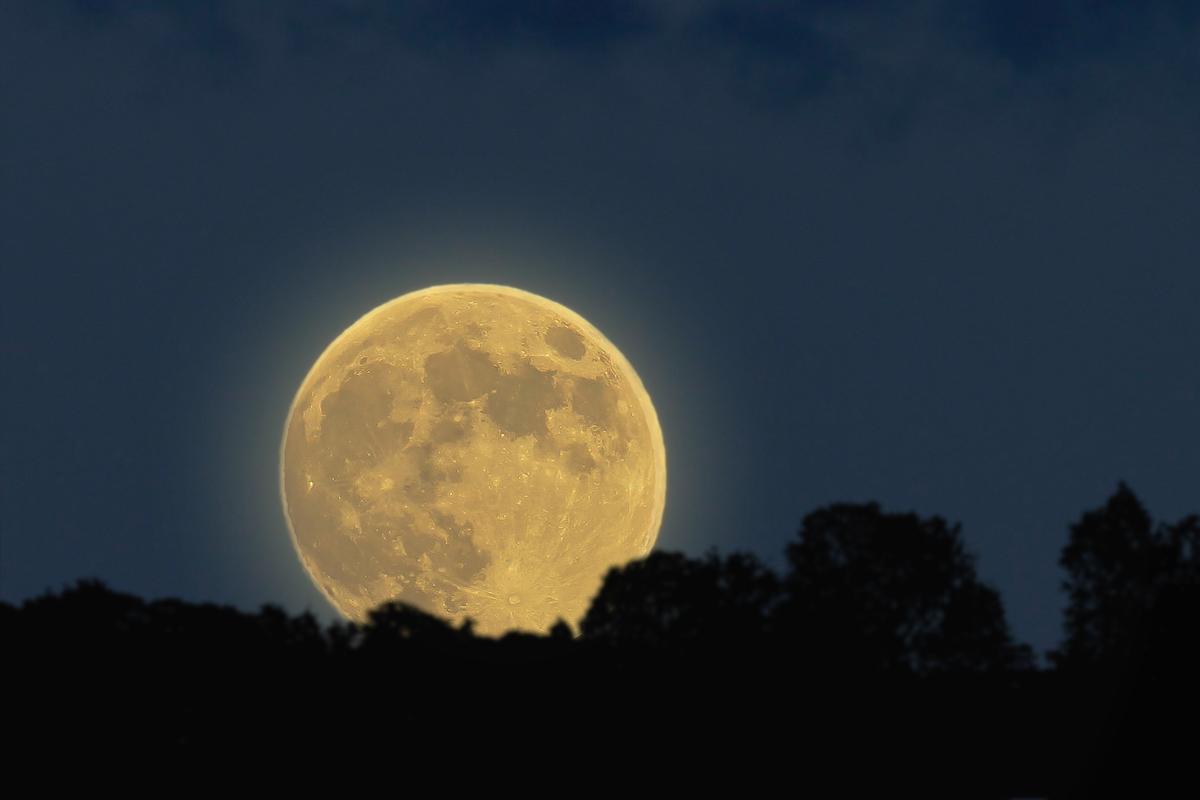
To this day, over 120 cities in 40 countries have joined the ever-growing and international network to celebrate gourmet cuisine, offer extraordinary entertainment, and bring together vibrant individuals and bon vivant around the world. While Diner en Blanc International is headquartered in Montreal, Canada, every event in every city is hosted by passionate local organizers who fell in love with the original Parisian concept and wanted to bring it home and dress it up with local flair. For more info, photos, and videos of Le Diner en Blanc events from around the world, visit dinerenblanc.com.
As many dedicated foodies will know, hunting for the most incredible food spots when traveling requires a savvy approach. There are plenty of bustling food markets, charming eateries, and hidden culinary gems around the world to explore – but where are the best cities to be a foodie?
To find out, our friends at Spin Genie looked at various factors, such as the average cost of visiting a restaurant in different parts of the world, the cities with the most restaurants, and the most Instagrammable food spots.
Whether you’re looking to try out sizzling street food in Bangkok or seeking the ultimate Michelin-star experience in Paris, we’ll reveal the ultimate travel guide for food lovers and unique spots to indulge in flavourful cuisines from across the globe.
The Best Foodie Cities Around the World
1. George Town, Malaysia – 7.86/10
George Town takes the crown as the best foodie city, scoring 7.86 out of 10. The colourful, multicultural capital is surrounded by stunning colonial streets and is described as a center for vibrant culture, street art, and the country’s best street food.
Also in the top place for its wide range of affordable food spots, George Town has plenty to offer food lovers, from Michelin-starred feasts to street eats. Teksen Restaurant is a top choice, serving delicious dishes since 1965. The well-known Chinese restaurant among its locals has won the hearts of serious foodies with its traditional Cantonese cuisine infused with a local twist.
2. Taipei, Taiwan – 7.31/10
Taipei follows closely behind, scoring 7.31 out of 10. The food capital of Taiwan offers an array of things to experience and explore, from the island’s fascinating temple culture and architecture to its indulgent food at affordable prices.
Some of the best food spots for quality, flavourful dishes and good service in the capital include Din Tai Fung, which has been serving traditional Chinese dishes since its opening
in the 1980s. Another top-rated restaurant is Raw, a French-style restaurant with vibrant cuisine infused with Taiwanese flavours.
3. Osaka, Japan – 7.24/10
Described as the economic powerhouse of the Kansai Region, Osaka is a large port city known for its modern architecture, vibrant nightlife, and hearty street food. If you’re looking for some of the best food spots in Japan, Osaka has plenty to offer.
Osaka Cuisine Asai is a Michelin-star restaurant that serves various course meals made with fresh, seasonal ingredients daily. With such a vibrant food scene, it’s no wonder the popular city completes the top three, scoring 7.24 out of 10.
The Most Affordable Foodie Cities for a Quick Bite
1. Chiang Mai, Thailand
Average cost at a cheap restaurant: C$1.98
Chiang Mai grabs first place as the foodie city with the most affordable meals at a cheap restaurant. On average, meals are incredibly inexpensive, costing just C$1.98. Some of the best cheap eats in Chiang Mai include The Breakfast Club, a bakery restaurant at the heart of Chiang Mai, and Tong Tem Toh, a popular restaurant specializing in Northern Thai cuisine.
The Most Expensive Foodie Cities for a Quick Bite
1. London, England
Average cost at a cheap restaurant: C$34.70
London tops the list when it comes to the foodie city you’ll most likely pay more for, even while dining at a cheap restaurant. The capital city harbours some of the world’s best hotels, bars, and restaurants, but sometimes at a hefty price.
With over 300 Michelin-star restaurants in the city alone, it’s no surprise London has a wide range of food hot spots that tend to be more expensive. In fact, on average, you can expect to spend C$34.70 for a meal.
Foodie Cities with the Most Affordable Mid-range Restaurants
1. George Town, Malaysia
Average cost at a mid-range restaurant: C$13.46
George Town tops the list for having some of the most affordable meals at a mid-range restaurant. On average, a meal for two costs as little as C$13.46, much lower than in many other major foodie cities.
One of the most popular areas for street food is New Lane; here, you can find stalls selling everything from BBQ chicken wings to rice noodle rolls at highly affordable prices.
Foodie Cities with the Most Expensive Mid-range Restaurants
1. Copenhagen, Denmark
Average cost at a mid-range restaurant: C$160.21
Described as a classy city with many small independent galleries and cafés, Copenhagen offers diverse worldwide cuisines, from Taiwanese to Ethiopian food spots. There are also around 68 Michelin-starred fine dining restaurants within the city.
It comes as no surprise that the city is the most expensive for a meal. As a matter of fact, it costs as much as C$160.21 for a three-course dinner for two. If you’re seeking a Michelin-star experience for a moderate price, Selma is a great restaurant to experience traditional Danish lunch.
The Foodie Cities with the Most Cheap Restaurants
1. George Town, Malaysia
Total number of cheap restaurants: 280
Number of cheap restaurants per 10,000 population: 17.7
With many favourites, such as Siam Road Charcoal Char Kuey Teow, New Lane Street Food stalls, and the Tai Tong Restaurant, it is no surprise that George Town grabs first place as the city with the most affordable joints. There are just under 300 cheap eats to discover in George Town, with roughly 17.7 cheap restaurants per 10,000 population.
The Foodie City with the Most Mid-range Restaurants
1. Paris, France
Total number of mid-range restaurants: 8,410
Number of mid-range restaurants per 10,000 population: 36.6
The capital of France and a major European city, Paris, is one of the global centers for art, fashion, culture, and, of course, food. Known for its cafe culture, there are plenty of opportunities to grab a bite.
Le Truffaut, Maison, and Le Cadoret, which serve classic French food, are just some of the hottest restaurants in Paris right now.
The Foodie City with the Most Fine-dining Restaurants
1. Paris, France
Total number of fine dining restaurants: 709
Number of fine dining restaurants per 10,000 population: 3.1
Once again, Paris tops the list for the foodie city with the most fine-dining restaurants. The city has, on average, 3.1 fine-dining restaurants per 10,000 of the population. From Odette to Atelier Maître Albert, the city has an impressive 709 fine-dining restaurants in total. This comes as no surprise as the famous capital is home to some of the most renowned restaurants in the world.
The Most Instagrammed Foodie Hotspots
1. Melbourne, Australia
Instagram hashtags: #Melbournefoodie
Number of Instagram hashtags: 2.8 Million
Melbourne takes the crown for the most Instagrammed food spot with a whopping 2.8 million posts for the hashtag #Melbournefoodie. Some of the most Instagrammable dining experiences include Sebastian, a restaurant reminiscent of the sunny shores of San Sebastian; The Kettle Black, a café featured in Vogue Living; and Higher Ground, a one-of-a-kind location with three levels of dining space and 15-meter high ceilings.
Highest-earning Influential Foodies
1. Gordon Ramsay
Potential earnings: C$64,965 (£37,740)
When it comes to the highest-earning foodie influencer in the world, it comes as no surprise that the British celebrity chef Gordon Ramsay tops the list with an impressive potential earnings figure of C$64,965 (£37,740) per sponsored post on Instagram.
During his career, the multi-Michelin-starred chef has opened a string of successful restaurants worldwide, including the UK, France and Singapore. Also a star on the small screen, Gordon Ramsey has been featured in shows such as MasterChef US, Kitchen Nightmares, Hell’s Kitchen, and Hotel Hell.
Thriving as one of the most famous restaurateurs today, the MasterChef has some top-tier restaurants for foodies to visit, such as the Restaurant Gordon Ramsay located on Royal Hospital Road in Chelsea, London. Holding three Michelin stars, foodies can expect nothing but the finest seasonal ingredients for the most elegant modern French cuisines.
The Best Foodie Cities in the US and Canada
1. Savannah, Georgia – 7.86/10
Savannah tops the list as the best foodie city, scoring 7.86 out of 10, known for its beautiful coastal landscapes, charming architecture, and its rich, vibrant history. The city’s food scene is just as impressive. From plentiful coastal cuisines to flavours from around the world – Savannah knows how to serve a good time and a good meal.
A top foodie destination in Savannah for locals, tourists, and celebrities alike is the Olympia Cafe. After more than three decades in business, the dining establishment thrives, serving up a storm with its much-loved traditional Greek and Mediterranean menu.
2. Las Vegas, Nevada – 7.78/10
In second place is Nevada’s finest – Las Vegas, with a score of 7.78 out of 10. The food scene in Las Vegas has grown to become a so-called “Gourmet Rooms” galore hailed by celebrities.
From Bardot Brasserie to Wing Lei, the first Chinese restaurant in the United States to be awarded a Michelin star, the city has every genre of food imaginable, all at various price points.
3. Atlanta, Georgia – 7.26/10
Ranking in third place is Atlanta, scoring 7.26 out of 10. From century-old diners to award-winning eateries, Atlanta offers some of the best dining experiences in the country and is described as one of the nation’s best food cities. The city caters to all tastes and palates, whether you prefer classic southern cuisines or top-tier modern dishes.
Bacchanalia is one of the top-rated restaurants in the city, offering guests a complete dining experience. You will not be disappointed if you opt for their signature dishes or divine four-course tasting menu.
Foodie Cities in the US and Canada with the Most Affordable Quick Bites
1. Savannah, Georgia
Average cost of a meal at a cheap restaurant: C$16.26 (US$12.00)
When it comes to foodie cities with the most affordable meal at a cheap restaurant, Savannah grabs first place with an average of C$16.26 (US$12.00) for a decent plate of food.
If you’re looking for a new dinner spot to try out, Savannah has an array of places to add to your list, including southern favourites such as The Olde Pink House. Whether you’re in search of classic southern cuisines such as shrimp, grits, and buttery biscuits or a plant-based brunch, you won’t run out of options.
Foodie Cities in the US and Canada with the Most Expensive Quick Bites
1. Saint John, New Brunswick
Average cost of a meal at a cheap restaurant: C$35.41 (US$26.13)
Home to a variety of cafes and restaurants that offer an array of colourful cuisines, international dishes, and the ultimate Canadian comfort foods, Saint John tops the list as the foodie city with the most expensive meals at a cheap restaurant. On average, you can expect to pay C$35.41 (US$26.13).
Foodie Cities in the US and Canada with the Most Affordable Mid-range Restaurants
1. Winnipeg, Manitoba
Average cost of a meal at a mid-range restaurant: C$75.89 (US$56.00)
Winnipeg has many great food spots. In fact, a couple of the city’s restaurants are seen as some of Canada’s best eateries, with an average price of C$75.89 (US$56.00). If you’re looking for a trend-setting eatery in Winnipeg, Deer and Almond is the perfect blend of global and local flavours.
Foodie Cities in the US and Canada with the Most Expensive Mid-range Restaurants
1. Seattle, Washington
Average cost of a meal at a mid-range restaurant: C$162.63 (US$120.00)
Surrounded by the Olympic mountains and evergreen forests, Seattle is a hub for many attractions, entertainment, and food and drink spots. The beautiful food scene in the city offers visitors anything from local seafood to downtown gems.
Whether you want to try classic or unique cuisine, Seattle offers it all, from Pacific Northwest cuisine inspired by Filipino-American flavours to contemporary dishes bursting with rich seasonings. However, these delicious cuisines come with a hefty price tag. The average meal cost at a mid-range restaurant in Seattle is C$162.63 (US$120.00).
The Foodie Cities in the US and Canada with the Most Cheap Restaurants
1. Victoria, British Columbia
Number of mid-range per 10,000 population: 11.2
A great place for food lovers to explore and enjoy the local culinary scene is Victoria. The Canadian city has a host of hidden foodie gems and fine dining hotspots that will leave you spoilt for choice.
The city not only has a thriving culinary scene, but it is also the top destination with the highest number of cheap restaurants in both the US and Canada, with an estimated 11.2 affordable restaurants per 10,000 population.
Foodie Cities in the US and Canada with the Most Mid-range Restaurants
1. Victoria, British Columbia
Number of mid-range per 10,000 population: 36.7
Also the top foodie city with the highest number of cheap restaurants, Victoria once again tops the list with the highest number of mid-range restaurants in both the US and Canada.
Whether it’s mouth-watering Chinese cuisine or Danish baked goodies, the city has enough colour and flavour to satisfy culinary cravings at any price point. As a result of its large, diverse range of eateries, Victoria has approximately 36.7 mid-range restaurants per 10,000 population.
The Foodie Cities with the Most Fine-dining Restaurants in the US and Canada
1. Las Vegas, Nevada
Number of fine dining per 10,000 population: 2.3
From Michelin-starred restaurants to world-class cuisine, Las Vegas offers a memorable dining experience. The city tops the list with an estimated 2.3 fine dining establishments per 10,000.
Whether it’s indulging in traditional French fare at Joël Robuchon or immersing yourself in the mouth-watering experience of Japanese delicacies at the world-famous Nobu in Caesars Palace, even the most demanding culinary appetite is guaranteed satisfaction.
The Most Instagrammed Foodie Hotspots in the US and Canada
1. New York City, New York
Instagram hashtags: #NYCfoodie
Number of Instagram posts: 2.1 Million
As a city bursting with character, it is no surprise that New York City takes the top spot for the most Instagrammable dining experiences. From floral-covered interior designs to chic modern rooftops, the Big Apple really does have something for everyone.
Filled with iconic landmarks, the popular city bagged over 2.1 million posts on Instagram using the hashtag #NYCfoodie.
Highest-earning Influential Foodies in the US and Canada
1. Chrissy Teigen
Potential earnings: C$182,849 (US$135,150)
With several best-selling cookbooks under her belt, the American model and TV personality Chrissy Teigen is crowned first place as the highest-earning foodie influencer on Instagram across the US and Canada.
The popular star has also been featured on several cooking channels, such as Cookies and Cocktails and Chrissy Teigen’s Hungry. She also launched her own cooking website back in 2019. Therefore it’s no wonder that the well-known star is estimated to make a whopping sum per sponsored post on the social media platform.
Some of Teigen’s favourite food spots include Giorgio Baldi, a popular restaurant on the Pacific Coast and Via Veneto, a lively Italian eatery in Santa Monica that combines organic and locally sourced ingredients with its creative cuisines.
Methodology
Using a list of articles such as Time Out and Luxury Columnist, we created a seed list of the top foodie cities around the world. With this list, we then used Numbeo to source the average cost of a cheap restaurant as well as the cost of a three-course meal for two people at a mid-range restaurant. Please note that each currency used was also taken from Numbeo. This data was collected on 01/08/2023.
Then, using Trip Advisor, we gathered data on the number of cheap, mid-range, and fine-dining restaurants by using the relevant filters on the site. The data collected was solely based on the number of restaurants from within each city, not including nearby areas. Data collection of this was completed on 21/08/2023.
To calculate per 10,000 population, we used City Population to search for each city’s population. We took the most current data available for each location and only considered cities with more than 50,000 population. This data was completed on 16/08/2023.
To find out which cities are the most Instagrammable, we used Instagram to search for various hashtags relating to each city e.g. #[CITY]foodie. This data collection was completed on 22/08/2023.
Using various articles from Google, our friends also compiled a list of the top foodie influencers, considering how many followers they have on the social media platform. We then calculated their highest estimated potential earnings per sponsored post by using the Instagram Influencer Sponsored Post Money Calculator. The data collection for this section was completed on 23/08/2023.
As searches for “European holidays” skyrocket by 6700%¹, a must-visit list of the best cities in Europe has been announced.
Our friends at Spin Genie analyzed the average price and the number of days it would take to view the tourist attractions of major European cities to create a list of the 11 best places to visit in Europe.
11 of the Best Places to Visit in Europe:
City
Country
Average Hotel Price (per night)
Recommended Length Of Stay
Rome
Italy
€70-€200
5-7 days
London
England
£100-£300
4-5 days
Paris
France
€100-€300
4-6 days
Amsterdam
Netherlands
€80-€200
3-5 days
Prague
Czech Republic
€60-€150
3-4 days
Barcelona
Spain
€80-€150
5-6 days
Santorini
Greece
€150-€300
3-5 days
Budapest
Hungary
€70-€150
4-5 days
Reykjavik
Iceland
€100-€200
3-4 days
Berlin
Germany
€70-€150
3-4 days
Vienna
Austria
€80-€150
3-4 days
Dom Aldworth, Head of Brand Marketing at Spin Genie says “As one of the most influential continents in the world, Europe is home to a vast range of diverse and culturally rich countries. From impressive historical architecture to quaint towns and delicious foods, every country offers travelers a unique and vibrant experience.
“Whether you want to indulge in fine French cuisine, relax in ancient baths or transport yourself back in time, Europe is the perfect place for bucket list adventures.”
Dom continued “Budget-conscious travelers will be pleased to discover that several affordable cities offer incredible experiences without breaking the bank.
“Budapest is often regarded as one of the most budget-friendly destinations in Europe. With its affordable accommodation options, reasonably priced dining choices, and inexpensive public transportation, visitors can explore the city’s stunning architecture, relax in its thermal baths, and indulge in its vibrant nightlife without straining their wallets.”
The team also named their top 5 un-missable tourist attractions.
Trevi Fountain, Rome
“One of Rome’s most famous landmarks, the Trevi Fountain is a bucket list attraction.” Dom at Spin Genie comments “Toss a coin into the stunning Trevi Fountain, one of Rome’s most famous landmarks. Admire its Baroque design, intricate sculptures, and cascading waters, and make a wish for your return to the Eternal City.”
The London Eye and Tower Of London, London
London has a range of iconic landmarks, from historic buildings such as Buckingham Palace, Westminster Abbey and the Tower of London to Big Ben, Tower Bridge and the London Eye.
Eiffel Tower, Paris
No visit to Paris is complete without a visit to the iconic Eiffel Tower. Ascend to the top for panoramic city views or enjoy a leisurely picnic in its surrounding gardens.
Bloemenmarkt, Amsterdam
The world’s only floating flower market, Bloemenmart is the perfect place for lovers of colour, beauty and flowers to visit. Admire colourful displays of flowers, bulbs and souvenirs and take home a piece of Amsterdam’s floral heritage.
Santorini Volcano, Santorini
Take a boat trip to Nea Kameni’s and Palea Kameni’s volcanic islets. Hike up to the active volcano’s crater, bathe in the hot springs, and learn about the volcanic geology that shaped the island.
FAQs
What are the most beautiful cities in Europe?
Beauty is subjective; however, there are a few European cities that are renowned for their beauty.
Florence, the birthplace of the Renaissance, boasts a wealth of artistic and architectural treasures. The city’s historic centre is a UNESCO World Heritage site, and attractions like the Florence Cathedral, the Uffizi Gallery, and the Ponte Vecchio showcase its artistic grandeur.
Other beautiful cities include Paris, Prague, Barcelona, Amsterdam, Vienna, Santorini, and Rome.
What are the largest cities in Europe?
The largest cities in Europe by population include Moscow, London, Saint Petersburg, Berlin and Madrid.
Moscow, the capital of Russia, stands as the largest city in Europe, both in terms of population and geographical expanse. This thriving metropolis blends a rich history with modern cosmopolitanism. From the iconic Red Square and the majestic Kremlin to the opulent St. Basil’s Cathedral, Moscow showcases a fusion of grandeur, architectural marvels, and cultural treasures
What are the oldest cities in Europe?
Europe is a treasure trove of history, and it’s home to some of the oldest cities in the world. These cities have witnessed the rise and fall of empires, the birth of civilizations, and the shaping of European culture.
Plovdiv, located in Bulgaria, is one of Europe’s oldest cities, with evidence of settlement dating back over 8,000 years. The city’s Old Town, a UNESCO World Heritage site, boasts well-preserved Roman ruins, including an ancient theatre that is still in use today.
Other cities include Athens, Rome, Cadiz, Argos, Larnaca, and Byblos.
Which are the cheapest cities in Europe to visit?
Budget-conscious travellers will be pleased to discover that several affordable cities offer incredible experiences without breaking the bank.
Budapest is often regarded as one of the most budget-friendly destinations in Europe. With its affordable accommodation options, reasonably priced dining choices, and inexpensive public transportation, visitors can explore the city’s stunning architecture, relax in its thermal baths, and indulge in its vibrant nightlife without straining their wallets.
Some of the most affordable cities in Europe to visit include Krakow, Lisbon, Warsaw, Athens and Bucharest.
What are the safest cities in Europe?
Europe is generally considered safe, but some cities have lower crime rates than others.
Zurich, Switzerland’s largest city, is often ranked as one of the safest cities in the world. With its efficient public transportation system, well-maintained streets, and low crime rates, Zurich offers a safe environment for travellers to explore its beautiful Old Town, enjoy the pristine Lake Zurich, and immerse themselves in the city’s vibrant cultural scene.
Other safe cities include Copenhagen, Vienna, Helsinki, Stockholm, Munich, Amsterdam, Geneva and Oslo.
What are the most romantic cities in Europe?
When it comes to romantic cities in Europe, certain destinations evoke a sense of enchantment and timeless love. Paris, often called the “City of Love,” tops the list. With its charming cobblestone streets, beautiful parks, and stunning landmarks, Paris provides the perfect backdrop for romantic strolls, candlelit dinners, and unforgettable moments.
Other cities include Venice, known as the “Floating City,” which is a dreamlike destination that exudes romance; Florence, the birthplace of the Renaissance, captivates with its timeless beauty and artistic heritage; Santorini, a picturesque Greek island and Prague, with its fairytale-like architecture.
These cities have an irresistible charm that evokes romance and captivates the hearts of couples seeking a truly enchanting experience.
I’m a tomato snob. I can’t help it. I’ve had the best and will never go back.
The first summery taste of a home-grown tomato, fully matured on the vine and still warm from the sun is one of the great taste pleasures of summertime. You need to experience it to appreciate it.
The poor imported supermarket version of the tomato just doesn’t compare. And in reality, it can’t. The imports are picked when they just start to show some colour, before their texture and especially their flavors have had a chance to develop. Then they travel, sometimes halfway around the world.
Consequently on the store shelves we see these hard, bland-tasting, thick-skinned things that misrepresent what a tomato could be.
In fact, modern tomato varieties are developed specifically for this kind of handling, packaging and transport. Thick skins, uniformity of size and shape are all desirable attributes to producers. Unfortunately, flavor isn’t. But we want tomatoes, so we take what we can get. However, with a little effort, we can get better. Why not grow your own? It’s easy. And why not grow specifically old-fashioned varieties? They taste a million times better than the imports and you aren’t paying for the oil to get them here.
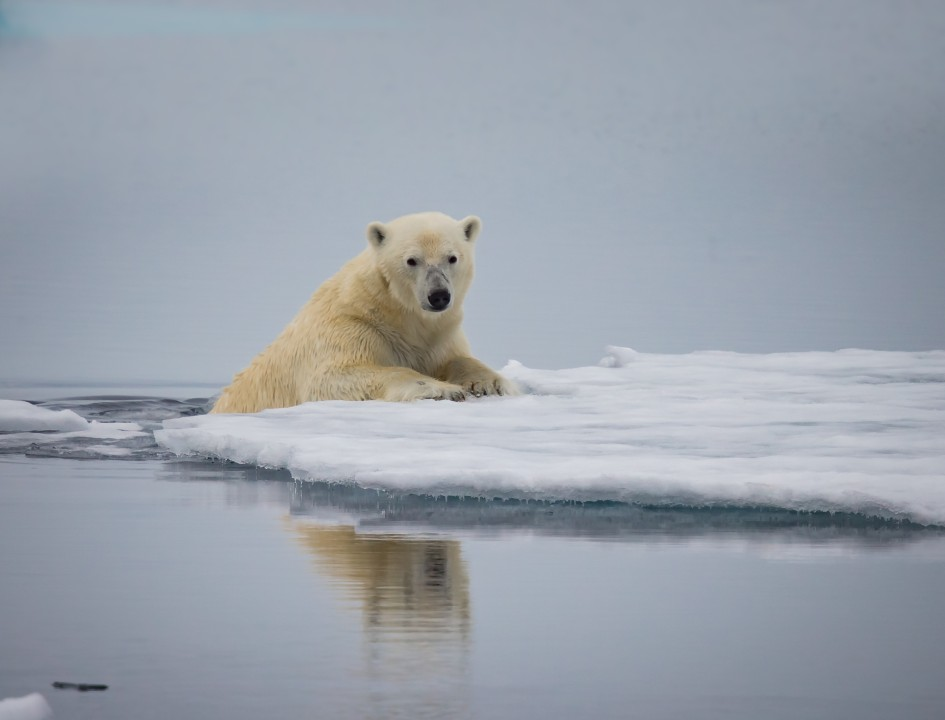


Why I’m hooked on heirloom tomatoes.
The variety of colours, shapes, sizes, and even flavours, is almost endless. And it is a lot like collecting antiques. In my own garden experience I’ve grown everything from the marble-sized ivory-coloured White Currant to the enormous red Sicilian Saucers. The fabulous tasting Black Krim (originating from the Isle of Krim in Russia) is my absolute favourite of all tomatoes, with it’s lovely burgundy skin and marbled magenta and green interior. The appearance, flavour and variety in the heirlooms simply cannot be approached by the mass-produced types.
Though tomatoes originate in ancient Mexico, the heirlooms in my own collection were developed, some as far back as centuries ago, in France, Italy, Germany, Croatia, the Czech Republic, Bulgaria, USA, Russia, and the list goes on. Some of their names are descriptive: Black Cherry, Green Grape, Big Rainbow, Indian Stripe, the absolutely beautiful Persimmon, and the absolutely weird Purple Calabash. And some of them bear the names of their sources: Andrew Rahart’s Jumbo Red, Aunt Gertie’s Gold, Marianna’s Peace, Martha Homestead, and my favourite named – Olga’s Round Yellow Chicken Tomato – all varieties discovered and saved by home gardeners, often passed down through families for generations, and shared with friends.
And so, through the efforts of seed-savers throughout the world, the tomatoes are spared extinction and continue to be enjoyed for their wonderful flavor, but not by the masses. Only by snobs like me. And maybe you.
Rome, 17 July 2023 – In 2022, despite conflict, climate change and the continued stresses of the COVID-19 pandemic which threatened the food security and livelihoods of millions of rural people, the UN’s International Fund for Agricultural Development (IFAD) invested US$7.96 billion in rural areas in the world’s poorest countries, according to its annual report released today.
“2022 was a particularly challenging year for rural people the world over. Rural communities have acutely felt the effects of this triple crisis on their food systems, which are a critical source of livelihoods – as well as essential nourishment – for them, and for the millions of people who depend on them,” said IFAD President Alvaro Lario in the report foreword.
“We need to support rural people to cope with present crises. But we also need to invest in building food systems that can support and nourish their families and communities, and help feed the world into the future.”
The annual report captures the organization’s activities, special initiatives and new funding sources as well as impact data. Analysis of the 2022 total rural development project portfolio reveals that 90% of core resources went to low-income countries (LICs) and lower middle-income countries (LMICS). IFAD has since committed to increase that ratio to 100% going forward. Data verification also showed that more than 90% of IFAD’s climate finance is invested in initiatives that enable rural people to adapt to climate change. In addition, it showed that more than half of project participants are women.
In 2022, IFAD launched the Crisis Response Initiative to protect livelihoods and strengthen resilience in 22 countries most in need as a consequence of the war in Ukraine. It focuses on tailored interventions to prevent hunger and food insecurity arising, while supporting sustainable food systems.
In 2022, impact data reveals that between 2019-2021, as a result of IFAD’s investments: more than 77 million people increased their incomes; more than 62 million people expanded their productive capacities; more than 64 million people improved their market access and 38 million people strengthened their resilience. IFAD is the only international financial institution that systematically measures the impact of its investments.
Assessments of the Rural Poor Stimulus Facility – IFAD’s COVID-19 response initiative launched in 2020 to help people survive pandemic-caused financial losses while protecting the global food supply – showed that at least three quarters of participants maintained or increased their levels of production and income, despite the impacts of the pandemic.
“Doing more to get more finance is critical; but we also have to continue to ensure that the people who need it most are the ones who benefit. This is another part of what makes IFAD unique, and we are maintaining our commitment to devote 100% of our core funding to the poorest countries,” wrote Lario. For the Silo, Julie Marshall.
IFAD is an international financial institution and a United Nations specialized agency. Based in Rome – the United Nations food and agriculture hub – IFAD invests in rural people, empowering them to reduce poverty, increase food security, improve nutrition and strengthen resilience. Since 1978, we have provided more than US$24 billion in grants and low-interest loans to fund projects in developing countries.