Tag Archives: National Park Service

Utah’s Zion National Park Has Otherworldly Landscape

Another superb travel spotlight via our friends at ShareAmerica.

With massive, towering cliffs and deep canyons, Zion National Park consistently ranks as one of America’s most popular spots for outdoor adventure. Designated as a U.S. national park in 1919, Zion, in southwestern Utah and two hours from Las Vegas, now attracts 5 million visitors annually.

Tallest Sandstone Walls In the World

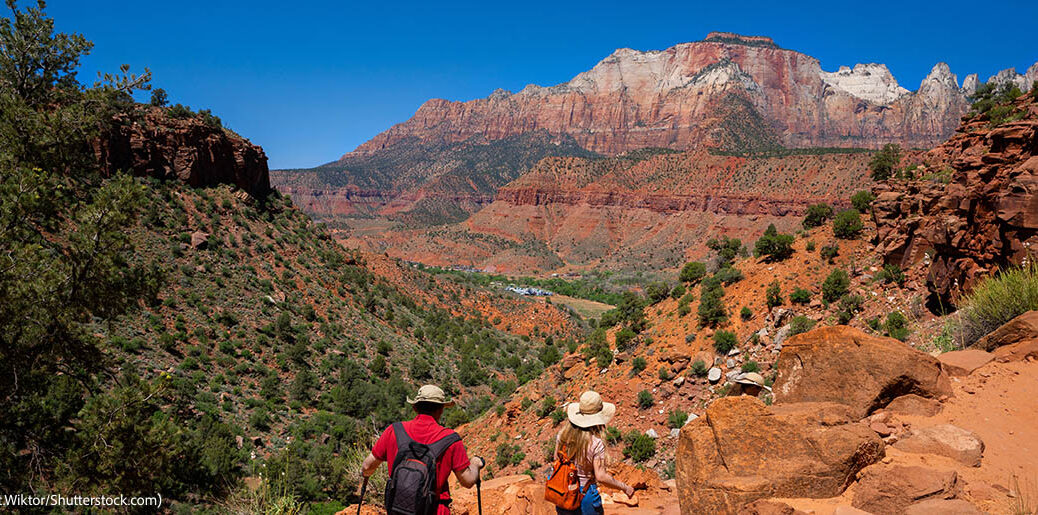
They come for red-and-white sandstone walls, among the tallest in the world, that soar to heights of 2,000 to 3,000 feet (609 to 914 meters) above the canyon floor. Zion’s immense scale and dramatic rock formations lead many to describe the park in spiritual terms. Mormon pioneers who arrived at the canyon in the 1800s gave it the biblical name Zion, meaning “sanctuary” or “refuge.”

Sandstone walls, wildlife and trails

Hikers will find numerous trails, from the near-effortless to the very challenging. Less difficult hikes like the Pa’rus, Riverside Walk and Canyon Overlook provide stunning views and the chance to spot wildlife, including bighorn sheep and mule deer. The more challenging Angels Landing offers panoramic views of Zion’s iconic cliffs, including the Court of the Patriarchs, composed of three biblically named peaks: Abraham, Isaac and Jacob.

Hiking Amazement

Hiking The Narrows trail is a signature Zion adventure. Hikers tread upriver in shallow water into a gorge with soaring cliff walls 1,000 feet (300 meters) high. Boots and hiking poles can help navigate the rocky riverbed. The Narrows is most popular in June through September, when the water is warm and river levels are low.

Another sightseeing option is the Zion Canyon Shuttle , which takes visitors from one scenic spot to the next. The shuttle operates March through November or December and is the only way to access Zion’s Emerald Pools trails, which feature waterfalls and hanging gardens.

Guided tours on horseback are available for those seeking an authentic Western experience. Zion’s Nature Center offers programs for families, including an interactive exhibit where children can explore the park’s geology, history and wildlife.

Stargazing and nature photography

Certified as an International Dark Sky Park, Zion’s high elevation and minimal light pollution make it a premier spot for stargazing and astrophotography. Expect clear nighttime views of the Milky Way, planets and distant galaxies, but bundle up because temperatures drop after sunset.

Nature photography is a Zion favorite at any time of day. The National Park Service recommends taking advantage of nature’s golden hours at sunrise and sunset to capture the changing light on the park’s vivid red cliffs.

Rocky mountains (National Archives/Ansel Adams)
Ansel Adams photographed the Court of the Patriarchs in Zion National Park during the early 1940s. (National Archives/Ansel Adams)

Ansel Adams documented Zion on numerous visits to the park. A series of the legendary photographer’s black-and-white images of Zion taken in 1941 and 1942 are held at the U.S. National Archives, and several can be viewed online . Adams’ photographs are still enticing visitors to experience the rugged beauty of Zion National Park.

For the Silo, Lauren Monsen/ Share America.

Featured image- Margaret Wiktor/Shutterstock.
California Elk Killing Fence Finally Being Removed

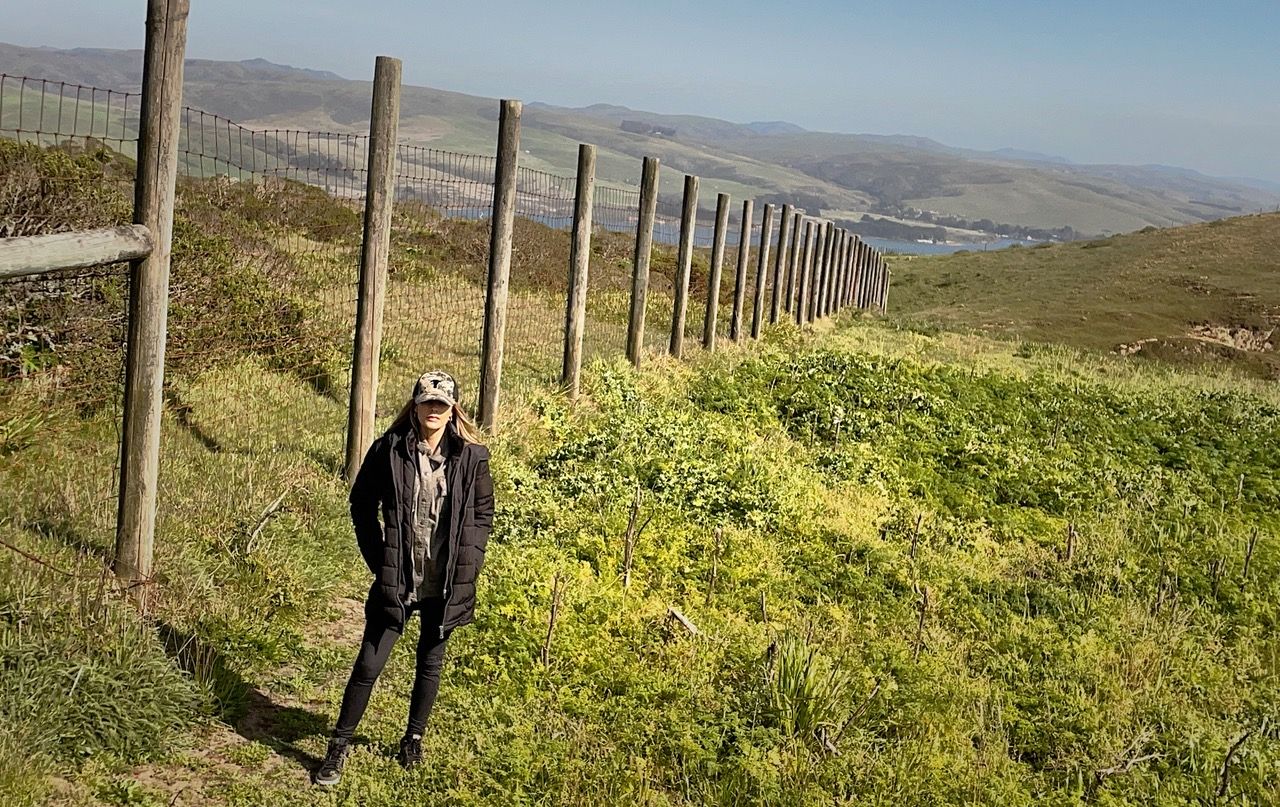
Monterey, Calif. (Sept, 2024)  After years of campaigning to free Tule elk at Point Reyes National Seashore, In Defense of Animals applauds the California Coastal Commission’s (CCC) speedy approval of America’s National Park Service’s (NPS) proposal to dismantle the deadly, infamous, 8-foot-tall,/ 2.4 m, 2-3-mile/ 3.2-4.8 km long fence confining them.  

Over 475 Elk Died Over A Decade Due To Fence- Many More Suffered With Poor Health

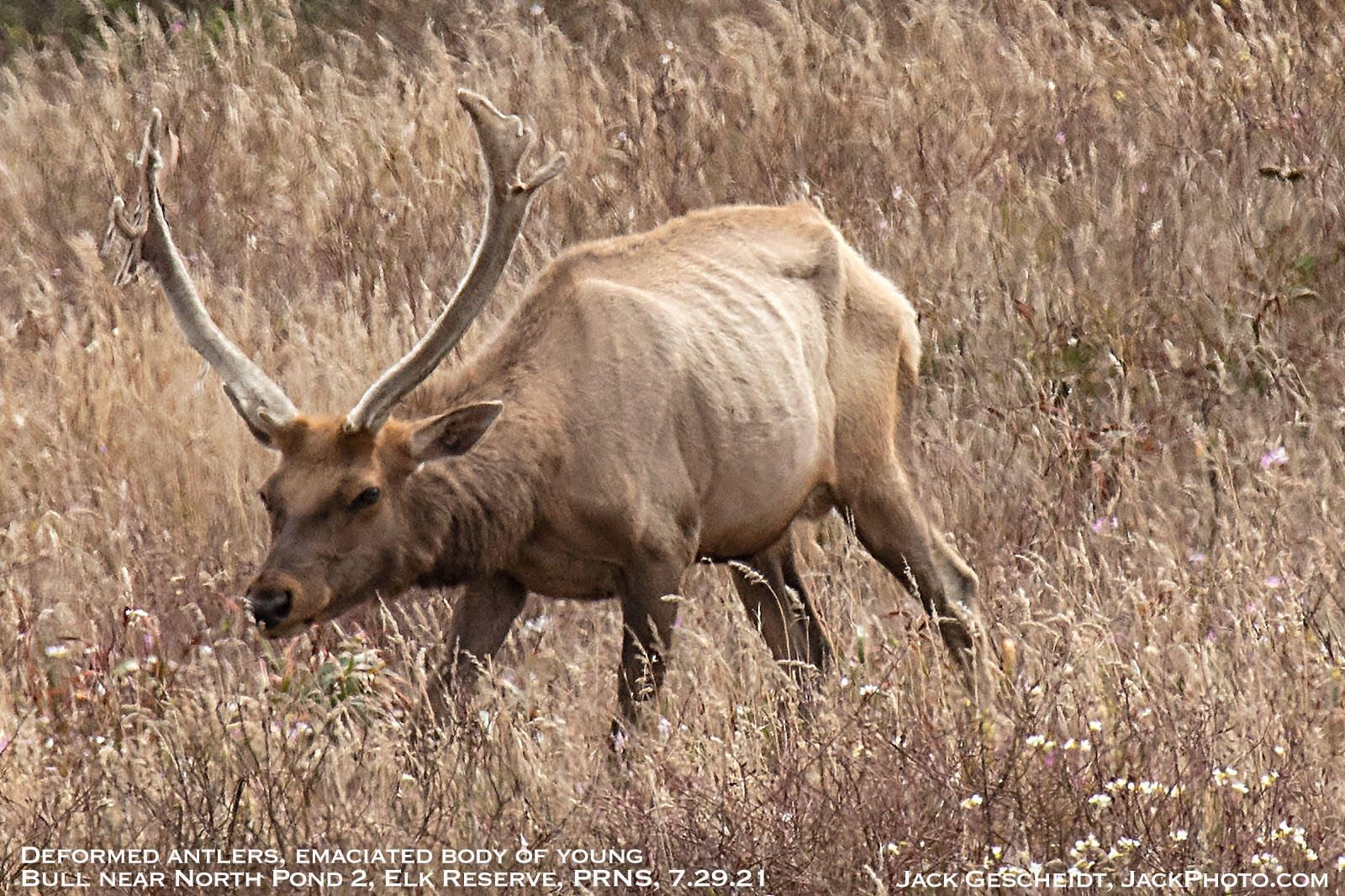
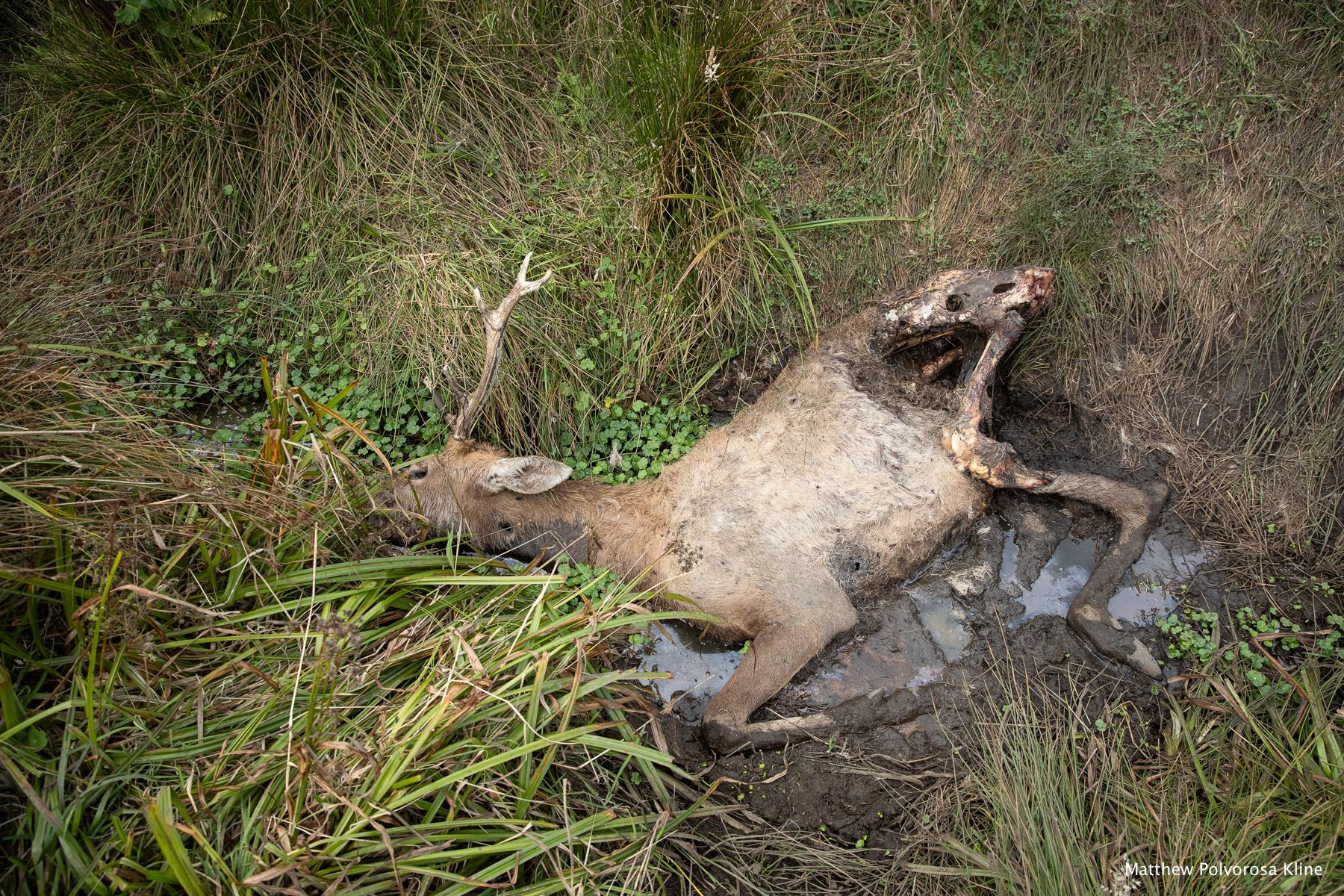
The wire and wooden post barrier fence was built to keep elk in, and away from for-profit beef and dairy ranches which lease land from the public and, in return, pollute the Seashore park and sentence hundreds of elk to starve and die of thirst by restricting the movement of these wild animals in a national park. Over 475 Tule elk died over a decade as a result of the fence, a larger number of these gentle, plant-eating ungulates than is currently still held captive inside the fenced compound, called a “Reserve,” despite its deadly effect on Tule elk.

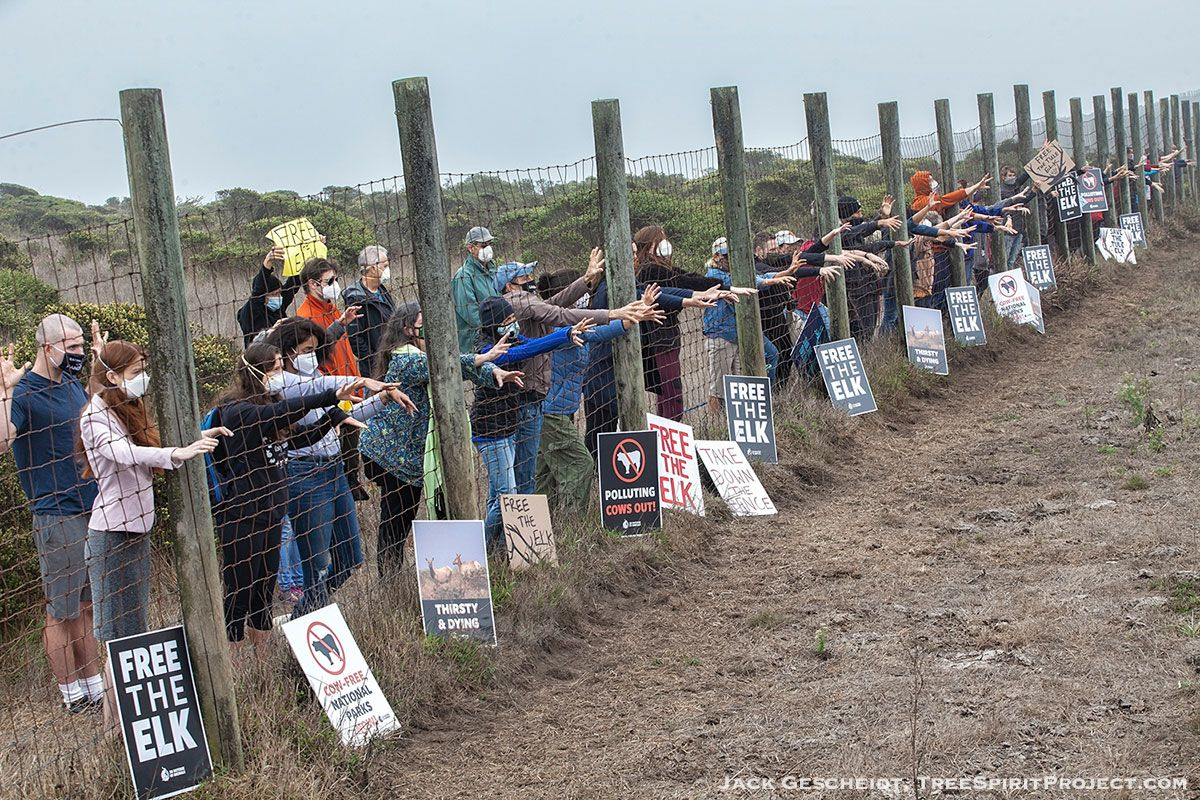
After years of animals rights and citizen activist demonstrations and pressure, in June 2023 the NPS finally relented and officially reversed its position on a 45-year-old park policy that kept this Tule elk herd confined to the drought-stricken Tomales Point, the northernmost peninsula of the popular San Francisco Bay Area national park unit.  The recent vote, technically speaking, is a CCC concurrence with a “negative determination” assessment of no significant environmental impact caused by removing the 45-year-old fence as part of the new “Tomales Point Area Plan” (TPAP).

This bureaucratic hurdle, much easier to clear than an 8-foot-tall fence, is part of a years-long process that has been underway since June 2023, in accordance with the National Environmental Policy Act (NEPA). The CCC’s approval on Sept. 12 will allow the NPS to continue its process to dismantle the fence, which in turn will allow the elk inside the Reserve to wander south of the fence line, into other, wetter areas of the park’s full 71,000 acres. Their current home, the Reserve, by comparison, is only 2,600 acres.

Their fence-down freedom will, both quickly and over time, improve the health of the herd.

And, significantly, reduce the number of painful, slow elk deaths from thirst and starvation during California’s hot, dry summer and autumn seasons. 

With the fence dismantled, the elk will also be able to mix and mate with elk from the park’s other two herds. The two other herds are less restricted in their movements — although they, and all of the park’s approximately 700 elk, are still affected and negatively impacted by the contiguous, privately-owned, beef and dairy cow ranches. These businesses lease over one-third of Point Reyes from the public — and keep it fenced off to public access too, even though the public owns the land.  

Thousands of beef and dairy cows (who are confined and used themselves) pollute even more of the seashore’s land, water and air every year (and every day) with millions of pounds of manure and methane. 

Activists are delighted that the fence removal process is finally underway. 

Jack Gescheidt, Tule elk consultant for the international animal protection organization, In Defense of Animals, said, “It’s a treat, for once, to not have to testify at a Coastal Commission meeting about how destructive, polluting and cruel some policy or regulation is. We activists want the fence down. The public wants the fence down. The Park Service now wants the fence down. And now the Commission has approved this major improvement to a public park.”

Gescheidt added, “And we hope the NPS [America’s National Park Service CP] follows through with the fence removal before the end of the year. We offer volunteer help with the historic fence-dismantling work!”

In Defense of Animals’ Tule Elk Campaign works tirelessly to not just free the Tule elk at Point Reyes National Seashore, but to also re-wild all 71,000 acres of Point Reyes to wild animals, by finally ousting the private beef and dairy ranches which are this beloved national park’s major source of land degradation, water contamination and air pollution. These businesses were paid millions of dollars for their land in the 1960s, and had agreed to leave by 1987, but have resisted doing so ever since. www.idausa.org/elk 

In Defense of Animals is an international animal protection organization based in California with over 250,000 supporters and a 41-year history of fighting for animals, people, and the environment through education and campaigns as well as hands-on rescue facilities in India, South Korea, and rural Mississippi. www.idausa.org 

Featured image: Bonnie-Jill Laflin at Pt. Reyes Elk Reserve by Jack Gescheidt/Tree Spirit Project.