You have probably always wanted to write a book. You have probably tried to start writing it several times and gave up. Or maybe you did write it, but it didn’t quite turn out the way you wanted it to. You have most likely been scared and frustrated by the writing process, as well as exhilarated and thrilled. And you probably wondered how you could tell exactly what you wanted to tell, and tell it well.
I’m not going to give you an answer to your burning questions. I’m still searching for it myself. But I will maybe alleviate your pain in sharing with you my own search on the way to telling my stories in the best way I can. After four years of writing full-time, I have turned a corner and am no longer scared. No, this is a lie. I am scared, but being scared no longer stops me. And the answer is simple: study the craft of writing. How? By doing it and by learning how others did it before you.
When I started out, I charged ahead like mad, high on the possibility of writing my very first book and actually doing it. I disregarded rules and channeled my inner self on the page, believing it was true art (not that I understood what that meant). I was fine for a while. But on my fourth book I got lost and quickly finished it because I didn’t know how to make it better. And on my fifth book I got stuck and had to scrap everything and reengineer my entire writing process. Why? Because I ignored the rules. I thought writing was an expression of something intangible and divine that couldn’t be touched lest it be wrecked by such rudimentary and boring things as plotting, theme development, grammar, character arcs, etc. And I was wrong, and maybe because you read these lines you will trust that what I’m sharing with you is true and will spare yourself the pain I went through (or maybe you won’t, but you will remember these lines when you hit rock bottom).
Know what they expect 😉
Writing isn’t some nebulous ethereal substance to be caught from the air and randomly spun into a story. Writing is both an art and a craft, and the two can’t be separated from each other. If you’re a painter, you must know the types of paints and brushes you use. What would happen if you didn’t? Same with writing. The boring grammar is not boring at all. It’s a wonderful tool to help you say exactly what you want to say the best way you can. It’s a tool that you have to learn and allow yourself to be awkward with, at first, and keep practicing until you master it, and it becomes a skill that you don’t have to think about.
Jemaine Clement as frustrated author Dr. Ronald Chevalier in Gentleman Broncos.
That frustration we talked about, remember? It comes from the feeling that something isn’t right, but you can’t pinpoint what exactly. Studying the craft of writing will show you what’s wrong and how to fix it. Without it you’ll be lost and tempted to give up.
But there are so many ways to write! You might be thinking. There are writers who plot, and writers who don’t! You’re right, of course. But here is what I’ve learned. Until you study the rules of your craft, you won’t know how to break them. And by not studying the rules at all you’re robbing yourself of a chance to learn how to tell your tale and tell it well. You might get lucky and stumble on it. You might not. Are you willing to spend days, months, years groping around in the dark? That’s what I did, and it’s not an easy road. I nearly quit writing altogether several times, that’s how bad it got.
So where do you start? You start by doing and learning. What do I mean by that? Simple. Start writing your tale. Just start. When you get blocked and don’t know how to proceed, look at what’s stopped you and study it. Read about it. Is it grammar? Revisit your grammar. Is it sentence structure or style? Read about style. Is it your character who gives you trouble? Study how to write characters. Plot problems? Learn about plotting. And so on. You will find that every time you get stuck you will get unstuck, and with new knowledge keep charging forward. You will see that learning how to write well takes time, and you will allow your tale to be bad and awkward and messy, because you will know that it’s normal, and this is what will keep you from quitting. That’s huge. I wish someone told me this when I started.
I had to find out for myself. I hope my telling you this now will keep you from quitting. We need your tale. We want to read it. So tell it. And while doing so, learn how to tell it well. It may be that it’ll take you ten bad tales to arrive at one good one. Or maybe twenty. Or thirty. But never give up. Do and learn, do and learn, and you will get there. And now I’m done telling you my tale about how I learned that to tell my tale well I needed to study how to do it. Your turn.
Shackled but making waves- Jay Platt swimming from Alcatraz Island to San Francisco with his hands and feet tied.
For as long as he could remember, Jay Platt wanted to be a U.S. Marine, and for nearly 15 years, he lived that dream. But in 1998, a rare condition called von Hippel Lindau syndrome (VHL), attacked his eyes, brain, spine and kidneys, forcing his retirement from the service.
“Before VHL I pretty much felt untouchable – until I started having symptoms and the eventual diagnosis,” he says.
“I was scared, confused and angry” Jay Platt explains some of the emotions that he has learned to conquer.
“I was scared, confused and angry for a number of years; I couldn’t understand why God would do this to me. I went from feeling invulnerable to officially being considered handicapped.”
After a personal journey of acceptance, Platt re-calibrated his sense of purpose by accepting challenges many world-class athletes wouldn’t consider. Along with a record-breaking Mississippi swim while blindfolded, handcuffed and shackled, he swam from Alcatraz Island to San Francisco with his hands and feet tied, and he was one of fewer than 300 people to hike the more than 2,100-mile southbound Appalachian Trail.
Platt, who is the subject of the new documentary, “Living Unstoppable,” (www.LivingUnstoppable.com), explains his transformation and how others might apply the lessons of his journey to their own lives:
>
• The motivation of “can’t” … Something is triggered in people when they’re told they can’t do something. Those who want to do what they “can’t” eventually find a way if they’re motivated and determined. “I don’t care who you are – everybody goes through something in life; nobody gets through unscathed,” he says. “And everyone, at some point, faces something they believe they can’t do – but want very much. If you haven’t yet, you will, and coming to terms with it will be a process.” Use it as motivation for living life to the fullest, and let it show you how beautiful our time on Earth really is, he says.
• The lesson of the severely handicappedlittle girl: Platt experienced a long period of despair, hopelessness and rage against the universe. One day while at the park, he heard the pure joy in the laughter of a severely handicapped girl who was being pushed in a wheelchair by her mother. “ ‘Listen to the birds, Momma,’ I heard her say – she was just so happy to experience that simple pleasure,” he says. “That has stayed with me ever since; if that little girl could get past her suffering and appreciate singing birds, then I could do much better.”
• A promise to contribute to the greater good: The onset of his VHL symptoms, which included vision problems in his left eye and disorientation, was a very scary period for Platt. During this period he made a promise to himself and God to devote his life to others if he survived. He has kept that promise – his Appalachian Trail hike alone raised $109,000 for charity.
• You are still you; don’t let tragedy totally define you: While Platt is officially retired from the USMC, he is still the same guy who fully lived a proud life as a Marine for a decade and a half. While how you respond to hardship says much about one’s character, you don’t have to remain psychically stuck in the worst part of your life by identifying most with a weakness. Use a handicap, for example, for what it’s worth – something that helps you strive for significance and fulfillment in life. For the Silo, Ginny Grimsley.
About Jay Platt
Jay Platt was medically retired from the Marine Corps in 1998 after suffering complications from von Hippel Lindau syndrome (VHL), a genetic disease that resulted in brain and spinal tumors, kidney cancer, and the loss of his left eye. When told his future would be considerably dimmer than his past, Platt set out to rebuild himself physically, mentally and spiritually, and to challenge himself by setting demanding physical goals. He was one of fewer than 300 people to have hiked the more than 2,100-mile southbound Appalachian Trail; one of three to swim from Alcatraz Island to San Francisco with hands and feet tied; and the only person to swim across the Mississippi River while blindfolded, handcuffed and shackled. The proceeds from his adventures and sales of his documentary benefit non-profits, including the VHL Family Alliance.
Every day our police do incredible work to keep our families safe. Often, this work is silent, preventative and unseen. Sometimes it requires police to put themselves in harm’s way and make difficult life-or-death decisions in the blink of an eye. But no matter what, we can count on our police for protection.
I’d like to take this opportunity to express my support for law enforcement as well as reinforce government’s unbending commitment to the health and well-being of our province’s first responders. There is no doubt that the incredible contributions police officers make keep our families, streets and back roads safe.
That being said, imagine being a police officer asked to work in a system that doesn’t trust you. You face automatic investigation for doing your job, including trying to save a life. Special Investigations Unit (SIU) investigations hang over you for months on end. You’re not entitled to a fair hearing when facing discipline; fairness is not even a principle of the system. The present system is opaque, convoluted and lacks transparency.
It is a system that serves no one. It makes the jobs of police officers, police chiefs and police services board more complicated. And it makes people feel less safe, less secure and further removed from their police. It drives a wedge between the police and the public.
This proposed legislation is based on a clear principle – our police deserve respect. We cannot continue to employ legislation that erodes trust and confidence in our officers. One of the most important improvements Bill 68 makes is to streamline and strengthen the SIU process. A concern we have heard over and over from both families and police is that the SIU wastes time and energy investigating the wrong things. These investigations take too long and drain valuable resources that could be focused on stopping actual criminal activity.
Presently, if a police officer tries to stop a suicide attempt but is unsuccessful, he or she is treated like a suspect. If an officer is on the scene when someone suffers a heart attack, they are treated like a suspect even if there was no contact between the police and the victim. If a police officer responds to a violent crime and tries to perform CPR but is unable to save the life, he or she is treated like a suspect. This is not what the SIU should be investigating.
This proposed legislation would also recognize there needs to be a clear route for filing public complaints against public law enforcement and commencing an independent investigation if necessary. The Law Enforcement Complaints Agency (LECA), continued from the existing Office of the Independent Police Review Director (OIPRD), is designed to fill this need.
From better focusing the SIU to developing legislation that bolsters accountability and trust, our government promises to keep Ontario safe. Bill 68 is designed to rebuild the confidence of citizens and improve the police oversight system that will ultimately help build safer communities on a shared foundation of restored trust and accountability. For the Silo, Toby Barrett MP Haldimand-Norfolk.
Coming to Kickstarter April 18th. Meet the designers, makers, musicians and their instruments and learn how they have shaped the world of electronic music. Richly illustrated with a unique collection of sketches, photos and graphics and with a foreword by electronic music visionary Jean-Michel Jarre.
The book’s essence is to celebrate innovative interface designs, provide a categorization of gear and explore the functional, artistic, philosophical and aesthetic world of user interfaces in the context of making and performing of electronic music.
Featuring exclusive interviews with: Roger Linn, Dave Smith, Keith McMillen, Richard Devine, Suzanne Ciani, Olivier Gillet, Ean Golden, Brian Crabtree, Matt Moldover, Axel Hartmann, Dorit Chrysler, DiViNCi, Skinnerbox, Native Instruments, Ableton, Teenage Engineering, Roland, Elektron and many more.
A wide range of landmark pieces of equipment is featured along with chapters on design principles, interface elements, visualization of sound and instrument and controller concepts such as grids, touch and modular. PUSH TURN MOVE is the very first of its kind in both scope and depth. Please sign up on www.pushturnmove.com or follow along on http://fb.me/pushturnmove/
PUSH TURN MOVE is written by friend of The Silo- Danish designer, author and electronic musician Kim Bjørn and edited by Mike Metlay, editor at Recording Magazine and Paul Nagle, reviewer at Sound on Sound Magazine.
Audiences in today’s world are increasingly consuming information on the internet in visual and interactive ways. Every industry is exploring ways to transform and present content on video. What does this mean for learners around the globe?
“Being able to translate your story into over 120 languages is increasingly important in a global world.” – Anurag Dwivedi
Anurag Dwivedi is one of the founders of the Rocketium video platform. He believes everyone has important stories to tell. What limits the story-tellers is not having a platform that makes storytelling “easy to create and easy to consume.” The Rocketium platform is unique in that it allows teams of creators to work collaboratively on video projects in one innovative space. The company has automated the majority of the time-consuming tasks of the video creation process. For example, some of the Rocketium product features include one-click styling, automatic resizing of videos in different aspect ratios for different social platforms, and automatic translation of any content into over 120 languages. In addition, the platform provides advanced controls for styling and sequence timing for users. This enables creators to customize styles in a way which Dwivedi claims no other video creation platform can provide. Further, Rocketium creators have an online customer service team ready to support users’ production questions at any point in the process. Anurag Dwivedi from Rocketium talks further about how his company is giving anyone, anywhere in the world, the tools to tell important stories:
“I think the mindset that some of us can write a script but cannot produce an audio-visual version of it is a roadblock for many young creators.” – Anurag Dwivedi
What do you think sets Rocketium apart from the other video creation platforms?
Rocketium offers an end-to-end video creation suite that we believe no other product like it can offer. We’re enabling our users to scale video production efficiently by providing simple tools for the writers and marketers to create templates, and automation to generate videos in large volumes. The goal is to enable storytellers to work either individually or in teams with anyone, anywhere in the world. Hence, all the features you need for a collaborative process, such as being able to assign videos to members of your team, or discuss creative issues in real time, or share content via social media platforms, are built into our system. We’ve broken down the massive job of video production and distribution into simple steps so that everything from writing a script to developing it, to editing and finally publishing on the internet are all on the same platform. And, of course, being able to translate your story into over 120 languages is increasingly important in a global world.
What do you see as the biggest challenge for an absolute beginner, a teacher or a student who wants to tell a video story?
Video making is often considered a daunting task — something that only experienced video editors and designers can do. Rocketium has made the video creation process less intimidating and also faster. We have broken down the process into simple steps. We offer creators a versatile selection of themes and templates. There are numerous options for video styling available to the user. Our process in some ways is similar to mini-blogging, i.e. the user is writing stories in a shorter format and then adding still images or video clips. Your job as the storyteller is to use our tools to create the most impactful video story you can without worrying about the design or styling aspect of video making.
How is telling a video story different from telling a text story?
I personally believe there is no difference if you have the right tools. I think the mindset that some of us can write a script but cannot produce an audio-visual version of it is a roadblock for many young creators. Visuals improve and enhance any story that’s ever been written. The impact of a visual story is exponentially greater than that of a text story because visuals contain a lot more information in a sequence of frames and that leaves a lasting impression on the mind. Additionally, adding music and special effects to text always builds a deeper emotional connection between your story and its audience.
As creators develop more and more videos, they learn about the creative process and they get better at leveraging the resources on the platform.” – Anurag Dwivedi
Let’s talk about video creation as a learning process. What specific skills are nurtured in this process and why do you think they are important?
We present video creation as a learning journey which trains creators how to portray their story through a combination of words, images and music. As creators develop more and more videos, they learn about the creative process and they get better at leveraging the resources on the platform. For example, what color palette will you select to evoke the right emotion for this portion of your story, or what style of music will generate the mood you’re looking for? Users ultimately develop and expand their creative skill sets while supported by the tools on the platform.
Is Rocketium designed for all wannabe video producers? How would you describe your target audience?
We believe there is no one-fits-all solution for video creation. Our product offers global access to anyone who wants to produce a story on video. We have simplified the production process but there is plenty of space for users to develop their own creative and communication skills. Not everyone is destined to become the next Steven Spielberg, but we have built a comprehensive tool that allows anyone to try. And we believe that to flourish in the 21st century, learners need to be able to use tools like ours to enhance their communication skills.
How else do you see the democratization of visual production impacting our society generally?
There is no doubt that dissemination of information is becoming easier as the world is more connected through smart devices. Anyone can now tell stories and distribute them on the internet. Two things we need to be wary about. First are the duplication issues and the relevance of content. The second is the accuracy and truthfulness of content. Fake news is a global issue which we need to tackle as a global society. I believe this is where educators can help.
“We believe that to flourish in the 21st century, learners need to be able to use tools like ours to enhance their communication skills.” – Anurag Dwivedi
Look into the future — where do you see Rocketium 5 or 10 years from now?
We continue to explore the possibilities of creative learning tools for various scenarios. Ten years from now, I see Rocketium as a platform employed in all applications — education, entertainment, lifestyle, sales, marketing, etc. We are happy to be the backend engine for the creation and distribution of any form of interactive and visual content, by anyone and for everyone, from individuals to global enterprises. For the Silo, C.M. Rubin.
C. M. Rubin is the author of two widely read online series for which she received a 2011 Upton Sinclair award, “The Global Search for Education” and “How Will We Read?” She is also the author of three bestselling books, including The Real Alice in Wonderland, is the publisher of CMRubinWorld and is a Disruptor Foundation Fellow.
The contemporary look has spread from the urban core and is growing increasingly popular in the suburbs and communities outside major Ontario cities, such as Toronto, say industry experts.
“The past couple of decades of residential construction have been dominated by neo-traditional designs, but we’re in the midst of a major shift to modern or contemporary homes,” says David Stewart, an Urban Designer and Principal of Williams & Stewart Associates Ltd. in Richmond Hill, Ont. “We’re seeing more and more builders who are using contemporary designs to gain a competitive edge and buyers who are looking for homes that really make a statement and are modern and unique.”
The contemporary trend in residential architecture features:
Smooth-faced brick and stone instead of the tumbled, rough and “rusticated” surface of brick and stone in neo-traditional and heritage-style buildings;
Bold monochrome colours in shades of black, grey, brown, red and buff are replacing multi-chromatic colours;
Linear masonry shapes;
Greater use of mixed masonry products to create varied elevations which give more interest to exterior appearance; and
Stone, brick and panel accents.
While brick, block and stone have been the most trusted building materials for hundreds of years because of their durability, masonry manufacturers are taking the lead in developing innovative new products to stay ahead of shifting architectural design tastes and trends.
“Our manufacturers are constantly refining their products to meet evolving demands for new colours, textures,sizes and shapes,” said Judy Pryma, President of MasonryWorx, a tradeassociation for Ontario masonry industry professionals. “Brick, block and stone may stand the test of time for hundreds of years, but they are also extremely versatile and can adapt to any building style.”
At the same time as more residential buyers opt for contemporary-style homes, municipal and provincial government policies are encouraging developers to build higher density housing to make the most of residentially zoned property. As a result, communities are seeing a shift to more creative townhome designs, low-rise apartments and mixed-use buildings with retail at ground level and residential space above.
As with single-family residential construction, masonry products continue to be the exterior cladding of choice for multi-family residential units, Stewart said.
“Municipalities want high-quality and durable new communities, and brick, block and stone are definitely the preferred solution,” he said.
An overwhelming 90% of consumers who participated in a recent province-wide study by MasonryWorx said they would prefer to buy homes made of masonry products over other exterior finishes, such as wood, vinyl siding or stucco. The majority of respondents said they favour masonry because it’s durable, attractive, easy to maintain and adds greater long-term value to their investment than other building materials.
About MasonryWorx:
MasonryWorx is an association of industry professionals working in brick, block and stone masonry. Our members include product manufacturers, suppliers and skilled professionals from across Ontario who create high-quality homes, buildings and structures that last for generations, increase in value, are environmentally friendly and beautify neighbourhoods. We are committed to providing consumers, members of the construction industry and all levels of government with accurate information about the uses and benefits of brick, block and stone products.
Neil Harbisson -cyborgist (image creative commons)
We tend think of cyborgs as something from the type of ‘horrible future’ depicted in video games and science fiction movies. At least I do, but every once in a while I come across something that reminds me that I am already living in that future. Hate crime against cyborgs may seem like bad fiction, but it has already happened.
Waaay back in 2012 Toronto cyborg, Steve Mann, claims he was assaulted in a Paris McDonald’s just for wearing his EyeTap. Mann is a professor of electrical and computer engineering at the University of Toronto. He is known as the father of wearable computing and is the inventor of the EyeTap, among other things. The EyeTap is an assistive device that can enhance visual information for people who are visually impaired, but can also superimpose extra information on top of the visual scene. For instance, it can overlay infrared heat signatures, measurements, or statistics.
Mann states he was confronted about his EyeTap while in line to order but was left alone after he showed the employee his doctor’s note (something Mann always travels with) which explains exactly what the device is for and why Mann wears it. After eating Mann was surrounded and manhandled by several McDonald’s employees who were concerned that he was filming trade secrets. The employees tore up his doctor’s note and tried to rip off the EyeTap device. However, the EyeTap does not come off without special tools: it cannot just be removed. Although the EyeTap was damaged in the altercation, it managed to capture footage of the employees who assaulted Mann, who was upset but essentially uninjured. McDonald’s consistently denied any wrongdoing in this case despite these images.
But this is just a one-off event right? I suspect that is not the case. In a very real sense, cyborgs are already here. More and more people are turning to the sort of assistive devices that blur the line between human and machine. If you think about it, a cyborg is what you get when you enhance human abilities by adding mechanical elements.
Imagine a deaf person. After a lifetime of being deaf, he gets a cochlear implant allowing him to hear for the first time. His natural abilities have been extended using technology. Another person has a pacemaker that allows her heart to beat in a regular rhythm. Her natural abilities have been extended with technology. Sure, it is not laser hands or a Wi-Fi connection to the hive mind, but it is real and fits the definition.
The Cyborg Handbook estimates that ten percent of Americans qualify as cyborgs in a technical sense. That’s the thing about the future: we are so used to living in it; we forget to be impressed by it. There are also, however, a handful of people who would be considered cyborgs in the traditional sense.
For instance, Steve Mann himself is generally considered a cyborg. Neil Harbisson, artist and cyborg activist is the first person to be legally recognized as a cyborg. Born colour-blind, Harbisson created a head mounted device which turns colour frequencies into sound. He later had a version of this device implanted directly into his skull. With his “Eyeborg” implant Harbisson can now hear colours even into the infrared and ultraviolet spectrum.
Just as more people get closer to being proper cyborgs, more people are starting to push back against what they see as a harmful trend. Stop the Cyborgs is a real group dedicated to preventing a future where privacy is impossible, where we in fact have no expectation of privacy, where surveillance is normalized. It is difficult to argue with that, none of us regular people want to create an Orwellian surveillance state on purpose.
Fear factor? The recurring cyborg character “Davros” from TV’s and Netflix’ Doctor Who
Their second point of contention is much more problematic. Stop the Cyborgs wants to ban or restrict wearable computing devices that can record and upload data, just as an increasing number of people are turning to such devices to manage their tasks of everyday living. They argue that wearable technology blurs the line between human and machine, with the implication of course, that this is a bad thing. They do make a limited exception for people using ‘assistive devices’ as long as the device itself and the data it gathers remain in the sole possession of the individual.
But how do they, and more importantly, how do you determine that on a daily basis? This ‘cyborgs are bad’ mindset is going to lead in a bad direction. With the widespread release of Google Glass this past spring, we are only going to see more integration of people with their computing devices. As the price goes down, a greater number of people are going to adopt wearable technologies.
Stop the Cyborgs seems like a knee-jerk reaction to the introduction of Google Glass, which threatens to normalize an always-on type of surveillance. They even go so far as to suggest that we cannot know if cyborgs are in control of their own implants, or even of their own bodies. But the actual threat is probably much less serious than that.
First, we are already at the point where we could be filmed at any time. Nearly everyone has a video camera in their phone, and most of us are recorded by closed circuit security cameras all day long as we go about our business. If we assume that every person wearing an assistive device is some sort of covert-ops tool of the state, things are going to get ugly very quickly. For instance, Stop the Cyborgs just released a new device called Cyborg Un Plug that prevents cyborgs in your vicinity from connecting with the hive mind, er, internet and uploading video or audio data.
Second, as Steve Mann points out, these cameras can be used by regular people to keep a record of the doings of the state and its agents, like the police. Mann calls this ‘sousveillance’ which essentially means watching from below. Recording and sharing the events of everyday life can allow people to share their personal experiences with others, can provide an alibi when there is alleged wrongdoing, and can make it easier to make power-holders accountable for their actions. These are the real trends to watch for as wearable computing becomes more common. For the Silo, Cathy Greentree.
If ever you read about any kind of “system” someone is trying to sell you or any kind of sports betting tipping service etc., you’d be well-advised to completely ignore it. If anyone “knew” anything in advance, they wouldn’t be busy trying to sell it to you – they’d be busy making a killing themselves. So please ignore all this stuff.
At the same time there are an increasing number of people around the world making a living from gambling online on various sports – so how do they do it and is it possible for any of us to emulate what they do?
Well first things first – it is possible to make a steady profit at sports gambling if you’re balanced and determined enough and, crucially, you understand value as a concept and have a niche knowledge in some way.
So what do we mean by value as a concept?
Well simply put, you need to have a feel for the study of mathematical probabilities and the way that even small margins can result in one side of a wager winning very large amounts over time. After all, it’s this simple principle on which the whole of the worldwide casino industry (whether online or real) is built. They call it the house edge.
So let’s consider roulette as a simple option. Roulette comes pretty close to giving gamblers an even chance in European versions of the game anyway when there is just the one “zero” slot. This means that you have a 48.6% chance of doubling your money if you select red or black, or odd or even numbers etc.
At the time of this article being published it was 36 Years ago, almost to the day….. that Kenny Rogers released The Gambler- click on the image above to learn more.
Conversely, it means the house (i.e. the casino) has a 51.4% chance of winning. And just that small percentage – the house edge – is sufficient when enough gamblers gamble long enough. It’s inevitable that the house will steadily profit – so the more players it gets, the bigger those profits are. There have been some big individual winners in casinos over time – but the really big winners are the casinos themselves, courtesy of that small percentage difference. That’s all it takes to make millions upon millions if you can get enough people to play with enough money. The laws of probability do the rest.
This is what we mean by value as a concept. So to overcome the edge, you have to have your own edge. And this usually means either an in-depth knowledge of a sport or some kind of information that the rest of the market hasn’t woken up to yet.
So look for opportunities in one-to-one situations mainly – where you think the wider market’s odds don’t reflect the actual chances of real-life events. You’re more likely to be able to spot these if you know a minority sport inside out. This will give you the kind of edge we’re talking about here –though you also need to understand value.
Let’s look at one specific example, then, of a sport that is big in some other countries but not here in Canada. In some niche areas like gambling on rugby league with exchanges like Betfair – a detailed knowledge and the ability to analyze a game can really help. In Canada, of course, rugby league is a relatively tiny minority sport, but in both the UK and Australia that is not the case at all. In these countries, gambling on the sport is huge business – often via handicap betting where the odds are slightly less than even money, but one of the teams is given ‘X’ points start to even things up in the eyes of the market anyway.
The fact that rugby league is such a minority sport in Canada though, gives expert punters here a real edge – on games in the country. And that’s all any of us can hope to do – get a small edge on the market. That’s because making a steady profit at any form of gambling is a very tough thing to achieve – so even with the exchanges markets where the odds are slightly better than with the bookies, you still need to overcome the five per cent commission charged by the exchange betting website on each and every winning bet.
It’s rather like one of those old fashioned “penny falls” machines you see in amusement arcades where some of sliding off the side each time
the cash (in this case around five per cent) is into the proprietor’s coffers. In other words, if you keep gambling away and the market has the odds perfectly right all the time, then you are sure to lose gradually over time. In fact, to be specific, you’ll lose five per cent steadily – obviously.
So not only do you need to understand your niche sport inside out – but you also need to be shrewd and understand the whole concept of a true ‘value’ bet. This may sound obvious but it isn’t in practice as people are swayed by the market. But there’s one neat trick which is a really easy way around this “sway” problem and it’s this; always try to come up with your best educated guess of the likely odds of any market you feel you know pretty well before looking at the actual odds. Then – and only then – take the odds when you see that they’re markedly bigger than you think they “should” be.
This neatly gets around any extraneous external factors – and helps clear your mind of any market-driven bias in ignorance of what the market has actually made of it. Remember that you will have to be contrarian to make money over a long enough period of time at this game. Otherwise – if the market always called the odds on everything just right, there would be theoretically no room for the professional gamblers to make money – yet there are plenty people doing just that. And they all either have a system, or an in-depth knowledge of their chosen markets that has been tried and tested and is proven to beat the rest of the market over time – or they have a little of both of these things. You cannot win by being the same as everyone else – that’s a given.
Just remember that if you think you have what it takes – to trial and trial again your ideas with tiny amounts of cash only at first – whilst treating that amount like its 100 or 1,000 times as much. For the Silo, Claire Siblot. Online Media Relations Specialist. Leeds, UK
What do you do when you end up losing everything in a natural disaster? You pick yourself up and really haul the proverbial ass on getting your ducks in a row. One never knows just how blessed you are until it’s all gone.
Just the simple thing of buying towels, toothpaste, toothbrushes and utensils (after losing everything) adds up to hundreds of dollars. But where do you turn when absolutely everything is gone and you spent your last dollar on a house but you literally have nothing to put in it? There are wonderful charities out there to help you get back on your feet such as the Furniture bank of Metro Atlanta. They helped our family with furniture when we lost everything in August of 2017 due to Hurricane Irma and had nothing but our new floor to lay on.
I wanted to give back and so I got an old piece of furniture to ‘redo’ for their February 22nd furniture gala which raises money for their worthwhile foundation. The old furniture I worked on was a 1910 hat rack which at the time of purchase was falling apart. I created two sculptural cathedral agates in paint and resin to go on either side of the turn of the century mirror. I then stripped, sanded, studded, wood burned, wood carved and added leather and succulent gardens at the bottom. After that, I create handmade conchos and metal stars to add a bit of southwest flare. Now the old hat rack is transformed into a southwest jewelry doorless armoire.
For a final touch, I stashed it full of handmade- one of a kind jewelry! In many ways, I feel like I have responded positively to such a tragic event. Remember when tragedy strikes, you have a choice on how you will react and move forward. Art is one of the best ways of digging yourself out of a void.
With Cars becoming more like smartphones nowadays, we thought we’d take a look at the growing concern of Car hacking, a phenomenon that’s sending chill up motorists’ and manufacturers’ spines across the globe, more efficiently than any air-conditioning unit could ever do.
However, perhaps even more importantly, we’ll tell you what the world’s governing agencies are doing to help eradicate car hacking and what YOU can do to prevent your car from being hacked. For the Silo, Louis S. Dixon andour friends at Select Car Leasing UK.
Explore the spectacular royal arts of one of India’s greatest former kingdoms, Jodhpur, Rajasthan, where alluring jewelry, lavish tents and canopies, vibrant paintings, and opulent decorative arts tell stories of kingship, strategic alliances, the role of women, and life at court.
Photo- Neil Greentree
Treasures of a Desert Kingdom features masterpieces drawn from the collection of the former royal family, most of which are on display outside their palace setting for the very first time.
Rolls Royce Silver Shadow Mehrangarh Museum Trust
While the stunning objects highlight India’s multifaceted past, they reveal a lasting cosmopolitan culture that was sustained by a delicate balance between local and external influences, and tradition and modernity.
Rajasthan Spice Box for Paan or Betal nut. Photo- Neil Greentree
When looking for a dentist, we look for the most experienced – more so in the highly specialized field of holistic dentistry. Clients travel from as far as Europe and Africa to have Dr. David Villarreal remove old ‘silver’ fillings and their damaging effects on health. While he has removed 20,000 in his 30-year career, it’s his methods that are so sought after.
You might have heard that mercury in your “silver fillings” could be harmful to your health, but that’s not all that could be slowly killing you!
Any dental material in your mouth that is not compatible with your particular body chemistry is likely to be suppressing and stressing your immune system. The suppression of the immune system can lead to a host of illnesses from frequent colds to autoimmune diseases to far worse conditions.
“Traditional medical practitioners and the public at large do not realize that what occurs in the mouth doesn’t end at the neck. The mouth is the gateway to our overall health and impacts nearly every aspect of the body.” says Villarreal, a leading spokesman for bio-compatible dentistry.
Villarreal employs a procedure that ensures there is a perfect match between your filling material and individual body chemistry. Performing a blood compatibility evaluation, he pinpoints the right material and offers dozens of different aesthetically pleasing composites – whichever works best to maintain optimum health and help heal the immune system.
Villarreal’s practice, BioDental Healing in Newbury Park, CA, is also renowned for the strict bio-protective protocols that he employs in removing silver amalgam fillings with mercury in them. Amalgam fillings contain 50% mercury, which is the most toxic, non-radioactive element on Earth—more toxic than lead, arsenic or cadmium, according to scientists. Studies show that mercury—heavy metal poisoning–has been linked to Multiple Sclerosis, ALS, chronic fatigue, fibromyalgia, Lupus, Parkinson’s, arthritis and many other auto immune diseases, not always apparent until many years after the filling is applied. Removing them can be dangerous to all parties when particles are released into the air. Most European countries banned mercury fillings nearly 40 years ago.
Villarreal employs a host of procedures that protect everyone in the process. The doctor and his team don special protective gear including gas mask, gloves and contamination-free coverings, and the patient is provided complete draping and protective eye wear. Using extra protective covering in the patient’s mouth and a suction system that ensures all significant mercury particles are contained – they take it a step further by using an ionizer in the room and a mercury separator that ensures none gets into water systems or oceans (and which is periodically cleared by the EPA for proper disposal).
A naturopathic doctor is on hand to administer intravenous vitamin C in order to help pull the heavy metals out of the system so they can exit the body as waste. The vitamin C also offsets any possible negative health consequences or withdrawal symptoms that may arise from the extraction of the heavy metals from the system. “This is called Ozone dentistry,” says Villarreal, “We’re purifying and sterilizing the tooth so it can be filled with a more healthful alternative. But it’s important to note that there are many white fillings that also have heavy metals in them.”
People come from as far away as Europe and South Africa to have their mercury fillings removed by Villarreal in a non-toxic and environmentally safe way. He has removed more than 20,000 in his 30-year career. Filling removal accounts for 75% of his practice.
“But what gives me the most satisfaction is that people report back that they have seen significant overall health benefits and often the elimination of specific conditions that they didn’t perceive were related to their teeth at all,” says Villarreal. “Physicians and dentists have been using mercury for more than 200 years. But we are way past old fashioned dentistry. Today, we have the ability to ensure more than oral health with bio-compatible materials and practices.” For the Silo, Jarrod Barker.
“If there is no sound philosophy in making the audio gear, then all product you make is plagiarism.”Zoran Mihajlovic
Having grown up around record players of dubious quality, I remember very clearly my first ‘real’ turntable. An audiophile friend of the family helped my father put together an entry level system for my 15th birthday. The system included 3 way Acoustic Research speakers, Sansui integrated amplifier, Sansui 3 head cassette deck and my first decent turntable- a gently used Sansui direct drive with a shiny S-arm and what looked like a strange silver hockey puck.
At 15 I was into my second year of drumming and with this turntable was now able to play along to LP records without having to worry about the inevitable skipping that the cheap family record player performed almost every time I hit the bass drum hard. I later learned that the puck was actually a custom made record clamp that the previous owner had fashioned to squeeze every last bit of performance out of the record player.
There is a surprising amount of science behind the advantages of using record clamps to ‘push’ the vinyl down onto the slipmat and platter and people that use them swear by them. In general terms, the added mass from the fitted clamp flattens warps in the record and a beneficial flywheel effect takes place once the record is spinning at speed.
Today, turntable designs have advanced and exotic materials and technologies are incorporated into high end models. This has translated into a need for ultra high quality clamps designed to properly secure records to all kinds of esoteric spindles and platters.
Enter Zoran Mihajlovic- a man devoted to producing the highest quality record clamps such as the Model 1 via his Serbian company Supreme Analog. At 3000 euros (at time of this article, 1 euro = 1.5 Canadian dollars) , this is a record clamp (Supreme-Analog calls it a record weight) that is produced on order only and commands attention.
70mm wide, 50mm high, 460g weight Swiss stainless steel and Serbian sinked wood
If you are on a more modest budget, they also offer the BL-006 for 250 euros. Also made from Swiss stainless steel, the more basic model weighs in at 950g and ships world wide for free in a solid wood box.
It’s easy to tell that Supreme-Analog have a real passion for audio and they make a number of interesting products including jewel like tonearms and gorgeous horn speakers. Check them all out. For the Silo, Jarrod Barker.
NEW YORK, – FASHINNOVATION, a platform where fashion and technology connect with a mission to inspire and share knowledge in the fashion, entrepreneurship and technology sectors, hosted its second edition of its semi-annual conference on February 13, 2019. The all-day red carpet event took place during NYFW at one of the city’s premiere venues, Tribeca Rooftop, and featured panels, live performances, installations, displays, and aimed to “humanize homelessness” with the launch of a book titled: It Can Be You by The NYLON Project.
Panel topics included fashion tech innovation for retail, manufacturing, production, design, textiles, blockchain, customization, sustainability, augmented reality and more. Other discussions focused on women empowerment, entrepreneurship, and even a Twitter-based elevator pitch competition. Featured guests, panelists and moderators include: Eno Polo, CEO, Havaianas, Michael Ferraro, Director of FIT’s Information Design & Technology Lab, Ryan Leslie, Co-Founder, SuperPhone, David Meltzer, Host of Entrepreneur.com’s “Elevator Pitch”, Renata Black, Co-Founder, EBY, Mark Price, CEO, FIREWIRE Surfboards, Lilian Liu, Manager of Partnerships, UN Global Compact, Gonzalo Pertile, Sustainable Director, J. Crew, Giulio Bonazzi, CEO of Aquafil, Ivan Poupyrev, VP, Google Jacquard, Carolina Wang, Co-Founder, EatGoodNYC, and Paul Dillinger, VP and Head of Global Product Innovation, Levi Strauss and more.
“The future is now, and as the tech and fashion industries converge, there’s no better place than New York Fashion Week to formalize conversations and networking opportunities by bringing these two industries together,” said Jordana Guimaraes, co-founder of FASHINNOVATION.
“There’s a reason why companies such as Farfetch and Revolve exist and are valued at billions of dollars – we need to pay attention to fashion tech innovation, and FASHINNOVATION is at this intersection,” said Marcelo Guimaraes, founder of FASHINNOVATION. FASHINNOVATION Second Edition expected approximately 500 guests and was presented by partner sponsors Runway Moda, ELYSIAIS, Lyft, and DisruptivAgency. The conference showcased a fashion installation by Constanza+LAB (Spain) and 19-year-old IMI by Imogen Evans, a mid-day cocktail hour and networking event, pop-up displays, a red carpet step-and-repeat, a special live performance by DeeMo, and an after-party by TROY. NYLON Project’s book, It Can Be You, which included 50 stories of homelessness from influencers around the world, including Melissa Molinaro, Claudia Salinas,
The first edition of FASHINNOVATION took place during NYFW on September 12, 2018, with hundreds of people exploring fashion tech panels from NASA, FIT, IBM, and more. For more information, go to https://fashinnovation.nyc/. For the Silo, Ruben Ochoa.
This is the most famous painting in the history of art. It is titled the Mona Lisa but it’s original name was Monna Lisa- a short form of “Madonna” or “my lady” but thanks to a spelling error we know this work as the Mona Lisa. Painted by Leonardo Da Vinci in the years 1503-1507, there are actually three different versions painted beneath the visible version. In one hidden version (discovered using xrays) she is seen clutching the arms of a chair. image/info courtesy of prlog.org
Every year 8.5 million visitors see the renowned work of art that is the Mona Lisa. It is a vision that graces t-shirts, calendars, coffee mugs, and art history books worldwide. Still, among those millions, I would wager that few are those that have left Paris remarking on the wall on which Mona is placed. More on this later….
Did you know that the Mona Lisa is the only work of art to be stolen from the Louvre( in 1911) and recovered? Not only that, but in 1956, it was attacked with acid and, in that same year, cut open with a rock thrown at Mona’s elbow. It would seem that times haven’t changed much either. In 2009 a coffee mug was thrown at it by a gazing woman.
Art hygiene: the Mona Lisa is protected by bulletproof glass while on display at Paris’ Louvre photo: Gilli8888/flickr
Time has provided the foresight to maintain Mona’s beauty. With 2 centimeters of bullet proof glass and an inner casing protecting against heat and humidity the artwork seems safe. But what about the wall ‘holding’ the Mona for all of us to admire?
Take a look at these choppers…are they healthy enough to support a Mona Lisa smile? Pay attention because we’re about to switch gears and talk a little oral health.
As a dentist I am prone to notice the wall and that famous Mona Lisa smile. That smile, seen on TV and used in advertising everything from vacations to toothpaste, would be worth little without considering the healthy gums and bone that keep it in place. In other words, without noticing the wall. Years spent in my business have taught me, that if not protected properly, a smile can be stolen from us, chipped, and worn away with acid leading to very costly repairs. If you value your smile then the bullet proof glass is a worthy investment.
By focusing on in-office prevention and care the need for extensive intervention is often averted. It is more time and cost effective to put up and maintain a very impressive wall for your work of art than it is to meticulously rework the masterpiece. This analogy holds true for your teeth, gums and your smile. Maintenance is the greatest security from acid and coffee alike and with it, your smile can continue to break the ice… but I wouldn’t count on 8.5 million visitors. That may be a little more than any of us can chew. For the Silo by Dr. Peter Gunn. Dr. Gunn’s practice is in Port Rowan, Ontario. www.facebook.com/caredental
The first rule is that if you’re going for a steak,it’s best to go to one of the best steakhouses in town. Cheaper places offer tasteless food, and you may just end up with MSG-laden steak that’s bad for your health and your taste buds.
If you only eat steak on special occasions, you may as well splurge on the best meat you can afford. These cuts include the rib eye, which is tender because of the high fat content. The filet is also flavorful and tender. You should also try the tender short loin, also known as the New York cut.
The special “Cowboy Rib Steak” from Baton Rouge Steakhouse Canada.
Of course, the taste of the steak also depends on where the meat comes from. American steak is tastier than European steak, while Japanese steak is extremely fatty. You may want to refrain from ordering a rib eye if you are ordering a Japanese steak.
It’s best if you order your steak rare to medium rare. This isn’t about snobbishness. It’s about the fact that when you cook steak to a degree more than medium the steak can become tough and very chewy. It’s not as enjoyable to eat.
When you cut meat and you’re right-handed, you hold the fork with your left hand while the knife is on the right hand. Hold the knife and the fork with the index fingers down the back of the utensils. You shouldn’t hold them like they’re pencils or by clenching your fists around them. You can then use the fork to hold the meat while you make your cut with the knife.
After cutting the meat, you have 2 options. One is the American style of transferring the fork to your right hand. You first have to put the knife on the plate without it touching the tablecloth. Then you use the fork in your right hand to spear the meat and place it in your mouth.
You can also use the Continental style of just using the fork in your left hand to spear the meat and take a bite. It’s quick and efficient.
You should cut each piece of meat one at a time. You shouldn’t cut more than once before you take a bite, as it’ll leave a mess on your plate. It may also tempt you to take more than 1 piece of meat into your mouth and that can be awkward when you’re having a conversation around the table.
For the best wine drink some good red wine. California wines are very good with steak.
Side dishes depend on your particular tastes. Sautéed spinach is excellent, while for some the best side dish is French fries. You may also want to try creamed spinach with fried egg at the top.
You should try to eat your steak with no sauces so that you can really savor the true taste of your steak. You can then add a bit of sea salt to flavor. For sauces, you candip your French fries into your favorite sauce to accompany the taste of the steak.
Of course, the true rule of eating steak is to enjoy yourself while you mind your manners. Etiquette isn’t really about blind obedience to the rules. It’s all about making sure that your dining companions (and everyone around you) enjoy the steak as much as you do!
What does the ingredients list above represent? It’s taken from the label of a popular name brand soap advertised with fresh faces, and as leaving no residue on the skin. Would it surprise you? Perhaps you recognized it, but thought well it’s being sold in stores so it must be safe.
The good news is that since 2006, Canadians have been provided with mandatory labeling on personal care products. Health Canada has even gone a step further providing a “hotlist” or list of prohibited or restricted chemicals . This is a huge step above our neighbours to the south, whom currently have minimal regulation on personal care products. Canada is on the right track, but is still a few steps behind the European Union, where personal care products are held to stringent guidelines.
The bad news is that even though there are guidelines set of by Health Canada, some of the products on the market today still contain chemicals, with similar structures to those chemicals that have been restricted. And if something shares a similar structure it is likely to interact with the human body in a similar fashion, thus causing similar health concerns.
What at can you do? The good folks at the David Suzuki Foundation performed a Survey of Canadians and their use of personal care products, and from this developed a “dirty dozen” of chemicals to avoid. Results of their survey demonstrated that 80% of products contained at least one ingredient on the list, and only 20% did not contain any. By visiting the www.davidsuzuki.org and searching “What’s Inside? That Counts,” you can download your own copy of the list, or even visit the mobile site when you are out shopping.
Why does this all matter? Many of the chemicals that are found in personal care products can bio-accumulate, meaning they can increase in concentration over time, and be passed on to our next generations. There is also well documented evidence of effects within the human body caused chemicals affecting the endocrine system. Within the human body endocrine disruptors have been implicated in neurological diseases, reproductive disorders, thyroid dysfunction, immune and metabolic disorders. Cancer is also another health concern that has been linked to many of the chemicals found in personal care products.
What about my health? As a naturopathic doctor I am always thinking from a preventative medicine point of view. The more I learn, I continue to look for natural/chemical free personal care products. Also important is optimizing your body’s innate ability to remove build up of chemicals through organs such as liver, skin, and kidneys. As always, prevention is the best medicine, and becoming a savvy consumer involves reading labels and asking questions. For the Silo, Ashley Beeton Bsc. ND.
SIMCOE
— Ontario received the province’s highest grade ever in an annual
report card that evaluates governments across Canada based on their
progress in cutting red tape.
The
Canadian Federation of Independent Business (CFIB) gave Ontario an A-
in its 2019 Red Tape Report Card. This was a dramatic increase from
the C+ that the previous government received in 2018 — which was
tied for Ontario’s lowest grade ever. The jump from the province’s
lowest to its highest grade ever is a result of the new government’s
determination to cut the cost of doing business in Ontario and make
companies more competitive.
“The
last thing small business needs in Ontario is continued unnecessary,
bureaucratic, regulation, rules, paperwork and red tape,” said
Haldimand-Norfolk MPP Toby Barrett.
“I
am proud that CFIB has recognized we mean business when it comes to
cutting red tape,” said Todd Smith, Minister of Economic
Development, Job Creation and Trade, who is the lead minister on
reducing red tape and regulatory burden. “Ontario businesses face
the highest cost to comply with regulations in any province — about
$33,000 per company — and small businesses are being hit the
hardest. Lowering the cost of doing business here will make companies
more competitive so they can create and keep good jobs right here in
Ontario. And we won’t stop until we get the job done.”
People
across the government are rolling up their sleeves to lighten the
regulatory burden on businesses, and Ontario will take this work to
the next level this spring. Ministries are already pitching in with
ideas for new actions to help meet an aggressive target – reducing
regulatory red tape affecting businesses by 25 per cent. From the
Premier on down, the government is continuously looking for ways to
lower business costs to help create and protect good jobs for the
people of Ontario.
QUICK
FACTS
CFIB
is a non-profit organization representing and advocating for the
interests and concerns of more than 110,000 Canadian owners of small
and mid-sized businesses.
It
has published an annual Red Tape Report Card since 2011. CFIB says
its goal is to hold the federal, provincial and territorial
governments accountable for one of the biggest headaches for small
businesses — excessive regulations.
QUOTES
“We’re
committed to reducing red tape and easing regulatory burden for our
businesses, so they can grow, create jobs and compete on a global
level,” said Ernie Hardeman, Ontario Minister of Agriculture, Food
and Rural Affairs. “I was so pleased to see the CFIB award Ontario
its highest grade on their Red Tape Report Card. We’ll continue
earning top marks by further lowering the costs of doing business in
our province.” – Ernie Hardeman, Oxford MPP and Minister of
Agriculture, Food and Rural Affairs
“Speaking
to just about everyone in all sectors, red-tape is one of the single
biggest hurdles community agencies and small businesses face in
serving our region. It’s so great to see CFIB recognize the great
work we are doing to make Ontario open for business.” – Will
Bouma, Brantford-Brant
“This
is great news for our province. Receiving this grade shows that our
government is on the right track to creating an environment in
Ontario where businesses will want to come and create jobs” –
Toby Barrett, Haldimand-Norfolk MPP
A
comprehensive package of reforms to encourage employment, restore
people’s dignity and empower the province’s most vulnerable to break
free
from poverty has been rolled out by the Ministry of Children, Community
and Social Services.
Last
year, more than 450,000 people – recipients and their dependents –
received assistance through Ontario Works. Delivered through municipal
and First Nations governments, Ontario Works provides temporary
financial assistance while helping recipients find jobs and become
self-reliant.
The
Auditor General of Ontario recently investigated the Ministry of
Children, Community and Social Services and the Ontario Works program.
The findings from Auditor General Bonnie Lysyk do not paint a pretty
picture:
* Since the last audit in 2009, the average monthly number of Ontario Works cases increased by almost 25 per cent from 202,000 to 250,000 by 2017/18.
*The average length of time people depended on Ontario Works doubled, going from 19 months to almost three years.
* Service managers identified 36 per cent of recipients have barriers affecting employability, such as homelessness and mental health issues.
* In each of the last five years, Ontario Works only helped 10 to 13 per cent of recipient cases to find jobs, and only one per cent re-enter the workforce in a given month.
* Costs of the Ontario Works program increased more than 55 per cent since the last audit in 2009 – an increase from $1.9 billion to almost $3 billion.
Auditor
General Lysyk concluded the ministry oversight of Ontario Works and
service managers is “ineffective” with much of her criticism directed
at programs to find employment. She also said the ministry is not
tracking whether service providers are completing financial
reassessments on time, and if they are investigating fraud tips. On
average, fraud investigation is a year behind.
Designed
to offer a coordinated multi-ministry approach, the government’s
reforms will reduce red tape and unnecessary rules, and support
individual
action plans to establish self-reliance. Measured and carefully
implemented changes will ensure minimal disruption for those on the
system.
Several
priorities will guide the reforms. One priority will be moving people
to employment by reducing administration and paperwork so people
receiving Ontario Works, as well as frontline staff, can focus on
individual action plans that set out a path to health, wellness and
preparation to return to work. Local responsiveness and flexibility will
help job seekers reach their potential.
Once
redesigned, The Ontario Disability Support Program will provide
annualized income support with fewer reporting requirements.
A
simplified system will focus on improving outcomes by reducing
administration, cutting unnecessary rules and restoring service
accountability.
Ontario’s
social assistance system has not seen significant change in over 10
years. Change will occur gradually to update the system so it
can better meet the needs of those who need it the most. As a first
step, the government will work closely with municipalities to develop a
plan to phase in changes, giving them flexibility to meet local needs in
the context of their local economies. There
will be consultation with First Nations to develop a specific approach
for social assistance and employment services.
The province has also launched a web site, Ontario.ca/openforbusiness to make matching job seekers with businesses easier. For the Silo, Toby Barrett MPP for Haldimand Norfolk.
Most of us don’t live in a rainforest but we do know that they are in great danger. Classrooms are looking for ways to help young learners better understand the deforestation crisis, for which we urgently need to find global solutions. What if it were possible to have first-hand experience on how we as humans are contributing to the extinction of trees?
Tree is a hyper-realistic VR experience that transforms the audience into a living and breathing rainforest tree. The viewer can see and feel the tree’s growth from a seedling into its fullest form and witness its fate firsthand. In a collaboration between MIT Media Lab and filmmakers Milica Zec and Winslow Porter, a fully immersive virtual reality story about a tree was created. The film has been presented to date at over 70 conferences and film festivals (including Sundance and Tribeca).
The Global Search for Education welcomed Winslow Porter to talk about the reality of deforestation and how Treecan help.
People often develop a personal connection to the tree after viewing the experience.” – Winslow Porter
Winslow, what motivated you to tell this story?How did you come up with the idea?
Everything started with our first project, Giant, in which we depicted an innocent family trapped in a war-zone. Giant speaks about the destruction humans do to each other, and we wanted to continue in our second piece with how humans destroy nature. That is how the idea of Tree was born. We wanted to shift the perspective of the audience and place them in the position of nature, so that they can witness firsthand how we as humans contribute to deforestation.
What does the VR experience really add to our viewing experience in this story? Are we missing something if we don’t see this movie in VR?
In our piece, we use VR as a tool to transform the viewer into a living and breathing tree. When the viewer looks down, they’ll see their arms are branches, their body is the trunk, and when they move, the tree moves too. We use multi-sensory elements so the viewer feels the growth from a tiny seed underground, to the tallest tree in the rainforest. We use a Subpac – essentially a backpack with bass speakers in it – to vibrate along with the piece, simulating the feeling of growing and expanding. The viewer can also smell the soil and the rainforest, sense the change in temperature and feel the wind on their face when they reach their tallest height. As of now, we believe that VR is the only medium that allows us to closely replicate what it is like to be a tree.
How do people react during and after the Tree experience? What kind of emotional connection is evoked?
So far, we have brought Tree to over 70 festivals and conferences and witnessed thousands of people from across the globe take off the headset. Most people have a very emotional reaction to the piece, strongly identifying with the tree. There is no language in the piece, just the sounds of nature, which creates a universal story that anyone can relate to. After the experience, people have a stronger understanding of the deforestation happening all around the world. People often develop a personal connection to the tree after viewing the experience.
“At the end of the experience, we give each viewer the seed of the tree they just embodied with the message “take this seed as a reminder to keep our forests standing.” – Winslow Porter
Climate Change and the Environment are timely topics. In what ways do you believe Tree can add to our understanding of these issues? How would it be different from traditional ways we learn about The environment and climate change?
Since most of us do not live inside of a rainforest, it’s difficult to imagine what is really happening. Tree brings you into that environment and shifts a viewer’s perspective to shed light on a topic that many people haven’t really thought about before. We partnered with the Rainforest Alliance, which helped us remain scientifically accurate while creating the project, and also provided us with a lot of knowledge about deforestation. People often come out of the headset asking what they can do to help, so at the end of the experience, we give each viewer the seed of the tree they just embodied with the message “take this seed as a reminder to keep our forests standing.” We link them to our website and the Rainforest Alliance, so they can discover the many different ways they can help.
What can you tell us about your next project, Rainforest? What’s the story and what’s the inspiration?
Rainforest is a mixed reality game. In Tree, we focused on a singular rainforest tree, when in reality there are many plants and animals that inhabit those forests. We want to educate people on this entire wonderous world that is being threatened by extinction. To do that, we wanted to bring the actual scale rainforest into the player’s room. Rainforest allows people to play in the environment, and through entertainment and fun they can discover and learn about all the life within. They will also learn about the dangers that rainforests are facing and actively participate in the preservation of those ecosystems.
“With VR, the screen is no longer just across from us, but all around us, and viewers have the ability to be a part of the piece they are viewing.” – Winslow Porter
The global VR market is growing rapidly. As the technology improves in the next 5 years or so, what do you believe are the additional benefits for storytellers/creators as well as entertainment consumers? What are the challenges?
With VR, the screen is no longer just across from us, but all around us, and viewers have the ability to be a part of the piece they are viewing. We’re breaking the boundaries and making entertainment more visceral and real, no matter where people are. Instead of watching movies on a TV screen, the movie can be playing all around someone, even inside their home. The viewer is getting the opportunity to become a participant in these pieces and decide on where the story should go, and how it should progress. The biggest challenge is that although we’re developing these projects with ground-breaking technology, not everything is ready for mass consumption, however, that time is coming very soon. For the Silo, David Wine/CMRubinWorld.
In my lastSilo travel column, I featured five of my favorite travel destinations in Ontario within 250 kilometres of Niagara. Here’s another five, but this time “on the other side of the ditch”. First, I’d suggest if you travel into the United States frequently like I do apply for a NEXUS pass (www.cbsa-asfc.gc.ca/prog/nexus). This pass is available to Canadian and U.S. citizens and costs around $50.00. It allows you and every other occupant in your car that has the pass to quickly cross over the border and return. It’s saved me hours of waiting at the border. Also be sure to carry health insurance for travel outside of Ontario.
[The nexus card will save you time at US Canada border crossing but part of the application process involves finger-printing and the completed card uses the same controversial RFID technology used across parts of the US Mexico border CP]
Now let’s get down to business…….and in no particular order ;> Ellicottville, N.Y.
(120 kilometres from the Canada/U.S. border)
This is a place I go to two or three times a year because there’s always something happening. They have 11 festivals spread throughout the year. Ellicottville has a compact pretty-as-a picture postcard downtown. It’s void of big-box retailing. There are plenty of historic brick and wooden buildings that have been re-born as unique, quirky, crayon-coloured stores and restaurants www.ellicottvilleny.com or 1-800-349-9099
Ellicottville NY- top- late Summer bottom- mid Winter
Randolph, N.Y.
(140 kilometres)
Not far from Ellicottville you’ll find the tiny village of Randolph. This village and the outlying countryside are deliciously peaceful. You’ll find a large thriving population of Amish families. As you drive the back roads, you’ll pass numerous styles of Amish horse and buggies. Loose your camera for this part of the trip. The Amish don’t like to be photographed. We spent all day visiting and speaking with these fine people who operate numerous businesses along, “The Amish Trail” that are open to the,” English”. Some of the places we visited specialized in toy making, farming, jams, pies, cheese making, quilting, pillows, and rugging. Forget your credit card. The Amish only accept cash and they’re closed on Sundays. www.NYAmishTrail.com or 1-800-331-0543
Stay cabins along the Amish Trail in Randolph
Hammondsport N.Y.
(250 kilometres)
I was originally trying to find Watkins Glen when I got lost and stumbled upon Hammondsport N.Y. What a hidden gem it turned out to be. This small community is nestled at the southern end of Lake Kueka and set in a protected valley in New York State’s Finger Lakes region. You can’t be in a hurry here. An old-fashioned town square anchors the village. Historic buildings snuggle side-by-side around its perimeter. The star attraction here is pristine Lake Kueka. There are also well maintained homes on the tree-lined streets date back to the 1800’s.Just on the outskirts of town is the Glenn H. Curtis Museum. It pays tribute to Glenn Curtis a pilot who took the first preannounced flight in America on July 4, 1908.In January of this year Budget travel voted Hammondsport the, “Coolest Small Town in America”. Well, so much for my hidden gem. www.hammondsport.org
Heritage architecture and vintage ooze at Maloney’s Pub in Hammondsport
Medina, N.Y.
(69 kilometres)
I have known some great breakfast joints in the past but Rudy’s Diner (closed Sundays) found in this friendly village along the old Erie Canal is one of the best. Just about everything here is made from scratch and reasonably priced in this converted 1940’s Sinclair Gas Station.
This town founded in the 1820’s echoes of the nineteenth century. Check out these things. Their beautifully restored downtown is very walkable. Don’t pass up seeing the Oak Orchard River Gorge and Medina Falls. It’s hard to find so ask a local. On the outskirts of town is the Culvert Road Tunnel. It’s the only arched roadway running under the Erie Canal. This narrow tunnel is like going through the eye of a needle! One must, is a visit to the Medina Railroad Museum (closed Mondays and major holidays).If you have kids they’ll love it and so will you. Tell owner Marty that George and The Silo sent you. www.medina-ny.com
So there you have it. Enjoy the remaining bit of Summer holidays and remember September and October are beautiful months. For the Silo, George Bailey.
Nancy Redstar explores the long-standing contact between American Indian tribes and extraterrestrial visitors through interviews with the tribes’ spiritual leaders and shares the wisdom and ET experiences of Dawnland founder Dana Pictou, Mayan daykeeper Hunbatz Men, Choctaw wisdomkeeper Sequoyah Trueblood, and Creek healer and artist Shona Bear Clark.
Her book includes color photos of ET-inspired work by prominent Indian artists as well as traditional Indian art and petroglyphs depicting contact with “Sky Elders”
As humanity stands at the crossroads between the Fifth and the Sixth Worlds, American Indian wisdom keepers have recognized signs that they must now speak their closely held knowledge about extraterrestrial contact, their original instructions from the Sky Elders. These ET relationships have existed since the beginning of time. They have been depicted on ancient rocks and hides, embedded in creation stories, choreographed in sacred dances, beaded on wampum belts, and continued to this day through rituals and the tobacco blessing.
They show our planet back into balance with natural laws.
Exploring the unifying “Sky Elder” theme found in virtually every Indian culture, Nancy Red Star shares her profound interviews with wisdom keepers from several Native traditions and produced an exciting documentary film that offers their teachings on taking our rightful place among the peoples of the universe. http://www.nancyredstar.com/film.htm
Laying out a path for rebuilding our world, the Sky Elders’ original instructions initiate us into the possibility of a coming time of peace. Inviting all peoples to realize their Star ancestry, the women and men of proud lineage and inspiring wisdom who share their experiences here offer us a survival plan for walking into the next world. http://www.amazon.com/Star-Ancestors-Extraterrestrial-American-Tradition/dp/1591431433
The
individual’s role in combating climate change is becoming a prevalent
topic, following the release of the IPCC report this autumn. Leading by
example, NBA star Lauri Markkanen is taking a stance by changing his
daily eating habits. As his first action to combat climate change on a
personal level, the Chicago Bulls player has given up eating red meat.
“As
my first action for #DontChoke, I pledge to stop consuming red meat as a
concrete step towards minimizing my personal carbon footprint. Every
move counts, play your part”, Markkanen declares on social media.
Following
his #DontChoke collaboration with renewable energy company Neste, the
decision is an exemplary step in doing his part in the fight against
global warming.
Markkanen
explains, that having recently become a father has made the well-being
of the environment even more significant to him. Markkanen encourages
his fans to follow in his footsteps to ensure a better environment for
generations to come. “I want to do everything in my power so that my
child will grow up in a clean environment, like I did. This is a call to
all my fans to do their share”, Markkanen explains.
The
#DontChoke campaign is a call to action for individuals to do their
share in battling climate change. The NBA player kicked off the campaign
by shooting hoops with a basketball covered with a hand painted visualization
of this year’s heat map. Throughout the on-going campaign, Markkanen
will consider the elements of his own lifestyle and opt for more
sustainable alternatives. Leading by example, the NBA player hopes to
encourage others to make their own climate pledge.
The Ontario government is taking action to address issues of climate change. Once in office, we have been acting as quickly as possible to fulfill our commitment to Ontario families and businesses. For example, we revoked the cap-and-trade carbon tax and ended emissions trading and allowances. In addition, we have now released our Made-in-Ontario Environment Plan that takes concrete steps to protect our air, water, and land and fight climate change.
Climate change is here. It is a reality and our environmental legacy will be predicated on our capacity to adapt, and to stop the worst consequences from materializing.
Fortunately, another reality is the fact the Ontario government is committed to protecting the environment using a sensible and balanced approach that creates jobs, respects taxpayers and grows the economy. But it is important to discuss what we’re fighting…the actual impact climate change can have on all of us.
Our government understands that climate change is a reality. It is a serious, worldwide problem.
More frequently, we hear media reports of severe weather that results in flooded basements, structural damages, and costly cleanups—sometimes in our own backyard. And the insured losses we’ve incurred in Ontario during 2018 give an unnerving snapshot of the consequences.
Earlier this year, a storm caused more than $46 million of insured damage in Brantford, Cambridge, London and the GTA. A spring storm in southern Ontario resulted in almost $80 million in costs. Soon after, winds and rains hit Hamilton and the GTA and caused over $500 million in damage. Last summer, a rainstorm in Toronto caused $80 million in damage. Further, we can’t forget the destruction left in the path of the Ottawa tornadoes this September.
The people across Haldimand-Norfolk are close to the land and are among the first to notice changes in the weather and the attendant damage and costs extreme weather can inflict on crops and buildings. Farmers and those that work outdoors have long been aware of fluctuating temperatures and are taking note when scientists predict that the average annual temperature in Ontario could be increasing significantly.
Milder winters and hotter summers create a paradise for insect and plant diseases. Are you getting more tick and mosquito bites? Lyme disease and West Nile virus, and other mosquito and tick-borne diseases, have been moving northward as our part of the world warms. And with increasing temperatures and phosphorus loads, many have taken notice of Lake Erie’s more frequent algal blooms and accelerated aquatic plant growth.
These aren’t news items from a far-off land. These events effect our health, increase food costs, hurt our communities, and can mean large repair bills and higher insurance premiums.
In a subsequent column, I’ll discuss our Made-in-Ontario Environment Plan and how it’s constructed to meet the needs of Ontarians by protecting and conserving our air, land and water; fighting litter and waste; building resilience to the impacts of climate change—particularly extreme weather—and illustrating ways for all of us to do our part to decelerate climate change by reducing greenhouse gas emissions.
As one with a background in agriculture and the outdoors, I’m excited about our environment plan. It draws on the expertise of environmentalists, scientists, stakeholders, Indigenous people, and the general public—more than 8,000 ideas and recommendations were received through our online portal. But more on that in a future column. For the Silo, Toby Barrett.
There are nowadays millions of single men, and among those, many dream of meeting a woman from Eastern Europe. Indeed, these women are known to be extremely attractive, faithful, and ready to do anything to come to live in Europe. Many dating and marriage agencies have been created to cater for this niche, specializing in so-called international marriages.
Unfortunately, many scams are hidden among these agencies. The websites use the faces of superb young women as bait. Once the vulnerable bachelor is hooked by some carefully worded emails, he is asked for money to cover the cost of a plane ticket as well as the visa fee. The sums involved can go up to 1,500 or 2,000 €, depending on the naivety of the man, and there is generally no way to fight it legally.
Anti Arnaques, the First community dedicated to fight Eastern Europe romance scams
That’s why Anti-Arnaques was created, in order to provide a reliable verification platform to any man who has doubts about the sincerity of the person he is speaking to. It includes:
A unique identity verification system in 2 steps: the Express Background Verification, through the four major Russian social networks, and the Official Background Verification, through the public and private databases of Russian and Ukrainian citizens that are reserved to the official authorities.
A black list containing names and pictures of women known to have practiced scams.
Practical advice to identify risk scenarios.
A forum to exchange ideas on potential risky encounter situations.
Testimony of a scam victim
“Hello, I am Rui, I live in Portugal and I was a victim of a scheme. Nastya or Anastasiya Vorozhnina, living at Lomonosova 97-64, 428000 Novopokrovskoe Russia, deceived me. By mere chance, I only lost 200 €, as well as 24 photos. This scheme lasted about 5 months, but I always resisted to send the full amount of money she requested, which was around 800 € to start with.
I hope to my testimony will help someone, and prevent him to fall into such scheme. These women can be very sweet at the beginning: only after 2 or 3 months she started to ask money. She was an authentic professional, who already appears in your list with other names: if I had knew Antiarnaques.org back then, I would not have wasted so much time.”
Rui, 48 years old, scammed by A.V.
The website Antiarnaques.org (which means Antiscams in French) allows anyone who wants to date a Russian, Ukrainian or Slav women to check the identity of a specific woman. Antiarnaques.org also offers the possibility to check the reliability of any marriage agency, and to consult the black list of Russian women known for fraud.
About Dimitri Berezniakov, the creator of Anti Arnaques
Dimitri Berezniakov launched UKReine.com in 1998: it was the first dating site specializing in international marriages between men from France, Belgium, Switzerland and Canada, and Ukrainian women.
This allowed him have a ringside seat to witness the rise of Russian romance scams: he used to receive emails from men victims of these scams almost daily. Because of the magnitude of the problem, he decided to create Anti Arnaques in 2010, in order to offer a reliable solution to individuals wishing to verify the identity of Russian and Ukrainian women.
Anti Arnaques, le premier site francophone de lutte contre les escroqueries sur le marché de la rencontre russe
Le site Antiarnaques.org permet à tout individu souhaitant trouver l’amour auprès d’une femme russe, ukrainienne ou slave de vérifier l’identité d’une femme spécifique. Antiarnaques.org offre également la possibilité de vérifier le sérieux de l’agence matrimoniale choisie, et de consulter la liste noire de femmes russes connues pour escroquerie.
La rencontre de femmes russes, ukrainiennes et slaves : un marché florissant mais présentant de nombreux risques
On compte aujourd’hui dans l’Hexagone de 16 millions à 18 millions de célibataires, divorcés et veufs, ce qui représente un marché attractif et porteur (CIDJ.com). Et ce nombre ne cesse d’augmenter : le nombre de seniors et de divorcés étant en hausse, de plus en plus d’individus se retrouvent à chercher l’âme sœur.
Parmi ces millions de célibataires, de nombreux hommes rêvent de rencontrer une femme originaire d’Europe de l’Est. En effet, on leur promet des femmes fidèles au physique extrêmement attractif, prêtes à tout pour venir vivre en France. Une multitude d’agences matrimoniales s’est ainsi positionnée sur ce créneau, en se spécialisant dans les rencontres dites internationales.
Malheureusement, de nombreuses arnaques se cachent parmi ces agences. Les sites utilisent les visages de superbes jeunes femmes comme appât. Une fois le célibataire vulnérable hameçonné par quelques emails soigneusement rédigés, on lui demande de l’argent pour couvrir le montant d’un billet d’avion ainsi que les frais de visa. Les sommes en jeu peuvent monter jusqu’à 1 500 ou 2 000 € selon la naïveté de l’interlocuteur, et il n’existe en général aucun recours devant la justice.
Anti Arnaques, première communauté francophone luttant contre les arnaques sentimentales d’Europe de l’Est
C’est pour cela qu’a été créé Anti Arnaques, dont l’objectif est de fournir une plateforme de vérification fiable à tout homme ayant des doutes sur la sincérité de son interlocutrice. On y trouve ainsi :
Un système de vérification d’identité unique en deux temps : la Vérification Express, via des 4 principaux réseaux sociaux russes, et la Vérification Officielle, via les bases de données publiques et fermées des citoyennes russes et ukrainiennes qui sont réservées aux organismes officiels.
Une liste noire répertoriant les noms comme les visages des femmes connues pour avoir pratiquées des escroqueries.
Une liste noire des agences matrimoniales internationales connues pour pratiquer des escroqueries.
Des conseils pratiques et concrets pour identifier les scénarios à risque.
Un forum d’entraide pour échanger sur des situations de rencontres potentiellement à risques.
Ils ont été victimes d’arnaques et témoignent
« Tout a commencé par un mail, et des conversations dans lesquelles on parlait de tout et de rien. Je lui ai proposé de venir en France pour son anniversaire, et la cascade d’ennuis a débuté : pas d’argent pour payer le passeport, pas d’argent pour payer le visa…J’ai donc payé tous les frais. Une fois à l’aéroport, elle s’est soi-disant faiteî arrêter, on lui a interdit de quitter le pays à cause du crédit de son appartement. J’ai eu moult preuves de sa bonne foi, j’ai cru en elle, je me suis senti responsable, je me suis investi à fond. J’ai donné beaucoup beaucoup d’argent, et aujourd’hui j’ai tout perdu.
Je souhaite simplement que d’autres ne répètent pas les mêmes erreurs : je l’ai donc signalé sur Anti Arnaques, s’il vous plaît allez-voir, et faites attention ! »
Joël, 43 ans, arnaqué par E. T.
“J’ai commencé une relation par email avec Anastasiya, elle m’a complétement séduit en quelques semaines. Elle était extrêmement douce au début, puis a commencé à réclamer de l’argent. Par chance, j’ai flairé quelque chose de louche et ne lui ai envoyé que 200 €. J’ai ensuite réalisé qu’elle était présente sur la liste noire d’Anti Arnaques ! »
J’espère empêcher un autre homme de tomber dans le même piège ! »
Pierre, 48 ans, arnaqué par A. V.
A propos de Dimitri Berezniakov, le créateur du site Anti Arnaques
Dimitri Berezniakov a lancé UKReine.com en 1998 : il s’agissait alors du premier site de rencontres spécialisé dans les mariages internationaux entre des hommes originaires de France, de Belgique, de Suisse et du Canada, et des femmes ukrainiennes.
Cela lui a permis d’être aux premières loges pour assister à l’essor des arnaques sentimentales en provenance d’Europe de l’Est : il reçoit alors des emails provenant d’hommes victimes de ces escroqueries quasi-quotidiennement. Face à l’ampleur du problème, il décide de créer Anti Arnaques en 2010, afin d’offrir une solution fiable aux individus souhaitant vérifier l’identité de leurs interlocutrices.
“The growing flow of digital culture depends on the hidden protocols of its underlying systems. To explore how interfacing shapes spectatorship online, this pioneering study pinpoints experiences of flow through the friction of photo-based glitch art by Phillip Stearns, Rosa Menkman, and Evan Meaney.
Homing in on the viewer, these three cross-disciplinary case studies present and analyze material that is new to the art-historical context. In particular, they focus on how glitched artworks in online environments make viewers aware of their own activity within the flow, causing a break from the increasingly naturalized integration of system and individual.
Mysterious and Beautiful
When a glitch invites the viewer to try out different positions in relation to the system, a tactical spectatorship unfolds.” That’s the introduction text of Vandela Grundell’s book Flow And Friction: On The Tactical Potential Of Interfacing With Glitch Art. In simpler terms, our modern online life utilizes smartphones and digital cameras to not only represent who we are, but to present to others ‘how’ we are.
In the early days of computer, during the great Cold War and its technologically dependent Space Race this was known as a ‘glitch’.
Flow and Friction is a fascinating celebration of the mystery and the beauty that sometimes arises from glitched systems. 238 pages. Recommended. For the Silo, Jarrod Barker.
About one hundred years ago, millions were involved in war – a war later to be known as the War to End All Wars. It was a global conflict of brutality, propaganda and technological advance — a war of survival and humanity and courage.
Trench warfare forced soldiers to adapt to new technology and new techniques in order to survive – something my grandsons and I learned on a recent visit to the Canadian War Museum.
The helmet, the respirator and the Lee Enfield rifle were all introduced in 1916. The helmet was in response to shrapnel artillery shells. The respirator provided some defense against chlorine and phosgene gas. The Lee-Enfield bolt-action, magazine-fed, repeating rifle replaced the unsuitable and much hated Ross Rifle.
One hundred years ago, thousands of miles of trenches crisscrossed the western front. Between the opposing trench systems lay No Man’s Land — a battered killing zone across which soldiers had to move in order to attack.
Howitzers were used to pound trenches and targets at the enemy’s rear. The eight-inch Howitzer could fire an enormous high-explosive, 200-pound shell up to seven miles. The trajectory of fire was very high, with the shell plunging downward to deliver a devastating explosion.
Nieuport 17 image courtesy of airpowerworld.info
Shrapnel shells were designed to burst in the air, producing a cone–shaped whirl of deadly metal. Soldiers suffered horrific wounds as pieces of shrapnel ricocheted inside the body, causing further internal damage and gaping exit wounds.
The Creeping Barrage was a key to victory on the Western front. This moving wall of artillery fire forced the enemy to remain under cover, unable to fire on the attacking infantry as they moved across No Man’s Land.
Control of the air was essential for victory on the ground. Canadians played a key role in the British air services as fighter and reconnaissance pilots, aerial observers, mechanics and flight instructors. The Nieuport 17, introduced in 1916, featured a powerful engine and a synchronized Vickers machine gun. It became one of the best allied fighter planes of the war.
Improvements in combat surgery and new techniques like blood transfusions meant almost 90 per cent of all wounded soldiers who received medical treatment survived.
Doctors learned to treat the terrible wounds of modern warfare, and served in the front lines or within range of enemy artillery. Causalities were so heavy that more than half of all Canadian physicians served overseas to meet the demand.
Canadian nurses were trained medical professionals, but nothing could have prepared them for the horror of battlefield wounds — more than 3,000 served in the Canadian Army medical corps. Their wartime service assisted women to receive greater recognition within the medical profession.
To pay for the enormous cost to equip our personnel overseas, the federal government imposed a business profits tax in 1916, and an income tax for individuals in 1917. Proposed as a temporary emergency measure, the income tax became permanent.
And, almost every city and town across Ontario and the country launched campaigns to raise money. Women worked without pay to provide countless supplies and gifts, including warm clothing, bandages and food.
To quote a popular phrase of the time, everyone was encouraged to, “Do your bit,” in support of soldiers and winning the war.
A century has passed, and we remember the tremendous impact of the War to End All Wars. For the Silo, Haldimand-Norfolk MPP Toby Barrett.
Hoy Chi Master Mike Mah and the Developer of the Hoy Chi Technique has successfully used acupuncture to treat stroke recovery patients.
Acupuncture, a word that literally means, “puncture with needle”, has been practiced around the world for over 2500 years. The historical origins of acupuncture are rooted in Traditional Chinese Medicine, and one of key fundamental is the intrinsic balance of energy or “qi” within the body. The best way to visualize this balance is by looking at the well-known yin yang symbol.
Yin [According to urbandictionary.com ying-yang is an erroneous spelling CP] and yang are found everywhere in nature, as complementary opposites, neither exist without the other. Humans are always in a dynamic balance, and optimal health requires the body to be able to adapt to various internal and external changes. Illness arises when this balance is disrupted, and homeostasis is now longer intact.
Traditional Chinese Medicine practitioners found they were able to access the vital energy of the body through the insertion of acupuncture needles into points along the 12 different energetic meridians within the body. These “points of insertion” or “where the needle goes” have been developed over many years of pattern recognition and diagnosis. The goal of acupuncture is to restore normal functions by stimulating certain points on the meridians to restore the body’s flow of energy.
There are more than one meaning offered for the symbol Yin-Yang but most meanings suggest this symbol represents the ancient Chinese understanding of ‘how things work’. fly.cc- “The outer circle represents everything while the black and white shapes within the circle represent the interaction of two energies, called ‘yin’ (black) and ‘yang’ (white), which cause everything to happen. They are not completely black or white, just as things in life are not completely black or white, and they cannot exist without each other.’ It goes on further to state that the shape of each section suggests a movement of these two contrasting energies, which models natural conditions such as the rising and falling of tempertature, the expansion and contraction of glaciers etc. Think of it as a visual model of the character of nature. CP
Contemporary evidence- based medicine looks to understand the acupuncture from the reductionist perspective focusing on determining the mechanism of the concern, and diagnosing a neurological dysfunction in the individual. This new type of clinical knowledge has made acupuncture increasingly popular within the western medicine.
Physiotherapists and chiropractors commonly use acupuncture for musculoskeletal problems. This type of acupunctures needling induce a chain of events that results in the release of neurotransmitters and neurohormones resulting in widespread and measurable effects on pain, and tissue healing.
In addition, clinical studies have demonstrated efficacy [the capacity to produce an effect ] for treatment of irritable bowel disorder, insomnia, fertility and support with assisted conception.
While the use of acupuncture has been increasing in popularity, it is important to continue to respect the vast amount of clinical knowledge Traditional Chinese Medicine acupuncture point indications are based in.
Naturopathic Doctors are a wealth of knowledge regarding use of Traditional Chinese Medicine and Acupuncture. We are trained from the Traditional Chinese Medicine background, but embrace the modern scientific explanations of acupuncture to treat a variety of conditions. Training for Naturopathic Doctors incorporates understanding Traditional Chinese Medicine, clinical case taking, and hands on clinical practice utilizing various acupuncture needling techniques. For the Silo, Ashley Beeton ND.

 You have probably always wanted to write a book. You have probably tried to start writing it several times and gave up. Or maybe you did write it, but it didn’t quite turn out the way you wanted it to. You have most likely been scared and frustrated by the writing process, as well as exhilarated and thrilled. And you probably wondered how you could tell exactly what you wanted to tell, and tell it well.
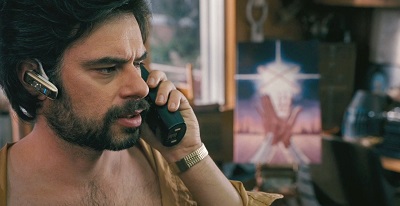
 you get stuck you will get unstuck, and with new knowledge keep charging forward. You will see that learning how to write well takes time, and you will allow your tale to be bad and awkward and messy, because you will know that it’s normal, and this is what will keep you from quitting. That’s huge. I wish someone told me this when I started.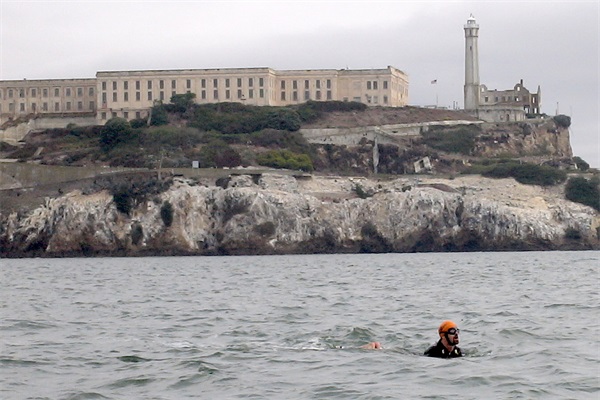
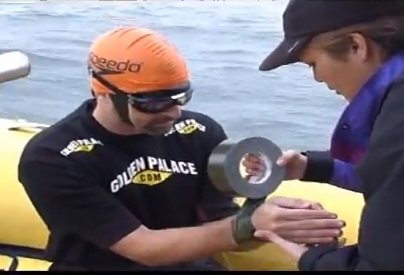


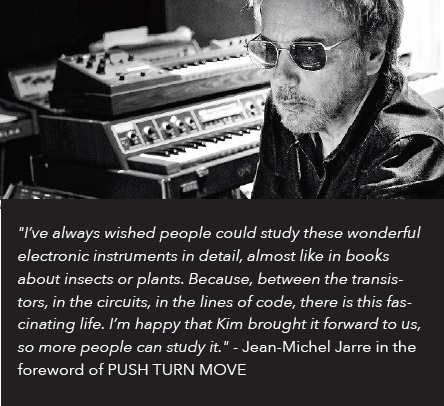

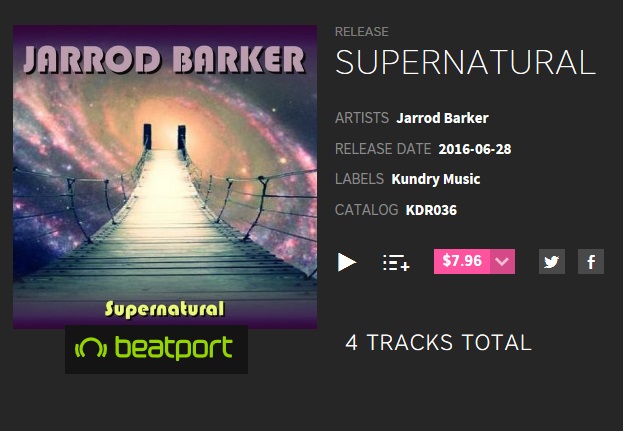

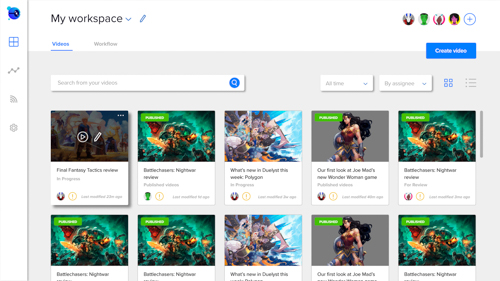
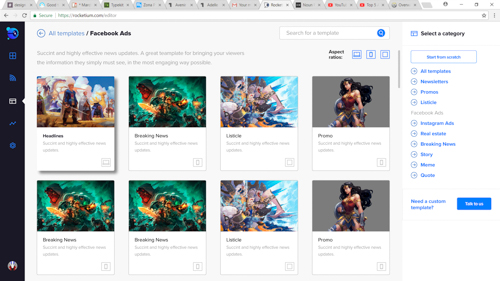
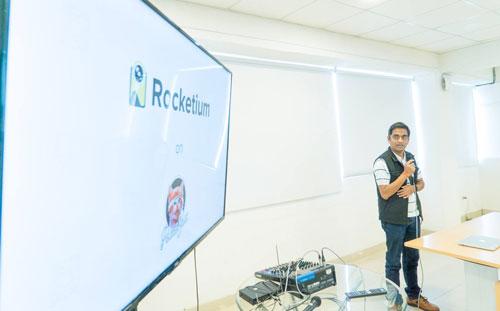



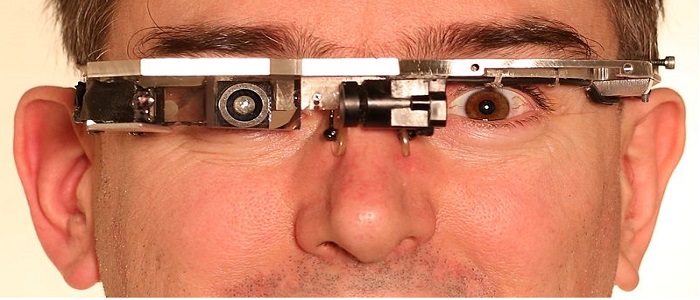



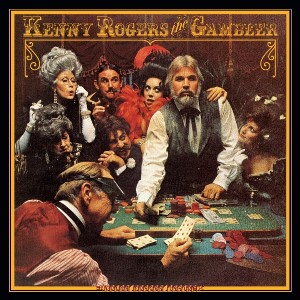


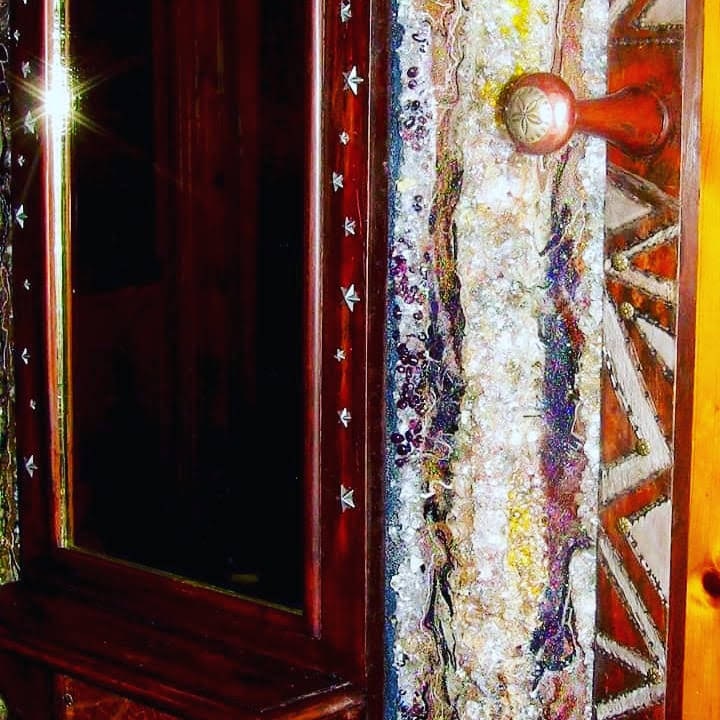
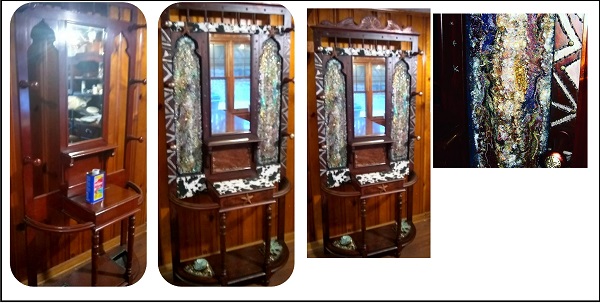






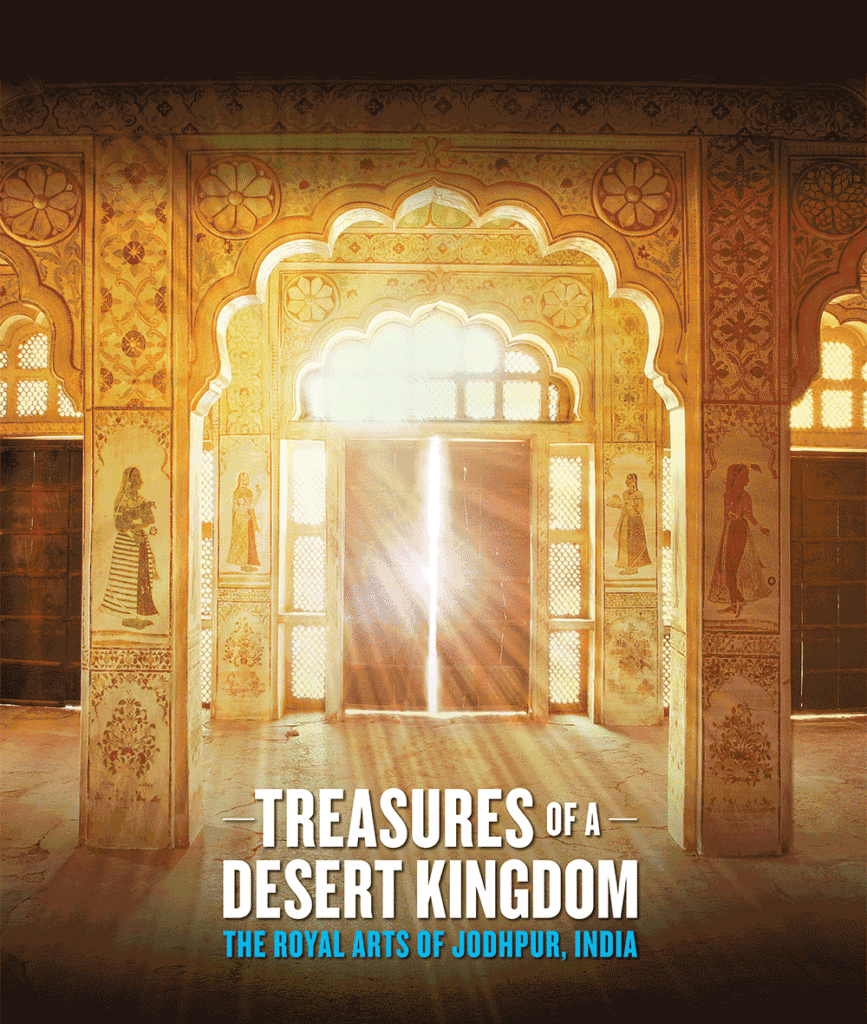
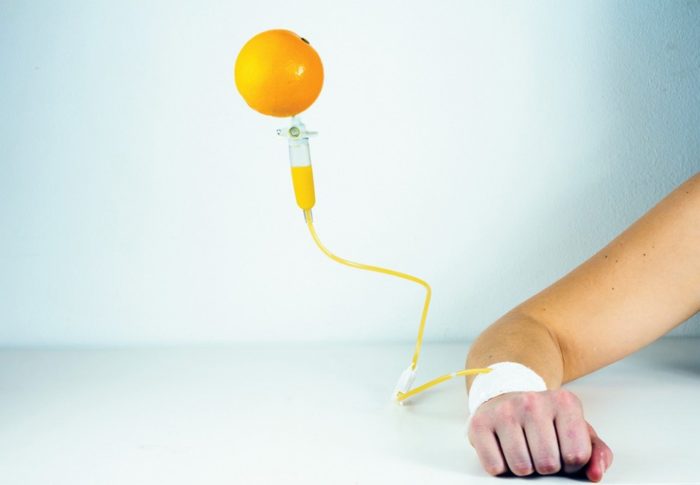
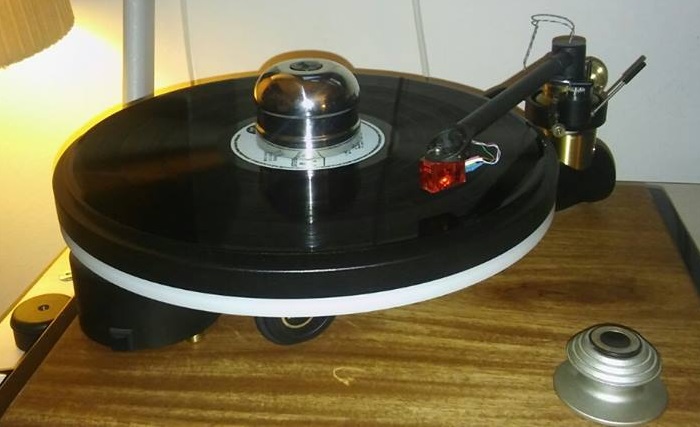
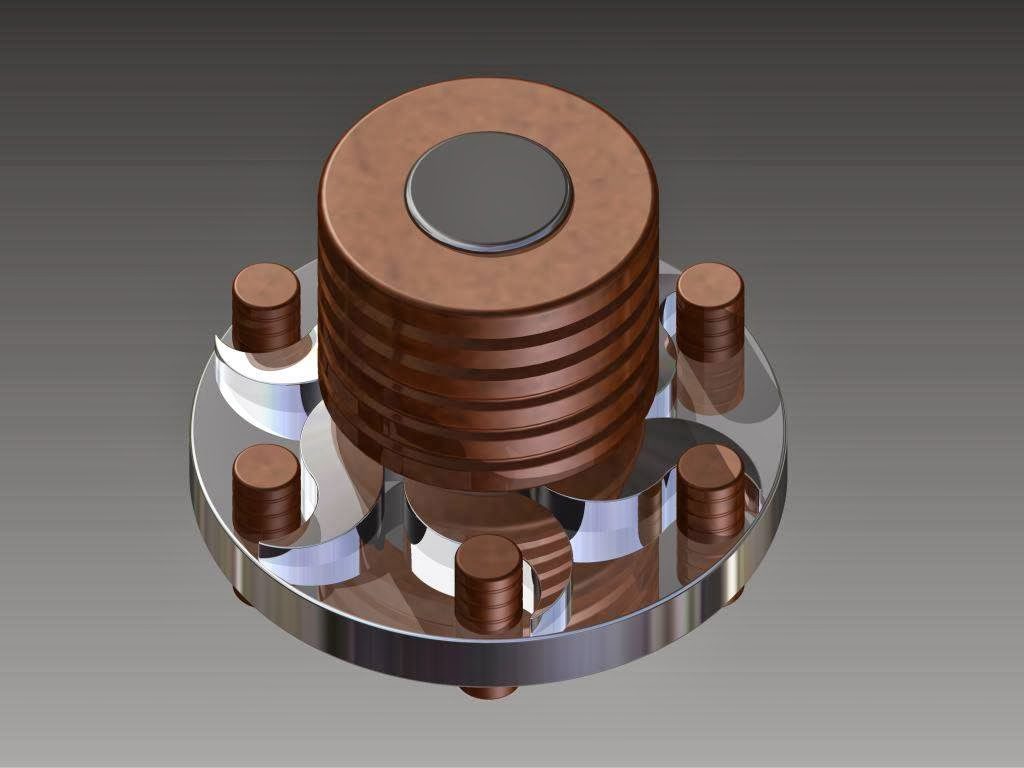
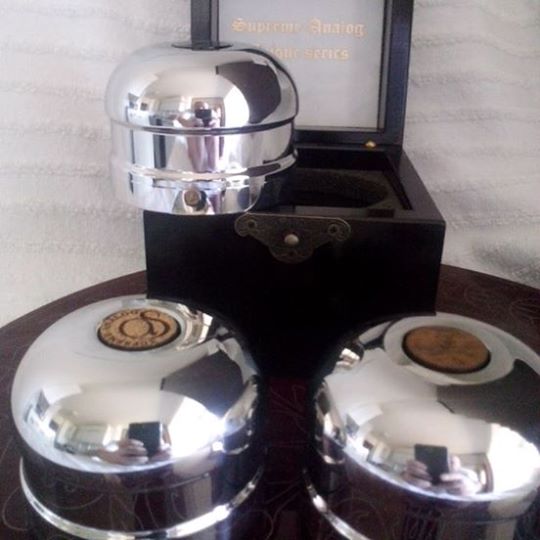



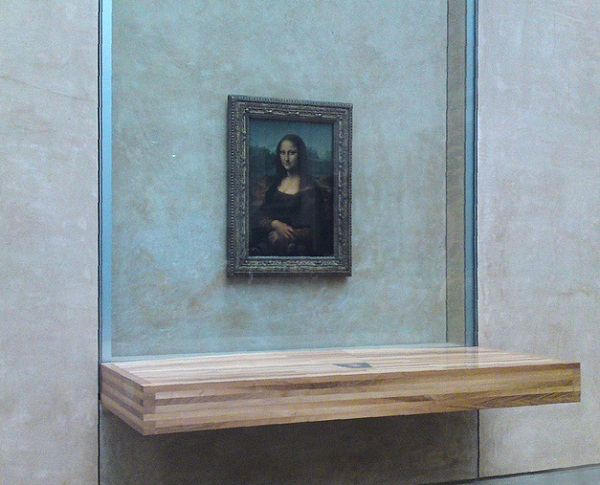



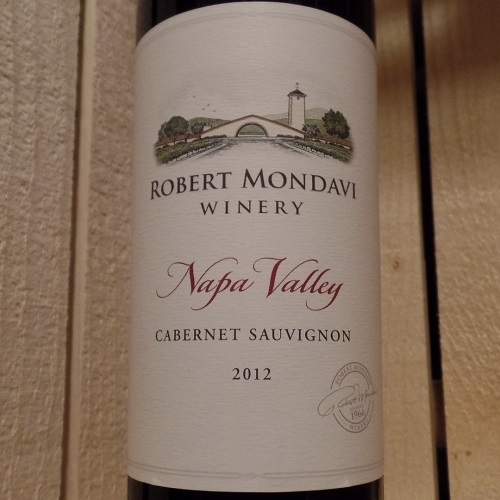


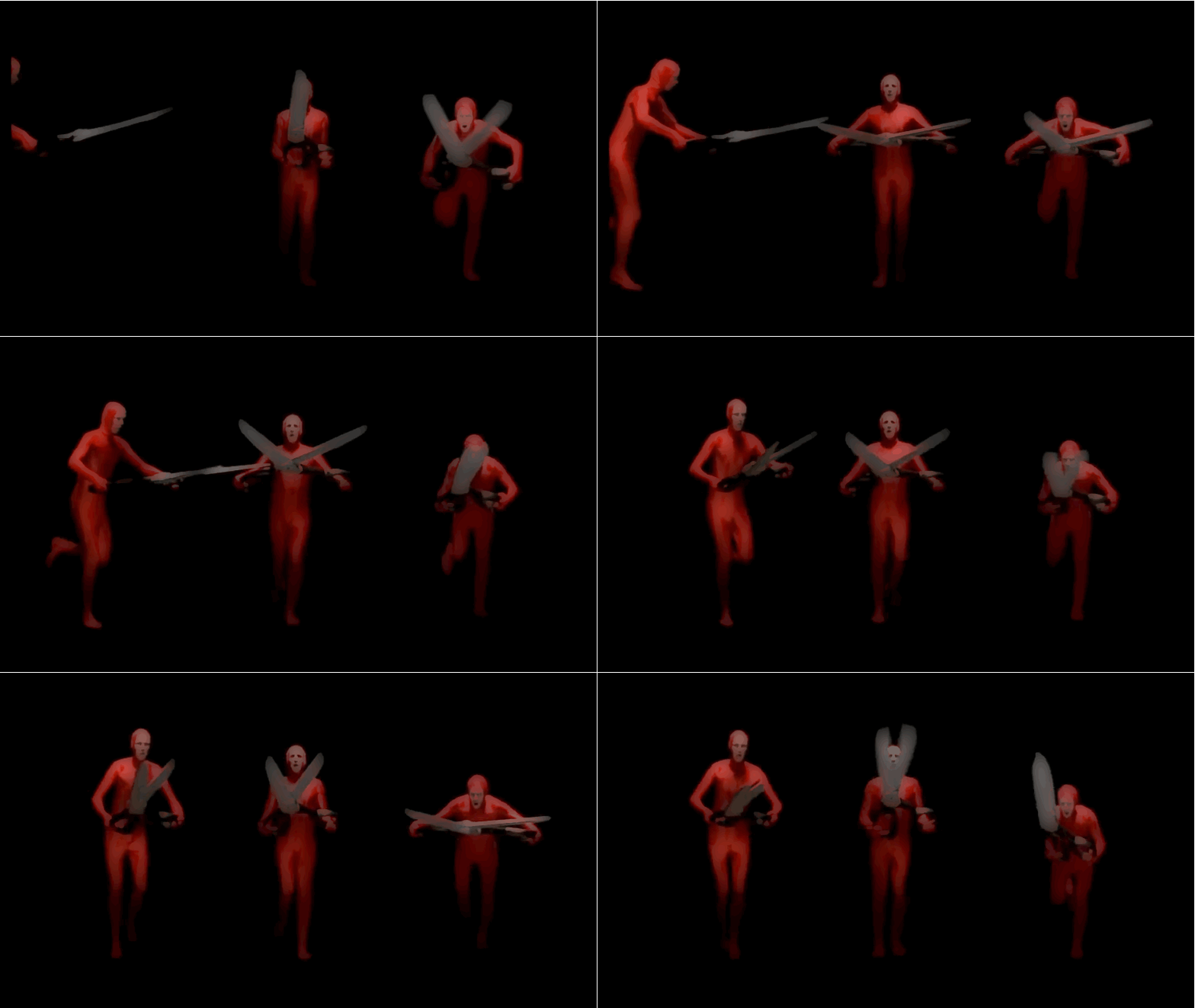
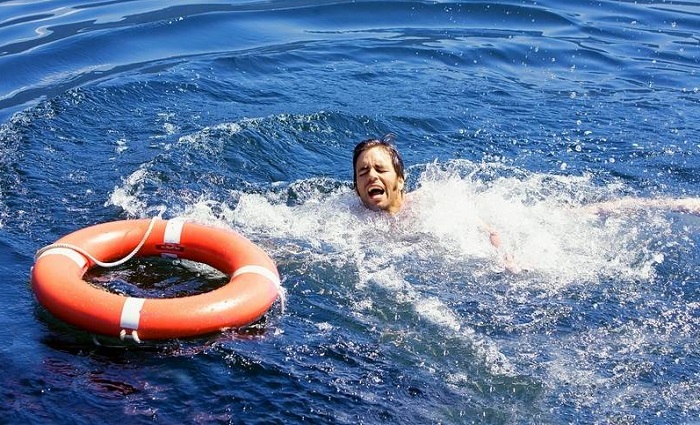


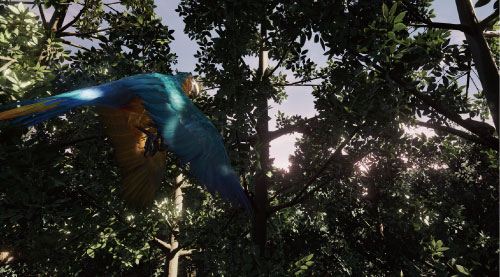




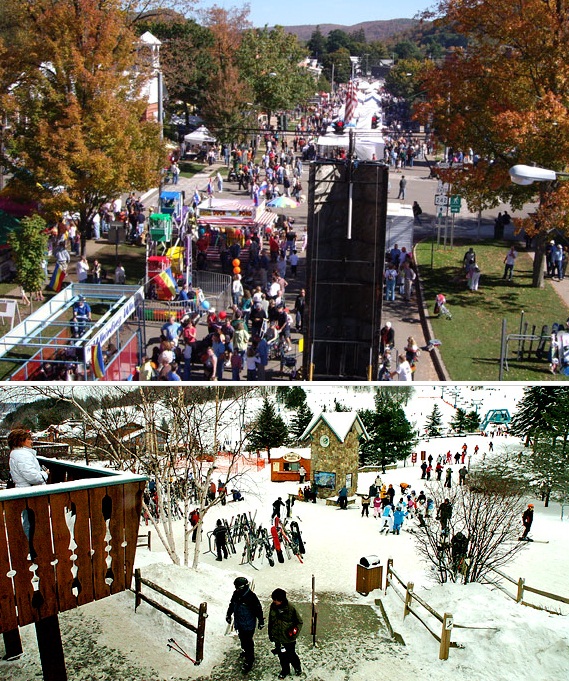

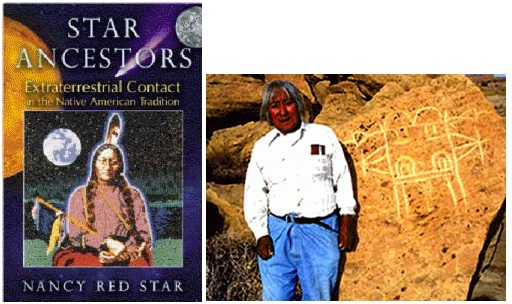

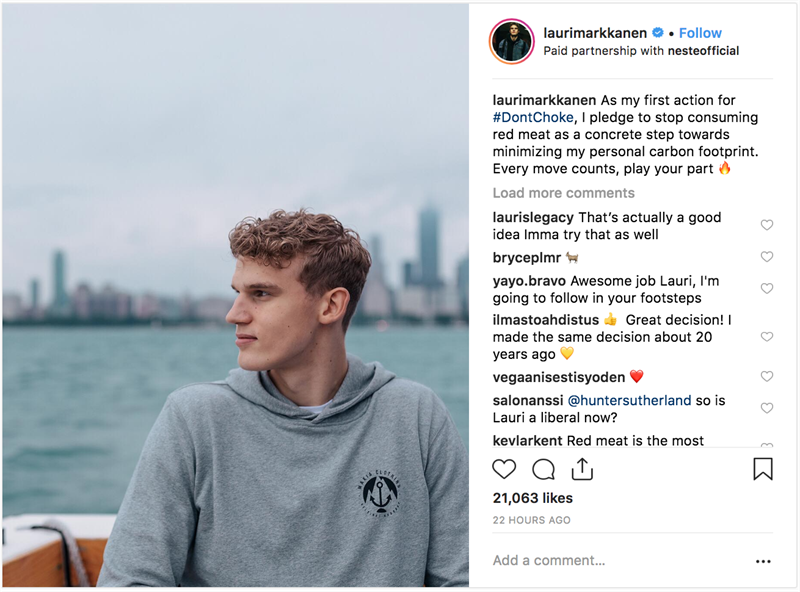

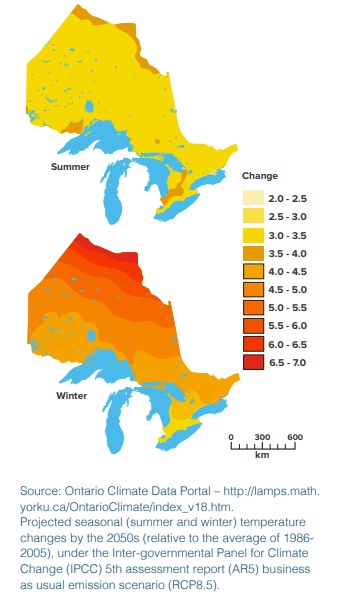 Milder winters and hotter summers create a paradise for insect and plant diseases. Are you getting more tick and mosquito bites? Lyme disease and West Nile virus, and other mosquito and tick-borne diseases, have been moving northward as our part of the world warms. And with increasing temperatures and phosphorus loads, many have taken notice of

 That’s why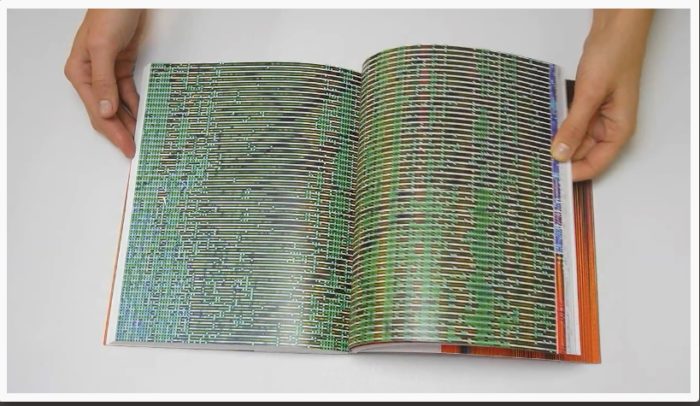
 Mysterious and Beautiful