Tag Archives: bycatch

As Sharks Face Collapse, In Defense of Animals Fights Deadly Nets & The SHARKED Act


Watch the shark advocacy documentary, Monsters. The director, Skyler Thomas, is a featured speaker in IDA’s Sharks & Aquatic Animal Activism Webinar

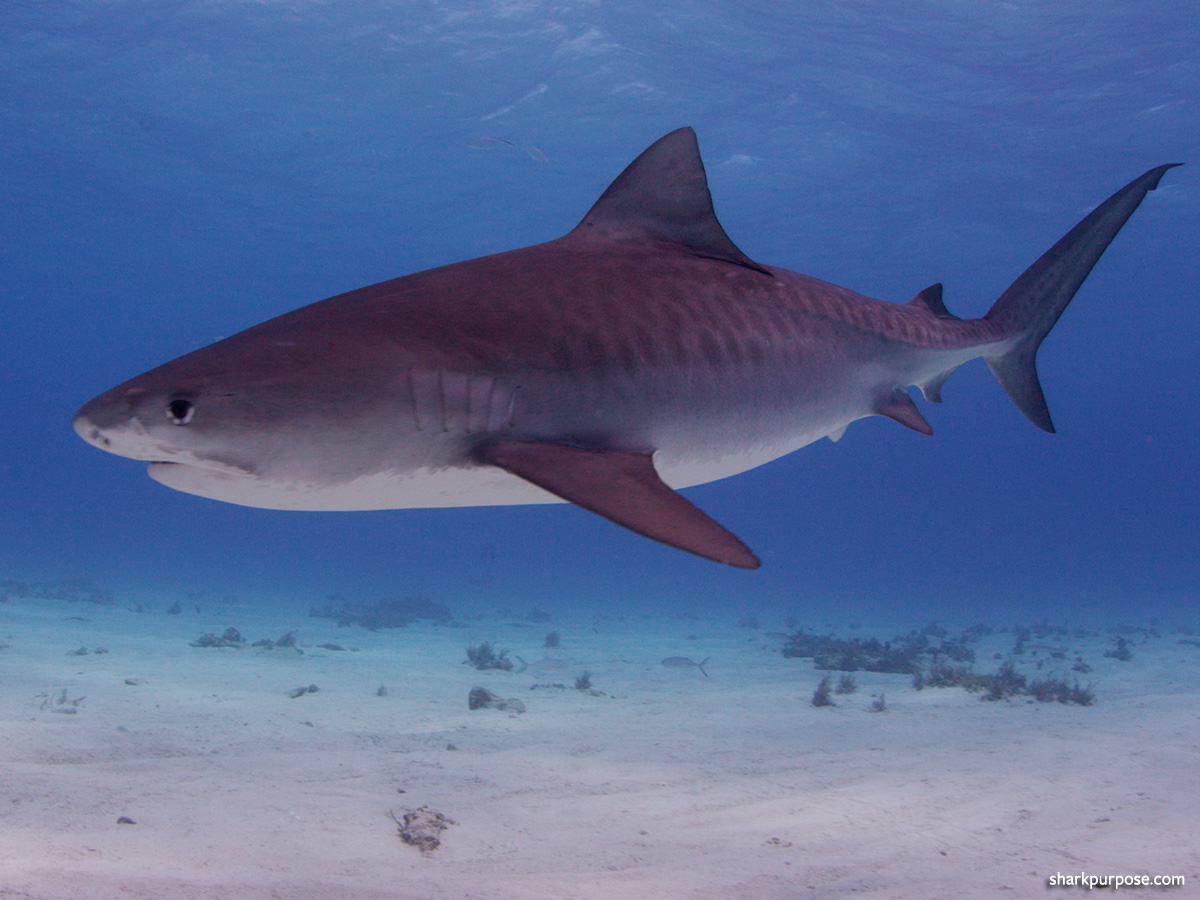
SAN RAFAEL, Calif. (July, 2026) — Oceanic shark populations have collapsed by more than 70% over the past 50 years, driven largely by commercial and recreational fishing, according to research published in Nature. In Defense of Animals is urging supporters to help defeat the SHARKED Act, a bill that would weaken vital U.S. shark protections, and to demand an end to deadly shark nets.

The push comes as In Defense of Animals marks its annual Respect for Fish Day, observed August 1,  with a free public webinar on Thursday, July 30 at 2 p.m. PT. Featured speakers include shark experts such as Skyler Thomas, director of the shark documentary Monsters

/Users/amgraef7/Library/Containers/com.microsoft.Word/Data/tmp/Content.MSO/242237AA.tmp

In Defense of Sharks — Sharks & Aquatic Animal Activism

“Sharks are feeling, highly intelligent animals who experience pleasure, pain, and suffering,” said Lia Wilbourn, Farmed Animals Campaign Specialist at In Defense of Animals. “They are often wrongly portrayed as monstrous man-eaters, largely the result of fear-driven media and industries that profit from killing them. In reality, most shark species pose little or no danger to humans and are far more at risk from human activity than humans are from them.”
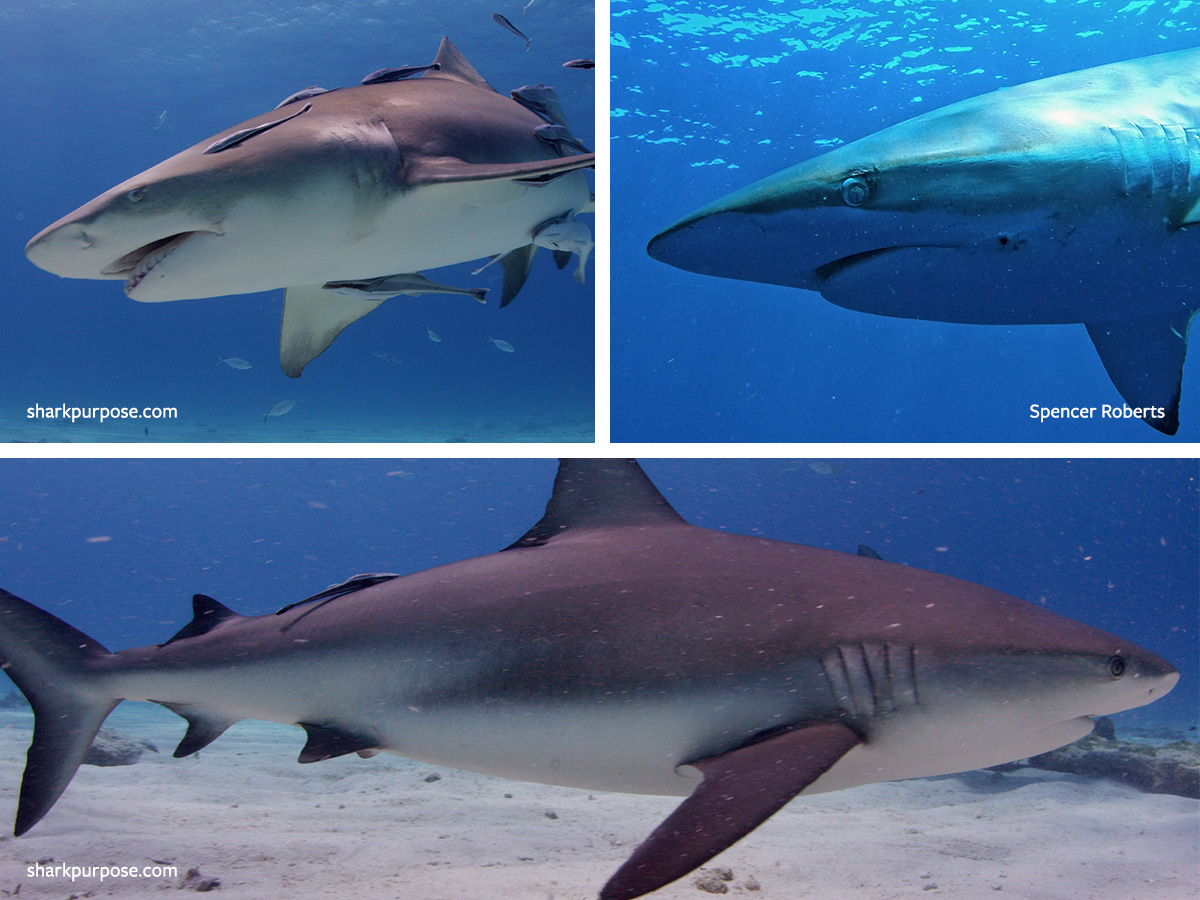
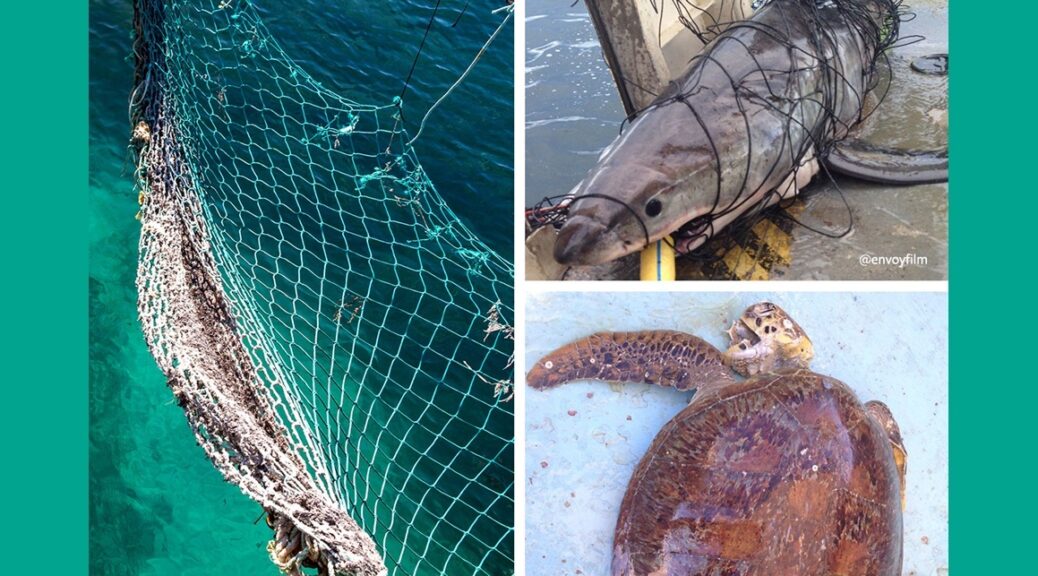
The webinar will dispel harmful myths about sharks and explain why protecting them is essential to their survival and to the health of the oceans. It comes at a critical moment: In Defense of Animals is calling on the public to oppose the SHARKED Act and to speak out against shark nets planned or already in use at beaches in Australia and at a Club Med resort in South Africa, where the nets indiscriminately kill sharks and countless other marine animals alongside their intended targets.

Skyler Thomas, director of the feature film documentary, Monsters, said, “Sharks aren’t just cool, they are massively misunderstood and underestimated by humans — not just physically, but as sentient beings. Today I realize that sharks share this in common with all other species on the planet: humans don’t give them enough credit.”

Scientific research shows that fish and other aquatic animals are far more intelligent and emotionally complex than most people assume. They can recognize individual faces, remember previous experiences, form social connections, and maintain long-term relationships. Like all sentient beings, fish have nervous systems and feel pain, fear, stress, and suffering when they are hooked, netted, suffocated, or stabbed during fishing.

The fishing industry is one of the greatest threats to ocean life and biodiversity. Fishing pollutes the seas and disrupts fragile marine ecosystems. Millions of whales, dolphins, seals, sea turtles, octopuses, and other non-target animals are killed each year as “bycatch” in commercial fishing nets, and abandoned fishing gear is now the largest source of plastic pollution in the ocean.

Fish also accumulate harmful contaminants, including mercury and arsenic, yet for most of us, fishing isn’t necessary for survival; leading nutrition experts agree a balanced plant-based diet meets all essential nutritional needs.

Marine wildlife populations have fallen dramatically over the past few decades, and scientists warn that continuing current fishing practices could have devastating consequences for ocean ecosystems. 
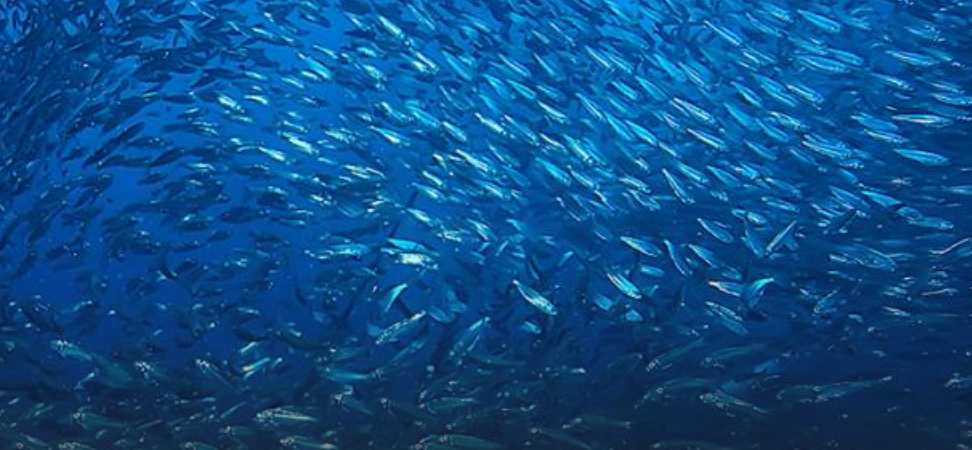
Respect for Fish Day emphasizes the individuality, sentience, and complexity of aquatic animals, advocates for veganism, and builds a future where all animals are free from exploitation and unnecessary harm.

Find out more about Respect for Fish Day.  

Concerned citizens can take action to protect sharks and other aquatic animals by signing alerts:

For the Silo, Lia Wilbourn.

China Innovates Shenzhen Sea World With Robot Whale Shark

SHENZHEN, China (October, 2024) — After five years of renovations, Xiaomeisha Sea World have taken the bold step to include forward-thinking robotic alternatives to using live animals to educate and entertain visitors.

“We are thrilled to see Xiaomeisha Sea World taking a step toward more compassionate entertainment with its animatronic whale shark, and we hope this move encourages people to reconsider why they feel entitled to see live marine animals in confinement — especially when it comes to species who are known to suffer extreme psychological and physical harm as a result of captivity — and that that this aquarium will continue to lead the way with more exhibits that don’t use live animals.”  Hannah Williams, Cetacean Consultant for In Defense of Animals.

Xiaomeisha Sea World’s decision comes in the context of a broader global movement toward protecting marine life. In recent years, New Zealand made headlines for banning swimming with dolphins to prevent the disturbance of wild populations — a step in recognizing the importance of reducing stress on these sentient beings. In Mexico City, the ban on keeping dolphins and whales in captivity has been a landmark victory, specifically citing the former use of living dolphins in displays that landed the city’s aquarium on In Defense of Animals’ “10 Worst Tanks” list.

Developed by Shenyang Aerospace Xinguang Group under the Third Academy of China Aerospace Science and Industry Corporation Limited, this groundbreaking achievement marks a significant step forward in modern marine technology.

The nearly five-meter-long, 350-kilogram bionic marvel is capable of replicating the movements of a real whale shark with remarkable precision, including swimming, turning, floating, diving, and even movements of its mouth.

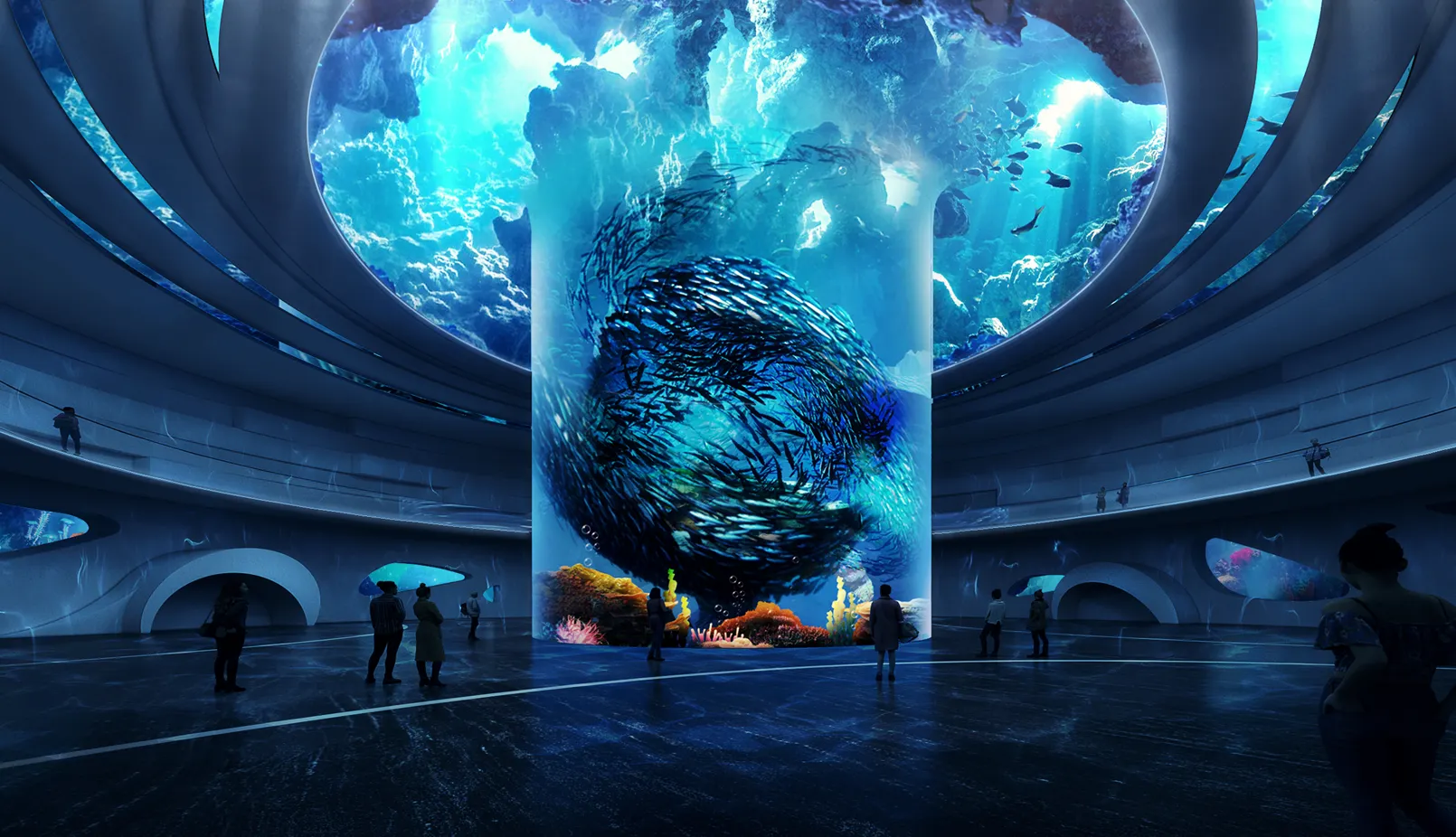
At Xiaomeisha Sea World- cutting edge display technology is front and center.

Wild whale and dolphin populations are in global decline. Fishing has caused a severe decline of Indian Ocean dolphins and Pacific Ocean orcas — who also suffer additionally from ship traffic and marine noise. The marine animal entertainment industry puts further pressure on wild animals since it depends on continual top ups of captive populations with wild captures of dolphins and small whales, such as Japan’s infamous Taiji Cove drive hunt. Each year, dolphins face traumatic experiences during live captures, either being killed or traumatically ripped from their pods and shipped for a life of confinement.

In light of the inherent cruelty and conservation impacts of traditional aquarium captivity, Xiaomeisha Sea World’s animatronic whale shark represents a promising shift towards humane marine entertainment. We encourage Xiaomeisha to build on this achievement by becoming the world’s first fully animatronic aquarium. By adopting more “species” of advanced marine robots — which include manta rays, dolphins, and orcas — Xiaomeisha could address lingering concerns, such as new reports of fish with white spot diseasecrowded tanks, “lots of excrement in the snow wolf garden,” ongoing harmful beluga whale shows, and firmly put to rest the heartbreaking legacy of Pezoo, a zoochotic polar bear who suffered in extreme confinement for years. Transitioning away from outdated live-animal performances would position Xiaomeisha as a global leader in innovative, ethical marine exhibits.

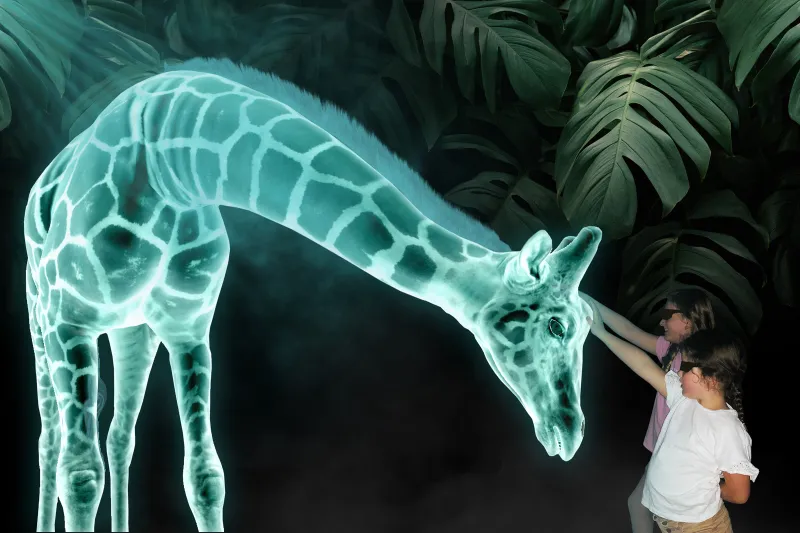
Exciting developments in next-generation animal entertainment are taking place around the world. Time Magazine named Axiom Holographics’ animal-free Hologram Zoo in Brisbane among the best inventions of 2023.

Edge Innovations in California has created hyper-realistic animatronic animals, including dolphins that can swim, respond to questions, and engage closely with audiences — without any of the ethical concerns associated with real captive animals. These lifelike creations offer enhanced levels of interaction and can thrive in confined environments like theme parks, aquariums, and shopping malls, preventing real animals from suffering and premature death.

“A tidal wave of excitement is building for the future of animal-free entertainment, driven by cutting-edge technologies like animatronics, holograms, and virtual reality. “Aquariums and zoos have a unique opportunity to captivate audiences with these immersive experiences — without capturing live animals. Modern technology can bring the wonders of animal life to people in ways that were never possible before. We urge Xiaomeisha Sea World to fully embrace animatronics and seize this chance to proudly and openly lead the way to a sustainable, cruelty-free model that respects marine animal lives.” Fleur Dawes, Communications Director for In Defense of Animals.

For the Silo, Hannah Williams/IDA.

In Defense of Animals is an international animal protection organization with over 250,000 supporters and a 40-year history of defending animals, people, and the environment through education, campaigns, and hands-on rescue facilities in California, India, South Korea, and rural Mississippi. For more information, visit https://www.idausa.org/campaign/cetacean-advocacy