Tag Archives: The American Gaming Association

The Market Behind The Match: How Technology Is Changing Sports Betting

Sports Betting Tech Behind the Match

Sports betting has become a digital market that runs beyond the odds displayed on your screen. In July 2026, US sportsbooks generated $1.27 billion in revenue from $11.60 billion in wagers, the American Gaming Association reported.

Those figures show the infrastructure required behind every bet. Mobile platforms, data feeds, payment systems, geolocation tools and security controls must work together so transactions can move from your screen into regulated wagering systems at scale.

If you follow a game from your phone, the experience can feel simple. That simplicity depends on layers of technology handling account access, market updates, location checks and records, so the visible sportsbook becomes one part of a much larger operation.
Mobile access becomes the front door

For many customers, betting begins with an account as the starting point. A Betway login gives an existing customer access to the operator’s platform, where sports markets and account functions can be reached from a connected device.

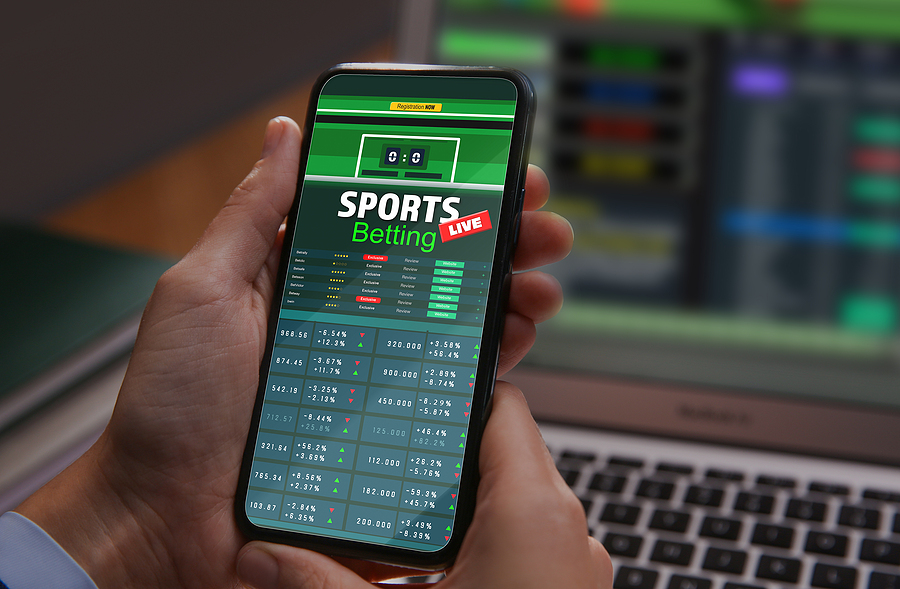
The mobile model reflects the US market. The American Gaming Association reported $16.89 billion USD in commercial sports betting revenue in 2025, with online wagering driving most industry revenue. Your phone has become an important gateway into regulated sports betting.

You can check a market, review your account or follow a live event without leaving the same interface. A Betway login illustrates that shift because account access connects you with digital markets across sports and competitions in real time.

Real-time data changes the pace

One major technological change is speed. Sportsbooks receive data about scores, game situations and other events through data feeds, so markets can be updated as a contest develops for customers.

If you use a Betway login during a live event, you can encounter in-play markets reacting to developments during the contest. Betway currently lists in-play options across football, basketball, tennis and baseball, showing how live data has become part of the experience.

That speed also creates technical complexity. A market can be suspended when an important event occurs, then reopened after information is processed. Your screen can receive a broadcast later than the data used to manage the market.
Geolocation makes digital betting local

A smartphone makes sports betting portable; US regulation makes physical location critical to the transaction. In New York, mobile wagers must be placed from within the state, so licensed systems must establish where wagering activity originates.

Geolocation technology can use signals from devices and networks to determine whether a customer is inside an authorized area. If you open a Betway login while traveling across state lines, your account can remain accessible even when wagering access depends on your location.

That distinction matters because if you are in the USA, sports betting is regulated at the state level. Your digital account does not create a nationwide right to wager, so location technology connects mobile access with boundaries established by individual jurisdictions.

Payments become part of the experience

The technology behind sports betting continues after you select a market. Payment systems connect deposits, withdrawals and account balances, so a transaction can involve several processing layers before money reaches its destination.

For someone using a Betway login, the account interface provides a route into that financial system. Behind it, operators must manage transaction records and security controls, with regulators requiring systems that identify unusual wagering activity.

New York’s 2024 mobile market shows the scale involved: customers placed more than 1.7 billion mobile sports wagering transactions during the year, with more than $22.5 billion wagered. At that volume, automated processing is essential across platforms.

Security moves deeper into the account

Digital betting also creates a substantial security challenge. Operators have to protect accounts from unauthorized access, monitor suspicious activity and manage attempts to bypass location controls, so authentication has become important to the customer journey.

When you enter a Betway login, you are accessing an account connected to financial information and wagering records. Account security can involve identity checks, device information and controls confirming that the correct person is using the service.

Regulators are also examining stronger forms of authentication. New York has considered technologies including biometric methods for account authentication and wager placement, showing how digital security is entering the wider regulatory discussion around mobile sports wagering.

The market becomes a technology business

The scale of modern wagering makes technology more than convenience. New York recorded 1.706 billion mobile sports wagering transactions in 2024, so the systems supporting those transactions have to process huge volumes with speed and reliability.

If you use a Betway login, you see the customer-facing layer of that system. Behind the interface sit sportsbook software, data providers, payment infrastructure, geolocation services, security controls and regulatory processes, with each component supporting the completed transaction.

The direction is clear. Sports betting is becoming increasingly dependent on interconnected digital systems, so the quality of your experience depends on what happens behind the screen. That can mean quicker information and smoother access, with technology working quietly during every match.
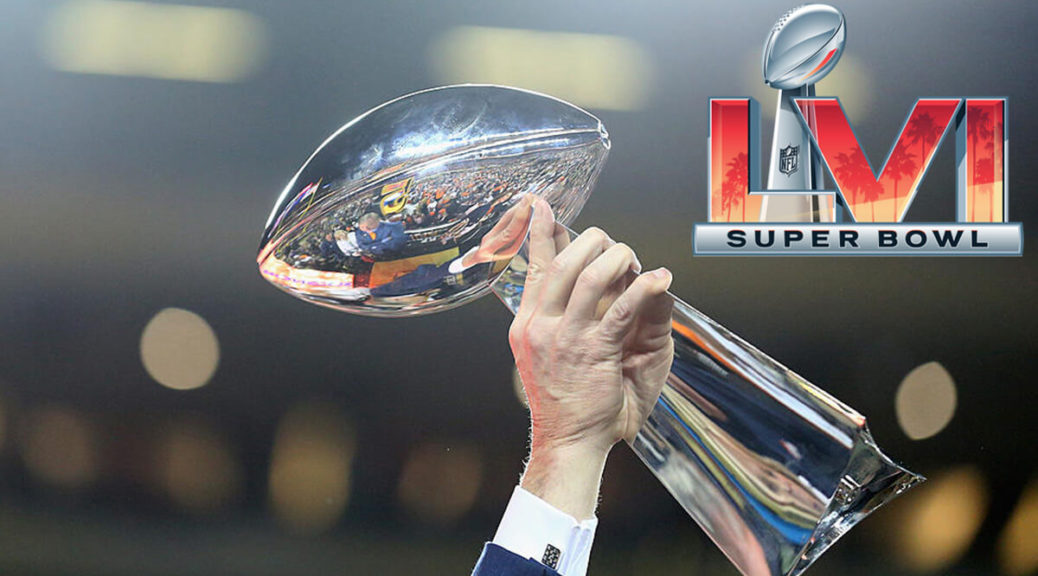

SUPER BOWL TO GENERATE $1 BILLION IN LEGAL BETS

(LAS VEGAS) — Bettors could place $1 billion usd in wagers on Super Bowl LVI at legal online and retail sportsbooks across the country, according to projections by PlayUSA, which provides news and analysis of the U.S. gaming industry. If sportsbooks reach those estimates it would roughly double last year’s estimated Super Bowl handle of more than $500 million, a product of the continued proliferation of legal sports betting.

NFL Bets, 2022 Pro Bowl NFL Betting Lines | Vegas Super Bowl Odds NFL

“It would have seemed impossible just a few years ago to reach such heights, but with the expansion of sports betting over the last year it is inevitable that legal wagering will soar.”

https://www.thesilo.ca/wp-content/uploads/2022/02/Super-Bowl-fact-sheet-2022.pdf

The Super Bowl is the most-wagered-on single sporting event in the U.S. In 2021, the American Gaming Association estimated that Americans & North Americans bet $4.3 billion usd on Super Bowl LV, both legally and illegally. PlayUSA estimates that more than $500 million usd was wagered at legal online or retail sportsbooks for last year’s game between the Kansas City Chiefs and the Tampa Bay Buccaneers, still a small chunk of the more than $50 billion usd in legal wagers placed across the country throughout 2021.

When the Los Angeles Rams and Cincinnati Bengals meet for the Super Bowl on Feb. 13, sports betting in some form will be legal in 30 states and Washington D.C. Those jurisdictions represent more than 166.9 million people, according to the U.S. Census Bureau estimates for 2021. By contrast, 120 million people lived in 21 legal sports betting jurisdictions for last year’s Super Bowl.

For this year’s game:

  • Sports betting is legal in at least some form in Arizona, Arkansas, Colorado, Connecticut, Delaware, Illinois, Indiana, Iowa, Louisiana, Maryland, Michigan, Mississippi, Montana, Nevada, New Hampshire, New Jersey, New Mexico, New York, North Carolina, North Dakota, Oregon, Pennsylvania, Rhode Island, South Dakota, Tennessee, Virginia, Washington, Washington D.C., West Virginia, Wisconsin, and Wyoming.
  • New York, which was limited to retail sportsbooks last year, launched online betting in early January. New York is already on pace to shatter the U.S. record for monthly handle, which New Jersey set in October with $1.3 billion usd in bets.
  • Arizona, Connecticut, Louisiana, Maryland, North Carolina, North Dakota, South Dakota, Washington, Wisconsin, and Wyoming did not offer any form of legal sports betting for last year’s Super Bowl.
  • Even with legal sports betting in 30 states and Washington, D.C., no team from a state with legal sportsbooks has ever played in the Super Bowl. That will continue this year as Ohio awaits launch sometime over the next year and California lawmakers debate legalization.

“The sports betting landscape has changed dramatically since last year’s game,” said Eric Ramsey, data analyst for PlayUSA. “More than half of all Americans now live in a legal jurisdiction, and even well-established markets such as New Jersey and Nevada have grown significantly over the last year as mobile betting gains in popularity.”

PlayUSA projects that Nevada, which was the second-largest market in 2021 and historically the top Super Bowl market, will produce the largest Super Bowl handle with $175 million usd. New York could generate $160 million usd. If those estimates come to fruition, that would be more betting volume than every legal sportsbook in the U.S. combined to tally for the 2019 game.

New Jersey ($130 million usd), Illinois ($75 million usd), Pennsylvania ($70 million usd), Arizona ($55 million usd), Michigan ($45 million usd), Indiana ($40 million usd), Colorado ($35 million usd) Louisiana ($35 million usd), Virginia ($35 million usd), and Tennessee ($30 million usd) will follow Nevada and New York, according to PlayUSA estimates.

“Americans & North Americans have become increasingly comfortable with online betting in general and the less conventional bets it facilitates, such as in-game wagering,” Ramsey said. “This should really help boost Super Bowl betting, which for years has enticed bettors with fun prop bets and other unconventional wagers. The big difference this year is those types of bets are easier than ever to make in more places than ever before.” For The Silo, Zack Hall.

Legalized Sports Betting Is A New Job Market In The USA

A few years ago, on May 14, 2018, the Supreme Court decided to back New Jersey’s bid, allowing any state in the US to legalize sports betting. The Supreme Court overthrew PASPA – Professional and Amateur Sports Protection Act of 1992 –  a law that was supposed to define the legal status of sports betting throughout the States.

However, PASPA didn’t ban sports gambling, it just didn’t permit the states to allow it. Passing the law ultimately resulted in creating an underground virtual monopoly over a multi-billion dollar industry.

Strong Case Against PASPA

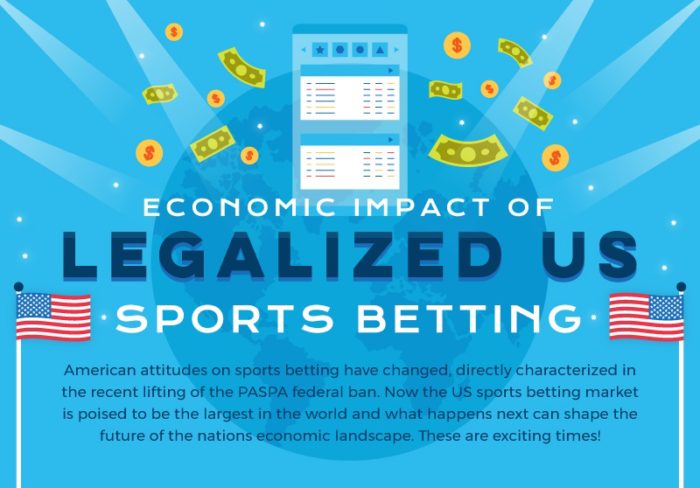
The infographic below points out some facts regarding the illegal cash flow in the betting industry before the overturn of PASPA. As it turns out, the government of the state of New Jersey presented a strong case against PASPA, and it seems that participants of the hearings were worried that the law would restrain the States’ rights to raise revenue.

The American Gaming Association estimated that American citizens illegally wager more than $150 billion each year on sports betting. Until PASPA was struck down, Nevada was one of the only four states that permitted sports betting (Delaware, Oregon, and Montana also had an immunity). However, Nevada’s legally wagered money covered up for only a small portion of the total sum wagered on betting activities throughout the States (less than 4%).

Before PASPA was abolished, the Congress had the rights to mandate the forms that intrastate commerce states may regulate. However, by doing so, they didn’t manage to eliminate the sports betting market. They’ve just driven it underground.

New Beginnings Will Bring New Changes

On July 31st, 2018 ,Adam Silver, commissioner of the NBA, has teamed up with MGM, creating the first partnership between a major sports organization in the US and a gambling operator. The goal of this historic partnership is to preserve the integrity of the game and spread the global presence of the NBA.

MGM’s partnership with the NBA is only the next logical step in the development of this potentially booming industry. The process of accepting betting as a part of sports culture in the United States has begun.

The Cash Flow in Gambling is Tremendous

According to Oxford Economics, there is a lot going on under the table. Apparently, the numbers from the report project that the legalization of sports betting could increase the US annual GDP up to $40 billion.

Also, legalizing sports can help the US economy to keep the money within the States and help prevent domestic casinos to go bankrupt. Moreover, the newly-formed legal gambling system could create employment opportunities for more than 125,000 people.

When all of this is said and done, a typical worker in a reformed sports betting industry would have an average salary of approximately $48,000. In fact, this is only the beginning of economic benefits coming from legalized gambling in the US. Advances and technological innovations in online betting services will also have a strong impact on the economy.

A Bond Between Technology and Gambling

The United Kingdom has been the world’s leading online sports gambling market for many years now. UK mobile industry currently covers around 60% of the country’s sports betting market. The UK gambling market should serve as a blueprint for the future of sports betting in the US because mobile betting via smartphone apps would bring billions of dollars worth of revenue.

It is a known fact that technological developments make sports gambling far more entertaining. It’s much easier to place a bet for NBA Primetime Saturday game from your favorite recliner than having to drive to the casino at last minute.

It is only a matter of time before the mobile betting market in the US becomes the world’s largest. This somewhat bold statement doesn’t come as a shock if we take into consideration the potential influence of US powerhouse economy on the expansion of mobile betting industry.

To sum it all up, legalized sports betting in the US is a huge win for the US tax revenue, employment, and the entertainment business. Take a look at the nifty infographic below courtesy of our friends at NJ Games. For the Silo, Onur Unlu. 

Economic Impact of US Sports Betting NJ Games