Tag Archives: Jeremy Jurgens

World Economic Forum Report- Technology Convergence Is Redefining Competitive Advantage

  • A World Economic Forum report finds competitive advantage is shifting from owning key technologies to combining them across data, people and ecosystems.  
  • The biggest barriers to scaling innovative solutions are no longer individual breakthroughs but connecting a combination of AI and digital tools with real-world operations.
  • The research shows how technology convergence is already reshaping value chains in healthcare, manufacturing, energy, life sciences, wearable electronics and more.
  • Read the full report here.

Geneva, Switzerland, April 2026 – The next wave of competitive advantage will come not from individual breakthrough technologies but from the ability to combine and scale multiple technologies across entire operating systems, according to a World Economic Forum report released today. As artificial intelligence, robotics, advanced materials, spatial computing and next-generation energy systems mature simultaneously, the organizations and countries moving fastest to apply these technologies together in intelligent systems are already pulling ahead.

The report, Technology Convergence: The New Logic for Competitive Advantage, produced in collaboration with Capgemini, draws on cross-industry research and real-world case studies in 12 sectors, identifying recurring patterns, including the blending of mature and experimental technologies and the blurring of industry boundaries, that determine whether convergence scales or stalls.

“Breakthrough technologies are advancing rapidly, and value is created when they are applied together,” said Cathy Li, Head of the Centre for AI Excellence and Member of the Executive Committee, World Economic Forum. “The real differentiator is not who owns the most advanced tools, but who can combine them across systems and applications at scale.”

As advanced technologies scale, the main bottlenecks to competitive advantage are no longer time or materials but how well organizations connect digital tools with physical operations. This is already playing out across sectors and geographies. From operating rooms to factory floors, power grids to research labs, converging technologies are reshaping how systems perform worldwide.

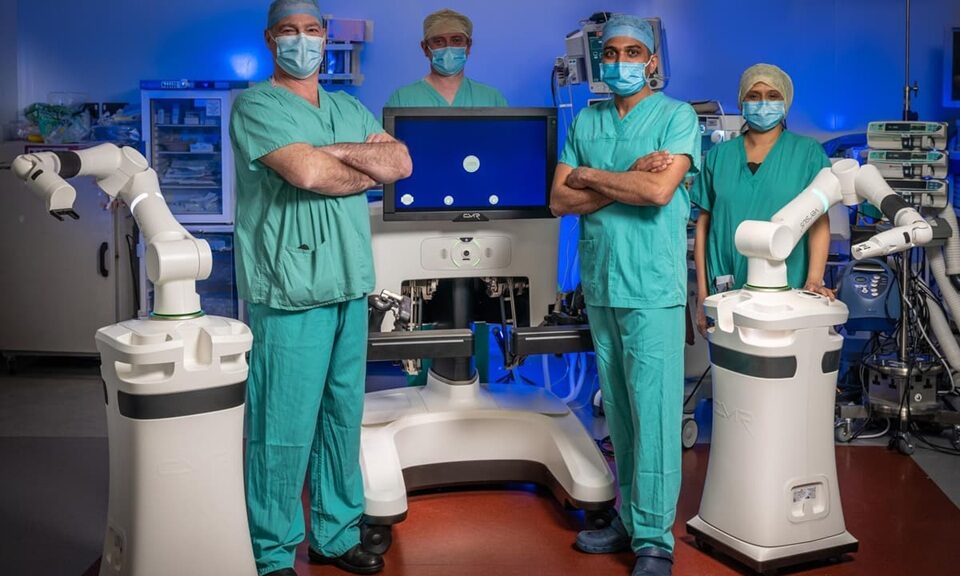
In the United Kingdom, novel surgical robots are extending clinician capacity (this article’s feature image shows robots with surgeons at West Hertfordshire Teaching Hospitals NHS Trust first used in 2022) while preserving workflow continuity across care teams. In China, automated labs are linking robotics, AI and data platforms to accelerate discovery while coordinating workflows across research networks.

“Technology convergence has evolved from a technical discussion into a strategic leadership mandate with direct operational impact,” said Aiman Ezzat, CEO of Capgemini Group. “Competitive advantage increasingly depends on an organization’s ability to integrate technologies, teams, partners and operating processes into coherent systems that deliver value at scale. Leaders who master orchestration, not just adoption, are the ones translating convergence into sustained performance and growth.”

“This shift has implications not only for companies but also for national growth strategies and industrial policy,” said Jeremy Jurgens, Managing Director, World Economic Forum. “Economies that align talent, infrastructure, data and policy will be better positioned to capture the benefits of converging technologies amid a fast-shifting global landscape.”

The report is part of the World Economic Forum’s Technology Convergence Initiative, launched in 2024, and builds on the first edition published in 2025. It draws on two years of cross-industry research, including expert interviews, workshops and case studies in healthcare, manufacturing, energy, life sciences and emerging fields such as brain-computer interfaces. The analysis examines how eight advanced technology domains interact, using the Forum’s 3C framework (combination, convergence and compounding) and the Technology Maturity Index to track how technologies move from experimentation to real-world impact.
Top Ten Emerging Technologies Set To Change World

Dalian, People’s Republic of China, June 2024 – The World Economic Forum announces today the publication of its annual Top 10 Emerging Technologies Report featuring technologies with the greatest potential to make a positive impact in the world in the next three to five years.

“Organizations make better choices when they understand the factors shaping the future. The report identifies technologies poised to significantly influence societies and economies,” said Jeremy Jurgens, Managing Director, World Economic Forum and Head of the Centre for the Fourth Industrial Revolution. “It also spotlights technologies with immense potential for revolutionizing connectivity, addressing the urgent challenges of climate change and driving innovation across various fields.”

“Drawing on the expertise of Frontiers’ Chief Field Editors worldwide brings our shared commitment to transformative science into clear focus, bringing insight and clarity to breakthrough technology that has the ability to change societies, economies, and lives for the better,” said Frederick Fenter, Chief Executive Editor, Frontiers. “This is open science in action and we are delighted to partner with the World Economic Forum in bringing these technologies to the attention of business, science and political leaders across the globe.”

The Top 10 Emerging Technologies of 2024 are:

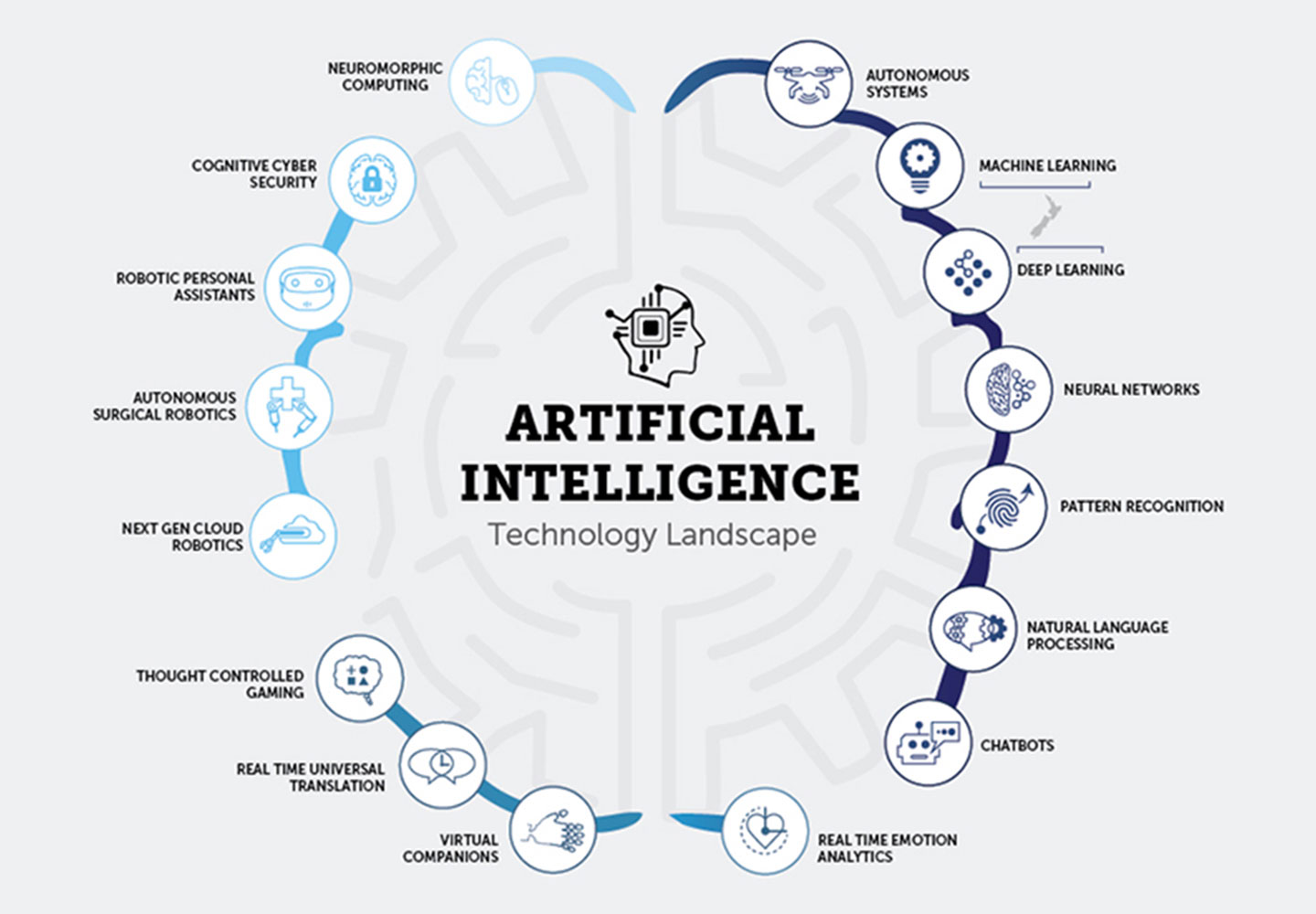
  1. AI for scientific discovery: While artificial intelligence (AI) has been used in research for many years, advances in deep learning, generative AI and foundation models are revolutionizing the scientific discovery process. AI will enable researchers to make unprecedented connections and advancements in understanding diseases, proposing new materials, and enhancing knowledge of the human body and mind​​.
     
  2. Privacy-enhancing technologies: Protecting personal privacy while providing new opportunities for global data sharing and collaboration, “synthetic data” is set to transform how information is handled with powerful applications in health-related research.
     
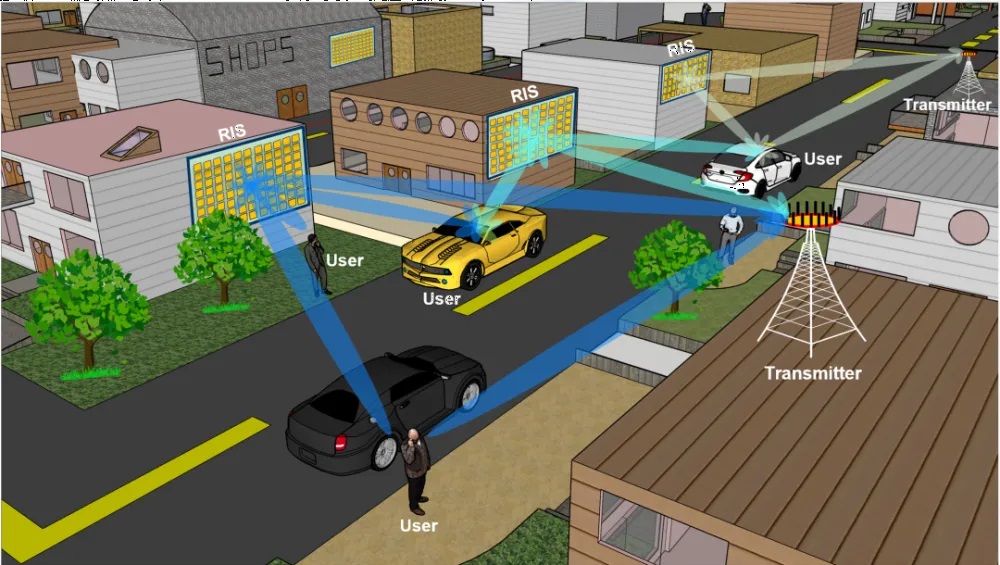
  3. Reconfigurable intelligent surfaces: These innovative surfaces turn ordinary walls and surfaces into intelligent components for wireless communication while enhancing energy efficiency in wireless networks. They hold promise for numerous applications, from smart factories to vehicular networks​​.
     
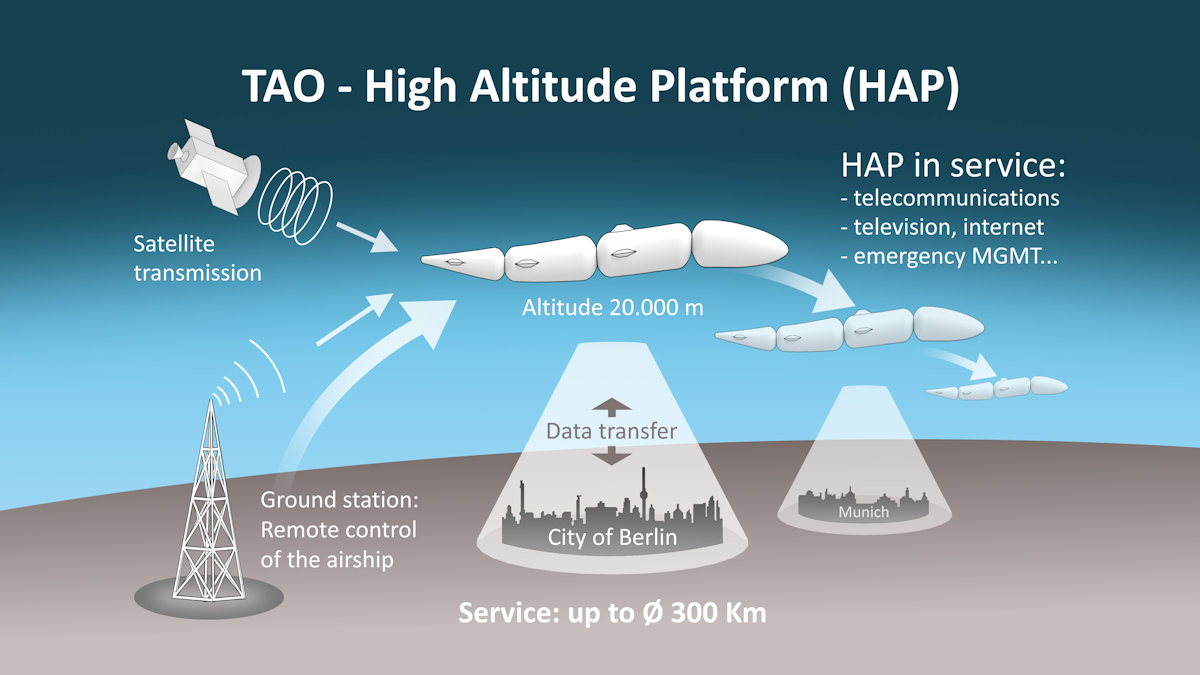
  4. High-altitude platform stations: Using aircraft, blimps and balloons, these systems can extend mobile network access to remote regions, helping bridge the digital divide for over 2.6 billion people worldwide​​. 
     
  5. Integrated sensing and communication: The advent of 6G networks facilitates simultaneous data collection (sensing) and transmission (communication). This enables environmental monitoring systems that help in smart agriculture, environmental conservation and urban planning. Integrated sensing and communication devices also promise to reduce energy and silicon consumption.
     
  6. Immersive technology for the built world: Combining computing power with virtual and augmented reality, these technologies promise rapid improvements in infrastructure and daily systems​. This technology allows designers and construction professionals to check for correspondence between physical and digital models, ensuring accuracy and safety and advancing sustainability.
     
  7. Elastocalorics: As global temperatures rise, the need for cooling solutions is set to soar. Offering higher efficiency and lower energy use, elastocalorics release and absorb heat under mechanical stress, presenting a sustainable alternative to current technologies.
     
  8. Carbon-capturing microbes: Engineered organisms convert emissions into valuable products like biofuels, providing a promising approach to mitigating climate change.
     
  9. Alternative livestock feeds: protein feeds for livestock sourced from single-cell proteins, algae and food waste could offer a sustainable solution for the agricultural industry.
     
  10. Genomics for transplants: The successful implantation of genetically engineered organs into a human marks a significant advancement in healthcare, offering hope to millions awaiting transplants.

About the Top 10 Emerging Technologies Report
The Top 10 Emerging Technologies Report, now in its 12th edition, serves as a vital source of strategic intelligence for professionals. Drawing on insights from scientists, researchers and futurists, the report identifies 10 technologies poised to significantly influence societies and economies.
In addition to promising major benefits to societies and economies, these emerging technologies must also be disruptive, attractive to investors and researchers, and expected to achieve considerable scale within five years.

This year’s edition introduced an innovative trend analysis methodology, incorporating academic literature, funding trends and patent filings, to ensure the accuracy and relevance of the selected technologies. The technologies featured in the report, produced in collaboration with Frontiers, were identified through a rigorous selection process involving over 300 world-leading academics and experts from the Forum’s Global Future Councils, the University and Research Network, the Frontiers network comprising over 2,000 chief editors worldwide from top institutions, and Mariette di Christina and Bernard Meyerson, Co-Chairs of the Emerging Technologies Steering Group.