While diamonds used to be a girl’s best friend, pearls may now be the wiser purchase because we are in the middle of a Pearl Renaissance and everyone from Michelle Obama, Beyonce, Ellen DeGeneres, Kris Jenner, and Angelina Jolie to Rihanna and Keira Knightly are sporting the pearl look.
Scarlett Johansson and pearls.
While pearls are soaring in popularity, so is their price. You should buy them now, as they show no signs of slowing down, experts say. “It’s the perfect storm for pearl prices, and it’s happening right now,” says Leon Rbibo, President of The Pearl Source, an online retailer doing $10 million annually in pearl jewelry sales.
But why? Rbibo points to the following:
1) Escalations in the South China Sea – Some of the world’s most valuable and high quality pearls come from this region, and unfortunately things are very tense there. The main players – China, the Philippines, the U.S., Vietnam and Malaysia – have conflicting views on to whom that territory belongs, and that equals bad news for trade/importing.
2) The Environment – Natural, high quality pearls are becoming scarcer on the market. Oceans that are growing increasingly acidic are making it very difficult to cultivate high quality gemstones. Put simply, oyster/pearl farms aren’t producing what they used to, putting a premium on the good stuff.
One of the world’s most expensive pearls- The Pearl of Lao Tzu also known as the pearl of Allah.
3) Demand – The gemstone has never been more popular in the fashion world. Celebrities are using pearls to build new, edgier looks using different colors and shades: white, black, pink, peach, green, gold and peacock.
Until quite recently, the field of early modern history largely focused on Europe.
The overarching narrative of the early modern world began with the European “discoveries,” proceeded to European expansion overseas, and ended with an exploration of the fac-tors that led to the “triumph of Europe.” When the Journal of Early Modern History was established in 1997, the centrality of Europe in the emergence of early modern forms of capitalism continued to be a widely held assumption. Much has changed in the last twenty years, including the recognition of the significance of consumption in different parts of the early modern world, the spatial turn, the emergence of global history, and the shift from the study of trade to the commodities themselves.
Sometimes conferences disappear from view as soon as the delegates disperse.
Other times, when the papers are published in an edited volume, conferences come to be seen as important milestones in the historiography. The two volumes edited by James Tracy, entitled The Rise of Merchant Empires and The Political Economy of Merchant Empires published in 1990 and 1991, respectively, move through their various stages of production, ownership, transmission and transformation .
Moreover, those stages are overlapping, circulatory and contradictory; objects move in and out of collections, as they move in and out of fashion, and meanings are never stable. When a feathered crown is produced in Spanish America, for example, it has a very different meaning from when it enters into a cabinet of curiosity, and when it is taken out of the cabinet to appear in a spectacular performance in the street or in the theatre, it once again takes on a different meaning.
Objects gain biographies; earlier meanings of objects are never erased but reshaped and translated to new circumstances, as Leah Clark showed in her study of the circulations of gems and jewels through the hands of a variety of owners in quattrocento Italy. Have we lost this meaning connection with mass produced items from China?
Such insights have benefitted not only from the global turn but also from developments in the fields of anthropology and art history, making the field more interdisciplinary than it was when the study of the trade in goods focused more on their trade than on the goods themselves.
The Founding of a New Journal
Despite Tracy’s efforts, European actors continued to hold central stage in the field. When the Journal of Early Modern History (JEMH) was established in 1997, a decade after the Minnesota conference, the centrality of Europe in the emergence of early modern forms of capitalism, for example, continued (and still continues) to be a widely held assumption. In part, this can be explained by the powerful legacy of giants in the field like Fernand Braudel and Immanuel Wallerstein.
1 James Tracy, ed.,The Rise of Merchant Empires: Long-Distance Trade in the Early Modern World, 1350-1750, Studies in Comparative Early Modern History (Cambridge, 1990); James Tracy, ed., The Political Economy of Merchant Empires, Studies in Comparative Early Modern History (Cambridge, 1991).
2 Herman Van der Wee, “Structural Changes in European Long-Distance Trade, and Particularly in the Reexport Trade from South to North, 1350-1750,” in The Rise of Merchant Empires, 14-33; Niels Steensgaard, “The Growth and Composition of the Long-Distance Trade of England and the Dutch Republic before 1750,” in The Rise of Merchant Empires, 102-52; The importance of comparative methodologies is also spelled out in the short editorial that accompanies the first part of the first volume of the JEMH. See James D. Tracy, “From the Editors,” Journal of Early Modern History 1 (1 January 1997):3
Braudel’s concern was entirely with European history over the longue durée; Wallerstein’s 1976 study identified Europe as one of the core regions in the modern capitalist economy as it emerged in the sixteenth century. Regions like Central Africa, India and China were designated as peripheries, meaning that their natural resources and low-skill, labor-intensive production sustained the economic growth of the core region. Wallerstein’s framing of the relationship between the early modern European core and its peripheries formed the base for much of the scholarship of the past decades, including numerous studies of the long-distance or intercontinental trade between core and periphery.
Much that was written also continued to identify long-distance trade as the preserve of either the various East India Companies associated with individual nations, or of the specifically named merchant communities such as the Armenians, the Jews, Wang Gungwu’s Hokkien merchants, or the Bajaras and Banyas merchant communities.
Such groups appear in the literature as having a clear identity that separates them from other groups and an often marginal status that makes them especially suited to the life of the itinerant merchant who covers vast distances.
And for much of the 1990s and beyond, the emphasis continued to be on commodities traded over long distances, from Asia to Europe via land or sea routes, including luxury items that justified the high cost associated with their transport. Precious metals were sent from the Americas to Asia, silks and spices arrived in the Levant via overland trade routes, and once the Europeans had rounded the Cape of Good Hope, luxury goods like porcelains, precious stones, and exotic hardwoods were shipped across the oceans along with silks and spices. Long-distance trade as it appears in Tracy’s two volumes on merchant empires was undoubtedly seen as important, but as essentially different from the bulk trade in grains, timber and salt that, for example, underpinned the growth of the early modern Dutch economy.
3 Fernand Braudel,Civilization and Capitalism, 15th-18th Century, trans. Siân Reynolds, 3 vols. (Berkeley, 1992); Immanuel Maurice Wallerstein, The Modern World-System: Capitalist Agriculture and the Origins of the European World-Economy in the Sixteenth Century (New York, 1976). At least 23 research articles published between 1997 and the present in JEMHquote Braudel’s work, and a further five quote Wallerstein.
4 Gungwu Wang, “Merchants without Empire: The Hokkien Sojourning Communities,” in The Rise of Merchant Empires, 400-422; Irfan Habib, “Merchant Communities in Precolonial India,” in The Rise of Merchant Empires, 371-99.
In other words, when the JEMH was founded, the centrality of Europe in shaping global trade relations, the separation of agents into distinct nation-based groups, and the classification of goods over long distances as luxuries of less importance all still had a very strong presence.
One major change did occur, however, more or less between the appearance of The Rise of Merchant Empires in 1990, and the establishment of the JEMH in 1997.
John Brewer and Roy Porter’s 1993 Consumption and the World of Goods was one of those transformative collections of articles that inaugurated a whole new way of doing history.6 Brewer and Porter were not the first to use the title; Mary Douglas and Baron Isherwood had already published a book with a very similar title in 1979. But Brewer and Porter, and many others who went on to publish in the field of what we might call consumption studies, took the study of the consumer in a new direction, away from the eighteenth-century European debates over whether the consumption of luxury goods was morally justifiable, and towards sophisticated studies of the complex contexts in which people desired goods and in which that desire and demand for goods went on to transform society, culture and the ………… to continue reading click here for full document in PDF format.
For the Silo by Anne Gerritsen, University of Warwick. Paper courtesy of academia.edu
God-like powers? The United States Federal Reserve essentially drives the entire world economy.
Money runs the world’s economy. It determines who rules nations, and it rules lives.
These are the three most significant properties attributed to the power of money, in addition to its basic function as a medium of exchange. But we can attribute several less significant properties, although similarly important, to the power of money. They include:
1. Money separates people of the same nation into classes, divisions and groups.
2. The pursuit of money and wealth can turn man against man, son against father, family against family and nation against nation.
3. Money’s devaluation of natural values makes Nature the object of buying and selling.
4. The ability of man to perform labor by placing a price on his head allows one man, or group of men, to enslave another individual or group of individuals.
5. The ability of money to corrupt tends to change man’s personality from social being to self-oriented individual.
6. The power of money drives people to produce services in order to pursue everyday life. This inflicts stress upon people, leading to a spiritual breakdown manifested in acts of crime and mental illnesses.
Bitcoin- electronic currency invented in the 21st century- poised to revolutionize what money is and can be? It’s value in US dollars in 2013 tripled in one year. CP
Amazingly enough, not many people in modern society are aware of the source of the power or money, including businessmen such as bankers, money market brokers and financiers, who consider themselves money experts.
Perhaps one of the reasons the origin of money’s power is one of the least discussed subjects among academics is the non-existence of prehistoric written records. The second reason is historians’ failure to unveil when and how currency converted from an ordinary medium of exchange into the dominant value of society by expanding its usage to include rendered labor compensation. Also, when and what societal changes elevated the abstract value of currency into an absolute ruling power over humans, including all natural values and treasuries of the Earth.
The blank page left by the theory of early civilization about the invention and rise of money invited independent thinkers to develop their own theories.
The records indicate that this enigma is hidden in the formation of the first state and government. Reforms enacted almost 4,000 years ago led to the breakup of the original communion society, creating conditions that enabled different classes of people to pursue independent ways of life.
From above… 2. The pursuit of money and wealth can turn man against man, son against father, family against family and nation against nation.
Regulating all natural values and treasuries, including human labor, through money, one individual was able to declare himself the king, and establish absolute ruling power over society by entrapping people within guarded wall.
This historic event advanced the abstract value of money from the ordinary medium of exchange to an absolute ruling power unparalleled in the real world. Some ancient spiritual leaders expressed a serious concern about the prudence of the proposed reforms. They warned that the enactment of these reforms would void the God-given dominant role of natural values within society at the expense of the abstract value of money. This would subsequently interrupt the relationship between man and nature, and change the original role of man upon the Earth from the guardian of nature to the biggest annihilator of nature.
But the followers of the philosophical doctrine of man’s uniqueness compared to other species dismissed such warnings. Promoting man’s spiritual virtue of freedom to make his own norms and laws instead of following the law of nature, they were delighted by the proposed reforms.
Ever since, the corruption, exploitation of one man over another and class warfare became the norms of the New World Order leadership.
The comparatively recent freedom movements that led to the French and Bolshevik revolutions failed to liberate people from the chains of money’s absolute power. Despite that, the idea of freedom lives on in people’s minds, inspiring liberators to wonder why the formation of a communist state failed to succeed.
The liberators failed to realize that the institution of state and government is the foundation that, by providing the conditions for money currency to function, imposes absolute ruling power over society. This means that the institution of state and government is not a suitable foundation for the establishment of a free, classless society.
Is the only way to liberate society from the absolute power of money a return to the system of farming communities and declaring abolition of money currency, which would ultimately lead to dismantling the institutions of state and government?
However, taking into account that man is biologically a mortal relative entity incapable of resisting temptation offered by the absolute power of money, the prospect for the abolition of money is not practically realistic. For the Silo, Michael Vladimirovich Trisho.
Featured image: imagesci.com
Michael Vladimirovich Trisho is the author of “How Did Humanity Become Enslaved to Money?” Born in Panchevo, currently part of Serbia, Trisho’s tendency to inquire about the mysteries of the world using reason and logic were evident at an early age. All his life, he wondered how humankind became entrapped by money and why people believe a money-based society is best. After immigrating to the United States, he continued to examine early history in search of answers about the monetary system and its relation to the institution of state. Examining archeological fossils and excavations focused only on a narrow part of early human experience and did not reveal important events that played a critical role in society’s development. Michael created his own reconstruction of events, the product of which is his debut novel.
LOS ANGELES—Automation is no longer an option, automation is the key to surviving the Great Reset.
In 2021, more than 47 million American workers resigned, an annual record. In Canada numbers are harder to determine since accurate resignation numbers are not readily available. However, Statistics Canada has published the results of a survey pitched towards Canadian workers.
With no sense of the number of people surveyed and the accuracy of the data gathering the results should perhaps be best taken at face value: “In January, respondents were asked whether they were planning to leave their current job, and whether quality of employment considerations were among the reasons for doing so. Fewer than 1 in 10 Canadian workers aged 15 to 69 (7.3%) were planning to leave their current job within the next 12 months, compared with 16.1% in 2016, when respondents to the General Social Survey were asked the same question (not seasonally adjusted). When January 2022 LFS respondents were asked to report their main reason for planning to leave their job, preliminary results show that at least 1 in 5 of those planning to leave (22.2%) reported reasons related to quality of employment, including low pay (15.7%), heavy workload (4.3%) and inability to do their current job from home (2.2%). The trend is continuing. Surveys and data show that 6 in 10 young professionals have changed jobs or plan to and that 4.5 million workers quit their jobs in March.”
Businesses face continuously evolving markets and societal pressures that are transforming the way employees and employers put in exchange with each other to provide value to consumers and clients.
Staffing agencies especially have been under pressure during the pandemic and navigating the Great Reset.
Bilflo automates back-office tasks and helps staffing manage hundreds of contractors and direct hires on a single, simple platform. This allows organizations to conserve time and labor while expanding business operations and profits. The ability to pull in live performance metrics makes it easy for businesses and teams to track their progress on goals.
“The pandemic was a catalyst for development and expansion, springing from a strong foundation. We spent the past decade developing Bilflo to provide value to clients, especially during a turbulent time,” said Bilflo CEO Barrett Kuethen. “Bilflo was built by staffing industry experts to specifically serve the industry and address the unique operational pains to bridge process gaps.”
As of 2022, Bilflo has an extensive integration roadmap that has started with ATS platforms: Bullhorn and Jobadder along with accounting systems like Quickbooks. The company is expanding with key offerings such as Importing External Time, which will support staffing companies by eliminating redundancy and manual errors from VMS tools and other client time portals. Bilfo’s developers and leadership update the platform responsively to customers to provide optimized results.
Bilflo is outcome-driven and their case studies with leading companies bring to life their platform and services. Amtec, a 60-year-old staffing company which employs over 1,000 contractors every year, provides talent to industries like health care, IT, aerospace and more. After adopting Bilflo the company reduced back-office labor by 75 percent, doubled capacity and achieved 49 percent annual cost savings. Extension, a 20-year-old full recruitment and staffing company handles up to hundreds of employees per week, and similarly achieved success through Bilflo, saving more than $20,000 usd a year and eliminating 16 hours a week in manual workload.
Bilflo founders held a webinar, in association with Staffing Industry Analysts (SIA), to discuss why and how to automate staffing companies’ back-office processes. Bilflo has already seen success after emerging in the market early this year and has received 3rd party validation from industry leaders like G2.com. Bilflo received recognition as a high performer for 2022 including generally, and for small business, mid-market, “easiest to use,” “easiest to do business with” and for “best support.” G2 features Bilflo reviews and case studies here on back office management, and tech stacks.
Bilflo’s APIs (application program interface) communicate with organizations’ ATS to retrieve information. This eliminates the need for someone to spend hours manually entering data.
Bilflo makes it so that companies can store contract job information such as rates, burdens, timecard types, overtime rules, job site addresses, workers’ comp codes and rates, and more.
In the era of remote work and asynchronous collaboration, companies need systems in place to handle timecard and expense management.
Compliance is more difficult to manage than ever. Bilflo solves these problems by calculating overtime in all states and provinces. Payroll integration and automated invoicing rapidly handle complex payment terms, billing addresses, line item information, and real-time reports.
Invest a little over an hour watching this documentary about tea and you might find yourself contemplating a new connection between rural farming communities and the tea farmers of China. That’s because All in this Tea deals with all aspects of Chinese tea production, but takes a special interest in how a new demand for high quality, organic Chinese tea is creating new opportunities for Chinese rural farmers.
The story begins by focusing on David Lee Hoffman’s elusive quest for rare and perfect teas.
David is a renowned tea importer and to say that he loves tea is an understatement. Based on the passion and knowledge shown in this doc, he seems to live for the stuff. Hoffman sees himself as a cultural zealot, promoting the rich history of simple Chinese farming practices and educating the western world on the merits of drinking pure, organic tea produced in the “Chinese way”.
He makes the act of producing tea seem like the ultimate expression of agricultural art.
His journey takes him to remote, obscure farms where he begins the process of encouraging the Chinese tea board to end mass farming practices and belligerent pesticide uses. His goal is to create a new tea farming economy, one where quality takes precedence over quantity. If you like tea or if you want to learn more about Chinese tea farming practices, If you’re a tea drinker or know someone who is (don’t we all?) then All in this Tea is the right documentary for you. For the Silo, Jarrod Barker.
Which digital currency originated from the Doge meme and was originally introduced as a joke?
Is it the same currency that quickly developed into an online community and that was capitalized a few years ago at over $240 Million USD? Take this pop quiz challenge and find out.
Featured image via- darkwebnews.com
UPDATE- How Pi aims to democratize digital currency.
Despite a fluctuating legal status since 1892 when the first Criminal Code of Canadawas established, Canadians have remained firmly welded to the idea of a bet. Whether it is a matter of sports betting or the more calculative games provided by casinos, and more recently over the internet, Canadians, it seems, love to gamble.
What it is in the Canadian national psyche that drives this appetite is far from clear.
Those reports that have dealt with the question have tended to look at the administrative and legislative conditions that have enabled the industry to establish itself, rather than asking the more fundamental question of where the appetite for this form of recreation stems from.
There is no doubt that the way the gambling industry in Canada is managed at a state level has meant that local pockets of gambling activity have been allowed to flourish. Smith points to the way that two Criminal Code of Canada amendments (1969 and 1985) were ‘pivotal’ in enabling the expansion of the industry. The first was because it decriminalized lotteries and casinos and the second because it allowed electronic gambling devices whilst also allowing provinces to operate and regulate the industry within their territories. In essence, because there was no one-size-fits-all brake on the industry it was allowed to extend into all those areas where it was not explicitly barred.
Against that historical backdrop the emergence of the internet and the de-territorialised markets it has allowed to develop have seen the Canadian appetite for gambling further supplied.
Such is the extent of the market that European based providers, such as Bet365, the UK’s leading online provider, are going out of their way to woo Canadian punters. Specialist sports books focusing on Canadian sports as well as a long list of games and pursuits that are already well-established across North America – not least poker and blackjack – mean that what these providers are offering is a perfect fit for the Canadian market.
There is a sense that with the US gambling industry seemingly at a tipping point in terms of the full deregulation of online gambling, these global providers are doing everything they can to achieve a presence and a profile on the continent. The basic thinking is that something akin to a gold rush is set to take place once the US marketplace truly opens up, and that rolling out into the US market will be easier from Canada than from Europe.
If this makes it sound as though the Canadian gambling market is somehow merely a stepping stone that is far from the case. Canada’s gambling market is itself measured in the billions of dollars and it is an entirely viable proposition on its own merits.
Of course, what it is that makes Canadians so happy to gamble remains an open question.
. Amidst such a diverse and heterogeneous population is it possible that enjoying a gamble in one form or another is one of the things that unites us as a nation? For the Silo, Jarrod Barker.
When Facebook founder Mark Zuckerberg took to Capitol Hill to explain user data retention almost four years ago, he essentially sat in the hot seat on behalf of every entity that has ever collected and used personal information to craft better products. If that sounds like a massive catch-all, that’s because it is. However, Systems America, Inc. President Adesh Tyagi says it’s not as nefarious as it may sound. As the head of a global information technology services company, Tyagi knows that “Big Data” can be collected, applied and benefit the general public all at the same time.
Big data is exactly what it sounds like, says Tyagi, who has more than two decades of experience in this sector and whose company was previously awarded for being one of the fastest-growing in America.
It’s a compilation of information broken out by software that makes sense of the traits and behavior of service users. With a background that includes cloud computing and analytics plus Mobil Oil and McDonald-Douglas (now Boeing) among former clients, Tyagi says that any company can request an in-depth study of customer information to better design upcoming offerings.
This is sheer advertising at its core and it’s exactly what companies that work with Facebook do when they buy ad space on the social media platform. Do not confuse this with the fact that a third party was able to get its hands on 87 million Facebook accounts and use it as part of presidential election subterfuge. This occurrence is prolific on a global level, recently the Indian government expressed a sincere concern that third parties may have influenced the country’s elections. Similar concerns have been expressed by the Kenyan & Nigerian governments.
Tyagi says that this is inexcusable and a result of either over-confidence and laid-back oversight and provides an illustration of how technology can be used against the greater good of mankind.
Why big businesses buy into big data. They believe insight gleaned from big data analysis offers:
Happier users and larger returns due to consistently in-tune goods and services.
Learning more about which goods and services are going to use while others are ignored and why.
Real numbers to pair with real-world efforts to show investors regarding current efforts.
Adesh Tyagi.
“You basically employ different analytical tools to come up with the best services or tools for that particular customer,” says Tyagi. An example he points to as it pertains to data-driven solutions are financial products being deployed by a bank such as insurance programs or a new credit card. By retaining Systems America before launch, an enormous amount of information about members can be broken down by geography, income history, account balances and more. In his view, this is no different from a grocery store looking at what people are buying and deciding which products to purchase when restocking the shelves. For the Silo, Greg Adomaitis.
Take a look at these transactional trends to see how you might be spending your money in the future.
What does the future hold for the way we pay?
Paying for your purchases used to be to the most straightforward task around, you’d exchange your coins with the cashier and in return you’d receive your goods. Simple. But today, a modest transaction can involve some serious tech.
Whilst everything in the world seems to be making a switch to digital, money is no exception. Gone are the days of signing signatures, punching in pins and certainly, counting coins, but the advancements show no sign of stopping. As contactless method currently seems to offer the most convenient method of payment – it begs the question of what could possibly come next.
The use of physical cash is dwindling as more and more options become available to consumers.
Consider how the Corona virus lock downs have also affected the use of physical cash: businesses and retail either favor interac and credit cards or outright refuse the use of cash transactions. Look to the infographic below for three of the most prominent examples of the way our spending habits are currently evolving. For the Silo, Danielle Mowbray /creditangel.co.uk
Launching at a time when the world is going remote, Working Den aims to serve the growing community of remote workers and businesses globally by offering a holistic solution to help members create a healthier, motivating and sustainable work environment.
With more and more businesses turning to remote working options, it is the best time to look at ways to ensure the wellbeing of virtual workers, as it is directly linked to their productivity and overall health. Working Den is affordable and easy to use software, offering a tailored and science-based service based on your profile, provided by a team of top professionals including psychologists, human resource and workplace leaders.
The platform is founded by Upwork’s top freelance talent Daniel Hall who has vast experience in remote working and has invested time in building the ideal virtual work environment. Led by the physical and mental problems he experienced in his 8 years working from home, Daniel hired a team of health and scientific experts to come up with solutions for Working Den. Together the features have created a go-to platform for wellbeing and mental health issues linked to remote working.
Working Den aims to improve physical and mental health via expert guidance, tests and ongoing support. Once the user signs up, he or she then takes a DSE assessment (Display Screen Assessment) which is a legal requirement in the UK, in order to establish what issues there are with the home working setup. It then provides solutions to the problems users have to ensure that they know how to have the ‘perfect’ home set up. This goes far beyond just a suitable chair and desk. Working Den service includes the Pomodoro timer built for productivity, a gratitude diary to help with depression, a depression assessment and an eye strain push notifications every 20 minutes to stop eye strain.
The solution that Working Den provides, apart from being affordable thanks to its SaaS nature, is a unique and competitive tool for individuals, virtual companies and companies who work with remote workers and virtual members.
The project serves as a successful case study for the UK Government’s Business Bounce Back loans scheme. Daniel’s advertising business was adversely affected during lockdown due to companies pausing their advertising internationally. To “bounce back” Daniel saw a gap in the market to help the masses of people who were working remotely for the first time with not much consideration given to their health. And the Bounce Back loan that Daniel borrowed is what has funded the business. In Daniel’s words: “Working from home has nearly been the death of me. The loneliness of hardly ever seeing anyone, the constant long hours because you are always by a computer and the burn out that followed.
Lots of people who have started working from home since Covid will have experienced this and lots more will experience it as time goes on. I want to teach people there is a healthier way of doing things. What we have launched is only the start, we already have more features in development and I’ll do everything I can to improve the lives of people who are working from home.” For the Silo, Christina Ioannou.
Who benefits, and how, from the operation of human social hierarchies?
This article from Michael W. Diehl looks at social and economic inequality and the need to asses the costs and benefits that accrue to persons of varying status in social hierarchies.
This “behavioral ecology” has historically been concentrated on food selection between classes or statuses. Has ancient competition for food resulted in modern human social and economic equality? Read on by clicking on the blue image below. CP
If you are a business owner, you probably know the importance of taking care of your business to last longer. This includes various steps, such as audience retention, brand reach and customer satisfaction. There are many practices that help in building the brand and trust. Staying in touch with your audience can be a great way to build your business.
This is a great way to remind them of your service. This builds trust and authenticity. Keeping the existing customers happy can be. There are many ways one can go about staying in touch with your customers. Initially, a business can start with manual modes of staying in touch. This can be feedback calls, offers, SMS, etc.
Here are five ways to stay in touch with your customers and audience to build brand authenticity and trust.
Automated Bulk SMS
SMS is a quick way to update your customers about offers, deals, etc. Although this can be done manually up to a certain point, it gets difficult once the number increases. There are many SMS API providers that enable you to send bulk messages to your customers. Bulk SMSes helps in providing timely and personalized information to the customers.
This increases user engagement, satisfaction rates and customer lifetime values. You can check out any SMS API provider to understand the deals and go with the one that suits your requirements.
Lead Nurturing
Be it an inquiry or just someone who has come in touch with your brand, treat them as your potential customers. Lead nurturing is an integral process of branding and growing your business.
Take care of them by checking on them, letting them know about your business, offering them a solution for their needs. Be the brand that strikes them when they have a business need that is similar to yours.
By email marketing, you can nurture your leads. Send them monthly emails about the new things in your company or brand. Update them with the latest deals and offers, and invite them to experience your service. This increases brand retention.
Social Media Marketing
Social media marketing has been on the rise and is proven to be one of the efficient ways to market in today’s digital world. Social media marketing is a form of digital marketing. Unlike traditional marketing, digital marketing focuses more on the customer than the brand itself.
This is a great way to tell your customers that you care about them. Social Media marketing also enables you to have a one on one conversation with your audience.
Make sure you use this space to increase customer satisfaction and to understand your audience better. Be present on all the relevant social media handles and nail down a content strategy that will add value to your customers.
Adapting and Improvising
Adapting is a fundamental process for a business to sustain. With new trends emerging every day, it is essential to keep moving forward along with it.
Be it strategy or message; it is important to improvise it according to what the customers need at the moment.
One way you can do this is to constantly be updated. Be aware of the new trends. Keep track of your audience and their activity.
Value Customer Feedback
Be it any business; the customer is the king. You are running the business for the customers, and it is essential to value customer feedback highly. Customer feedback tells what a customer actually feels about your service. This valuable information can be used to improve your service to improve satisfaction.
A business that has an idea of a customer’s opinion goes a long way. This can also let you know about the needs of the customers.
You can send in a monthly customer feedback form the customers where they can rate their experience with you. This can be based on different areas of business like service, product, after-sales service extra.
Running a business is a journey that constantly needs an upgrade and improvisation. If you wish to run a successful long term business, you must start putting your customer before you. Little gestures you make for your customers will certainly take your business a long way.
It is a long term process, but taking customer satisfaction for granted can seriously cause great damage to your business.
Stay in touch with your audience and remind them that you care about them. This will take your business a long way and help in growing in the right direction. For The Silo, Esther Adams.
Global Consumer Spending to Plunge by 8.6% to $44.3trn by end of 2020
The coronavirus pandemic has changed almost every aspect of people’s daily lives, and consumer spending is no exception. The uncertainty of the COVID-19 crisis caused considerable changes in consumer habits, forcing them to cut down their budgets and prioritize spending.
According to data presented by StockApps.com, the coronavirus outbreak is expected to cut global consumer spending to $44.3trn in 2020, an 8.6% plunge year-over-year.
$4.2trn Drop in Spending Amid COVID-19 Crisis
Falling consumer spending has significant effects on overall Gross domestic product (GDP) growth, considering it accounts for almost 70% of GDP.
Before the COVID-19 crisis, global consumer spending has witnessed steady growth for five years in a row, revealed Statista, IMF, United Nations, World Bank, and Eurostat data. In 2015, it amounted to over $41.5trn. Over the next twelve months, this figure rose to $42.5trn and continued growing. Statistics show that in 2019, consumers worldwide spent a total of $48.5trn, the highest amount in a decade.
However, the coronavirus crisis triggered a sharp fall in 2020, with global consumer spending expected to plunge by $4.2trn year-over-year. Nevertheless, statistics show the following years are set to witness a recovery, with consumer spending growing by 20% to $53.5bn in 2022.
Statista data also revealed that Switzerland represents the leading country globally, with over $40,000 in consumer spending per capita in 2020. Luxembourg ranked second with around $5,000 less than that. Iceland, Denmark, and Norway follow, with $34,300, $25,800, and $25,600, respectively.
60% of Consumers Changed their Shopping Behavior
The Mc Kinsey & Company survey showed consumers became increasingly cautious with their spending in 2020. Even after countries lifted lock-downs, many consumers still see their incomes fall, forcing them to reduce budgets and change shopping habits.
Statistics show that increased time spent indoors led to significant growth in consumer spending on groceries, household, and home entertainment. Brazil, South Africa, and India lead in this category, with up to 30% consumer spending growth. Major consumer markets like the United States, United Kingdom, Germany, and China witnessed around 15% grocery shopping growth in the first half of the year.
However, with consumers being mindful of their spending and turning to less expensive products, 2020 has witnessed a plunge in clothes and accessories, outside entertainment, services, travel, and transportation spending. Respondents in all countries said they cut down spending in these categories between 20% and 50%.
The McKinsey survey also revealed the COVID-19 outbreak triggered a significant change in the shopping mindset. More than 60% of consumers globally have tried a different brand or shopped at another retailer during the crisis, mostly for convenience, value, and quality.
In China and the United States, over 75% of consumers reported trying a new shopping method, and 60% plan to stick with it post-crisis. The United Kingdom and Germany follow with 71% and 54% of consumers who practiced new shopping behavior. In Japan, where lockdowns weren’t imposed, only 33% of consumers changed their shopping mindset. For the Silo by Jastra Kranjec.
A recent Commonwealth report has revealed violence against women and girls costs Lesotho more than $113 million (about 1.9 billion Lesotho loti) a year. The report estimates the total cost, including loss of income and expenses associated with medical, legal and police support, equates to around 5.5 per cent of Lesotho’s gross domestic product (GDP).
The cost of $113 million means each Lesotho citizen loses at least $50 every year to violence against women and girls.The cost of $113 million means each Lesotho citizen loses at least $50 every year to violence against women and girls.
The bulk – $45usd million – is attributed to legal protection, healthcare, social services and learning loss.
This is more than twice the amount – $21 million – Lesotho spent on health, education and energy in the last fiscal year. The report sets out policy recommendations for the health, education, legal and private sectors to better meet the needs of victims, which include: Updating the forms used for collecting data on violence against women and girls; Using digital services to collect and share the data with stakeholders; Training staff responsible for recording, analyzing and sharing data; Developing a broad approach involving all sectors to prevent the abuse; and making strategic shifts to allocate resources to carry out these recommendations.
Commonwealth Secretary-General Patricia Scotland said: “This report proves once again that ending violence against woman and girls is not only the right thing to do but it is also the smart thing to do and beneficial to us all. “Tackling this issue will prevent immense pain and suffering for individuals and communities and will also end the damage this violence does to our economies and prosperity. “As the first report of its kind to focus on Lesotho in this way, our intention is that it should provide the basis for designing more clearly focused national policies and programs, and help ensure that adequate resources are allocated for priorities such as training service providers.
“The findings put a price tag on the endemic scourge of gender-based violence, and demonstrate that the consequences of ignoring the problem are far higher than the cost of taking preventative and remedial action. “By providing the baseline for a series of periodic costing studies and practical intervention, we hope the report will help pave the way towards significant progress on eliminating violence against women and girls, thereby saving many lives.”
The loss of income for women who experience violence due to missed days of work and lost productivity comes to $22usd million annually. Income losses result in less spending which triggers a negative impact on commodity demand and supply of goods and services. Lesotho’s Minister of Gender and Youth, Sport and Recreation Mahali Phamotse said: “Violence against women and girls is a problem in Lesotho which affects national development.“
The report will help Lesotho come up with appropriate strategies that will help eradicate violence against women and girls as we are now aware of its causes and economic implications. “The report calls for immediate action through which my ministry will embark on a project to ensure the protection of women and girls.”
In Lesotho, about one in three women experience sexual or physical violence in their lifetime, similar to the global prevalence rate. The Commonwealth worked with Lesotho’s Ministry of Gender and Youth, Sport and Recreation to conduct the study and produce this report.
The Commonwealth is a voluntary association of 54 independent and equal sovereign states and includes Canada. Our combined population is 2.4 billion, of which more than 60 per cent is aged 29 or under. The Commonwealth spans the globe and includes both advanced economies and developing countries. Thirty-two of our members are small states, many of which are island nations.
The Commonwealth Secretariat supports member countries to build democratic and inclusive institutions, strengthen governance and promote justice and human rights. Our work helps to grow economies and boost trade, deliver national resilience, empower young people, and address threats such as climate change, debt and inequality. Member countries are supported by a network of more than 80 intergovernmental, civil society, cultural and professional organisations.
Commonwealth collaboration is vital to the recovery of the sport sector which has suffered a crushing blow from essential measures to stem the spread of COVID-19. This was the recurring theme as sports ministers from Africa, Asia, the Caribbean, Europe and the Pacific met at a landmark forum on the impact of the pandemic on their sector.
Countries spoke about the deep health and economic scars left by the closure of community sport, gyms and exercise facilities, the decimation of the local and international sporting calendar, and the loss of revenue from broadcasting and sponsorship deals.
According to a recent Commonwealth study, while the overall economy of the 54 member countries would contract on average by 3.2 per cent in 2020, the contribution of sport sectors to GDP could drop by well over 20 per cent in several states.
Commonwealth Secretary-General Patricia Scotland said: “Our countries are shouldering many very heavy burdens as a result of the pandemic. Among these, necessary restrictions affecting the sport sector make much of its future is uncertain and are preventing it from making its much-needed contributions to physical well-being, mental health and economic activity. So it was really encouraging to see how Sports Ministers in our member countries are responding to the effects of COVID-19 with powerful and imaginative initiatives. Return-to-play tool kits, grants for community clubs and virtual programs to help people of all ages to be physically active were among examples shared at the forum. What also came through loud and clear is that by continuing to work together our chances of success in overcoming the impacts of the pandemic are greater, and our recovery will be swifter and more sustainable. Building on existing cooperation and momentum already achieved, the Commonwealth Secretariat has launched a range of innovative projects and programs, based on careful research and analysis, so that in all our member countries sport can be used more effectively to build communities that are socially and economically more resilient with healthier populations”
Resources such as the new Commonwealth Moves program was shared with ministers to support efforts to get more people active while complying with the rules imposed to suppress the pandemic. The online tool is tailored to tackle the ongoing ‘pandemic’ of immobility, exacerbated by COVID-19 disruptions. It includes activities for all demographics, including young people, the elderly and persons with disabilities. Forum participants expressed strong support for the Secretariat’s initiatives.
This includes its program on measuring sport’s contribution to the sustainable development goals and its recent online course on designing effective policies and programs.
Kenya’s Cabinet Secretary for Sports, Culture and Heritage, Amina Mohamed chaired the forum. She said: “This forum was timely and critical for many governments still working very hard to fight the devastating pandemic that ambushed the globe early this year. The forum confirmed an unmistakable desire among Commonwealth Sport Ministers to collaborate, share solutions and pool their collective knowledge aided by the Commonwealth Secretariat including a newly developed pool of resources, carefully crafted to support countries resuscitate sport sectors choked by COVID-19, and ensure that we re-build healthier, more resilient, inclusive and sustainable economies and populations. “
Ministers at the forum presented how they are responding to the current challenges and planning the safe and staged return-to-sport.
These range from guidelines for cross border competitions and provisions of economic support for grassroots clubs to investment in the e-sport sector and helplines to address abuse in sport. In a statement released after the forum, sports ministers agreed that future policies, programs and competitions should integrate delivery modifications and virus suppression measures, and that the sector should be a focus of recovery and rebuilding efforts. For the Silo,Snober Abbasi.
Paris, France May, 2020 — Sentiment over whether governments are doing a good job of containing the coronavirus pandemic has swung in a number of countries over a month, according to the latest Ipsos poll.
A majority of people in nine out of 13 countries feel their government is doing a good job of containing the spread of COVID-19 in a survey of nearly 26,000 respondents conducted on April 23 to 26. People in India (87%), Australia (84%), Canada (81%), Germany (75%) and Italy (61%) are most likely to say this, while those in Japan (62%) and the hard-hit European countries of Spain (60%) and France (51%), and Russia (47%) were most likely to cite a poor job by their government.
But when you look back to polling results from more than a month ago – March 19 to 21 – sentiment has fallen the most in some key countries at the center of the outbreaks. Japan is at the top with their view of government response down 18 percentage points, followed by France (-13), Brazil and Russia (-9), Italy (-5), and the United States (-4).
On the other end, a positive view of the government’s work has increased in Germany (+26 points), Australia (+24 points), Mexico (+13), and Canada (+10) since March. Sentiment in the United Kingdom has remained unchanged with three in five people (59%) happy with the government response.
In terms of how people view the work of an international agency – the World Health Organization – a majority of people in 11 out of the 13 countries surveyed think the WHO is doing a good job in containing the spread of COVID-19, but this sentiment has fallen since March in nine out of 12 countries where Ipsos has tracked opinions.
People in the emerging markets of Mexico (78%), India and Brazil (75%) are most likely to be satisfied with the WHO’s response, followed by the developed nations of Canada (69%) and the U.K. (64%). The only two countries where more people disagree with the job done by the WHO are Japan (63%) and Russia (42%).
Other Ipsos research shows when respondents are asked about the performance of institutions in preventing the spread of the virus other aspects of the issue, including the economic effects of shutdowns, also influence how they evaluate institutional performance relative to containing the spread of COVID-19.
The countries seeing the biggest decline in regard for the WHO’s response are France (-14), India and Russia (-12) and Australia (-9). Germany (+13) and Japan (+2) are the only countries where satisfaction with the WHO’s role has increased.
These are the results of an Ipsos survey conducted April 23rd to 26th, 2020 on the Global Advisor online platform among 25,992 adults aged 18-74 in Canada and the United States and 16-74 in Australia, Brazil, France, Germany, Italy, India, Japan, Mexico, Russia, Spain and the United Kingdom. Where available, tracking results from previous studies, conducted through April and March and selected results from February are referenced by date.
The sample for April 23rd to 26th consists of approximately 2,000 individuals in each country. The samples in Australia, Canada, France, Germany, Italy, Japan, Spain, the U.K. and the U.S. can be taken as representative of these countries’ general adult population over age 16 or 18 (as above) and under the age of 75. The sample in Brazil, India, Mexico, Russia, and is more urban, more educated and/or more affluent than the general population and should be viewed as reflecting the views of the more “connected” segment of the population. The data is weighted so that each market’s sample composition best reflects the demographic profile of the adult population according to the most recent census data.
Where results do not sum to 100 or the ‘difference’ appears to be +/-1 more/less than the actual, this may be due to rounding, multiple responses or the exclusion of don’t knows or not stated responses. The precision of Ipsos online polls are calculated using a credibility interval with a poll of 1,000 accurate to +/- 3.5 percentage points. For more information on the Ipsos use of credibility intervals, please visit the Ipsos website (www.Ipsos.com).
For the Silo, Darrell Bricker, PhD CEO, Ipsos Global Public Affairs
About Ipsos
Ipsos is the world’s third largest market research company, present in 90 markets and employing more than 18,000 people.
Our passionately curious research professionals, analysts and scientists have built unique multi-specialist capabilities that provide true understanding and powerful insights into the actions, opinions and motivations of citizens, consumers, patients, customers or employees. We serve more than 5000 clients across the world with 75 business solutions.
Founded in France in 1975, Ipsos is listed on the Euronext Paris since July 1st, 1999. The company is part of the SBF 120 and the Mid-60 index and is eligible for the Deferred Settlement Service (SRD).
ISIN code FR0000073298, Reuters ISOS.PA, Bloomberg IPS:FP www.ipsos.com Featured image: Philippe Lopez/AFP/Getty Images/CNN
(Calgary, Alberta) Australian wildfire facts are being blocked from public distribution by the International Fact Check Network (IFCN), Poynter Institute and facebook. Friends of Science Society has issued a rebuttal to Climate Feedback’s Australian wildfire analysis, a member of IFCN, that claims human-caused ‘climate change’ is the culprit behind Australian wildfire stories, not arsonists or untenable fuel load. In turn, relying on Climate Feedback’s ‘authority’, facebook has been demoting page quality of those who post Australian wildfire stories that don’t fit the climate catastrophe narrative. Friends of Science wildfire expert says “fuel rules” in the case of wildfires, not temperature.
Facebook and Poynter Institute have partnered in a journalism ‘integrity’ project intended to prevent the spread of false news, but instead, they are promoting a singular climate dogma narrative. Most mainstream media outlets toe the line on the pronouncements of Poynter’s IFCN/Climate Feedback without question. Friends of Science Society argues that this is contrary to the principles of freedom of the press and is damaging to the safety of the public.
Decades of detailed wildfire research by the National Fire Protection Association, a global non-profit established in 1896, has shown that proper setbacks of shrubbery, removal of combustible material, and other house-proofing measures can significantly increase the likelihood that a house will survive a wildfire. Wildfire management techniques like clearing firebreaks and managing combustible fuel loads of dead or dry shrub vegetation and the cutting of firebreaks are well-known, successful wildfire risk reduction techniques.
In their rebuttal to Poynter’s “Climate Feedback”, Friends of Science Society points out that in Alberta, the 2011 statistics of human caused fires versus those caused by lightning reached 72% in the five-year average. Human-caused wildfire includes arson, accidental or negligent activity and fires started from human infrastructure issues – like power lines sparking on contact with tree branches. Some of the largest Canadian wildfires, like the 2011 Slave Lake catastrophe, have been identified as arson.
For those people demanding climate action to reduce carbon dioxide from human industry, the grand irony is that poor forestry and fuel load management lead to wildfires which in turn emit huge quantities of carbon dioxide, as reported by Esquire. Proper forestry management would reduce those emissions.
Many climate activists condemn Australia as being at fault for climate warming because it is a coal-producing nation. Based on those claims, Australia is facing economic trade wars by Greenpeace, BankTrack, and even Greta Thunberg. But as discussed in Friends of Science Society’s “Burning Questions” 2015 report, wildfires, especially those that create huge Pyrocumulonimbus clouds, are a significant driver of climate change. “The Untold Story of Pyrocumulonimbus” explains the complex findings of wildfire’s influence on climate and environment, with the research led by Mike Fromm of US Naval Research Lab.
Likewise, Friends of Science Society’s report “Unfriend ENGOs – Befriend Facts” deconstructs the green trade wars against essential prime power industries like coal, natural gas and oil, driven by environmental groups acting as proxies for ‘green billionaires’ who are deeply invested in pushing global cap and trade, carbon pricing and their vested interests in renewables.
Climate activists, Poynter and facebook are suppressing freedom of the press and freedom of speech, while falsely proclaiming a climate emergency, a concept developed by a clinical psychologist in the US, intended to scare people into compliance. The same “Climate Mobilization” organization advocates for World War II style rationing, managed economy, and massive restrictions on freedoms.
On April 6, 2020, Friends of Science Society’s 17th Annual Event “Freedom of Speech! No Climate Emergency” will host investigative journalist Donna Laframboise to address these diminishing freedoms, and Dr. Roy Spencer, who will offer “10 Reasons Why There is No Climate Emergency.”
Friends of Science Society is an independent group of earth, atmospheric and solar scientists, engineers, and citizens who are celebrating its 17th year of offering climate science insights. After a thorough review of a broad spectrum of literature on climate change, Friends of Science Society has concluded that the sun is the main driver of climate change, not carbon dioxide (CO2). Friends of Science Society P.O. Box 23167, Mission P.O. Calgary, Alberta Canada T2S 3B1 Toll-free Telephone: 1-888-789-9597 Web: friendsofscience.org E-mail: contact(at)friendsofscience(dot)org Web: climatechange101.ca
Trade ministers from across the Commonwealth today made a commitment to resist all forms of protectionism, and to work urgently together towards reforming the World Trade Organisation, which sets the global rules for international trade.
Following a meeting in London, ministers from the 53 Commonwealth member countries declared their collective support for free trade in a transparent, inclusive, fair and open multilateral trading system, with the WTO as its core institution.
They agreed that any WTO reform should take into account the views of all members, underlining the special circumstances of the developing and the least developed countries, as well as small and vulnerable economies, including Small Island Developing States (SIDS).
Ministers also endorsed an action plan designed to boost trade among their countries to at least $2 trillion by 2030, through the Commonwealth Connectivity Agenda. Intra-Commonwealth trade is projected to reach $700 billion by next year.
“The multilateral trading system is the only way for our countries, as diverse as they are, to trade in a predictable, stable, transparent and fair environment. While the global trading system may be far from perfect, it is the surest pathway towards eradicating poverty.
“Building on this, the Commonwealth Connectivity Agenda will help businesses, including micro, small and medium sized enterprises, to plug into global trade networks and benefit from world trade. In this way, intra-Commonwealth trade offers immense opportunities to contribute to reducing poverty and achieving sustainable development.”
The Chair of the meeting, UK Secretary of State for International Trade and President of the Board of Trade Liz Truss said:
“The UK along with its Commonwealth partners has today clearly set out its commitment to fight against protectionism. We must work together to promote free trade and reform the multilateral system to make sure it works for every nation, small or large.
“Trade has the power to drive growth, jobs and opportunities – it is an essential tool in the fight against extreme poverty and insecurity.
“By sharing experience across the diverse Commonwealth community, we can help to break down existing barriers to trade which currently prevent businesses in all our countries from trading successfully.”
Ministers called for an end to the impasse regarding the WTO’s Appellate Body – a key panel of judges, whose rulings help resolve the trade disputes.
They highlighted the need to update WTO rules to address new challenges and opportunities, including e-commerce. They pledged support for a global agreement that would prohibit certain forms of fisheries subsidies that contribute to overcapacity and overfishing, and eliminate subsidies that contribute to illegal, unreported and unregulated fishing by the end of 2019.
In their communiqué issued from the meeting, ministers also welcomed progress made under the Commonwealth Connectivity Agenda, including the work of active country-led ‘clusters’ focused on five areas: digital, physical, regulatory, supply side and business-to-business connectivity.
The outcomes of the meeting will inform leaders’ discussions at the forthcoming Commonwealth Heads of Government Meeting in Kigali, Rwanda in June 2020. For the Silo, Jarrod Barker.
My book, Money: Whence It Came, Where It Went, tells us that “The study of money, above all other fields in economics, is one in which complexity is used to disguise truth or to evade truth, not to reveal it.
The process by which banks create money is so simple the mind is repelled.”
Graham Towers, the first Governor of the Bank of Canada, explained the process by which banks create money: “The manufacturing process consists of making a pen-and-ink or typewriter entry on a card in a book. That is all. Each and every time a bank makes a loan, new bank credit is created – new deposits – brand new money.
John Kenneth Galbraith- mystic or curmudgeon? image: poorwilliam.net
Broadly speaking, all new money comes out of a bank in the form of loans. As loans are debts, then under the present system all money is debt.”
Money created by banks and other financial institutions is interest-bearing debt. They create the principal and expect their money to be returned with interest. We can’t create interest the way they create the principal, so we must obtain it from some other money that was also created as interest-bearing debt. There is never enough of this money in existence at any time to pay off all of our collective debt. More interest-bearing money must continually be borrowed into existence.
In 2013, not so long ago, the ratio of household debt in Canada, including mortgages and consumer debt, was more than 160% of disposable income after mandatory deductions and income taxes and this statistic will keep growing with each year. The federal debt in Canada then was more than $600 billion, and interest payments on the debt in 2011-2012 cost $31 billion dollars or 11 cents of every tax dollar. Now in 2019, the federal debt has grown to $768 billion.
The five largest banks in Canada reported more than $27 billion in combined net income for the 2012 fiscal year.
Canada’s central bank, the Bank of Canada, claims to “regulate credit and currency in the best interests of the economic life of the nation”, and to mitigate “fluctuations in the general level of production, trade, prices and employment”, yet the purchasing power of the Canadian dollar has dropped steadily since the Bank of Canada was founded in 1934. As a store of value the dollar has not performed very well. It should also be noted that Canadian banknotes ceased to be redeemable for gold in 1929.
Bank of Canada notes are fiat money that the federal government declares to be legal tender, and the Bank has a monopoly on the issuance of bank notes. These notes are supplied to financial institutions to satisfy public demand. Chartered banks in Canada are no longer required to maintain statutory cash reserves for the loans they make. According to some estimates, Bank of Canada notes add up to less than 2% of the total amount of loans made by the banks and other financial institutions.
Money created as interest-bearing debt is scarce from the moment it is created, which curtails its effectiveness as a medium of exchange. Every dollar comes into existence as interest-bearing debt, and the overall cost of interest is reflected in the price of everything we buy. This is not to suggest that interest should be banned or that interest rates need to be controlled by a central bank. Anyone should be free to lend his or her savings at a mutually agreeable rate. Equity financing, with shared risks and rewards, is another option.
What is being suggested here is that we ask some fundamental questions about the monetary system and the function of money.
Are you able to use your goods, services, labour, knowledge, skills and abilities to obtain enough money to purchase other goods and services?
Are you able to obtain credit when you need it and are also willing and able to pay it back? Are you able to negotiate an agreeable price for credit and loans? Are you on a treadmill of debt, no matter how hard you work, how many expenses you cut, or how hard you try to save?
Are your savings secure and retaining their value?
Money is basically credit, like an IOU. Our ability to exchange our goods and services should not be hampered by the price of credit or an inadequate supply of money. Anything physically possible is financially possible. We can extend credit to anyone who wants to purchase anything from us and who is willing and able to provide us with a mutually agreeable amount of his or her goods and services. In essence, goods and services pay for other goods and services.
A mutual credit clearing system is an alternative method that can be used to facilitate reciprocal exchange.
Members of a credit clearing association have a trading account where an ongoing record is kept of their sales and purchases, their credits and debits. Every transaction includes a credit entry for one member and a debit entry for another, but interest does not have to be paid when an account temporarily has more debits than credits. Credit is extended to members from the rest of the traders in the group, and the major benefit of this system is that members can obtain interest-free credit. In the long term every member is expected to provide as much as they obtain. It all balances out within the community of traders. It’s all a simple matter of bookkeeping.
Direct credit clearing systems can be operated on a fee-for-service basis to cover expenses and to compensate those who provide this service. Nobody is ever forced to join any trading group and members are also free to leave when their debts are clear. Anyone can start their own credit clearing service, which allows competition between associations based on quality and price of service. Associations can also cooperate with each other to increase the number of potential trading partners and broaden the range of goods and services that are available.
Credit does not have to be scarce or expensive. We can control our own credit and allocate it as we choose. Are your best interests being served by the money you use? For The Silo, John Kenneth Galbraith.
Saudi Arabia and Iran are vying for regional dominance, as the latter pursues nuclear weapons. Turkey is cozying up to Russia and China. Instability, conflict, and proxy wars have engulfed Syria, Yemen, and beyond. How should the United States respond to changing power, proxy wars, terrorism, and human rights issues in the Middle East? On Thursday, September 12, America’s debate series Intelligence Squared U.S. launches their fall season with a debate not one, but three motions, all investigating “Shifting Power in the Middle East”:
Motion 1: Is Trump right on Saudi Arabia? Motion 2: Is the world safer without the Iran Nuclear Deal? Motion 3: Is Turkey an asset to NATO?
In this latest installment in Intelligence Squared U.S.’s new “Unresolved” series, debaters must declare their “yes” or “no” stance on each separate motion, allowing for both sharp disagreements and unexpected alliances. The debaters will be: * Michael Doran, senior director on the National Security Council under President Bush* Reuel Marc Gerecht, former CIA case officer* Bernard Haykel, professor of Near Eastern Studies at Princeton* Brett McGurk, the State Department’s former Special Presidential Envoy for the Global Coalition to Defeat ISIS* Barbara Slavin, the director of the Future of Iran Initiative
WHAT: Intelligence Squared U.S. Debates “Unresolved: Shifting Power in the Middle East” WHEN: Thursday, September 12 / 7:00-8:45 PM EDT WHERE: Peter Norton Symphony Space, 2537 Broadway, New York, NY TICKETS: $40 ($12 for students w/ ID). To purchase, visit http://www.intelligencesquaredus.org/
Debaters Bios: * Michael Doran, Senior Fellow, Hudson Institute Michael Doran is a senior fellow at the Hudson Institute in Washington, D.C., where he specializes in Middle East security issues. Doran served as a senior director on the National Security Council under President Bush and was responsible for helping to devise and coordinate U.S. strategy on a variety of Middle East issues, including Arab-Israeli relations and U.S. efforts to contain Iran and Syria. He also served in the Bush administration as a senior adviser in the State Department and a deputy assistant secretary of defense in the Pentagon.
* Reuel Marc Gerecht, Senior Fellow, The Foundation for Defense of Democracies & Fmr. CIA Case OfficerReuel Marc Gerecht is a former case officer for the CIA, where he served as a Middle Eastern targets officer with the CIA’s directorate of operations. He is a senior fellow at the Foundation for Defense of Democracies, a non-partisan organization centering on national security, where he focuses on Iran, sanctions, terrorism, and the Middle East. He is the author of “Know Thine Enemy: A Spy’s Journey into Revolutionary Iran” and “The Islamic Paradox: Shiite Clerics, Sunni Fundamentalists, and the Coming of Arab Democracy,” among others.
* Bernard Haykel, Professor of Near Eastern Studies, Princeton University Bernard Haykel is a professor of Near Eastern Studies and the director of the Institute for Transregional Study of the Contemporary Middle East, North Africa and Central Asia at Princeton University. After working as a post-doctoral research fellow at Oxford University in Islamic Studies, he joined New York University in 1998 as associate professor before taking up his post at Princeton. He became a Guggenheim fellow in 2010 and is co-editor of the book, “Saudi Arabia in Transition; Insights on Social, Political, Economic and Religious Change.”
* Brett McGurk, Fmr. Special Presidential Envoy for the Global Coalition to Defeat ISISBrett McGurk served as Special Presidential Envoy for the Global Coalition to Defeat ISIS at the U.S. Department of State, where he helped build and then lead the coalition of 75 countries and four international organizations in the global campaign against ISIS. He served in senior positions in the Bush and Obama administrations and has led some of the most sensitive diplomatic missions in the Middle East over the last decade. McGurk is currently the Frank E. and Arthur W. Payne distinguished lecturer at the Freeman Spogli Institute and Center for Security and Cooperation at Stanford University.
* Barbara Slavin, Director, The Future of Iran Initiative, The Atlantic CouncilBarbara Slavin is the director of the Future of Iran Initiative and a nonresident senior fellow at the Atlantic Council. The author of “Bitter Friends, Bosom Enemies: Iran, the US and the Twisted Path to Confrontation,” she is a regular commentator on U.S. foreign policy and Iran on NPR, PBS, and C-SPAN. Previously, Slavin served as a public policy scholar at the Woodrow Wilson International Center for Scholars. Slavin is a career journalist, and currently writes as columnist for Al-Monitor.com, a website devoted to news from and about the Middle East.
ABOUT INTELLIGENCE SQUARED U.S. DEBATES (IQ2US) A non-partisan, non-profit organization, Intelligence Squared U.S. was founded in 2006 to address a fundamental problem in America: the extreme polarization of our nation and our politics. Their mission is to restore critical thinking, facts, reason, and civility to American public discourse. The award-winning debate series reaches over 30 million American households through multi-platform distribution, including radio, television, live streaming, podcasts, interactive digital content, and on-demand apps on Roku and Apple TV. With over 160 debates and counting, Intelligence Squared U.S. has encouraged the public to “think twice” on a wide range of provocative topics. Author and ABC News correspondent John Donvan has moderated IQ2US since 2008.
A recent OECD report finds that low and middle income earners have seen their wages stagnate and that the income share of middle-skilled jobs has fallen. Rising inequality has led to concerns that top earners are getting a disproportionate share of the gains from global “openness and interconnection”. During a Summer 2017 meeting of OECD, employment outlook revealed that job polarization has been “driven by pervasive and skill-biased technological changes.
Founded in 1945, the United States Council for International Business (USCIB) builds awareness among business executives, educators and policy makers around issues related to employment, workforce training and skills enhancement. CMRubinWorld spoke with USCIB President and CEO Peter M. Robinson, who serves as a co-chair of the B20 Employment and Education Task Force, through which he helped develop recommendations to the G20 leaders on training for the jobs of the future. Robinson also serves on the board of the International Organization of Employers, which represents the views of the business community in the International Labor Organization.
“I think the guiding principle for government should be to protect and enable/retrain the worker, not protect the job. Policy makers and educators should focus on making sure that workers are as equipped as possible to transition to new opportunities” Peter Robinson.
Peter, welcome. How severe do you believe jobsolescence will be over the next 20 years? How big will the challenge be to offset it and maintain a growing workforce?
I really don’t think the overall effect will be as dramatic as some people fear, at least for the medium-term as far as we can tell. There is an over-hype factor at play, but the consequences still deserve serious attention. For one thing, so many of the jobs in the United States, Canada and other advanced economies are in the service sector, and involve interacting with other people. Despite all the advances in AI, we are still a long way off from robotic nurses or home health aides. Overall, history tells us that at least as many new jobs are created as are displaced by technological innovation, even though transitions can be difficult in some sectors and localities, and as long as upskilling takes place.
“The biggest threat is that our educational institutions won’t be able to keep pace with new skills demands.” — Peter Robinson
What do you think are the biggest obstacles facing college grads today trying to enter the workforce?
I actually think the greatest obstacles are faced by those who don’t make it to university or some form of higher education beyond high school (a four-year degree is not the right path for everyone). A 2014 Pew survey found that among workers age 25 to 32, median annual earnings of those with a college degree were $17,500 greater than for those with high school diplomas only. Obviously, everyone at whatever educational level needs to keep their skills sharp, and governments should join with employers and educators to instill better life-long learning. But there are far fewer established paths toward long-term employment at a middle-class level of income for those who don’t graduate from college. A greater emphasis on vocational education and apprenticeships would help. We strongly support the work being done by United States Secretary of Labor Acosta to promote apprenticeships.
Given that machines are in the process of stripping white collar workers from their jobs, what kind of skills are key manufacturing and service industries going to need from new employees?
I think the premise of your question is overstated. We’re all being told that our jobs are doomed by robots and automation. But the OECD estimates that only nine percent of jobs across the 35 OECD nations are at high risk of being automated, although of course even 9% can be generative of social difficulties. But there is an established track record across history of new technologies creating at least as many new jobs as they displace. Usually these new jobs demand higher skills and provide higher pay. The biggest threat is that our educational institutions won’t be able to keep pace with new skills demands.
“It is becoming clear that Versatility matters, in a constantly changing world, so Jim Spohrer’s IBM model of a “T-shaped” person holds true: broad and deep individuals capable of adapting and going where the demand lies.” — Peter Robinson
In an economy with a significant on-demand labor force, what competencies will these workers need to compete?
There are two types of competencies that will be needed: “technical” – or in other words, related to deep knowledge of a specific domain, whether welding or optogenetics; and “transversal,” which applies to all occupations. Those are described by the Center for Curriculum Redesign as skills (creativity, critical thinking, communication, collaboration), character (mindfulness, curiosity, courage, resilience, ethics, leadership) and meta-learning (growth mindset, metacognition).
How will managerial skill requirements change as a result of major structural changes that are likely, including human replacement by machines and growth of the on-demand economy?
OECD’s BIAC surveys of 50 employer organizations worldwide has shown that employers value not just Skills as described above, but also Character qualities as well. Further, it is becoming clear that Versatility matters, in a constantly changing world, so Jim Spohrer’s IBM model of a “T-shaped” person holds true: broad and deep individuals capable of adapting and going where the demand lies.
“We often hear about the need for more STEM education. But I think there is an equal need for a greater emphasis on the humanities and the arts, for their intrinsic value as well as for developing skills and character qualities.” — Peter Robinson
What central changes in school curricula do you envision, both at the secondary school and college levels?
We often hear about the need for more STEM education. But I think there is an equal need for a greater emphasis on the humanities and the arts for their intrinsic value as well as for developing skills and character qualities as described above. As David Barnes of IBM wrote recently, these skills are more durable and are also a very good indicator of long-term success in employment.
How can the evolving changes in competencies required for employment be effectively translated into school curricula? Where are the main opportunities to enable this? e.g. Assessment systems? Business/Education collaboration? Curriculum change?
I’d go back to something else David Barnes said: We need much stronger connections between education and the job market, in the form of more partnerships among employers, governments and education institutions. Everyone needs to step up and create true partnerships. No one sector of society can address this alone. OECD’s BIAC has also documented employers’ wishes for deep curricular reforms to modernize content and embed competencies in order to meet today’s market needs.
What role should government play in ensuring citizens receive a quality and relevant education given the challenges that lie ahead?
I think the guiding principle for government should be to protect and enable/retrain the worker, not protect the job. Policy makers and educators should focus on making sure that workers are as equipped as possible to transition to new opportunities as these develop, and on ensuring that businesses have the freedom to pivot and adopt new technologies and business processes.
For the Silo, C.M. Rubin. C. M. Rubin is the author of two widely read online series for which she received a 2011 Upton Sinclair award, “The Global Search for Education” and “How Will We Read?” She is also the author of three bestselling books, including The Real Alice in Wonderland, is the publisher of CMRubinWorld and is a Disruptor Foundation Fellow.
Being broke sucks and you don’t have to come from a wealthy family, have the next billion-dollar idea or work 18-hour days to become rich, says self-made millionaire Mike Finley. In fact, you don’t have to be extraordinary in any of the headline-grabbing ways. What you need is the self-awareness to avoid wasting Financial Happiness.
“Money used wisely can give you financial security ”
Finley lists 10 of the most common money traps that lead to consumers going broke:
1- Making the appearance of wealth one of your top priorities by acquiring more stuff. The material trappings of a faux lifestyle, as seen in magazines and advertisements, are not good term happiness.
2- Working a job you hate, and spending your free time buying happiness. Instead, find fulfilling work Monday through Friday so you are not compensating for your misery with expensive habits during the weekend.
Even worse than living paycheck to paycheck- advance loan on your paycheck.
3- Living paycheck to paycheck and not worrying about saving money. Don’t live for today, as if that’s all that matters. Have you already achieved all of your dreams by this moment? If not, embrace hope and plan for tomorrow. (Appreciating your life today doesn’t require unnecessary expenditures.)
4- Stopping your education when someone hands you a diploma; never reading a book on personal finance. Just about any expert will tell you that the most reliable way out of poverty is education. Diplomas shouldn’t be the end of learning; they should be a milestone in a lifetime of acquiring wisdom.
5- Playing the lottery as often as possible. While you’re at it, hitting the casino! Magical thinking, especially when it comes to money, is a dangerous way to seek financial security.
6- Running up your credit cards and making the minimum payments whenever possible. Paying interest on stuff you really don’t need is a tragic waste of money.
7- When you come into some free money, spending it. Feeling like you deserve it. By that logic, you’re saying that a future version of you doesn’t deserve the money, which can be multiplied with wise investments.
8- Buying the biggest wedding and the biggest ring so everyone can see just how fabulous you really are. Nothing says “Let’s start our future together” like blowing your entire savings on one evening.
9- Treating those “amazing” celebrities and “successful” athletes as role models. Trying to be just like them whenever possible. As far as we know, there’s only one you the universe has ever known. Don’t dilute your unique individuality by chasing an image.
10- Blaming others for your problems in life. Repeat after me: I am not a victim. The victim mentality is an attempt to rationalize poor habits and bad decision-making.
“If you’re feeling uncomfortable with your financial situation, don’t just sit there in a malaise of ‘If only I had more money,’ ” Finley says. “Instead, use it as motivation for a better life; that’s why the discomfort is there.”
Like most North Americans, Mike Finley was raised with no education in personal finances. Joining the Army out of high school, he realized he didn’t understand money management and began the task of educating himself. After 26 years in the service, during which he practiced the principles he learned, he retired a millionaire. Finley is the author of “Financial Happine$$,” and teaches a popular financial literacy class at the University of Northern Iowa. For the Silo, Jarrod Barker.
A few years ago, in September 2015, 193 countries signed up to support the UN’s 17 sustainable development goals for our planet and the people that live on it. The all-encompassing plan included promises to end poverty, feed everyone, create stability and peace, provide quality education and protect the future of our world. Every man, woman and child on the planet were invited to play their part to turn 17 goals into action and the promises into reality.
Goal 4 promised to achieve inclusive and equitable quality education for all. “OECD countries have generally been successful in guaranteeing adequate infrastructure and near-universal access to basic education,” says Andreas Schleicher, Director for Education and Skills at the OECD. But he notes that participation in education is not enough “to ensure the knowledge, competence, skills and attitudes that are necessary to increase individuals’ well-being and the prosperity of modern societies.” He adds that the OECD’s programs have a key role to play “in the achievement of – and measuring progress towards – SDG 4 and its targets, as well as other education-related SDG targets.”
“Just because poverty or pollution or climate change happen in another country far away, that does not mean that we are not part of the cause of these problems and their necessary solution.” — Thomas Gass
Since September 2015, education leaders and other influencers around the world have encouraged schools to promote all the goals. We’ve talked to teachers that acknowledge there’s nothing like real world challenges and case studies which allow students to apply the knowledge skills and dispositions they will need to succeed in an interconnected world.
How are we all doing so far? What have leaders learned from the implementation journey, and as a new school year begins, how can we build on those lessons to improve our efforts to achieve our planet’s plan moving forward?
Thomas Gass was appointed by the UN Secretary-General as Assistant Secretary-General for Policy Coordination and Inter-Agency Affairs in UN DESA and he took office on 3 September 2013. The Global Search for Education welcomes Thomas Gass.
“Educators have an essential role in making sure the SDGs become a real social contract with the people.” — Thomas Gass
Thomas, please share one or two of the most important lessons you have personally learned spearheading the SDG’s implementation process thus far? It’s simple: The SDG’s are not a run-off-the-mill development strategy for big international organisations to fix the problems in the South… The SDGs are a shared vision of humanity – they are the missing (vision) piece of our globalization puzzle! This means that they can only be implemented if everyone is involved: Governments of course, but also municipalities, private companies, schools and universities, local organisations and individuals – everyone. Now, that can only happen if the people know about them… So mobilization and advocacy are crucial. The SDGs must become a new social contract between leaders and the people.
Leaders agreed that we must change the way we deal with the weakest among us, i.e. that we take the greatest care of those who are weak. What more would you ask of the leaders of rich and poor countries in terms of being good role models for this important part of the vision?
The promise to leave no one behind is the most difficult commitment of this new social contract. It requires that we all seek to understand who the most vulnerable people are and what risks they face, and then systematically empower these people and build their resilience. Political as well as economic leaders need to understand that sustainability has been redefined: If a significant economic or social group is left behind, our development is not sustainable. By the same token, we are fooling ourselves if we think that any single country or private company can be “sustainable” by itself. The SDGs demand that we are honest with ourselves about our ecological and social footprint! Just because poverty or pollution or climate change happen in another country far away, that does not mean that we are not part of the cause of these problems and their necessary solution.
“Know your #SDGs/#GlobalGoals and hold adults and leaders accountable for them, push back if they try to make you believe that your country, language, tribe or family is greater or more deserving than the others, and look for opportunities to make a difference yourselves.” — Thomas Gass
What more would you ask of educators in the work that lies ahead?
Educators have an essential role in making sure the SDGs become a real social contract with the people. I have the highest esteem for those committed educators who are bringing the SDGs into the classrooms, and educating younger generations to become global citizens. I firmly believe that this can be done as part of any teaching subject or class. I encourage all educators to join movements and co-create resources such as teachsdgs.org, GCEDclearinghouse.org, etc., and to encourage OECD/PISA to align their Global Competency criteria to the SDGs by 2018.
And finally, perhaps most important – what is your message to youth for the school year ahead on their part in the planet’s plan?
Here is my message:This world is your world to share and enjoy. As Mahatma Gandhi said: “The world has enough for everyone’s need, but not enough for everyone’s greed.” Know your #SDGs/#GlobalGoals and hold adults and leaders accountable for them, push back if they try to make you believe that your country, language, tribe or family is greater or more deserving than the others, and look for opportunities to make a difference yourselves. Thank you Thomas. For the Silo, C. M. Rubin.
Toronto, ON — White Shark Fintech, Inc. (the “Company”) a revolutionary free artificial intelligence based trading platform that flourishes in volatility and allows its users to better control their assets, including crypto-currencies, launched recently across Canada. A popular tool among young traders looking for simple ways to buy and sell crypto-currencies, the app has created a waiting list to manage user demand.
The free-to-use app takes speculation out of trading by employing high performance algorithms that signal a user when markets for particular securities, including cryptos, are likely “over bought” or “over sold”. With White Shark users no longer have to guess or rely on self proclaimed experts about the price at which they buy or sell cryptos and other securities.
“Fintech companies, like White Shark, that engage millennials have earned multi billion dollar valuations. With the growing hunt for millennial assets and engagement with other apps, we decided to make the White Shark experience fun, empowering and engaging – regardless of where they hold their assets.” said founder and chairman Marc Wade, “White Shark is truly a user experience company engaging millennials in the capital markets when and where they want.”
“White Shark is a game changer.” White Shark app enthusiast Ryan Kesler of the Anaheim Ducks explains. “It’s so easy and fun to use. Buying and selling crypto has become part of my daily routine. There’s no guess work in making money – the accuracy of the algo trading is the only way to go.”
White Shark’s machine learning algorithms compile market data trends and price book movements into 4 gauges that work together to signal market movements. The app provides the user the ability to respond to changes in market conditions before other traditional indicators.
Now users no longer have to trade blind. Gdax (Coinbase), with over 11.9 million users, is one of the exchanges that can be connected to White Shark.
“So called “experts” have been making speculative and incorrect calls on bitcoin and other cryptos for too long.” Said CEO Stuart Shanus
Stuart Shanus
“Our free trading app isn’t based on speculation. It’s based on mathematical models and machine learning algorithms – and it should be the go-to app for investors whether they are buying and selling crypto-currencies, fiat currencies or equities.”
Investors using the White Shark app connect their preferred broker account including tCoinbase (gdax) , Kraken, Bitfinex, Poloniex and Hitbtc. For the Silo, Amy Saunders.
About White Shark
White Shark is a revolutionary free artificial intelligence based trading app that pairs investors with real time artificial intelligence (AI) to increase returns and mitigate risks. White Shark’s high performance algorithms have been used for 17 years by professional traders who have achieved exceptional returns.
This book provides the first global analysis of the relationship between trade and civilization from the beginning of civilization around 3000 BC including the Silk Road, the Indian Ocean trade, Near Eastern family traders of the Bronze Age, and the Medieval Hanseatic League, it examines the role of the individual merchant, the products of trade, the role of the state, and the technical conditions for the land and sea transport that created diverging systems of trade and developed global trade networks.
Trade networks, however, were not durable. The contributors discuss the establishment and decline of great trading network systems, and how they related to the expansion of civilization, and to different forms of social and economic exploitation. Case studies focus on local conditions as well as global networks until sixteenth century when the whole globe was finally connected by trade.
Trade and Civilization results from a three-step academic venture. The idea for this book originated in two Swedish interdisciplinary conferences on Global Histories held in 2011 and 2012, where a number of central research themes were identified and discussed. It inspired three editors to propose a carefully prepared international follow-up conference on the theme of trade and civilization that should lead to (this) a book.
The payments world has long been governed by the world’s great financial institutions. Banks and states have dominated the world’s spending habits, regulating transactions and payment methods.
The last decade has seen a shift away from the great institutions having total control over the financial landscape, and it’s been largely down to the digital revolution. Recent years have seen growing partnerships with the technology industry. Tech has sought more innovative ways for the financial industry to operate, and a greater freedom for consumers to spend their money.
Find current trends and what the future has in store for spending in this interesting infographic below from our friends at moneyguru.com. At the time of posting 1 British Pound = $1.42 US and $1.79 CDN.
When thinking about grant writing, it helps to first consider this story that tells about luck. In it, a farmer’s horse runs away and all his neighbors come by to say what bad luck this is. The farmer replies “maybe.” His horse returns and with it brings wild horses. The neighbors all say what good luck this is to which the farmer says, “maybe.” The farmer’s son, attempting to tame one of the wild horses, is thrown and breaks a leg. Bad luck, say the neighbors, “maybe” says the farmer. At last the army comes to town gathering up all the able bodied young men to go off to war. Seeing the farmer’s son with his broken leg they pass on by.
The story ends here, but it shows that things are often connected in ways we can’t possibly predict. A Lebanese saying reaches toward the very same point, “Don’t curse your bad luck because it may turn out to be your good luck.” Again the message here is that you can’t possibly know whether a single event is truly good or bad.
Failure can and should be viewed through the lens of stories and phrases like these. When we stumble, it is easy to fall into the trap of thinking of this one moment as some sort of endgame. On the contrary, every so-called failure is nothing more than the next step in your journey.
Failure feels personal. When you have worked hard on something, poured your very soul into it, only to have things not come to fruition, it can feel like the universe is pointing a finger directly at your forehead. Putting things into some context is one way to start seeing the bigger picture.
Shakey Graves- Roll the Bones. Bandcamp.
Grant applications are quite probably one of the best examples of this. There is so much riding on any given application, whether it is for a specific project or an artist’s general practice. Grants are one of the ways in which working artists stay afloat and they are not only time-consuming, they can feel extremely personal.
Not receiving a grant can set off a cycle of emotions. Everything from wondering what is wrong with your work or your application, to convincing yourself that this is the last chance and there’s no point trying again. Let’s unpack these very common reactions and shed some light on the reality of the situation.
For any given grant you may apply to, there are countless others also spending long hours writing up their own applications. Grants range all over the place in size and popularity, so to speak. Even smaller scale grants (say, those offered by lesser known organizations or tightly specified to certain disciplines) will often attract many applicants.
While there are certain strategies when it comes to writing a good grant application, there is no single, objective way to ensure that yours will be the one chosen. When it comes down to final decision time, there is a level of subjectivity built into the process. Art for example, is not a quantitative subject and nor are grants being awarded via algorithm. Rather, they are being decided by panels of human beings with a range of subjective emotions about a field that is as unscientific as it gets.
For the reasons above, when you do not receive a grant, think of it in terms of the many, many other applications rather than simply in terms of what you personally did wrong. Do not ignore this as a learning experience and do reach out the grant organization for feedback whenever possible, but do not let “no” from one or even a string of grant organizations stop you in your tracks.
Instead, recall the story and expression above. Think of every grant, in fact, every action, as nothing more than a single ripple on the surface of the vast river that is your journey. When you do not get into a gallery, carry on and find others. Down the line when you look back, you will have the clarity to see the progression of events. When you are passed over for a residency, apply to three more. If a project doesn’t work out the way you thought it would, evaluate what happened, learn from the experience, and move on down the road.
Brainard Carey. image: elmcityexpress.blogspot
No one is claiming that this is easy. This isn’t about somehow detaching from your feelings and letting rejection slide like water off a duck’s back. Of course not. Rejection hurts. No matter how impersonal it might actually be when we are told no it isn’t a good feeling.
But remembering that every moment is just that, a single blip on the screen rather than a career breaking catastrophe can help you heal and recharge sooner after you’ve had a misstep. Carry the simple answer of the farmer with you at all times, “maybe.”
For the Silo, Brainard Carey.
Brainard is currently giving free webinars on how to write a better Artist bio and statement and how to get a show in a gallery – you can register for that live webinar and ask questions live by clicking here.
Fair Workplaces, Better Jobs- $15 Minimum Wage and Equal Pay for Part-Time and Full-Time Workers Part of Plan to Help People Get Ahead in a Changing Economy
May 30, 2017 10:20 A.M.
Ontario is taking historic action to create more opportunity and security for workers with a plan for Fair Workplaces and Better Jobs. This includes hiking the minimum wage, ensuring part-time workers are paid the same hourly wage as full-time workers, introducing paid sick days for every worker and stepping up enforcement of employment laws.
Over the past three years, Ontario’s economy has outperformed all G7 countries in terms of real GDP growth. While exports and business investments are increasing and the unemployment rate is at a 16-year low, the nature of work has changed. Many workers are struggling to support their families on part-time, contract or minimum-wage work. Government has a responsibility to address precarious employment and ensure Ontario workers are protected by updating the province’s labour and employment laws.
To help safeguard employees and create fairer and better workplaces, Premier Kathleen Wynne announced today that the government is moving forward with a landmark package of measures, including:
-Raising Ontario’s general minimum wage to $14 per hour on January 1, 2018, and then to $15 on January 1, 2019, followed by annual increases at the rate of inflation. -Mandating equal pay for part-time, temporary, casual and seasonal employees doing the same job as full-time employees; and equal pay for temporary help agency employees doing the same job as permanent employees at the agencies’ client companies. -Expanding personal emergency leave to include an across-the-board minimum of at least two paid days per year for all workers. -Bringing Ontario’s vacation time into line with the national average by ensuring at least three weeks’ vacation after five years with a company. -Making employee scheduling fairer, including requiring employees to be paid for three hours of work if their shift is cancelled within 48 hours of its scheduled start time.
The government will also propose measures to expand family leaves and make certain that employees are not mis-classified as independent contractors, ensuring they get the benefits they deserve. To enforce these changes, the province will hire up to 175 more employment standards officers and launch a program to educate both employees and small and medium-sized businesses about their rights and obligations under the Employment Standards Act.
QUOTES
” The economy has changed. Work has changed. It’s time our laws and protections for workers changed too. Too many families are struggling to get by on part-time or contract work and unstable employment. And no one working full time in Ontario should live in poverty. With these changes, every worker in Ontario will be treated fairly, paid a living wage and have the opportunities they deserve.” – Kathleen Wynne Premier of Ontario
” These changes will ensure every hard-working Ontarian has the chance to reach their full potential and share in Ontario’s prosperity. Fairness and decency must be the defining values of our workplaces.” – Kevin Flynn Minister of Labour QUICK FACTS
Today’s announcement responds to the final report of the Changing Workplaces Review, conducted by Special Advisors C. Michael Mitchell and John C. Murray, over the course of two years. It is the first-ever independent review of the Employment Standards Act, 2000 and Labour Relations Act, 1995.
The report estimates that more than 30 per cent of Ontario workers were in precarious work in 2014. This type of employment makes it hard to earn a decent income and interferes with opportunities to enjoy decent working conditions and/or puts workers at risk.
In 2016, the median hourly wage was $13.00 for part-time workers and $24.73 for full-time workers. Over the past 30 years, part-time work has grown to represent nearly 20 per cent of total employment.
Currently, half of the workers in Ontario earning less than $15 per hour are between the ages of 25 and 64, and the majority are women.
More than a quarter of Ontario workers would receive a pay hike through the proposed increase to the minimum wage.
Studies show that a higher minimum wage results in less employee turnover, which increases business productivity.
Ontario is proposing a broad consultation process to gain feedback from a wide variety of stakeholders on the draft legislation it intends to introduce. To facilitate this consultation, it is proposing to send the legislation to committee after First Reading. LEARN MORE
Salaire minimum de 15 $ l’heure et parité salariale pour travail à temps partiel et à temps plein afin d’aider les gens à réussir au sein de l’économie en évolution
30 mai 2017 10h20
L’Ontario adopte des mesures historiques afin de créer plus de possibilités et de sécurité pour les travailleuses et travailleurs grâce à un plan pour l’équité en milieu de travail et de meilleurs emplois. Il s’agit notamment de hausser le salaire minimum, de veiller à ce que les travailleurs à temps partiel touchent le même taux horaire que les travailleurs à temps plein, de prévoir des congés de maladie payés pour tous les travailleurs et de renforcer la mise en application des lois régissant le travail.
Au cours des trois dernières années, le rendement de l’économie de l’Ontario a surpassé celui de tous les pays du G7 sur le plan de la croissance réelle du PIB. Certes, les exportations et les investissements des entreprises sont à la hausse et le taux de chômage est à son plus bas en 16 ans, mais nous constatons aussi que la nature du travail a changé. De nombreux travailleurs éprouvent de la difficulté à subvenir aux besoins de leur famille avec un emploi à temps partiel, contractuel ou au salaire minimum. Le gouvernement a la responsabilité d’agir face à la précarité de l’emploi et de veiller à ce que les travailleurs de l’Ontario soient protégés en actualisant les lois provinciales qui régissent le travail et l’emploi.
Pour contribuer à protéger les employés et créer des milieux de travail plus équitables et plus conviviaux, la première ministre Kathleen Wynne a annoncé aujourd’hui que le gouvernement va de l’avant avec un train de mesures inédites, dont les suivantes :
hausser le salaire minimum général en Ontario à 14 $ l’heure le 1er janvier 2018, puis à 15 $ le 1er janvier 2019, ce qui sera suivi par des hausses annuelles correspondant au taux d’inflation;
rendre obligatoire la parité salariale des employés à temps partiel, temporaires, occasionnels et saisonniers qui font le même travail que les employés à temps plein, et une paie égale pour les employés des agences de placement temporaire qui font le même travail que le personnel permanent de leurs entreprises clientes;
élargir le droit à des congés d’urgence personnelle pour inclure un minimum général d’au moins deux jours rémunérés par an pour tous les travailleurs;
faire correspondre la durée des vacances annuelles en Ontario à la durée moyenne nationale en accordant au moins trois semaines de vacances après 5 ans d’emploi avec le même employeur;
rendre plus équitable la planification des horaires de travail, ce qui comprend exiger que les employés soient payés pendant trois heures si leur quart de travail est annulé dans les 48 heures précédant l’heure de début planifiée.
Le gouvernement proposera aussi des mesures pour rendre plus équitable la planification des horaires du personnel, augmenter les congés familiaux et prévenir la classification erronée d’employés en tant qu’entrepreneurs indépendants, de manière à ce qu’ils obtiennent les avantages sociaux qu’ils méritent. Pour appliquer ces changements, la province embauchera jusqu’à 175 agentes et agents des normes d’emplois et lancera un programme de sensibilisation des employés et des petites et moyennes entreprises concernant leurs droits et obligations aux termes de la Loi de 2000 sur les normes d’emploi.
CITATIONS
« L’économie et le marché du travail d’emploi ont évolué. Il est temps d’adapter aussi nos lois et les mécanismes de protection de notre main-d’oeuvre. Trop de familles ont du mal à joindre les deux bouts avec du travail à temps partiel, contractuel ou instable. Aucun travailleur à temps plein en Ontario ne devrait vivre dans la pauvreté. Grâce à ces changements, les travailleuses et travailleurs de l’Ontario seront traités avec équité, toucheront un revenu décent et auront les possibilités qu’ils méritent.»
– Kathleen Wynne
première ministre de l’Ontario
« Ces changements feront en sorte que les Ontariennes et Ontariens qui ont du coeur à l’ouvrage puissent avoir la chance de réaliser tout leur potentiel et de partager la prospérité de l’Ontario. L’équité et la cordialité doivent être des valeurs définitoires de nos lieux de travail.»
– Kevin Flynn
ministre du Travail
FAITS EN BREF
L’annonce d’aujourd’hui va dans le sens du rapport final de l’Examen portant sur l’évolution des milieux de travail que les conseillers spéciaux C. Michael Mitchell et John C. Murray ont mené pendant une période de deux ans. Il s’agit du tout premier examen indépendant de la Loi de 2000 sur les normes d’emploi et de la Loi de 1995 sur les relations de travail.
Le rapport évalue que plus de 30 % des travailleurs ontariens avaient un emploi précaire en 2014. Ce genre d’emploi fait qu’il est difficile d’obtenir un revenu suffisant et compromet les chances de profiter de conditions de travail décentes, en plus de faire subir des risques aux travailleurs.
En 2016, le salaire horaire moyen était de 13 $ pour les travailleurs à temps partiel et de 24,73 $ pour les travailleurs à temps plein. Au cours des 30 dernières années, le travail à temps partiel a augmenté de sorte qu’il représente près de 20 % de tous les emplois.
À l’heure actuelle, la moitié des travailleurs en Ontario qui gagnent moins de 15 $ l’heure ont de 25 à 64 ans et la majorité de ces effectifs sont des femmes.
Plus du quart des travailleurs de l’Ontario recevraient une hausse salariale grâce à l’augmentation proposée du salaire minimum.
Des études démontrent qu’un salaire minimum plus élevé réduit le roulement du personnel, ce qui accroît la productivité des entreprises.
L’Ontario propose un vaste processus de consultation afin d’obtenir la rétroaction d’une grande variété d’intéressés concernant le projet de loi envisagé. Pour faciliter cette consultation, il est proposé de soumettre le projet de loi à un comité après la première lecture.
POUR EN SAVOIR DAVANTAGE
Examen portant sur l’évolution des milieux de travail — rapport final




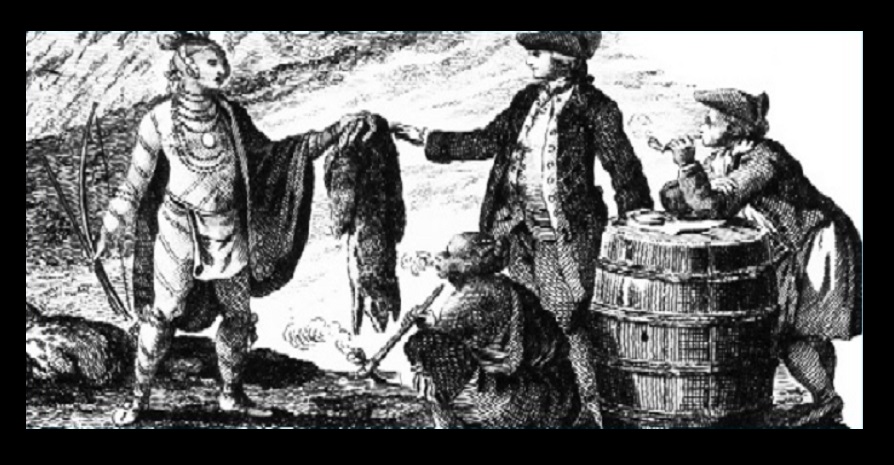
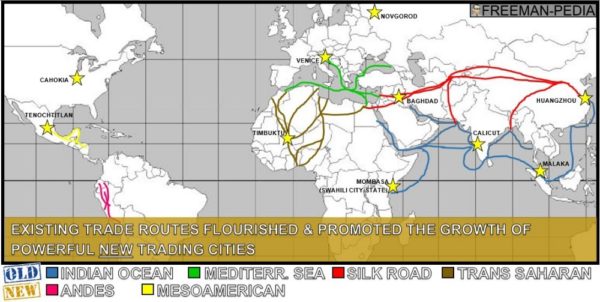




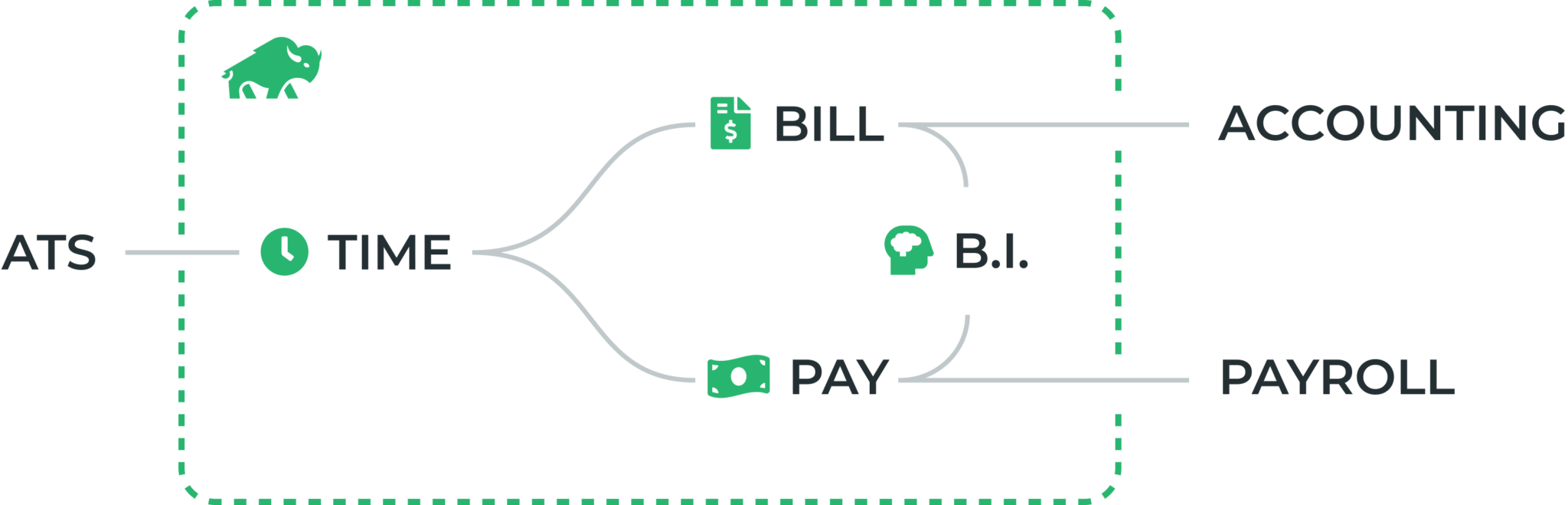
















![The Importance Of Lead Nurturing – Statistics and Trends [Infographic]](https://www.invespcro.com/blog/images/blog-images/lead-nurturing-post.jpg)


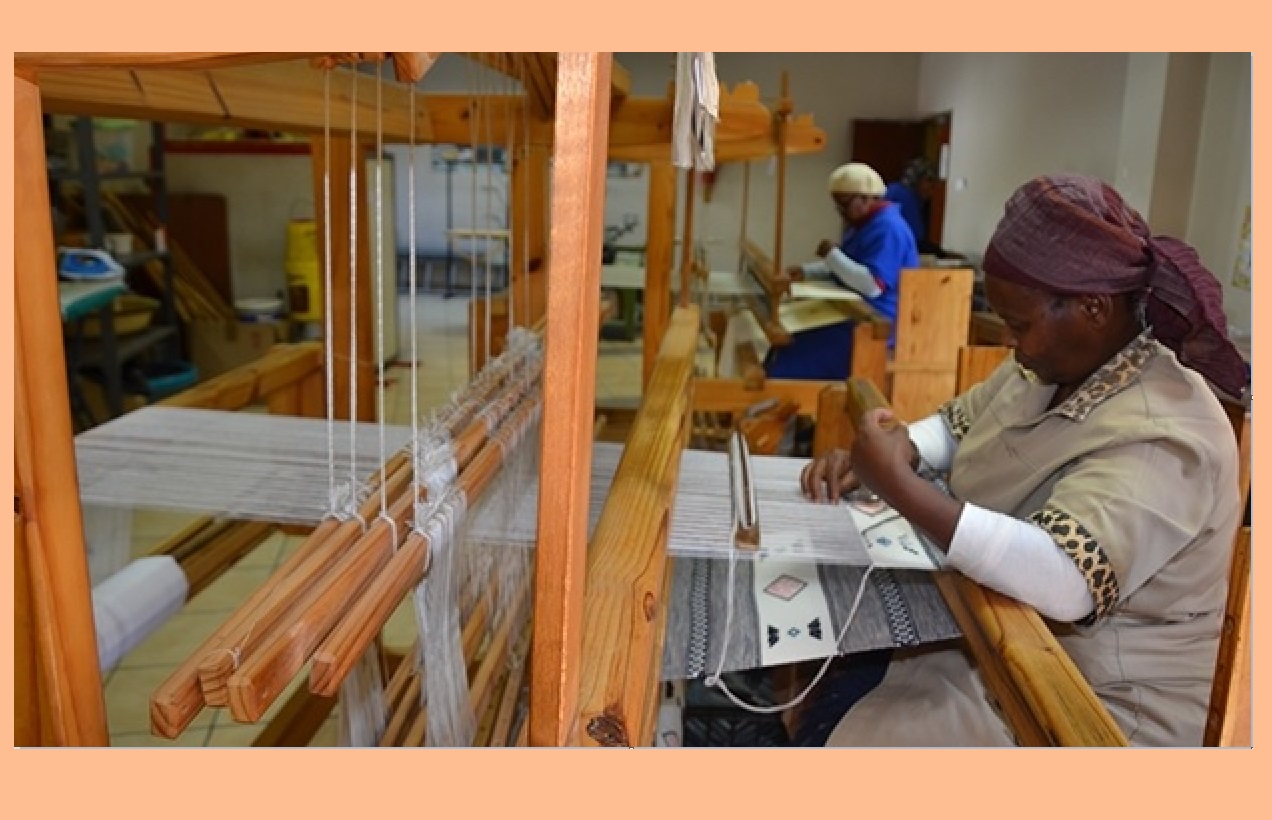
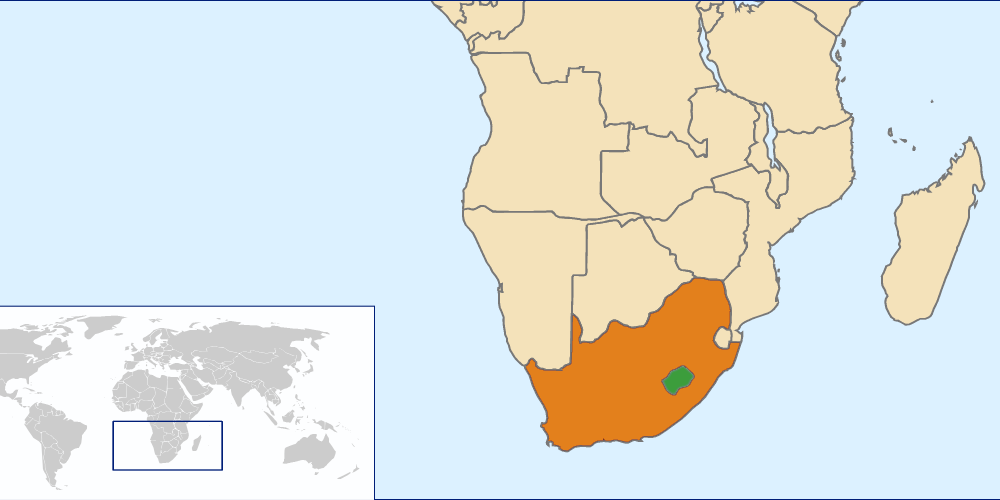

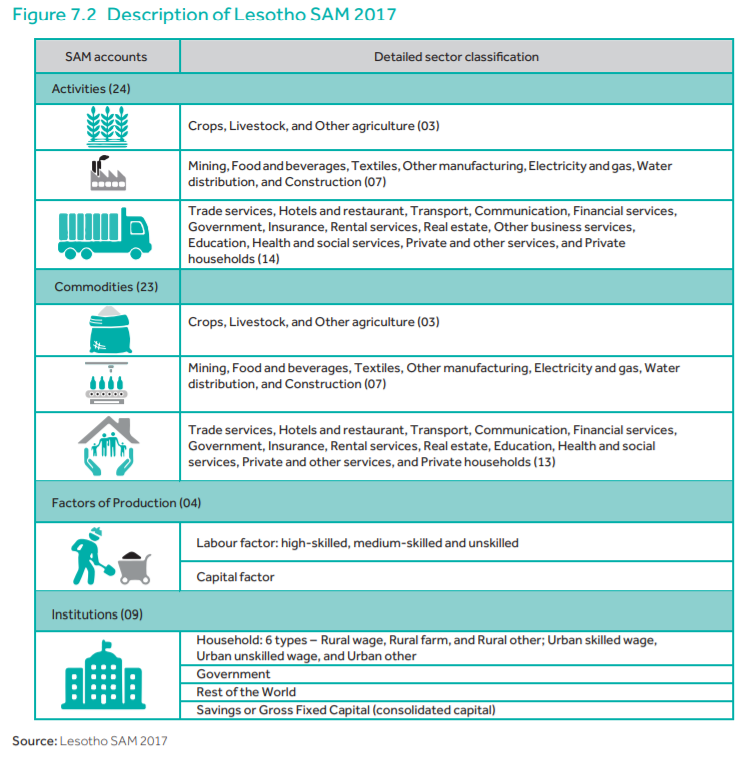




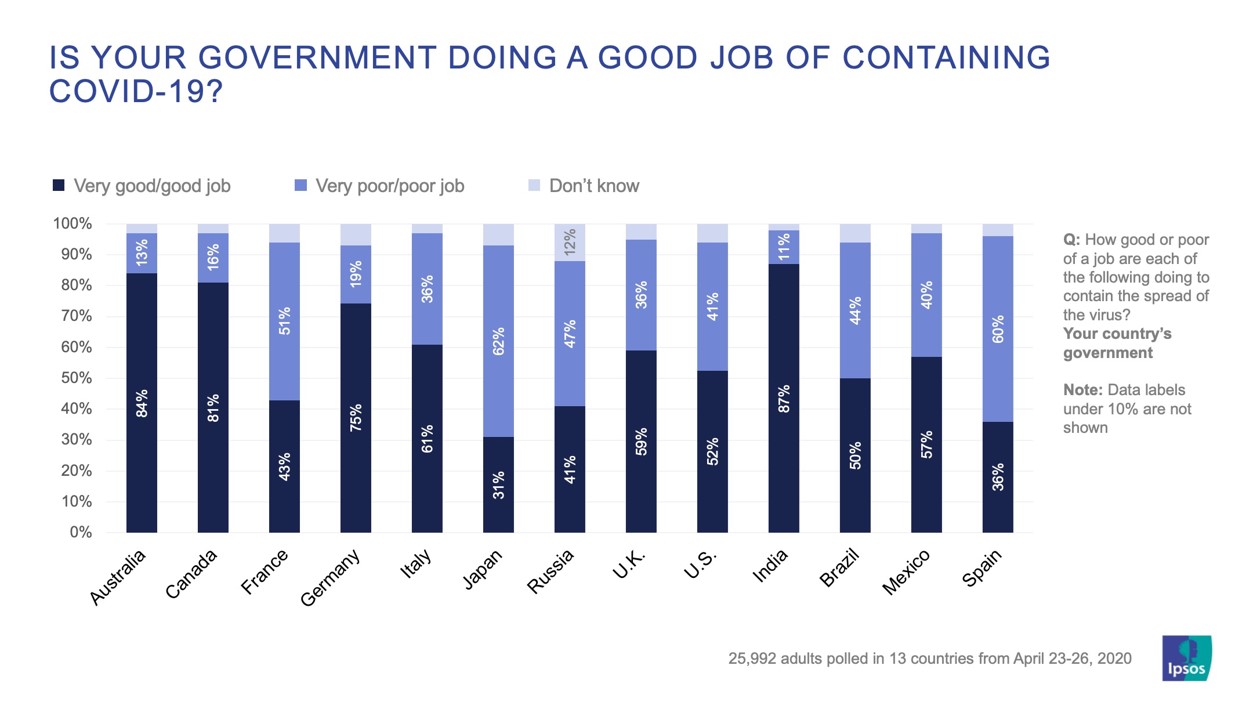
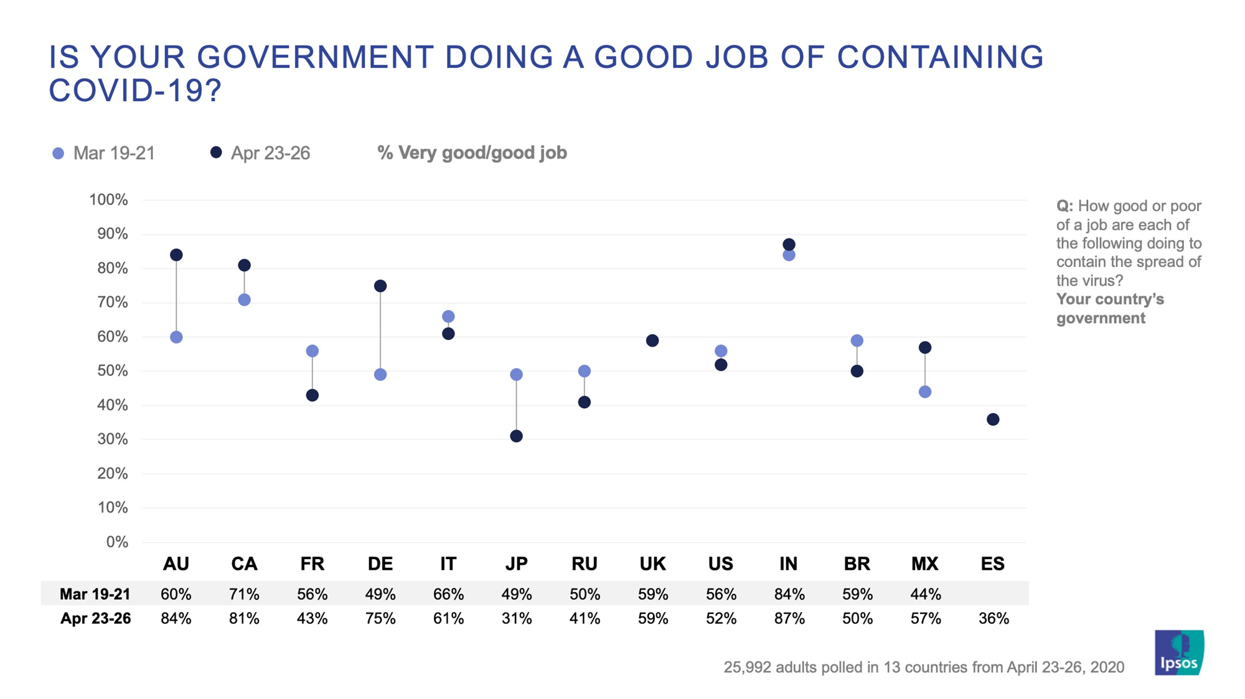
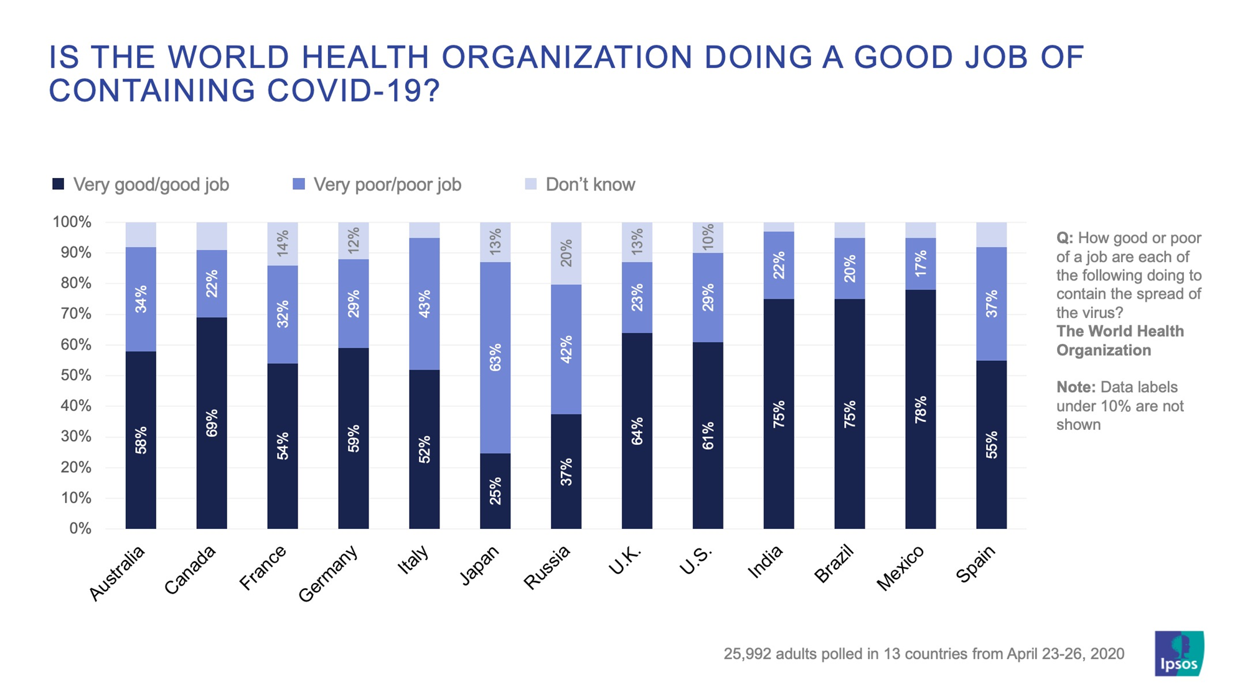
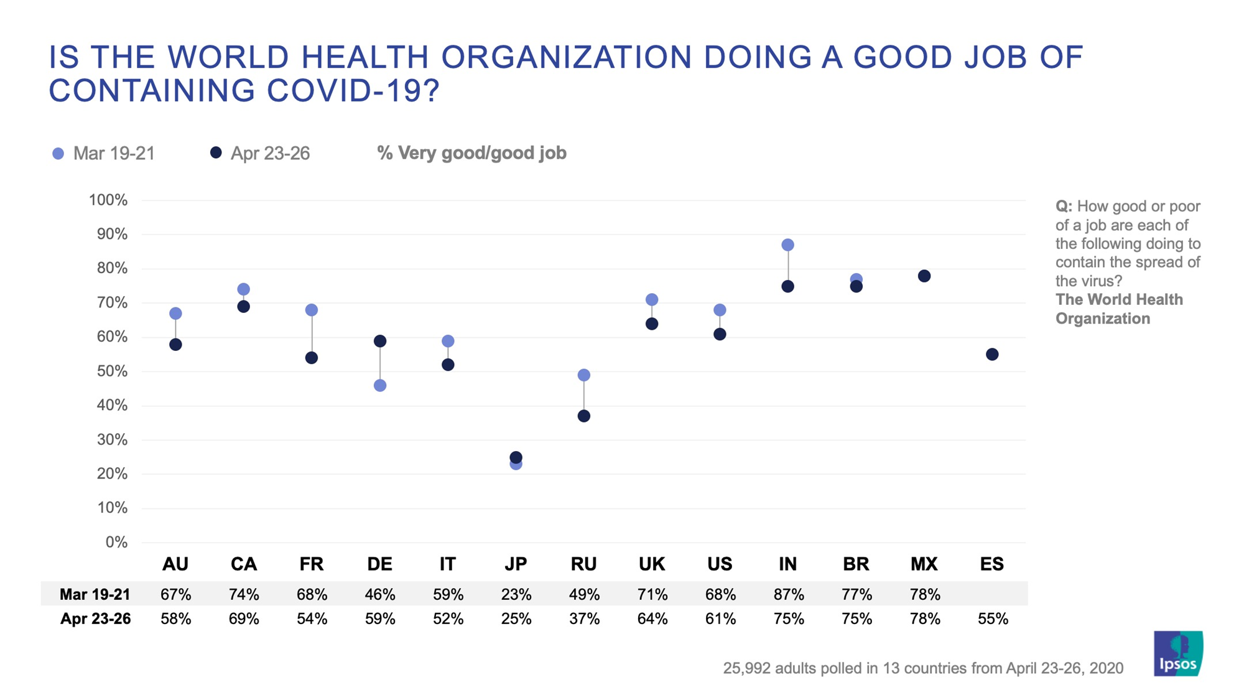





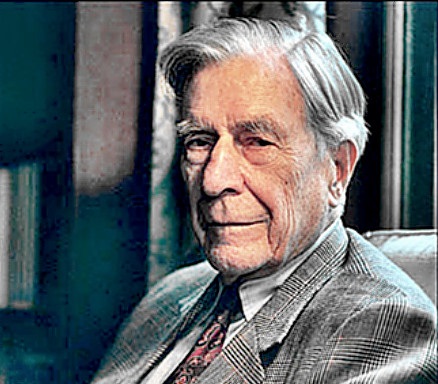





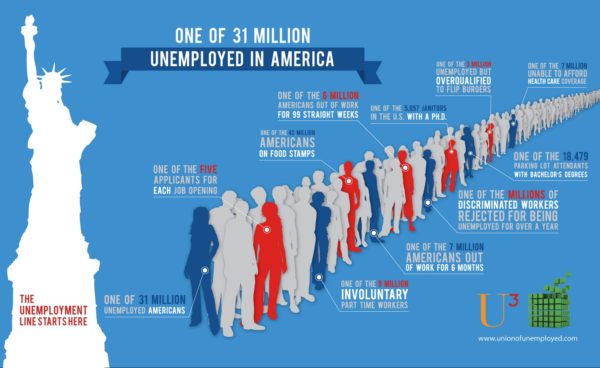

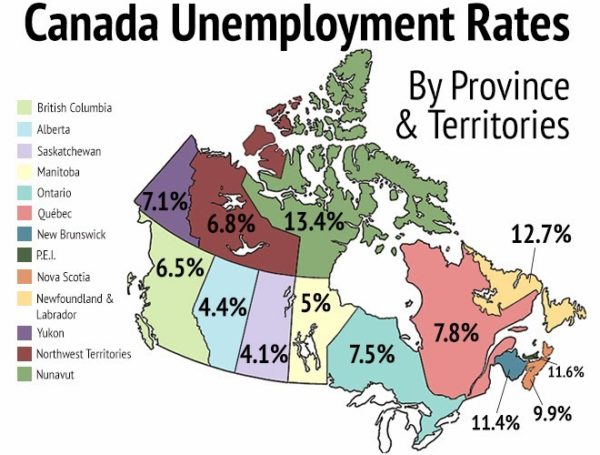
 For the Silo,

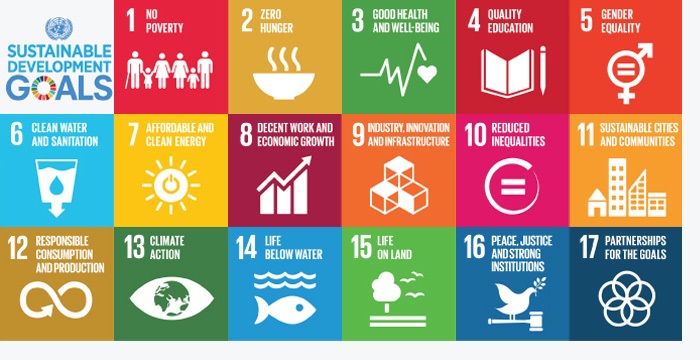
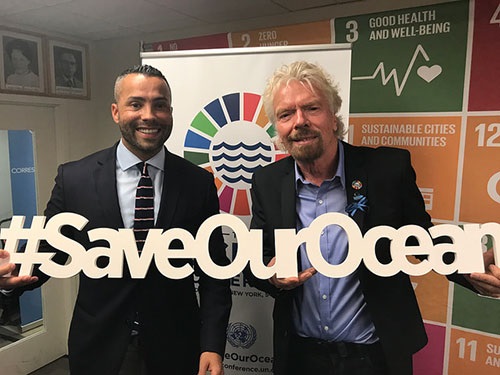
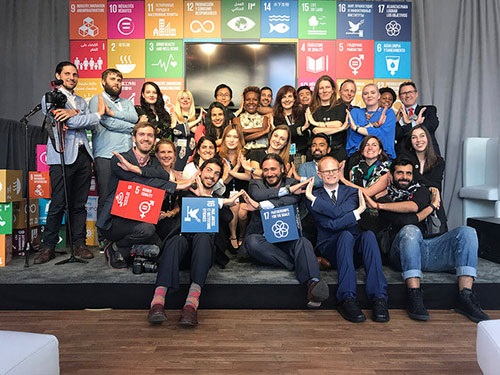

 Here is my message: This world is your world to share and enjoy. As Mahatma Gandhi said: “The world has enough for everyone’s need, but not enough for everyone’s greed.” Know your #SDGs/#GlobalGoals and hold adults and leaders accountable for them, push back if they try to make you believe that your country, language, tribe or family is greater or more deserving than the others, and look for opportunities to make a difference yourselves. Thank you Thomas. For the Silo,

 “White Shark is a game changer.” White Shark app enthusiast Ryan Kesler of the Anaheim Ducks explains. “It’s so easy and fun to use. Buying and selling crypto has become part of my daily routine. There’s no guess work in making money – the accuracy of the algo trading is the only way to go.”

 Trade networks, however, were not durable. The contributors discuss the establishment and decline of great trading network systems, and how they related to the expansion of civilization, and to different forms of social and economic exploitation. Case studies focus on local conditions as well as global networks until sixteenth century when the whole globe was finally connected by trade.