Tag Archives: fundraising

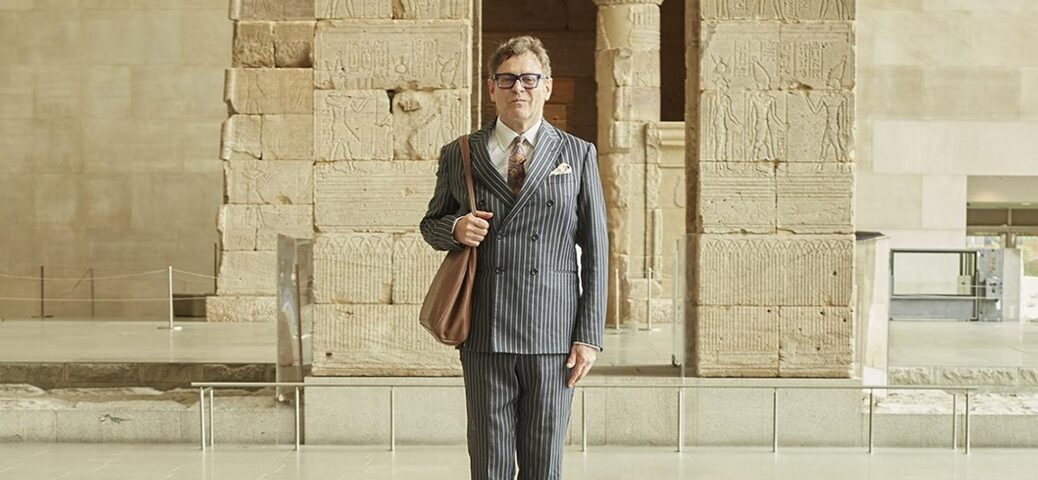
Interview With Bruce Bailey: Bringing Canadian Artists to the Global Stage

Making Connections

For more than two decades, Bruce Bailey has played a crucial role in connecting Canadian contemporary artists with audiences beyond the country’s borders. Through exhibitions, institutional partnerships, artist residencies, philanthropy, and collecting, he has worked across Toronto, Montreal, Venice, Barcelona, New York, and London to expand international exposure for Canada’s most promising artists.

His involvement has taken many forms, including organizing exhibitions for emerging artists, sponsoring Canadian Pavilion presentations at the Venice Biennale, supporting museum acquisitions, and establishing Espacio Bruce Bailey in Barcelona as a residency and exhibition space for international exchange. Over the years, artists including Kent Monkman, Shary Boyle, David Altmejd, Geoffrey Farmer, Jeremy Shaw, and BGL have been connected to projects and institutions Bailey has supported.

Questions and Answers

Q: You founded Bruce Bailey Fine Art Projects in Toronto at a time when many younger artists struggled to gain institutional visibility. What were you trying to create?

Bruce Bailey: I wanted artists to have a serious presentation before the market fully formed around them. In many cases, commercial galleries were hesitant to take risks on younger artists whose work was still developing. I felt there needed to be a place where ambitious exhibitions could happen without immediate pressure from sales expectations. With Kent Monkman, for example, I organized Dance to the Berdashe in Toronto in 2008. Years earlier, I had already started collecting his paintings and introducing his work to museums and collectors. The same thing happened with artists like Ryan McGinley and Christian Jankowski. These were artists making very strong work before institutional recognition arrived. The idea was always to help build momentum for artists by placing their work in front of curators, collectors, museum directors, and critics who could continue supporting them afterward.

Q: Your work has often involved bringing Canadian artists into international conversations. Why has that mattered to you?

Bruce Bailey: Canadian artists have always deserved greater visibility internationally than they often receive. There is extraordinary work being produced here, although artists sometimes face structural limitations tied to geography and market size. I became involved with supporting Canadian Pavilion presentations at the Venice Biennale because Venice remains one of the few places where curators, museum directors, collectors, and critics from around the world gather in one concentrated setting. When David Altmejd represented Canada in 2007, or when Geoffrey Farmer, Shary Boyle, BGL, and Stan Douglas later participated, those presentations carried importance far beyond a single exhibition season. The exposure can influence museum acquisitions, future exhibitions, publications, and international representation. Supporting those projects was especially important, with the artists speaking to global audiences as representatives of Canada’s cultural life.

Q: In 2016, you established Espacio Bruce Bailey in Barcelona. What role does that space serve today?

Bruce Bailey: Barcelona offered something very specific. It has a strong cultural history, an international population, and proximity to major European institutions and collectors. I wanted to create a setting where artists from Canada could spend time working, exhibiting, and building relationships outside North America. The residency and gallery space are located in the Gothic Quarter, which brings people from many countries into contact with the program. Some artists arrive with established careers, while others are still developing. The conversations that happen there can be very productive, exposing artists to curators, writers, collectors, and other artists they may never encounter otherwise. I have always believed artists benefit from spending time outside familiar environments. It changes their view of the work and often changes the scale of their ambitions.

Q: Your collections have been shown in places such as the Montreal Museum of Fine Arts and in Venice. How do you approach collecting?

Bruce Bailey: I collect work that continues to hold intellectual and emotional weight over time. I am interested in artists who build complete visual languages rather than producing work that responds to short-term trends. The exhibitions drawn from my collection at the Montreal Museum of Fine Arts were important. They provided public access to works that would otherwise remain private. For Every Atom Belonging To Me As Good Belongs to You brought together many different artists and generations in a museum context. Earlier, Disasters of War connected works by Jake and Dinos Chapman with Goya’s print series, addressing violence, history, and political imagery across centuries. Museums matter because they allow the public to encounter work slowly and seriously. That experience carries enormous value.

Q: Your fundraising efforts have supported museums, opera, and ballet organizations across Canada. How do you view that role?
Bruce Bailey: Public institutions require long-term support if they are going to take risks artistically. Acquisitions, exhibitions, catalogues, educational programs, and performances all depend on philanthropy at some level. With Bruce Bailey’s Canadian Fête Champêtre, the intention was to create something ambitious enough to generate substantial support for institutions while also bringing together people from different parts of cultural life. The Montreal Museum of Fine Arts was central to those efforts, though support also extended to organizations like the Canadian Opera Company and Canada’s National Ballet School. I have always felt the arts ecosystem functions best when different disciplines interact with one another. Visual art, music, dance, opera, architecture, and literature constantly influence each other. Supporting one area strengthens the broader cultural environment around it, and ultimately benefits the arts scene as a whole.

For the Silo, Jarrod Barker.

Featured image Photography by Arseny Jabieve.
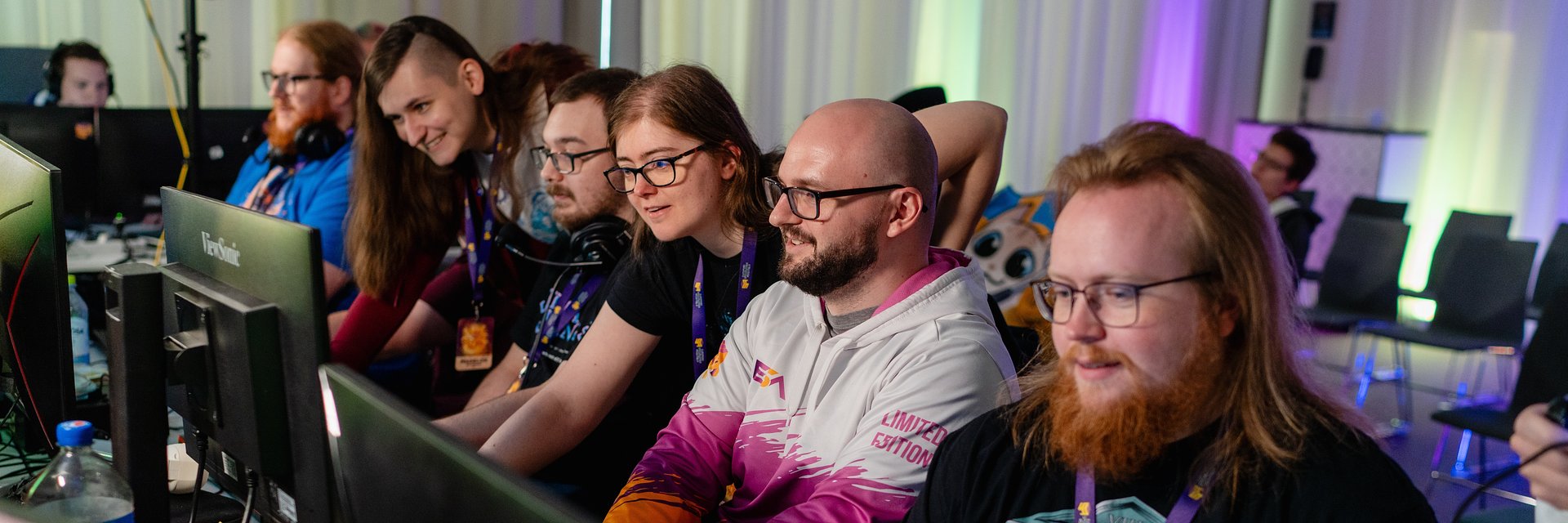
Speedrunning (Beating Videogames Fast As Possible) Champs Playing For Make A Wish

For the first time this year, the European Speedrunner Assembly (ESA) is set to host their recurring speedrunning event, where gamers aim to conquer video games at record speeds and showcase mind-blowing talents.

For the first time ever, ESA is teaming up with Make-A-Wish International — an organization dedicated to fulfilling the wishes of children facing critical illnesses. Last year, ESA Winter and Summer collectively raised an impressive $200,000 for Alzheimer’s research. ESA Winter is taking place right now in Malmö until February 24th. 

Set in Malmö, Sweden, the event will revolve around gaming, entertainment, and interactive fundraising. An onsite global audience of several hundred attendees are already interacting, accompanied by a substantial online viewership exceeding two million. Both the onsite and online audience have the opportunity to actively support the charity, for example, by donating $25 to influence the course of the games or to support various shows and performances, such as a Ikea furniture building duel or rhythmic displays.

Last year, Make-A-Wish International granted more than 19,500 wishes to children living with critical illnesses around the world, including more than 5000 gaming and entertainment wishes. They are the second most popular type of wish granted by the charity, after travel wishes.

Ida Lidholt, one of the ESA organizers says: “We are delighted to announce our new partnership with Make-A-Wish International. ESA Winter is a festival where gamers and the community unite. Through video games and speed, we level up to raise funds for children living with critical illnesses. It is heart-wrenching to witness the struggles of these kids. If we can alleviate their burden even a little by helping them fulfil their wishes, it holds profound significance for us.”

Luciano Manzo, President & CEO, Make-A-Wish International says: “Children undergoing treatment for critical illness can experience anxiety, loss of hope, and isolation from friends and loved ones. For many of these children, gaming offers them a sense of escape, helps them connect with friends and distracts them from their long and often difficult treatment journeys. That’s why gaming and entertainment wishes are so popular among wish children. The funds raised from ESA Winter 2024 will help continue to grant these types of wishes and many others. We are so grateful to ESA and the gaming community for helping make wishes come true with this event.”

ESA is globally livestreamed on Twitch.tv/esamarathon. Viewers are urged to contribute during the broadcast, with opportunities to, for instance, name game characters, present challenges to players, or vie for fantastic prizes. By backing ESA and Make-A-Wish, everyone can play a role in fulfilling the wishes of children living with critical illnesses. Support the talented speedrunners and participate in the fundraising—tune in to ESA and make a donation!

Follow the event at www.twitch.tv/esamarathon

About ESA 

European Speedrunner Assembly (ESA) is a biannual charity marathon dedicated to video game speedrunning, held in Sweden. Since its inception in 2012, these events have collectively raised over one million dollars for various charitable causes.

The two main flagship events, ESA Winter and ESA Summer, occur annually in February and July, respectively, each spanning seven days. Beyond these, ESA also organizes smaller speedrunning gatherings such as ESA Legends, a five-day in-person event uniting top RPG speedrunners, and Break the Record: Live, a three-day competition aimed at breaking world records in specified games and categories.

About Make-A-Wish International

Make-A-Wish creates life-changing wishes for children with critical illnesses. Founded in 1980, Make-A-Wish is the world’s leading children’s wish-granting organization, having granted more than 585,000 wishes in 50 countries worldwide. Together with generous donors, supporters, staff and more than 27,000 volunteers around the globe, Make-A-Wish delivers hope and joy to children and their families when they need it most. Make-A-Wish aims to bring the power of wishing to every child living with a critical illness because wish experiences can help improve emotional and physical health. For more information about Make-A-Wish International, visit worldwish.org

Commonwealth Charity Match Will See Cricket Legends Bat For Barbados

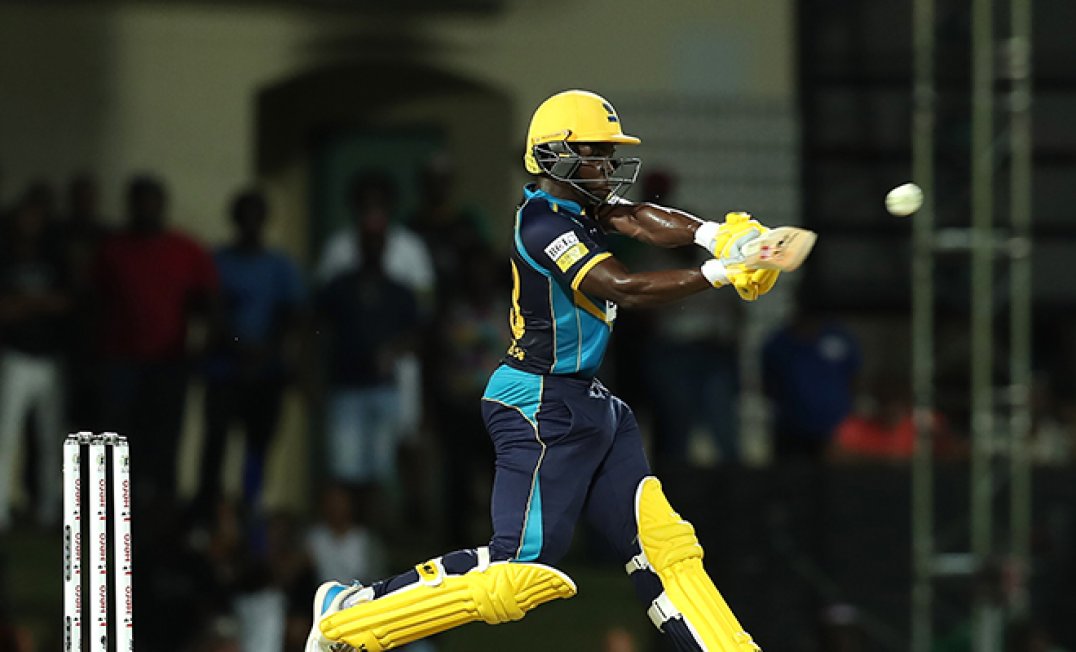
Cricket legends will play a ‘Peace at the Crease’ charity cricket match later this year in Barbados on 17 October.

Proceeds will support activities to promote peace and tolerance in disadvantaged communities across the Commonwealth.

Commonwealth Secretary-General, Patricia Scotland, and Barbados Cricket Association president, Conde Riley, announced the event on Saturday.

SG-barbados-cricket2020.article.jpg

The match coincides with the 15th United Nations Conference on Trade and Development (UNCTAD) quadrennial meeting taking place in Barbados. 

Legends from the game will form Barbados XI and Commonwealth XI teams to play a T20 match at the Kensington Oval in Barbados.

The Secretary-General said: “I am very proud that Peace at the Crease – which draws on the ideals of cricket and the use of sport as a tool for the promotion of Commonwealth values – will soon be coming to the Caribbean.

“We are lighting the flame for peace and tolerance in the Caribbean. We hope it will spread to every region of our Commonwealth. I cannot wait for the game.”

The Secretary-General came up with the ‘Peace at the Crease’ initiative to use Commonwealth cricket connections to promote peace and development.

In 2018, the first match was played between the Popes XI and the Arch Bishop of Canterbury XI. The initiative has since grown into an independent ‘Peace at the Crease’ charity. 

President Conde Riley said: “Across the Caribbean, crime is going through the roof.  “We hope to use ‘Peace at the Crease’ and the Barbados season to sensitise everyone about where we are and what we need to do [for peacebuilding].”

Association vice-president Calvin Hope said the concept of ‘Peace at the Crease’ fits within the personality of all Barbadian cricket legends.  He added: “Cricket touches every household in Barbados. This initiative is a vehicle to renew Barbados’ hope.”

A similar event in Africa is currently being discussed, with Nairobi being considered as a potential venue. The Secretary-General thanked Kenyan Cabinet Secretary for Sports, Heritage and Culture, Amina Mohamed, for her ongoing support for the initiative.

More details about the charity match will be released soon. 

United Nations Sustainable Development Goals Are Shared Vision Of Humanity

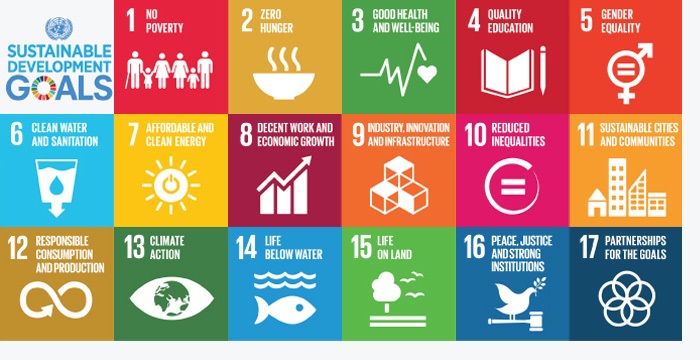
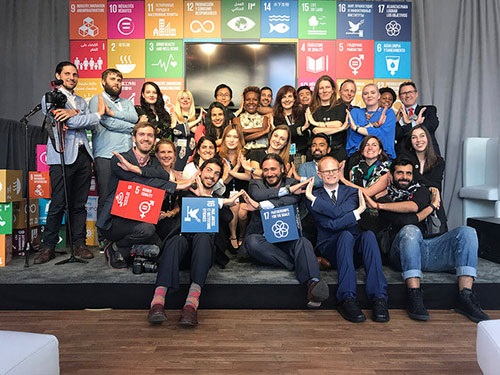
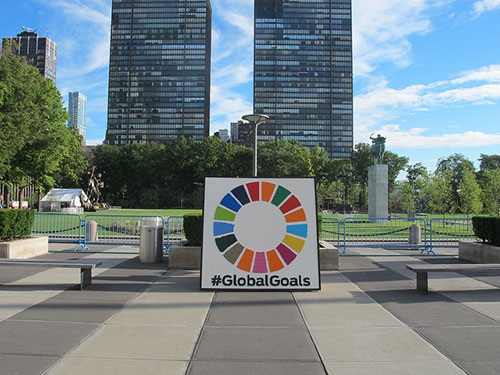
A few years ago, in September 2015, 193 countries signed up to support the UN’s 17 sustainable development goals for our planet and the people that live on it. The all-encompassing plan included promises to end poverty, feed everyone, create stability and peace, provide quality education and protect the future of our world. Every man, woman and child on the planet were invited to play their part to turn 17 goals into action and the promises into reality.

Goal 4 promised to achieve inclusive and equitable quality education for all. “OECD countries have generally been successful in guaranteeing adequate infrastructure and near-universal access to basic education,” says Andreas Schleicher, Director for Education and Skills at the OECD. But he notes that participation in education is not enough “to ensure the knowledge, competence, skills and attitudes that are necessary to increase individuals’ well-being and the prosperity of modern societies.” He adds that the OECD’s programs have a key role to play “in the achievement of – and measuring progress towards – SDG 4 and its targets, as well as other education-related SDG targets.”

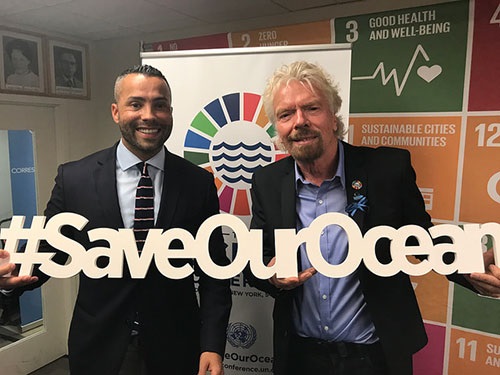
Richard Branson Save Our Oceans

“Just because poverty or pollution or climate change happen in another country far away, that does not mean that we are not part of the cause of these problems and their necessary solution.” — Thomas Gass
Since September 2015, education leaders and other influencers around the world have encouraged schools to promote all the goals. We’ve talked to teachers that acknowledge there’s nothing like real world challenges and case studies which allow students to apply the knowledge skills and dispositions they will need to succeed in an interconnected world.

How are we all doing so far? What have leaders learned from the implementation journey, and as a new school year begins, how can we build on those lessons to improve our efforts to achieve our planet’s plan moving forward?

Thomas Gass was appointed by the UN Secretary-General as Assistant Secretary-General for Policy Coordination and Inter-Agency Affairs in UN DESA and he took office on 3 September 2013. The Global Search for Education welcomes Thomas Gass.

Educators Have Sustainability Role

“Educators have an essential role in making sure the SDGs become a real social contract with the people.” — Thomas Gass

Thomas, please share one or two of the most important lessons you have personally learned spearheading the SDG’s implementation process thus far? It’s simple: The SDG’s are not a run-off-the-mill development strategy for big international organisations to fix the problems in the South… The SDGs are a shared vision of humanity – they are the missing (vision) piece of our globalization puzzle! This means that they can only be implemented if everyone is involved: Governments of course, but also municipalities, private companies, schools and universities, local organisations and individuals – everyone. Now, that can only happen if the people know about them… So mobilization and advocacy are crucial. The SDGs must become a new social contract between leaders and the people.

Leaders agreed that we must change the way we deal with the weakest among us, i.e. that we take the greatest care of those who are weak. What more would you ask of the leaders of rich and poor countries in terms of being good role models for this important part of the vision?

The promise to leave no one behind is the most difficult commitment of this new social contract. It requires that we all seek to understand who the most vulnerable people are and what risks they face, and then systematically empower these people and build their resilience. Political as well as economic leaders need to understand that sustainability has been redefined: If a significant economic or social group is left behind, our development is not sustainable. By the same token, we are fooling ourselves if we think that any single country or private company can be “sustainable” by itself. The SDGs demand that we are honest with ourselves about our ecological and social footprint! Just because poverty or pollution or climate change happen in another country far away, that does not mean that we are not part of the cause of these problems and their necessary solution.

United Nations Global Goals

“Know your #SDGs/#GlobalGoals and hold adults and leaders accountable for them, push back if they try to make you believe that your country, language, tribe or family is greater or more deserving than the others, and look for opportunities to make a difference yourselves.” — Thomas Gass

What more would you ask of educators in the work that lies ahead?

Educators have an essential role in making sure the SDGs become a real social contract with the people. I have the highest esteem for those committed educators who are bringing the SDGs into the classrooms, and educating younger generations to become global citizens. I firmly believe that this can be done as part of any teaching subject or class. I encourage all educators to join movements and co-create resources such as teachsdgs.org, GCEDclearinghouse.org, etc., and to encourage OECD/PISA to align their Global Competency criteria to the SDGs by 2018.

And finally, perhaps most important – what is your message to youth for the school year ahead on their part in the planet’s plan?

C.M. RubinHere is my message: This world is your world to share and enjoy. As Mahatma Gandhi said: “The world has enough for everyone’s need, but not enough for everyone’s greed.” Know your #SDGs/#GlobalGoals and hold adults and leaders accountable for them, push back if they try to make you believe that your country, language, tribe or family is greater or more deserving than the others, and look for opportunities to make a difference yourselves. Thank you Thomas.  For the Silo, C. M. Rubin.

Supplemental- Is Canada following United Nations Global Sustainable Development Goals?  

Global Search for Education

Sharing Economy Travel Market Leader Acquires Spanish Competitor Eyes America

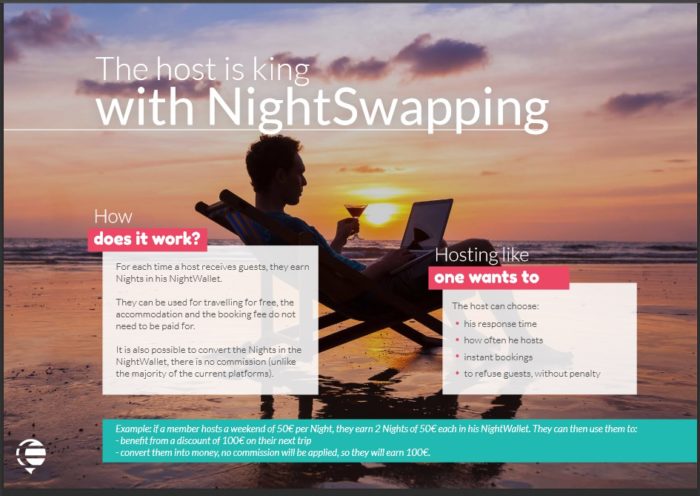
Nights Exchange Leader NightSwapping Acquires MyTwinPlace   NightSwapping is the first Nights exchange community with more than 250,000 members throughout 160 countries. It pioneered a new concept in 2012 which is unique in the sharing economy travel market. Read the PDF backgrounder by clicking here.
It takes the best parts of vacation rentals, home exchanges and Couch-surfing to let members travel for less or earn money. Whether you’re a traveler or a host, you earn Night credits with each trip which you can them use to travel or convert into money commission free.

Thanks to the innovative idea, you can keep traveling locally, authentically and meet friendly hosts and guests, all the while enjoying improved safety conditions and saving money.

In order to speed up its development, NightSwapping has acquired a Spanish competitor founded in 2013. MyTwinPlace’s community consists of 55,000 members throughout the world.

Serge Duriavig

According to Serge Duriavig, founder of NightSwapping, “this acquisition, which we have been preparing for the last few months, will allow us to significantly strengthen our community by bringing even more travel opportunities to our members, particularly in the booming Spanish market.
This deal affirms our ambition to become a mainstay in the sharing economy travel market. Thanks to MyTwinPlace, our goal to reach 300,000 members in 2017 is already realized. We aspire to reach 1,000,000 members in the next 2 years.”

For Xavier Labollos de Jesus and Jean Noel Saunier, the heads of MyTwinPlace, “the acquisition by NightSwapping is a guarantee that our community lives on serenely.”

In 2014 and 2016, NightSwapping raised 2 million euros successively with venture funds, Family Offices and Business Angels. A fundraising round that allowed the French upstart to grow its community tenfold.
A new round is scheduled before the end of the year, so NightSwapping can keep expanding, with an eye on the American market.

The website is available in seven languages; English, French, Spanish, Italian, Portuguese, German and Dutch. An app will soon be released on Google Play and the iPhone App Store.

1000 Apple Trees At Röbäcksdalen Fully Funded Via Kickstarter For Brännland Cider

Brännland Cider logotype

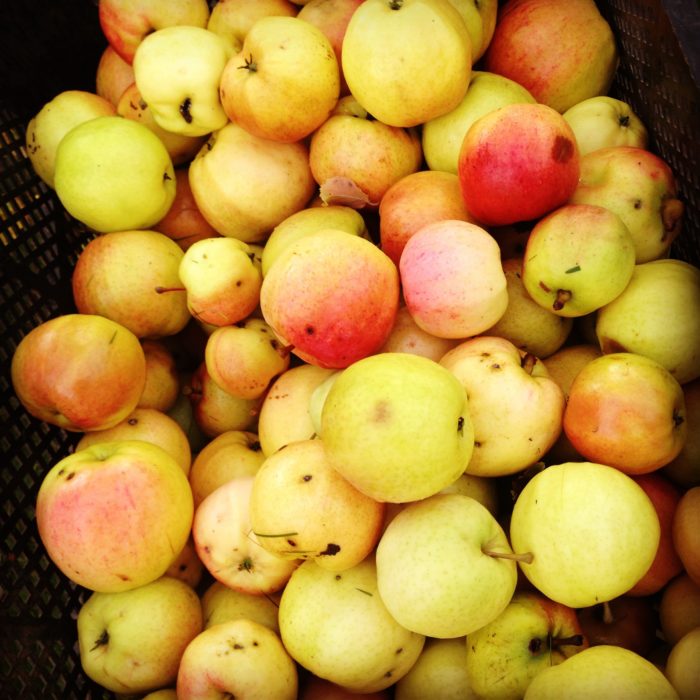
Brännland Cider’s new apple terroir at Röbäcksdalen in Umeå, Sweden.

At the beginning of November Brännland Cider, an international award winning cider producer in Umeå, Sweden, where I happen to work,  started a Kickstarter campaign called “1000 apple trees at Röbäcksdalen”, to fund the creation of an orchard and the start new apple terroir in their Northern home county of Västerbotten, not very far from the Arctic Circle.

30 days later, after international attention and countless shares on social media, the campaign is now fully funded. The funds have streamed in from private backers, businesses and institutions in the region and foreign backers in the markets where Brännland Cider is present, in the form of adoptions of the trees planted in the orchard.

Funding is primarily earmarked for research into organic farming practices and all research results and knowledge derived from the orchard will be shared with anyone who wants to grow fruit in Northern Sweden. The ultimate long term goal is to create a new apple terroir for cider production.

We’re totally amazed by the support that’s been coming in from our local as well as the national and international communities. In the past four years we’ve striven to produce the best cider and ice cider possible using the best Swedish apples. It is fantastic to see that our work has inspired confidence enough in what we do, that people want to lend us this kind of support.

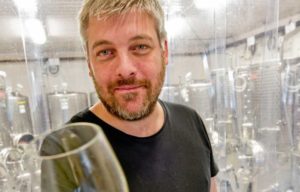
Me in my happy place!

The next step for Brännland Cider is to create a dedicated web for the orchard where adopters can follow their specific tree through the seasons. In spring time, a limited edition cider will be produced and offered only to the backers of the Kickstarter campaign as a celebration of the funding of 1000 apple trees at Röbäcksdalen. For the Silo, Andreas Sundgren Graniti, CEO Brännland Cider AB.


Prizes and Awards:
www.brannlandcider.se/index.php/awards

Brännland Cider producerar iscider och cider på 100% svenska äpplen för en nationell och internationell marknad. Bolagets första årgång Brännland Iscider, ett isvin producerat på äpplen med sitt historiska ursprung i Kanada, släpptes 2012.

Supplemental- Ottawa’s Trees need your help! Adopt-a-tree.

Goldie Hawn And President Clinton Foundation Focused On Malawi Farmers

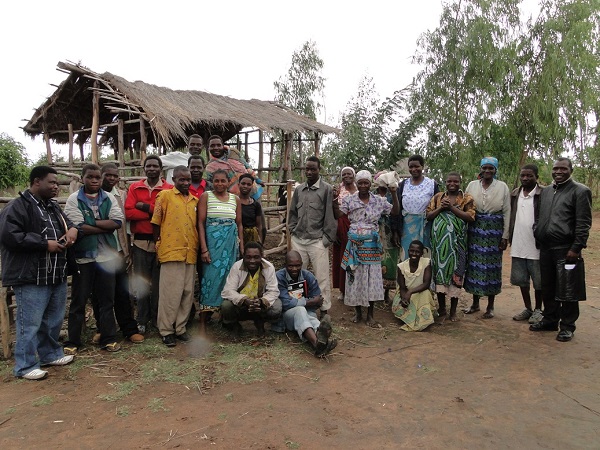
A group of Malawi farmers. image: ruralpovertyportal.org

Like many of us, he has a vision of a better world – one where babies are born healthy no matter where they live. One where farmers in Malawi earn enough to support their families. One where land is being reforested to support communities and protect the environment. One where everyone has access to affordable, lifesaving medicine.
What makes President Clinton different is his uncanny ability to bring together people from all walks of life and help them see that a better world isn’t just a nice idea. It’s really, actually achievable.


Of course, President Clinton can’t do it alone – and that’s why he needs people like me and you! If you’re someone who finds his vision as infectious as I do, please donate to the Clinton Foundation today and get your gift matched, dollar for dollar, before this opportunity ends June 27.


http://e.clintonfoundation.org/t?ctl=478A85A:90A3D84850EAF8295A45328549A61699662FB2E904AEC31B&


I may not be an expert on these issues. But I recognize life-changing work when I see it. The bottom line is that Clinton Foundation programs improve lives in measurable, lasting ways.


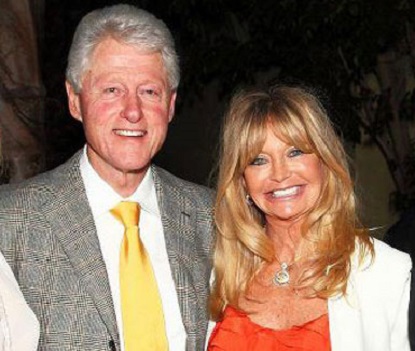
President Bill Clinton and Goldie Hawn.


If you’re a farmer in Malawi, for example, the size and health of your crop has a huge impact on how much money you can make for your family and whether you can feed your community. The Clinton Foundation is giving farmers the tools to revolutionize their crop yields, from good fertilizer and seeds to training on up-to-date farming techniques. 21,000 farmers have participated already – and they’ve since become five times more profitable.


That’s 21,000 farmers who can now ensure that their families always have enough to eat, even in times of drought. They can send their children to school. They can really invest in their communities.

And that’s just one program, in one area. In reality, the Clinton Foundation is improving lives and changing communities all over the world! Isn’t that something you want to be a part of?

President Clinton is personally matching all gifts that you make between now and June 27.

http://e.clintonfoundation.org/t?ctl=478A85A:90A3D84850EAF8295A45328549A61699662FB2E904AEC31B&

Thanks for reading — but most of all, thanks for believing that together we really can change our world.

Sincerely, Goldie Hawn

Give Today http://e.clintonfoundation.org/t?ctl=478A85A:90A3D84850EAF8295A45328549A61699662FB2E904AEC31B&

Supplementalhttp://www.ruralpovertyportal.org/es/country/voices/tags/malawi